LEGO’s Mini SEGA Genesis kit lets you relive retro gaming nostalgia right on your work desk

LEGO has previously shown confidence in gaming console remakes in brick versions, including Game Boy, Atari 2600, and NES. However, SEGA has not been a part of LEGO’s scheme of things, that is, until now. The LEGO Group has revealed its first-ever Genesis Console set developed in collaboration with SEGA. This set comes as part of the deluge of Summer 2026 reveals, and retro gaming fans will appreciate owning one.

Unlike the LEGO NES, which was a 1:1 replica of the retro console, this one is a bit scaled down. Perhaps the SEGA console is overshadowed by the sheer number of Nintendo fans, so LEGO decided to keep it smaller and much cheaper at $40. The 479-piece set of the iconic console, also known as the Mega Drive in Japan, Europe and Australia, is coming on 1 June 2026 in online and physical stores.

Designer: LEGO Group

Those who grew up playing Sonic the Hedgehog 2, Gunstar Heroes, Alien Soldier, or Streets of Rage will definitely want to show off the 479-piece set on their display shelf or desk setup as a cool prop. The set is one of the easier ones to build and comes with a hidden Sonic portrait that can be put together with the block pieces. Controllers on this one are not the biggest, measuring 3 inches wide, since the LEGO console itself measures around 5 inches high, six inches wide, and 4.5 inches deep. To keep the theme going, LEGO has included a nostalgic game cartridge featuring Sonic and Tails. Of course, the thing cannot play games and is just for the feel of it. The plate around the cartridge-inserting ridge can be removed for a more raw feel, and the controllers can be plugged into the LEGO console’s ports.

Clearly, the set is not meant for hardcore LEGO collectors, as the console is not life-sized, nor can it function in any way. For that section of the gaming community, the 1:1 Mega Drive Controller replica is the better option. This one is built for SEGA fans who have always wanted a LEGO version of the Genesis console to bring back old memories. Being a miniature version has its own charm, and the small size means it can be one of your desk props without taking up too much space.

The post LEGO’s Mini SEGA Genesis kit lets you relive retro gaming nostalgia right on your work desk first appeared on Yanko Design.
This 1,117-Brick LEGO Picasso Build Proudly Belongs on Your Living Room Wall

Cubism was, at its core, an act of radical fragmentation. Picasso and Braque looked at the world and decided that a single perspective was a lie, that the honest way to render a face was to show every angle simultaneously, cheekbone beside profile beside full-frontal stare, all collapsed into one electric, disorienting plane. The result was a new visual language built entirely from geometric shards, bold outlines, and colors that had no interest in behaving themselves.

Which makes the literally cube-shaped LEGO brick the perfect medium to translate it. LEGO builder CountVitalCauliflower102 has submitted a 1,117-piece wall-hanging MOC (My Own Creation) to LEGO Ideas that recreates Picasso’s 1953 painting “The Great Painter Face” in brick form, and the moment you see it, something clicks. The angularity, the bold color blocking, the hard-edged geometry, it all lands with the kind of inevitability that makes you wonder why LEGO was focused on Monet and Van Gogh when Picasso’s work translate so perfectly into brick-based art.

Designer: CountVitalCauliflower102

The painting itself is an interesting choice, and a deliberate one. “The Great Painter Face” sits outside Picasso’s most celebrated canon, less famous than Guernica or Les Demoiselles d’Avignon, but it is precisely that underdog status that makes it compelling. The subject is rendered in profile with the full Cubist vocabulary: fractured planes, simultaneous perspectives, a face that is somehow also a diagram of a face. Its bold, high-contrast outlines and vivid color fields translate visually into brick zones with a clarity that a softer, more painterly work simply could not offer. The builder understood exactly what he was choosing, and why.

At 34 studs wide and 50 studs tall, roughly 27 by 40 centimeters, the panel is substantial enough to command a wall. The color story is where it immediately grabs you: sweeping diagonal fields of orange, red, and purple form the background, layered at angles that give the composition real energy and depth. Over that, the face emerges in blues, aquas, grey, and white, outlined in black with the bold authority of a stained-glass window. What makes this genuinely impressive from a building standpoint is that CountVitalCauliflower102 avoided the pixel-mosaic approach entirely, opting instead for whole plates and bricks to build continuous color planes, which is absolutely the right call for Cubism’s broad, confident geometry.

My favorite detail, though, is the parts usage in the facial features. The eyes are built around large circular elements with red centers staring out from dark gear-like surrounds, radiating exactly the kind of confrontational intensity Picasso put into his subjects. The wavy blue hair rendered in flexible LEGO tubing is a lovely touch, loose and organic against all that hard geometry. The ear is a cluster of curved and mechanical-looking pieces that somehow reads immediately as an ear while also looking like something you might find in a Technic gearbox. And then there is the nose: a single white bar element, almost dismissively simple, and absolutely perfect. The builder also solved some genuinely tricky structural problems, using Pythagorean geometry to achieve diagonal stud lines at precise integer intervals so that every angled section locks in at two secure endpoints rather than hanging off a single ratchet joint.

The set also includes a minifigure of Picasso himself, wearing paint-splattered overalls and a blue shirt, holding a brush with wet orange paint and a white mixing palette. He stands on a 12×4 black base alongside a brick-built easel displaying a miniature printed canvas of the original painting. It is a lovely piece of editorial wit: the master surveying his own recreation, the tiny figure dwarfed by the monumental panel beside him. The whole build can be displayed either propped on a surface or hung on a wall, with an optional grey frame that gives it that final gallery-ready finish.

LEGO Ideas is the official platform where fan-designed sets earn their shot at becoming real retail products. Any submission that crosses 10,000 supporter votes gets sent to LEGO’s internal review team, which evaluates it for potential production as a boxed set. CountVitalCauliflower102’s Picasso MOC is currently in the early stages of gathering support, with plenty of runway left on the clock. Given that LEGO has released Art sets celebrating Warhol, Hokusai, and even their own brick motif as wall art, a Picasso feels like a genuinely logical next chapter. If you want to help make that happen, you can head to the LEGO Ideas page and cast your vote.

The post This 1,117-Brick LEGO Picasso Build Proudly Belongs on Your Living Room Wall first appeared on Yanko Design.
Someone Finally Built the Hollywood Sign Out of LEGO and It Actually Slaps

Every year, roughly ten million tourists visit Los Angeles specifically to photograph a sign they will never get closer than a few hundred meters to. There are no public trails to the Hollywood Sign’s base. The entire surrounding area is fenced, monitored, and actively defended against the kinds of people who once scaled those letters for a prank or a protest or a particularly committed selfie (remember the Hollyweed prank from 2017?) It is, by design, a landmark you admire from a distance. Which makes a LEGO version of it feel surprisingly appropriate.

Builder imaxedlp has rendered the sign and its Mount Lee surroundings in 496 pieces, and the result is genuinely charming. The build captures the hillside as a full landscape: tiered sandy slopes, clusters of miniature palms, a clapperboard lying open mid-scene, a vintage camera set up as if waiting for action. The broadcast tower rising behind the letters is an accurate detail that most people probably forget exists. All of it lands on a compact diorama footprint that earns its shelf space.

Designer: imaxedlp

The terraced hillside, built up in warm tan with angled slope bricks stepping from the base to the letter line, gives the model genuine topographic depth from every viewing angle. The nine letters are rendered in light gray with visible stud detailing and subtle column supports underneath, closely echoing the real sign’s steel-frame mounting system. A couple lean at a slight angle, mirroring how the actual letters sit unevenly on the hillside. The clapperboard lying open on the slope, mid-scene, as if a crew just called cut and walked away, is my favorite detail. Small, but it does a lot of narrative work.

The vintage film camera on the right flank, built from dark gray cylindrical pieces with a twin-lens silhouette, grounds the whole scene in old Hollywood specifically. The popcorn bucket on the left pulls in the audience side of the equation. The broadcast antenna tower rising above the D at the far right is the detail that will genuinely surprise people who have only ever seen the sign in photographs cropped to exclude everything but the letters.

imaxedlp’s Hollywood Sign is currently sitting just under 1,000 supporters on LEGO Ideas, where fan-designed builds need 10,000 votes to trigger an official LEGO review for potential production as a retail set. You can head to the LEGO Ideas page here and cast your vote.

The post Someone Finally Built the Hollywood Sign Out of LEGO and It Actually Slaps first appeared on Yanko Design.
LEGO Finally Gives Tintin’s Moon Rocket Its Brick-Built Moment

The moon landing happened in 1969. Tintin got there in 1954. That’s the kind of detail that makes you stop, reconsider, and immediately want to tell someone about it. Hergé, the Belgian cartoonist behind The Adventures of Tintin, published Destination Moon and its sequel Explorers on the Moon in the early 1950s, a good fifteen years before Neil Armstrong ever set foot on the lunar surface. What makes that even more remarkable is how seriously Hergé took the science behind it. He corresponded with space experts, commissioned a physical rocket model to verify its accuracy, and drew every last detail with a level of rigor that would feel at home in an aerospace manual. The rocket he designed, that now-iconic red-and-white checkered tower, wasn’t just a narrative prop. It was a genuine vision of what a moon mission could look like, built from the best technical knowledge available at the time.

And now LEGO has turned it into 1,283 bricks. The LEGO Ideas Tintin Moon Rocket (Set #21367) is available now, priced at $159.99, and it is exactly as satisfying as you’d want it to be. Standing at 49cm tall with the red-and-white checkered pattern faithfully recreated in brick form, it works beautifully as a display piece, which is clearly the whole point. This is part of LEGO’s Ideas line, designed for adults 18 and up, and it carries that same particular energy as the Botanical Collection or the vintage typewriter set: you build it once, and then it earns a permanent spot on your shelf.

Designer: LEGO

The set includes six figures, Tintin, Captain Haddock, Professor Calculus, the twin detectives Thomson and Thompson, all in detailed space suits with helmets and oxygen tanks, plus Snowy. There’s also a removable panel on the nose cone that opens to reveal a miniature control room inside. That’s the kind of considered detail that makes a $159 price tag feel reasonable rather than indulgent.

But the more interesting story is really about the design of the rocket itself. The checkered pattern on Hergé’s original wasn’t just a visual choice. It was a functional one. The two-tone design was rooted in actual aerospace practice, used to track a rocket’s roll and rotation during launch. Hergé based the rocket’s overall silhouette on the German V-2, the most advanced rocket technology the world had seen at that point, developed under Wernher von Braun’s direction during World War II. The full-circle irony is that von Braun, the man whose V-2 work first inspired Hergé’s fictional rocket, later became NASA’s chief rocket architect and was instrumental in developing the Saturn V that carried Apollo 11 to the actual Moon. Fiction and history were chasing each other the whole time, and somehow Tintin was always a step ahead.

This is also the first LEGO Tintin set ever made, which, given how culturally massive the franchise is, feels like it took longer than it should have. Over two dozen albums, translations into dozens of languages, a presence spanning continents and generations. The set started as a fan submission from Portuguese designer Alexis Dos Santos, known online as Tkel86, who put it through the LEGO Ideas community voting process before it reached full production. That origin story is fitting. Tintin has always been driven by devotion rather than obligation.

The LEGO Ideas line has a reliable instinct for picking the right icons, and the Tintin Moon Rocket belongs here. It works on multiple levels at once: a display piece that’s genuinely beautiful, a nostalgic touchstone for anyone who grew up with the comics, and a design artifact with a richer backstory than most people expect. The checkered pattern that looks so striking on a shelf today is the same pattern that was quietly grounded in real rocket science more than seventy years ago. For anyone who appreciates when design, history, and storytelling land in the same object, this one is absolutely worth your attention.

The post LEGO Finally Gives Tintin’s Moon Rocket Its Brick-Built Moment first appeared on Yanko Design.
The LEGO Metal Slug Diorama With Adjustable Cannons, POWs, and Mid-Air Grenades Is Here

By 1996, the arcade was dying. Virtua Fighter and Tekken had the crowds. Sega’s racing cabinets had the spectacle. The conventional wisdom was that 2D games were finished, and anyone still making pixel art sidescrollers was simply behind the curve. Then Nazca Corporation released Metal Slug on SNK’s Neo Geo hardware, and the conventional wisdom had to sit quietly in a corner for a while. The game’s hand-animated sprites moved with a fluidity that polygon games couldn’t touch, and the humor, panicking soldiers, grateful POWs tossing rocket launchers, a tank that waddled like a toy, made the whole thing feel alive in a way that pure technical showmanship never quite manages.

LEGO Ideas builder MagicBrick has captured a freeze-frame of that world in brick form, reconstructing the game’s iconic jungle mission with 2,701 pieces and 6 minifigures locked into a scene of swamp terrain, rebel soldiers, dense jungle vegetation, and the squat, waddling Super Vehicle-001 tank at the center of it all. It’s a dense, affectionate build made by someone who clearly lost many, many credits to this game, and it shows in every deliberately chosen detail, from the mid-jump Marco Rossi clutching a Heavy Machine Gun to the bearded POW standing by with a reward.

Designer: MagicBrick

The scene is structured like a freeze-frame from the game itself, which is exactly the right instinct. MagicBrick describes the goal as capturing “a dynamic instant where everything is in motion: jumps, actions, and interactions come together to recreate the fast-paced feeling typical of the game,” and the build delivers on that. Marco Rossi in his red jacket is airborne, Heavy Machine Gun in hand. Tarma Roving, yellow jacket, stands ready with a pistol and knife. Three Rebel Army soldiers in green uniforms and helmets fill out the opposition, armed with bazookas and rifles. The swamp base uses tiles in multiple shades to sell the terrain, jungle trees and palms crowd the background, and the brick-built backdrop reflects the arcade color palette of the original game rather than any attempt at realism. That last decision is a smart one. Metal Slug was never interested in realism, and neither is this.

The Super Vehicle-001 is the centerpiece, and MagicBrick has packed a surprising amount of function into a compact footprint. The rear cannons are adjustable, the tracks are functional, and antennas complete the silhouette. Scattered across the scene are the environmental details that will hit Metal Slug veterans like a reflex: ammo crates, yellow barrels, a hanging fish skeleton, a parachute, and both the Heavy Machine Gun and Rocket Launcher power-up pickups rendered in brick. My favorite touch, though, is the grenade sequence, a classic cartoon-logic arc of thrown grenades ending in a mid-air explosion, frozen in plastic at exactly the right moment of absurdity.

Topping the whole structure is the Metal Slug logo itself, rendered in a red-to-orange gradient that makes the build read as a display piece as much as a playset. It’s that combination of environmental storytelling, playable features, and genuine fan knowledge that separates builds like this from generic video game tributes.

LEGO Ideas is the platform where fan-designed MOCs (My Own Creations) gather community votes, with 10,000 supporters needed to trigger an official LEGO review and potential production as a retail set. MagicBrick’s Metal Slug submission hit 100 supporters almost immediately after going live and has been picking up Reddit traction since. If you grew up feeding tokens into a Neo Geo cabinet, head to the LEGO Ideas page and cast your vote here.

The post The LEGO Metal Slug Diorama With Adjustable Cannons, POWs, and Mid-Air Grenades Is Here first appeared on Yanko Design.
Beethoven Gets a 200th Anniversary LEGO Set Complete With Für Elise Sheet Music

Beethoven composed his Ninth Symphony completely deaf. He never heard a single note of it performed, yet it remains one of the most emotionally overwhelming pieces of music ever written. That particular detail about his life has a way of stopping people cold, the idea that the instrument of his perception was gone, and yet the music kept coming, arguably better than ever. There are very few stories in human history that capture creative resilience quite like his.

Fan designer CousinExcitedCactus has channeled that legacy into a 358-piece LEGO Ideas set timed to a significant milestone: March 26, 2027 marks the 200th anniversary of Beethoven’s passing. The result is a compact, modular display set with a grand piano, a Beethoven minifigure, a candlelit writing table, and a removable “Für Elise” sheet music backdrop, plus a surprisingly moving recreation of his grave monument in Vienna.

Designer: CousinExcitedCactus

The piano is the heart of this build, and it’s different from your average modern day grand piano. The design draws from two instruments Beethoven actually owned and played: the Érard grand gifted to him in 1803, and the Conrad Graf fortepiano he used in his final years, by which point his hearing was almost entirely gone. Both instruments were period pieces with a lighter, more intimate tone than the thundering concert grands of today, and the LEGO recreation captures that sense of a working composer’s instrument rather than a showpiece. The lid is propped open, strings are visible inside, and a small sheet of music rests on the stand, the kind of atmospheric detail that makes a display scene feel lived-in rather than staged.

The candelabra beside the piano is a three-flame setup rendered with white cylinder candles and transparent flame elements, casting the whole scene in an implied warm glow. The Beethoven minifigure stands on a warm-toned wooden stage floor, white hair, dark formal coat, red cravat, with his signature in gold script on a nameplate tile at the front edge. Behind everything, a large printed tile carries the full opening bars of “Für Elise” in period calligraphy, functioning simultaneously as a backdrop panel and the set’s most immediately recognizable design element. It is a clever piece of dual-purpose design, the kind of thing that looks obvious only after someone else has already thought of it.

My favorite detail, though, is the grave monument. The builder has included a fully separate modular sub-build recreating Beethoven’s actual resting place at Vienna’s Zentralfriedhof, a white obelisk on a columned base with “Beethoven” lettered across the front, pink flowers at the perimeter, and a golden butterfly at the apex. The reverse side of the “Für Elise” sheet music tile features a printed reproduction of the grave, which means the backdrop itself does double duty depending on which way you face it. That is a genuinely thoughtful design decision.

The set currently sits at 720 supporters on LEGO Ideas, the fan platform where community-made MOCs (My Own Creations) gather votes toward the 10,000-vote threshold required to trigger an official LEGO design review. With 414 days left on the clock, there is plenty of time to get it there. If you want to see this one make it to store shelves in time for the 2027 anniversary, head to the LEGO Ideas page and cast your vote here.

The post Beethoven Gets a 200th Anniversary LEGO Set Complete With Für Elise Sheet Music first appeared on Yanko Design.
Beethoven Gets a 200th Anniversary LEGO Set Complete With Für Elise Sheet Music

Beethoven composed his Ninth Symphony completely deaf. He never heard a single note of it performed, yet it remains one of the most emotionally overwhelming pieces of music ever written. That particular detail about his life has a way of stopping people cold, the idea that the instrument of his perception was gone, and yet the music kept coming, arguably better than ever. There are very few stories in human history that capture creative resilience quite like his.

Fan designer CousinExcitedCactus has channeled that legacy into a 358-piece LEGO Ideas set timed to a significant milestone: March 26, 2027 marks the 200th anniversary of Beethoven’s passing. The result is a compact, modular display set with a grand piano, a Beethoven minifigure, a candlelit writing table, and a removable “Für Elise” sheet music backdrop, plus a surprisingly moving recreation of his grave monument in Vienna.

Designer: CousinExcitedCactus

The piano is the heart of this build, and it’s different from your average modern day grand piano. The design draws from two instruments Beethoven actually owned and played: the Érard grand gifted to him in 1803, and the Conrad Graf fortepiano he used in his final years, by which point his hearing was almost entirely gone. Both instruments were period pieces with a lighter, more intimate tone than the thundering concert grands of today, and the LEGO recreation captures that sense of a working composer’s instrument rather than a showpiece. The lid is propped open, strings are visible inside, and a small sheet of music rests on the stand, the kind of atmospheric detail that makes a display scene feel lived-in rather than staged.

The candelabra beside the piano is a three-flame setup rendered with white cylinder candles and transparent flame elements, casting the whole scene in an implied warm glow. The Beethoven minifigure stands on a warm-toned wooden stage floor, white hair, dark formal coat, red cravat, with his signature in gold script on a nameplate tile at the front edge. Behind everything, a large printed tile carries the full opening bars of “Für Elise” in period calligraphy, functioning simultaneously as a backdrop panel and the set’s most immediately recognizable design element. It is a clever piece of dual-purpose design, the kind of thing that looks obvious only after someone else has already thought of it.

My favorite detail, though, is the grave monument. The builder has included a fully separate modular sub-build recreating Beethoven’s actual resting place at Vienna’s Zentralfriedhof, a white obelisk on a columned base with “Beethoven” lettered across the front, pink flowers at the perimeter, and a golden butterfly at the apex. The reverse side of the “Für Elise” sheet music tile features a printed reproduction of the grave, which means the backdrop itself does double duty depending on which way you face it. That is a genuinely thoughtful design decision.

The set currently sits at 720 supporters on LEGO Ideas, the fan platform where community-made MOCs (My Own Creations) gather votes toward the 10,000-vote threshold required to trigger an official LEGO design review. With 414 days left on the clock, there is plenty of time to get it there. If you want to see this one make it to store shelves in time for the 2027 anniversary, head to the LEGO Ideas page and cast your vote here.

The post Beethoven Gets a 200th Anniversary LEGO Set Complete With Für Elise Sheet Music first appeared on Yanko Design.
Nike’s iconic Air Max 95 is now a 1,213-piece LEGO set complete with hidden storage

There’s some magic about the LEGO-Nike that makes it so special. Just in time for the holiday season and to celebrate the 30th anniversary of the Air Max 95, Nike struck a partnership with LEGO for the dope LEGO-themed Air Max 95 “Neon” sneaker. Sometime mid-year in 2025, the duo turned eyeballs with the ⁠Nike Dunk x LEGO Set and then later dropped another couple of LEGO x Nike sets for collectors.

Now, the two giants have struck another partnership to create a detailed Nike Air Max 95 x LEGO set. The original Air Max 95, designed by Sergio Lozano in 1995, famously drew inspiration from the human anatomy. The layered upper mirrors muscle fibers, the lace loops resemble ribs, and the midsole represents the spine. The silhouette remains highly sought after among sneaker collectors, and recreating a LEGO version of the shoe makes complete sense.

Designer: LEGO x Nike

Comprising 1,213 pieces, the LEGO set complements the LEGO-themed Air Max 95 sneaker we talked about earlier. The signature grey gradient, Air bubbles, and the contrasting neon yellow and green inserts on the sides come to life as the LEGO set is pieced together. The brick-built model faithfully recreates the sculpted midsole and the signature wavy upper that made the original sneaker instantly recognizable. LEGO also includes a Nike-branded minifigure to reinforce the playful crossover between sneaker culture and brick-building. Once you put it together, the sneaker measures roughly 9 x 12 x 7 inches and can be displayed on the rotating stand or simply put on the prime desk spot to celebrate the brand’s success with high-top and low-top Dunk sneakers. The build also features a brick-built ‘AIR’ logo bubble, and the rotating display stand mimics the kind of pedestal sneaker collectors use to showcase prized pairs.

The co-branding on the set is apparent on the insole, and the airmax logo on the lip. LEGO has gone one step further with the minifigure being customizable, and the extra set of laces. The wide purple base mentioned earlier has hidden compartments to store the set of laces or an extra minifigure. Turn the shoe and the compartment is visible, which is a unique addition to this already intricate LEGO set. The Nike Air Max 95 LEGO set is available right away for $100 from their official website.

This collaborative effort ultimately celebrates the Air Max 95 not just as footwear but as a cultural artifact that continues to inspire new forms of creative expression. By translating the sneaker’s layered design language into LEGO bricks, the set offers collectors and sneaker enthusiasts a fresh way to engage with one of Nike’s most influential silhouettes.

The post Nike’s iconic Air Max 95 is now a 1,213-piece LEGO set complete with hidden storage first appeared on Yanko Design.
This LEGO Hannah Montana House Has a Rotating Miley-to-Hannah Transformation and Fans Need It

Twenty years after Hannah Montana premiered on Disney Channel, Miley Cyrus stepped back onto a replica of the Stewart family living room for a Disney+ anniversary special that sent millennials and Gen Z into a collective spiral. The show, which ran from 2006 to 2011, quickly snowballed from a children’s series about a girl living a double life into something much bigger: sold-out tours, chart-topping hits, a blockbuster movie, and the making of a generation-defining superstar. Cyrus had famously declared Hannah dead back in 2013, and spent the better part of a decade distancing herself from the blonde wig. Coming back, then, felt like something. The artist has come full circle, at peace with her past and embracing it as an important part of who she is.

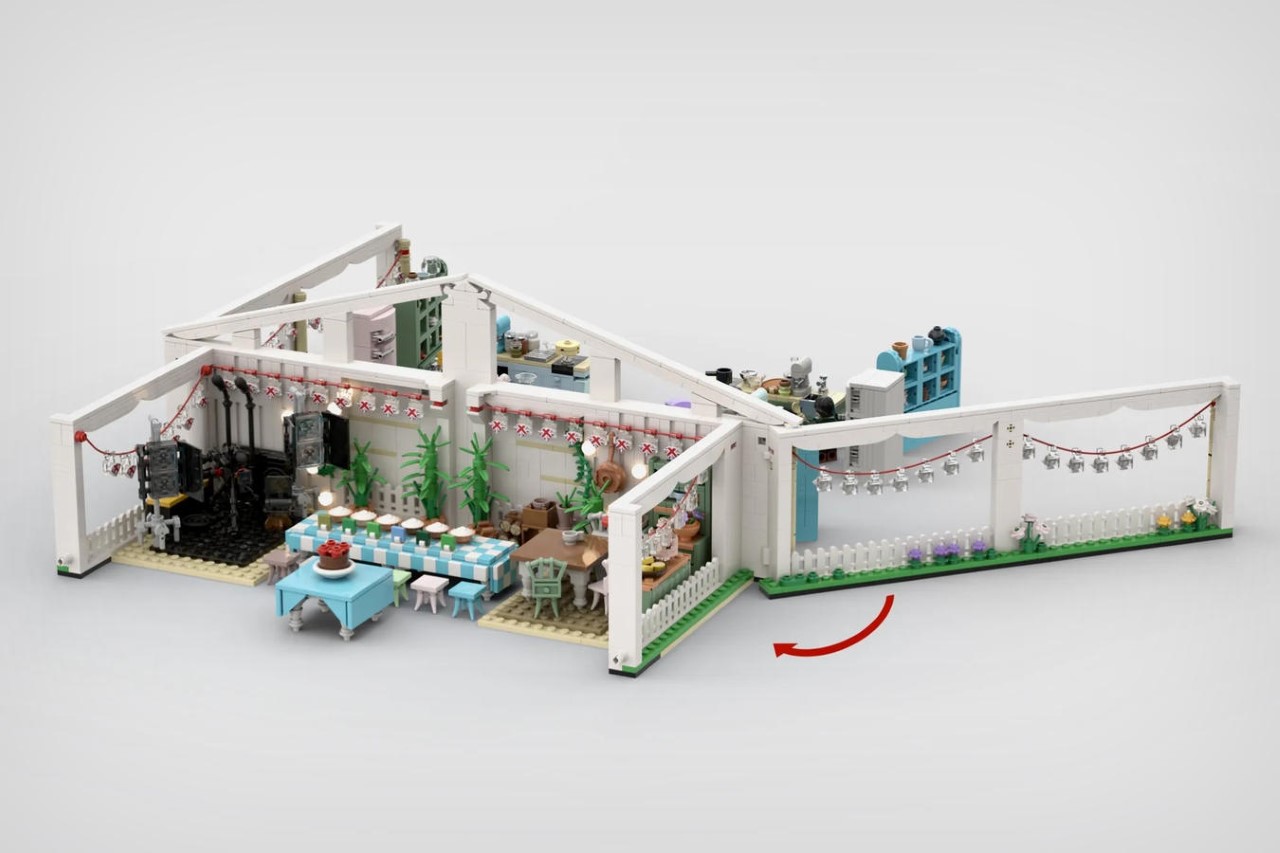
Riding that wave of perfectly timed nostalgia, LEGO Ideas builder KnightVibrantKnees100 has submitted a brick-built recreation of the Stewart family home that is, frankly, just as detailed as anything Miley walked back into. The MOC (My Own Creation) covers the living room, the kitchen, and a transformation mechanism that actually rotates a Miley minifigure into Hannah Montana, which is either the most delightful play feature of the year or the most emotionally loaded one, depending on how much of your childhood this show occupied.

Designer: KnightVibrantKnees100

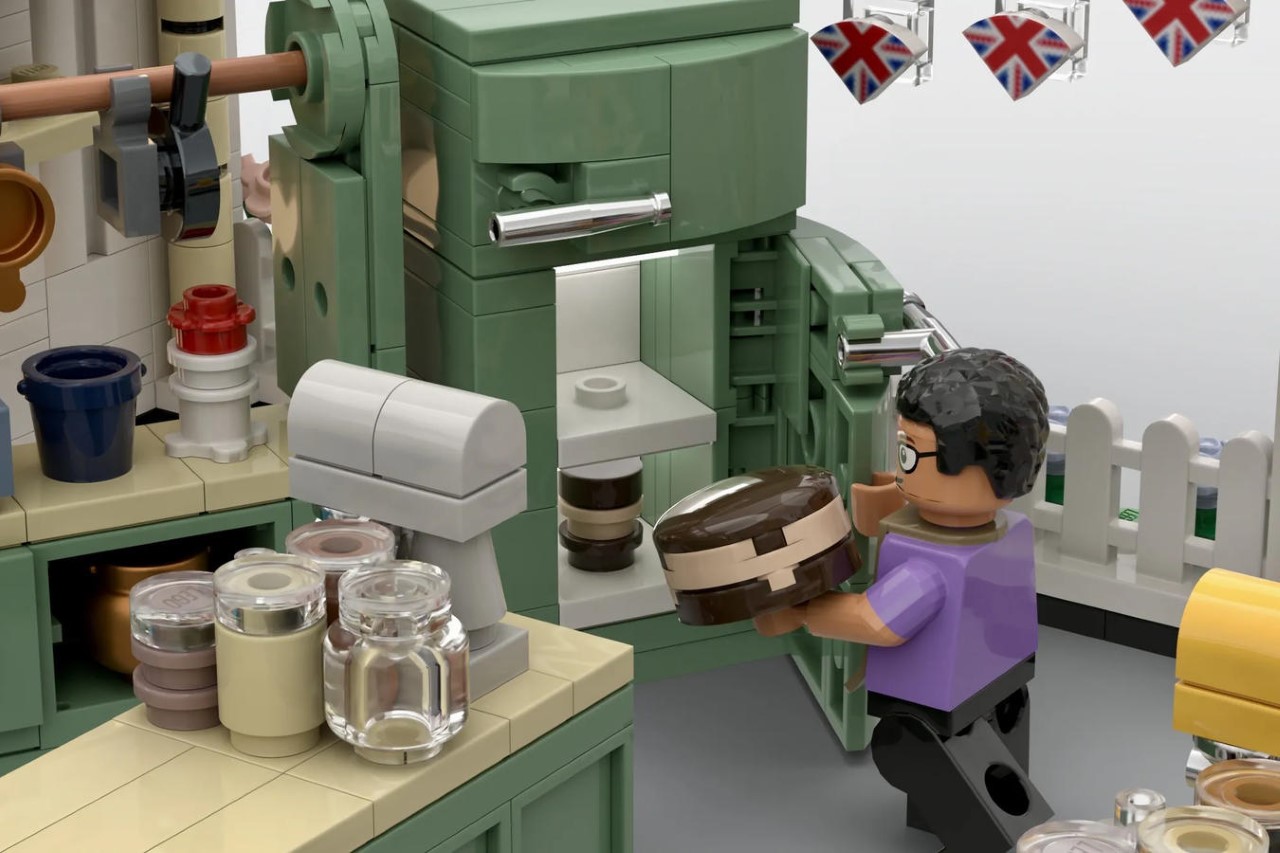
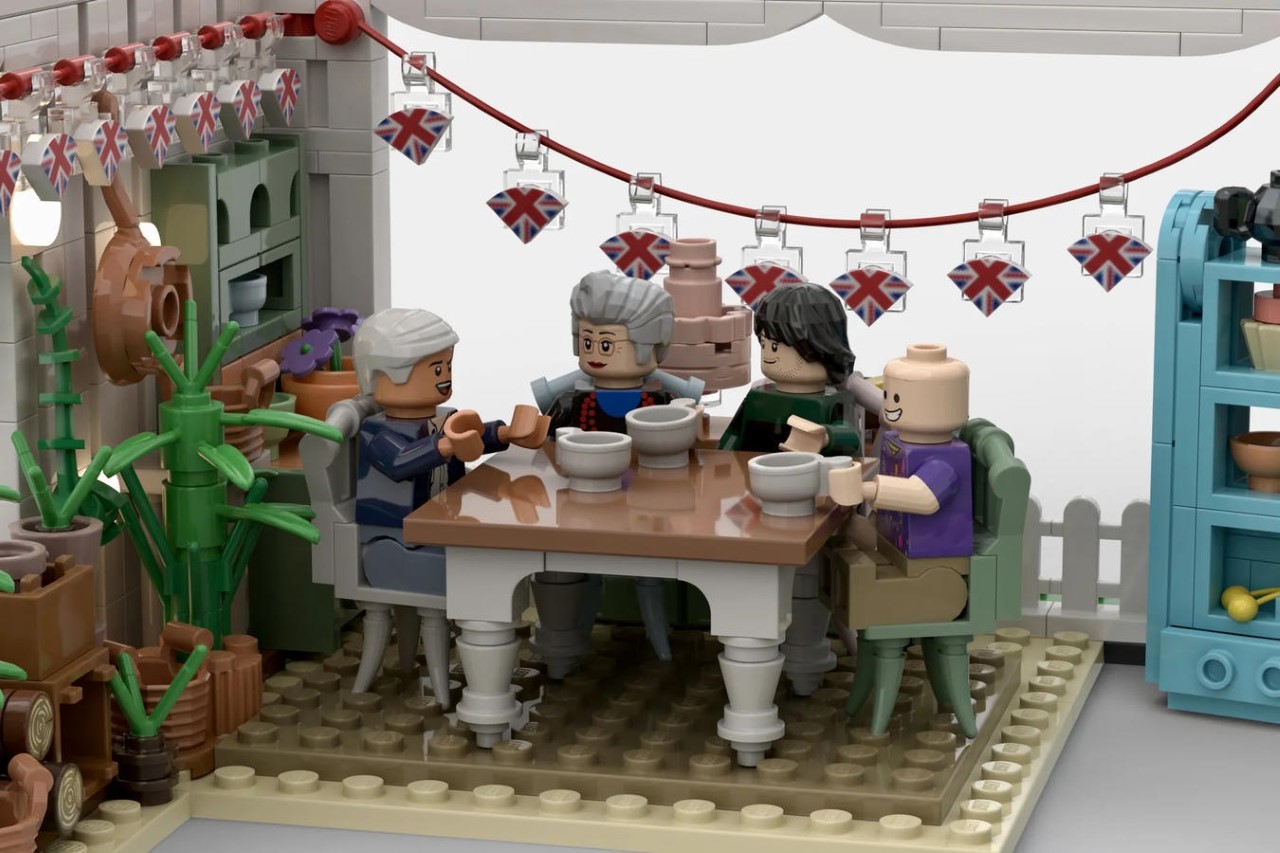
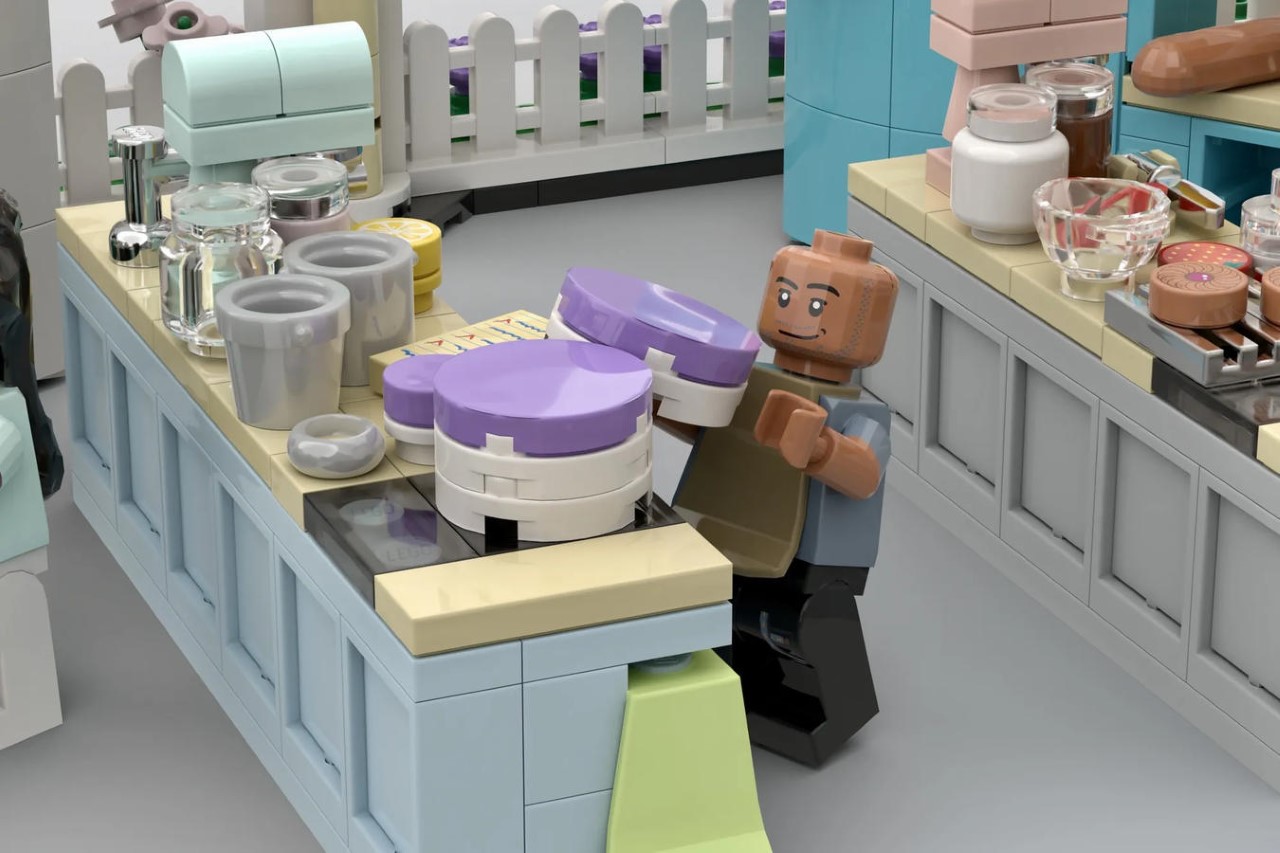
The build is an open-plan interior display, and the amount crammed into it is impressive. The living room anchors the right side of the model with the green sofa, a pair of striped armchairs, a coffee table scattered with magazine tiles, and a red boombox sitting on the shelf behind. A guitar leans in the corner. Bookshelves with colorful spines run along the back wall. Plants are everywhere, which feels accurate to the show’s slightly overstuffed, lived-in aesthetic. The kitchen on the left is even more packed: a stickered fridge covered in magnets, a stovetop, a wall clock, a sink with a minifig doing dishes, and the “EAT” sign spelled out in round letter tiles on the wall above, exactly as it appeared on screen. The warm browns, tans, and muted blues hold together as a color palette in a way that genuinely evokes the show’s production design rather than just approximating it.

The minifigure lineup covers the full Stewart household and then some. Miley, Robby Ray, and Jackson are all present, alongside Lily (complete with crossbody bag and skateboard) and Oliver, decked out in his green hoodie and headphones and carrying a boombox tile. Hannah Montana gets her own separate minifigure in full pink-and-teal pop star gear, microphone in hand.

My favorite detail, though, is the transformation mechanism. Tucked into the upper level of the build, a rotating turntable platform sits inside a pink-lined doorframe niche flanked by small yellow globe lights, like a backstage dressing room that doubles as a stage entrance. Miley stands on it as her everyday self, and a simple rotation reveals Hannah in her place. It is a genuinely clever building solution, and it captures the show’s central gimmick with more wit than you’d expect from a handful of plastic bricks.

The build currently has 621 supporters on the LEGO Ideas platform, with 418 days left to reach the 10,000-vote threshold that would put it in front of LEGO’s internal review team. If you grew up watching Miley Stewart fumble her way through a double life in that Malibu living room, this one is worth your vote. Head to the LEGO Ideas page and cast it here!

The post This LEGO Hannah Montana House Has a Rotating Miley-to-Hannah Transformation and Fans Need It first appeared on Yanko Design.
5 Best LEGO Builds of April 2026 We Wish Were Already Official Sets (One Takes 90 Trillion Years to Work)

LEGO has always occupied a peculiar space between toy and medium. For most of us, the bricks are nostalgic — associated with childhood bedrooms, pieces stepped on in the dark, and the specific satisfaction of snapping something into place after searching the floor for ten minutes. For a different kind of builder, LEGO is something closer to a precision instrument: a material that responds to spatial thinking with the same seriousness that marble responds to a sculptor’s chisel. April 2026 made a compelling case for the latter.

This month produced five builds that sit comfortably outside any toy aisle — a gear-driven monument to exponential mathematics disguised as abstract art, a 1,106-brick variant of my favorite dessert ever, a retro desk piece hiding a fully functional modern computer, a sharp recreation of the most universally procrastinated game in office history, and a kinetic brick portrait of the greatest basketball player who ever played the game.

1. LEGO Eternal Mosaic — The Gear Train That Outlasts the Universe

The Eternal Mosaic is a 655-piece LEGO Ideas concept that bridges the visual language of Mondrian’s De Stijl compositions with the mechanical logic of compound gear reduction. The build contains 46 stages of gear reduction using 24-tooth to 8-tooth ratios at every step. Compound that across all 46 stages and you arrive at a total gear reduction of approximately 9 billion trillion to one — a number that stops making intuitive sense almost immediately and doesn’t start again.


At 100 RPM, the first gear completes a rotation every 0.6 seconds. The final gear, embedded in the Mondrian-inspired color panel, will complete its first full rotation in approximately 90 trillion years — the universe is 13.8 billion years old by comparison. The Mondrian connection isn’t cosmetic. The rigid geometry of De Stijl shares an underlying grammar with compound gear logic: both systems operate by fixed, uncompromising rules and produce results that appear arbitrary until the governing principle becomes visible.

2. LEGO Tiramisu — The Food MOC That Makes You Question What You’re Actually Looking At

Tiramisu crossed out of northeastern Italy in the late 1960s and spent the next few decades becoming the world’s most universally loved no-bake dessert. LEGO Ideas creator Micdud has now built one from 1,106 bricks at nearly 1:1 scale — a corner slice served on a decorative round plate, complete with chocolate drizzle, cream dollops, and a fork mid-bite suspended in the air on a transparent support. The result makes you do a genuine double-take.

The cocoa topping is a masterclass in using disparate brown elements to simulate an organic, dusty texture — the kind of surface detail that food MOCs either nail or miss entirely. Micdud hid a raspberry made from a red clown hairpiece and blueberries built from purple astronaut helmets beneath the garnish, which is exactly the lateral thinking that makes a build memorable. Food MOCs live and die by their surface detail, and this one gets every layer right.

3. Michael Jordan LEGO Relief Poster — Air, Rendered in Brick

Most LEGO art stays flat. Builder LAFS85 made the harder choice with this 3,424-brick Michael Jordan portrait — a relief sculpture where Jordan’s figure physically protrudes from the background plane through layered brickwork, so the silhouette genuinely leaps toward you. In the front-facing renders, Jordan is mid-flight, ball raised, and the bold pixelated “23” filling the dark grey background amplifies the drama in the way confident typography always does when it knows exactly what it’s doing.

The technical decisions here reward close attention. LAFS85 used SNOT — Studs Not On Top — techniques throughout the figure to capture the flow of jersey fabric and the muscular geometry of Jordan’s legs. Flat tile surfaces read as smooth fabric. Angled plates suggest tension in the limbs. The red and white of the Chicago Bulls uniform pops hard against the dark grey background, and the brick-built recreation of Jordan’s signature in the lower corner is a genuinely considered finishing touch.

4. LEGO Minesweeper — A Functional Tribute to the World’s Most Productive Distraction

Before social media had the chance to dismantle workplace productivity, Minesweeper was already doing it quietly and for free. Created by Robert Donner and Curt Johnson for Microsoft in 1990, it shipped with every copy of Windows from 1992 onwards and spread through offices with the calm efficiency of something nobody wanted to admit spending time on. Conservative commentators were calling it a genuine threat to American business productivity. The alt-tab reflex became a survival skill.

LEGO builder carlos_silva94 rebuilt that gray grid in brick with more deliberateness than the concept strictly required. The build replicates the Windows 95 interface with real accuracy — raised tile surfaces recreating the three-dimensional texture of unpressed buttons, working seven-segment displays tracking mine counts and elapsed time, and the iconic yellow smiley face watching from above. The textured tiles are the detail that lifts this from casual tribute to considered design object, giving the build physical weight and tactile presence.

5. LEGO M2x2 Workstation — The 1979 LEGO Brick That Actually Runs macOS

Dutch designer Paul Staal took the iconic LEGO Slope 45 2×2 brick — a wedge-shaped piece introduced in 1979 that appeared in classic space-themed sets as a visual shorthand for spacecraft computer terminals — and scaled it up to roughly ten times its original size. The result is a fully operational desktop computer housing that looks like it was pulled from a vintage LEGO Space playset and placed directly onto a modern desk.

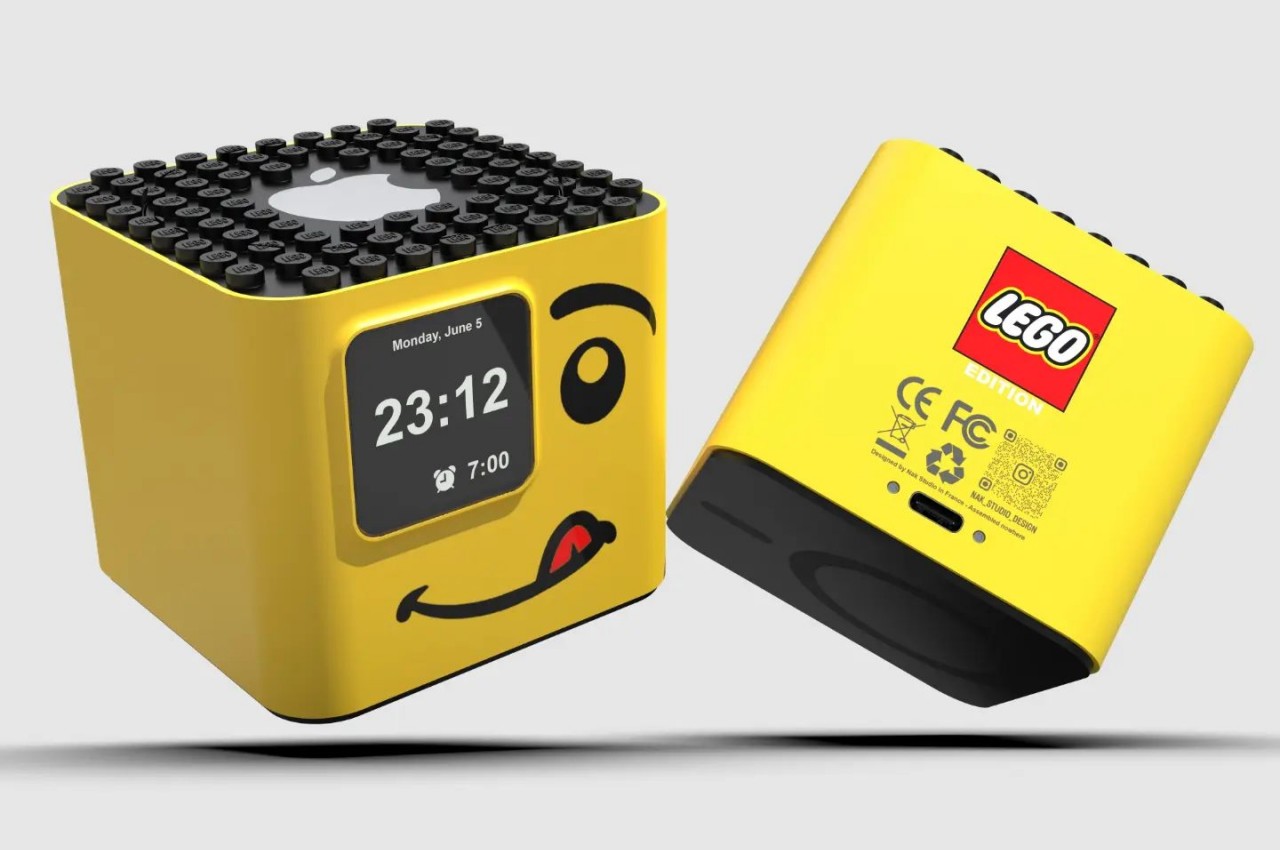
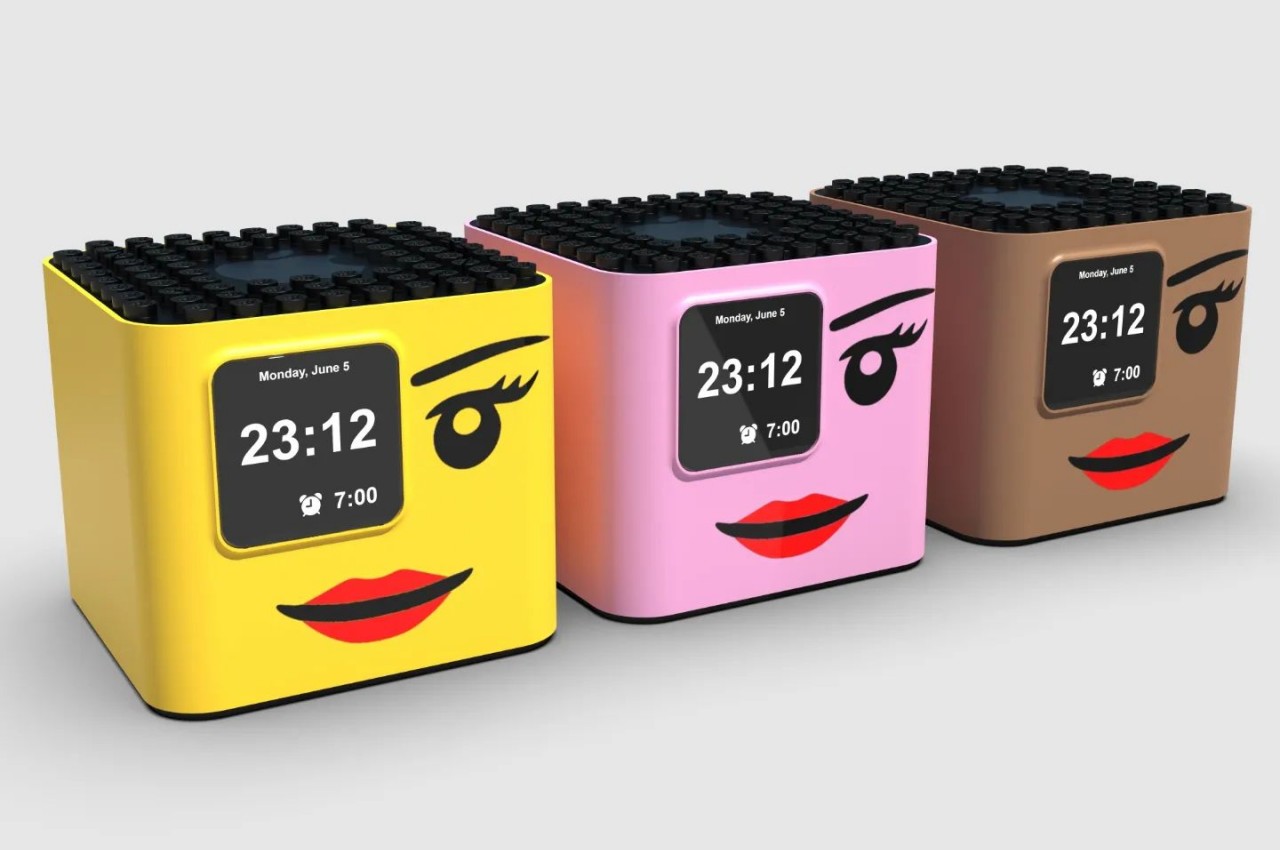
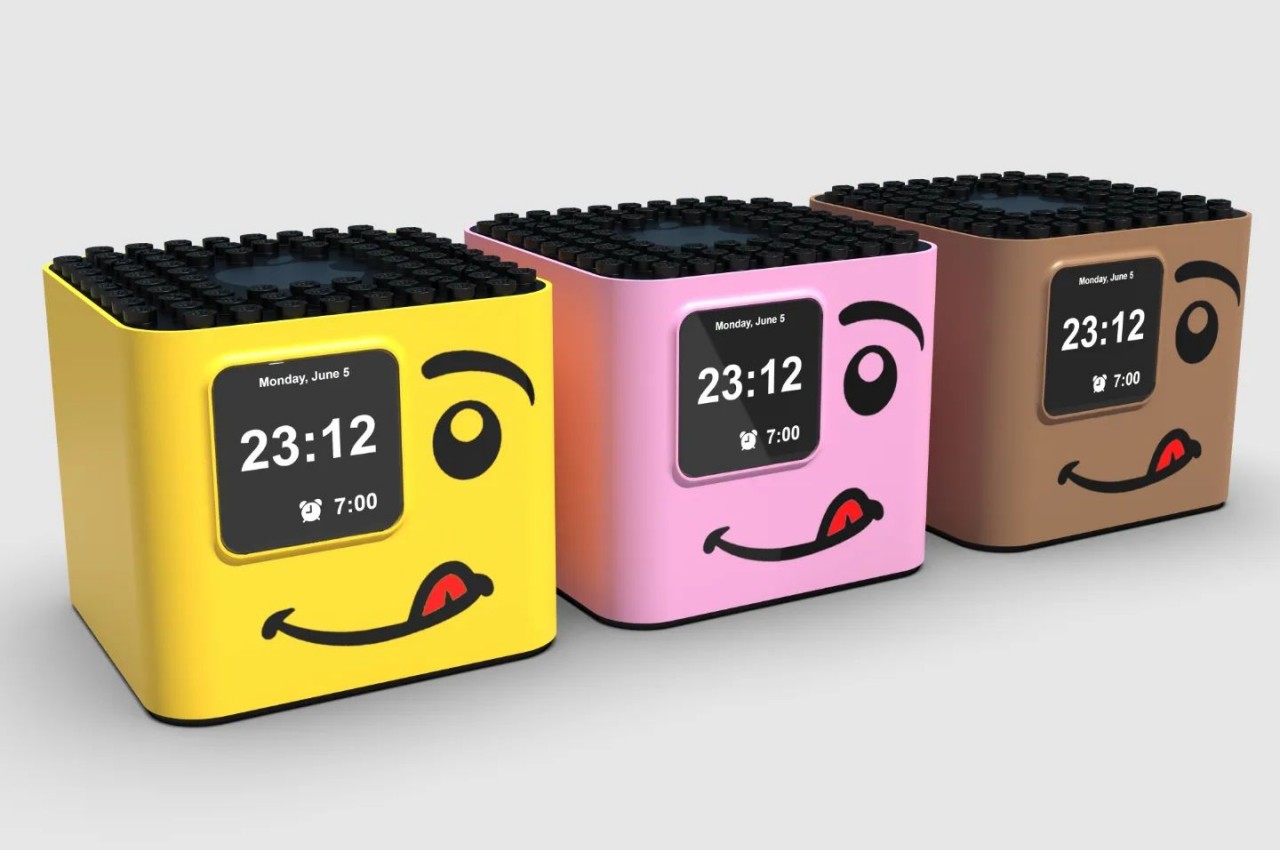
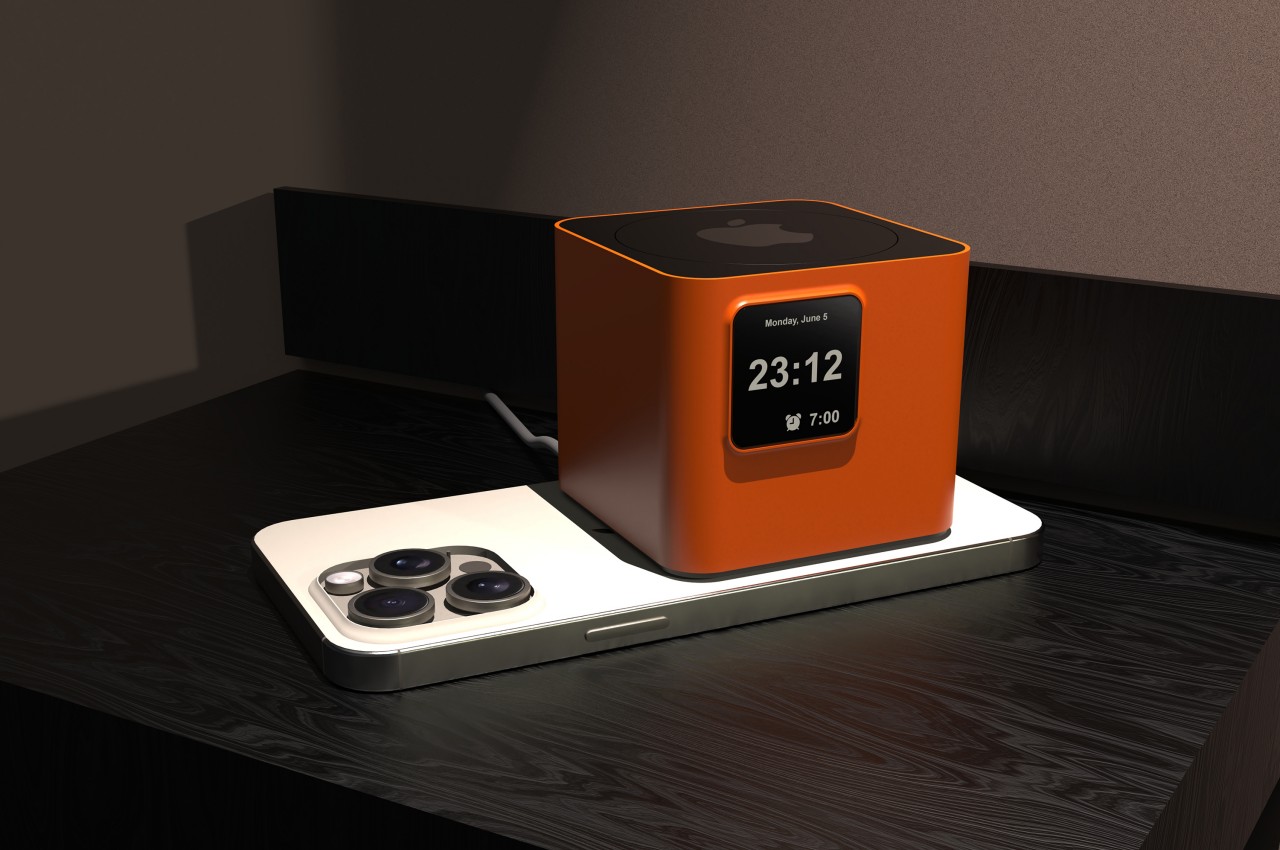
Inside that oversized brick sits an Apple Mac mini equipped with Apple’s M4 chip, transforming a retro toy aesthetic into a capable, fully functional desktop system. What elevates this beyond novelty is the design intelligence underneath. Staal honored the Slope 45’s cultural memory while operating at a completely different scale and purpose. The M2x2 earns the term “conversation piece” without sacrificing utility — quietly asking why computing hardware defaults to featureless black rectangles when it could look like this.

The Month LEGO Stopped Playing Around

April 2026 demonstrated something the LEGO community has always known but rarely gets to show all at once: the brick is not a limitation, it’s a vocabulary. These five builds span engineering, portraiture, product design, retro computing, and food sculpture, and each one executes its concept with a precision that makes the medium feel like the only logical choice. Whether 655 pieces or 1,106, the ambition is entirely consistent.

What ties all five together is the specificity of vision behind them. The Eternal Mosaic is conceptually staggering in a way no other medium could reproduce. The Tiramisu challenges your eyes to accept that plastic bricks can convincingly look edible. The Jordan portrait rewards inspection at every level. The Minesweeper build lands immediately for anyone who worked in an office before 2000. And the M2x2 makes you rethink what computing hardware could look like. That is a strong month by any standard, in any medium.

The post 5 Best LEGO Builds of April 2026 We Wish Were Already Official Sets (One Takes 90 Trillion Years to Work) first appeared on Yanko Design.