This Stretching Device Pays You Real Rewards to Fix Your Posture

You know that feeling when you’ve been hunched over your laptop for three hours straight and your shoulders are basically living rent-free up by your ears? That tightness in your neck that no amount of rolling your head around seems to fix? Yeah, we all do. The modern office worker’s body is basically staging a protest, and honestly, it has every right to. Enter Break, a wellness device that’s part fitness tracker, part game controller, and part intervention for your increasingly sedentary existence. Designed by Jeoung Jinyoung, Lee Jonghyun, Yang Junhong, and Lee Junyoung, this Red Dot award-winning concept tackles the desk job health crisis with a surprisingly playful approach.

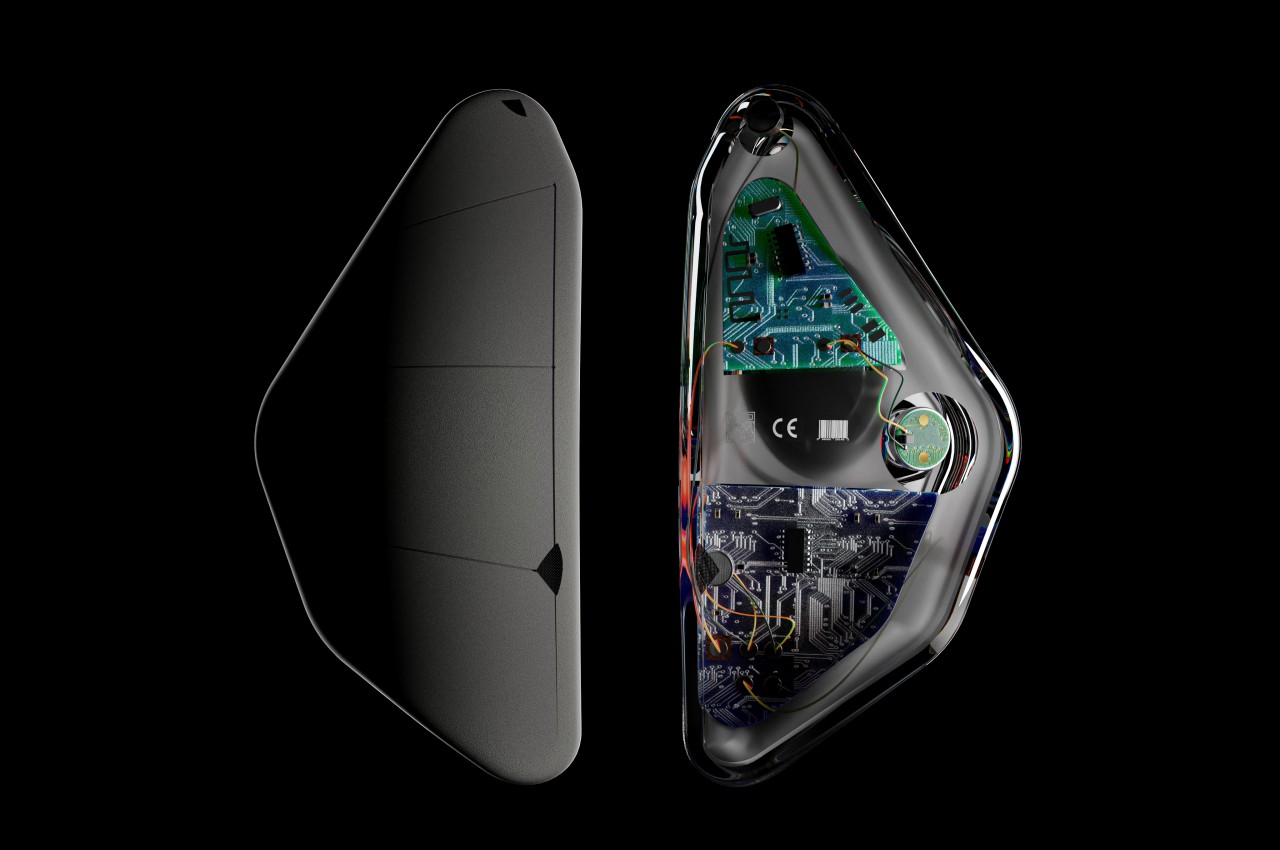
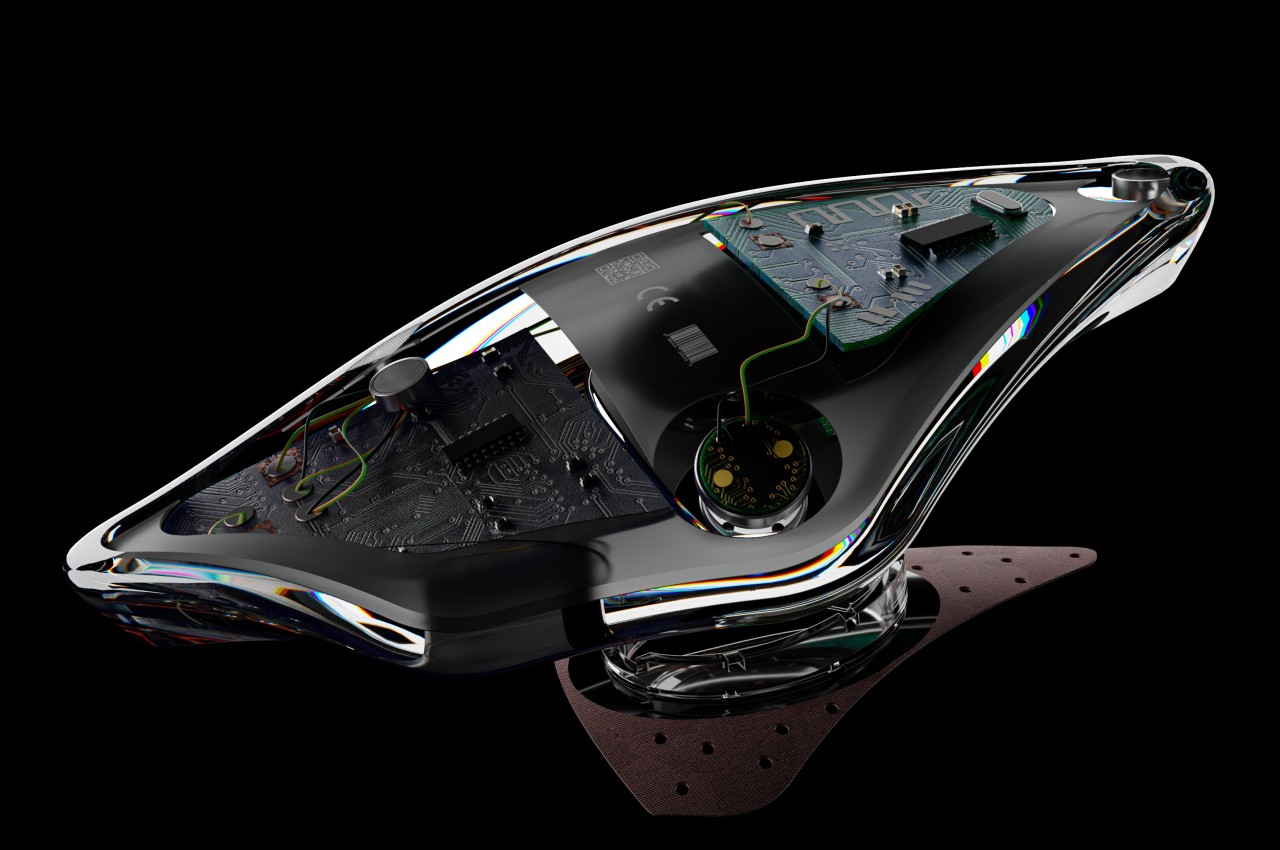
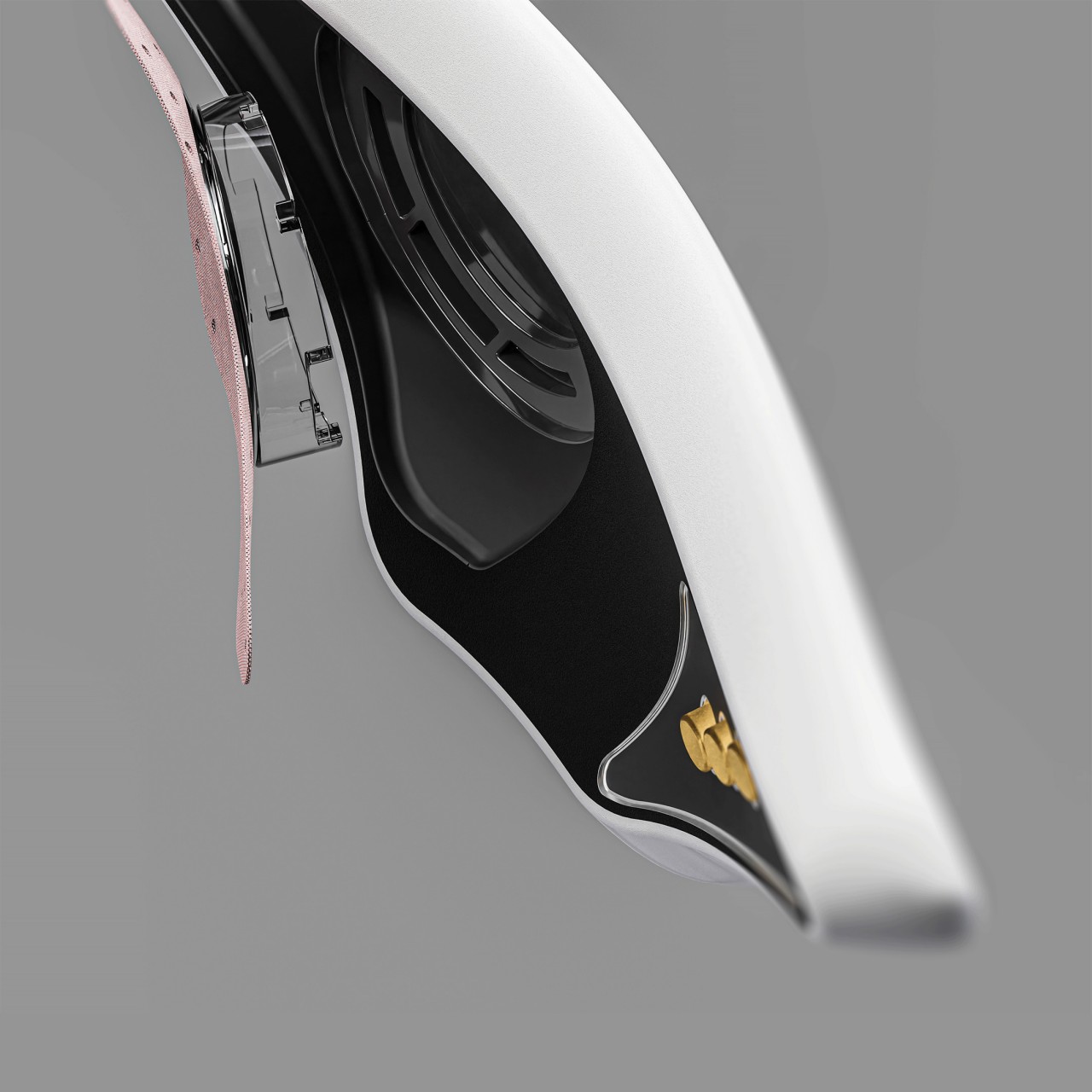
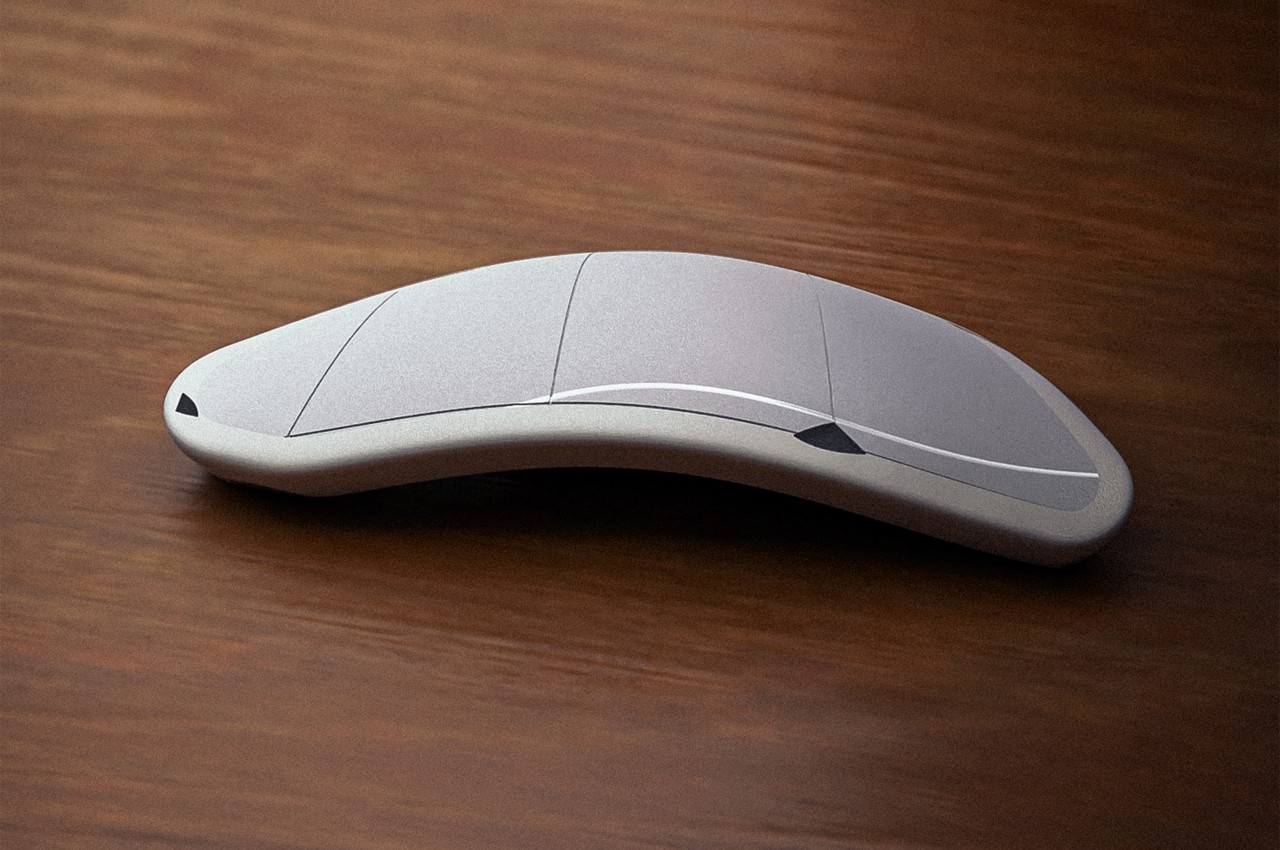
The device itself looks like nothing you’ve seen before. It has this curved, almost sculptural form with a wire connecting two handle-like pieces. Think of it as a resistance band met a piece of modern art and they decided to help you fix your posture. The sleek design in soft blue and coral feels refreshingly un-intimidating, which is kind of the point. This isn’t gym equipment that’ll gather dust in your closet while silently judging you. It’s meant to be portable, accessible, and actually used.

Designers: Jeoung Jinyoung, Lee Jonghyun, Yang Junhong, Lee Junyoung

Here’s where it gets interesting. Break doesn’t just sit there looking pretty. It actively encourages you to do specific stretches that target the exact problems desk workers face. Those rounded shoulders from hovering over your keyboard? The dreaded text neck from staring at your phone? The device prompts you with what it calls “quests” for exercises like Y/T/A raises, delivered right on its built-in screen. You’re basically doing physical therapy, but the gamification makes it feel less like a chore and more like, well, a game.

The wire structure facilitates these movements, giving you the resistance you need to actually work those neglected muscle groups. You hold the handles, stretch in different positions, and the device tracks your progress. It’s simple enough that you don’t need a YouTube tutorial to figure it out, but effective enough that you’ll actually feel the difference.

But Break goes beyond just being a stretching tool. It’s also monitoring your vitals with built-in sensors. Heart rate, oxygen saturation, calories burned, the whole package. This data gets sent to the accompanying app, which transforms your phone into your wellness command center. The more you use Break, the more detailed health information you receive, creating this feedback loop that actually motivates you to keep going.

And here’s the kicker that makes this concept particularly clever: those virtual rewards you earn from completing physical quests? They’re not just digital badges collecting virtual dust. You can exchange them for actual goods or services from real merchants. Suddenly, taking a break from your spreadsheet to do some shoulder stretches isn’t just good for your health, it’s also getting you closer to that coffee you’ve been craving or whatever else the reward system offers. The genius of Break lies in understanding that knowing you should exercise isn’t enough. We all know sitting is the new smoking. We’re all aware our posture is terrible. But awareness doesn’t create change. What does? Making it easy, making it fun, and giving tangible rewards. Break tackles all three.

The design team behind this clearly understands that modern wellness solutions can’t just lecture people into being healthy. They need to meet users where they are, which is usually at a desk, probably tired, definitely stressed, and not particularly motivated to add one more thing to their to-do list. By integrating seamlessly into the workday, requiring minimal time investment, and gamifying the experience, Break removes most of the barriers that keep office workers chained to their chairs.

Is Break going to replace your gym membership? Probably not. But it might be the thing that gets you moving when you otherwise wouldn’t. It might be the intervention your shoulders have been begging for. And in a world where we’re all increasingly aware of the toll our digital lives take on our physical bodies, having a beautifully designed tool that makes wellness feel achievable is pretty refreshing.

The post This Stretching Device Pays You Real Rewards to Fix Your Posture first appeared on Yanko Design.
A Diabetes Device You’d Actually Want to Carry Every Day

I’ll be honest. When I was first diagnosed with diabetes, one of my biggest fears wasn’t just managing my blood sugar or giving myself injections. It was the thought of walking around with devices that screamed “medical patient” everywhere I went. I wanted to feel like myself, not like someone who needed constant hospital-grade equipment just to get through lunch.

That’s why the INSPO smart insulin delivery system caught my attention. Designed by Minseo Lee and Haneul Kang, this isn’t just another glucose monitor or insulin pen. It’s a complete rethinking of what diabetes management could look like if someone actually considered how we want to live our lives.

Designers: Minseo Lee, Haneul Kang

Current diabetes technology has made incredible strides, don’t get me wrong. Insulin pumps and continuous glucose monitors have genuinely saved lives. But they come with baggage that goes beyond their physical weight. The financial burden is real. High upfront costs, endless consumables, insurance companies that may or may not cover what you need. And then there’s the psychological weight of wearing something that looks like it belongs in a medical facility rather than at a coffee shop or the gym.

I’ve watched the design world transform emergency kits and fire extinguishers from eyesores into objects that blend beautifully into modern homes. INSPO applies that same philosophy to diabetes care. The message is simple but revolutionary: medical devices should expand their design language so we can use them naturally in daily life, not just in clinical settings.

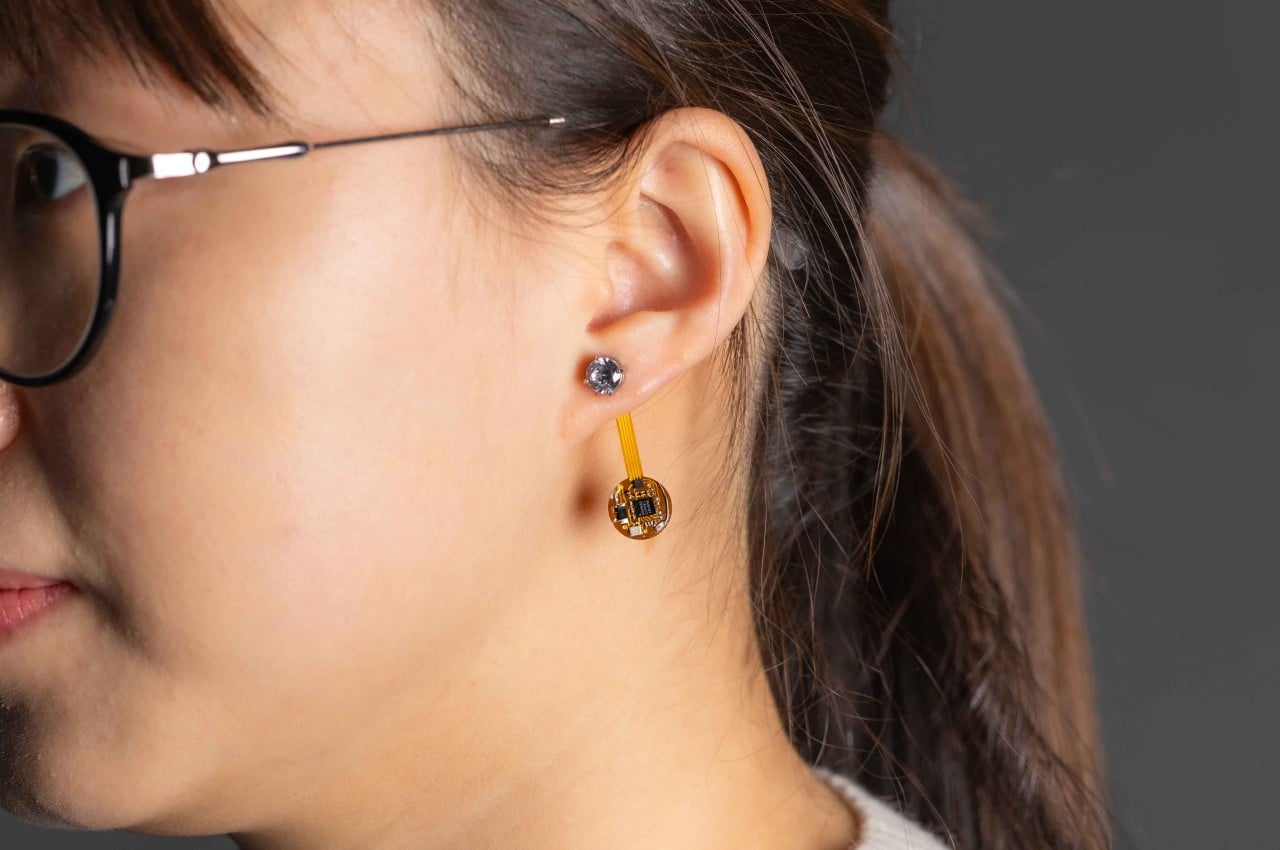
What makes INSPO different starts with its approach to glucose monitoring. The continuous glucose monitoring device straps onto your upper arm and measures blood sugar levels non-invasively. No more finger pricks throughout the day, no more finding discrete places to draw blood when you’re out. The CGM quietly does its job while you do yours, and the best part? It comes with customizable straps in various designs. Finally, someone understood that personal expression matters, even when we’re talking about medical devices.

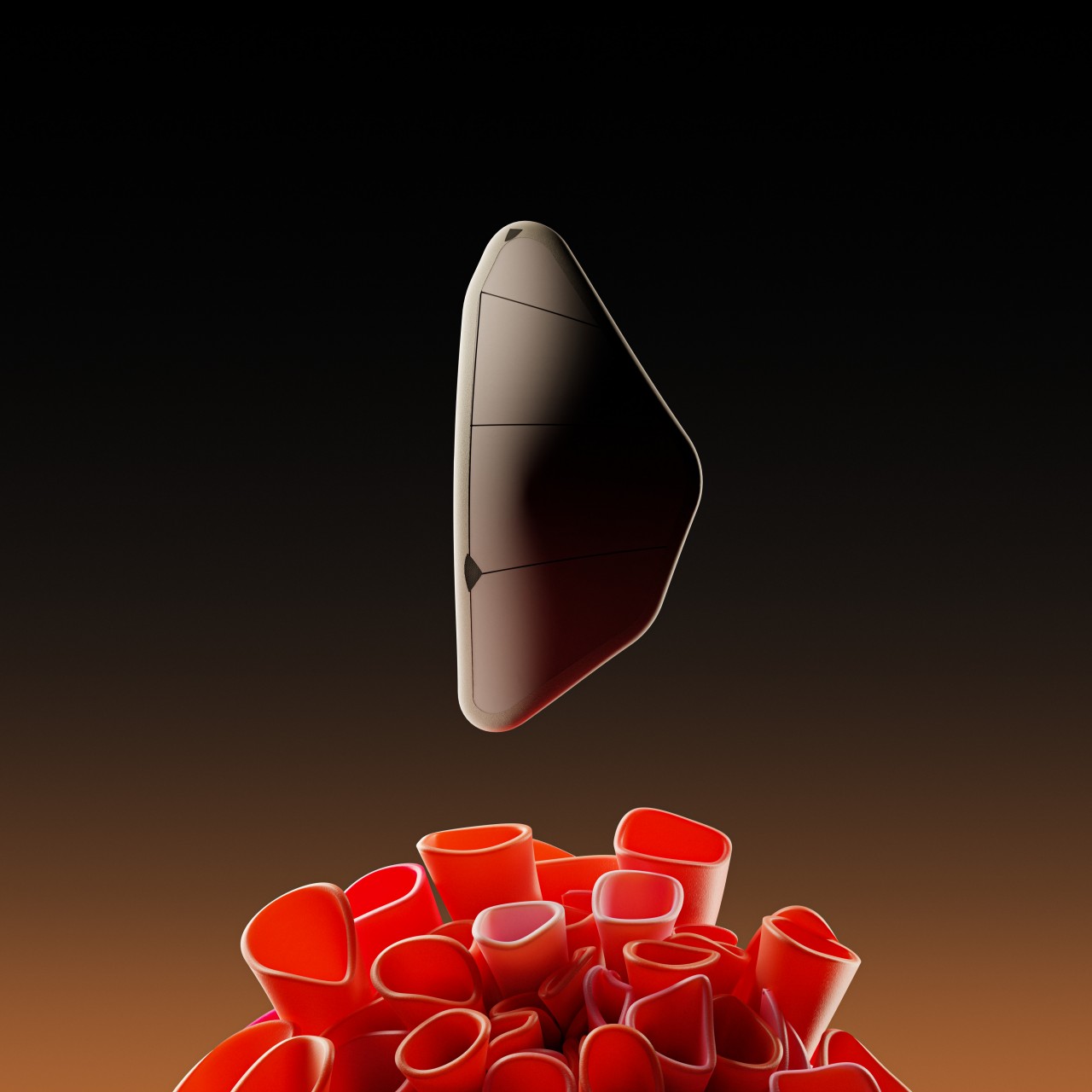
The insulin pen itself is where INSPO really shines. It works in real time with the CGM, automatically adjusting the dosage based on your current needs. When you need to inject, a hidden interface appears at the top of the pen, displaying your exact dosage. It’s discreet, elegant, and gives you the information you need without announcing your condition to everyone around you. The sensual, natural design means I wouldn’t think twice about using it at a restaurant or during a work meeting. It looks like something I chose to carry, not something I’m forced to manage.

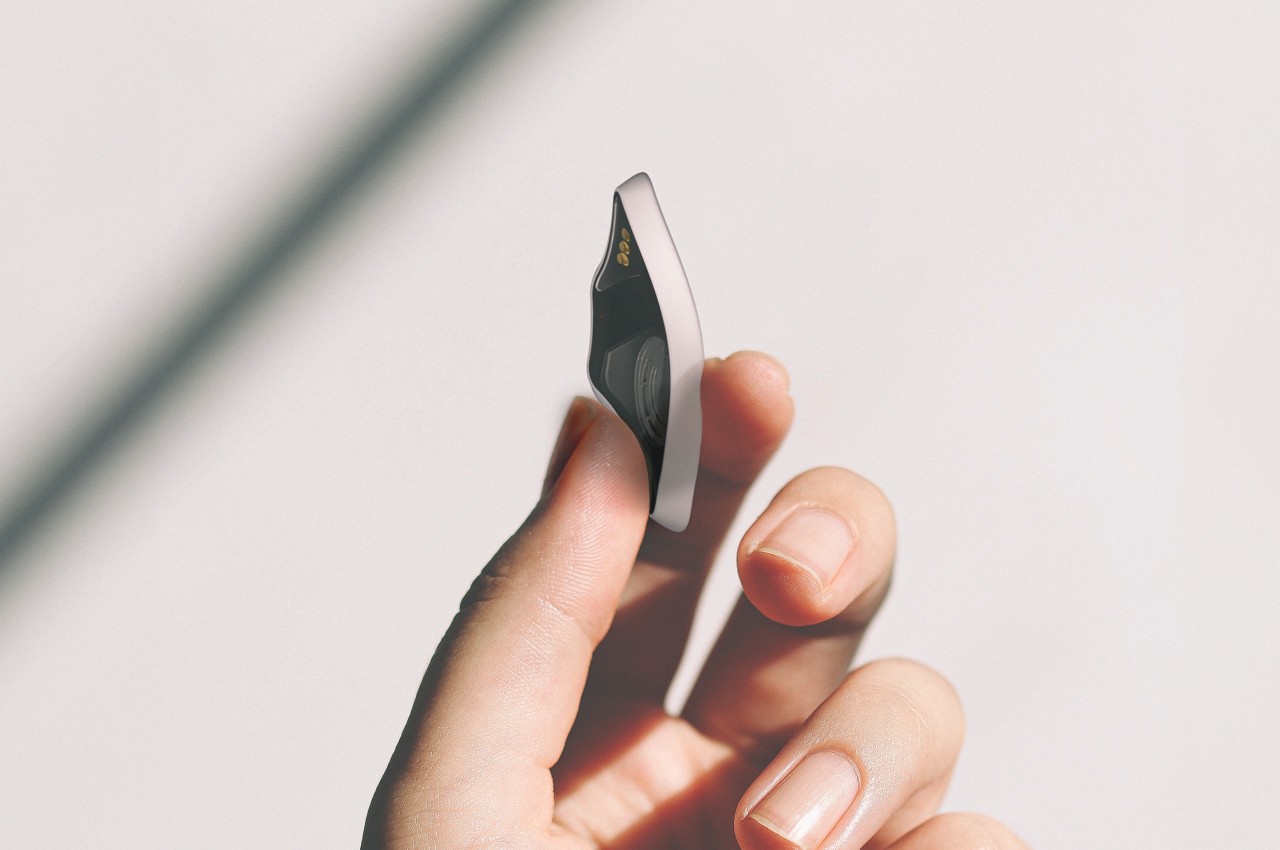
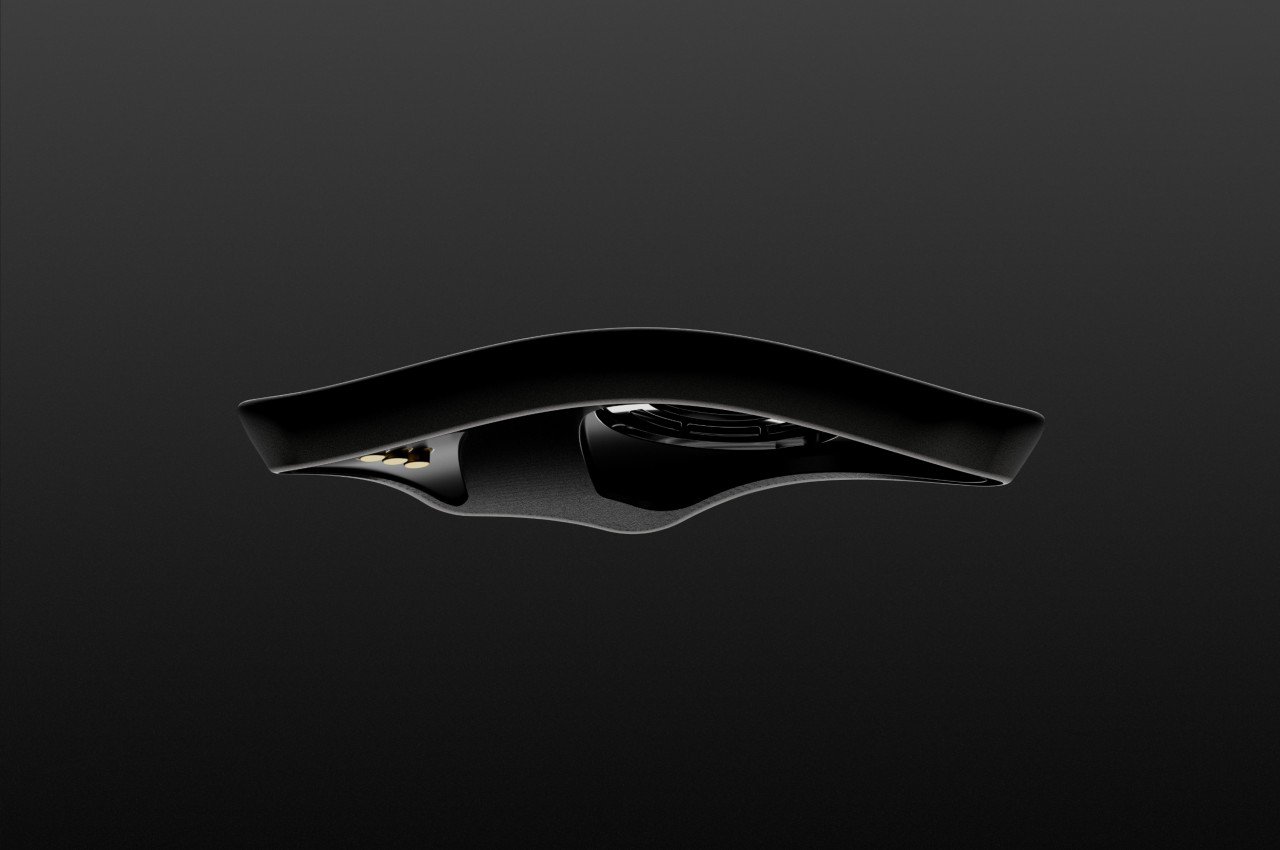
The system includes a sleek case that holds both the insulin pen and CGM, with built-in pogo-pin charging terminals. Everything stores and charges simultaneously, which means one less thing to remember, one less task in an already complicated daily routine. The case is designed to go anywhere, which matters when your life doesn’t revolve around being near an outlet or a safe storage spot.

Using INSPO is refreshingly simple. You wear the CGM on your upper arm. It measures your glucose continuously and transmits that data to the insulin pen. When you need insulin, you check the hidden interface for your precise dose, then inject with a single touch. That’s it. No complex calculations, no second-guessing, no mental gymnastics while you’re trying to enjoy your meal or focus on your day.

The designers talk about transforming diabetes devices “from something you once hid, to a lifestyle device you’re proud to reveal.” That resonates deeply with me. I’m tired of feeling like I need to apologize for my condition or hide the tools that keep me healthy. INSPO represents a shift in thinking where managing diabetes doesn’t mean sacrificing style, confidence, or the simple pleasure of blending in when you want to.

This is what the future of diabetes care should look like. Not just smarter technology, but thoughtful design that acknowledges we’re whole people with lives we want to live fully. INSPO doesn’t just help manage diabetes, it helps us reclaim the parts of ourselves we shouldn’t have to give up in the first place.

The post A Diabetes Device You’d Actually Want to Carry Every Day first appeared on Yanko Design.
This First-Response Drone’s Bladeless Design Could Change Emergency Rescue Forever

You know, we see a lot of drone concepts float across our screens, and most of them look like they were designed by either the military or an insect. They’re all sharp angles, matte black paint, and an unnerving number of sensors. Then you see something like VITA, an EMS drone that just won a Red Dot award, and the first thing you notice is that it has a face. A simple, friendly, almost disarming little face.

And that’s the whole point. It’s literally user-centric, given that this drone was designed as a first-responder aerial unit. If this thing is going to land at a chaotic accident scene, the last thing it should do is add to the panic. The designers clearly thought about the human side of the equation. It’s a little detail that tells you everything you need to know about the project’s philosophy: this is about making high-tech emergency care feel helpful, not hostile.

Designer: Hongyi Sun

That friendly face is doing some heavy lifting. Imagine you’re at the scene of an accident; you’re disoriented, maybe hurt, and suddenly a machine descends from the sky. If it looks like a weaponized hornet, your instinct (fueled by hundreds of sci-fi movies) is to back away. But if it looks like a helpful little robot from a movie, you’re far more likely to approach it. This is functional empathy built right into the industrial design. The goal is to get people on the ground to trust it instantly, so they can follow instructions from a remote paramedic or grab the life-saving equipment it’s carrying without a second thought.

The cleverness doesn’t stop at the surface. The design backs up that friendly promise with some serious safety engineering. VITA uses ducted fans instead of the exposed, spinning blades we see on nearly every consumer drone. This is a massive deal. It means you, or a first responder, or even a child, could walk right up to it without the risk of getting seriously injured. In the unpredictable environment of a crash site, where people are moving around and debris is everywhere, eliminating that obvious hazard is a non-negotiable feature. It’s the kind of practical, real-world thinking that separates a cool render from a viable concept.

When you see the renders showing VITA being held in one hand, it all clicks into place. This isn’t some huge, intimidating aircraft; it’s a nimble and accessible tool. It’s small enough to get into tight spaces between cars and light enough for anyone to handle. Every element, from the approachable face and safe rotors to its compact size and clear markings, works together to serve one mission: delivering critical aid as quickly and safely as possible. VITA isn’t just another concept for a delivery drone; it’s a cohesive vision for how we can design automated systems to work with us, not just for us, especially when it matters most. That’s what makes it stand out.

The post This First-Response Drone’s Bladeless Design Could Change Emergency Rescue Forever first appeared on Yanko Design.
This LEGO Reflexology Mat Turns a Parent’s Worst Nightmare into Physical Therapy

The only thing worse than ‘Floor is Lava’ is probably ‘Floor is LEGO Brick’. LEGO bricks are famously torturous to step on. The studs, the sharp corners, the unforgiving plastic, all of these combine into creating something that feels like modern day torture. Step on a lego brick with enough body-weight and that thing practically digs into your tissue, causing probably one of the most painful experiences according to the internet. However, what if there was a ‘right’ way of stepping on LEGO bricks?

No, I’m not talking about some mind-over-body nonsense where you overcome your ability to feel pain. LEGO builder eat.sleep.build.repeat. designed a foot reflexology mat using just LEGO bricks, tapping into ancient eastern healing techniques to create a stimulating mat that helps you boost blood flow to your legs and to even other parts of the body. Made from just 820 bricks, this piece, titled ‘How to Step on a LEGO Brick?’ is a rather fun and informative hat-tip to old culture, using modern-day plastic bricks. One might say it puts the LEG in LEGO!

Designer: eat.sleep.build.repeat.

“Foot reflexology is an ancient practice, extremely common in China, where people step on mats with pressure nodes that practitioners believe produce beneficial effects elsewhere in the body,” says eat.sleep.build.repeat. “Decades later, their popularity remains strong as people continue to embrace simple, natural methods for daily wellness.”

The 820-brick MOC comes with the foot mat itself, color coded to perfection with different zones that supposedly stimulate different parts of the body. Each kit also comes with a coded legend that lets you see which color is assigned to which body part. Not that we’re medical professionals (please don’t take this as medical advice), but standing on the mat while having pressure applied (thanks to the LEGO studs) on different parts of the foot is known to be able to cure diseases and boost recovery. Who knew standing on LEGO bricks could be this therapeutic?!

The MOC (My Own Creation) is currently gathering steam on the LEGO Ideas website, an online forum dedicated to enthusiasts who build and vote for their favorite LEGO creations. If this particular build sounds enticing to you (apart from the prospect of stepping on LEGO bricks of course), head down to the LEGO Ideas website and cast your vote for this build!

The post This LEGO Reflexology Mat Turns a Parent’s Worst Nightmare into Physical Therapy first appeared on Yanko Design.
Tricorder-like device concept envisions a futuristic portable health scanner

Smartphones and smartwatches today have a variety of sensors and apps that give us a glimpse of our health. We can track heart rates, blood oxygen levels, and even temperatures, and combine that data to create a more holistic picture and actionable steps. Of course, nothing beats professional medical equipment, but we can’t carry those around with us.

Phones and wearables might be convenient, but they don’t always offer the best user experience for specific needs. This concept device, for example, tries to imagine a dedicated health scanner that is able to cram more features while still retaining its portable size. And it even looks and feels quite advanced to boot!

Designer: Vadim Trofimenko

When talking about handheld scanning devices, many sci-fi and pop culture buffs will probably think of Star Trek tricorders. These fictional devices can detect and analyze almost anything, from materials to creatures to people. Of course, we haven’t yet reached that level of technology, but we’re getting pretty close thanks to computer vision and AI.

The MediScan Pro concept design tries to deliver some of that futuristic experience to the realm of personal health. It’s a pocket-sized metal box that offers more specialized functionality than generic smartphones and smartwatches, at least in theory. Based on the concept, it still scans your finger to get data, similar to how IR and laser scanners work today.

In terms of design, the MediScan Pro has a bit of a retro-futuristic aesthetic. It’s quite box and angular, not hiding the fact that it’s a technological product. There’s a sizeable fingerprint scanner near the top, a small display in the middle, and buttons and wheels at the bottom for controlling the devices. It has an aluminum body but, curiously, the textured surface on its back is supposed to be made from recycled plastic.

Much of the functionality it tries to offer is, to be honest, already available today, especially with the limited data you can glean from a fingerprint. It also uses AI to evaluate the data, give you recommendations, or contact your health provider. The difference from smartphones and smartwatches that already exist today is that MediScan Pro offers a distraction-free experience so you don’t suddenly forget what you’re doing because of the flood of notifications and alerts that greet you.

One unrealistic feature, however, is the use of holograms to display your health status. We’re not yet at that point where small devices can display detailed holograms, let alone ones that contain enough information at a glance. That’s not entirely outside the realm of possibility, but by then we might also have less bulky and more elegant designs by then.

The post Tricorder-like device concept envisions a futuristic portable health scanner first appeared on Yanko Design.
Helmet helps mitigate hair loss for cancer patients undergoing chemotherapy

One of the most common side effects on patients undergoing chemotherapy is the loss of hair. It may seem like not a big deal anymore these days because people are more “accepting” of baldness, but there is still of course an effect on self-esteem and self-image of the patient. They say that hair loss is one of the most traumatic parts for them when it comes to their cancer treatment. A new product that will help them prevent this chemotherapy side effect will soon be available for commercial purchase.

Designer: Luminate

Lily is a helmet created by cancer treatment tech startup Luminate. The basic idea for the device is that when worn during chemotherapy sessions, the helmet applies pressure across the scalp that stops the chemicals from getting into the patient’s hair follicles. The helmet is also made from soft materials so it’s still comfortable when worn and will not add to the common discomfort patients experience when having their chemotherapy session. Just think of the helmet as a compression garment for the head.

The wearable device looks like your typical helmet but with additional paddings on the cheek and under the chin. The way it’s built and designed is to bock off the capillaries to prevent the toxic chemo cocktail from affecting the patient’s hair. In their initial trials, 75% of the participants retained their hair while undergoing chemotherapy while wearing the Lily helmet. There will be another trial this November involving 85 patients across the U.S.

Luminate is also developing a glove and boot set called Lilac that will help prevent neuropathy, another side effect of chemotherapy. The company’s goal is to make cancer treatments more comfortable for patients by creating products that will address the side effects.

The post Helmet helps mitigate hair loss for cancer patients undergoing chemotherapy first appeared on Yanko Design.

Top 5 Breakthrough Medical Technologies You Need To Know About

An attitude of preparedness, as well as proactive action, are essential for taking good care of our health. By taking the right precaution, and being prepared always, we can handle a medical emergency to the best of our ability. And the medical industry has been coming up with ingenious innovations, that are completely transforming the healthcare game. Designers have been coming up with new and improved, life-saving medical designs that not only boost medical care but also relieve some of the pressure from our tireless medical force. From a device that can smell diseases on your breath to a smart ring designed especially for women and their health – these innovations are upping the medical arena.

1. Transcutaneous Oxygen Sensor

Named the Transcutaneous Oxygen Sensor, this wearable medical device is a functional gadget that performs its duties, while being aesthetically ideal as well. The gadget is used for the accurate detection of blood oxygen levels of the skin issue, and the underlying vessels and capillaries. Created for ASON Co. Ltd., the device is created for the mass consumer market, and will probably hit it in a few years. It utilizes luminescent gas sensing and soft electronics technology to produce the readings.

2. DiagNoze

Dubbed DiagNoze, this portable diagnostic tool is designed to ‘smell’ disease by analyzing your breath. The innovative gadget reads the volatile organic compounds in your breath, identifying and analyzing the biomarkers for different diseases including tuberculosis. DiagNoze works to provide real-time and portable diagnostics that can be accessed anytime anywhere, helping to tackle the healthcare issues in developed and underserved areas. The tool is amped with next-generation machine intelligence with NASA-derived sensor tech.

3. Syntropic’s Headset

Designed by the Vienna-based startup Syntropic Medical, this device uses light-based brain stimulation to provide a drug-free solution for those wanting to overcome depression. Using goggles light is shone into the eyes, while a head-worn apparatus observes and measures the effects. This device is based on the ideology that light therapy can be used to improve neuroplasticity. The innovative design is an excellent alternative for those who didn’t get satisfying results with antidepressants and other traditional treatments.

4. MedWand

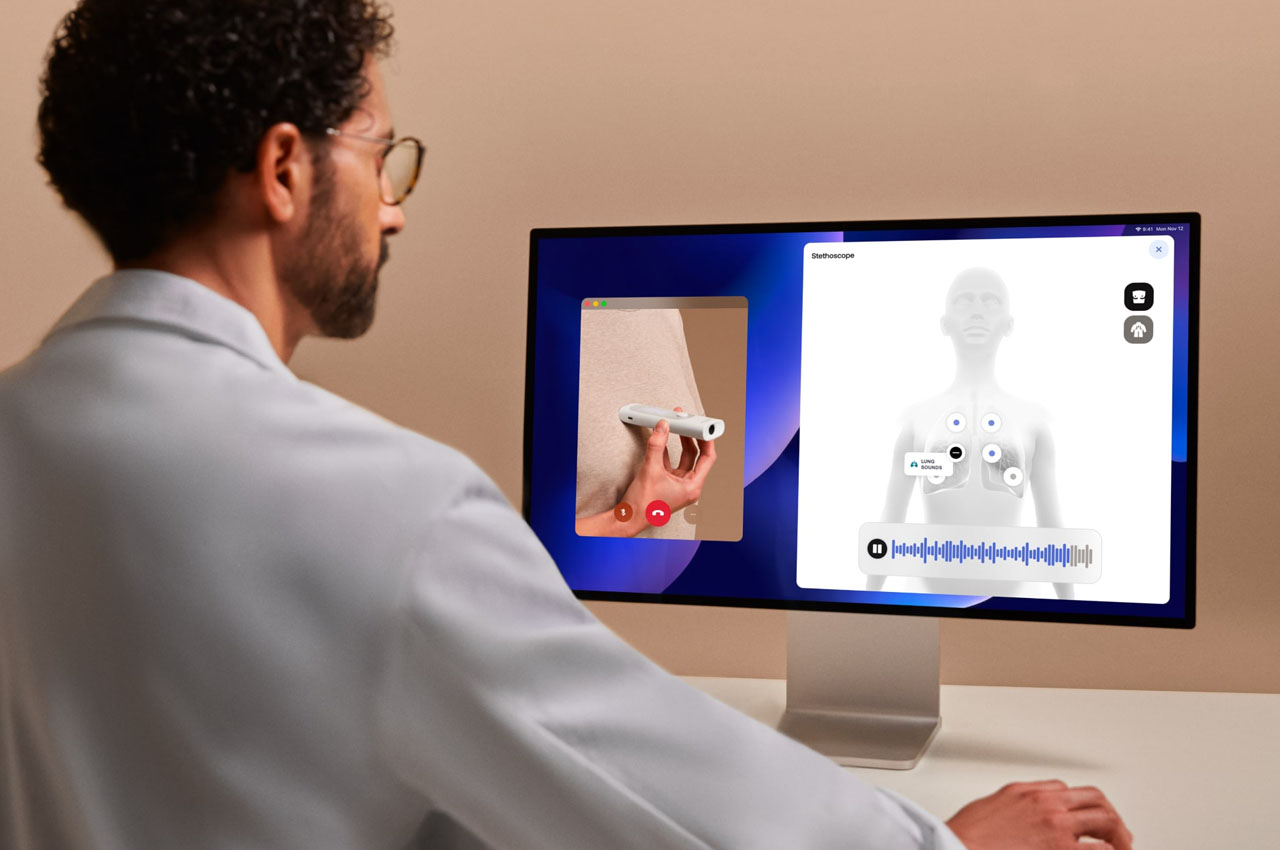
Named the MedWand, this handheld medical device lets you book remote appointments with doctors! The unique device lets doctors perform medical examinations over the internet, anytime anywhere. It also facilitates real-time monitoring and recording of vitals such as core temperature, blood oxygen saturation, pulse rate, electrocardiogram and more. The device can be used to offer high-definition otoscopic, dermatoscopic, and oropharynx images as well. It can also capture multiple 3rd party vitals like weight, blood pressure, and blood sugar.

5. Evie Smart Ring

Meet the Evie Smart Ring – a thoughtfully designed wearable for women! Evie is a medical-grade health wearable for women, amped with a variety of features to help women track their health. The wearable can track your health, menstrual cycle, and activity, and monitor your sleep quality. It is intended for women, featuring an open and flexible construction, so it fits well and feels comfortable to wear throughout the day. Evie merges and personalizes data to offer you a reading on how to better achieve your goals.

The post Top 5 Breakthrough Medical Technologies You Need To Know About first appeared on Yanko Design.
Hands-On with the First FDA-Approved OTC Hearing Aid Software Device: Apple’s AirPods Pro 2 Transform Accessibility

The U.S. Food and Drug Administration has officially authorized Apple’s over-the-counter Hearing Aid Feature (HAF), marking a breakthrough for individuals with mild to moderate hearing loss. Designed exclusively for the AirPods Pro 2, this software transforms the popular earbuds into customizable hearing aids. This development comes at a crucial time, as over 30 million American adults report some level of hearing loss, a condition that affects communication, relationships, work, and emotional well-being.

Designer: Apple

With the FDA’s recent approval, Apple’s Hearing Aid Feature allows users to tailor their listening experience without needing a prescription or professional fitting. Users can adjust personalized settings through the software using an iPhone or iPad, which enables them to fine-tune their hearing experience based on their specific needs. By offering this self-fitting functionality, Apple eliminates the need for costly audiologist visits. Instead of relying on traditional hearing aids, which often carry a stigma and high price tag, consumers can now use a product they may already own, making hearing support more accessible, affordable, and discreet.

“Hearing loss is a significant public health issue impacting millions of Americans,” said Dr. Michelle Tarver, acting director of the FDA’s Center for Devices and Radiological Health. “Today’s marketing authorization of an over-the-counter hearing aid software on a widely used consumer audio product is another step that advances the availability, accessibility, and acceptability of hearing support for adults with perceived mild to moderate hearing loss.”

The benefits for consumers are clear. The Hearing Aid Feature uses Apple’s HealthKit data to create a personalized audio profile tailored to the user’s hearing levels. This profile automatically adjusts amplification settings to enhance environmental sounds and media playback. The self-fitting process, which can be done entirely through an iPhone or iPad, is simple and intuitive, giving users complete control over their hearing aid experience. The ability to customize sound directly from a personal device reduces the barriers that often deter people from seeking hearing assistance.

The Hearing Aid Feature’s Core Functionality

This feature is specifically designed for individuals with mild to moderate hearing loss. After completing the hearing test, users receive a customized audio profile that adjusts environmental sounds and media playback to their hearing needs. The feature is not intended for those with severe or profound hearing loss, who will be advised to seek professional care. However, it’s a groundbreaking tool for users with moderate impairment, offering convenient adjustments on-the-go without specialized equipment or professional fitting.

Another key benefit is the feature’s ability to address asymmetric hearing loss. If a user has different levels of impairment in each ear, the software automatically adjusts for each side, ensuring an optimal hearing experience for both ears.

The software was tested in a clinical study with 118 participants who had perceived mild to moderate hearing loss. The results were impressive: individuals who used the self-fitting software experienced similar benefits to those who underwent professional fittings. Tests also showed that the Hearing Aid Feature provided comparable performance in amplifying sounds in the ear canal and improving speech understanding in noisy environments. Notably, no adverse events were reported during the study, further validating the safety and effectiveness of the software.

This FDA approval builds on the agency’s 2022 regulations for over-the-counter hearing aids, which allowed consumers to purchase hearing aids directly from stores or online without needing a medical exam or prescription. Apple’s software-only mobile medical application integrates advanced hearing aid technology into a familiar, everyday product. With the Hearing Aid Feature, users can now fit and adjust their hearing aids independently, avoiding the traditional challenges and costs associated with professional services.

How to Run the Hearing Test

I ran the hearing test within the Settings app during the demo after pairing the AirPods Pro 2. Users can easily access the Hearing Health section by selecting their AirPods Pro in Settings and scrolling down to the Take a Hearing Test option. From there, the on-screen instructions guide users through the process step-by-step.

The test is modeled after clinical hearing assessments, asking users to listen to tones that alternate between the left and right ears. Each tone starts faint and gradually increases in volume. All users need to do is tap the screen whenever they hear a tone. The system leverages active noise cancellation during the test, blocking out external sounds to ensure the results are accurate and unaffected by surrounding noise. Once the test is complete, the results indicate the level of hearing loss, such as mild or moderate, and automatically generate a personalized sound profile.

This profile is used to activate the Hearing Aid Feature, adjusting amplification settings based on the test results. Users can apply this profile to environmental sounds, phone calls, music, and other media, tailoring their experience to suit their hearing needs.

Reaction to the Demo

The process was simple, intuitive, and impressively smooth. As someone who demoed an incomplete version of the test, I found the setup straightforward and user-friendly, even for those without prior experience using hearing aids. The software intelligently adjusted the tones in real-time based on my responses, adapting the volume and frequency dynamically to create an accurate hearing profile.

Despite receiving generalized results indicating moderate hearing loss during the demo, the system gave me a clear understanding of how the Hearing Aid Feature would adjust to the user’s specific needs. Even though the profile was generic, the sound amplification was highly noticeable, even 5-8 feet away from the people speaking in the room. Additionally, the tonality and pitch of voices sounded sharper rather than just louder, offering a refined listening experience rather than a mere increase in volume. The real-time feedback and adaptability of the software reassured me that users could rely on this technology to provide an effective, custom-tailored hearing solution once fully functional.

Media Assist, Health Data Security, and Availability

The Hearing Aid Feature automatically enables Media Assist, which fine-tunes audio for phone calls and media playback, making conversations, music, and videos easier to hear. This feature can benefit even users with minimal hearing loss, as it automatically adjusts to individual needs without manual input.

All hearing test results are securely stored in Apple’s Health app, where users can export them as PDFs to share with healthcare providers. This ensures users have full control over their health data, maintaining privacy and security.

Apple’s FDA-approved Hearing Aid Feature transforms accessibility by integrating advanced hearing technology into a popular consumer device. This innovation reduces the stigma and cost barriers associated with traditional hearing aids, offering millions of users with mild to moderate hearing loss a discreet and more affordable way to manage their hearing health independently.

The post Hands-On with the First FDA-Approved OTC Hearing Aid Software Device: Apple’s AirPods Pro 2 Transform Accessibility first appeared on Yanko Design.

Breakthrough AI-Powered Device that can ‘Smell’ Diseases is disrupting the Healthcare Industry

Humans breathe approximately 25,000 times a day, yet within each breath lies untapped health data that a Canada-based promising startup aims to decode with their innovative handheld device. Meet the DiagNoze, a portable diagnostic tool can ‘smell’ diseases simply by analyzing your breath. The device reads volatile organic compounds (VOCs) in exhaled air, identifying biomarkers for various conditions including tuberculosis (TB). By identifying these compounds with impressive accuracy, DiagNoze offers real-time, portable diagnostics that are accessible almost anywhere, addressing critical healthcare gaps in both developed and underserved regions. The device integrates next-generation machine intelligence with NASA-derived sensor technology, delivering quick and cost-effective health insights where traditional diagnostics fall short due to high costs and slow processing.

Designer: Noze

While the most common use of breathalyzers has been to detect alcohol levels, this device can identify diseases simply by scanning your breath.

DiagNoze’s compact design and ease of use make it a practical solution for healthcare settings with limited resources. In regions where access to timely testing is scarce, the device’s rapid diagnostics can lead to earlier interventions, improving patient outcomes and reducing the spread of diseases. The company’s mission received a significant boost through additional funding from the Bill & Melinda Gates Foundation, bringing their total grant to $1.8 million. This investment will support a clinical study aimed at using DiagNoze to detect TB in high-burden countries, directly contributing to global efforts to curb the spread of this deadly disease, which claims 1.3 million lives annually.

Looking ahead, Noze envisions DiagNoze becoming a staple in everyday healthcare, where real-time health monitoring is as routine as a checkup. The device’s ability to offer actionable insights from a simple breath could revolutionize diagnostics, moving us toward a proactive healthcare model focused on prevention and early detection… quite literally a breath of fresh air in the medical industry, if you ask me!

The post Breakthrough AI-Powered Device that can ‘Smell’ Diseases is disrupting the Healthcare Industry first appeared on Yanko Design.

Ground-breaking headset uses targeted light pulses to cure depression without medicines or surgery

The idea that light can cure depression goes WAY beyond simple SAD lamps and light-therapy devices for people experiencing seasonal affective disorder during the dark months of winter.

Developed by the Vienna-based startup Syntropic Medical, this device harnesses light-based brain stimulation to offer a drug-free alternative for those who have not found success with conventional antidepressants. Light is shone into the eyes using a set of goggles, while a head-worn apparatus measures its effects – similar to using electromagnetic fields or certain sounds to treat pain, tinnitus, or depression. The approach builds on the premise that light therapy can enhance neuroplasticity—essentially, the brain’s ability to reorganize itself by forming new neural connections. For individuals who have struggled with the side effects of pharmaceuticals or seen little improvement from traditional treatments, this technology could offer a fresh path forward.

Designer: Syntropic

Syntropic’s device leverages flickering lights to target microglial cells in the brain, which play a crucial role in maintaining healthy neural circuits. By stimulating these cells, the device encourages them to remodel brain structures associated with depressive disorders. This method addresses a significant challenge in mental health care: some patients’ conditions remain unresponsive to drugs because those treatments may not directly target the underlying brain dynamics causing the disorder. The non-invasive nature of this technology also means it avoids the systemic side effects often linked to antidepressant medications, offering a more tolerable and potentially safer option for long-term use.

Syntropic’s breakthrough has already attracted significant attention and financial backing. In July 2024, the company secured €1.1 million in funding from the Austrian Research Promotion Agency (FFG), adding to earlier investments from Xista Science Ventures and AWS. This support not only validates the scientific foundation of the technology but also highlights the growing interest in non-pharmaceutical therapies for mental health. With more resources at their disposal, Syntropic Medical is poised to advance their device through clinical trials and bring it closer to widespread adoption. As the mental health field continues to explore innovative solutions beyond traditional medications, this light-based therapy could represent a crucial development for those seeking alternative ways to manage their depression effectively and safely.

The post Ground-breaking headset uses targeted light pulses to cure depression without medicines or surgery first appeared on Yanko Design.