AYANEO Just Built a 115Wh Strix Halo Handheld and Killed Portability

Gaming handhelds are supposed to fit in your hands, but AMD’s new Strix Halo processors generate serious heat and drain batteries faster than you can finish a boss fight. The GPD Win 5 and OneXFly Apex responded by strapping external battery packs to their backs, which works, but looks like your handheld is wearing a fanny pack in the wrong spot. It’s practical but awkward, and it raises an obvious question: if you’re adding external batteries anyway, why not just make the whole device bigger?

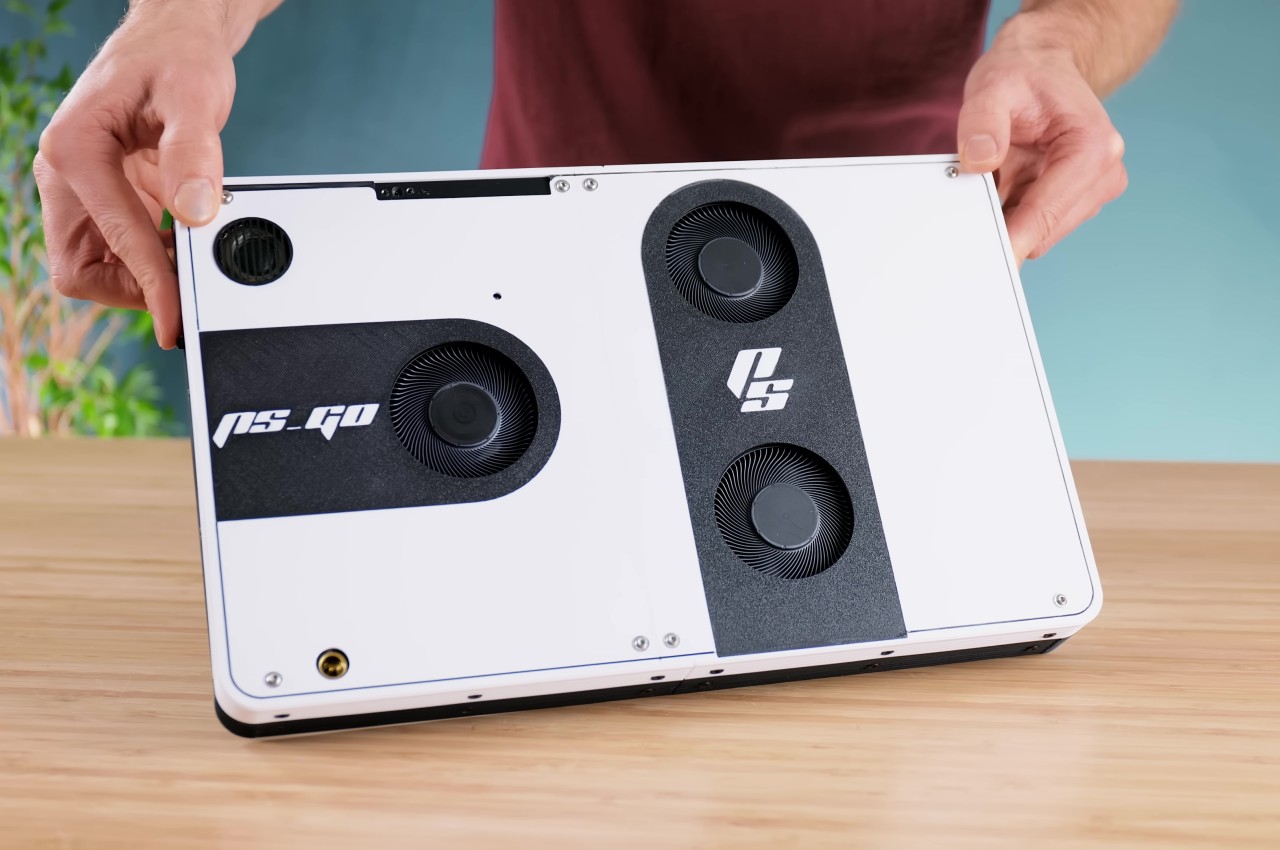
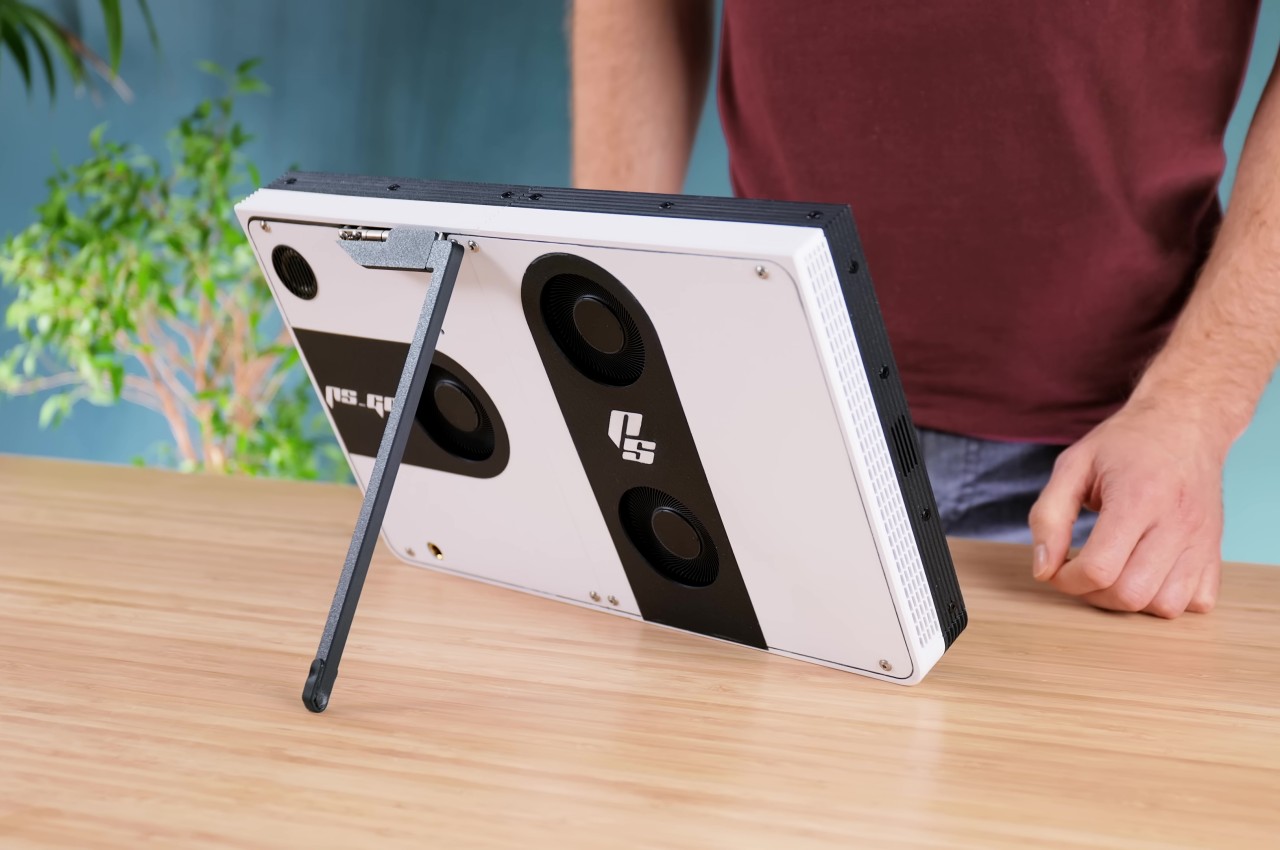
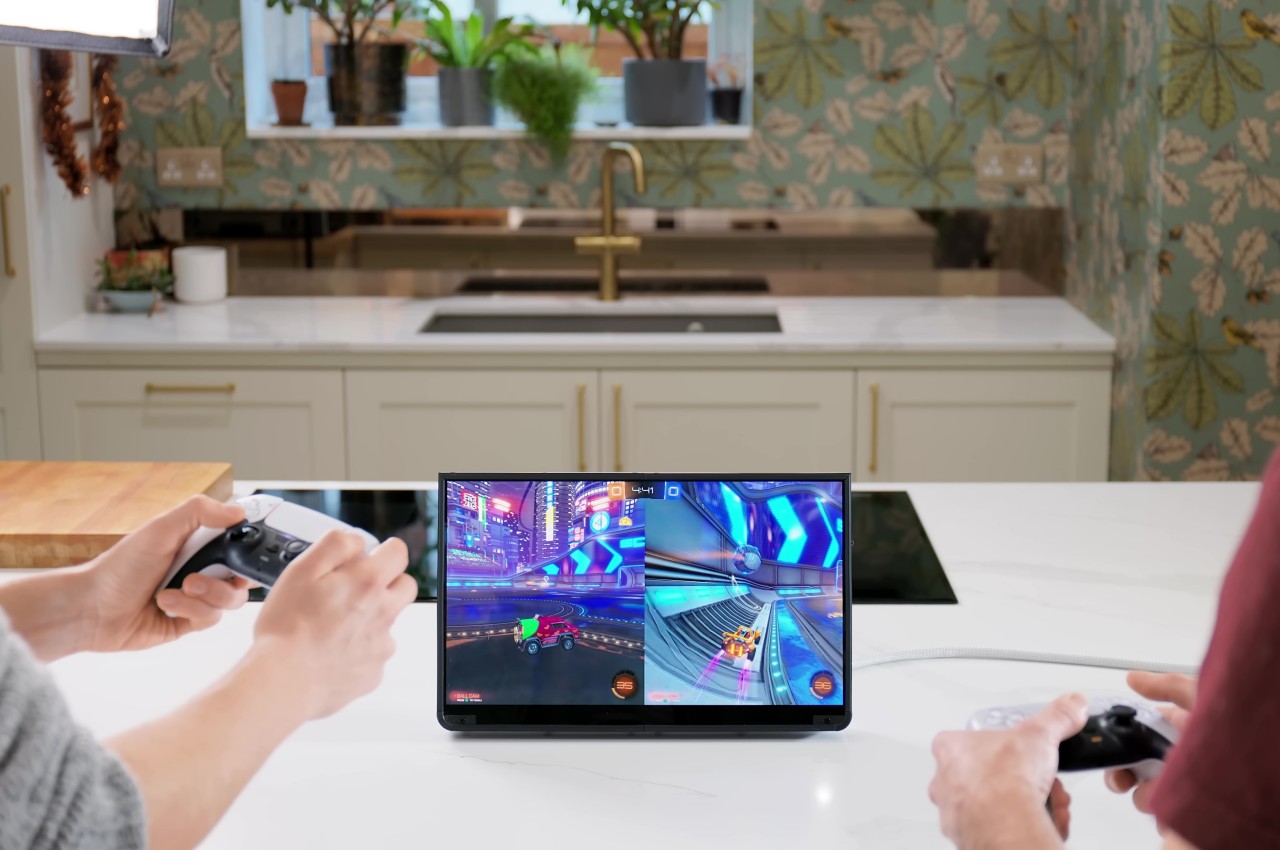
AYANEO apparently asked that same question and decided to run with it. The AYANEO NEXT II skips external packs entirely, hiding a massive 115Wh battery and a 9.06-inch OLED inside a thick, sculpted body that feels more like a portable gaming monitor with grips than something you’d slip into a backpack. It’s AYANEO’s answer to Strix Halo’s power demands, and the solution involves simply accepting that this thing was never going to be pocketable in the first place.

Designer: AYANEO

The design doesn’t apologize for its size. Deep grips flare outward like a proper gamepad, and the body is thick enough to house dual cooling fans without turning into a space heater. Hall effect sticks sit where your thumbs expect them, surrounded by a floating D-pad, dual touchpads, and speakers that actually face you instead of firing sound into your lap. It looks less like a Switch rival and more like someone decided gaming monitors needed handles attached.

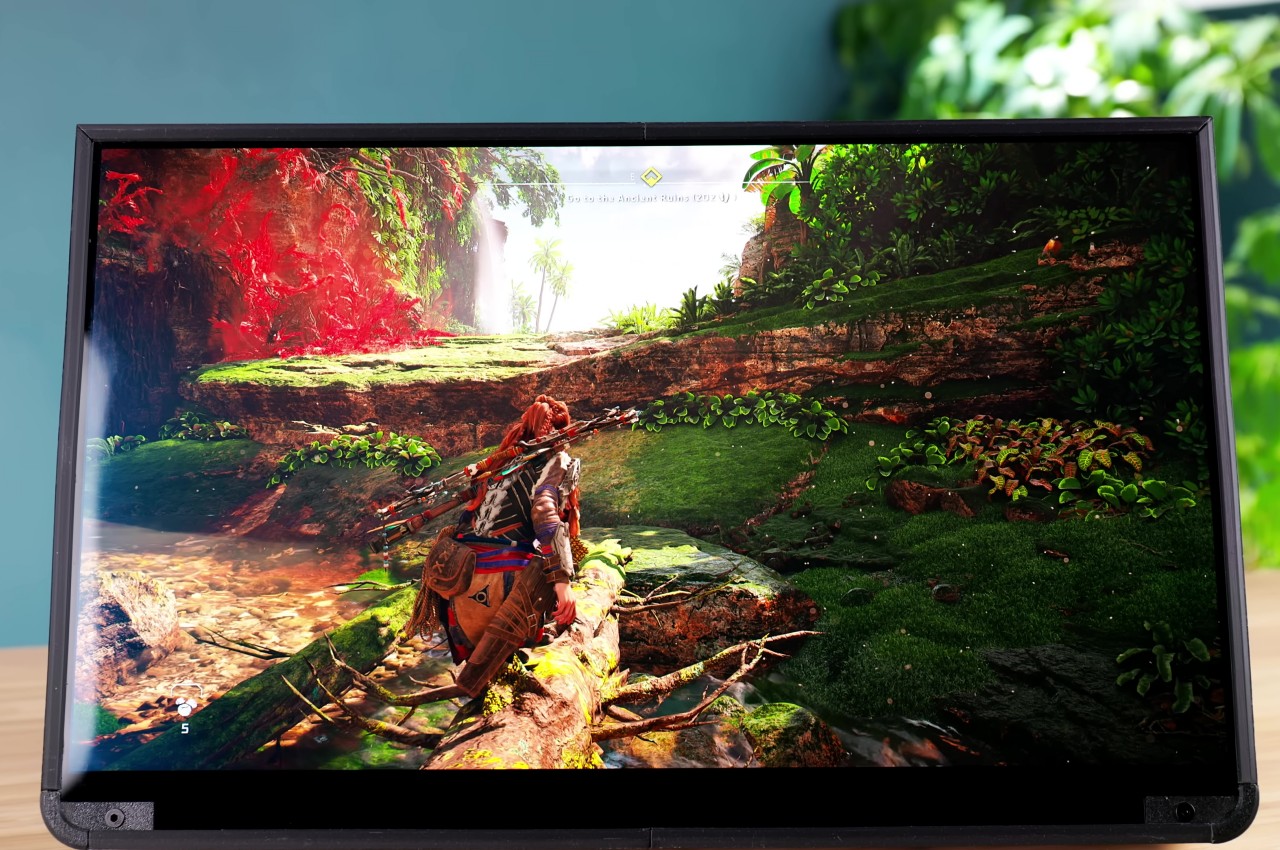
That 9.06-inch screen uses an unusual 3:2 aspect ratio instead of the typical widescreen shape most games expect. You get a gorgeous OLED panel with refresh rates up to 165Hz and brightness that peaks at 1100 nits, which sounds fantastic until you realize most games will either add black bars or run nowhere near 165 frames per second at this resolution anyway. Still, it’s lovely for desktop windows and emulators that appreciate the extra vertical space.

The 115Wh battery is where things get complicated. Everything stays hidden inside for a cleaner look and more console-like feel, but that capacity might cause questions at airport security since many airlines cap carry-on batteries at 100Wh. You also can’t swap batteries when one dies, and constantly feeding an 85-watt processor means faster charge cycles and potential long-term wear. You’re looking at two to three hours of heavy gaming before hunting for an outlet.

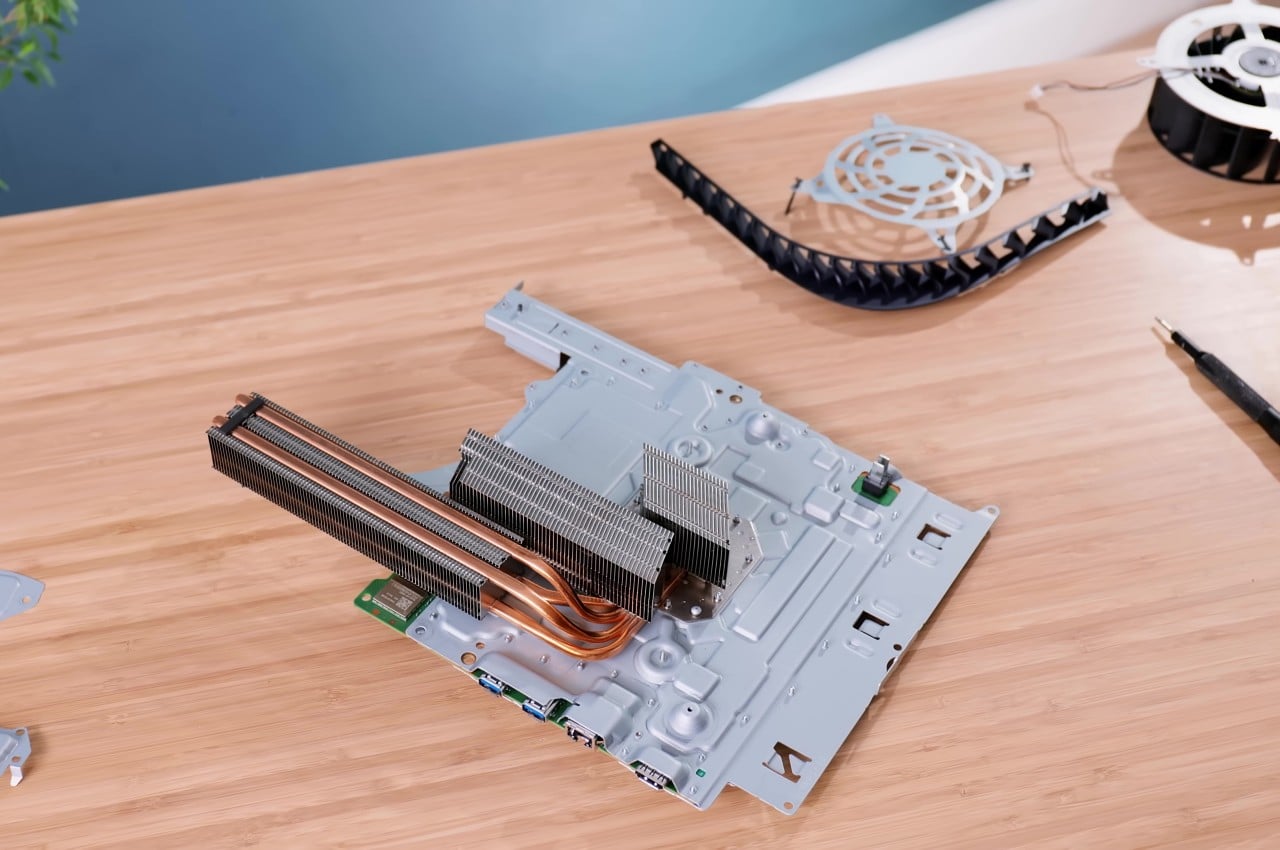
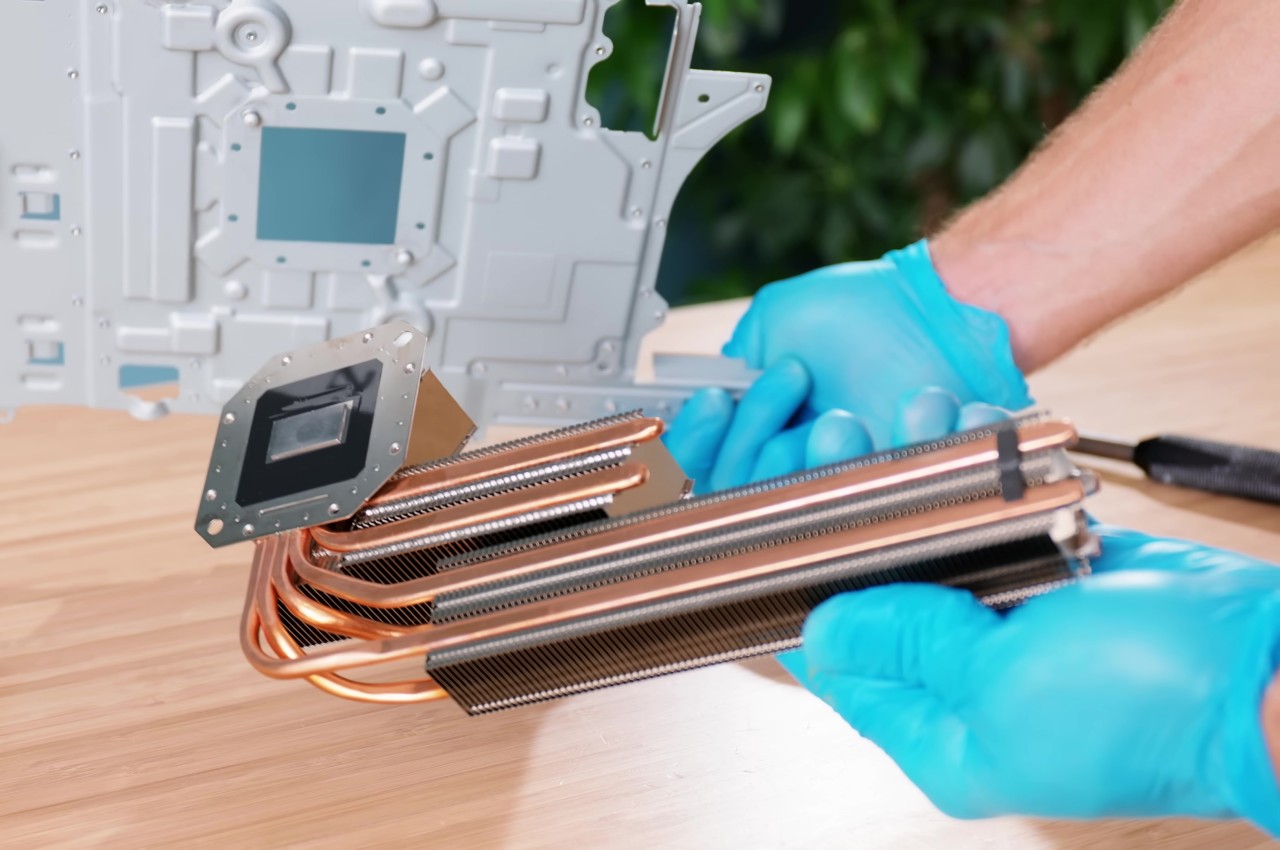
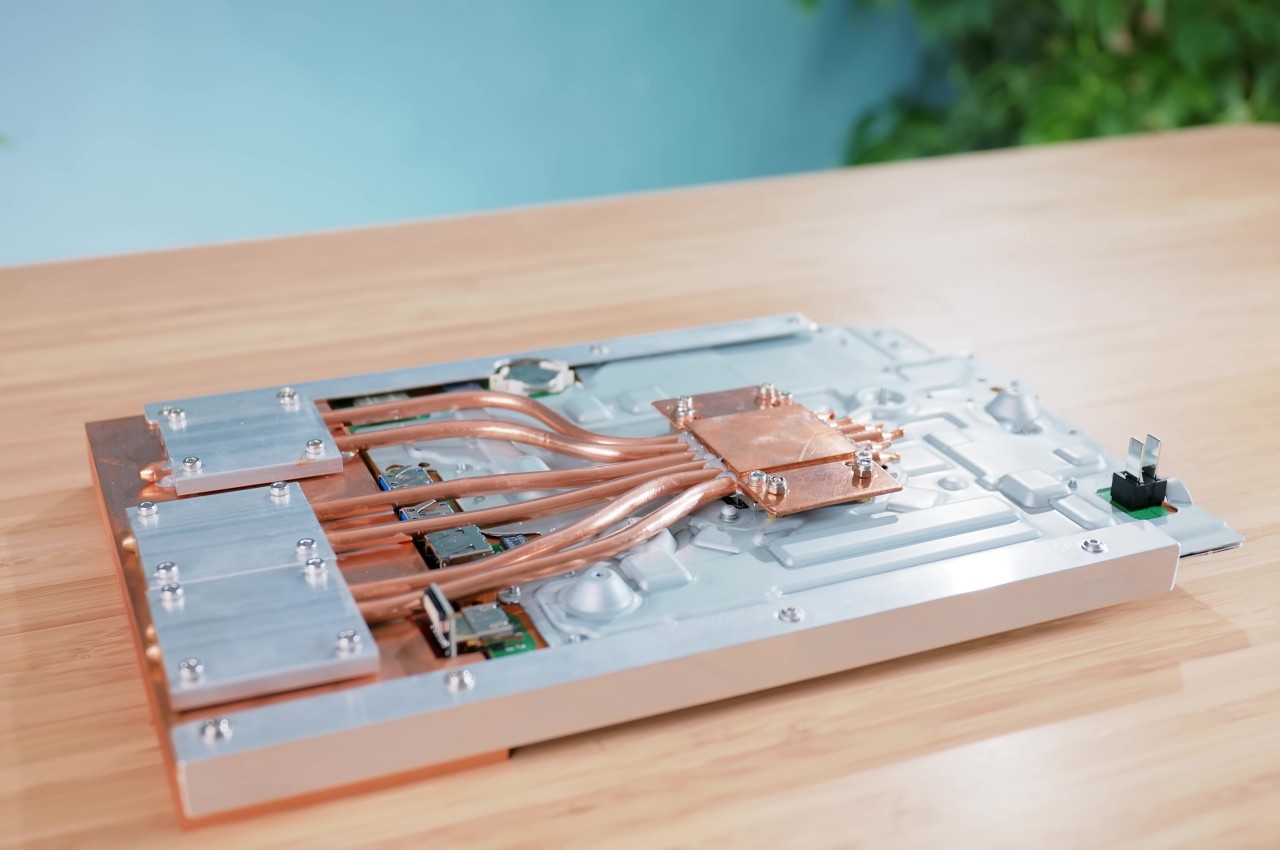
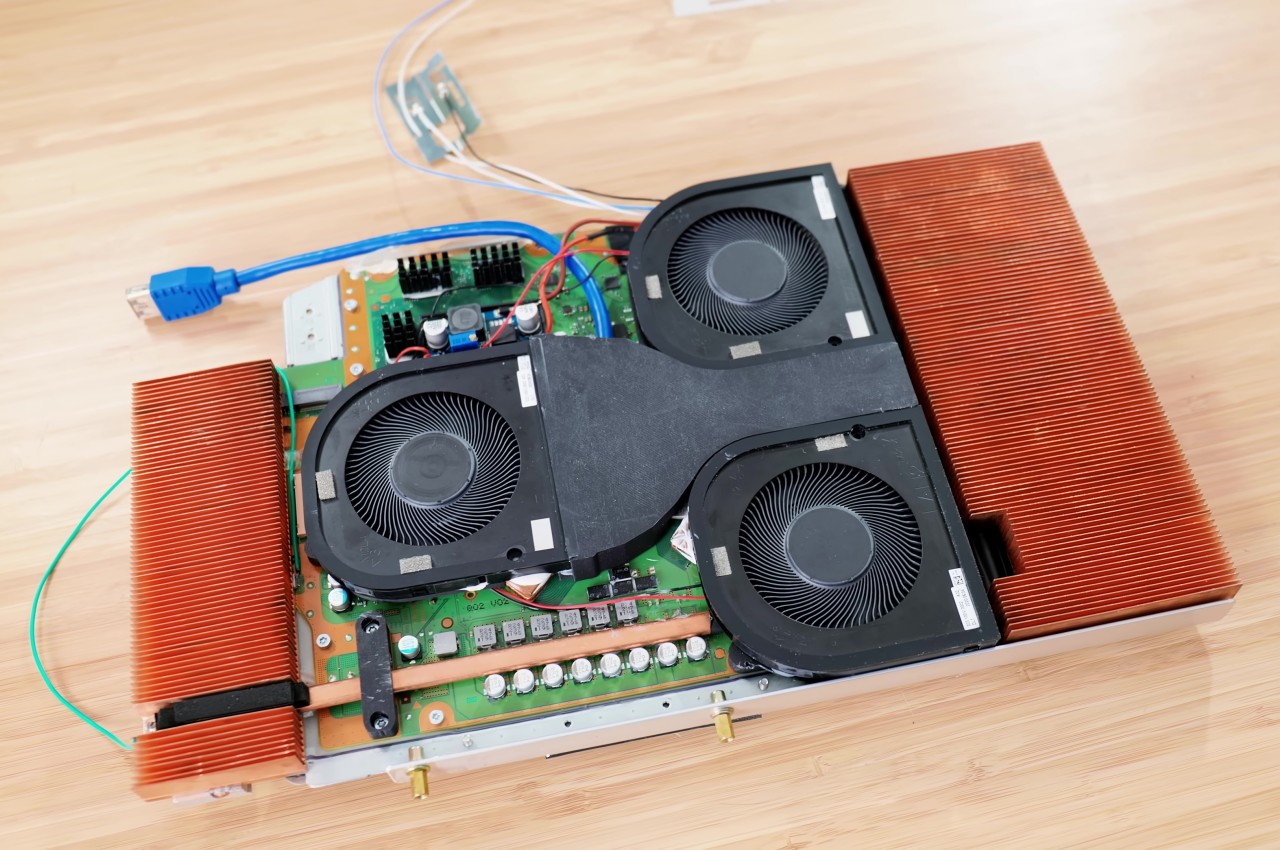
The dual cooling fans work hard to keep Strix Halo from overheating, and you’ll definitely hear them during intense sessions. AYANEO claims it can sustain up to 85 watts, which should let the integrated Radeon graphics handle modern games at respectable settings, though you’ll also feel warmth radiating from the vents. This is less a grab-and-go portable and more something you carry from the couch to the desk when you need a scenery change.

AYANEO loaded the NEXT II with premium controls that enthusiasts will genuinely appreciate. Hall effect sticks and triggers promise zero drift, dual-stage trigger locks switch between smooth analog and clicky digital modes, and rear buttons plus dual touchpads give you more inputs than a standard controller. A magnetic haptic motor adds feedback that tries to mimic console vibration, and the AYASpace software hides Windows behind a console-style launcher with performance tuning options built in.

The AYANEO NEXT II essentially stops pretending to be portable. It won’t fit in a jacket pocket, might get flagged at airport security, and is almost certainly too heavy for comfortable one-handed play in bed. But if you want something that feels more like a small gaming monitor with built-in controls rather than a device you’d actually carry around town, this oversized approach makes a strange kind of sense. You just have to accept that portability took a back seat to screen size and battery capacity.

The post AYANEO Just Built a 115Wh Strix Halo Handheld and Killed Portability first appeared on Yanko Design.
I Stopped Paying for Cloud Storage After Trying This Tiny 256GB iPhone SSD

I remember a time when smartphones had expandable storage. In fact, I remember feeling this internal rage when I saw the iPhone Air and that Apple even decided that a physical SIM slot wasn’t necessary anymore, because apparently a SIM tray blocks so much space that you need to shave down on a phone’s battery capacity. It’s wild that we’ve gotten to this point in our lives, and what’s more wild is that we now have to ‘rent’ storage out by paying for iCloud or Google Drive subscriptions to store our photos and videos. I remember when you could pop in a MicroSD card and those low-storage problems would go away… and ADAM Elements is trying to bring back that convenience with its ultra-tiny SSDs.

The iKlips S isn’t as small as a MicroSD, but it’s sufficiently more advanced than one. Barely the size of a 4-stud LEGO brick, this SSD plugs right into your smartphone, giving it an instant 256GB memory boost. It docks in your phone’s USB-C port, transferring data at incredible speeds, and here’s the best part – the tiny device packs biometric scanning too, which means you can pretty much secure your backups with a fingerprint the way you secure your phone with FaceID. The best part? No pesky subscription fees. You pay once and own the storage forever, and everything’s local and offline… so you never need to worry about remembering passwords, or about having companies and LLMs spy on your personal data to train themselves.

Designer: ADAM Elements

Click Here to Buy Now: $62.3 $89 (30% off, use coupon code “30YANKOIKPS”). Hurry, deal ends in 48-hours!

Think a thumb drive, but insanely tinier. That’s the beauty of SSDs, and ADAM Elements touts that the iKlips S currently holds the record for the world’s smallest SSD. Plug it into your phone, tablet, laptop, or any device and it instantly gets a 258GB bump. Data transfers at speeds of up to 400Mb/s with read speeds of 450Mb/s, that’s fast enough to move RAW files in milliseconds and entire 4K videos in seconds, or even directly preview/edit ProRes content on your phone, tablet, or laptop without having to transfer data to local storage. After all, that’s the dream, right?

The tiny device comes with a machined aluminum body and a lanyard hole so that you can string something through to prevent it from getting lost. Plug it into your phone to back up media, then into your laptop or iPad to edit said media. You can transfer data between multiple devices fairly quickly, across platforms too, thanks to cross-compatibility with iOS, Android, MacOS, Windows, ChromeOS, and even Linux. The tiny design sits practically flush against your phone, tablet, or laptop, occupying about the same amount of space as a USB receiver for a wireless keyboard or wireless mouse. Its most important design detail, however, hides in plain sight.

On the underside of the iKlips S is a fingerprint scanner, allowing you to add authentication to your SSD the way you add a password to your iCloud. The device can hold as many as 20 fingerprints, making it perfect for redundancies (just in case you cut a finger while chopping veggies) or even for a team of multiple people sharing data. Place your finger on the iKlips S and it unlocks the SSD, allowing you to read/write data in no time. You’re never faced with forgetting your iCloud password as your password literally lives on your fingertips.

The price of it all? A mere $62.3, which costs about as much as an annual subscription to these cloud storage services. For that, you get something you truly own, and can use without needing an app or an internet connection. Just plug it in and you’ve suddenly got extra storage. Secure the storage with a fingerprint, and move data around at speeds your internet service provider could only dream of. Neat, huh?

Click Here to Buy Now: $62.3 $89 (30% off, use coupon code “30YANKOIKPS”). Hurry, deal ends in 48-hours!

The post I Stopped Paying for Cloud Storage After Trying This Tiny 256GB iPhone SSD first appeared on Yanko Design.
Satechi 7-in-1 Hub Retracts Its Cable and Sticks Magnetically

Travel adapters and USB hubs have always been a necessary evil for anyone working on the go. You need the ports, but you definitely don’t want the mess of cables tangling in your bag or the clunky rectangle of plastic taking up desk space. Most hubs solve the functionality problem while creating new ones, giving you dongles that dangle awkwardly or adapters so bulky they block adjacent ports. Heck, some of them are so ugly you’d rather hide them under your laptop than let anyone see what you’re working with.

Satechi’s OntheGo 7-in-1 Multiport Adapter takes a different approach, packing seven essential ports into a compact, round design that actually looks like something you’d want to carry around. The real trick is how it handles cables and portability. Instead of a short, rigid cable that forces the hub to sit awkwardly next to your device, this one uses a coiled, braided USB-C cable that retracts neatly around the base when not in use, keeping everything tidy and tangle-free.

Designer: Satechi

The adapter itself is a matte black puck measuring just 2.6 inches across and one inch thick, small enough to fit in your pocket next to an AirPods case. Subtle Satechi branding sits embossed on the top, while the edges feature knurled grips that make it easy to handle. The ports wrap around the perimeter, including HDMI for displays up to 4K at 60Hz, gigabit Ethernet for reliable wired connections, two USB-A ports running at 5Gbps, and slots for both SD and microSD cards supporting UHS-I speeds up to 104MB/s.

Of course, there’s also USB-C Power Delivery that accepts up to 100W input and delivers up to 80W output, so you can charge your laptop while using all the other ports. That’s particularly useful when you’re working from a coffee shop or airport lounge and need to plug in everything at once without running out of power halfway through your tasks.

What makes the OntheGo adapter feel genuinely clever is the magnetic mounting. It snaps directly onto MagSafe iPhones, or you can stick the included adhesive ring onto the back of any tablet or laptop to create a magnetic surface. That means the hub stays attached to your device when you pack it away, eliminating the usual hunt through your bag for a missing adapter. It’s a small detail, but one that makes the whole experience feel more intentional.

At $59.99, the OntheGo sits between cheap adapters that barely work and premium options that cost twice as much. For anyone tired of tangled cables and bulky hubs cluttering their bag, that’s a reasonable price for something that actually fits how people work these days. The fact that it magnetically sticks to your devices and stores its own cable means you might actually stop losing dongles in the depths of your backpack for once.

The post Satechi 7-in-1 Hub Retracts Its Cable and Sticks Magnetically first appeared on Yanko Design.
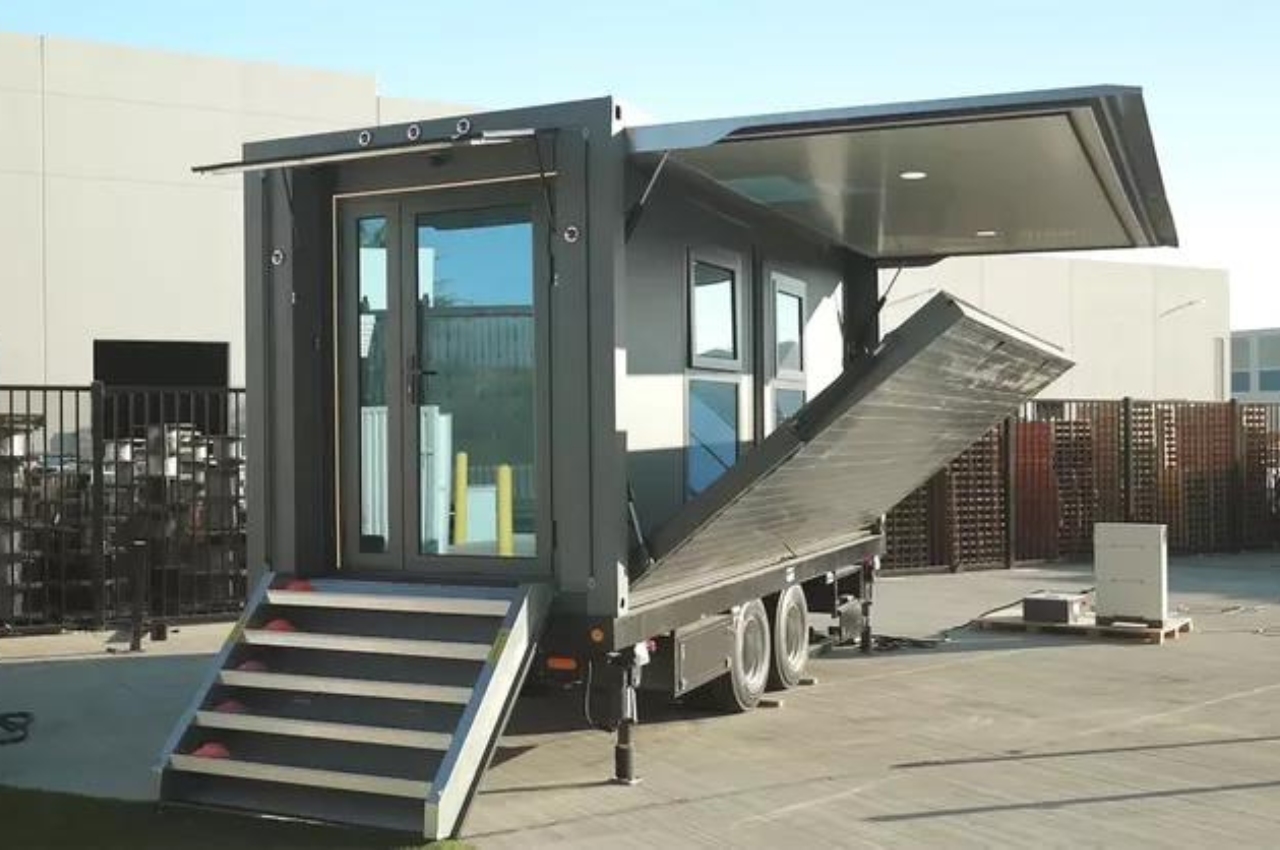
AeroPress Made a Coffee Grinder That Fits Inside the Plunger

Manual grinders designed for travel usually give up something important to stay portable. Compact versions use cheaper burrs that grind unevenly, producing bitter coffee no matter how carefully you brew it. Premium grinders with Italian burrs deliver consistent results but end up too bulky for backpacks, forcing you to choose between bringing mediocre equipment or leaving the grinder at home and buying pre-ground beans that taste stale before the bag even opens.

AeroPress’s new manual grinder fits completely inside the AeroPress plunger without any parts sticking out or requiring disassembly beyond detaching the magnetic handle. Italian titanium-coated burrs handle everything from espresso-fine to French press coarse across sixty distinct settings. The all-metal construction weighs enough to feel serious without becoming awkward to pack alongside other camping gear or travel essentials that compete for limited bag space.

Designer: AeroPress

The body uses knurled aluminum with vertical ridges that provide grip when your hands are cold or slightly damp from washing beans. Dark gray metal keeps it looking professional instead of cheap. The catch holds twenty-five grams, which matches single-dose brewing perfectly and eliminates the waste that comes from grinding more coffee than you actually need for one cup or pot.

Grind adjustment happens through a numbered dial that clicks between sixty settings spanning the full range from powder-fine espresso to chunky cold brew. The grinder ships preset to medium-fine, which works immediately for AeroPress without fiddling with settings first. Twist coarser for French press. Dial finer for moka pot or espresso. The changes happen quickly without tools or confusing calibration steps that make adjusting grind size feel like solving a puzzle.

The handle attaches magnetically when you’re grinding and slides into a groove along the body when you’re done, where magnets hold it flat against the metal surface. This lets the entire grinder collapse into a cylinder that fits inside the AeroPress plunger without anything jutting out awkwardly. Pull it out, snap the handle on, grind your beans, and brew using two pieces of gear that nest together the whole trip.

Dual bearings inside the crank mechanism keep grinding smoothly enough that your arm doesn’t tire halfway through processing a full dose. The long handle provides leverage that makes each rotation easier compared to compact grinders with short cranks that require more effort and more turns to process the same amount of beans. This matters early mornings when you’re not fully awake yet or outdoors when cold air makes everything feel harder.

Cleaning requires no tools beyond the included brushes that sweep out residual grounds from the burr chamber and catch. The all-metal construction handles temperature swings and outdoor conditions better than grinders with plastic parts that crack when cold or warp inside hot cars. The lifetime warranty on the burr set suggests AeroPress expects this grinder to last years of regular use without degrading performance.

The grinder extends what AeroPress does well into the grinding stage, giving users who already trust the company’s brewers a matching tool that shares the same design priorities around portability, build quality, and making excellent coffee. The combination of premium burrs, thoughtful engineering, and genuine compactness makes it one of the few manual grinders that actually delivers on portability claims without compromising the grind consistency serious coffee brewing demands daily.

The post AeroPress Made a Coffee Grinder That Fits Inside the Plunger first appeared on Yanko Design.

Samsung Movingstyle Screens Roll From Room to Room on Wheels

TVs stay bolted to walls where they were installed years ago. Monitors sit on desks connected to power outlets and computers through cables that limit how far they can go. Tablets work anywhere, but shrink everything down to sizes that feel cramped during longer sessions. Most screens plant themselves in one spot and expect you to come to them instead of moving to where you actually need them.

Samsung’s Movingstyle lineup builds screens meant to follow you around instead of staying put. The twenty-seven-inch touchscreen and thirty-two-inch M7 monitor both roll on stands with wheels hidden underneath, so moving them between rooms takes minimal effort. The smaller version also detaches from its stand completely and runs on battery for three hours when you carry it by the handle built into the kickstand.

Designer: Samsung

The touchscreen model weighs enough to feel substantial but not so much that carrying it around feels like a workout. The white finish and slim bezels keep it looking clean rather than gadget-heavy. The kickstand holds the battery and all the internal components in one integrated module, which means fewer parts that could fail over time compared to designs that scatter everything separately.

Touch response works smoothly for tapping through menus, swiping between apps, or sketching directly on screen when ideas need capturing quickly. The same screen works just as well from across the room when you’re using the remote to browse shows. This dual approach handles both close-up work and relaxed viewing without requiring different devices for different situations.

The M7 grows to thirty-two inches with 4K resolution, positioning itself more as a rolling workstation. The stand adjusts height and tilts the screen to whatever angle works best. Wheels roll quietly across floors, whether you’re moving over hardwood or carpet. The power cable runs through the stand’s column to keep everything tidy instead of trailing along the floor waiting to get tripped over.

Both screens run Tizen OS with access to Samsung TV Plus for streaming without subscriptions, Gaming Hub for playing console games through cloud services, and the Art Store displaying museum-quality pieces when the screen sits idle. User profiles keep recommendations separated, so everyone in the house gets content matched to what they actually watch instead of a jumbled mix.

The smaller Movingstyle might start in the kitchen, showing recipes during breakfast prep, roll to the living room for afternoon video calls, then end up in the bedroom for late-night shows. The M7 could sit in the home office all week for work, then roll out to the patio for weekend movie nights or into the workout space for following along with fitness videos.

Ports sit centered on the back panel instead of scattered along edges, which keeps cables organized and the rear view clean when the screen sits visible from multiple angles. Both models switch between landscape and portrait orientation smoothly, useful for vertical content or using the Movingstyle as a presentation tool during meetings.

The Movingstyle lineup treats screens as objects that should follow your routines instead of forcing you to build schedules around where they happen to be installed permanently. The combination of touchscreen interaction, battery-powered portability, and rolling mobility brings genuine flexibility to spaces where fixed installations would limit how and when you actually use them. Samsung’s approach feels overdue for technology meant to serve daily life.

The post Samsung Movingstyle Screens Roll From Room to Room on Wheels first appeared on Yanko Design.
The Invisible Kitchen Revolution: IGT Phantom Stove

You know that moment when technology becomes so intuitive it practically disappears? That’s exactly what Shenzhen Juyouhang Technology Co. just pulled off with their IGT Phantom Stove, a MUSE Design Award winner that’s making waves in the outdoor cooking scene for all the right reasons.

At first glance, the name “Phantom” might sound a bit dramatic for a camping stove. But spend a minute looking at this design, and you’ll get it. This isn’t your clunky, utilitarian camping gear that screams “I’m roughing it in the wilderness.” Instead, it’s a sleek piece of equipment that bridges the gap between serious outdoor functionality and the kind of minimalist aesthetic we’ve come to expect from our favorite tech gadgets.

Designer: Shenzhen Juyouhang Technology

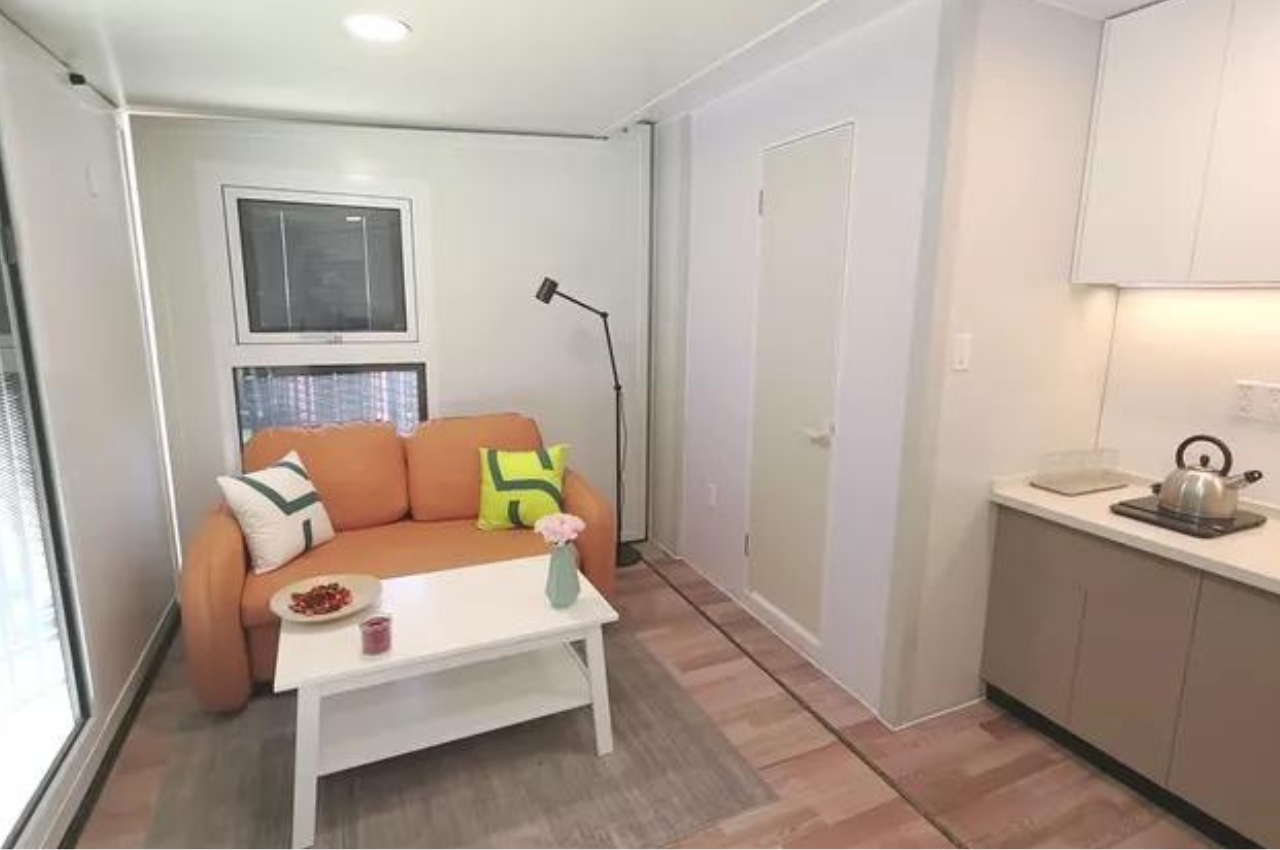
The IGT system, for those not already deep into the camping world, stands for Iron Grill Table, a modular camping kitchen concept that originated in Japan. Think of it like LEGO blocks for your outdoor cooking setup. Different components slot into a unified system, letting you customize your camp kitchen however you want. The Phantom Stove takes this concept and refines it with a sophistication that feels more Apple Store than sporting goods aisle.

What makes this stove particularly clever is how it manages to be simultaneously present and absent. When you need it, it’s there, ready to boil water or cook a gourmet camp meal. When you don’t, its foldable design and clean lines mean it practically melts into your setup. There’s no visual clutter, no awkward bulk taking up precious space in your gear collection or on your camp table.

The design philosophy here speaks to a broader shift happening in outdoor equipment. We’re moving past the era when camping gear had to look rugged and intimidating to be taken seriously. Today’s outdoor enthusiasts want products that perform brilliantly but also respect their aesthetic sensibilities. They’re taking Instagram-worthy photos of their campsites, hosting friends for glamping weekends, and expecting their gear to look as good as it functions.

Shenzhen Juyouhang Technology clearly understands this market evolution. The Phantom Stove’s stainless steel construction suggests durability without sacrificing elegance. Its compatibility with the IGT system means it plays well with others, fitting seamlessly into existing setups rather than demanding you rebuild your entire camp kitchen around it. This kind of thoughtful integration is what separates good design from great design.

The portability factor can’t be overstated either. Modern campers are increasingly mobile, whether they’re van-lifers constantly on the move, backpackers counting every ounce, or weekend warriors who want setup and breakdown to be as painless as possible. A stove that folds down without complicated mechanisms or fragile parts is worth its weight in gold. Or in this case, stainless steel.

There’s also something refreshing about seeing Chinese design firms like Shenzhen Juyouhang Technology getting recognition on the international stage. The MUSE Design Awards spotlight excellence from around the globe, and this win reflects how innovation in outdoor equipment is truly becoming a worldwide conversation. Great ideas can come from anywhere, and the camping community benefits when designers from different cultures and perspectives bring their unique approaches to solving common challenges.

What’s particularly exciting about products like the Phantom Stove is how they lower the barrier to entry for people curious about outdoor cooking. When gear looks approachable and fits naturally into your life rather than requiring a complete lifestyle overhaul, more people are willing to give it a try. You don’t need to be a hardcore backpacker to appreciate clean design and smart functionality.

The recognition from MUSE Design Awards validates what many outdoor enthusiasts already know: the gear we use matters, not just for performance but for the entire experience. When your equipment is well-designed, intuitive, and beautiful, it enhances every moment of your adventure. You’re not fighting with finicky mechanisms or tolerating eyesores. You’re just cooking, enjoying nature, and living well.

The IGT Phantom Stove represents where outdoor design is heading: smarter, sleeker, and more integrated into our lives. It’s proof that we don’t have to choose between function and form, between serious performance and sophisticated aesthetics. We can have both, and honestly, we should demand both.

The post The Invisible Kitchen Revolution: IGT Phantom Stove first appeared on Yanko Design.
Tricorder-like device concept envisions a futuristic portable health scanner

Smartphones and smartwatches today have a variety of sensors and apps that give us a glimpse of our health. We can track heart rates, blood oxygen levels, and even temperatures, and combine that data to create a more holistic picture and actionable steps. Of course, nothing beats professional medical equipment, but we can’t carry those around with us.

Phones and wearables might be convenient, but they don’t always offer the best user experience for specific needs. This concept device, for example, tries to imagine a dedicated health scanner that is able to cram more features while still retaining its portable size. And it even looks and feels quite advanced to boot!

Designer: Vadim Trofimenko

When talking about handheld scanning devices, many sci-fi and pop culture buffs will probably think of Star Trek tricorders. These fictional devices can detect and analyze almost anything, from materials to creatures to people. Of course, we haven’t yet reached that level of technology, but we’re getting pretty close thanks to computer vision and AI.

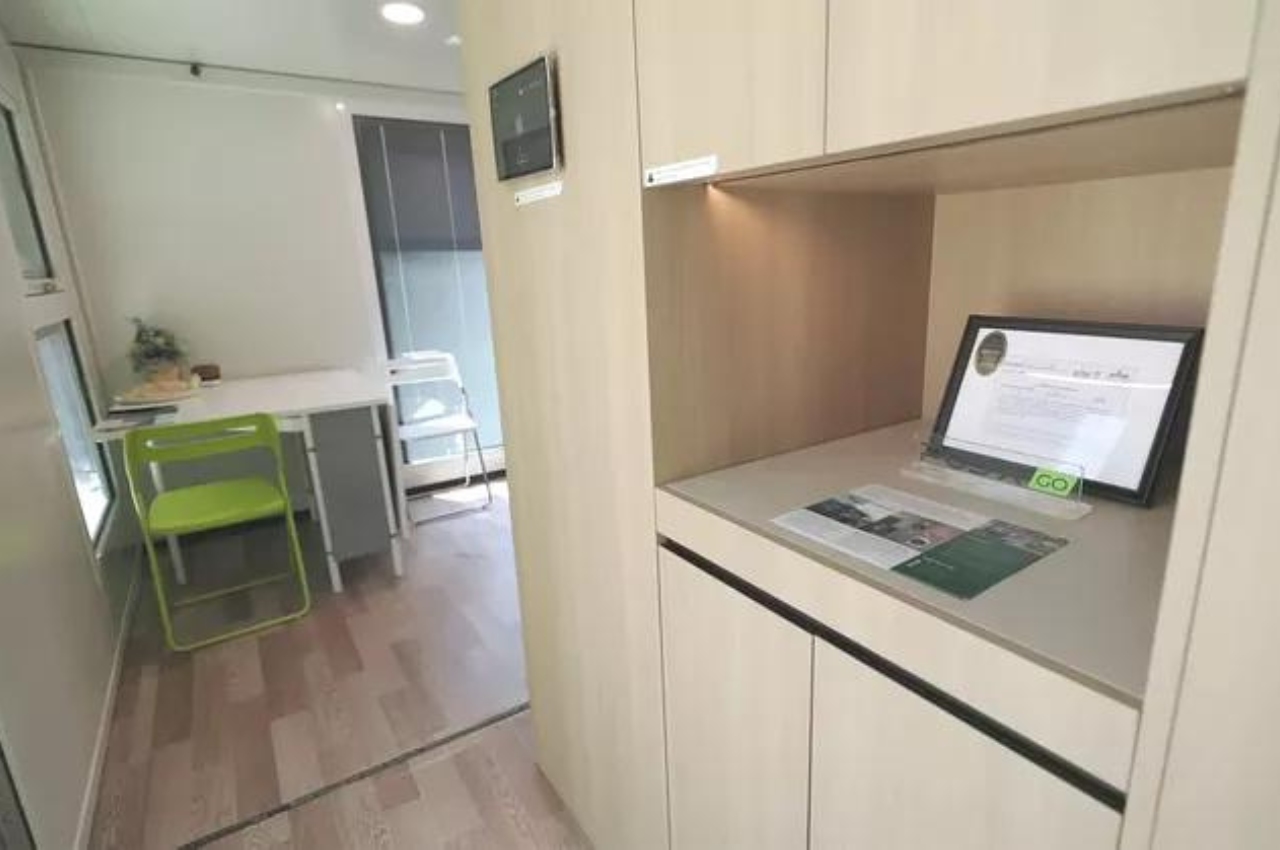
The MediScan Pro concept design tries to deliver some of that futuristic experience to the realm of personal health. It’s a pocket-sized metal box that offers more specialized functionality than generic smartphones and smartwatches, at least in theory. Based on the concept, it still scans your finger to get data, similar to how IR and laser scanners work today.

In terms of design, the MediScan Pro has a bit of a retro-futuristic aesthetic. It’s quite box and angular, not hiding the fact that it’s a technological product. There’s a sizeable fingerprint scanner near the top, a small display in the middle, and buttons and wheels at the bottom for controlling the devices. It has an aluminum body but, curiously, the textured surface on its back is supposed to be made from recycled plastic.

Much of the functionality it tries to offer is, to be honest, already available today, especially with the limited data you can glean from a fingerprint. It also uses AI to evaluate the data, give you recommendations, or contact your health provider. The difference from smartphones and smartwatches that already exist today is that MediScan Pro offers a distraction-free experience so you don’t suddenly forget what you’re doing because of the flood of notifications and alerts that greet you.

One unrealistic feature, however, is the use of holograms to display your health status. We’re not yet at that point where small devices can display detailed holograms, let alone ones that contain enough information at a glance. That’s not entirely outside the realm of possibility, but by then we might also have less bulky and more elegant designs by then.

The post Tricorder-like device concept envisions a futuristic portable health scanner first appeared on Yanko Design.
PlayStation Portal is finally catching up to the Nintendo Switch and Steam Deck

What is the point of being portable if you can’t exactly carry it everywhere? Granted, you can indeed bring the PlayStation Portal anywhere inside the house as long as it’s within range of a Wi-Fi network that’s connected to your PlayStation 5. That’s definitely fine if that’s all you ever want to do, but not in the age of gaming handhelds.

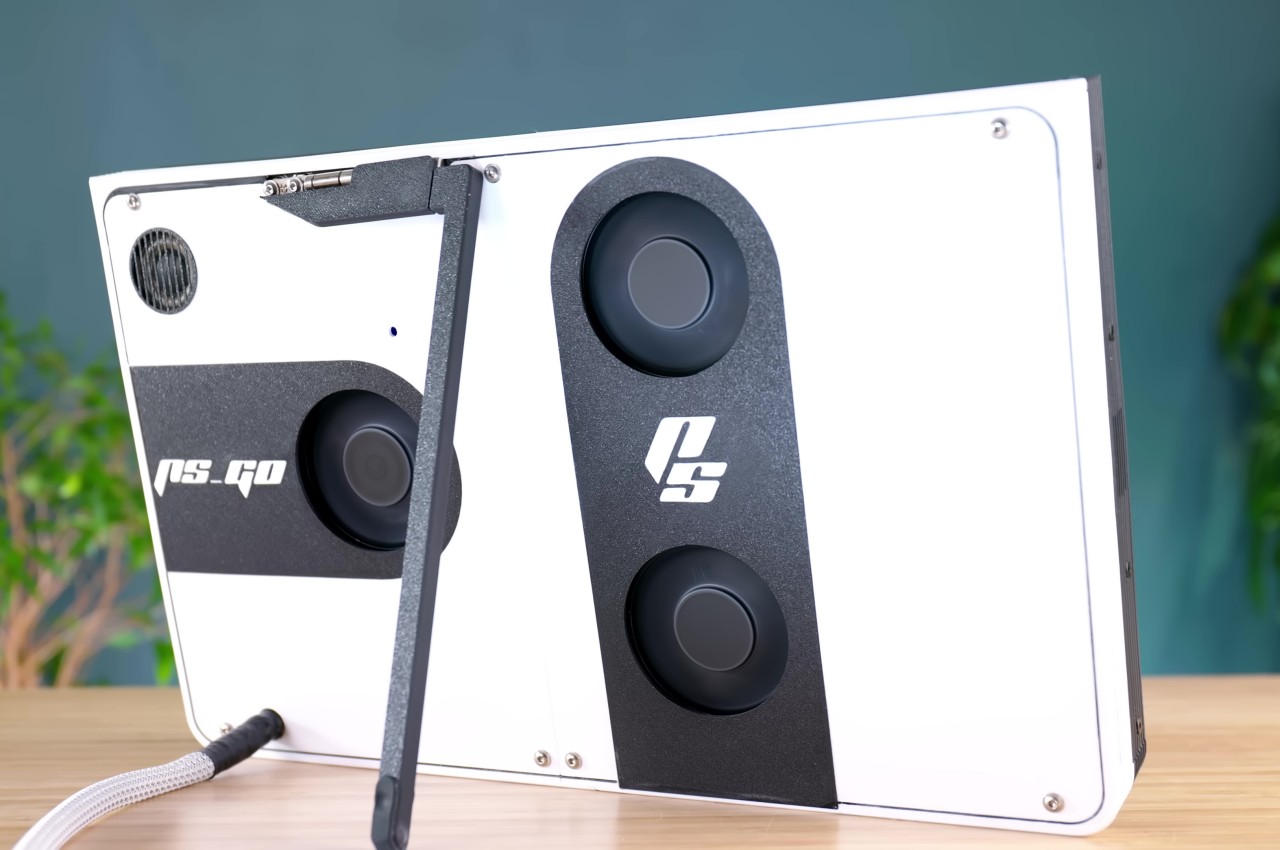
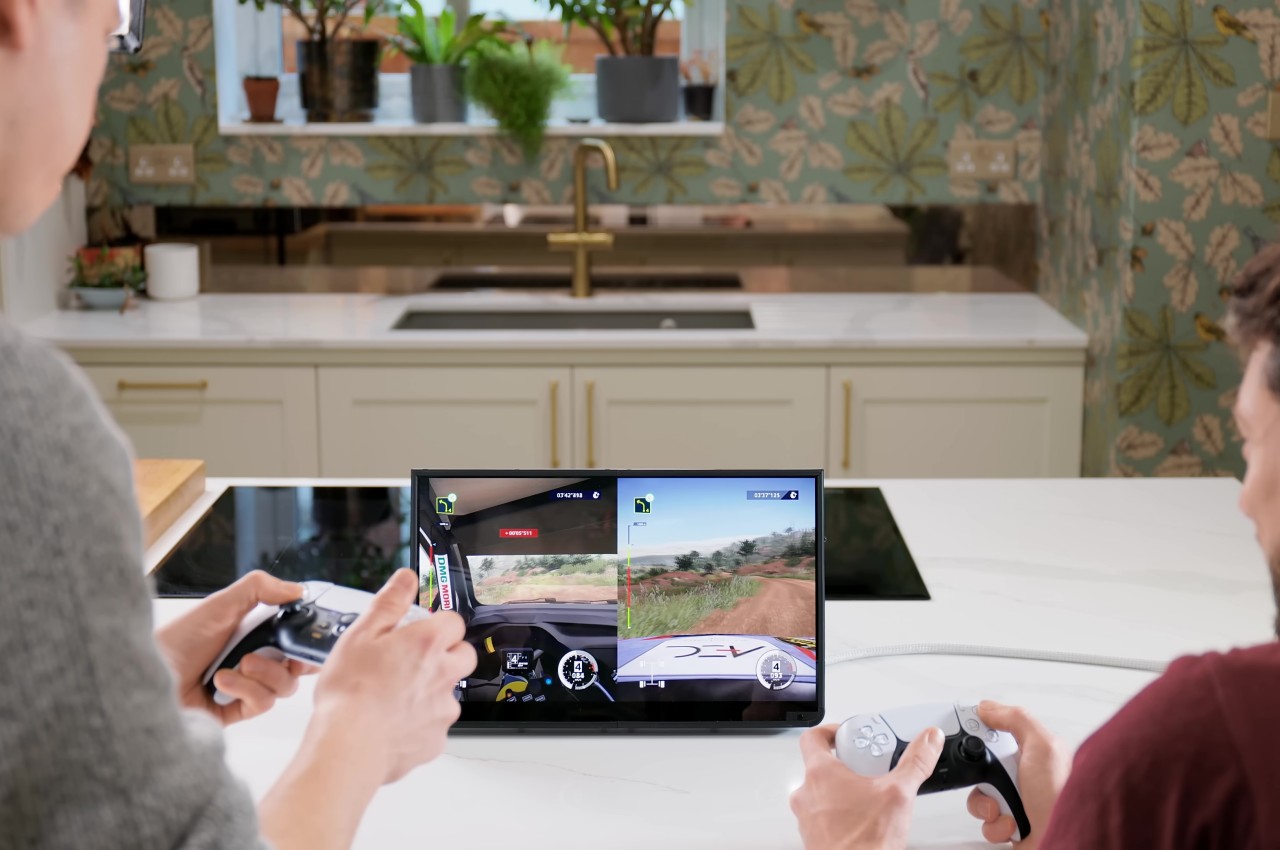
Launching after the Nintendo Switch, the Steam Deck, and a whole host of other gaming PC handhelds, the PS Portal definitely felt limiting and disappointing. Fortunately, it seems that Sony is finally giving what PS fans have been clamoring for, allowing remote cloud access to PlayStation games anywhere they are.

Designer: Sony

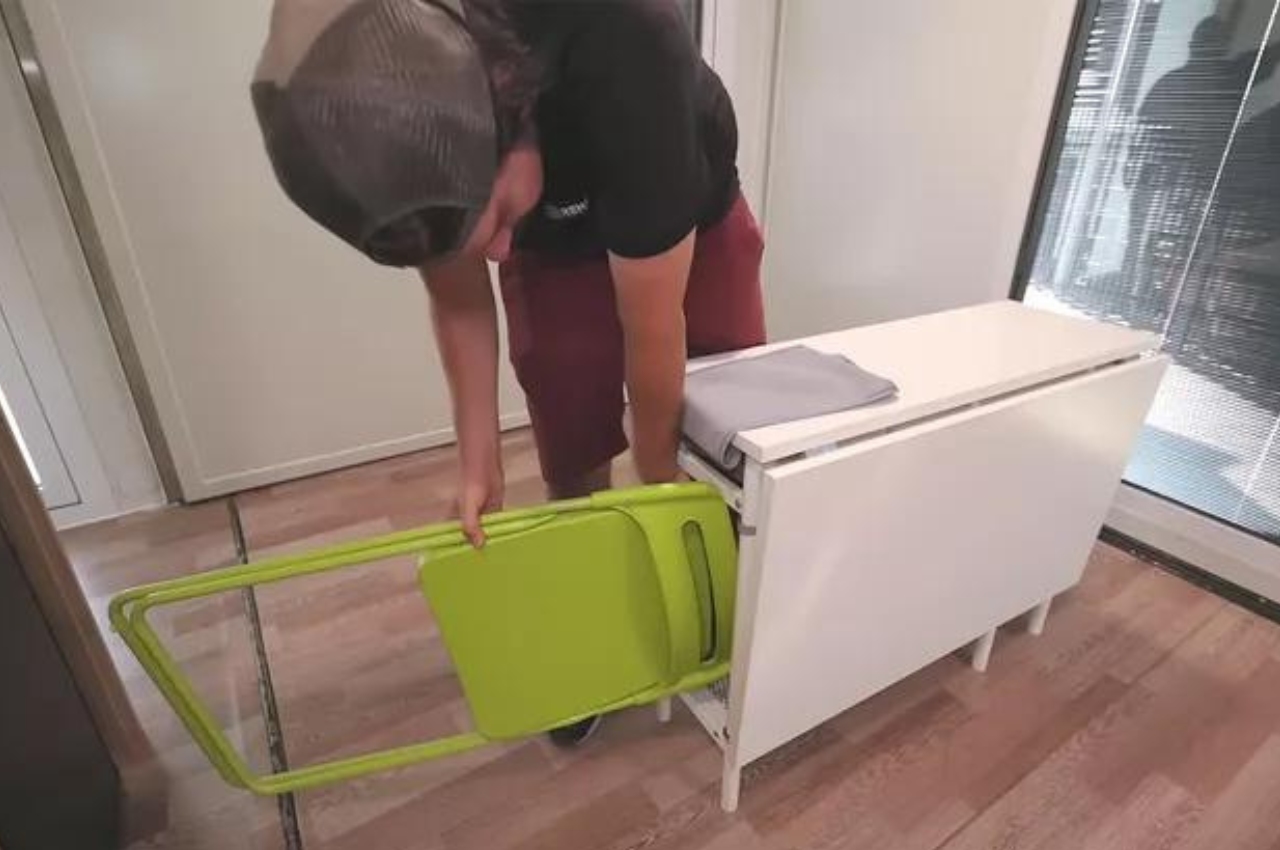
To be fair, the official branding of the PlayStation Portal calls it a “Remote Player for PS5 Console.” Its large size, practically an 8-inch tablet flanked by split DualShock controllers, isn’t something you can easily stash inside a bag anyway. Given the popularity of handheld consoles these days, not to mention the absence of an Xbox handheld as well, the limited “local network” functionality of the PS Portal still felt like a step backward.

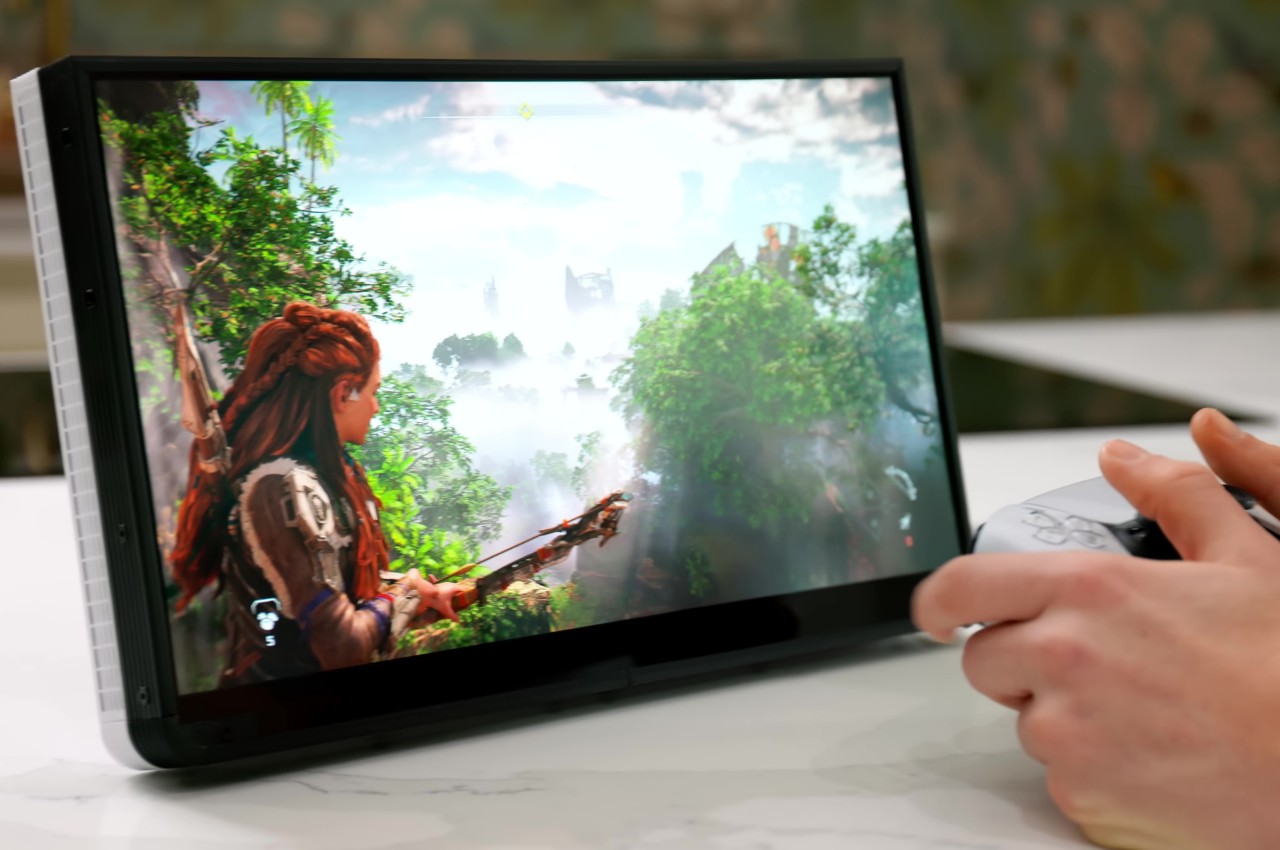
A new system update for the remote player device is finally taking steps in the right direction. It is enabling cloud streaming support for PlayStation Plus Premium members, which practically means they’ll be able to play a select number of games from anywhere. Even better, they don’t even need to own a PS5 console since they will be streaming from Sony’s servers.

The feature is still in beta, so there are a few caveats like maxing out quality at 1080p/60fps and no access to PS4 or PS3 games in the catalog. A few PS Plus features are also not available, including party voice chat and in-game commerce, but these restrictions are to be expected during the early testing stages anyway.

Game streaming has its fair share of downsides, particularly when it comes to the required Internet bandwidth. Even streaming at just 720p requires a steady 7Mbps connection, while 1080p needs a good 13 Mbps speed. It still doesn’t have the true portability of other handheld consoles that let you play games installed locally, but it’s an acceptable compromise for the PlayStation ecosystem.

The post PlayStation Portal is finally catching up to the Nintendo Switch and Steam Deck first appeared on Yanko Design.
Why the BLUETTI Elite 200 V2 is the Best Portable Power Station for Home and Outdoor Use

With our dependence on computers, phones, and the Internet, staying connected and powered up is more important than ever. The world, however, seems to be thwarting that modern lifestyle, from unexpected power outages to the growing frequency of natural disasters. The demand for reliable, robust, and versatile power solutions has skyrocketed, and the old fuel-based generators can’t catch up.

Get ready to transform the way you experience energy with BLUETTI’s latest marvel, the Elite 200 V2. This 2KWh portable power station is your ticket to worry-free home backup and outdoor escapades. Building on the years of successful products in the market, this portable solar power station is the next-level energy solution upgrade everyone’s been waiting for!

Designer: BLUETTI

Click Here to Buy Now: $1044.05 $1999 ($954.95 off, use coupon code”YankoElite200″ at checkout). Hurry, deal ends in 48-hours!

Imagine a power station that sticks with you for 17 years! Thanks to its automotive-grade LiFePO4 batteries, the BLUETTI Elite 200 V2 offers over 6,000 life cycles. That’s 12 times more than the competition. Tested rigorously by CNAS and the first of its kind to pass over 33 battery tests, it promises unmatched reliability and performance.

Long-lasting power stations won’t mean much if their capacity is too low to be useful. Fortunately, the Elite 200 V2 has you covered. Its 2,600W output can handle home essentials like a breeze—no more spoiled groceries or dark nights, even running a 100W refrigerator for up to 16.8 hours. For the adventurers, it powers everything from your morning coffee maker to high-demand gadgets with its Power Lifting mode. Need 3,900W for a hot plate or hair dyer? No problem! This power station is your ultimate travel companion.

Space is precious, especially in RVs and tiny homes. The Elite 200 V2 packs a punch with its compact design — 40% smaller than its famed predecessor, the BLUETTI AC200P, yet just as powerful. Its sleek frame makes it easy to fit anywhere, and its 24.2kg weight still makes it relatively portable. This space-saving magic is thanks to the use of advanced LFP prismatic cells with zero-gap battery stacking instead of the typical cylindrical battery cells.

Waiting for your power station to recharge is a thing of the past. With BLUETTI’s Turbo technology, the Elite 200 V2 charges to 80% in just 50 minutes with dual AC and solar input! On the road? Use the 560W car charger and get back to full power in just over four hours. Off the grid? Harness the sun’s energy with a 1,000W solar input and keep going without a hitch. Whatever your location or situation, you can make sure that your power station is ready for action at any time.

The Elite 200 V2 isn’t just powerful — it’s smart, safe, and quiet. Plug in high-power devices with confidence, thanks to its BLUETOPUS AI-BMS smart battery management and multi-chip protection. Fire-resistant and shock-proof, it’s built to withstand any adventure you throw at it. Operating with sound as low as 16dB, it can be easily used in a home office or tent. And with support for both Wi-FI and Bluetooth app connectivity, you can remotely monitor and control the power station with ease.

Don’t settle for the ordinary when you can have the extraordinary. The BLUETTI Elite 200 V2 is more than a power station — it’s your gateway to freedom and reliability. Whether at home or on the go, it’s ready to power your devices with safe and green energy that will be able to keep up with your lifestyle.

Click Here to Buy Now: $1044.05 $1999 ($954.95 off, use coupon code”YankoElite200″ at checkout). Hurry, deal ends in 48-hours!

The post Why the BLUETTI Elite 200 V2 is the Best Portable Power Station for Home and Outdoor Use first appeared on Yanko Design.
Wearable chess set turns one of the oldest games into a fashion statement

Although video games today have become a multi-billion dollar industry, there are analog games that have existed for centuries and continue to be a beloved pastime and sport today. Chess, for example, is still going strong across peoples of all ages, but it isn’t just players who find the game to be a treasure trove of inspiration.
The variety of chess set designs shows how the game is so open to interpretation, much more than most video games, resulting in products ranging from artistic to technological. This rather unusual take on the classic strategy game takes chess in a slightly different direction, presenting a game you can literally wear and take with you anywhere, ready to set up a match at a moment’s notice.
Designer: Louis Le Joly Senoville

We’ve seen many interpretations of the classic chess set design, from minimalist to brutalist to self-playing technological marvels. Most of these sets are designed to be installed in one location, while portable chess sets are sometimes too small because they’re meant to fit inside bags. They still take up space, of course, so that means giving up room that’s meant for your other, equally important stuff.

Ha Mat, which is short of “eched ha mat,” (“checkmate” in Breton) solves this problem by turning the chess set into something completely inconspicuous when not in use. In this case, the chess board becomes a scarf, the pieces become rings, and the timer becomes a watch. It’s literally a chess set you can wear as a fashion piece, allowing you to play anywhere there’s a flat plane to place everything on.

Of course, Ha Mat needs to actually look fashionable to qualify as a fashion statement, and it definitely fits the bill. The “board” takes inspiration from silk maps and military training scarves on antiquity, and the color scheme even tries to pay homage to luxurious hues used on chess boards in the past, particularly leather and wood. The watch that’s part of the set is quite peculiar because it can split in half and act as a timer for both sides.

The most interesting designs, however, are the chess pieces themselves. They have flat bottoms so they can stand on the “board,” but they have holes in the middle to wear as rings on your fingers. The pieces have tops that are more symbolic and iconic to identify their position on the board, simplifying their identity in order to fit the need to have flat pieces.

Of the 32 chess pieces, you can wear 16 on eight of your fingers if you pair similar pieces together. These would make you look like you’re wearing knuckle dusters, so they might not exactly be safe to wear in public. Still, the concept is quite intriguing, as it transforms one type of product into a completely different kind, without losing either one’s identity. In fact, it elevates the chess set from a game to something that’s an integral part of your life.

The post Wearable chess set turns one of the oldest games into a fashion statement first appeared on Yanko Design.