We are all carrying more than just our belongings these days. The mental load, the relentless calendar, the low-grade hum of stress that follows you from your morning commute to your desk to your couch at night. Wearable tech was supposed to help with that. Instead, most of it just gives you more numbers to feel bad about, more data to scroll through while your cortisol levels do exactly what they want anyway.
That’s what makes the Pulse Pack, a translucent wearable bag by Japanese creative company Konel, feel like such a refreshing left turn. It debuted at Milan Design Week 2026, and the concept alone is worth pausing on. The bag measures your heartbeat in real time and then responds with a physical pulse of its own, timed at exactly half the frequency of what it detects. When your heart is racing, it hums back at you slowly and steadily. And over time, your body follows.
The science behind it is called entrainment, the process by which the nervous system synchronizes with a steady external rhythm when that rhythm is slower and more regular than its own. You’ve probably experienced it without realizing it. A slow drumbeat at a concert that settles you into your seat. A rocking motion on a long train ride. A repeated vibration against your palm. These things pull you down, not because they distract you from stress, but because the body literally adjusts its own pace to match them. Konel built the Pulse Pack around that mechanism entirely, and it’s a smarter premise than most wellness gadgets can claim.
What makes the design clever, beyond the concept itself, is where the haptic pulse actually lands on the body. Most wearable devices place their feedback at the wrist or fingertips, the places we are constantly paying attention to. The Pulse Pack positions its pulse against the spine and shoulder blades instead, areas that are far less consciously monitored. That feels intentional in the best possible way. Konel suggests that contact with the back is less intrusive and more grounding than stimulation at the extremities, and that logic holds up when you think about how a hand placed firmly on someone’s back can calm them in a way that a tap on the wrist rarely does.
Konel is also the company behind the ZZZN, a puffer jacket that doubles as a sleeping system with a built-in headpiece and red light therapy, designed for napping pretty much anywhere. So if you’re sensing a theme, you’re reading it correctly. This is a studio genuinely interested in designing objects that support the body’s quieter needs: rest, calm, recovery, rather than feeding the dopamine loop that most consumer tech seems structurally incapable of resisting. It’s an interesting design niche, and a necessary one.
The Pulse Pack is still a prototype. The version on display at Via Palermo 11 during Milan Design Week is not something you can order yet, and it’s fair to wonder how the technology translates into an actual production piece. The translucent material is striking in photos, beautiful and a little otherworldly, but bags live a rough life. The gap between a design week prototype and a durable everyday object is real and wide, and that’s a challenge Konel will have to solve if this ever ships.
Still, I keep coming back to the core premise. We have spent years watching tech companies try to solve stress by throwing more information at us. More graphs, more scores, more nudges, more optimizations. The Pulse Pack takes the opposite approach completely. It doesn’t tell you anything. It doesn’t suggest anything. It just slows itself down and quietly invites your body to do the same. Whether or not the Pulse Pack ever makes it to your back, it shifts the conversation about what wearable technology could actually be doing. Not louder. Not smarter. Just calmer. That’s a design philosophy I’d like to see a lot more studios take seriously.
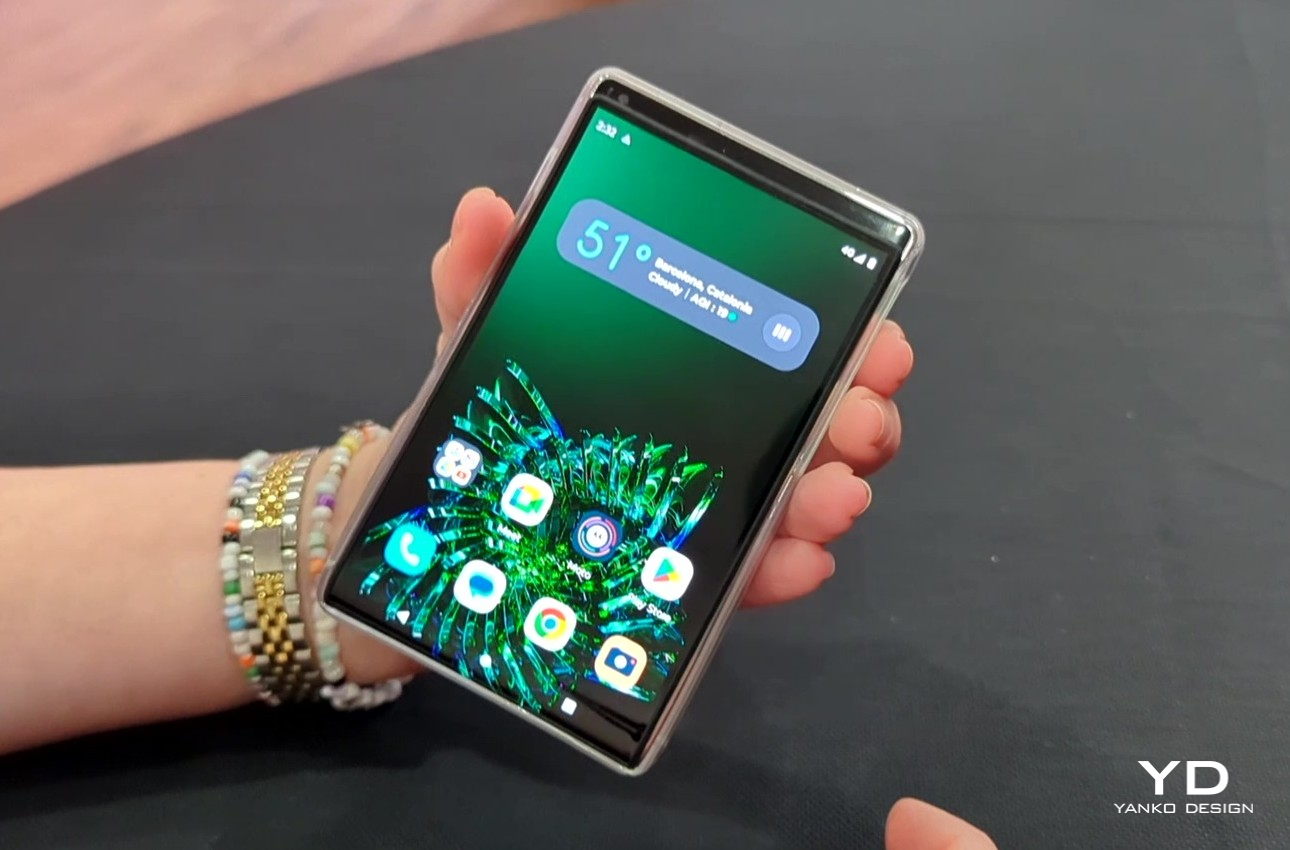
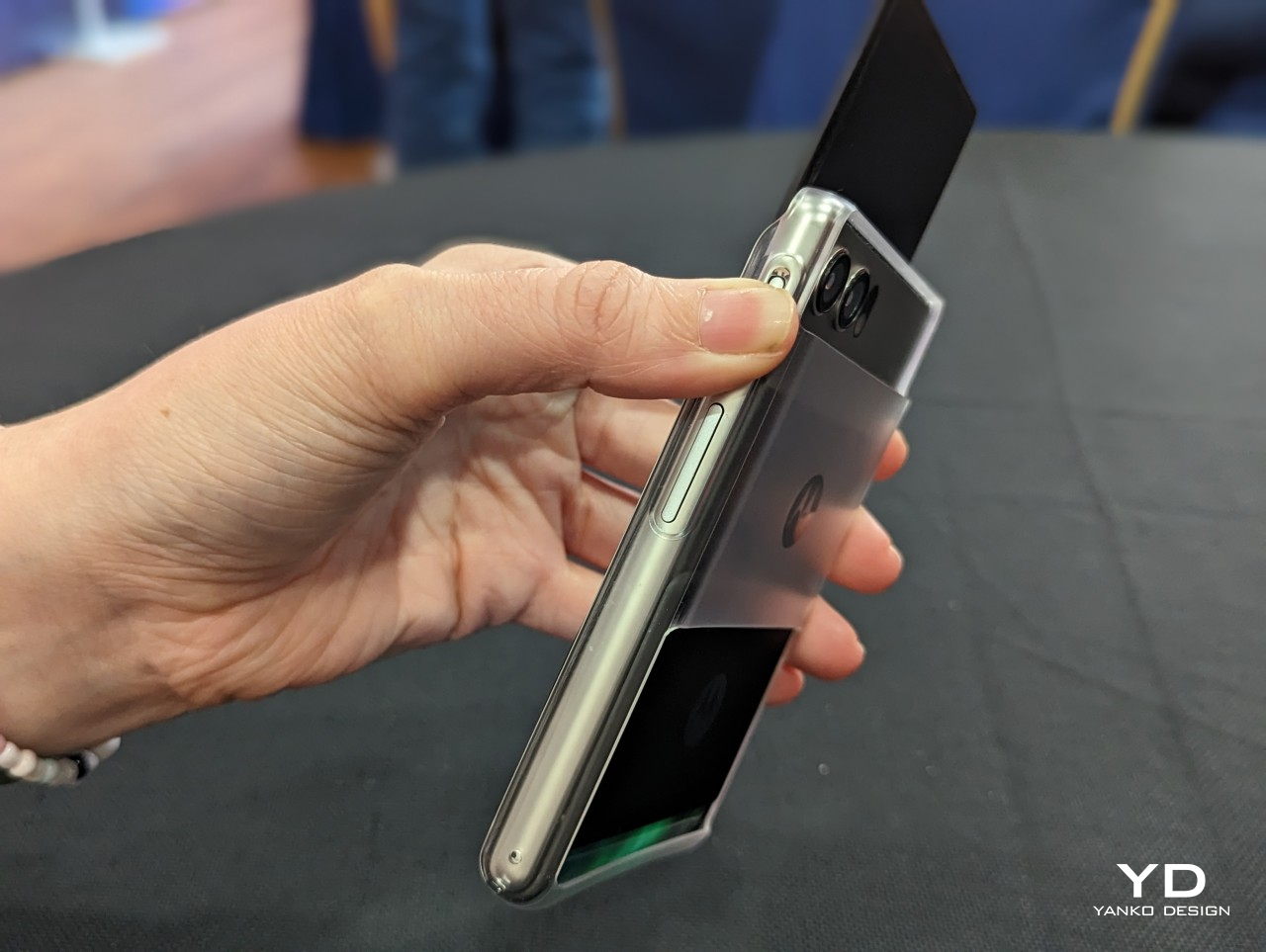
Smartphones have gotten pretty good at being the same thing. Every year, they get a little taller, a little thinner, and a little more difficult to tell apart in a lineup. That’s fine for most people, but it does make MWC 2026 feel like a bit of a slog, until you spot something genuinely weird on the show floor, like a square phone that rotates open to reveal either a physical keyboard or a game controller underneath.
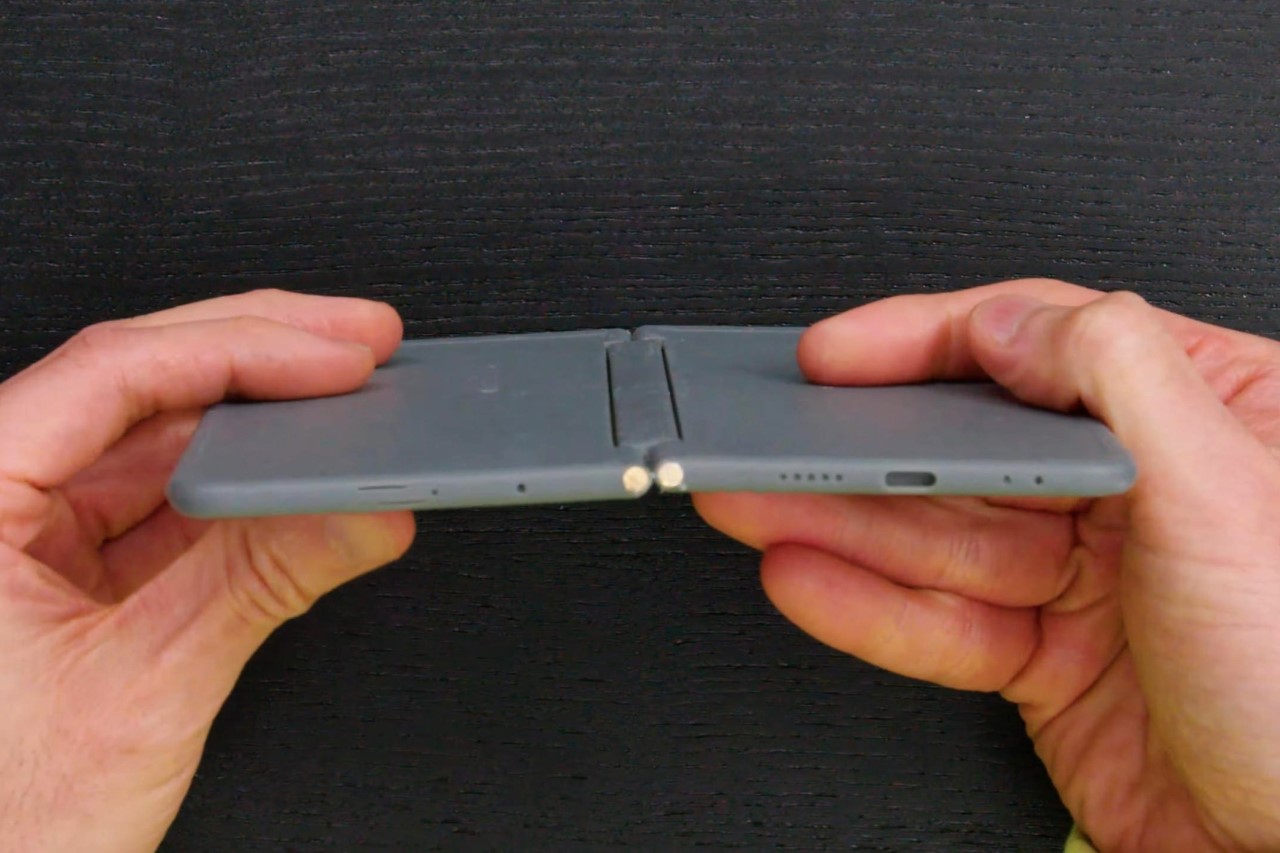
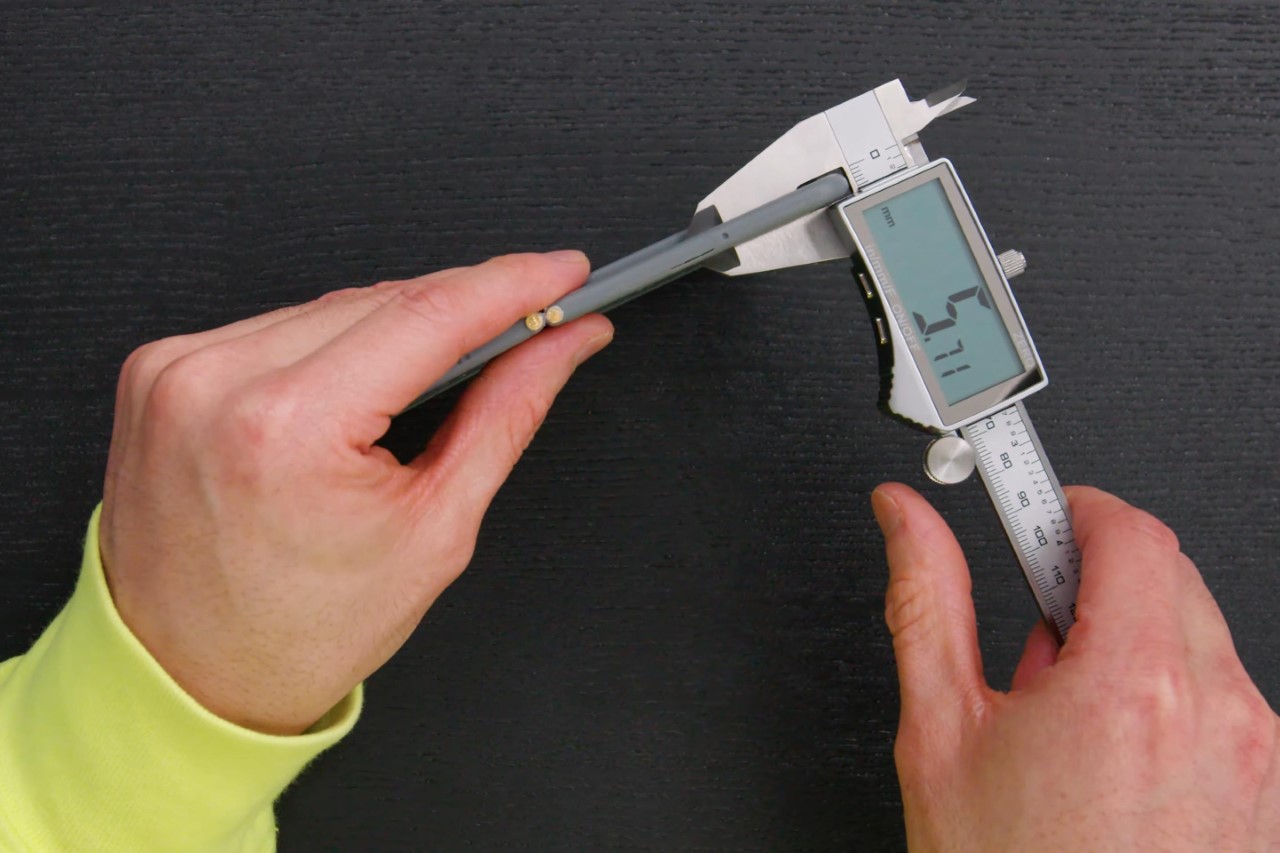
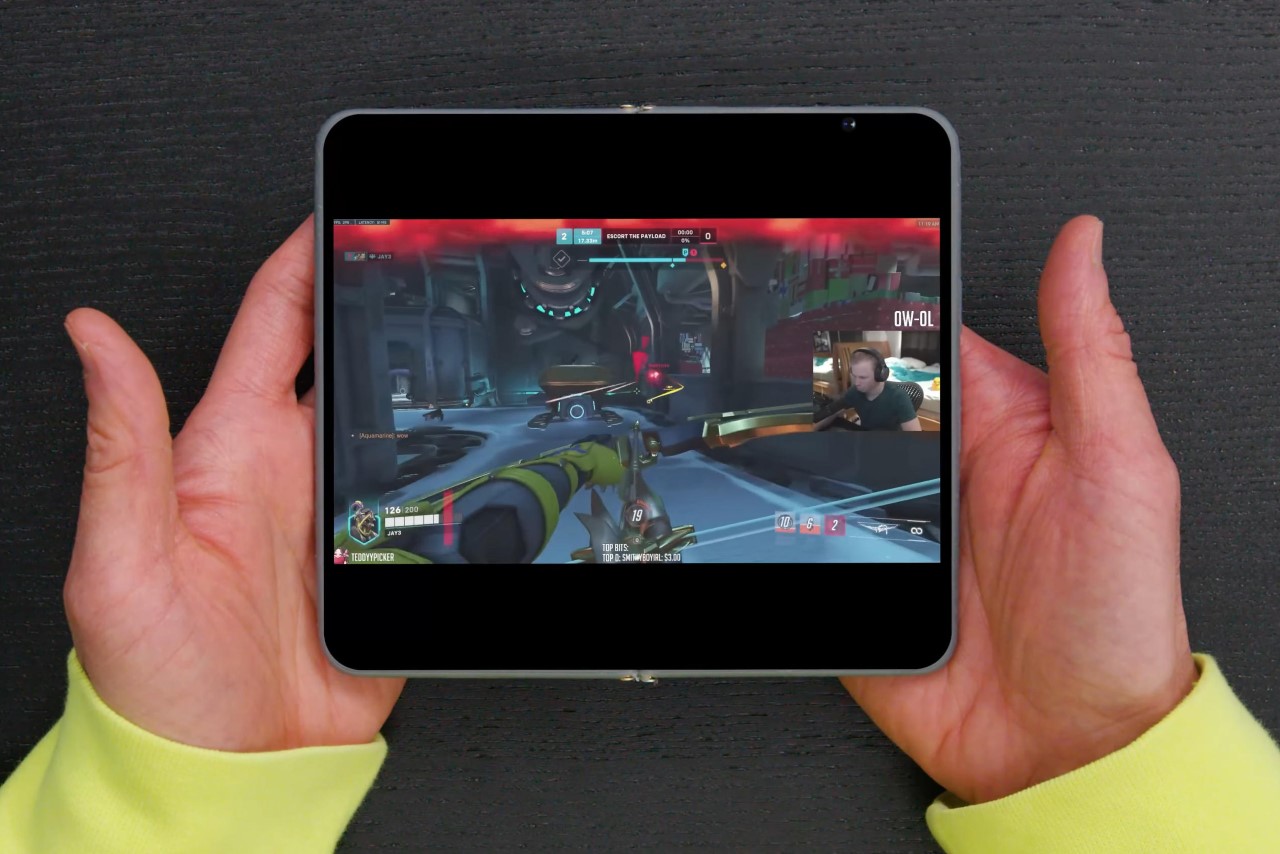
The iFrog RS1 is about the size of a closed fist, built around a 3.4-inch square display that sits on top of a rotating lower section. Twist it open, and you get one of two things depending on which variant you’re holding: a full QWERTY keyboard with raised, tactile keycaps, or a gamepad with a D-pad, a four-color face button cluster, and Select/Start buttons. Both run Android on a MediaTek Helio G18 chipset, with storage and RAM left open for whoever configures the platform.
Designer: FROG
That last part matters. iFrog is an ODM, or original design manufacturer, which means the RS1 is less a finished retail product and more a concept that carriers or brands can take and build on. The hardware is the pitch. Everything else is a conversation, which also explains why no pricing or release date was announced at MWC.
Of the two variants, the keyboard is the more predictable crowd-pleaser. There’s a genuinely underserved group of Android users who never stopped wanting physical keys. The BlackBerry crowd never fully disbanded, and phones like the Unihertz Titan have quietly built followings on exactly that. If you’ve ever tried composing a long email on a touchscreen while standing on a moving train, the appeal needs no further explanation.
The gamepad version is a stranger proposition, and honestly, the more interesting one. Running Android means emulation is an obvious draw, and the handheld gaming community noticed immediately. The visual comparison that kept surfacing online was the Motorola Flipout, a 2010 Android phone with a square body and rotating keyboard. There’s something both flattering and sobering in that parallel, since the Flipout was beloved by a small group and largely ignored by everyone else.
There are some caveats, though. No shoulder buttons on the gamepad variant rules out a lot of titles that need them. The swivel hinge is the structural heart of the design and also the part most likely to wear down. iFrog is new enough that questions about long-term software support are fair ones to ask, and the 3.4-inch screen is a genuine trade-off, not a quirk.
Still, the RS1 is a good reminder that the design space for phones is wider than what’s on shelves. It fits in a pocket and in the palm of a hand. It has buttons. It does a trick. What nobody knows yet is whether any of that adds up to something people actually want to live with.
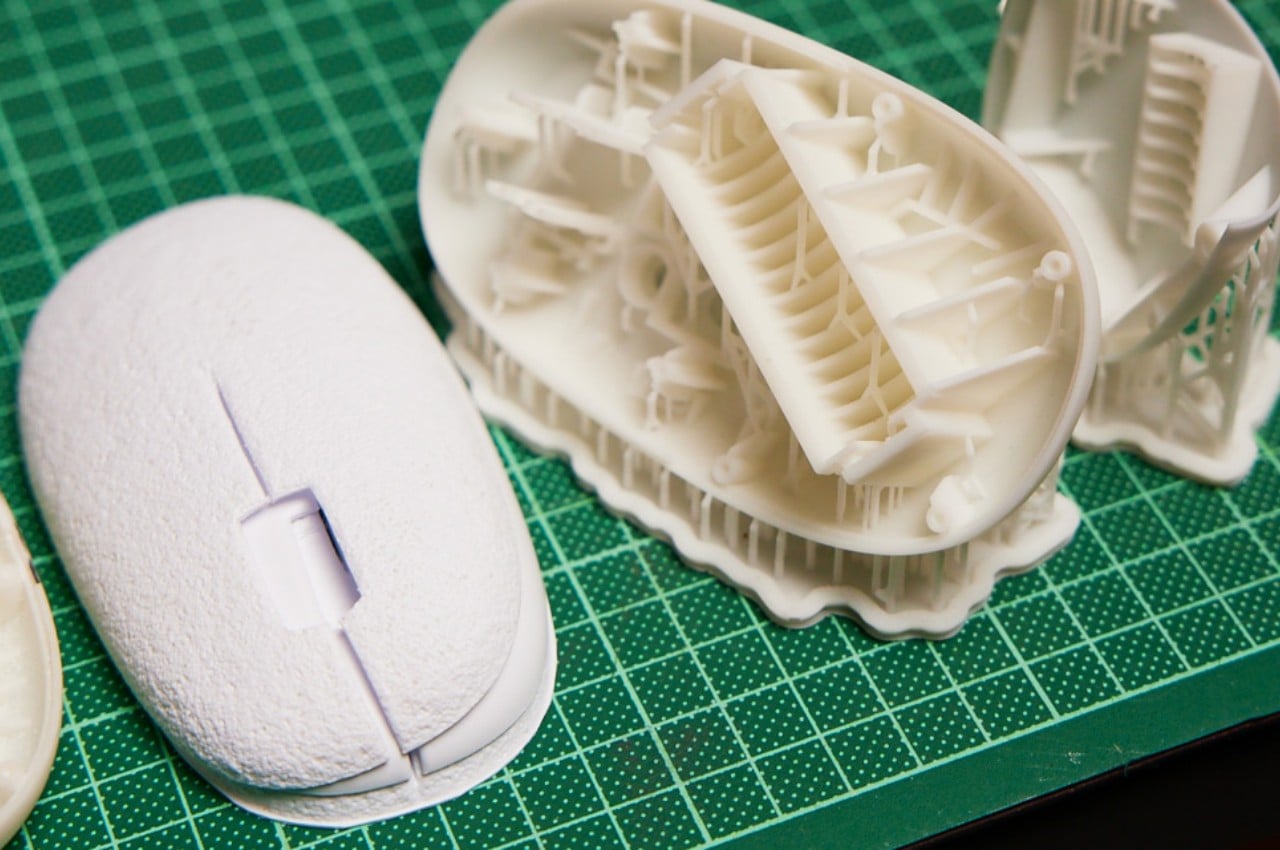
Product design and prototyping encompass the entire journey of turning an idea into a tangible product that users will love. This process starts with in-depth market research—understanding user needs, analyzing data, and identifying key challenges that need addressing. Once the groundwork is set, designers create solutions aimed at solving these challenges in a meaningful way. Prototyping comes in next, acting as a vital bridge between concept and execution. It allows for quick, cost-effective testing and iteration, giving designers the ability to refine ideas based on feedback and insights. This early-stage validation helps prevent costly late-stage revisions, ensuring that the final product is both effective and efficient, saving valuable time and resources.
What are the advantages of prototyping in product design?
Prototyping is essential in the design process, turning abstract ideas into something tangible that everyone can visualize and understand. It helps align designers, stakeholders, and users on the product’s vision early on, fostering effective communication and collaboration. By identifying potential design flaws before full-scale development, prototyping saves time and resources while reducing risks.
This process also prioritizes user needs by allowing for feedback and adjustments throughout development. Prototypes ensure the product is functional and resonates with users, leading to better usability and overall satisfaction. Ultimately, prototyping accelerates time-to-market and streamlines the design process, resulting in a well-refined, user-focused product.
Enhances Visualization
Prototypes in product design bring concepts to life, allowing designers and stakeholders to interact with the product in a tangible way. This hands-on interaction transforms abstract ideas into something concrete, making it easier to assess how the product will look, feel, and function. By visualizing the product in its early form, teams can better understand the design intent, identify any misalignments with the original vision, and make informed decisions about its direction. This visual clarity also helps ensure that everyone involved—designers, developers, and even potential investors—shares a common understanding of the product, reducing misunderstandings and fostering more efficient collaboration throughout the development process.
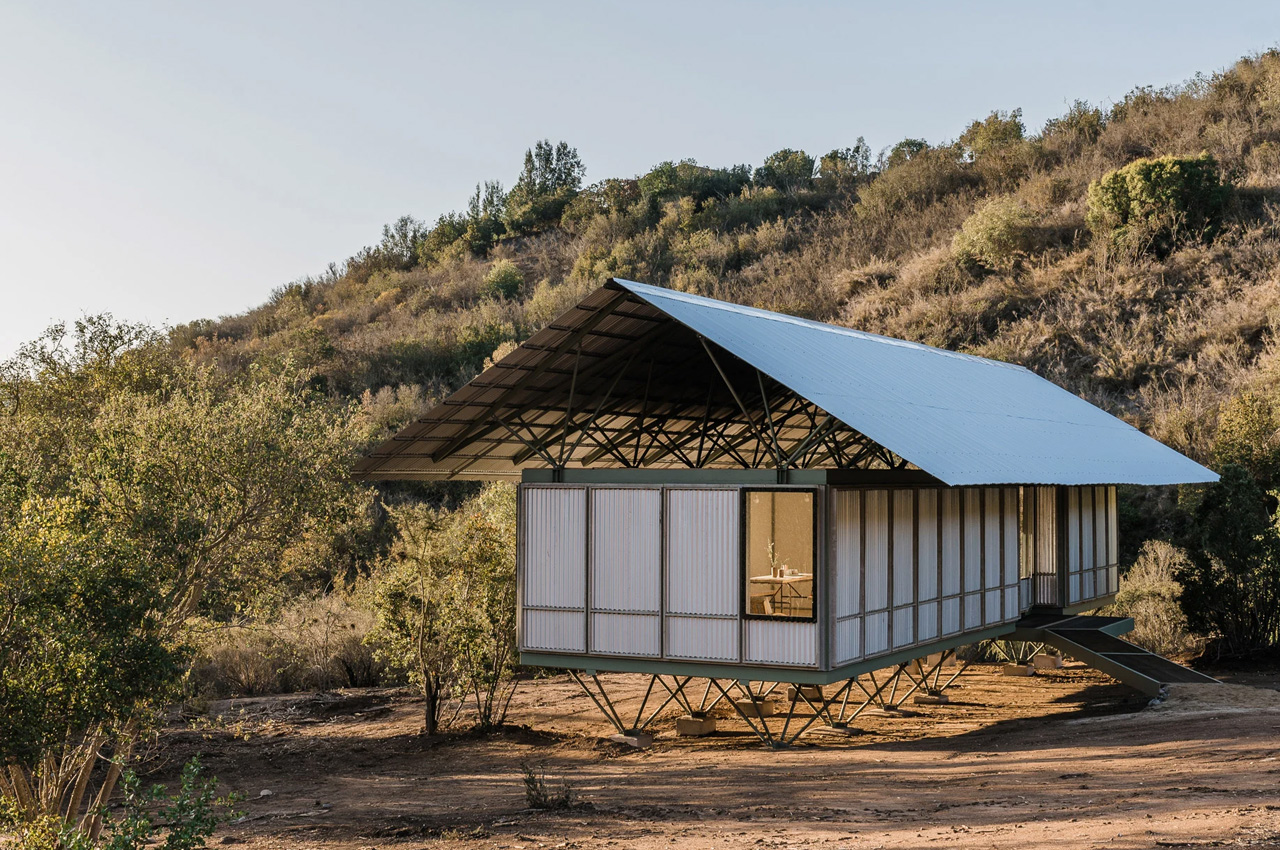
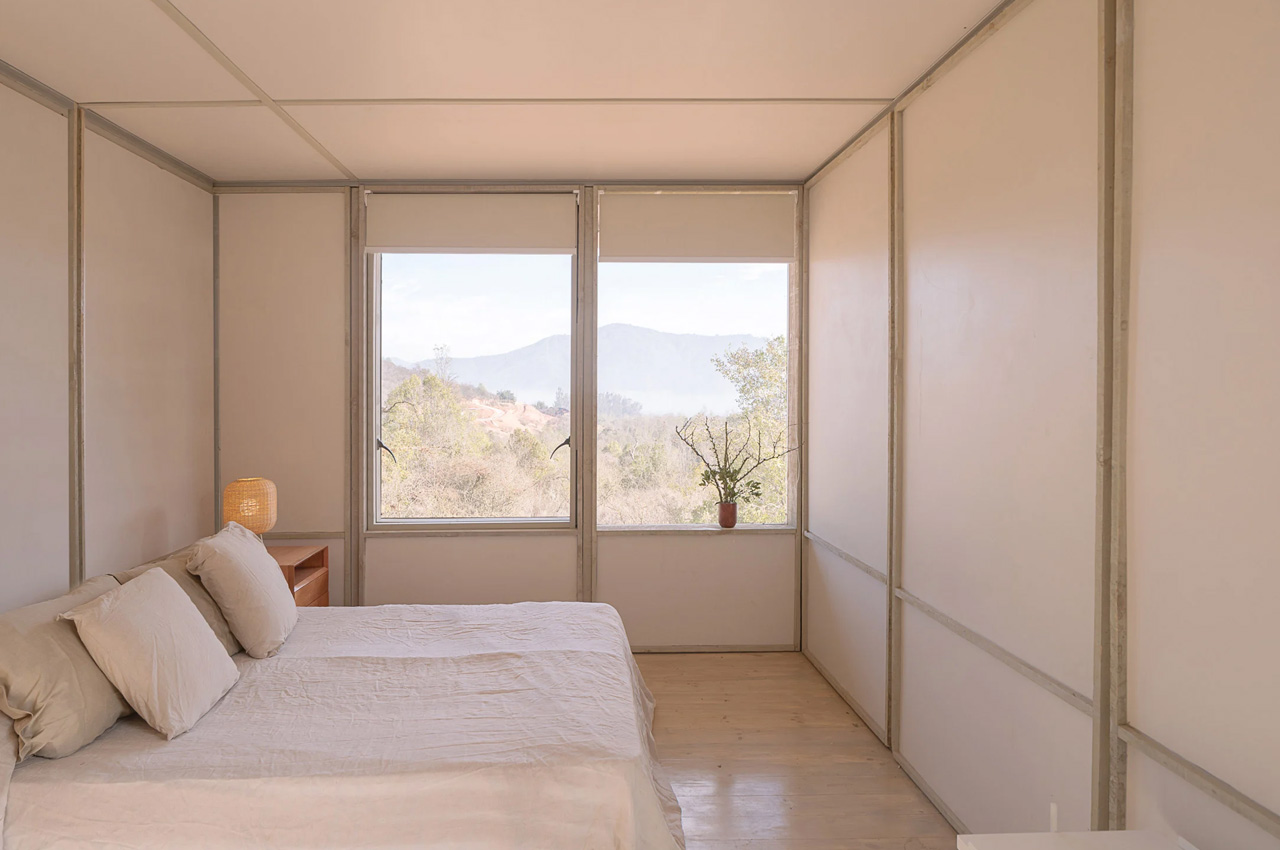
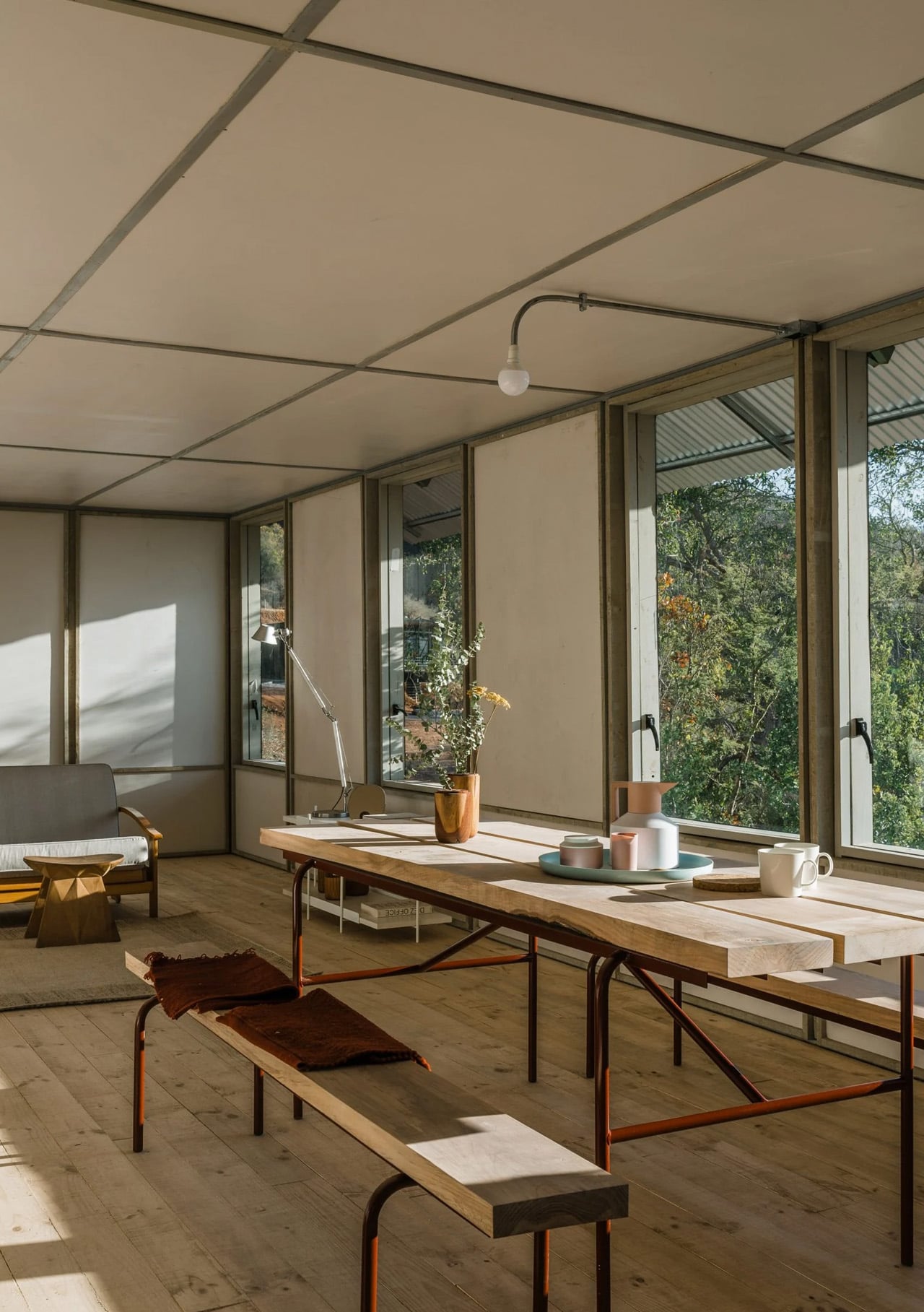
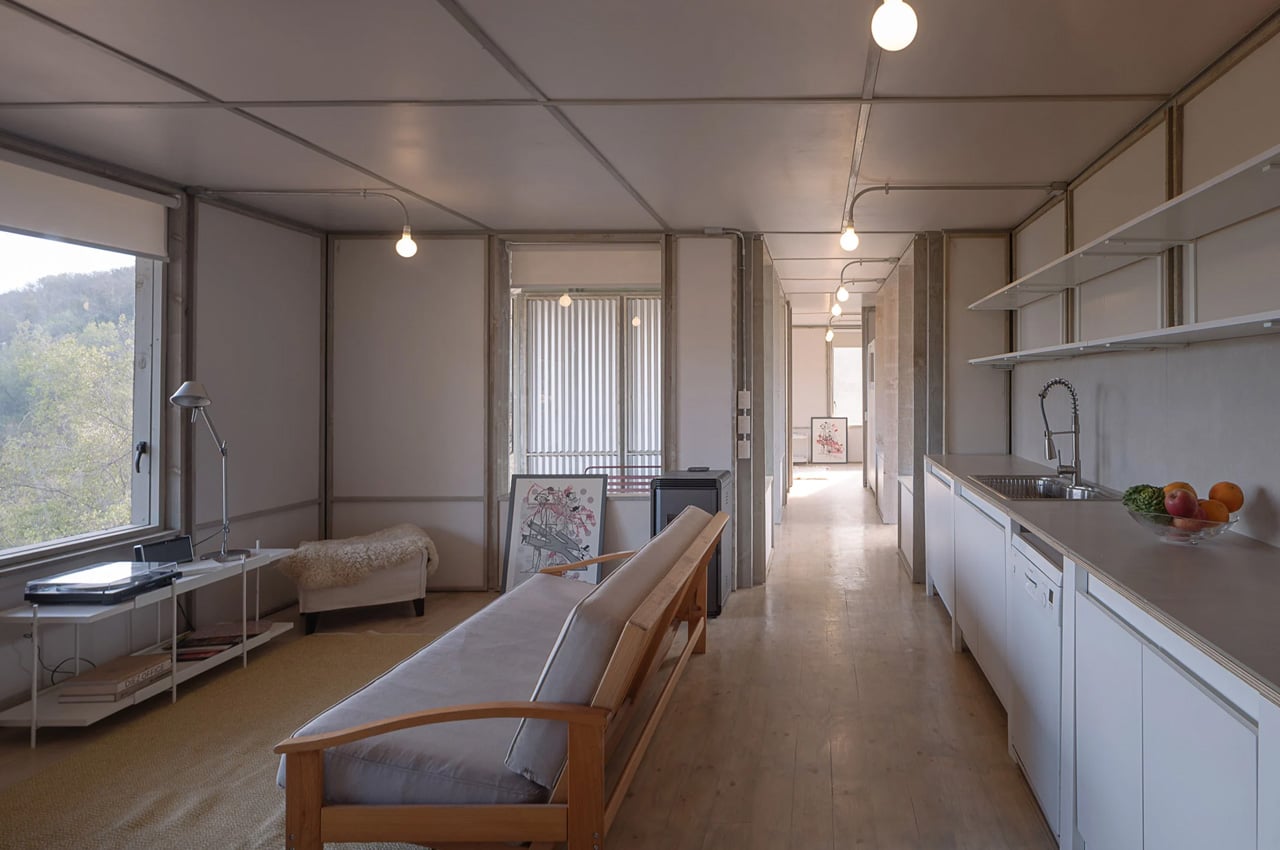
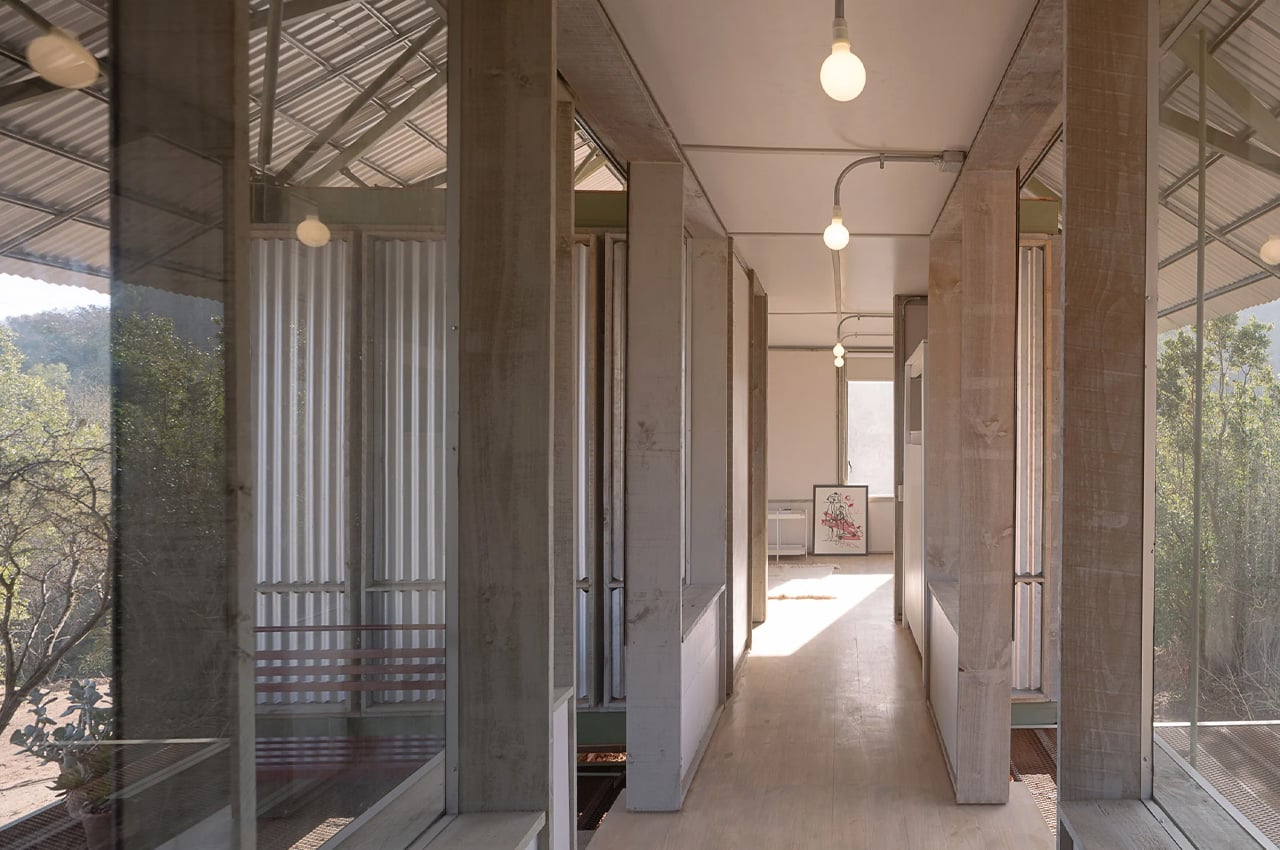
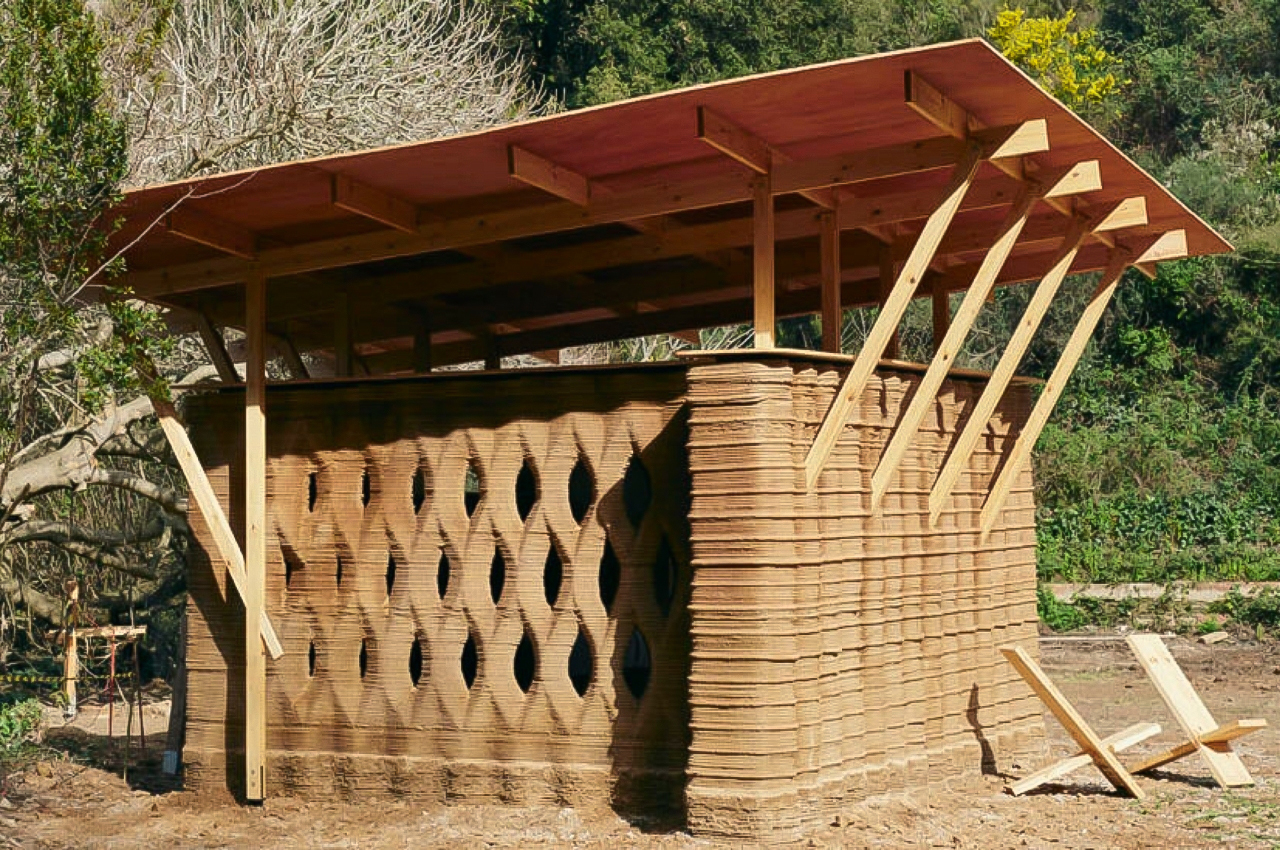
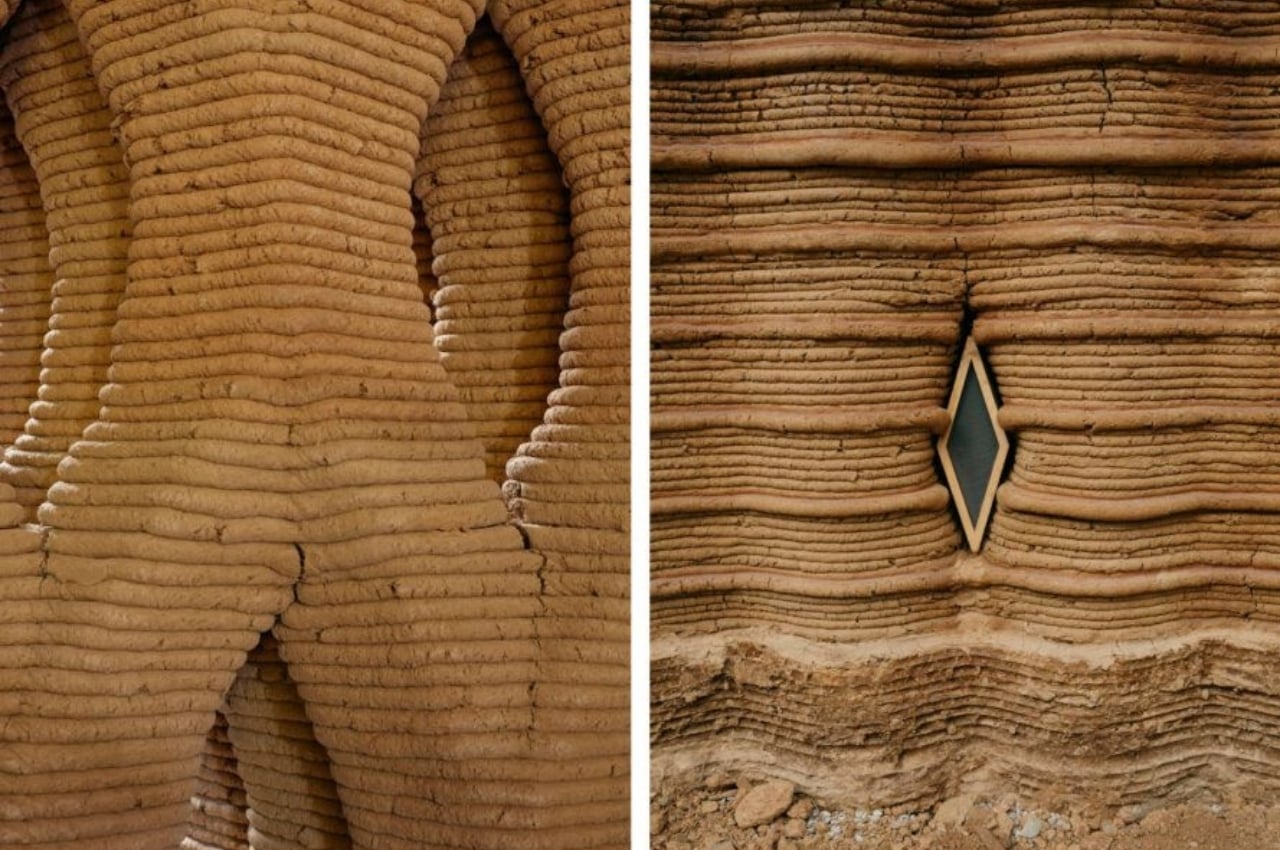
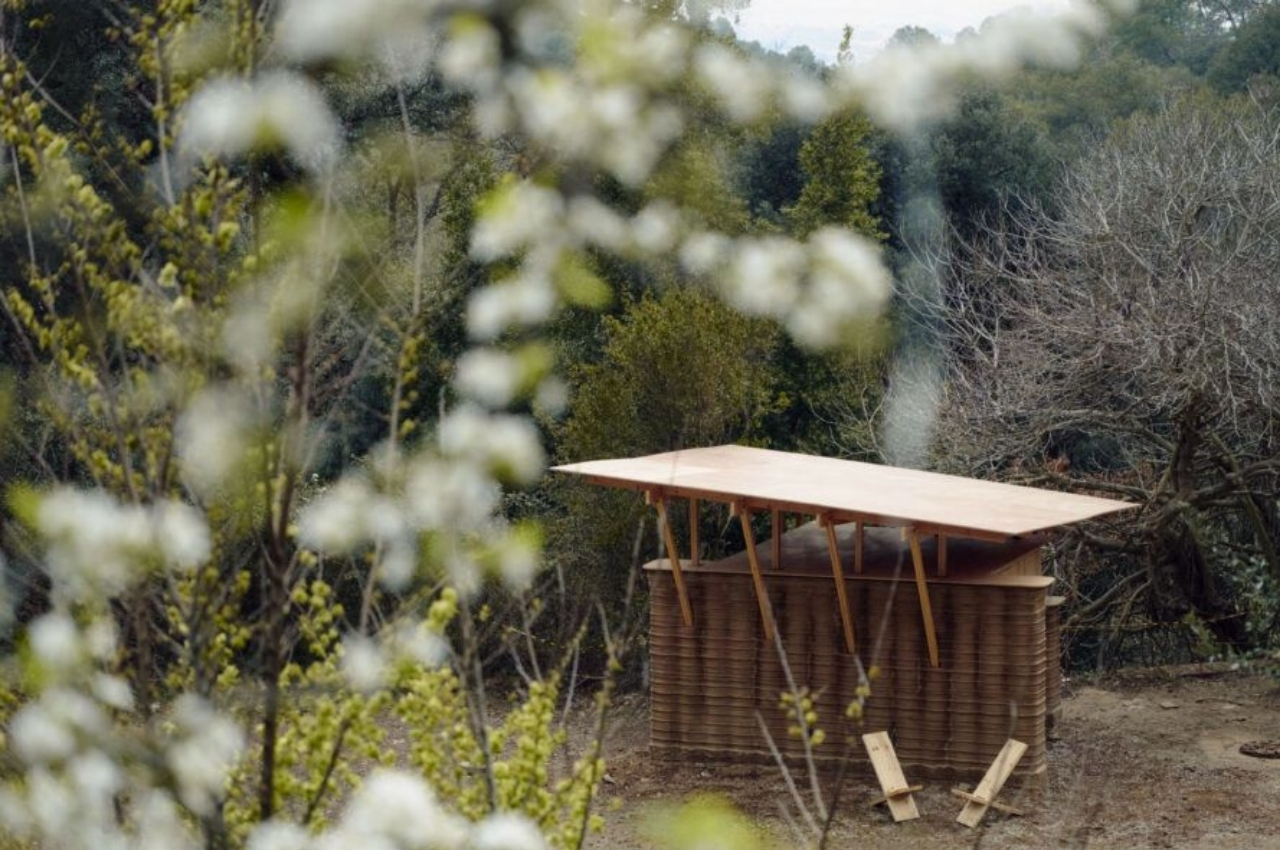
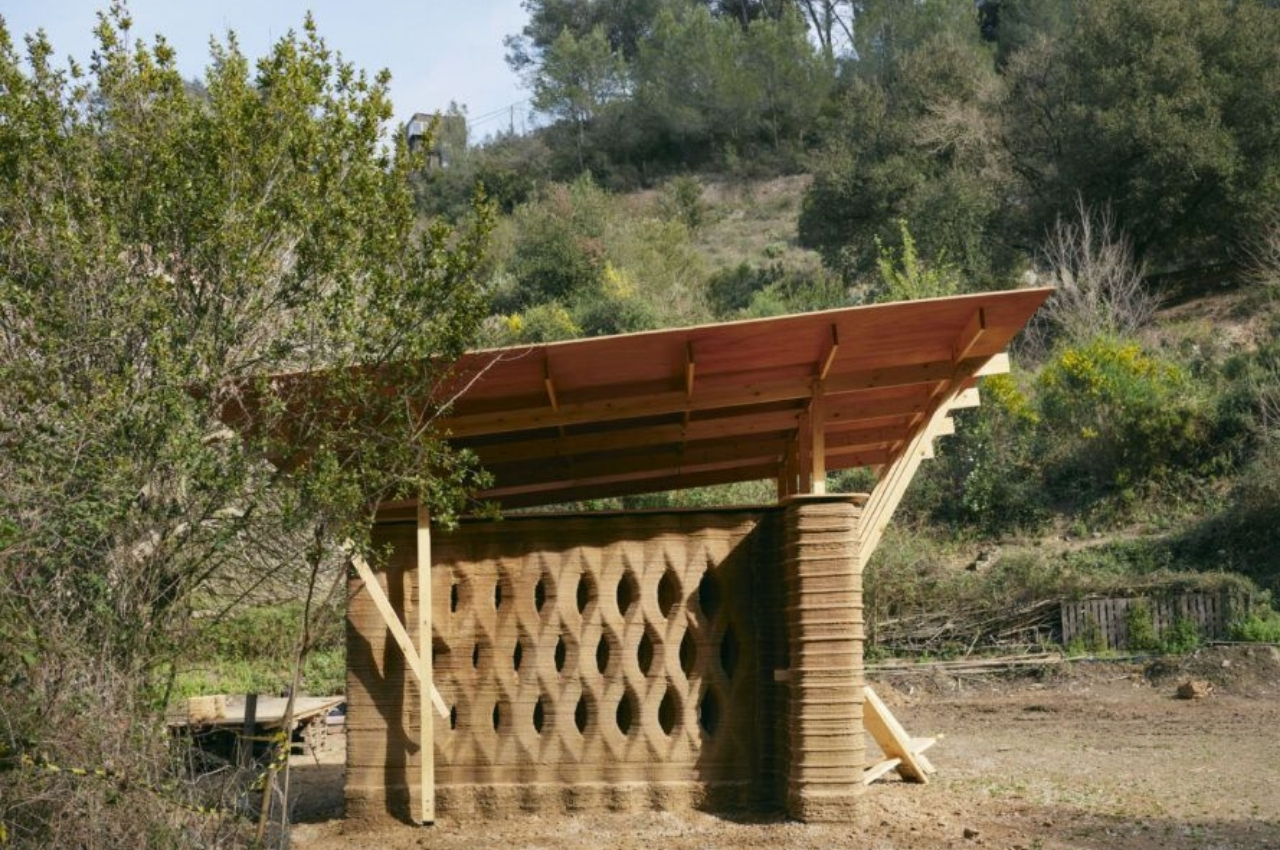
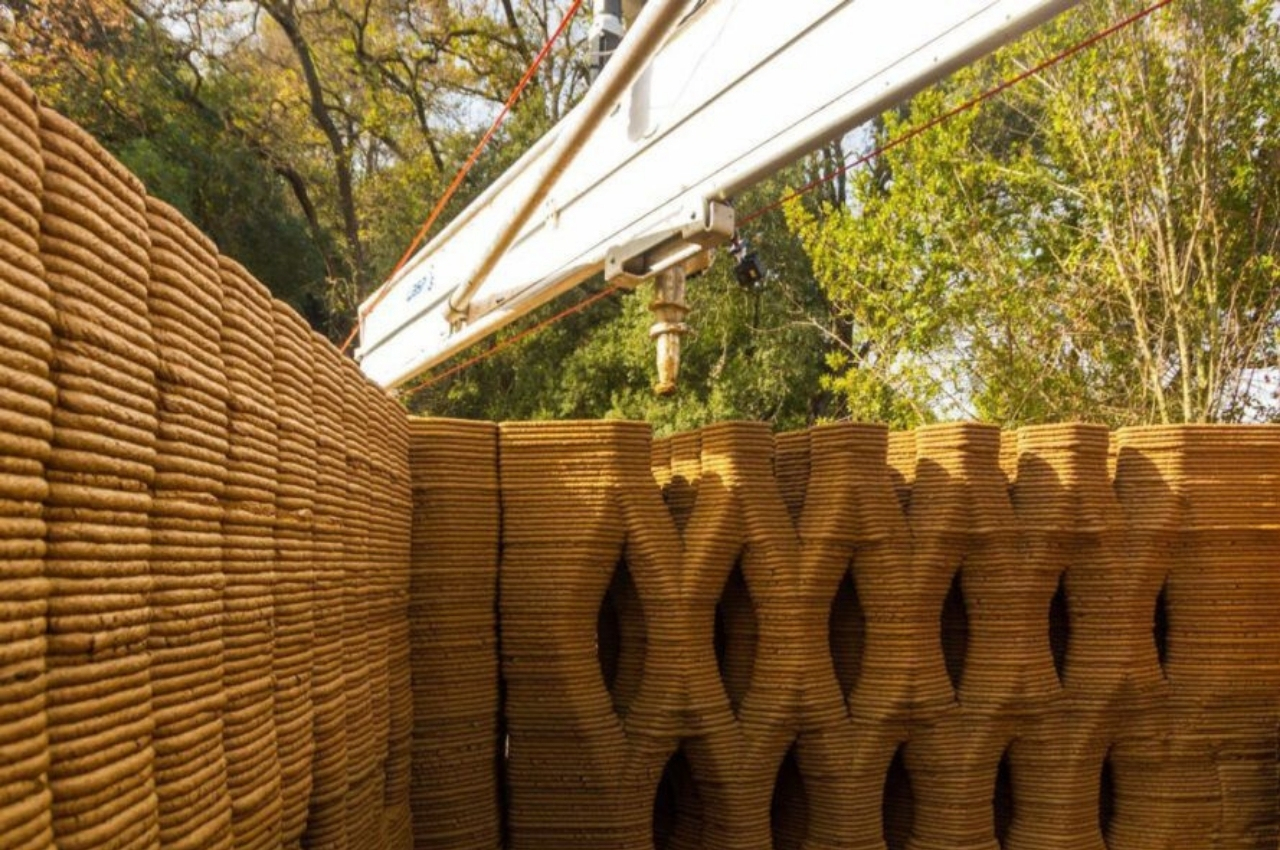
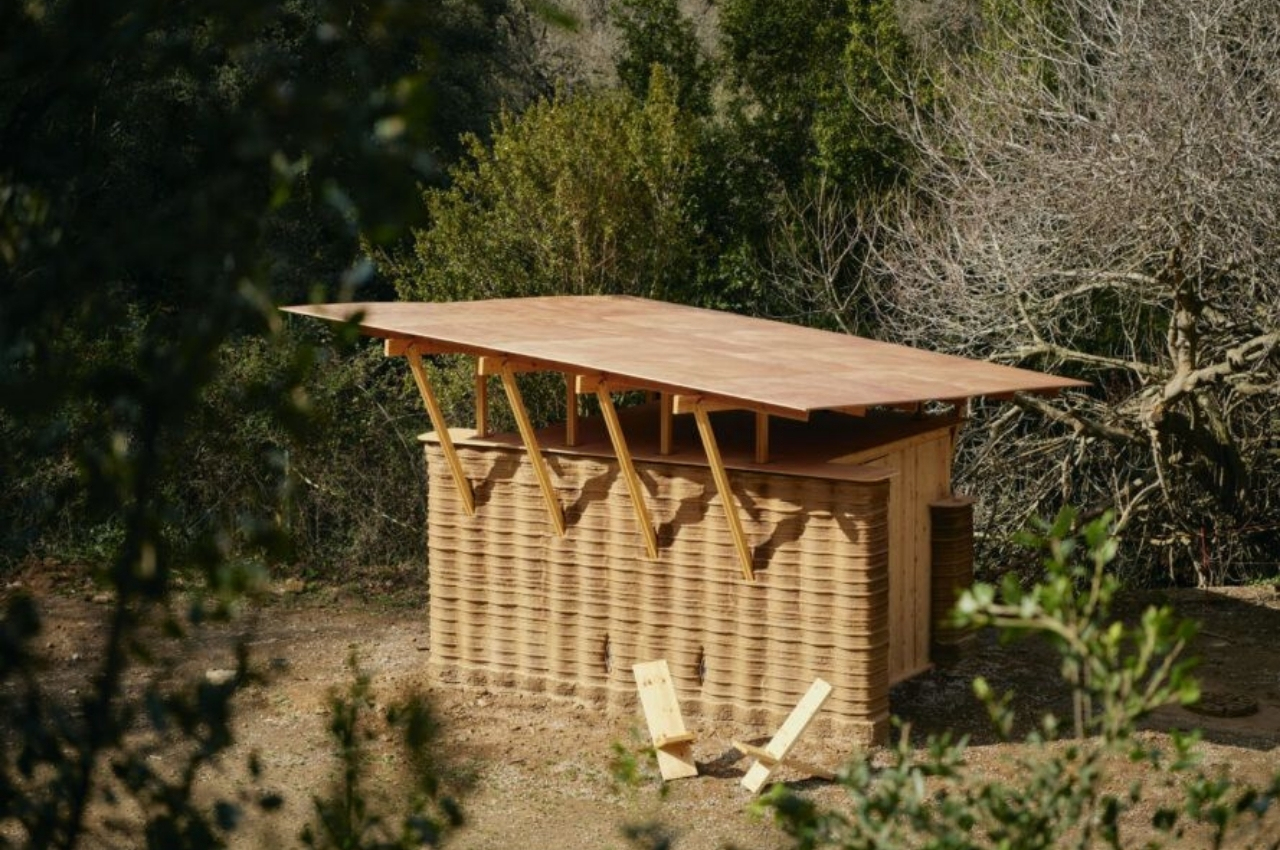
The latest trend in architecture and product development incorporates 3D printing, which, when combined with traditional clay, has been utilized by Spanish postgraduates to create TOVA, Spain’s first prototype habitat. This sustainable prototype features a simple, elegant design with a sloping roof for rainwater drainage, framed ceilings for temperature control, and natural light through windows, all surrounded by natural elements to blend seamlessly with its environment.
Risk and Cost Reduction, Customer Satisfaction
Prototyping finds design errors and usability issues early, cutting the risk of expensive mistakes later in production. It helps reduce error costs and increases manufacturing efficiency by allowing changes before full-scale production, optimizing resources, and streamlining the development process.
Also, product prototypes improve communication among team members, clients, and stakeholders, leading to constructive feedback and a refined final design. In the long run, this contributes to customer satisfaction by undergoing testing at various stages and incorporating feedback and improvements before market launch.
User Testing
Prototyping allows for user testing to gather insights and validate design assumptions, ensuring the product meets user needs and expectations.
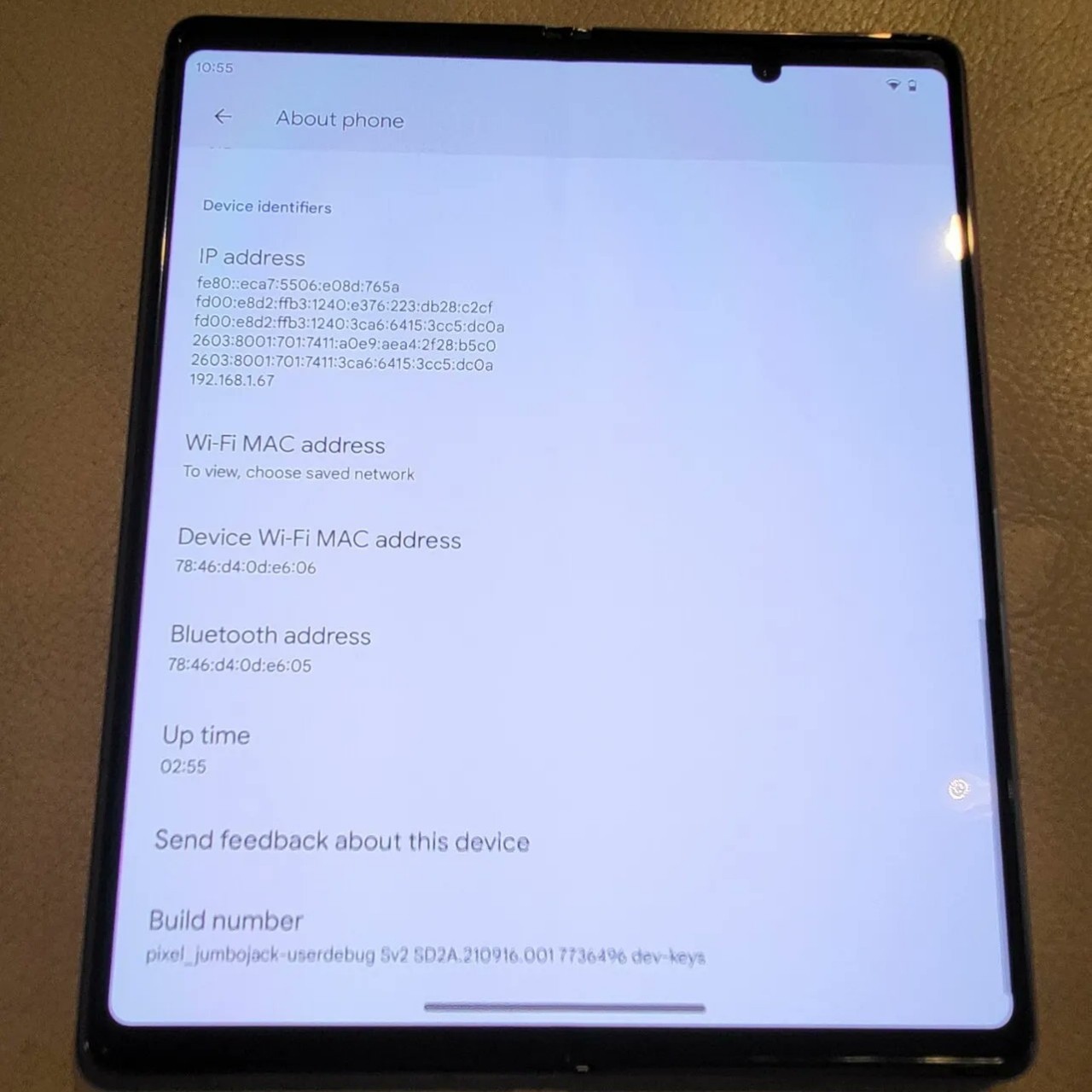
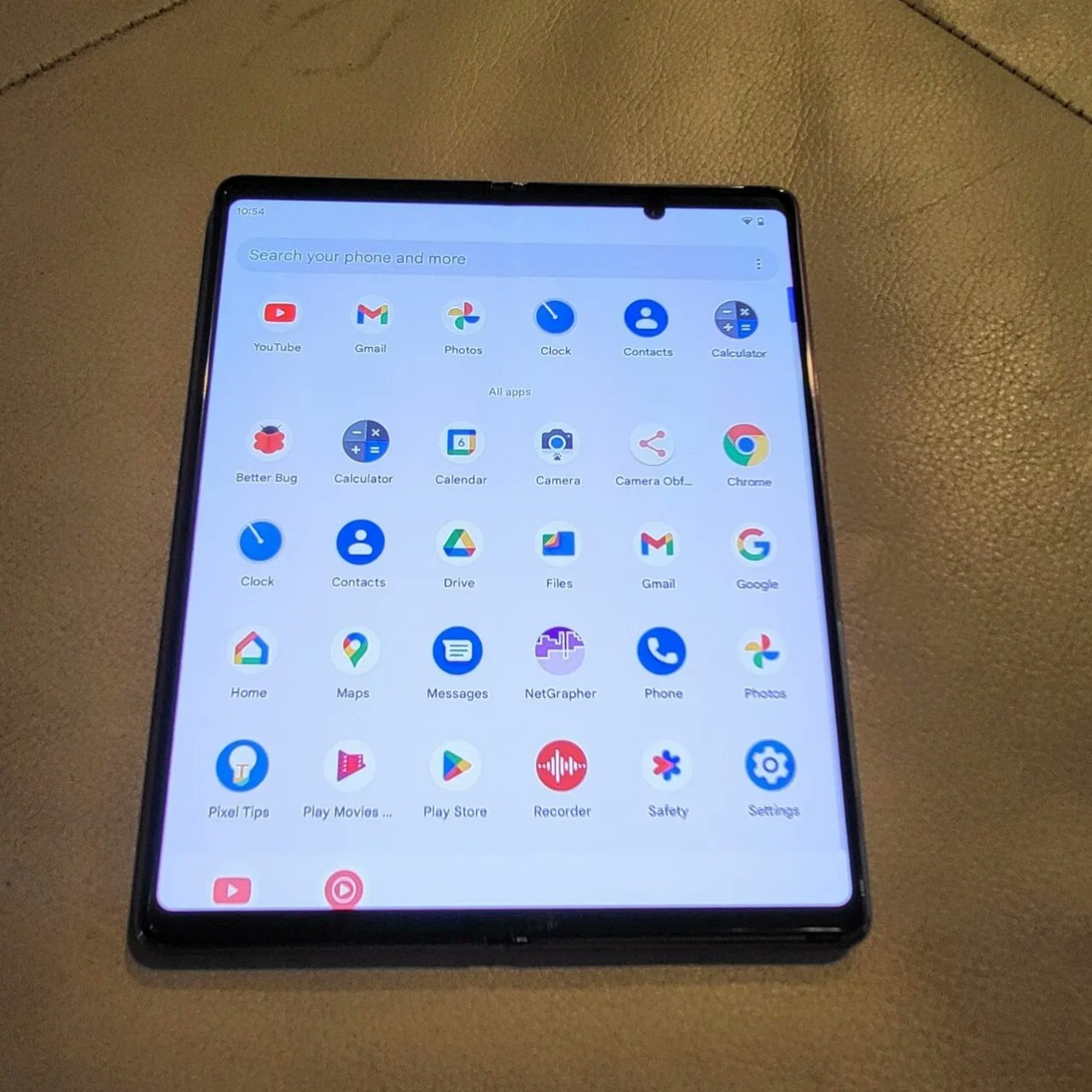
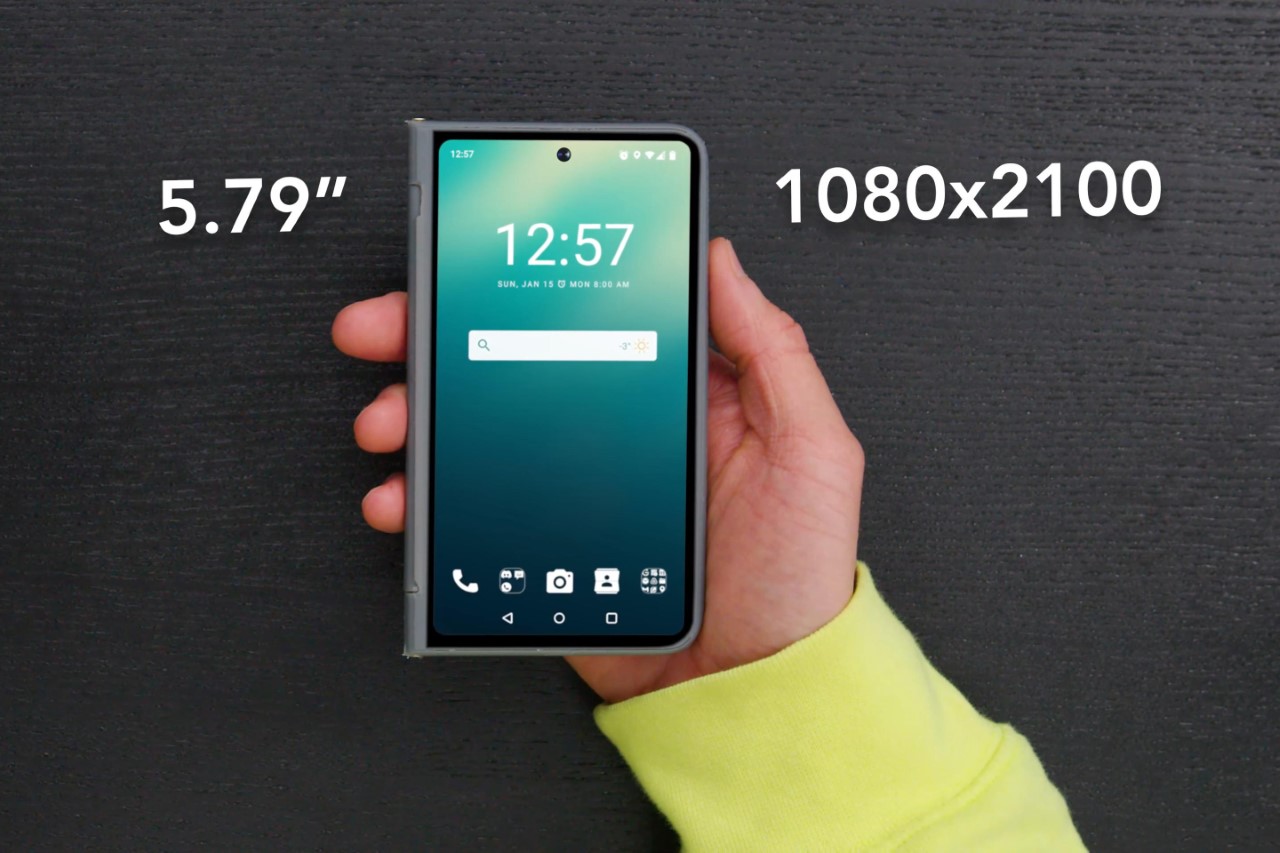
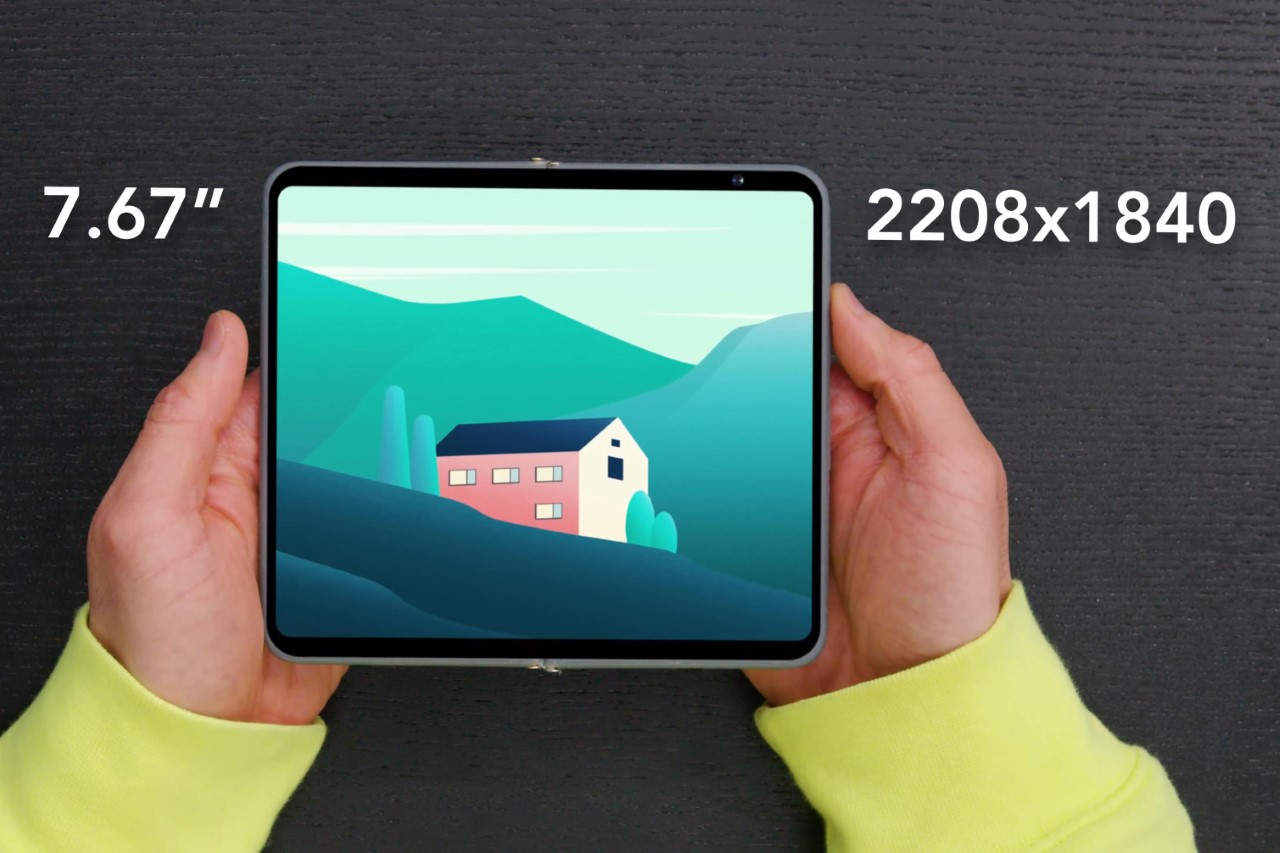
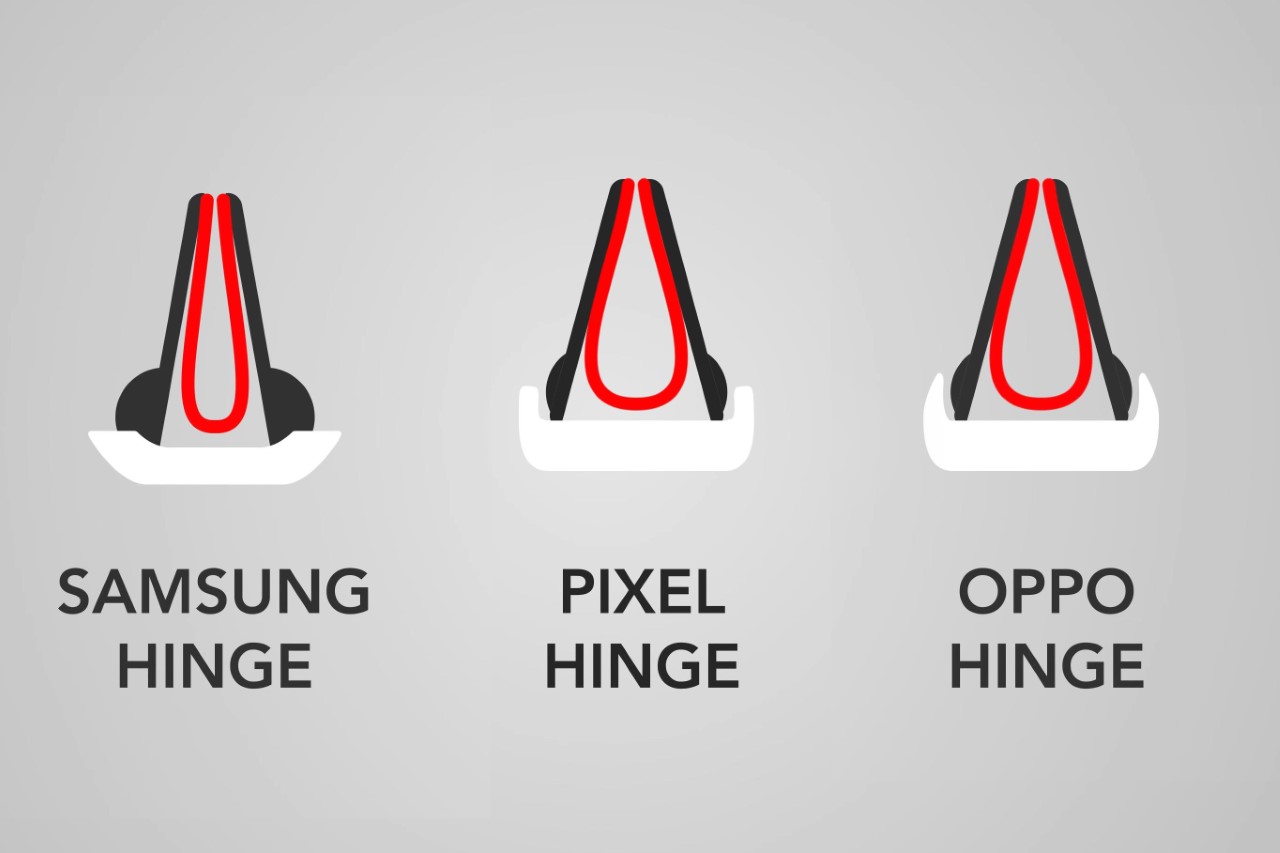
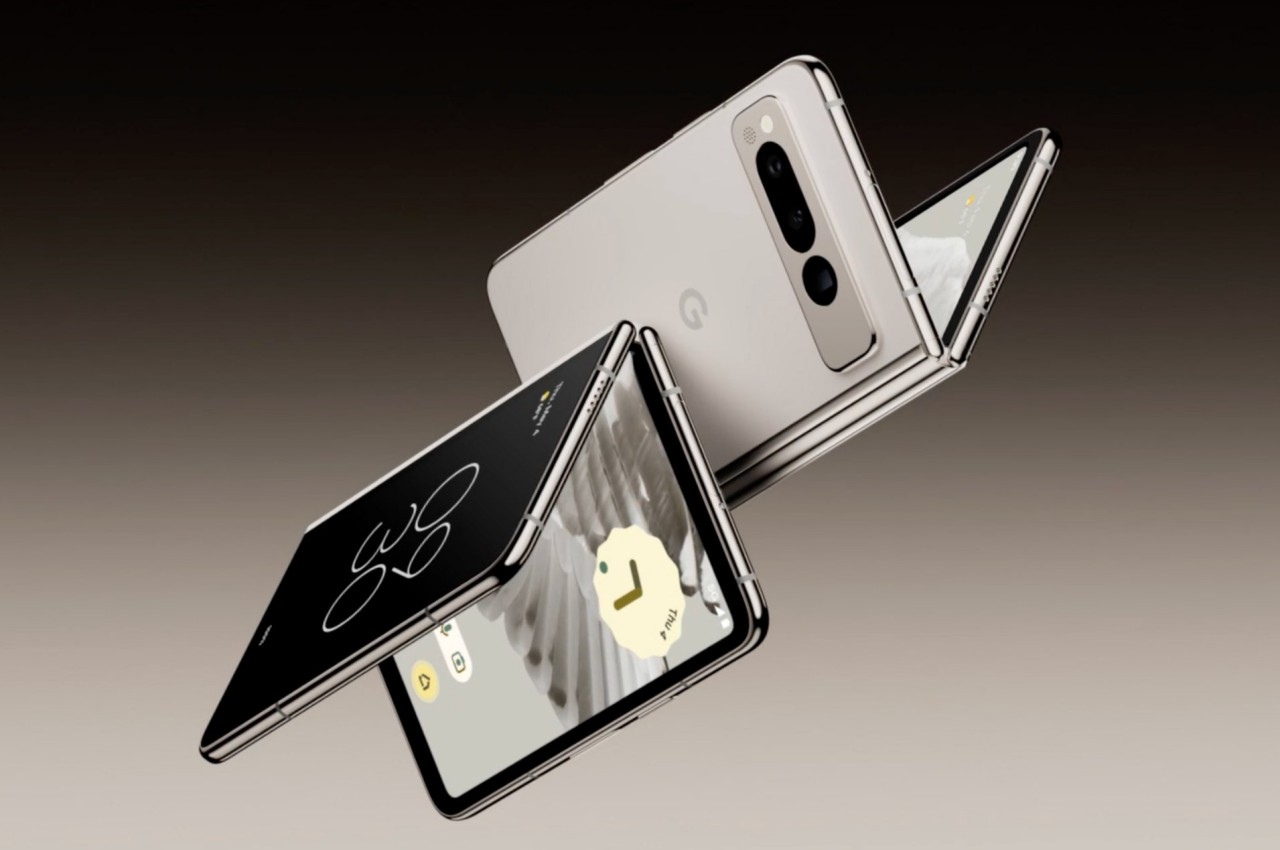
While rumors and expectations surrounded Google’s leap into the foldable phone market, the launch of the Pixel Fold marked a significant milestone despite Google’s historical indifference towards tablets, making its entry unexpected but popular due to its distinctive design. The prototype known as “jumbojack,” resembling Samsung’s Galaxy Z Fold 2, surfaced years ago, suggesting Google’s exploration of different foldable designs before finalizing a unique Pixel user experience tailored for foldable devices, diverging from Samsung’s established approach with a wider, more ergonomic design akin to the OPPO Find N.
Scope of Improvement
Prototyping supports iterative development, allowing design improvements based on feedback and testing. This enables the product to be launched and quickly gain traction in the market due to thorough testing.
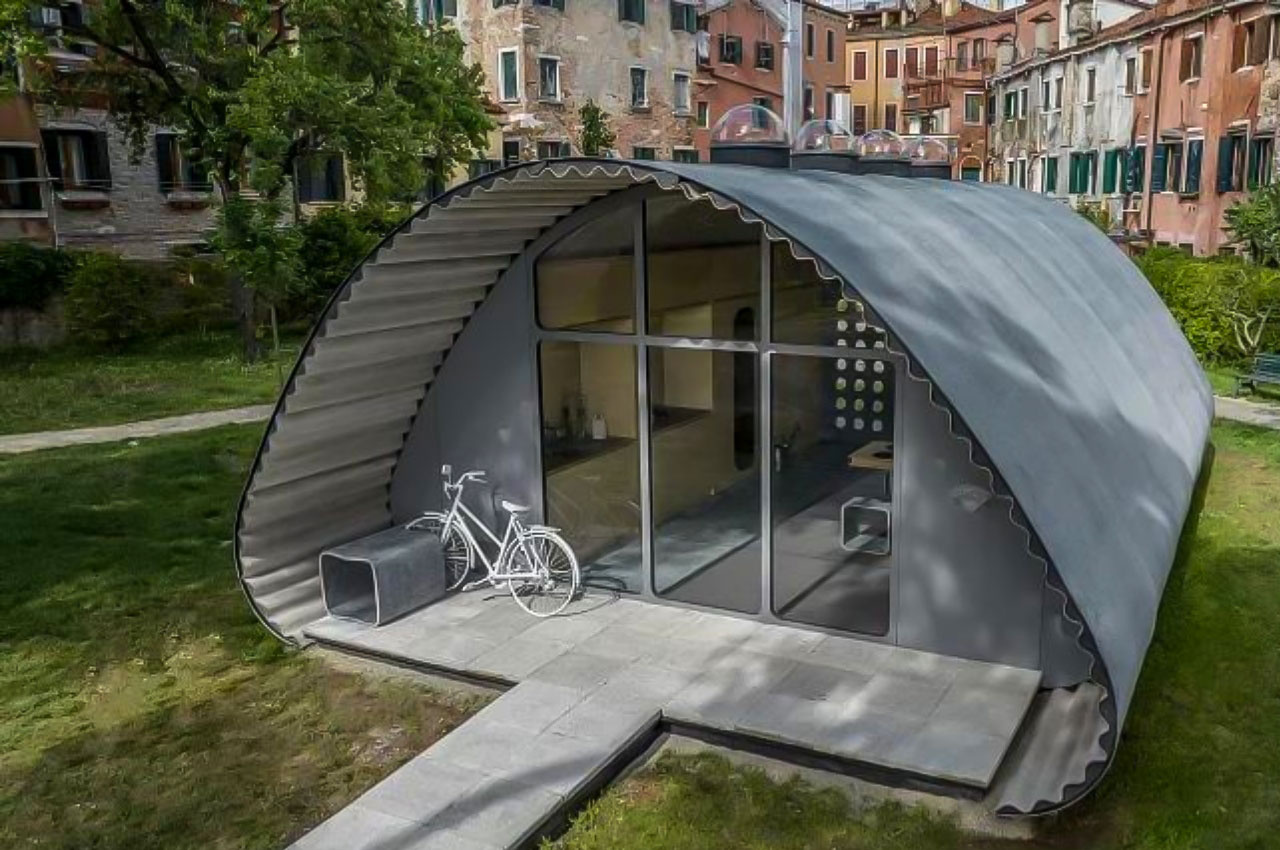
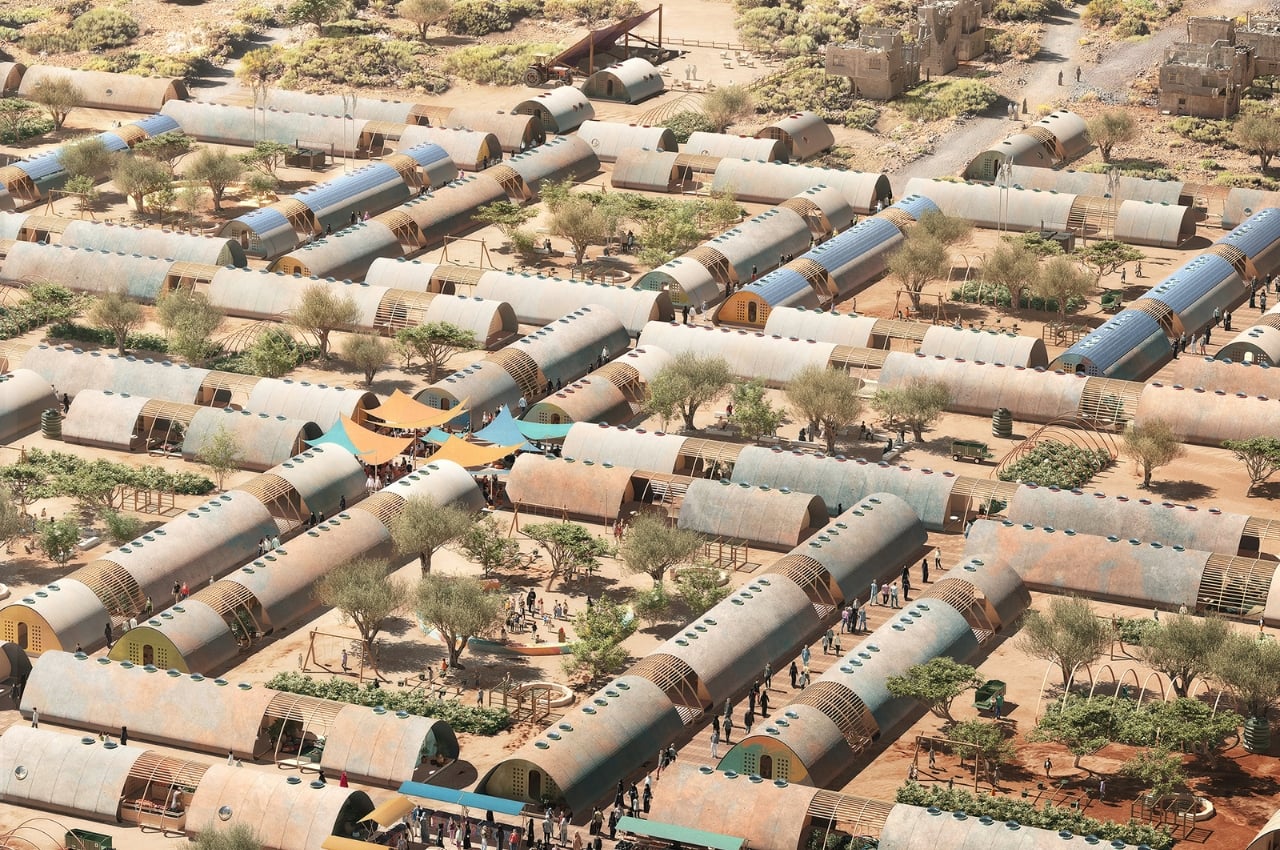
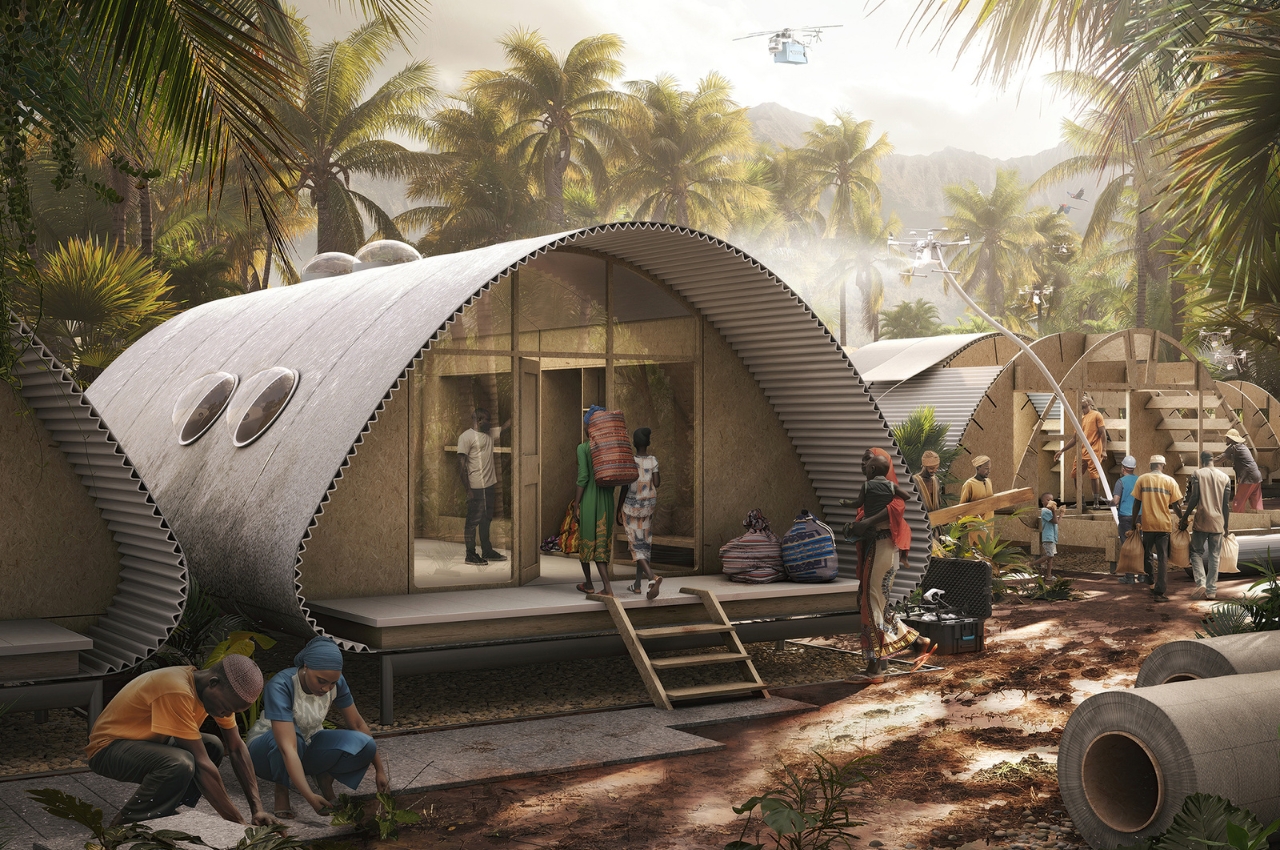
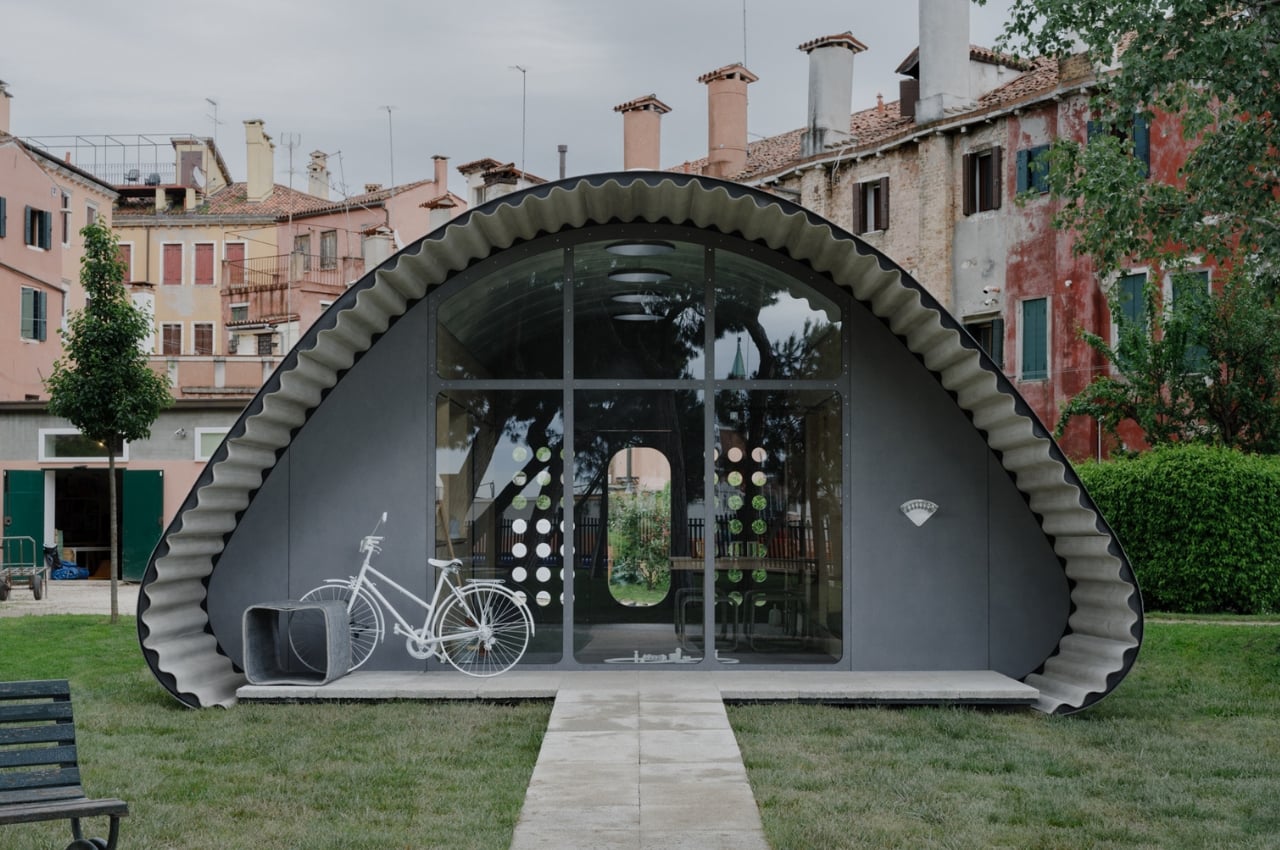
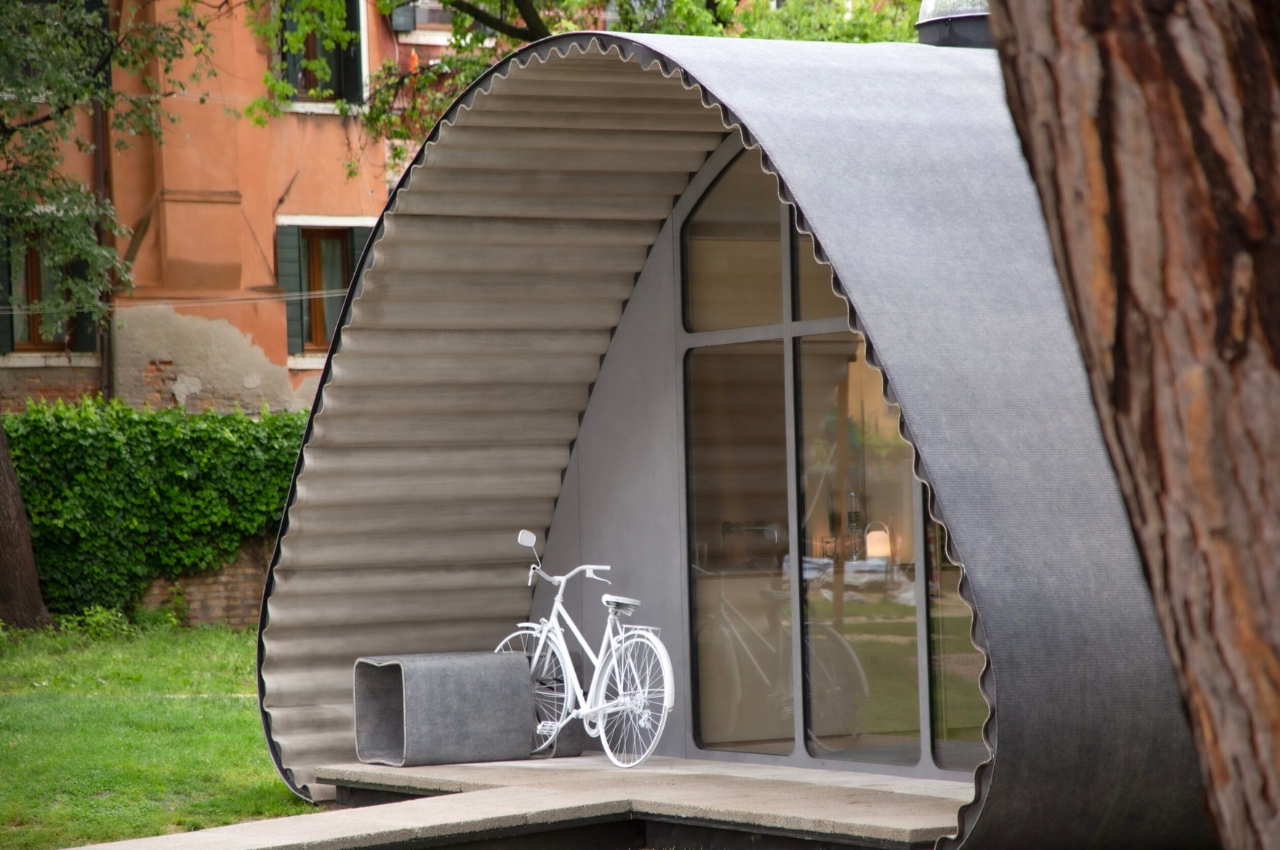
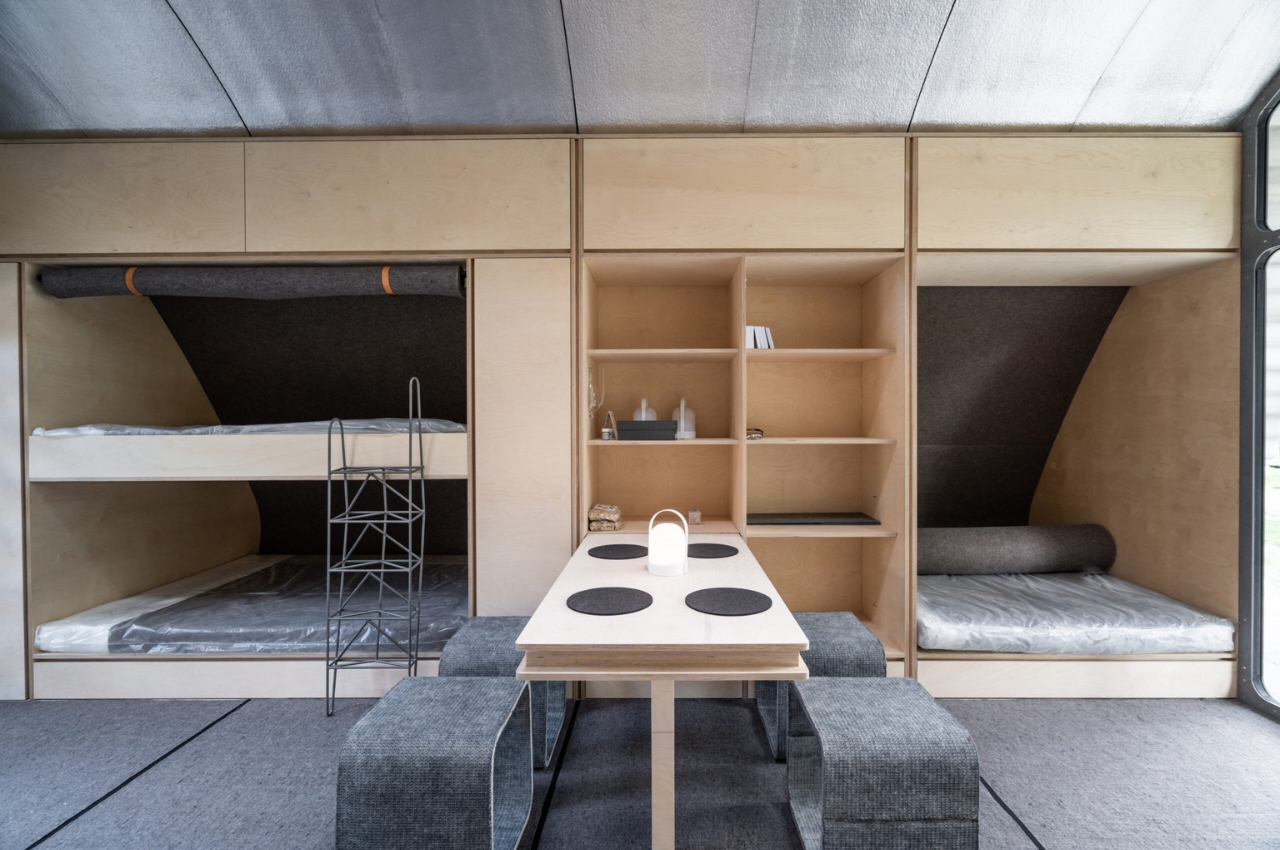
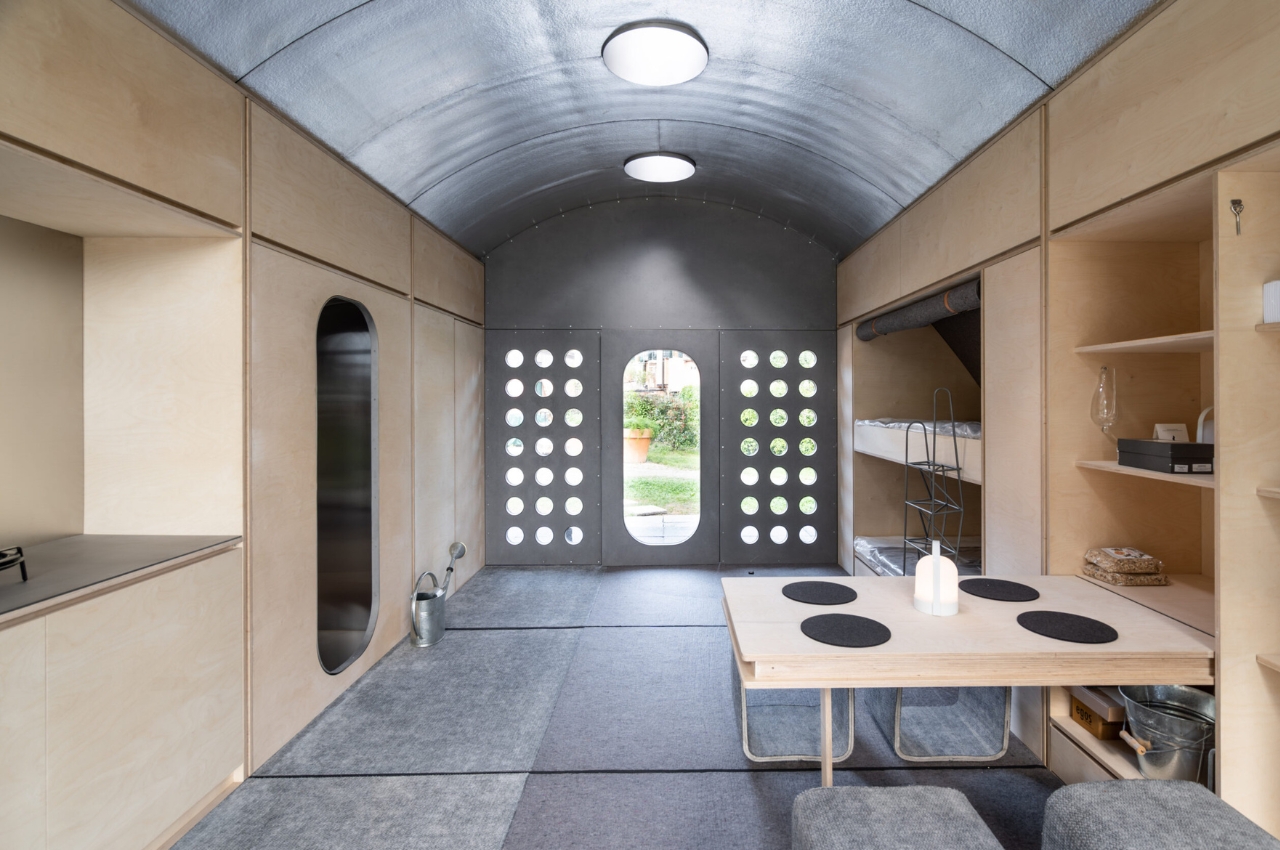
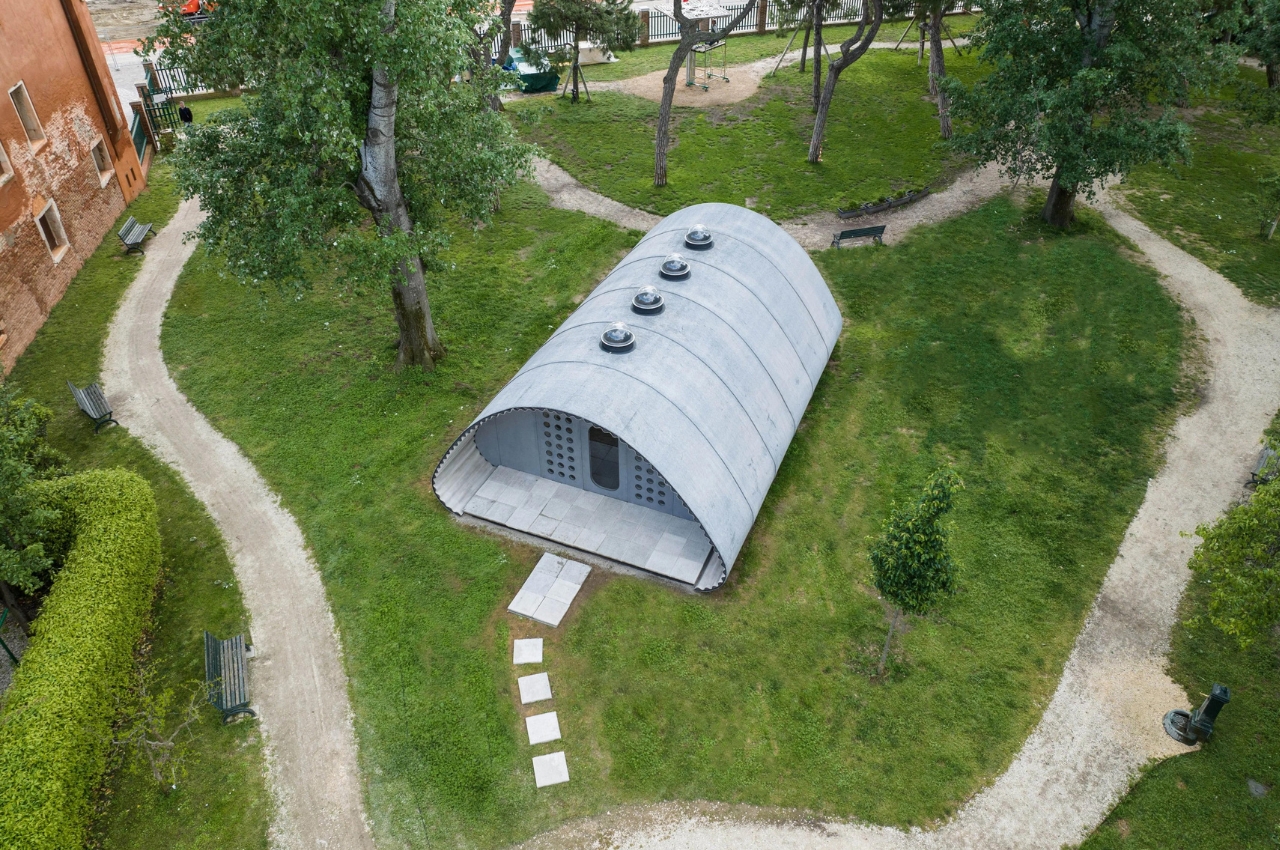
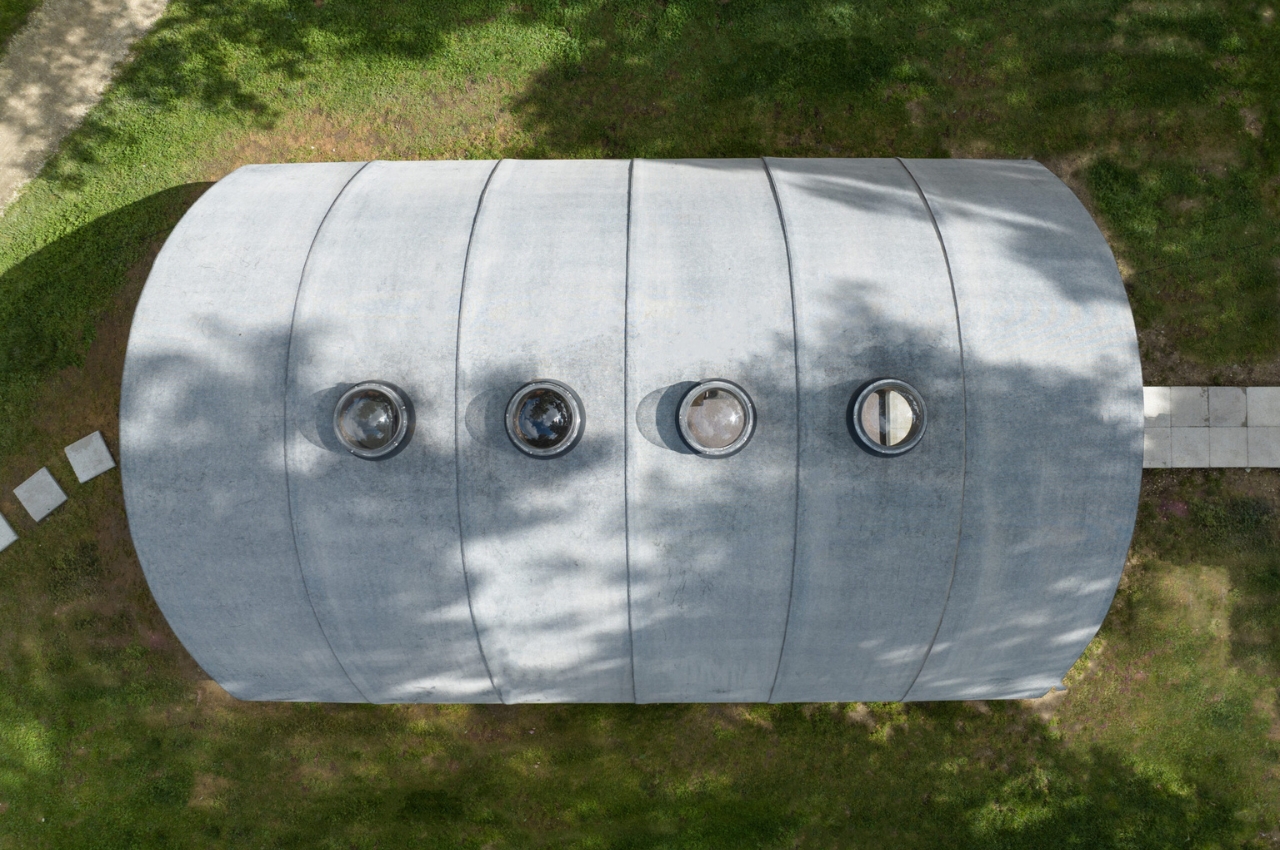
The prototype showcased at the Venice Architecture Biennale under the Essential Homes Research Project, developed by the Norman Foster Foundation and Holcim, introduces an innovative emergency shelter design. It is built with a rapid assembly system on-site using an arch-shaped framework and a rollable outer shell predominantly made from low-carbon concrete, the prototype ensures durability and quick deployment. The project is designed to withstand extreme weather conditions, featuring waterproofing and insulation for comfort, along with practical interior amenities such as bunk beds and shelves for a functional living environment.
Fosters Innovation
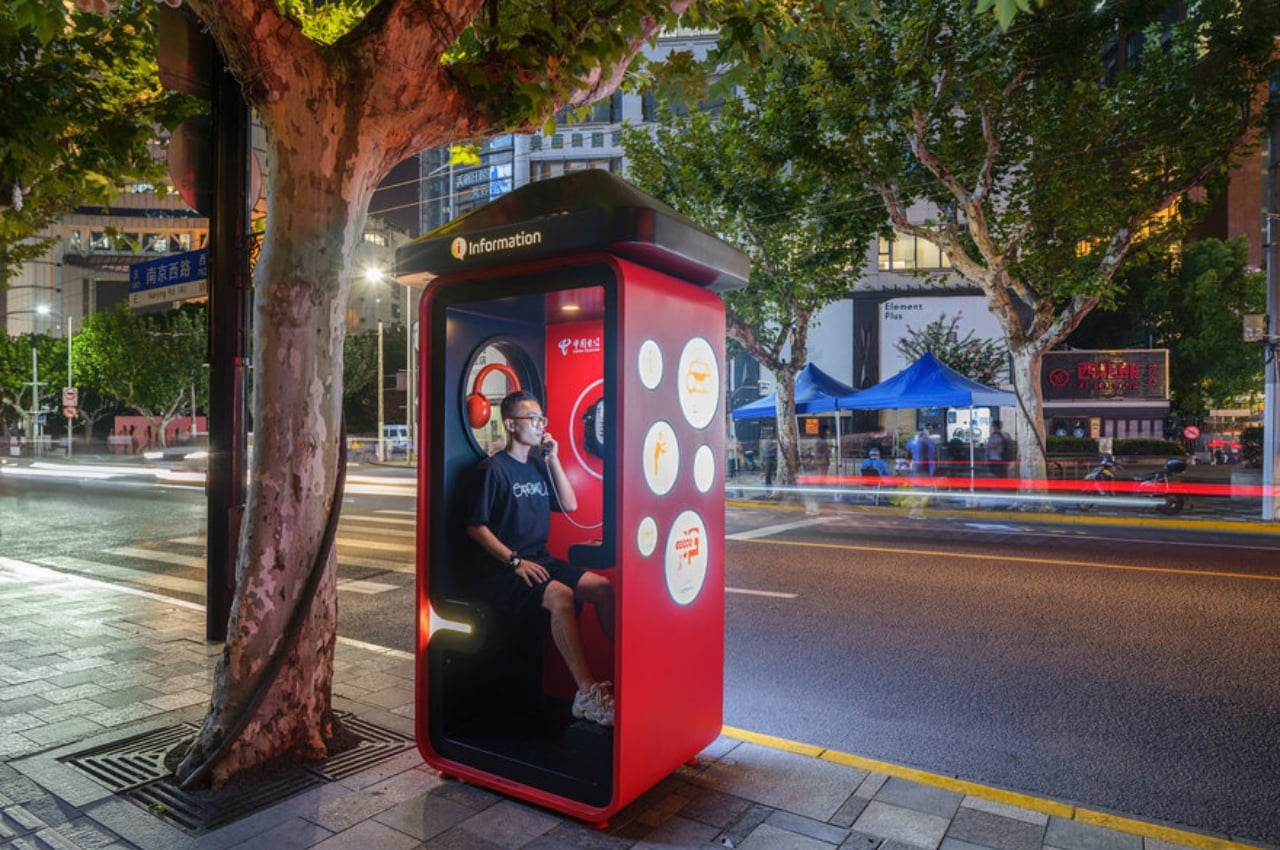
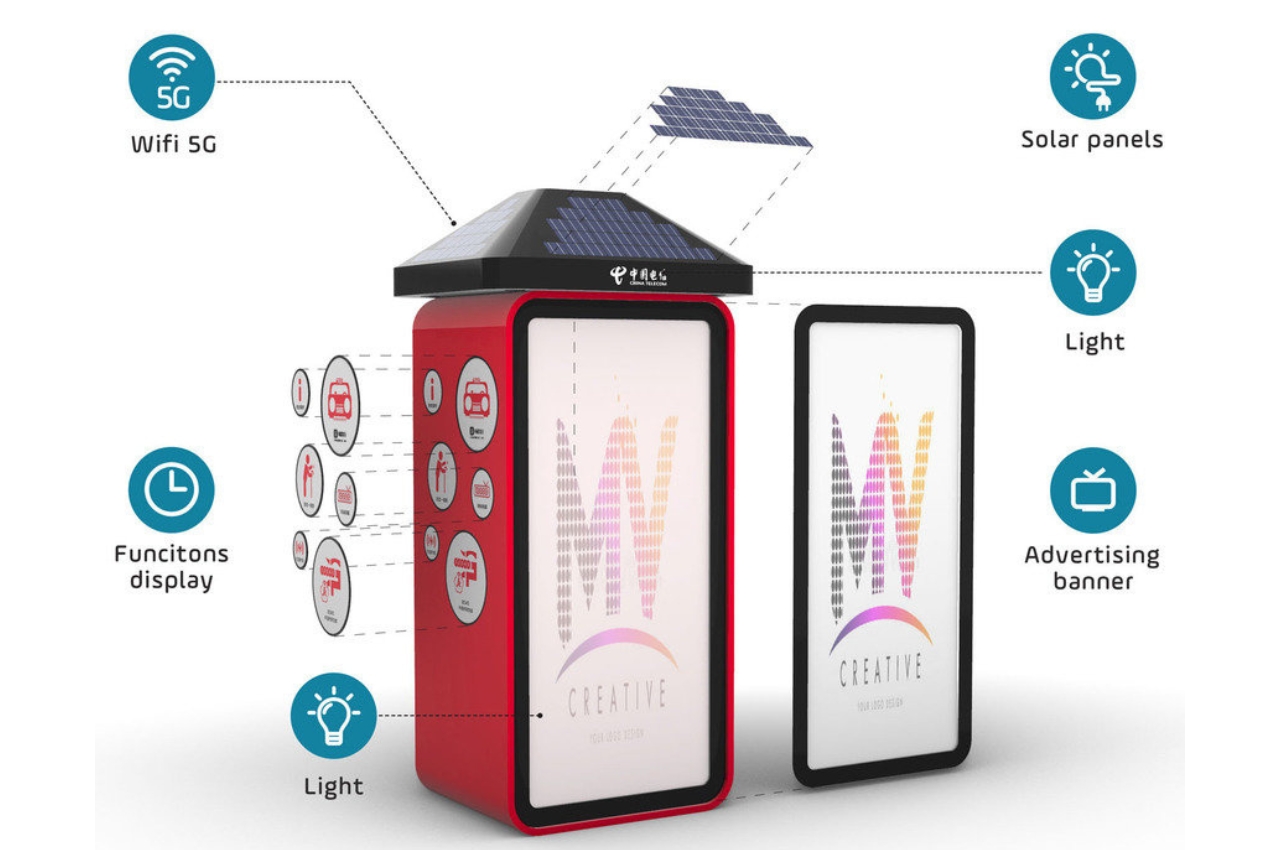
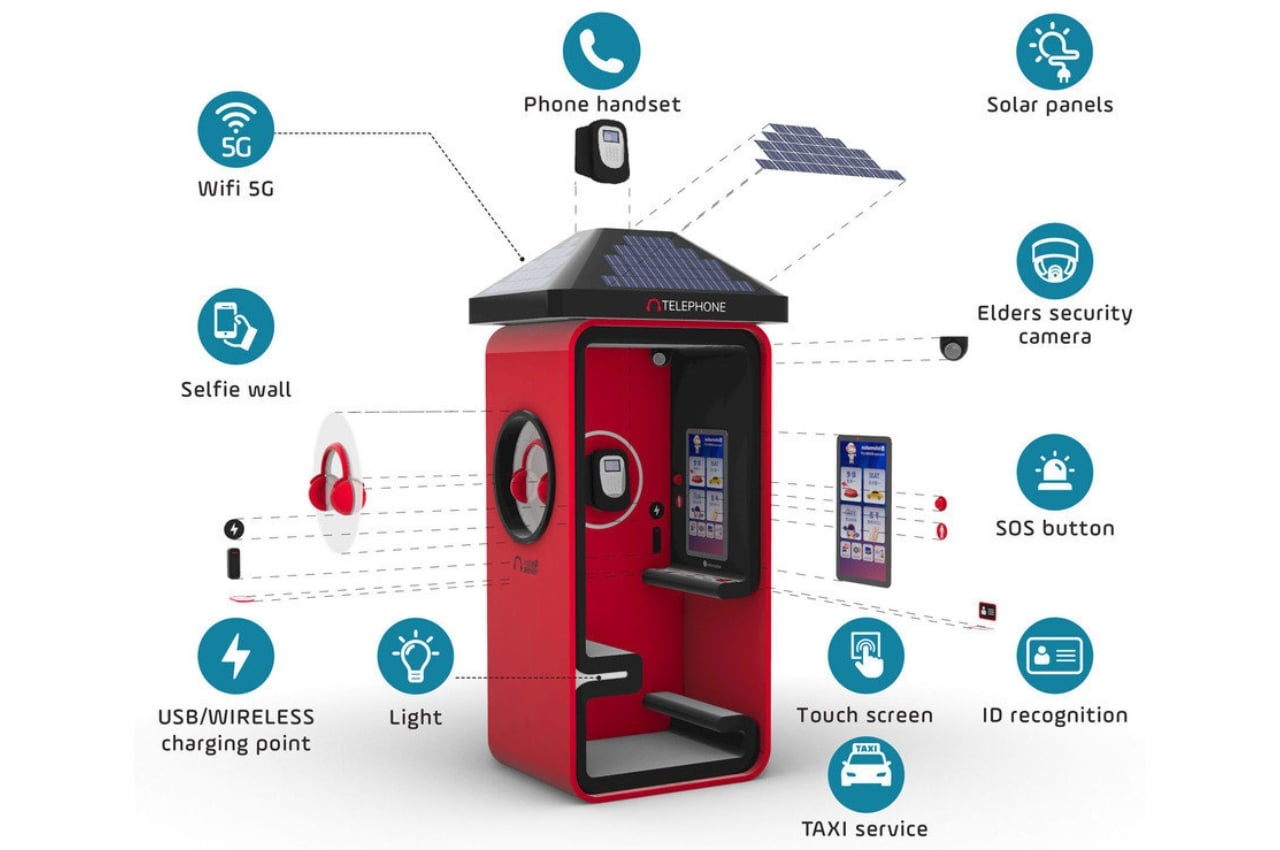
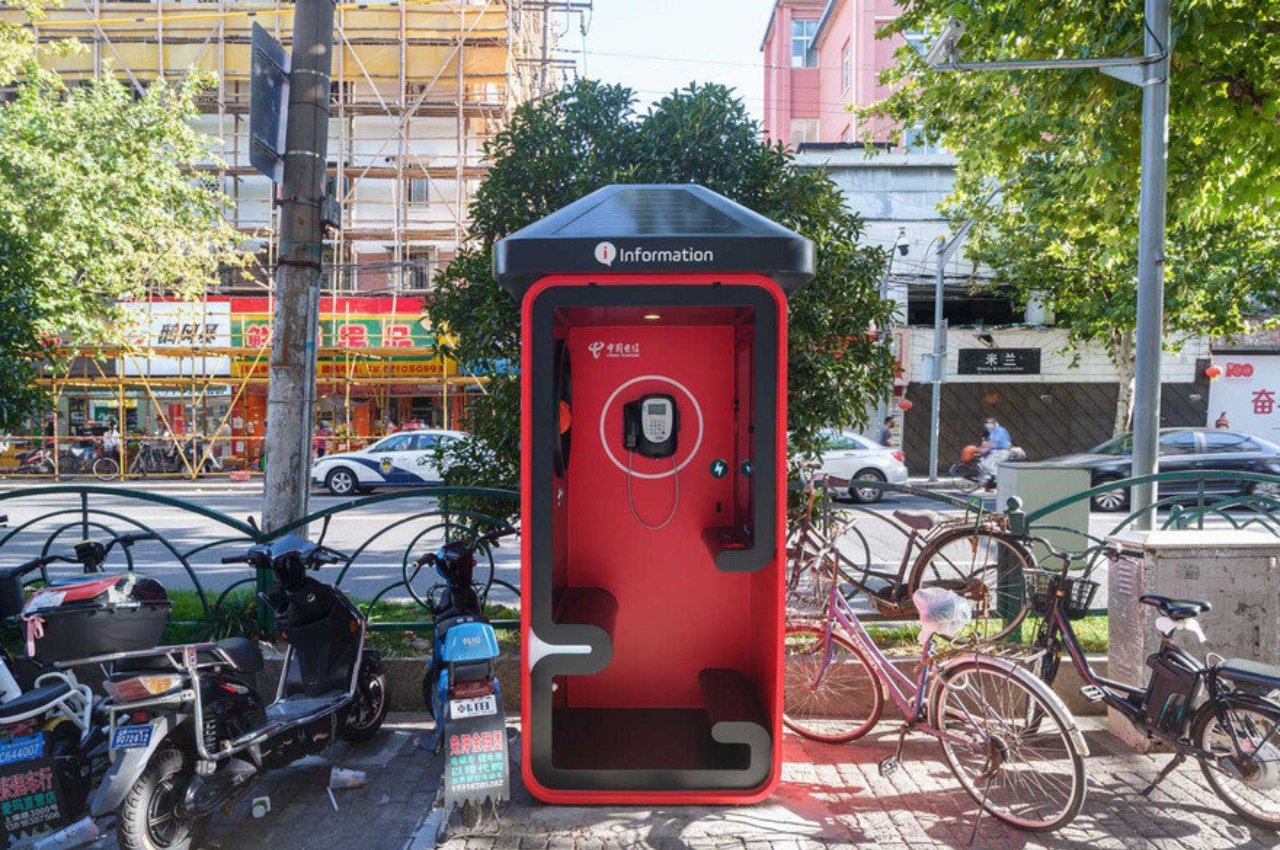
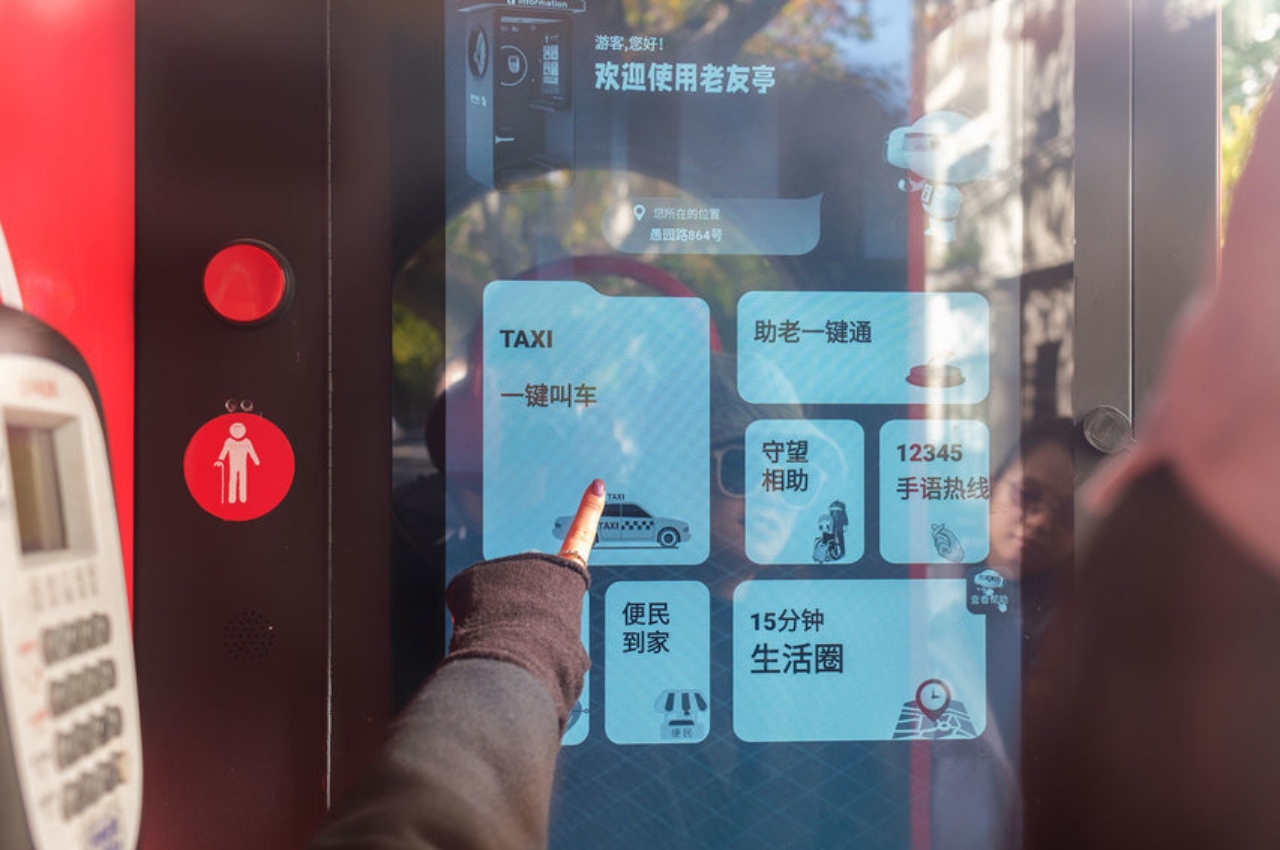
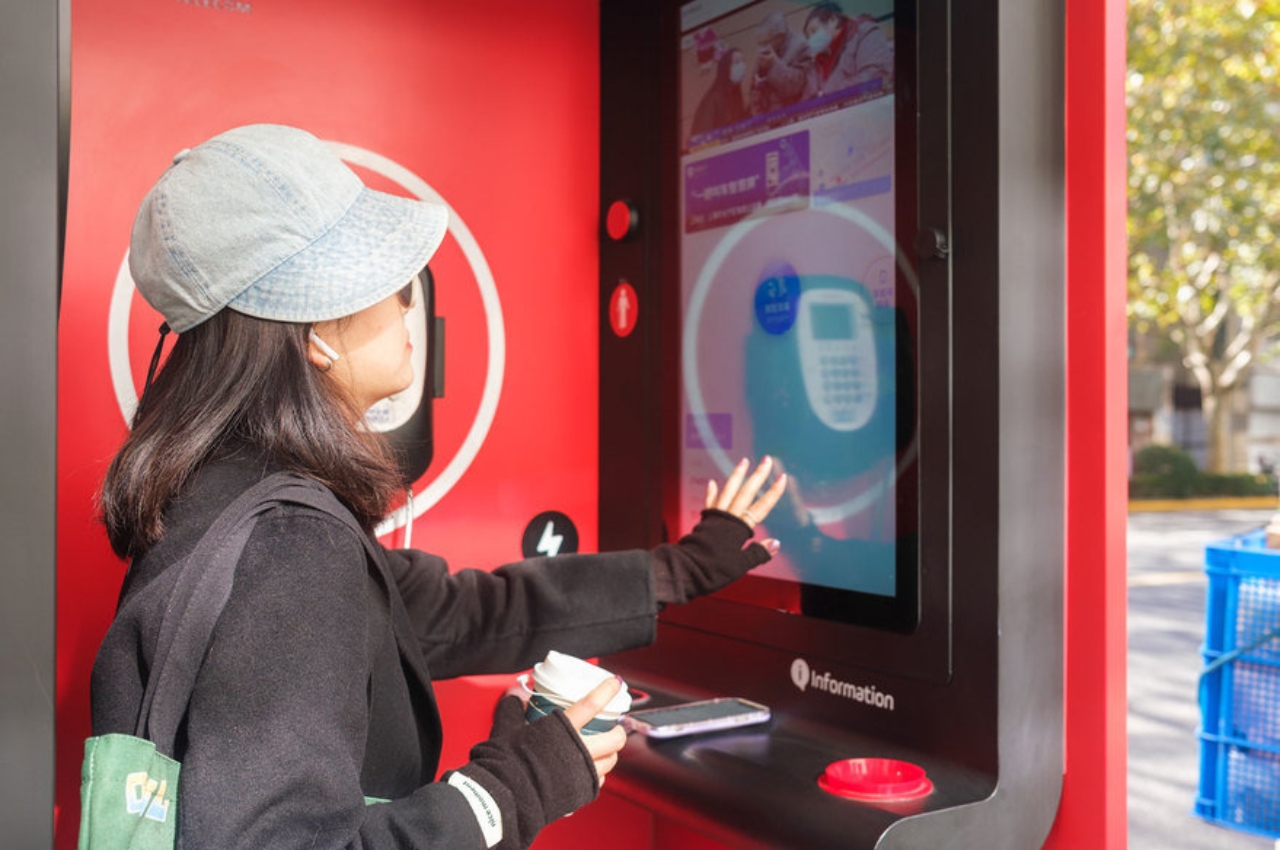
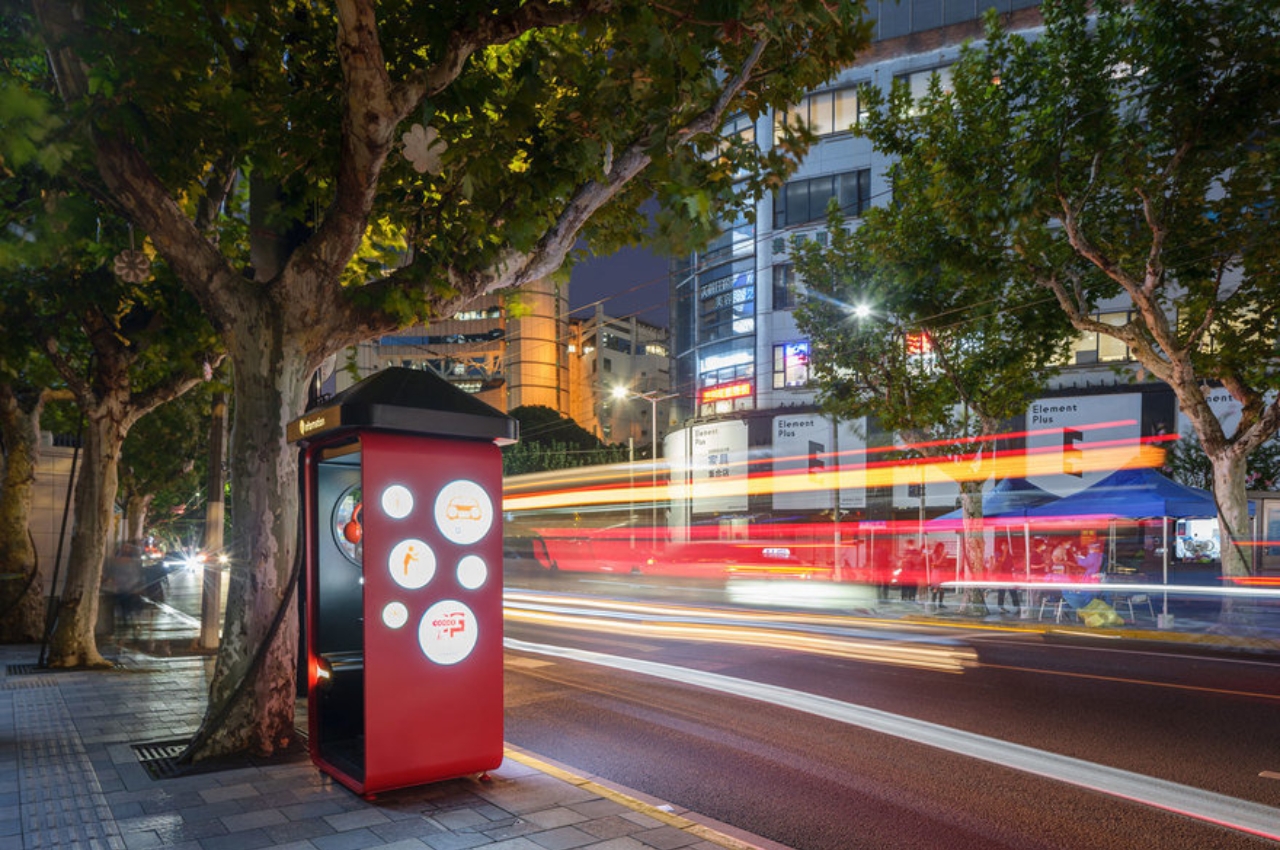
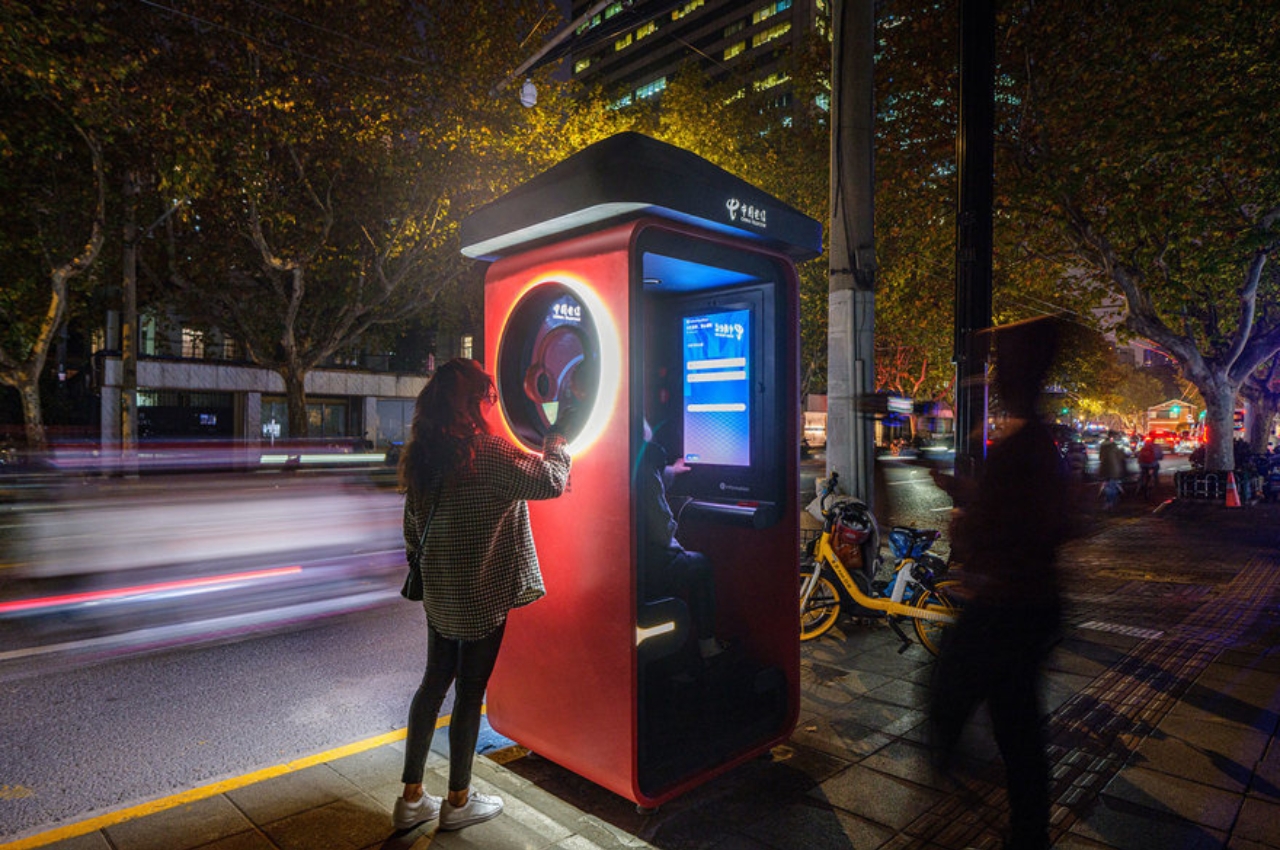
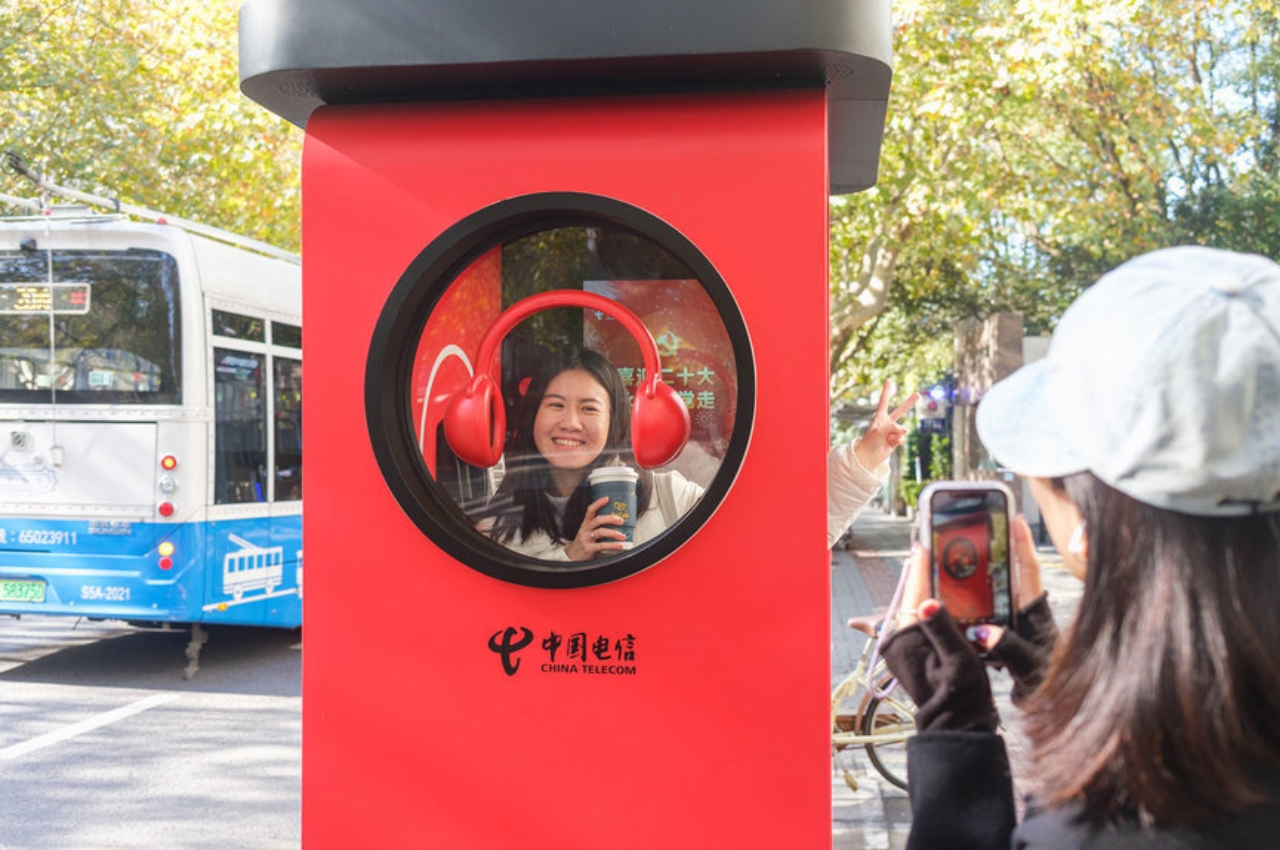
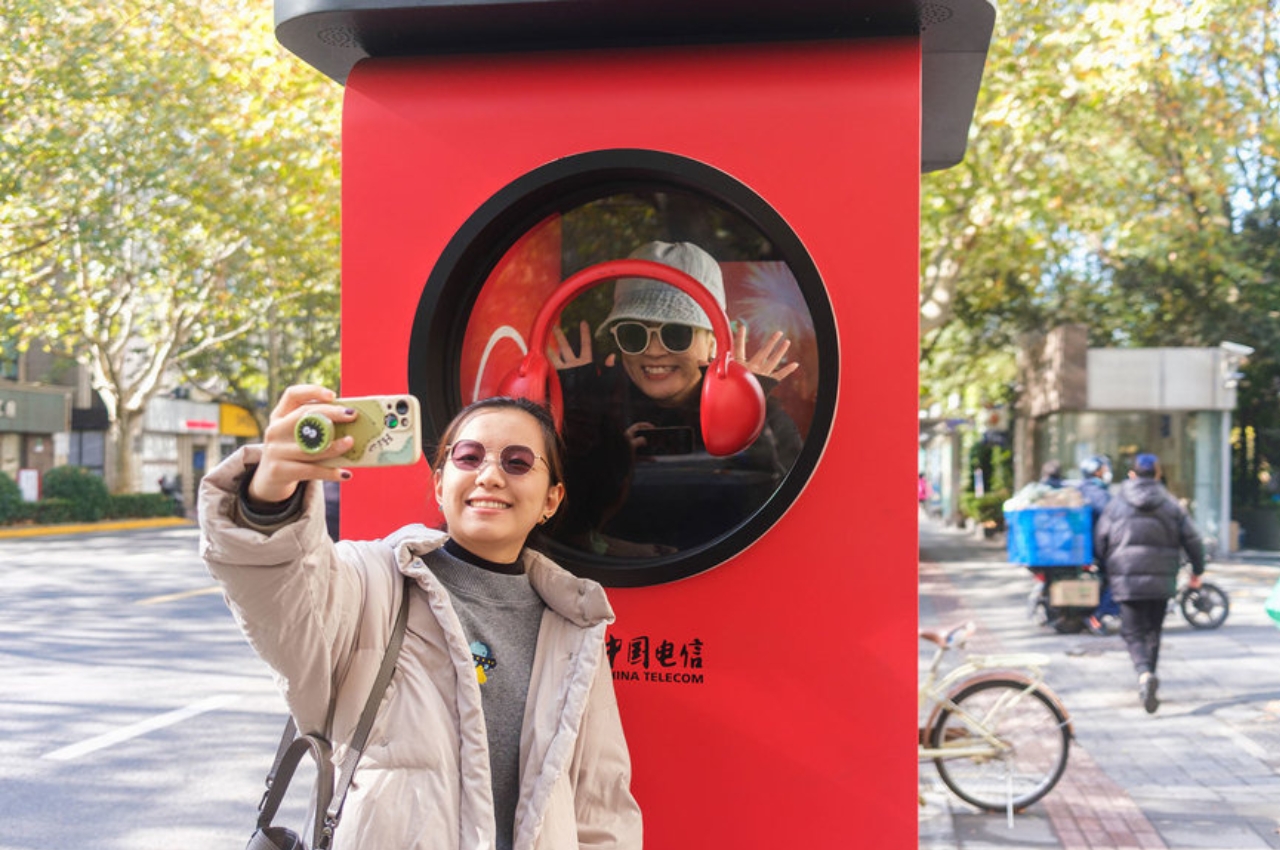
Another advantage is that prototyping enables experimentation and innovation without the need for extensive production of multiple items. Shanghai is creating a new prototype of telephone booths to replace the old ones. This prototype keeps the classic red color and boxy shape but adds modern features like solar panels, Wi-Fi, wireless charging, 5G internet, and touch screens with maps and emergency help. This update combines nostalgia with new technology, aiming to inspire similar changes around the world to meet modern needs while preserving the old style.
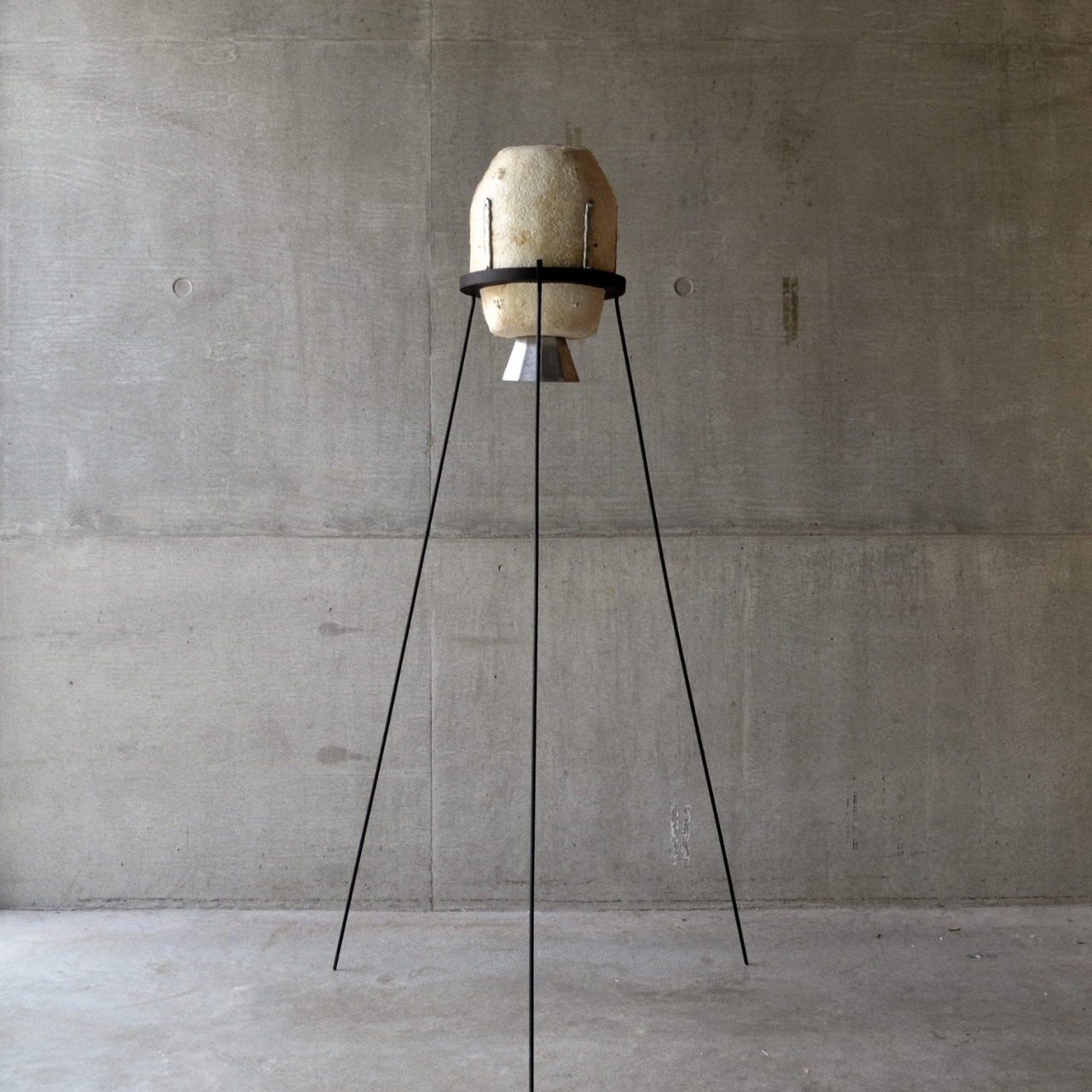
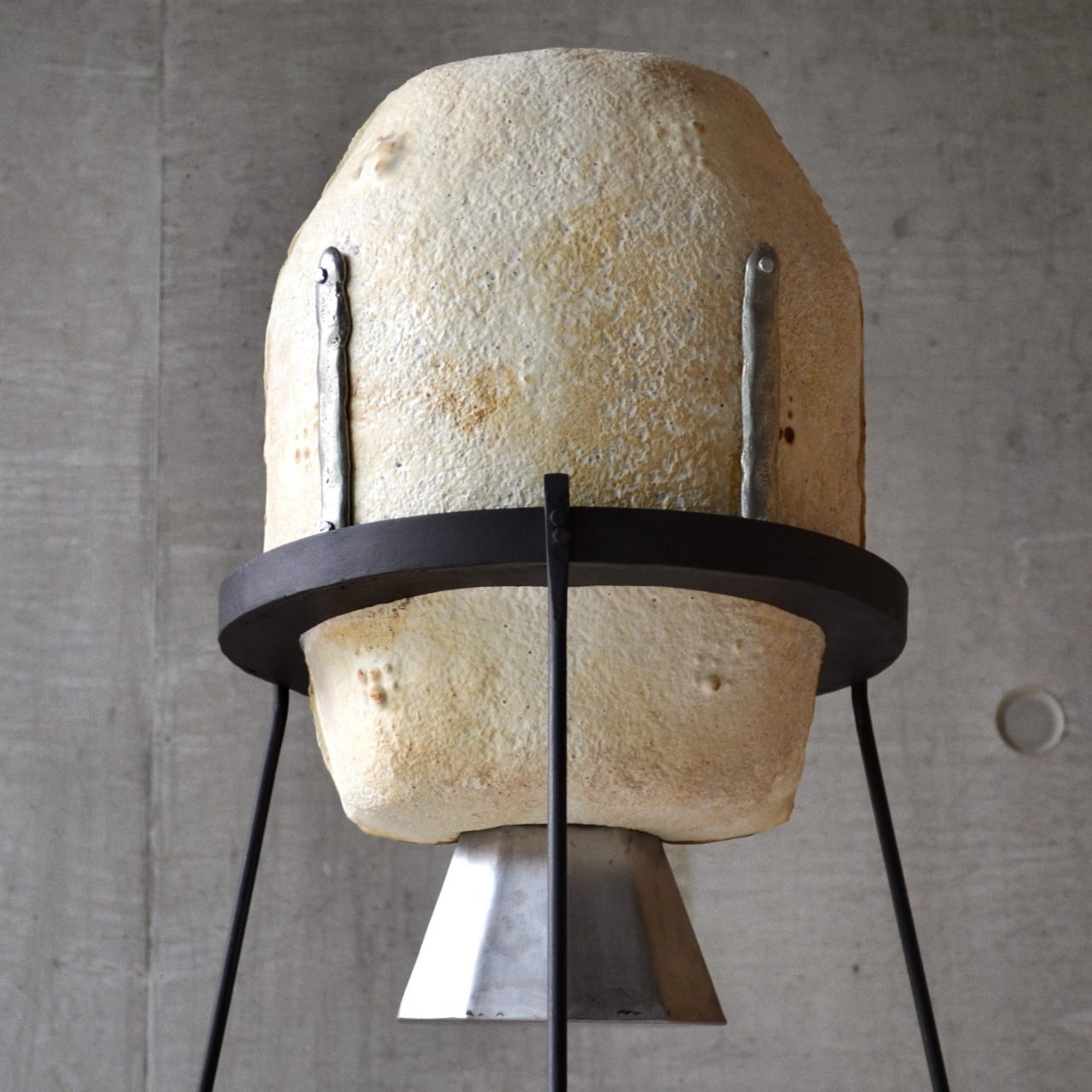
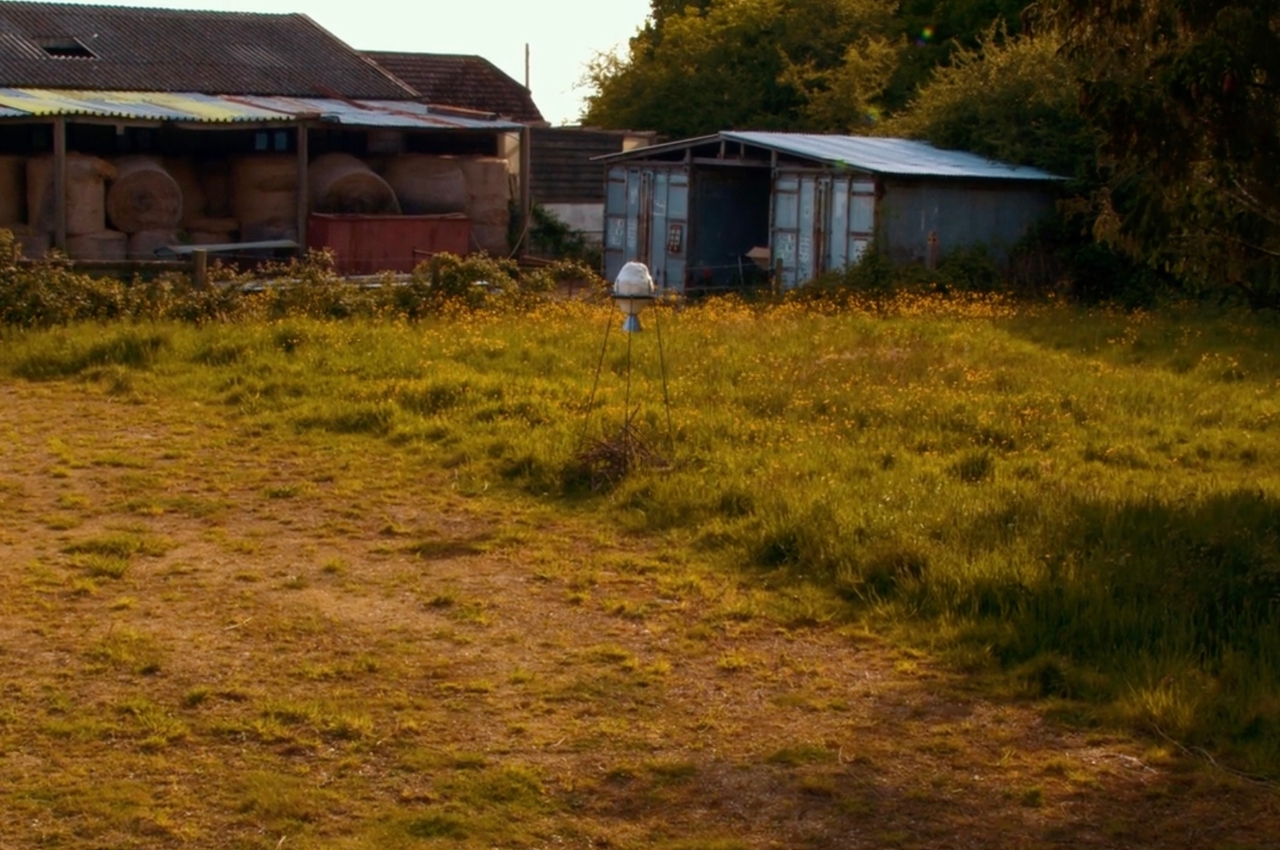
In areas prone to wildfires, residents not only face immediate dangers but also enduring challenges like pollution exacerbated by global warming, as seen with rising temperatures in unexpected places. Innovators are developing solutions such as the Living with Wildfire system, a prototype mycelium pod designed to withstand fire. Inside each pod are water and dormant oyster mushroom spores. During a wildfire, water evaporation increases pressure inside the sealed steel vessel until a cork is launched, dispersing spores that take root post-fire to reduce soil and air toxicity through mycoremediation.
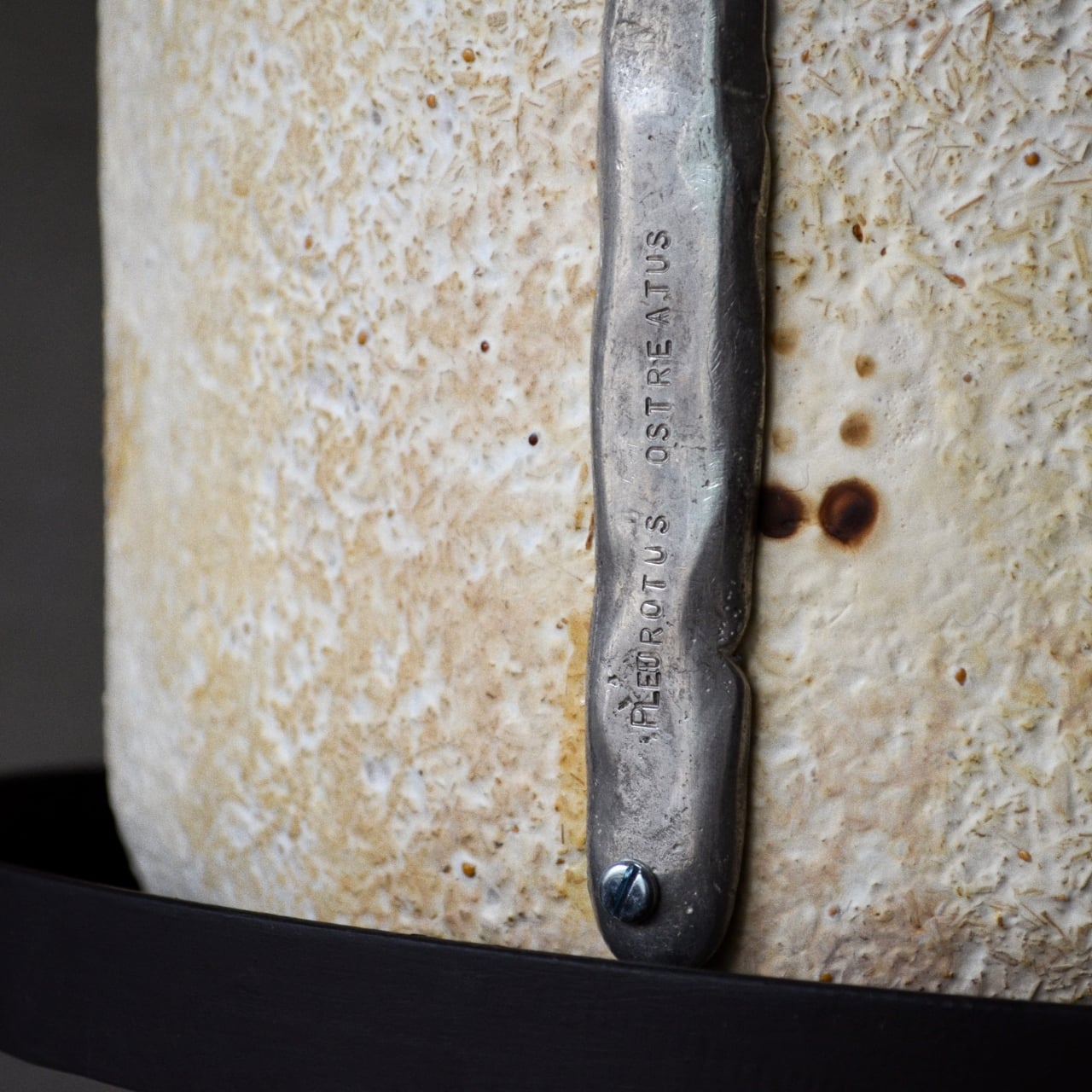
Resembling a lamp on a stand, these pods must be strategically placed and feature a minimalist design inspired by fireproof seedpods in trees like the lodgepole pine and Australian banksia, with tags displaying the Latin names of mushroom spores. Constructed from quick-melting pewter, the pods release spores upon exposure to fire, even when branches and brush are piled underneath to hasten the process, serving also as a reminder of ongoing wildfire risks in the area.
What are the disadvantages of prototyping in product design?
MISSING PARAGRAPH
Cost Intensive
Creating prototypes can be costly due to the investment in materials, labor, and research involved. This often makes stakeholders consider reallocating resources more effectively within the project and reducing the waste from multiple prototypes.
For those interested in pianos as instruments or decor, the Yamaha Design Laboratory and Chiba University’s Department of Design collaborated on Edo-era inspired piano designs styled as furniture. Displayed in an Edo-era piano store simulation, these prototypes include the SUKIMA, blending with Nagaya house wooden partitions for a harmonious blend of transparency and privacy; the OTO-TSUKUE, resembling traditional writing desks with a piano beneath the desktop; and the HIKI-TANSU, integrating piano features into gift chests symbolizing auspicious occasions, each adorned with distinctive etchings from the era.
Time Constraints
Developing and refining prototypes can be time-consuming, potentially delaying the project based on feedback. Moreover, tight schedules and deadlines for prototype creation can compromise the product design. Missed windows of opportunity, in turn, could lead to low sales, overstocking, and a general loss of revenue.
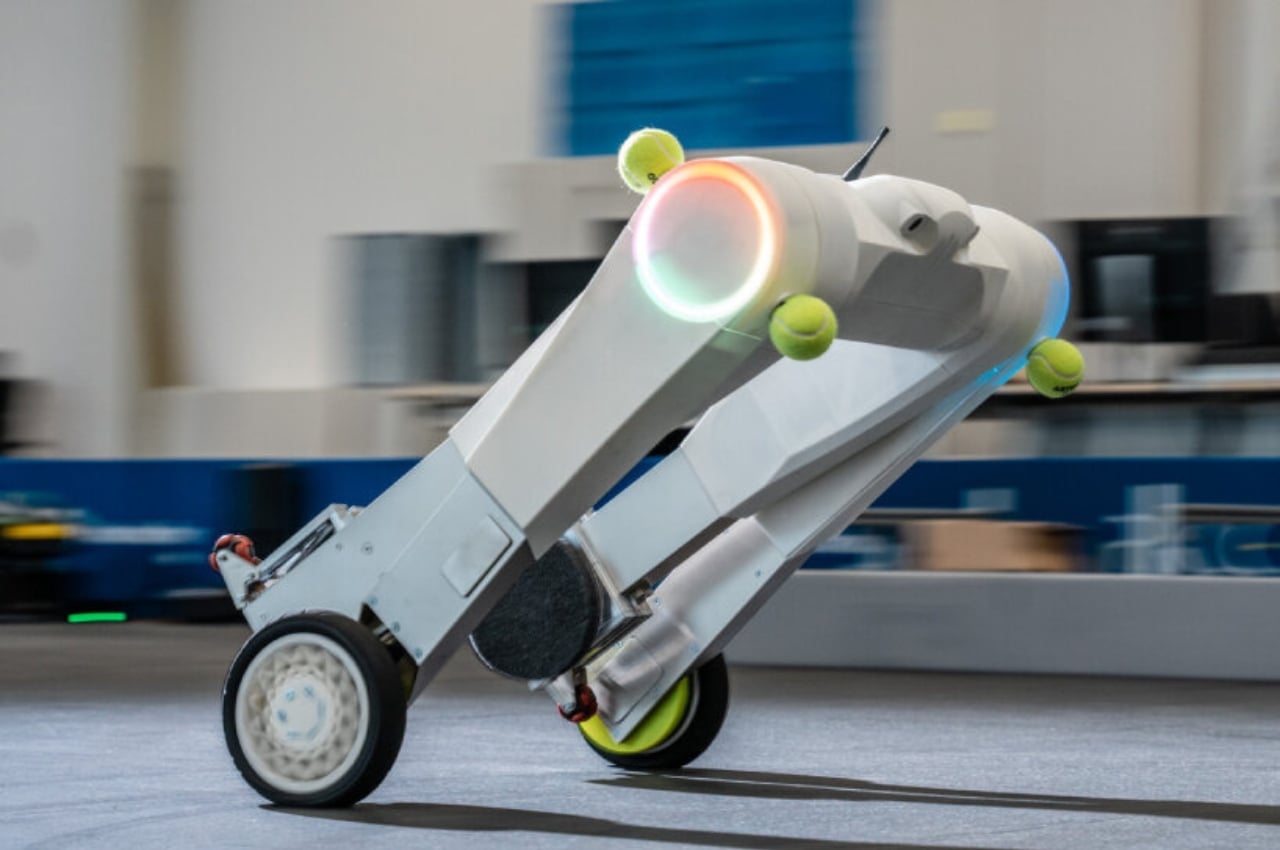
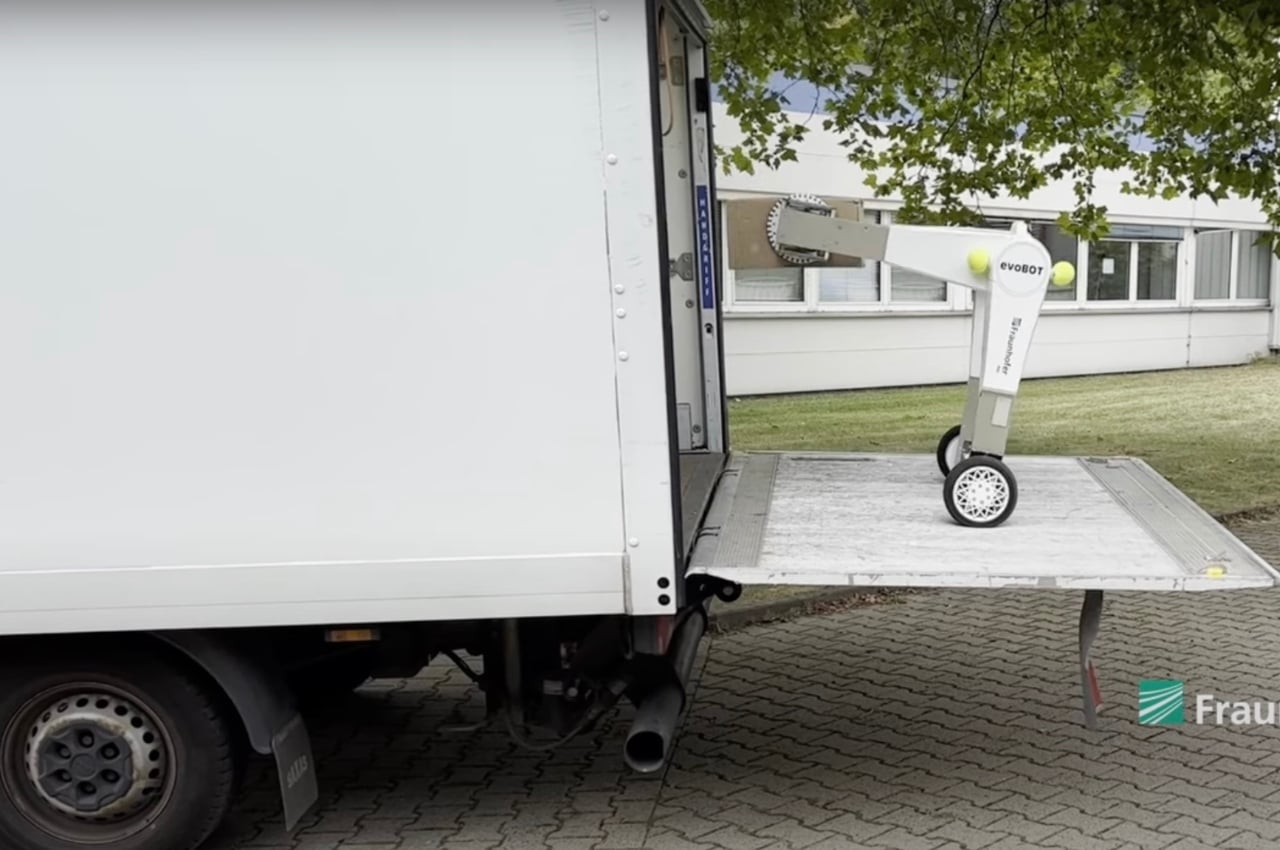
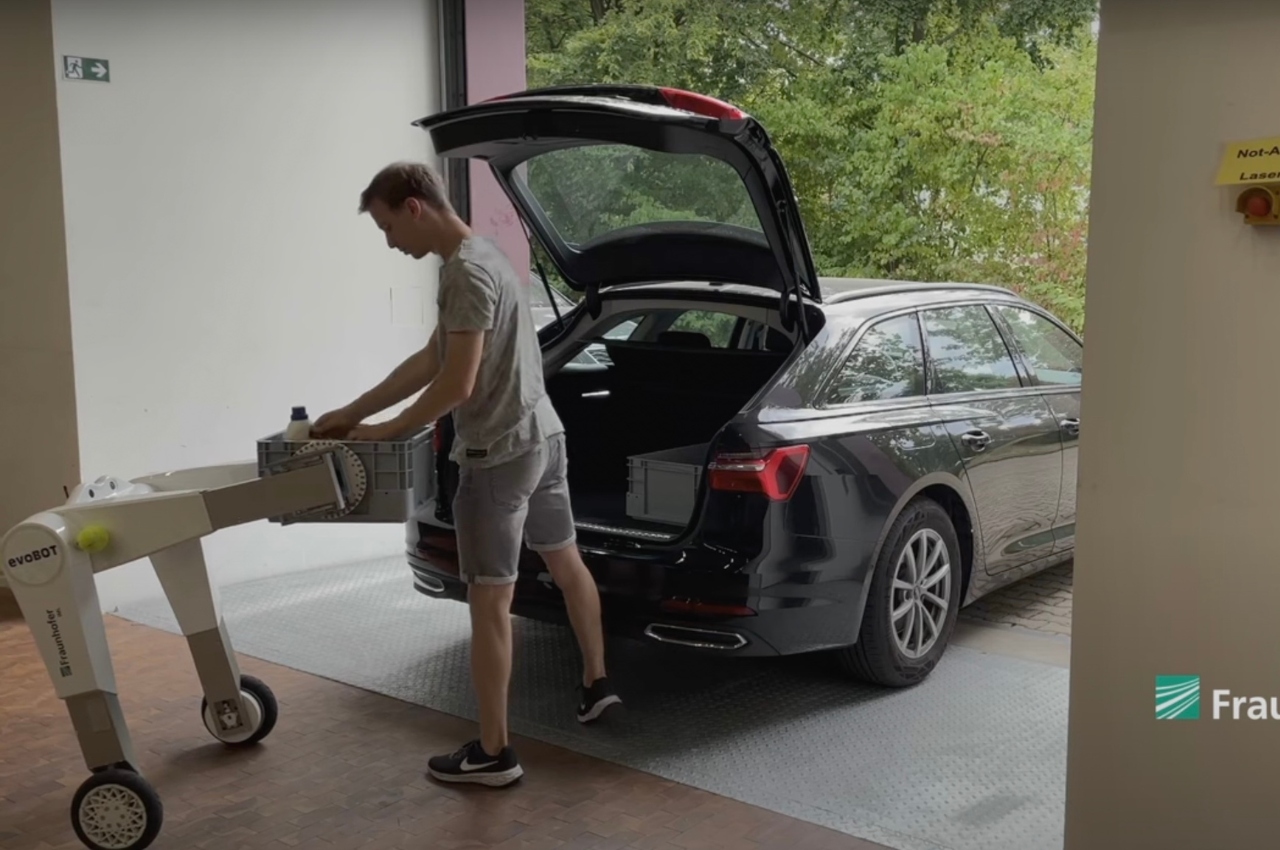
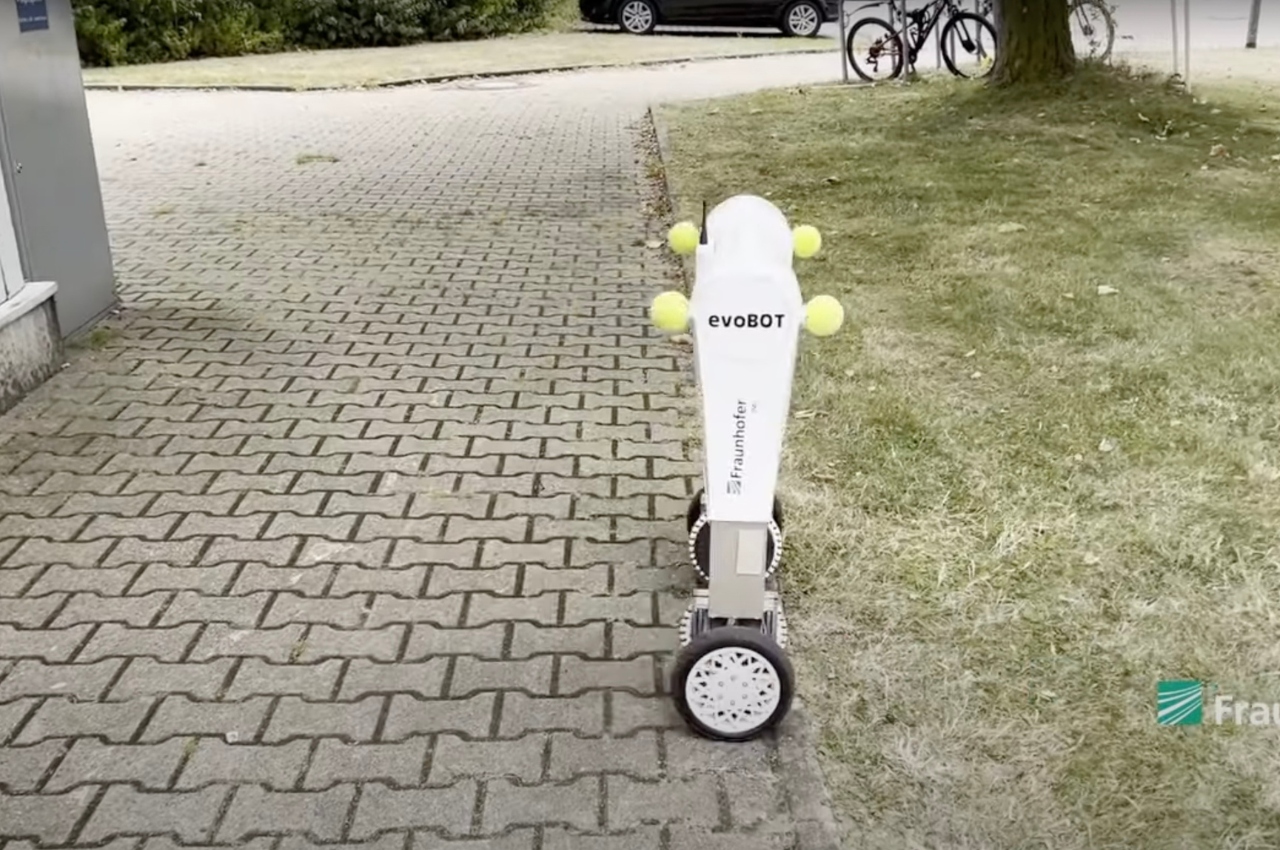
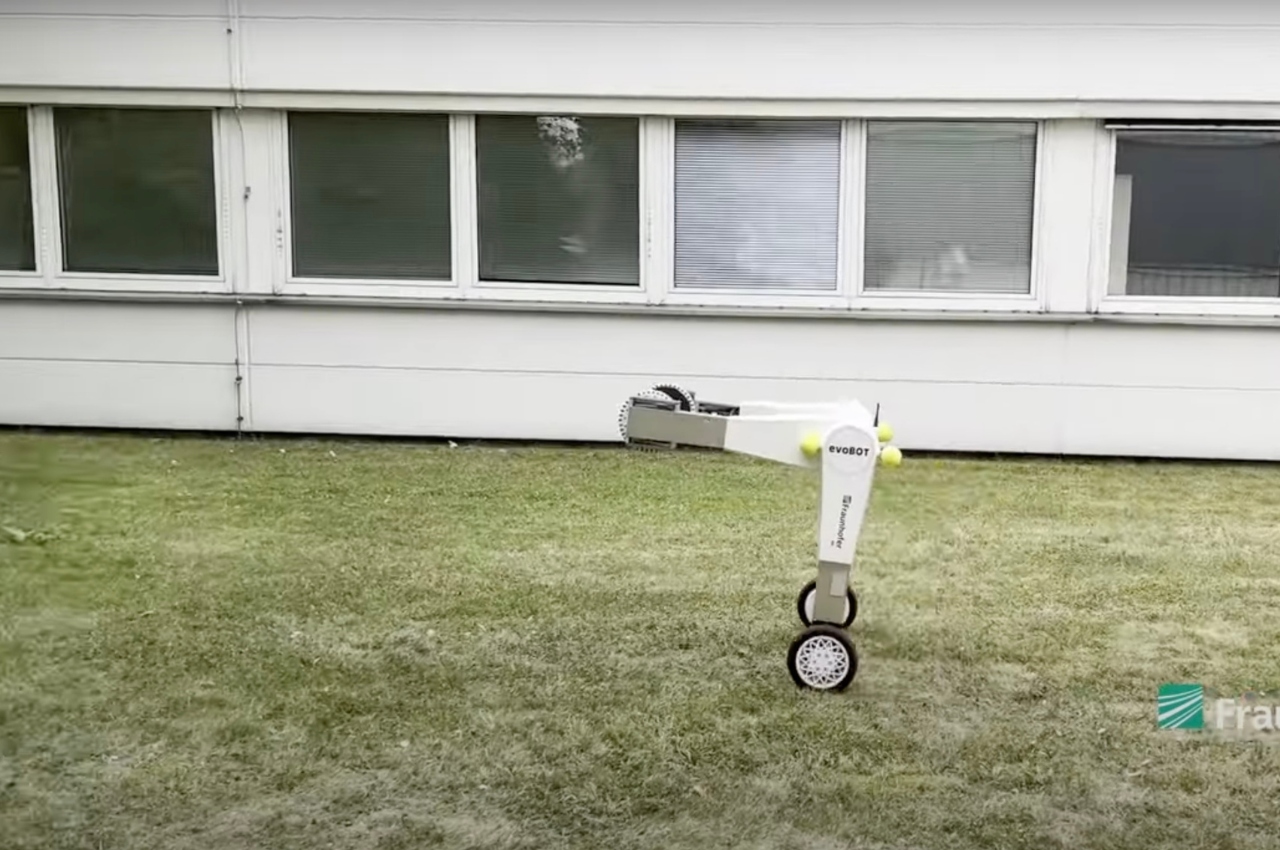
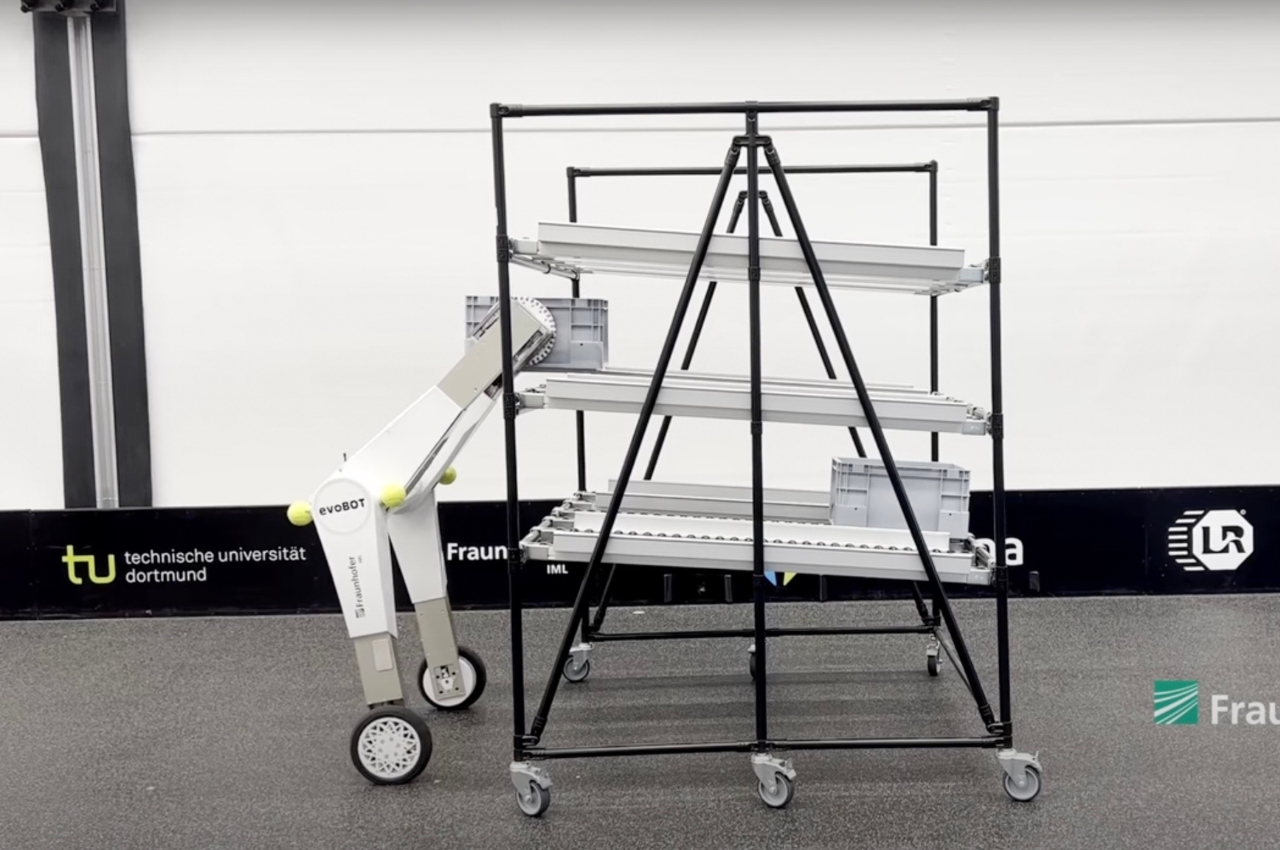
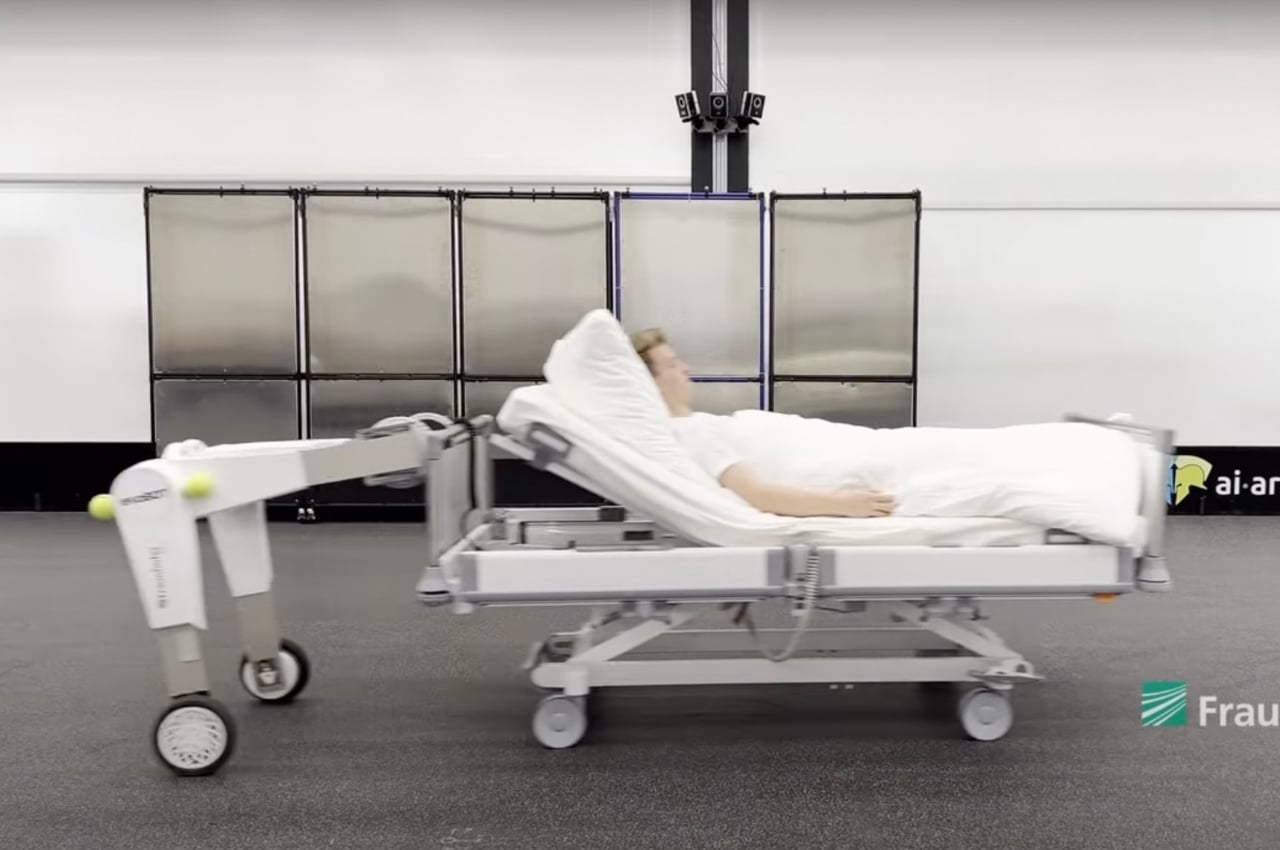
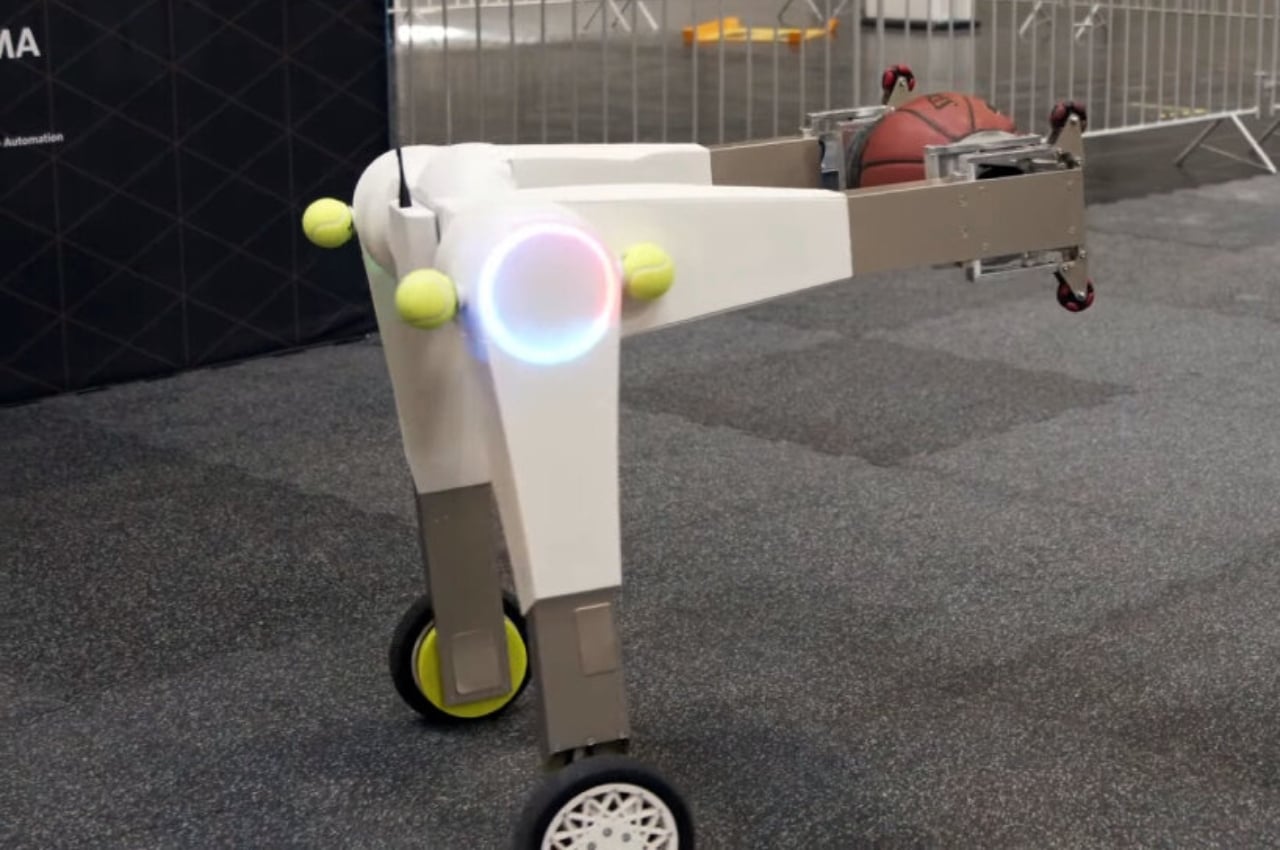
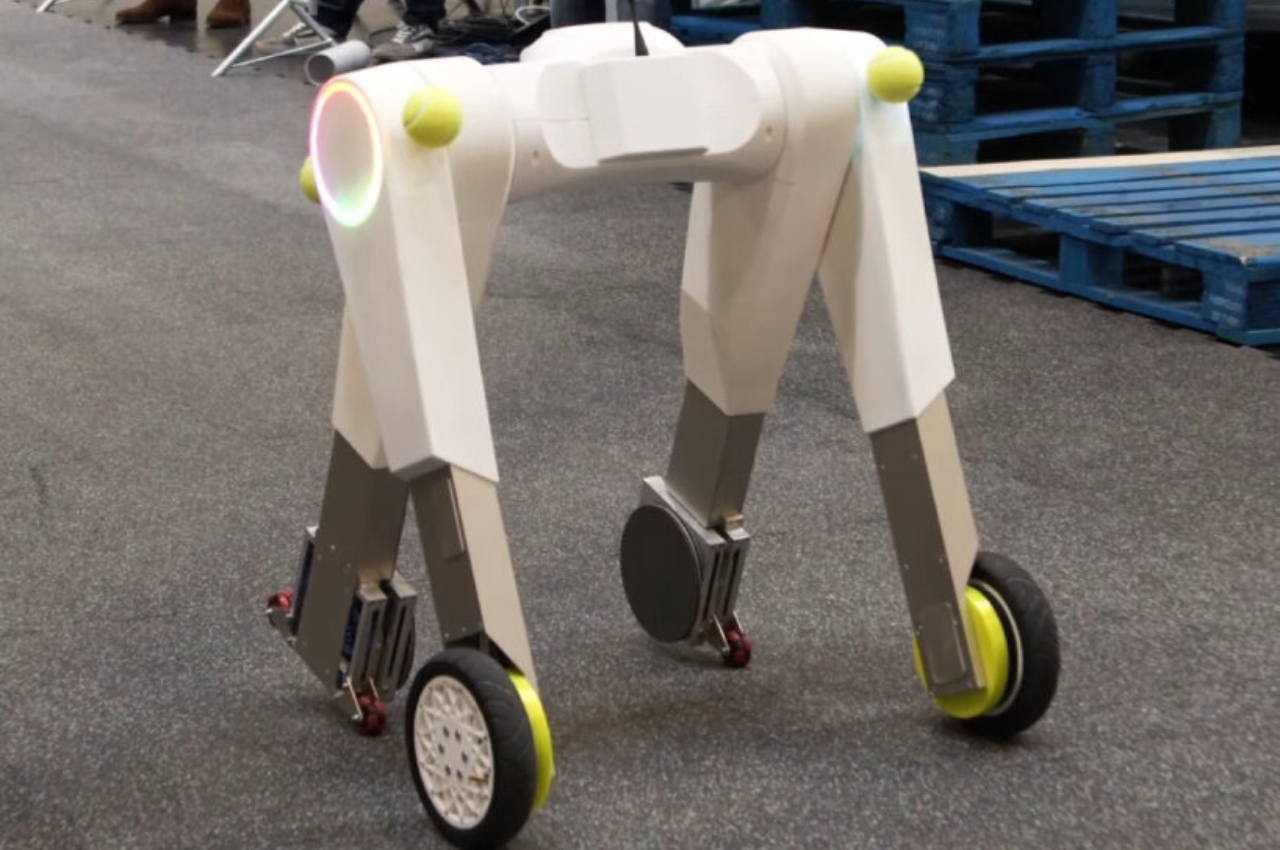
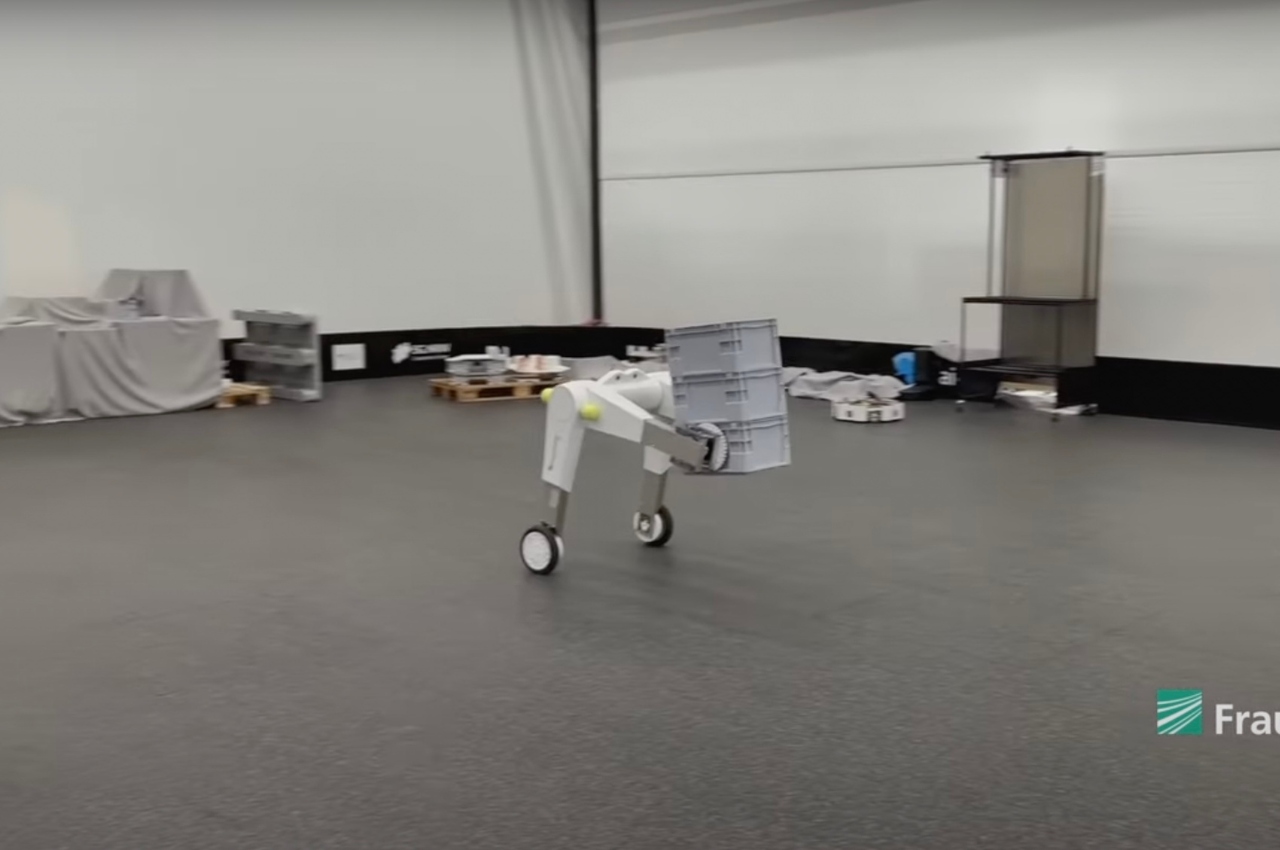
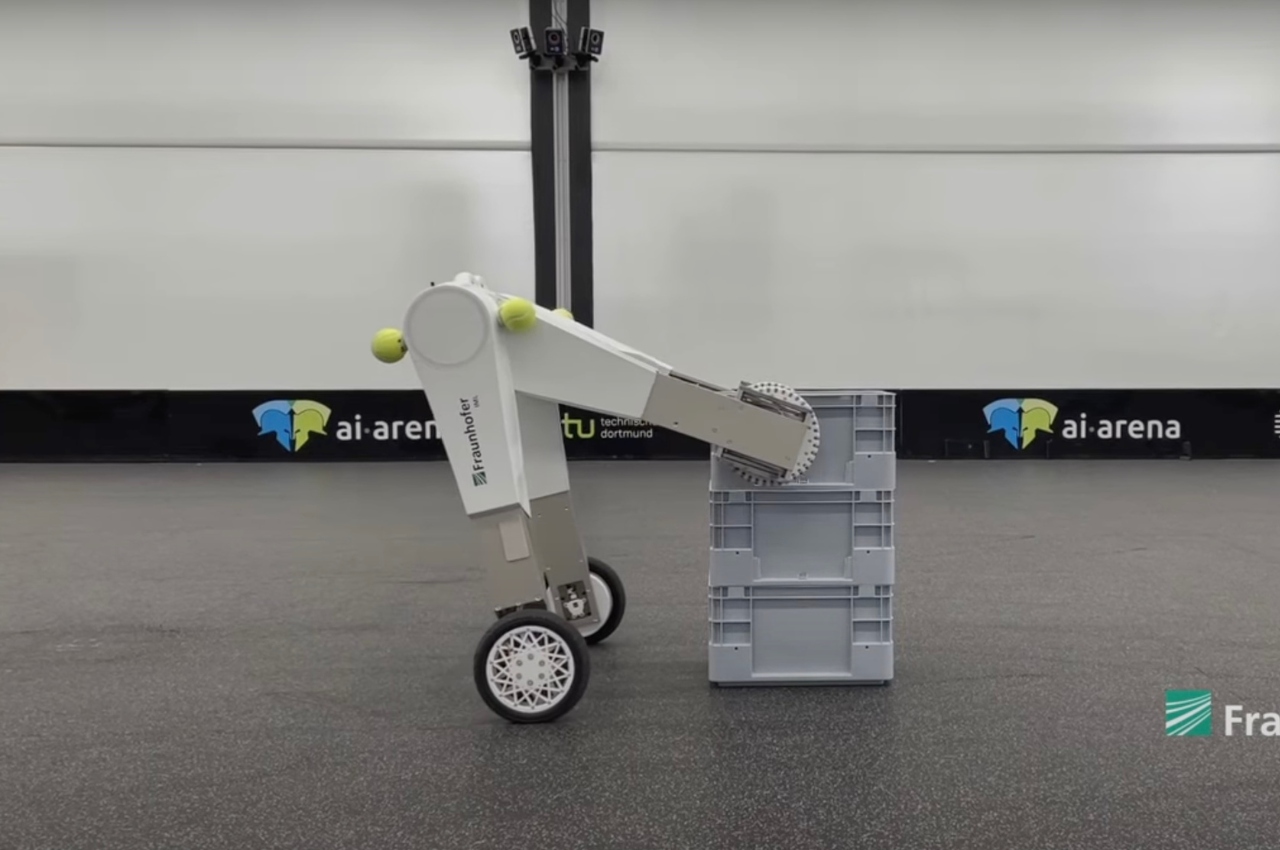
The evoBOT, currently in prototype stage, is an autonomous robot designed to assist in logistics and shipping by self-balancing and transporting goods alongside workers. Resembling a futuristic trolley, it’s still in development with details on maximum load capacity pending. The robot extends its arms to secure items, adjusts its stance for maneuvering, and can adopt a V-shaped posture for efficient transport. Equipped with sensors for object detection and capable of navigating varied terrains, including sloped surfaces common in warehouses, it’s lightweight and space-saving, using an innovative self-balancing design principle.
Confusion and Miscommunication
Another disadvantage of creating prototypes is that too many features can be added to the product based on feedback, potentially diluting its purpose and deviating from the original goals.
Users might confuse the prototype with the actual product, which can lead to disappointment and unrealistic expectations about its capabilities and quality. Additionally, implementing excessive changes based on feedback may not always result in substantial improvements.
Security Risks
The product being exposed to external testers and stakeholders can result in copying or theft, posing security concerns that need to be handled delicately during the prototyping process. It’s definitely a touchy subject, especially in the tech industry where leaks are rampant and sometimes even celebrated.
Mikono is a rechargeable, modular table lamp that doubles as a handheld light. Mikono’s unique prototype design features a conical shape that emits light from all sides and can split into two parts for portability. The lamp charges wirelessly on its base, which includes a battery for cordless operation. Designed for simplicity, Mikono incorporates a translucent cone for diffused light, a metallic tip for housing electronics, and a loop strap for easy carrying. It serves as a versatile indoor and outdoor lighting solution, equipped with an adjustable intensity dimmer and a replaceable battery for long-term use.
The fast-paced world of design and production requires being able to pivot quickly to reduce costly errors down the road. There are some disadvantages to prototyping, of course, but the benefits far outweigh those. Therefore, prototyping is integral to product design, necessitating awareness of potential pitfalls for an efficient process that results in successful, user-centered products.
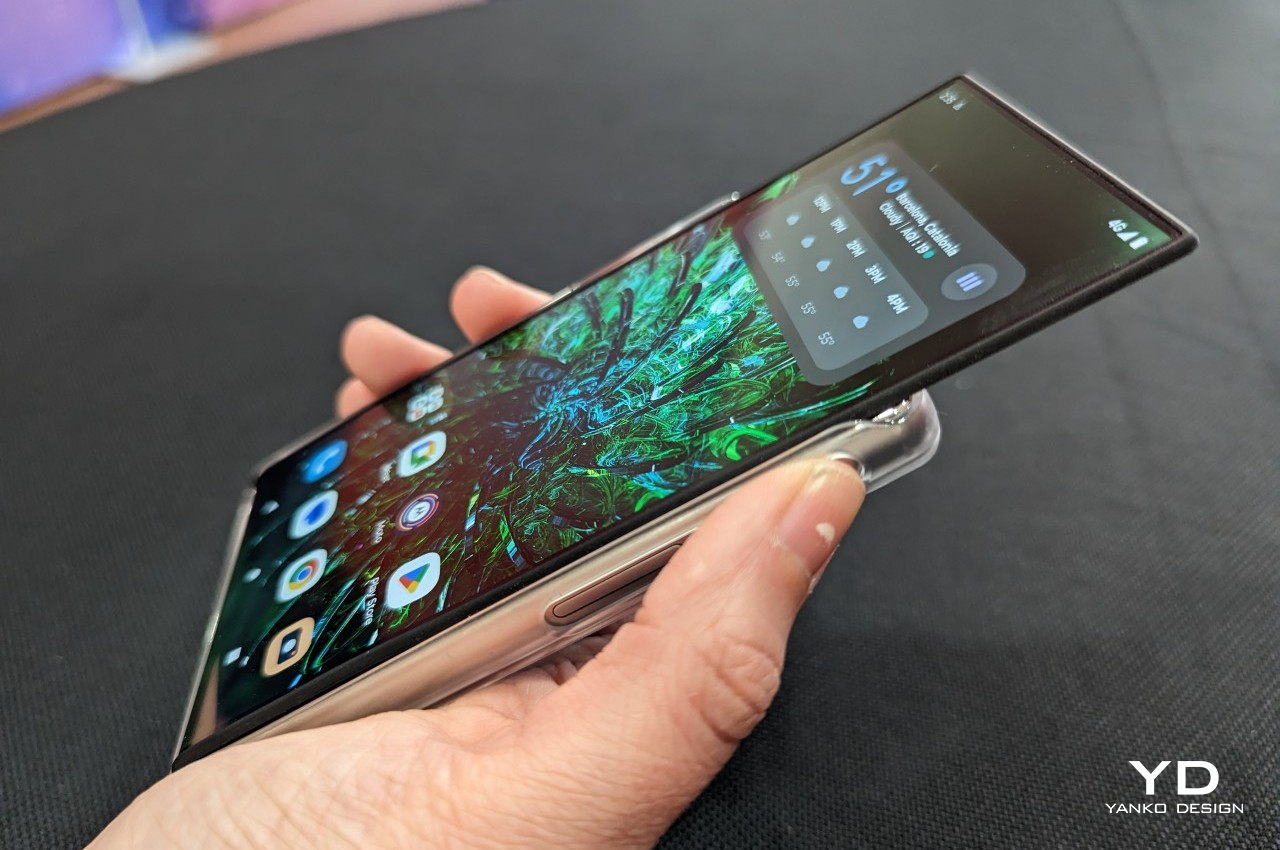
Smartphone companies come and go, but the more notable ones usually stick around long enough to leave a mark. Essential, however, was fated to just be a bright, short-lived spark. Founded by Android creator Andy Rubin after leaving Google, the brand was supposed to mark a return to the essentials of the smartphone experience, hence the name, but it only ever got to release one product, which admittedly met a warm reception. The rest, as they say, is history, and most of us have probably forgotten the Essential PH-2 that made waves in the days before the company’s demise. Thanks to a few prototypes floating around the Web, we finally get to see this oddity in action, making us wonder whether it would have been a revolutionary success or if it’s fortunate it never got to see the light of day.
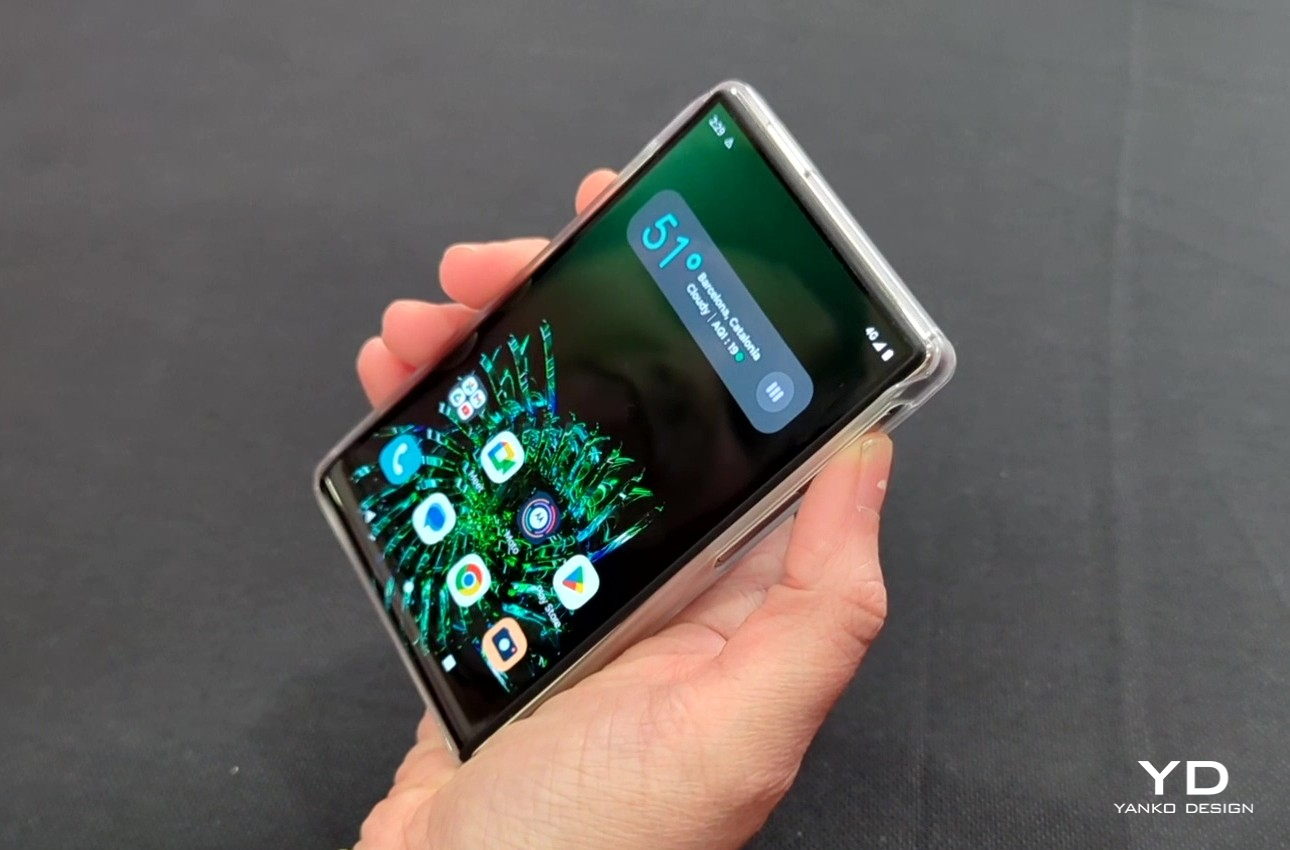
If Essential was staging a rebellion against mass-produced smartphones, the Essential PH-2 would be its perfect representative. While most devices were getting larger, this ultra-slim candy bar phone felt like someone had split a phone in half along its length. What you get is similar to a tiny smart TV remote with only a screen for its face. Handy, yet awkward and puzzling.
The front sported a 5.7-inch AMOLED display with a resolution of 2160×560, refusing to match any of the standard aspect ratios supported by display industries. The back is an all-glass affair as well as a fingerprint magnet, smooth and plain with only a small lump for a single camera and a dimple for a fingerprint sensor. It’s clear that the Essential PH-2 was designed for ergonomics primarily, something that can’t be said of most smartphones today, but some equally important things might have gotten lost along the way.
The Android-based interface revolves around a metaphor of cards or tiles arranged in a long, scrolling column, with each card representing an app. Given the unfinished nature of the device, it’s not surprising that many of these apps simply didn’t work, but those that did work revealed how the phone would have worked in people’s hands. Suffice it to say, watching YouTube won’t be the most enjoyable experience, even if turn the phone on its side for a 480p quality video.
This does raise the question of who this phone was targeted at. Or better yet, who would have bought such an oddity even back then? It wouldn’t be a fun social media experience, given how small images would be and how narrow text would have to be, nor is it good for watching videos. It might appeal to music lovers and maybe vloggers who want a handy camera to hold, though the prototype’s camera quality wasn’t exactly reassuring in that regard. We’ll probably never know now, though Essential still deserves some praise for daring to think outside the box, whether or not it cost them their business in the end.
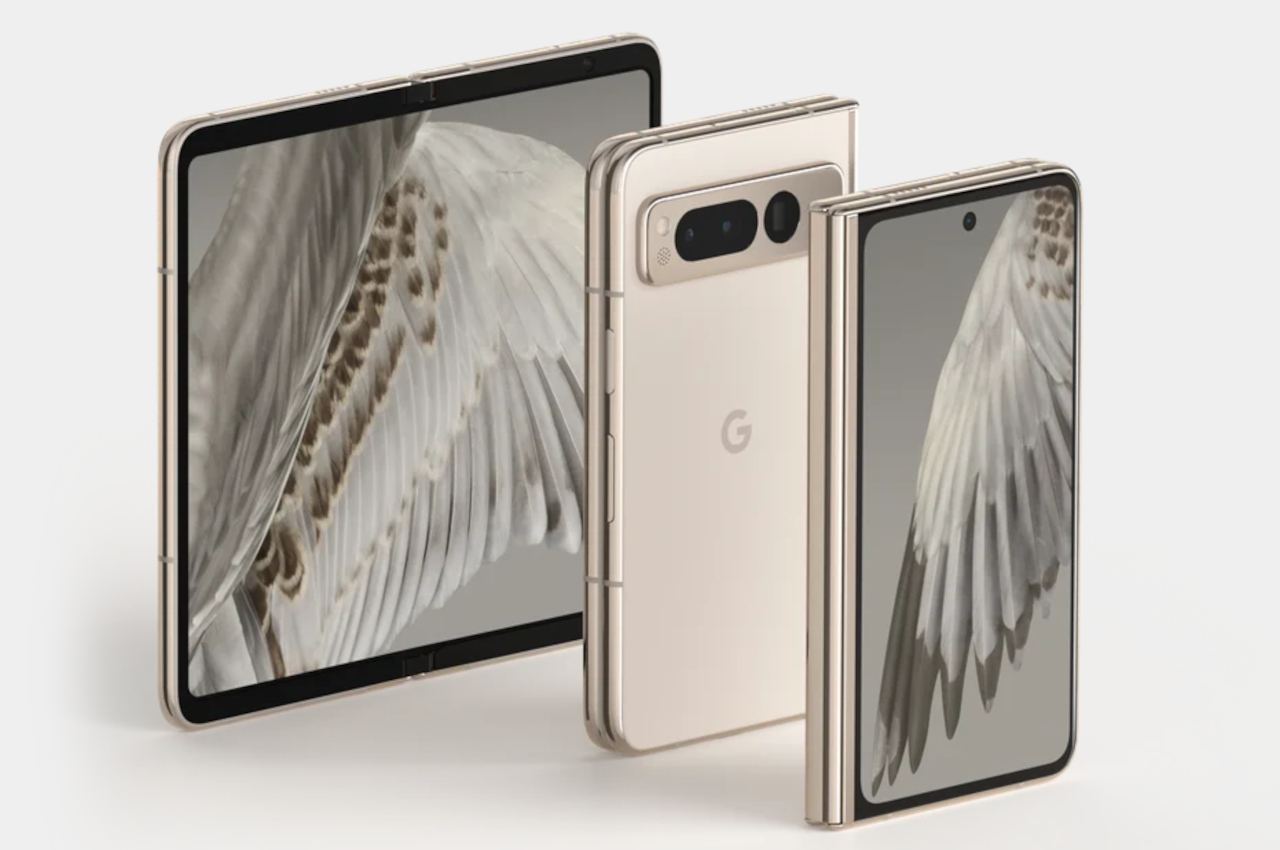
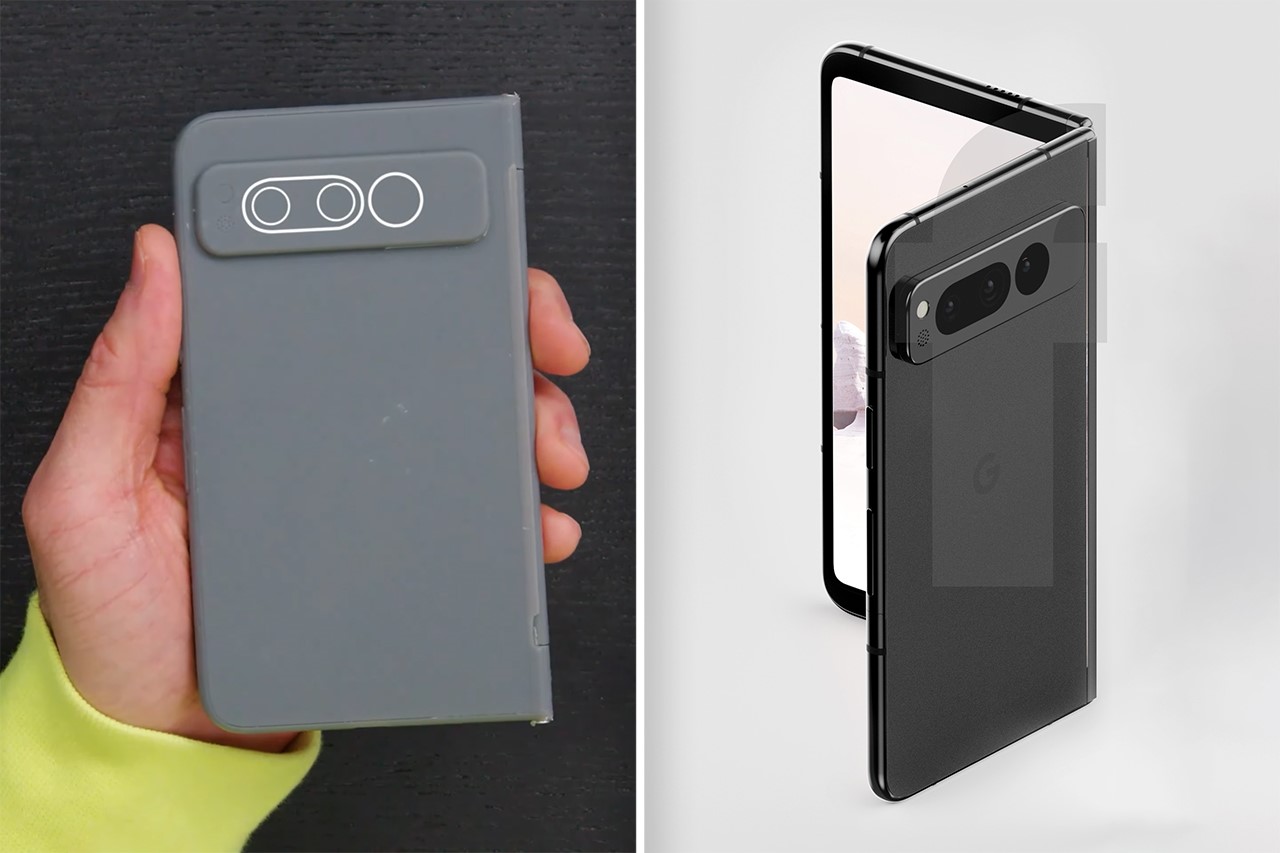
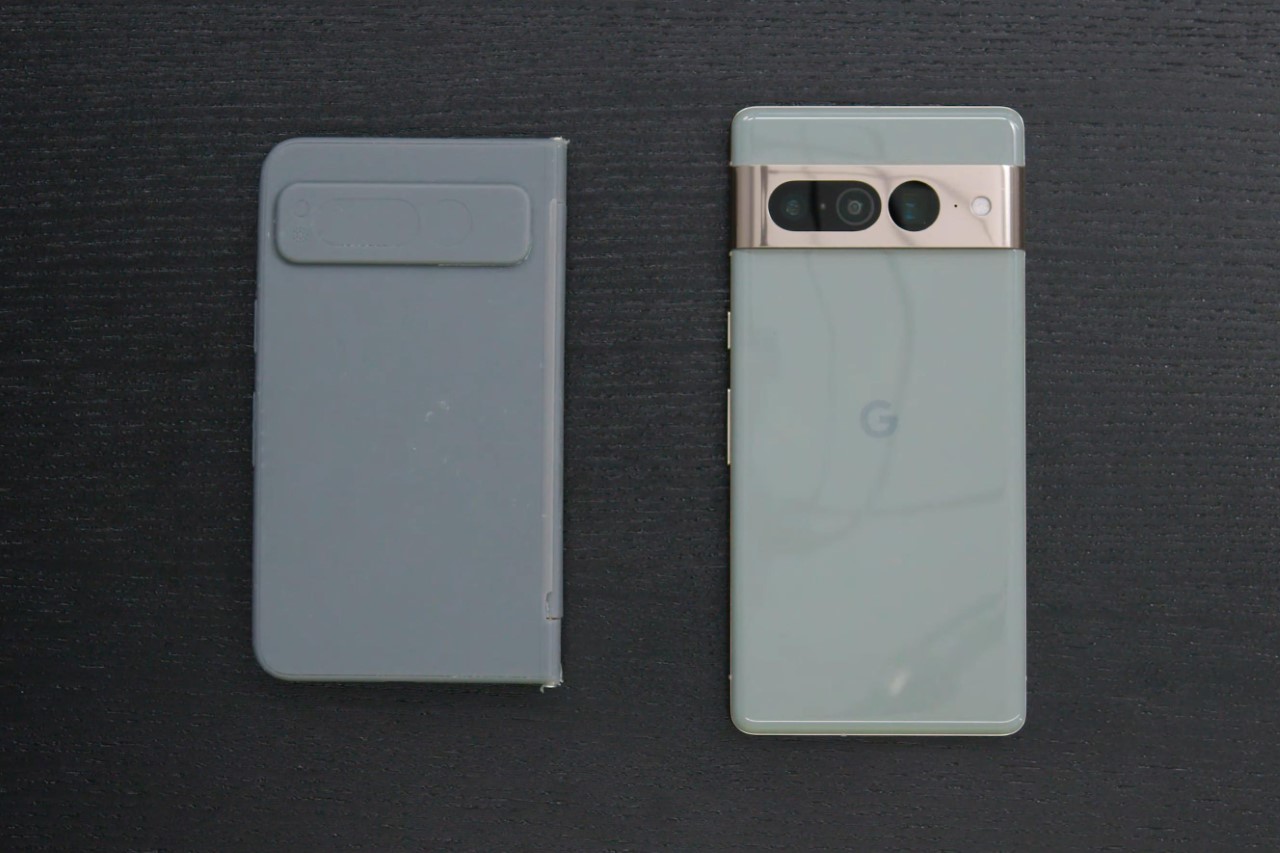
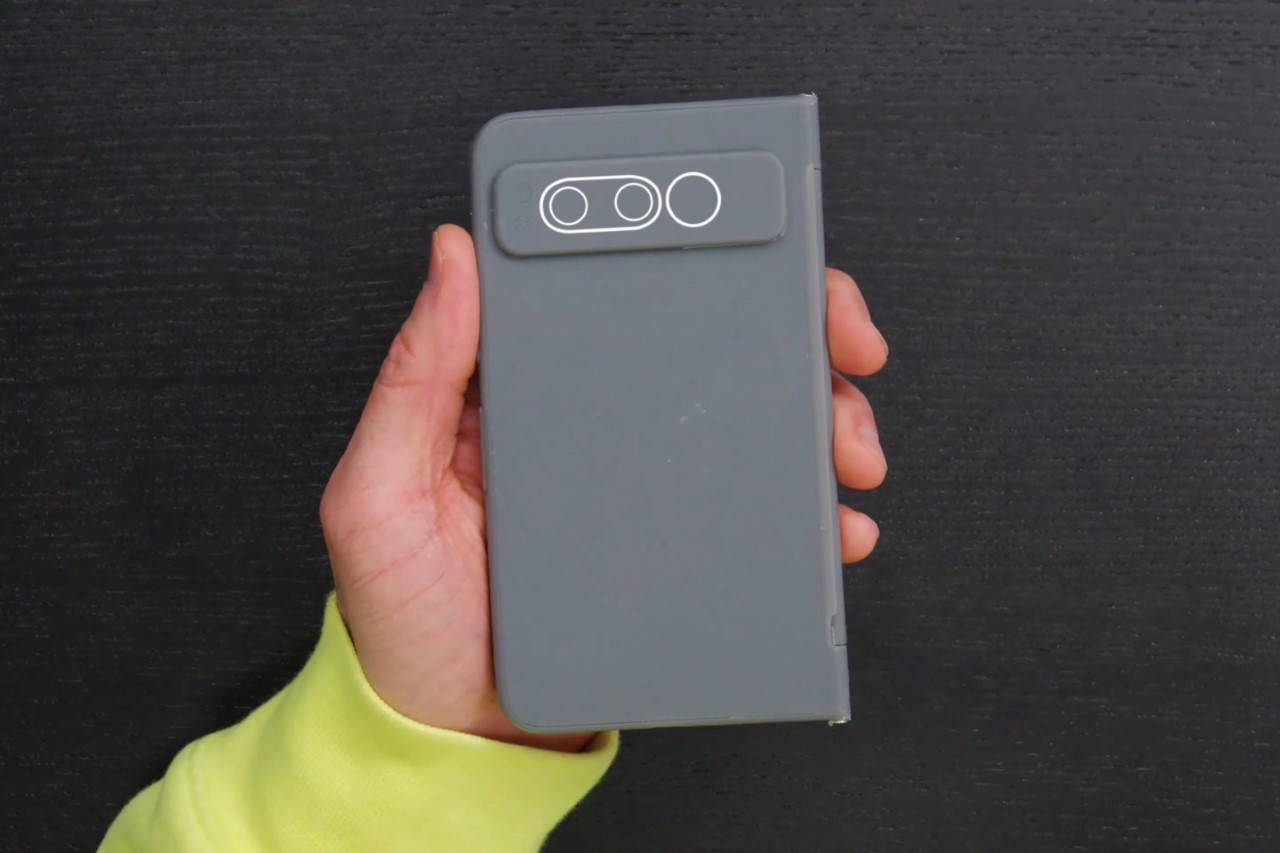
Although there were plenty of rumors and high expectations, it was still a bit of a miracle that Google came out with a foldable phone. After all, it didn’t exactly hold tablets in high regard, so a phone that transforms into one would have probably been even less within Google’s radars. Of course, that’s now history with the launch of the Pixel Fold, Google’s first and so far only foldable, which turned out to be quite popular, especially with its design. It turns out, there was a slim possibility that the Pixel Fold could have turned out very differently and looked more like Samsung’s design, at least based on a prototype that is now running over the Internet.
Designer: Google (via Mishaal Rahman)
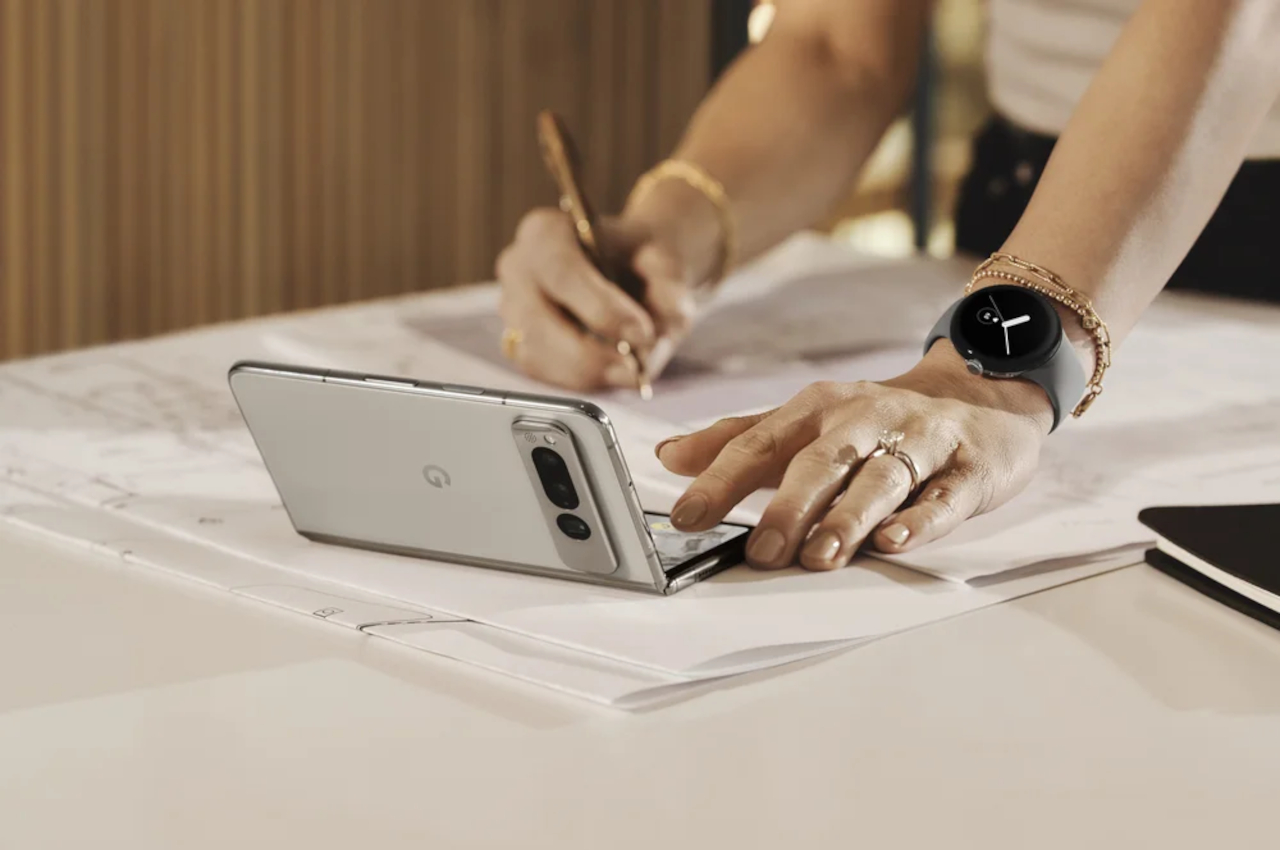
Phone manufacturers go through numerous prototypes before settling on a final design, especially when the device is rather new or unconventional. That’s true for seasoned brands like Samsung, and even truer for the likes of Google, and a device codenamed “jumbojack” was spotted nearly four years ago as Google’s foldable prototype. Now that name has become a real device, at least based on what is allegedly that very same prototype device which happens to be a Samsung Galaxy Z Fold 2.
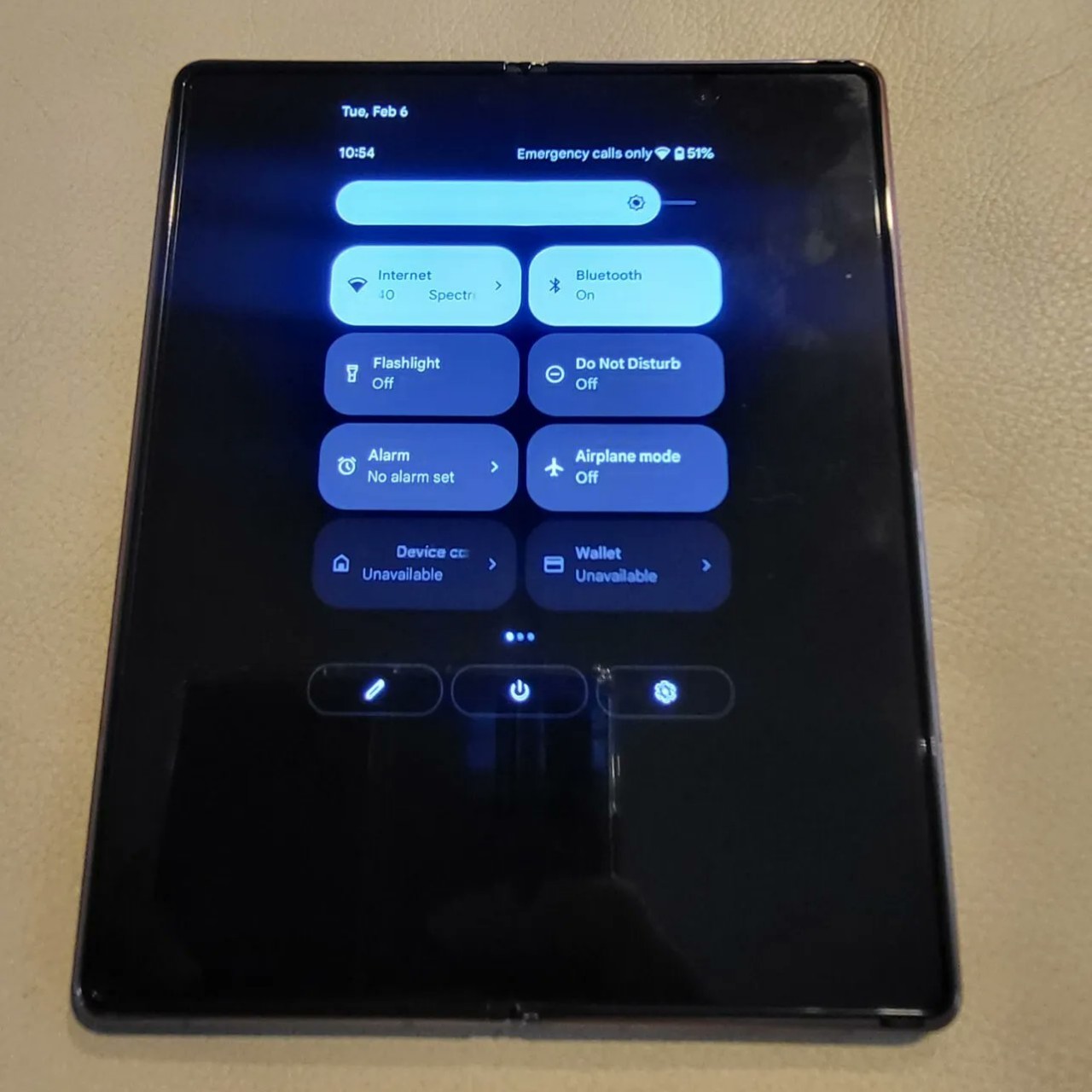
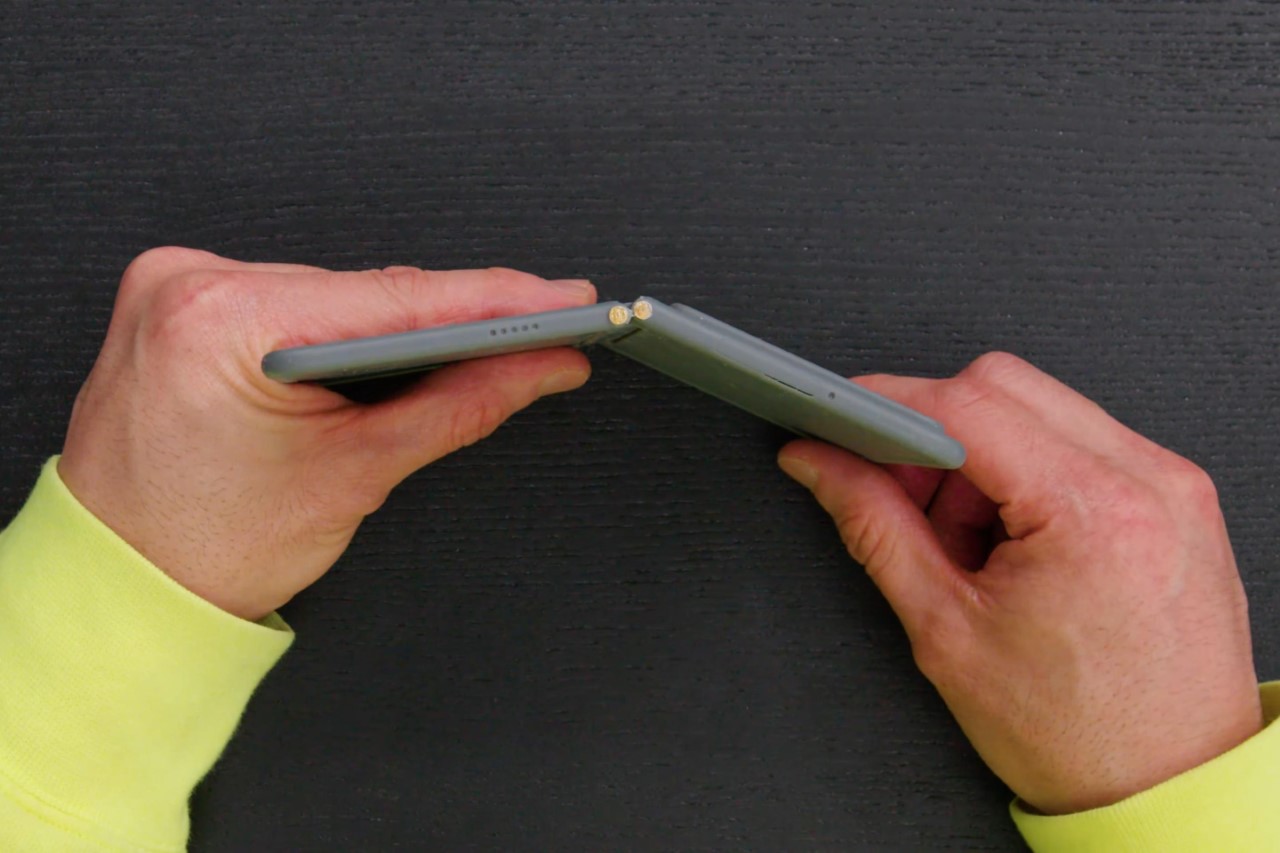
This “jumbojack” foldable doesn’t look like a custom prototype made by Google but an actual Galaxy Z Fold 2 that has been repurposed to run “stock” Android stripped of Samsung’s branding. It’s pretty much a quick and easy way for Google to test its Pixel user experience on a foldable without having to go through the trouble of assembling a prototype. That said, the final flavor of Pixel is quite different since it was designed to work on a foldable with a distinctly different form factor.
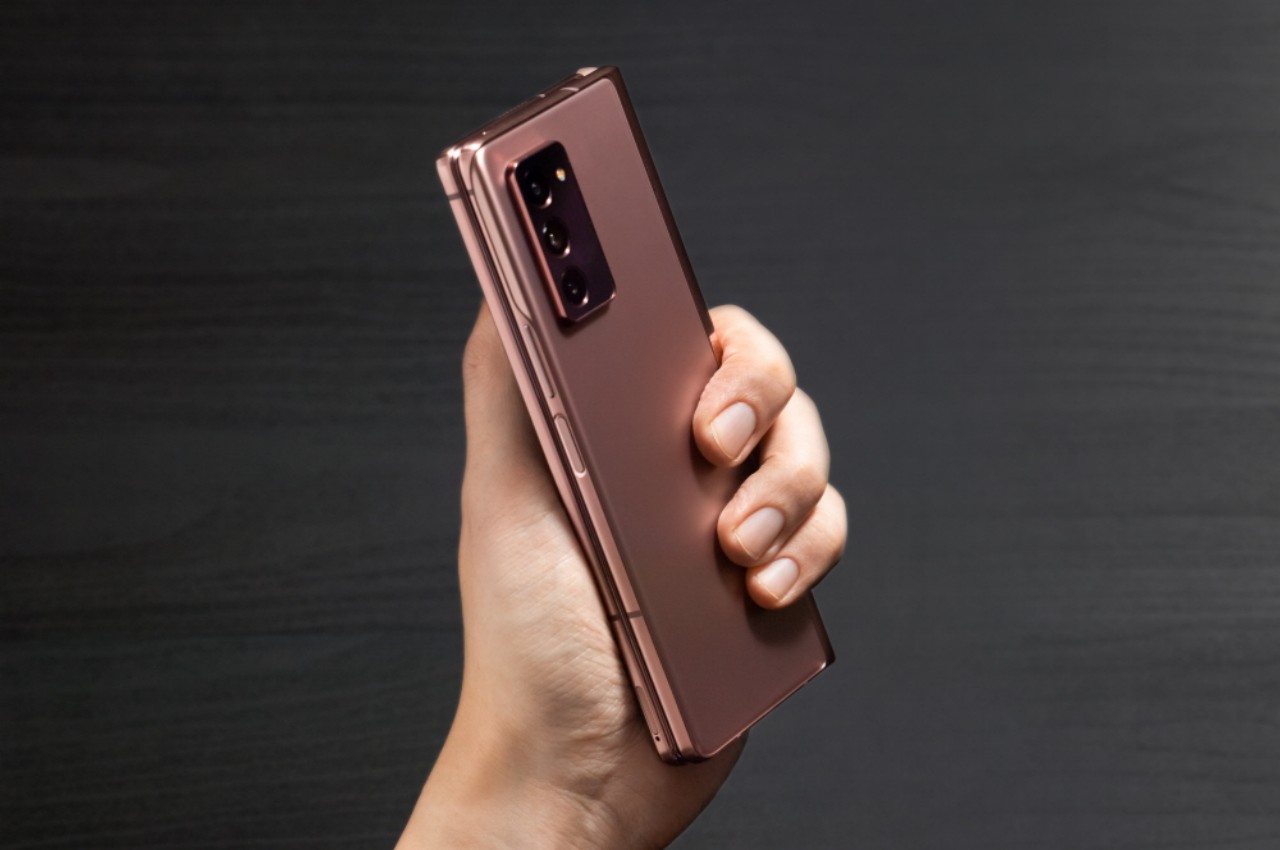
Samsung Galaxy Z Fold 2
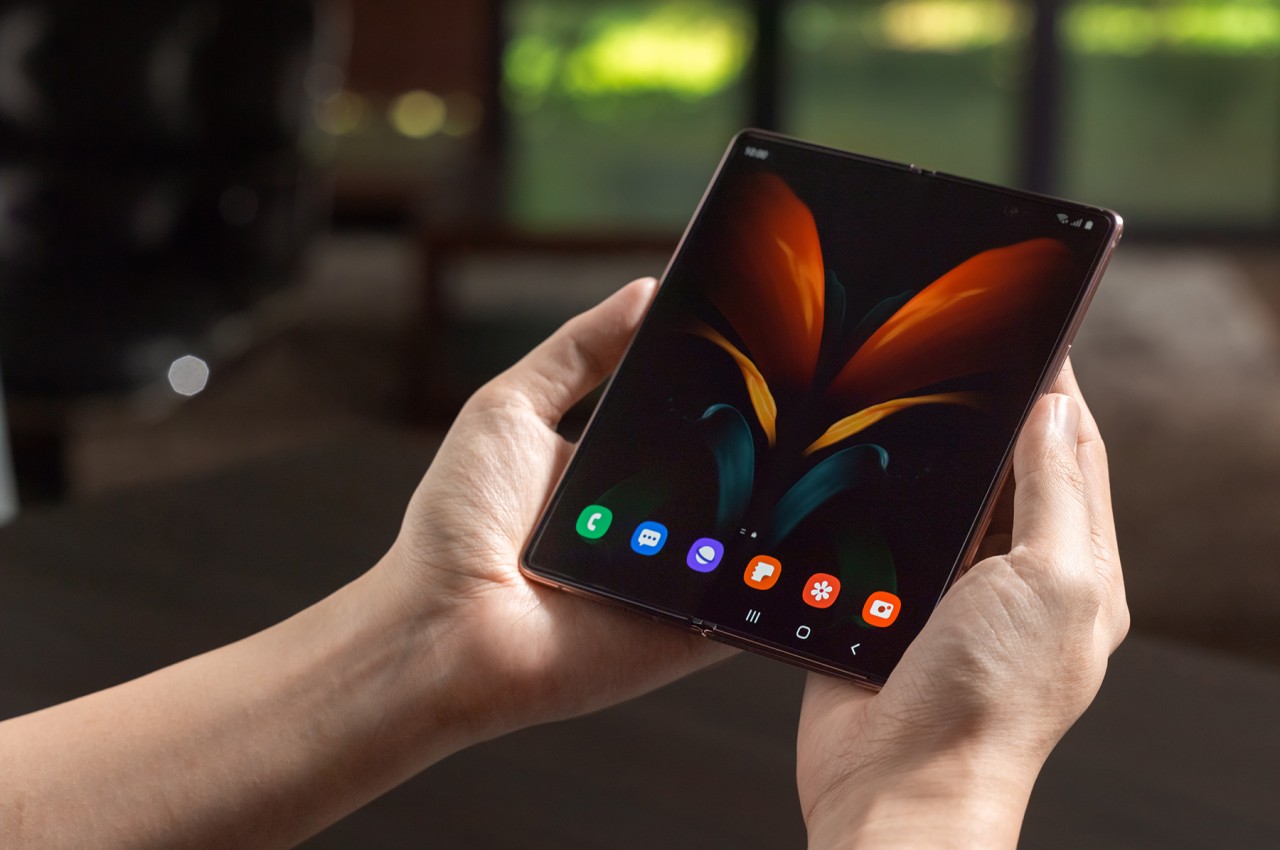
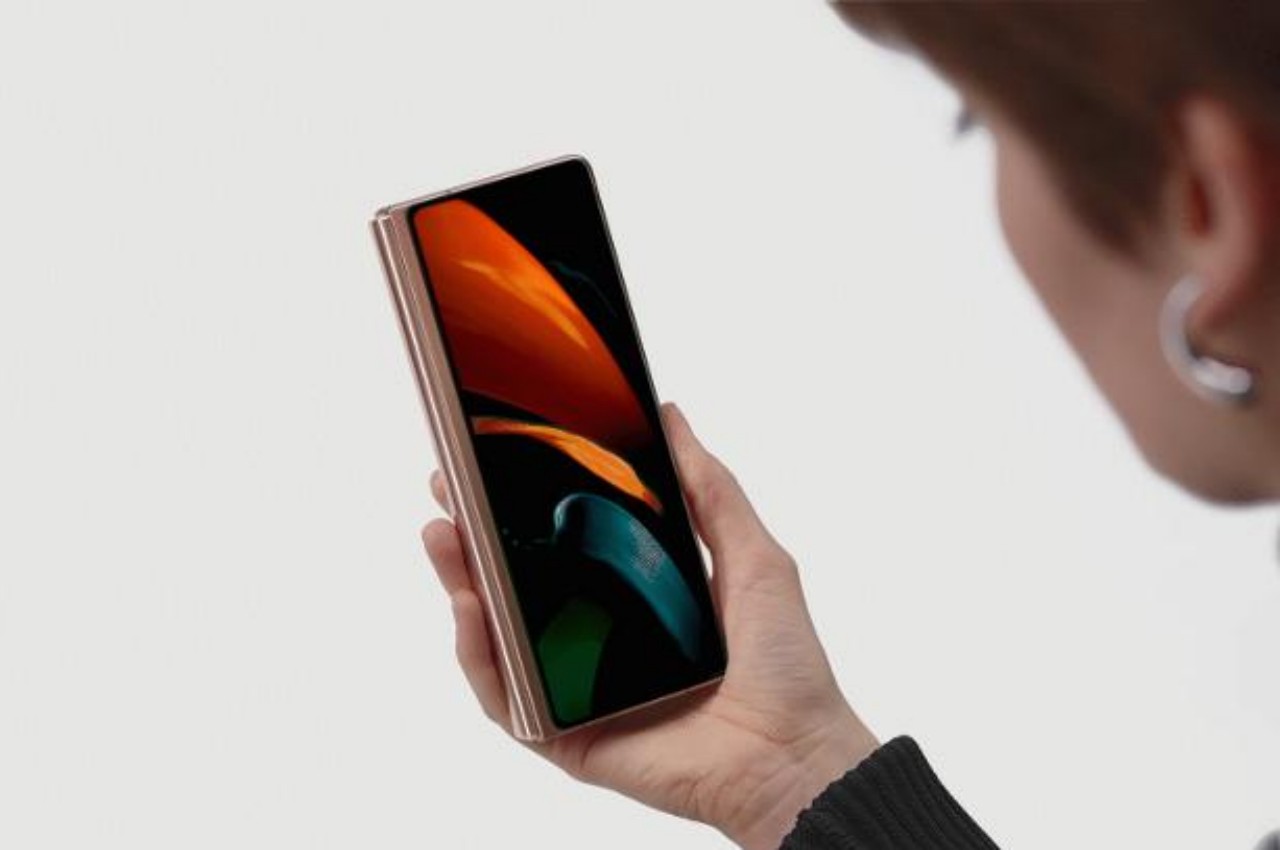
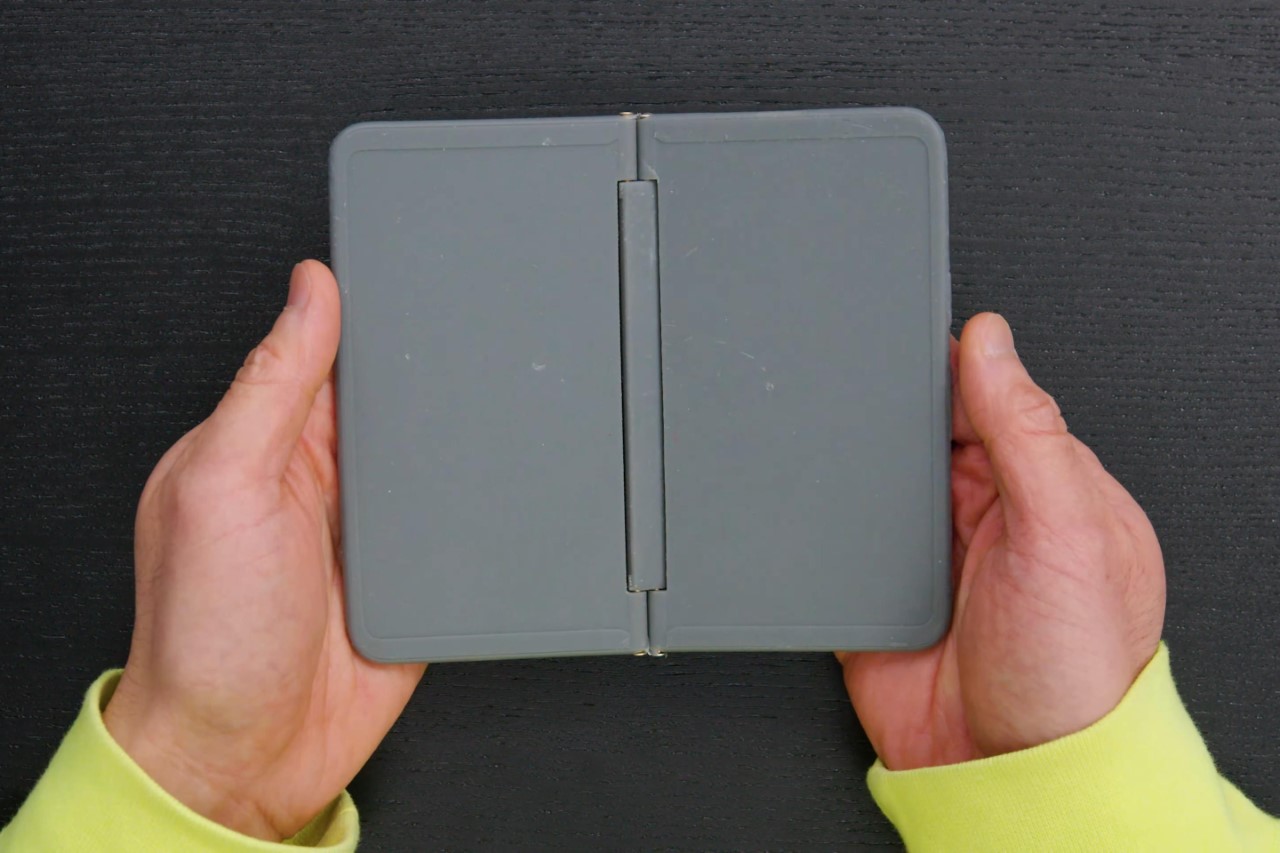
The prototype does raise the question of whether Google actually considered following in Samsung’s footsteps to adopt a design that was already in use for a few years by that time. That meant that it would have used a design that resulted in a narrower external display, a squarish unfolded shape, and possibly a gap at the hinge when folded. Perhaps it was for the best that it went the other way and used a design more similar to the OPPO Find N, which was wider, a little smaller, and also a bit more comfortable to hold.
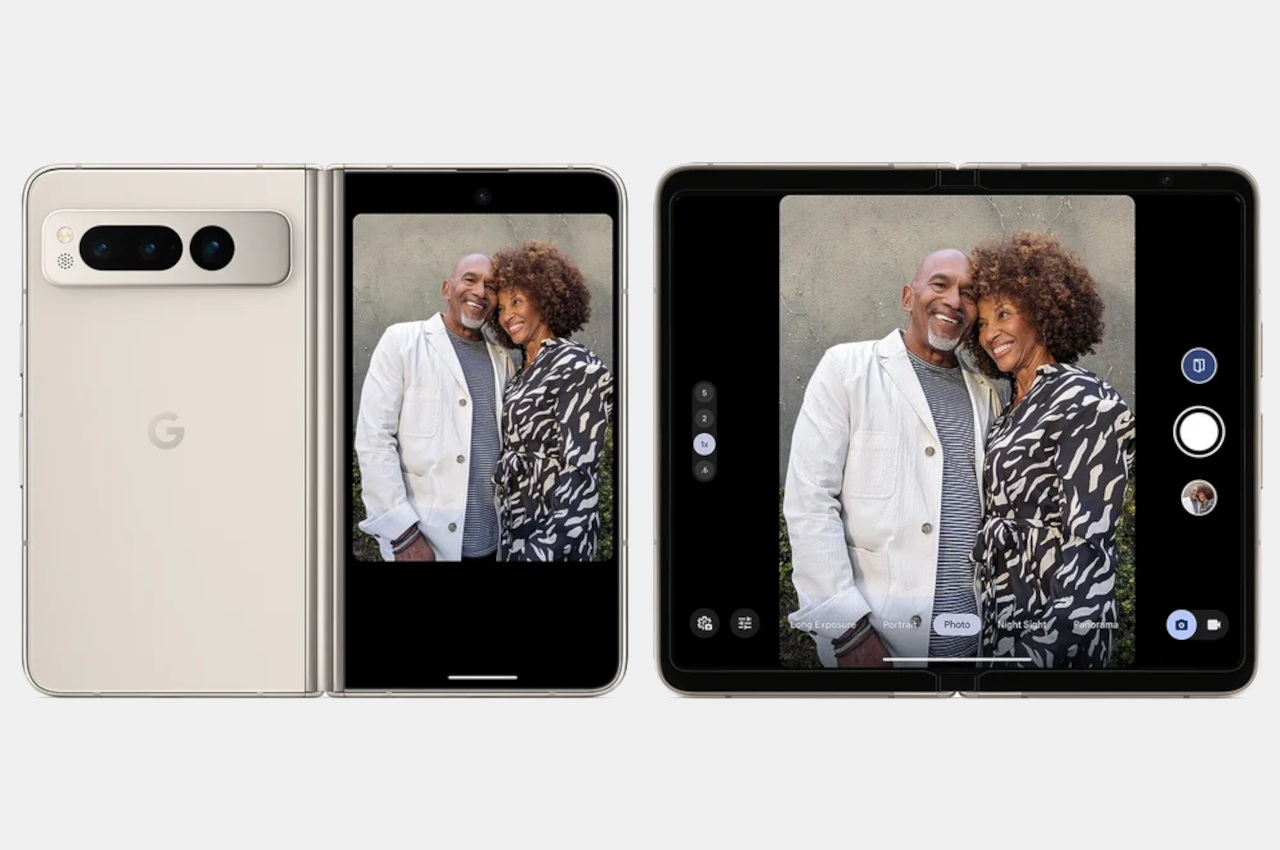
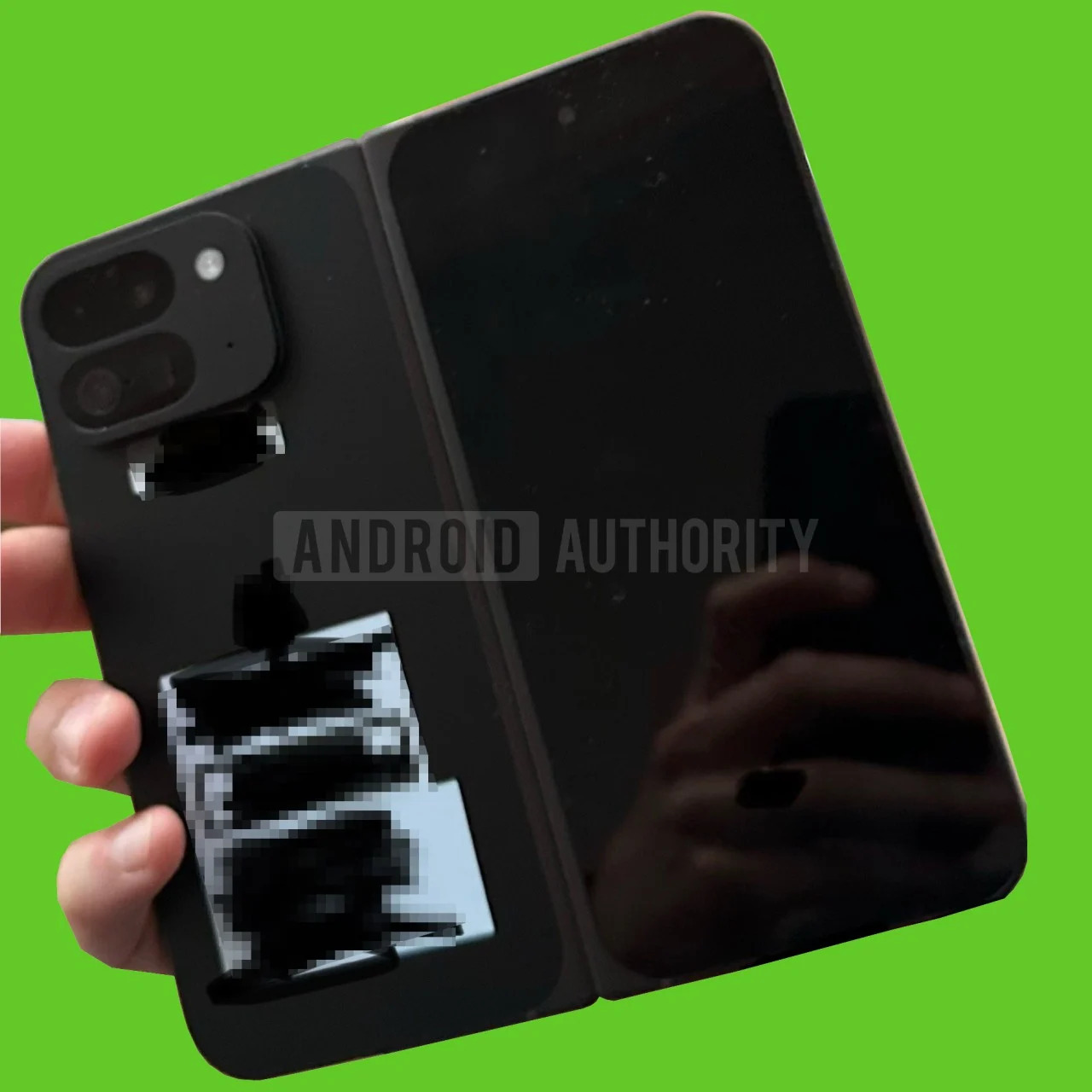
Then again, the “jumbojack” prototype might have simply been used to test the software without committing to the device’s design. Unfortunately, there are now rumors that Google might actually be heading towards Samsung’s direction for the Pixel Fold 2, along with a camera design that’s sure to cause some controversy. If anything, this alleged prototype only proves that there is still plenty of room for improvement in the foldable phone design space, but recent rumors are already painting a rather bleak future in that regard.