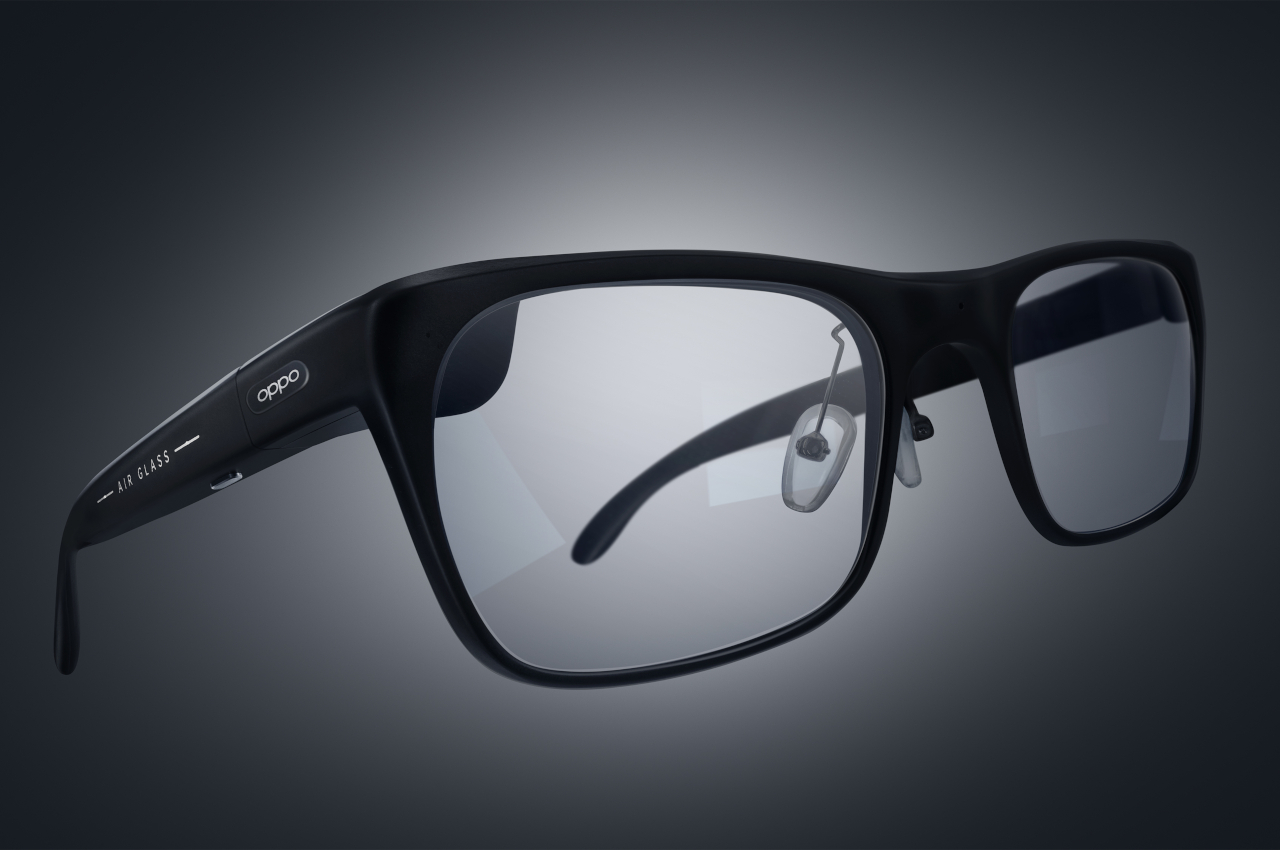
Smart glasses, in contrast to AR headsets and visors, aim for a design that ideally should be indistinguishable from regular glasses. With today’s technologies and knowledge, however, that’s not easily possible, especially when you need to add powerful computing hardware to sophisticated optics. That’s especially the case when you need to offer some kind of smart assistant functionality, especially voice and speech recognition. In the past, you had to settle for rough translations and sometimes misinterpretations; comical but frustrating nonetheless. That definitely sounds like a job for AI, and that’s exactly what OPPO is bringing to the table, or rather to your eyes, with the newest iteration of its lightweight and discreet “assisted Reality” glasses that take a focused approach to wearables.
AI is still the hot thing in tech today, in spite of and despite the bad publicity that misuse of the tool brings. Today’s AIs happen to be great at processing human language, both written and spoken, and they can now run the device itself with very little power, making them perfect for very small devices, including smart glasses. In its third iteration, the OPPO Air Glass 3 prototype harnesses the power of AI, specifically its own self-trained language model AndesGPT, to deliver a more natural way to talk to your glasses and get your job done.
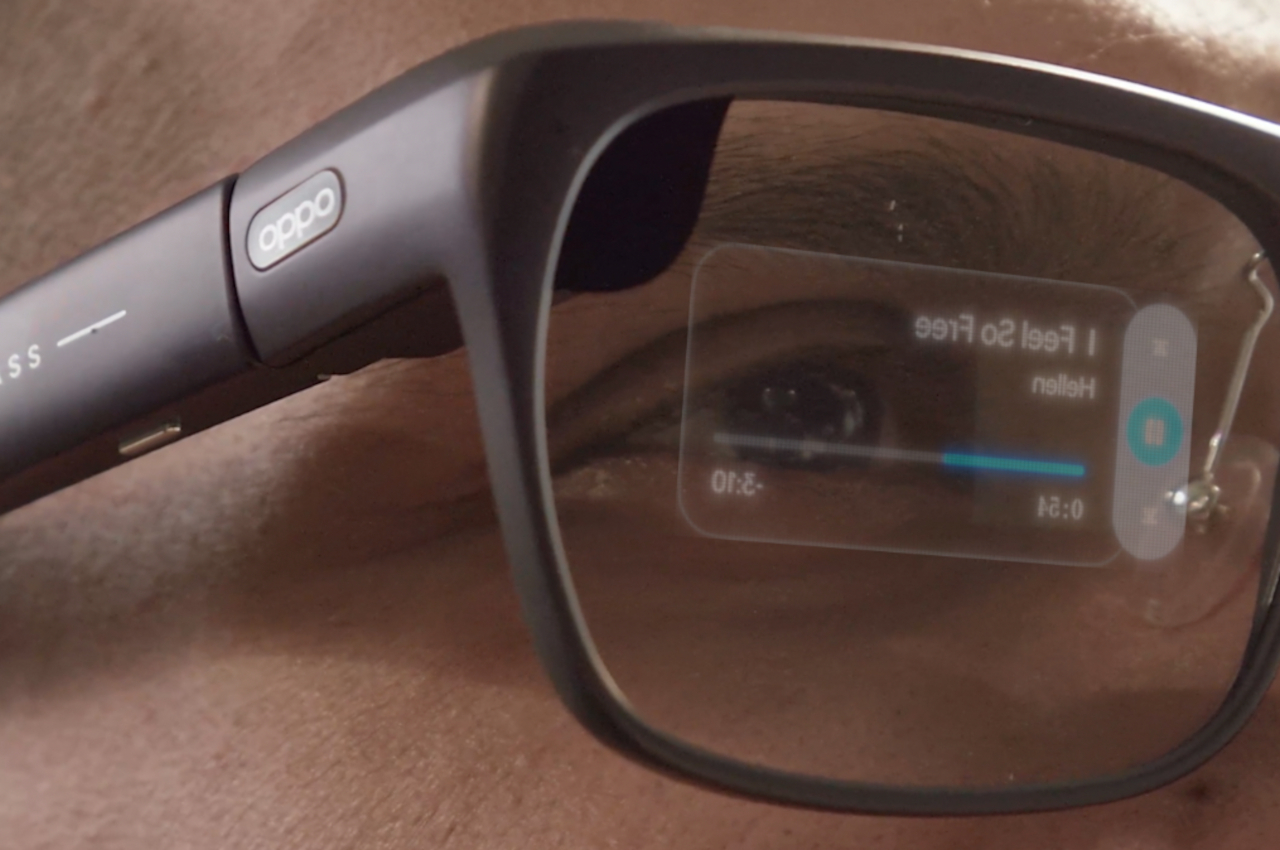
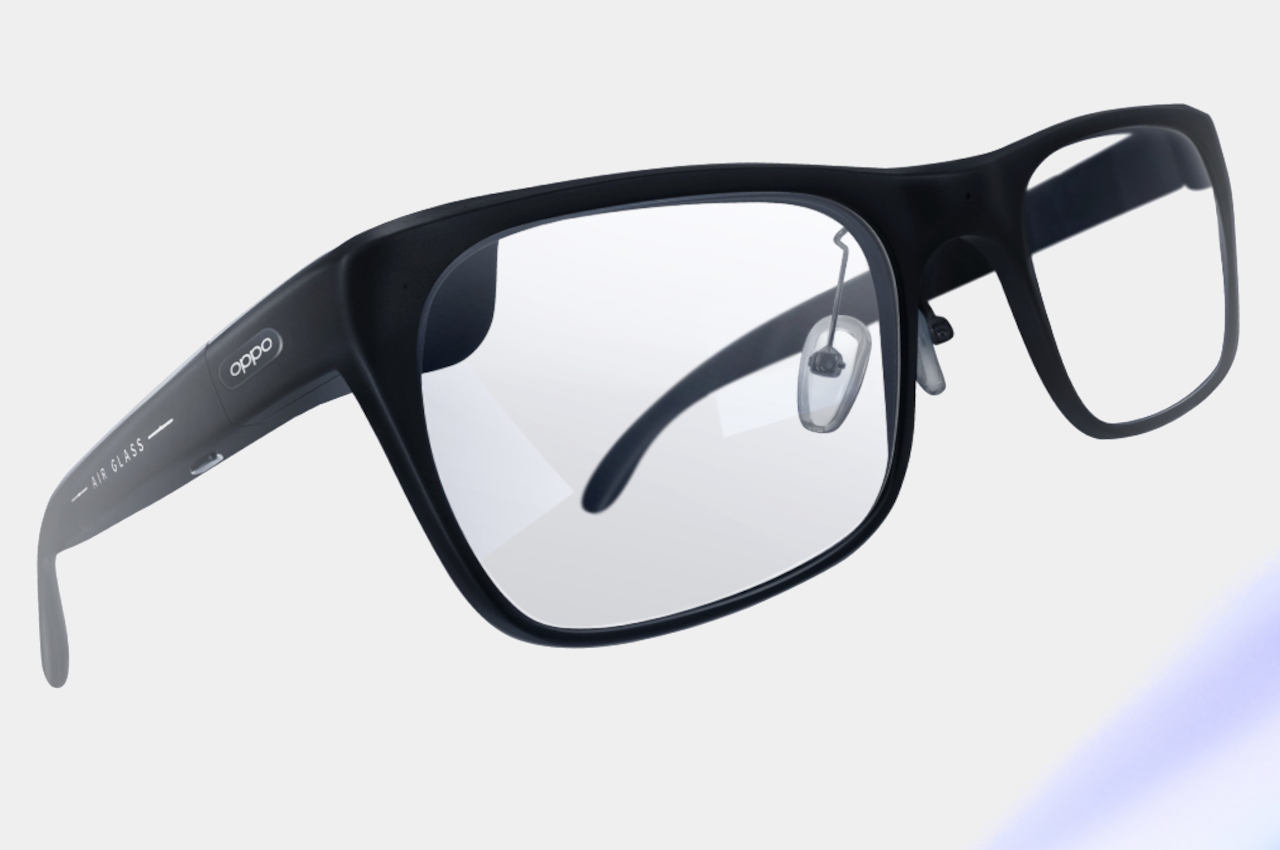
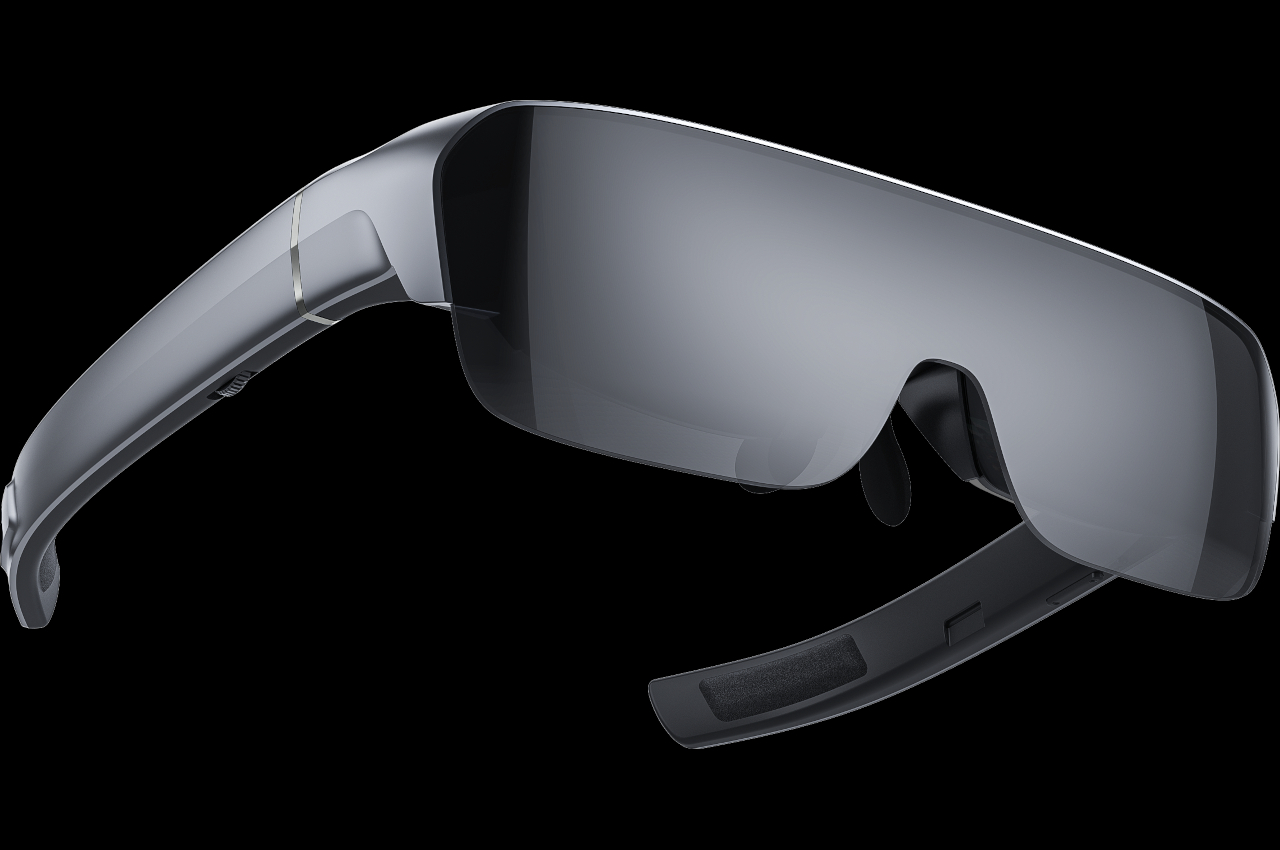
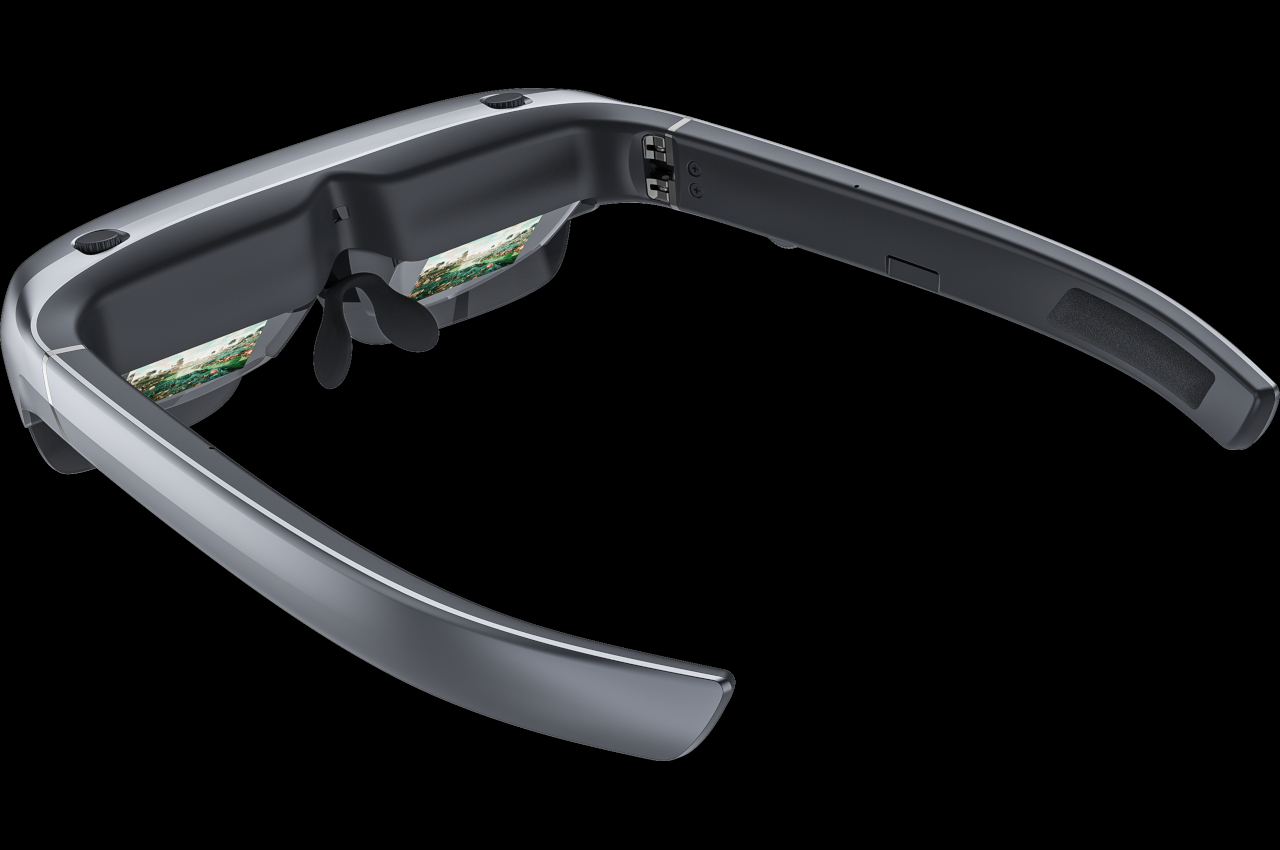
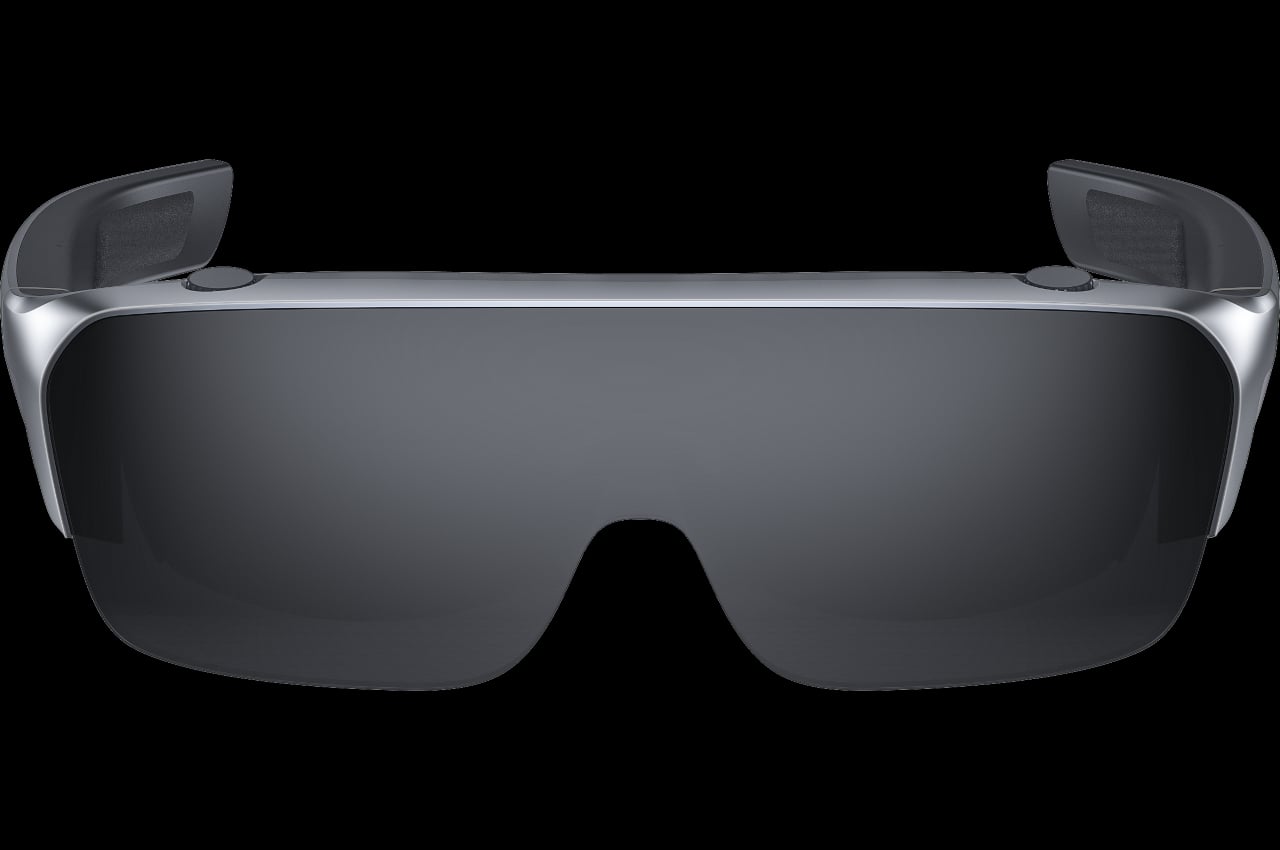
AI might be the technical highlight of the new OPPO Air Glass 3, but its winning feature is going to be its design. OPPO is laying claim to the title of the world’s lightest binocular full-color glasses, and at 50g only, the claim does have merit. It looks just like regular spectacles with very thick frames, but nothing like those complicated and heavy mixed reality glasses. Despite that lightweight design, the Air Glass 3 still boasts a bright 1,000 nits display delivered by a tiny Spark micro projector, ensuring you can clearly see the virtual information even in bright environments. And with an ultra-thin waveguide, you don’t get the rainbow-like patterns that are often seen on optical see-through displays like these.
The OPPO Air Glass 3 manages to offer this more comfortable design thanks to its more focused functions. Rather than trying to cast its net wide with augmented reality, OPPO is instead focusing on “assisted reality” that emphasizes productivity over entertainment. You’ll still be able to see images if you want and control music playback, but the information that’s displayed in front of your eyes is limited to things like navigation, timers, translations, or even a teleprompter. In other words, it’s a sleek way to have all the important information you need right in front of you instead of having to fish out your phone from your pocket and get distracted in the process.
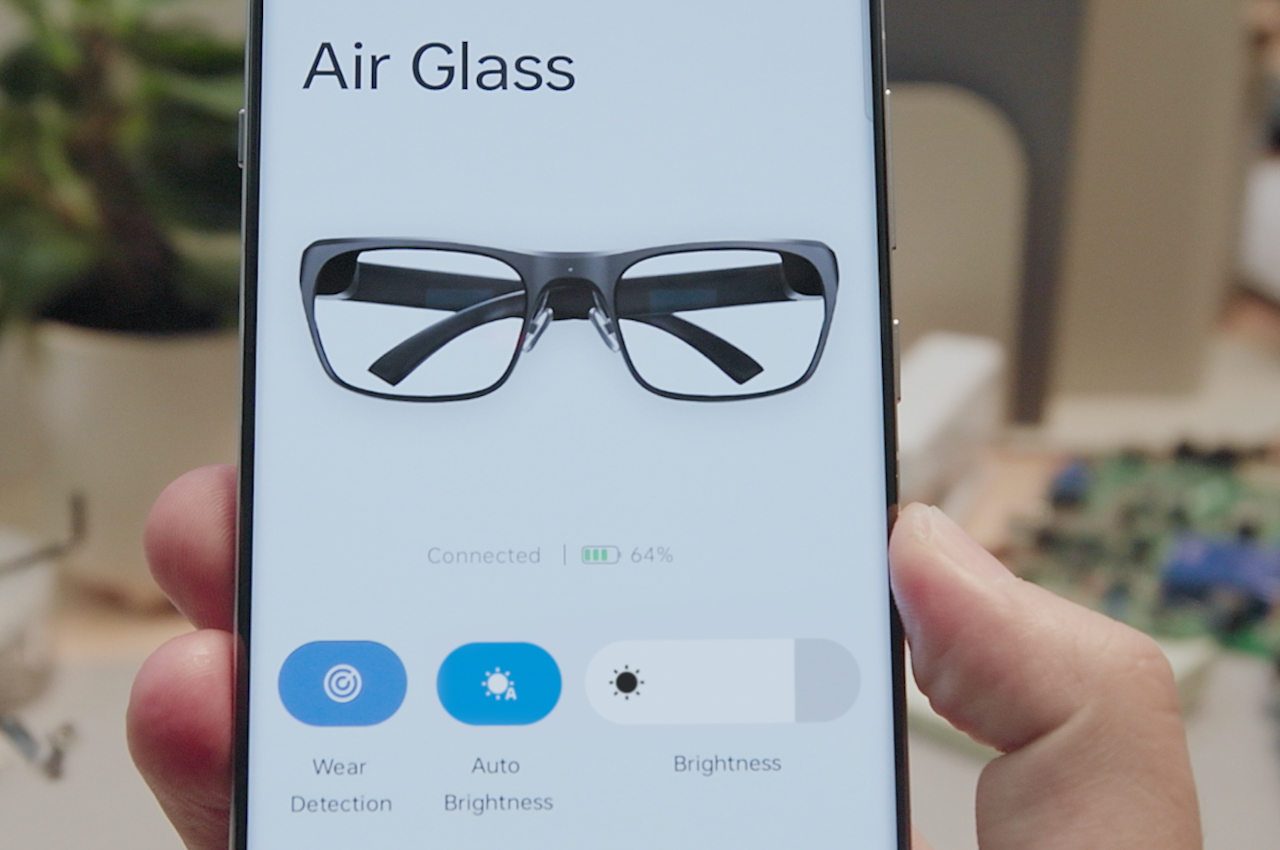
Of course, that means it will need to connect to an external device, particularly your OPPO smartphone. The Air Glass mobile app provides that connection you need with OPPO’s AndesGPT to ensure you’re getting the best performance possible without weighing your head down. OPPO is also laying the groundwork for more AI-enhanced features and experiences by investing heavily in its own AI center in the hopes of empowering all its products, especially its smartphones, with these features.
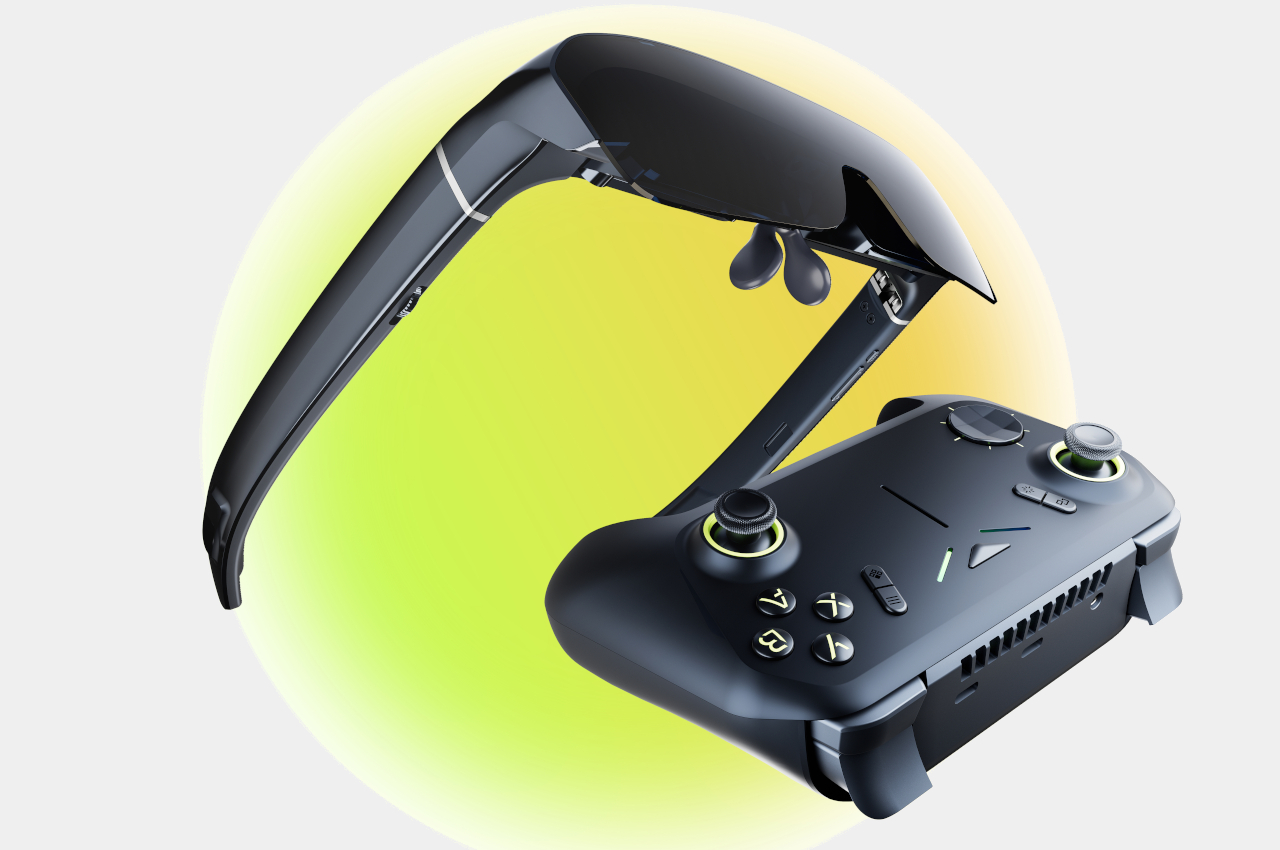
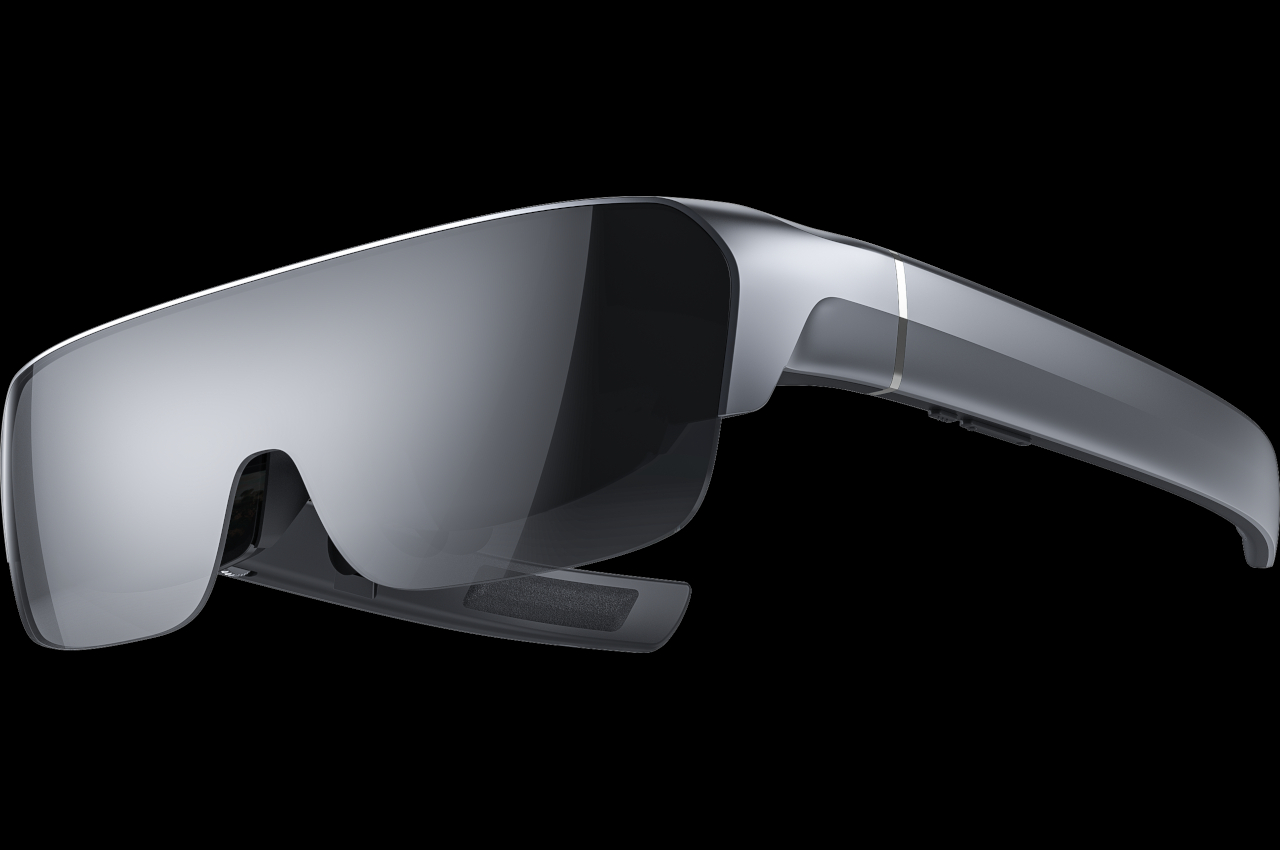
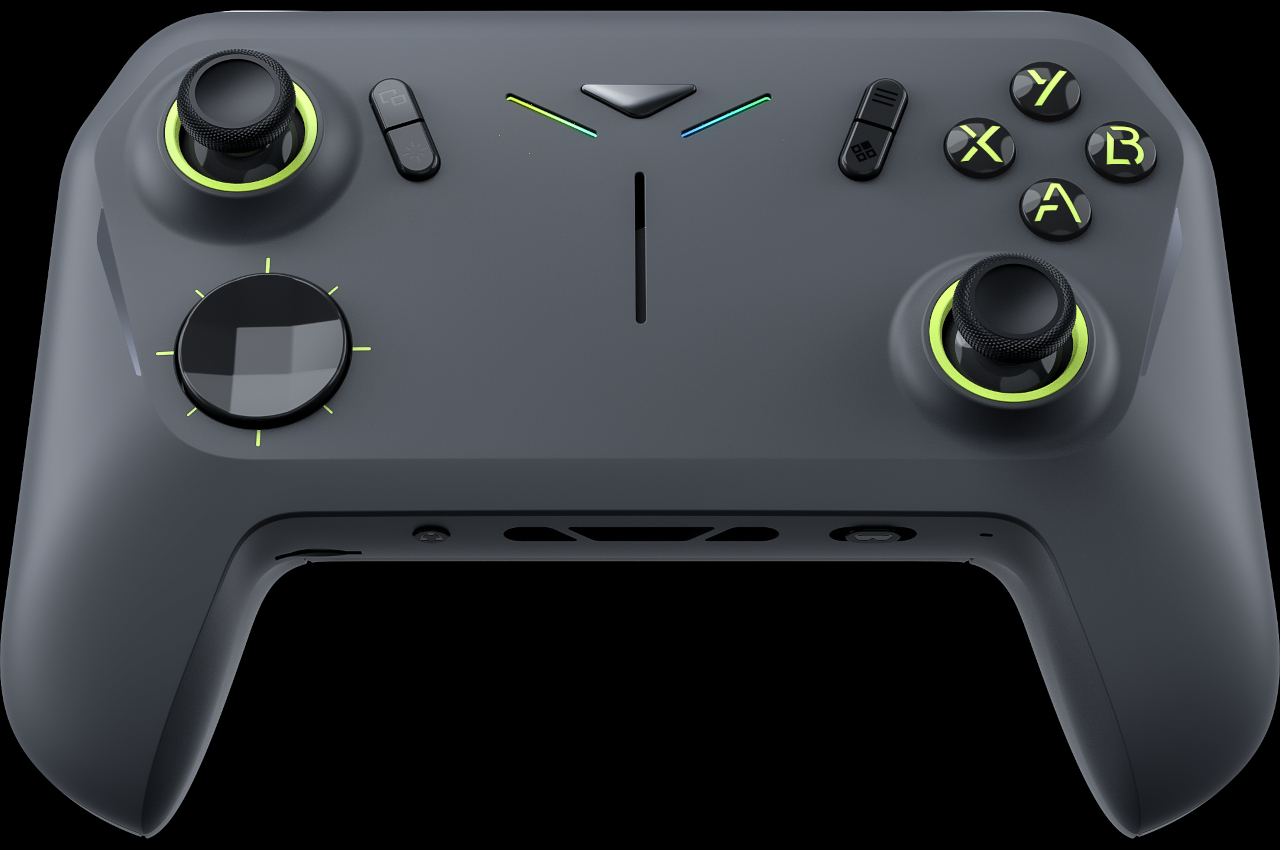
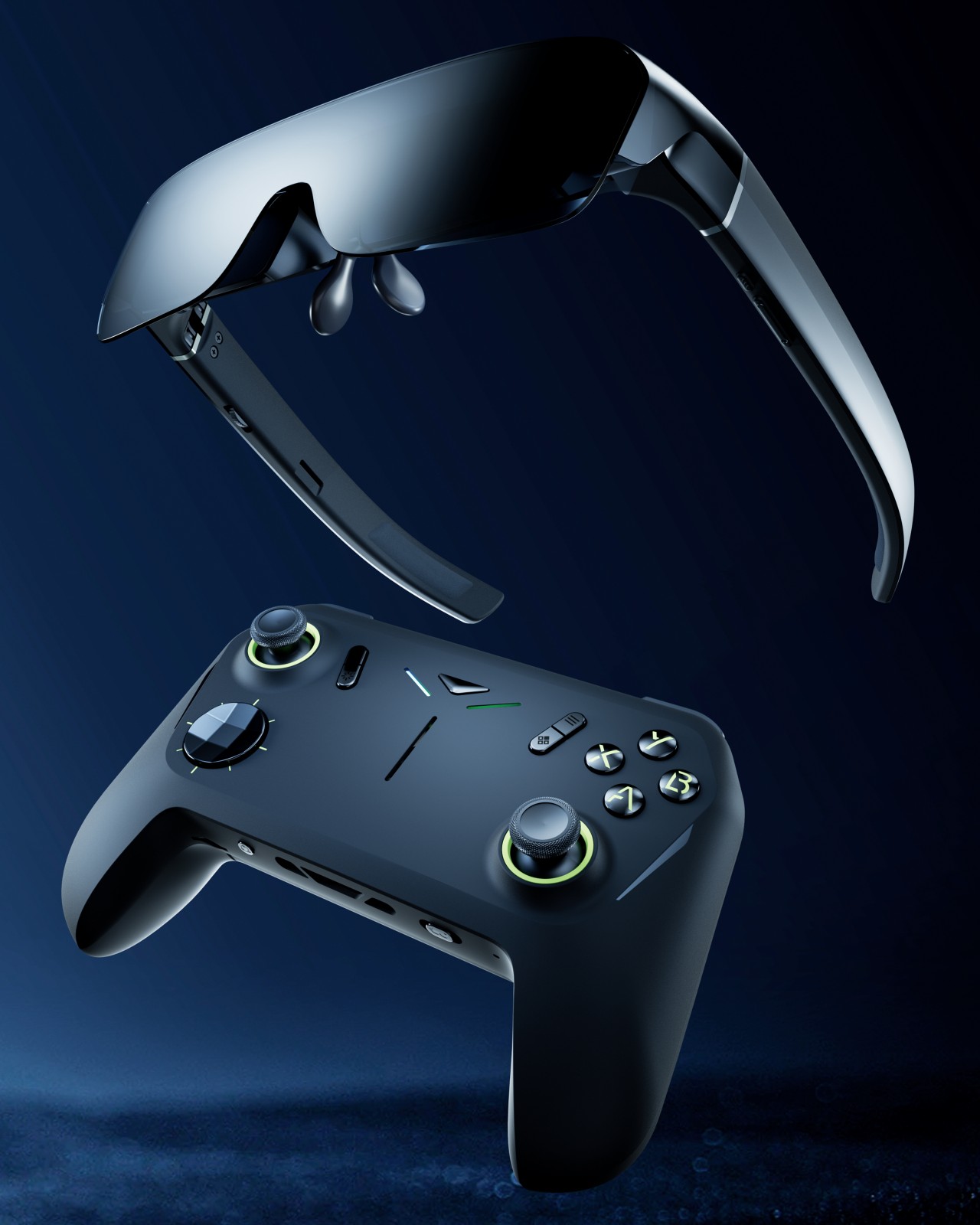
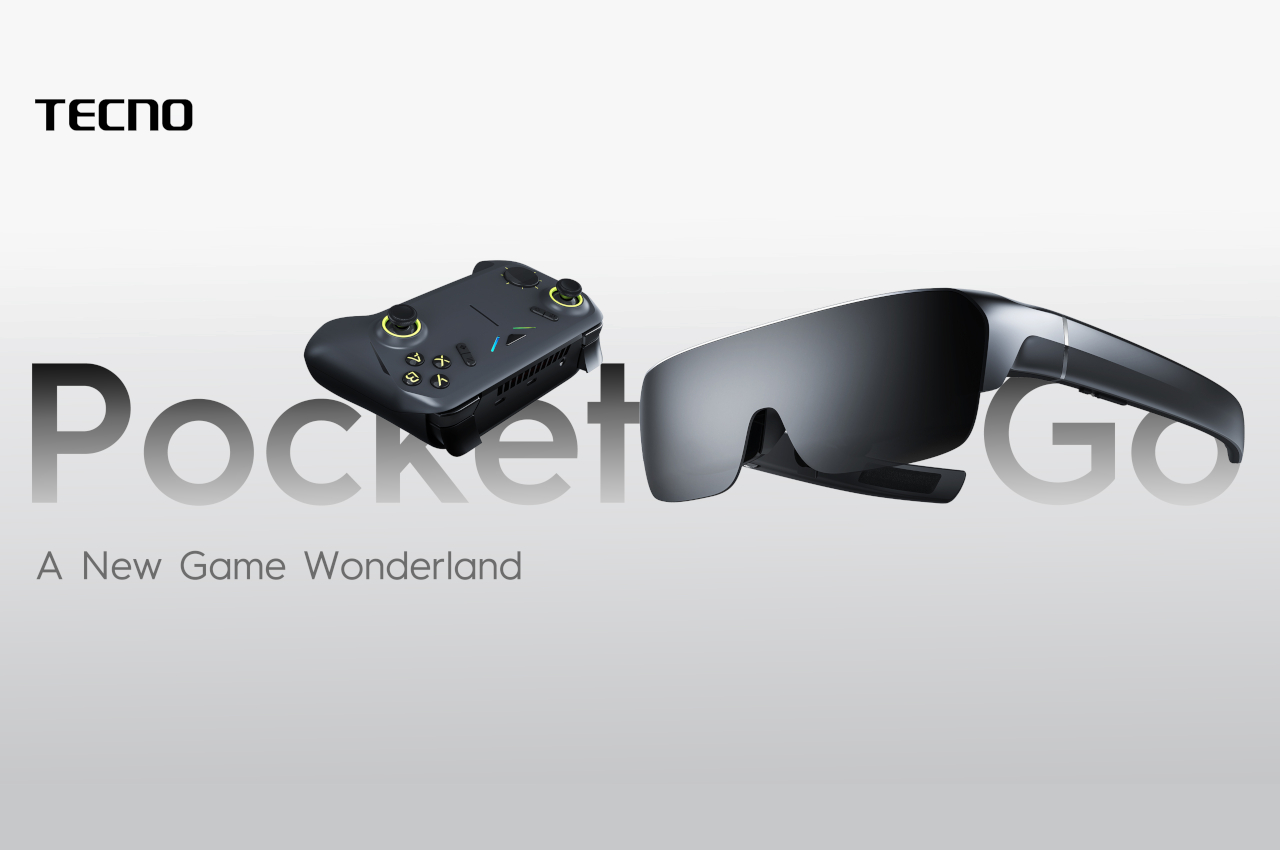
Thanks to a certain fruity company, AR glasses and headsets are back in the news. We’re still at an exciting exploration stage where we are trying to discover what works and what doesn’t as far as user experiences go, at least based on the limitations of current technology. AR glasses and their headset cousins often come in two basic designs. One packs all the necessary computing hardware to drive AR experiences, which is great for independence but not so much for comfort. On the opposite side of the spectrum lies headsets that need to connect to a desktop or laptop, removing performance limits but tying users down to a heavy or immovable computer. Leveraging the recent trend in gaming PCs, the TECNO Pocket Go is an all-in-one solution that combines the best of worlds by pairing lightweight AR glasses with a powerful gaming computer that you can hold in your hands.
As much as might dream of hi-tech Ray-Bans like Tony Stark’s, we still can’t fit that much hardware inside regular spectacles given our current level of technology. To make augmented or mixed reality glasses lightweight and relatively comfortable to wear for long periods of time, they need to have only the bare minimum to display high-quality images for both eyes. At the same time, however, it will need an external computer that does all the heavy work of processing what needs to be displayed, but it also has to be portable enough not to get in the way of your mobility.
That’s the perfect combination that the TECNO Pocket Go tries to offer, a system that’s made up of the TECNO AR Pocket Vision glasses and the TECNO AR Pocket Windows Handheld computer that comes in the form of a large game controller. The AR Pocket Vision boasts a 0.71-inch Micro-OLED display that can emulate a gigantic 215-inch screen, at least if you want something of that size. It has a 6-axis gyroscope that can accurately detect your head movements and translate that into data that the AR software can use. Despite the name, the AR Pocket Vision also pays close attention to sound, delivering an immersive audio experience thanks to N’BASS nano-structured acoustic materials and TECNO’s own unique vibration enhancement algorithms that turn in-game audio into vibrations.
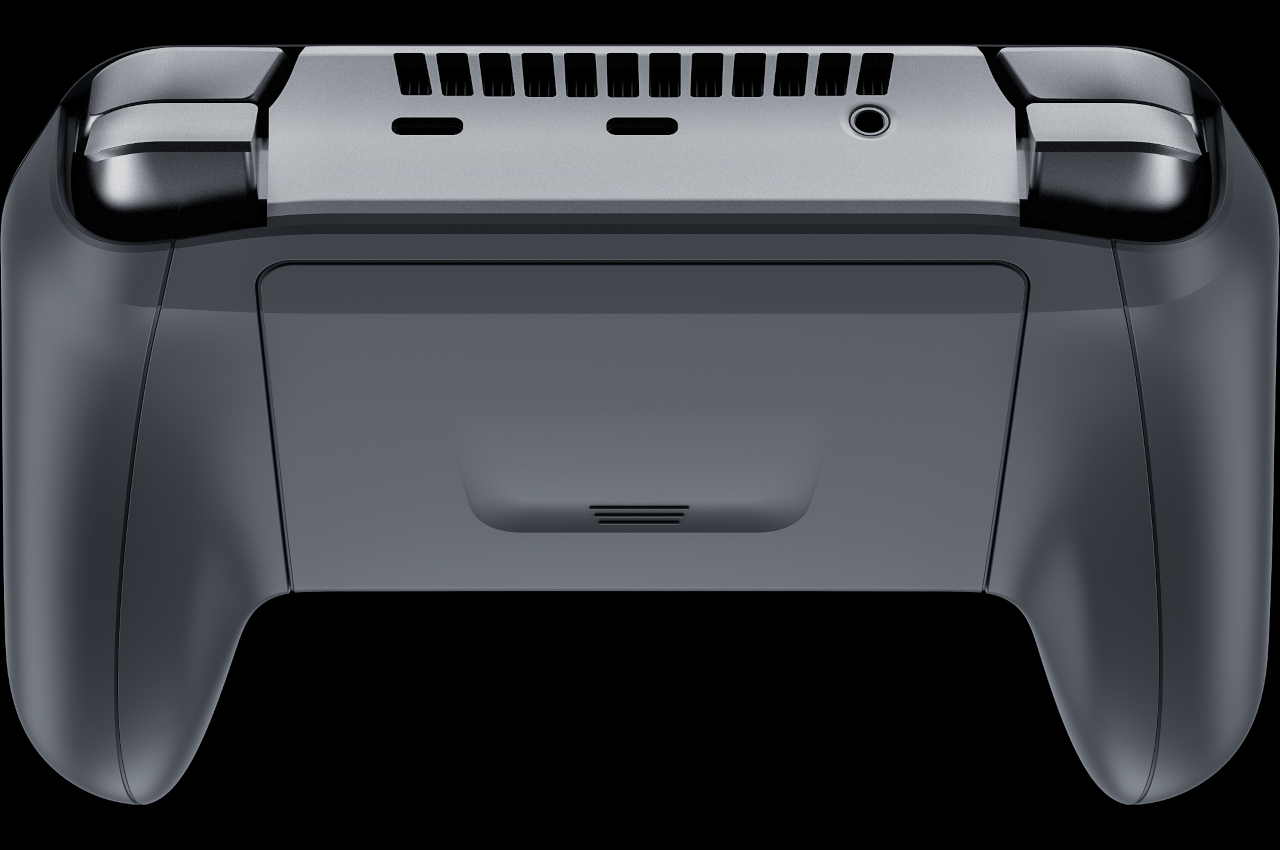
The AR Pocket Windows Handheld delivers an even more portable experience that is 50% smaller and 30% lighter than your average handheld gaming PC today. Of course, it accomplishes that by taking the screen out of the equation since it will be connected to the AR Pocket Vision glasses anyway. That means the design can focus on performance and cooling while also improving the overall ergonomics of the handheld computer. It even has a replaceable battery so users can enjoy uninterrupted gaming and entertainment on the go.
Having an AR headset and a handheld computer working together is a very potent combination, and having both under a single brand and a single system significantly simplifies the overall user experience. And while the TECNO Pocket Go is primarily aimed at immersive gaming, such a power and portable system can also open the doors to other experiences, provided you’re fine with using a gamepad to control it all. TECNO hasn’t given word on when this pair will launch, but it will definitely spark the interest of gamers who want to take their handheld gaming experience to the next level.
An exceptional smartwatch can really transform your everyday life. Since we can honestly use them for everything – sometimes for everything except telling the time! They go beyond simply telling the time, these multifunctional timepieces can now keep a check on our health, update us on the weather, function as an alarm clock, give reminders, cater to the blind, and even function as a case for your AirPods?! Designers are coming up with smartwatches that not only provide perfect form and functionality but also manage to look super smart when we wear them. The options are endless, so to help you pick a smartwatch that works best for you, we’ve curated a collection of innovative and cutting-edge smartwatches that will cater to everyone’s unique time-telling needs and requirements, and also totally deserve to be on your wrists.
1. MSI Gaming PC Watch
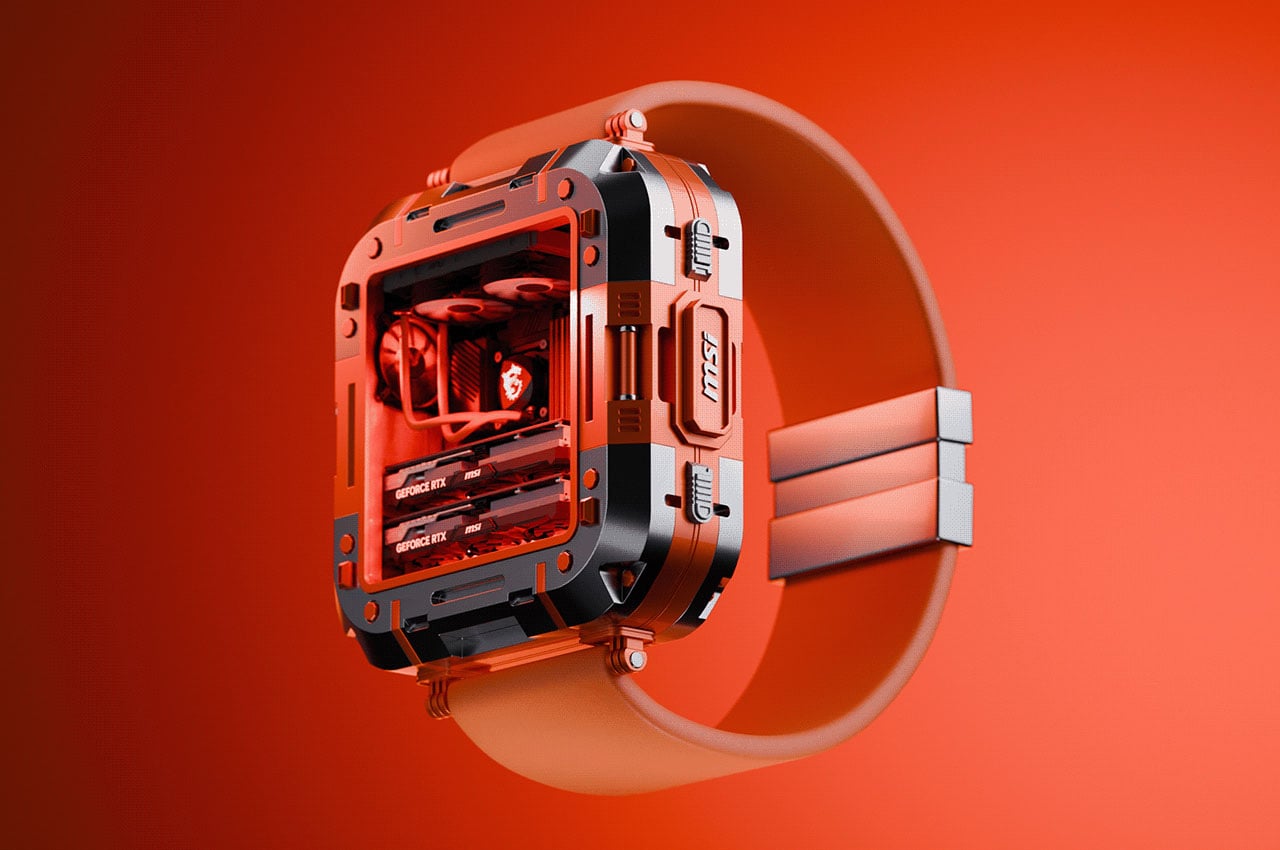
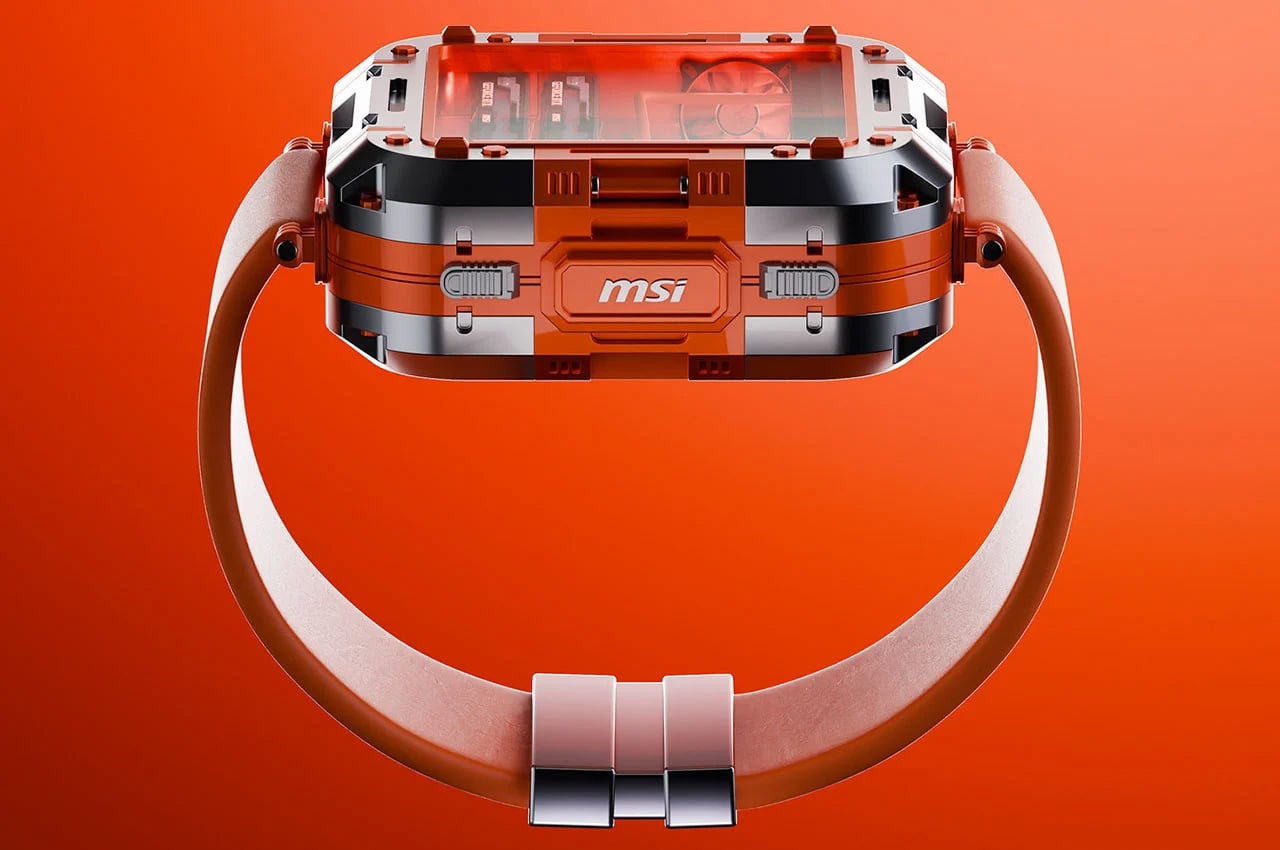
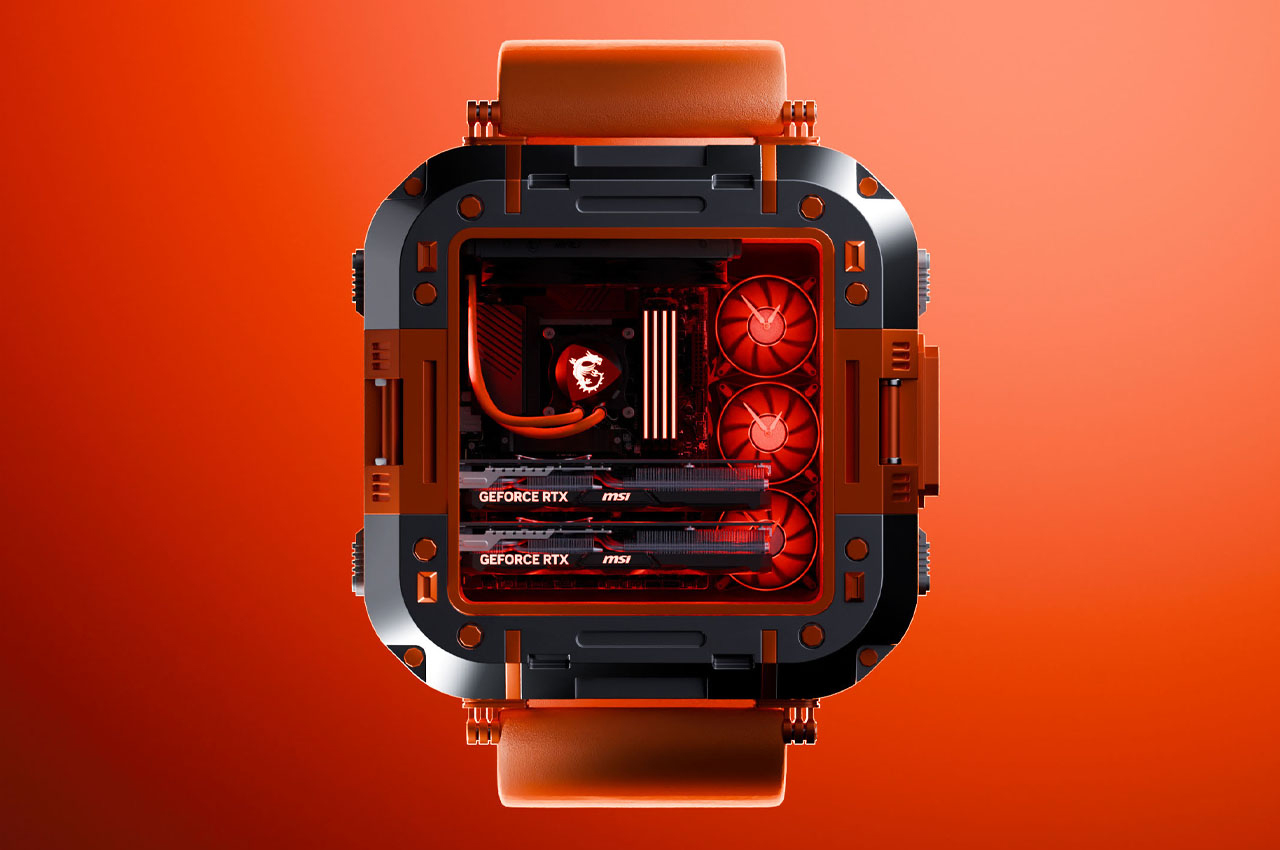
It looks like a watch from afar. Come close, however, and it looks like a gaming PC. What is it? Well, it’s both! The MSI Gaming Watch is a concept that pays homage to the detailed innards of most advanced gaming rigs. They say watches have complicated internals, which is why the transposition is perfect! Instead of a tourbillon and movement, you’ve got fans, graphics cards, and a motherboard, all scaled down to a size small enough to fit into a chunky wristwatch. Look closely at the fans and you’ll see tiny hands telling the time too. After all, the MSI Gaming Watch isn’t all show and no tell. However, it is a LOT of show! Just look at it! I dare you to look away!
Why is it noteworthy?
You’re likely to have one of two reactions to the MSI Gaming Watch – either you think it’s functionally useless, if you’re looking for an active timepiece… or you think it’s the most awesome thing you could wear on your wrist since those nixie tube watches we saw a few years ago. If you’re a gaming nerd or a PC builder, chances are you’re a part of the latter school of thought.
What we like
Hyper-cool design gives you gaming memorabilia on your wrist
Those components look very intricate, with tiny graphics cards, fans, etc.
What we dislike
It isn’t really a watch as much as it’s a really cool-looking wrist wearable. Time forms a very small part of what the MSI Gaming Watch is all about.
2. Rabbit R1 AI Watch
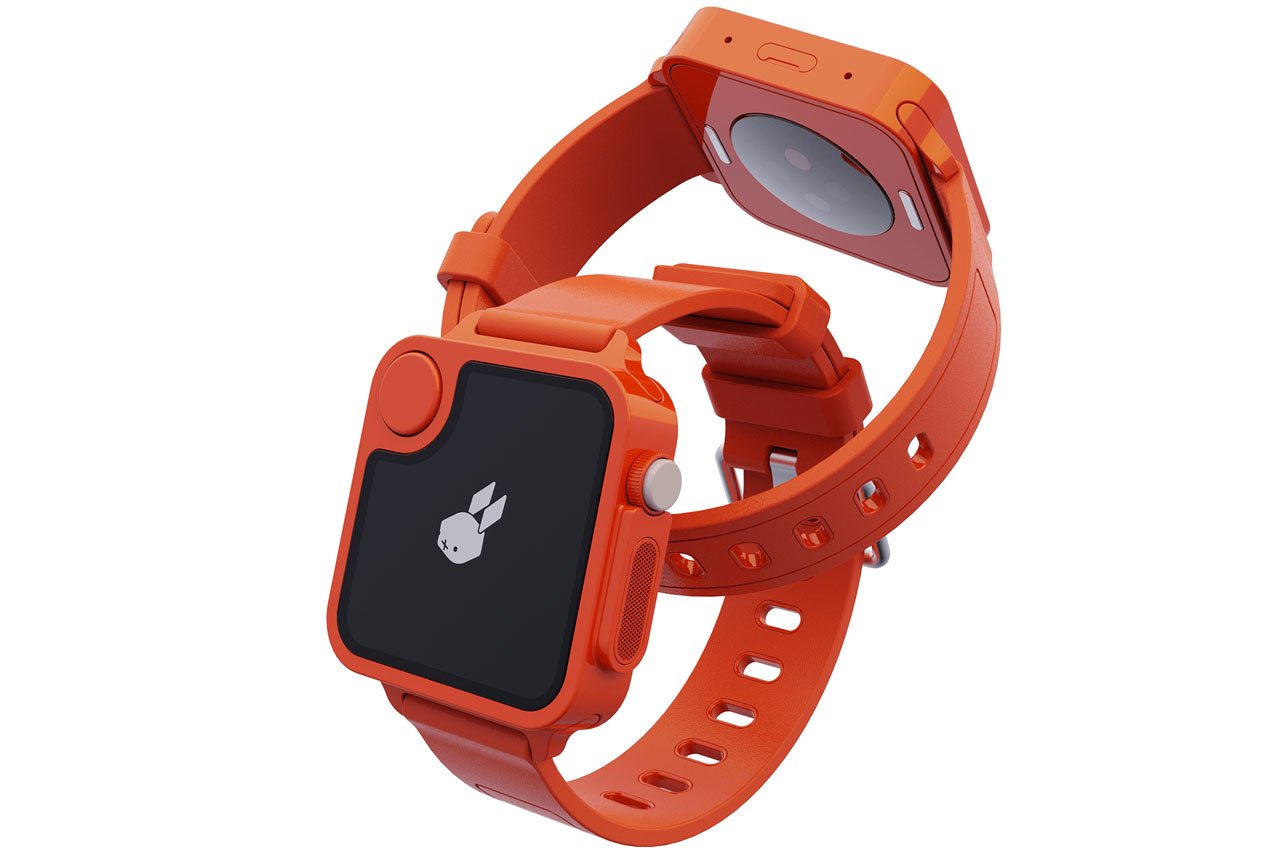
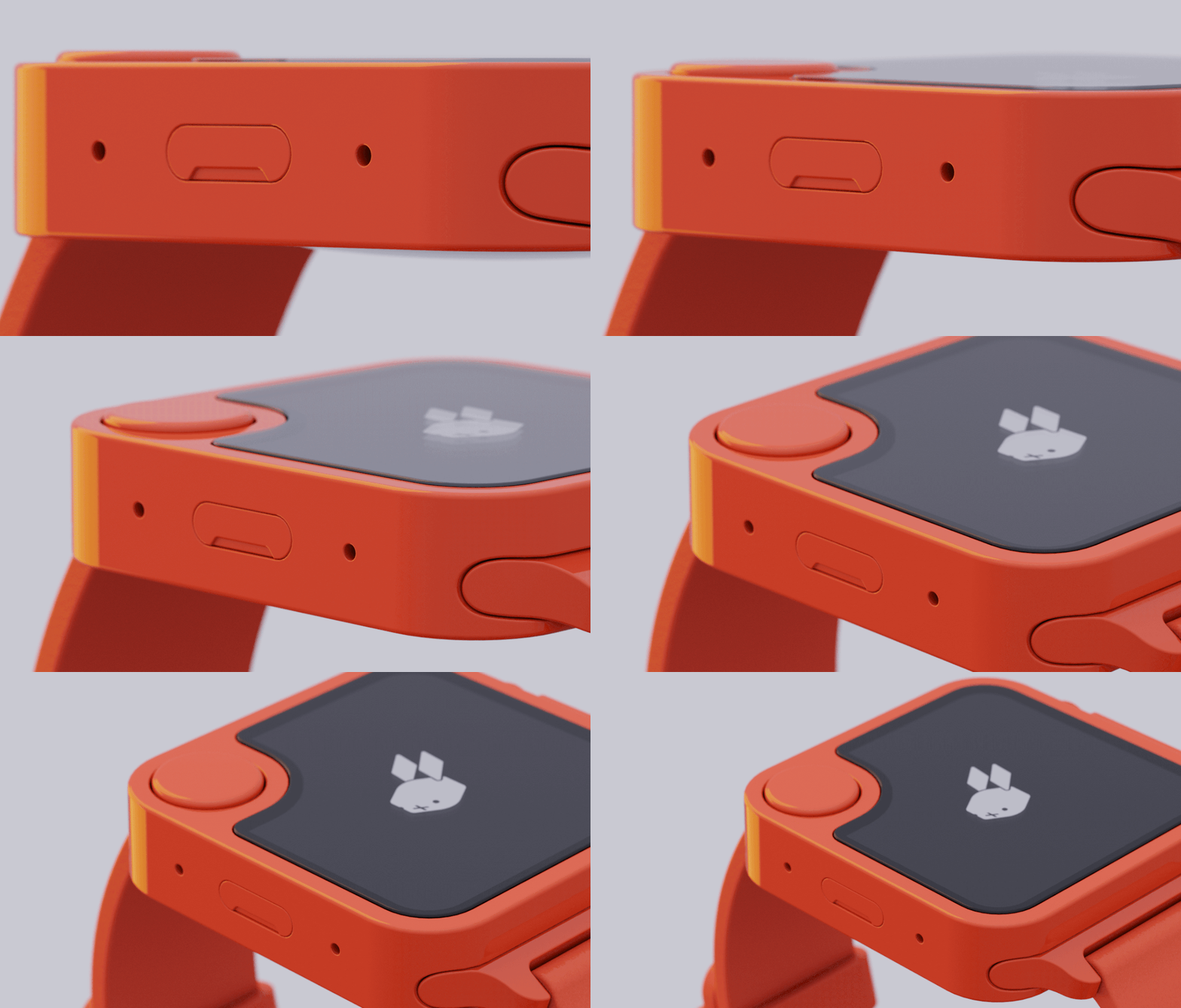
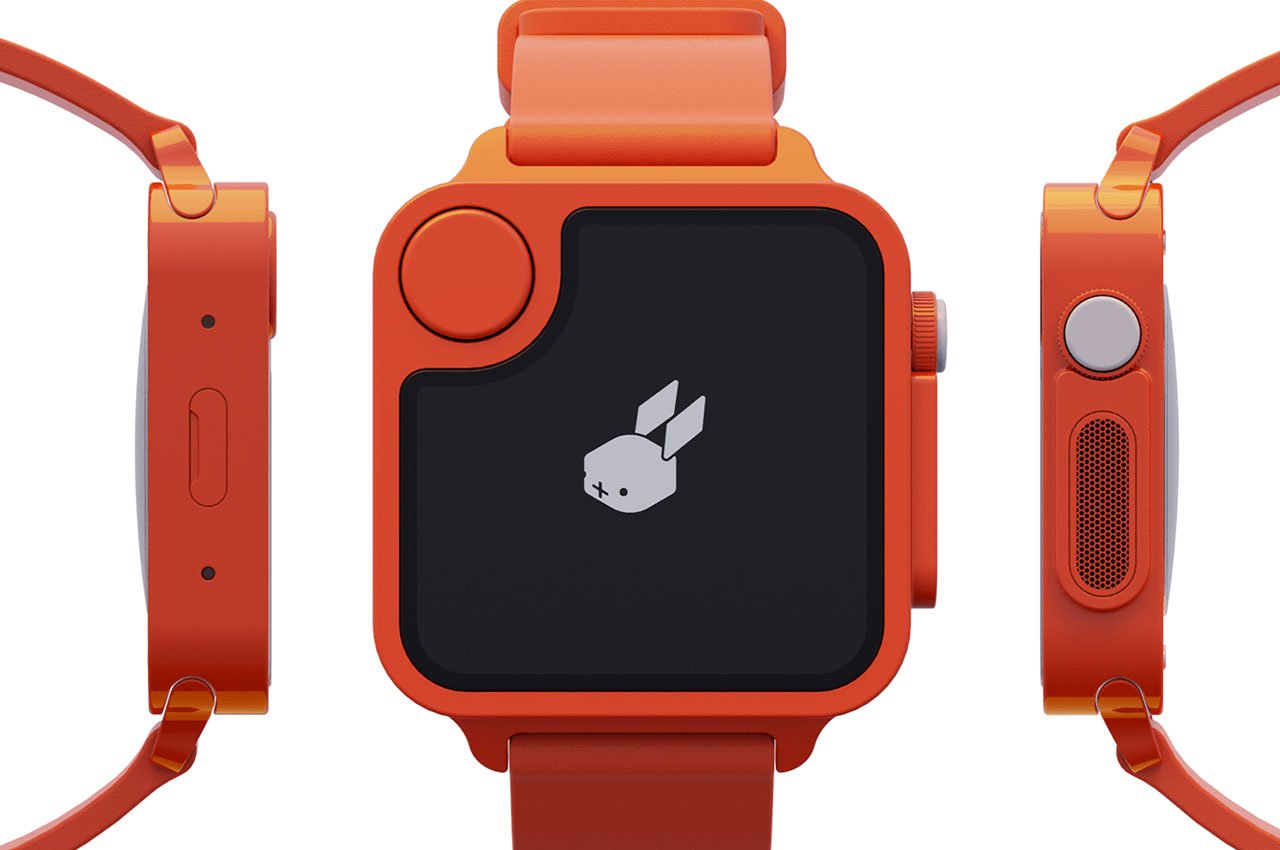
Named the R1, a walk-talkie-esque device was designed by Rabbit in collaboration with Teenage Engineering, and displayed at CES 2024. It is an AI-assisted smartphone alternative amped with a screen, camera, and scroll wheel. And, designer Alisher Ashimov has transformed it into a compact AI watch.
Why is it noteworthy?
The Rabbit R1 AI Watch is designed to eliminate the need to carry an extra device in your pocket. It functions as a wearable with enhanced portability, allowing you to carry it around without compromising on the uniqueness and utility of the original design.
What we like
Portable and easy-to-carry-design
Reduces dependency on smartphones
What we dislike
There is no information on the specifications of the AI Watch, so we’re unaware of its capabilities
3. Wrist (1)
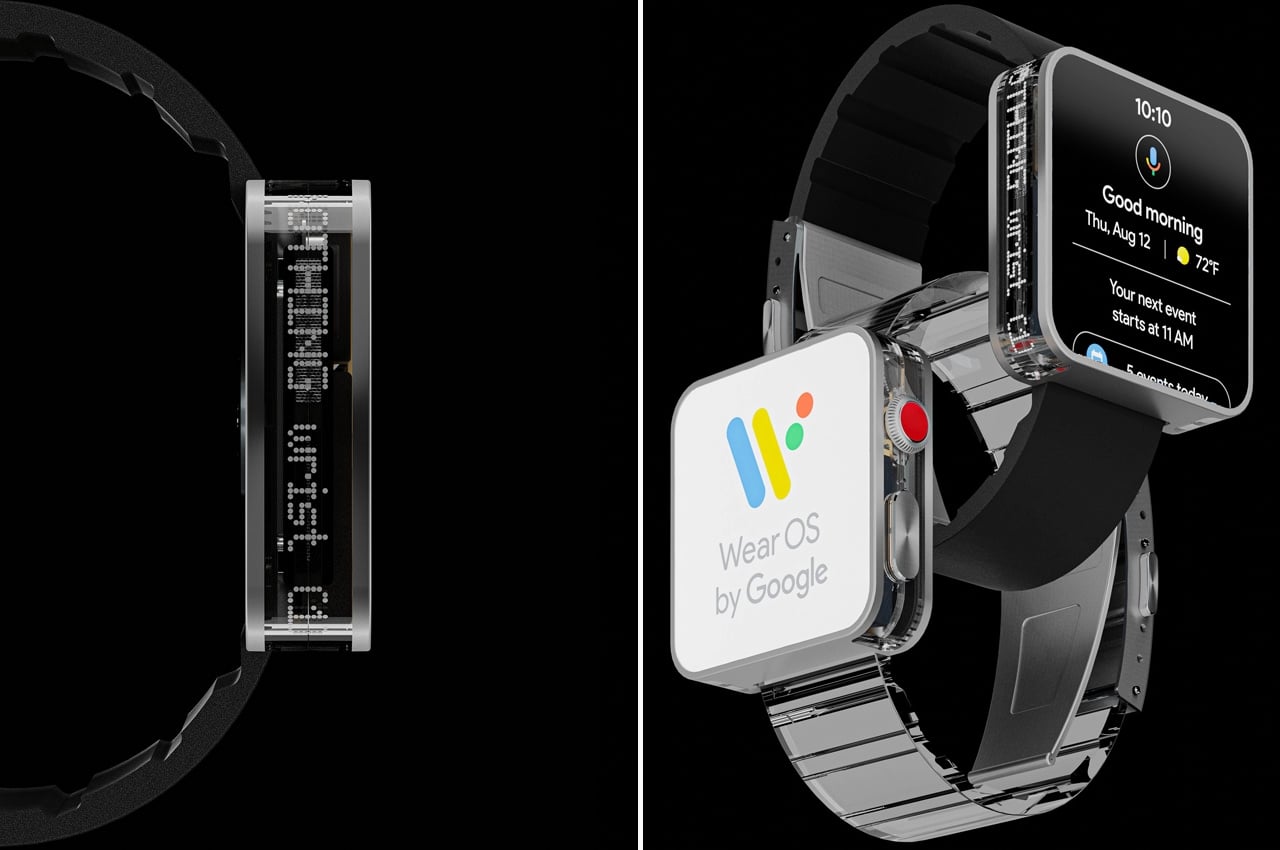
Dubbed the Wrist(1), this innovative smartwatch reminds you of the high-end skeletal watches or the niche transparent watches that have their insides all exposed, where you can quite literally watch the watch movement. The Wrist(1) has a crystal-clear transparent case that reveals its internal component.
Why is it noteworthy?
The transparent case exposes the raw beauty of the accurate engineering, making it a unique and interesting-looking watch. The smartwatch also has health and fitness-centric features like a heart rate monitor and step counter. The LED and photodiodes work together with AI algorithms to provide accurate measurements.
What we like
Showcases the raw and real beauty of the complicated inner mechanism of the smartwatch
Gives the feel of a high end watch which a skeleton design
What we dislike
Watches are exposed to more wear and tear than a smartphone as we can easily bump our hand, however we don’t know how the clear material will fare. Also wearing a case will take away the appeal of the transparent design.
4. JUSTWATCH
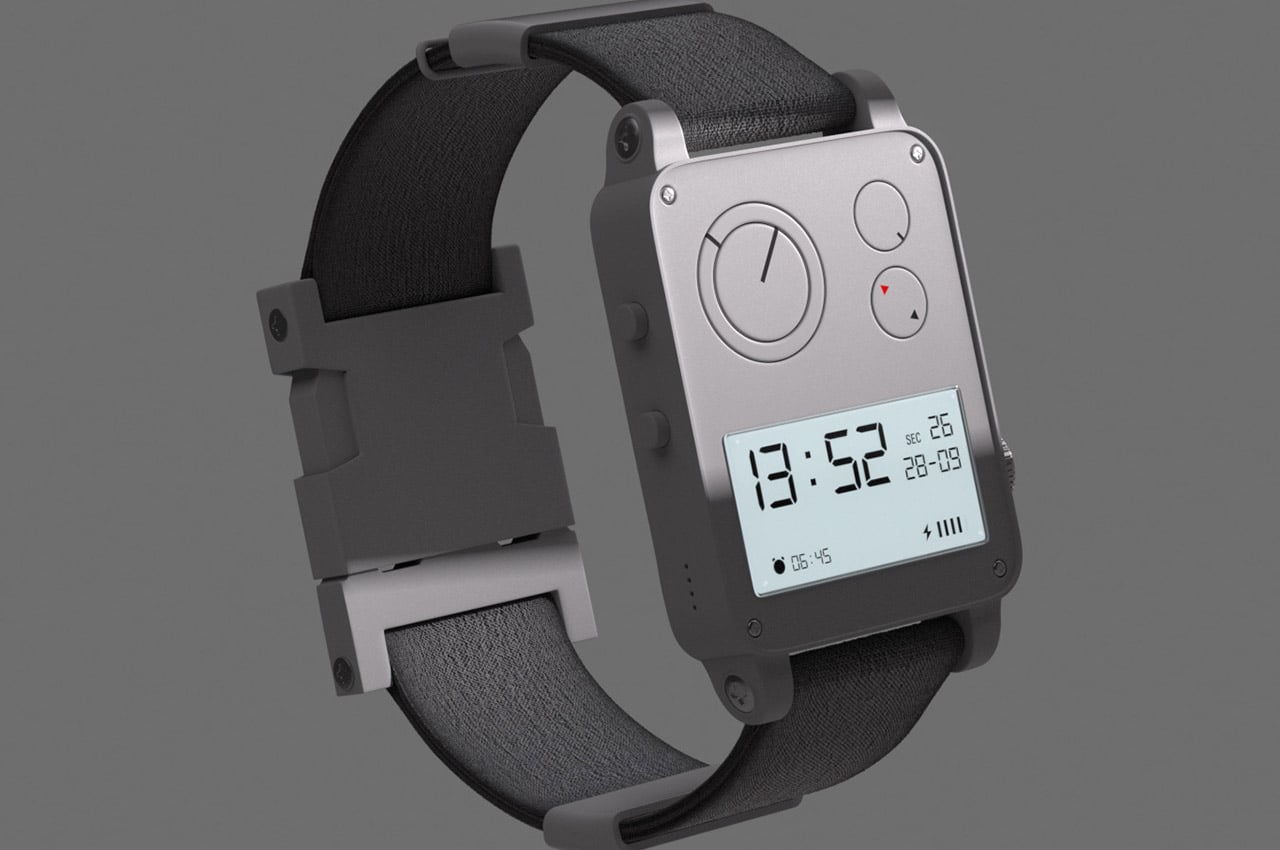
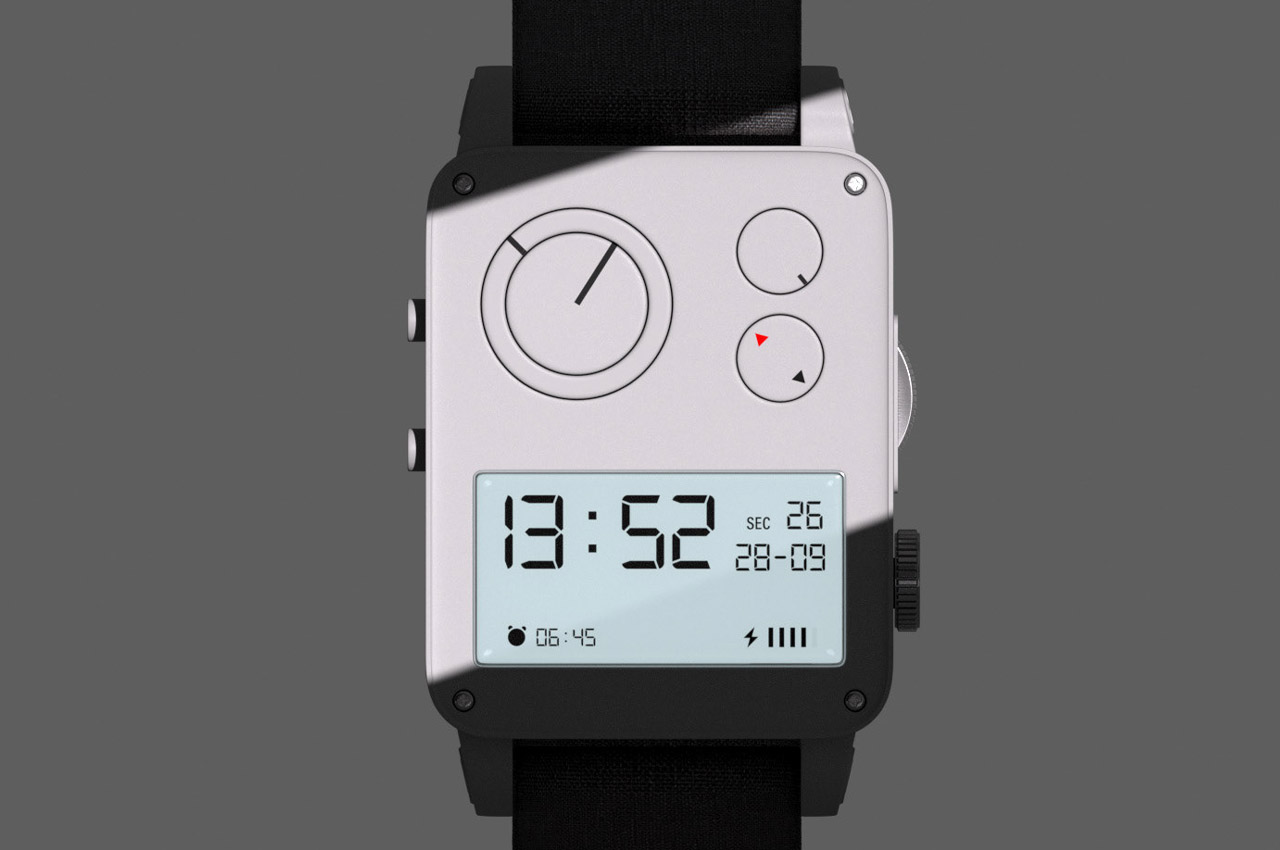
Dubbed the JUSTWACH, this stunning smartwatch is a smooth amalgamation of the old and new. It is designed for individuals who prefer a futuristic smartwatch integrated with style and functionality. It is marked by clean lines, and a sleek profile, creating a smartwatch defined by classic beauty.
Why is it noteworthy?
The smartwatch is inspired by the icons of the past, and it has a delicate and subtle vintage vibe combined with modern functionality. It lets you take a trip down memory lane, where modern utility meets with the analog dial amped with a monochrome display.
What we like
Has a comfortable fit for all-day wear
Equipped with a rectangular digital watch display
What we dislike
It’s a conceptual design, so we don’t know how well it will translate into a tangible product
5. Polar Vantage V3
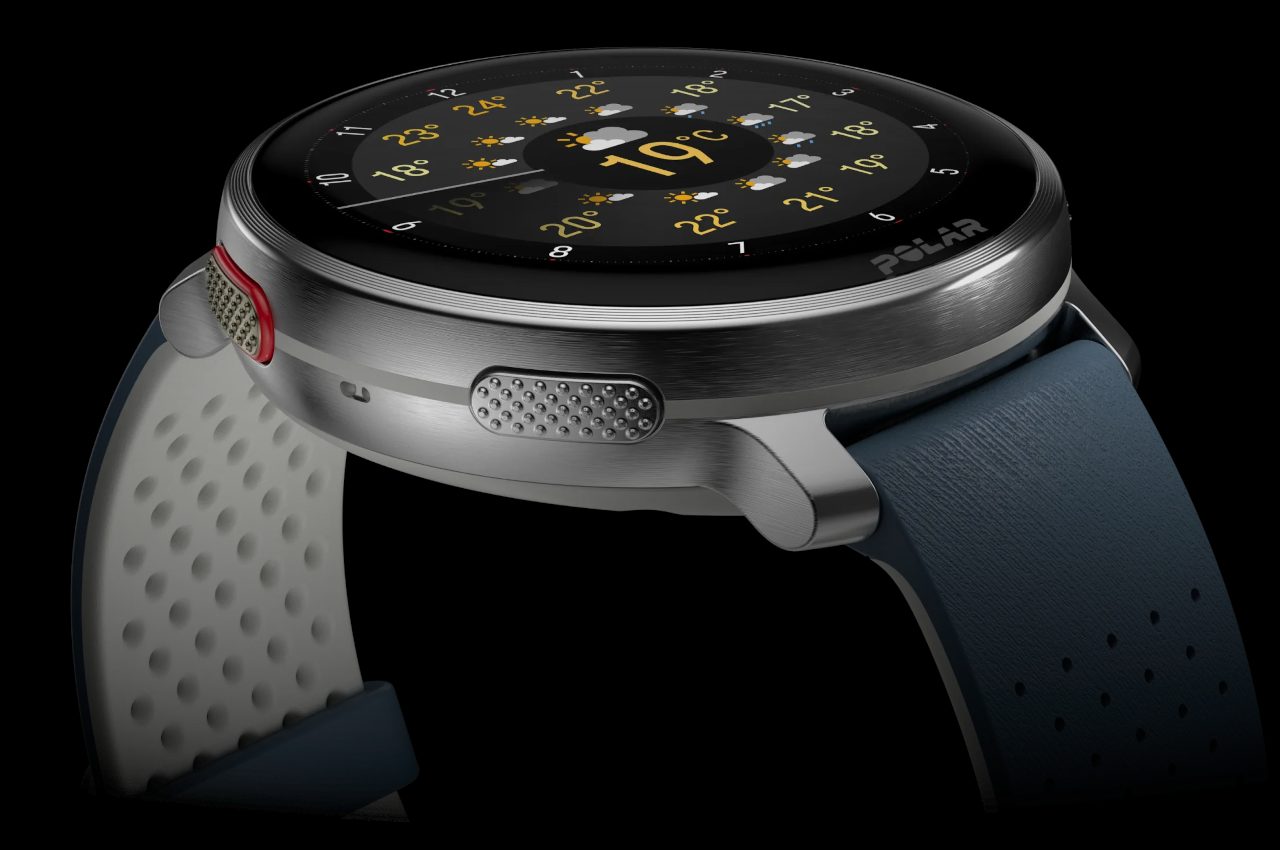
Polar’s latest Vantage V3 smartwatch is a much classier successor to its 2020 Vantage V2. The new smartwatch is designed for athletes and is equipped with exciting features like the Polar Elixir biosensing tech and a bigger aluminum bezel that provides support for 22mm wristbands.
Why is it noteworthy?
The Polar Elixir biosensing suite has an improved OHR tracking sensor, wrist-ECG, skin temperature sensor to track body temperature, and an oxygen saturation monitor as well. These various elements deliver accurate biometric readings, offering you updated information about your body.
What we like
Has an almost Nordic look, giving the sports watch a fancy appearance
Gives you data-driven information on your body, letting you customize your fitness plan
What we dislike
Doesn’t have the best battery, could have a longer battery life
Doesn’t have a lot of scope for customization
6. VOIXATCH
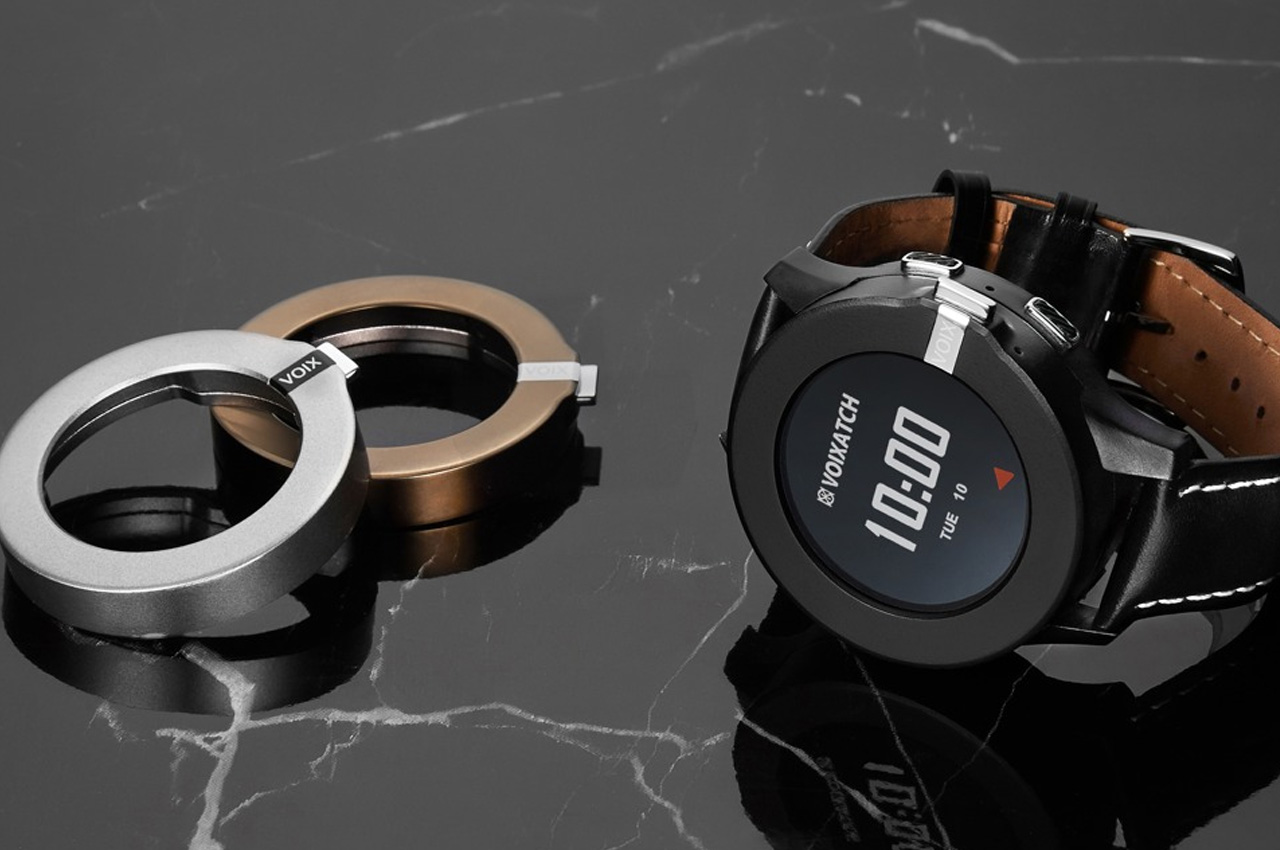
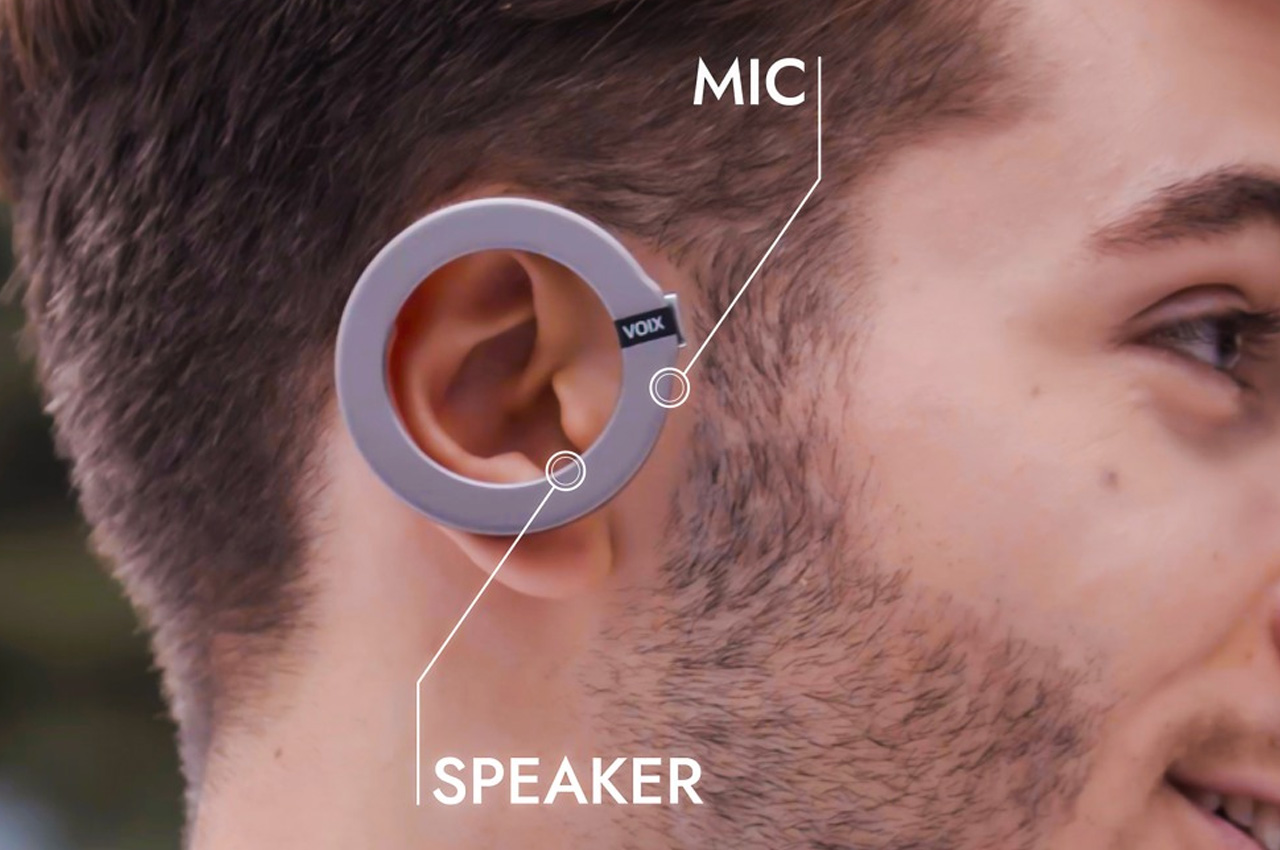
Called the VOIXATCH, this is the first smartwatch ever to have its own built-in Bluetooth headset. The VOIXATCH is creating a world where watches and earphones exist in a close-knit ecosystem, with one single product carrying out all the functions your phone usually would, without you needing to even pull your smartphone out!
Why is it noteworthy?
The smartwatch features LTE and GPS, alongside its own SIM card slot, Google voice assistant, a battery life of 48 hours, a heartbeat sensor, and a gyroscope. Within the VOIXATCH’s bezel is a detachable ring that can transform into a Bluetooth headset.
What we like
Only smartwatch to effortlessly combine a Bluetooth headset into its design
What we dislike
The battery life may not be long enough for some users
7. M O S KI T O
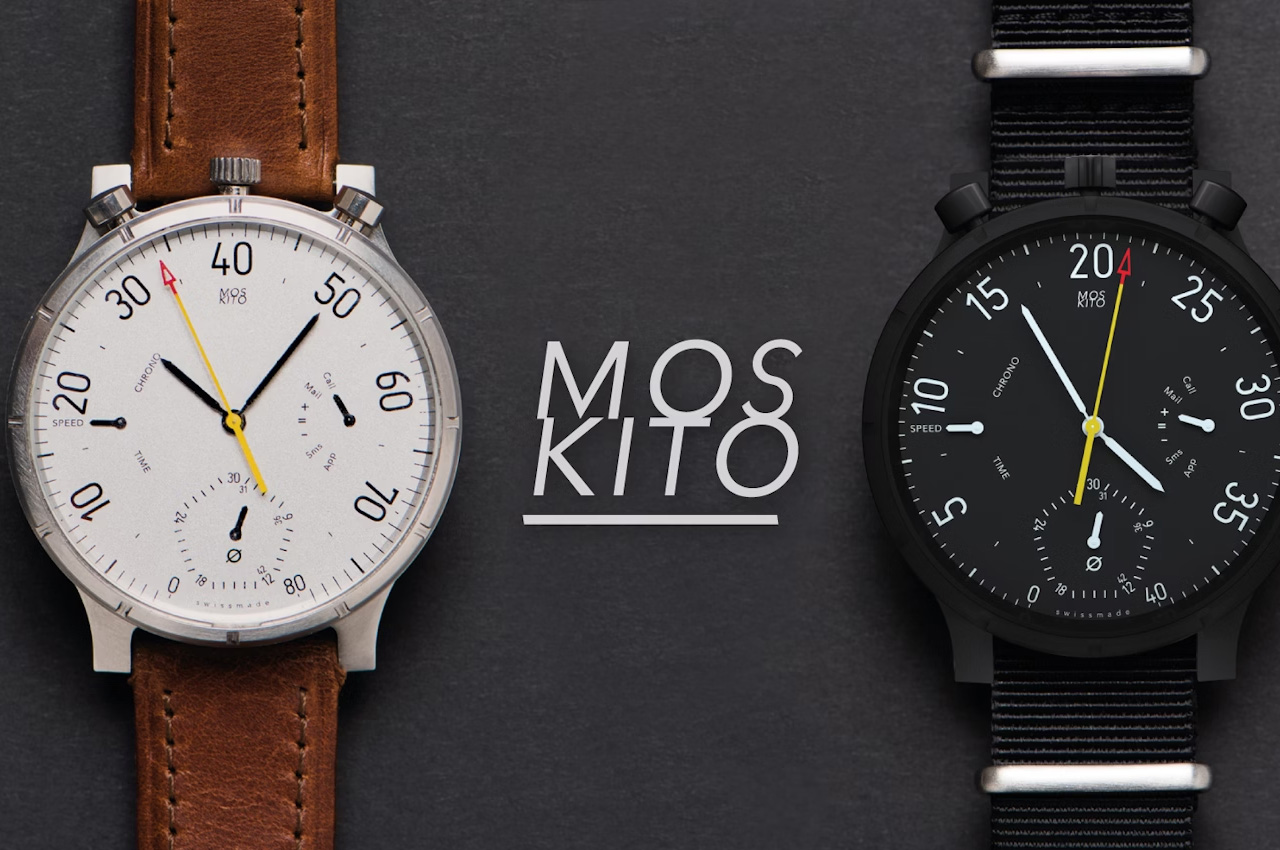
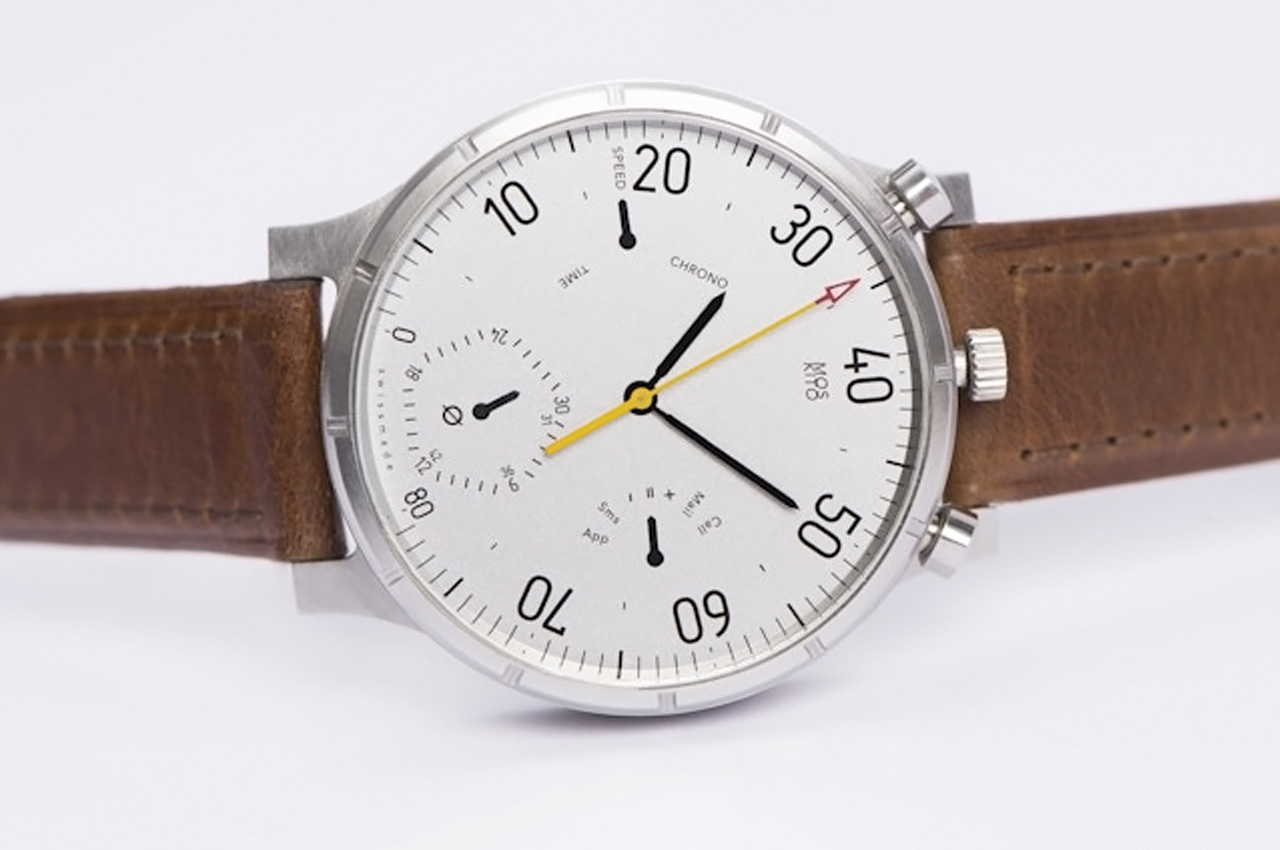
Meet M O S KI T O – a Swiss analog smartwatch and bike speedometer! It combines precision chronograph and smart bike computer into one sleek and aesthetic design. It is the ultimate design piece for gadget lovers! It merges a classic design, long battery life, and smart notifications.
Why is it noteworthy?
With the M O S KI T O, you’ll never miss another important call, message, or e-mail. It informs you immediately if you have an important notification incoming – all you need to do is take one glance at the dial! It has a charging function which means you’ll never have to change its batteries.
What we like
Compatible with Strava and Garmin
Available in a variety of color options
What we dislike
Functionality is a bit limited in comparison to other smartwatch designs on the market
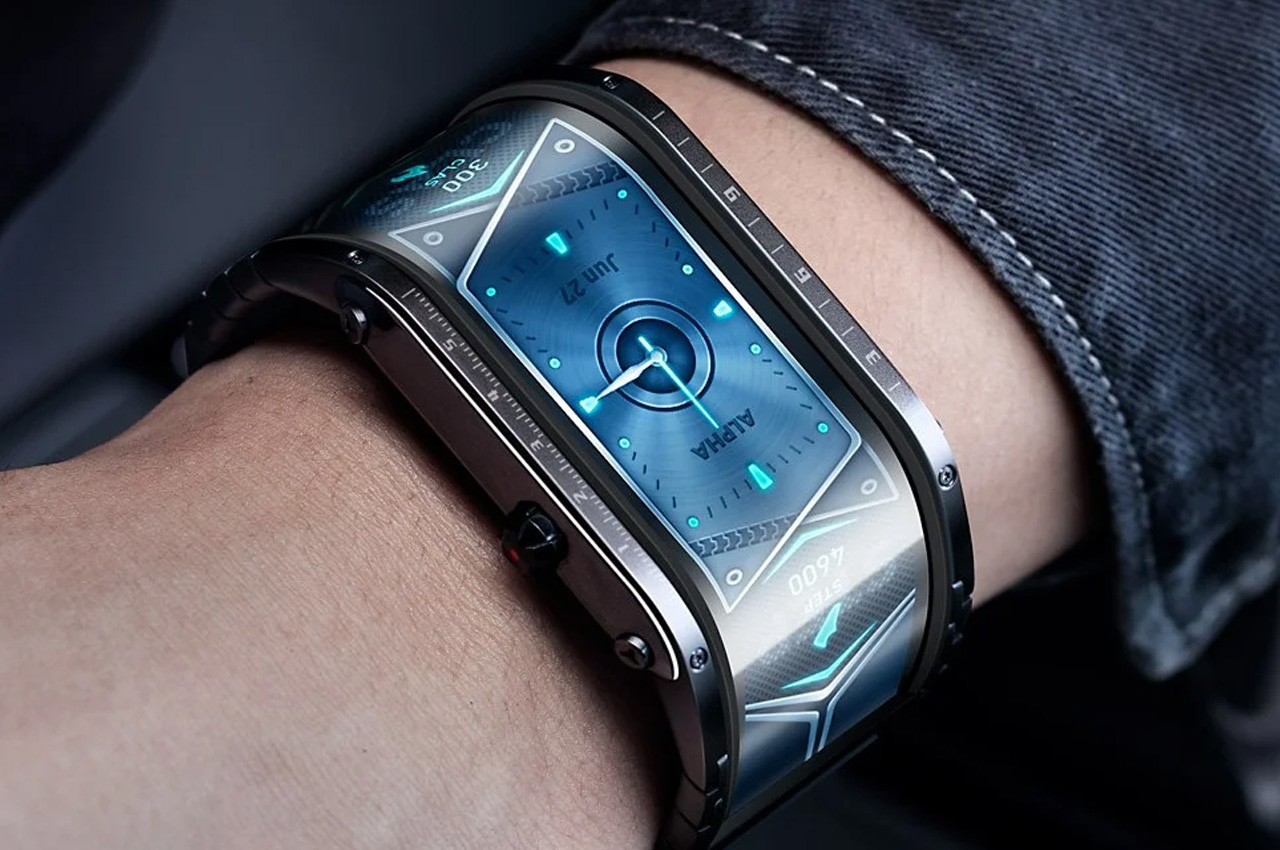
8. Nubia
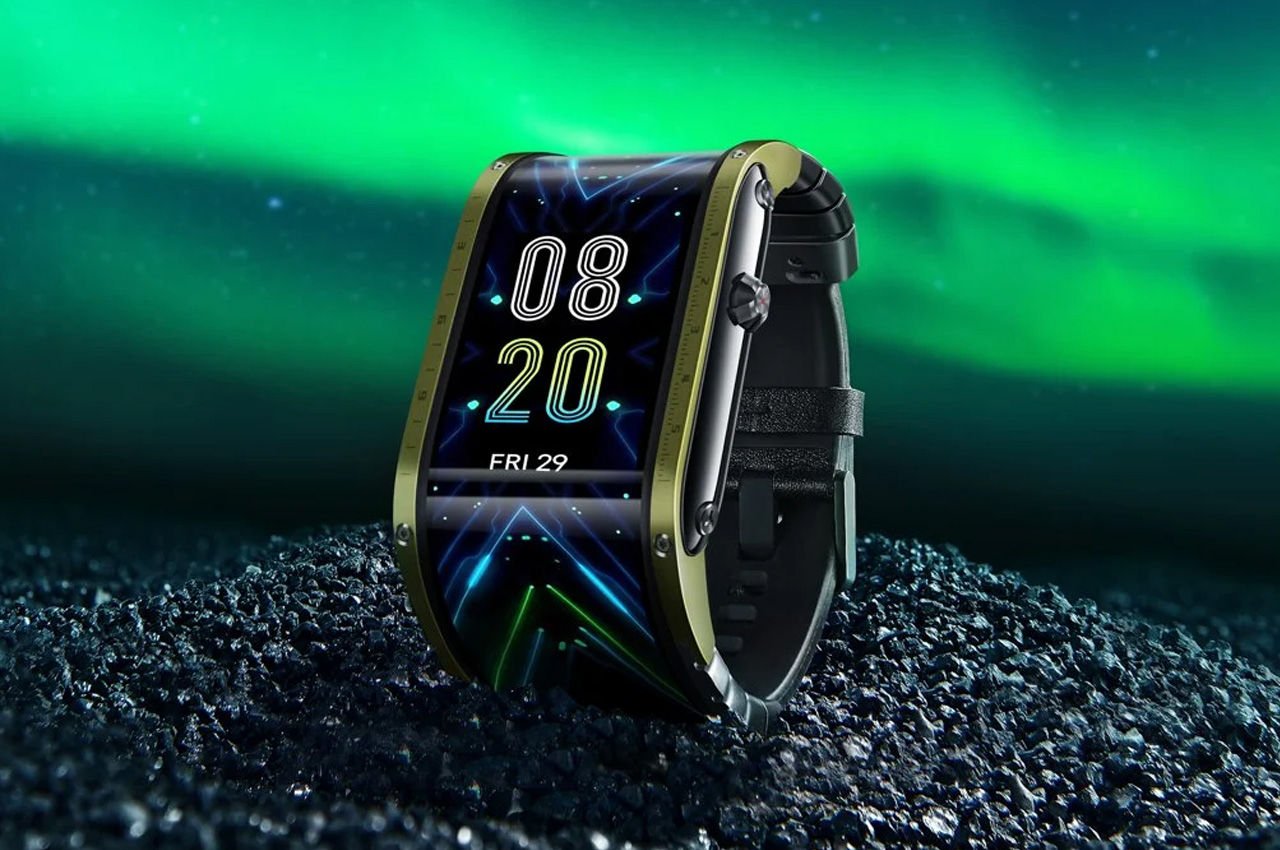
Dubbed the Nubia, this smartwatch has an impressive 4-inch display that smoothly wraps around the upper section of your wrist. It is supposed to have a pretty large display in comparison to other smartwatches. It is designed to present information in a way that is easy to see and access, irrespective of the angle.
Why is it noteworthy?
Nubia has a visually appealing vertical display, and it is long enough to ensure you don’t need to scroll away on a little screen. It features a real-time heart-rate tracker, 4 fitness tracking modes, a find your phone feature, and the ability to accept and reject calls.
What we like
The battery runs for a week in power-saving mode
Resistant and durable display
What we dislike
It doesn’t let you reply to messages from certain apps, or even read messages from some
9. TIME OFF!
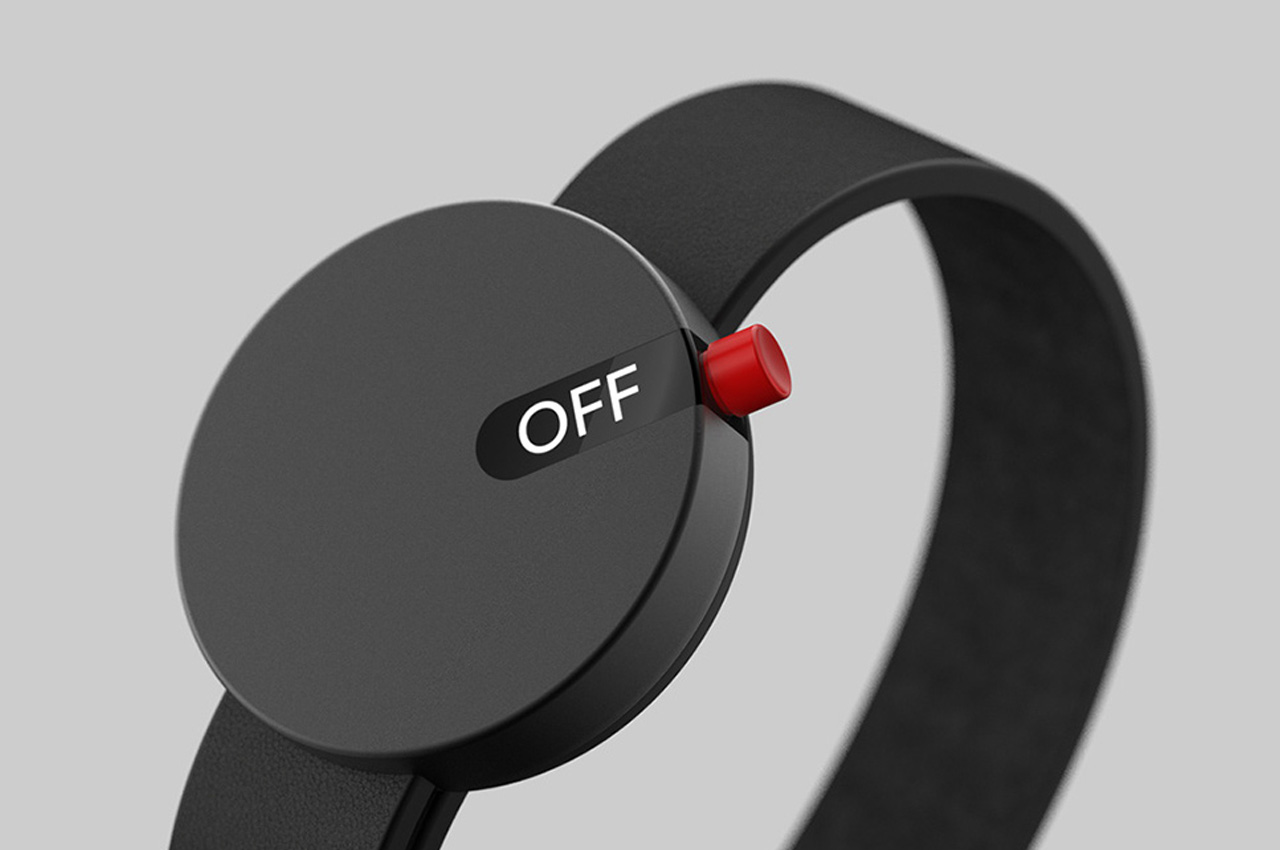
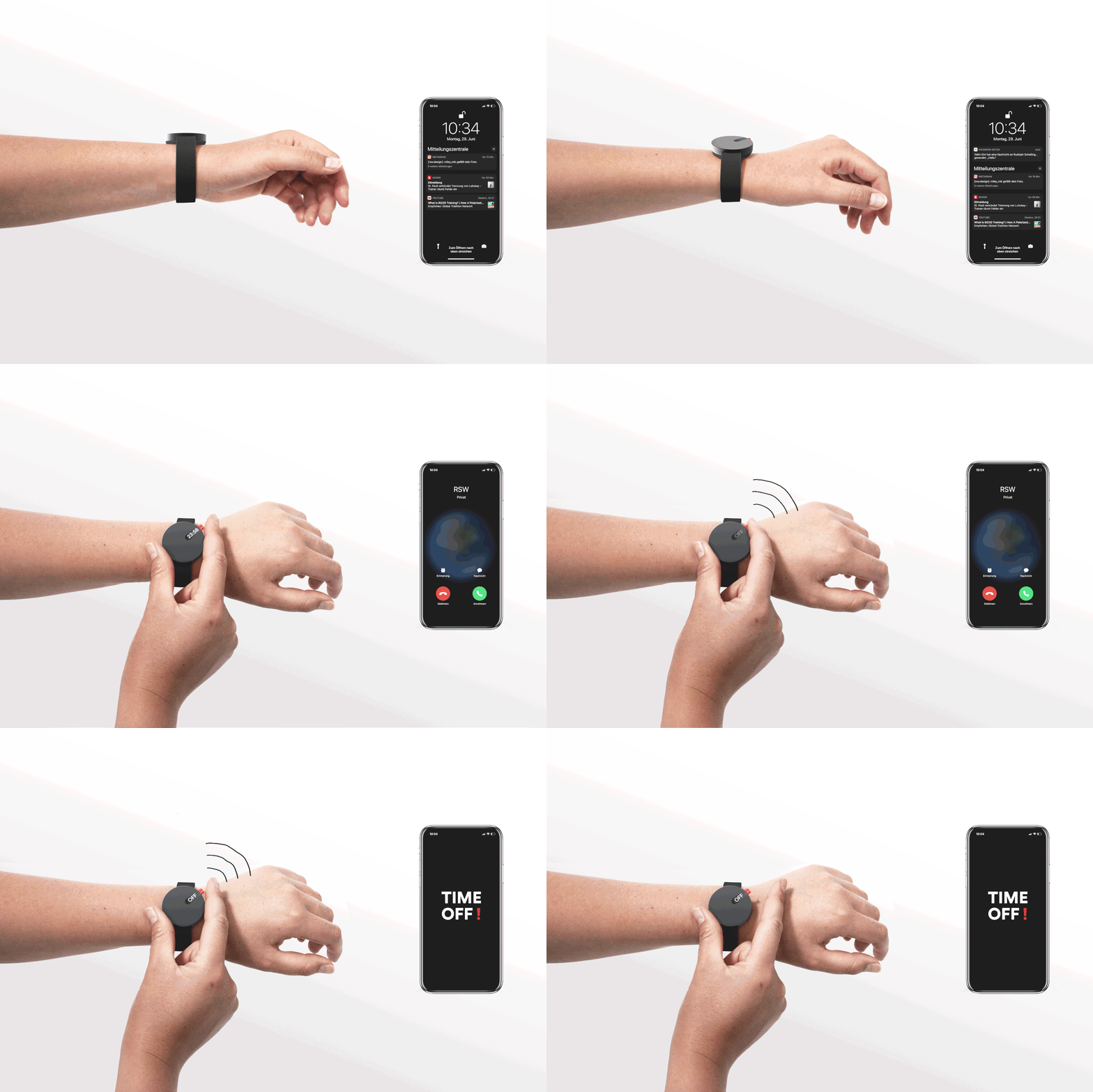
Meet the TIME OFF! watch – a smartwatch that is designed to mute those pesky smartphone notifications. The TIME OFF! has a companion app like most smartwatches, and you can control the settings through it. Using the app you can pick which apps to mute during your “time off” or resting mode.
Why is it noteworthy?
After you’re done saving those settings, you can simply silence notifications from those apps by pressing the red button on your TIME OFF! watch, you don’t even need to pick up or use your phone. It has a simple minimalist design with a solid-colored band and a face with a small LED sliver.
What we like
Lets you take time off from apps and social media
Minimalist design that complements all outfits and looks
What we dislike
It’s a conceptual design, so we don’t know how well it will translate into a tangible product
10. SuperCharger2
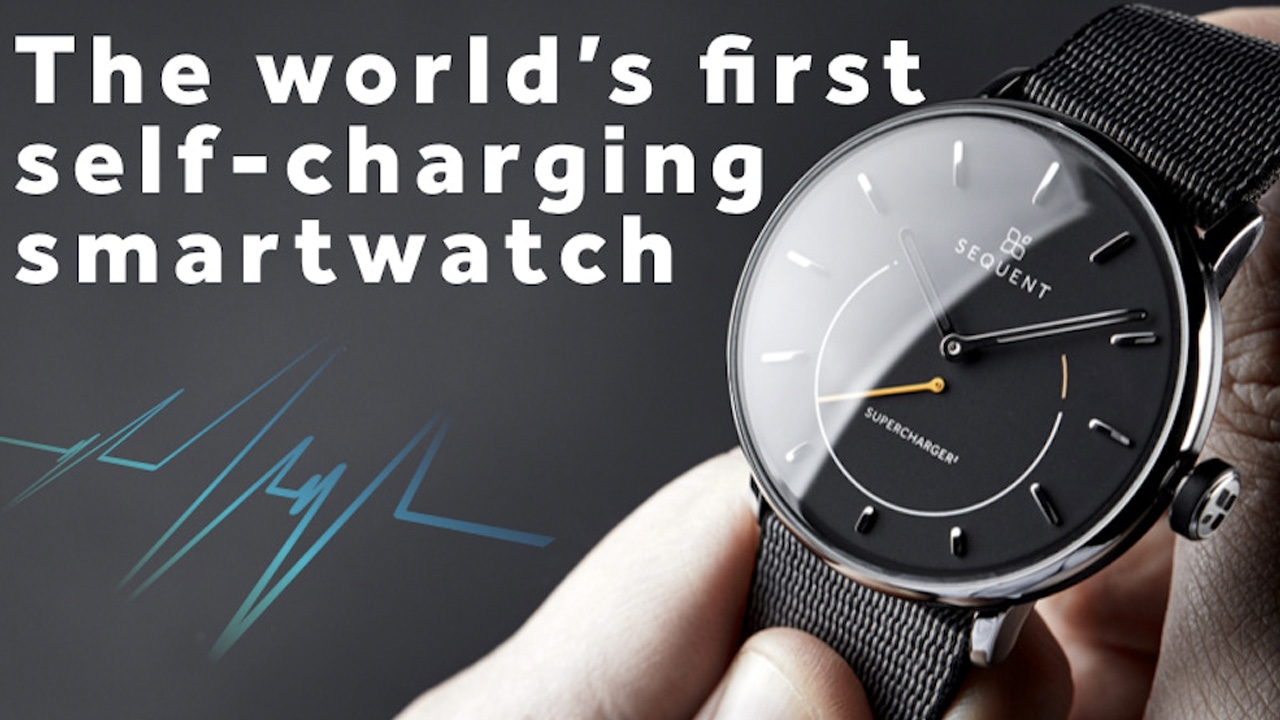
Meet the world’s first self-charing smartwatch! Called the SuperCharger2, this innovative smartwatch stores and tracks all your activities automatically, keeping them ready to sync anytime you want. It features various interesting elements such as Personal Health Coach, Step Counting, and Sport Tracking!
Why is it noteworthy?
The SuperCharger has its own automatic self-charing mechanism, which provides it with complete autonomy. Besides charging itself, it also records your heart rate, workout, sleep, and Blood Oxygen Levels.
What we like
Stylish and long-lasting design
Eco-friendly design made from ocean materials
What we dislike
No vibrate mode to alert you to important notifications
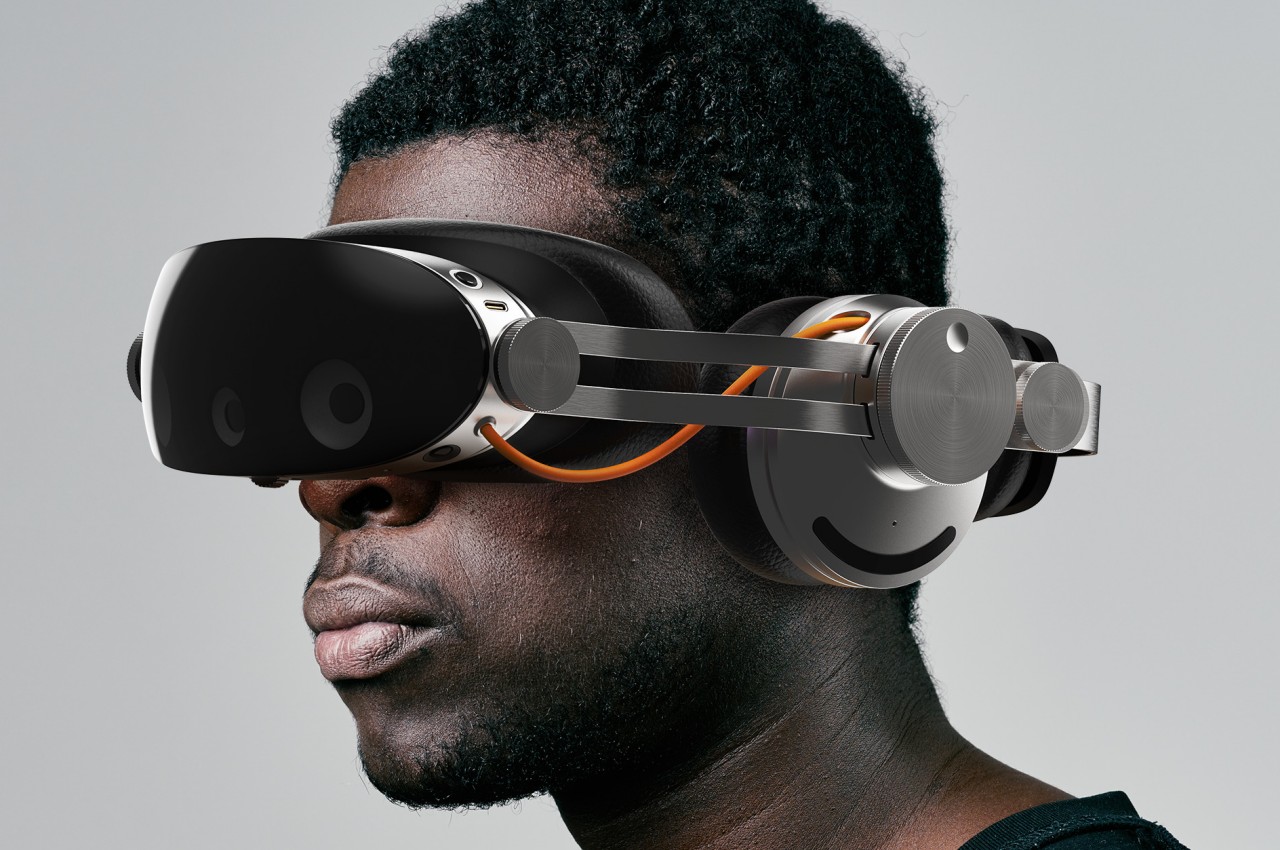
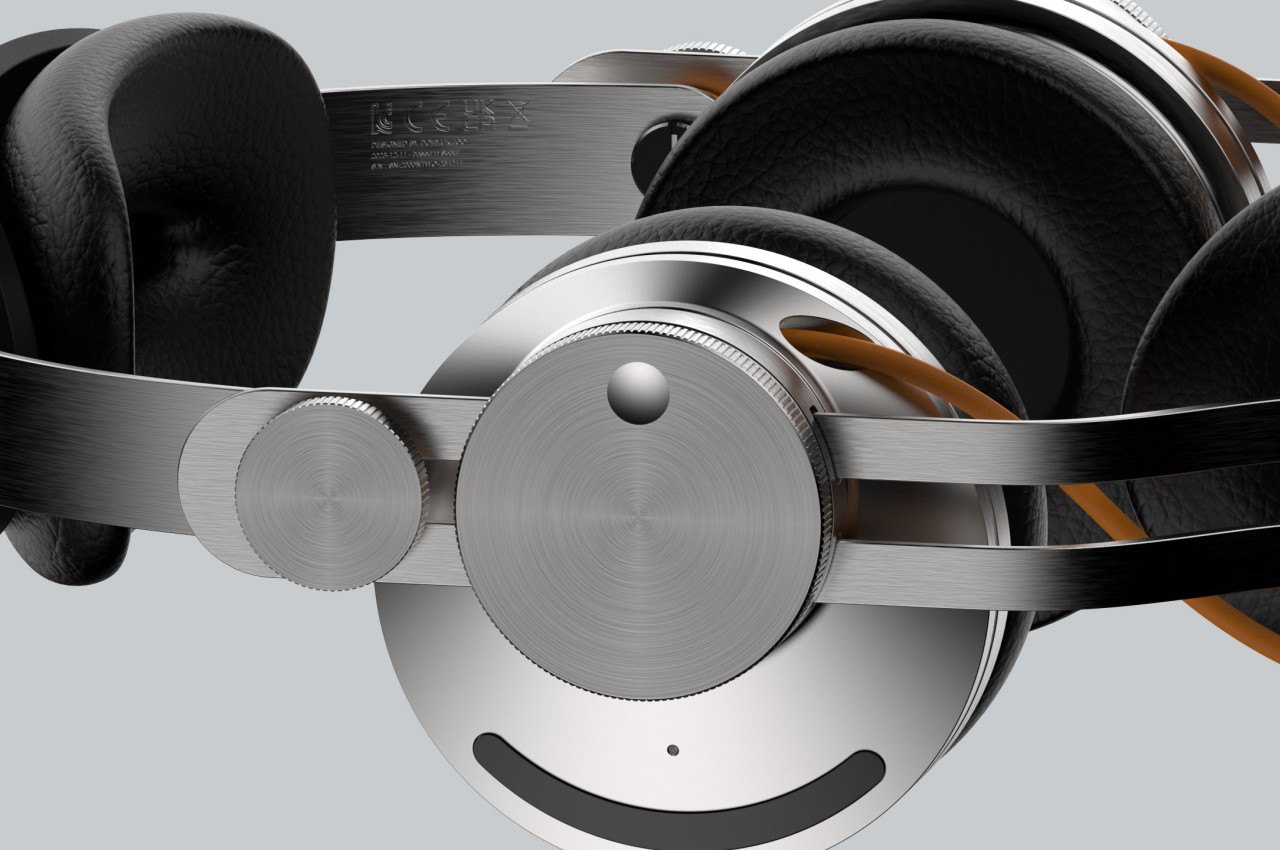
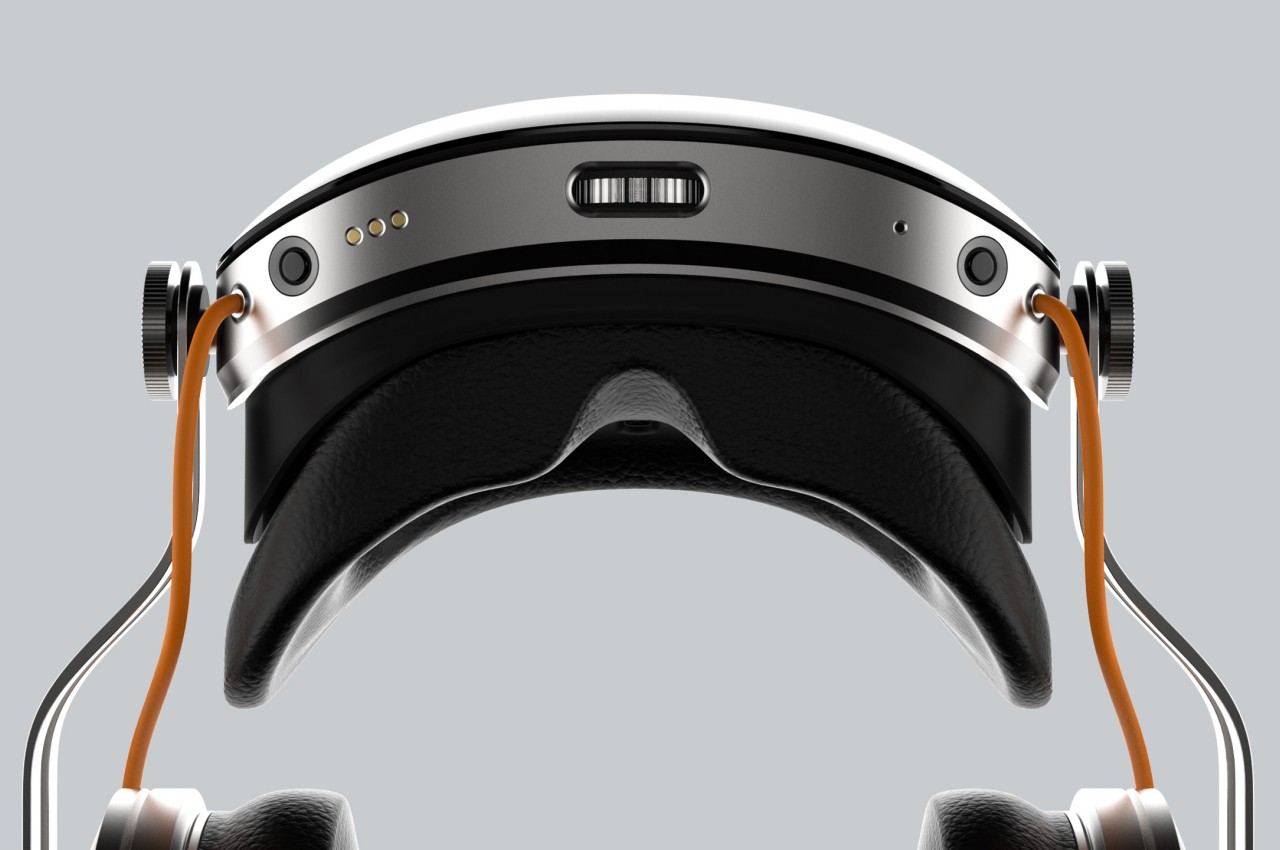
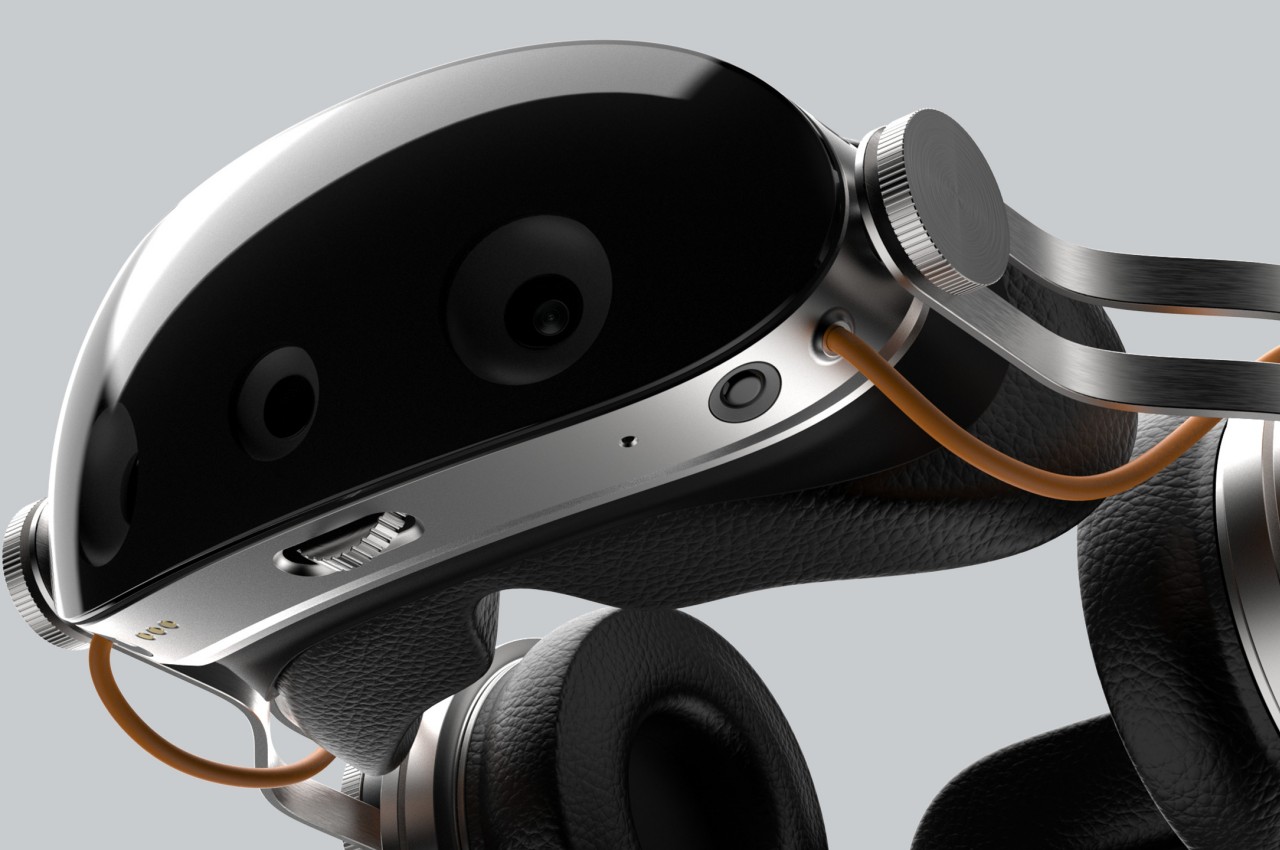
Thanks to the Apple Vision Pro, mixed reality is back in the news along with the hardware that will enable people to experience them. We have yet to hit the Holy Grail of headset design that will allow people to wear these devices on their heads for long periods, but brands like Apple and Meta definitely have that goal in their sights. MR headsets are getting lighter and slimmer, but that will always come at the cost of sacrificing some functionality that has to be offloaded to some other product you will have to buy and use separately. This concept design, however, goes in the other direction and tries to actually include everything you need for a more believable mixed reality experience, including the oft-neglected audio for your ears.
Designer: Dohyuk Joo
It’s harder to fool the eyes, which is why most of the focus in developing these mixed reality headsets is on the optics. But we don’t experience the real world with just our eyes, and a more immersive virtual world will also need to do more than just feed us visual data. Just like in the real world, audio is either taken for granted or at least takes second place only, but this headset design tries to balance the scales, even if it means going back to the days of bulky headsets.
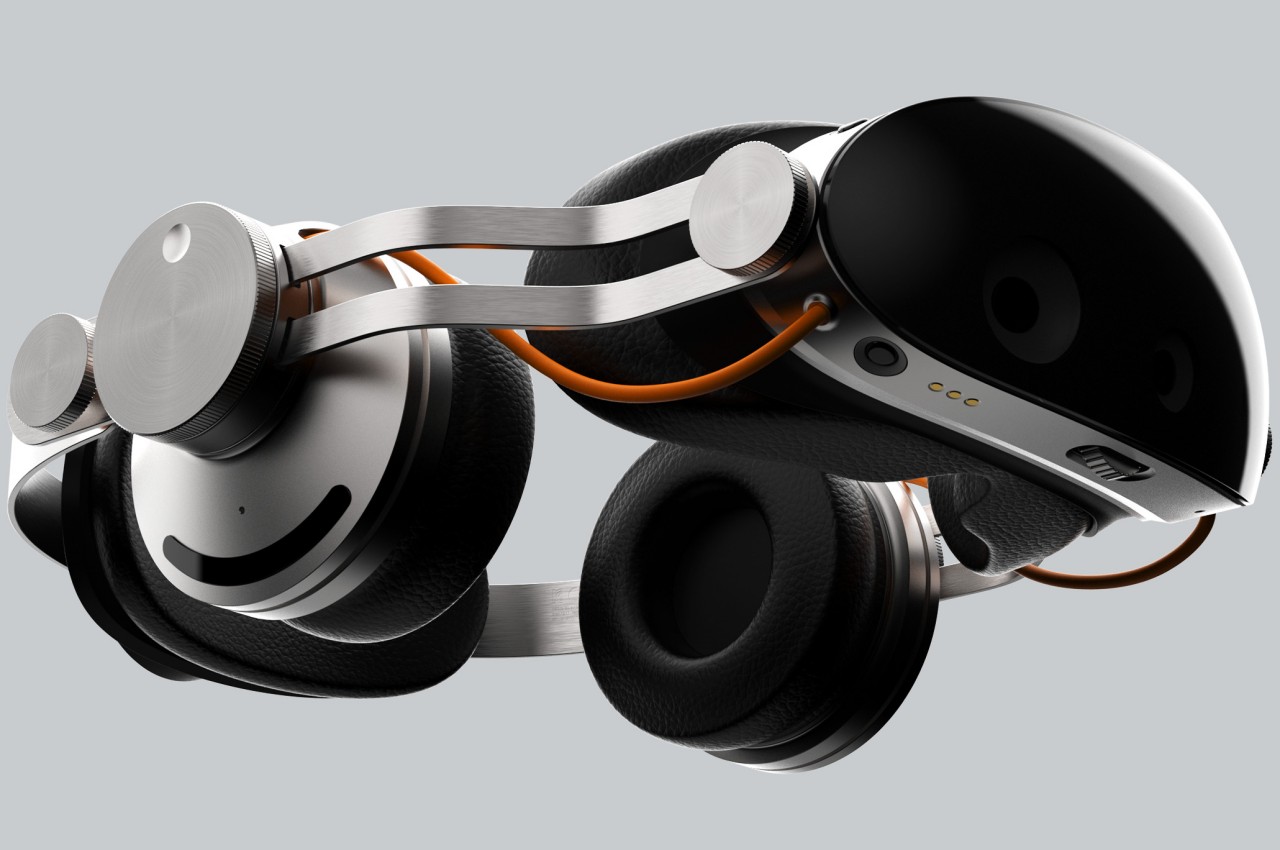
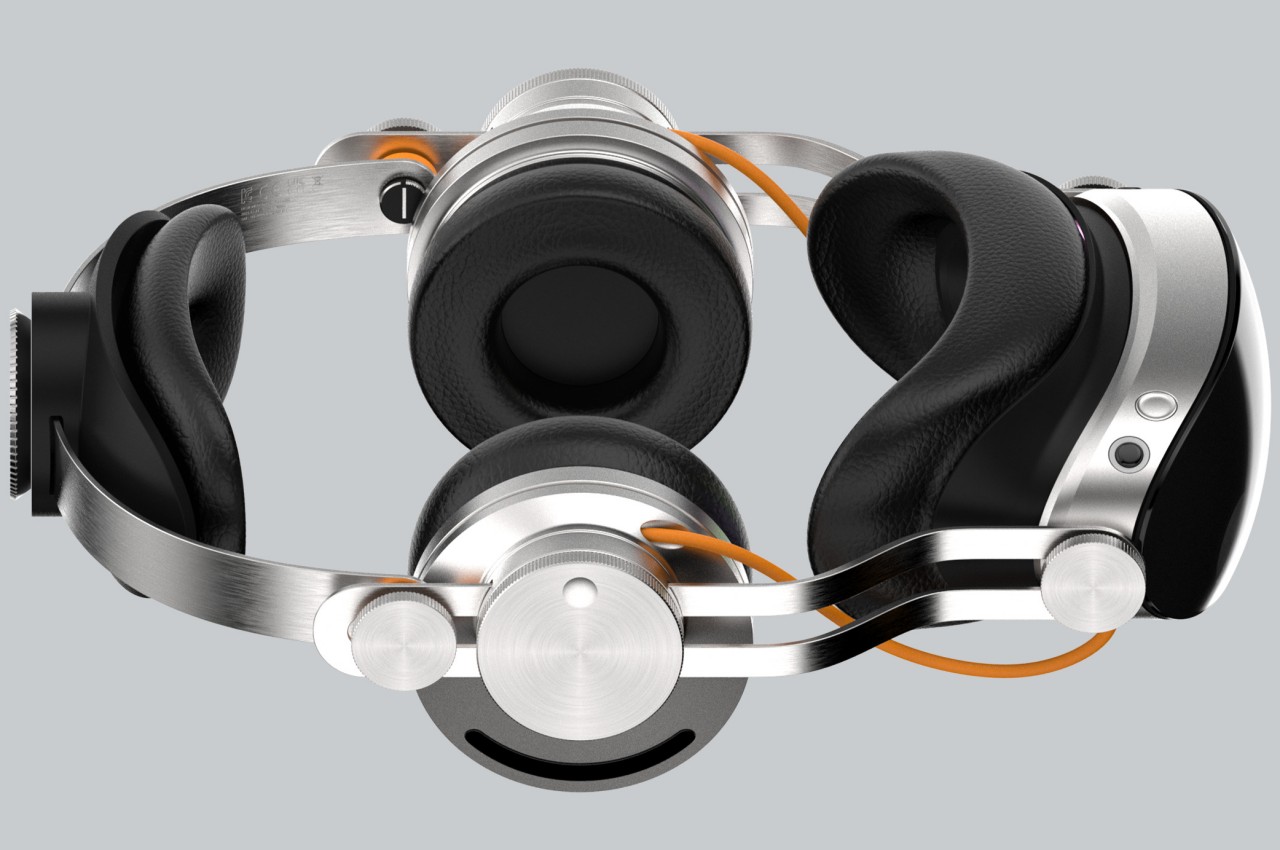
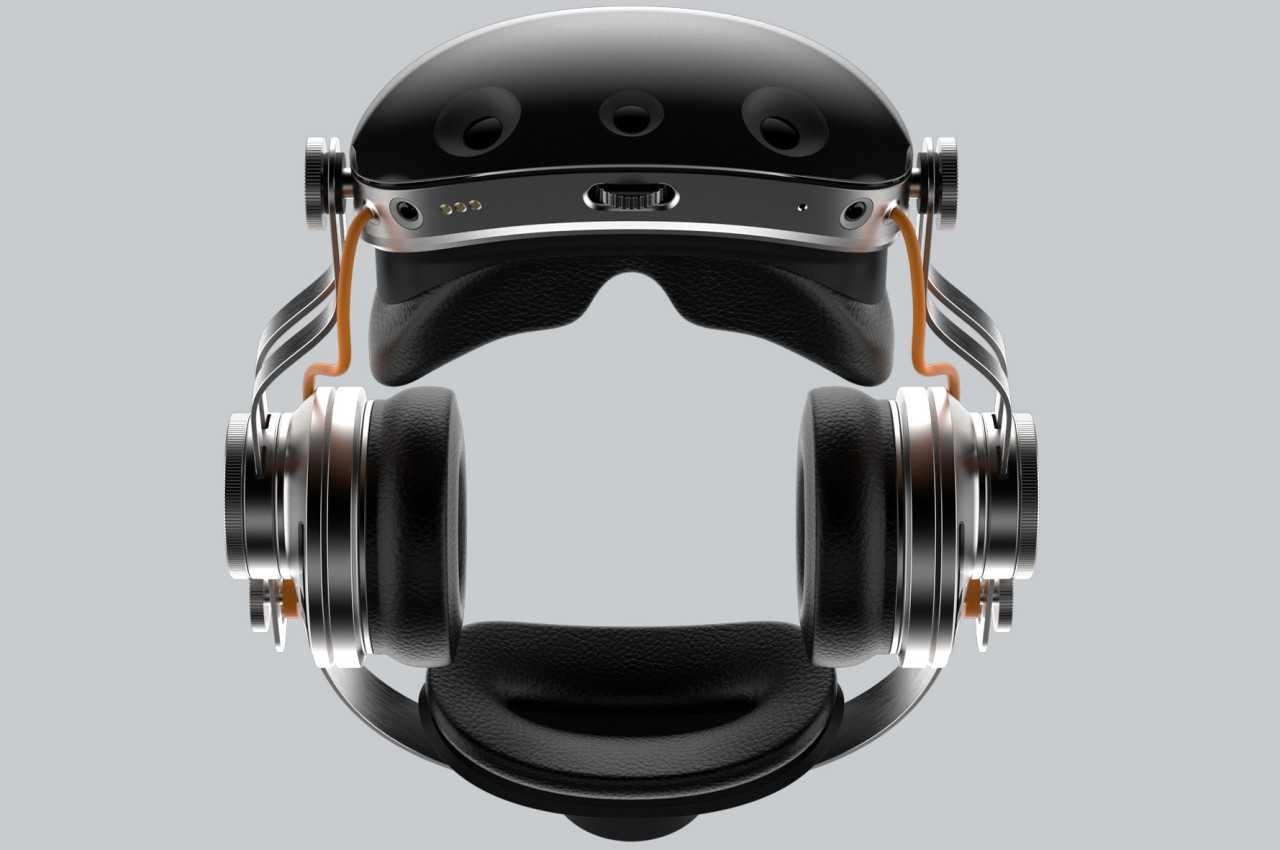
WavVision, whose name tries to embody the combination of sound and sight, attempts to be an all-in-one mixed reality solution for our eyes and our ears. In a nutshell, the headset includes over-ear headphones to deliver audio, particularly spatial audio, that would complete the immersion of existing in a virtual space. This wouldn’t be the first headset to attempt that combination, but it is definitely one of the few that make it painfully obvious. The Meta Quest 3, for example, does have built-in speakers but uses an open-ear design that simply directs the audio waves toward your ear.
In addition to having over-ear cups built into the design, the very form and construction of WavVision go against the dominant trend in this niche market. The frame is made from thick steel plates bent to loosely follow the shape of the head. It’s a material that suggests quite a bit of weight and sharpness, which is the opposite of what headsets today are aiming for. It gives the design a distinct industrial aesthetic, which is intentional but also questionable.
One of the reasons why headsets don’t include dedicated headphones is because the audio experience could probably be delivered by more dedicated hardware that’s specially designed for performance as well as comfort. Building that part into the headset only weighs the product down, both literally as well as in terms of costs. Conversely, an integrated design ensures a unified appearance and, at least theoretically, a more complete experience. Admittedly, few of the mixed reality brands today seem to be paying that much attention to the audio aspect, but if Apple will be playing this game for long, it will undoubtedly dip its toes in that area sooner or later.
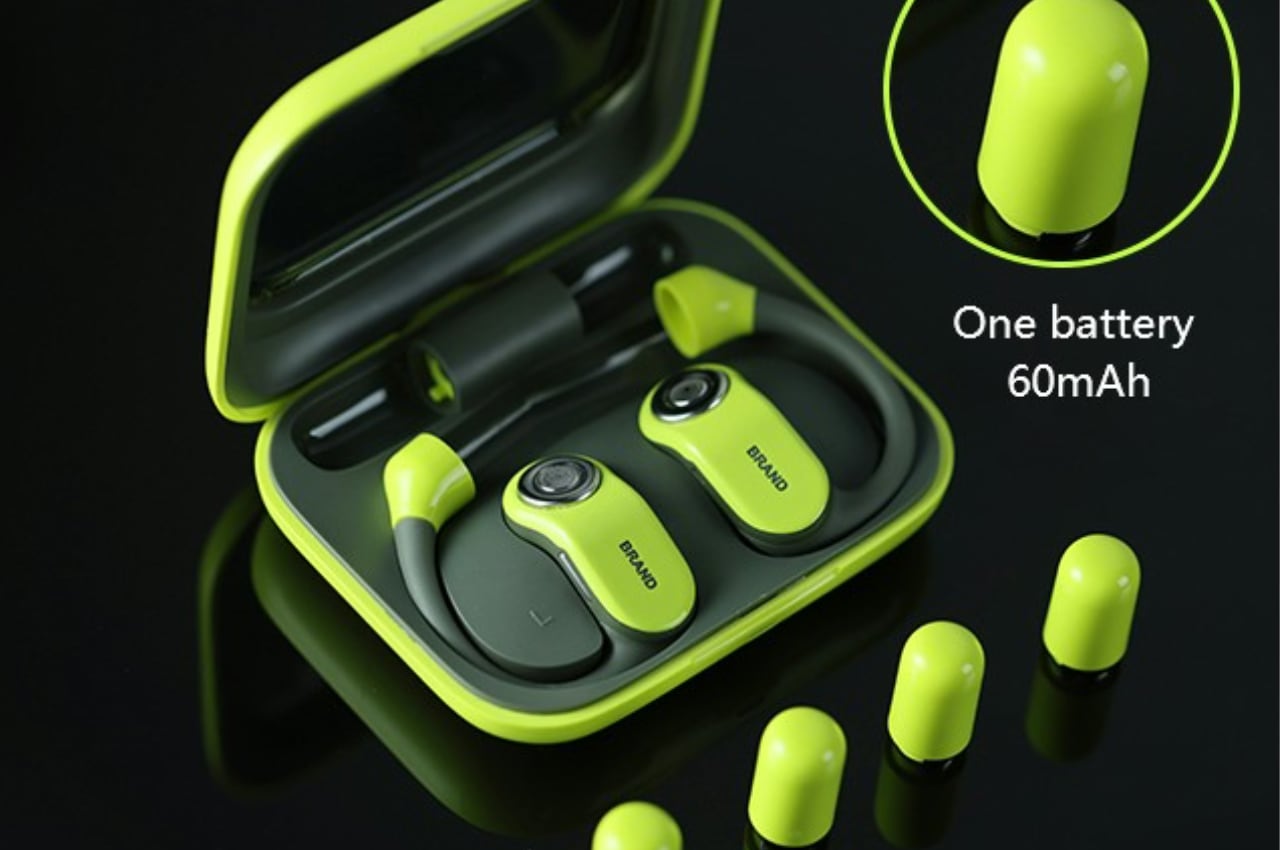
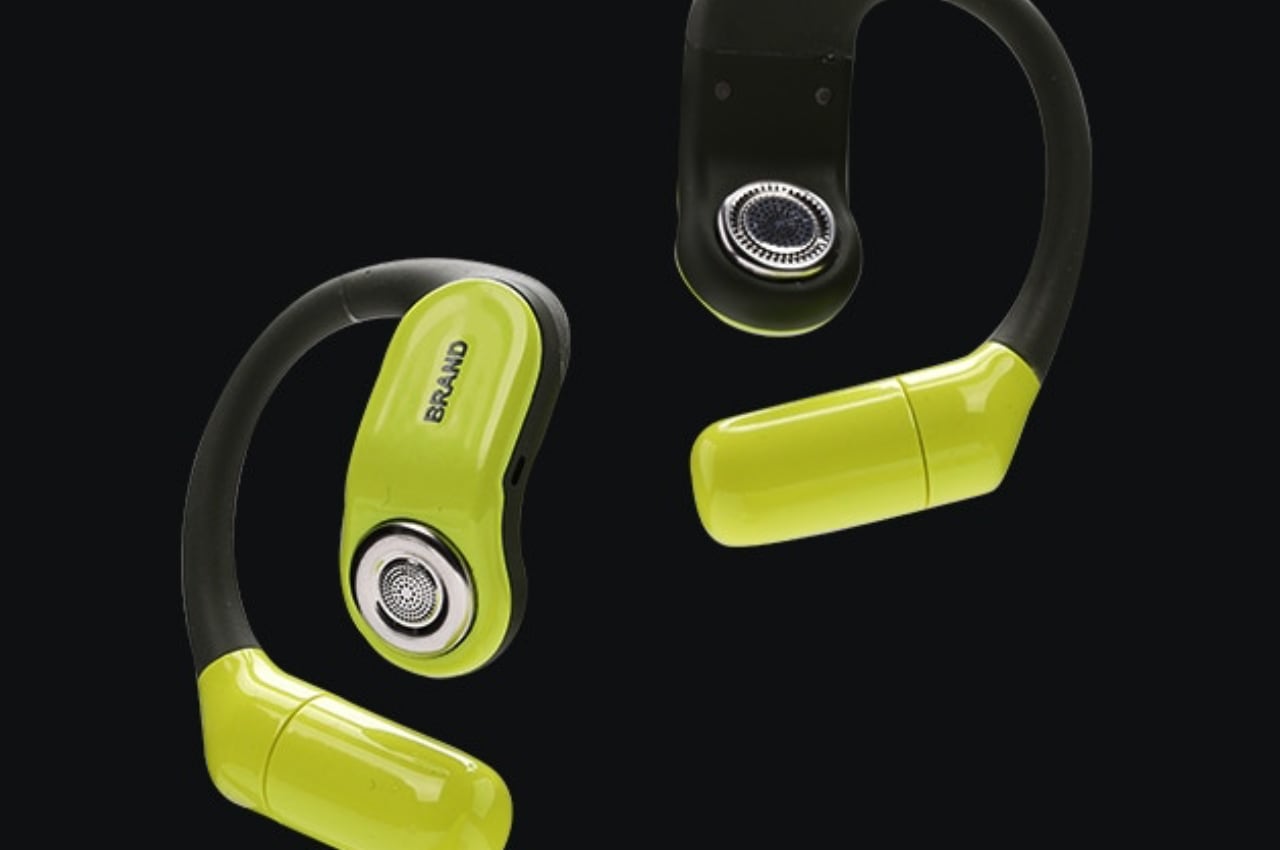
It’s undeniable that people commonly consume content on platforms like YouTube and social media or listen to music while going about their business. In such scenarios, social etiquette dictates that we don’t play our content loudly for everyone to hear. This is why headsets, particularly wireless earphones, have become essential accessories. However, not all earphones are created equal. The quality of earphones varies based on performance, comfort, battery life, and recharge speed. The Sonicwave OWS earphones piqued my interest primarily because of their replaceable batteries, a feature not commonly found in the market. Let’s delve deeper into the features that make these earphones unique and worth considering.
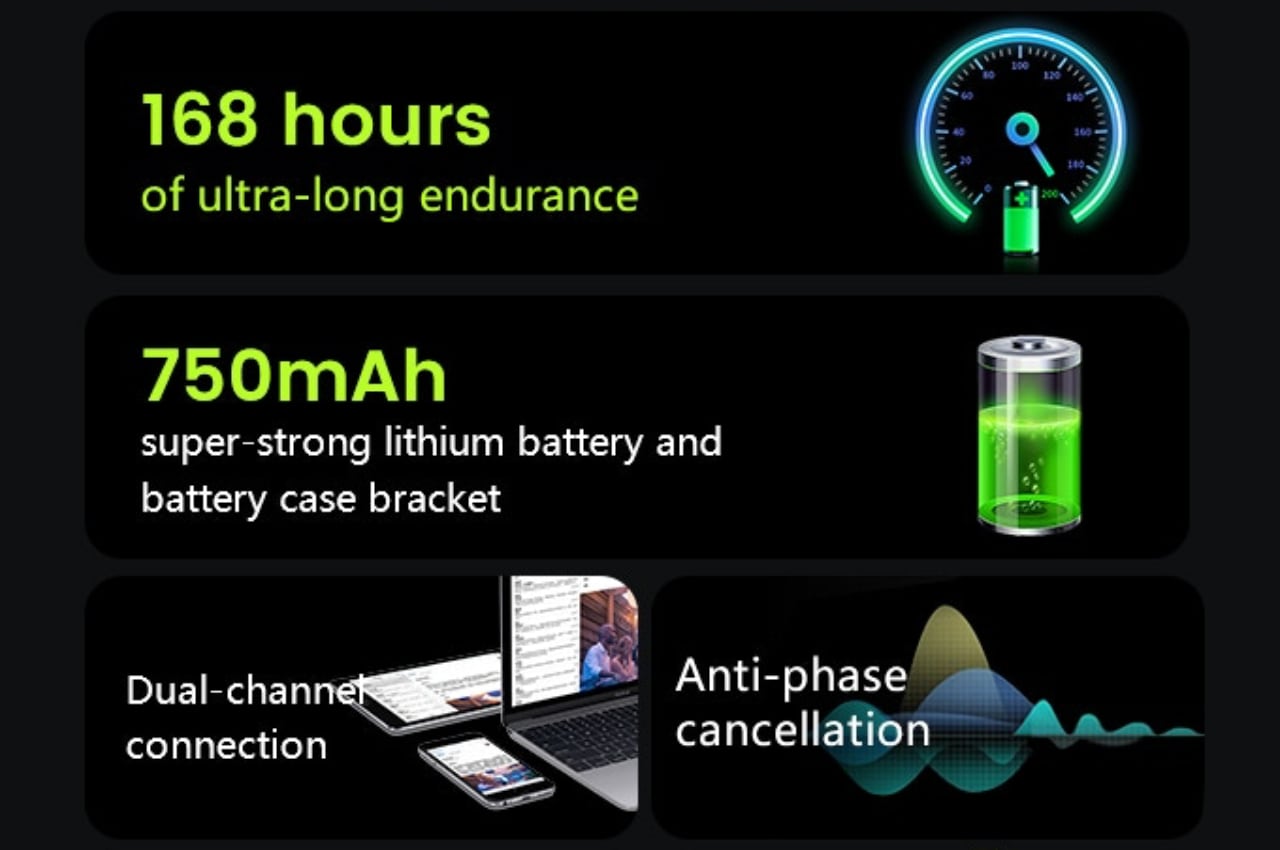
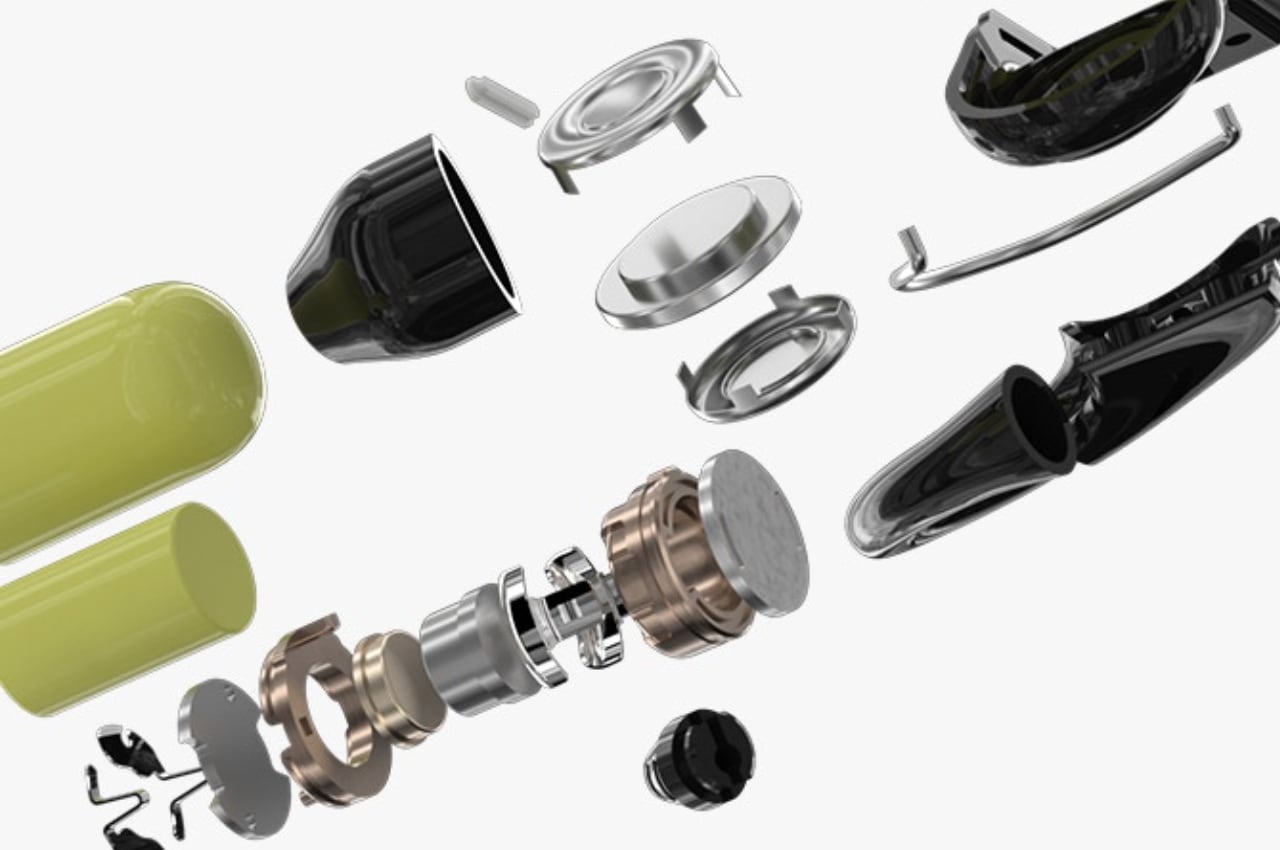
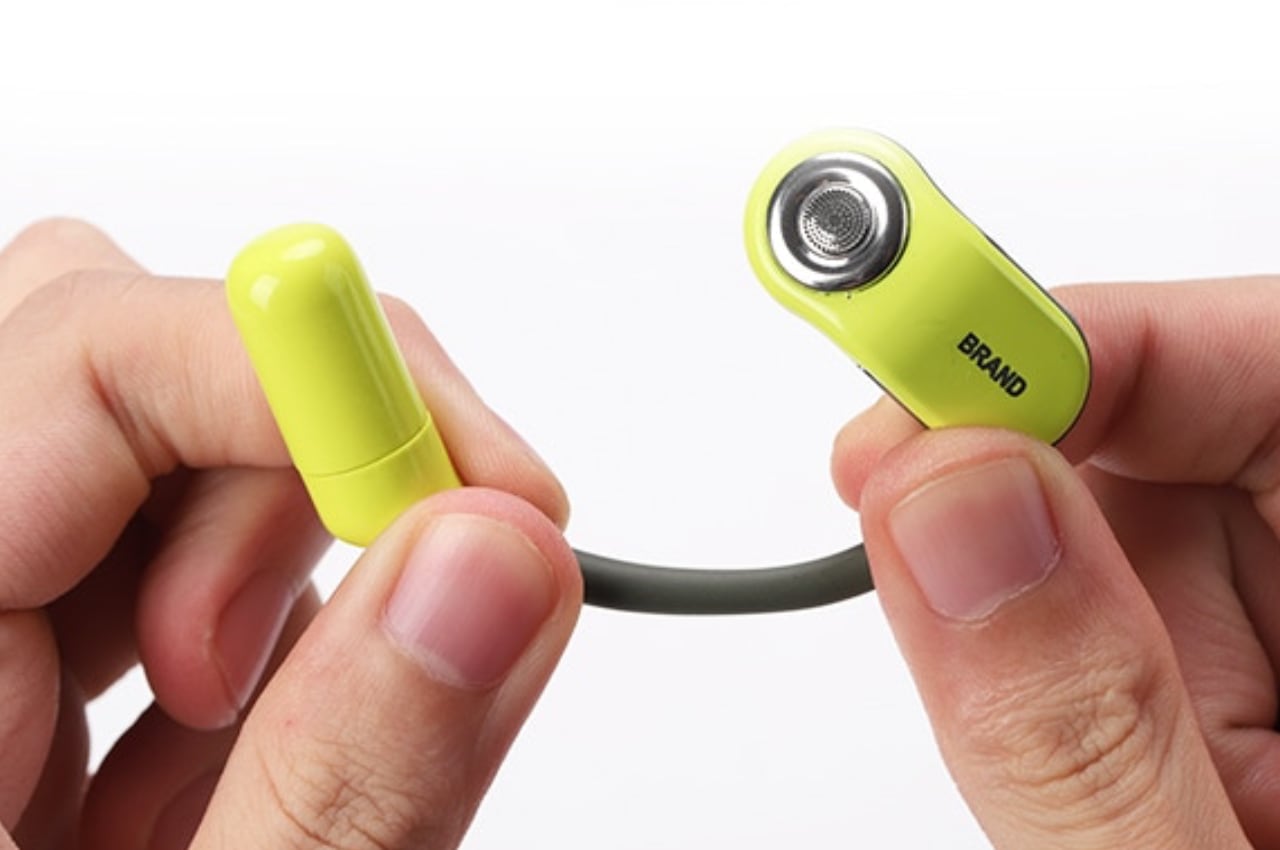
The Sonicwave earphones represent a significant advancement in wireless audio technology, offering unique features for busy everyday users. They come with four replaceable 60mAh batteries and a convenient case, which includes a built-in 750mAh battery for charging the earphones when they’re not in use. This setup provides a standby time of up to 168 hours or seven days and allows users to keep using the earphones by switching batteries, a feature not typically seen in other models.
Power through the week with a 750mAh battery with an impressive 168-hour standby time
I, along with many consumers, own more than just a smartphone, which could include a tablet or gaming device; this makes these earphones ideal thanks to another standout feature of the Sonicwave earphones, which is their ability to connect simultaneously to two devices. This dual-device connectivity benefits users who frequently switch between devices, such as smartphones and laptops, allowing for seamless transition without the hassle of repeated pairing processes.
IP6 waterproof coating, guarding against sweat and water exposure
Despite their powerful capabilities, the Sonicwave earphones are designed with comfort and ease of use in mind. Weighing in at just 128 grams for the entire set and a mere 10 grams per earphone, they offer a lightweight wearing experience that users will barely notice, even during extended periods of use. This makes them an ideal companion for not just daily activities but also for more vigorous physical exercises. In my experience, it doesn’t matter how excellent the sound quality of a pair of earphones is; if they’re uncomfortable, I won’t use them. So, let’s explore why these are truly comfortable to wear long-term throughout the day.
Sonicwave OWS earphones are powerful, lightweight, and designed for all-day comfort.
The Sonicwave earphones are designed to fit the contours of the ear perfectly. The design features a three-point linear gravitational force surface and a 35° angle for direct sound transmission into the ear canal. This ensures a secure, comfortable fit that stays in place all day, improving the overall user experience.
The open-ear design of the Sonicwave earphones is a thoughtfully engineered feature that prioritizes user safety and comfort, making these earphones particularly beneficial for a wide range of users. By allowing ambient sounds to filter through seamlessly, this design ensures that users maintain a connection with their environment, an essential aspect of situational awareness. This quality is invaluable in outdoor or public spaces, where being attuned to one’s surroundings can be crucial for navigating safely among potential hazards like traffic, pedestrians, and public announcements.
Open-listening design for safer, more aware audio experiences
Moreover, the open-ear configuration addresses the preferences and needs of users who are uncomfortable with or unable to tolerate earbuds that sit directly in the ear canal. Avoiding in-ear devices is a significant consideration for many, whether due to sensitivity, ear health issues, or personal comfort. Recognizing this, the Sonicwave earphones offer an appealing alternative that rests gently outside the ear, eliminating the discomfort associated with traditional earbuds. Concerns about the potential compromise in sound quality due to the lack of a seal that blocks external noise have been ingeniously addressed by the SonicWave team. Through advanced acoustic design and technology, these earphones deliver clear, rich sound by focusing audio directly towards the ear canal, minimizing leakage and ensuring a high-quality listening experience without complete closure. This innovative approach ensures that users enjoy the best of both worlds: the comfort and safety of open-ear design without sacrificing the immersive sound that music enthusiasts and casual listeners seek in a pair of wireless earphones.
The Sonicwave earphones should offer impressive audio quality using a dual-mode solution that combines a main chip and a power amplifier chip for surround sound output. The critical component is that their active noise-canceling function effectively filters out unwanted noise, providing a clear listening experience. Also, dual anti-phase sound wave cancellation technology prevents sound leakage, thus protecting user privacy.
To enhance the experience, Sonicwave earphones use ‘Sound Vision’ acoustic algorithms to adjust low and high frequencies dynamically. This dynamic equalization maintains a balanced sound texture, delivering a rich audio experience that adapts to the content.
If you’re caught in the rain or sweat heavily during a workout, there’s no need to worry. The Sonicwave’s motherboard is treated with waterproof glue, sealing the unit and giving it an IP6 waterproof rating.
IP6 waterproof coating, guarding against sweat and water exposure
The Sonicwave earphones are an attractive choice for anyone looking to invest in a new pair of wireless earphones due to their innovative features emphasizing convenience, durability, comfort, and sound quality. The advanced 5.4 Bluetooth technology makes connectivity simple with the Sonicwave earphones. They can easily connect with various devices, including smartphones, tablets, personal computers, and smart TVs, allowing users to experience high-quality audio in nearly any environment.
When people talk about wearables or wearable tech, they are mostly thinking of smartwatches and fitness trackers, basically those that are worn on your wrist. Technically speaking, however, any kind of technology that can be worn on your body would qualify as wearables, hence the name, but we have been restrained by the limits of current technologies and design trends. Fortunately, it isn’t a dead end yet, and smart rings are starting to become a viable alternative, allowing some people to still keep track of their health while finally being able to wear their favorite classic watches again. These rings reveal the potential of jewelry that could deliver those same features while allowing you to maintain your fashion sense, like this earring that can read your body temperature, something that is still uncommon even on smartwatches today.
Designers: Qiuyue (Shirley) Xue, Yujia (Nancy) Liu, Joseph Breda, Vikram Iyer, Shwetak Patel, Mastafa Springston (University of Washington)
Our bodies are a treasure trove of data, depending on which part you are observing. Smartwatches try to shed light on our health by literally shining light through the skin on our wrists and down to blood vessels. Smart rings largely do the same, though on your finger, of course. While much of your body’s state can be calculated from these areas, some body parts give more accurate biometrics than others. There might still be some debate about it, but some researchers believe that the ears, particularly our earlobes, are a better source for that kind of information.
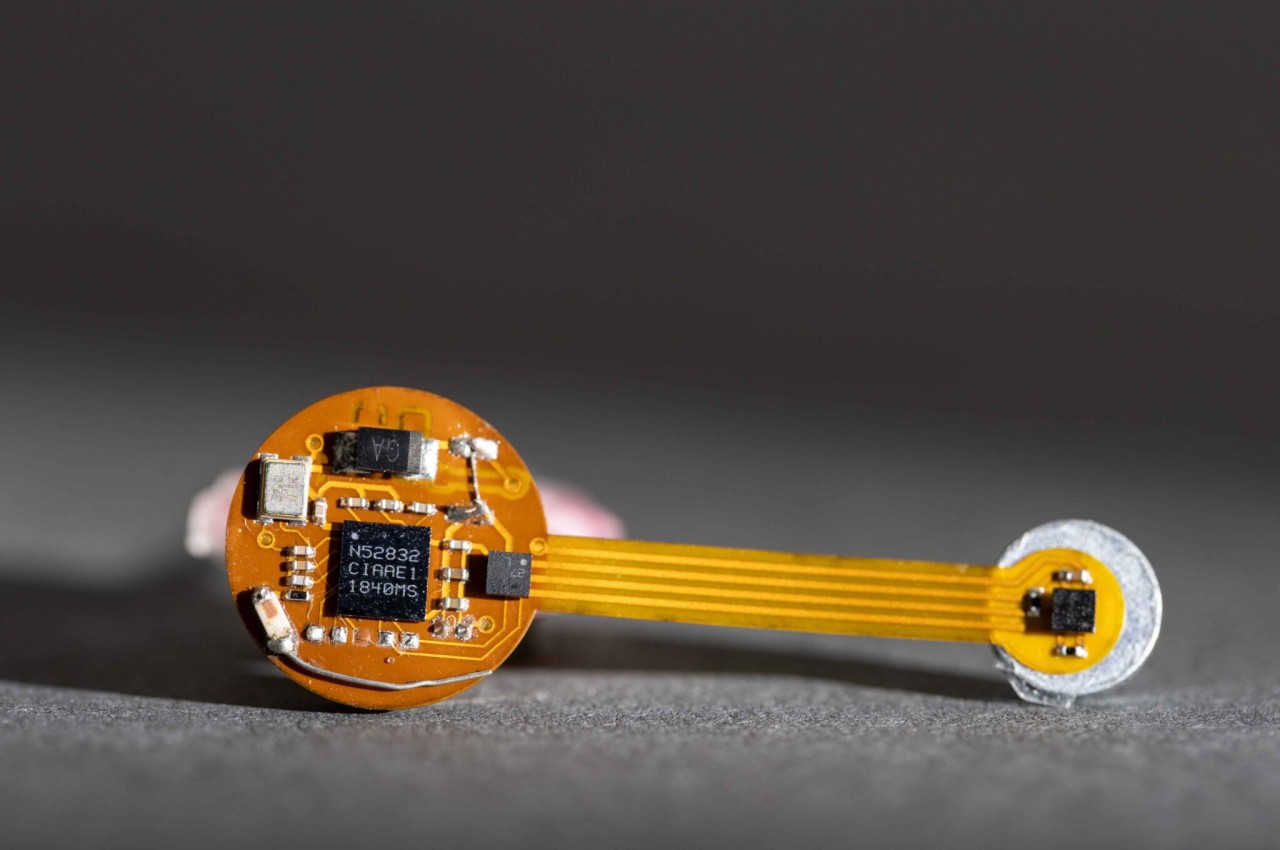
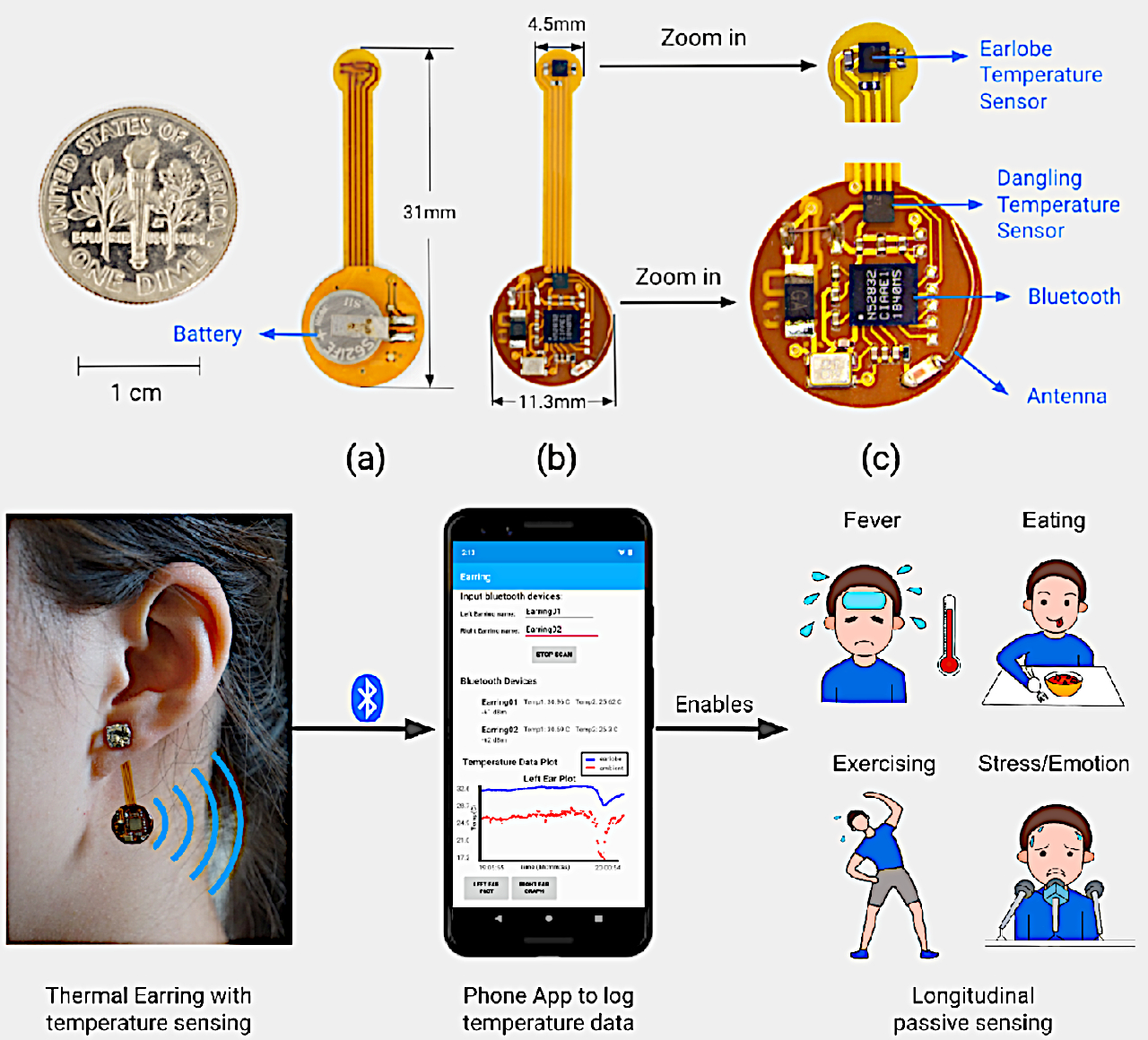
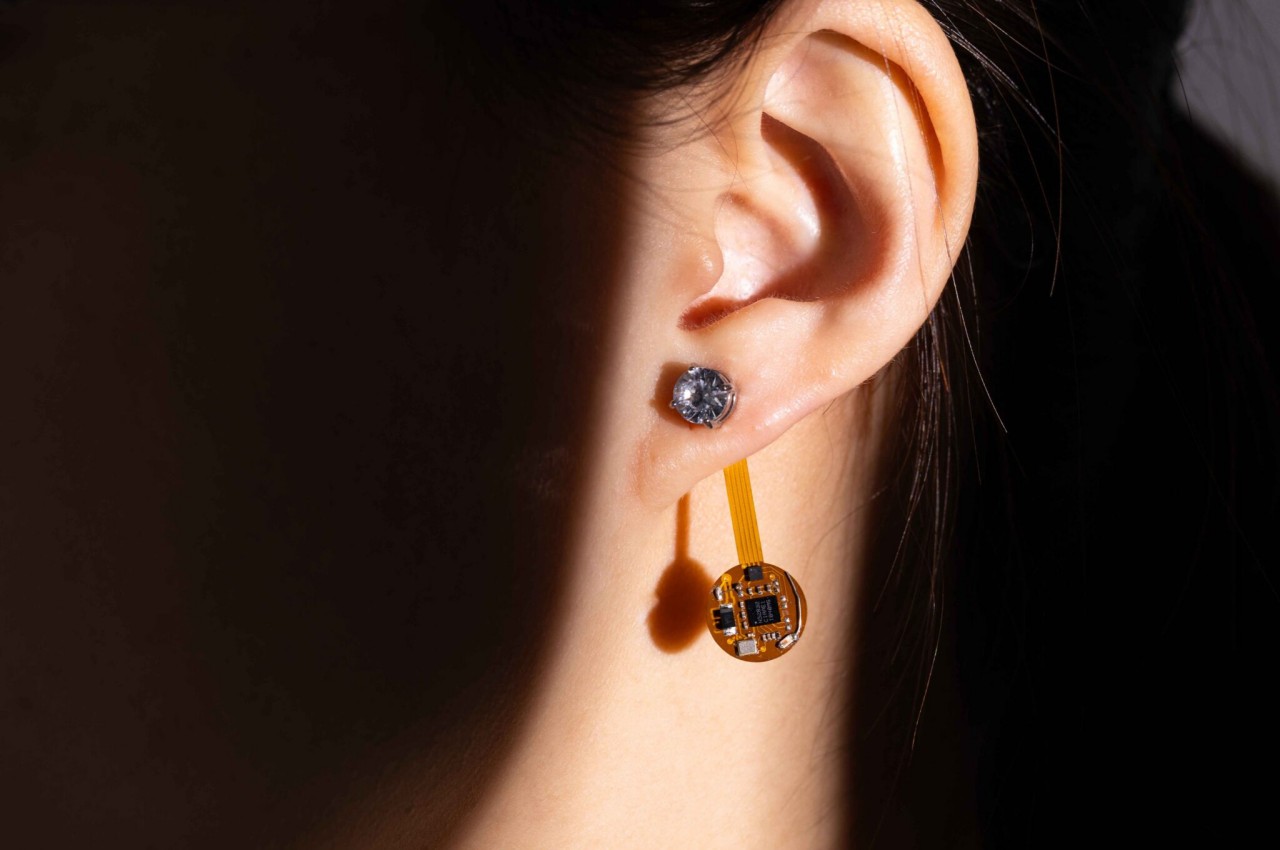
That’s the medical foundation that the Thermal Earrings are based on, a research project that is attempting to create a new wearable that is both functional and potentially fashionable, especially for women. The device uses two sensors, one that magnetically clips to the earlobe and measures body temperature, while another dangles an inch below it to measure room temperature. Comparing data from these two sources yields a more accurate body temperature reading compared to smartwatches that can’t properly differentiate ambient temperature. This accurate reading is crucial not just for knowing your body’s temperature but, for women, also for keeping track of their ovulation and periods.
The Thermal Earrings’ diminutive design presents both a challenge and an opportunity. It uses up very little power and uses low-power Bluetooth to transmit its data to a paired smartphone. In theory, it can be charged with solar or kinetic energy, but implementing a charging system for that is proving to be a bit tricky. And since only one earring is enough to read the wearer’s body temperature, it raises the question of what the other earring would do. Should it be a simple non-smart decoy to pair with the smart earring or can it also be used to read some other biometric as well?
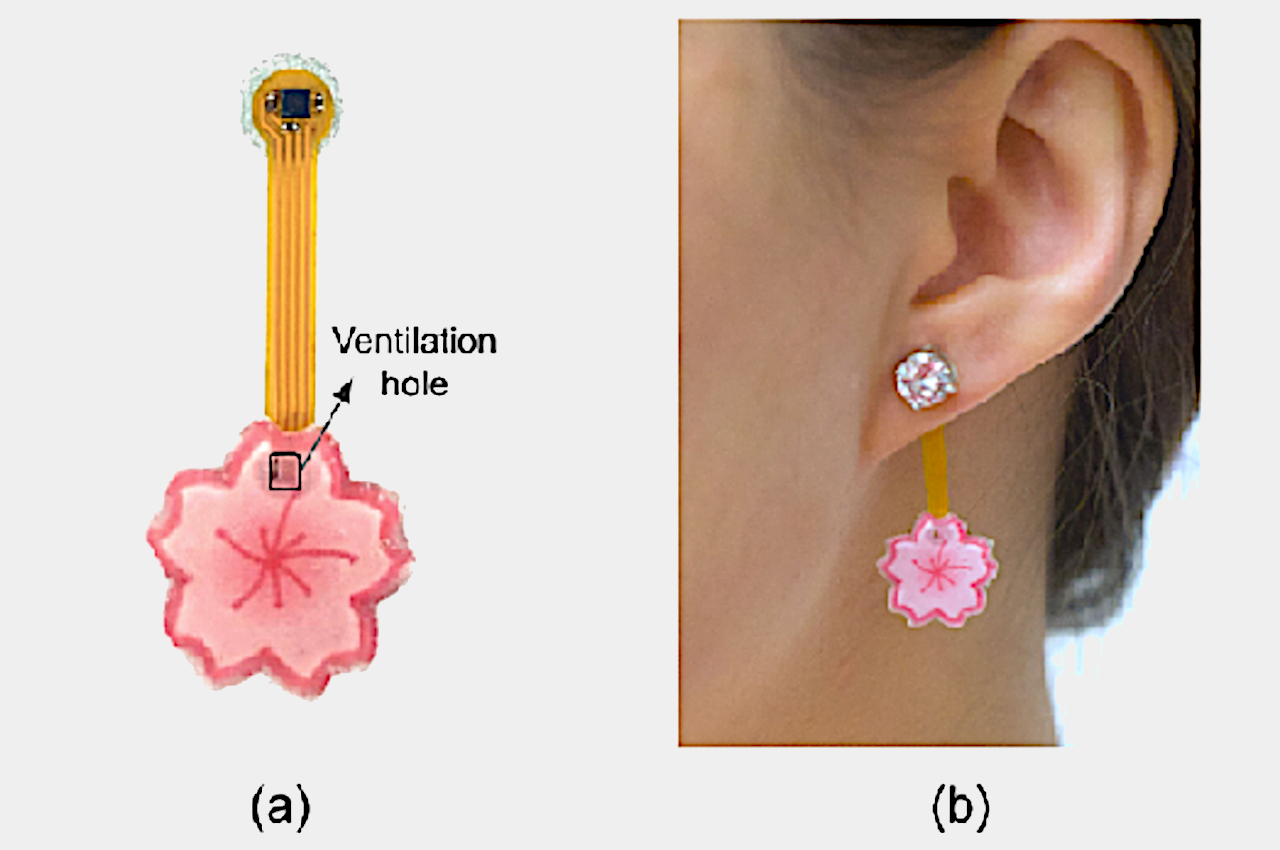
More importantly, however, the Thermal Earrings open the doors to another kind of wearable accessory. Although the current prototype is largely limited by the electronics it uses, it can already be customized with charms and gemstones. More research into different materials and forms can hopefully lead to more chic styles, ones that ladies won’t be embarrassed to be seen wearing.
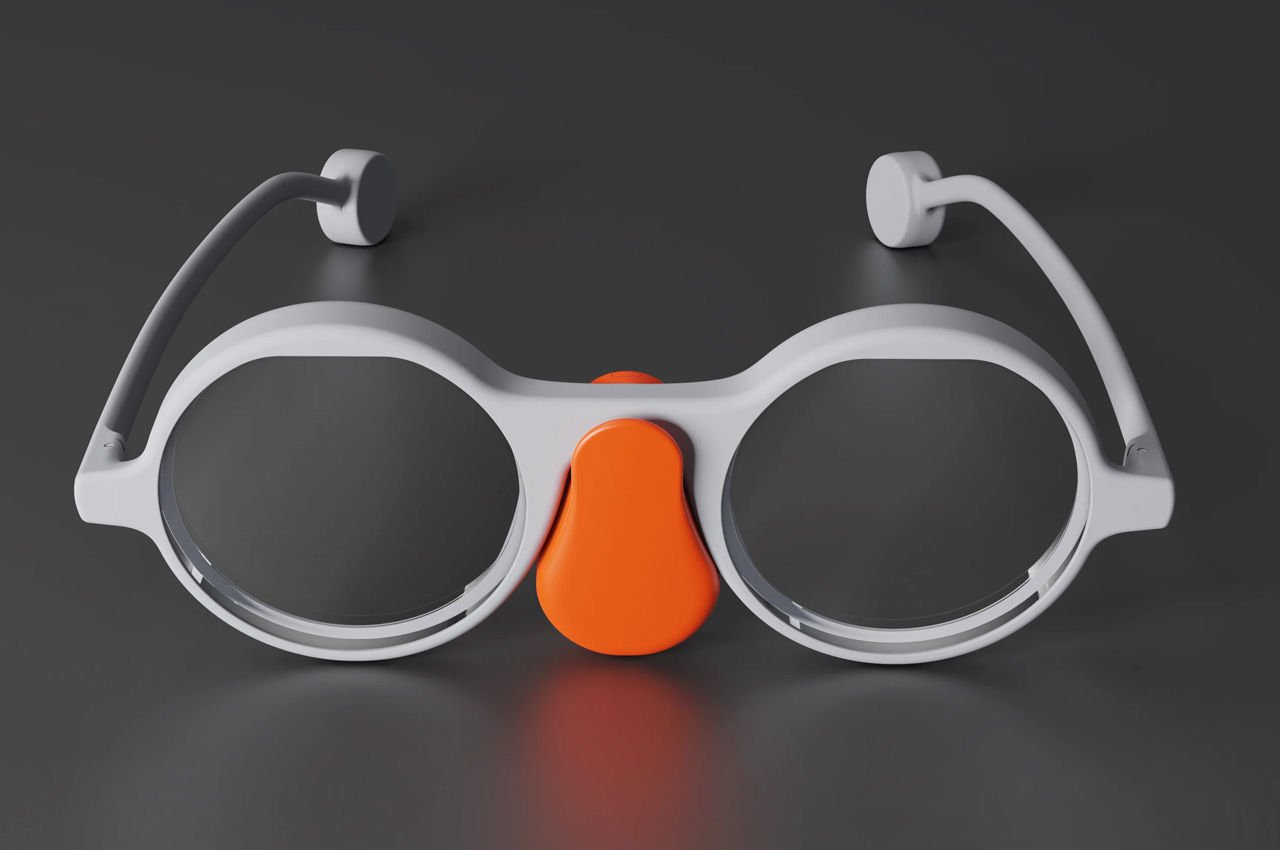
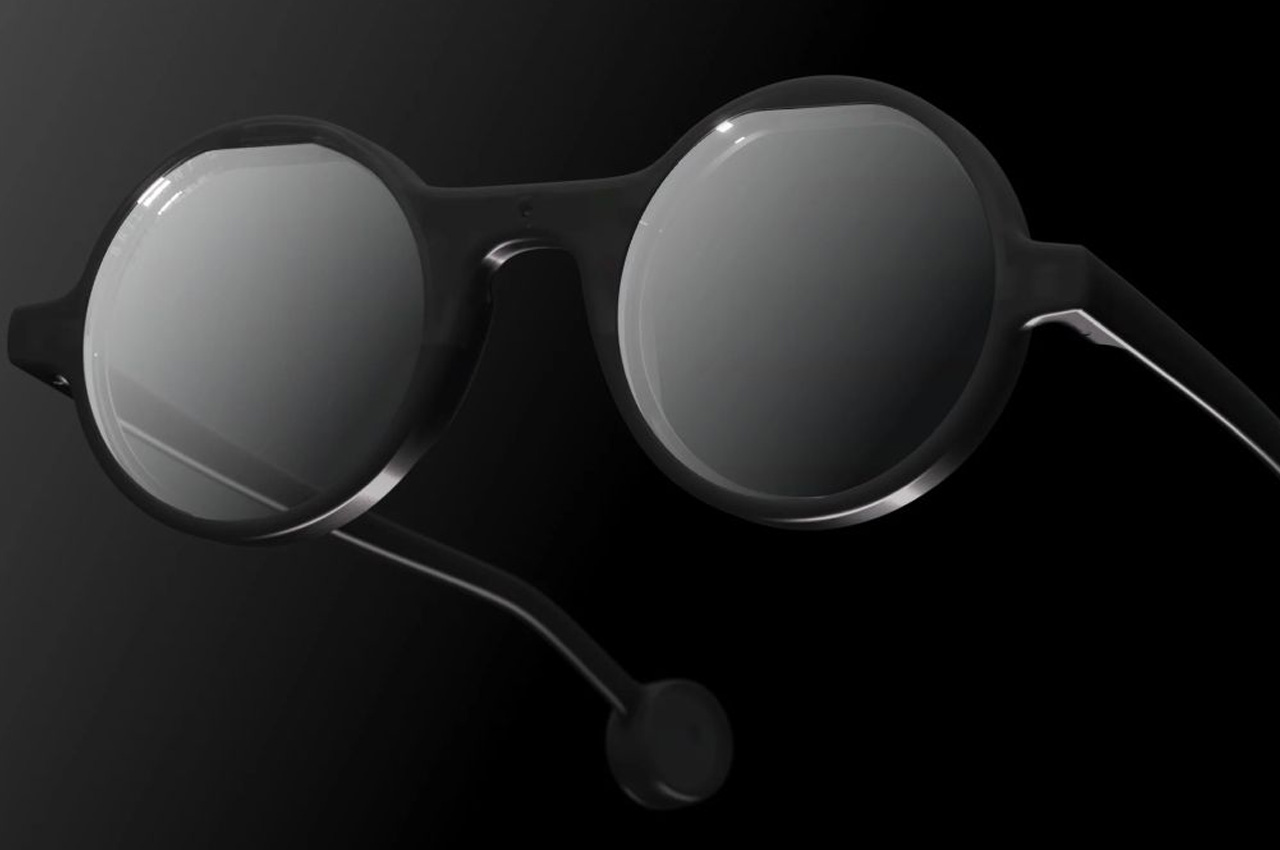
The idea of putting a wearable on the eyes that takes immersive interaction up close and personal is a mantra every tech company wants to recite. After the bigger ones like Google and Apple doing their bits in VR and AR glasses, a startup, Brillant Labs has developed a pair of AI glasses called the Frame that promises to put the power of generative AI in front of a person’s eye. This, as the company says, will introduce a paradigm shift in an individual’s daily living.
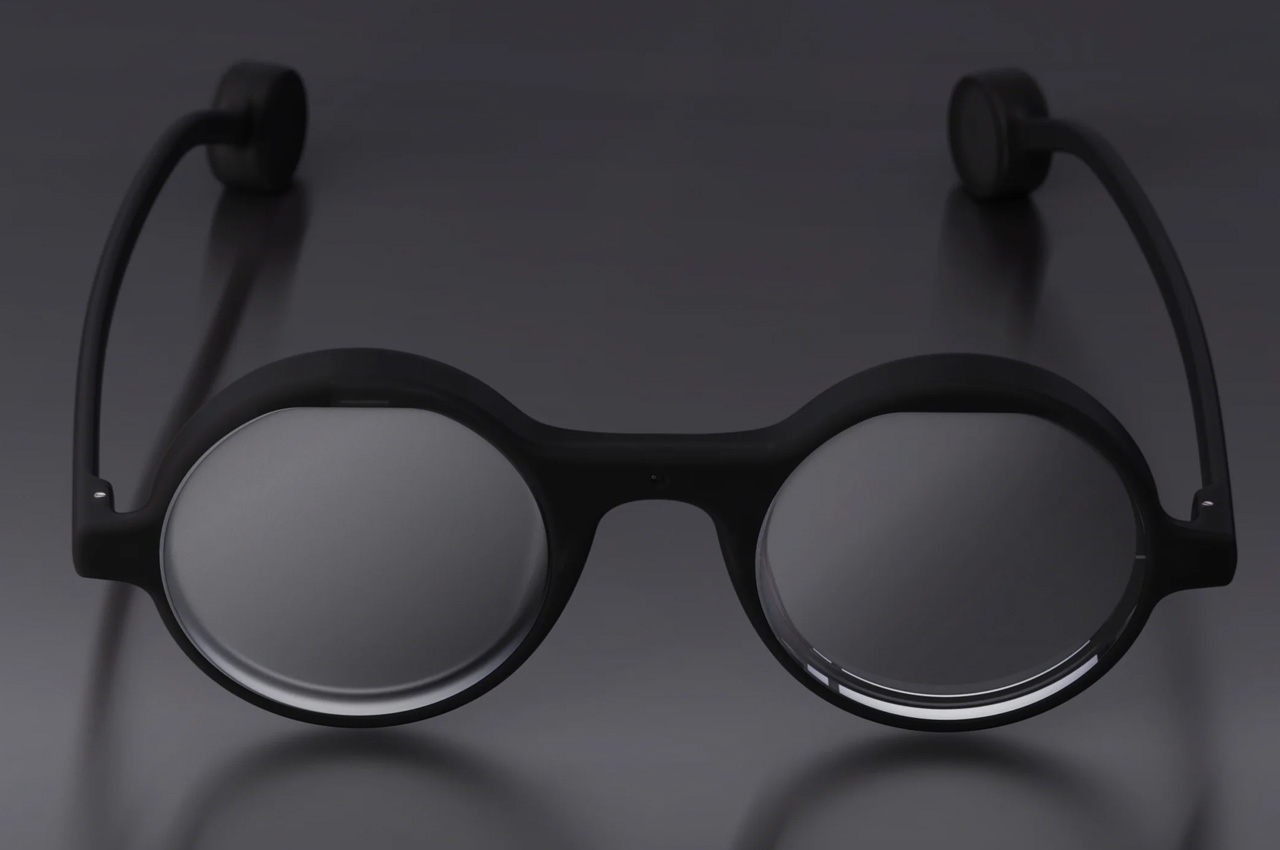
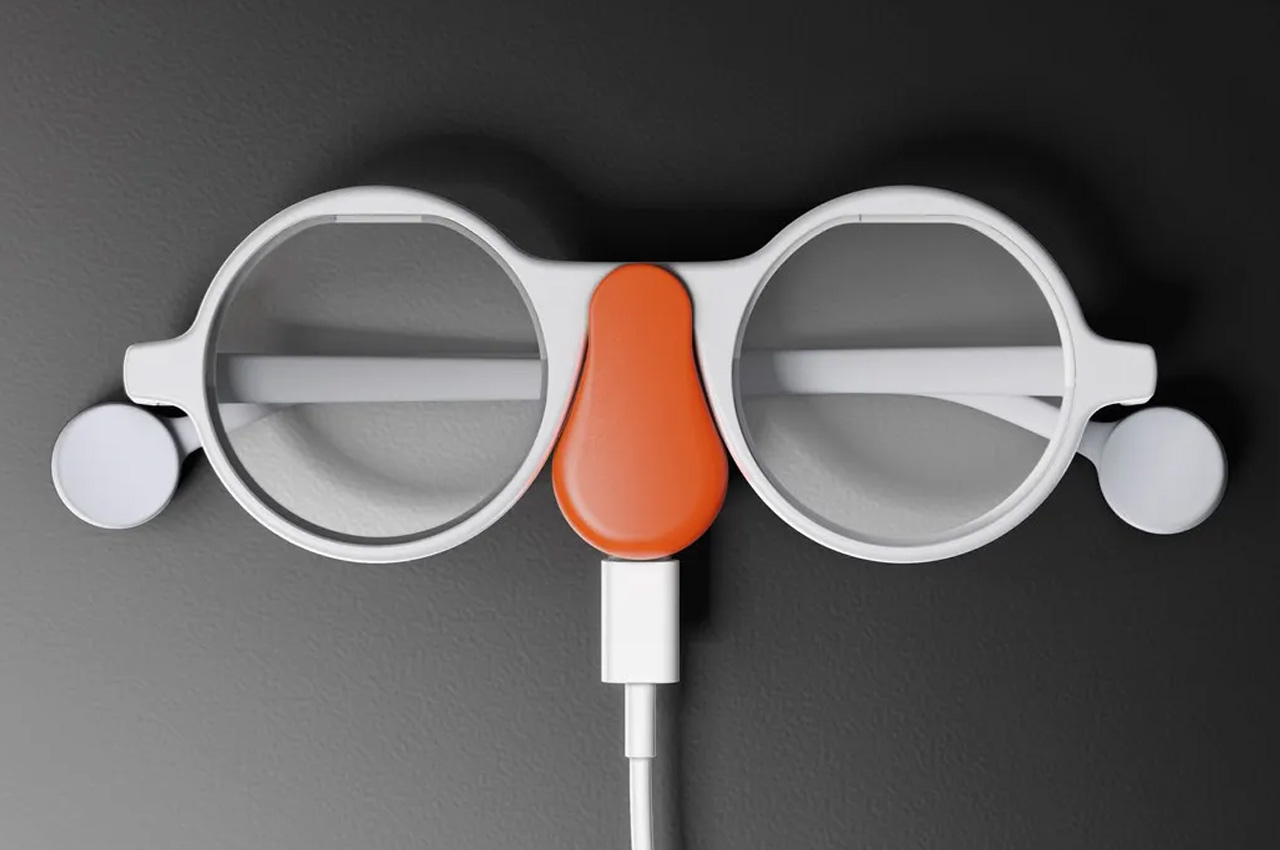
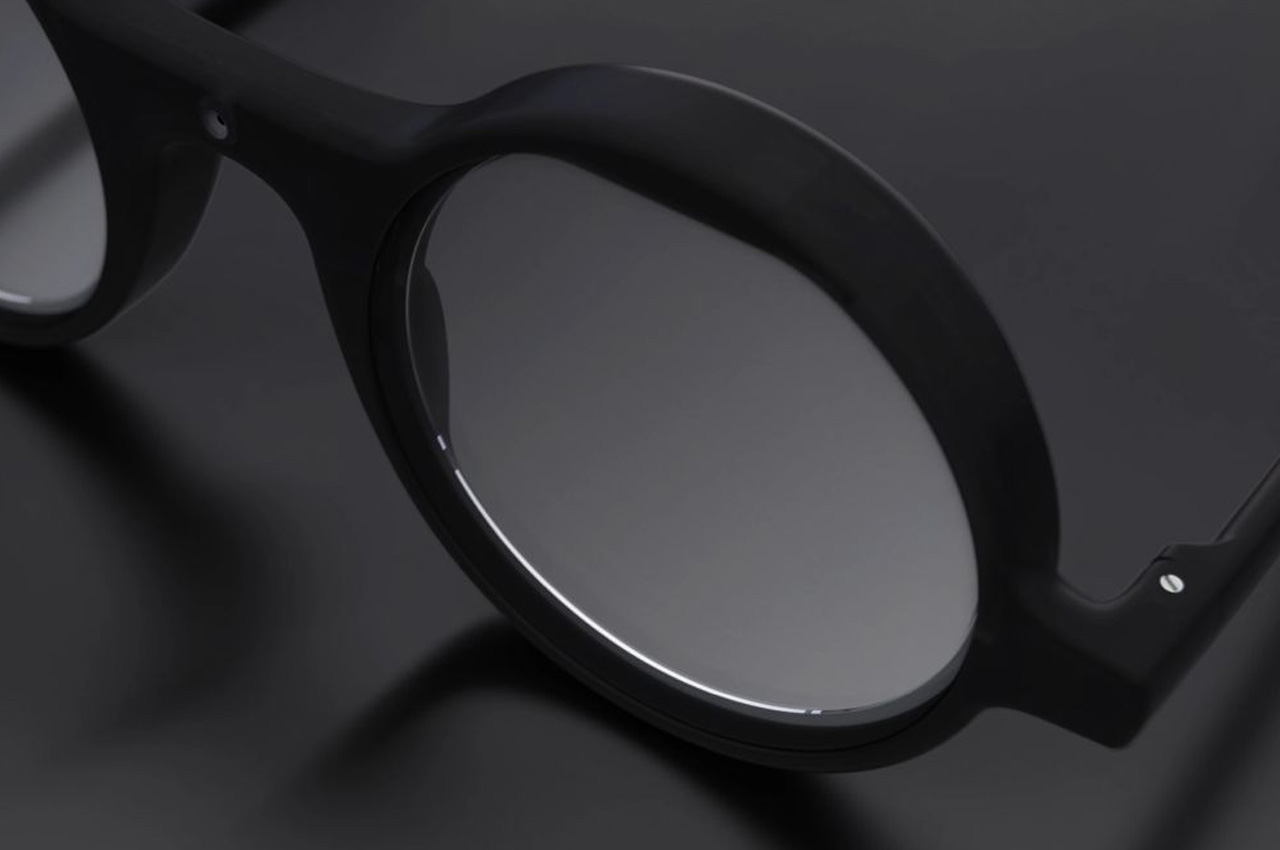
The Brillant Labs Frame is designed as the first-ever glasses with an integrated multimodal AI assistant. This assistant is built in-house and can learn with the usage to carry out tasks for you. On that point, some of us would remember the Rabbit R1, but the little rabbit is a handheld and the Frame is a circular pair of spectacles that resembles – in design – the ones made extraordinary by the likes of Mahatma Gandhi and Steve Jobs.
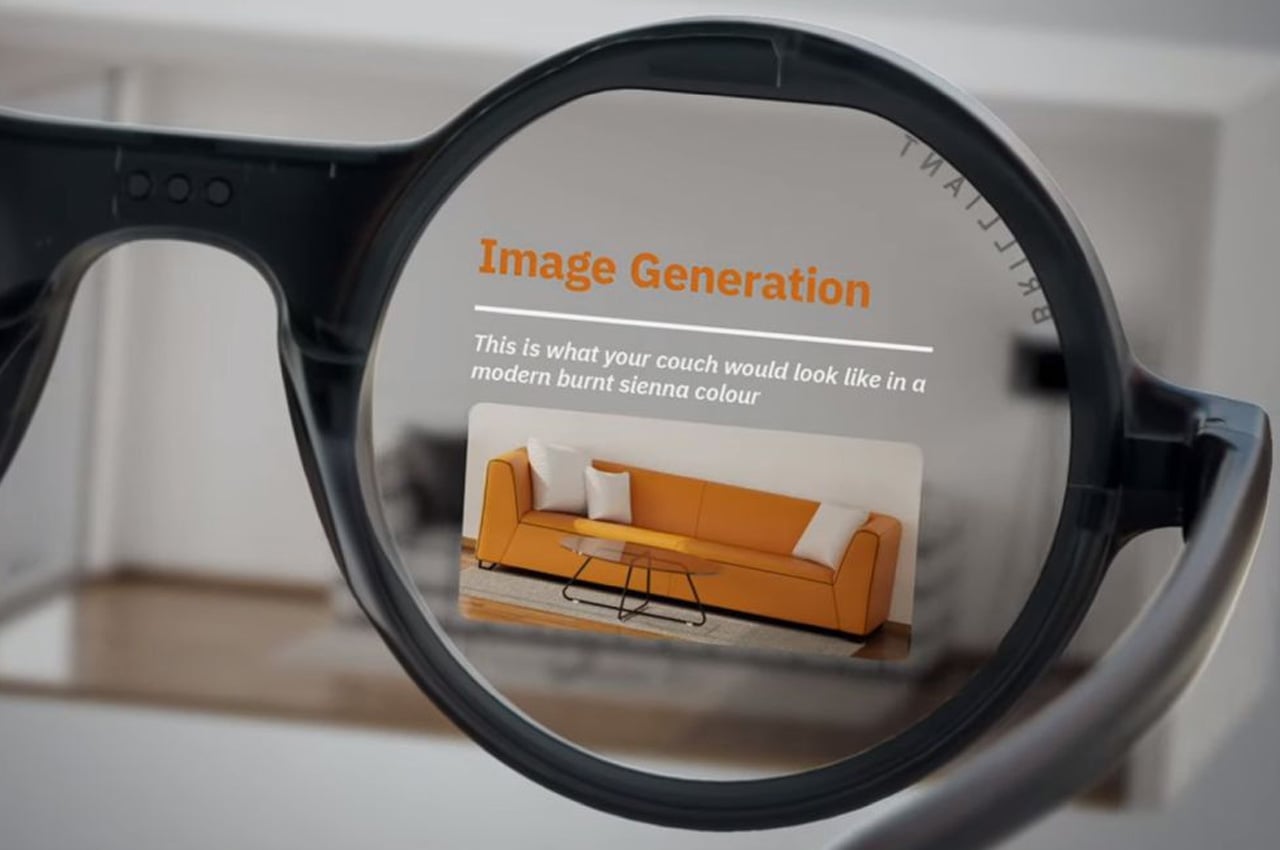
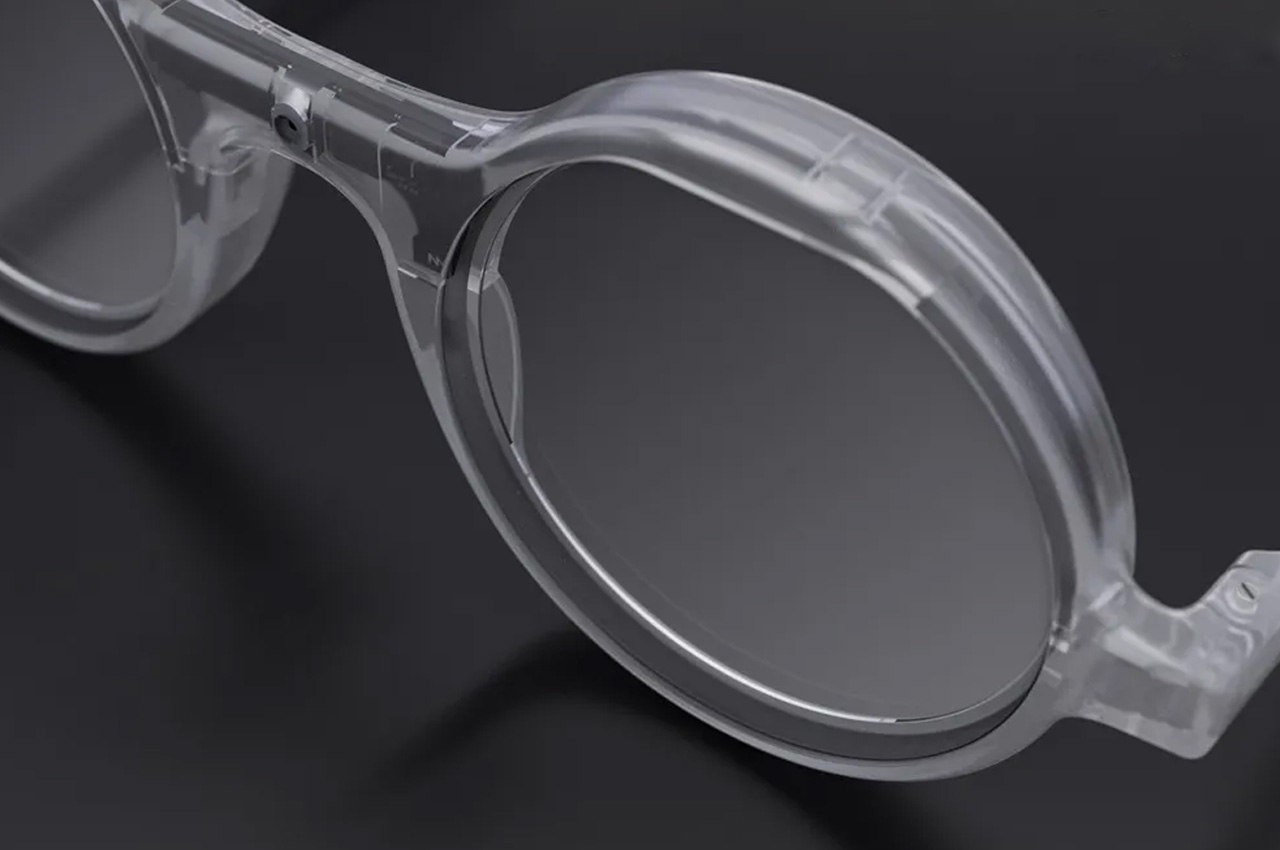
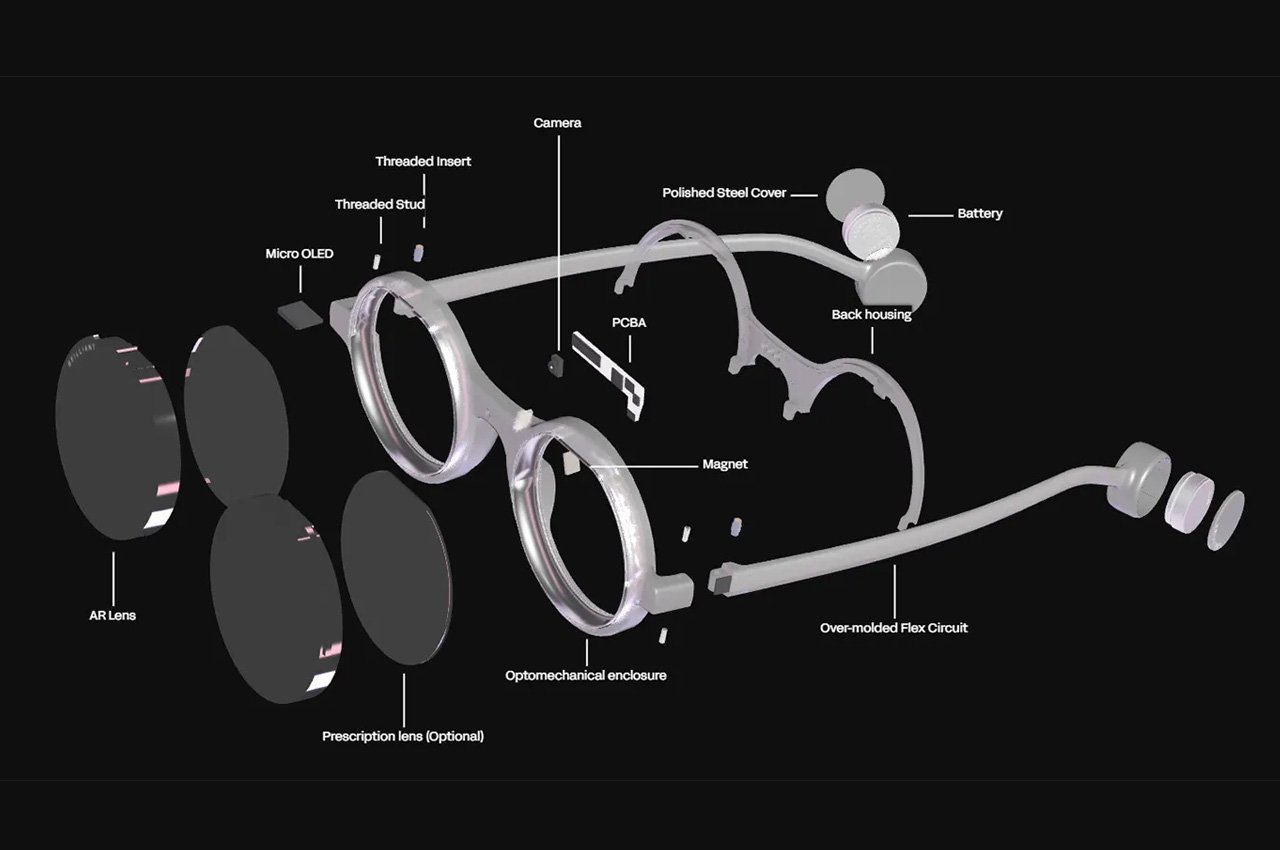
With a primary focus on AI capabilities, the Frame is backed by AR John Hanke, CEO Niantic, company behind the popular Pokémon Go. The dual combination of technology is accompanied by a small display. The 640 x 400p micro-OLED display can show graphics and text overlayed on a real-world environment. In the middle of the Frame is a camera and the battery powering it is stationed at the back.
The Frame weighs only 40g and to ensure it is a new leap in wearable technology, it comes with the always-on AI assistant called Noa. The assistant taps into generative AI models like GPT-2, Whisper AI, and Stability AI, to generate text and graphics from the images captured by the camera, in response to the user query. The multimodal generative AI assistant therefore performs real-world visual processing and real-time speech recognition and translation to permit a user to engage more with the world around.
Courtesy Noa, the Frame will bring new experiences to everyday life, in workplaces, or even in classrooms. This is as the glasses can respond to what you ask by voice or text, and also to what you are seeing through them. So, you can, in real-time have the Frame tell you the price of jeans you are looking at in the store (by checking up online) and take notes of the content you are reading from your textbook.
Brilliant Labs has left the Frame as an open-source project with files for hardware and software available through GitHub. Additionally, it comes with support for prescription lenses for an additional price of $99. The lightweight, stylish, and visually distinguishing Brillant Labs Frame itself costs $349 and is now available for pre-order. Shipping is likely to start from April 15, 2024.
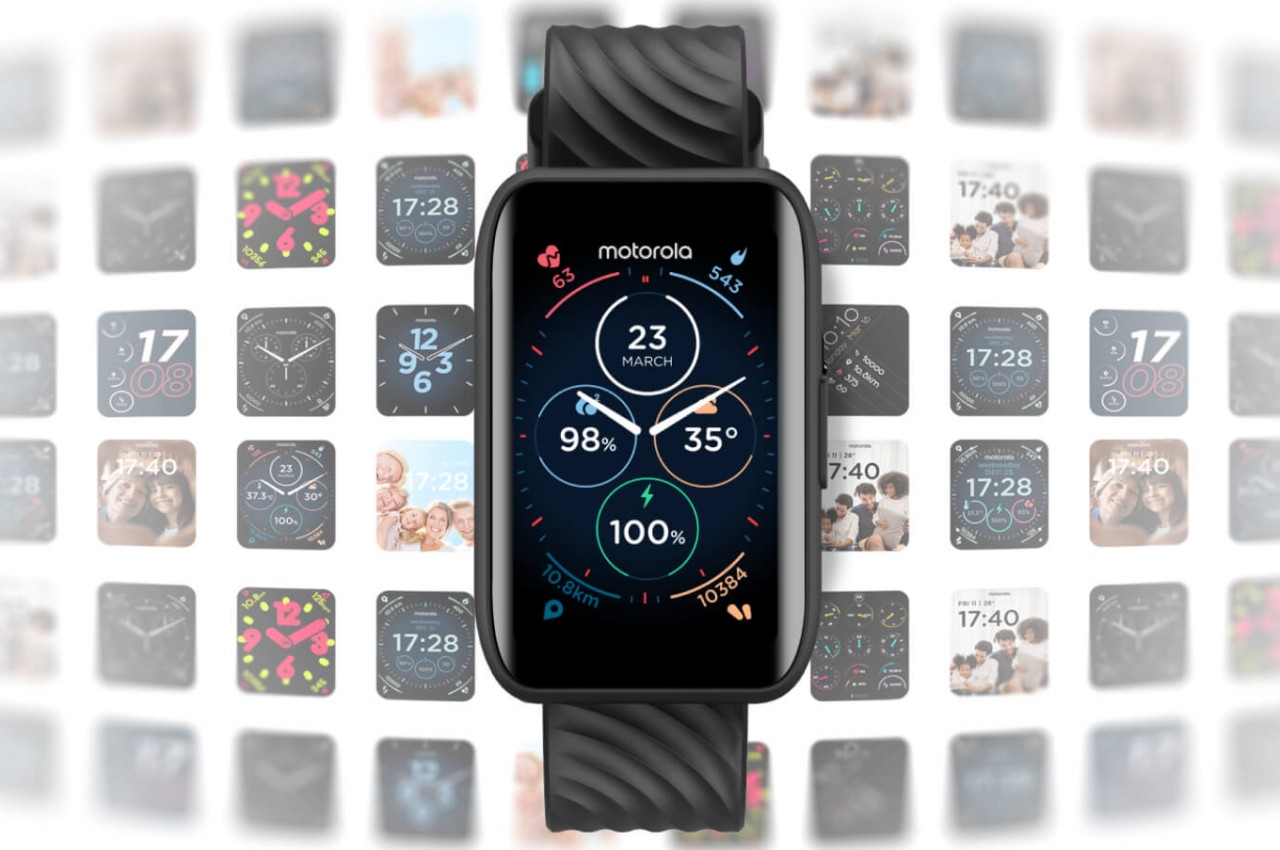
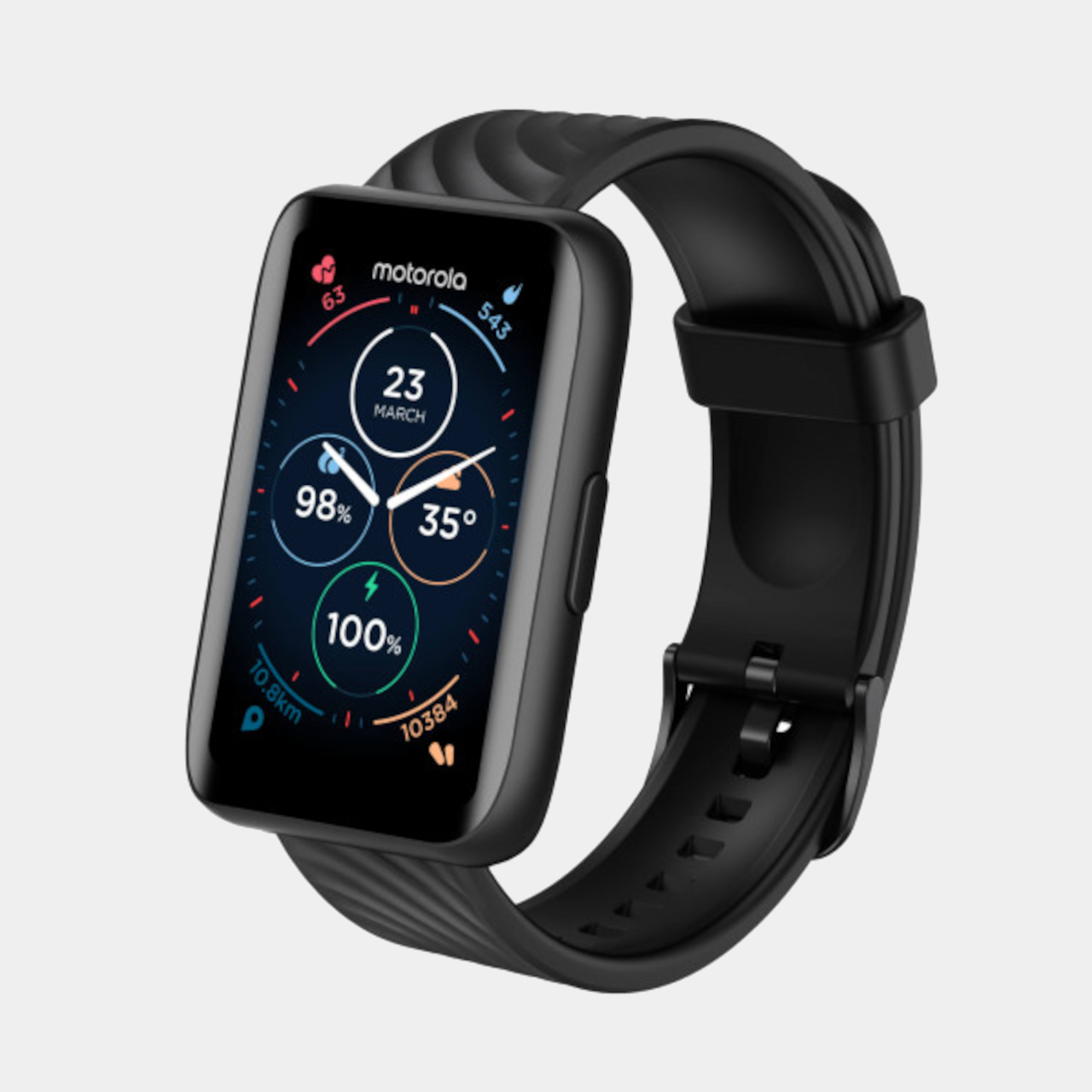
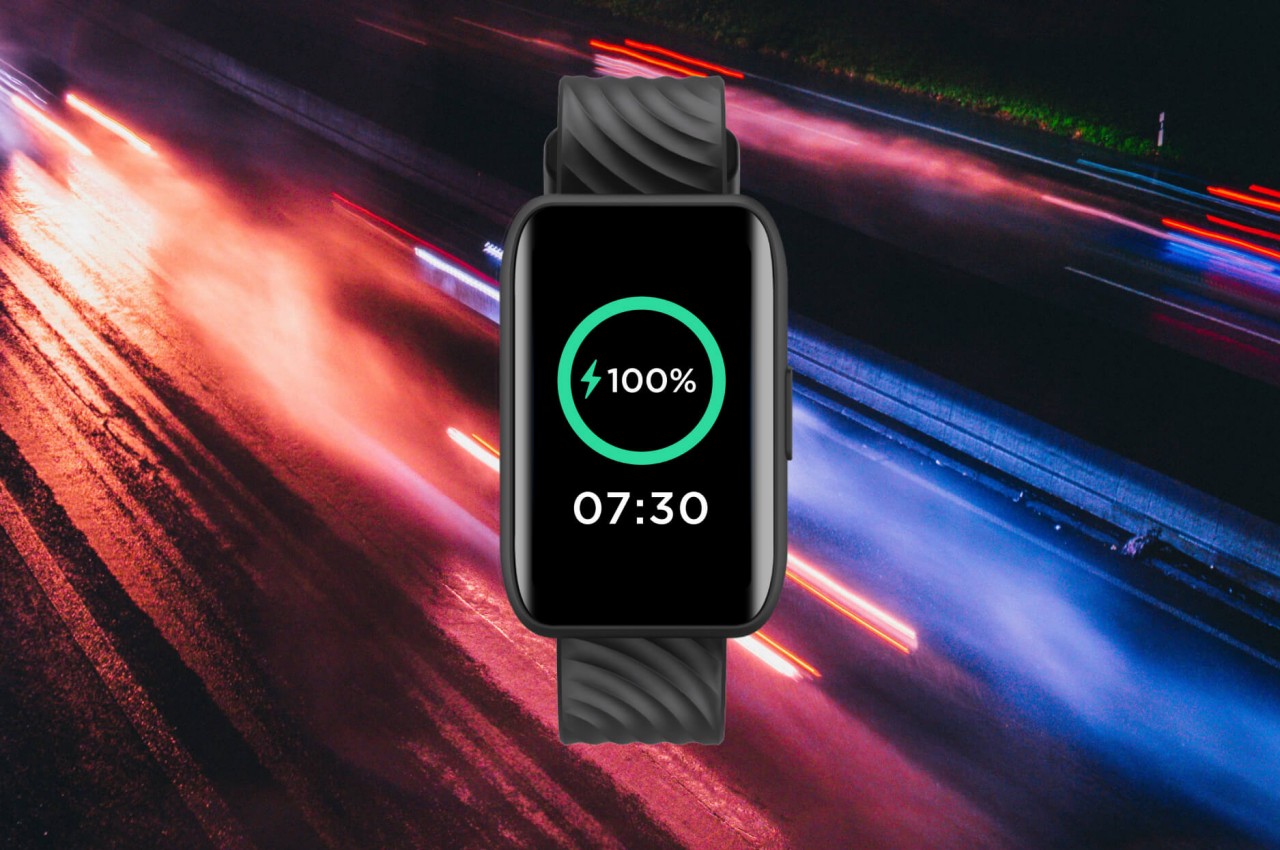
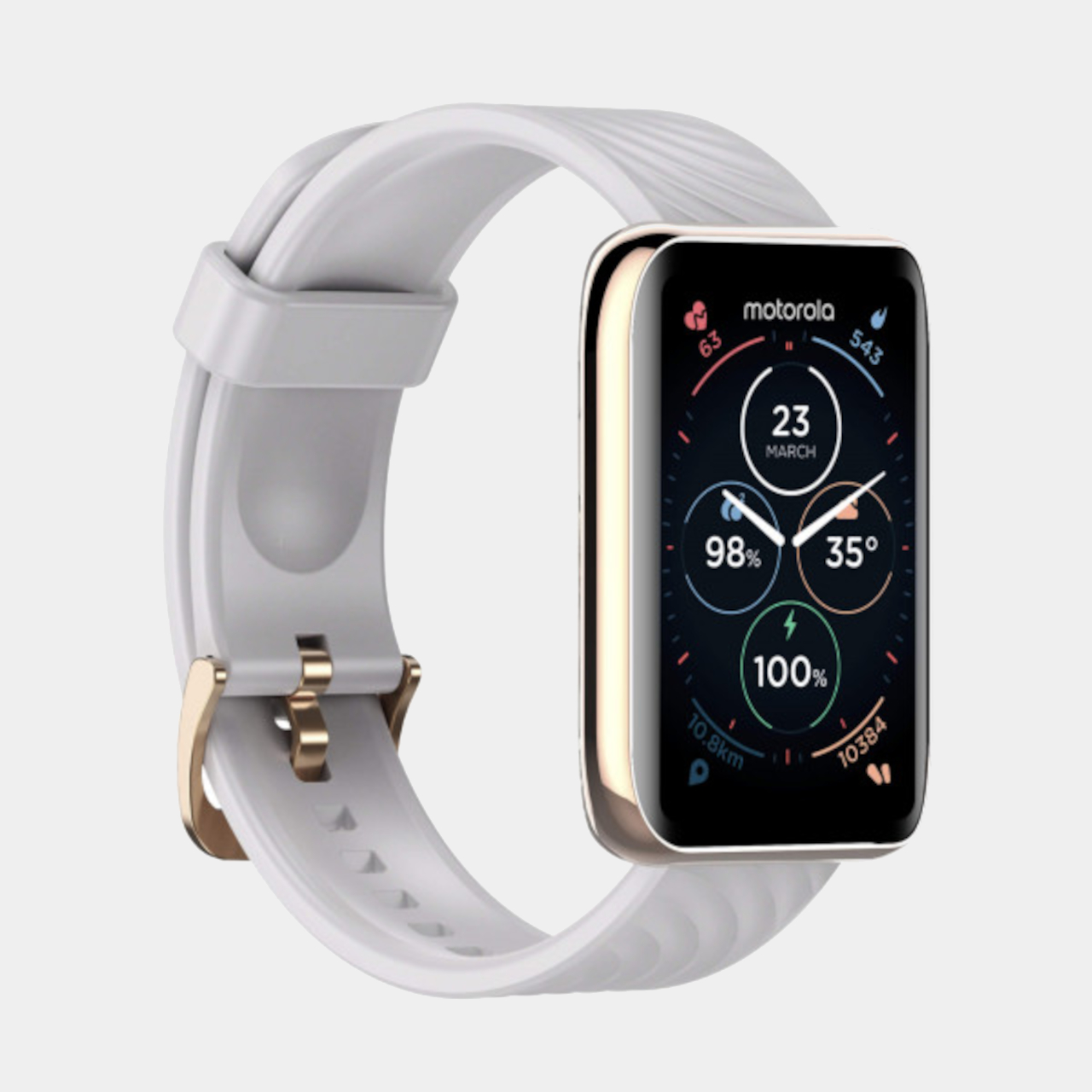
Smartwatches have more or less become a stable presence in today’s modern lifestyle to the point that no one will make fun of you anymore for wearing a screen on your wrist, except those coming lovers of classic mechanical watches. That said, not everyone is a fan of these hi-tech timepieces and would prefer something less distracting and more focused on just the health-tracking aspects. Dedicated fitness bands, however, often come in sporty and rugged designs, as if the only ones that would wear them are athletes or very active people who don’t mind strapping a rubber or silicone band on their wrists, even on formal occasions. That’s where the new Moto Watch 40 comes in, offering a wearable that almost looks like a stylish smartwatch but is a fitness band at heart.
Although there was a bit of experimentation in the beginning, smartwatches today come in only two shapes: a square or a circle. Although circular smartwatches were touted to be classier or more stylish because of their resemblance to the majority of luxury timepieces, the Apple Watch has constantly made the case for equally elegant designs on square smartwatches. Unsurprisingly, there are some manufacturers that have even opted to walk the same path, producing smartwatches that, for better or worse, look like the Apple Watch.
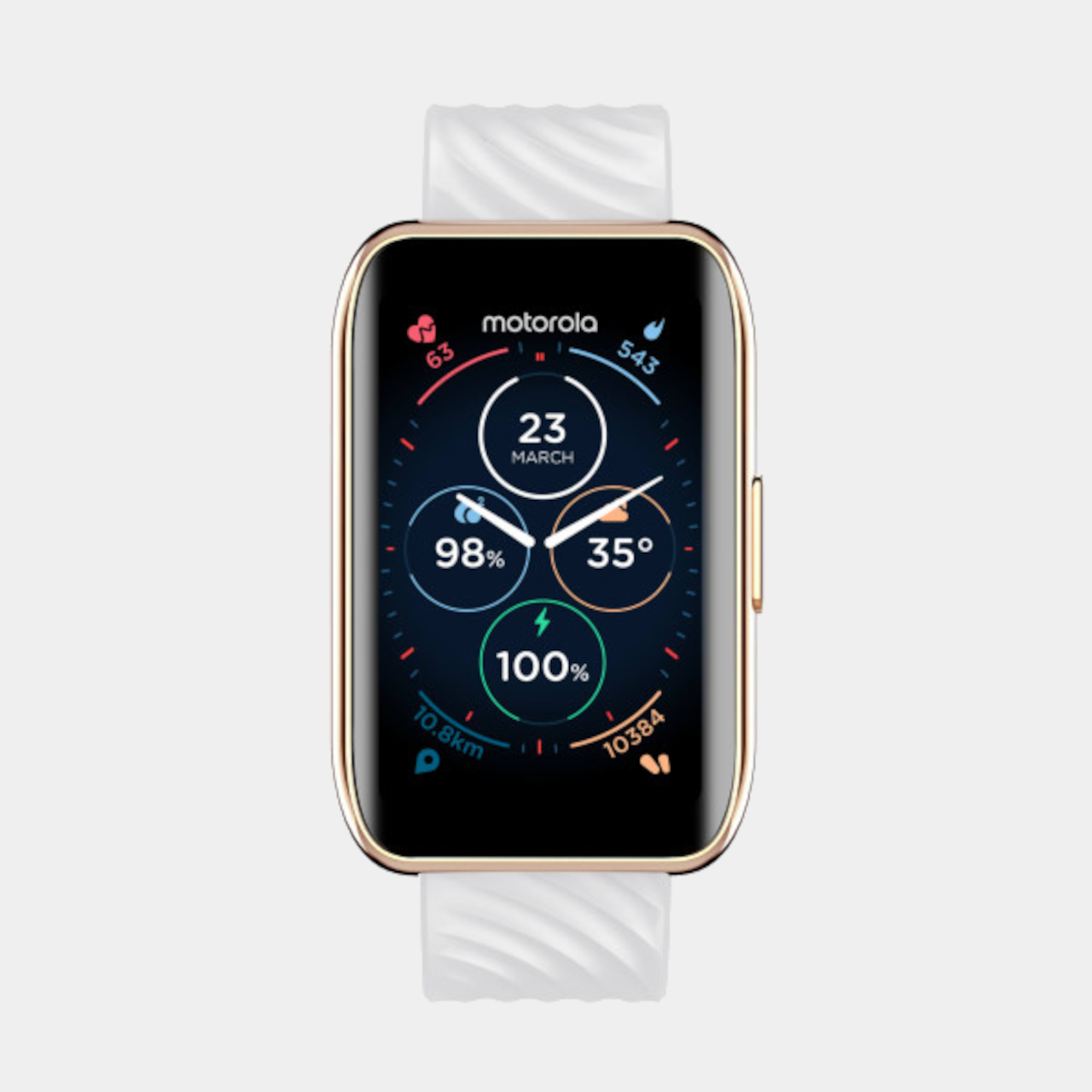
The Moto Watch 40, however, is neither of those and is walking the fine line between smartwatch and smart band instead. It has a rectangular body, more common with fitness trackers, but the size of the device and its general appearance are more in line with smartwatches. It has a screen that curves at the edges, giving it a refined appearance compared to the rugged looks of common fitness trackers.
At the same time, however, its limited functionality leaves no doubt that it isn’t a smartwatch either. It has a variety of sensors for tracking activity, including blood oxygen levels and even sleep, but you won’t be seeing a lot of the advanced functions and options you’d find on a smartwatch. It supports only viewing notifications, so you’ll have to pull out your phone if you want to reply to messages or even take calls. Its 10-day battery life may sound a little disappointing, but the Moto Watch 40 compensates with an advertised charging speed of 25 minutes only.
That combination of essential functions and stylish design will set you back for only $64.99. It might sound like a tempting proposition, especially when other fitness bands are either too expensive or too informal. That said, even a wrist-worn device might still be too conspicuous for some people, and a smart ring that would let them wear their favorite mechanical watches could be the perfect compromise instead.
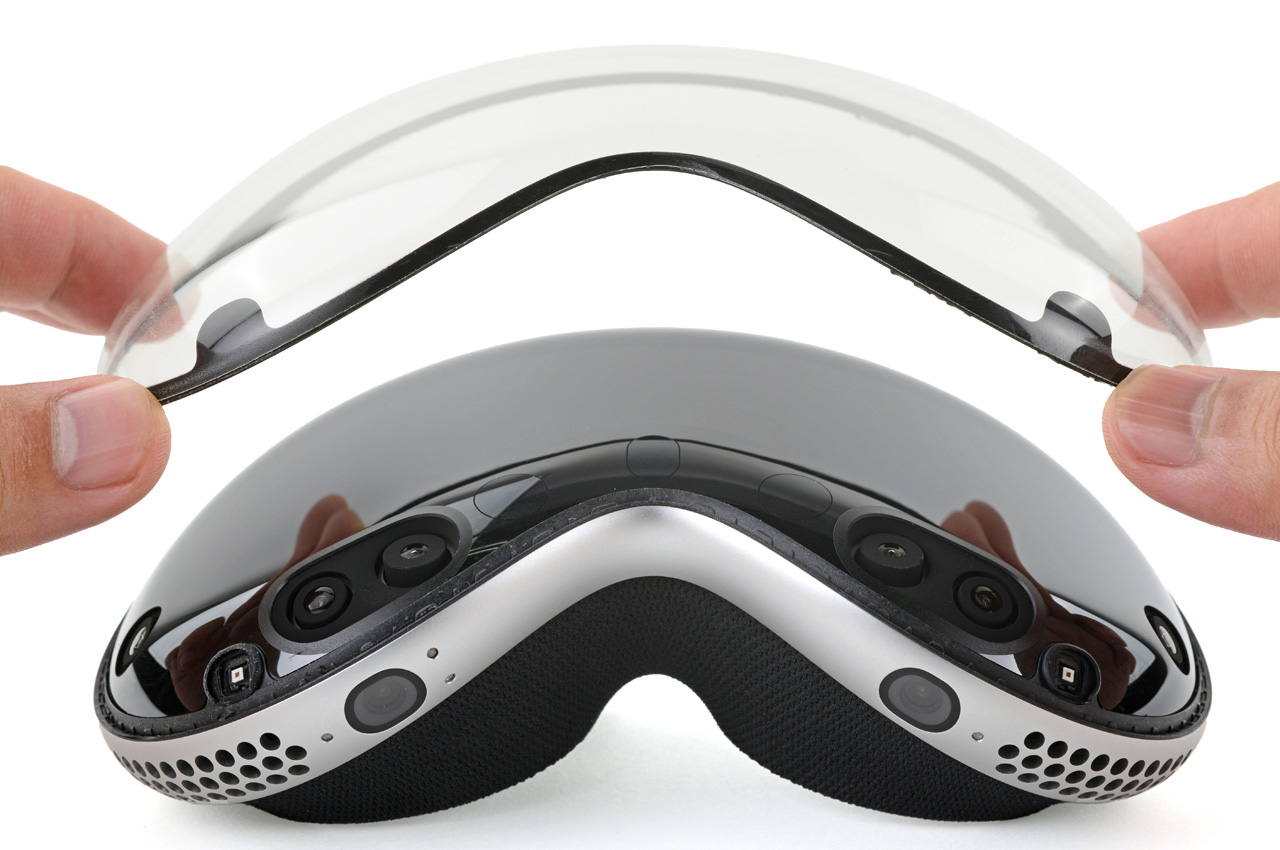
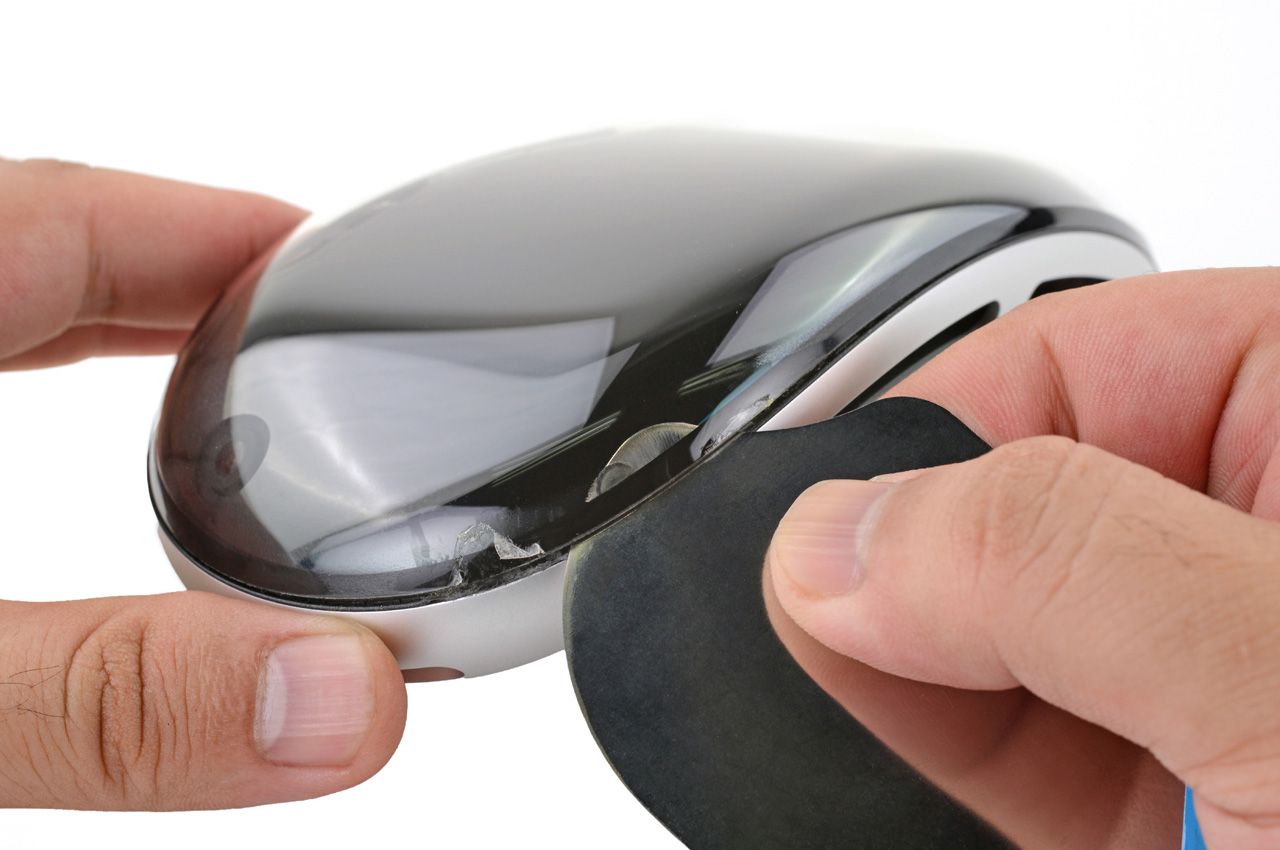
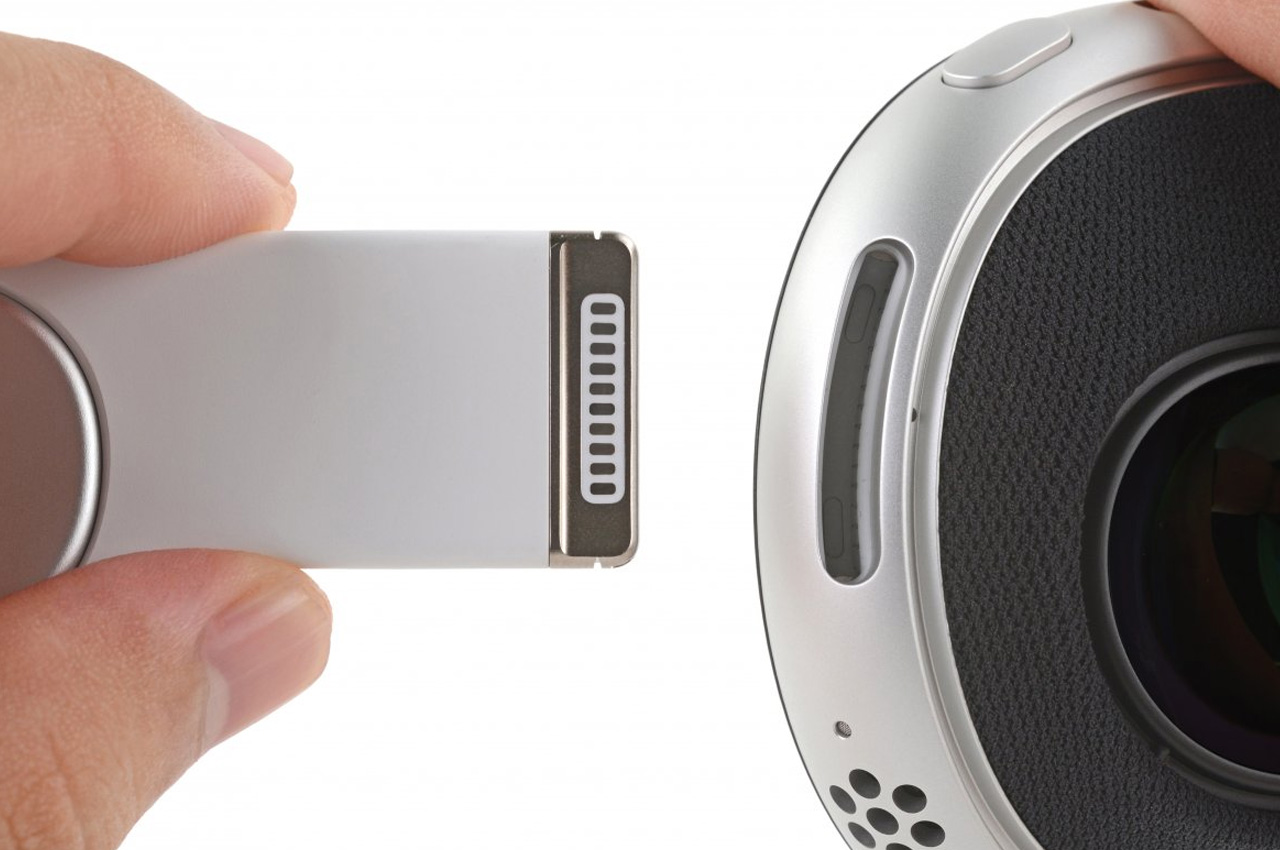
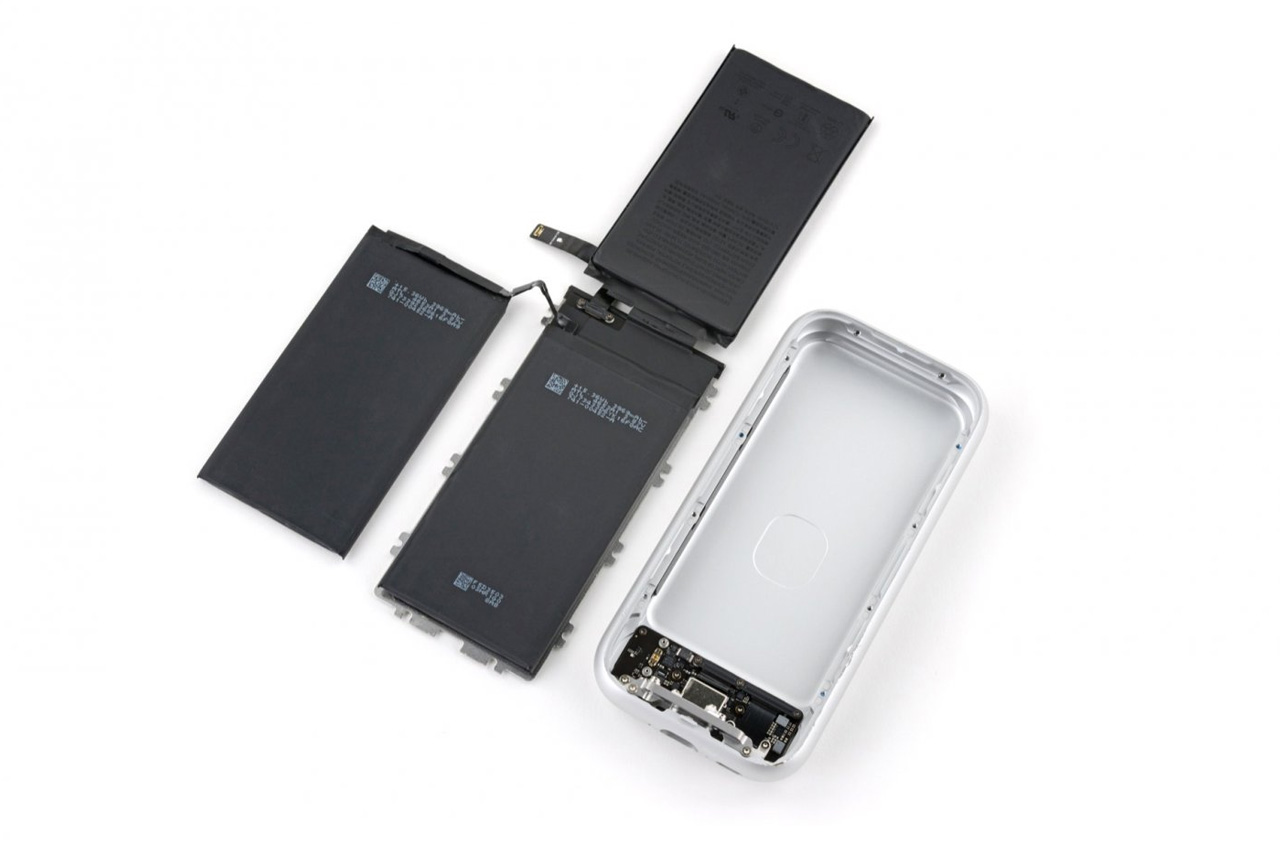
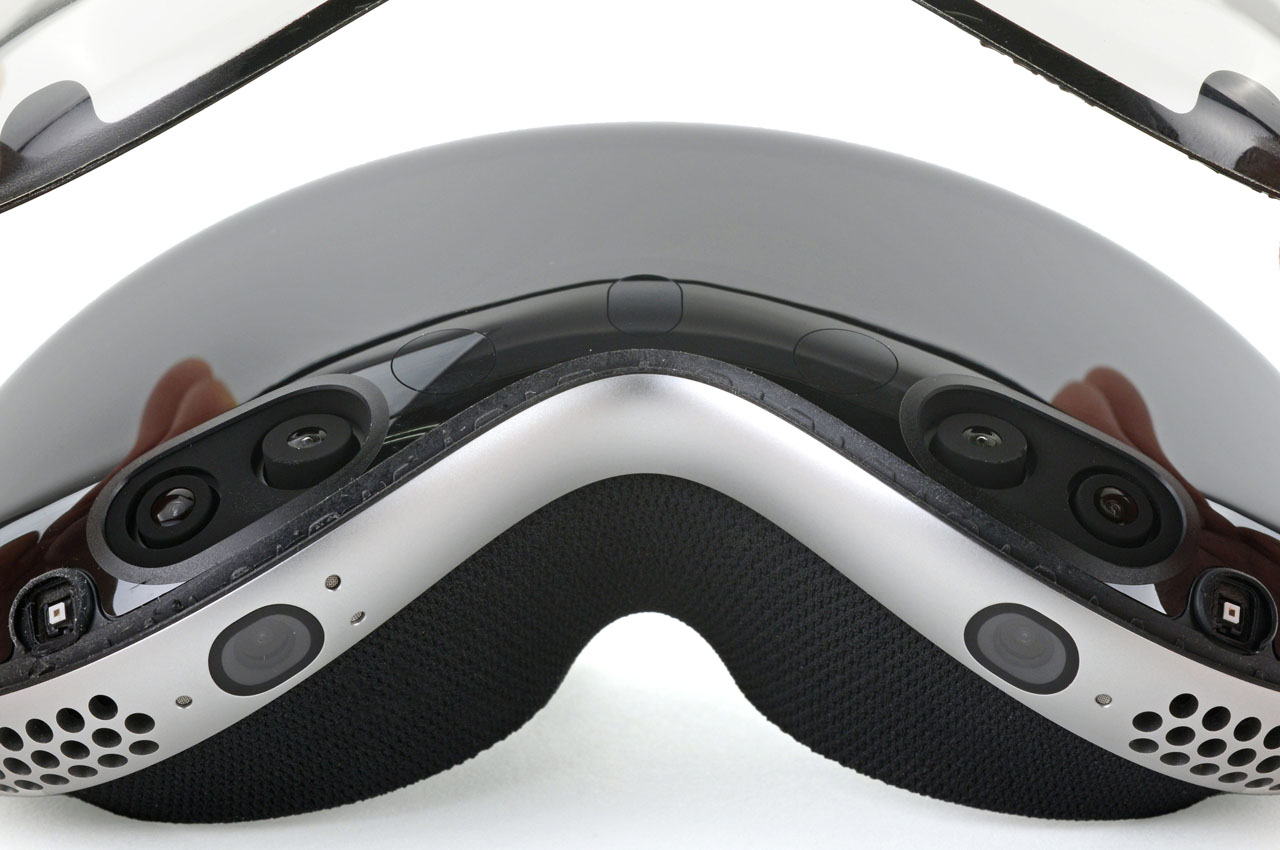
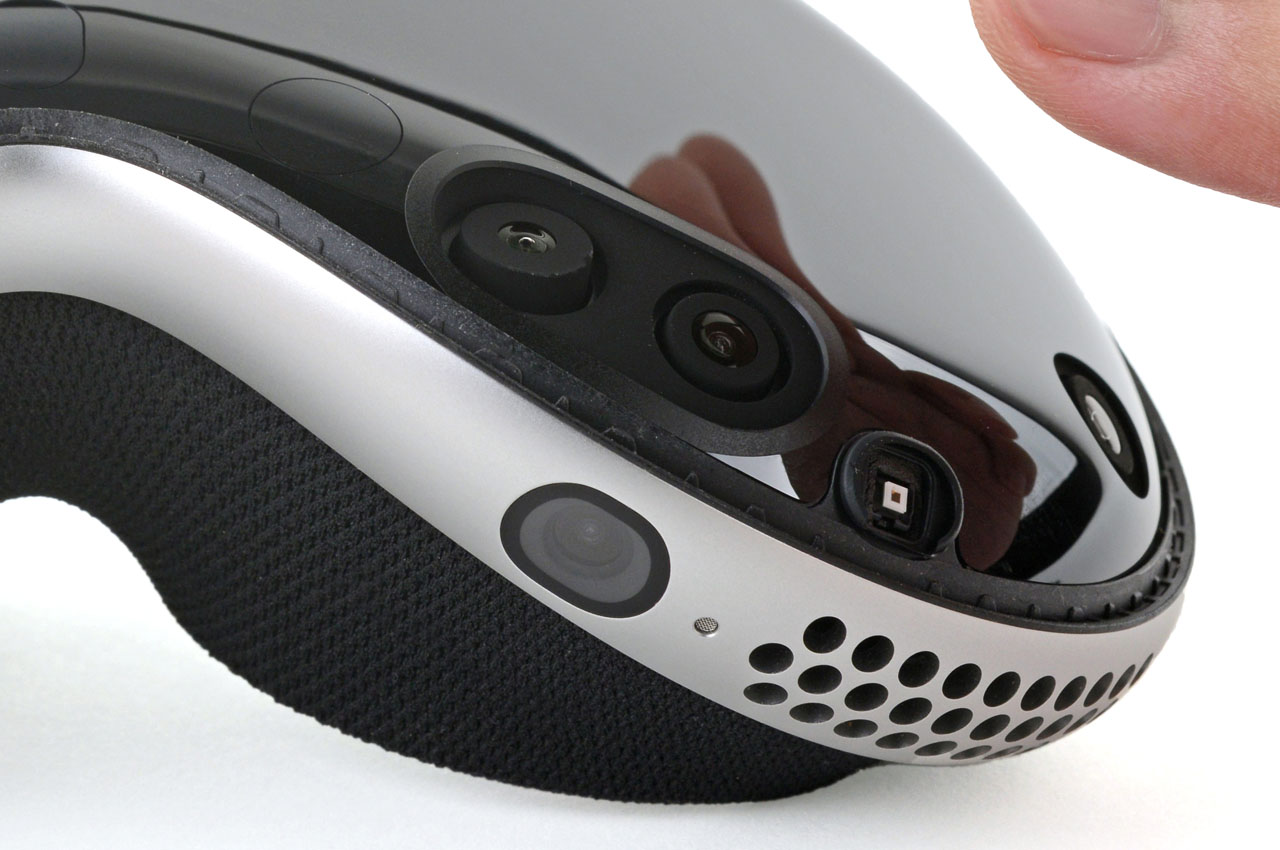
Apple has entered a new product category with the Vision Pro. The expensive eyewear, positioned to transport us into the future of VR, is an expensive deal to begin with at $3,499. So, ripping something of that value apart to just reveal how repairable it is and to what it packs within that makes it worthy of making Apple a new category giant may seem obnoxious to us.
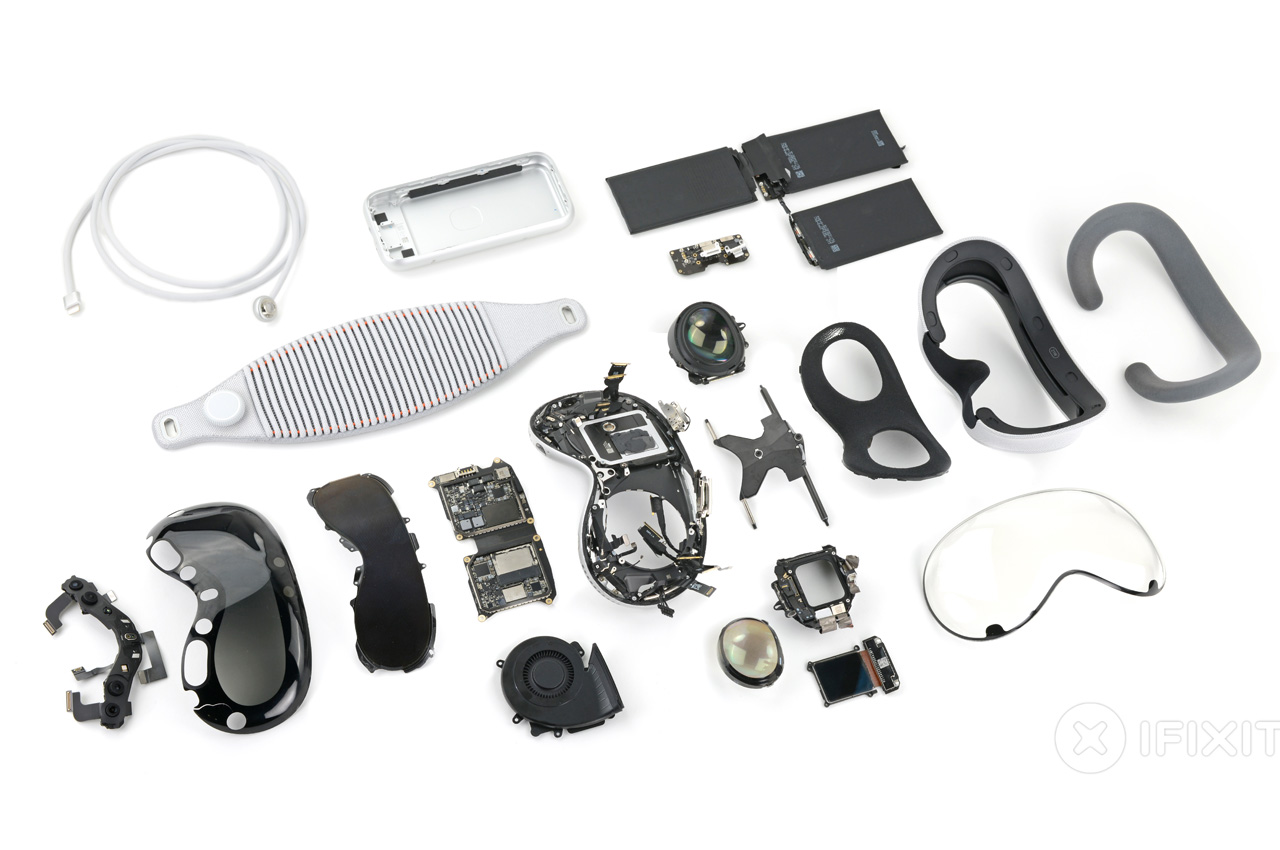
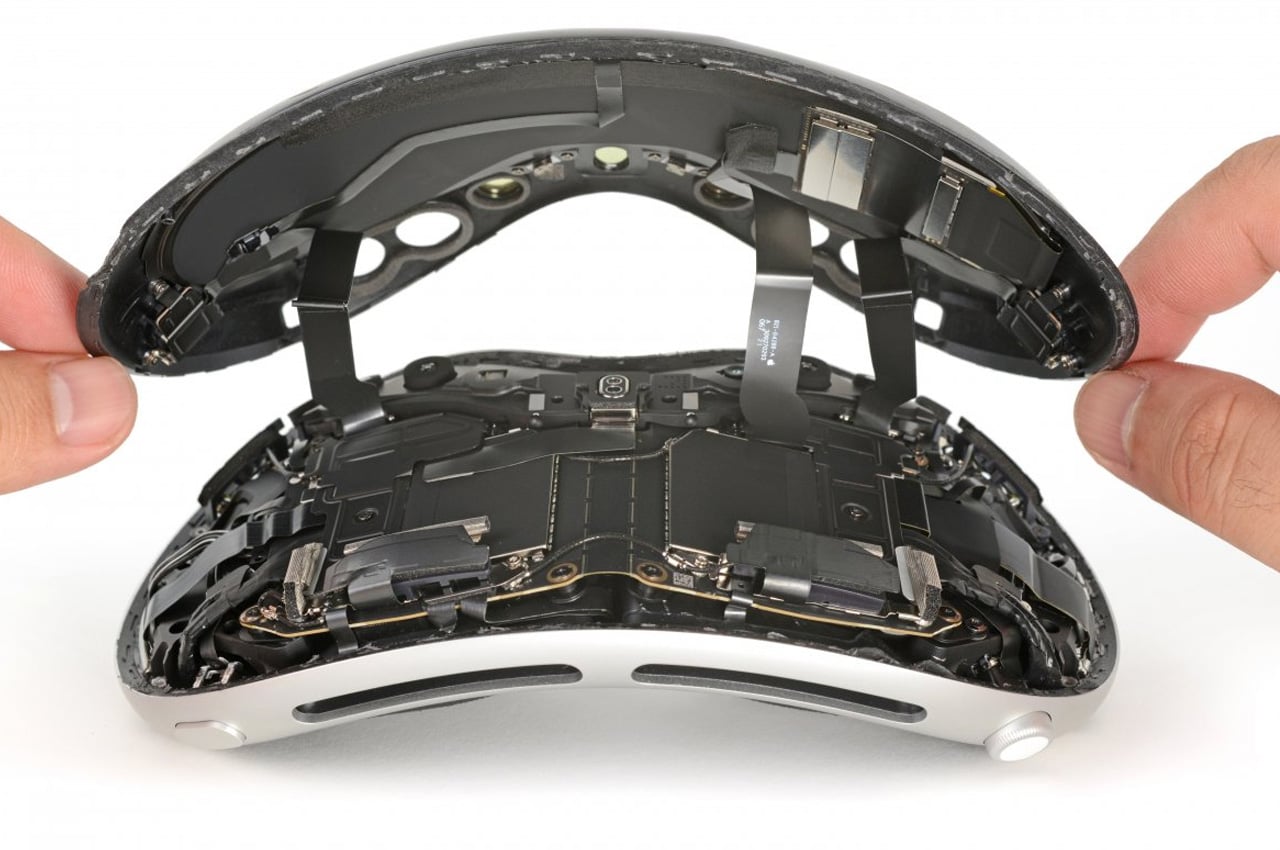
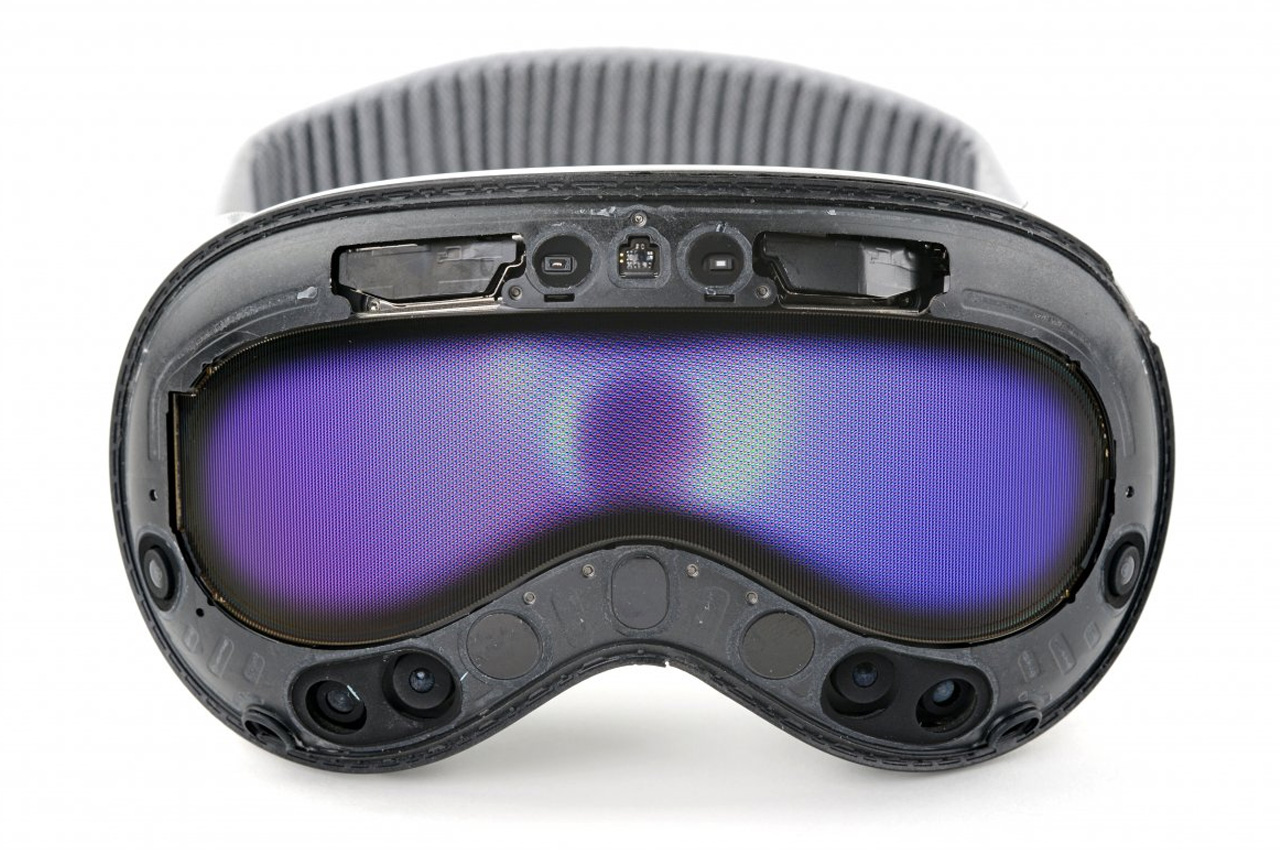
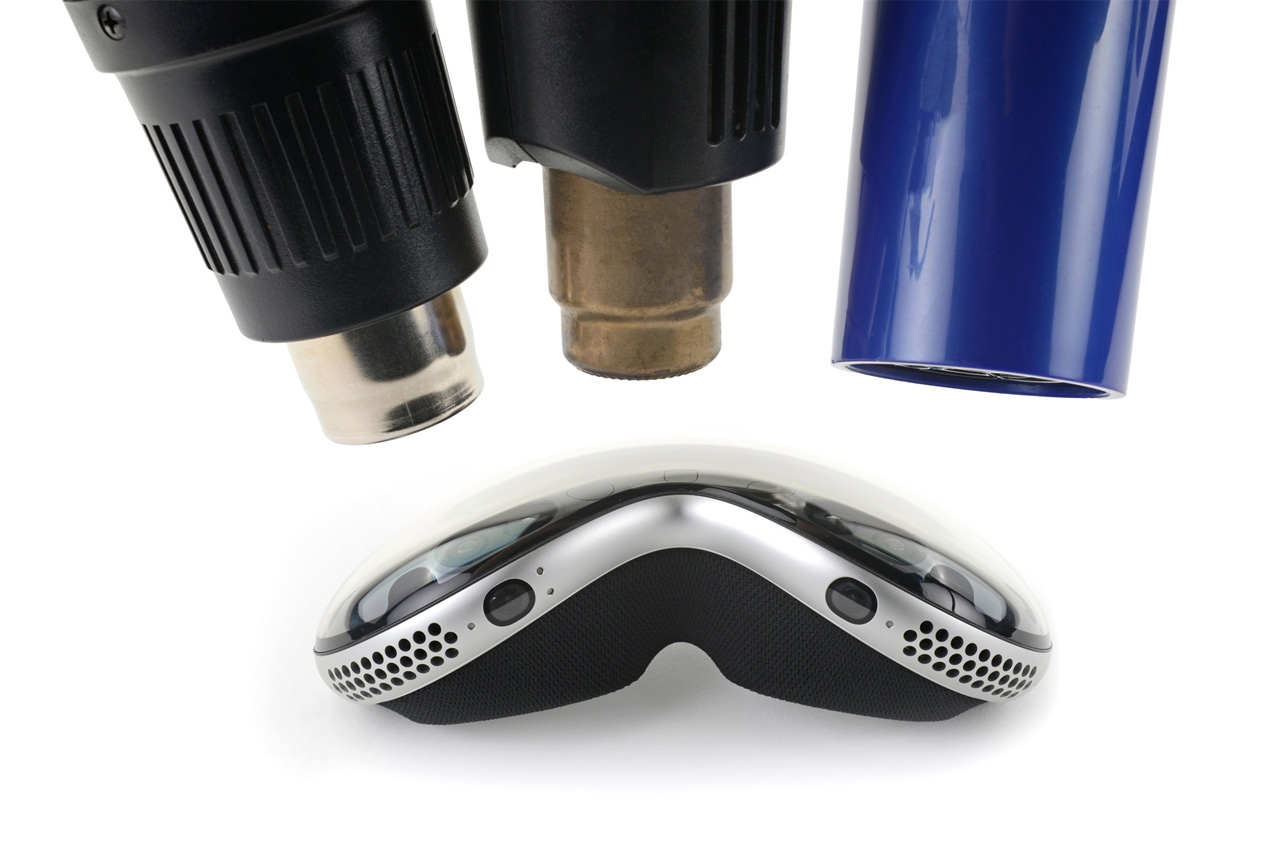
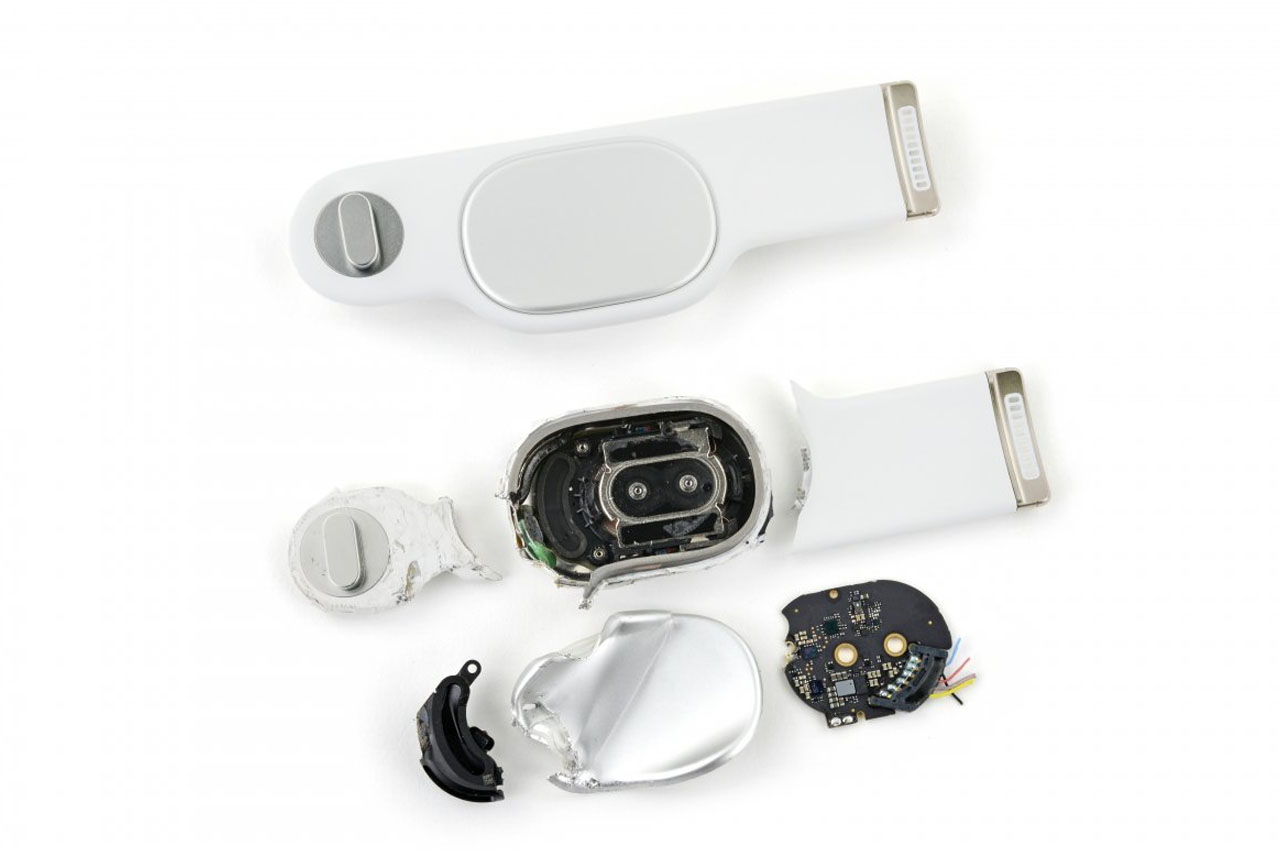
But that’s little of a deterrent for the folks at iFixit, who pride in tearing down the latest gadgets to see how easy or difficult it is to repair them and examine what makes it a favorite. In that scheme of things, iFixit has put its heating guns and prying tools to use to tear open Apple’s new tech marvel. What they see is pretty straightforward: a few easy-to-remove parts and then complicated screws, connectors, and seals to get past before fully revealing the impressive cameras and more.
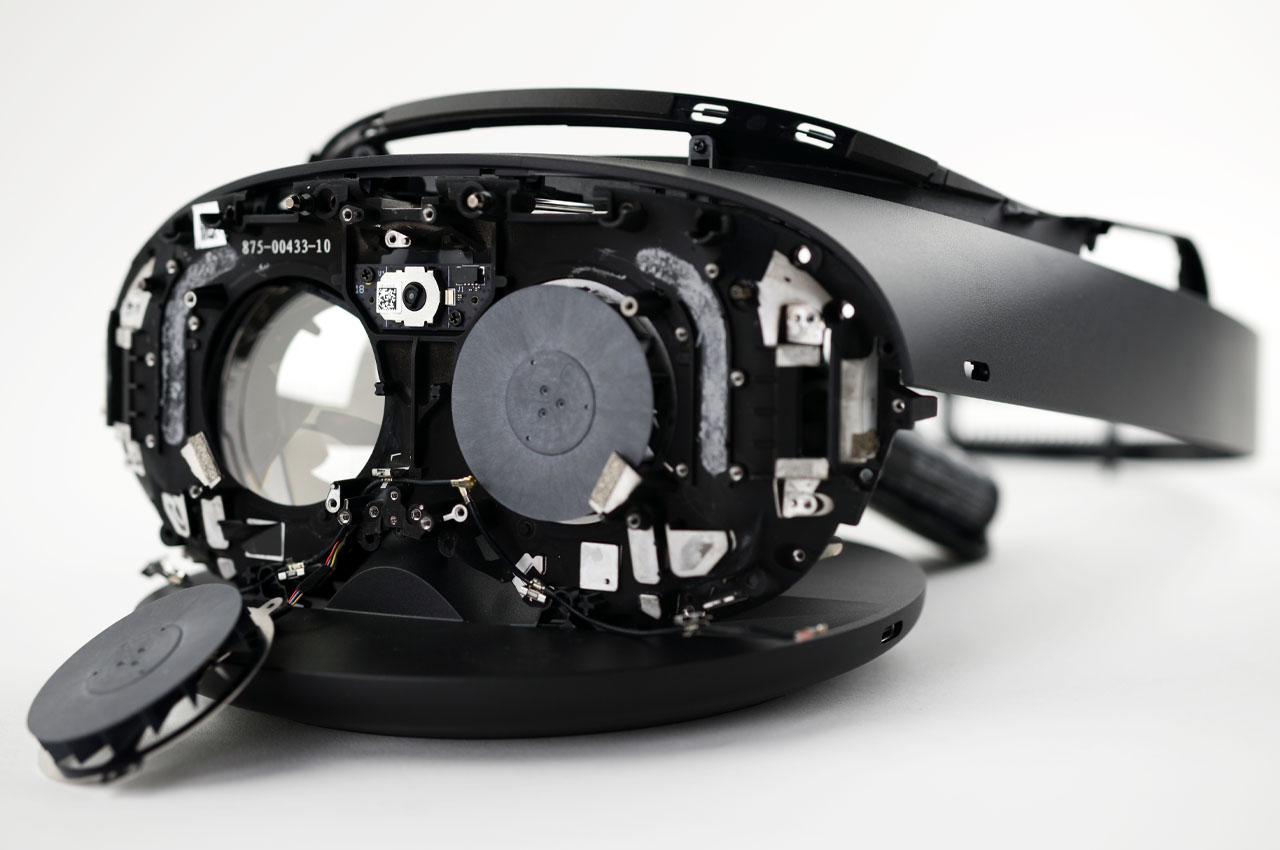
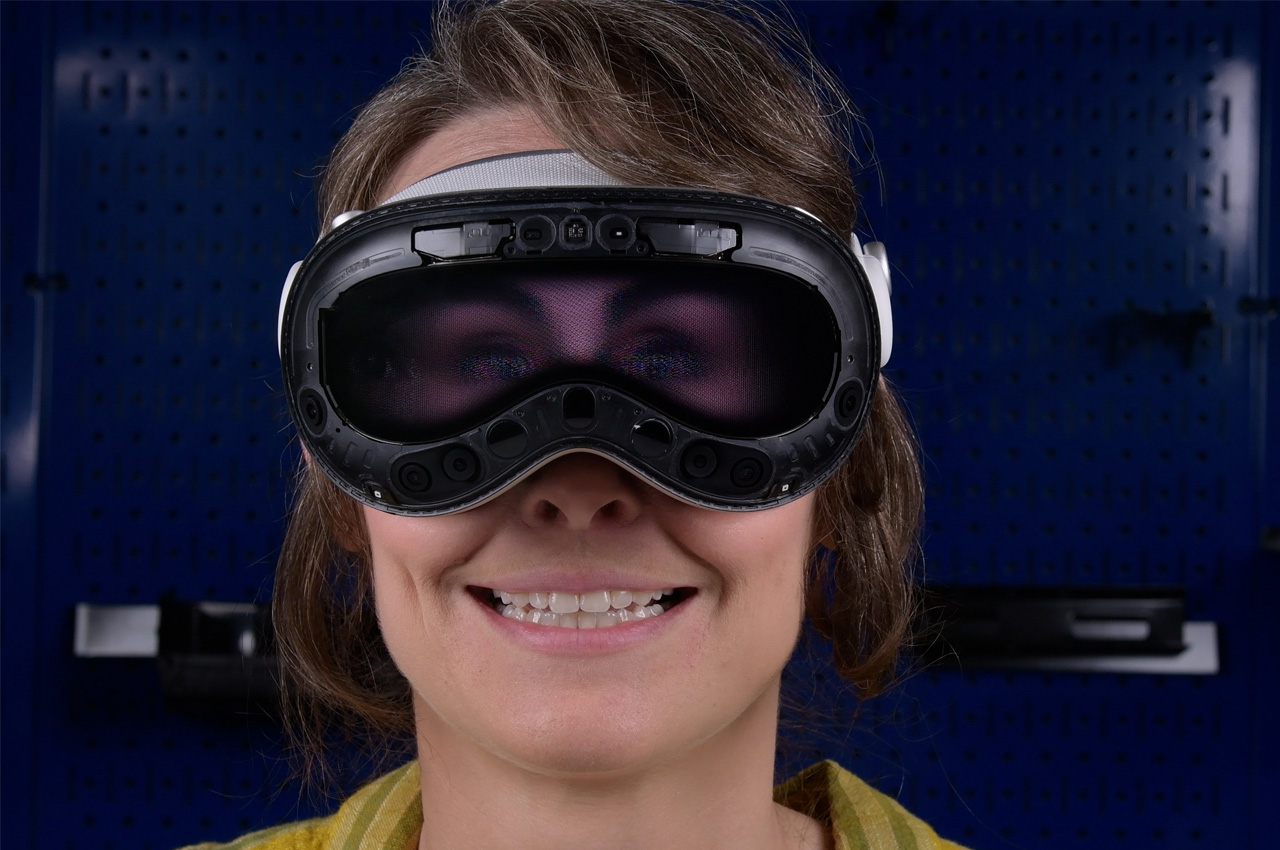
Between the easy take offs and the intricate connectors, the Vision Pro – iFixit teardown reveals – has some unbelievable tech crammed. Some of this is never seen before, especially the advanced EyeSight display which it is discovered uses several videos of the wearer’s eyes simultaneously.
As the iFixit video runs through the teardown it shows Apple’s new AR/VR headset is similarly detailed and intriguing as the other Apple devices. So, the process of tearing it down is not easy and required a heat gun, screwdrivers, prying tools, and lots of effort. But as you’ll see, the effort is worth appreciating.
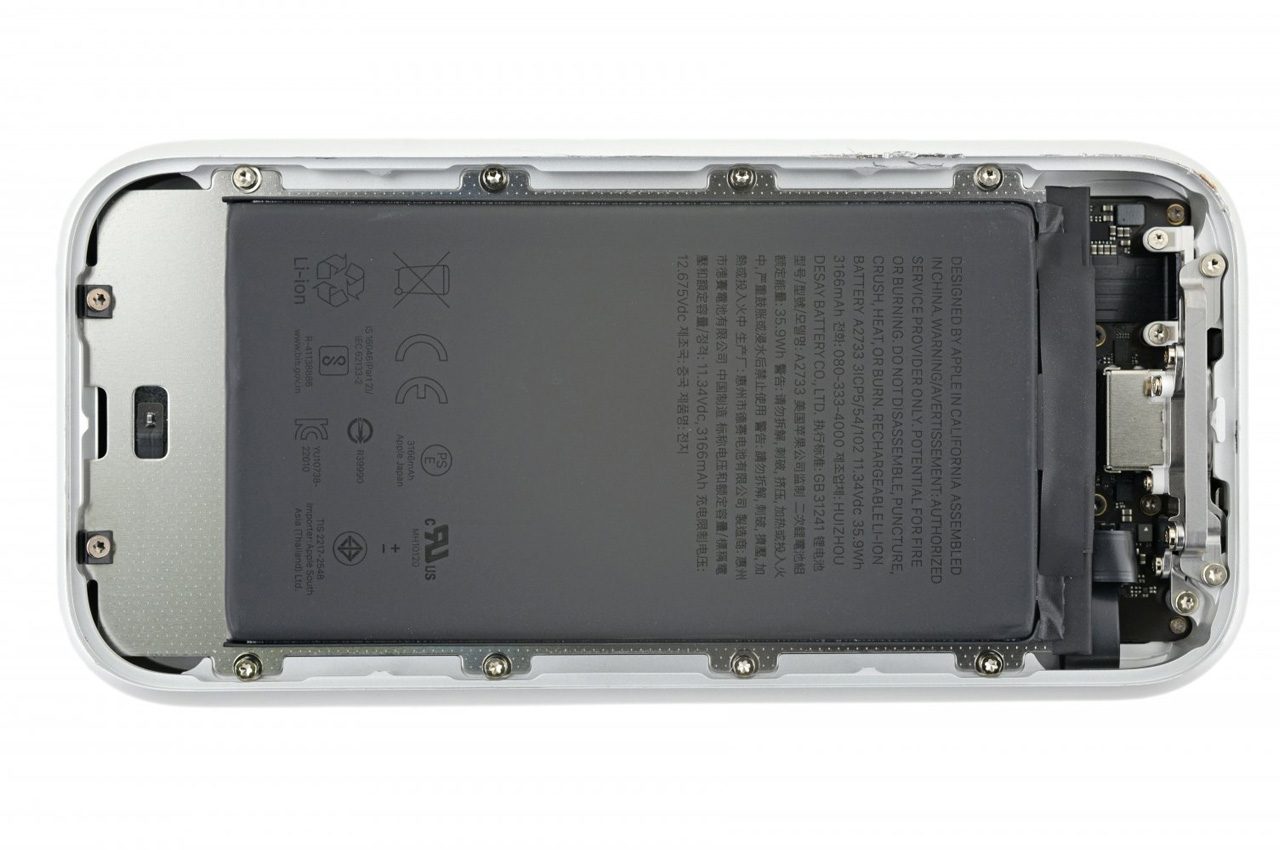
First up, the video suggests the customizable face cushion, light seals are easy to pull off, while the power chord has to be turned to unlock. The device’s knit band pops easily off the headgear stems, from the integrated latch. Stem with speakers disassemble the eye housing swiftly as well leaving the cameras, sensors, battery, R1 chip, and EyeSight display to take a look into.
This is according to iFixit the first scratch of the detailed teardown that would be revealed in the near future. The initial teardown however shows that the Vision Pro is inside out what we have heard of. It has some high-end tech within its small form factor, but it will require some elbow grease to repair.
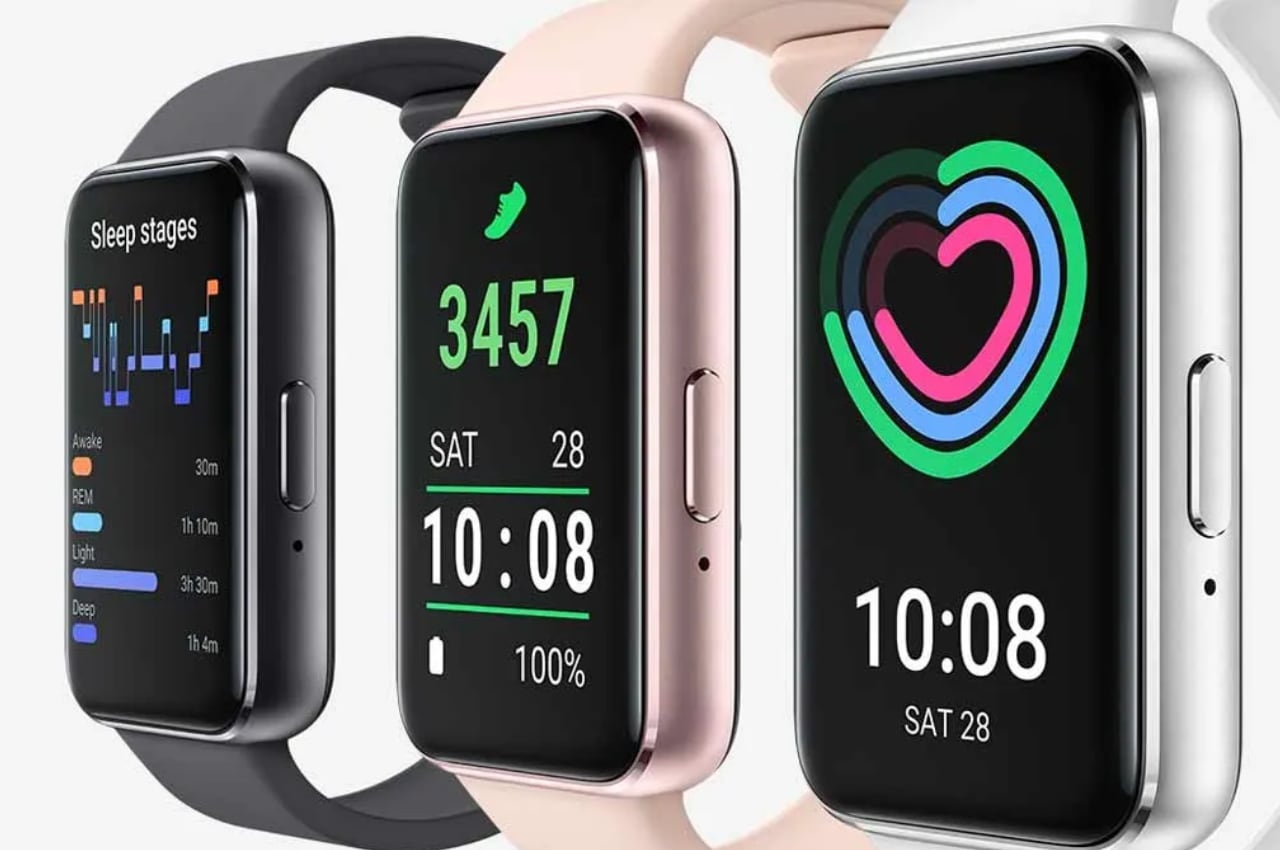
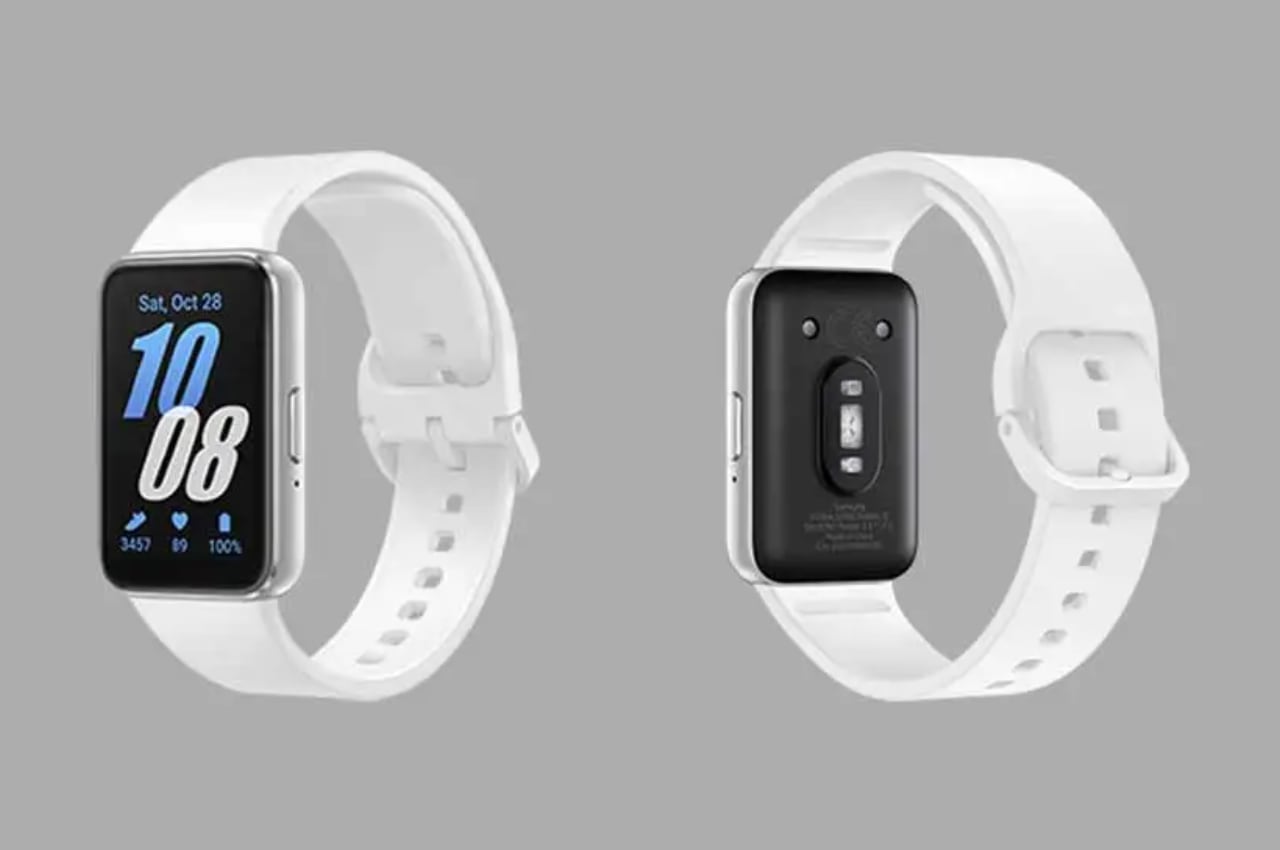
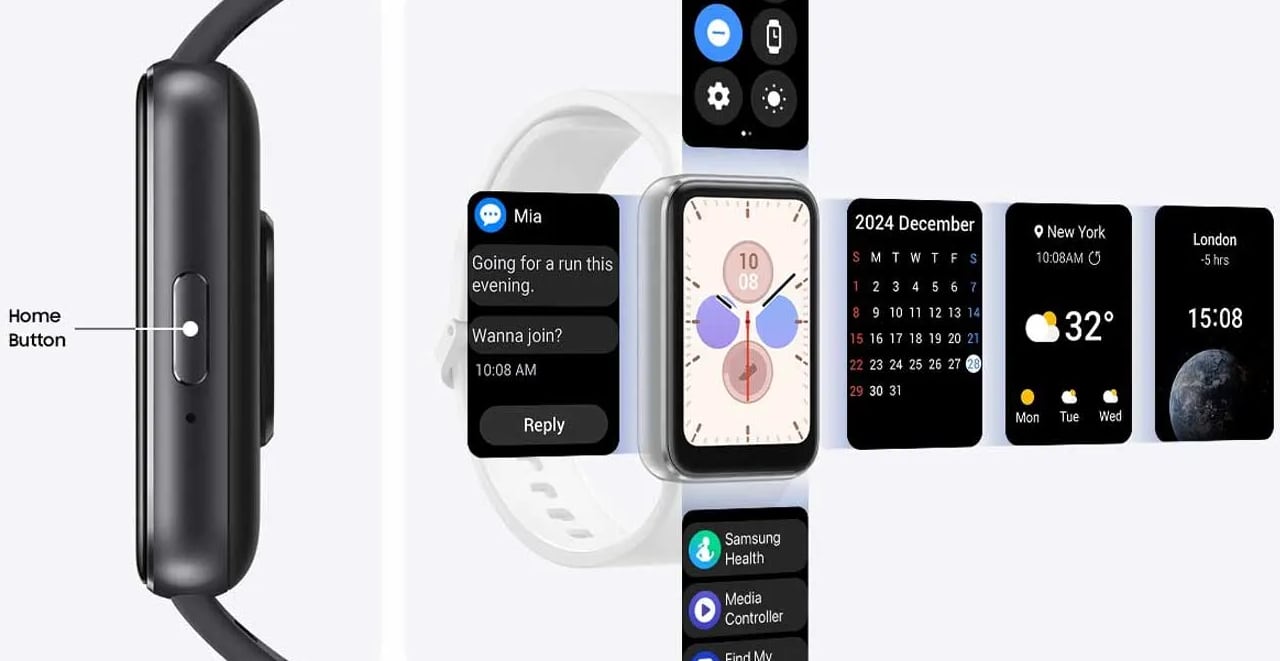
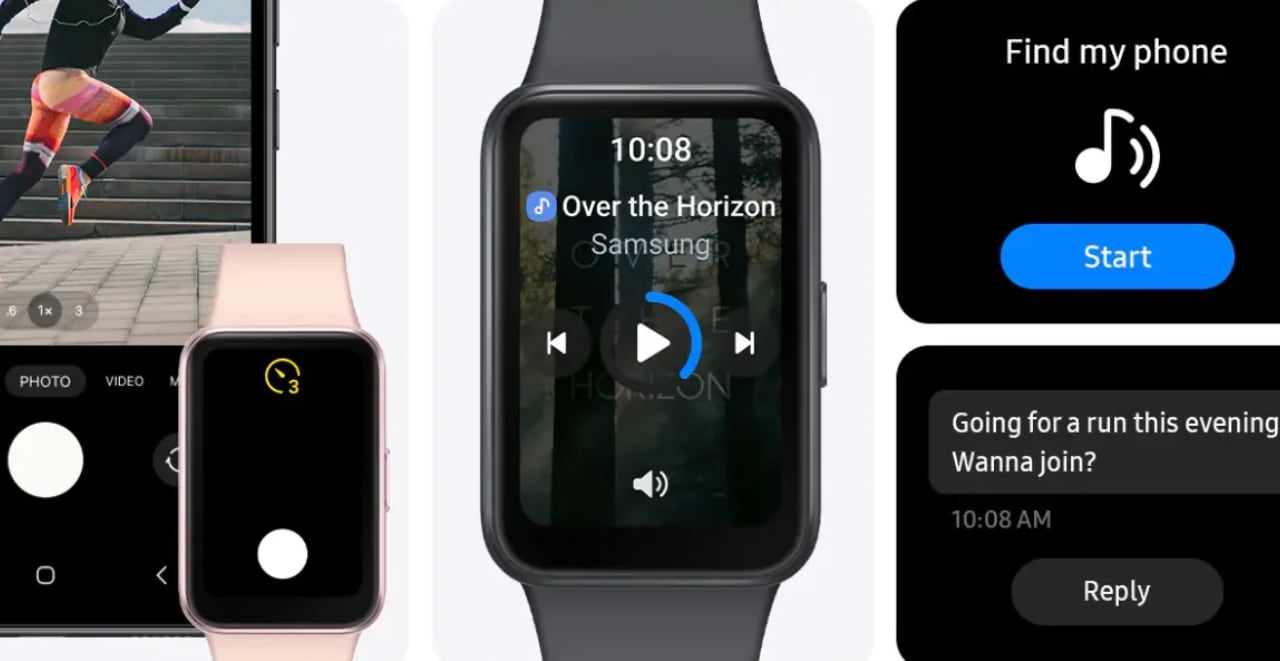
The recent leaks surrounding Samsung’s Galaxy Fit 3, especially those shared by Evan Blass and Ahmed Qwaider on social platforms, have shed light on the device’s design, features, and potential launch timeline. While speculation was rife about its introduction alongside the Galaxy S24, the consistent appearance of leaked images and specifications over the past months suggests an imminent unveiling.
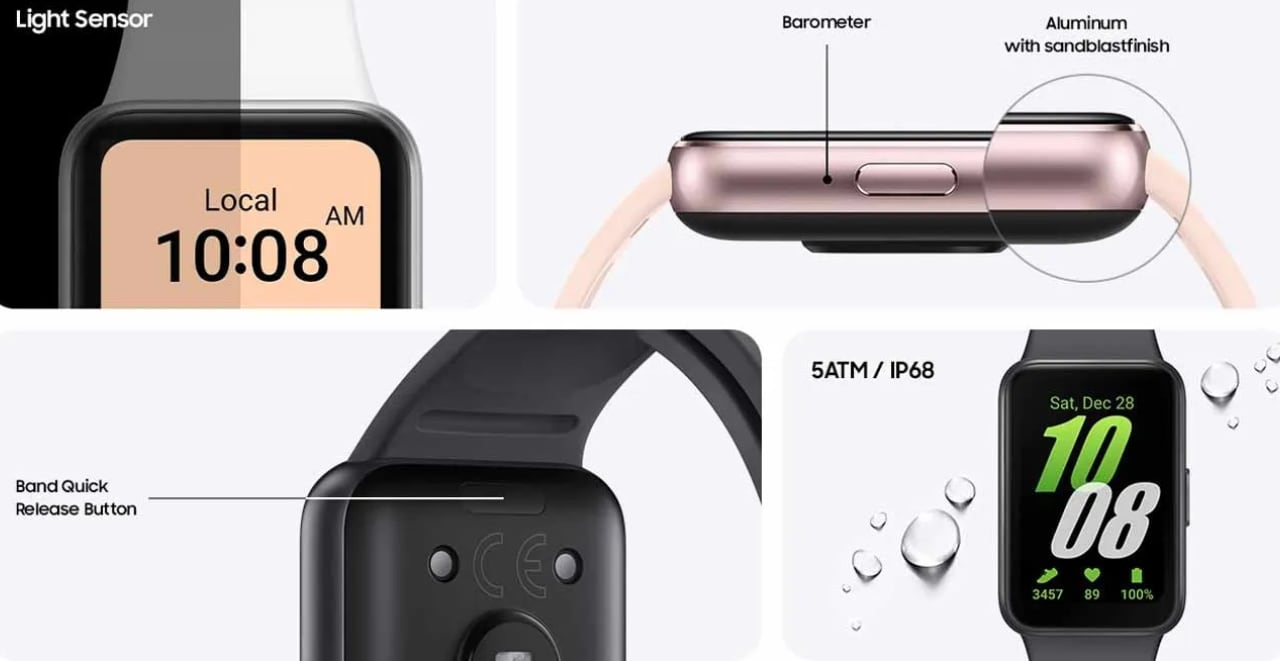
According to rumors, the Galaxy Fit 3 is expected to have a 1.61-inch display, which is 46% larger. It’s speculated to feature a bright OLED screen with a resolution of 256 x 402 and a pixel density of 302ppi. This marks a notable visual clarity and detail improvement, enhancing the user experience. The device’s build quality is also upgraded with an aluminum case, ensuring durability, an IP68 rating for dust and water resistance, and a lightweight silicon wristband at just 21.39g, combining comfort and resilience.
Battery life stands out as a key feature, with rumors pointing to an ultra-long battery life of up to 21 days on a single charge, surpassing the Galaxy Fit 2’s 15-day battery life and offering a significant advantage over the typical battery life of Samsung’s Wear OS-based Galaxy Watches. While the Galaxy Fit 3 may forego wireless charging, the extended battery life presents a compelling trade-off for users prioritizing longevity over convenience. A new and potentially significant feature being introduced on a Samsung fitness band for the first time is a blood oxygen level or SpO2 sensor.
The device is anticipated to come in three colors: Grey, Pink, Gold, and Silver, catering to diverse personal styles. It’s expected to be equipped with an array of sensors, including an accelerometer, gyro, and heart rate monitor, alongside sleep-tracking capabilities. The inclusion of GPS remains uncertain, leaving room for speculation about the device’s navigational features.
Pricing rumors suggest an attractive $80 price point, positioning the Galaxy Fit 3 as an accessible option for fitness enthusiasts seeking a blend of style, functionality, and endurance in their wearable devices. This combination of features and the device’s focus on health and fitness tracking solidifies the Galaxy Fit 3’s place within Samsung’s wearable lineup, offering a fresh alternative to the more comprehensive Galaxy Watch series and promising several advancements in design, display, and battery life.
Samsung fans and tech enthusiasts appear to be super hyped about the upcoming Galaxy Fit 3. It’s going to be the perfect fitness companion, packed with all the latest tech from Samsung and designed with fitness enthusiasts in mind. So stay tuned for more details!