Every K-Cup You’ve Brewed Is Still in a Landfill, and Keurig Has a Fix

Single-serve coffee machines solved one morning problem and created another: a pile of plastic pods beside the sink. Keurig’s Alta tries to keep the convenience without leaving a plastic cup behind after every drink. Instead of a K-Cup, it brews with a compact puck of pressed coffee called an AltaRound. It also makes espresso and frothy milk drinks in one countertop machine.

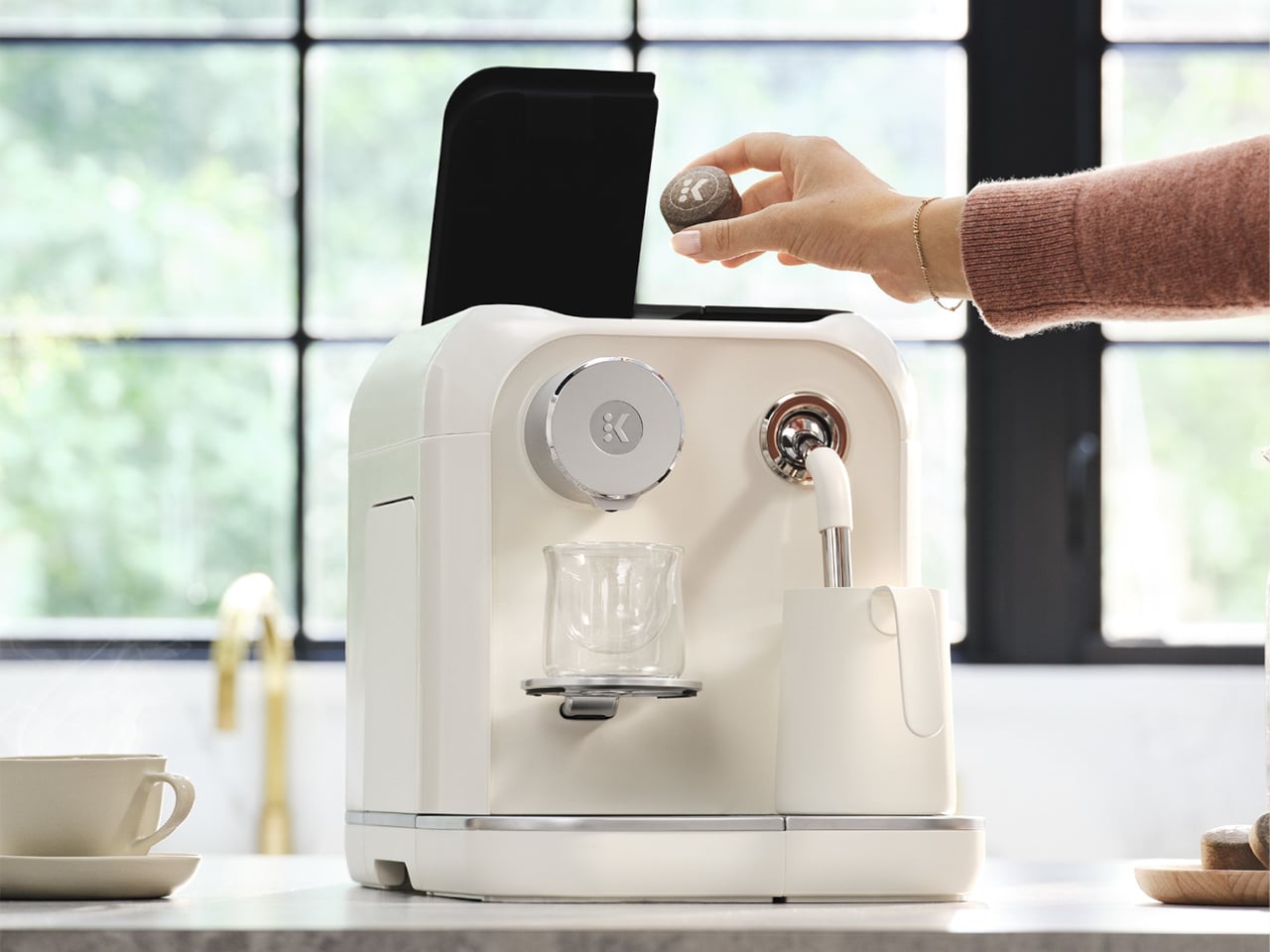
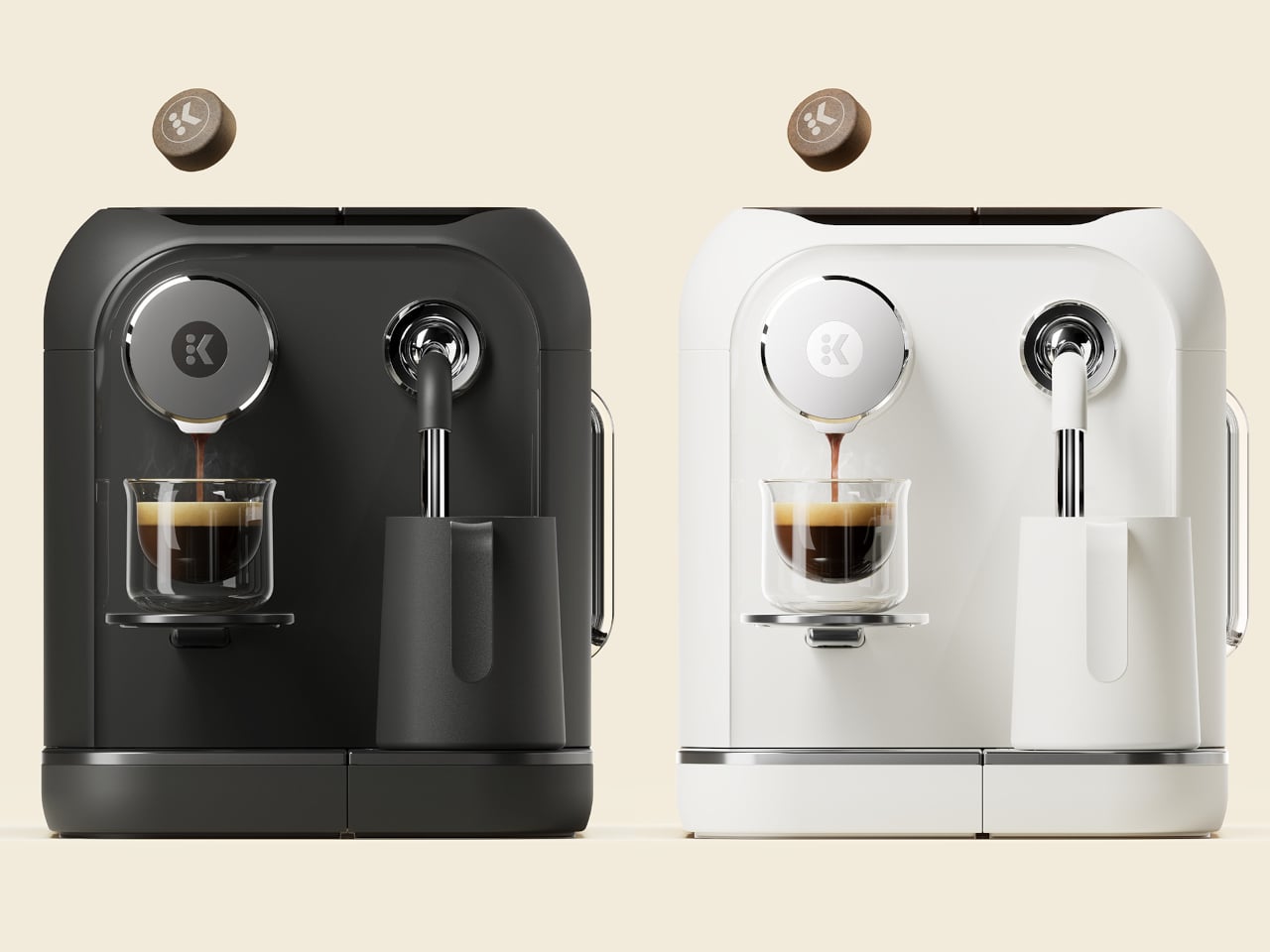
Most pod brewers wouldn’t pass for proper espresso machines. The Alta takes a different route, with a rounded body, a projecting brew head, and a separate milk station built into the same base. The touchscreen sits on top rather than across the front, leaving the machine’s face relatively uncluttered. Sandstone, graphite, and sandstone with satin stainless offer three different moods for the counter.

Designer: Keurig
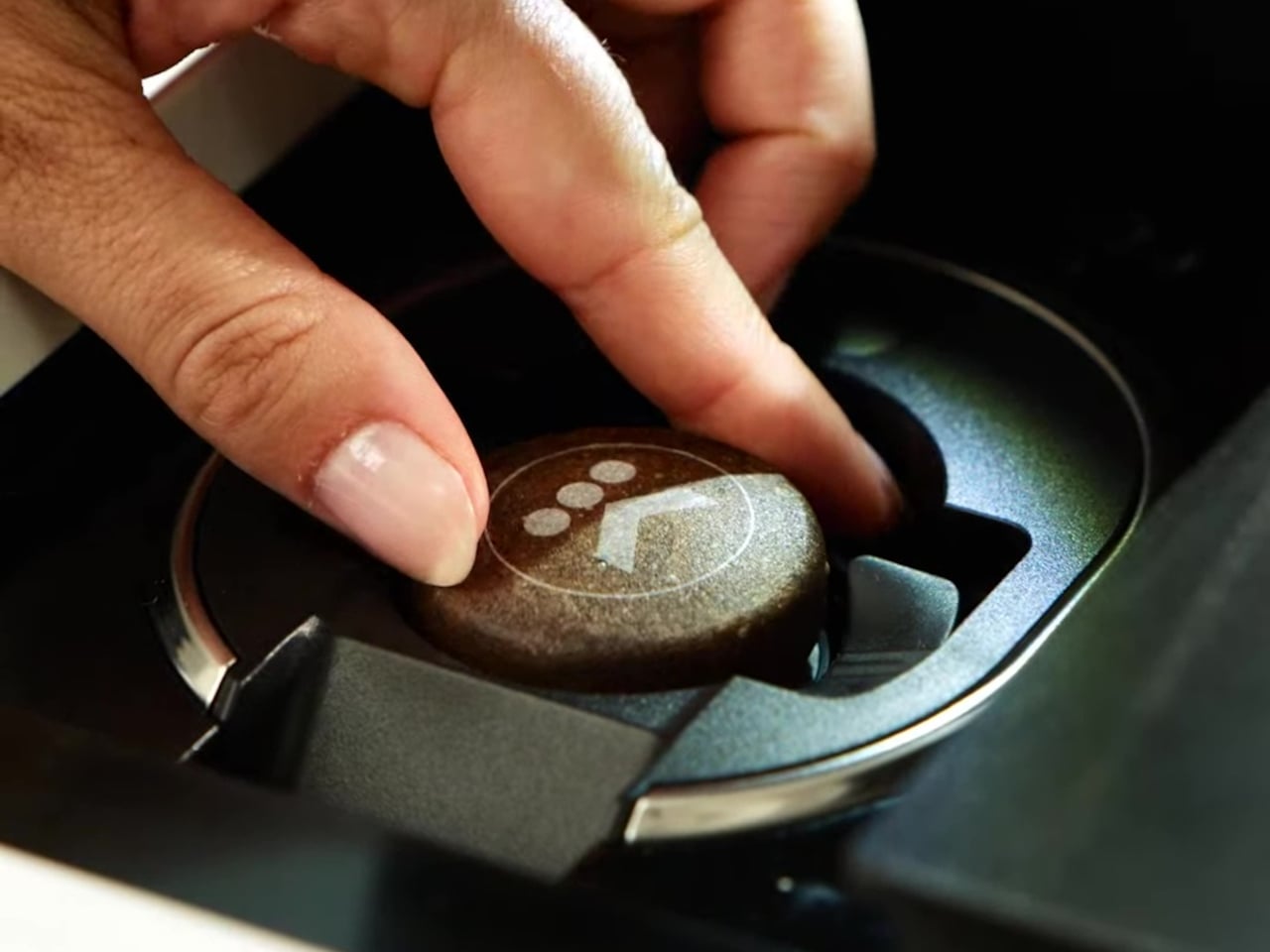
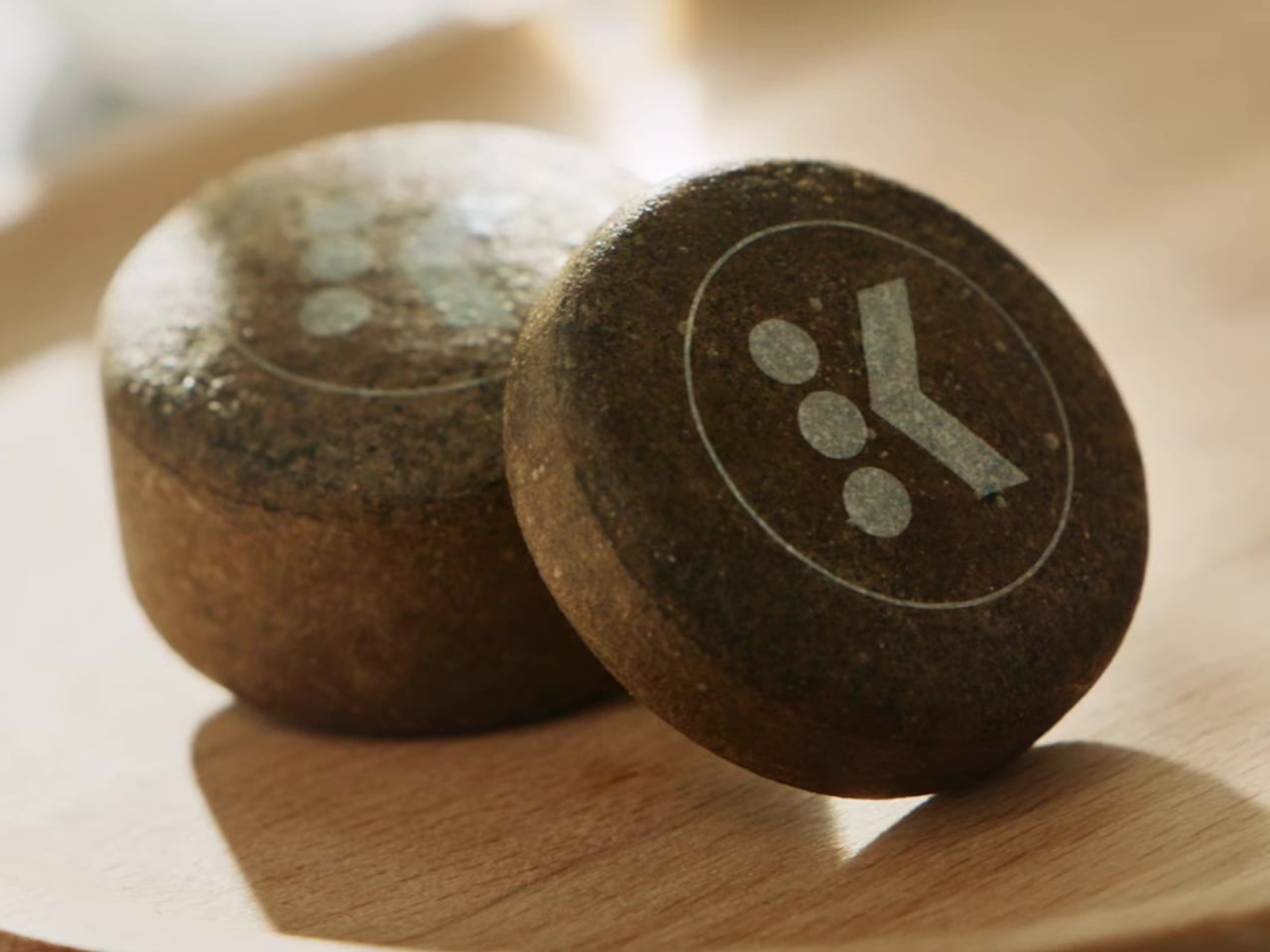
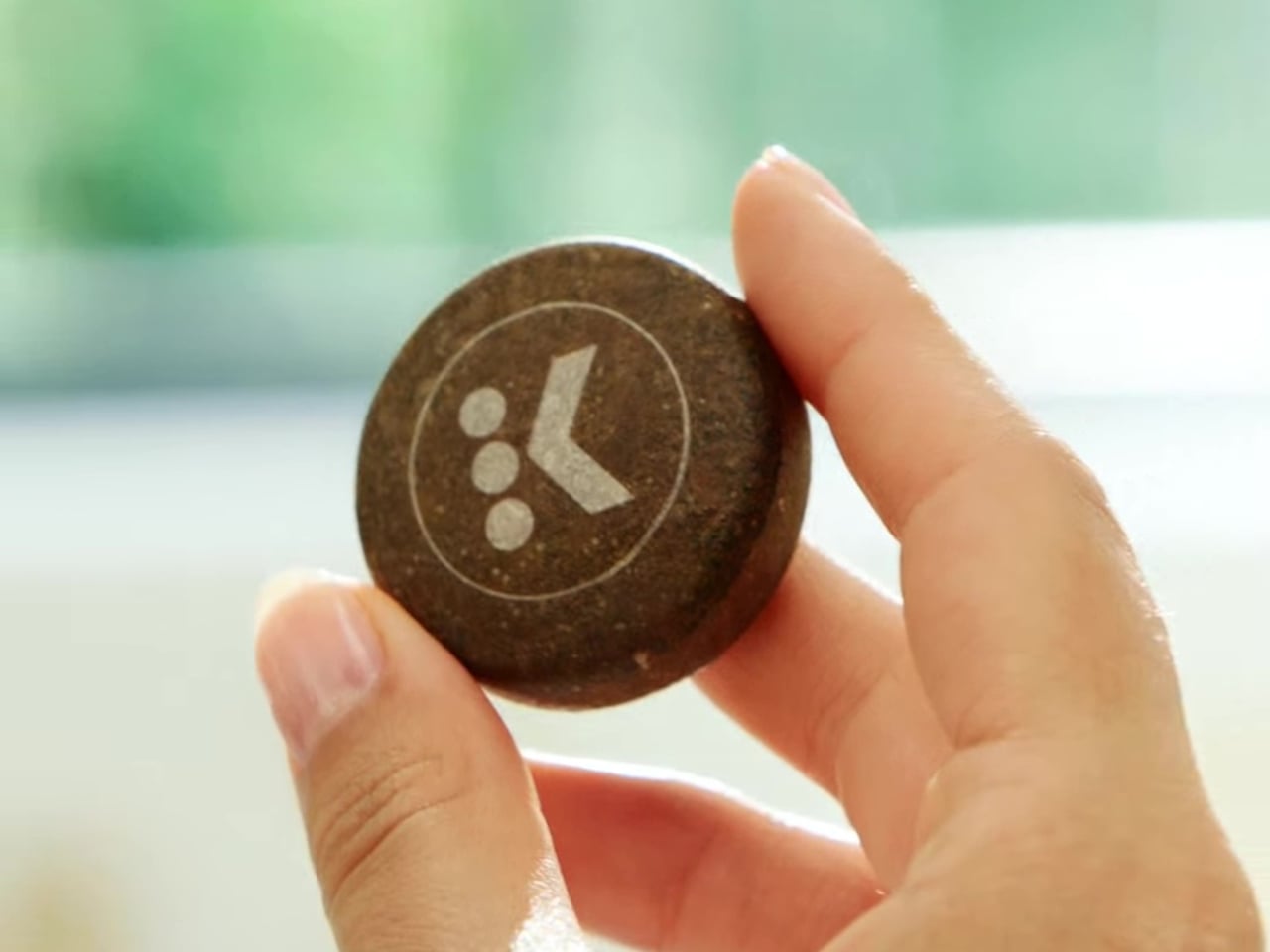
The smaller object changes the routine as much as the larger one. AltaRounds are ground coffee pressed into discs and held together by a plant-based coating derived partly from seaweed. There’s no rigid plastic shell or aluminum lid on the round itself. Once the coffee is spent, the puck can go into compost instead of joining the pile of used pods.

Drop one into the machine and a printed code tells the Alta which drink you’re making. It adjusts the temperature and pressure rather than asking you to remember settings before your cup. For espresso, water passes through holes made by spikes, and the brewer can deliver up to 10 bars of pressure. A shot no longer needs a separate machine or a practiced hand.
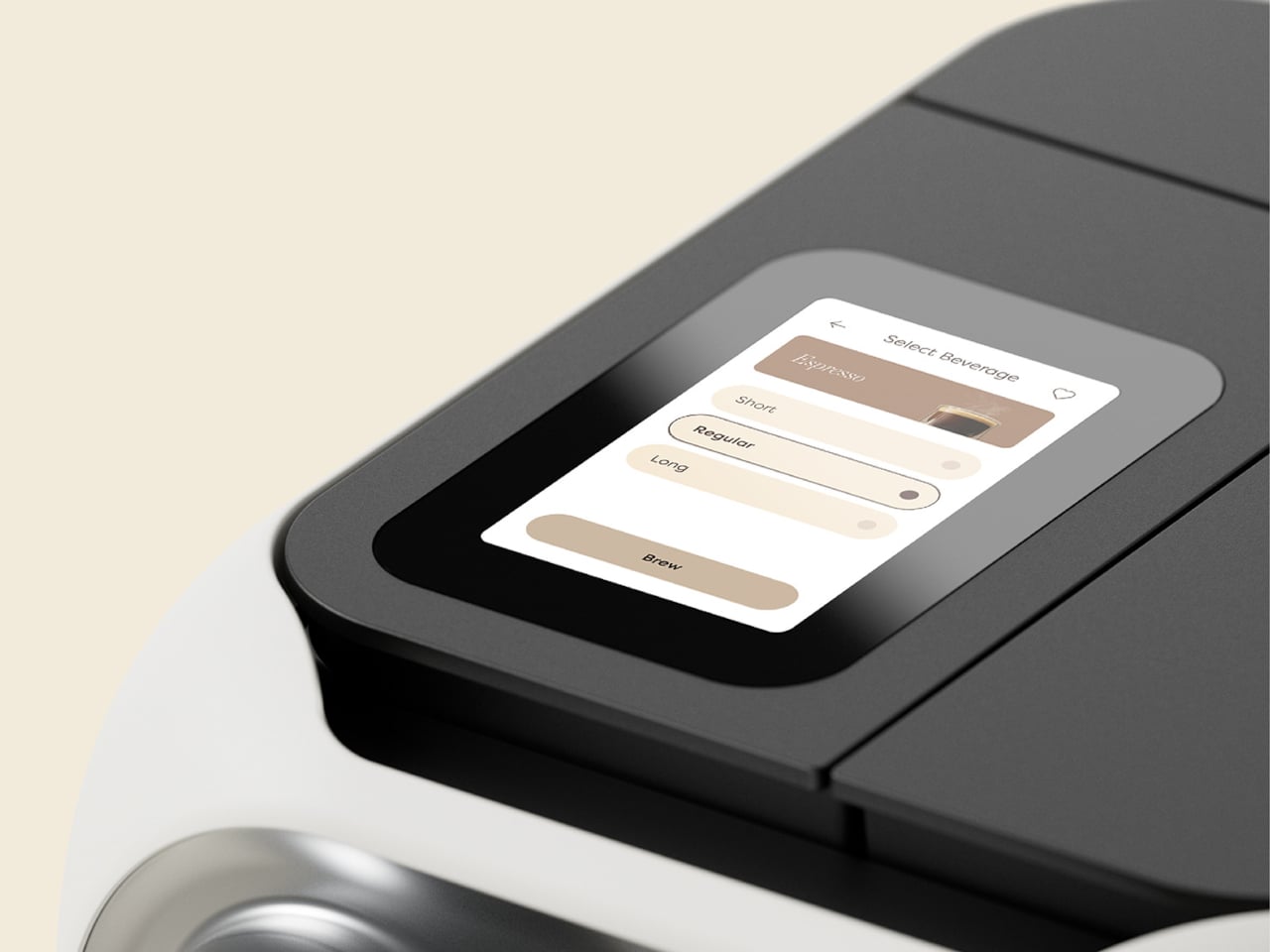
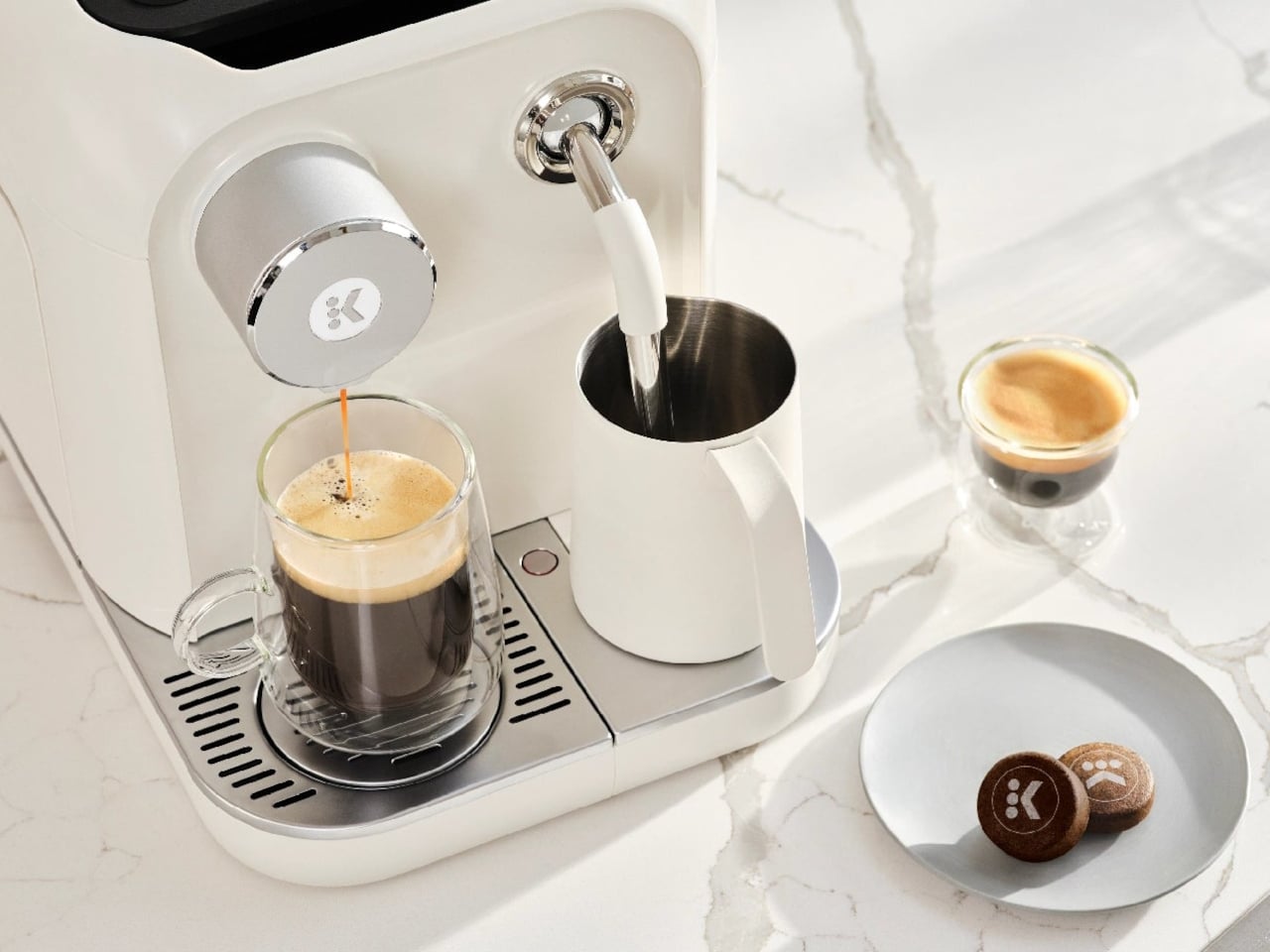
If that shot needs milk, the integrated frother can handle hot or cold foam. The touchscreen guides you through the steps, so a latte in the morning doesn’t require a second appliance or a row of unfamiliar buttons. There’s room for a cup of coffee too, and the available AltaRounds cover espresso as well as light, medium, dark, and caramel-flavored brews.

Of course, doing away with the plastic pod doesn’t mean doing away with plastic. Each AltaRound currently comes in a plastic wrapper to keep the coffee fresh, so there’s something to throw away before brewing. Keurig plans to replace those wrappers with paper, but that hasn’t happened yet. The spent puck may be compostable; the packaging you remove on the way there isn’t.
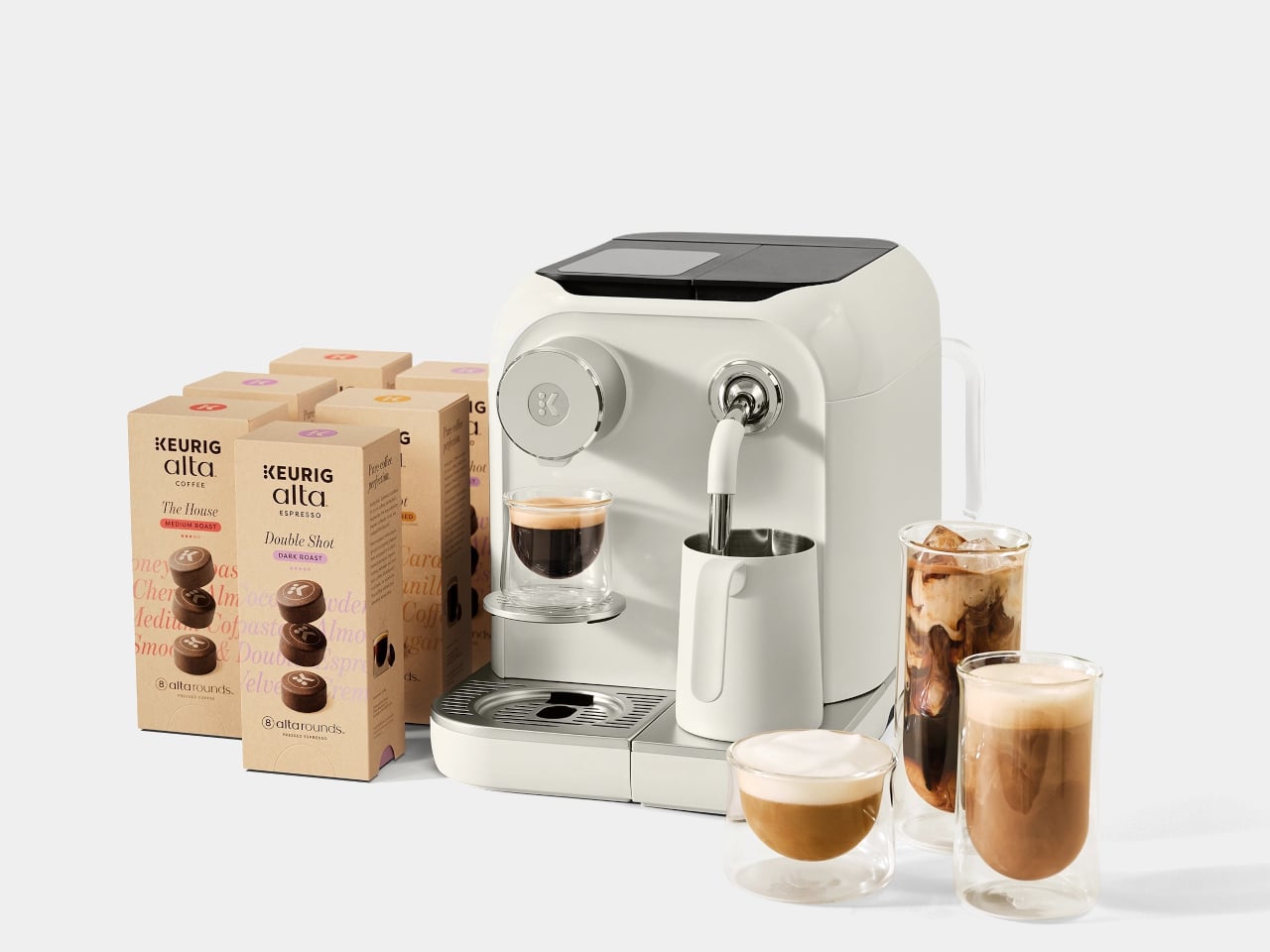
The other compromise sits on the price tag. The Alta’s $499.99 early-access bundle includes glassware and six boxes of coffee rounds, making it a considerable investment for a morning cup. It can also brew regular K-Cups, though those bring back the plastic waste its new system is trying to avoid. Even the most thoughtful brewer can’t decide which kind of pod you put inside.

A morning coffee routine is made of little gestures: opening a packet, loading the brewer, finding a mug, and clearing up afterward. The Alta changes several of them without asking you to learn the finer points of espresso. It still leaves a wrapper in your hand, unfortunately, but the spent puck can go into compost instead of leaving another plastic cup behind.
The post Every K-Cup You’ve Brewed Is Still in a Landfill, and Keurig Has a Fix first appeared on Yanko Design.
Xiaomi Now Sells Coffee Machines, and This One Costs Just $121

Xiaomi sells phones, electric cars, rice cookers, robot vacuums, air fryers, and now a capsule coffee machine, which means the company has quietly built a catalogue capable of furnishing your entire apartment and then driving you out of the garage. The playbook has not changed since: pick a category ruled by expensive Western brands, strip it to the essentials, price it like a provocation, and make it look far better than the price suggests. The Mijia Capsule Coffee Machine has been a China exclusive since February 2025. It just went international at €104.90 ($121 USD), sold directly by Xiaomi.

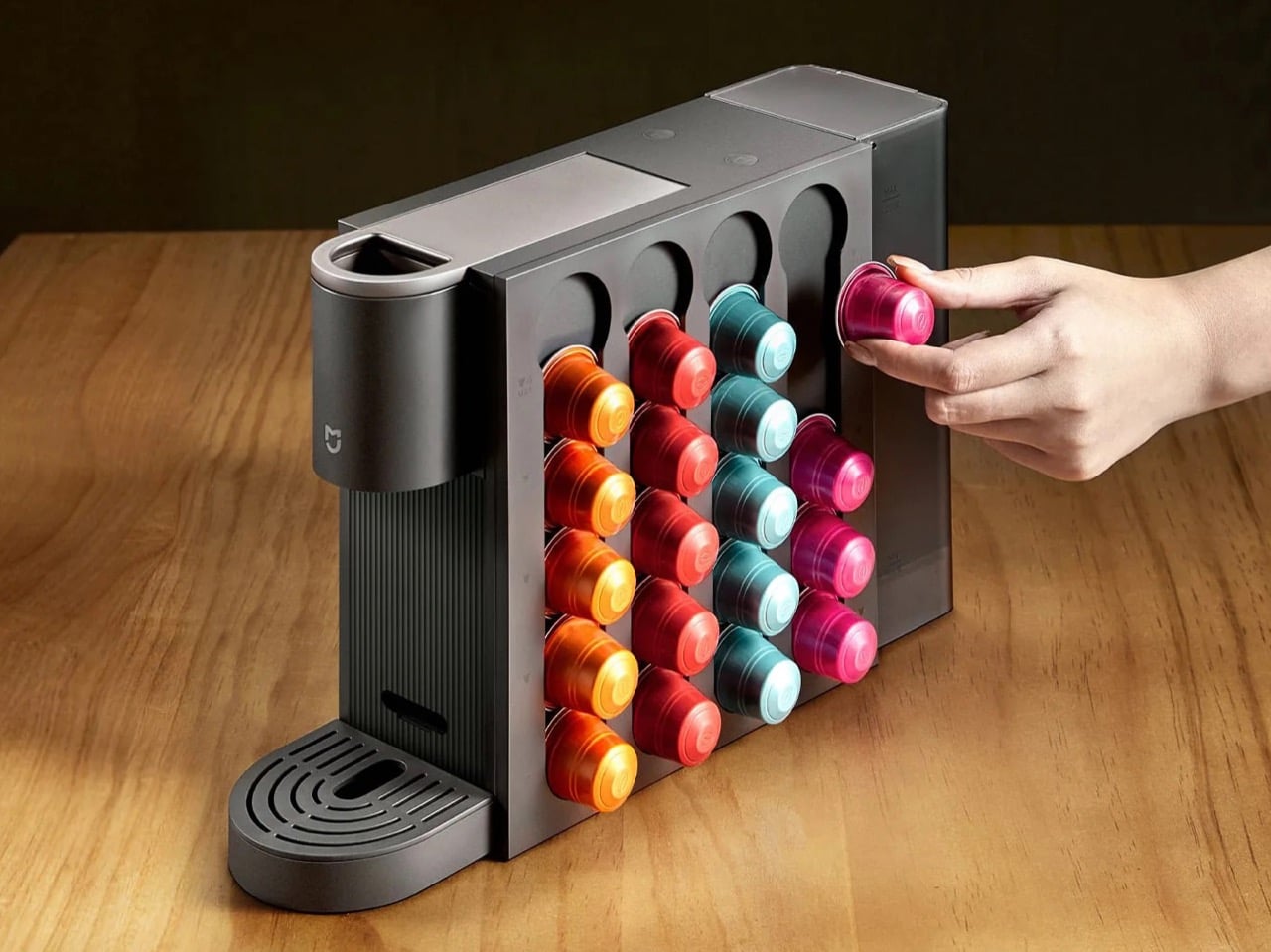
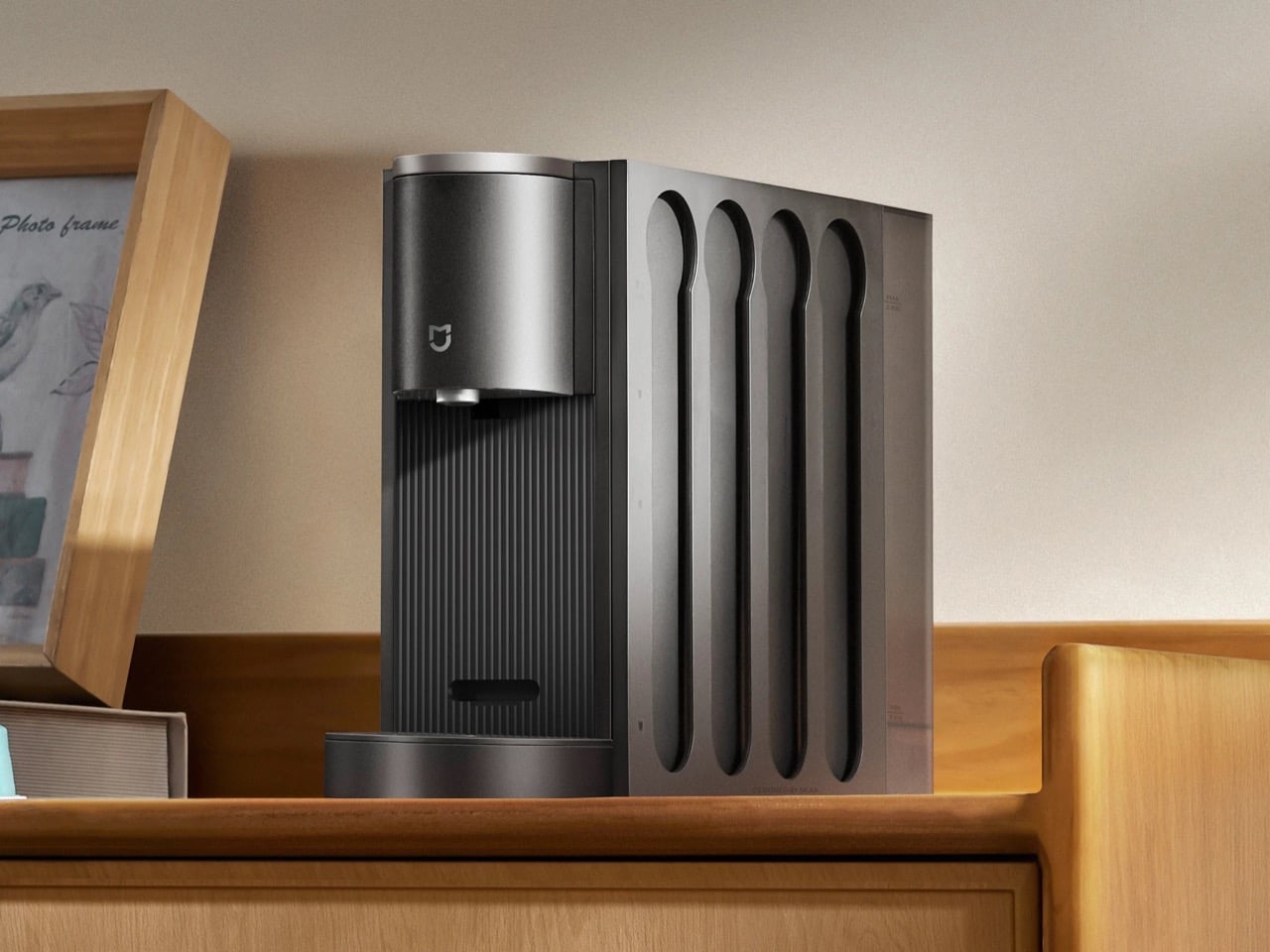
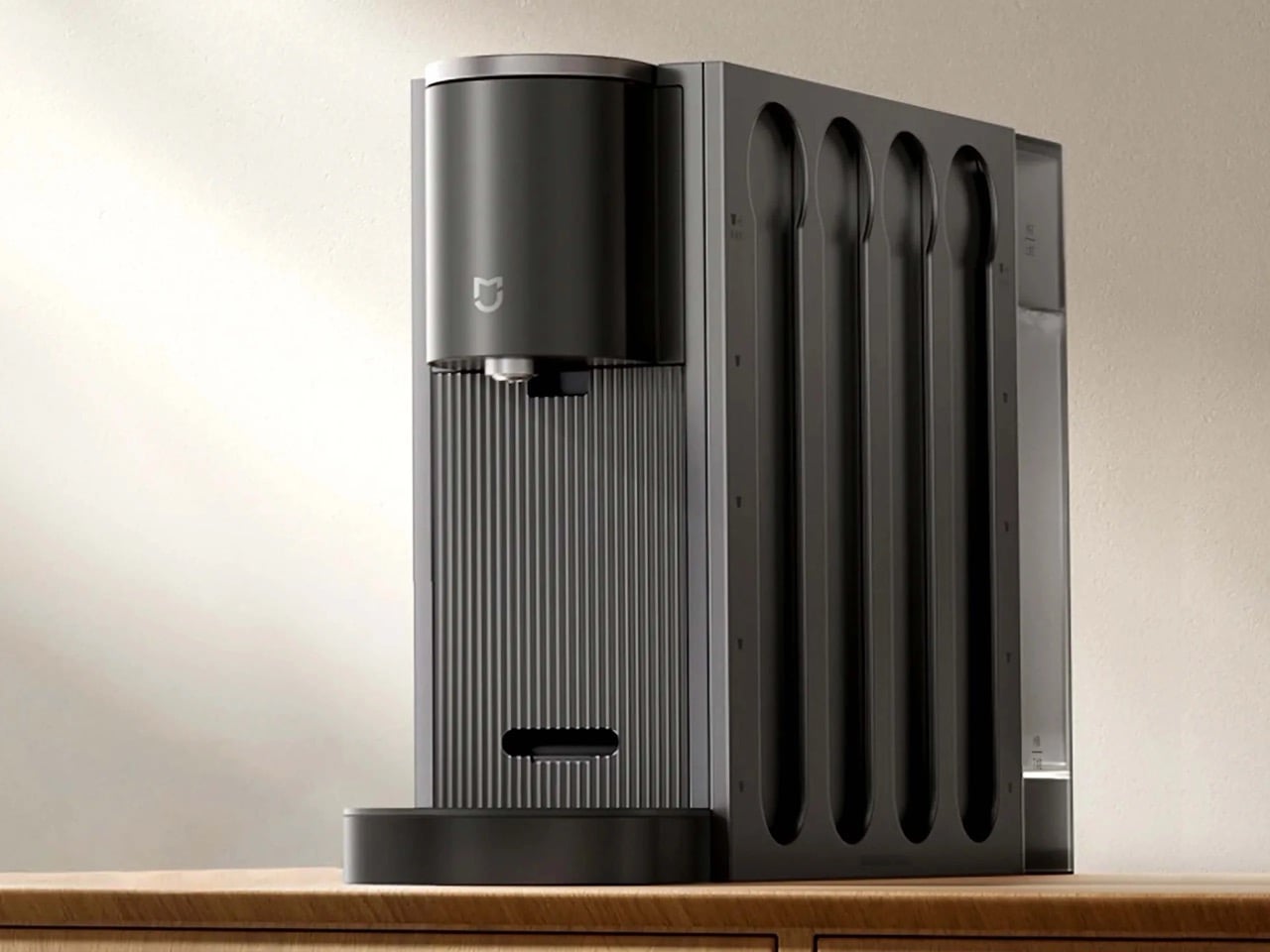
Xiaomi designed it in-house under the Mijia sub-brand with no external studio credited, and the object measures 33.2 x 9.0 x 21.2cm, roughly an A4 sheet standing on its edge. Inside sits a 19-bar ULKA pump from Italian manufacturer CEME, the same pump family Nespresso machines have used for years, alongside a 650ml removable tank and a 25-second preheat. The detail that actually matters is a magnetic capsule rack holding 20 capsules, sitting flush against the machine’s flank or clipping straight onto your fridge door. At ¥499 in China, this thing was a weapon. At €104.90 it lands in Nespresso Essenza Mini territory, which makes the argument far more interesting.

Designer: Xiaomi

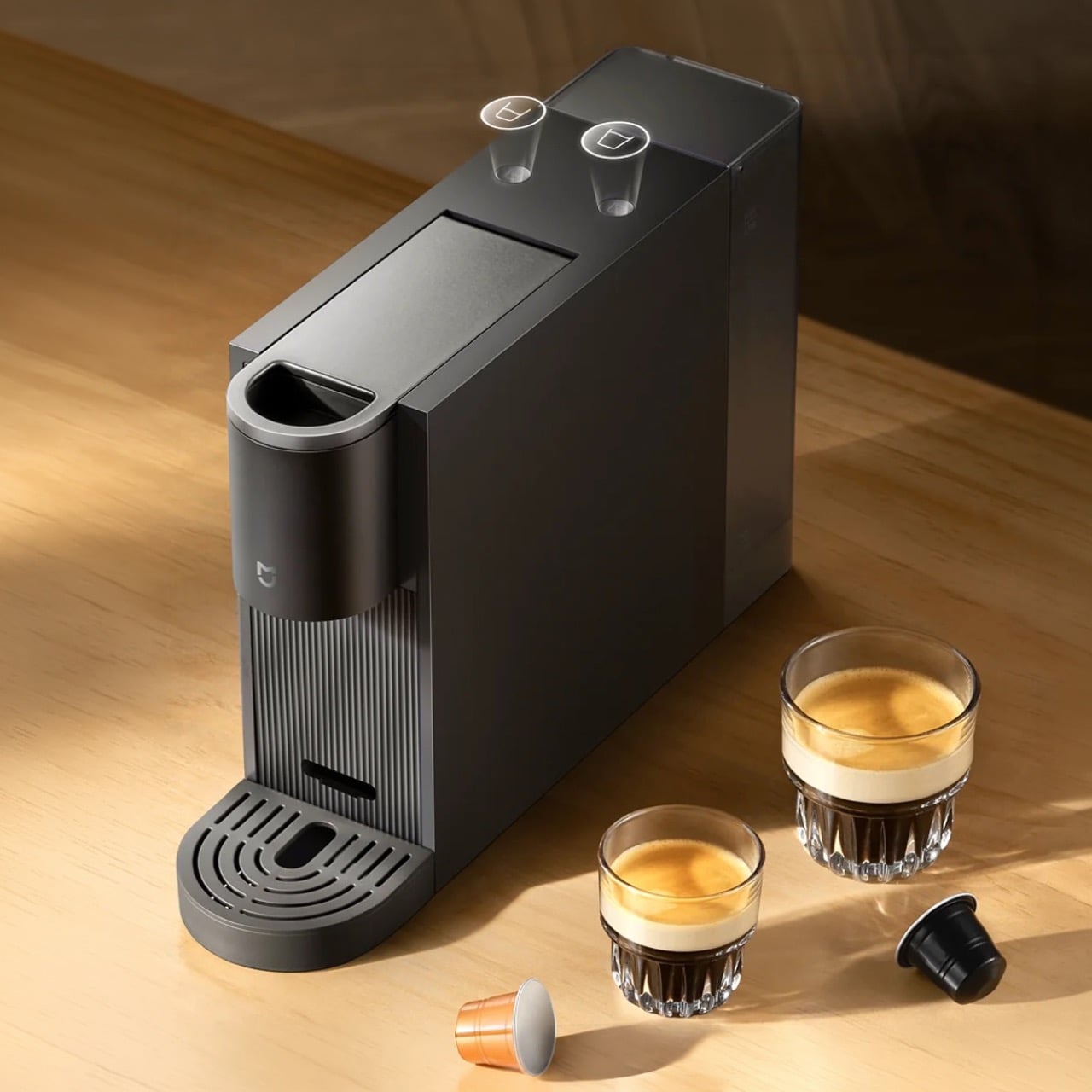
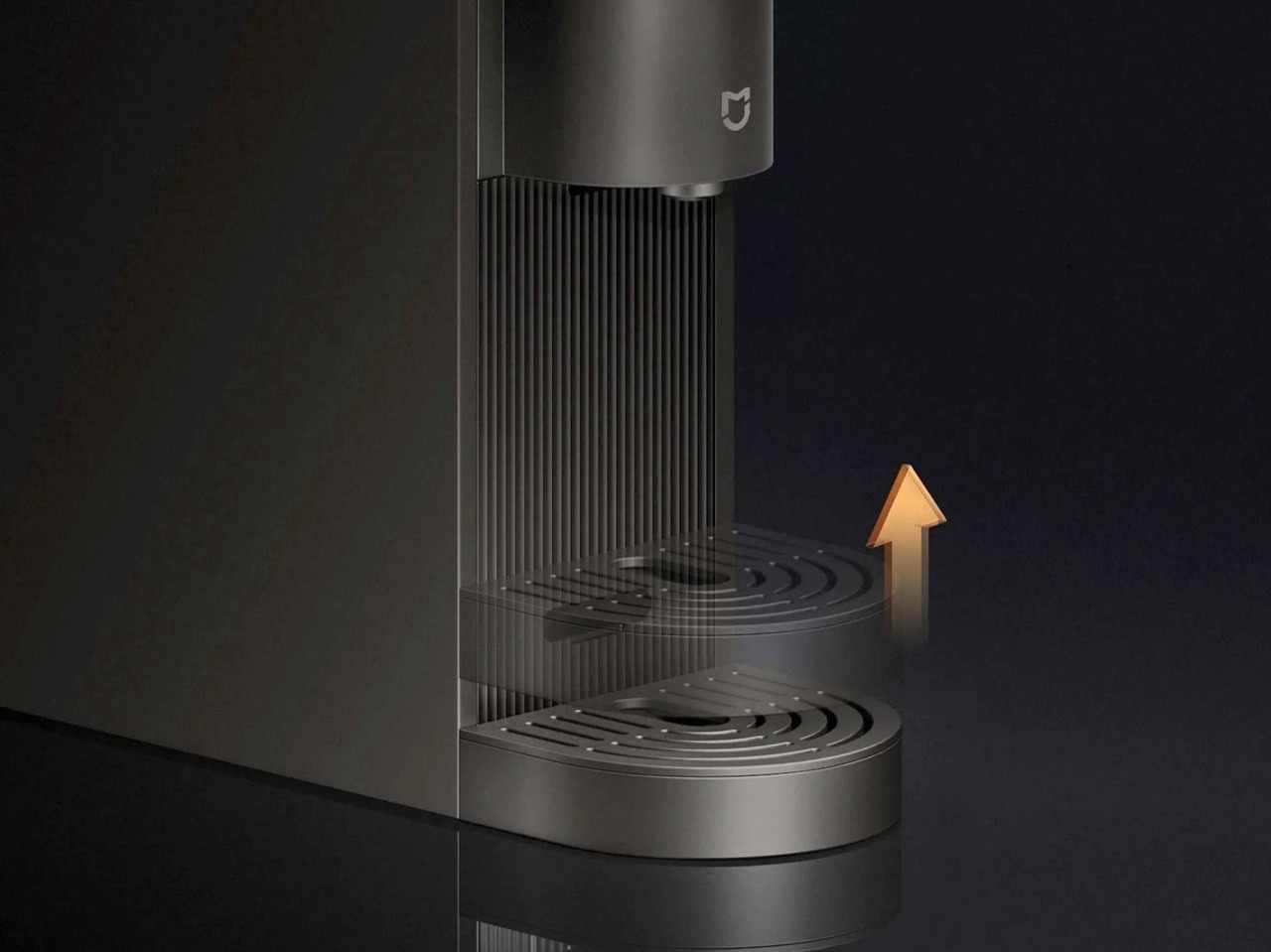
Most capsule machines are wide and squat, built to disappear into a corner counter next to the toaster. Xiaomi went the other direction and made this one narrow enough to stand like a book on a shelf, which is exactly how the brand shot it for launch, next to a picture frame rather than a fruit bowl. The front is split into a rounded brew head sitting above a column of fine vertical fluting, with a smoked panel at the back revealing the water level. Nothing here is flashy. It is the kind of quiet, considered grey object that photographs better than it has any right to, and Xiaomi clearly knew that when it wrote “extraordinary craftsmanship” into the marketing copy.

The rack is the smartest move in the whole design. Instead of selling capsule storage as a separate accessory the way Nespresso does, Xiaomi built it into the silhouette, a slab of twenty vertical slots that clips onto the machine’s side or peels off entirely to stick on a fridge door. It also happens to be the only place color shows up on the entire product, since every capsule you load is a small bright object against an otherwise monochrome machine. That is either genuinely clever industrial design or the tidiest lock-in mechanism I have seen on a kitchen appliance in a while, and honestly it can be both at once.

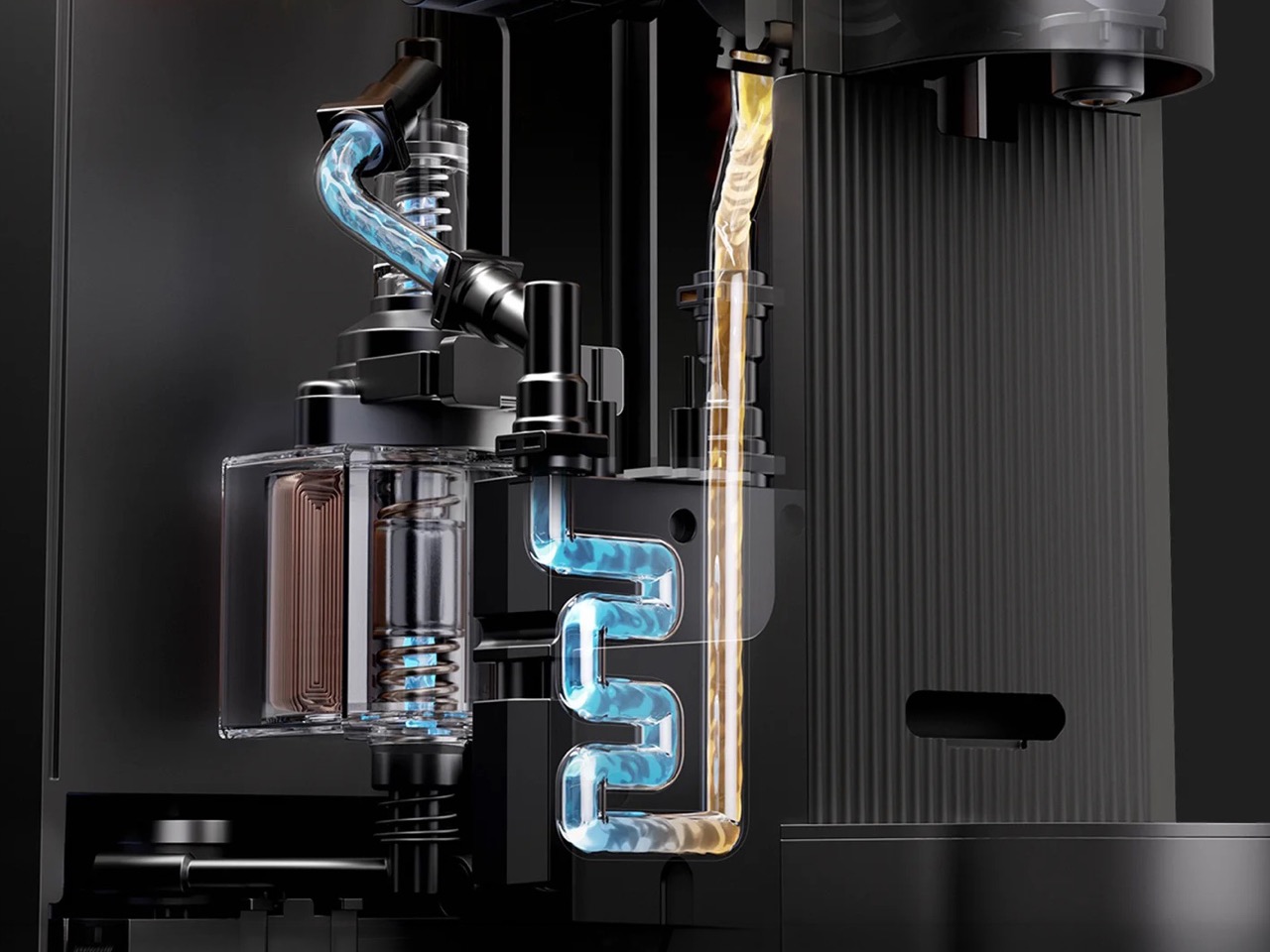
The internals are competent rather than flashy, which is fine, because this machine was never going to out-engineer a Breville. A 19-bar ULKA pump built by CEME S.P.A. in Italy handles pressure, paired with an NTC sensor and PID algorithm for temperature control, plus a 1400W heater and a 650ml tank you can pull off and rinse at the sink. Two cup sizes come preset at 40ml and 110ml, and both are adjustable by holding the button and tapping again once you hit your preferred pour. Xiaomi rates the whole thing at 55dB(A), quiet enough that it will not wake anyone sleeping down the hall. None of it screams for attention, and that restraint is sort of the point.

The internals are competent rather than flashy, which is fine, because this machine was never going to out-engineer a Breville. A 19-bar ULKA pump built by CEME S.P.A. in Italy handles pressure, paired with an NTC sensor and PID algorithm for temperature control, plus a 1400W heater and a 650ml tank you can pull off and rinse at the sink. Two cup sizes come preset at 40ml and 110ml, and both are adjustable by holding the button and tapping again once you hit your preferred pour. Xiaomi rates the whole thing at 55dB(A), quiet enough that it will not wake anyone sleeping down the hall. None of it screams for attention, and that restraint is sort of the point.

Worth saying plainly: Xiaomi never claims Nespresso compatibility. It lists four capsule diameter ranges instead and lets you do the math yourself, which is a neat bit of legal sidestepping dressed up as a spec sheet. It is also worth remembering that capsules cost more per cup than ground coffee and are harder on the planet, no matter how good the machine holding them looks. The bigger question is what happens to the price argument now that it has left China. At ¥499 this machine undercut everyone. At €104.90 it is going toe to toe with Nespresso on cost and betting the design carries the rest. Given what is actually sitting on that shelf, I would not bet against it.

The post Xiaomi Now Sells Coffee Machines, and This One Costs Just $121 first appeared on Yanko Design.