Walk down almost any street in an American city without your headphones in, and you will notice how little of that walk actually belongs to you sonically. The traffic has its own noise, the storefronts have their looped playlists, and if you want communal music, you generally have to buy a ticket, walk into a bar, or wait for a permitted block party. Public space in this country is loud, but it is rarely shared, and shared sound almost always costs something.
That is the quiet problem sitting underneath Mariami Kurtishvili’s graduate thesis at Berlin’s Universität der Künste. Public sound, whether staged in ancient amphitheaters, Renaissance opera houses with their tiered balconies of privilege, or today’s private venues, has always been organized around who gets to listen and who pays to host the listening. In ancient amphitheaters, the best seats were reserved outright for the political and religious elite, a hierarchy of hearing built directly into the architecture. Building anything permanent on a public street, meanwhile, means permits, city approval, drilled holes, and money most students and artists simply do not have. So how do you hand a city communal sound without owning a wall, renting a stage, or damaging a single streetlamp?
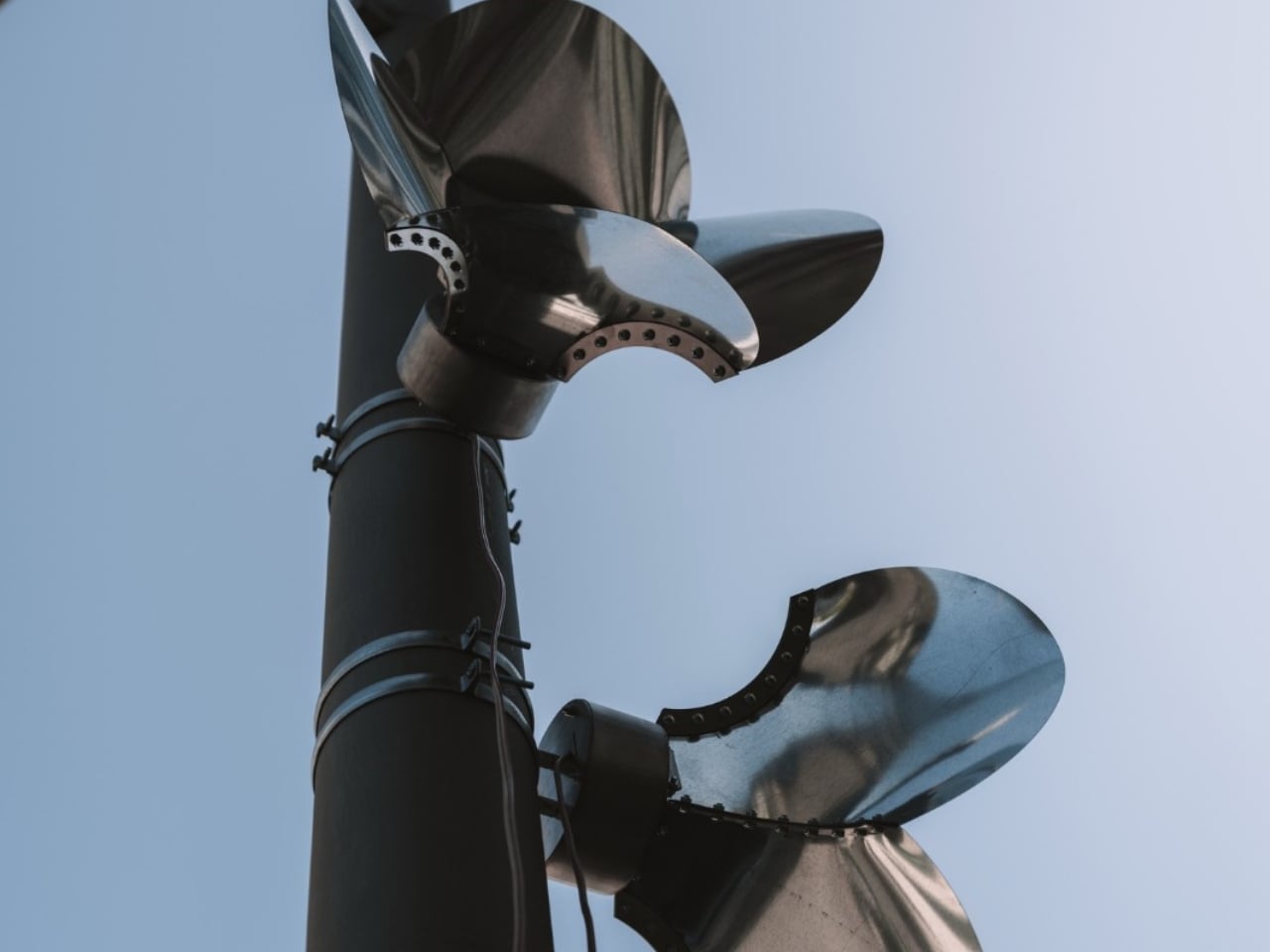
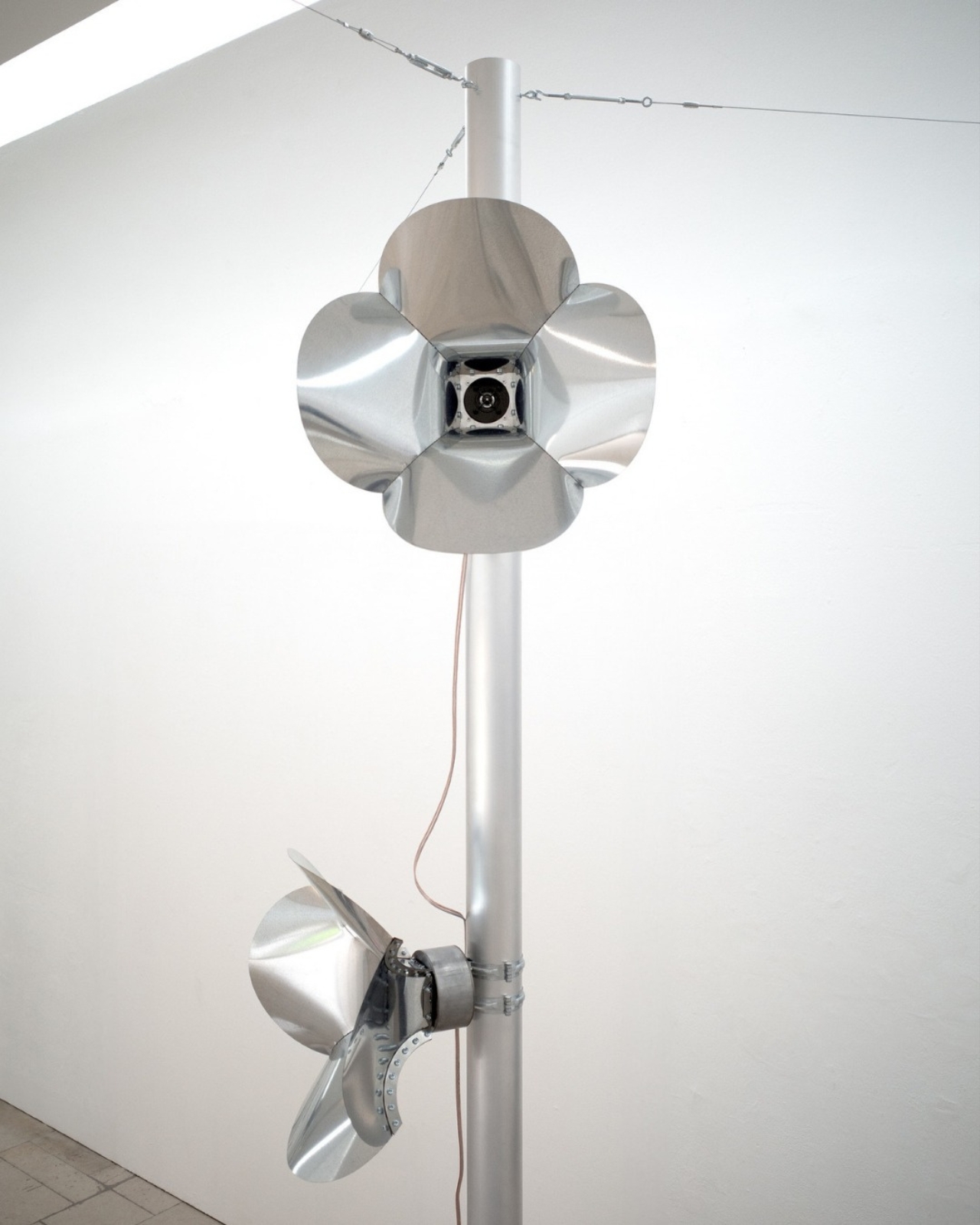
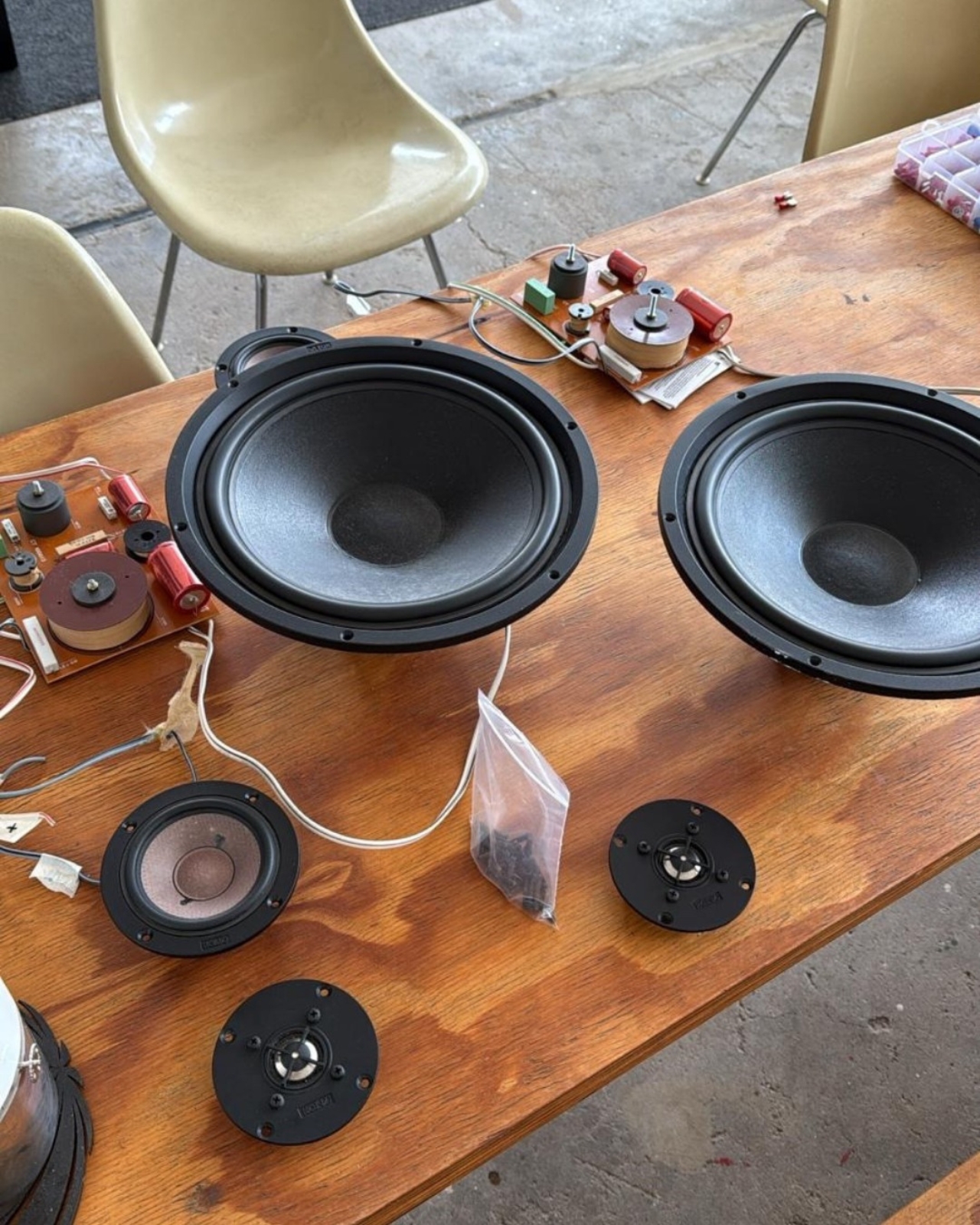
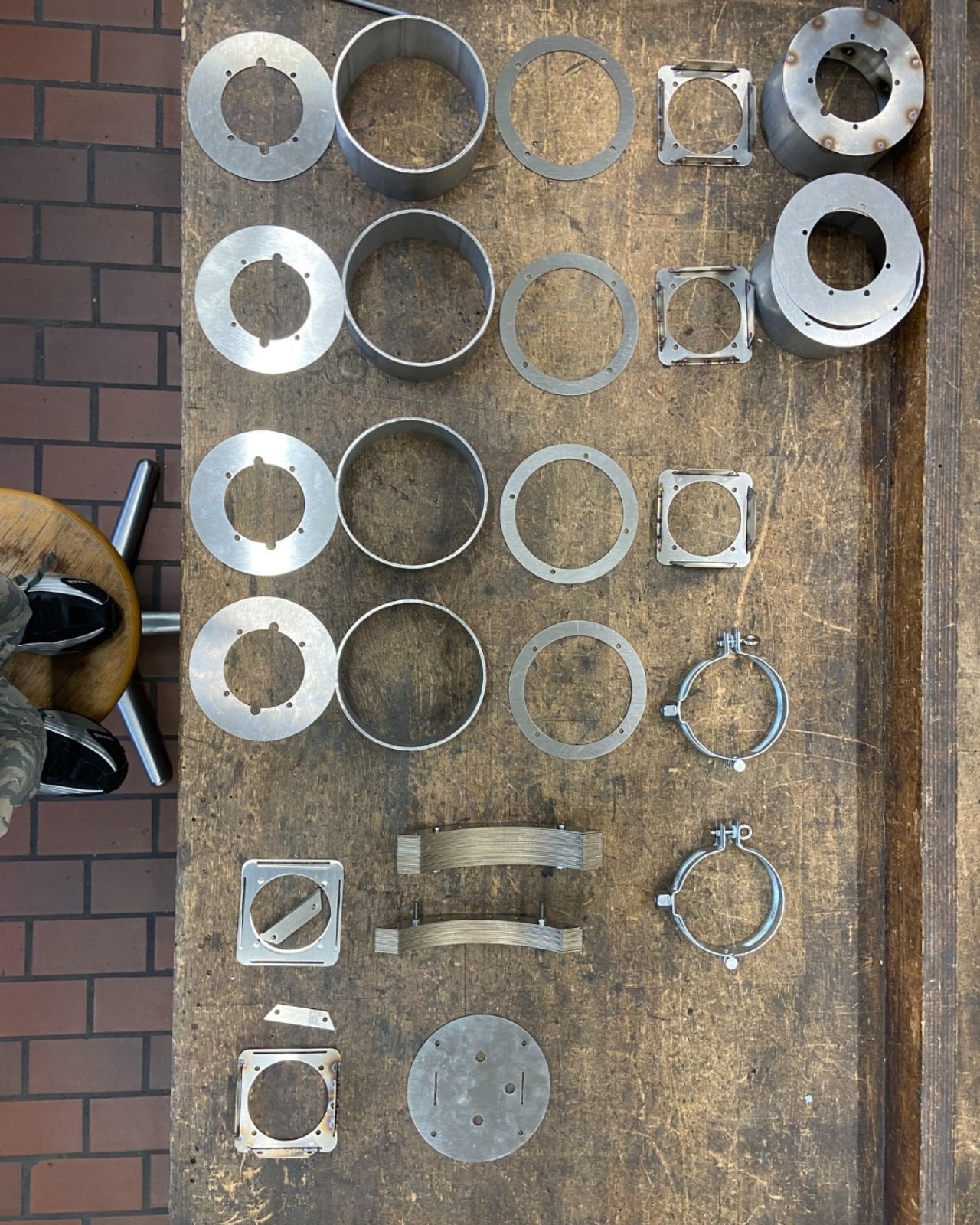
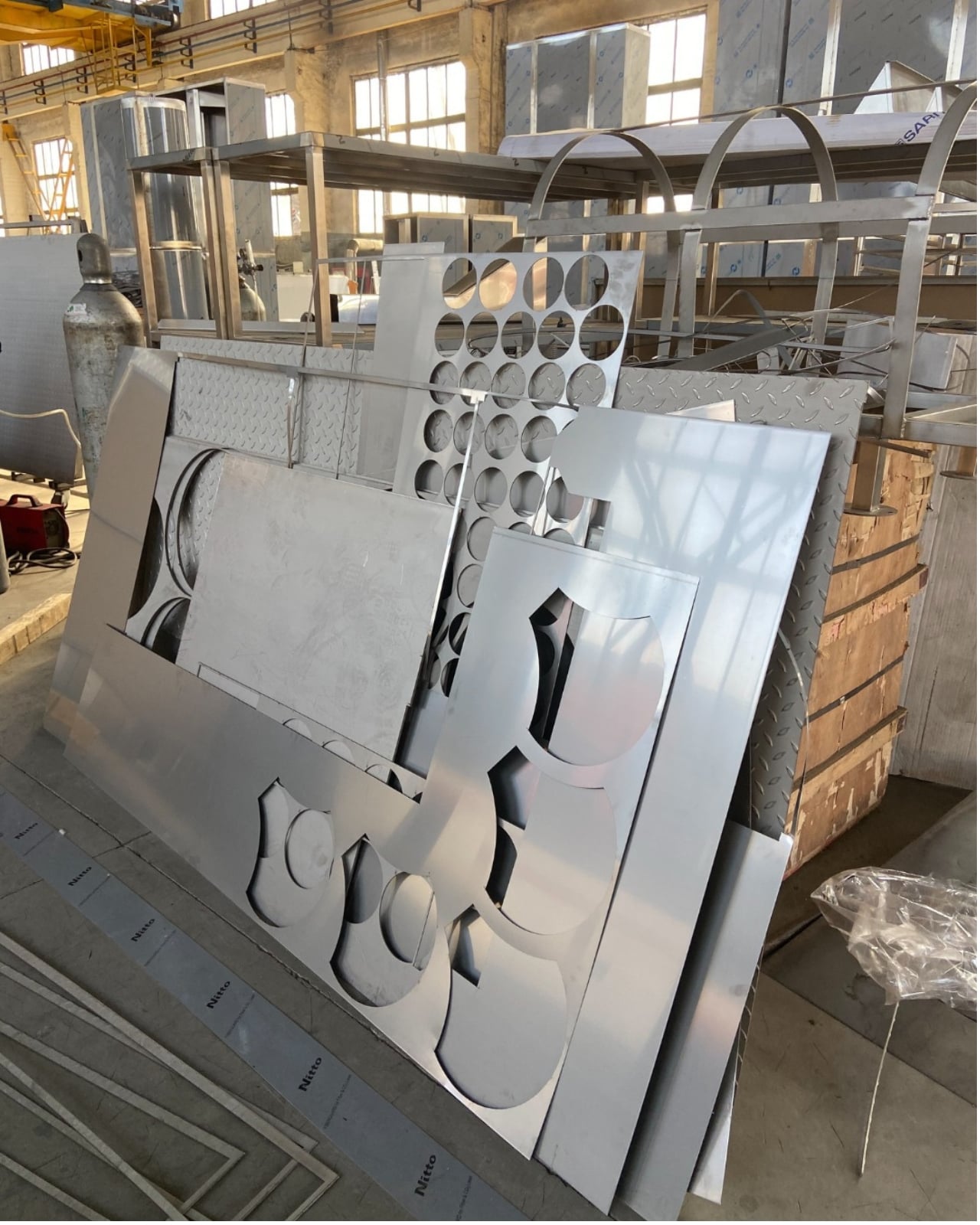
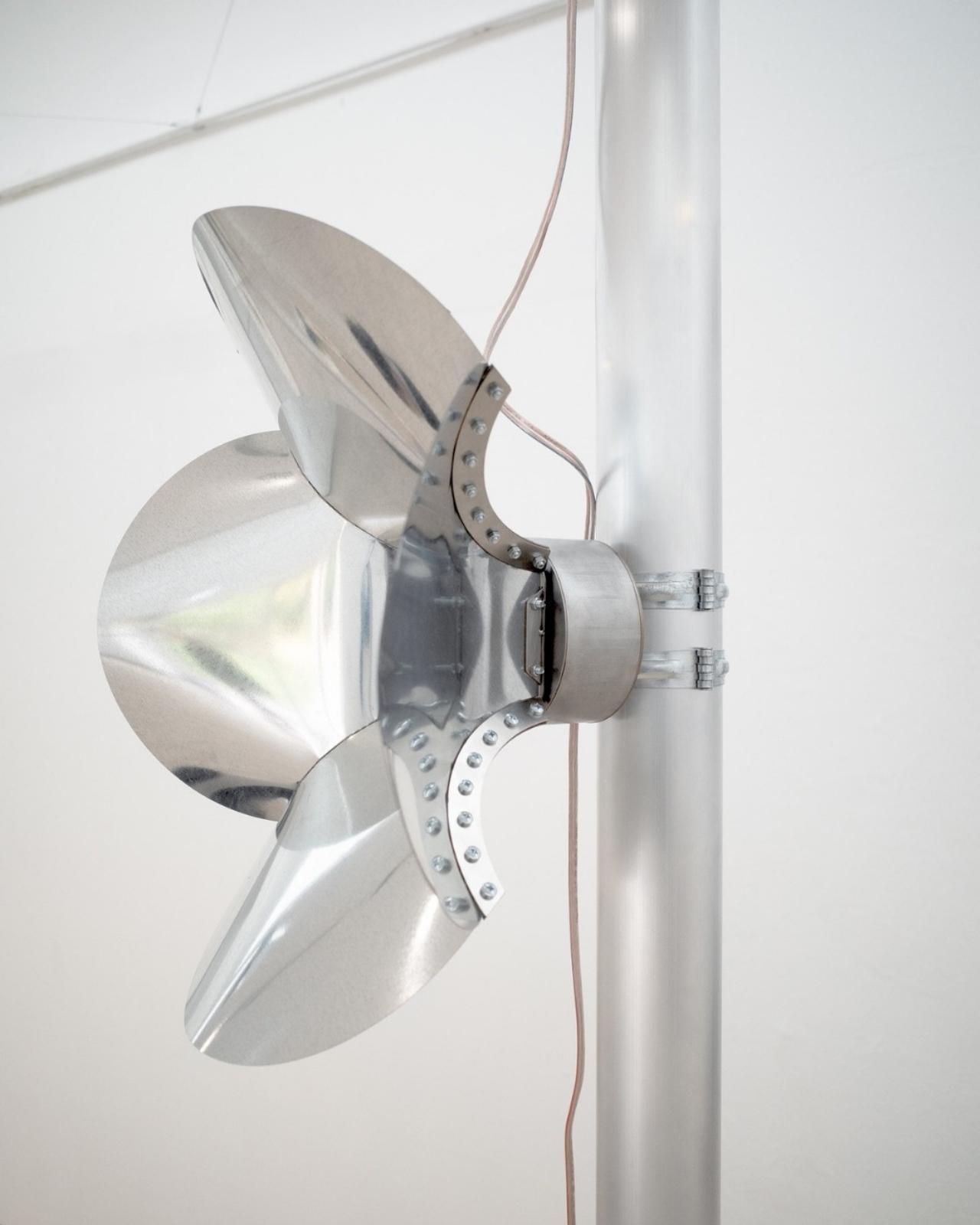
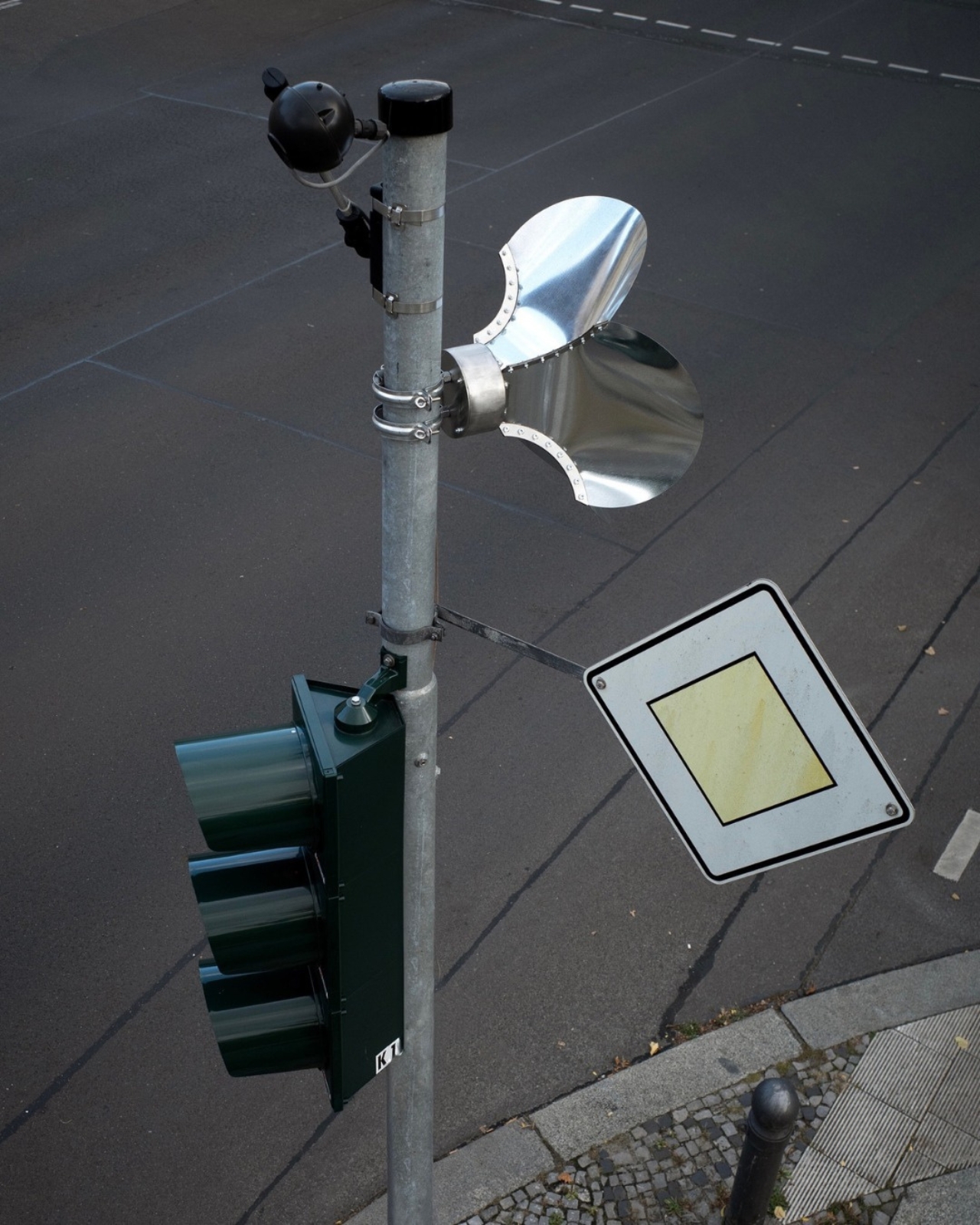
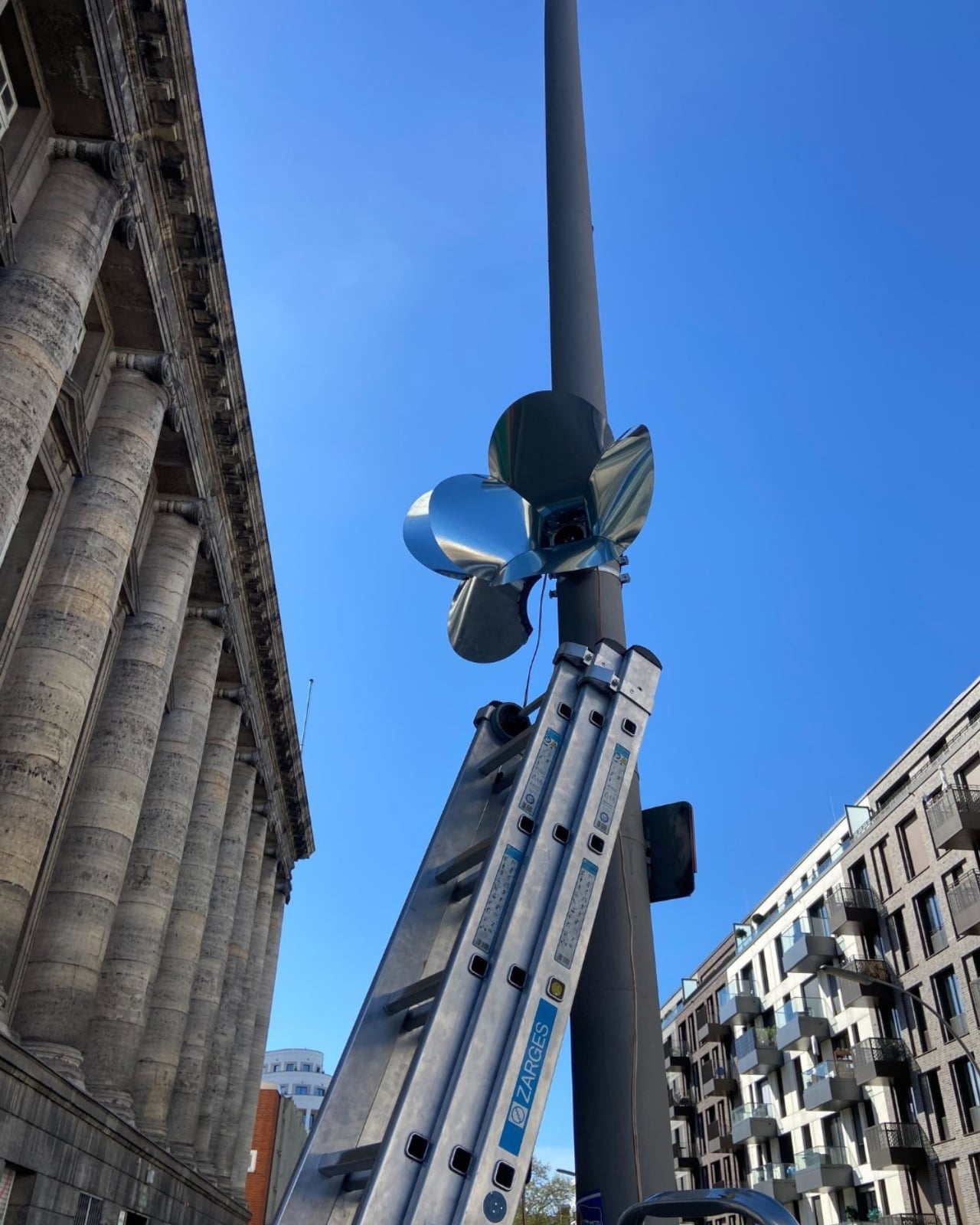
Kurtishvili’s answer, developed under architect Gustav Düsing at UdK Berlin, is the Orchid Sound System, a set of stainless steel high frequency horns clipped onto galvanized steel buckles, the same kind used to hold together scaffolding or shipping crates. She presented the project, titled “Sound Systems: Building Sonic Territories,” as her master’s thesis in the design-build track this past October, advised by Düsing alongside Dr. Susanne Hauser and Julian Schubert. Instead of speakers bolted into walls or drilled onto poles, these horns wrap around whatever the city already has standing, light poles, traffic signal posts, exposed pipes, and hold on without a single screw or drill mark. When the installation ends, the pole looks exactly as it did before anyone arrived.
The name is not decorative. Epiphytic orchids grow on trees but never draw nutrients from them the way a parasite would; they simply use the tree as a place to exist, giving nothing back but their presence. Kurtishvili’s horns behave the same way toward a city’s infrastructure. They borrow a pole’s height and stability for a few hours, and in exchange they hand back sound, message, and a kind of temporary meaning to a piece of street furniture nobody usually looks at twice.
I like that the project refuses to be monumental. It would have been easy to design a sculptural, permanent object meant to announce itself as art. Instead, the horns are meant to disappear once the show ends, and the listening sessions Kurtishvili staged around Berlin worked because of that restraint. People did not gather to admire an object. They gathered because sound had, briefly, become public property again, attached to a pole a few dozen strangers happened to already be standing near, and that shared presence is exactly what she says the project was chasing.
Americans already understand a version of this instinct, the boombox on a stoop, the car stereo at a cookout, the speaker someone drags to the park. What Kurtishvili adds is intention, plus an actual design solution to the cost and damage those informal gestures usually require once you try to scale them into something organized. Nobody has to own the pole. Nobody has to rent a venue. The horns simply attach, perform for an evening, and disappear.
Whether the Orchid Sound System ever leaves the thesis stage for actual manufacturing is still an open question, and student design-build projects rarely make that leap cleanly. But the underlying claim, that a city’s existing bones can host culture without a single new structure being poured or permanently bolted down, is worth borrowing regardless of who eventually builds it. Public space keeps getting more commercial and more watched. A speaker that clips onto a lamppost, plays for a night, and vanishes without a trace is a small, hopeful answer to that drift.
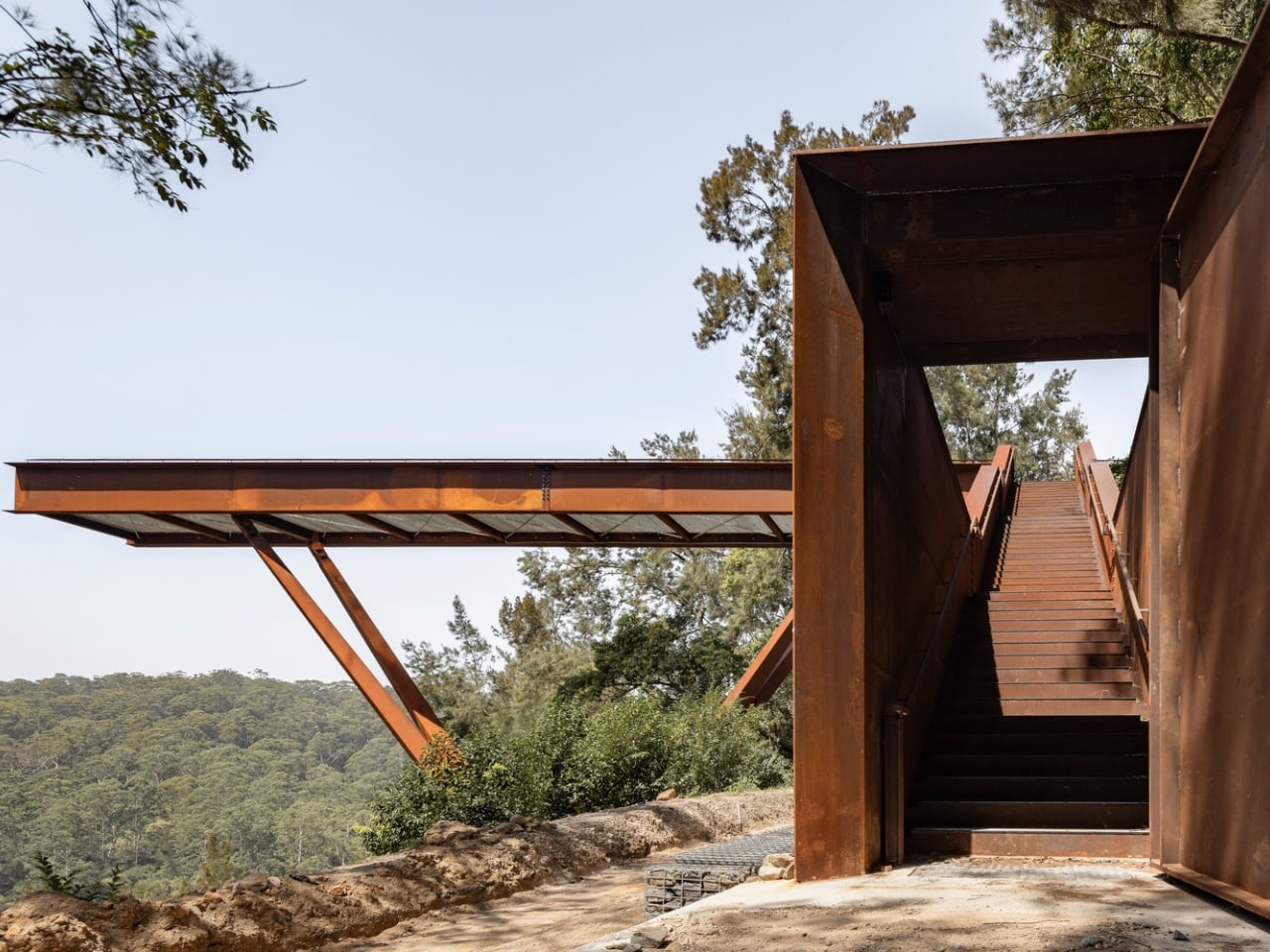
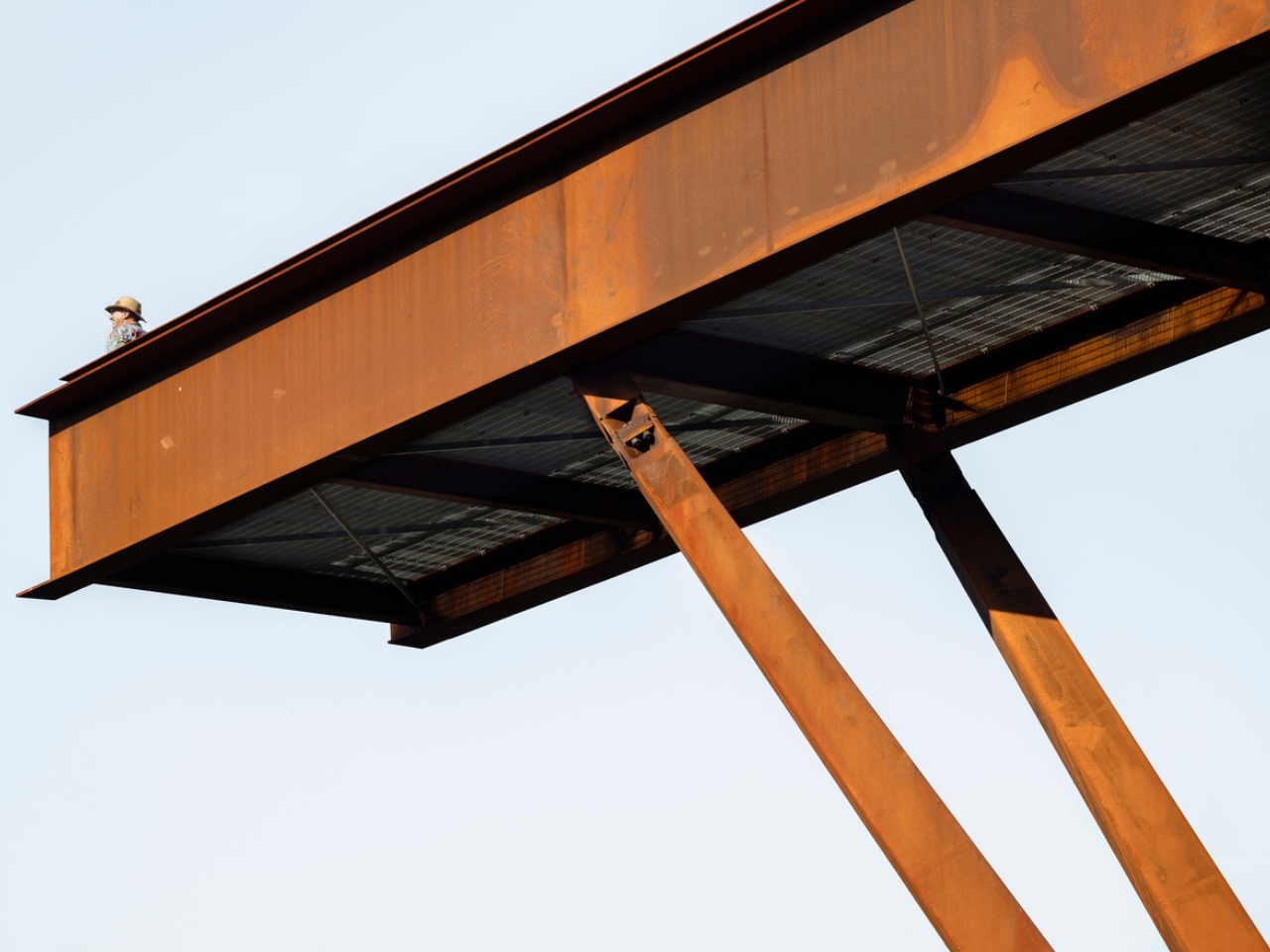
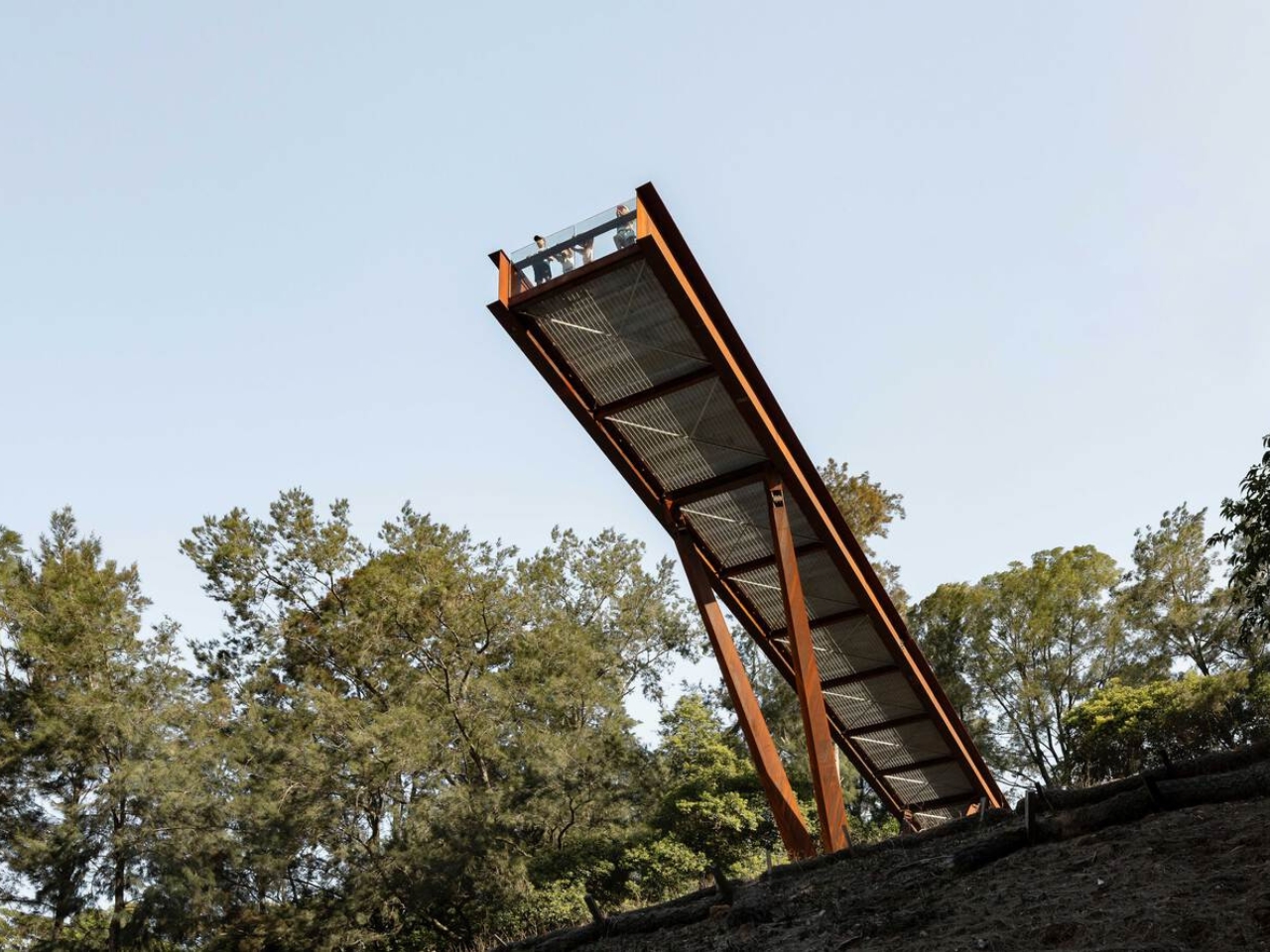
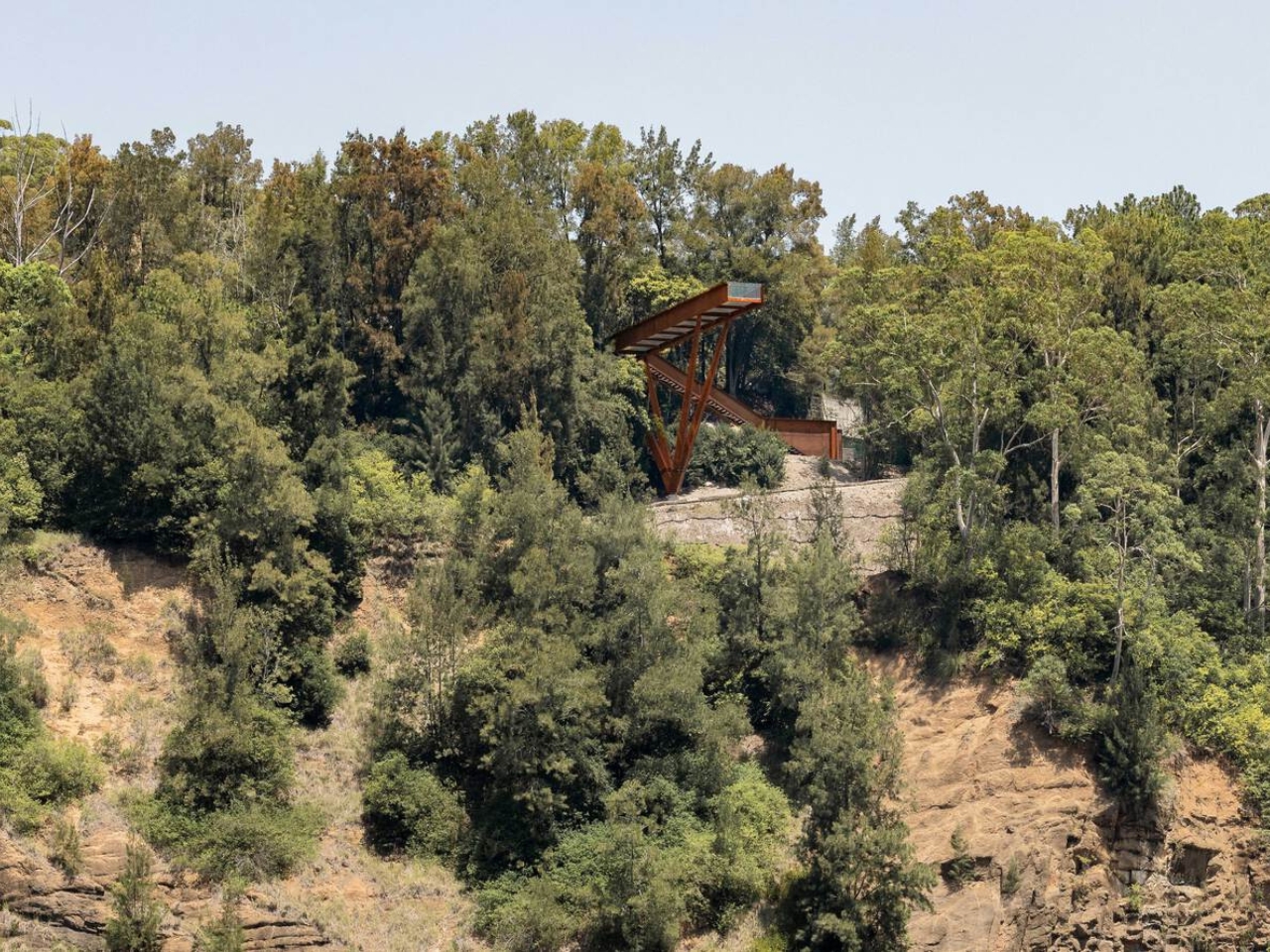
If you told me a 42-metre platform made of weathering steel, suspended over a former rock quarry, would be one of the most compelling pieces of public architecture right now, I’d say I believe you completely. The Southern Lookout at Hornsby Park in Sydney is exactly that. And it is worth every bit of attention it’s getting.
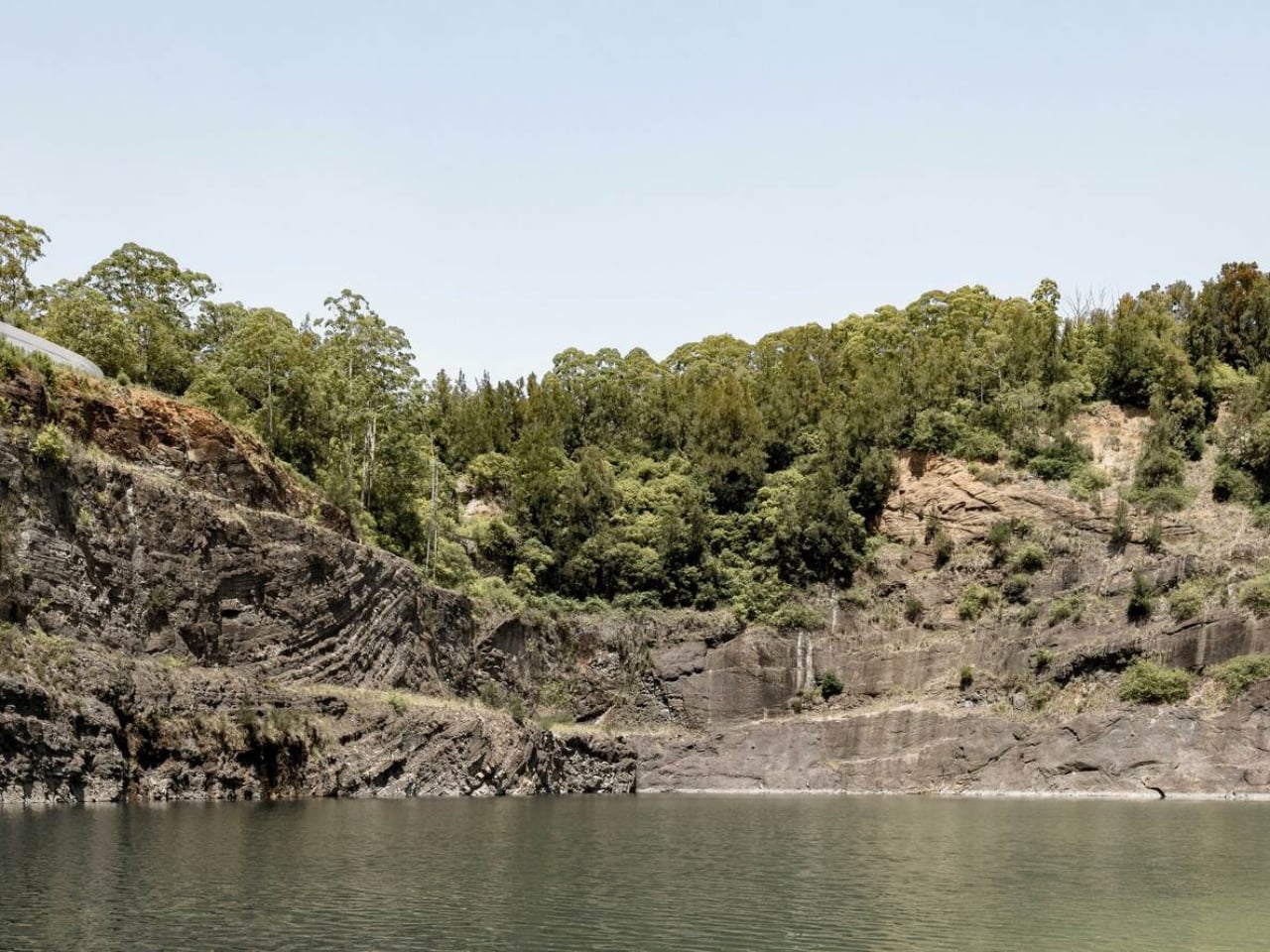
Designed by AJC Architects in collaboration with Clouston Associates, the structure sits on the northern edge of Sydney, overlooking the dramatic topography of Hornsby Quarry. The site itself has a remarkable backstory. For over a century, the quarry was completely inaccessible to the public. A place that had been carved out and worked, left to become something between ruin and wilderness, invisible to the city that had grown up around it. The Southern Lookout is the first completed architectural piece of a much larger 60-hectare landscape masterplan. It is, in the most literal sense, an opening.
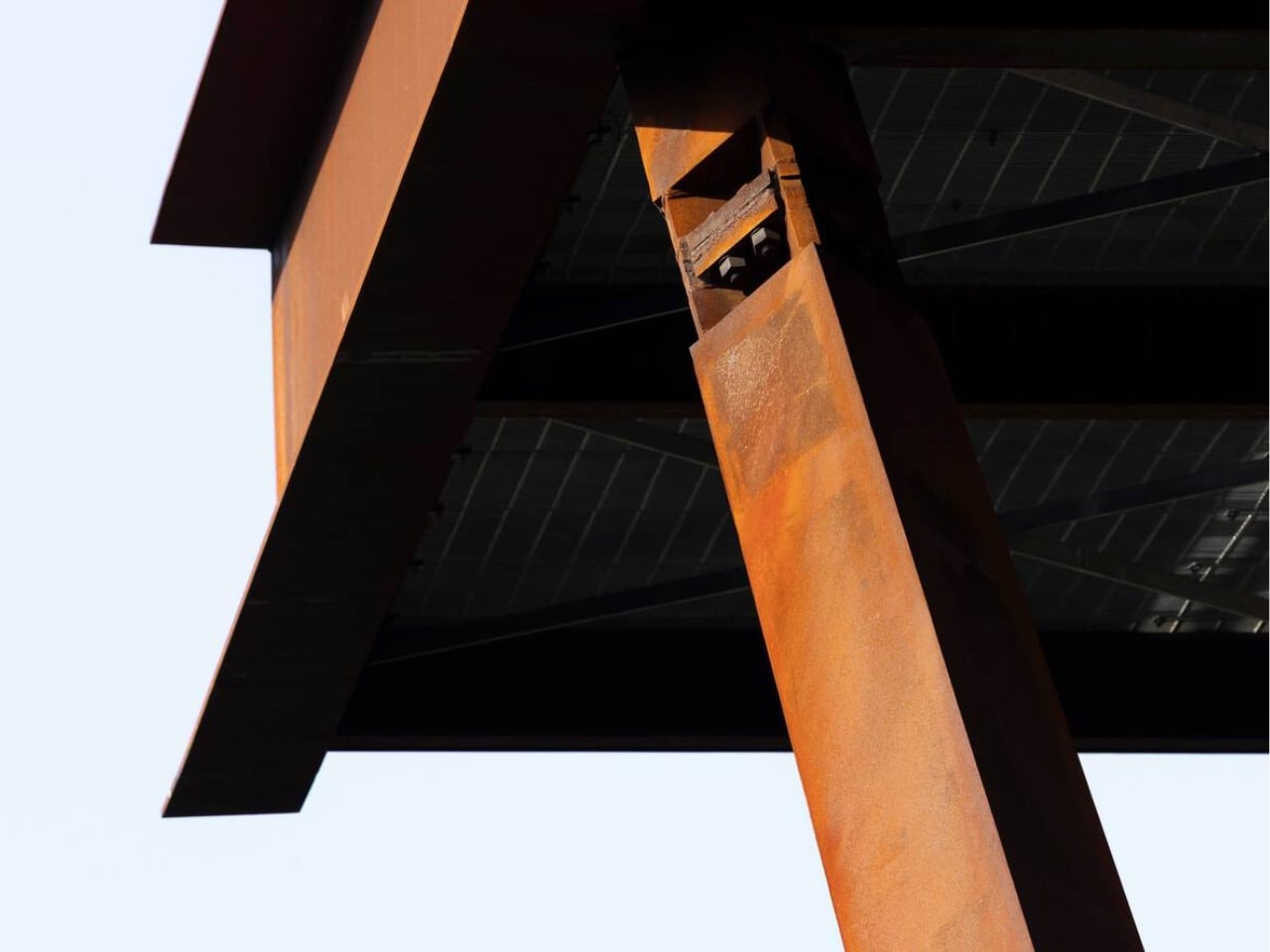
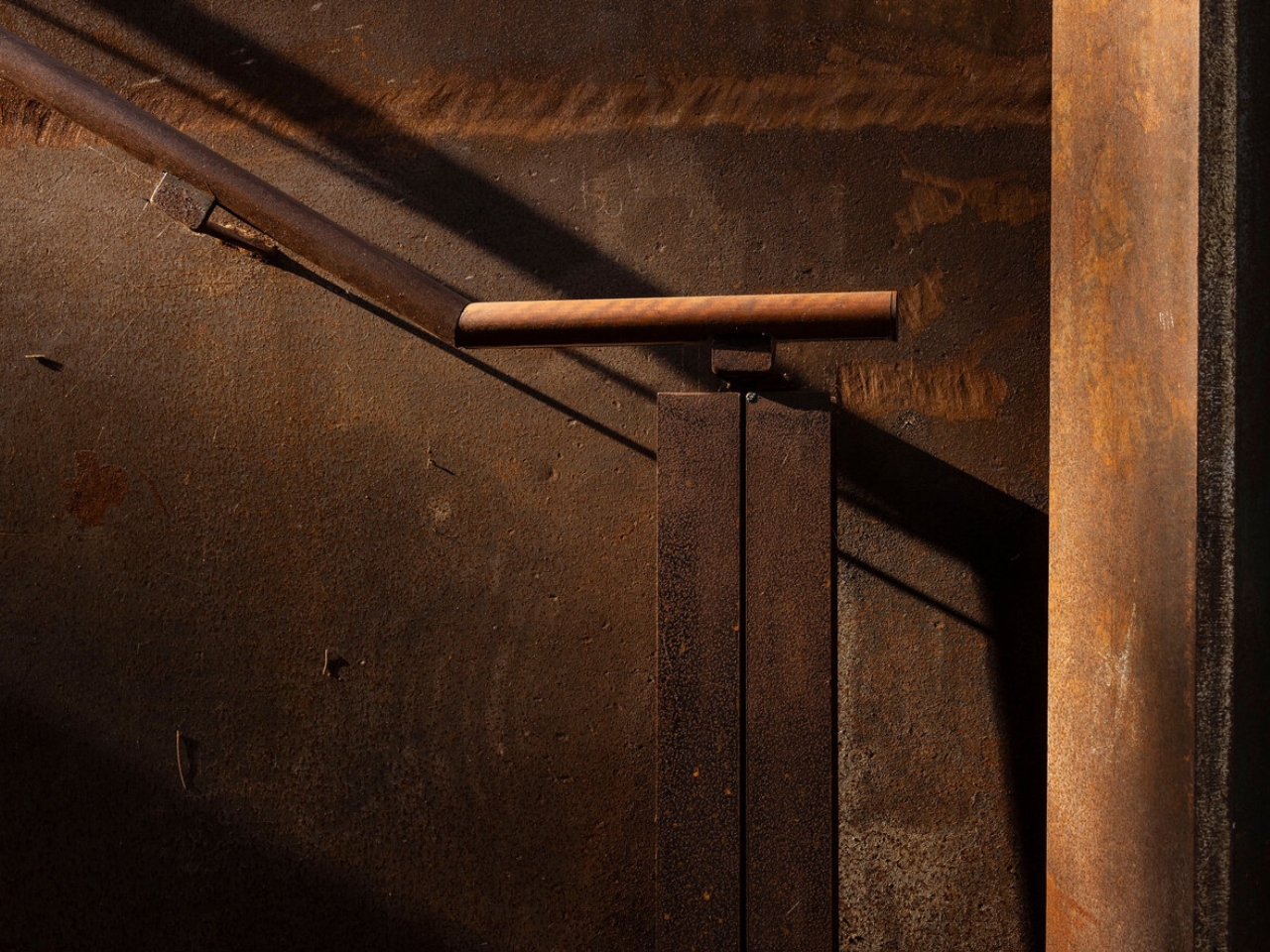
The choice of weathering steel is the first thing that makes you stop and think. Cor-Ten, as it’s commonly known, is a material that rusts deliberately. It forms a stable oxidized layer on its surface that protects the steel beneath while giving it that signature warm, amber-brown tone. It is a material that ages visibly and honestly, and for a project like this one, placed on the edge of a quarry whose story is entirely about time and transformation, it feels less like a design decision and more like a point of view.
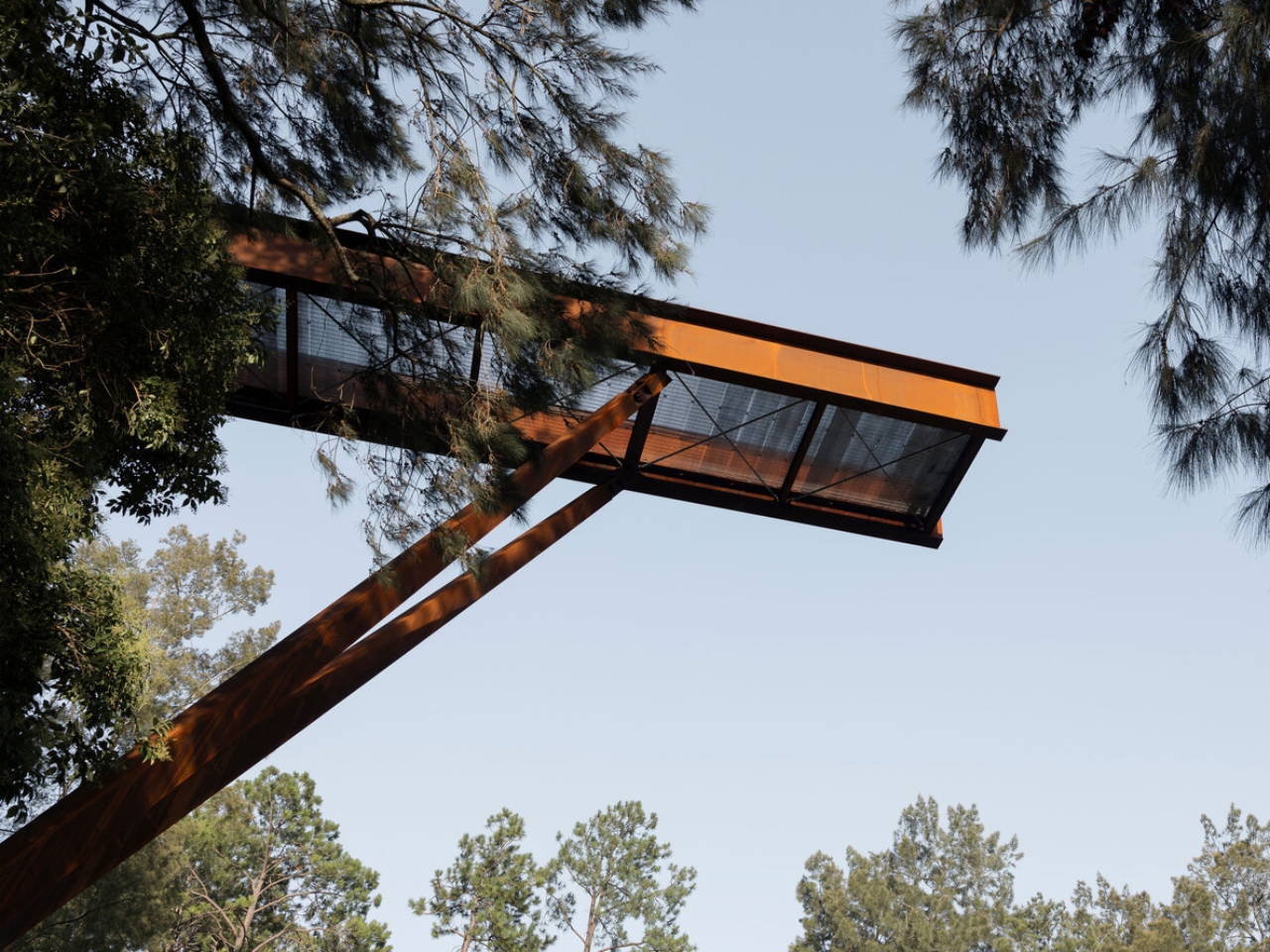
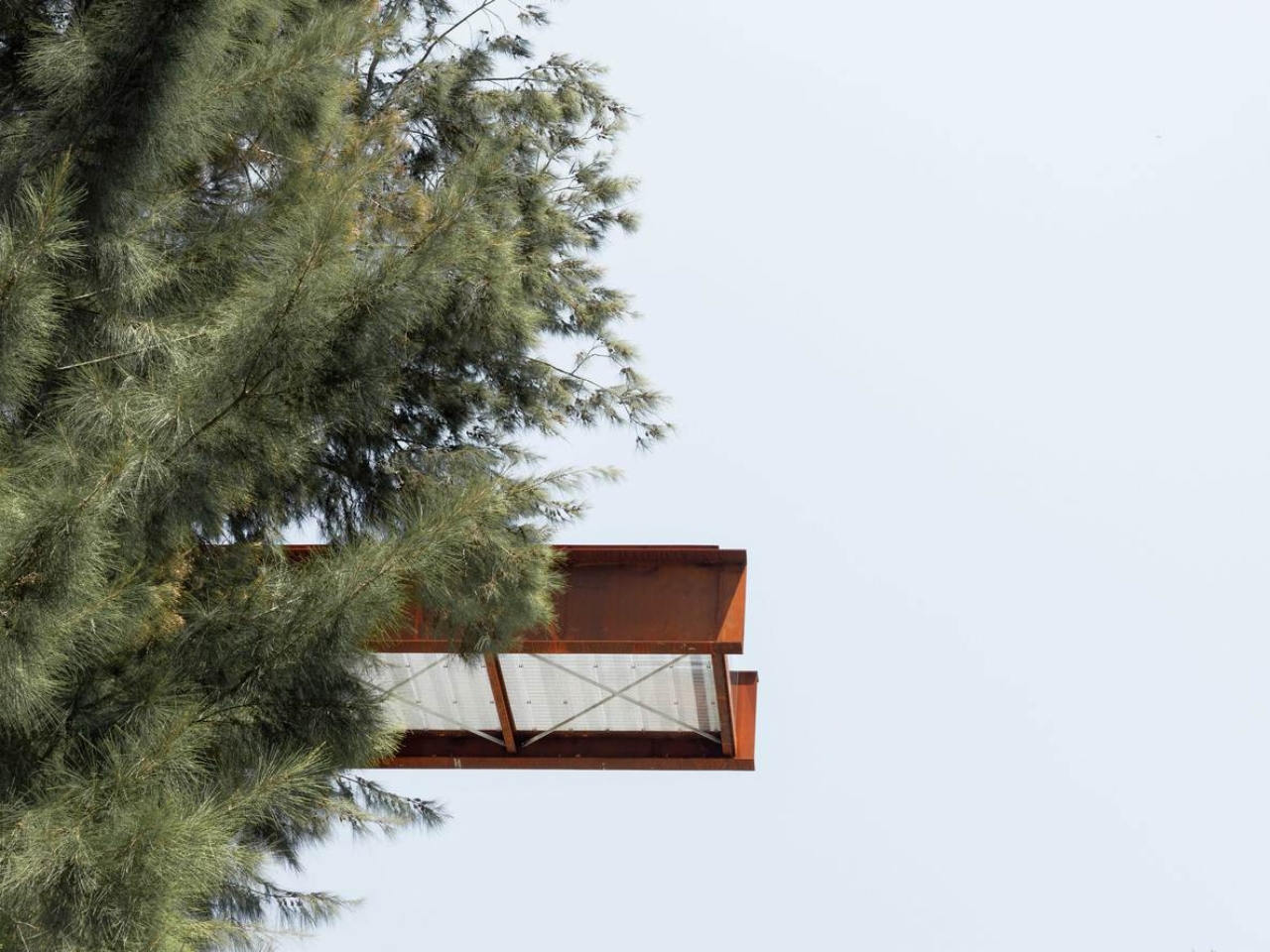
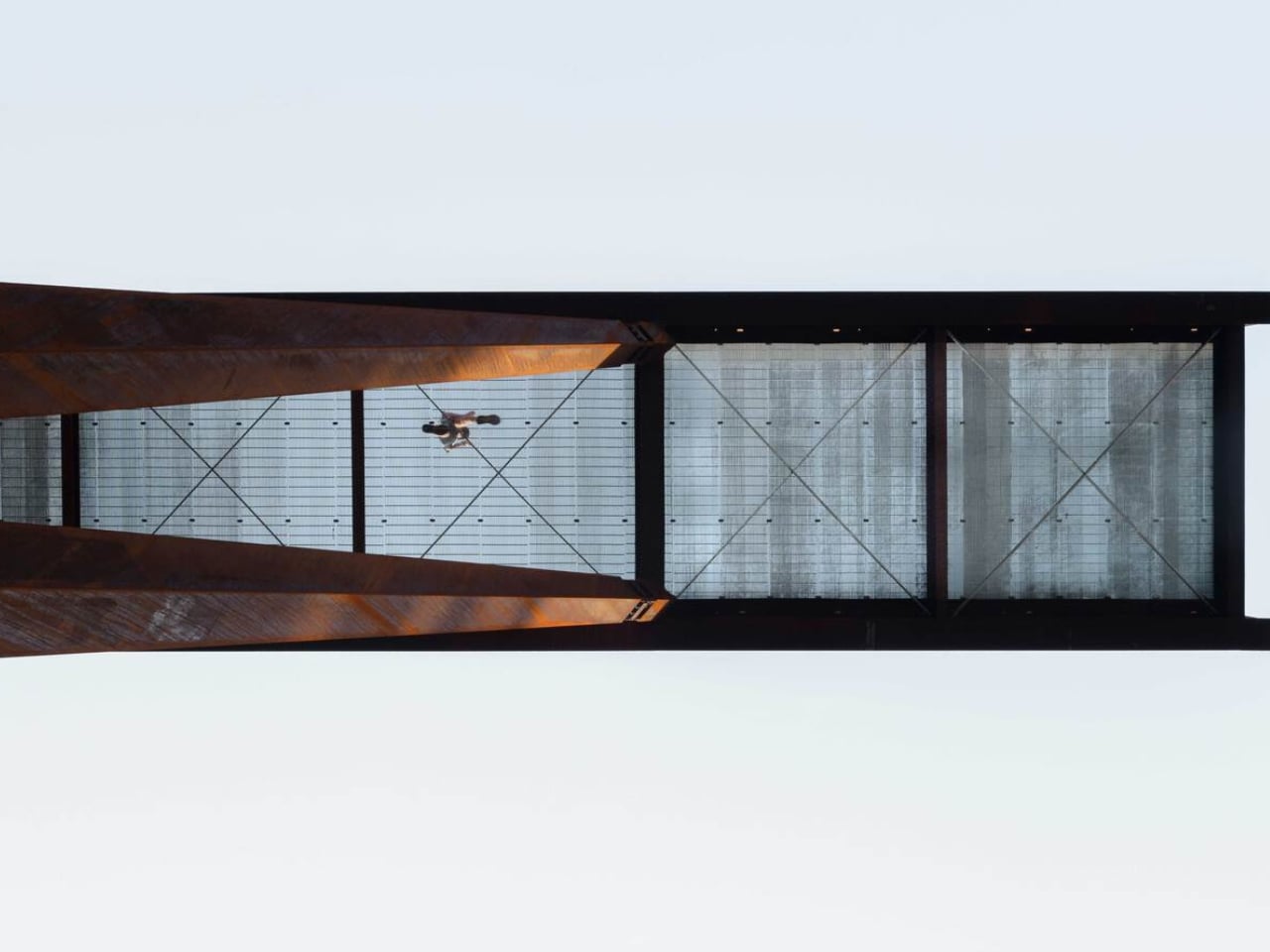
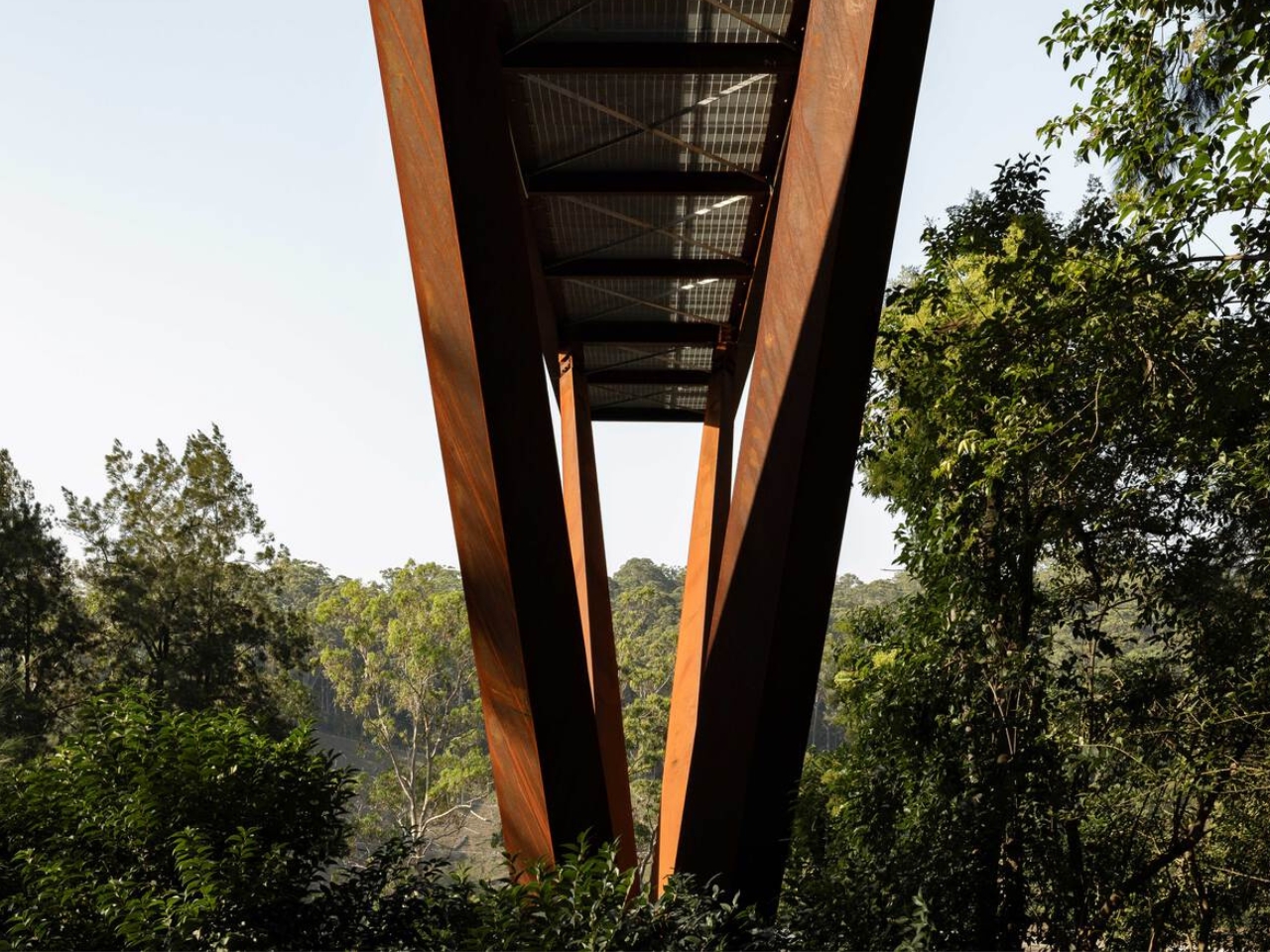
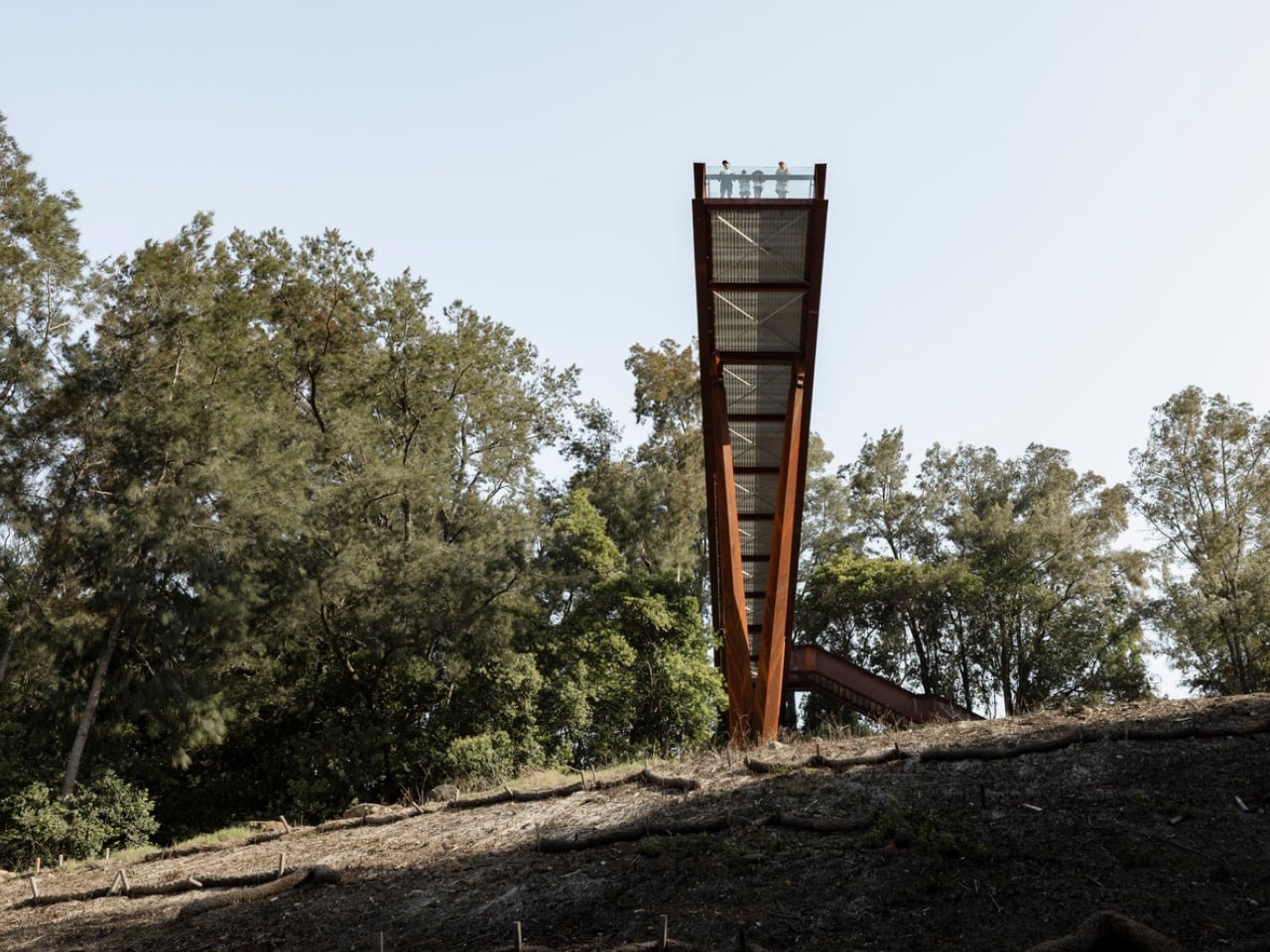
The platform runs 42 metres through the forest canopy, anchored into the embankment and balanced on four angled columns that converge on a single central footing below. That minimalism is intentional. The architects worked specifically to keep ground disturbance on the sensitive slope to a minimum. The result is a structure that feels both bold and careful, which is a hard balance to get right, and one AJC Architects manages convincingly.
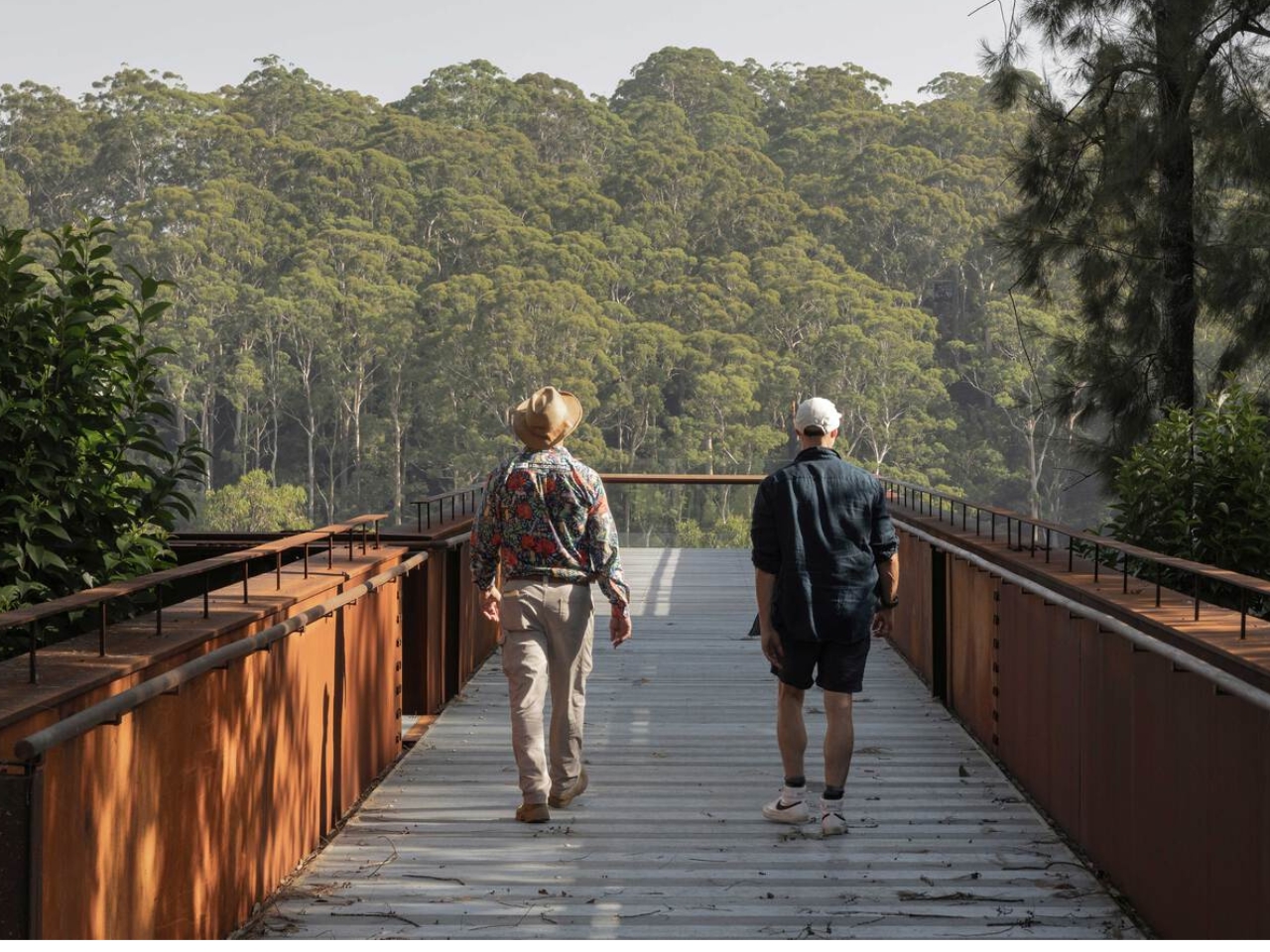
Walking it is designed to be as much of an experience as looking at it. The rhythmic sound of footsteps on the metal, the glimpses of the falling topography beneath one’s feet, the steady build of height as you move further along the platform create a physical connection to the sheer scale of the man-made canyon. Every design choice is oriented toward making you feel exactly where you are. That kind of sensory engagement is something the best public infrastructure delivers and so rarely does. Most walkways just take you somewhere. This one makes you reckon with the place itself.
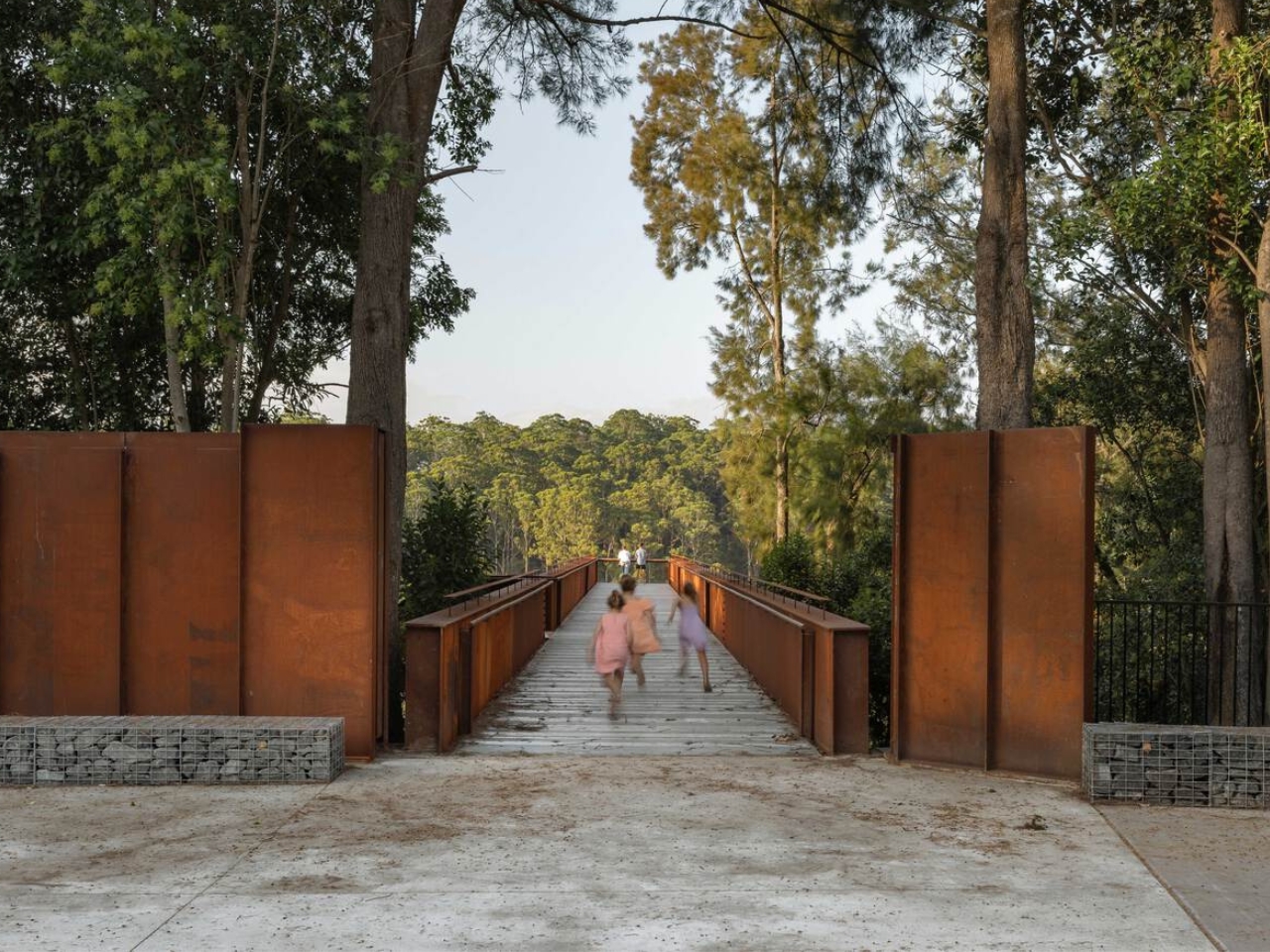
The entrance is framed by steel portals and gabion stone walls, the kind of raw structural language that references the quarry’s industrial character without cosplaying it. It doesn’t try to look cute or approachable. It looks like something that belongs to the site. That restraint is refreshing at a time when so many public design projects err on the side of spectacle for its own sake.
The broader context matters here too. The Southern Lookout is the inaugural phase of an ambitious plan to open Hornsby Quarry up as a 60-hectare public park. That kind of urban regeneration project usually moves at a pace that frustrates everyone involved, so the fact that this lookout is already open, already drawing visitors, already giving people a reason to show up, feels like a meaningful start rather than a placeholder.
AJC Architects, working in collaboration with Hornsby Shire Council, has delivered something that respects the complexity of the site without over-explaining it. The architecture doesn’t lecture you about the quarry’s history. It simply places you inside it. It gives you the height, the steel, the sound, the view, and leaves you to do the thinking.
Public architecture at its best creates a relationship between a person and a place they might not have noticed otherwise. The Southern Lookout does exactly that. Sydney has always had dramatic natural geography. Now, at the edge of a former quarry, it has something that finally lets you see it.
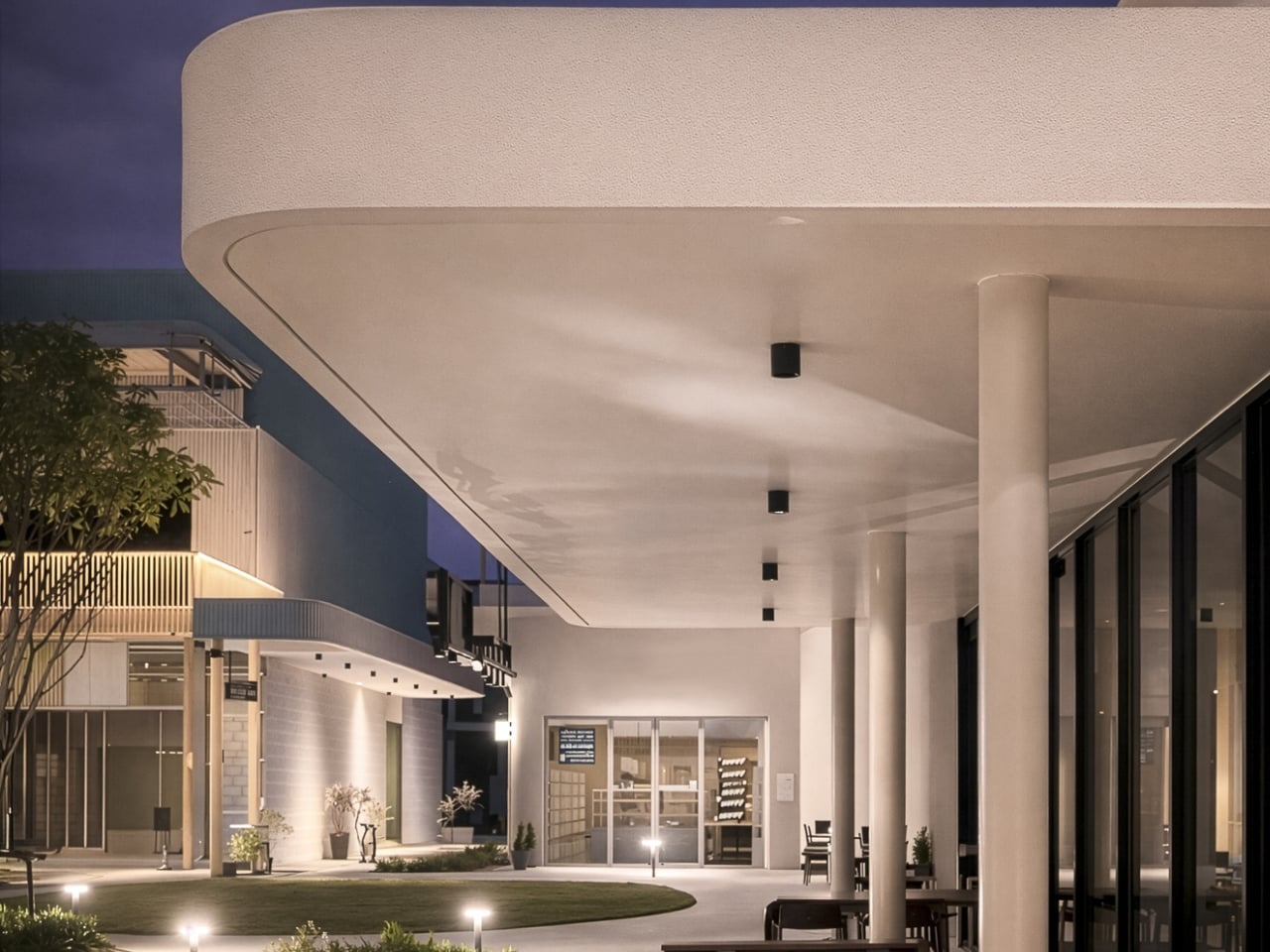
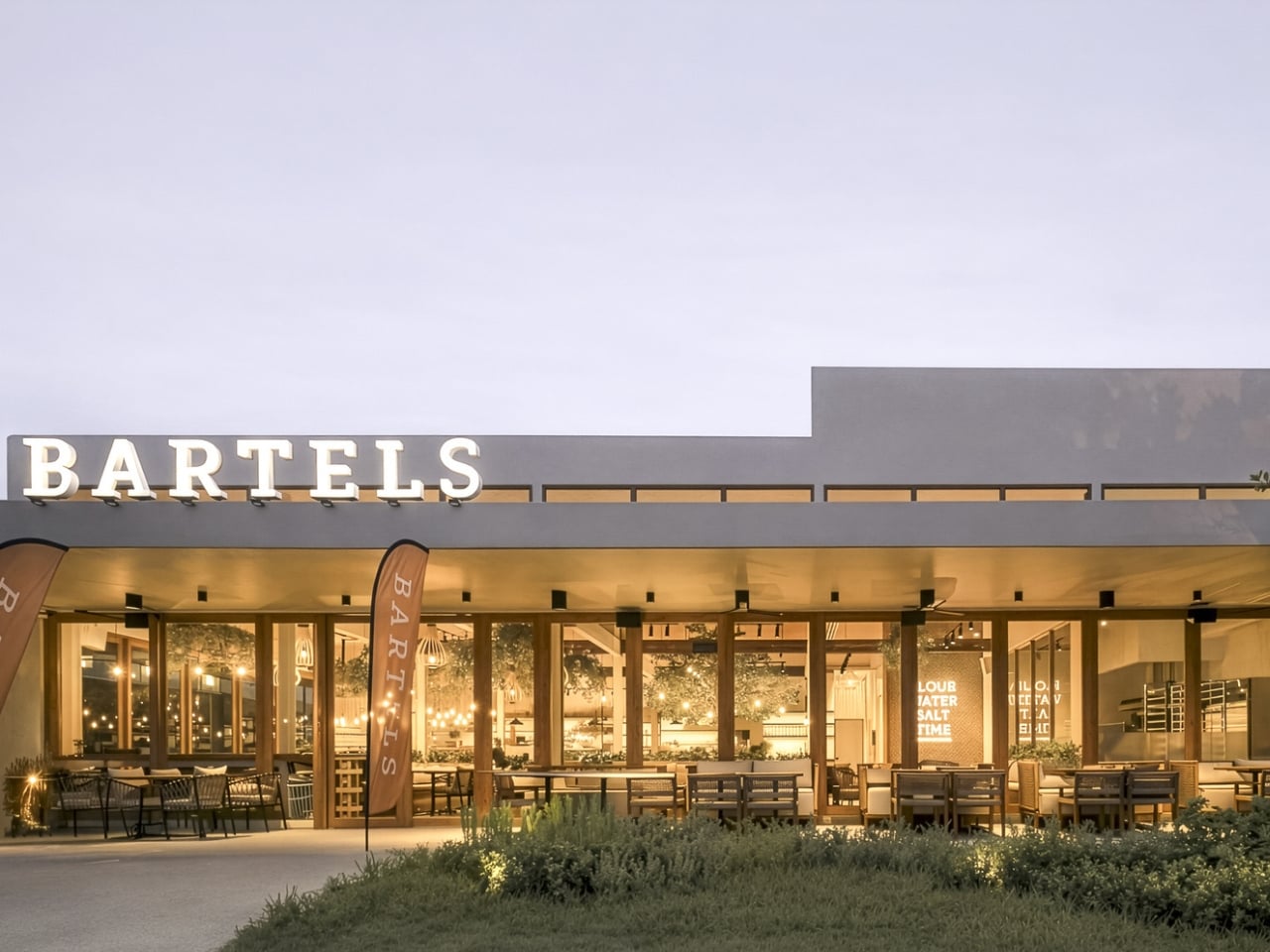
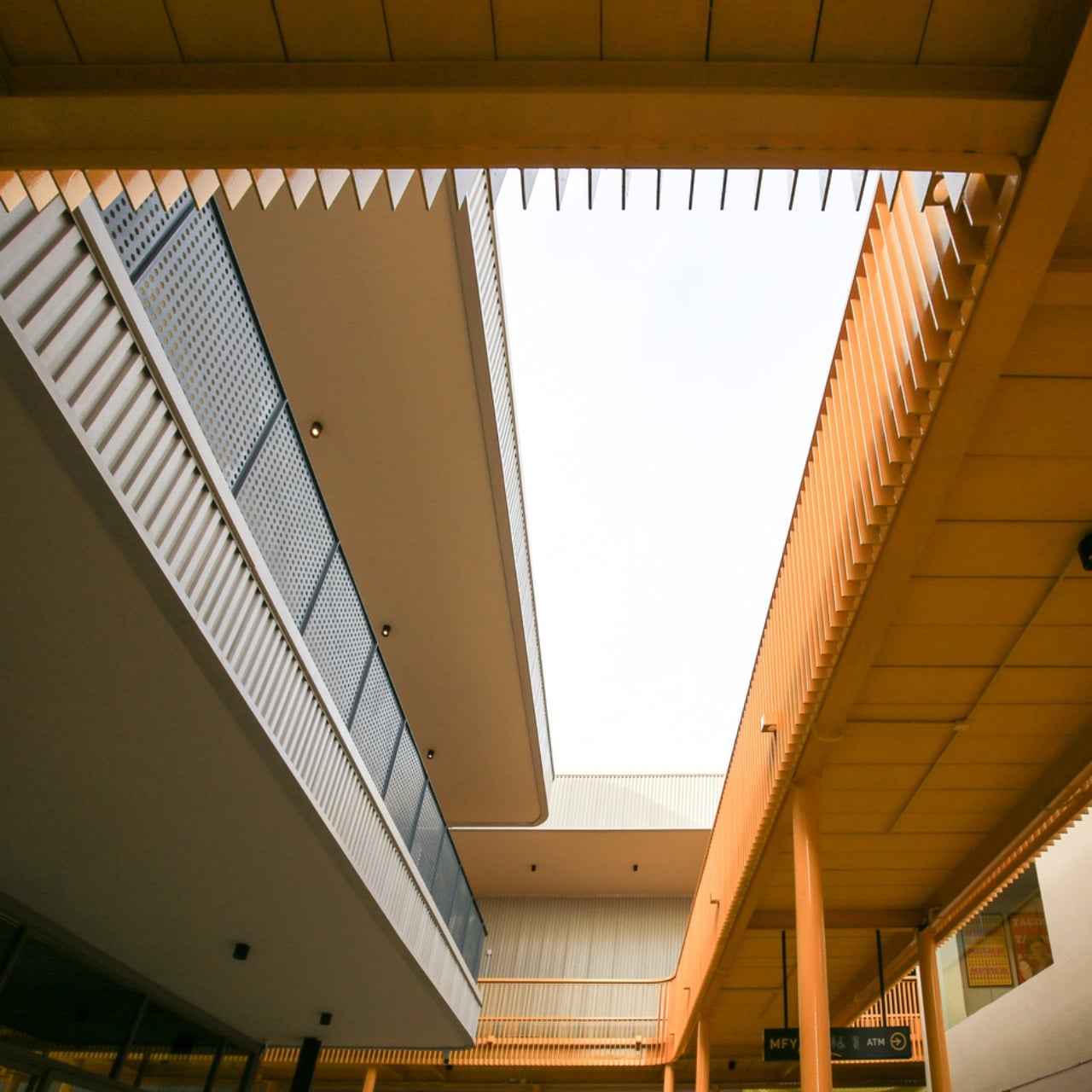
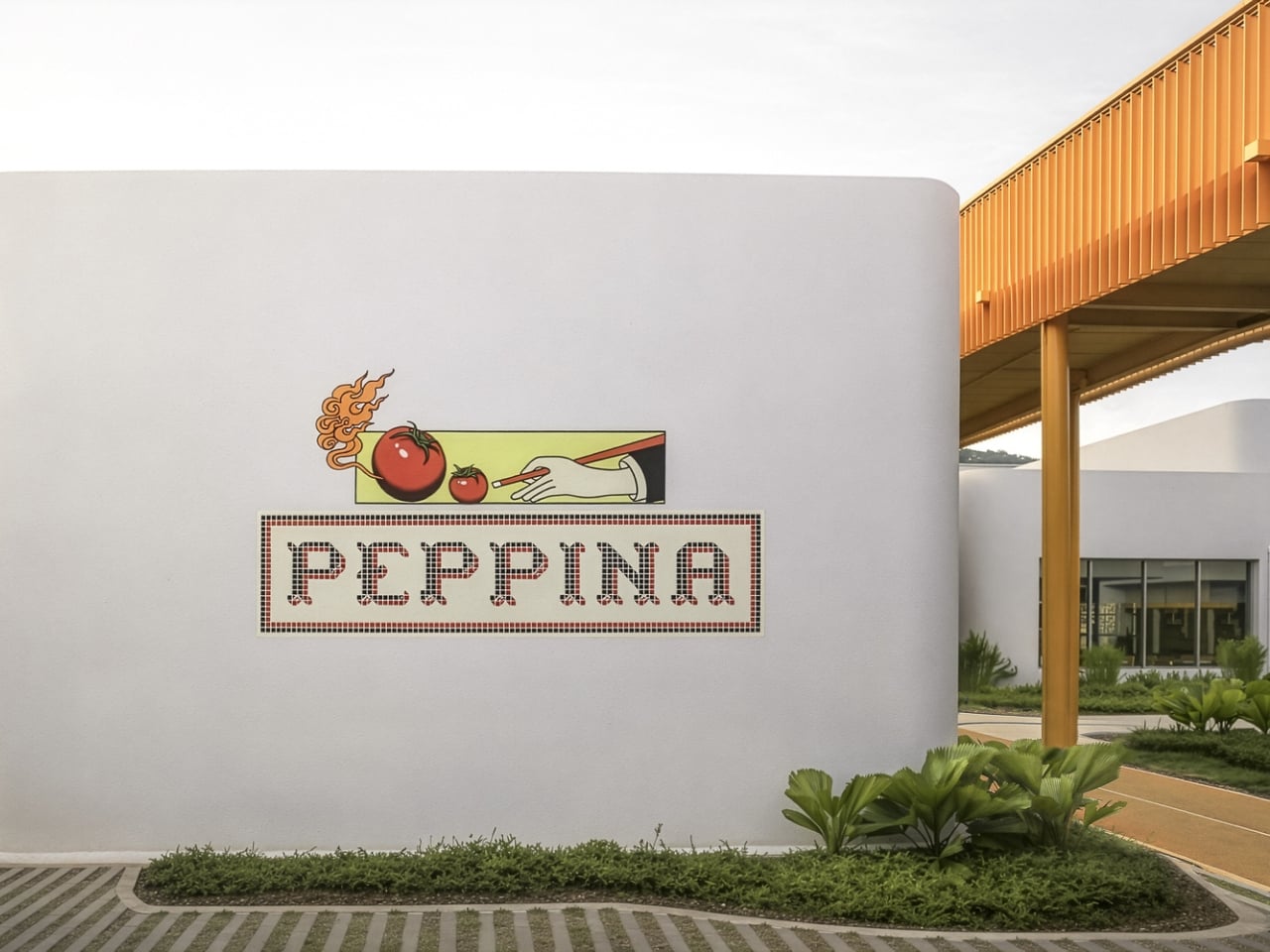
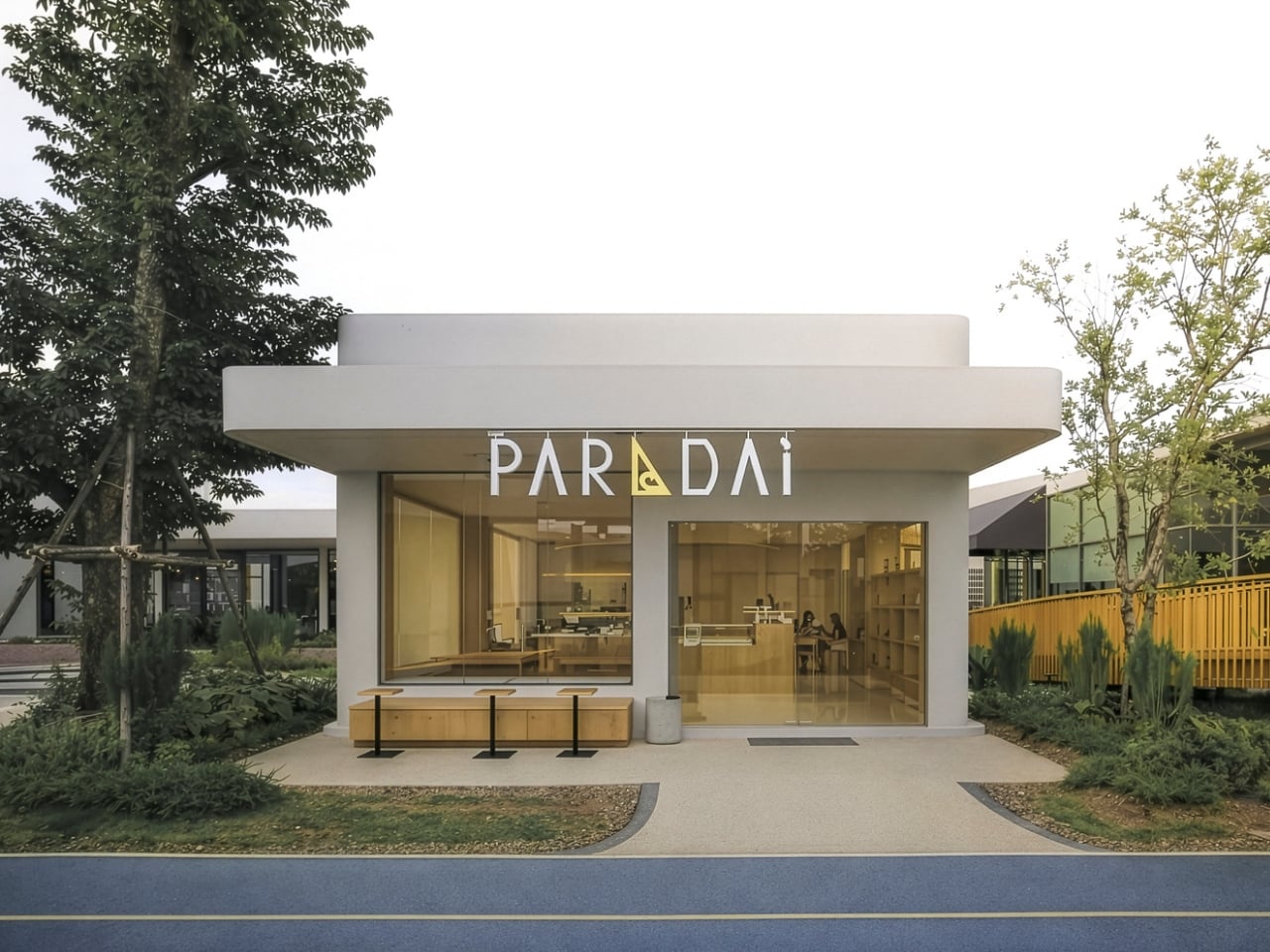
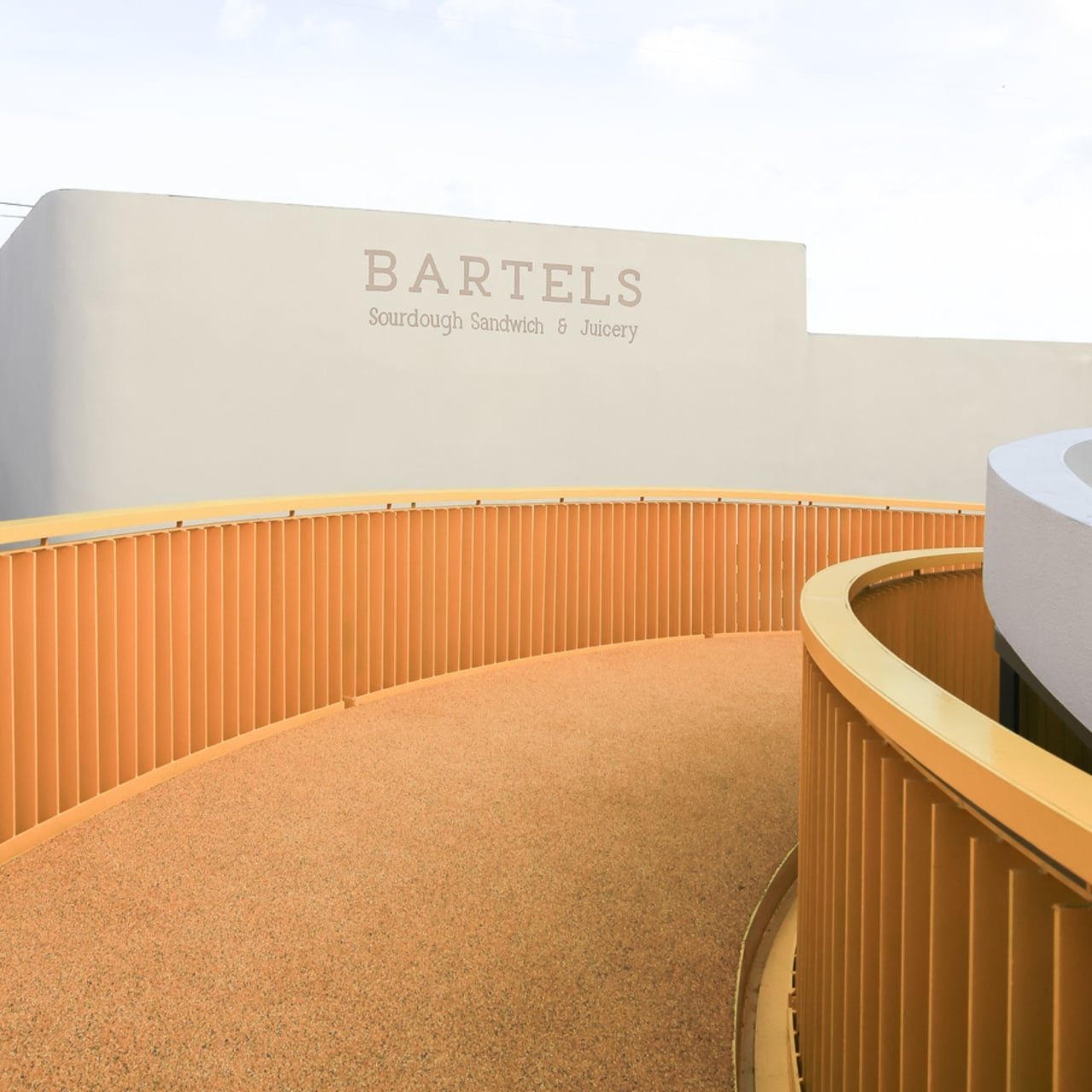
You know that feeling when you stumble upon a neighborhood that just gets it right? Where every corner feels designed for actual humans instead of maximizing square footage? That’s exactly what Architectkidd has created with My Front Yard in Phuket, and it’s making me rethink everything I thought I knew about retail spaces.
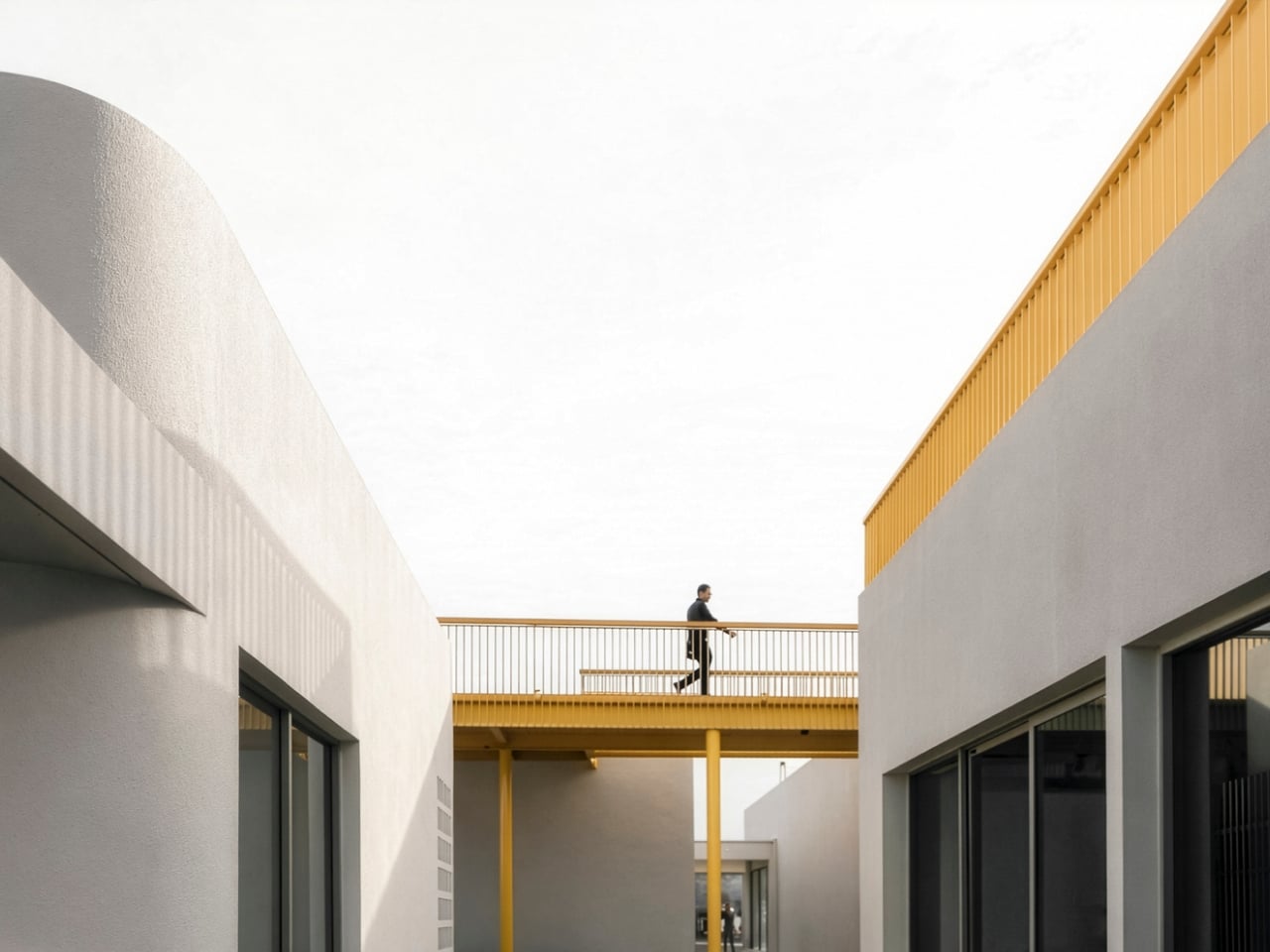
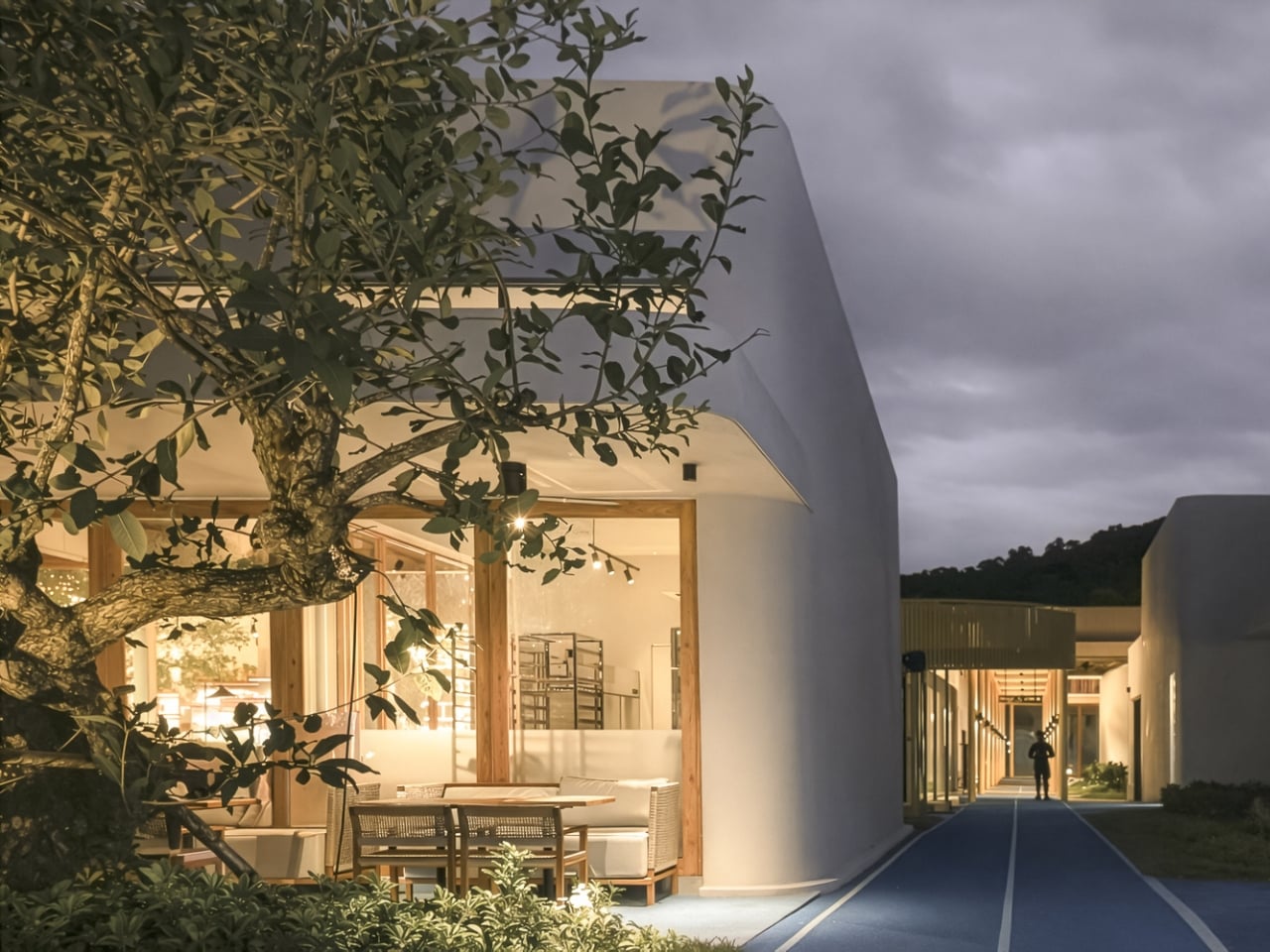
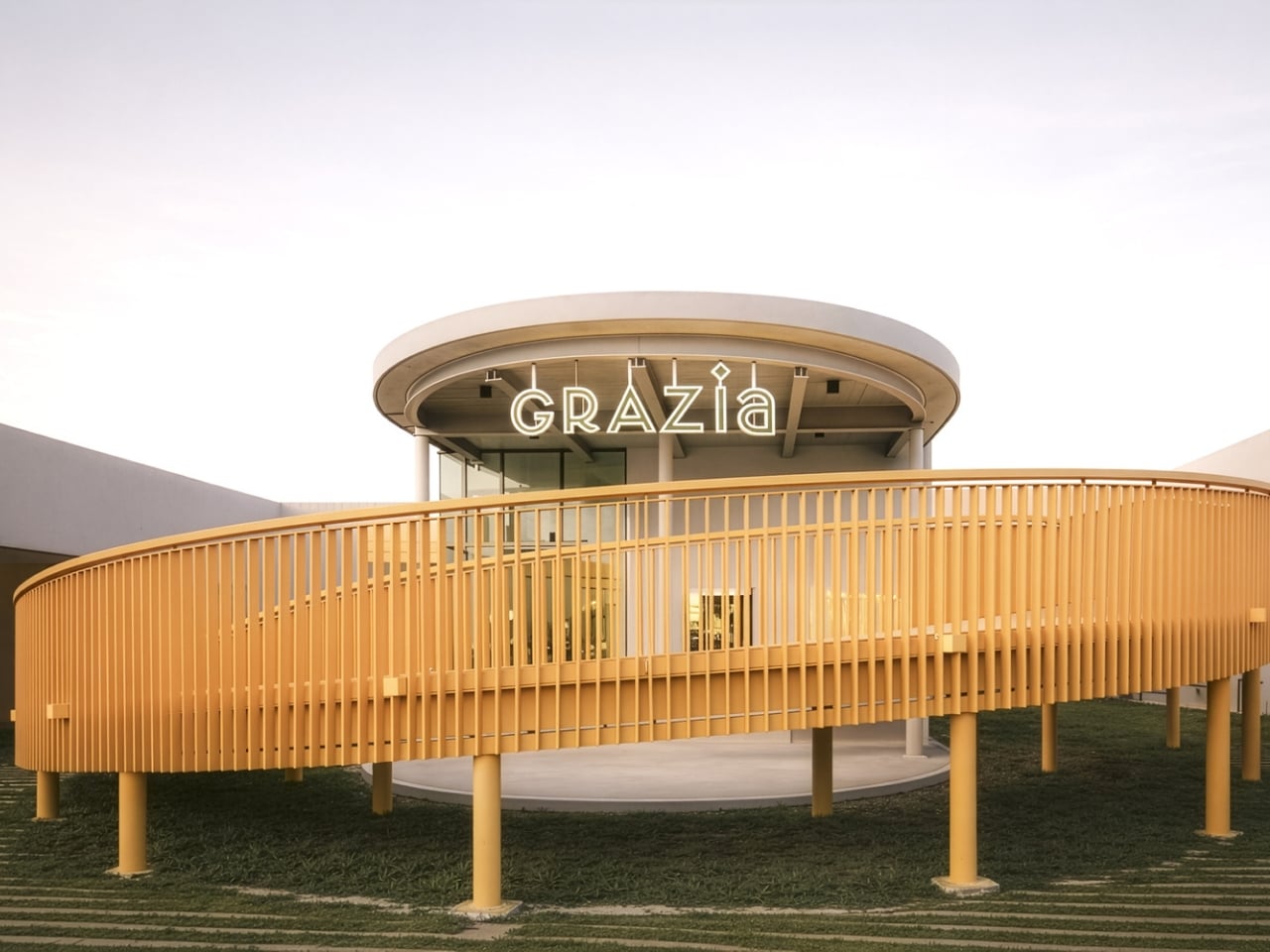
Here’s the thing: most shopping centers feel like they were designed by people who have never actually enjoyed walking through one. You get those massive, soul-sucking boxes where the only outdoor space is the parking lot. But My Front Yard flips that script entirely. Located against a hillside in Phuket, this project ditches the big box approach for something that feels more like wandering through a well-planned village than a commercial development.
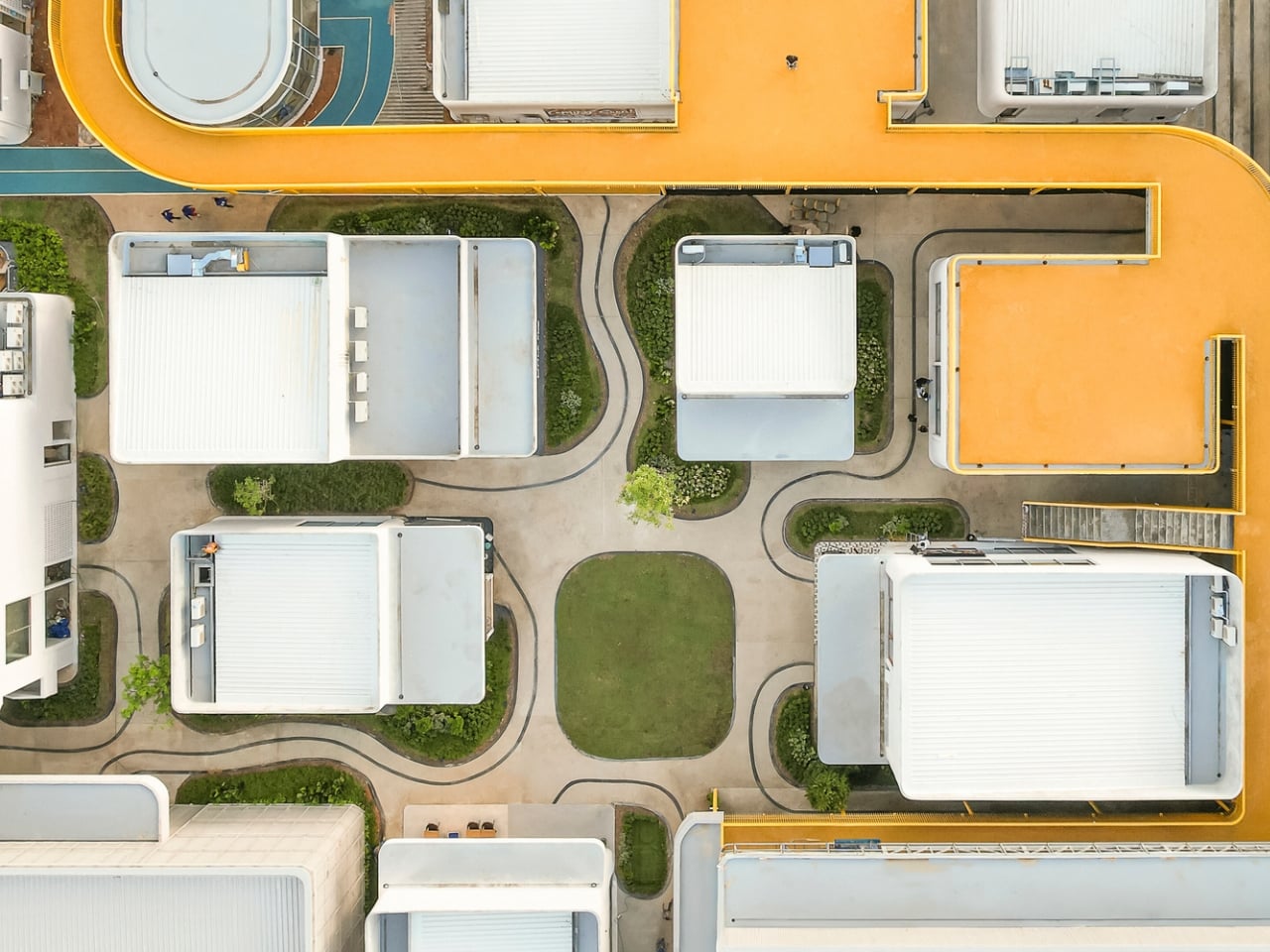
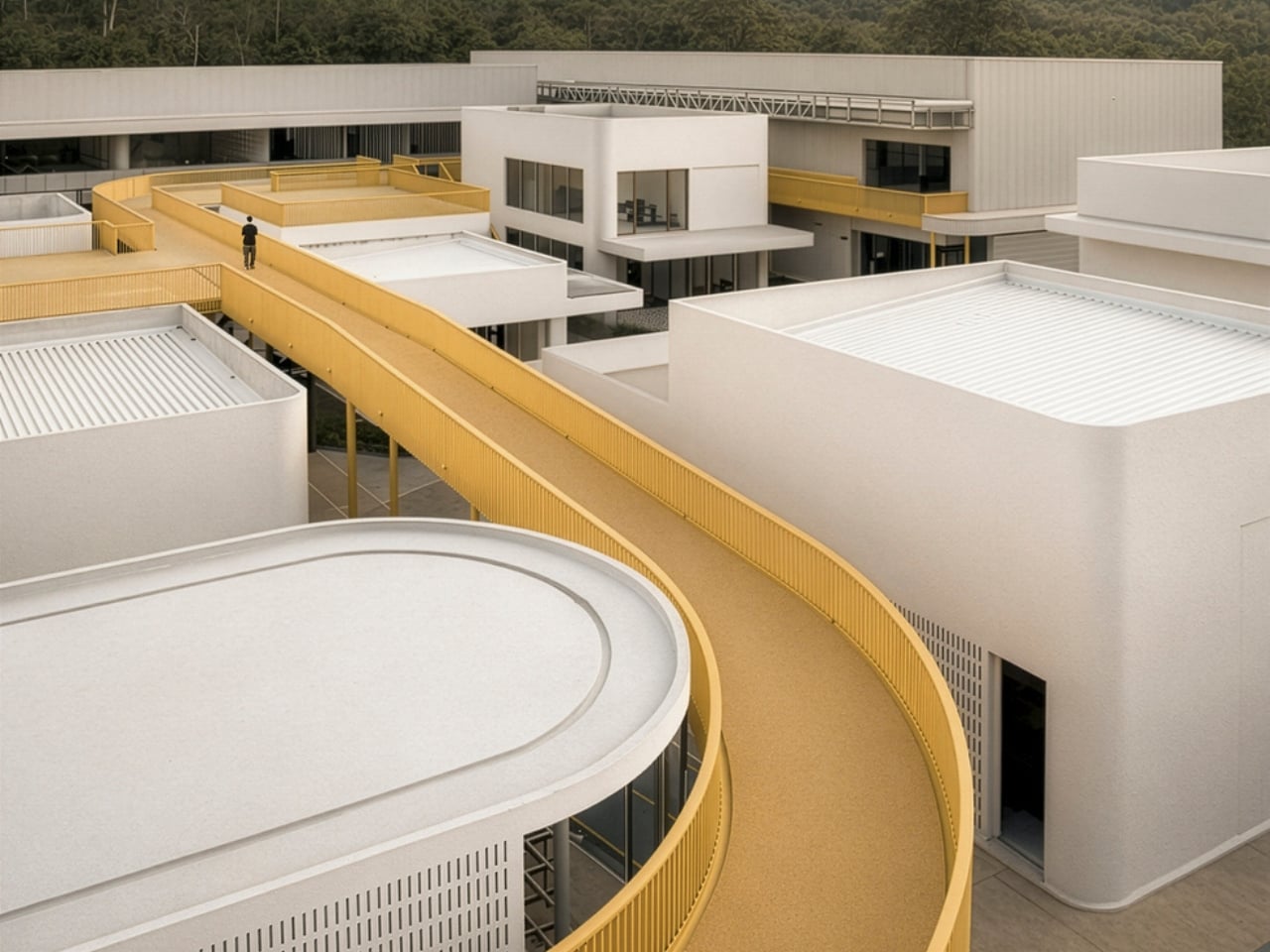
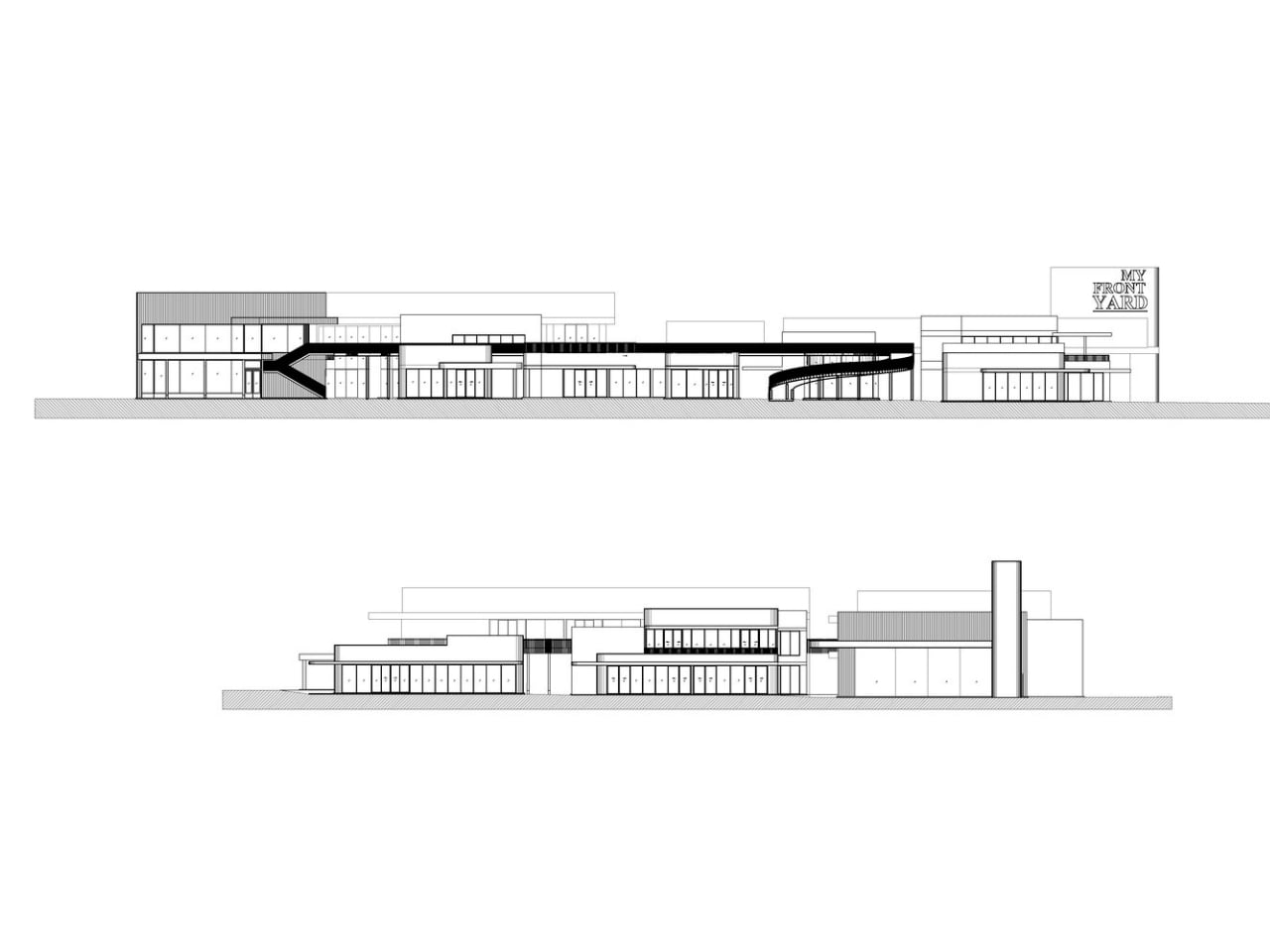
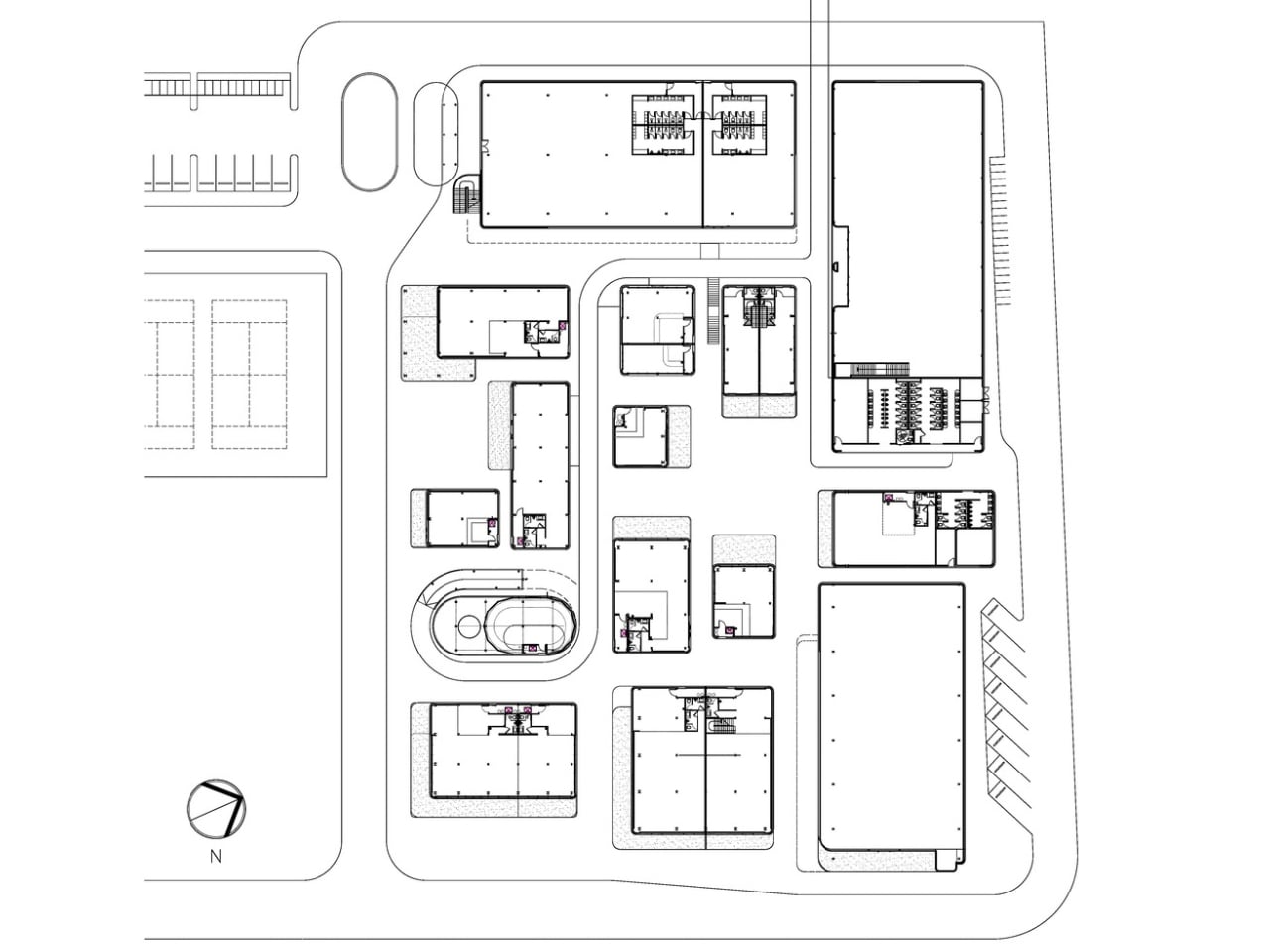
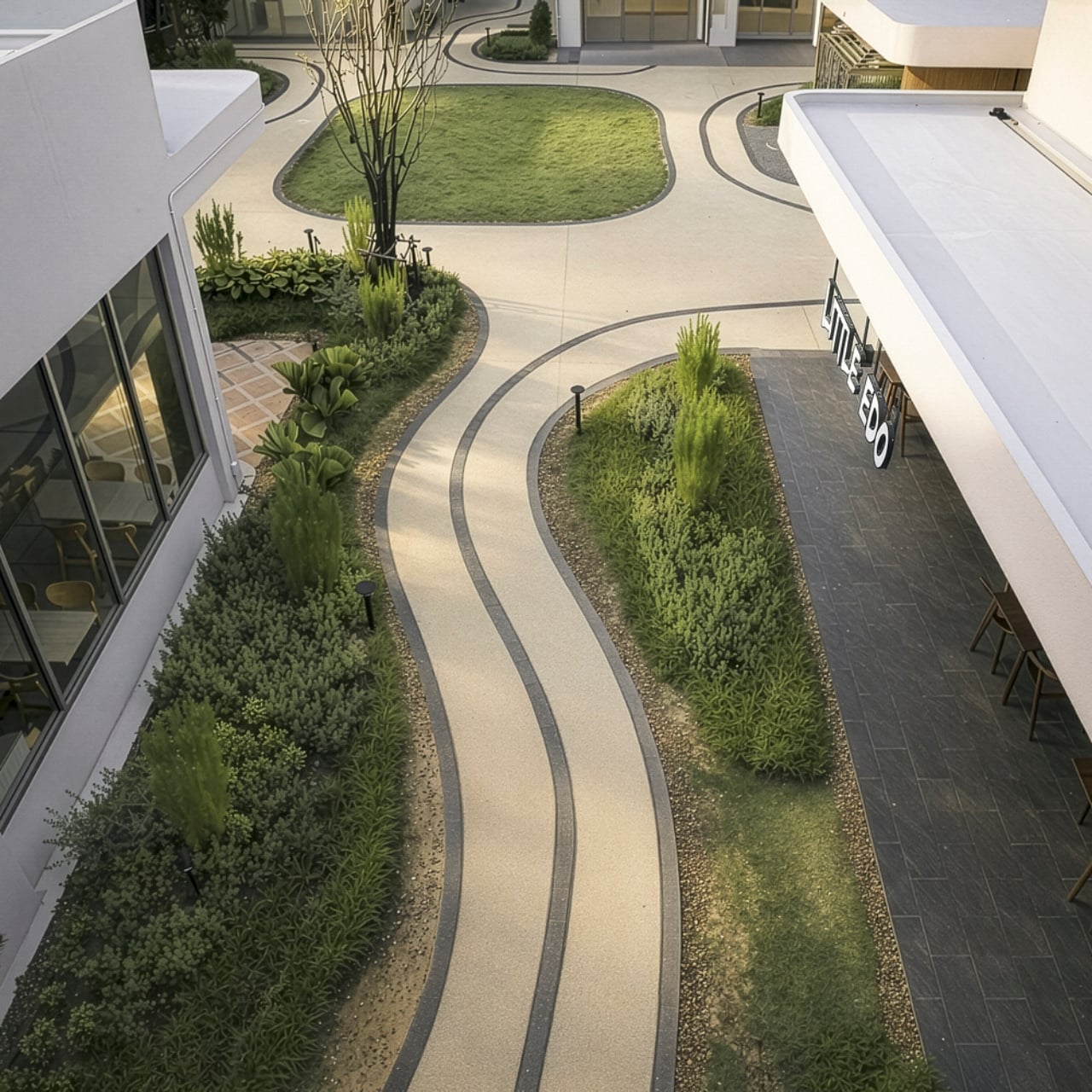
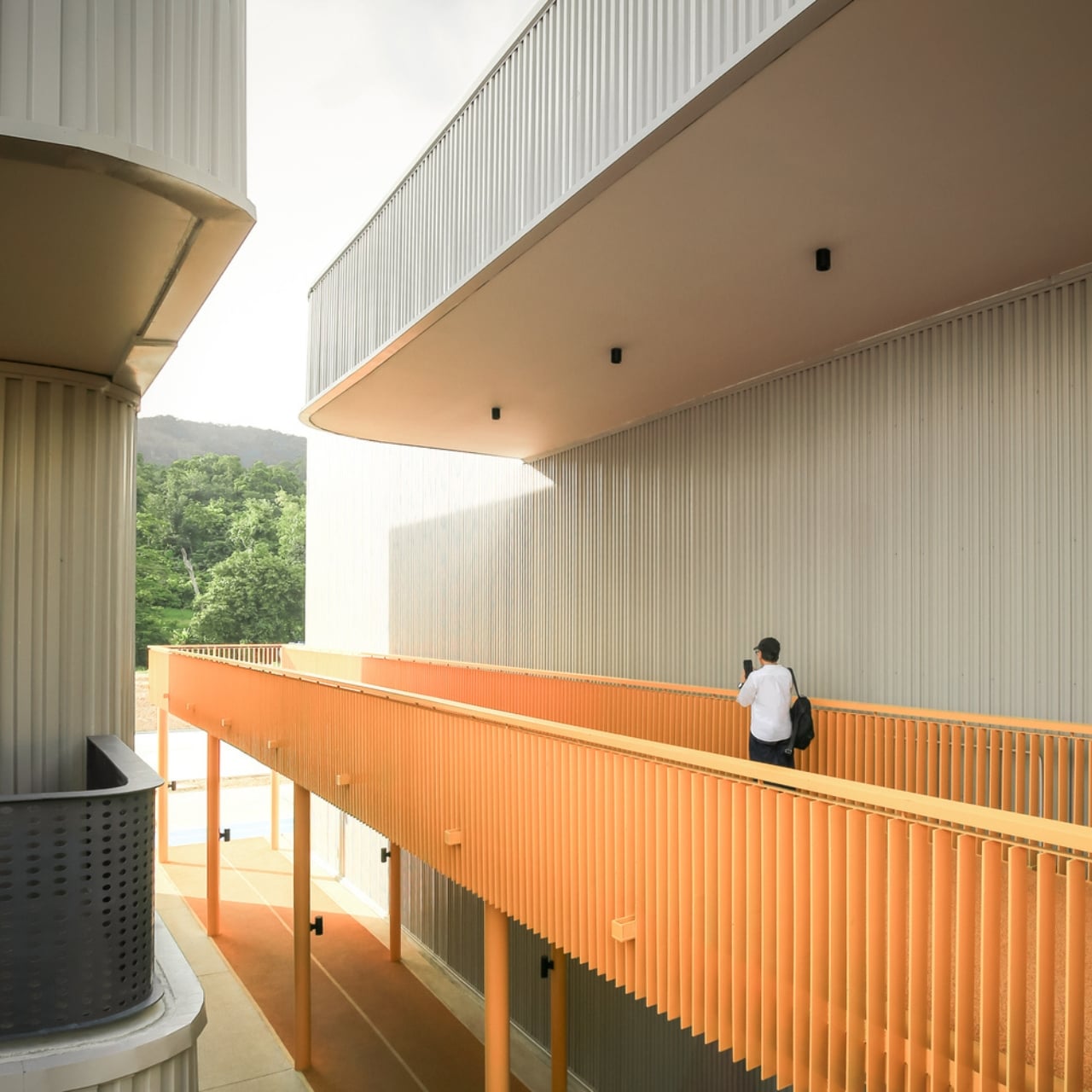
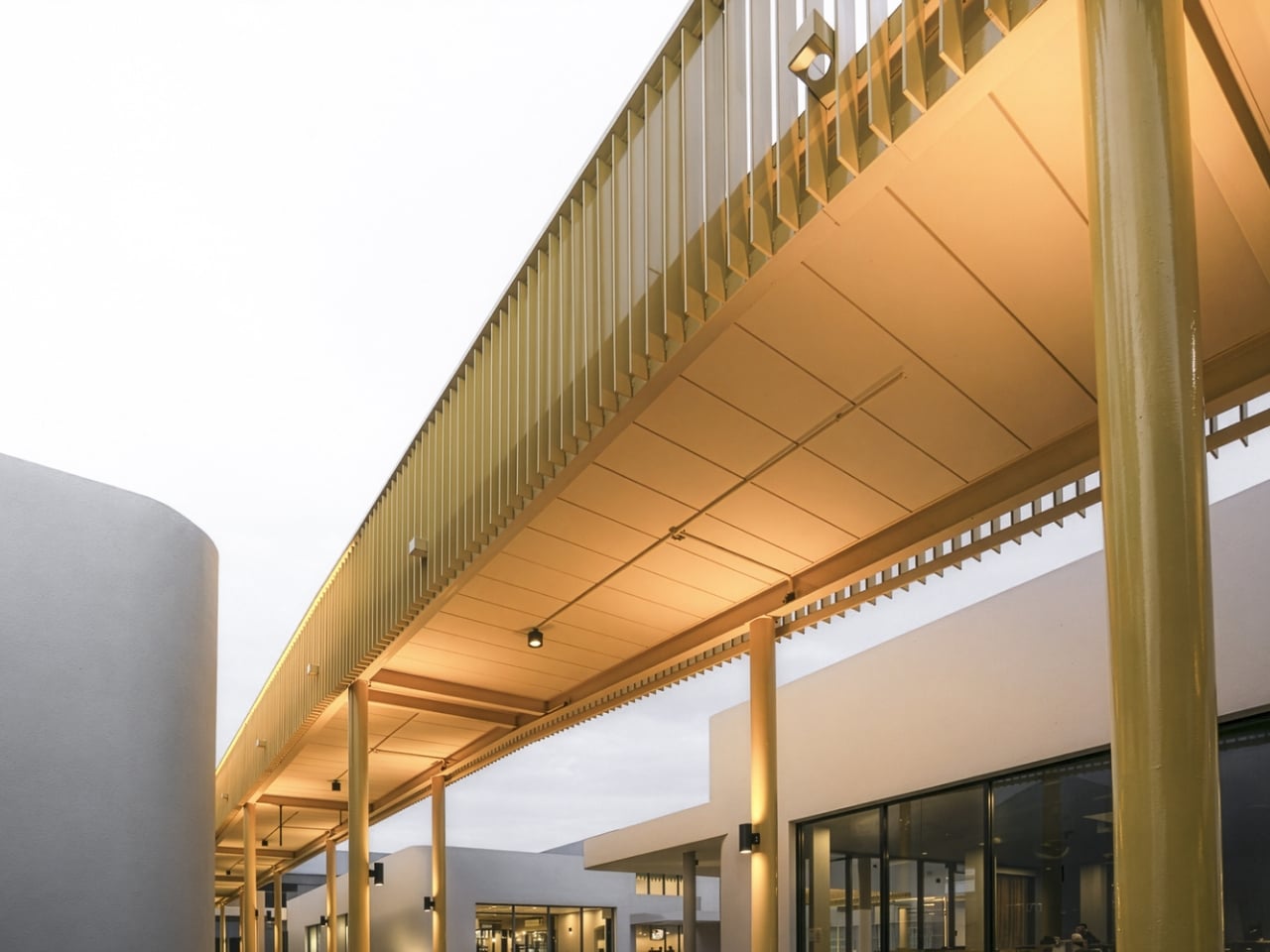
The concept is refreshingly simple yet radical in today’s retail landscape. Instead of cramming everything under one massive roof, Architectkidd broke the space into a cluster of low-rise pavilions scattered across the site. These aren’t just random buildings, they’re connected by open-air walkways and communal spaces that actually make you want to slow down and explore. It’s retail therapy in the most literal sense.
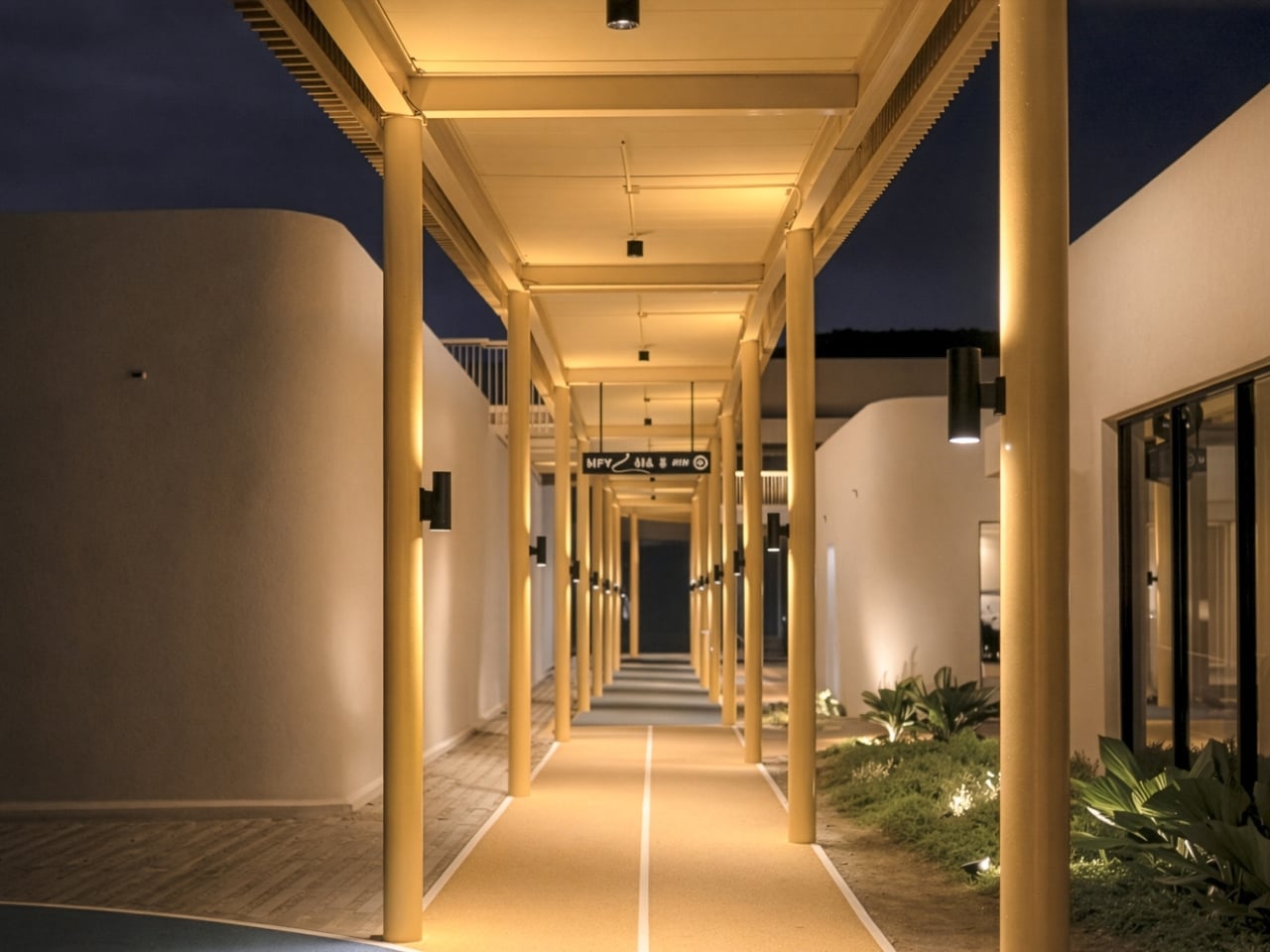
What makes this design so clever is how it taps into the rhythms of everyday life. The outdoor pathways aren’t just pretty, they’re designed for morning walks, exercise stops, daily jogs, and yes, even bringing your pet along. The space becomes part of your routine rather than a destination you have to psychologically prepare for. It’s the kind of place where grabbing coffee or browsing shops becomes a pleasant addition to your day instead of a task to endure.
The architectural language ties everything together without feeling monotonous. Each pavilion maintains its own identity while contributing to a cohesive whole, creating what Architectkidd calls “micro-communities” within the larger development. It’s a subtle but important distinction. You’re not navigating a monolith, you’re discovering pockets of activity that each have their own character and purpose.
This approach represents a fundamental shift in how we think about commercial spaces. The goal wasn’t just to create another place to shop, it was to build a landscape where community happens organically. Success here isn’t measured in transactions per square foot but in how naturally people integrate the space into their lives. Can you pop by for a quick errand? Absolutely. But you can also spend an afternoon wandering, meeting friends, or just enjoying being outside in a thoughtfully designed environment.
The timing of this project feels particularly relevant. We’ve spent years watching retail struggle to compete with online shopping, and the answer often seemed to be making physical stores more experiential. But My Front Yard suggests a different solution: make the entire environment worth experiencing. When the journey between shops is as pleasant as what’s inside them, you’re creating value that Amazon can’t replicate.
Phuket’s climate makes this open-air concept especially practical, but the philosophy behind it could translate to countless other contexts. We’re seeing a broader movement in architecture and urban planning that prioritizes human-scale development, pedestrian-friendly design, and spaces that encourage spontaneous interaction. My Front Yard isn’t just riding that wave, it’s showing how those principles can work in a commercial setting without sacrificing functionality.
There’s also something refreshing about design that doesn’t shout for attention. The pavilions and walkways create an experience without overwhelming you. It’s confident enough to be understated, trusting that good bones and thoughtful planning will be their own draw. In an era of Instagram-bait architecture, that restraint feels almost rebellious.
Looking at projects like My Front Yard makes me hopeful about the future of retail and public space generally. We don’t have to choose between commercial viability and human-centered design. We can create places that serve both purposes, spaces that support businesses while genuinely improving daily life for the people who use them. Sometimes the most innovative thing you can do is remember what made neighborhoods work in the first place, then apply that wisdom with contemporary tools and fresh eyes.
Public art is often seen as a standalone feature, a striking sculpture or colorful mural that decorates a park or plaza. Yet its true impact goes far beyond visual appeal. When guided by thoughtful design, public art doesn’t just fill a space; it redefines it, shaping how people move, interact, and emotionally connect with their surroundings.
This seamless blend of art and environment is where design becomes transformative. By carefully considering scale, sightlines, materials, and community involvement, designers ensure that art integrates naturally into its setting. The result is a space that feels alive, engaging, memorable, and deeply connected to its community’s identity.
1. Designing Art with Context
For public art to truly connect, it must feel like it belongs. A site-specific approach begins with the environment itself, its history, architecture, pedestrian flow, and climate. By understanding these layers, designers ensure the artwork feels naturally rooted rather than placed, reflecting the spirit of its surroundings.
This thoughtful process helps art and place work in harmony. A sculpture in a historic district might echo local materials, while an installation in a park could invite interaction and rest. The goal is unity, where art enhances its setting and deepens the public’s connection to the space.
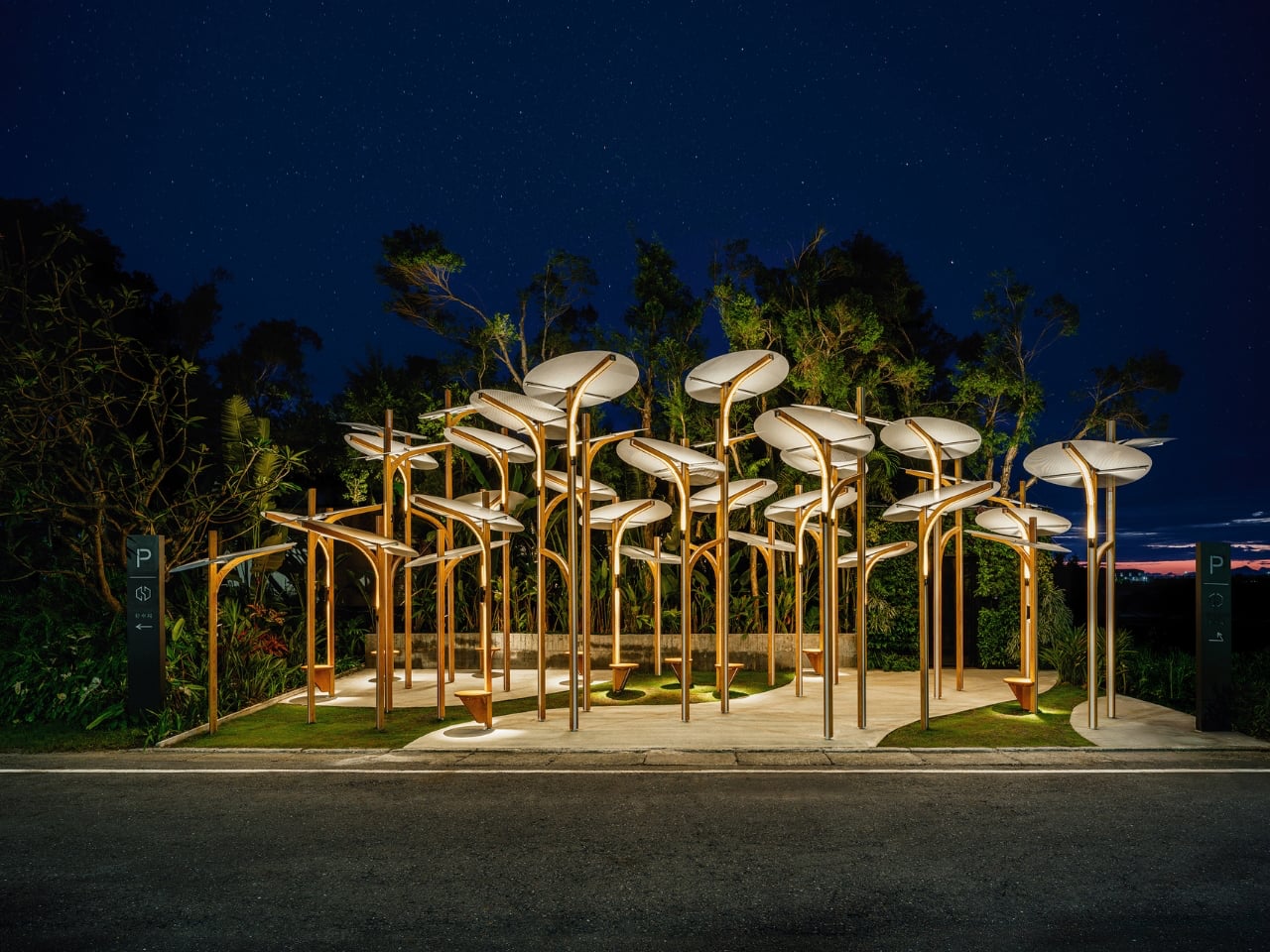
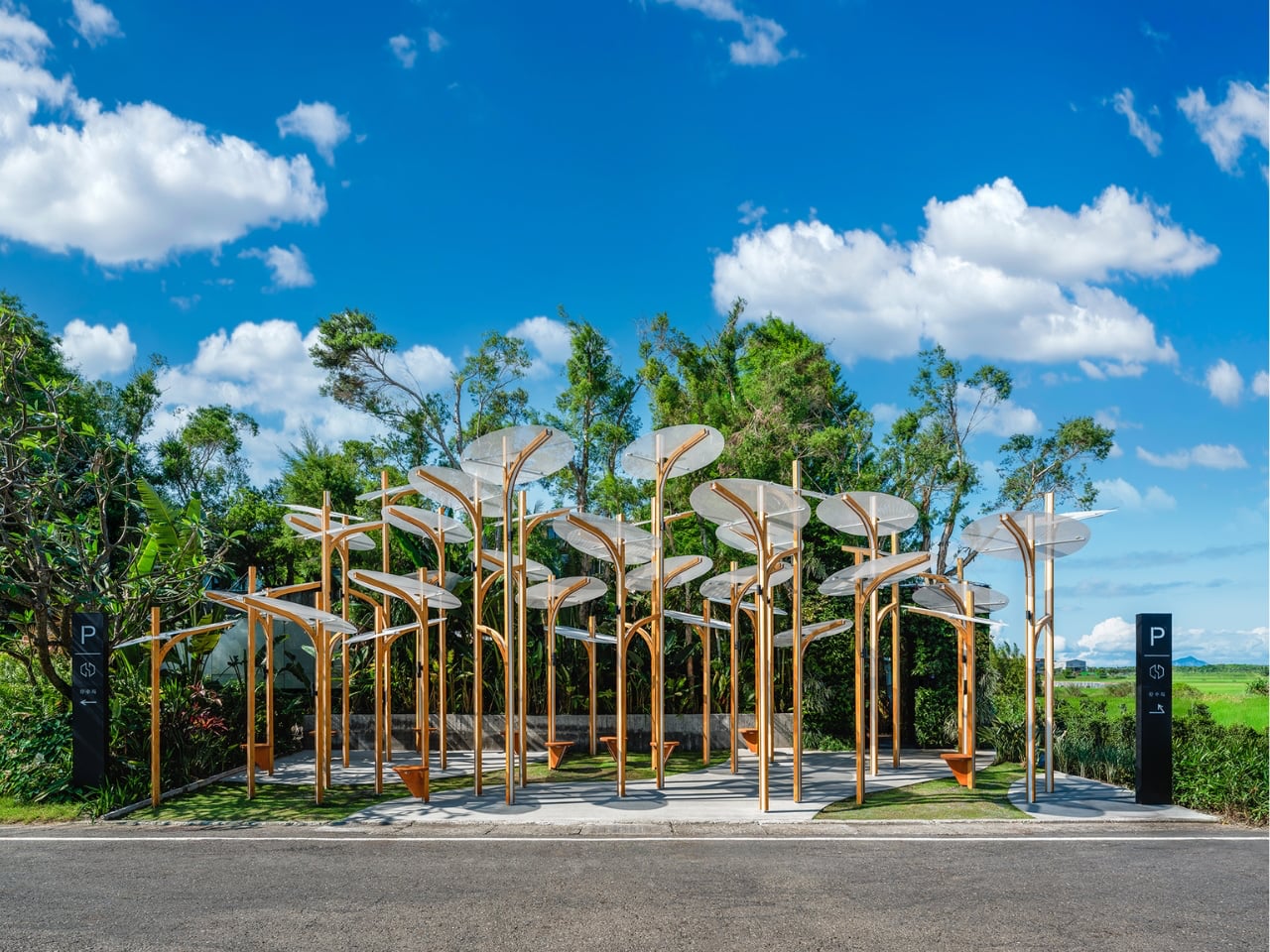
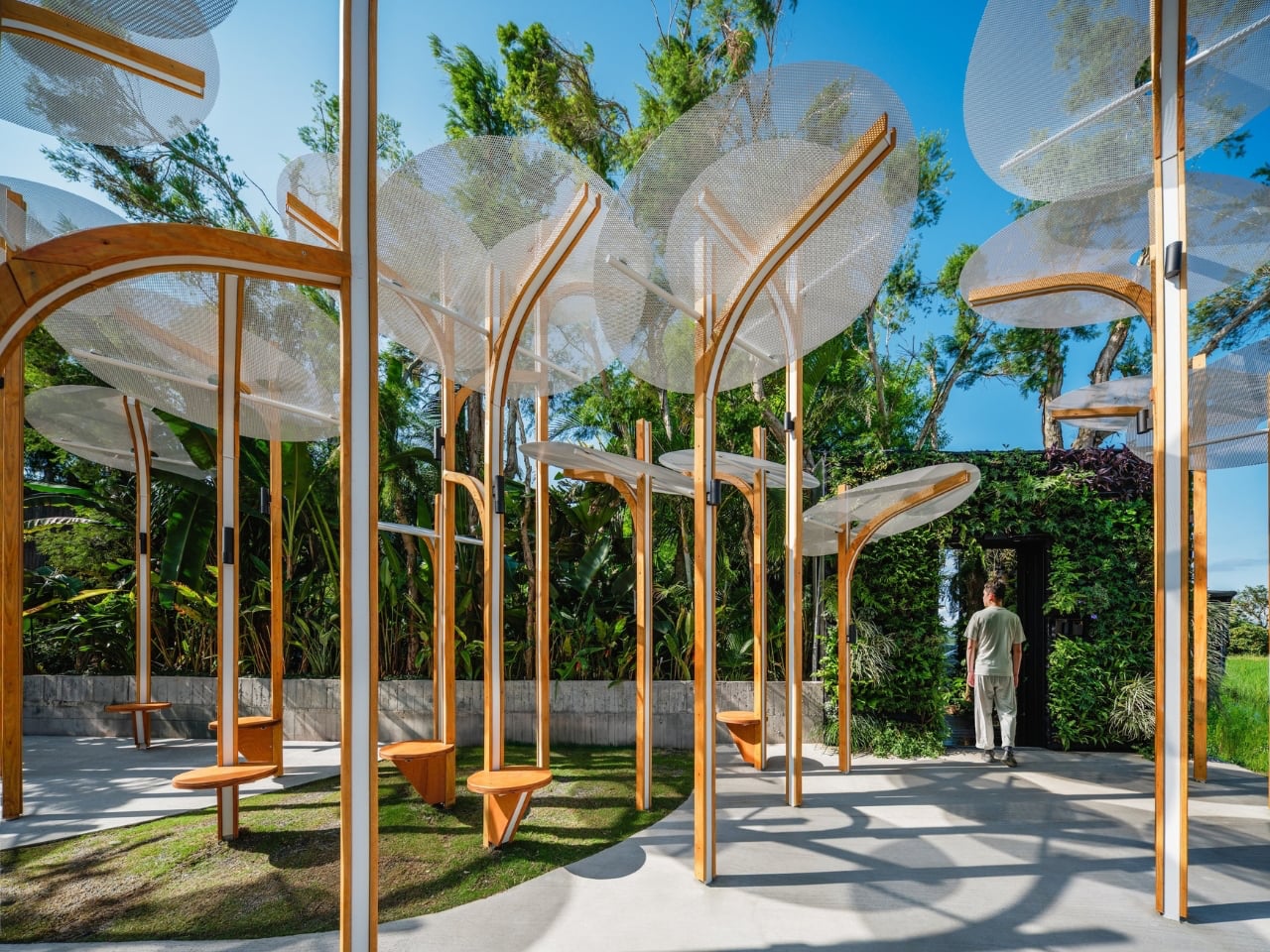
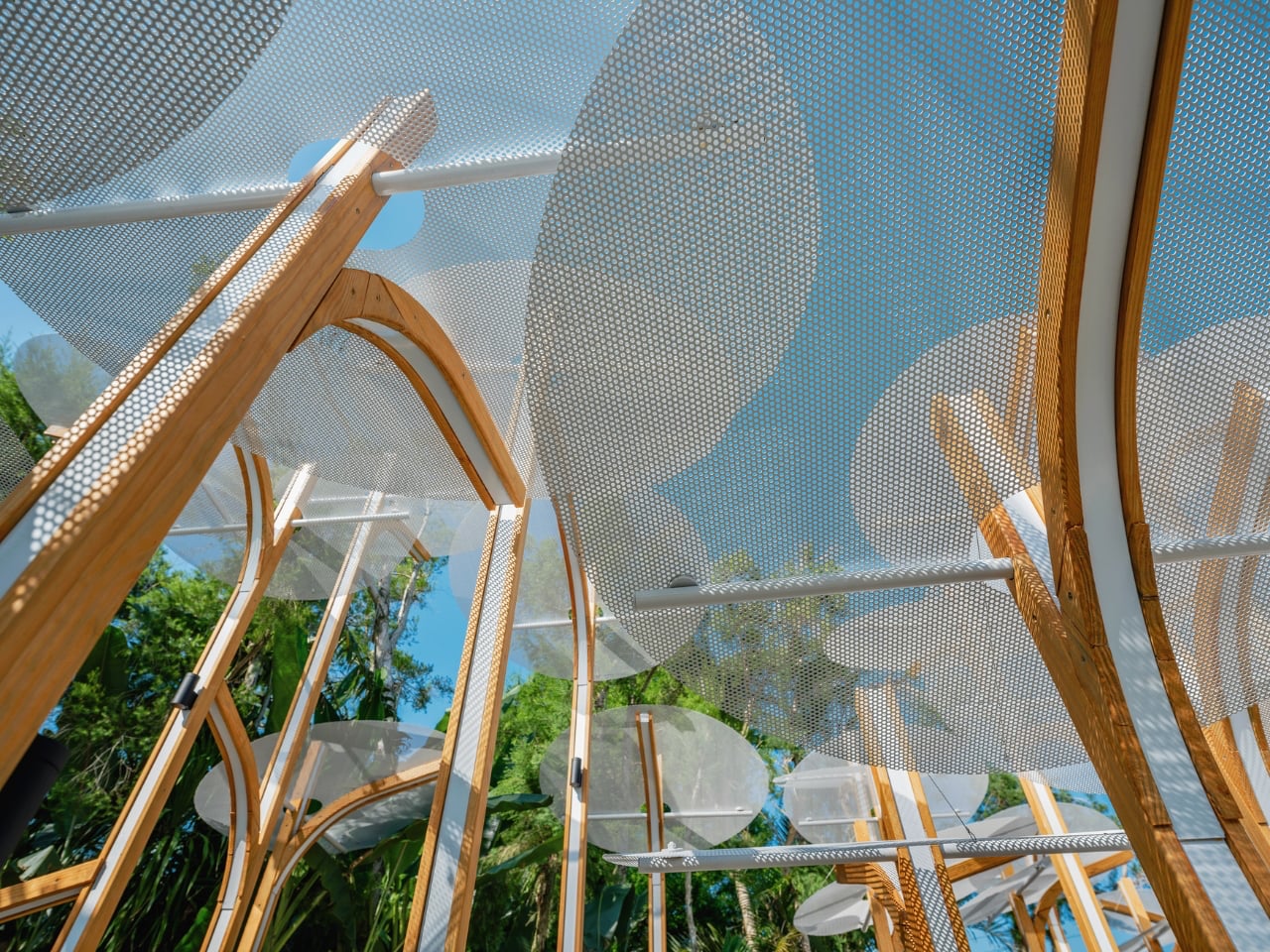
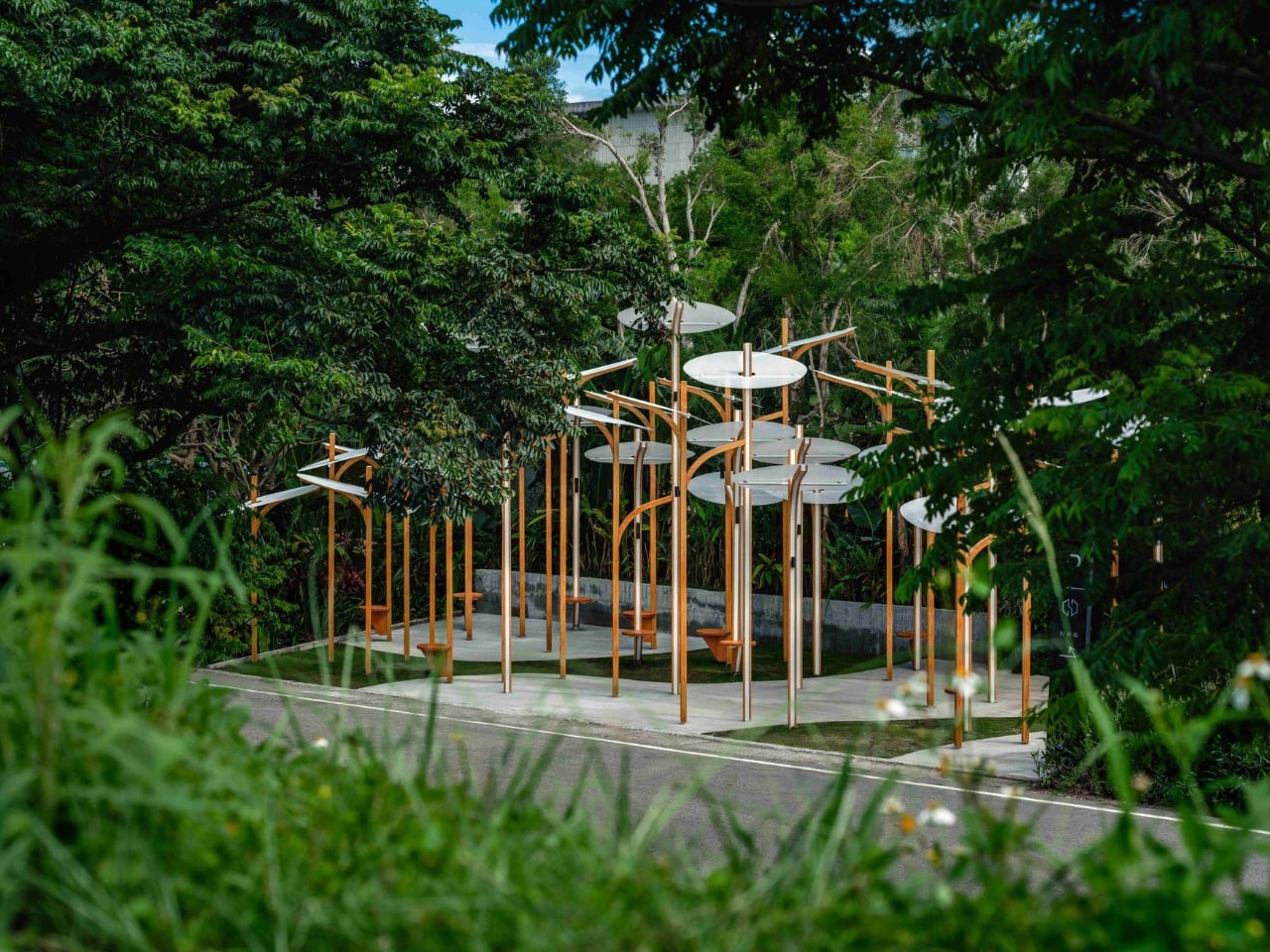
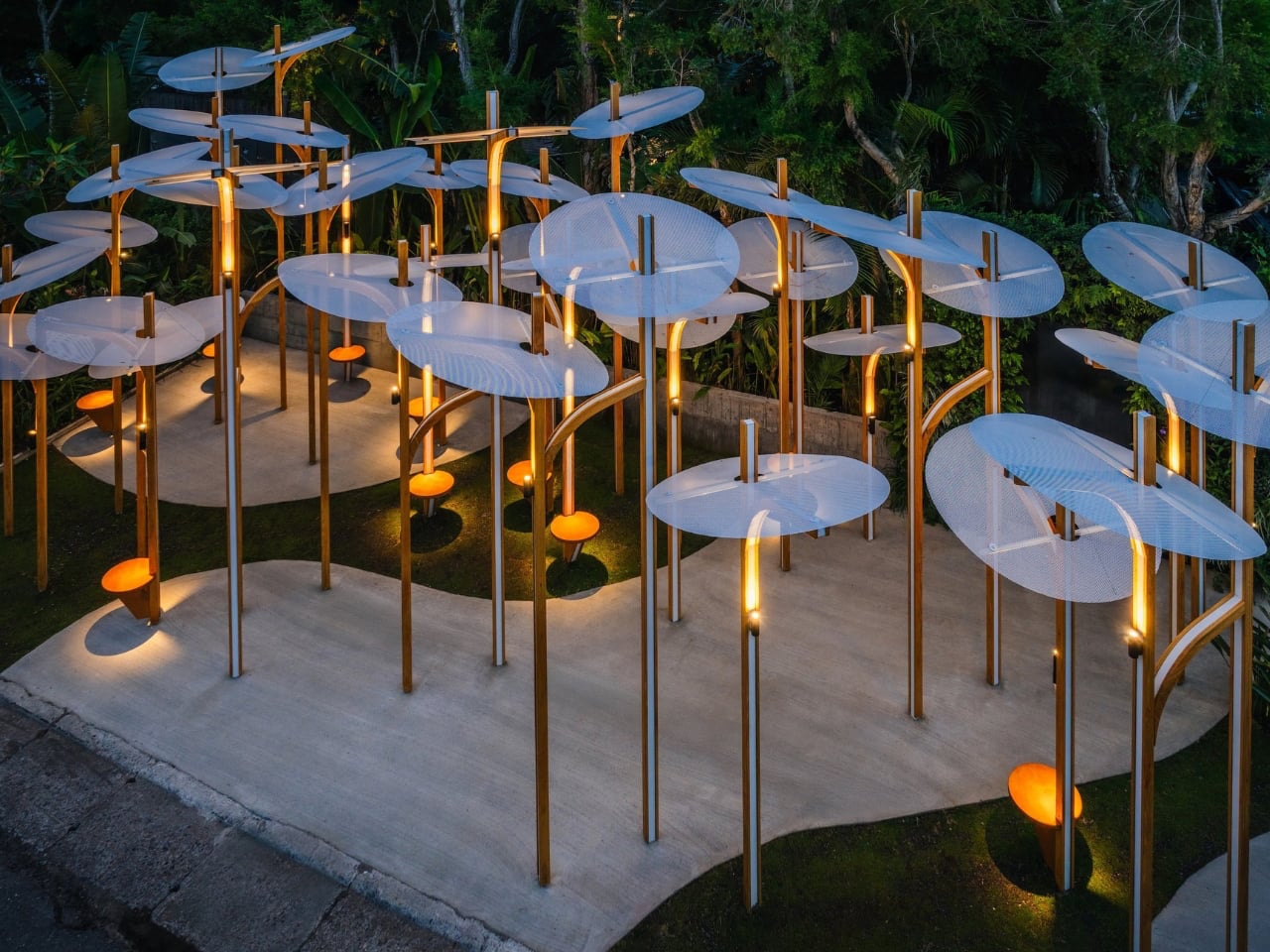
Cheng Tsung FENG’s Structural Botany: 25AP-263-43 is a compelling exploration of the intersection between art, nature, and modular construction. Installed at Swiio Villa Yilan in Zhuangwei, the work draws inspiration from the upright, clustered growth patterns of native plants, translating botanical forms into a sculptural rhythm. Standing between 2.5 and 5 meters tall, the installation consists of repeated modular “stems” that rise independently while maintaining deliberate spacing, echoing the equidistant patterns found in plant communities. FENG’s abstraction focuses on structural qualities rather than literal representation, highlighting resilience, interdependence, and the hidden patterns that govern natural growth.
The modular design allows the work to adapt to different spaces, expanding or contracting like living plants responding to their environment. Its clean lines and muted palette integrate gracefully with the surrounding landscape, inviting visitors to move among the vertical forms. 25AP-263-43 transforms the space into an immersive experience, revealing how art can reflect the processes of growth, rhythm, and community inherent in nature.
2. Design That Shapes Interaction
The true power of design in public art lies in its ability to shape human behavior and foster connections. A well-placed installation isn’t static; it invites curiosity, conversation, and movement. The position of a sculpture, for instance, can turn it into a meeting point or encourage people to explore it from different angles, subtly guiding social flow through space.
Inclusive design ensures that everyone can experience this interaction. By considering pathways, seating, and lighting, designers make art accessible and inviting. The result is not just an artwork but a functional, social space that fosters comfort, inclusion, and community.
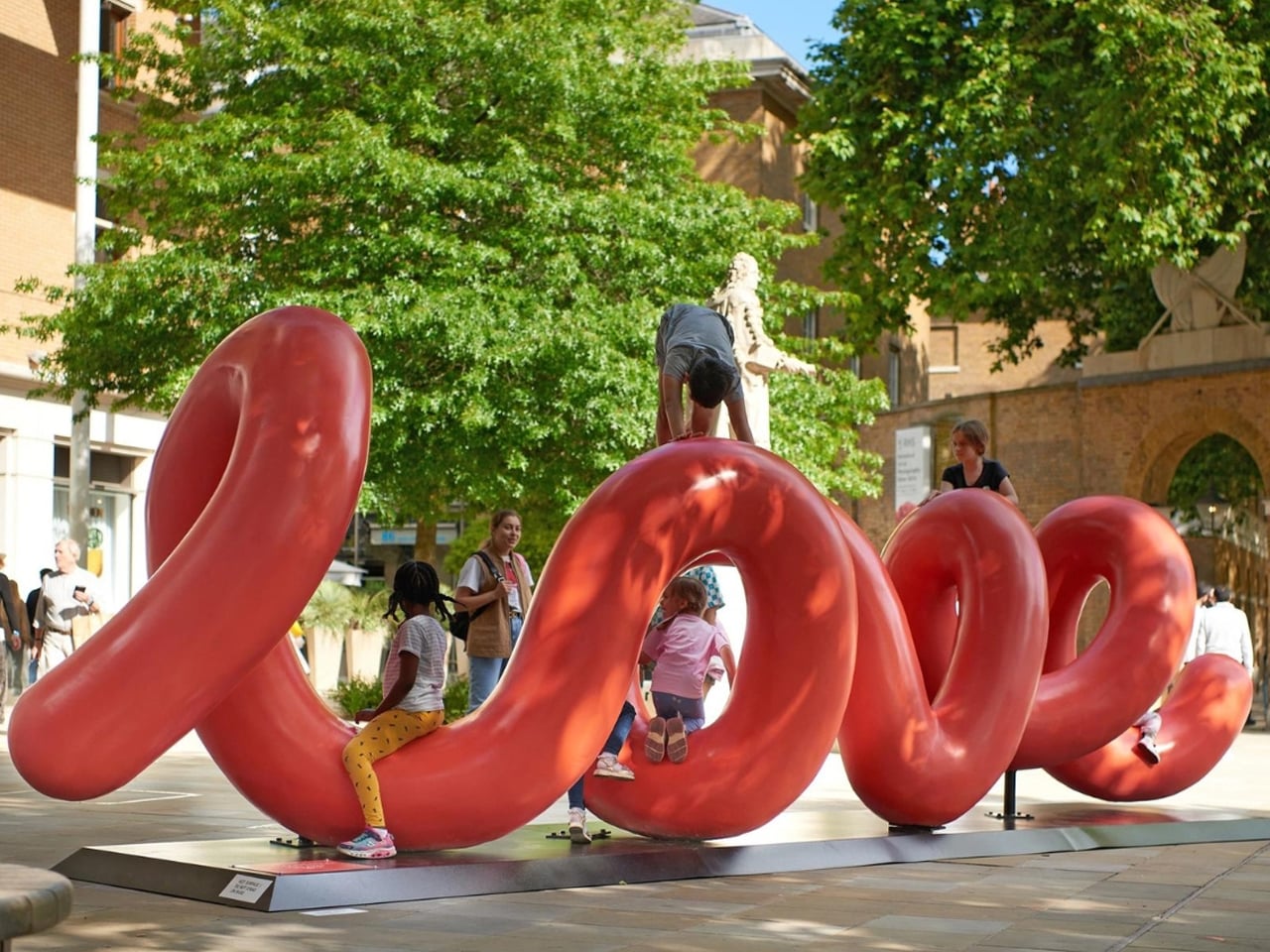
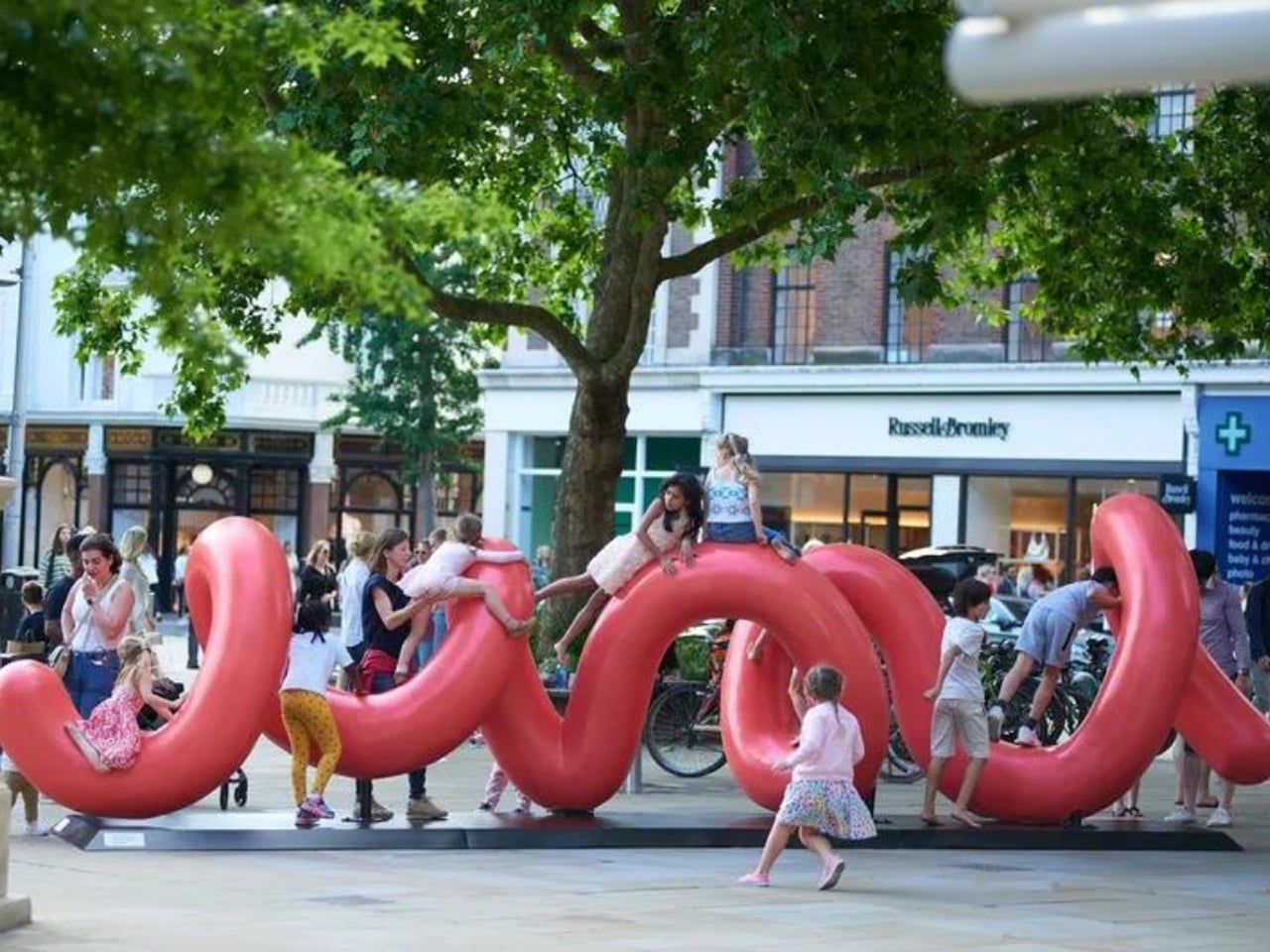
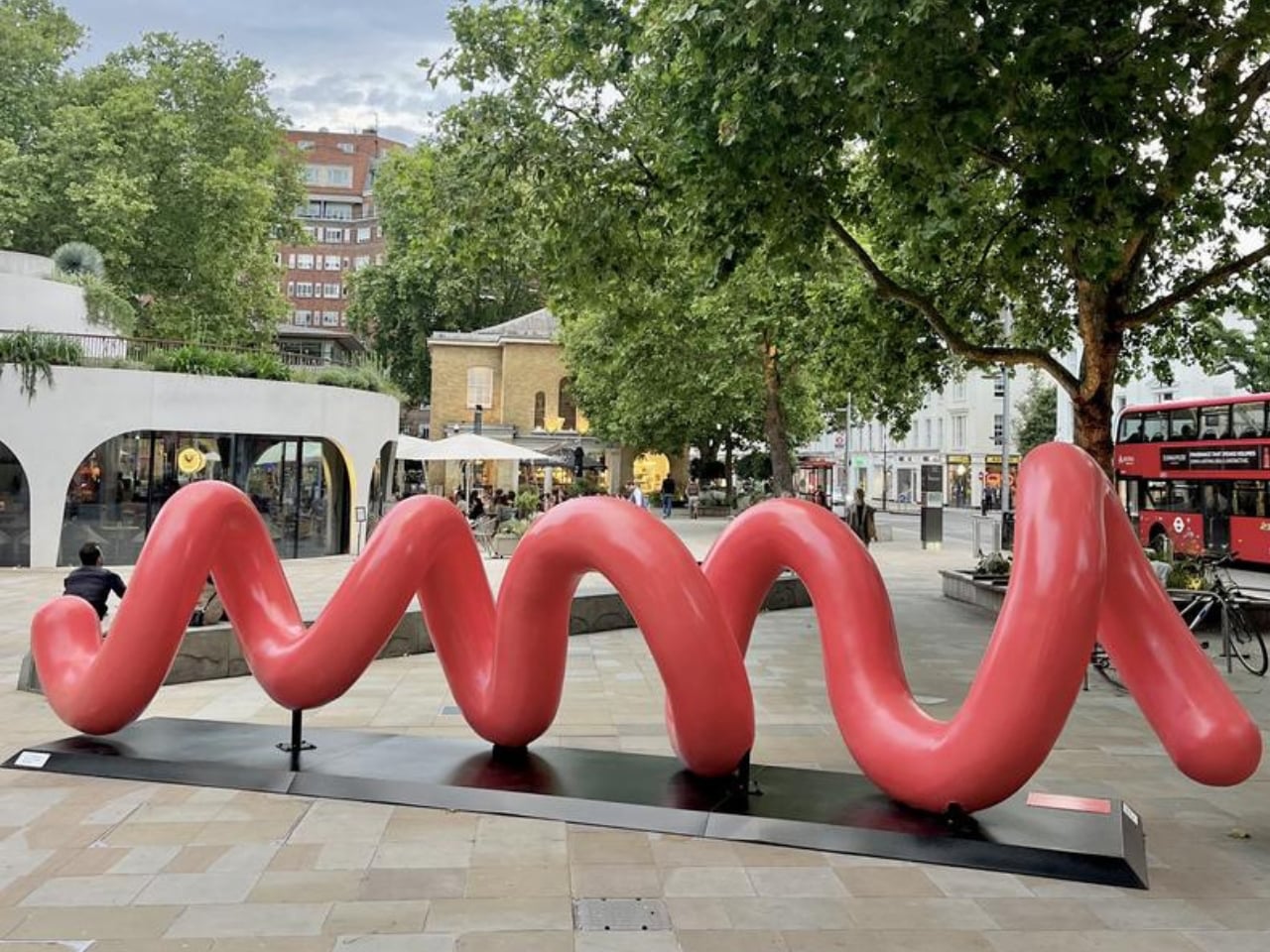
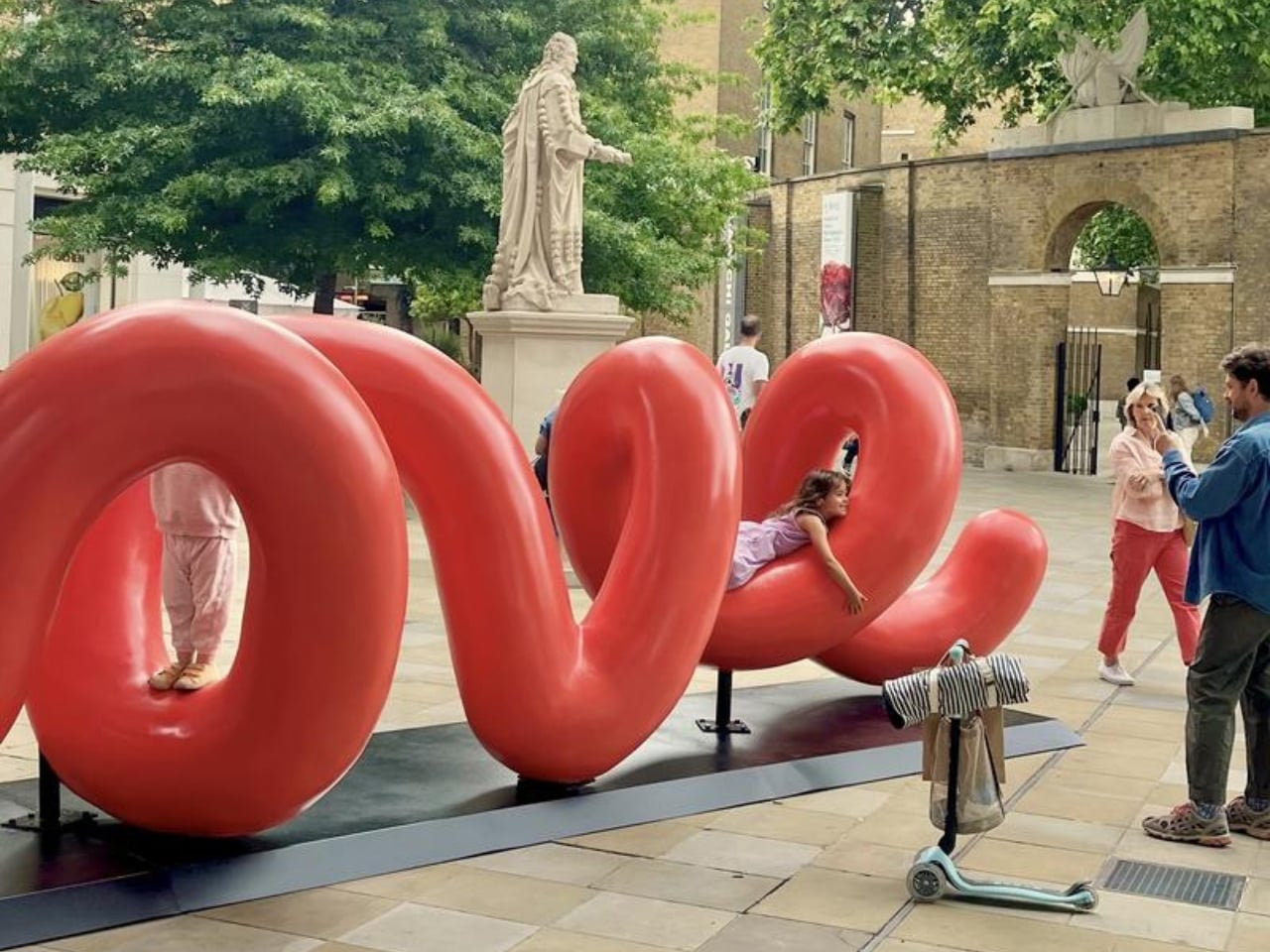
Interactive public art has a unique charm, and Love Continuum in London’s Chelsea area exemplifies this beautifully. Installed at Duke of York Square as part of Kensington + Chelsea Art Week, the piece immediately invites viewers—kids and adults alike—to touch, climb, or simply explore its form. At first glance, it appears to be a giant red spring or whimsical squiggly “worm,” a playful addition to the urban landscape.
The sculpture’s clever twist reveals itself from a certain angle: the word “love” emerges in elegant cursive, turning observation into a joyful discovery. Measuring 7.5 meters in length, Love Continuum continues artist Alter’s exploration of colorful, interactive forms that encourage engagement and play. Its hidden message adds a layer of delight, creating a shared experience for those who notice it. This combination of tactile fun, visual surprise, and thoughtful design makes it a memorable stop on London’s art trail.
3. The Power of Material and Durability
Material choice is one of the most crucial design decisions in public art, shaping its longevity and impact. Unlike gallery pieces, outdoor installations face constant exposure to weather, pollution, and human touch. Designers must therefore balance artistic vision with strength and endurance, using materials that preserve both beauty and integrity over time.
Selecting durable, often local options such as weathered steel, treated stone, or advanced composites ensures resilience and low maintenance. This thoughtful approach keeps the artwork safe, sustainable, and visually compelling for years, safeguarding the artist’s intent while respecting the realities of public spaces.
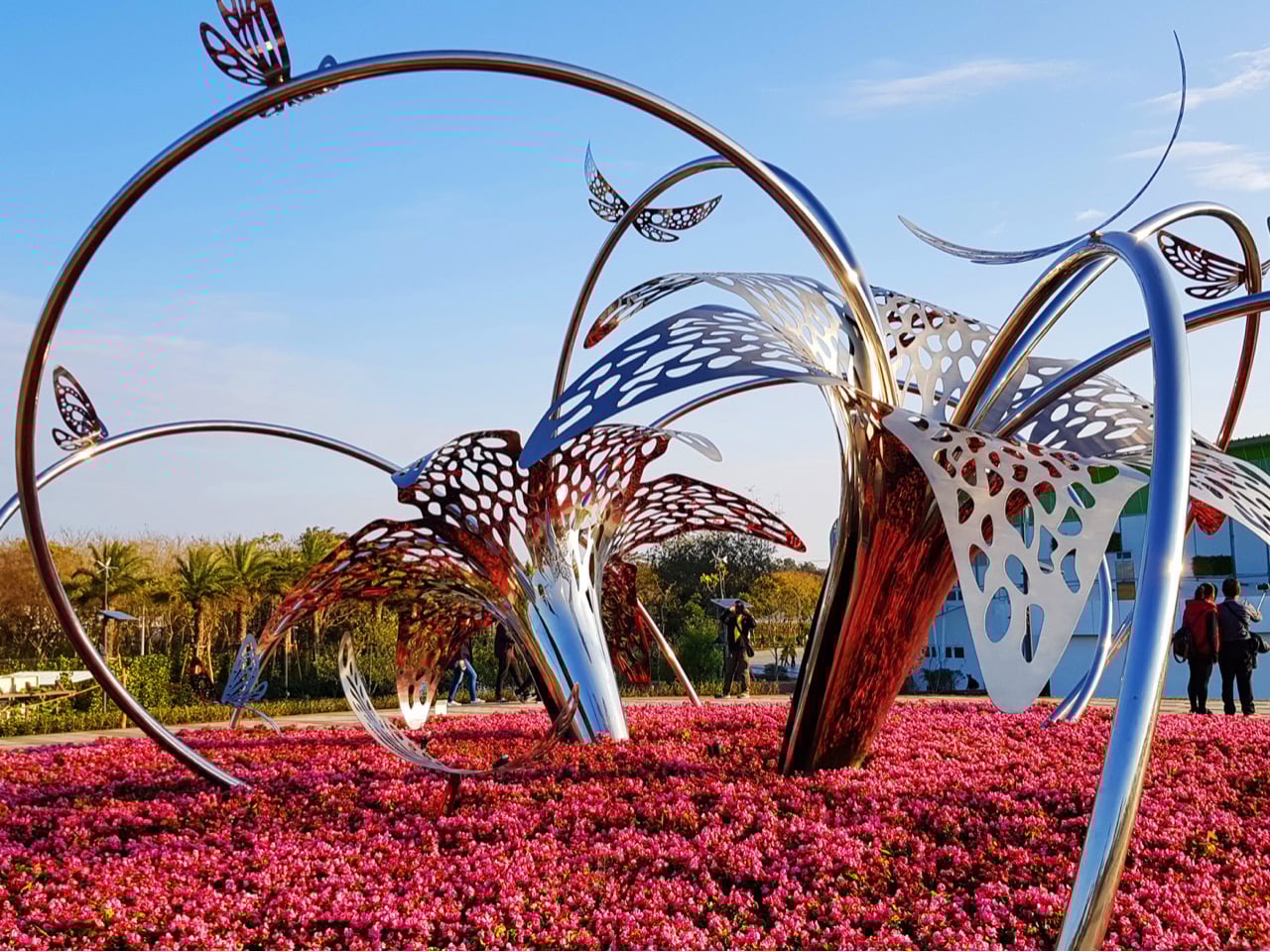
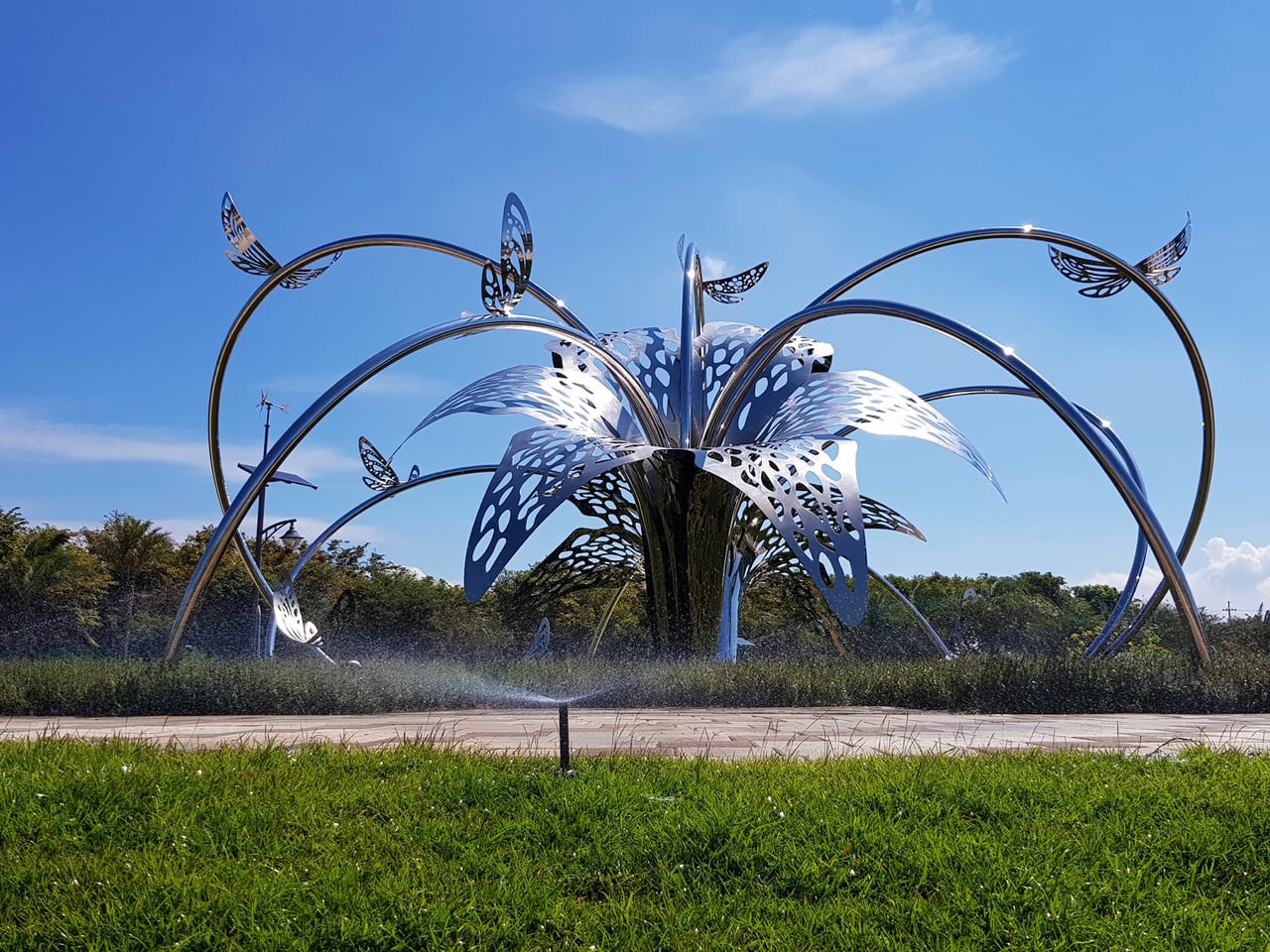
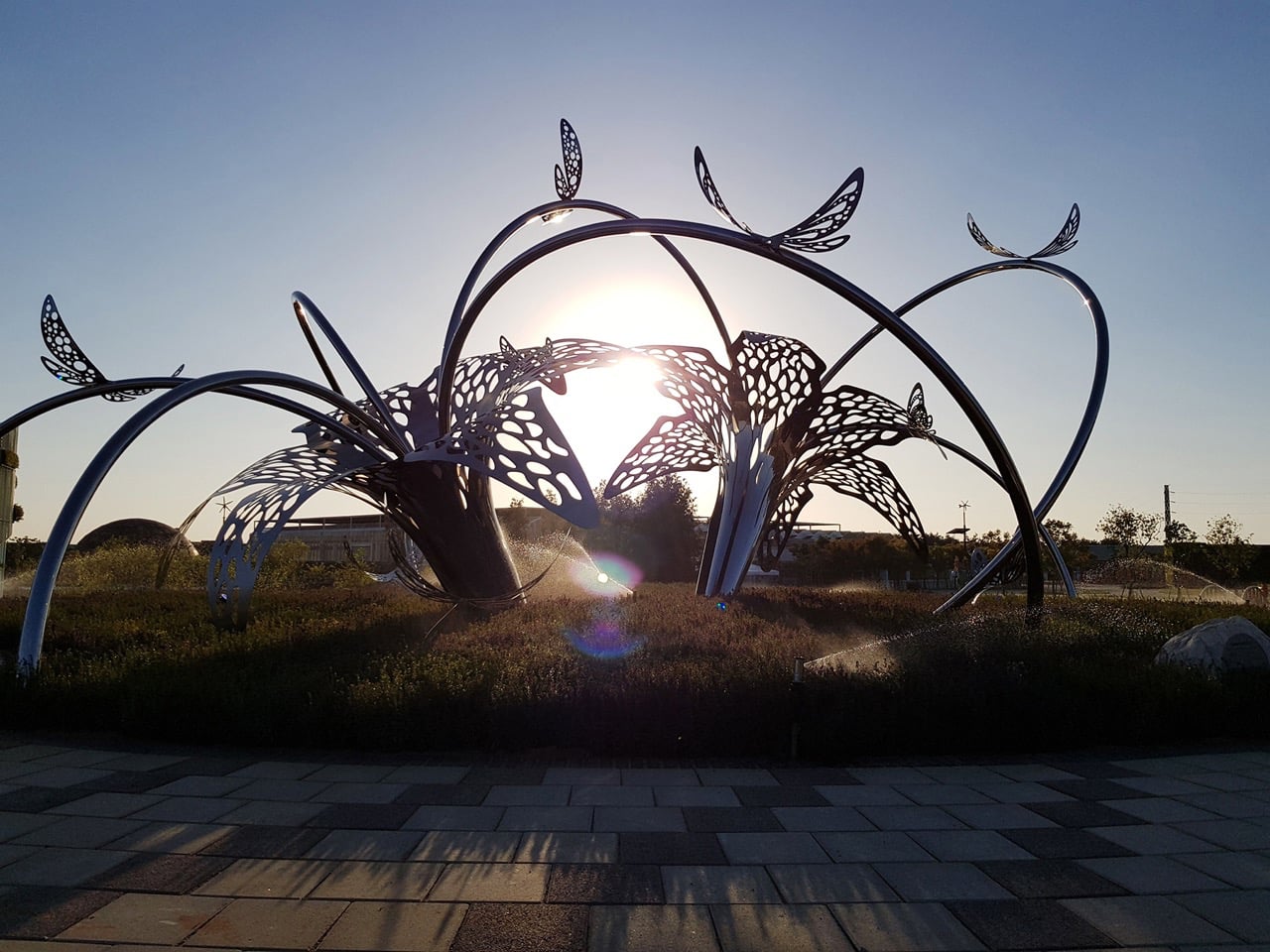
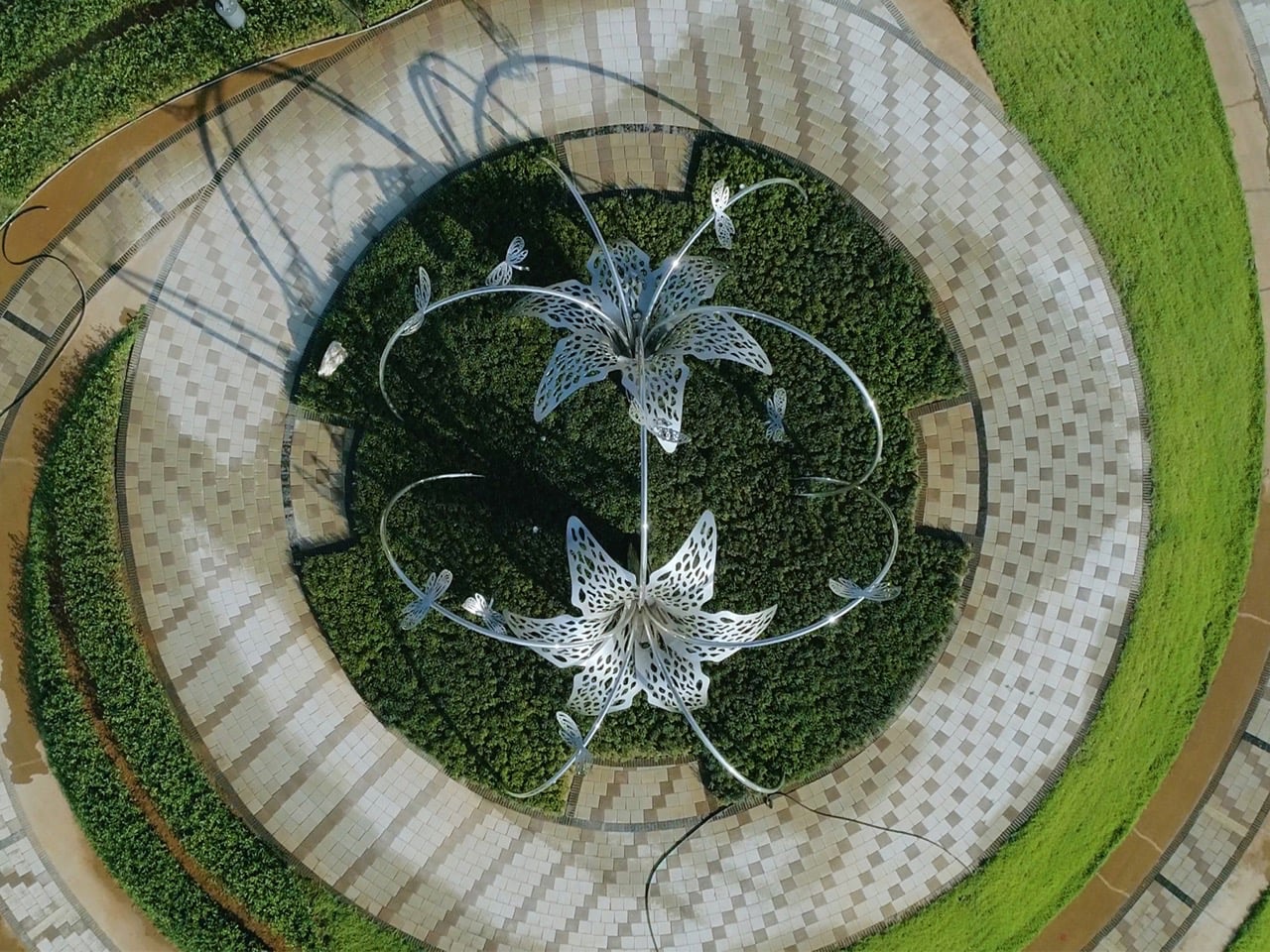
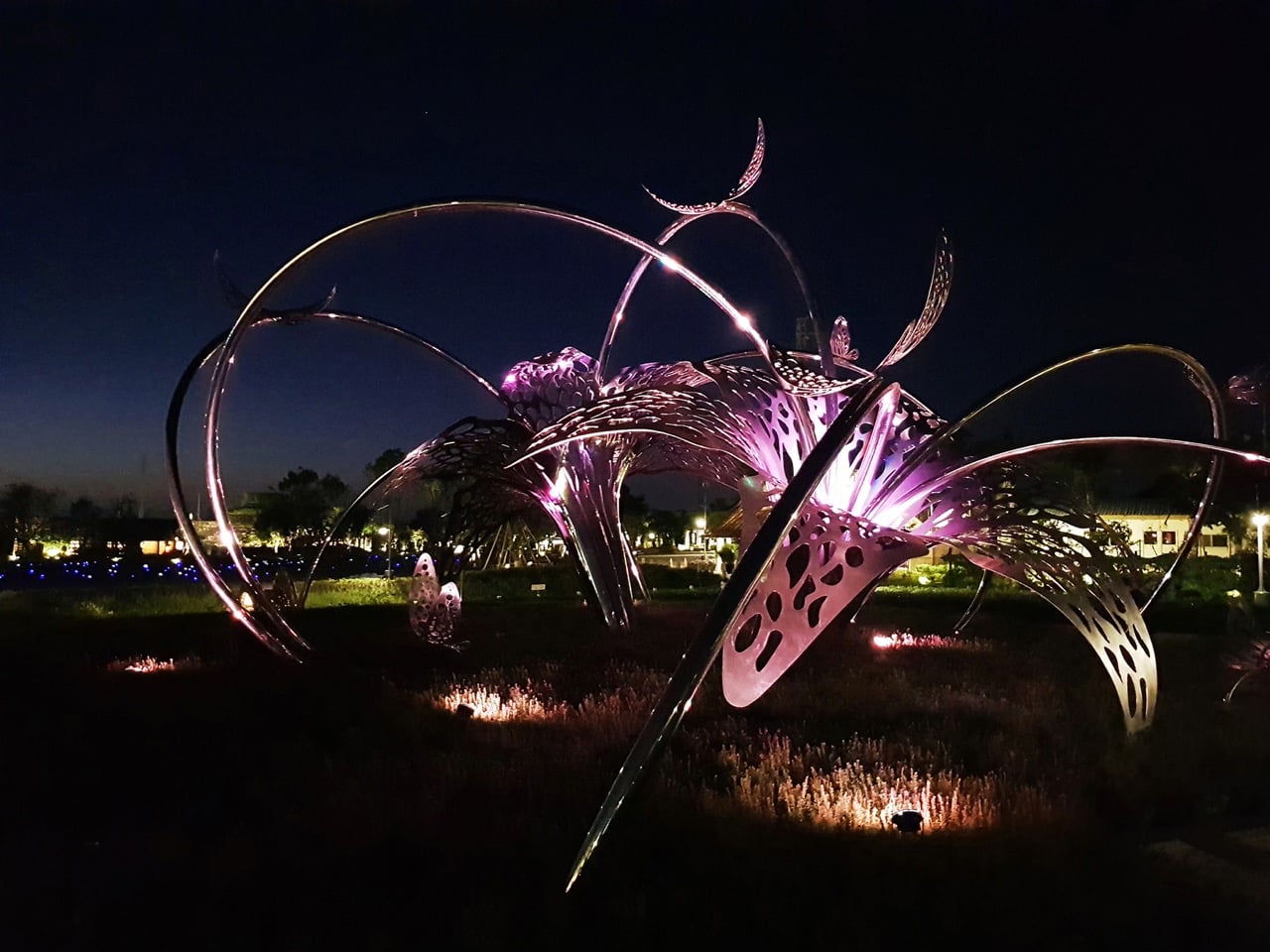
Kuo Hsiang Kuo’s “Flowers and Butterflies Are Dancing”, created for the 2018 Taichung World Flora Exposition in Taiwan, showcases the essence of contemporary public art. Using polished stainless steel, Kuo embraces the material’s reflective quality to mirror the vibrant flowers below and shifting clouds above, creating a constantly evolving dialogue with its surroundings. Sweeping arcs suggest the flutter of butterflies and the sway of flowers, while perforated panels cast intricate shadows. By night, strategically placed lighting transforms the sculpture into a glowing spectacle of purples and pinks, giving it a dynamic day-to-night presence.
The installation balances structural precision with ethereal beauty, inviting visitors to explore it from multiple angles. Referencing Taiwan’s native Formosa Lily and butterfly motifs, it connects local identity with universal themes of transformation and renewal. Its multi-layered appeal engages children, adults, and design enthusiasts alike. “Flowers and Butterflies Are Dancing” proves that public art can be both visually stunning and deeply meaningful, transforming spaces and perspectives.
4. Lighting and Experiential Impact
Public art should shine even after sunset, and this is where thoughtful lighting design transforms perception. Proper illumination enhances textures, casts dramatic shadows, and can introduce dynamic colors, turning a daytime piece into a captivating nighttime feature and making the artwork a continuous part of the cityscape.
Lighting also serves safety and experiential purposes. By subtly brightening pathways while highlighting the art, designers create secure, inviting spaces. This blend of functionality and drama deepens emotional engagement, turning ordinary public areas into memorable, enchanting urban stages that captivate visitors day and night.
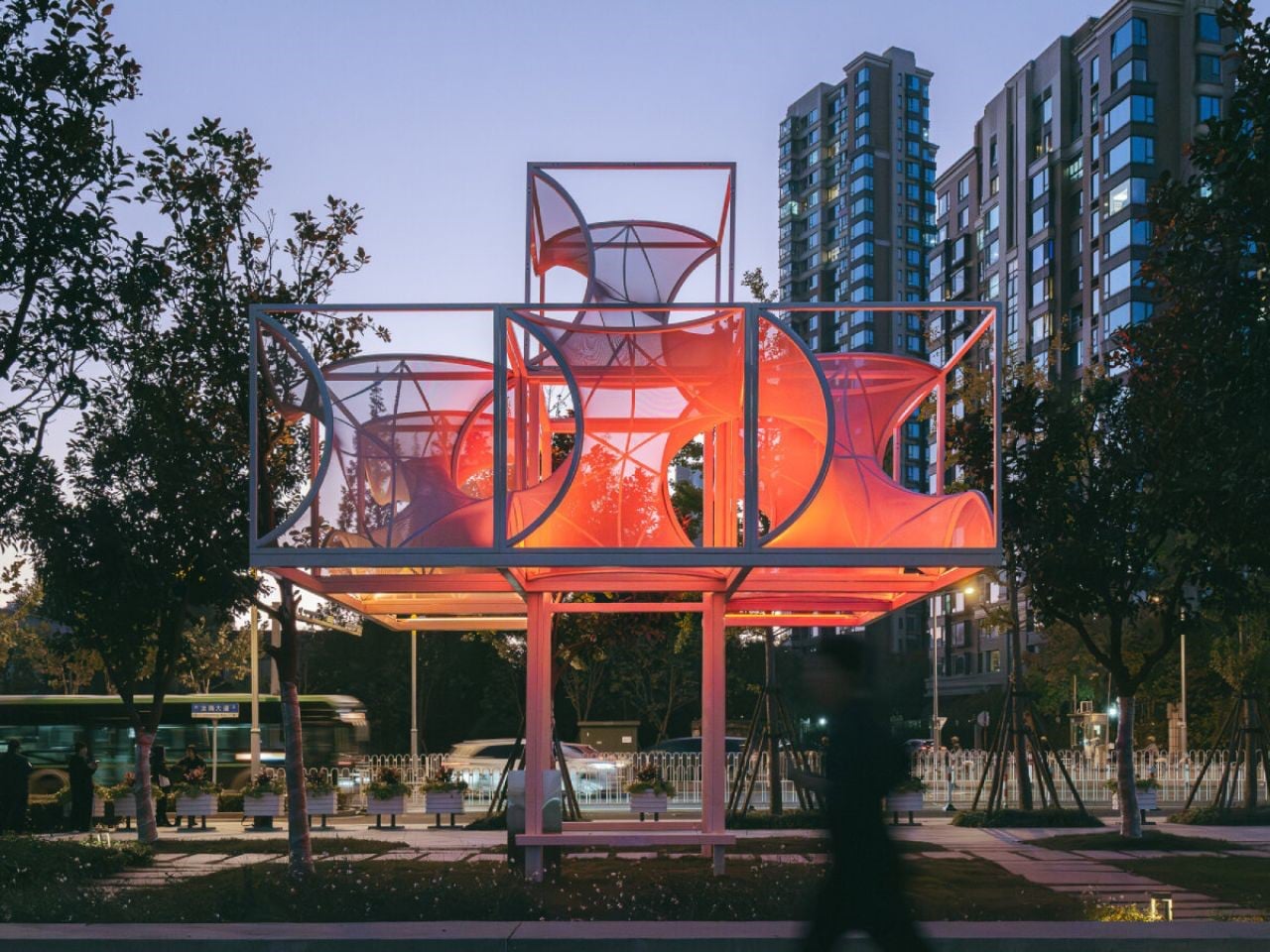
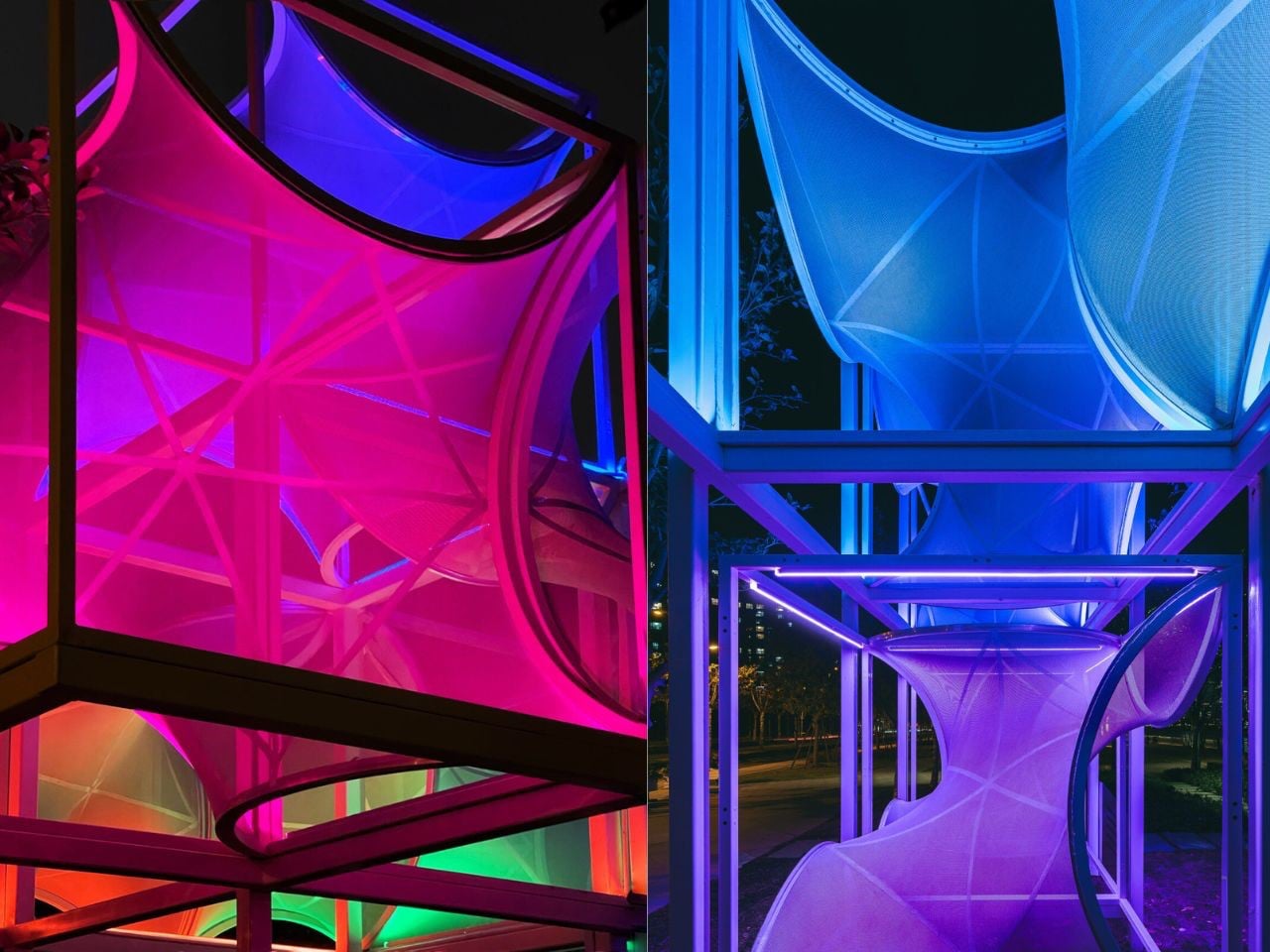
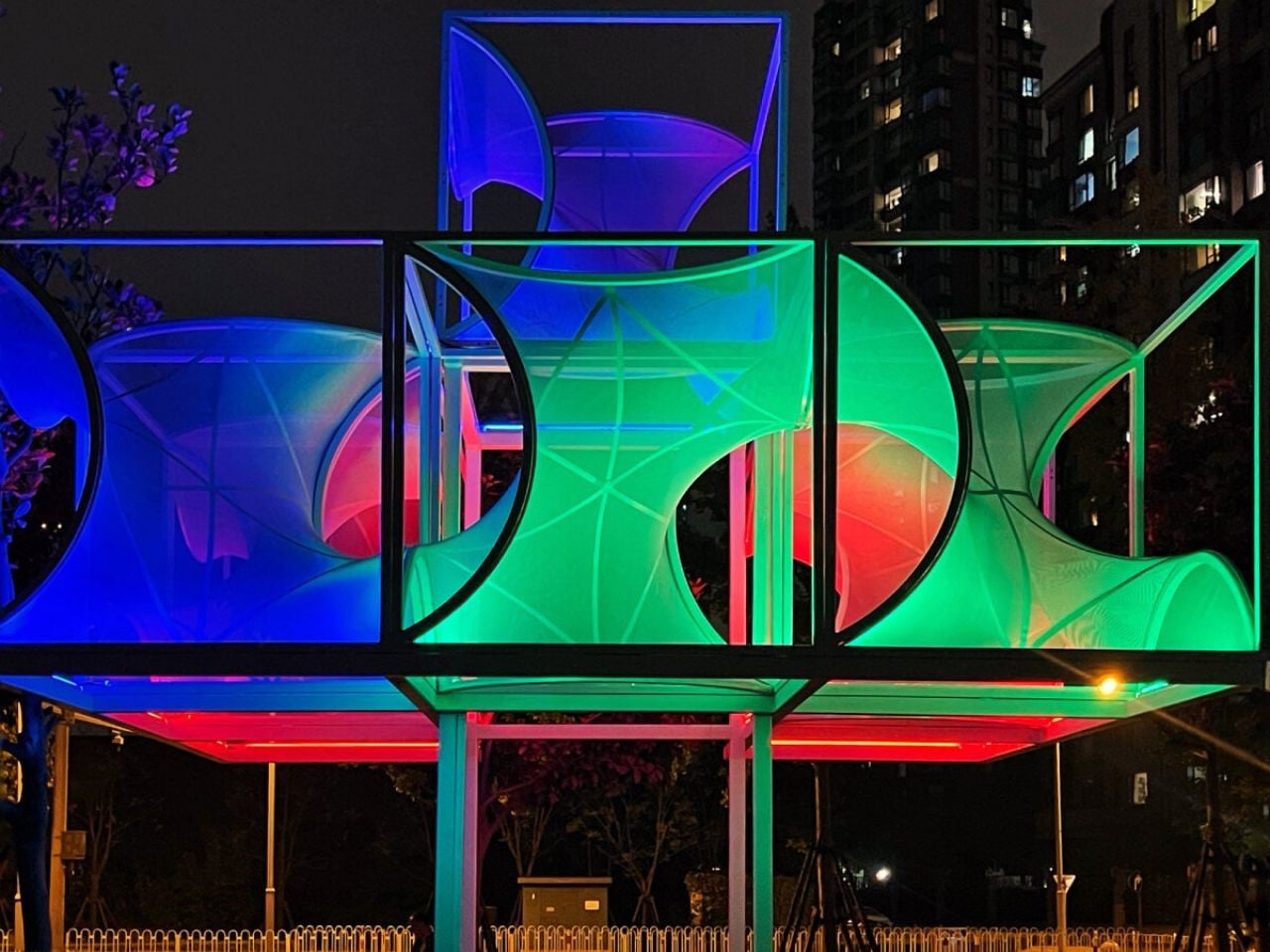
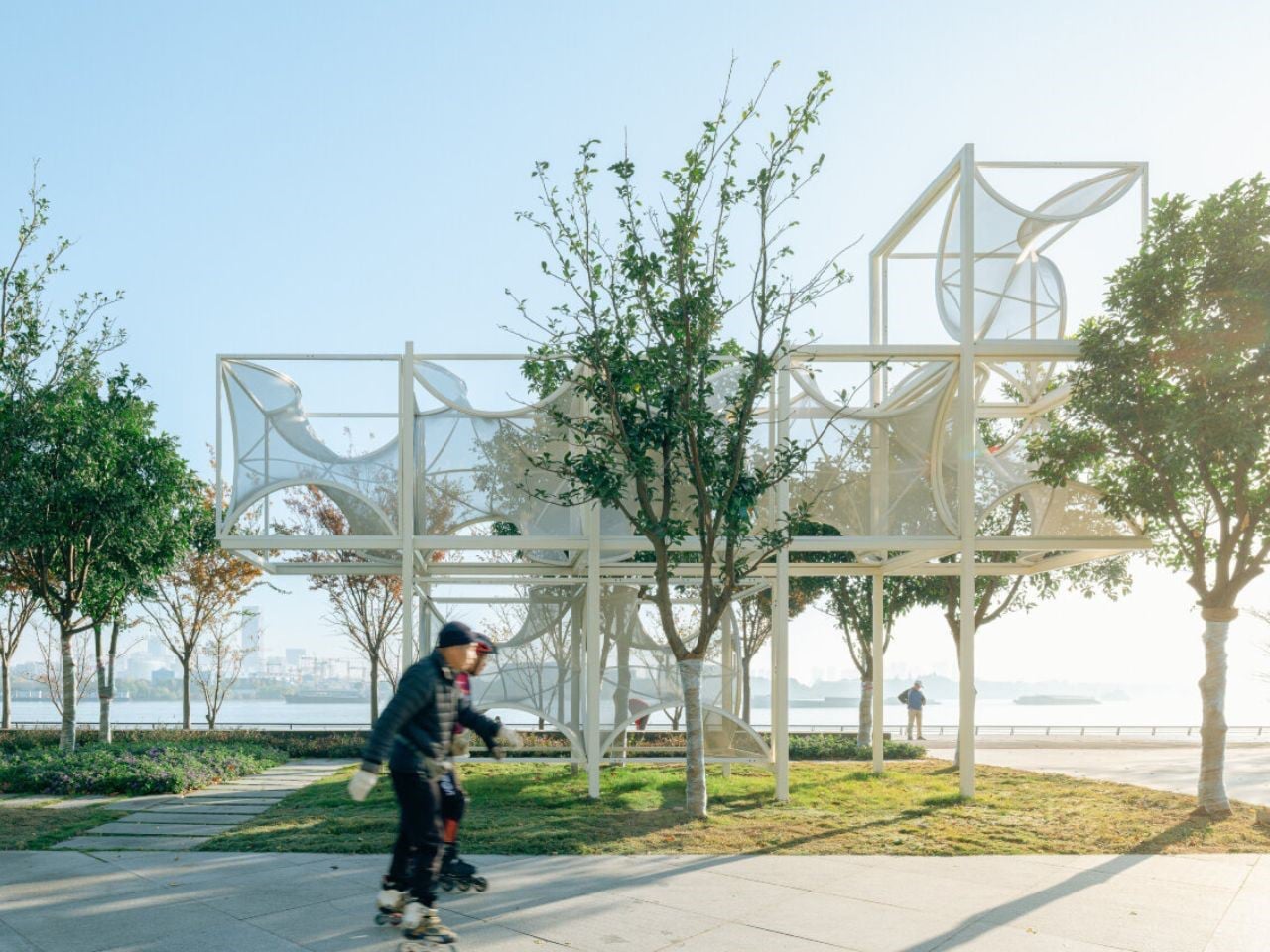
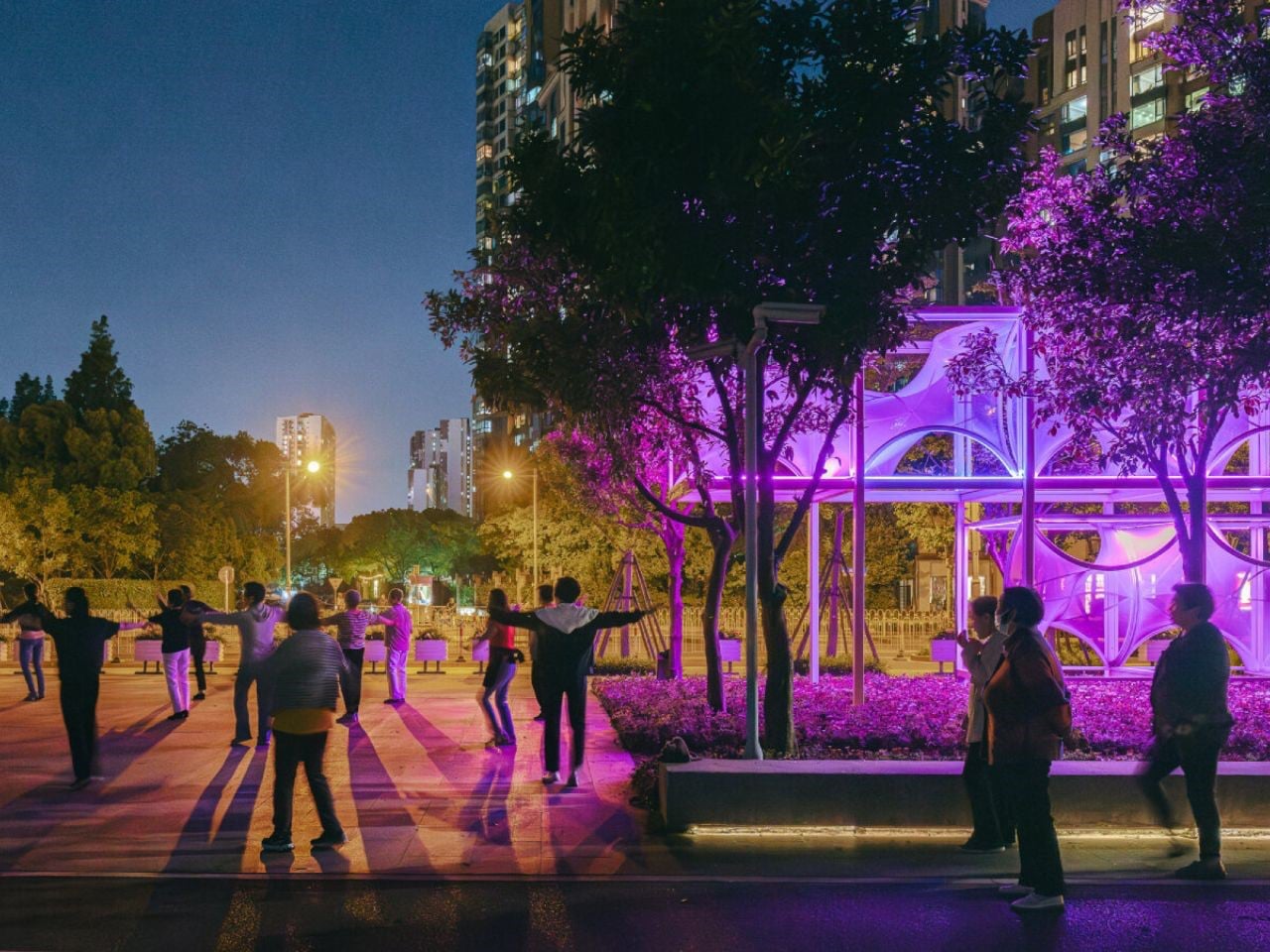
Along Shanghai’s Huangpu River, visitors encounter Curly Cube, a striking modular installation by the People’s Architecture Office (PAO). Combining flowing curves with sharp angles, it transforms an ordinary urban space into a dynamic playground of light, shadow, and interaction. Inspired by the Gyroid minimal surface, a natural form bridging mathematics and nature where the structure employs curvilinear tensile membranes stretched over lightweight square frames. The result is a form that appears both futuristic and organic, soft yet structured. By day, the translucent membranes filter sunlight into gentle, diffused patterns, offering shaded pockets where people can pause, explore, or relax amid the city’s bustle.
At night, integrated lighting casts shifting gradients across the silver membranes, turning the installation into a glowing social hub. Its modular design allows stacking, reconfiguration, or relocation, encouraging tactile and participatory engagement. Curly Cube showcases how adaptable public art can transform urban environments, transforming everyday walkways into immersive and memorable experiences for all visitors.
5. Community and Co-Creation
The most impactful public art grows from the community it serves, making co-creation essential. Designers act as bridges, translating local stories, needs, and identities into physical form. By involving residents, businesses, and leaders from the start, the artwork becomes a true reflection of the neighborhood’s spirit rather than an imposed object.
This collaborative process often enriches the project, making it more meaningful and relevant. When people see their ideas influence themes, materials, or placement, they become invested advocates. Inclusive design fosters public ownership, ensuring the artwork’s lasting cultural, social, and emotional impact.
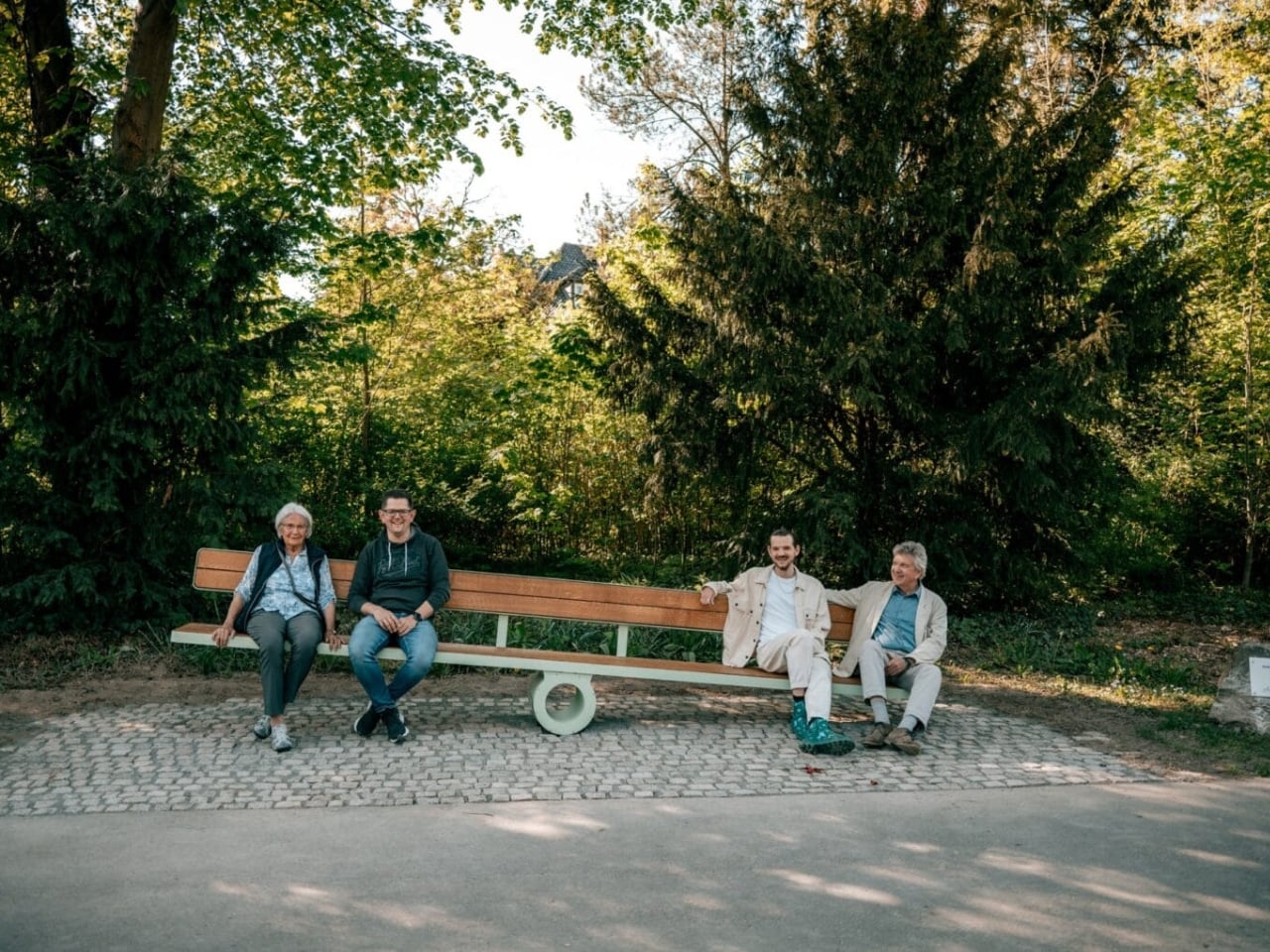
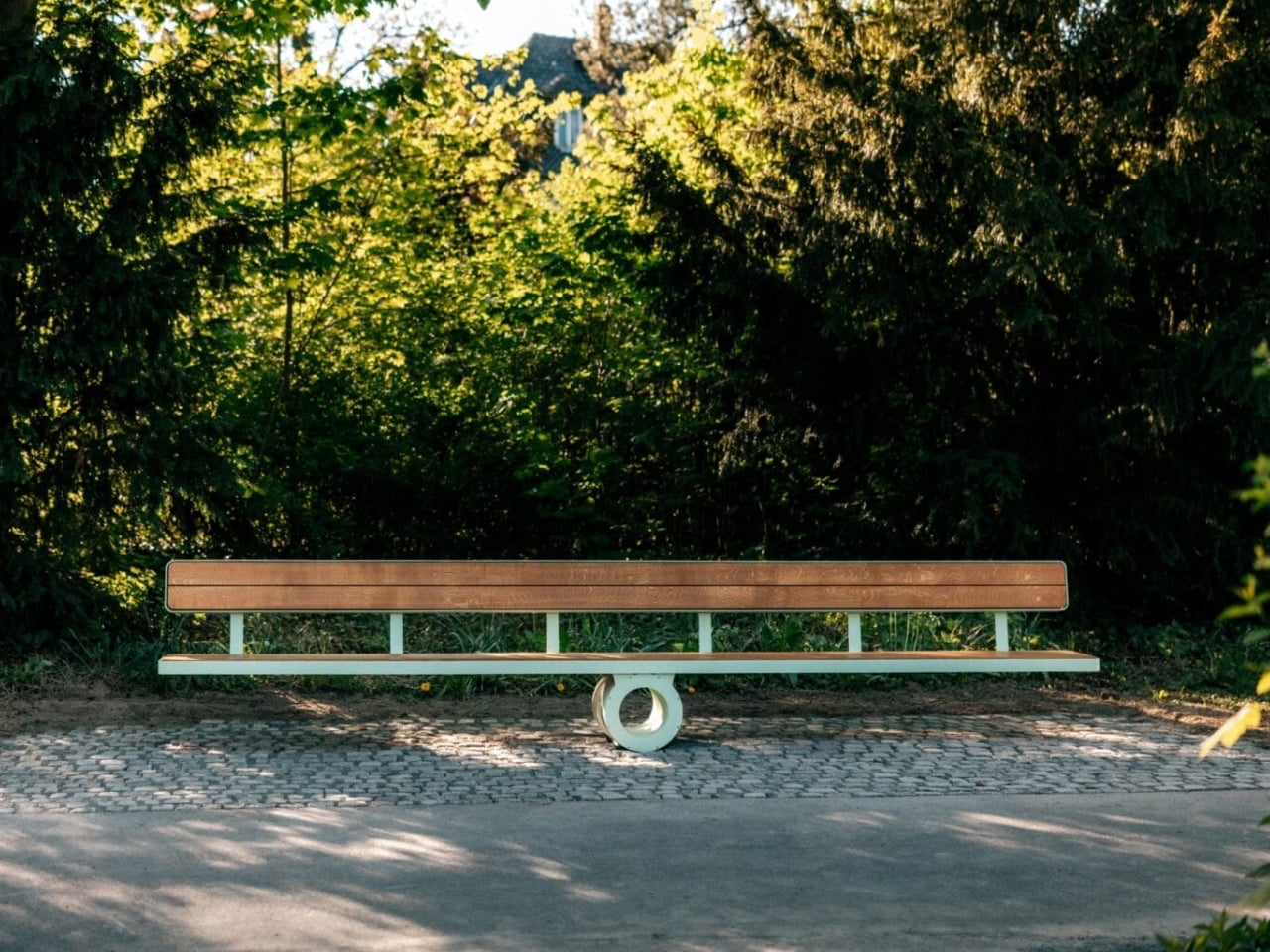
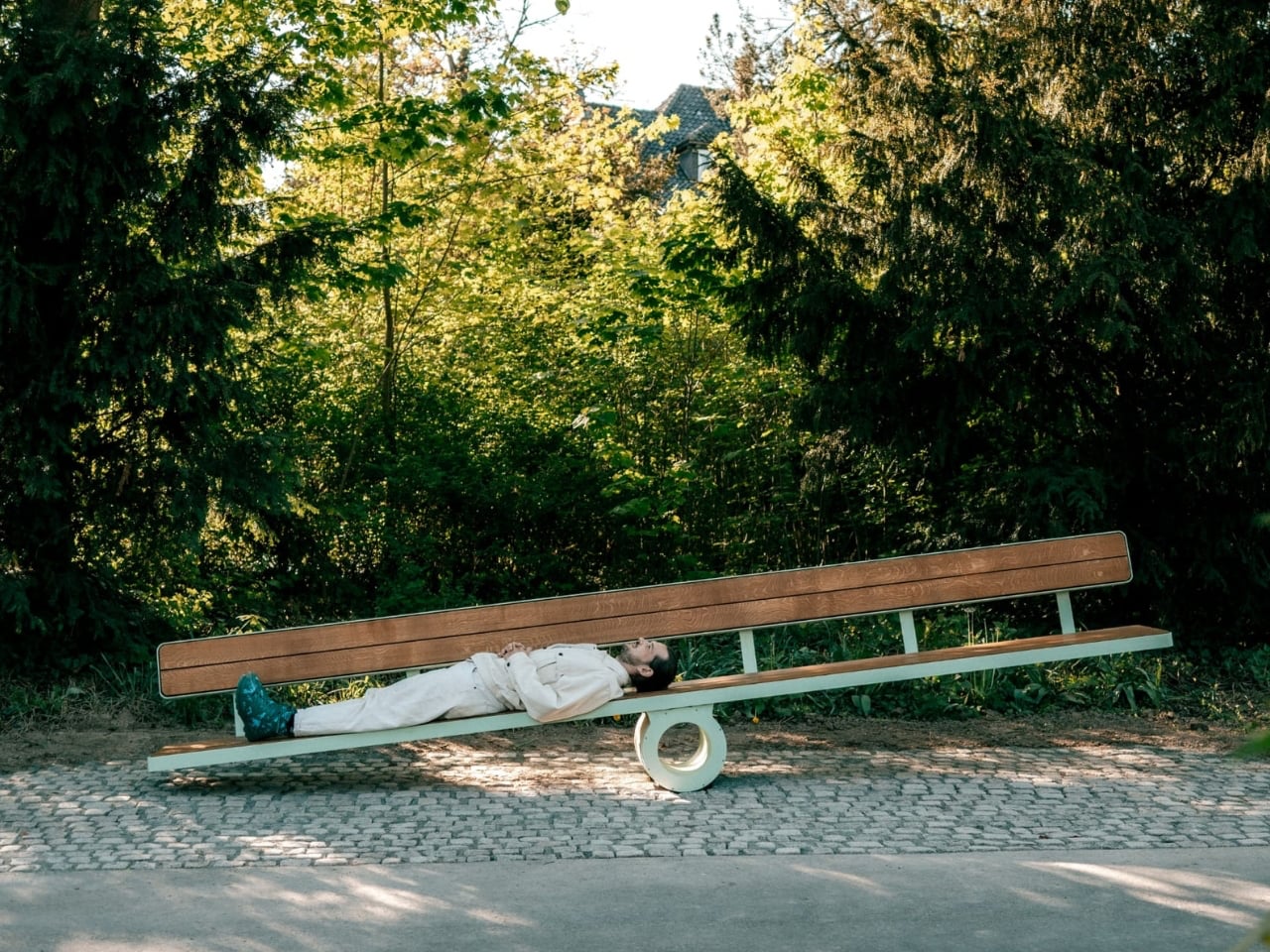
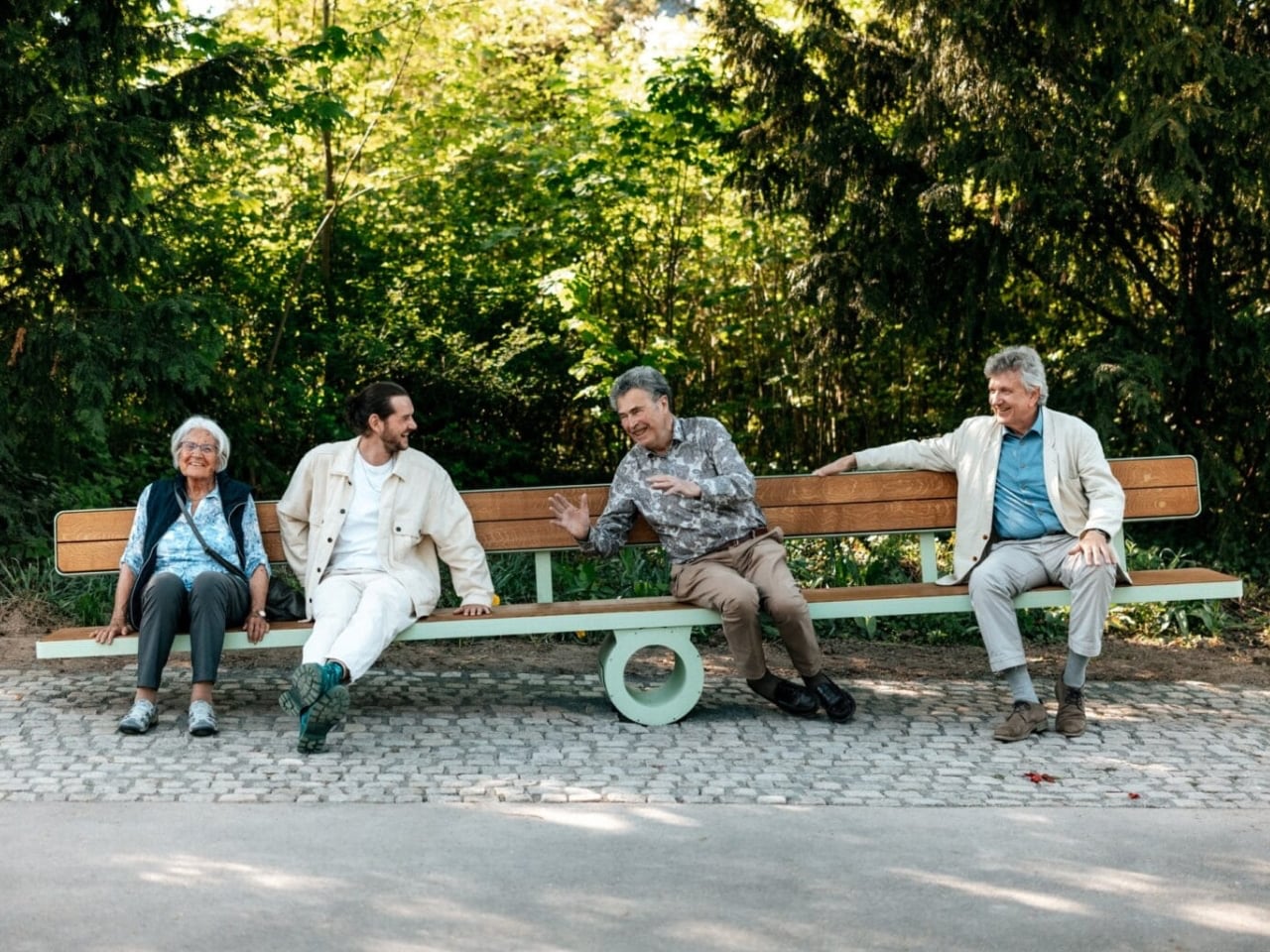
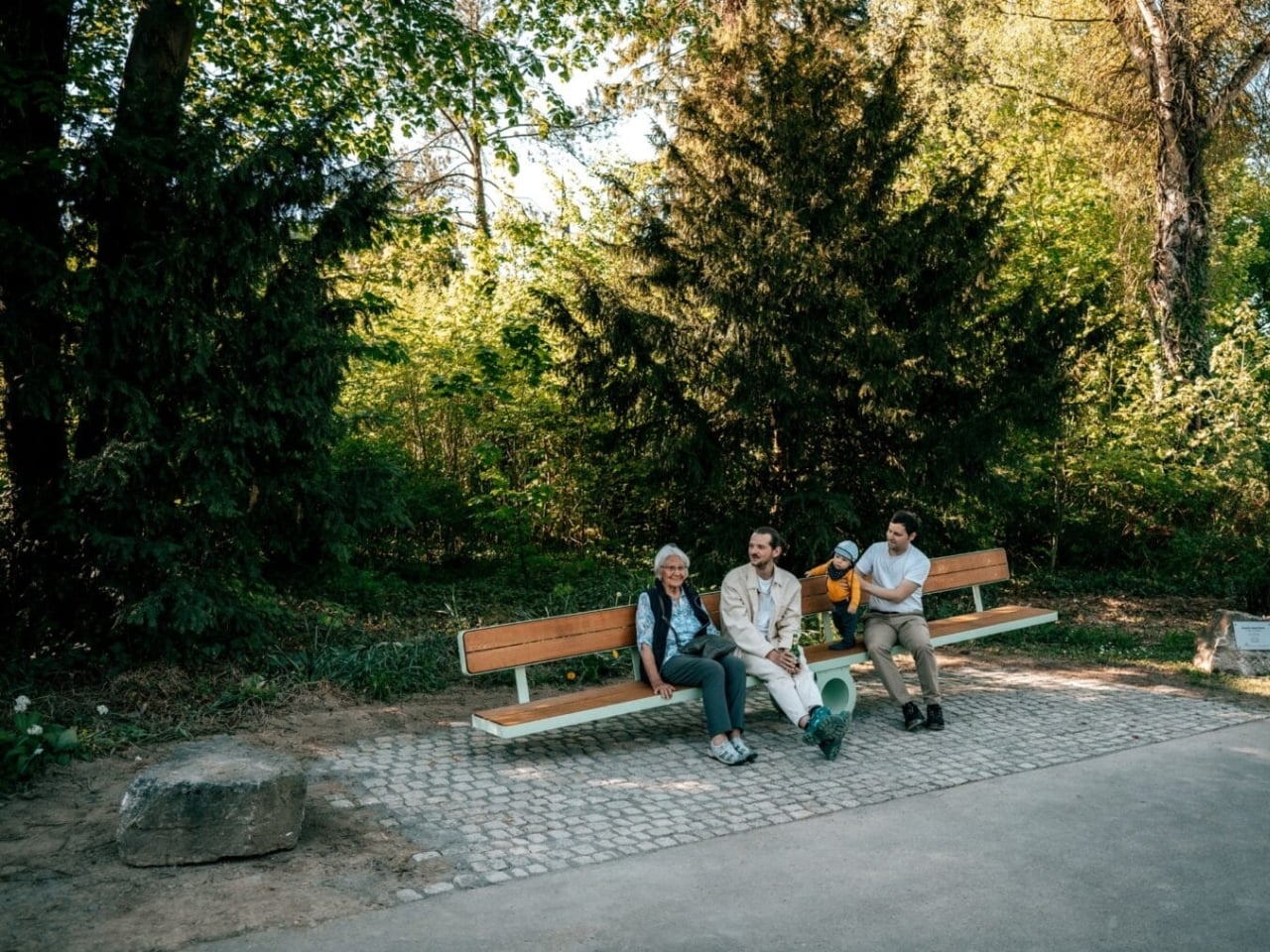
Sitting on a public bench often reflects our comfort with social interaction. Extroverts may happily share a seat with strangers, while others prefer solitude. Martin Binder’s Balance Bench in Einbeck, Germany, challenges these habits by transforming a simple act of sitting into a shared experience. Constructed from oak slats atop a sleek steel frame, the bench rests on a single central cylinder, requiring at least two people on opposite ends to achieve balance. Attempting to sit alone either forces careful adjustment or playful observation, turning rest into cooperation and communication.
Located in the Garden of Generations, the 4.5-meter-long installation can accommodate up to eight people, encouraging dialogue and collective effort. By combining functional seating with interactive design, Binder’s work exemplifies how public art can foster connection, cooperation, and community engagement while making everyday urban experiences more playful and thought-provoking.
By harmonizing art with its site, guiding movement and interaction, ensuring durability, and creating safe, engaging environments day and night, thoughtful design transforms spaces into vibrant destinations. The result is artwork that enriches well-being, fosters community pride, and leaves a lasting social and cultural impact.