
Capcom is reviving more dormant franchises after the success of Onimusha: Way of the Sword
After Onimusha: Way of the Sword sold more than a million copies at launch, Capcom is now looking to revive some of its other forgotten IPs.
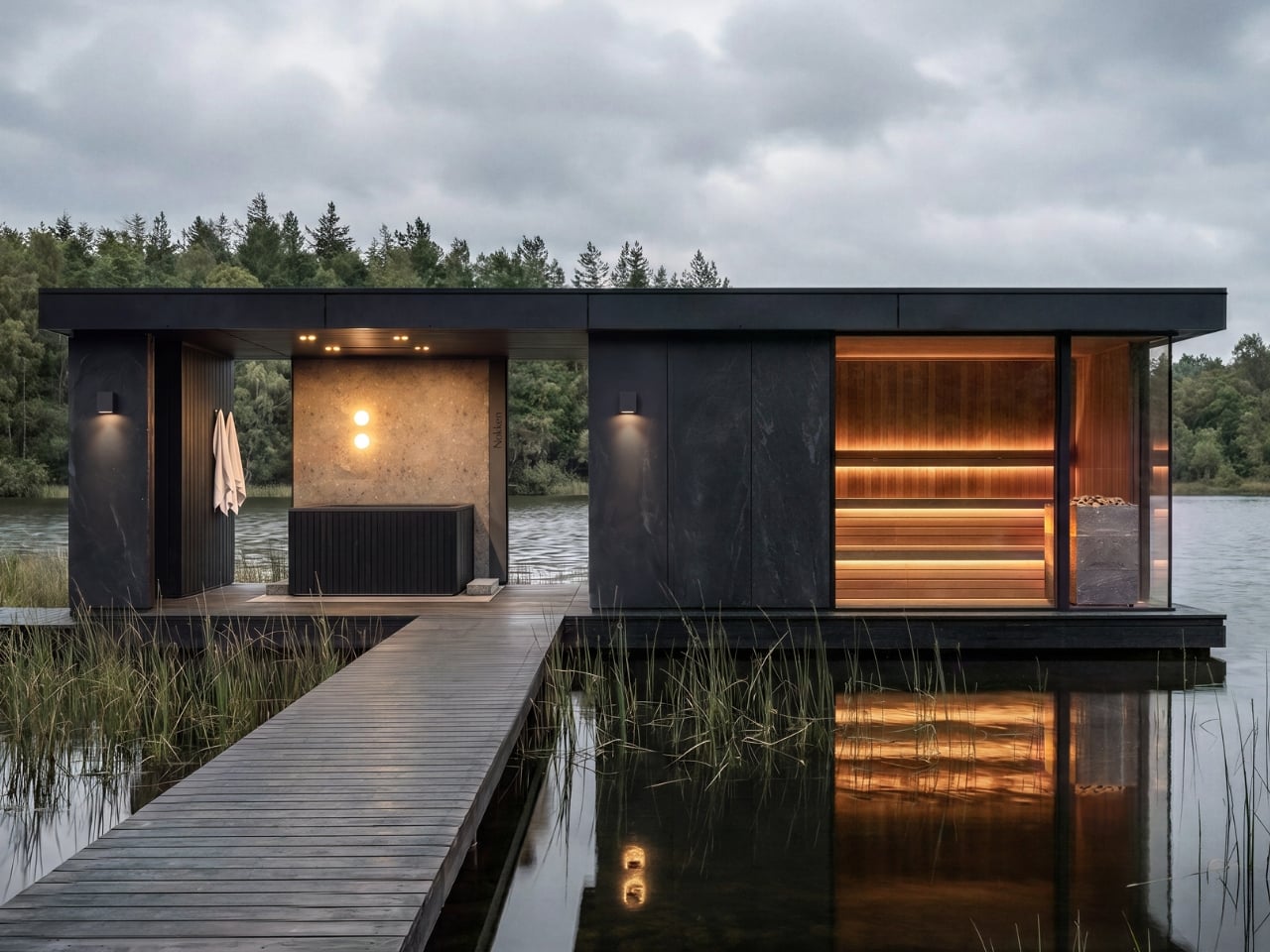
I’ve stayed at enough hotels chasing a “wellness experience” to know the disappointment routine by heart. You book a place that advertises a spa, and what you get is a lukewarm hot tub next to a gym nobody uses. Meanwhile the properties that actually nail recovery, the ones with proper saunas and cold plunges, always seem to be the ones that spent a year and a small fortune on construction to get there. That gap between what guests now expect and what most operators can realistically build is exactly the problem Nokken is trying to close with its new Super Sauna.
The company’s co-founder has been straightforward about the core tension: guests no longer treat recovery as a bonus amenity, they arrive expecting it as a baseline. The problem for operators is that delivering it properly has traditionally required a full capital project, with planning permissions, groundworks, months of construction and the disruption that comes with all of it. Most either keep pushing the project back or end up with something that doesn’t quite meet the mark. That’s the quiet frustration sitting underneath a lot of hotel wellness marketing. Everyone wants to offer contrast therapy because guests are asking for it, but almost nobody wants to shut down a section of their property for half a year to build it.
Designer: Nokken
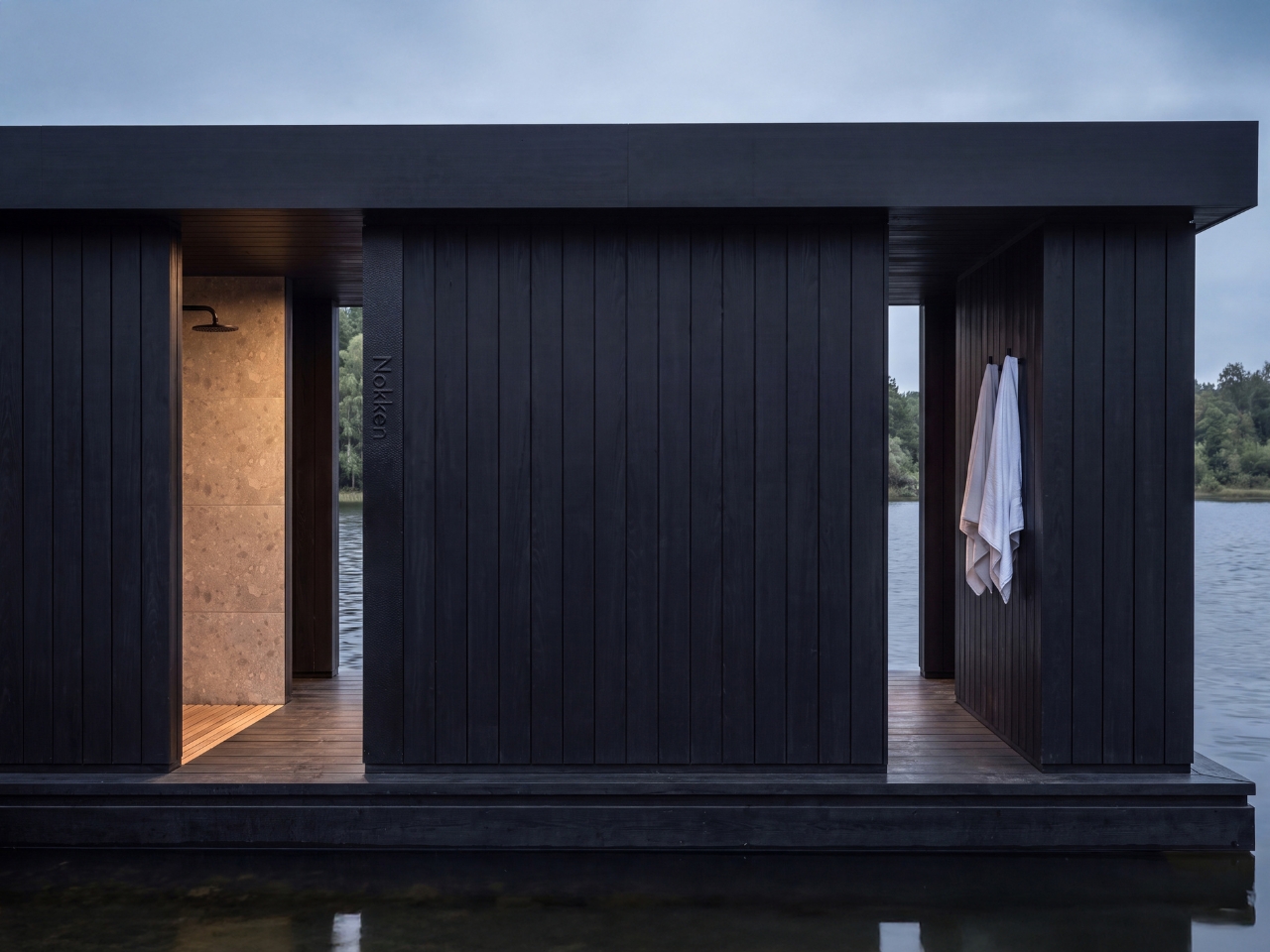
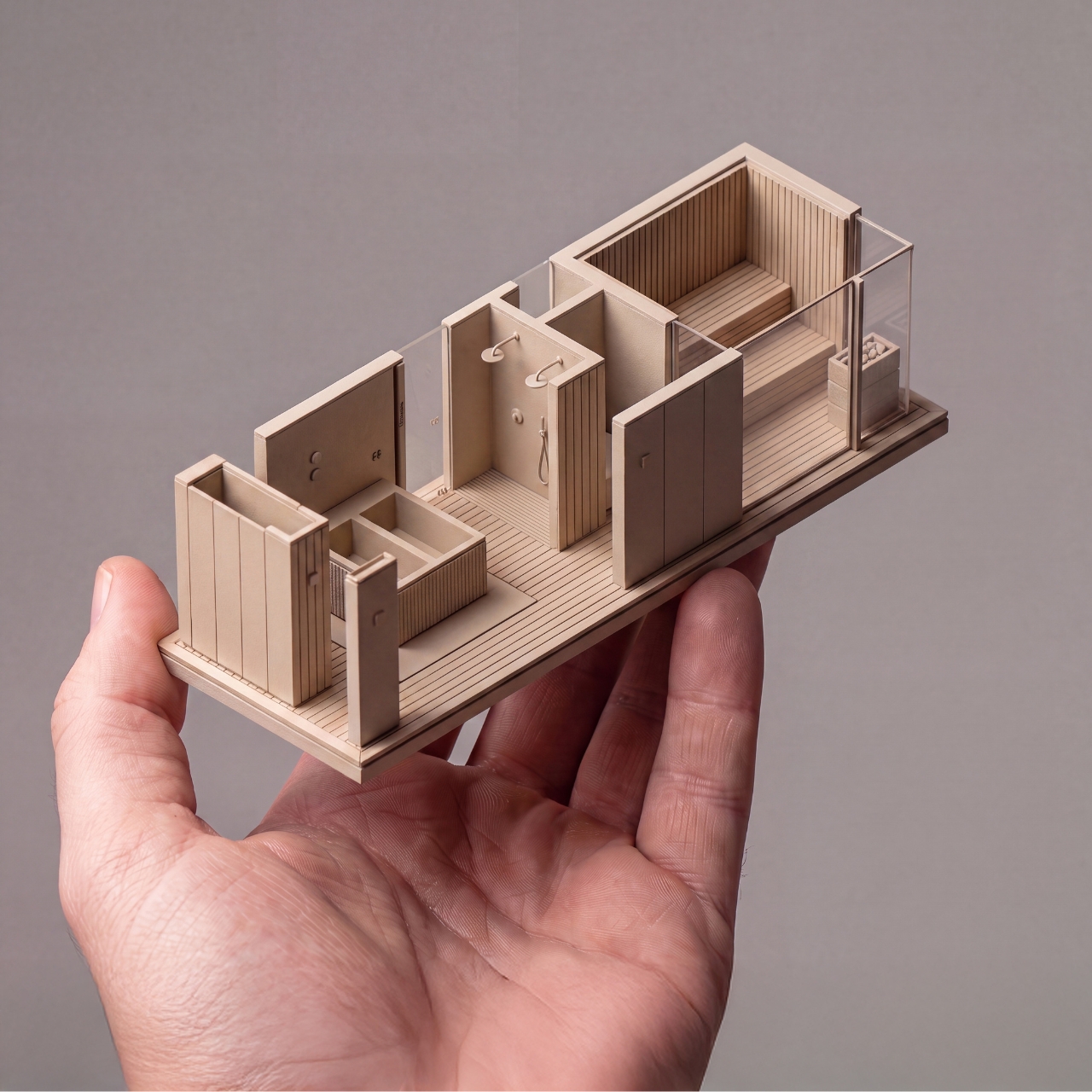
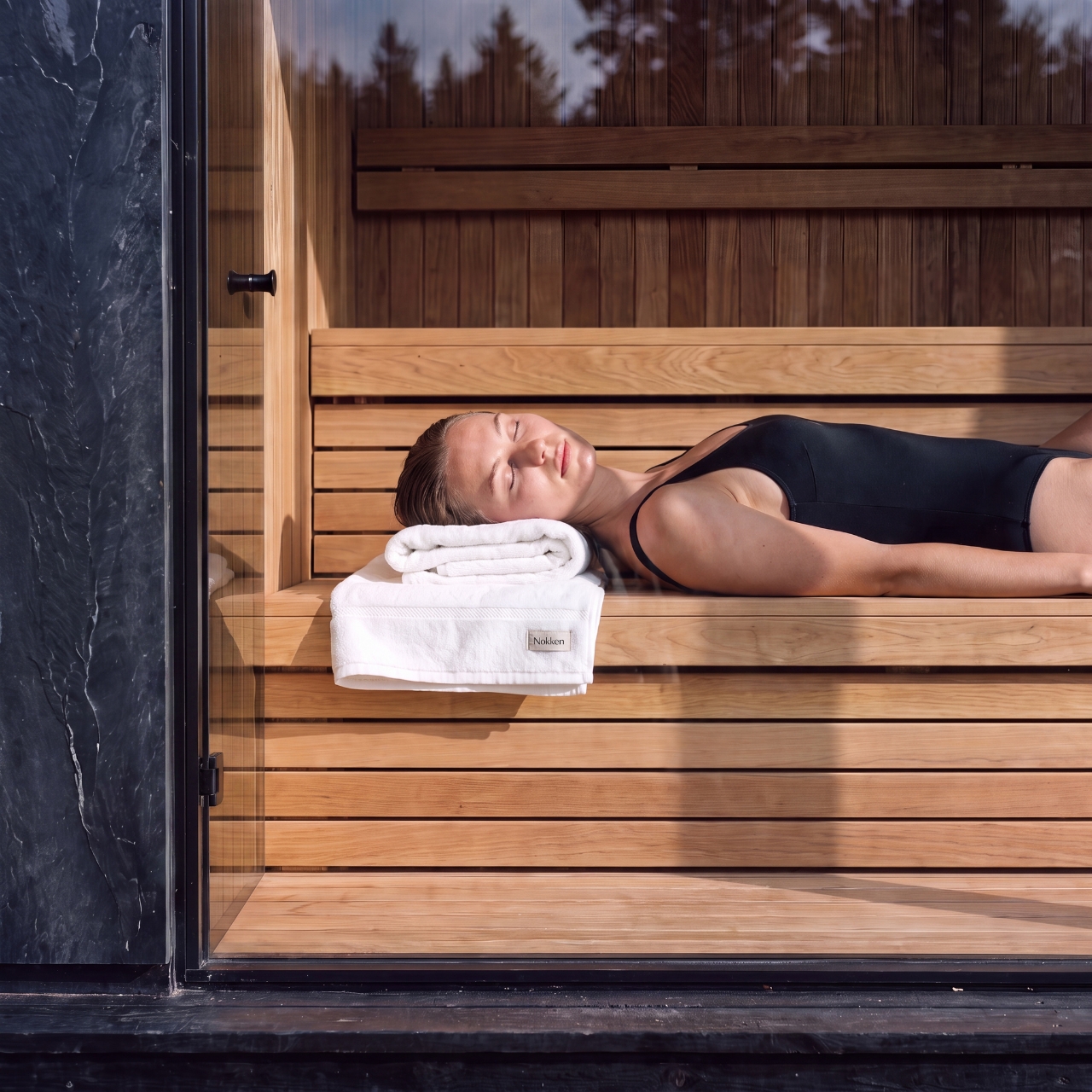
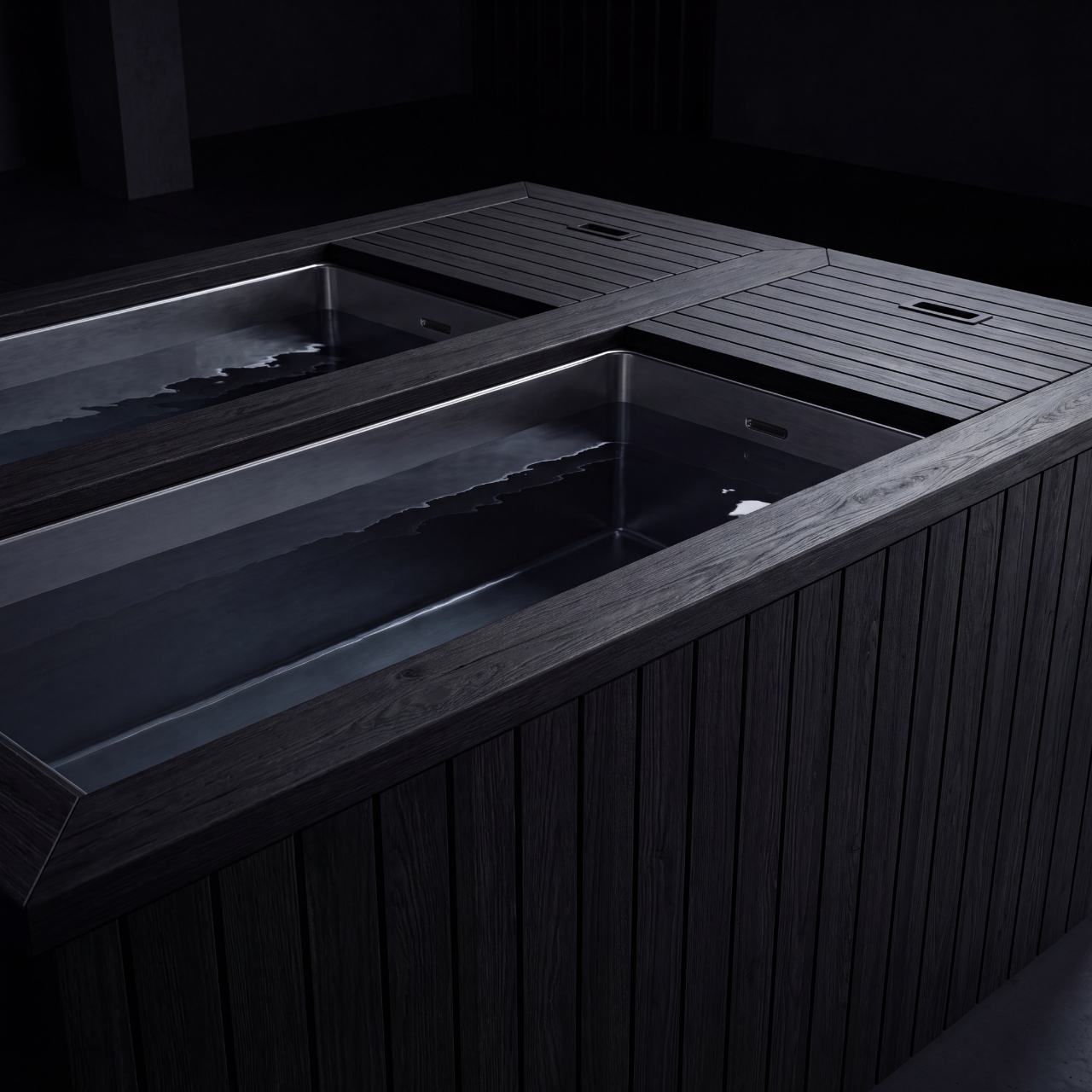
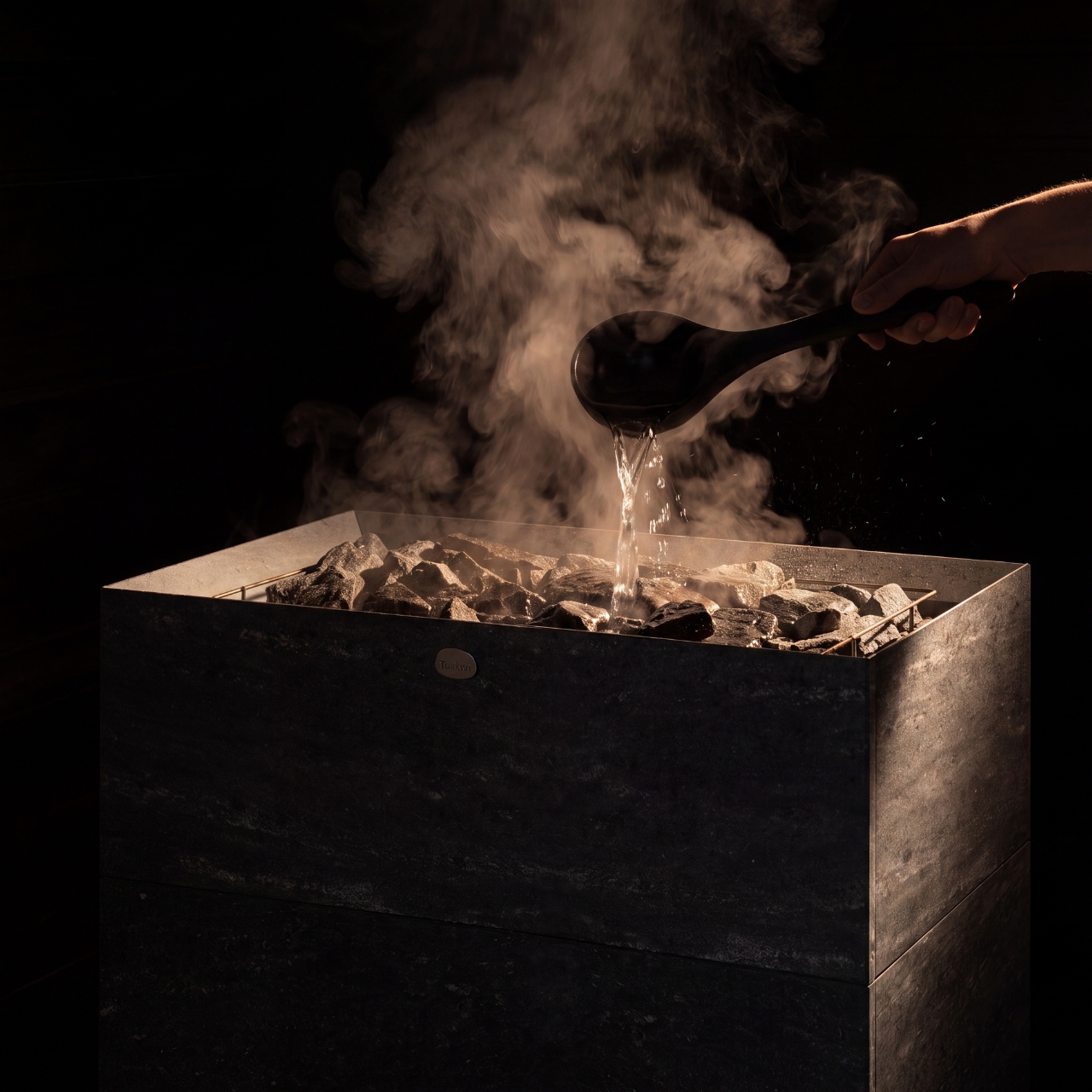
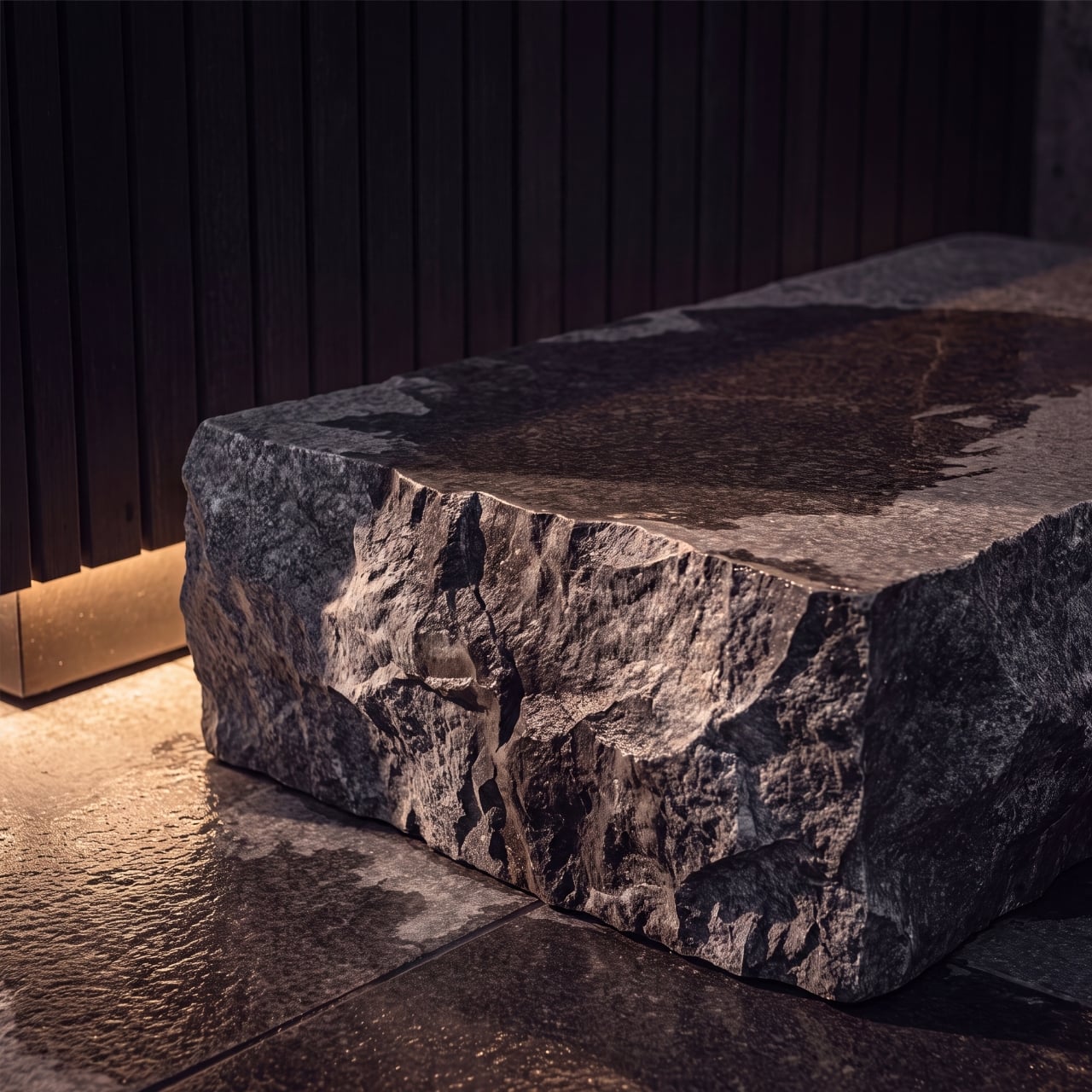
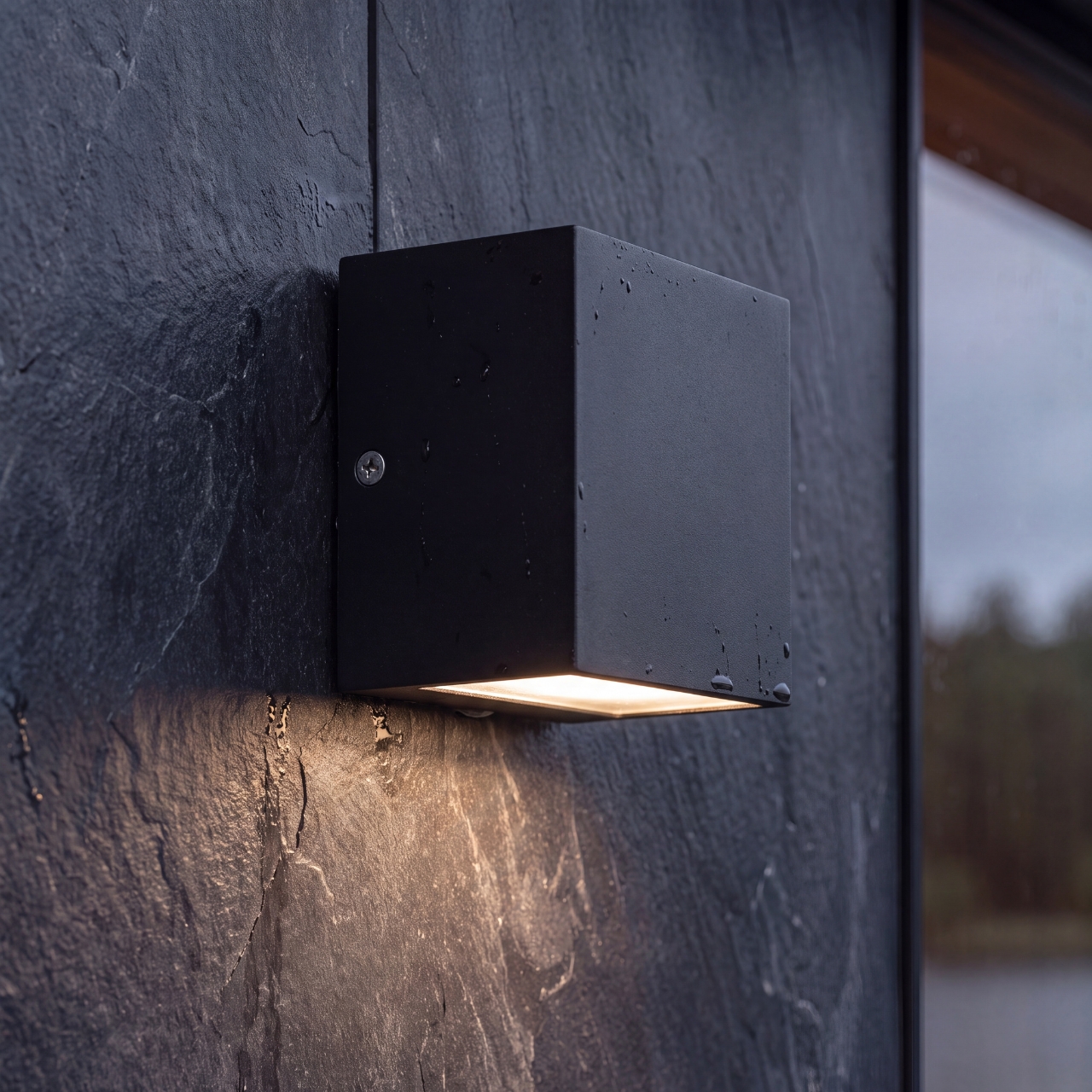
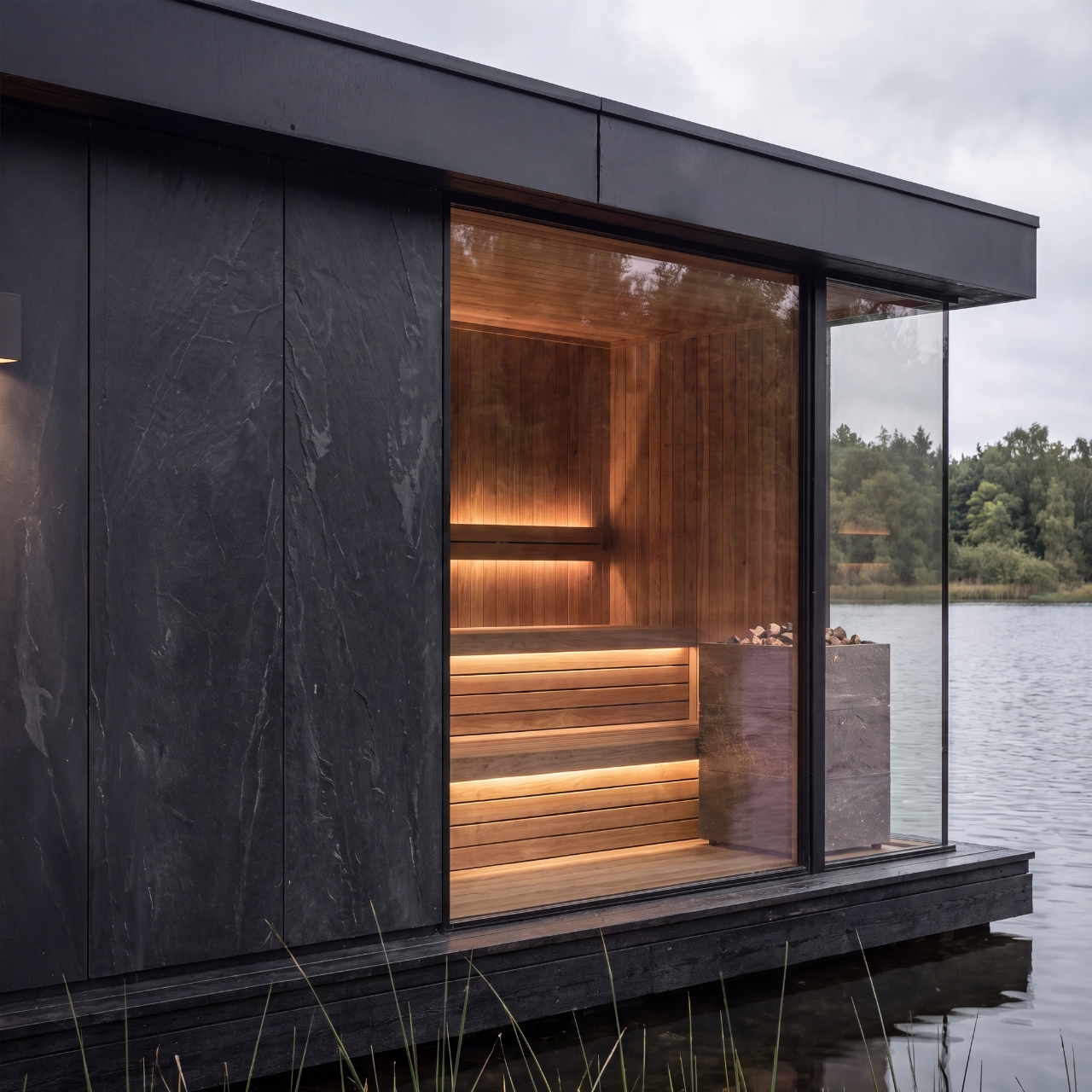
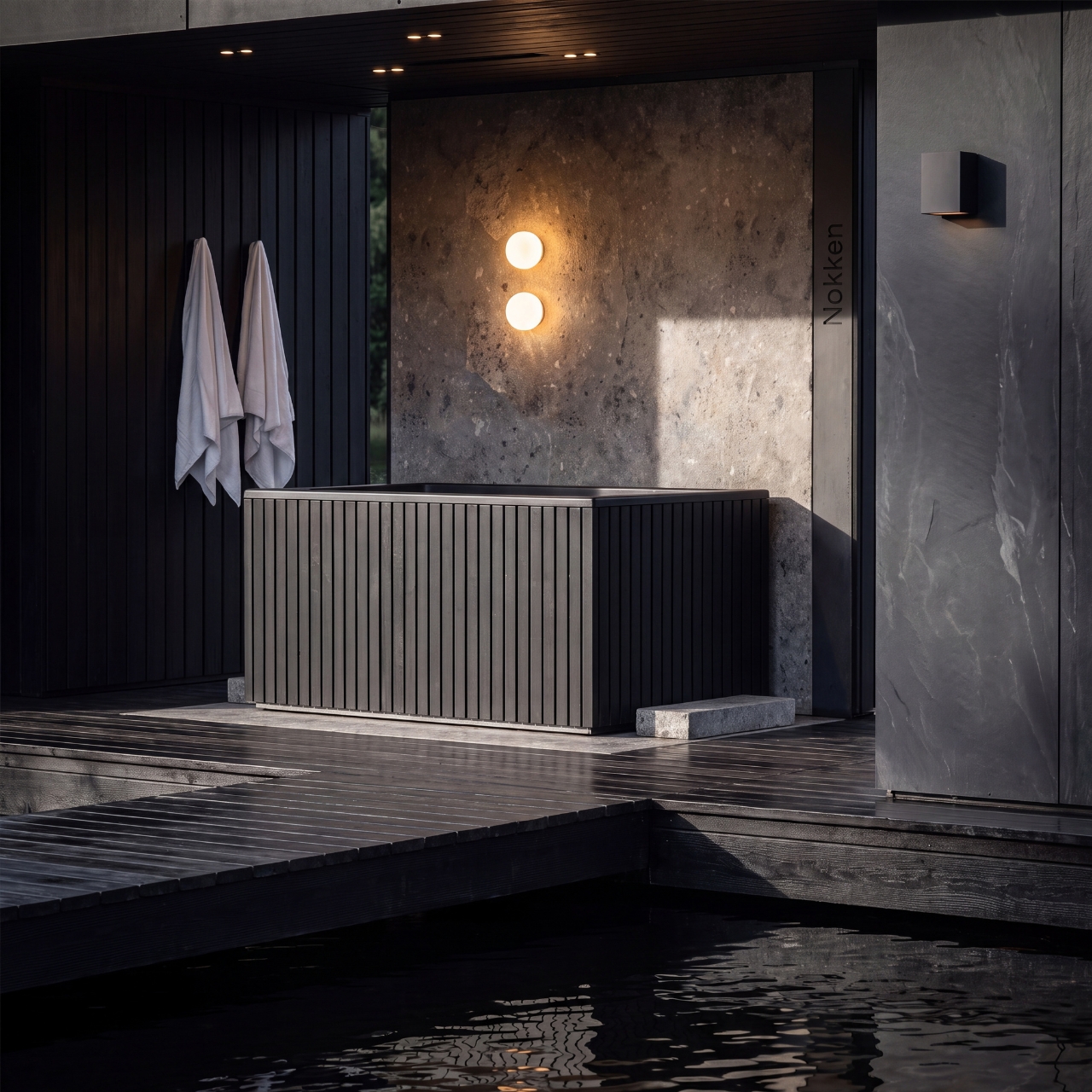
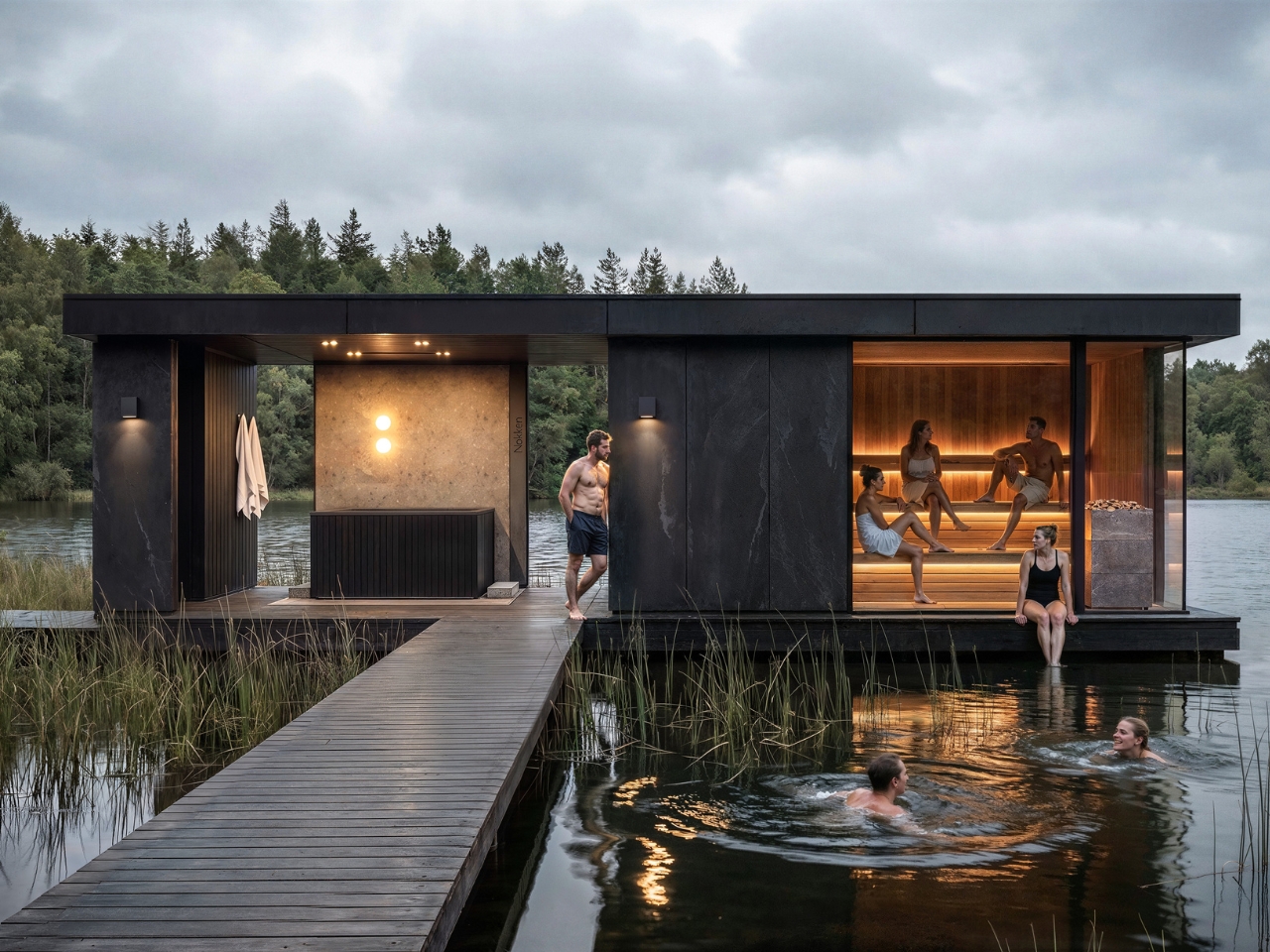
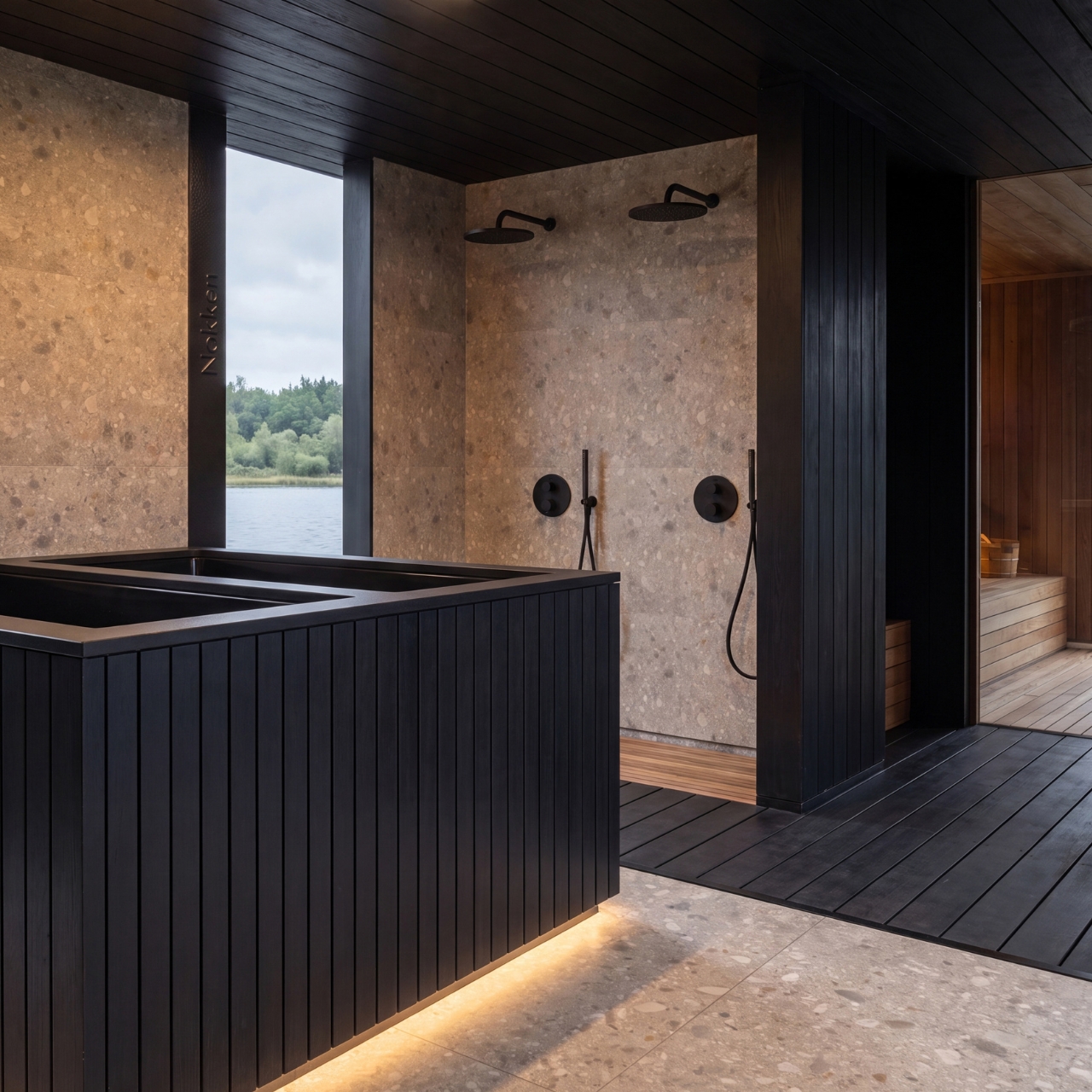
Super Sauna’s answer is refreshingly literal. It’s a hotel-grade structure combining a ten-person sauna, dual cold plunge and external showers, delivered fully assembled and operational within 24 hours. Not a kit. Not a renovation. It arrives on site as a single, fully built unit, craned onto pre-prepared foundation points, with services connected through an integrated base outlet, cutting project timelines by an estimated 25 to 50 percent against traditional construction. Operators get to add a premium amenity in days instead of months, which sounds almost too convenient until you consider how much money a shuttered pool deck actually costs a property in lost bookings.
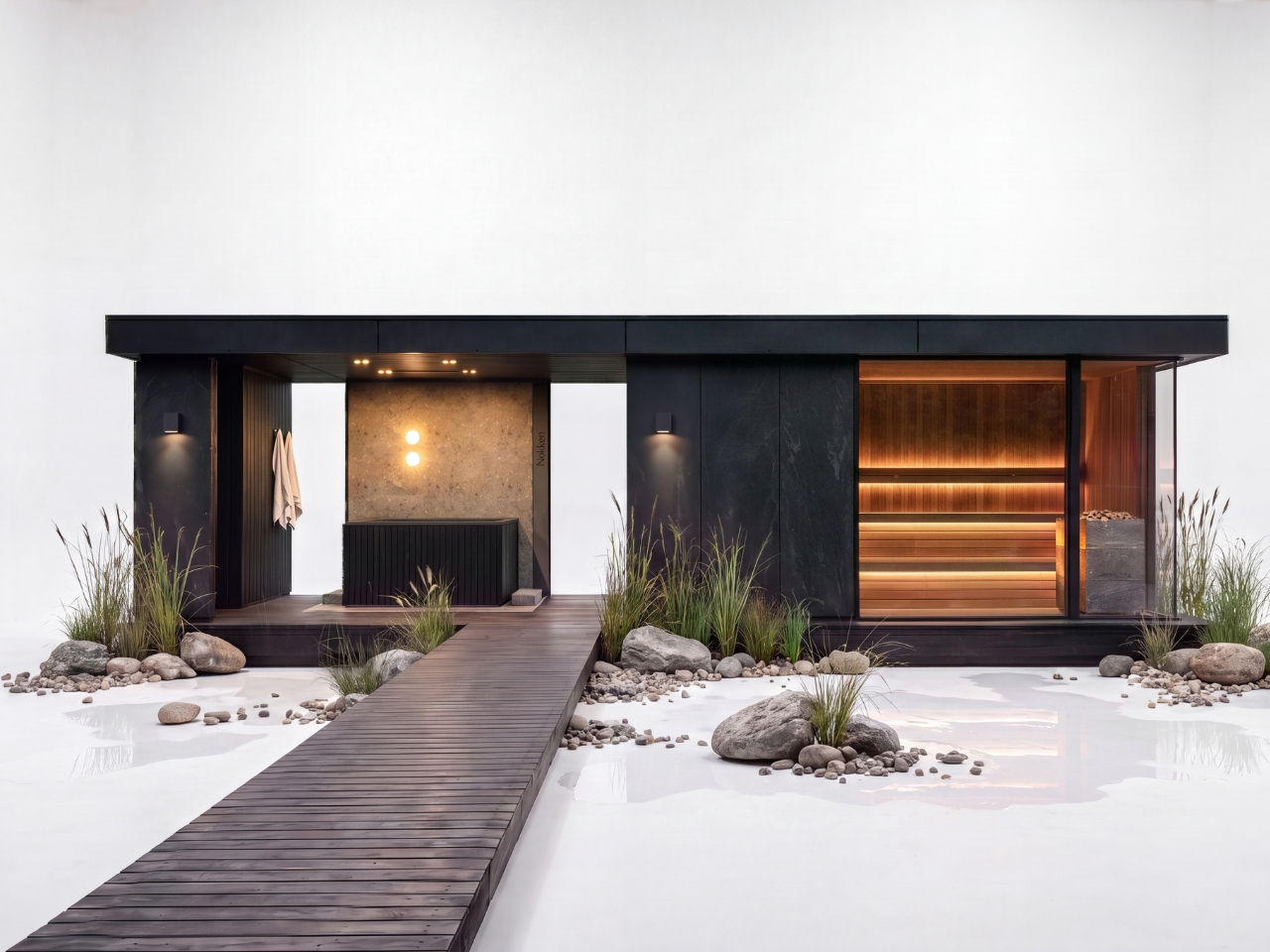

I actually appreciate that Nokken didn’t try to overcomplicate the design choices either. The product is deliberately standardised: operators make one core specification decision, choosing between a two-tier or three-tier bench configuration, while the remaining architecture, equipment and fixed components are pre-specified as part of the complete system. There’s a confidence in that restraint. Instead of drowning a buyer in customization options, the brand is essentially saying: we’ve already solved this, just pick a bench height and get on with it.
The bigger context here matters too. Global Wellness Institute research valued the global wellness economy at $6.8 trillion in 2024, projected to reach $9.8 trillion by 2029, a scale that makes wellness a larger economy than global tourism itself. That statistic used to feel abstract to me until I started noticing how many friends now plan entire trips around a sauna schedule rather than a sightseeing one. Contrast therapy and cold-water immersion have moved from elite athlete routines into ordinary weekly habits, and increasingly guests want to share that ritual with other people rather than do it alone, which is presumably why Nokken built this thing to fit ten people instead of just two.
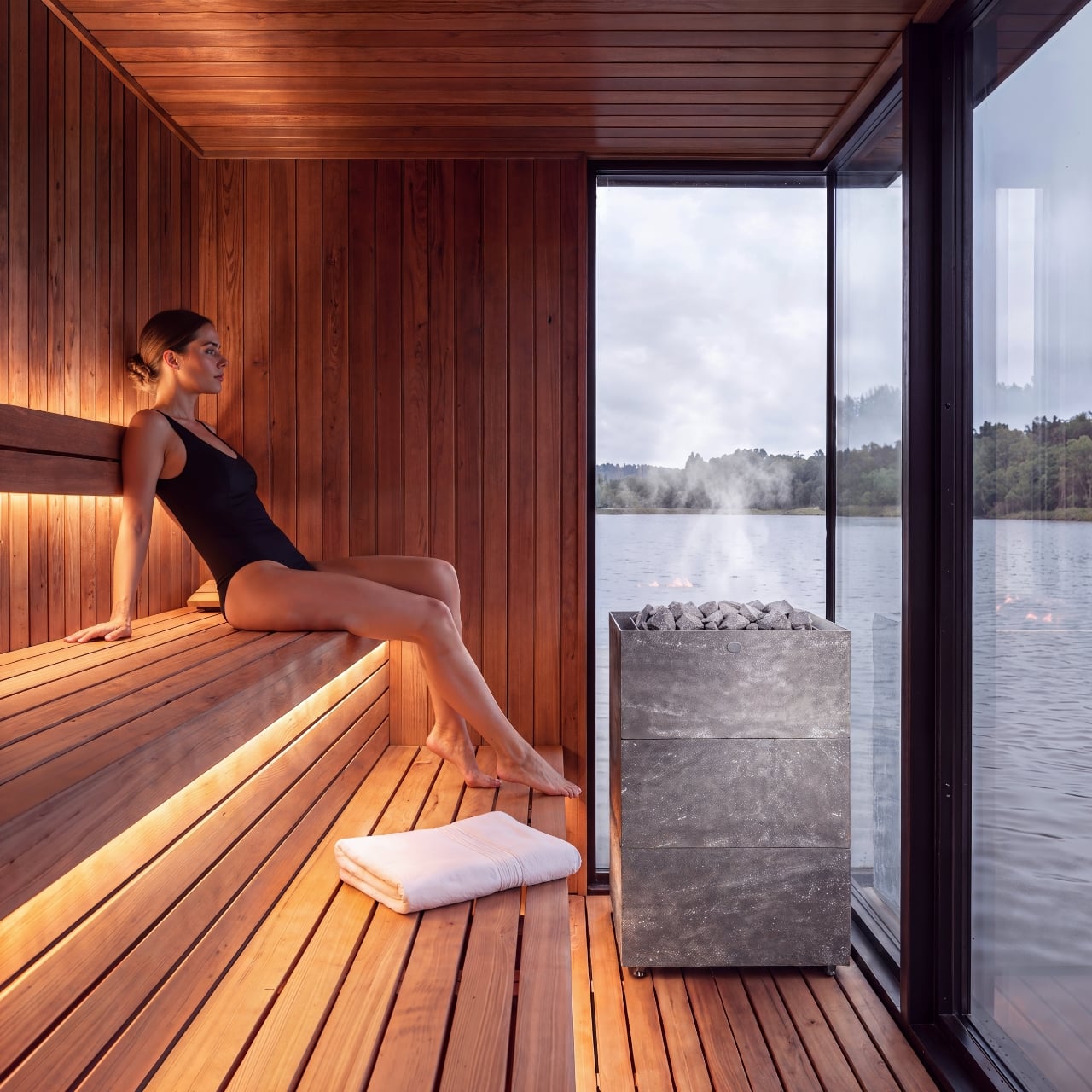
What sells me on this one is that it’s already living somewhere real rather than sitting in a press deck. The first Super Sauna is already installed and in use at the Silverlake Estate, a luxury, sustainable lakeside holiday home resort and nature reserve in Dorset, UK. The team behind the property described wanting to build a more complete wellness experience around it, one where guests could engage with recovery while still feeling genuinely connected to the landscape. A concept is easy to pitch. A working sauna on a working dock, with guests actually swimming past it, is a different kind of proof.
None of this makes Super Sauna cheap. It carries a recommended retail price of €98,500 or $149,000, excluding shipping and installation, which are quoted per project. But measured against the traditional alternative, a multi-month build that closes off part of a property and still might not match guest expectations, the price starts to look less like an indulgence and more like a shortcut worth paying for.
What Nokken has actually built isn’t a sauna so much as a workaround for an industry that’s been promising recovery amenities faster than it can construct them. It’s a small, specific fix, but it’s aimed at a real and growing appetite, and that’s usually where the more interesting hospitality products come from.
The post With Super Sauna, Hotels Finally Get a Sauna Without the Construction Wait first appeared on Yanko Design.


When you come home after a long, hectic day, sometimes all you want to do is sink into the couch, scroll through your phone, and crack open a cold drink. But when that “cold one” happens to be a bottle of beer or soda, things do not always go according to plan. The opener slips, the cap bends and gets mangled, or it pops off and goes skittering across the counter or under the couch. It is a minor inconvenience, sure, but it has a funny way of taking a little of the relaxation out of what should be a simple, satisfying moment.
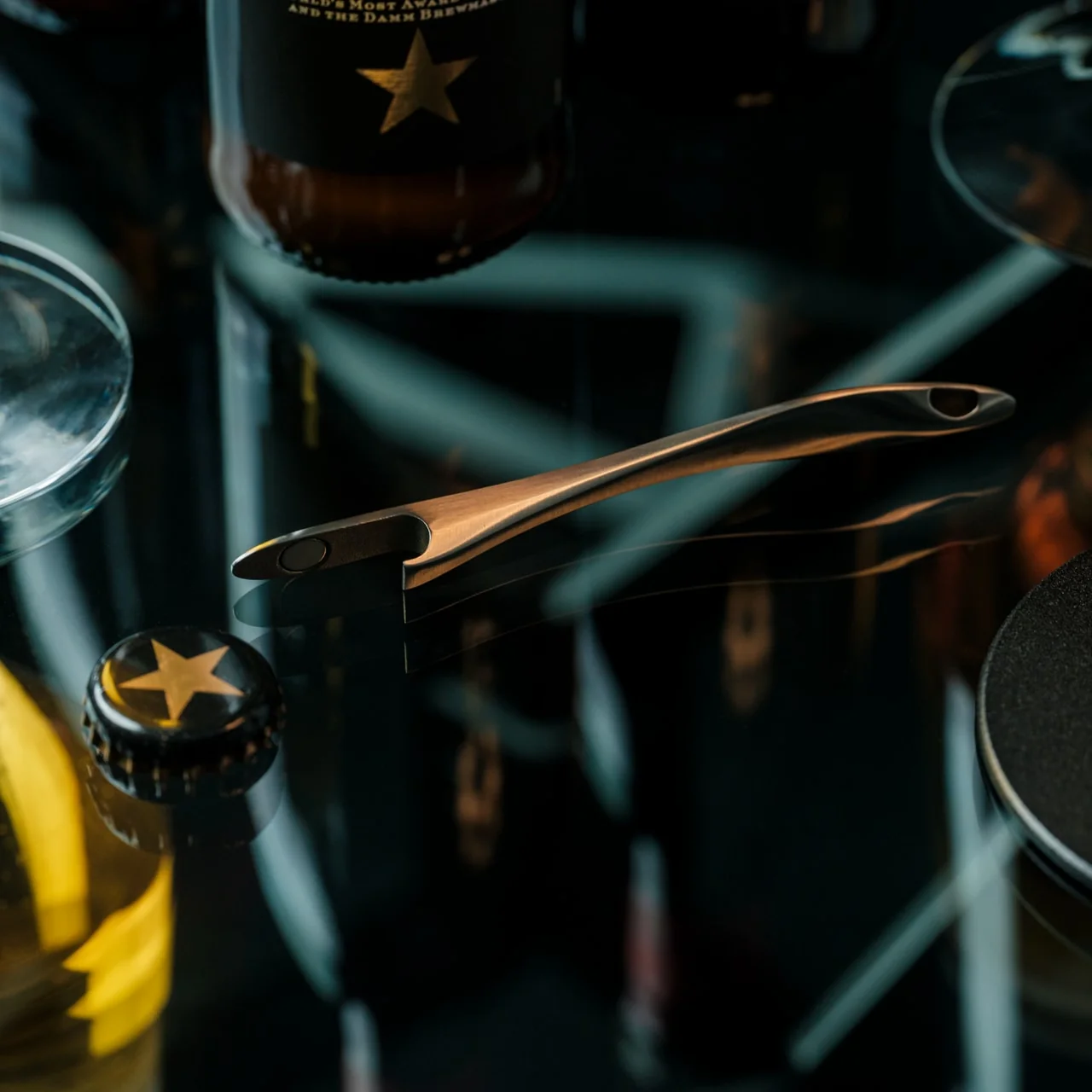
The First Pour Bottle Opener was built to fix exactly that. Made by Suwada, a legendary Japanese blacksmith house, it is an elegantly crafted tool designed to let you enjoy your drink in peace. Its flowing, sculptural silhouette also makes it a genuine piece of design rather than a purely functional gadget you shove in a drawer and forget about.
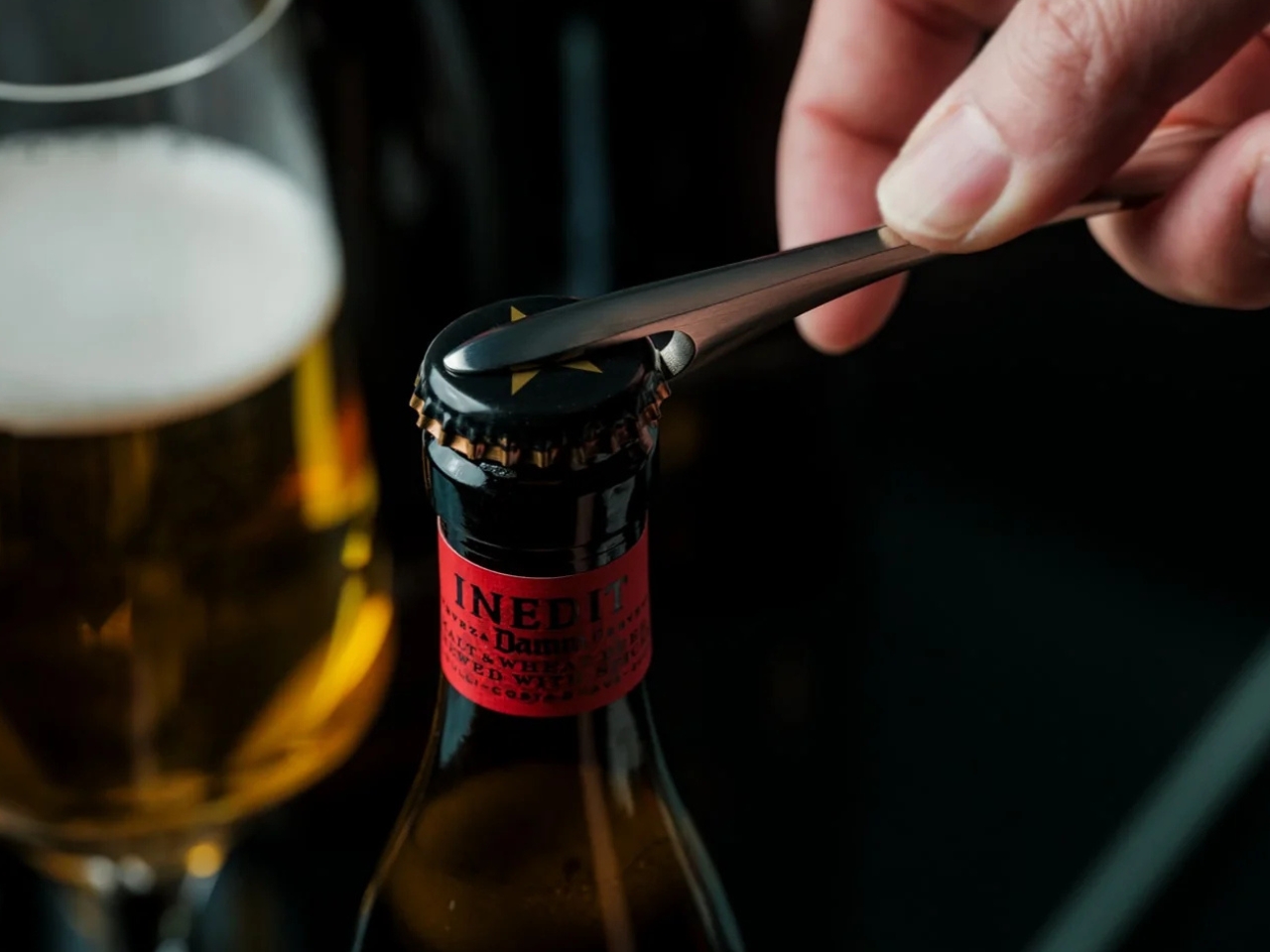
The bottle opener is forged from solid, corrosion-resistant stainless steel and finished with a hand-applied satin coat that gives it a soft, understated shine. Its shape isn’t flashy or complicated, and that’s exactly the point: the stripped-down, minimalist form is what makes it look right at home sitting out on your kitchen counter, bar cart, or shelf, instead of buried in a drawer with your corkscrews and other odds and ends. It’s also a quiet nod to Suwada’s roots. The company has been forging blades and metal tools in Tsubame-Sanjo, a Japanese region famous for generations of metalworking mastery, so the craftsmanship behind this little opener runs a lot deeper than its price tag might suggest.
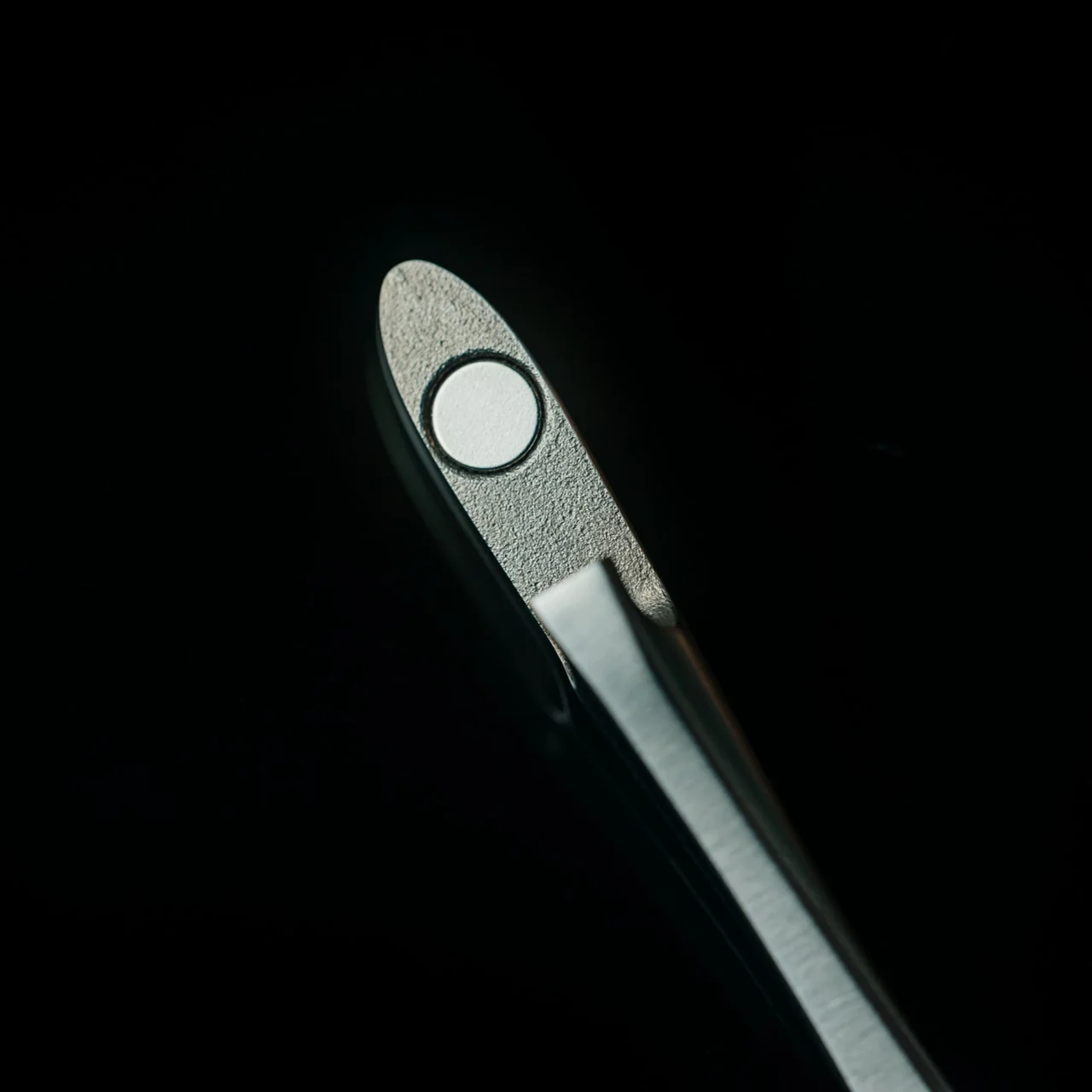

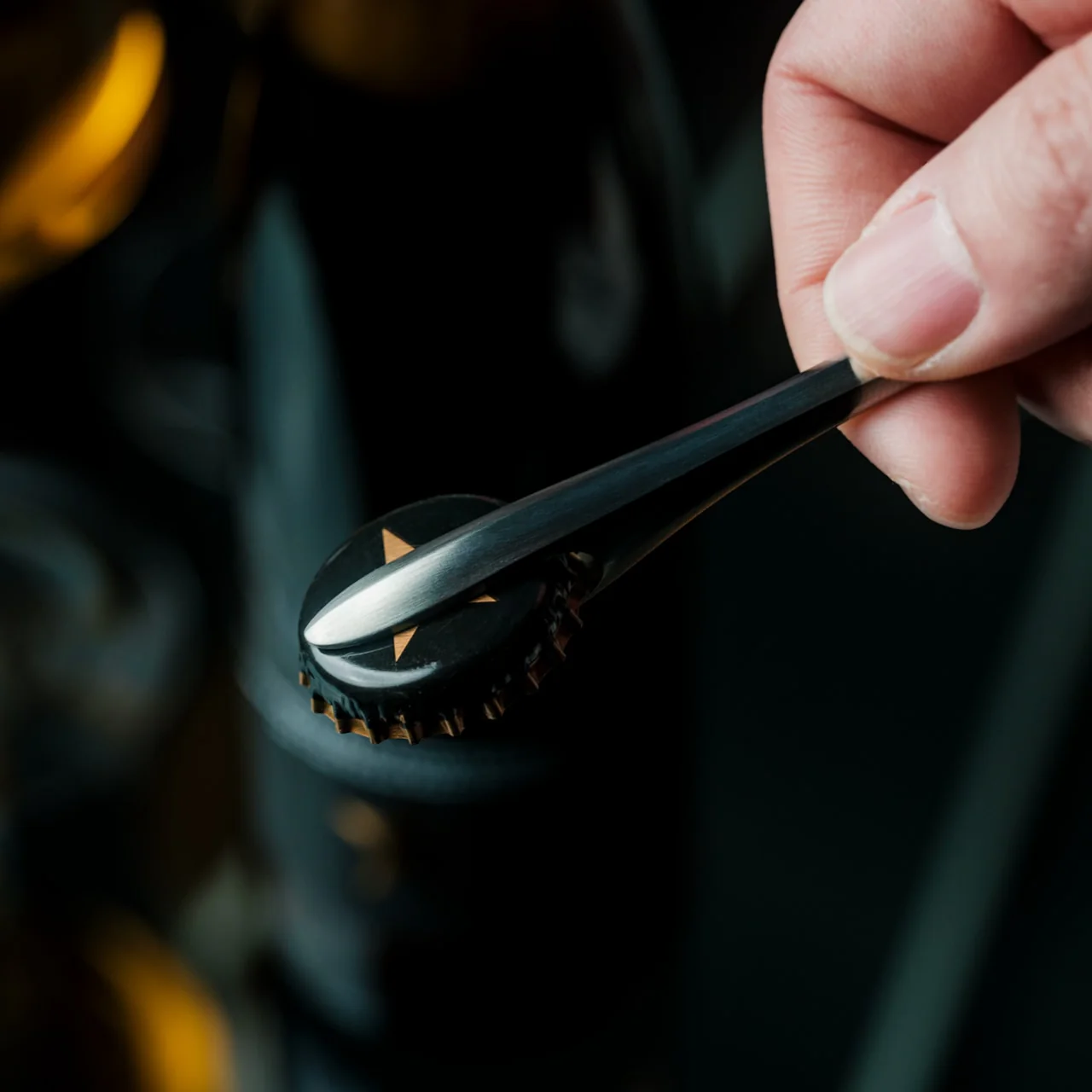
Where the First Pour really earns its keep is in the details. It opens bottle caps cleanly without bending or denting them, so you’re not left with a crushed, jagged souvenir every time you crack open a drink. It also has a built-in magnet that catches the cap the instant it pops free, rather than letting it clatter onto the counter, roll under the fridge, or scuff up your countertop. It’s a small addition, but it’s the kind of thoughtful touch a lot of openers skip entirely, and one that makes a genuine difference every single time you use it.
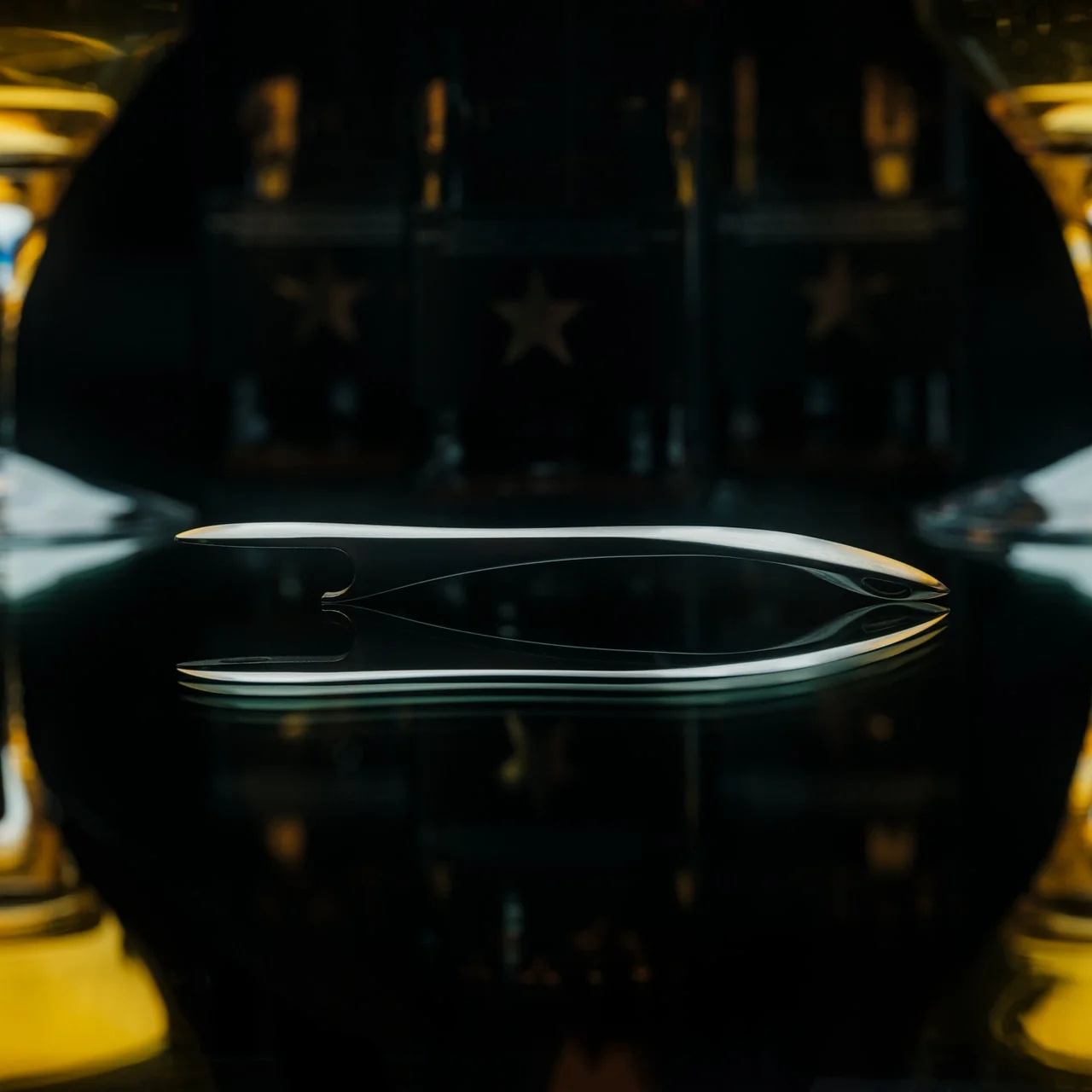

For comparison, a mainstream option like the OXO Good Grips Bottle Opener retails for around $10 and gets the job done just fine, thanks to a soft, non-slip handle built for everyday comfort. It’s a reliable, no-frills tool, and there’s nothing wrong with that. But it is purely utilitarian: there’s no magnet to catch the cap, no display-worthy design, and no real story behind how it’s made. At $65, the First Pour Bottle Opener costs several times more, but you’re paying for hand-applied craftsmanship, a heritage that spans centuries, corrosion-resistant stainless steel, and a magnetic cap-catch that solves a problem most openers on the market, including OXO’s, simply don’t address. It’s less an “opener versus opener” comparison and more a question of whether you want a tool that just works, or one that works beautifully and looks the part while doing it.

I don’t usually think much about something like a bottle opener when I’m shopping for my kitchen. It’s one of those tools you buy once and only think about again when it fails you. But something like the First Pour Bottle Opener makes you reconsider how small changes, whether to design or function, can matter more than you’d expect. Using it turns a mundane, thoughtless task into a small, satisfying ritual, one you can look forward to with that end-of-day (or, let’s be honest, middle-of-the-day) cold drink. Sometimes it really is the small things that make a good moment feel a little better, and this humble little tool is proof that even the objects we take for granted deserve a second look.

The post This Japanese Bottle Opener Catches the Cap So You Never Chase It Again first appeared on Yanko Design.


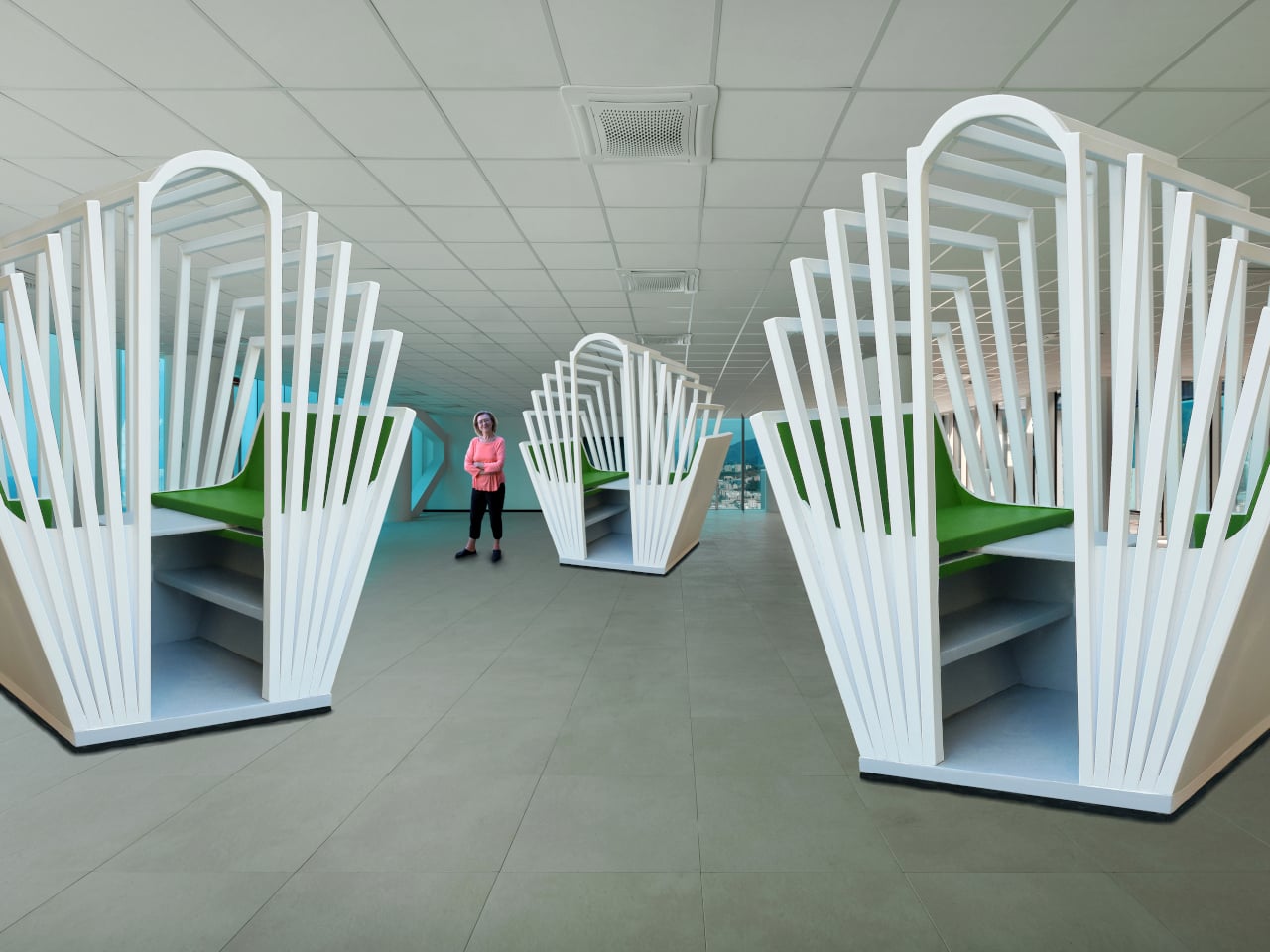
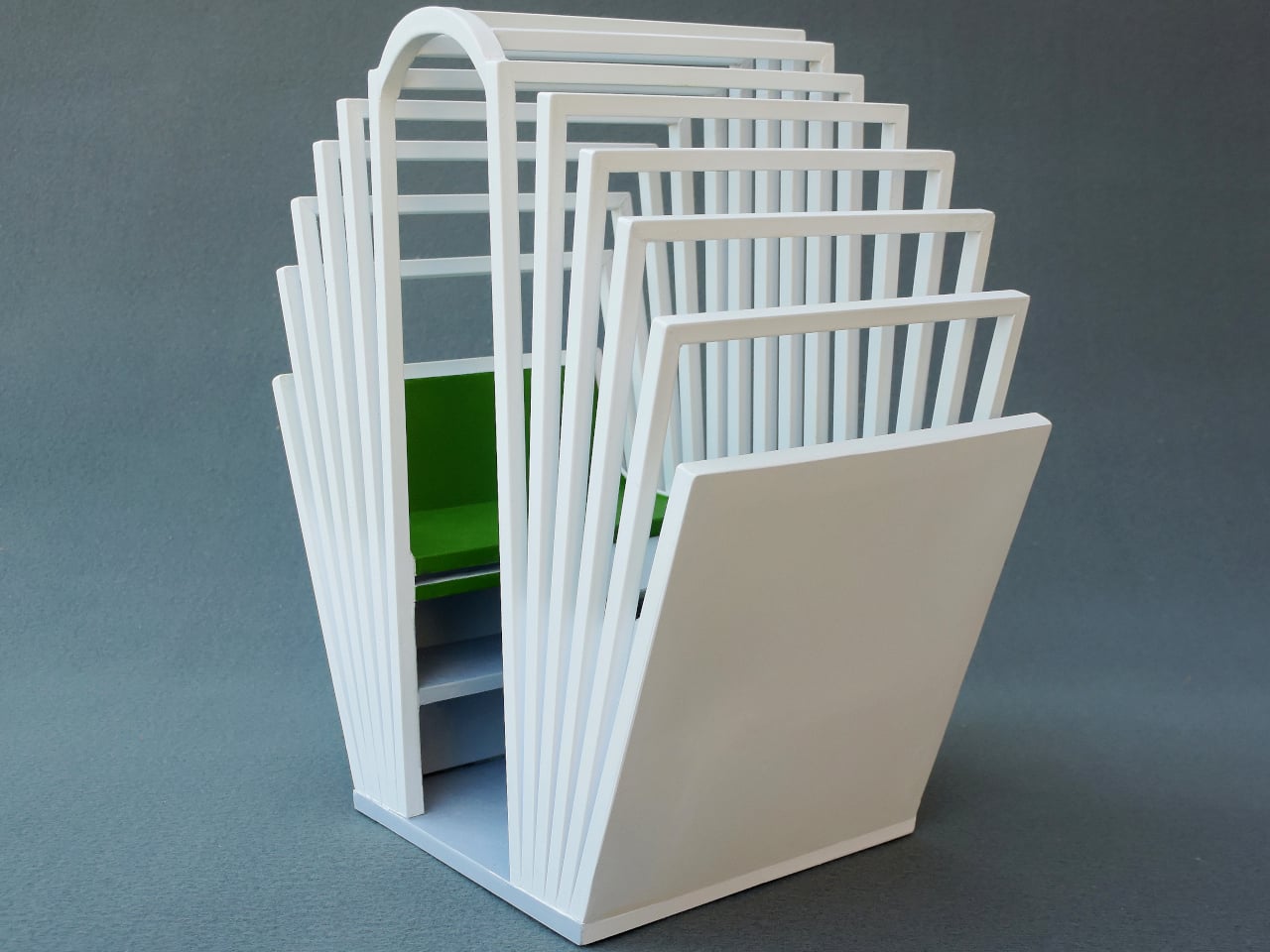
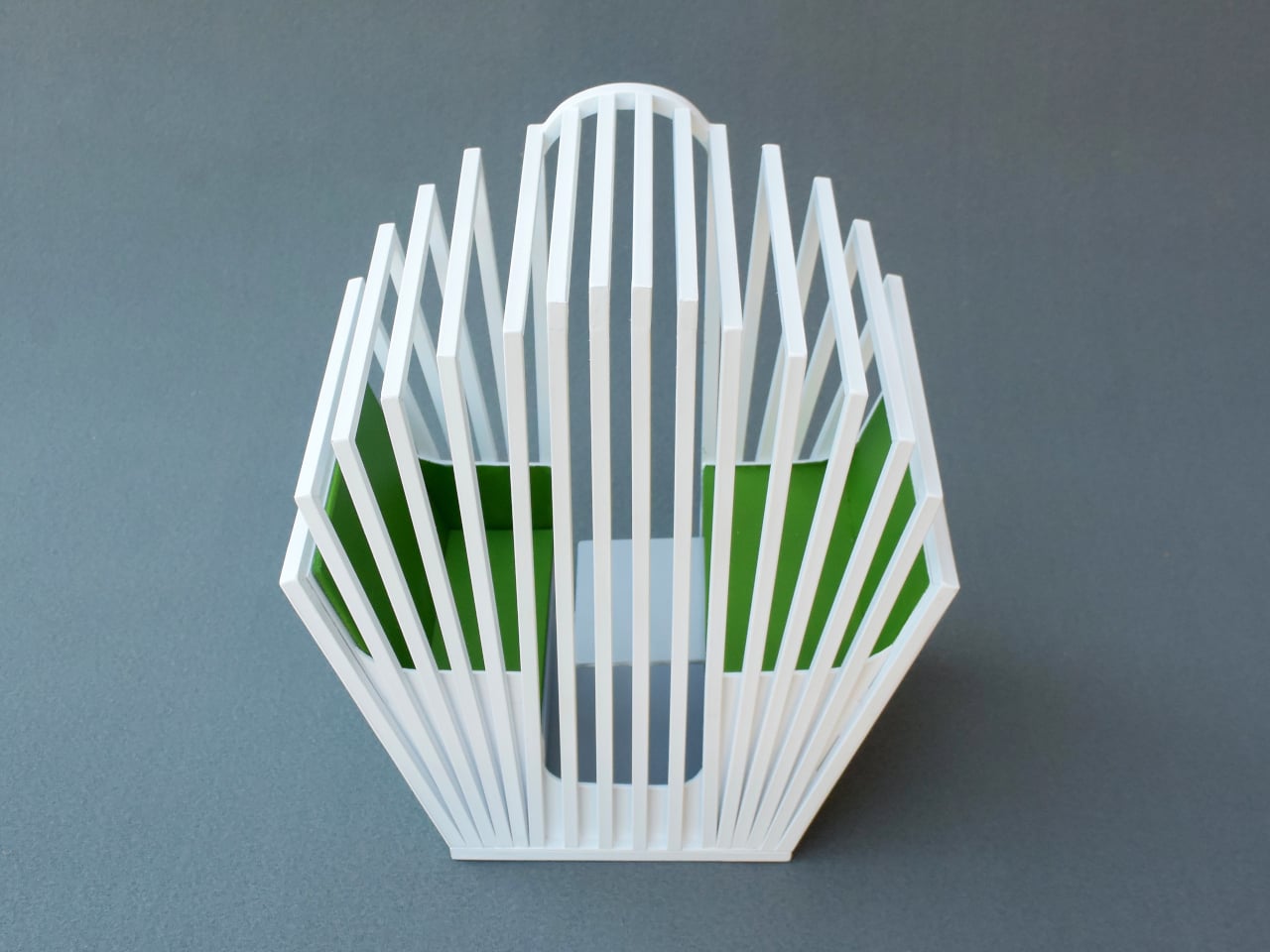
Most office furniture solves privacy by sealing someone off completely: four walls and a door that shuts out everyone else, along with any sense of connection to the room. The Seed Pod skips that tradeoff. It wraps a single desk and seat inside a radiating fan of white wooden slats, open enough to see through, dense enough to feel like a room of your own.
That slat pattern isn’t just decorative. Vertical wooden ribs curve outward from a tall arched spine at the back, fanning shorter toward the open front, so the whole structure reads like something caught mid-bloom rather than a static box. Gaps between each slat let light and sound pass through freely, creating enclosure without ever fully cutting the occupant off from whatever’s happening around them.
Designer: Michael Jantzen
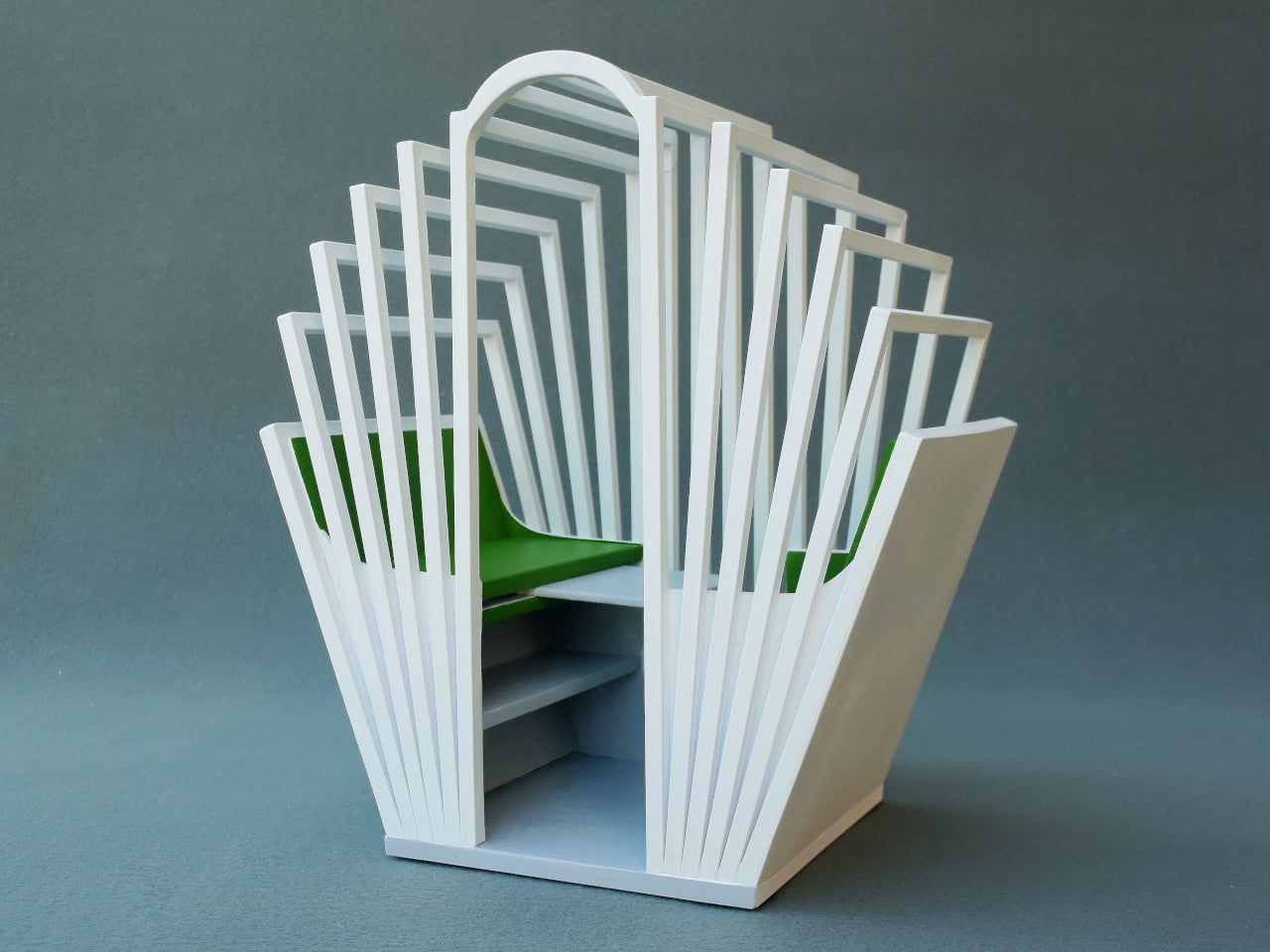
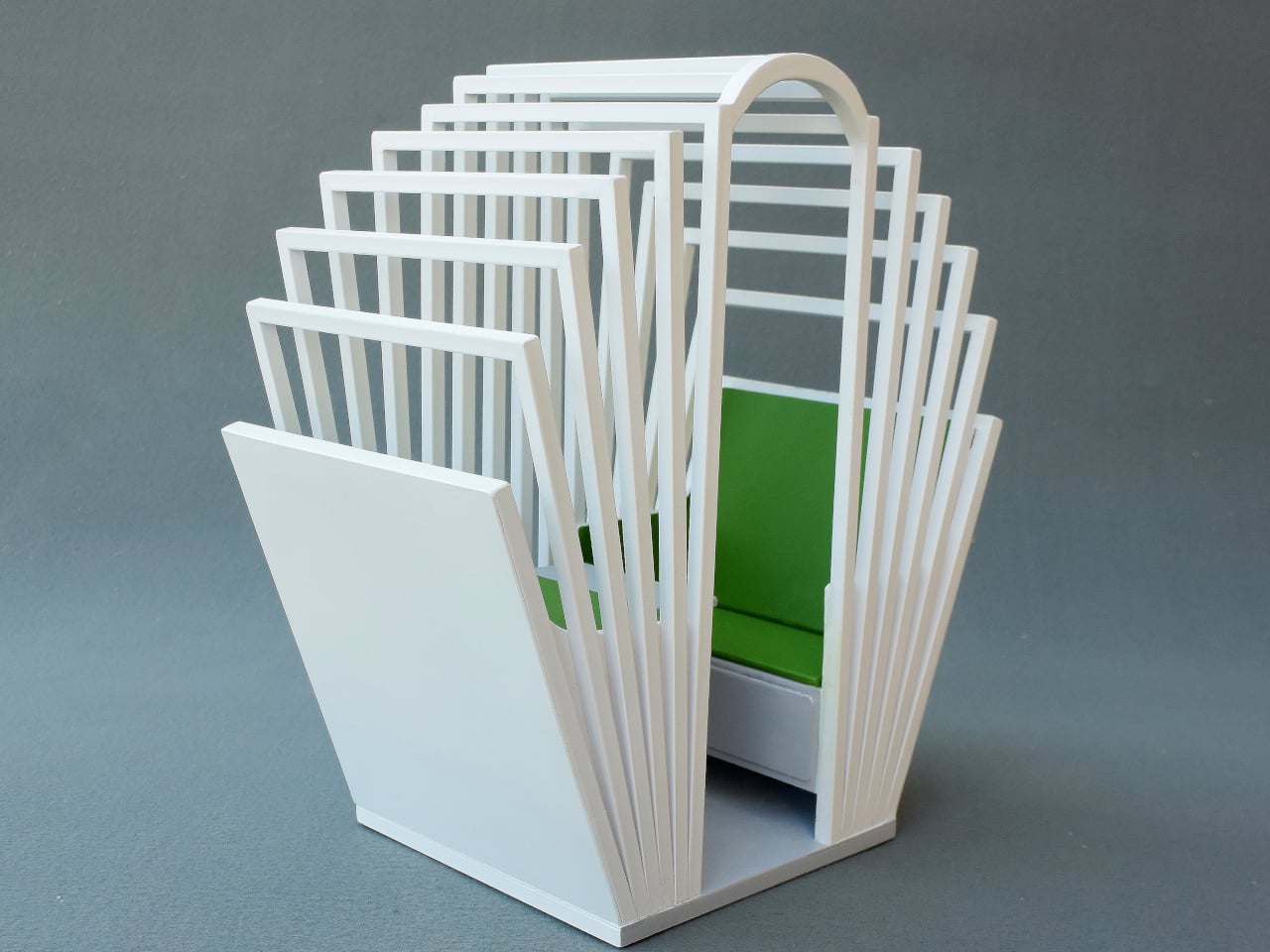
Step inside and a bright green bench seat waits at the center, paired with built-in storage tucked into the lower walls on either side. Small wedge-shaped shelves hold whatever a workday requires nearby, papers, supplies, a bag, without eating into the already compact footprint. The contrast between crisp white slats outside and that saturated green interior gives the whole thing a distinct, almost botanical identity rather than reading as generic office equipment.
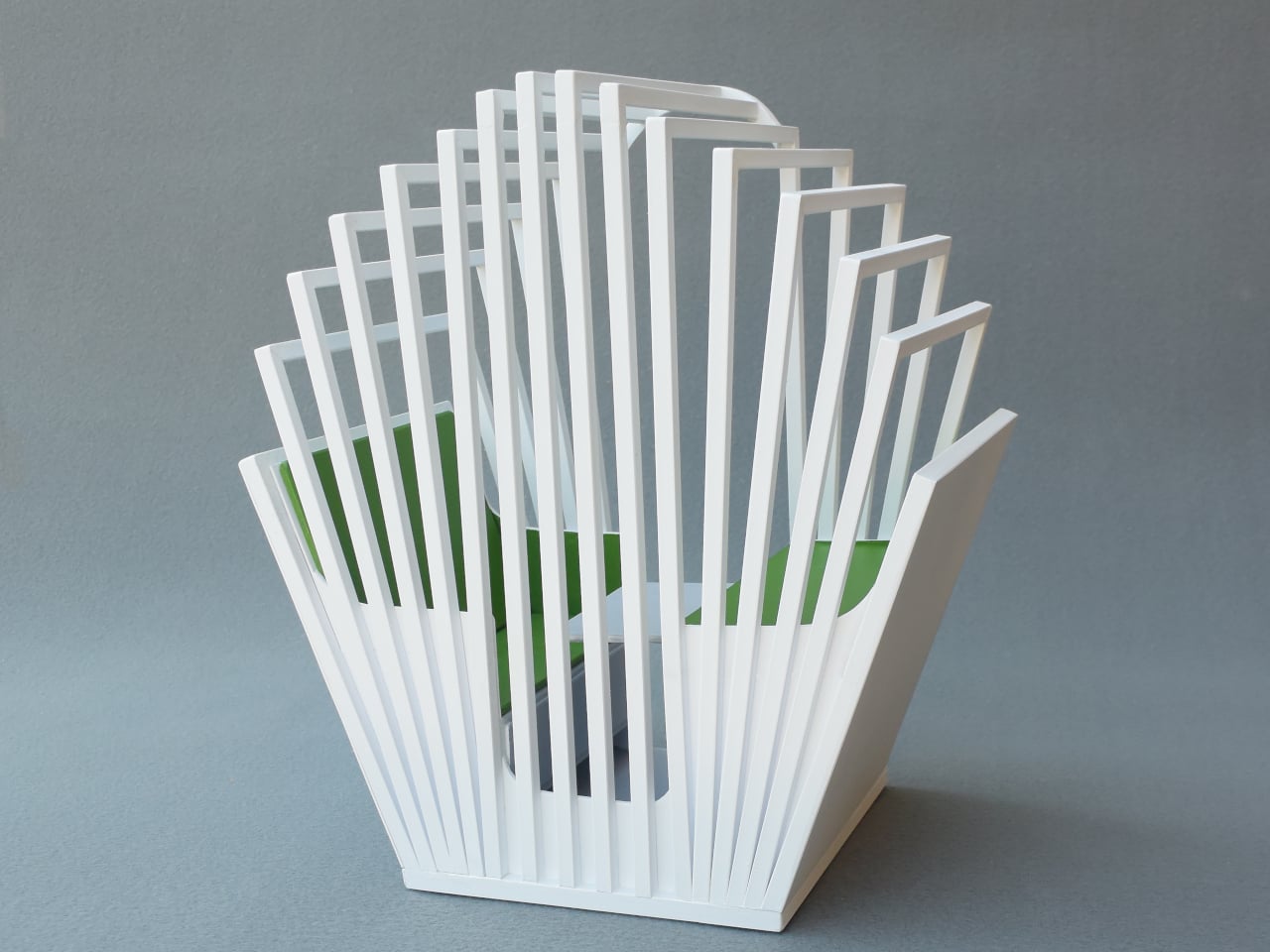
A sliding desktop surface handles the actual work. Sized specifically for a laptop, it can be repositioned to different spots under the main desk, adjusting to whatever posture or task someone needs at that moment rather than locking them into one fixed arrangement. Slide it back, and the same space clears out for someone to step in or out without maneuvering around a stationary tabletop.
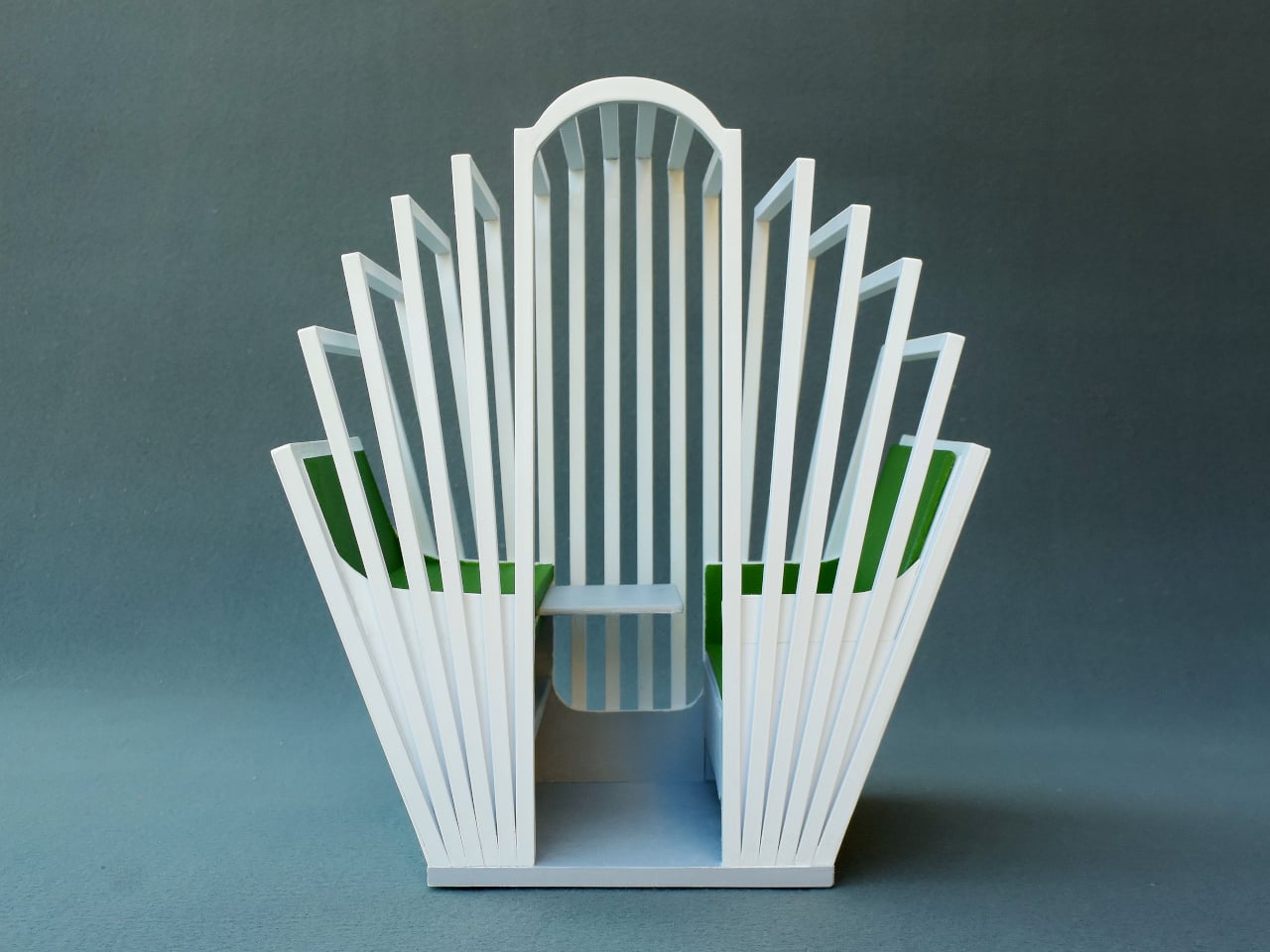
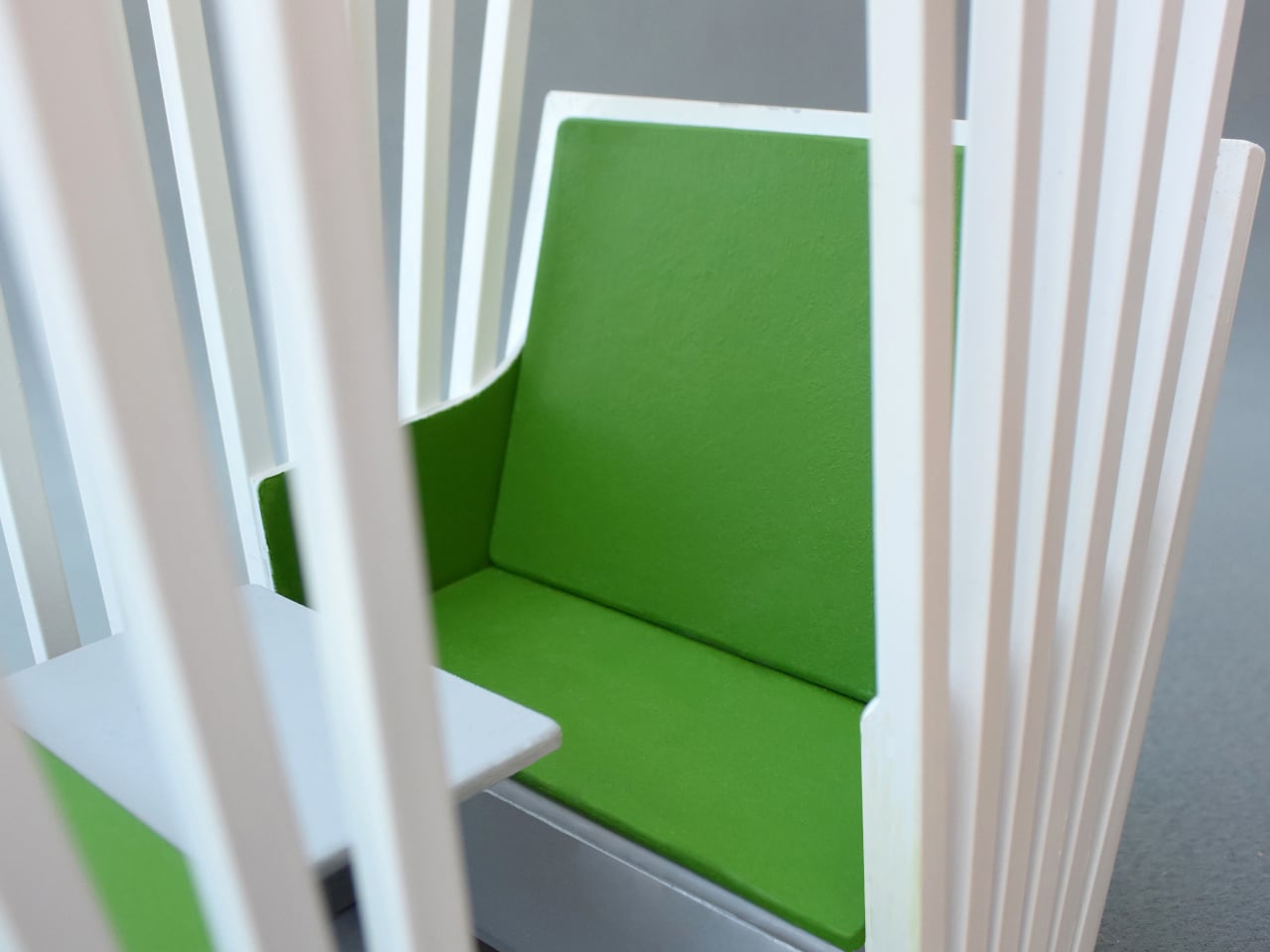
Mobility matters just as much as the seating arrangement. The entire structure sits on wheels and plugs into any standard electrical outlet nearby, meaning it can roll into a corner of a shared office floor one week and relocate to a quiet spot at home the next. Nothing about setup requires special wiring or a dedicated room built around it.
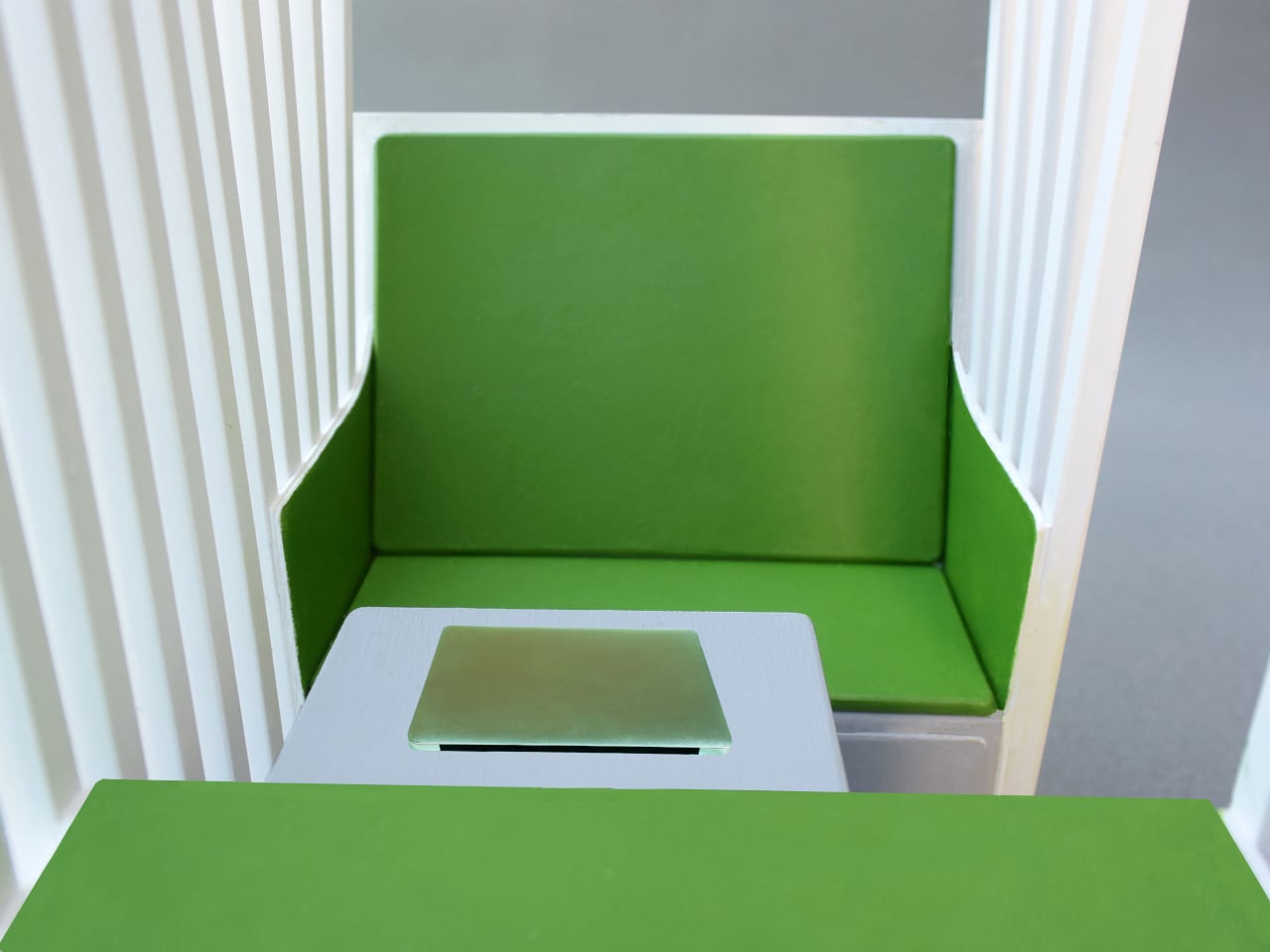
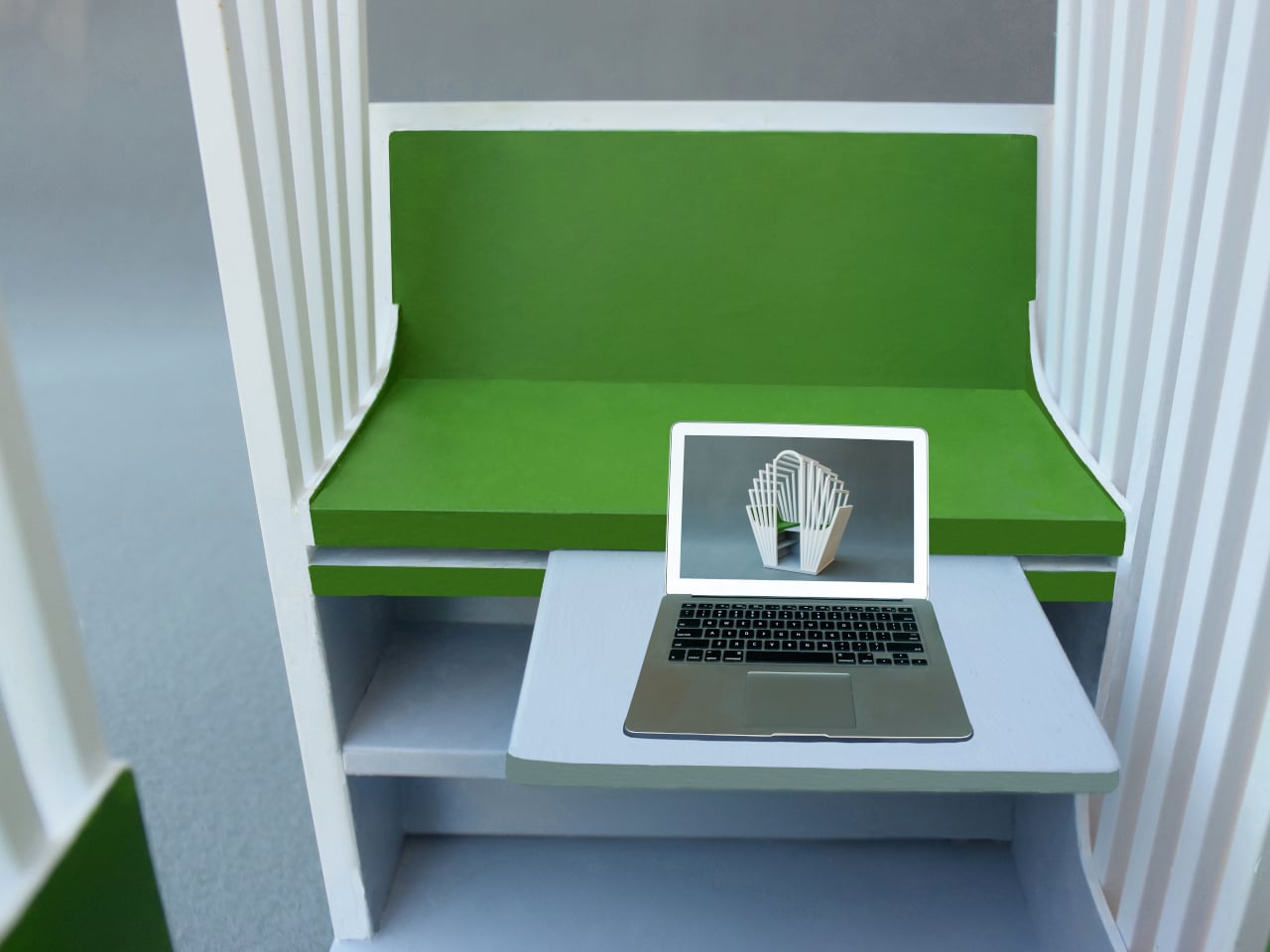
Picture an open-plan office where video calls and side conversations blur together constantly, or a home where the only quiet corner left is also the one everyone walks through. Rolling a Seed Pod into either space carves out somewhere to actually concentrate, without requiring a renovation or a door that locks. Multiple units can sit side by side too, each occupant getting their own pocket of focus inside a shared room.
What makes the design work is restraint rather than enclosure. The slats do the job walls usually do, marking a boundary, without asking anyone to give up daylight, airflow, or the sense of still being present in the room they’re sitting in.
The post Open-Plan Offices Killed the Private Desk, and This Pod Brings It Back first appeared on Yanko Design.