In the fast-paced world of online business, staying ahead of the competition is crucial. Artificial Intelligence (AI) is a powerful ally in this race, offering innovative solutions that can streamline operations, enhance creativity, and boost productivity. Here, we explore a selection of AI tools that are reshaping the way businesses function, providing you with the […]
There are few things as American as watching football on a Sunday. If anyone needs further proof, NFL and Peacock have it: The January 14 Peacock Exclusive AFC Wild Card has set a new record for the United States' most streamed live event in history. According to a joint release from NBC-owned Peacock and Comcast, the Kansas City Chiefs vs. Miami Dolphins game — the first playoff ever exclusively live-streamed — reached 27.6 million viewers.
Peacock also claims that the livestream is to thank for the most internet usage in a single day across the US, taking up 30 percent of internet traffic. However, the current data is courtesy of Nielsen's custom fast national live and same-day data, with official numbers coming out on Friday, January 19.
While the livestream was a good alternative to shivering in person during the fourth coldest NFL game in history, not everyone was happy about it. New York congressman Pat Ryan was among those who expressed their outrage over having to pay for another streaming service in order to watch a game that typically airs on cable. "How much more profit do [NFL commissioner Roger] Goodell and NBC need to make at the expense of hard working Americans?" Ryan wrote in a letter. "Congress granted the NFL an antitrust exemption in its broadcast deals with the expectation that you wouldn't use it to screw over fans. That was clearly a mistake."
The game was available to Miami and Kansas City viewers on local NBC affiliates. Anyone else interested in watching had to sign up for a Peacock subscription, starting at $6 per month. Peacock's plan to stream the wild card game was first announced last May, with NBC reportedly paying $110 million for the rights to it.
This article originally appeared on Engadget at https://www.engadget.com/peacocks-nfl-wild-card-game-broke-streaming-records-103503762.html?src=rss
There are few things as American as watching football on a Sunday. If anyone needs further proof, NFL and Peacock have it: The January 14 Peacock Exclusive AFC Wild Card has set a new record for the United States' most streamed live event in history. According to a joint release from NBC-owned Peacock and Comcast, the Kansas City Chiefs vs. Miami Dolphins game — the first playoff ever exclusively live-streamed — reached 27.6 million viewers.
Peacock also claims that the livestream is to thank for the most internet usage in a single day across the US, taking up 30 percent of internet traffic. However, the current data is courtesy of Nielsen's custom fast national live and same-day data, with official numbers coming out on Friday, January 19.
While the livestream was a good alternative to shivering in person during the fourth coldest NFL game in history, not everyone was happy about it. New York congressman Pat Ryan was among those who expressed their outrage over having to pay for another streaming service in order to watch a game that typically airs on cable. "How much more profit do [NFL commissioner Roger] Goodell and NBC need to make at the expense of hard working Americans?" Ryan wrote in a letter. "Congress granted the NFL an antitrust exemption in its broadcast deals with the expectation that you wouldn't use it to screw over fans. That was clearly a mistake."
The game was available to Miami and Kansas City viewers on local NBC affiliates. Anyone else interested in watching had to sign up for a Peacock subscription, starting at $6 per month. Peacock's plan to stream the wild card game was first announced last May, with NBC reportedly paying $110 million for the rights to it.
This article originally appeared on Engadget at https://www.engadget.com/peacocks-nfl-wild-card-game-broke-streaming-records-103503762.html?src=rss
Hyundai unveiled its latest concept car at the 2024 Tokyo Auto Salon, the Hyundai NPX1 Concept, the car is equipped with a range of prototype N Performance Parts and the carmaker is planning to offer these performance parts for all-electric models including the IONIQ 5 N. The ‘NPX1’ concept model previews an array of N-specific […]
If you have previously purchased a RasPad 3 tablet powered by the previous generation Raspberry Pi 4 mini PC. You might be interested in this overview of how leepspvideo. Imagine having the power of a Raspberry Pi computer in the palm of your hand complete with a touchscreen display. This is the promise of the […]
The Arduino community has experienced a significant boost in open-source activity this year, with a host of new projects and tools that have enriched the DIY and maker scenes. If you’re an enthusiast or professional in this field, you’ve probably noticed the wide range of contributions that have come to light, including hardware advancements and […]
This guide is designed to walk you through the process of disabling automatic updates for both the operating system (OS) and individual apps on your Android phone. It’s a well-known fact that Android devices routinely receive automatic updates. These updates are integral for maintaining the security and stability of both your phone’s operating system and […]
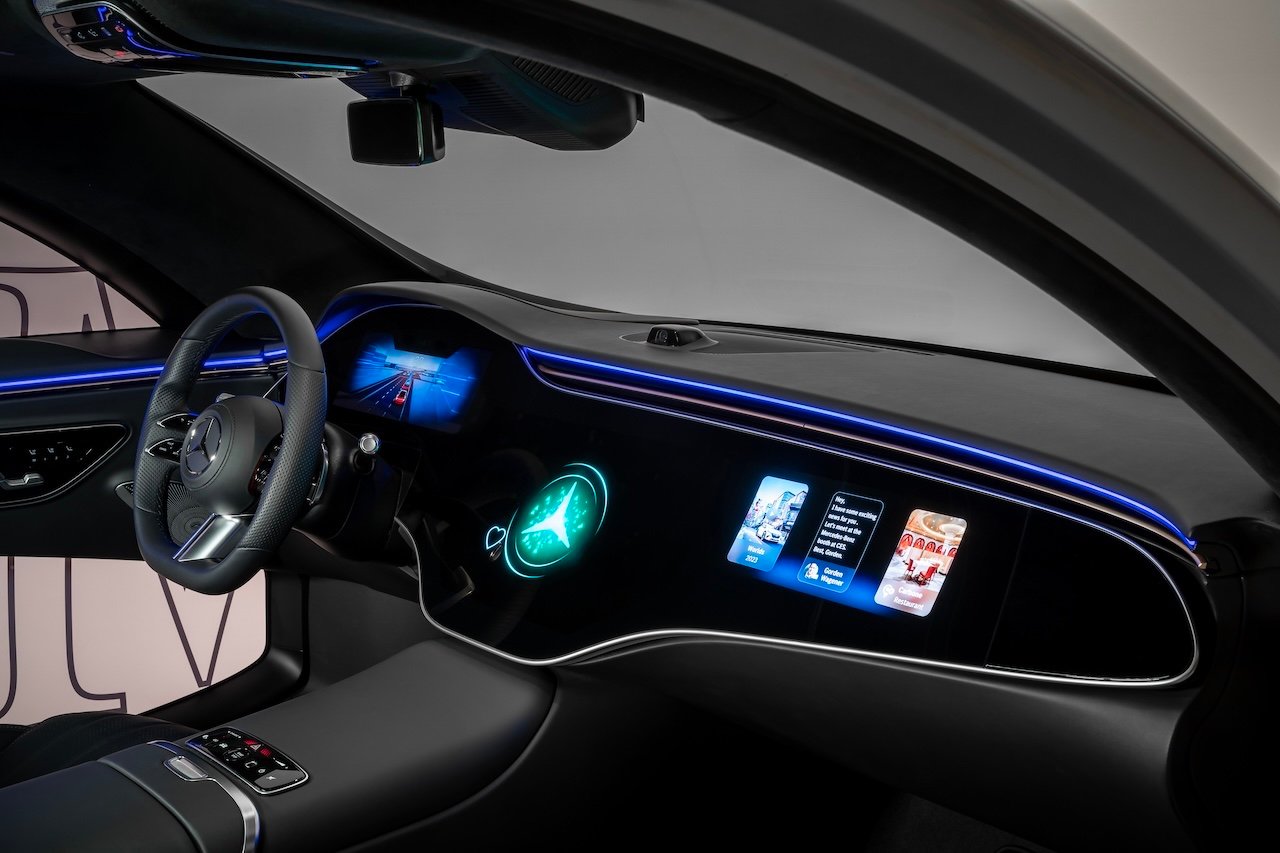
Last week at the Consumer Electronics Show in Las Vegas Mercedes unveiled its new MBUX Virtual Assistant and its latest in-vehicle technology, the new MBUX assistant uses generative AI and it comes with a range of features. Mercedes also showed off their new MBUX Surround Navigation system at CES, which is designed to integrate route […]
Gamers on the move have a new reason to get excited with the arrival of the Ayaneo Next Lite, a handheld gaming console that combines performance with portability, all at a price that won’t break the bank. At just $299, this device is set to make waves in the world of portable gaming, bringing with […]
LG is already one of the most prolific EV battery manufacturers in the US, but it wants to build the devices that charge them, too. The company just opened just opened its first EV charger manufacturing facility in the US, a 59,000 square foot plant in in Fort Worth, Texas capable of manufacturing 10,000 units per year.
The company has already started to assemble 11kW home-style chargers there and will begin producing 175kW fast chargers in the first half of 2024. It plans to built 350kW ultra-fast chargers at some point this year designed for "commercial travel and long-distance transportation," LG wrote.
The Korean company said it chose Texas as it had existing facilities there and because the state offers "excellent logistics and transportation networks and is home to major operations for companies in industries ranging from automobile manufacturing to finance" (GM, Toyota and Tesla all have vehicle assembly plants in the state).
LG
LG said it's committed to bolstering its EV charger business in Asia and Europe as well. The company, along with two partners, jumped into the game just two years ago, acquiring a South Korean EV battery charger business called AppleMango (since renamed to HiEV).
LG said at the time that the acquisition would allow it to "create synergy" with its EV battery business, along with products like energy storage and energy management systems. The company is also able to leverage its display expertise by marrying the chargers with "sturdy, dust- and water-proof" outdoor digital display units.
The move also allows LG to capitalize on a US push to build more public EV chargers. The nation currently has 169,741 charging ports (either DC fast or Level 2) across 65,113 stations, according to the Joint Office of Energy and Transportation. However, the Biden administration wants at least 500,000 public chargers by 2030. "By establishing our EV charger production factory in Texas, we will be able to actively respond to the rapidly growing demand for EV infrastructure in the U.S.,” said LG Business Solution president Jand Ik-hwan.
This article originally appeared on Engadget at https://www.engadget.com/lg-just-opened-its-first-ev-charger-manufacturing-plant-in-the-us-091542381.html?src=rss