This $12.5B Cross-Shaped Airport Will Become Africa’s Largest by 2030

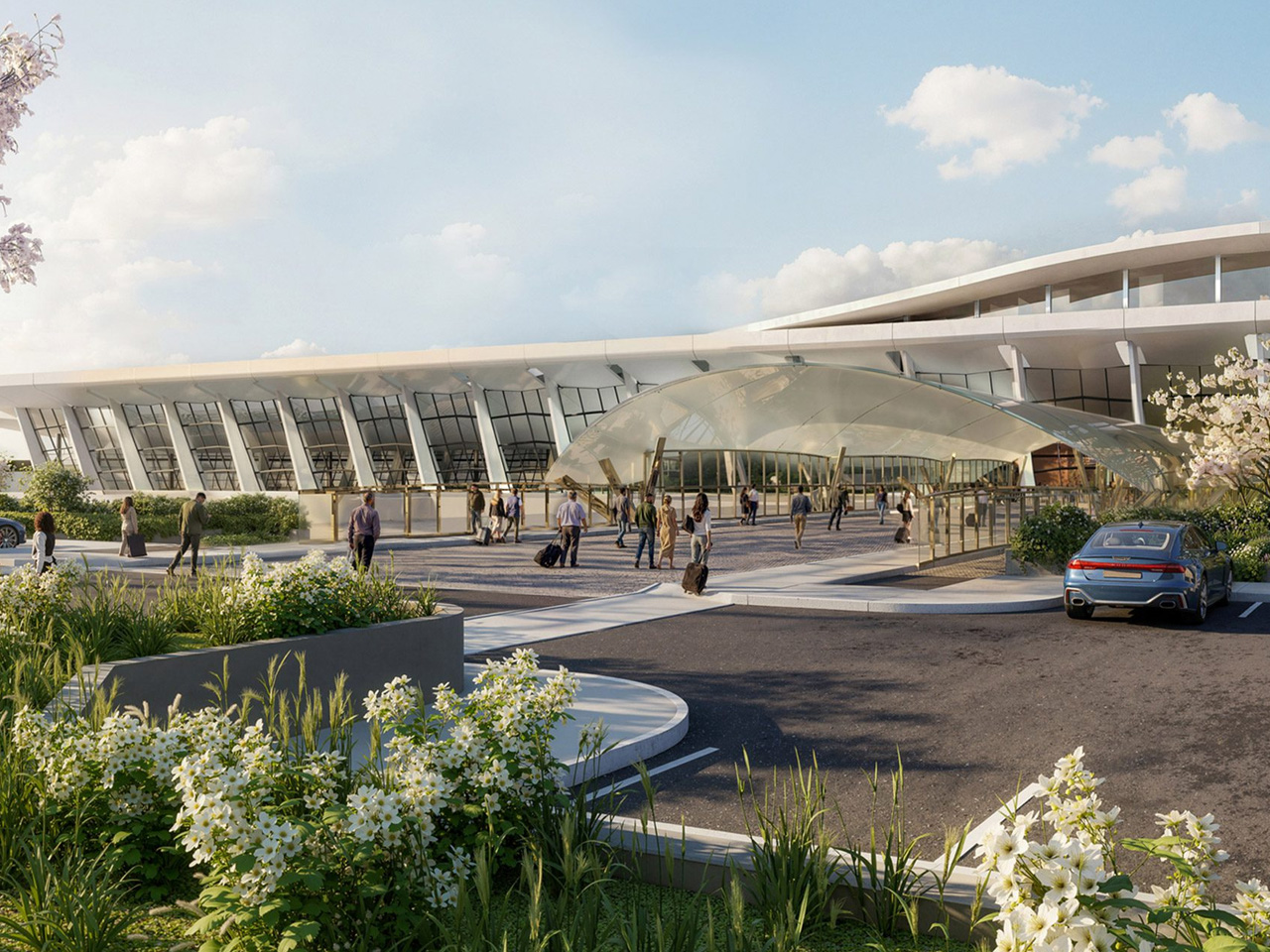
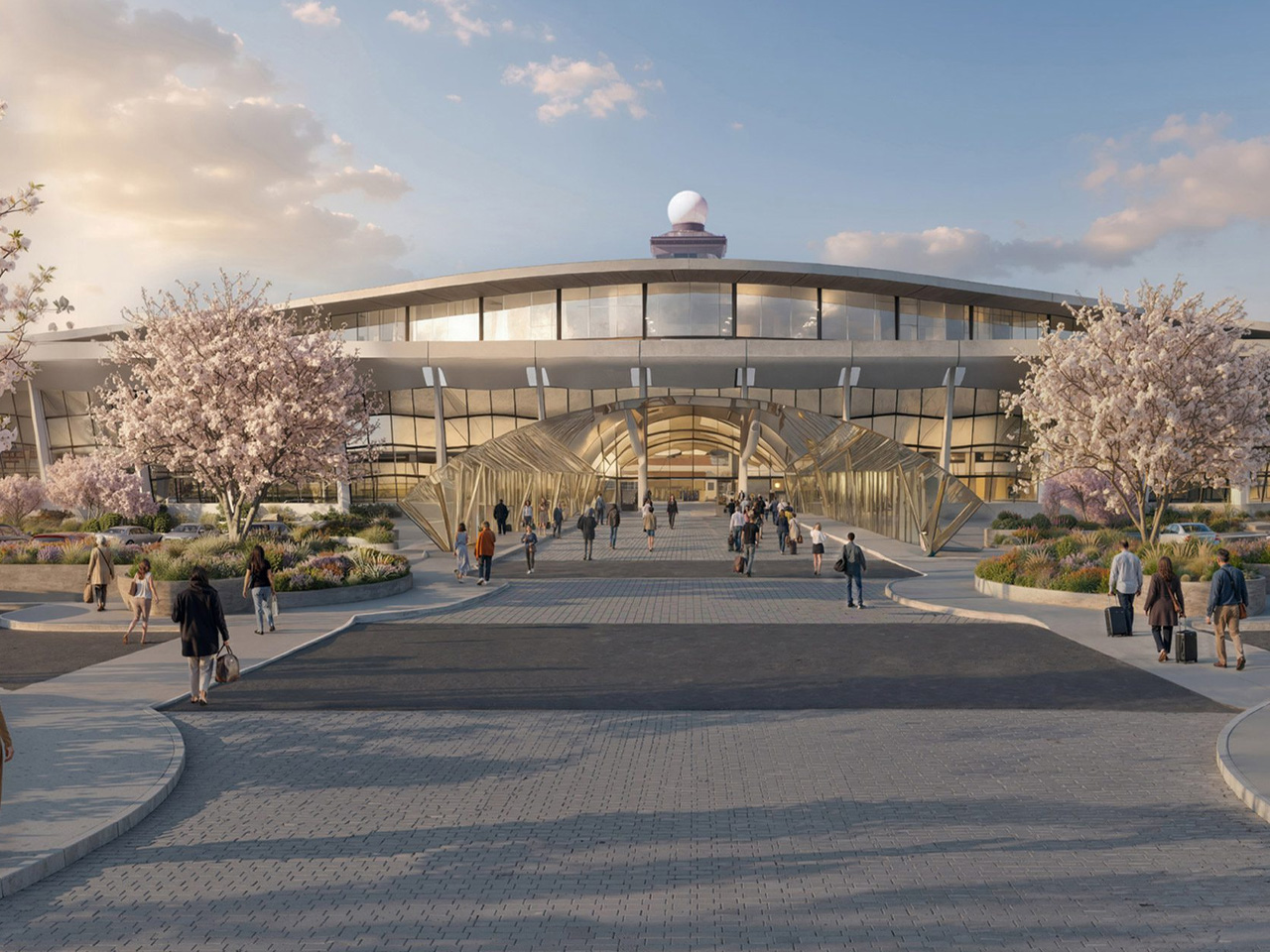
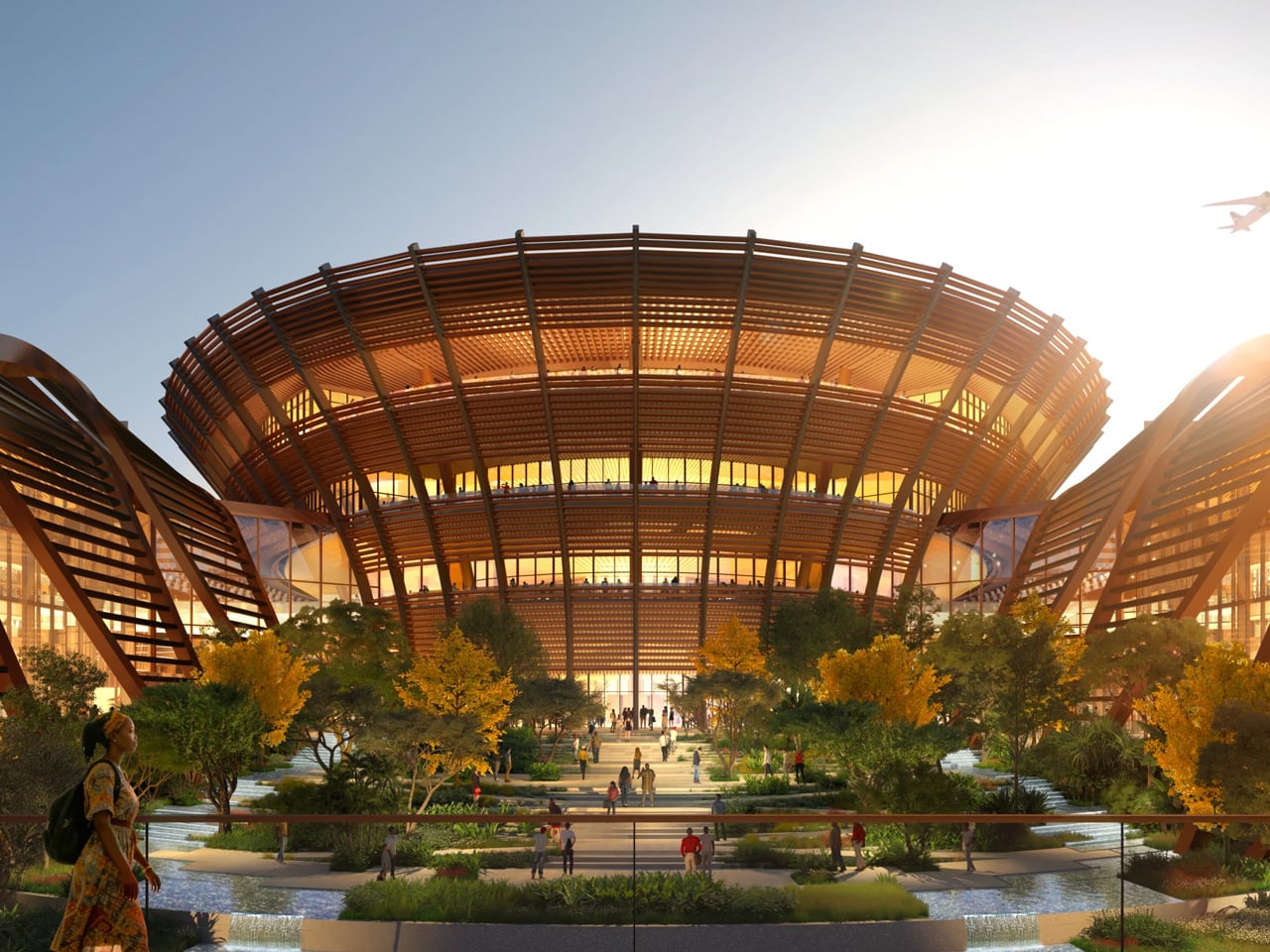
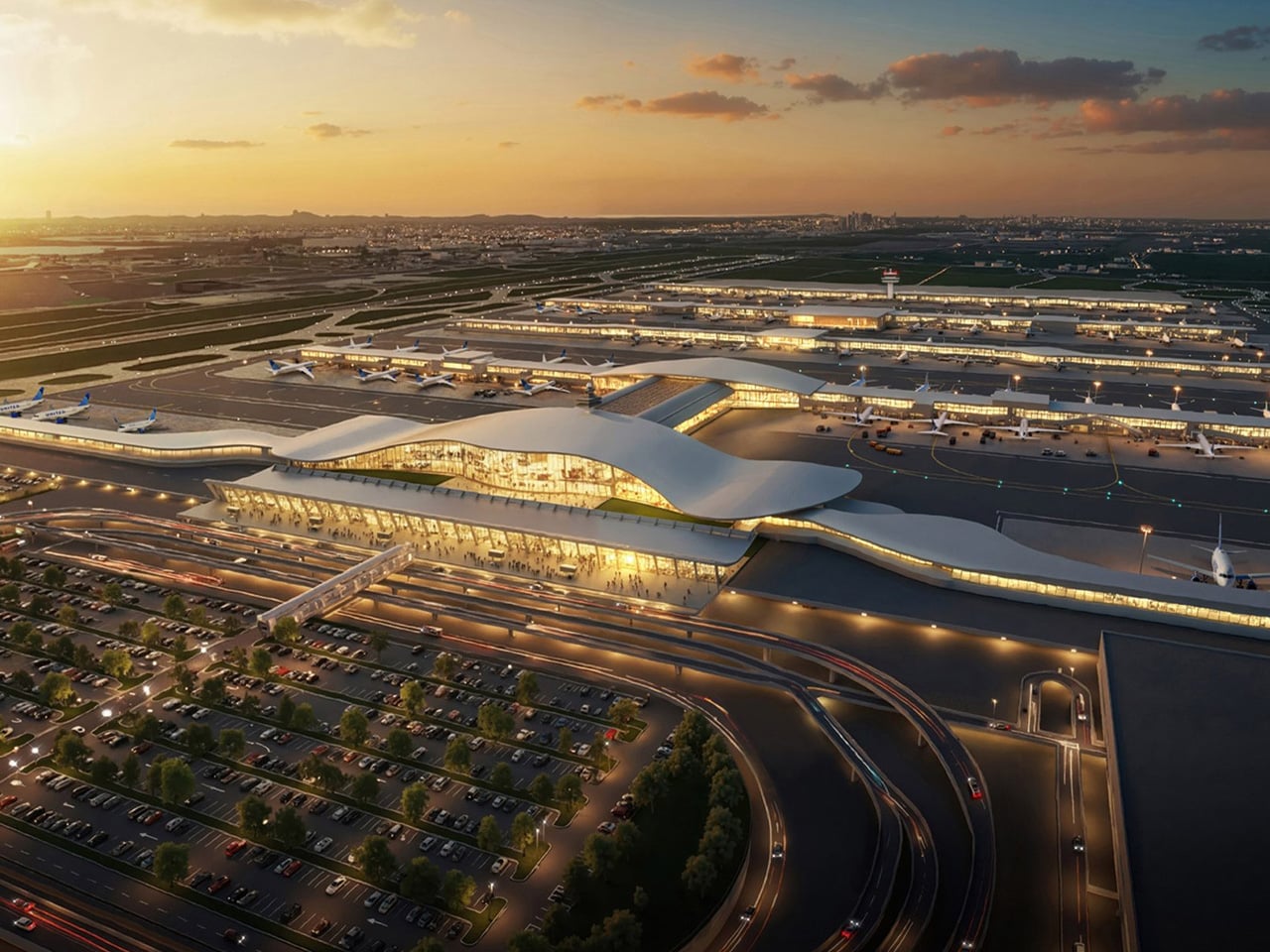
Ethiopia has embarked on a transformative journey with the groundbreaking of Bishoftu International Airport, a $12.5 billion megaproject designed by Zaha Hadid Architects that will redefine the continent’s aviation landscape. Prime Minister Abiy Ahmed Ali laid the cornerstone on January 10, 2026, marking the official start of what officials describe as the largest aviation infrastructure project in Africa’s history. Located 40 kilometers south of Addis Ababa, the airport will eventually boast a capacity four times greater than Ethiopia’s current main airport, which is projected to reach its operational limits within the next two to three years. The ambitious development positions Ethiopia as Africa’s premier aviation gateway, connecting the continent to global destinations through Ethiopian Airlines, Africa’s largest carrier.

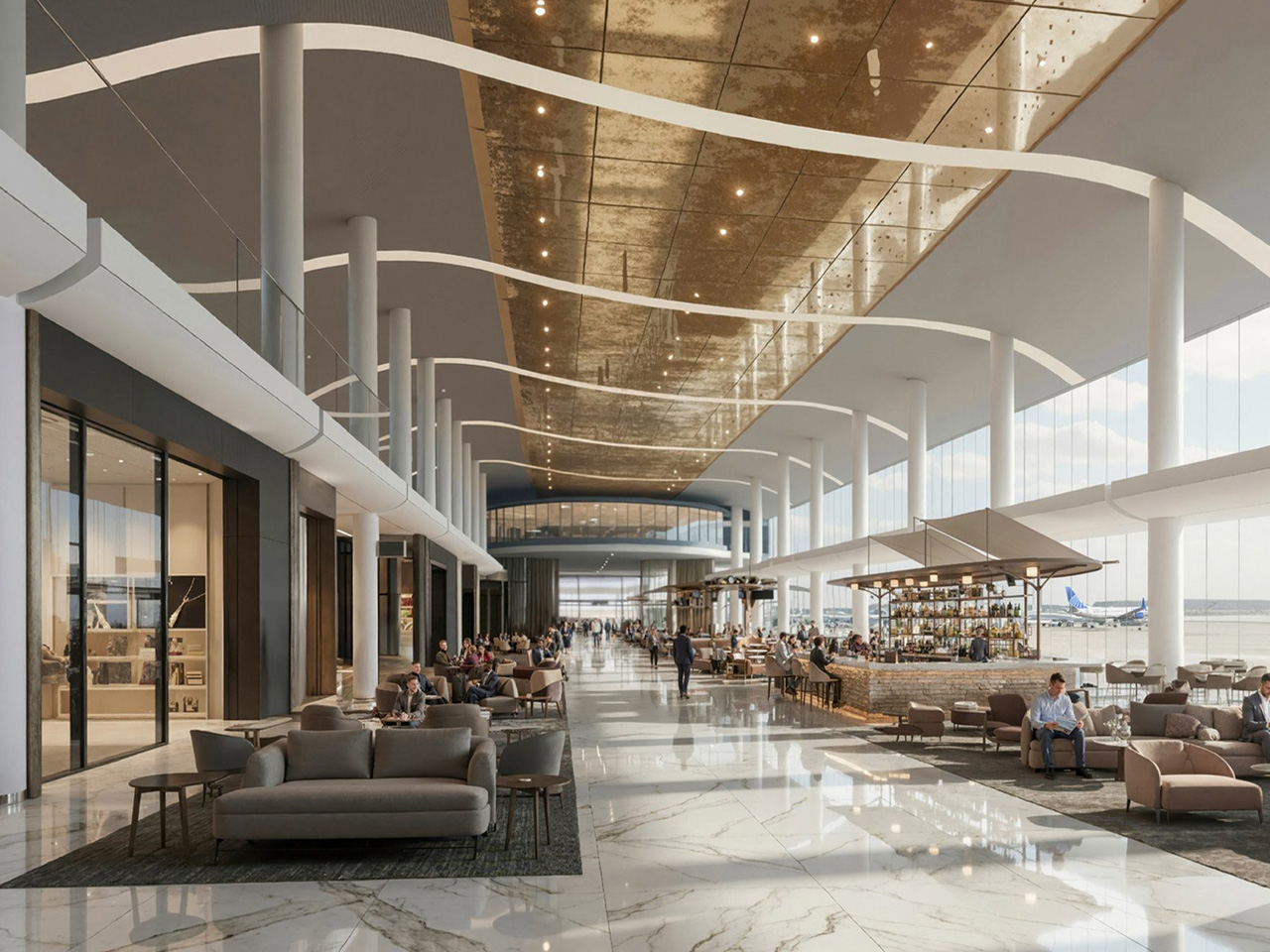
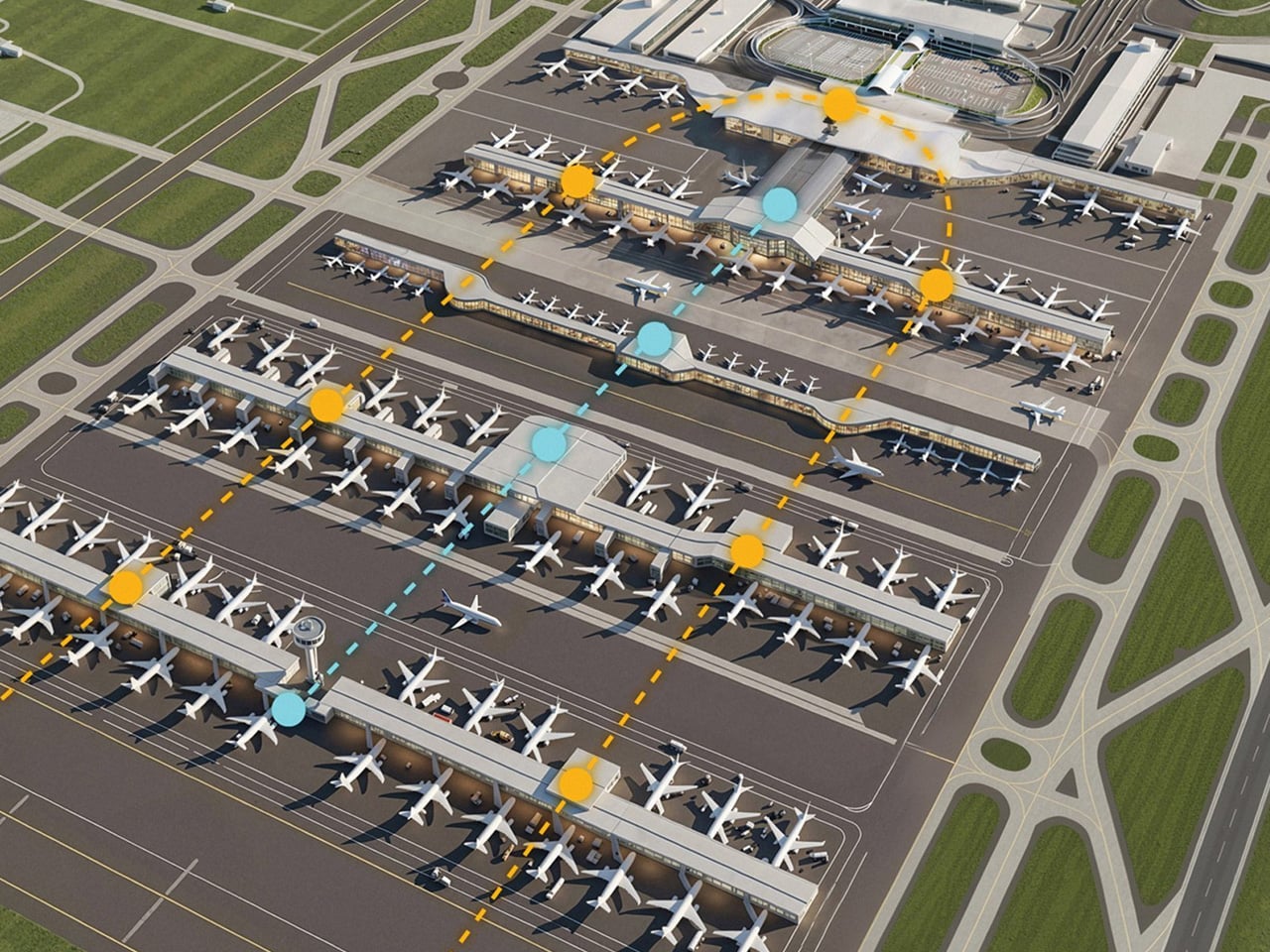
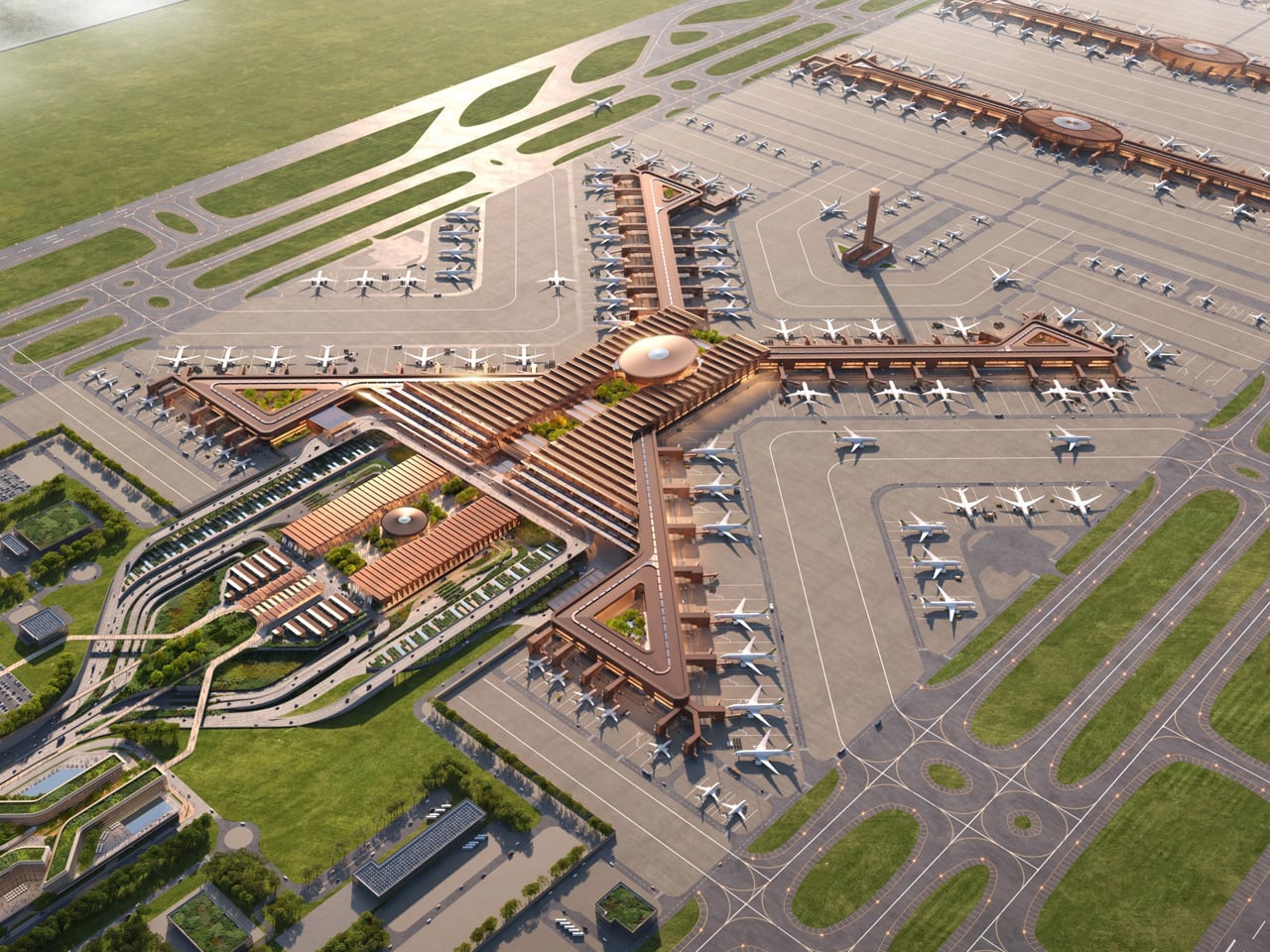
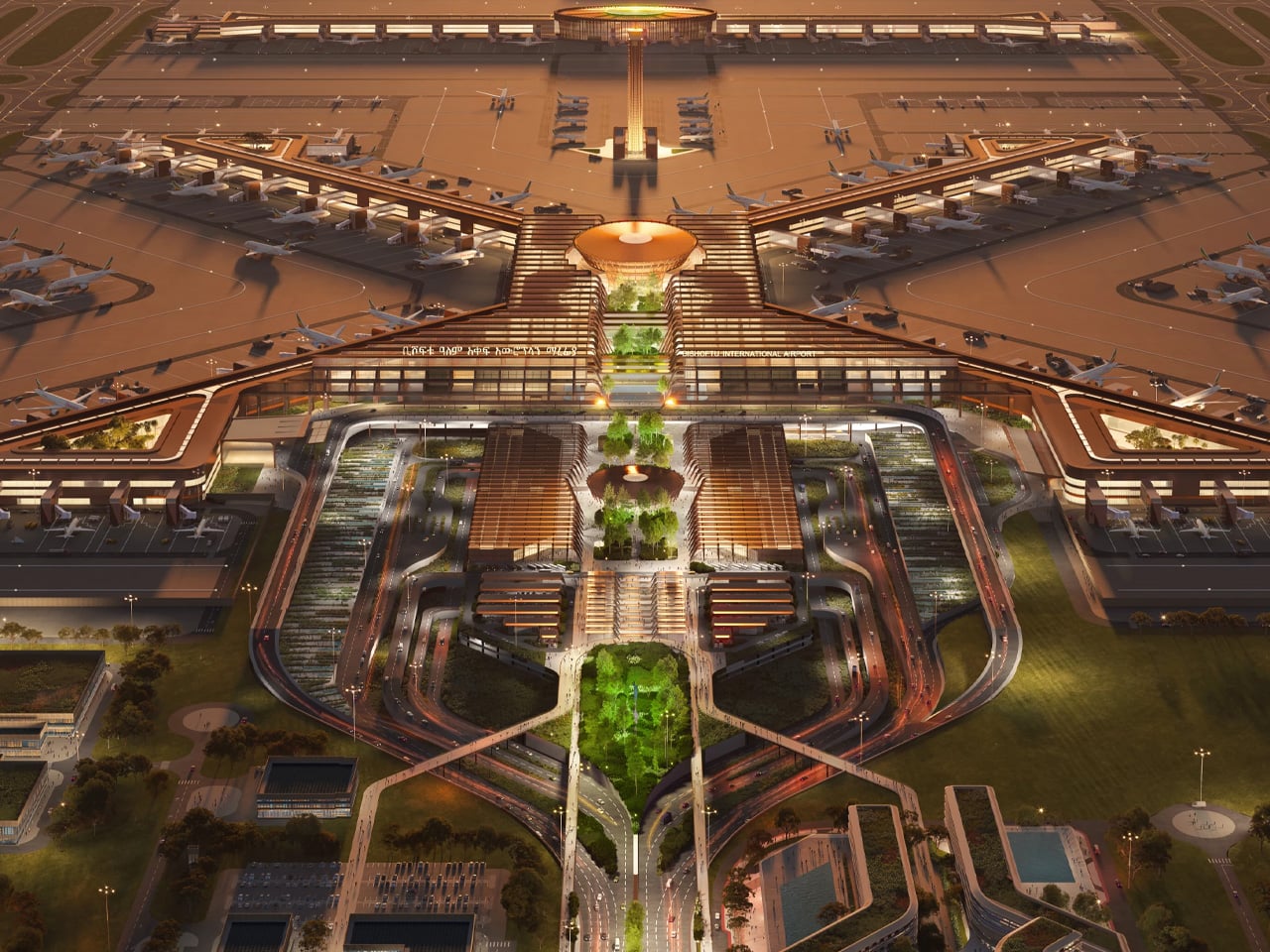
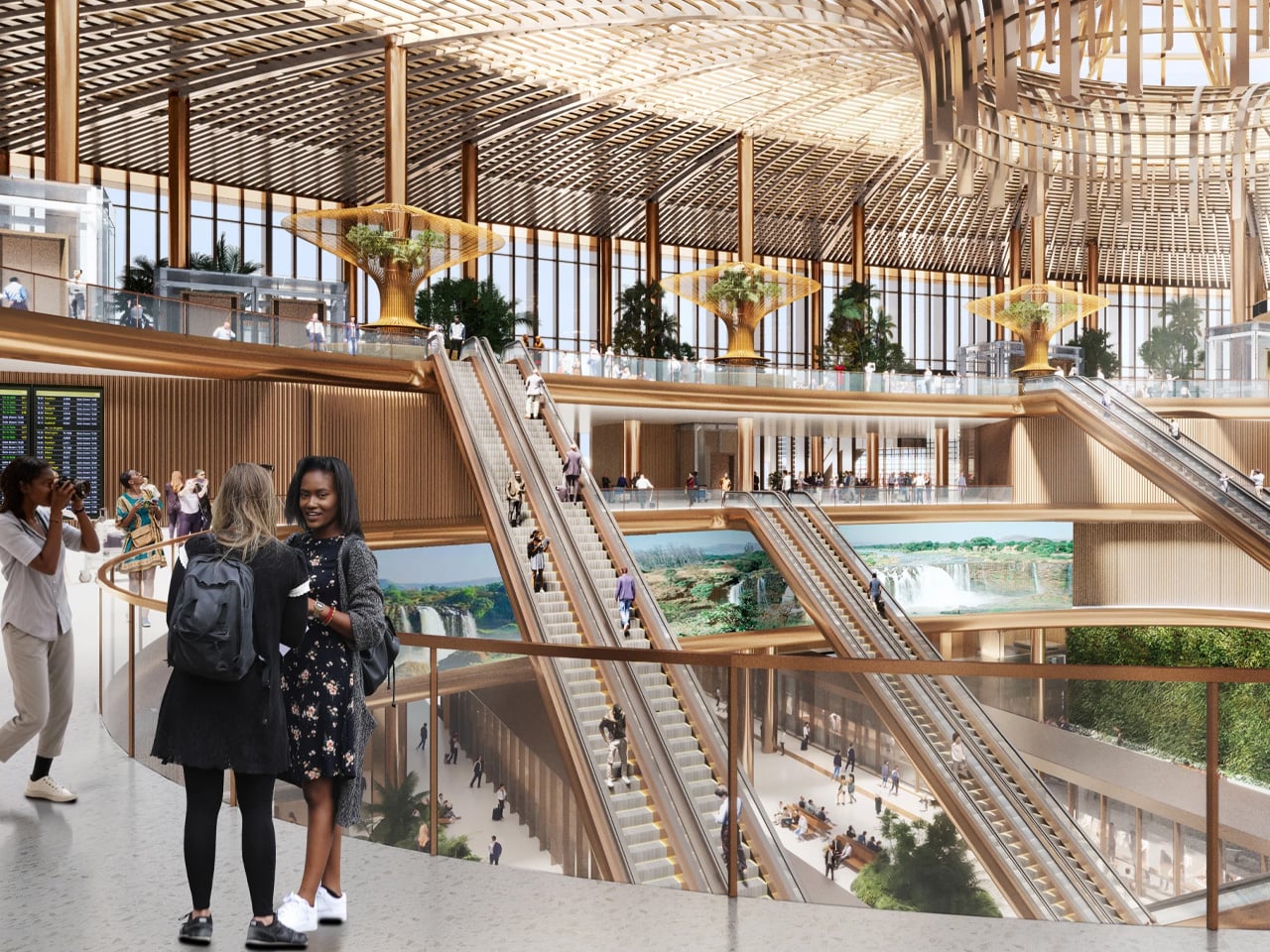
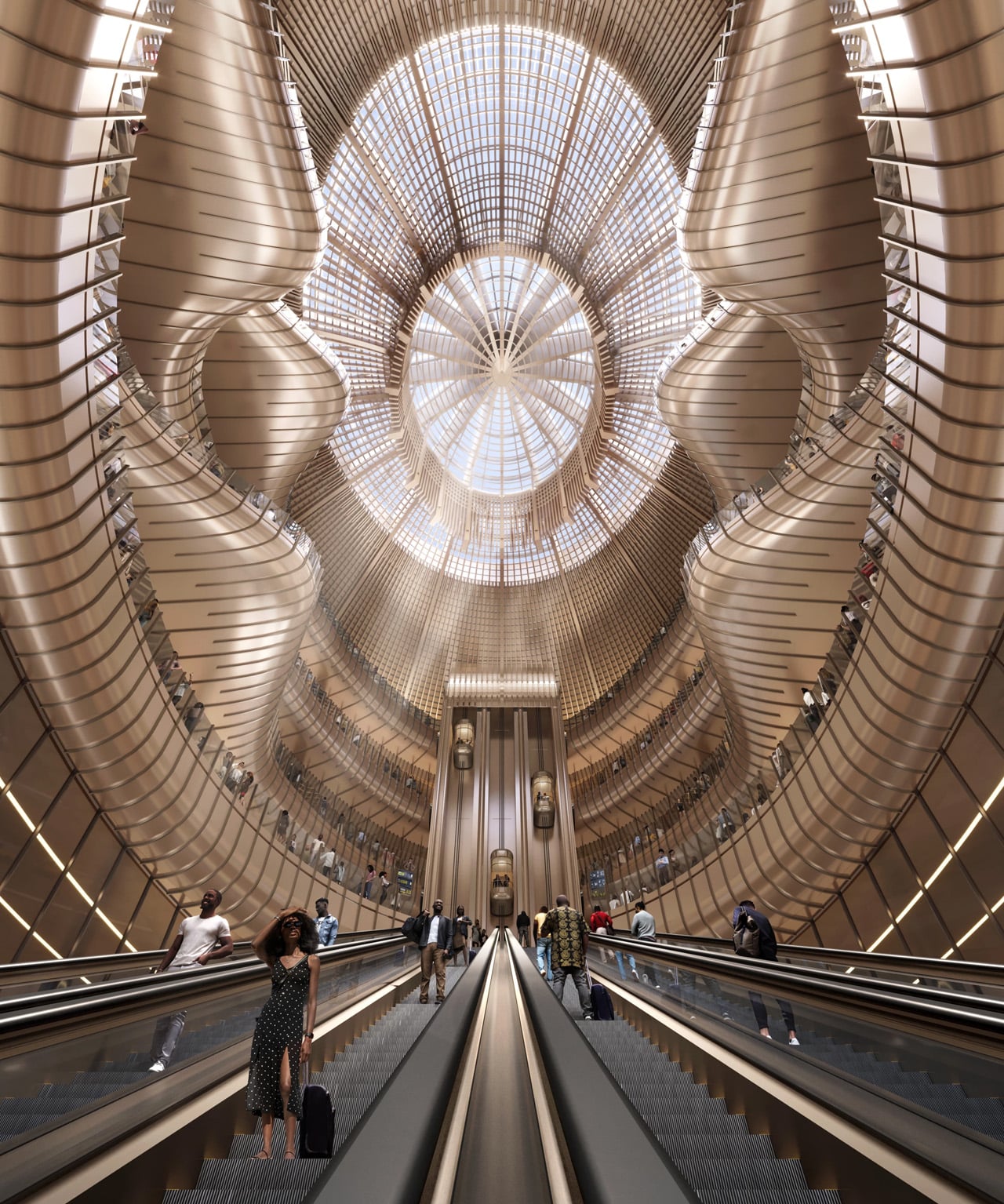
The architectural design draws profound inspiration from Ethiopia’s geological wonder, the Great Rift Valley, which passes near Bishoftu as it traverses through the country. A single central spine organizes the terminal’s facilities and aircraft piers, creating an intuitive flow that minimizes transfer distances for the estimated 80 percent of passengers who will transit through without leaving the airport. The terminal features a distinctive cross-shaped form spanning 660,000 square meters, with each pier showcasing unique interior materials and color palettes inspired by Ethiopia’s diverse environments, from its highlands to lowlands and valleys. This thoughtful integration of regional identity into functional design reflects Zaha Hadid Architects’ signature parametric approach, transforming natural landscapes into architectural expression.

Designer: Zaha Hadid Architects

Construction will proceed in multiple phases, with the initial opening targeted for 2030. Phase One includes two independently operating Code 4E parallel runways and a terminal designed to accommodate 60 million passengers annually. Subsequent phases will expand capacity to 110 million passengers per year, supported by four runways and parking facilities for 270 aircraft. This phased approach allows Ethiopian Airlines to incrementally meet rising demand, responding to International Air Transport Association forecasts predicting over 200 percent growth in East African air travel demand over the coming decade. The strategic expansion plan demonstrates careful consideration of both immediate needs and long-term growth trajectories.

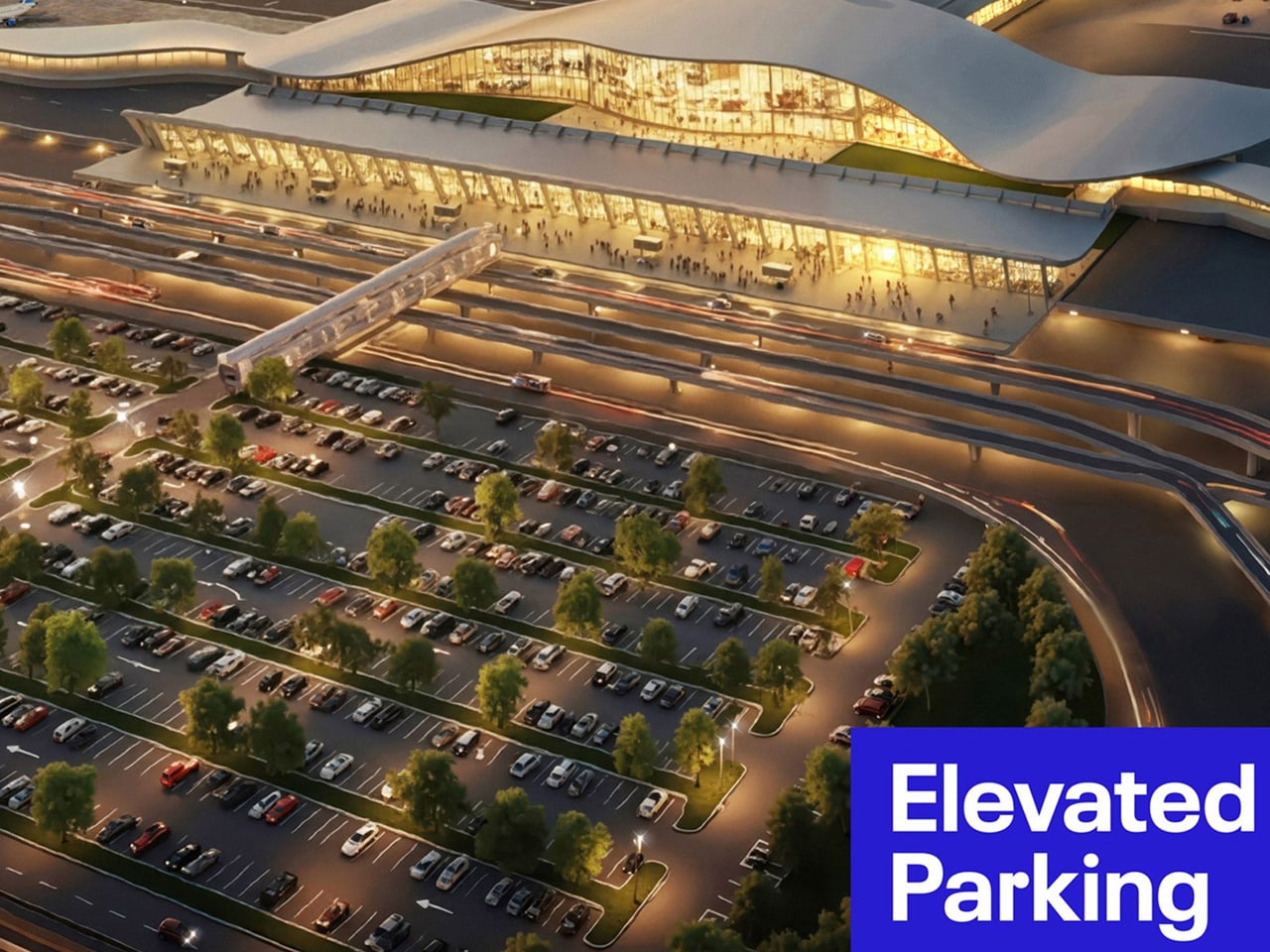
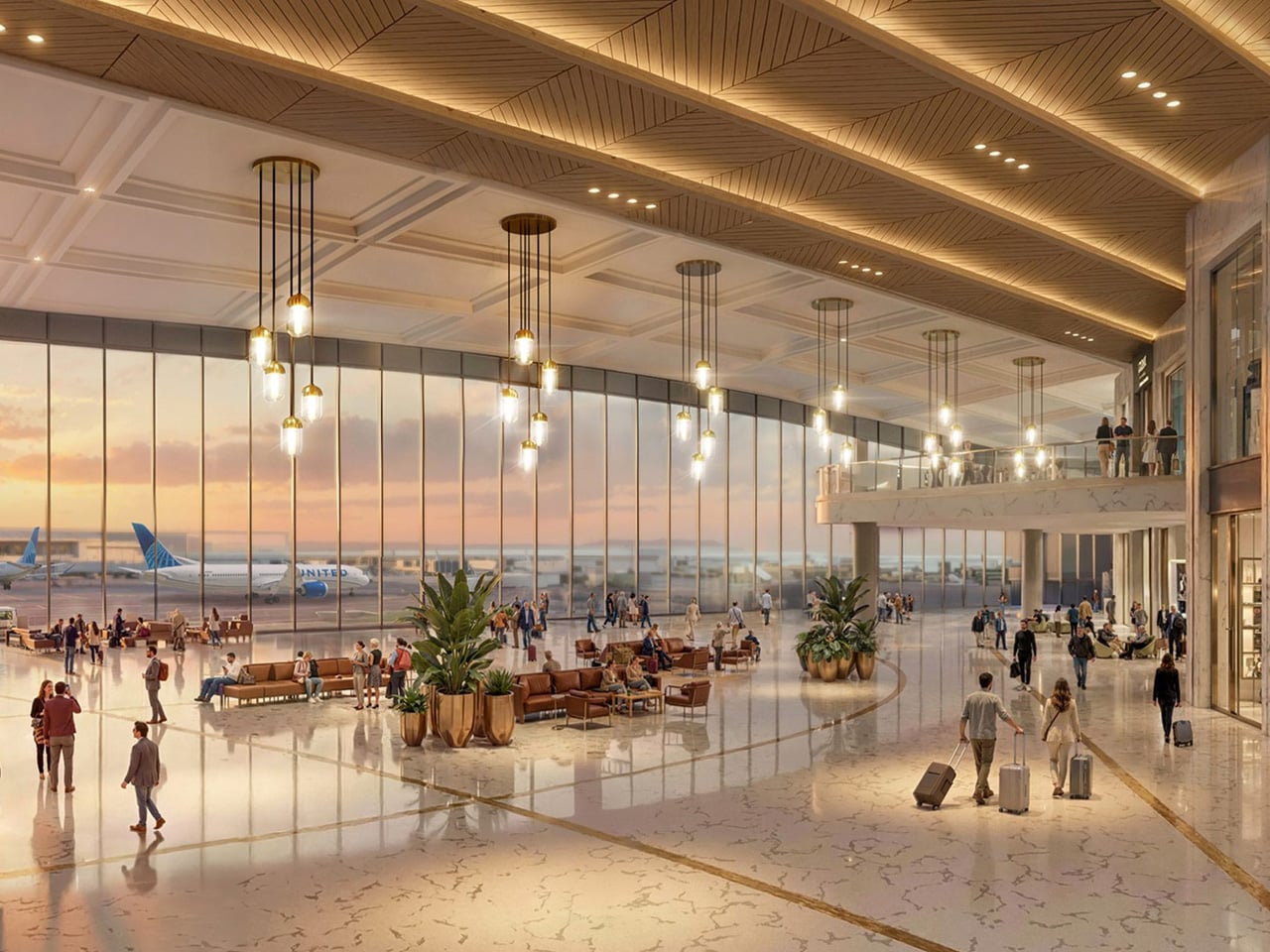
The airport prioritizes the transit passenger experience with extensive amenities, including a 350-room airside hotel, diverse dining and entertainment facilities, plus outdoor courtyards landscaped with native drought-resistant plants. Natural ventilation and effective solar shading take advantage of the Oromia region’s temperate subtropical highland climate, creating semi-enclosed spaces where passengers can enjoy warm summers and mild winters. The design targets LEED Gold certification, incorporating locally sourced concrete and steel to reduce carbon footprint while supporting regional economic development. Photovoltaic arrays throughout the campus will enable on-site energy production, while stormwater management systems channel runoff into new wetlands and bioswales.

Bishoftu’s location delivers significant operational advantages, situated nearly 400 meters lower in elevation than the existing Bole Airport. Combined with longer runways, this enables aircraft to operate at higher maximum take-off weights while consuming less fuel, optimizing Ethiopian Airlines’ modern fleet for longer non-stop routes. A planned high-speed rail link will connect Bishoftu with central Addis Ababa and Bole Airport, forming the cornerstone of an integrated regional transport network. The surrounding Airport City, featuring mixed-use buildings, will serve approximately 80,000 residents and operate 24 hours without curfew restrictions, establishing a vibrant new urban district.

The post This $12.5B Cross-Shaped Airport Will Become Africa’s Largest by 2030 first appeared on Yanko Design.
This Airport Lounge Turned Mondrian’s Boogie-Woogie into Wood Islands

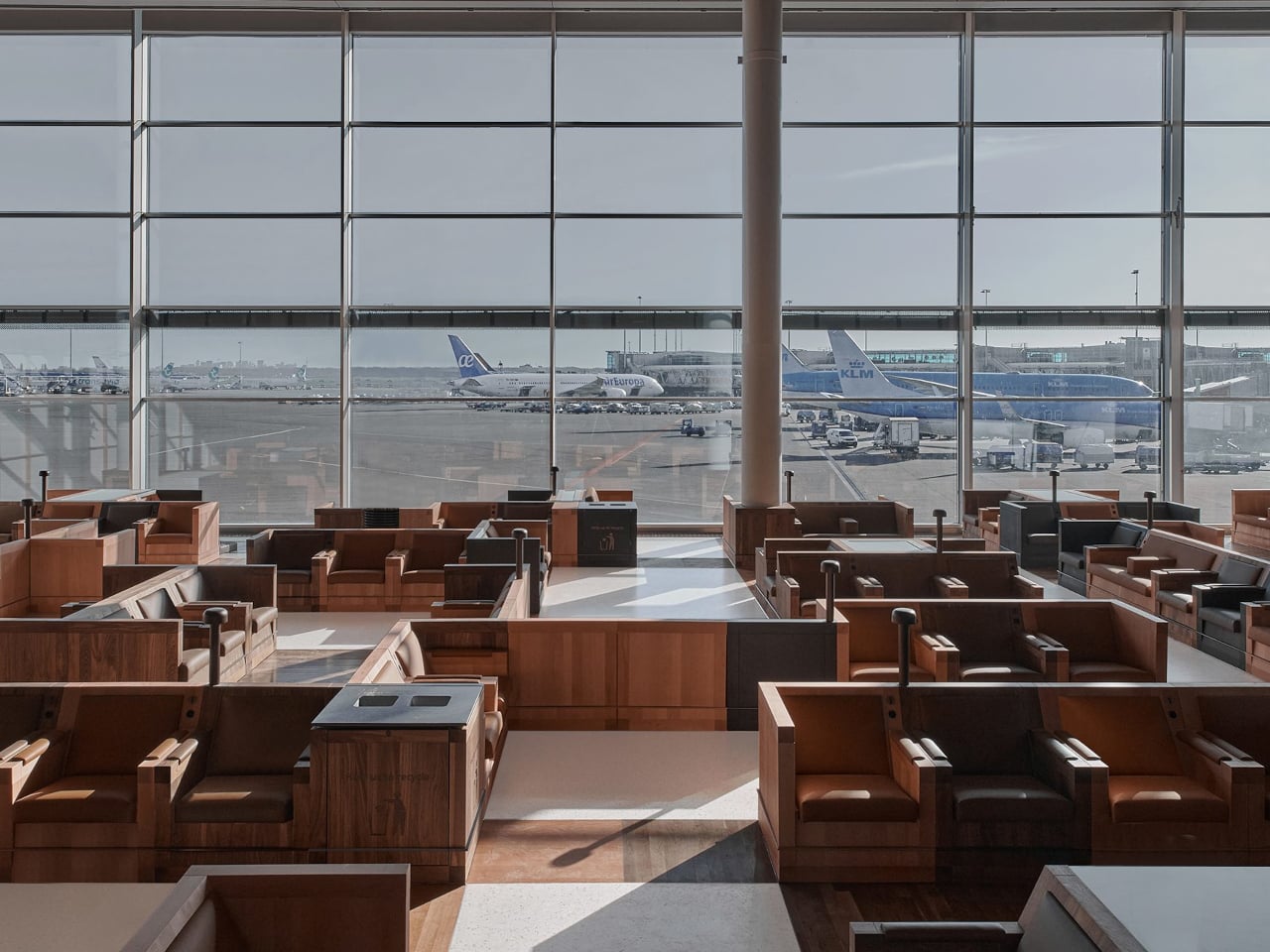
Long layovers usually mean seas of identical metal chairs, bright signage, and constant motion that makes rest feel impossible. Even premium lounges often feel like slightly nicer waiting rooms, not places with a point of view beyond arranging seating in rows. Schiphol’s Lounge 2 sits in the flat Haarlemmermeer polder outside Amsterdam, which gave Beyond Space a specific landscape and design history to work with when redesigning the 1,000 square meter space.

The studio looked at that polder and the Dutch De Stijl movement it inspired, particularly Mondrian’s orthogonal paintings. His late Boogie-Woogie works are essentially abstractions of that landscape, grids of lines and colored planes forming rhythmic compositions. Beyond Space took those paintings as an organizing principle, using sequences of orthogonal lines and planes to define where and how people sit instead of just dropping furniture onto a floor.

Designer: Beyond Space

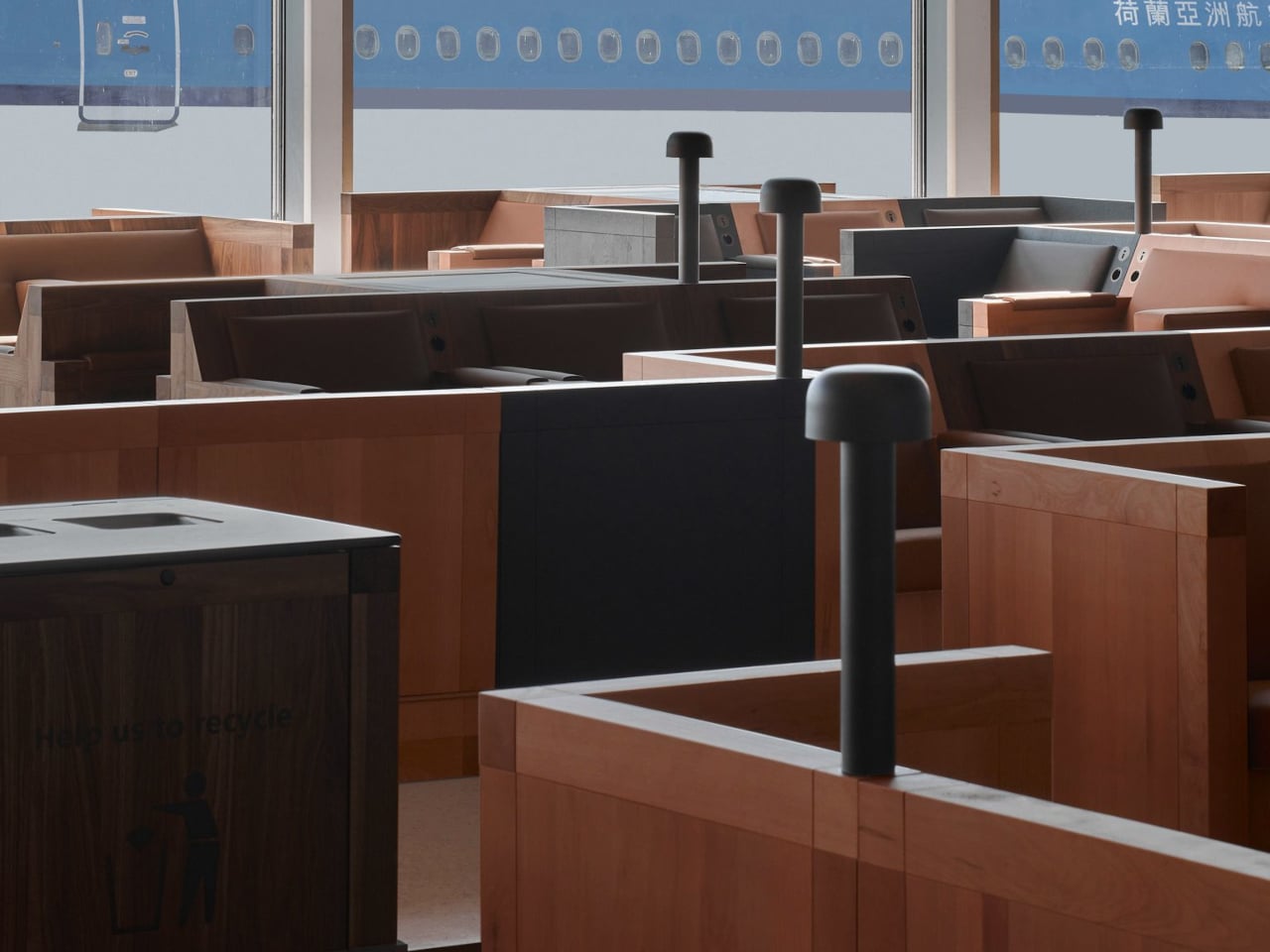
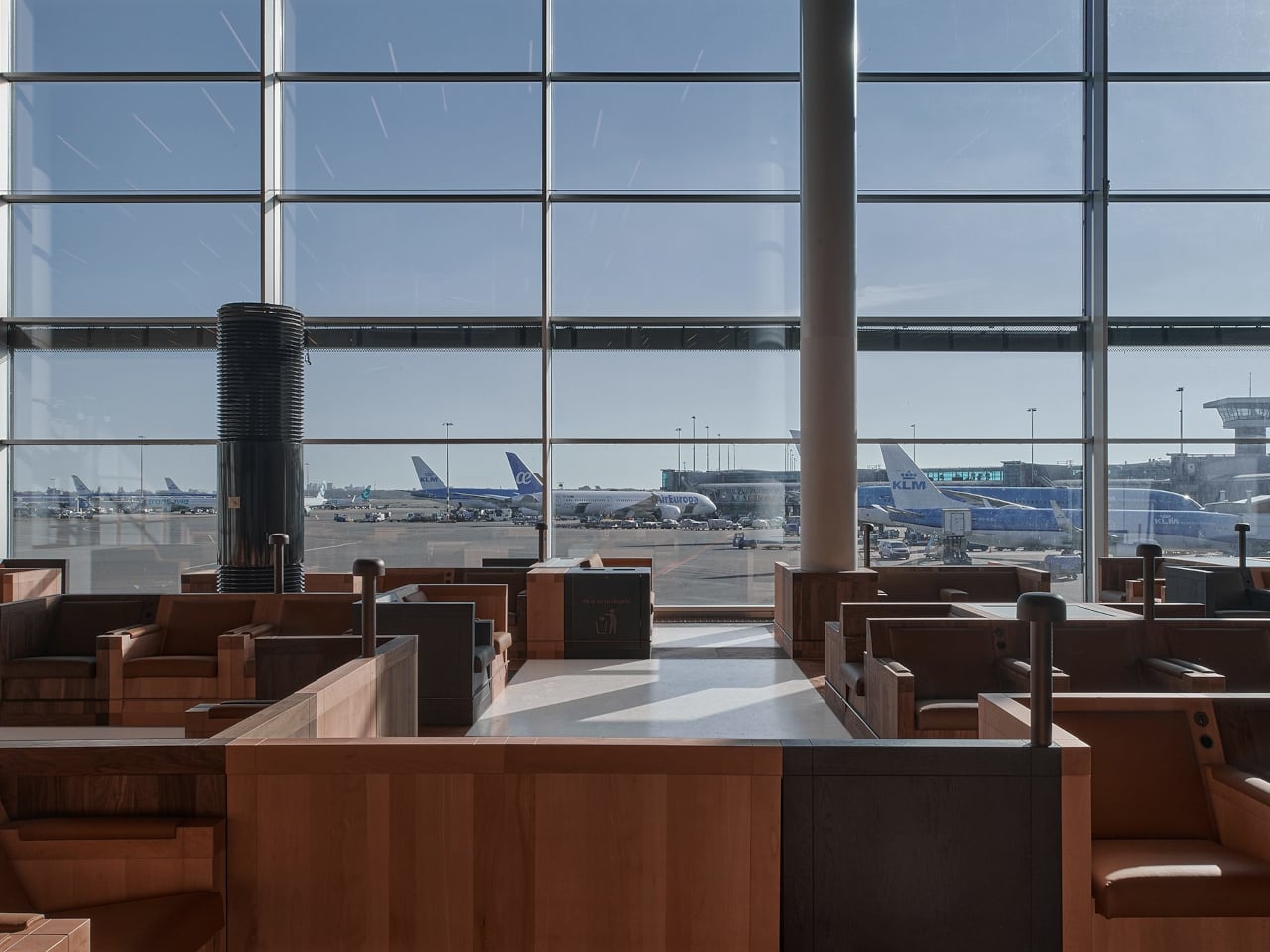
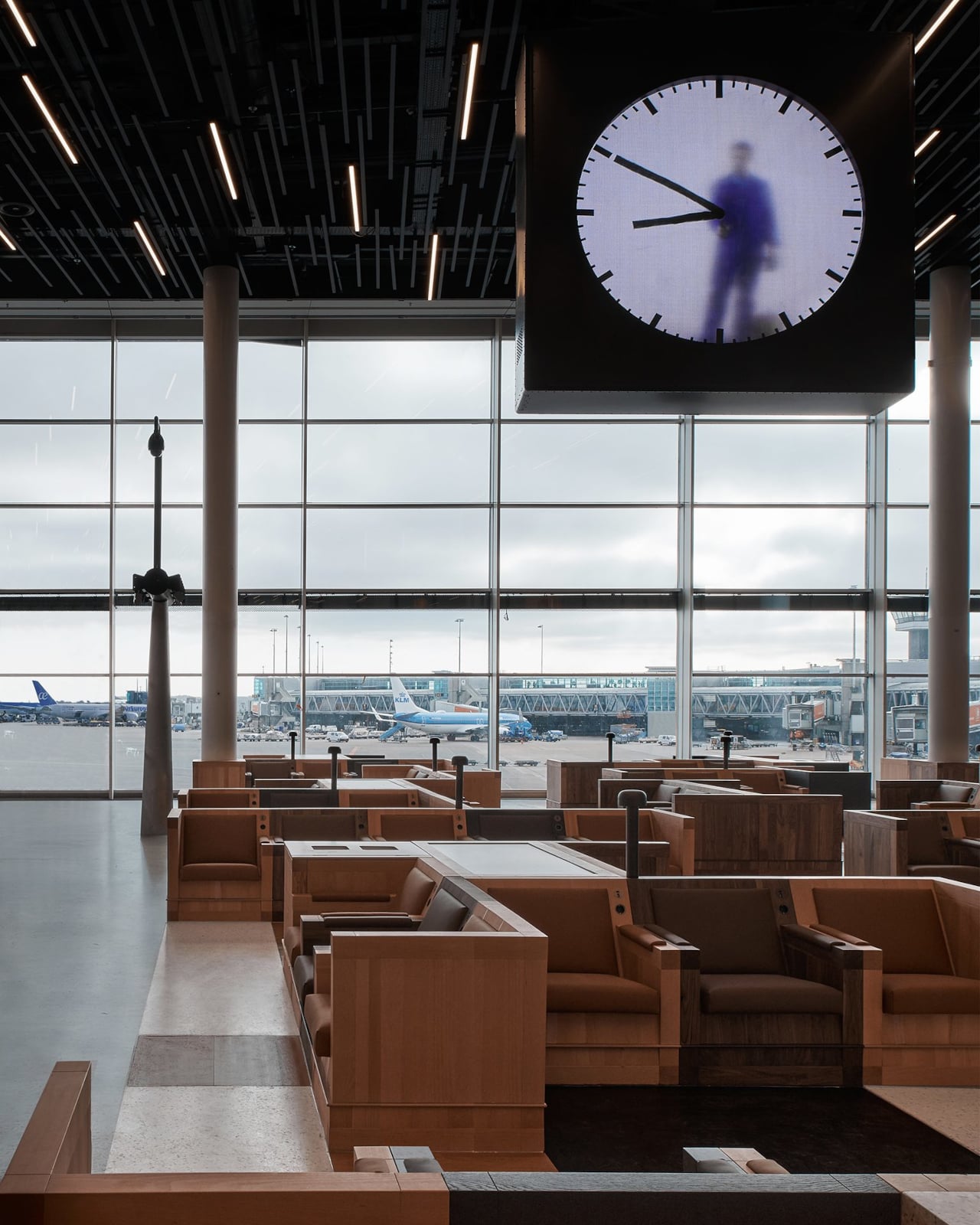
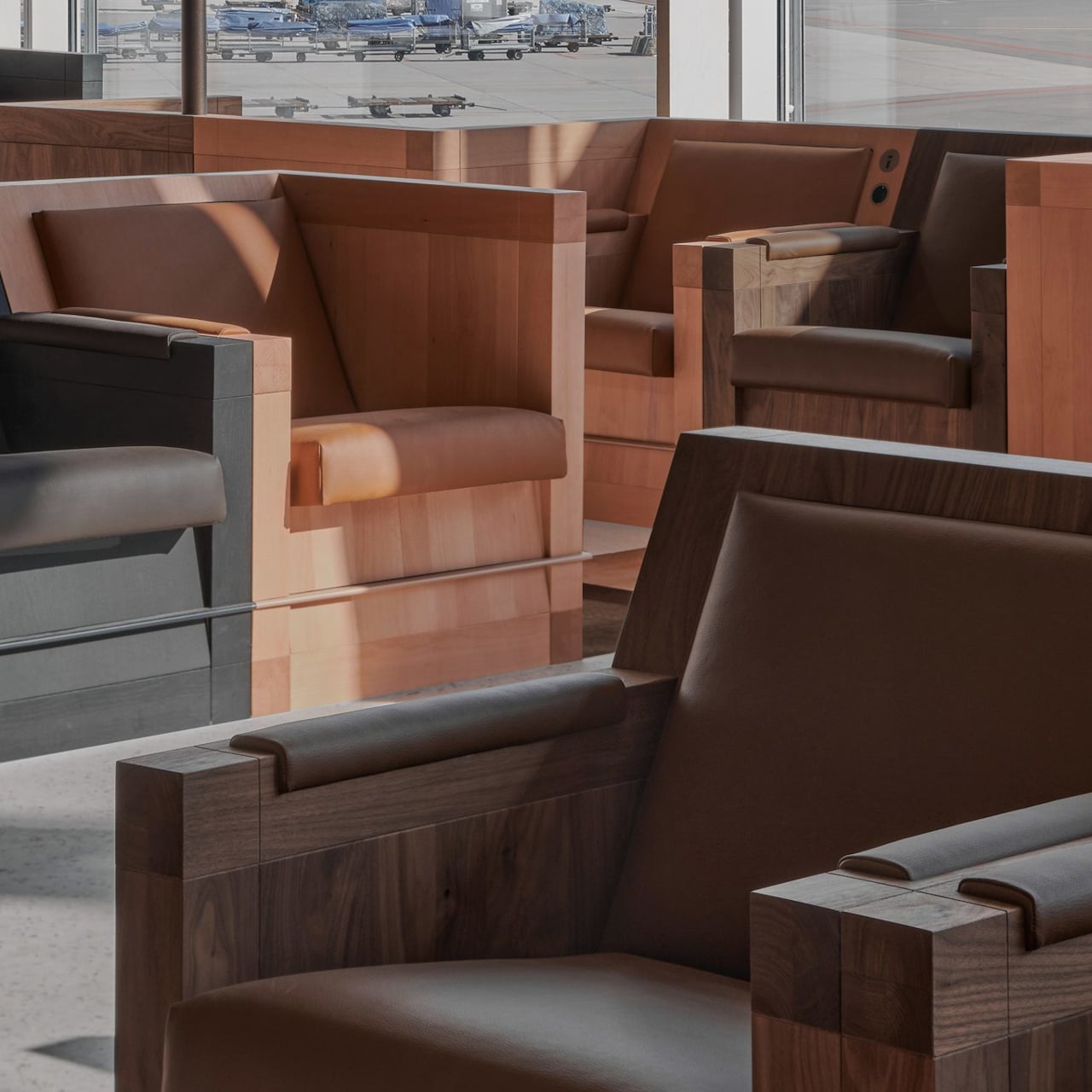
Entering the lounge, you realize you are not looking at rows of chairs but a low wooden city. Connected seats form islands of different sizes that plug into the existing architecture, creating pockets for solo travelers, pairs, and larger groups. You can choose a corner that feels tucked away, a spot with a direct runway view, or a cluster where a family can spread out without blocking circulation.

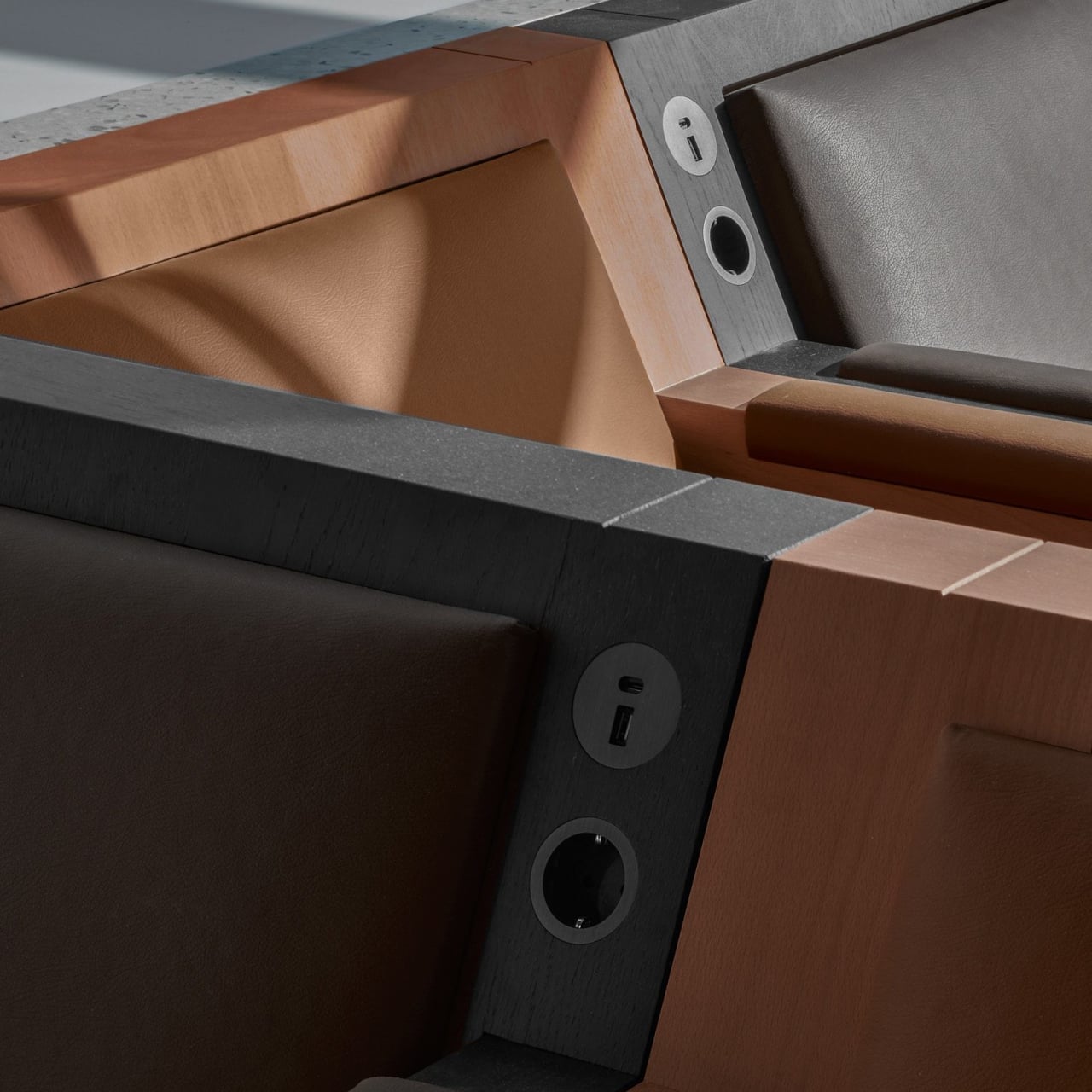
Instead of Mondrian’s red, yellow, and blue, the designers used solid wood from European tree species Mondrian once painted in his early landscape work. That swap keeps the De Stijl grid and rhythm but trades visual shouting for warmth and calm. In a terminal full of screens and branding, the consistent wood tones and leather upholstery act like a noise-cancelling layer without resorting to beige blandness.

The orthogonal layout hides surprising variety, armchairs with side tables, benches, back-to-back arrangements, and larger platforms for groups. Power outlets are integrated into the wooden blocks, so charging a laptop does not mean hunting for a wall socket or sitting on the floor. The grid gives order, but within it you can find a spot that matches how you actually want to wait.

Because seating follows a clear grid aligned with the architecture, it is easier to orient yourself and remember where you were sitting when you come back with coffee. The repetition of similar forms, combined with daylight from large windows and a neutral floor, creates visual tranquility rare in airports. It feels designed to let your brain idle instead of constantly scanning for threats.

The lounge treats waiting not as dead time to fill with more screens, but as a chance to sit in a space with a clear idea behind it. By abstracting the landscape outside and channeling Mondrian without copying his colors, Beyond Space turns a generic airport zone into a small wooden blueprint of Dutch design history that just happens to be comfortable between flights.

The post This Airport Lounge Turned Mondrian’s Boogie-Woogie into Wood Islands first appeared on Yanko Design.
The Bird-Shaped Lishui Airport Is Set To Open At The End Of This Year In China

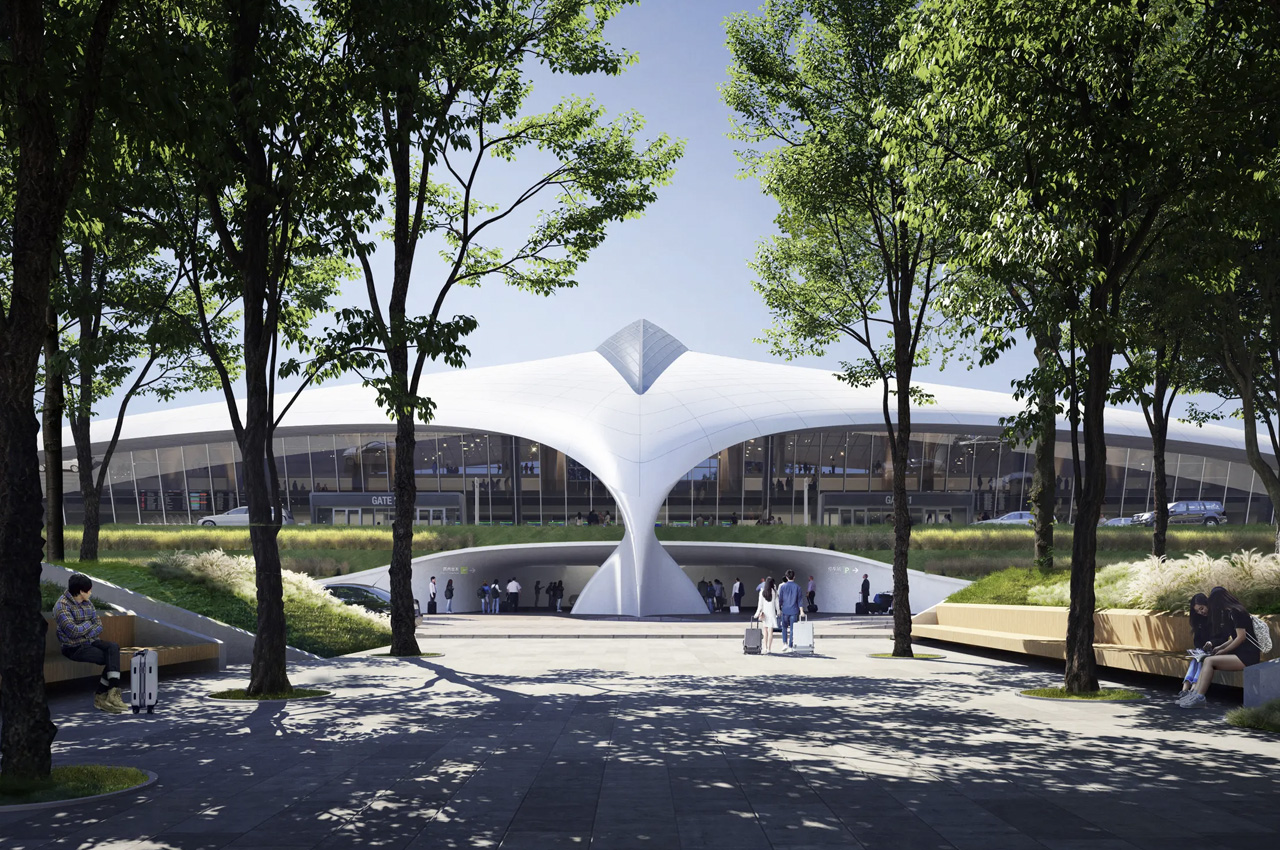
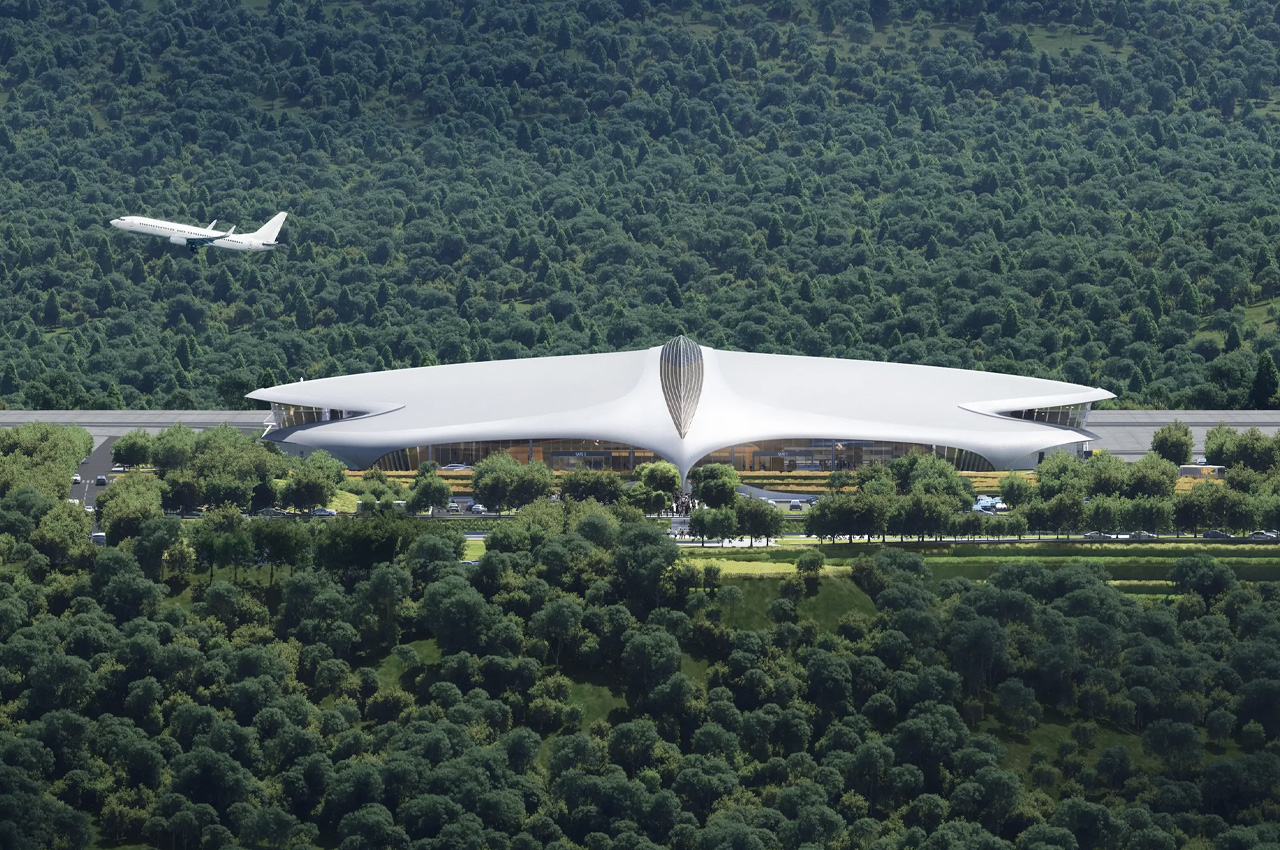
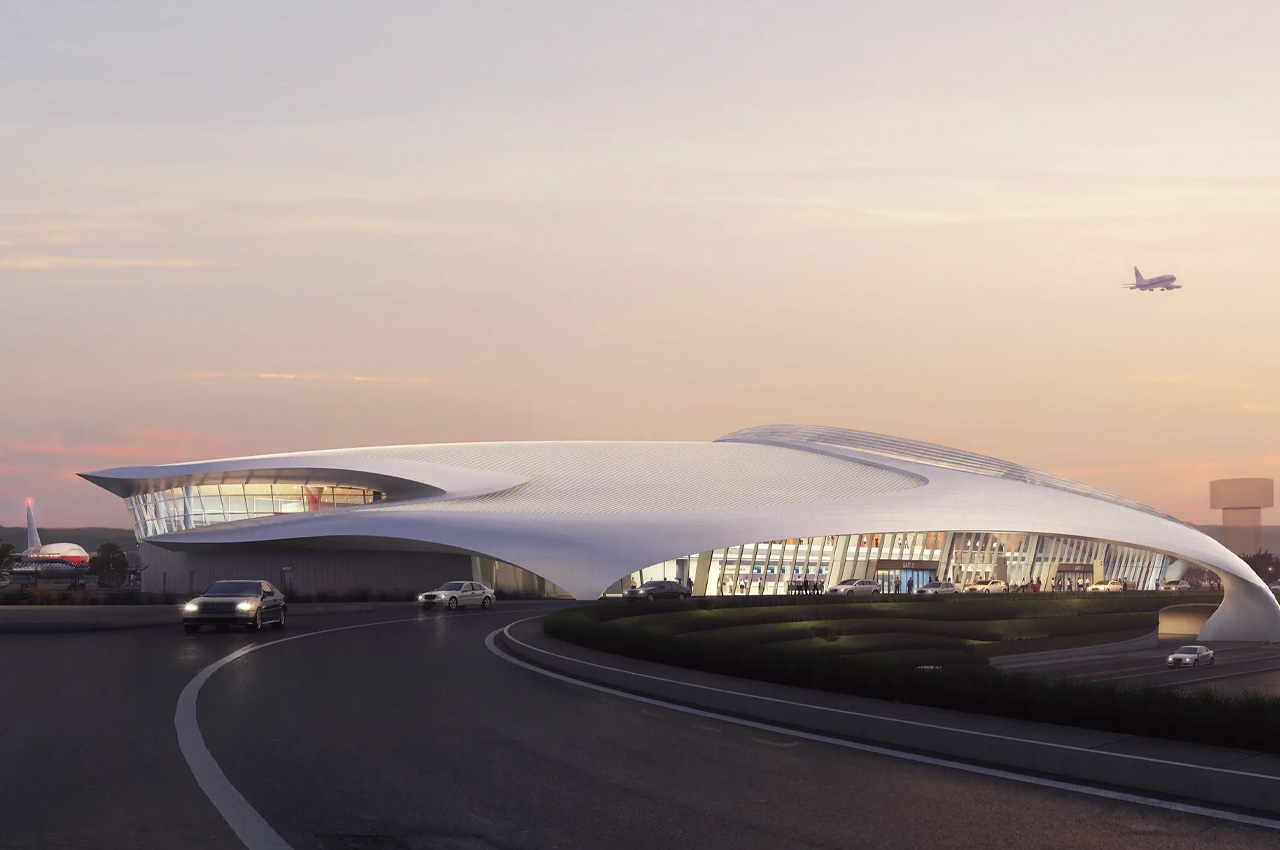
MAD Architects is known for their innovative creations and mind-boggling structures. They never play safe and create designs that are boring and limited, and their latest construction the upcoming Lishui Airport will be finished in the forested area of China Zhejiang Province. The airport resembles a massive white bird that is about to embark on flight!

Designer: MAD Architects

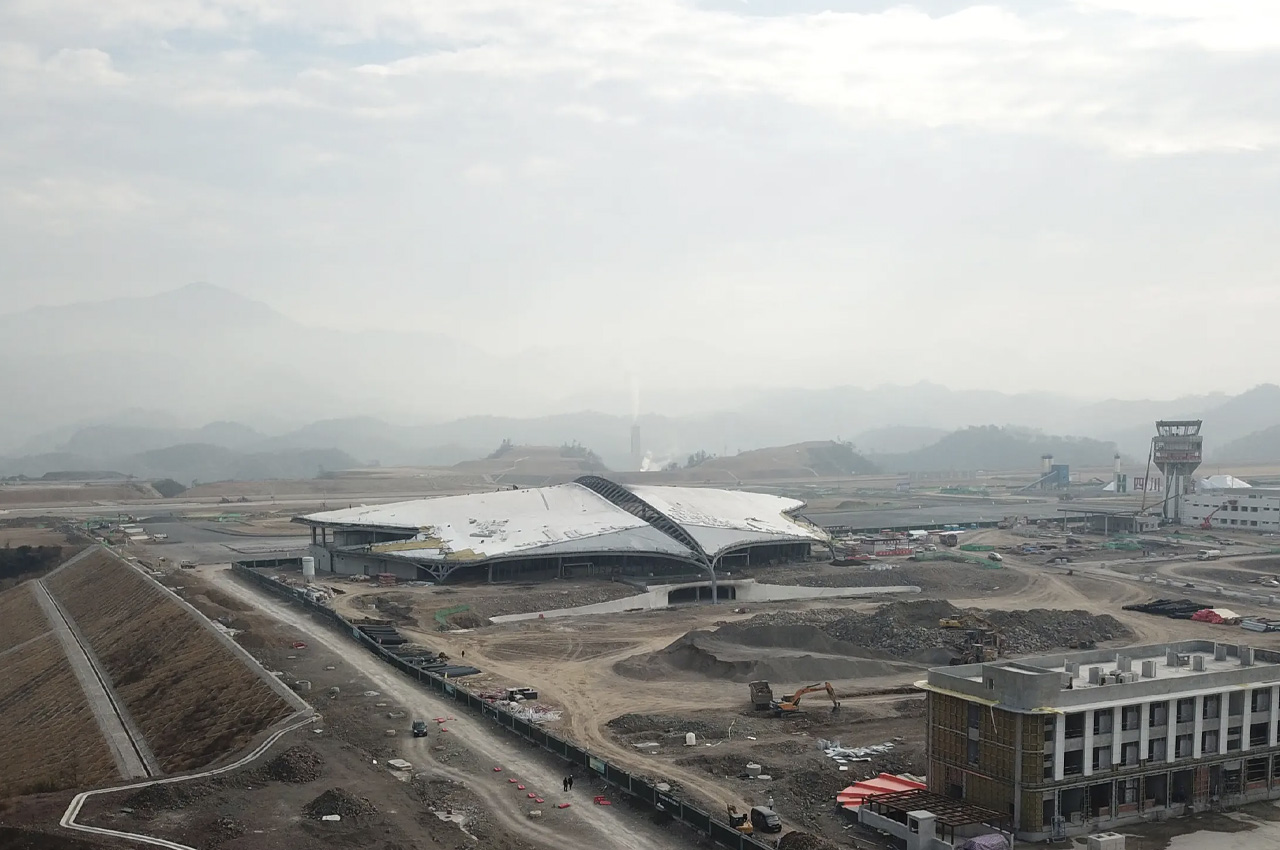
The Lishui Aiport will be completed at the end of 2024, and currently, there is still a lot of work to be done, before it looks anywhere close to these renders. MAD said that Lishui is a ‘forest city’ in the southwest Zhejiang Province, and it is known for its stunning greenery and valleys. “Its first airport is positioned as a domestic regional airport with an anticipated annual passenger throughput of one million, located in the hilly terrain 15 kilometers [9.3 miles] southwest of the city.” MAD’s press release stated. The planning, design, and the entire process were curated to respect the original site, while also focusing on accessibility, an attempt to inspire tourism and highlight the beautiful characteristics of the mountain airport.

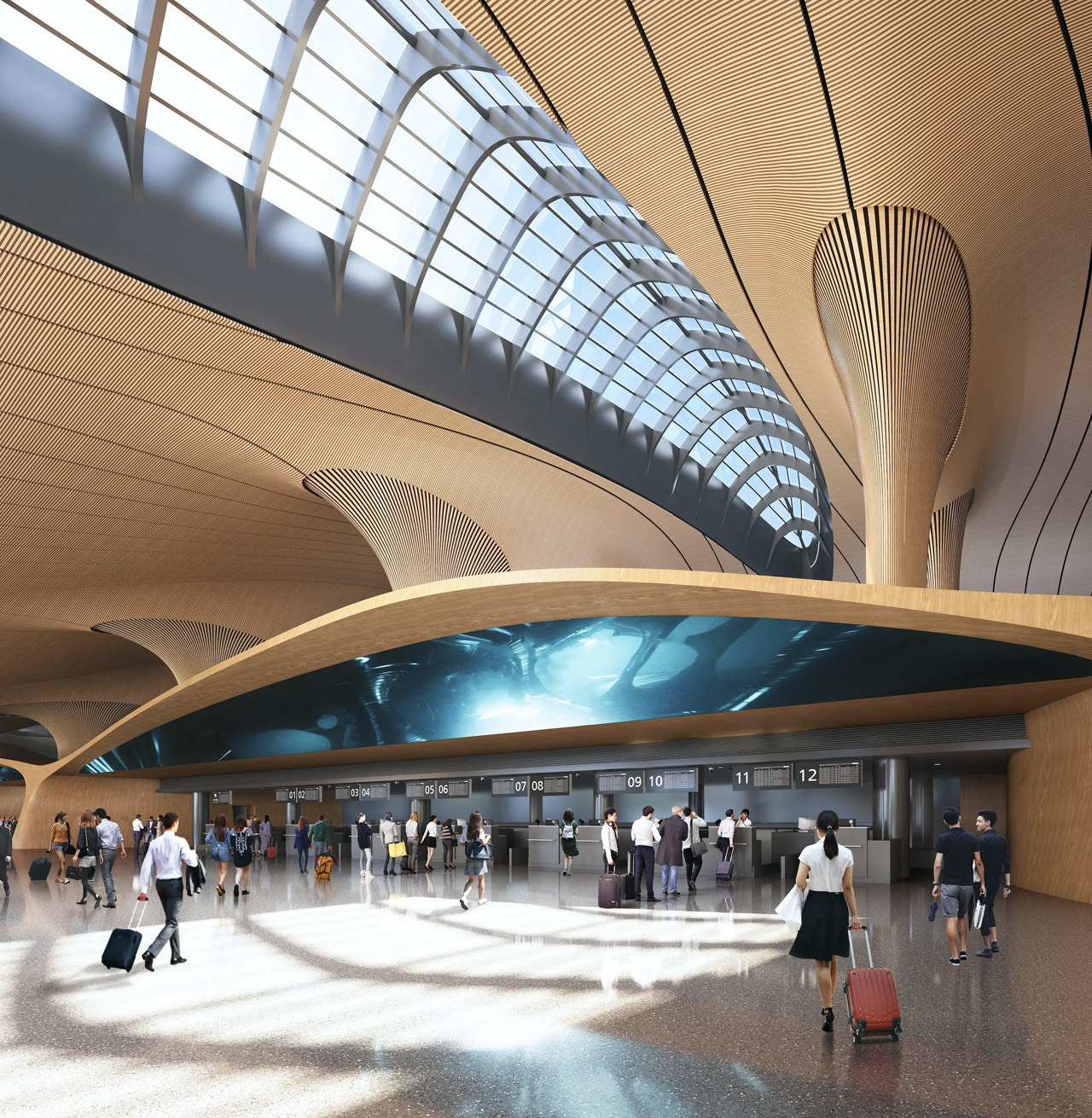
The structure will have a height of almost 79 feet, and it will occupy 130,000 square feet. The interior of the airport will feature an attractive curving wood finish and a massive central skylight. This will be paired with large windows, to maximize the natural light inside. The entire layout will be arranged to ensure easy travel, with the departure facilities located on the ground floor, to offer easy access, while the waiting areas will be located upstairs.

“Covering 2,267 hectares [roughly 5,600 acres] of land with a maximum fill height difference of nearly 100 meters [almost 330 ft], the airport adopts a large silver-white overhanging roof resembling a white-feathered bird ready to soar. The bird-like form absorbs the elevation changes and merges the airport into the mountains, making the airport a spiritual landmark in the region,” said MAD Architects. The airport will be able to accommodate almost 5 million passengers per year by 2030, with an additional international terminal being considered as an expansion too.

The post The Bird-Shaped Lishui Airport Is Set To Open At The End Of This Year In China first appeared on Yanko Design.