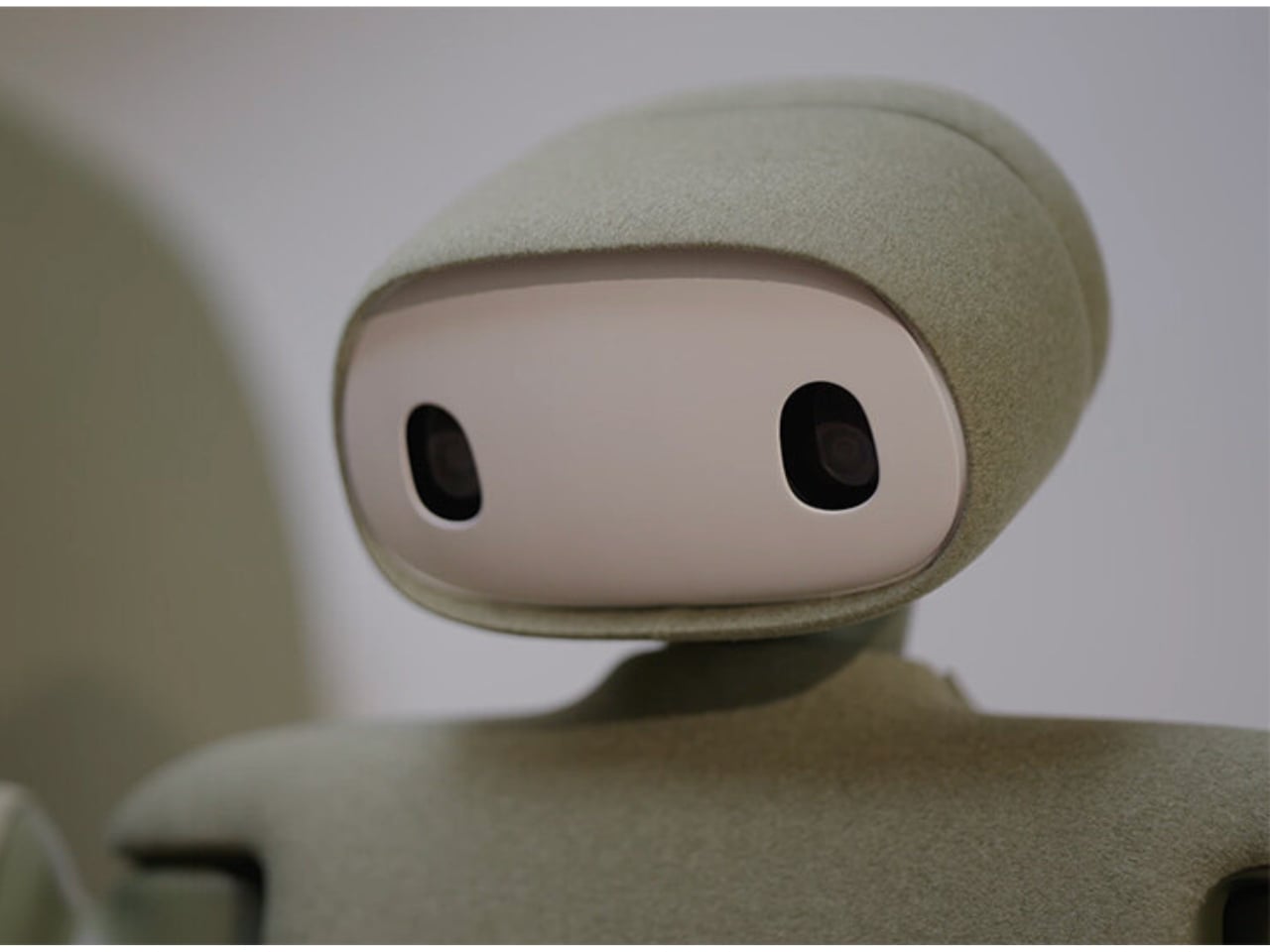
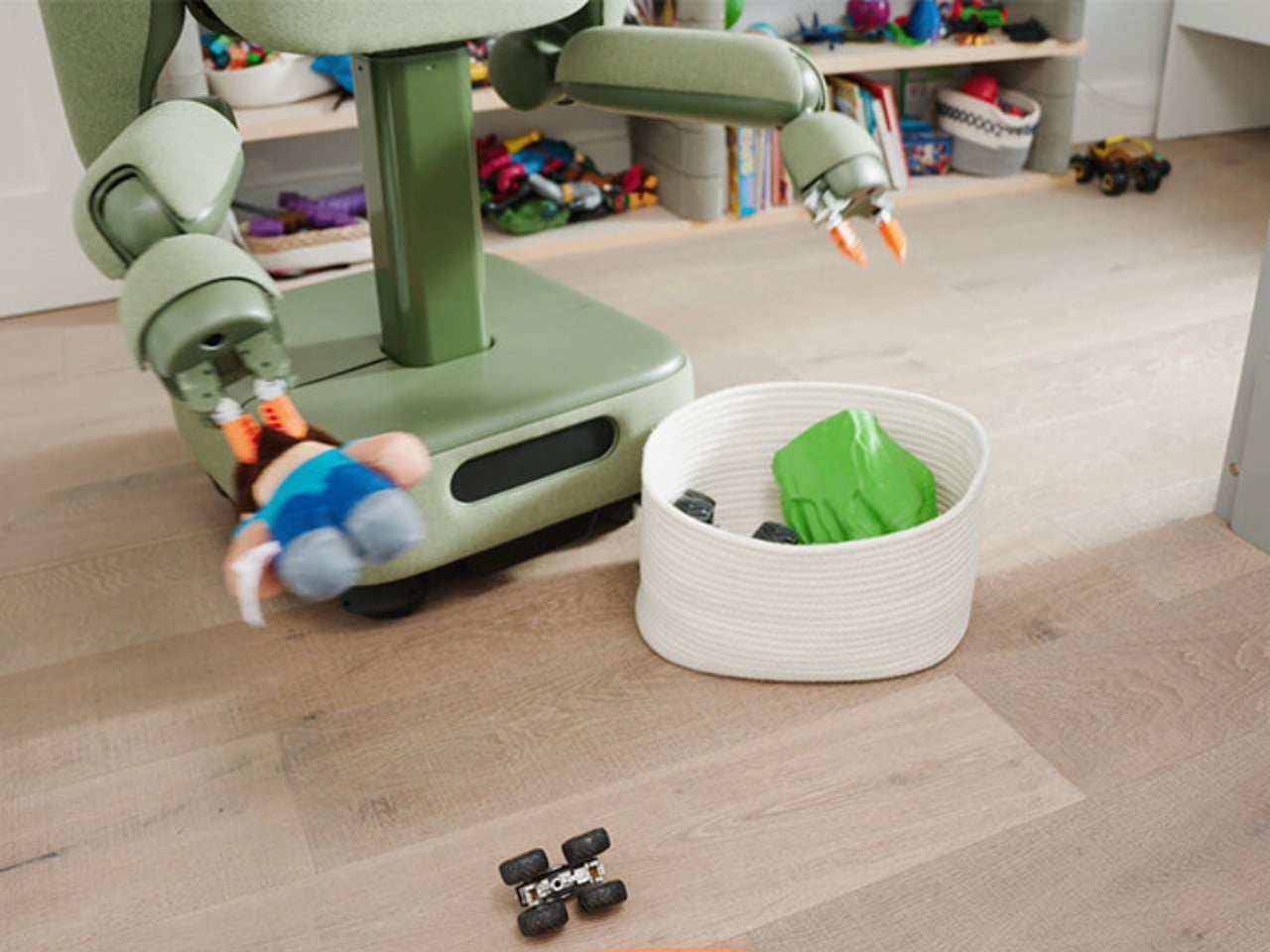
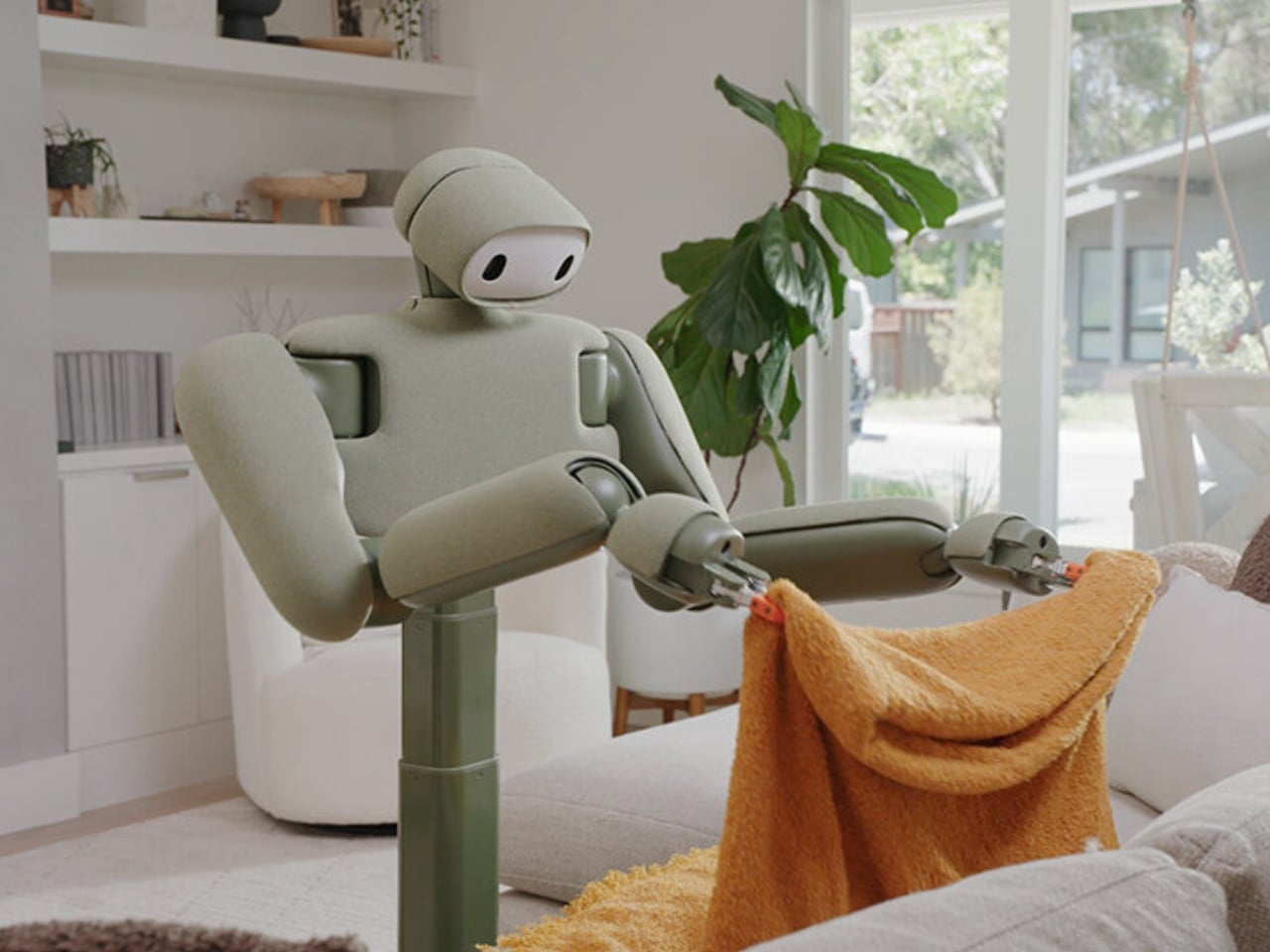
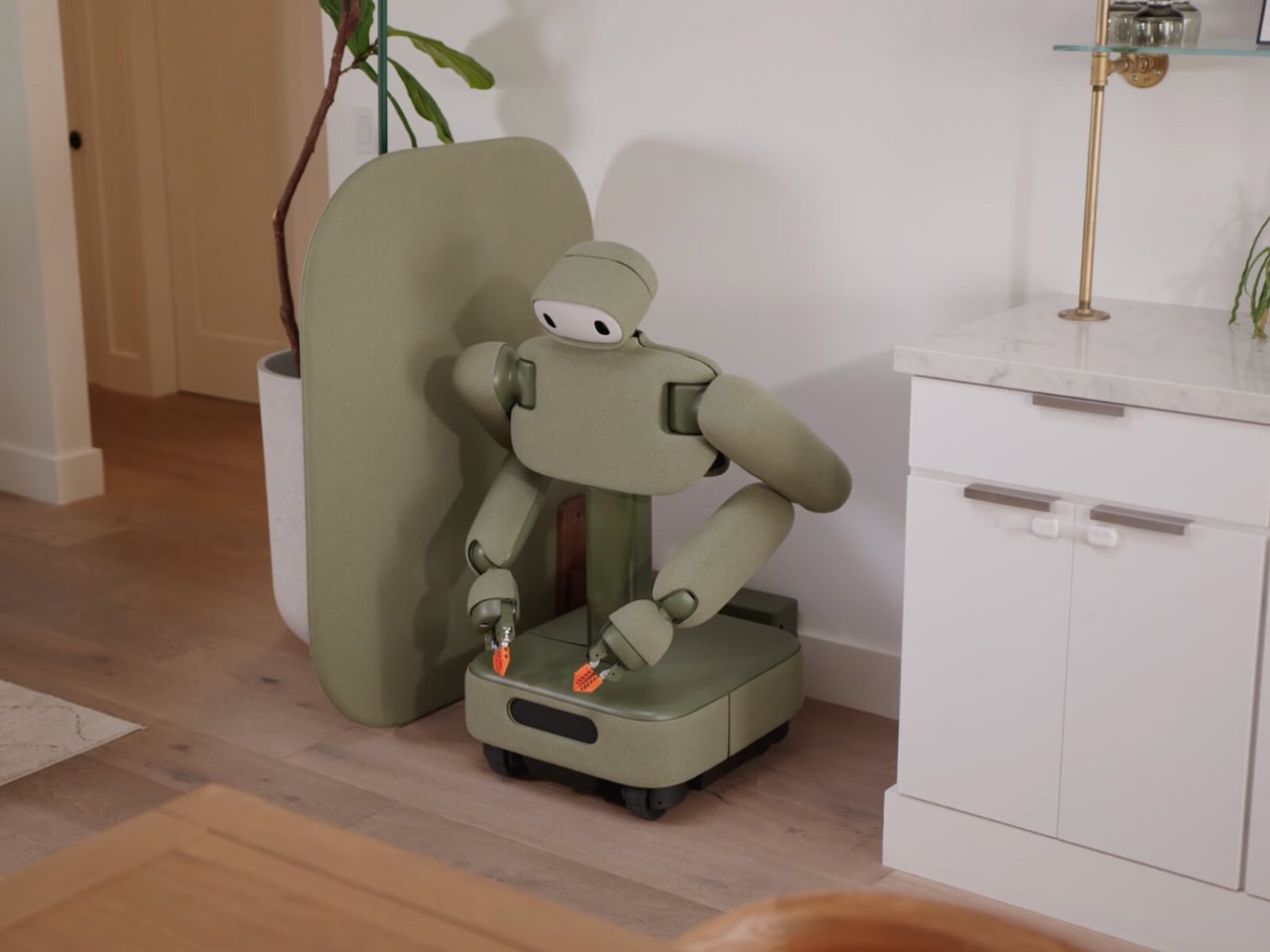
Meet M1: The AI Companion That Wants to Live in Your Home

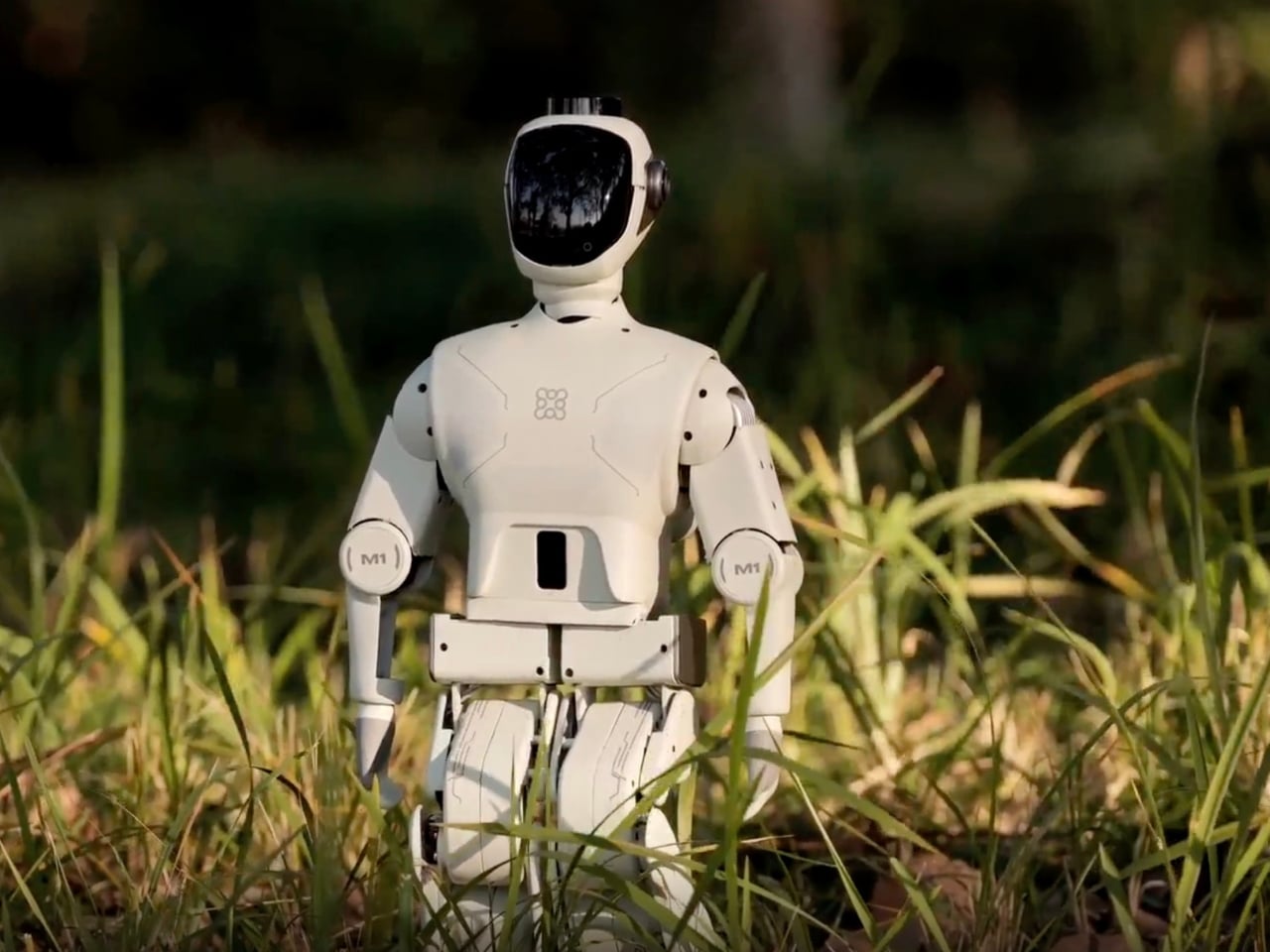
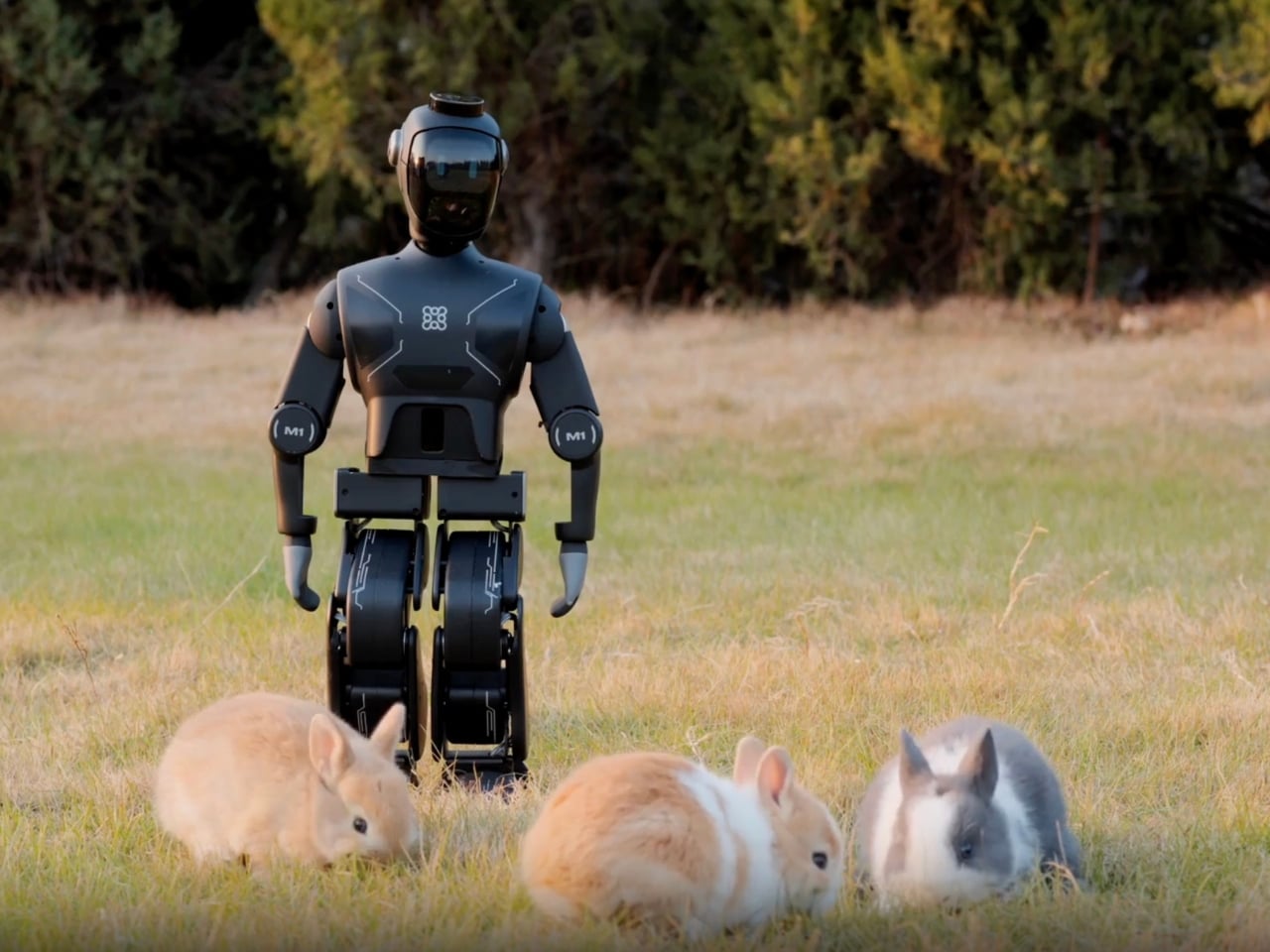
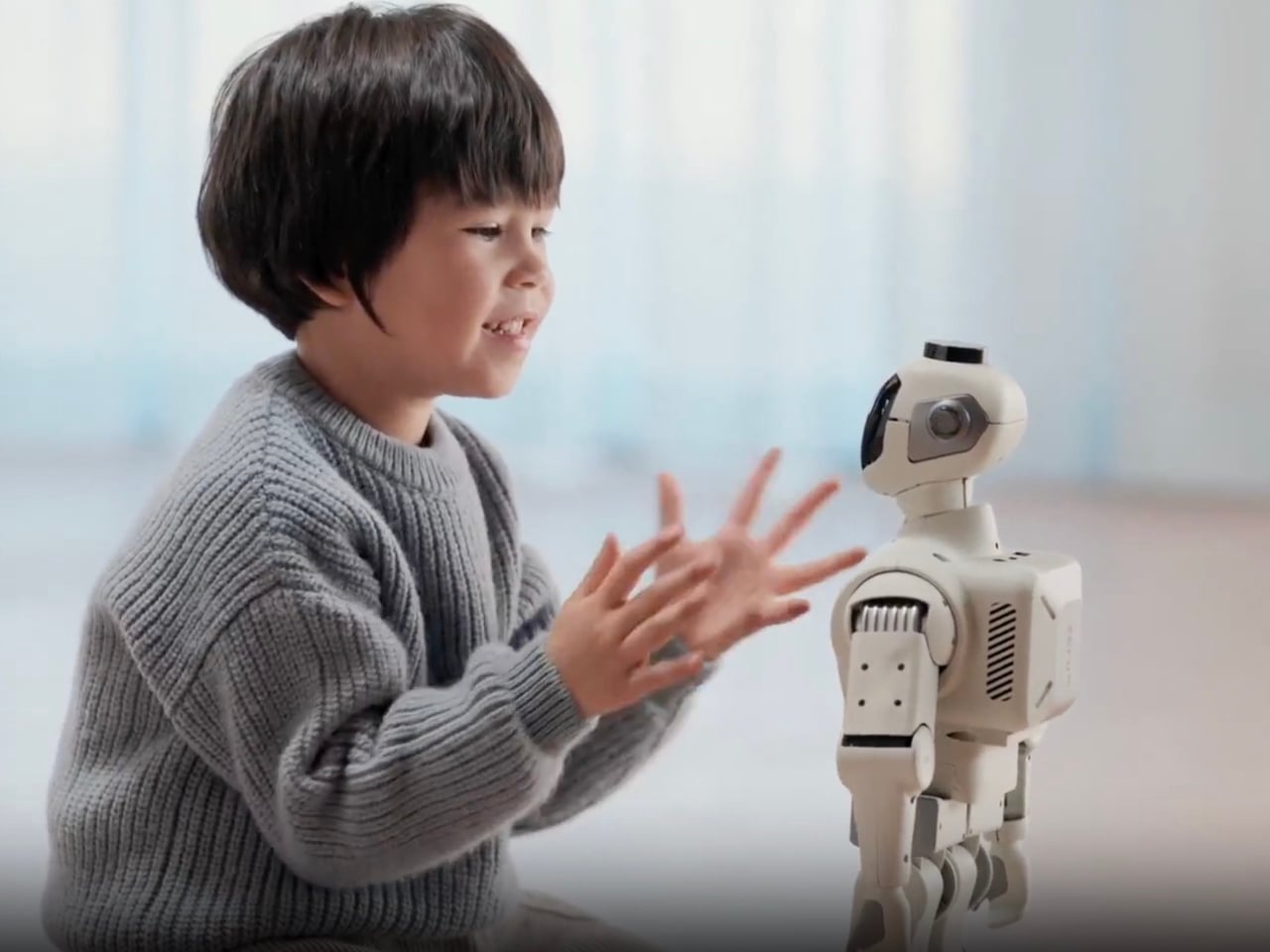
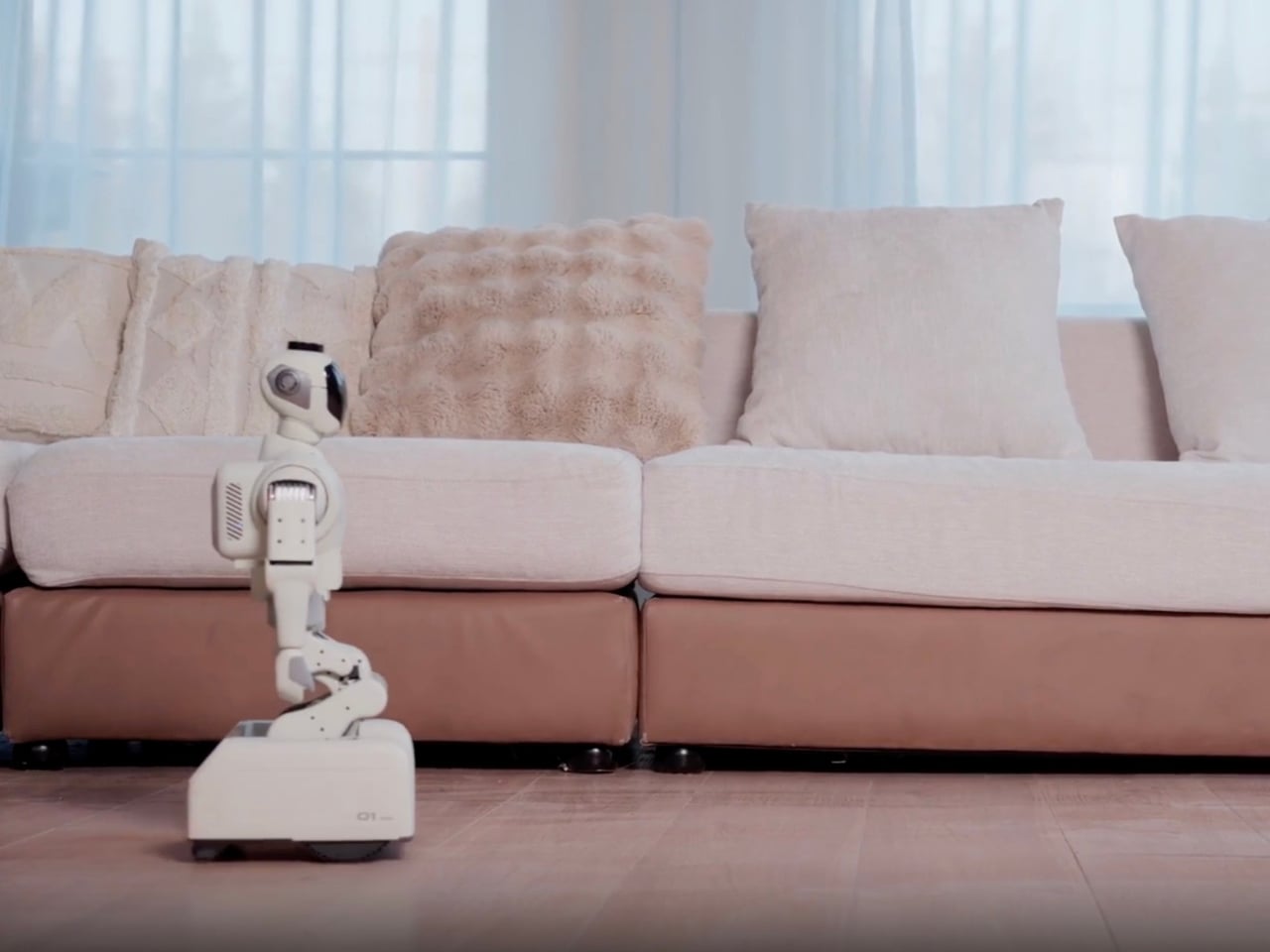
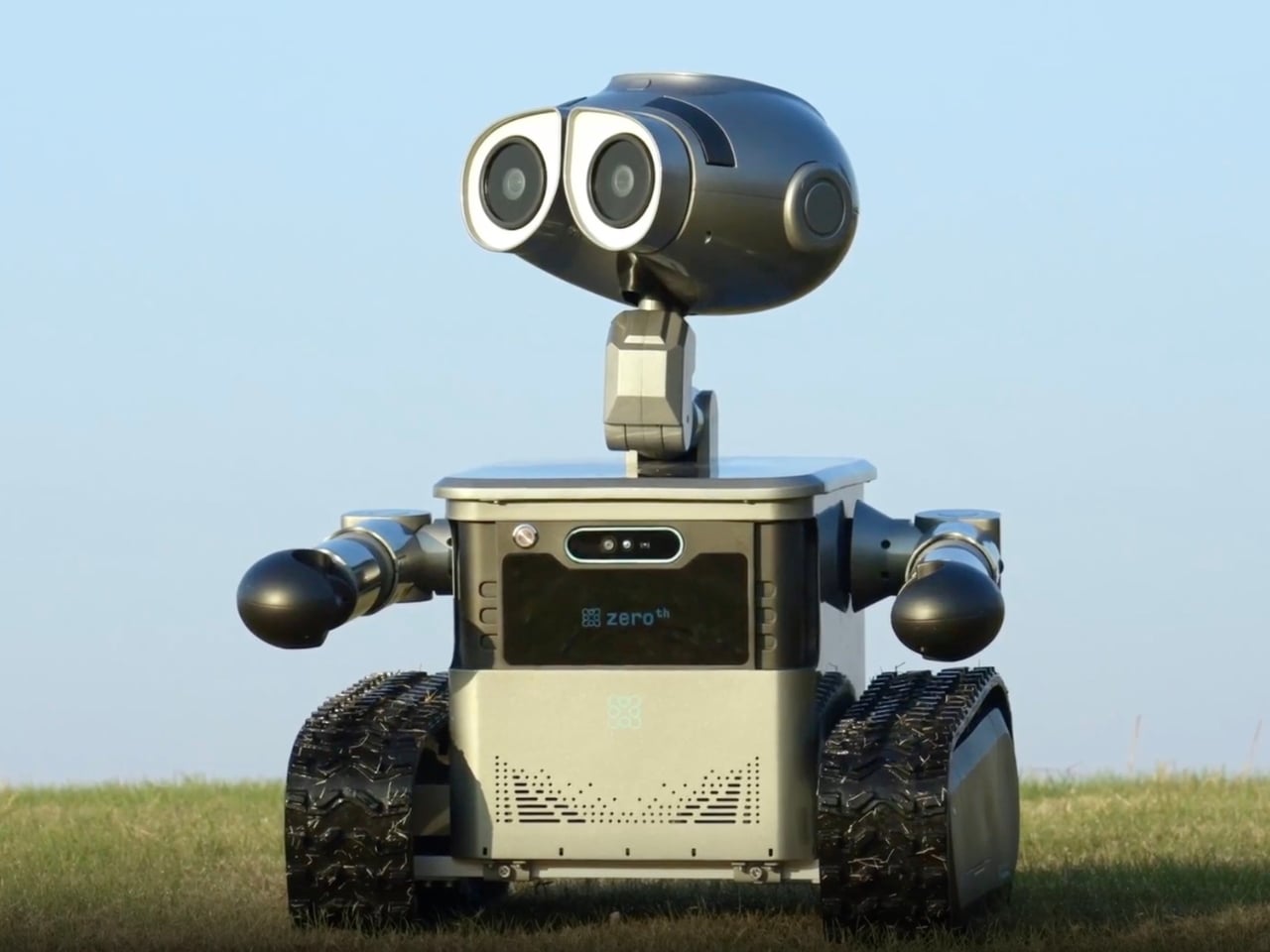
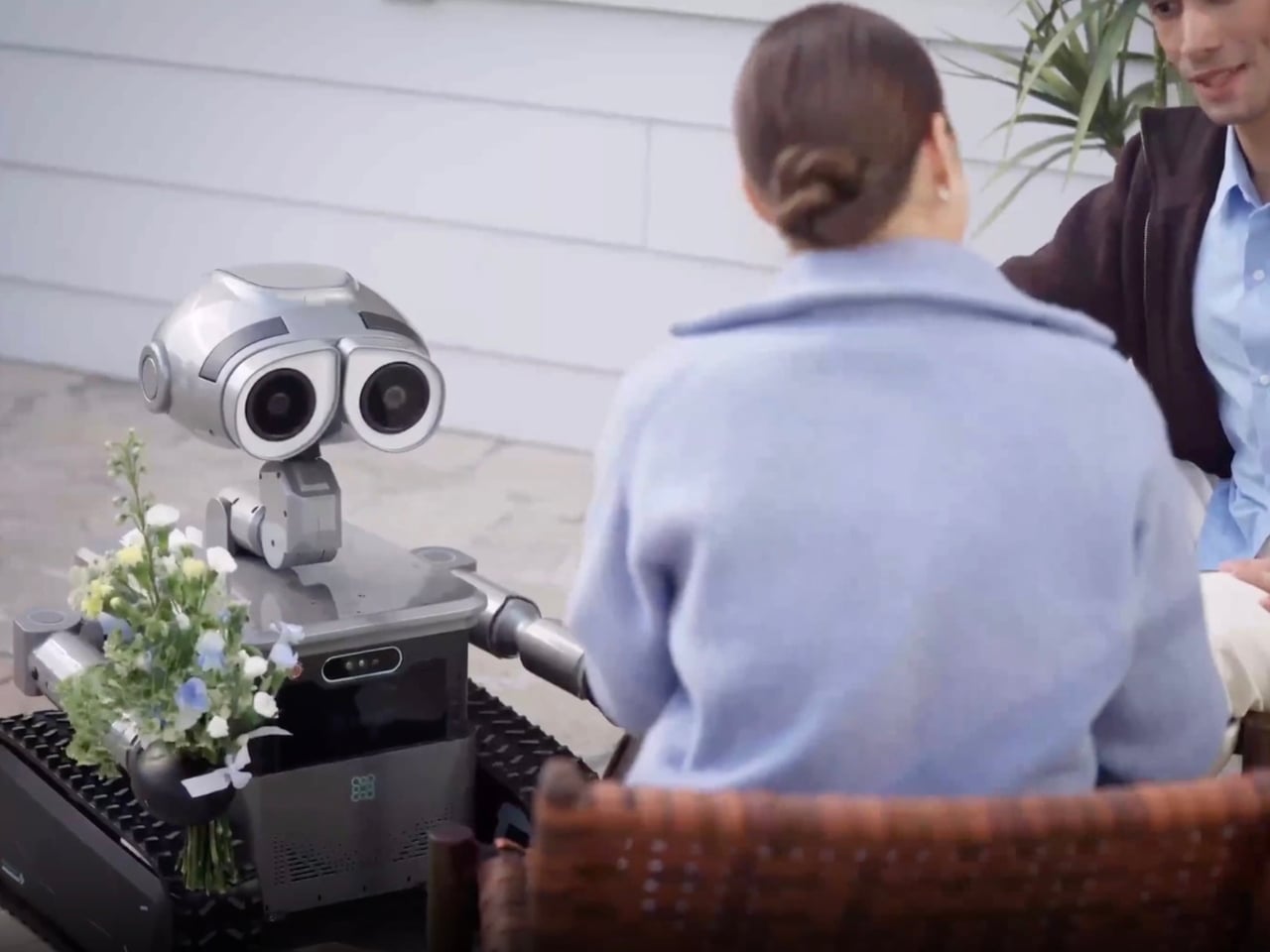
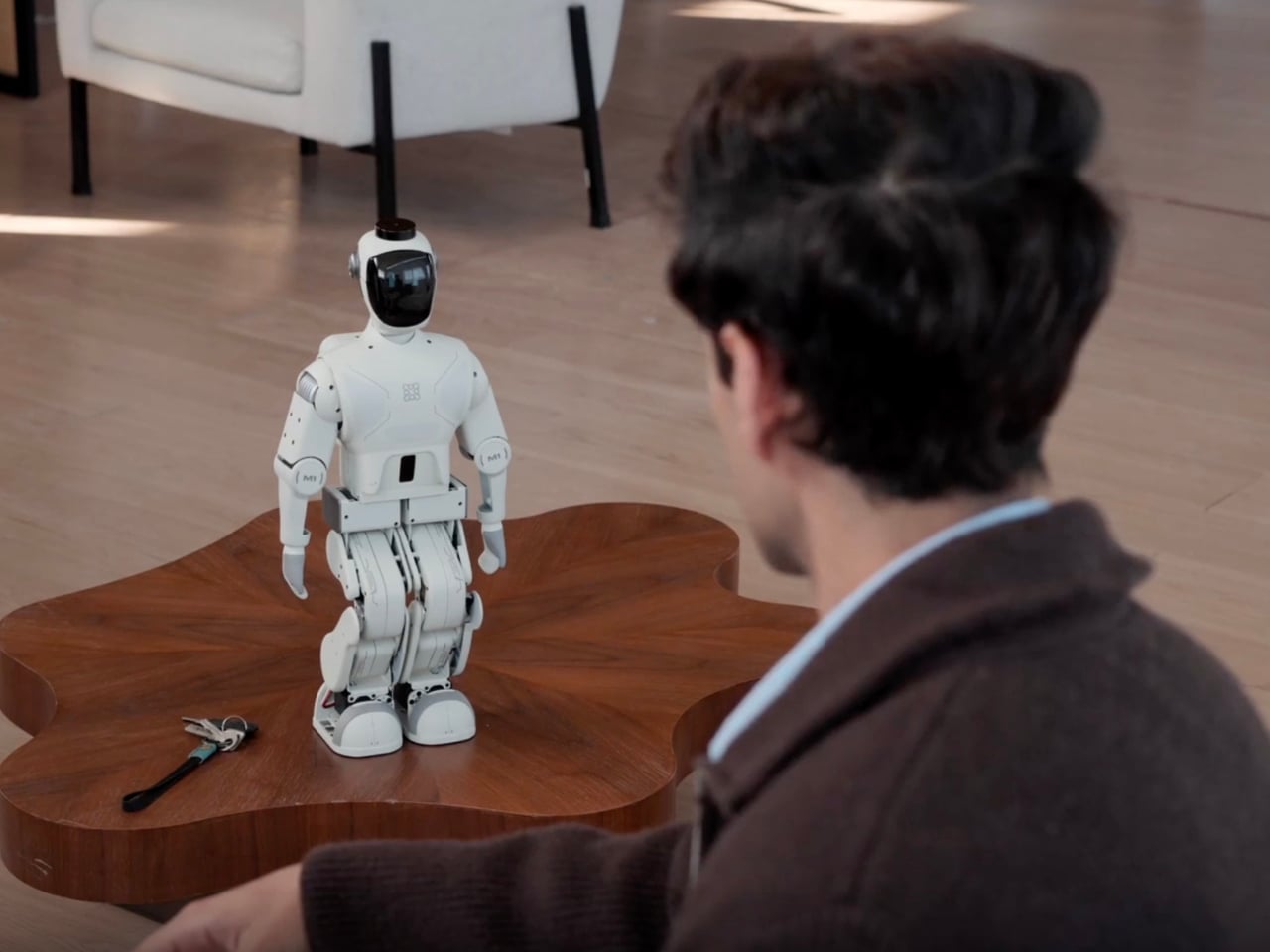
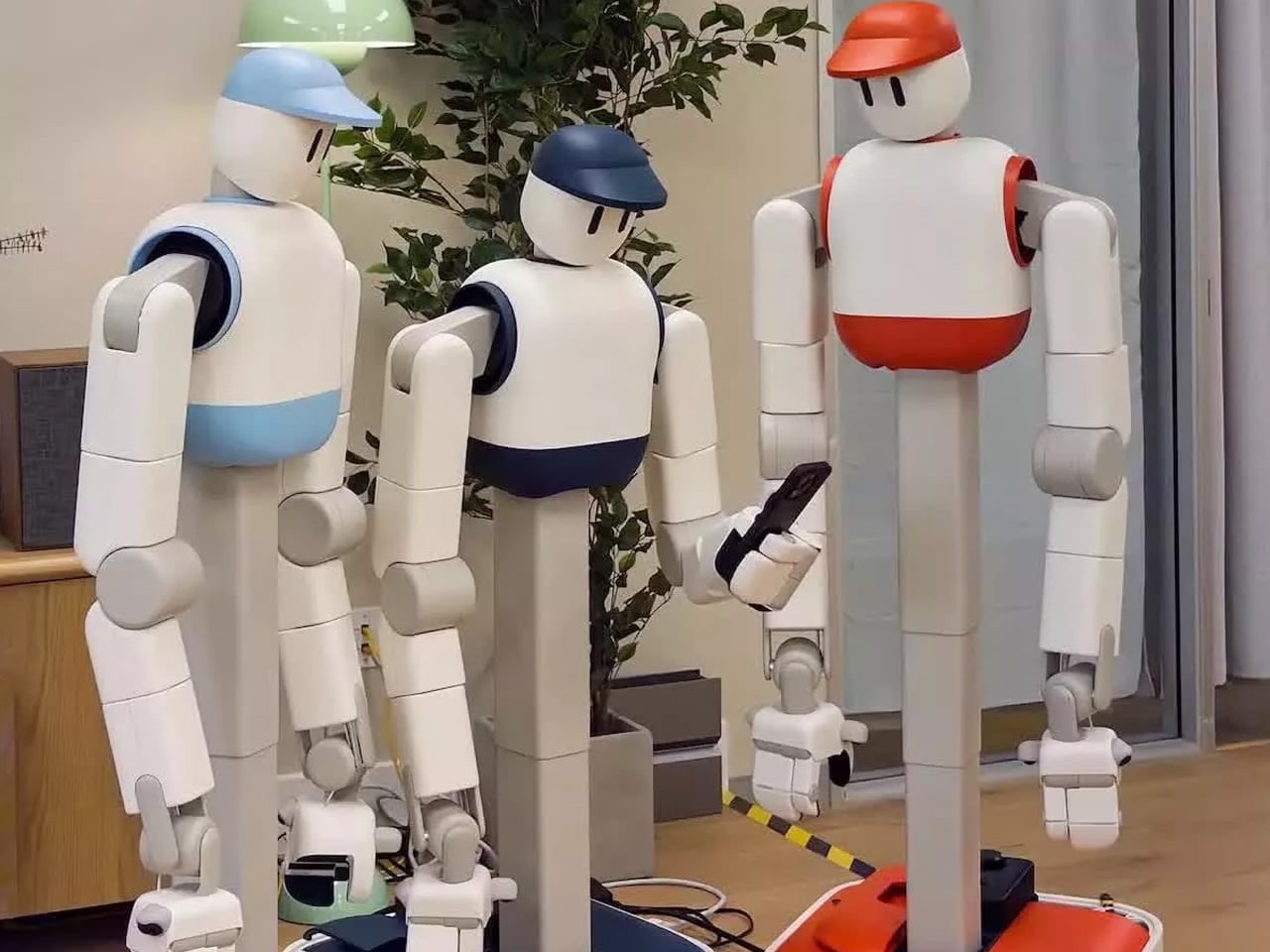
You’ve seen robots in sci-fi movies, stiff and awkward humanoids that stumble through doorways while trying to act human. But what if I told you there’s a 15-inch robot that actually wants to become part of your everyday life, and it might just pull it off? Meet M1, Zeroth’s flagship home robot that’s rewriting what it means to have a robotic companion.

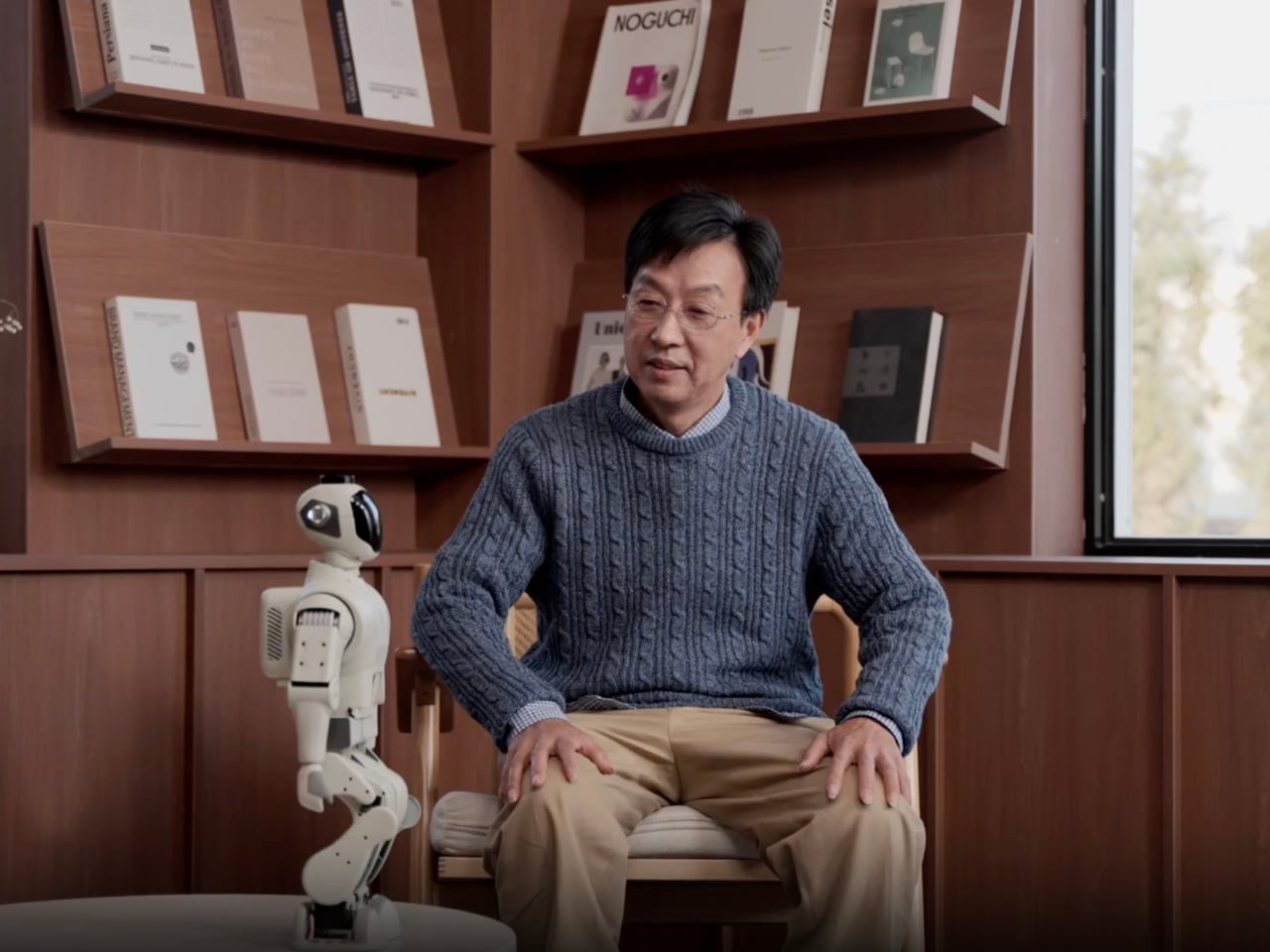
M1 isn’t trying to be your butler or your therapist. Instead, it occupies this fascinating space between tech gadget and genuine helper. Zeroth describes it as “embodied intelligence,” which sounds like marketing speak until you realize what they mean. This little robot sees, listens, remembers, and most importantly, acts on what it learns about you and your household. It’s built on the idea of human-technology symbiosis, bringing interaction, companionship, and protection into one compact form that doesn’t feel like you’re living in a dystopian future.

Designer: Zeroth

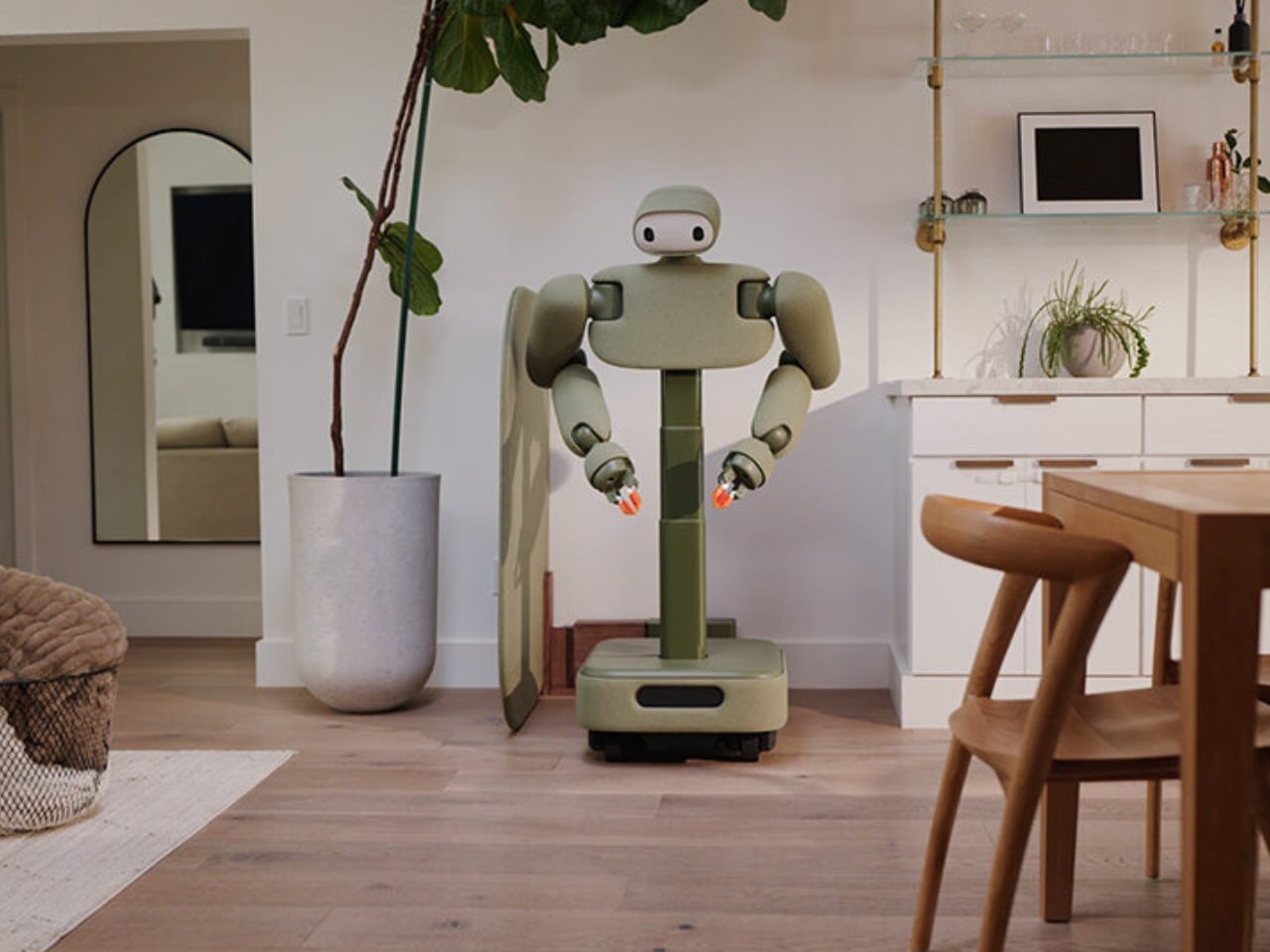
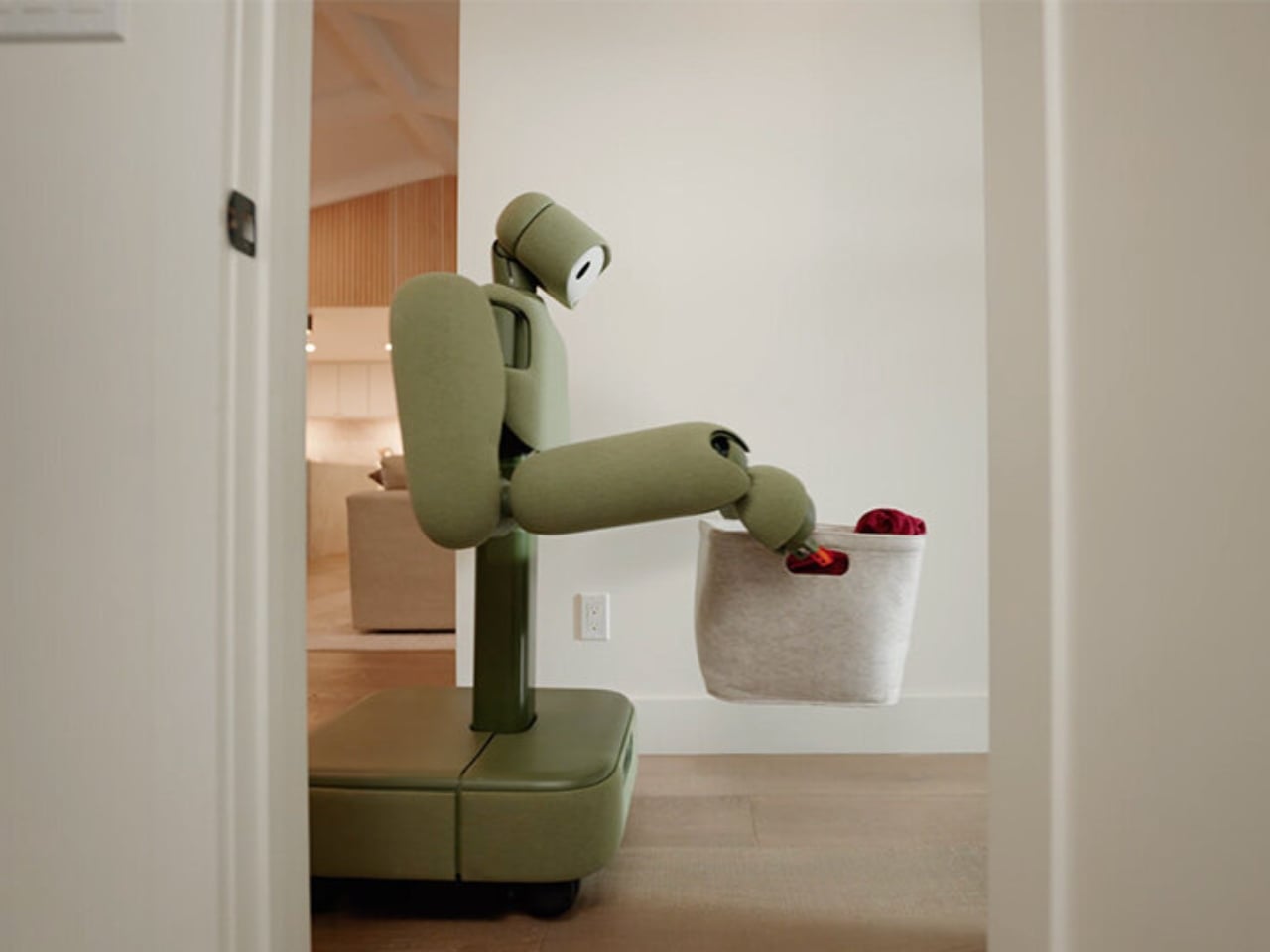
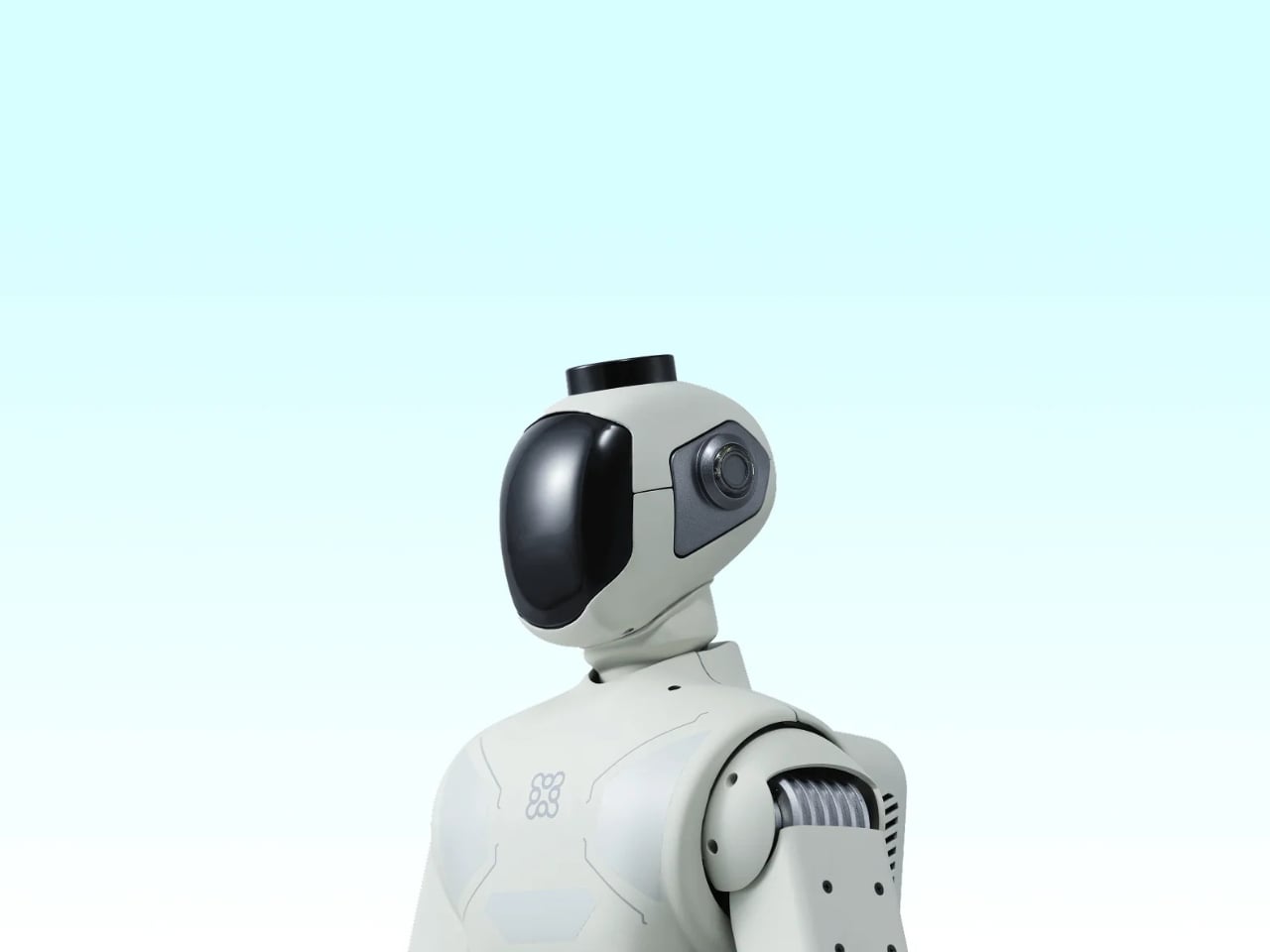
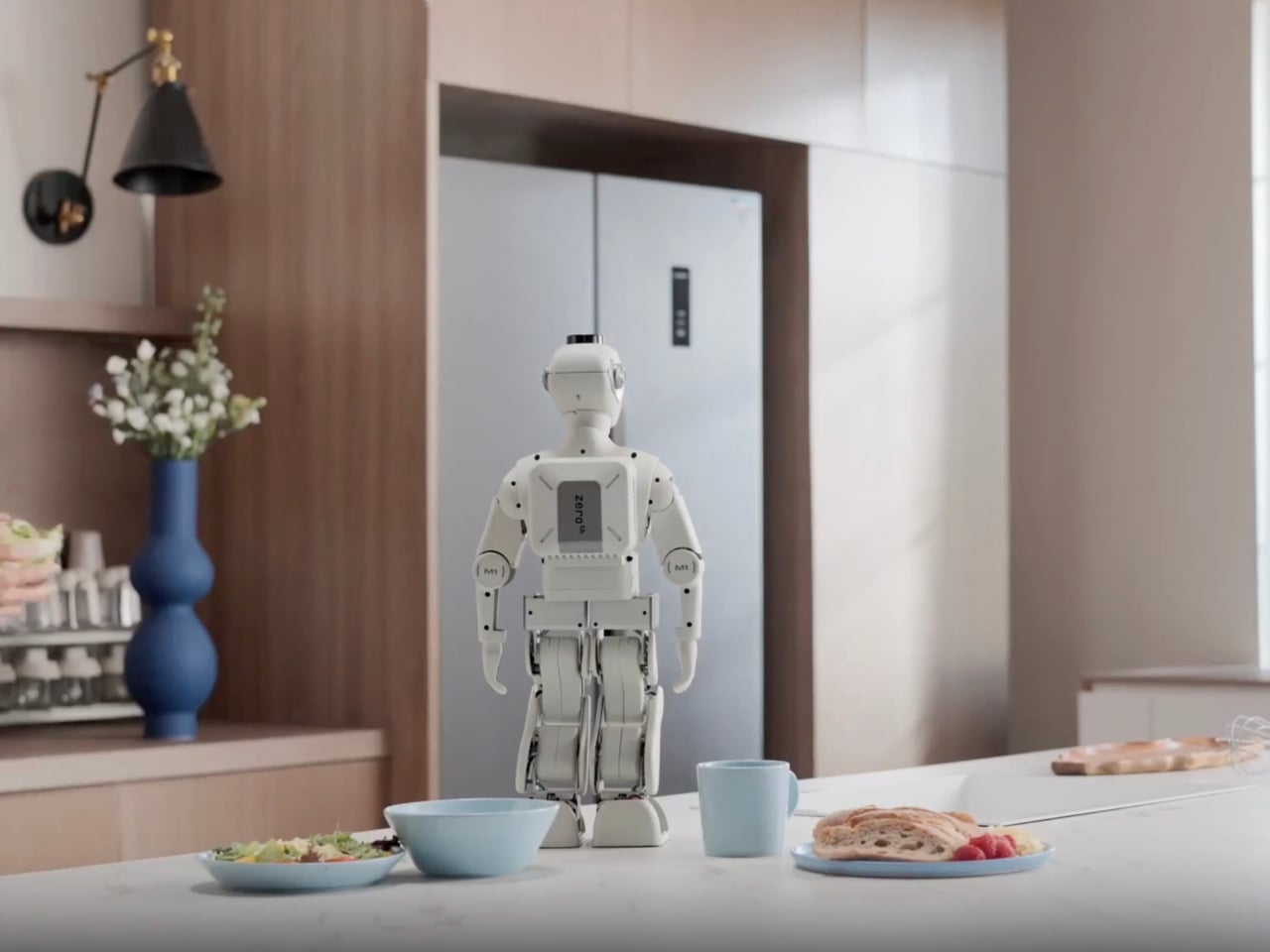
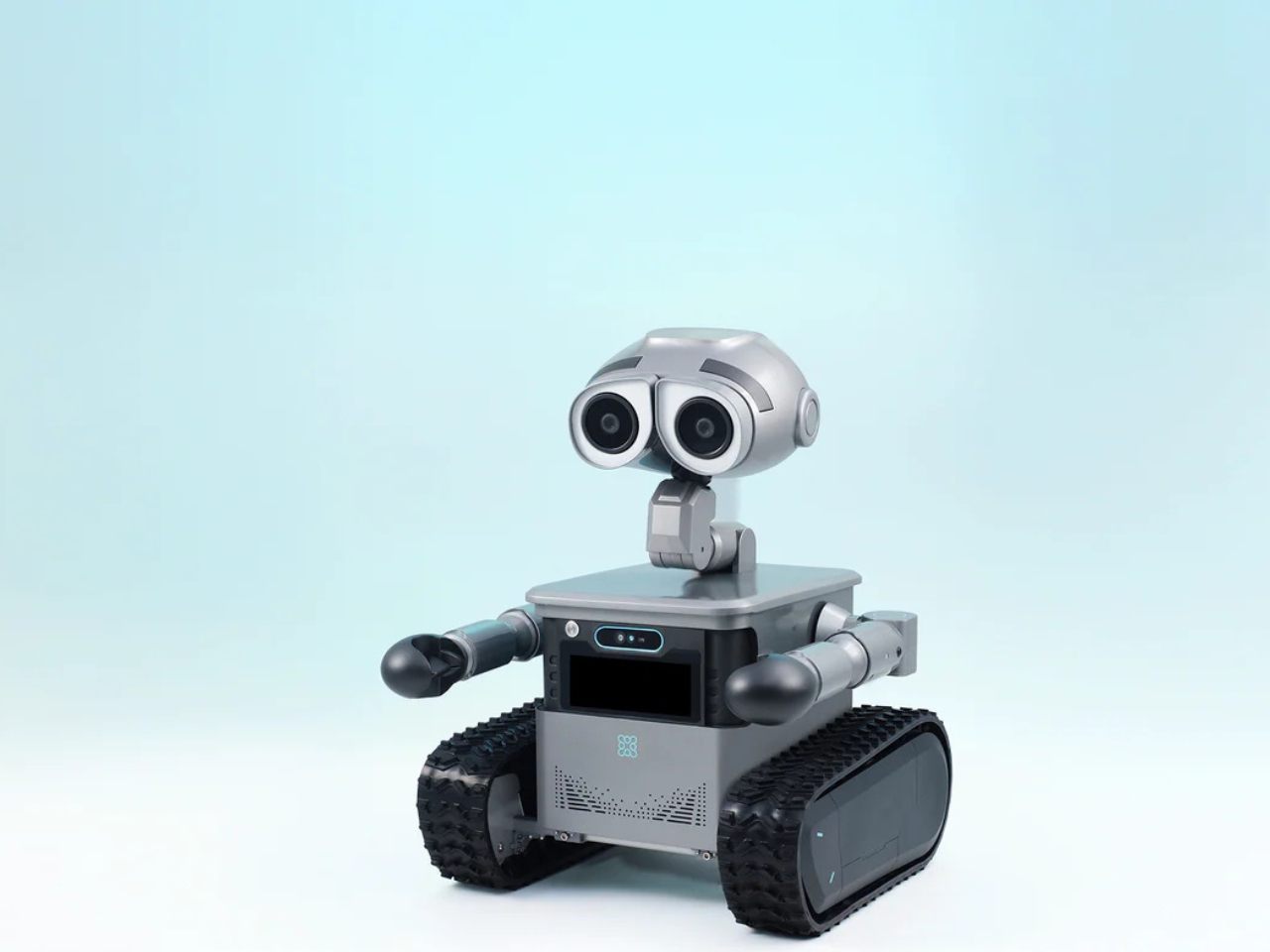
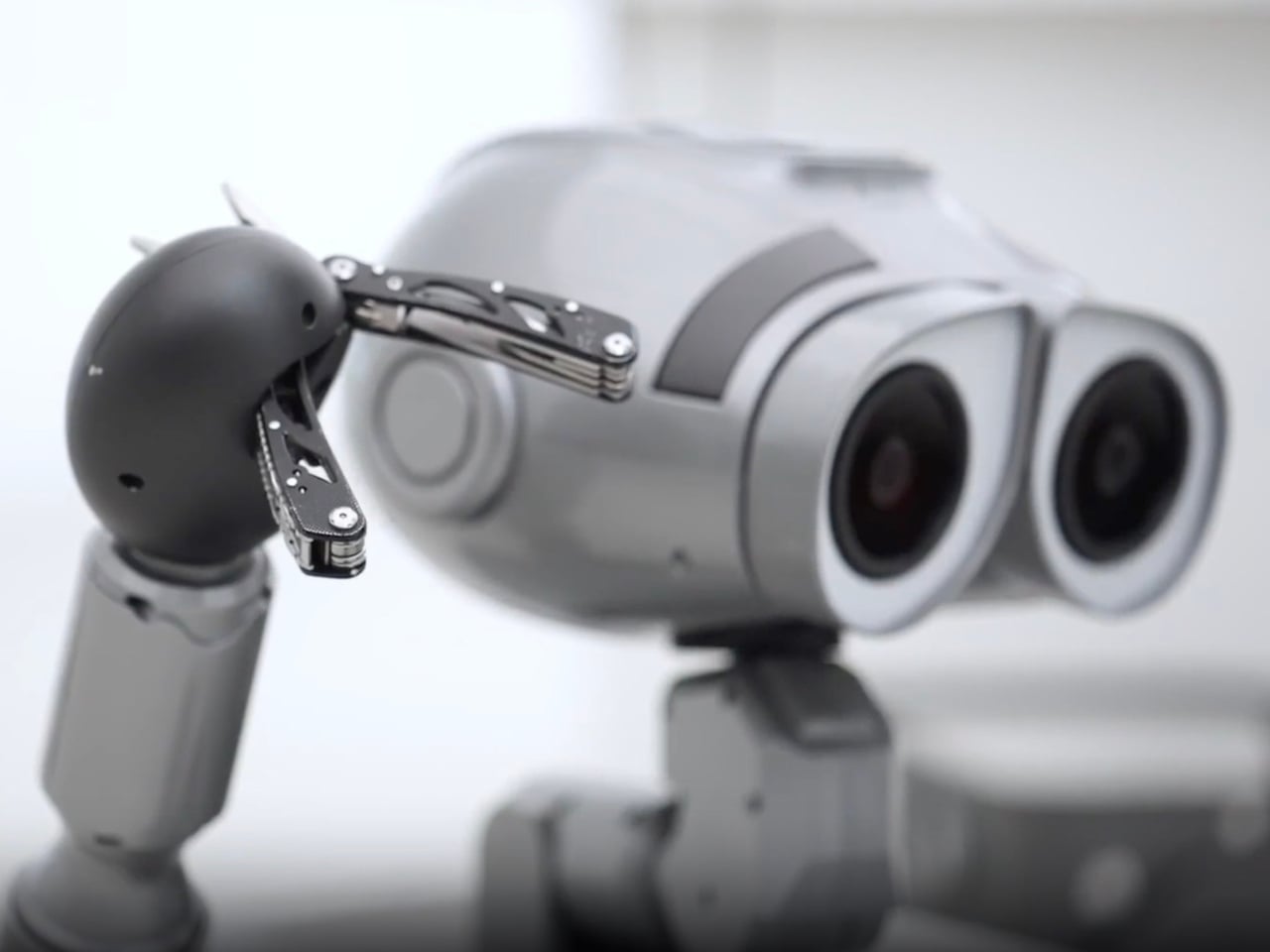
Let’s talk design. M1 stands roughly 15 inches tall, deliberately sized to feel approachable rather than intimidating. The materials tell their own story: stainless steel, aluminum alloy, ABS, rubber, silicone, and glass come together in a way that feels both premium and purposeful. This isn’t cheap plastic masquerading as innovation. There’s a thoughtfulness to the construction that suggests Zeroth actually considered how this robot would exist in your living room, not just function in a lab.

But here’s where M1 gets genuinely interesting. It’s not just a novelty gadget collecting dust after the initial excitement wears off. The robot offers fall detection and mobile safety checks for older adults who want to maintain independence at home. For busy parents, it steps in as that extra set of eyes, managing reminders and routines while keeping kids engaged. And for the makers and tech enthusiasts? M1 becomes a canvas for customization and experimentation, letting you build and define what your first personal robot should actually do.

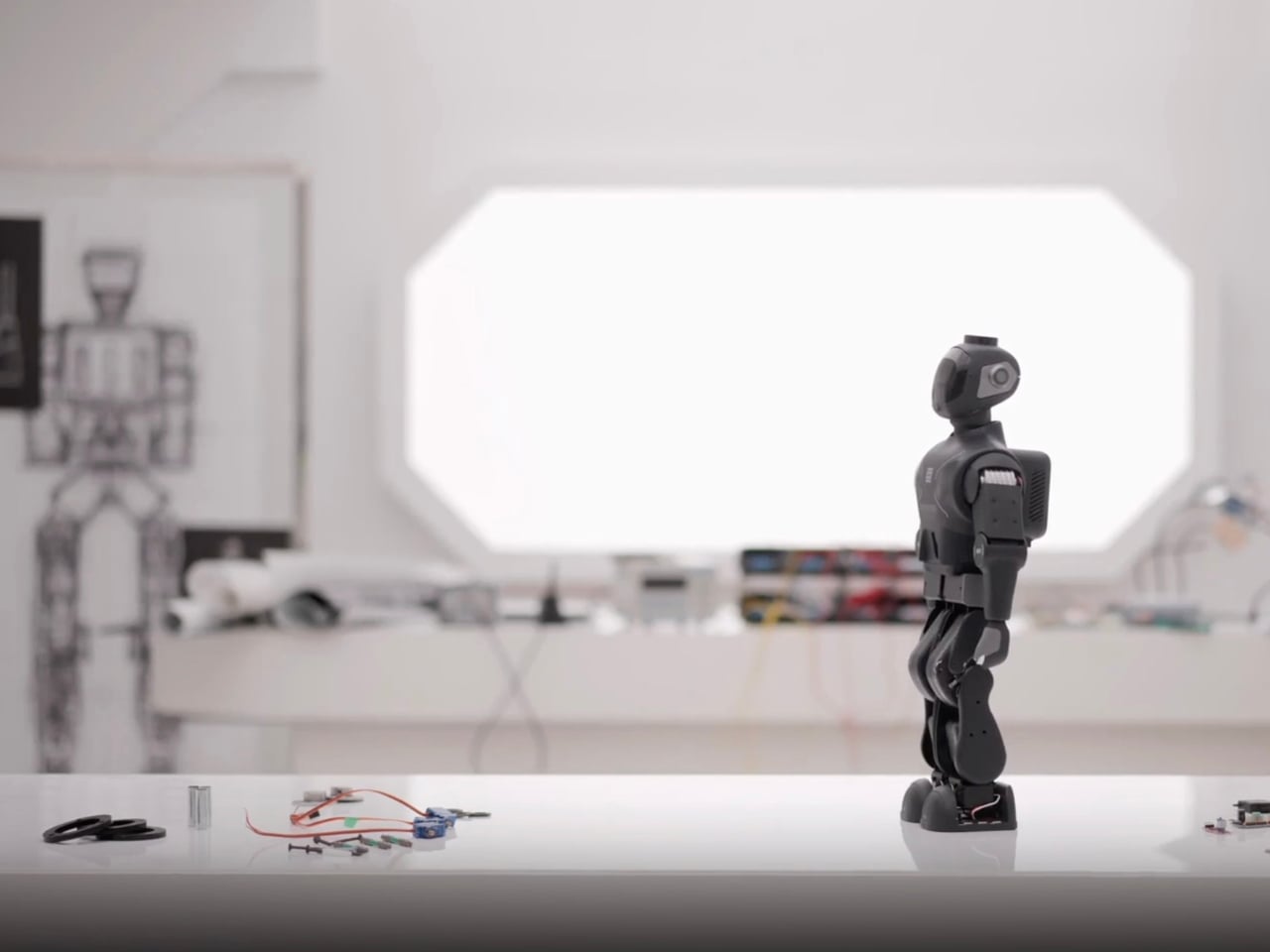
Zeroth launched this five-robot lineup at CES 2026, but M1 is the one they’re pushing into U.S. homes first. The company, founded in 2024, isn’t just throwing robots at the market to see what sticks. They’ve developed what they call their “Technology DNA,” a unified foundation built on three pillars: advanced motion control, an evolving interaction model, and proprietary actuator engineering. Translation? M1 moves more naturally, learns how you communicate, and packs serious tech into that compact frame.

The pricing sits at $2,399 during the pre-order phase, down from its $2,999 MSRP. That’s not impulse-buy territory, but it’s also not astronomical when you consider what you’re getting. Expected shipping starts April 15, 2026, giving Zeroth time to fine-tune production and hopefully avoid the launch disasters that have plagued other robotics companies.

What makes M1 particularly compelling is how Zeroth positions it. This isn’t about replacing human connection or automating every aspect of life. Instead, M1 fills gaps. It’s there when you need a reminder to take medication but don’t want to set another phone alarm. It engages with kids when you’re making dinner and can’t referee the tenth sibling argument of the day. It monitors for falls without making Grandma feel like she’s being watched by Big Brother. The voice intelligence integration means M1 responds naturally to conversation rather than requiring you to memorize specific commands. It’s the difference between talking to a device and talking with a companion. Over time, the robot learns household patterns, preferences, and needs, becoming more useful the longer it stays in your home.

Zeroth is betting that 2026 is the year consumers are finally ready for home robots that do more than vacuum floors or play music. M1 represents that gamble in physical form, a synthesis of cutting-edge AI, thoughtful design, and practical functionality. Whether it succeeds depends on whether people see value in having a small robotic presence that promises to make life just a little bit easier.

The company showcased M1 and their full robot lineup at CES 2026 for anyone wanting a hands-on experience with the technology. The future of home robotics might not look like the towering androids we expected. Instead, it might be 15 inches tall, made of premium materials, and quietly learning your routine while sitting on your kitchen counter. M1 isn’t just another smart device. It’s Zeroth’s attempt to answer a question we’ve been asking for decades: what happens when robots finally come home?

The post Meet M1: The AI Companion That Wants to Live in Your Home first appeared on Yanko Design.
Zeroth Just Designed the WALL-E Robot Every Millennial Wanted

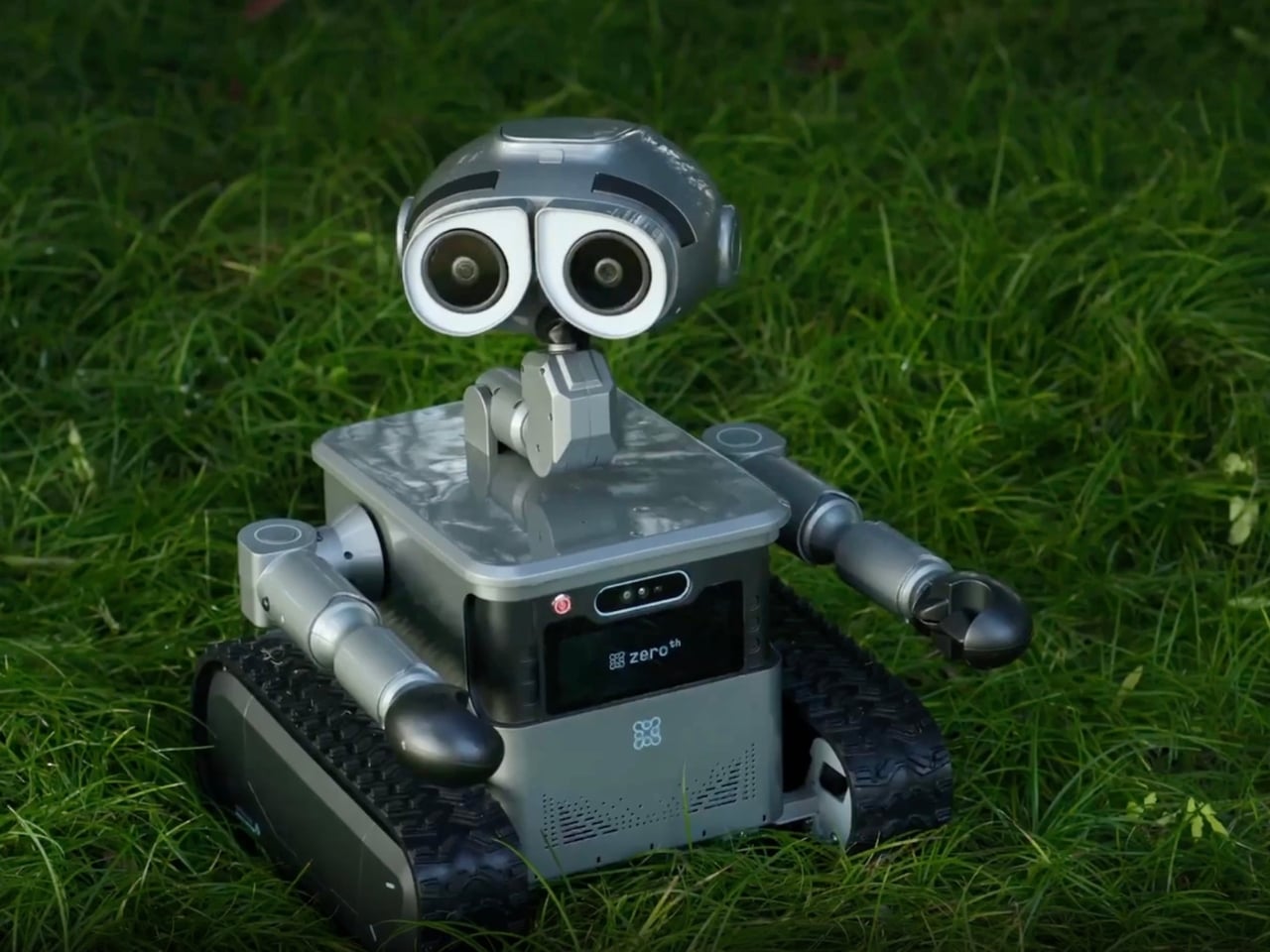
Remember that feeling you got watching WALL-E? That pang of desire for a loyal, expressive robot companion who could understand you and help out around the house? Well, Zeroth Robotics is betting you haven’t forgotten, because they’ve just launched the W1, and it’s basically bringing that Pixar fantasy into American homes.

Unveiled at CES 2026, the W1 isn’t Disney-licensed (that version stays in China for now), but it captures something essential that’s been missing from the “smart home” conversation. This isn’t about another voice assistant that sits in the corner. This is about a robot that moves through your space, physically interacts with your world, and yes, kind of makes you feel like you’re living in the future.

Designer: Zeroth

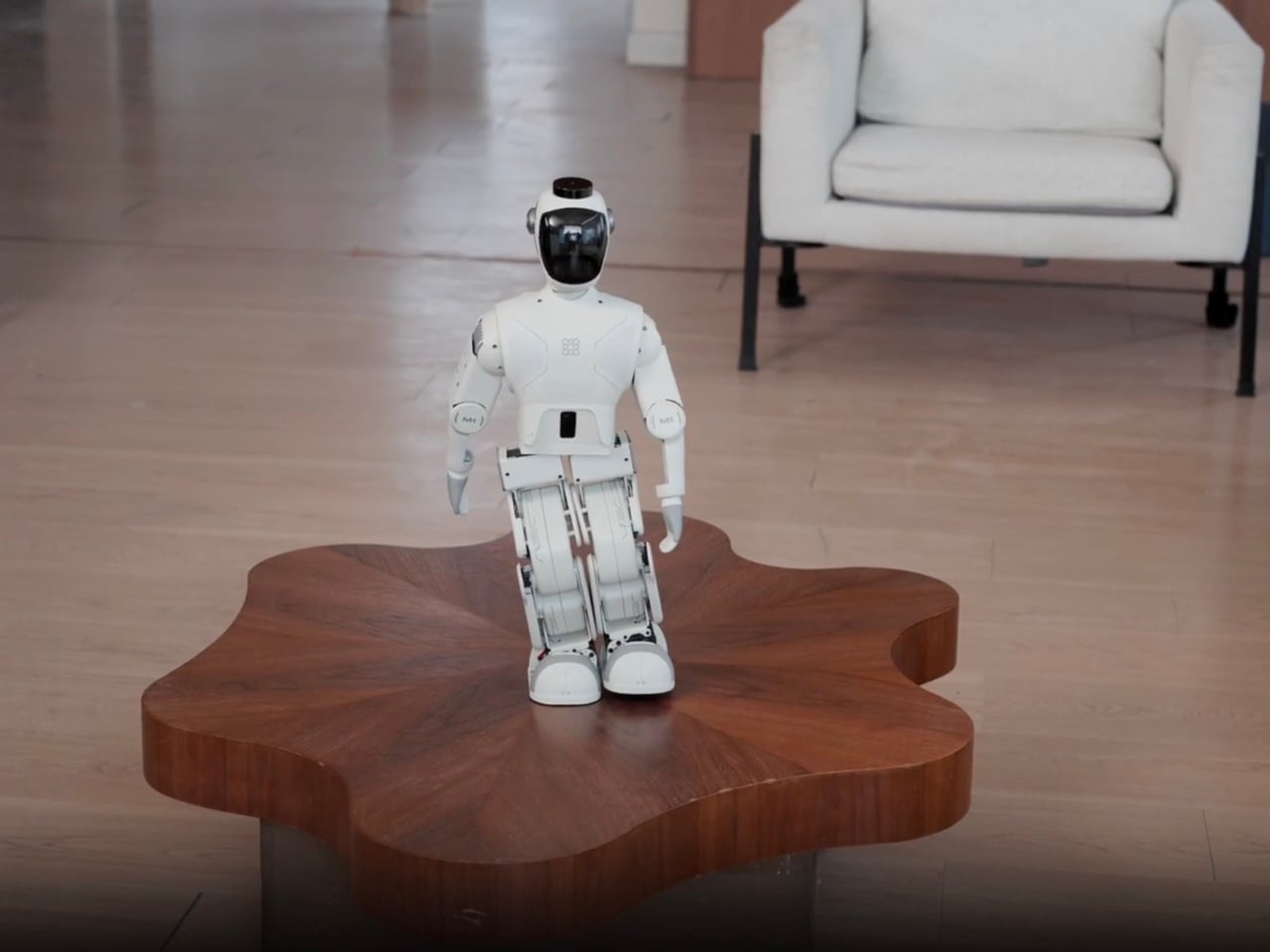
Let’s talk about what this thing actually does. At $5,599, the W1 is positioned as an autonomous, wheel-based assistant for homes and light commercial spaces. Standing 22.6 inches tall and weighing 44 pounds, it uses dual-tread wheels inspired by WALL-E’s iconic design to navigate complex terrain like grass, pavement, and gravel. That’s a bigger deal than it sounds, because most home robots panic when they encounter anything besides hardwood floors.

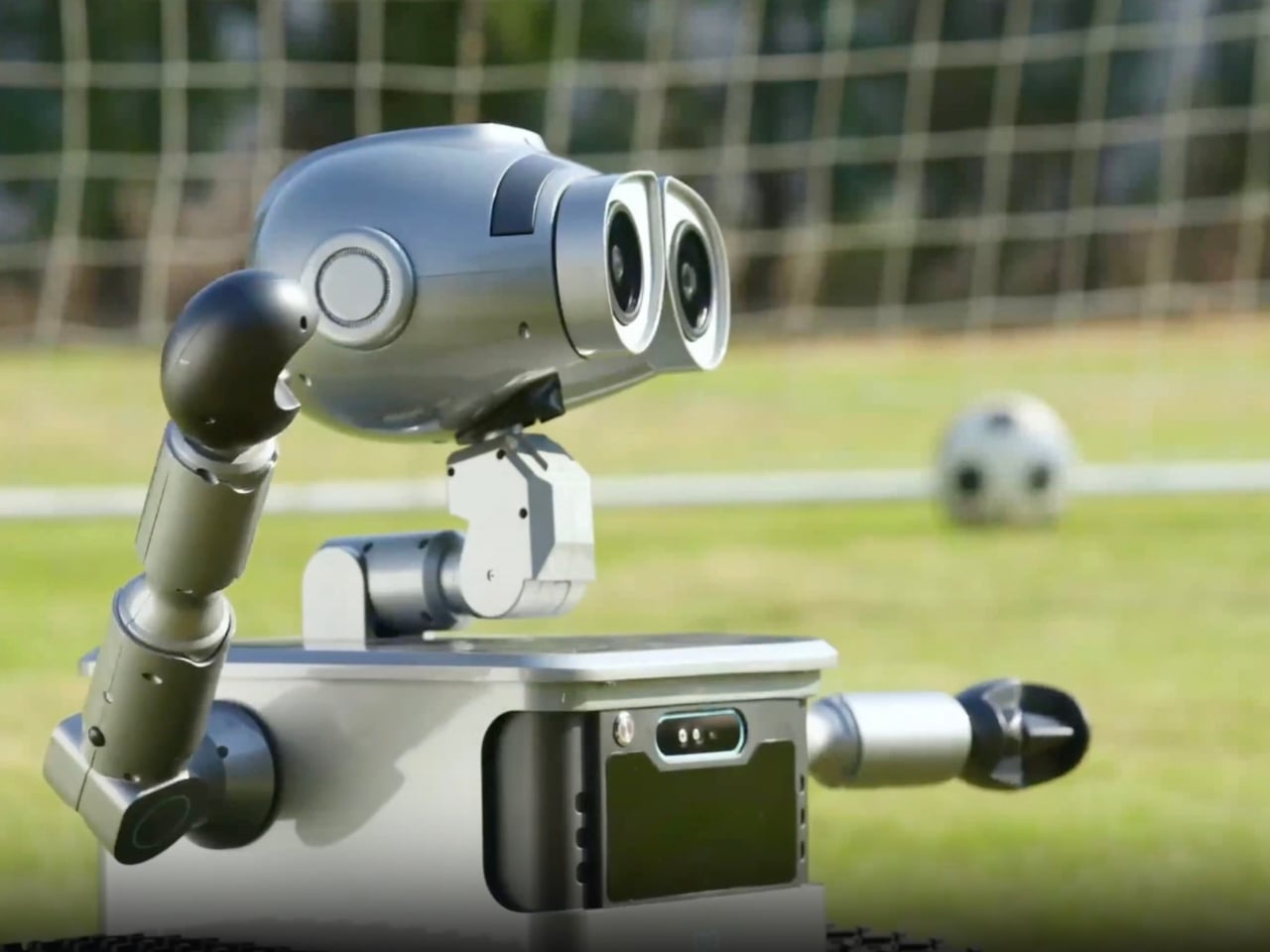
The navigation system relies on lidar, RGB cameras, and various sensors to understand its environment and avoid obstacles. It can carry up to 110 pounds (more than double its own weight), transport items around your home, follow you from room to room, and even snap photos with its 13-megapixel camera. The top speed is about 1.1 miles per hour, which sounds slow until you remember this isn’t a racing drone; it’s a household helper that needs to operate safely around pets, kids, and your favorite vintage lamp.

Now, here’s where we need to be honest. The W1’s task list feels limited at launch. It can transport stuff, follow you around, serve as a game host, and take pictures. That’s not exactly revolutionary. But Zeroth is building what they call a “Technology DNA,” a unified software and hardware stack that powers all their robots and can be updated over time with new behaviors and capabilities. This is the key differentiator. You’re not buying a static gadget; you’re buying into a platform that theoretically grows smarter and more useful.

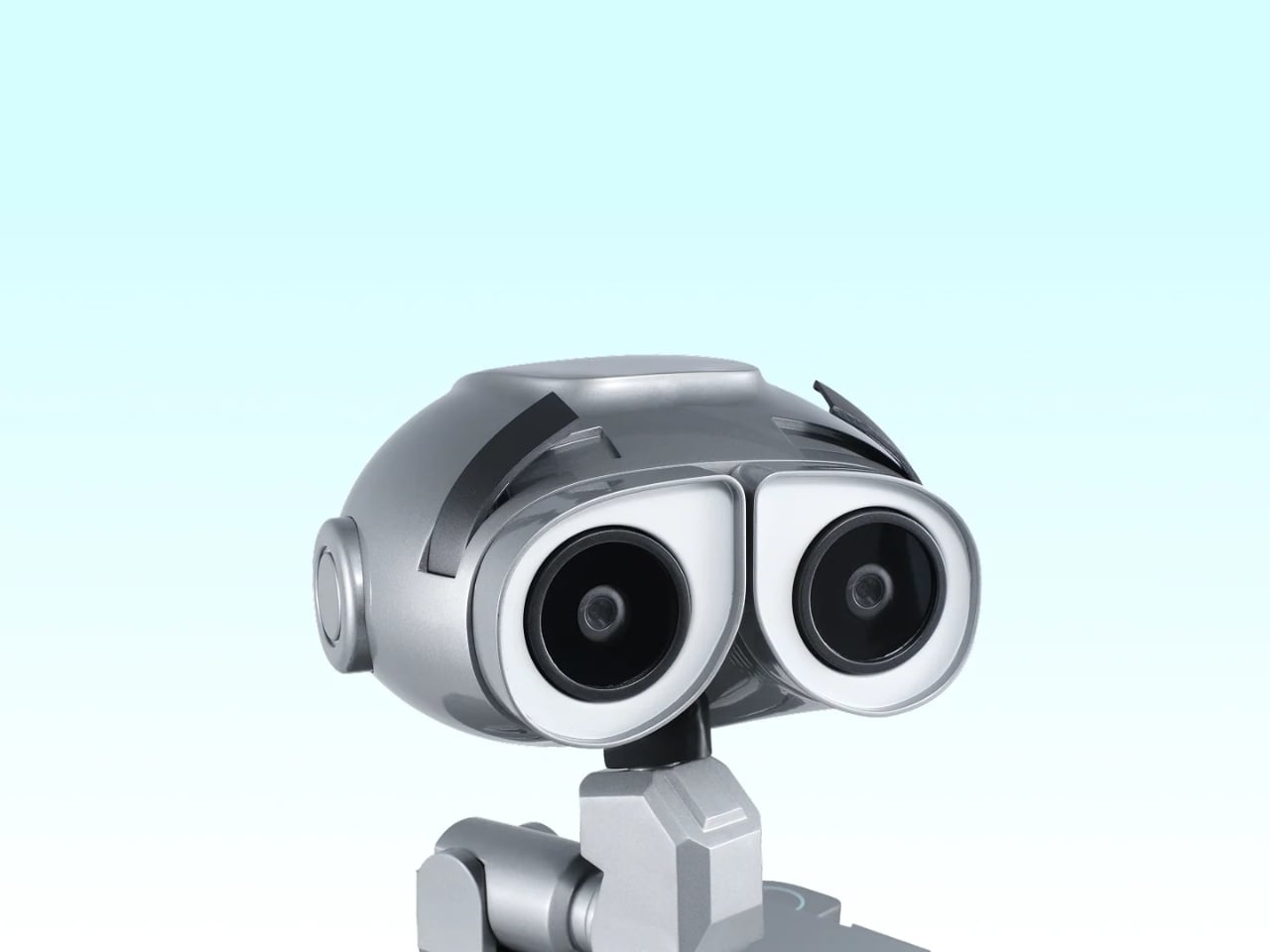
What makes the W1 compelling isn’t just the adorable WALL-E aesthetics (though let’s be real, that doesn’t hurt). It’s that Zeroth seems to understand something fundamental about consumer robotics that many companies miss: emotional connection matters. People don’t just want functional robots; they want robots they can relate to, robots that feel less like appliances and more like companions. That’s why the design language echoes one of the most beloved animated characters of all time.

Zeroth Robotics, founded in 2024, is positioning itself as a company focused on “practical, emotionally aware robots” for everyday life. The W1 is part of a broader lineup that includes the M1 (a 15-inch humanoid home companion starting at $2,899), a Disney-licensed WALL-E for classrooms and retail spaces, the A1 quadruped for developers, and Jupiter, a full-size humanoid for real-world tasks. The strategy is clear: cover multiple use cases while maintaining a consistent technological foundation.

Pre-orders for the W1 are expected to open in Q1 2026, with general availability later this year. Whether the W1 becomes an essential household member or an expensive curiosity will depend largely on how well Zeroth delivers on those software updates and expanded capabilities. But there’s something undeniably exciting about a company that’s willing to make robots look and feel approachable instead of clinical. The W1 might not be saving Earth from an ecological disaster like its animated inspiration, but it might just save us from the monotony of carrying groceries from the car. And honestly? That’s a pretty good place to start.

The post Zeroth Just Designed the WALL-E Robot Every Millennial Wanted first appeared on Yanko Design.
SwitchBot’s New Onero H1 Robot Finally Does Your Chores

When humanoid robots started becoming the major thing that robotics companies were pursuing, there were probably two kinds of people who reacted to it. There were those that were scared that having robot overlords were just a few years away, and then those that were excited to finally have someone to do their chores for them. The former hasn’t happened yet, thank goodness, but it looks like we’re almost there with the latter.

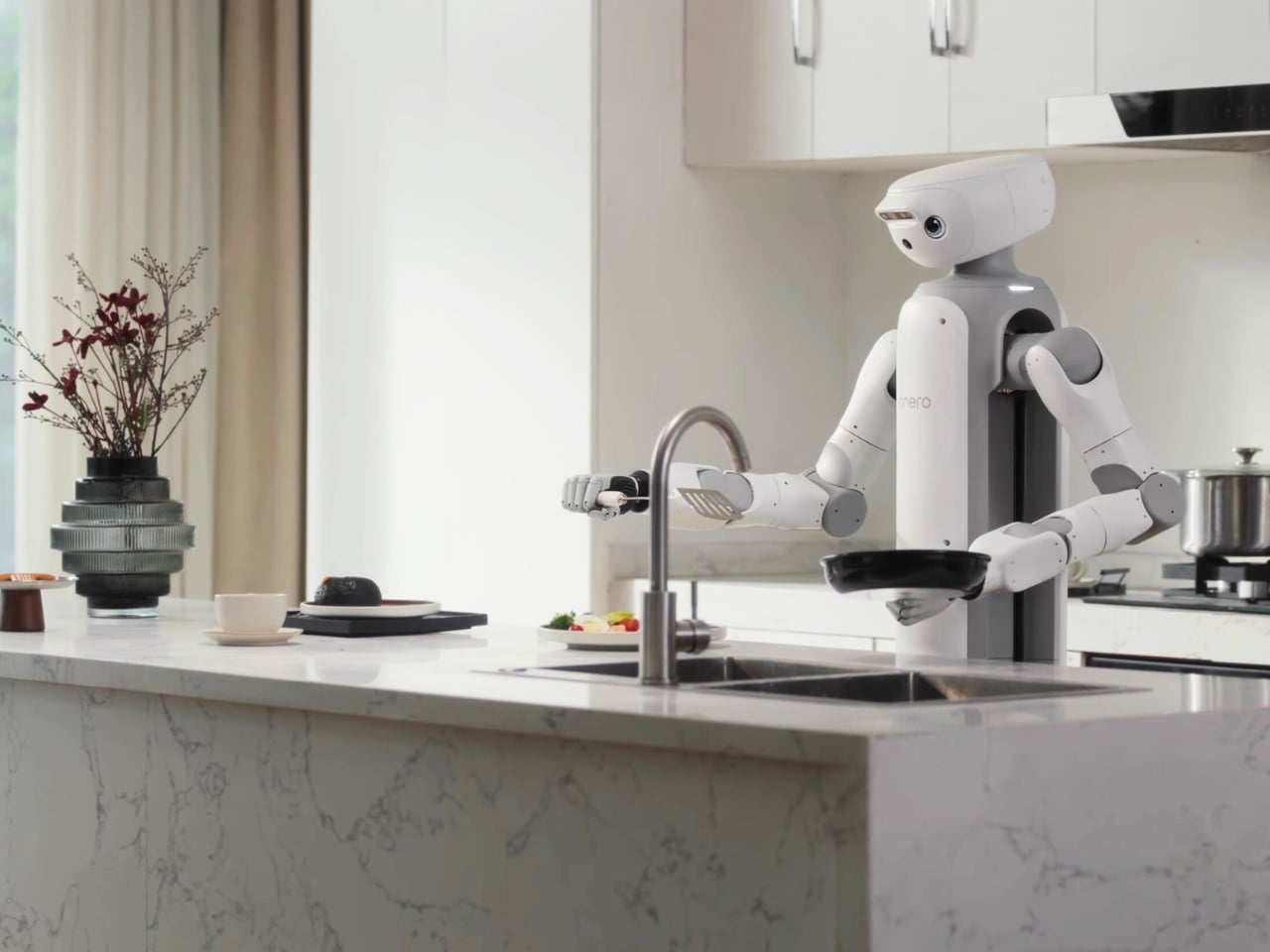
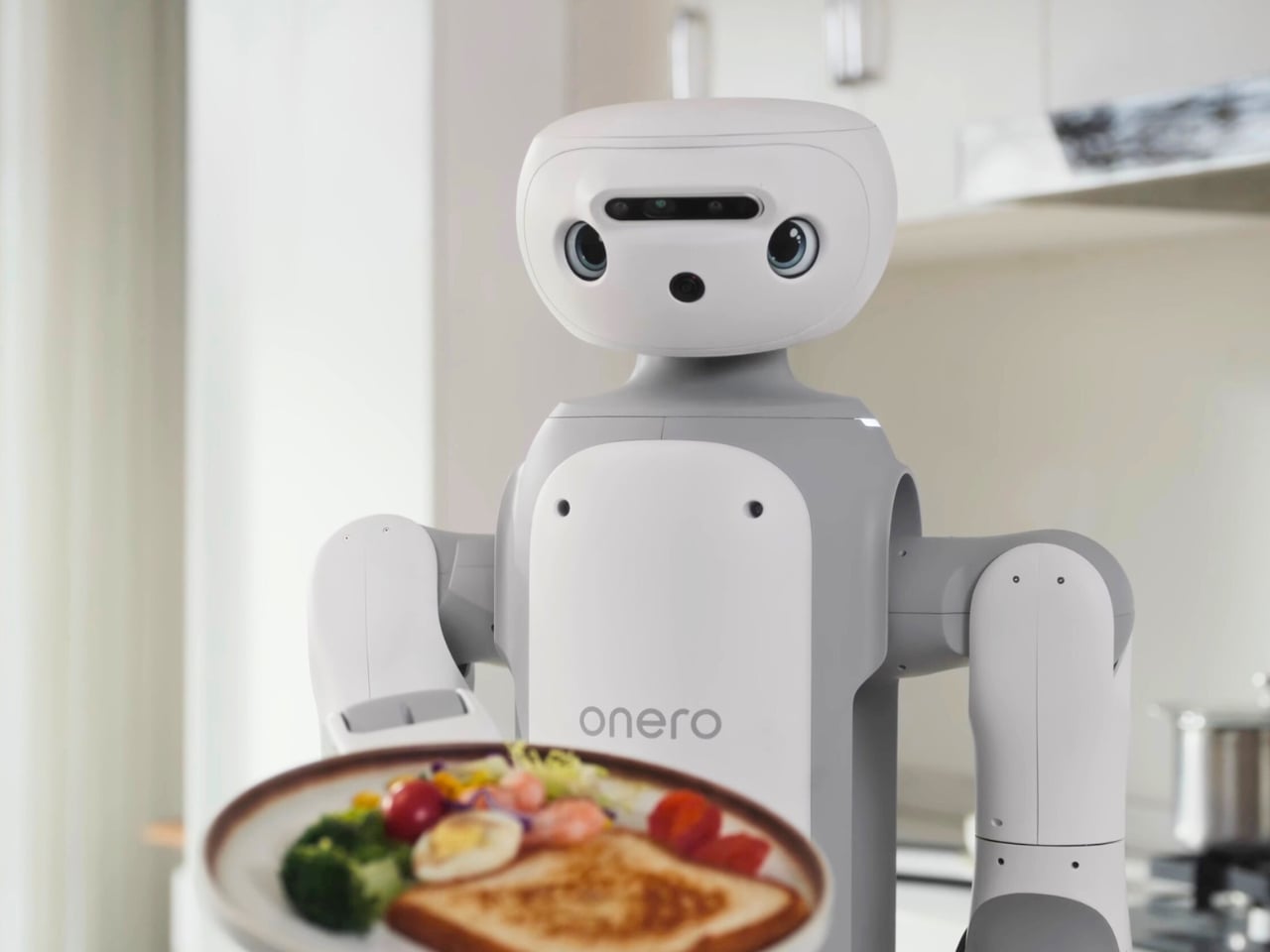
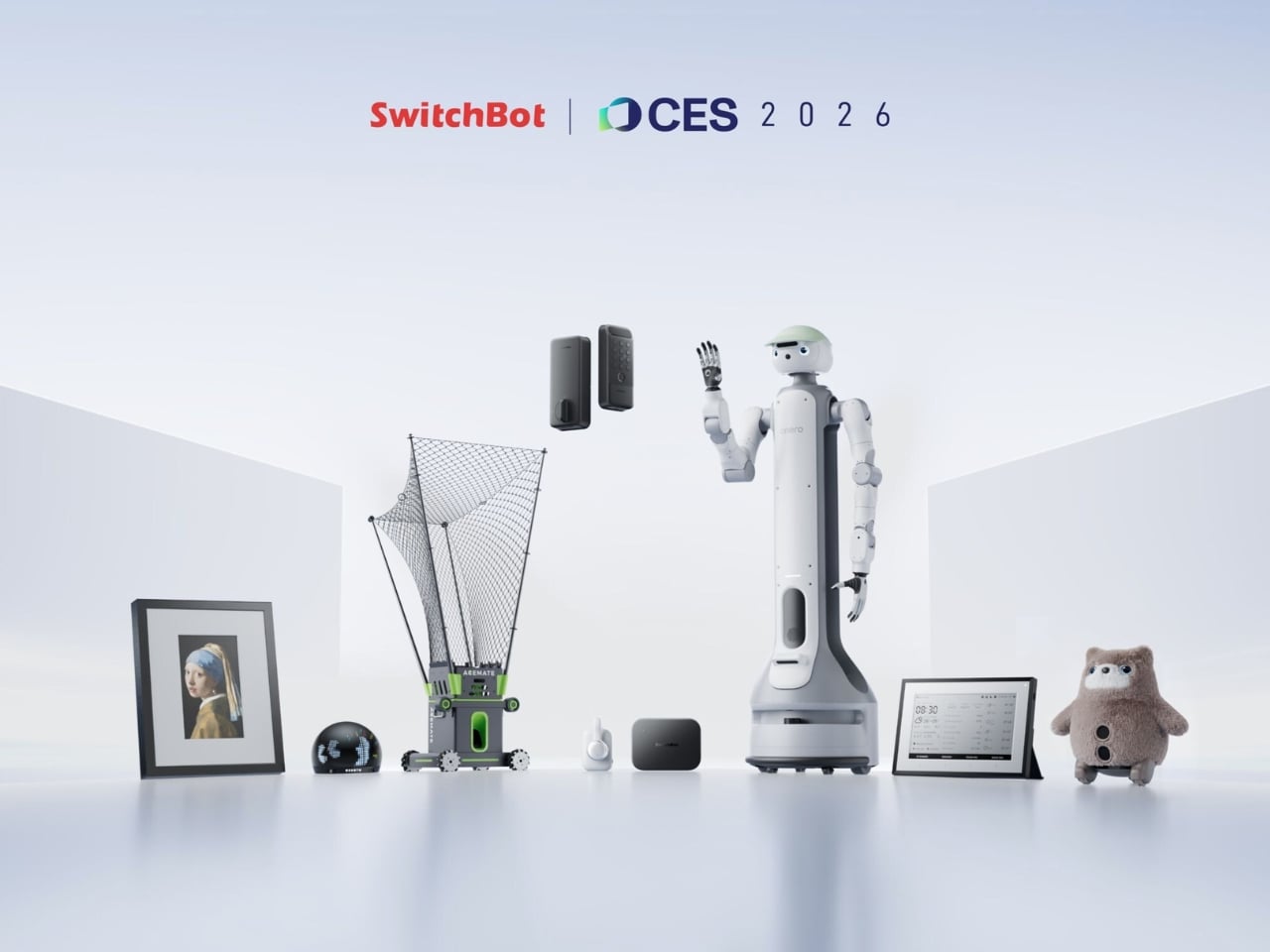
SwitchBot’s Onero H1, currently making waves at CES 2026, may be the long-promised dream of having our own Rosie (that’s a Jetsons reference for you). They call it their “most accessible AI household robot” and it’s designed to be the household help that we need, one that will not grow tired or complain that it’s being overworked. Hopefully.

Designer: SwitchBot

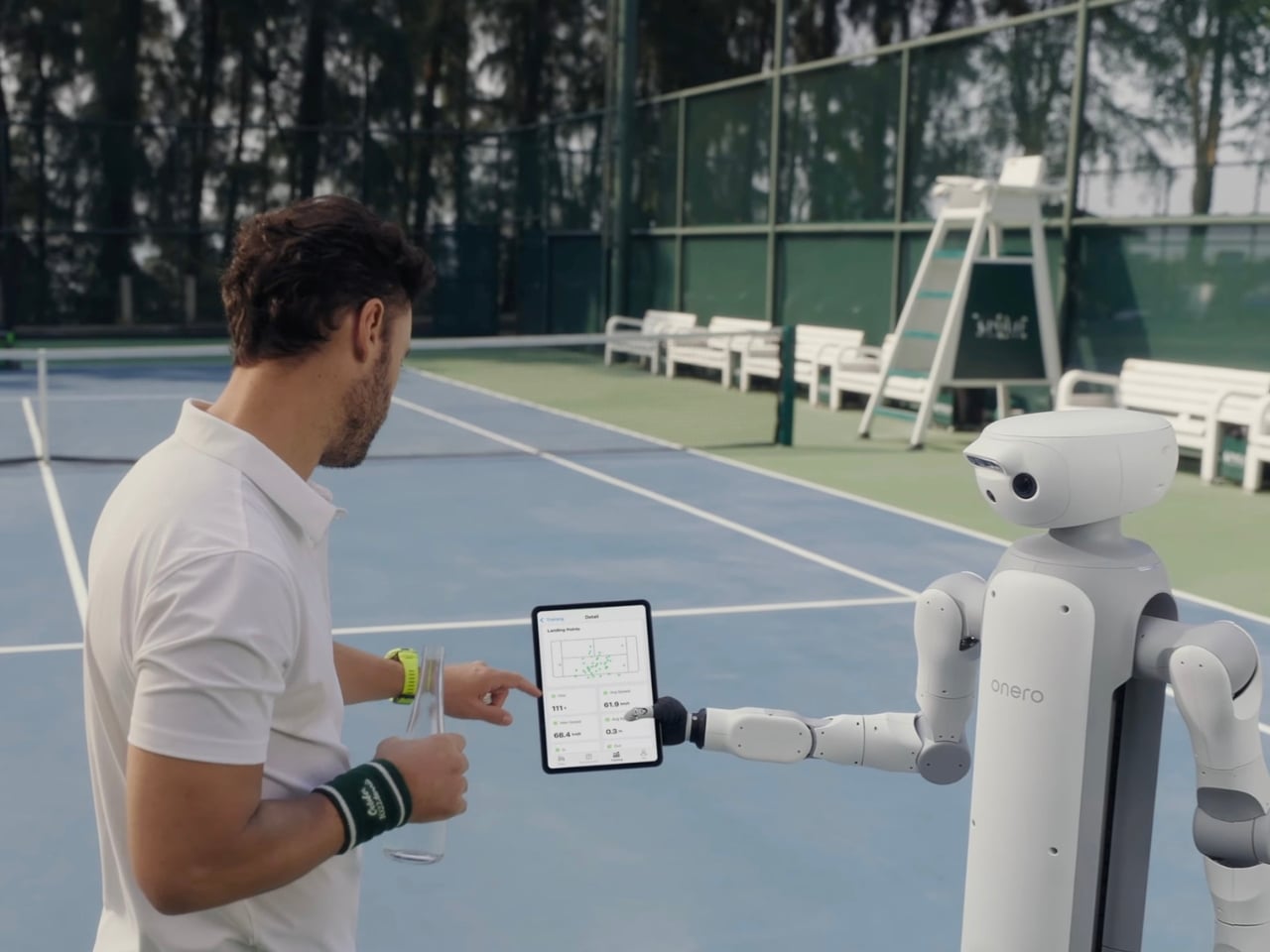
One key aspect of this robot that makes it ideal for chores is that it has impressive flexibility and range of motion with its 22 degrees of freedom. It is an OmniSense VLA model with AI capabilities built in so that it can learn and adapt even without cloud connectivity. It is able to understand its environment with visual perception, depth sensing, and tactile feedback.

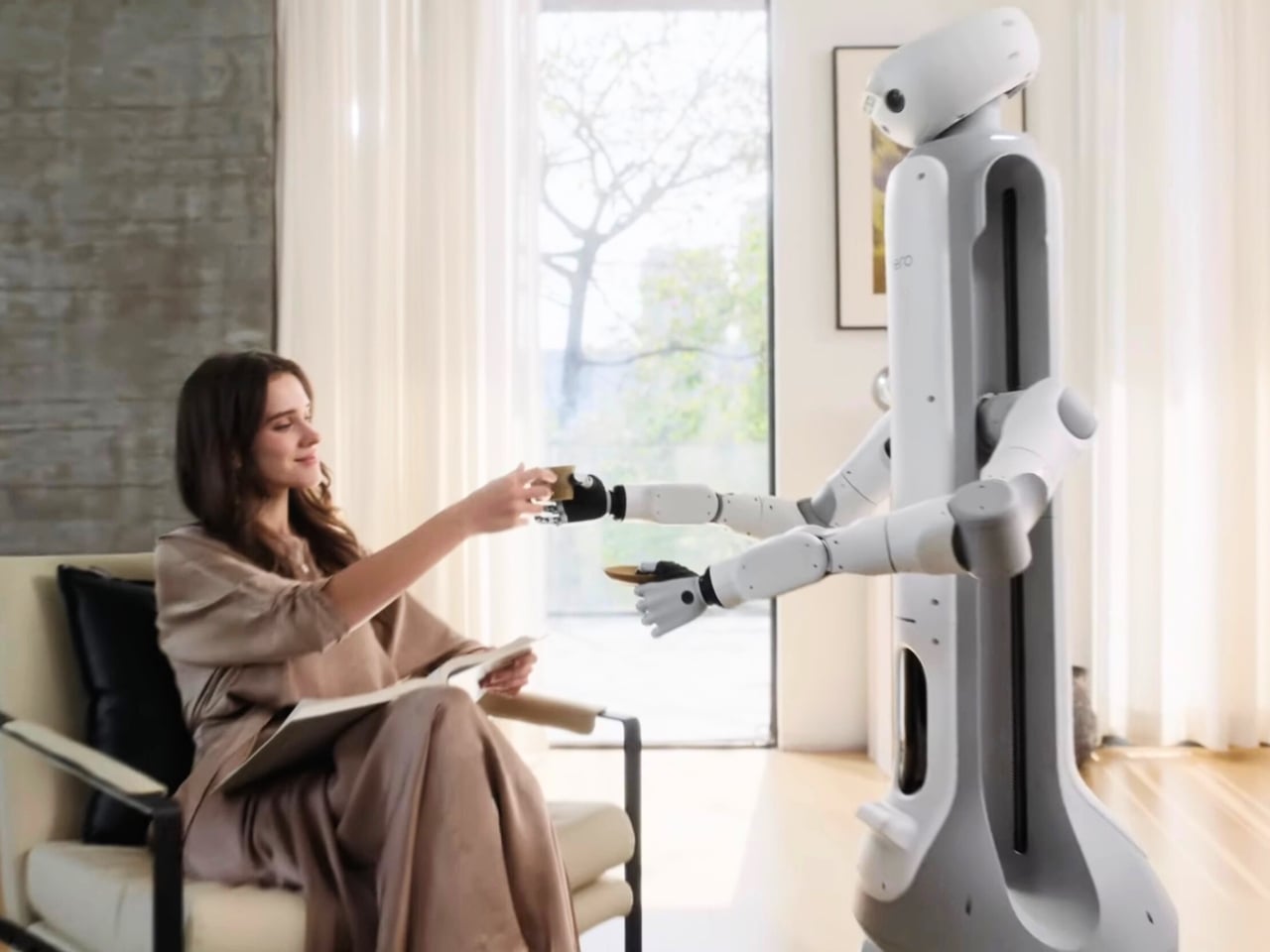
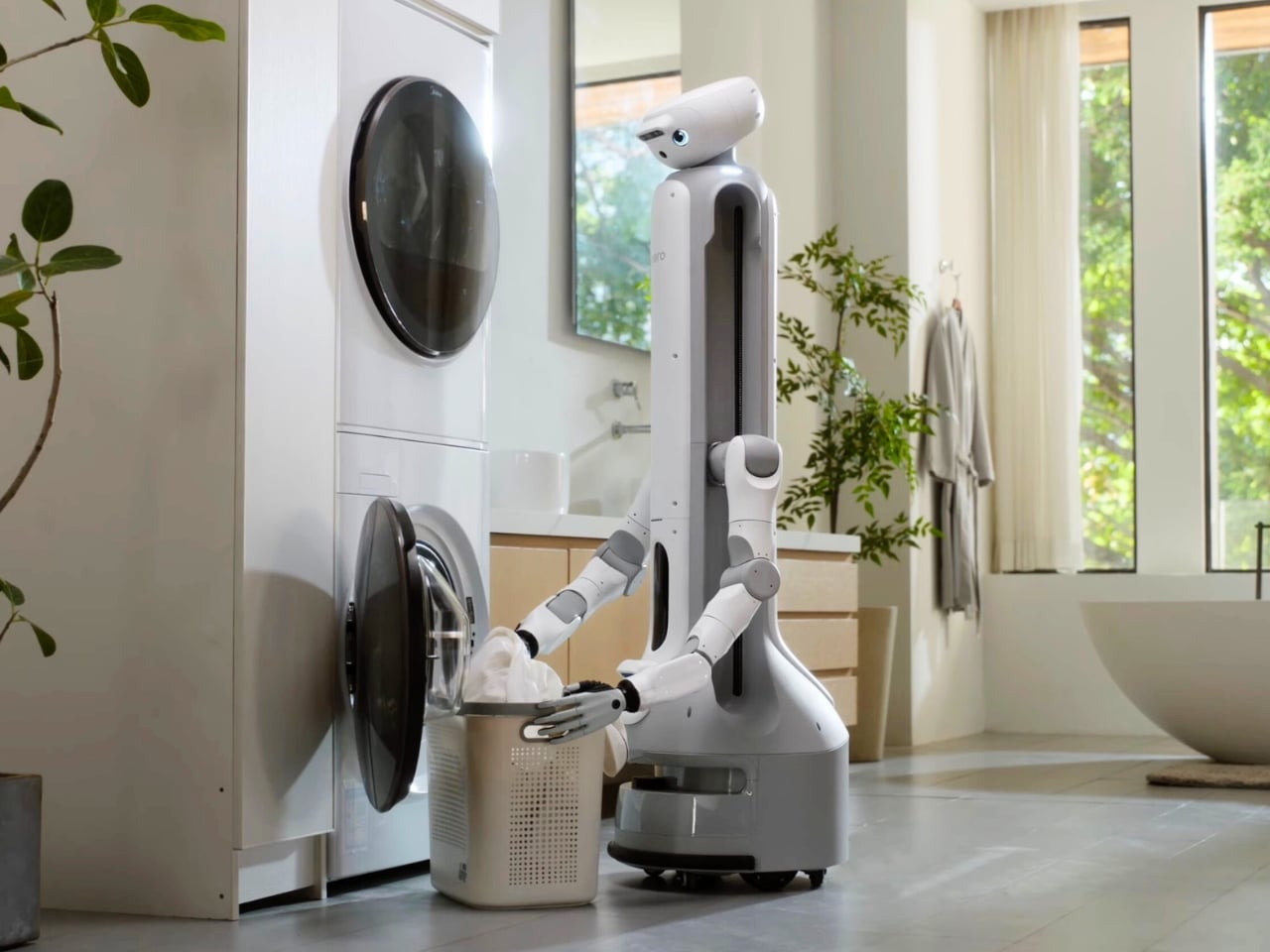
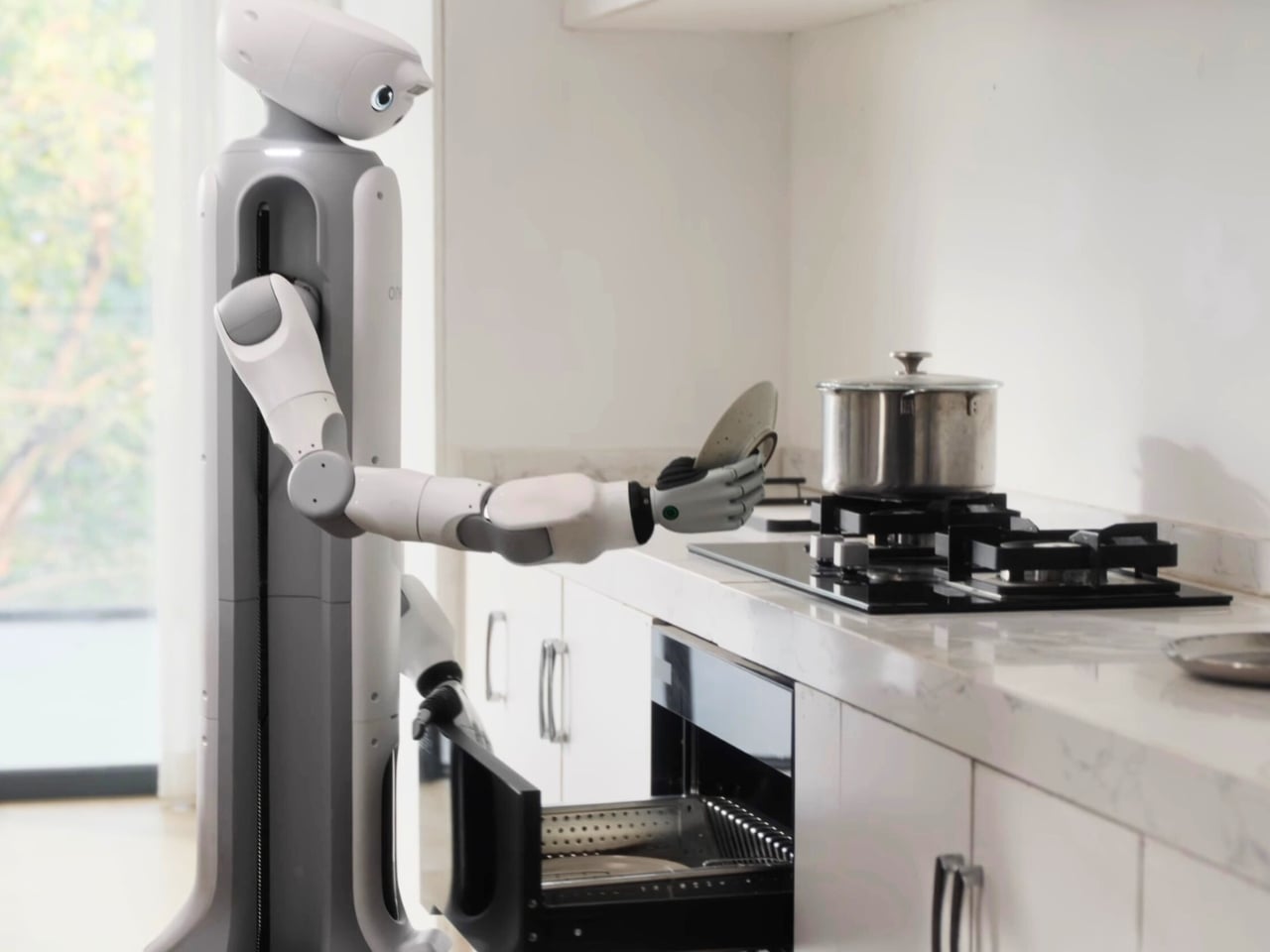
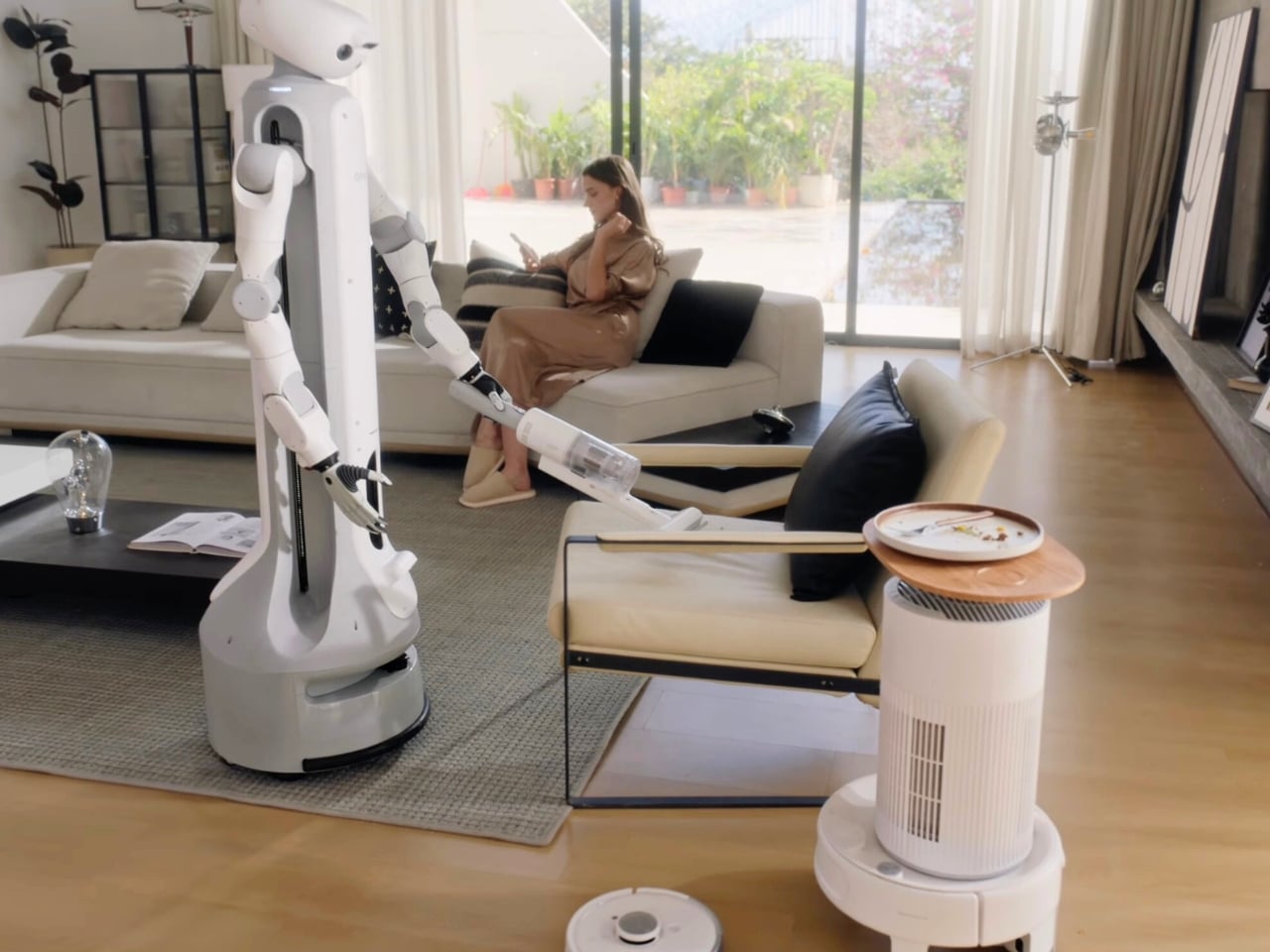
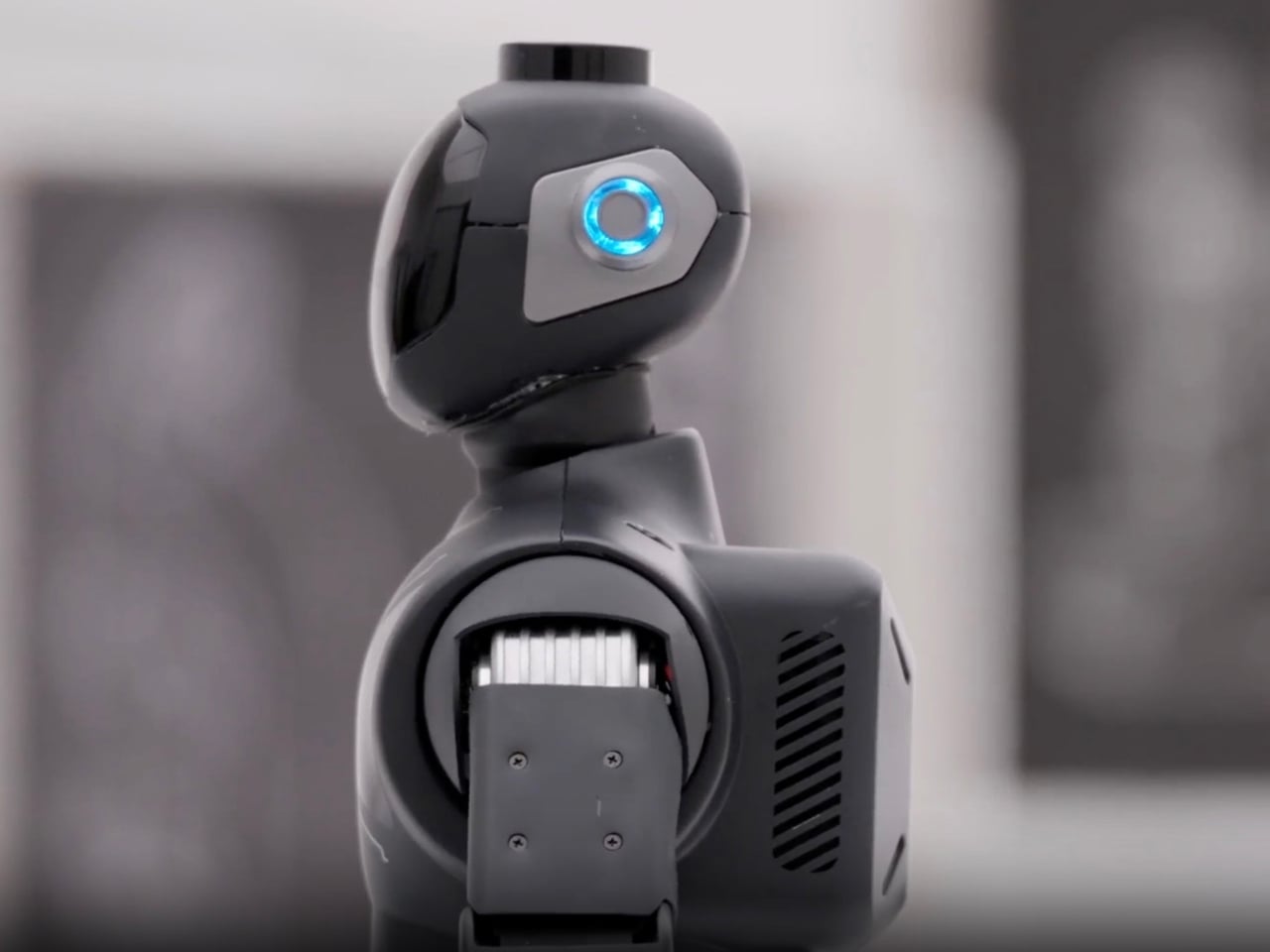
While it may not look like Rosie or Megan (again, thank goodness), this robot is a full-sized humanoid with arms, hands, head, and yes, even a face. It has a wheeled base so it can navigate easily throughout your space. Onero H1 also has articulated robotic arms labeled “A1” that can manipulate objects so it can help you or actually do your chores for you.

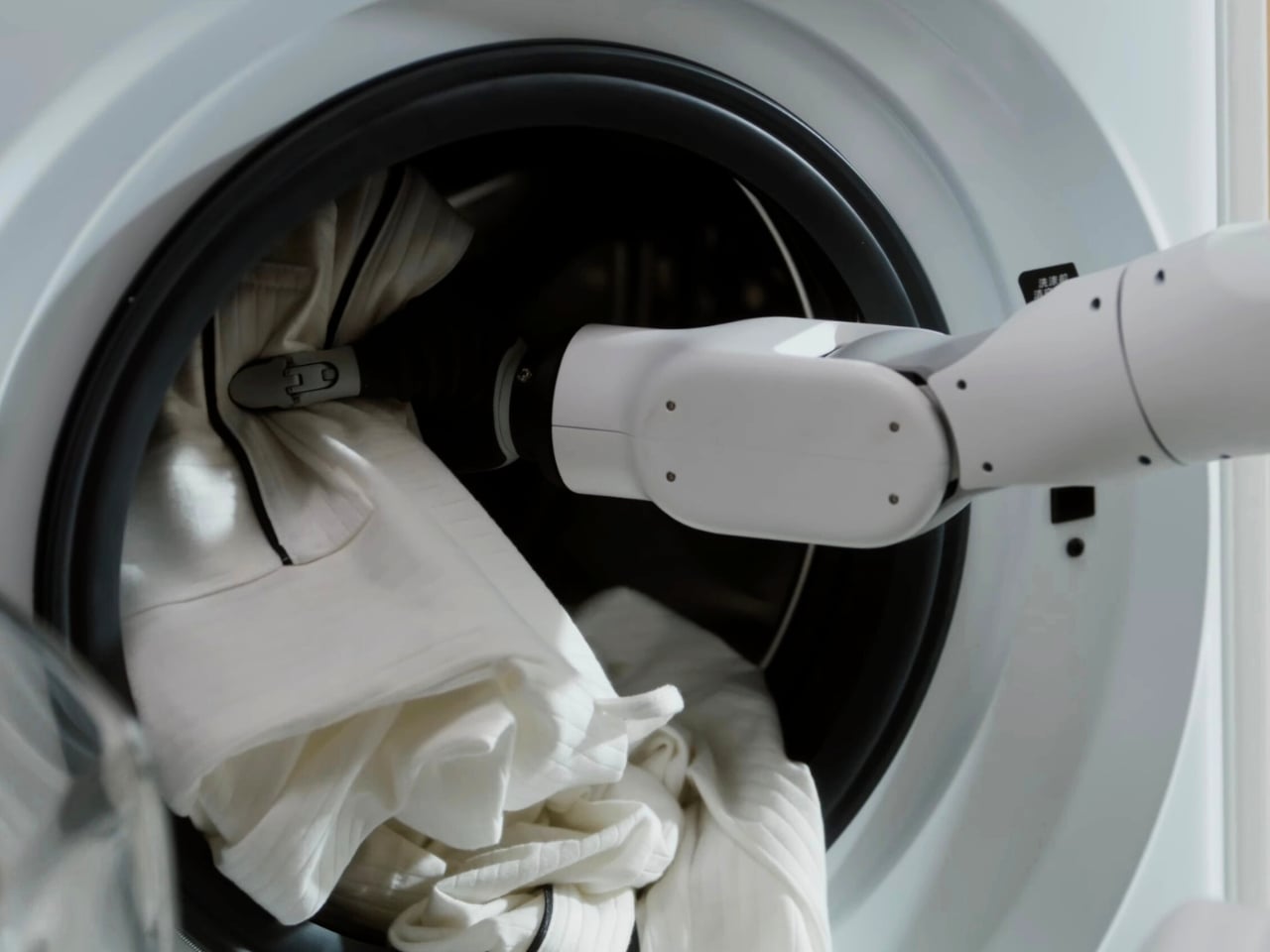
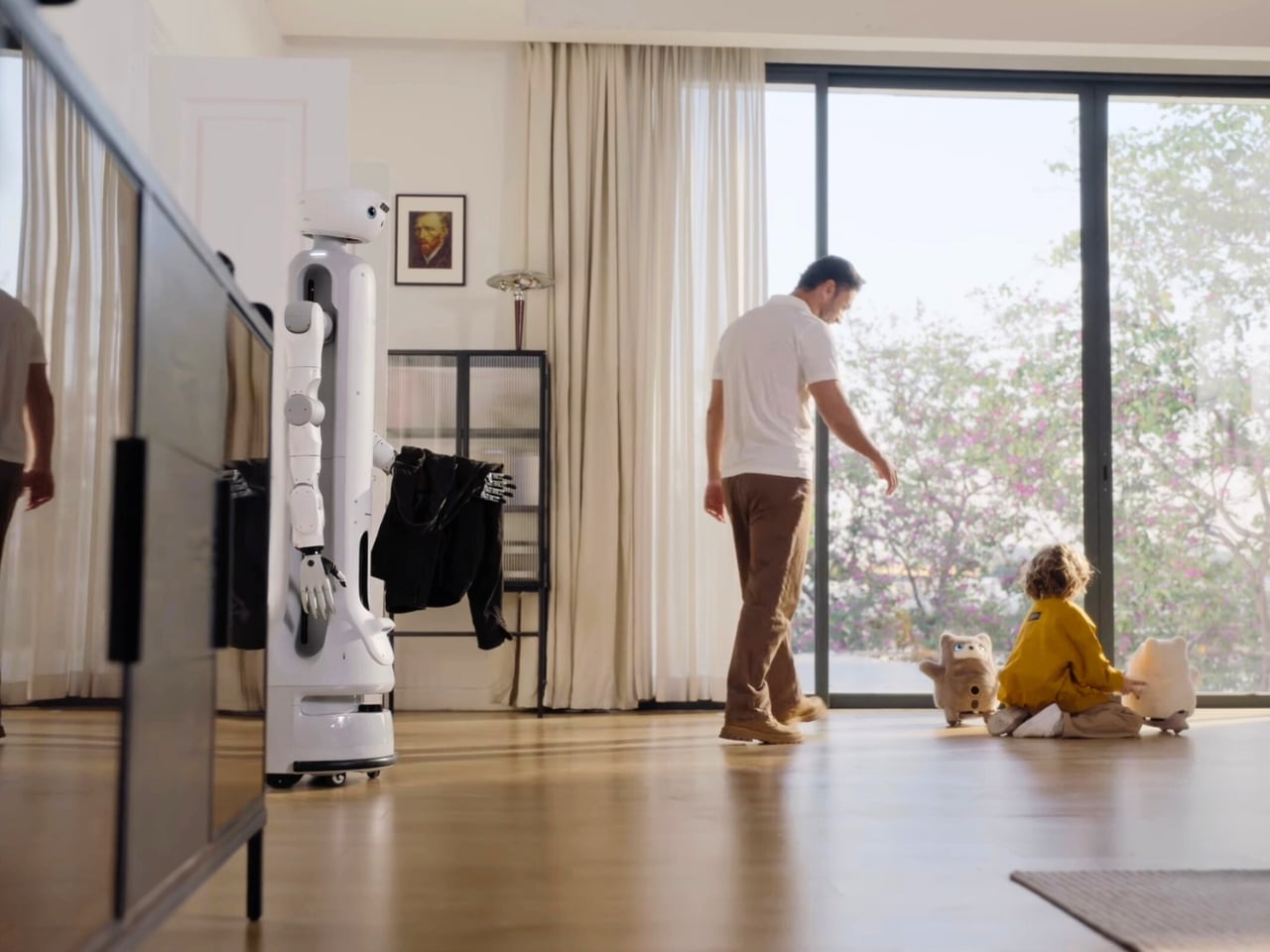
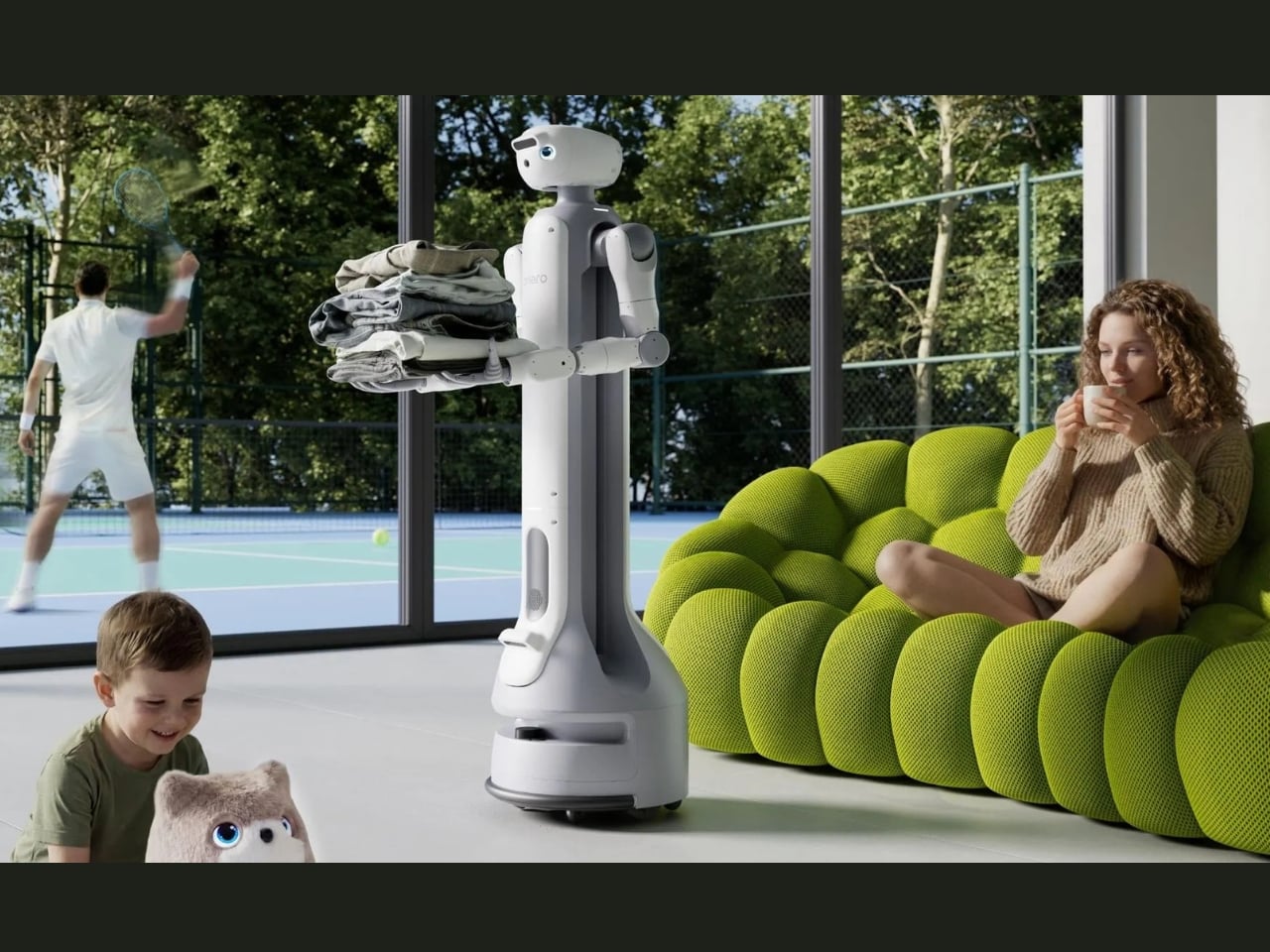
Some contact-intensive things that the robot can do include grasping and organizing objects, loading the dishwasher, cooking breakfast, preparing your morning and afternoon coffee, doing the dreaded laundry, washing the windows, and even opening and closing doors for you. It can also catch the jacket you throw at it when you come home. Talk about butler service!

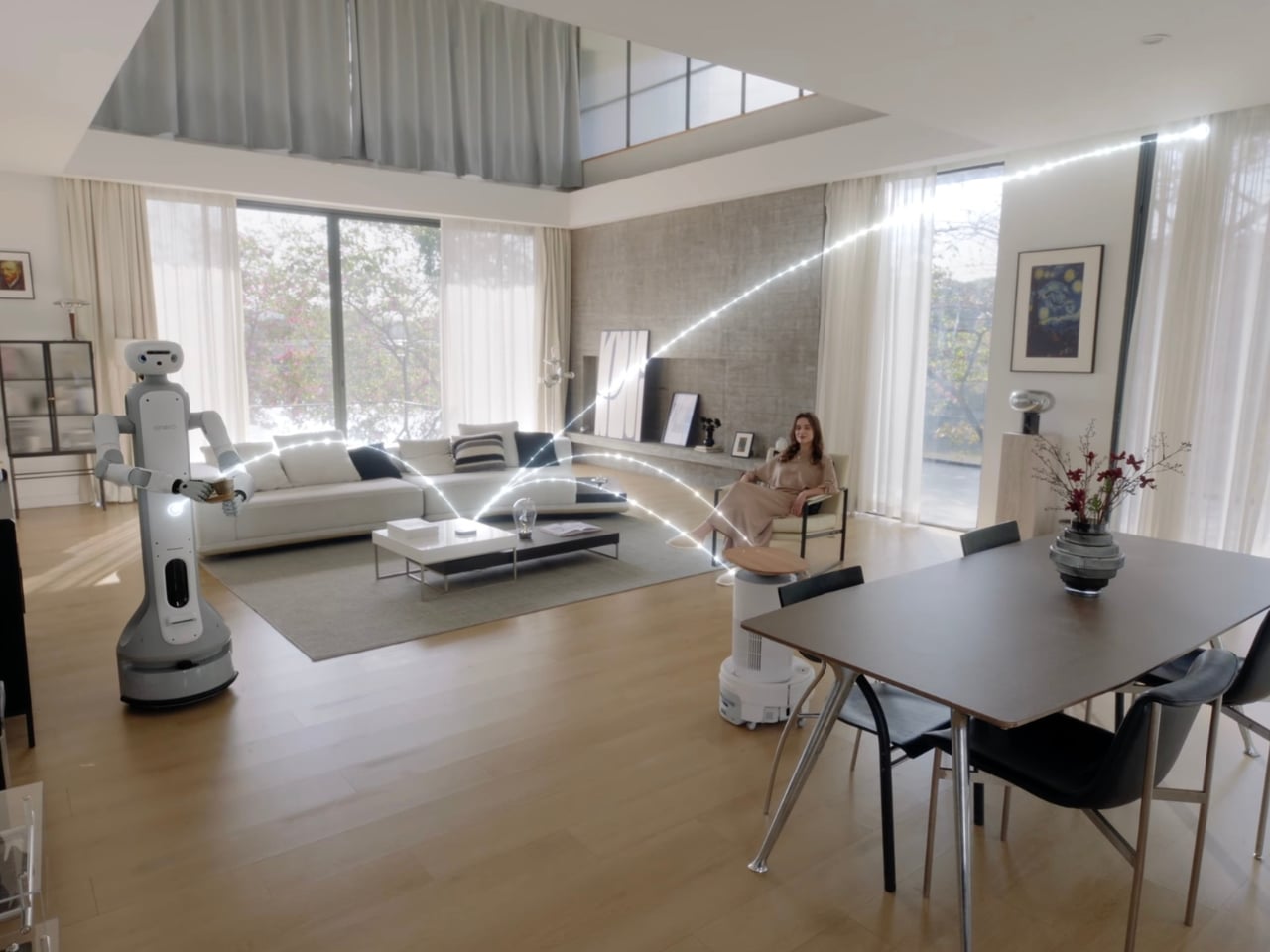
Unlike the robot vacuums and single-purpose smart devices we’re used to, the Onero H1 represents something more ambitious. It’s part of SwitchBot’s “Smart Home 2.0” vision, where your home doesn’t just have gadgets but has systems that actually think and act on your behalf. The robot is designed to work seamlessly with SwitchBot’s existing ecosystem of task-specific robots, creating a unified smart home experience that feels less like managing technology and more like having a genuinely helpful presence in your home.

What’s particularly impressive is how it learns. The Onero H1 isn’t rigidly pre-programmed to perform tasks in one specific way. Instead, it adapts to YOUR home layout, YOUR routines, and YOUR preferences. It uses visual perception and tactile feedback to understand not just what objects are, but how they should be handled. This means it can figure out the difference between delicate glassware and sturdy pots, or learn where you prefer certain items to be organized. For those of us who’ve been juggling work, family, and the endless cycle of household chores, this kind of adaptable help could be genuinely life-changing. Imagine reclaiming those hours spent on repetitive tasks and using them for things that actually matter to you, whether that’s pursuing hobbies, spending quality time with loved ones, or simply enjoying a moment of peace.

Now, before you start clearing space in your home and budgeting for your new robot helper, there are a few things to keep in mind. While the Onero H1 will be available for pre-order through SwitchBot’s website, the company hasn’t announced pricing or a specific launch date yet, just that it’s coming “soon.” Multiple tech experts have noted that this is still very much a concept designed to show where the technology is headed, rather than a product ready for immediate mass adoption.

The SwitchBot Onero H1 represents an exciting glimpse into a future where household robots move beyond vacuuming floors to actually helping with the full range of domestic tasks. While we may need to wait a bit longer before Rosie arrives at our doorstep, it’s clear that the era of genuinely helpful household robots is no longer science fiction. It’s just around the corner.

For collectors and tech enthusiasts, the Onero H1 marks a significant milestone in consumer robotics history. It’s the moment when humanoid household robots transitioned from ambitious prototypes to accessible reality. Whether you’re excited about finally having help with the dishes or simply fascinated by the technology, one thing is certain: the future of smart homes is looking a lot more hands-on, literally.

The post SwitchBot’s New Onero H1 Robot Finally Does Your Chores first appeared on Yanko Design.
Memo home robot brews espresso and loads the dishwasher on its own

We are all getting busier by the day. And simple household chores and repetitive to-dos often slip through the cracks. But what if there were a robot that could work 24/7 to make our lives easier? This has been a long-time dream for most roboticists, yet home robots have not really reached a stage where they can be trusted, until now. However, this stands to change. At least that’s what the first demonstration of the Memo robot by Mountain-View-based Sunday Robotics suggests.

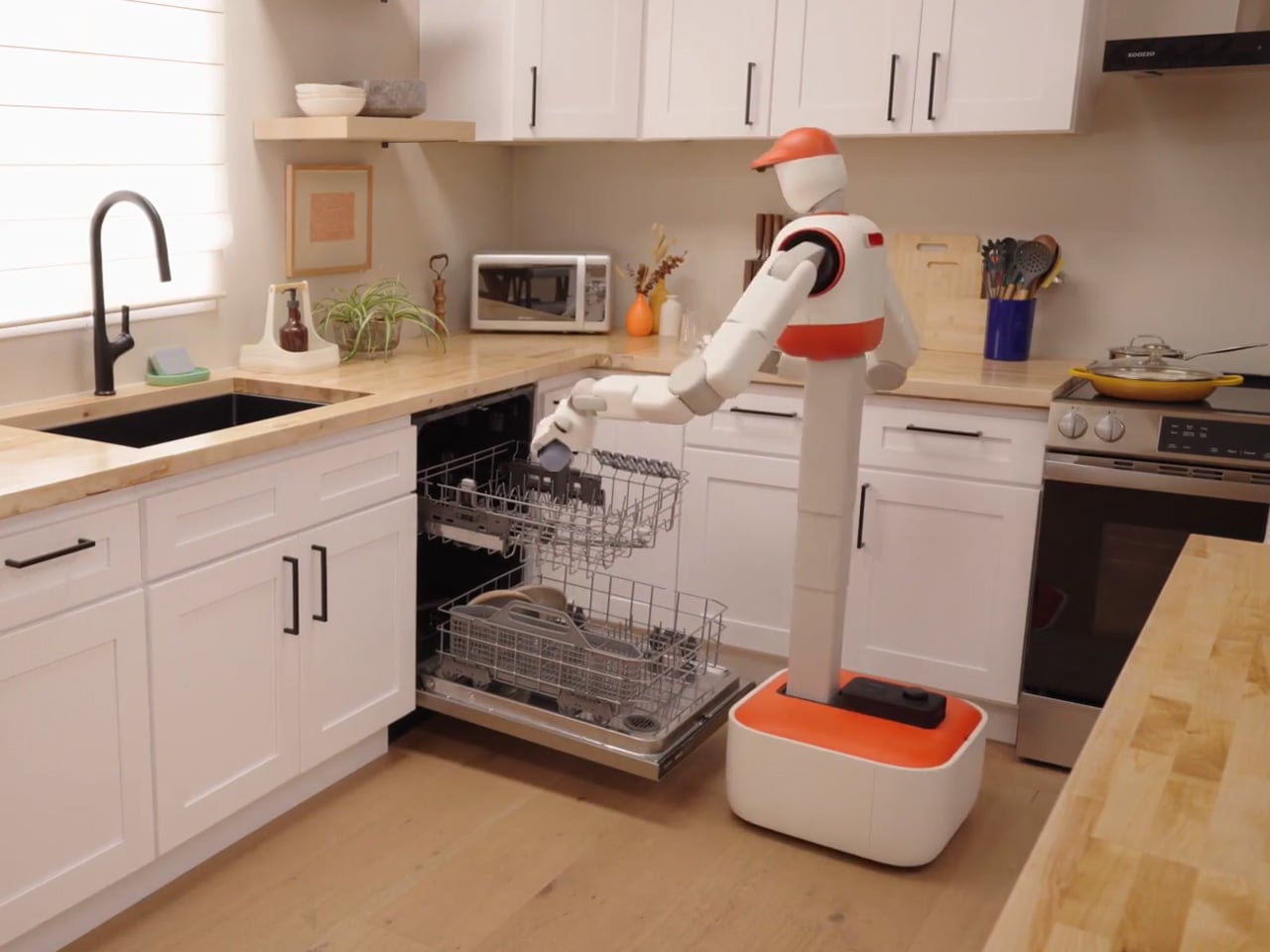
The robot demonstrated how efficiently it can make a cup of espresso, from start to finish, all by itself, while also being able to carry out a few other repetitive tasks, such as uploading crockery to the dishwasher. The household humanoid was quietly introduced to the world on November 19, and since it has been in the news. The personal home robot designed to assist families with some time-consuming household chores uses homebuilt hardware and integrated AI assistance to perform tasks that require deft handling and precise control.

Designer: Sunday Robotics

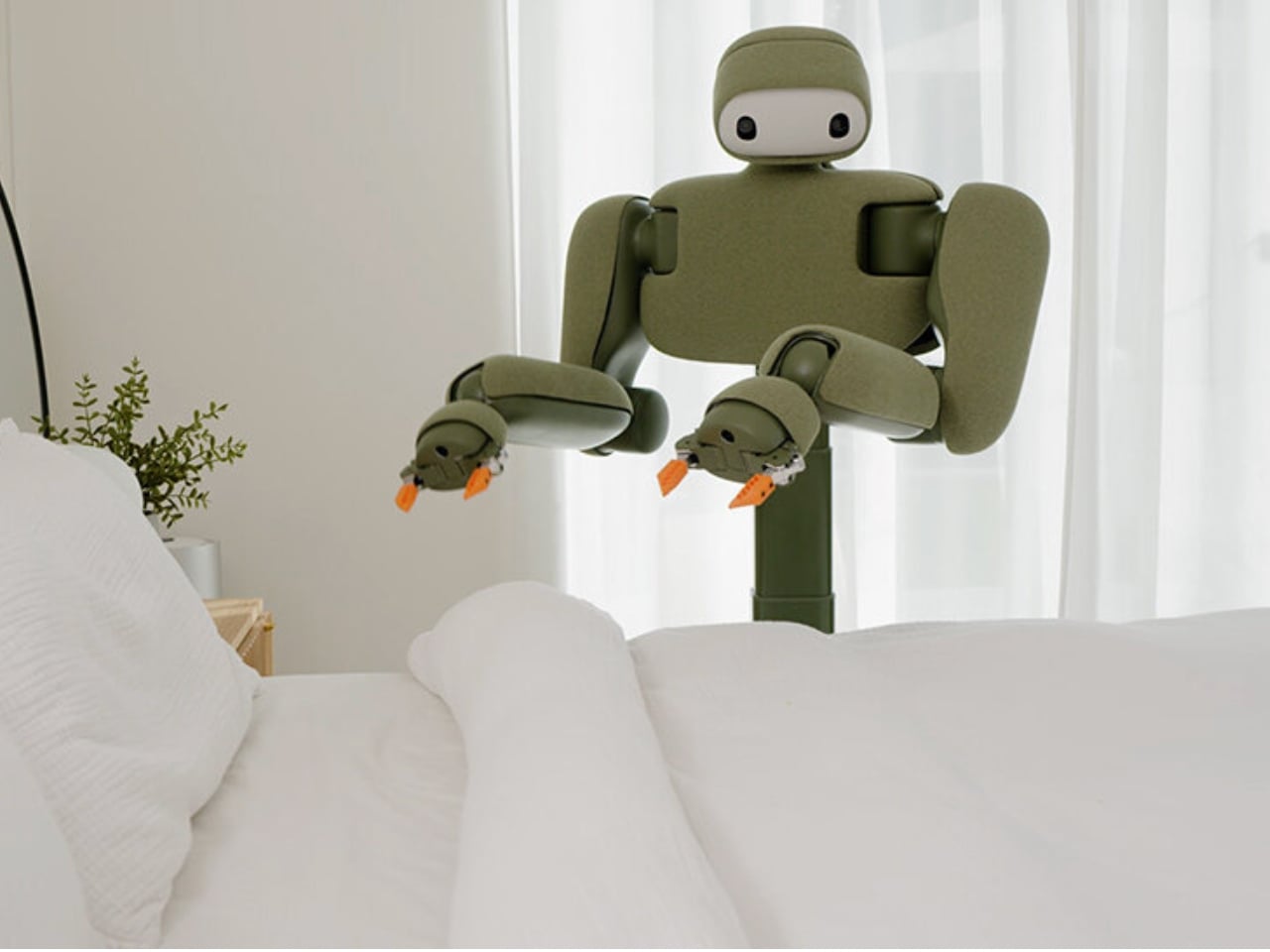
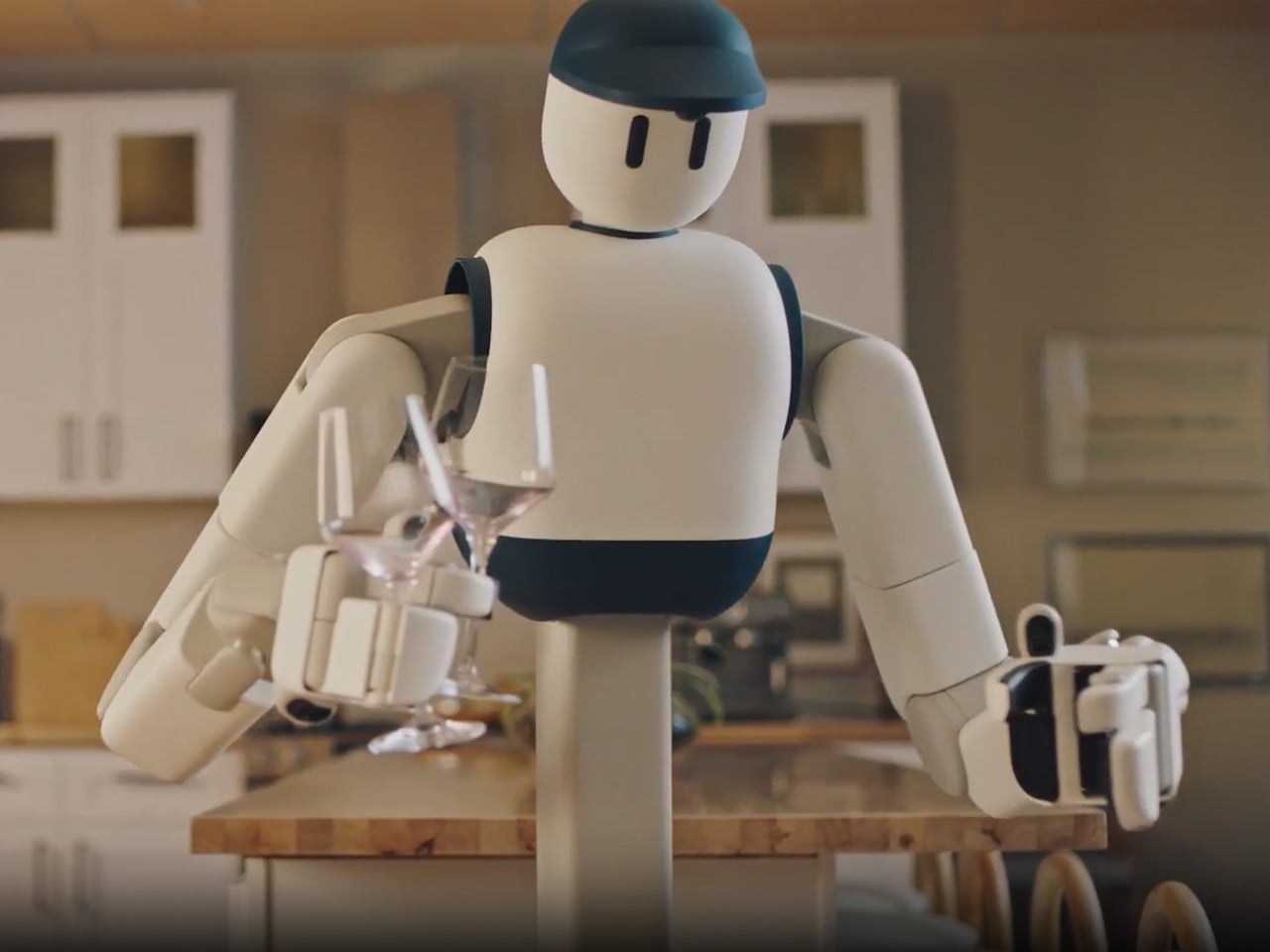
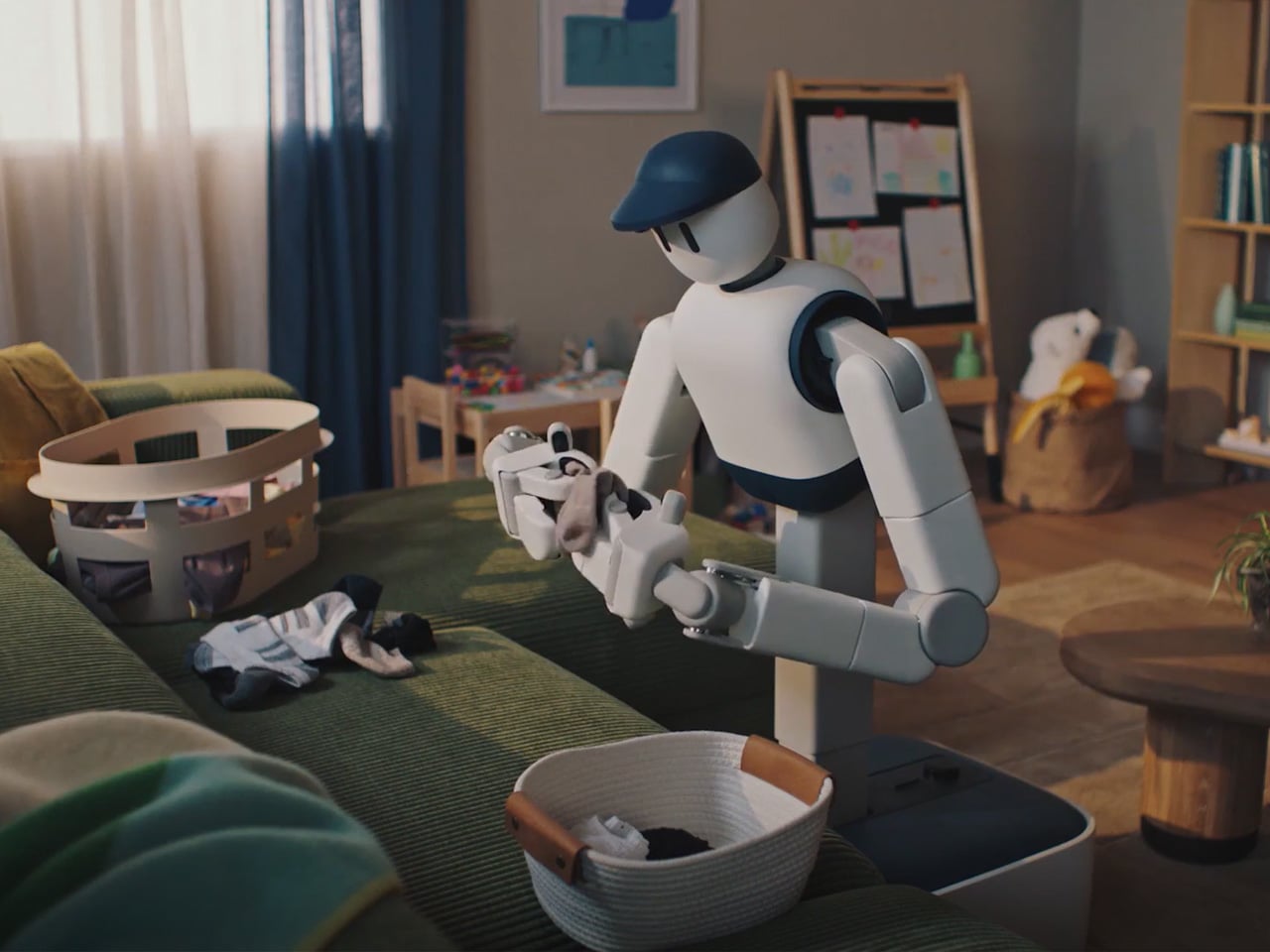
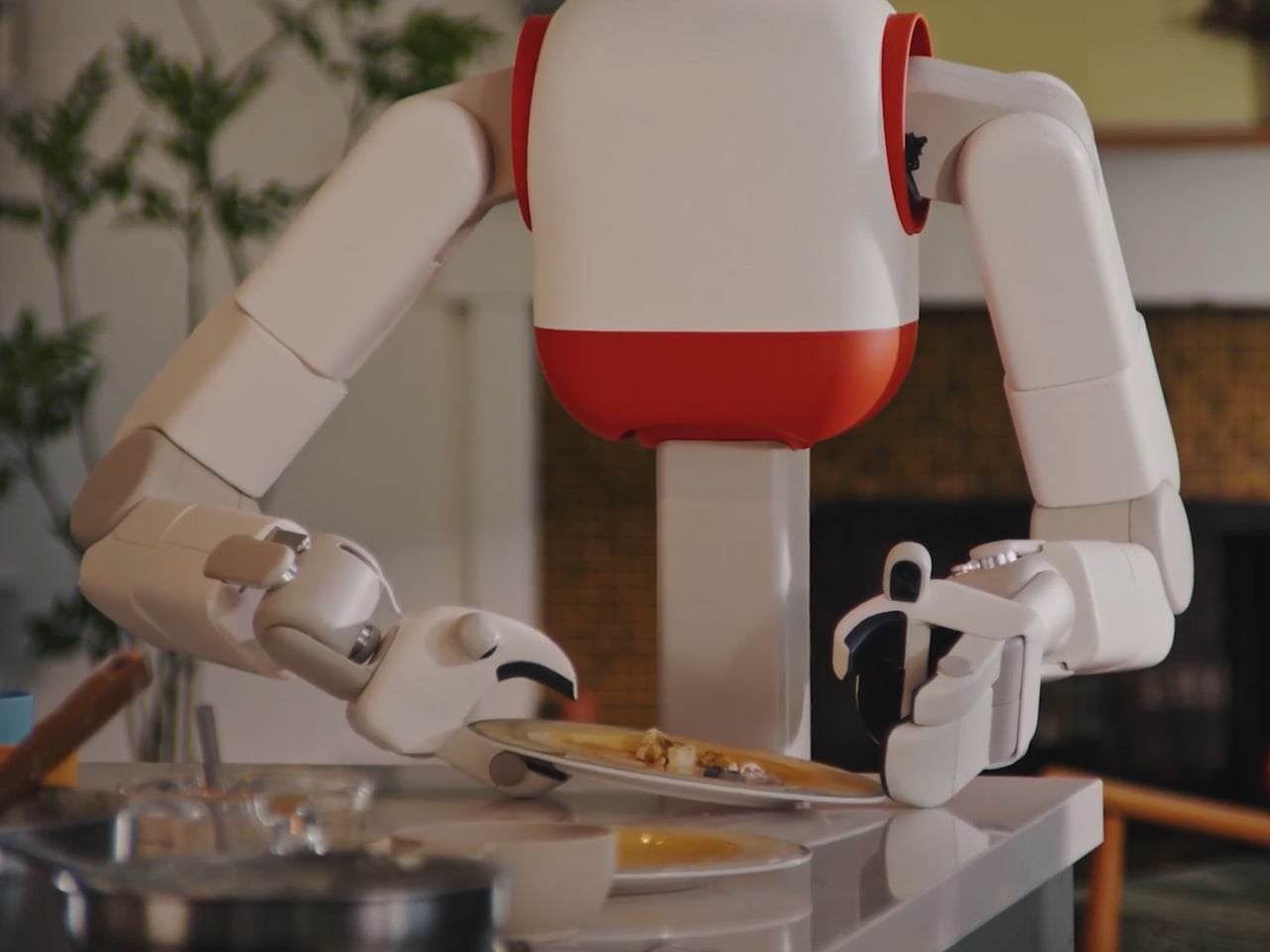
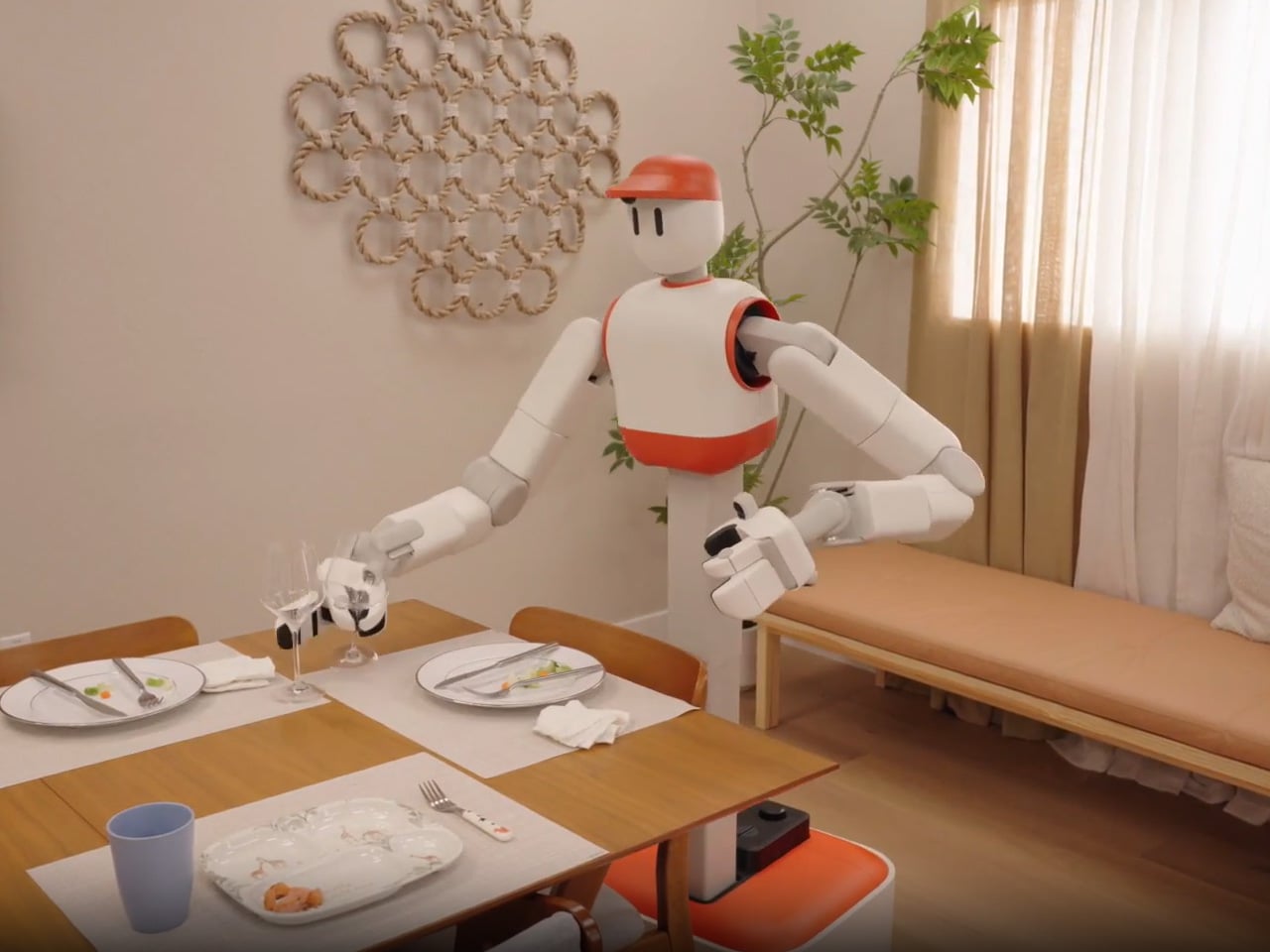
Standing 1.7 meters tall and weighing 170 lbs, Memo has a white torso and a friendly face. Instead of moving on legs, the robot is designed to move on a wheeled base. That could mean limited mobility, restricted to level surfaces, but Memo has a telescoping spine allowing the robot to reach up to 2.1 meters to handle tasks like reaching overhead cabinets with ease. The battery-powered robot boasts four hours of runtime, and it takes about an hour to fully charge.

While the capabilities are unlimited, it’s Memo’s demonstrated skill to make a cup of espresso that has really won hearts. In the demonstration, the robot responds to a request for an espresso by using its hands to deftly operate the espresso machine. It is seen filling the portafilter with coffee grounds and then tamping it perfectly before installing it back into the machine to brew a cup by pressing the button. The robot then places a cup in the designated slot to collect the brewed cup of espresso and serve it to the person who asked for it.
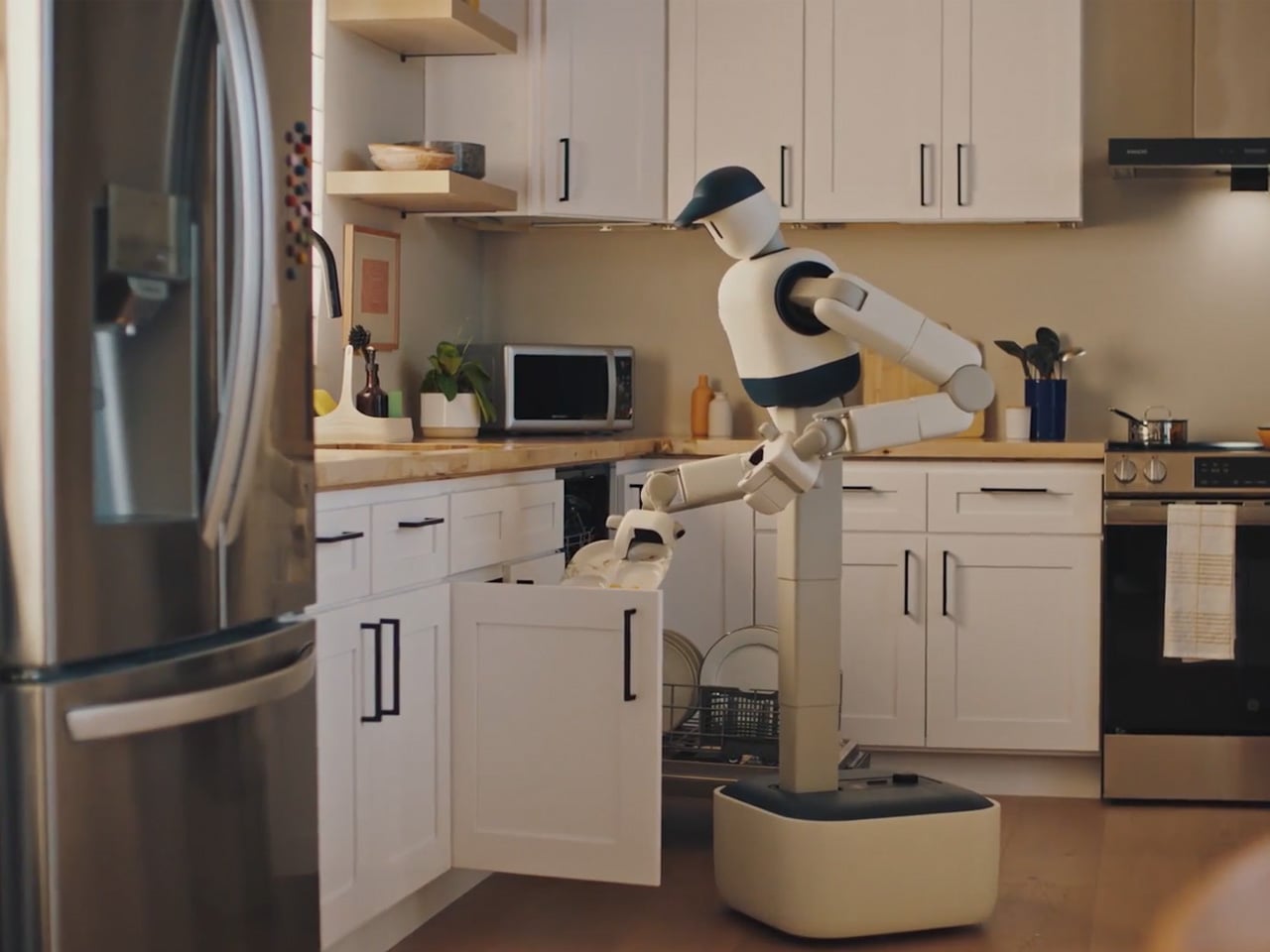
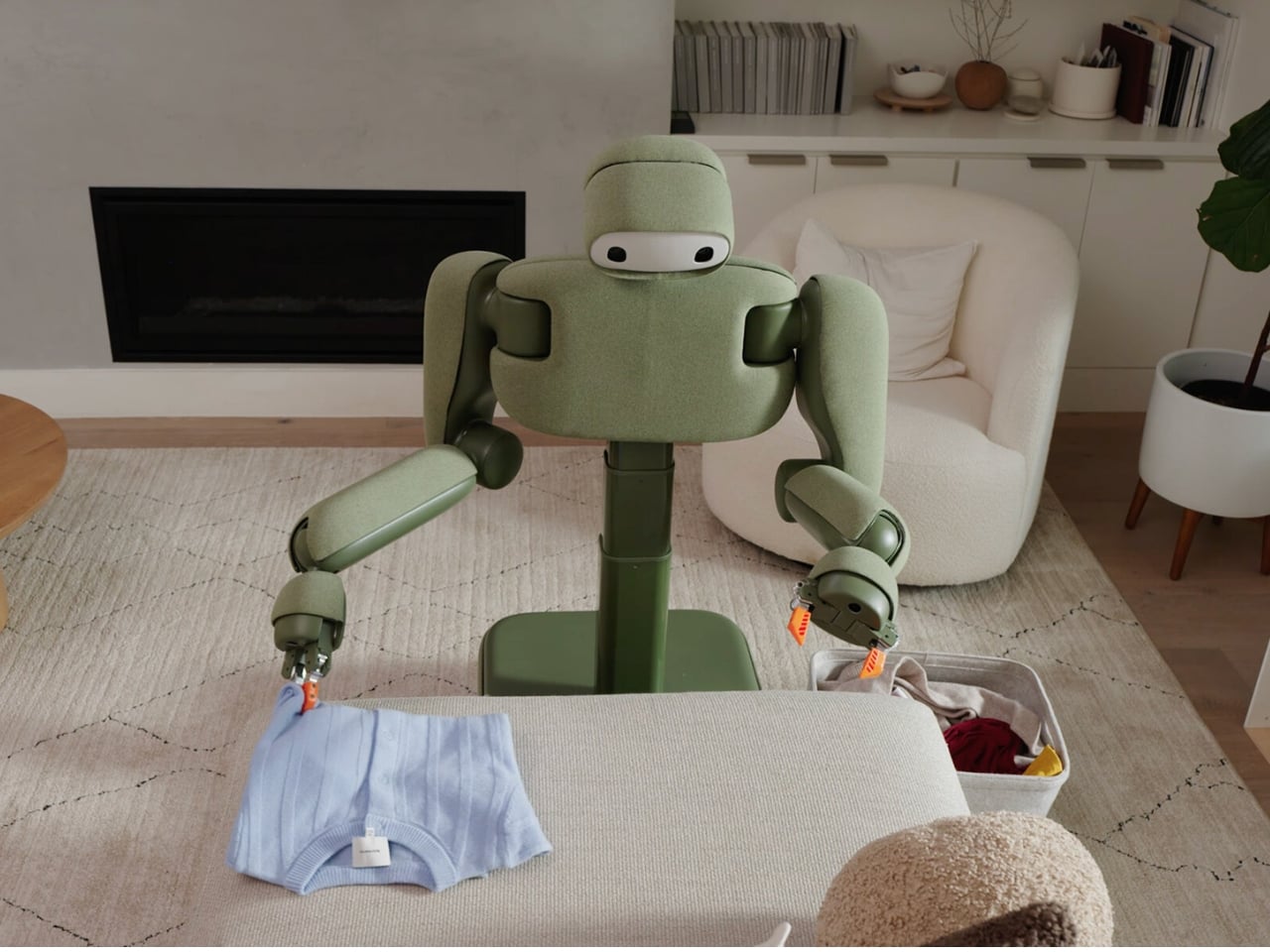
Making a cup of espresso might not seem all that spectacular, but Sunday assures Memo is learning to do a range of other chores, such as clearing the table and loading the dishwasher. Besides, it should also be able to fold laundry or sort your shoes for you. “We want to build robots that free people from laundry, from the dishes, from all chores,” cofounder and CEO of Sunday Robotics, Tony Zhao told Wired. Of course, the prospects look nice, but how would the Memo perform in real-life settings: in households with kids and pets, and other messy routines remains to be seen.

The robot’s dexterity, Sunday informs, is based on the company’s training model. It allows Memo to learn directly from real-world domestic behavior and not the industrial simulations in closed lab environments. A reason we are personally resting our stake on Memo to redefine the use of home robots. For this, Memo collects daily household data from more than 500 households, using a Skill Capture Glove. This is a $400 “wearable device that records how people move, clean, sort, and organize objects.” The data accumulated from the glove is provided to an AI model, which then uses it to control the robot’s actions like a human.

Sunday Robotics has started accepting applications for Memo’s beta testing. If you’re interested, you will have to be in the fifty households that will be early adopters to beta test it next year. The idea is to check how the robot performs and to also gauge how people respond to having a robot at home.

The post Memo home robot brews espresso and loads the dishwasher on its own first appeared on Yanko Design.