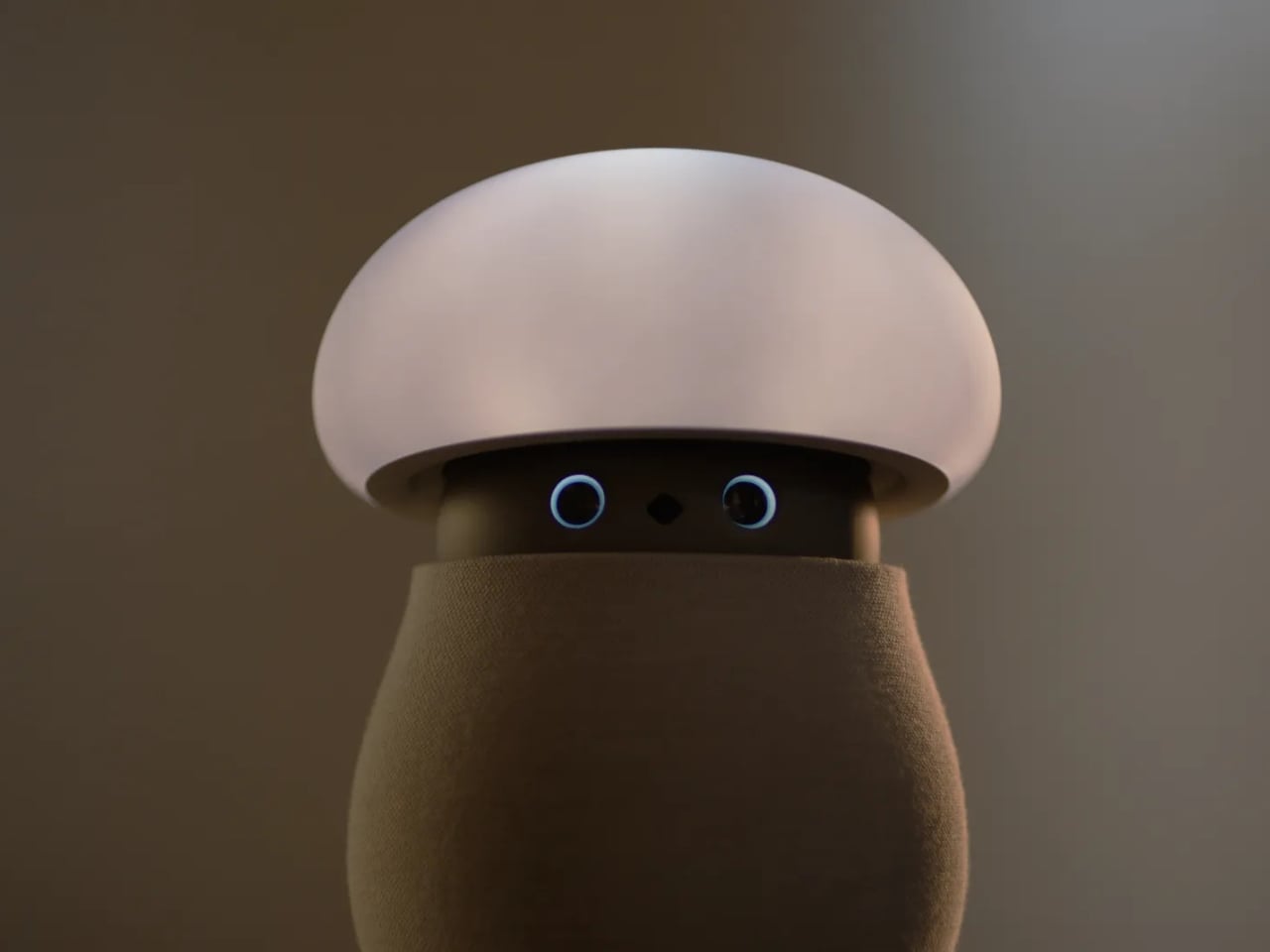
Memo home robot brews espresso and loads the dishwasher on its own

We are all getting busier by the day. And simple household chores and repetitive to-dos often slip through the cracks. But what if there were a robot that could work 24/7 to make our lives easier? This has been a long-time dream for most roboticists, yet home robots have not really reached a stage where they can be trusted, until now. However, this stands to change. At least that’s what the first demonstration of the Memo robot by Mountain-View-based Sunday Robotics suggests.

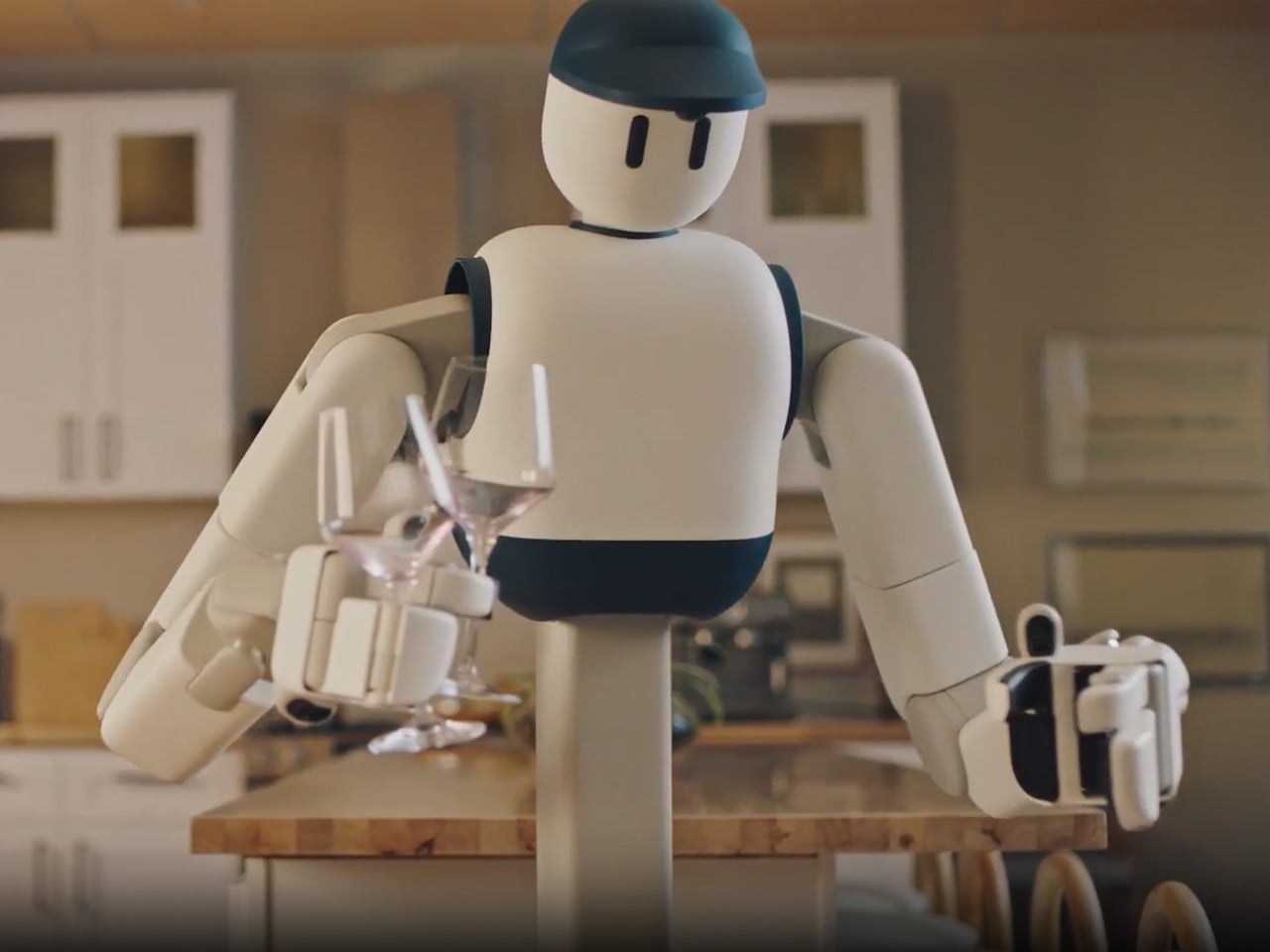
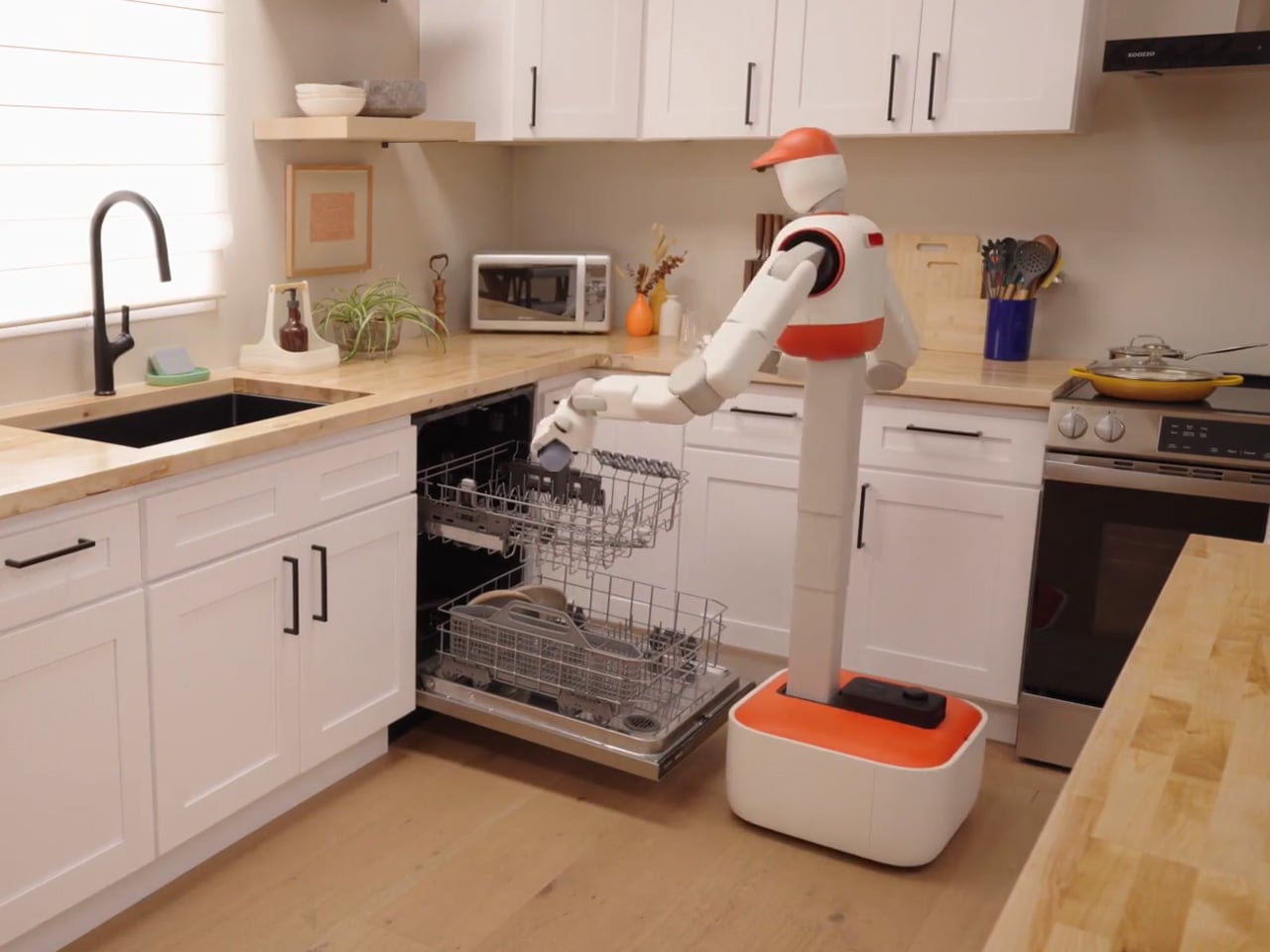
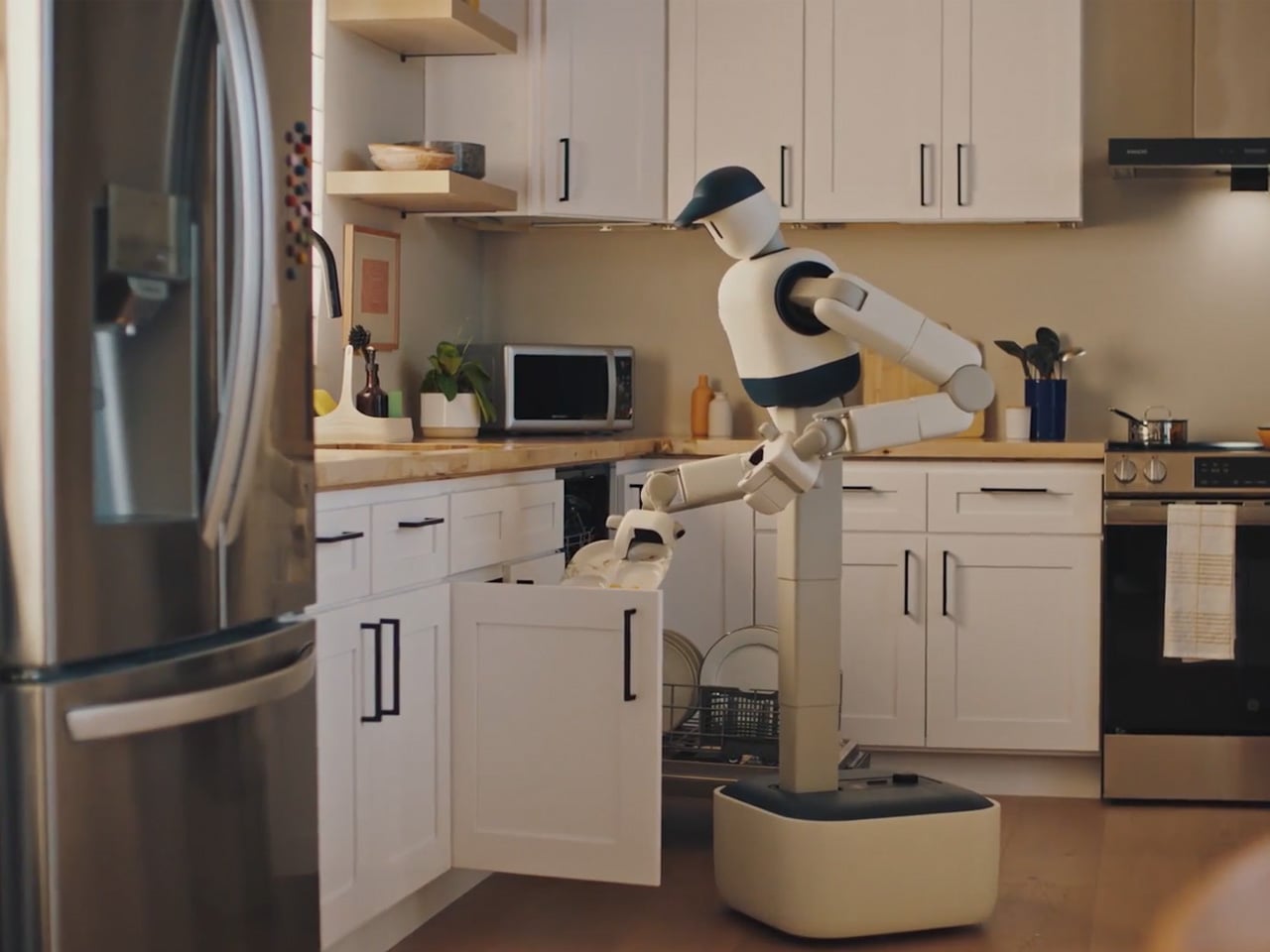
The robot demonstrated how efficiently it can make a cup of espresso, from start to finish, all by itself, while also being able to carry out a few other repetitive tasks, such as uploading crockery to the dishwasher. The household humanoid was quietly introduced to the world on November 19, and since it has been in the news. The personal home robot designed to assist families with some time-consuming household chores uses homebuilt hardware and integrated AI assistance to perform tasks that require deft handling and precise control.

Designer: Sunday Robotics

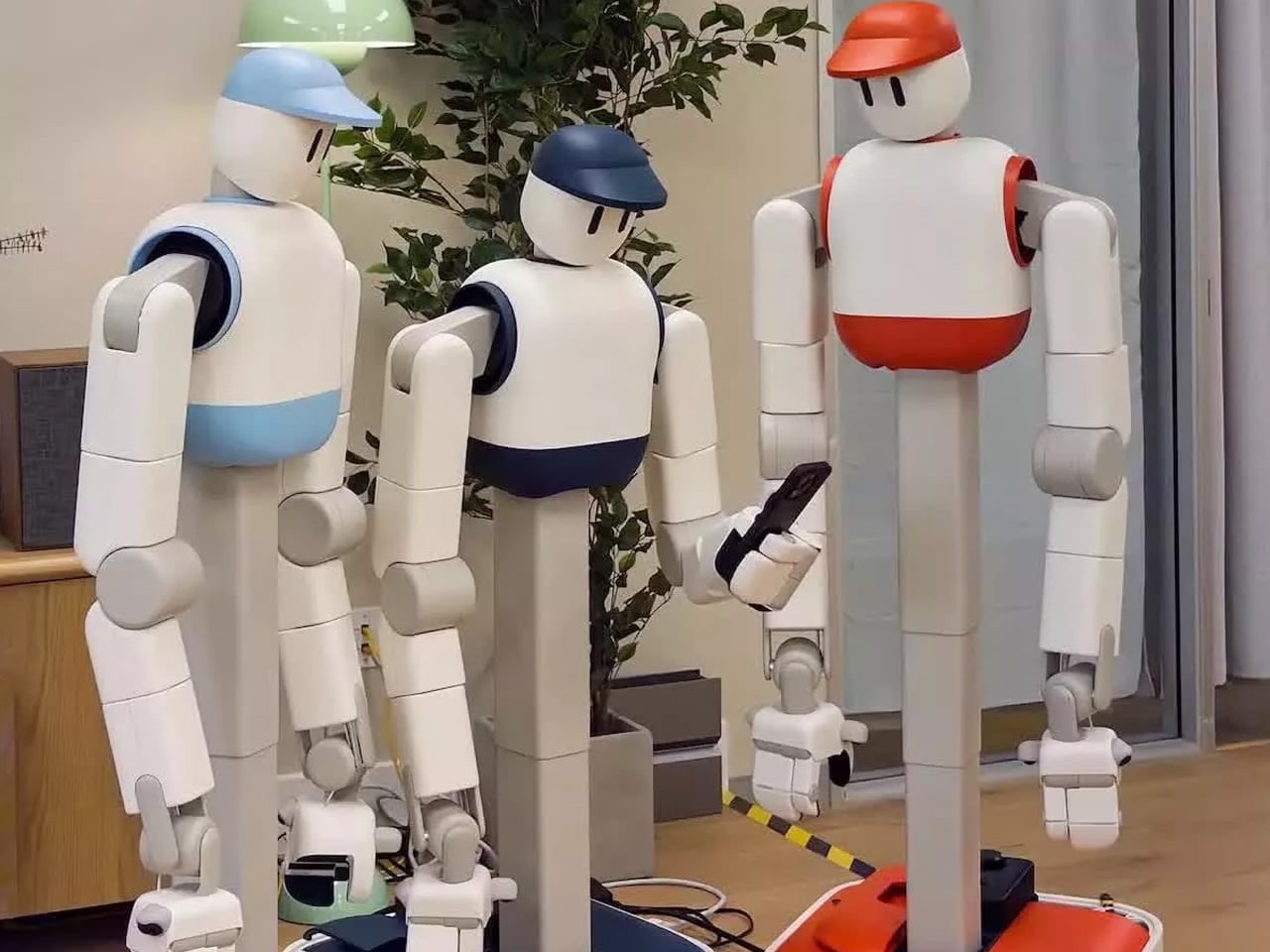
Standing 1.7 meters tall and weighing 170 lbs, Memo has a white torso and a friendly face. Instead of moving on legs, the robot is designed to move on a wheeled base. That could mean limited mobility, restricted to level surfaces, but Memo has a telescoping spine allowing the robot to reach up to 2.1 meters to handle tasks like reaching overhead cabinets with ease. The battery-powered robot boasts four hours of runtime, and it takes about an hour to fully charge.

While the capabilities are unlimited, it’s Memo’s demonstrated skill to make a cup of espresso that has really won hearts. In the demonstration, the robot responds to a request for an espresso by using its hands to deftly operate the espresso machine. It is seen filling the portafilter with coffee grounds and then tamping it perfectly before installing it back into the machine to brew a cup by pressing the button. The robot then places a cup in the designated slot to collect the brewed cup of espresso and serve it to the person who asked for it.

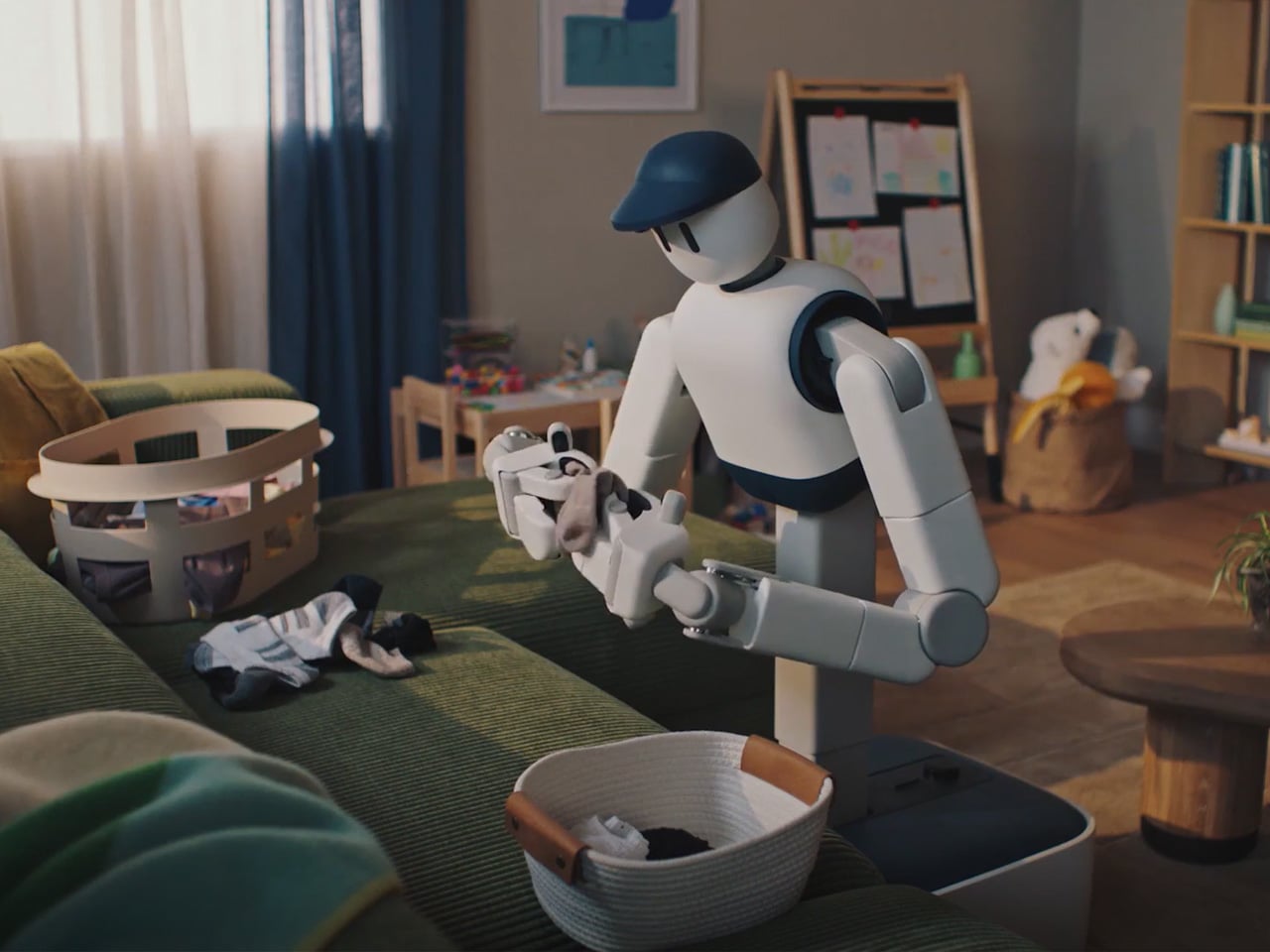
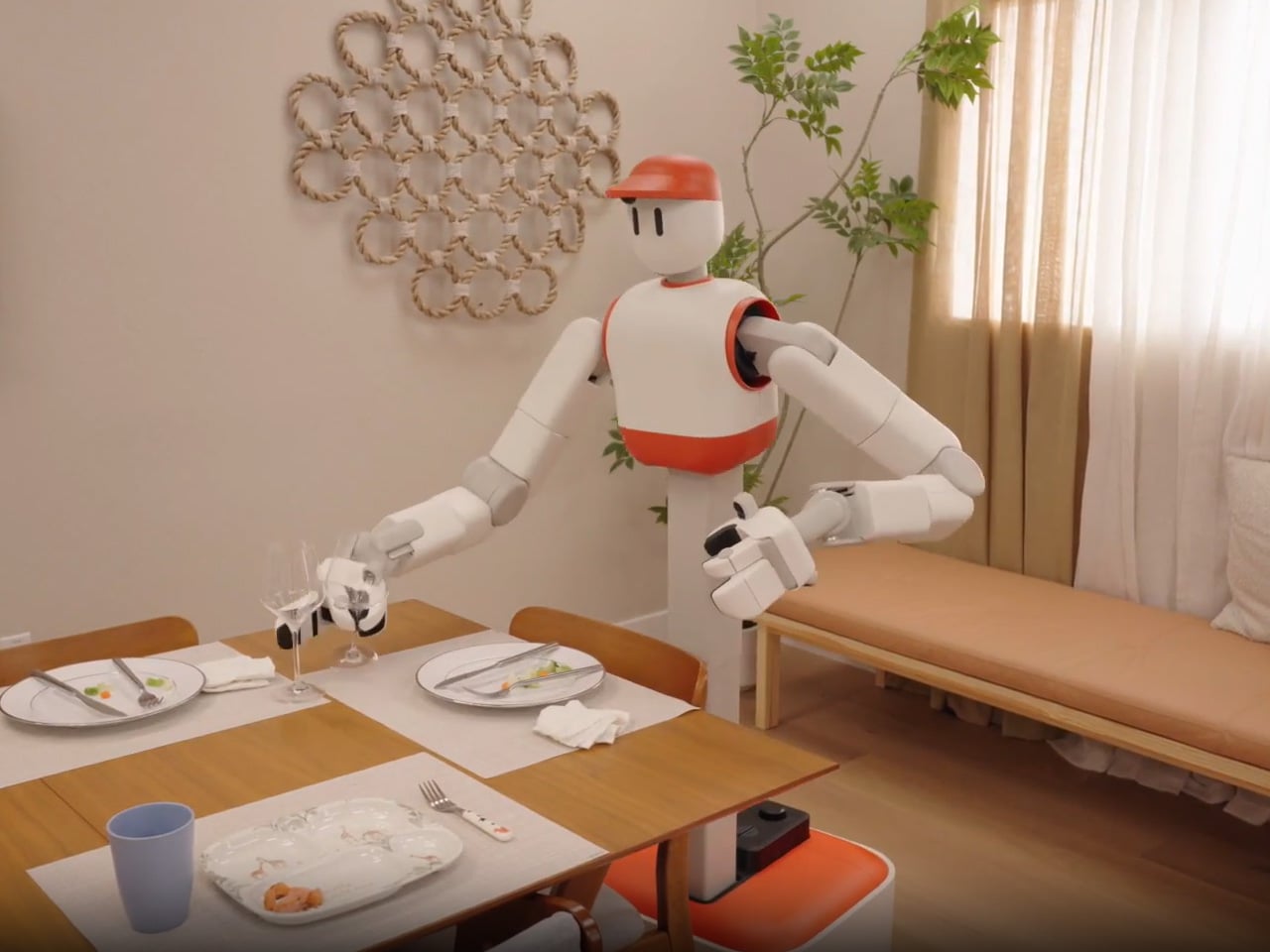
Making a cup of espresso might not seem all that spectacular, but Sunday assures Memo is learning to do a range of other chores, such as clearing the table and loading the dishwasher. Besides, it should also be able to fold laundry or sort your shoes for you. “We want to build robots that free people from laundry, from the dishes, from all chores,” cofounder and CEO of Sunday Robotics, Tony Zhao told Wired. Of course, the prospects look nice, but how would the Memo perform in real-life settings: in households with kids and pets, and other messy routines remains to be seen.

The robot’s dexterity, Sunday informs, is based on the company’s training model. It allows Memo to learn directly from real-world domestic behavior and not the industrial simulations in closed lab environments. A reason we are personally resting our stake on Memo to redefine the use of home robots. For this, Memo collects daily household data from more than 500 households, using a Skill Capture Glove. This is a $400 “wearable device that records how people move, clean, sort, and organize objects.” The data accumulated from the glove is provided to an AI model, which then uses it to control the robot’s actions like a human.

Sunday Robotics has started accepting applications for Memo’s beta testing. If you’re interested, you will have to be in the fifty households that will be early adopters to beta test it next year. The idea is to check how the robot performs and to also gauge how people respond to having a robot at home.

The post Memo home robot brews espresso and loads the dishwasher on its own first appeared on Yanko Design.
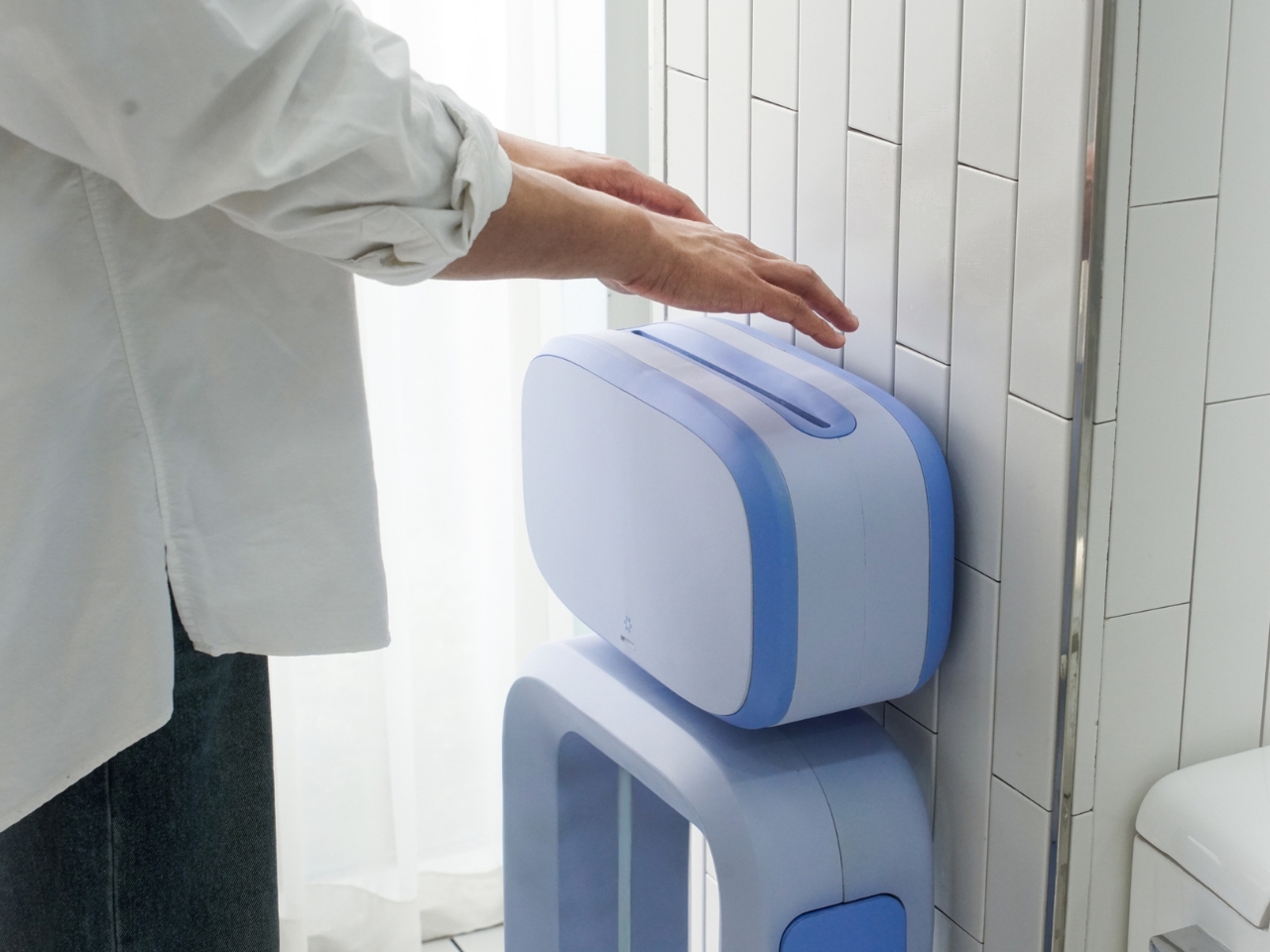
This Robot Changes Shape to Match Any Terrain You Throw at It

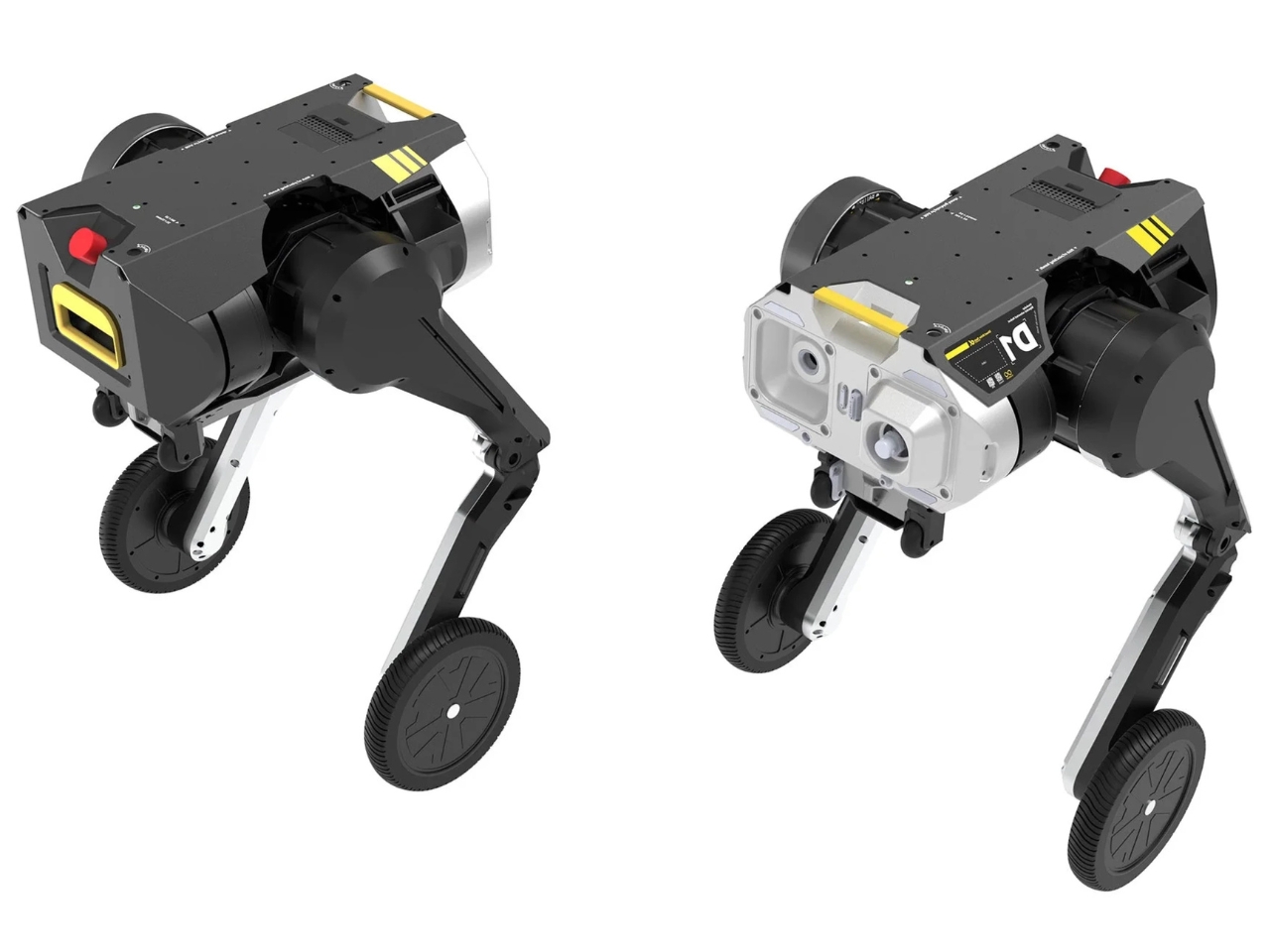
Imagine a robot that can’t decide whether it wants to be a dog or a person, so it just becomes both. That’s essentially what Hong Kong’s Direct Drive Technology has created with the D1, a shape-shifting machine that’s making waves in the robotics world.

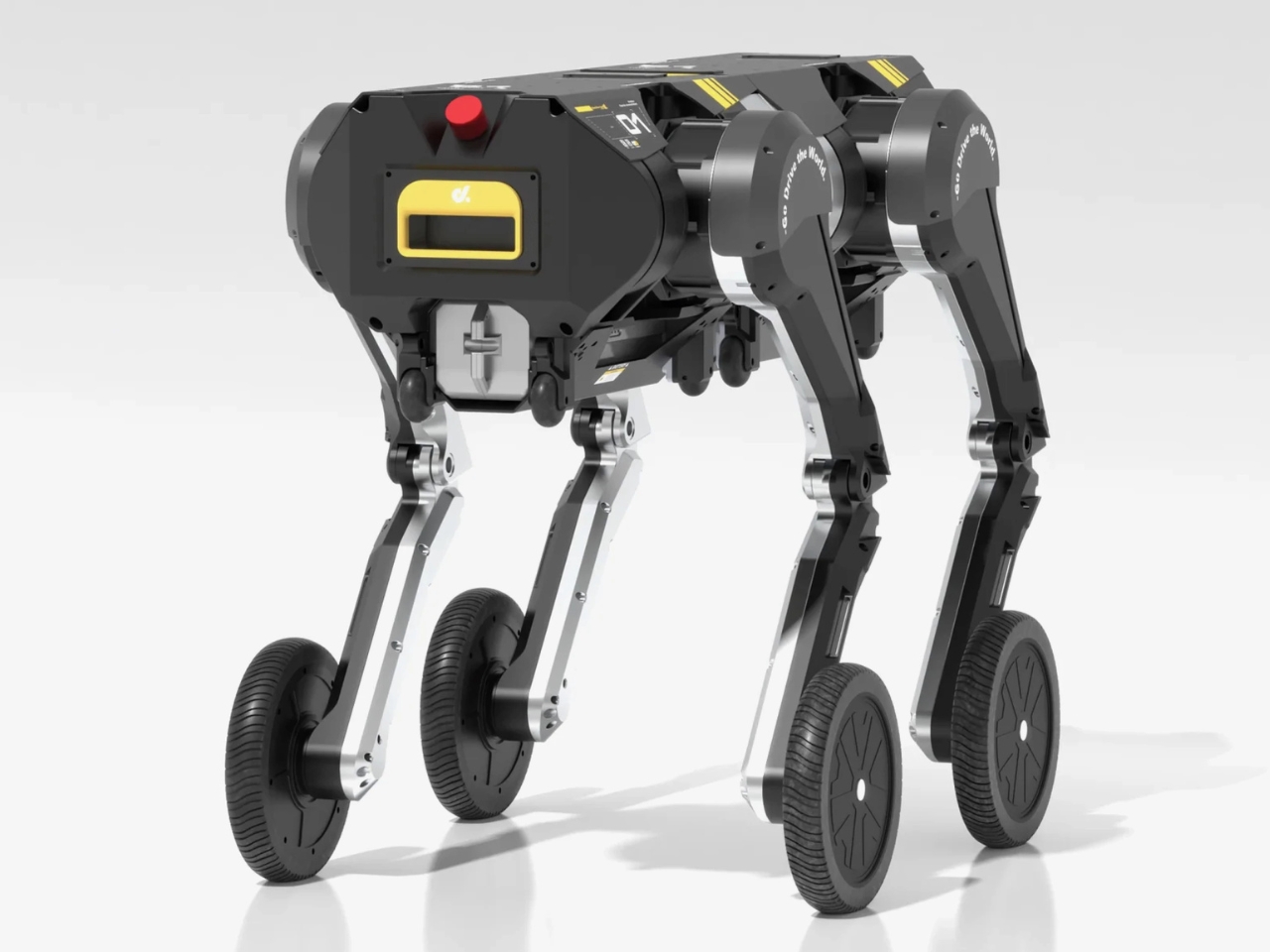
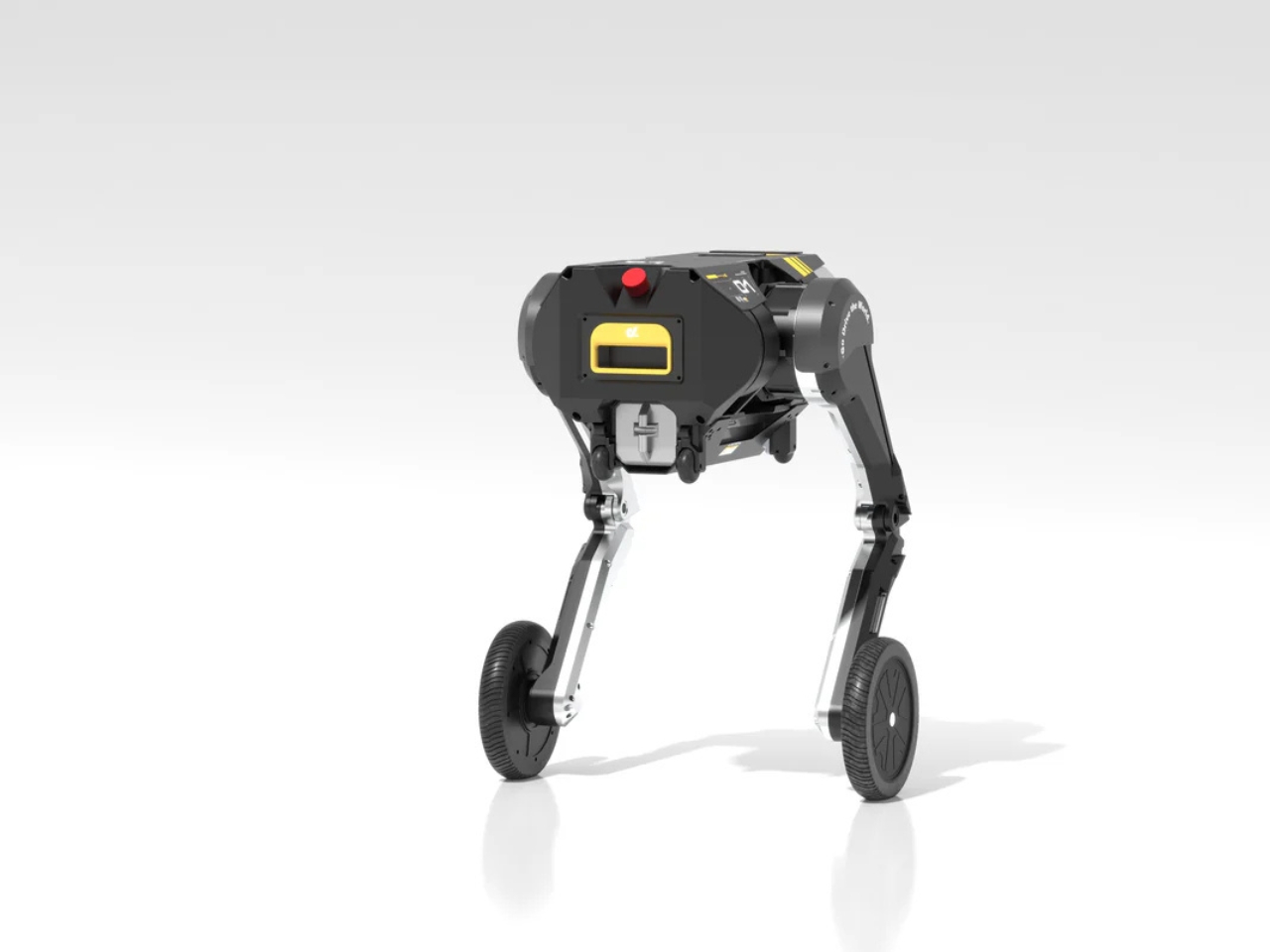
This isn’t your typical tech demo that looks cool but has zero practical use. The D1 is a seriously clever piece of engineering that addresses a real problem: different terrains require different types of movement. Need to haul something heavy across rough ground? The D1 becomes a stable four-legged robot that can carry up to 220 pounds without breaking a sweat. Got a narrow hallway or smooth surface to navigate? It splits into two sleek bipedal units that roll along at speeds up to 7 mph.

Designer: Direct Drive

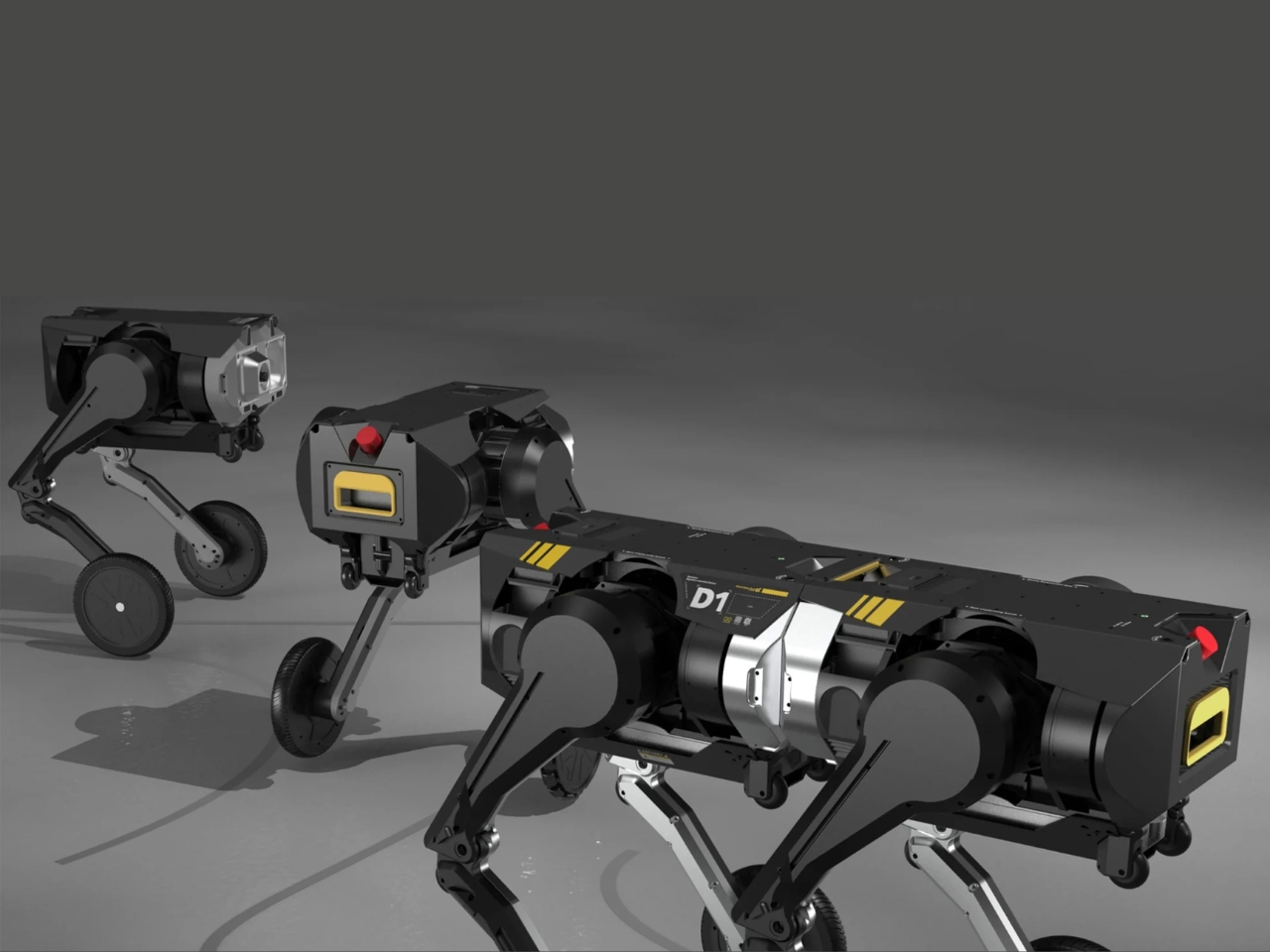
What makes the D1 truly fascinating is its modular design philosophy. Rather than trying to create one robot that does everything mediocrely, Direct Drive Technology took a different approach. They built two independent bipedal robots that can operate solo or dock together to form a quadruped when the situation demands it. It’s like having a transformer that actually serves a purpose beyond looking awesome in action sequences (though it does that too).

Each half of the D1 weighs about 54 pounds and runs on a lithium battery that provides over five hours of operation per two-hour charge. The brains behind the operation is a Jetson Orin NX 8GB processor running Ubuntu, which enables both remote control and autonomous decision-making. This means the D1 can figure out on its own when it needs to split apart or come together based on what it’s facing.

The real-world testing footage shows the D1 tackling scenarios that would trip up most robots. In one clip, it takes a nasty fall on rough terrain but recovers its balance with the kind of precision that makes you wonder if someone’s secretly controlling it. Another scene shows it rolling across water without losing its footing, which is the kind of versatility that could make this robot genuinely useful in disaster response, industrial inspection, or military applications.

What’s particularly smart about this design is how it leverages the strengths of both biped and quadruped configurations. Four-legged robots are notoriously stable and excel on uneven surfaces, which is why we see so many robotic dogs being developed for rough terrain exploration. Meanwhile, bipedal robots are typically lighter, more compact, and better suited for flat surfaces where speed and efficiency matter more than stability. Direct Drive Technology essentially looked at that trade-off and said, “Why choose?” The result is a robot that doesn’t have to compromise. When it needs to be a scout vehicle patrolling smooth terrain, it operates in its speedy biped mode with wheels. When stability and payload capacity become priorities, it transforms into a sure-footed quadruped that can handle chaos.

The timing of this innovation is interesting too. As robots move out of controlled factory environments and into the messy real world, adaptability becomes crucial. A delivery robot that can handle both indoor corridors and outdoor terrain without needing two different machines makes a lot of economic sense. The same goes for search and rescue operations where conditions can change dramatically within a single mission.

Direct Drive Technology is calling the D1 the world’s first fully modular embodied intelligence robot, which is a bold claim in a field that’s moving incredibly fast. But watching the demonstration video, it’s hard to argue with the innovation on display. This is a robot that fundamentally rethinks how we approach locomotion in machines. Whether the D1 becomes commercially successful or remains a fascinating proof of concept, it represents something important: a shift from specialized robots toward truly adaptable ones that can handle whatever environment you throw at them. And in a world that’s increasingly complex and unpredictable, that kind of flexibility might be exactly what we need.

The post This Robot Changes Shape to Match Any Terrain You Throw at It first appeared on Yanko Design.
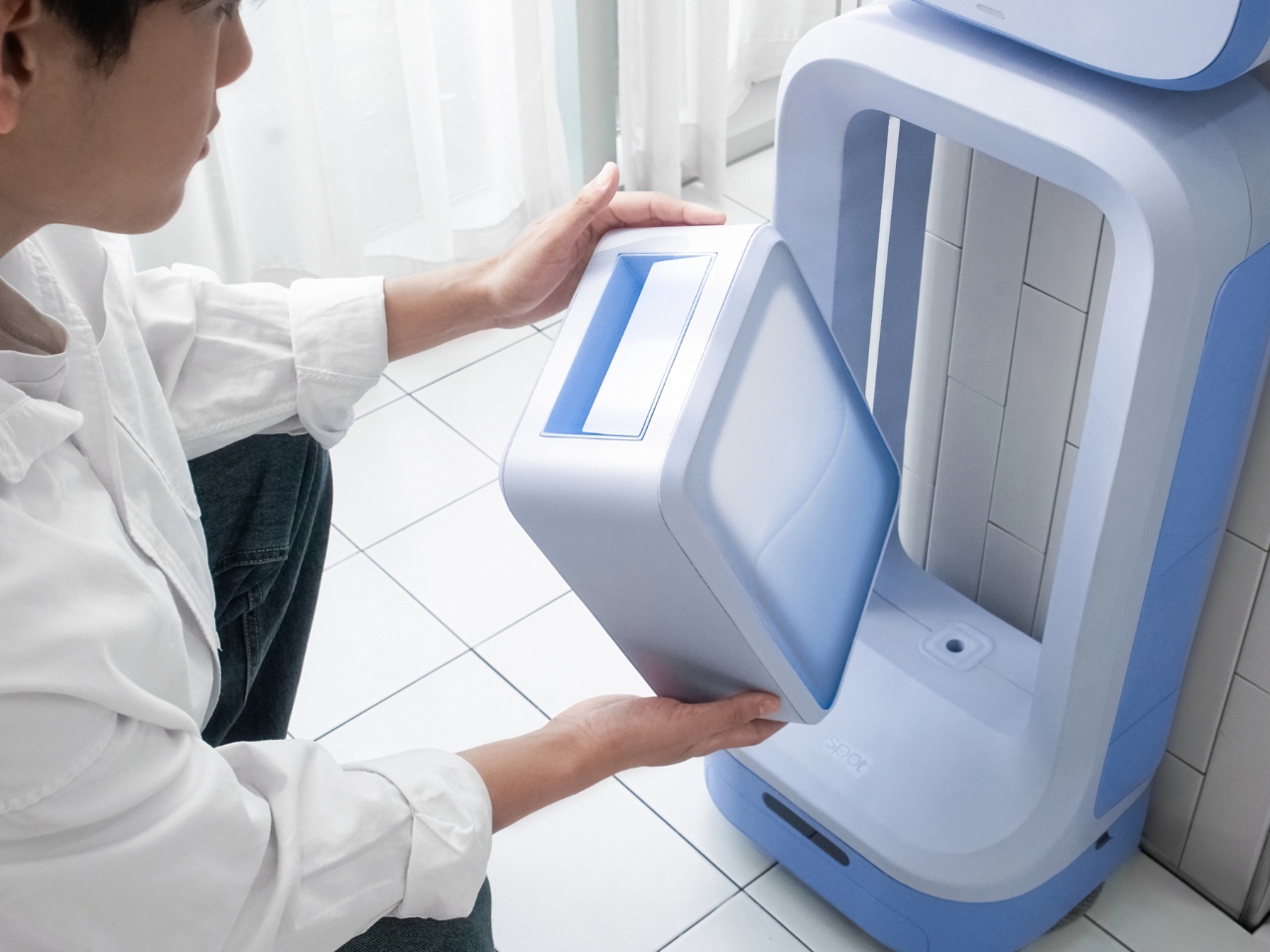
Developed by former Samsung engineers, this walking assist wearable robot also lets you tone your legs

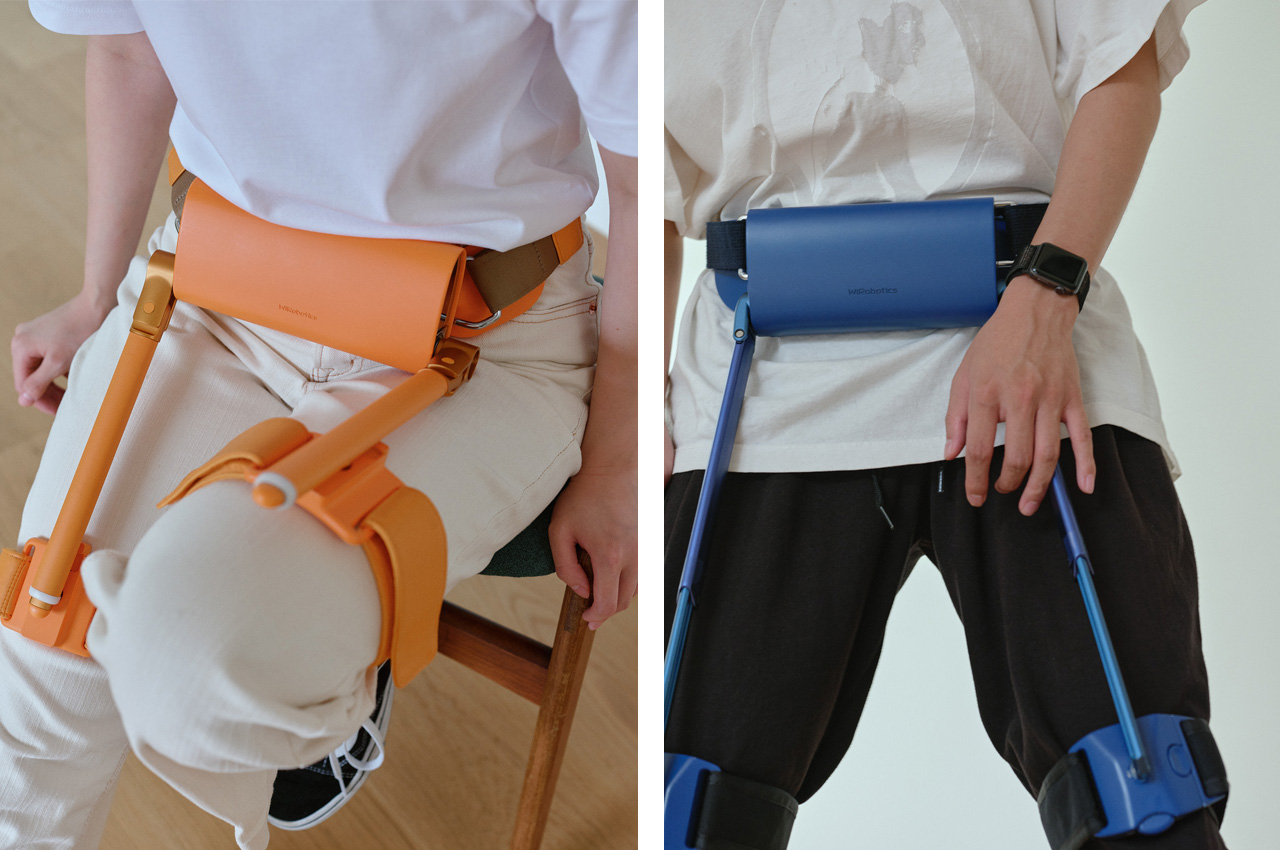
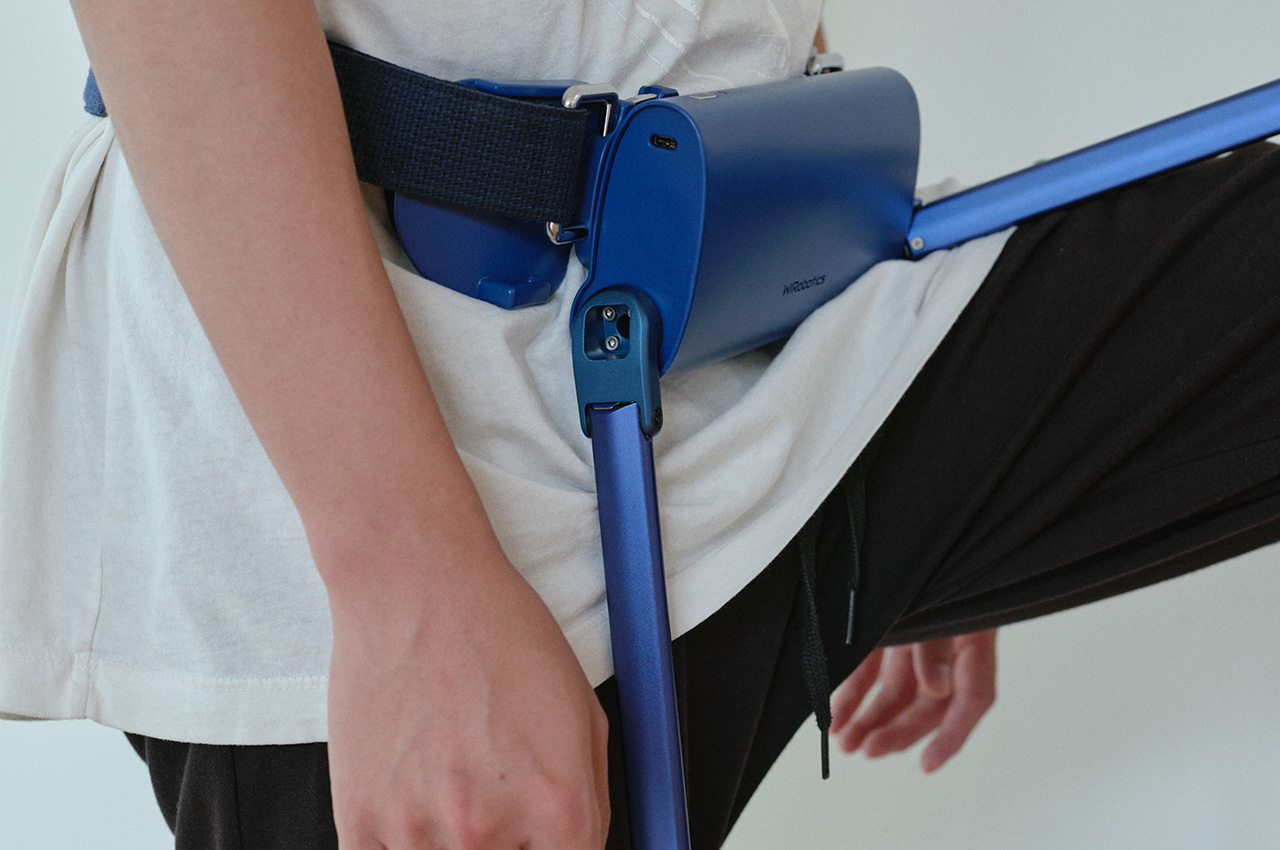
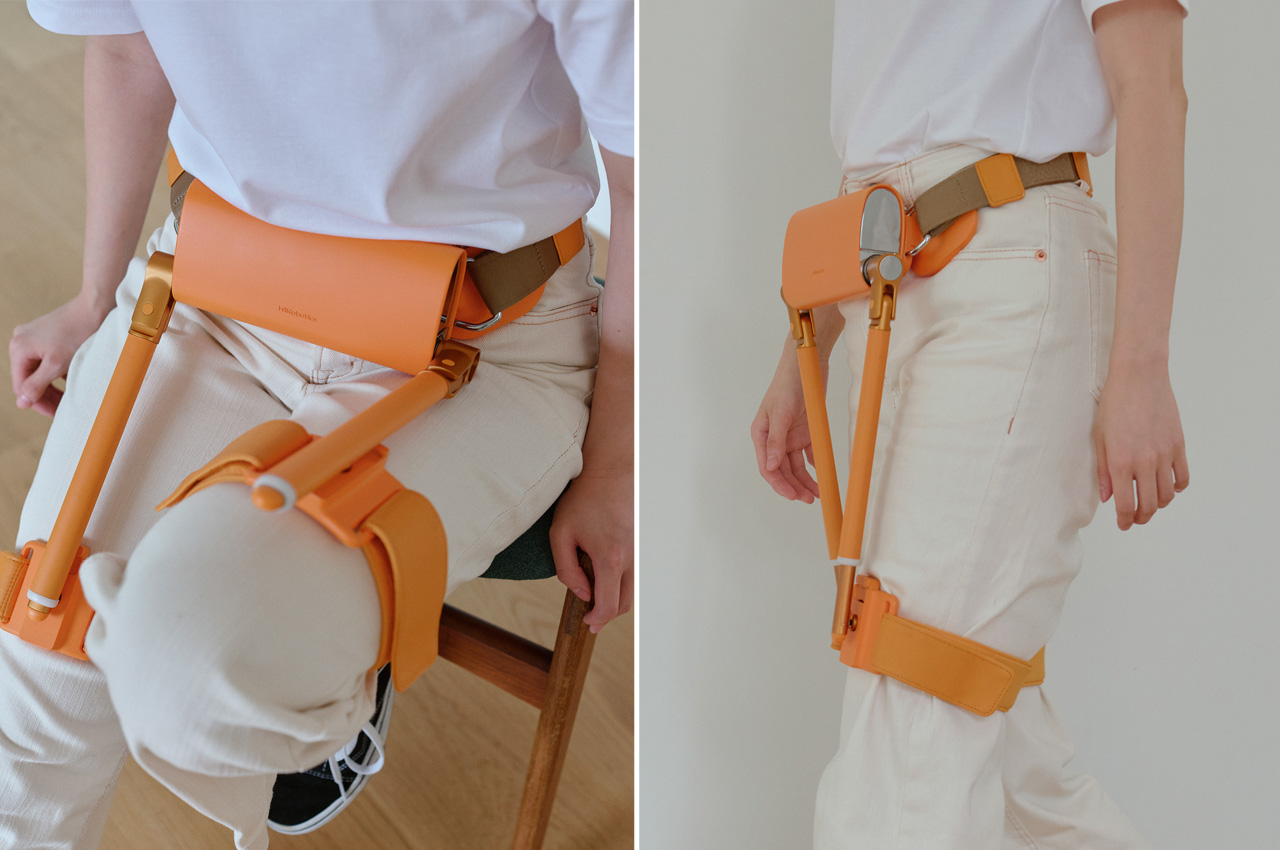
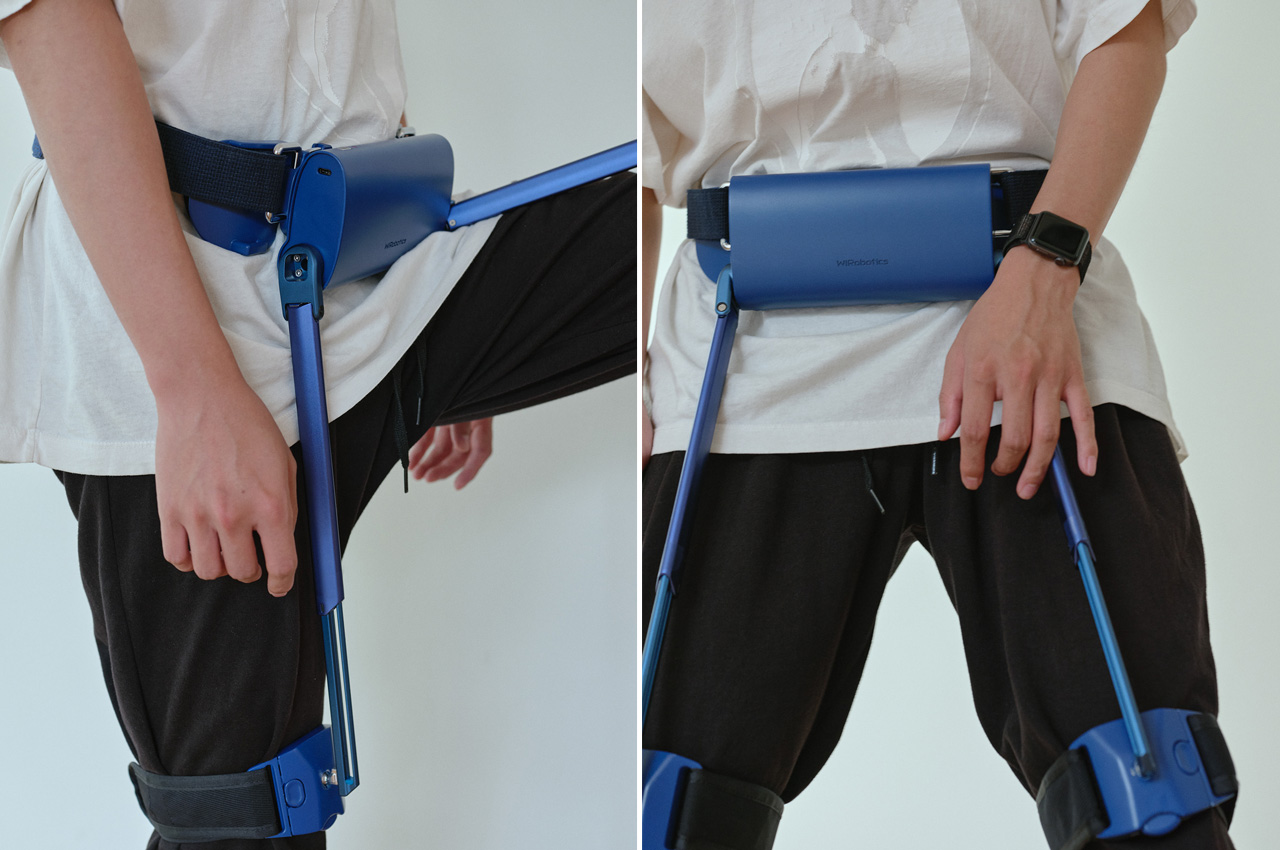
Wear it as a harness: fasten the thigh braces and buckle up the fanny pack-like device around your waist and you can be in command of a mobility wearable robot that can assist you walk with better efficiency or provide resistance to your legs so you can add strength to your lower body.

While existing mobility assist robots are made for seniors with leg discomforts or are intended to help the differently abled to move with more freedom; the WIM mobility assist wearable device created by WIRobotics, is designed for younger consumers to walk better and exercise with the new age technique.

Designer: WIRobotics  

WIRobotics is a company formed by former Samsung Electronics robotics engineers with the intent to help people with limited abilities leverage the freedom of movement that new technologies can permit. With the Wearable Mobility WIM robot, the idea is slightly different. Even though it is a device for those who have issues with their legs and have problems walking longer distances, it would also cater to those who spend hours in the gym trying to strengthen their lower body.

Weighing much lighter than most other assist robots on the market, the WIM robot is also slimmer and more compact, but absolutely effective at providing powerful assistance force to the limb. It also analyses the gait of the user – and corrects it – in real-time. It comes with two different use modes: the assist mode, which does what it means – assist the user walking with more confidence and freedom while saving user energy by up to 20 percent. The exercise mode provides resistance – force comparable to walking in water – to the legs of the user for lower body strength.

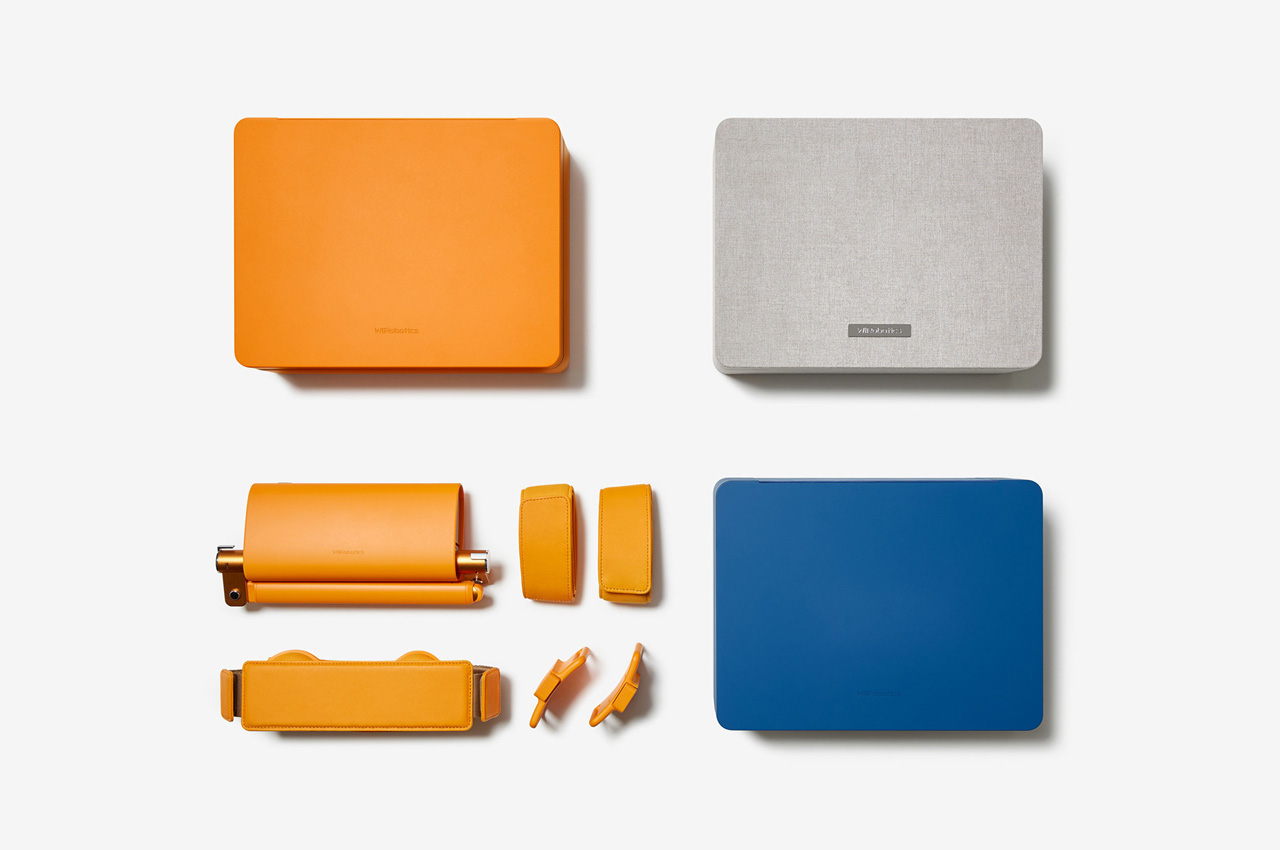
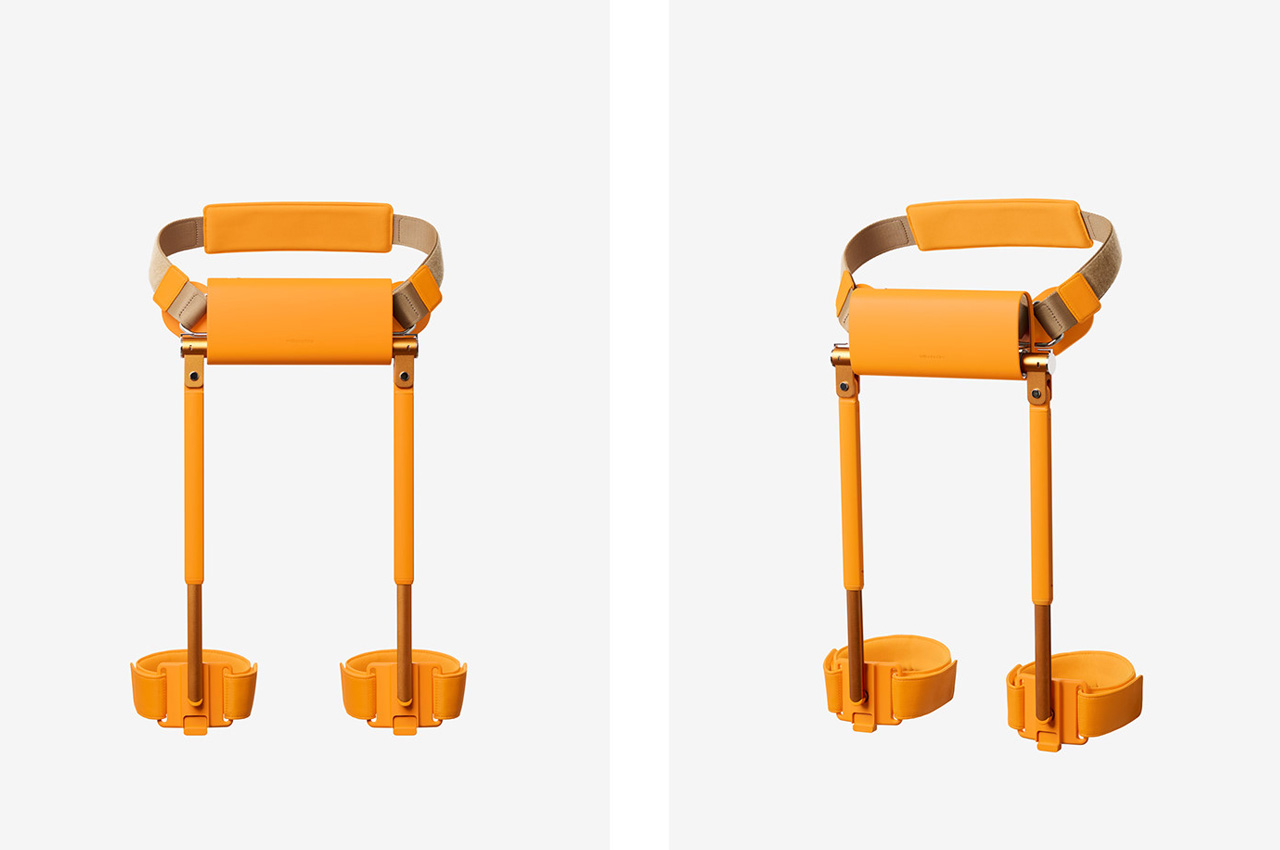
Since this harness-style wearable exoskeleton is not a typical medical device, it doesn’t look like one. Provided in vibrant orange, electric blue, and subtle gray color options, the exoskeleton for hiking and exercise is designed like a fashion accessory that the Gen Z or even the millennial population wouldn’t mind wearing in their everyday routine.  The robot has a single-motor in the fanny pack-like belt strapped to the front of the waist, while both the thigh extensions have individual actuators. The ergonomics of the robot are maintained by aluminum joints in a plastic body to provide a non-restrictive design that can provide free and natural movement. The entire structure can be completely disassembled for convenience of storage and transportation.

The post Developed by former Samsung engineers, this walking assist wearable robot also lets you tone your legs first appeared on Yanko Design.

Boston Dynamics’ Atlas robot reincarnates as an all-electric humanoid that’s more agile and good-looking

Boston Dynamics has been building a fleet of robots for decades now, and they are quite serious about it. the MIT spin-off has made a name for itself with cutting-edge innovations in robotics that serve a purpose for the future. After retiring the Atlas hydraulic robot just a day ago, now the company is looking beyond the horizon with an all-electric Atlas version which is better than the retired predecessor, both in form and physical capabilities. Plus its smartness with new AI and machine learning tools opens up new avenues of applications that we could only have imagined a decade ago.

After a resounding success with Spot the robot dog and Strech multi-purpose mobile robot, they are entering a new era with Atlas that’s more humanoid without having the limitations of a bipedal robot. The result is a super agile robot that can tackle “dull, dirty, and dangerous tasks.” According to Boston Dynamics, electric Atlas is stronger and dextrous. Even though it looks more human than ever, the machine is not limited by the inherent limitations when it comes to our range of motion.

Designer: Boston Dynamics

The new version has a more refined design that’s akin to a sci-fi movie character. It looks eerily close to a humanoid. The electric version has a straighter back, longer limbs, and a head that can rotate 360 degrees. It’s heartening to see all the exposed cables vanish and a face with a built-in ring light. In the teaser video, it can be seen how the Atlas swivels 180 degrees to get up and then turn to head towards the camera. According to BD, the robot “will move in ways that exceed human capabilities.” Hyundai is one of the first clients to test out the nimble robot, and its agility with the interchangeable grippers for varied tasks.

I can’t help but avoid mentioning the Pixar lamp-like head with a jittery motion reminding us all that it’s a robot at the end of the day. We can expect more information to come in about Atlas in the coming weeks, and other humanoid robots from Figure and Apptronik will have to keep a close eye on this development by Boston Dynamics.

The post Boston Dynamics’ Atlas robot reincarnates as an all-electric humanoid that’s more agile and good-looking first appeared on Yanko Design.

LAYER Design and Deutsche Telekom unveil the future of communication devices

As a huge fan of science fiction content, from books to movies to TV shows, I am excited to see which things from what I’ve read and seen will come true one of these days. And with the advances in technology, a lot of them are not far-fetched ideas anymore. There are some things that may be scary or at least creepy but it’s still pretty interesting to see what we’ll see next which we thought were just works of science fiction before.

Designer: Layer Design for Deutsche Telekom

German telecommunications company Deutsche Telekom recently unveiled the Concept T project which is a collection of advanced technology and gadget concepts that will show consumers what may be the future of communications. Concept View is a home hub with a twist: it has a 3D holographic AI-equipped virtual assistant called Emma to guide you through things like video calls and other digital world activities. It looks like a cross between a crystal ball and the Palantirs from Lord of the Rings but instead of showing you what the future holds, it will show you the future of technology.

A Wi-Fi router isn’t the sexiest gadget out there but Concept Level definitely makes it more interesting. It is a re-configurable router that is made up of different interchangeable, modular elements. The set includes a display unit, Wi-Fi sensing element, mesh repeater, and computational module for Web 3 use cases. The elements are designed using different geometric forms so it looks like you have interesting mini sculptures rather than an actual router.

Concept Buddy is your own personal robot at home, similar to the ones you see in malls and airports. It’s an AI-based digital assistant companion that is able to communicate through the “emotion and information display”. It is able to give reminders like taking medication and household chores and can also assist in calls, online shopping, and other tasks you may need assistance. It can even warn you of potential hazards and contact emergency services if needed. It is able to adapt to your routine and will only “come alive” when it is engaged with.

The post LAYER Design and Deutsche Telekom unveil the future of communication devices first appeared on Yanko Design.
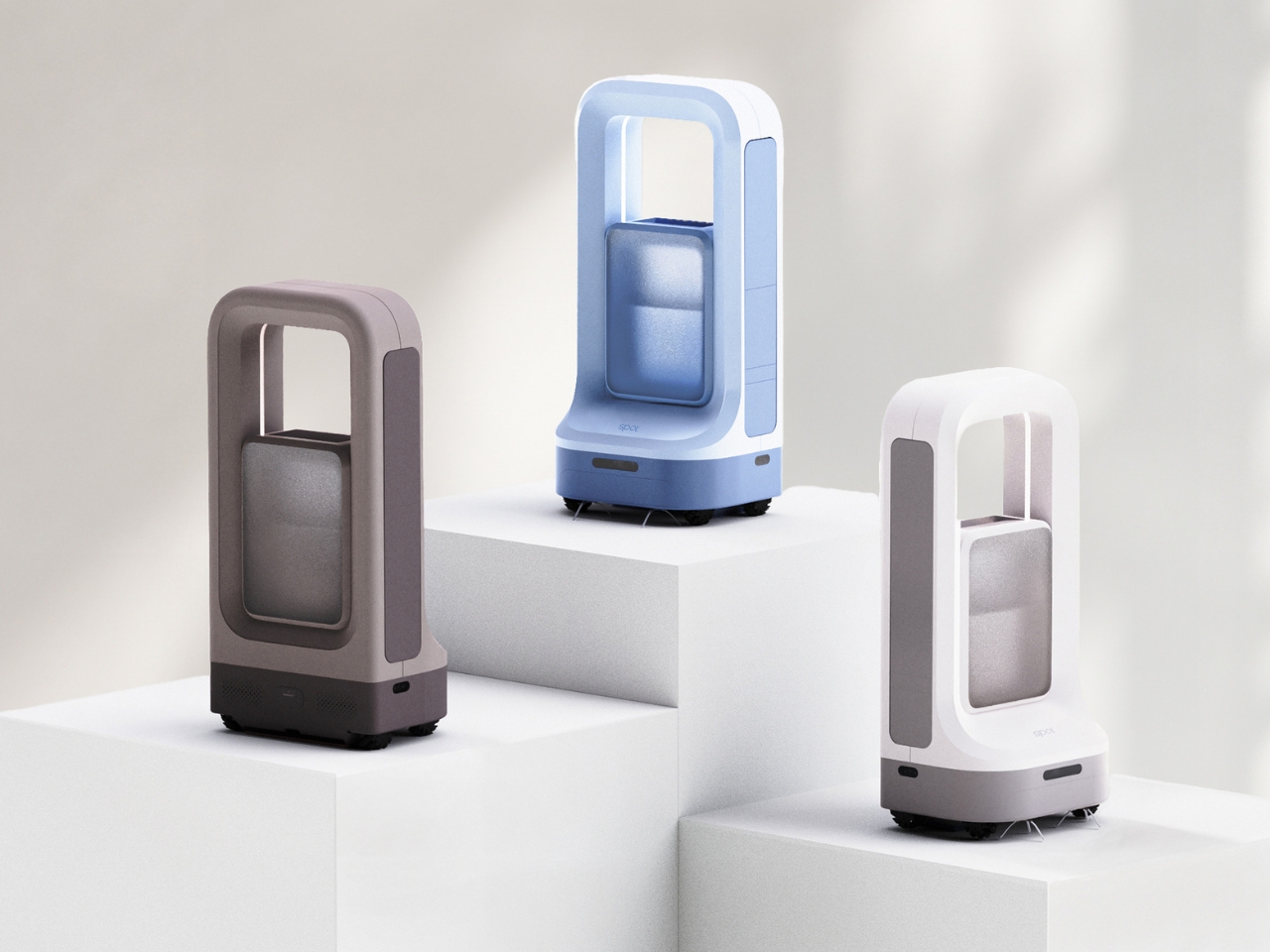
World’s smallest humanoid robot is more than a toy – it walks, dances and even kicks a ball

School students from Hong Kong have shined in the world sphere with an entry in the Guinness World Records. They have, in the school robotics laboratory, built what is now recognized as the smallest humanoid in the world by the ace record keeper. To reach the feat, they had to do better than just build a miniature bot. A robot to be billed a record holder must be capable of bipedal movement and able to articulate its knees, hips, elbows, and shoulders.

The four-member team of Aaron Ho Yat Fung, Isaac Zachary To, Justin Wang Tou Duong, and Ngo Hei Leung, with their bot which does not have a moniker yet, has broken the record for the smallest robot held by Pakistan’s Zain Ahmad Qureshi. For reference, the humanoid from Diocesan Boys’ School students is “shorter than a standard ballpoint pen.”

Designer: Diocesan Boys’ School, Hong Kong

According to the information shared by Guinness World Records, the new smallest humanoid measures 141 mm tall. For the record, it is estimated 11.3 mm shorter than the previous record-holding robot by Qureshi. Even though the underlying intention of such a miniature robot was to break the Guinness Record; the brains behind it believe, the bot can be a “small, low cost, rechargeable, and programmable” platform for STEAM (science, technology, engineering, the arts, and mathematics) education. The small size also leaves the possibility of mass-producing such a robot at a lower cost.

The robot itself was first designed in CAD and then its acrylic panels and 3D-printed components were produced and assembled in the school’s robotics lab. Students thereafter reached out to a servo motors manufacturer. Putting the servos together on a 16-channel control board, installed at the back of the robot, students were able to control their bot using onboard buttons and via a mobile device.

In addition to moving its legs and arms, the robot, as seen in the video above, can be programmed to dance, do kung fu, and even kick a football. These moves are powered by a built-in 7.4V lithium-ion battery. The Diocesan Boys’ School robotics team wants to make the design and code of their tiny robot open source, which would further their idea of making STEAM education workshops interesting and economically viable.

The post World’s smallest humanoid robot is more than a toy – it walks, dances and even kicks a ball first appeared on Yanko Design.
LG’s game-changing house robot is a secret smart AI agent with numerous tricks up its sleeves

I had an idea about what’s possible with AI and machine learning integration. What I didn’t know, until today, was that LG is committed to realizing a vision of “Zero Labor Home” with robotics and artificial intelligence. Does that sound safe is a discussion for another day, but what’s on the horizon (as progress in the direction) is the pre-CES announcement of a smart home AI agent from LG.

The AI agent is a cute little robot with large googly eyes that LG has outfitted with multi-modal technologies for autonomous mobility, advanced communication, and engaging functions to help homeowners with daily chores. A home manager and companion robot to say, the LG’s two-legged, wheeled agent can “move, learn, comprehend and engage in complex conversations.”

Designer: LG

This interesting robotic figure with a headphone-like carrying handle over the head has articulated leg joints for free and independent mobility. The AI robot is based on Qualcomm Robotics RB5 development kit enabling face and companion recognition. This means that the LG smart agent can recognize users, understand and express emotions, and interact verbally. For instance, it “greets homeowners at the front door, discerns their emotions by analyzing their voice and facial expressions, and selects music or other content to suit their mood.”

“Embedded with the ability to process natural language, the robotic smart home AI agent can “understand context and intentions” to “actively communicate with users.” This is made possible with built-in sensors, camera, and a speaker. These together also put a lot of other interesting aspects to the robotic abilities of the AI agent. It can double as a mobile smart hub in the house allowing you to connect with and control IoT devices, and note temperature, indoor air quality, and humidity.

Since the little guy can move around the house quite like the humans, it can patrol the confines on your behalf to notify if you have left a window open or an appliance turned on. By this concept, it can also work as a house guard and pet monitor sending timely alerts if any unusual activity is detected or the pet needs attention. As a partner to the seniors at home, AI agent can provide reminders to take medications or manage personal schedules. With a robot capable of endless features, LG aims to “liberate” us “from the burden of housework.”

The post LG’s game-changing house robot is a secret smart AI agent with numerous tricks up its sleeves first appeared on Yanko Design.

This autonomous robot scouts unfriendly terrain for dangerous land mines in warzone and post-conflict regions

Wars bring with them massive destruction on the battlefield but the implications beyond wartime can be equally devastating in terms of mental, psychological and physical damage. The ongoing strangling in two of the most important regions in the world is a clear example of how conflicts can have devastating aftermaths. Land mines have long been one of the worst nemesis of post-war calamities, rendering fertile lands too risky to be cultivated.

Searching for these fatal buried hazards can be an arduous task even for the most potent military units and that’s where robotic land mine detectors make the task easier. This takes all the risk of human life away and also ensures the particular area of land is safely ridden of destructive land mines laid down by battling units in the past.

Designer: Subin Kim and JiHoon Park

Meet the Warden mine detector proposed as a concept design that safely takes care of identifying potential land mines and marks the area with red paint to keep everyone safe. This creates a quarantined zone for residents and outsiders about the potential threats. Working autonomously to scout any kind of terrain, the smart robotic minesweeper is connected to the cloud at all times to send the real-time data of identified mines, so that they can be updated in relevant online maps and public resources.

Looking like a rover moving forward on unknown lands, this robot has a high ride height to move swiftly on rocky terrain. The machine is loaded with advanced sensors and a surprising mowing attachment to remove any standing grass or weed. This makes the marked area visible even in the dark hours of the day. When not autonomous, the minesweeper robot can also be controlled by a soldier during wartime scouting.

The post This autonomous robot scouts unfriendly terrain for dangerous land mines in warzone and post-conflict regions first appeared on Yanko Design.

The Boston Dynamics Robot Dog has a $225 sibling that follows voice commands

On the one hand, you’ve got incredibly capable AI that has some scary implications for the human race… but on the other hand, you have the Bittle X, an adorable toy robot dog that allows you to befriend, train, and tame technology instead of being afraid of it. A sibling to Petoi’s Bittle robot dog that debuted in 2020, Bittle X comes with a few upgrades, proving that an old dog CAN learn new tricks! Designed to resemble the Boston Dynamics robot dog, the Bittle X is a palm-sized STEM toy that’s perfect for kids, tinkerers, engineers, and people looking to experiment with coding, robotics, IoT(Internet of Things), and AI. It’s entirely open-source, runs on a block-based programming environment, has support for C++/Python programming, and comes with a few extra upgrades that the Bittle lacks, like now being able to follow voice commands, as well as record and program your own voice commands!

Designer: Rongzhong Li

Click Here to Buy Now: $225 $279 (Use Coupon Code “yanko10” to get an additional $10 off). Hurry, deal ends in 48-hours!

Easy to Develop AI, IoT and Robotics Applications for Quadruped Robot Dog

Less of a toy and more of a learning opportunity, the Bittle X was designed to make robotics more accessible to anyone looking to dive into the world of robotics. It comes with a tiny form, small enough to fit in the palm of your hand, but is designed to be incredibly articulate with multiple joints with high-performance servos that allow it to walk, sit, jump, backflip, kick, and even scratch itself like a real dog would! Moreover, its bionic leg construction gives it natural movement, allowing it to sit down, get up, recover from a flipover, and even walk across uneven terrain.

The pint-sized pooch comes in two styles – a pre-assembled kit that works right out of the box, and a construction kit that gives you the joy of being able to put together your own voice-command robot dog from scratch. Assembling the robot doesn’t require much technical knowledge, given that the plastic parts are already molded and easy to assemble with interlocking mechanisms. Once assembled, the Bittle X is ready to play/engage with you and follow your commands. A remote control lets you wirelessly operate your Bittle X, although notably, it also now has support for voice commands, allowing you to tell it to wave hello, give you a handshake, sit, crawl, dig, play dead, and even do a handstand! Right out of the box, the dog has support for 35+ voice commands, along with the ability to store 10 additional voice commands that you can program yourself.

The robot operates on the OpenCat platform, offering endless programming and customization possibilities. It supports block-based programming with Petoi’s Coding Blocks, C++, and Python, making it a versatile tool for users at different learning stages. You can also use the free Petoi Desktop App – Skill Composer to visually create new robot dog skills with ease. The creators, Petoi, even further their commitment towards STEM education by providing free curriculums for anyone looking to learn how to tinker with their Bittle X (and other robot pets). You can find all the necessary resources on Petoi’s OpenCat forum, along with ideas and prompts for experimenting with your robot dogs (like orchestrating robot wars, hosting your own doggy Olympics, and performing more complex challenges like solving mazes), and even a section where Petoi showcases works from other tinkerers playing around with their Bittles.

Underneath that playful exterior, Bittle X is powered by the BiBoard, Petoi’s latest quadruped robot microcontroller, ensuring smooth, coordinated movements. The option to integrate various smart sensors, like the Petoi intelligent camera module, the motion sensor, or the distance sensor, allows you to add depth to its perception and artificial intelligence capabilities via coding, allowing for more advanced interactions, games​​, and robotics competitions. The ESP32-based BiBoard comes with Wi-Fi, Bluetooth, serial connections, and voice command support, along with its servos and Li-ion battery providing about an hour of continuous playtime​​​.

The friendly robot dog is designed for all ages above 8 (what you really need is childlike curiosity), and is sure to get along with everyone it meets! Alongside being a robot dog that learns tricks and commands, it’s also rewarding because you get to learn with it, creating a bonding experience that’s not too different from actually playing with and training real pets. The Bittle X starts at $236.99 during Petoi’s holiday sale, but YD readers can grab a nifty $10 discount, bringing the price down to $225. Grab yours now and build your army of loyal minions before the AI takes over!

Click Here to Buy Now: $225 $279 (Use Coupon Code “yanko10” to get an additional $10 off). Hurry, deal ends in 48-hours!

The post The Boston Dynamics Robot Dog has a $225 sibling that follows voice commands first appeared on Yanko Design.

With an articulated spine this robot mouse can beat ‘Spot’ at pace and maneuvers in small turning radius

Over the years, quadruped – four-legged – robots led by the likes of Spot, by Boston Dynamics, have captured our imagination far and wide. These robots have been through various upgrades, including the robotic dog that can now walk, jump, and maneuver like the real thing. Even though the construction of these robots is already very sophisticated, it remains to be perfected for widespread applications.

A step forward in this direction can be a mouse robot with an articulated spine developed by collaborative research teams from the Technical University of Munich, University of Technology, Nuremberg, and Sun Yat-Sen University, China. The articulation of the spine allows the mouse named NeRmo full body control and stabilization, which provides it with a more balanced frame along with agility and gait much like a real rodent with a biological spine.

Designer: Zhenshan Bing

This mouse created with a flexible spine and tendons is the first interpretation of spine-centric quadruped, unlike the four-legged robots whose anatomical mimicking just finishes at the leg-based motor skills. Yes, they can walk, jump or even pull off a few dance moves, but the NeRmo can do that and more. While the others are robotic in their movement and approach, the researchers led by Zhenshan Bing, believe their mouse – with a spine and tendons running through it – can move almost alike and turn equally efficiently as its biological counterpart.

NeRmo is an agile-legged robot that leaves behind challenges of movement and regulating spine flexion that other quadrupeds using similar spine enhancement – like in the case of Boston Dynamics’ Cheetah robot – have proved. The robot with 3D printed parts and Raspberry Pi for its brain has a sensory system that can make decisions and navigate autonomously.

The NeRmo is an experimental robot that helps understand the spine-based quadruped locomotion skills. The findings are pretty optimistic, which means, that its development can be a promising inspiration for more such small agile-legged robots. The construction of the NeRmo modular robot, according to the research team is low cost, owing to its building process. With the articulated spine, the research shows, the robotic mouse can adjust its posture, extend its stride to walk faster, and make agile maneuvers in a small turning radius and while walking.

The post With an articulated spine this robot mouse can beat ‘Spot’ at pace and maneuvers in small turning radius first appeared on Yanko Design.