The Leather Vessels at Milan 2026 That Feel Like They’re Breathing

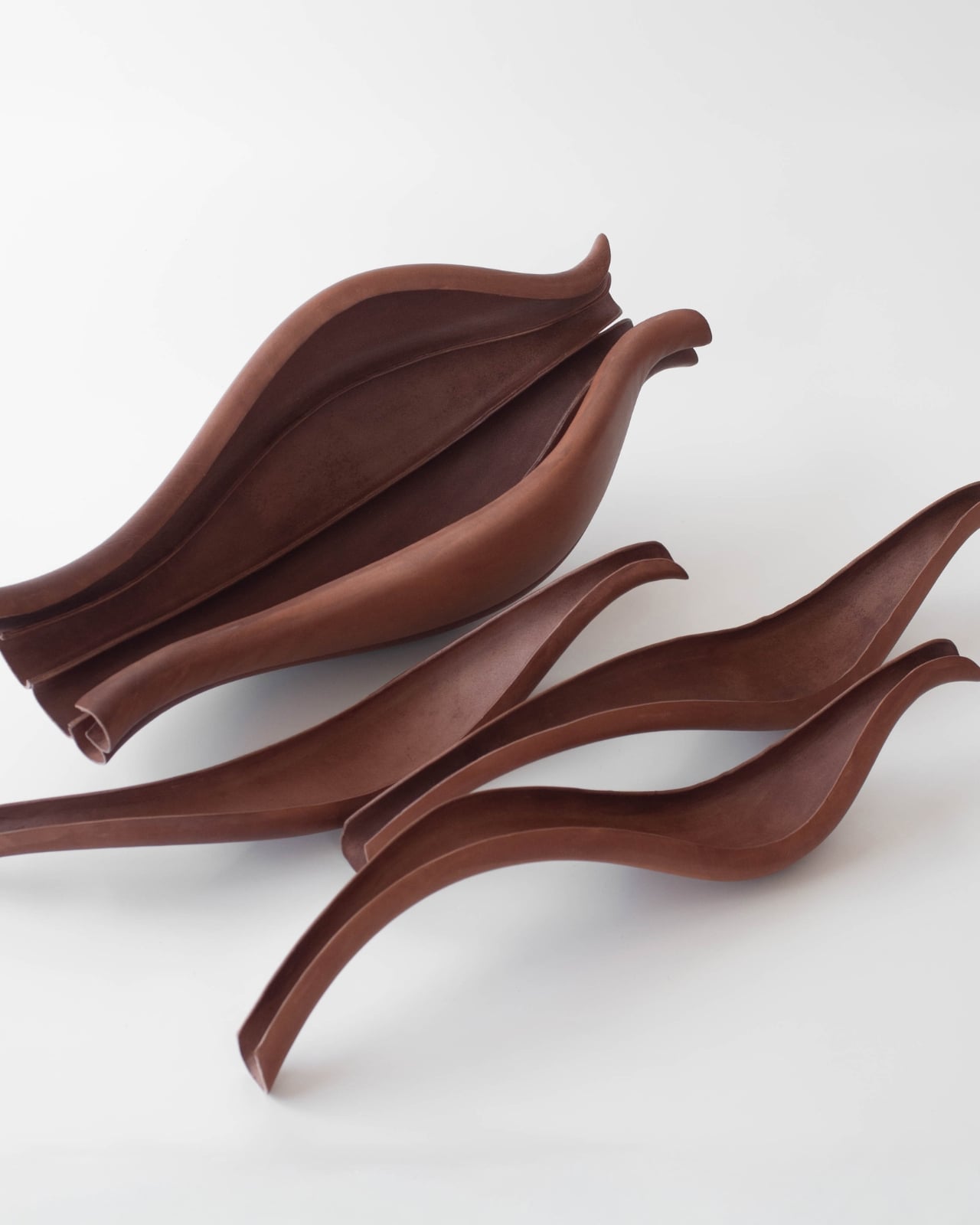
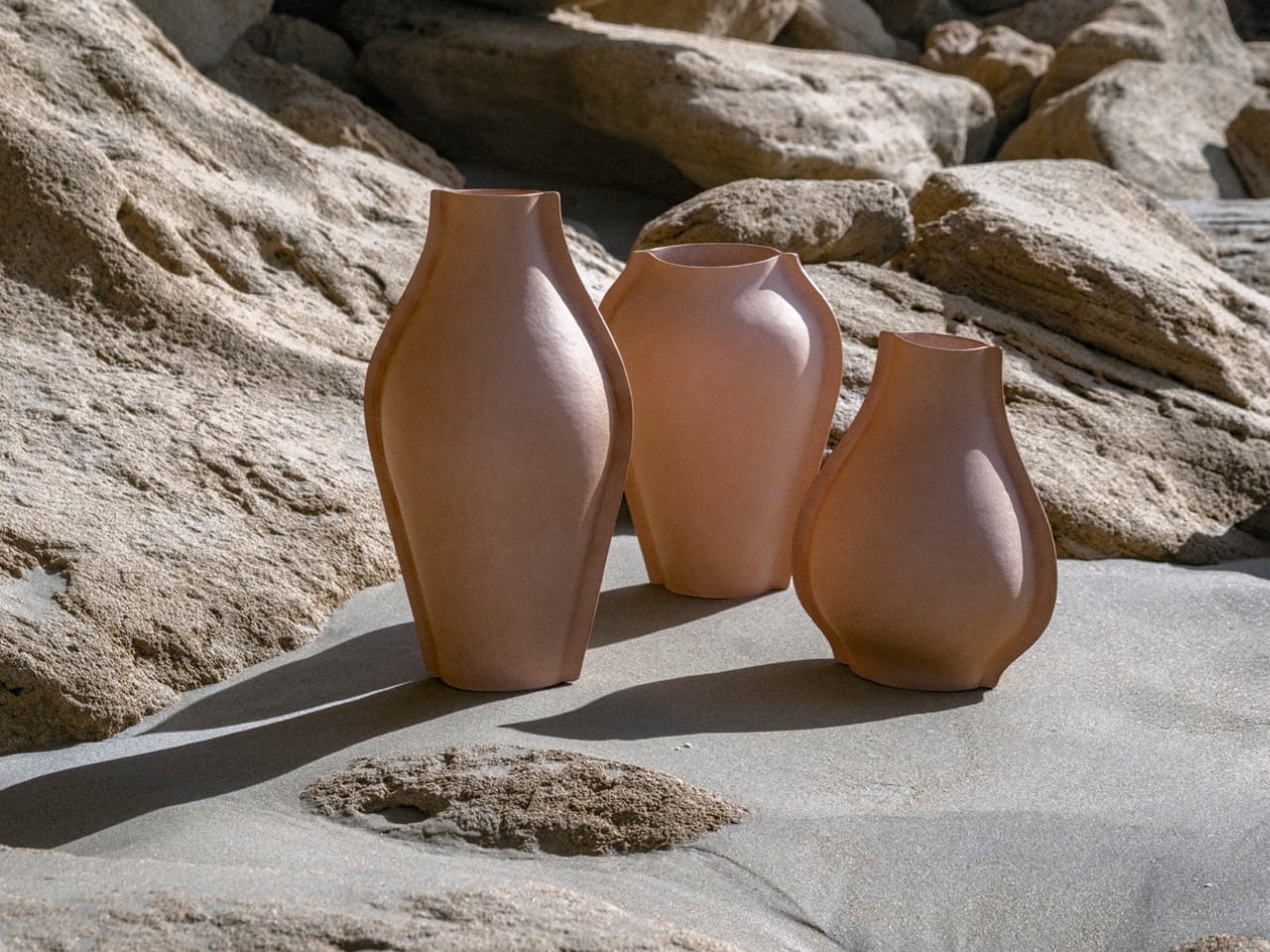
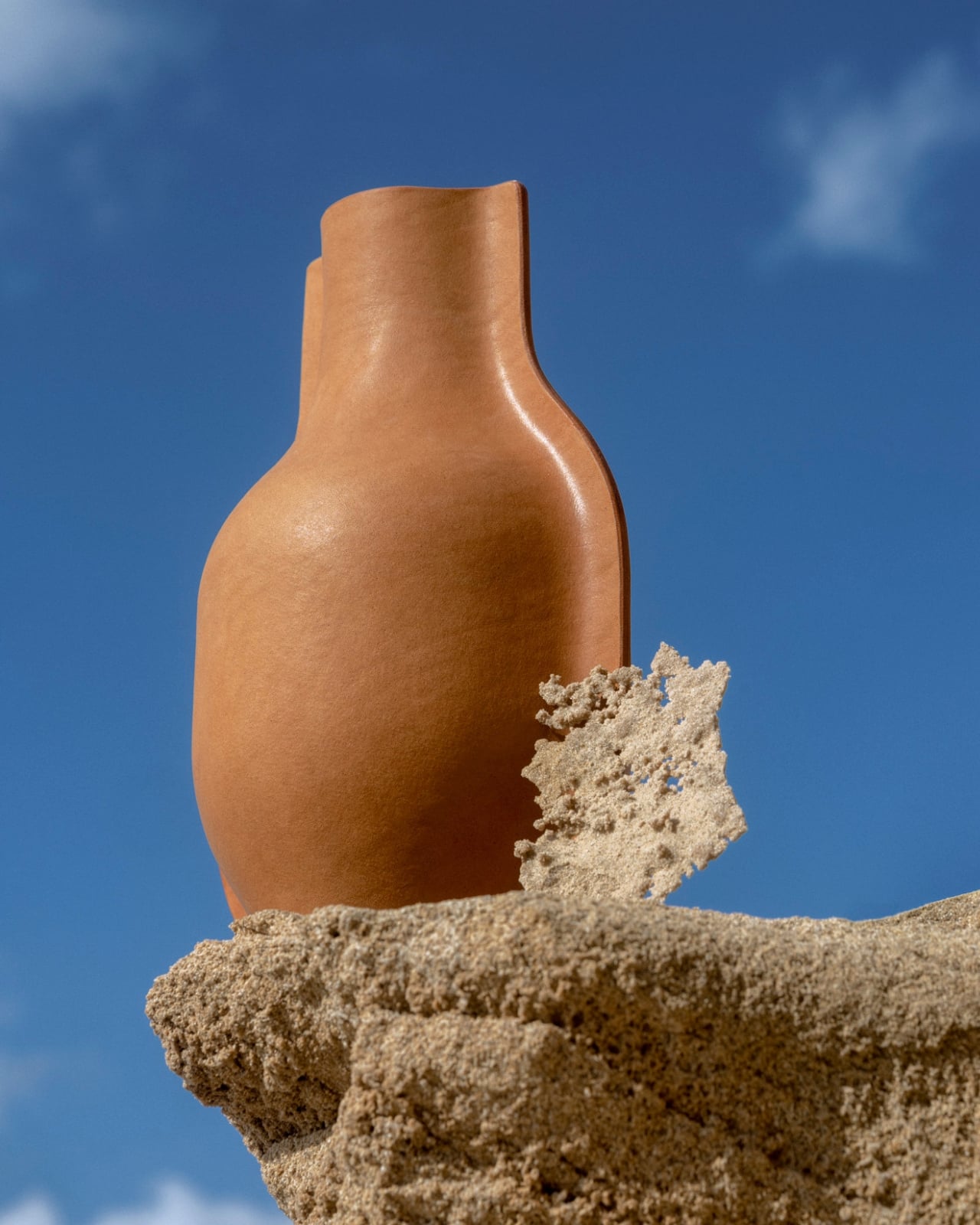
When I first came across Talia Luvaton’s work, I genuinely paused. Not because it was unexpected to see leather used in design, but because nothing about these pieces looked like leather was supposed to look. The forms were full, curved, almost muscular, more closely related to the human body than to anything you’d find in a saddle shop or a fashion house. They looked, oddly, like they were breathing.

Luvaton is a Tel Aviv-based designer and leather craft artist, and her work is rooted in what she describes as a material-driven approach, which basically means the leather tells her where to go as much as she tells it. She works exclusively with sustainable vegetable-tanned leather, shaped by hand using wet-forming techniques and custom molds. The process involves pressure, moisture, and time, three variables that make each piece genuinely impossible to replicate exactly. That’s not a marketing claim. It’s a physical fact of the material.

Designer: Talia Luvaton
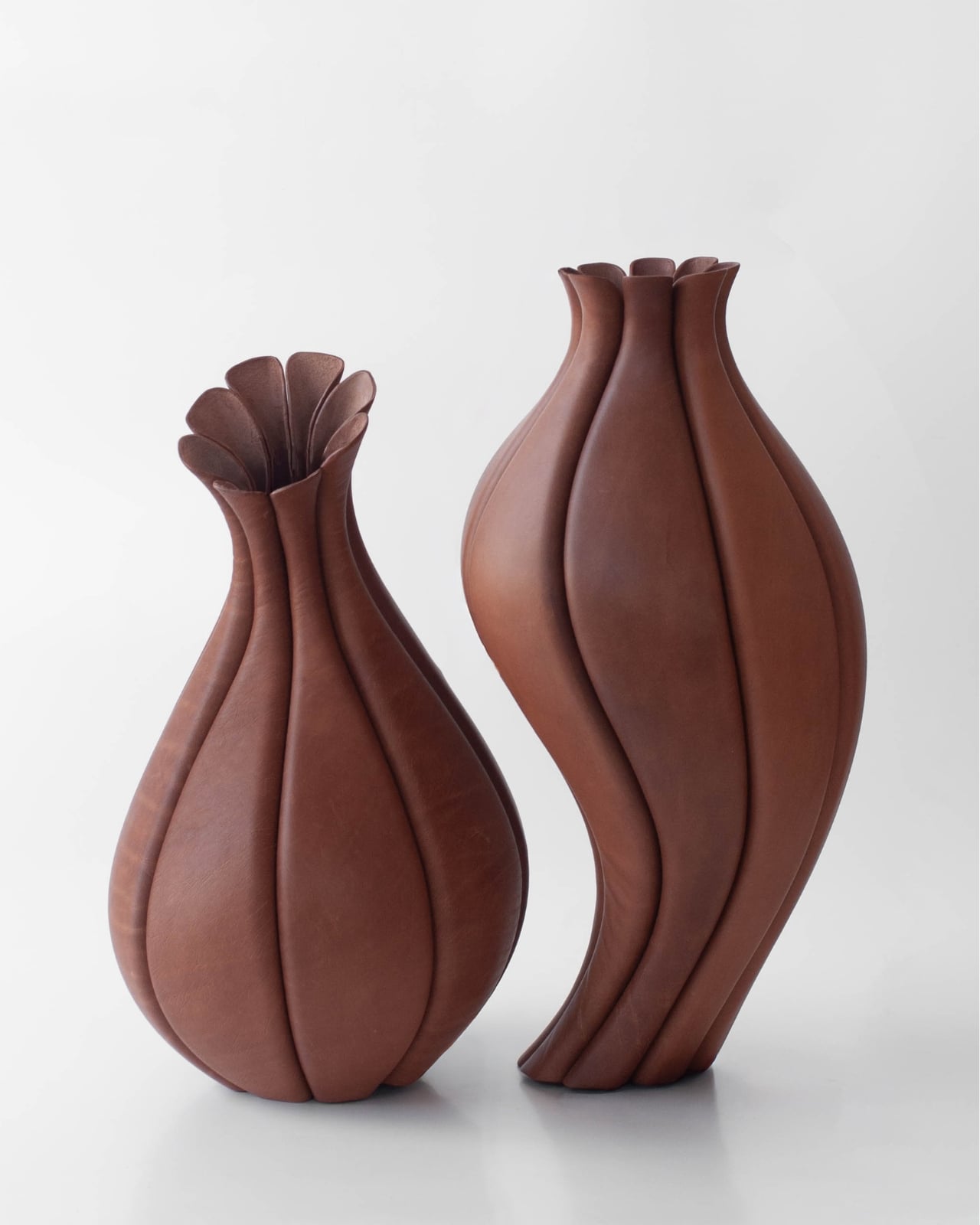
Her newest project, TRACE, makes its world debut at Milan Design Week 2026, opening April 20, and it might be the most personal thing she has made so far. It began with observational drawings of the human body. Fluid, organic shapes. Lines extracted from those drawings were then translated into three-dimensional form, the leather holding onto the gesture of the body the way a cast holds the memory of what shaped it. The pieces balance tension and softness in a way that feels almost contradictory, rigid enough to hold their form, yielding enough to feel warm.
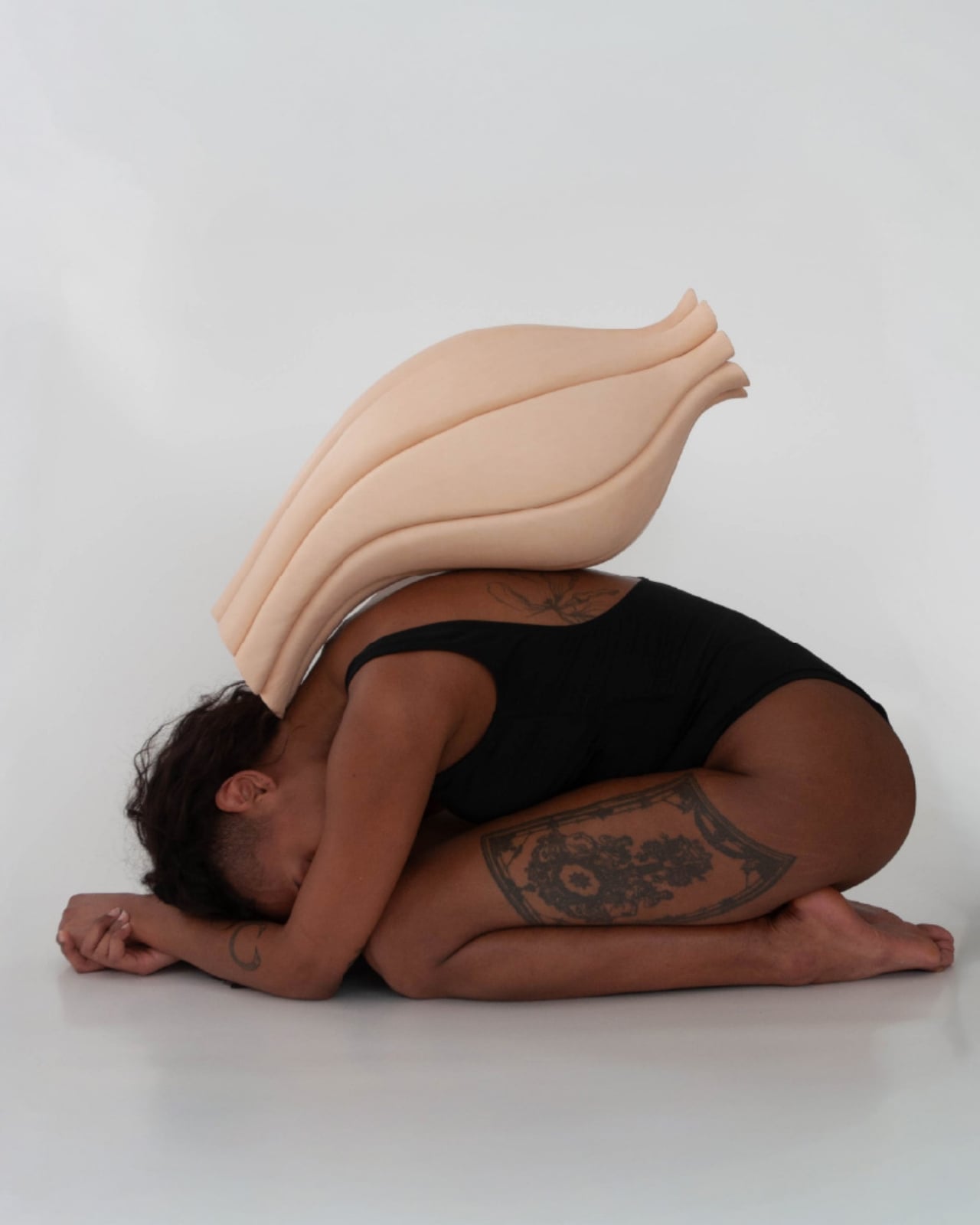
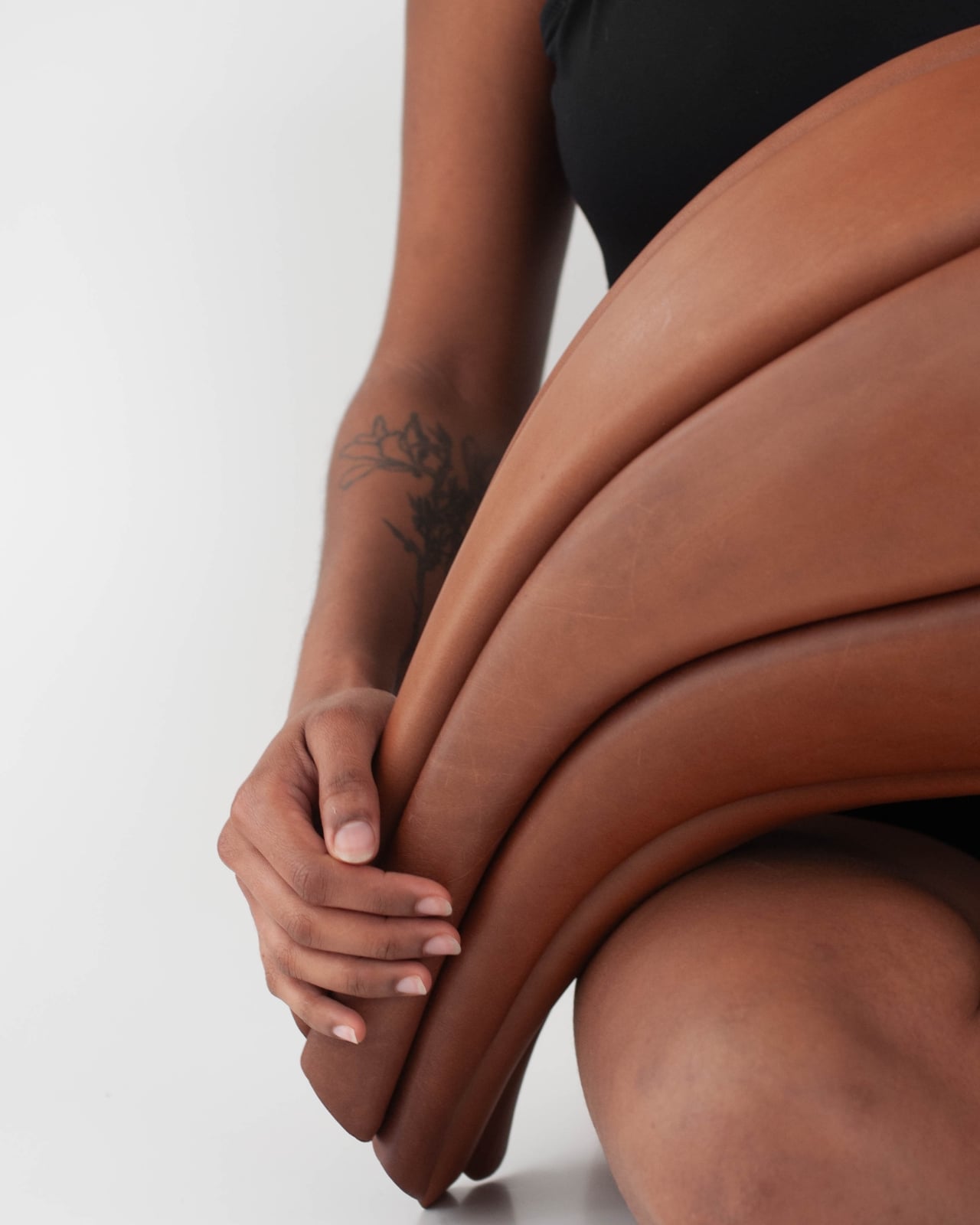
I think that tension is entirely the point. Leather, as a material, carries its own contradictions. It’s strong but supple, ancient but endlessly contemporary. Luvaton leans into all of it, refusing to let the material play just one role. TRACE reads as sculpture, as vessel, as portrait. There’s no single correct way to categorize it, and that’s not a flaw. That’s the work.
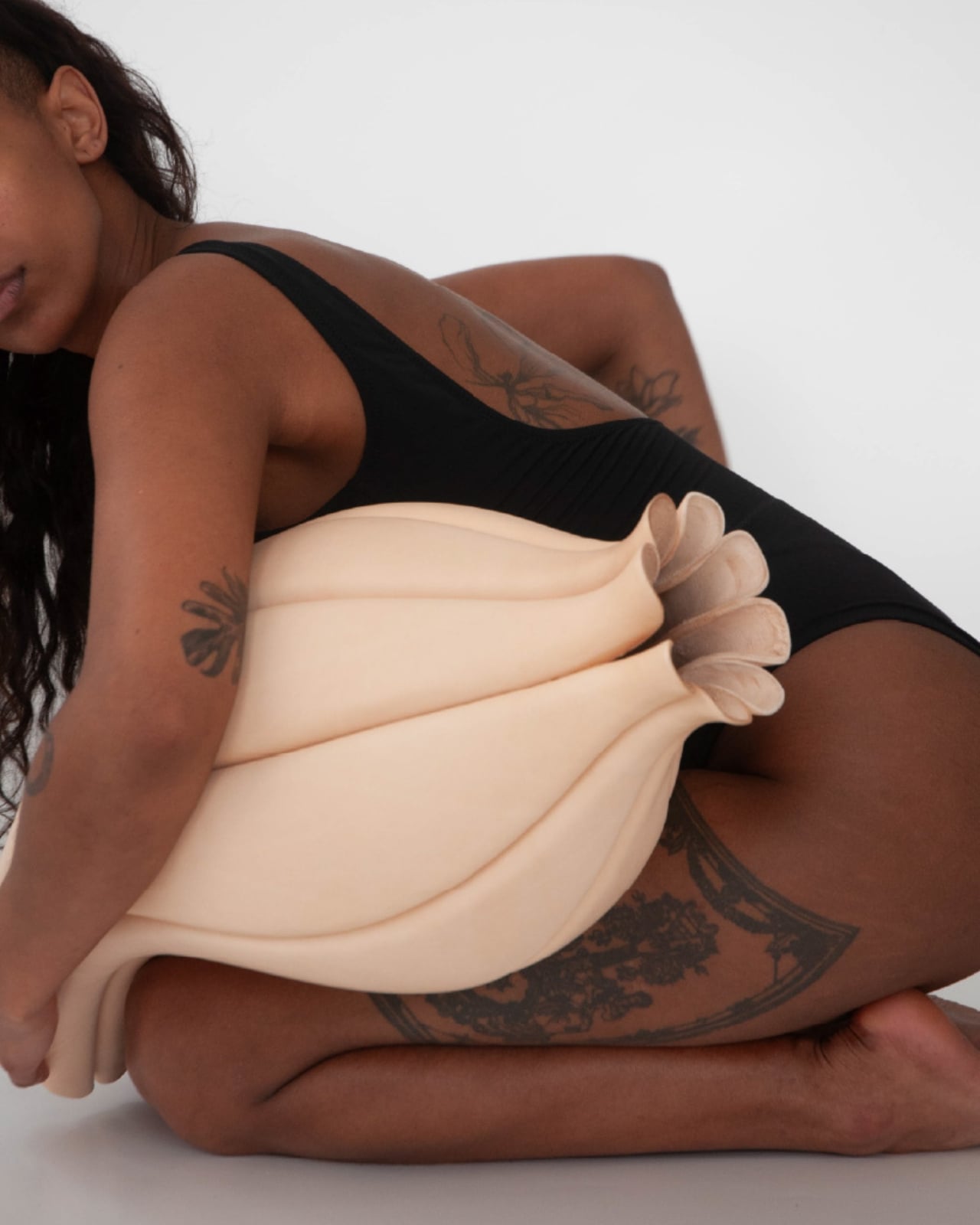
What makes Luvaton’s practice feel particularly resonant right now is how personal the foundation of it is. Both of her parents are jewelers. Her grandfather was a shoemaker, and although she never met him, she still works with some of his original tools today. That detail gets me every time. To hold a tool that someone else held, someone whose hands shaped the same kind of material, is a profound form of continuity. The making is inherited. The language of craft passes down not just through instruction but through objects, through the weight of a tool in your hand.
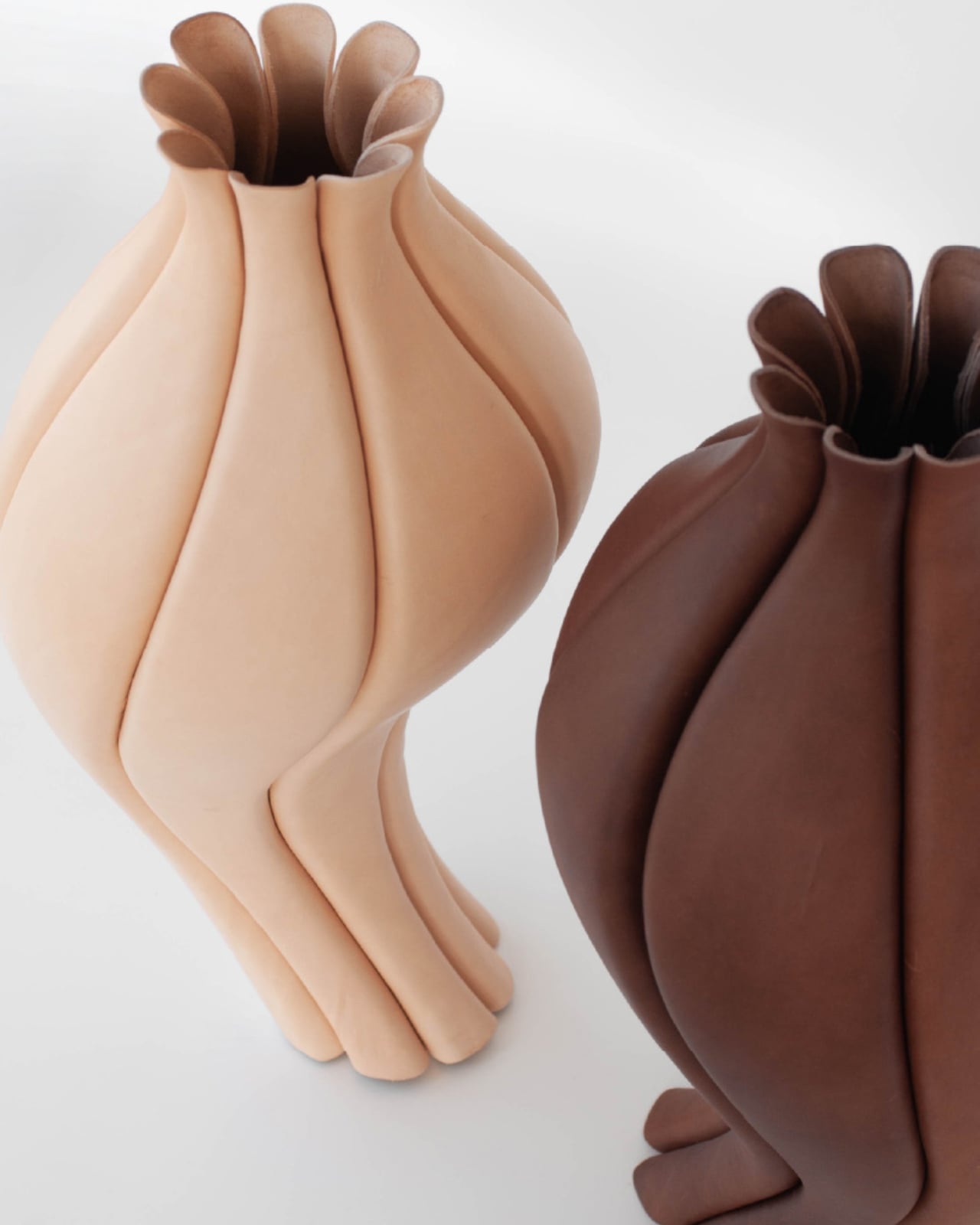
This depth of lineage shows up across the broader body of work she’ll present in Milan. Alongside TRACE, visitors will see TOHA, her first vessel collection; SLICE; REBLOOM; and HEALED, a series of tattooed vessels created in collaboration with professional tattoo artists who work directly onto the leather surface using electric needles. Tattooed leather vessels. The idea feels both completely logical and completely radical, and that combination is exactly the kind of design thinking worth paying attention to.
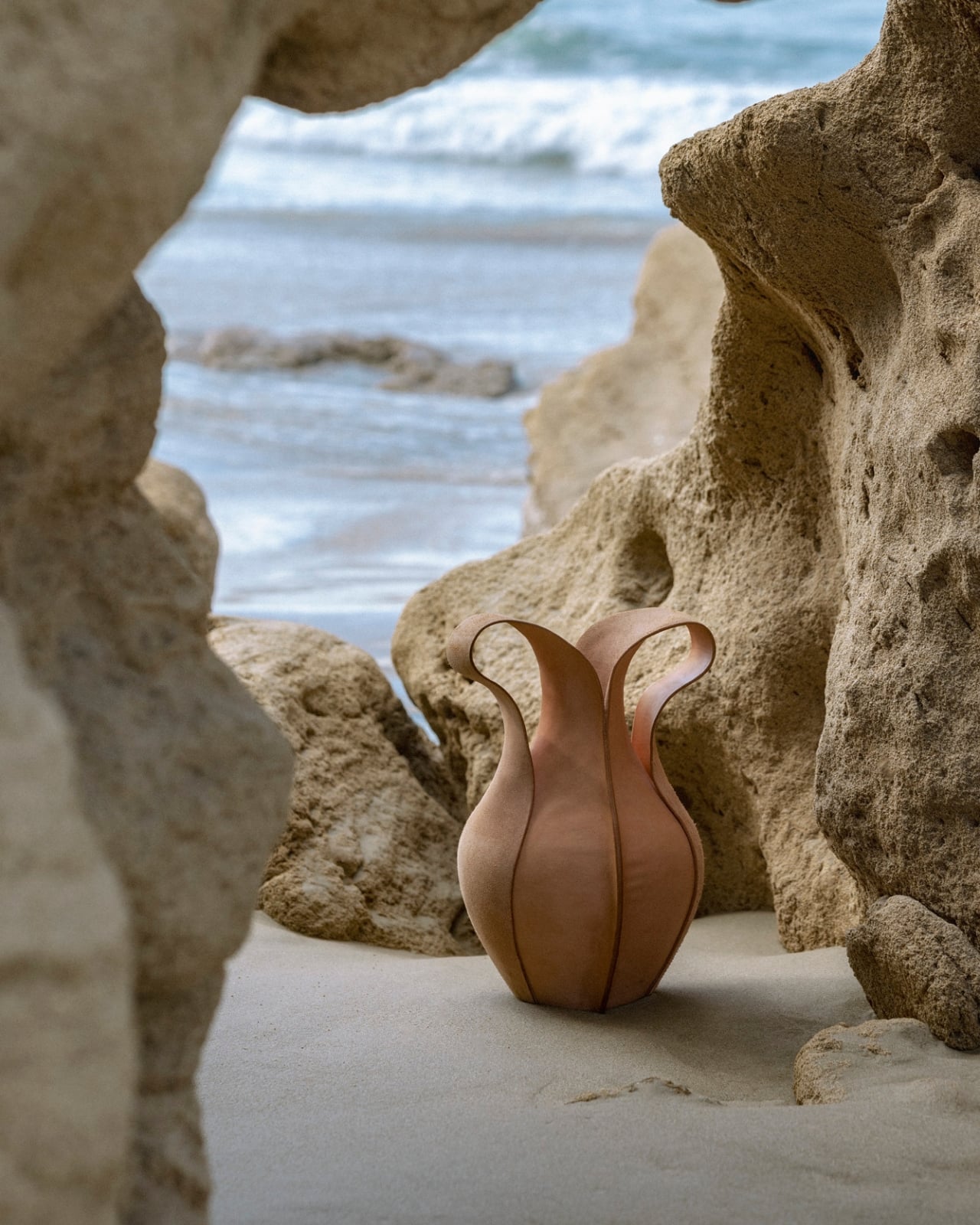
For those of us who follow craft and design closely, Luvaton’s presence at Milan feels significant for reasons beyond the work itself. This is her first time at the event, and she’s arriving not with a polished commercial line but with a practice, a set of values, and a very specific way of understanding what a material can do. At a moment when the design conversation is increasingly dominated by AI-generated forms and rapid prototyping, there’s real weight in watching someone slow everything down, put their hands in wet leather, and wait for it to tell them something.
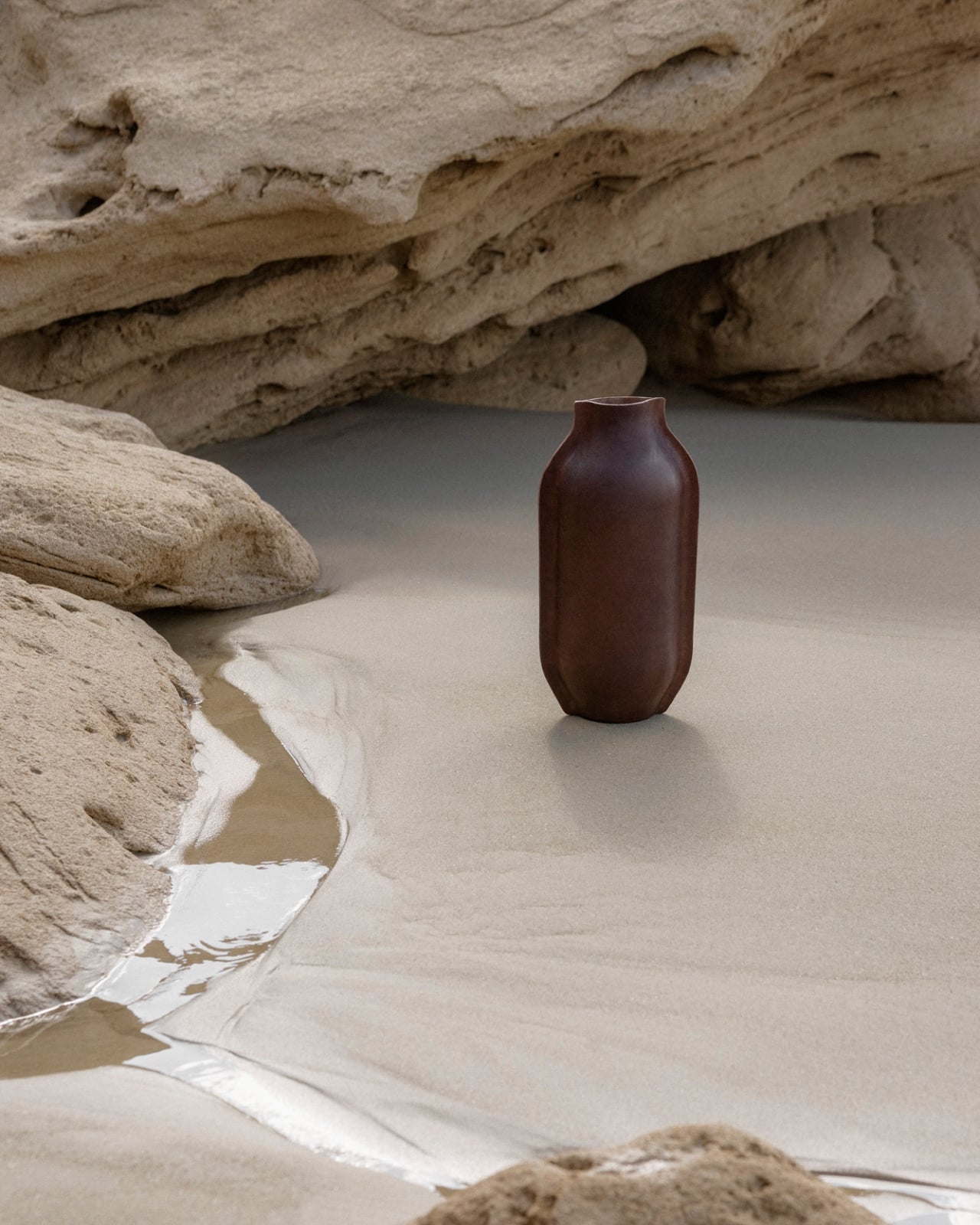
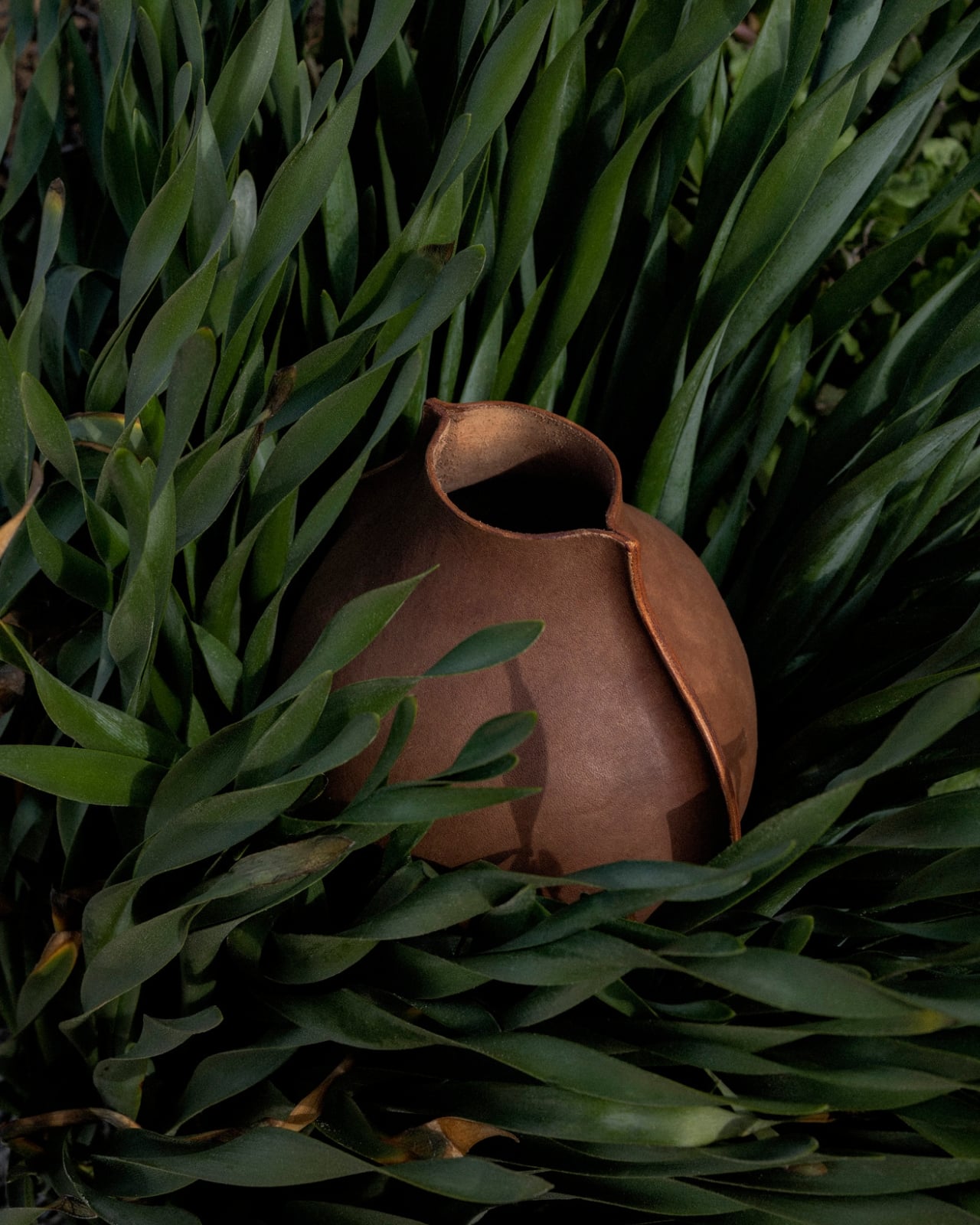
TRACE, as a title, does exactly what it promises. It traces movement back to its origin. It traces craft back through a family. It traces the line between the body and the object, and asks you to reconsider where one ends and the other begins. That’s the kind of design work that stays with you long after you’ve left the room.
The post The Leather Vessels at Milan 2026 That Feel Like They’re Breathing first appeared on Yanko Design.
This watercraft turns into a submersible as the seating compartment lowers down underwater

The Titan submersible implosion was a grim reminder of the serious dangers involved in deep-sea expeditions and explorations for eco-tourism. While some might argue that it is way better than exploration on the sea surface, there’s got to be a better and safer way to experience the wonders of the underwater world in person.

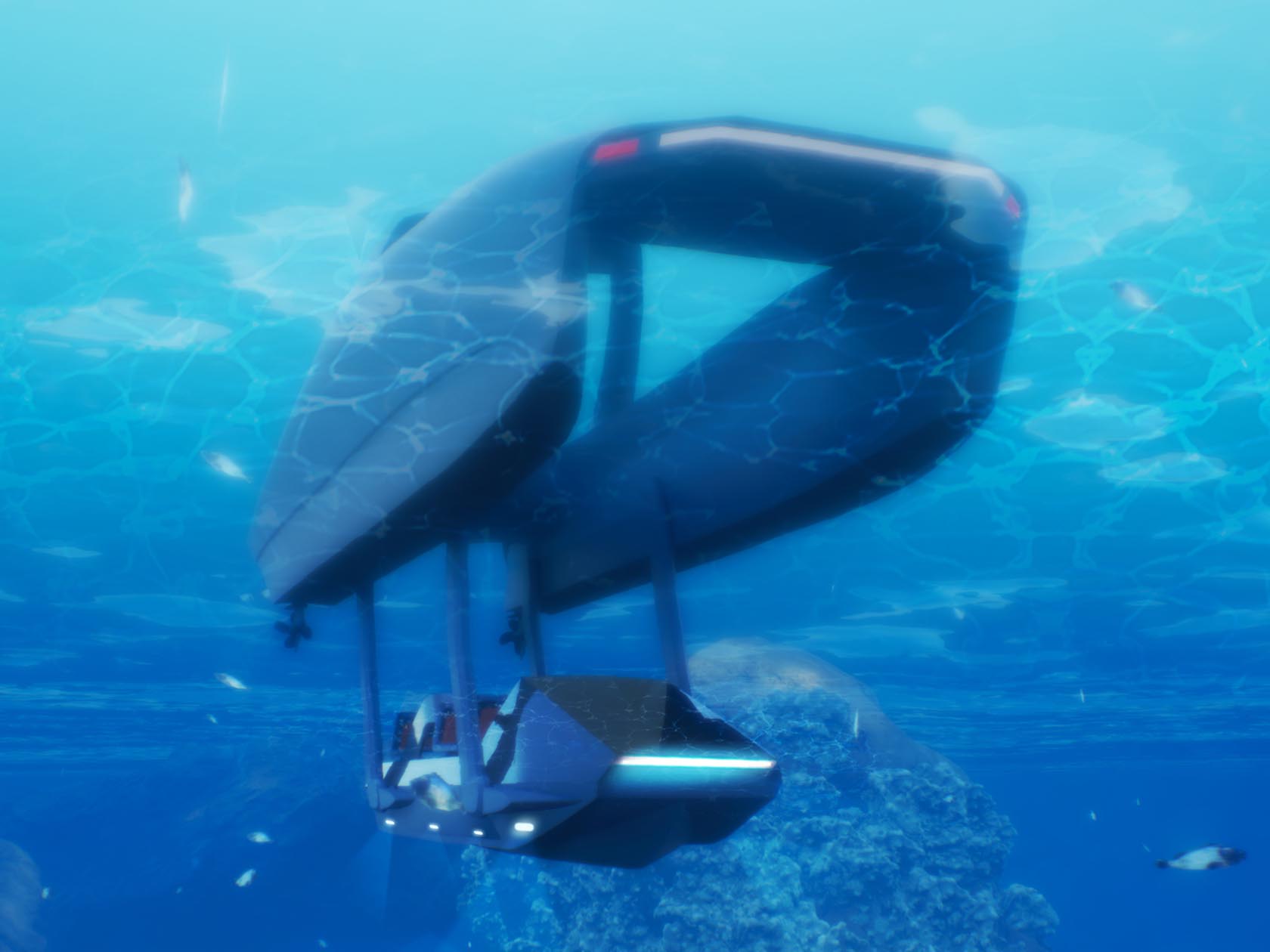
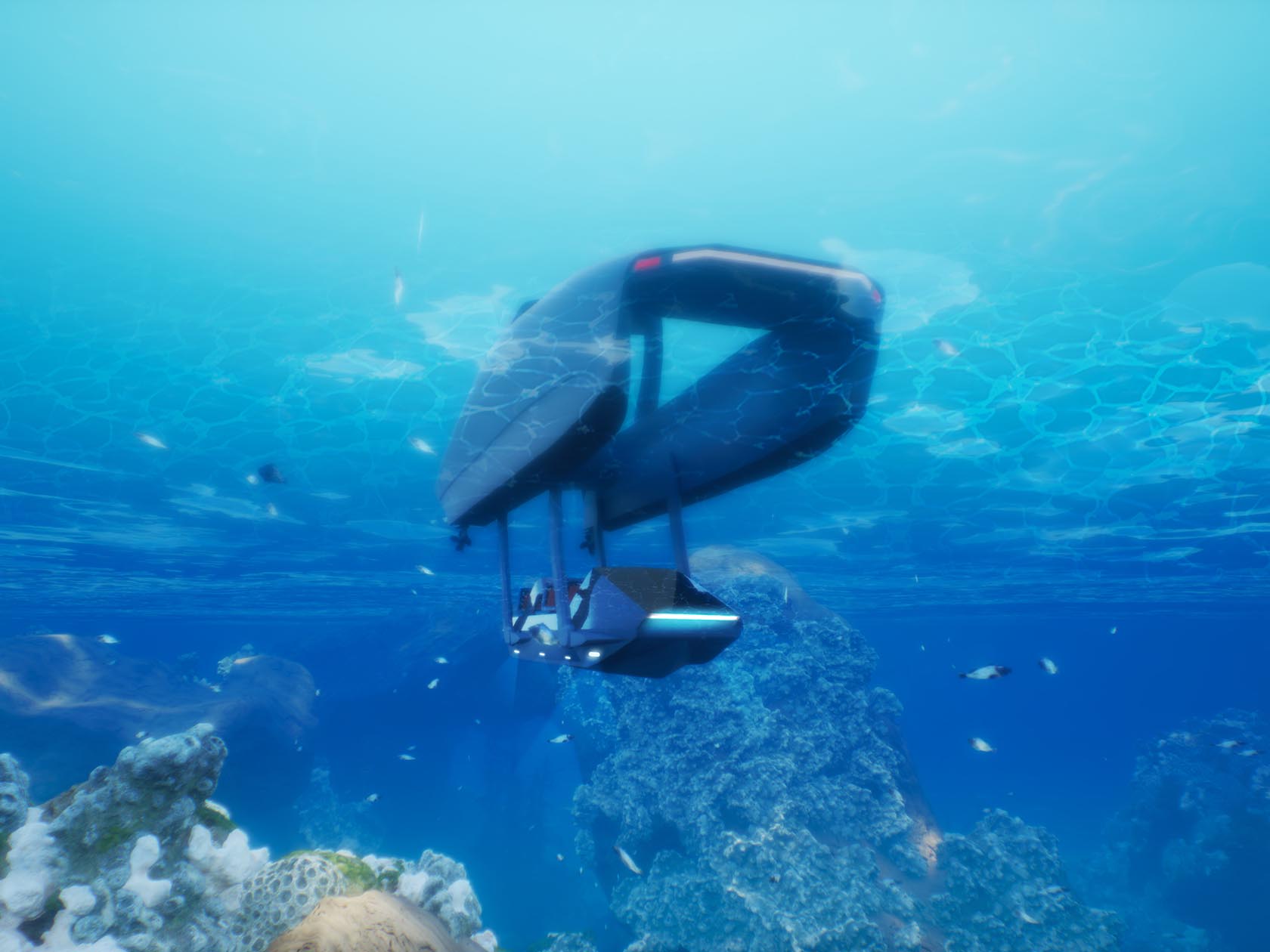
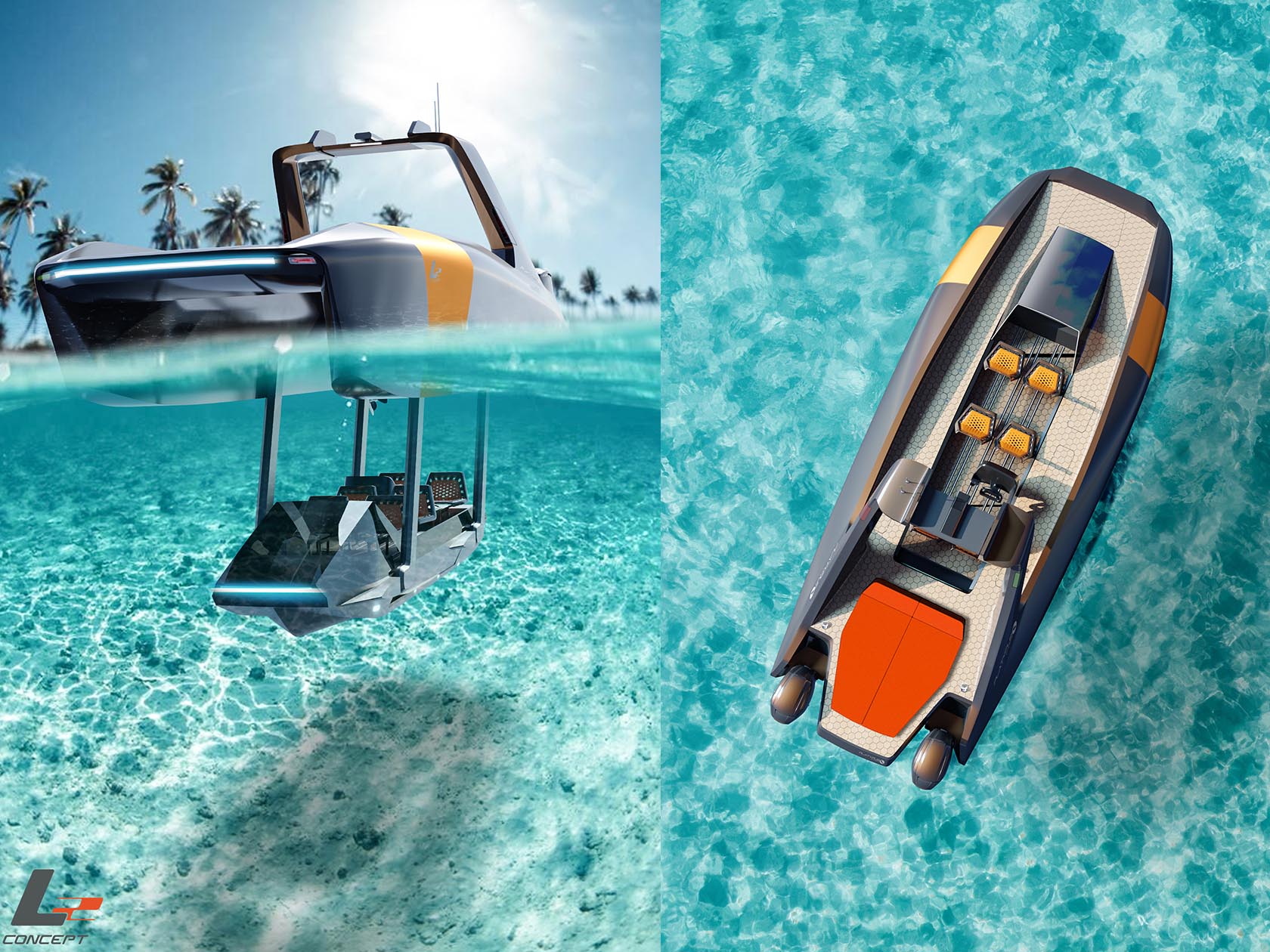
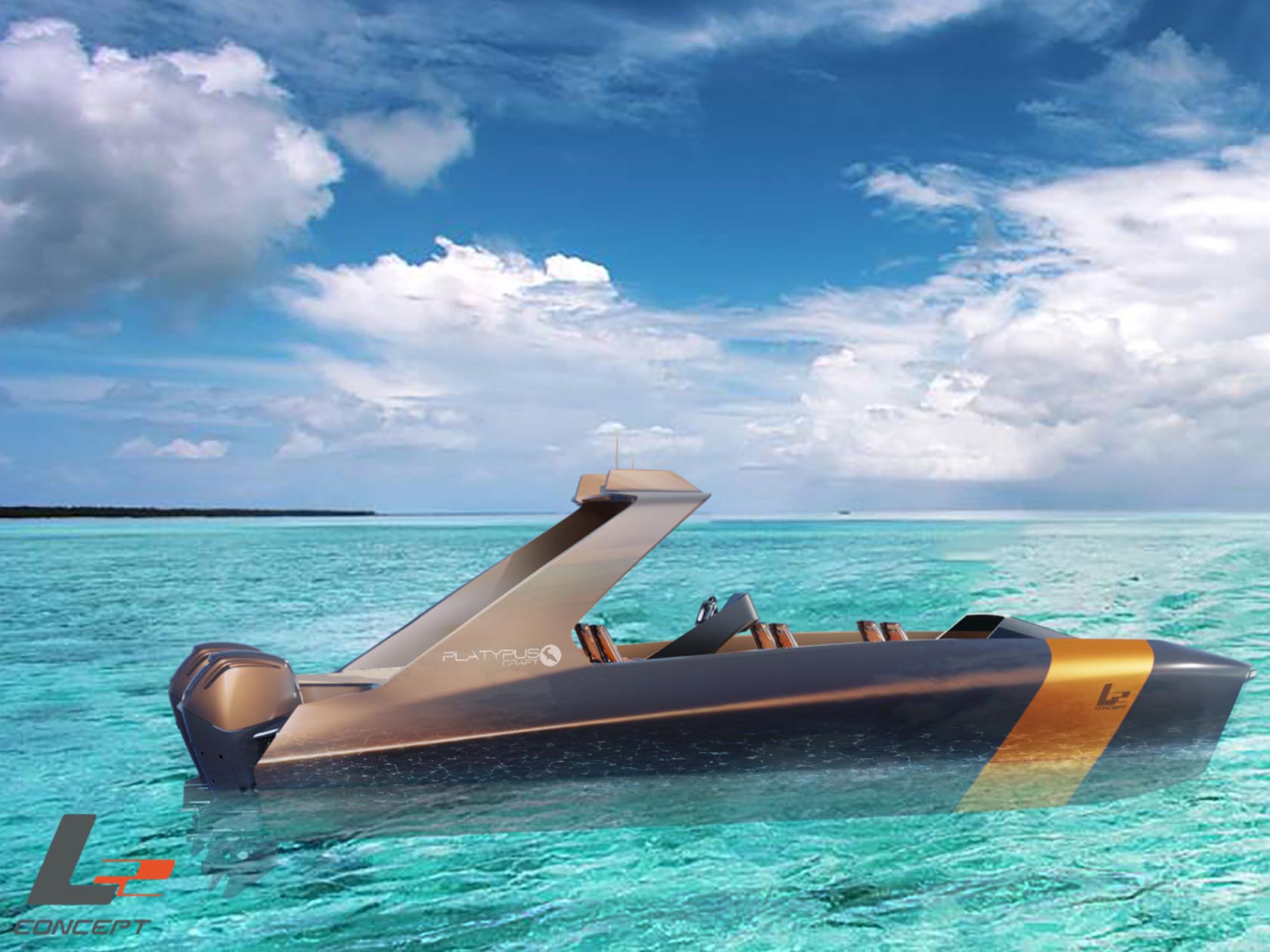
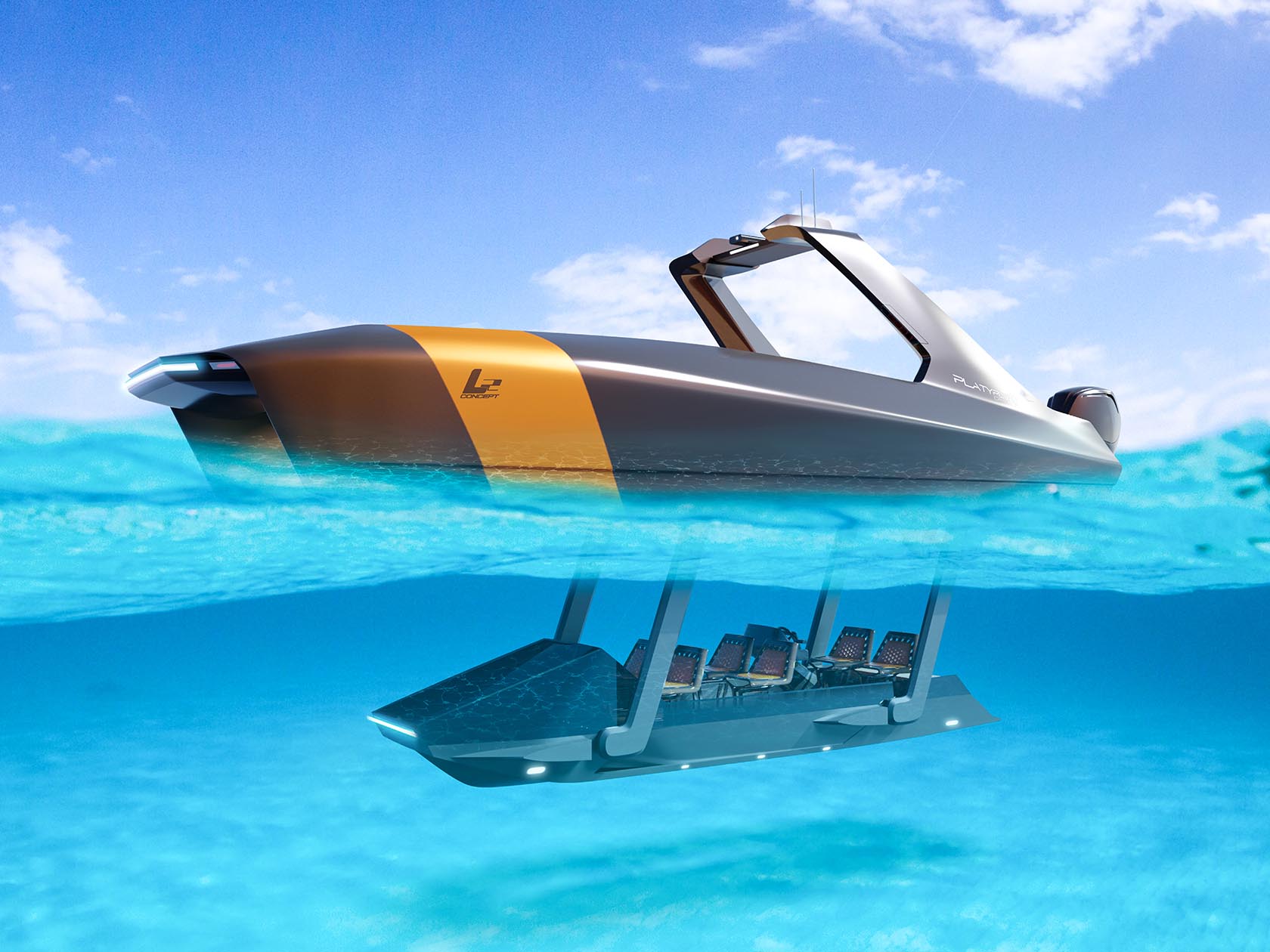
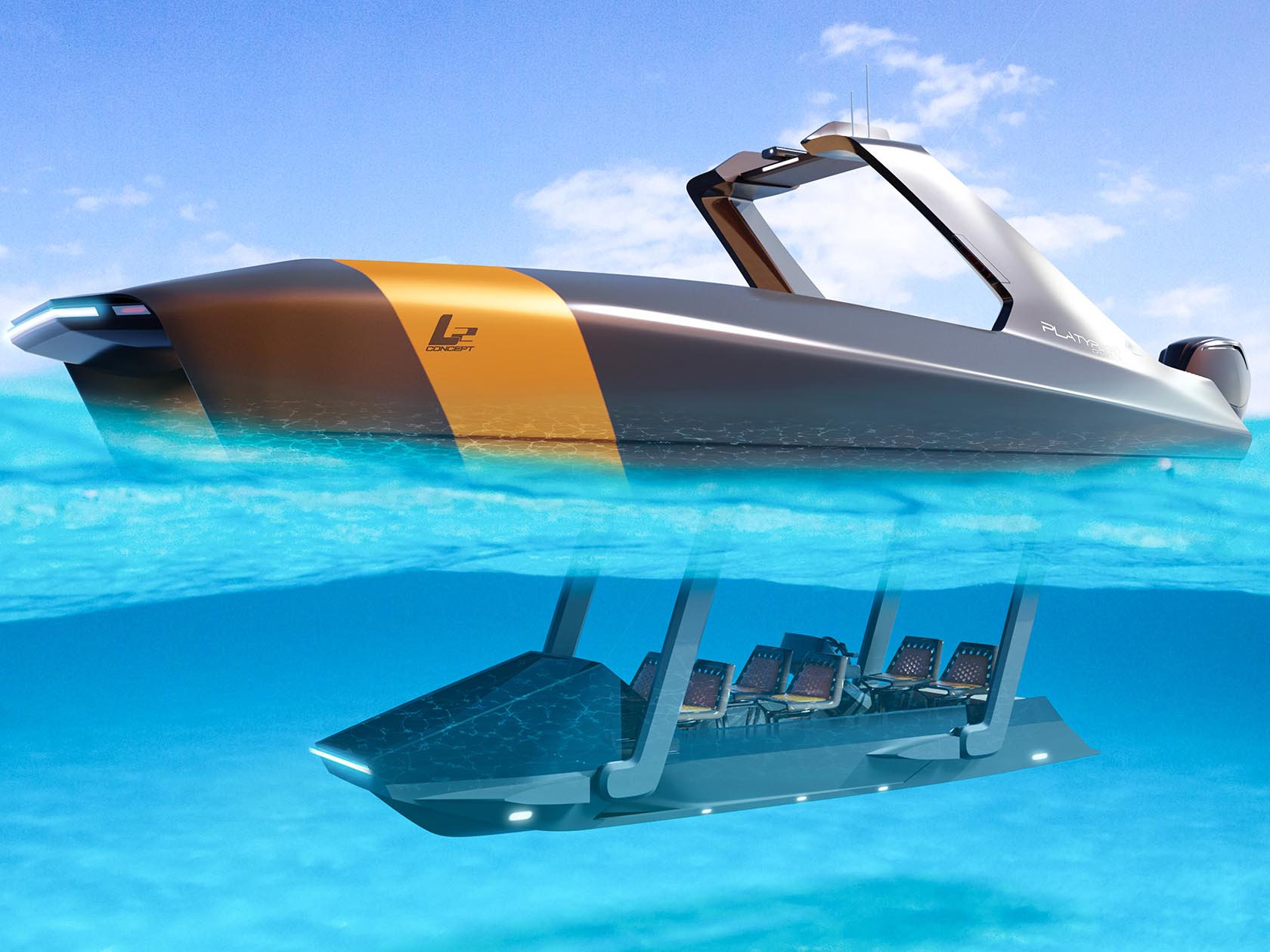
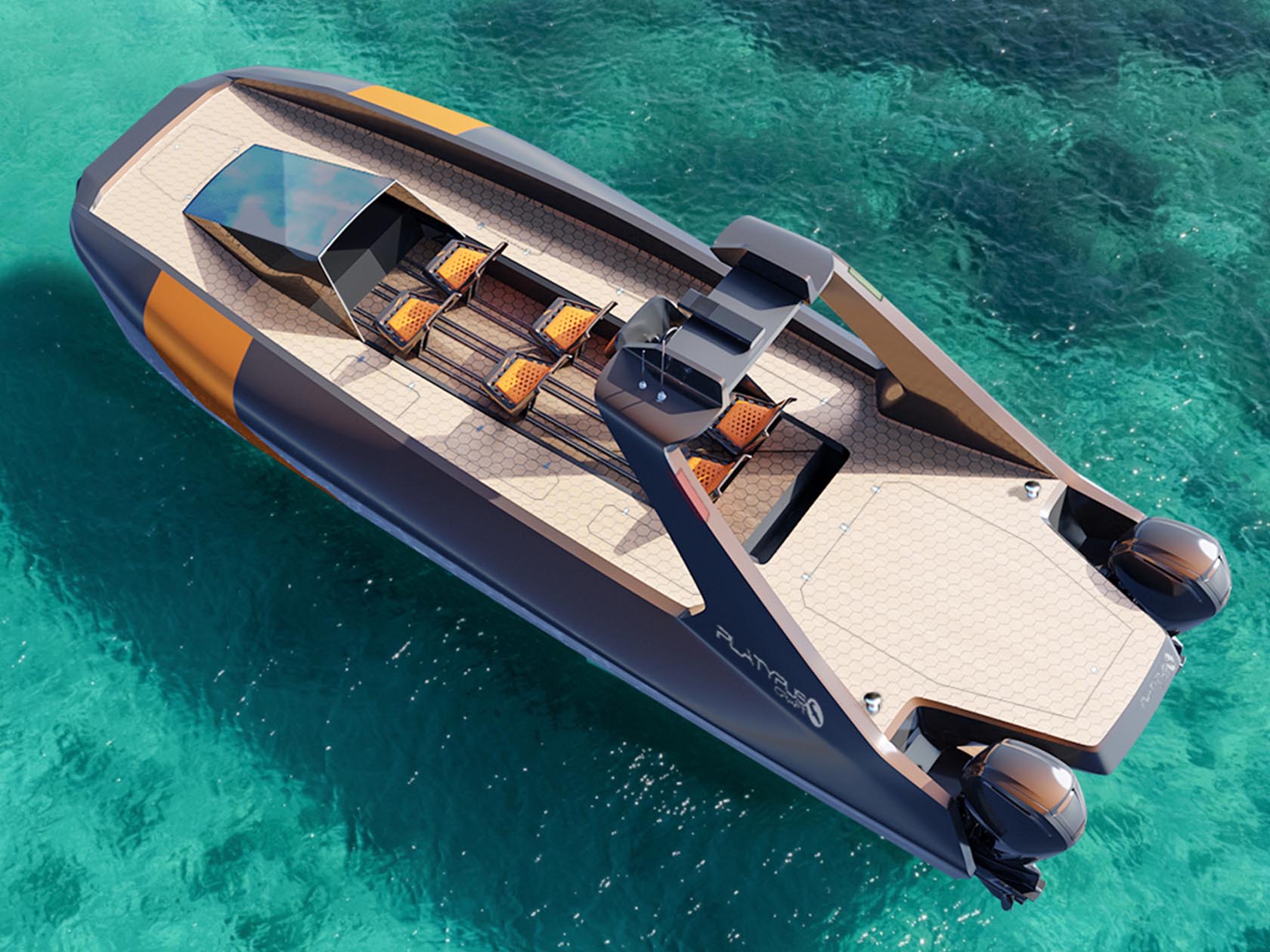
François-Alexandre Bertrand has a solution in the form of Platypus Craft prototype, a semi-submersible vessel for safe and feasible underwater exploration. This is in line with breaking the notion that water adventure activities and environmental responsibility are hard to coexist. Clear from the naming convention, the zero-emission craft is inspired by the amphibious Playptus mammal.

Designer: Playptus Craft and Evoy

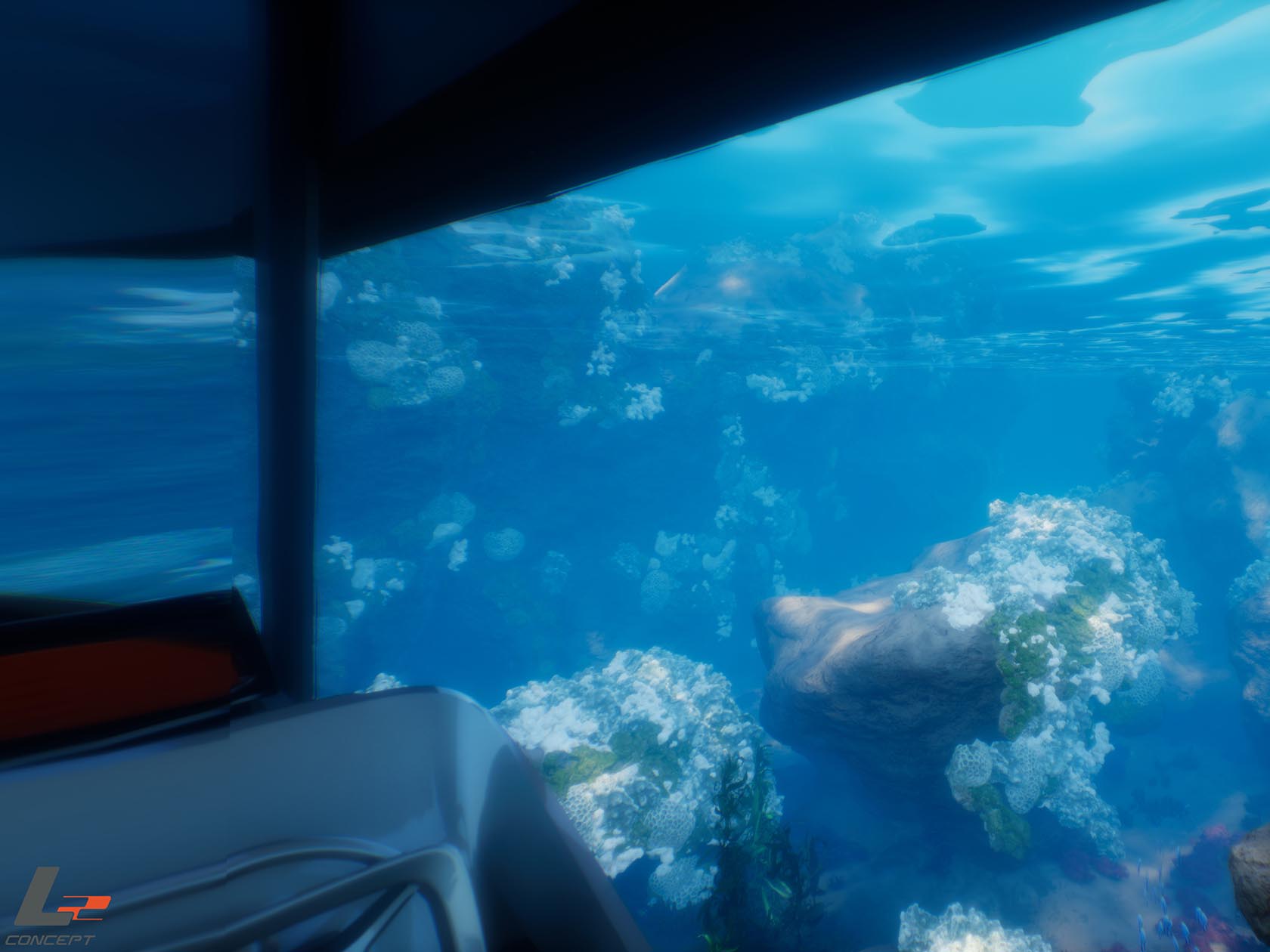
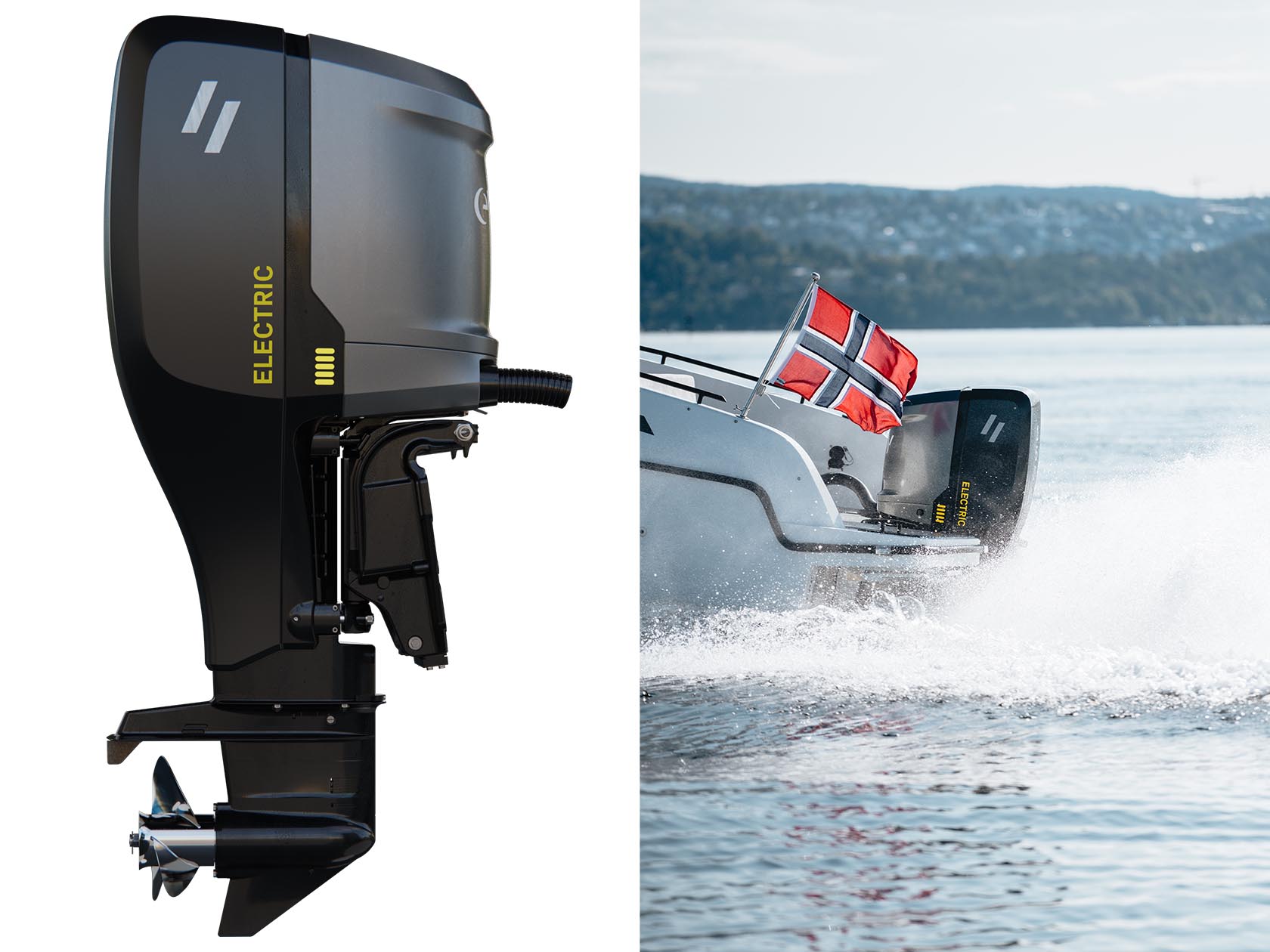
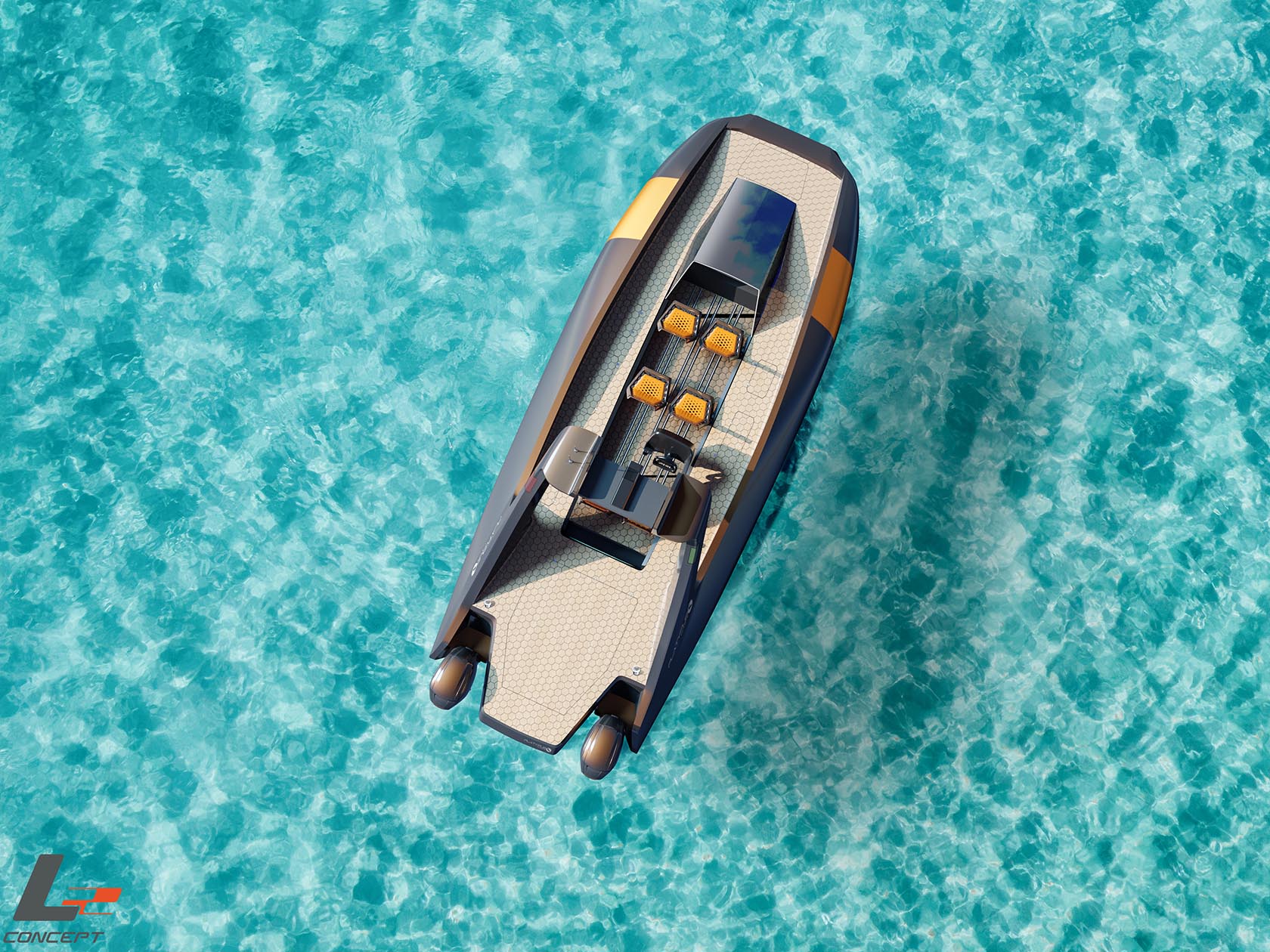
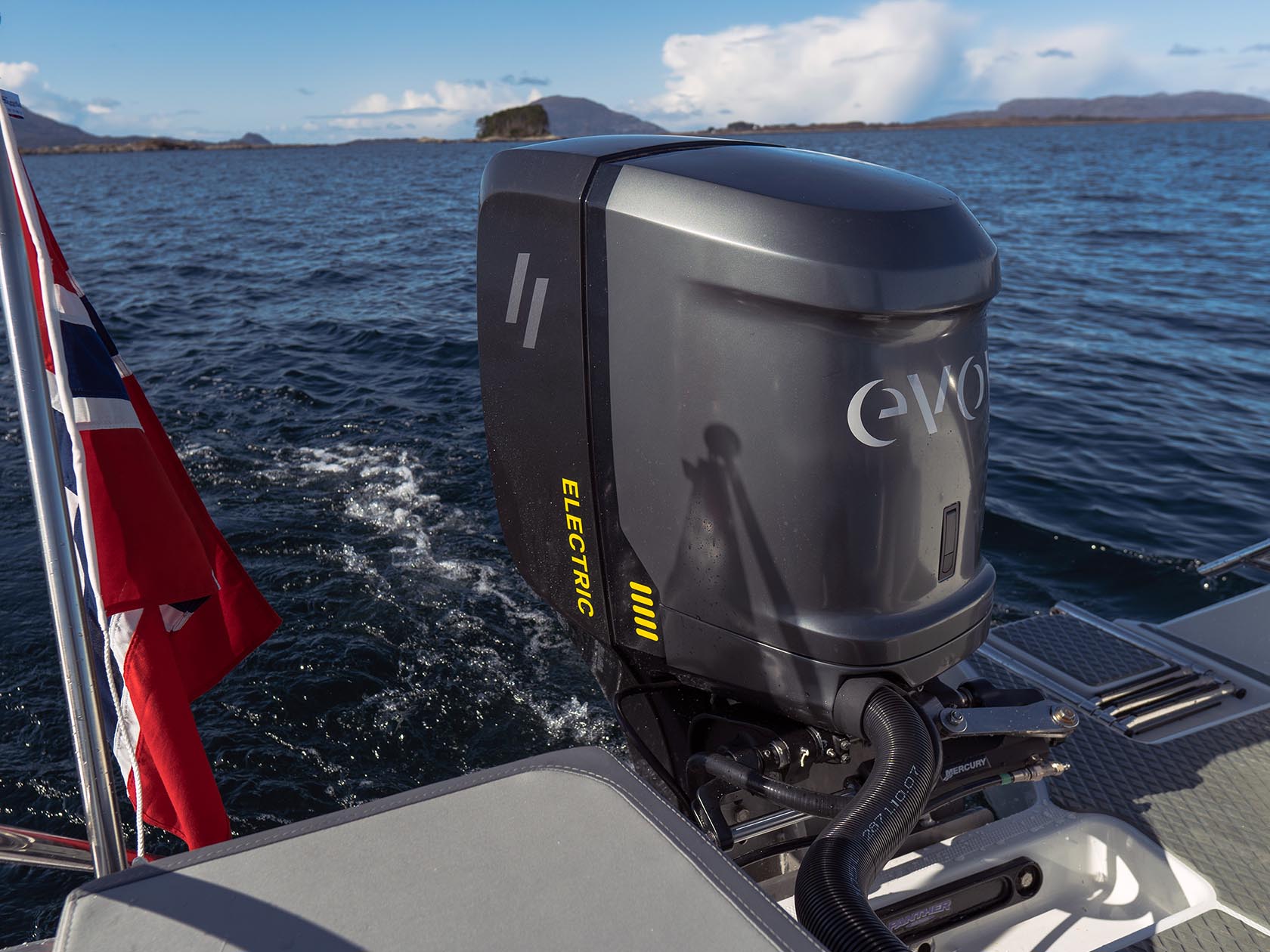
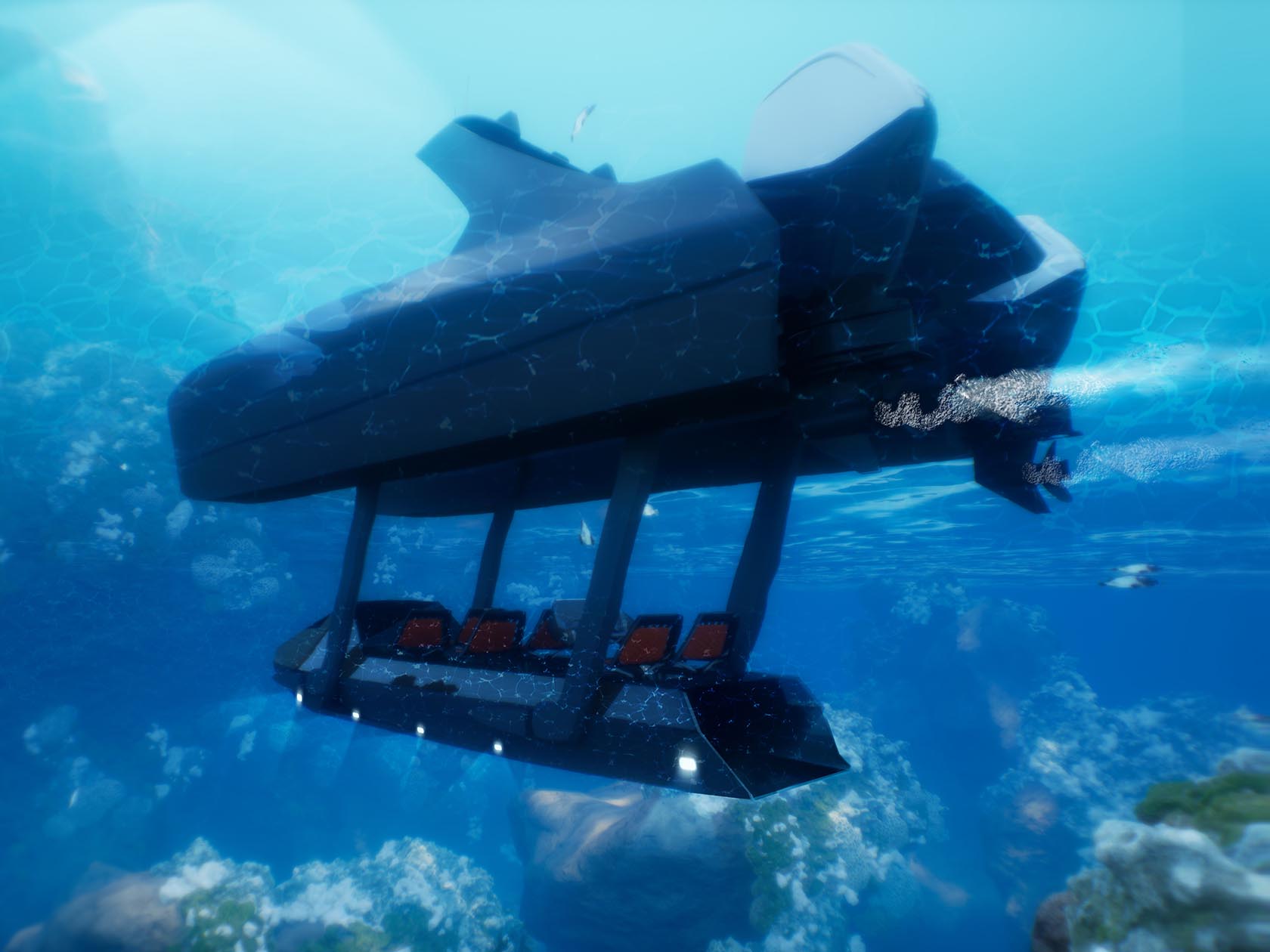
The five-seater watercraft is developed in partnership with Evoy who have developed the high-output electric motors for the vessel. Platypus Craft has some cool trickery up its sleeve for underwater exploration. The seating platform can be lowered down completely to submerge the riders safely for a whole new experience. It comes with an array of safety equipment like retractable air hoses connected to an onboard compressor.

This dual configuration has many benefits, including multi-functionality and fewer chances of harming the marine ecosystem. One can use it for riding the waters for scenic trips or more intense underwater explorations within the safety norms.

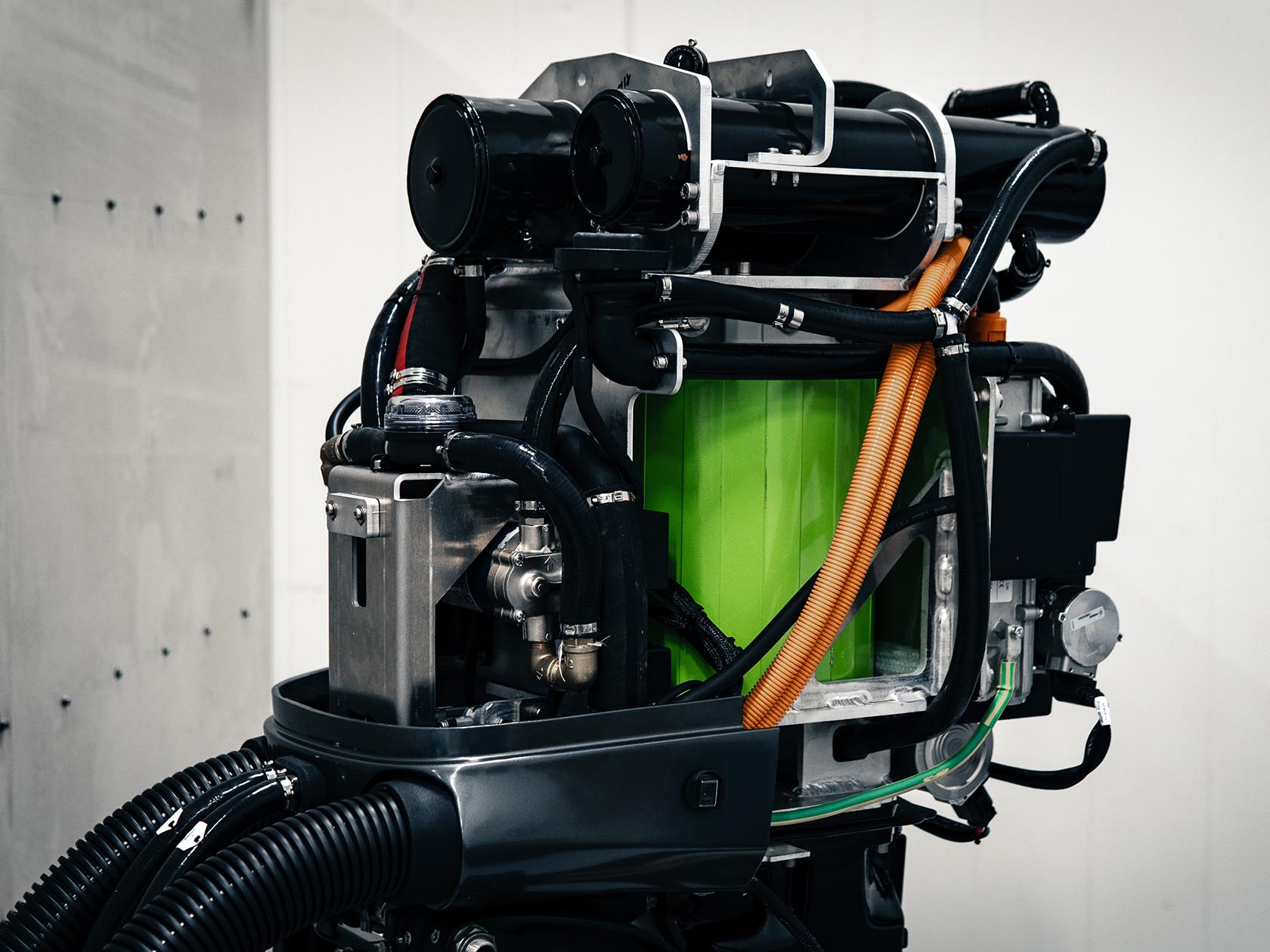
The watercraft gets twin Evoy Outboard Breeze 120+ electric motors mated to a 63KW twin battery pack. This makes the vessel having a catamaran hull design, reach a top speed of 25 knots and have a cruising speed of 15 knots when riding the surface. When submerged underwater, Platypus Craft prototype’s speed is reduced to a comfortable 3 to 5 knots for unobstructed views of the marine life. In the submerged mode, the craft can cover an impressive distance of 30 to 80 nautical miles.

Initially, the maker is going to release the Platypus Yacht Edition in 2025, fueling a new era of submersible explorations sans the inherent dangers of deep-sea explorations. The watercraft will be the first ever commercially available submersible to feature Evoy’s electric motor system that comes with zero-emission promise and also eliminates the typical fuel slicks and bilge water problems with non-electric versions.

The post This watercraft turns into a submersible as the seating compartment lowers down underwater first appeared on Yanko Design.
This ultra-luxurious superyacht boasts a lower level deck with panoramic glass walls

Superyachts at their core are synonymous with supreme luxury and a lifestyle that is all about living life large. Mostly privately owned by the filthy rich, these high-end vessels are loaded with extravagant amenities, helipads, multiple decks, and lavish accommodations for the guests and crew.

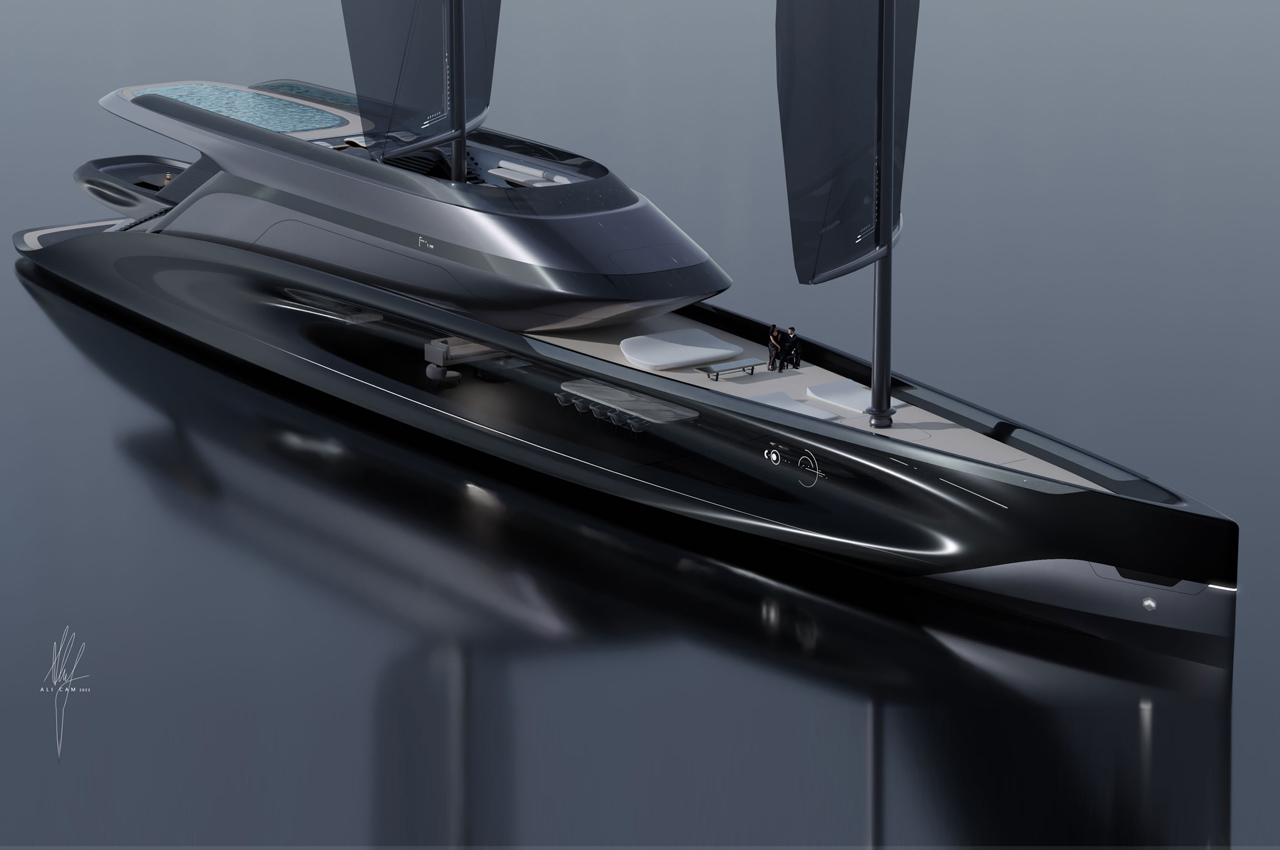
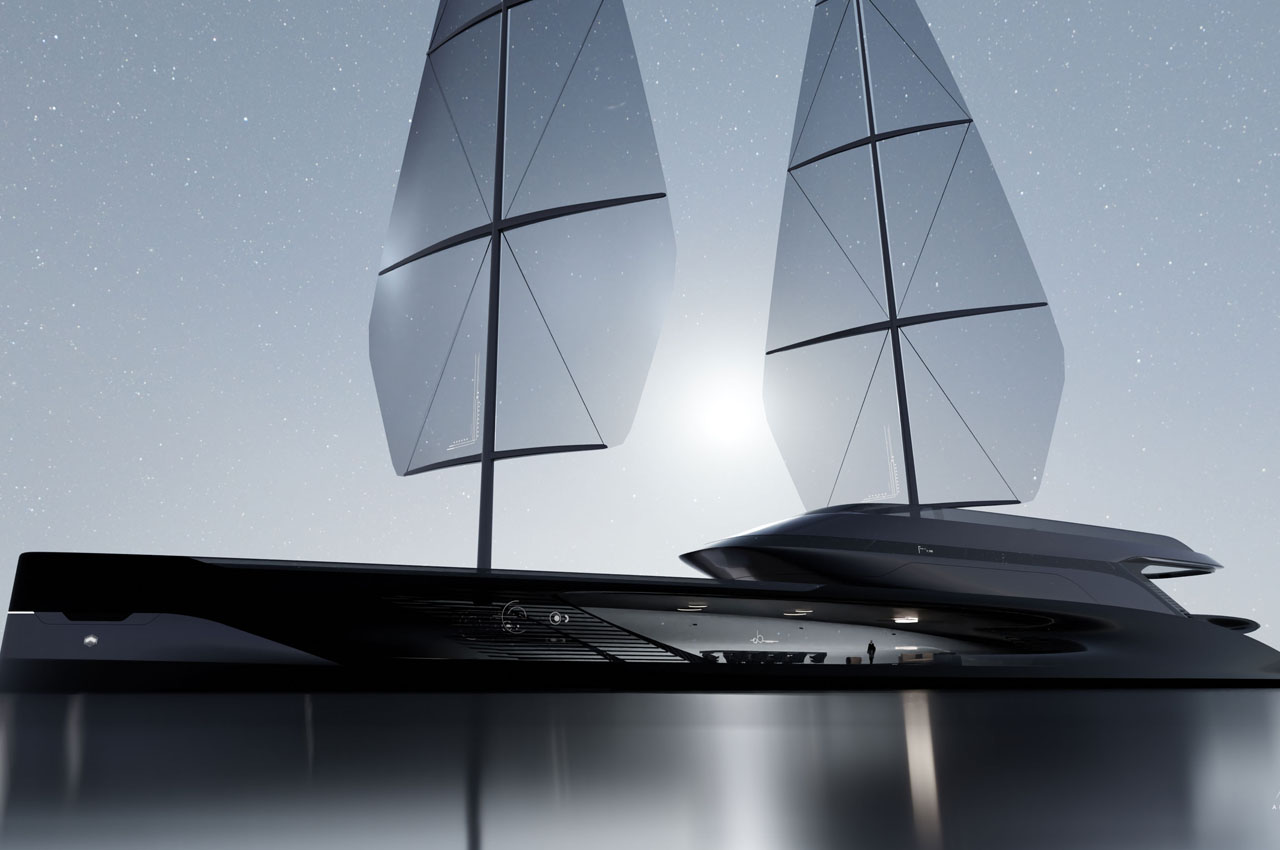
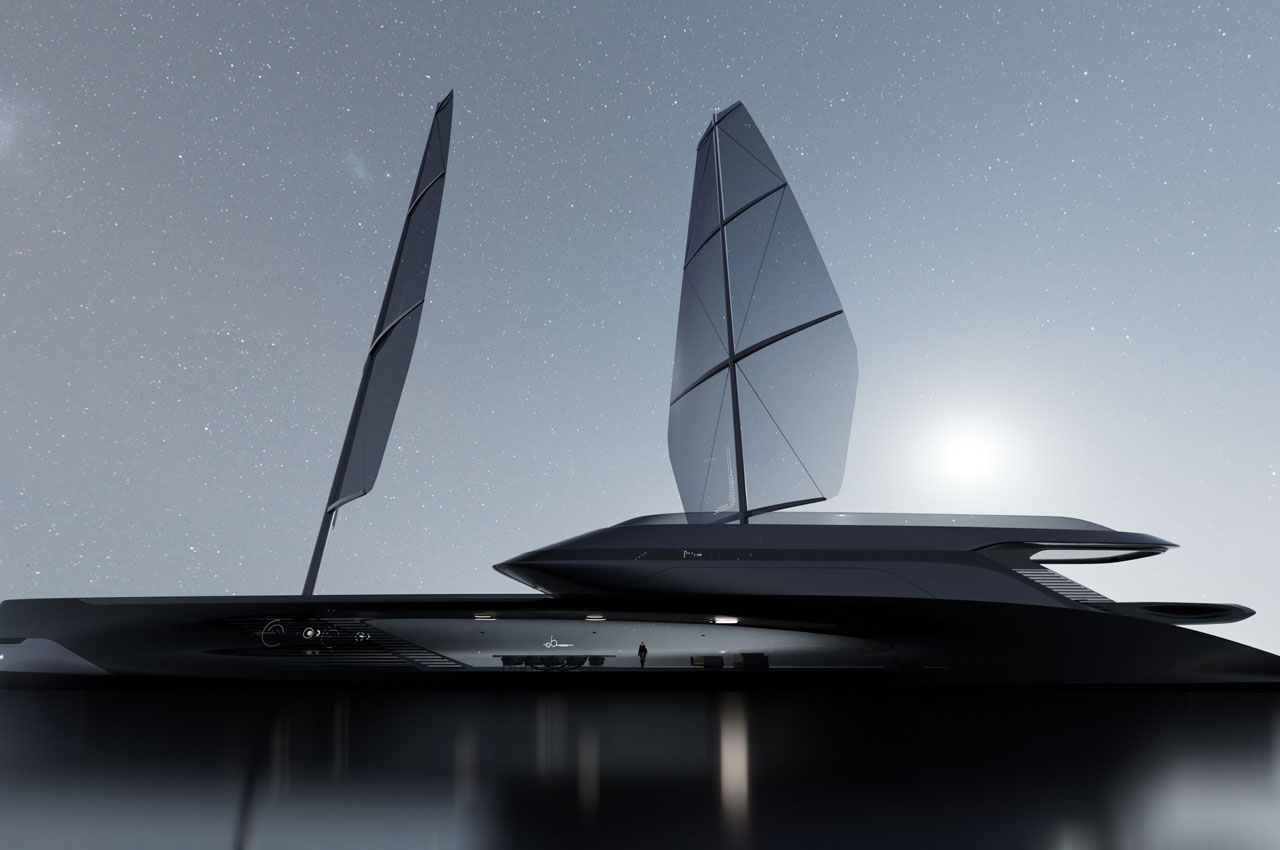
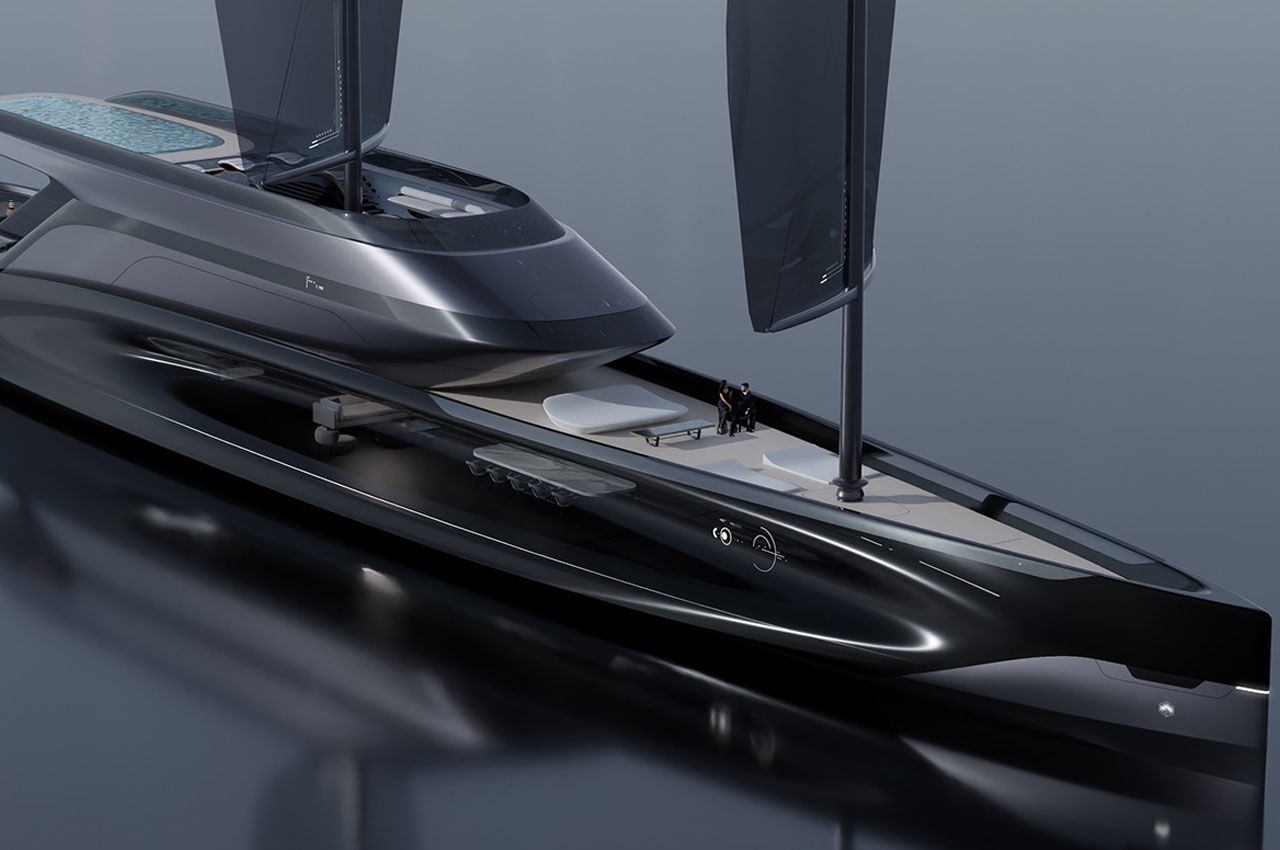
While you expect all these luxuries and tons more in a superyacht, rarely does one come across a vessel that’s a notch superior to the rest. Meet The Arc, is a concept yacht designed keeping in mind the demanding comforts and keen eye for design of the wealthy individuals.

Designer: Ali Cam

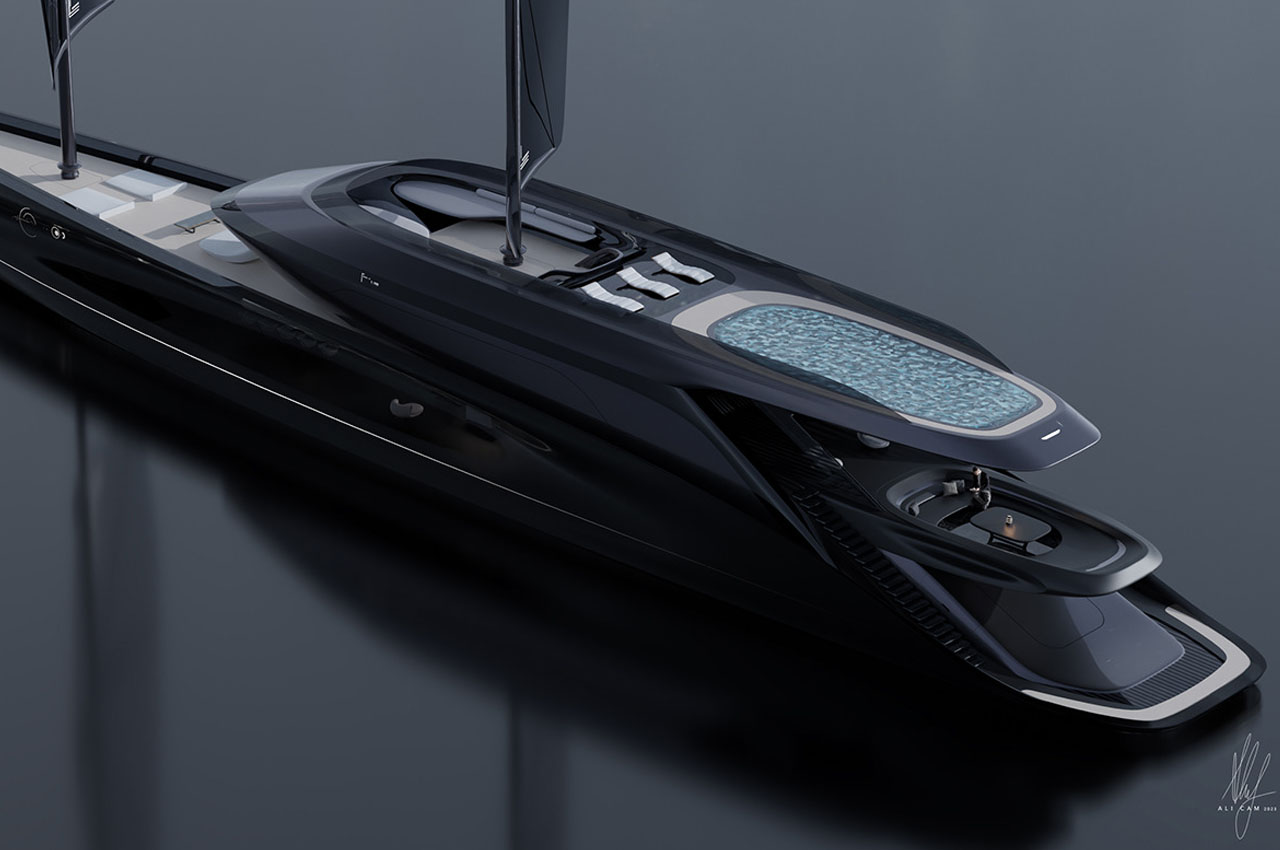
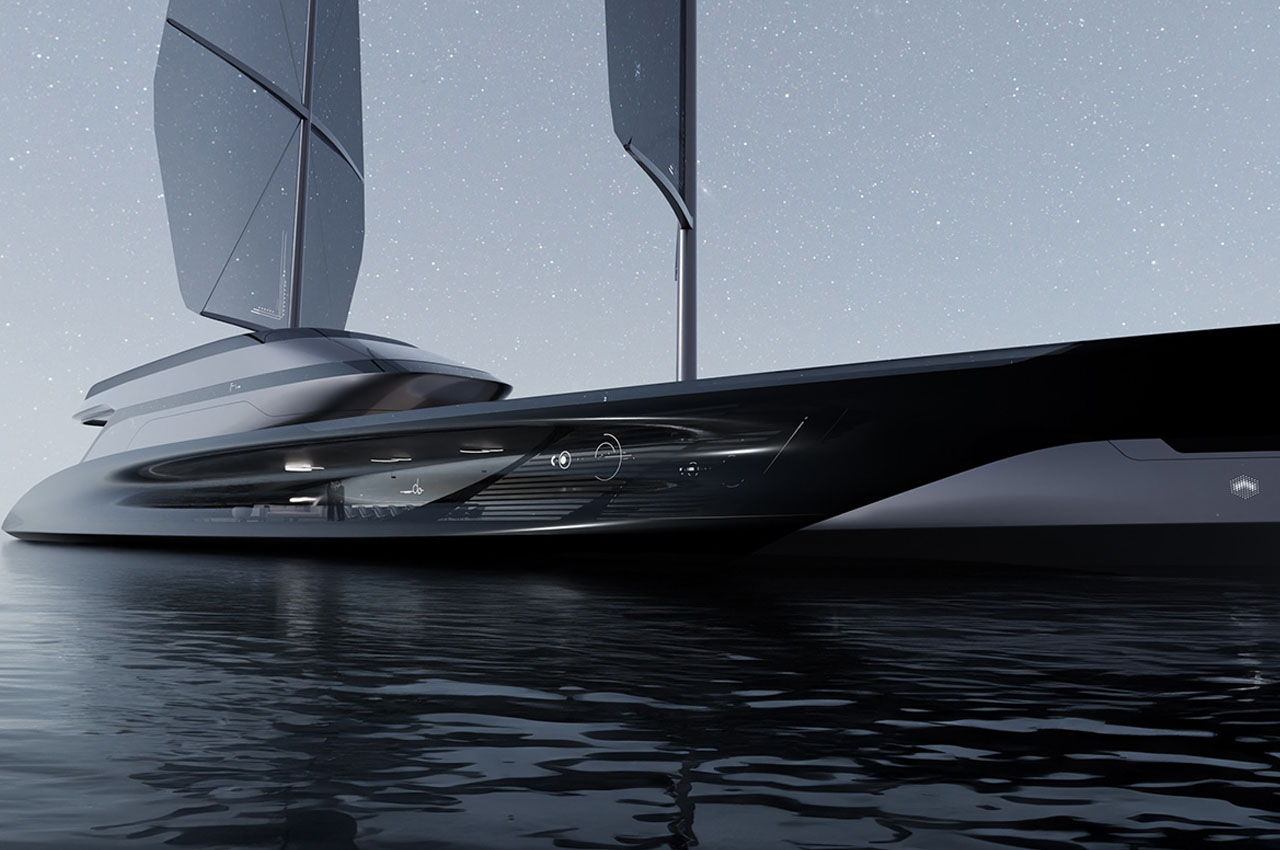
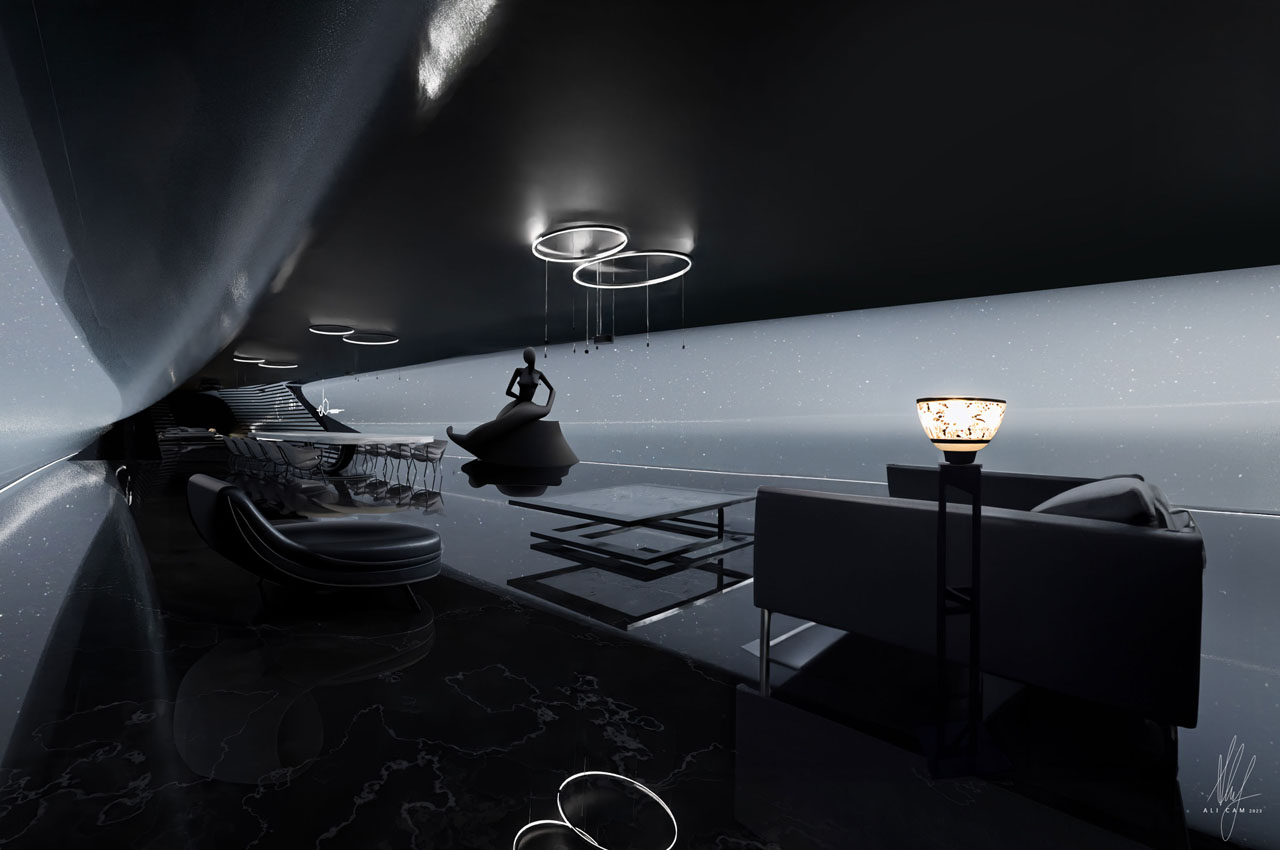
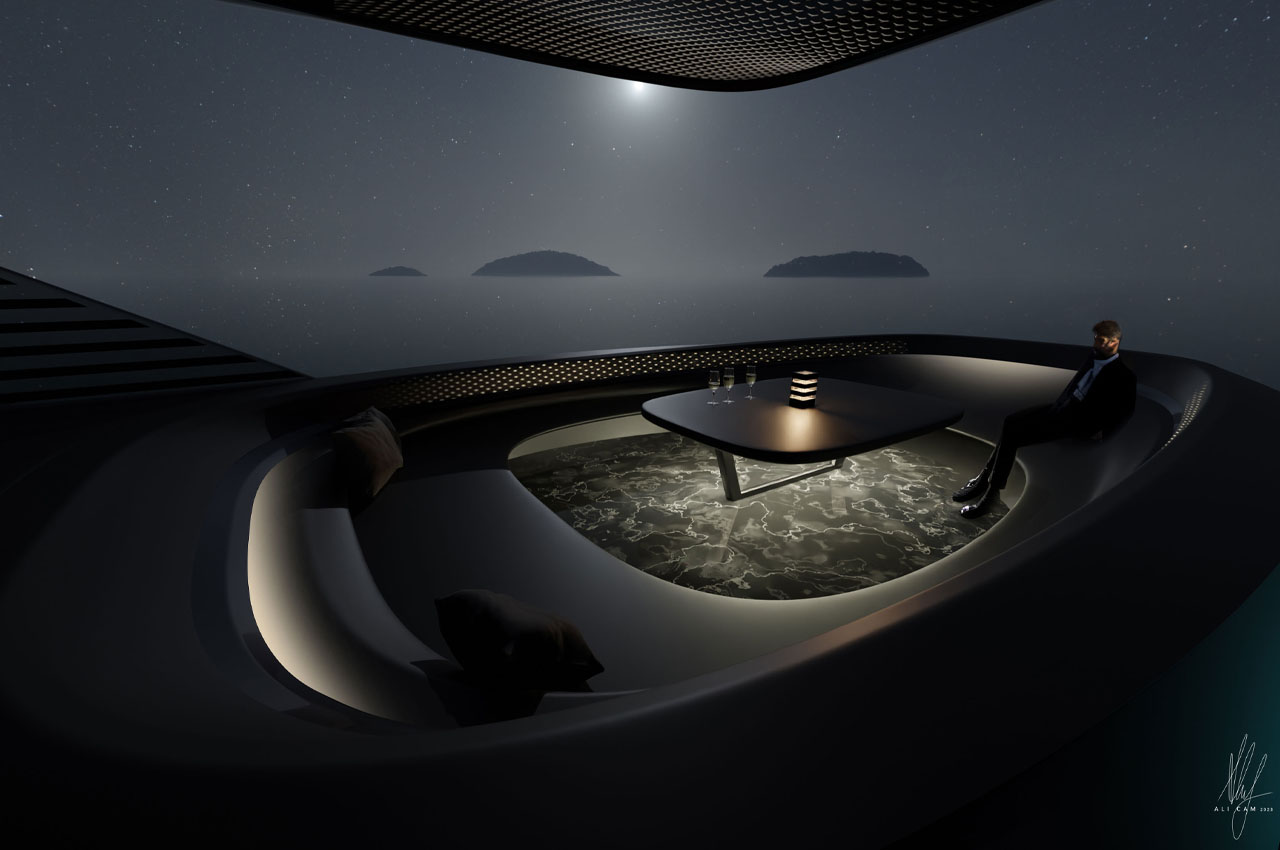
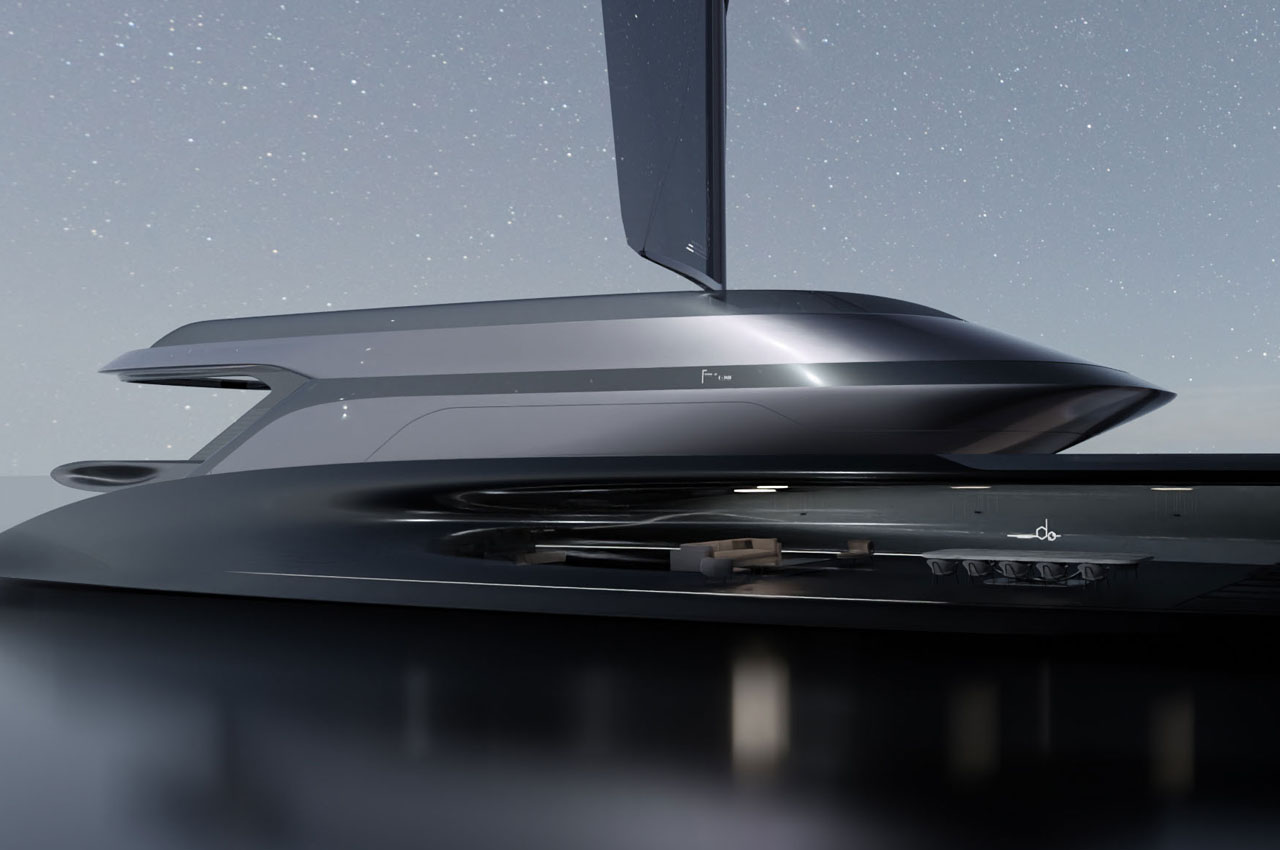
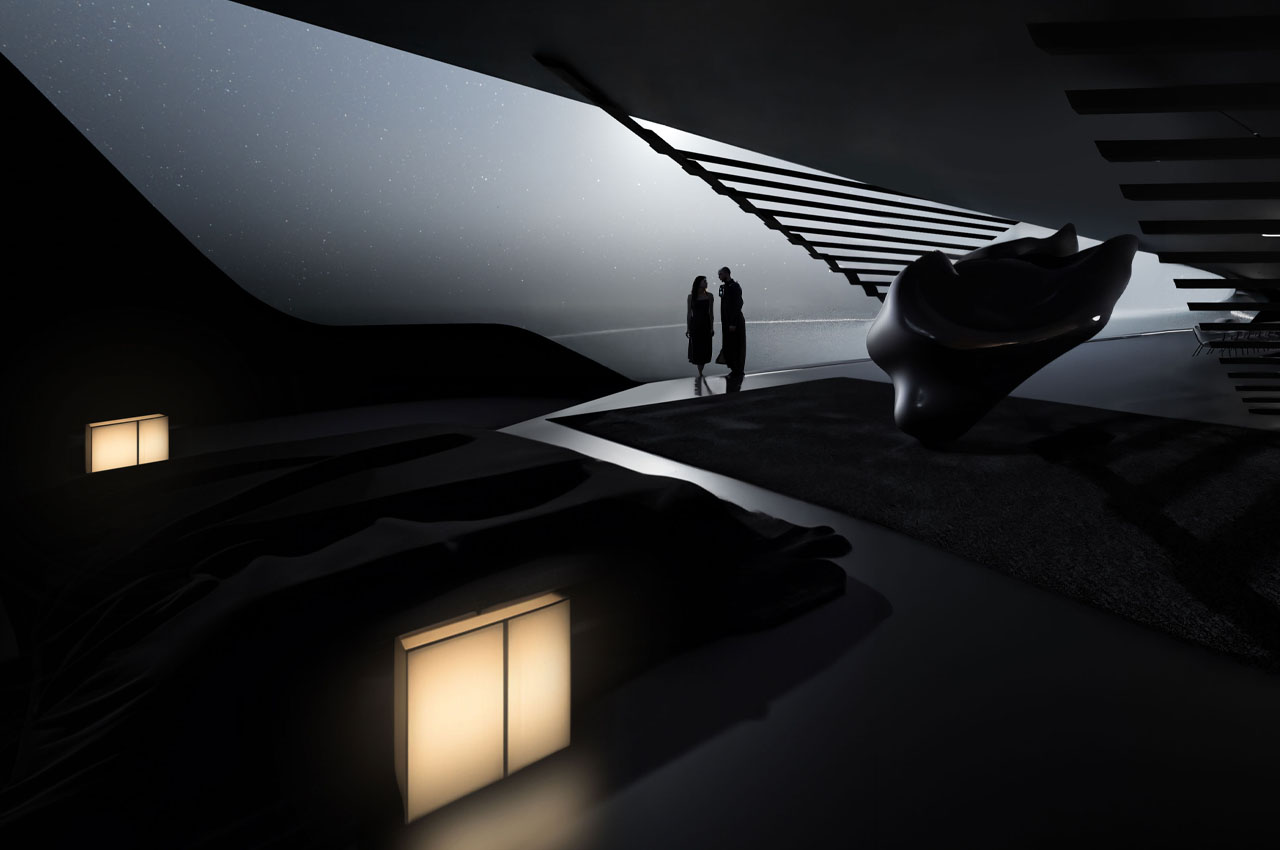
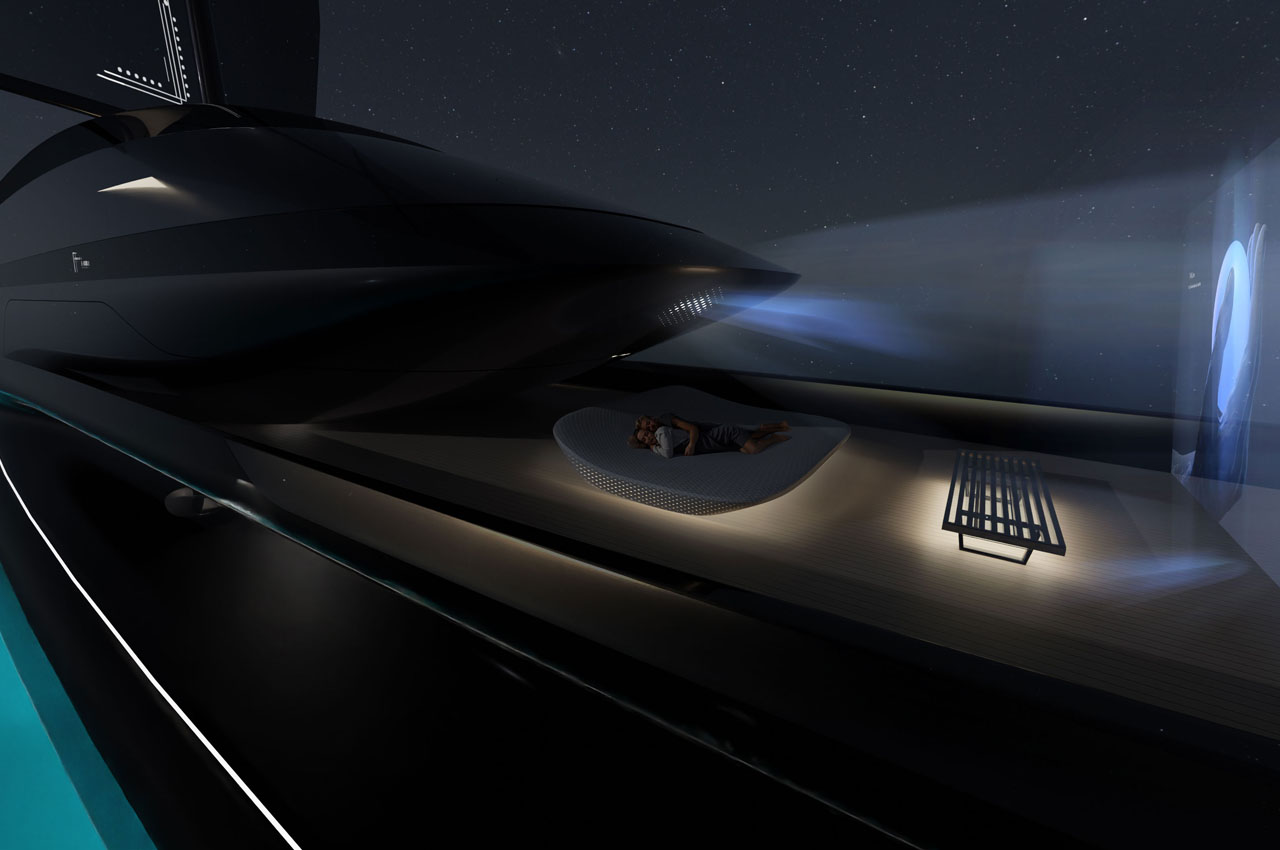
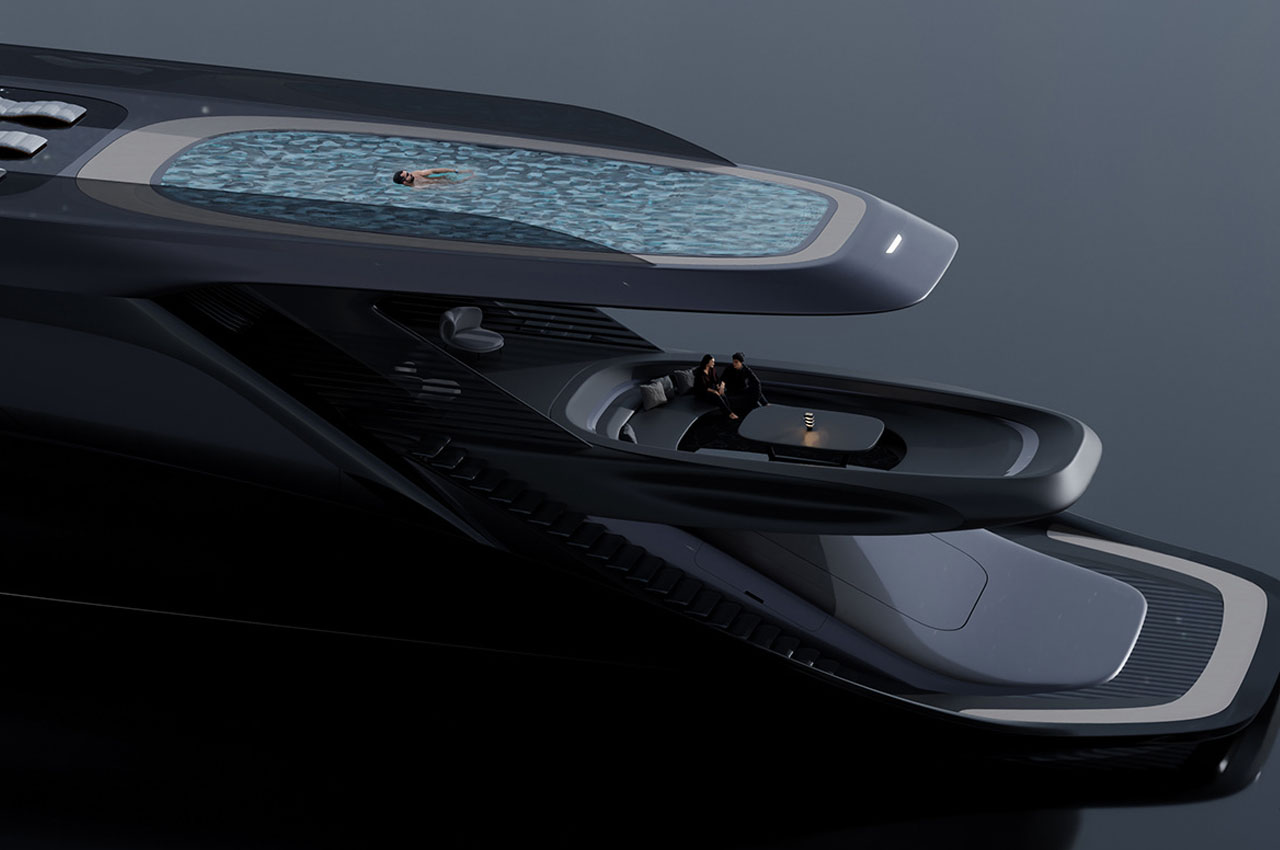
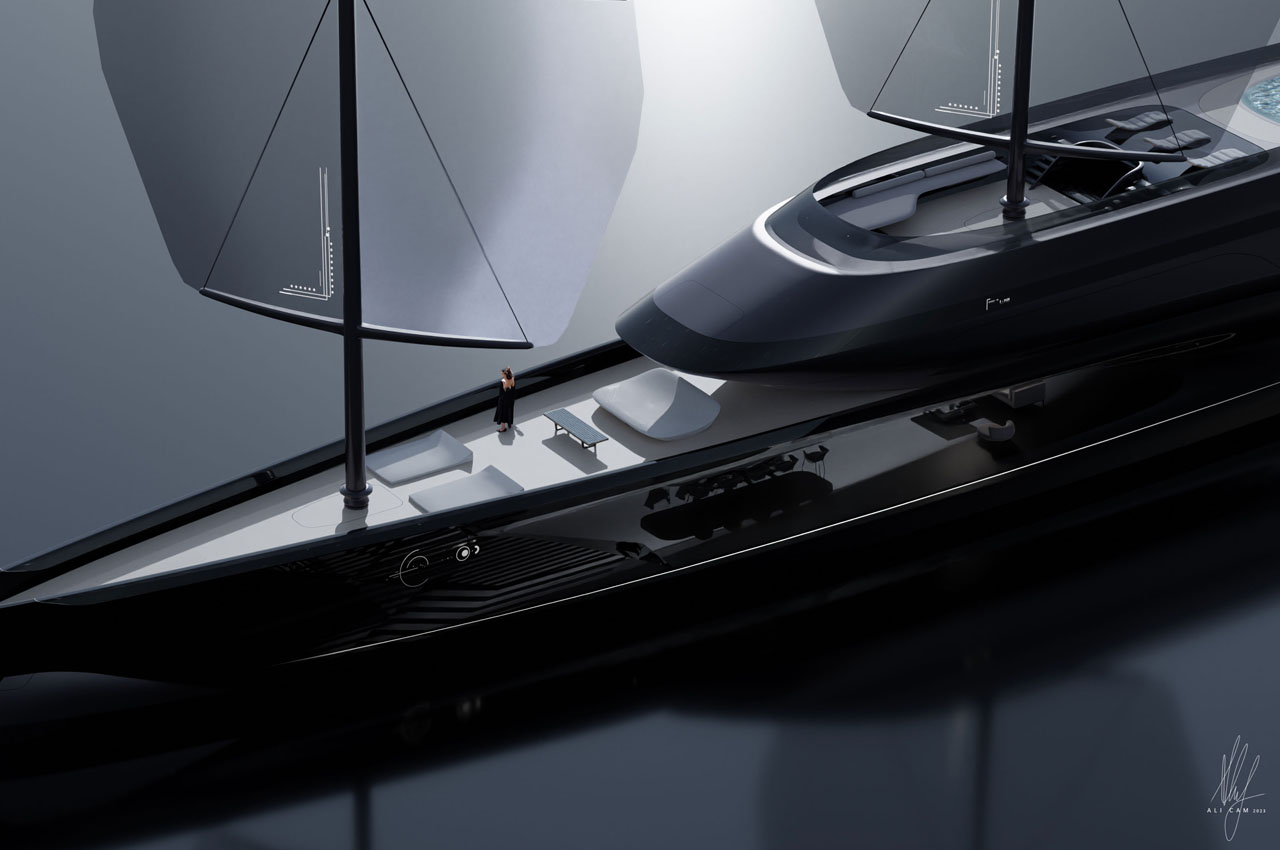
The superyacht is highlighted by the organic contours that contrast with the sharp edges. It’s like a hypercar of the yacht world with regard to luxury and comfort. There are three levels on the vessel each serving its purpose for the occasion. The most eye-popping of them all is the lower deck that in part houses the individual rooms and the hue deck with transparent glass facades on both sides. This matte black section is the place to enjoy your evening meals and a drink.

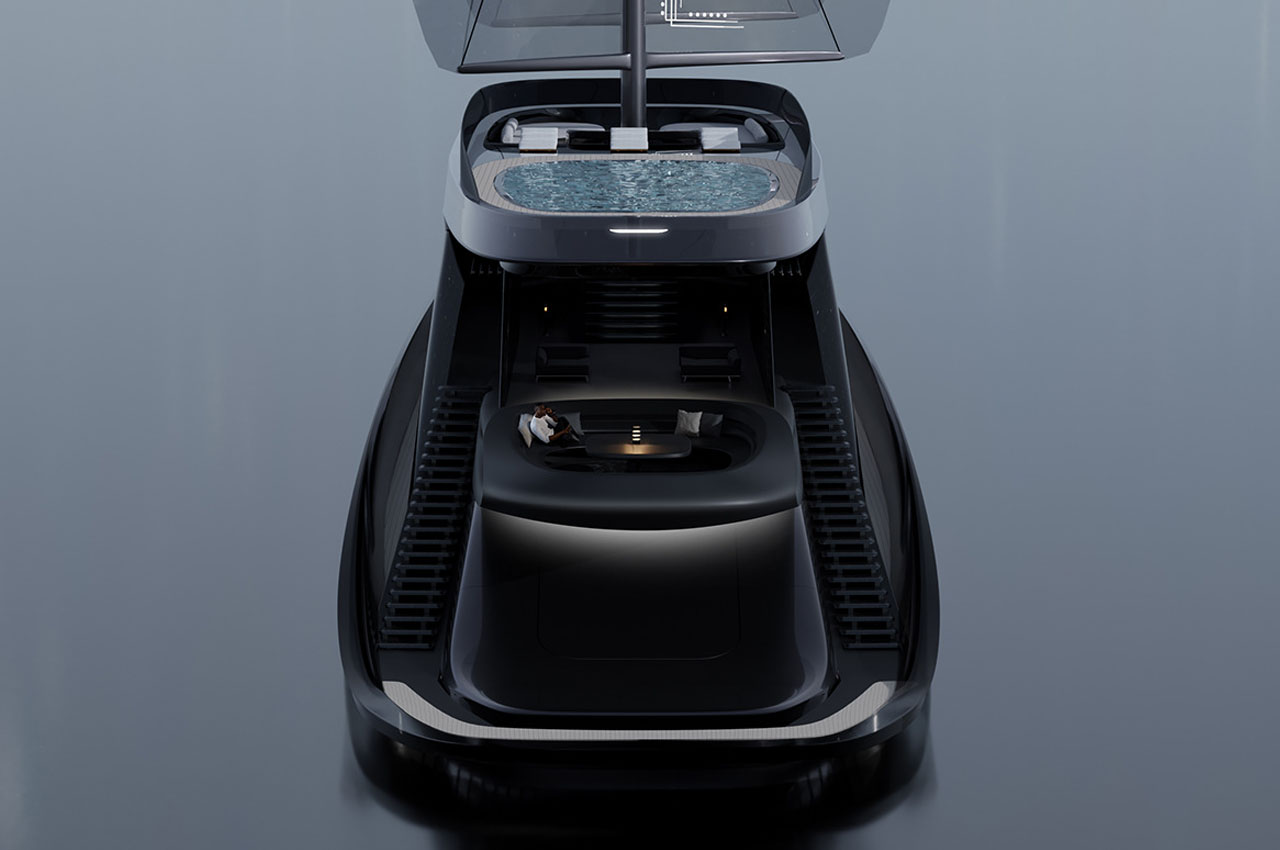
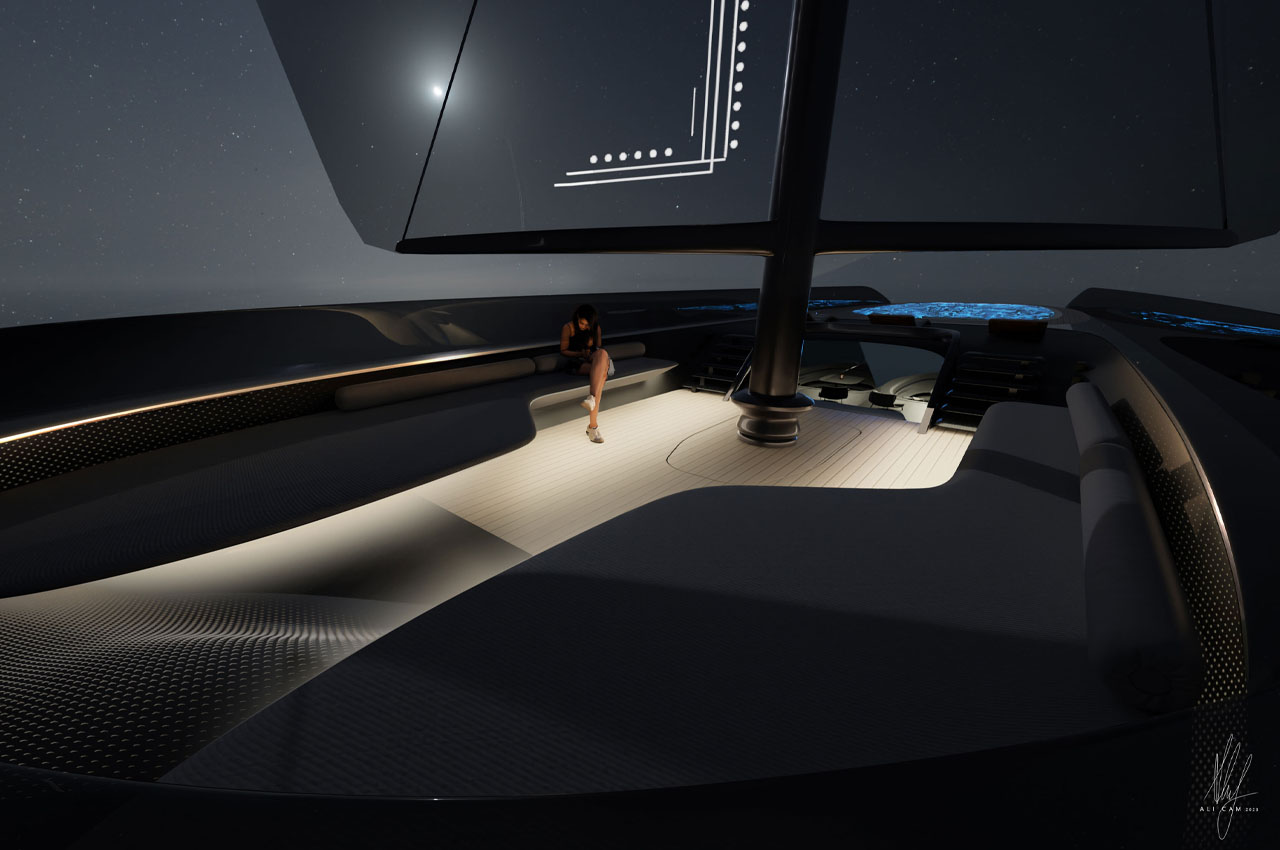
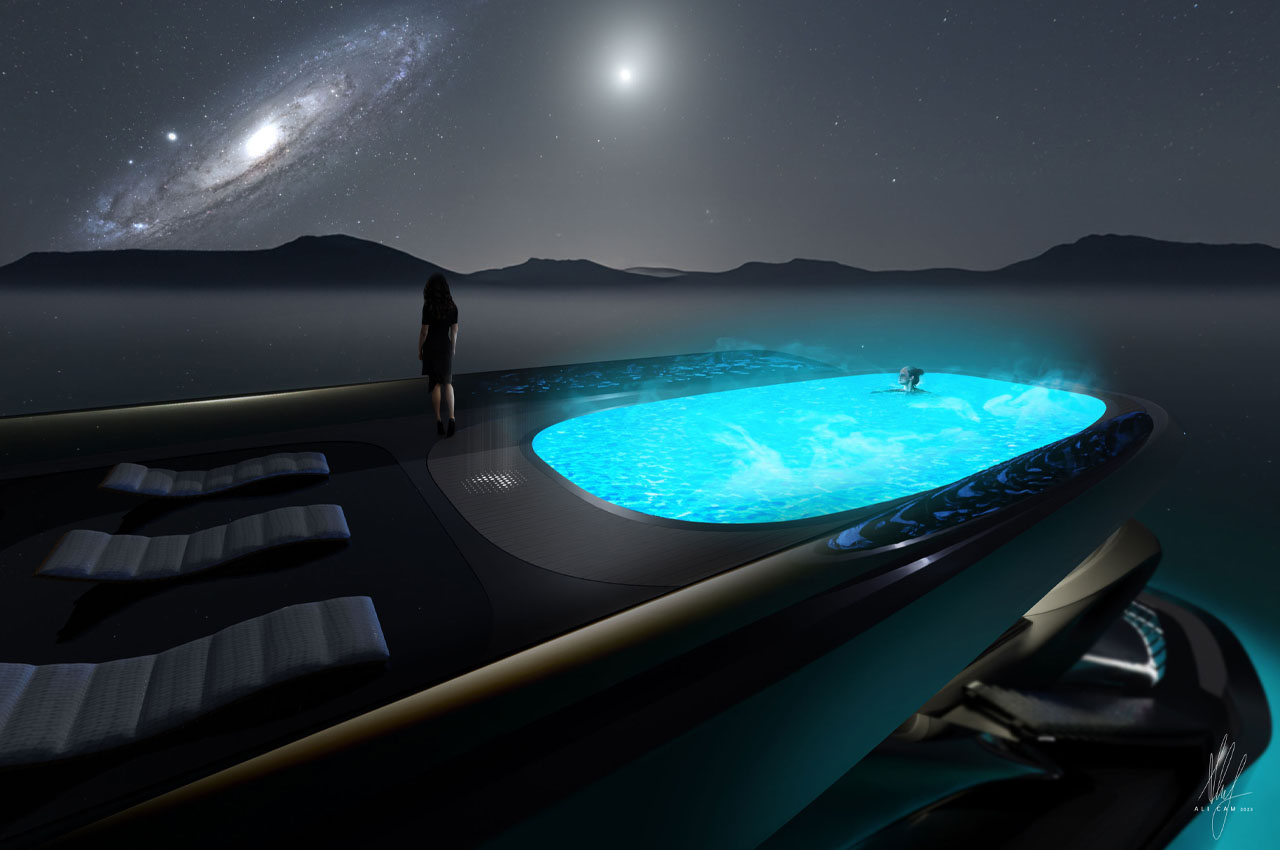
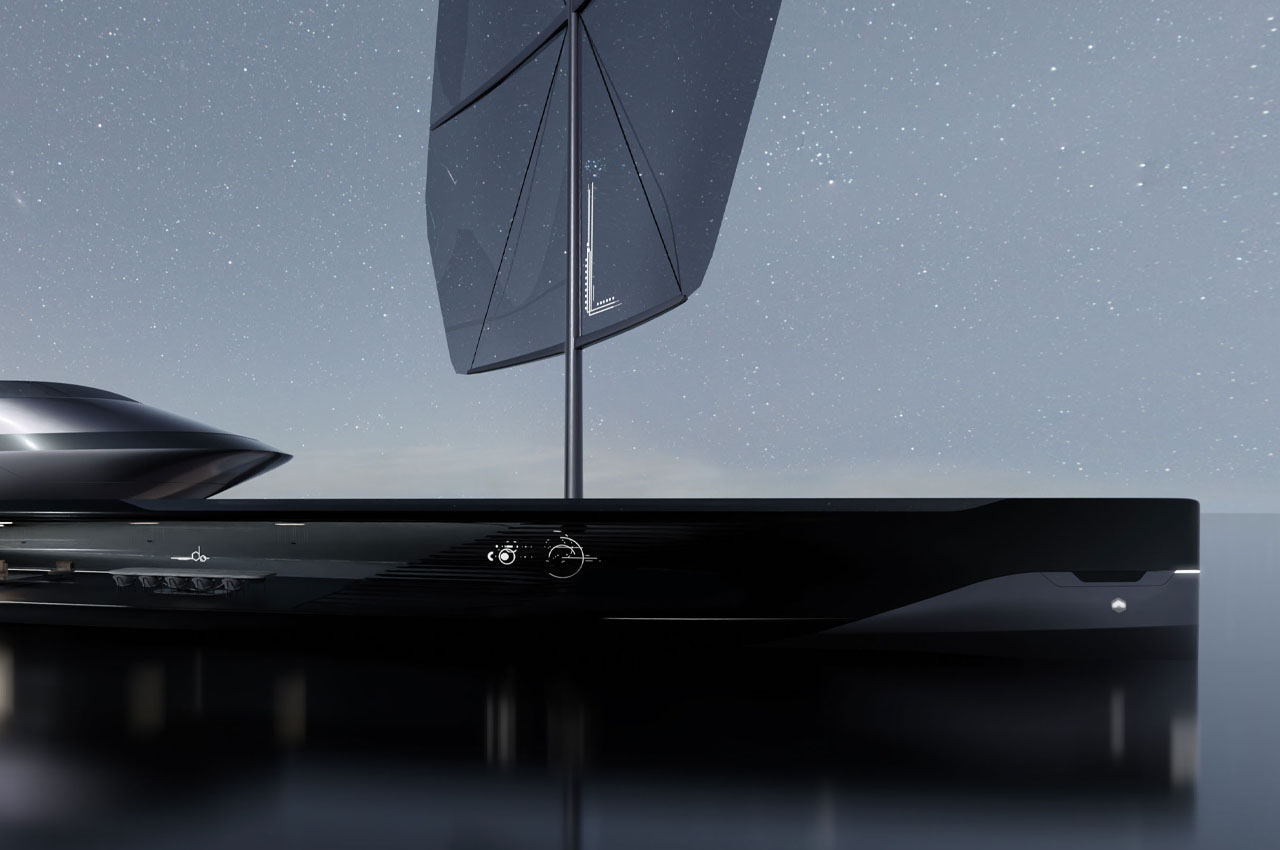
The second level is an open deck area for engaging with the open seas and lounging in the warmth of the sun. The secondary sail of the vessel is pinned on the front to prevent any obstruction of the open views. The rear section has an enclosed lounging section if you like things to be muted down. Move to the top level of the superyacht and you are welcomed by the open swimming pool and relaxing area. The main sail of The Arc sits at a pivot point right in the middle of the lounging area which is a clever design inclusion for conversation starters.

The design theme of the superyacht is a flowing Sierra of black and titanium grey that brings a sense of luxury and speed into one. I love the lower level deck that gives open views of the seas while protecting one from the elements because the weather is not always bright and sunny!

The post This ultra-luxurious superyacht boasts a lower level deck with panoramic glass walls first appeared on Yanko Design.