F.P. Journe Turns 86 Carats of Rubies Into One Watch

Most gem-set watches treat stones as decoration. F.P. Journe’s Tourbillon Souverain Vertical Joaillerie Rubis treats them as the entire point. This unique piece took eight years to build because finding 93 rubies that match perfectly in color, then cutting 61 carats of material away to achieve that uniformity, requires a timeline most manufacturers would never approve. The result is 25 carats of baguette rubies wrapped around a platinum case that was engineered specifically to hold them.

Designer: F.P. Journe

Jeweled complicated watches have drawn serious collectors since Geneva’s golden era of the late twentieth century. Brands including Patek Philippe and Piaget established the category, and demand has only intensified over the past decade as colored stones moved from novelty to centerpiece. But what F.P. Journe delivered here operates on a different scale entirely. This is closer to a wearable ruby sculpture than a watch that happens to feature gems.

Image source: watchesbysjx.com

The arithmetic tells you everything. Eighty-six carats of rough ruby entered the workshop. Twenty-five carats survived. The remaining 61 carats were ground away in pursuit of identical size, clarity, and saturation across every stone. That ratio of loss would kill most projects before they started. F.P. Journe spent nearly a decade sourcing and recutting until the math worked.

The Case as Canvas

Every exterior metal surface carries rubies. Forty baguette-cut stones sit channel-set in the bezel, forming an unbroken red circuit around the dial. The lug hoods hold another 16 baguettes arranged in a fanned configuration that draws the eye outward and exaggerates the watch’s footprint on the wrist. The case band wraps the mid-section with 37 stones, the largest in the entire build.

Image source: watchesbysjx.com

F.P. Journe describes those 37 case-band rubies as the largest baguette-cut stones ever set in a watch. The claim matters because ruby’s natural crystal structure favors oval or cushion cuts. Producing elongated baguettes from material that resists that shape required sourcing oval-cut rubies of appropriate dimensions, then recutting them to fit the Tourbillon Vertical geometry. The case itself grew 2mm wider than the standard model specifically to receive stones of this size without leaving visible gaps between settings.

Image source: watchesbysjx.com

What you notice immediately is the seamlessness. No color variation breaks the surface. No pink tone drifts into orange. The 93 stones read as a single continuous shell rather than a patchwork of individual gems. Achieving that uniformity across bezel, lugs, and band demanded precise color matching at a level most jewelers would consider impractical.

That precision explains the eight-year development cycle. One stone that skews slightly warm or slightly cool would fracture the visual coherence of the entire case. Patience was not optional here.

Why Average Stone Weight Matters

Numbers put this in perspective. Each ruby on this watch averages 0.269 carats. Typical melee diamonds used in gem-set watches weigh under 0.02 carats and cost almost nothing because they trade as bulk commodities.

Image source: watchesbysjx.com

Patek Philippe’s fully set Grandmaster Chime carries 30.16 carats of baguette diamonds distributed across 392 stones, averaging 0.077 carats each. F.P. Journe’s diamond version of this same case averages 0.242 carats per stone. The ruby variant exceeds even that figure because ruby carries roughly 1.14 times the density of diamond: identical physical dimensions yield higher carat weight.

Image source: watchesbysjx.com

A Dial Built From Stone

The dial shifts the ruby theme into different territory. Instead of faceted gems, F.P. Journe selected cœur de rubis, a mineral combining red corundum growths with green zoisite matrix. The surface reads as ruby embedded in raw rock, textured and organic rather than polished to clarity.

Visually, the contrast works. The mottled dial recedes behind the geometric precision of the baguette case setting rather than competing with it. Thematically, the choice keeps everything on the watch connected to ruby in some form.

Image source: watchesbysjx.com

Machining corundum presents real difficulty. The material sits at 9 on the Mohs scale, just below diamond, and its brittleness makes drilling apertures for hands and the tourbillon window a high-risk operation. Scrap rates on dials like this run steep, adding another dimension of rarity to an already singular object.

F.P. Journe used ruby heart dials on the final 20-piece run of the Tourbillon Nouveau, so this represents continuation rather than experiment.

The Movement Behind the Gems

Caliber 1519 sits beneath the ruby exterior. This hand-wound movement carries one of F.P. Journe’s signature complications: a constant-force device built around a titanium blade-spring remontoir that François-Paul Journe designed in 1983 at the request of collector Eugene Gschwind.

Image source: watchesbysjx.com

The constant-force mechanism produces what the brand calls natural jumping seconds. The seconds hand advances in discrete one-second increments without requiring a separate dead-beat module. You see the hand step crisply rather than sweep, which provides immediate visual confirmation that the remontoir is functioning and makes accuracy checks against a reference signal straightforward.

Image source: watchesbysjx.com

The tourbillon departs from convention by rotating 90 degrees from the standard orientation, linked through a crown gear. This vertical positioning keeps the balance wheel perpendicular to most watch movements, theoretically reducing rate variation between dial-up, dial-down, and crown positions. Whether that translates to measurable real-world accuracy gains depends on wearing habits, but the engineering ambition registers clearly. Total power reserve runs 80 hours, with a guaranteed 42-hour chronometric window during which the constant-force system operates at full effectiveness.

Image source: watchesbysjx.com

Positioning the Piece

The crocodile strap intentionally recedes, letting the case dominate. The platinum folding clasp does not: it carries 18 additional baguette-cut rubies, extending the red-on-platinum language to every visible metal surface including the underside of the wrist.

Water resistance registers at 30 meters, a specification that signals jewelry-object status rather than any expectation of practical use. This watch exists for controlled environments, not daily wear.

F.P. Journe has not published pricing, listing availability only through boutiques with figures disclosed upon application. Given the material costs, the eight-year timeline, and the unique-piece designation, the number will occupy territory where inquiring about it implies you probably cannot reach it. More relevant than the price is what this watch demonstrates: how far an independent maker will push when schedules, budgets, and conventional production logic become secondary to a singular creative vision.

F.P. Journe Tourbillon Souverain Vertical Joaillerie Rubis

  • Case: 44mm × 13.76mm, platinum
  • Crystal: Sapphire
  • Water Resistance: 30m
  • Movement: Cal. 1519, manual wind
  • Functions: Hours, minutes, natural jumping seconds, power reserve, constant force device, tourbillon
  • Frequency: 21,600 vph (3 Hz)
  • Power Reserve: 80 hours total, 42 hours chronometric
  • Strap: Crocodile with ruby-set folding clasp (18 baguette-cut rubies)
  • Availability: Unique piece, F.P. Journe boutiques only
  • Price: Upon application

The post F.P. Journe Turns 86 Carats of Rubies Into One Watch first appeared on Yanko Design.
Hand-Stitched $2,300 Sneakers With Only 2 Pairs in the World

Let’s talk about what happens when ancient Japanese craftsmanship collides with one of the most elusive sneakers in the game. The result? A pair of shoes that costs more than most people’s monthly rent, and somehow, that price tag makes total sense.

New Balance Japan just announced a collaboration with Sashiko Gals that’s turning heads for all the right reasons. They’ve taken the legendary 1300JP and transformed it into something that exists somewhere between footwear and functional art. And before you dismiss this as another overpriced sneaker collab, hear me out, because this one’s different.

Designers: Sashiko Gals and New Balance

For those not deep in sneaker lore, the New Balance 1300JP is basically the Bigfoot of running shoes. Originally released in the 1980s, it only drops once every five years in Japan, making it the kind of shoe that serious collectors set calendar reminders for. It’s got that classic grey suede aesthetic and Made in USA quality that sneakerheads obsess over.

Enter Sashiko Gals, a community of Japanese artisans who are keeping the centuries-old tradition of sashiko embroidery alive by dragging it, stitch by careful stitch, into contemporary culture. Sashiko is that traditional Japanese hand-stitching technique where artisans use running stitches to create intricate patterns on fabric, typically indigo-dyed. It’s slow work. Meticulous work. The kind of craft that makes you appreciate the human hands behind every detail.

What these artisans did to the 1300JP is nothing short of remarkable. They covered the entire upper with hand-made sashiko patches, stitching them with white, orange, and indigo-blue thread. The decorative patterns create this visually rich tapestry that screams Japanese heritage while somehow still respecting the sneaker’s classic silhouette. And because these artisans apparently don’t believe in half-measures, they even stitched the running patterns onto the ends of the laces. Every. Single. Detail. Matters. The collaboration also includes a Made in USA varsity jacket that gets the same treatment, blending American sports heritage with Japanese craftsmanship in a way that shouldn’t work but absolutely does.

Now, about that price tag. The sneakers clock in at 363,000 yen, which translates to roughly $2,330 USD. The jackets? Try 990,000 yen, or about $6,300 USD. Yeah, you read that right. These numbers are stratospheric. But here’s where things get interesting. New Balance and Sashiko Gals are only making two pairs of the 1300JP and four jackets (one in each size from small to extra-large). They’ll drop via a charity-based lottery at the New Balance Harajuku flagship on December 12th, and here’s the kicker: every single yen from the sales goes to MOONSHOT Co., LTD., an organization dedicated to developing future sashiko artisans and funding the launch of something called the SASHIKO WORLD CHAMPIONSHIP.

This is what makes this collaboration actually matter. It’s not just two brands cashing in on hype. It’s a genuine effort to preserve and promote a traditional art form that’s at risk of fading away in our mass-production world. The Sashiko Gals are literally expanding the possibilities of their craft, proving that ancient techniques can still resonate in our modern, sneaker-obsessed culture. The “Crafted for the Future” partnership name suddenly makes sense. This isn’t about churning out product. It’s about creating a sustainable model where traditional craftsmanship can thrive, where artisans have platforms to showcase their work, where slow fashion and meticulous detail aren’t just marketing buzzwords but actual values worth paying for.

Will most of us ever own these sneakers? Probably not. Only two pairs exist, and the lottery system means even having the money isn’t enough. But that’s kind of the point. This collaboration is proving that sneakers can be more than just footwear or even fashion. They can be vessels for cultural preservation, fundraising tools, and tiny rebellions against our disposable culture. We’re living in an age where fast fashion dominates and sneaker collaborations drop every other week so the Sashiko Gals x New Balance 1300JP stands out by doing the exact opposite. It’s slow. It’s expensive. It’s impossibly rare. And somehow, that makes it one of the most exciting sneaker releases of the year.

The post Hand-Stitched $2,300 Sneakers With Only 2 Pairs in the World first appeared on Yanko Design.

10 Best Stocking Stuffers Men Actually Want For Off-Grid Luxury Living

Off-grid living has shed its reputation as roughing it. Today’s modern homesteaders demand the same sophistication they left behind in the city, just powered differently. The off-grid luxury market has grown into a $4.76 billion industry because people realized sustainable living doesn’t mean sacrificing quality. It means choosing better tools that work harder and last longer than their mass-market counterparts.

Stocking stuffers for the off-grid enthusiast need to deliver value. Forget novelty gadgets that sit in drawers. These ten tools from Yanko Design blend Japanese craftsmanship with practical utility. Each one solves real problems faced by people building self-sufficient lifestyles. From precision cutting tools to ambient lighting that works without grid power, these compact essentials enable luxury living in remote places. They’re small enough to fit in a stocking but powerful enough to earn permanent spots in everyday carry rotation.

1. 8-in-1 EDC Scissors

The 8-in-1 EDC Scissors prove that multi-tools don’t need bulk to deliver versatility. At just 13 centimeters, these palm-sized scissors slip into pockets without printing through fabric. The oxidation film coating adds rust resistance while creating a distinctive black finish that looks equally at home on a workbench or dining table. For off-grid living where every ounce matters and specialized tools mean extra weight, this compact design consolidates eight functions into one elegant package.

Off-grid environments demand tools that perform multiple roles without compromising on any single function. These scissors handle packaging, food prep, wire cutting, and bottle opening with the same efficiency. The degasser and shell splitter functions address specific outdoor cooking needs that standard pocket knives miss entirely. When you’re maintaining solar panels, processing game, or repairing equipment miles from the nearest hardware store, having eight reliable tools in one palm-sized package isn’t convenient—it’s essential for self-sufficient living.

Click Here to Buy Now: $59.00

What we like

  • The oxidation coating creates genuine rust resistance rather than just painted-on color that chips with use.
  • Eight legitimate functions built into a 5.1-inch form factor that actually fits in pockets designed for modern slim wallets.

What we dislike

  • The compact size means shorter handles that require more hand strength for tougher cutting jobs.
  • Multiple functions in one tool always mean some compromise compared to dedicated single-purpose versions.

2. Side A Cassette Speaker

The Side A Cassette Speaker brings wireless audio to off-grid spaces without requiring constant charging infrastructure. Bluetooth 5.3 connectivity pairs seamlessly with phones and tablets, while the microSD slot enables completely offline playback when you’re beyond cellular range. The transparent cassette shell isn’t just aesthetic nostalgia—it’s a conversation piece that transforms utilitarian tech into something worth displaying. For cabin living where decor matters as much as function, this speaker becomes both an audio solution and a shelf sculpture.

Battery life matters differently when you’re managing solar power budgets. This compact speaker delivers surprisingly warm sound that fills small spaces without demanding the power draw of larger Bluetooth systems. The cassette-inspired design means it stands upright naturally, eliminating the need for separate speaker stands or mounting hardware. Whether you’re working at a desk powered by a generator, relaxing by lantern light, or cooking dinner off-grid, this speaker adds the soundtrack without complicated setup or energy waste.

Click Here to Buy Now: $45.00

What we like

  • The microSD card slot enables music playback without draining phone batteries or requiring Wi-Fi connectivity.
  • Bluetooth 5.3 provides a stable connection range for moving between cabin rooms without audio dropouts.

What we dislike

  • The compact size limits bass response compared to larger speakers designed for outdoor use.
  • Cassette nostalgia design may not resonate with younger off-gridders who never experienced mixtape culture.

3. Painless Key Ring

The Painless Key Ring solves the fingernail-breaking frustration of traditional split rings with wave spring technology borrowed from aerospace engineering. This isn’t incremental improvement—it’s a complete reimagining of how key rings function. The wave coil design makes adding and removing keys genuinely effortless while maintaining security that won’t fail when you’re miles from spare copies. For off-grid living where multiple locks, equipment keys, and padlock keys multiply quickly, managing key organization becomes a daily necessity rather than an occasional annoyance.

Traditional key rings deform under stress, making thick keys progressively harder to add and wearing thin over repeated use. The wave spring construction stays lighter than conventional rings while proving more durable under constant cycling. When you’re managing keys for solar battery boxes, storage sheds, equipment locks, and vehicle ignitions, damaged key rings aren’t just inconvenient—they’re potential security failures. This aerospace-grade solution treats key management with the seriousness it deserves while fitting seamlessly into existing EDC setups.

Click Here to Buy Now: $25.00

What we like

  • Wave spring design legitimately eliminates the nail-breaking, key-scratching experience of traditional split rings.
  • Available in silver and black finishes to match different EDC aesthetics and metal preferences.

What we dislike

  • The innovative mechanism costs more than conventional split rings that people already own by the dozen.
  • Wave spring design might confuse first-time users expecting traditional key ring operation.

4. DraftPro Top Can Opener

The DraftPro Top Can Opener transforms canned beverages into glass-like drinking experiences by completely removing the lid. Award-winning Japanese designer Shu Kanno understood that flavor appreciation requires accessing aroma, and crimped can openings limit that sensory dimension. This tool creates smooth-edged, wide-mouth openings that let you catch scent notes before each sip. For off-grid luxury living where craft beverages might be one of the few indulgences, drinking them properly matters.

Beyond elevated drinking experiences, this opener enables practical advantages for remote living. Add ice directly into cans when refrigeration runs on limited solar power. Mix cocktails in the container, eliminating glassware that needs washing with precious water reserves. The universal compatibility handles both domestic and international cans, important for off-gridders who might stock supplies from various sources. At this price point, it’s the kind of small luxury that disproportionately improves daily quality of life.

Click Here to Buy Now: $59.00

What we like

  • Smooth-edged removal eliminates sharp metal lips that make drinking directly from opened cans uncomfortable.
  • The wide mouth opening enables adding ice cubes for rapid cooling without transferring to glasses.

What we dislike

  • Completely removing lids creates disposal challenges where trash management already requires careful planning.
  • The specialized function serves beverages only while consuming pocket space that could hold multi-purpose tools.

5. Precision Chef Kitchen Scissors

The Precision Chef Kitchen Scissors bring restaurant-grade food prep into off-grid kitchens through thoughtful engineering. The curved serrated blade makes cutting meat safer and more efficient than straight-edge designs that require awkward angles. Oxidation coloring creates the black finish through metal treatment rather than coating, so the distinctive appearance won’t chip or fade with heavy use. The ergonomic structure keeps blades elevated when laid flat, preventing cross-contamination on cutting surfaces.

Off-grid cooking often means processing whole ingredients rather than buying pre-cut portions. These scissors handle breaking down poultry, portioning meat, cutting vegetables, and even cutting pizza with equal efficiency. When kitchen counter space is limited, and cutting boards need careful water management for cleaning, shears that work for multiple tasks reduce both equipment and cleanup. The striking black finish elevates these from pure utility into kitchen decor that announces serious food preparation happens here.

Click Here to Buy Now: $99.00

What we like

  • Curved serrated blade design genuinely improves cutting efficiency compared to standard kitchen shear geometry.
  • Oxidation coloring creates a permanent black finish that won’t deteriorate with dishwashing or heavy use.

What we dislike

  • The premium blade treatment and ergonomic design command prices well above basic kitchen scissors.
  • Specialized meat-cutting optimization might not serve vegetarian or plant-focused off-grid kitchens as effectively.

6. AirTag Carabiner

The AirTag Carabiner harnesses Apple’s Find My network through Duralumin composite alloy construction proven in aircraft and spacecraft. This isn’t cheap aluminum painted to look premium—it’s genuine aerospace-grade material suited for extreme conditions. Snap it onto bags, bikes, or equipment and gain location tracking that works even when you’re beyond cellular coverage. For an off-grid property where tools, vehicles, and gear are spread across acres, knowing exactly where everything sits eliminates time wasted searching.

The hand-crafted metal construction creates heirloom-quality carabiners that justify AirTag investment. Standard plastic cases break under outdoor use, defeating the purpose of tracking expensive equipment. Duralumin handles high altitude and water exposure, making these suitable for genuine backcountry use rather than just urban everyday carry. Available in brass and stainless steel variants, you can match different equipment aesthetics while maintaining the same reliable tracking across your off-grid setup.

Click Here to Buy Now: $119.00

What we like

  • Duralumin aerospace alloy provides genuine durability suited for harsh conditions, rather than just looking premium.
  • Hand-crafted individual construction creates variation and character missing from mass-produced tracking accessories.

What we dislike

  • Requires purchasing Apple AirTags separately, adding $29 per carabiner to the total investment.
  • The Find My network depends on proximity to other Apple devices, limiting effectiveness in truly remote areas.

7. CasaBeam Everyday Flashlight

The CasaBeam Everyday Flashlight delivers 1,000 lumens through a minimalist design that belongs on display rather than hidden in drawers. The dual-mode functionality transforms it from a handheld flashlight to an upright lantern without requiring separate bases or accessories. Five lighting modes cover everything from ambient reading light to emergency SOS signaling. When off-grid lighting depends on managing battery reserves carefully, having one versatile light that serves multiple needs reduces redundant equipment.

The 200-meter beam range handles outdoor navigation while the diffused lantern mode creates ambient lighting for interior spaces. Twist the front to toggle between spotlight and floodlight, adjusting beam width for specific tasks. Power outages that would be minor inconveniences on-grid become major disruptions off-grid, making reliable backup lighting essential rather than precautionary. This flashlight’s standalone design means it’s ready immediately without hunting for batteries or checking charge levels on dedicated headlamps.

Click Here to Buy Now: $49.00

What we like

  • The upright lantern mode creates hands-free ambient lighting without requiring separate lantern equipment.
  • Adjustable zoom beam toggles between a focused spotlight and a wide floodlight for different situations.

What we dislike

  • The 1,000-lumen maximum output drains batteries faster than lower-output lights during extended outages.
  • Minimalist design lacks rugged water resistance and drop protection found in tactical flashlight alternatives.

8. Compact Modular Grill Plate

The Compact Modular Grill Plate adapts to whatever heat source you’re using, from unstable bonfires to precise induction cooktops. The three-layer steel construction ensures even heat distribution that maintains food juiciness during cooking. Swappable handles let you optimize for current conditions—use long handles over open flames, short handles for stovetop cooking, or remove them entirely for compact storage. When off-grid cooking means adapting to available fuel and weather conditions, versatile cookware isn’t a luxury—it’s a necessity.

Even heat distribution becomes crucial when cooking over fires that don’t provide the temperature control of home ranges. The metal grill plate conducts heat uniformly across its surface, preventing hot spots that char food in some areas while leaving others undercooked. The modular design packs flat for storage, important when cabin kitchens can’t dedicate space to specialized equipment. Whether you’re cooking over propane, wood fire, or solar-powered induction, this single plate handles all scenarios without compromising cooking quality.

Click Here to Buy Now: $89.00

What we like

  • Three-layer steel plate construction delivers restaurant-quality heat distribution regardless of heat source consistency.
  • The modular handle system adapts to different cooking situations rather than forcing a one-size-fits-all compromise.

What we dislike

  • The premium steel construction creates weight that makes this impractical for backpacking or ultralight camping.
  • Multiple small pieces in the modular system increase the chance of losing components during outdoor use.

9. Miniature Bonfire Wood Diffuser Set

The Miniature Bonfire Wood Diffuser Set captures mountain forest fragrance through an adorable design that doubles as functional decor. The rust-resistant stainless steel bonfire creates an eye-catching centerpiece while miniature firewood bundles diffuse essential oils with the gentleness of a natural breeze. The included trivets transform the diffuser into a pocket stove for authentic cooking experiences indoors. When off-grid living means months of winter cabin time, bringing outdoor atmosphere inside maintains a connection to the natural surroundings.

Essential oil from Mt. Hakusan provides a distinctive scent that commercial air fresheners can’t replicate. The stainless steel construction handles repeated heating without deteriorating, making this suitable for daily use rather than occasional decoration. The pocket stove functionality means you can actually brew tea or warm small portions over the flame, blending aromatherapy with practical heating. For off-grid spaces where ambiance matters as much as utility, this diffuser creates the warmth of a campfire without smoke or ventilation concerns.

Click Here to Buy Now: $99.00

What we like

  • The rust-resistant stainless steel construction enables genuine cooking functionality beyond just aromatic diffusion.
  • Essential oil captures authentic mountain forest scent rather than synthetic approximations.

What we dislike

  • The miniature scale limits practical cooking to very small portions, like single cups of tea.
  • Essential oil diffusion through heat requires fuel and monitoring, unlike electric or passive diffuser alternatives.

10. Obsidian Black Precision Chopstick Tongs

The PrecisionGrip Chopstick Tongs blend traditional Japanese chopstick precision with modern tong versatility. Made from SUS821L1 stainless steel with black oxide film processing, the finish won’t scratch or peel regardless of use intensity. The elongated design handles delicate foods with the control of chopsticks and the ease of tongs, eliminating the skill barrier that makes traditional chopsticks frustrating. For off-grid living where food prep and eating both happen in compact spaces, dual-purpose utensils reduce equipment while increasing functionality.

The black oxide film processing creates permanent color through metal treatment rather than coating, so the distinctive obsidian appearance survives dishwashing and heavy use. The ergonomic design works equally well for cooking and dining, flipping ingredients on the stovetop or serving sushi at the table. When off-grid kitchens need to maximize utility per item, these tongs deliver two tools’ worth of functionality in one elegant package. The SUS821L1 stainless steel provides exceptional corrosion resistance, important for environments where humidity and limited climate control accelerate metal deterioration.

Click Here to Buy Now: $19.00

What we like

  • Chopstick-style precision enables handling delicate foods with control impossible using standard tong designs.
  • Black oxide film processing creates a permanent finish that maintains appearance through years of daily use.

What we dislike

  • The chopstick aesthetic may feel unfamiliar to people expecting traditional tong operation and grip.
  • Specialized design serves precision tasks better than heavy-duty grilling or large portion handling.

Small Tools Enable Big Transformations

Off-grid luxury living starts with recognizing that quality tools improve daily experience more than any single large purchase. These ten stocking stuffers represent the Japanese design philosophy of perfecting everyday objects rather than accepting good enough. Each tool addresses specific challenges faced by people living self-sufficiently while maintaining aesthetic standards that would satisfy urban design enthusiasts. The total investment here costs less than many single appliances, yet delivers functionality across cooking, lighting, organization, and entertainment.

The real luxury in off-grid living comes from thoughtful tool selection rather than expensive equipment. Solar panels and battery systems get attention, but the scissors you use daily matter more to the quality of life. These compact essentials earn their space through consistent utility rather than occasional specialized use. They’re conversation pieces that spark interest from visitors while proving their worth through daily performance. Building an off-grid lifestyle means curating tools that work as hard as you do while looking good doing it.

The post 10 Best Stocking Stuffers Men Actually Want For Off-Grid Luxury Living first appeared on Yanko Design.
Motorola Edge 70 Accents Pantone’s 2026 Color with Swarovski Studs

Pantone’s Color of the Year 2026, Cloud Dancer, arrived with a thesis that we are all collectively tired and need visual relief from the chaos. The soft, lofty white was pitched as clarity over clutter and presence over pressure, a quiet protest against hyper saturated everything, including the phones buzzing in our pockets. It felt less like a trend forecast and more like a group therapy session disguised as a paint chip.

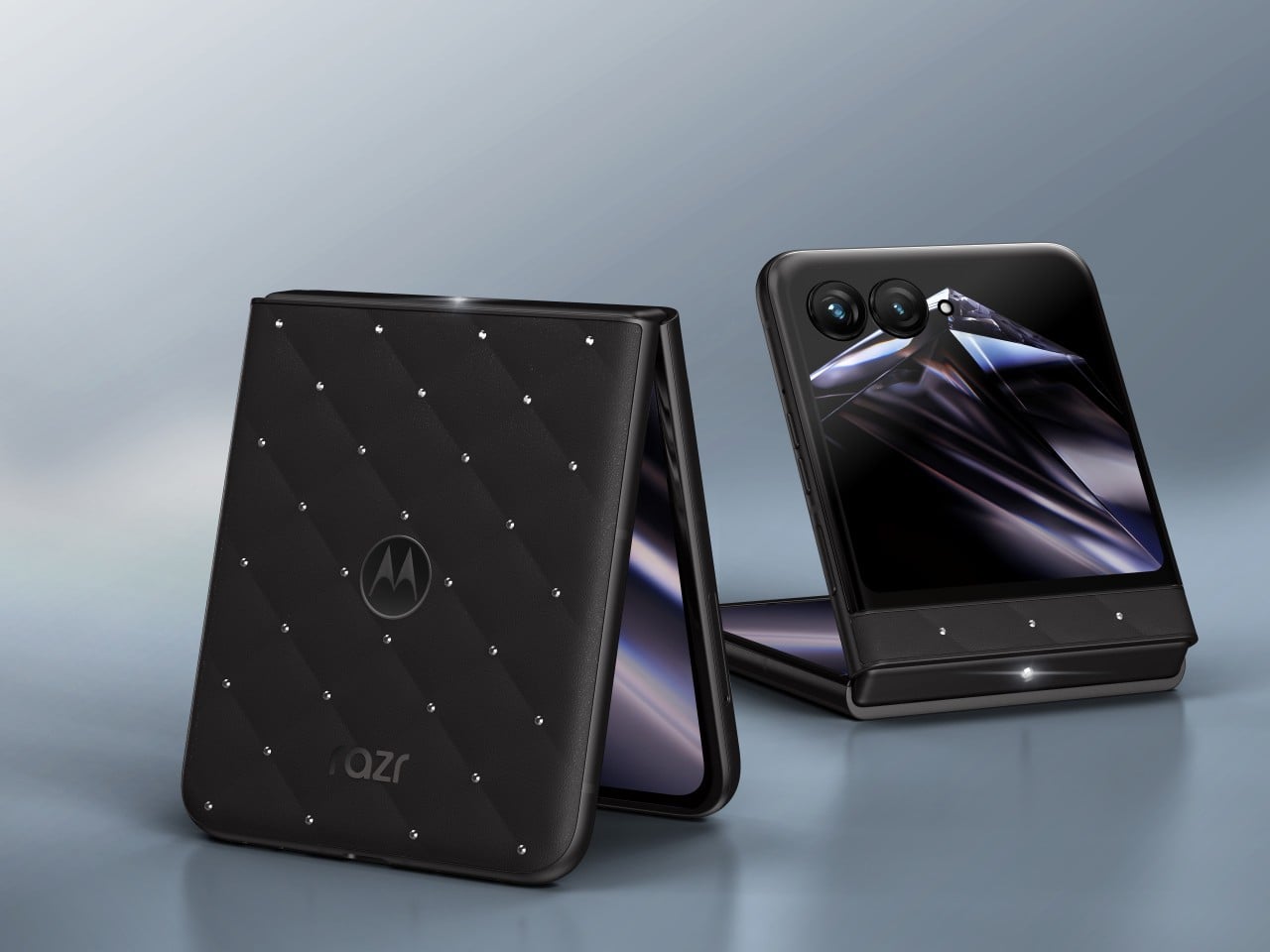
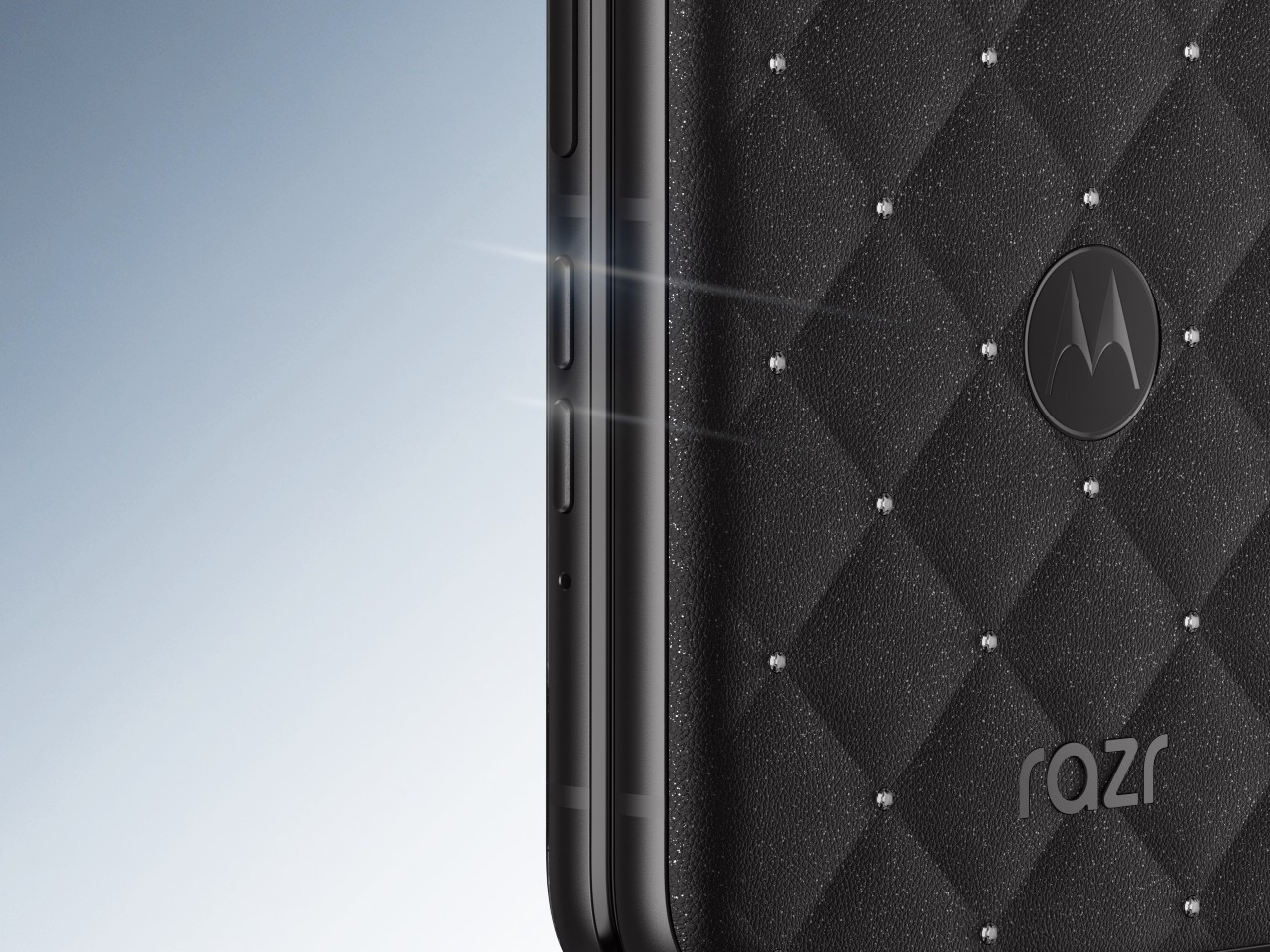
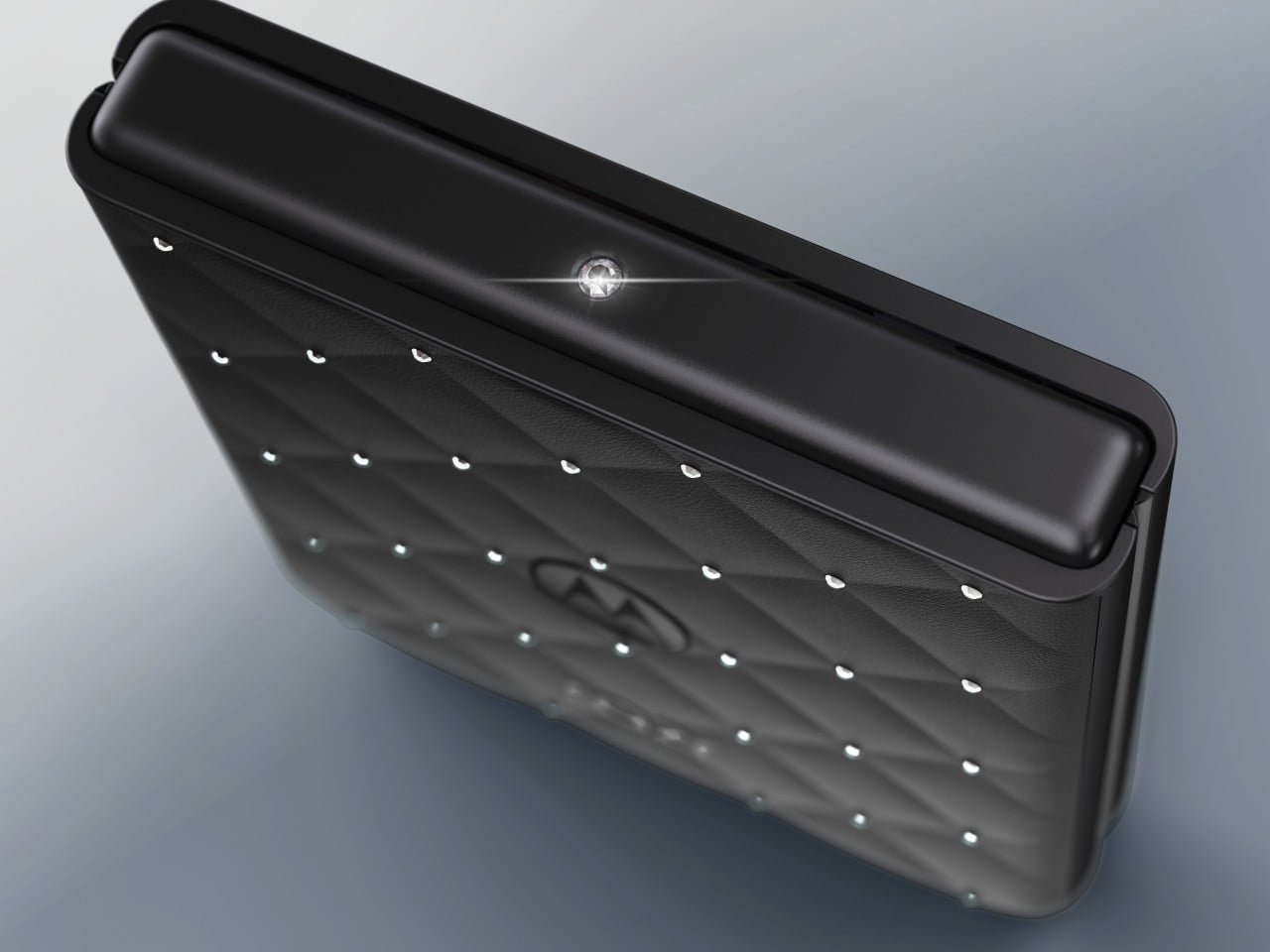
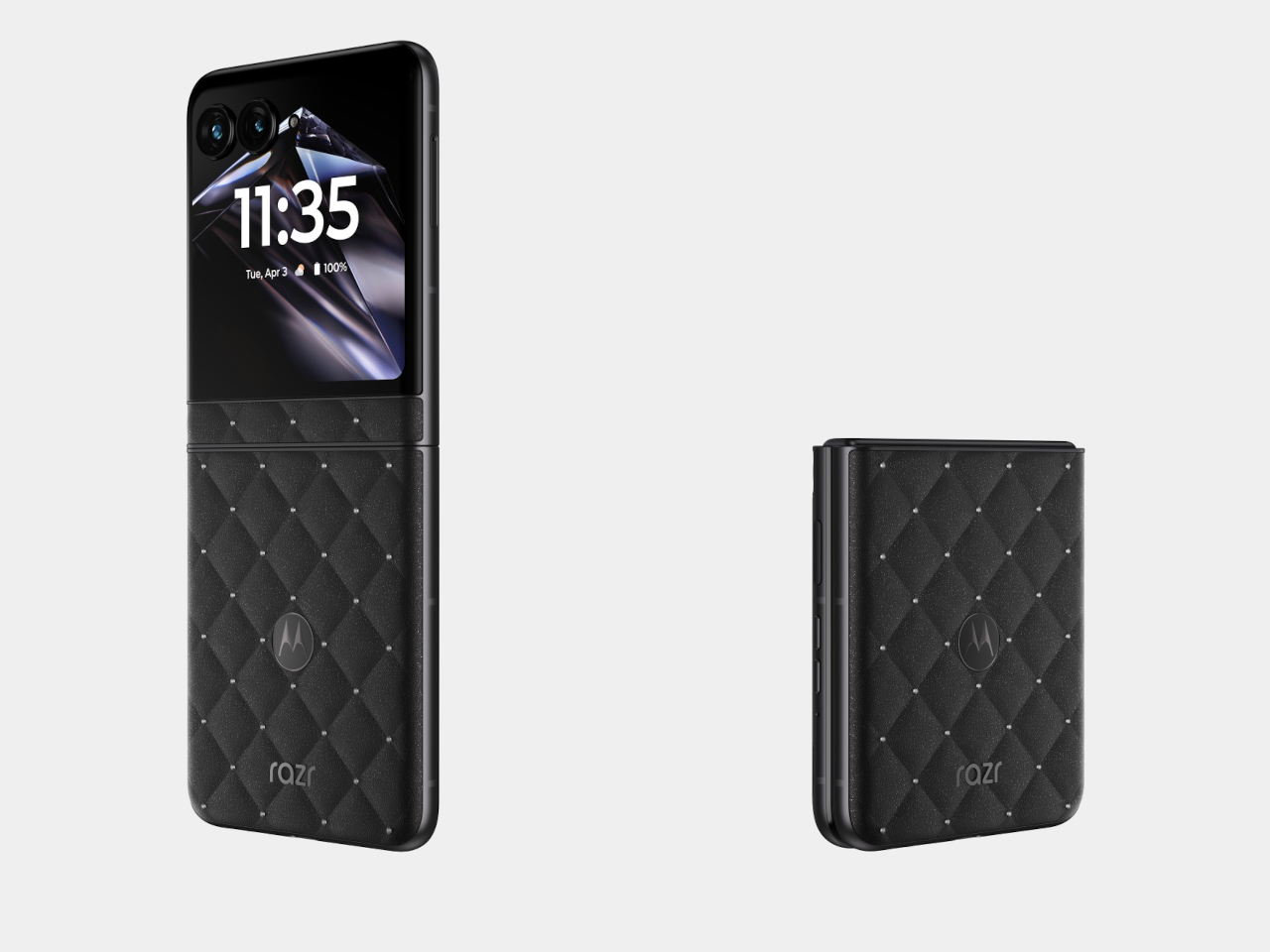
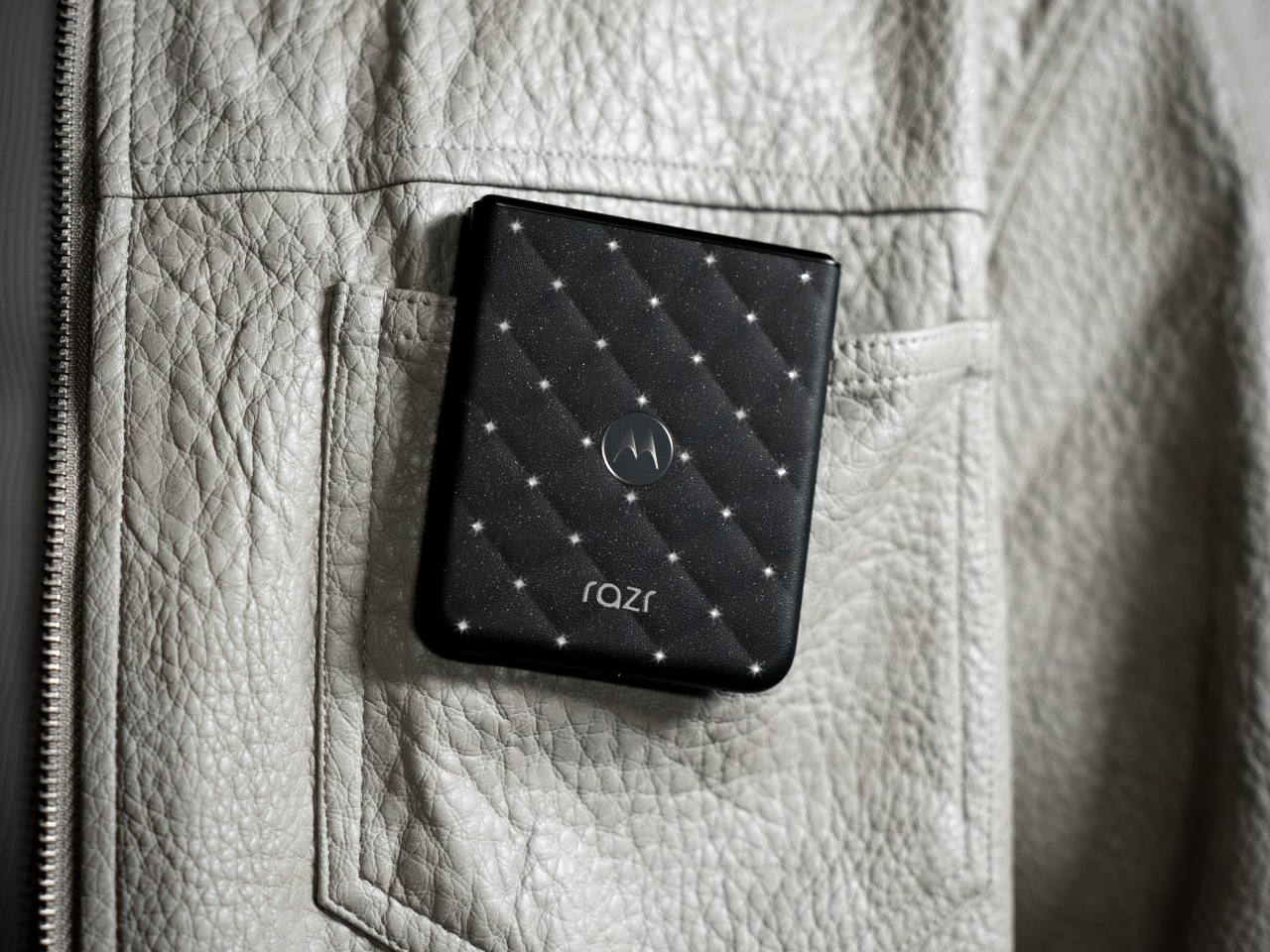
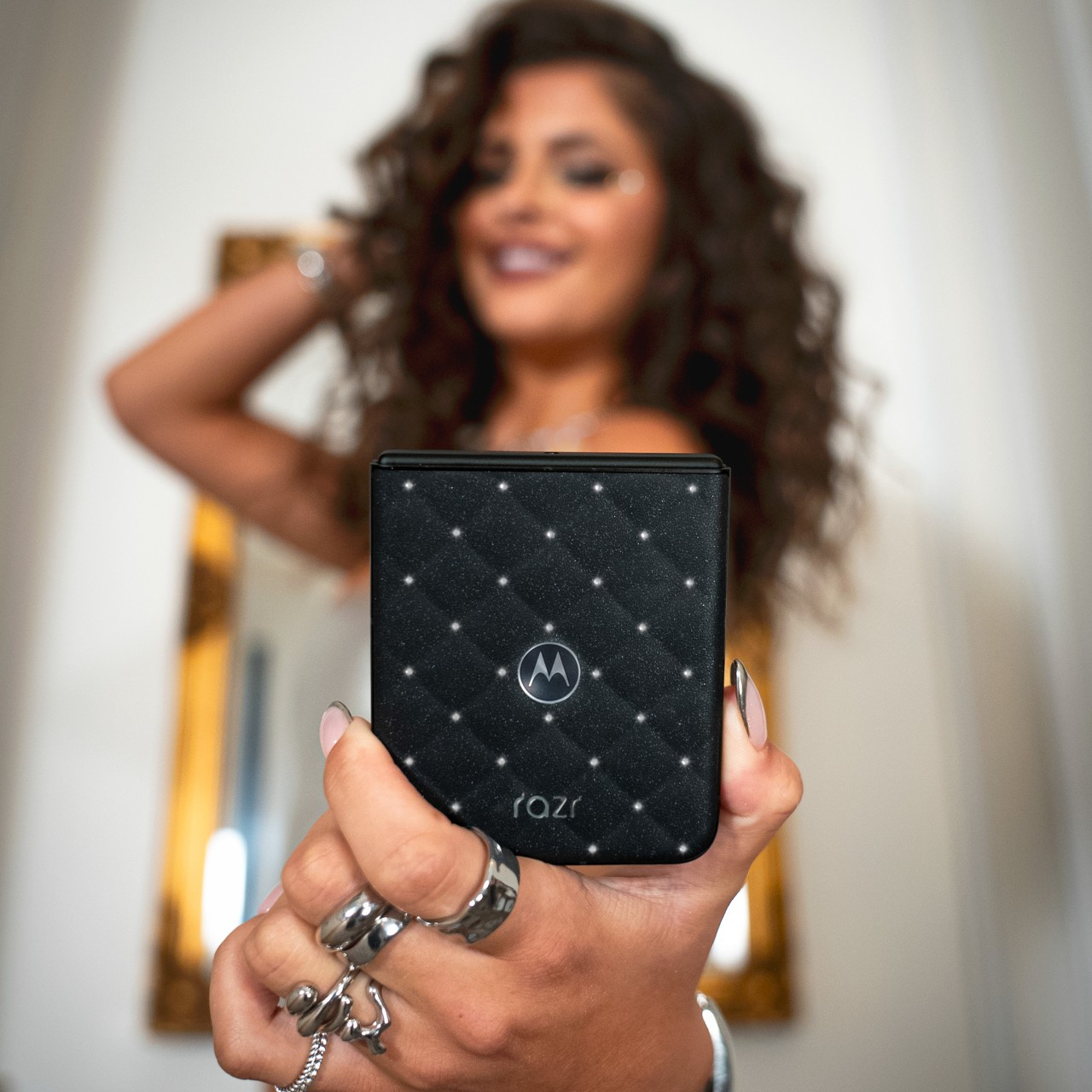
Motorola took that color story seriously. The Edge 70 special edition wraps Cloud Dancer around its thinnest chassis yet, embellished with crystals by Swarovski, continuing the design run that started with the Razr Brilliant Collection earlier this year. Where the Razr leaned extroverted and fashion forward, the Edge 70 Cloud Dancer edition feels like its quieter sibling, still sparkling but content to sit on a nightstand without demanding constant attention or Instagram documentation.

Designer: Motorola

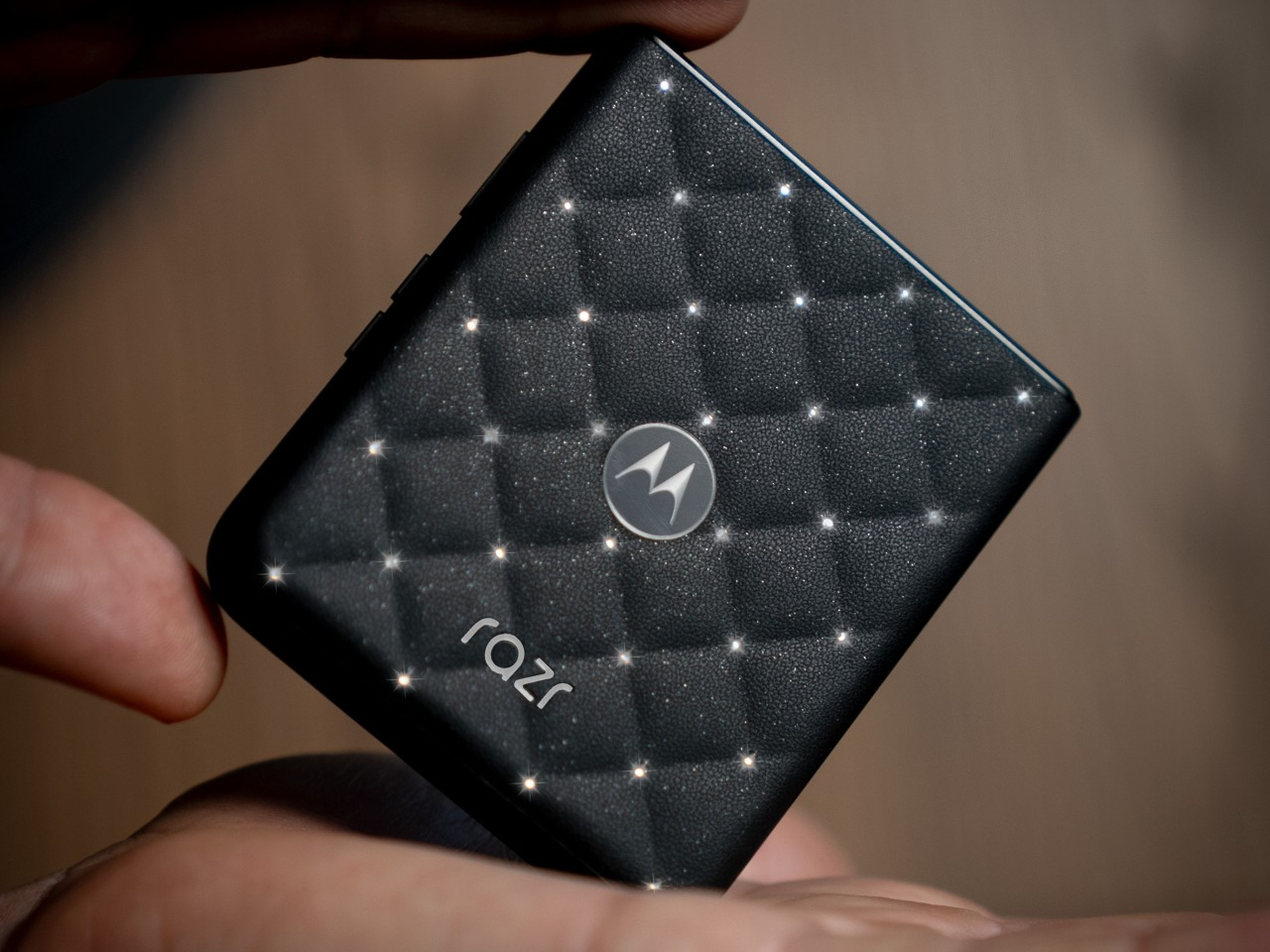
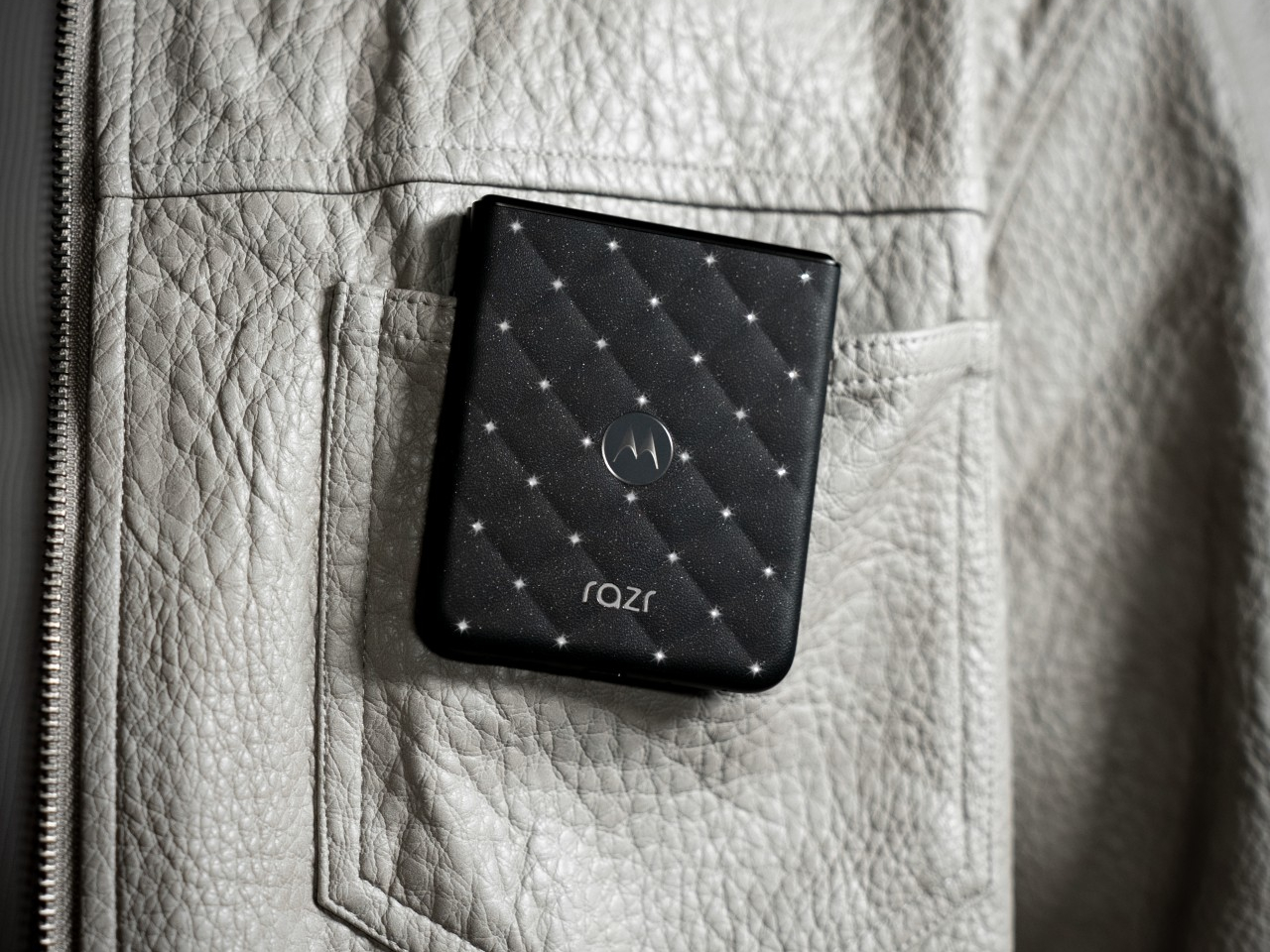
Cloud Dancer, officially Pantone 11-4201, lands on the Edge 70 as a leather inspired, quilted back that reads more like a minimal clutch than a piece of consumer electronics. The finish has a silk like sheen that shifts slightly in light, soft enough to avoid sterility but restrained enough to avoid looking like a frosted cupcake. Motorola calls it an object of clarity and quiet confidence, which fits the brief so precisely it almost sounds rehearsed.

Crystals by Swarovski are embedded into the quilted back, small enough to catch light without shouting for attention. The Brilliant Collection, which debuted with the Razr a few months ago, focuses on meticulous craftsmanship and timeless luxury, treating phones like accessories that happen to also make calls. Here, the crystals feel less like decoration and more like strategic punctuation marks on an otherwise very calm sentence, little flickers that keep the white from feeling too monastic.

Underneath sits the regular Edge 70 hardware, Snapdragon 7 Gen 4, dual 50 megapixel cameras, a bright display, and moto ai that adapts quietly. Motorola emphasizes that the device is the thinnest in its category, hedged by footnotes about regional price bands but still impressive for something packing a 4800 milliamp hour battery and full day reliability without feeling fragile in the hand.

The approach contrasts with the usual luxury phone playbook, which tends toward loud colors, heavy logos, or aggressive patterns that scream performance. Cloud Dancer is almost the opposite, a discrete white Pantone describes as conscious simplification. The quilting and crystals prevent it from becoming sterile, but the overall vibe lands somewhere between spa robe and gallery wall, an unusual place for a smartphone to occupy.

Motorola seems intent on building a design ecosystem where color forecasting and material craft matter as much as chipsets. The Razr Brilliant Collection introduced Swarovski, and now the Edge 70 ties that to Pantone’s annual ritual. We live in a world where most phones blur into identical black rectangles, so a calm white device with a quilted back and a handful of crystals starts to feel surprisingly memorable, even if memorable was never the point.

The post Motorola Edge 70 Accents Pantone’s 2026 Color with Swarovski Studs first appeared on Yanko Design.
10 Best Luxury Gifts Under $500 That Look Like They Cost $2,000

Gift-giving has always been about perception. The right present doesn’t just serve a function—it transforms a moment, elevates a space, and makes the recipient feel genuinely seen. This holiday season, the most impressive gifts aren’t necessarily the most expensive. They’re the ones that blur the line between accessible luxury and museum-worthy design, delivering visual impact that far exceeds their price tag.

We’ve curated ten exceptional pieces that master this art of elevated affordability. Each one combines museum-quality craftsmanship, innovative materials, and thoughtful design language that commands attention. From gravity-defying desk sculptures to titanium drinkware worthy of a collector’s cabinet, these gifts deliver the kind of presence usually reserved for four-figure splurges. Your recipient will never guess the price, and you’ll never need to tell them.

1. Levitating Pen 2.0: Cosmic Meteorite Edition

Some gifts sit on a desk. This one hovers above it. The Levitating Pen 2.0 reimagines what a writing instrument can be, suspending itself at a precise 23.5-degree angle through the power of magnetism. The Cosmic Meteorite Edition takes the concept further, incorporating genuine Muonionalusta meteorite into its tip—a fragment of space debris that predates Earth by 20 million years. When colleagues spot this floating above your workspace, the questions come immediately.

The design borrows heavily from spacecraft aesthetics, evoking the USS Enterprise with its sleek profile and futuristic stance. Beyond its gravitational rebellion, the pen spins with a gentle twist, rotating gracefully for up to 20 seconds. This transforms idle moments into meditative pauses, offering the kind of desk fidget that actually calms rather than distracts. The ballpoint mechanism writes smoothly when needed, but it’s the theatrical presentation that makes this gift truly unforgettable. Anyone receiving this will display it prominently, guaranteed.

Click Here to Buy Now: $399.00

What we like

  • The genuine meteorite tip connects you to cosmic history in a way few objects can match.
  • Magnetic levitation creates an immediate visual spectacle that never gets old.
  • The 20-second spin function provides genuine stress relief during intense work sessions.
  • Sci-fi design language appeals to space enthusiasts and design lovers equally.

What we dislike

  • The levitation base requires desk space that some minimalist setups might not accommodate.
  • Magnetic mechanics means keeping it away from electronics and credit cards.

2. StillFrame Headphones

Most headphones scream for attention with aggressive styling and garish branding. StillFrame takes the opposite approach, drawing from the geometric elegance of 1980s and ’90s CD cases. The design speaks in whispers rather than shouts, featuring clean lines and a form that sits somewhere between the intimacy of earbuds and the bulk of traditional over-ears. At just 103 grams, they disappear physically while remaining visually striking—a rare balance in audio gear.

The 40mm drivers deliver a soundstage that feels expansive, turning even sparse acoustic tracks into immersive environments. Adaptive noise canceling removes the world when you need focus, while transparency mode brings it back in seamlessly. The 24-hour battery life means you’ll forget about charging cycles entirely, living in your listening instead of managing power percentages. StillFrame pairs naturally with the ClearFrame CD Player, creating a complete retro-modern audio ecosystem for anyone who believes music deserves more than background status.

Click Here to Buy Now: $245.00

What we like

  • The 103-gram weight makes all-day wear genuinely comfortable without fatigue.
  • Adaptive noise canceling switches intelligently between isolation and awareness.
  • The retro-inspired design stands apart from gaming headphone aesthetics dominating the market.
  • 24-hour battery eliminates the anxiety of mid-day charging sessions.

What we dislike

  • The on-ear design may not satisfy listeners who prefer full over-ear isolation.
  • Minimalist aesthetics mean fewer physical controls for those who prefer tactile buttons.

3. Unfiltered Titanium Whiskey Glass

Glassware doesn’t typically command attention, but titanium changes everything. This whiskey glass wraps pure titanium around its exterior, creating a surface that doesn’t just look expensive—it performs like laboratory-grade equipment. The coating prevents metal ion release, meaning every sip tastes exactly as the distiller intended, without metallic interference. The material’s active oxygen properties actually break down harsh flavor compounds, smoothing the drinking experience in ways traditional crystal cannot match.

The Aurora-inspired finish transforms ordinary light into a shifting color display, recreating the atmospheric phenomenon on a handheld scale. Japanese artisans in Shizuoka apply aerospace-grade manufacturing techniques to create the coating, bringing space industry precision to your home bar. The biocompatibility exceeds both platinum and gold, and the material resists odors and stains indefinitely. For spirits enthusiasts, this isn’t just drinkware—it’s a flavor-enhancing instrument that happens to look like museum contemporary art. The 1/f fluctuation pattern in its light play mimics natural phenomena, creating visual comfort your brain recognizes instinctively.

Click Here to Buy Now: $89.00

What we like

  • Pure titanium coating preserves beverage flavor with scientific precision.
  • Aurora-inspired light effects create mesmerizing visual experiences during use.
  • Aerospace manufacturing techniques ensure durability that outlasts standard glassware exponentially.
  • Odor and stain resistance maintain a pristine appearance indefinitely.

What we dislike

  • The specialized coating requires hand washing rather than dishwasher convenience.
  • The visual theatrics might feel excessive for casual, everyday drinking moments.

4. Sail Away Tranquility Mobile

Desktop kinetic sculptures typically lean toward gimmicky, but Sail Away achieves something more substantial. Award-winning studio DRILL DESIGN created this three-element mobile using aluminum, polished steel, and walnut wood in perfect equilibrium. The interlocking triangles reference maritime geometry, evoking sailboats cutting through calm water. Each piece is individually balanced by craftspeople in Ashikaga City, ensuring the mobile achieves that elusive state where every element floats in precise harmony.

The material contrast does the visual work—cool industrial metals meeting warm organic wood, modern manufacturing celebrating traditional balance techniques. Unlike typical desk toys that distract, this mobile commands attention through stillness rather than motion. The slightest air current sets it moving with balletic grace, then returns to rest without fidgety energy. For anyone who appreciates Japanese design philosophy or needs a workspace object that encourages contemplation rather than chaos, this delivers. The craftsmanship quality becomes obvious immediately—this isn’t mass production trying to look handmade.

Click Here to Buy Now: $129.00

What we like

  • Individual balancing by artisans ensures each piece achieves perfect equilibrium.
  • Material contrast between metals and wood creates sophisticated visual interest.
  • Minimalist design language fits seamlessly into professional or residential spaces.
  • Movement responds to air currents with grace rather than nervous energy.

What we dislike

  • Achieving perfect balance means delicate handling during setup and relocation.
  • The aesthetic requires appreciation for minimalism to fully resonate.

5. RetroWave 7-in-1 Radio

Emergency preparedness gear usually looks utilitarian to the point of ugly. RetroWave flips that script entirely, wrapping seven essential functions inside a design that could sit comfortably in a mid-century modern living room. The Japanese-inspired housing features a tactile tuning dial that clicks with satisfying mechanical precision, recalling the golden age of transistor radios. AM, FM, and shortwave bands connect you to broadcasts, while Bluetooth streaming brings contemporary convenience to the retro package.

The emergency features run deep: hand-crank charging, solar panel backup, built-in flashlight, SOS alarm, and power bank capability ensure functionality when infrastructure fails. It plays MP3s from USB or microSD cards, eliminating streaming dependency for off-grid adventures. The clock function keeps you oriented, and the whole package feels substantial in hand without becoming burdensome. For outdoor enthusiasts, doomsday preppers with taste, or anyone who values self-sufficiency wrapped in gorgeous design, this radio delivers aesthetic pleasure and practical security simultaneously. The nostalgia factor alone makes it a conversation piece, but the engineering earns genuine respect.

Click Here to Buy Now: $89.00

What we like

  • Seven functions in one device eliminate the need for multiple emergency tools cluttering storage.
  • Retro design language makes survival gear actually displayable in living spaces.
  • Hand-crank and solar charging provide genuine off-grid independence.
  • Bluetooth streaming bridges nostalgic design with contemporary listening habits.

What we dislike

  • The multiple power sources add complexity for users wanting simple plug-and-play operation.
  • Retro aesthetics might not appeal to those preferring sleek, modern industrial design.

6. Moon Rocket Clock

Wall clocks have become decoration afterthoughts in the smartphone era, but this piece reclaims their cultural territory. Polished stainless steel forms a lunar surface, with hour markers that appear to float and vanish around the circumference like waxing and waning moon phases. The seconds hand carries a miniature rocket ship, making each passing moment a tiny space mission circling the celestial body. It’s whimsical without being childish, nostalgic without feeling dated.

The special polishing technique on the steel creates depth that cheap printed graphics can’t match. Light plays across the surface differently throughout the day, ensuring the clock never looks quite the same twice. For space enthusiasts, design collectors, or anyone who needs a gentle reminder that time and dreams shouldn’t be wasted, this clock communicates its message clearly. The craftsmanship quality positions it firmly in the art object category while maintaining practical timekeeping functionality. Mounting it becomes an event—this isn’t background decoration but a focal point that anchors a room’s aesthetic.

Click Here to Buy Now: $325.00

What we like

  • Floating number design creates visual intrigue that standard clock faces cannot achieve.
  • Rocket ship seconds hand adds playful detail without compromising sophisticated aesthetics.
  • Polished stainless steel construction ensures longevity and maintains a pristine appearance.
  • The space exploration theme inspires daily without feeling overtly thematic.

What we dislike

  • The minimalist number treatment might challenge quick time-reading from certain angles.
  • Wall mounting requires precise placement to maximize the visual effect properly.

7. Jewel Vase Mirror Stand

Most mirrors serve a single, obvious function. This polyhedron-shaped piece refuses that limitation, functioning simultaneously as a mirror, an accessory stand, and a minimalist vase. The geometric form creates visual interest from every angle, while the reflective surface amplifies whatever sits before it—a single flower becomes doubled, jewelry catches light from unexpected directions. The simple act of pouring water transforms into something meditative, each use reinforcing the object’s thoughtful design.

The bioplastic material incorporates rice husks, delivering environmental consciousness without sacrificing durability or aesthetic appeal. This isn’t greenwashing through questionable claims—it’s visible material innovation you can feel in the weight and texture. The mirror works perfectly for quick appearance checks, but its real value emerges in how it elevates everything placed nearby. For minimalist enthusiasts, sustainability advocates, or anyone who appreciates multi-functional design that doesn’t compromise on any front, this piece delivers. The craftsmanship justifies prominent placement rather than drawer storage.

Click Here to Buy Now: $59.00

What we like

  • Multipurpose design eliminates the need for a separate mirror, vase, and accessory stand.
  • Bioplastic construction with rice husks delivers sustainability with structural integrity.
  • The geometric polyhedron form creates sculptural presence beyond typical functional objects.
  • Reflective doubling effect enhances flowers and accessories visually.

What we dislike

  • The compact vase opening limits flower arrangement options to single stems or small bouquets.
  • The polyhedron shape requires stable surface placement to prevent tipping.

8. Miniature Bonfire Wood Diffuser Set

Essential oil diffusers typically lean toward spa aesthetics—smooth stones, faux zen, predictable calm. This miniature bonfire throws all that out, recreating camping atmospherics for indoor spaces. Rust-resistant stainless steel forms the base structure, while miniature firewood bundles spread aromatic oils with the same organic irregularity as forest breezes. The essential oil captures Mount Hakusan’s unique scent profile, bringing specific Japanese mountain air into any room worldwide.

The design’s secret weapon: included trivets transform the diffuser into a functional pocket stove for actual cooking. This shifts the object from decoration to genuine utility, letting you warm small portions or brew tea with theatrical flair. The bonfire aesthetic creates an immediate focal point, drawing eyes and starting conversations about outdoor experiences and design innovation. For camping enthusiasts who live in cities, design lovers who appreciate functional art, or anyone seeking aromatherapy that doesn’t look clinical, this set delivers. The bundled firewood detail shows obsessive attention to thematic consistency.

Click Here to Buy Now: $99.00

What we like

  • Dual functionality as diffuser and pocket stove provides unexpected practical versatility.
  • The bonfire aesthetic creates warmth and nostalgia that typical diffusers cannot match.
  • Stainless steel construction ensures the piece survives years of regular use.
  • Mount Hakusan essential oil offers specific terroir rather than generic forest scents.

What we dislike

  • The compact size limits cooking capacity to small portions and simple preparations.
  • The thematic design might clash with ultra-modern or traditional interior aesthetics.

9. Oboro Silver Moon Calendar

Calendars usually function as information delivery systems and nothing more. This 10th Anniversary piece from Replug elevates the format to sculptural art, using “Oboro”—the Japanese concept of hazy, misty moonlight—as its guiding principle. Reflective silver foil captures each lunar phase, creating light play that shifts throughout the day as natural light moves across the surface. The moonlit greige paper provides a soft glow that feels genuinely calming rather than artificially serene.

Embossed lunar textures invite touch, transforming the passive act of checking dates into a tactile ritual. Each moon silhouette carries dimensional presence, making the calendar a grounding daily interaction point. The limited edition status adds collectibility, while the Japanese craftsmanship ensures build quality that transcends typical paper goods. For anyone drawn to lunar cycles, Japanese design philosophy, or objects that encourage mindfulness through beauty, this calendar operates on multiple levels. It’s functional art that earns wall space through aesthetic merit, not just organizational necessity.

Click Here to Buy Now: $69.00

What we like

  • Reflective silver foil creates dynamic light effects that change throughout the day naturally.
  • Embossed lunar texture provides tactile engagement that reinforces daily mindfulness rituals.
  • Limited 10th Anniversary edition adds collectibility and exclusivity to the piece.
  • Greige paper color creates warmth that stark white calendars cannot achieve.

What we dislike

  • The artistic presentation may reduce at-a-glance data readability for rushed mornings.
  • Limited edition status means replacement becomes difficult when the year ends.

10. ClearMind Kendama

Traditional kendama exists purely for skill development—catch the ball, land the trick, repeat. Tokyo Kendama’s ClearMind edition maintains that core while refining every dimension for modern players. Larger cups increase success rates, building confidence through achievable progression rather than frustrating difficulty spikes. The recalibrated balance delivers movements that feel intuitive, letting your hands learn tricks through muscle memory rather than fighting against the tool.

The unique bearing system addresses kendama’s most annoying problem: string twists that interrupt flow. By minimizing tangles, the design keeps you in the moment rather than constantly untangling. The enlarged tama hole expands your trick vocabulary, making advanced moves like spikes and stilts accessible earlier in your learning curve. For recipients seeking creative outlets, coordination challenges, or simply elegant desk fidgets that develop actual skills, this delivers. The craftsmanship quality becomes apparent immediately—precision machining and thoughtful material selection separate this from toy-grade alternatives completely.

Click Here to Buy Now: $59.00

What we like

  • Larger cups and tama holes reduce frustration while building genuine skill progression.
  • The advanced bearing system eliminates string twist interruptions during extended play sessions.
  • Precision manufacturing creates balanced performance that cheap versions cannot replicate.
  • The design works equally well as a desk sculpture and a functional skill toy.

What we dislike

  • Learning curve still exists despite accessibility improvements for complete beginners.
  • The traditional kendama form might not immediately appeal to non-players unfamiliar with the format.

The Art of Elevated Gifting

Luxury isn’t about price tags—it’s about presence. The ten pieces above understand this implicitly, using premium materials, innovative engineering, and exceptional design language to create impact far beyond their cost. Each one tells a story about craftsmanship, whether through aerospace titanium coatings, genuine meteorite fragments, or precision Japanese manufacturing techniques. These aren’t products trying to look expensive. They’re genuinely well-made objects offered at accessible prices because thoughtful design is scaled properly.

The perception of value comes from details: the way light catches titanium, how magnets defy gravity visibly, and the tactile satisfaction of hand-balanced mobiles. These gifts don’t require explanation or justification. They speak for themselves through visual presence and functional excellence. Your recipients won’t just appreciate them during unwrapping—they’ll integrate them into daily life, creating lasting associations between your thoughtfulness and their elevated everyday experiences. That’s the kind of gift-giving that actually matters beyond the moment.

The post 10 Best Luxury Gifts Under $500 That Look Like They Cost $2,000 first appeared on Yanko Design.
Peak Saunas Pack Medical-Grade Wellness Tech Into Your Home

Remember when saunas were those wooden boxes at the gym that smelled faintly of eucalyptus and other people’s sweat? Yeah, those days are over. Peak Saunas is changing the game with infrared saunas that look like they belong in a luxury wellness retreat, not your basement.

Here’s the thing about Peak Saunas: they’ve managed to pack every feature you’d expect to pay thousands extra for into sleek, minimalist designs that actually fit in modern homes. We’re talking medical-grade red light therapy, WiFi app control, oxygen ionizers, and upgraded Bluetooth speakers, all included as standard. Most premium brands would nickel and dime you for these add-ons, but Peak just builds them in from the start.

Designer: Peak Sauna

The lineup ranges from solo sanctuaries to couple-friendly spaces. The Rainier and Shasta are perfect one-person pods, while the Fuji and Everest offer two-person capacity for those who prefer company during their sweat sessions. If you’ve got the space and want to go all in, the Denali and Matterhorn models comfortably fit three people. And for the bold? There’s even the Patagonia, an outdoor model designed to handle whatever weather you throw at it.

What makes these saunas genuinely interesting from a design perspective is how they’ve solved the assembly problem. Anyone who’s ever tried to build flat-pack furniture knows the special kind of frustration that comes with cryptic instructions and missing hardware. Peak uses a modular, snap-together system with tongue-and-groove panels that apparently goes together so smoothly even non-DIY types can handle it. No special tools, no construction expertise required. Just you, the instructions, and maybe a friend to help hold things steady.

The tech integration is where Peak really shines. Each sauna connects to WiFi and comes with its own app, so you can preheat your sauna from your phone while you’re wrapping up work or finishing dinner. There’s something oddly satisfying about walking into a perfectly heated sauna instead of sitting there waiting for it to warm up. The full-spectrum infrared heating covers 360 degrees, from halogen and quartz heaters delivering near, mid, and far infrared wavelengths (700 to 25,000 nanometers, for the spec nerds out there) plus advanced carbon panels for consistent heat distribution.

Then there’s the red light therapy component, which has become increasingly popular in wellness circles. Peak includes XL medical-grade panels as standard equipment, not as an expensive upgrade. Red light therapy advocates swear by its benefits for skin health, muscle recovery, and overall wellness. Whether you’re a believer or skeptical, having the option built in gives you room to experiment without dropping extra cash.

The construction quality deserves attention too. Peak uses ethically sourced Canadian wood (either Hemlock or Red Cedar depending on the model) with no volatile organic compounds, which means cleaner air inside your sauna and better long-term durability. The wood naturally resists moisture and bacteria, making maintenance refreshingly simple. All electrical components come with EMF shielding, addressing concerns about electromagnetic field exposure during those long, relaxing sessions.

Peak hasn’t forgotten about ambiance either. Built-in chromotherapy lighting lets you bathe in whatever color suits your mood, from calming blues to energizing reds. Bluetooth speakers let you soundtrack your sessions with music, podcasts, or meditative sounds. There’s even an oxygen ionizer working quietly in the background to keep the air fresh. The company backs everything with a lifetime warranty, which speaks to their confidence in build quality and longevity. They claim these saunas are designed to last over a decade with daily home use, which is exactly what you want to hear when making this kind of investment.

What Peak Saunas really represents is the democratization of luxury wellness. The same features you’d find at high-end spas or exclusive fitness clubs are now available for your home, without the recurring membership fees or awkward small talk in the steam room. It’s wellness technology meeting thoughtful design, packaged in a way that actually makes sense for real homes and real people. Whether you’re an athlete looking for better recovery, a stressed professional seeking a daily escape, or someone who just really loves the idea of sweating in a beautiful wooden box while scrolling through your phone (no judgment), Peak has created something worth paying attention to. The sauna experience has officially gone mainstream, and it looks pretty good doing it.

The post Peak Saunas Pack Medical-Grade Wellness Tech Into Your Home first appeared on Yanko Design.
Urwerk and Ulysse Nardin’s $122K UR-Freak Watch Might Be The Most Interesting Collab Of 2025

The Ulysse Nardin Freak has always been more of a horological platform than a static model. Since its debut, it has served as a canvas for the brand’s most forward-thinking ideas, from pioneering silicon components to its signature “movement as the hand” display. It was the watch that proved a piece of high watchmaking could look and function like nothing that came before it. Now, for the first time, Ulysse Nardin has opened that platform to an outside collaborator.

It is fitting that the partner is Urwerk, another independent force that has consistently challenged the conventions of time display. Instead of a simple cosmetic update, the two brands co-developed a new caliber that integrates Urwerk’s wandering hour satellites into the Freak’s rotating carousel. The watch is still fundamentally a Freak, using its entire movement to indicate the time, but the language it speaks is now filtered through Urwerk’s sci-fi, dashboard-inspired lens.

Designers: Urwerk & Ulysse Nardin

What makes this partnership click is the deep mechanical fusion they achieved. The purpose-built UN-241 caliber is proof of this, a movement born from over 150 new components designed to get these two very different systems to play nice. You can see Ulysse Nardin’s massive silicon oscillator beating right in the middle, the technical heart of the machine. But orbiting around it is an assembly that is pure Urwerk. The three satellite arms, each carrying a rotating hour block, are mounted directly onto the Freak’s carousel, creating a layered, kinetic sculpture. You are looking at a Ulysse Nardin movement carrying an Urwerk complication like a backpack, all rotating as one cohesive unit.

Even with all that movement, reading the time is surprisingly straightforward. Your eye is drawn to the right side of the watch, where a single active satellite points a bright yellow arrow toward a linear minute track. The number on the corresponding hour block gives you the hour. It is an intuitive system, a classic Urwerk touch, but it’s made more dynamic by the constant, slow rotation of the Freak platform underneath. It feels like Urwerk’s dashboard display has been mounted on a revolving space station.

The 44 mm silhouette is clearly from the Freak ONE, with its crownless architecture and smooth, sandblasted titanium. But you can see Urwerk’s influence in the fluted, notched sections of the bezel, which add an industrial texture that feels different from the Freak’s usually sleek profile. You still set the time by rotating this bezel, secured by a locking tab at six o’clock that now reads “UR-FREAK.” It is a clear signal that this is a Freak that has been properly Urwerk-ified. The electric yellow strap, Urwerk’s calling card, drives the point home, a splash of aggressive color against the muted gray case.

Getting one will not be easy, or cheap. The UR-Freak is a limited run of just 100 pieces, and with a price tag of around 122,200 USD, it is aimed squarely at serious collectors in the independent scene. For those looking to acquire one, inquiries will have to be made directly to either brand. The UR-Freak is the kind of watch that makes you wonder why it did not happen sooner, and at the same time, be amazed that it happened at all.

The post Urwerk and Ulysse Nardin’s $122K UR-Freak Watch Might Be The Most Interesting Collab Of 2025 first appeared on Yanko Design.
Bottega Veneta’s $6,900 Jenga Set Is Too Luxe to Play With

I am not much of a game night enthusiast, but whenever someone brings out a board game or any kind of group activity thing at a friend’s house, it brings out my competitive spirit. I have friends who’ve made collecting games like this their life mission, and the more worn out they look, the more parties or gatherings they’ve been brought to. There’s nothing like people fighting over various objects and scuffing the heck out of said objects as they determine who wins. But what if the game set actually costs thousands of dollars? I probably wouldn’t touch it with a ten-foot pole.

But if you’ve been dreaming of having a luxury brand board game displayed in your home, then you’d probably want to bring out the big bucks for the Bottega Veneta Jenga Game. Yes, you read that right. The Italian luxury fashion house has teamed up with Hasbro to bring us an almost $7,000 ($6,900 to be exact) Jenga set. With its price tag and the materials used to create this, you probably will not be bringing it out for your latest game night.

Designer: Bottega Veneta x Hasbro

Jenga is one of those games where you will probably drop, scratch, and scuff the blocks since the goal is to get the other players to topple their tower. So to have such an expensive version of the game seems not to be the most practical thing. But for collectors, luxury design lovers, or those who have money to spare, then this is probably a must-have even if it’s just to display it on your shelf or to bring it out to be admired, if not to be played with.

The set is made up of 54 blocks that use mixed Italian walnut wood and stabilized colored wood materials. Each piece is engraved with logos of both Bottega Veneta and Jenga. The attention to detail is remarkable—every block is perfectly weighted and finished, showcasing the kind of craftsmanship you’d expect from Italian artisans. The case is also luxurious as it is a deep red Intreccio calfskin leather case with matching leather lining. This luxury packaging ensures your investment is protected when not on display or in use, and it adds to the overall aesthetic appeal of owning such a unique piece.

In the product description on the Bottega website, it says it is “Not intended for use by children.” And obviously, with that price and the luxurious materials used, you wouldn’t want people, let alone children, constantly touching it. It is more of a statement piece or art installation that bridges together childhood nostalgia and adult luxury. This is an adult indulgence, a luxury collectible that happens to be playable rather than just a game. It’s designed for those who appreciate the finer things in life and want to elevate even their leisure time with designer touches.

For those wondering how to style such a piece, imagine it displayed on a console table in your entryway, or as a centerpiece on your coffee table during sophisticated gatherings. It’s the kind of conversation starter that tells guests you have impeccable taste and aren’t afraid to invest in unique design objects.

This collaboration represents one of the most surprising partnerships of 2025. It’s part of a growing trend where luxury fashion houses are diving into the world of games and playful objects, like Gucci’s poker set and Prada’s tic-tac-toe board. Now, if I had $7,000 to spare, would I get myself a set? I would probably just buy several board games with that kind of money. But if you’re the kind of collector that would like a shiny piece on their mantel, then go ahead and get the Jenga Game that will probably never be played with.

The post Bottega Veneta’s $6,900 Jenga Set Is Too Luxe to Play With first appeared on Yanko Design.
PENT Made Dumbbells Too Pretty to Actually Work Out With

There’s something slightly absurd yet completely mesmerizing about the idea of working out with equipment covered in Swarovski crystals. But here we are in 2025, and Polish luxury fitness brand PENT has partnered with Swarovski to create gym equipment that looks like it belongs in a museum rather than your basement workout space.

Let’s be honest. Most of us have dumbbells tucked away in closets or gathering dust under the bed. They’re functional, sure, but they’re not exactly objects you’d want to display on your coffee table. PENT is completely flipping that script with their “Embellished with Crystals by Swarovski” collection, which features handcrafted dumbbells and kettlebells that are as much about aesthetics as they are about bicep curls.

Designer: PENT x Swarovski

The collection includes the COLMIA dumbbells and LOVA kettlebells, each one meticulously handmade in Poland using materials that sound more suited to a luxury yacht than a home gym. We’re talking walnut or ash wood handles, Italian leather, stainless steel, and of course, those signature Swarovski crystals hand-applied to every piece. Even the storage racks are designed with architectural precision, so the equipment becomes a sculptural element in your space rather than something you need to hide away.

What makes this collaboration particularly interesting is how it challenges our assumptions about where luxury belongs. Fitness equipment has traditionally been purely utilitarian. You want something that works, not something that sparkles. But as home wellness spaces have evolved from dingy garage setups to carefully curated environments, there’s clearly a market for equipment that doubles as design objects. According to Iron House Design, which is bringing the collection to the U.S. market, these pieces are intended for luxury home gyms, private spas, hotel suites, and superyacht interiors.

The price tag reflects this positioning. The collection starts at around $613 for dumbbells with a wooden stand and goes up to $681 for kettlebells, though more customized sets can reach $25,000 depending on the level of crystal detailing and personalization you want. That’s a significant investment for equipment you could theoretically replace with a $30 set from a sporting goods store.

But that misses the point entirely. These aren’t meant to be practical purchases in the traditional sense. They’re statement pieces that happen to be functional. Tanya Ryno, founder of Iron House Design, describes them as being “for those who make bold statements with every choice.” It’s for the person who wants every element of their home to reflect a certain level of taste and refinement, from the artwork on the walls to the weights on the floor.

The collaboration also taps into a broader cultural shift around wellness and self-care. Exercise is no longer just about breaking a sweat or hitting certain fitness goals. For many people, especially in the luxury market, it’s about the entire experience. The space you work out in matters. The equipment you use matters. And increasingly, people are willing to invest in making those experiences feel special.

That said, there’s an inevitable question hovering over the whole thing: would you actually work out with crystal-covered dumbbells, or would you just keep them on display? According to reports, many owners treat them more like collectible art pieces or conversation starters rather than everyday workout tools. Some designers are even using them purely as decorative elements in high-end spaces. Technically, these pieces are engineered to meet professional fitness standards, so you absolutely could use them for your actual workouts. The wooden handles are smooth and ergonomically designed, and the stainless steel ends are weighted properly. But when something is that beautiful and that expensive, there’s an understandable hesitation to actually get your sweat all over it.

What the PENT x Swarovski collection really represents is the ongoing blurring of boundaries between different design categories. Furniture looks like art. Kitchen appliances become sculptural centerpieces. And now, gym equipment gets the high-jewelry treatment. It’s all part of a world where the objects we surround ourselves with are expected to be both functional and beautiful, practical and aspirational.

The post PENT Made Dumbbells Too Pretty to Actually Work Out With first appeared on Yanko Design.
This £5,700 ‘Weightless’ Recliner Is So Sensitive, It Responds To Your Breathing Patterns

Weightlessness as a design goal is usually reserved for space agencies or sensory deprivation tanks. DavidHugh decided to build it into a chair. The Aiora uses what they call Floatation technology, a system of planar motion mechanics so sensitive that the act of breathing creates visible movement. You’re held in perfect equilibrium with zero external force, which sounds like marketing copy until you realize there are published neuroscience studies backing up their claims about induced meditative states.

This is the culmination of two decades of work from a Cambridge-based team that started in furniture design and ended up deep in biomedical engineering and consciousness research. The new model, priced at £5,700, follows their flagship Elysium chair and aims to be more accessible while maintaining the core technology that makes DavidHugh interesting: the ability to disconnect users from external sensory input and redirect their awareness inward, all through precision-engineered mechanics.

Designer: DavidHugh

The tech itself is refreshingly analog in an era obsessed with app-connected everything. There are no motors, no springs, no batteries to charge. The Floatation system relies on roller bearings moving along a specific path to create what the company describes as frictionless continuous balance. In practice, this means you can shift positions without the usual resistance or effort, and the chair responds to the slightest movement, including the rise and fall of your chest as you breathe. The sensation has been compared to saltwater flotation, where the buoyancy removes the constant feedback your body gets from gravity and surfaces.

Construction-wise, the Aiora leans heavily into modular design and premium materials. The frame is precision-engineered aluminum and steel, double powder-coated for durability. The shells incorporate Fenix surfaces from Italy, known for their soft-touch matte finish and self-healing properties. Cushioning comes with options for Danish Kvadrat wool-blend fabrics or full Muirhead leather, depending on whether you’re going for the Monochrome collection (minimalist elegance), Soul (vibrant colors), or Signature (full leather craftsmanship). The modular approach also means the chair is designed for servicing, renewal, and upgradability, which is a smart counter to the usual luxury furniture model of “buy it once, keep it forever or landfill it.”

What’s compelling here isn’t just the engineering, though that’s certainly part of the appeal. It’s the way DavidHugh is positioning this as wellness technology rather than furniture. The neuroscience research they’ve published shows EEG patterns in first-time users that mirror advanced meditators, people who have spent years developing that capacity. If those findings hold up under scrutiny, it suggests the chair isn’t just comfortable, it’s actively creating conditions for specific brain states that are usually only accessible through extensive practice or pharmaceutical intervention.
That shifts the value proposition considerably. At £5,700, you’re not paying for a really nice recliner. You’re paying for access to a mental state that would otherwise require significant time investment or specialized environments like float tanks. Whether that’s worth it depends entirely on how much value you place on meditative states and whether you trust the research, but the ambition is undeniable.

The post This £5,700 ‘Weightless’ Recliner Is So Sensitive, It Responds To Your Breathing Patterns first appeared on Yanko Design.