Even though I have enough space to have people over, the fact that my place is terribly messy stops me from inviting family and friends. I don’t want to spend an entire day just stuffing stuff I want to hide into my boxes and closets. That’s not a design problem. That’s a me problem and more specifically, a modern life problem, and it happens to be the exact one IKEA just built a series of dollhouses to talk about.
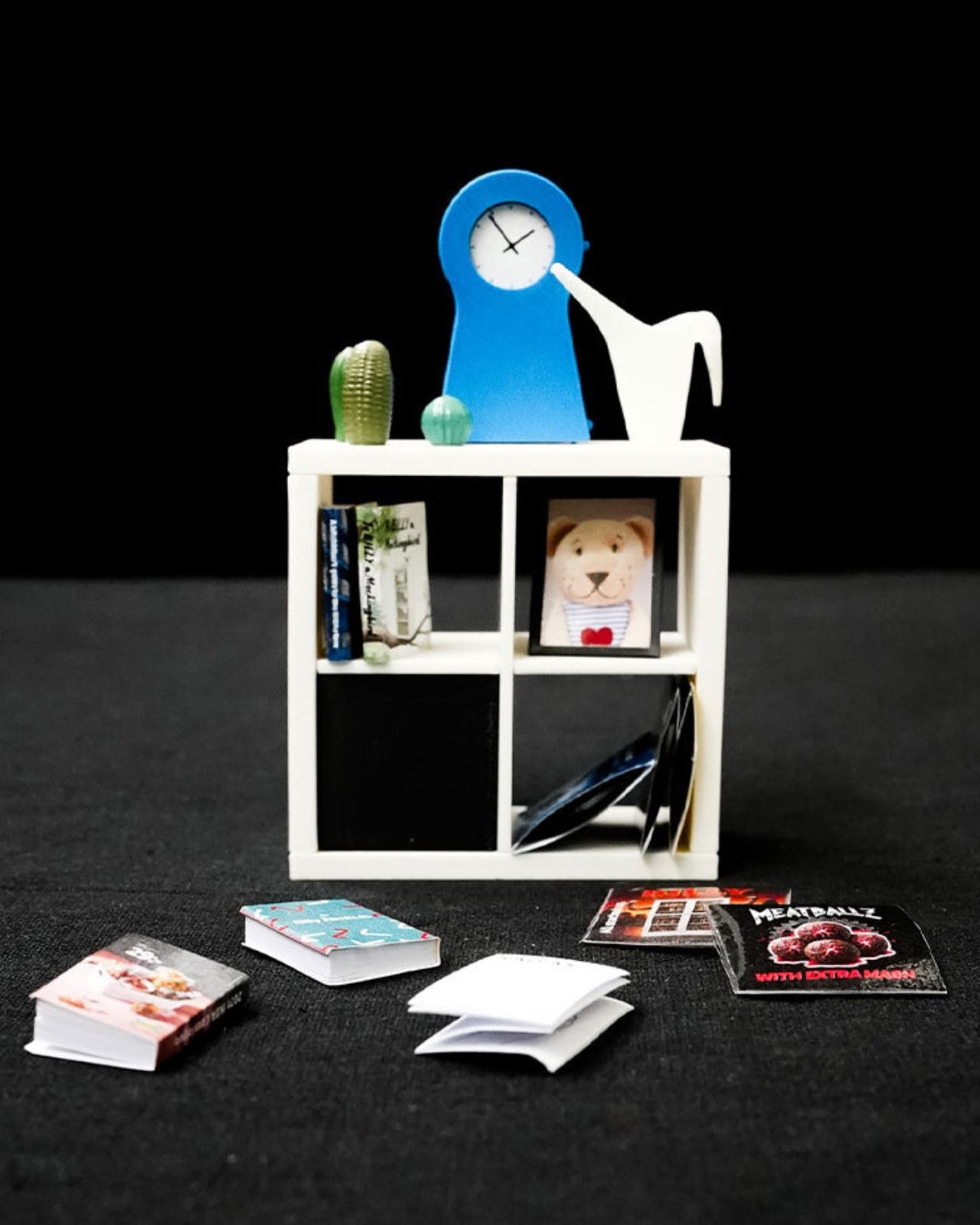
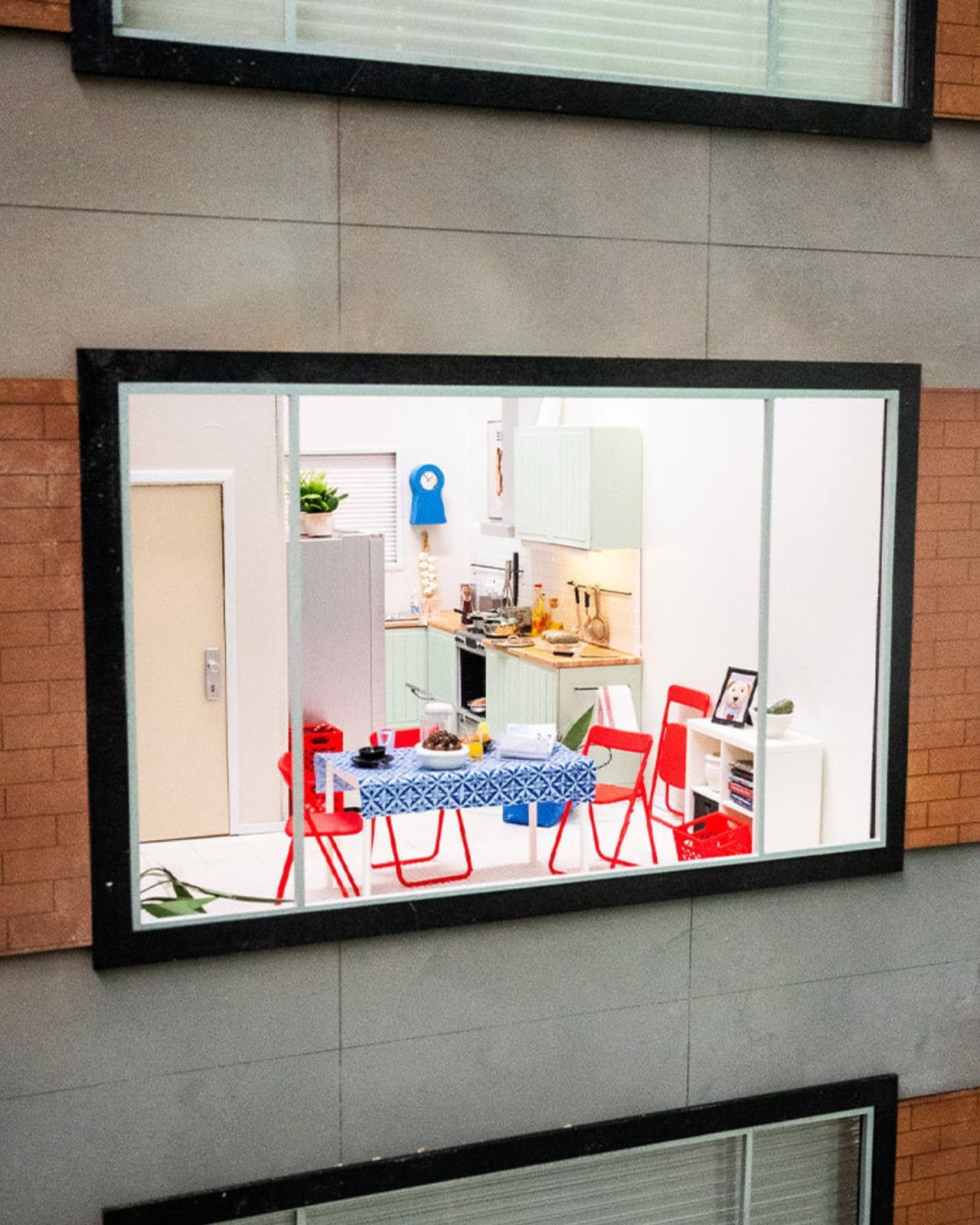
The company recently installed handcrafted miniature homes, built at a precise 1:12 scale, in public spaces across Melbourne, Chengdu, and Beijing. They’re gorgeous, obsessively detailed little things made by Stockholm-based miniature artist Christopher Robin Nordström, who goes by TokyoBuild online. But they’re not really about scale-model furniture. They’re about the fact that our homes are now expected to be office, gym, classroom, and sanctuary all at once, in the same square footage we’ve always had, while somehow still looking like a magazine spread. That expectation is exhausting, and most of us already know it.
Designer: Christopher Robin Nordström for IKEA
IKEA backed this up with a survey of more than 30,000 people across 31 countries, and the headline number is the kind of thing you want to text a friend: 59 percent said they’d rather live somewhere characterful than somewhere manicured. Not a landslide, but a real majority, and a fairly clear rejection of the sterile, everything-matches aesthetic we’ve been sold for the last decade.
I like that the tiny houses lean into locality instead of pretending every home looks the same everywhere. The Melbourne model has a miniature BILLY bookcase stacked with tiny novels and sports memorabilia. The Chengdu and Beijing versions center on scaled-down METOD kitchens instead, because that’s where those homes actually live and breathe. It’s a small choice, but it says the quiet part out loud: nobody’s home is supposed to look like a showroom, because nobody’s life actually happens in a showroom.
Nordström said something that stuck with me more than any stat in the report. He explained that when you build in miniature, you can’t include everything, so every object has to earn its place, and you realize a home isn’t defined by how much it contains but by what people choose to make room for. That’s a graceful way to describe editing your life down to what matters, and it applies just as well at full scale as it does at one twelfth of it.
The behavioral data is where this stops feeling like a marketing campaign and starts feeling like a mirror. Nearly one in five people admit to keeping gifts they never wanted, just to avoid hurting someone’s feelings. More than a quarter hide mementos from past relationships, a habit slightly more common among men. Ten percent have actually canceled plans with friends because their place felt too messy to host, and over a third shuffle clutter from room to room right before guests arrive. Some people use their oven purely for storage, which, if I’m honest, sounds familiar to at least one junk drawer I refuse to open around visitors.
What strikes me isn’t that people are messy. It’s that so many of us are quietly performing tidiness for other people instead of actually living in our own space. IKEA’s pitch, wrapped up in tiny bookshelves and miniature kitchens, is refreshingly modest: you don’t need a renovation to fix that. You need smarter storage and permission to stop apologizing for your actual life.
The tiny houses tour wraps up soon, but IKEA Open House continues in stores through September, built around the same idea at real scale, with the kind of affordable, small-footprint fixes most of us can actually use. Whether or not you ever walk through it, the message is worth sitting with. Perfect homes are rare. Honest ones are just about everywhere, once you stop hiding them.
DeepSeek V4.1 Flash has emerged as a standout option for professionals seeking a balance of speed, affordability and versatility in AI-driven workflows. Developed by DeepSeek and available for testing until September 10, 2026, this model builds on the foundation of version 4 Flash, delivering enhanced performance while maintaining cost-efficiency. Notably, its processing speed reaches up […]
Apple’s highly anticipated September 2024 event is expected to be a defining moment for the tech giant, unveiling the iPhone 18 lineup. This series includes the iPhone 18 Pro, Pro Max, and the much-discussed Ultra model. Recent leaks have shed light on what you can expect, ranging from innovative designs and pricing adjustments to potential […]
Modernizing a Nintendo 64 for 2026 requires balancing its nostalgic appeal with practical updates to address aging hardware. According to Zac Builds, one key upgrade is the RetroGem HDMI mod, which replaces the original AV port to ensure compatibility with modern displays. This modification not only improves visual quality through upscaling and smoothing but also […]
OpenAI has introduced “Bell,” an advanced AI model that exceeds the capabilities of GPT-6 Astra and addresses significant challenges in computational science. A key achievement of “Bell” is its resolution of the Navier-Stokes Millennium Prize problem, a complex issue in fluid dynamics that had remained unsolved for decades. This accomplishment was made possible through the […]
Apple’s highly anticipated entry into the foldable smartphone market, the iPhone Fold, has captured widespread attention, and for good reason. With a rumored starting price of $2,099 or $2,299 for the base model and reaching up to $3,099 for the top-tier 2TB version, the iPhone Fold is poised to redefine the premium smartphone category. However, […]
Meta’s upcoming smart glasses lineup has been revealed through recent leaks, showcasing four distinct models that cater to diverse user needs. Among these is the RW7004, a camera-free design that emphasizes privacy while still offering advanced audio and AI capabilities. The Smart Glasses Guy highlights how these glasses, developed in collaboration with Ray-Ban, combine style […]
Move into a dorm room, and the first thing you learn is that space decides everything. Drawers fill fast, surfaces disappear under notebooks and cables, and whatever doesn’t earn its spot in the first month ends up in a box under the bed. Everyday carry gear gets judged harder here than anywhere else, because there is no junk drawer to hide in and no car trunk to quietly store the things that didn’t make the cut.
The five picks below passed that test. Each one solves a specific friction point that shows up constantly once the semester starts, whether that is a package piling up at a dorm door, a dark campus path at midnight, a desk that swallows small objects whole, furniture that wobbles on move-in day, or a box that needs opening without scissors nobody can find. Form that earns its place through use, not novelty.
1. Olight Baton 4 Flashlight
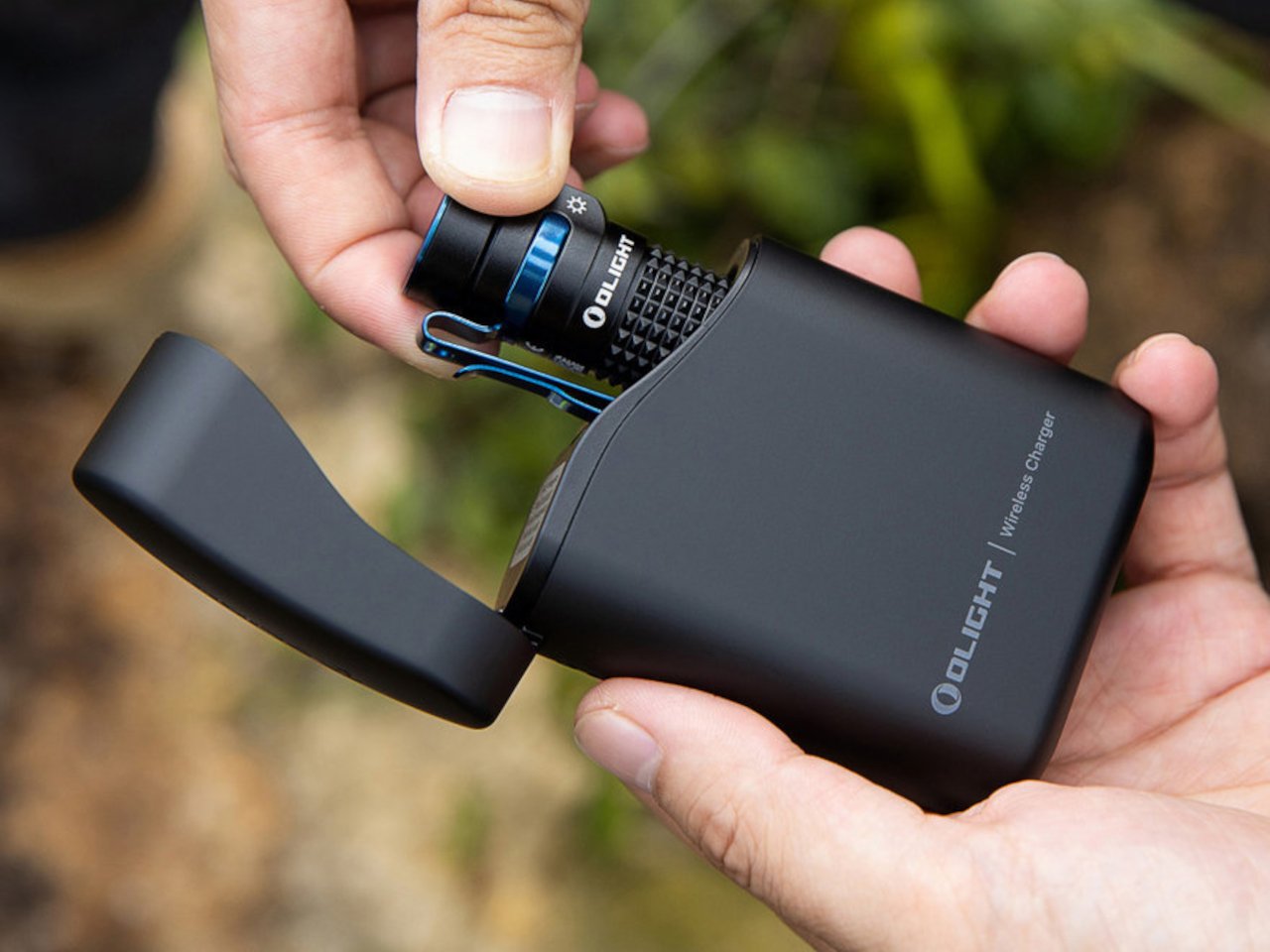
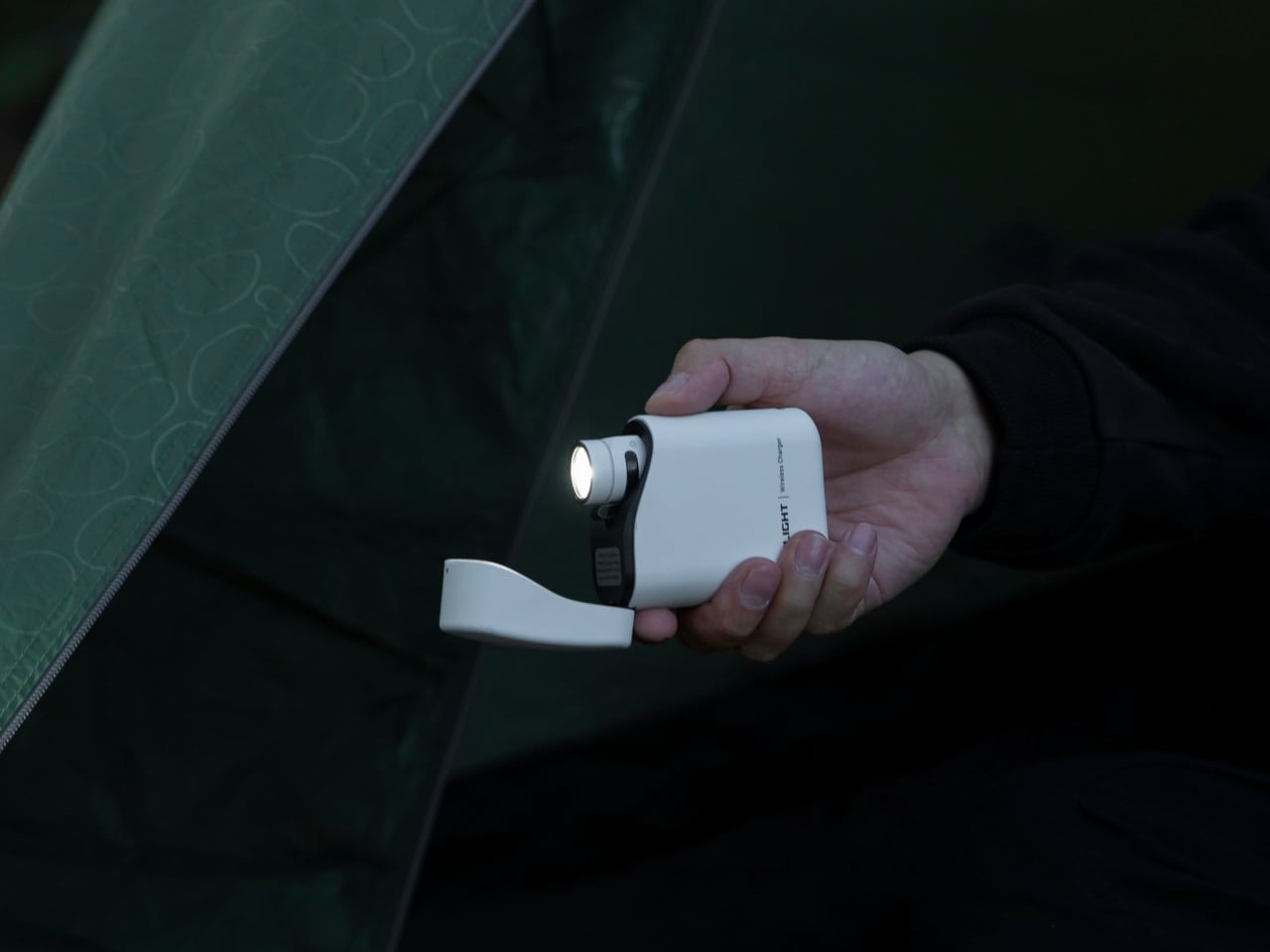
A phone flashlight is a dead end. It drains the battery you need for everything else and delivers a washed-out circle of light that barely reaches ten feet. The Olight Baton 4 solves that with 1,300 lumens in a body that measures 2.48 inches long and weighs 1.85 ounces, small enough to pocket next to a chapstick. A 170-meter throw covers a dark campus path, a parking lot, or a hallway that lost power during a finals week study session.
Five modes handle the full range of real use cases, from the 0.5-lumen moonlight setting that reads battery level without waking a sleeping roommate, all the way up to the turbo burst for actual emergencies. A magnetic base lets it stand upright on a metal desk surface and double as a hands-free lantern, and the two-way clip keeps it on a bag strap without adding meaningful bulk. Charging runs through a proprietary magnetic cable that snaps into position flush with the body, leaving no exposed port to collect dust or wear out.
What We Like
1,300 lumens in a sub-3-inch, 1.85-ounce body means it genuinely replaces a larger light without compromise on output or carry weight
The magnetic base converts it from a directional flashlight into a standing lantern, covering two distinct use cases with one object
What We Dislike
The proprietary magnetic charging cable means a lost cable is a real problem, with no USB-C fallback to borrow from a classmate
Turbo mode steps down automatically after a short burst to manage heat, so sustained maximum brightness requires cycling back up manually
2. CraftMaster EDC Utility Knife
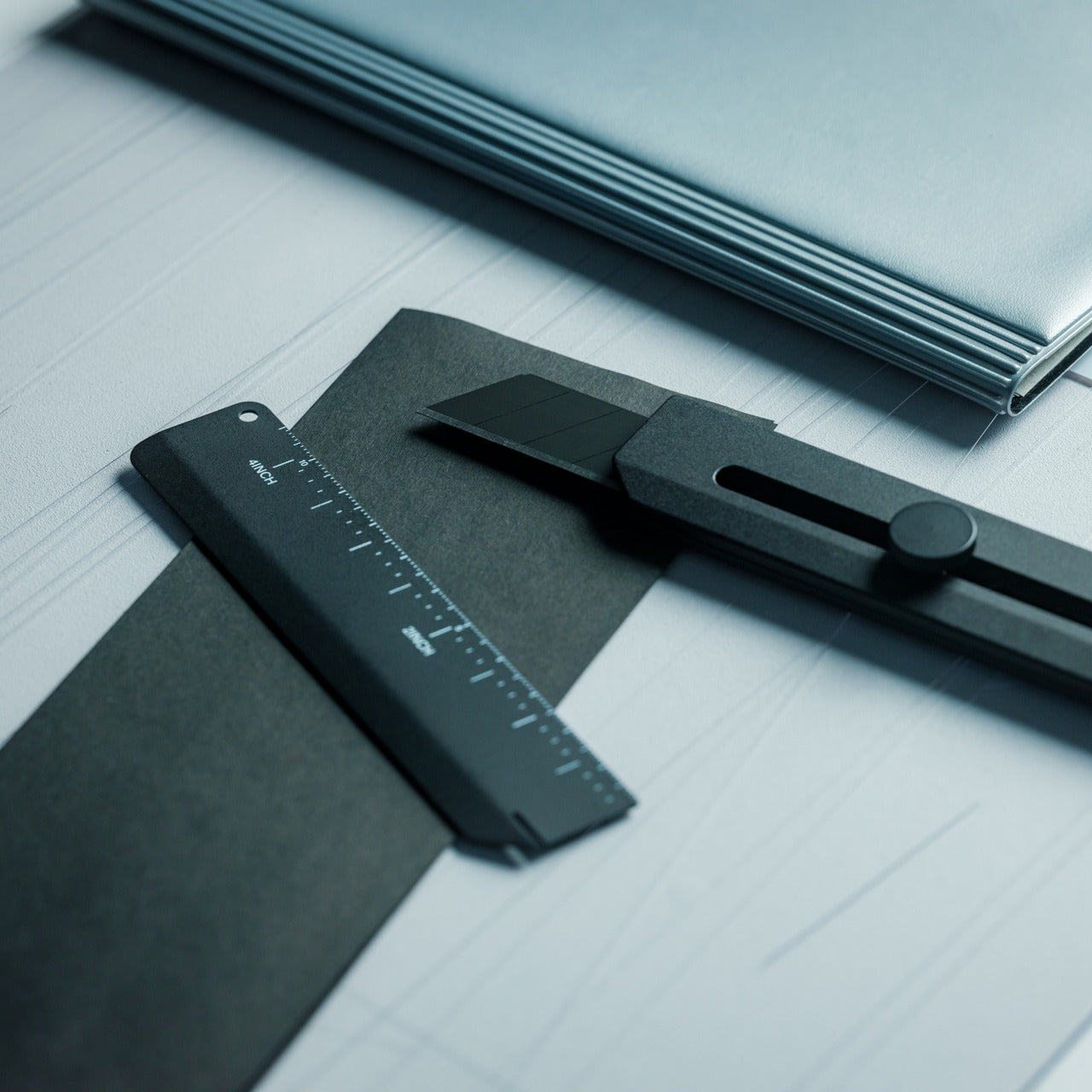
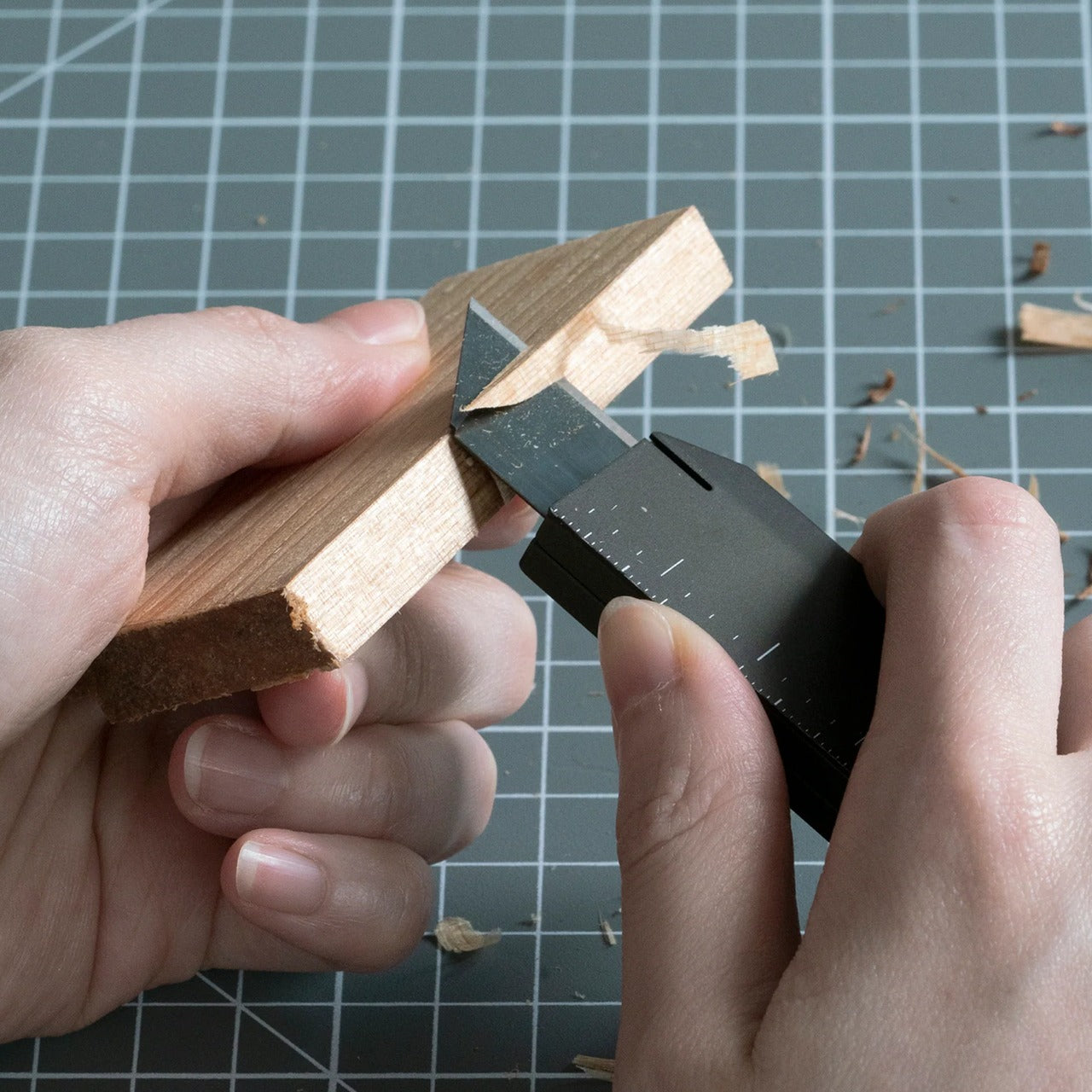
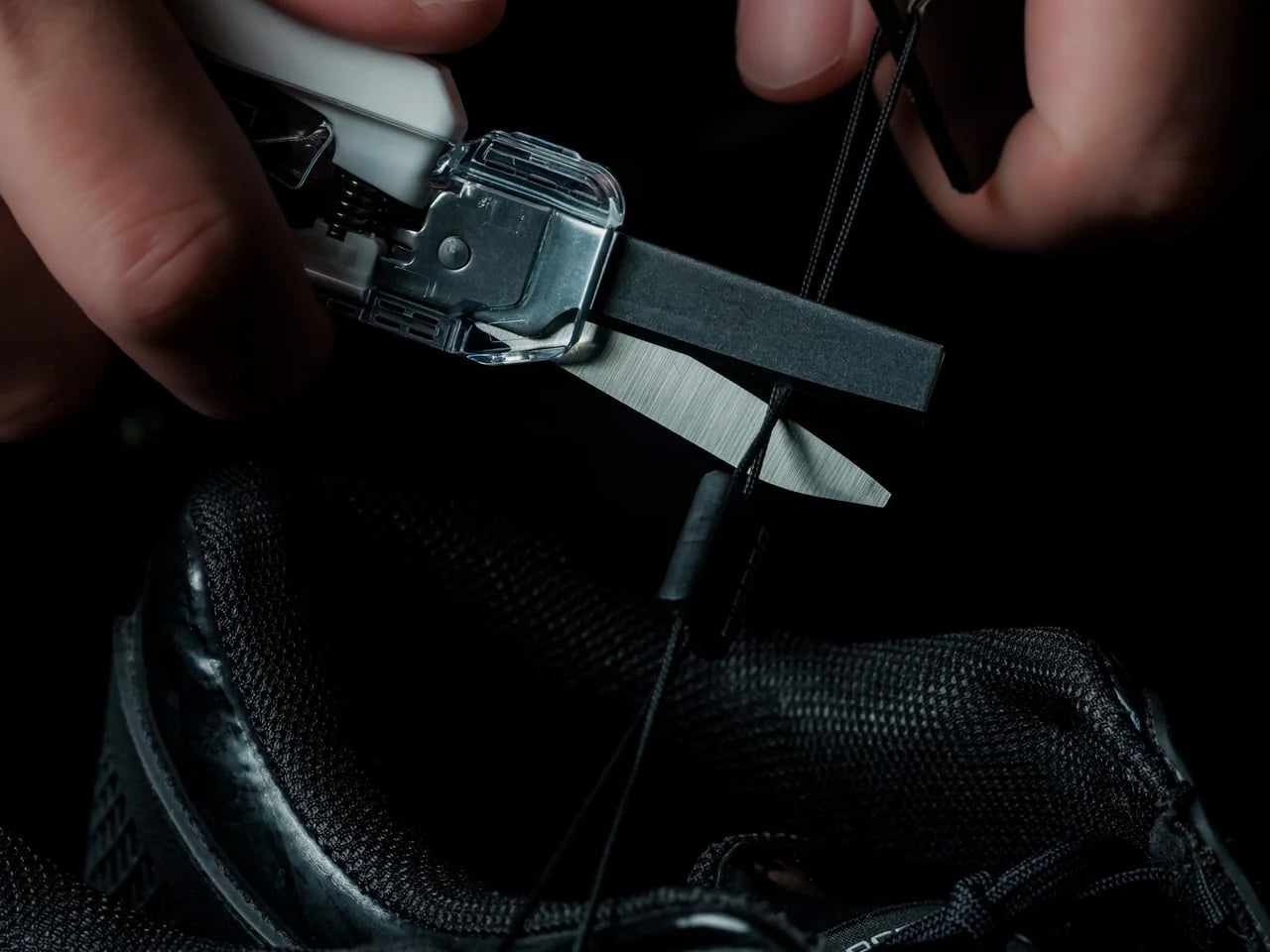
Most utility knives are an afterthought, a plastic slider from a hardware store that lives forgotten in a junk drawer until the blade rusts shut. The CraftMaster treats the utility knife as a precision instrument. At 4.72 inches long and just 8mm thick, it carries like a pen and sits on a desk without looking out of place beside a laptop. The rotating knob that deploys the OLFA blade adds a deliberateness that a standard slider simply never delivers.
The magnetic back docks a companion metal scale, turning a single object into a two-piece system with a built-in blade-breaker for snapping off dull edges without hunting for a separate tool. A 15-degree curvature on the ruler protects fingers during cuts, and the 45-degree inclination geometry handles box opening without risk to whatever is packed inside. OLFA blade compatibility keeps replacement costs low and means refills are available at any hardware store, with no proprietary cartridge system to track down mid-semester.
The magnetic scale dock creates a two-piece cutting system without requiring a separate case, sleeve, or additional carry weight
OLFA blade compatibility keeps long-term costs minimal and replacements universally available without planning around a proprietary format
What We Dislike
The utility blade format limits versatility outside of cutting and scoring tasks compared to a folding knife with a more general-purpose tip geometry
The 8mm profile, while genuinely slim for a utility knife category, still feels rigid compared to a traditional folding knife for one-handed carry
3. Orbitkey Grid Organizer
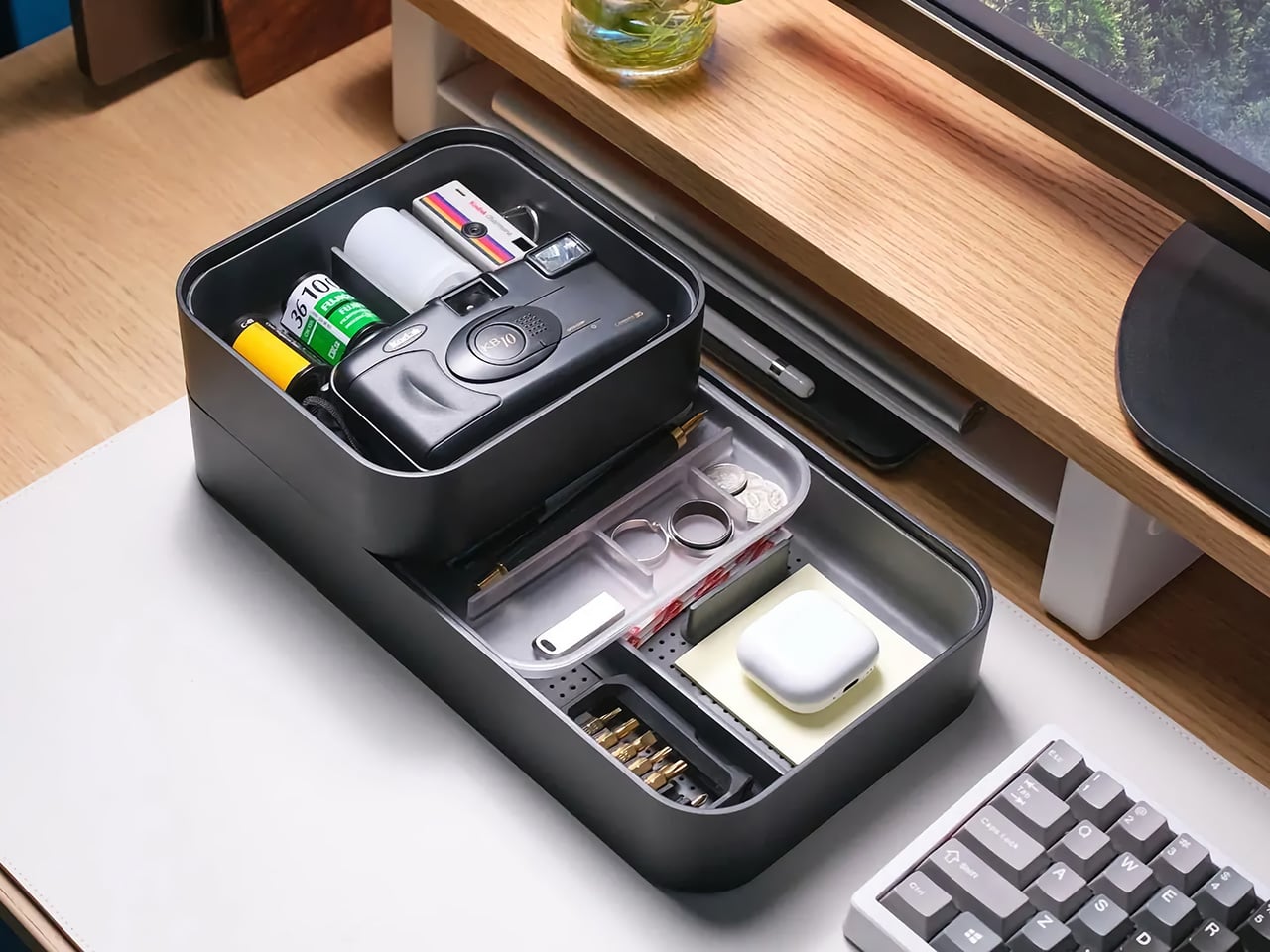
Every dorm desk looks the same by the second week of classes: a charging cable coiled around a pen, loose change mixed with an SD card, and two pens that stopped working sometime during the first lecture. The Orbitkey Grid Organizer is a modular tray built around that exact situation, with a customizable divider layout that separates small objects by category rather than letting everything pool into an indistinguishable pile at the corner of a desk that doubles as a living space.
Orbitkey spent years refining the idea of contained carry, beginning with its key organizer and continuing through the Nest desktop tray. The Grid Organizer applies the same logic to desk surfaces rather than pockets, with soft tactile materials and a compact footprint that fits even the smallest dormitory desk without eating the working area under a laptop. The understated color palette reads as intentional rather than as office supply clutter, which matters considerably when a desk is simultaneously a workspace, a dining surface, and the only flat space in the room.
What We Like
The modular grid layout adapts to what you actually own rather than forcing a fixed compartment system onto objects that don’t fit neatly
The compact footprint fits a dorm desk without consuming the working area directly under a laptop or monitor
What We Dislike
Dividers follow a fixed grid pattern rather than a fully freeform arrangement, so oddly shaped items still end up wedged at uncomfortable angles
It solves desktop organization at home base but contributes nothing once you step out the door, which limits its usefulness to a single context
4. ClearSlide Box Opener
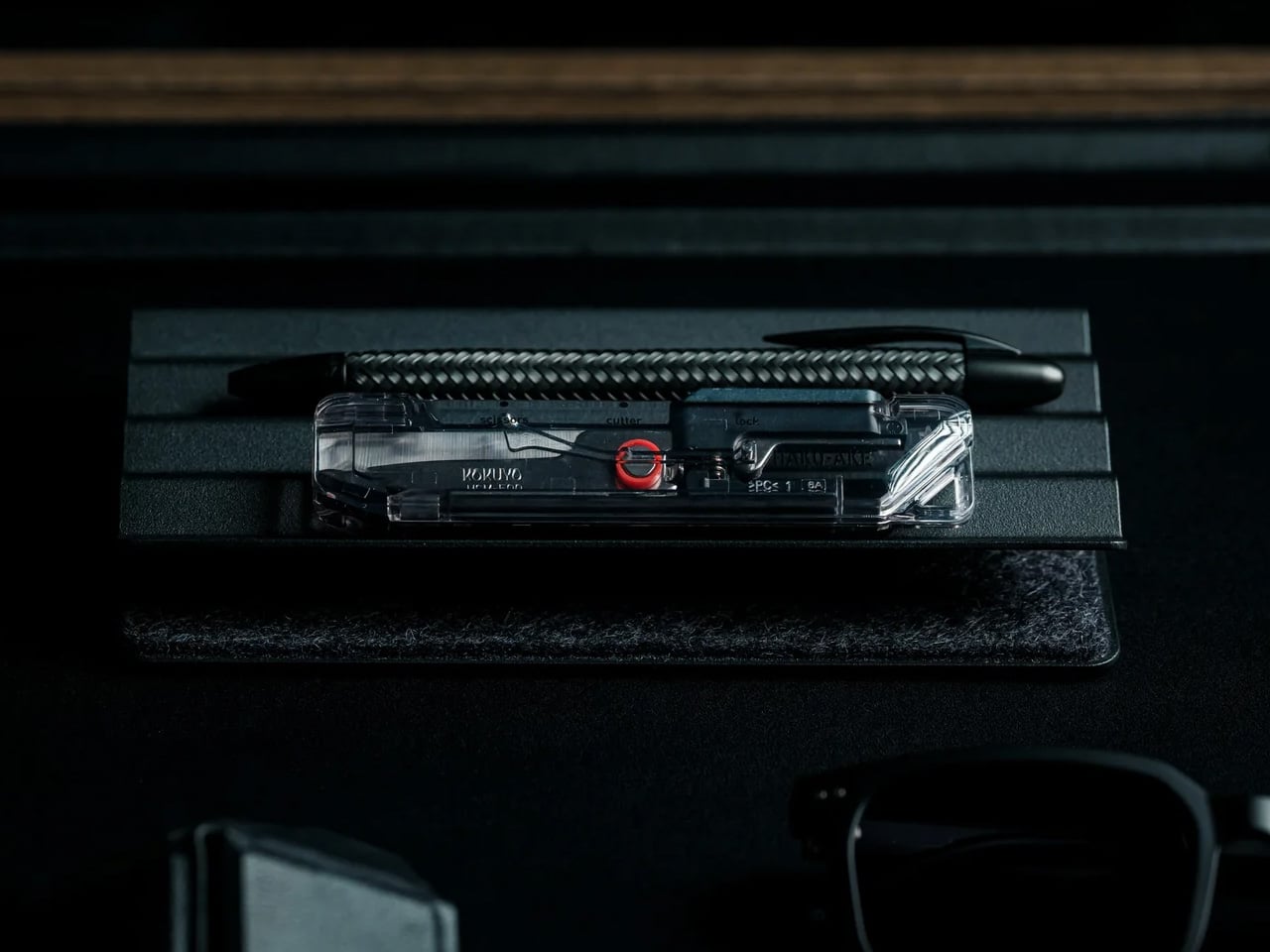
Every semester opens with the same ritual: a stack of deliveries outside a dorm door, a search for scissors, then a search for a box cutter, then giving up and tearing tape by hand. The ClearSlide exists specifically for that recurring problem. A transparent polycarbonate body lets you watch the internal mechanism shift between lock, cutter, and scissors modes with a single thumb motion, and each position locks in with a distinct click before the blade engages. Nothing is guessed at or fumbled.
The blade extends only 0.12 inches, deep enough to slice through packing tape without threatening whatever is packed inside, and a strap hole at the base means it clips to a backpack rather than disappearing into a drawer until the next delivery arrives. The transparent shell is the detail that separates it from every other box opener in this category. Watching the mechanism move is genuinely satisfying in a way that makes it the tool you actually reach for, rather than the one you remember only after the package is already open.
The transparent polycarbonate shell reveals the internal mechanism shifting in real time, making a mundane daily task feel considered and deliberate
The 0.12-inch blade depth protects package contents during cuts without requiring a guard, a cover, or any extra step before use
What We Dislike
The shallow blade depth requires two or three passes on thick double-taped moving boxes rather than delivering one clean, single-motion slice
The strap hole keeps it accessible, but there is no integrated pocket clip, so keeping it truly on-person requires a carabiner or lanyard to make it work
5. CRKT Septimo Multi-Tool
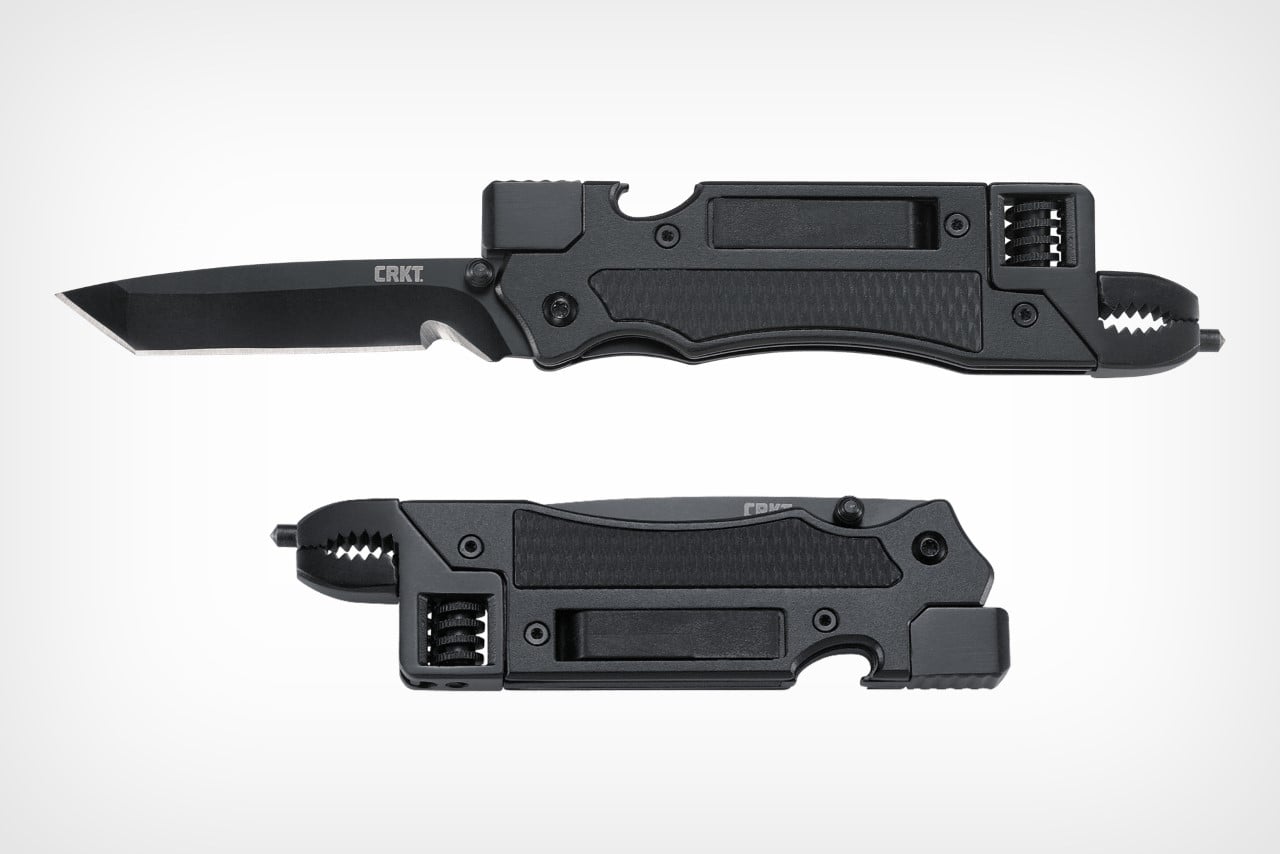
Dorm furniture wobbles. Bottles need opening. Something always requires a screwdriver that nobody in the building seems to own. The CRKT Septimo was designed by Jeremy Valdez, a veteran of the 7th Special Forces Group, around the premise that a folding knife alone cannot cover the situations a student actually encounters week to week. Fold it open, and a bottle opener, a flathead and Phillips screwdriver, and an adjustable wrench are all present in a single body that fits in a jeans pocket.
The 2.86-inch American Tanto blade uses a liner lock and Veff serrations for cutting tasks from trimming cord to opening shipping tape, while a glass breaker tip and black oxide finish give it the durability that a cheap multi-tool never manages past the first semester. At 4.4 ounces with a pocket clip, it carries without becoming dead weight in a bag side pouch, and the adjustable wrench alone covers the kind of furniture fixes and move-in assembly tasks that a standard pocket knife is simply not built to handle.
What We Like
A real adjustable wrench folded into a knife-sized body covers furniture repairs and hardware tasks that a standard pocket knife ignores entirely
The liner lock and Veff serrations add genuine cutting utility without inflating the overall profile or carry weight
What We Dislike
The screwdriver covers only one Phillips size and a small flathead, which limits usefulness for anything requiring a larger or more specific bit
The Tanto tip excels at piercing and cord cutting but handles general everyday slicing tasks less elegantly than a drop point or clip point geometry would
The Gear That Actually Stays
None of these five objects is designed to impress at first glance. A flashlight, a utility knife, a desk tray, a multi-tool, and a box opener do not photograph like a product launch, and that is the point. They photograph like what they are: tools that solve specific, recurring problems without asking you to think about them. That kind of restraint is genuinely harder to design than it looks, and considerably more valuable in a dorm room than gear that costs twice as much.
What ties them together is the same quality that makes good everyday carry work in a small shared space: each one earns its place through repeated use rather than novelty, and none of them needs a junk drawer to disappear into. They stay out on the desk or clipped to the bag because they get reached for often enough to justify it. That is the real standard for EDC, and it is harder for most products to meet than their marketing ever admits.