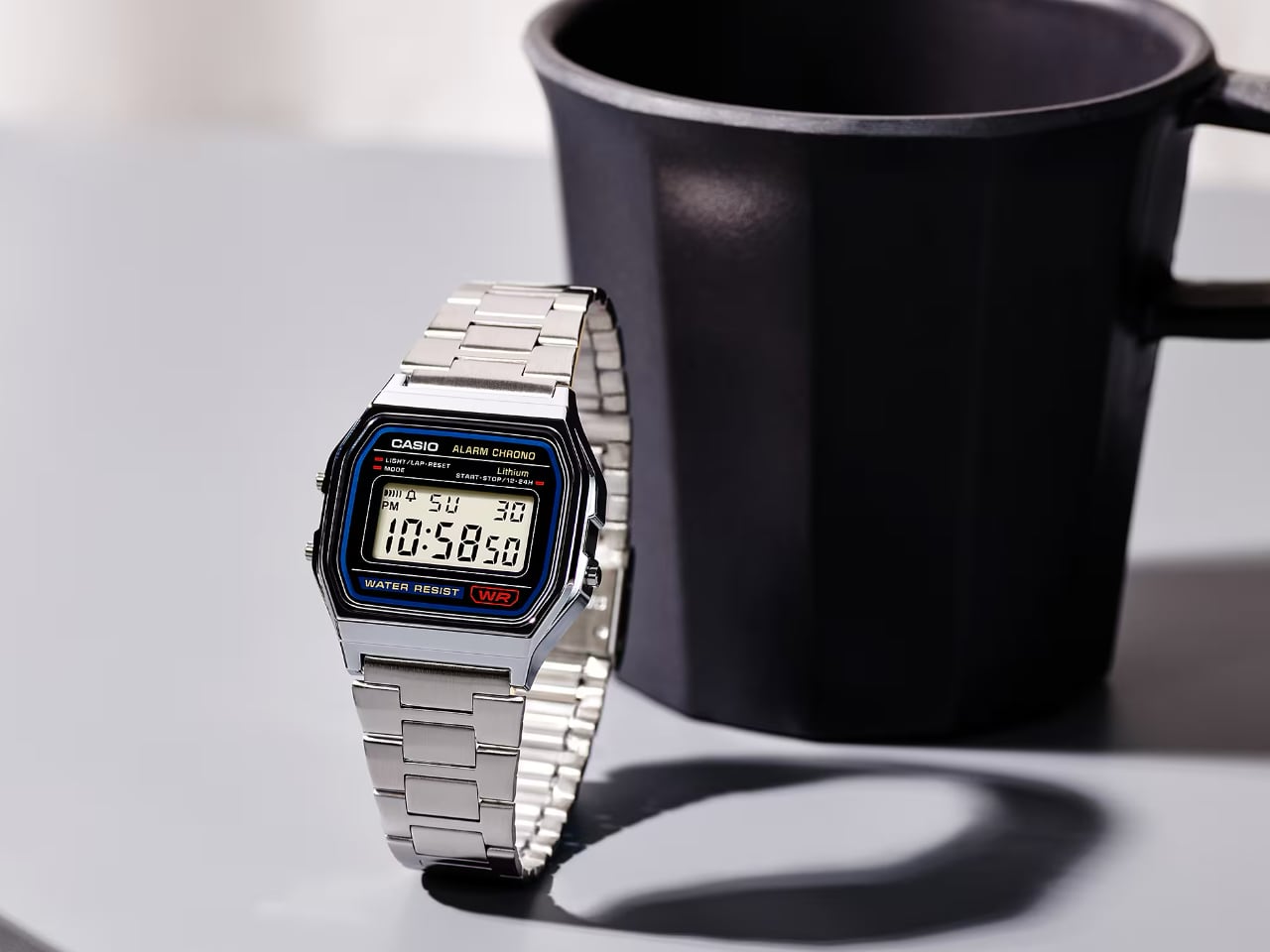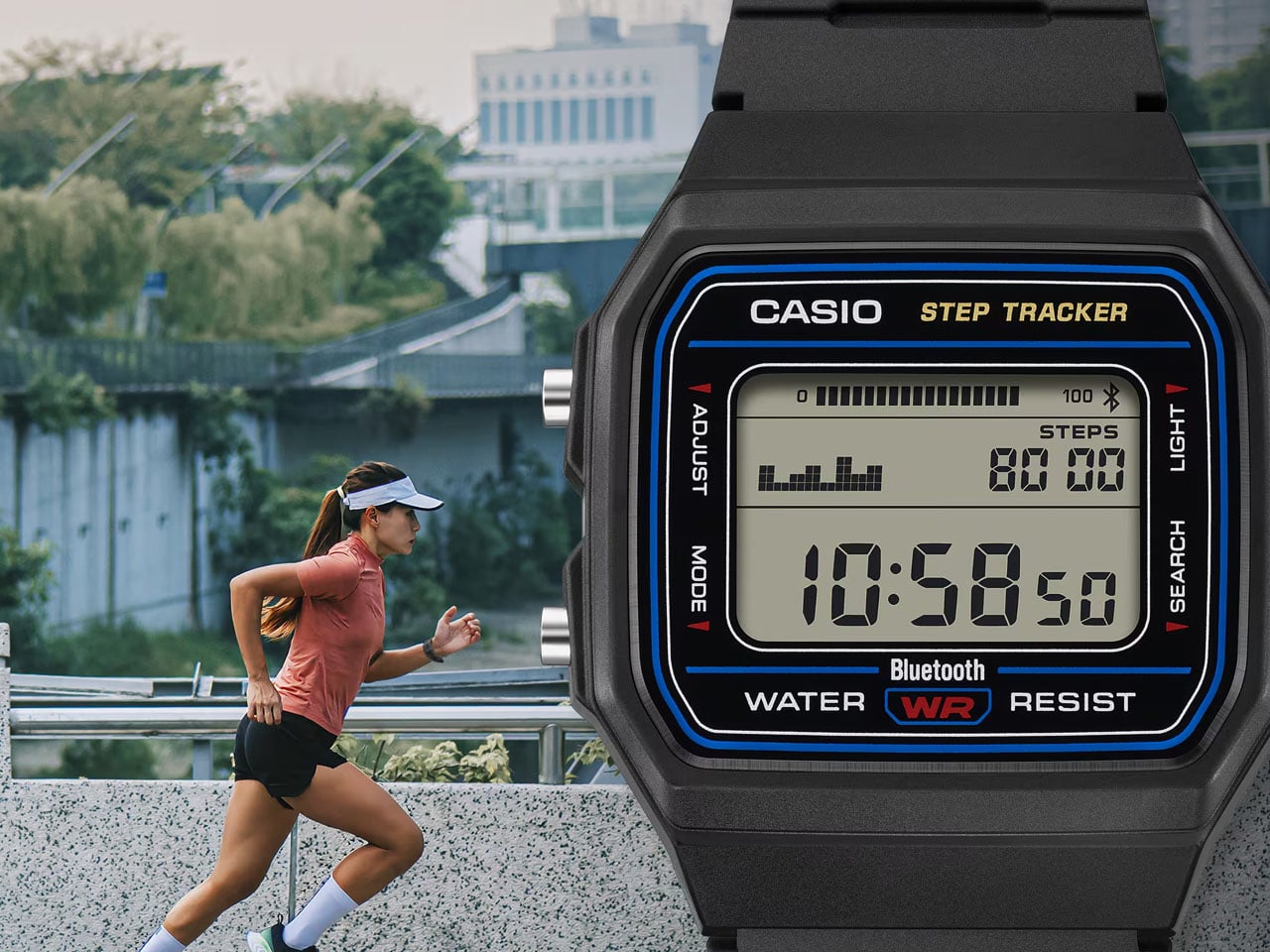
Casio upgrades the classic F-91W watch with smart functions, and it’s already sold out in Japan

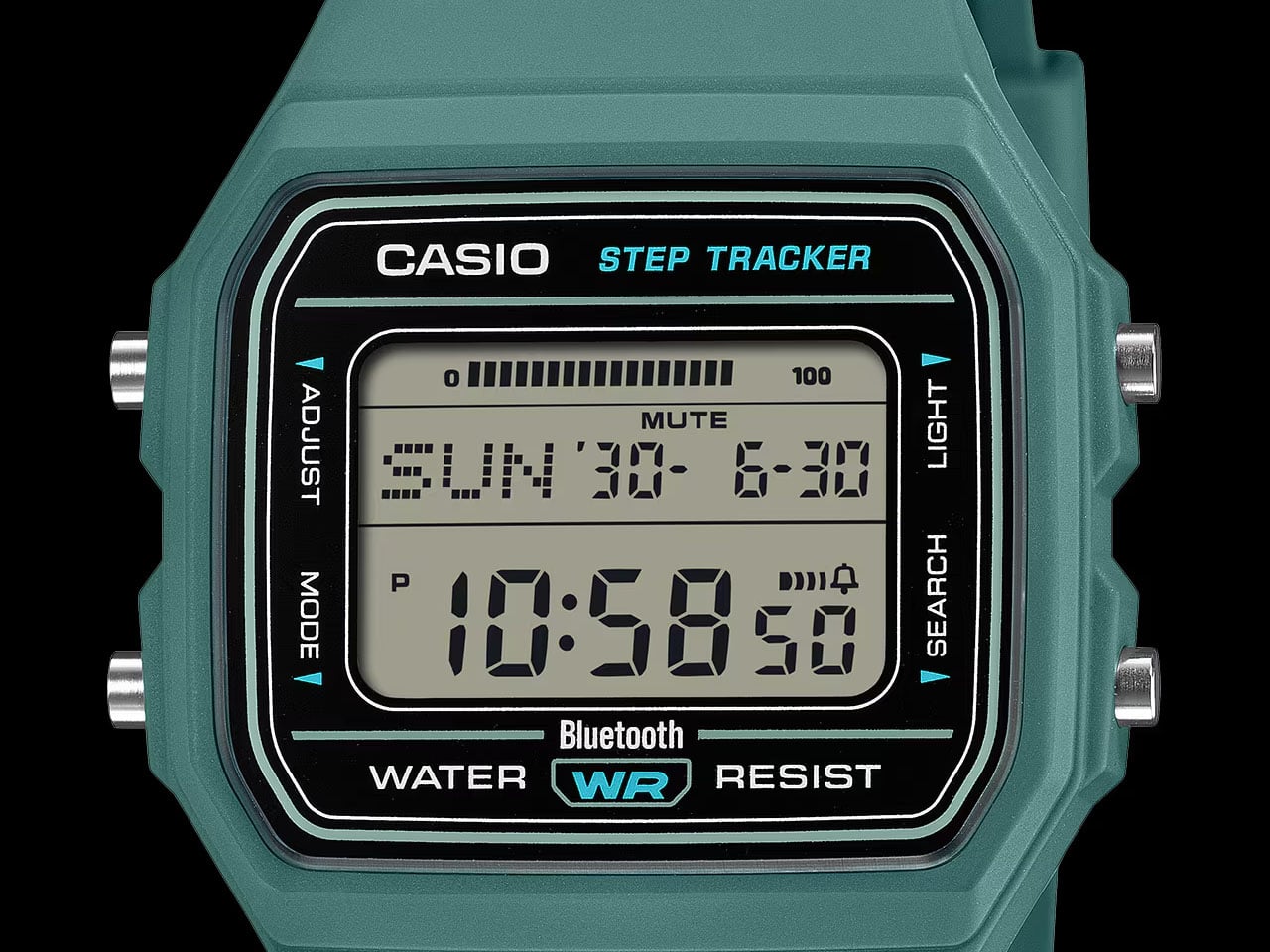
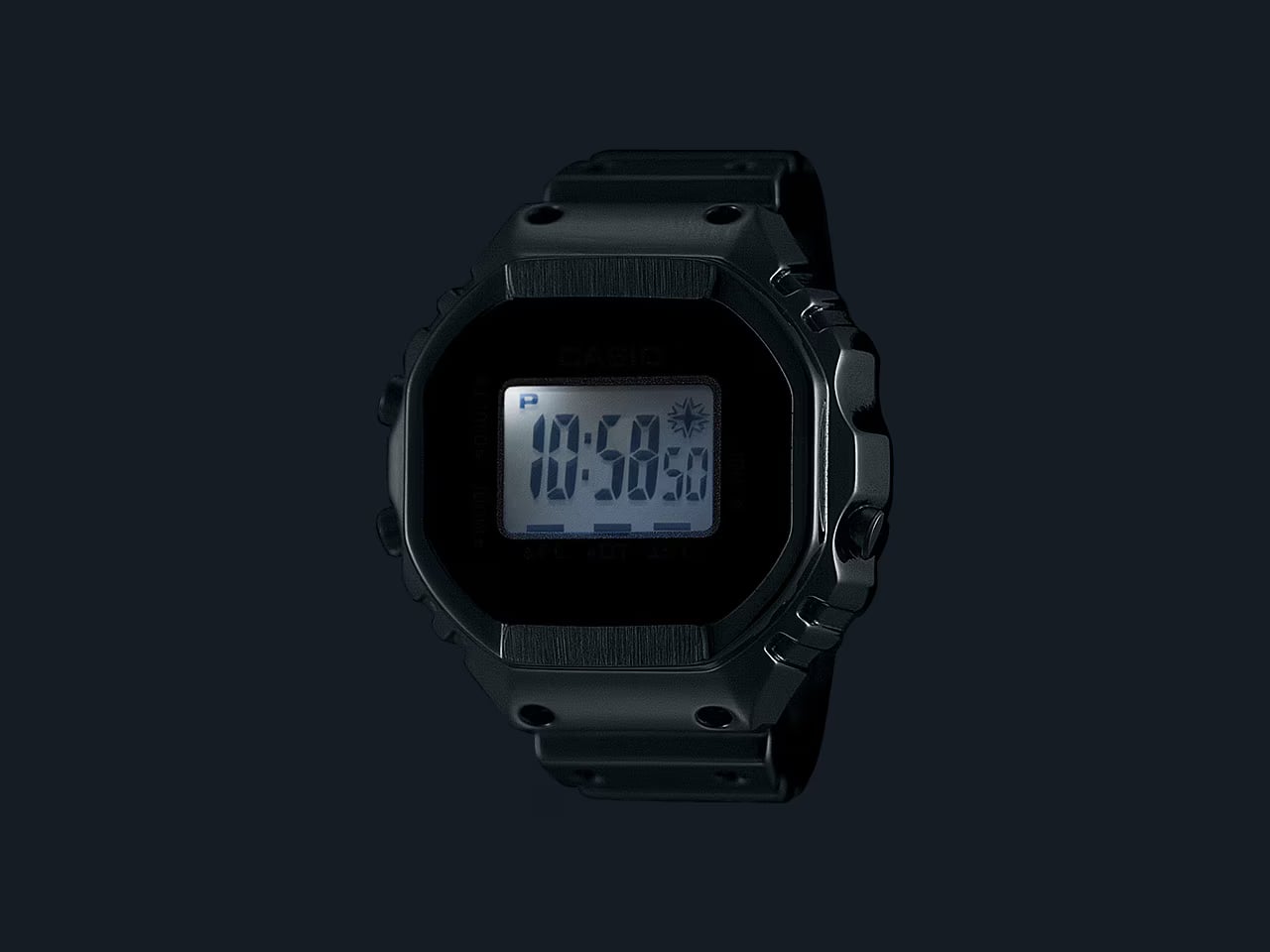
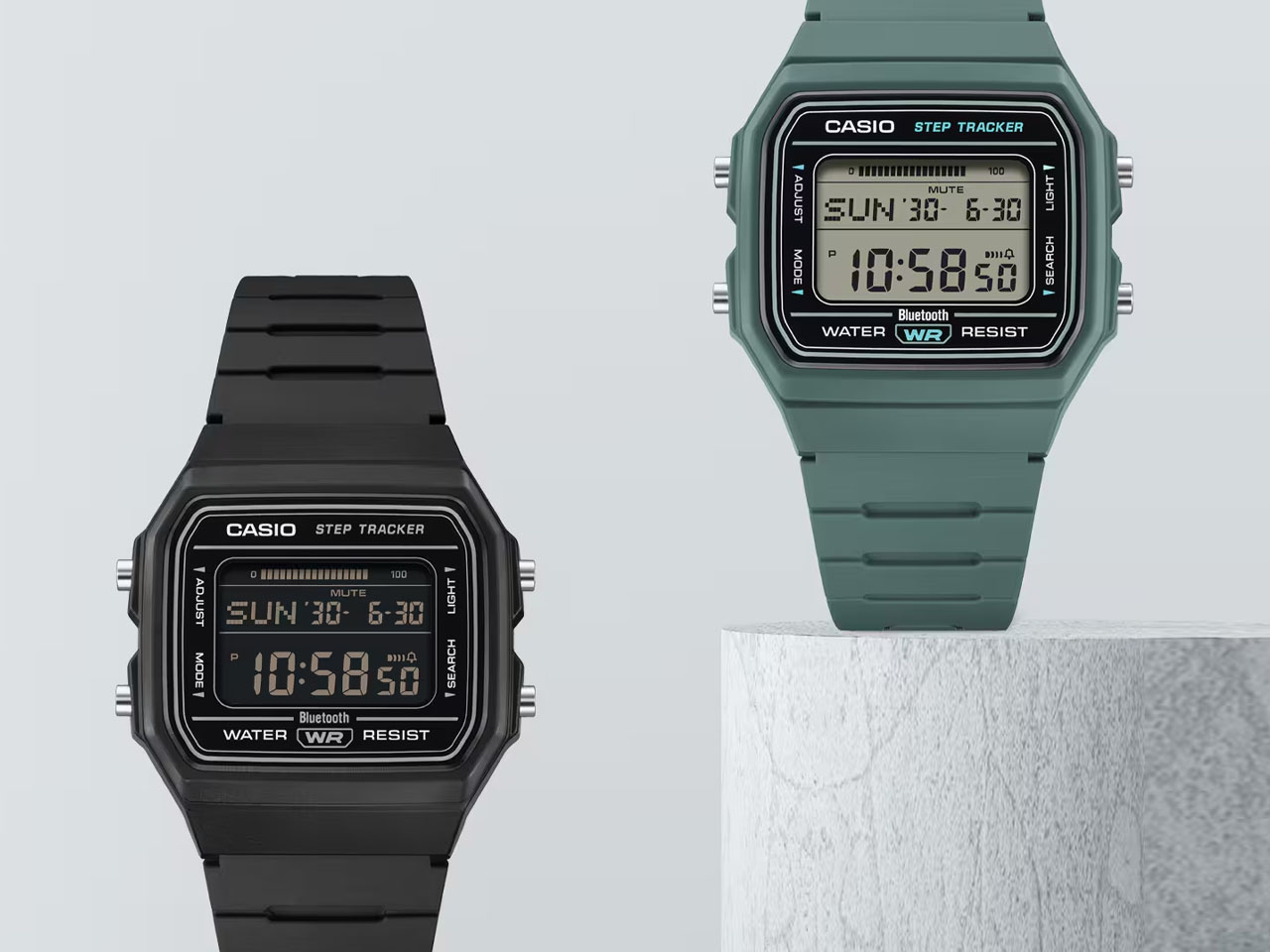
Without a doubt, the Casio F-91W is a legendary timepiece that is still available to buy for $20. While the digital watch has retained its nostalgic charm all these years, it is indeed a little left behind when it comes to smart functionality. Casio is set to change that now with the F-B100W timepiece, which adapts the modern functions expected in a smart timekeeper. The classic 1980s digital watch in the rectangular silhouette, upgraded with the goodness of step counting – I’ll take that any day!

On the outside, this Casio timepiece looks like the trusted F-91W, but inside it has more to offer, making it a sweet deal. For now, the watch is available in Japan for ¥8,800 (around $55), and it’s not surprising it has already been sold out, at least for now. That’s almost double the price tag of the original, which is still up for $22, but you’ll also have to factor in the generational leap in smart features this new model touts.

Designer: Casio
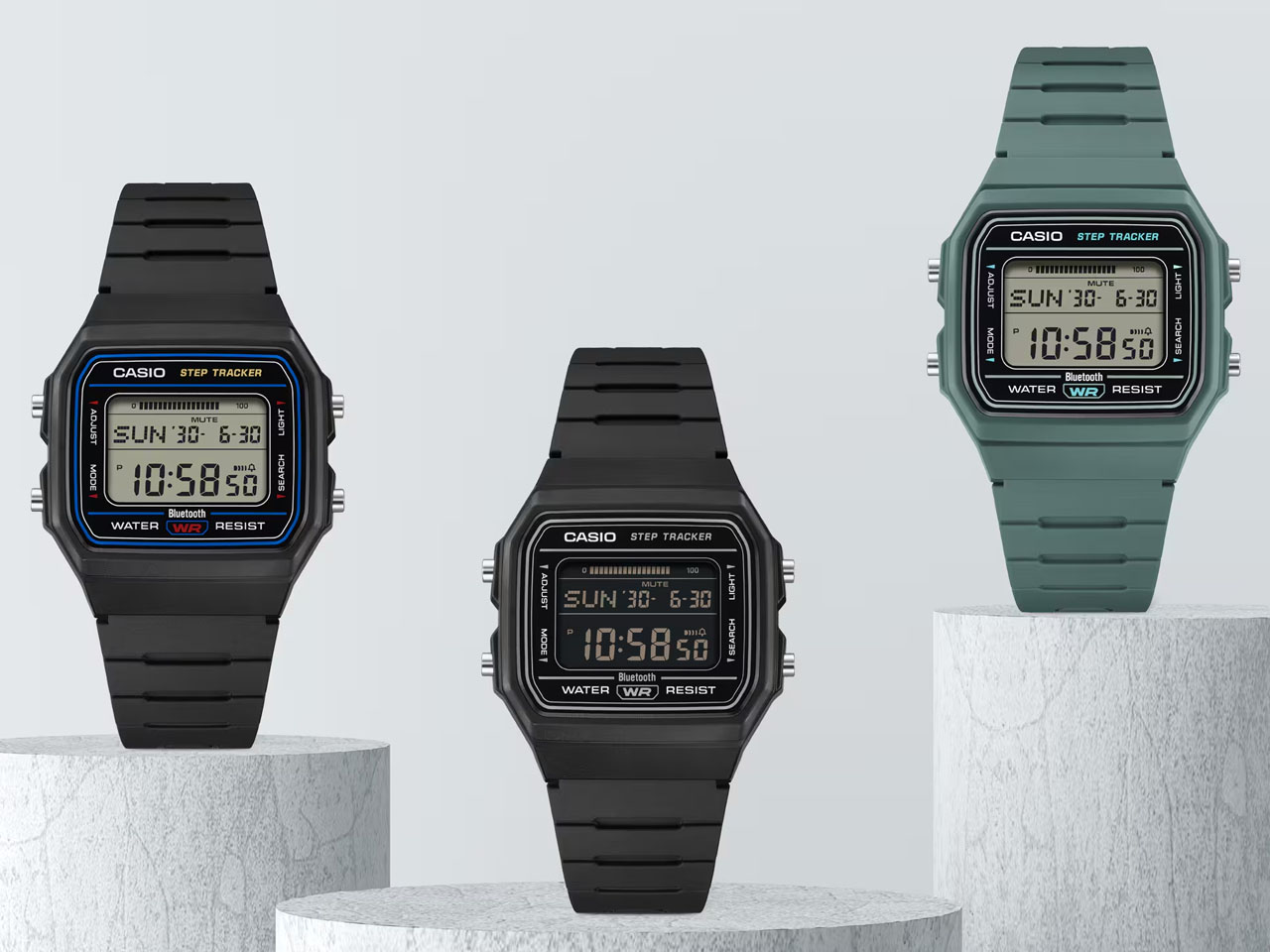
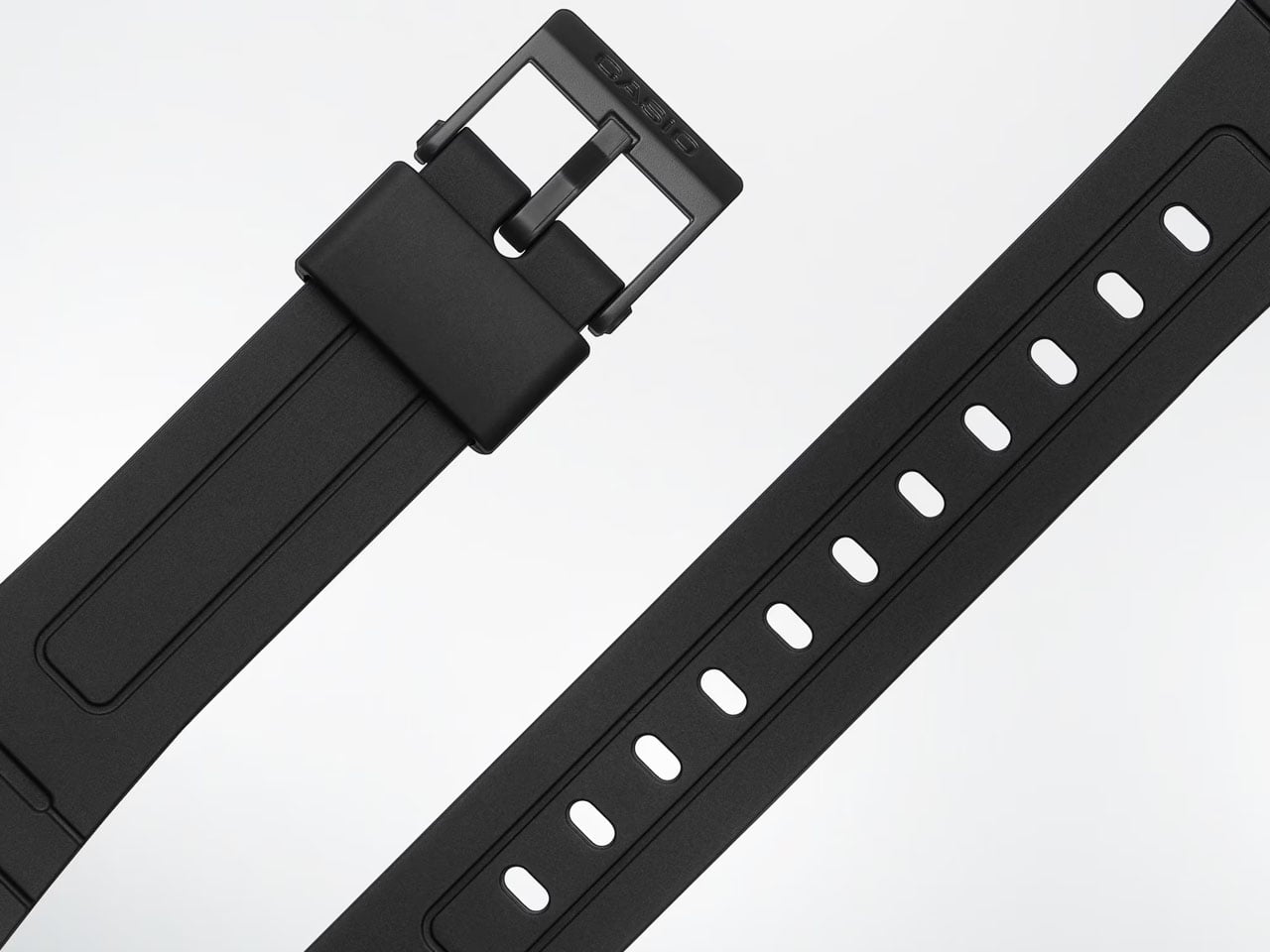
Most of the F-B100W’s functions are fairly straightforward, and the specifications are also very close to the original, measuring 41.9 × 38.1 × 8.8 mm and weighing 26 grams. The timepiece retains features including an amber LED backlight with adjustable glow, water resistance, an hourly time signal, and five daily alarm options. For improved comfort during long hours, the bio-based plastic strap now has improved ventilation slits. Major changes come in the form of a watch battery (as opposed to a rechargeable cell), which lasts for almost two years.
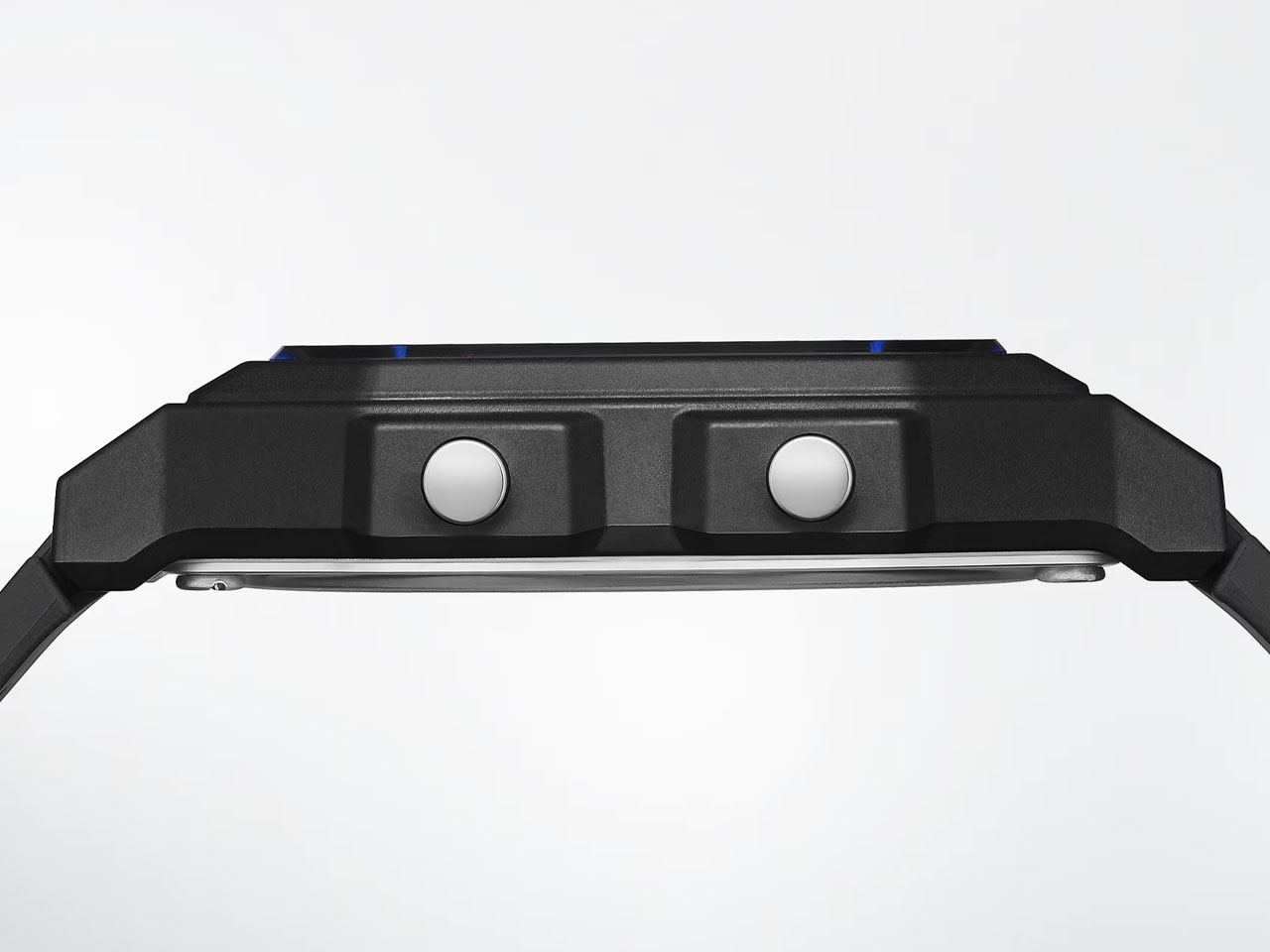
What’s making this Casio timepiece a big buzz already is the inclusion of Bluetooth, which automatically syncs time or toggles the alarms or dual time display. In the mix is the phone finder feature, which can be a really useful addition without all the unwanted nuances. What I’m most excited about is the addition of the step counter and lap split time function, which can be directly synced to your phone with the companion app. You can set goals, record up to 200 laps, and monitor the progress on the watch screen as well. For times when you get too engrossed in work, the F-B100W also sends an inactivity alert via a beep and on-screen prompt. Of course, that is an optional feature that can be turned off as well.
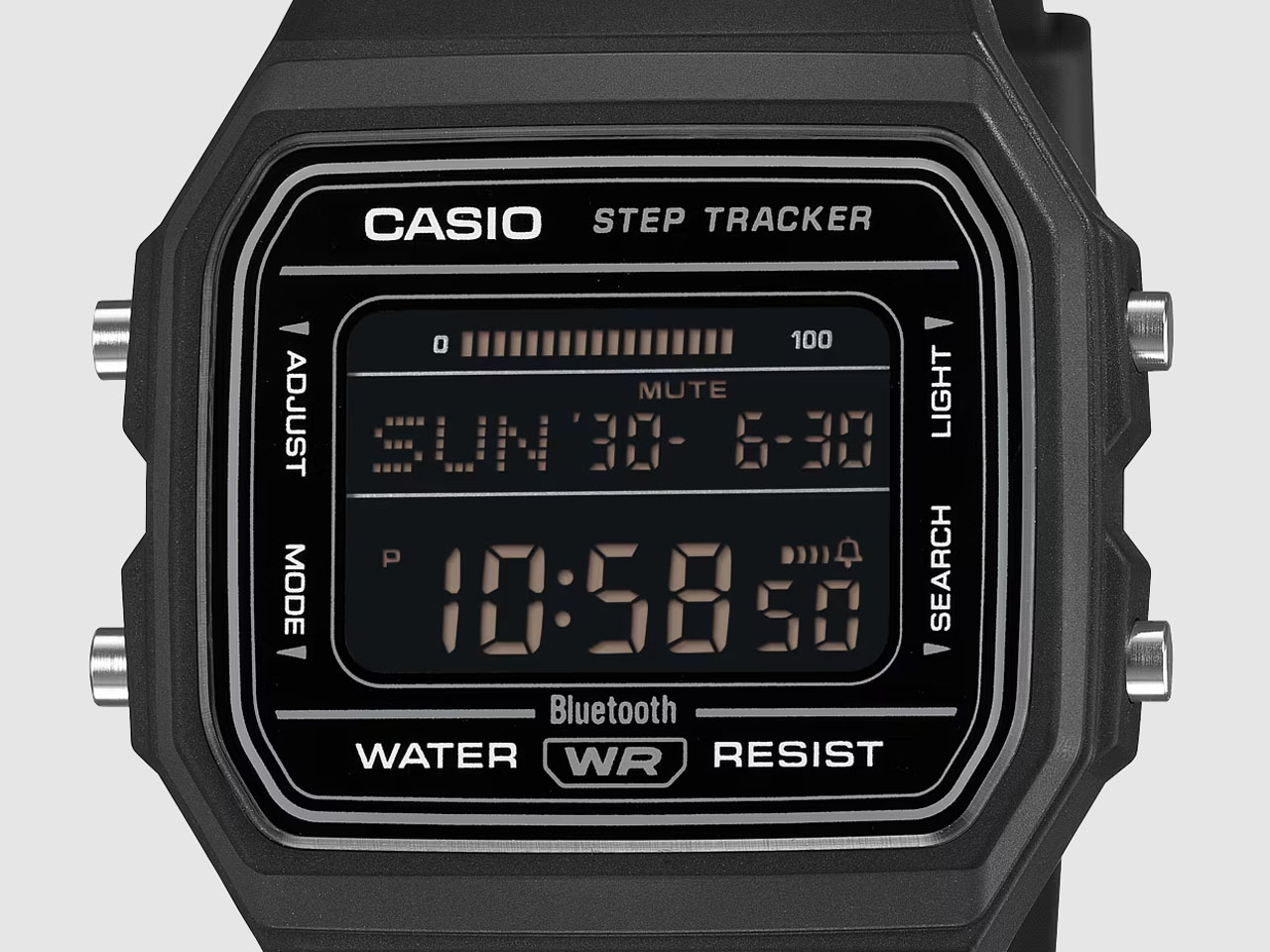
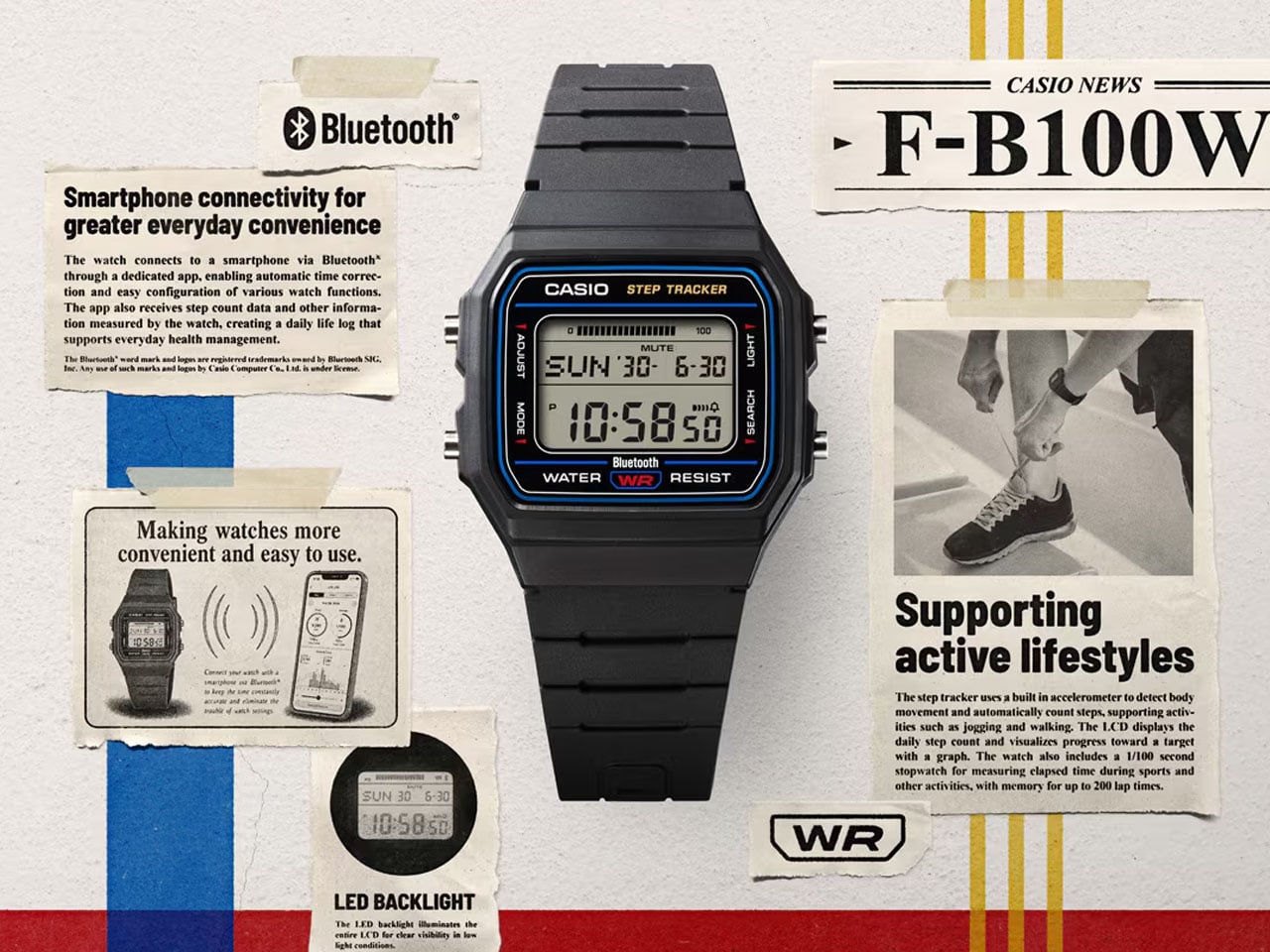
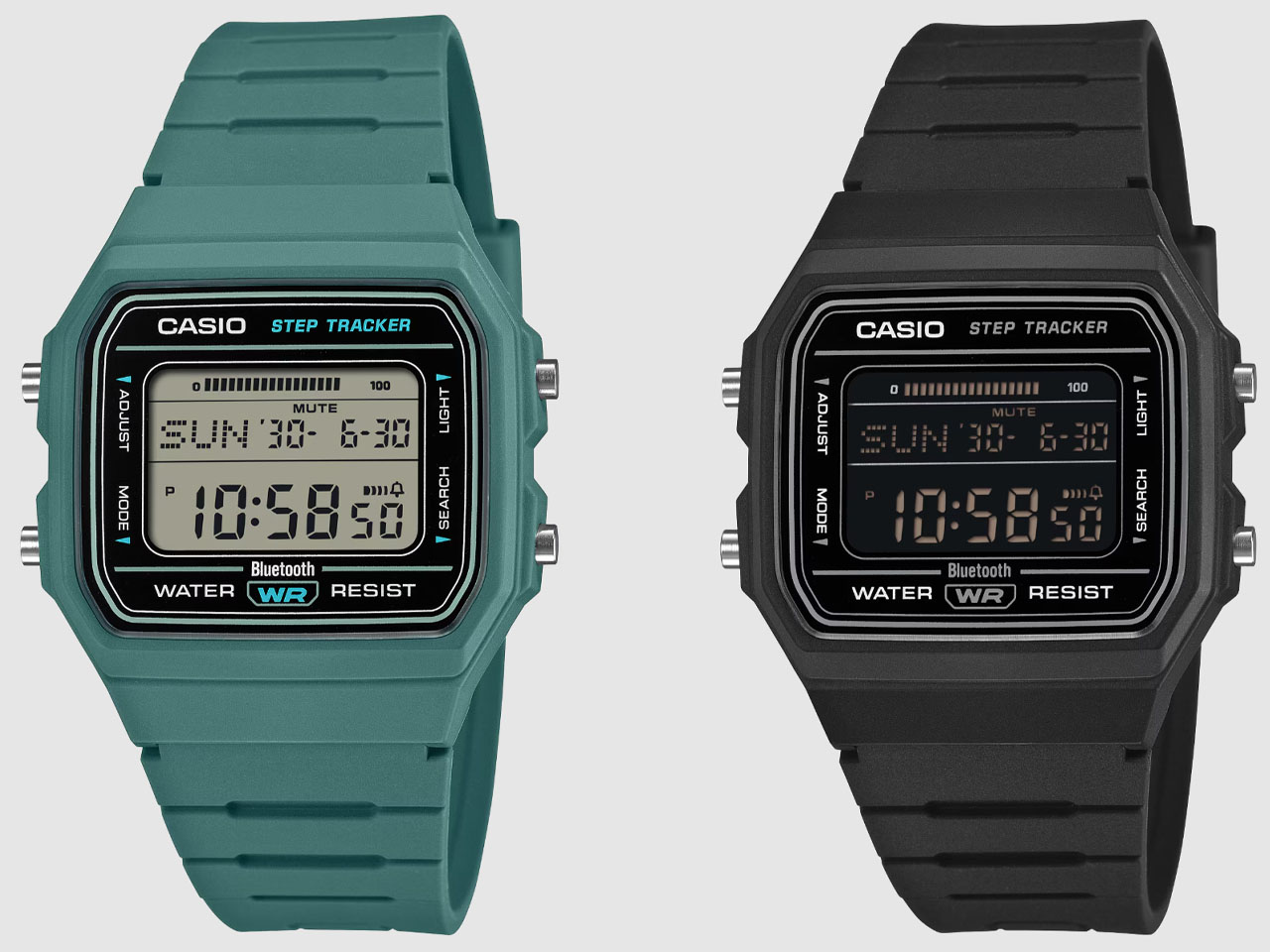
It doesn’t have any other smartwatch features like a heart rate monitor, sleep diagnosis, or even BP monitoring, but that’s the point. The retro-modern Casio watch has all the timekeeping functions, and the most essential smart features without making the wearer too finicky about the vitals. F-B100W comes in three color variants: 1AJF, 1BJF, and 3AJF, which have a black case with a positive LCD and retro blue, red, and yellow dial accents, and all black with a negative display and gray text, respectively.
The post Casio upgrades the classic F-91W watch with smart functions, and it’s already sold out in Japan first appeared on Yanko Design.

C2H4 x G-Shock turns the iconic GA-2100 into retro-futuristic space age timepiece

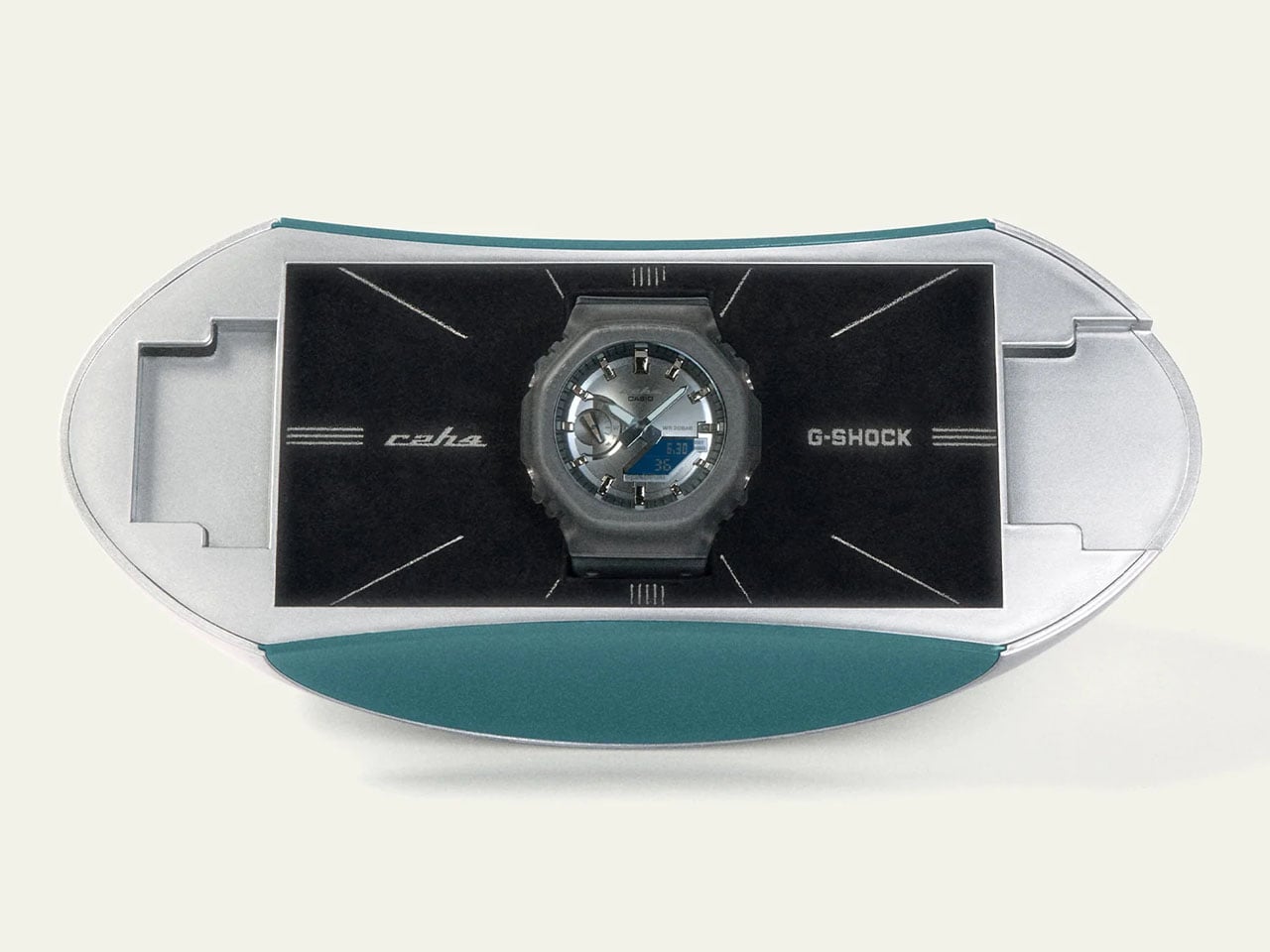
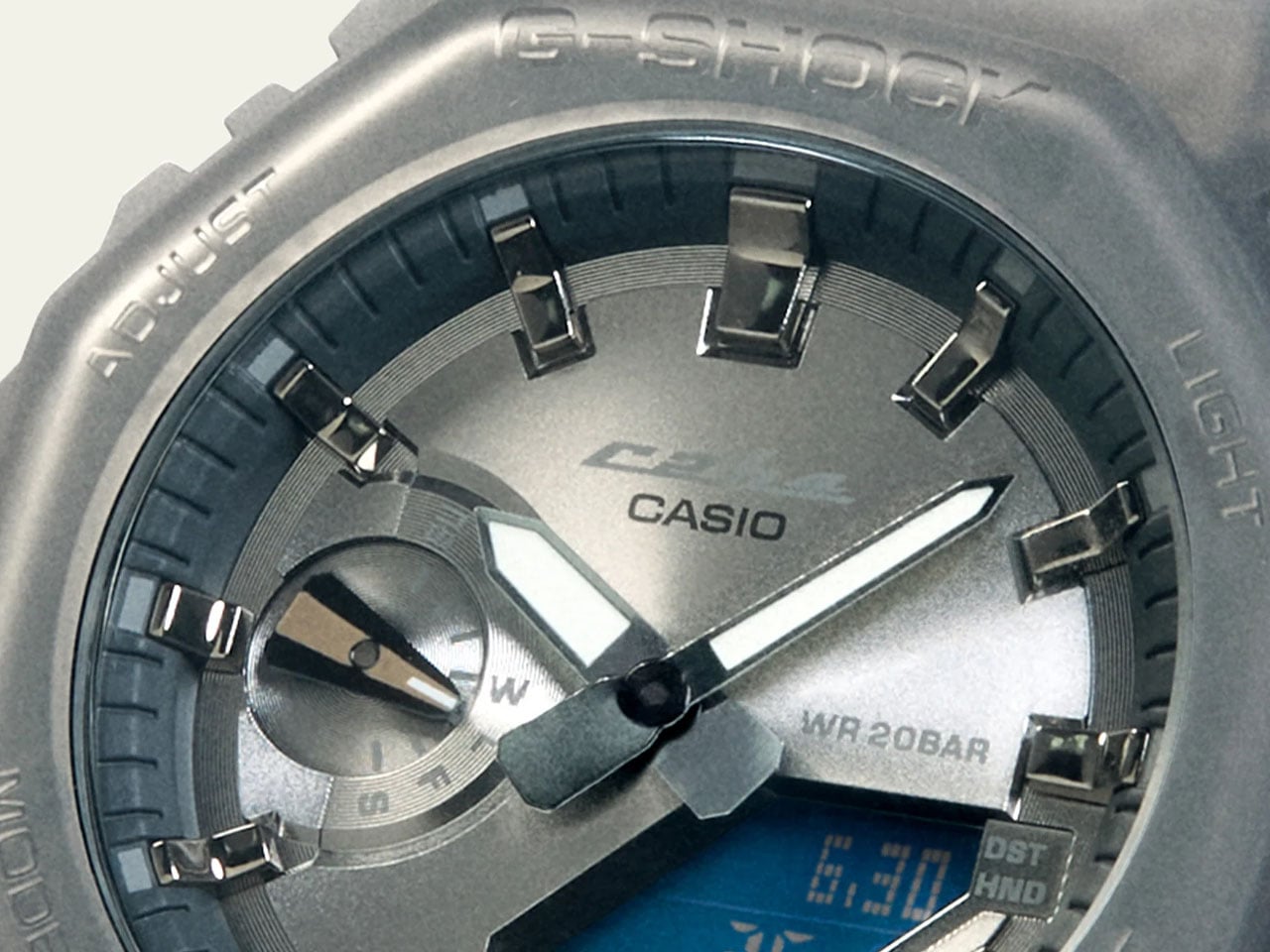
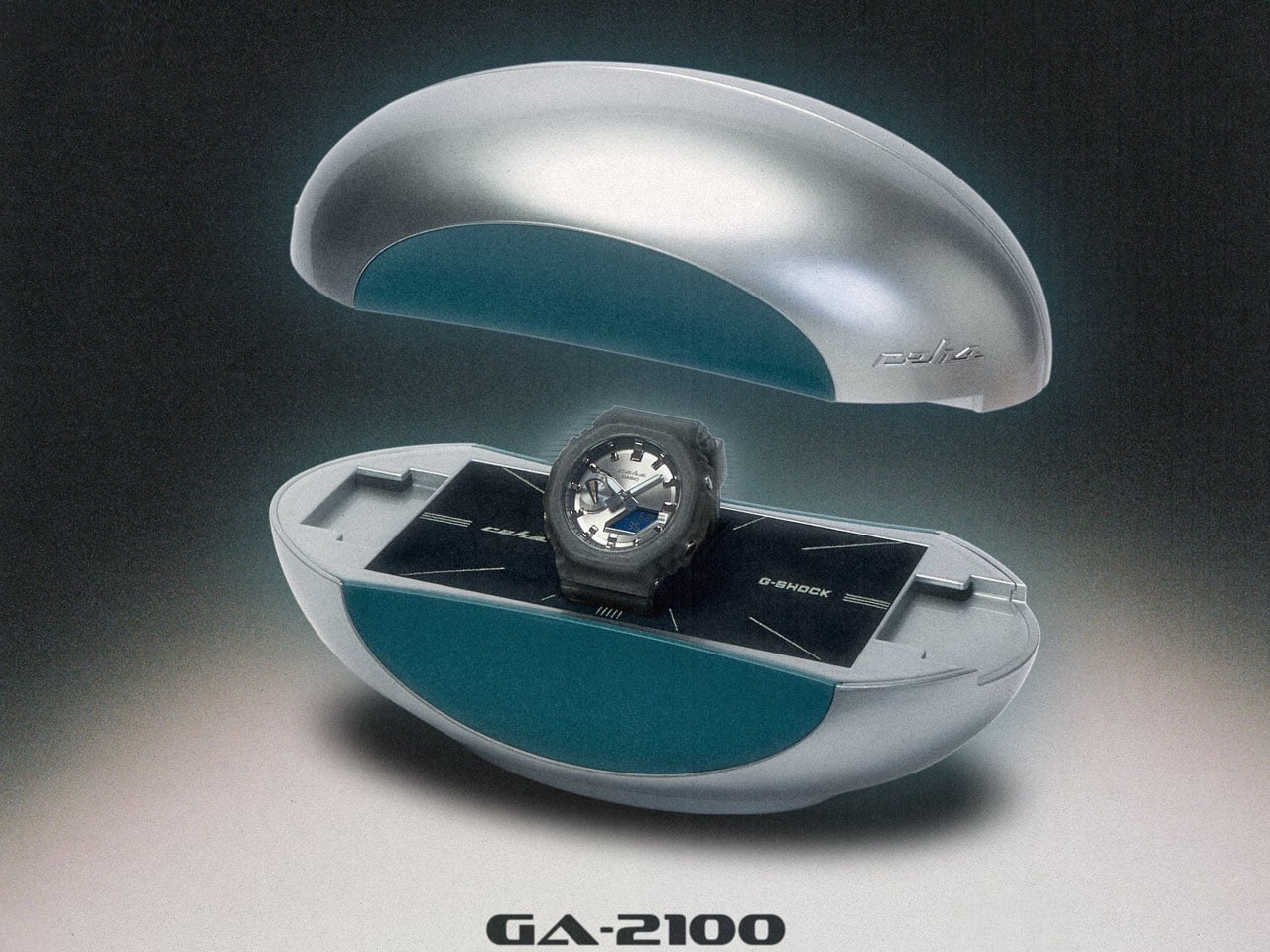
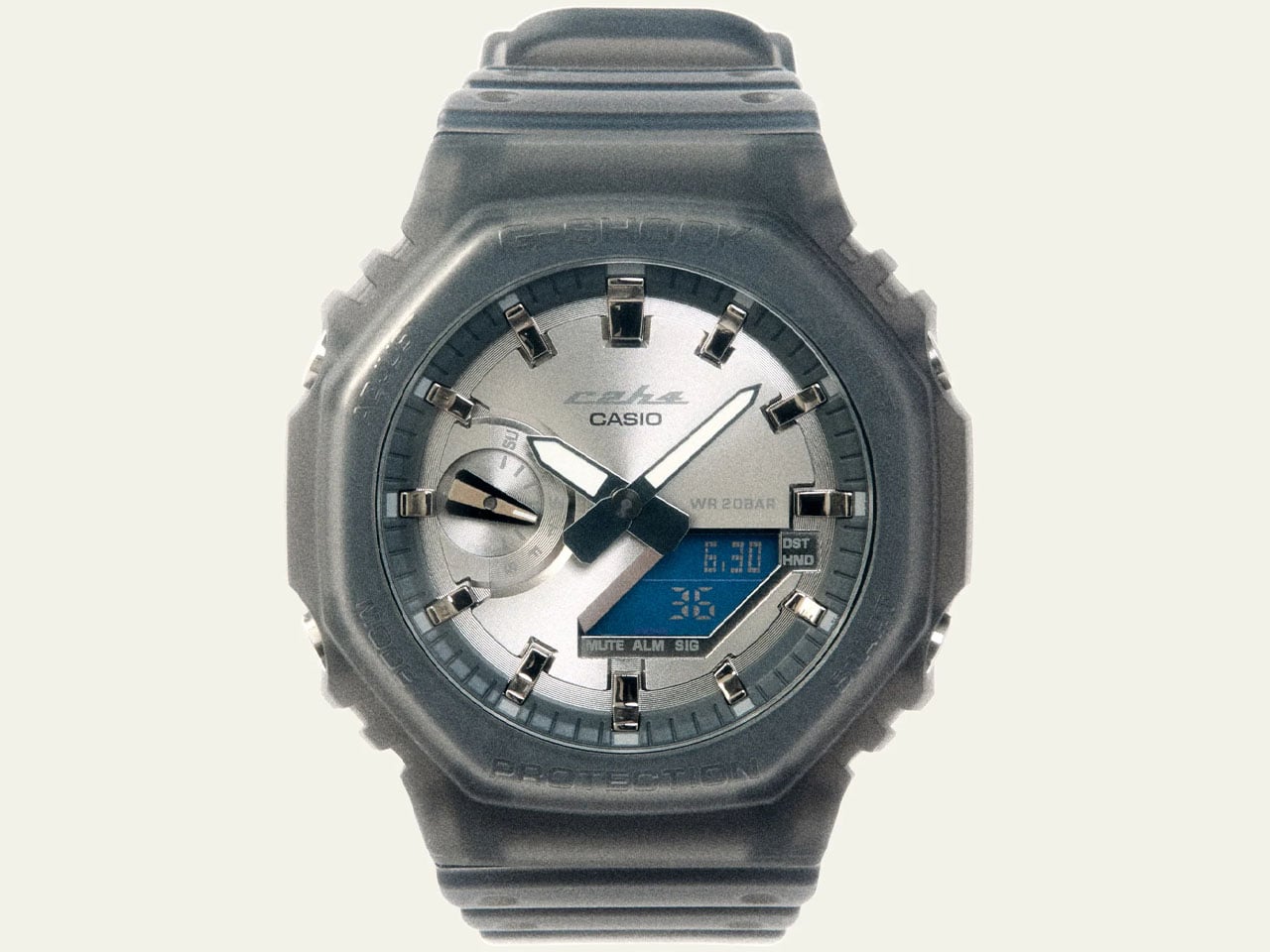
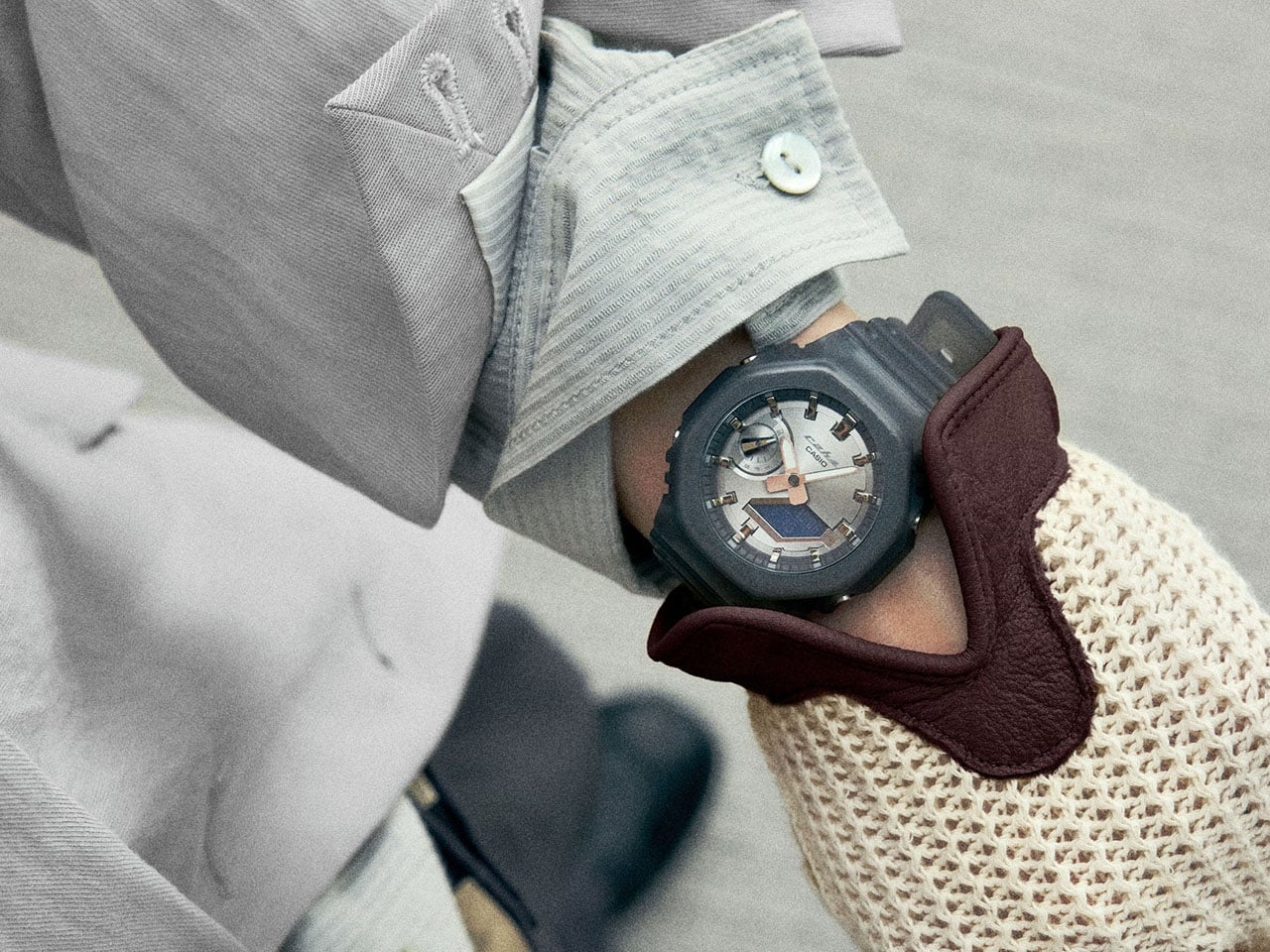
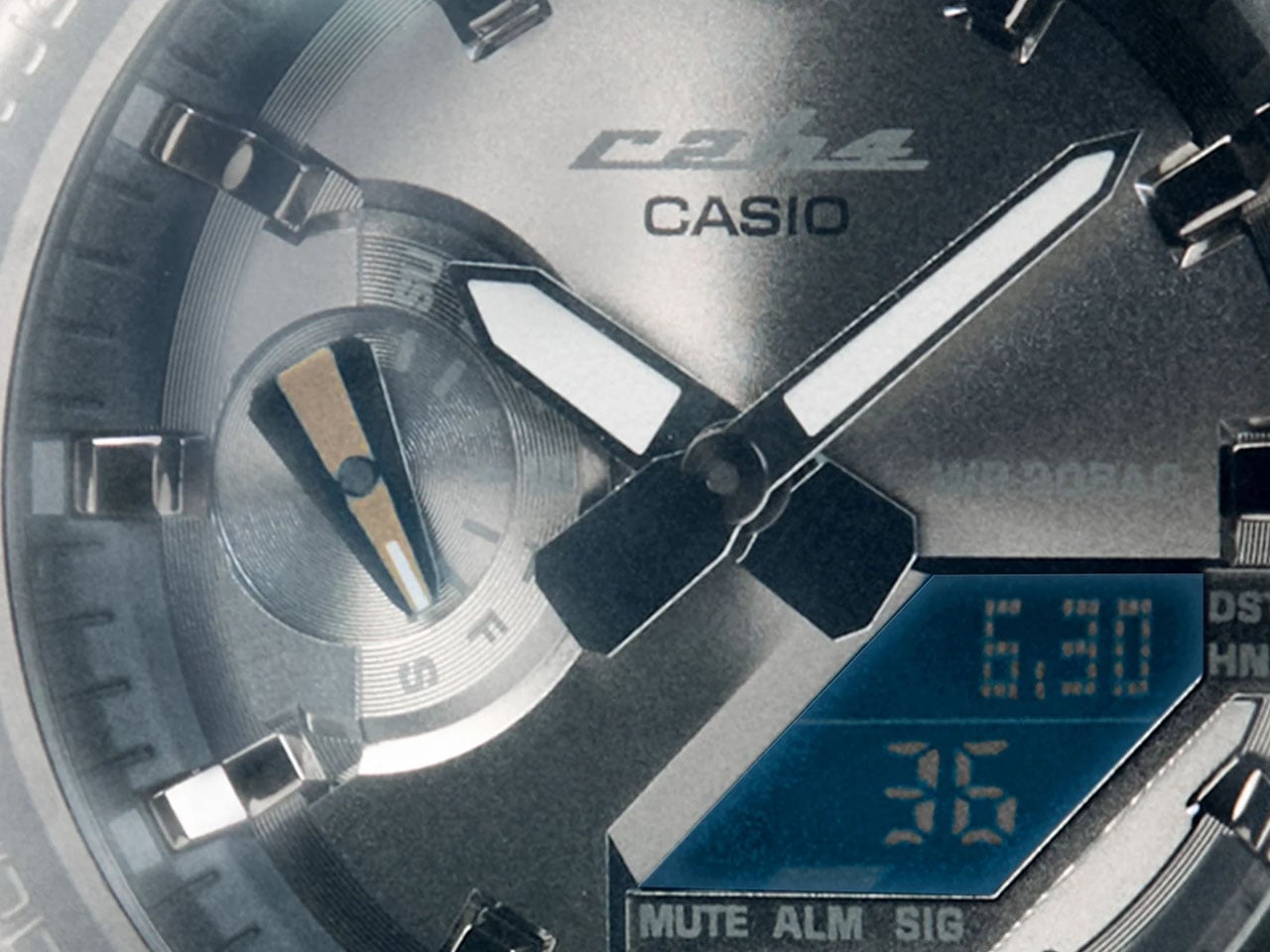
G-Shock is reminiscent of watches that keep you ahead of their time. This time, the collaboration between the Casio brand and Los Angeles-based streetwear label C2H2, however, takes you back. This is possible with the new retro-futuristic analog-digital watch inspired by the Space Age aesthetic. Based on the G-Shock GA-2100 (a timepiece that has already been through a rainbow of colorways), the C2H4 × G-Shock is a translucent resin model featuring a brushed silver dial with metallic silver detailing.

The collaboration model that appeared straight out of the 1960s was launched on the C2H4 website this past week, on July 17. The G-Shock is reasonably priced at $245; it features a dial that you would want to appreciate, even if you don’t want to own it. The dial matches the translucent resin casing with a brushed finish. But it is the metallic silver plating enhanced by vapor deposition here that makes this iteration of the C2H4 x G-Shock stand out.

Designer: C2H4

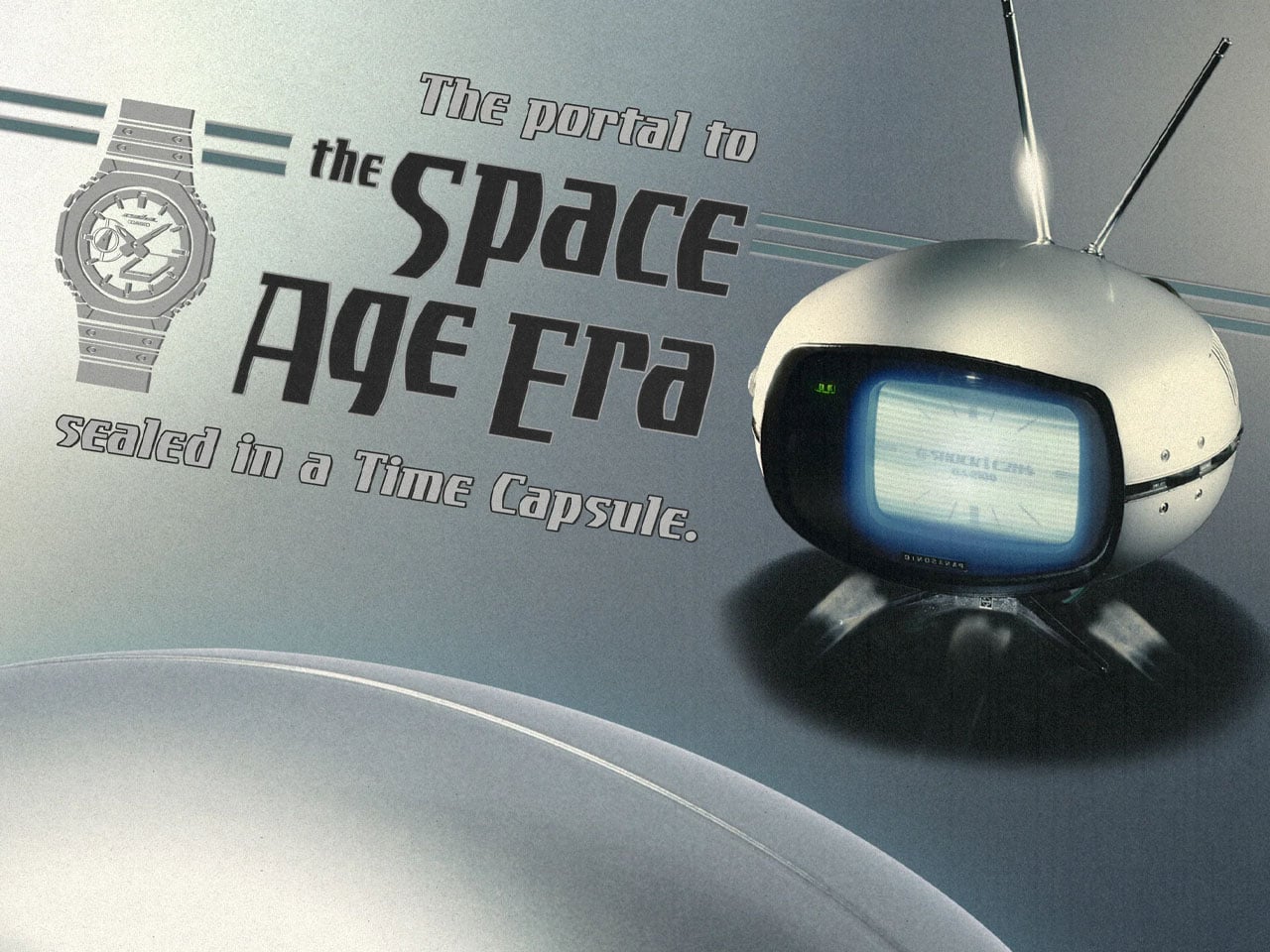
The basic idea of the C2H4 × G-Shock Vol. 2, which is the second model of the collaboration between the two brands, is pretty much similar to the previous model. Only that the retro-futuristic watch is now more metallic and angular. The metallic silver and blue watch is vintage-inspired and visually, a model pulled out of science fiction, thanks to its smoky translucent resin that’s apart from the blacked-out treatment in the previous offering.

Since the new C2H4 × G-Shock is based on the familiar design of the GA-2100, the new G-Shock GA-2100C2H426-8A arrives with the tagline “the future of design lies in the past.” The watch retains its inspiration’s shock resistance and is water resistant to 200m. The watch hands and hour markers are also provided with a refined metallic appearance with vapor deposition to match the watch details.

Like its base model, the collaboration model comes with 31-timezone world time, a 1/100-second stopwatch, five daily alarms, and a countdown timer. The watch features a double LED Super Illuminator and comes with a full auto-calendar. It can keep track of the date accurately through the year 2099. The translucent resin bezel and a matching strap reflect the usual CasiOak silhouette, with the metallic dial mimicking the Space Age aesthetic.

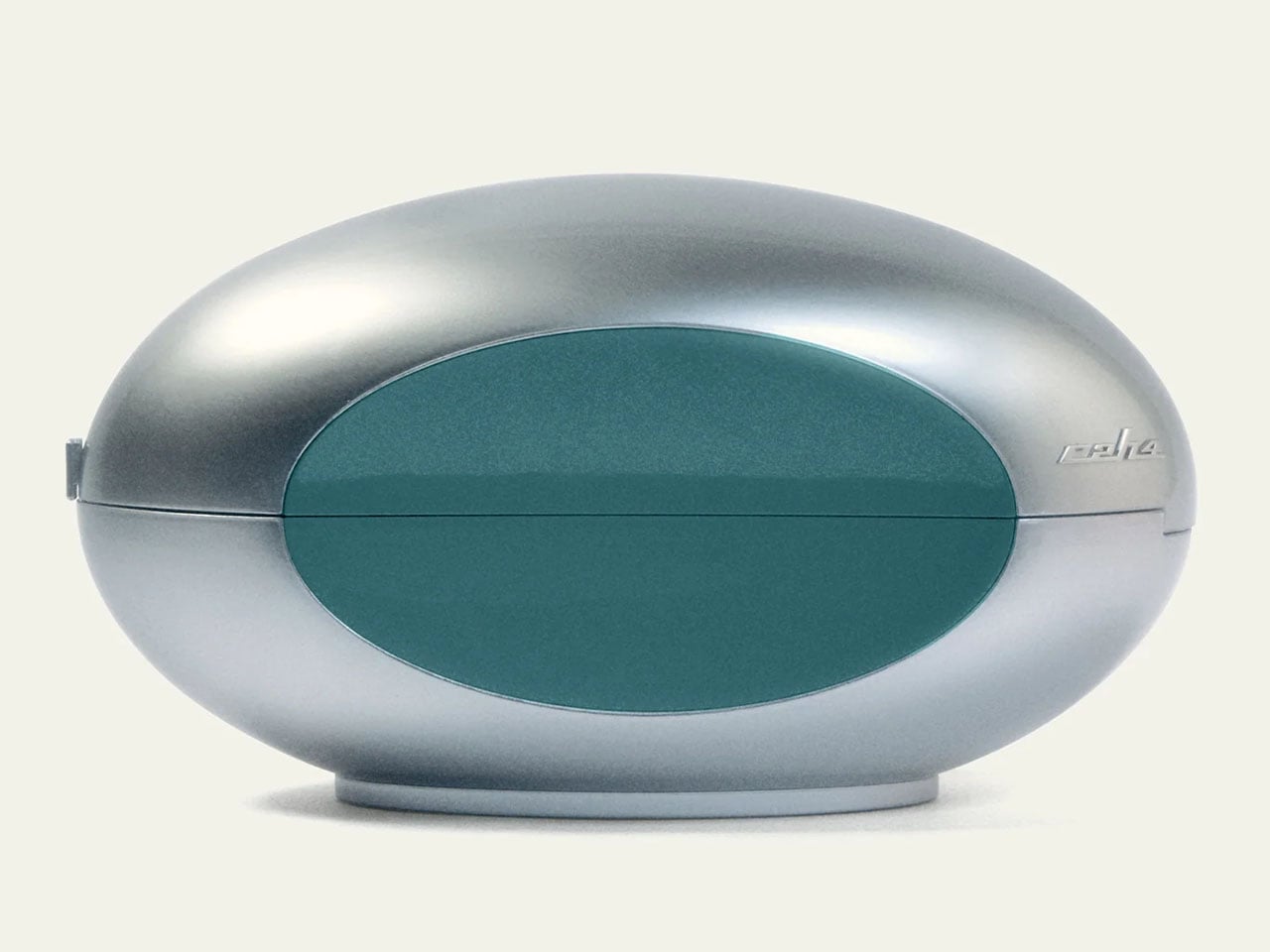
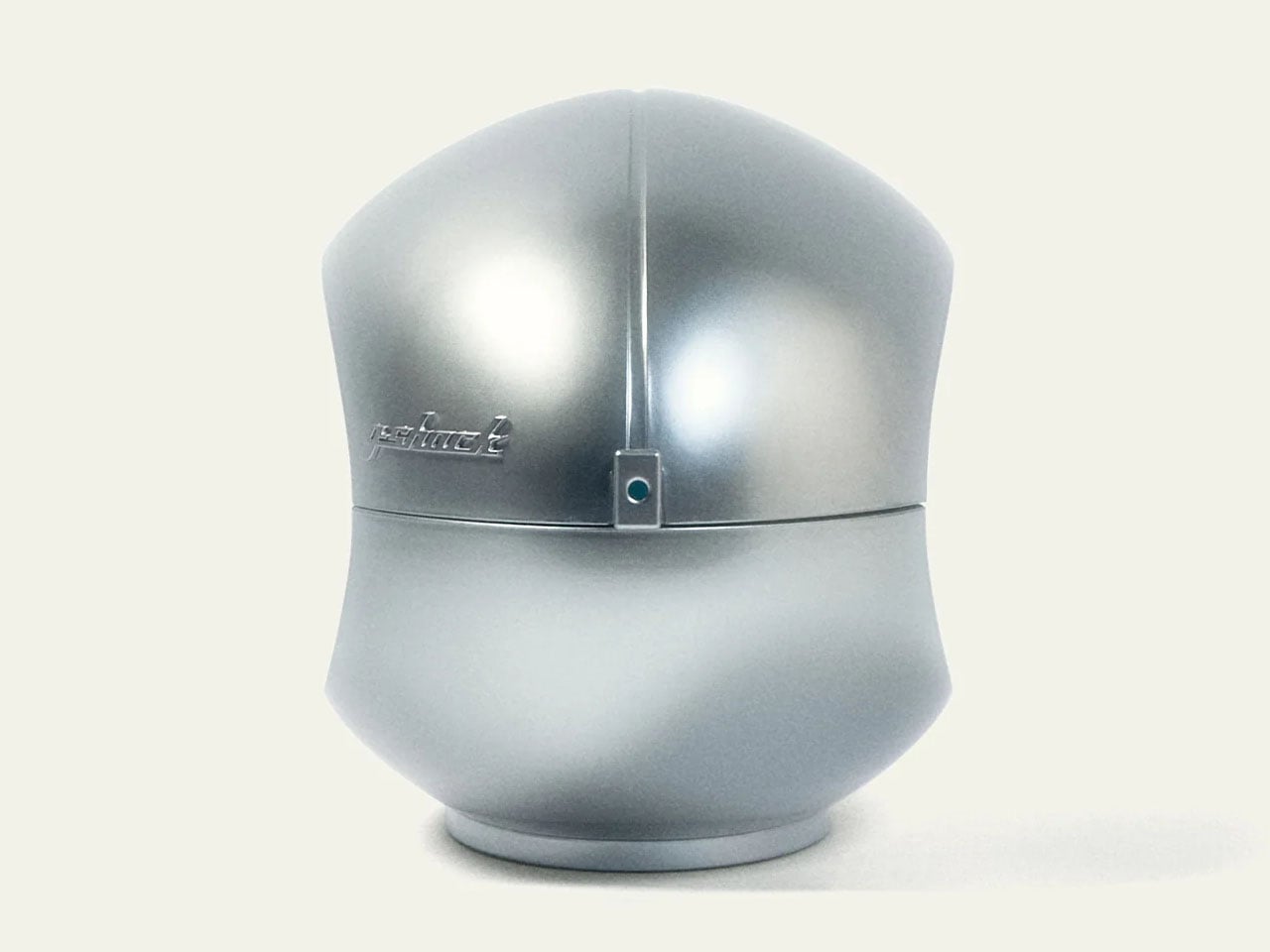
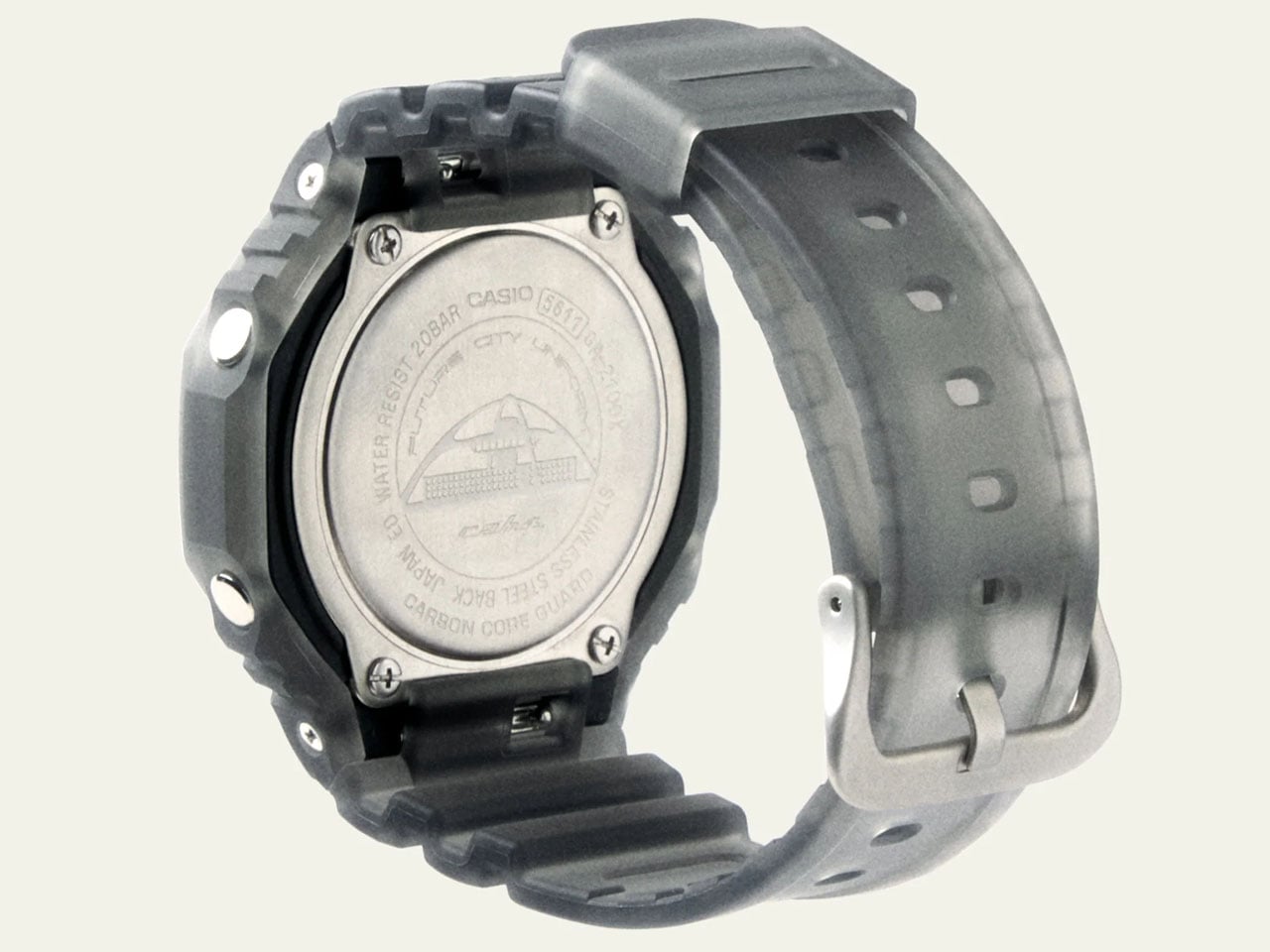
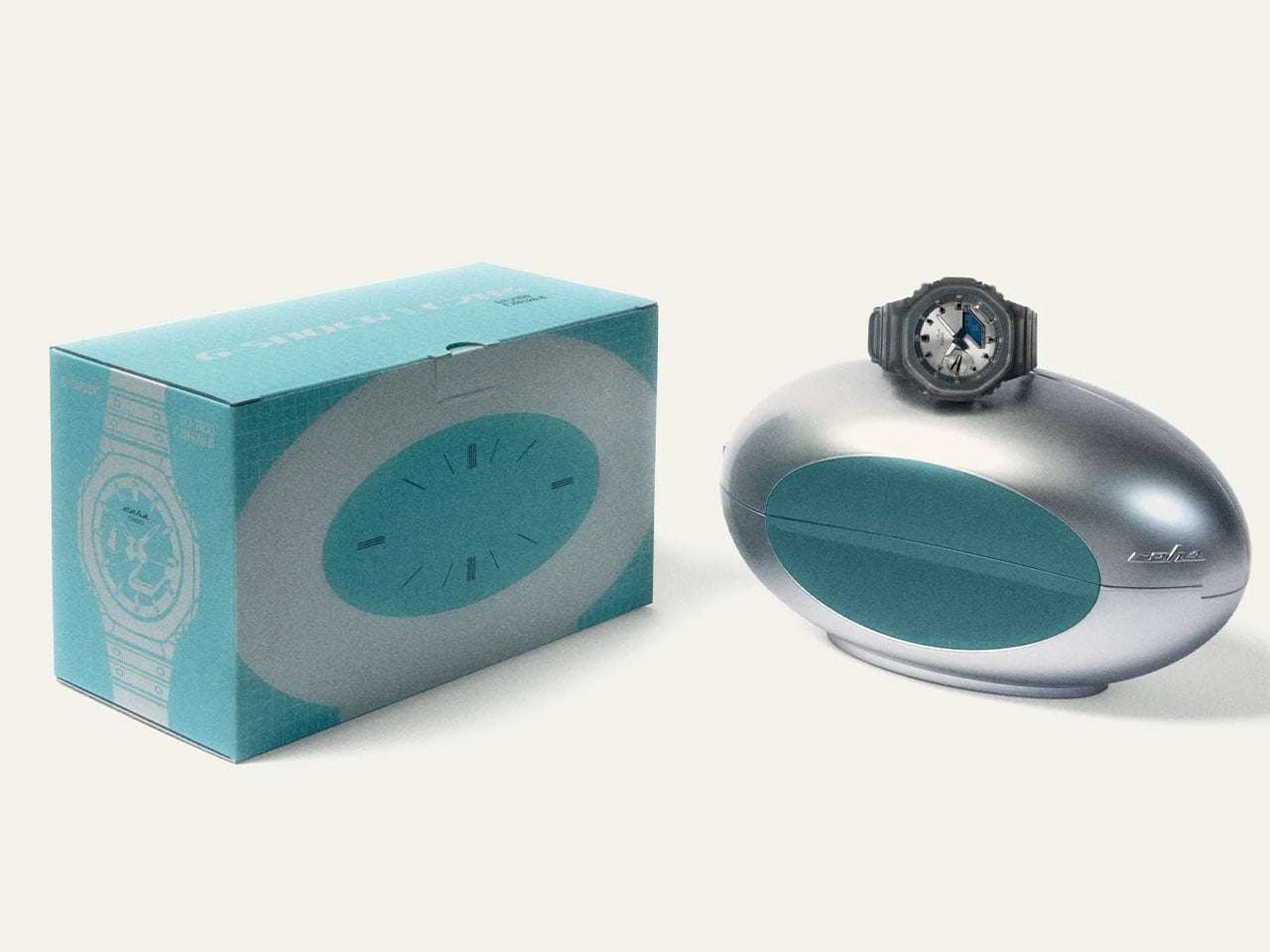
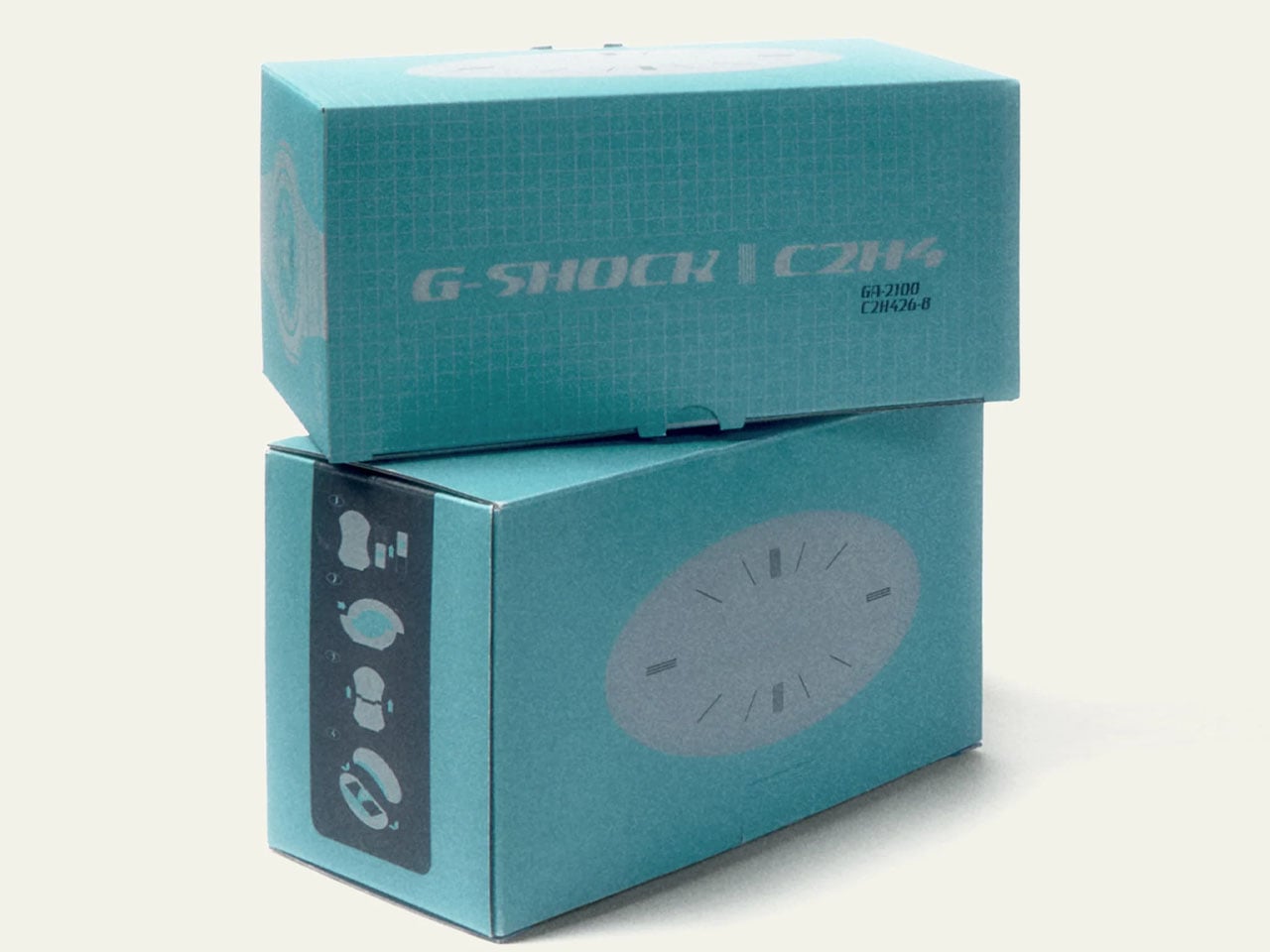
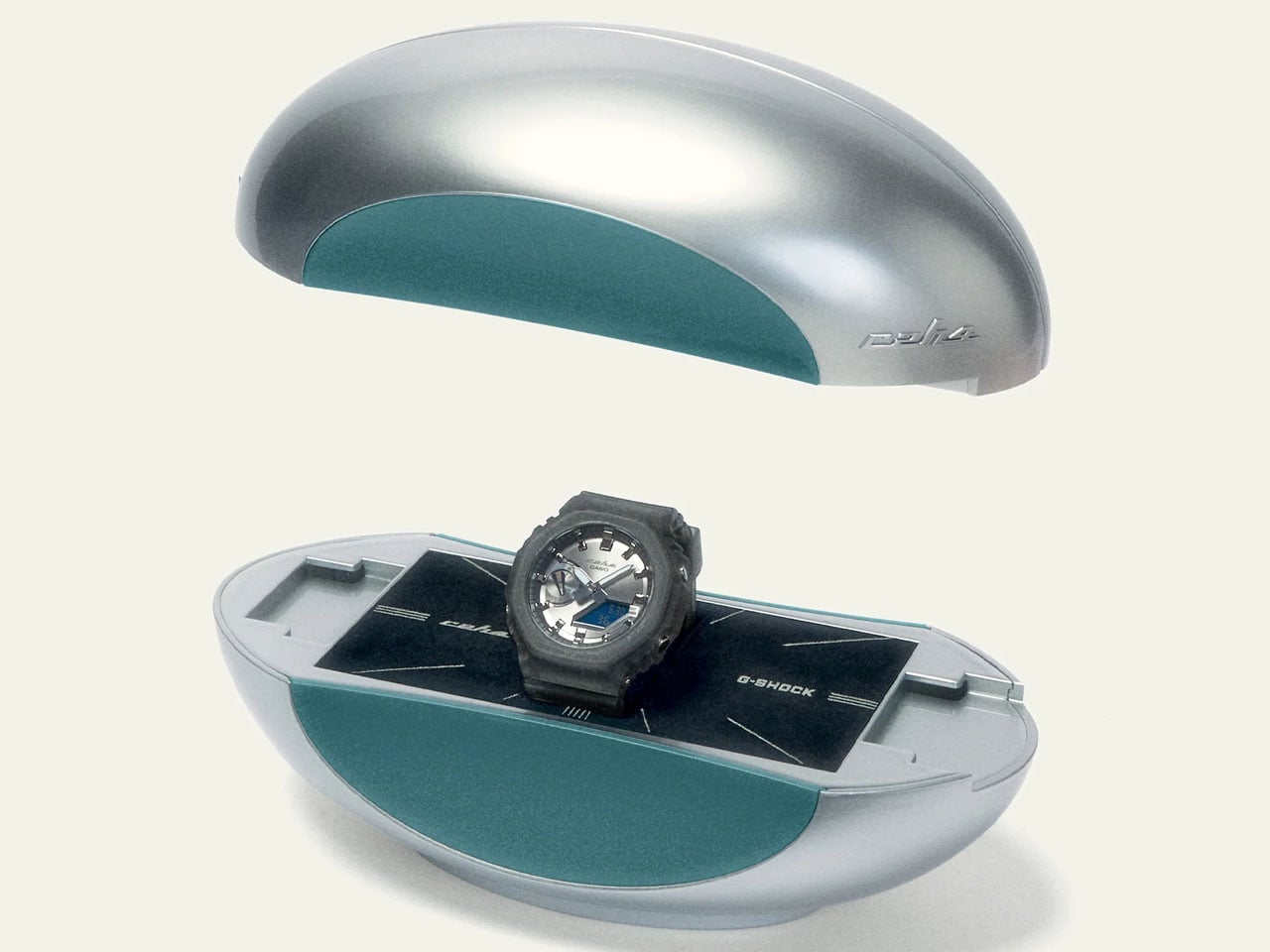
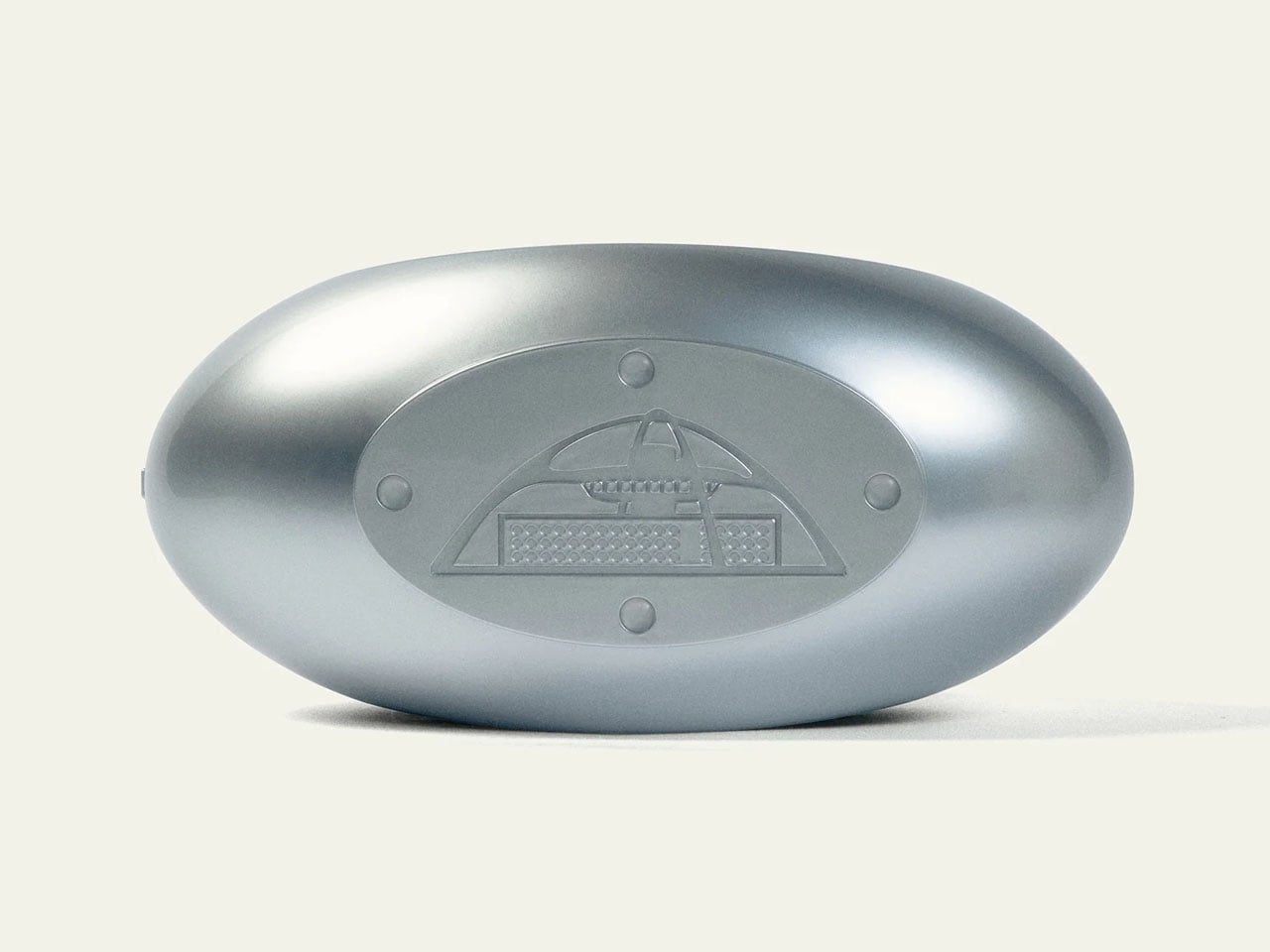
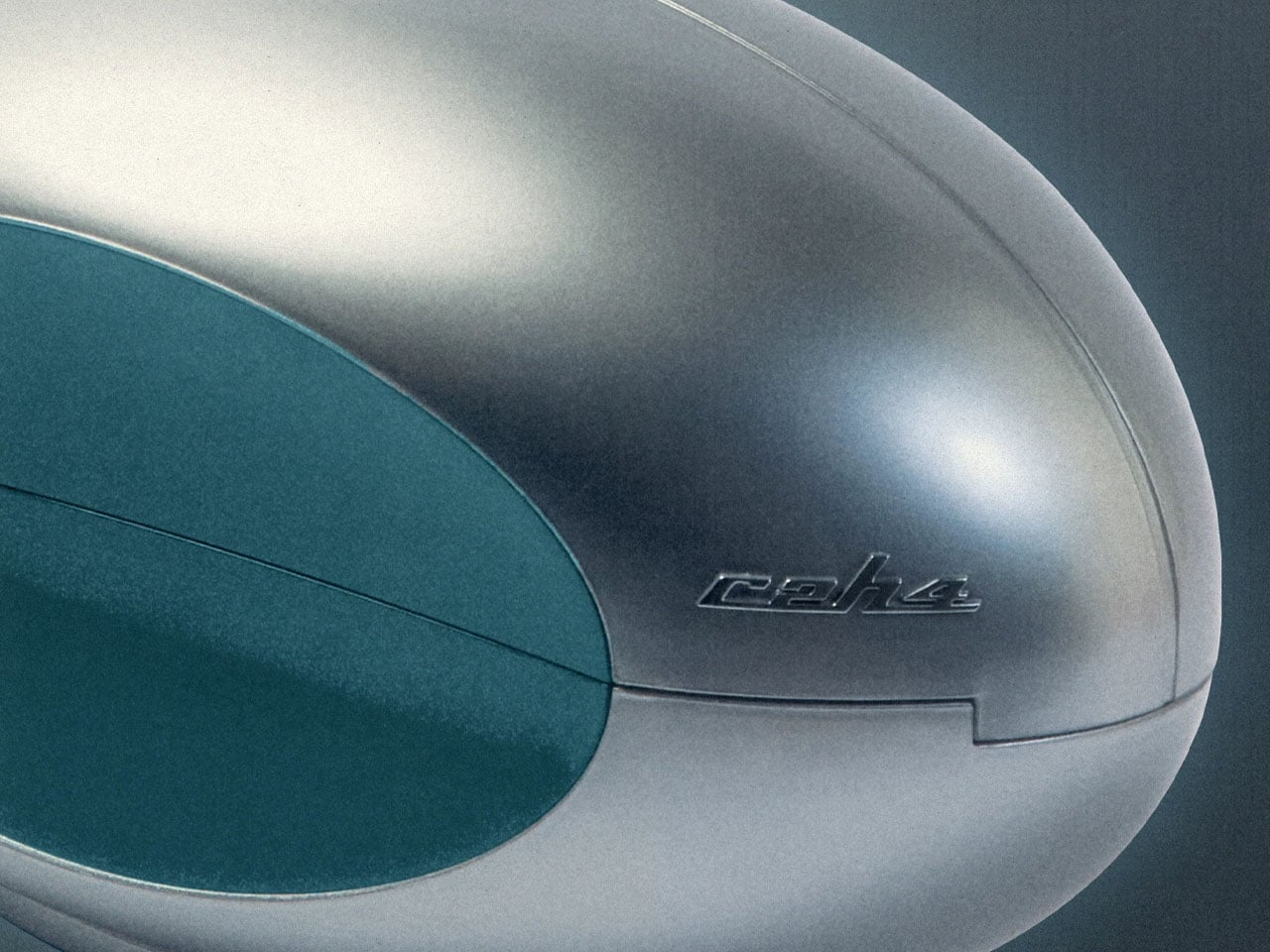
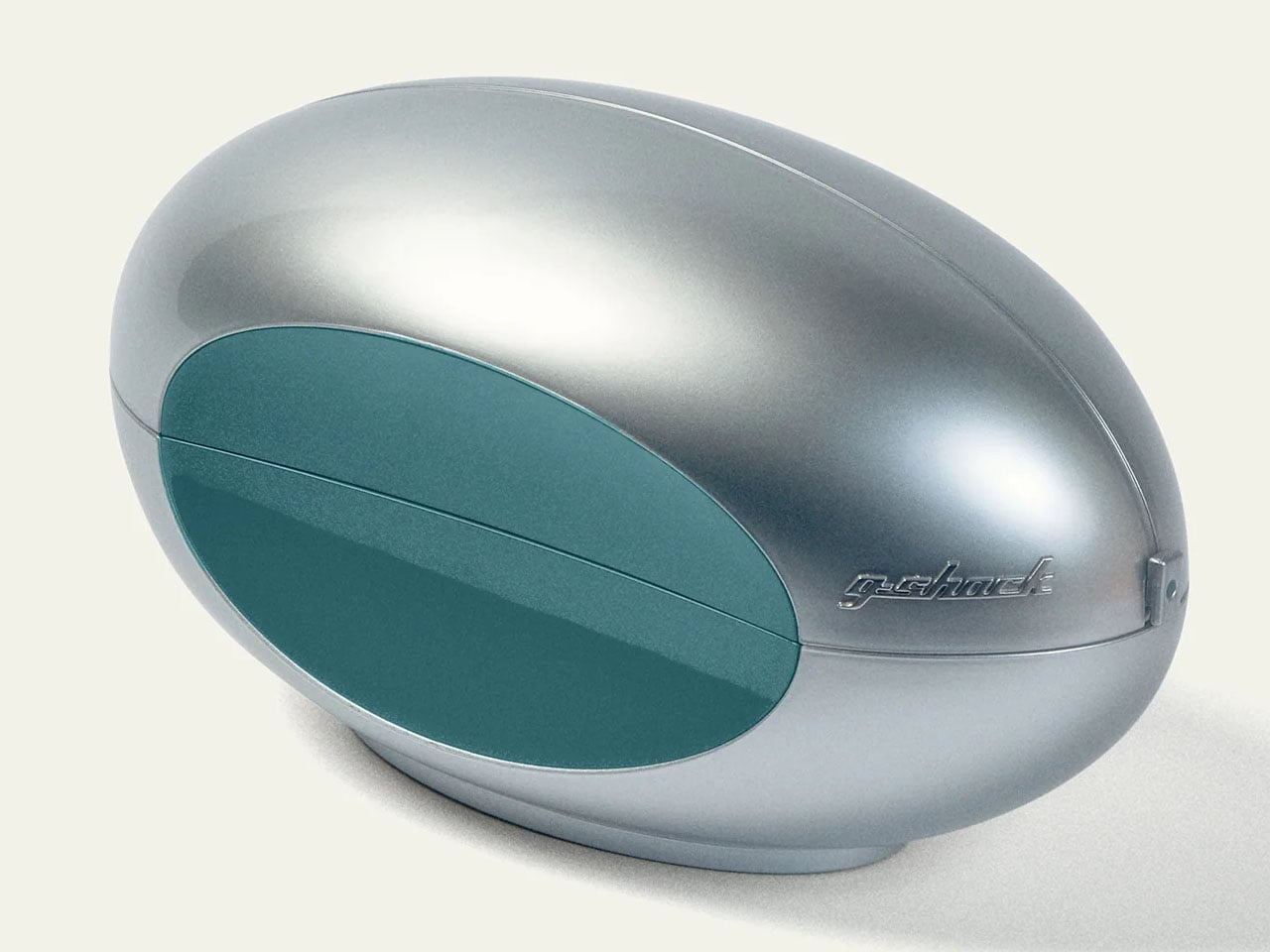
The watch is not a marvel on the front alone. Flipping it over reveals a caseback engraved with the Theme Building at the Los Angeles International Airport, which is one of the finest architectural examples of the Space Age design style. This retro-futuristic C2H4 × G-Shock comes in equally impressive packaging to entice collectors. A metallic silver and blue case has been designed to hold the watch. The case is shaped like a time capsule, which splits in half to reveal the G-Shock in its translucent appearance inside.

The post C2H4 x G-Shock turns the iconic GA-2100 into retro-futuristic space age timepiece first appeared on Yanko Design.
Casio’s Pokémon G-SHOCK packs three decades of pocket monsters into one collectible timepiece

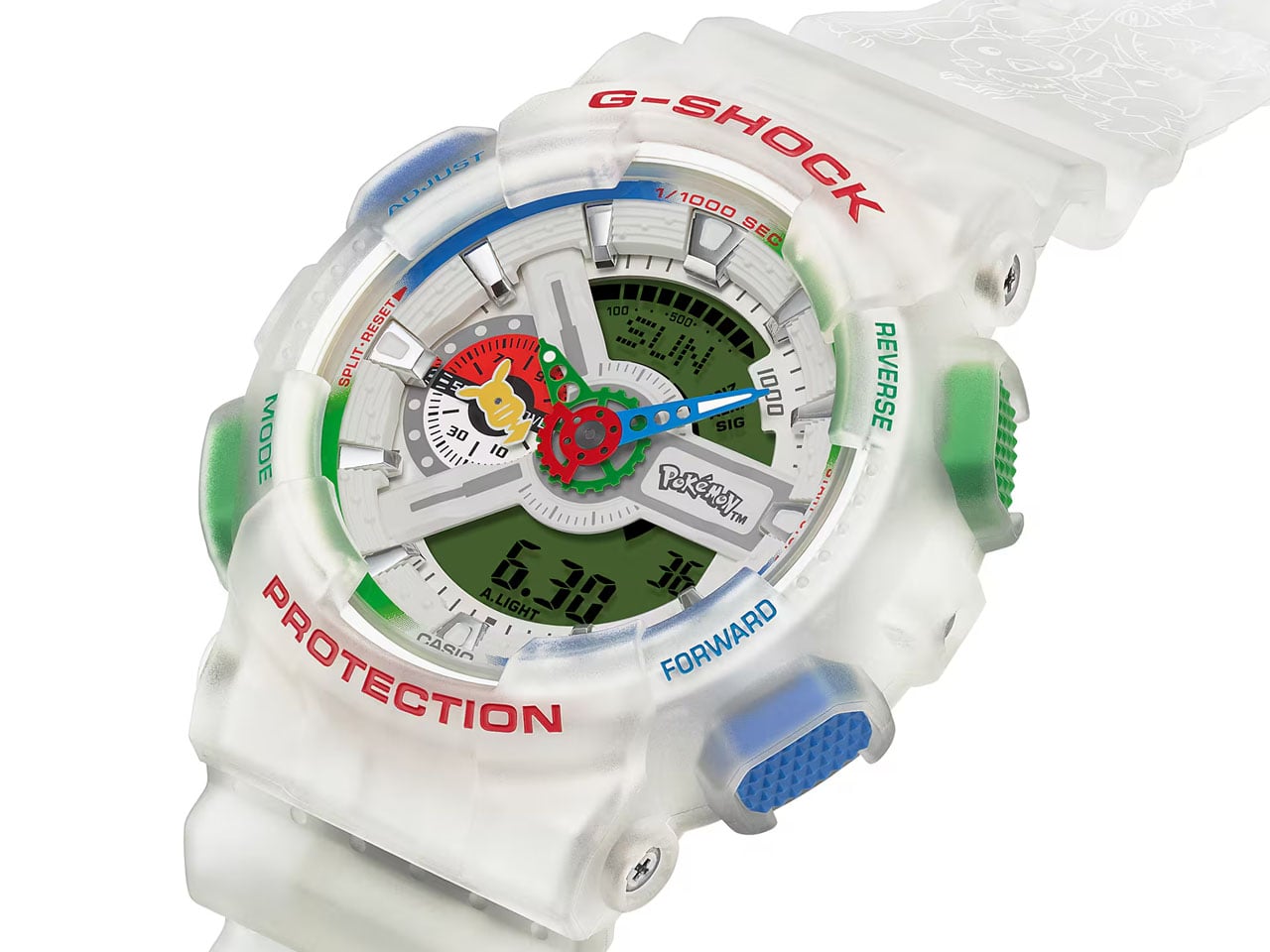
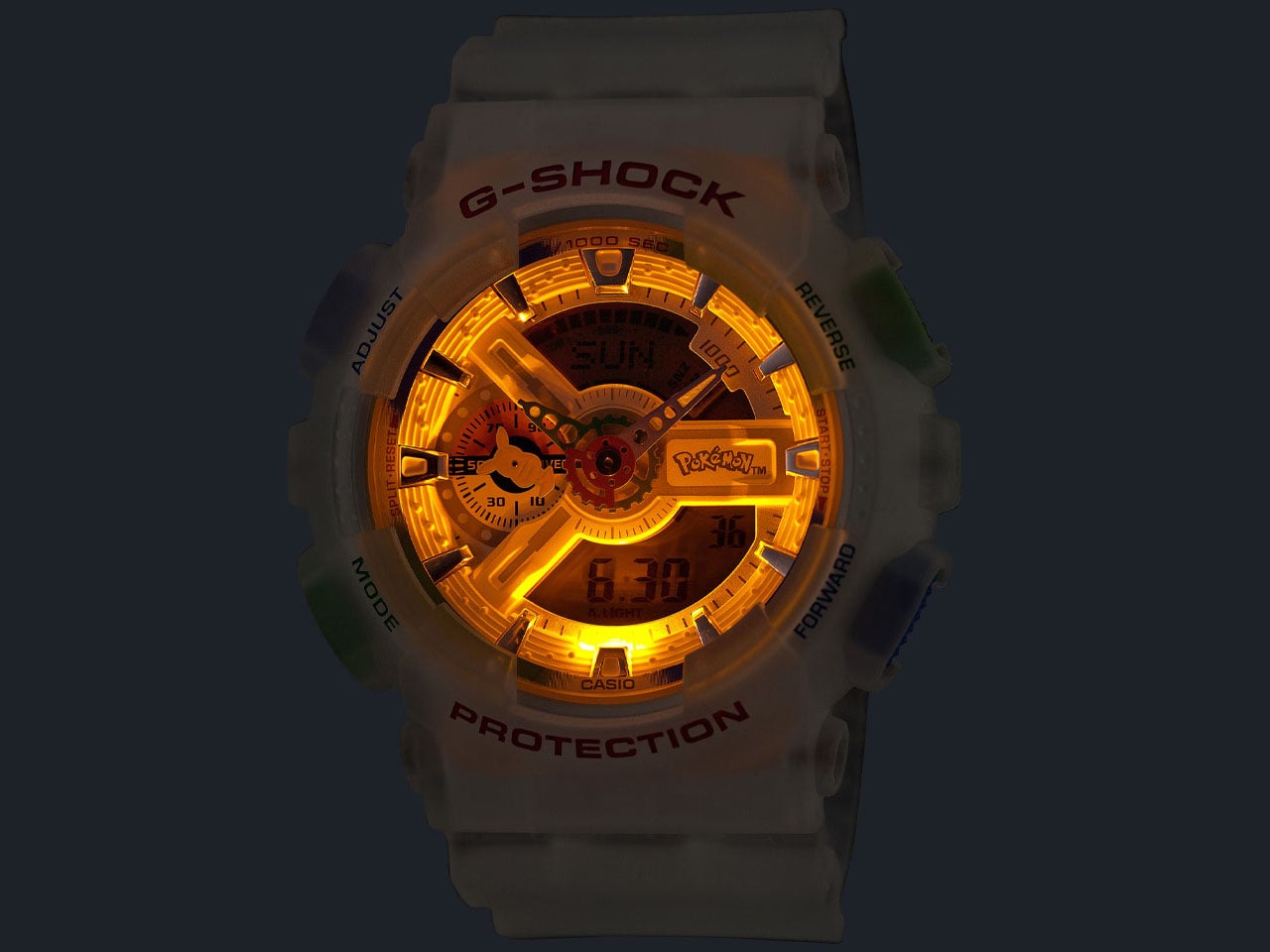
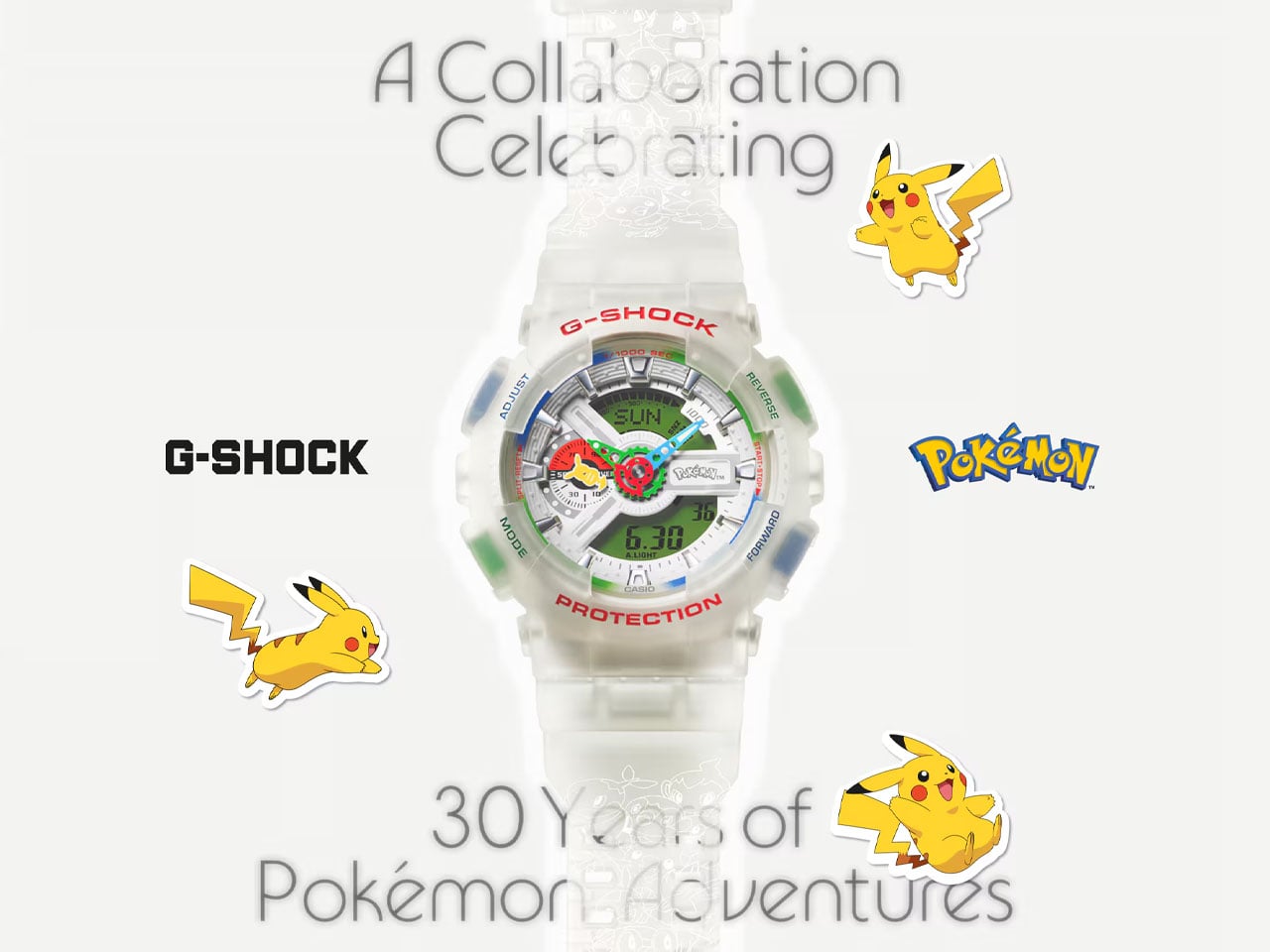
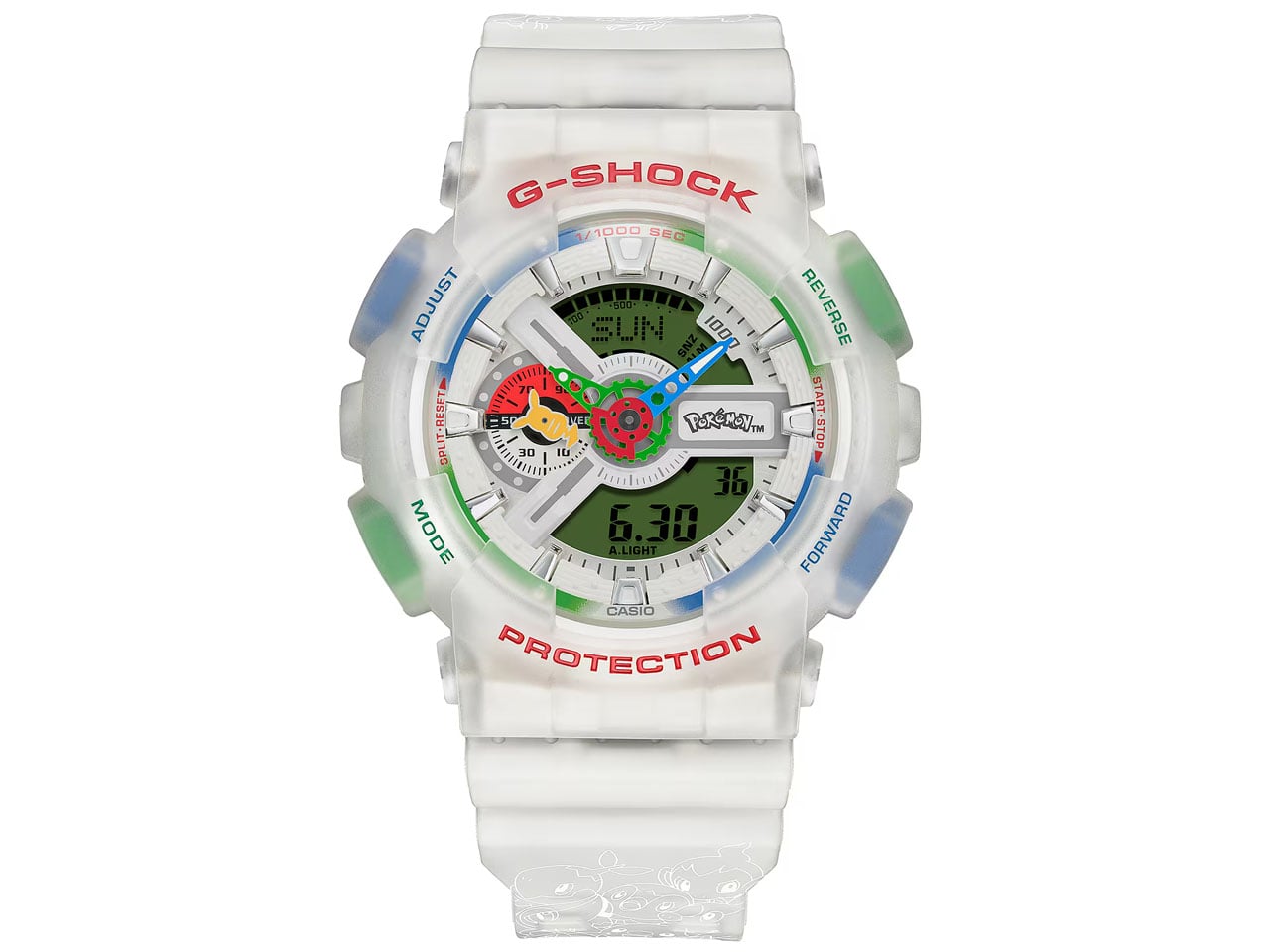
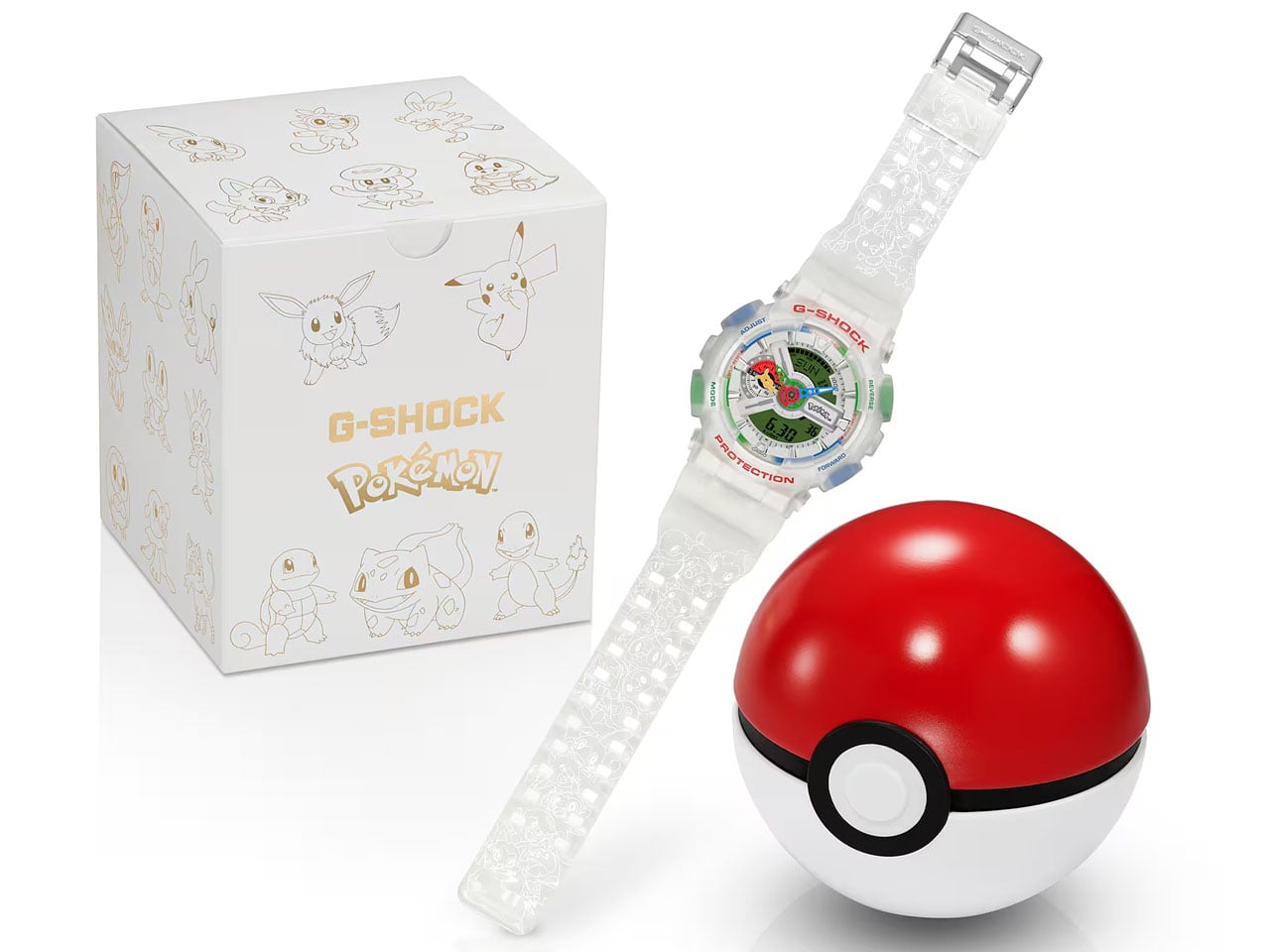
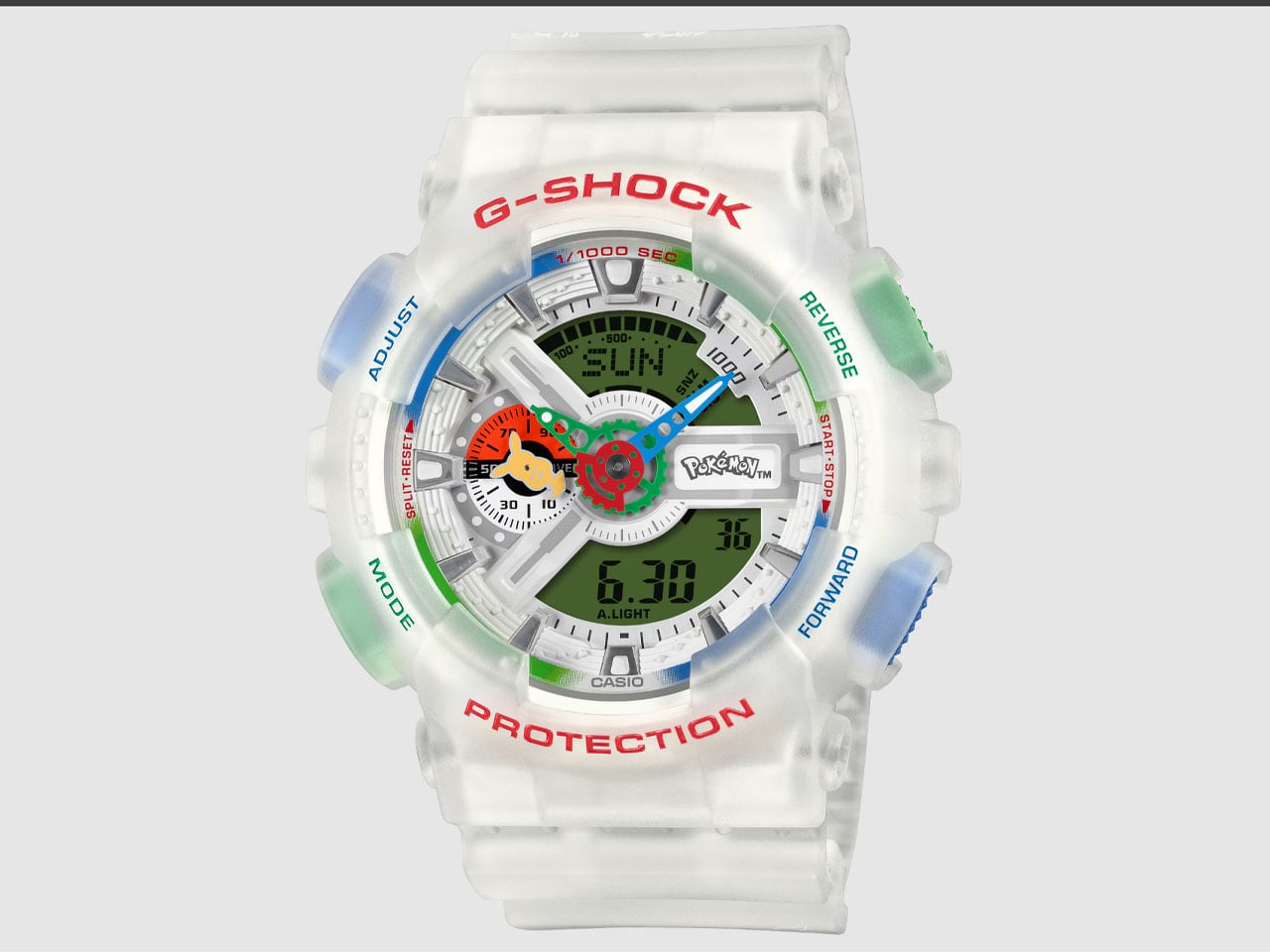
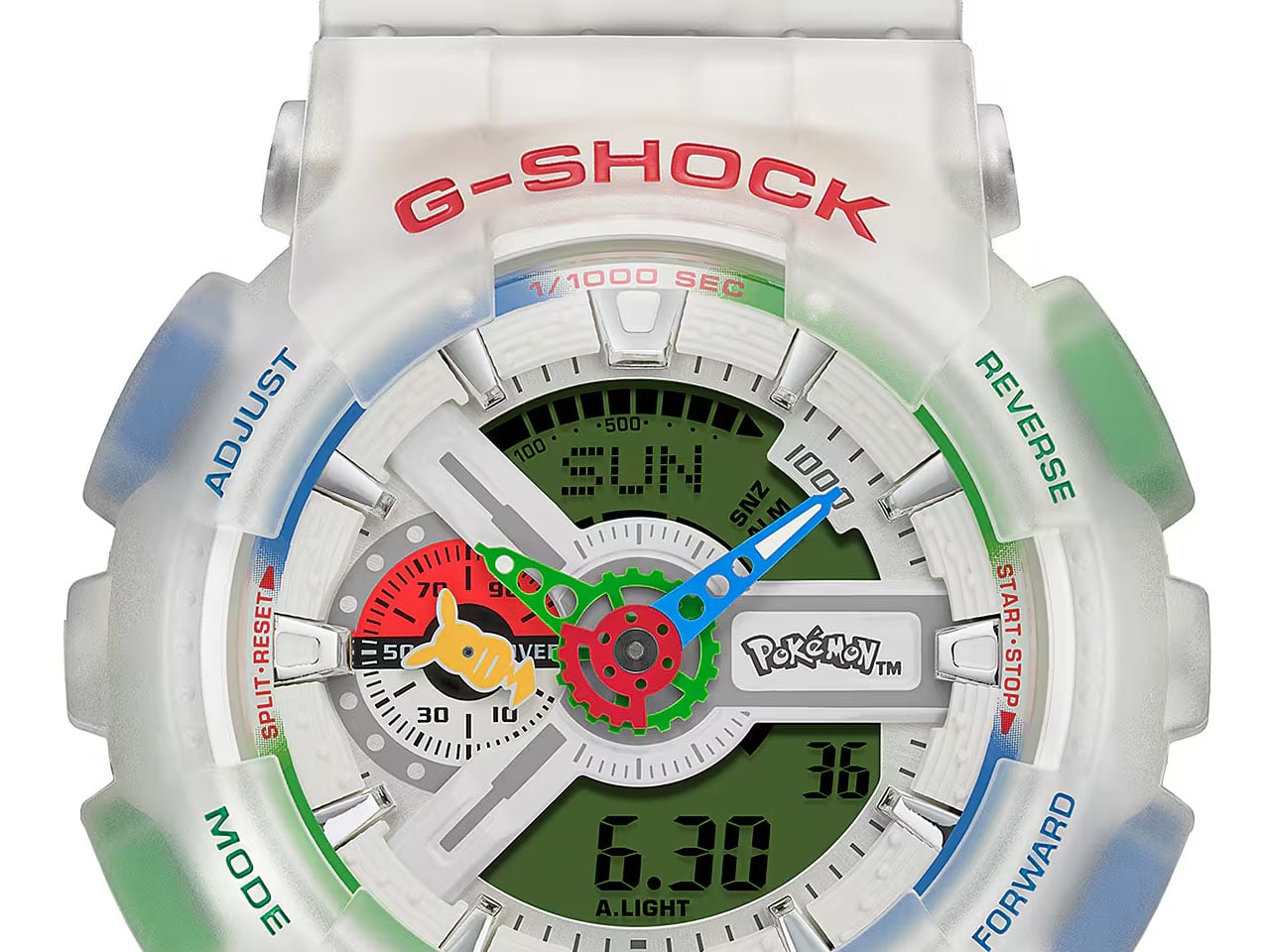
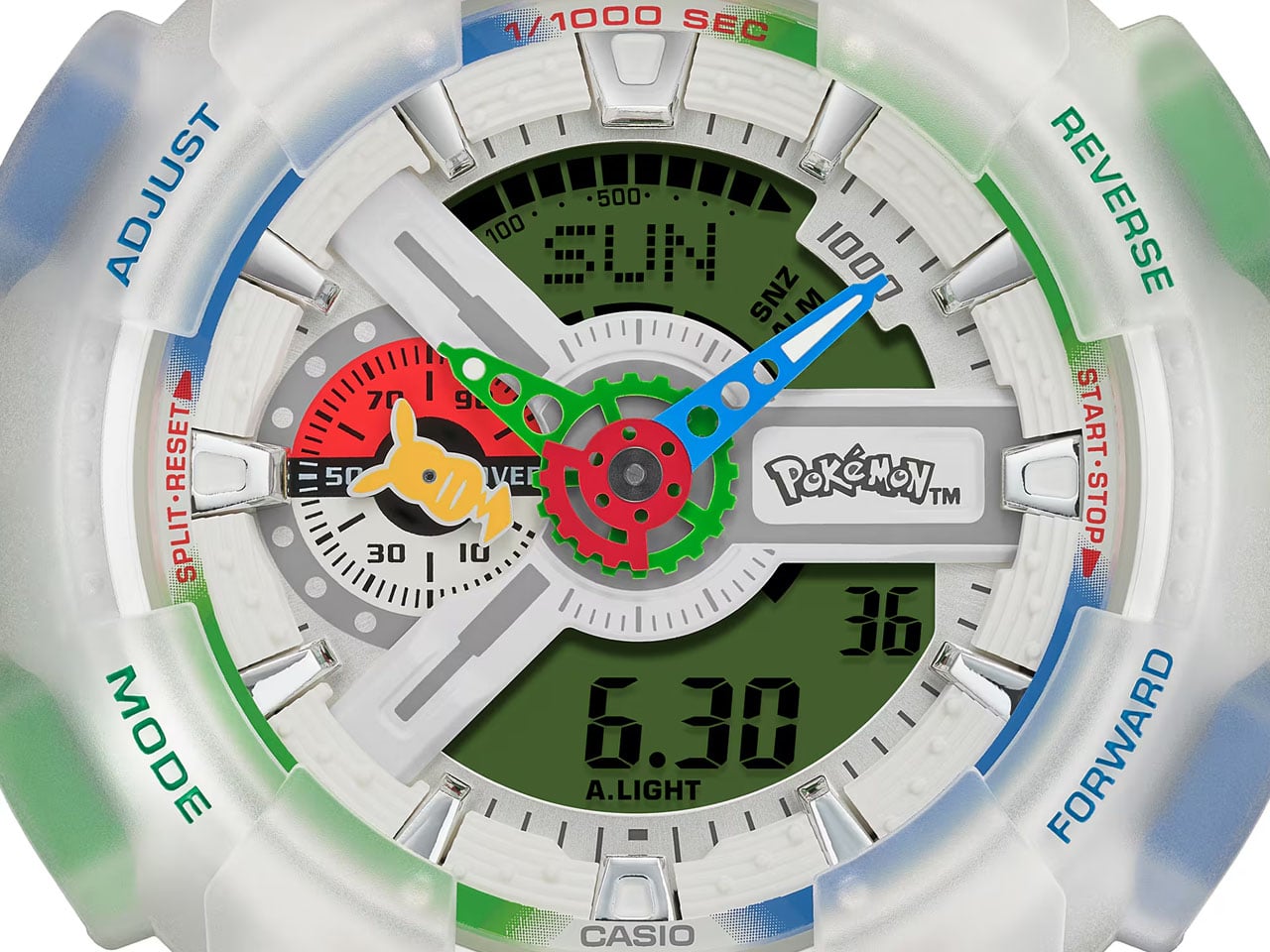
We’ve seen countless G-Shock versions in our time, and they still keep coming. The latest in Casio’s line-up of its most famous series is the Pokémon edition watch. Celebrating the gaming franchise’s three decades, the timepiece has the G-Shock GA-110 as the base unit. On top are the classic Pokémon colors in Red, Green and Blue.

The watch is going to hit the right notes with Pokémon fans who’ve, over the years, obsessed over the augmented reality game and the themed merchandise resulting from the Japanese title’s influence worldwide. This is the first full-scale G-Shock in collaboration with the game franchise, as previous collaborations only resulted in the Baby-G versions. In Japan, it is only available via a purchase lottery, while in the UK, at least, you can buy the thing for $220 if you’ve had a history of bad luck.

Designer: Casio

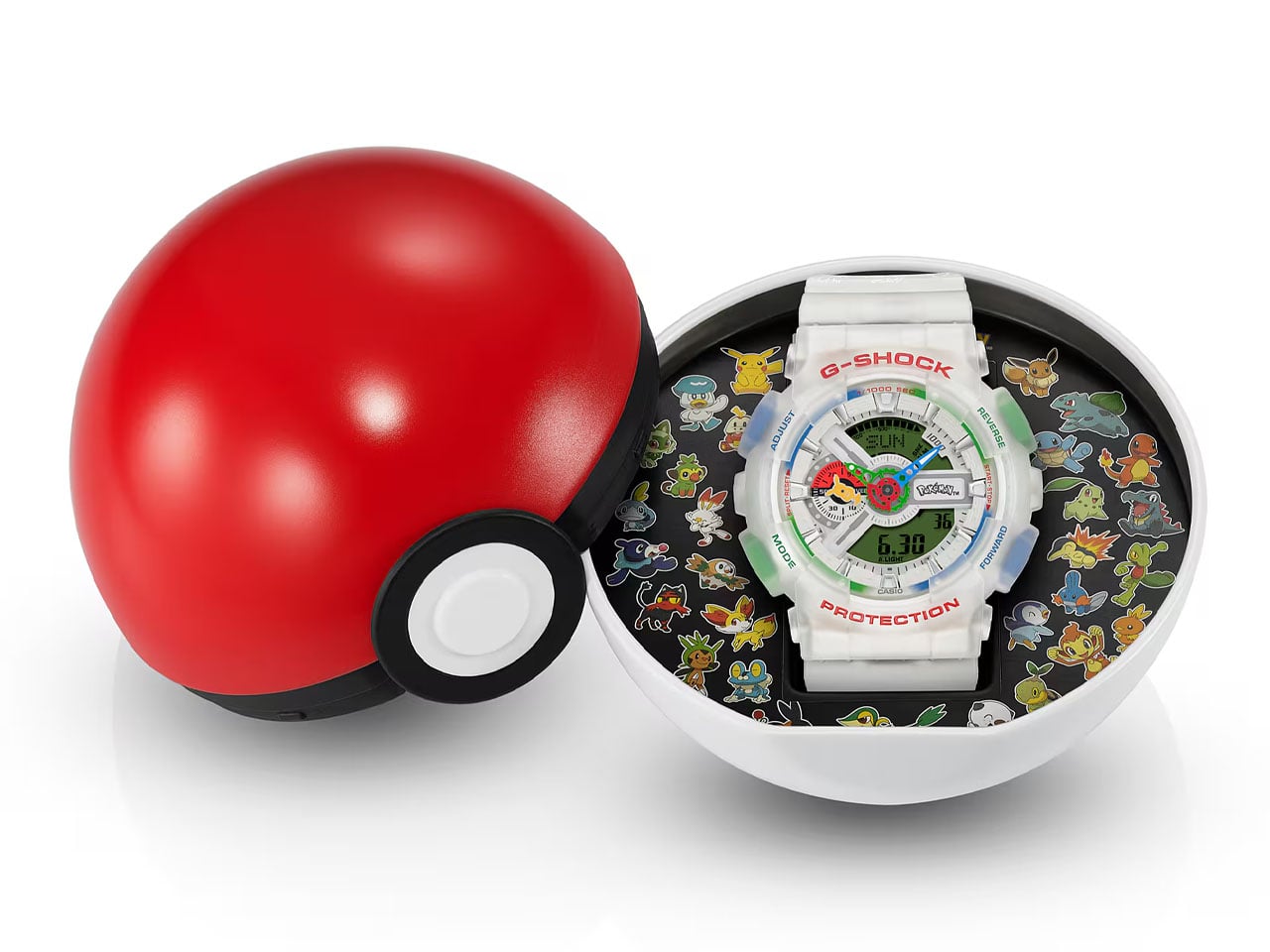
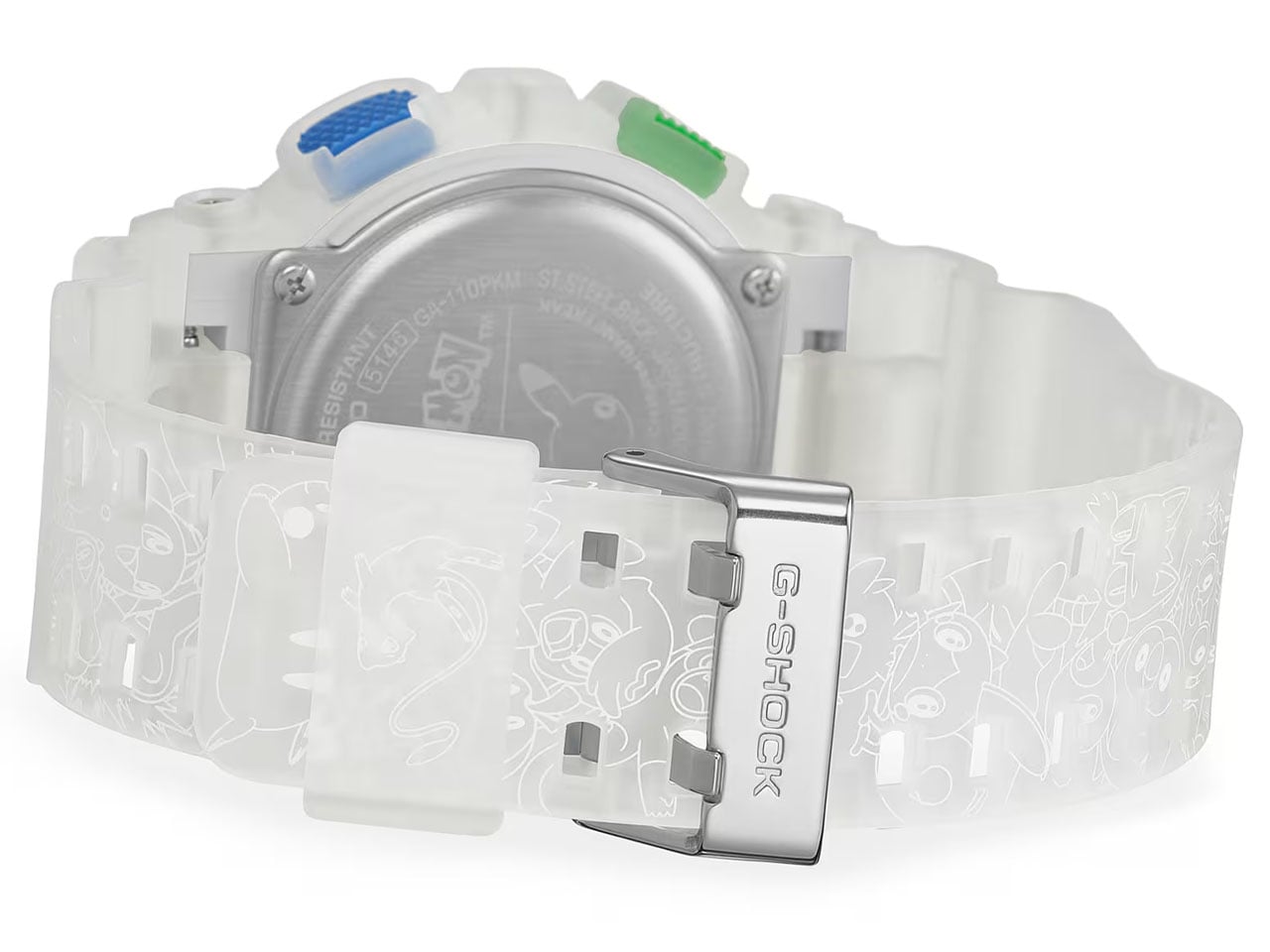
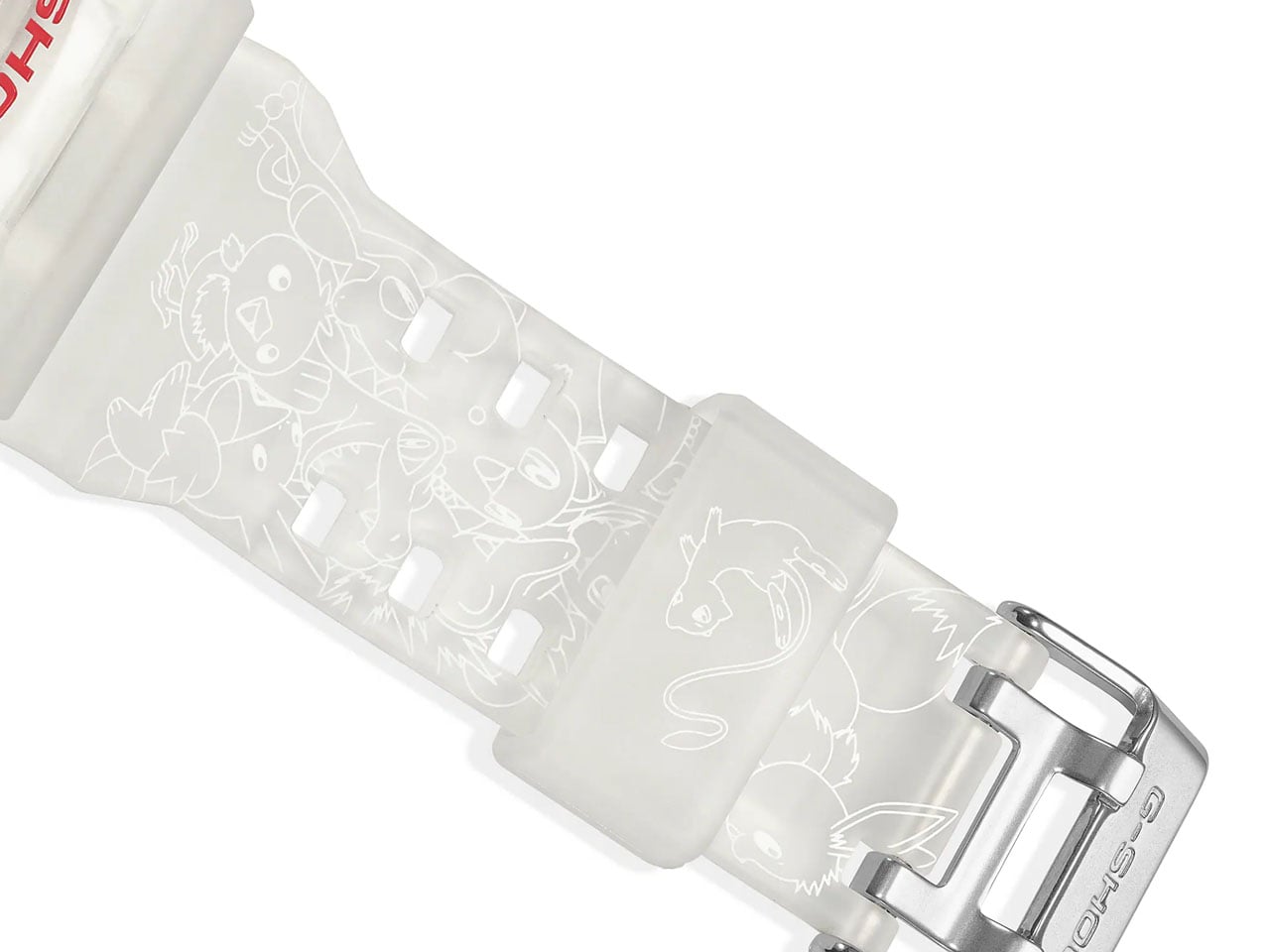
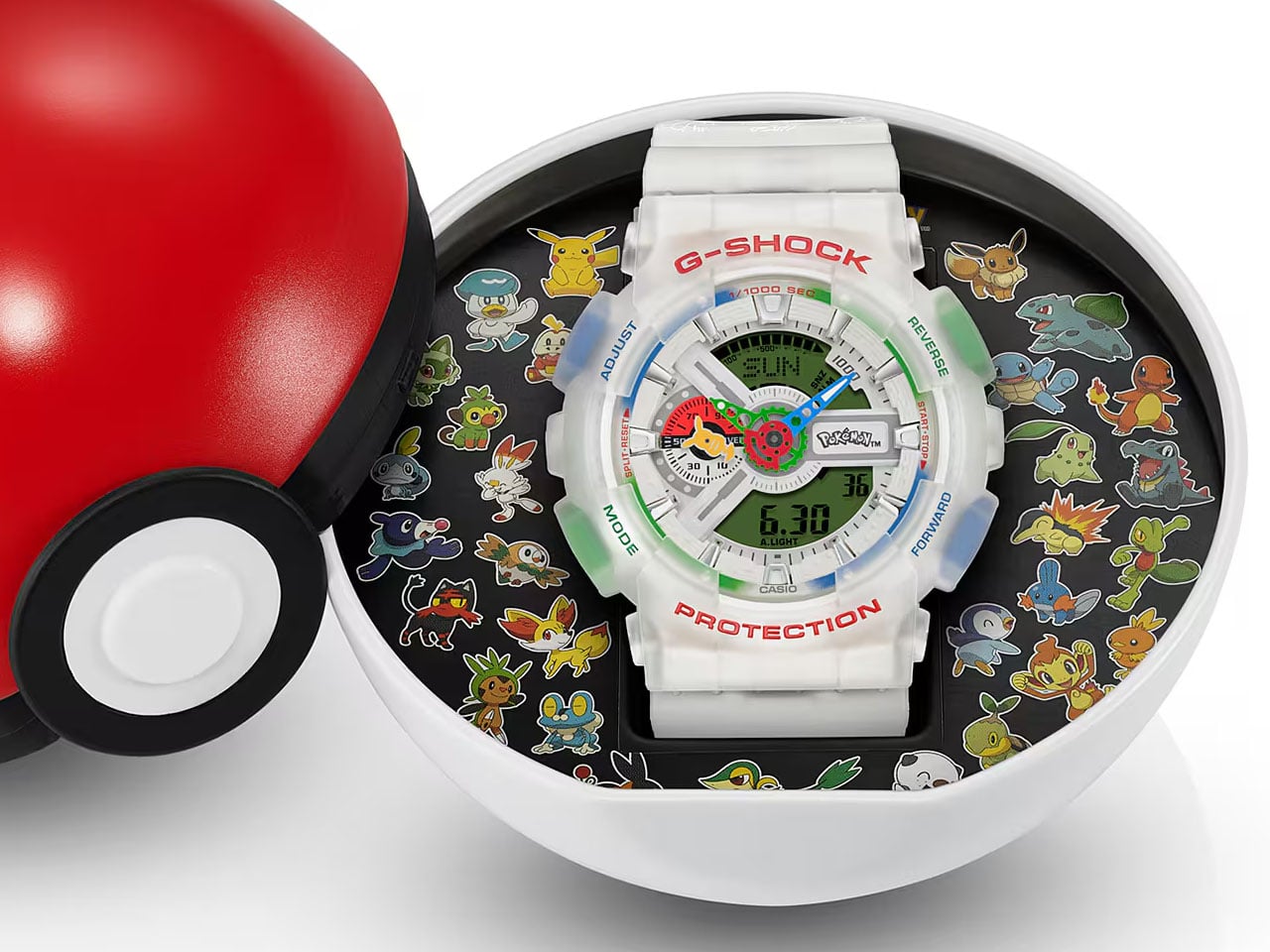
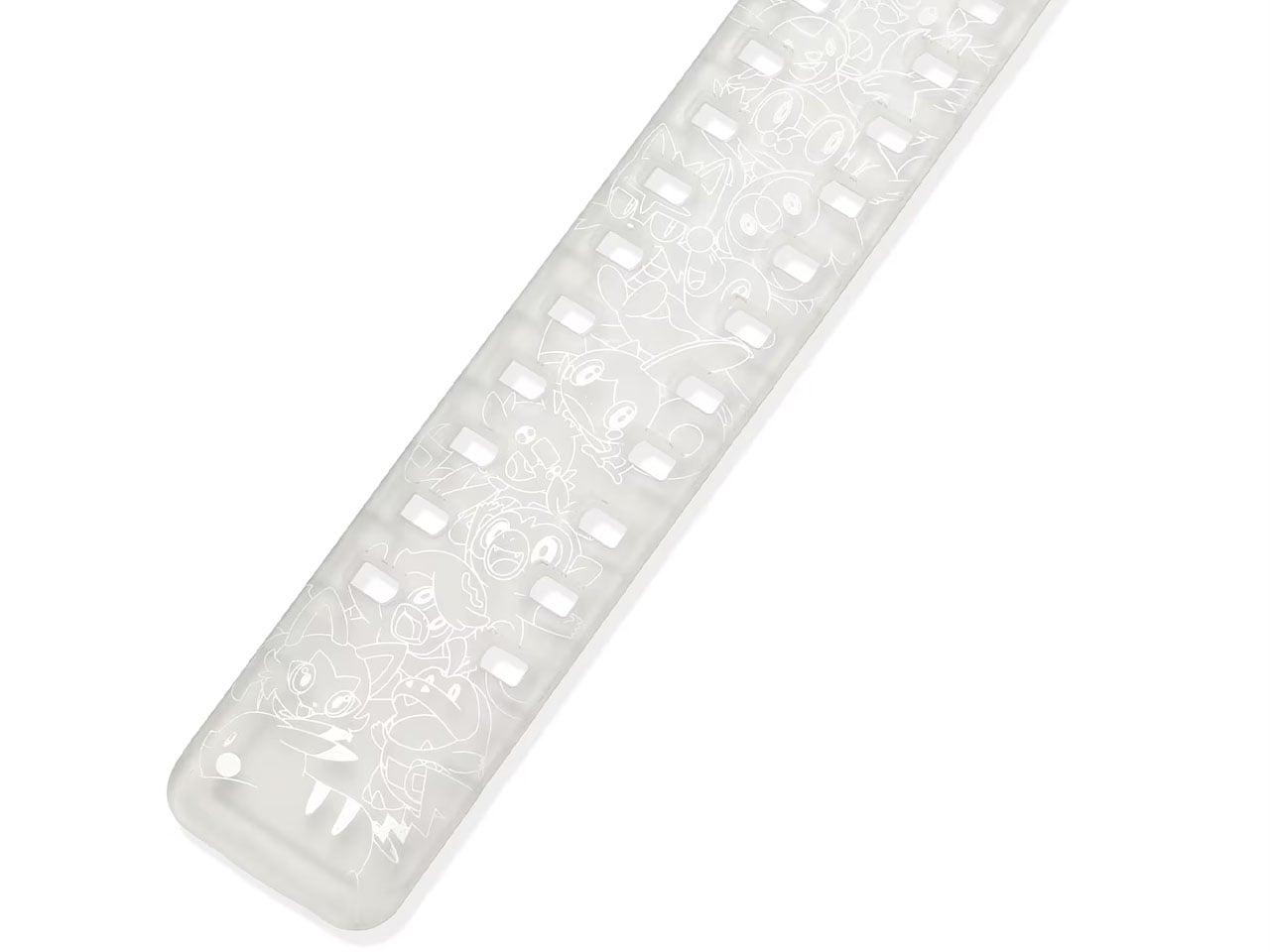
Interestingly, the watch band carries all 30 Pokémon – one each of the glorious 30 years. There are the original Kanto starters – Charmander, Squirtle, and Bulbasaur, while the Paldea region (Sprigatito, Fuecoco, and Quaxly) graces the timepiece. Of course, Pikachu and Eevee are also present. The 30th anniversary theme continues on the catchy Poké Ball-shaped box engraved with the 30 Pokémon and the caseback embellished with their names. The exterior packaging gets the Pokémon treatment, too, in all the Pokémon motifs, which in itself is a collectible for dedicated fans. Whoah… seems I’m 30 again!

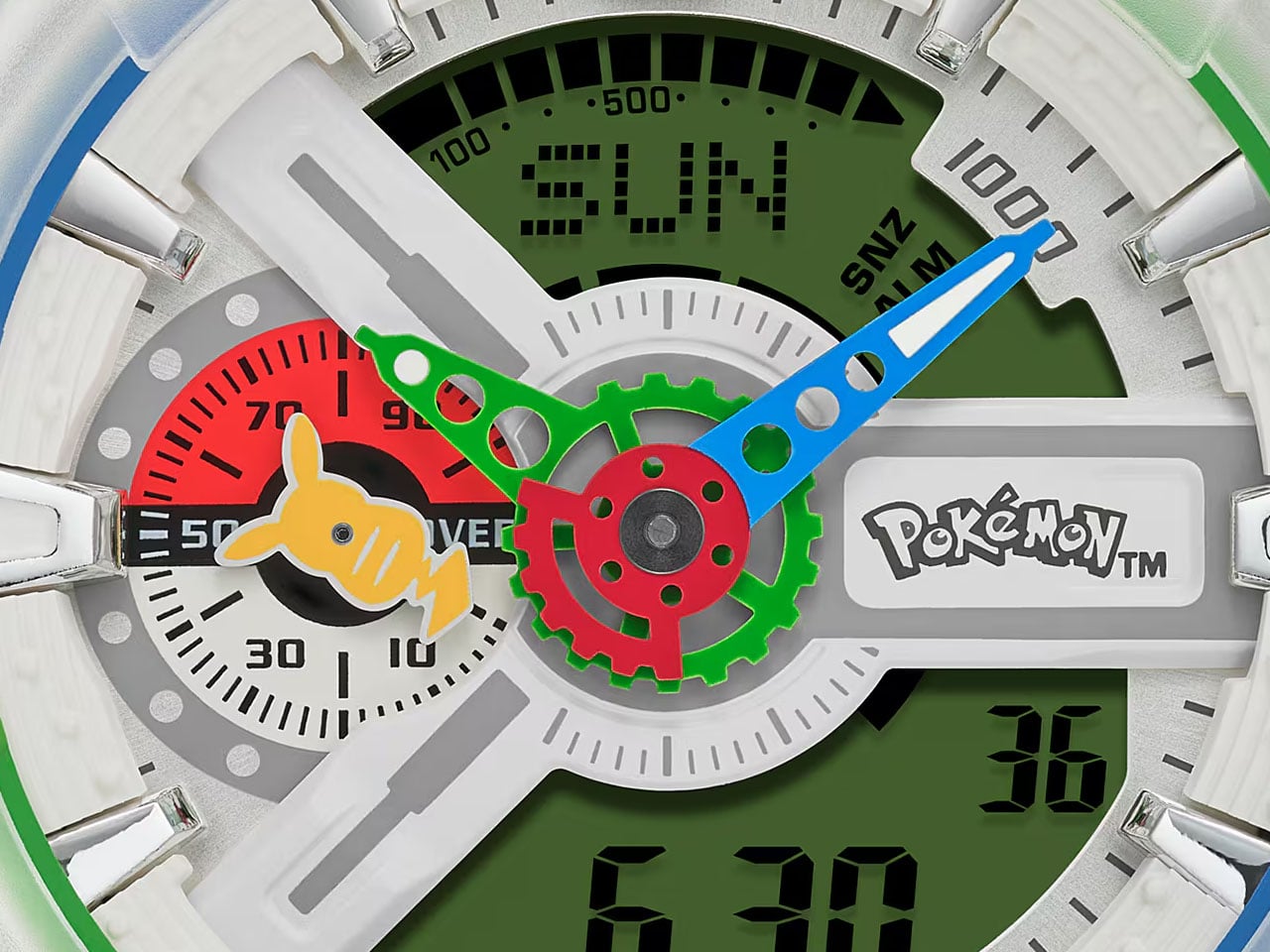
Intricate details on the watch face take the shape of the Poké Ball-inspired inset dial at the 9 o’clock position, and the Pikachu-shaped indicator hand from the 1996 release balances things out perfectly. The band loop gets the Mythical Pokémon while the 200-meter water-resistant watch gets the customary shock and magnetic resistance features. Underneath all the Pokémon goodness lies the trusted G-Shock movement, 29 time zone display (gosh that should have been 30), 1/1000th second stopwatch, an automatic calendar going right up to the year 2099, and LED lighting.

The Pokémon x G-SHOCK GA-110PKM-7A is scheduled to arrive in July, with regional availability varying by market. In Japan, the watch will be sold through a purchase lottery via Casio’s online store, while other regions, including the UK and US, will offer limited retail availability through G-SHOCK stores, the official Casio website, and select authorized retailers. The watch carries a price tag of approximately $220 in the UK, $270 in the US, and ¥33,000 (around $225) in Japan, making it a premium collectible rather than an impulse buy. Given that this marks the first full-fledged G-SHOCK collaboration with Pokémon and celebrates one of gaming’s most beloved franchises, don’t expect it to stay on shelves for long.

The post Casio’s Pokémon G-SHOCK packs three decades of pocket monsters into one collectible timepiece first appeared on Yanko Design.

Casio Just Built a $270 Sampler the SK-1 Always Deserved

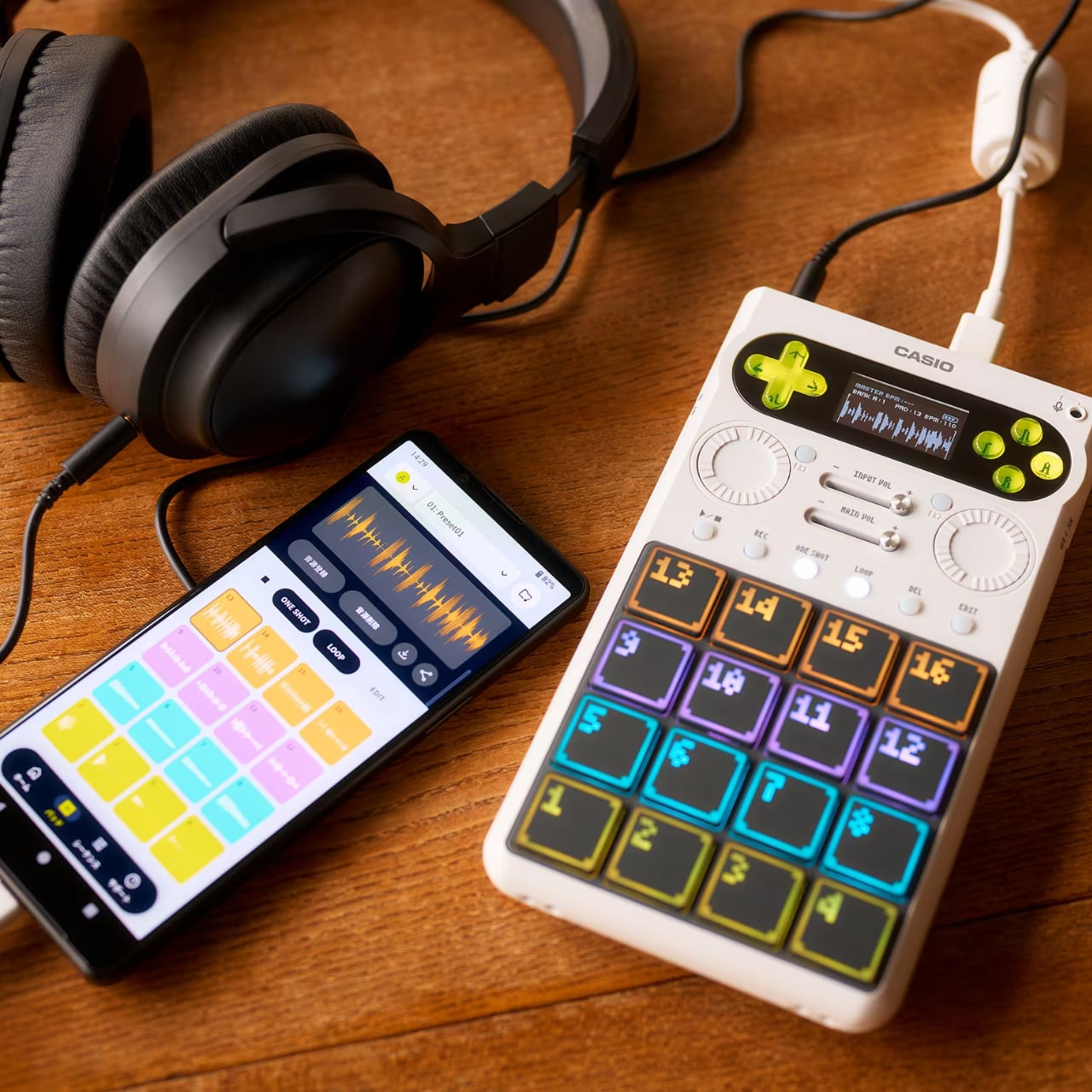
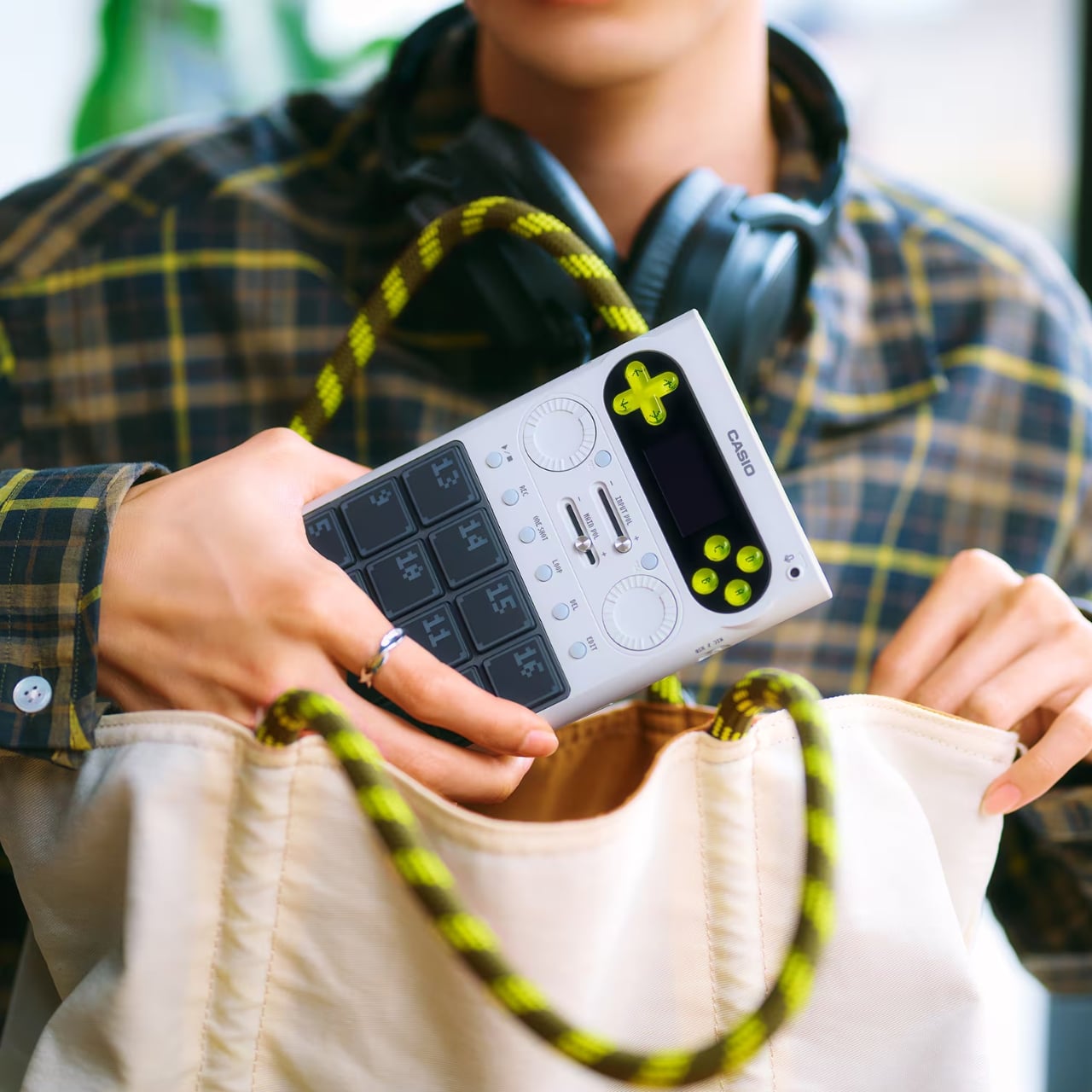
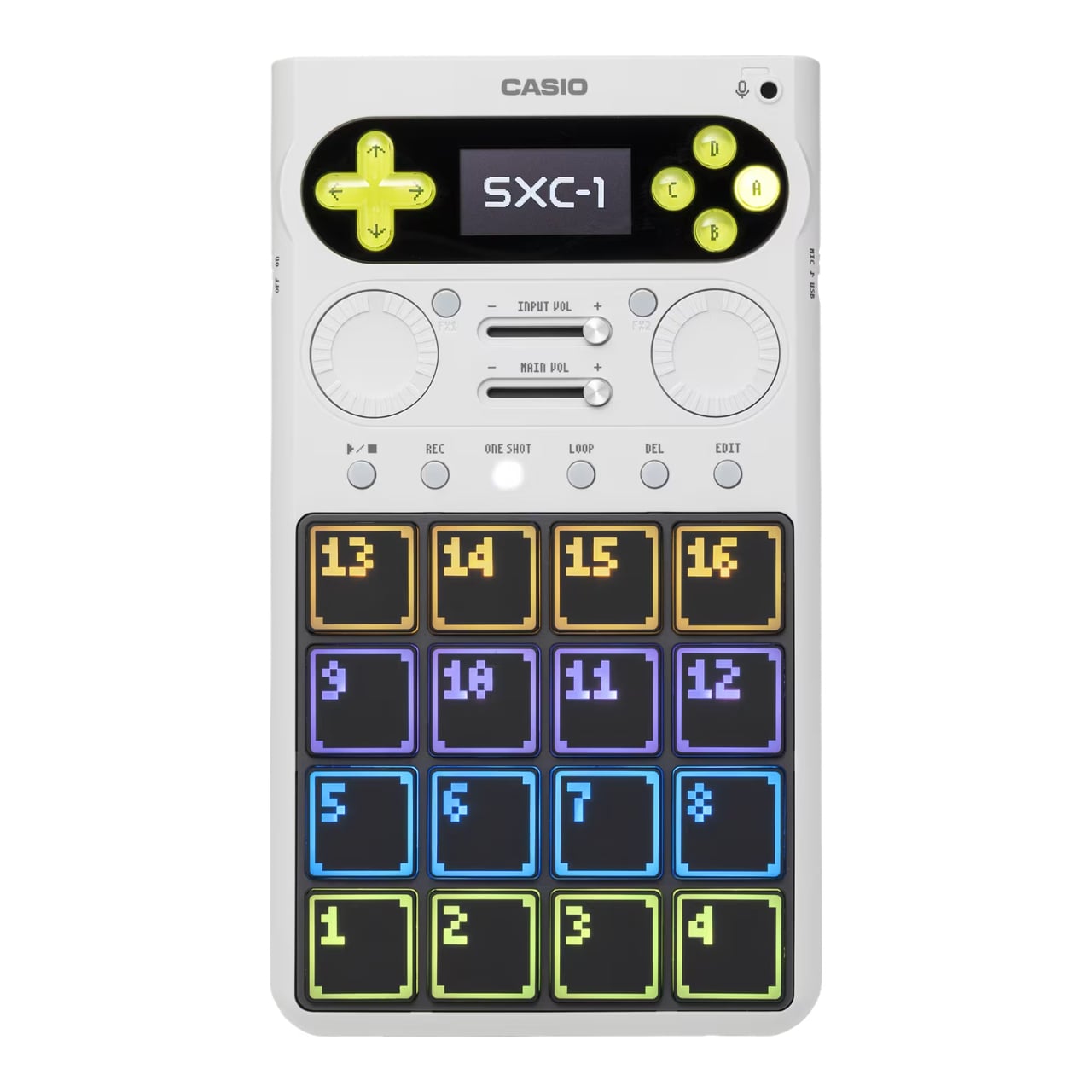
When Casio showed up at NAMM in January with an unannounced sampler, no press rollout, no teaser campaign, people kind of lost their minds a little. It was unexpected in the best way. The music gear community had not been thinking about Casio in that particular conversation, and then suddenly there it was. A boxy, padded, retro-looking device called the SXC-1, sitting quietly in a booth like it had always been there. That kind of entrance says a lot about how confident Casio was in what they brought. It also signals something bigger: Casio is not just trying to stay relevant. They are actively reclaiming territory they actually originated.

For a certain kind of person, whether you are a producer, a music nerd, or a design obsessive, the Casio SK-1 is practically sacred. Released in 1985 for about $100, it was a small plastic sampling keyboard that let you record any sound and play it back across a tiny row of keys. It was deliberately toy-like, and yet it ended up in the hands of experimental musicians, lo-fi producers, and everyone in between. The SK-1 was the gateway into sampling for an entire generation, and its cultural weight has never really gone away.

Designer: Casio

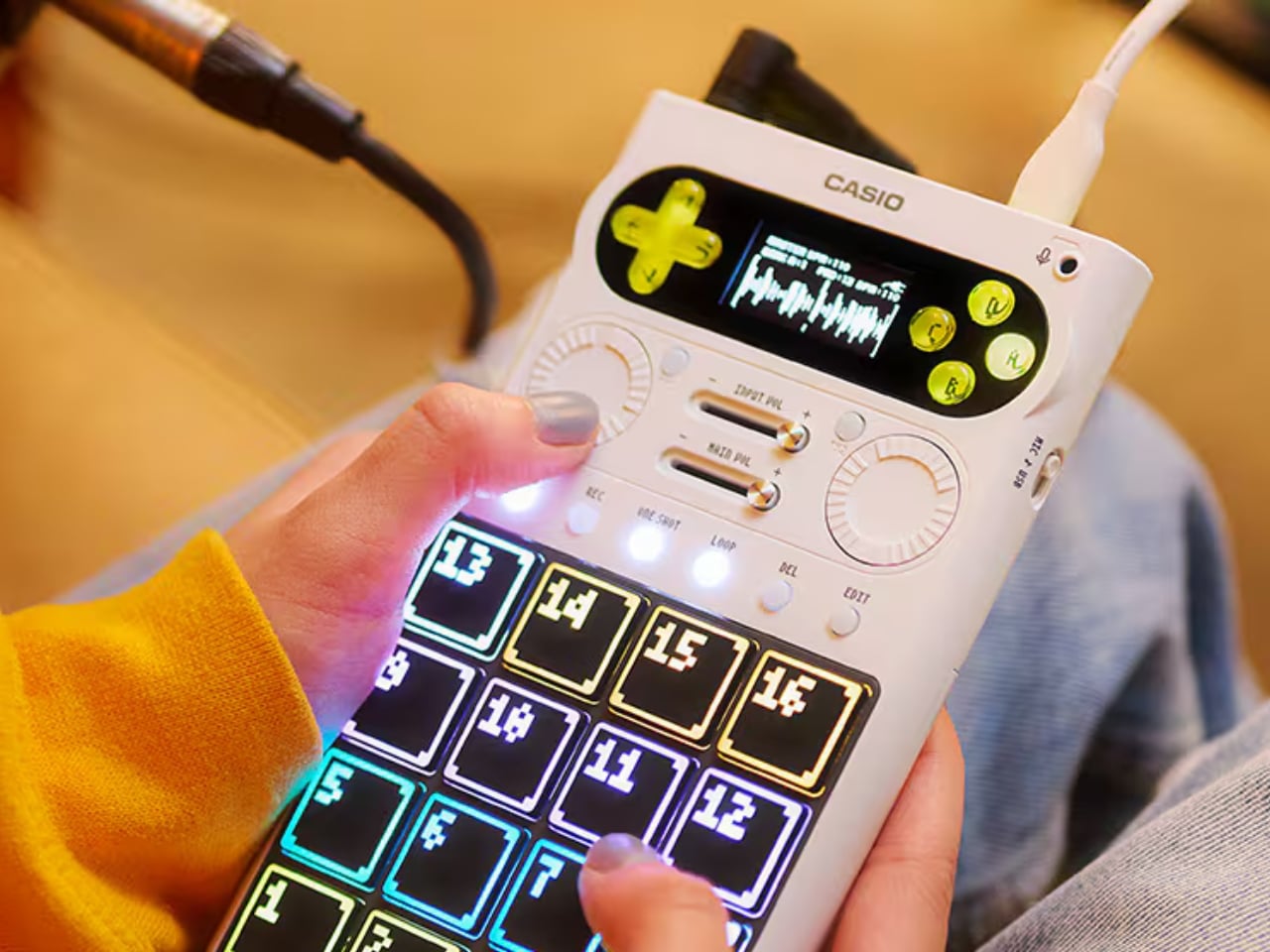
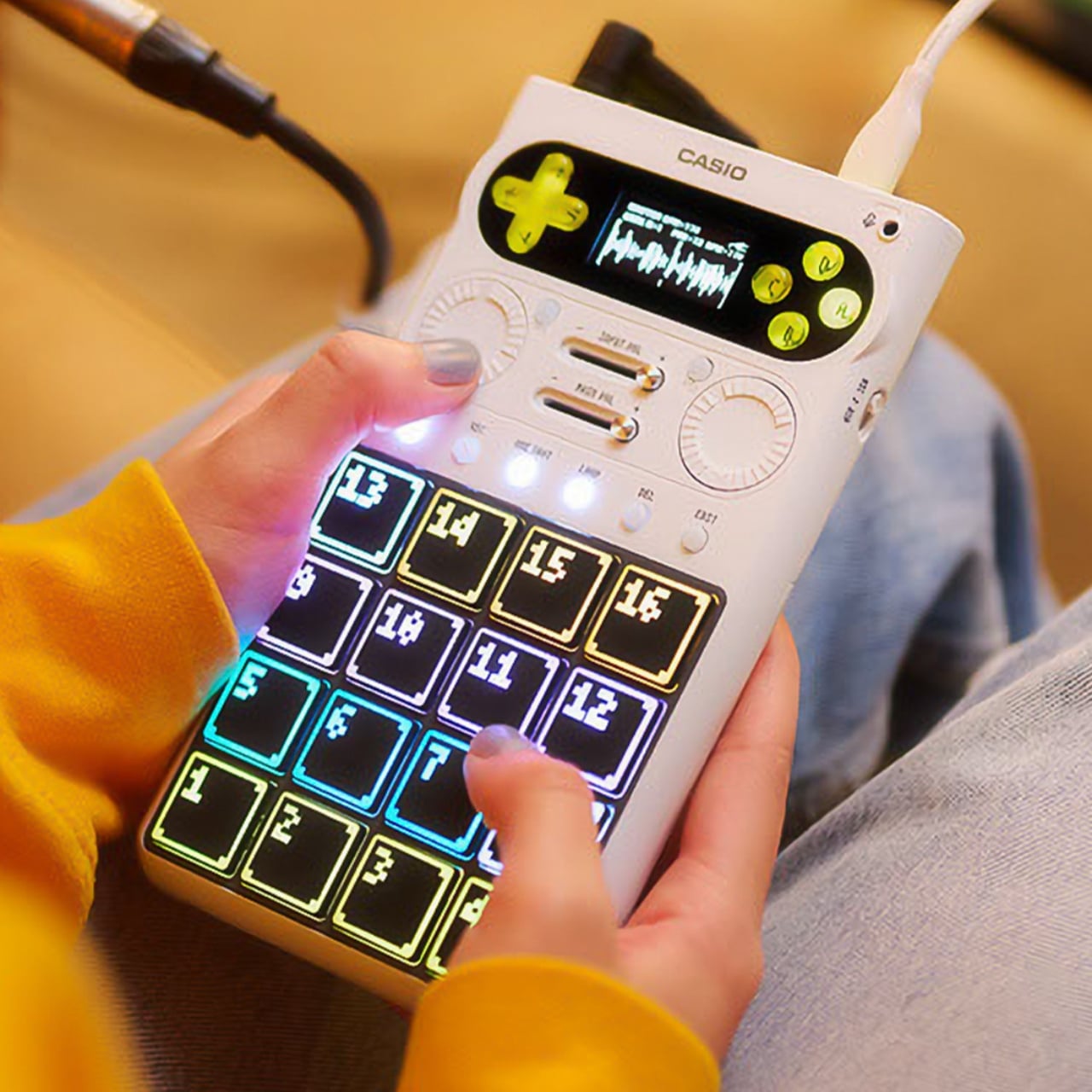
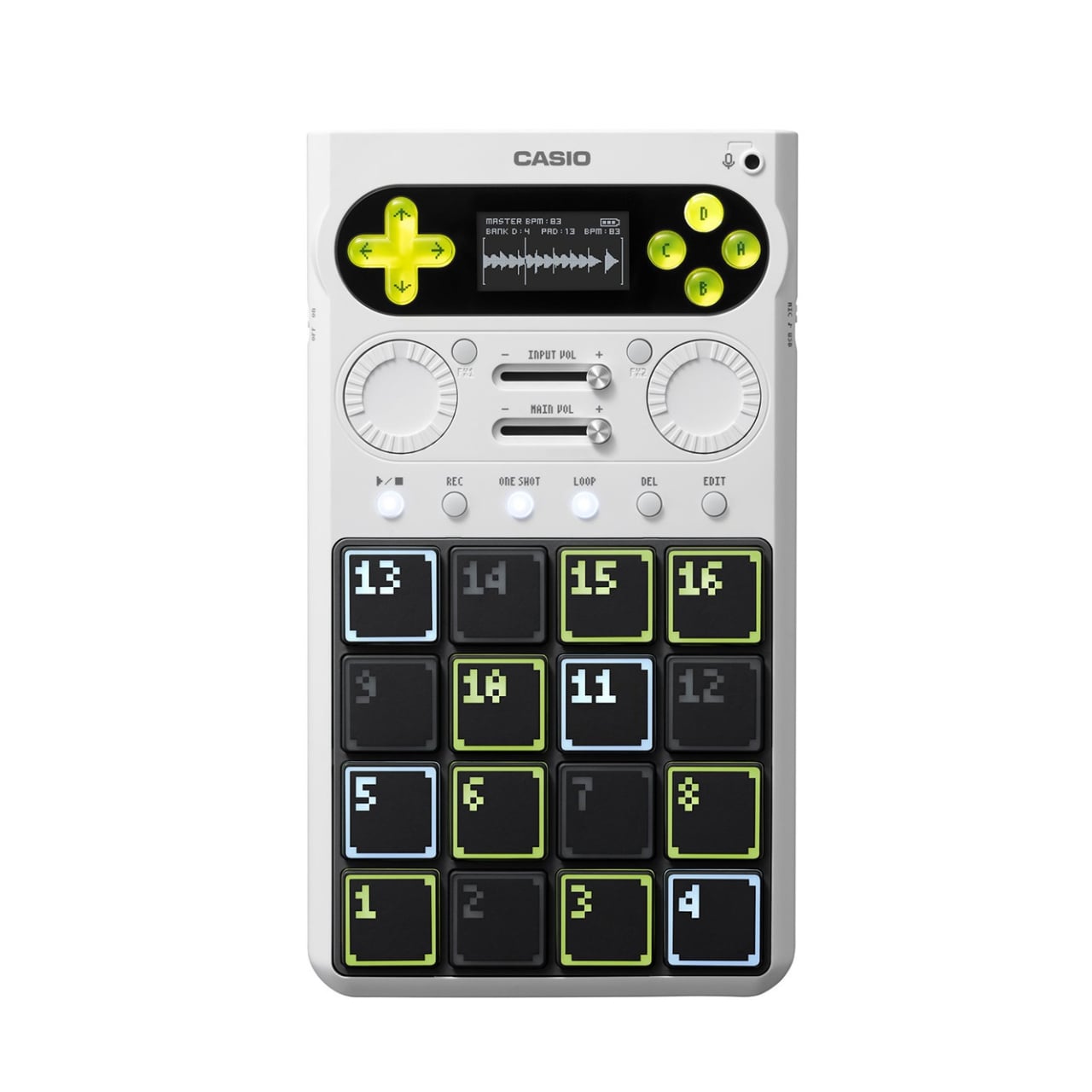
The SXC-1 is Casio’s answer to where that legacy goes next. The aesthetic DNA is still present: the boxy form factor, the emphasis on immediate usability, the sense that this is a tool meant to be picked up and played without a manual. But where the SK-1 was charming in its limitations, the SXC-1 is built for serious work. The specs back that up. It runs on a 16-bit/48kHz sampling engine with 64GB of onboard eMMC storage, supports WAV, MP3, and FLAC files, and gives you up to 15 minutes of total sampling time. A 1.3-inch OLED screen and two large rotary encoders handle the interface, and the 4×4 pad layout gives you 16 pressure-sensitive pads tuned specifically for finger drumming.

It also ships with over 80 sample banks pulled from classic Casio instruments, including the SK-1, SK-5, CZ-101, and MT-40. Those loops are automatically tempo-synced via a beat-sync function, which is a genuinely smart move. It means that even out of the box, with zero setup, you have a ready library of usable, nostalgia-soaked sounds that are immediately production-ready. For content creators or producers who need to move fast, that matters more than most brands realize.

The connectivity is equally well-considered. There is a built-in mic, external analog input, USB audio, headphone output, main output, and dual USB-C ports for data and power. This is clearly built for people who move between environments: bedroom studios, live sets, cafes, wherever the work happens to be. Battery life sits at around two hours, there is a built-in speaker, and the device ships with step sequencing at up to 50 patterns of 8 bars each. Effects are on the leaner side, covering filter, flanger, phaser, and bitcrusher, but that restraint feels intentional rather than cheap.

Casio is marketing the SXC-1 explicitly as a tool for the “Creator Economy,” which is the kind of phrase that usually makes me skeptical. But here it actually fits. Independent artists and producers today are working across formats, platforms, and workflows all at once. They need gear that is fast, flexible, and small enough to live in a backpack. The SXC-1 appears to understand that assignment.

The device is currently available for pre-order on the Casio Japan website at 39,930 yen, with a release date of May 28, 2026. Global pricing has not been confirmed, but estimates put it somewhere between $230 and $300 depending on region.

Whether the SXC-1 lands the way Casio hopes will depend partly on how it feels in hand, which is something specs cannot fully answer. But the design intent is clear and it is smart. Casio looked at what made the SK-1 culturally significant, stripped out the nostalgia bait, and built something that can actually do the job today. That is not a small thing.

The post Casio Just Built a $270 Sampler the SK-1 Always Deserved first appeared on Yanko Design.
Casio’s special edition calculator handcrafted using traditional Japanese lacquering technique

For the unpressumable, the good old calculator is a gadget of yesteryears, as the smartphone does all the multitasking. However, for someone who works with numbers, this device is a no-brainer. Retail personnel, accountants, and professionals handling a high volume of calculations always reach for a calculator. The rugged device with its analog input doesn’t have the shenanigans of a touchscreen that misbehaves when touched with wet hands or with gloves on.

Casio pioneered the design of an all-electronic calculator dubbed 14-A (designed by the Kashio brothers) way back in the 1950s. The computing machine turned into a household name when the Casio Mini arrived in the early 1970s. The handheld device was a holy grail when it came to churning out numbers in professional circles as well as homes. Come 2026, the Japanese company has decided to give the trusted calculator a unique, handmade twist that carries a lot of substance.

Designer: Casio

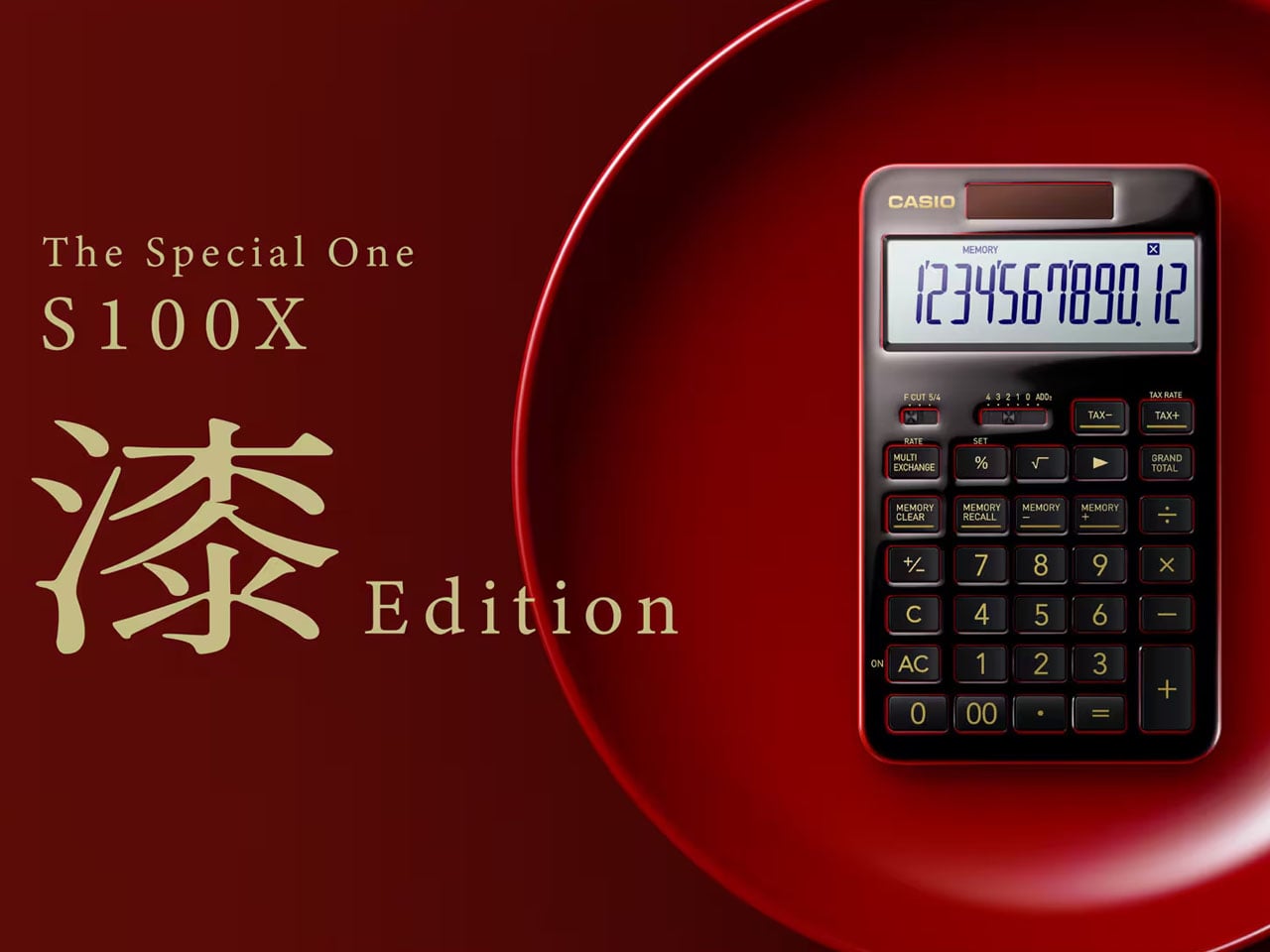
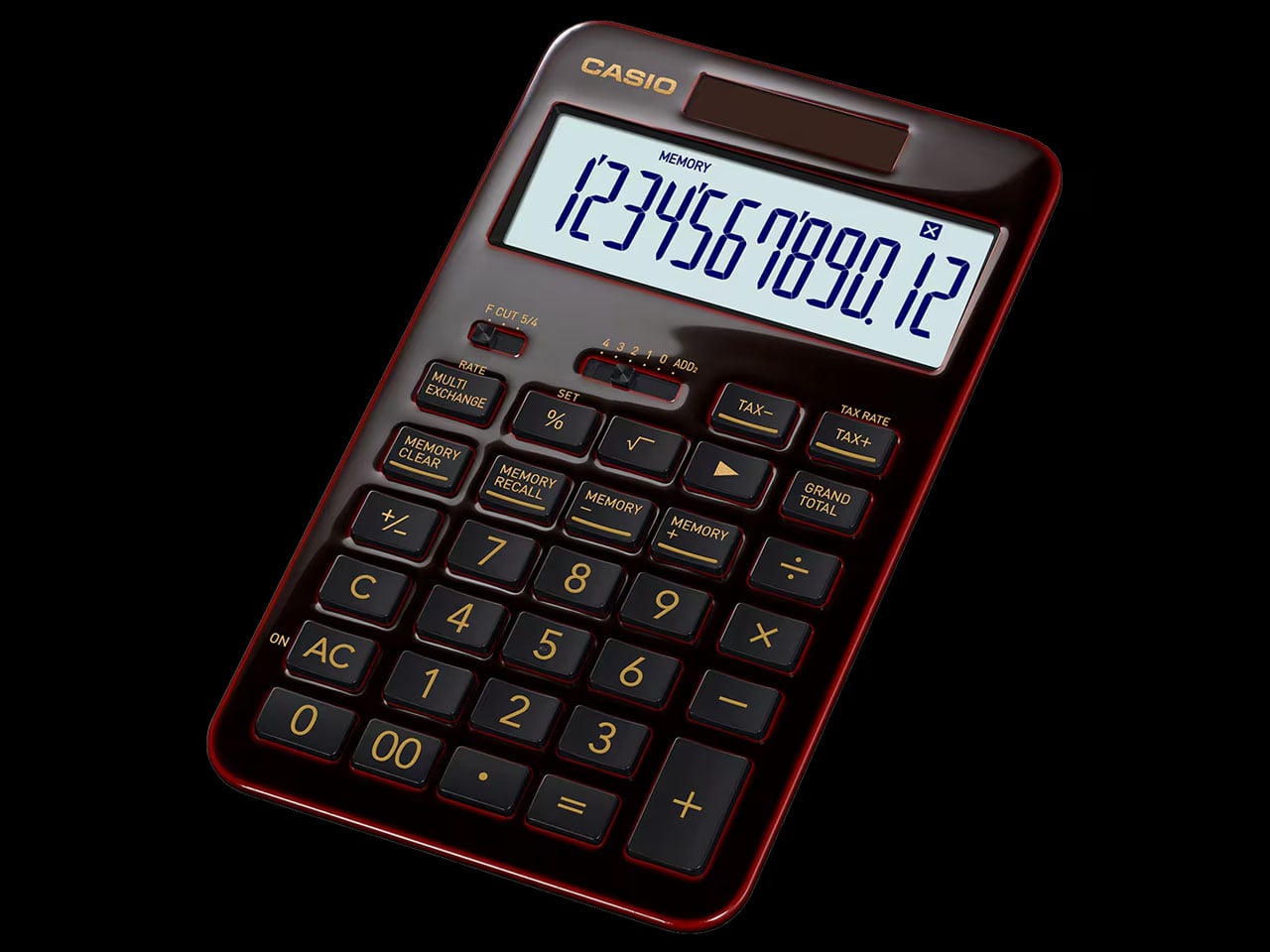
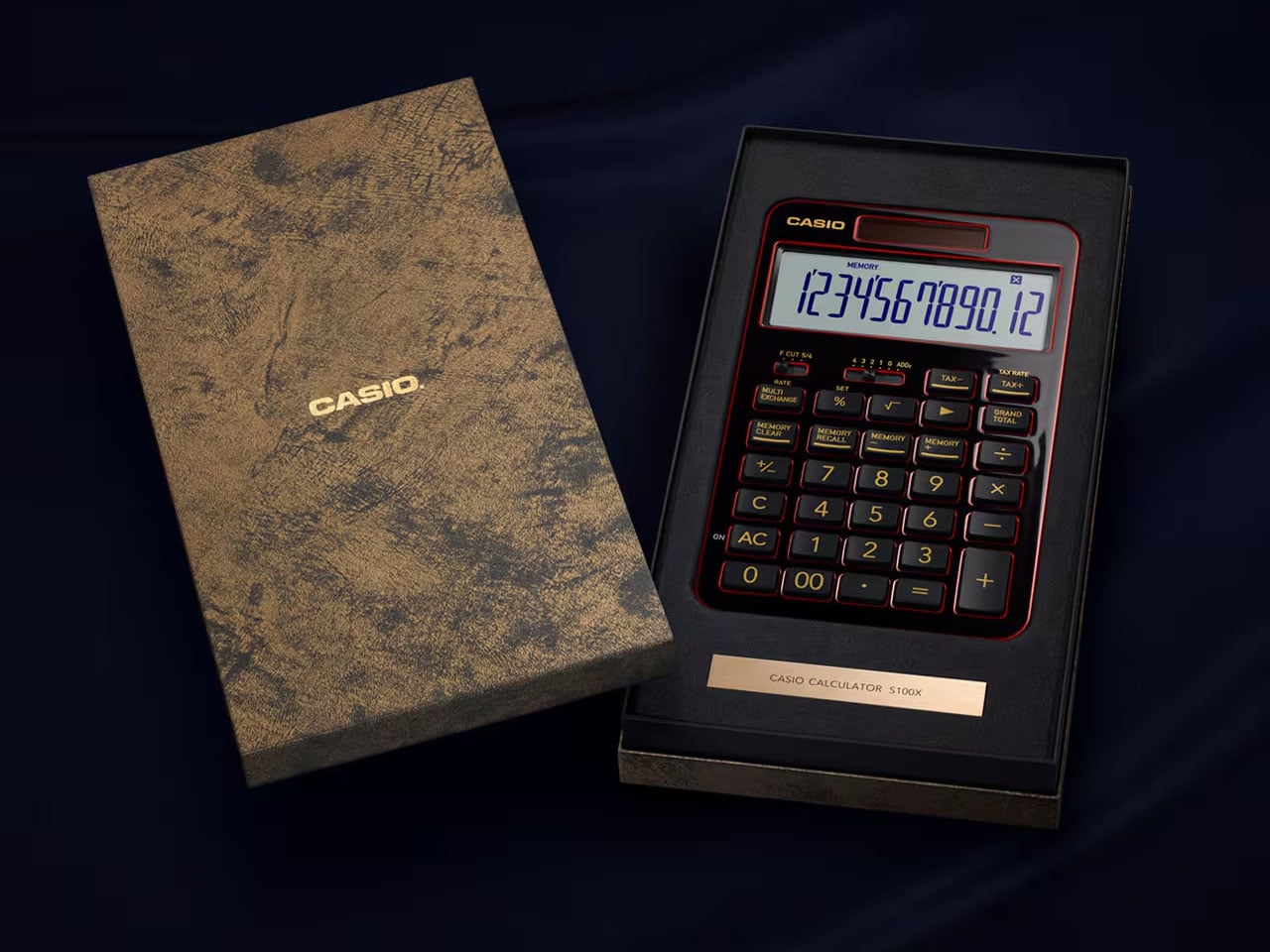
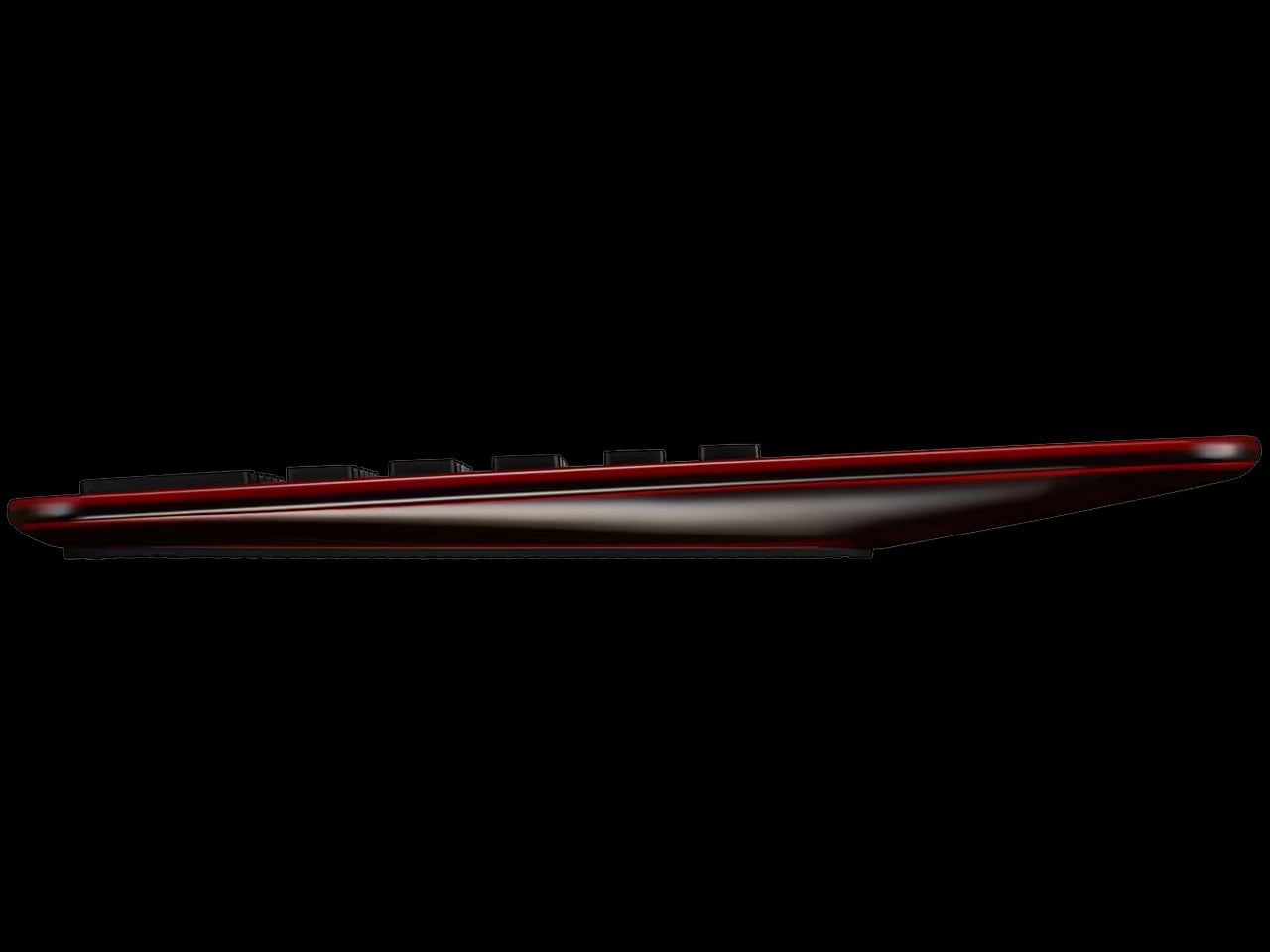
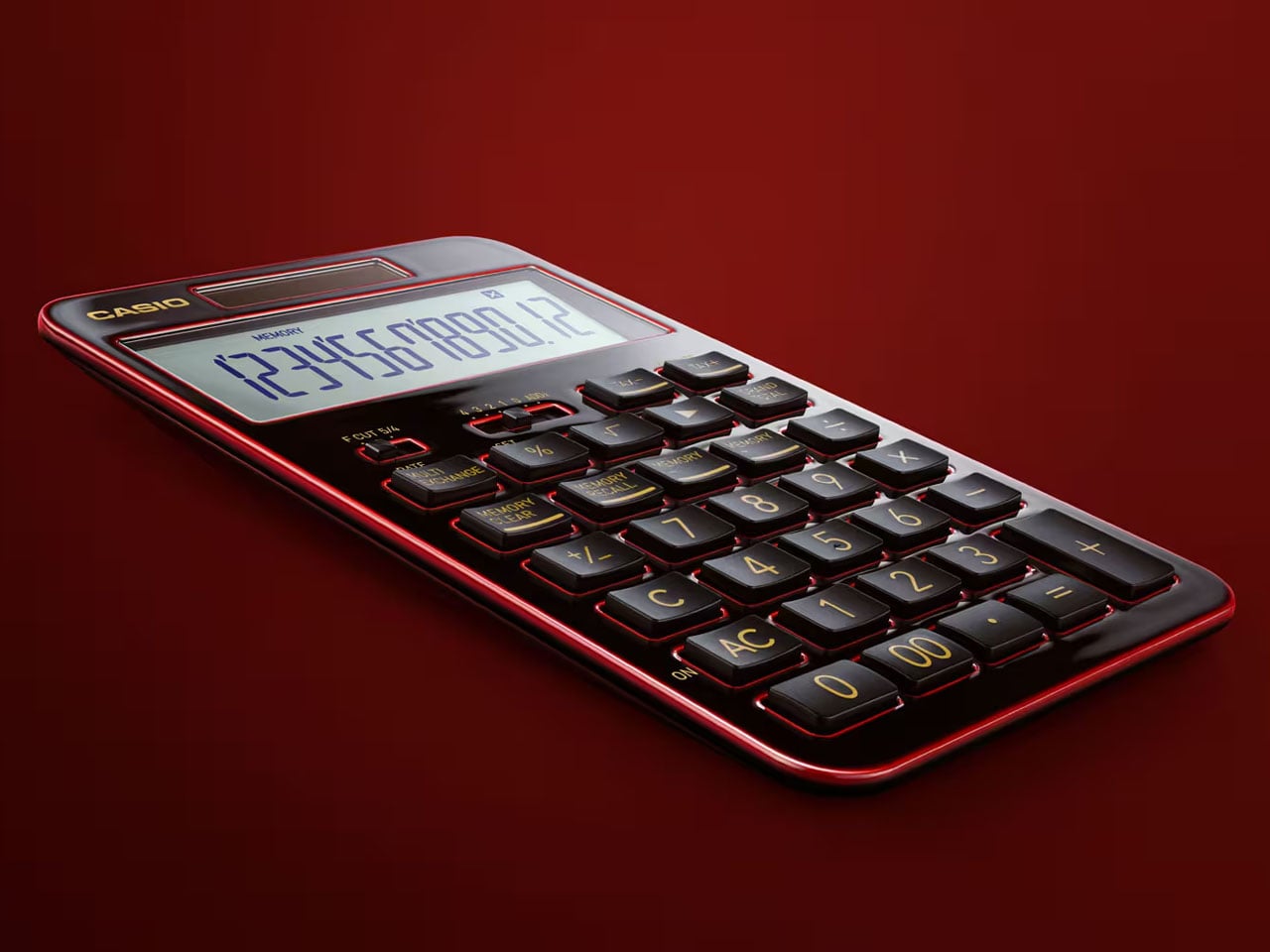
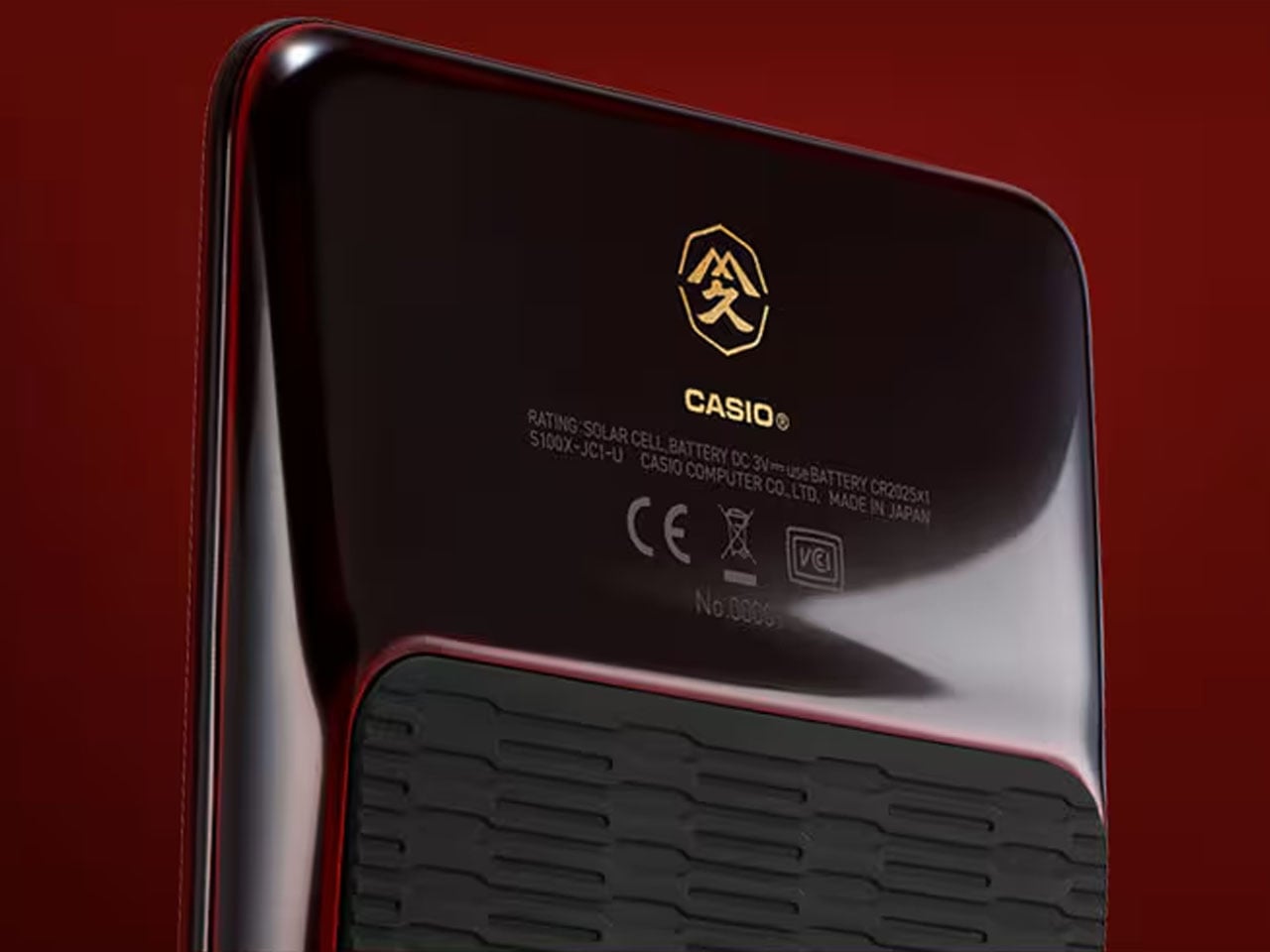
Based on Casio’s flagship S100 calculator, the S100X Urushi Edition, a.k.a. The Special One, is a limited edition desktop calculator designed using century-old Japanese Urushi lacquer technique. To handcraft the body of the device, Casio looked up to none other than Yamakyu Shitsuki, a lacquerware workshop expertising in the craft since 1930. Mater crafter Ryuji Umeda himself handcrafted the design involving a technique called tamenuri, which took a month of perfecting. The craft involves layering laquer tree’s filtered sap on the milled aluminum housing and achieving a sense of depth with repeated applications over a period of a week. Finally, the calculator is polished for that mirror-like shine and luxury feel.

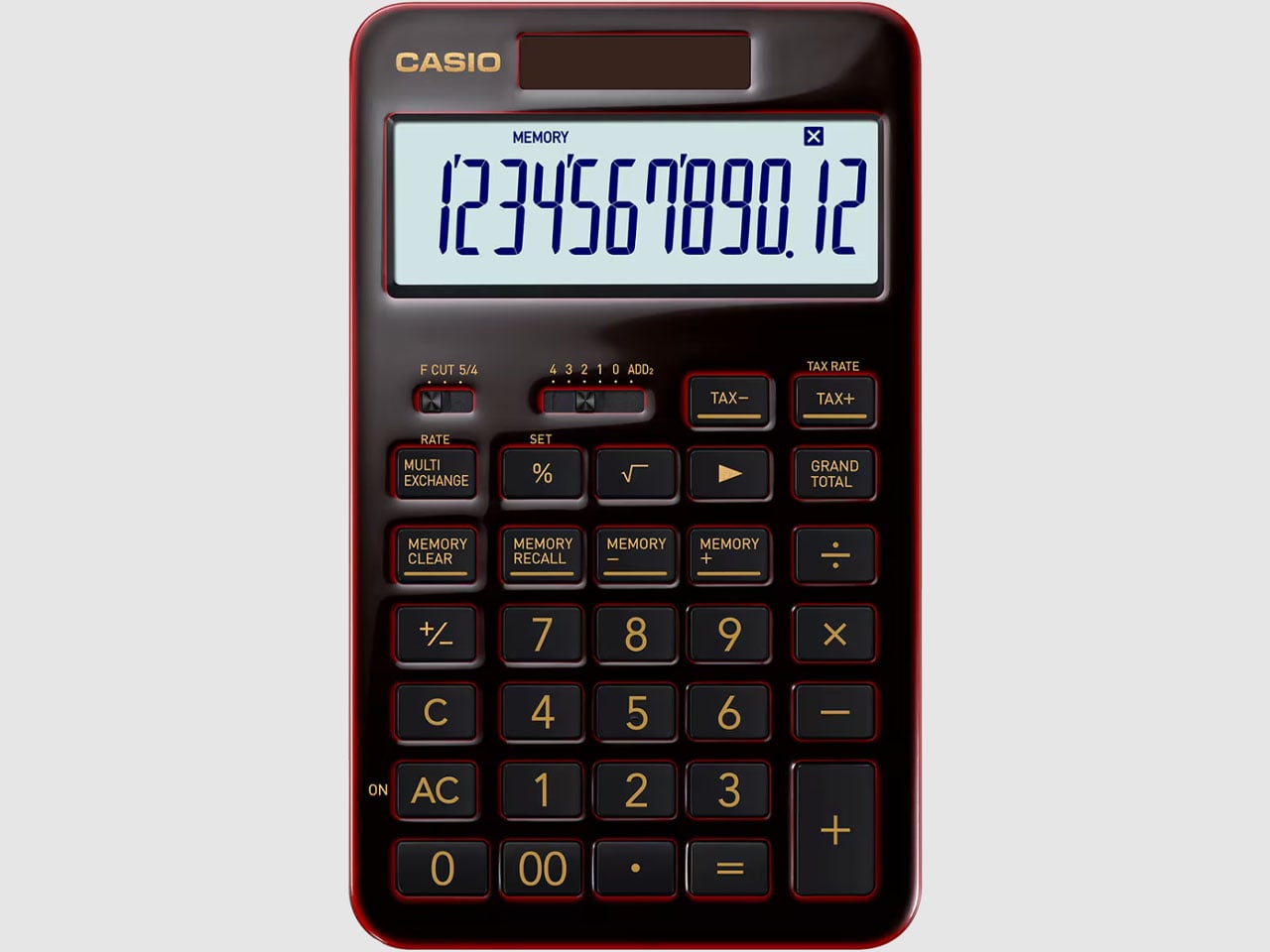
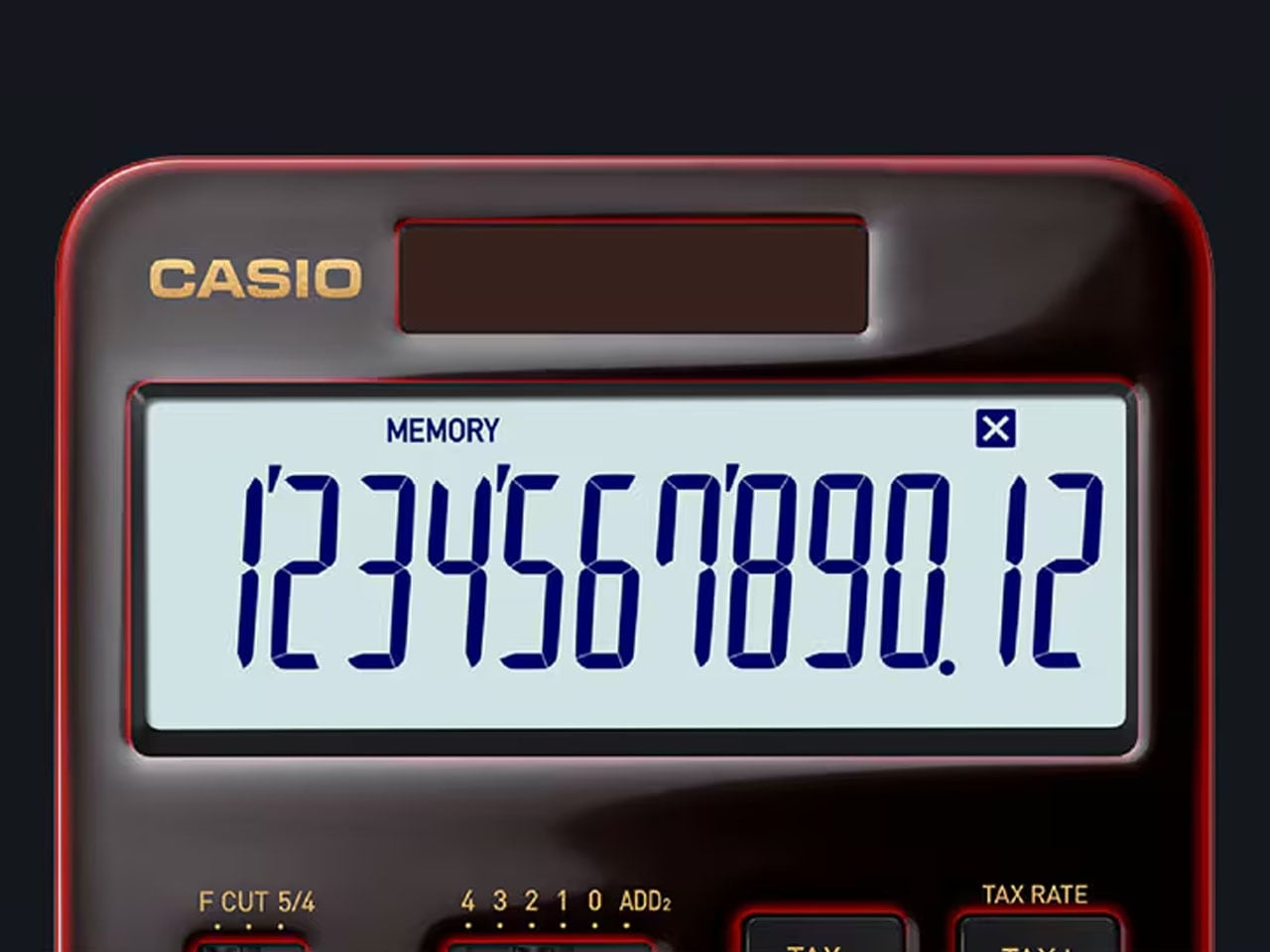
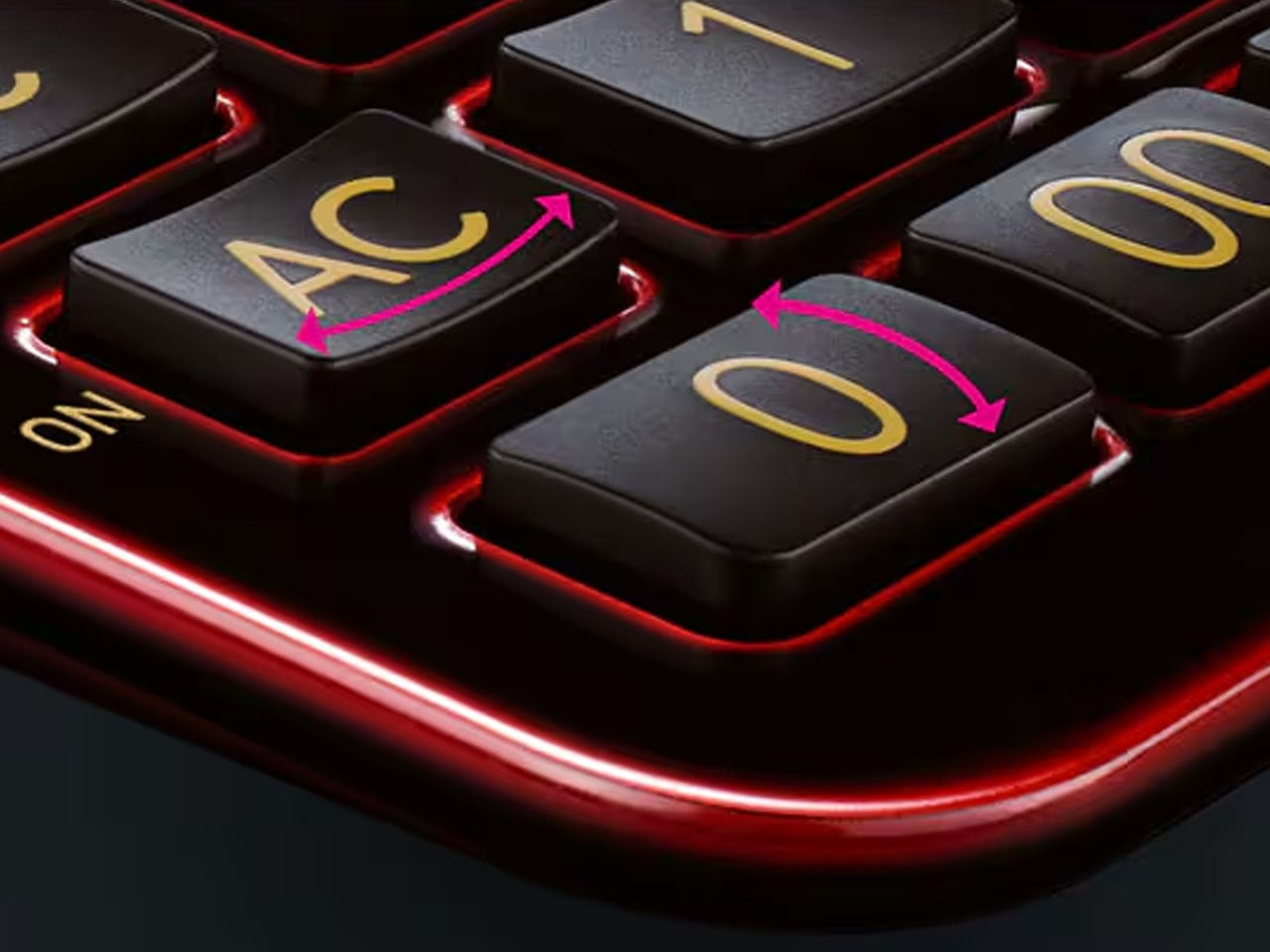
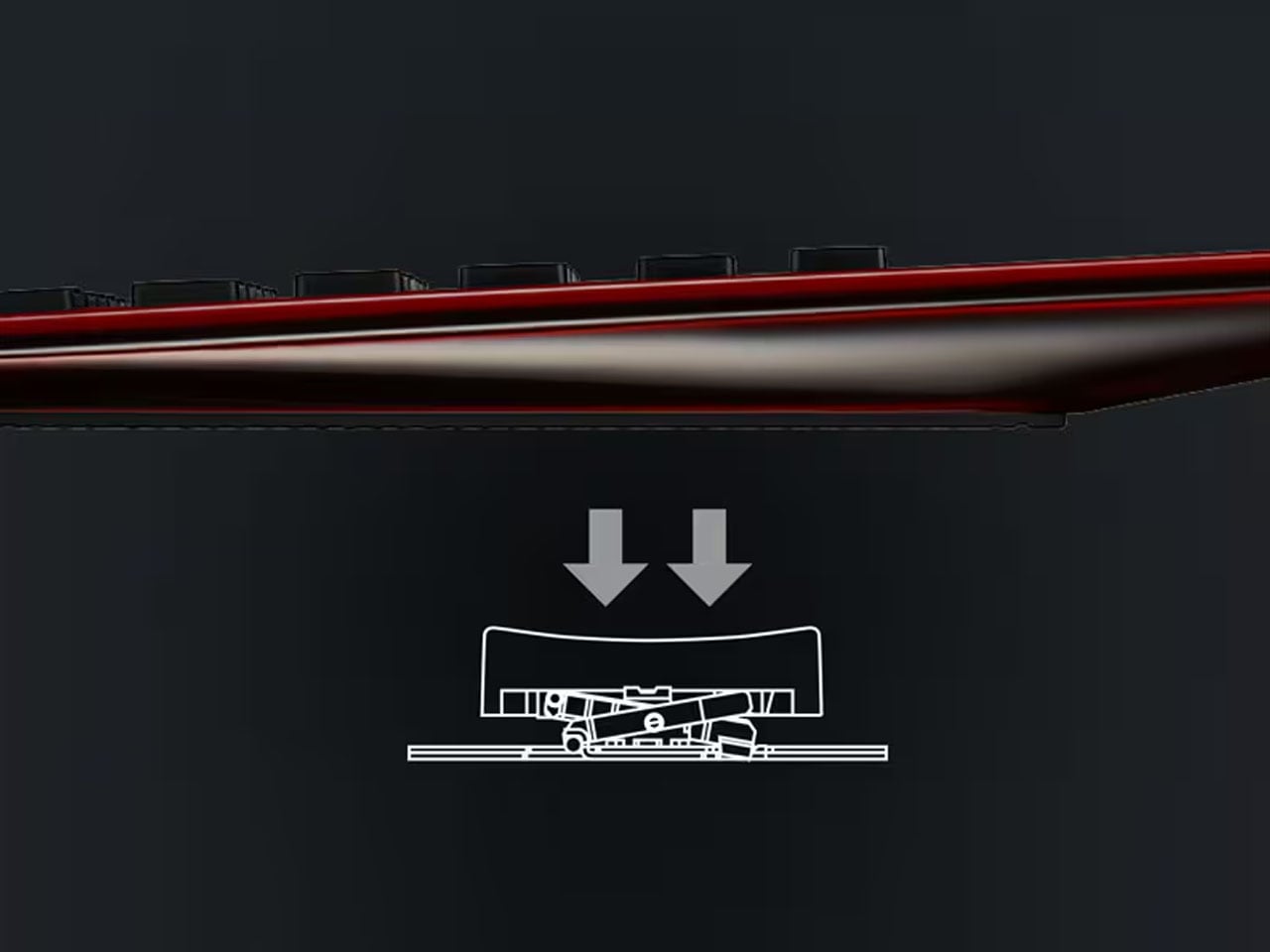
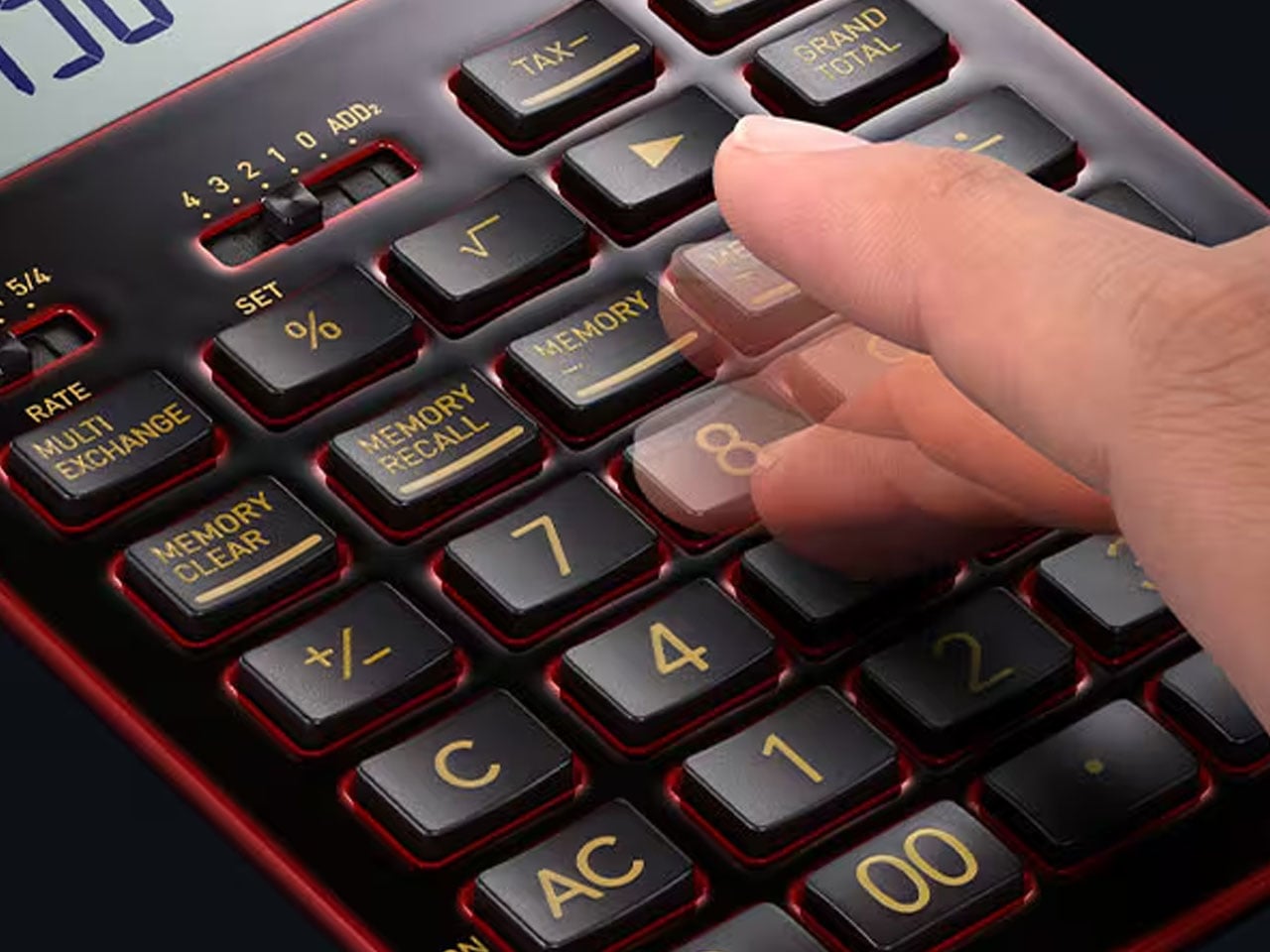
Each of the 625 limited edition calculator’s is handcrafted carefully at the workshop, rendering each one of them unique in their look depending on the viewing angle. To carry the premium feel, the machined aluminum body housing the buttons on top and the LCD screen ensures a satisfying presence. This display comes with a dual-sided AR coating for reduced reflections and the navy blue text color mimics the fountain pen ink. For enhanced tactile sensation of pressing the isolation-type keys, they come with the pantograph mechanism and an ergonomic shape nestling the fingers. The 3-key rollover tech ensures rapid typing as the keystroke is accurately recognized for up to 3 keystrokes.

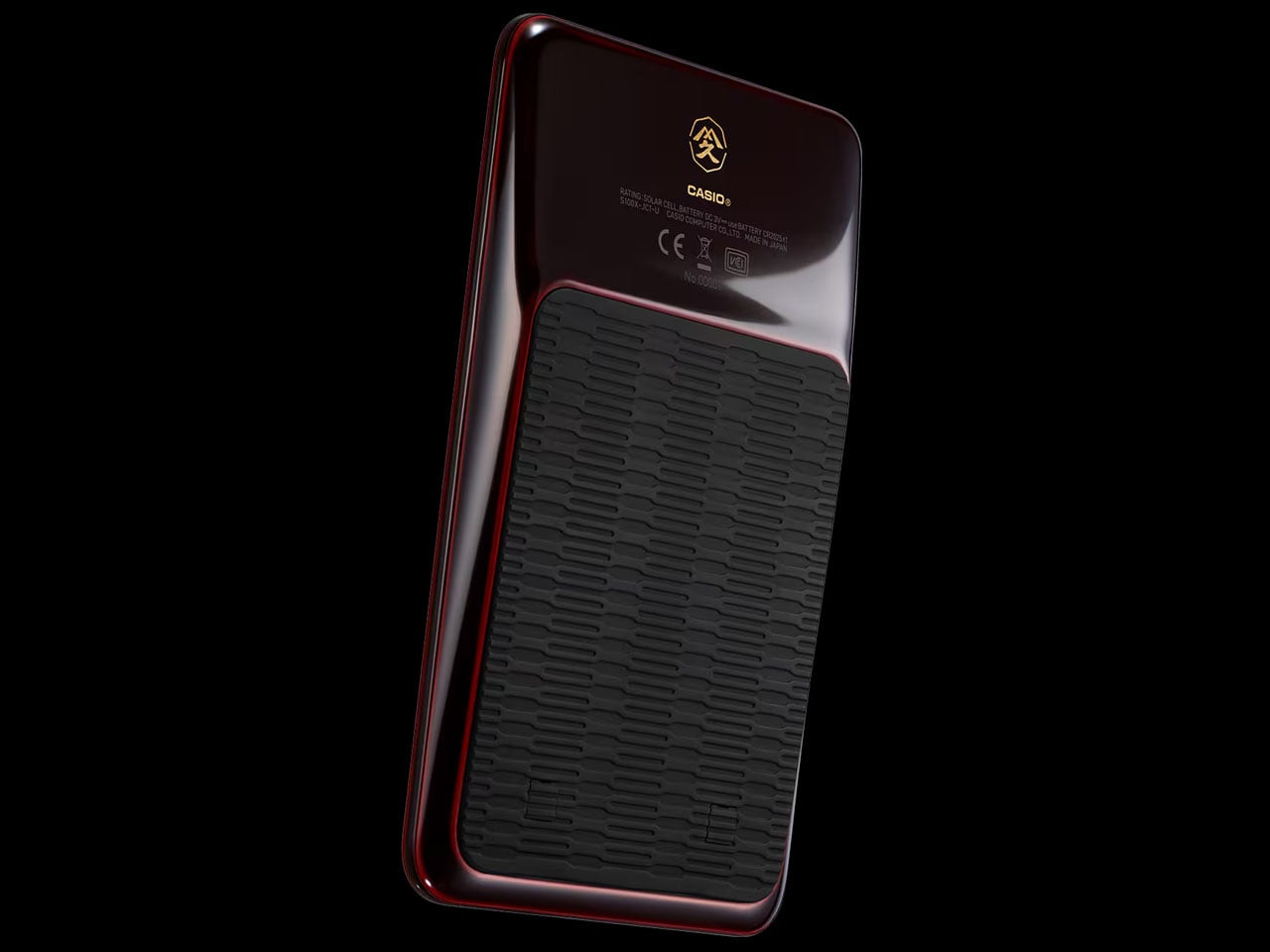
This 12-digit calculator adapts all the functions vital for professionals, including four-law calculation, tax calculation, unit conversion, memory (x2), and grand total. It is powered via solar panels on the front or a CR2025 coin battery, which can last for around seven years. The decimal point selector lever has a spin finish design for a premium shine, and on the back side, there is a geometric pattern molded stopper for assuring stability. Each one of the S100X Urushi Edition calculators has a laser-engraved serial number and comes packaged in a themed black presentation box complete with gold foil stamping.

The S100X Urushi Edition  Special One calculator is priced at ¥99,000, which coincidentally equates to around $625. Owning this one is going to be special for collectors.

The post Casio’s special edition calculator handcrafted using traditional Japanese lacquering technique first appeared on Yanko Design.
Casio’s Origami-Inspired G-Shock watches blend Japanese craft with everyday toughness

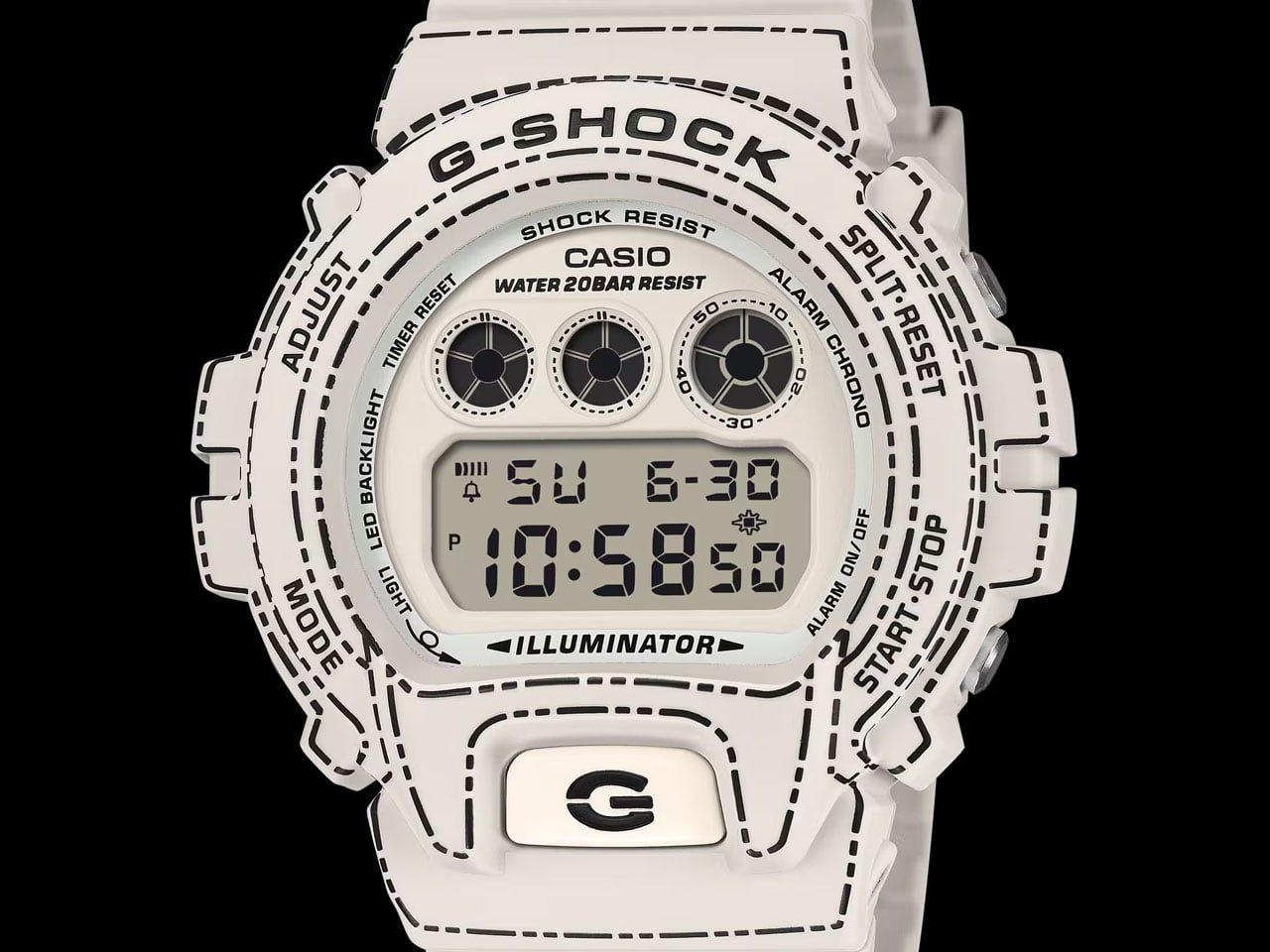
Casio G-Shock line has seen so many variants over the years, still they feel refreshing every time a new version is released. The hand-forged tsuiki edition is one of their unique releases that’s forged by a single Japanese master edition. Each one of them is unique with hammer-print bespoke patterns, and Casio nailed the craft using titanium alloy and the DLC coating.

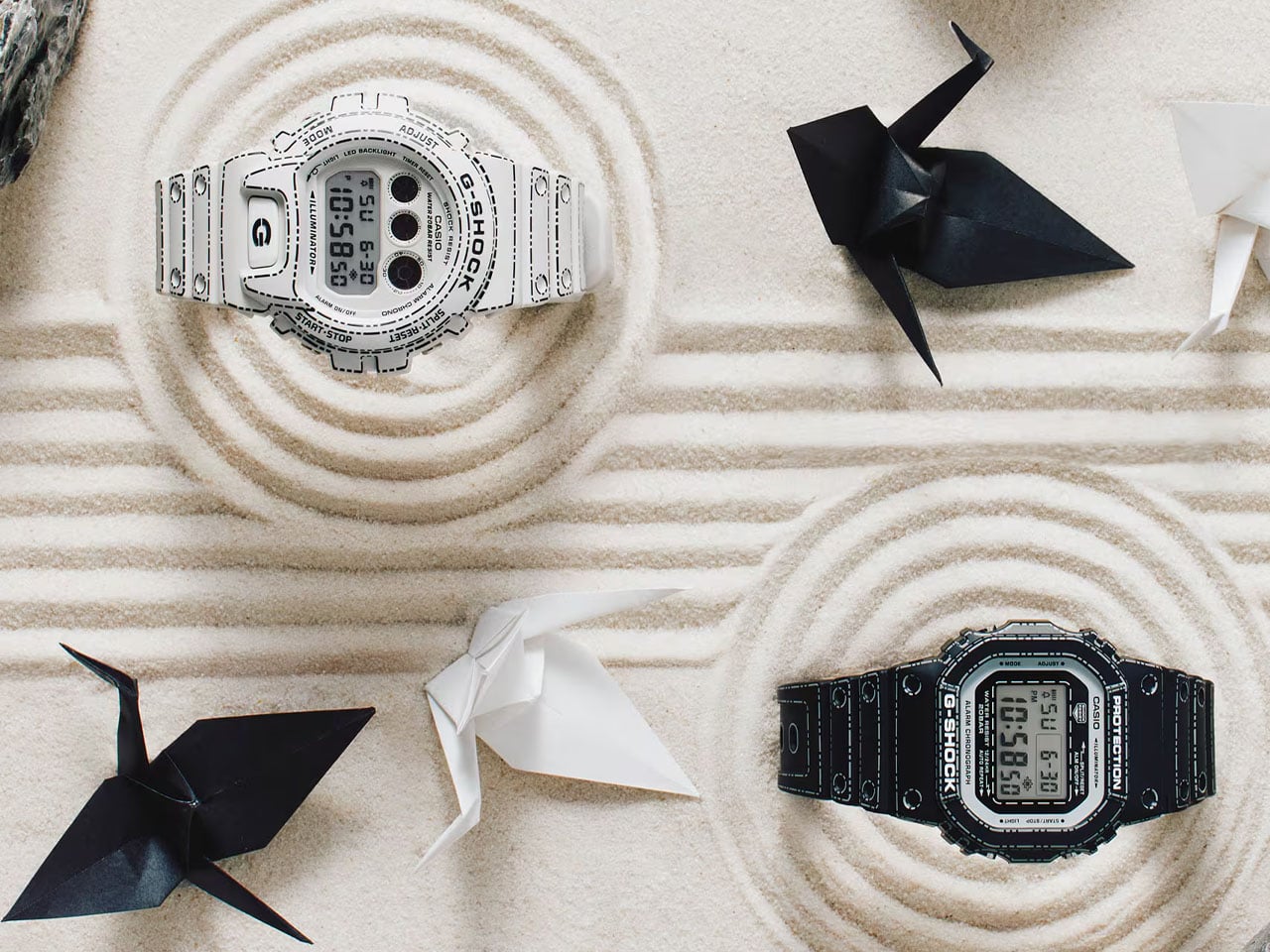
Now another edition showcases the brand’s love for Japanese artistry with two origami inspired variants. Although these are not hand built or carry the bespoke design element, still they are unique in their own rights.

Designer: Casio

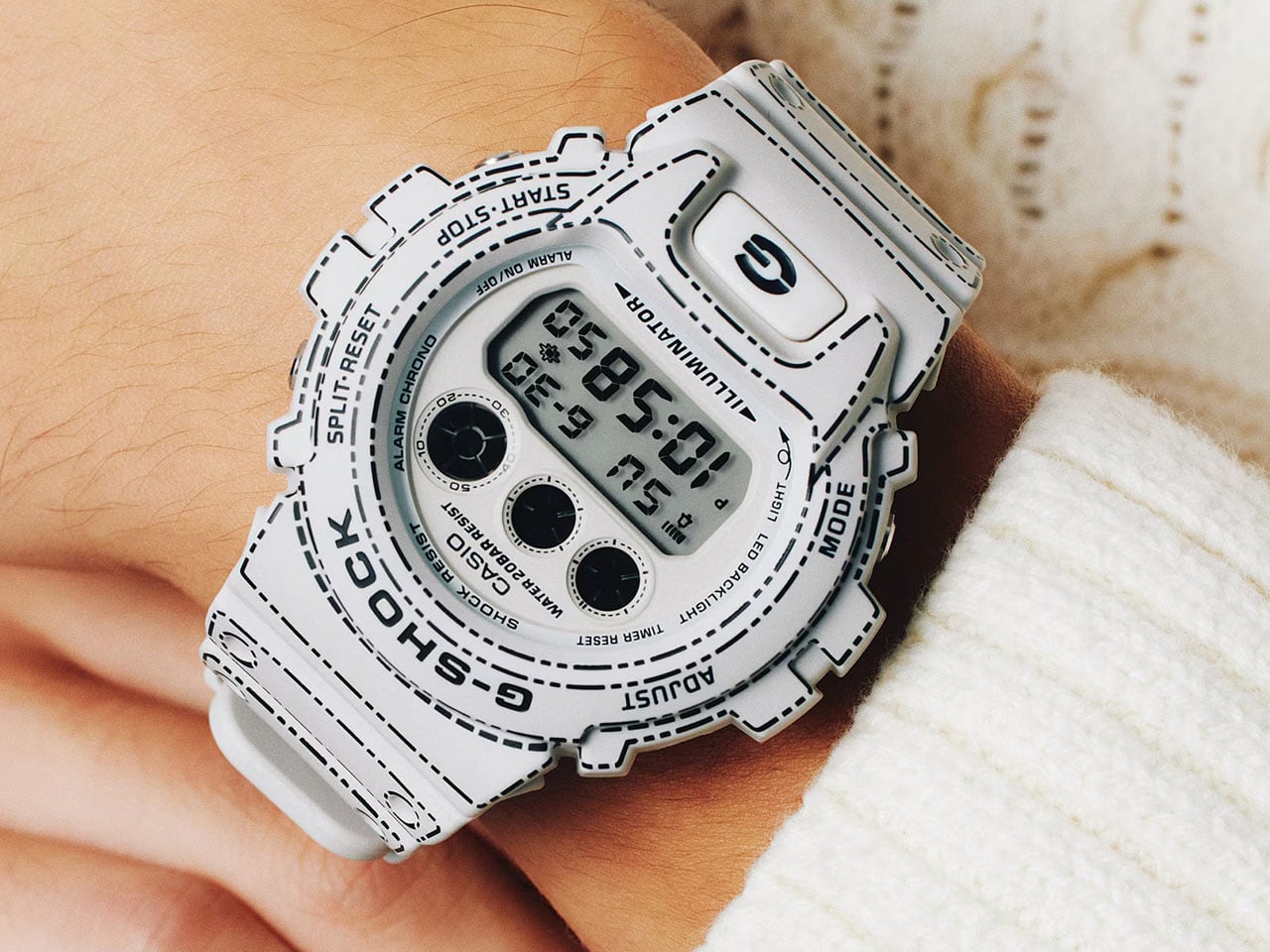
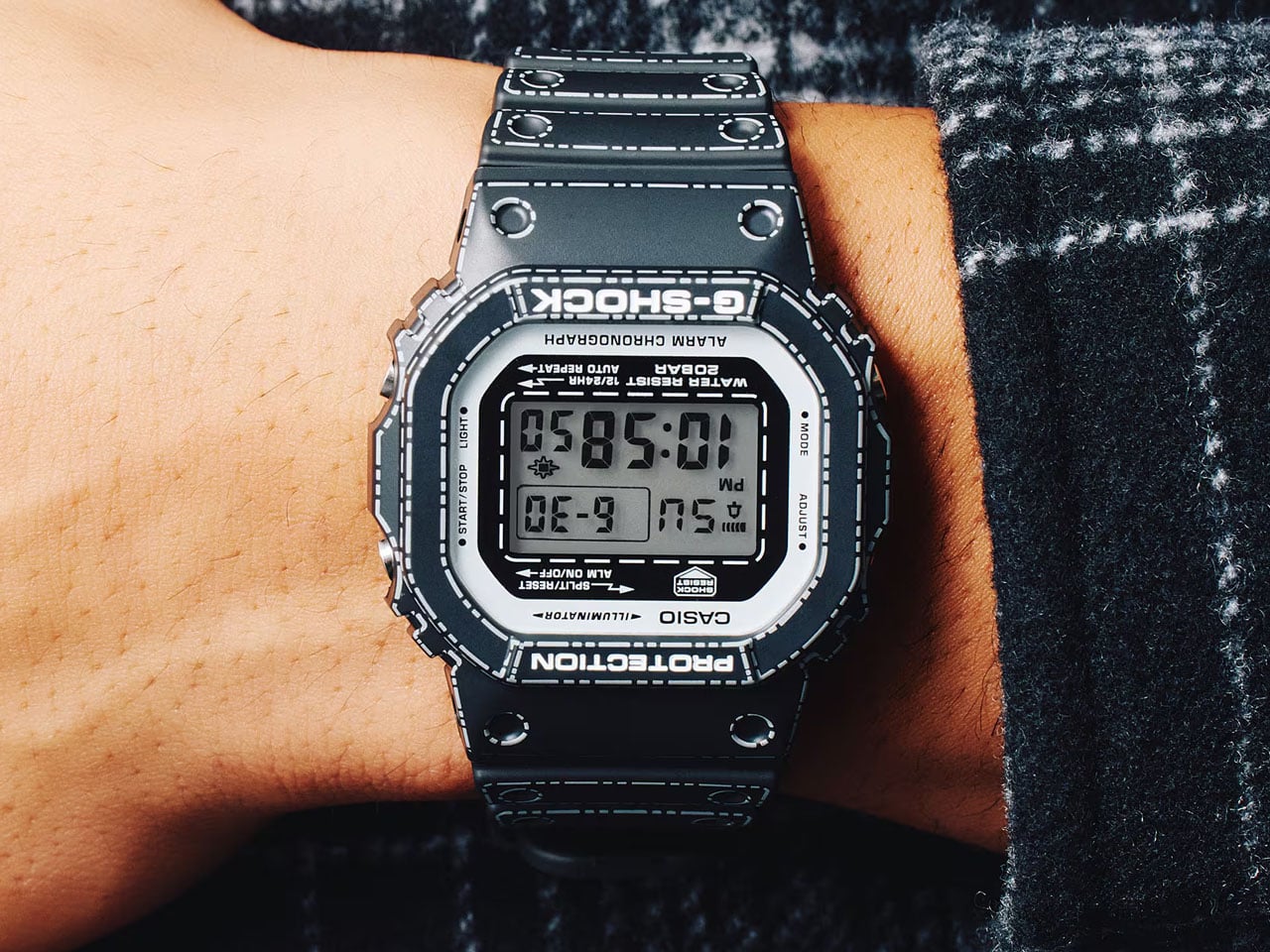
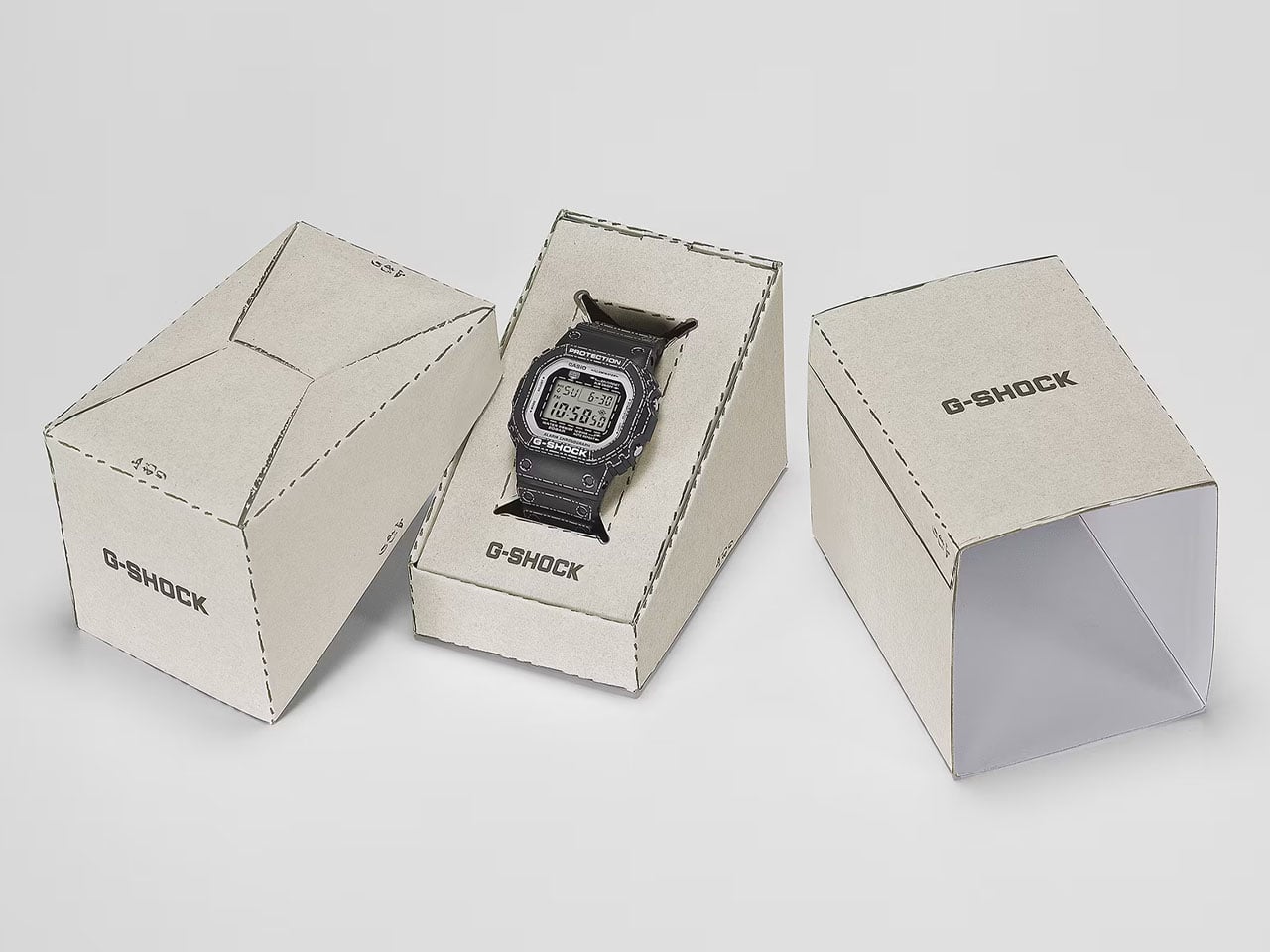
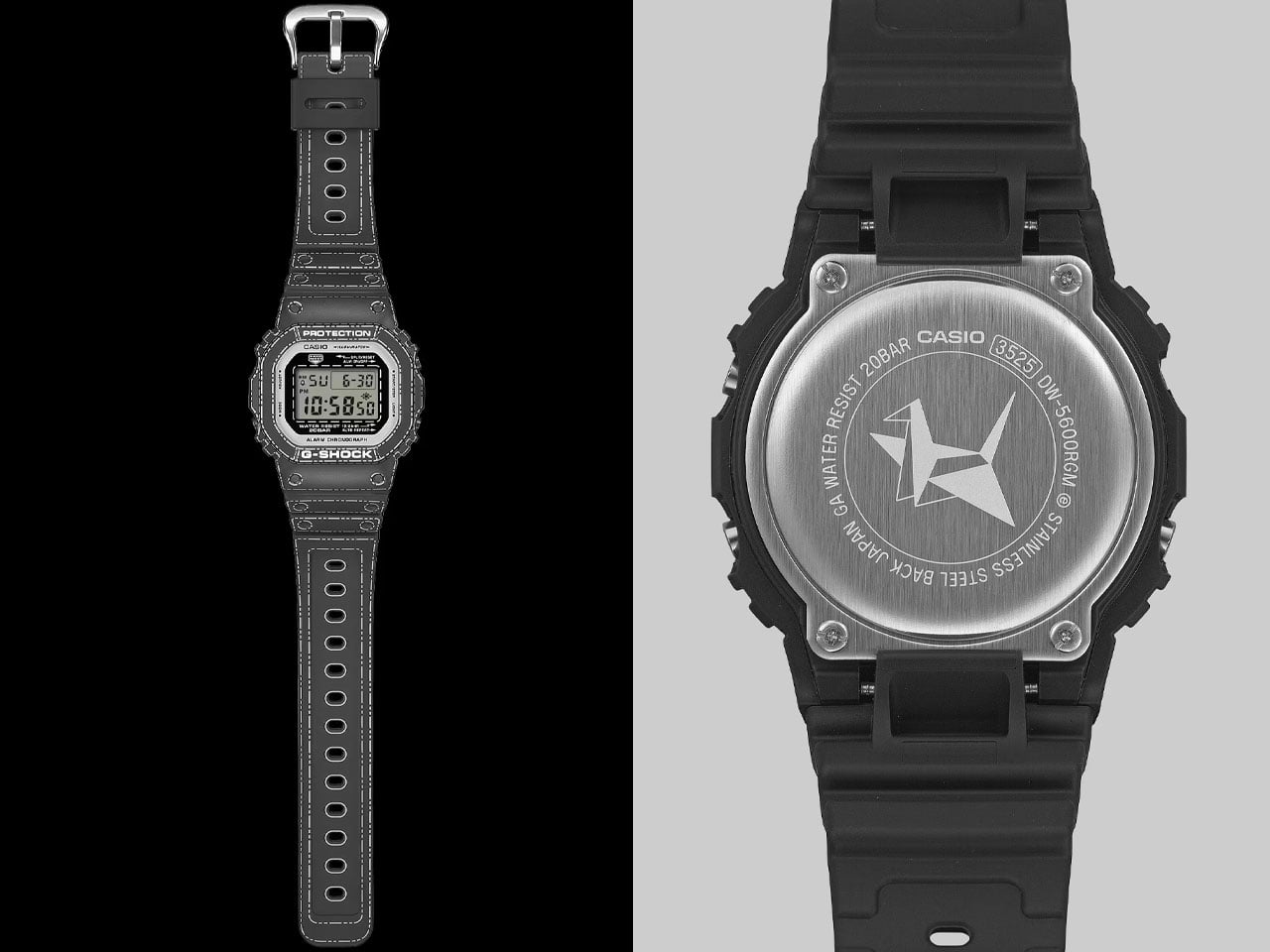
Predictably, the two variants: DW5600RGM-1 and DW6900RGM-5 reflect the folding patterns of origami with the dotted lines. This gives off the illusion of mountain and valley folds with washi paper like texture on the bezel and band.  The origami theme carries further into the watch details. On both watches, Casio has included the silhouette of a crane – a globally recognized symbol in origami – within the LED backlight and engraved on the case back. The special packaging also echoes the traditional paper folding craft, enhancing the presentation with design cues drawn from folded forms.

Casio’s choice of materials balances durability with aesthetic intent. The cases, bezels, and bands of both models are made from bio-based resin that retains the strength and impact resistance expected of G-Shock watches while supporting the distinctive textured finish. Despite the artistic approach, these watches maintain the toughness that the G-Shock line is known for, including shock resistance and a 200-meter water resistance rating suitable for swimming and surface water sports.

In terms of dimensions and wearability, the DW-6900RGM-5 is the larger of the two, with a case measuring approximately 53.2 × 50 × 18.7 mm and a weight of about 67 grams. The DW-5600RGM-1 is more compact at around 48.9 × 42.8 × 13.4 mm and weighs roughly 53 grams, catering to those who prefer a smaller profile on the wrist. Both watches use mineral glass and offer comfortable fits for a range of wrist sizes

.

Underneath the origami-inspired shell, the core functionalities are consistent with what buyers expect from a digital G-Shock. Each model includes a 1/100-second stopwatch, a countdown timer with auto-repeat, a multi-function alarm, and an hourly time signal. Additional features include an LED backlight with afterglow, flash alerts linked to alarms and the timer, and a full automatic calendar that runs through the year 2099. Timekeeping supports both 12-hour and 24-hour formats with a monthly accuracy of ±15 seconds.

Powering these functions is a long-lasting CR2016 battery that Casio rates at up to five years under normal use. This longevity, combined with the rugged build and everyday tools, positions the origami editions as practical timepieces for daily wear rather than purely collector items.

Pricing for the DW-5600RGM-1 and DW-6900RGM-5 in the United States is set at around $165 each, making them accessible within the broader G-Shock lineup while offering a distinctive design narrative rooted in Japanese culture.

The post Casio’s Origami-Inspired G-Shock watches blend Japanese craft with everyday toughness first appeared on Yanko Design.
Casio ring watch offers a playful yet practical way to tell the time

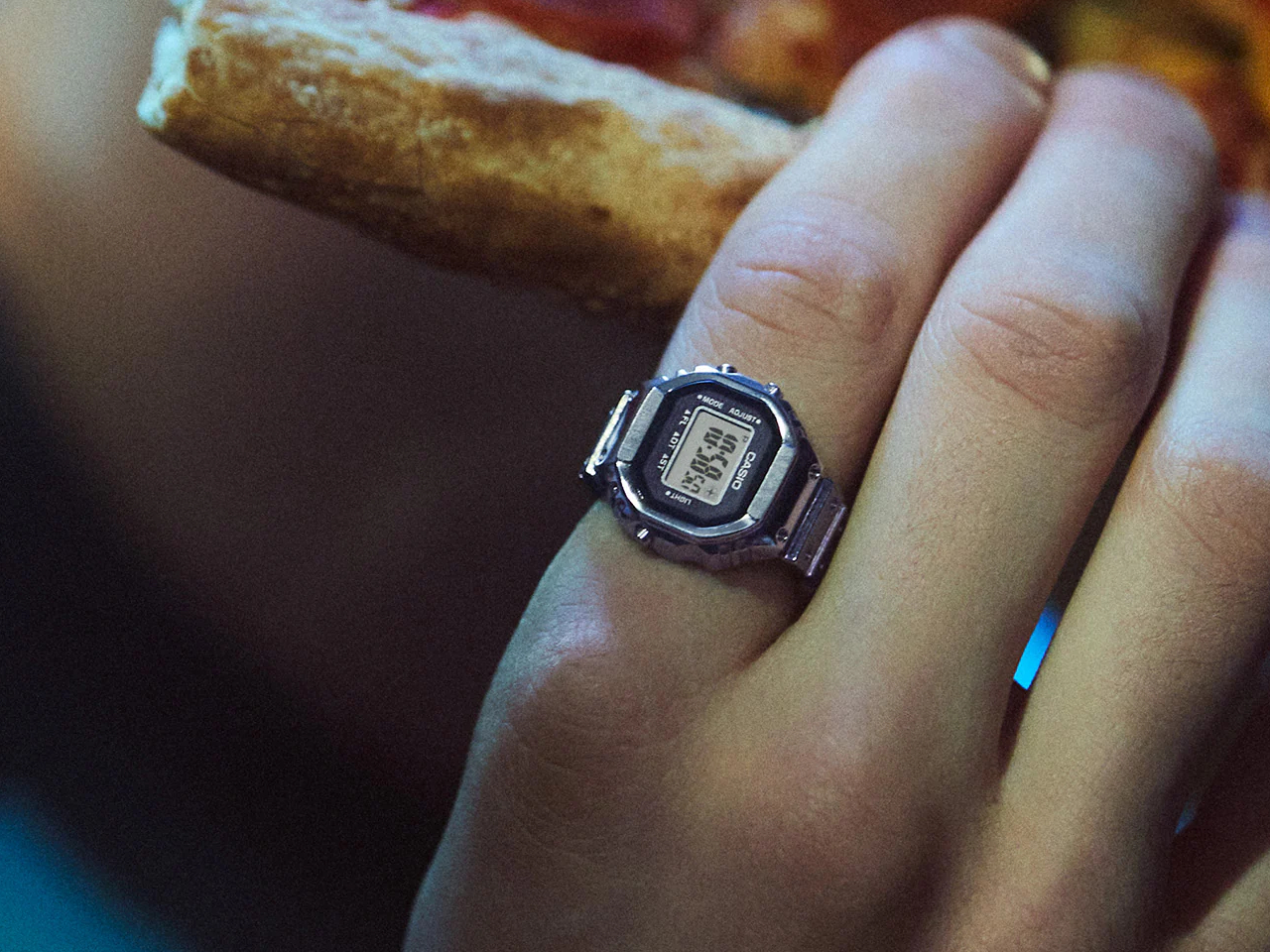
Smart rings are now being positioned to replace smartwatches but only in terms of tracking the wearer’s health and activities. They can’t tell the time like smartwatches, at least not until they’re able to show a tiny display that’s still readable. There might be a way around that limitation, but it will make you look like you’re wearing a shrunken wristwatch on your finger.

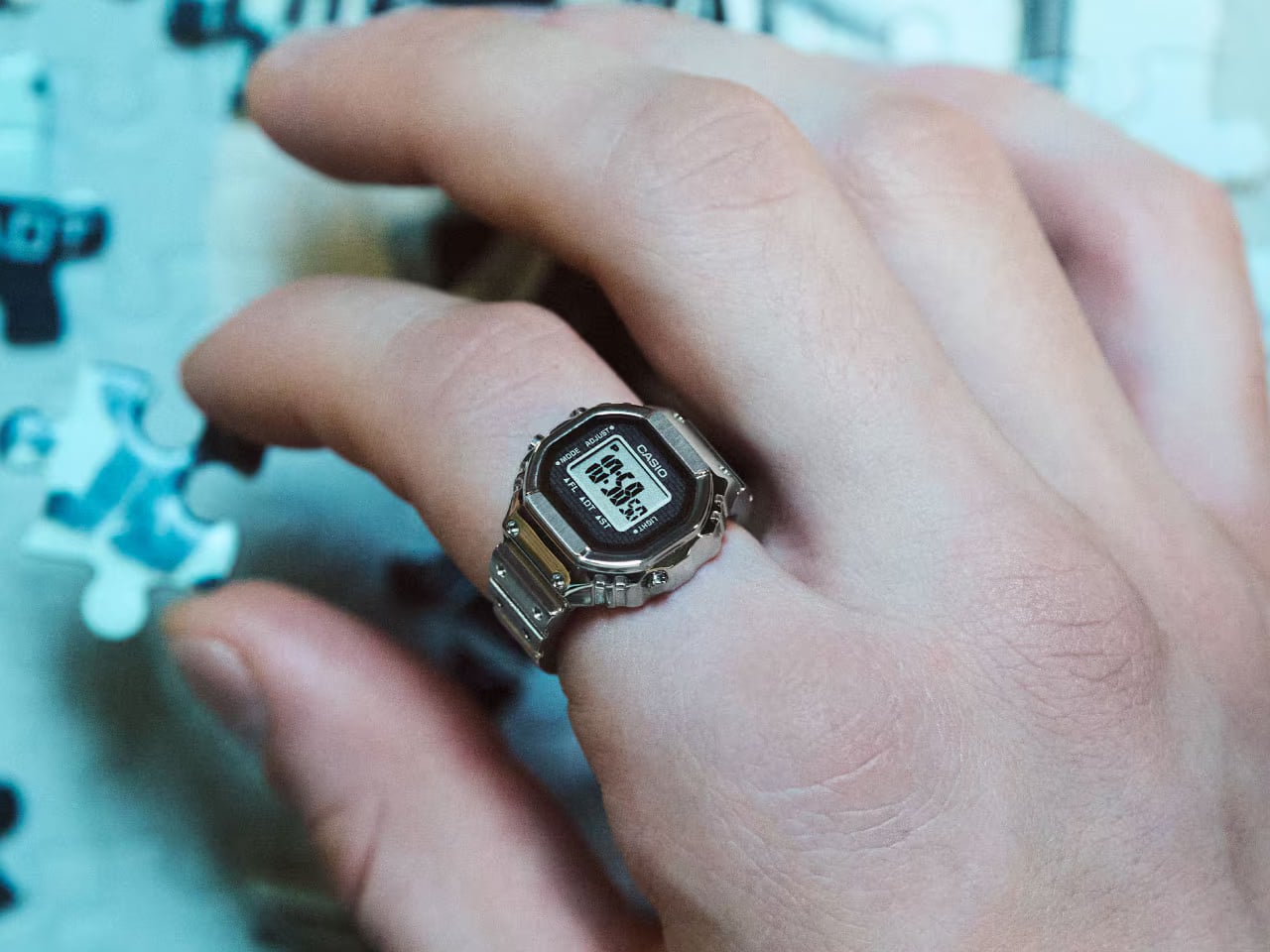
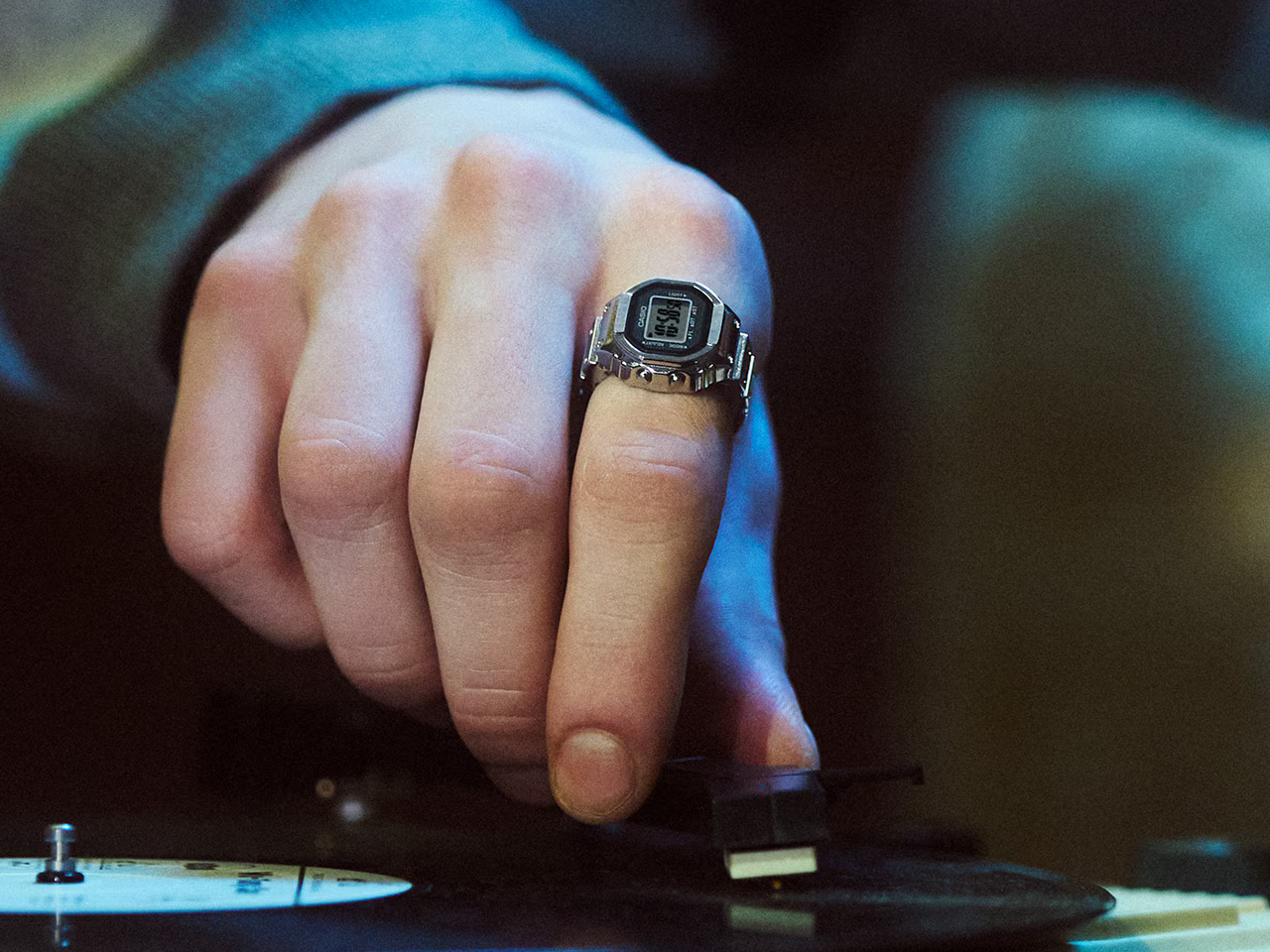
That’s pretty much the case for the new Casio Ring Watch CRW-001-1JR, practically a miniature version of the classic Casio digital watch. It has a full watch face, just smaller, that you can clearly read at a glance. Ironically, it doesn’t have any sensors, but that could be a possibility in the future given how large it is anyway.

Designer: Casio

To be really blunt, this “finger watch” is more of a cute and funny novelty than something you’d really want to depend on. It’s meant to celebrate the 50th anniversary of Casio’s digital watch business, which is why it tries to stick as close as possible to that design. It is also functional, though comfortable use is obviously out of the question.

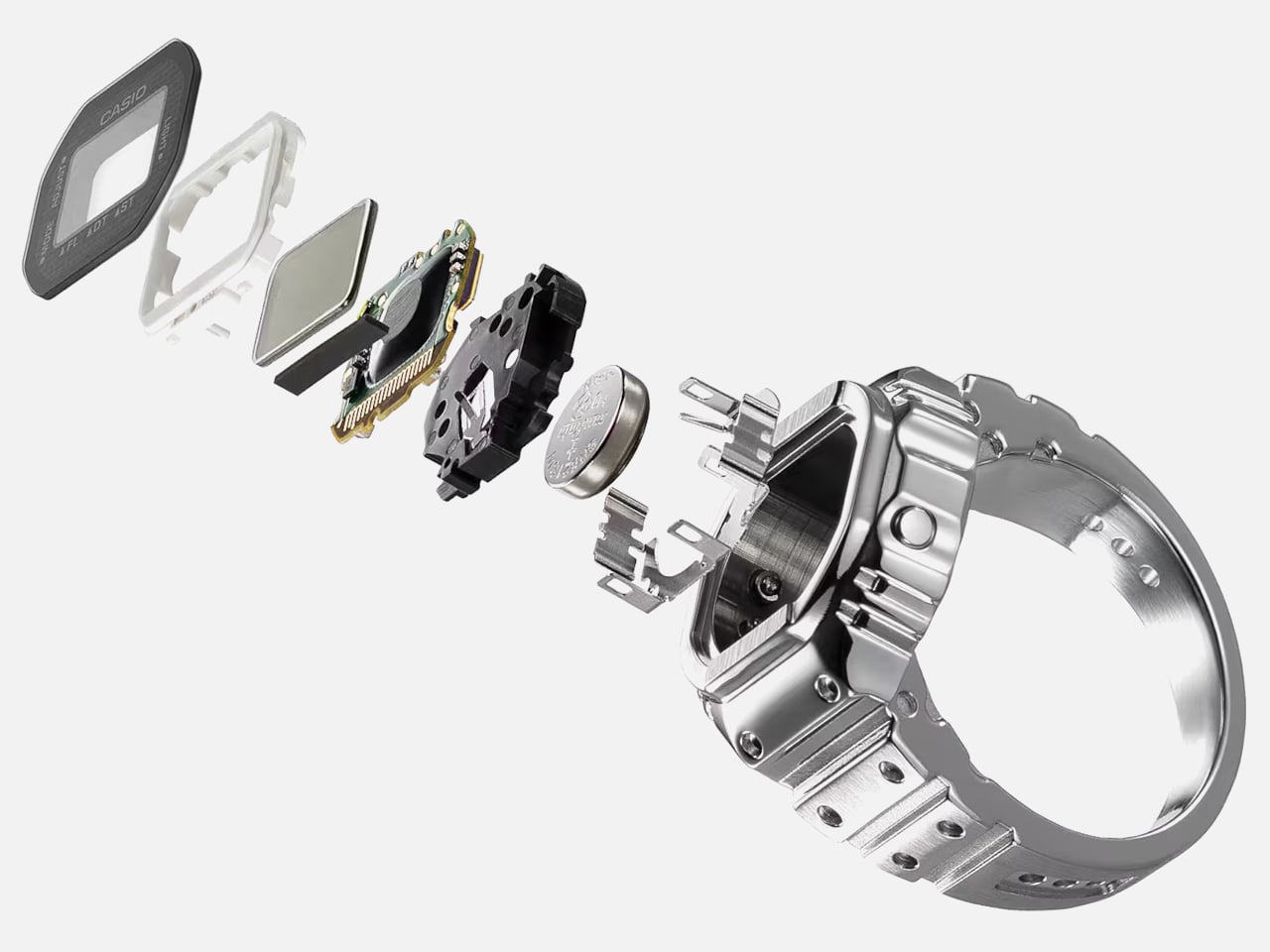
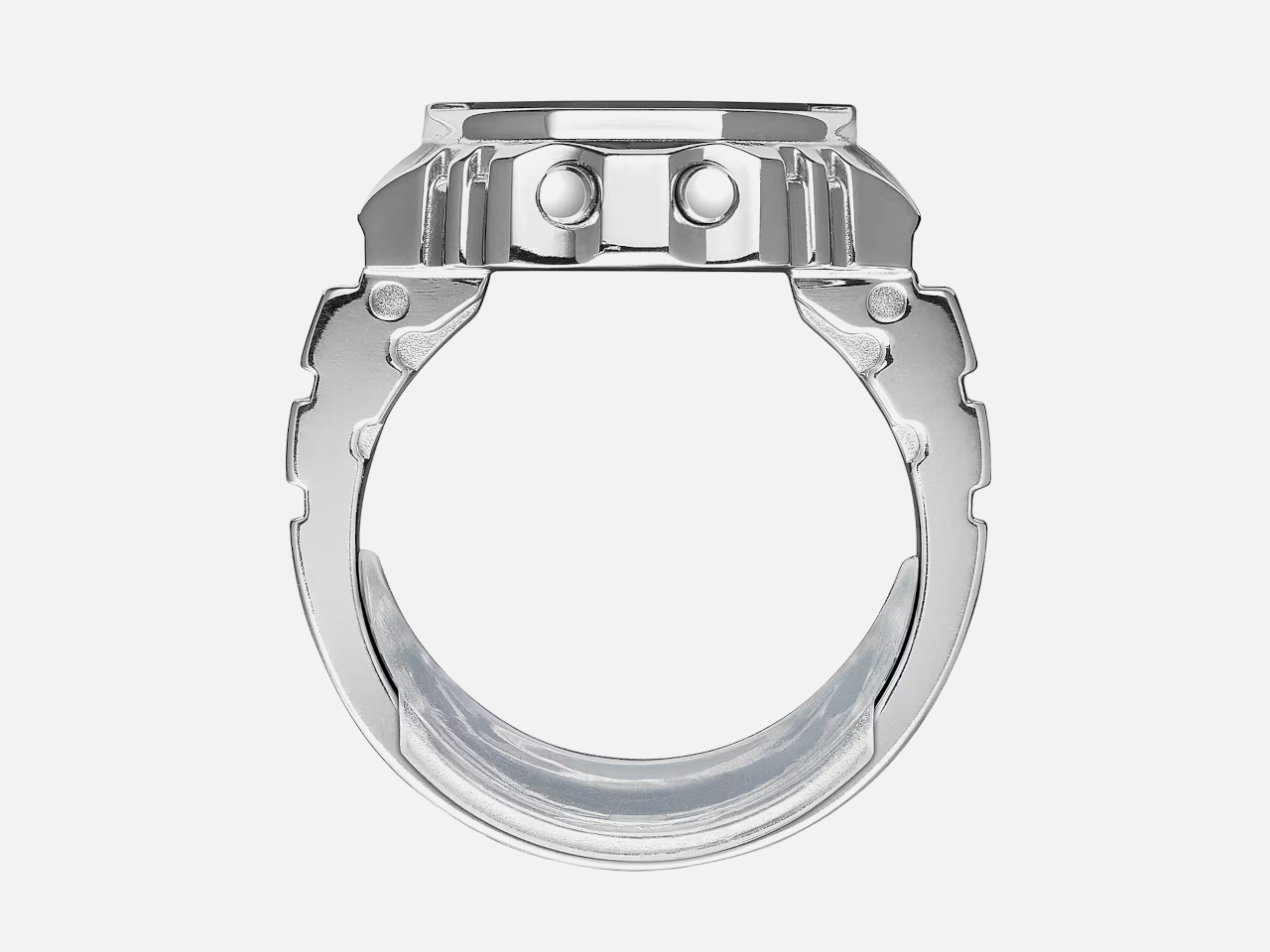
With a display that’s almost an inch in size, the Casio Ring Watch manages to squeeze in a 7-segment LCD that can display hours, minutes, and seconds. There are also multiple modes, including dual-time, alarm, and a stopwatch. Yes, it has an alarm, but rather than cramming a tiny and terrible speaker, it just flashes the screen to get your attention.

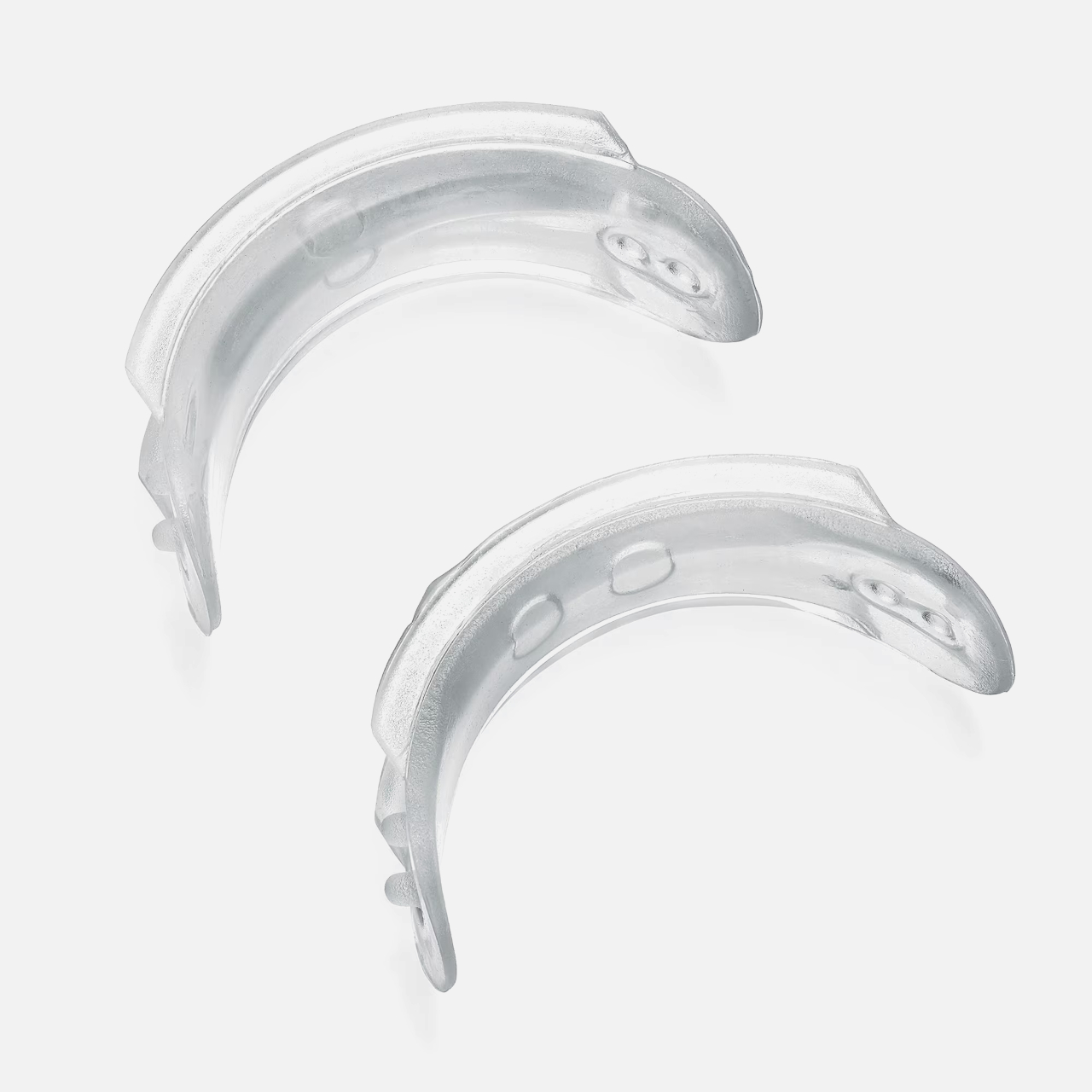
The Casio Ring Watch is roughly 1/10th the size of a regular Casio digital watch, but to accommodate that unusual design, which includes three physical buttons, the company opted to have a single ring size. It’s equivalent to US size 10.5 or 20mm inner diameter, but the package includes two spacers for those with smaller finger sizes. Unfortunately, that design does mean that larger fingers are out of luck.

This odd “smart” ring is more of a collectible product rather than an everyday wear anyway. Since we humans use our hands a lot, such a large ring will get in our way often. It is advertised to be waterproof, though, but the exact rating isn’t disclosed. It runs on a replaceable battery that is also stated to last at least two years before needing a substitute. The Casio Ring Watch will be launching next month with an SRP of 19,800 JPY, roughly $128. International availability is still unknown.

The post Casio ring watch offers a playful yet practical way to tell the time first appeared on Yanko Design.
Casio calculator watch pays homage to the world’s first pocket calculator

It’s almost too easy to take for granted the conveniences we enjoy today thanks to modern devices like computers and calculators. Calculators might be a common sight these days, even on smartphones as a pre-installed app, but there was actually a time when these counting machines were only found in offices. Their bulky designs and expensive components limited their availability to businesses that could afford them, forcing other people to depend on manual calculations.

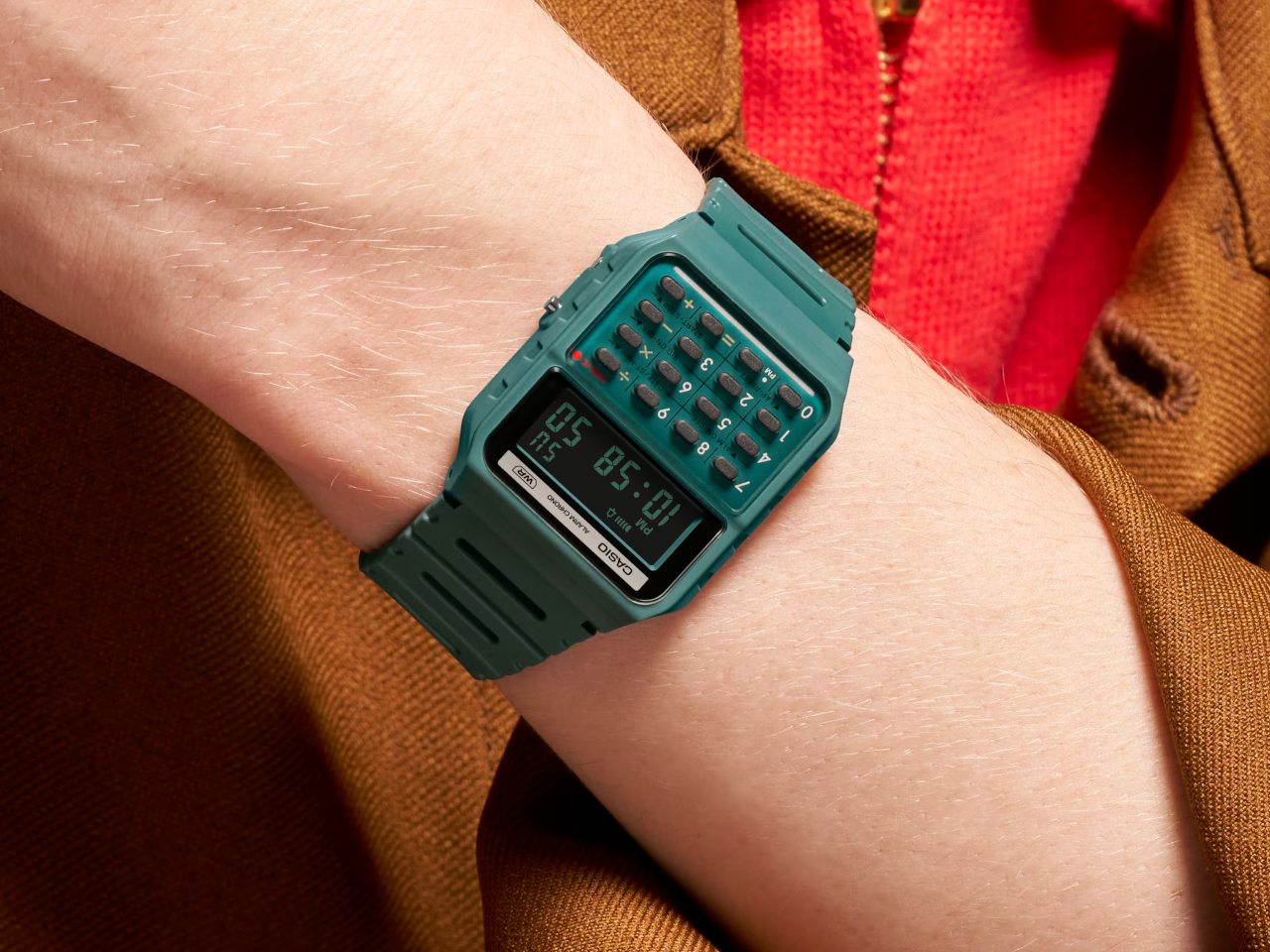
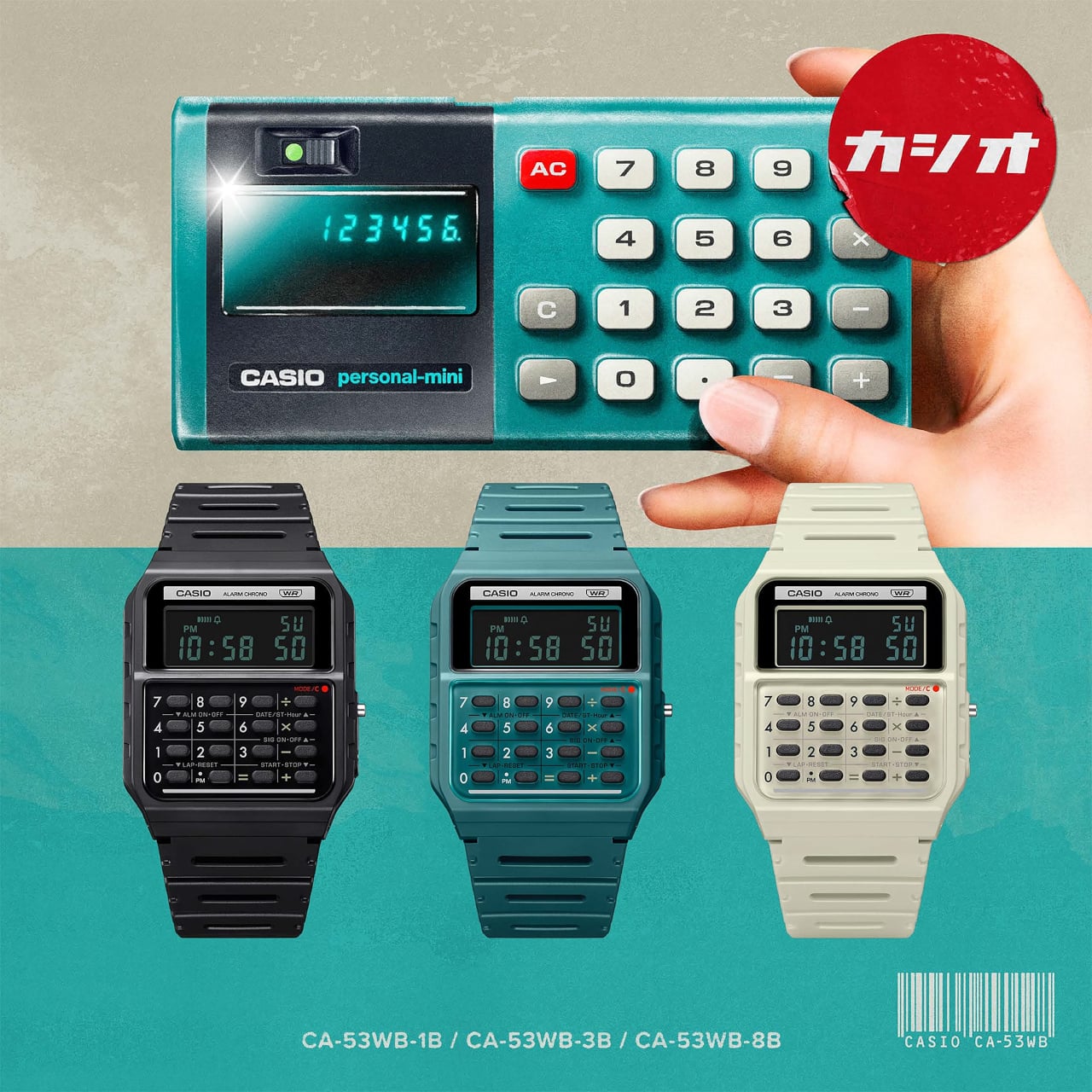
The first generation of personal calculators, large as they may be by today’s standards, truly revolutionized this industry, making it easier for professionals, students, and practically anybody to make complicated calculations in just seconds. To recognize one of these trailblazers, Casio just released a new version of its odd calculator watch, taking its design cues from its own Casio Mini pocket calculator from the 70s.

Designer: Casio

Wristwatches that cram tiny calculator keys in a small space aren’t exactly new. Whether they’re actually practical or convenient is hardly a concern, as they give watch lovers and Casio fans something to cherish. Especially in an age where everyone can use their phones for the same purpose, these timepieces become designs that combine nostalgia and novelty in one package.

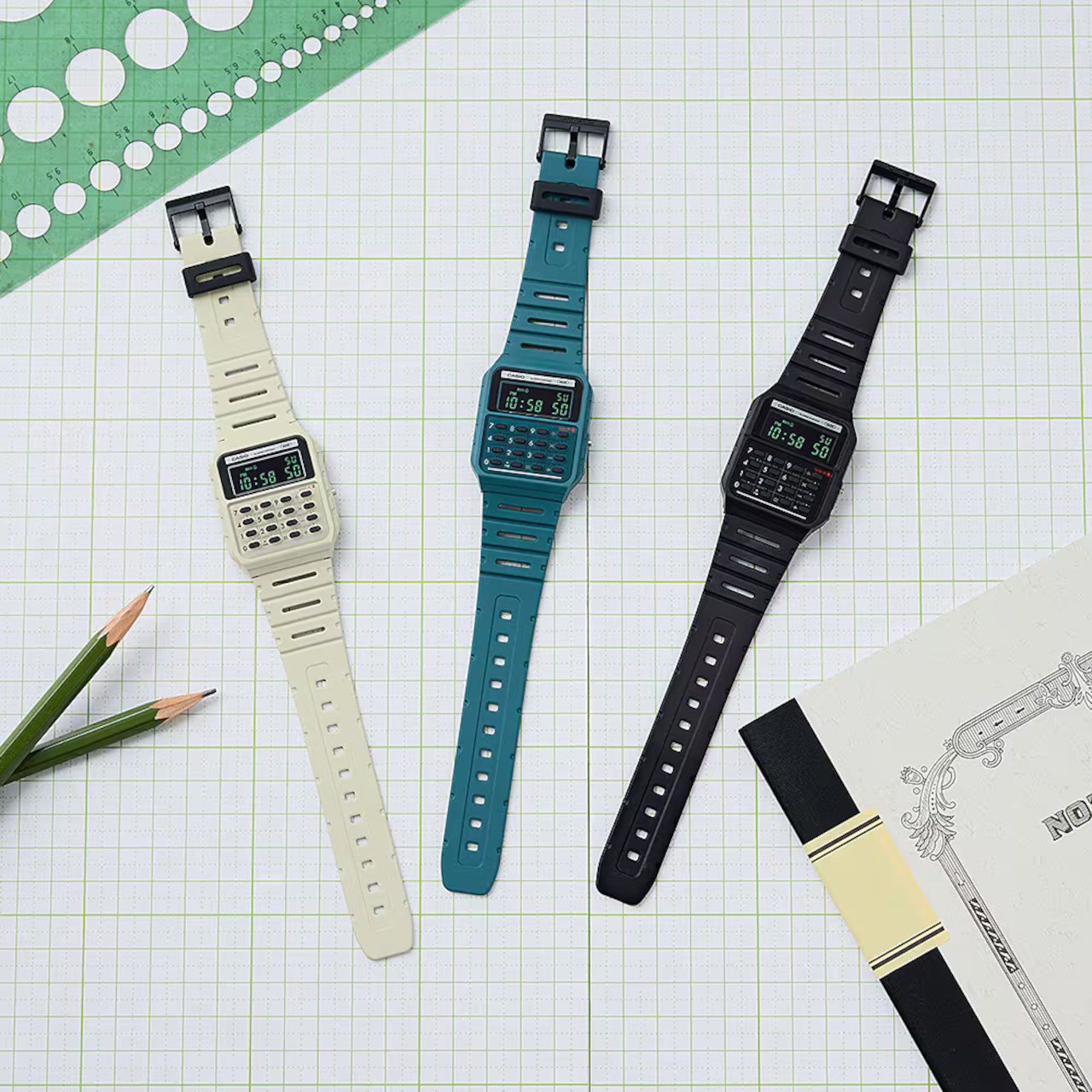
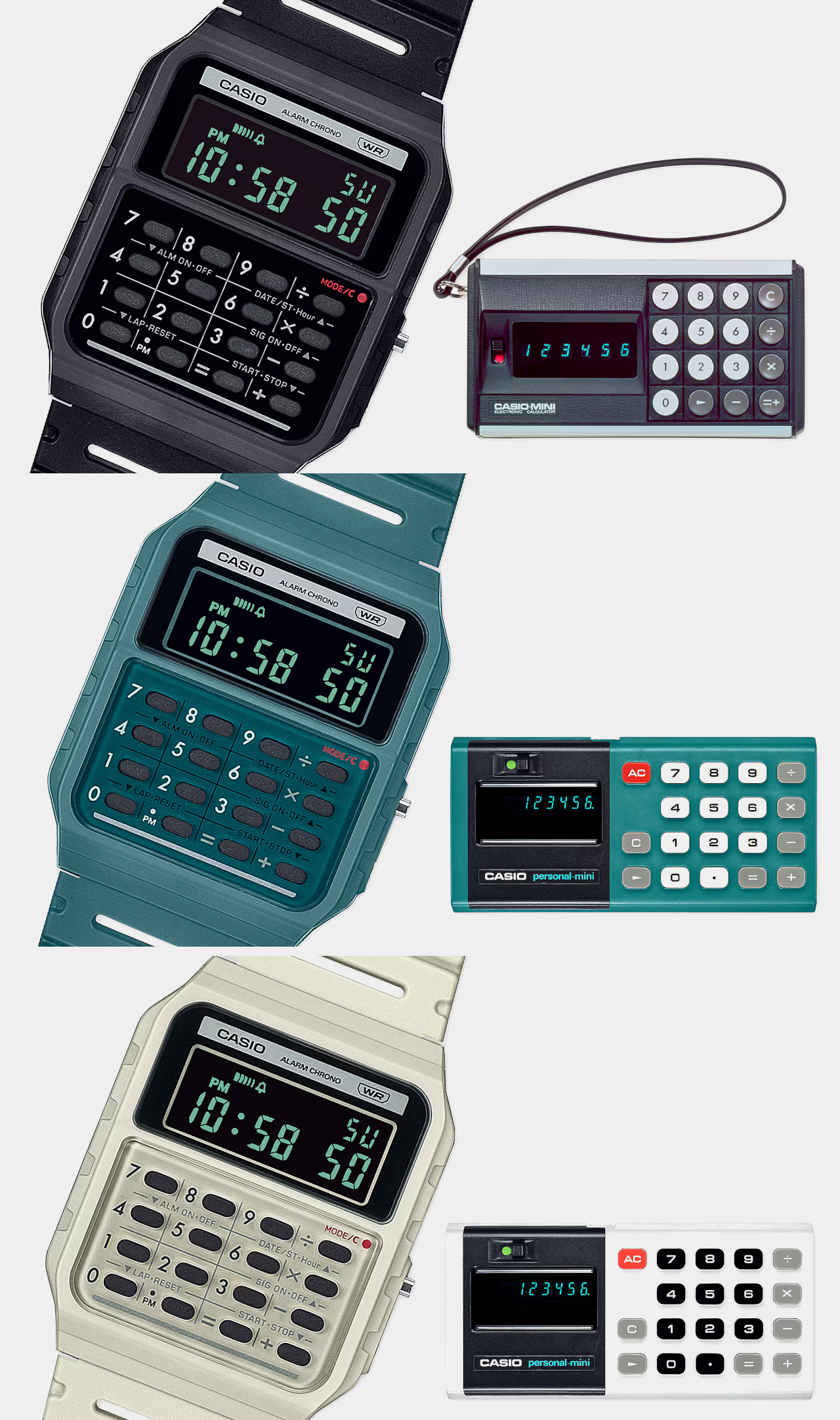
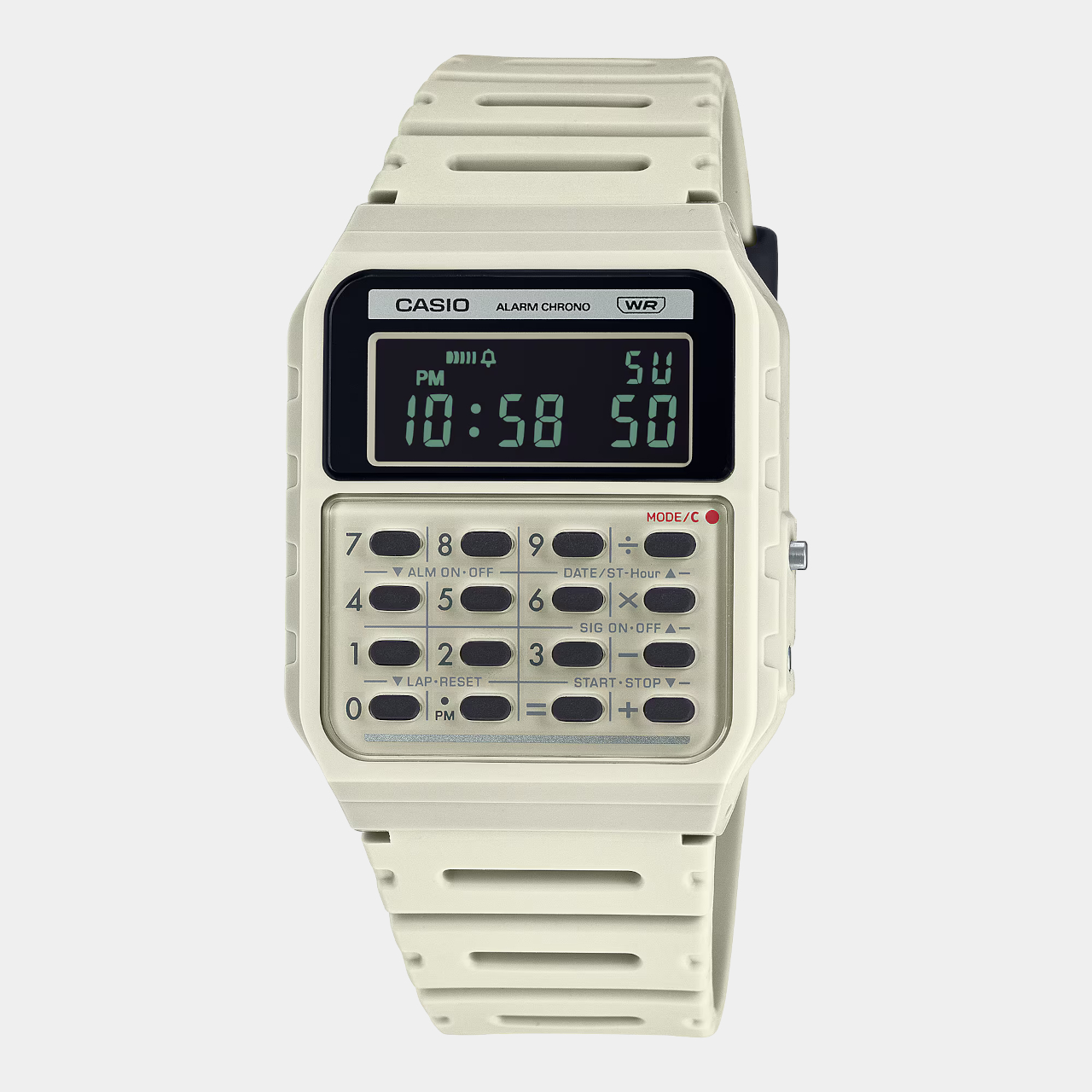
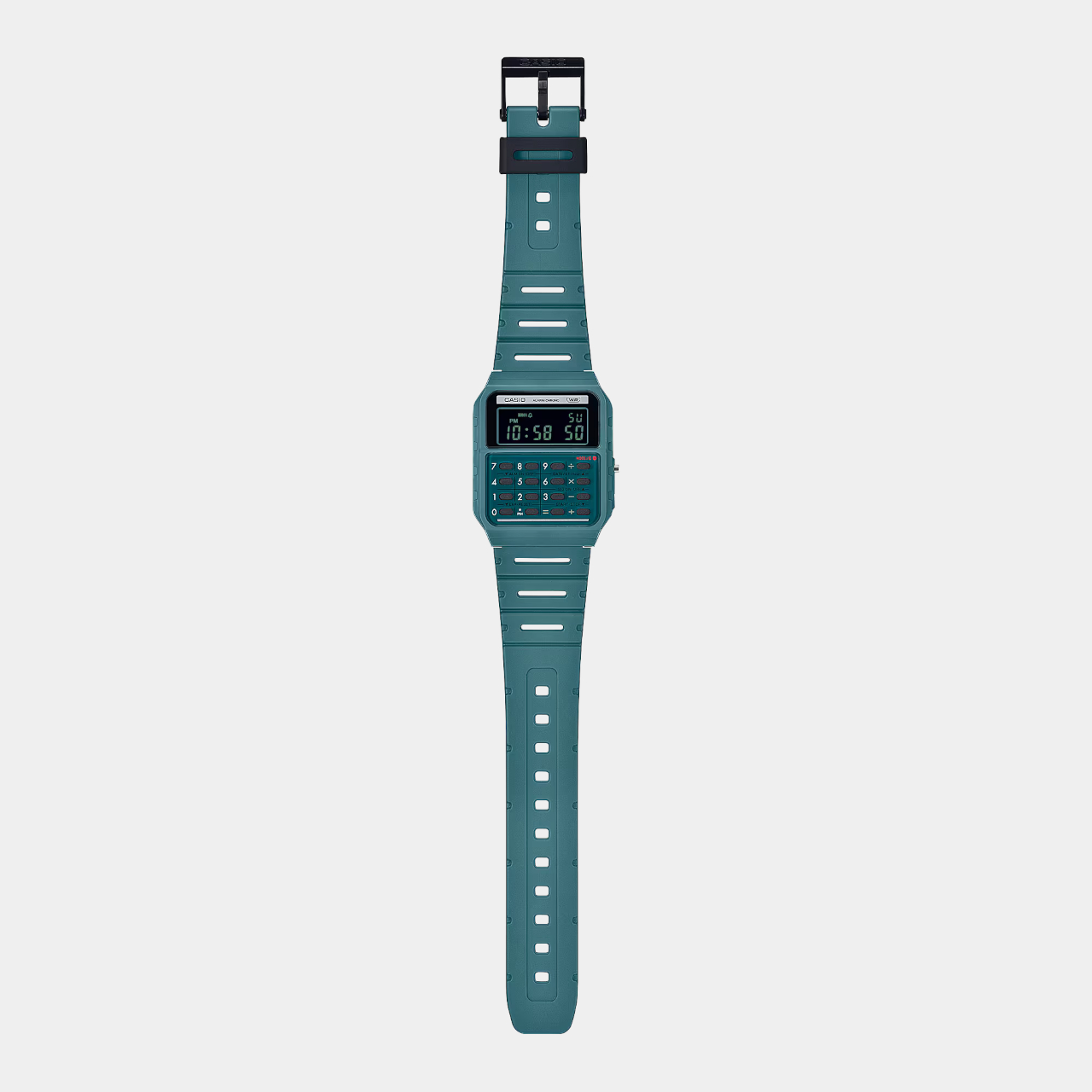
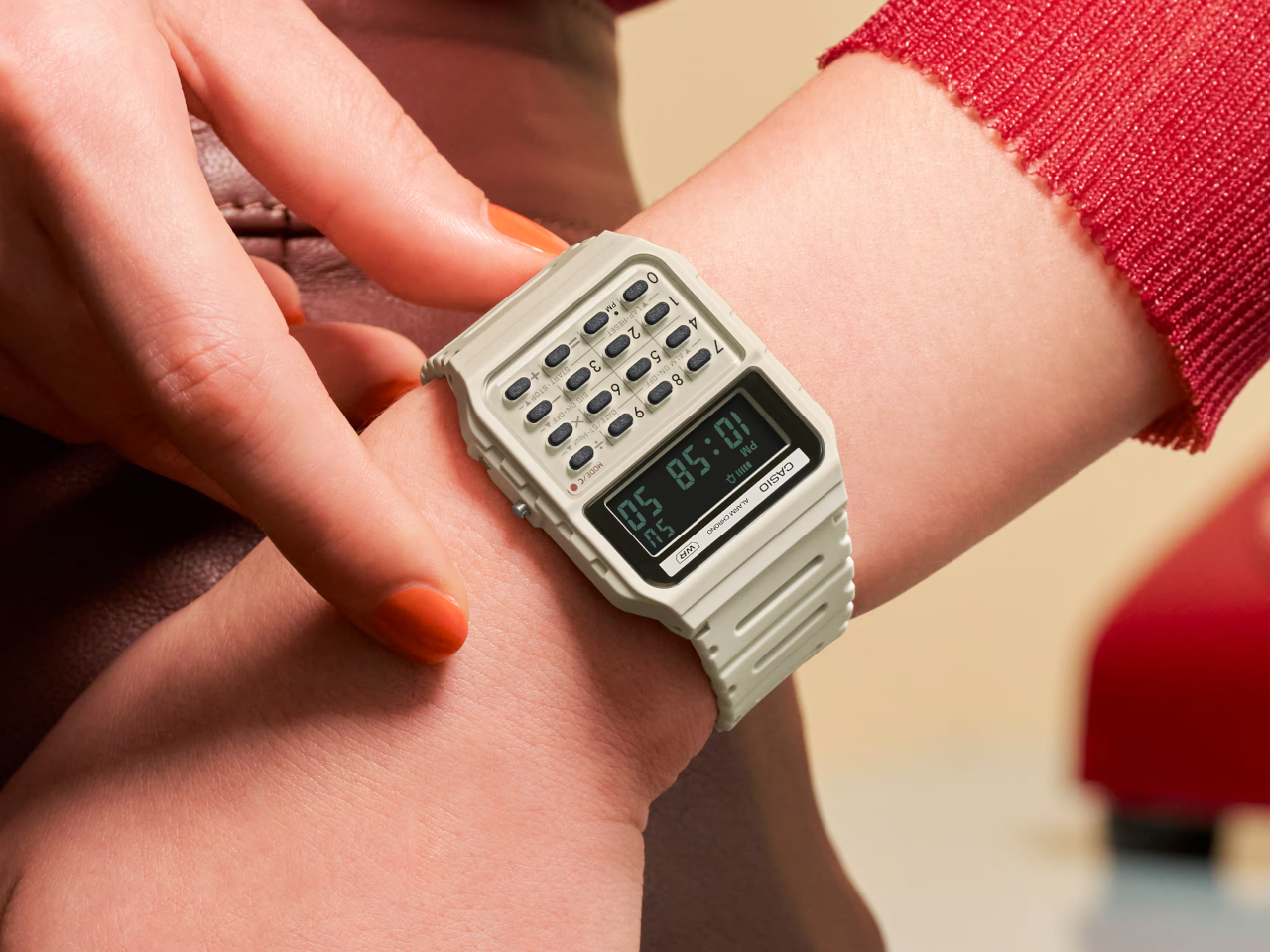
The new arrivals to this set don’t actually add new functionality, which would ruin the charm of this device, but tweak the design a bit for an even more retro look. The Casio CA-53WB watches specifically adopt the design elements of the Casio Mini from 1972, starting with the three color options available back in 1972: ivory, black, and blue-green. Unlike the other Casio calculator watches, these three use green text on a negative LCD, just like those old-school displays.

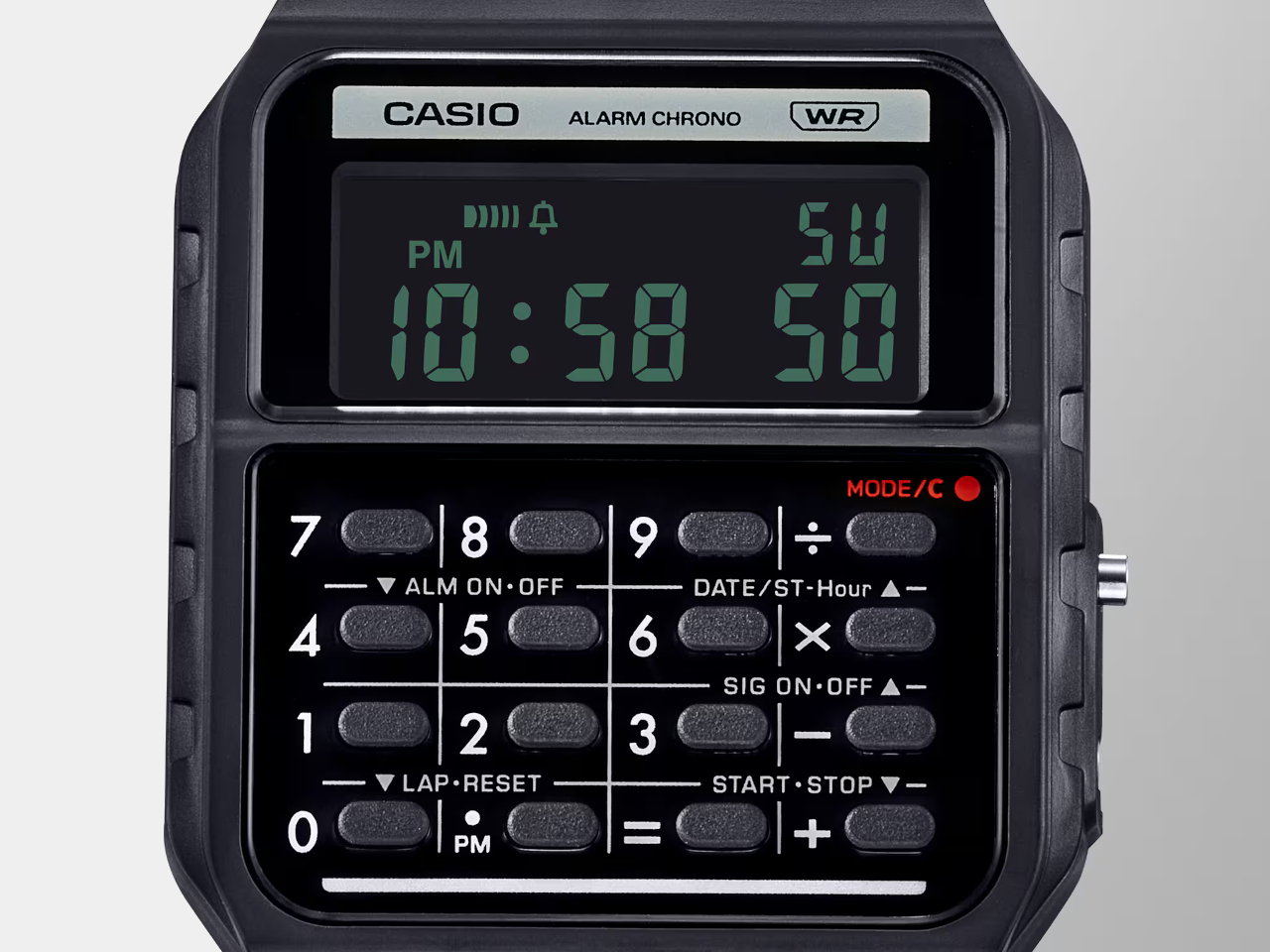
There are also more subtle design cues that might be more familiar to those who remember the original calculators. The number buttons, for example, are separated by grid lines, and the mode indicator uses a red color to emulate the power indicator of the old calculator.

In terms of functionality, the Casio CA-53WB is exactly like the other models, supporting up to eight digits for calculations and providing features like a stopwatch and an alarm. One modern improvement in the design is the use of bio-based resin for the watch band, reducing the product’s environmental impact. This blast from the past calculator watch costs $36, a few bucks more than the regular Casio calculator watches.

The post Casio calculator watch pays homage to the world’s first pocket calculator first appeared on Yanko Design.
Casio calculator watch pays homage to the world’s first pocket calculator

It’s almost too easy to take for granted the conveniences we enjoy today thanks to modern devices like computers and calculators. Calculators might be a common sight these days, even on smartphones as a pre-installed app, but there was actually a time when these counting machines were only found in offices. Their bulky designs and expensive components limited their availability to businesses that could afford them, forcing other people to depend on manual calculations.

The first generation of personal calculators, large as they may be by today’s standards, truly revolutionized this industry, making it easier for professionals, students, and practically anybody to make complicated calculations in just seconds. To recognize one of these trailblazers, Casio just released a new version of its odd calculator watch, taking its design cues from its own Casio Mini pocket calculator from the 70s.

Designer: Casio

Wristwatches that cram tiny calculator keys in a small space aren’t exactly new. Whether they’re actually practical or convenient is hardly a concern, as they give watch lovers and Casio fans something to cherish. Especially in an age where everyone can use their phones for the same purpose, these timepieces become designs that combine nostalgia and novelty in one package.

The new arrivals to this set don’t actually add new functionality, which would ruin the charm of this device, but tweak the design a bit for an even more retro look. The Casio CA-53WB watches specifically adopt the design elements of the Casio Mini from 1972, starting with the three color options available back in 1972: ivory, black, and blue-green. Unlike the other Casio calculator watches, these three use green text on a negative LCD, just like those old-school displays.

There are also more subtle design cues that might be more familiar to those who remember the original calculators. The number buttons, for example, are separated by grid lines, and the mode indicator uses a red color to emulate the power indicator of the old calculator.

In terms of functionality, the Casio CA-53WB is exactly like the other models, supporting up to eight digits for calculations and providing features like a stopwatch and an alarm. One modern improvement in the design is the use of bio-based resin for the watch band, reducing the product’s environmental impact. This blast from the past calculator watch costs $36, a few bucks more than the regular Casio calculator watches.

The post Casio calculator watch pays homage to the world’s first pocket calculator first appeared on Yanko Design.
Casio’s A158 Watch Now a Retro Desk Clock You Need

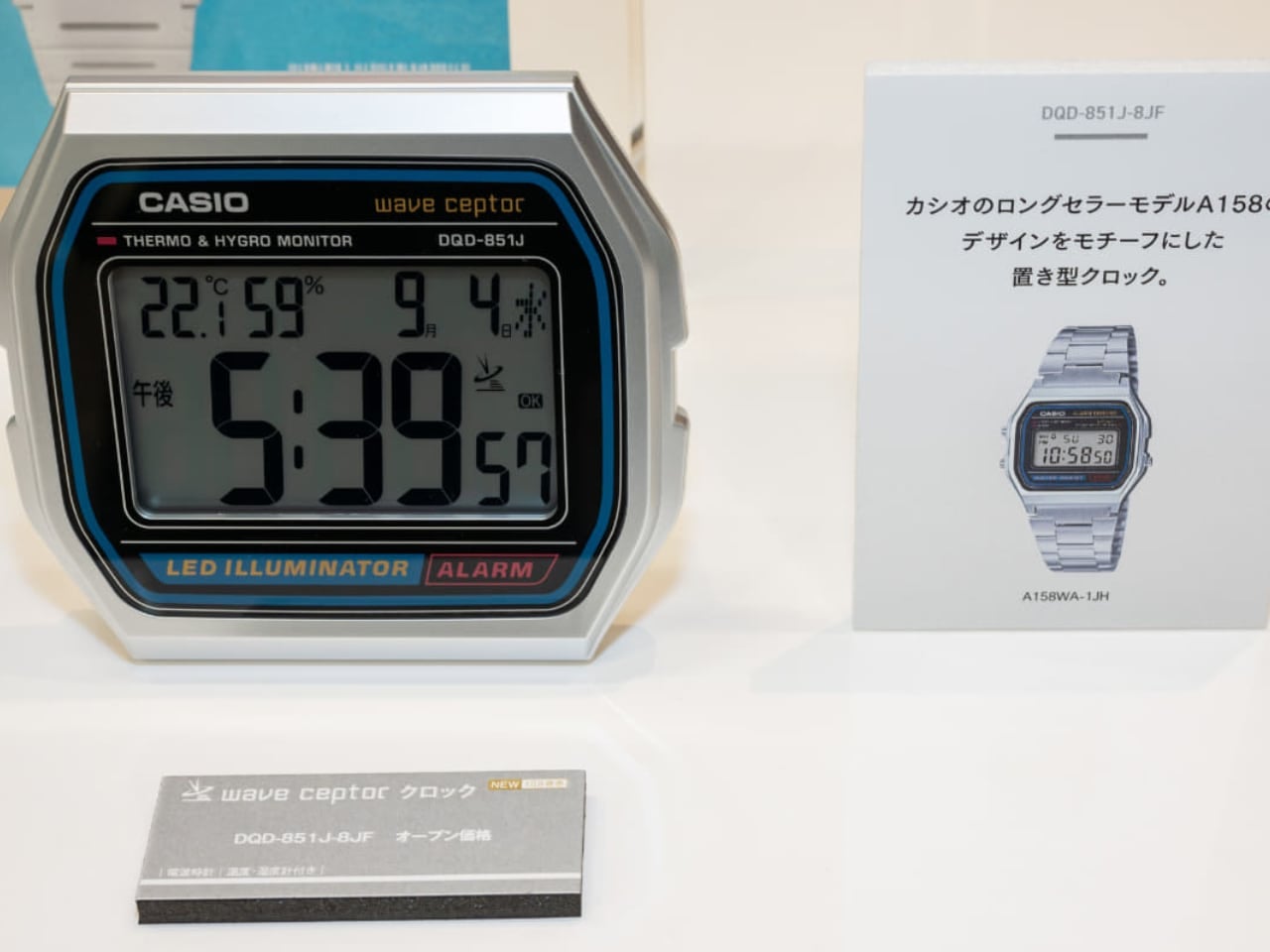
Casio’s A158W digital wristwatch has remained relevant for decades with its simple design and reliability. Now, Casio brings that design from your wrist to your desk with the DQD-851J-8JF desk clock. Scheduled for release on October 25 in Japan, this desk clock channels the aesthetics of the A158 with modern updates.

Designer: Casio

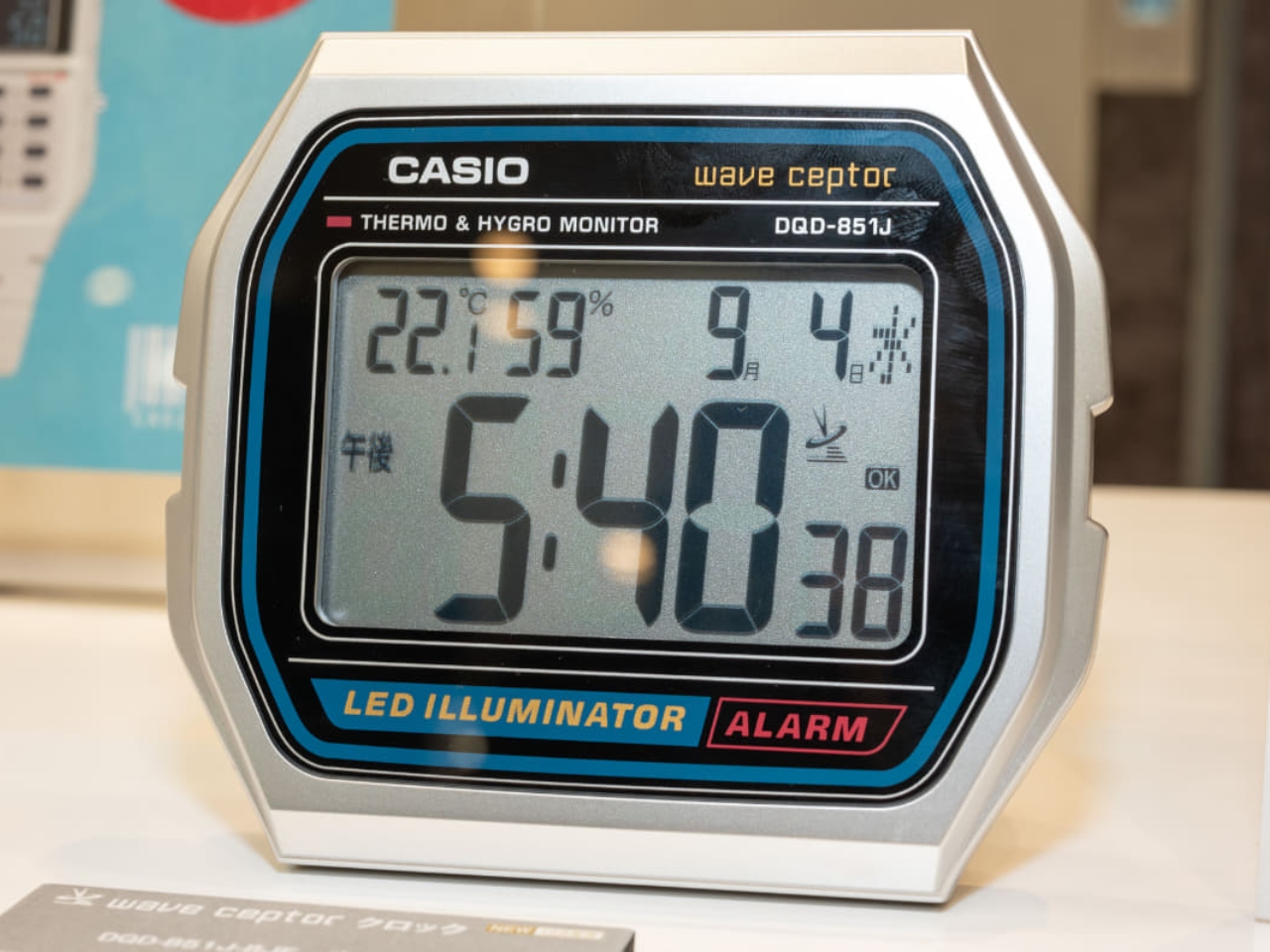
The DQD-851J-8JF borrows design elements from the A158W, including the silver-toned casing and familiar digital display. The clock’s body echoes the classic curves and rectangular silhouette of the A158 watch, giving it a nostalgic appeal reminiscent of the 1980s.

Introduced in the 1980s, the Casio A158W became popular for its utility, affordability, and retro aesthetic. It offered a digital display, LED backlight, and water resistance, making it versatile for all lifestyles. Even today, it remains a favorite among minimalists and retro watch enthusiasts.

The DQD-851J-8JF desk clock pays homage to the A158W while incorporating modern features. One key addition is Wave Ceptor automatic time adjustment, which synchronizes the clock to the Japan Standard Time radio signal (JJY) broadcasted from transmitters within Japan. Note that this feature is exclusive to Japan, and it will not function with radio signals in other regions. The clock also includes a thermometer and hygrometer, providing insight into indoor comfort. Additional features include a snooze alarm, 12/24-hour format, full auto-calendar, and an amber LED backlight.
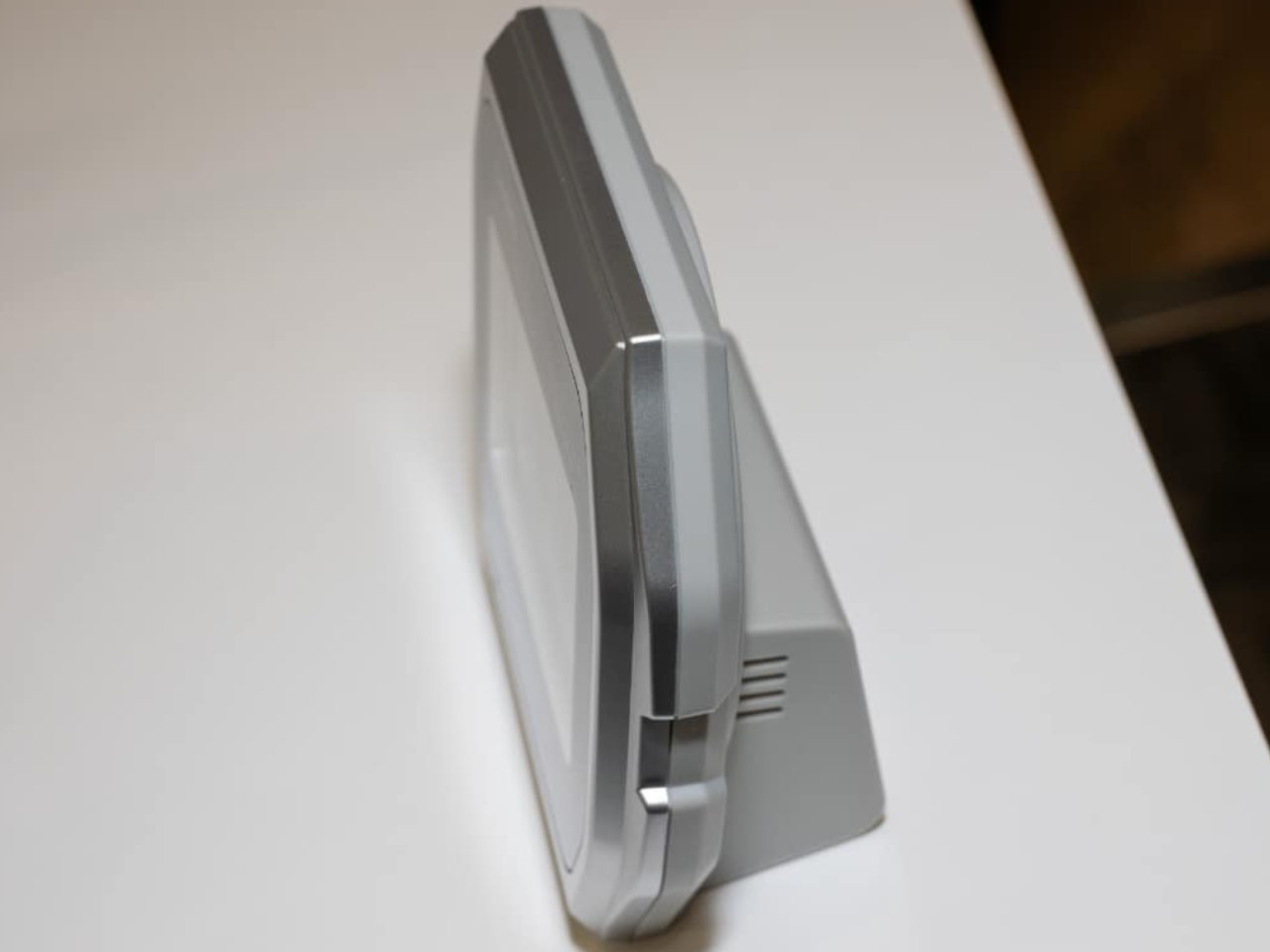
The desk clock captures the iconic look of the A158W. From the rectangular digital screen framed by the brushed silver-tone bezel to the tactile buttons, every detail evokes a retro vibe. The clock features a larger, easy-to-read LCD screen with bold black digits for readability. It is compact yet stable, measuring 102 x 117 x 48 millimeters and weighing 185 grams.

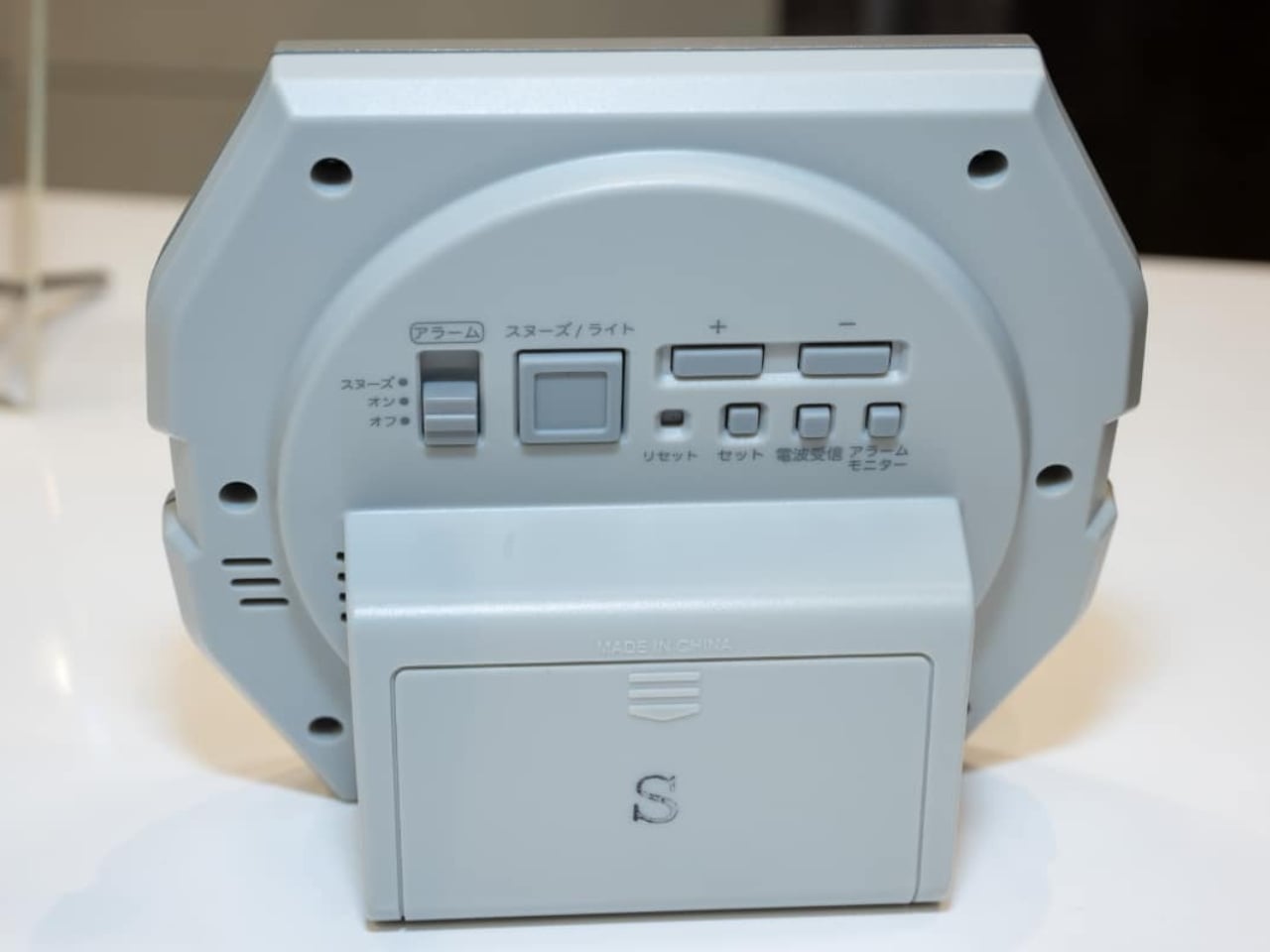
The amber LED backlight offers a warm glow, reminiscent of the original wristwatch’s light. The buttons for adjusting settings are placed intuitively, similar to the wristwatch, for easy interaction. The brushed finish of the casing and slightly raised bezel add to its retro charm.

The DQD-851J-8JF is powered by two AA batteries, offering about one year of battery life—convenient and low-maintenance, much like the original A158W.

Casio’s decision to create a desk clock inspired by the A158W honors the enduring appeal of a product that has outlasted tech trends. The A158W’s straightforward nature makes it timeless. With the DQD-851J-8JF, that appeal now lives in a new form factor, ideal for any desk or nightstand.

For those who cherish the A158, the DQD-851J-8JF brings that classic vibe into other parts of life. Whether you’re a longtime fan or discovering Casio’s digital nostalgia for the first time, this desk clock is an excellent way to celebrate a design that has stood the test of time. Pre-orders are available in Japan.

The post Casio’s A158 Watch Now a Retro Desk Clock You Need first appeared on Yanko Design.