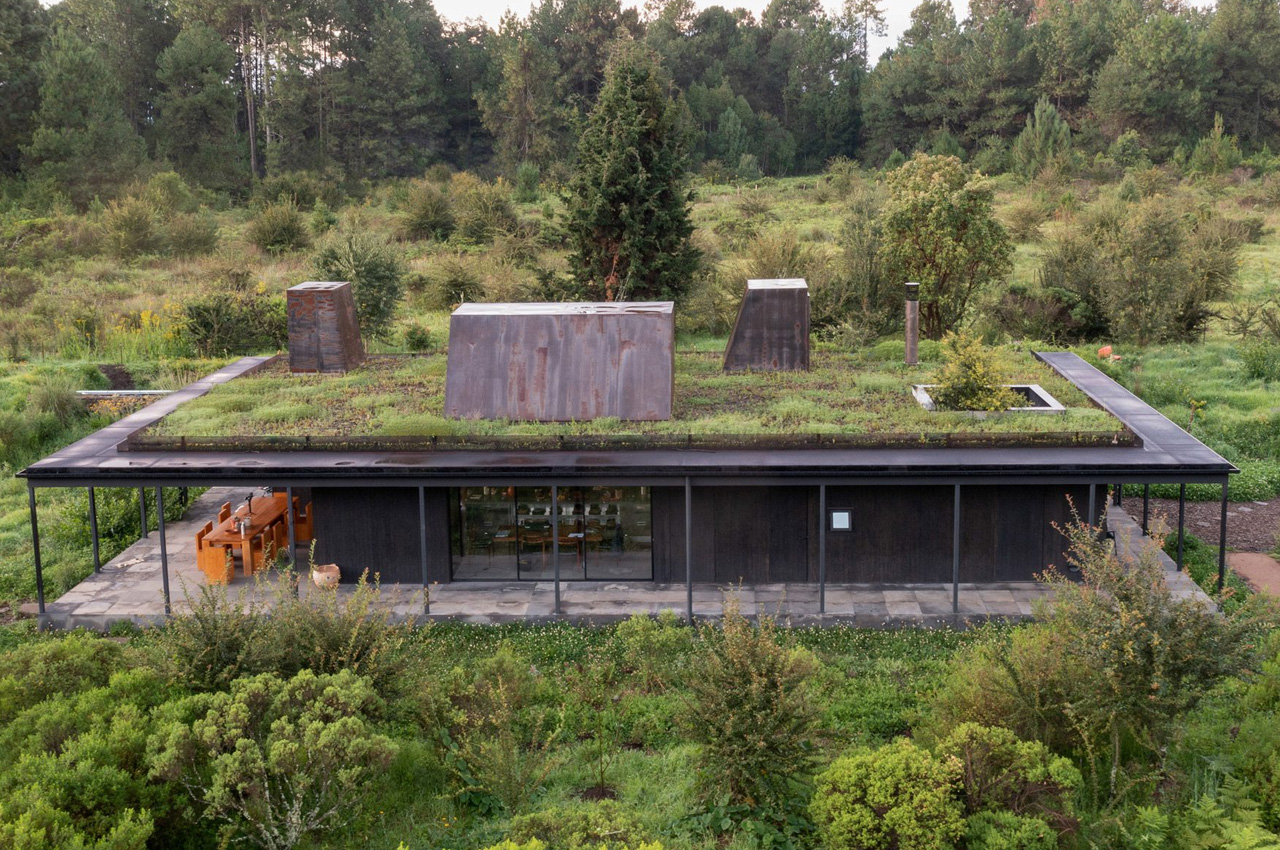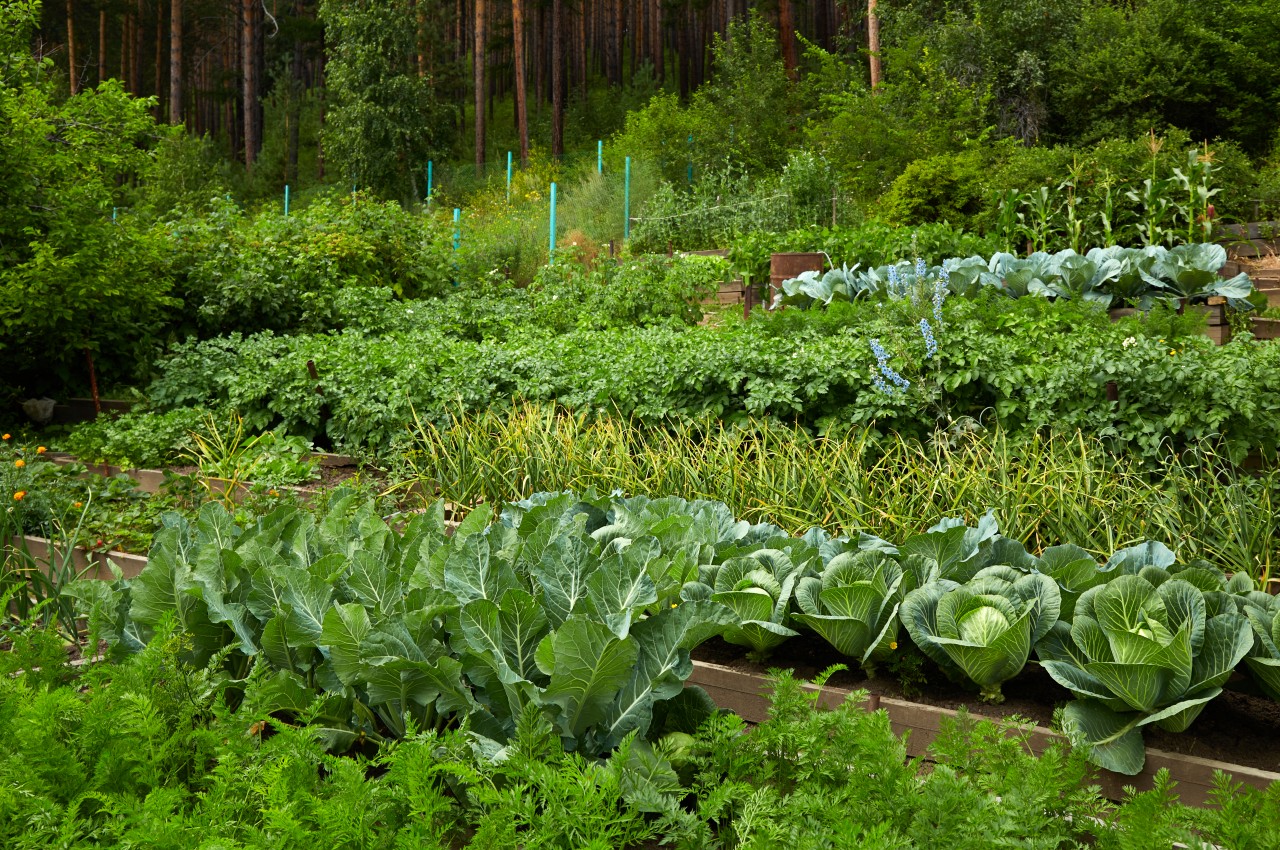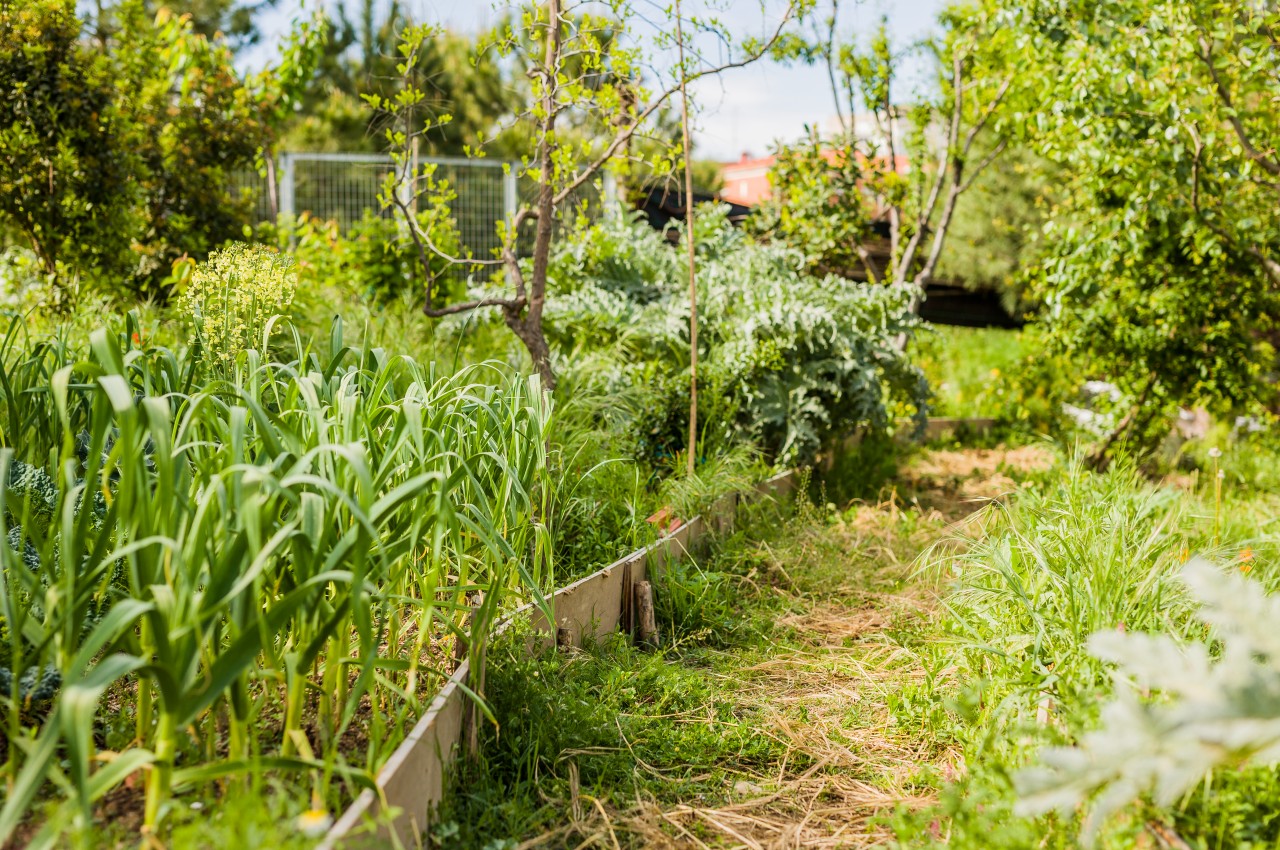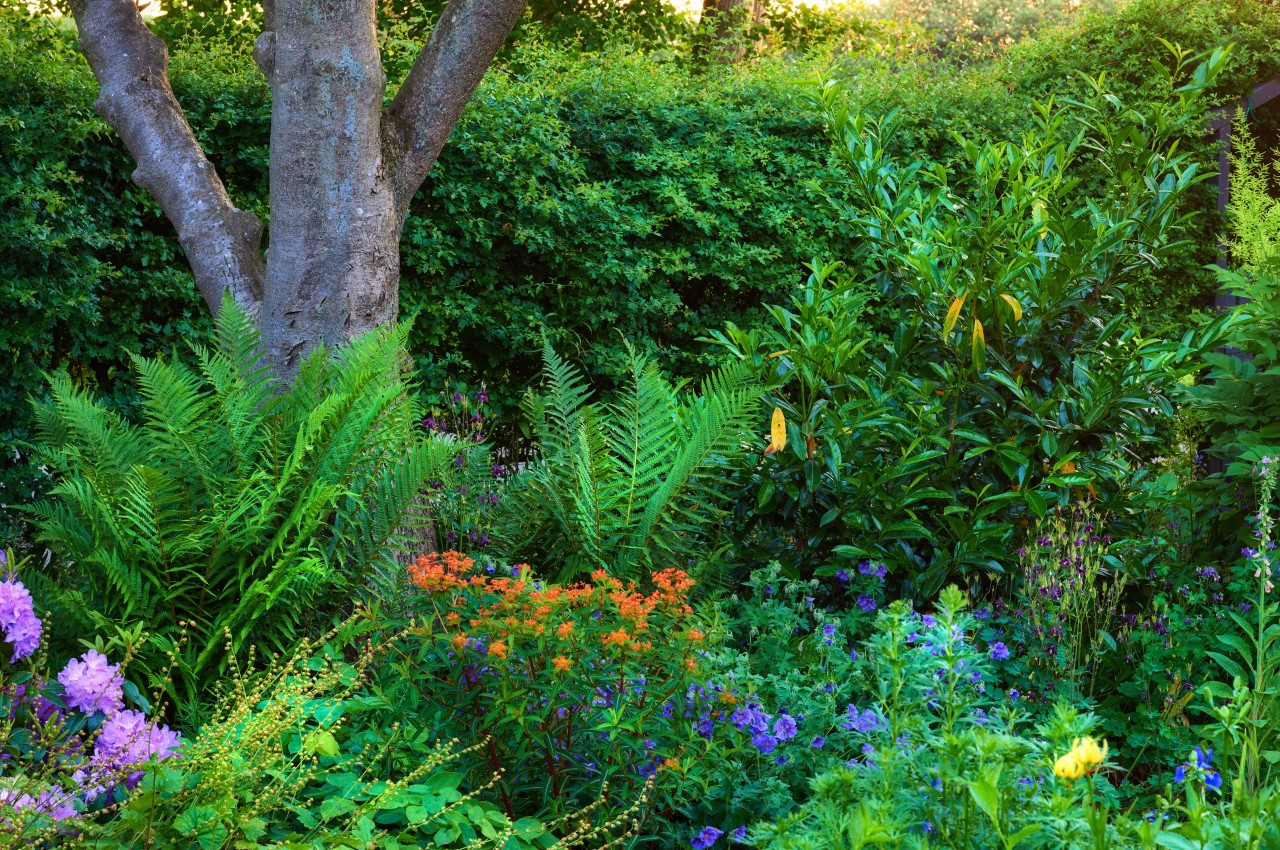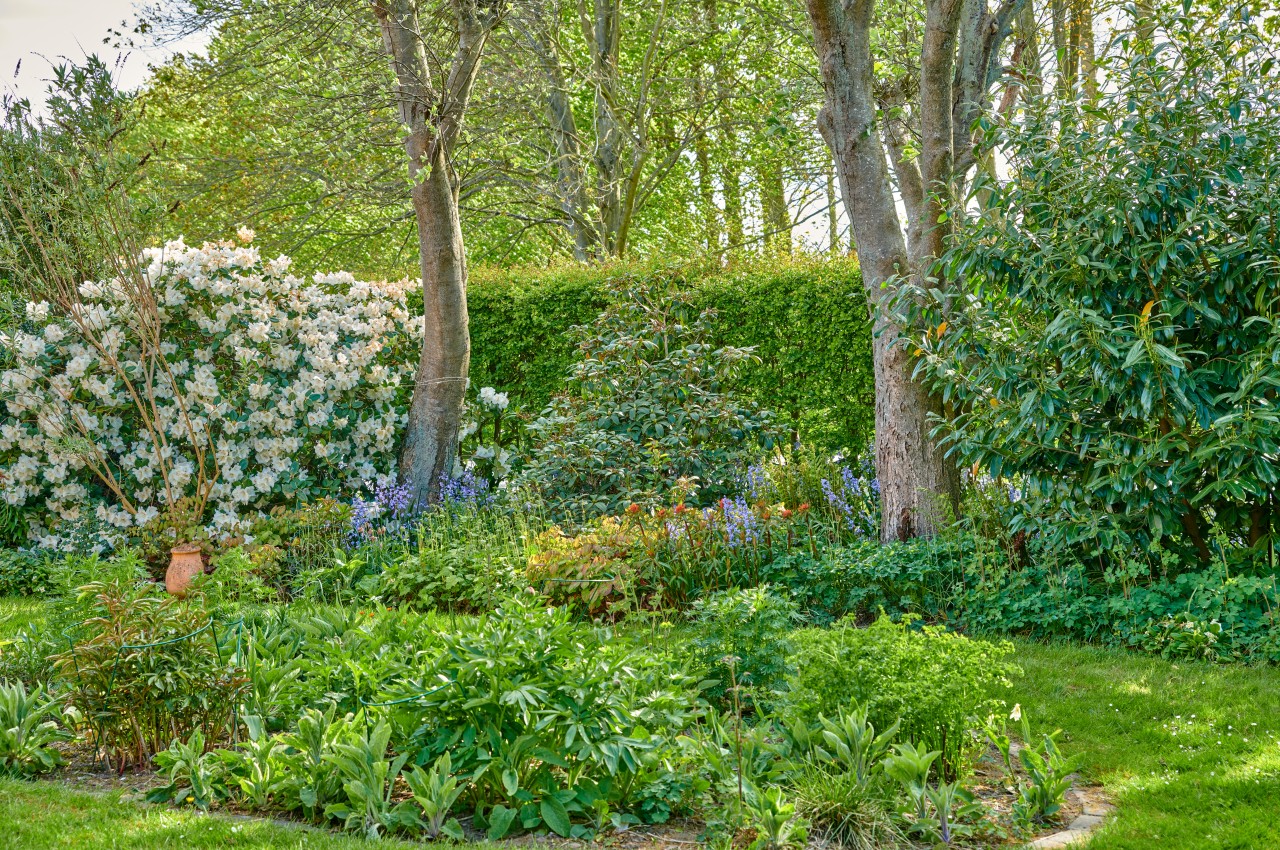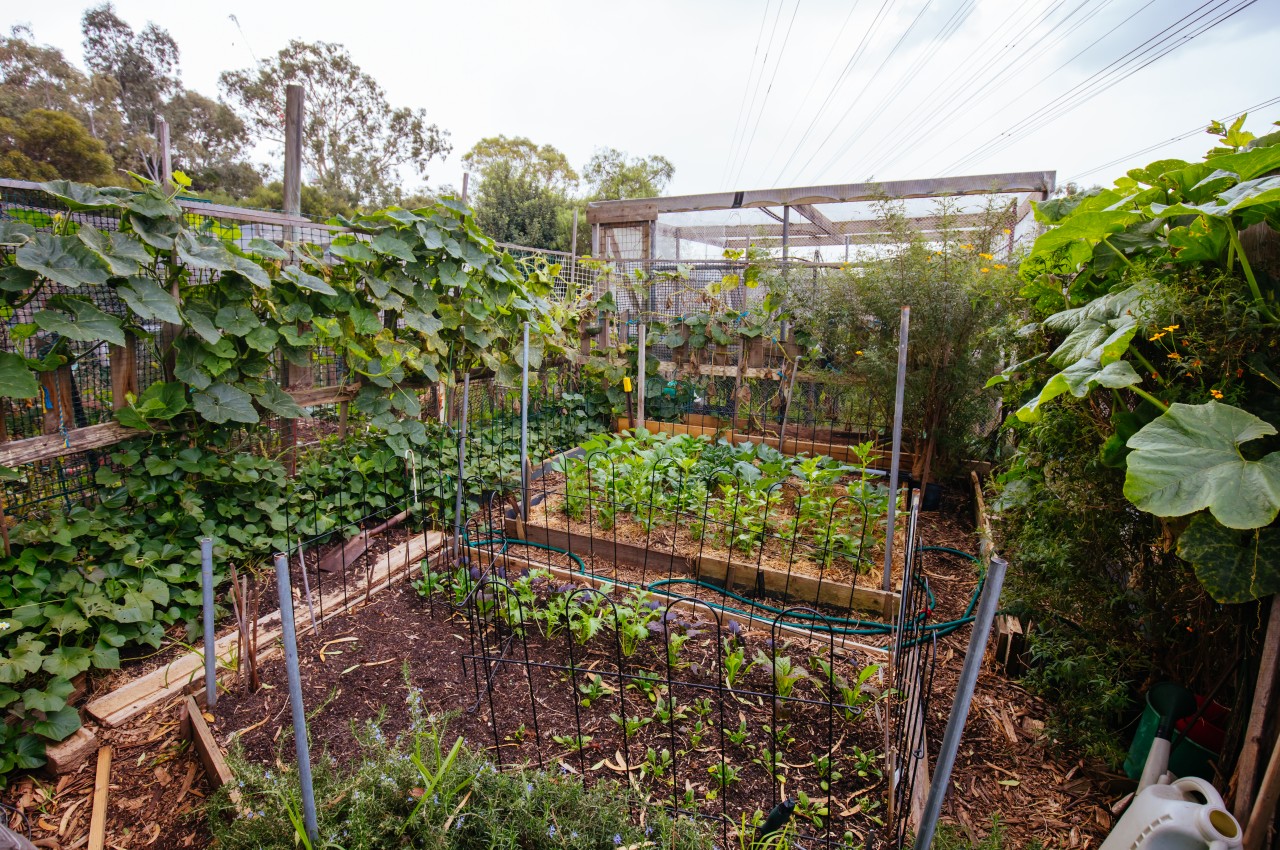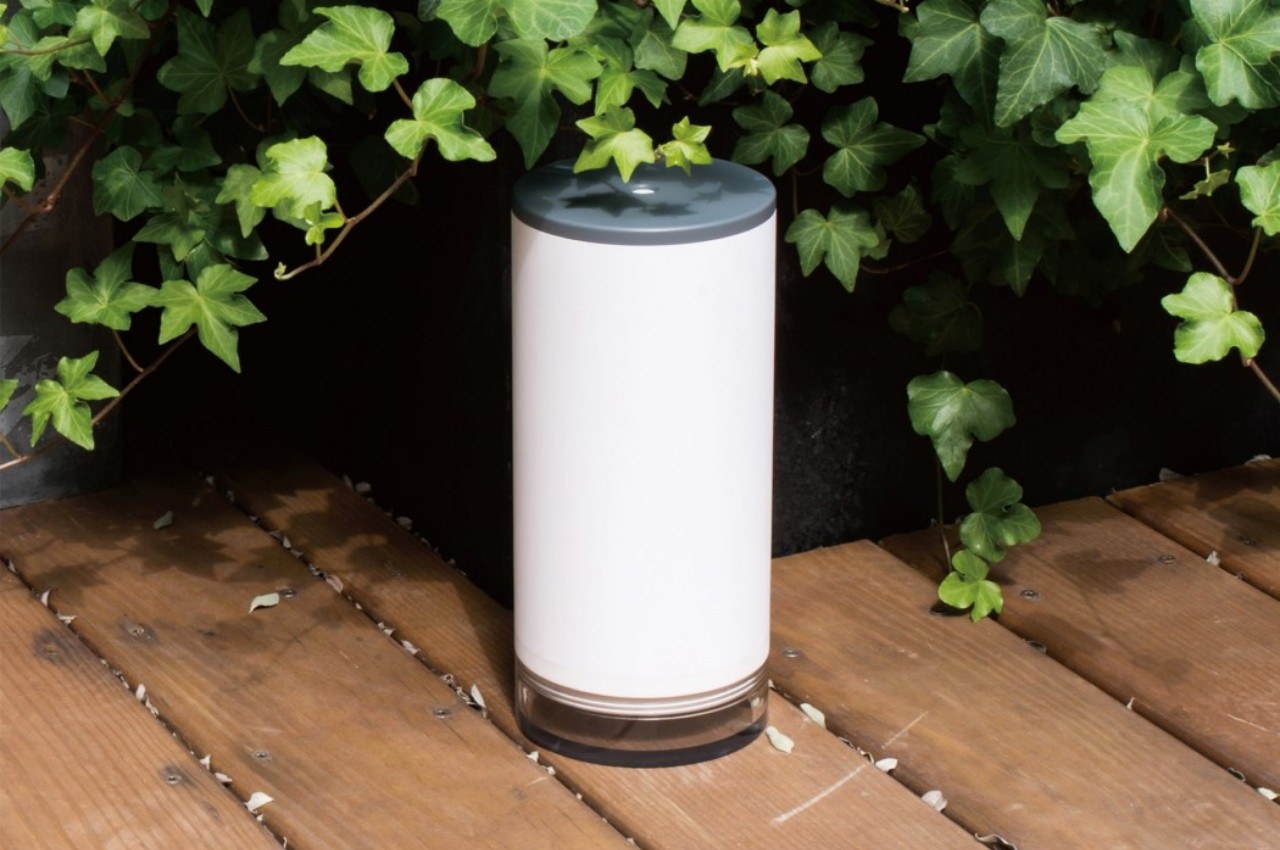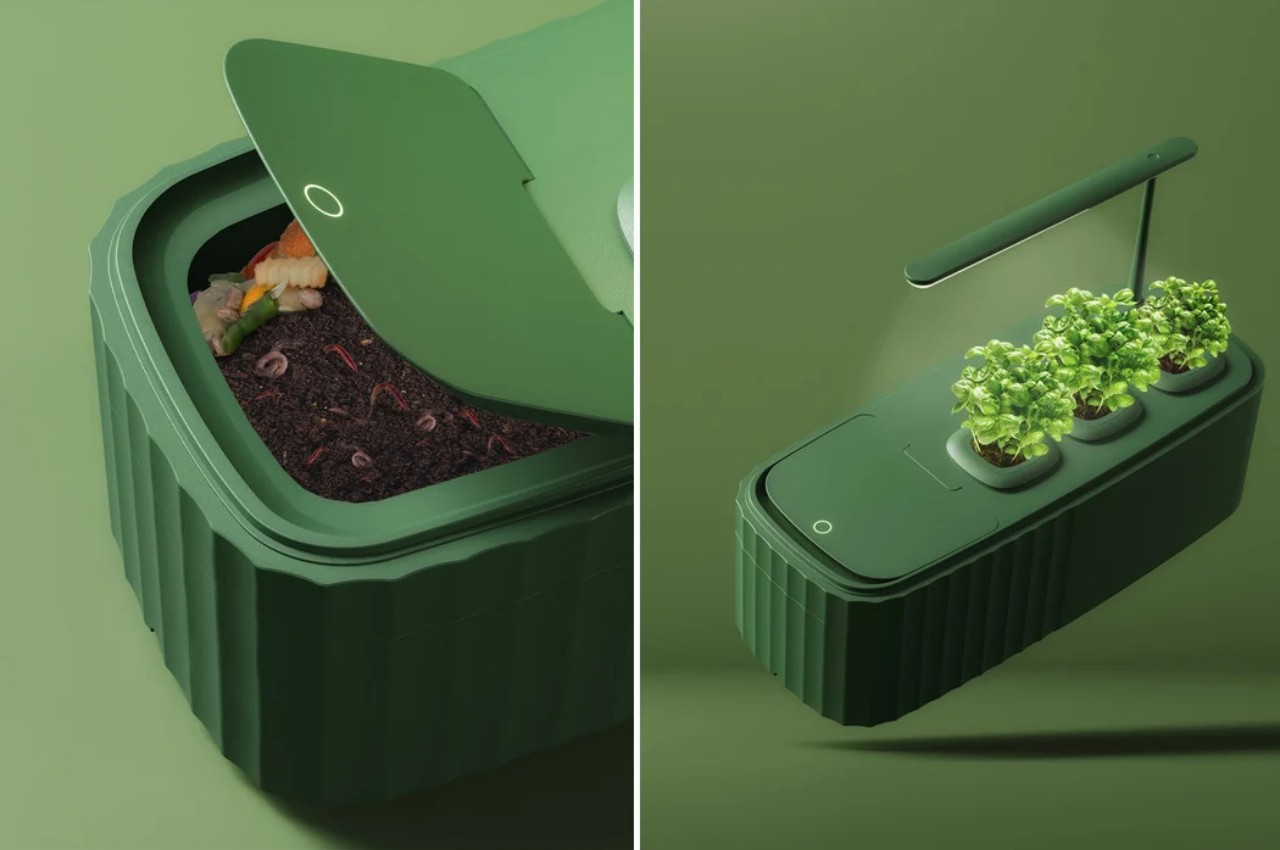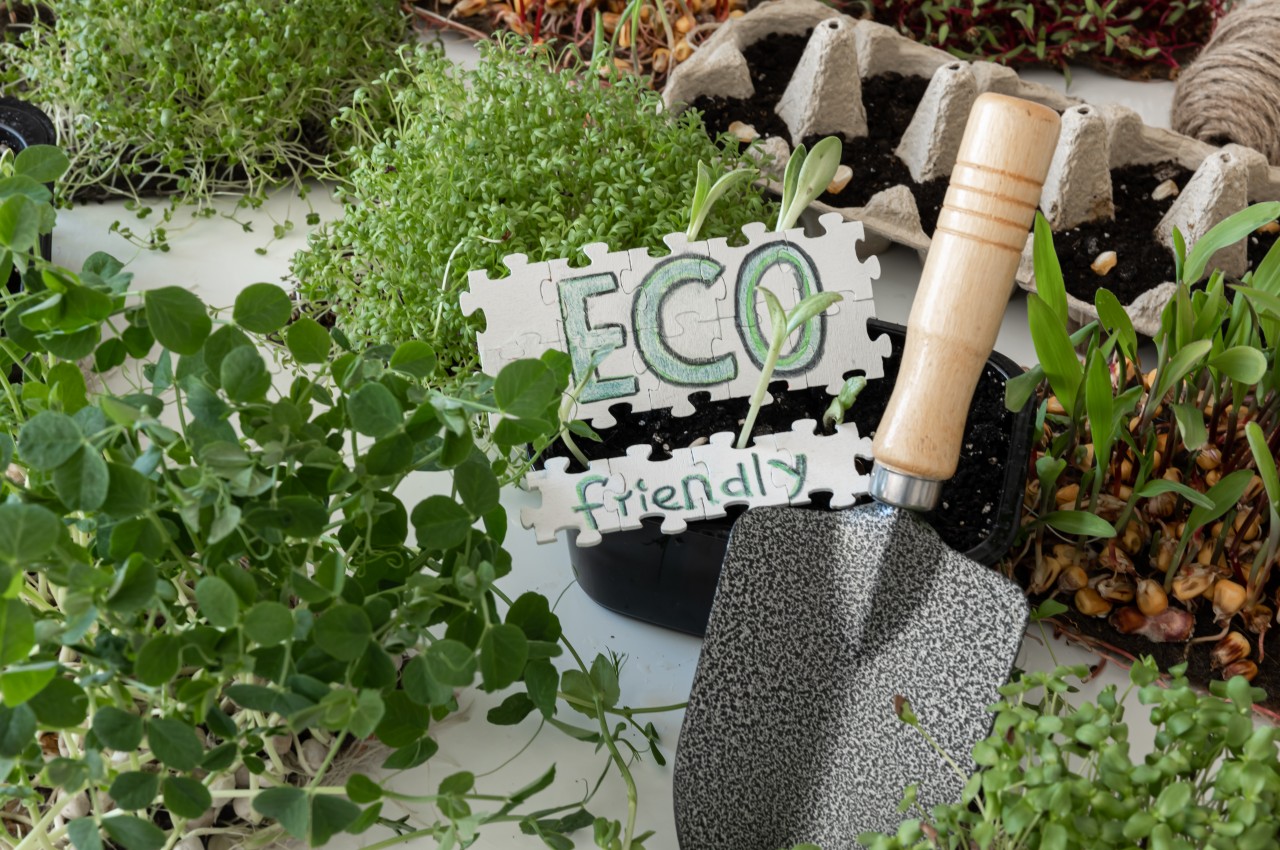
Sustainable gardens aim to reduce human impact on the planet by conserving natural resources and minimizing waste. Embracing these practices can contribute to a happier, healthier Earth. As one engages in activities like potting, pruning, and maintaining green space, one should contemplate adopting more eco-friendly gardening habits, as sustainable gardening is more achievable than one might imagine.
Image courtesy of: puhimec
Why is Sustainable Gardening important?
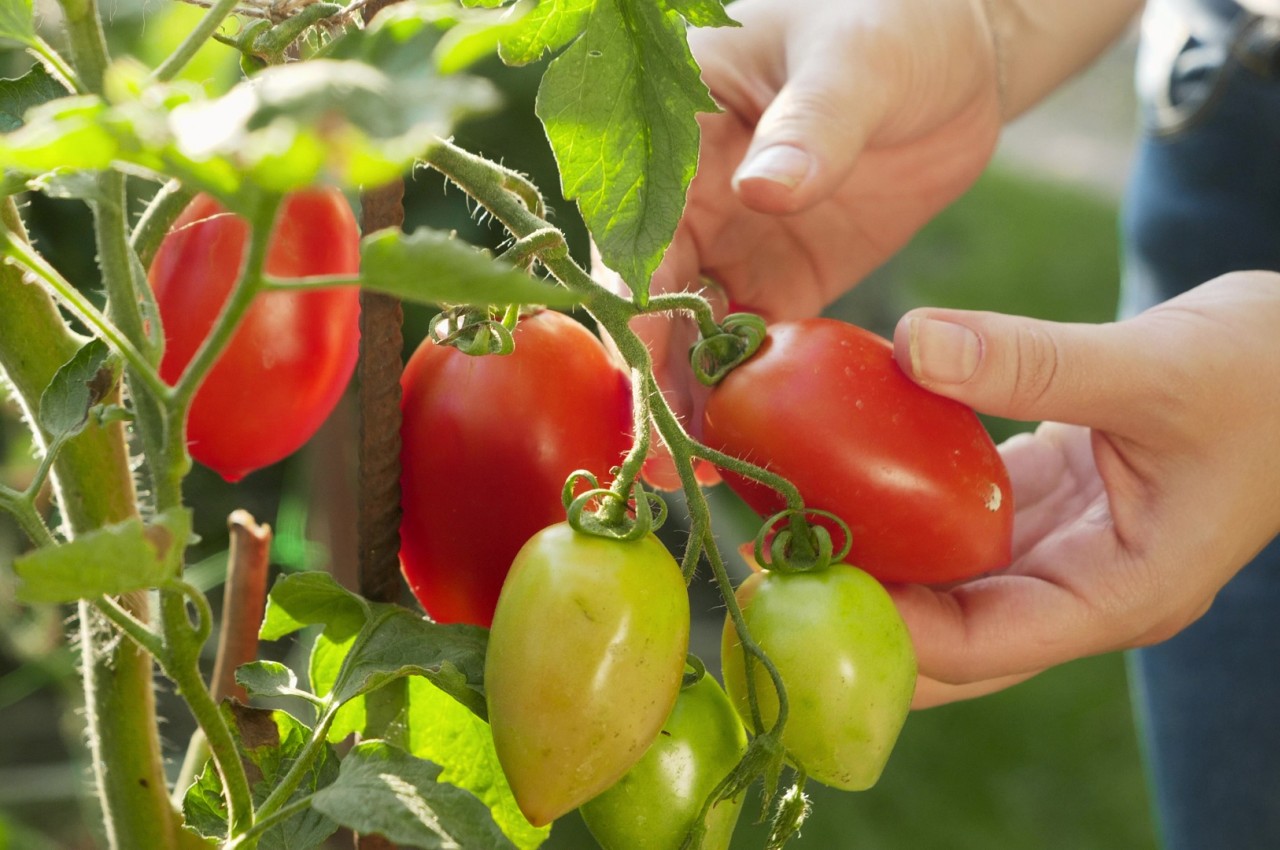
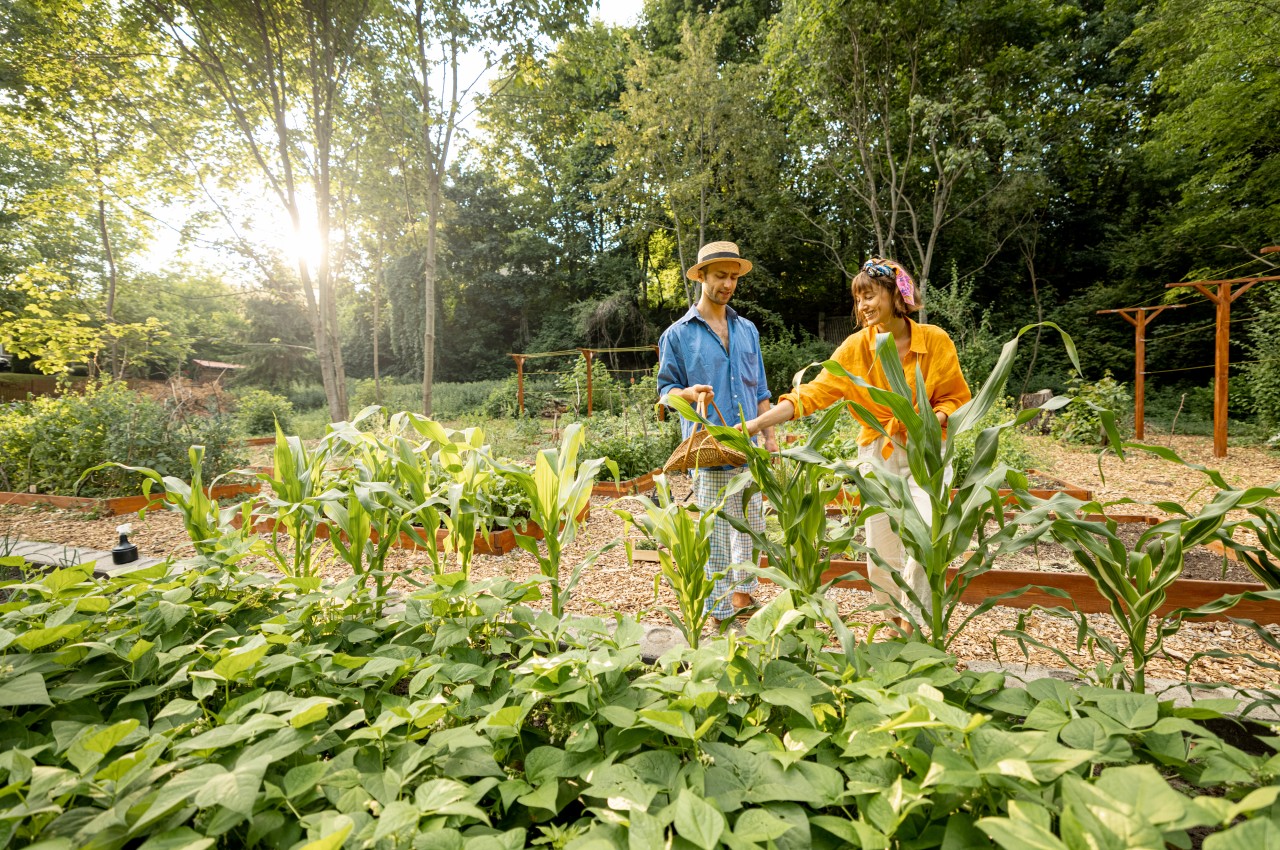
Amid a global green revolution, sustainable gardening plays a crucial role in minimizing pollution and chemical risks associated with various activities, particularly food production. By embracing sustainable gardening practices, one not only contributes to environmental protection but also safeguards health from potential chemical hazards. The shift towards ‘sustainable gardening’ not only diminishes our carbon footprint but also encourages healthier eating habits. The fruits and vegetables cultivated at home are devoid of pesticides and other preservatives typically employed in mass production, thus preventing harmful chemicals from entering your body and maintaining environmental well-being.
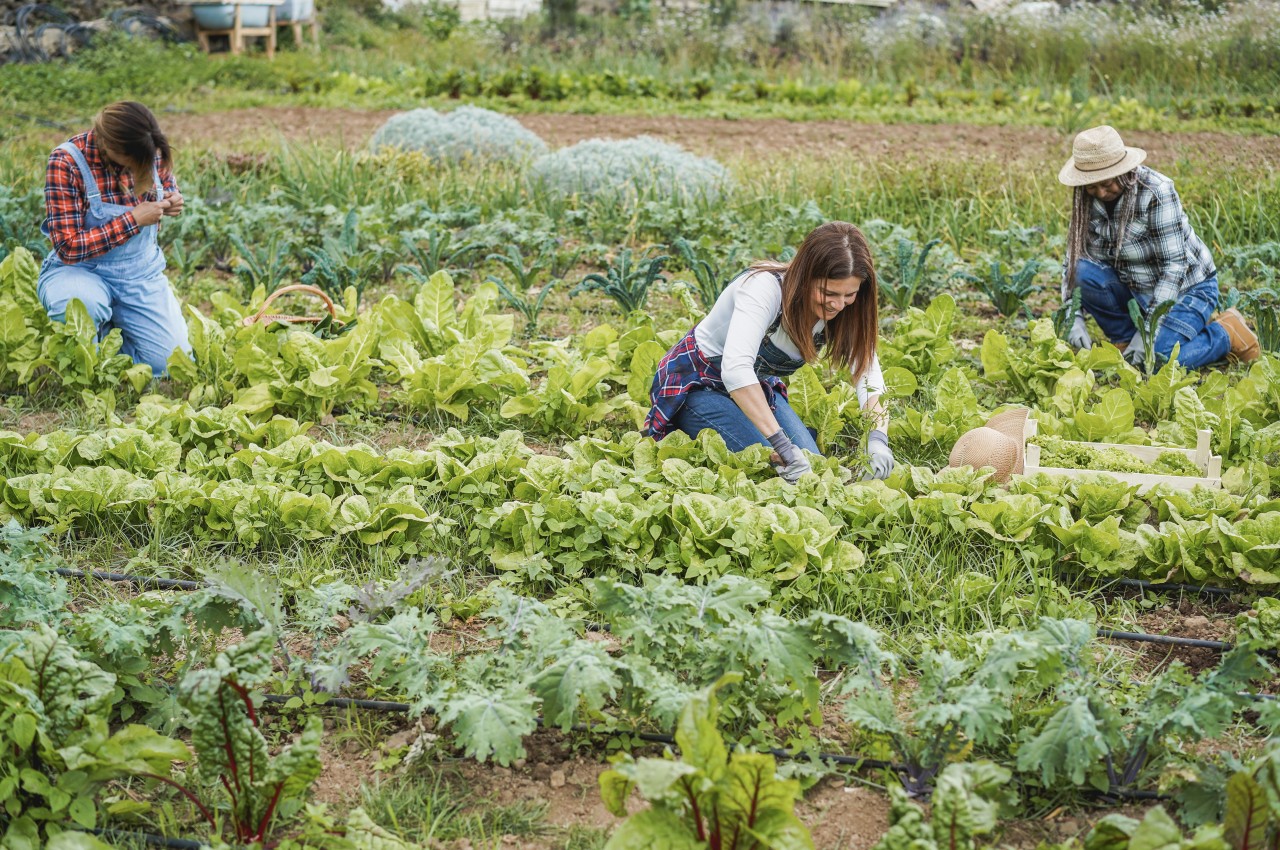
Image courtesy of: DisobeyArtPh
Planting a sustainable garden with native and local species prevents the spread of invasive weeds into natural areas, reducing the need for chemical pesticides and herbicides. Aditionally, sustainable gardens play a crucial role in preventing water pollution by recognizing the significance of water as a valuable resource. Unlike traditional gardening practices, sustainable gardening avoids the use of additives that could contaminate the water supply. Here are ten ways to make your garden more sustainable:
1. Go Organic
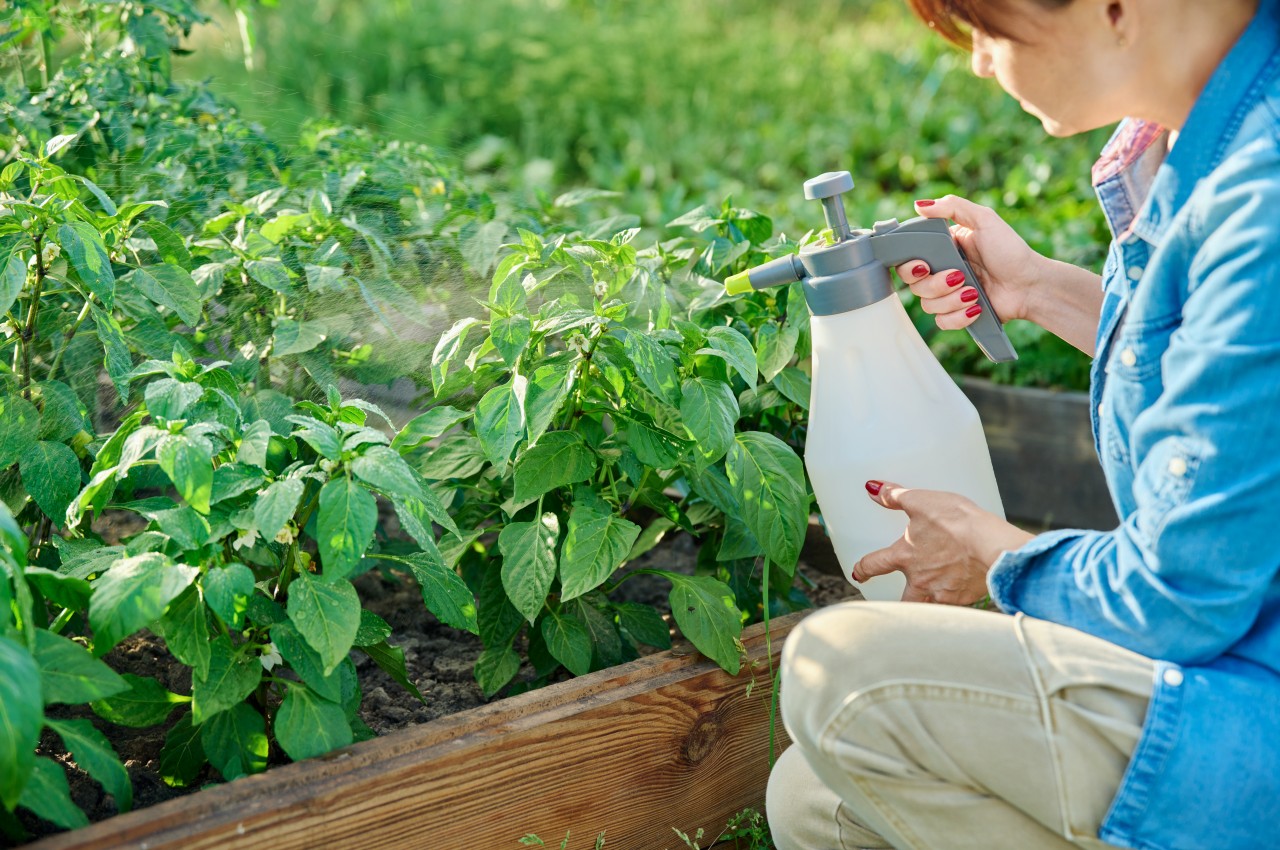
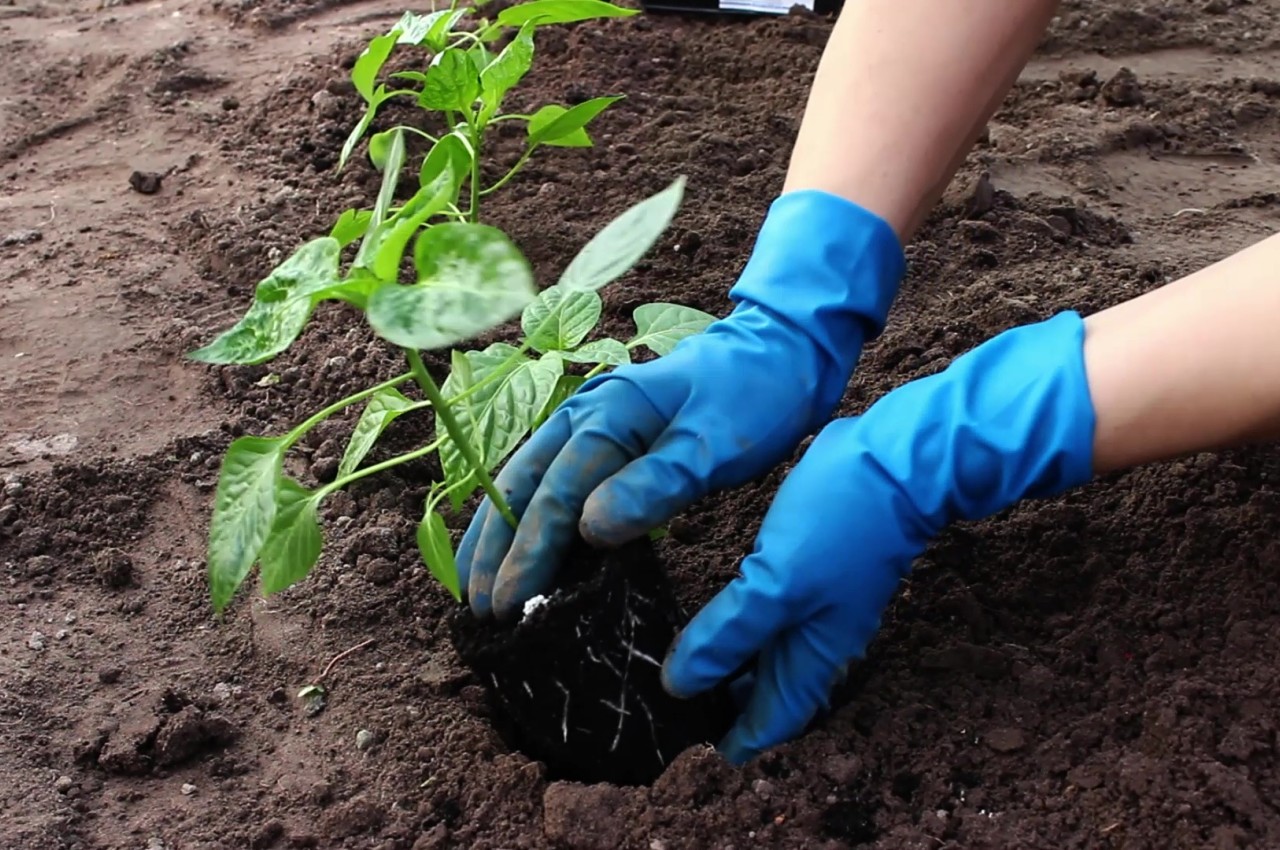
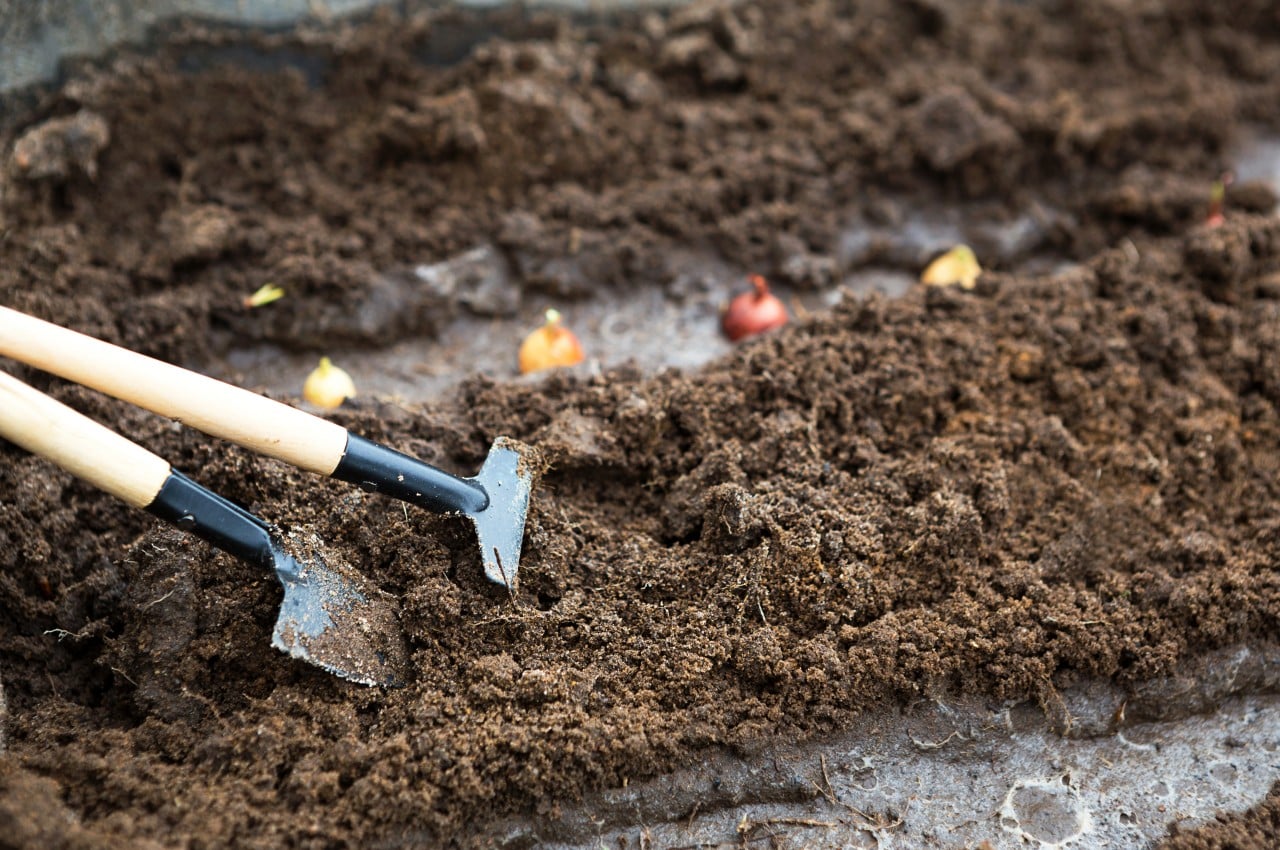
The initial action involves transitioning to organic methods and minimizing chemical usage in your garden. Begin by ensuring high-quality soil abundant in nutrients through the addition of natural compost. If the plants are affected by insect pests or plant diseases, it is important to address them using organic remedies.
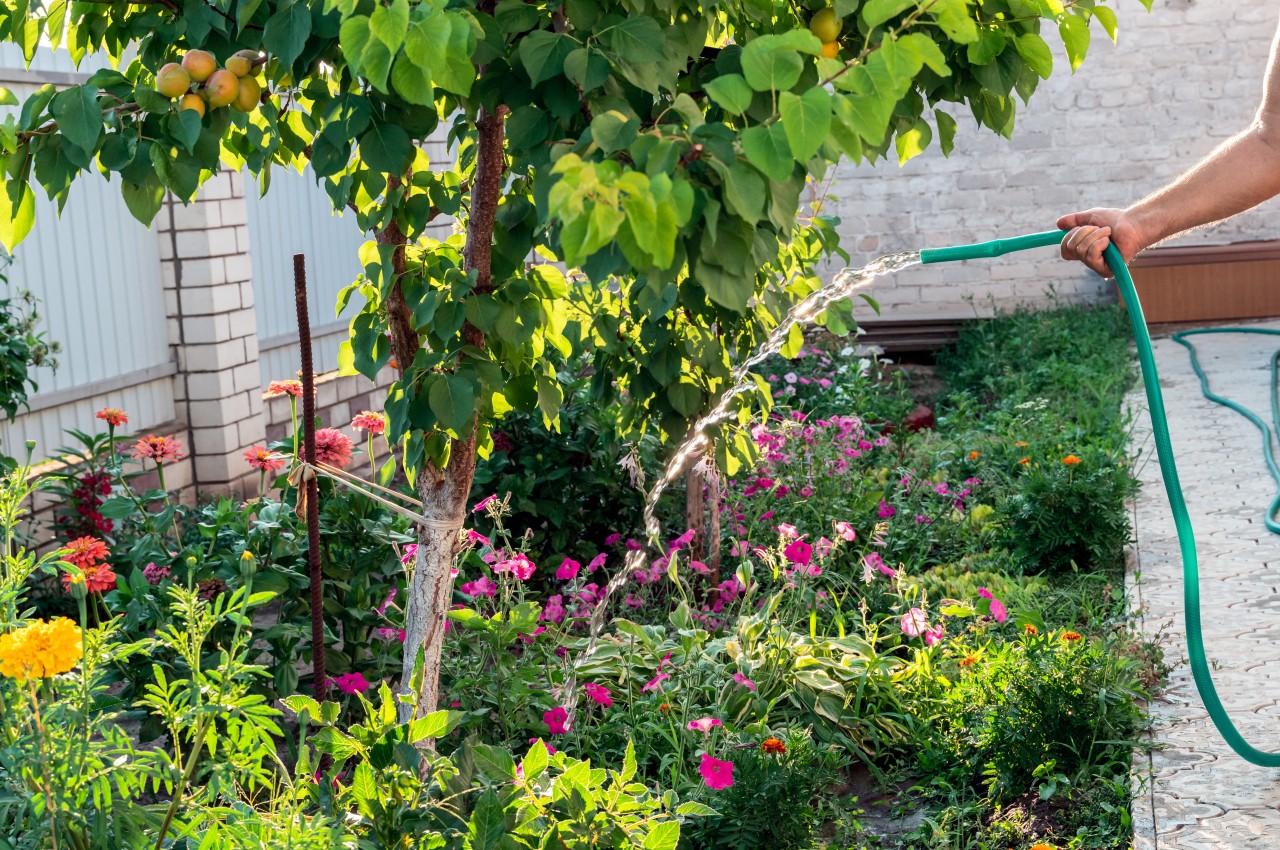
Image courtesy of: VroniV
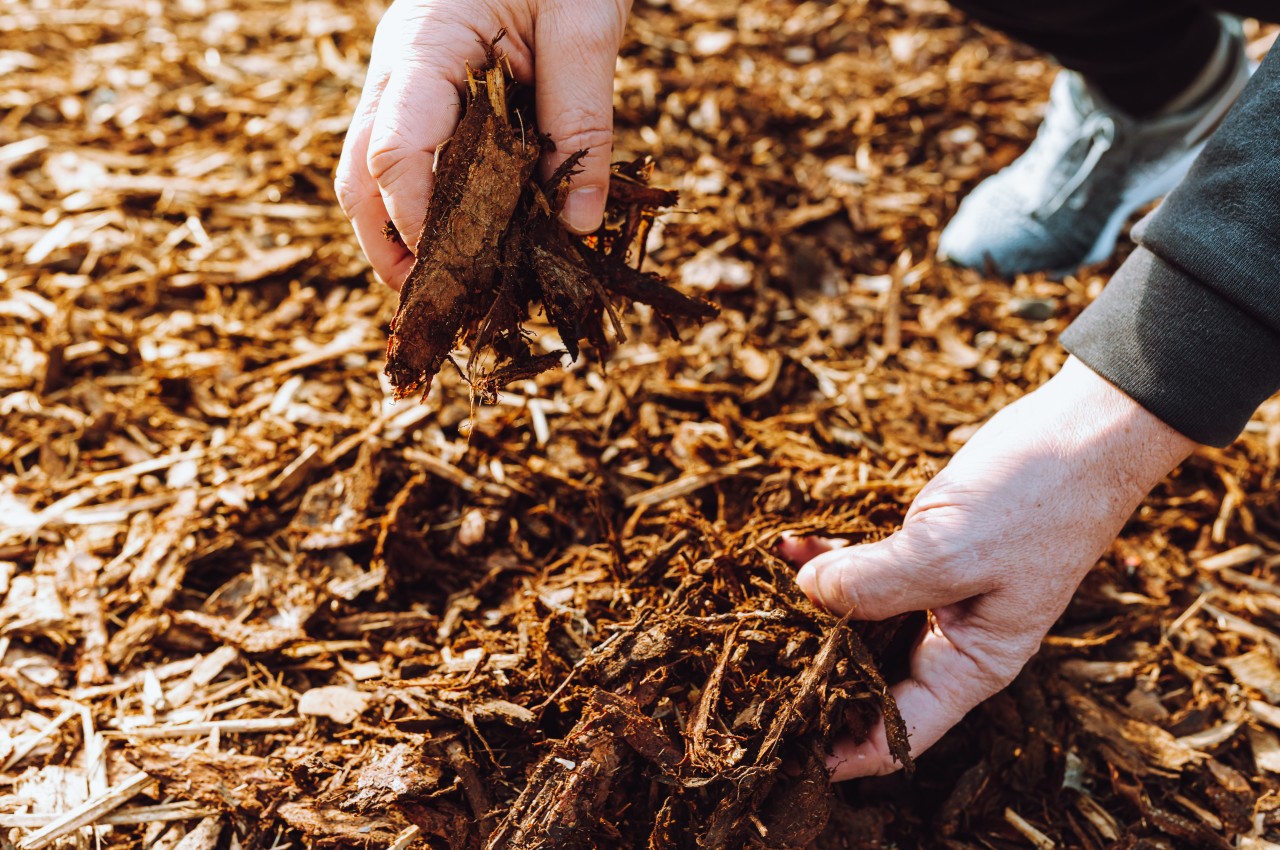
2. Add Mulch
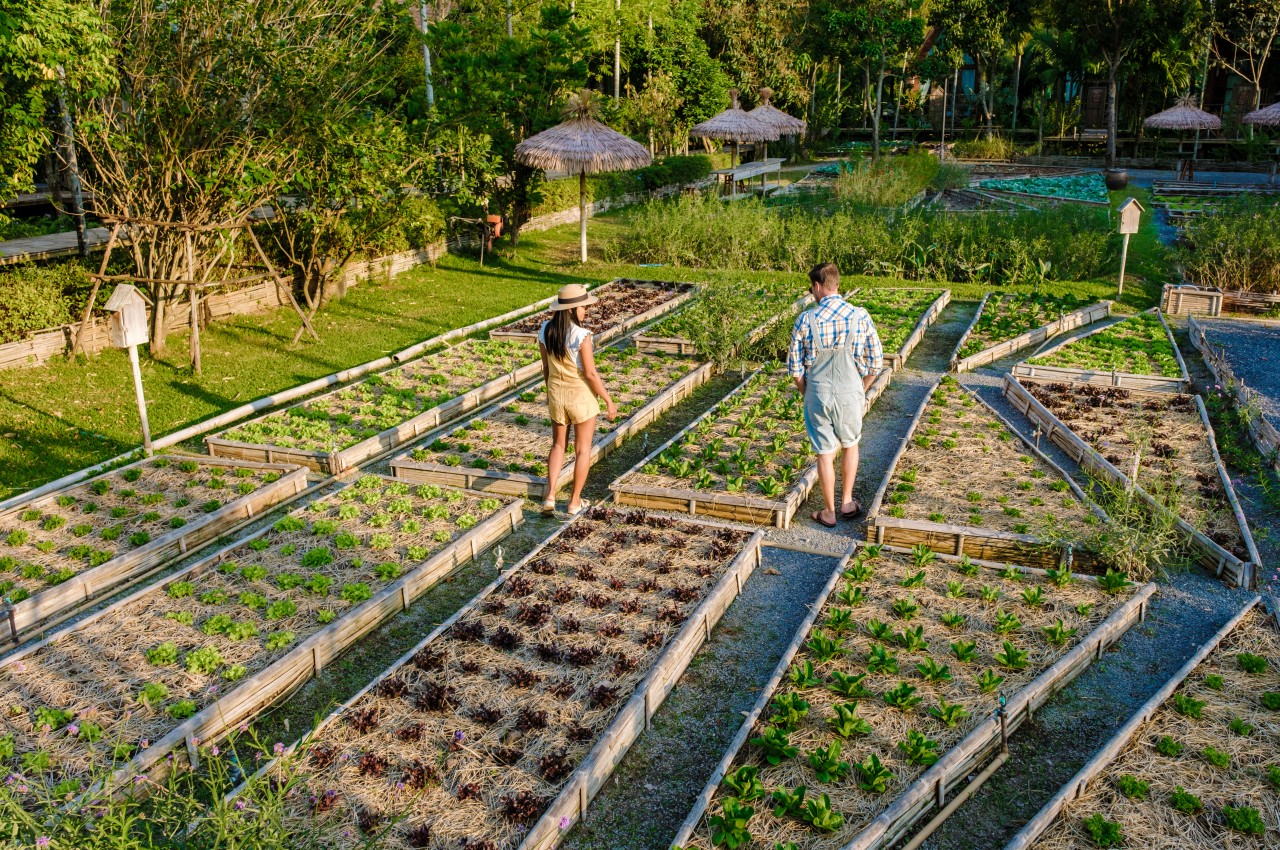
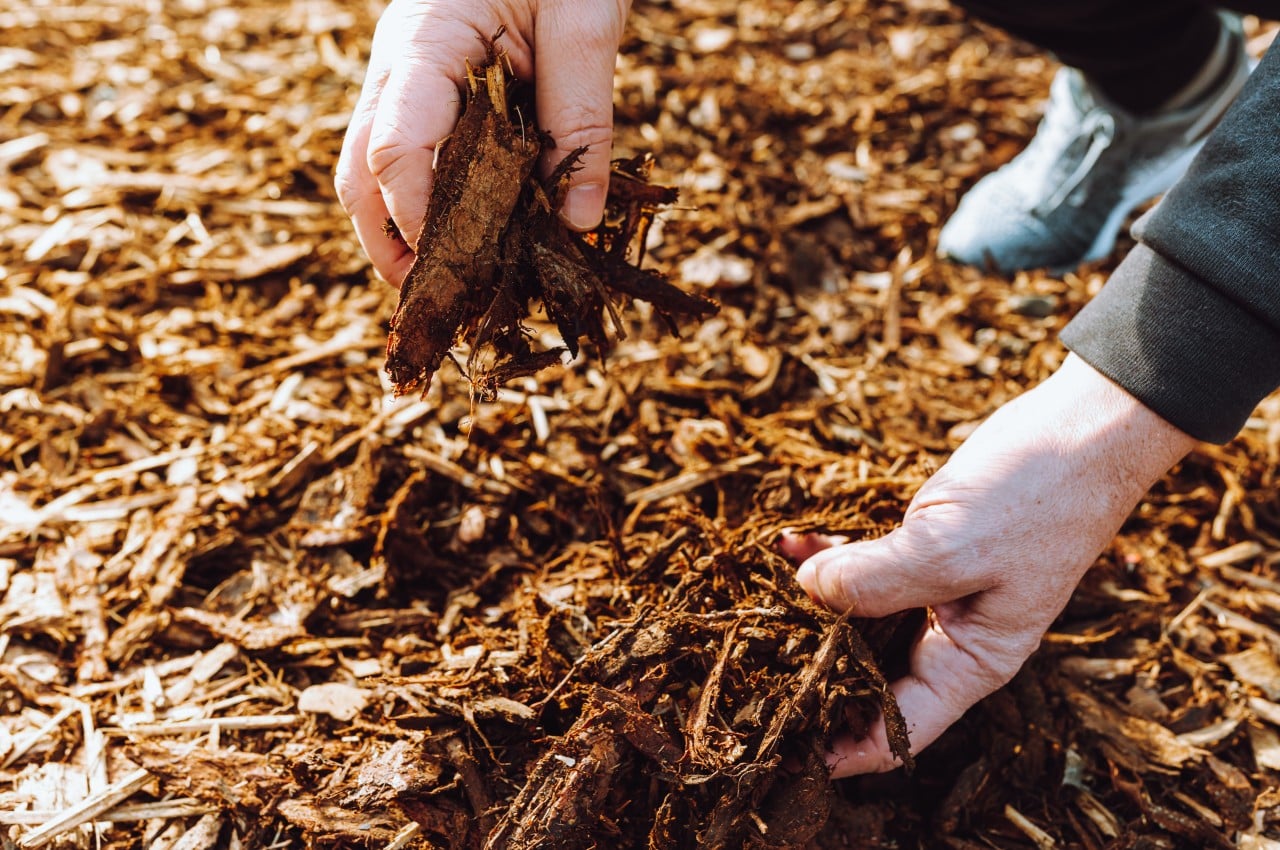
An effective method to prevent weed growth involves mulching, which not only retains soil moisture but is especially advisable in regions with water limitations or scarcity. This can be achieved by applying a 2 to 3-inch layer of mulch around landscape plants, utilizing materials such as shredded bark, grass clippings, or coir derived from coconut hulls.
3. Go for Native Plants
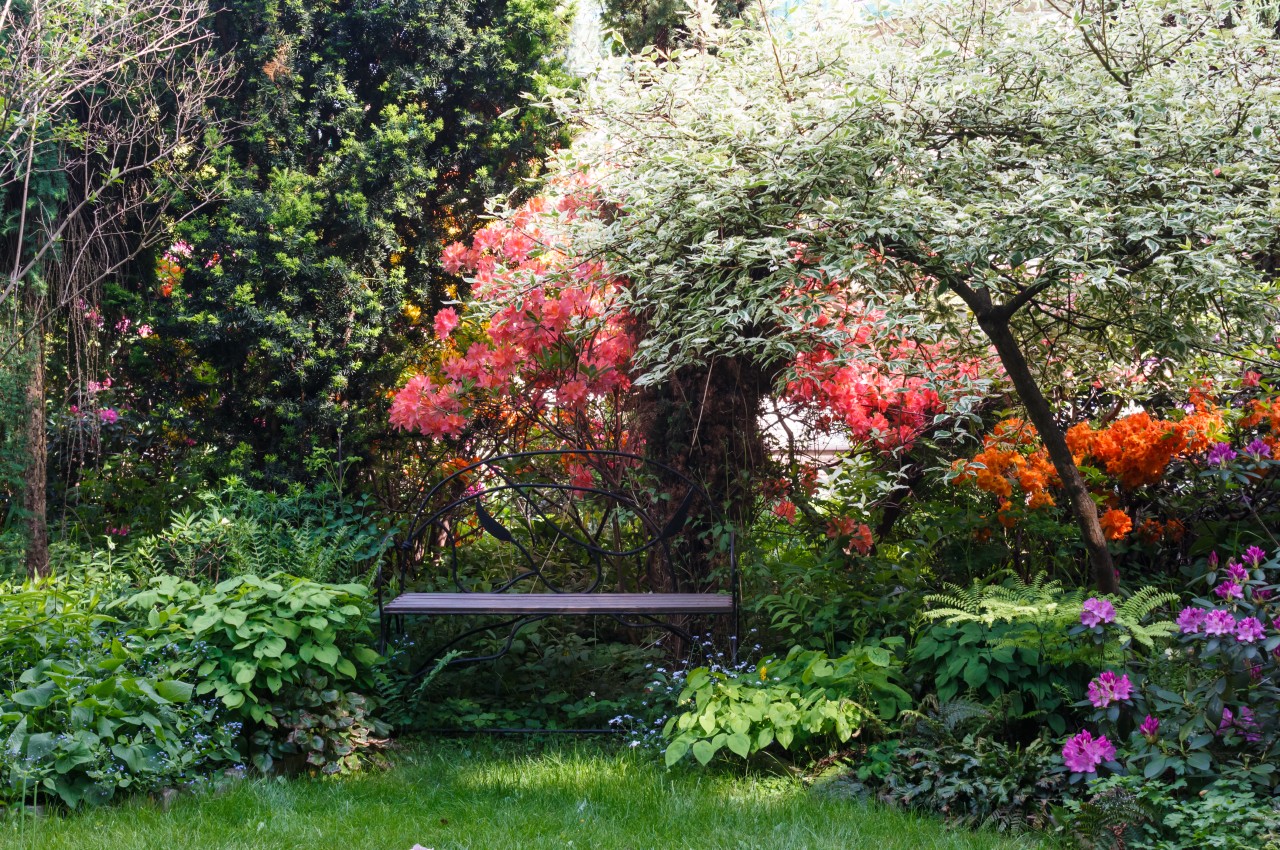
In sustainable gardens, it’s advisable to include native plants that are well-suited to the region. These plants demand less maintenance, utilize less water, and flourish more effectively than perennials, because of their natural adaptation to the local climate, rainfall, and soil conditions. It’s important to note that a perennial plant, commonly known as perennials, persists for more than two years. Additionally, native plants offer the benefit of attracting indigenous insect and bird species to the area.
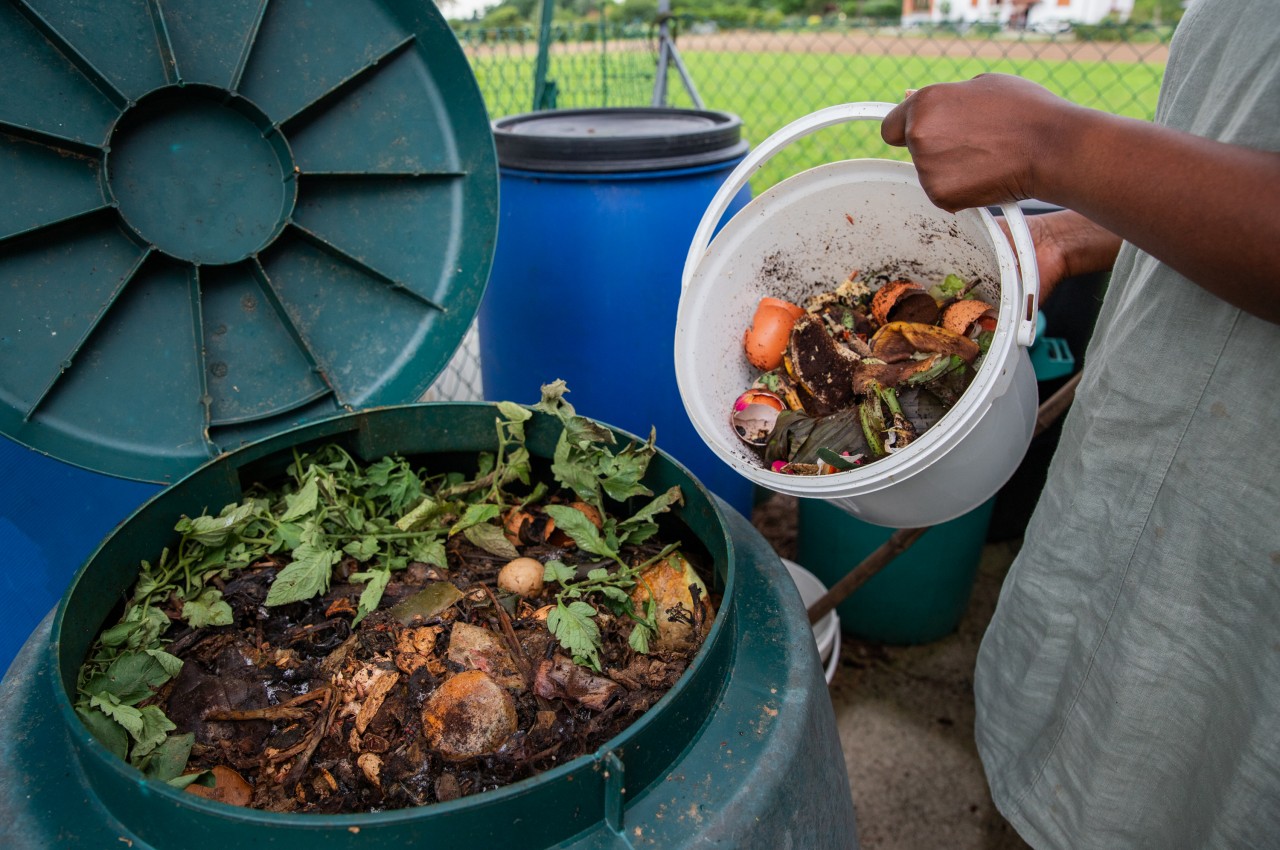
4. Say Yes To Composting
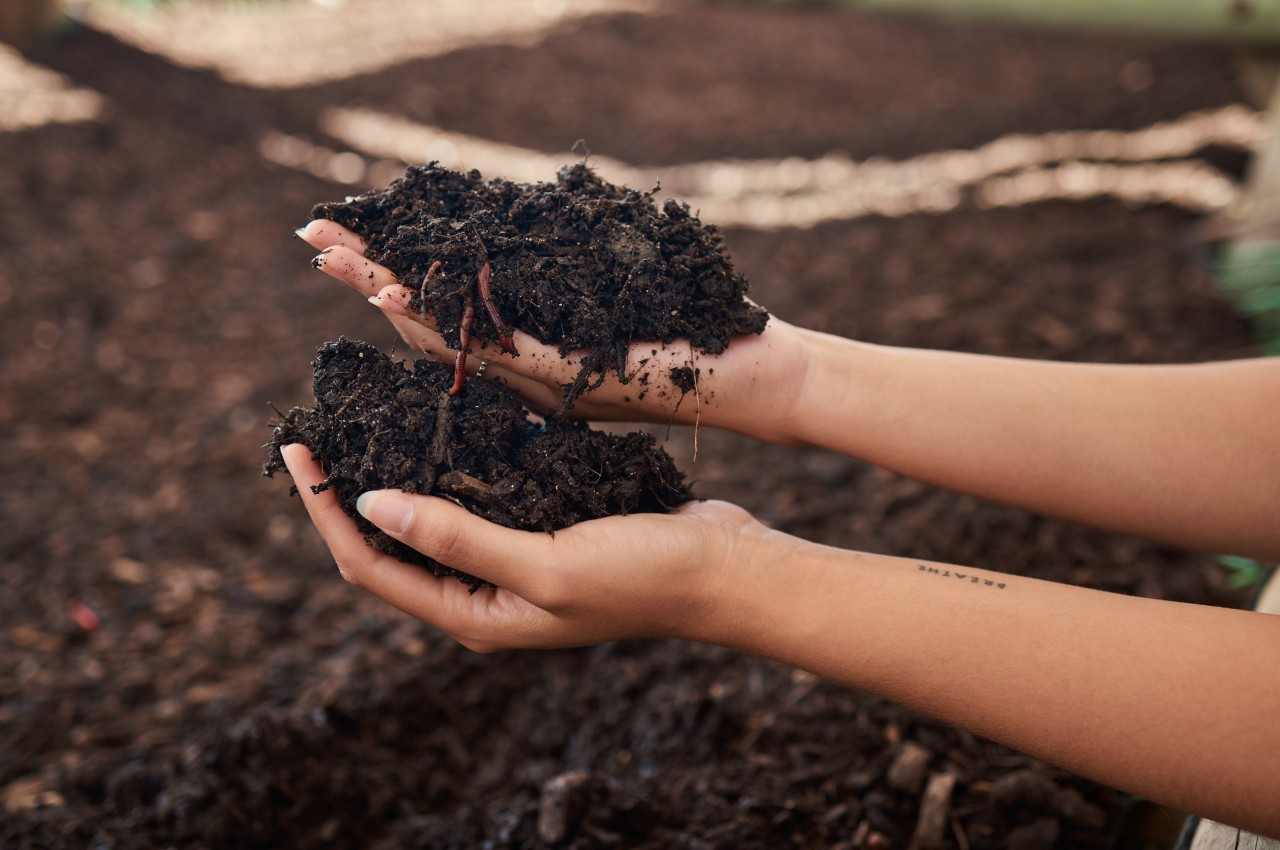
Image courtesy of: YuriArcursPeopleimages
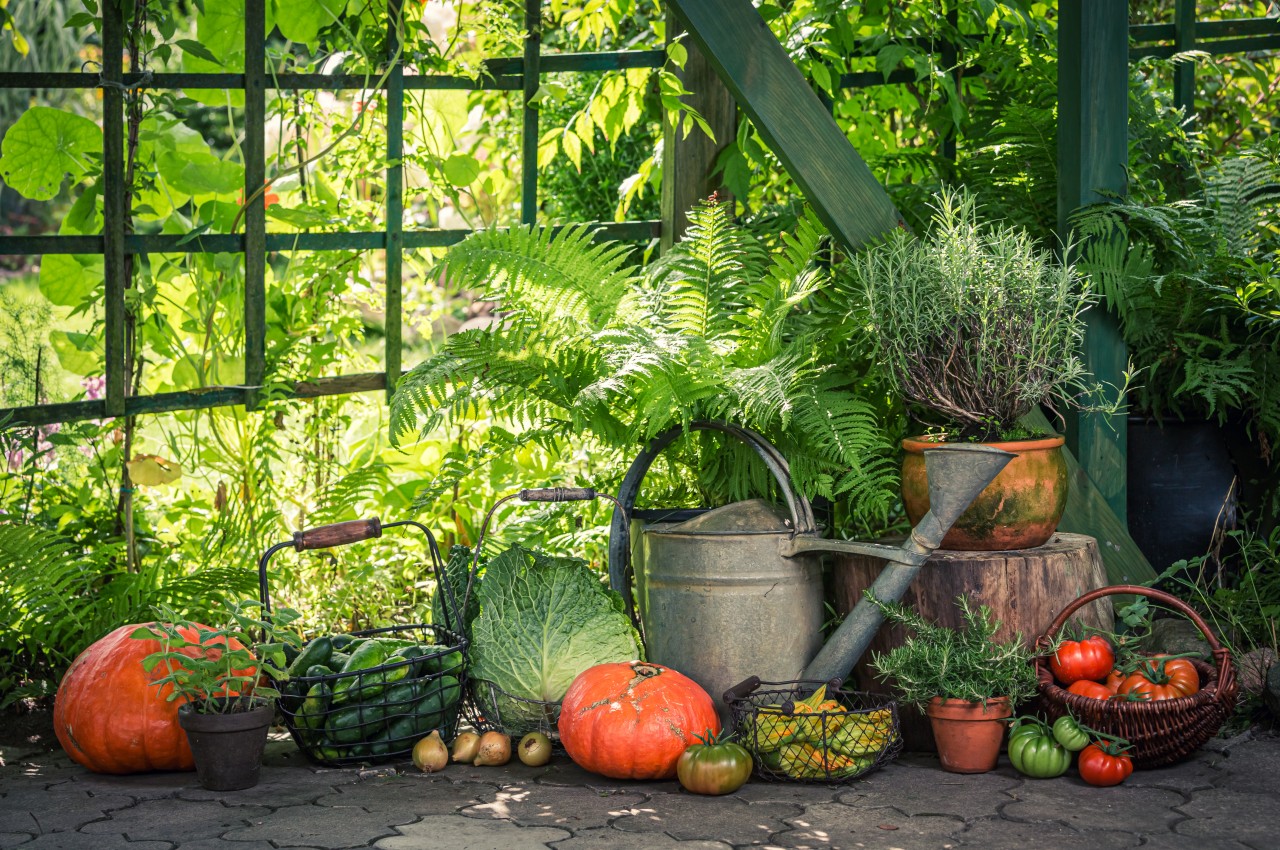
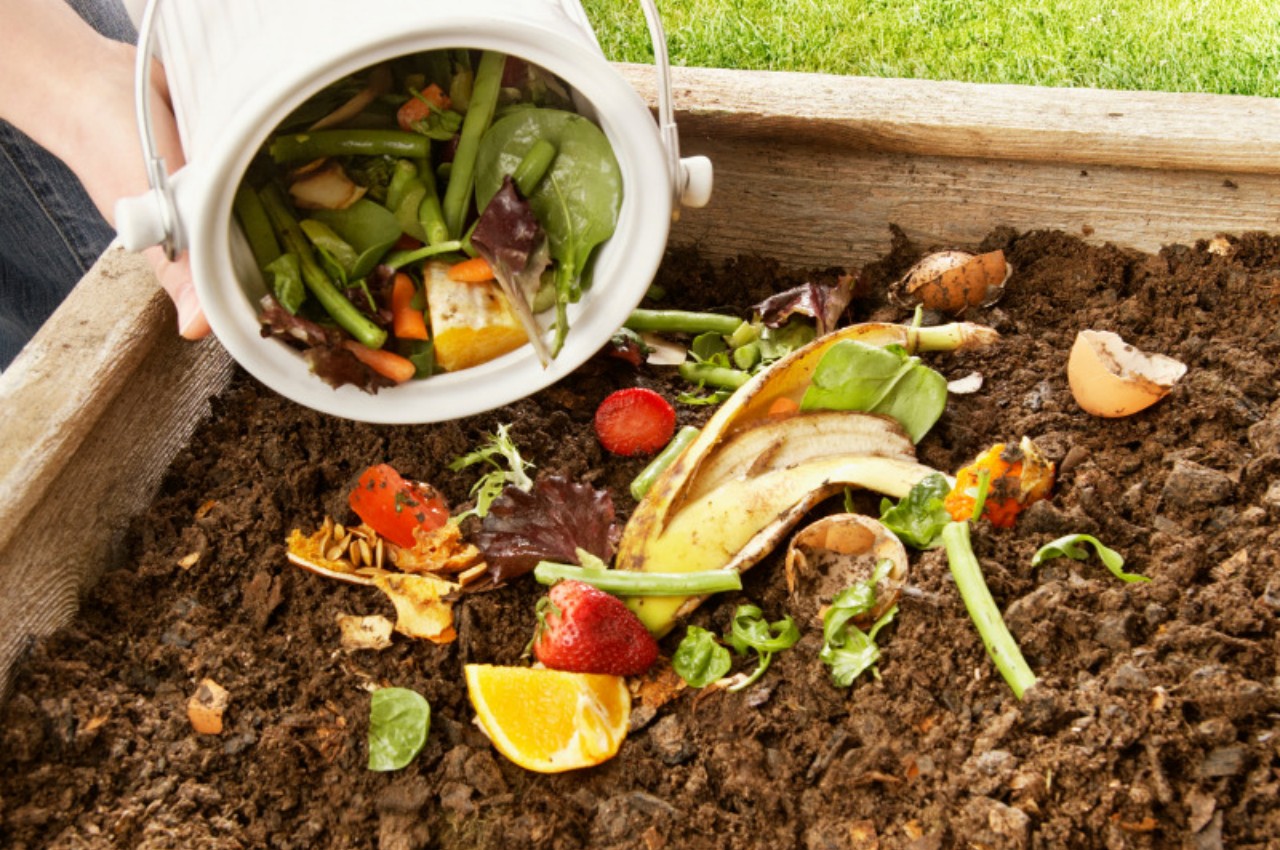
Embracing composting stands out as a top practice for cultivating a sustainable garden. By composting your green waste, such as grass clippings, deadheaded flowers, dried leaves, and kitchen scraps, one can transform it into a nutrient-rich fertilizer, fostering sustainability in gardening endeavors.
5. Reuse Plastic Pots
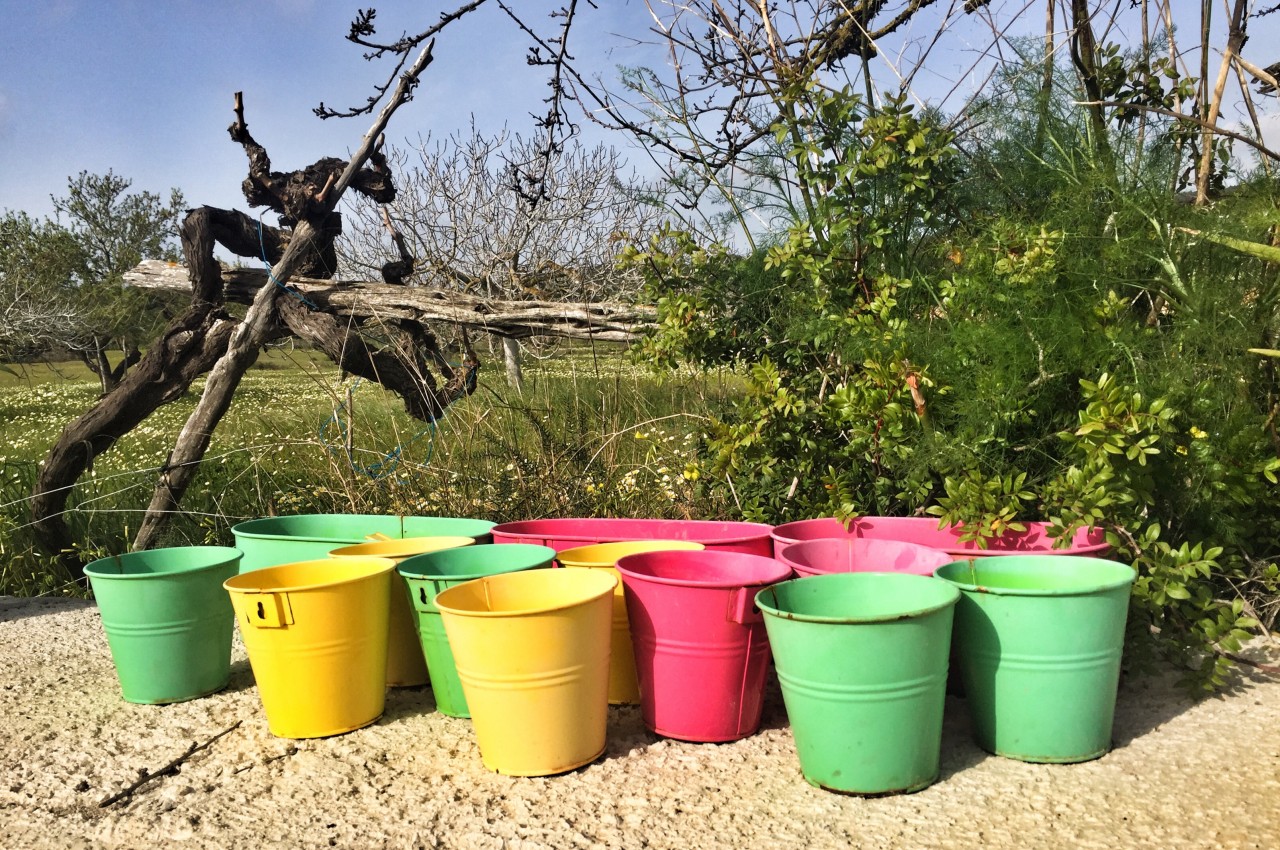
Image courtesy of: pernilla11
Certain plants are sold in plastic pots. Instead of purchasing new ones, consider reusing pots for seed sowing and repotting. Simply rinse them with warm water and detergent before reuse to eliminate any potential diseases or one can return them to the nursery for reuse.
6. Conserve water
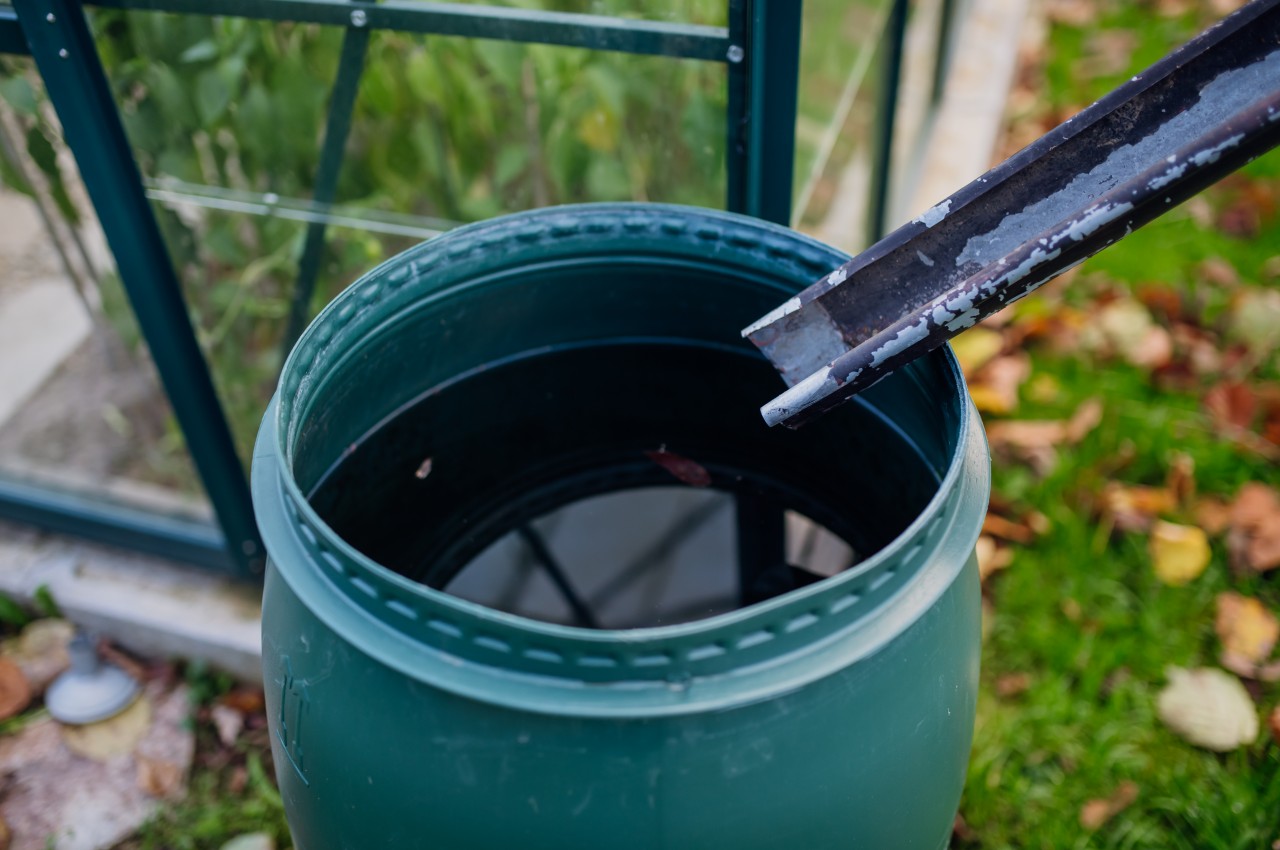
Image courtesy of: halfpoint
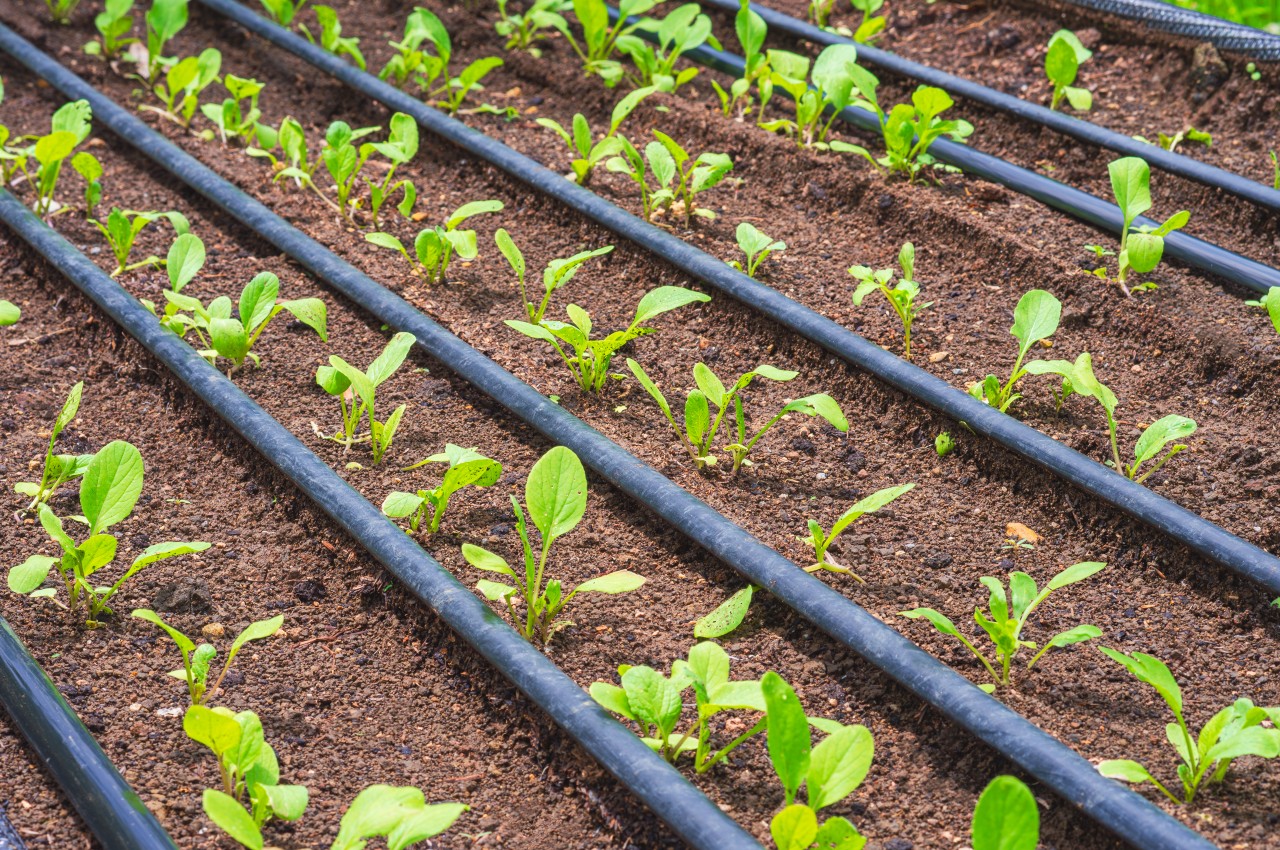
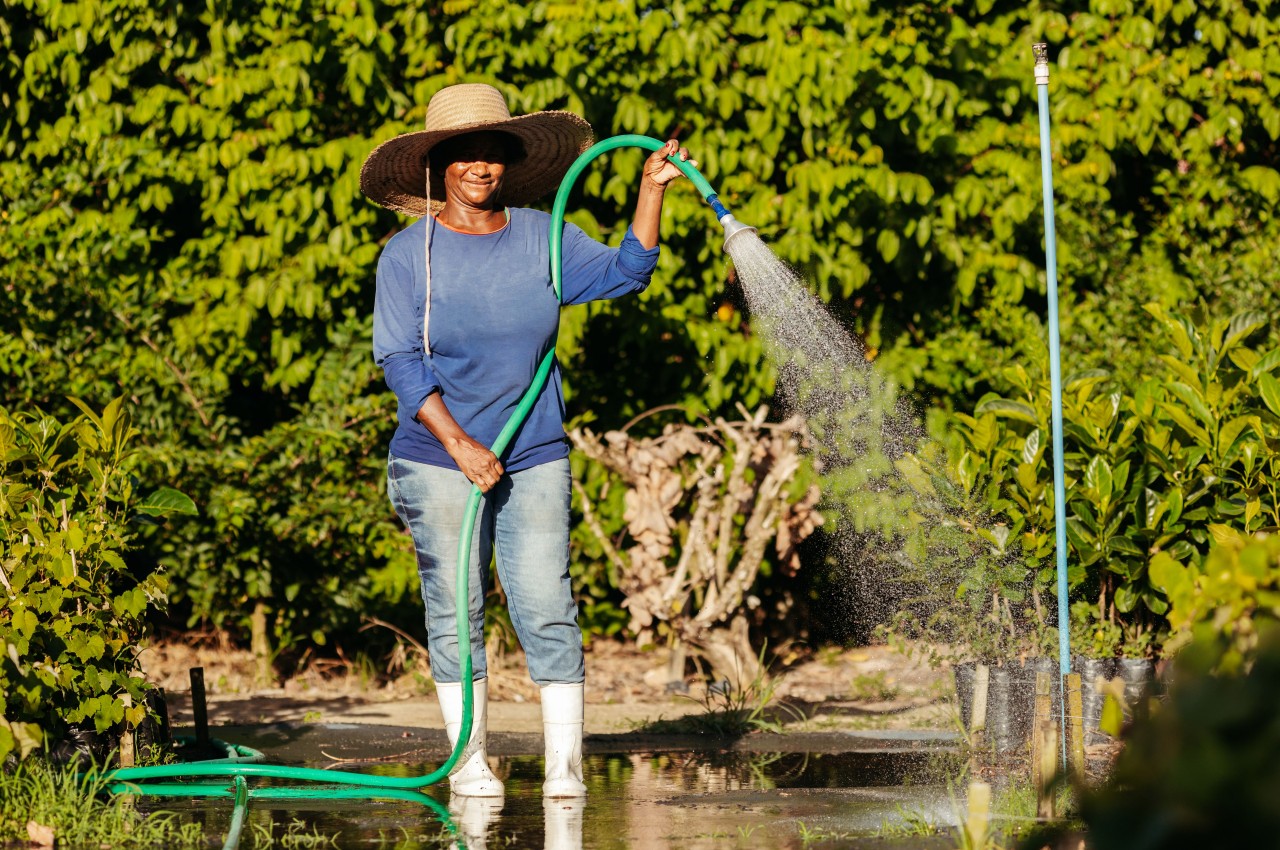
Maintaining vibrant gardens in summer often entails frequent watering. To minimize your garden’s reliance on mains water during hot, dry spells, consider installing a water butt and incorporating ground cover plants to lessen moisture evaporation and cool the soil.
7. Grow Wildlife Friendly Plants
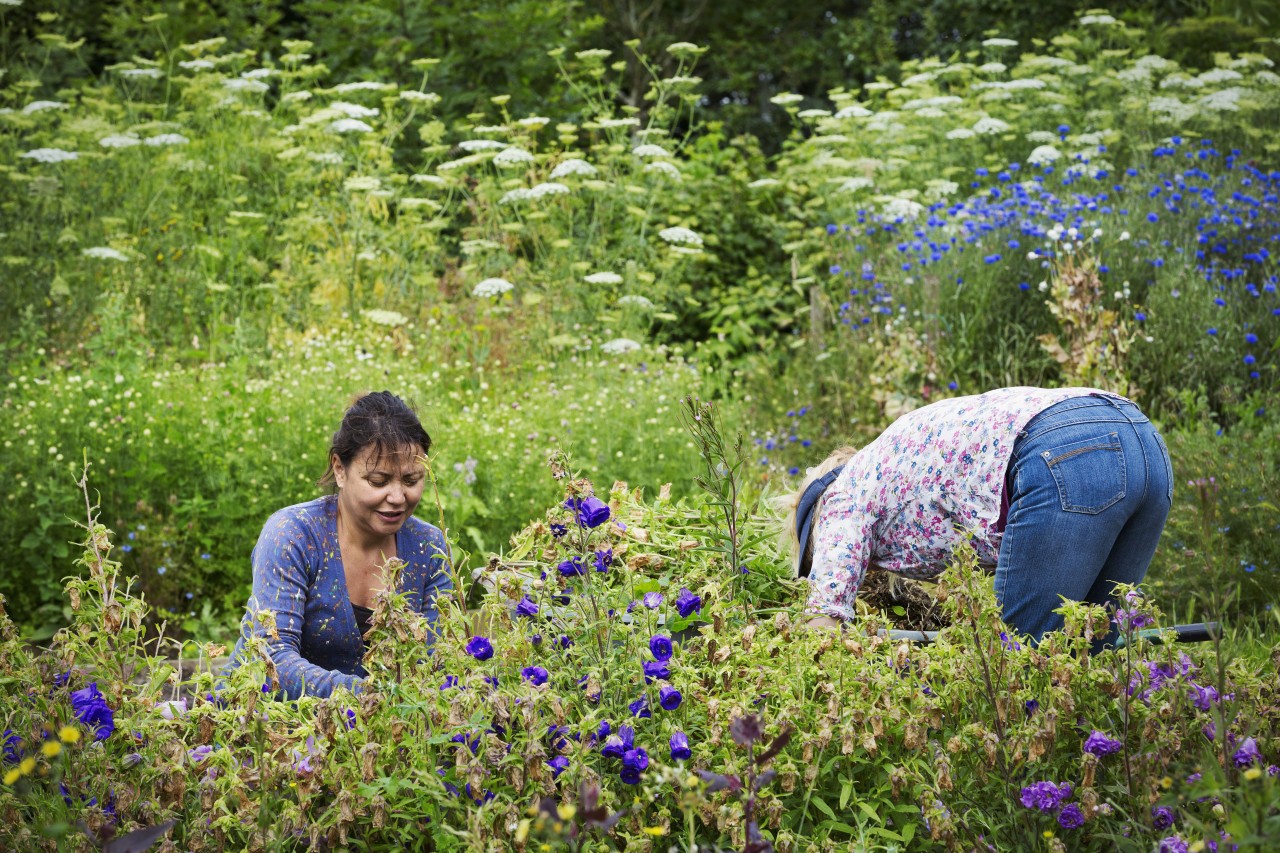
Image courtesy of: Mint_Images
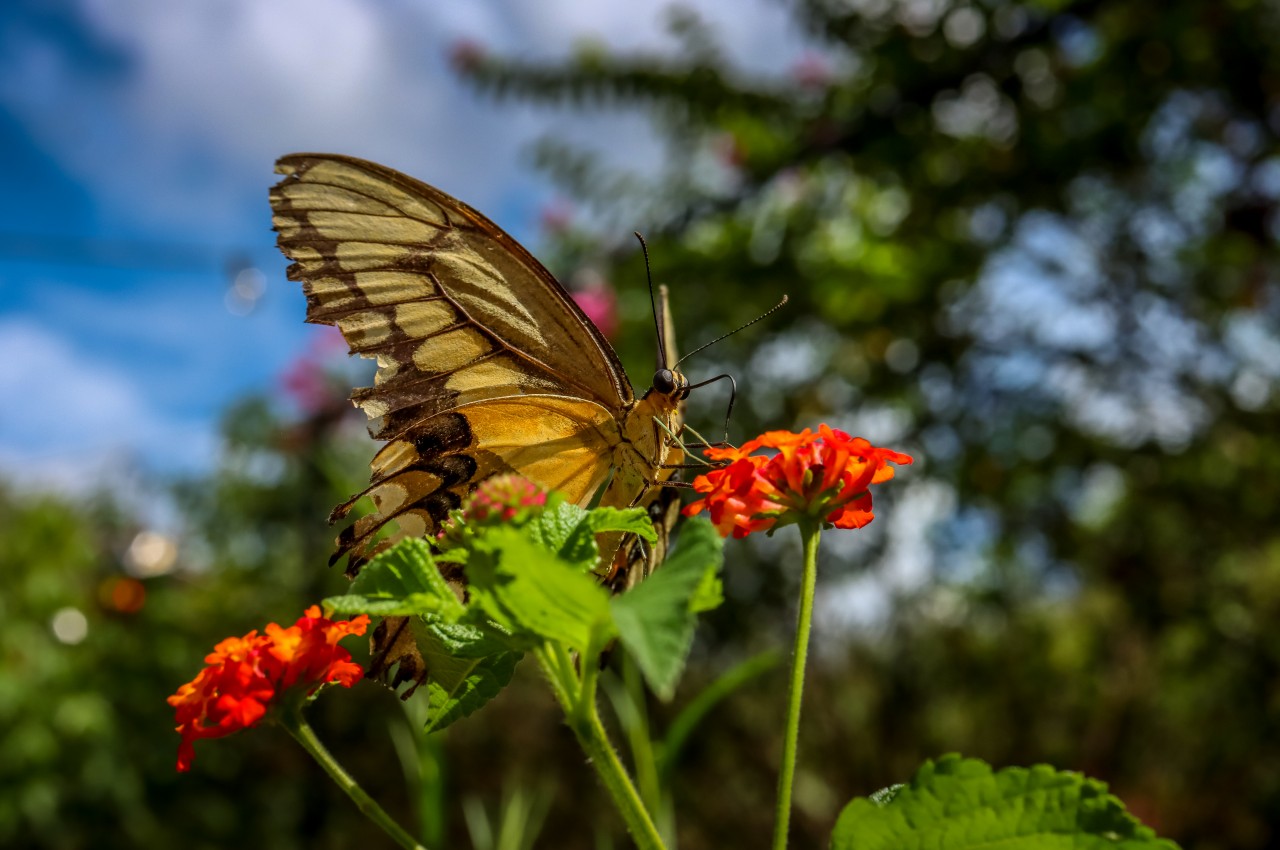
Opt for pollinator-friendly plants with uncomplicated flower structures, making it easier for insects like bees and butterflies to access food. Aim for a variety of plants that bloom at different times or have extended flowering seasons to ensure a continuous food source for pollinators throughout the year.
8. Invest in Sustainable and Durable Pots
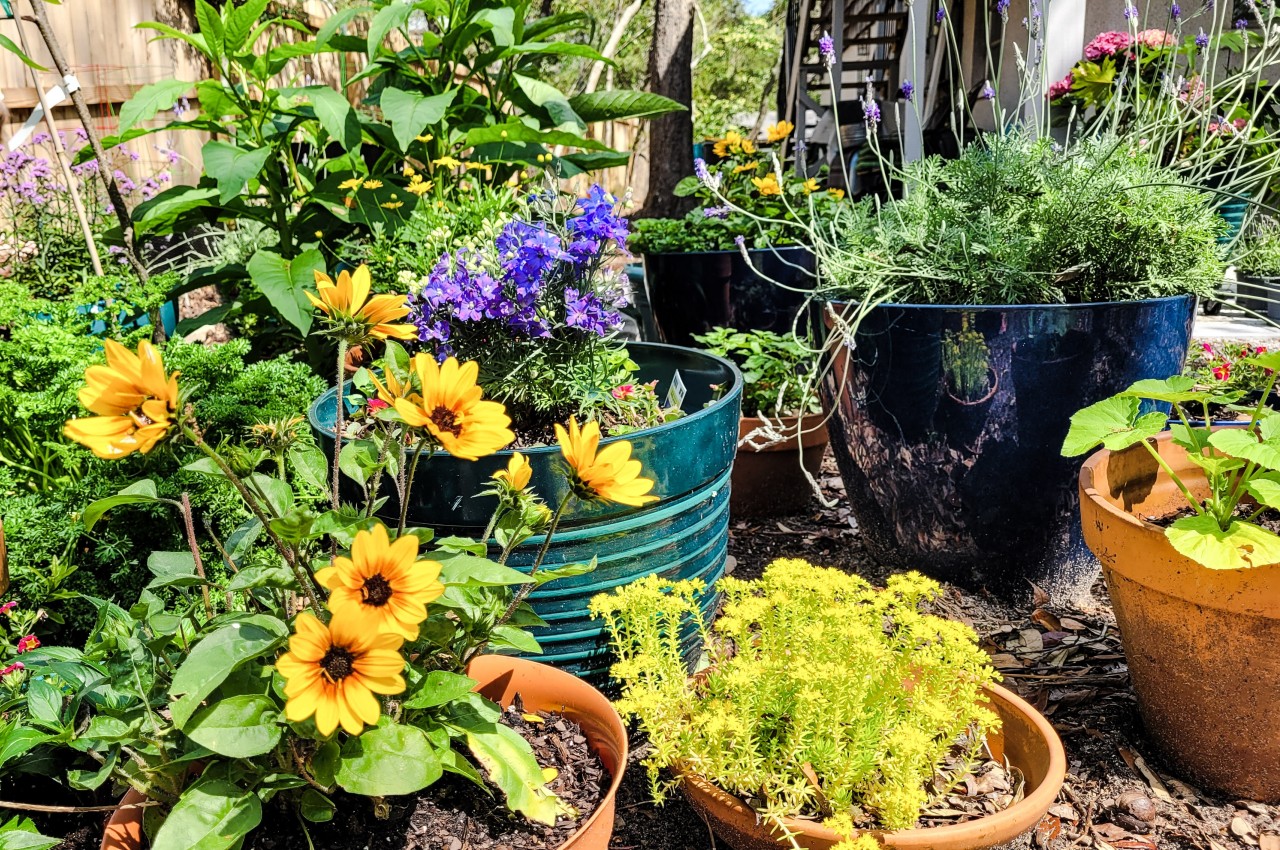
Image courtesy of: Beachbumledford
Opt for sustainable pots and planters to minimize single-use plastics in your garden. It is important to take care of your existing plastic pots and trays for reuse or invest in durable materials like pots made from 100% recycled waste, addressing plastic waste beyond gardening. Bamboo pots and seed trays offer longevity, lasting up to five years, and can be composted at the end of their life cycle. Consider the Hemp Planters Range for greenhouse or terrace use, offering both sustainability and maximizing crop yields.
9. Minimize Use of Fertilizer
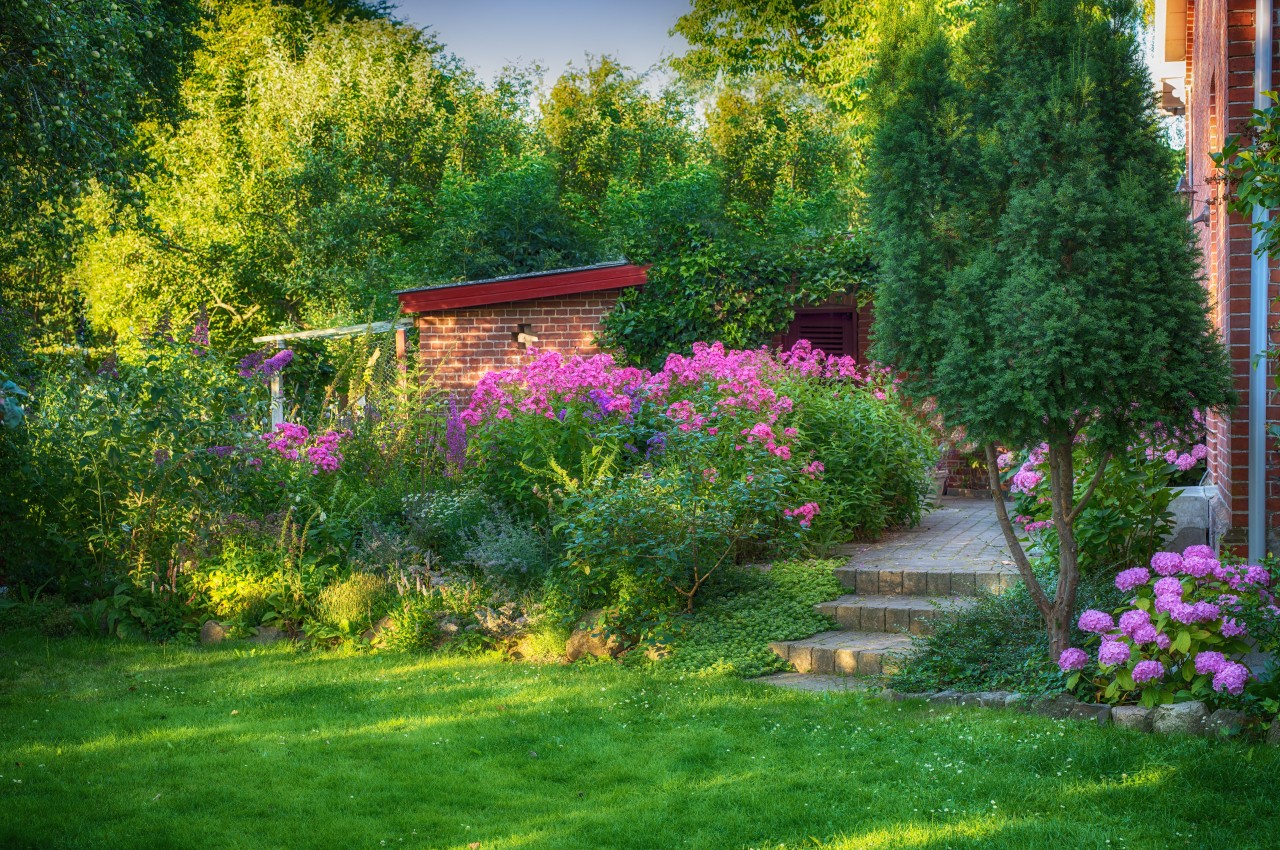
Image courtesy of: YuriArcursPeopleimages
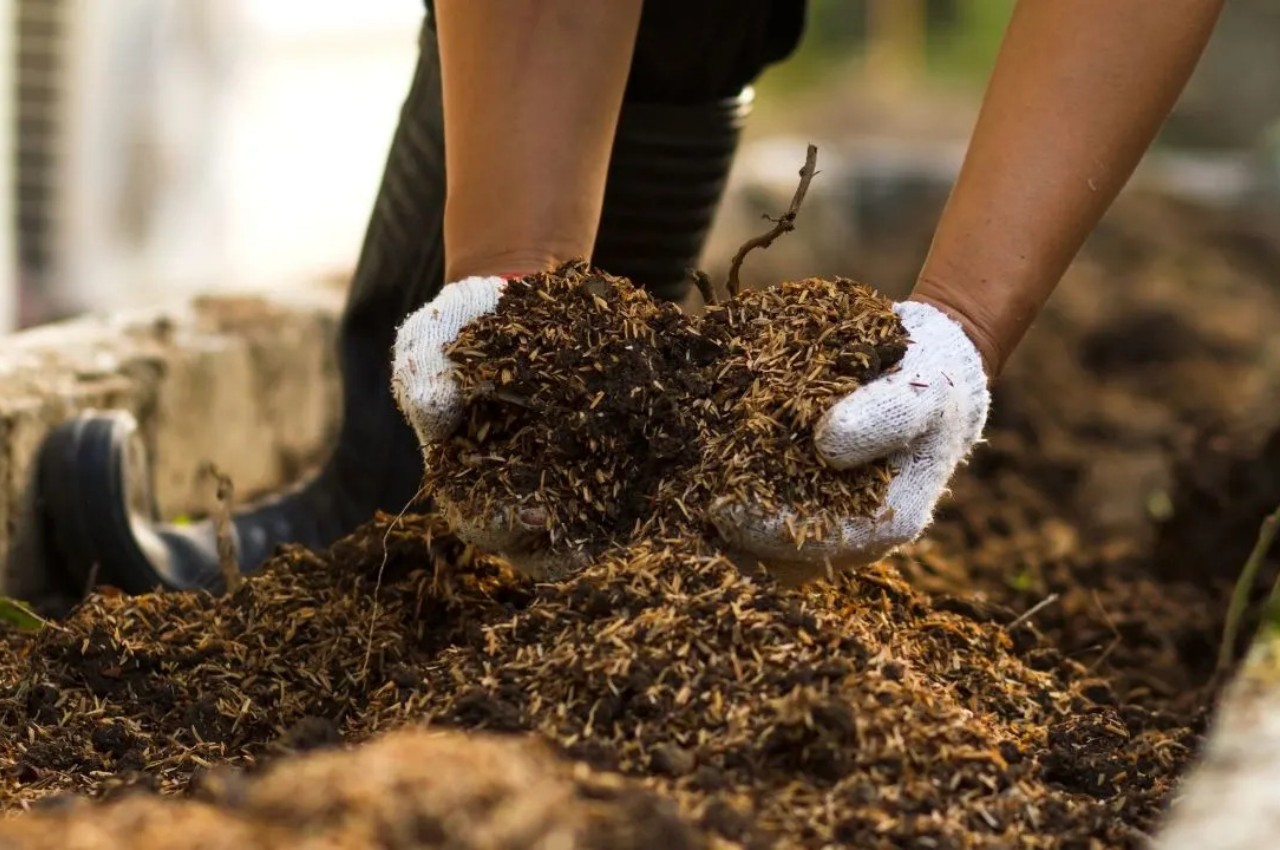
Prioritize minimizing fertilizer use in sustainable gardening practices to prevent runoff and excessive plant growth. Start by testing your soil to understand its natural fertility and determine if any adjustments are needed; many soils can sustain plant growth without added fertilizer. Consider enriching your soil with homemade compost as an alternative to synthetic fertilizers, promoting soil health and reducing environmental impact.
10. Use Less Energy
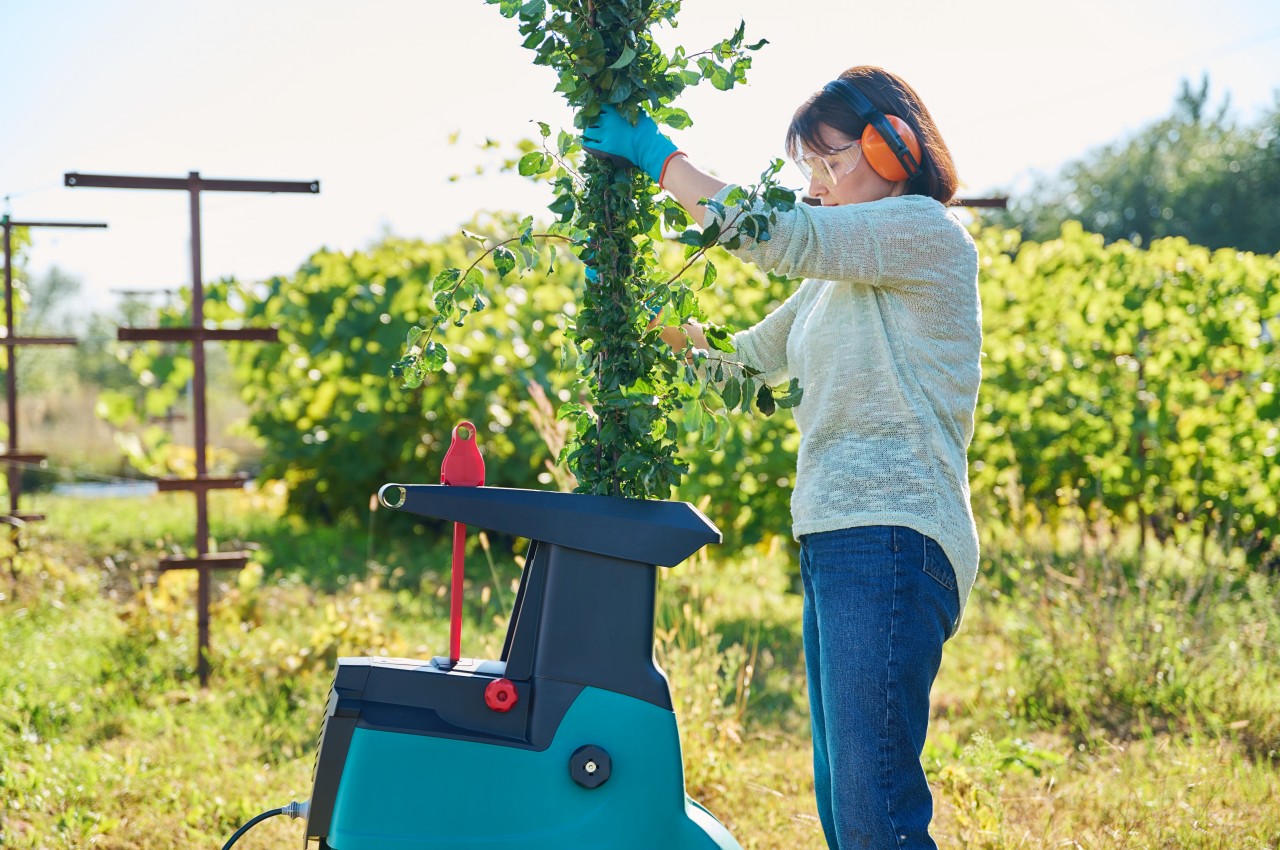
Image courtesy of: valeriygoncharukphoto
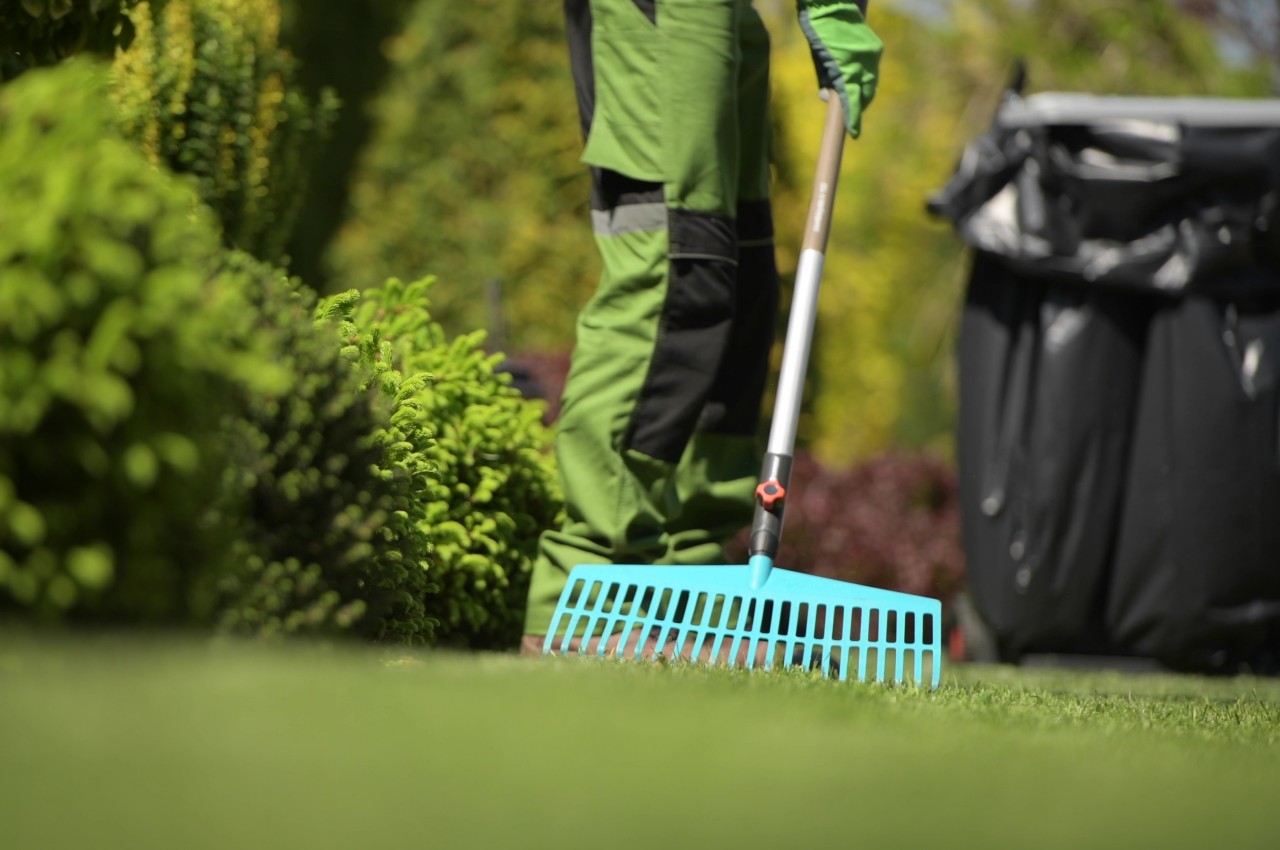
Reduce outdoor energy consumption by focusing on lawn care practices. Opt for electric or push-reel mowers and keep blades sharp for efficiency. Prioritize manual weed removal to prevent spread before mowing. Decrease lawn size by planting trees or expanding gardens. Choose solar-powered LED bulbs for lighting to conserve energy and provide natural illumination.
How does a sustainable garden combat climate change?
Home gardeners contribute significantly to addressing climate change through sustainable practices. By employing sustainable gardening and landscaping techniques, they can mitigate future warming by reducing carbon emissions and enhancing carbon storage in soil and plants.
• Choosing rechargeable electric options for mowers and trimmers aids in cutting gas emissions by reducing reliance on gas-powered lawn and garden equipment.

Image courtesy of: duallogic
• Avoiding synthetic nitrogen fertilizer is crucial in sustainable gardening, as it is a major contributor to greenhouse gas emissions.
• Strategically position trees and greenery around your home and community structures to save energy, ensuring they align with the sun’s orientation. Deciduous trees offer summer shade and winter sunlight, while evergreen trees provide protection from winter winds and improve insulation.
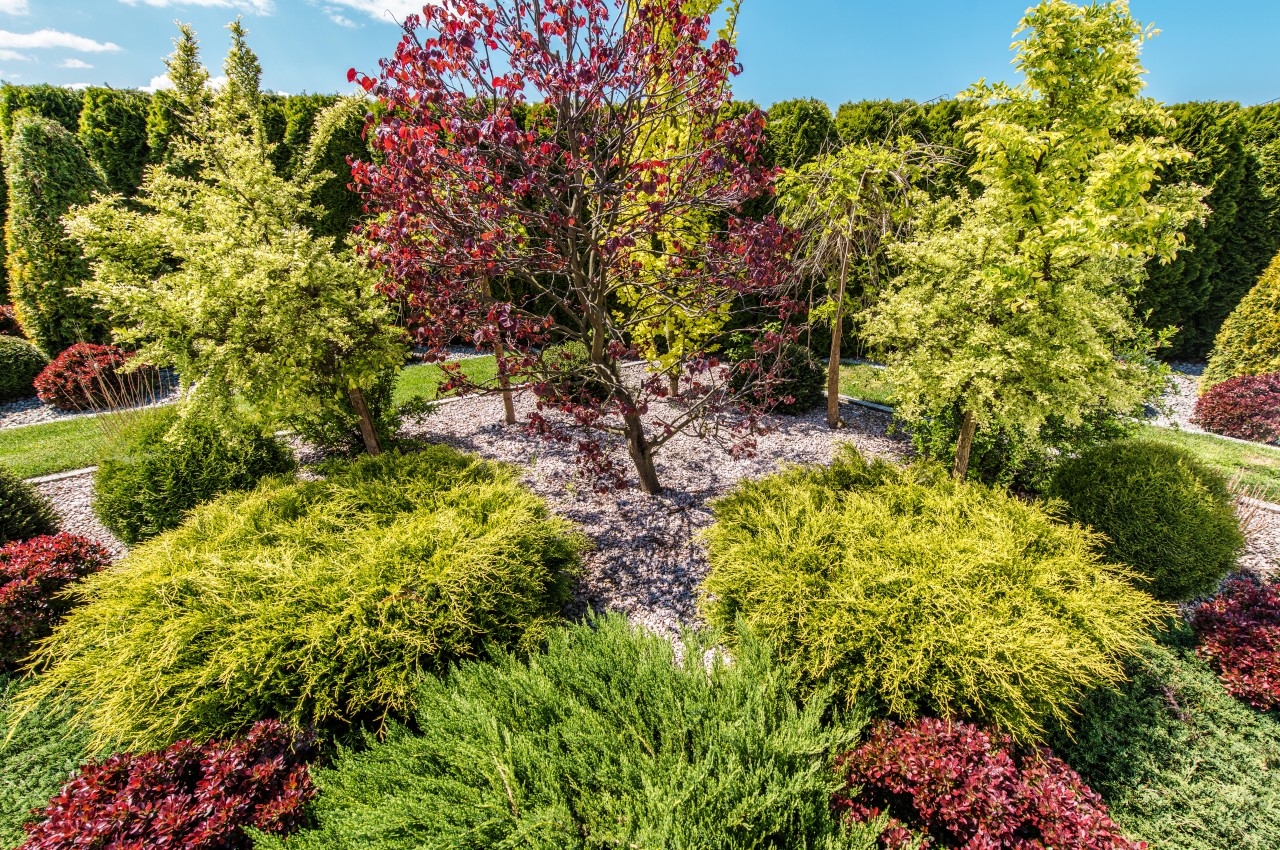
Image courtesy of: duallogic
• With climate change, one can expect more rainfall and floods. Sustainable gardens mitigate excess water through rain gardens or vegetated buffers, reducing runoff and erosion. Make it a point to use rain barrels for water storage.
• Food waste in landfills produces methane, a potent greenhouse gas that traps 28 times more heat per unit mass than carbon dioxide. To mitigate emissions, growing your food in sustainable gardens and purchasing from local sources minimizes the environmental impact of long-distance transportation and storage.
• Sustainable gardens aid in carbon storage by maintaining soil coverage with a variety of plants. Enhancing soil health involves adding organic matter and minimizing soil disturbance, while compost serves as a valuable resource for enriching and enhancing soil quality.
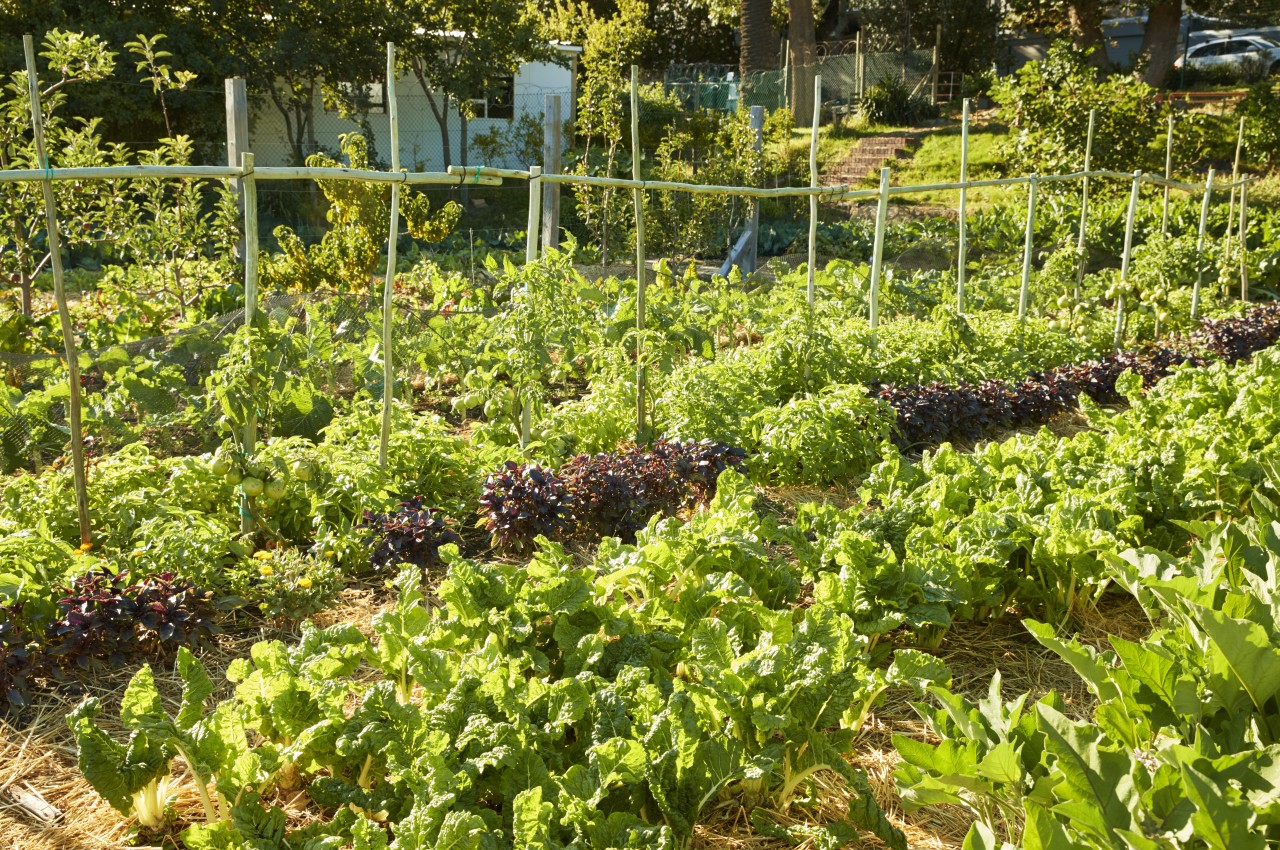
• Landscapes boasting diverse plant life exhibit increased resilience against emerging pest and disease threats and environmental shifts such as extreme heat and drought. In sustainable gardens, greater plant diversity also fosters support for pollinators and beneficial insects crucial for pest management and decomposition. Additionally, opting for native plants whenever feasible is important, as they demand less water and fertilizer while offering vital sustenance and shelter for wildlife. Perennial native plants contribute to carbon storage and help control soil erosion.
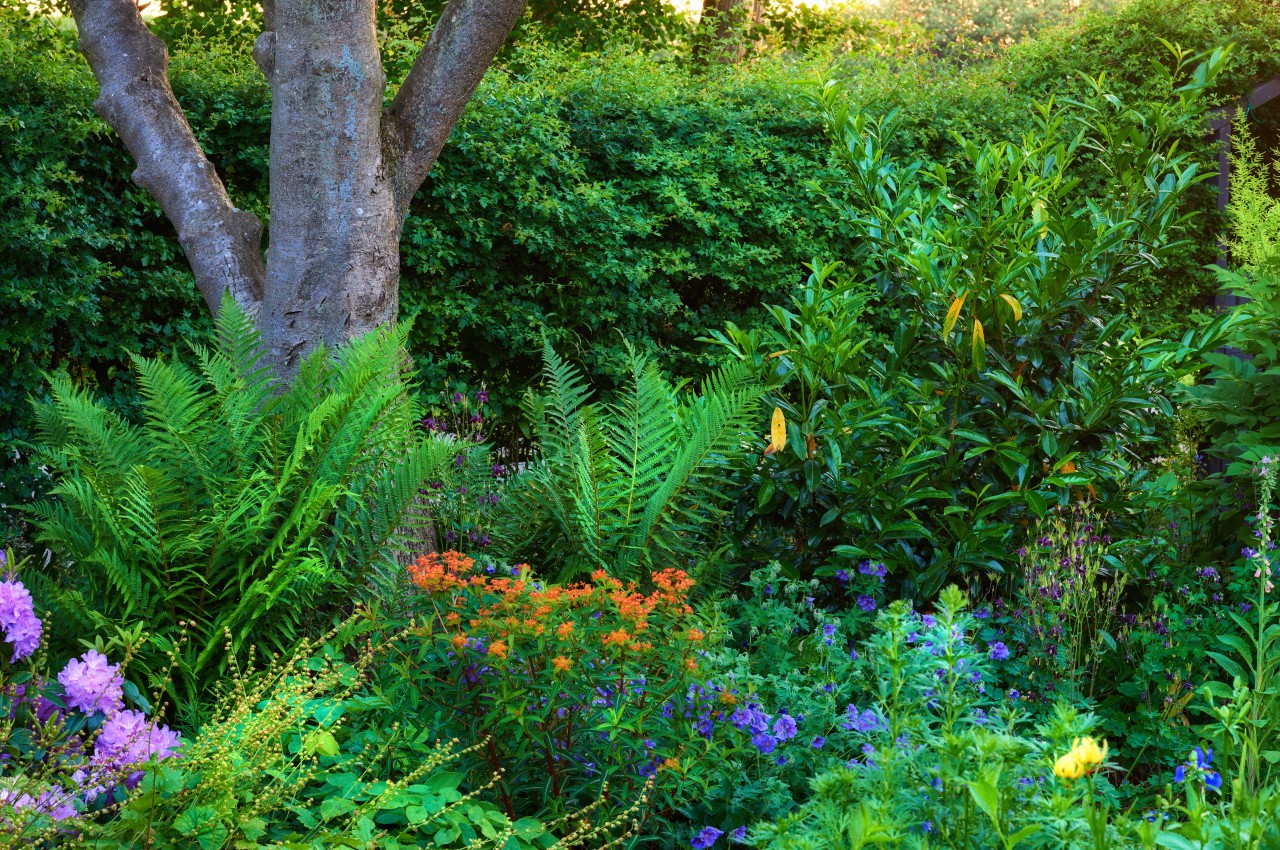
Image courtesy of: YuriArcursPeopleimages
In conclusion, gardeners can bolster the resilience of their green spaces to climate change impacts by diversifying native plants, improving soil health, cultivating heat-tolerant vegetables, and implementing stormwater management. This approach also termed climate-resilient gardening, fortifies landscapes against climate-related challenges
The post 10 Proven Tips for Creating a Sustainable and Eco-Friendly Garden first appeared on Yanko Design.