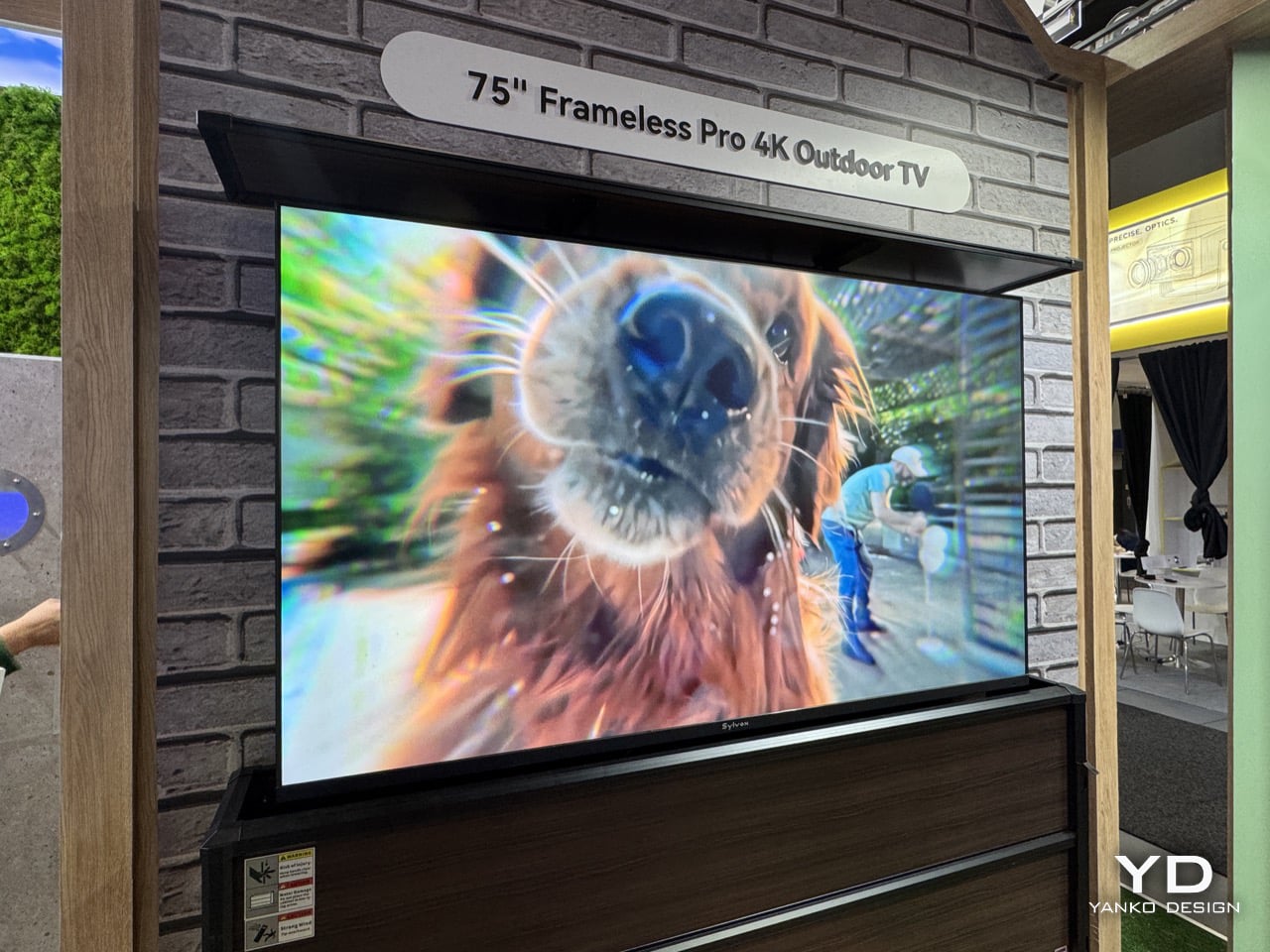
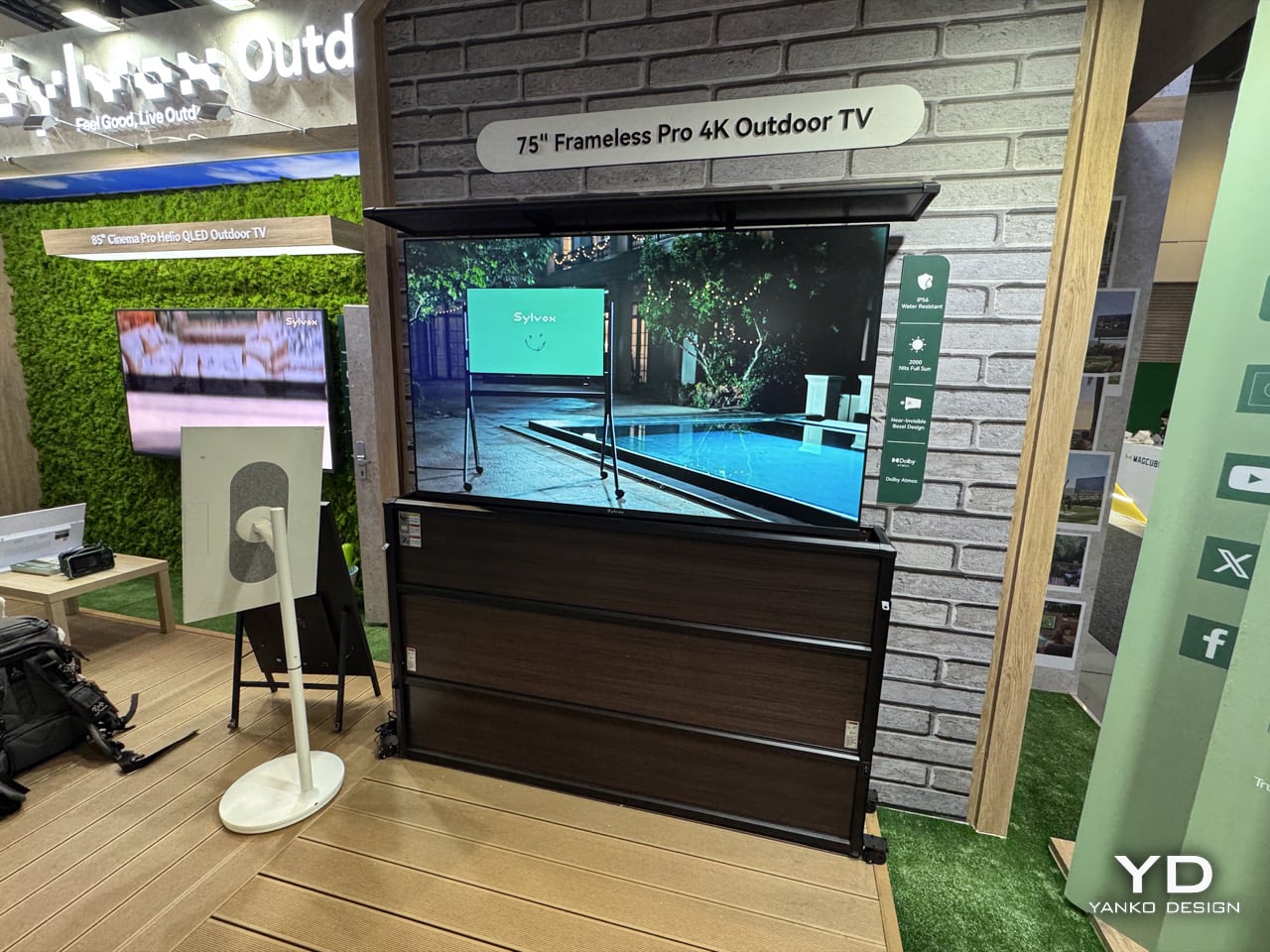
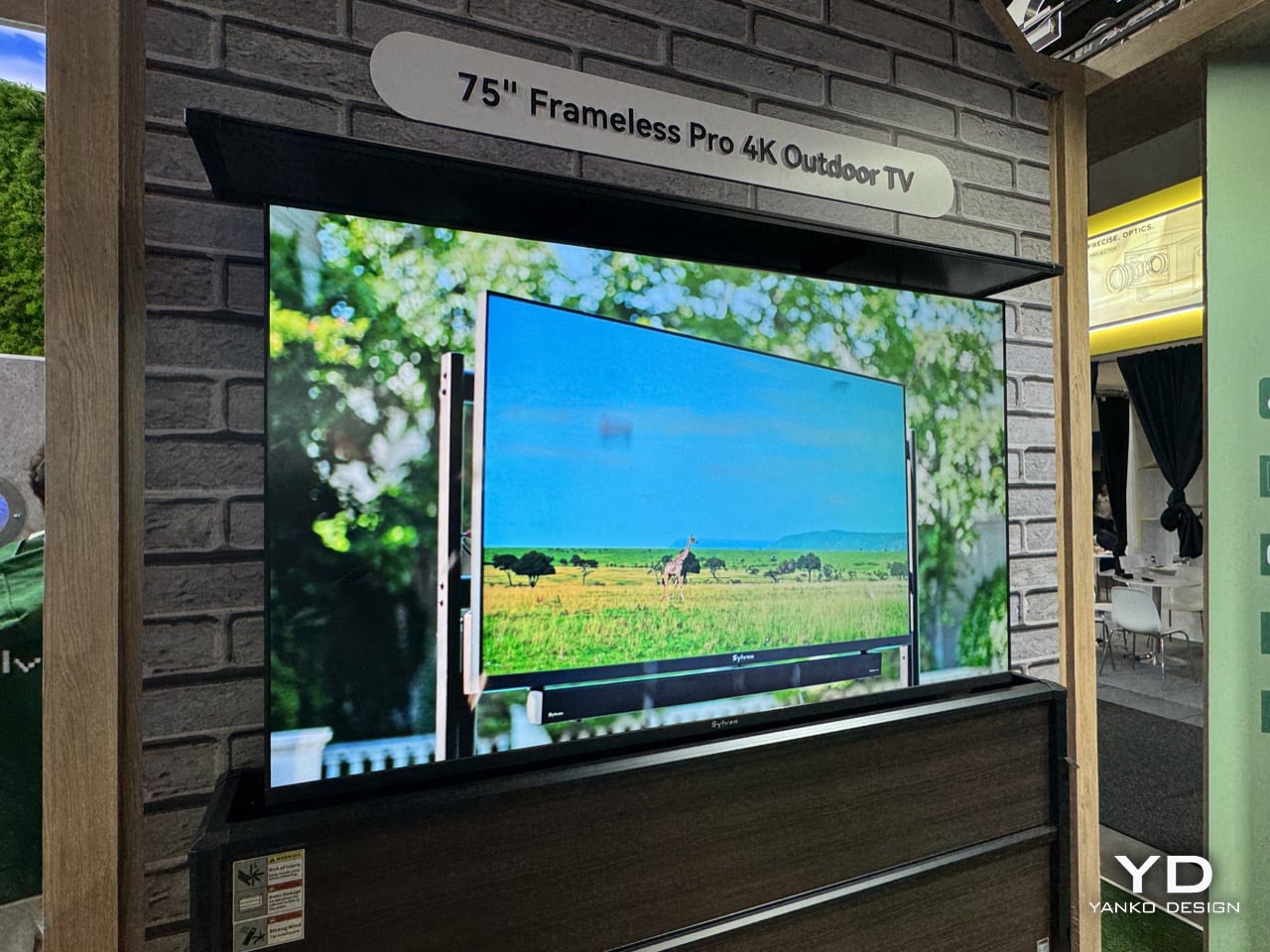
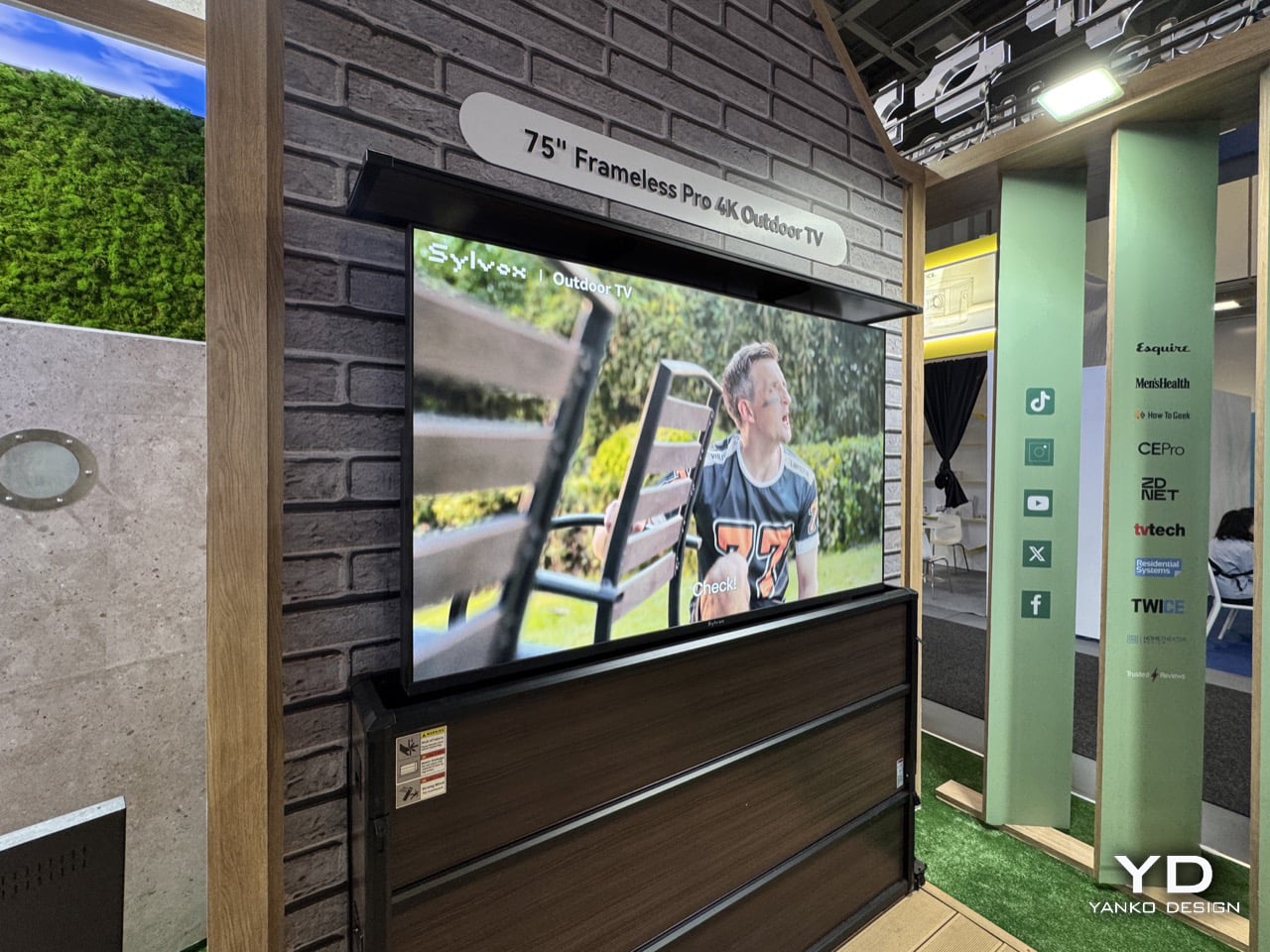
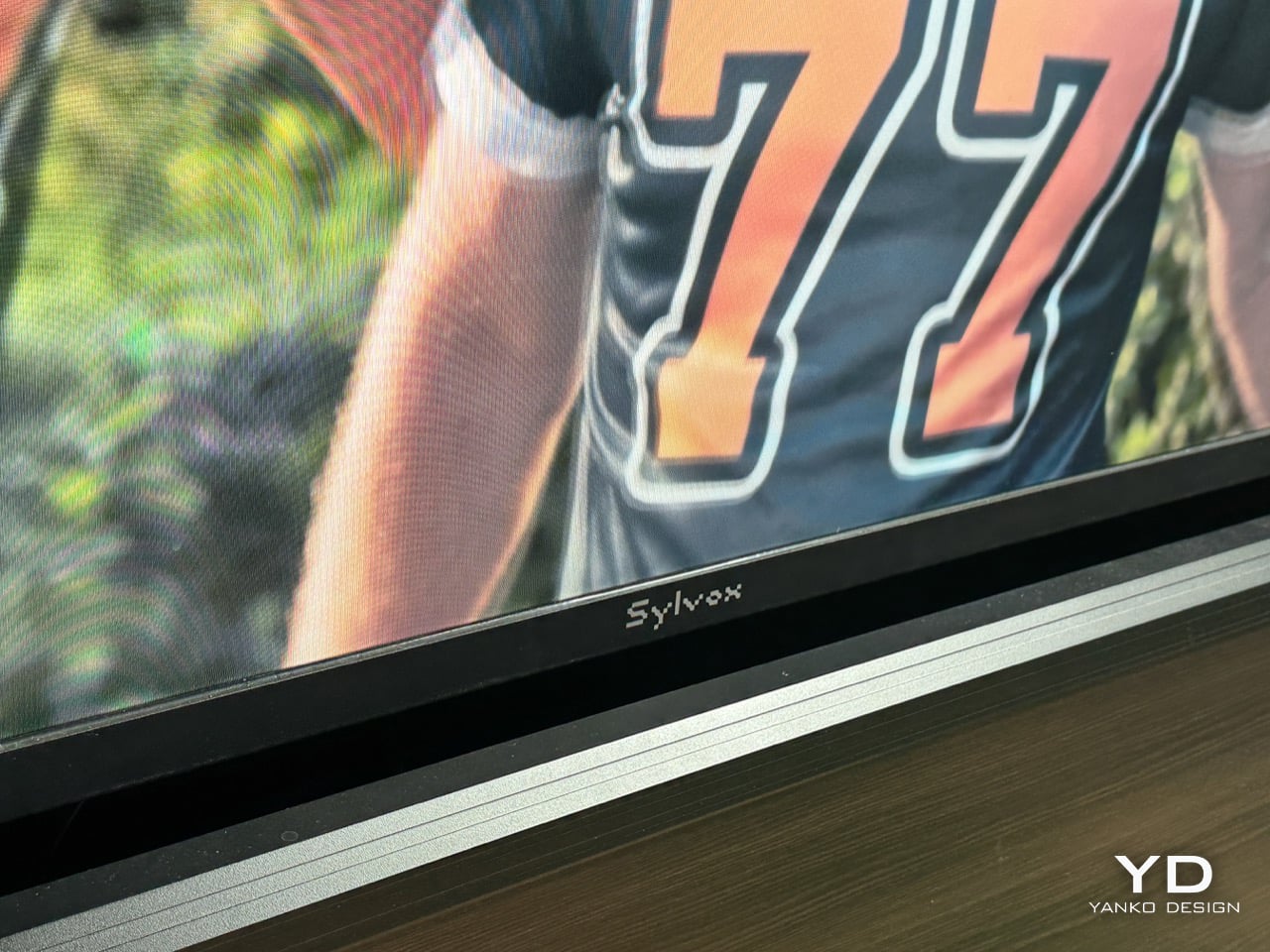
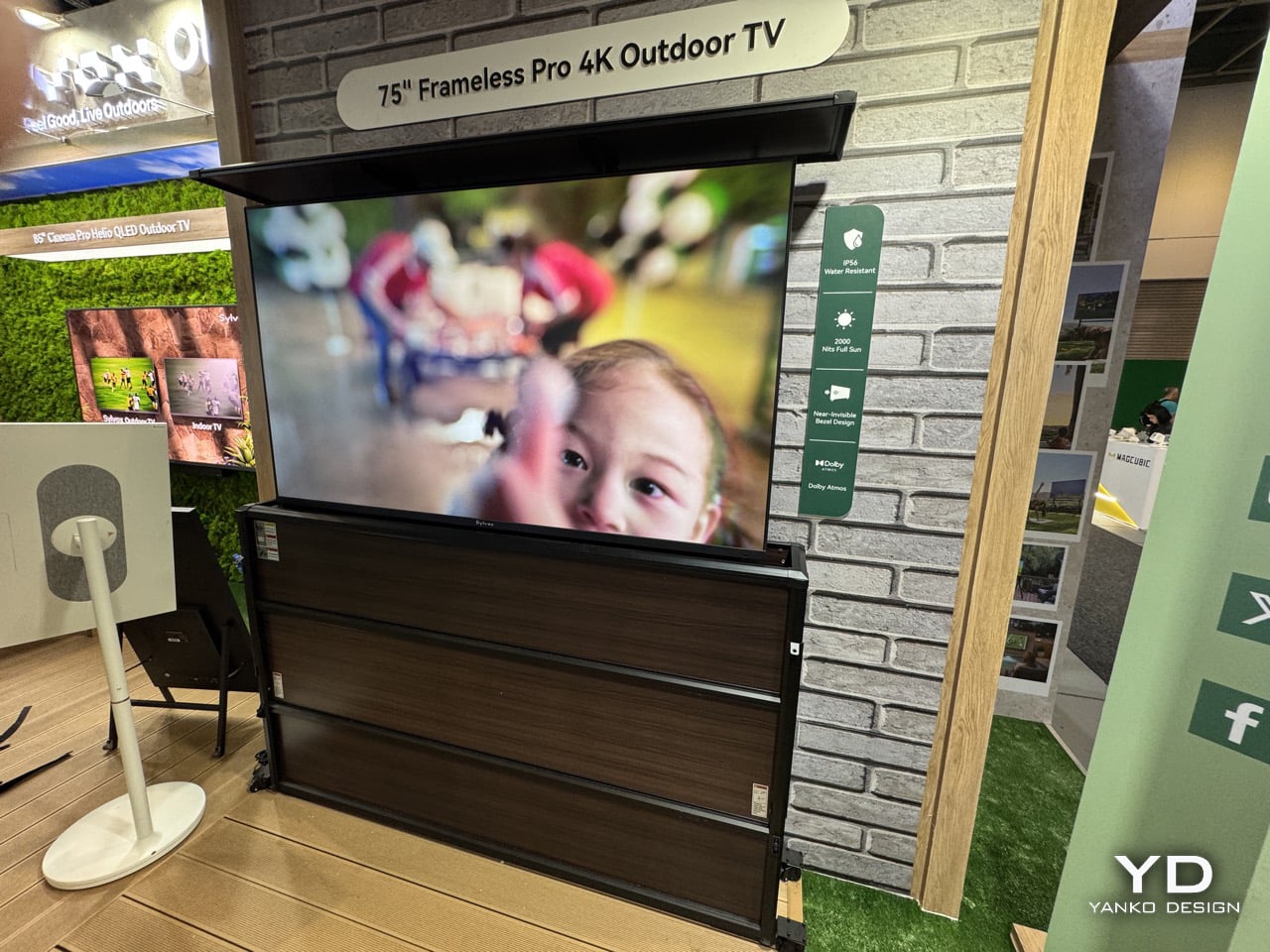
An outdoor TV isn’t really judged by its screen, it’s judged by everything protecting the screen. Sunlight readability, a sealed chassis, and an operating range that survives both August and January are what separate a patio television from a regular one dragged outside against its will. Sylvox showed up at IFA Berlin this week leaning into that definition, then added a twist the category rarely bothers with, the Frameless Pro 2026, a 75 inch 4K set with 2000 nits, an IP56 rating, and a bezel trimmed down by 90 percent. The obvious question is whether shaving the frame down actually changes what an outdoor TV is, or just what it looks like. Either way, it’s the most interesting thing on Sylvox’s stand that isn’t running on a hand crank.
Bezels exist for a reason on any screen meant to survive weather, they’re where the gaskets, sealing, and wiring actually live, so trimming one down is a real engineering problem, not just styling. Sylvox says the Frameless Pro hits a 95 percent screen to body ratio while still holding IP56 and a range from negative 22 to 122 Fahrenheit. It wasn’t the only bezel story at IFA this year, Tecno showed a concept phone with a claimed 0mm bezel a few halls over, only for early testers to find a raised metal lip still doing the bezel’s job along one edge. That’s usually how these claims go, the border doesn’t disappear, it just moves somewhere less obvious.
Brand: Sylvox
An IP56 rating means dust can’t meaningfully get in and water thrown at the case from any angle won’t get through, which matters since most indoor TVs would die from a humid August afternoon. Brightness works the same way, 2000 nits is a requirement more than a flex, since anything dimmer washes out in direct sun, and Sylvox’s own Cinema Pro, last year’s IFA Innovation Award winner, pushes past that to 3500 and 5000 nits. The bezel claim is separate from all this. The spec sheet lists a 90 percent thinner bezel and 95 percent screen to body ratio, both about the visible border around the glass, not the television’s overall size. The unit is still 3.41 inches deep, since that depth now holds the sealing and wiring a fat frame used to carry.
Sylvox wasn’t the only brand playing this game in Berlin. Tecno debuted its Next-Gen Bezelless Concept Phone a few halls over, claiming a true 0mm display border through internal stacking and an inverted rear panel. Hands on reports found a raised metal frame still sitting above the screen, catching thumbs on swipes. Same pattern as the TV, a border hidden rather than eliminated, moved into the structure instead of removed from it. Two products, same trick, same asterisk, which is a better story than either press release admits.
At $5,299, the 75 inch Frameless Pro looks steep next to a similarly sized living room TV, but that number needs context most spec roundups skip. Anyone shopping for a 75 inch outdoor television already owns a backyard big enough to justify one, and at that point $5,299 reads less like a barrier and more like a rounding error on the pool or pergola it’s about to sit next to. Against Samsung’s Terrace and SunBrite’s Veranda, both of which still treat a thick edge as part of the design language, the Frameless Pro is a serious entry, though it deserves a more honest word than frameless, since the frame didn’t disappear, it just stopped being the first thing you notice. Sylvox’s booth also had a hand crank emergency TV in development nearby, likely the stranger story out of Berlin. For now, the Frameless Pro is a good looking outdoor TV wearing a name that oversells its own trick, aimed at people for whom that oversell was never going to matter.
Your regular carry works fine at a desk, as it should. But it falls apart at a tailgate, where the lot is loud, the light is going, and someone just handed you a warm can with nothing to open it. The gear sitting in your drawer was designed for a controlled environment, and surprisingly, a parking lot in early September is not that. These five products fix the gap before it has a chance to ruin your afternoon.
This list is not for gear collectors or EDC forum regulars. It is for the person who wants to show up to a game-day tailgate with five things in their bag that actually earn their spot. A blade, a light, a radio, a screwdriver, and a can opener. Each one handles a specific moment that goes sideways without the right tool. Read this before Saturday, and you will be the person other people walk over to ask for help.
1. The Cubik
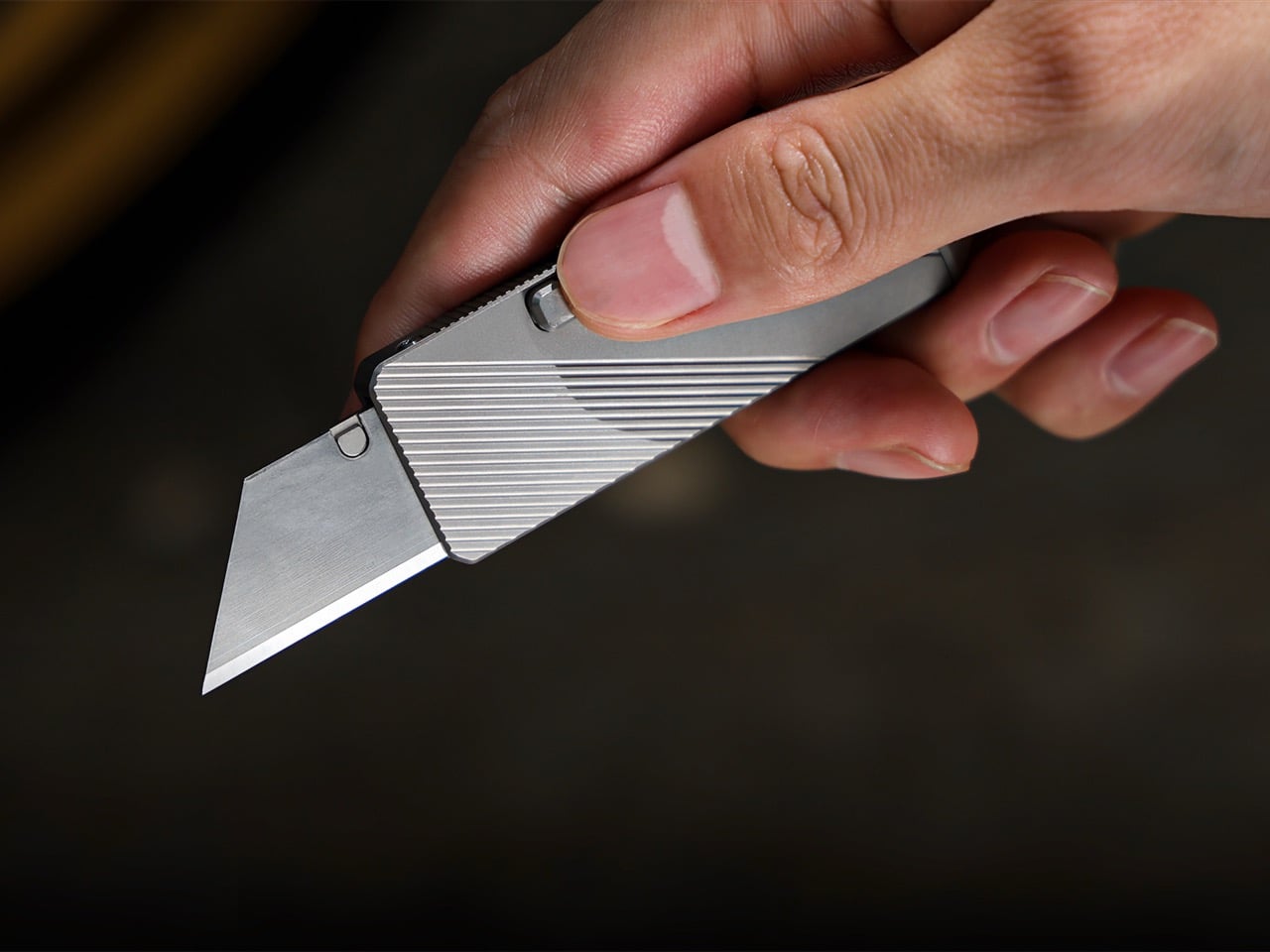
The most embarrassing tailgate moment nobody talks about is trying to open a bag of chips with a car key because your knife is buried somewhere in a bag. The Cubik removes that problem with a deployment mechanism you genuinely have not seen on a folding knife before. You tilt it, and gravity swings the blade out. No two-handed fumbling, no thumb stud digging into your nail, no moment of frustration while your other hand is already full.
At a tailgate, you are almost always holding something. A drink, a plate, your phone. The Cubik is built for exactly that situation. The blade deploys fast, locks securely, and the whole package stays compact enough to live in a front pocket without printing through your jeans. The gravity mechanism is clever design, not a gimmick, and IF has the industrial design credentials to back it up. This is the knife you reach for when the moment already counts.
What we like:
One-handed gravity deployment is faster and more natural than any thumb stud
The minimal form means you will actually carry it instead of leaving it in the bag
What we dislike:
Keep the lock engaged in a coat pocket. The same gravity activation that works for you will work against you if the knife is loose around other gear
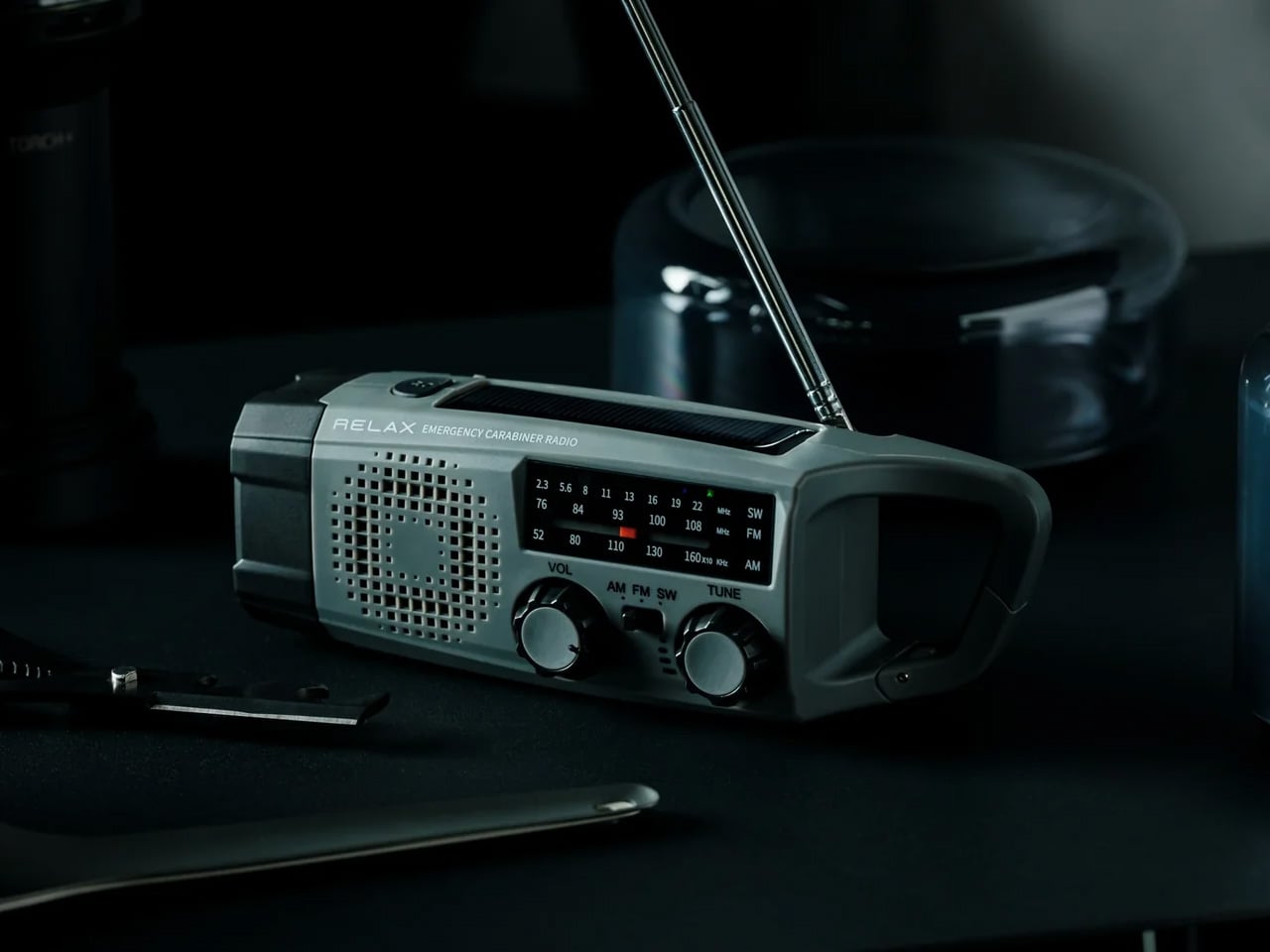
2. Clip&Go Radio
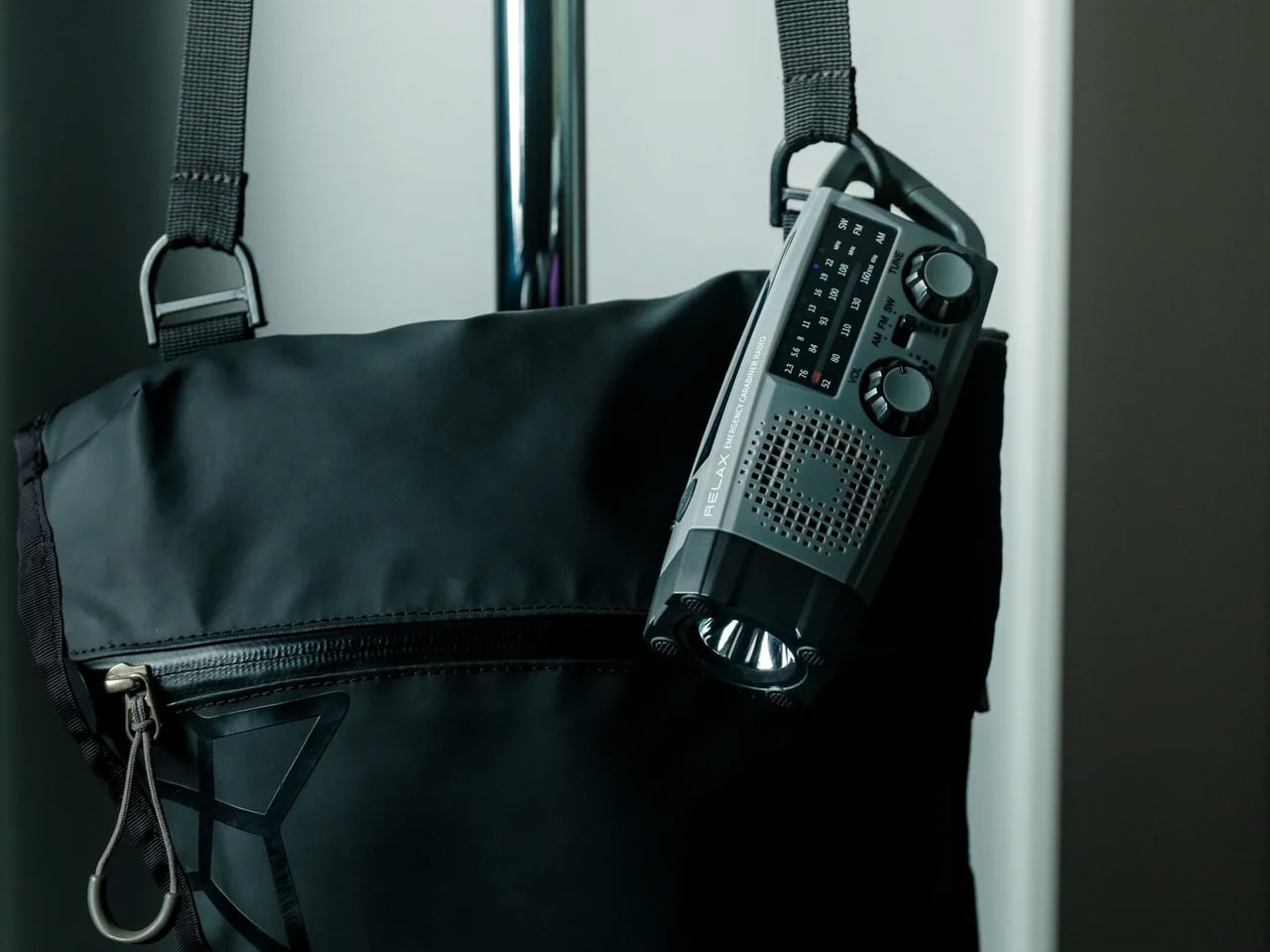
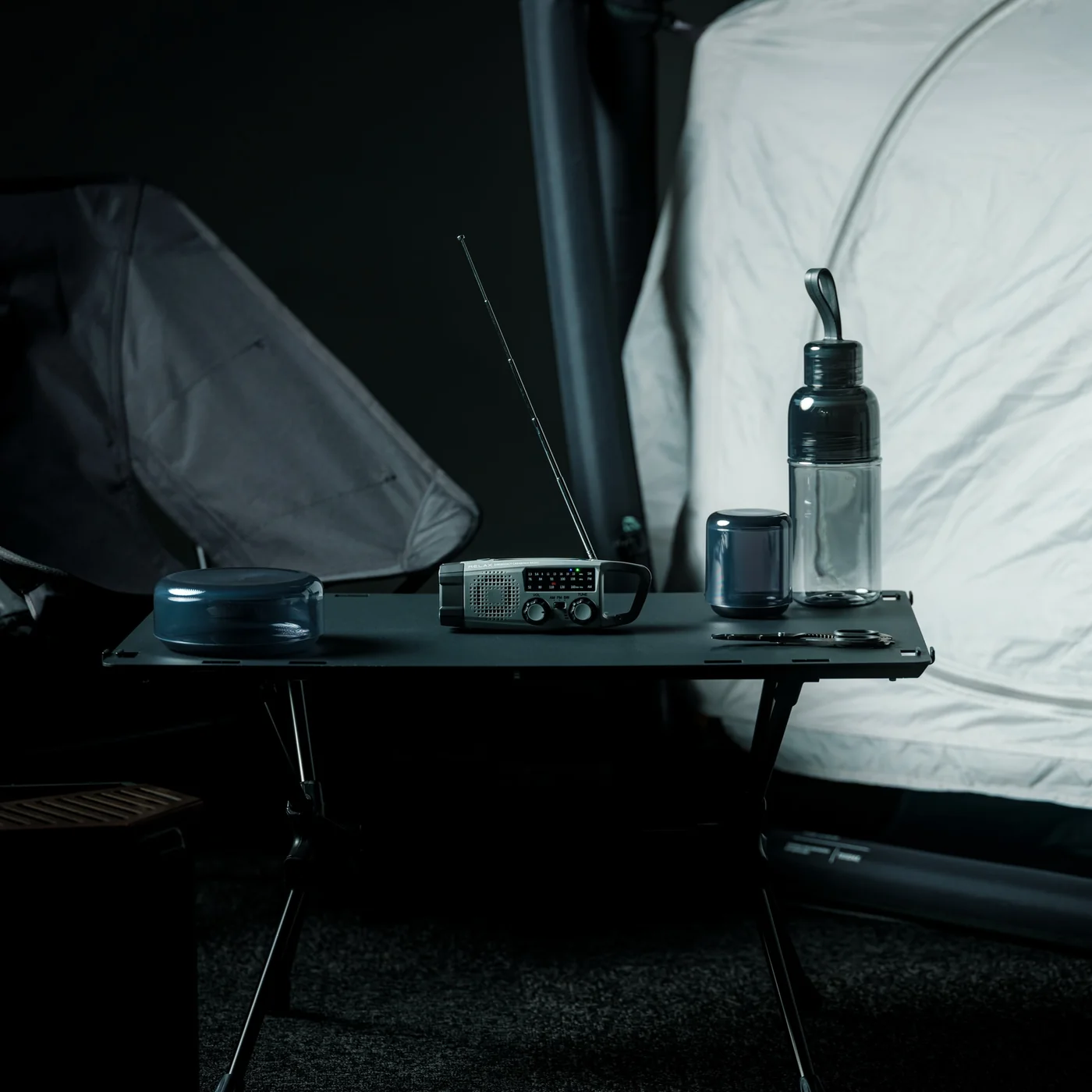
You have been to a tailgate where someone’s Bluetooth speaker died two hours before kickoff and took the whole energy of the group with it. The Clip&Go Radio is the fix that costs you nothing in phone battery. It clips to a bag strap, a belt loop, or a cooler handle, pulls in an FM signal, and runs on its own. No pairing, no app, no connection to babysit.
At a tailgate, radio matters in a way it does not anywhere else. You want the pregame show in the background while the playlist stays on the speaker. The Clip&Go lets you run both at once. It clips where you put it and stays there while you move around the lot. The form factor is the whole point here. It has no right to be this portable. It is the item on this list that the people around you will notice and immediately ask about.
The clip mount keeps it on your person hands-free with nothing to set up
What we dislike:
FM signal depends entirely on your location. Dense urban lots with a lot of concrete and steel can break up reception
3. Titanium Multifunctional Magnetic Screwdriver
Nobody brings a screwdriver to a tailgate, and everybody eventually needs one. The folding table wobbles, the chair arm is loose, the grill leg will not sit flat on the asphalt. The Titanium Multifunctional Magnetic Screwdriver lives in your pocket like it is not there until exactly that moment arrives. Titanium keeps the weight down to the point where you forget you are carrying a screwdriver at all. The magnetic bit retention means a dropped bit stays findable rather than disappearing into the grass.
The multifunctional build covers the range of small fixes that come up in any outdoor group setting. You are not pulling out a toolkit. You are pulling out something that fits next to your keys and handles the job cleanly. Titanium construction is not marketing language here. It genuinely changes the weight-to-durability ratio in a way that makes you stop thinking of this as optional carry. That is the whole game with EDC tools. The best ones disappear until they matter.
What we like:
Titanium keeps it genuinely light in the pocket, not just marketed as slim
Magnetic bit retention eliminates a real frustration every time you use it outdoors
What we dislike:
The bit selection covers most standard fasteners but probably not every specialty head on older folding furniture
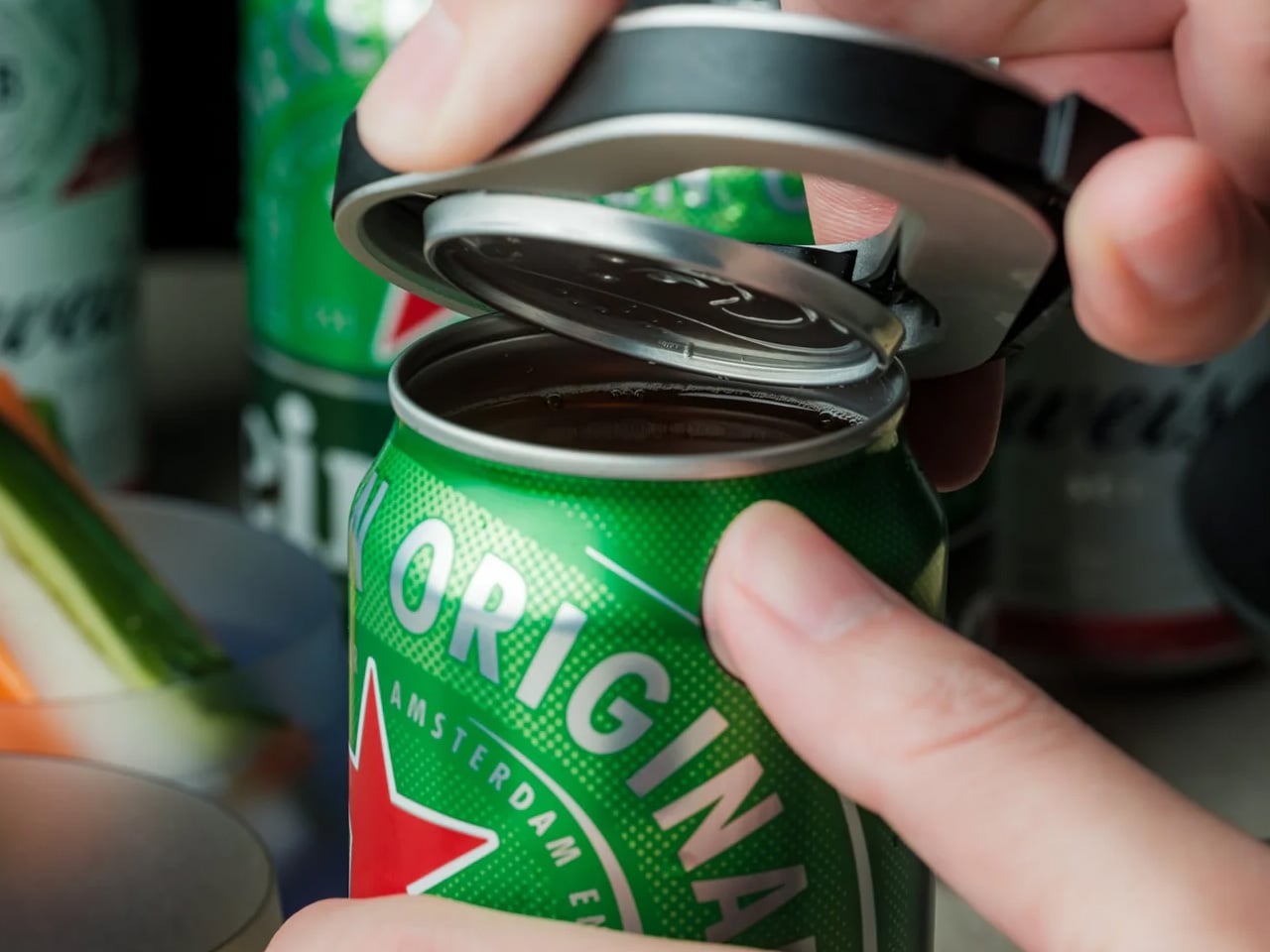
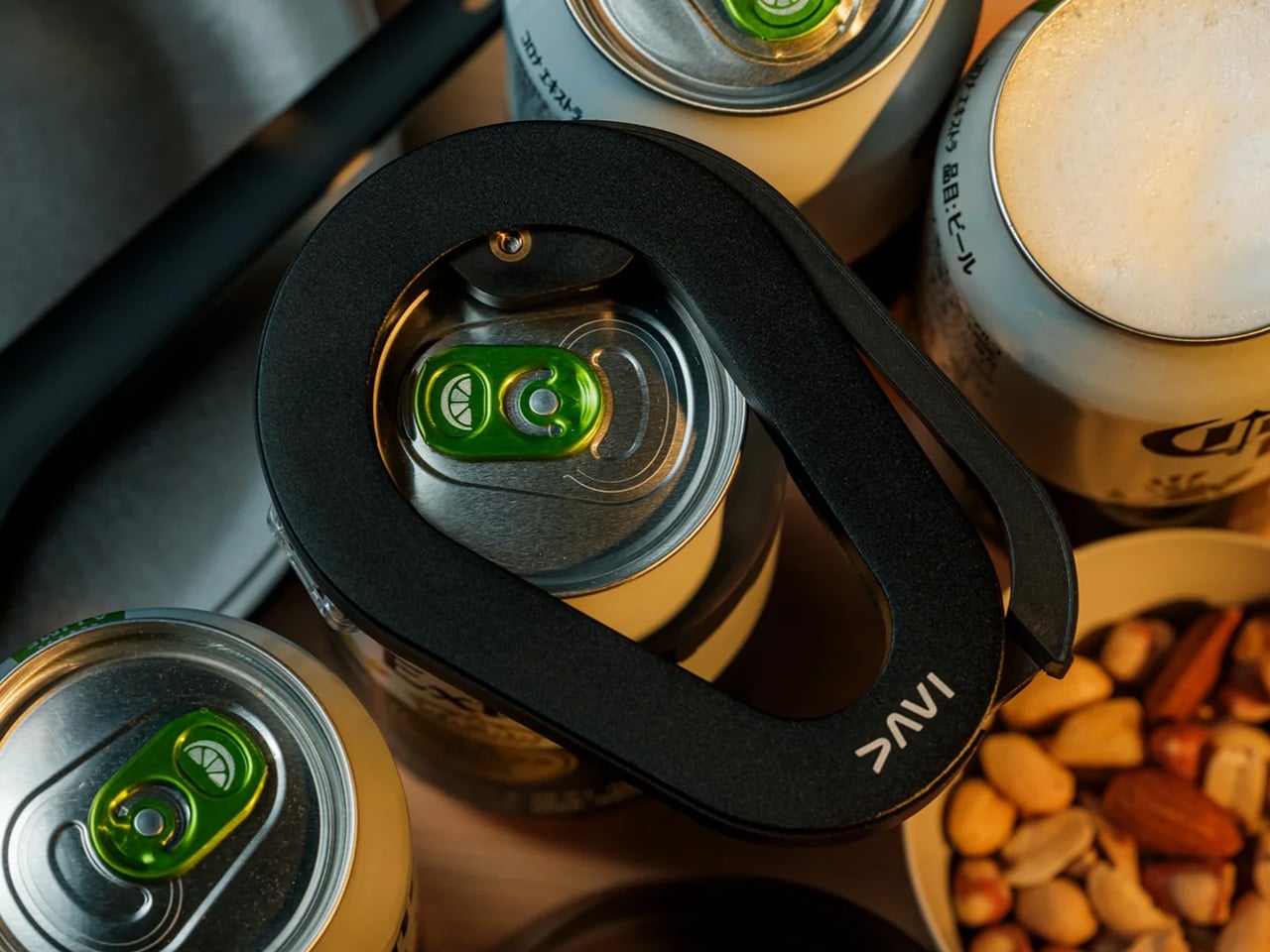
4. DraftPro Top Can Opener
You are standing in a parking lot with a can of beans, a can of corn, or a can of anything, and the pull tab just snapped flush with the lid. The DraftPro Top Can Opener was built for exactly this situation. The top-opening mechanism keeps the lid controlled rather than dropping it into your food, and it was designed for outdoor use from the start rather than borrowed from someone’s kitchen drawer. That difference shows up every single time you use it.
The DraftPro is small enough to sit in a bag pocket without taking up real estate, and it performs the same way on the tenth can as it did on the first. At a tailgate where you are opening multiple cans across an afternoon, that consistency matters more than you would expect. You do not muscle it through. The mechanism does the work. It is a single-function tool, and it does not pretend otherwise, which is a kind of honesty you appreciate when you are standing outside and just need the can open.
The top-opening design keeps the lid contained and your food clean
Built specifically for outdoor use, and that intentionality shows in how reliably it performs
What we dislike:
It opens cans and nothing else. That is the right call, but know it earns exactly one slot in your kit
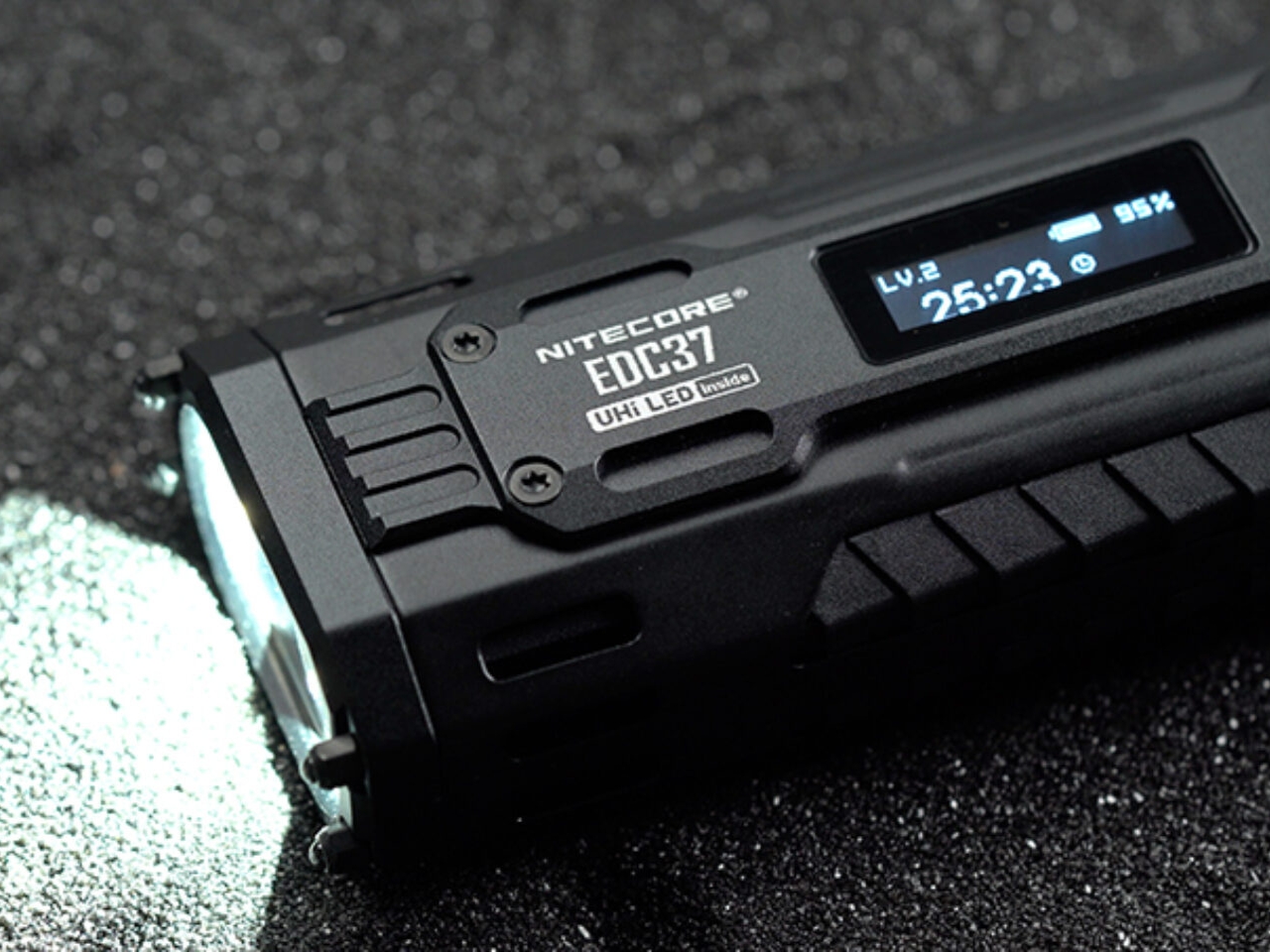
5. Nitecore EDC37
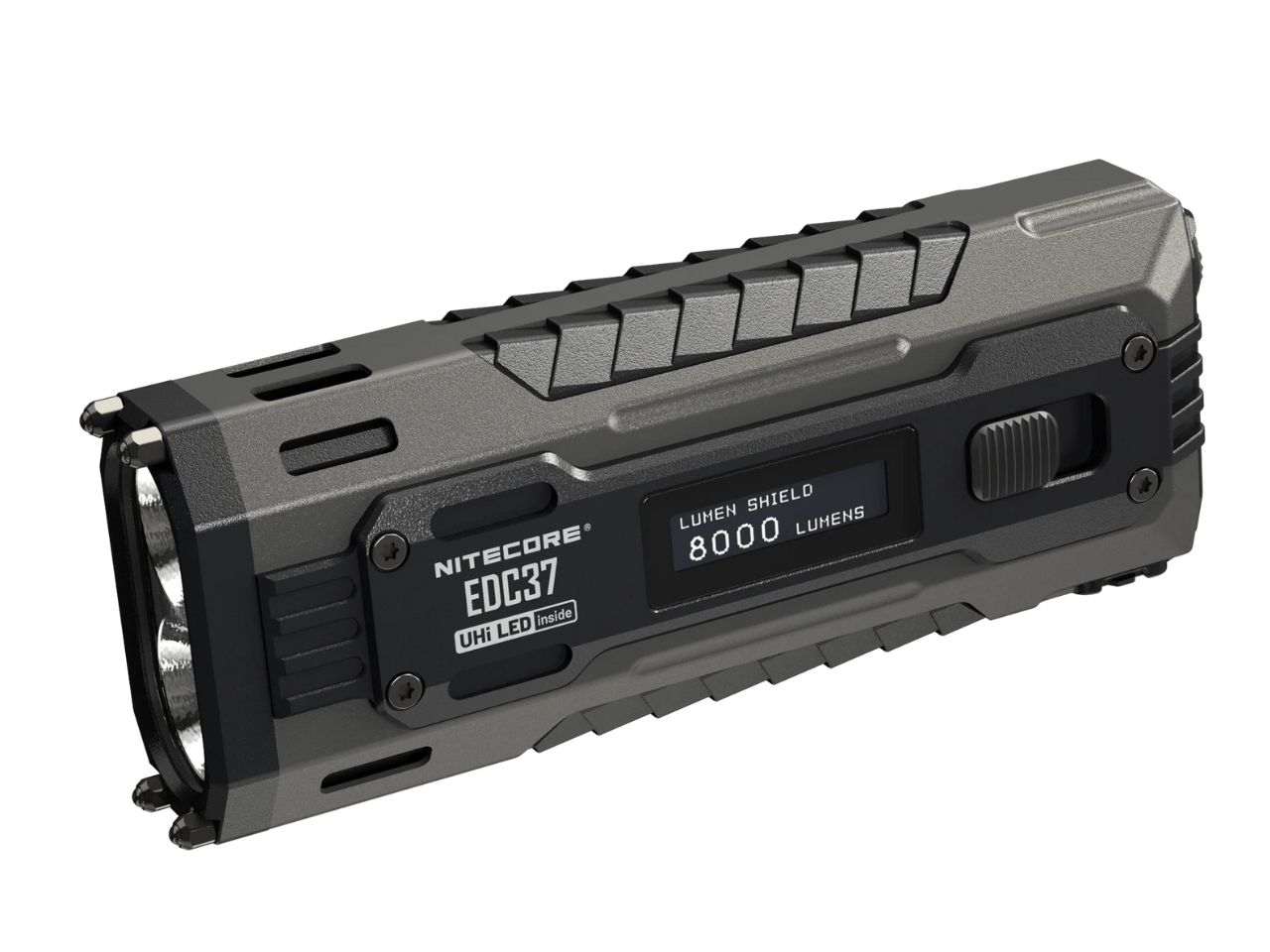
The moment a tailgate becomes a night tailgate, your phone flashlight reveals exactly what it is: a screen that pretends to be a light. The Nitecore EDC37 is an actual flashlight. It outputs 8,000 lumens from a body that fits in a jacket pocket and charges via USB-C, which means you top it up in the car on the way to the stadium. That combination makes it the right choice for a season that starts in daylight and ends in the dark parking lot an hour later.
You do not need 8,000 lumens to find something in a cooler. That is the point. The EDC37 runs on lower modes through most of the afternoon without touching the battery, and when the sun goes down, you dial it up. Signaling to your group across a dark lot, finding a dropped key in the grass, lighting up the tailgate table during setup. USB-C charging removes the last reasonable objection to carrying a real flashlight. At this point, you are out of excuses.
What we like:
8,000 lumens in a genuinely pocket-sized body is a real achievement
USB-C charging means no proprietary cables to hunt down before the season opens
What we dislike:
Max brightness burns through the battery fast. Use the lower modes for most of the evening and save the top end for when it counts
Build Your Carry Before You Hit the Lot
These five products solve the specific problems that show up the moment you leave a controlled environment and spend an afternoon outside with a group. None of them need a special occasion to earn their spot in your bag. A blade, a light, a radio, a screwdriver, and a can opener. Five covered gaps, five fewer moments where you are the person asking around for something basic.
The DraftPro Top Can Opener is my personal favorite on this list because it solves the problem nobody plans for and solves it more cleanly than anything else in its category. The rest of the kit holds up across the board. Build your carry around what your tailgate actually demands, start before Saturday, and show up ready before kickoff.
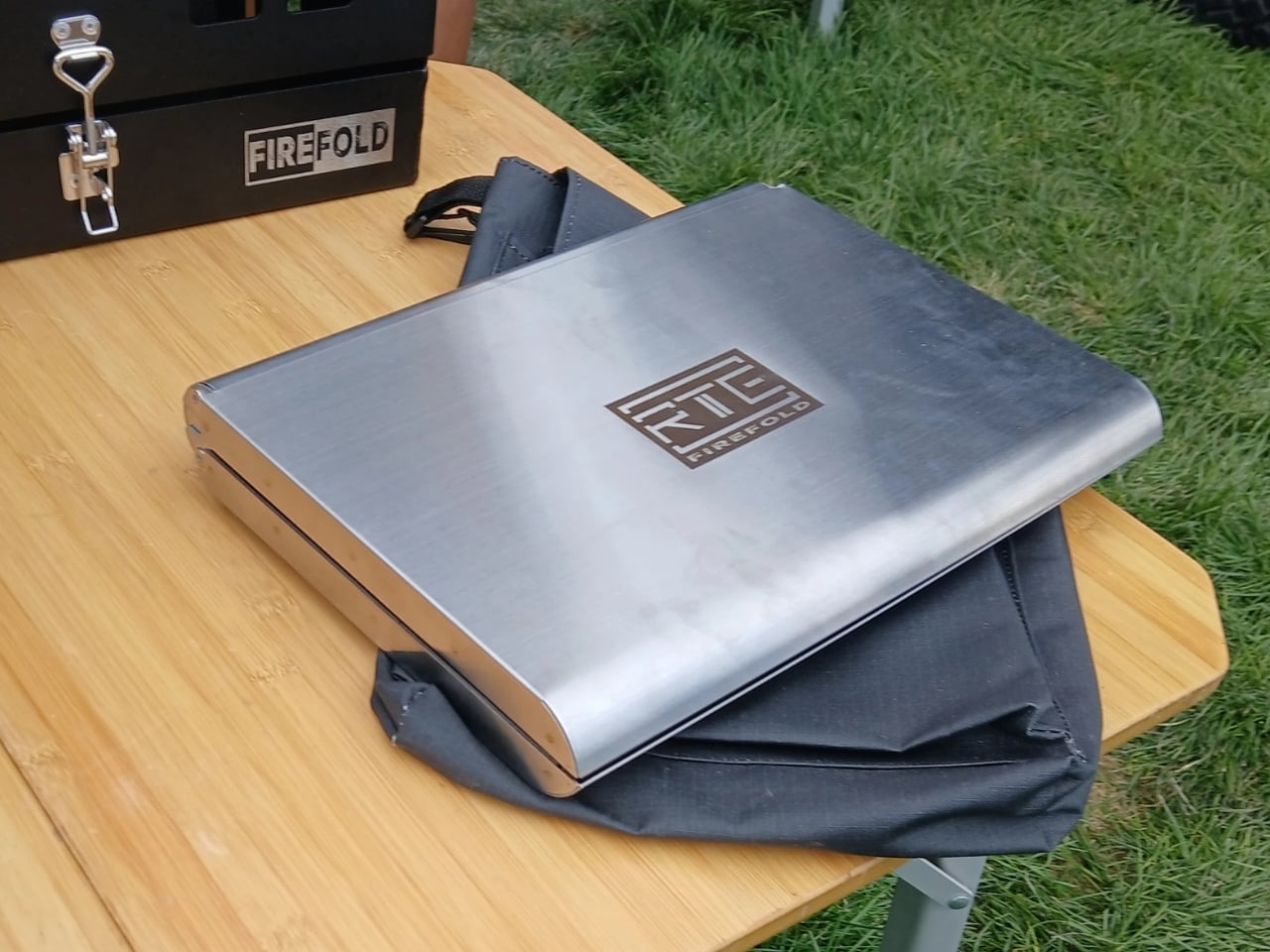
Most camping gear exists in one of two categories: either it’s practical and ugly, or it looks great and makes you sacrifice half your trunk space to bring it along. Portable fire pits have historically landed in the second camp. They fold, sure, but “fold” usually means collapsing from one large, awkward shape into a slightly less large, slightly more annoying one. The RTE FireFold from Rough Trails Equipment has a fundamentally different idea about what “portable” should actually mean.
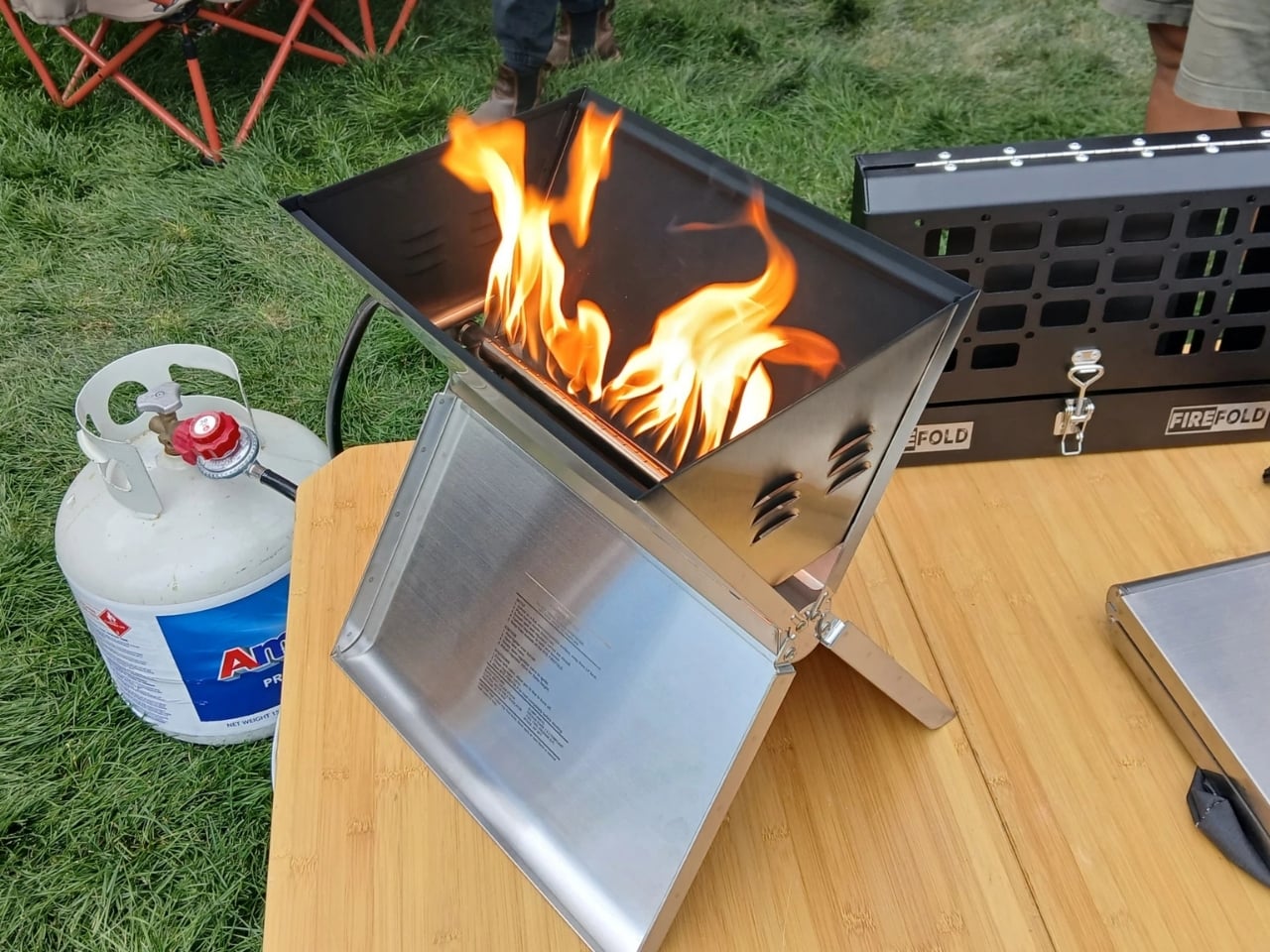
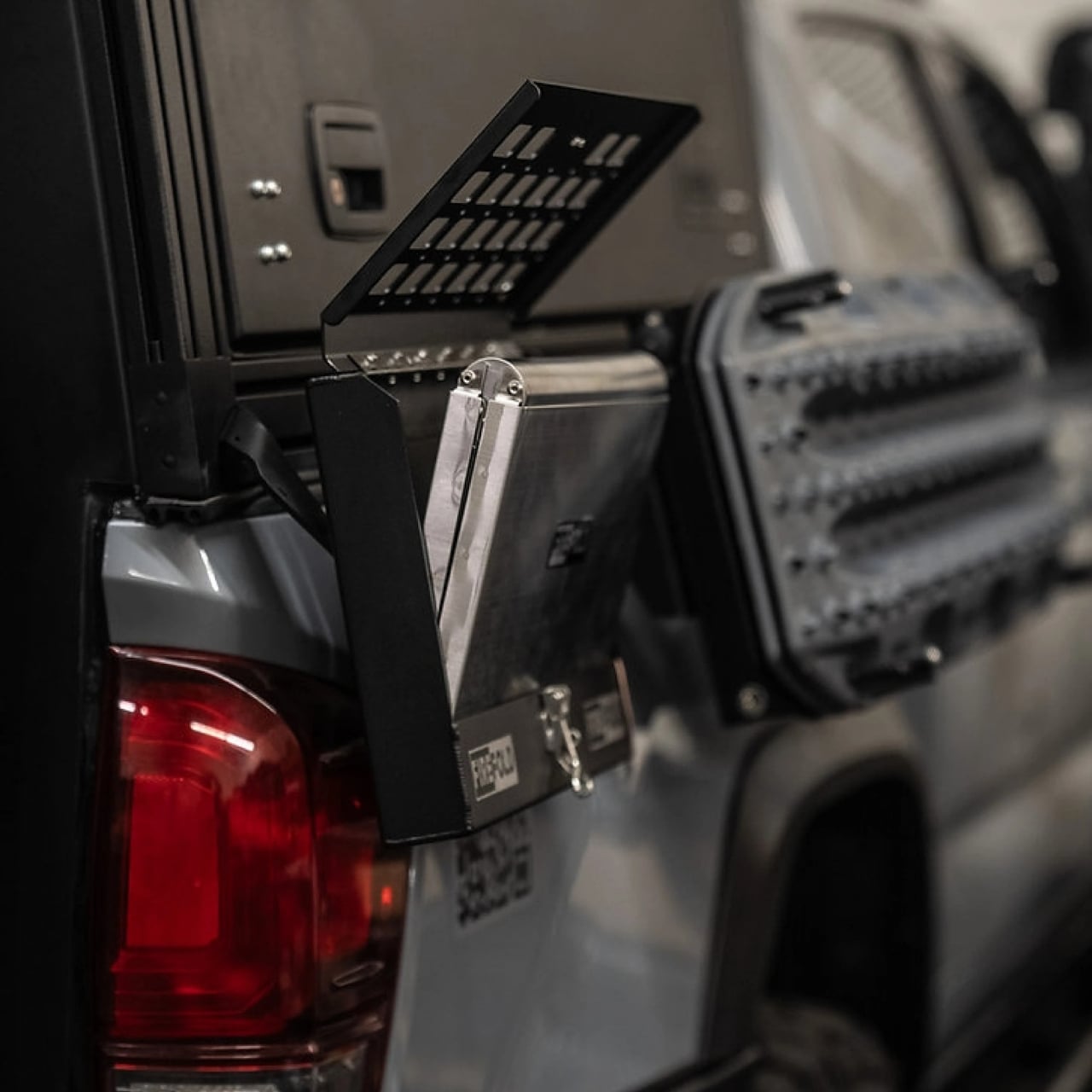
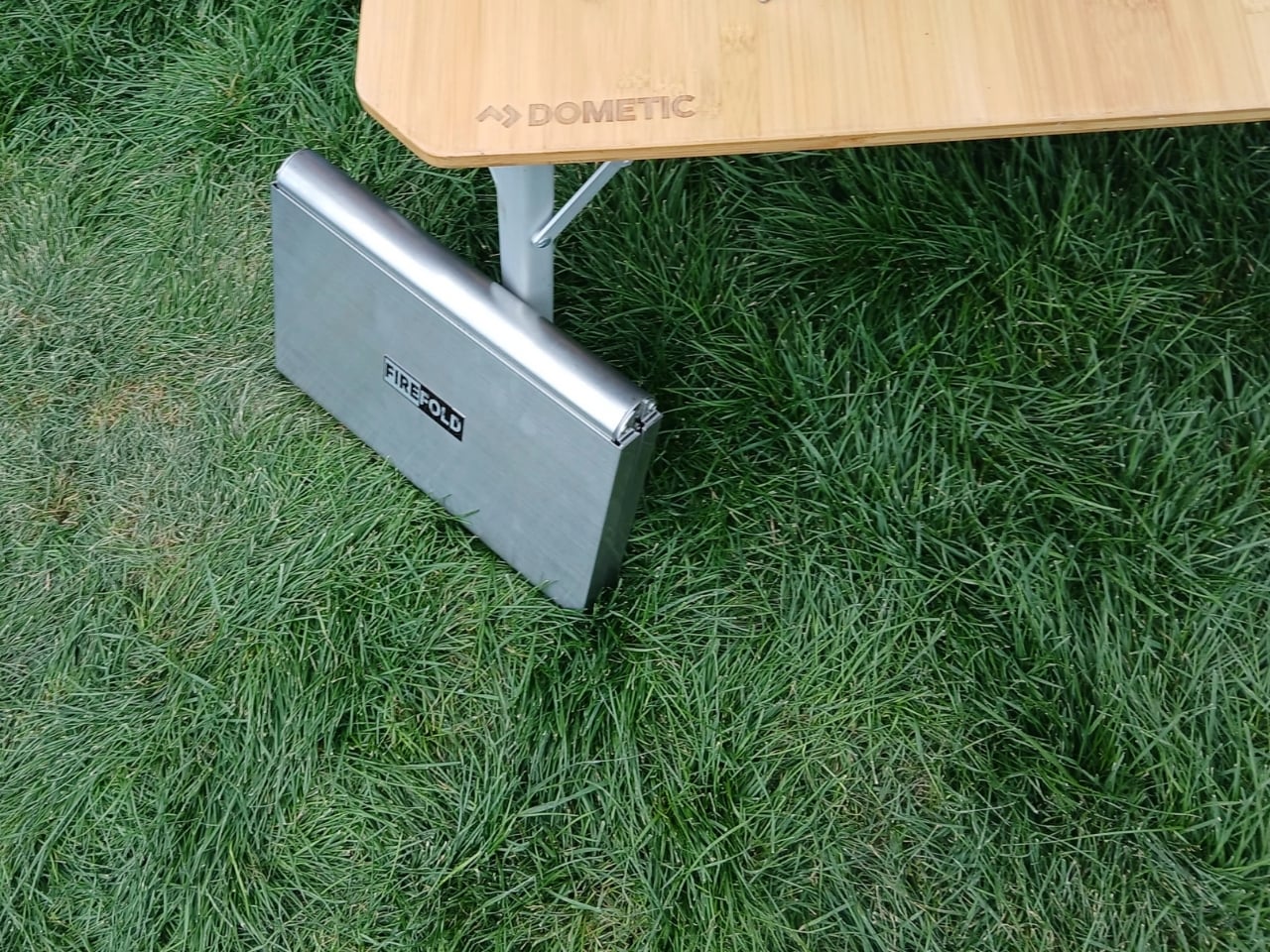
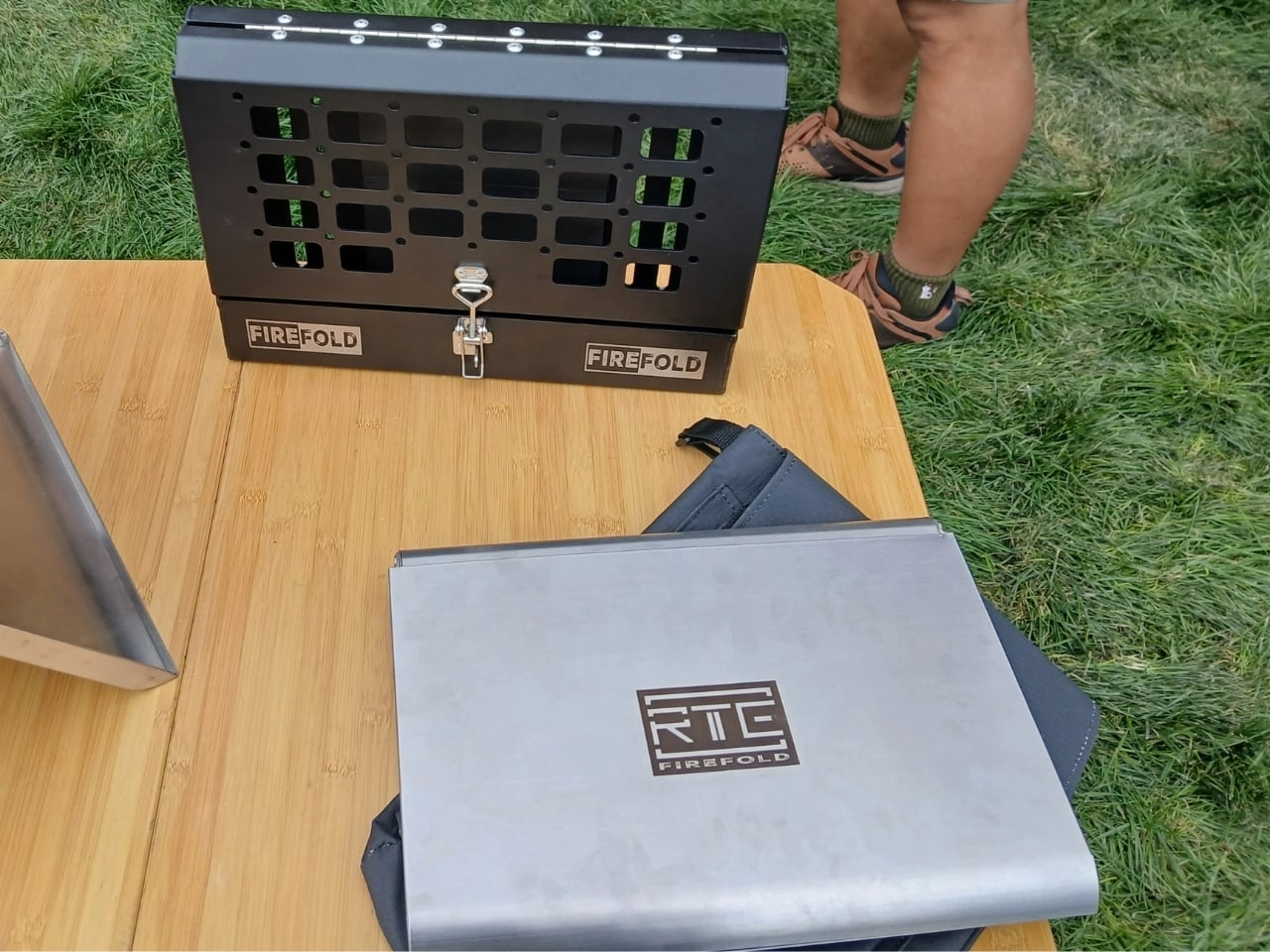
The FireFold earned its name honestly. Collapsed, it packs down to just 1.8 inches thick, the kind of flat that slides directly into the same sleeve where you’d carry a laptop. It debuted at Overland Expo Mountain West and reportedly stopped people mid-stride, which makes complete sense. A fire pit you’d walk past without recognizing isn’t exactly something the outdoor gear industry has offered before.
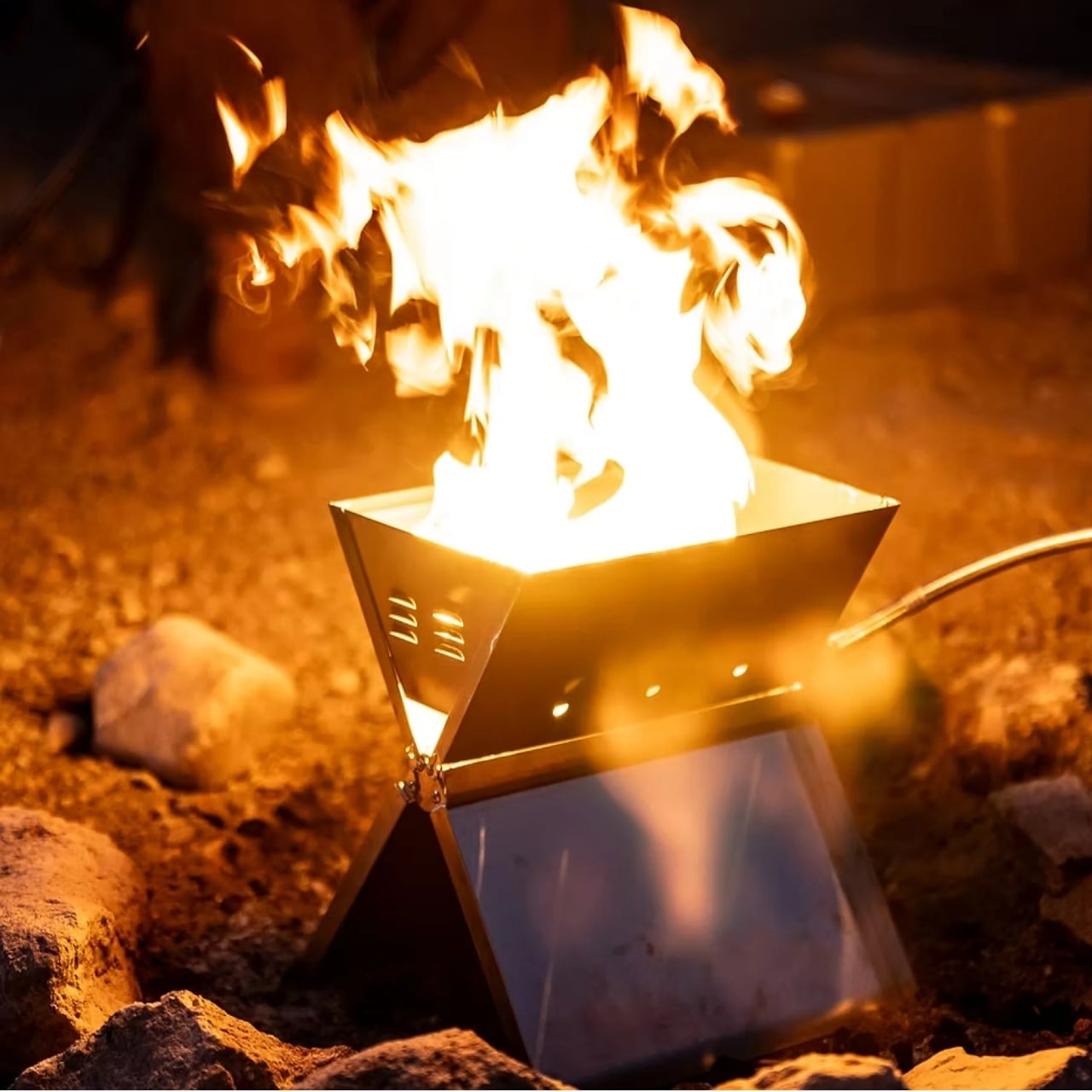
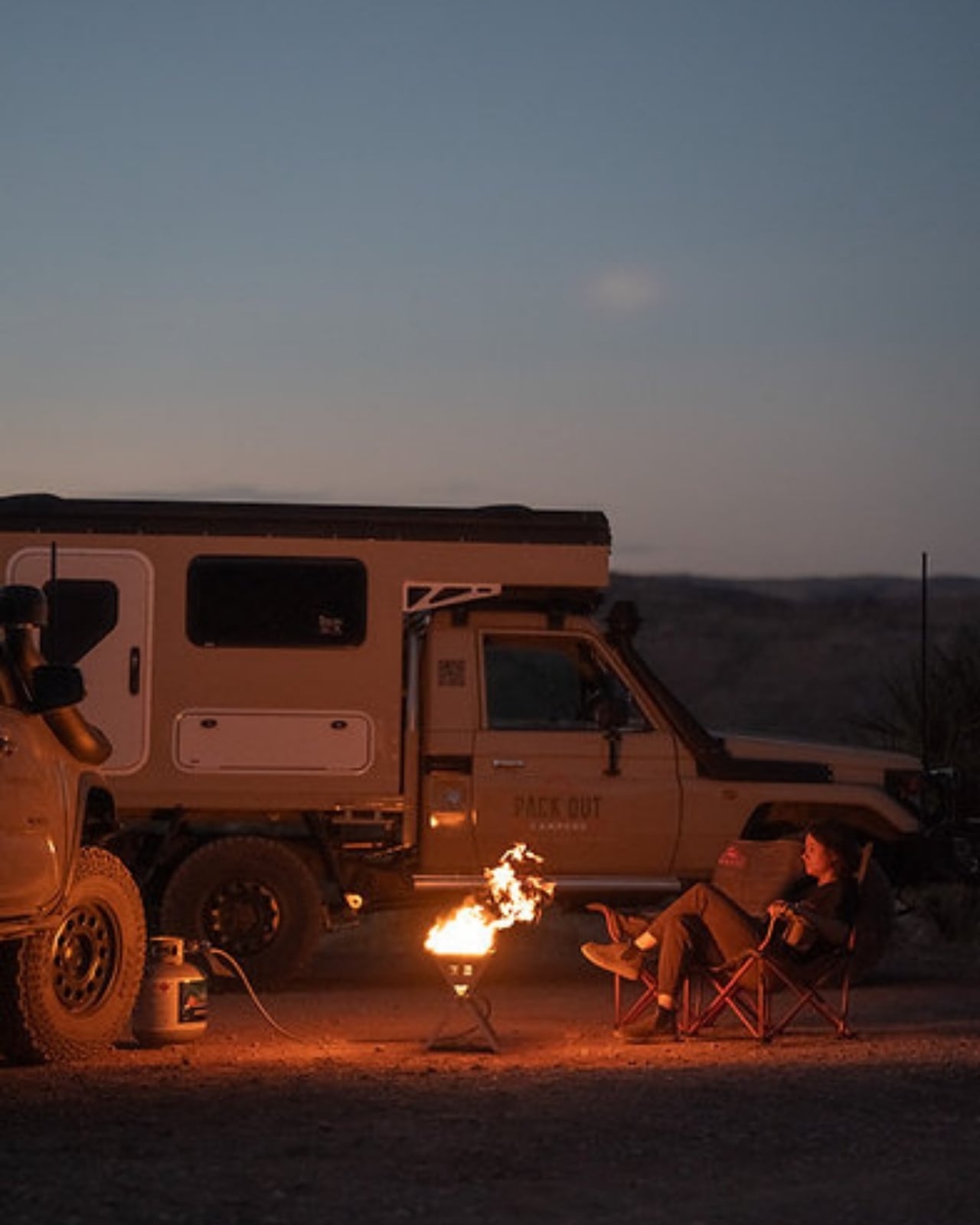
Performance numbers don’t suffer for the sake of the profile. The FireFold runs on liquid propane and delivers 320,000 BTU per hour, which is a genuinely serious output for something that stores like a piece of tech hardware. Setup takes seconds. The adjustable regulator gives you real control over the flame, not just the on-or-off binary you get from plenty of other portable options. It ships with a ripstop storage bag, the kind of small-but-telling detail that signals the designers were thinking about actual use patterns rather than just the product photo.
What makes the FireFold worth talking about beyond its specs is what it communicates about design priorities. Rough Trails Equipment built this specifically for overlanders and van-lifers, a community that has spent years quietly making peace with compromise. You want a campfire, but you also want room for recovery gear, food storage, sleeping equipment, and everything else a real trip demands. The FireFold removes that negotiation almost entirely. At 1.8 inches folded, it stops being a storage calculation and becomes a non-issue.
The fire ban compliance deserves more attention than it tends to get. The FireFold is certified for both Stage 1 and Stage 2 fire ban conditions, meaning it can be used in situations where traditional open fires and many other portable fire pits are outright prohibited. Anyone who has driven four hours to a campsite, arrived to a posted burn ban, and spent the evening cold in the dark understands exactly why that matters. A fire pit that works when others legally cannot isn’t a luxury feature. It’s the whole point.
From a design perspective, the laptop comparison does a lot of work for this product, and it’s doing it intentionally. We already have a clear, embodied understanding of what “laptop-sized” means. We know that dimension. Framing a fire pit that way bridges the conceptual gap between “outdoor gear” and “something I would actually make room for.” It transforms the FireFold from a camping item into something more like everyday carry, which is a meaningful shift in how you think about bringing it along.
At $295, it sits at the premium end of the portable fire pit market, and that’s worth being honest about. But the counterargument writes itself: if you’re regularly leaving your fire pit at home because it’s too much to pack, or making uncomfortable trade-offs to squeeze it in, the math on $295 looks different. There’s also an optional FireFold Case at $185 for extra protection, though the included ripstop bag covers the basics without requiring an additional purchase.
Camping gear has long operated on an unspoken agreement that bulk is just the cost of doing business outdoors. The FireFold pushes back on that in a way that feels overdue. It doesn’t try to reinvent the campfire or make you download an app to use it. It just collapses flat, fits where nothing else fits, and burns when you need it to. For the overlanding crowd, that’s almost everything. For the rest of us, it’s a reminder that outdoor design has been settling for “good enough” for a long time.
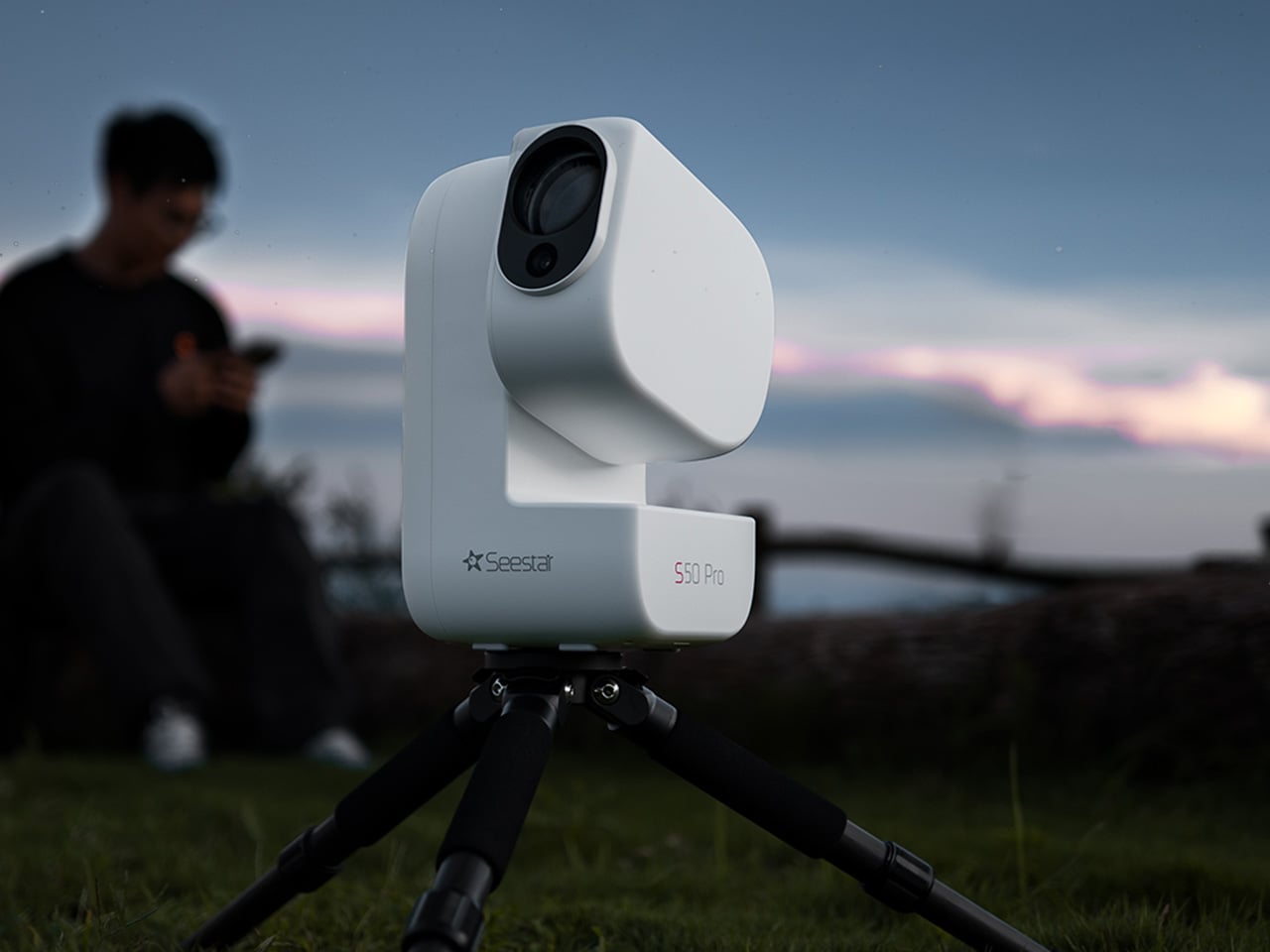
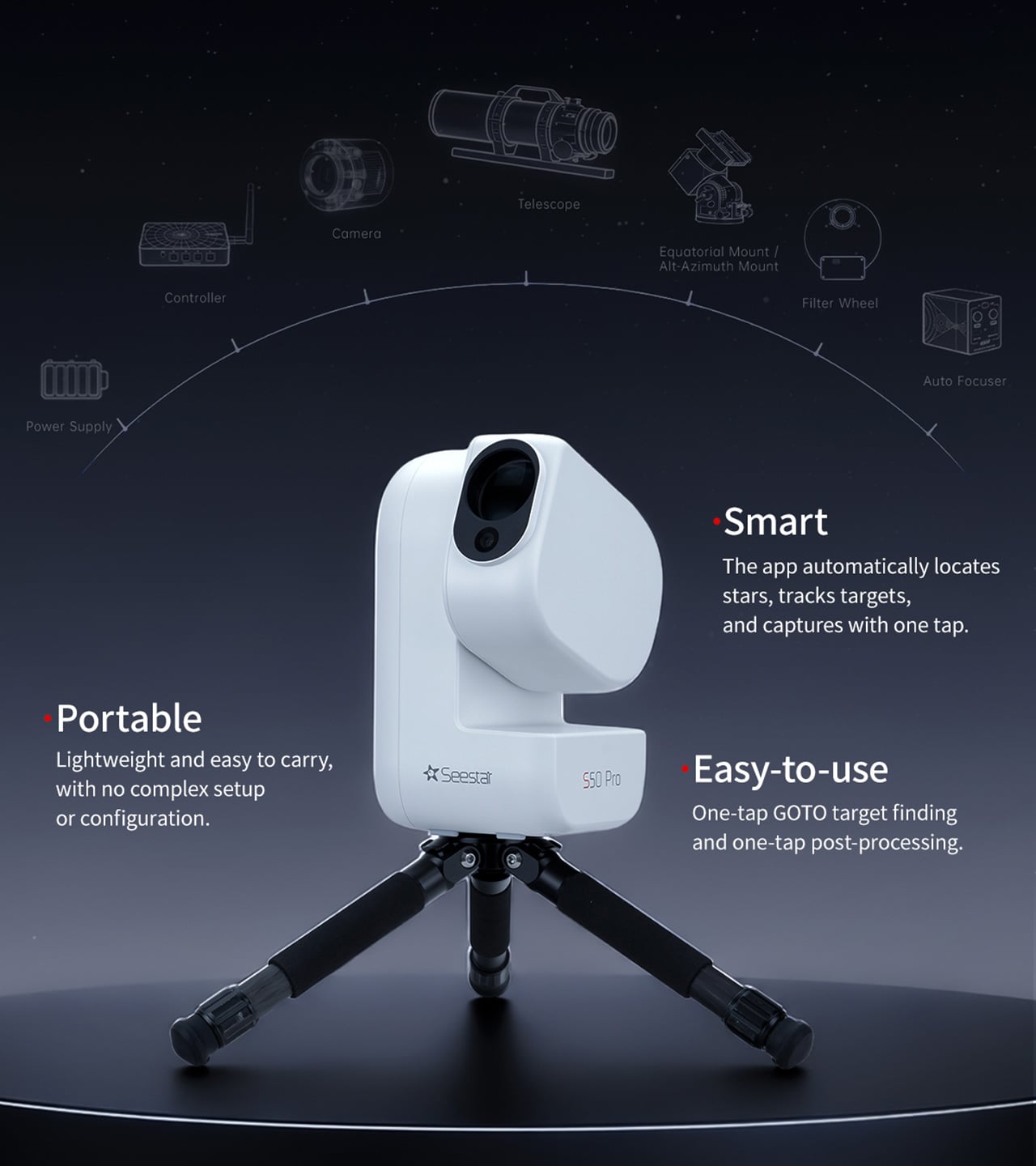
Astrophotography has always had a bit of a reputation problem. Getting a decent image of a nebula or galaxy typically means wrestling with a telescope, an equatorial mount, a dedicated camera, and enough cables to open a small hardware store. The ZWO Seestar S50 Pro changes that entirely, packing all of it into one tidy package you can carry out on a clear night.
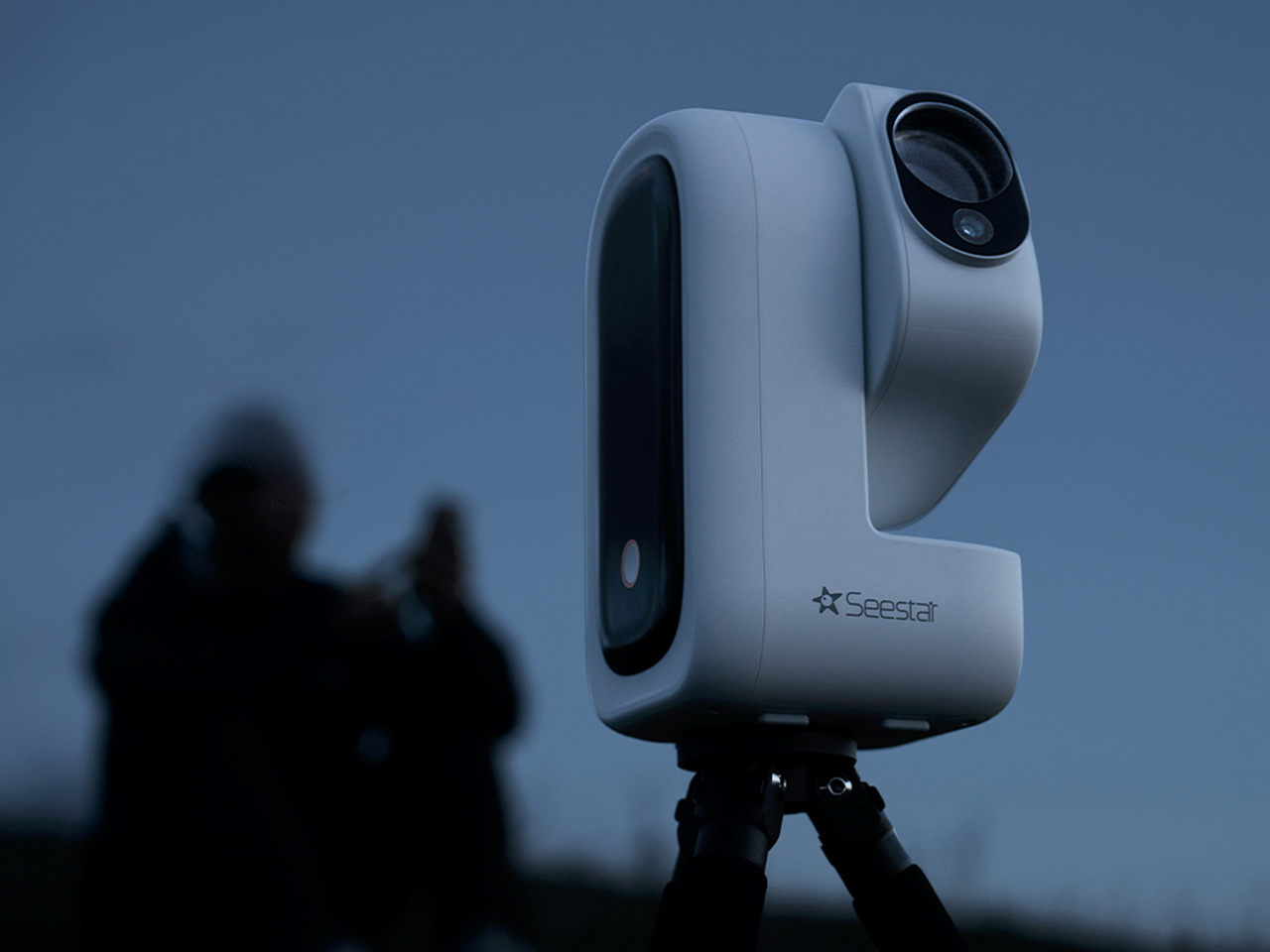
At 2.8kg and folded down to roughly the size of a small camera bag, the S50 Pro is genuinely portable in a way that traditional astronomy rigs aren’t. There are no power cables to run, no separate computer to boot up, and no star alignment ritual to sit through. You just set it down on a tripod, open the app, and you’re already looking at the sky.
The optical heart of the Seestar S50 Pro is a four-element apochromatic lens built with extra-low dispersion glass, which is a meaningful upgrade that most beginner telescopes skip entirely. That 50mm aperture gathers substantially more light than the 30mm systems typically found at this price range, which means fainter structures become visible, and star shapes stay clean and round rather than bleeding into soft halos at the edges.
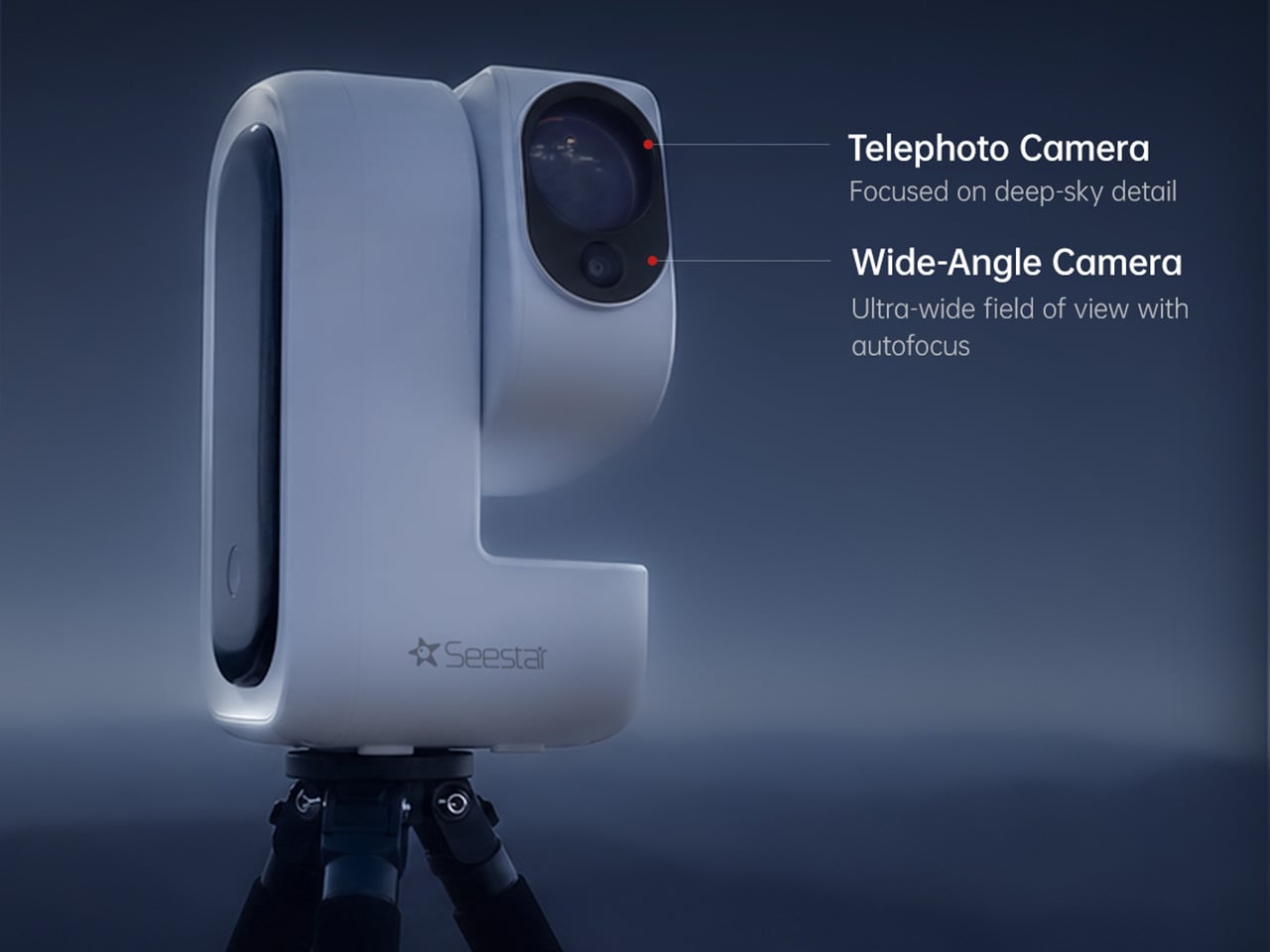
What makes the Seestar S50 Pro genuinely different from its predecessor is the dual-camera system. A telephoto camera with an 880mm-equivalent focal length sits alongside a wide-angle unit with a 63-degree field of view, and both cameras shoot at 4K resolution. The telephoto hunts for deep-sky details, while the wide-angle takes in the full sweep of the night sky above it.
That’s also where the Seestar S50 Pro makes a compelling case for shooting from cities or suburbs. A built-in triple filter system, including a dual-band light pollution filter targeting wavelengths specific to nebulae, pulls usable detail from skies that would otherwise wash everything out. A dark frame filter handles noise in longer exposures, and a magnetic solar filter handles the daytime shift.
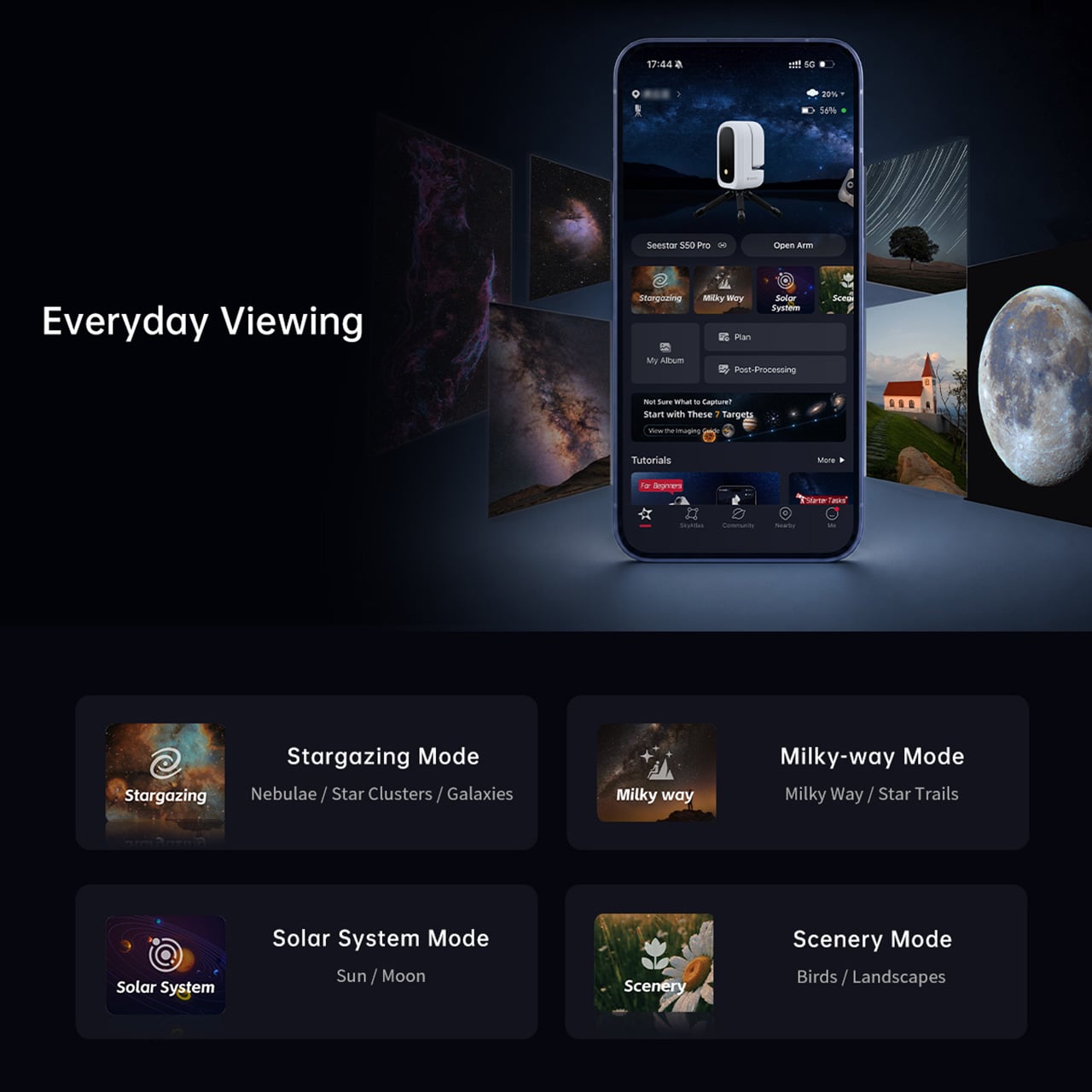
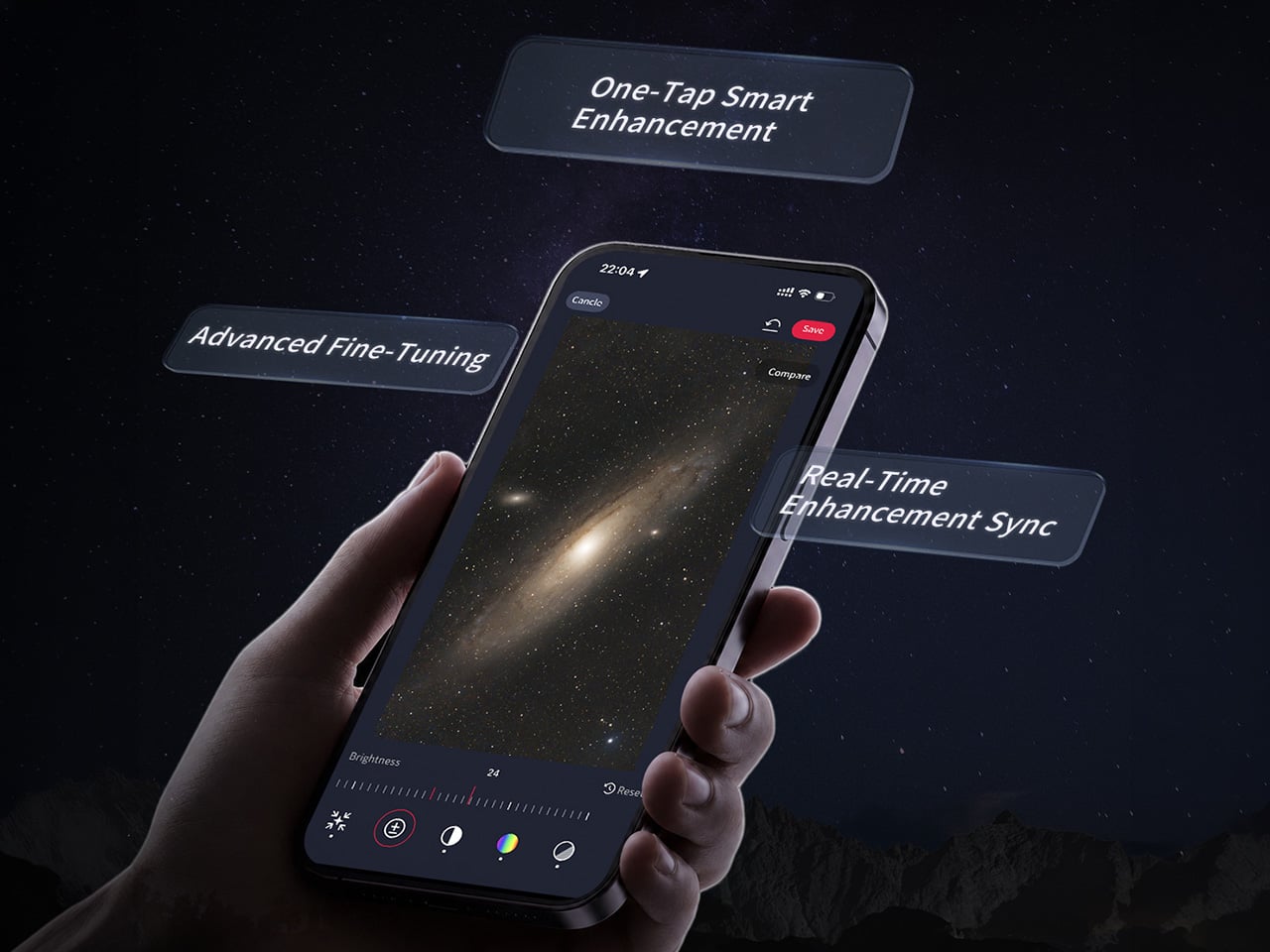
The Seestar app, which runs the whole operation, doesn’t ask you to know much astronomy to get started. You tap a target, and the telescope finds it, locks on, and begins stacking exposures automatically. There’s also an AI assistant you can simply talk to, naming the object you want to see, and it handles positioning and capture without any further input from you.
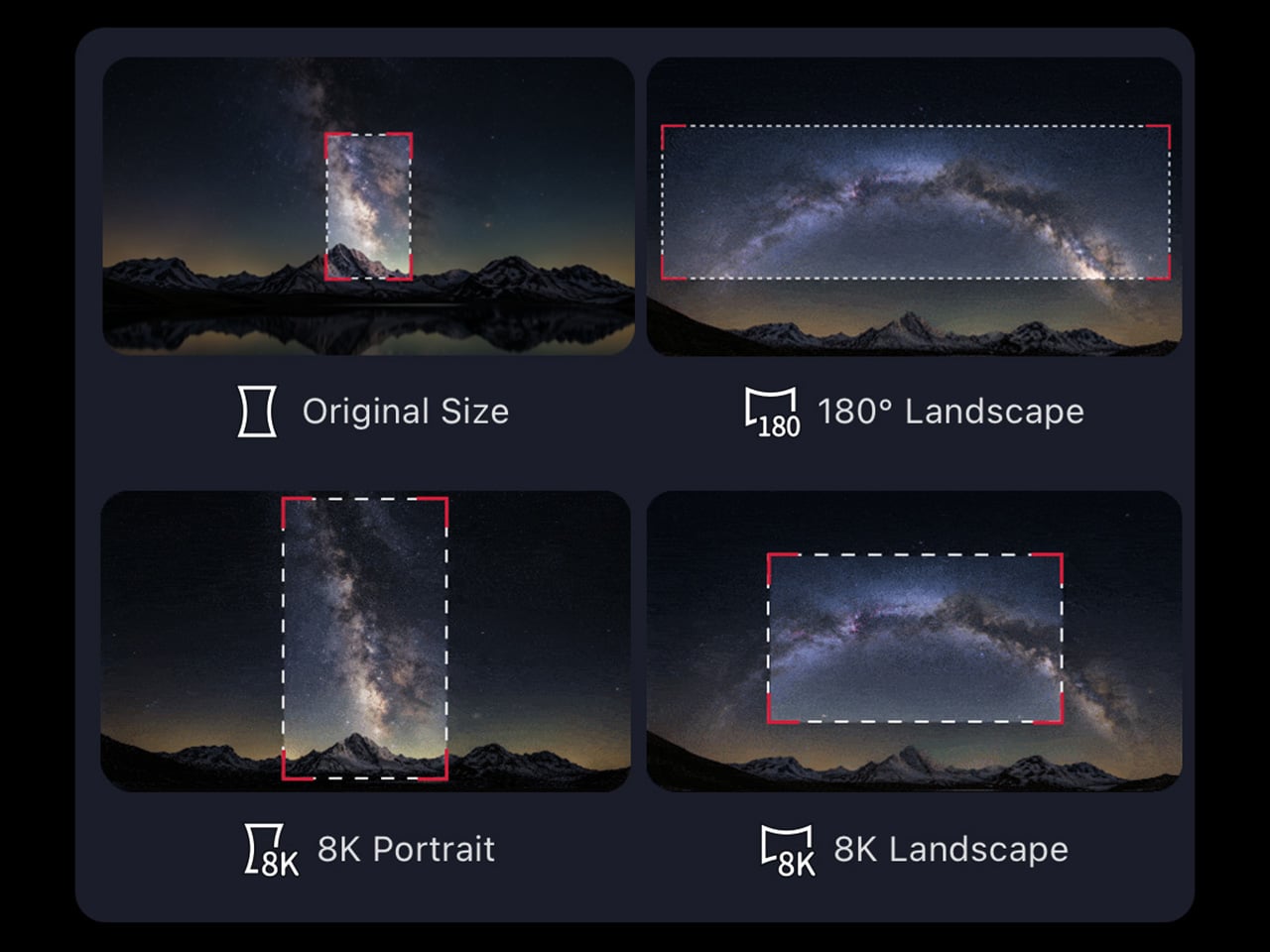
The wide-angle camera is where the more visible creative benefits live. A single tap is all it takes to stitch a complete Milky Way arch, with the device planning and capturing every frame on its own. Star trail sessions convert automatically into videos showing the sky in motion over time, and telephoto mosaic stitching can push images all the way to 8K resolution.
The S50 Pro doesn’t put itself away when the sun comes up, either. The telephoto camera, with its 880mm-equivalent reach, works just as well for birdwatching, distant landscapes, or capturing rare solar events with the included magnetic solar filter. It’s a surprisingly capable long-range daylight imaging device that transitions naturally into a serious astrophotography rig once the sky goes dark.
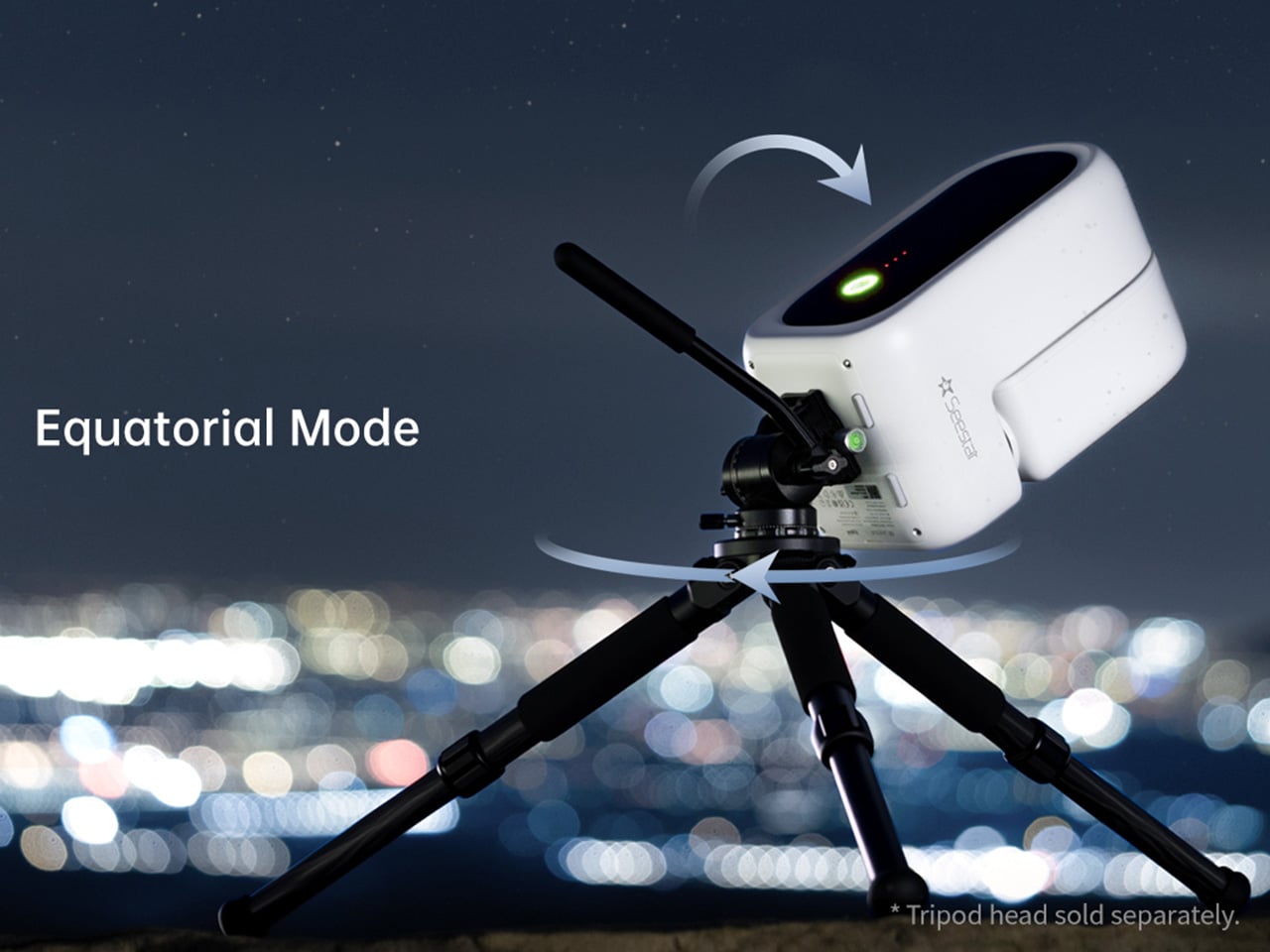
The 10,000mAh battery keeps the S50 Pro running for up to nine hours, enough to outlast most late-night sessions without a power bank nearby. Underpinning the whole tracking system is a zero-backlash precision drive that holds steady even when the wind gets involved, which is particularly useful in equatorial mode, where individual exposures can stretch to 60 seconds. The Telescope Network feature lets you control the device remotely, which means a cloudy local sky doesn’t have to end a session if the telescope is stationed somewhere clearer.
Nine hours of battery, a footprint that fits in a backpack, and no manual alignment to wrestle with before you can start shooting. That’s the version of astrophotography the Seestar S50 Pro is making a case for, and it’s a convincing one. The sky has always been worth looking at. The S50 Pro just makes it considerably harder to run out of excuses not to.
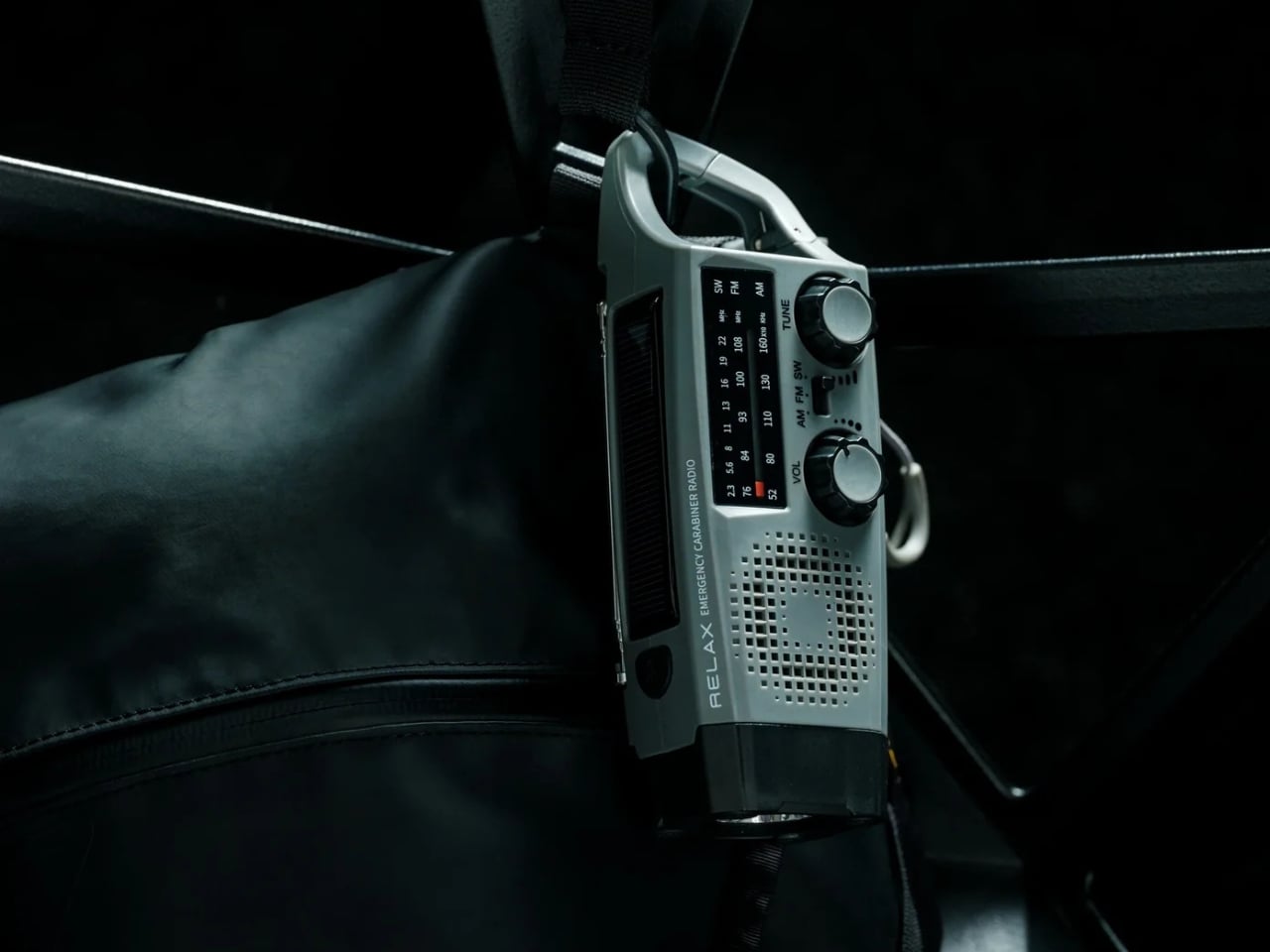
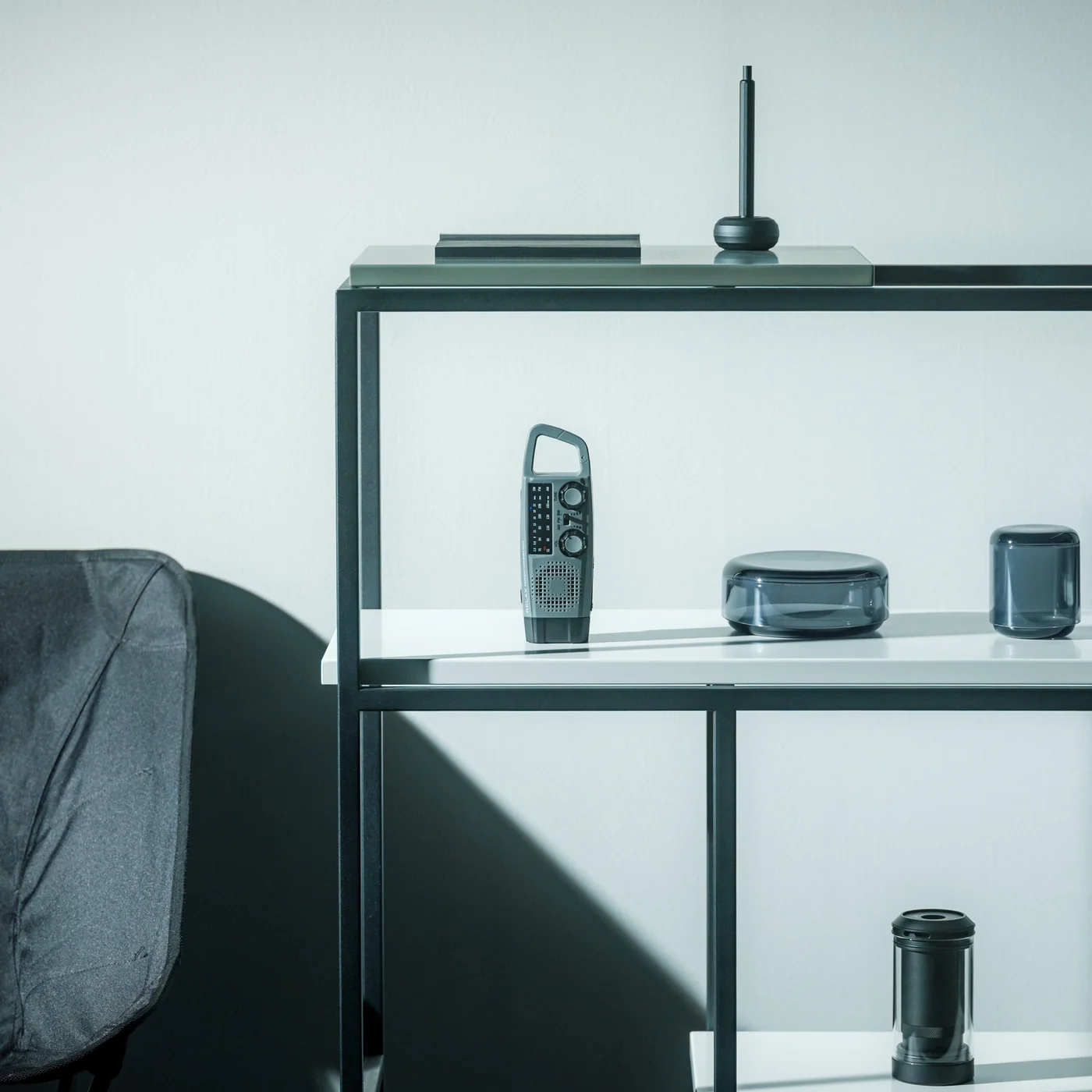
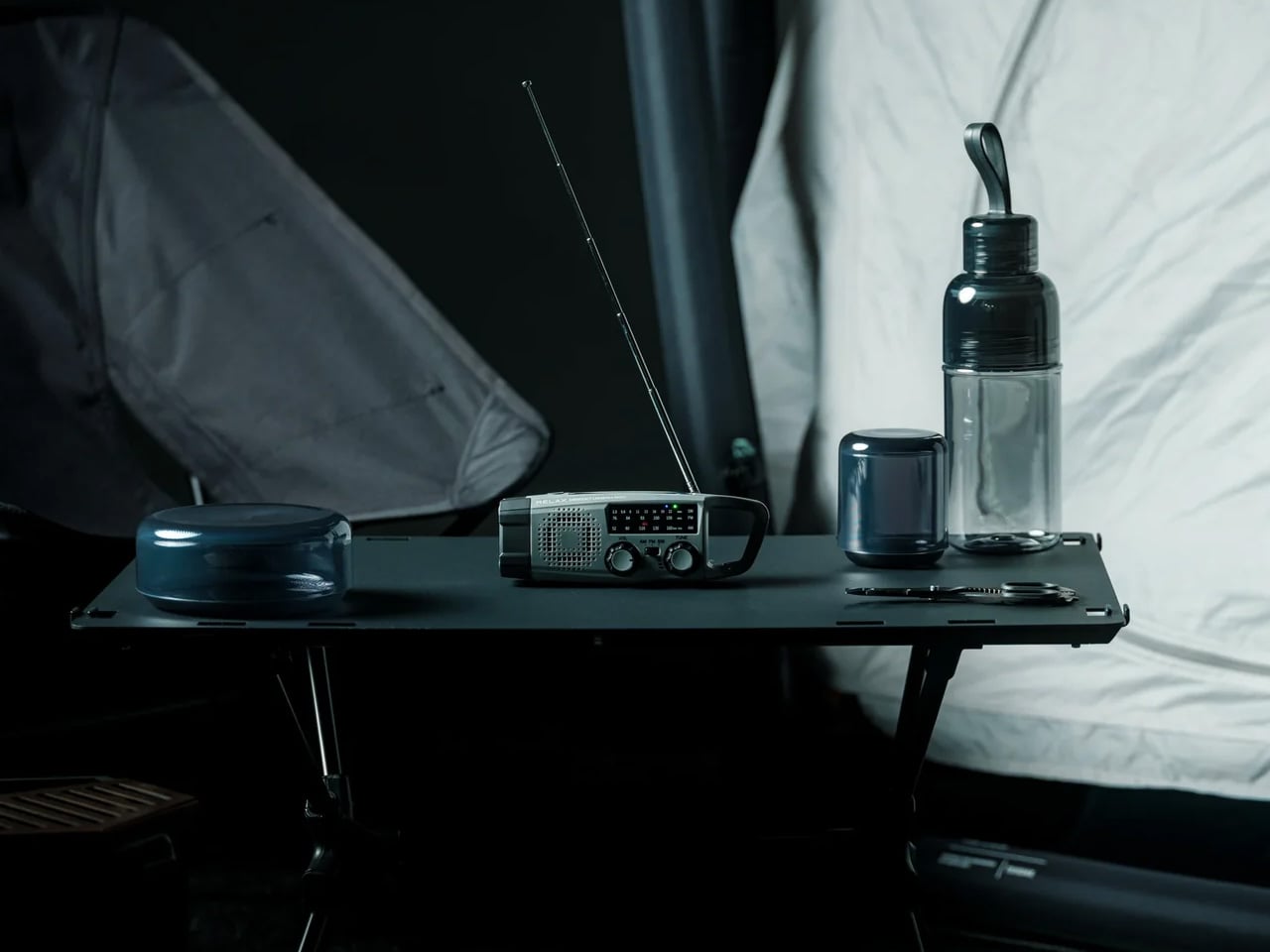
We’ve gotten so used to having our smartphones as our companions for everyday life that we don’t think of having other devices attached to our person. But what if you’re in an area where your phone is basically useless due to lack of cellular signal? Or what if you’re in an emergency situation where your phone is out of juice and you need to stay informed? The Clip&Go Radio will be very handy in such situations.
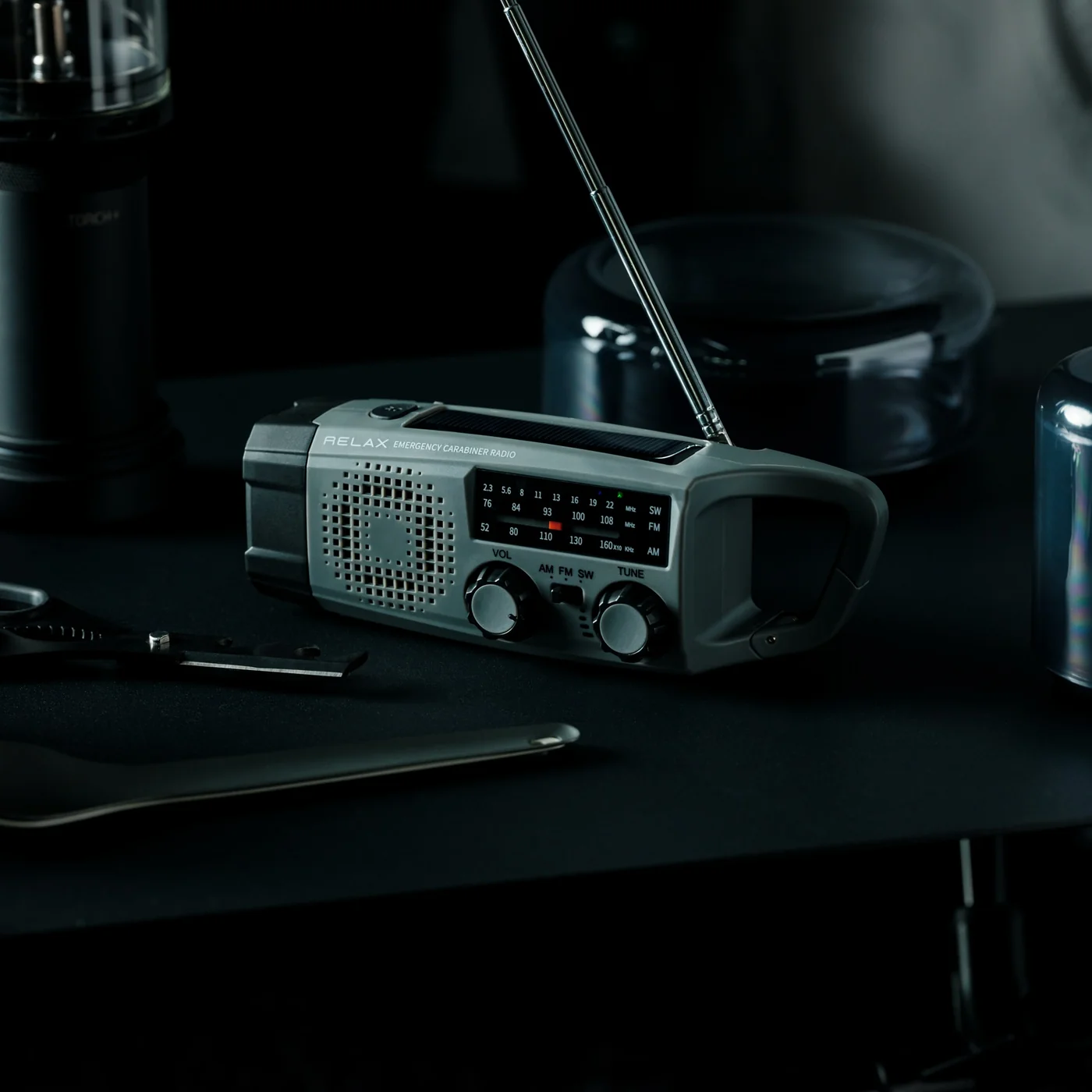
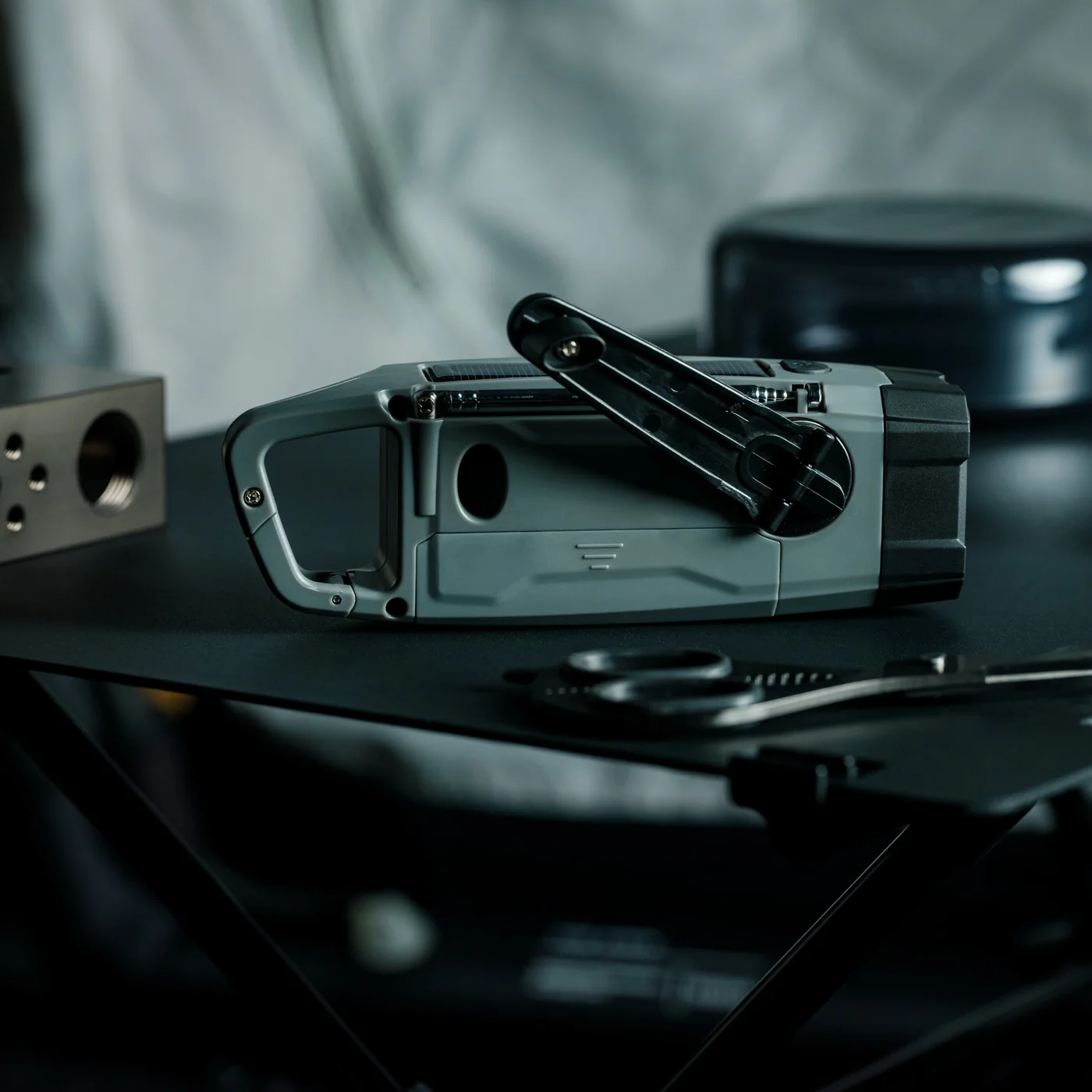
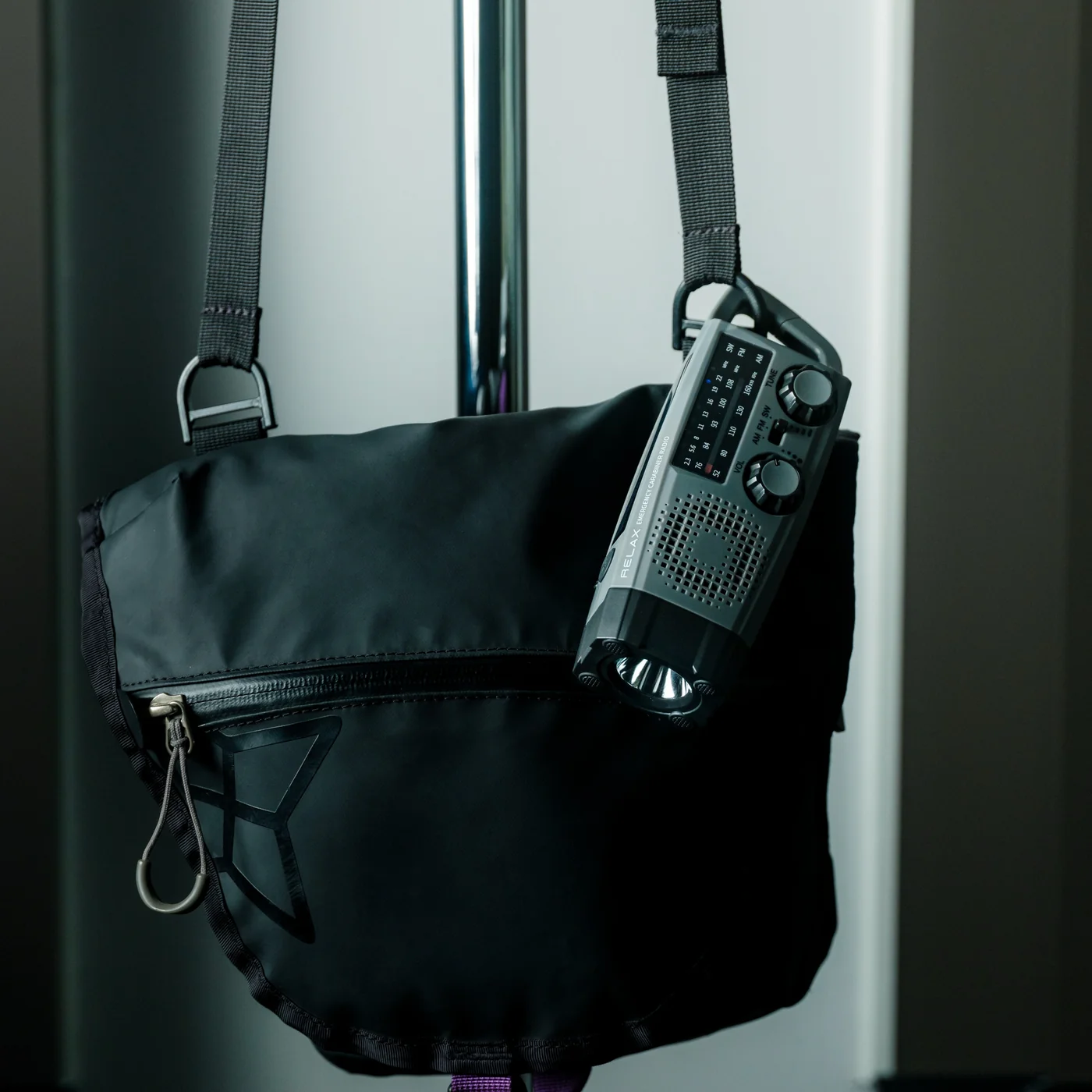
This 5-in-1 tool can be clipped to your bag or to your pants or shirt, and it’s ready to do its job whenever you suddenly need it. It mainly serves as a radio for your music and your news, but it’s also a power bank to charge your phone, a flashlight to light up the way, and an SOS alarm for those emergencies when you need to catch others’ attention.
Emergency radios have been around for some time, especially for those who live in areas where emergency situations like wildfires, hurricanes, and tornadoes can pop up occasionally. But over the years, many have stopped using them because they’re too heavy or inconvenient to bring around. The Clip&Go Radio wants to solve that problem by having a design that lets it live on your backpack or in your pocket, close enough to grab at a moment’s notice.
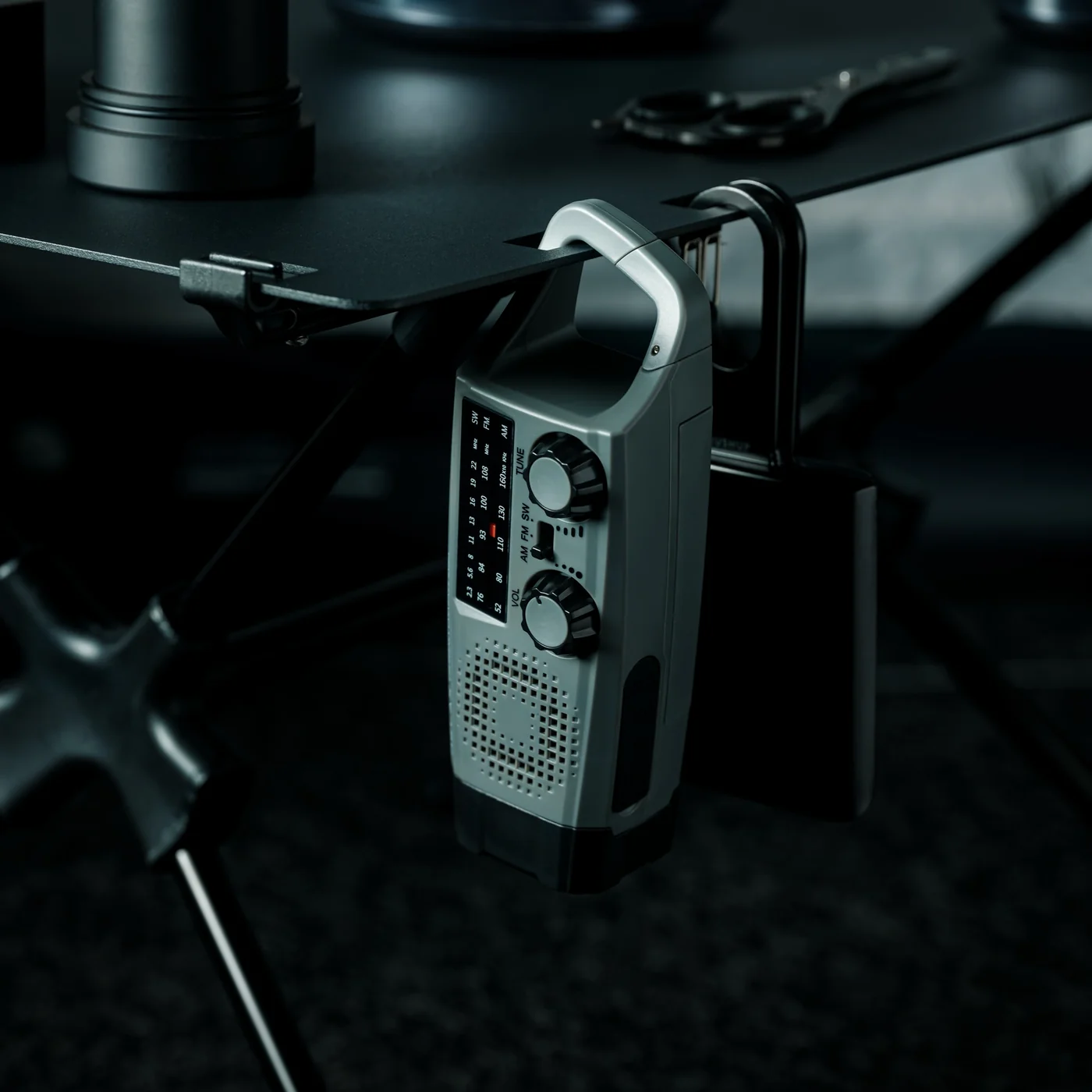
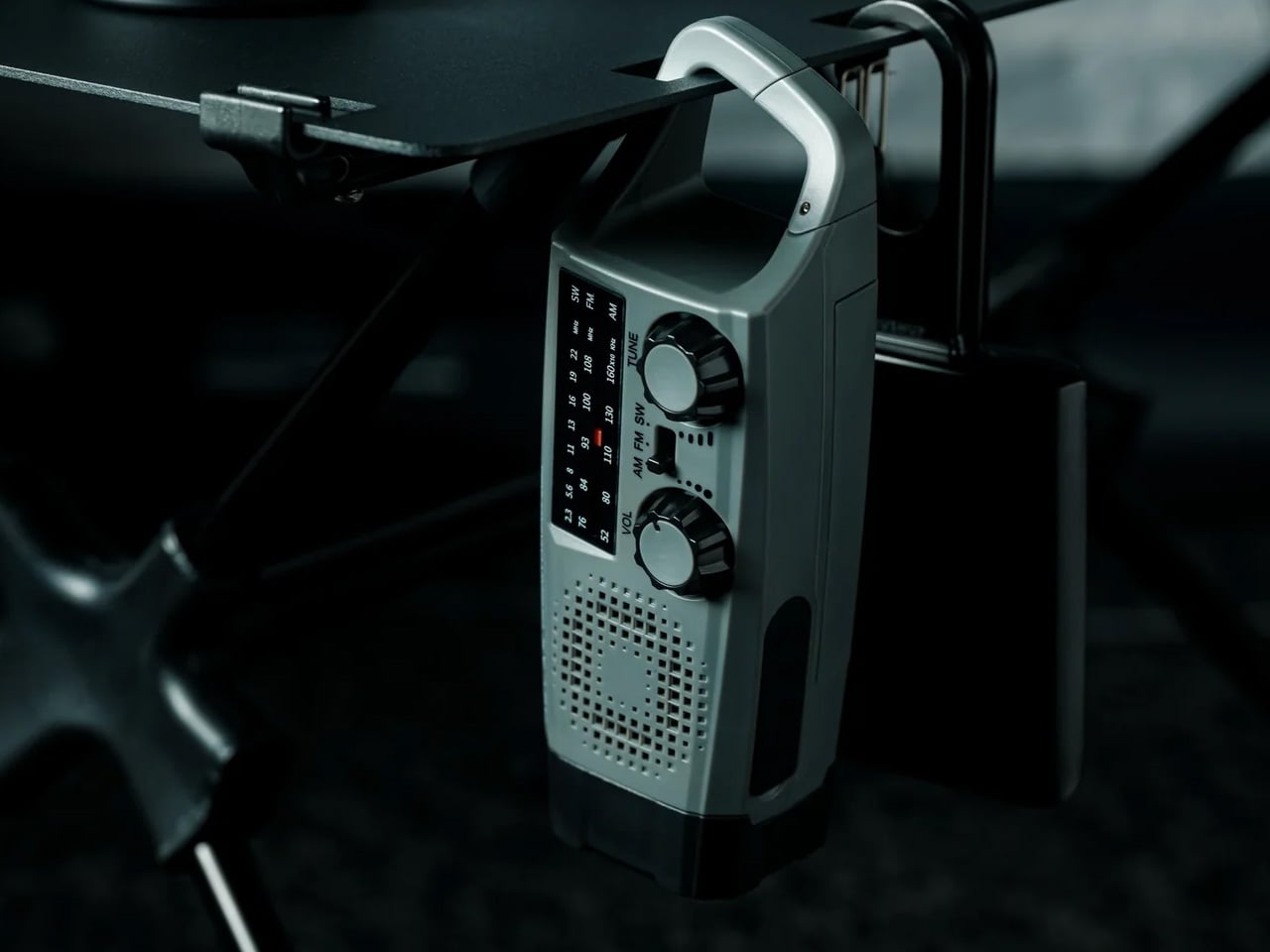
Despite its impressive list of features, the Clip&Go doesn’t look or feel like a bulky survival gadget. It measures just 6.2 x 1.9 x 2.1 inches and weighs a mere 220 grams, light enough that you’ll barely notice it on your pack. The body is built from ABS resin, polycarbonate, and silicone rubber, giving it a durable yet lightweight construction that can handle the bumps and knocks of outdoor life. What really sets its form apart, though, is the built-in carabiner that clips directly onto a backpack strap, a belt loop, or any piece of gear, keeping the radio accessible without taking up precious space inside your bag.
Most clip-on radios only offer AM/FM reception, but this one also has shortwave, which can broadcast emergency channels, international stations, and long-range signals. This means you can still get what may very well be life-saving information even when your phone has no power or there’s no regular cellular signal.
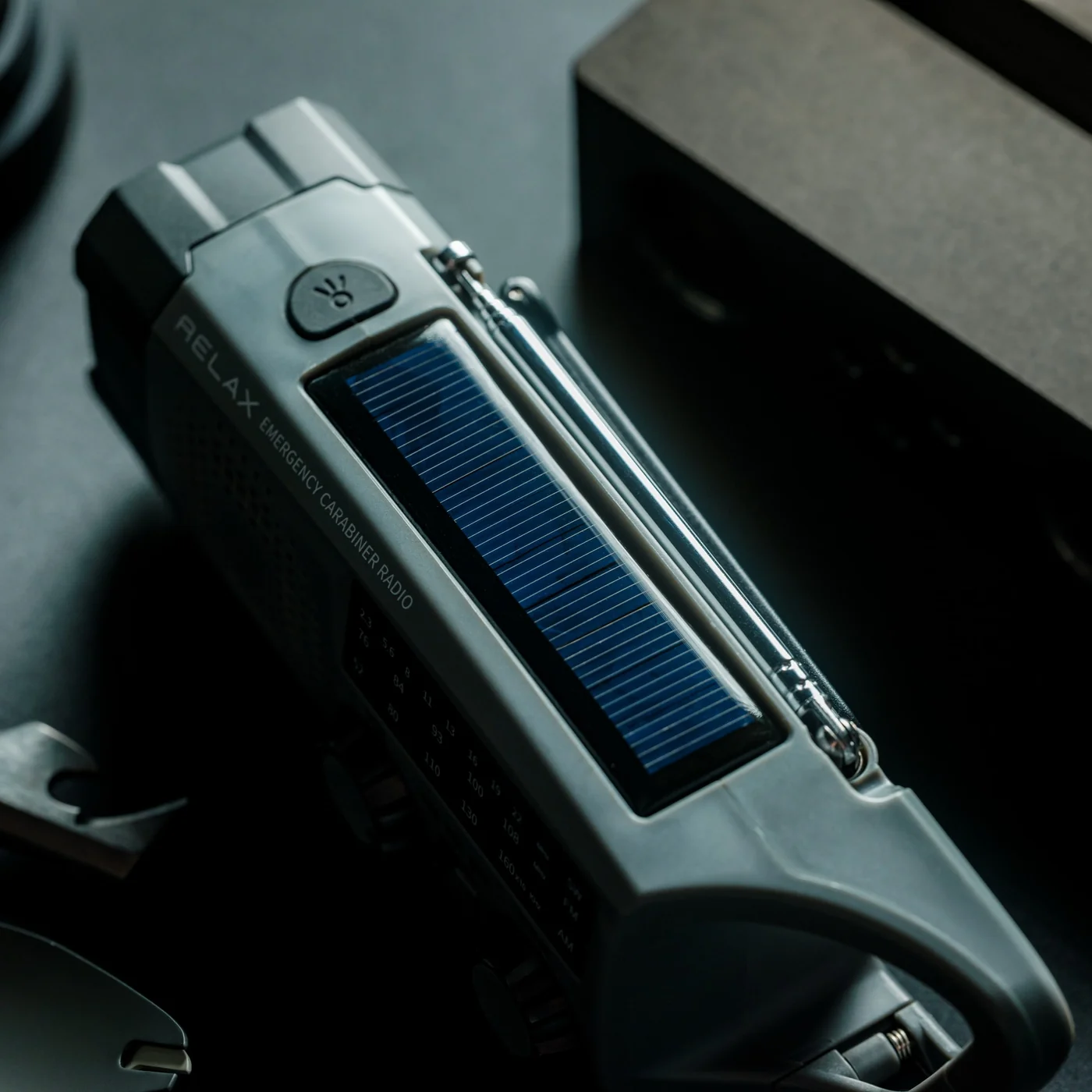
It can also serve as a power bank for your phone, in case that’s really what you need at that moment. It has a triple charging function for true off-grid readiness: USB-C, solar panel, and hand-crank, with the hand-crank serving as a true emergency backup when no power source is available. As a bonus, its 18650 lithium-ion cell is user-replaceable, so you can simply swap it out when it reaches the end of its life without having to replace the entire device. That’s a rare and thoughtful touch in a category where most products are simply thrown away.
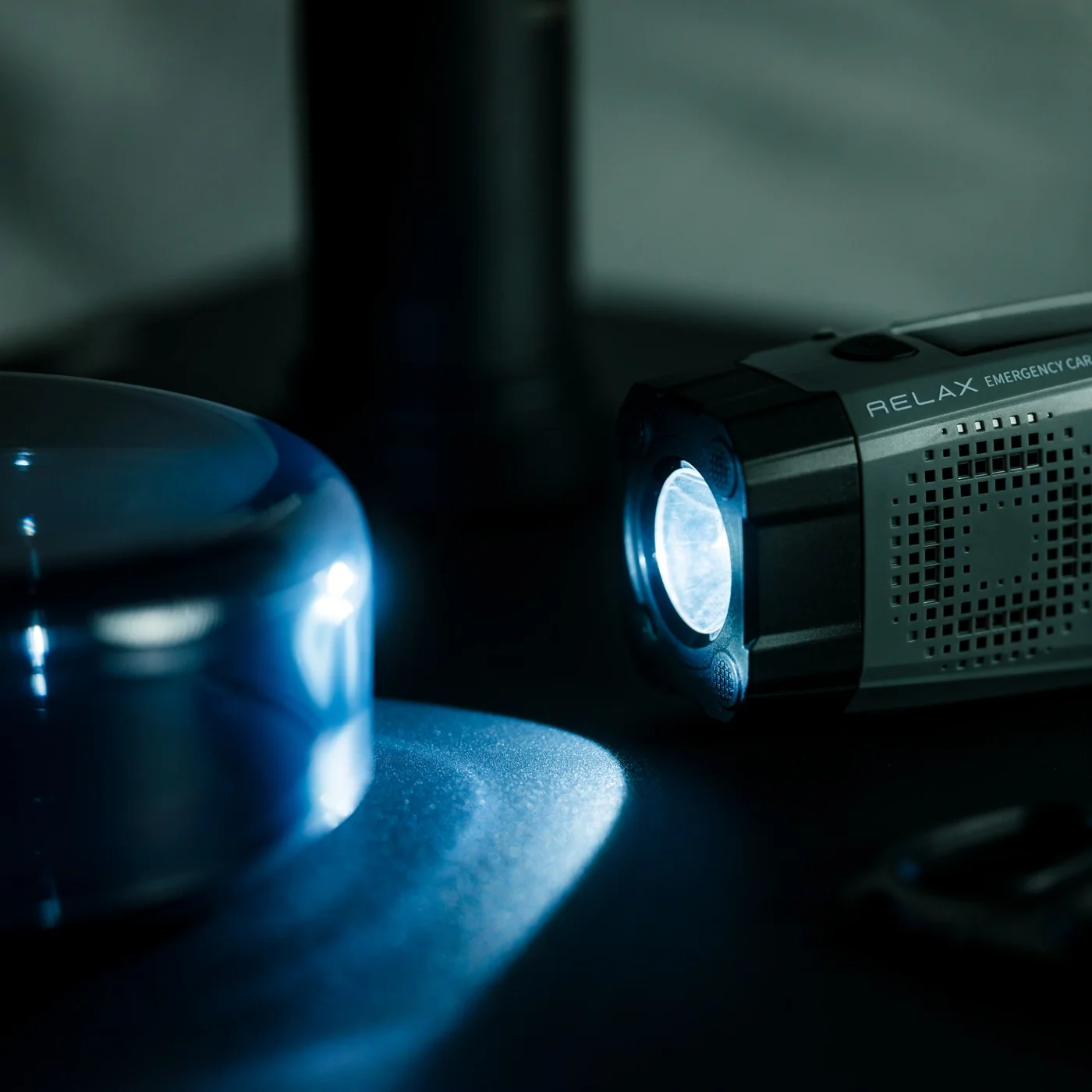
The built-in flashlight can run for approximately seven hours on a full charge, more than enough to get you through a power outage or an unexpected night outdoors. And when you truly need to signal for help, pressing and holding the SOS button triggers both an audible alarm and a flashing light, making it far easier for rescuers or fellow campers to locate you even in low-visibility conditions.
For American users in particular, the Clip&Go Radio makes a lot of sense. FEMA has long recommended hand-crank or battery-powered radios as a household essential, but most people never bother because standard emergency radios feel useless on a perfectly ordinary day. The Clip&Go flips that entirely. It’s a device you actually want to bring on a camping trip, a hike, or a day at the festival grounds, and it just happens to be ready for an emergency if one comes along. Whether you’re in hurricane territory, wildfire country, or tornado alley, having a device that functions completely independently of cell towers and internet is simply smart thinking. At $60, it’s a small price to pay for that kind of peace of mind.
You have booked the hotel on the last night of every camping trip you have ever taken. Not because you are soft. Because your sleeping pad deflated at 2 a.m., your camp pillow was a balled-up fleece jacket, and the only working flashlight in the group was someone’s phone at eleven percent battery. That’s a gear problem. Not a character flaw. And the gear, finally, has caught up to every excuse you’ve been making.
These seven picks exist to solve the specific failures that send otherwise willing people to the front desk. A Damascus knife that looks nothing like a survival tool. A radio that doubles as your emergency kit without feeling like one. A fire pit that assembles without tools. A solar purifier that serves a real shower. A flashlight that throws light 1.2 miles. A grill plate that packs flat as a paperback. A pillow engineered from plant biology. All seven. This Labor Day.
1. Spectre Hammock Tent
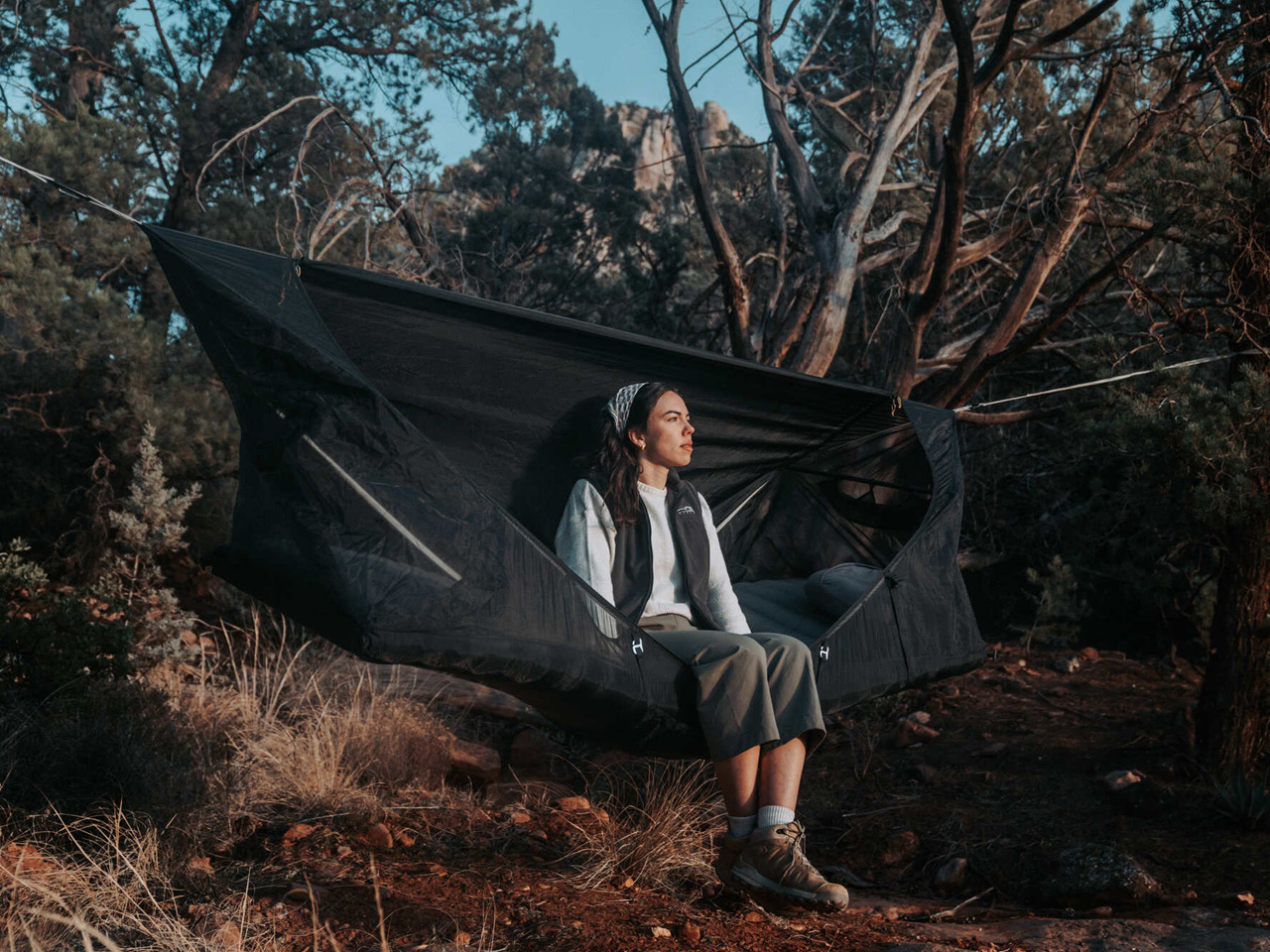
You avoid hammocks not because you’re lazy. It is the banana. Every conventional hammock folds your body into a curve that feels fine for twenty minutes and becomes a spinal argument by hour three. You wake up stiff, which is the one thing a night outside should not do to you. Haven Tents, based in Sandy, Utah, has spent five years specifically fixing this. The Spectre is their most refined answer: a hammock tent built around a patented lay-flat system that creates a genuinely horizontal sleeping surface. You can sleep on your back, your side, or your stomach. That sentence should not be remarkable for a hammock. It is anyway.
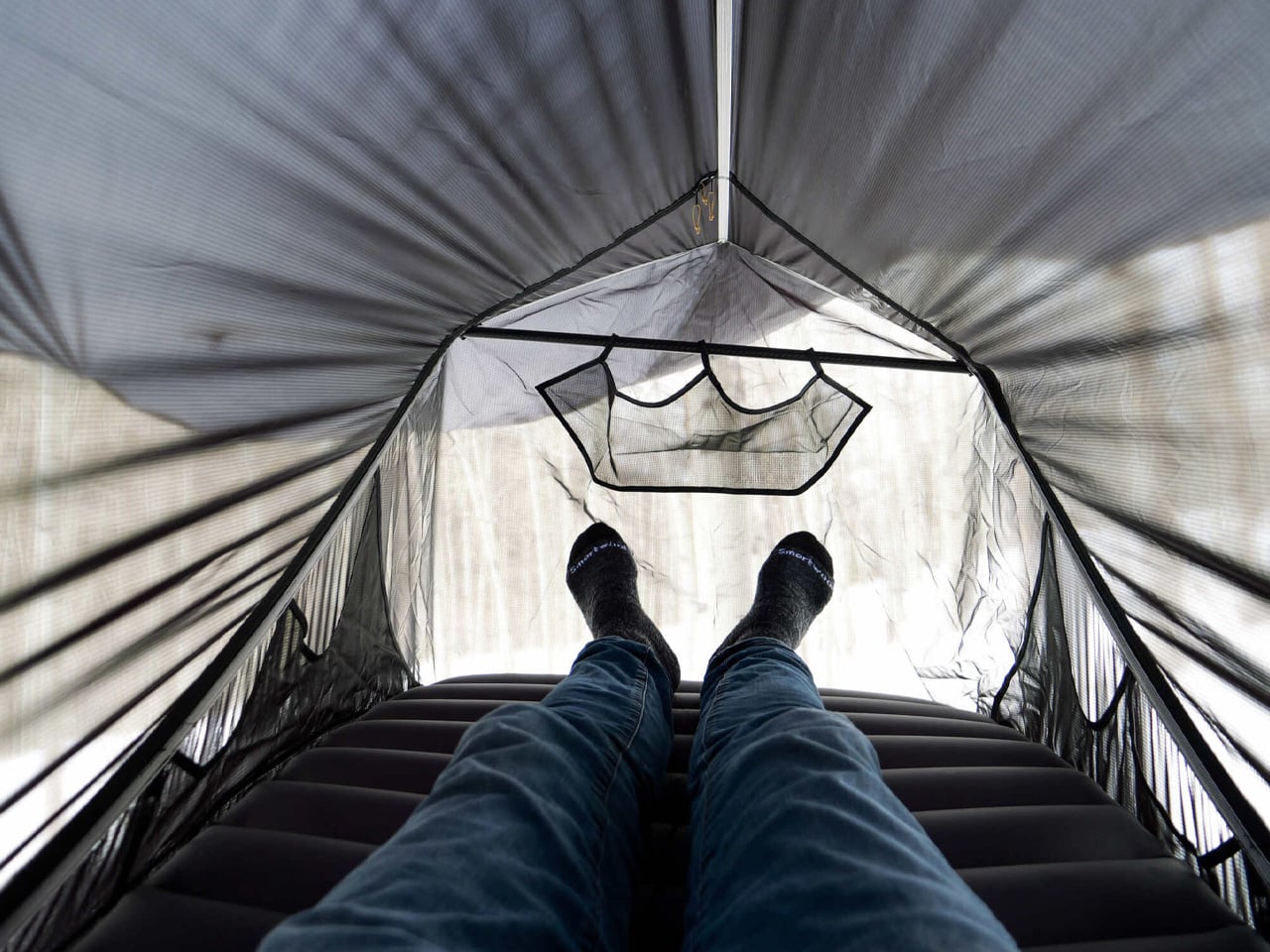
The materials are Dyneema fabric and MONOLITE mesh, both chosen for strength-to-weight ratios that most outdoor gear only talks about in marketing copy. The whole system comes in under 4.5 lbs and packs to 15x6x6 inches, small enough to strap to the outside of your pack without rethinking your load. Hang it from two trees in a few minutes. No trees available? A Bivy Mode lets you set it up using trekking poles instead. Internal mesh pockets, a gear sling, and a ridgeline for your backpack handle storage without making you climb out in the dark. A translucent mesh shell gives you a 360-degree view of where you are. The detachable rainfly closes it down when the weather decides otherwise.
What we like
The lay-flat system is patented for a reason. Most people don’t believe side sleeping in a hammock is possible until they’ve done it in the Spectre. It changes the entire argument for camping over booking a room.
Dyneema and MONOLITE mesh deliver the kind of durability that justifies keeping a piece of gear for a decade, not replacing it after two seasons because the fabric wore through.
What we dislike
Bivy Mode requires trekking poles, which are sold separately. If you don’t own them, add that to your pre-trip budget.
The 15x6x6 inch packed size is genuinely compact but still needs to live somewhere on or in your pack. This is not a stuff-it-in-a-pocket situation.
2. Clip&Go Radio
The version of you who would buy a dedicated emergency radio is the same version who bought a first-aid kit and left it under the bathroom sink. The Clip&Go works because it refuses to be emergency equipment. It is a radio first. AM, FM, and shortwave in a 7.8 oz body with a built-in carabiner that clips to your backpack strap and stays there. You bring it because you want music around the fire. The SOS button, the hand-crank, and the backup phone charging are already in the same clip you grabbed for the playlist.
The flashlight runs approximately 7 hours on a full charge. The radio runs for 13 hours. The 2,000mAh battery is a replaceable 18650 lithium-ion cell, which is the most thoughtful spec on this product. When the battery eventually degrades after years of use, you swap the cell. You do not replace the radio. USB-C charges it in about 2 hours. The hand-crank is there when USB is not. Press and hold the SOS control, and you get an audible alarm and a flashing light simultaneously. It is 6.2 x 1.9 x 2.1 inches and costs $60. Only 4 units remain in stock at the time of writing.
The replaceable 18650 battery is the single smartest spec on this list. Every other emergency radio becomes landfill the moment its sealed internal battery dies.
13 hours of radio runtime is longer than any realistic campsite evening. You will not outlast this thing.
What we dislike
Solar charging takes approximately 67 hours to reach a full charge. That is a genuine last resort, not a charging method.
Four units remaining is the actual inventory count. This is not a sales tactic.
3. Portable Fire Pit Stand
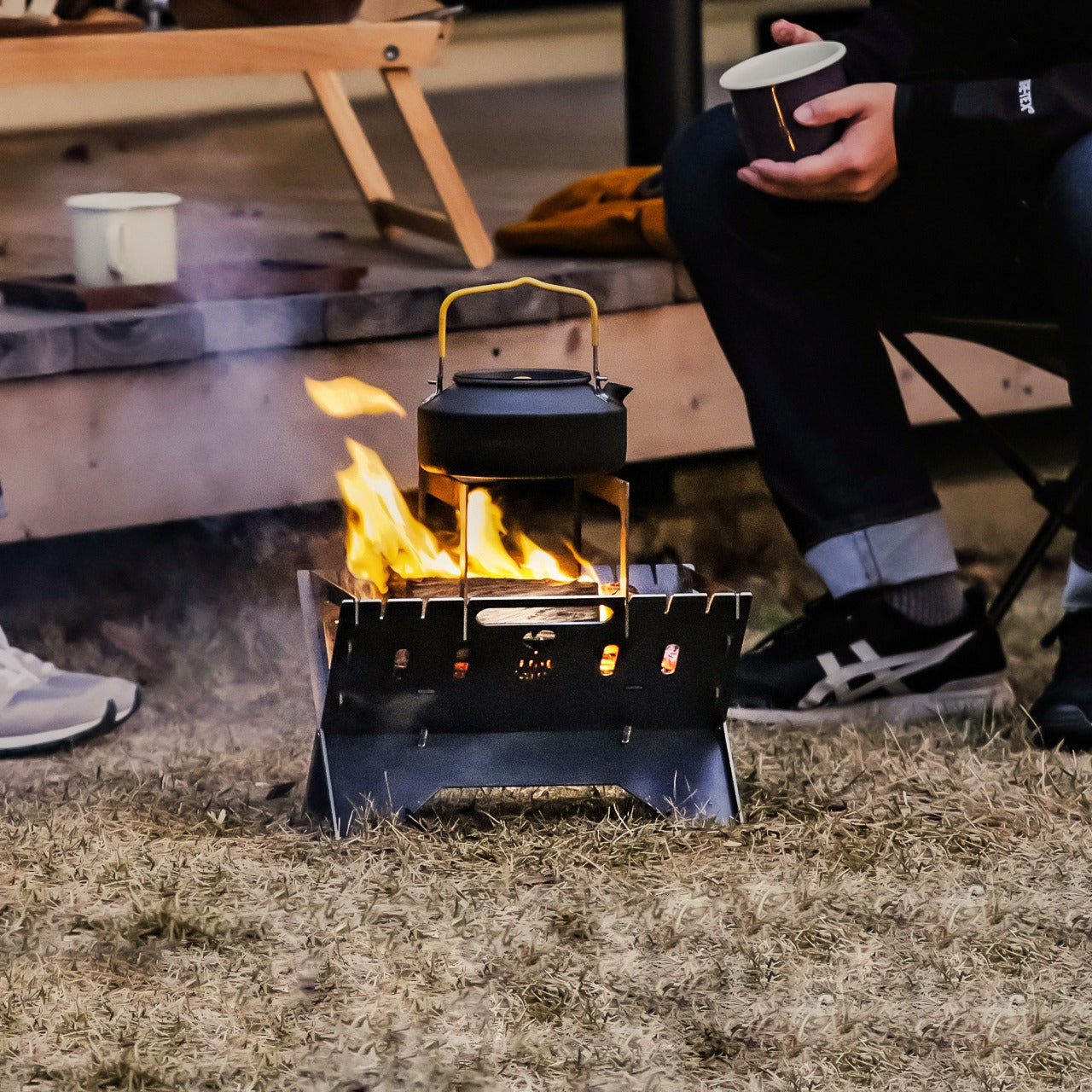
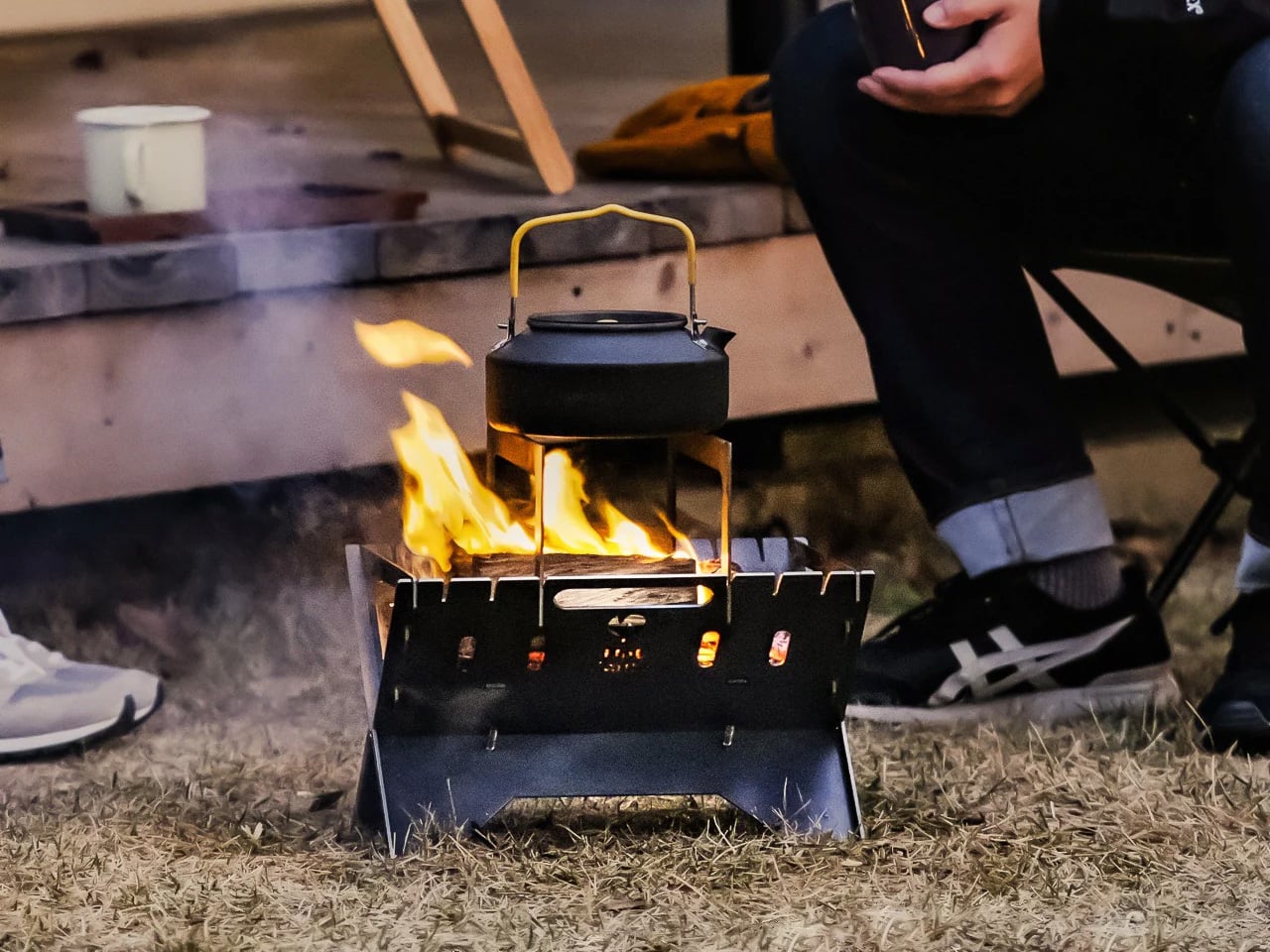
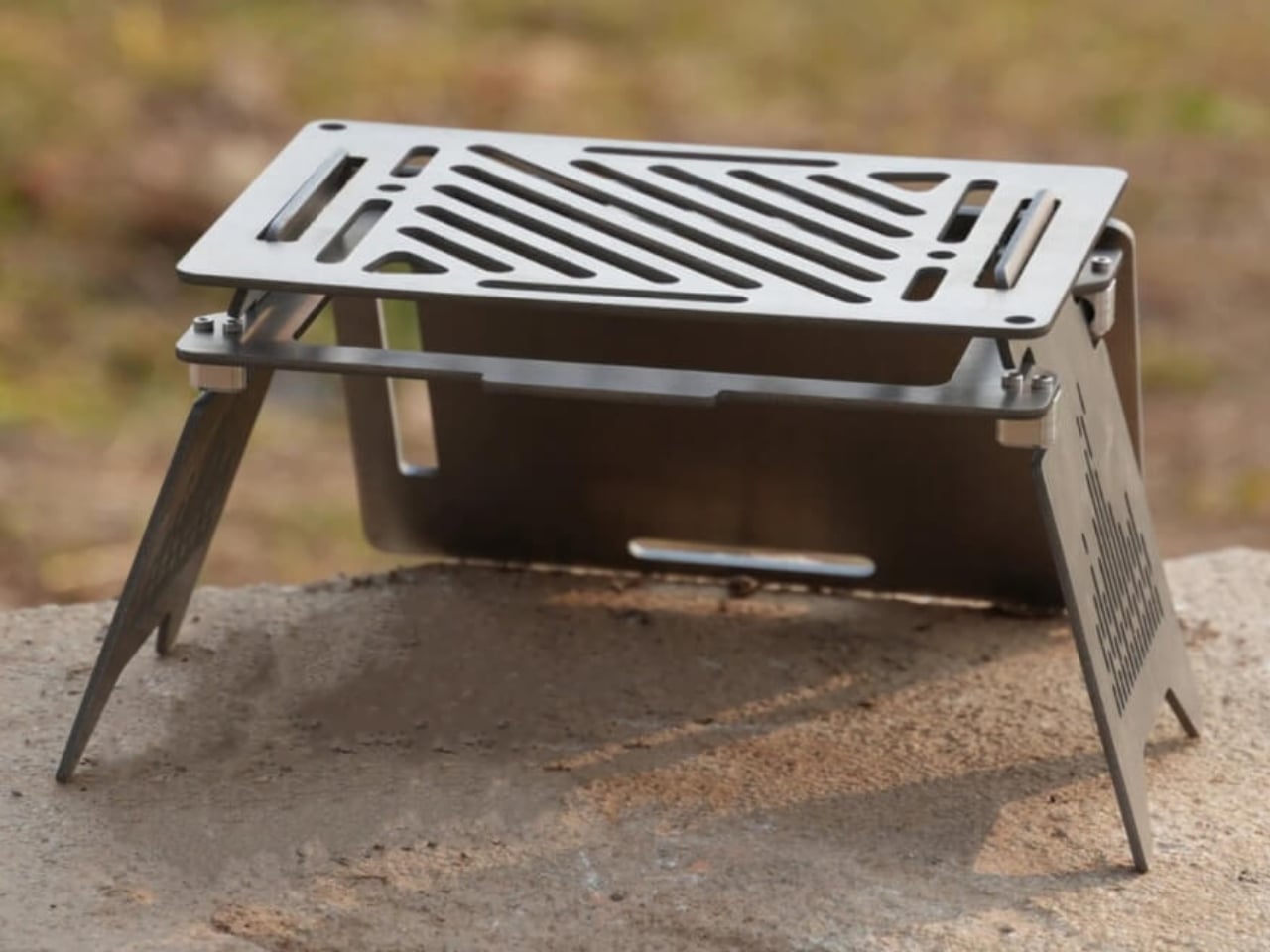
More campgrounds restrict ground fires than they did five years ago. Dry meadows, wooden deck platforms, national park sites with leave-no-trace rules. You will find out about the restriction after you’ve already gathered the wood. The Portable Fire Pit Stand is five black steel pieces that slot into each other like puzzle pieces, lift your fire off the surface below it, and meet the ground-fire restrictions at most sites that prohibit direct contact. Setup requires zero tools. Nothing to thread, nothing to tighten, nothing to forget at home.
The airflow holes cut into the panels are not decorative. They pull oxygen under the fire and produce a cleaner, more consistent burn than anything sitting on compressed dirt. Slot in the optional trivets and you have a legitimate surface for cookware. The steel is manufactured with a sheet metal process that resists warping under sustained heat. It will discolor over time. That discoloration becomes a patina that is unique to your unit. Every Portable Fire Pit Stand ends up looking different from every other one.
Five-piece no-tool assembly is exactly the design restraint that makes gear worth keeping in the truck permanently rather than reassessing each trip.
The airflow under the fire produces a noticeably more even burn. On a three-day trip, that difference compounds across every cook and every evening.
What we dislike
No integrated grill grate. The trivets hold cookware over the fire, but you’re supplying your own grate if you want to grill directly over the coals.
4. GoSun Flow
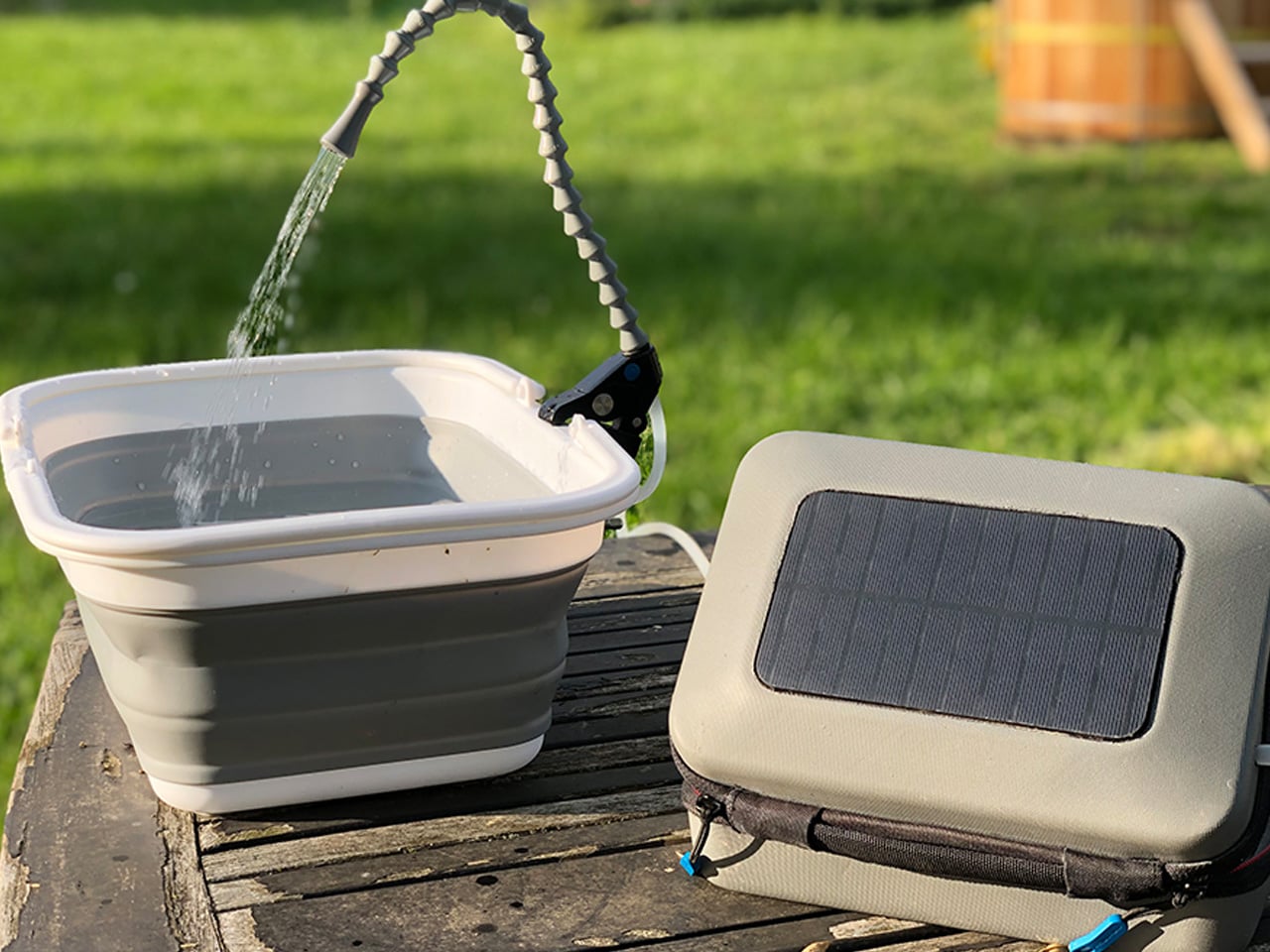
There is a specific moment at the end of day two of most camping trips. Someone asks where they’re supposed to shower tomorrow. That is the moment your group starts looking up hotels. The GoSun Flow is the answer to that question before it gets asked. It’s a solar-powered water purifier and portable shower system that compresses into a backpack. It eliminates 99.99% of waterborne pathogens and delivers one liter of clean drinking water per minute from any freshwater source you can access. A flexible faucet clamps to a branch, a table, or your truck tailgate. You’ve built a working outdoor sink from what’s already there.
The solar heater delivers a warm five-minute shower after 30 minutes of sun exposure. That’s a real shower, not a wet-wipe situation. USB power backs it up when clouds intervene. The filter handles 1,000 liters before it needs replacing, which covers multiple seasons for most groups. For a three-day Labor Day weekend, this system removes the only hygiene argument that sends your group to the checkout desk on day three. It does not make camping feel like a hotel. It makes camping feel like something you can actually finish.
What we like
Combined purifier, sink, and shower in a single backpack-compatible system is the most complete camping hygiene solution available without requiring dedicated infrastructure.
1,000-liter filter life means you are not thinking about replacement costs for multiple seasons of regular use.
What we dislike
The system cannot process saltwater. If your Labor Day trip is coastal, you need to source freshwater separately before the purifier becomes useful.
Multiple components mean multiple things to organize. Run a full checklist the night before you leave.
5. Lumitwin DL700
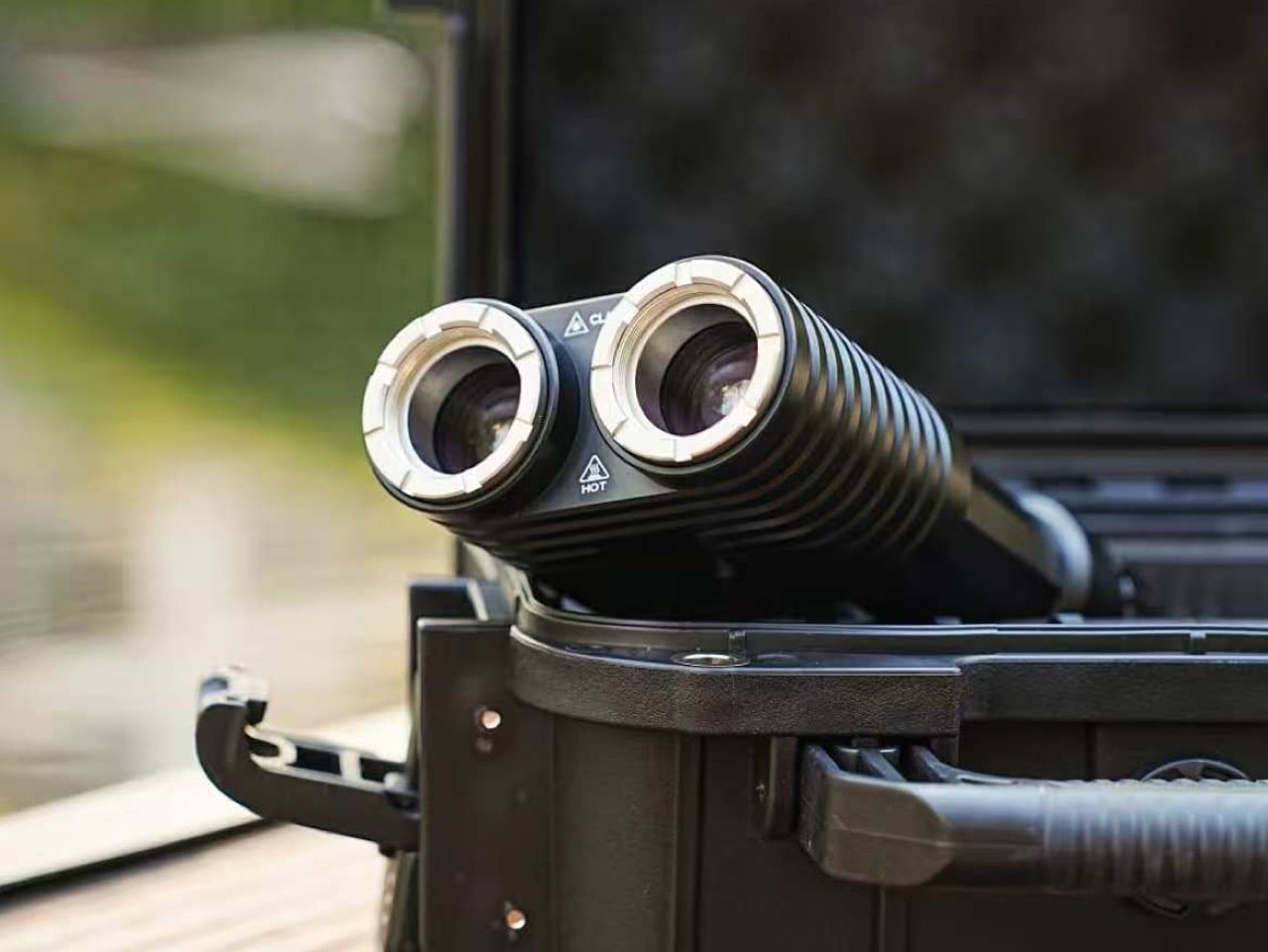
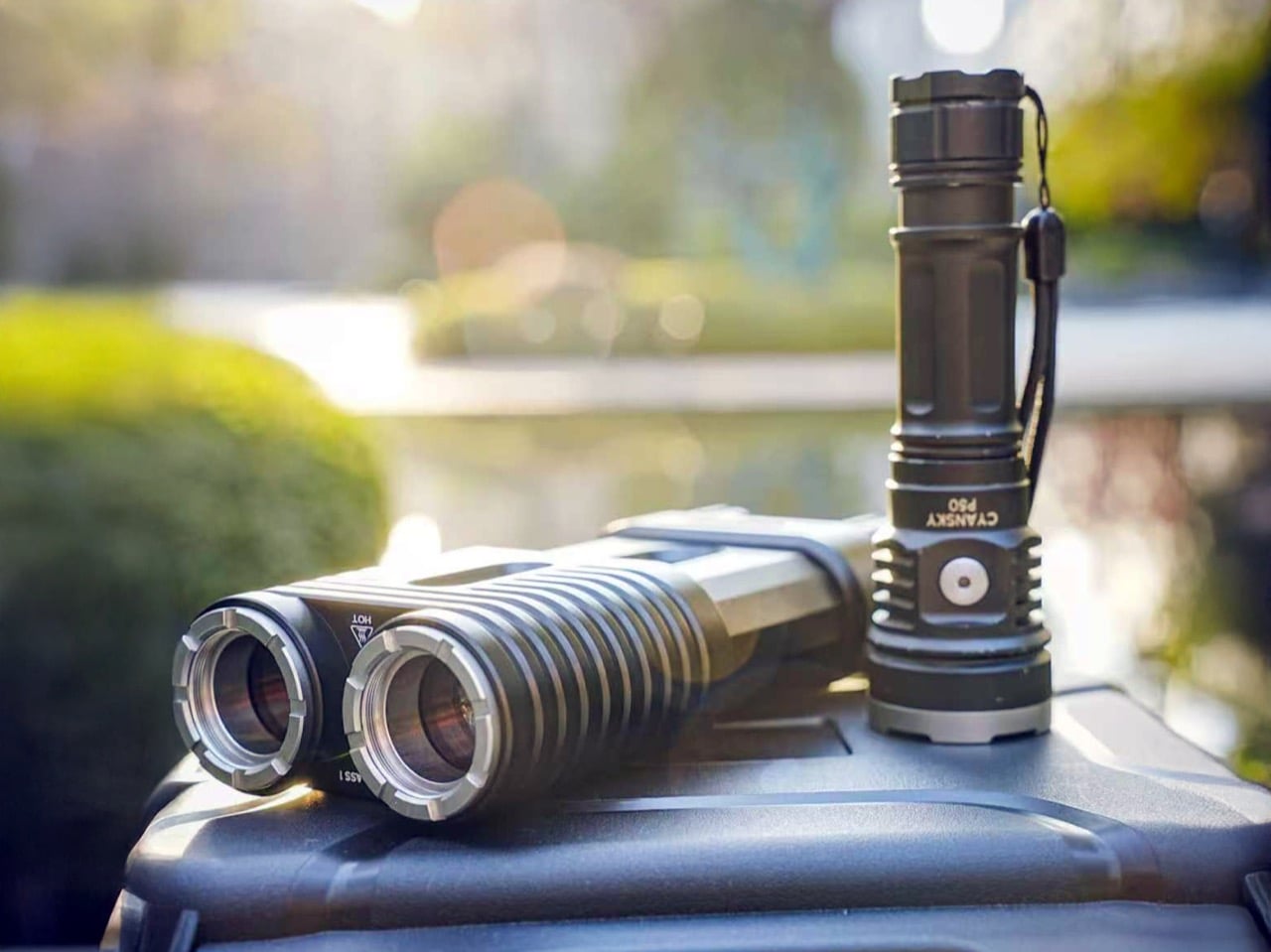
You have been in this situation. It is 9 p.m., you are trying to read a trail marker 200 yards out, and every flashlight your group has is essentially a pointed candle. The Lumitwin DL700 throws light 1.2 miles. Both barrels firing together produce 1,100 lumens and 958,000 candela using laser-excited phosphor technology, the same light source found in high-end automotive laser headlights. This is not an LED with a better reflector. The beam stays coherent across distance instead of scattering into a useless cone. At 2 kilometers of throw, you are seeing things your campsite neighbors cannot.
Each barrel runs independently with its own switch and brightness control. Swap in the included red filter for night-vision preservation. Green for cutting through fog and dense vegetation. The flood filter widens the beam for close-range camp work. Run different filters on each barrel simultaneously. The whole unit is machined from a single block of 6061 aerospace aluminum, IP68 rated for submersion to 1.5 meters, and survives a 10-foot drop. Total weight is 1,032 grams. You feel that weight. That is the trade for what the DL700 does.
What we like
Independent barrel control with swappable filters gives you six effective flashlight configurations in one unit. Red on one barrel for navigation, white on the other for distance spotting, simultaneously.
IP68 plus 10-foot drop resistance on a $329 light means you are not replacing this for years of serious outdoor use.
What we dislike
1,032 grams is a commitment. This lives on a belt clip or inside a bag. It does not disappear into a jacket pocket like an everyday carry light.
6. Compact Modular Grill Plate
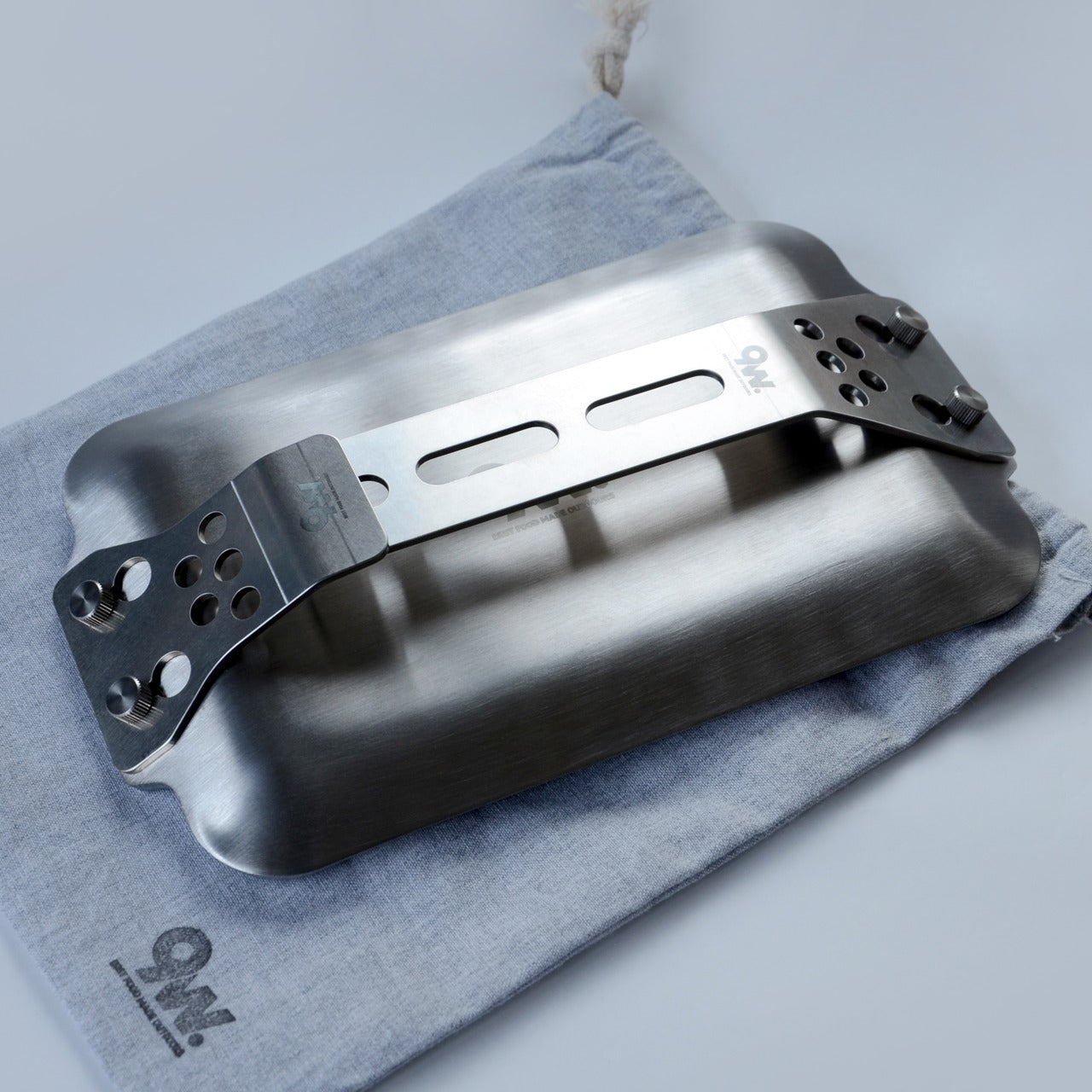
Your campsite cooking situation right now is one of two things. Either you’re eating food that doesn’t require heat, or you’re attempting to balance a pan on a grate that came welded to the fire ring and hasn’t been cleaned since a previous administration. The Compact Modular Grill Plate is a flat, modular steel cooking surface that packs to roughly the thickness of a paperback and configures around what you’re actually cooking. You stop adapting your meal to your gear. The gear adapts to the meal.
It works over an open fire or a camp stove without a conversion kit or a second piece of equipment. The flat surface cleans significantly faster than any bar grate. One wipe, or a quick rinse, and it’s done. That difference matters most on the third morning when no one wants to deal with last night’s situation. The compact form is the decision that earns this plate a permanent spot in your kit. When cooking gear is bulky, it gets left at home. When it packs this flat, it gets packed every time.
Modular configuration adapts to different heat sources and meal types without adding a second surface, a second bag, or meaningful additional weight.
Flat surface cleans in a fraction of the time any traditional bar grate requires. On a multi-day trip, that is a real, compounding gain.
What we dislike
Surface area works cleanly for two people. Cooking for four or more means staggering meals, which adds real time to every camp dinner.
No integrated heat source. This is a cooking surface. You still need a fire or a stove under it.
7. Camp Napper
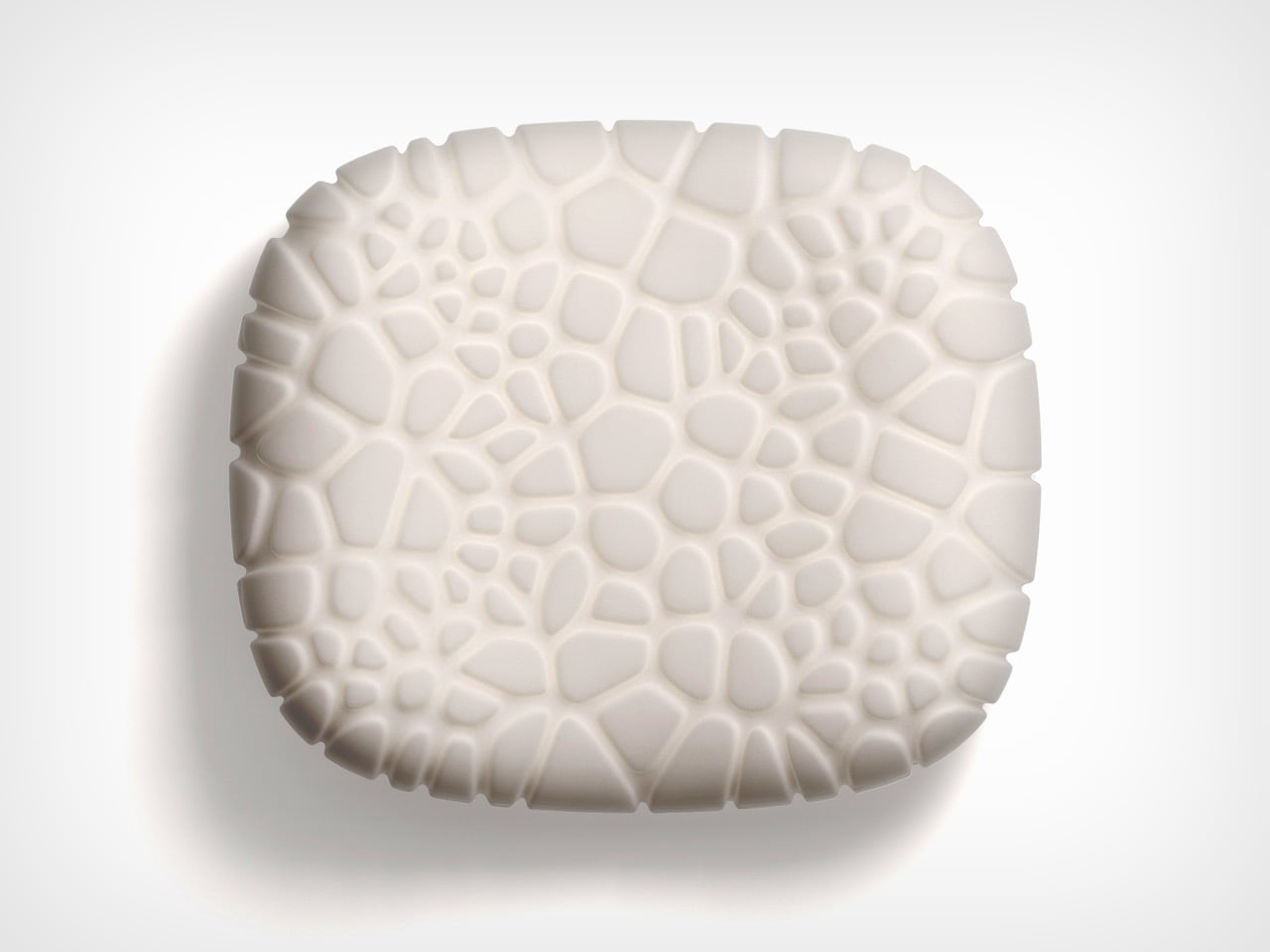
Your inflatable camping pillow has betrayed you at least once. It sounds like a pool float every time you shift your head, loses pressure by 3 a.m., and packs into a shape that somehow takes up more bag space than it deserves. The Camp Napper is what happens when a designer named Chen Xu stops treating the camping pillow as an afterthought and starts treating it as an engineering problem. The surface geometry is derived from the texture of fungal spores. The internal structure mirrors the hollow vascular channels found in plant stems. This is Voronoi polygon modeling applied to where your face actually rests.
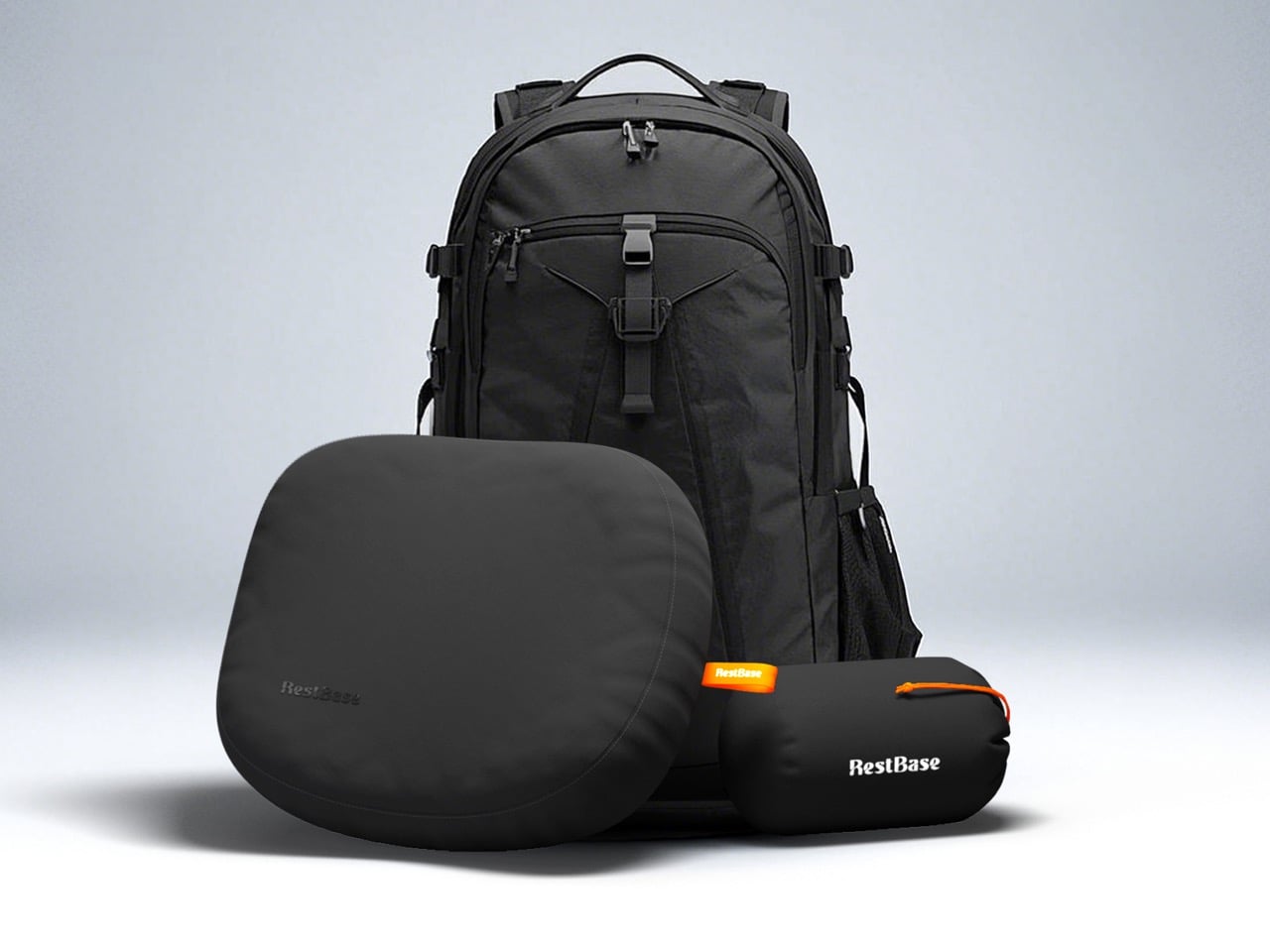
The raised cellular structures on the front face increase contact area and channel airflow simultaneously, so your skin stays cool instead of clammy through the night. Flip it, and the back face offers four distinct tactile zones depending on your orientation. Memory foam holds the bionic geometry under repeated compression without losing its shape by morning. The whole pillow weighs around 14 oz and compresses to roughly the size of a water cup, no inflation valve required. Anti-slip rubber on the base keeps it planted on your sleeping pad. This is a hotel pillow argument made entirely in materials and geometry.
What we like
Airflow channels built into the contact surface actually keep the pillow cooler than standard foam options, which matters on any night above 65°F.
Compresses to water-cup dimensions with no inflation valve to leak, fail, or wake you up at 3 a.m.
What we dislike
The raised cellular texture can be a genuine trypophobia trigger.
The Gear Makes the Decision
Every hotel booking after a camping trip is a gear verdict. The sleeping surface failed. The light died. The fire went out. The shower question didn’t have an answer. These seven picks close each of those gaps before the trip starts, so the hotel down the road stays a choice rather than a rescue. Comfortable outside is a design problem. It has design solutions.
My personal pick is the Clip&Go Radio. Not because of the SOS button. Because it is the only product on this list I would grab for an ordinary Tuesday hike without thinking about it twice. It clips to the bag, plays music, and carries every emergency feature in the same body I reached for anyway. That is the version of preparedness that actually travels with you: useful before anything goes wrong.
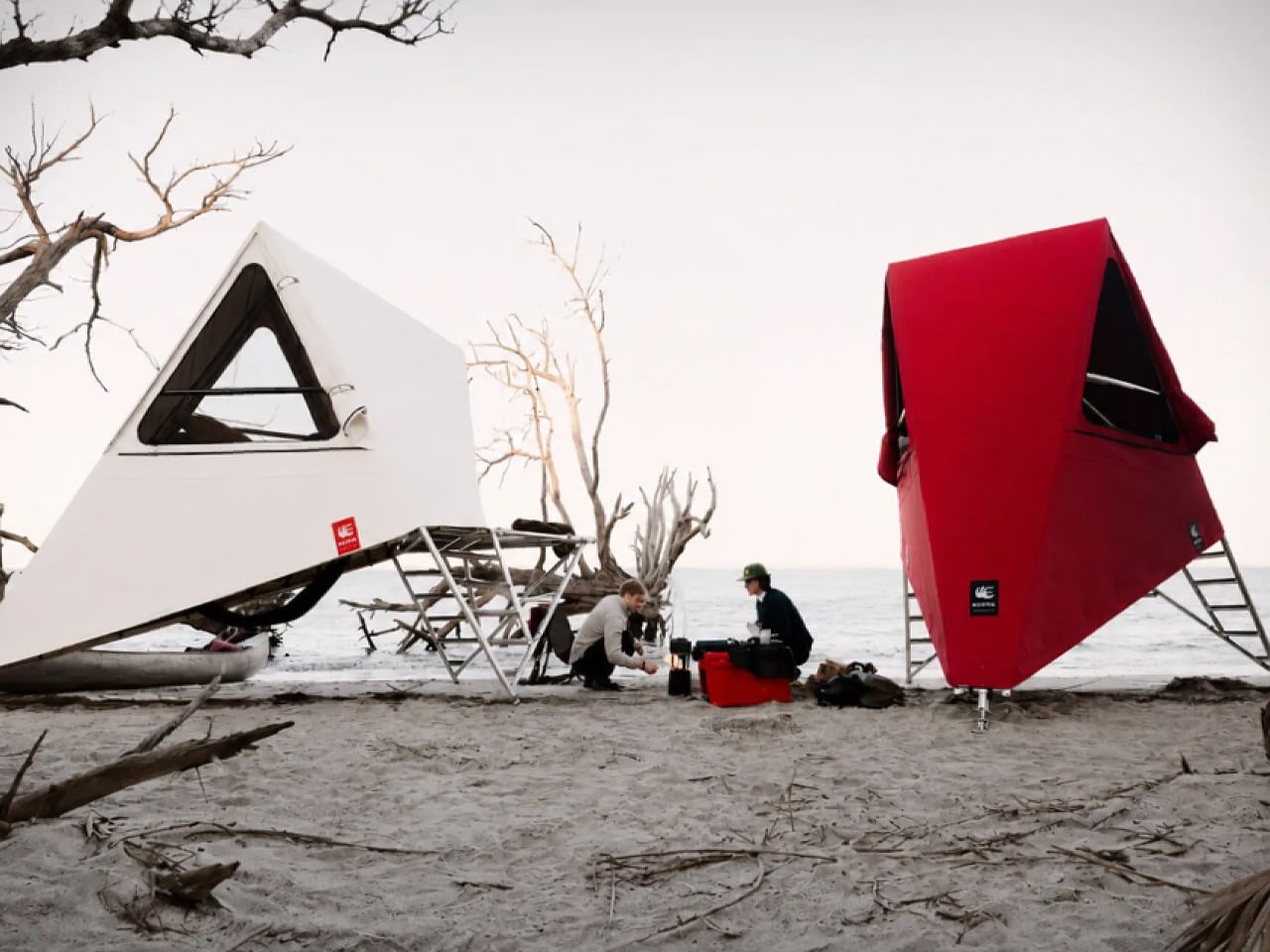
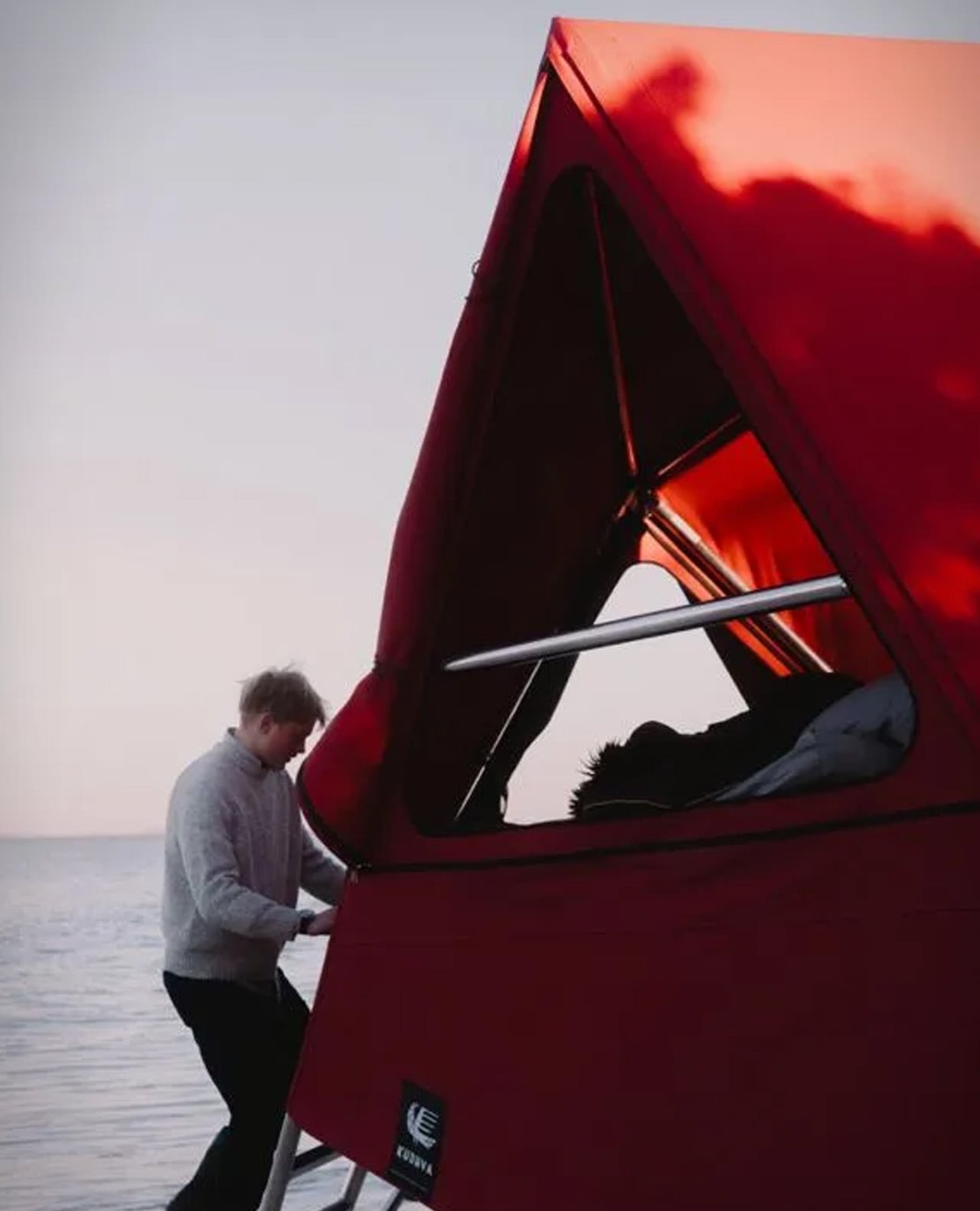
You’ve seen a building so good you immediately wanted to live in it. Ben Huggins built one you can actually move. His latest project, the Kudhva K1, is a portable elevated cabin that somehow manages to feel both seriously considered and completely untethered from the ground beneath it. Huggins is co-founder of Sandford-based New British Design, and the K1 is the kind of thing you design when you love architecture but have no patience for permanence.
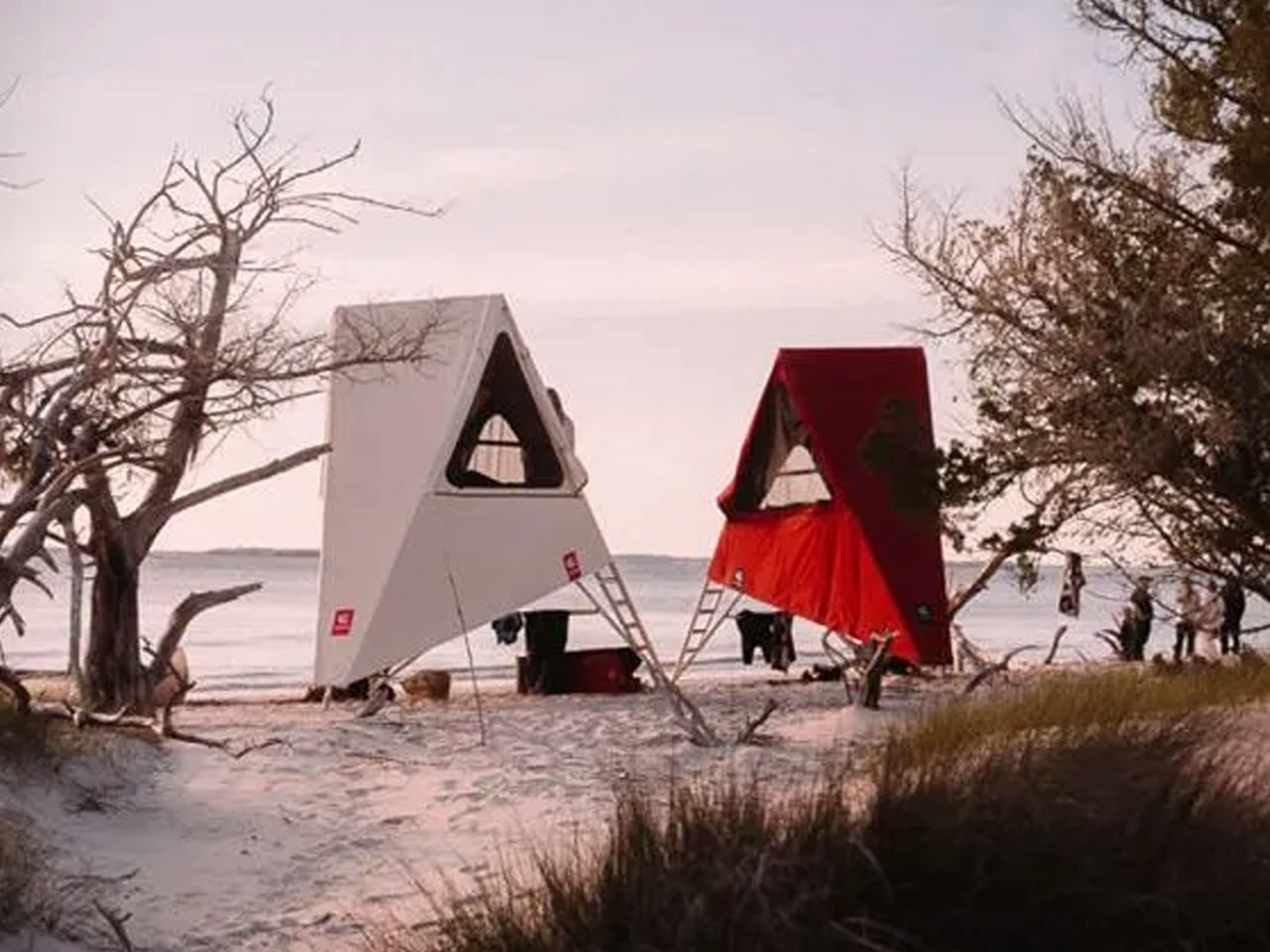
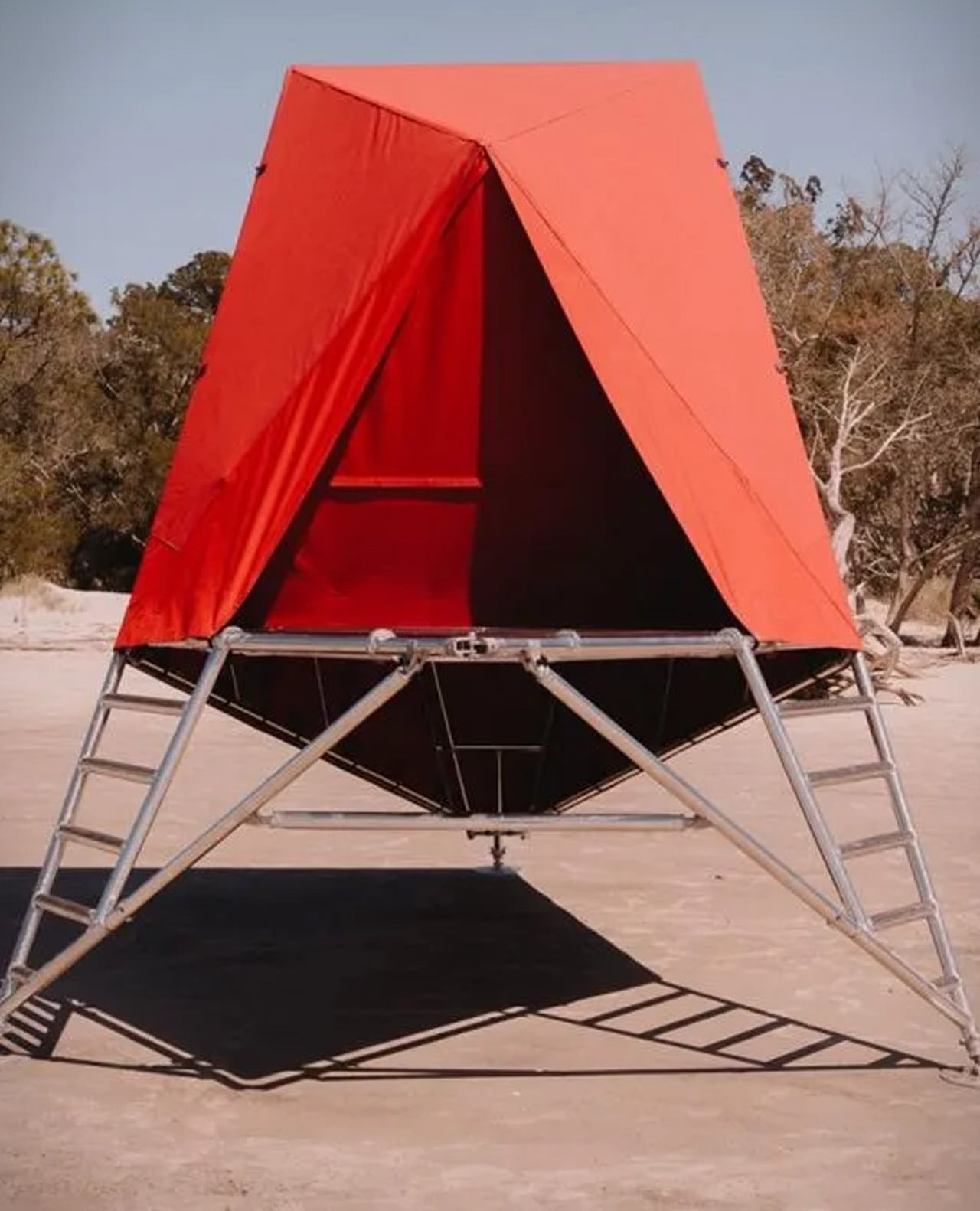
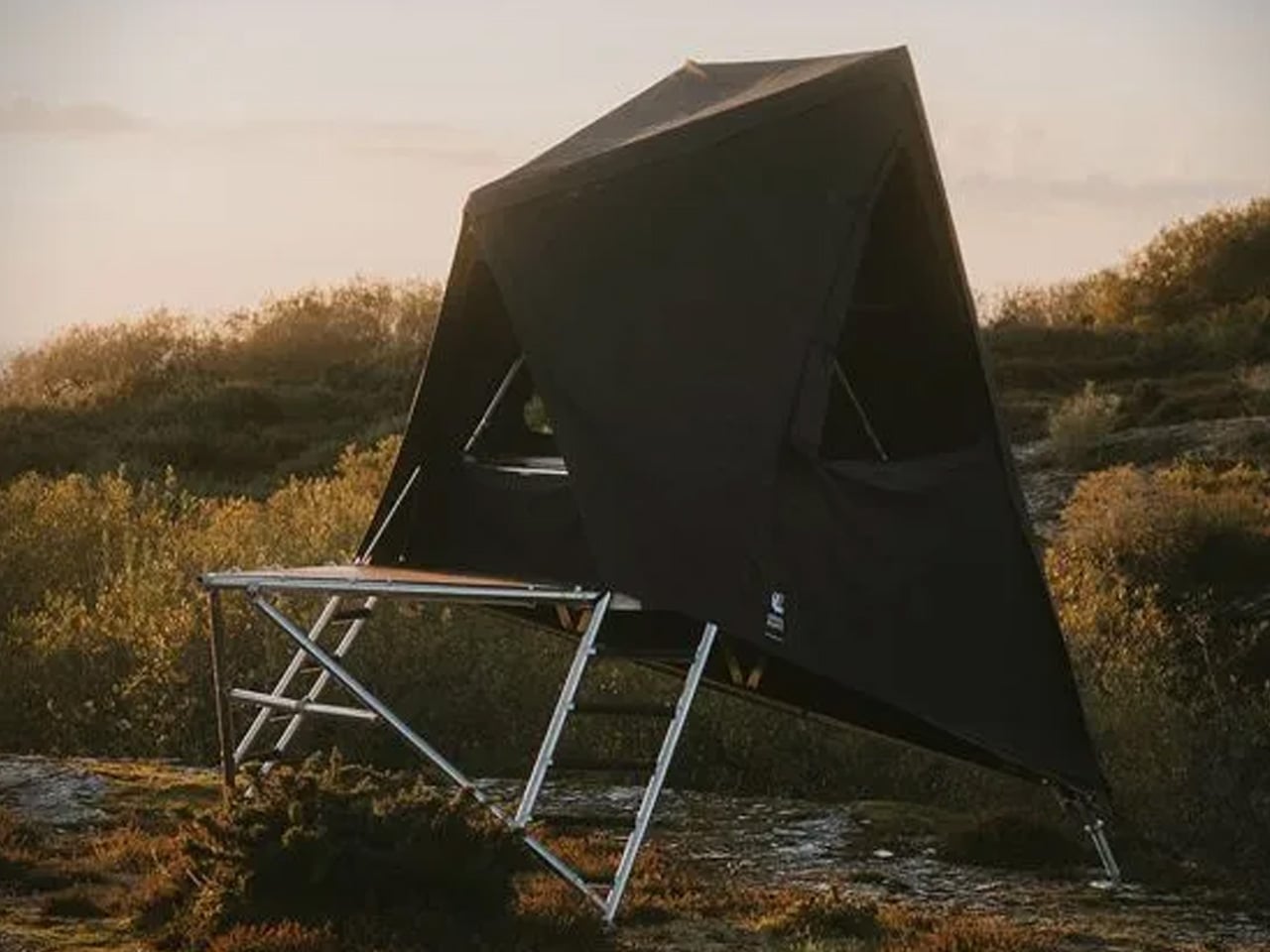
The K1 grew directly out of Kudhva, the beloved off-grid retreat carved into a disused slate quarry on the north coast of Cornwall. The original cabins, perched above the landscape on angular stilts, became something of a cult object in British architectural circles. Huggins, working alongside co-designer Hannah Huggins, took that angular, treehouse-like geometry and asked a simple but ambitious question: what if you could move it?
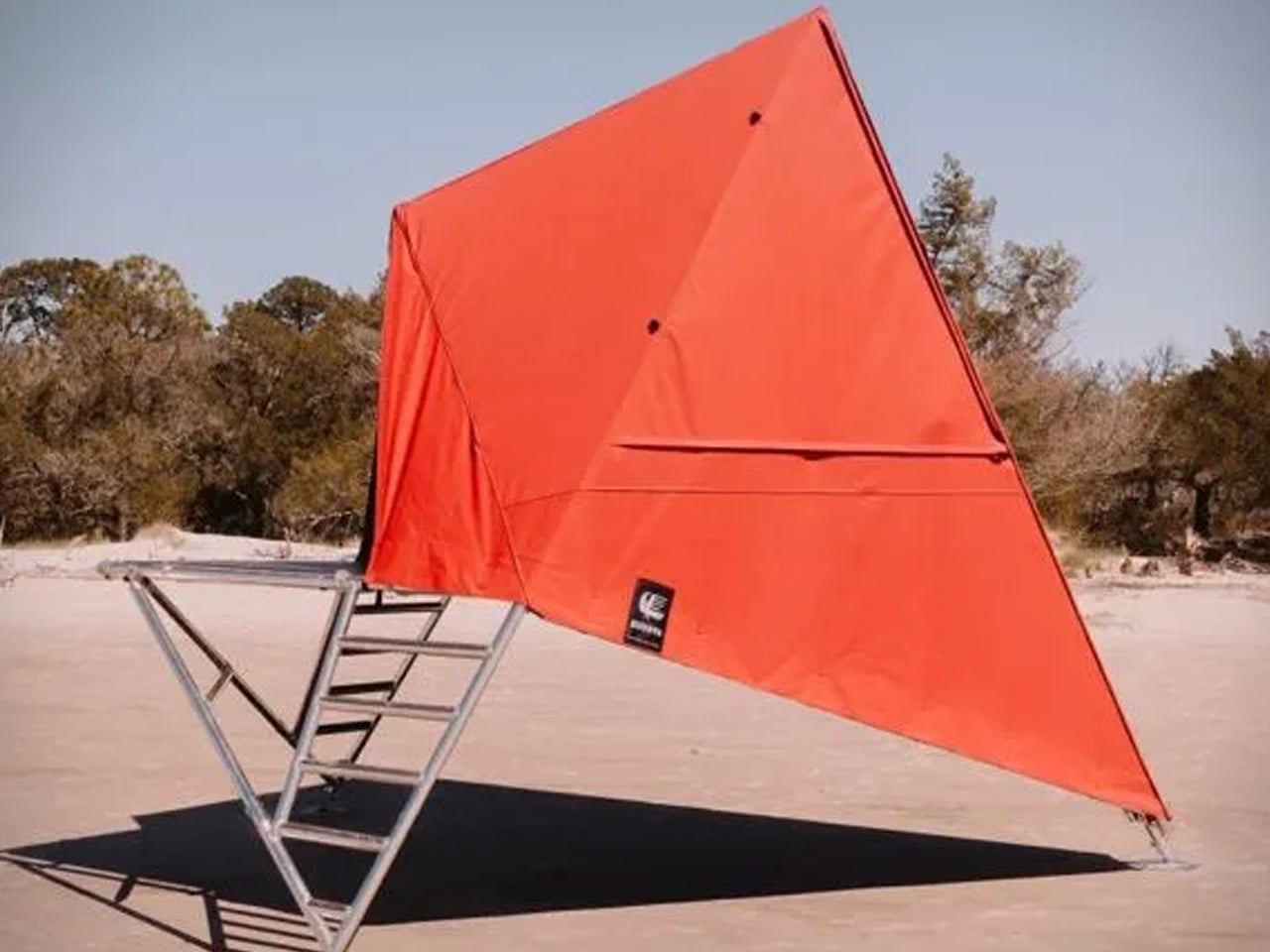
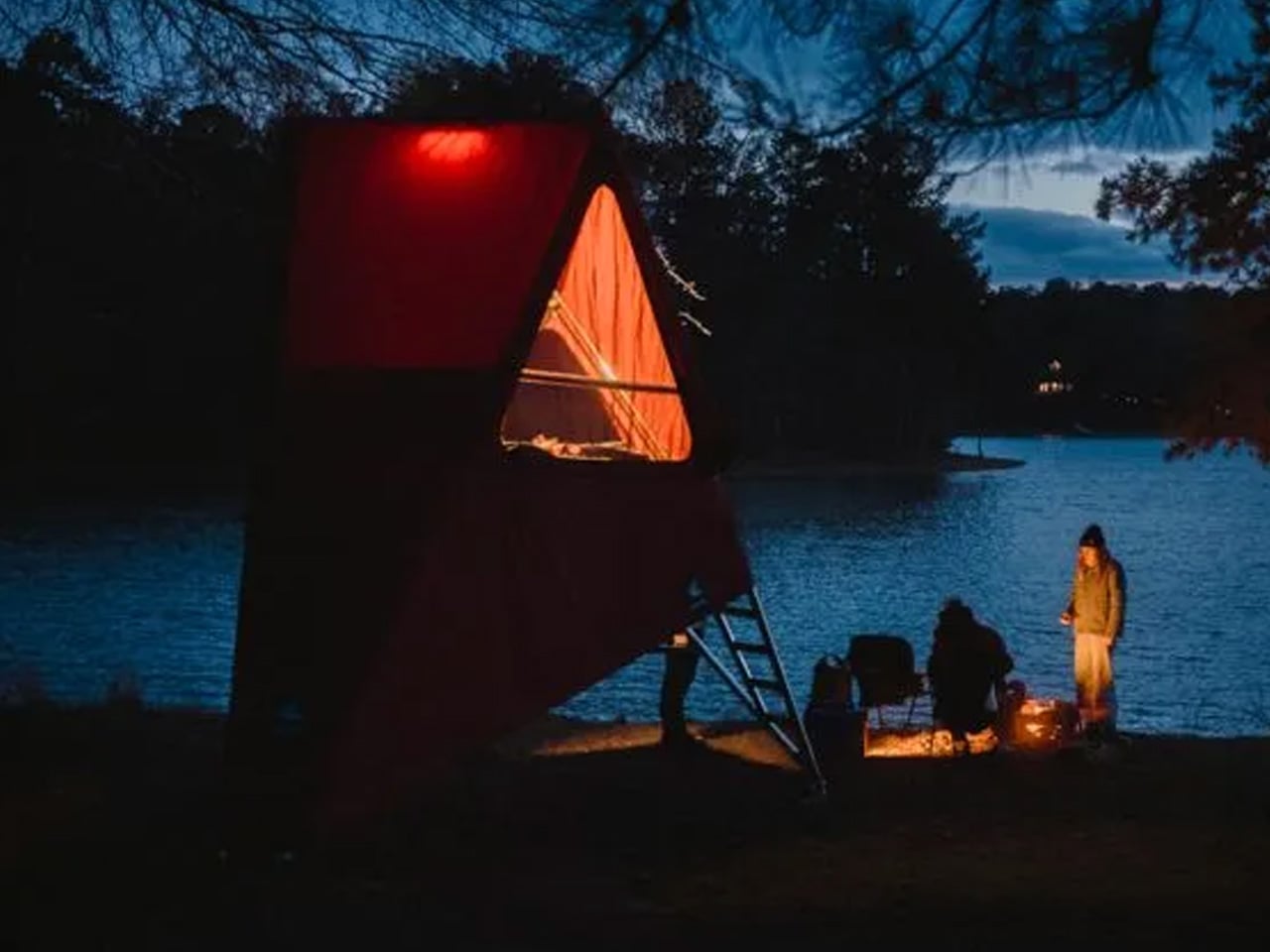
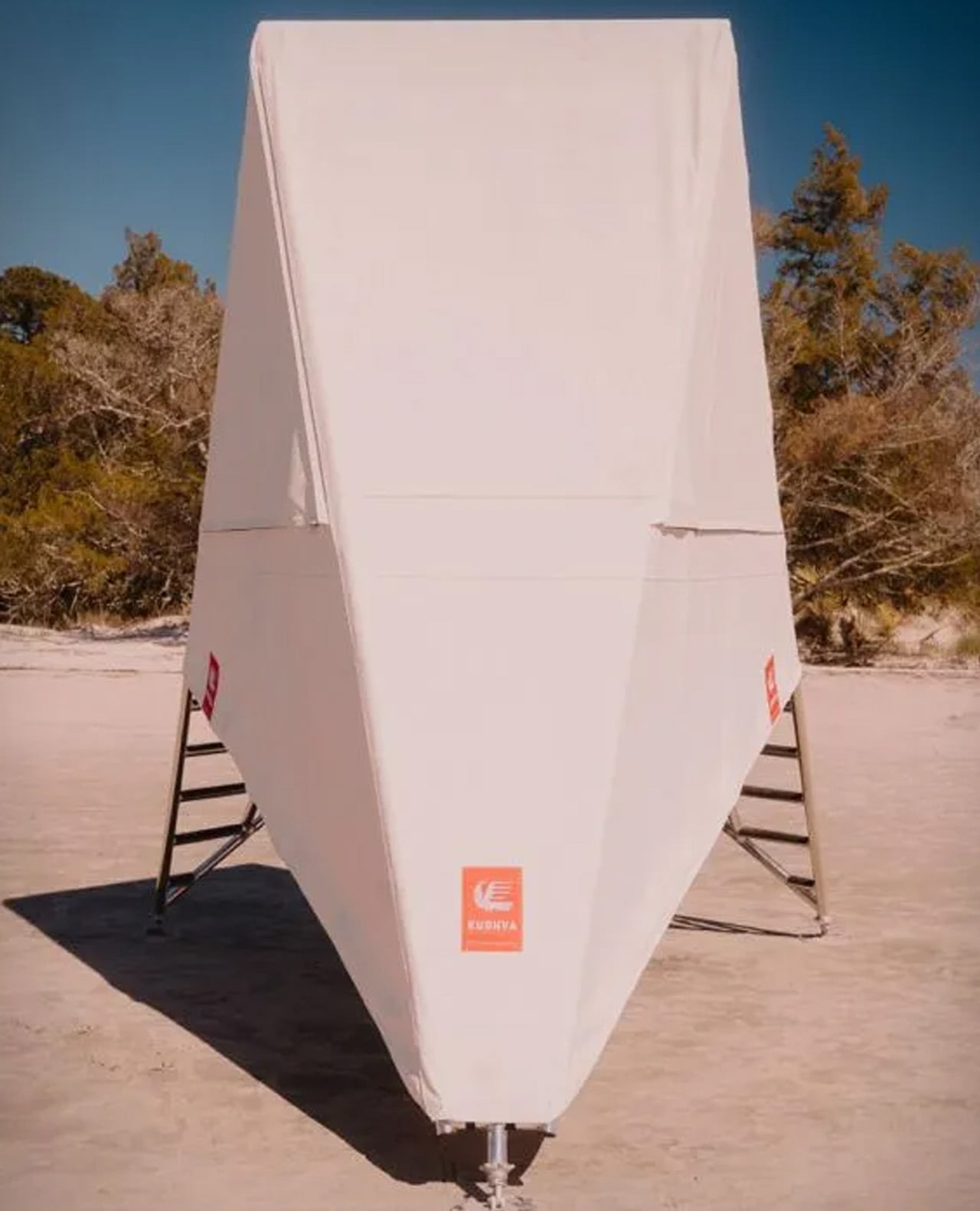
The answer is a structure built around a recyclable aluminum frame wrapped in heavy-duty British Millerain Regentex poly-cotton canvas, rated at 407g/m2. Standing 3.6 meters tall, 3.3 meters wide, and 4.9 meters deep, the K1 isn’t small. An elevated deck extends beyond the entrance, accessed by integrated ladders, giving it a genuinely architectural presence that photographs like a building and packs down like equipment. The tripod leg system adjusts independently, meaning it can sit perfectly level on rocky, sloped, or otherwise uncooperative ground without disturbing a single blade of grass below it.
That relationship with the land matters. The K1 requires no foundation, no planning permission, and leaves no trace when it leaves. Two people can have it standing in 30 to 45 minutes. At 320 kilograms, it isn’t light, but it is relocatable, which places it in a category almost entirely its own: too architectural to call a tent, too mobile to call a cabin.
The canvas shell is built to withstand winds up to 80 mph, suggesting a product designed for real weather rather than curated glamping conditions. Inside, the two-person sleeping space carries the same minimal, considered proportions as the original Kudhva structures. The frame is described as infinitely recyclable, which fits neatly within the retreat’s broader ethos of leaving places better than you found them.
Priced at around $15,500, the K1 is now making its way to the United States through British American Camping, with initial deployments planned across glamping destinations in Georgia. The price puts it squarely in the commercial hospitality bracket, though nothing about the design reads like a product built for budget corners. It reads like a building that decided to keep its options open.
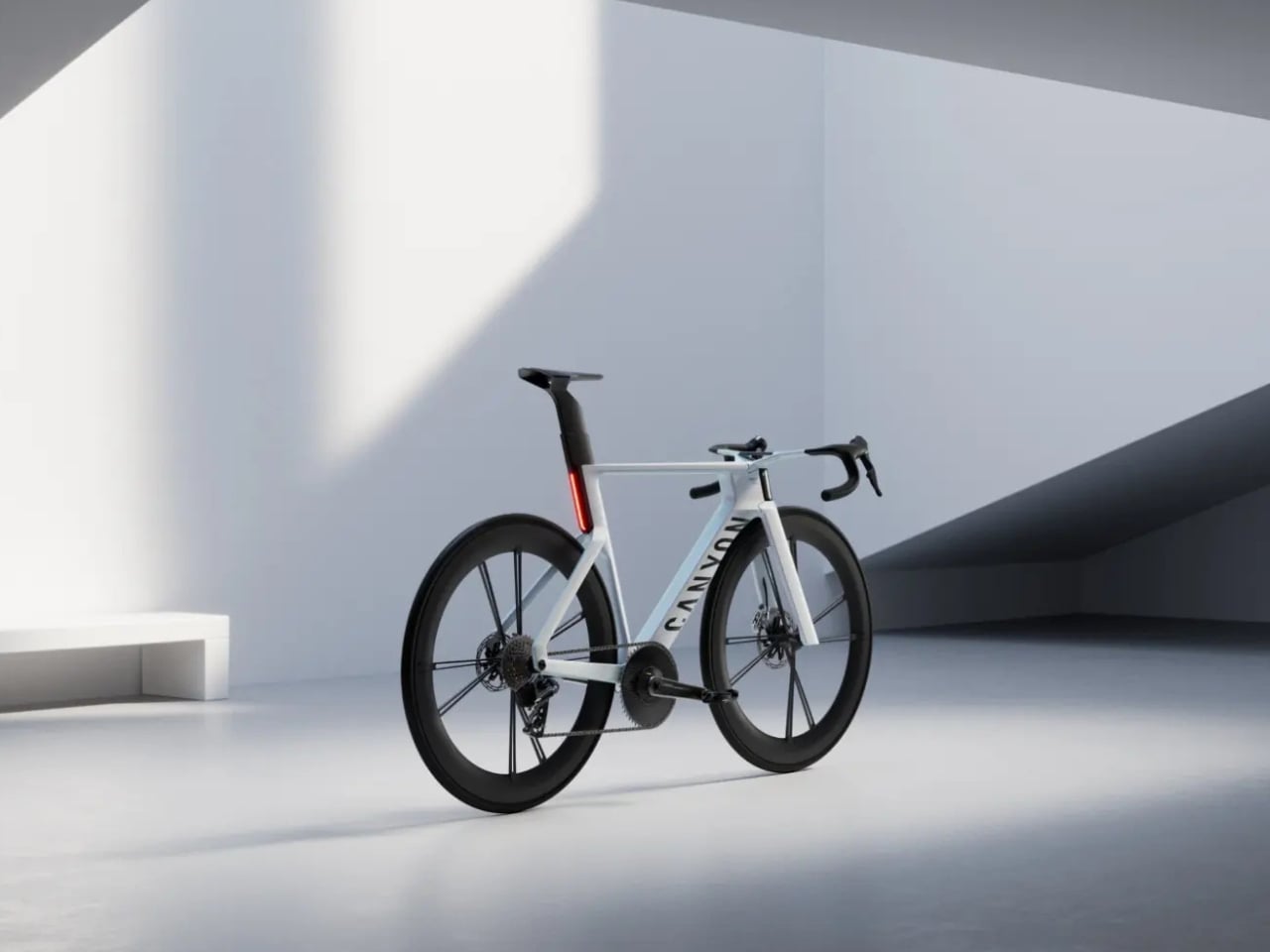
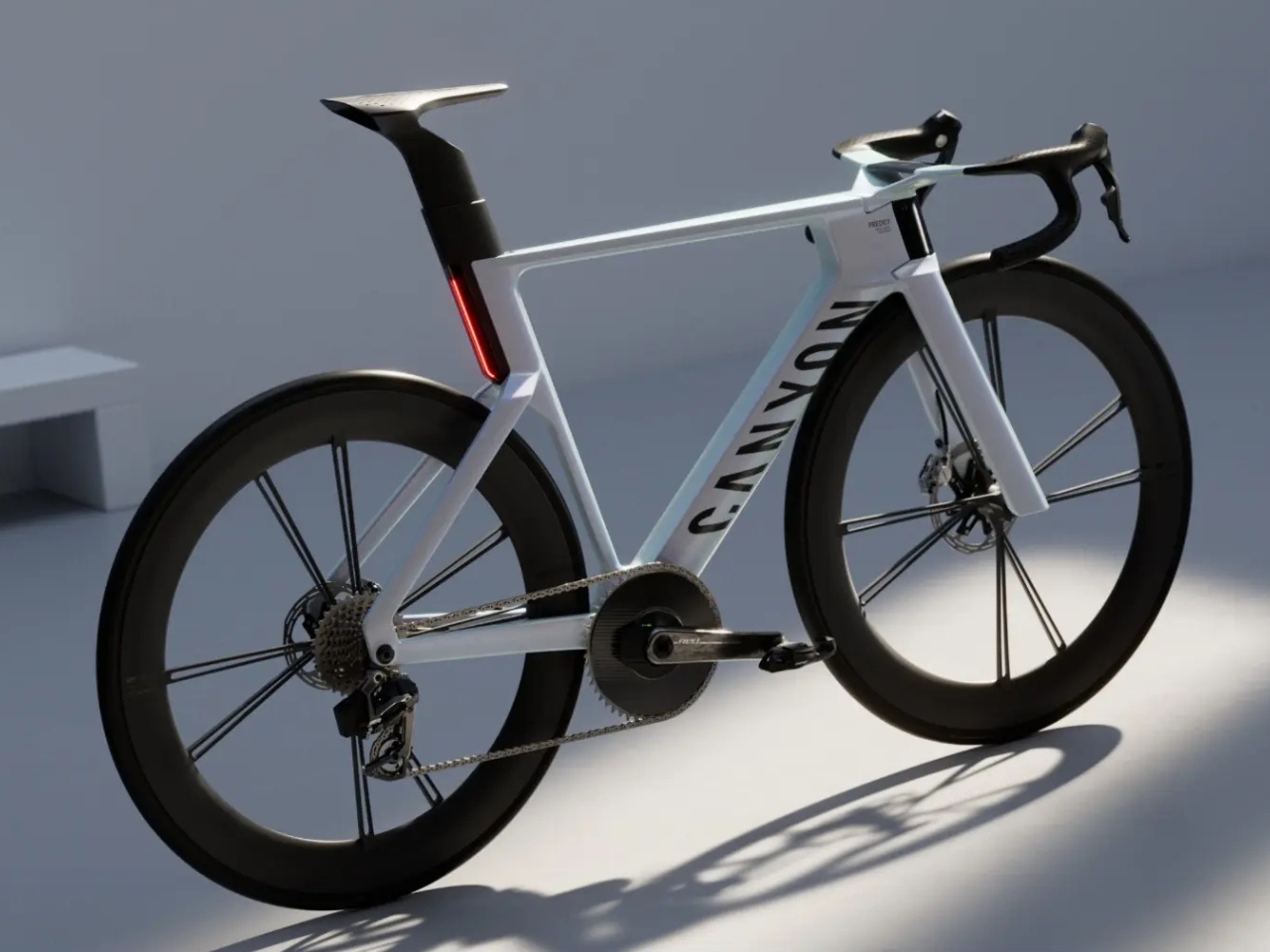
Road cycling has always been a sport that rewards the rider who pays the most attention. You watch the road, you watch the traffic, you watch the rider in front of you. You’re constantly processing information, making micro-decisions at every turn. Which is exactly why Canyon’s Predict concept bike, which made its debut at Eurobike 2026, feels less like a cycling product and more like a quiet but serious rethinking of what a bike is allowed to be.
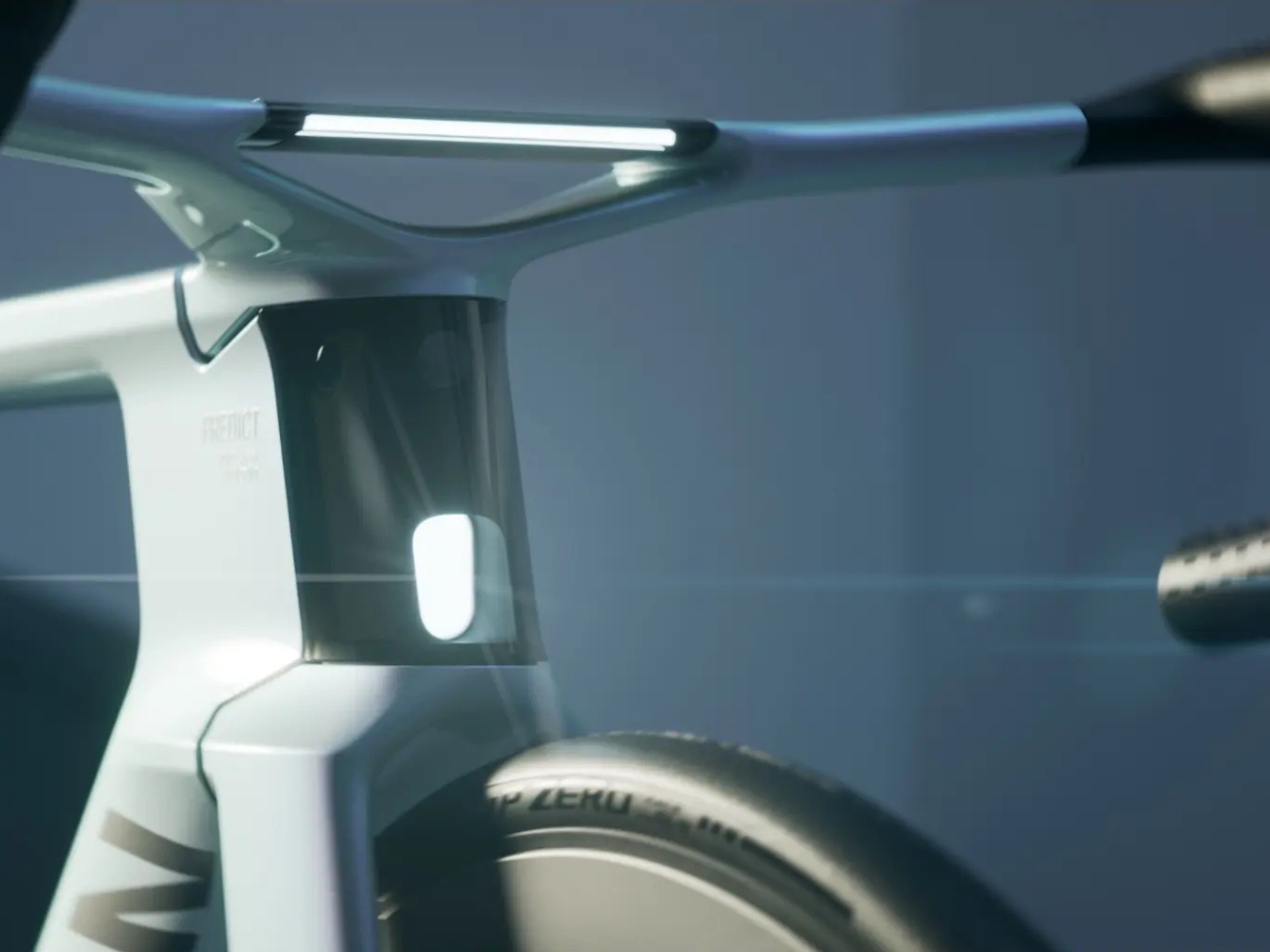
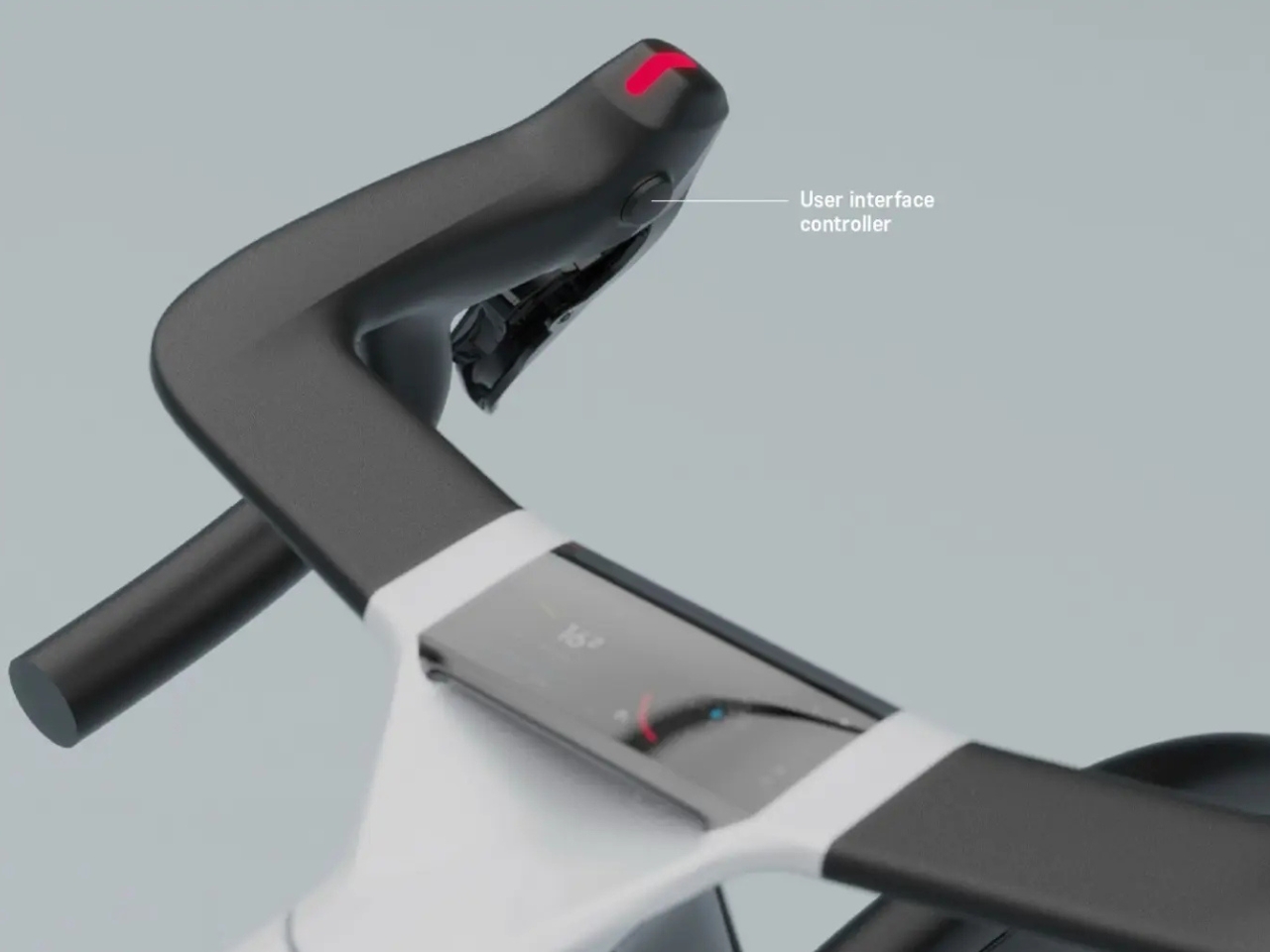
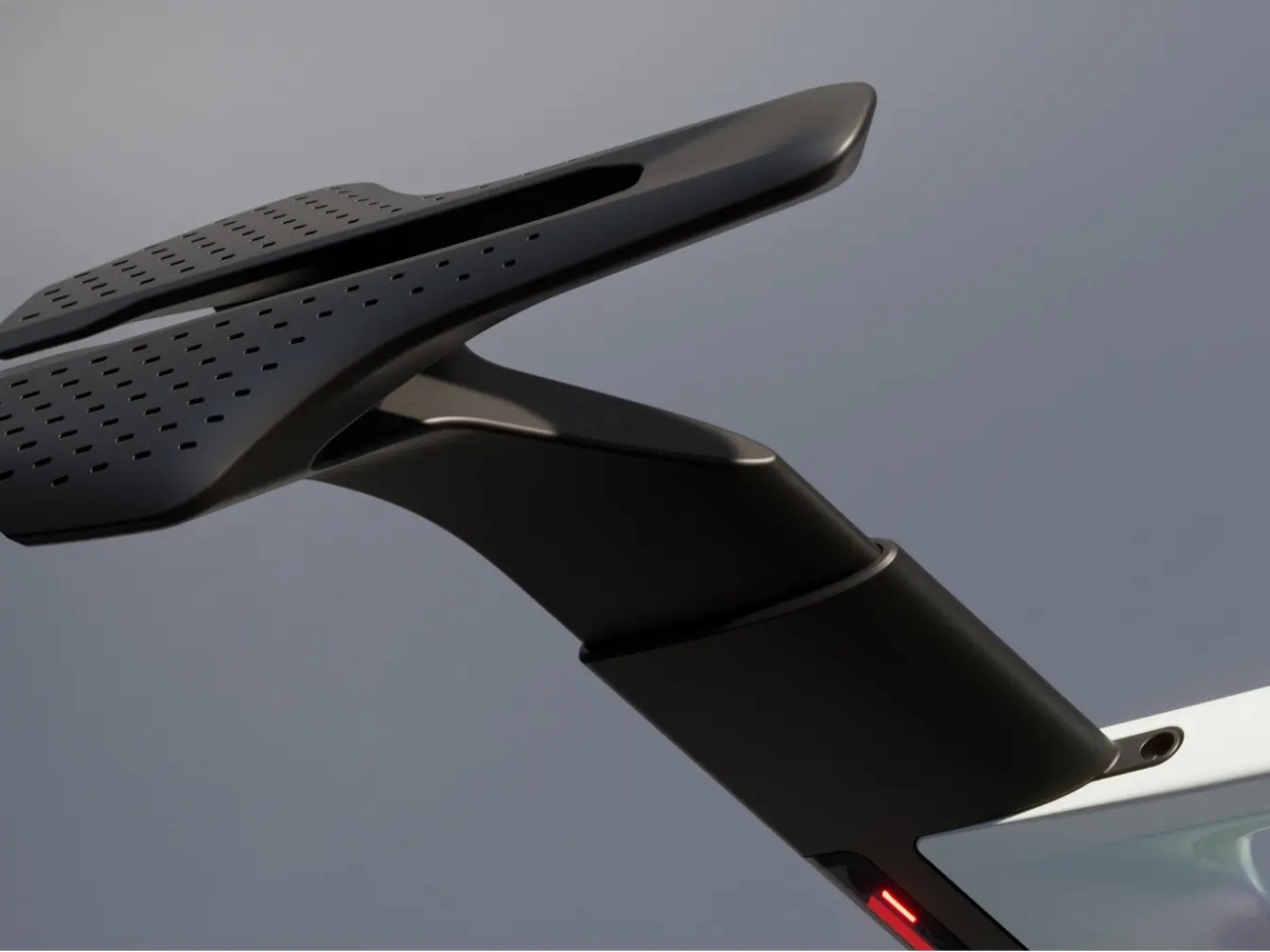
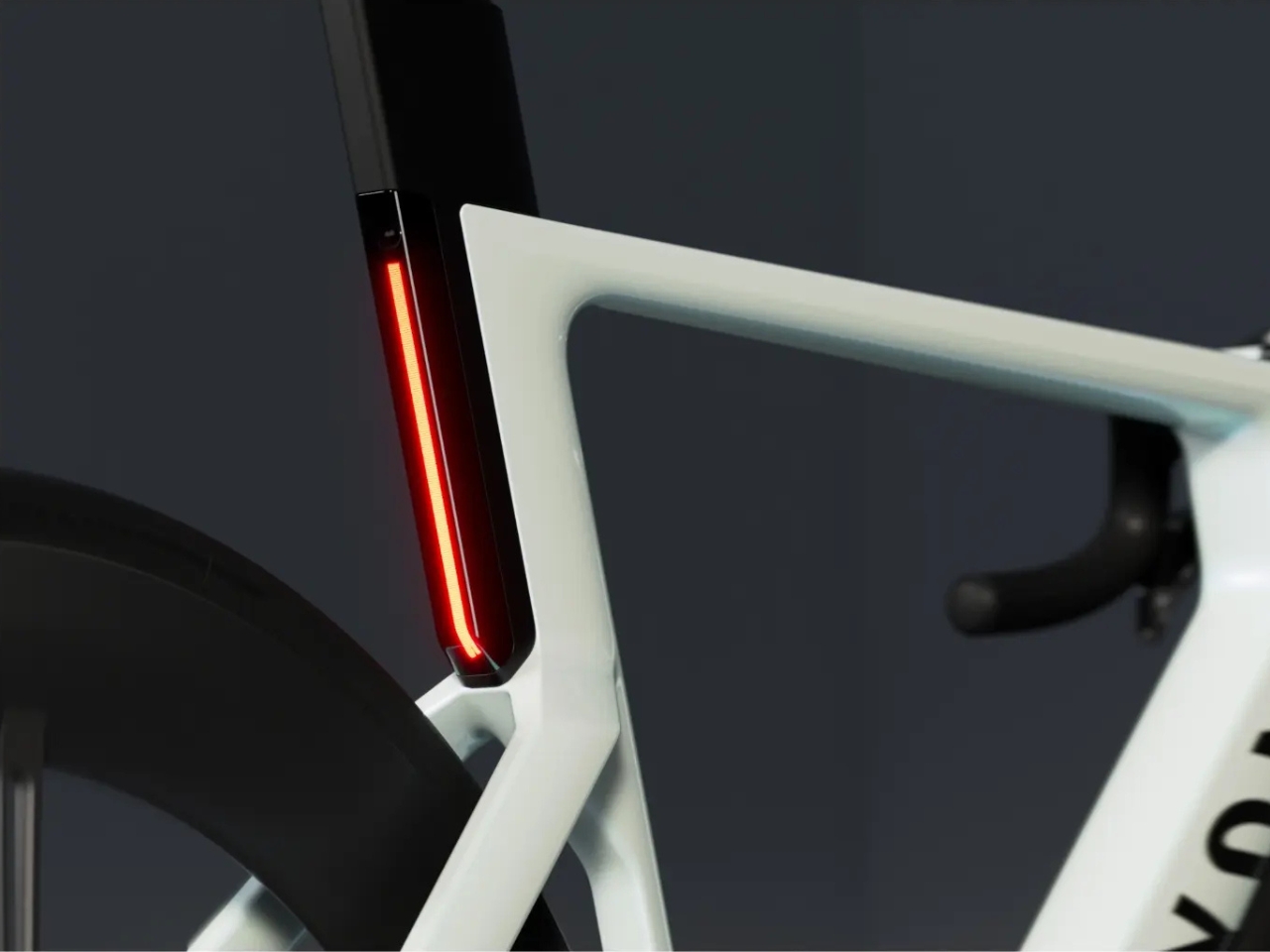
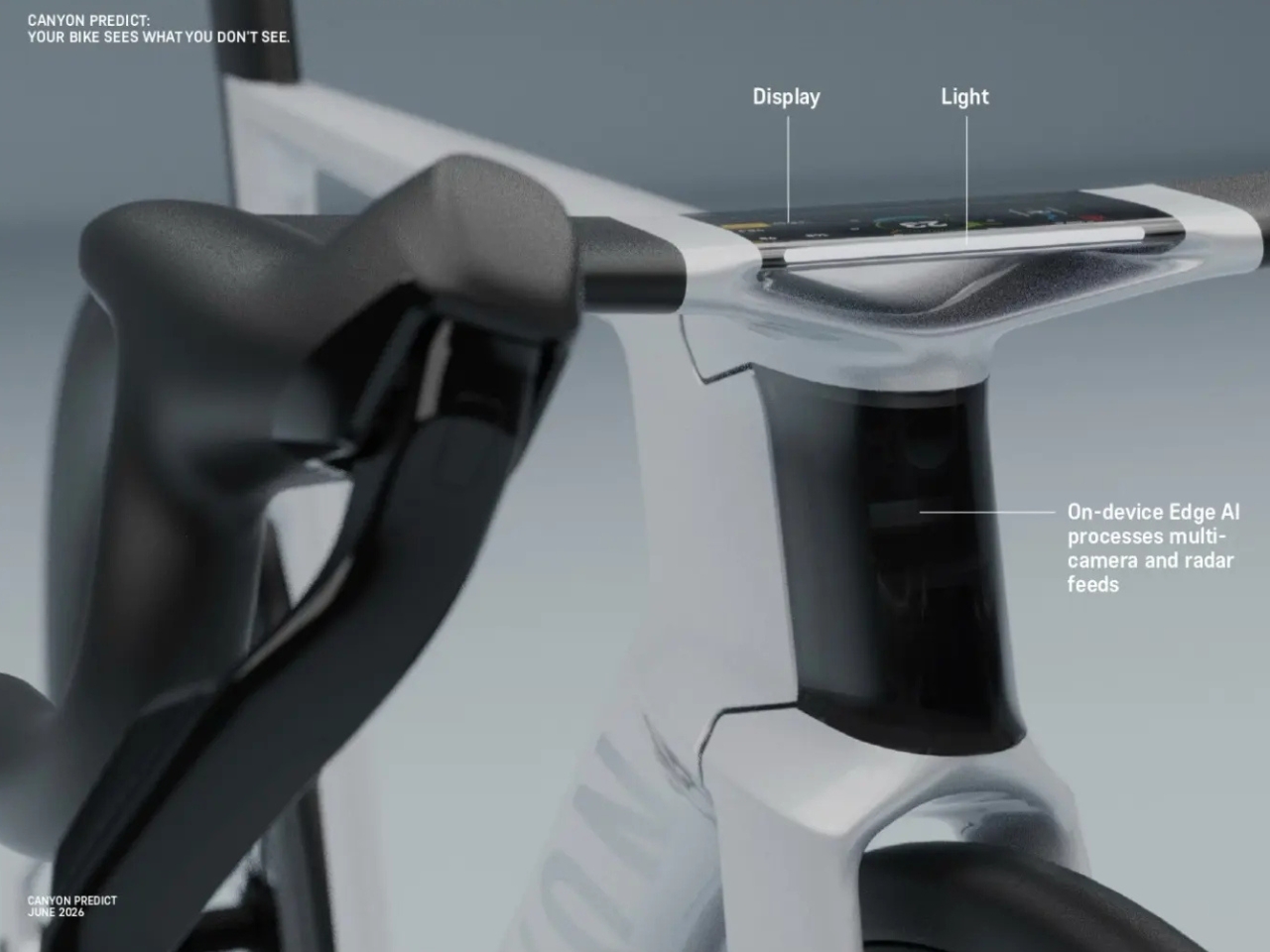
The premise is deceptively simple: rather than reacting to danger, the bike anticipates it. Canyon built the Predict with a 360-degree sensor array, combining radar, cameras, and a multi-dimensional motion sensor, all working together under an Edge AI system that assigns risk scores to what it detects and communicates those scores to the rider in real time. Four radar sensors total, three at the front and one at the rear, plus a data screen built directly into the handlebar. The whole setup is compact, integrated, and far sleeker than you’d expect from something packing this much hardware.
What makes the Predict genuinely interesting isn’t the specs list, though. It’s the shift in design philosophy behind it. Cyclists have had cameras and GPS computers bolted onto their bikes for years, but those tools are still fundamentally passive. You look at the screen when you want to. You check the rearview camera on your own time. The Predict doesn’t wait for you to ask. It tracks group-ride dynamics, advises on cornering speeds, and predicts hazardous road surfaces, all before the rider even registers a problem. The bike talks to you through haptic signals in the handlebars, which means your eyes don’t have to leave the road for the alert to land.
That detail matters more than people might realize. Most cycling safety gear operates on the assumption that the rider has a free moment to process information. The Predict is designed around the fact that sometimes you simply don’t. It’s a subtle but meaningful distinction, and it tells you a lot about where Canyon’s thinking really is right now.
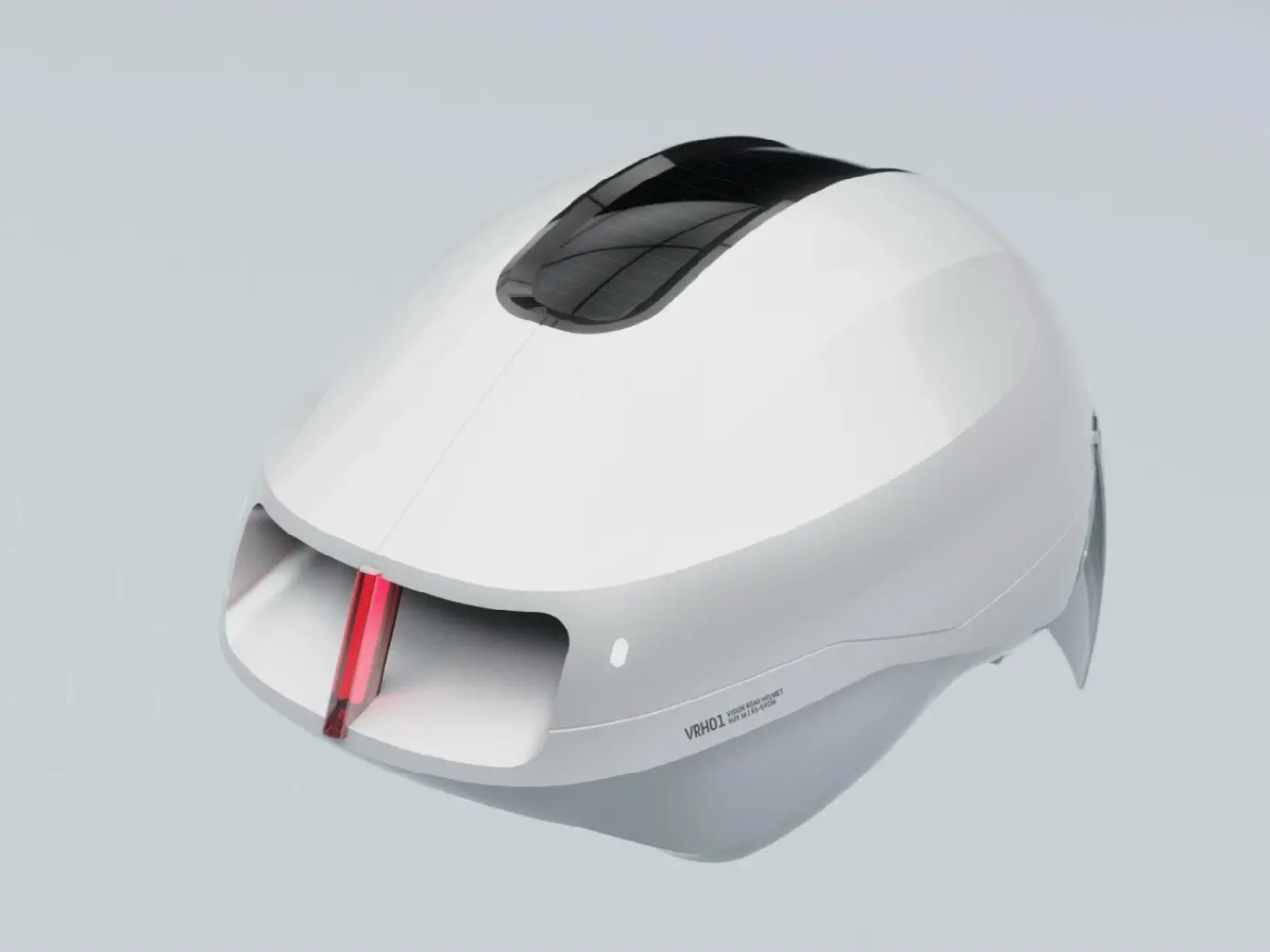
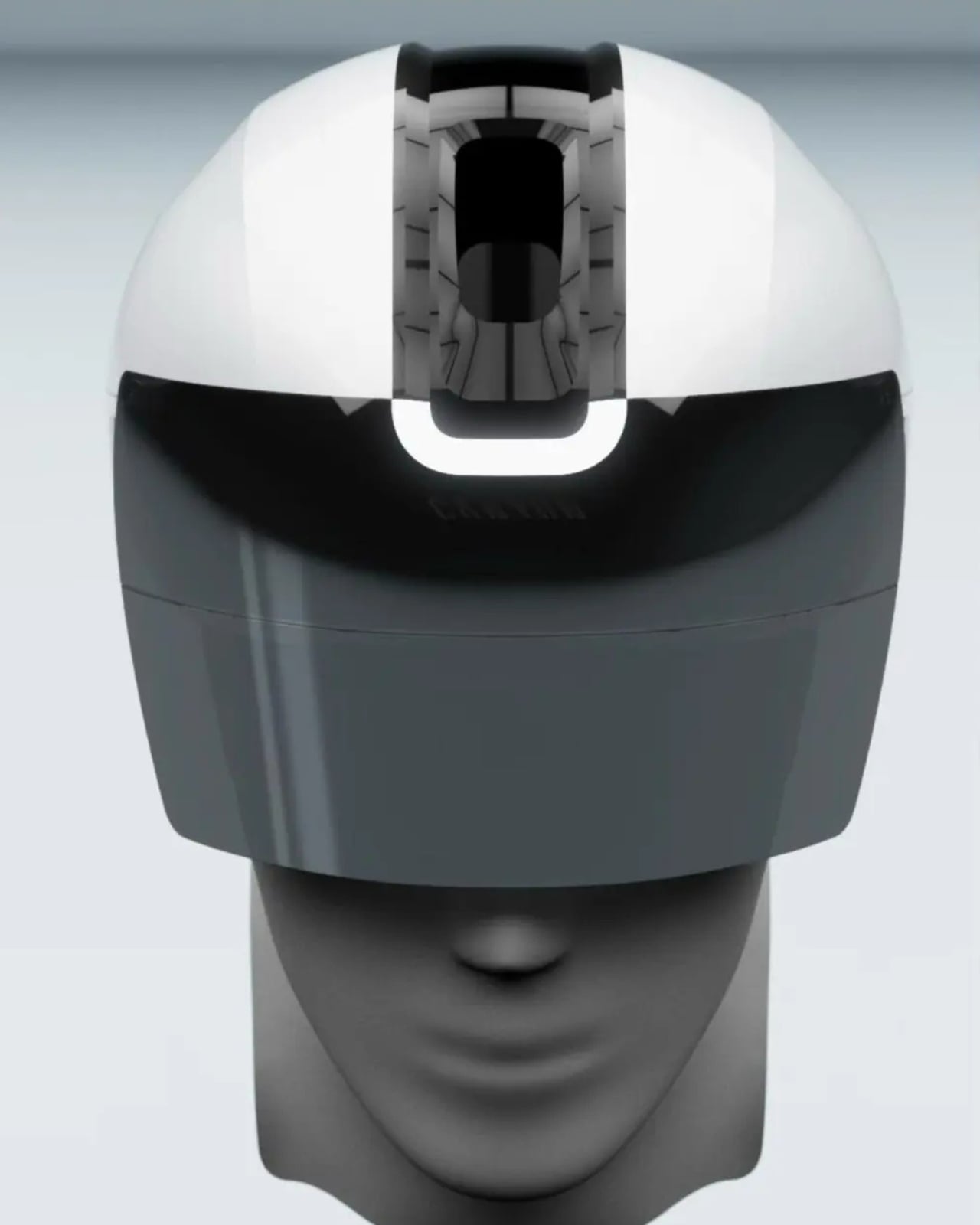
The bike also pairs with the Canyon Stingr Smart Helmet, which features a drop-down visor with its own data visualization screen. Wearing that helmet while riding the Predict, you’d essentially have a full 360-degree awareness system wrapped around you, the kind of setup that until recently existed only in motorsport or military contexts. Seeing it applied to a road bike is either thrilling or slightly unsettling, depending on your disposition. I lean toward thrilling.
There’s a natural question worth naming directly: at what point does all this technology change the experience of riding rather than just enhancing it? Cycling has a deeply personal quality to it. The appeal, for a lot of people, is the relationship between body, machine, and road, the very human act of reading the environment yourself. The Predict does a portion of that reading for you, and I don’t think that’s a bad thing, but it’s worth sitting with.
My honest take is that Canyon isn’t trying to automate the rider out of the experience. They’re trying to buy back the rider’s attention for the things that matter most: the road, the ride, the moment. The safety layer runs in the background so you don’t have to. That’s a thoughtful design goal, and it shows in how cleanly the technology is packaged. Nothing about the Predict looks bolted on or retrofitted. It looks like what a bike is supposed to look like, with the tech quietly embedded inside.
The Predict is still a prototype. It’s not heading to market tomorrow, and real-world software testing still stands between this convention floor concept and a commercially viable product. But the hardware is largely functional today, the vision is clear, and the intent is serious. Canyon isn’t just imagining a safer bike. They’re doing the actual work to build one, and that alone is worth paying attention to.
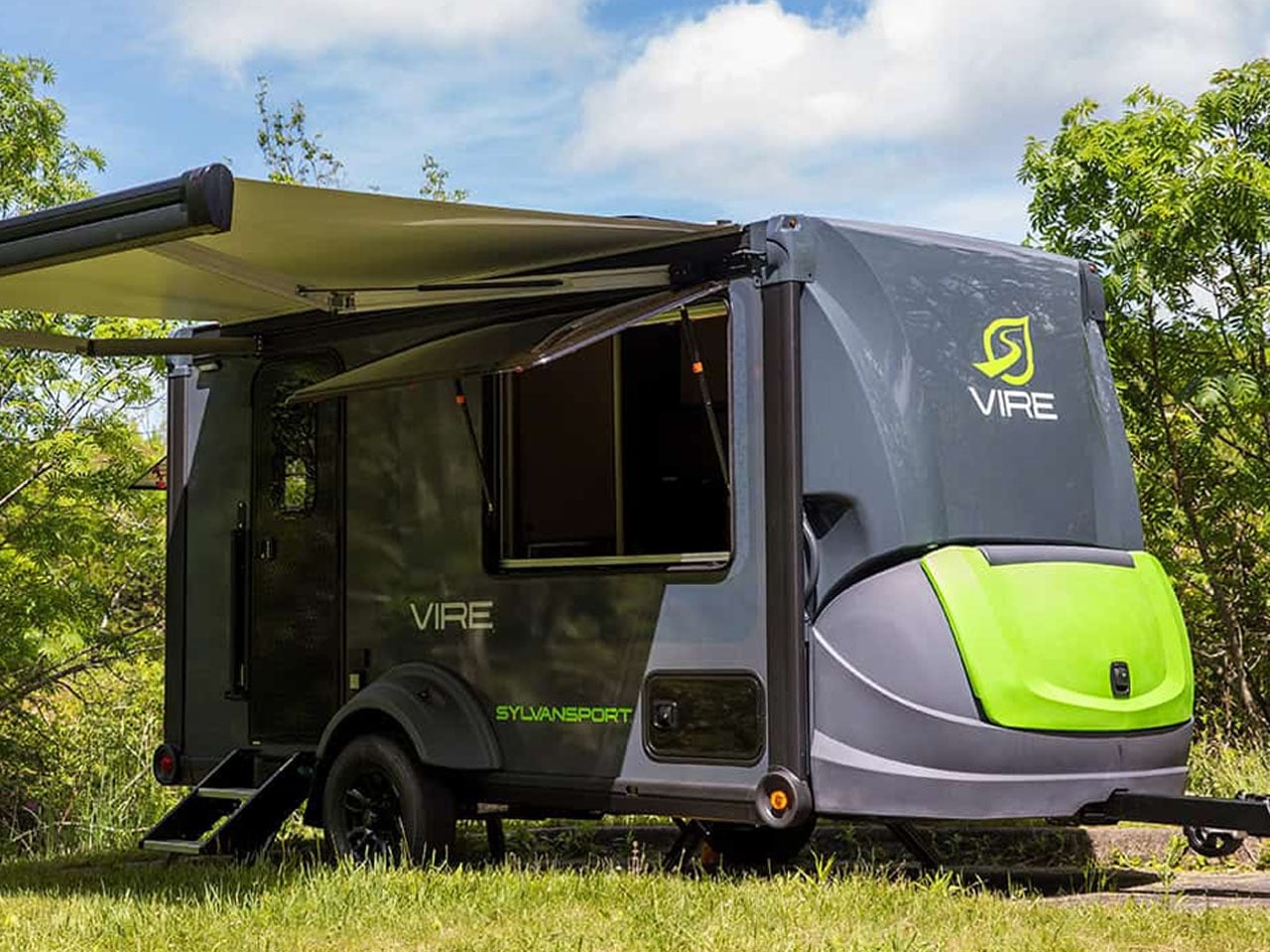
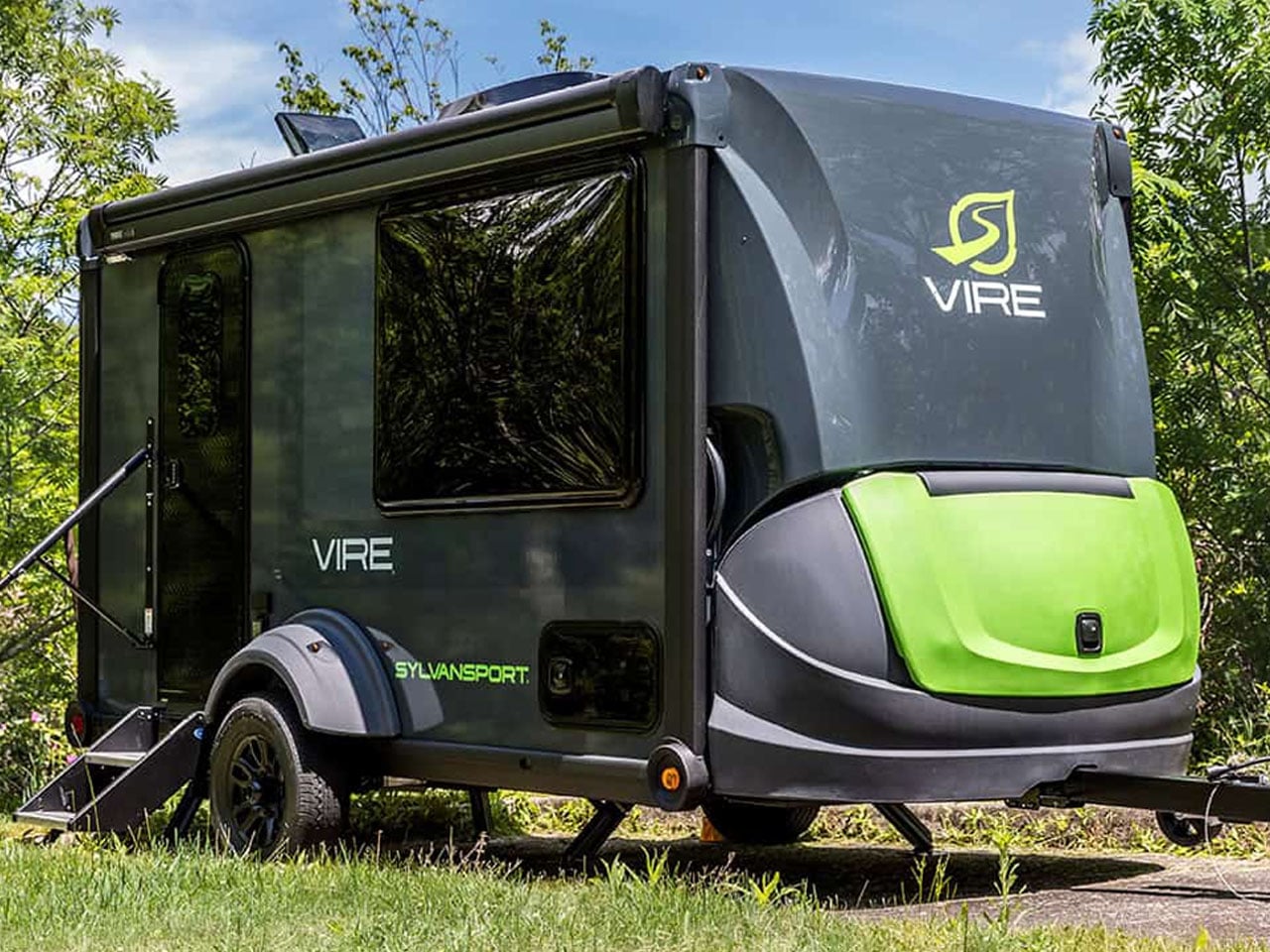
Aerodynamic design is one thing not many companies would want to compromise on in their camping trailers to enhance indoor living space. SylvanSport, based in Brevard, North Carolina, is changing the notion with the new VIRE yet again. A travel trailer that puts space utilization ahead of a rather pointy aerodynamic silhouette, VIRE is a successor to the expandable VAST travel trailer from the company.
What both VAST and the new VIRE share in common is a boxy form factor, which the company has been hell-bent on since its days designing the GO All-Terrain (GOAT) overland camper. SylvanSport deviated first from the compact form factor into the larger, boxier campers with the versatile VAST, and VIRE is a reflection of the same pedigree, with some alterations for the better of adventurers, of course.
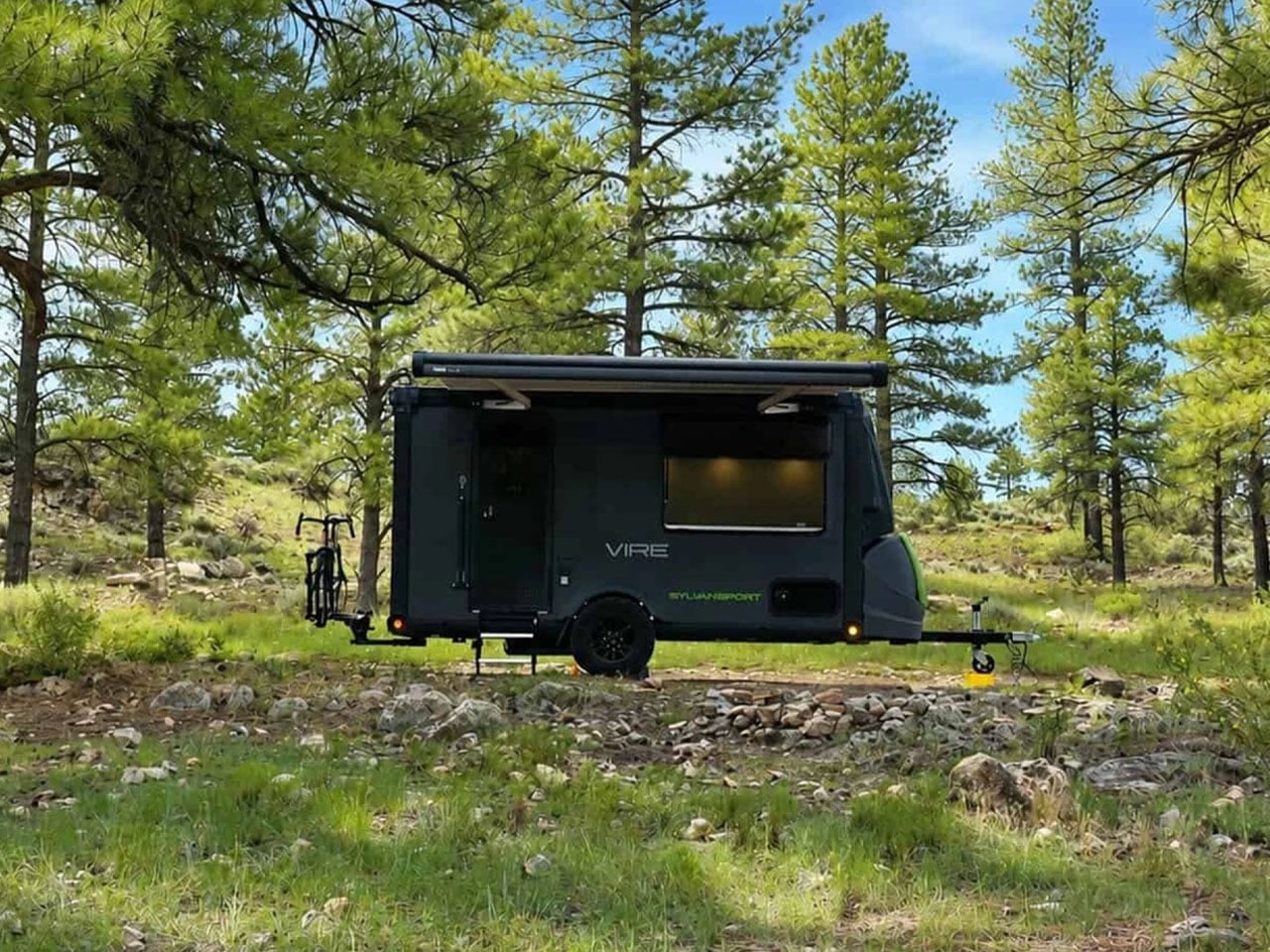
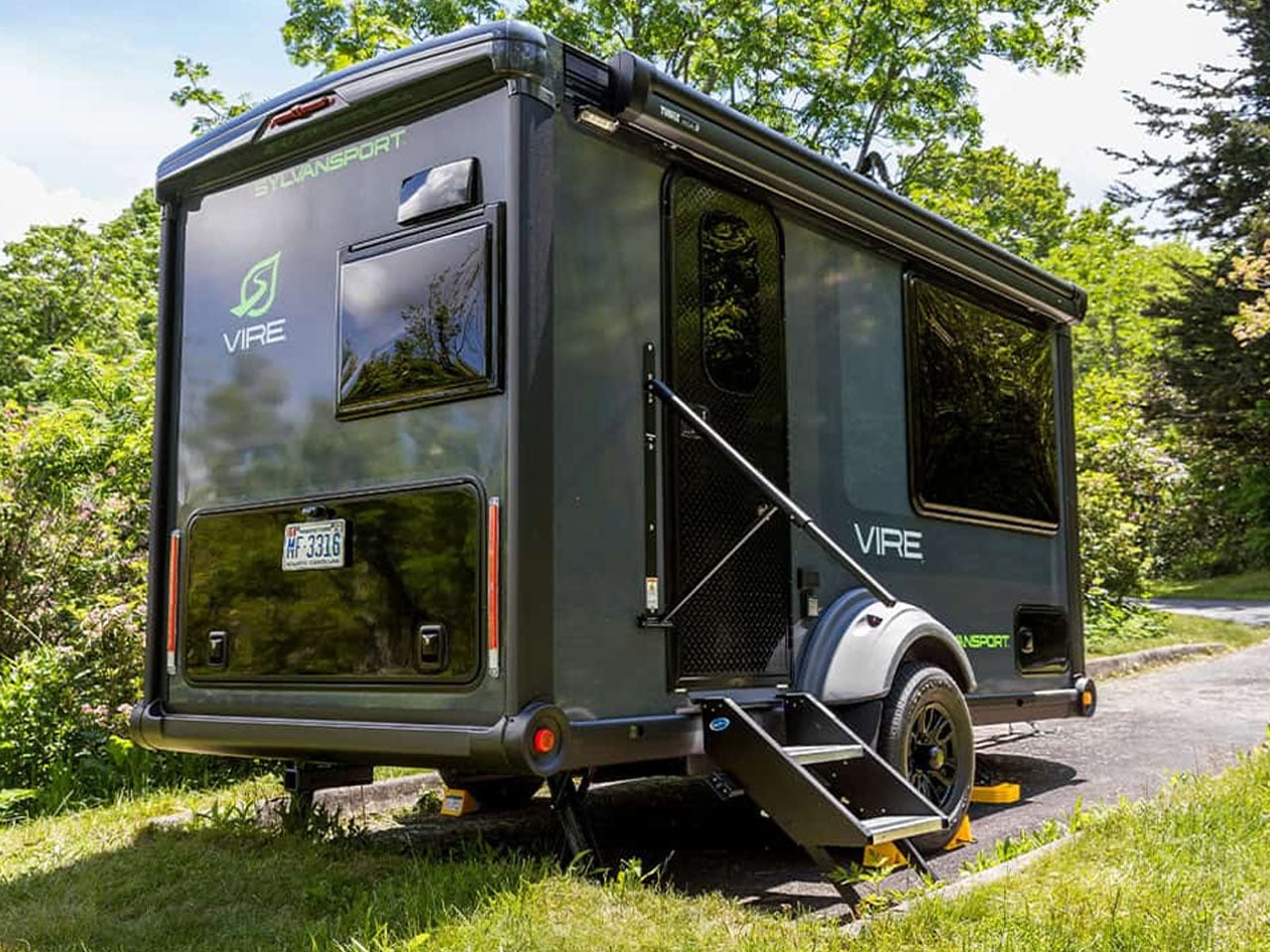
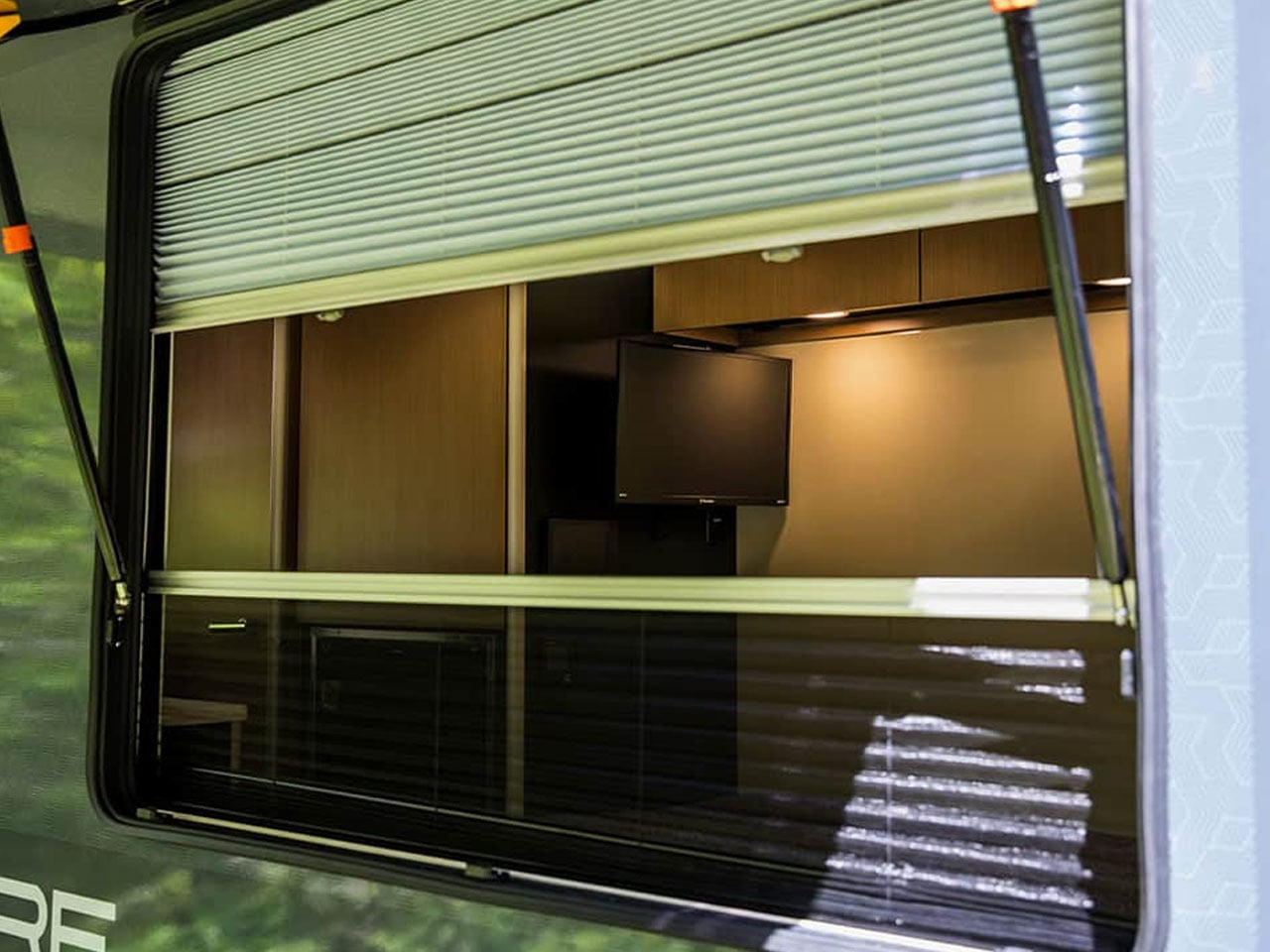
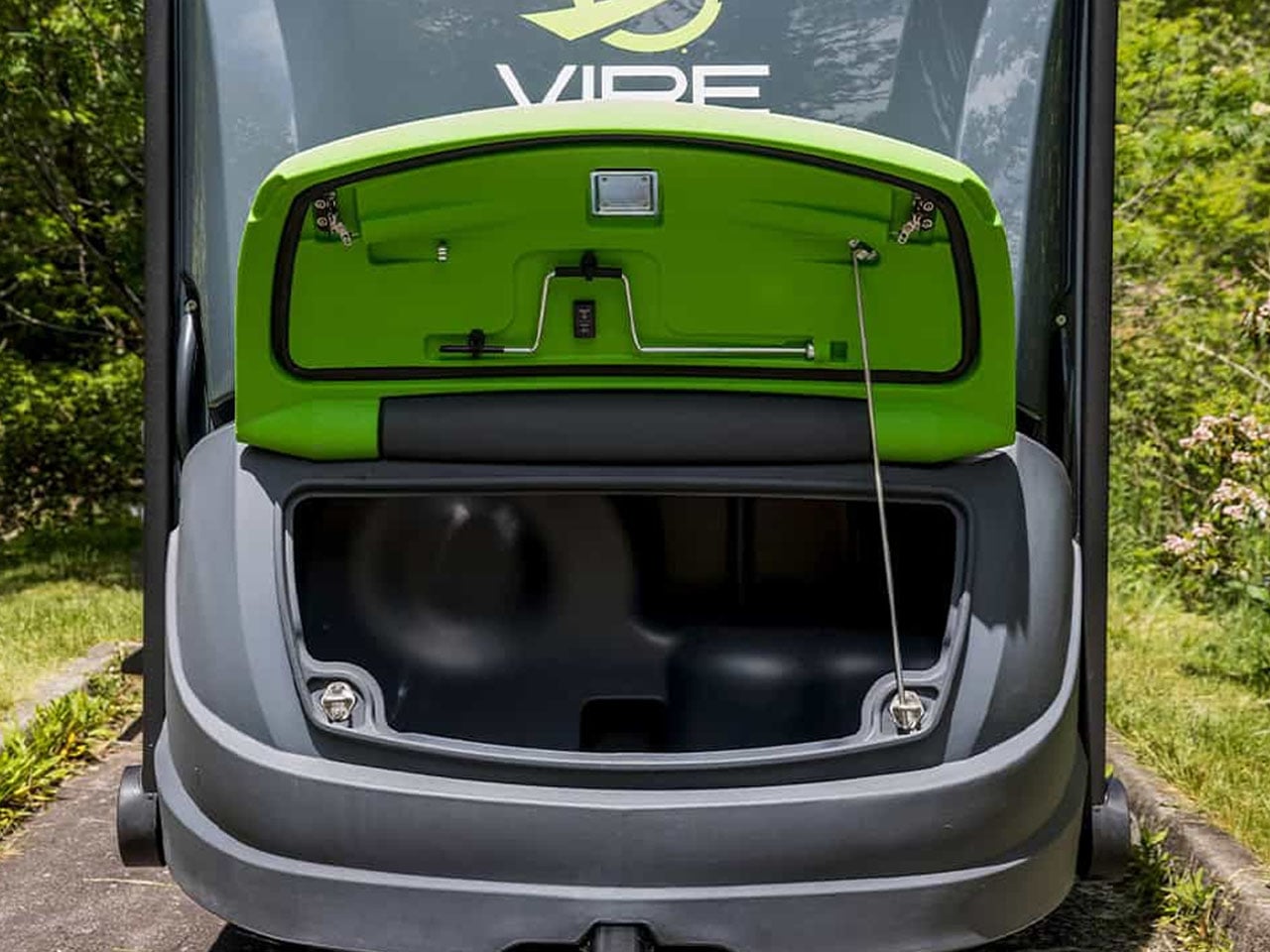
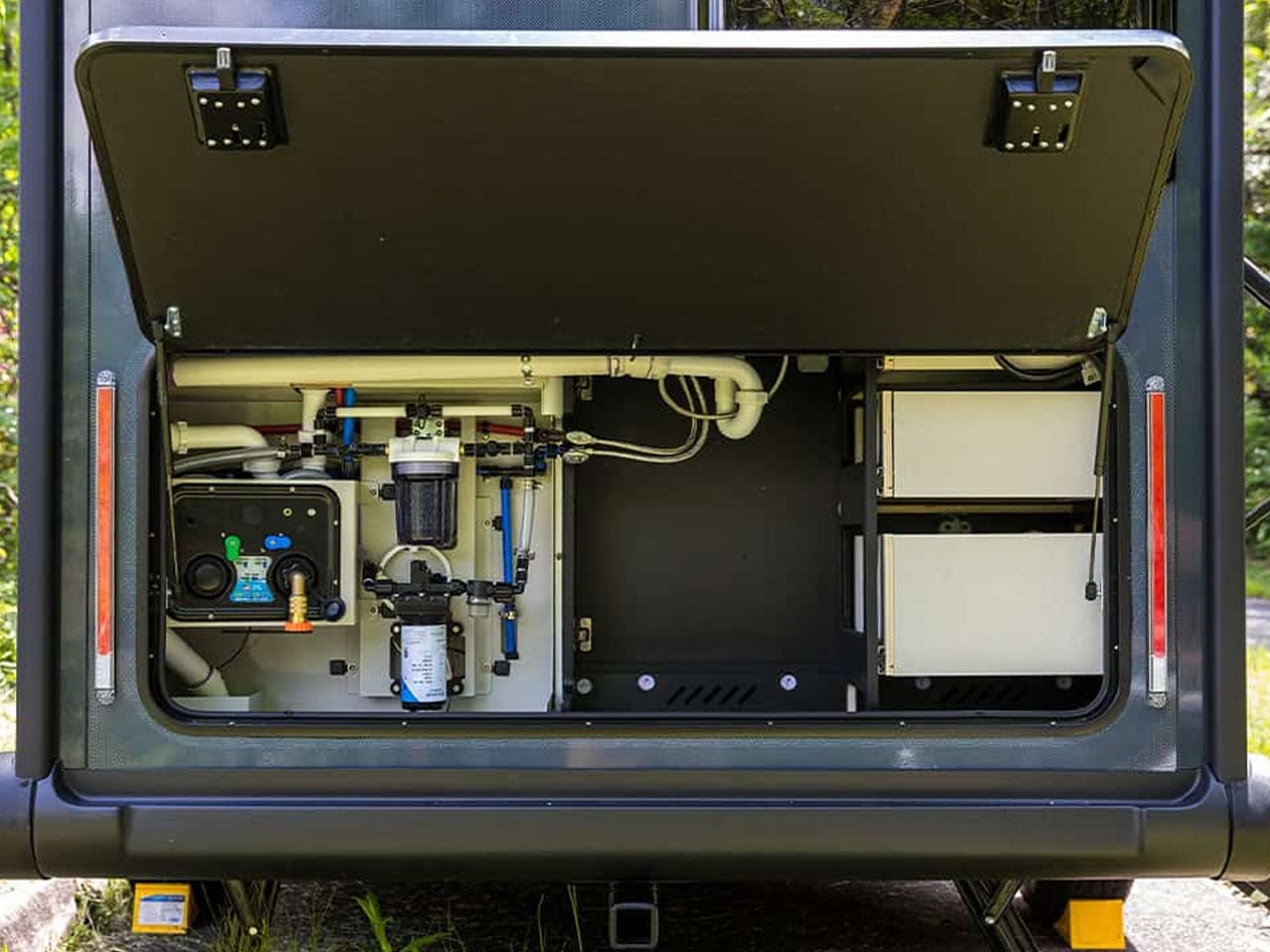
Just under twenty feet in length (19.5 feet to be precise), VIRE has a dry weight of less than four thousand pounds. It has an almost box-like form factor, leaving a slight bulge on the front, which is not curvaceous or aerodynamic as on other campers, but does give the otherwise square living unit a little dimension and some storage. Inside, where more living space is created, despite the compact dimensions, it is packed with everything from dining to bathing, and electrical connections that you will need to live in the wild.
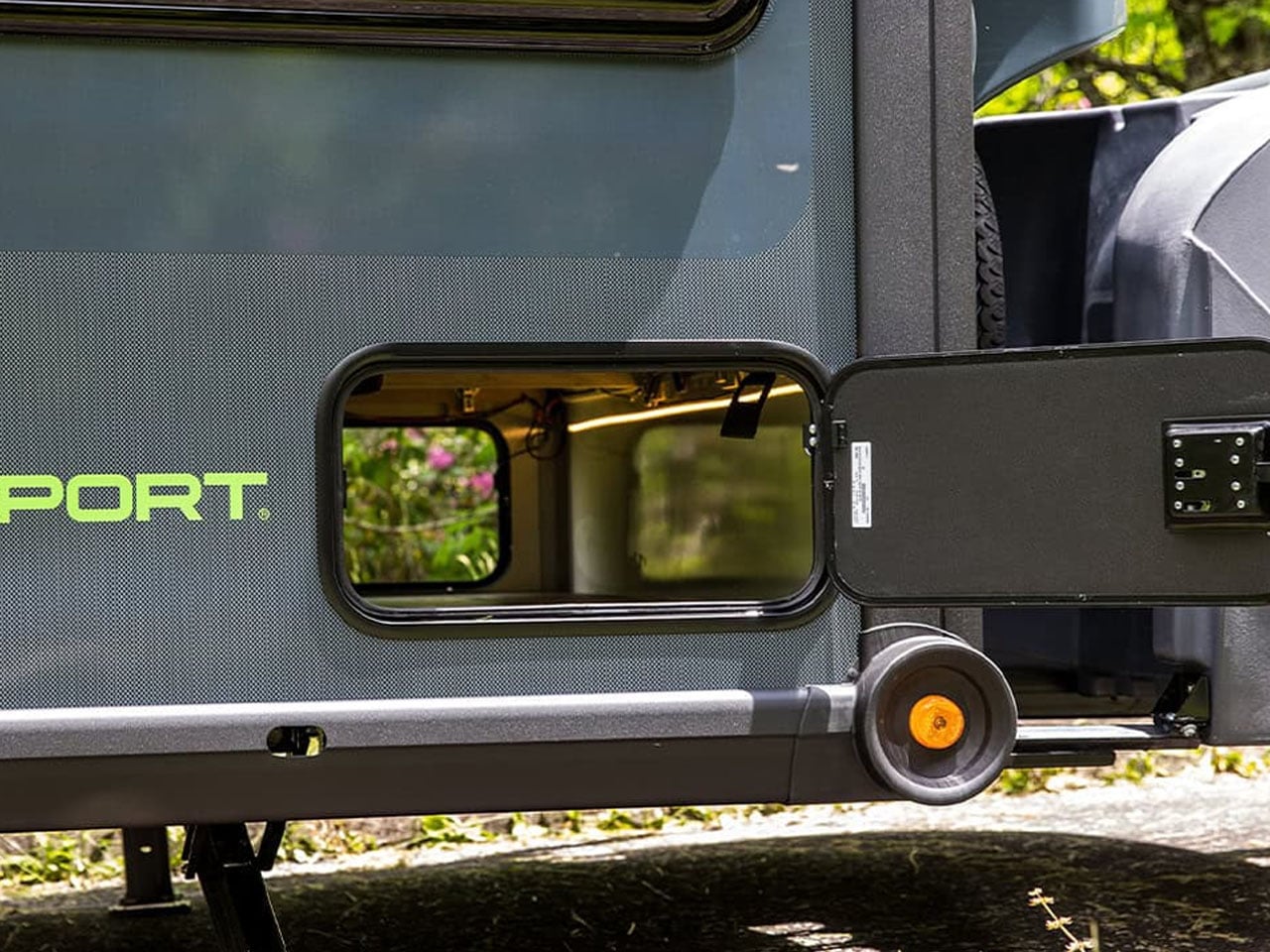
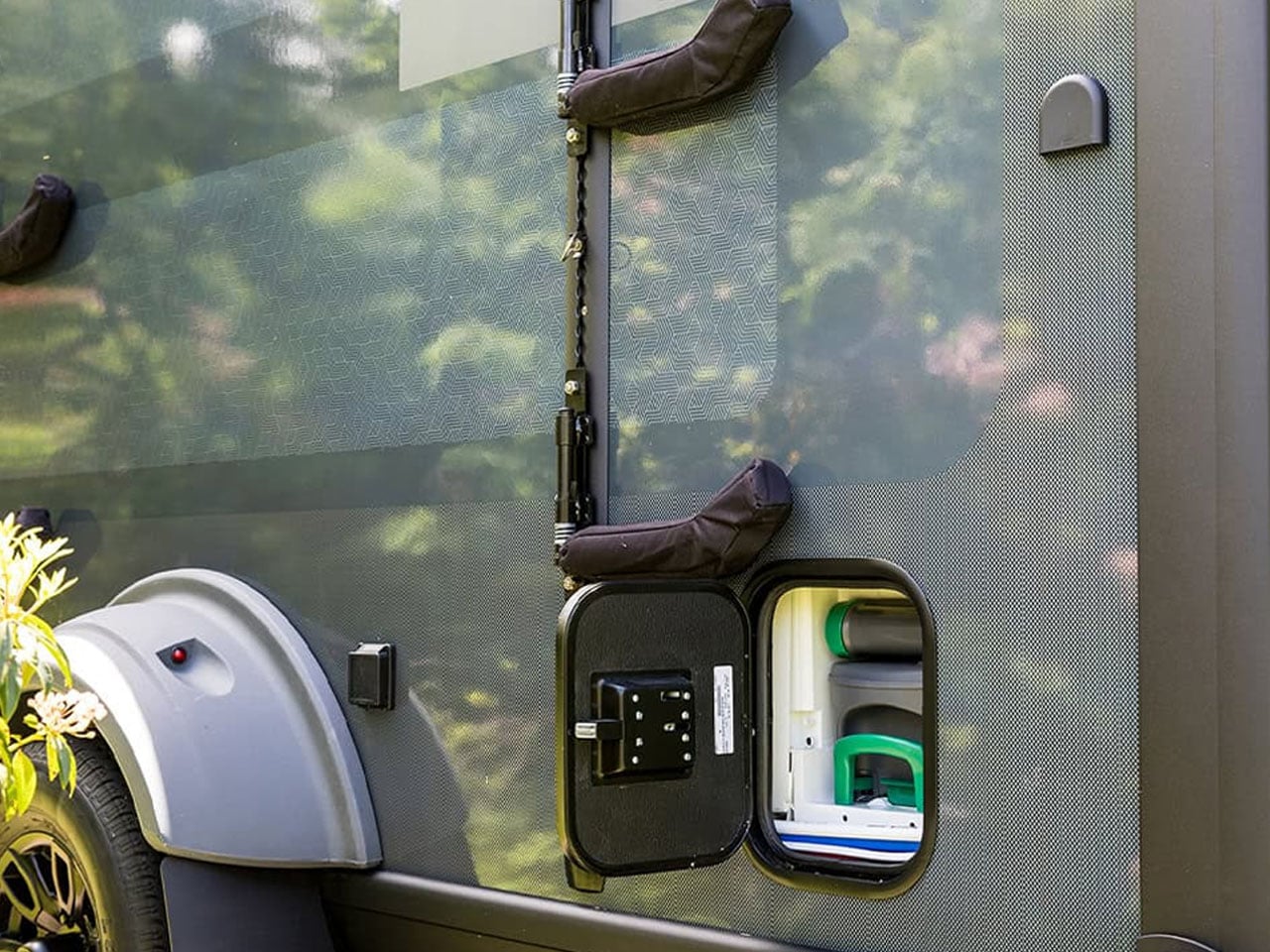
The layout inside is atypical but pretty simple. The entry is managed from one of the sides, and you have the kitchen planned just inside the entryway. The camper body is made from aluminum with laminated composite panels forming the insulation layer for all-weather adventures. Other than the living space inside, there are hardwood cabinets for storing supplies, et al., while the gear storage is managed in sections on the outside. You can haul the bikes and kayaks on the racks fastened to the hitch, while a wide pass-through storage easily accommodates camp furniture, outdoor kitchens, and bulky gear. The storage area can be accessed from the inside through the interior lounge seat as well.
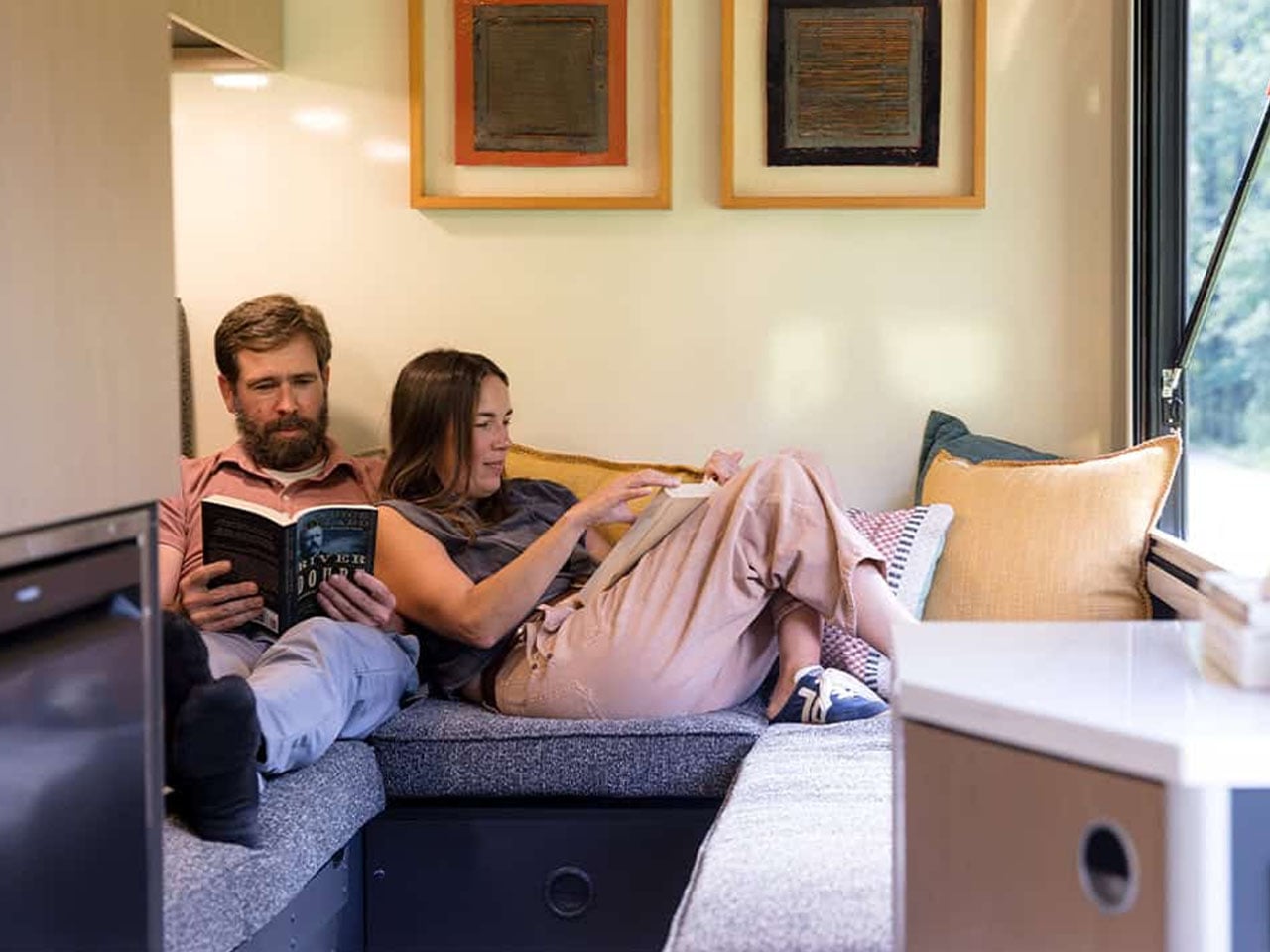
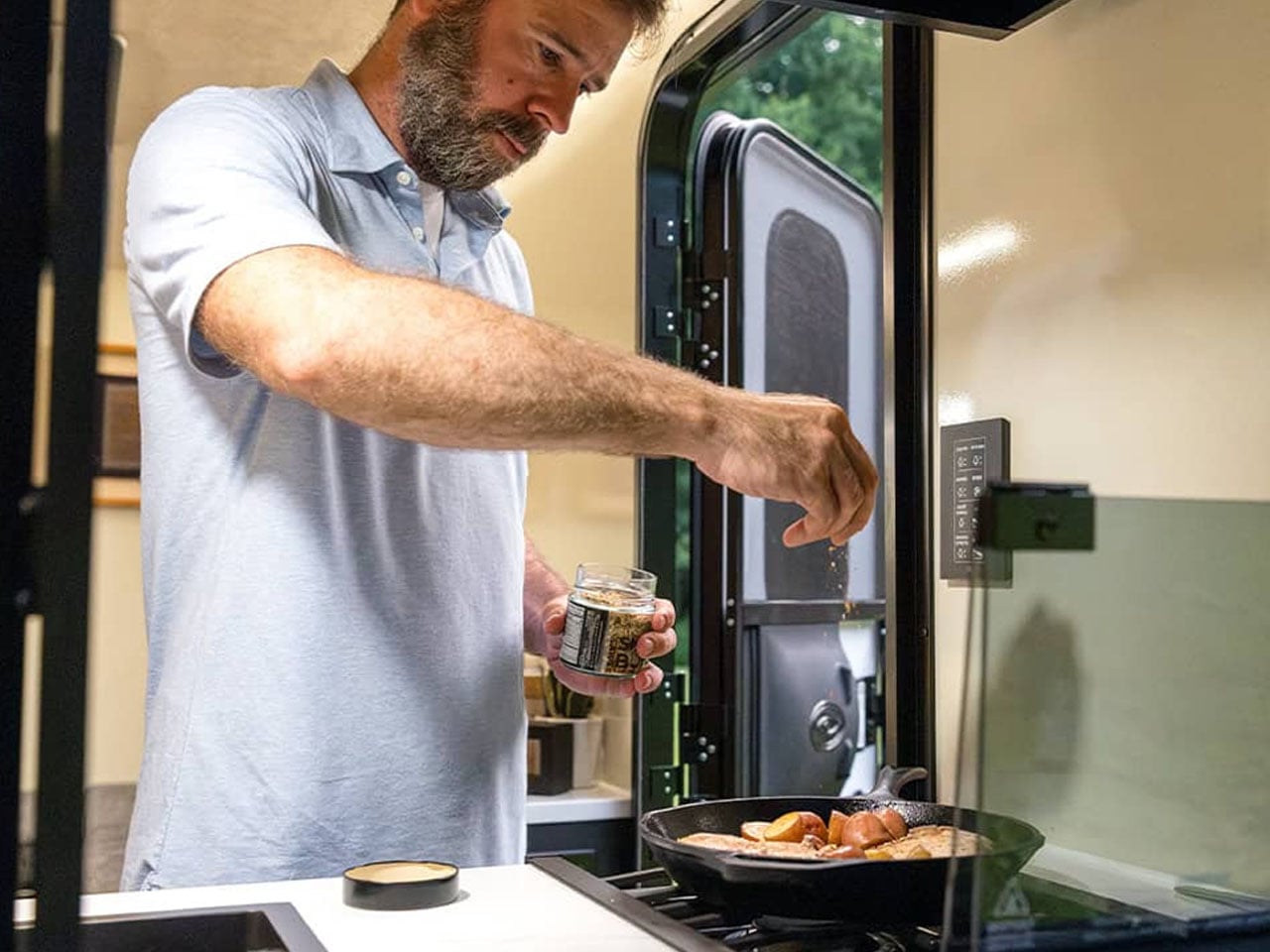
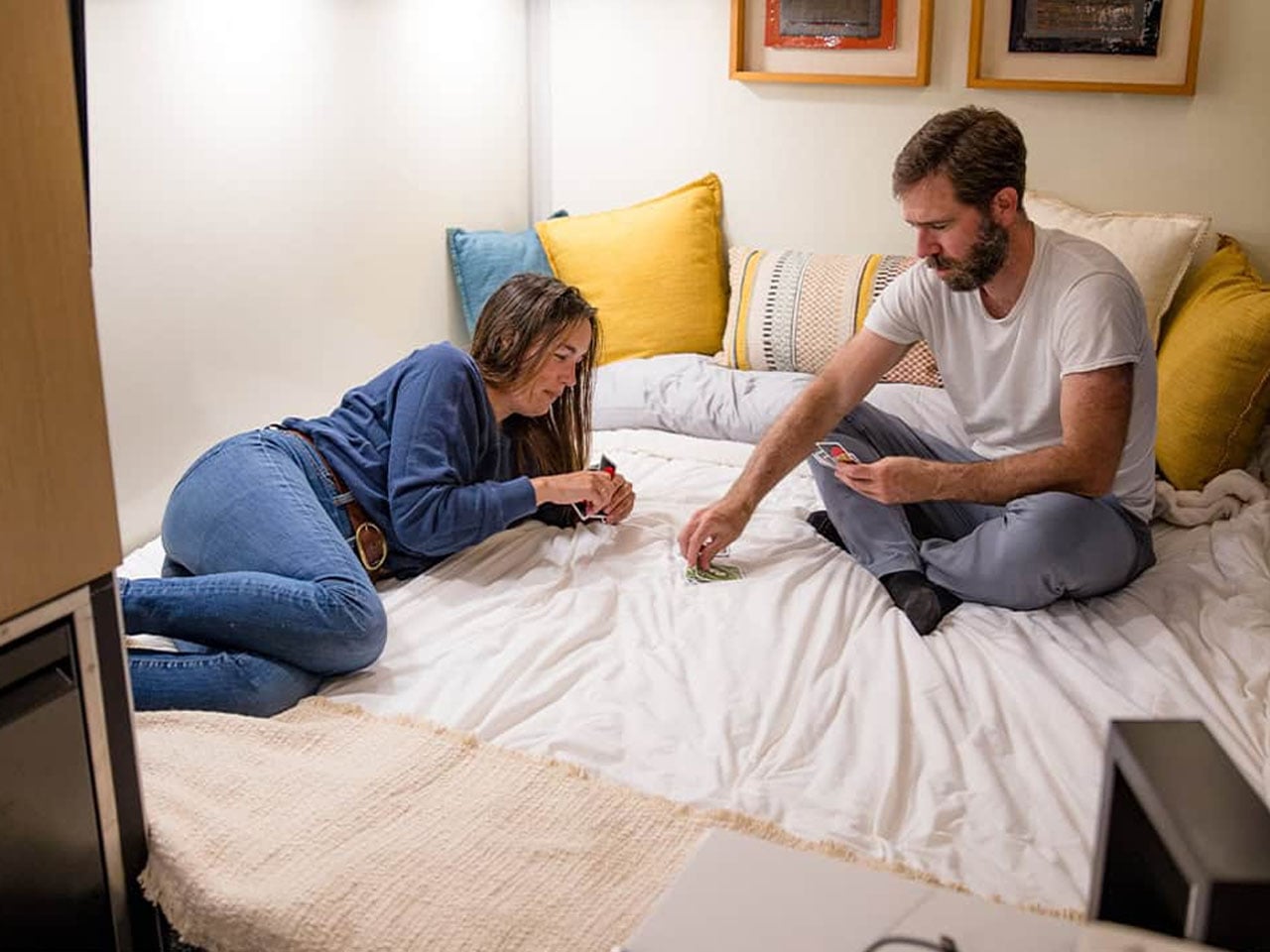
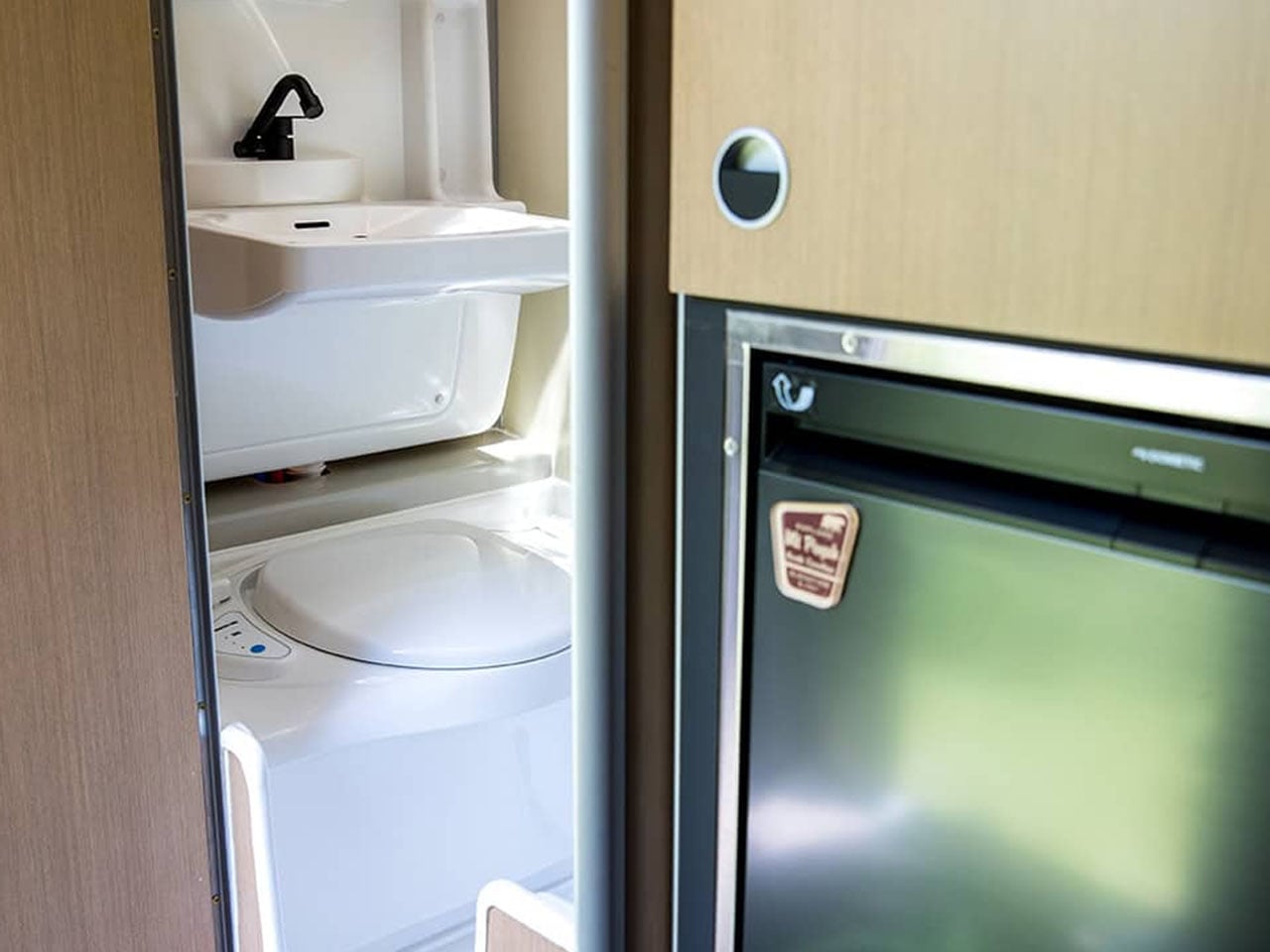
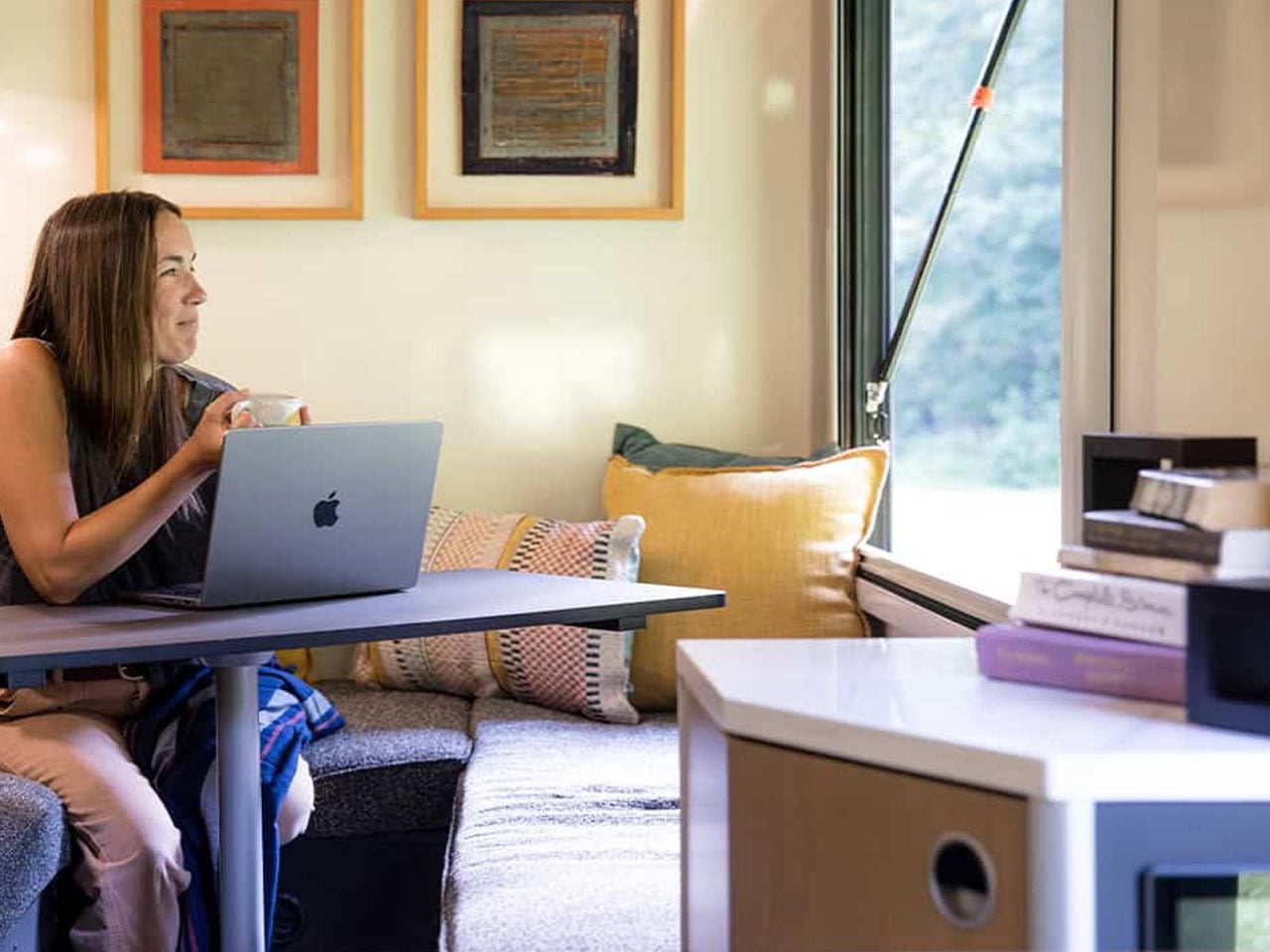
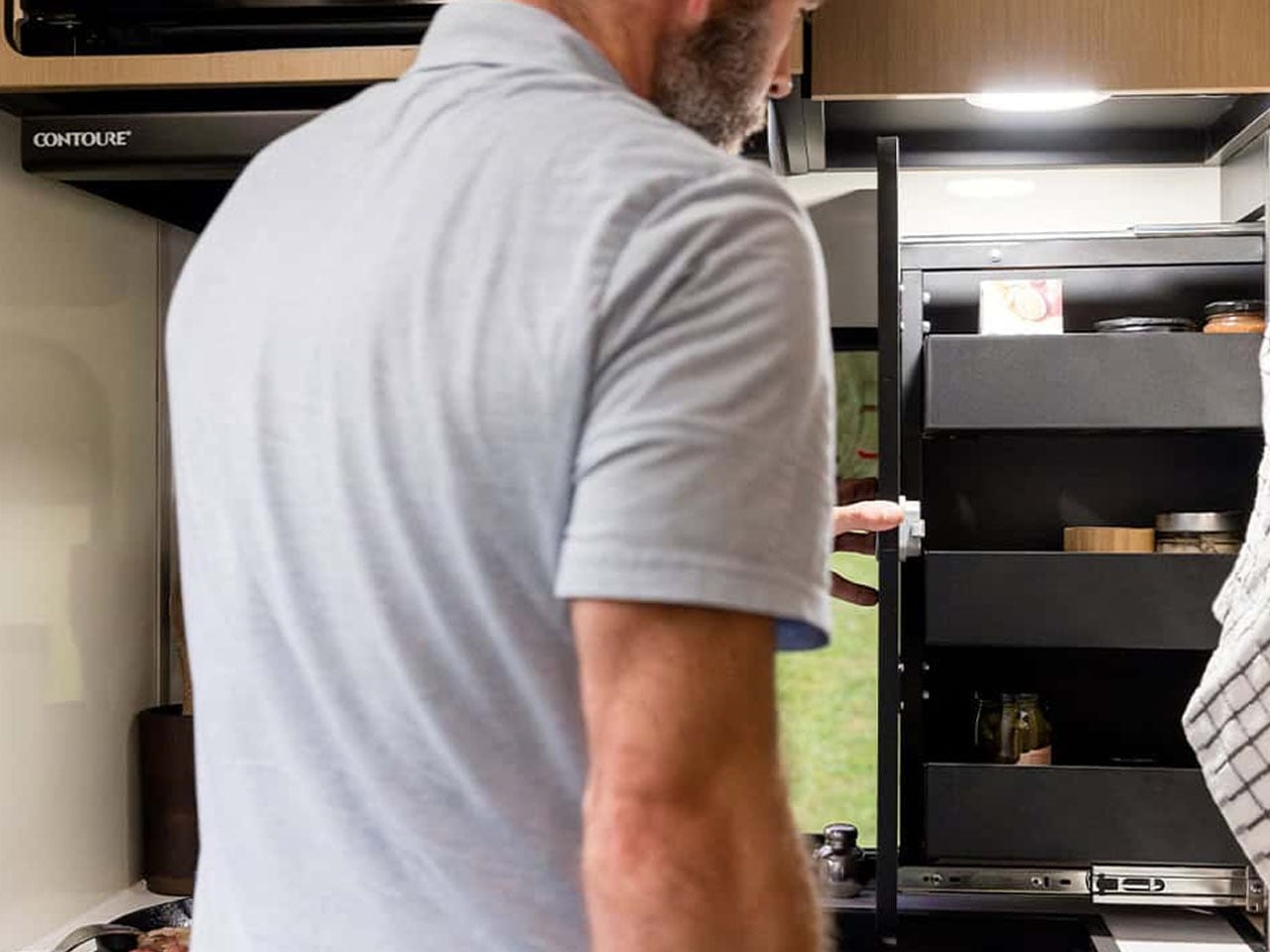
The kitchen comprises a dual-burner gas stove with cast iron grates, a sink with a folding faucet, and a cutting board cover expanding the worktop. You can find an array of storage cabinetry and drawers for storage, while a 12-volt refrigerator/freezer lies within easy each from the cooktop. A wet bath lies alongside, featuring a shower, folding sink, and cassette toilet. The main stake here is the U-shaped convertible lounge, which transforms into a 72-inch by 80-inch bed easily.
SylvanSport will release the VIRE in two models: VIRE and VIRE Ultimate travel trailer. The base model is priced at $59,995, while the flagship model starts at $69,995. Both models feature a color touchscreen control panel and Starlink satellite internet, but it’s their electric components that make the difference. The base model features a 166-Ah LFP battery and solar connectivity. Ultimate model increases the capacity to 833 Ah and packs a 600-W solar panel setup. If you are interested, Sylvansport is accepting a $1,000 reservation deposit for the VIRE, with deliveries expected toward the end of 2026.
The Labor Day weekend has a way of separating gear that belongs from gear that ends up in the car boot. Not by price or feature count, but by how well each object earns its spot before the drive out begins. A Labor Day weekend runs on a different logic than a single overnight. The fire has to hold. The food has to be worth cooking. Everything else has to justify the weight it occupies.
The seven objects here cover the full range: fire, power, cooking, light, water, sound, and one small tool that navigates all of it after dark. What connects them is a commitment to solving a specific outdoor problem with enough precision that the solution becomes the whole reason you own it. Pack these, and the only question left is where to go.
1. Portable Fire Pit Stand
The fire pit category is full of oversized objects that need a truck bed and a second person to manage. The Portable Fire Pit Stand sidesteps that entirely. Precision-cut black steel plates resist warping under sustained heat, assemble without tools, and fold flat when the trip is over. What you get at the campsite is a fire that earns its place as both a functional heat source and the visual anchor every site needs to feel worth sitting around past sundown.
The stand elevates fire off the ground, making it viable on sensitive terrain and at campgrounds where ground fires are restricted. That single design decision opens up far more sites than a standard ring allows. The black steel construction does not bow or distort after repeated use the way cheaper alternatives do, and the footprint is compact enough to work on a picnic table or against a stone wall. It is the kind of gear that earns a permanent place in the kit after a single evening out.
Heat-resistant steel construction holds its shape through repeated use across multiple camping seasons
Elevated design meets leave-no-trace standards on campgrounds where ground fires are restricted
What we dislike
Steel construction adds weight that backpackers counting grams will notice over a long carry
No integrated grill grate, which means a separate purchase for cooking directly over the fire
2. Blavor Power Station + Camping Lantern
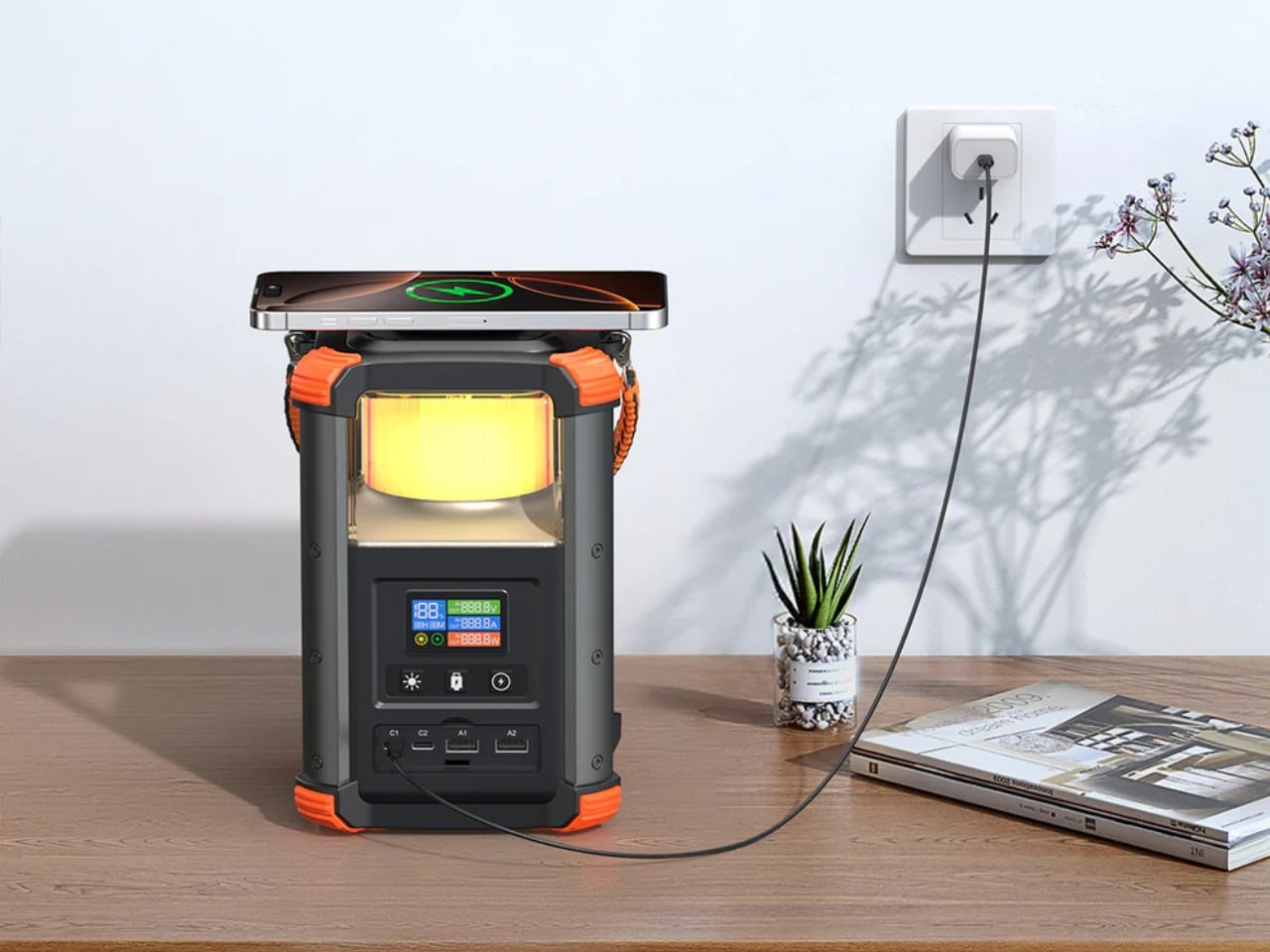
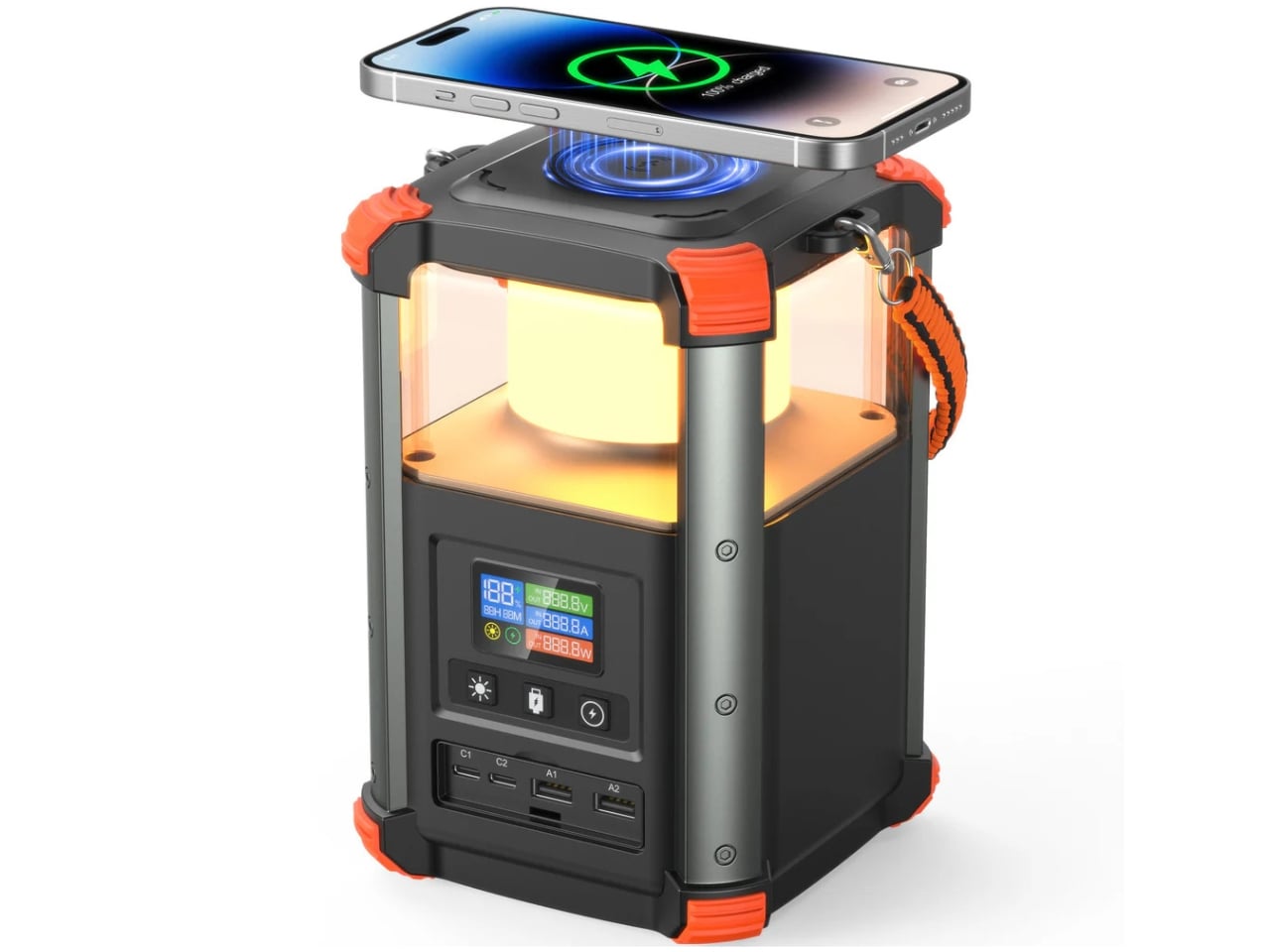
Most portable power stations look like they were designed by someone who has never spent a night outdoors. The Blavor PN-W43 solves that by building a 4W LED camping lantern directly into the form factor. The result is a 64,000mAh device barely bigger than a tall water bottle that covers five charging pathways — solar, AC, car adapter, USB-C, and micro USB — with bidirectional 100W fast charging and a digital display that keeps battery status visible in the field without guesswork.
The real value is how naturally the two functions coexist. When the lantern is on, the power bank is right there. When you are charging devices overnight, the ambient glow handles the tent interior without a separate light source. For campers who have always carried both a dedicated lantern and a backup battery pack, the consolidation alone pays for the weight before the first night ends. A lanyard ships in the box, which tells you someone at Blavor has actually camped.
What we like
Five charging pathways give genuine flexibility across grid-connected and fully off-grid environments
Lantern and power bank coexist without compromising each other — the dual function feels designed in, not added on
What we dislike
At 236.8Wh, capacity suits a weekend trip rather than an extended off-grid expedition
The cylindrical form can sit awkwardly alongside flat gear in a structured pack
3. Camprit TiStove
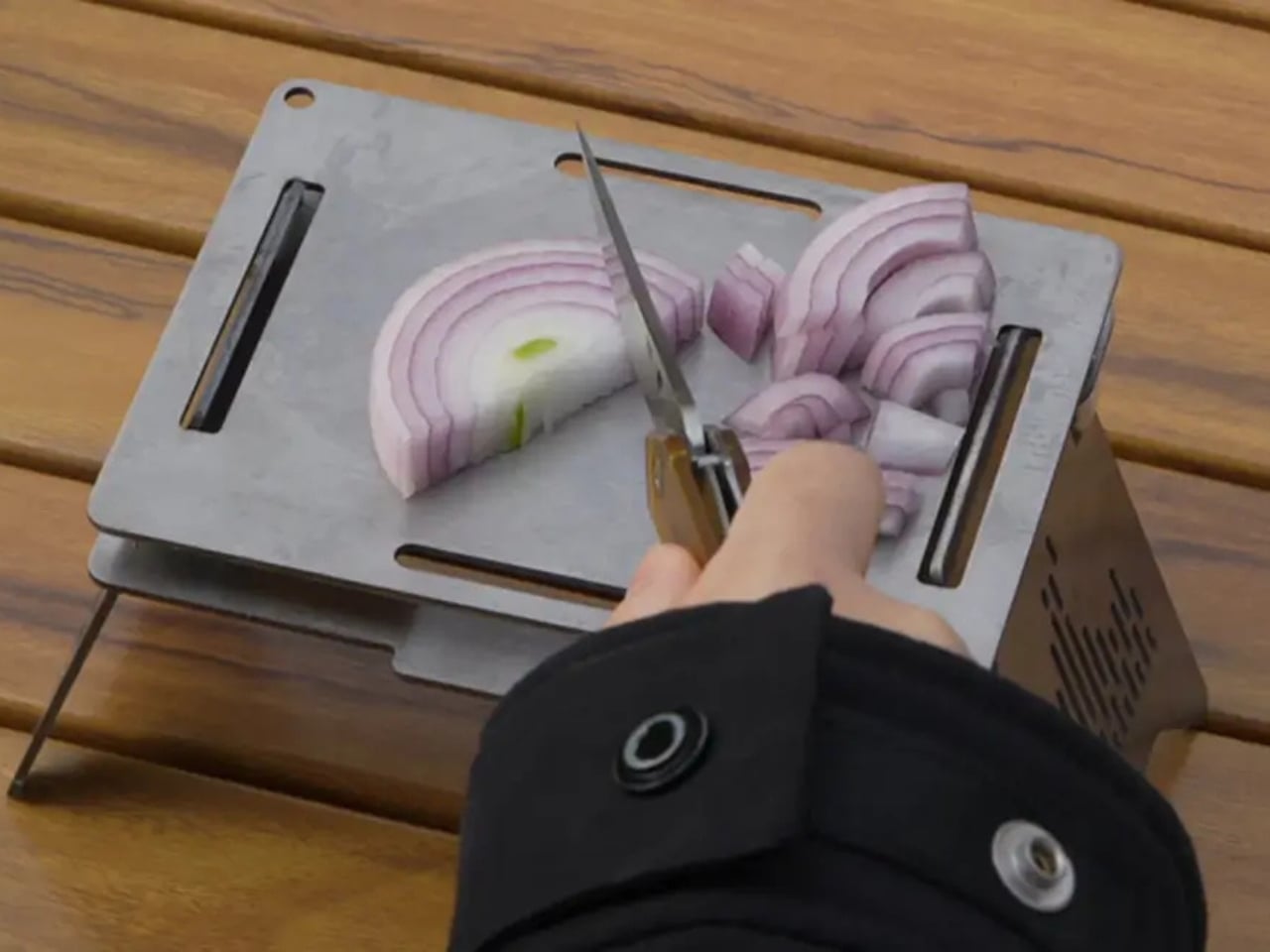
Five flat pieces of Grade 5 titanium, two foldable legs, and three interchangeable cooking panels that together weigh under 1.5 pounds and pack completely flat. The Camprit TiStove reconfigures for boiling, grilling, or searing depending on which panels you assemble, and the extra panels double as a windshield. As heat accumulates over a season, the titanium changes color naturally, giving each stove a visible record of every meal cooked on it. Yours becomes genuinely yours over time.
There is no ignition system to fail at altitude, no gas canister threading to seize in the cold, and no assembly logic that requires reading a manual after dark. The pieces lock together without fasteners and disassemble in seconds. Compatible with wood, gas burner, and alcohol, it adapts to whatever fuel the terrain allows rather than locking you into a single system that can fail or run out. For anyone who has stood over a dead stove in the cold, this addresses the problem where it starts.
What we like
Packs completely flat under 1.5 lbs with three interchangeable cooking configurations for different meal types
Compatible with any fuel source, removing dependency on a single system in the field
What we dislike
Requires a separate burner or fuel source — nothing is self-contained out of the box
Titanium panels need careful packing to avoid scratching each other in transit
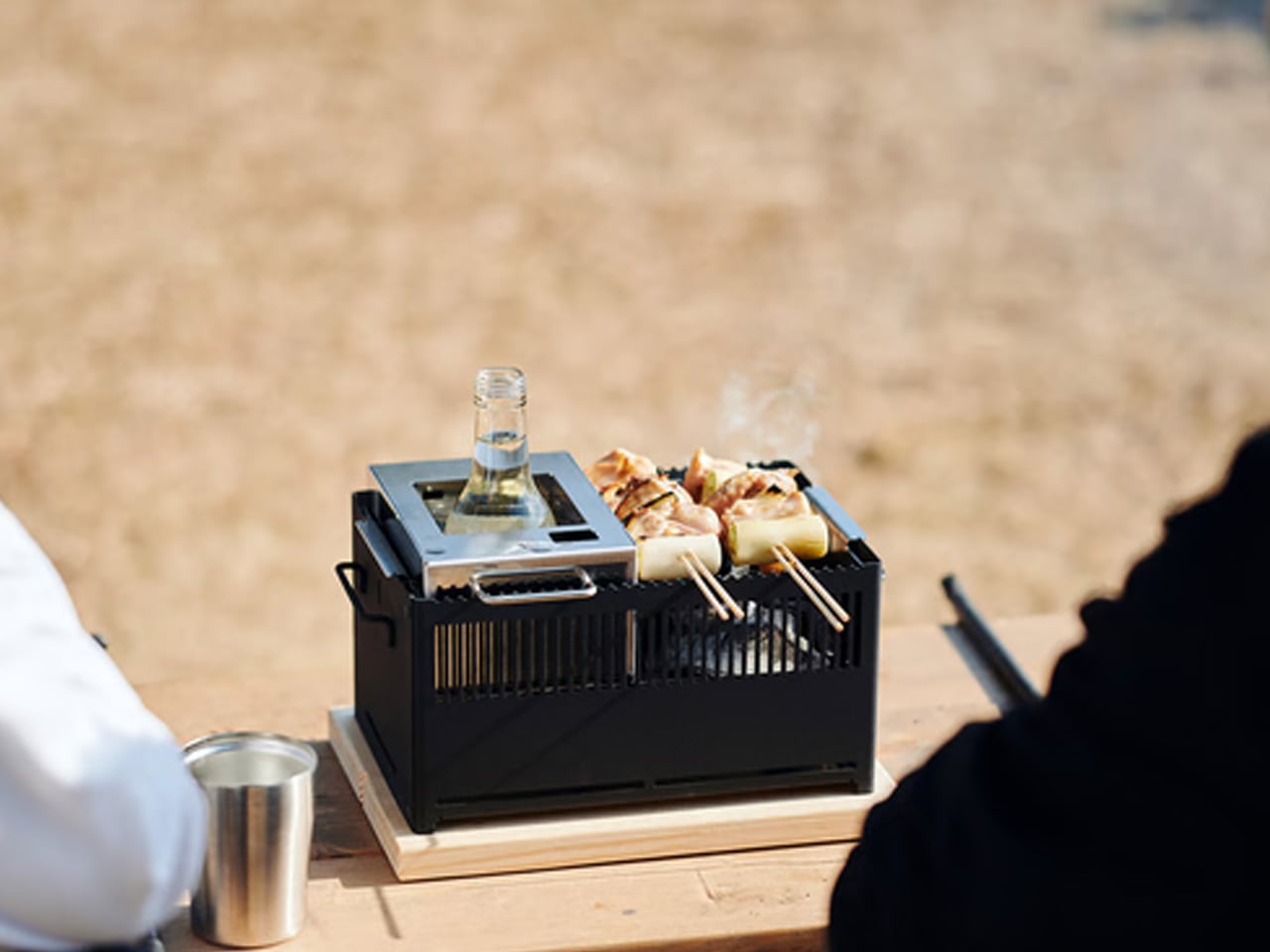
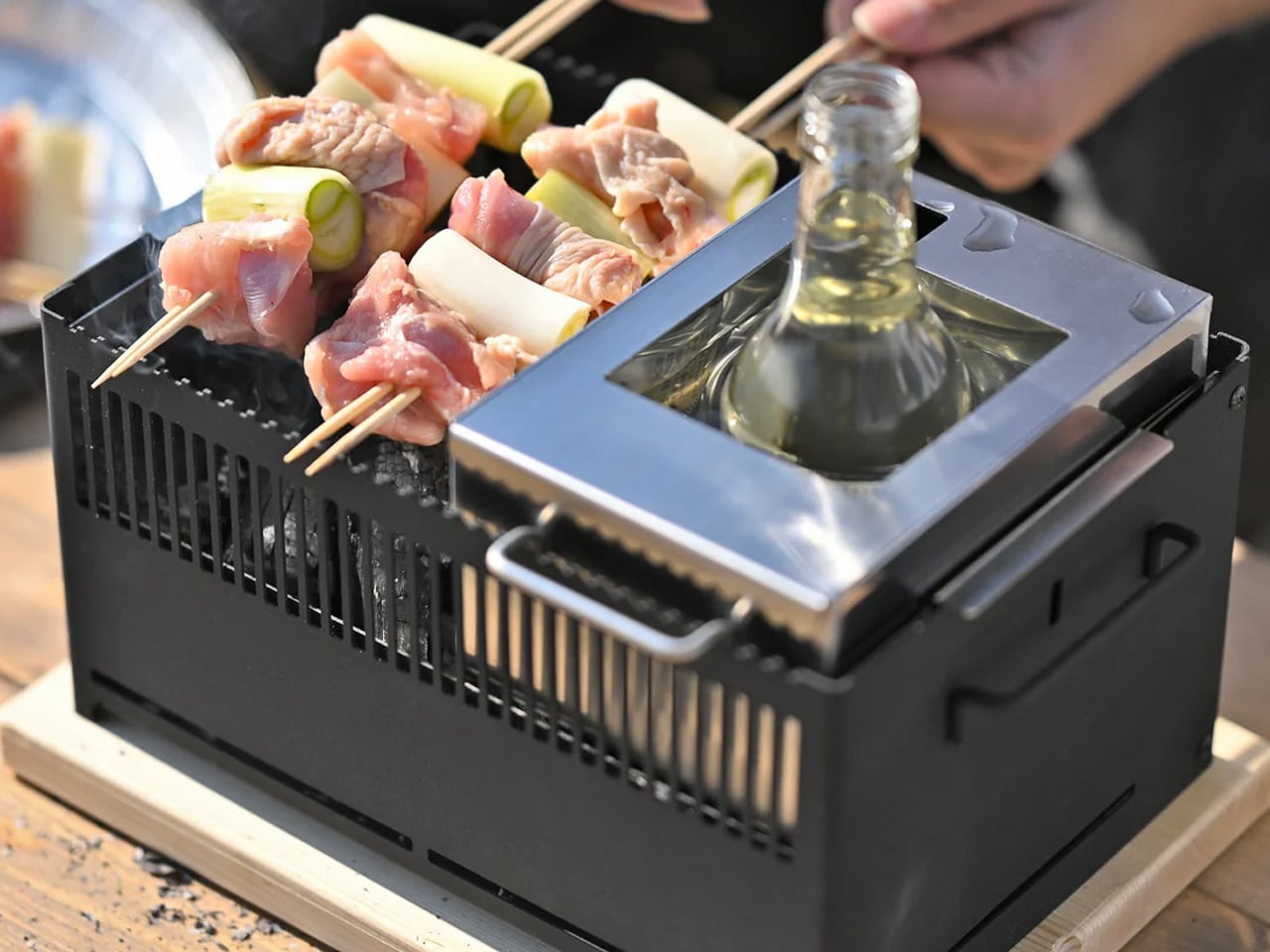
4. All-in-One Grill
Made in Japan from stainless steel, the All-in-One Grill approaches camp cooking from a completely different position than the TiStove. Where that one is built for portability and fuel flexibility, this is built for the campsite where you are staying put and eating well. A modular lid system converts it between six distinct cooking methods — barbecuing, frying, grilling, steaming, smoking, and stewing — without requiring separate cookware for each. One object covers an entire outdoor kitchen without asking for a second bag.
Japanese stainless steel holds heat evenly, cleans without drama, and does not carry the flavor of every previous meal the way cast iron can. For a long weekend where the grill is the centerpiece of three evenings rather than a convenience, this is the object that makes the drive worth it. The modular configuration grows with the meal rather than limiting it, and the compact footprint fits the full camp kit without demanding its own dedicated storage alongside everything else.
Six cooking methods in one stainless steel body remove the need to pack separate cookware for different meals
Japanese stainless steel construction holds heat evenly and cleans efficiently after each use
What we dislike
At $449, the investment makes the most sense for campers who cook seriously rather than occasionally
Charcoal and wood fuel require ash management that demands more effort in the field than gas alternatives
5. NoxTi Tritium Keychain
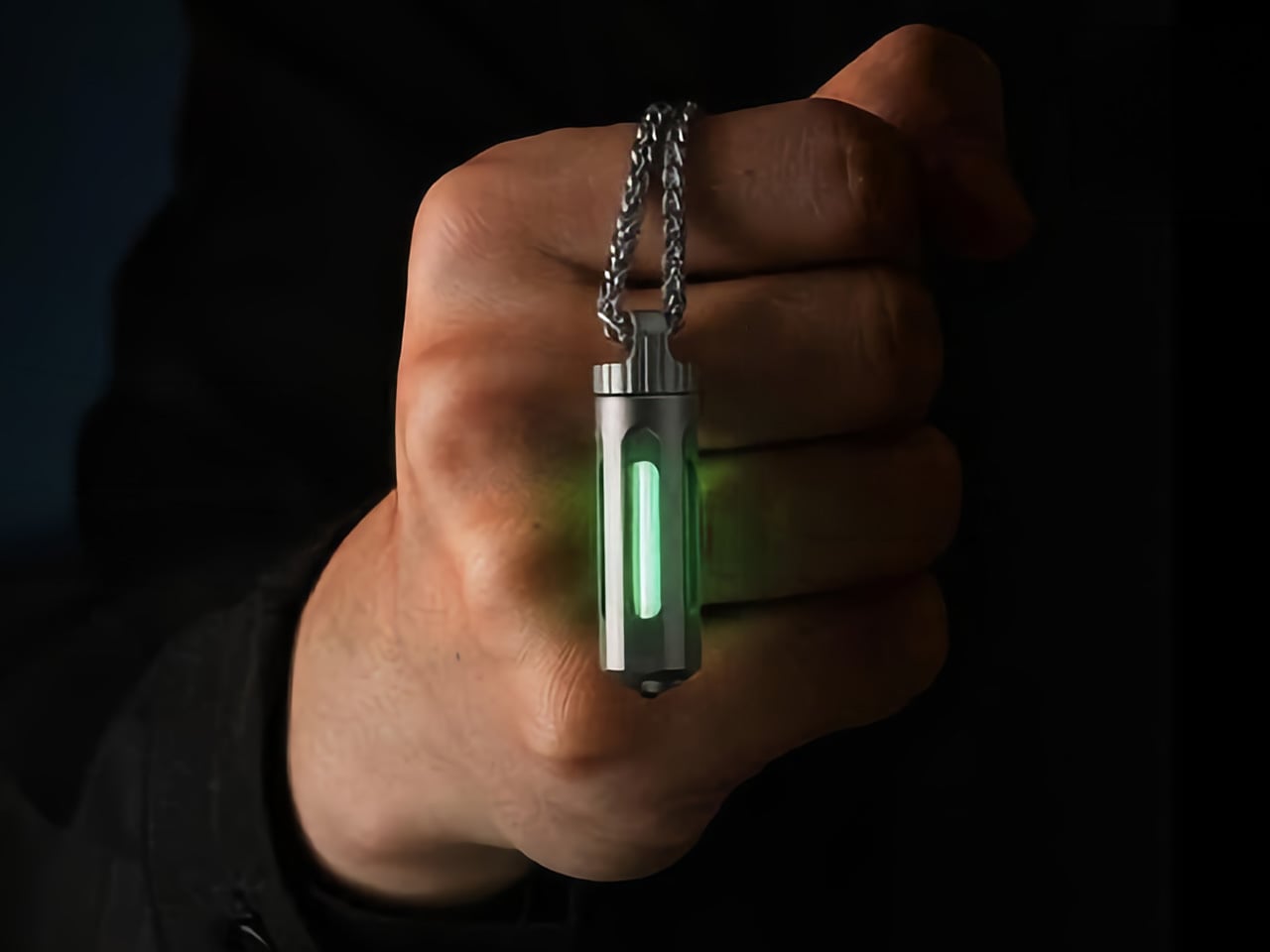
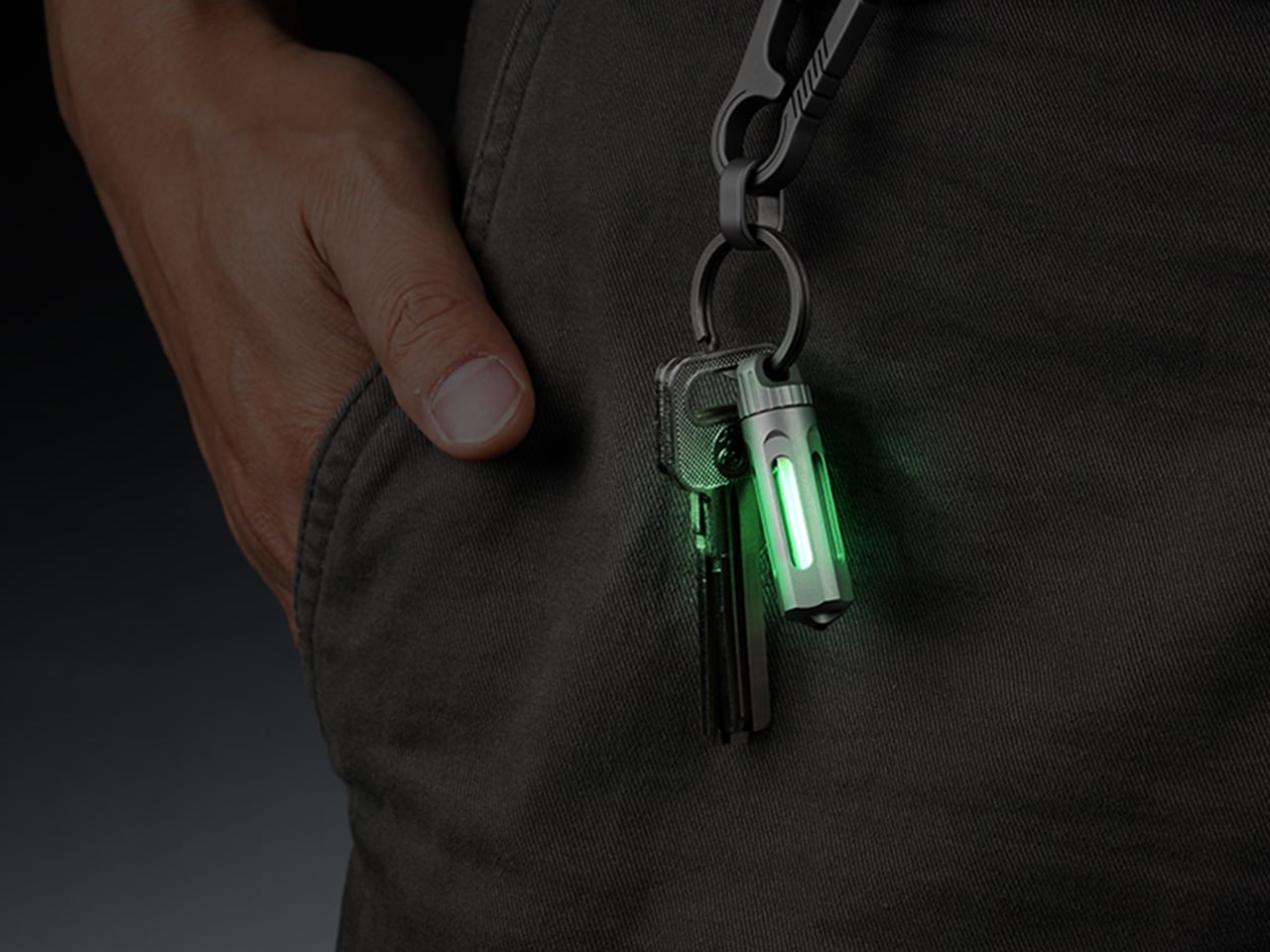
A 45mm CNC-machined Grade 5 titanium cylinder weighing 10.7 grams. The NoxTi carries a tritium vial inside a precision quartz tube with 92% light transmission and glows continuously for 25 years through radioactive decay. No switch, no battery, no charging. Tritium beta particle decay strikes a phosphor coating and produces light as a straightforward byproduct of existing. At a campsite, it marks your tent entrance, your keys at the bottom of a bag, and your gear in the dark without asking anything of you in return.
The ceramic-tipped glass breaker at the tail end adds genuine emergency utility without changing the form. When the vial dims after two decades, the titanium body stays: press the old tube out, slide a new one in. Six glow colors are available, including Apple Green for maximum visibility and Red for preserving night vision. Two silicone O-rings hold the vial suspended and centered inside the shell, which creates the impression of looking into a piece of precision engineering rather than anything from a keychain rack.
What we like
25-year continuous glow powered entirely by physics, with no battery, no charging, and no failure point to manage
Fully user-serviceable titanium body becomes a platform you keep and update indefinitely across decades of use
What we dislike
Glow output is intentionally faint — it marks and locates in the dark but does not illuminate a surface
The tritium light source needs a short explanation before the value proposition fully lands for first-time buyers
6. GoSun Flow Solar Water Purifier
Water is camping’s most basic constraint, and the GoSun Flow addresses it at the source. A solar-powered three-stage cartridge filter eliminates 99.99% of waterborne pathogens while pumping one liter of clean water per minute from any freshwater source. The system compresses into a backpack, and the flexible faucet clamps to branches, tables, or tailgates — opening to 58mm — turning any water access point into a functional camp station. USB power keeps it running when solar is unavailable.
It doubles as a portable handwashing station and solar-heated shower. Thirty minutes of sun delivers a five-minute warm shower, which changes what clean means across a three-day trip without the bulk of carrying a separate shower bag and a purifier as two distinct items. The filter handles 1,000 liters before replacement, and the power bank driving the pump recharges through an integrated solar panel. For anyone who has ever compromised on hygiene to protect pack weight, this removes that trade-off before you even start packing.
What we like
Purifies 99.99% of pathogens and delivers a solar-heated shower from a single system that compresses into a backpack
1,000-liter filter life with USB power backup covers a full camping season without resupply
What we dislike
Cannot process saltwater, which limits utility at coastal campsites
Multiple components increase the number of parts to track and keep together across a multi-day trip
7. RetroWave 7-in-1 Radio
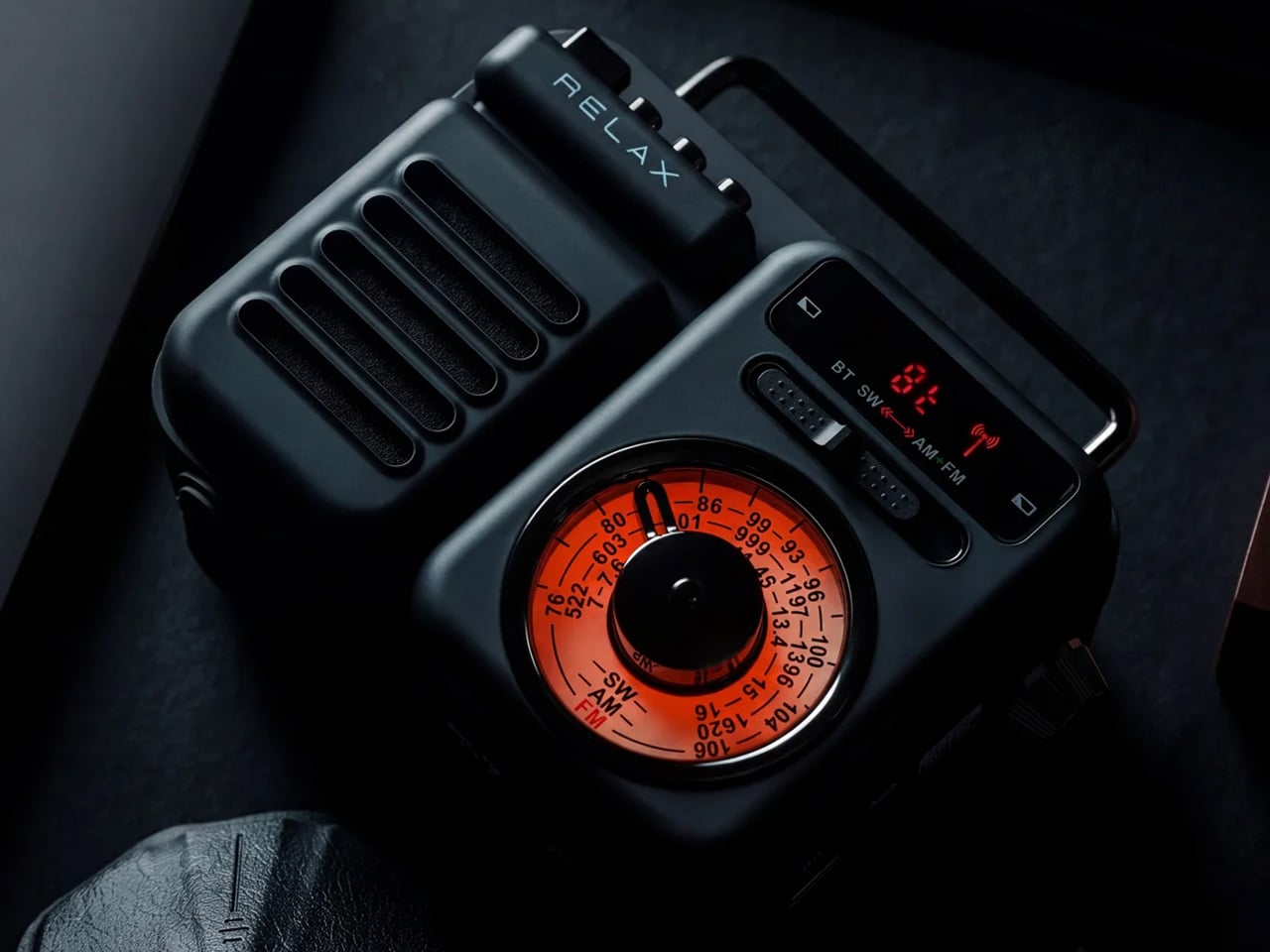
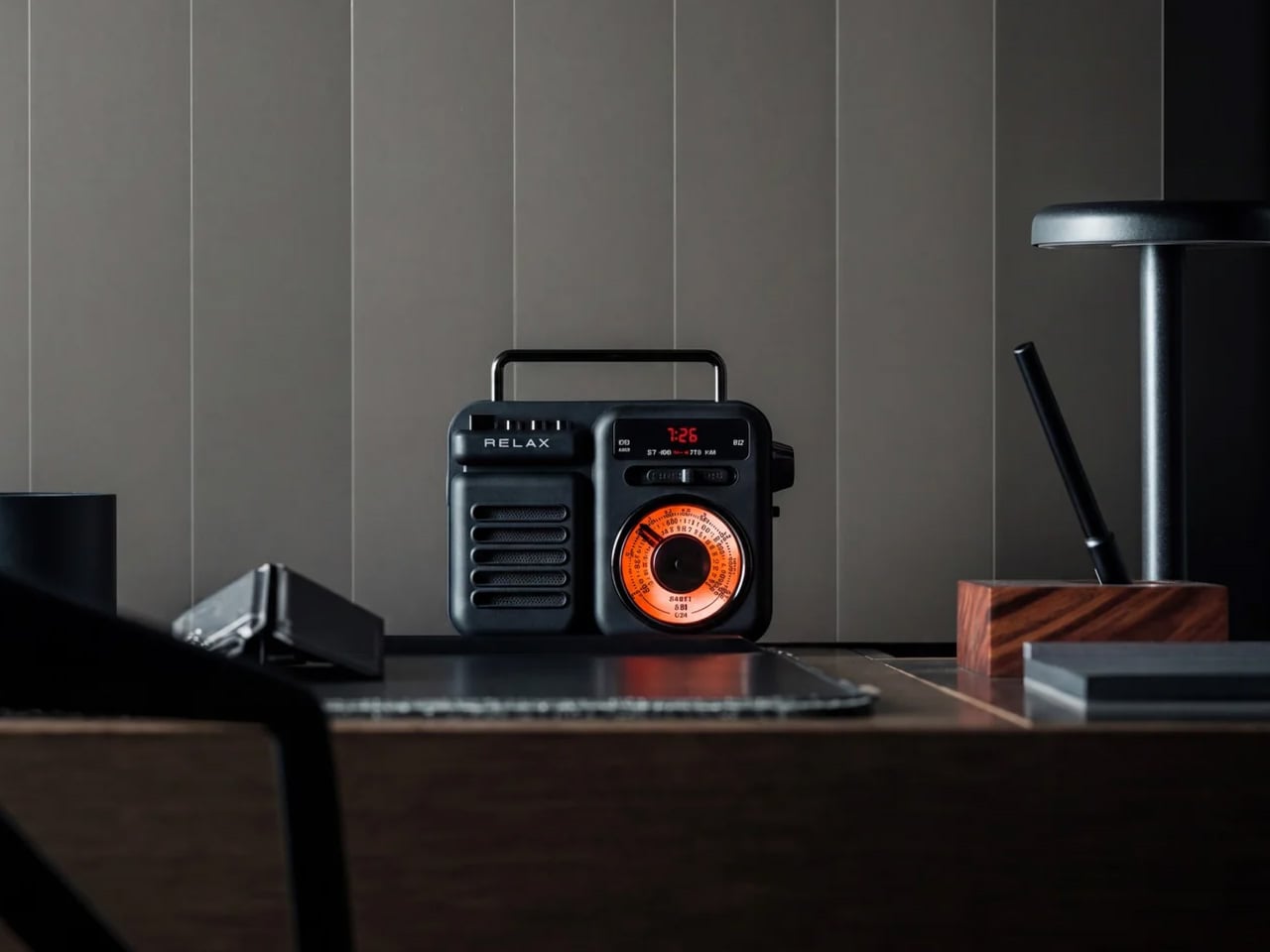
The RetroWave earns its place in a camping kit through an argument that has little to do with aesthetics, even if the aesthetics are genuinely good. A tactile tuning dial, compact body, and warm visual language drawn from classic Japanese radio design make it worth looking at. What it is actually doing is more pragmatic: running AM, FM, and NOAA weather radio without an app, streaming via Bluetooth when connectivity holds, and charging via solar panel and hand-crank when it does not. Seven functions, one charging cable.
Smart speakers go silent when Wi-Fi drops. Earbuds die at the wrong moment. Phones drain precisely when you need them most. The RetroWave does not ping you, does not demand ideal conditions, and does not need a charging window before it becomes useful. It plays, charges other devices, lights, signals, and tells the time across a full weekend without complaint. At the end of the trip, it goes back into the same bag it came out of, ready for the next one.
Seven functions in a single body remove the need to carry and manage multiple separate items across a trip
Solar and hand-crank charging keep it fully operational off-grid with no outlet access required at any point
What we dislike
The retro aesthetic can read as decorative to buyers who have not yet used it in an actual off-grid situation
Shortwave reception quality varies depending on geographic location and surrounding terrain
The Campsite Has Always Been Good. The Gear Finally Caught Up.
The equipment on this list shares one quality that outdoor gear rarely earns: it removes a specific friction from the experience without replacing it with a different one. The fire stand works where others cannot. The purifier turns proximity to water into access to clean water. The stove adapts to whatever fuel the terrain provides. Each object was designed around the constraint it actually faces in the field, which is the harder and more honest design brief.
A Labor Day weekend with gear this considered starts to feel different from the first hour of setup. Not because everything is easier in an obvious sense, but because the small decisions have already been made. Where the water comes from. How the fire holds through the night. What you reach for in the dark. These are solved before the weekend begins, which leaves the actual weekend free to be what it was always supposed to be.