Alongside a global launch for Xiaomi's 17 Ultra (read about that right here), the company announced a further deepening of its relationship with Leica. The CEO of Leica, Matthias Harsch, took to the stage to announce a new Leitzphone, which appears to be an even deeper collaboration than 17 Ultra by Leica, which is a different phone. Confused? That's fair.
Design-wise, Leica has shifted back to a single tone body color, which looks more "Leica" to this camera dilettante's eyes. And if you’re thinking you’ve heard of the Leitzphone before, you probably have: it was a series of phones made by Sharp that launched in Japan in 2021. They all had a 1-inch camera sensor, as does Xiaomi’s first Leitzphone. It also has a mechanical, physical ring dial around the camera unit to control settings like zoom, exposure and shutter speed.
The camera interface is also designed by Leica. It's designed to be as intuitive as possible, with an Essential mode in the camera app that strips away all those modes and labels, showcasing whatever you're looking to shoot. You can switch between a monochrome shooting mode and a more familiar punchy, contrasty Leica filter. And that's it.
Aside from that there's no major standout interface or UI changes that I could spot while trying out the Leitzphone briefly at Xiaomi's MWC keynote. However, if you're intrigued by the functionality — or the cameras — check out our hands-on coverage and sample photos of the Xiaomi 17 Ultra. The cameras are good.
Image by Mat Smith for Engadget
All three iterations (the regular Xiaomi 17 Ultra , the "by Leica" edition and the Leitzphone) have a Snapdragon 8 Elite Gen 5 chip and a 6.9-inch 120Hz display that can reach up to 3,500 nits of peak brightness. While cameras are naturally the focus, it’s a flagship device by pretty much any metric. It also has a 6,000mAh battery for extended vacation photo shoots.
Barring some Leica-tinged wallpapers and design accents, it's a lot like the 17 Ultra by Leica, just with different messaging. This is Leica's phone, made by Xiaomi, but does a rose by any other name still have great low-light photography? Maybe increased Leica branding will be enough to coax its camera fans into making this their next smartphone, perhaps.
Image by Mat Smith for Engadget
After years of collaboration (and cute little badges), this may be the first pure "Leica phone" manufactured by Xiaomi but sold directly by both companies. It's priced at €1,999 (roughly $2,362), but it's not known yet whether this phone will launch in the US. Welcome to MWC, everyone.
This article originally appeared on Engadget at https://www.engadget.com/mobile/smartphones/leica-leitzphone-xiaomi-mwc-2026-135744417.html?src=rss
Samsung’s Unpacked event midweek revealed three new phones and two sets of earbuds, but the real standout, as usual, is the Galaxy S26 Ultra. This year, the Ultra actually features a bit of genuine tech innovation — and no, we don’t mean it folds.
Let’s talk about its new Privacy Display. This isn't a shimmery, holographic screen protector that’s hard to read and constantly peels off at the corners; this tech is engineered directly into the S26 Ultra’s OLED display.
Samsung Display revealed its Flex Magic Pixel technology back in 2024. The S26 Ultra’s Privacy Display is built off the back of this. It controls the direction of light emitted from the AMOLED at the pixel level, integrating wide-angle and narrow-angle pixel arrays so the display can switch between a wide-angle viewing experience and more private, straight-on views.
While HP’s SureView tech is similar, the amount of customization possible is incredible — and we all have our phones out in public much more than our… HP laptops. It could be perfect for keeping prying eyes off your banking apps, messaging apps and even dating apps.
Otherwise, the rest of the S26 series offers incremental updates with better cameras and newer processors. This makes the base S26 and S26+ a harder sell unless your current Galaxy phone is several years old. Also, following the 2026 trend, they are all pricier this year.
Make sure you check out our early impressions (S26 Ultra, S26, Galaxy Buds 4); reviews are coming soon.
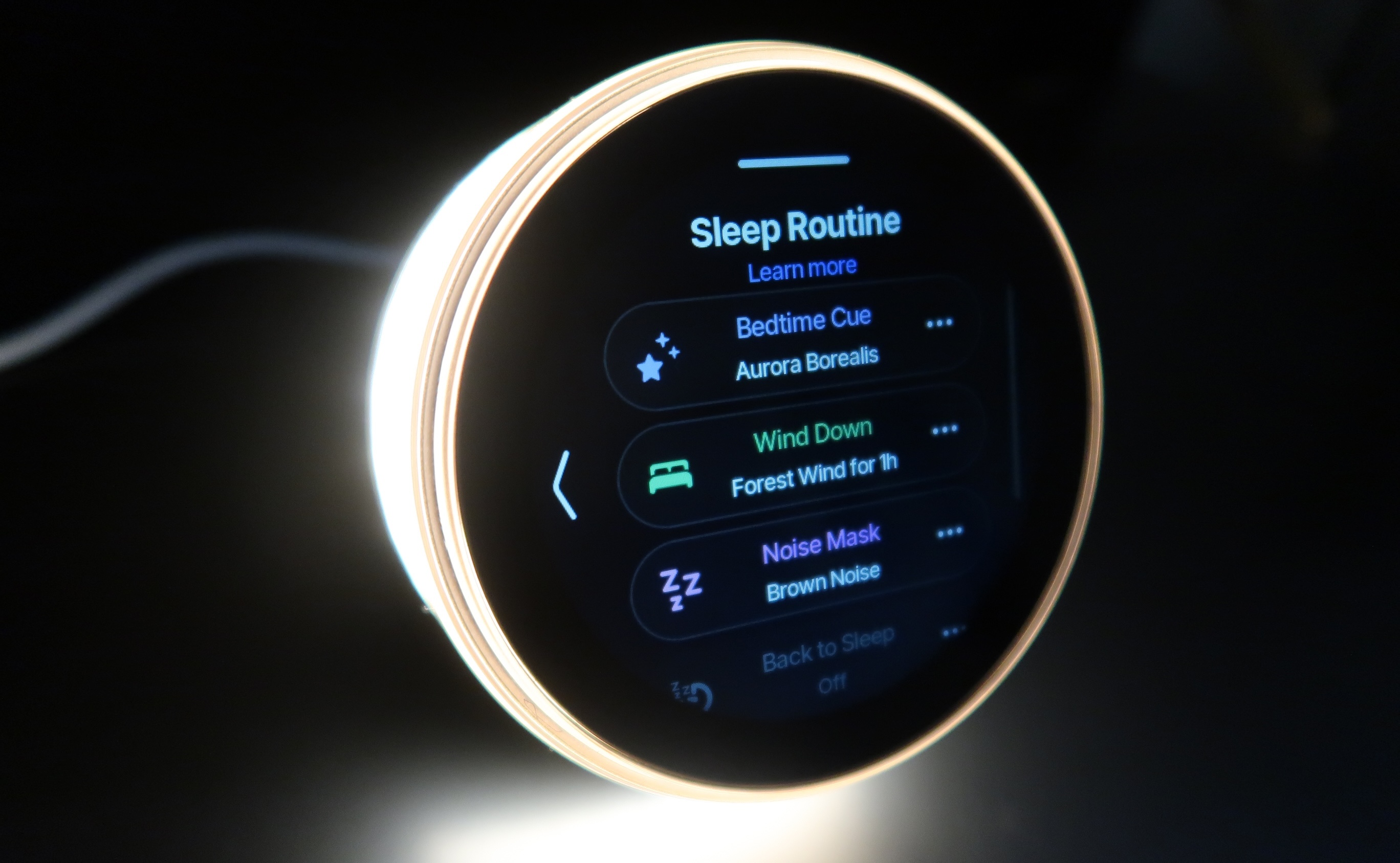
Ambient’s dedicated alarm clock offers many of the conveniences of your smartphone alarms — highly customizable alarm schedules, a library of soundscapes and noise masks and even Bluetooth so you can connect earbuds. There’s no subscription, it sounds great and sleep insights are supposedly incoming. However, $250 is a lot. Check out our full review.
By a video game news site owned by ClickOut Media.
Review aggregator Metacritic has removed a review of Resident Evil Requiem because it was AI generated. Kotaku explained the review was published by UK gaming site VideoGamer, but appears to be “written” by a fake AI journalist rather than a real person. “Brian Merrygold” doesn’t seem to exist.
The author’s profile on VideoGamer is just as awkwardly written as the review, and the profile picture of the account also appears to be AI-generated. Literally, the file name includes “ChatGPT-Image.”
ClickOut Media, the company that owns VideoGamer and a collection of other publications, reportedly laid off the staff of its gaming sites earlier this month to pivot to AI-generated content. Here it is.
As we prepare to leave the winter months, Samsung announced another family of Galaxy S flagships for those looking to upgrade. As usual, the company put its best components and features into the Galaxy S26 Ultra, but it also added more to the base S26 and S26+. The company has hit its groove with its smaller (and cheaper) flagships, delivering solid devices with increasingly better cameras, occasionally even offering feature parity with its most expensive smartphone.
In 2026, that’s what we’re getting, with the 6.3-inch S26 ($899) and 6.7-inch S26+ ($1,099). Both phones are more expensive than last year, and it’s often a game of spot-the-difference when it comes to showing what’s new.
Fortunately, the best parts have been retained, too. Samsung has unified the design style across the entire S26 series, with the same corner ratios, curved edges and other design touches. While I tested both phones, I’ll focus on the S26. Barring screen differences and battery size, they’re identically specced.
This year’s S26 color selection has a premium Samsung ‘mood’ to it that I can’t quite explain. Does purple mean Samsung to my brain? Maybe. Cobalt Violet is the particular shade I’m talking about, but there are also blue, black and white colors. Additional silver and pink-gold options will be available as online exclusives. There’s not much else to say about the design: it’s another Galaxy S flagship, and if it ain’t broke…
Mat Smith for Engadget
Samsung has increased the battery capacity to 4,300 mAh on the S26, while somehow maintaining the same thickness as last year’s S25. However, the S26+ has the same 4,900mAH battery as its predecessor. All S26 devices will launch with 256GB of storage and 12GB of RAM, with bigger storage options available. With the S26, Samsung has slightly increased the screen size to 6.3 inches, up from last year's 6.2-inch S25.
The S26 comes with a familiar camera trio: a 50-megapixel main sensor, 12MP ultrawide, and 10MP telephoto with up to 3x optical zoom. On paper, that’s identical to last year’s base S25. However, Samsung has improved performance with its ProScaler technology for upscaling images and an MDNIe chip, which the company says provides four times the color precision compared to previous devices.
There are software improvements too, with video features being the most tangible upgrade, among more AI-assisted photo editing tools. Super Steady video has been upgraded to a 360-degree horizontal lock. This camera mode uses the S26’s gyroscopes to maintain a consistent horizon even as you rush to chase a pet or family member while recording, or to capture snowboarding buddies. (There’s always a snowboarding example when a company mentions horizontal lock.) It’s nice to see a feature we’re used to finding on gimbals and action cams built into an unashamedly mainstream phone like the S26.
Auto Framing is another new feature coming to both 4K and 8K video capture. It uses AI to lock onto subjects and automatically tighten framing to what you want to capture. Even during brief testing, I was intrigued and liked the dramatic punch-in effect as I recorded nearby people. It creates a faux-panning effect as it tracks moving subjects, something you might have experienced with Center Stage on Apple devices.
Samsung has also upgraded image processing on its front-facing cameras with a new Object Aware Engine for improved portrait mode shots, hair textures and more accurate skin tones. Based on my early testing, images seemed sharper than on my older Samsung devices, even though this is (again) largely the same 12MP camera as last year.
With processors, it's getting a little more complicated. In the US, Samsung's entire S26 series will use the Snapdragon 8 Elite Gen 5 for Galaxy, but in Europe, both the S26 and S26+ will be powered by the company’s own Exynos 2600, apparently the world’s first 2nm chipset. Comparing it to Snapdragon’s top mobile processor, however, will have to wait until review time.
With more power for AI functions, Samsung has continued to evolve and expand its AI software, although it seems less of a priority this year. Only one AI feature stood out during my briefing: Audio Eraser. While this launched on the S25, it only worked on audio and video you captured yourself. Now, Samsung expanded it to most major video platforms, including Netflix, Instagram and YouTube, adding the ability to strip out noise and distractions and amplify the volume of voices. It was especially effective with a rowdy replay of an Arsenal football soccer match, and sounded like I was listening to a dedicated commentary channel. Interestingly, unlike many sound editing apps and features, it will work on downloaded videos on those platforms without an internet connection.
Elsewhere, Now Nudge will attempt to suggest actions based on what’s happening onscreen, such as sharing contact numbers with someone or suggesting calendar times while dealing with work emails. Samsung’s Now Brief can pull information and notifications from a wider array of apps and sources to deliver in its daily briefings. However, again, that’s hard to assess at this early stage.
There are several more quality–of-life software updates, too, like the ability to sift through all those screenshots after they’ve been automatically categorized into sections like barcodes, events and more. If you can’t get enough AI image generation, you can now use Photo Assist to edit your photos using descriptive prompts. Elsewhere, Circle-to-Search now supports multiple, well, circles, if you’re looking to tag and search for multiple objects at once.
Mat Smith for Engadget
It’s not the most exciting year for Samsung’s smaller flagship phones. While the S26 Ultra can boast a new Privacy Display that’s the first of its kind, the rest of the S26 family have a little too much in common with their predecessors. The new video features seem useful and intuitive, so there’s more to explore there. We’ll have more to say in our full reviews soon.
Both the Galaxy S26 and S26+ launch on March 11th and are available to preorder now.
This article originally appeared on Engadget at https://www.engadget.com/mobile/smartphones/samsung-galaxy-s26-hands-on-launch-date-price-180005654.html?src=rss
Samsung’s ready to launch its first new devices of 2026, and it’s got a Galaxy Unpacked event in San Francisco to stream everything. The keynote starts at 10AM PT (1PM ET) and will be livestreamed on YouTube. The announcement on February 10 also said this launch will mark “a new phase in the era of AI as intelligence becomes truly personal and adaptive.”
What are we expecting? Based on leaked images of the new lineup, the company is not likely to have radically reinvented the look of the Galaxy S26, Galaxy S26+ or Galaxy S26 Ultra, sticking instead with a similar design to the Galaxy S25.
We’re expecting Qualcomm’s new Snapdragon 8 Elite Gen 5 chip to be in all Samsung Galaxy S26 phones, though Korean news site Yonhap News reports Samsung’s relatively new Exynos 2600 chip could be in some devices, depending on the region.
Despite the launch of the Qi 2 wireless charging standard, which added support for convenient magnetic alignment, Samsung still hasn’t brought the feature to its phones. Rumours suggest the S-series will have the spec’s higher speed wireless charging rates but will lack built-in magnets and have to depend on cases to add MagSafe-style charging and mounting.
Honestly? It could be a pretty mild launch event, especially after wowing everyone with the Galaxy TriFold at the start of the year.
Are you more interested in foldables than traditional candy bar devices? (If so, get ready for MWC 2026, kicking off next week. We’re expecting a lot of foldables.)
Yes, a truly new Neon Genesis Evangelion series is coming. The announcement came during a 30th-anniversary event in Japan. However, franchise creator Hideaki Anno won’t write the scripts. His replacement will be Yoko Taro, creator of the NieR video game series, who wears a giant spooky moon mask for interviews and game briefings. He’s also a cool guy underneath. Evangelion veteran Kazuya Tsurumaki will be on hand to direct episodes, produced by Studio Khara and Cloverworks.
Marathon players found cheating or developing cheats will receive a permaban.
In a detailed blog post, Bungie took a very declarative position against those caught trying to cheat: “We are taking a strong stance against cheating and anyone found to be cheating or developing cheats will be permanently banned from playing Marathon forever, no second chances.” The blog post added that an appeals system will be in place.
However, Bungie’s anti-cheat standards go beyond punishment. In the blog post, Bungie explained that Marathon’s dedicated servers have full authority on movement, shooting, actions and inventory. Since these key actions rely on the server, it will translate to smoother gunplay for players as well as the prevention of cheats related to teleportation, unlimited ammo or damage manipulation.
Apple has lined up its first event of the year. Already! It’s taking place in New York City on March 4 at 9AM ET, but the company hasn’t confirmed if it will stream the media event.
It seems likely the event will be mainly iPads and MacBooks — so business as usual. However, it could include new entry-level MacBooks in a fresh array of colors. I think that’s what everyone’s reading into the lemon-and-lime tinged invitation.
I’m very much up for a return of the colorful Mac. The first Mac I ever used was one of those bubbly orange iMacs, interning at a video-game magazine. Yes, a magazine.
We’re also expecting a 2026 MacBook Air and refreshed 14- and 16-inch MacBook Pros, with the M5 Pro and M5 Max chips also breaking cover. Is it too early for an iPhone 17e? Perhaps. We’ll be reporting from the event.
And for those asking about yesterday's newsletter, thanks for your continued support and we'll have more to say soon.
Netflix is streaming its very first live MMA fight on May 16. The combatants are Ronda Rousey, (last match 2016) and Gina Carano (2009). The streamer has had to pluck fighters out of retirement because more contemporary stars are under contract with various promotional entities. The featherweight bout will take place inside a hexagon cage and stream globally — hopefully, Netflix can keep its stream up. The fight is co-hosted by Most Valuable Productions, Jake Paul’s production company. Because of course it is.
The worst-kept secret in value-for-money phones remains Google’s Pixel A series. In recent years, the Android phone series has offered a great balance of specs, hardware design and software features that embarrass most phones in the same price point. Its camera performance is often better than devices that cost several hundred dollars more.
It’s more of the same with the Pixel 10a. For $500, you get a 6.3-inch OLED screen with a 120Hz refresh rate and 3,000 nits of peak brightness, 8GB of RAM and a 48MP main camera, paired with a 13MP ultra-wide. Also: No. Camera. Bump. Innovation for $500, right there.
I won’t shut up about floor cleaning. I’m 41. Dyson has crunched its wet-floor tech into the same cylindrical profile of its Penac. I like the size, but how does it clean? I’ll hold judgment till I’ve tried it.
$600 is a lot more than a mop. Yes, I know that’s not the point.
Threads users have complained about its recommendation algorithm since the dawn of time 2023. Users even started writing posts addressed to the algorithm, specifying the topics they wanted to see more of. Now, that’s part of the system: Users can write a post that begins with “dear algo” to adjust their preferences, officially.
For example, you could write: “Dear algo, show me more posts about sous vide recipes.” You can also ask to see fewer posts about topics you don’t want to see, like “Dear algo, stop showing me posts about air fryers.” You can even retweet other users’ “dear algo” posts to have those topics reflected in your feed. “Dear algo” posts will work for Threads users in the US, UK, Australia and New Zealand, with more countries coming “soon.”
— Mat Smith
The biggest stories in tech you might have missed.
With a bigger focus on the Moon, Elon Musk is making some wild new plans. According to audio heard by The New York Times, Musk said xAI needed to build an AI satellite factory on the Moon with a gigantic catapult to launch the satellites into space. Sometimes you just want to be the Bond villain.
“You have to go to the Moon” to build the required AI capabilities, Musk told employees. “It’s difficult to imagine what an intelligence of that scale would think about, but it’s going to be incredibly exciting to see it happen.” Such a catapult would certainly need to be powerful — though the Moon has only one-sixth Earth’s gravity, the minimum escape velocity required for orbit is still around 3,800 mph, or five times the speed of sound. That’s currently possible with electromagnetic railguns, but the satellites would have to withstand that force.
In a bid to distract from a lot of things, Nintendo’s new Pokémon game is a gently paced game where, instead of playing as a generic trainer, you take control of a sole Ditto.
As a Ditto, you can transform into other Pokémon, though the process is sort of incomplete, meaning you can only learn one skill from the monsters you befriend. Instead of using tools, you can transform into other Pokémon (like Lapras or Dragonite) to use their abilities to traverse obstacles or shape the world around you.
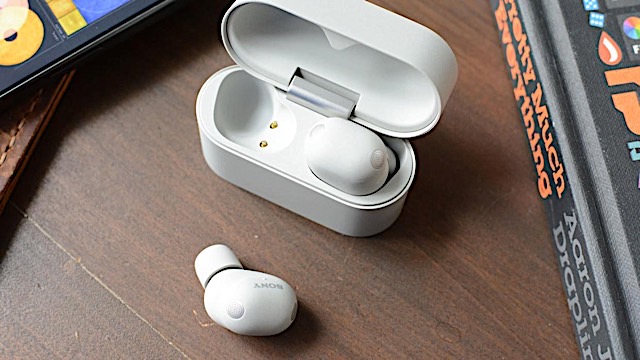
Sony unveiled the latest entry in its best wireless earbud series, the WF-1000XM6, featuring yet another redesign, both inside and out. Once again, strong features and audio performance remain, but competition from all sides is tougher than ever. As Billy Steele explains in his review, if you want the strongest active noise cancellation, that will be Bose’s QuietComfort Ultra Earbuds. If the best sound quality is your goal, the Technics AZ100 is your best bet in this price range. I’ll also mention Sennheiser’s Momentum True Wireless 4, which offers great sound quality, respectable ANC and a comfier fit than the M6. The WF-1000XM6 is available now for $330.
This article originally appeared on Engadget at https://www.engadget.com/general/the-morning-after-meta-turned-threads-algorithm-complaints-into-an-official-feature-121500663.html?src=rss
(We’ve had a few teething issues with the newsletter and apologise for the delays some of you might be experiencing. Please enjoy the latest edition. Back to business as usual. — Mat Smith, UK Bureau Chief)
The House Judiciary Committee wants the US Department of Justice to turn over all its communications with both Apple and Google regarding the companies’ decisions to remove apps that shared information about sightings of US Immigration and Customs Enforcement officers.
Several apps were removed from both Apple’s App Store and Google’s Play Store in October. Politico reported that Raskin has contacted Attorney General Pam Bondi.
“The coercion and censorship campaign, which ultimately targets the users of ICE-monitoring applications, is a clear effort to silence this Administration’s critics and suppress any evidence that would expose the Administration’s lies, including its Orwellian attempts to cover up the murders of Renee and Alex,” Raskin wrote to Bondi.
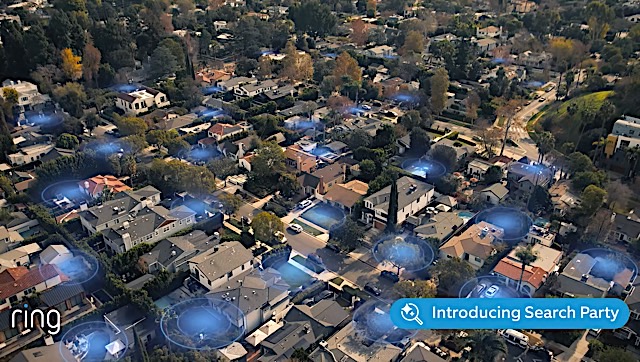
Ring’s Super Bowl ad showcased its Search Party feature, scaring the pants off anyone concerned about a mass surveillance state and, well, the state of everything at the moment. Search Party turns individual Ring devices into a surveillance network. Each camera uses AI to detect pets running within its field of view, and feeds are pooled to help identify lost animals. If it can handle pups, why not people? Here’s how to disable it.
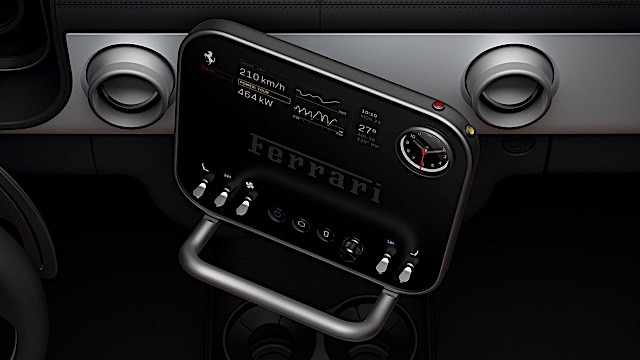
On a lighter note, consumer tech! Ferrari’s new car is no Apple Car. This is the Ferrari Luce (“light” in Italian), the actual name for the EV formerly known as Elettrica, and we (well, Tim Stevens) were lucky enough to get a walkthrough with Sir Jony Ive himself.
That’s because the interior was designed by LoveFrom, founded by Ive after leaving Apple in 2019. OpenAI acquired the design firm for $6.5 billion, and while the company has had numerous projects, the Luce could be its biggest yet. It’s filled with playful touches and a lot of, well, glass. If that tilting screen doesn’t shout iPhone design, what does?
This article originally appeared on Engadget at https://www.engadget.com/general/the-morning-after-doj-may-face-investigation-over-removal-of-ice-agent-tracking-apps-121500737.html?src=rss
With over 155 million sold, Nintendo’s Switch is officially the company’s biggest console hit ever. It’s been a long road to surpassing the DS, which reached 154 million consoles over its seven-year lifespan. The Switch, meanwhile, is a year shy of its 10-year anniversary.
We’ve seen the original console, the non-hybrid Lite and the OLED versions of the Switch over the decade, but despite being replaced by Switch 2, the original is still selling at a strong pace: 1.36 million units in Q3. Just think how many Joy-Cons it sold/replaced?
Next goal: try to be the best-selling console of all time. Currently, that’s the PlayStation 2.
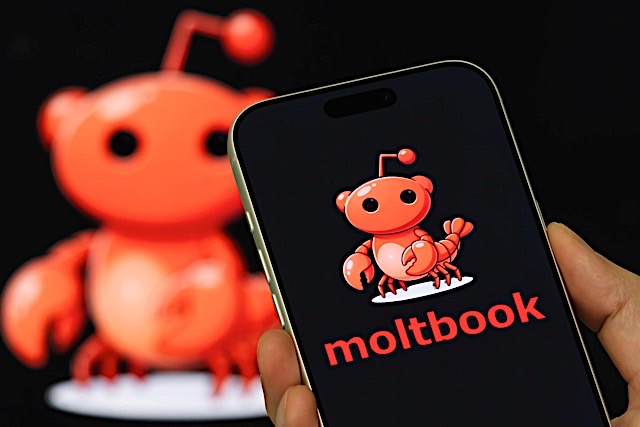
Moltbook is a “digital petri dish,” a Reddit-style forum populated entirely by AI agents that post, follow and even gossip about their owners in dedicated submolts. Built using vibe coding, it’s a surreal experiment in autonomous socialization — though there’s no shortage of user-data security flaws. Is Moltbook a profound look at the dead internet theory or just a very loud AI echo chamber? Or something in the middle? Karissa explains it all. (Sorry, Karissa.)
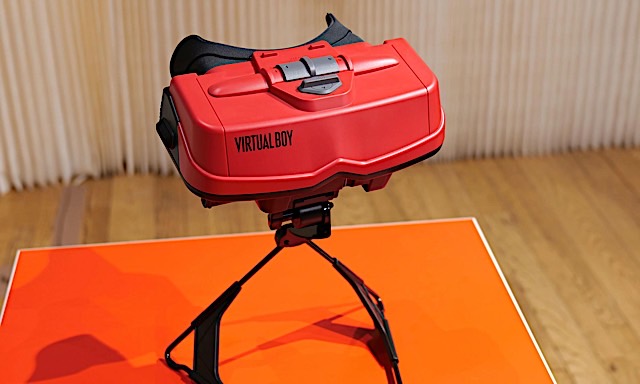
Nintendo’s worst-selling console was probably the Virtual Boy. It sold less than 800,000 units, with only 22 games in Japan and 14 in North America. And it didn’t even have the guts to launch in Europe or Australia.
But Nintendo doesn’t care. It’s brought the Virtual Boy back, baby, as an add-on for the Switch 2, in all its red monochrome ’90s-tech glory. And we finally got to test it.
It even includes the original bipod, which you use to prop it up and lean into it. Yes, you still can’t just wear the thing like modern VR headsets. The Switch 2 console, sans Joy-Cons, then slides in, acting as display, battery and processor.
It seems more of a historical nod than anything else. This is pretty much 30-year-old VR tech, as-is. But… I still want one as a gaming objet d’art. A hundred bucks is a fair chunk of change for that, though. Read on for our full impressions.
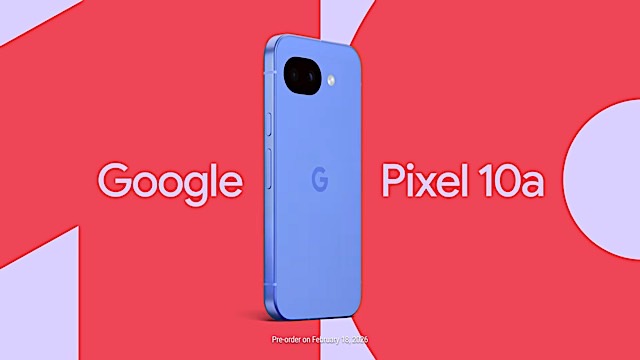
Google posted a teaser video revealing its new entry-level smartphone, the Pixel 10a, in a lovely lilac colorway. We don’t know much more, however. You can see it’s another dual-camera Pixel, with that same flush body — which I like. (How does that already seem retro?)
Leaks suggest a 6.3-inch display and a large 5,100 mAh battery. It otherwise looks and seems like the Pixel 9a, although Google promises that there’s “more in store.” Last year’s A-series launched at $500 — will this land at a similar price? You can pre-order the Pixel 10a on February 18.
AMD CEO Lisa Su revealed on the company’s latest earnings call that Microsoft’s development of an Xbox with a semi-custom SOC from AMD is “progressing well to support a launch in 2027.” Maybe Microsoft can chase that best-selling console crown too?
This article originally appeared on Engadget at https://www.engadget.com/general/the-morning-after-the-switch-is-officially-nintendos-most-popular-console-ever-121500738.html?src=rss
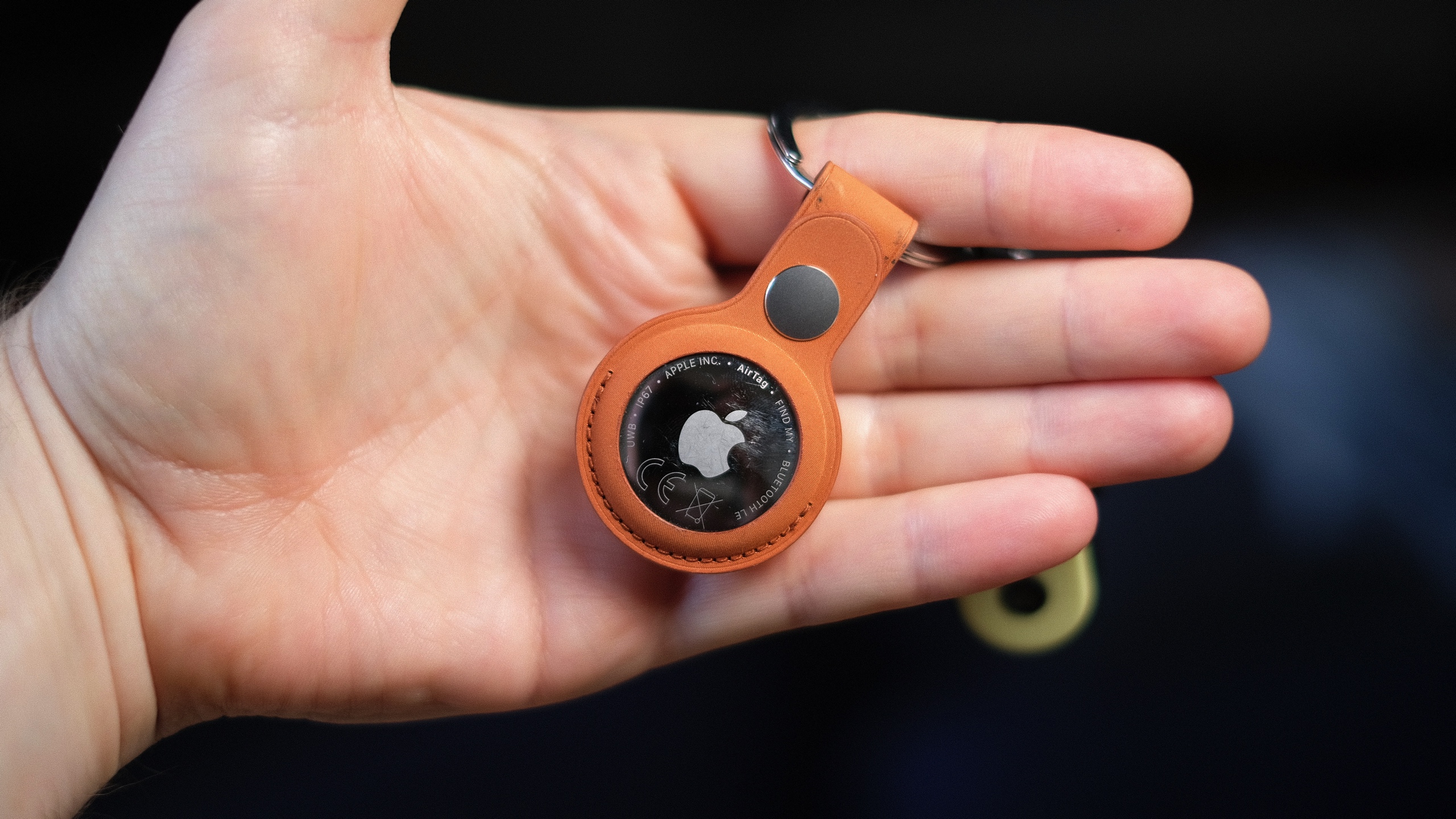
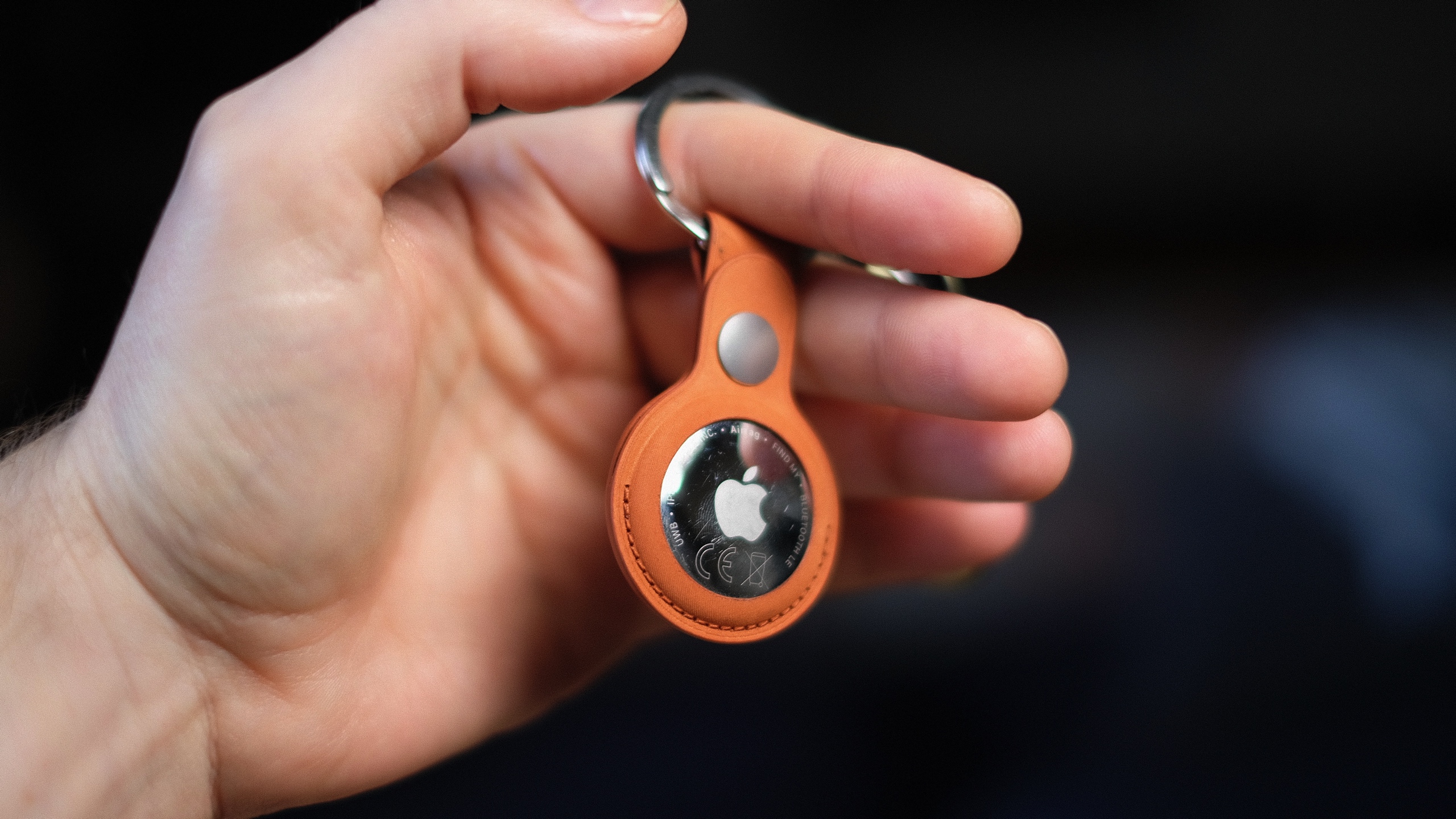
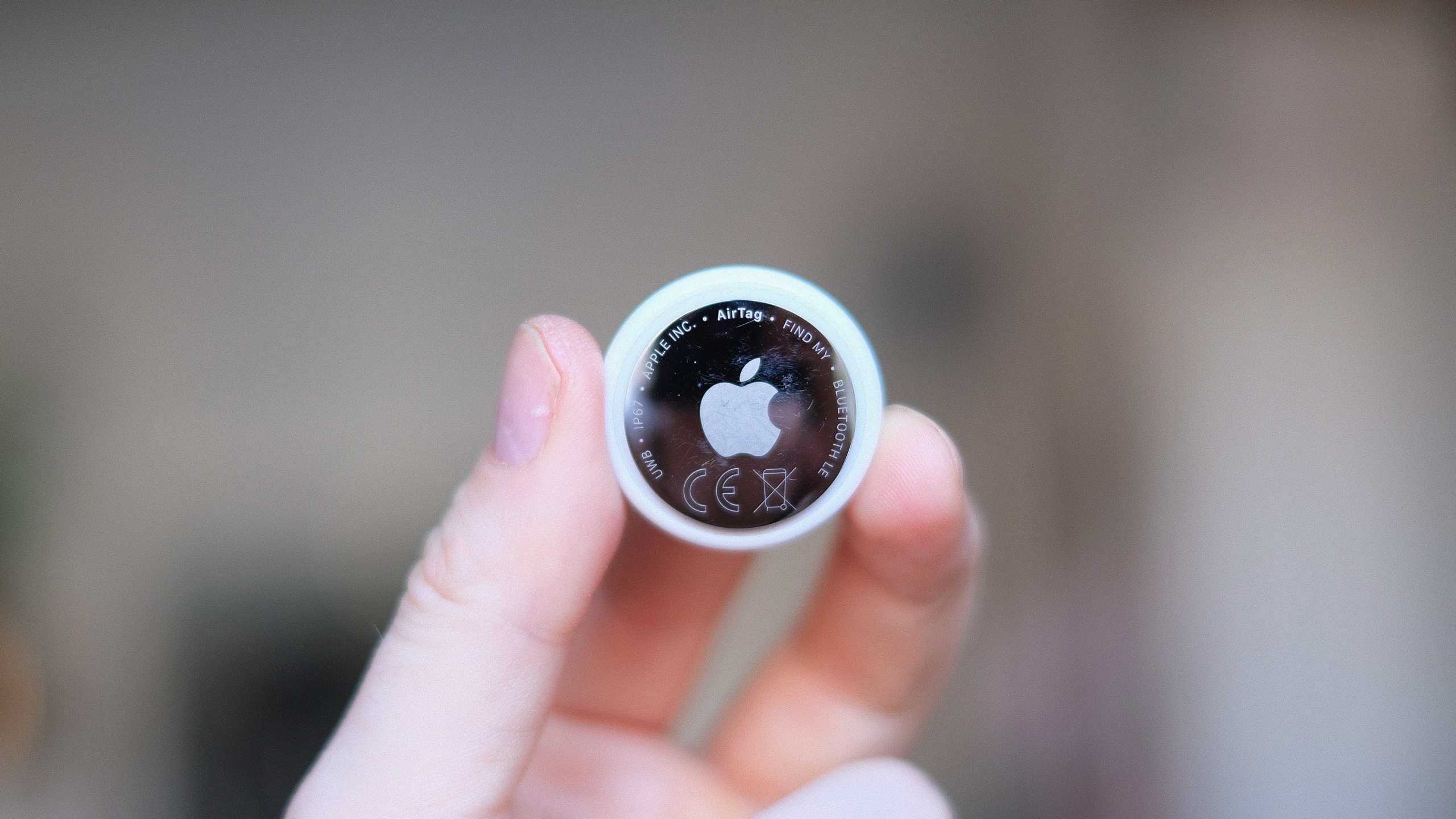
It’s hard to tell the difference between Apple’s second-generation AirTag and the almost-five-year-old original just by looking at them. In fact, the only way to tell is the many scratches on my old tracker, picked up from all those years attached to my keyring, living in my pocket.
While the price is still $29, Apple’s latest tracker packs some core upgrades. The new AirTag has a second-generation ultra-wideband (UWB) chip that extends its Precise Finding range up to 50 percent, though it requires an iPhone 15 or newer to do so. It’s also apparently 50 percent louder and has a new, higher-pitched chime. Still no keyring hole, though.
The new AirTag looks… the same. It’s arguably the most understated hardware design Apple has ever made, with no buttons or ports, just a company logo on one side. It’s made from a combination of a stainless steel plate and a (now 85-percent recycled) plastic enclosure. It’s like a thick coin, a little bigger than a quarter, and slips into any small pocket or wallet. The battery can be replaced by rotating the backing off, but it's still solid enough that I never felt there was a risk of coming off accidentally.
Apple’s accessories to attach the AirTag to your keys are still more expensive than the tracker itself. However, compared to when the original tracker launched, there’s now a rich collection of third-party options from the likes of Mophie, Belkin and more, many of which are more reasonably priced at around $15. A $35 keyring for a $29 tracker is a very tough sell, Apple.
Apple's new AirTag promises increased range and a louder ring chime.
Mat Smith for Engadget
Setting up a new AirTag is just as effortless as its predecessor. Pull out the plastic tag, connecting the battery, and a notification will pop up on your nearby iPhone. You can then name it, assign it to an item and it’ll join your list of findable Apple hardware.
I’ve been testing the range of the new AirTag, and if anything, the 50 percent increase in Precision Finding range is a conservative estimate. Naturally, tracking can be affected by building structure, walls, a lack of nearby Find My network devices and other interference, but the next-generation AirTag’s “getting closer” screen consistently appeared on my phone when I was around 80 feet away. The older tracker, however, needed me to be around 30-40 feet away to do the same. The benefit of Precision Finding was limited on the debut AirTag, because its range was so tiny — especially in busy environments. The hardware upgrades now make it truly useful. The new AirTag is also faster to connect and more responsive to my movements and sudden turns, thanks, I expect, to the new ultra-wideband chip.
You can now also use newer Apple Watches (Series 9, Ultra 2 and up) with precision location detection. After updating her Apple Watch Series 11 to the latest software, my colleague Cherlynn Low reported that locating the new AirTag was pretty much the same as on an iPhone. She did find it slightly counterintuitive to have to first add the Find My shortcut to the Control Center on the watch instead of going to the Find My Items app to do so, but ultimately, once she did that, it mirrored the existing setup for Precision Finding on iPhones.
Apple's new AirTag promises increased range and a louder ring chime.
Mat Smith for Engadget
Apple also redesigned the AirTag’s speaker assembly, which it says makes sounds 50 percent louder. Possibly the most effective audio upgrade is a higher-pitched chime that’s easier to hear over ambient noise and in busy public spaces. I could hear it ringing out from the other side of my gym’s locker room, while inside a locker, over music playing in the background. My old AirTag was inaudible until I was a few feet away from my locker. I always thought the sound on the original AirTag was a little too low-key for something you were urgently trying to find. (I’d love to be able to customize the chime, though.)
It’s the Find My network that makes the AirTag shine. Apple’s massive footprint of over a billion devices, from iPhones to Macs, continues to offer a tracking range and finer precision than GPS and Bluetooth alone. If anything, this network is even more built out since the launch of the first Apple tracker.
Since we tested the first AirTag, Apple has added multiple new features, usually through iOS updates, that expanded the utility and versatility of its trackers. In iOS 17, you could share an AirTag through Family Sharing. In iOS 18.2, Share Item Location allowed you to share your tracking information with third parties (such as airlines or train companies), improving the chances of finding the AirTag.
There have also been subsequent safety upgrades, including expanding unknown tracker alerts to Android devices without needing to install an app. Apple also reduced the time an AirTag takes to emit a sound when separated from its owner, shifting the interval to a random range between 8 and 24 hours. At launch, this was a three-day span.
Wrap-up
Apple's second-gen AirTag is still $29.
Mat Smith for Engadget
Do you need the new AirTag? While improved in every way, it’s pretty much the same device. However, the AirTag’s simplicity and ease of use are second to none when it comes to Bluetooth trackers. If you already own a single AirTag for your keys or wallet, upgrading to the second-gen iteration and repurposing the old one to track, say, your luggage, makes a lot of sense. You get the more precise location tracking and sensing for your smaller item, while you can reduce your bag anxiety if your suitcase doesn’t make it to your destination.
There's no doubt the second-gen AirTags are improved, and thankfully, upgrading to the new capabilities doesn’t come at too steep a cost.
This article originally appeared on Engadget at https://www.engadget.com/computing/accessories/apple-airtag-2026-review-143000427.html?src=rss
Like some sort of corporate Russian doll, SpaceX has announced its acquisition of xAI. The merger will “form the most ambitious, vertically integrated innovation engine on (and off) Earth,” according to, well, owner Elon Musk.
The AI company, arguably best known for its ongoing CSAM-generating chatbot controversy, might seem like a strange fit for a rocket company. But SpaceX is apparently key to Musk’s latest scheme to build AI data centers in space. There might be an argument for moving the resource-intensive operations to space — but Musk continued.
He also claimed space-based data centers will eventually enable further advances in space travel. “The capabilities we unlock by making space-based data centers a reality will fund and enable self-growing bases on the Moon, an entire civilization on Mars and ultimately expansion to the Universe.”
Back on Earth, xAI and X (formerly Twitter) merged last year, which means SpaceX now owns the social network Musk bought in 2022.
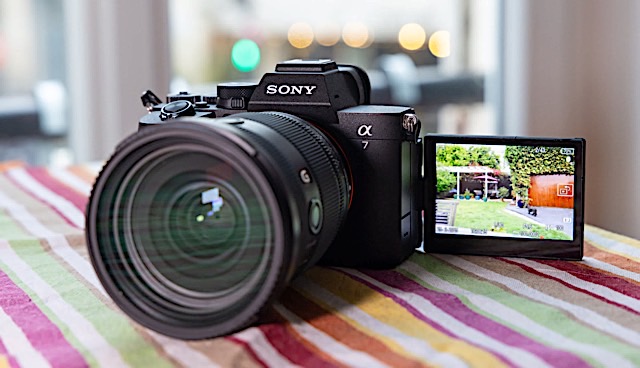
The Sony A7 V is an imaging powerhouse that brings the speed and precision of its high-end siblings to the enthusiast tier. Thanks to a new 33MP partially stacked sensor, image quality is where it truly pulls ahead, offering best-in-class dynamic range and low-light performance that outclasses 24MP rivals despite the higher resolution. If your primary goal is capturing the perfect still, the combination of accurate AI autofocus and improved color science makes this arguably the best all-around Sony shooter yet.
However, if you’re a video-first creator, the A7 V might feel like it’s a little behind. While the 10-bit 4K footage is sharp and benefits from impressive AI auto-framing and stabilization, it lacks internal RAW recording, which competitors like the Canon R6 III and Panasonic S1 II now offer. Make sure you check out the full review.
After Beats, it’s the company’s second-biggest ever purchase.
It’s the time of AI acquisitions, it seems. Even Apple’s doing it. Apple has acquired Israel-based startup Q.ai. Although Apple has not disclosed the terms of the deal, The Financial Times reports the arrangement is valued at nearly $2 billion.
Apple hasn’t shared specifics on how it plans to leverage the startup, but patents filed by Q.ai focus on integrating its technology into headphones or even glasses, using “facial skin micro movements” to communicate without talking.
This article originally appeared on Engadget at https://www.engadget.com/general/the-morning-after-elon-musks-spacex-is-buying-his-ai-company-xai-121500751.html?src=rss