Bug Saber Turned Lightsaber Fantasy Into a 4,000V Bug Zapper

Bug zappers haven’t had a design moment yet. They’ve existed in more or less the same form for decades, somewhere between forgettable and mildly unpleasant to look at. Most of them get tucked into corners or mounted out of sight, which is exactly where most people prefer them. They do the job, roughly speaking, but nobody’s ever been genuinely excited to reach for one.

Brightbeam Solutions seems to have taken that as a challenge. Bug Saber is the brand’s attempt at rethinking what a bug zapper can feel like, not just what it can do. The concept is simple enough: take pest control, which has always been a thankless task, and design it to be something you’d actually want to pick up. Nobody in the category had really tried.

Designer: Jonathan Barraclough

Click Here to Buy Now: $24. Hurry, only a few left!
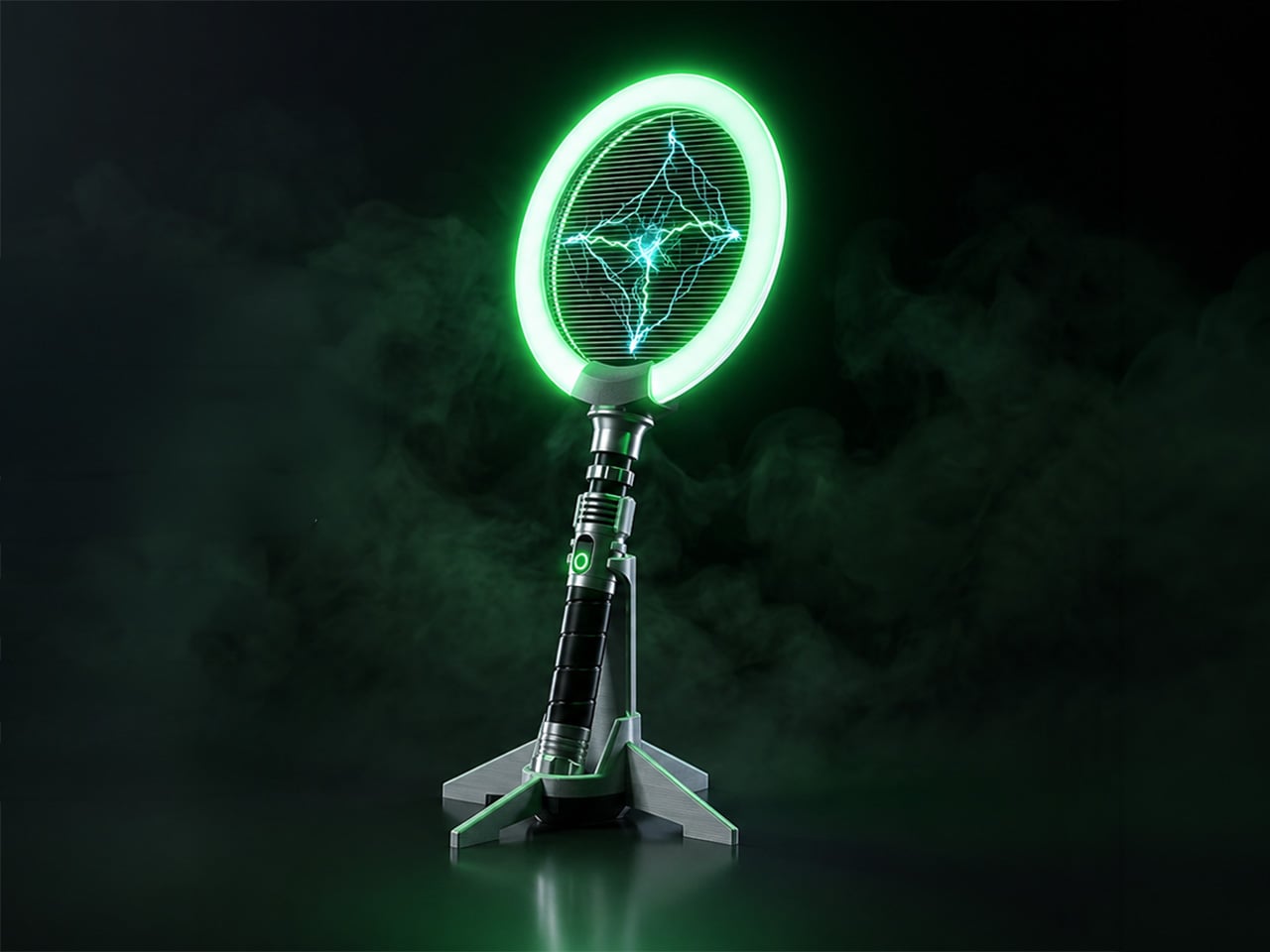
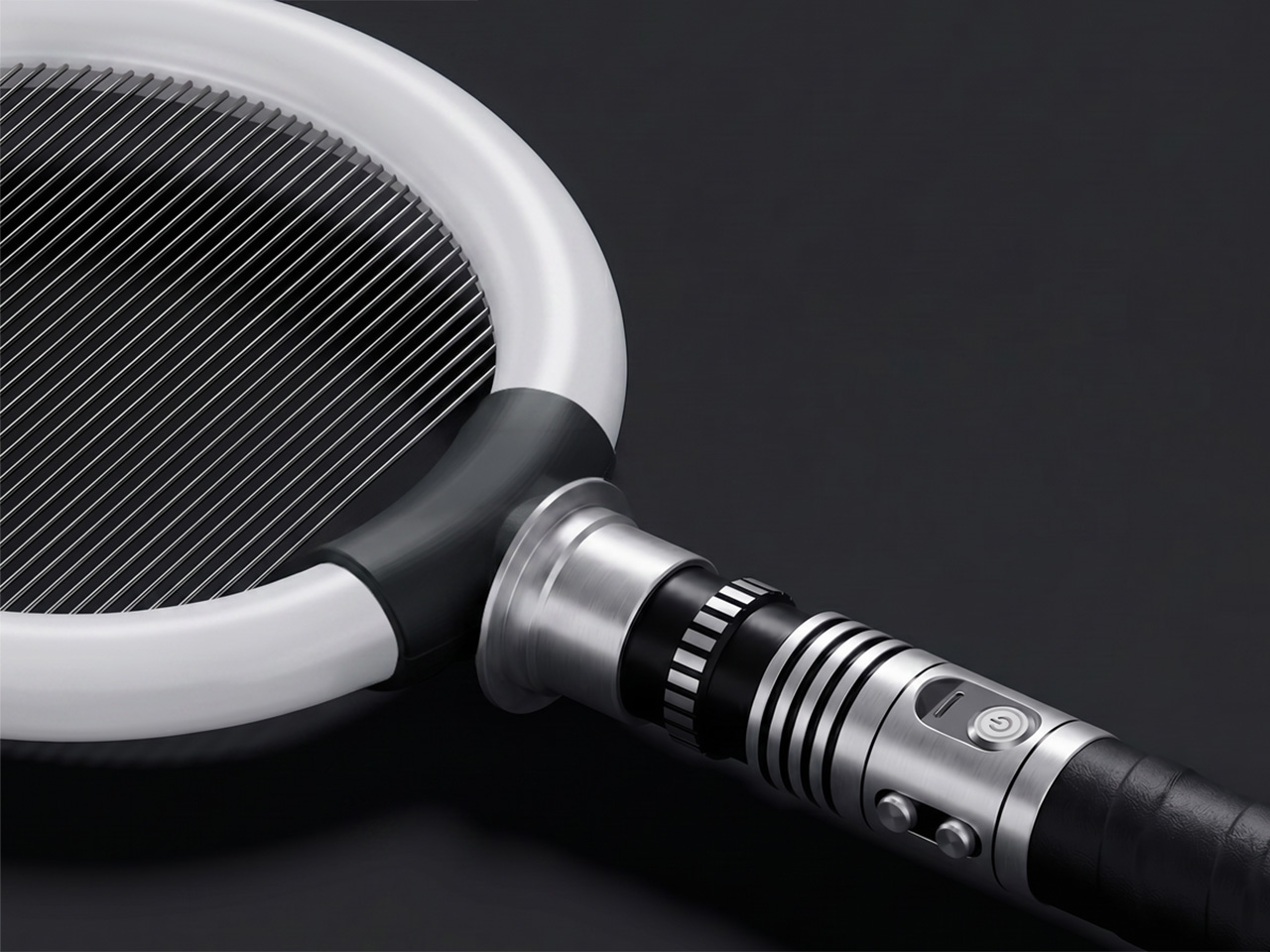
The design makes that clear immediately. Bug Saber is built around a high-voltage zapping grid framed by a glowing LED ring, mounted on a lightsaber-style hilt with a distinctly mechanical character. It doesn’t look like anything from a hardware store, and that’s entirely the point. The aesthetic borrows from sci-fi gadget culture rather than home appliance conventions, and it’s surprisingly hard to ignore when it’s nearby.
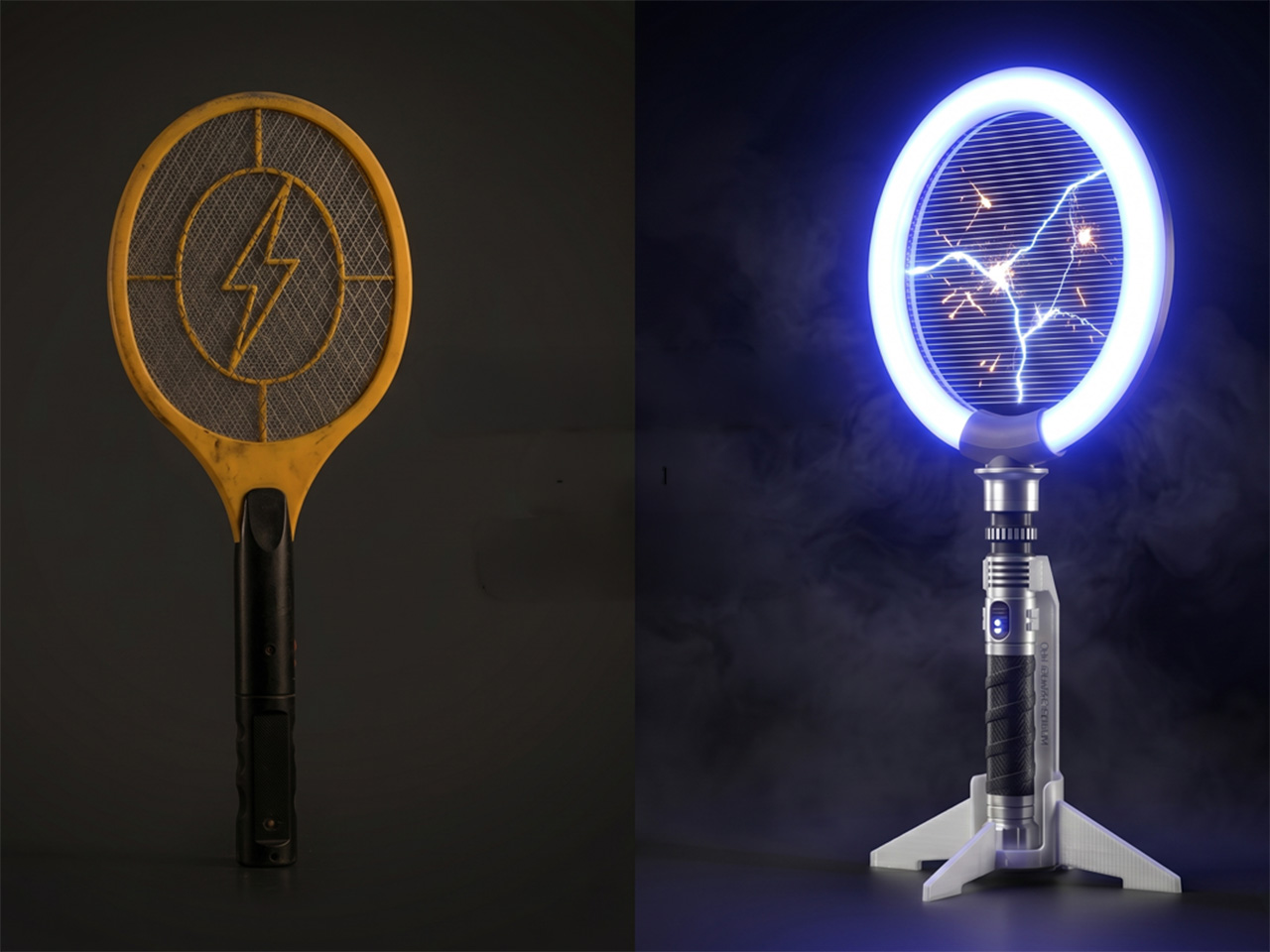
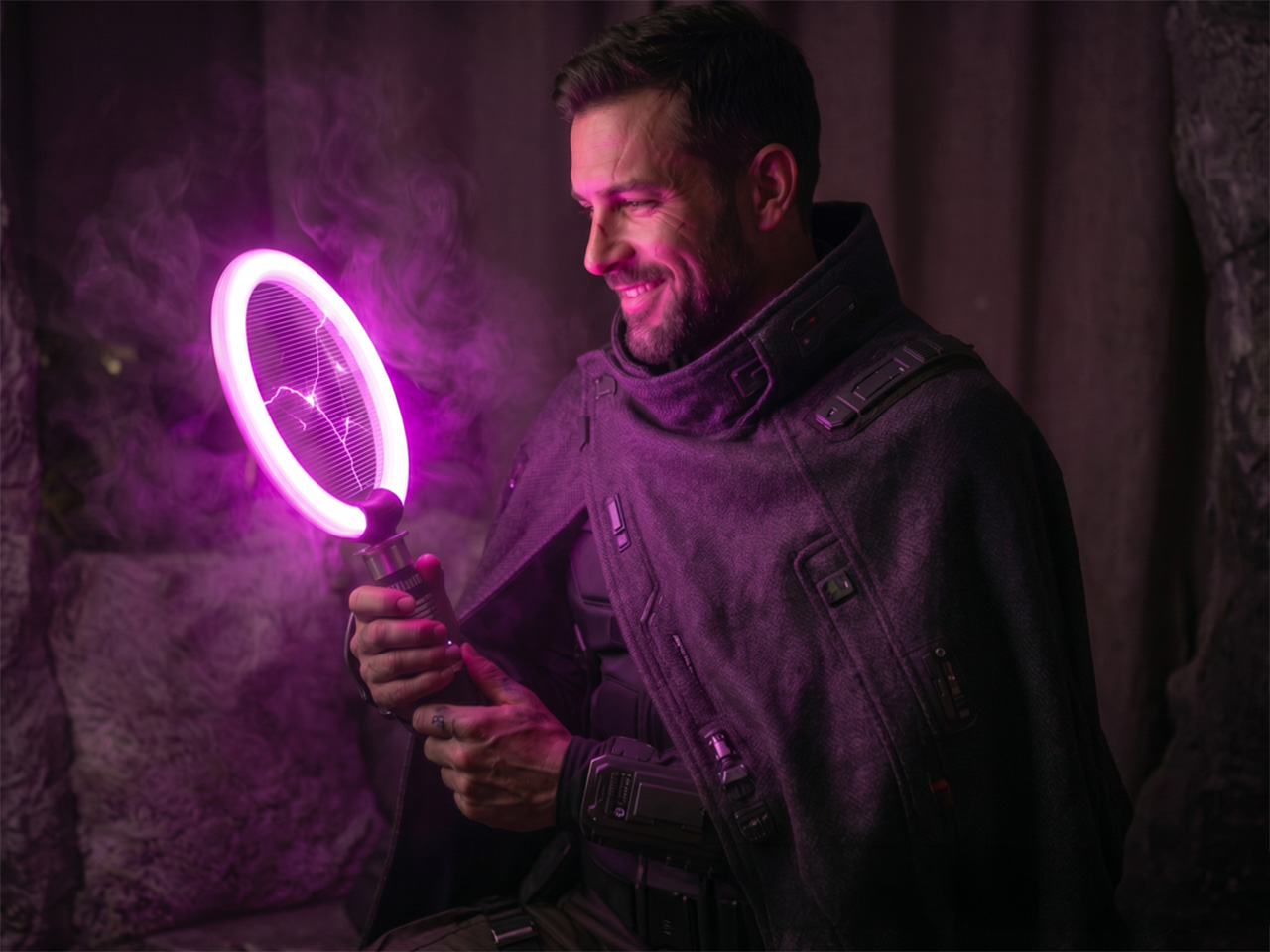
Switch it on, and everything shifts. The LED ring glows, saber-style sound effects kick in, and insects are naturally drawn toward the light. When one gets close enough, the 4,000V high-voltage grid takes care of it instantly, with no waiting and no cleanup. The entire sequence takes only seconds, and the combination of light, sound, and immediate result makes each instance feel surprisingly satisfying.
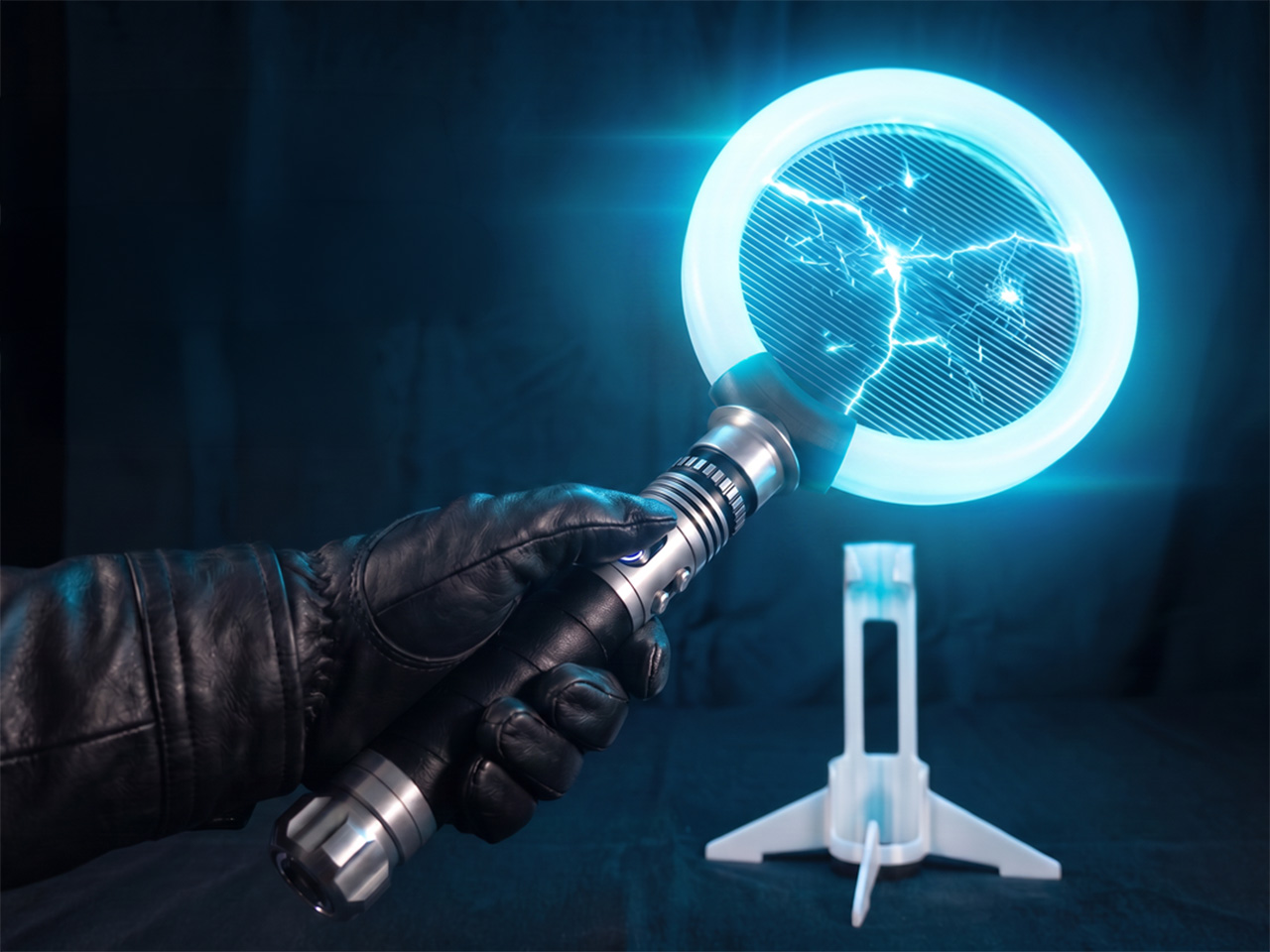
That satisfaction makes sense in practice. Picture a summer evening on the back porch, a fly that’s made itself at home, and the usual frustration of swatting blindly at the air. With Bug Saber in hand, you’re in control rather than reacting. The act feels deliberate in a way that pest control rarely does, which is a strange thing to say and yet completely accurate.
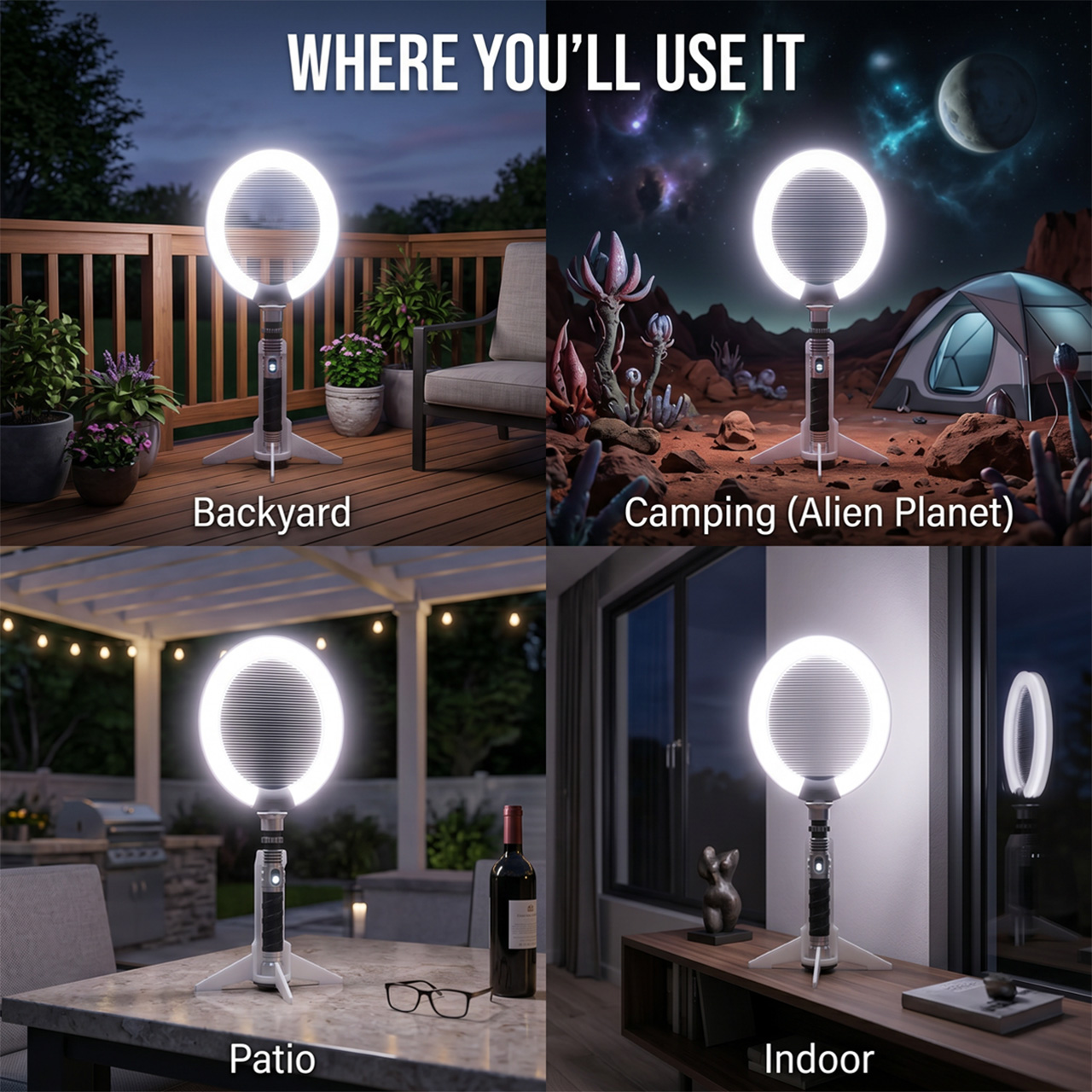
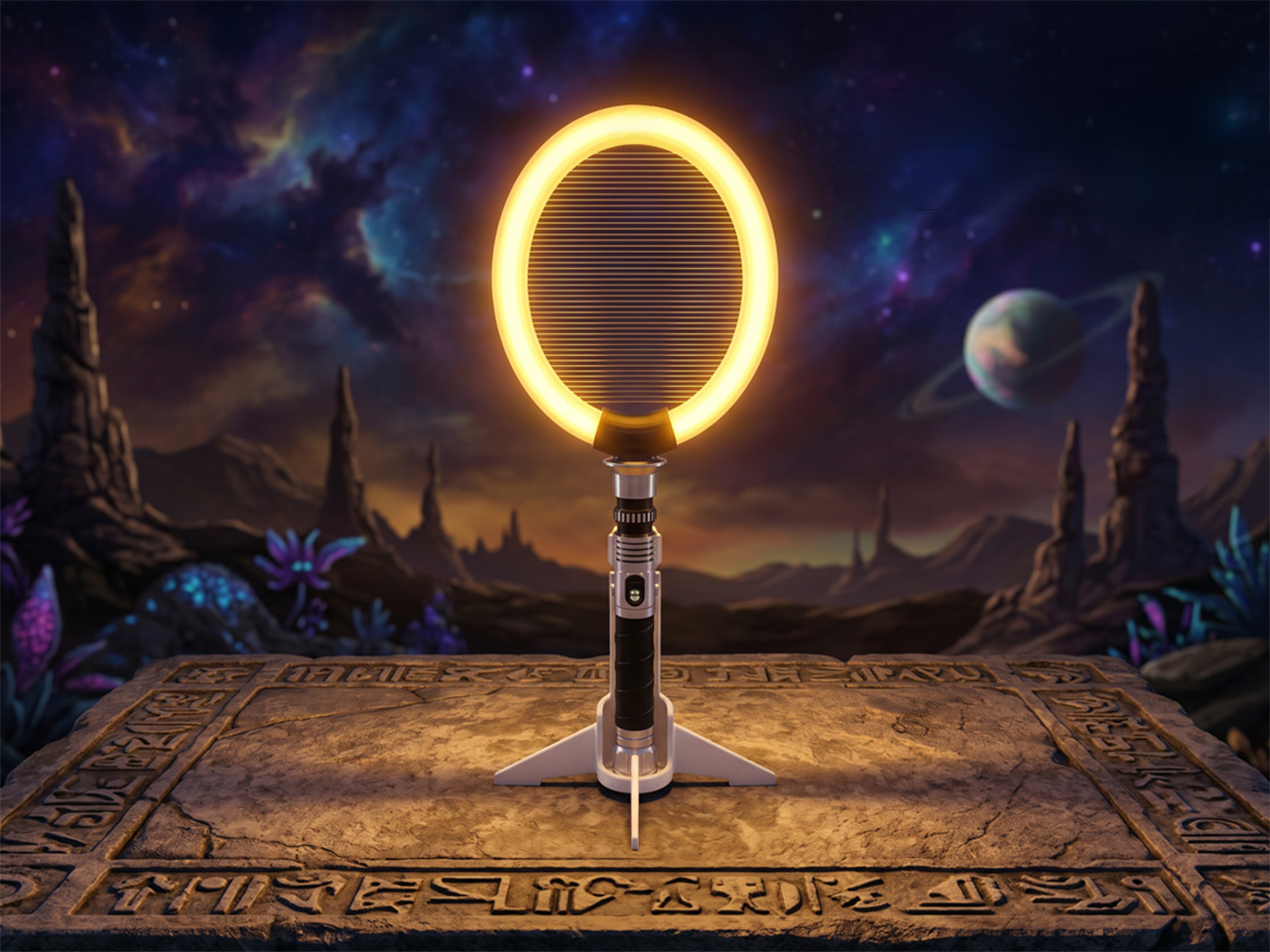
Not every situation calls for hands-on use, though. Bug Saber can sit on its vertical stand with the illuminated ring running on its own, drawing in insects without you having to do anything. This works especially well at night, when flying pests are most active, and you’d rather not be involved. It handles things quietly in the background, whether you’re inside or out on the patio.
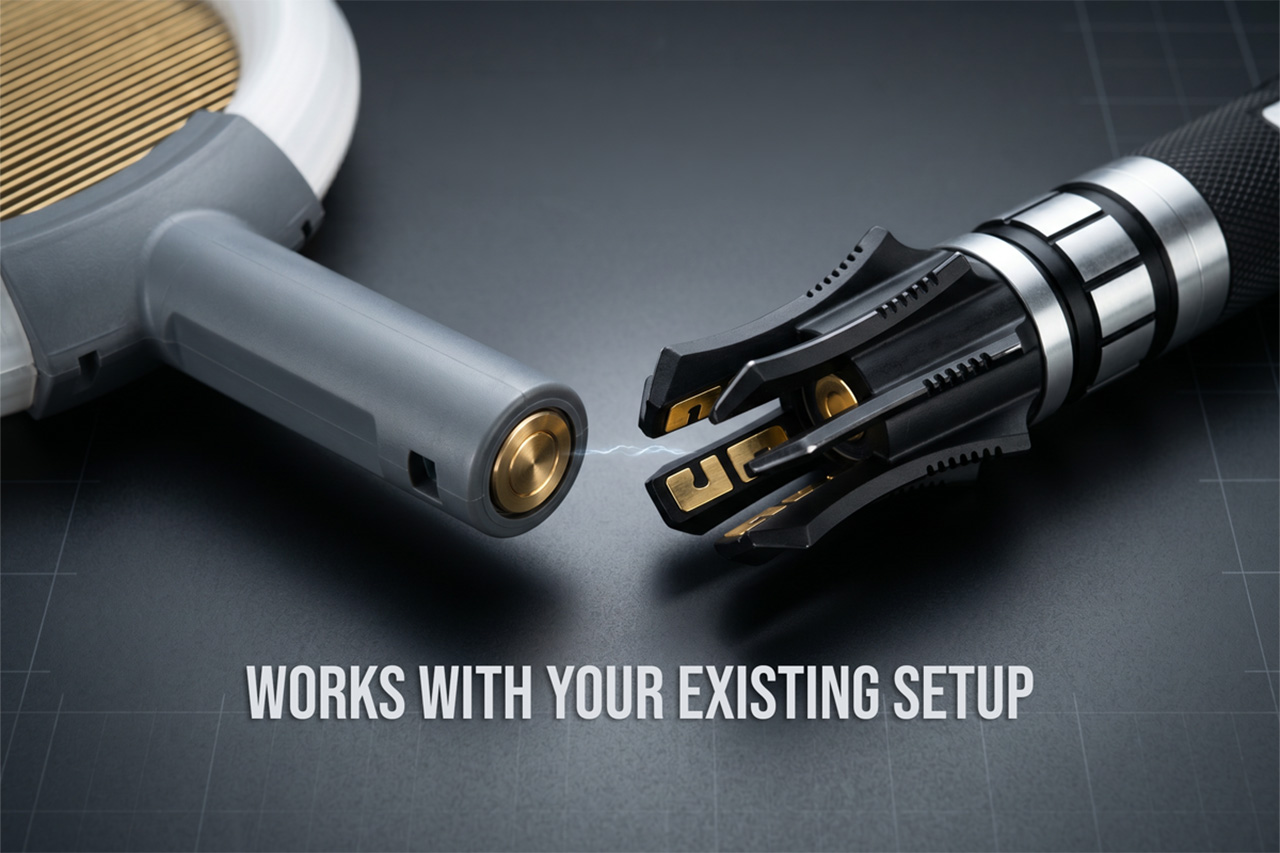
Bug Saber is built around three core components: the Bug Saber Head, which houses the ring and zapping grid; an entry-level hilt for those starting fresh; and the vertical stand. People who already own a compatible saber-style hilt, the kind used in cosplay or collecting communities, can swap in the head directly, converting their existing setup into a functional bug-control device without needing anything else.
What makes Bug Saber work so well is how the experience reinforces itself over time. The glow, the sound, and the instant result work together to create something that feels rewarding rather than routine. You pick it up the first time because there’s a fly in the room. The second time, you reach for it a little more quickly than strictly necessary.
There’s a broader shift in product design, one where objects that used to be purely functional are being reconsidered as things worth looking at. Routers, speakers, and kitchen appliances have all gone through some version of this. Bug Saber brings that same sensibility to a category that’s rarely had it, which on paper sounds like a stretch and in practice feels entirely overdue.
The strangest thing about Bug Saber might also be the most telling. A bug zapper with a sci-fi hilt, a glowing LED ring, and sound effects that respond to movement really shouldn’t feel like a natural addition to a patio or living room shelf, and yet here we are, genuinely glad that someone decided this particular category was finally worth a proper redesign.

Click Here to Buy Now: $24. Hurry, only a few left!

The post Bug Saber Turned Lightsaber Fantasy Into a 4,000V Bug Zapper first appeared on Yanko Design.
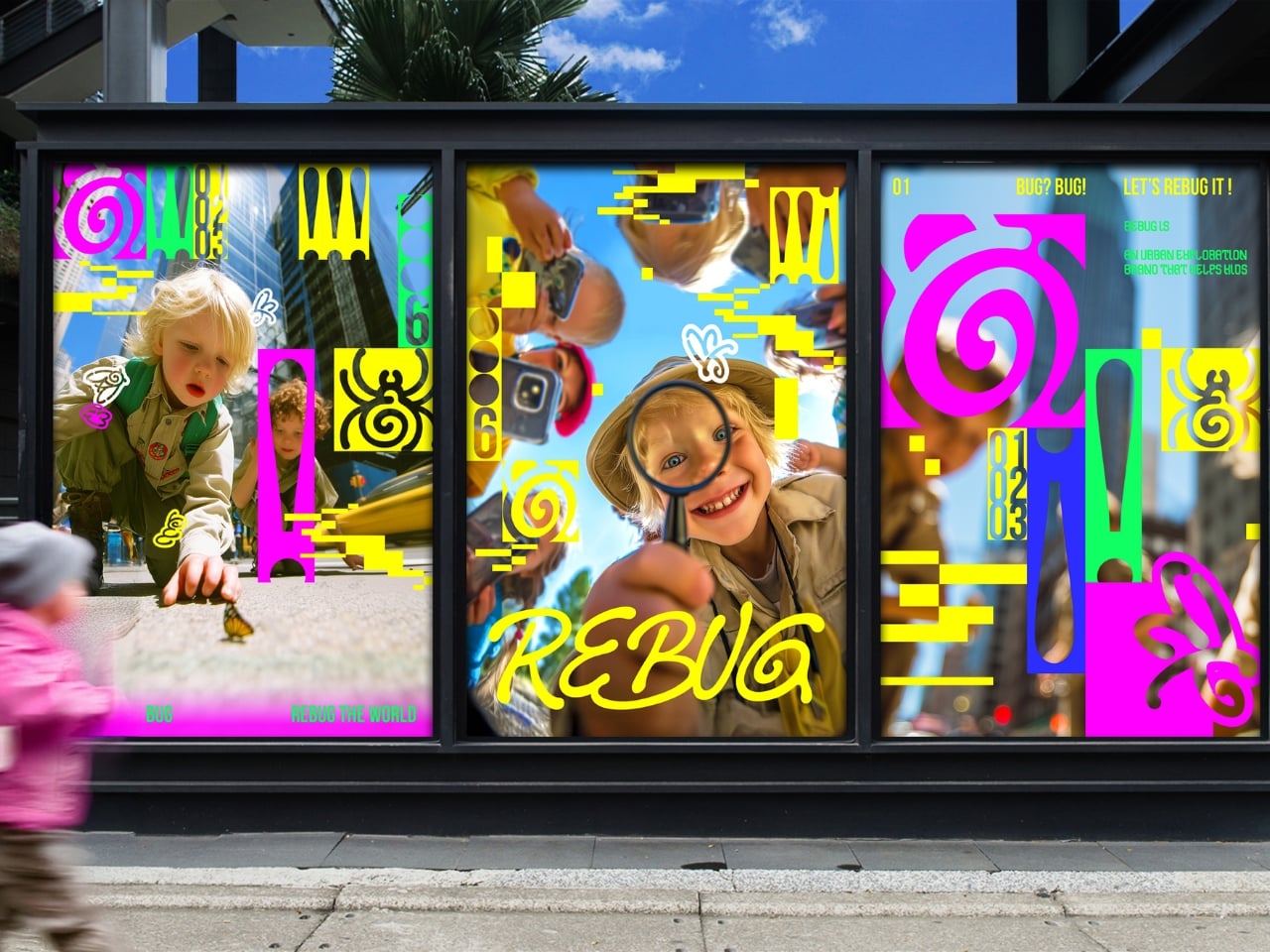
Rebug: The Toy That’s Getting Kids Off Screens and Into Bugs

Remember when catching fireflies in a jar was peak childhood entertainment? Yeah, me neither, because apparently we’re all too busy doom-scrolling. But here’s the thing: a group of designers just created something that might actually get today’s kids to put down their tablets and start chasing butterflies instead. And honestly? It’s kind of brilliant.

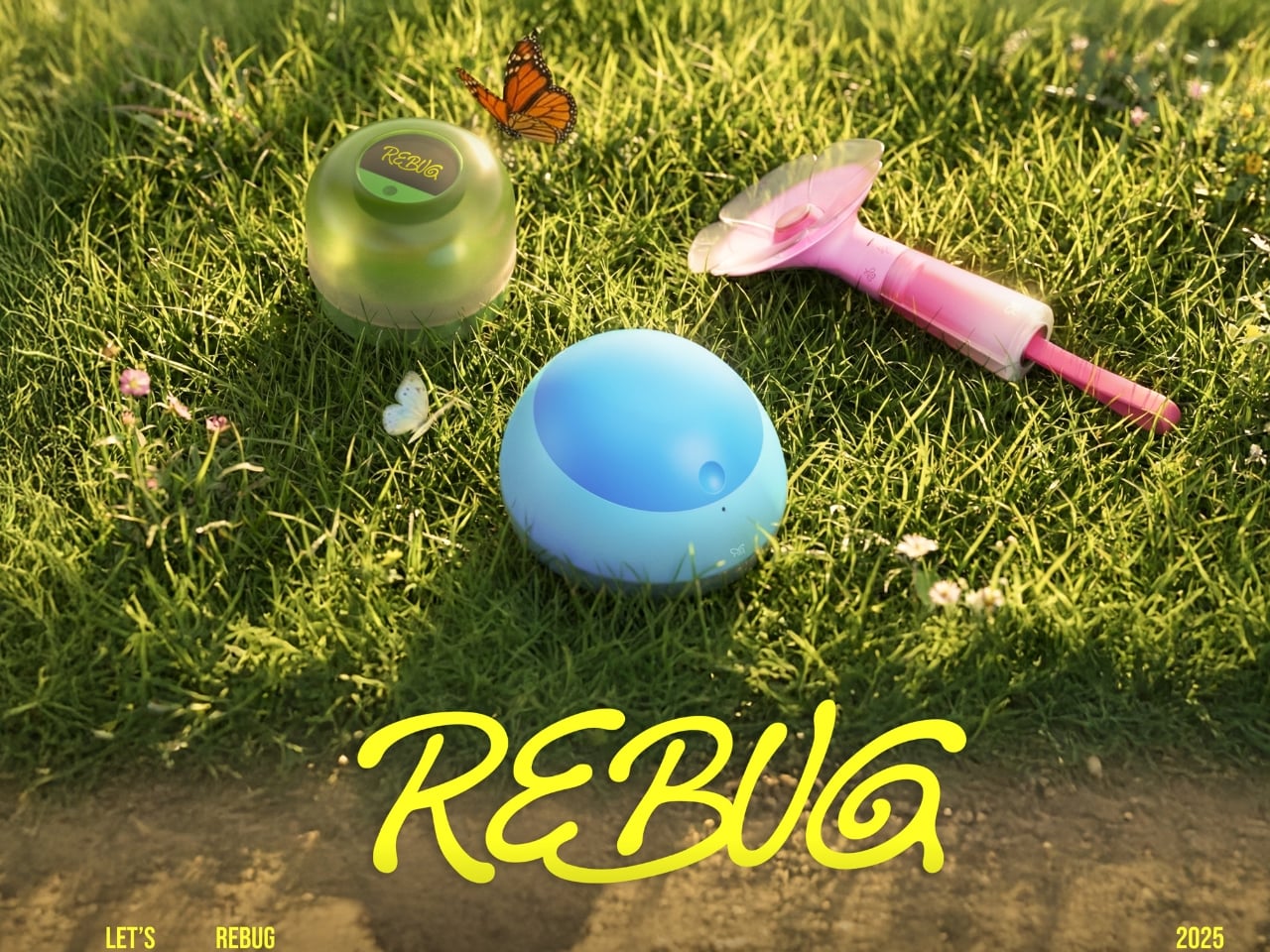
Meet Rebug, an urban insect adventure brand that’s basically the lovechild of Pokemon Go and a nature documentary. Created by designers Jihyun Back, Yewon Lee, Wonjae Kim, and Seoyeon Hur, this isn’t your grandmother’s butterfly net situation. It’s a whole ecosystem of beautifully designed products that make bug hunting feel less like a science project and more like the coolest treasure hunt ever.

Designers: Jihyun Back, Yewon Lee, Wonjae Kim, Seoyeon Hur

Create your own Aesthetic Render: Download KeyShot Studio Right Now!

The backstory here is actually pretty important. We’re living through what experts are calling “nature-deficit disorder,” which sounds made up but is very real. Studies show that kids who spend time outside are happier, more focused, and way less anxious than their indoor counterparts. But between screens and city living, most children today are more likely to recognize a YouTube logo than a dragonfly. The research is genuinely alarming: kids in urban areas with frequent smartphone use are significantly less likely to do things like bird watching or insect catching. Which, you know, makes sense when you think about it. Why chase bugs when you can watch someone else do it on TikTok?

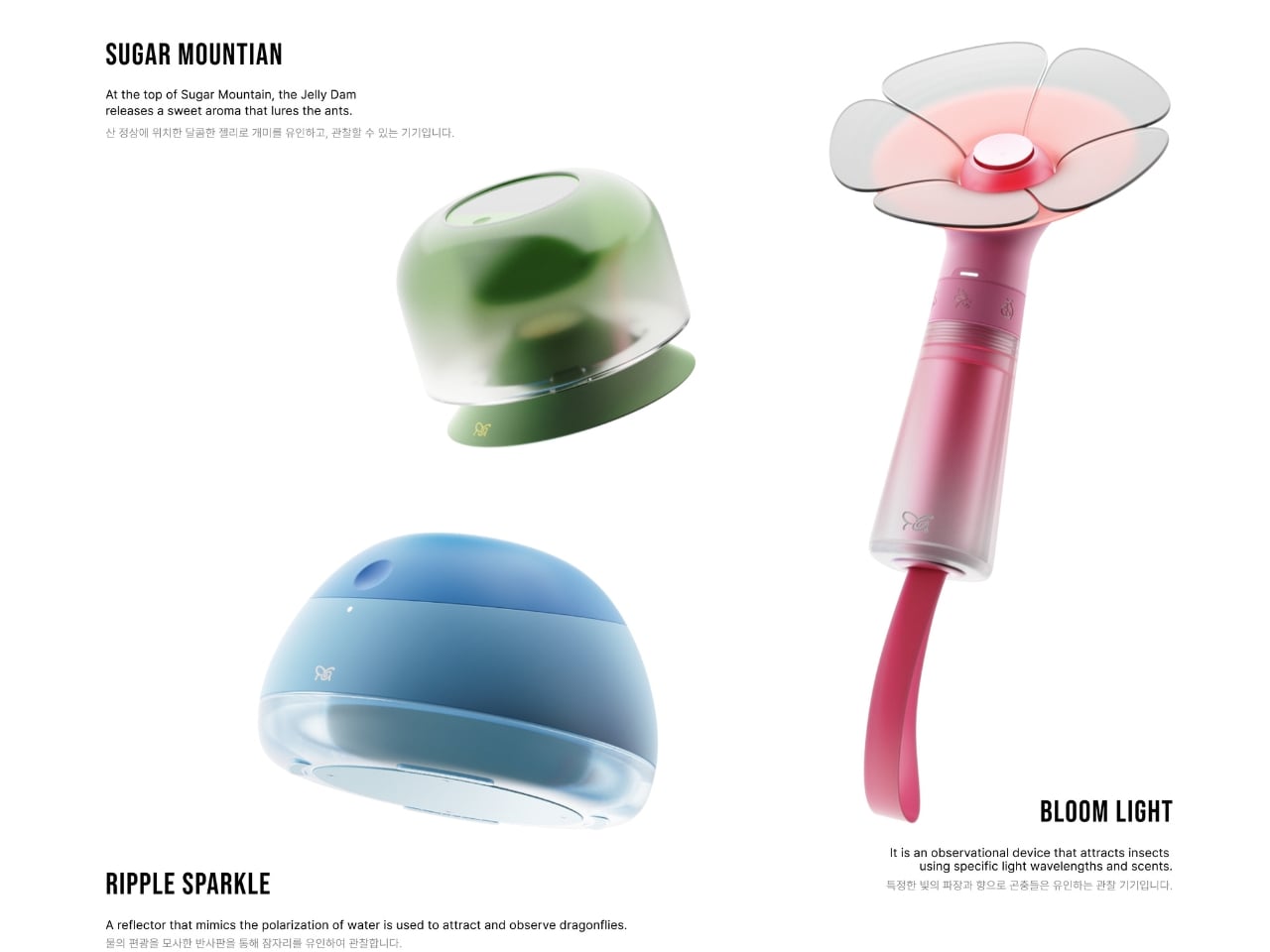
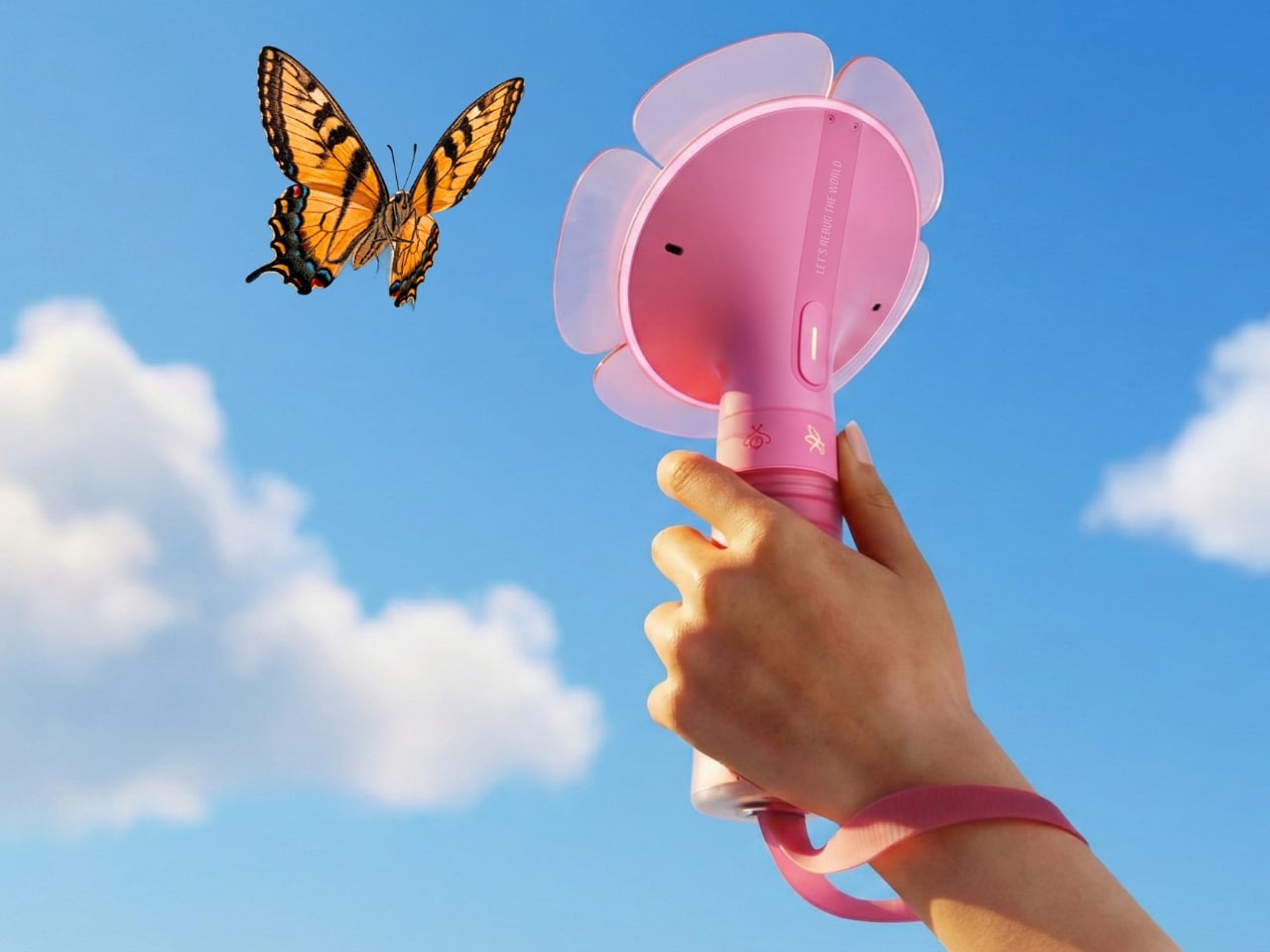
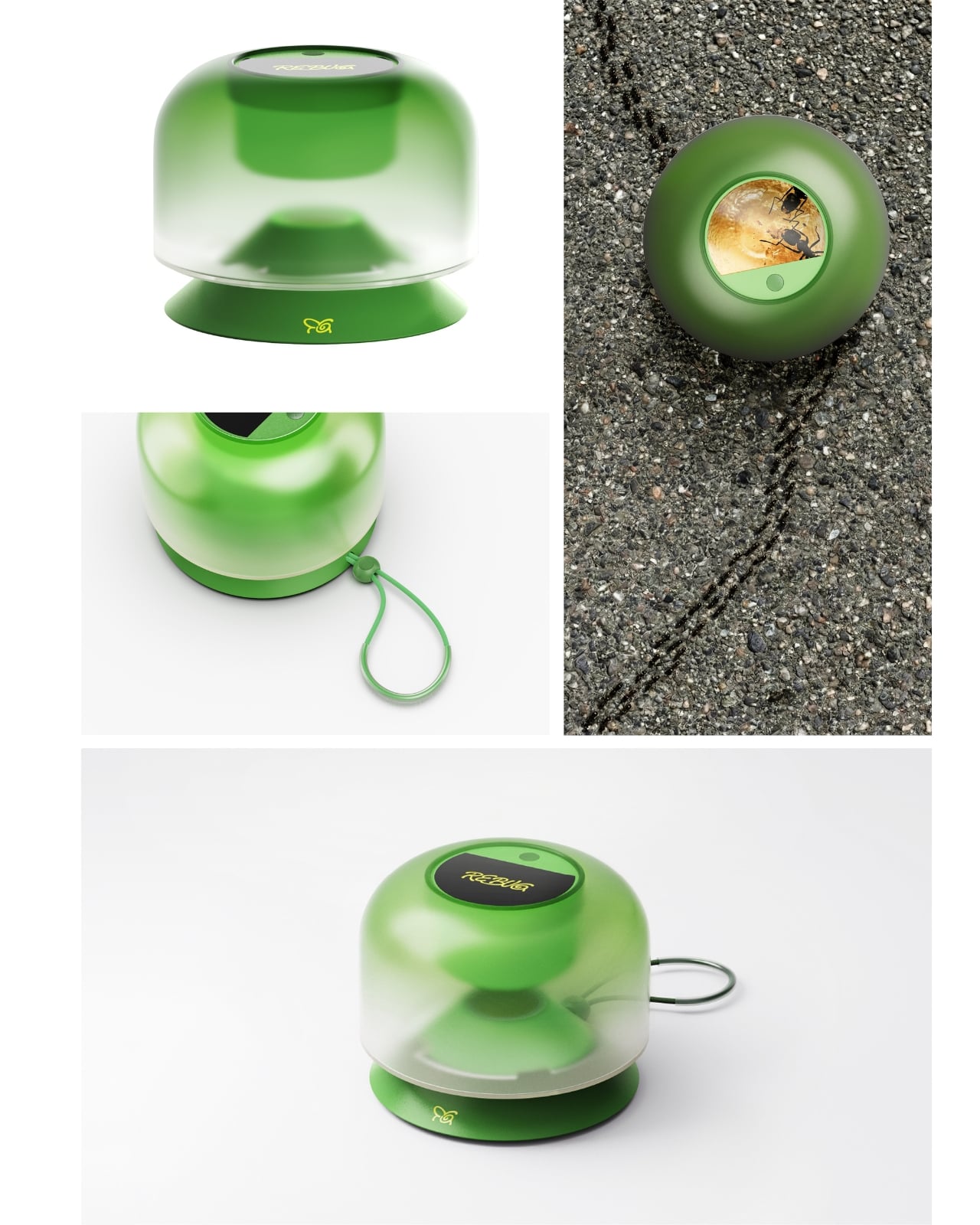
But Rebug flips the script. Instead of fighting against technology or pretending cities don’t exist, it works with both. The product line is this gorgeous collection of bug-catching tools in these dreamy pastels and neon brights that look more like designer home accessories than kids’ toys. There’s a translucent pink funnel catcher, a sky-blue observation dome that works like a tiny insect hotel, and my personal favorite: the Ripple Sparkle.

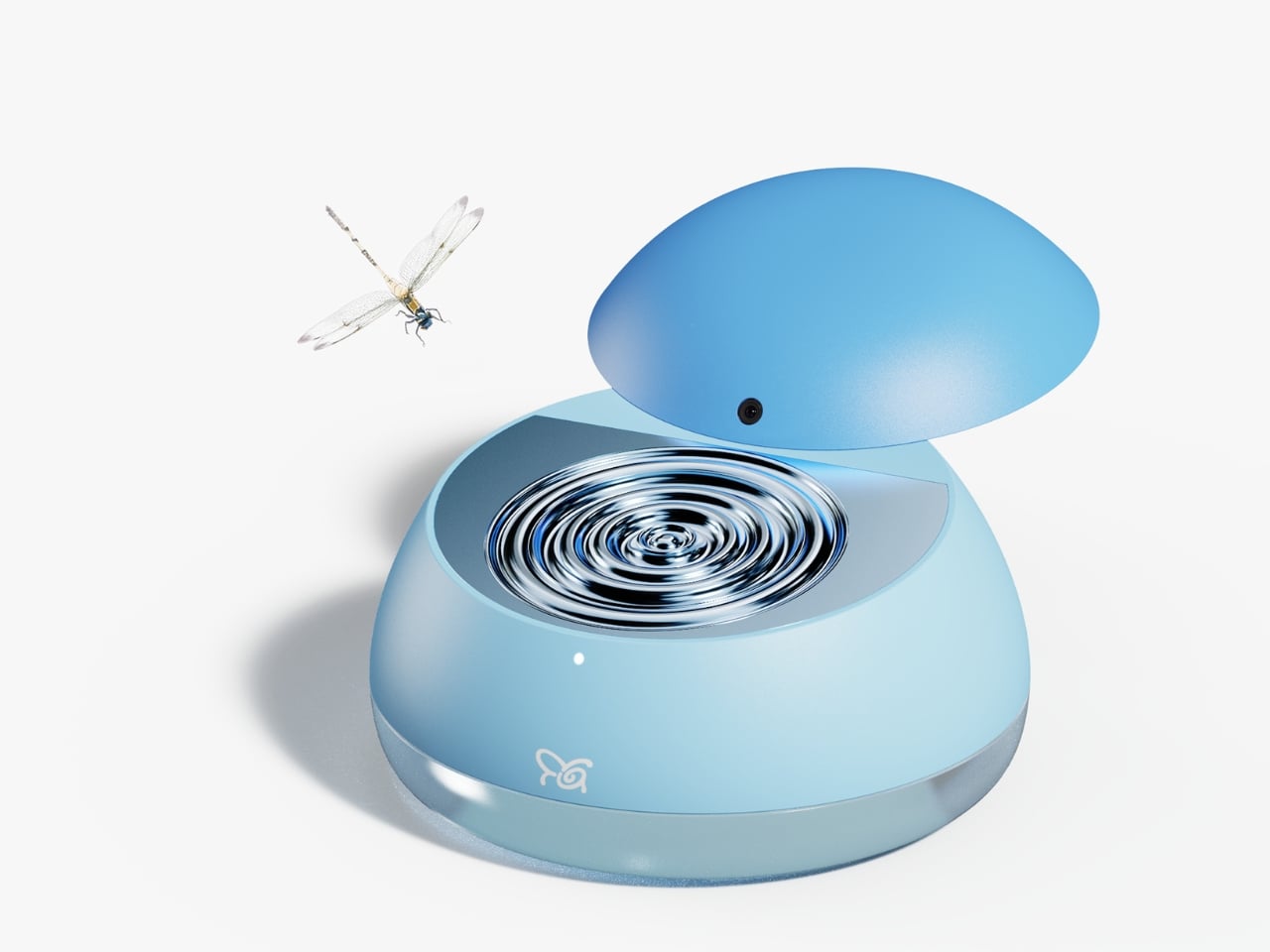
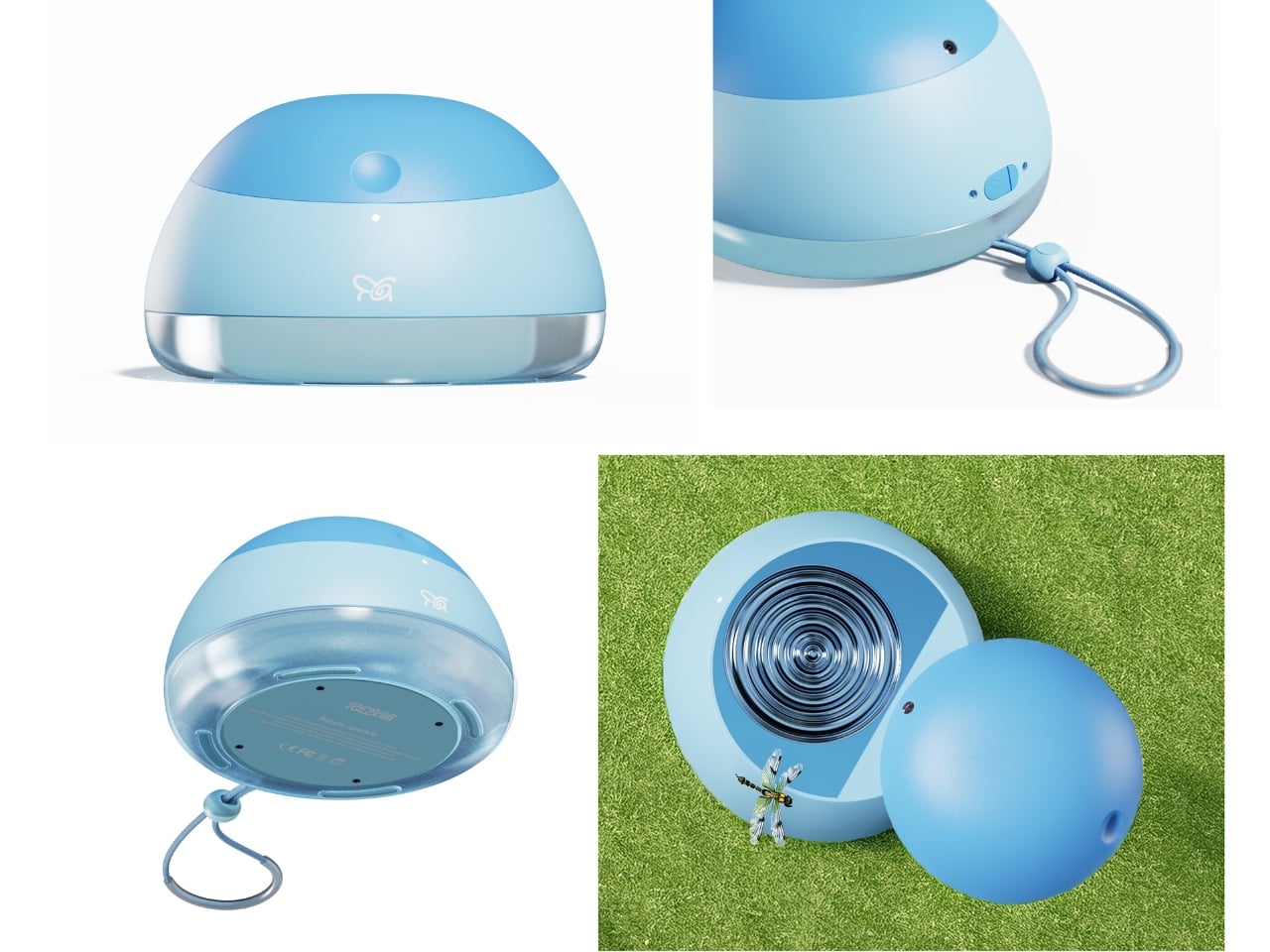
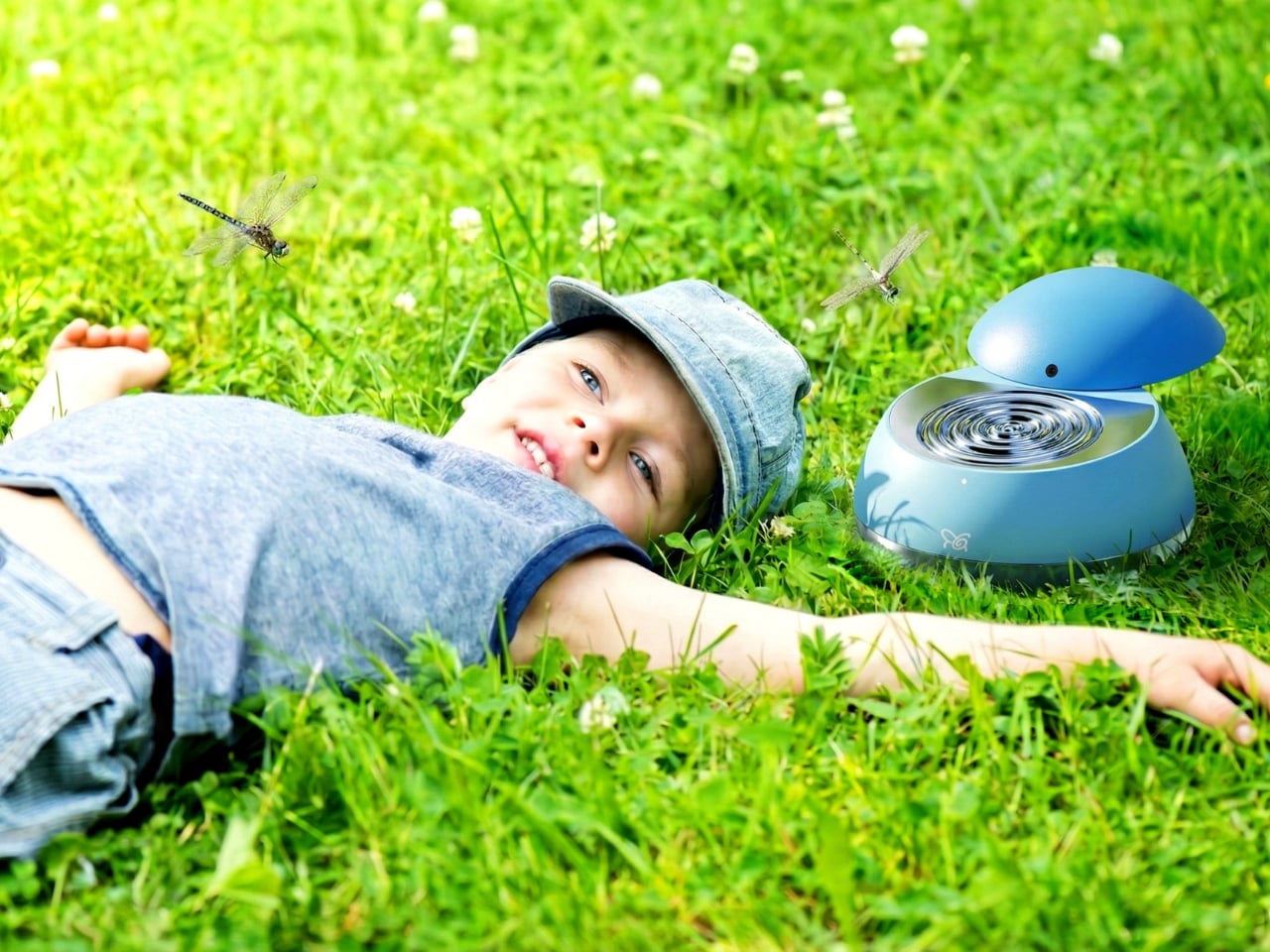
This thing is genuinely clever. It’s a device that attracts dragonflies by mimicking water ripples with a rotating metal plate. Dragonflies are naturally drawn to polarized light on water, so this gadget basically speaks their language. No chemicals, no tricks, just pure science-based attraction. The insects come to investigate, kids get to observe them up close, and then everyone goes their separate ways unharmed. It’s like speed dating for nature education.

What really gets me about Rebug is how it bridges the digital and physical worlds without being preachy about it. The brand includes this whole archiving system with colorful record cards and an app interface where kids can document their finds. Instead of just telling children to “go outside and play,” it gives them a mission. How many insects did you meet today? Where did you find that beetle? The app turns each discovery into a collectible moment, which, let’s be real, is exactly how kids’ brains work these days.

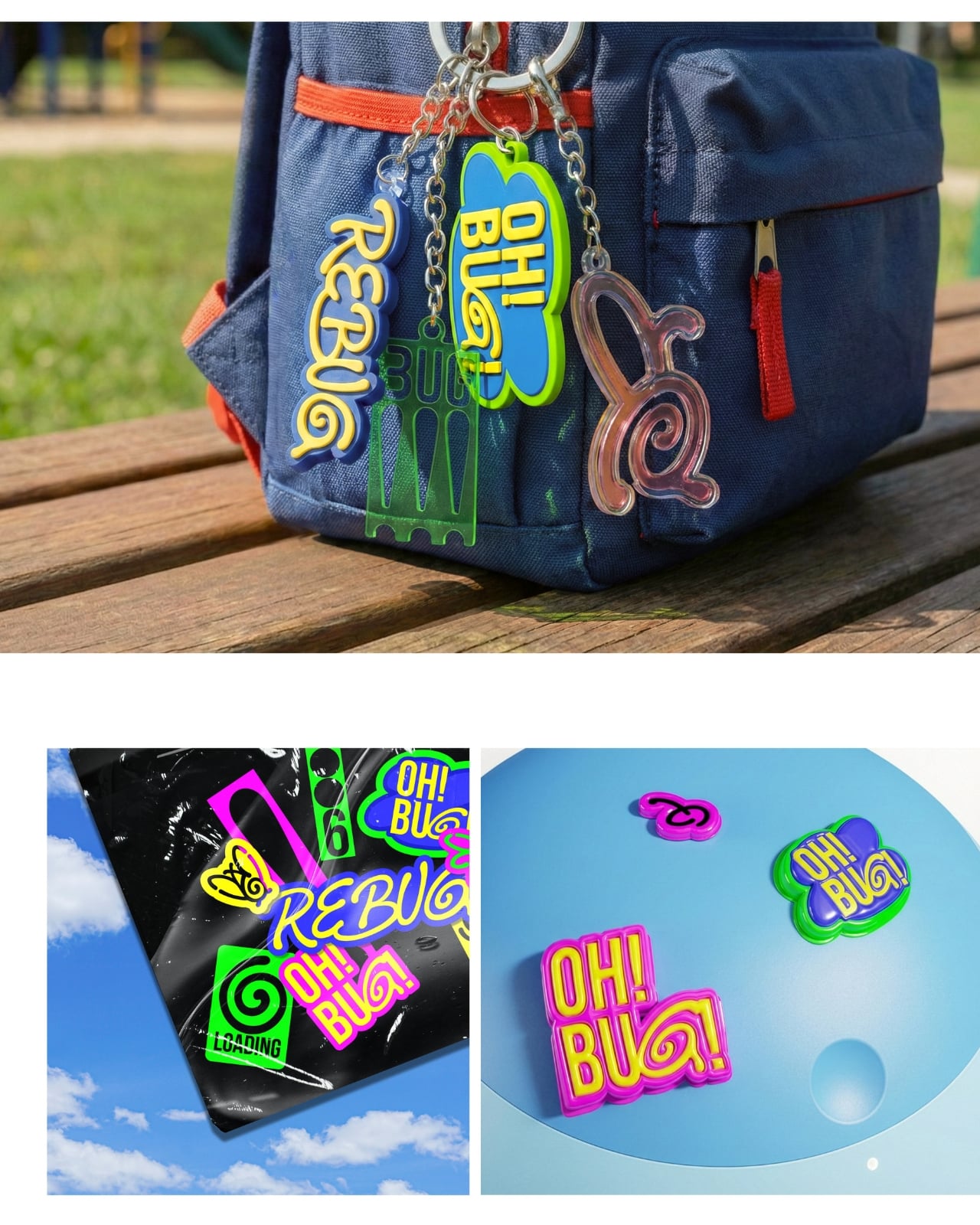
The visual design is also doing the most in the best way. The branding uses this electric yellow, hot pink, and bright blue color palette that feels more streetwear than science kit. The graphics pull from three sources: actual insect shapes, children’s scribbles, and digital glitch effects. That last one is particularly smart because it literally visualizes the brand’s whole mission of shifting kids from digital errors to natural wonders. It’s the kind of layered design thinking that makes you go “oh, they really thought about this.”

And here’s what makes this feel so timely: Rebug proves that urban spaces aren’t nature deserts. You don’t need to drive to a national park to find wildlife. There are ecosystems thriving on your sidewalk, in your local playground, in that patch of grass between buildings. Research shows that urban families often don’t realize these opportunities exist or don’t see meaningful ways to interact with city nature. Rebug hands them the tools, literally and figuratively, to start looking differently at their environment.

Could a beautifully designed bug kit actually combat screen addiction and nature disconnect? Probably not single-handedly. But it’s a start, and more importantly, it’s a conversation starter about what childhood exploration can look like in 2025. Plus, those product photos are absolutely gorgeous, which never hurts when you’re trying to convince people to try something new. Sometimes the best design solutions don’t reinvent the wheel. They just make you excited to get off the couch.

The post Rebug: The Toy That’s Getting Kids Off Screens and Into Bugs first appeared on Yanko Design.