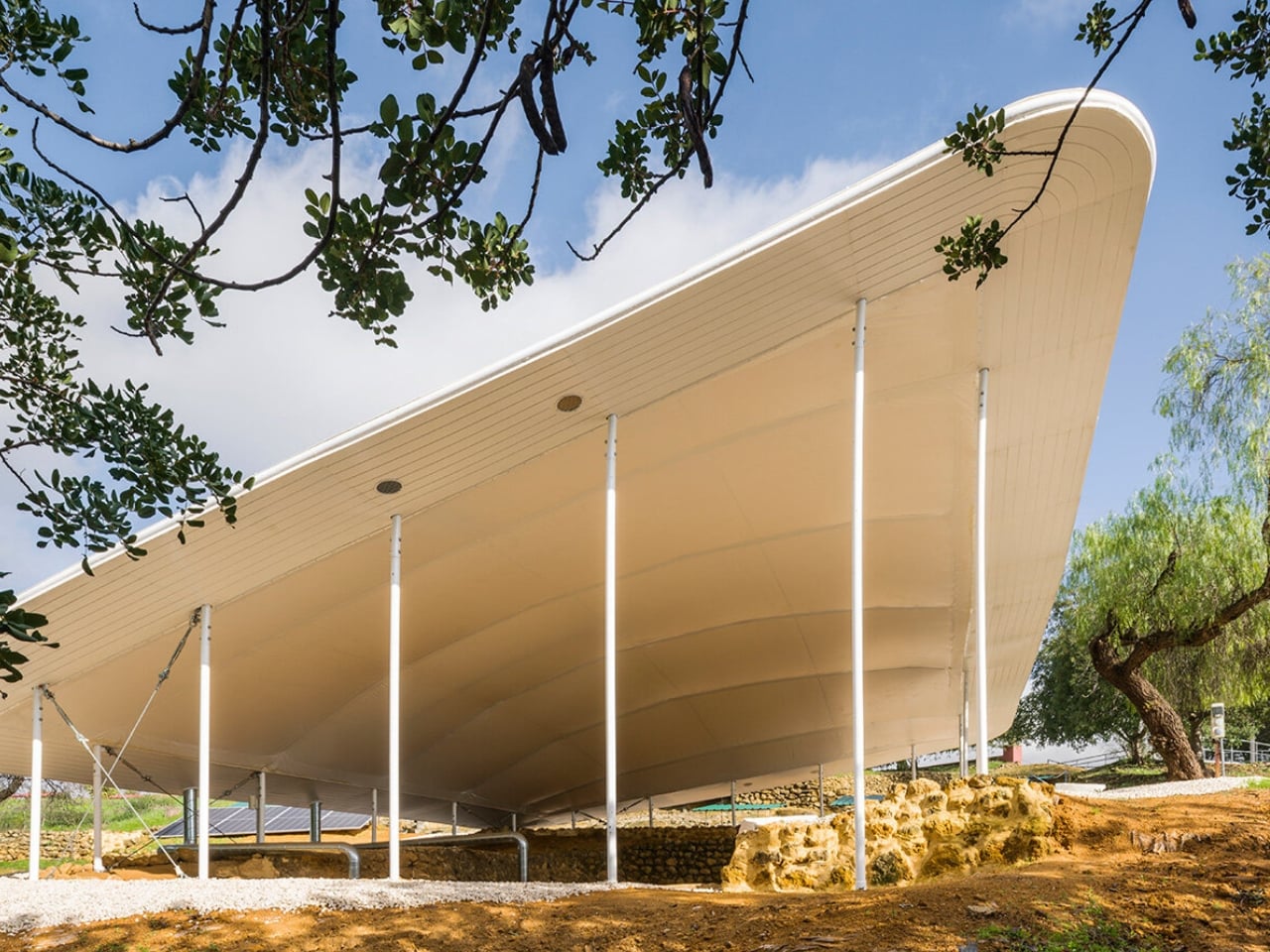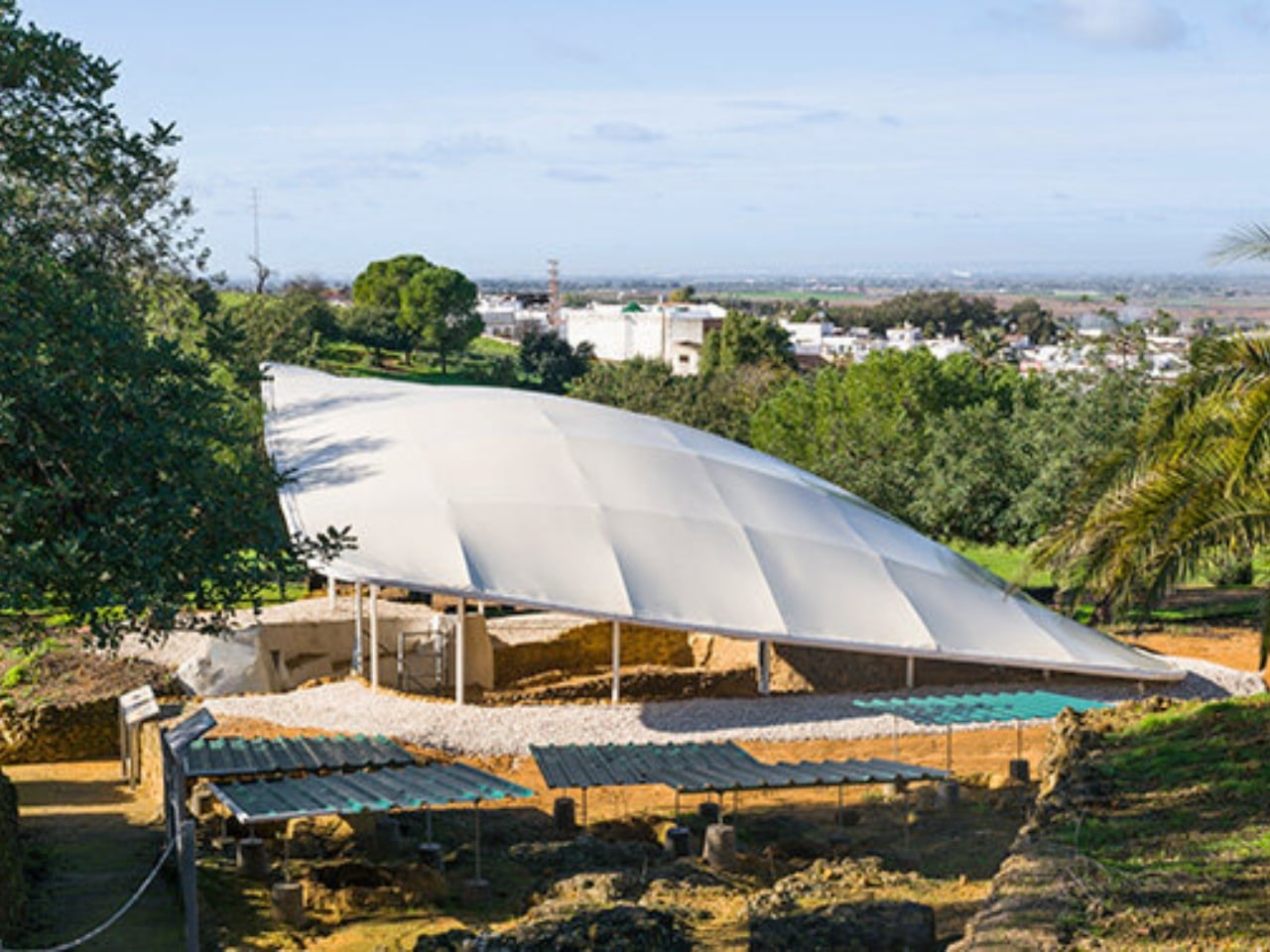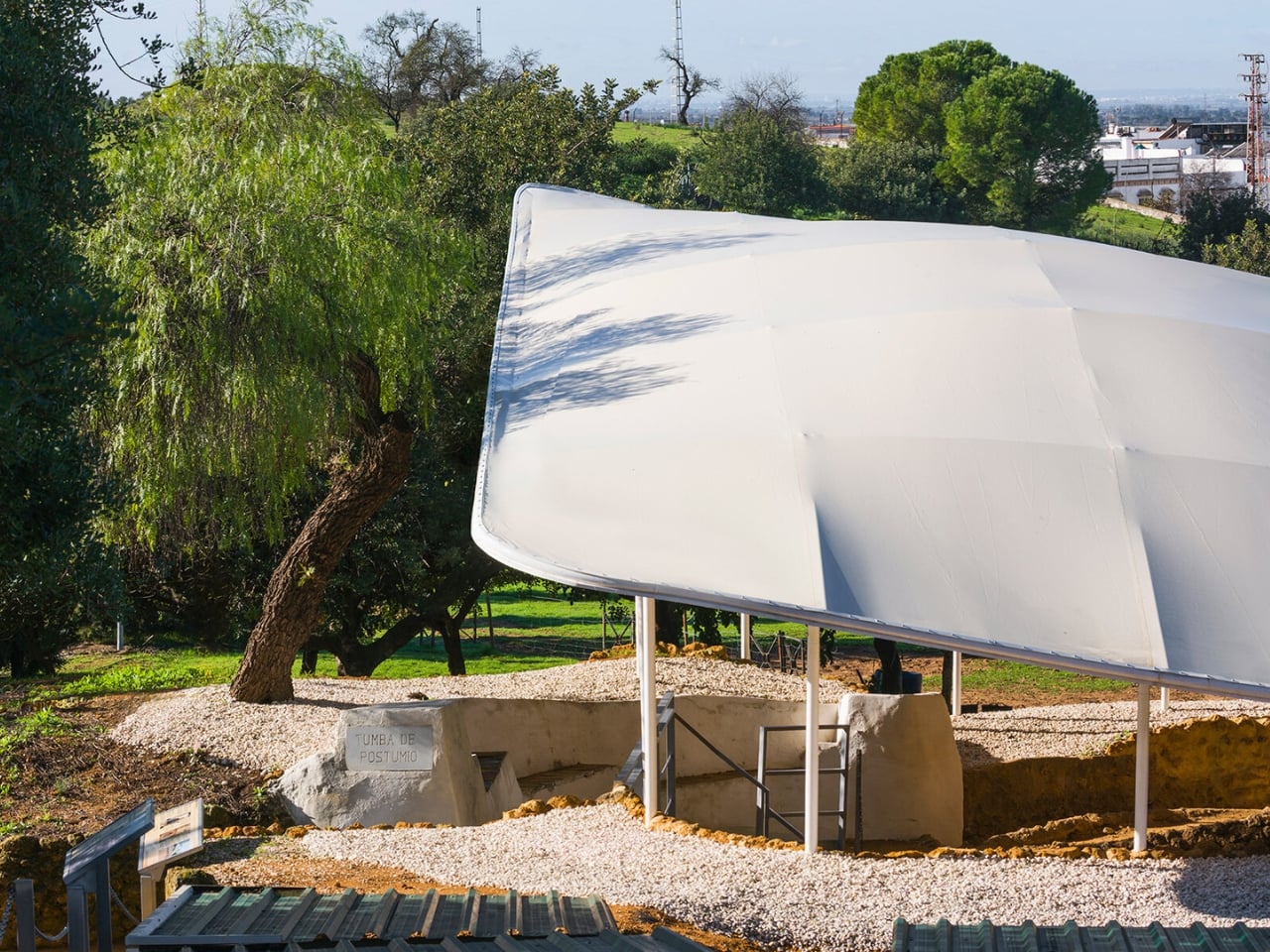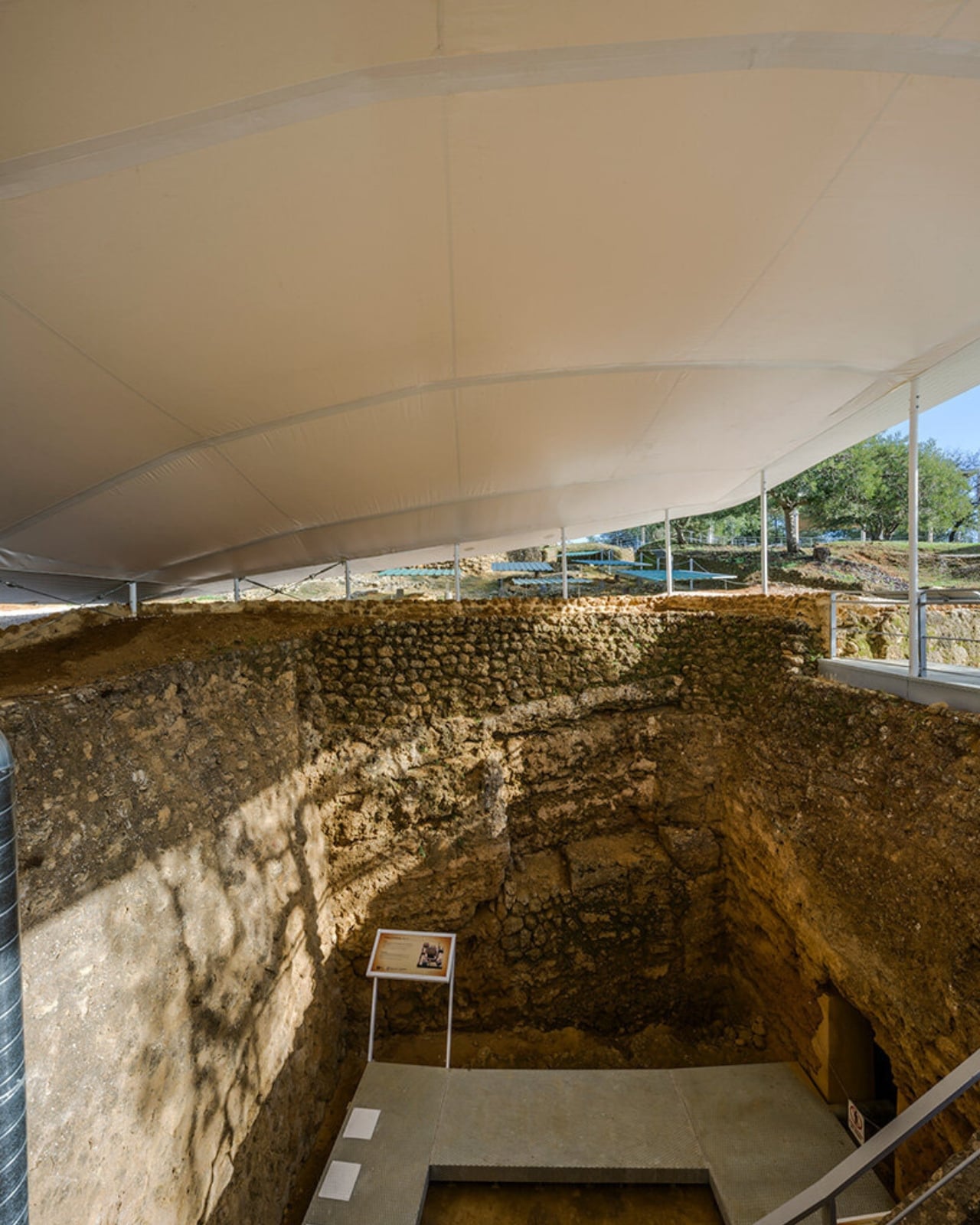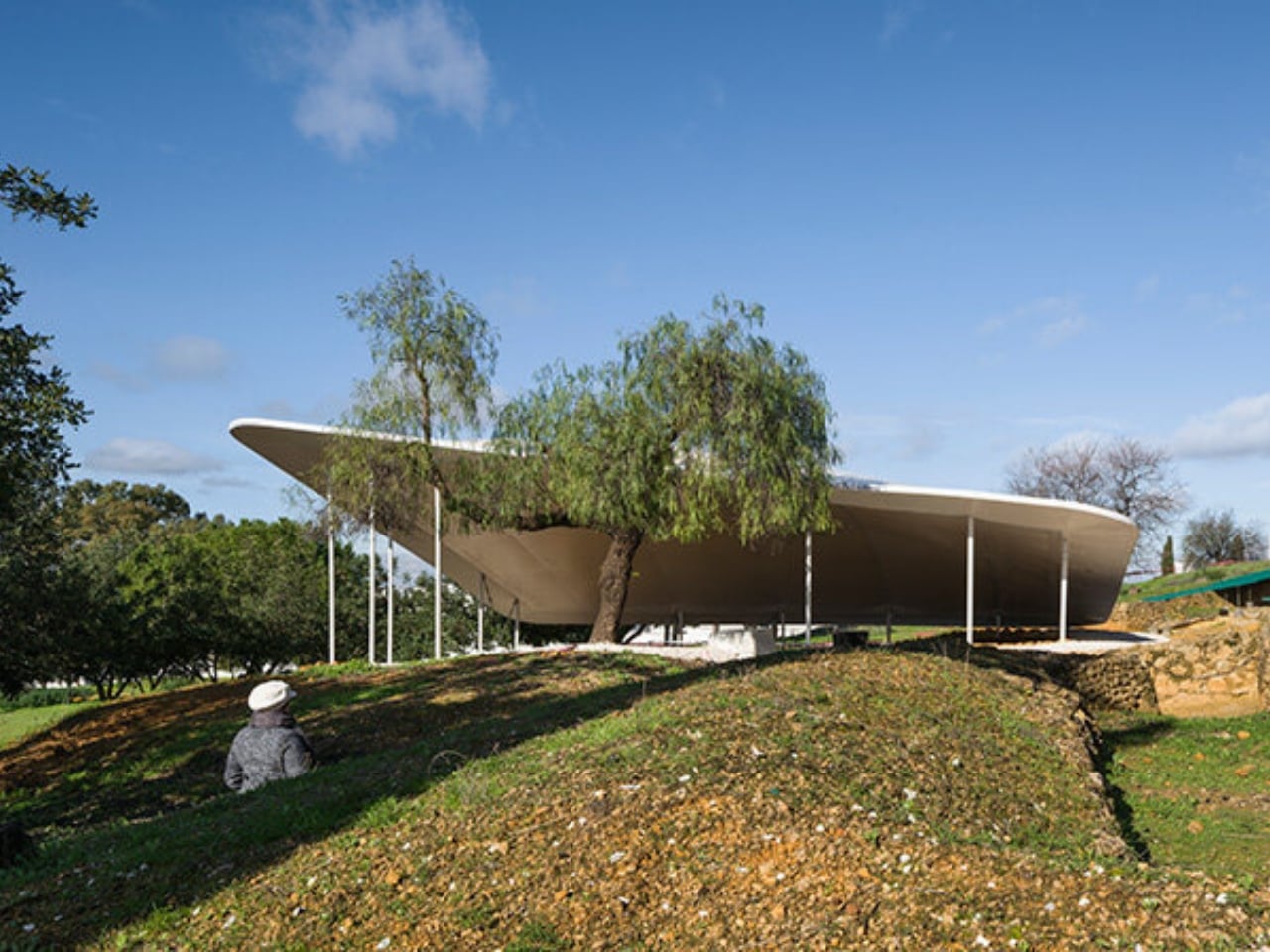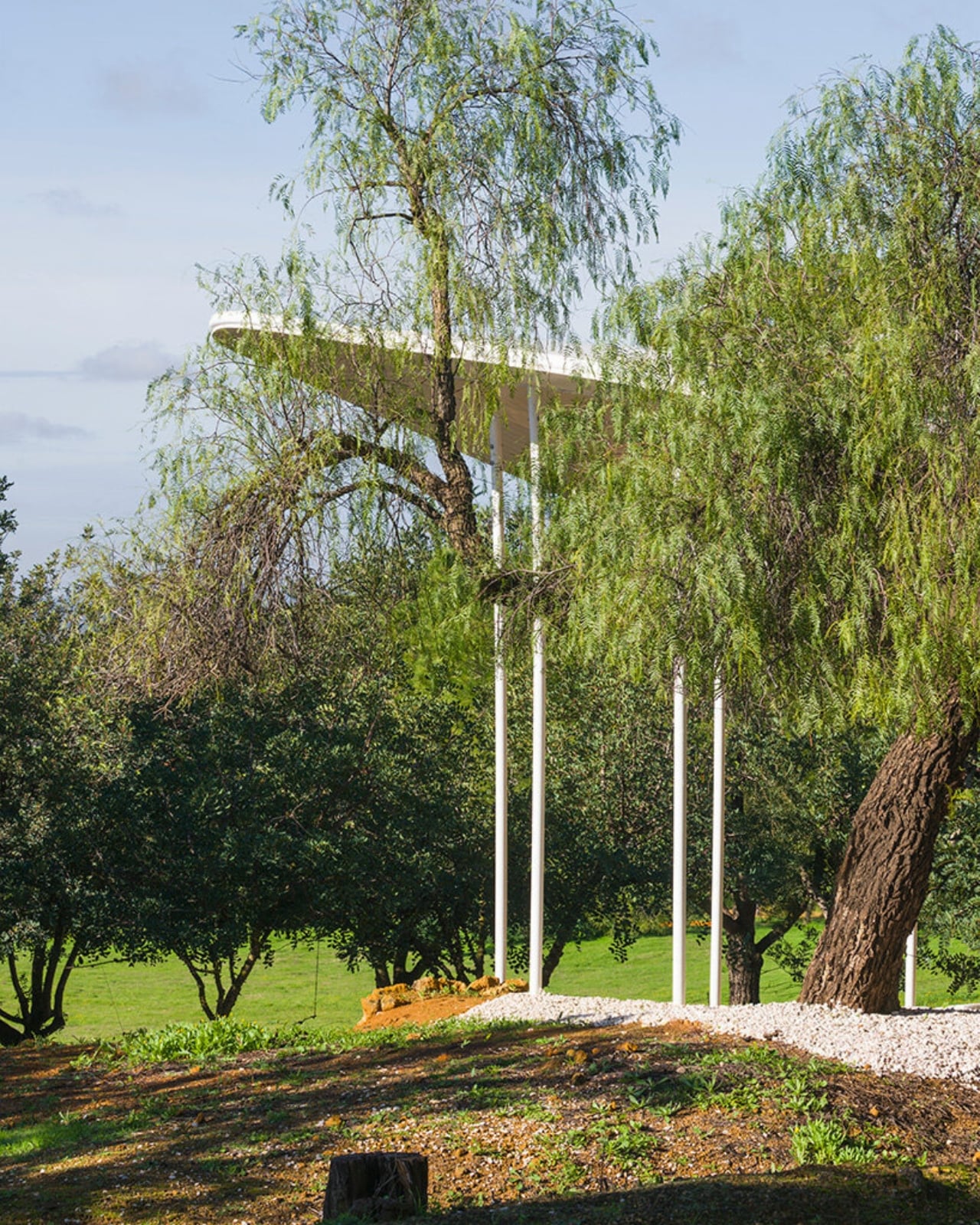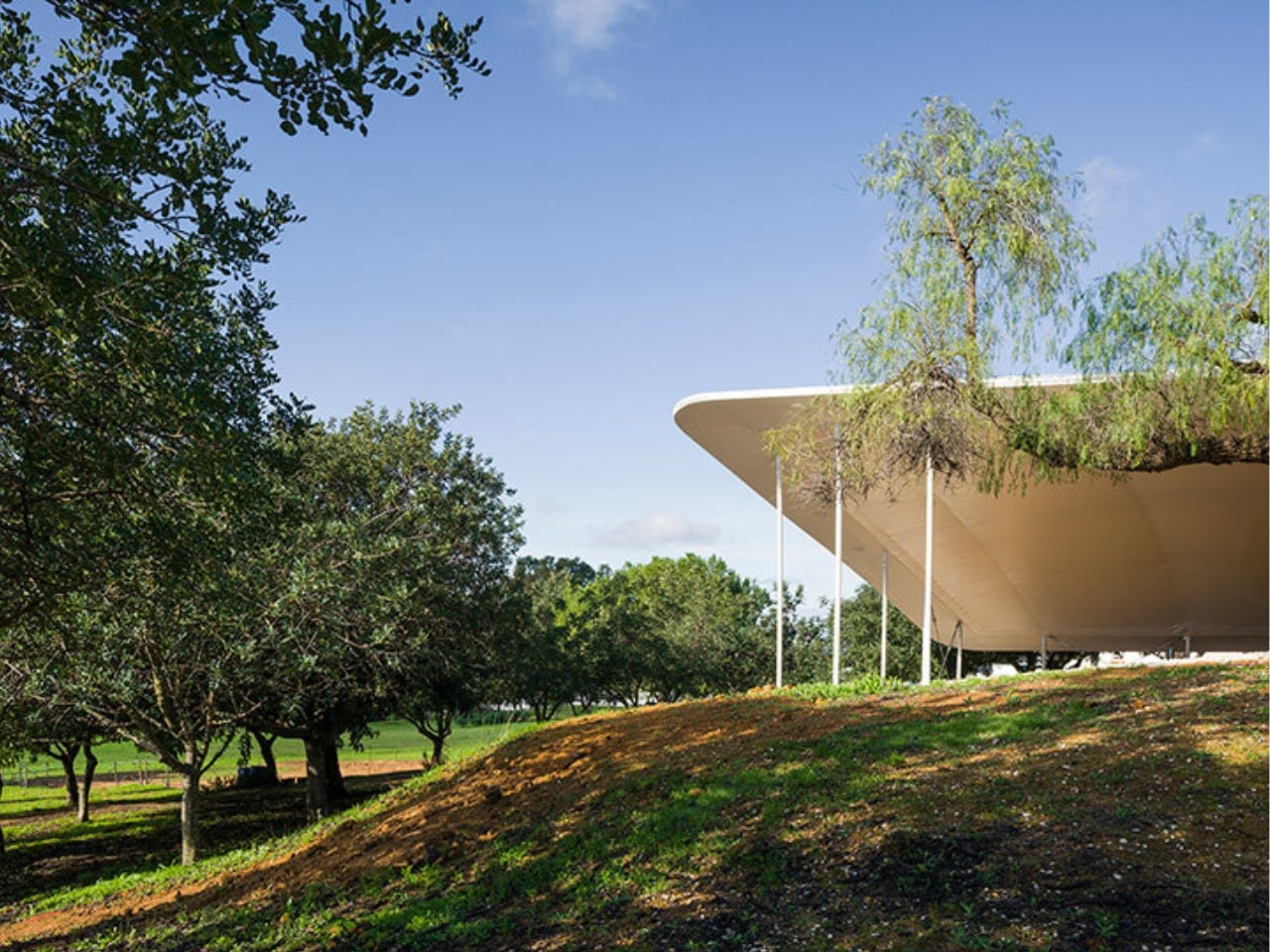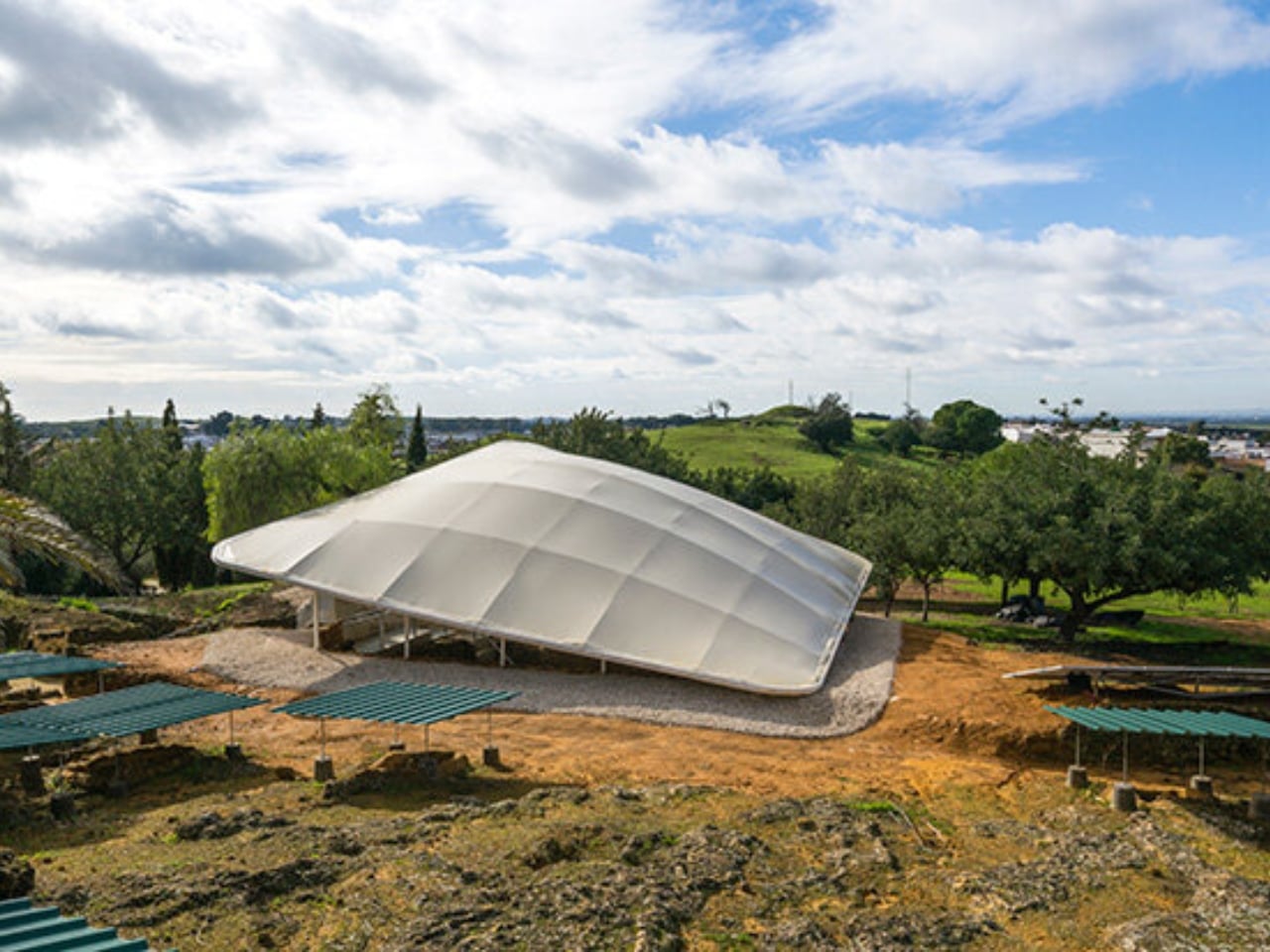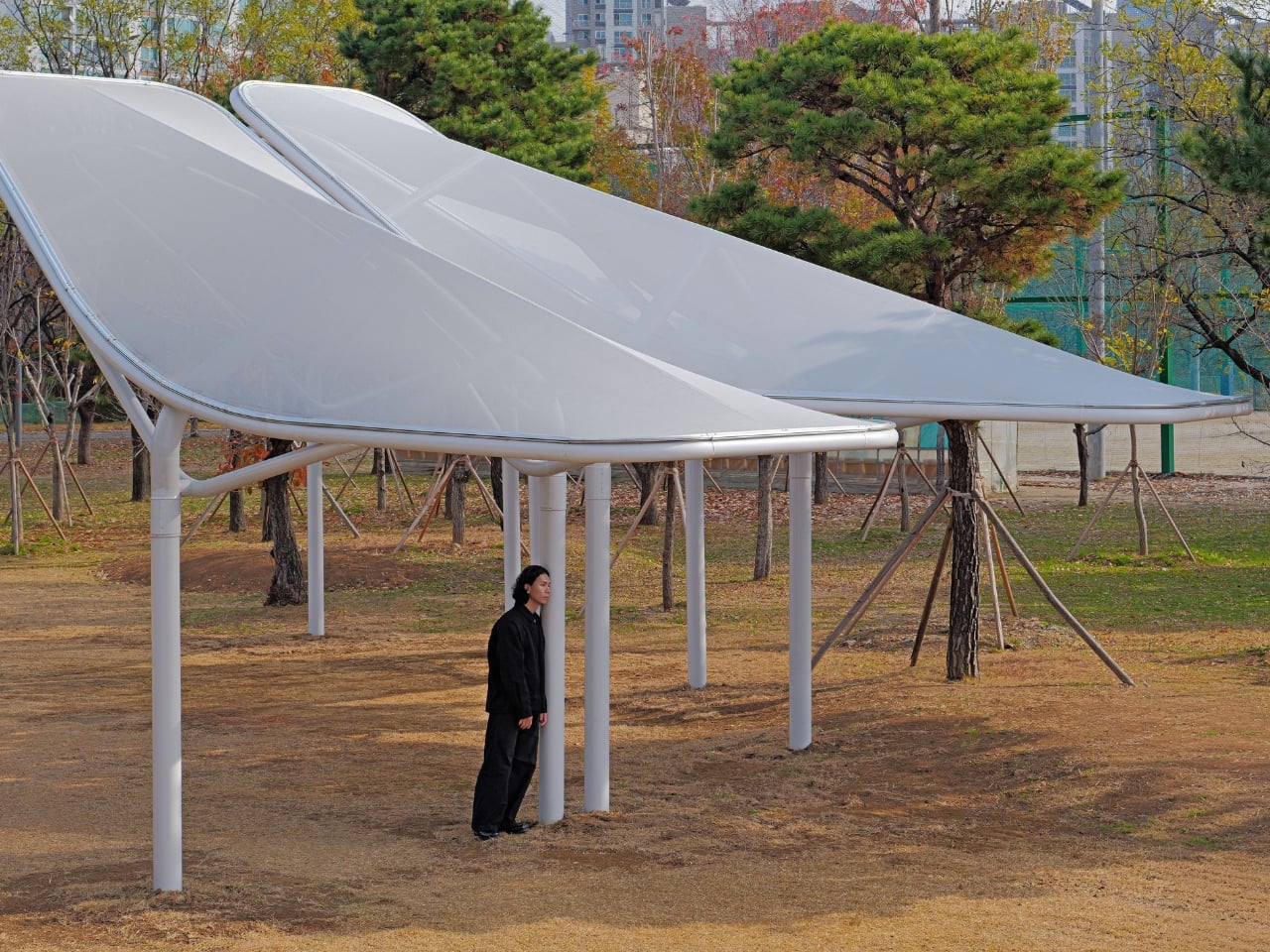
There’s something undeniably elegant about watching how birds move through the air, wings spread wide and catching the wind with effortless grace. BKID Co took that natural brilliance and translated it into something Seoul’s parks desperately needed: shade structures that look stunning and can actually stand up to a typhoon.
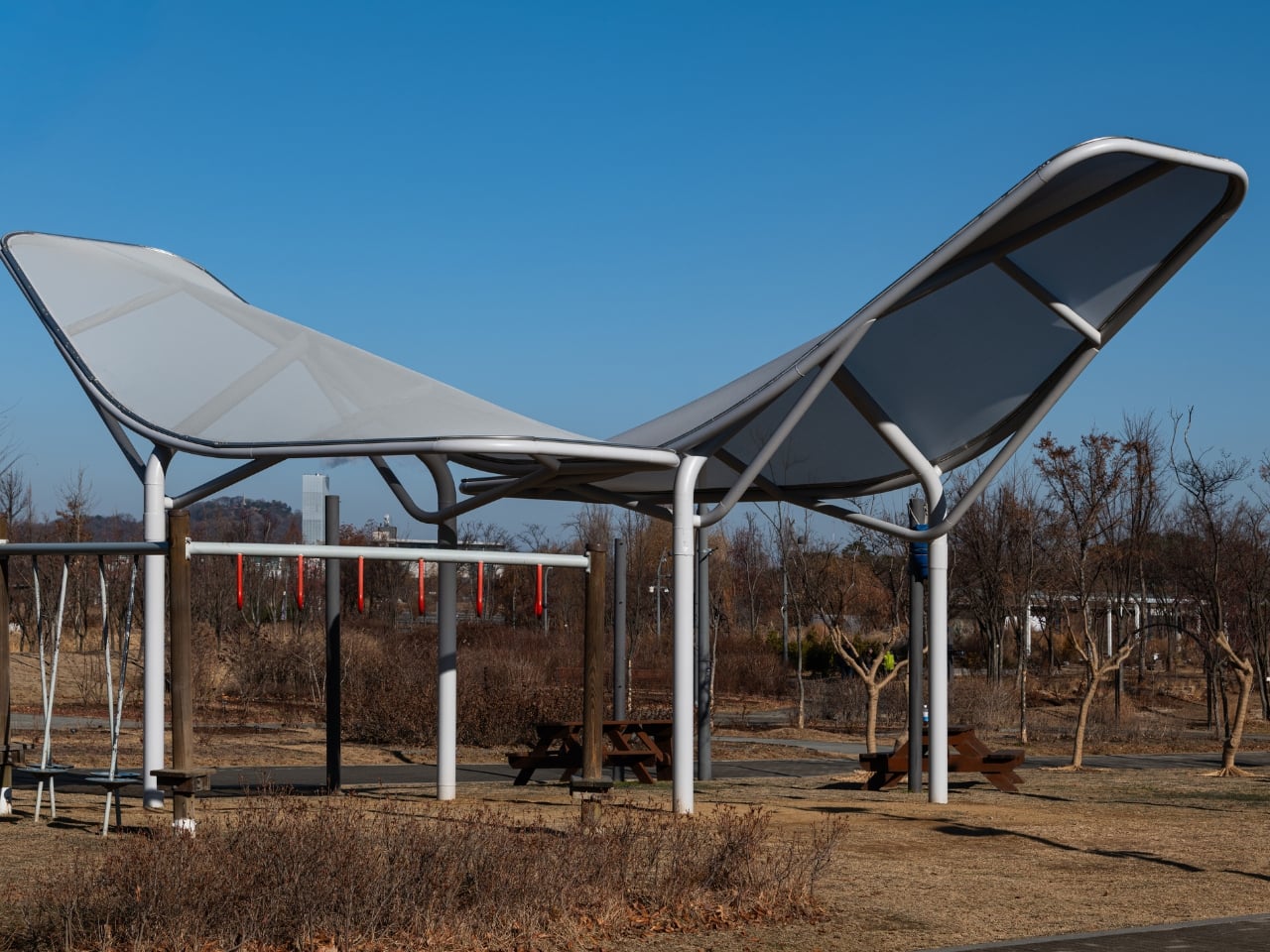
The Seoul Wing project isn’t your average park canopy. Sure, we’ve all huddled under those generic metal shelters that look like they were ordered from the same catalog every city uses. But these installations feel different. They’re sculptural, organic, and honestly pretty mesmerizing when you see them from above. The way those overlapping panels mimic feathers creates this flowing, almost kinetic quality even when they’re completely still.
Designer: BKID Co
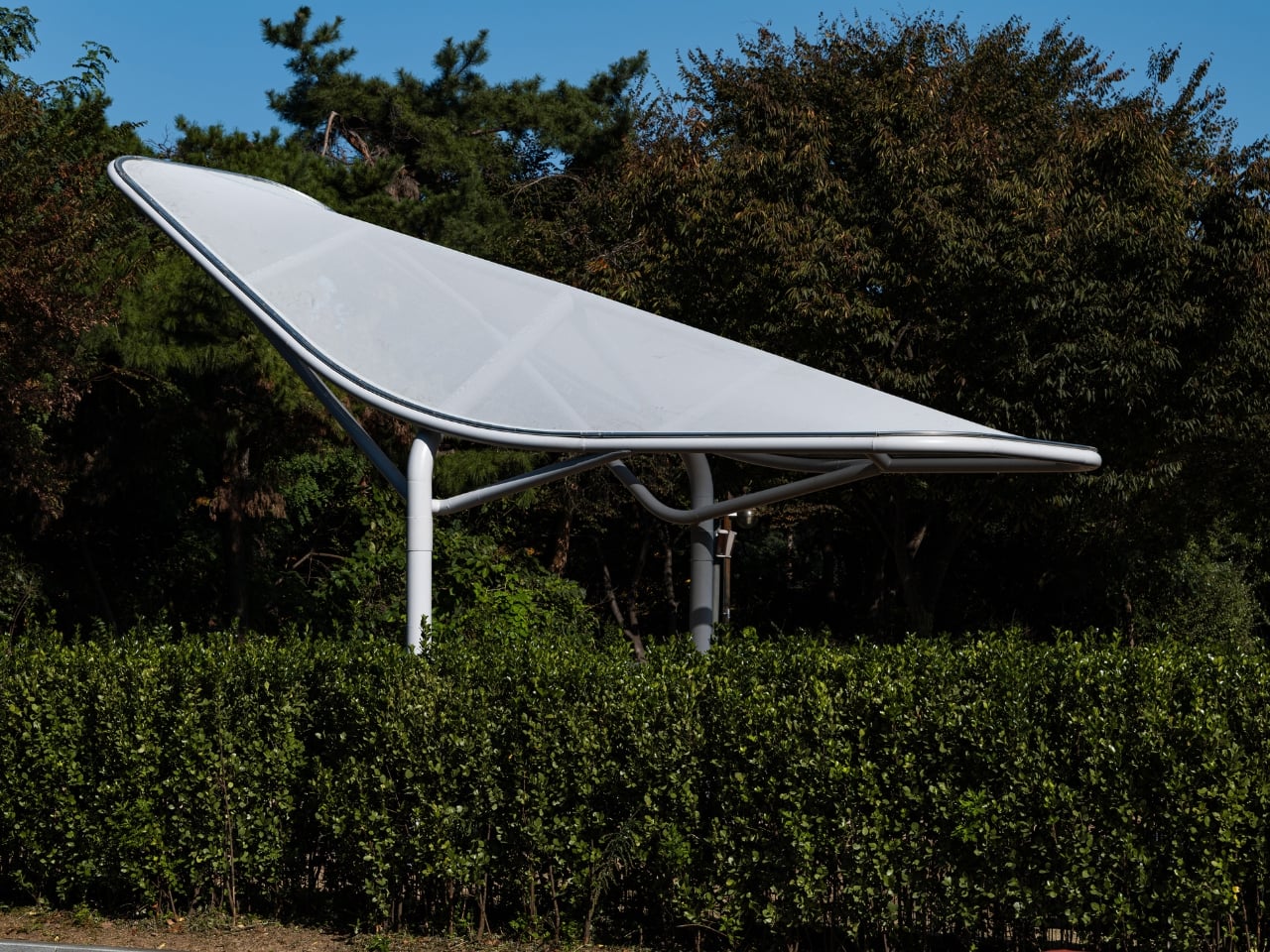
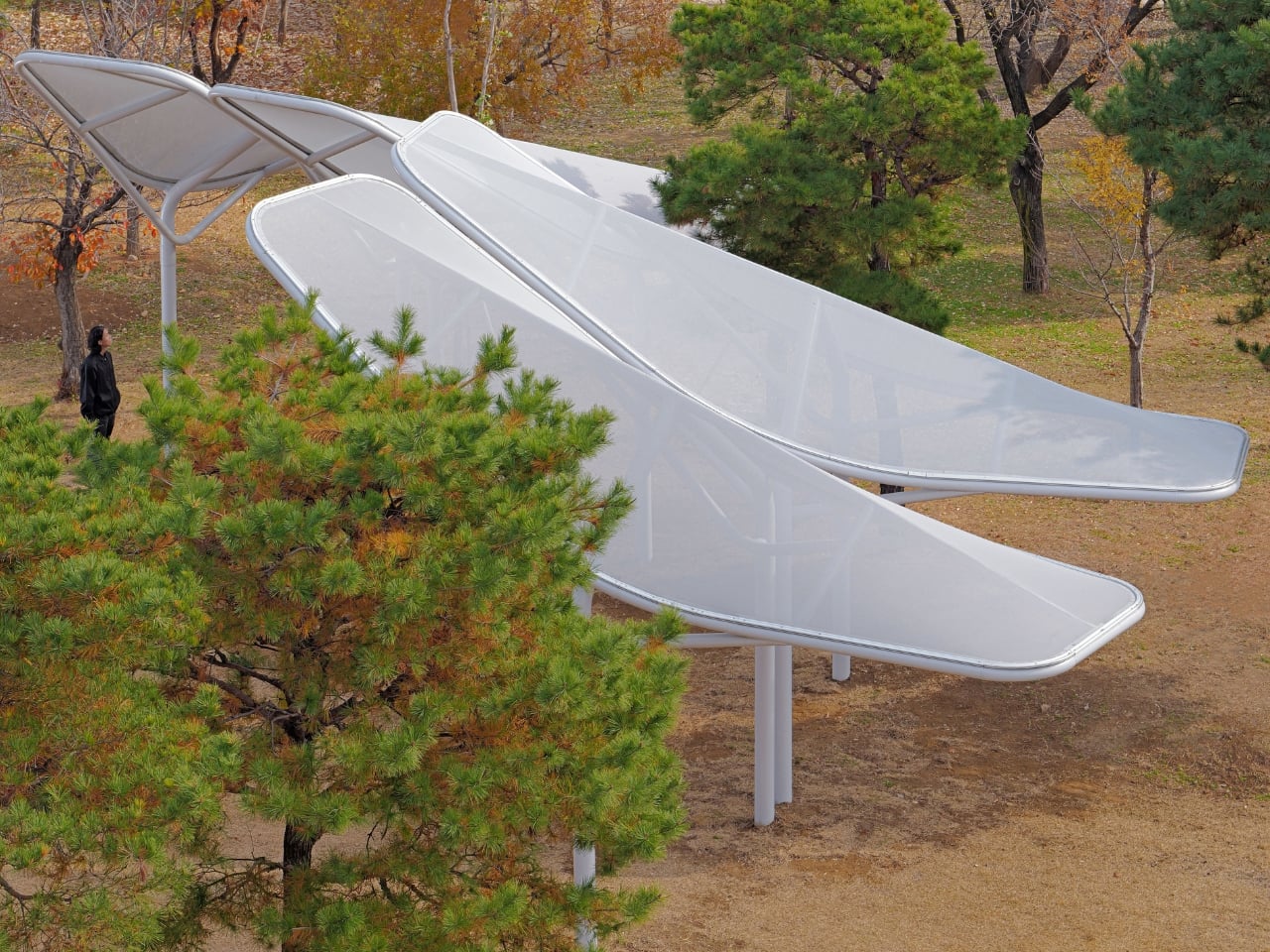
What makes this design particularly clever is how BKID solved multiple problems at once. Anyone who’s tried to design outdoor structures knows the challenge: make it light enough to install without massive equipment, strong enough to survive extreme weather, and attractive enough that people actually want to use it. Most designers pick two out of three. BKID managed all of them.
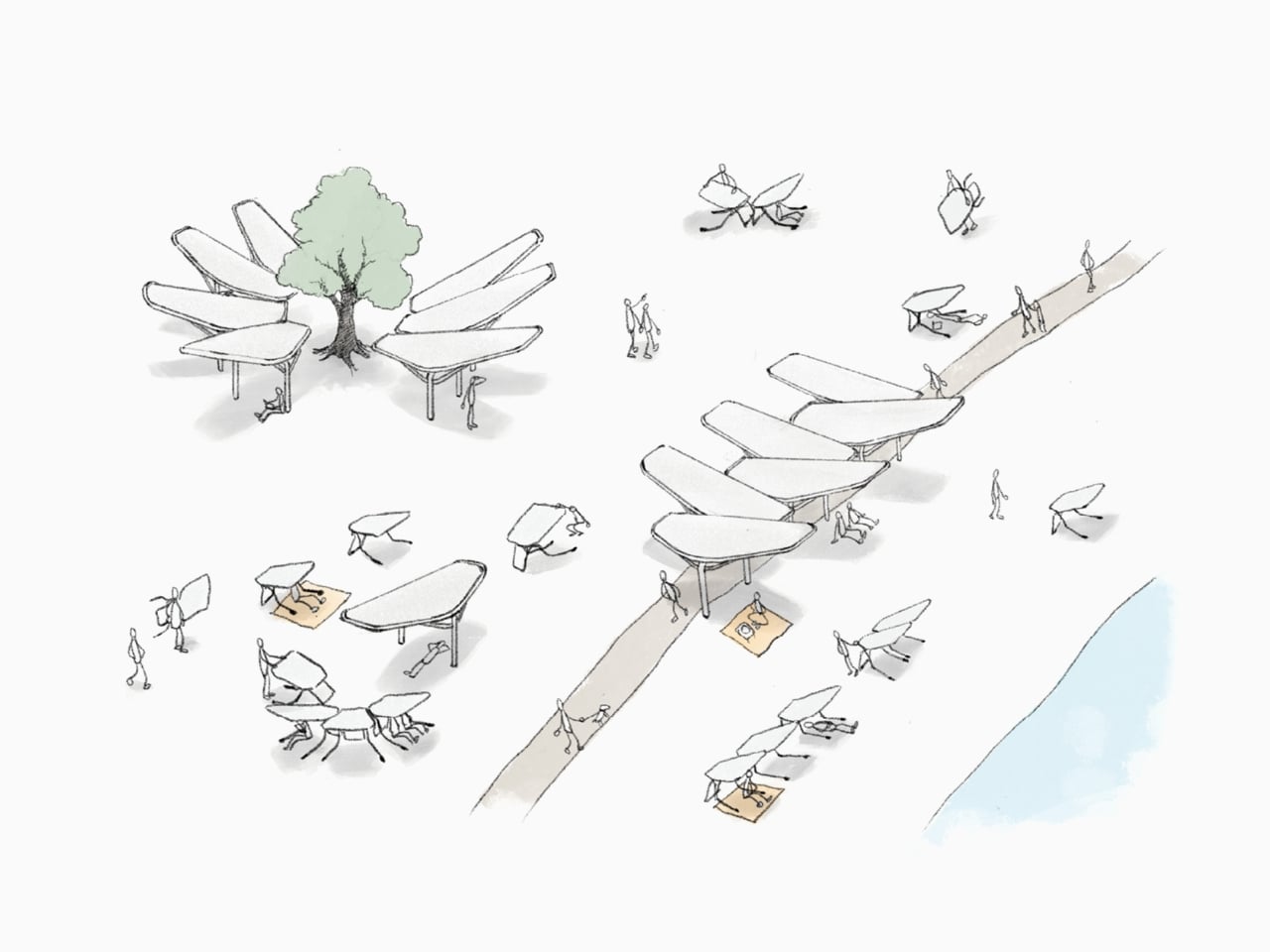
The secret lies in that polyurethane mesh structure. It’s the kind of material innovation that doesn’t get enough attention because it’s not flashy, but it’s absolutely critical. Traditional shade structures either use heavy solid panels that require serious engineering support, or lighter fabrics that tear apart in strong winds. This mesh strikes that perfect middle ground. It’s resilient enough to flex during a storm rather than fighting against the wind, which is exactly what makes bird wings so effective during turbulent flight.
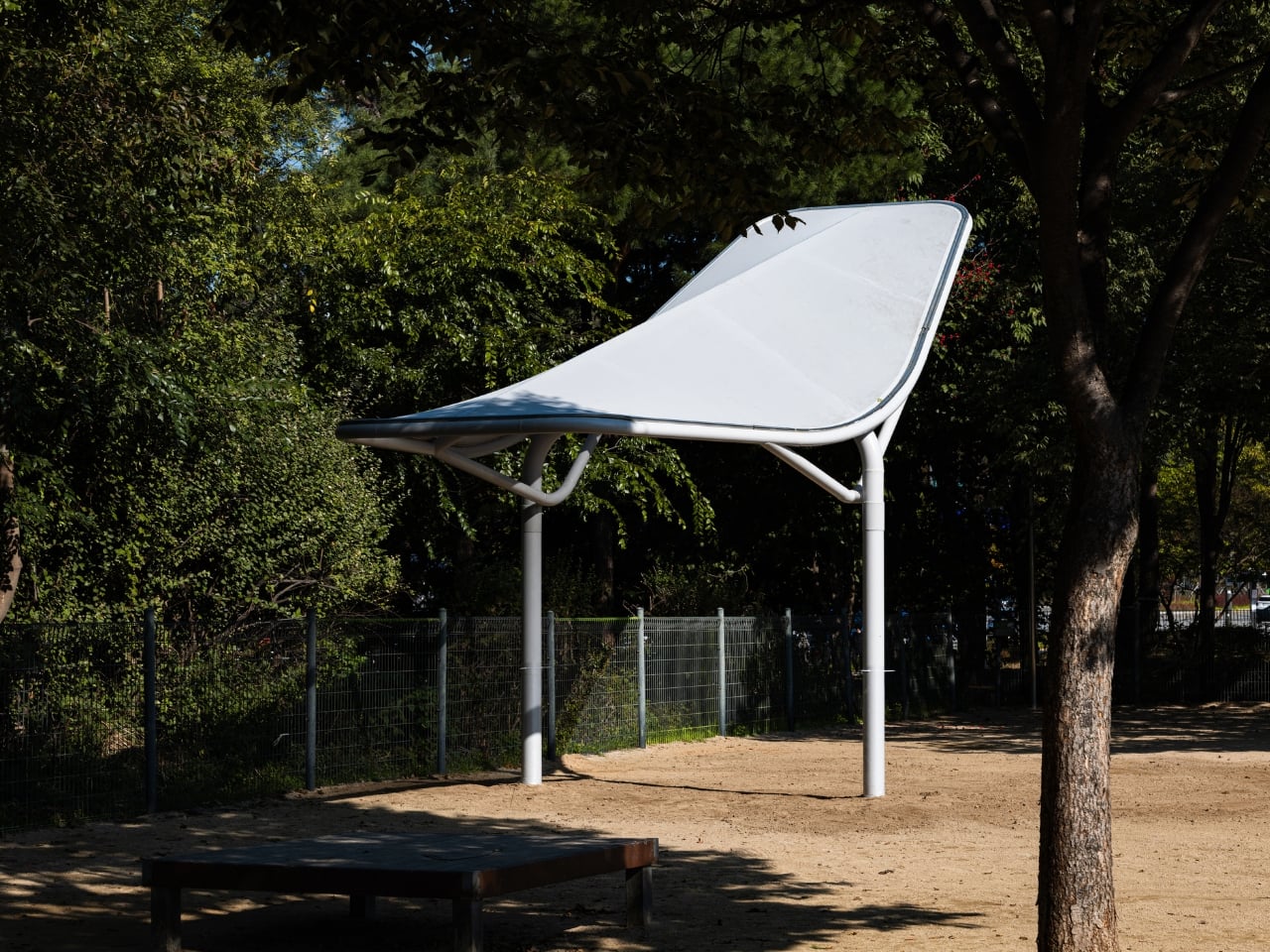
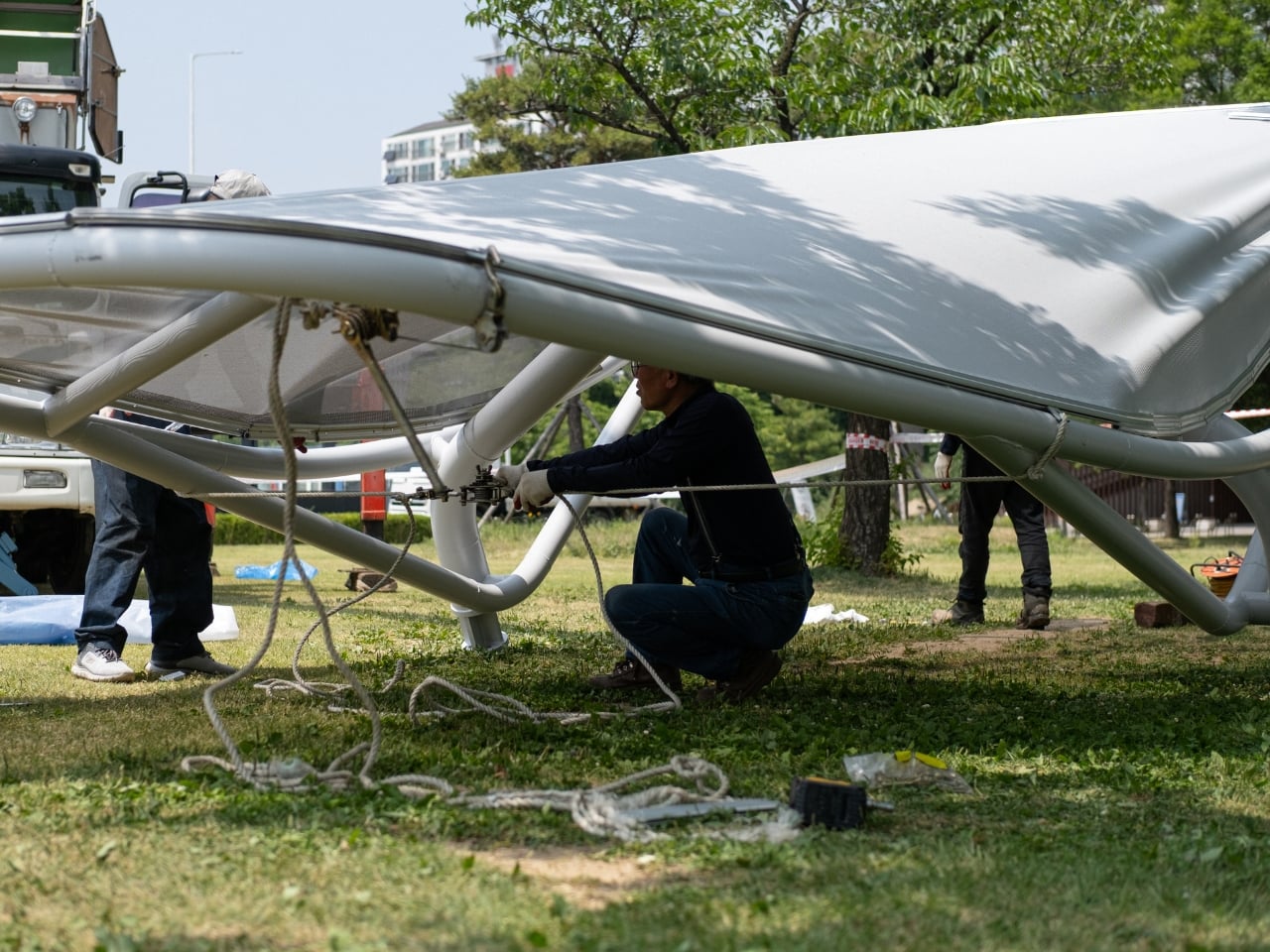
The installation photos tell an interesting story too. You can see the team working with surprisingly straightforward tools and methods. There’s no crane that requires blocking off half the park for a week. The modular approach means these structures can go up relatively quickly, which matters when you’re working in public spaces where every day of construction disrupts people’s routines.
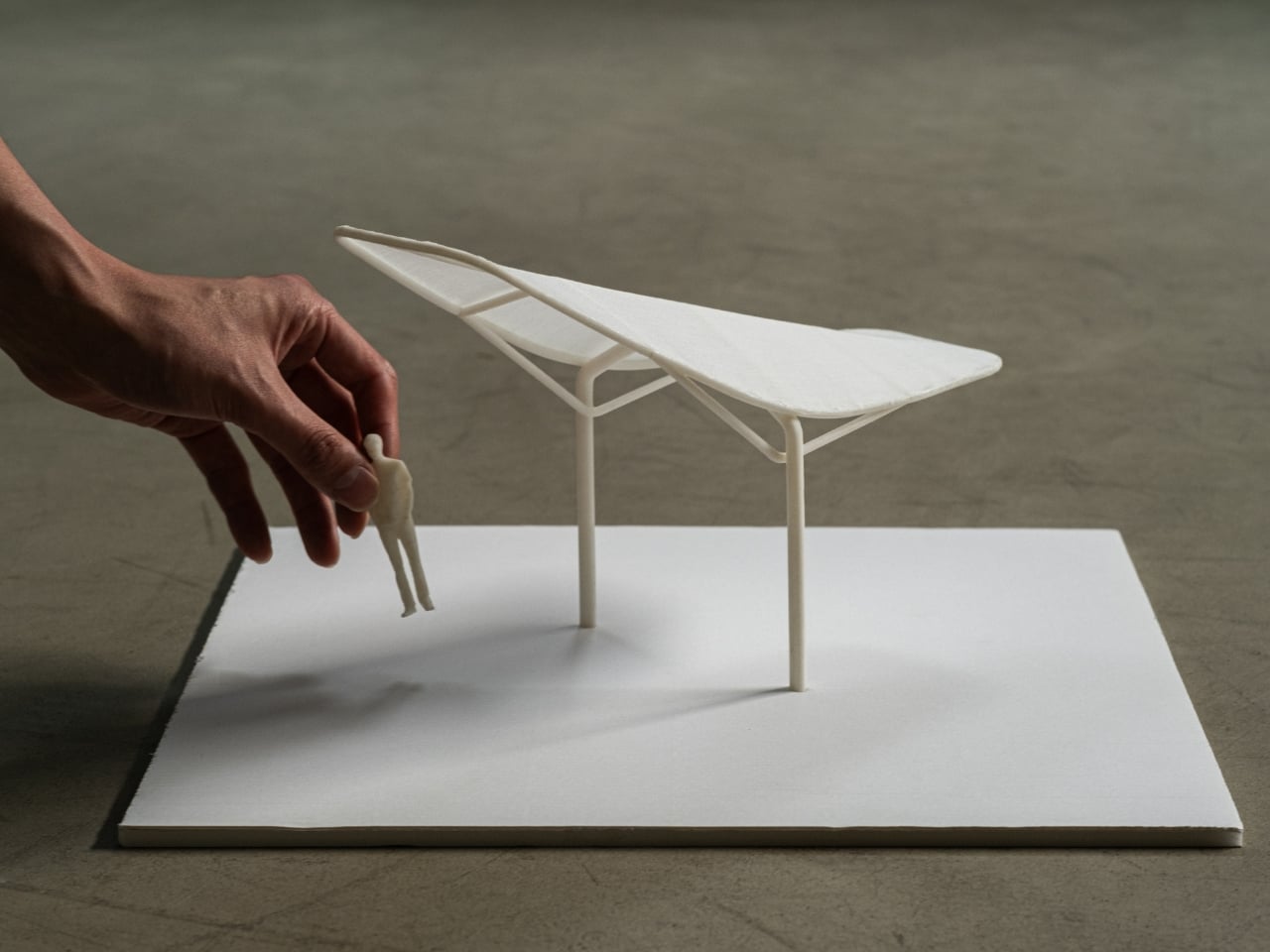
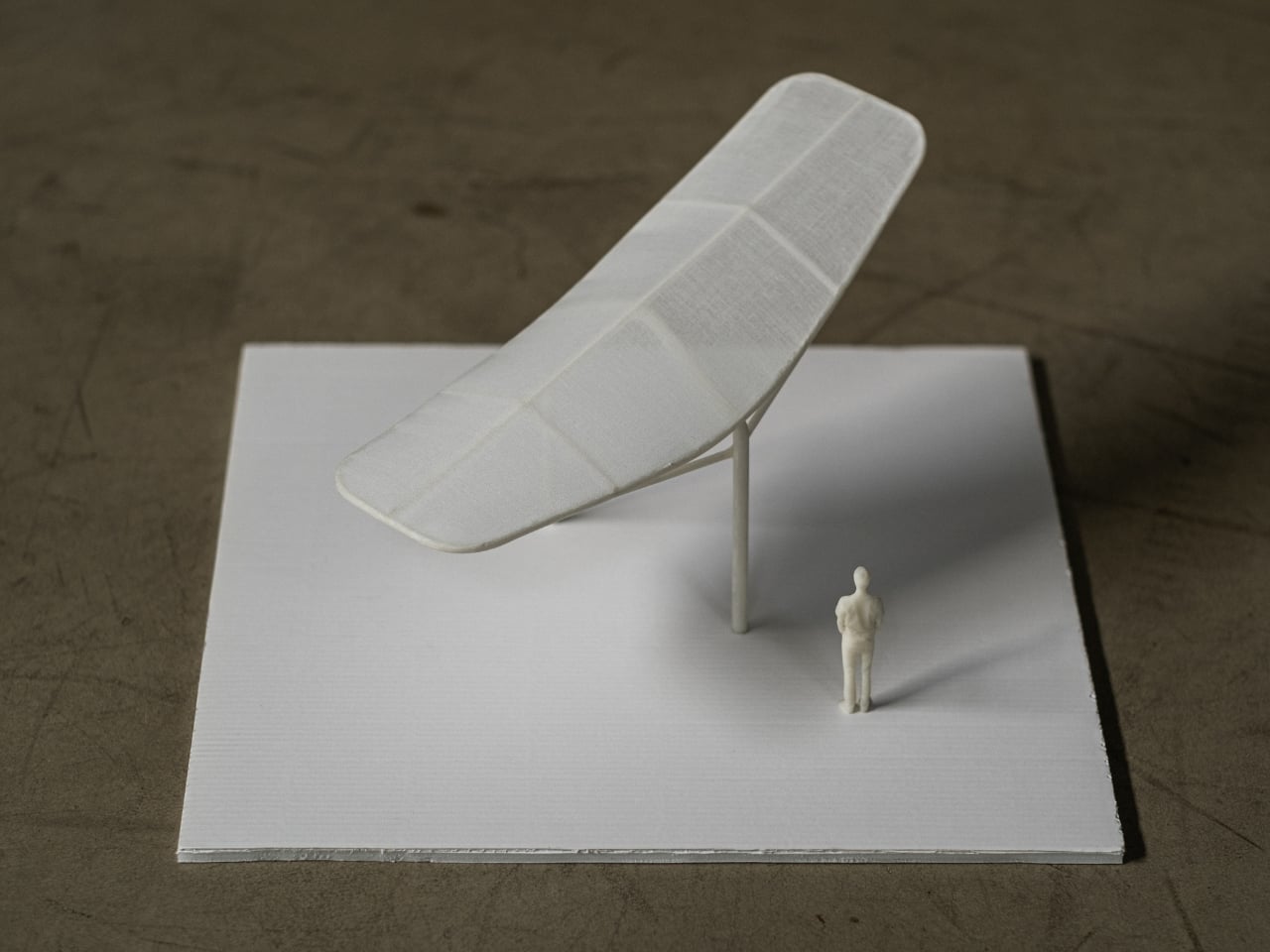
Size-wise, these shelters accommodate groups of ten or more, which changes how people can use park spaces. Instead of everyone crowding under small umbrellas or hunting for that one decent tree, families and friends can actually gather together comfortably. That social aspect of design often gets overlooked in favor of pure aesthetics or technical specifications, but it’s crucial for public infrastructure.
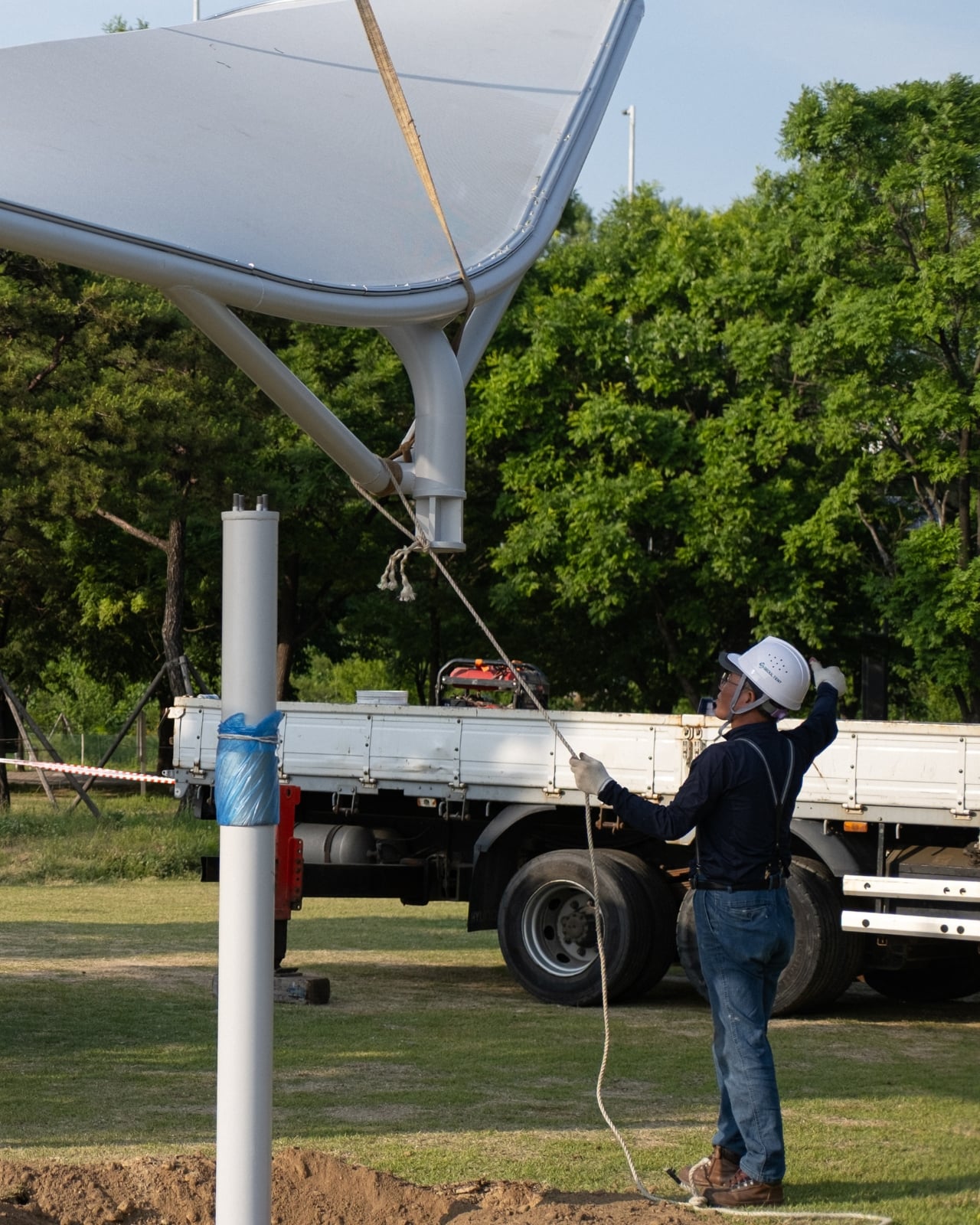
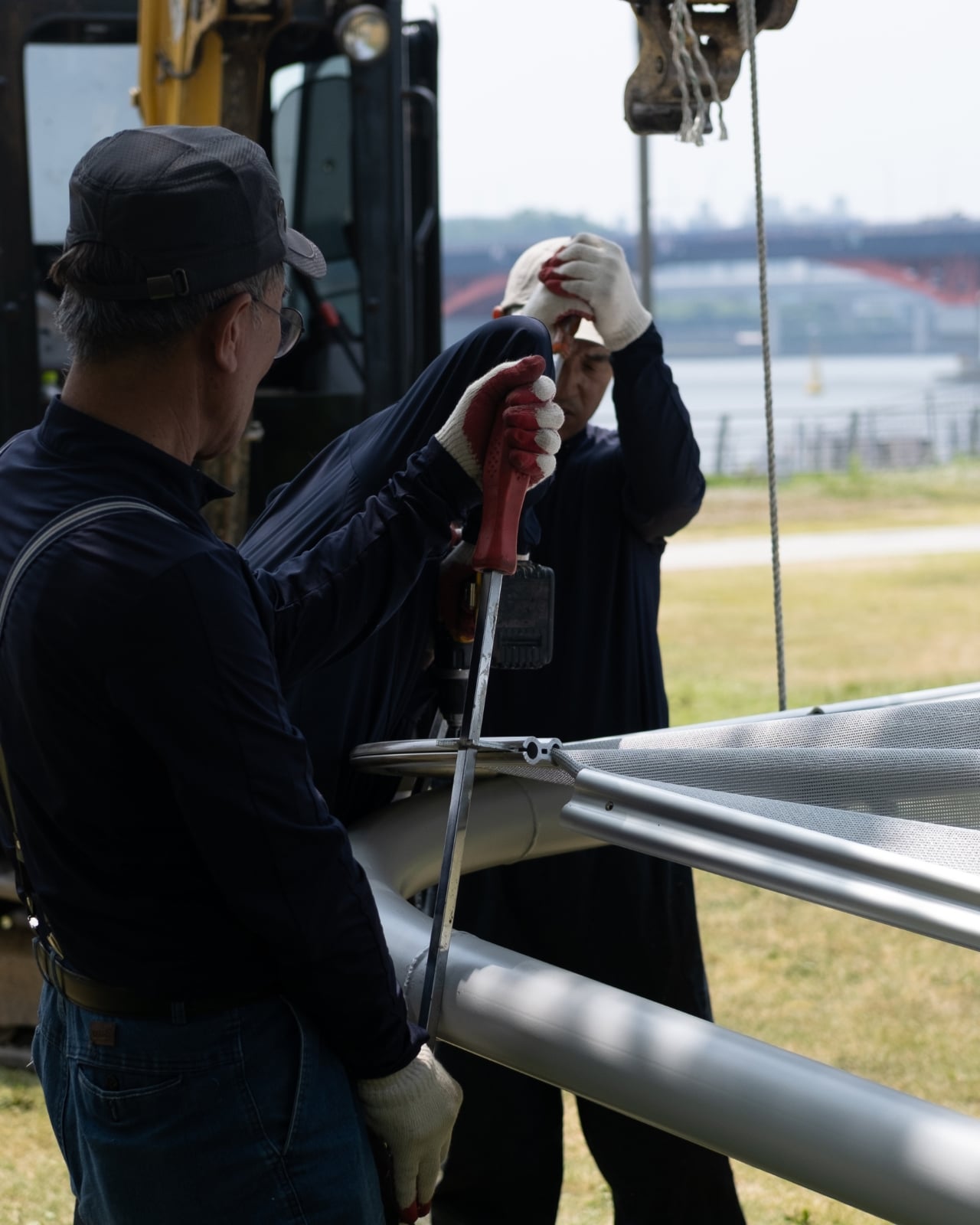
The wind resistance feature deserves special attention. Seoul, like many Asian cities, faces serious weather challenges. Typhoons aren’t occasional inconveniences but regular threats that can destroy inadequate structures. Traditional park furniture either gets dismantled before every storm or ends up as expensive debris. The Seoul Wing design acknowledges this reality head-on. Those wing panels aren’t just decorative choices but functional elements that redirect wind flow rather than blocking it entirely.
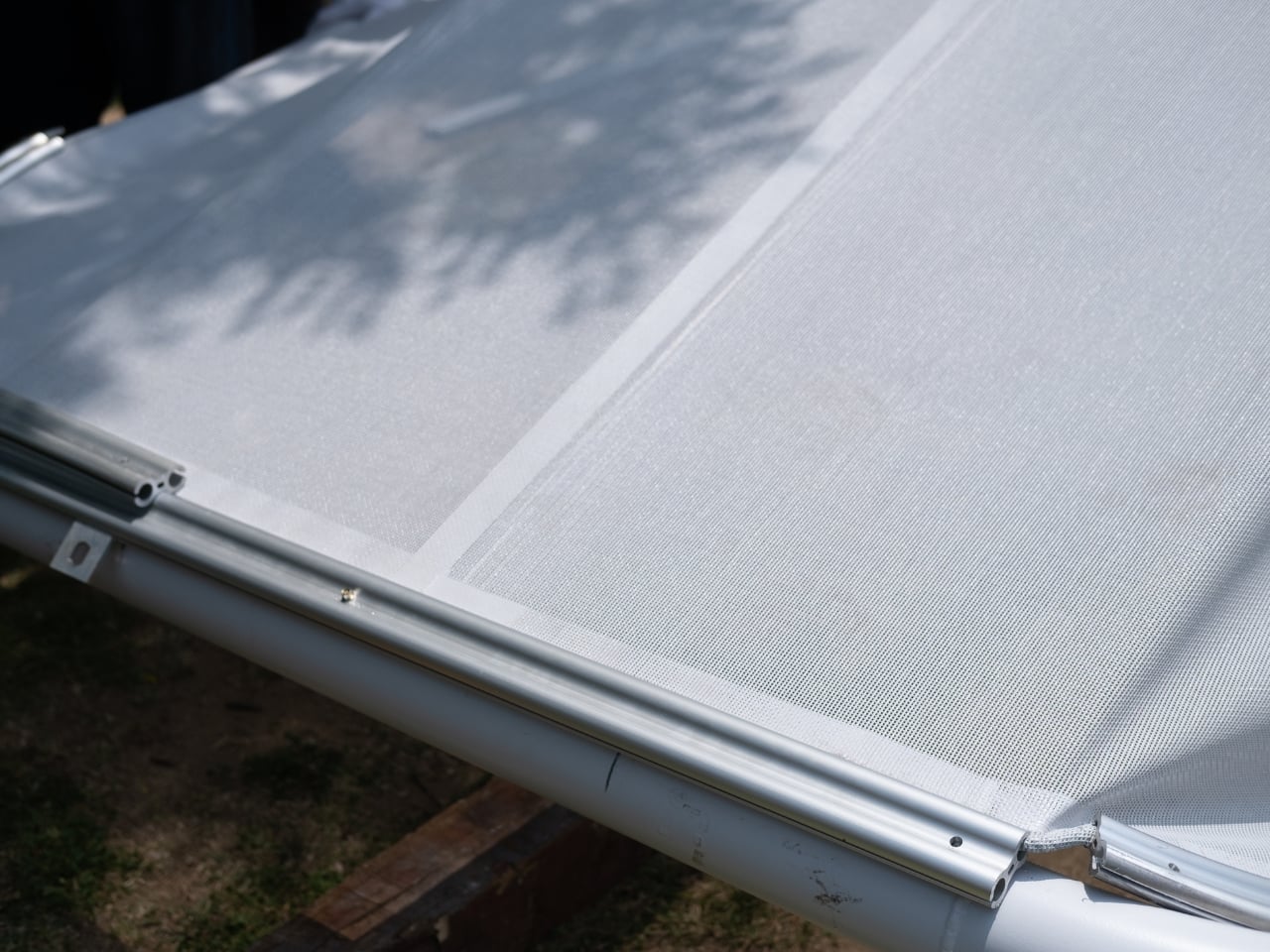
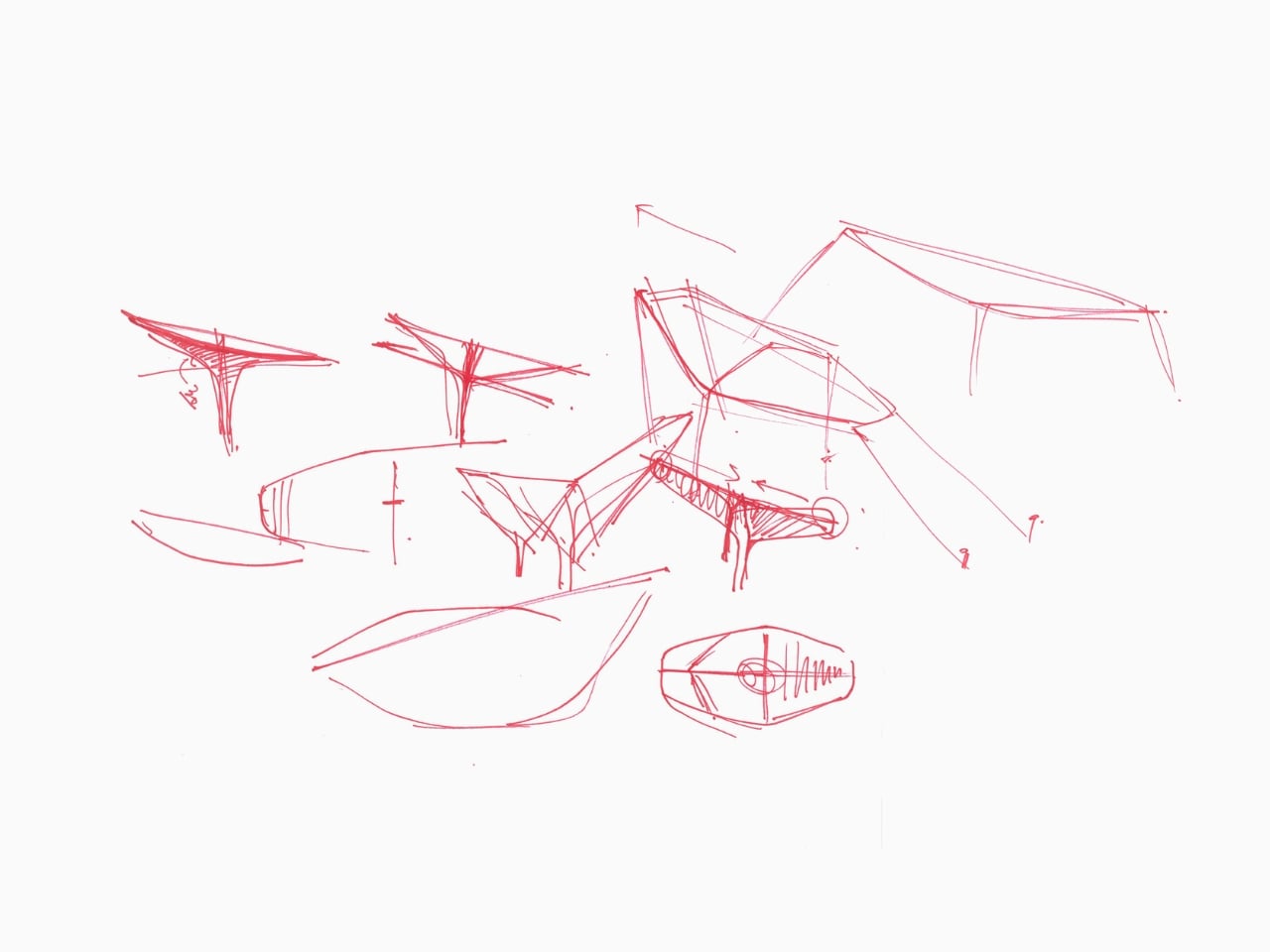
Looking at the sketches alongside the final installation reveals BKID’s design process. Those early red-line drawings show numerous iterations exploring different angles and proportions. The final form maintains that initial inspiration while refining every detail for real-world performance. It’s biomimicry done right, not just slapping a nature theme onto conventional structures but truly understanding and applying natural principles.
The color palette keeps things simple with clean whites and grays, letting the form itself do the talking. In parks filled with green vegetation and seasonal color changes, that neutral approach makes sense. These structures become elegant backdrops rather than competing for attention, while their distinctive shapes still make them recognizable landmarks within the park. What’s refreshing about this project is how it elevates something as mundane as park shade into legitimate public art. We’re seeing more cities recognize that functional infrastructure doesn’t have to be boring. When done thoughtfully, everyday objects can enhance urban environments while serving their practical purposes beautifully.
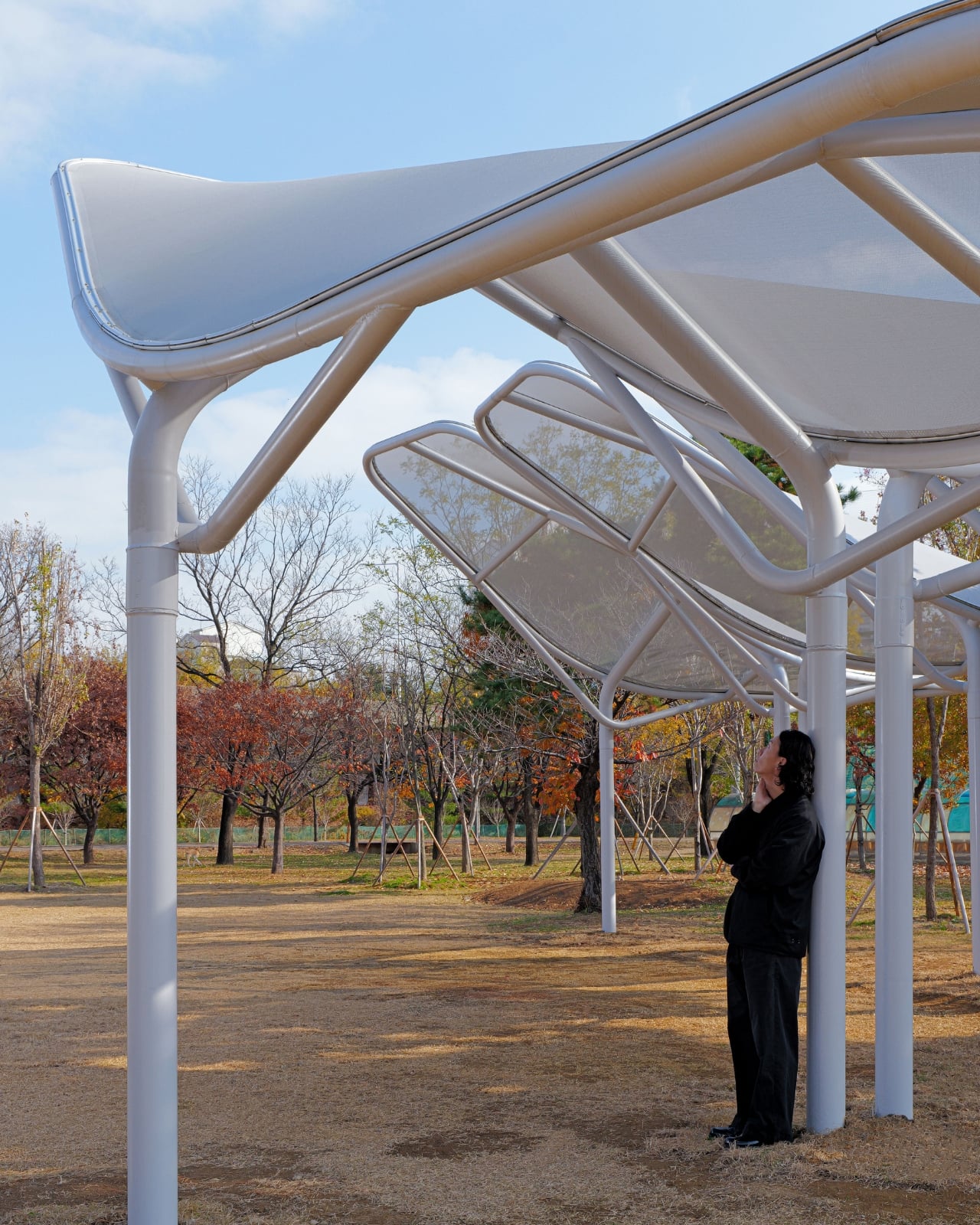
The Seoul Wing represents where public design should be heading: solutions that honor natural systems, serve community needs, and bring genuine beauty to shared spaces. It’s not about creating Instagram moments, though these certainly photograph well. It’s about respecting park visitors enough to give them infrastructure that’s both useful and uplifting. Next time you’re sweating under some uninspired park shelter, remember these wing-shaped canopies in Seoul. Better design is possible. We just need more clients willing to commission it and more designers brave enough to look beyond the usual solutions toward what nature has already figured out.
The post Seoul Just Built Wing-Shaped Shelters That Survive Typhoons first appeared on Yanko Design.