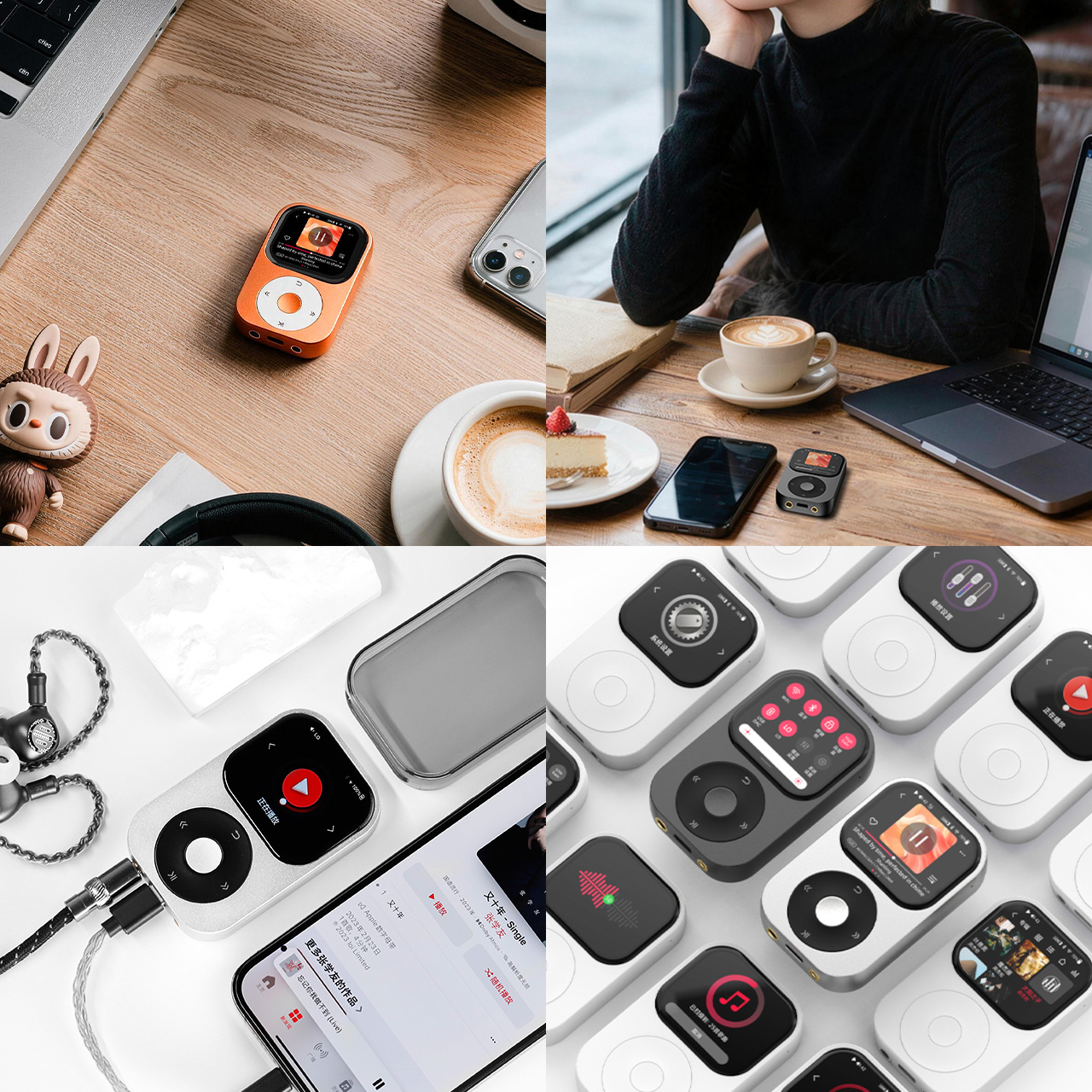
The Click Wheel Is Back, and This Pocket Player Has 4 DACs

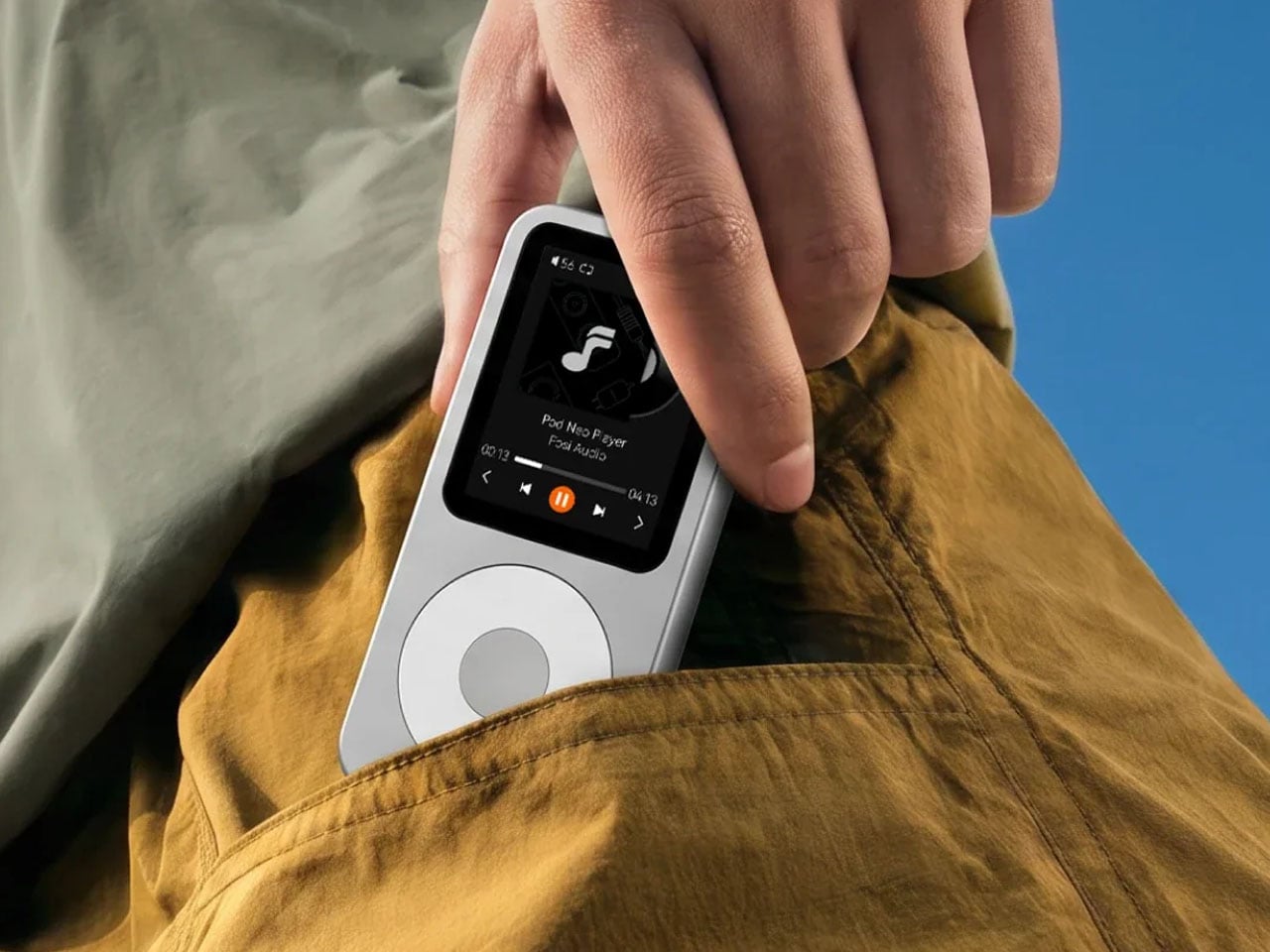
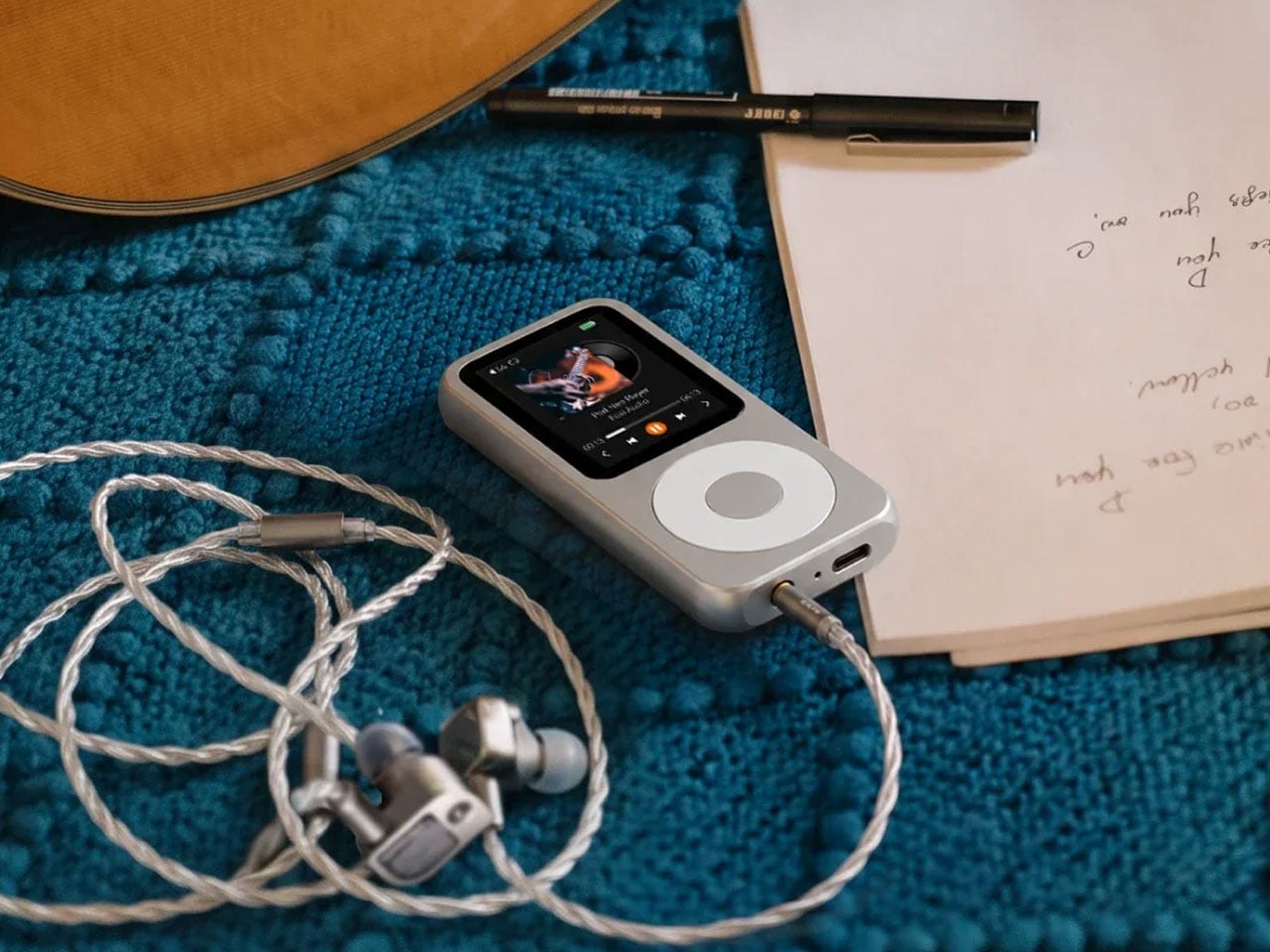
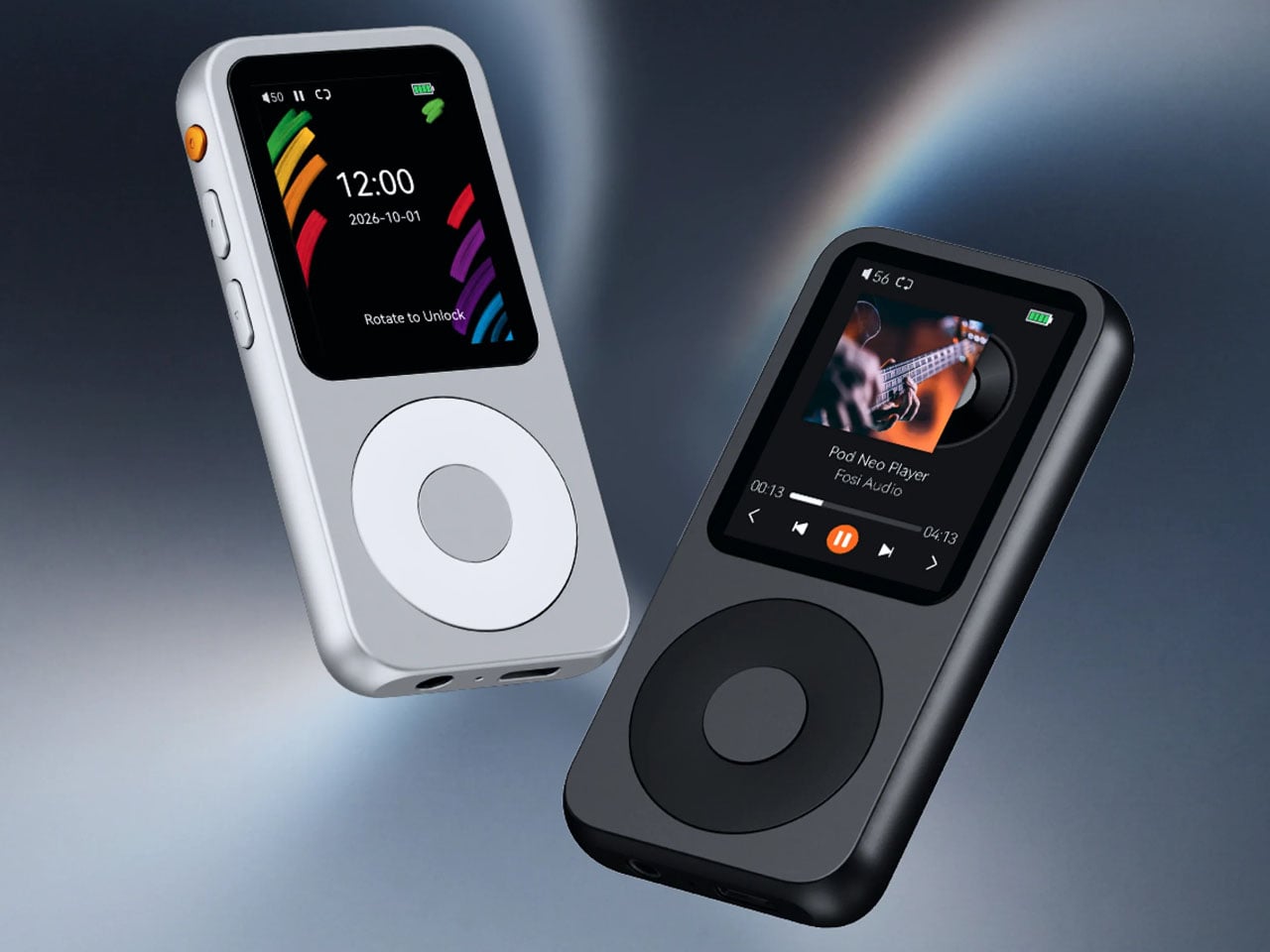
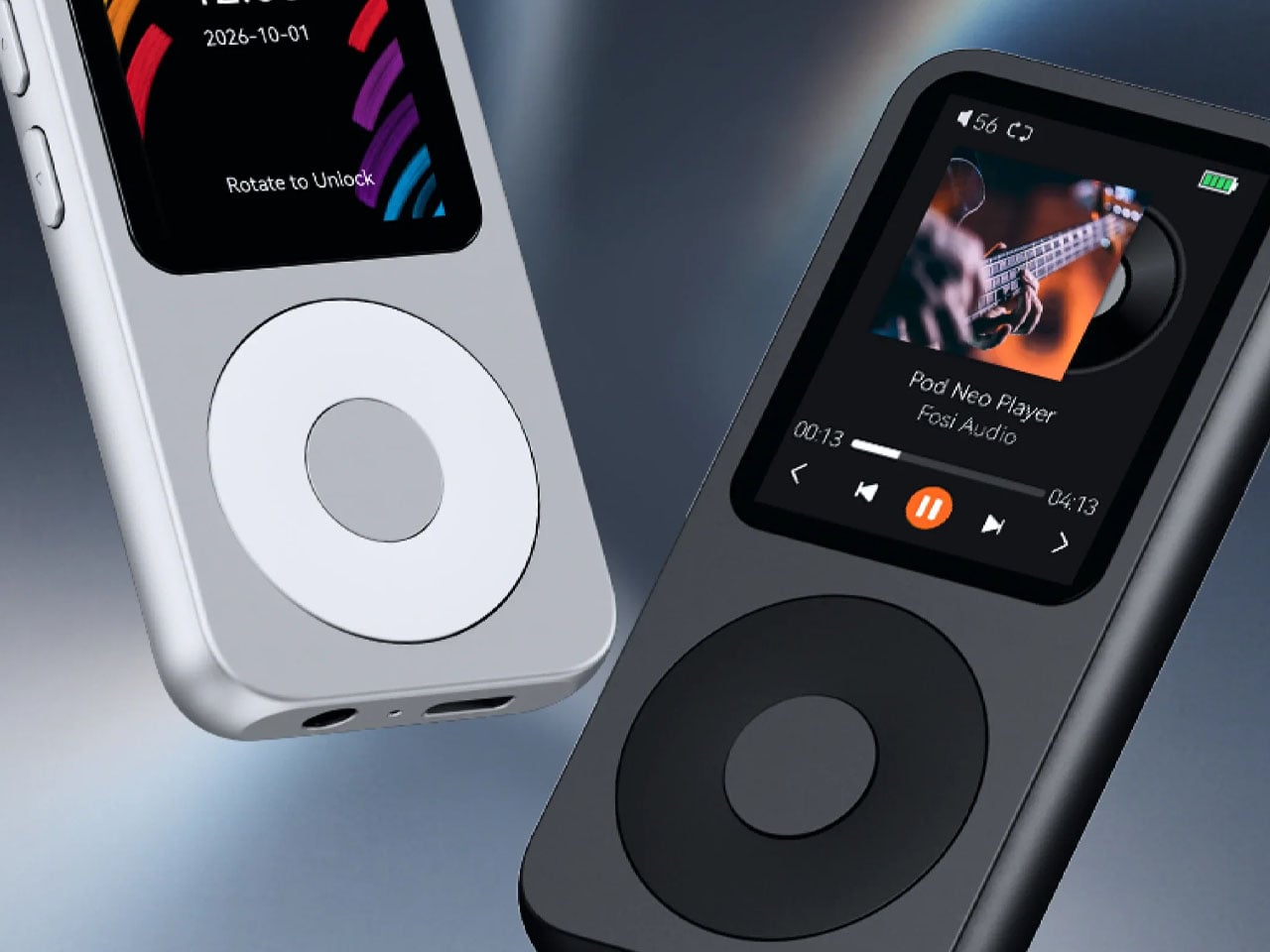
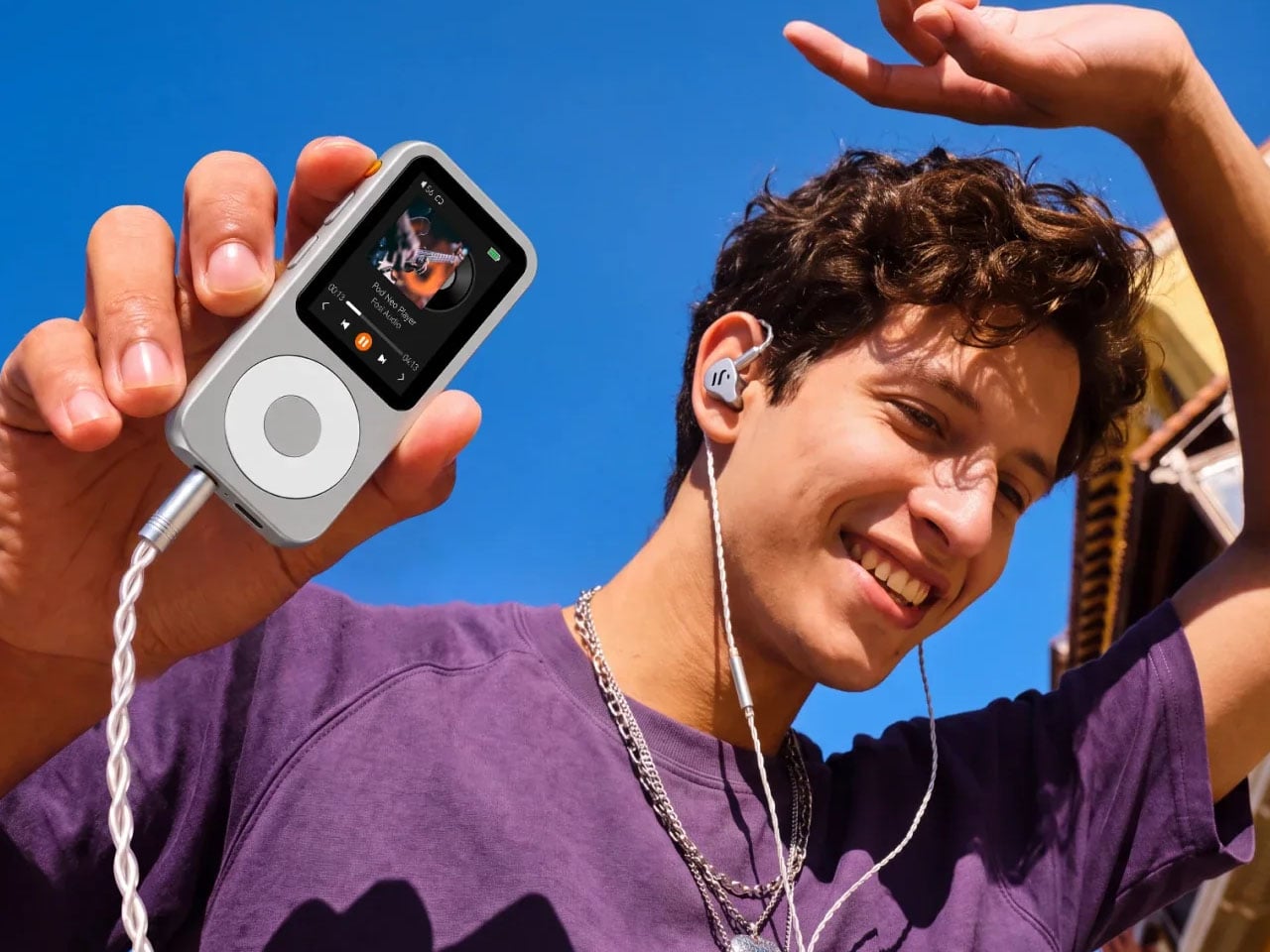
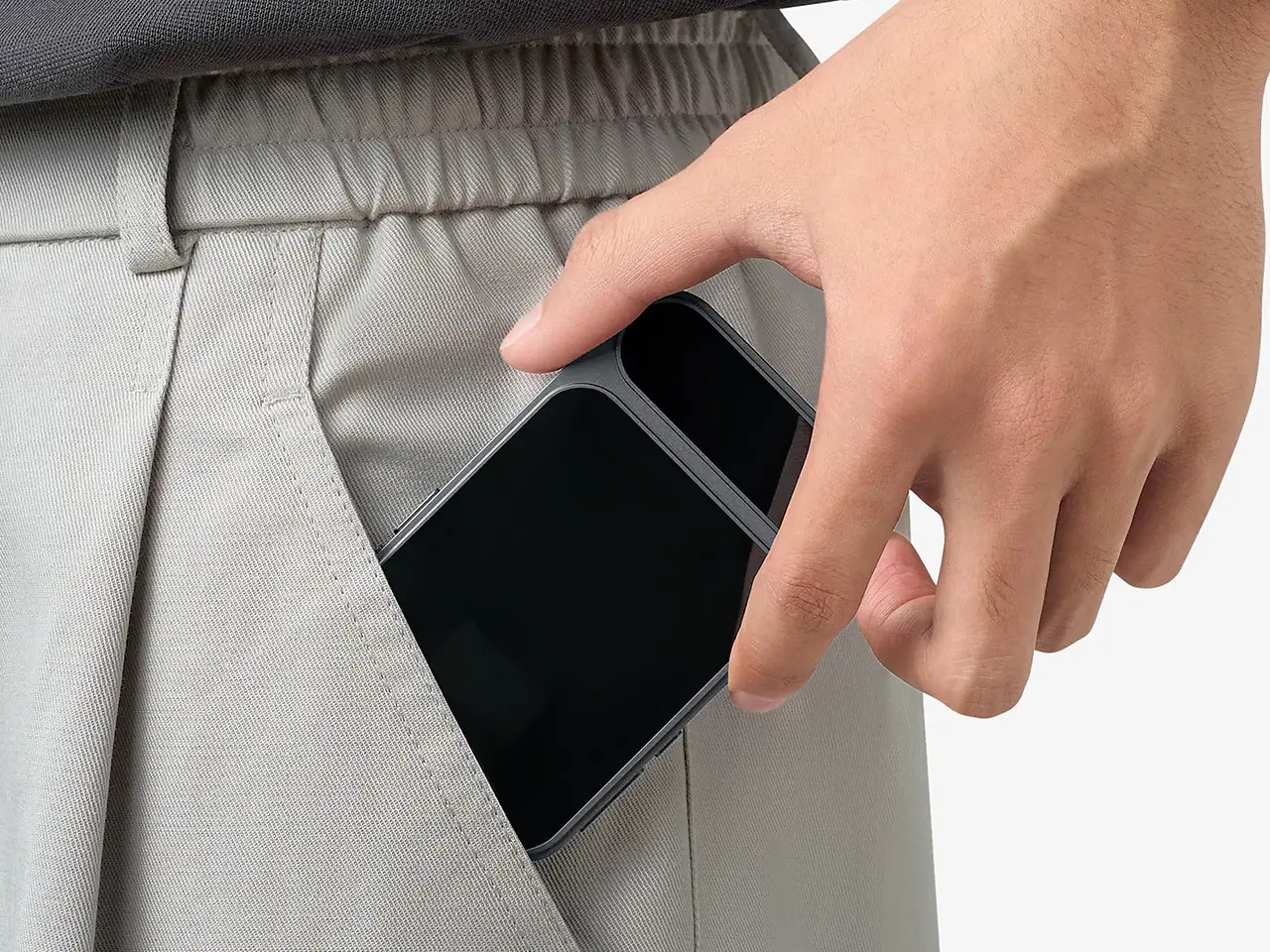
The Shanling Q2 is a pocket-sized hi-fi player that fits four Cirrus Logic CS43131 DAC chips into a body smaller than most wallets. It measures 80mm x 50mm x 13.5mm, weighs 83g, and supports PCM up to 768 kHz/32-bit alongside native DSD512 playback. It also has a Click Wheel, which, depending on your age, will either mean nothing to you or mean a great deal.

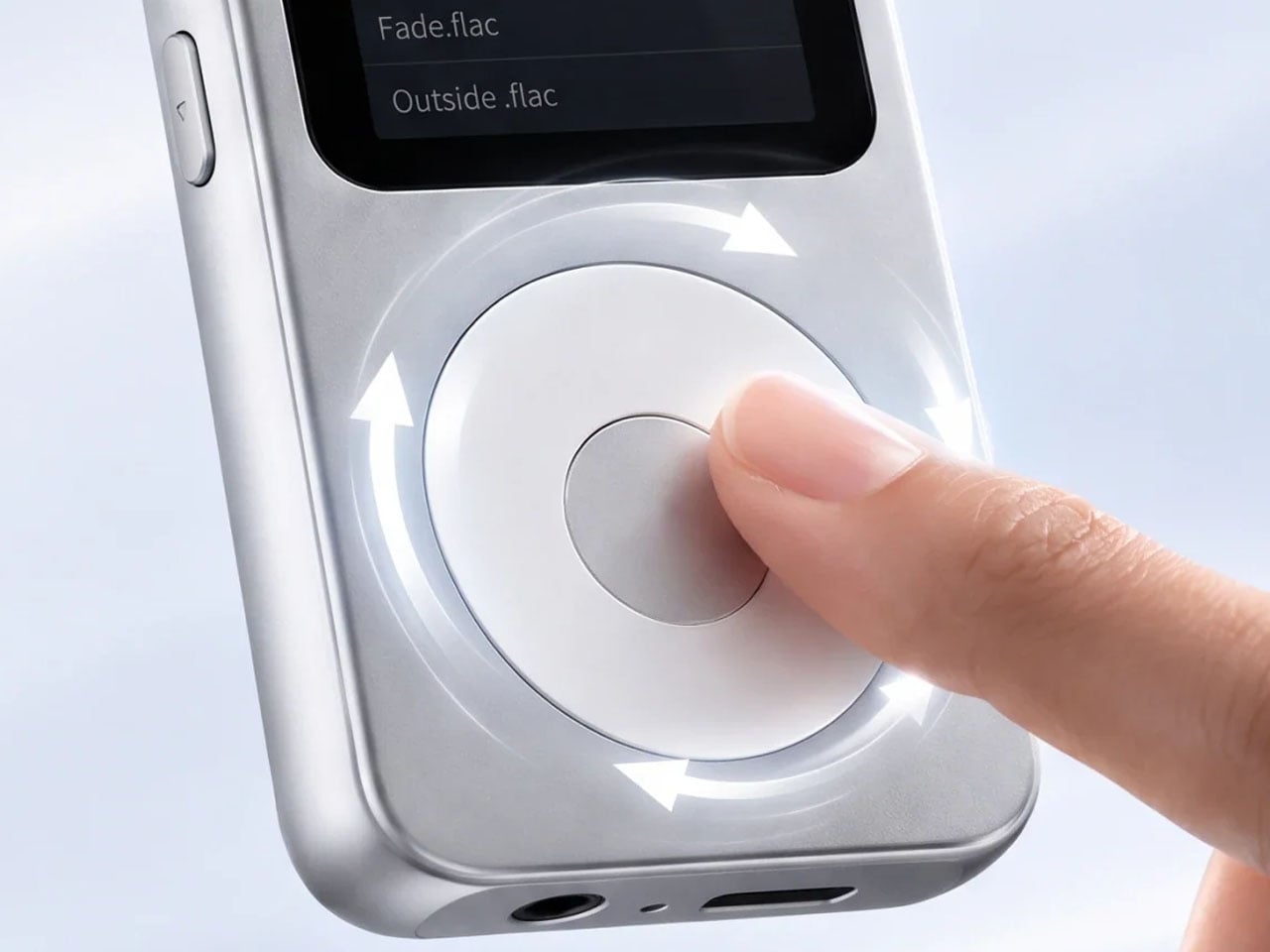
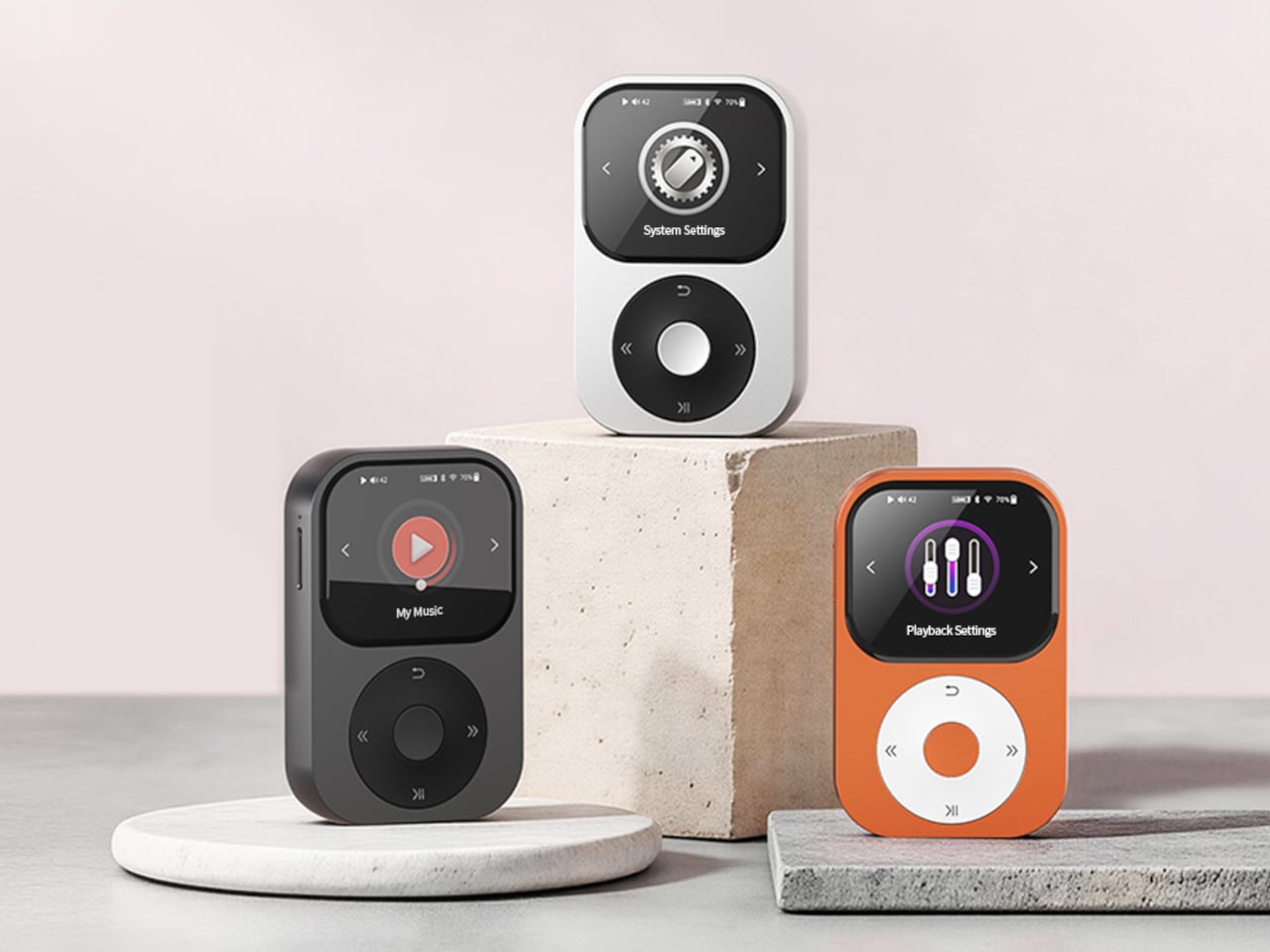
The Click Wheel here is a touch-sensitive ring that sits alongside a 2.09-inch touchscreen, giving you two ways to move through menus and adjust volume. The touchscreen handles the broader interface work while the wheel handles the tactile stuff, volume adjustments and quick navigation without staring at a screen. Four physical buttons round it out. The combination is deliberate and slightly nostalgic, and it works.

Designer: Shanling

Those four DAC chips working in tandem are why the audio section matters. Through the 4.4 mm balanced output, the Q2 pushes up to 425mW into a 32 Ω load, which is enough to properly drive full-size headphones that most portable players give up on. The 3.5mm unbalanced output still delivers 120mW. Both gain settings, low for sensitive in-ear monitors and high for harder-to-drive cans, give you control over the amplifier’s output to match your headphones precisely.

One of the more useful things the Q2 can do is disappear into your current setup rather than replace it entirely. The bidirectional Bluetooth 5.2 works in both directions: as a transmitter to wireless headphones and speakers, and as a receiver that turns the Q2 into a DAC and amplifier for your smartphone. Plug a set of wired headphones into the Q2, pair it with your phone via Bluetooth, and you get a meaningful upgrade over your phone’s built-in audio without any extra hassle.

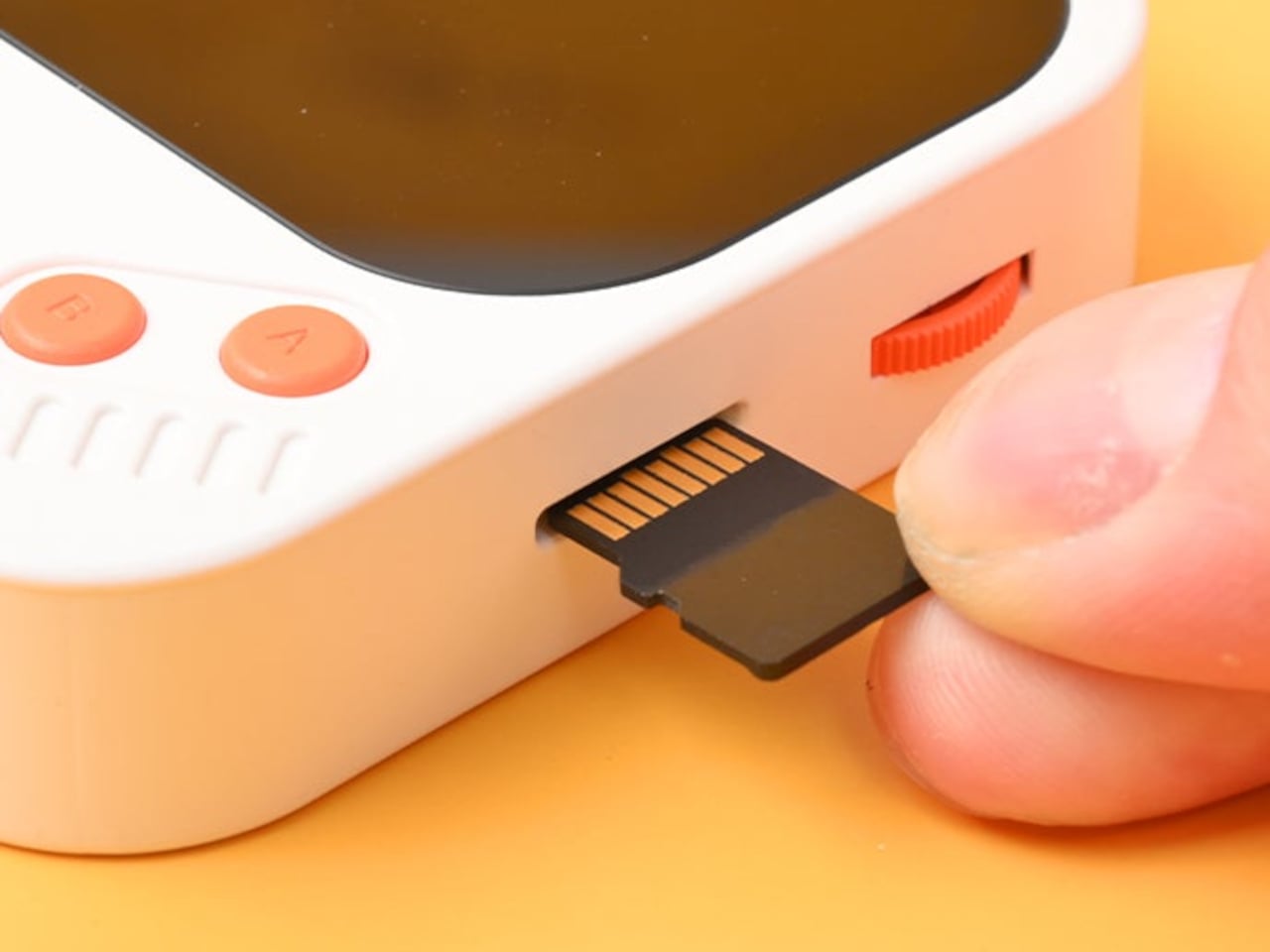
There’s no internal storage, which keeps the Q2 light and simple, but the microSD slot accepts cards up to 2TB. Most high-resolution music libraries won’t come anywhere near filling that, but it’s generous enough that the storage question essentially disappears. The dual-band Wi-Fi supports AirPlay and DLNA for wireless streaming, and native Tidal support means you don’t have to rely on stored files at all if you’d rather not.

Battery life holds up well relative to what’s being asked of the hardware. The 3.5mm output gets up to 13.5 hours; the balanced connection trims that slightly to 12.5 hours. Run the Q2 as a Bluetooth receiver using LDAC, and you get up to 16.5 hours, which comfortably covers a long-haul flight or a full day of listening without needing to think about charging.

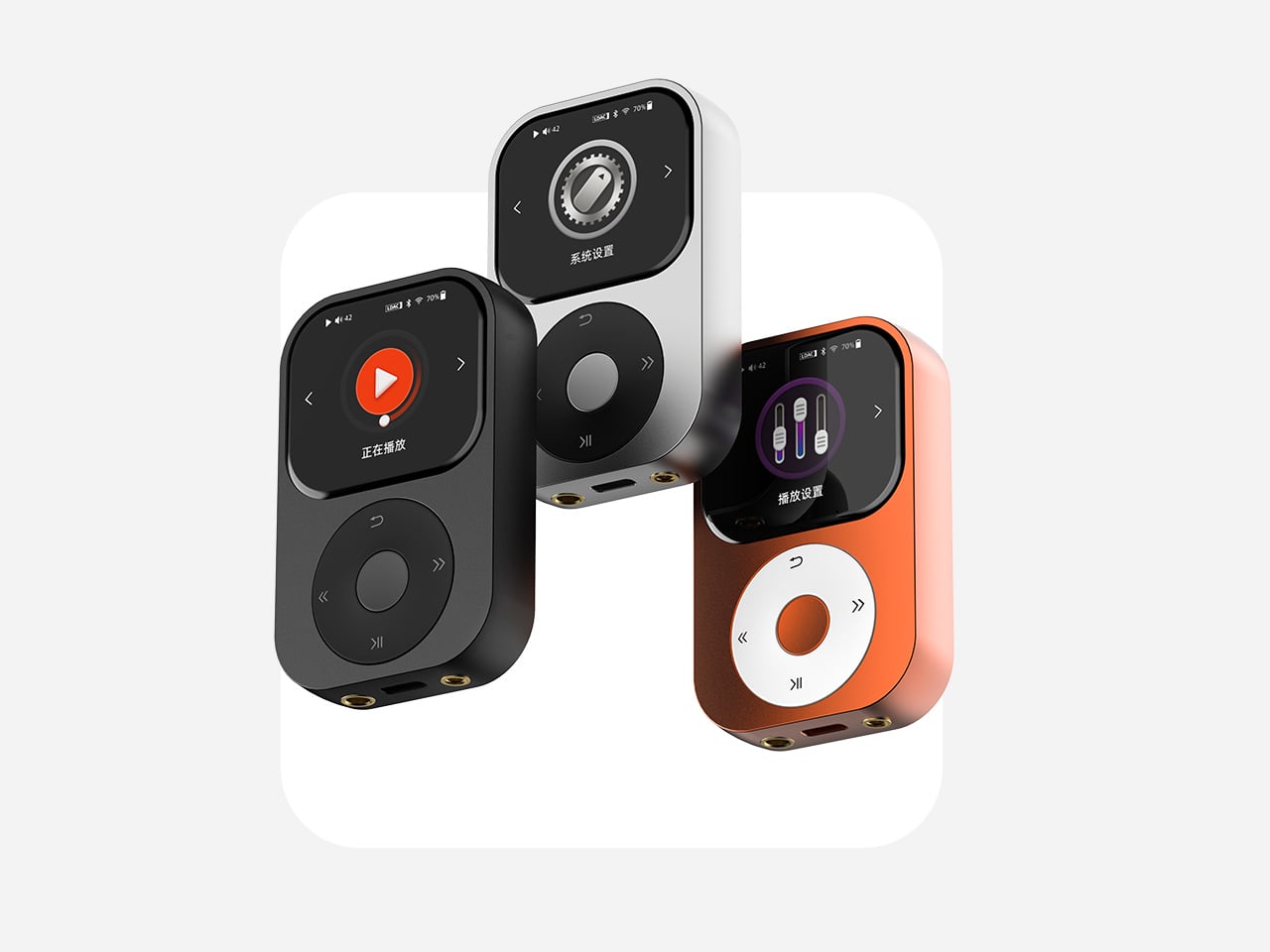
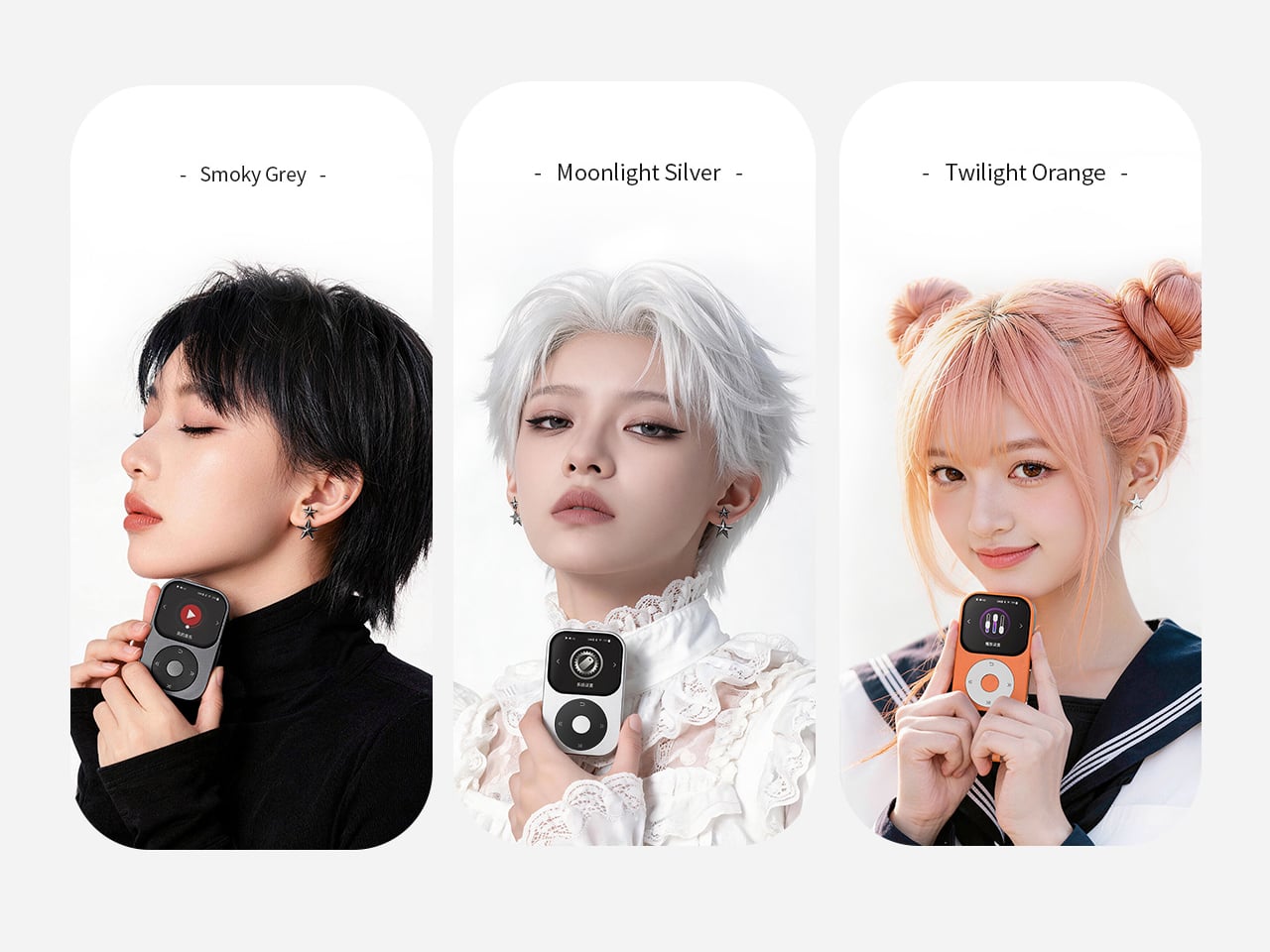
The aluminum-alloy frame and glass rear panel keep it feeling premium in hand, and available colors are Smoky Grey, Moonlight Silver, and Twilight Orange. The MTouch OS runs on an Ingenic X2000 processor, and the interface is reportedly clean and fast enough that it doesn’t get in the way of actually using the player. In USB DAC mode, it extends its usefulness to desktop setups, handling PCM up to 384 kHz/32-bit from a connected computer.

The Q2 retails at around $269, which puts it squarely in the serious-but-not-extreme tier of portable hi-fi. It ships with a case, a USB cable, and a manual, and it’s available in all three colorways from launch. For anyone who has ever felt their phone was the weak link in an otherwise respectable headphone setup, the Q2 is a reasonably direct answer to that specific frustration.

The post The Click Wheel Is Back, and This Pocket Player Has 4 DACs first appeared on Yanko Design.
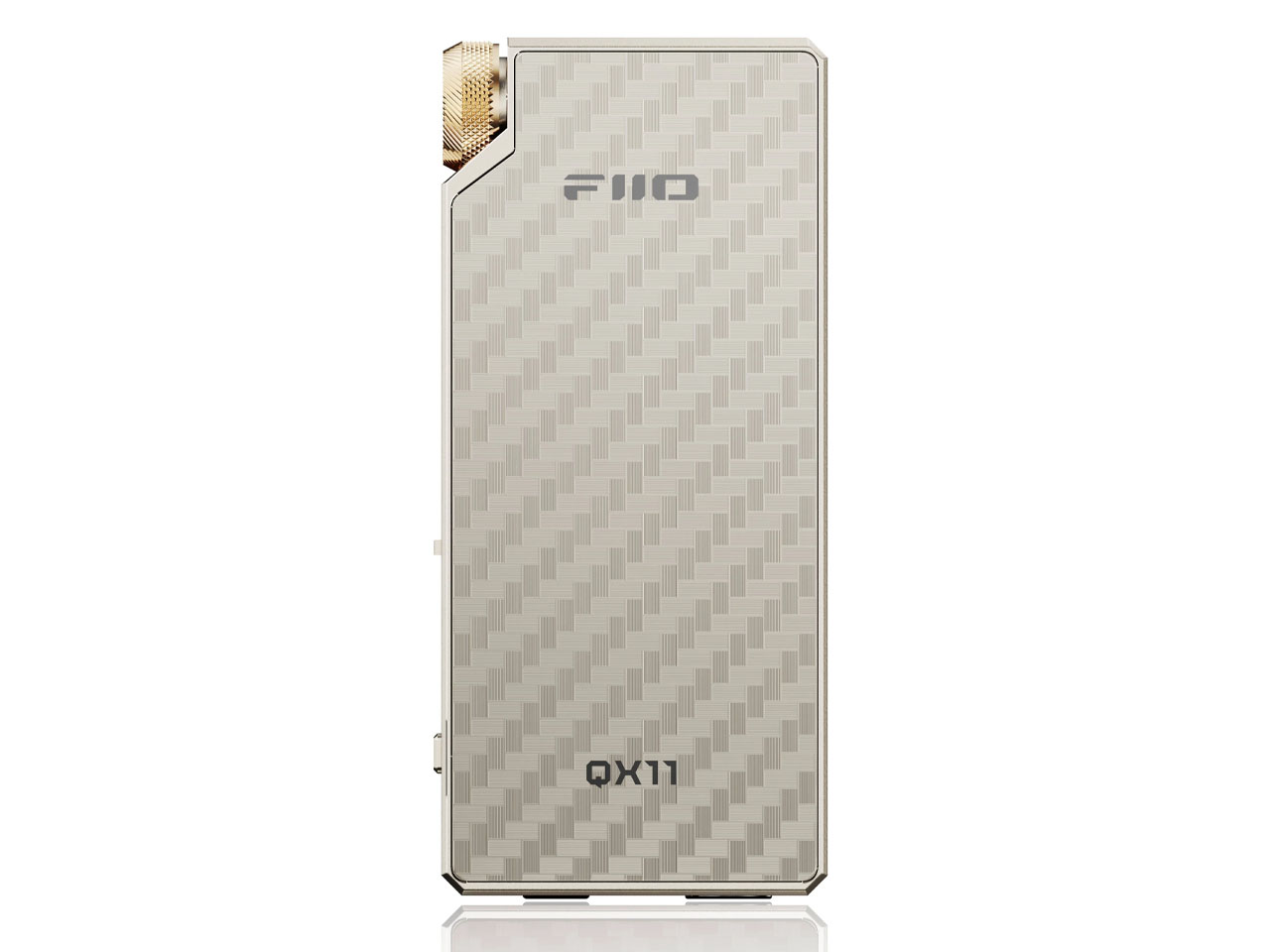
FiiO QX11 brings desktop-class audio power to a pocket-sized DAC

A good DAC should disappear into the setup, not demanding any attention or taking over a desk. The high-resolution amplifier should be better at doing just one task – simply making your headphones or earphones sound better. FiiO’s new QX11 takes that idea in a more ambitious direction, packing the kind of amplification and audio processing normally associated with larger desktop equipment into a compact USB-C device that can travel with your modern-day gadgets.

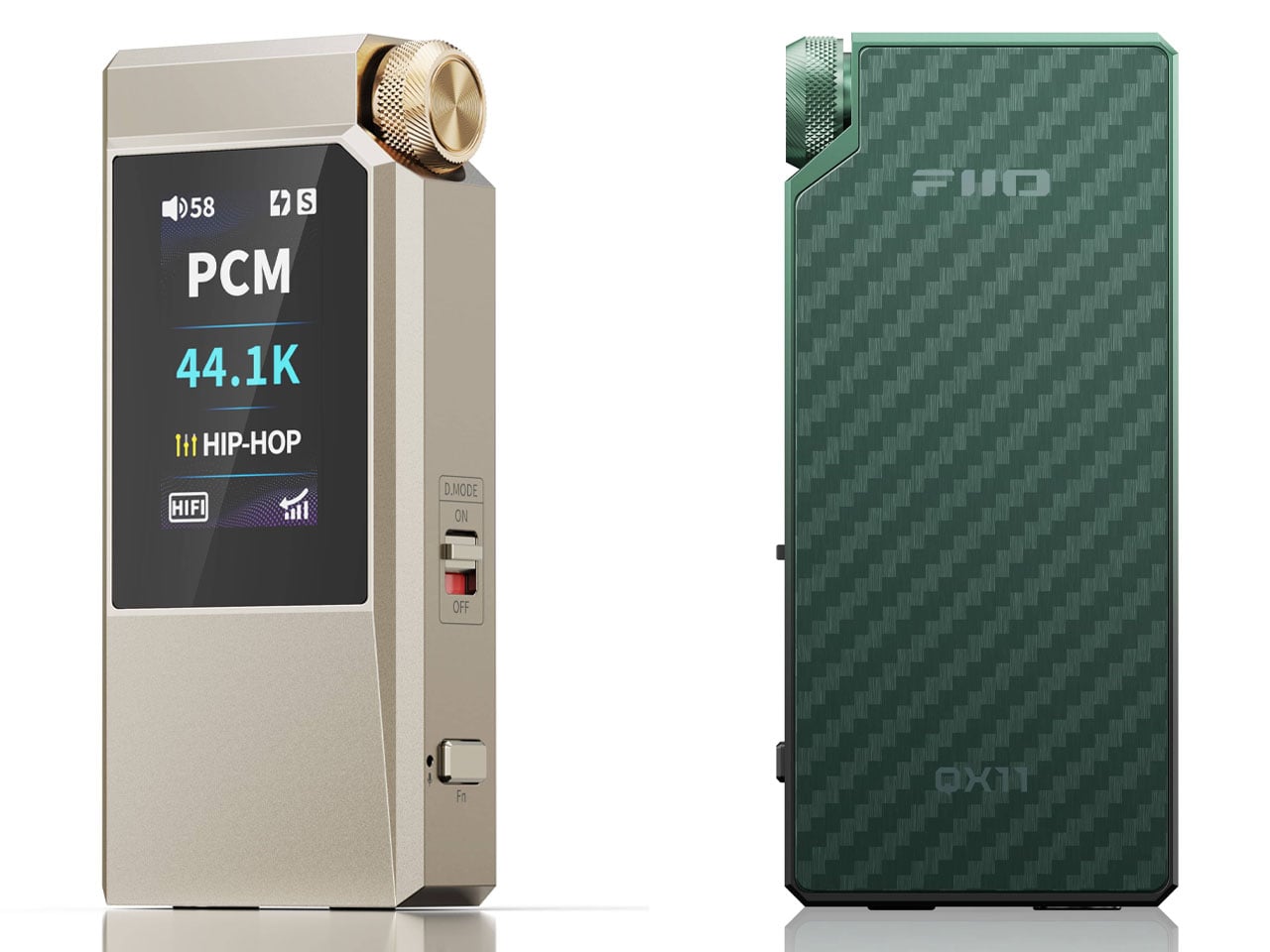
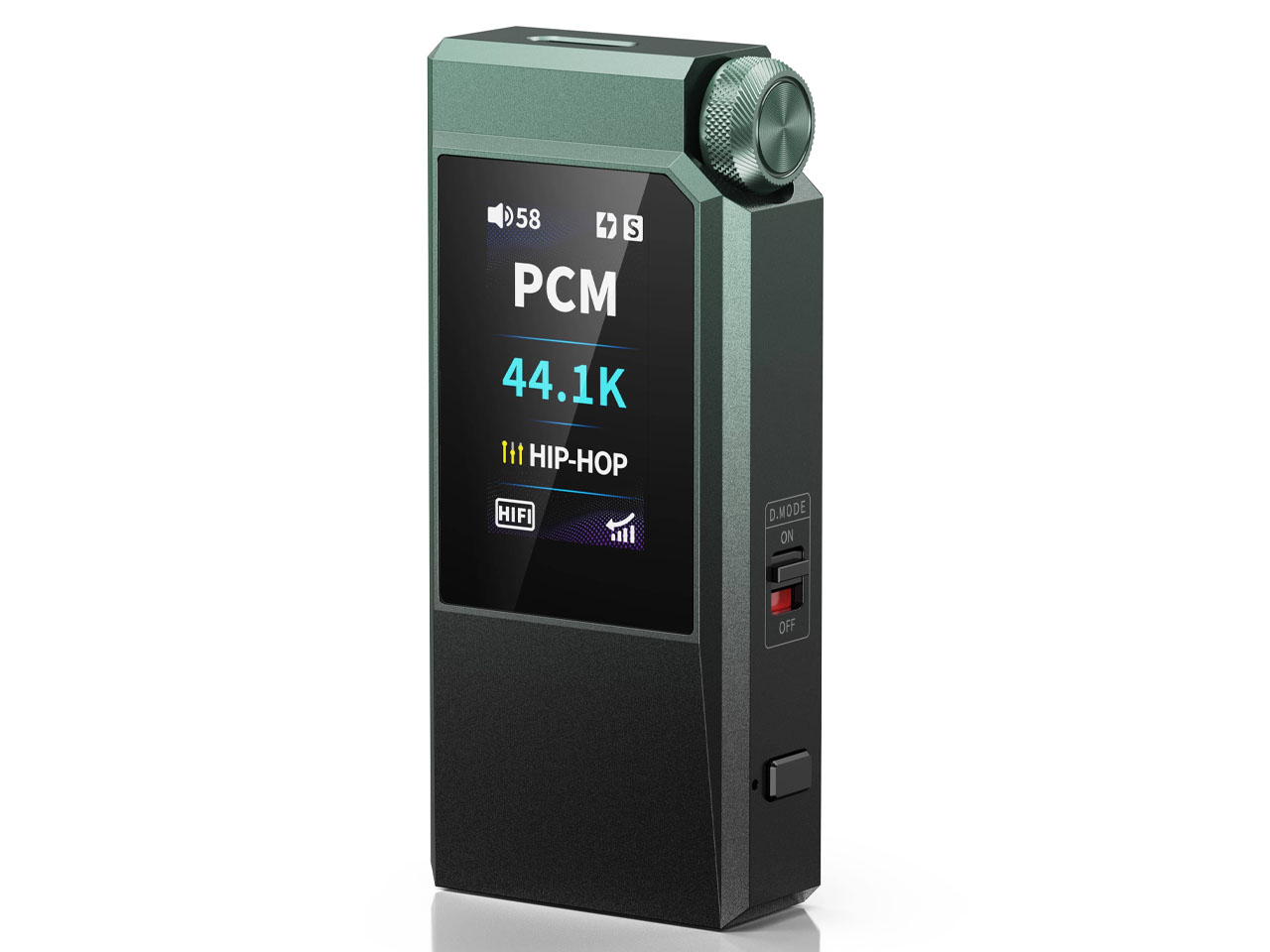
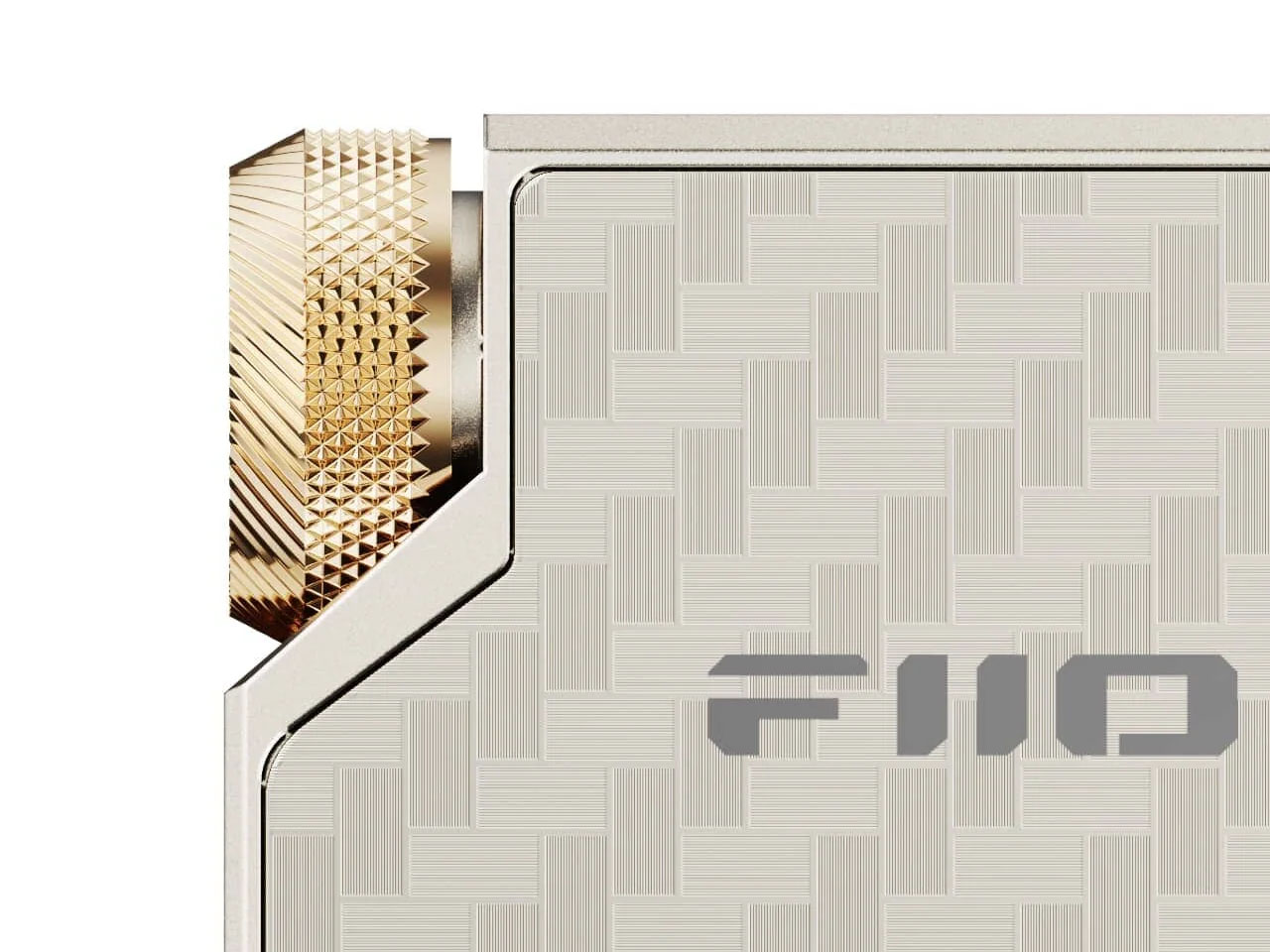
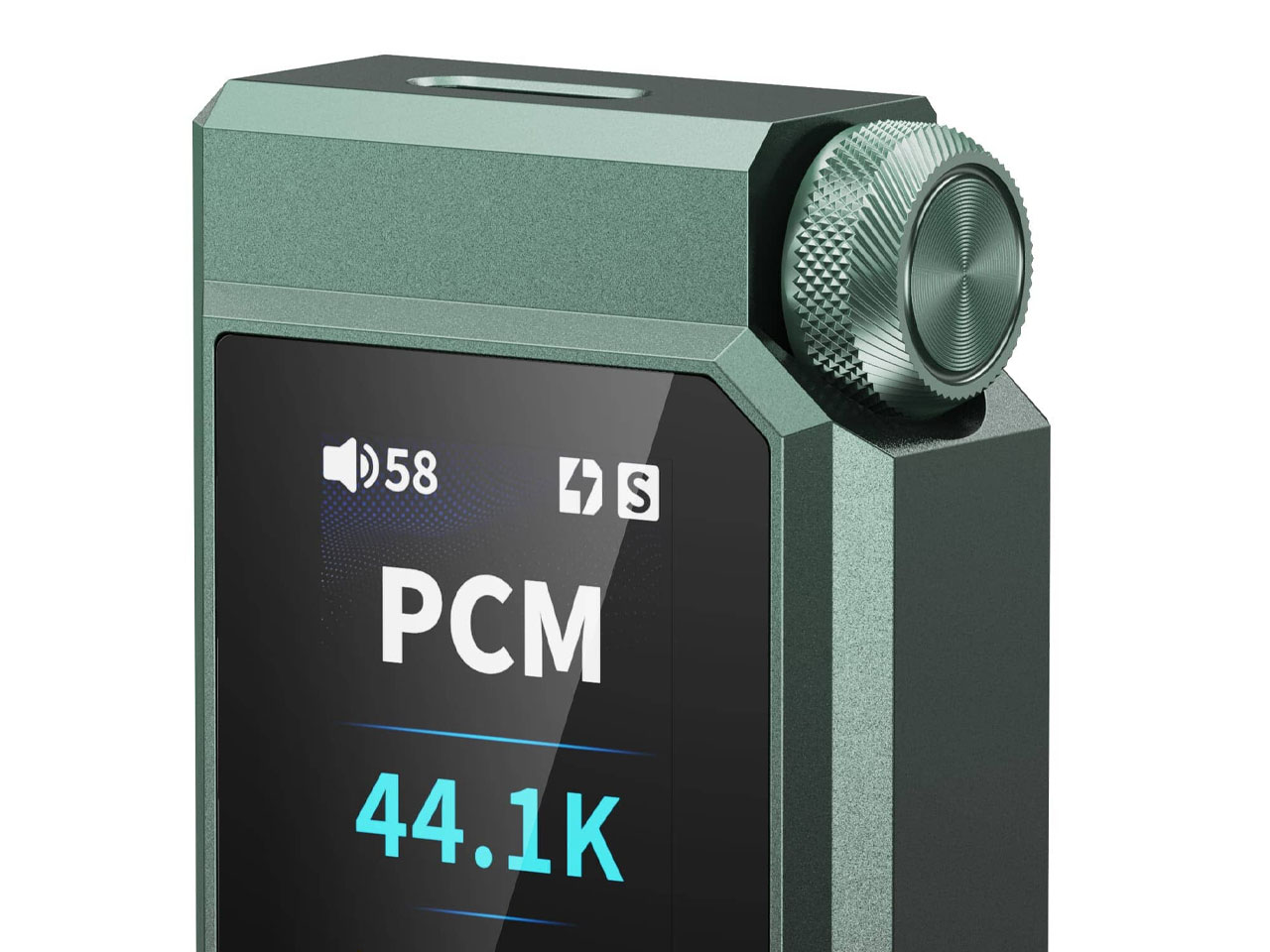
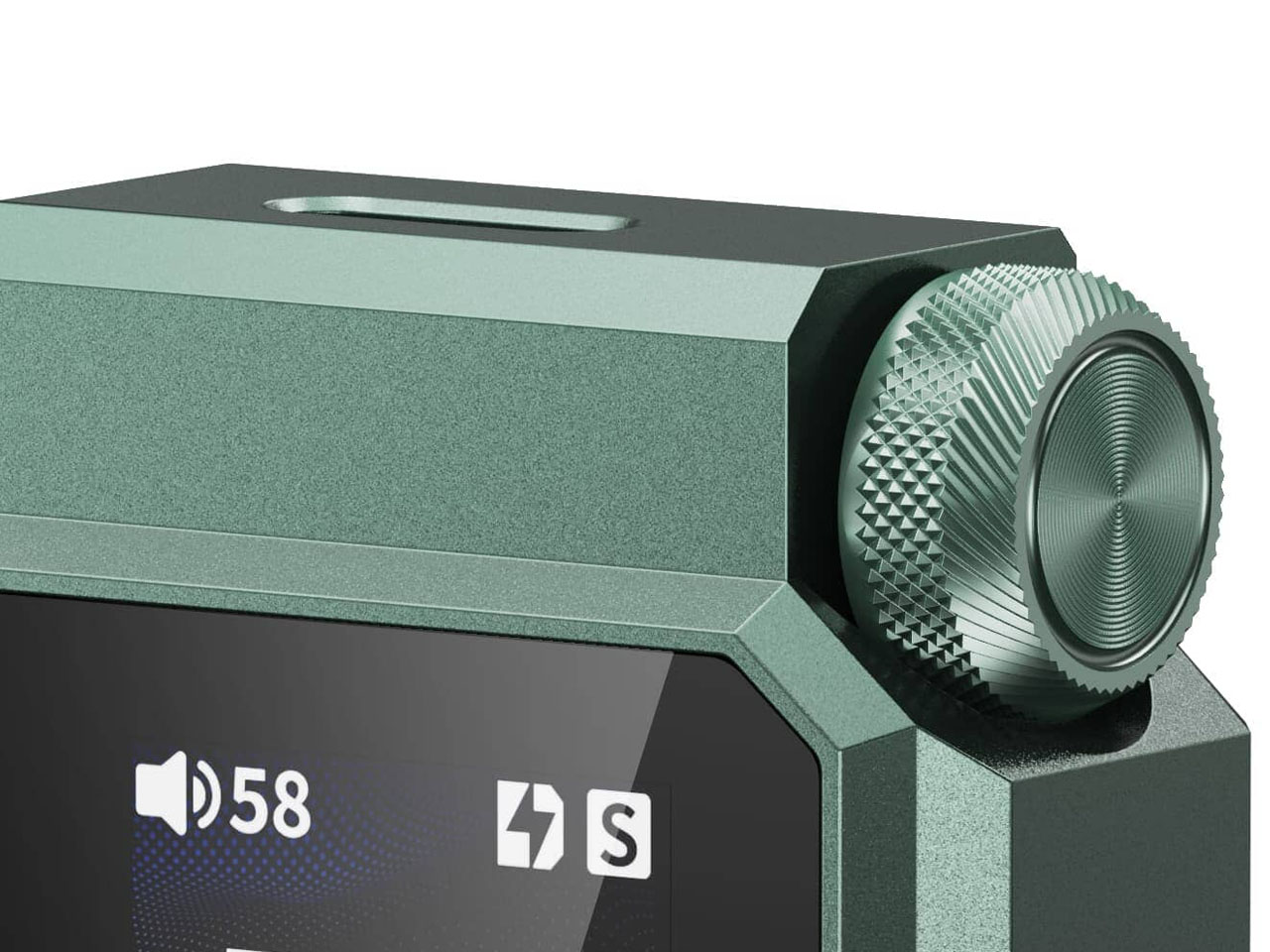
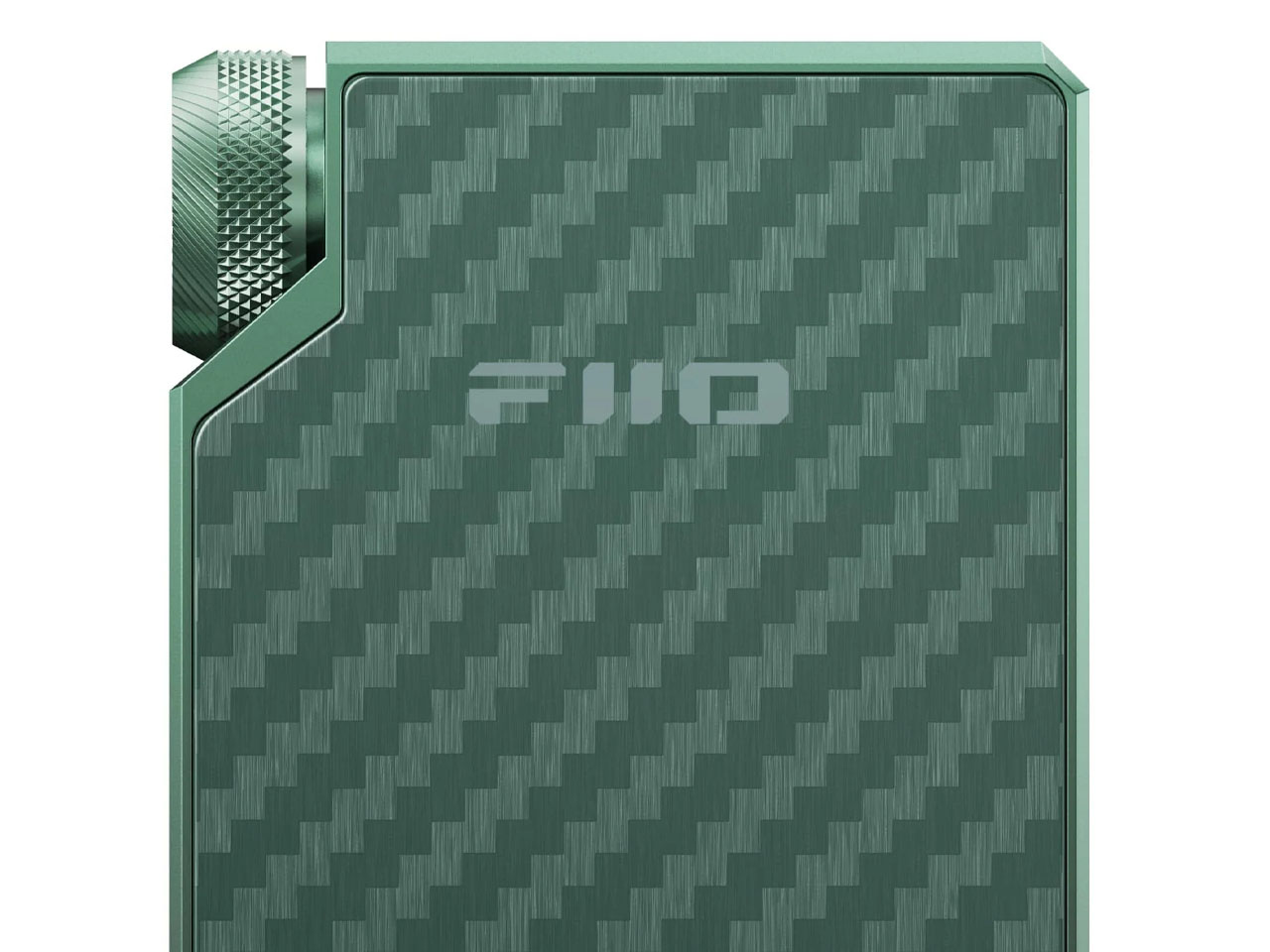
The Chi-Fi brand’s latest offering is designed for listeners who want more than a basic headphone dongle. Beneath its compact aluminium alloy and forged carbon-fiber body are two flagship ESS ES9069Q DAC chips, paired with four Texas Instruments operational amplifiers. The configuration supports PCM playback up to 32-bit/768kHz and native DSD512, giving it plenty of capability for high-resolution music without turning the device into an unnecessarily bulky piece of hardware.

Designer: Fiio

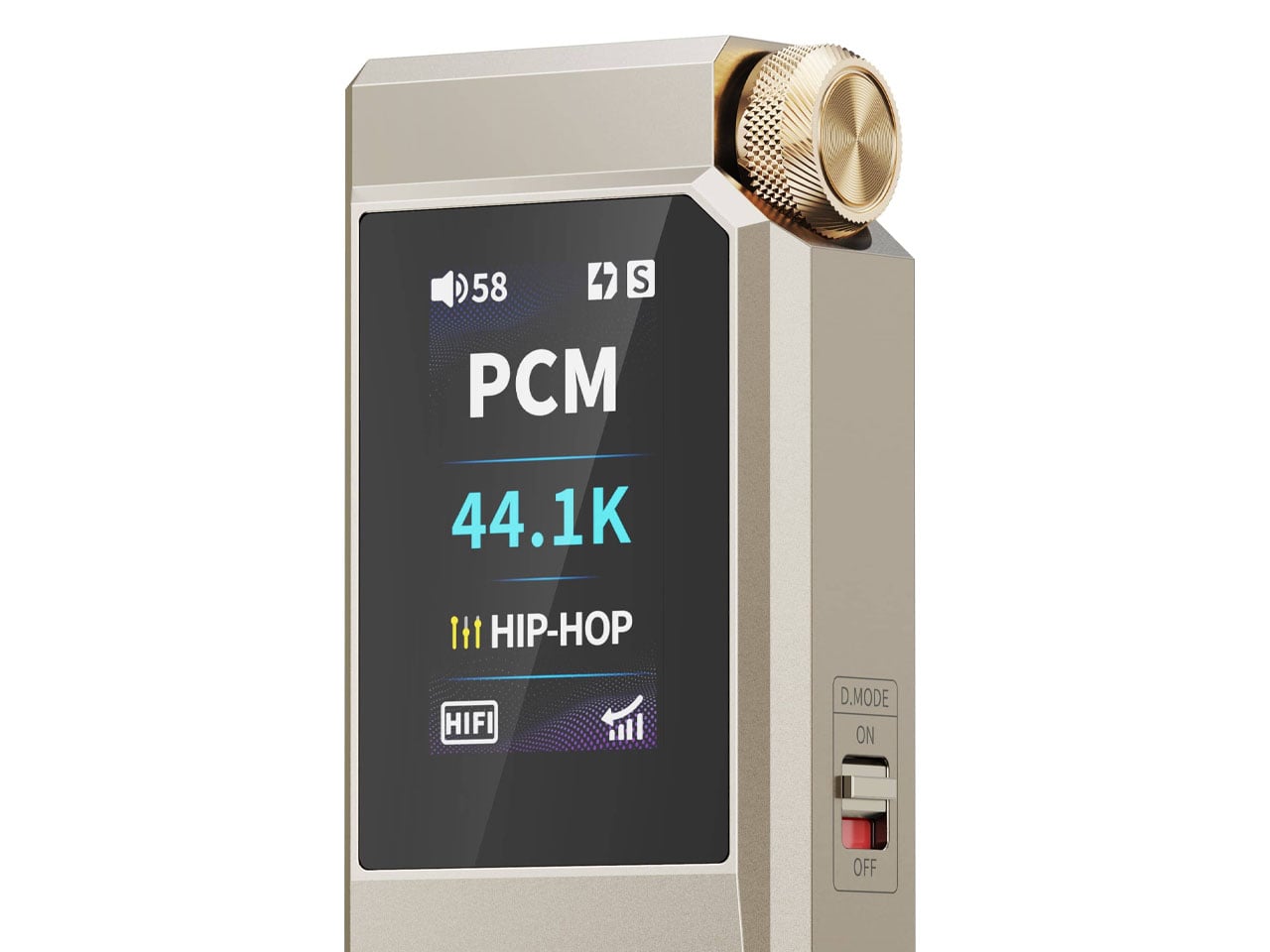
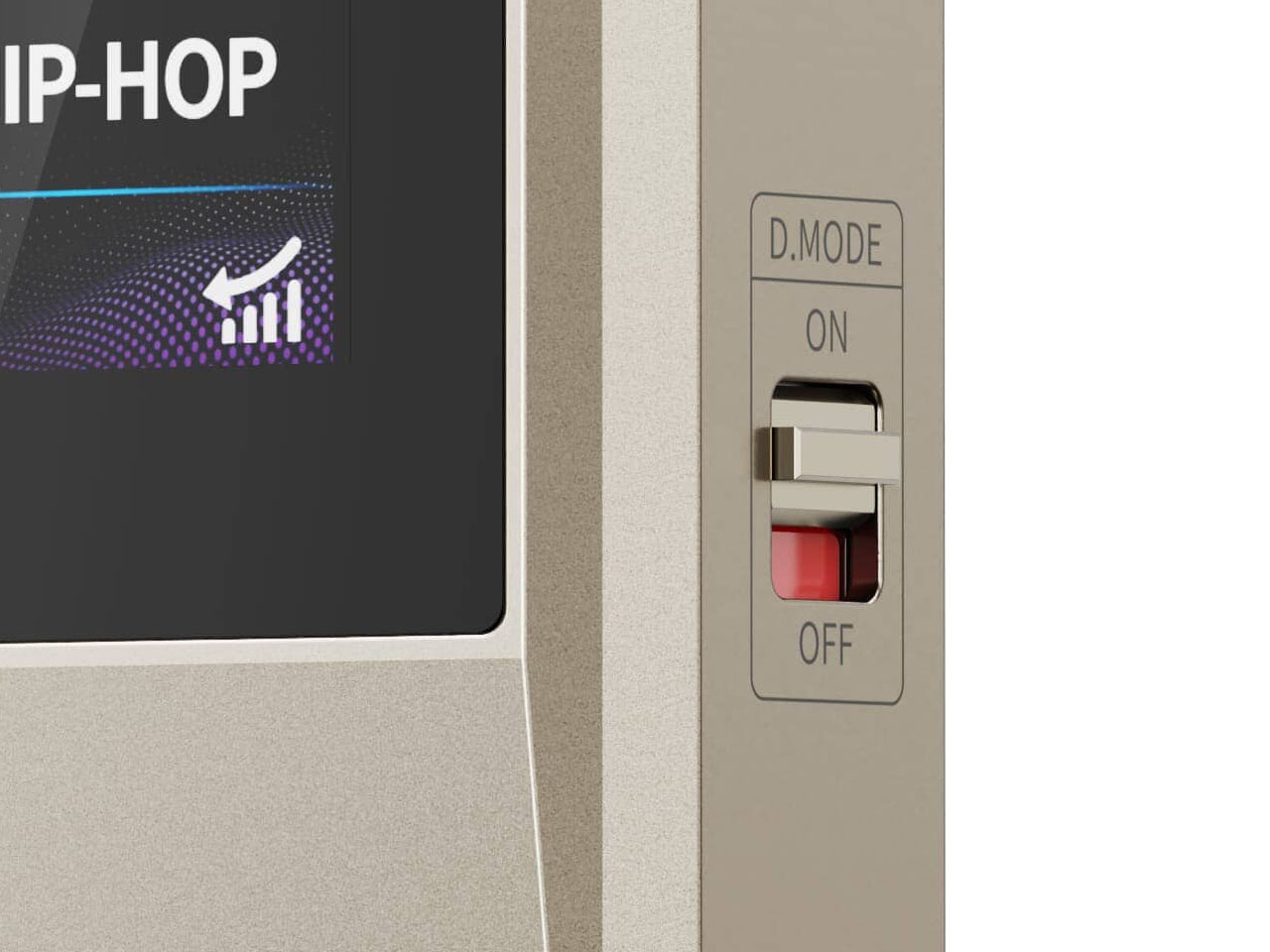
The biggest upgrade from FiiO KA17 is arguably the amount of power available to headphones. In Desktop Mode, the QX11 can deliver up to 800mW + 800mW, exceeding the 650mW + 650mW output of the predecessor. That extra headroom is particularly useful for demanding headphones and high-impedance models that can benefit from stronger amplification and better control. FiiO also wants the QX11 to work beyond traditional music listening. A dedicated Gaming Mode introduces audio profiles for FPS, ACT, and MOBA games, allowing the same device to shift from a high-resolution music DAC to a more gaming-focused audio interface.

Voice communication is also built in, as QX11 features a microphone and AI environmental noise cancellation intended to suppress surrounding sounds during voice chats. For someone using wired headphones, that means fewer accessories are needed to create a more complete gaming setup. The audio gadget also brings a more accessible approach to equalization with FiiO’s software ecosystem, as users can select supported headphone models and apply automatic correction profiles instead of manually adjusting individual frequency bands. Genre-specific EQ presets further allow the sound to be tailored to different types of music.

There is also a thoughtful solution to one of the less glamorous problems with powerful portable DACs: battery drain. The QX11 incorporates dual USB-C ports with 45W USB Power Delivery passthrough, allowing a connected phone or laptop to receive power while the DAC is being used. This makes it more practical for longer listening sessions or gaming away from a conventional desktop setup.

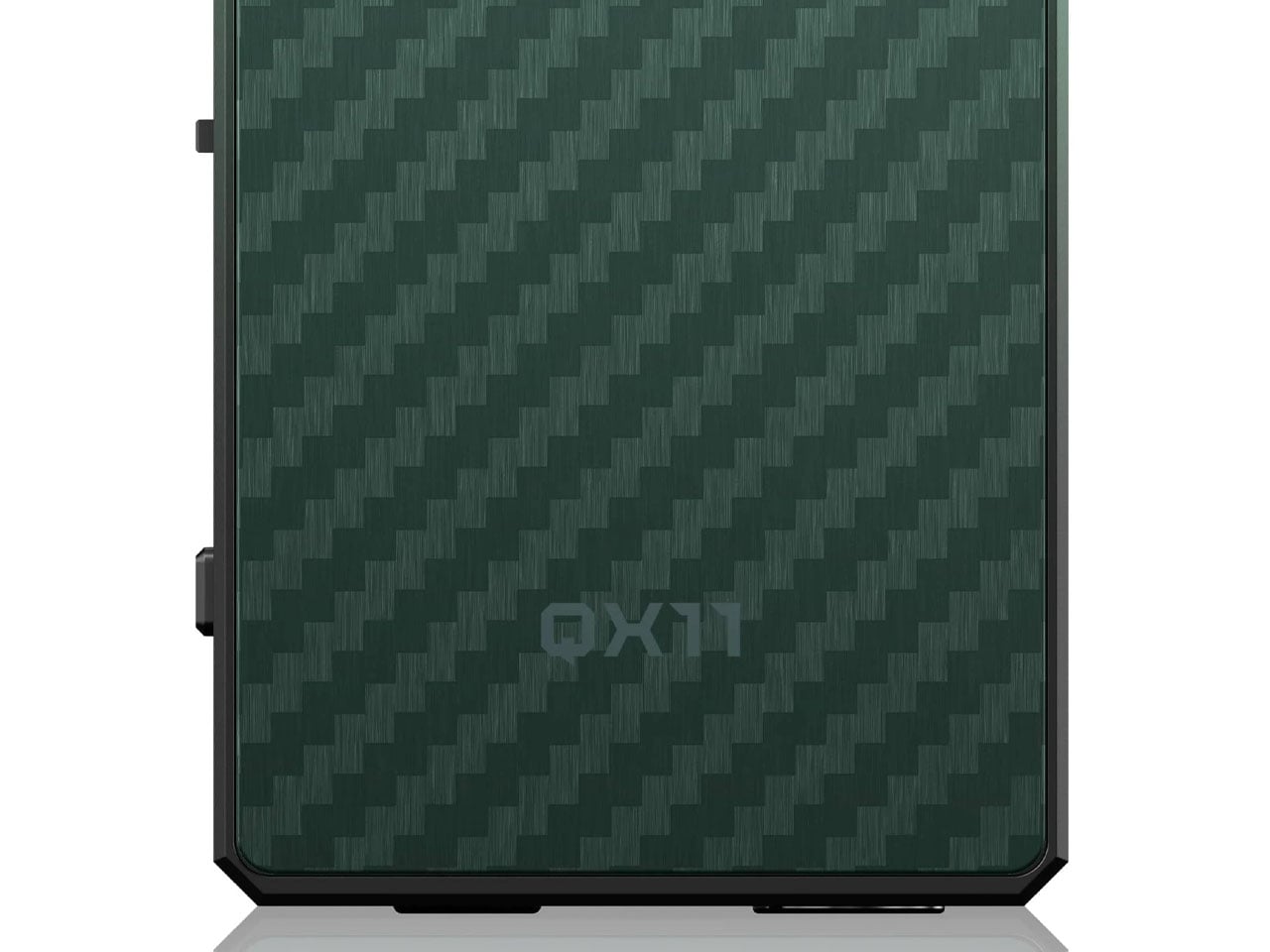
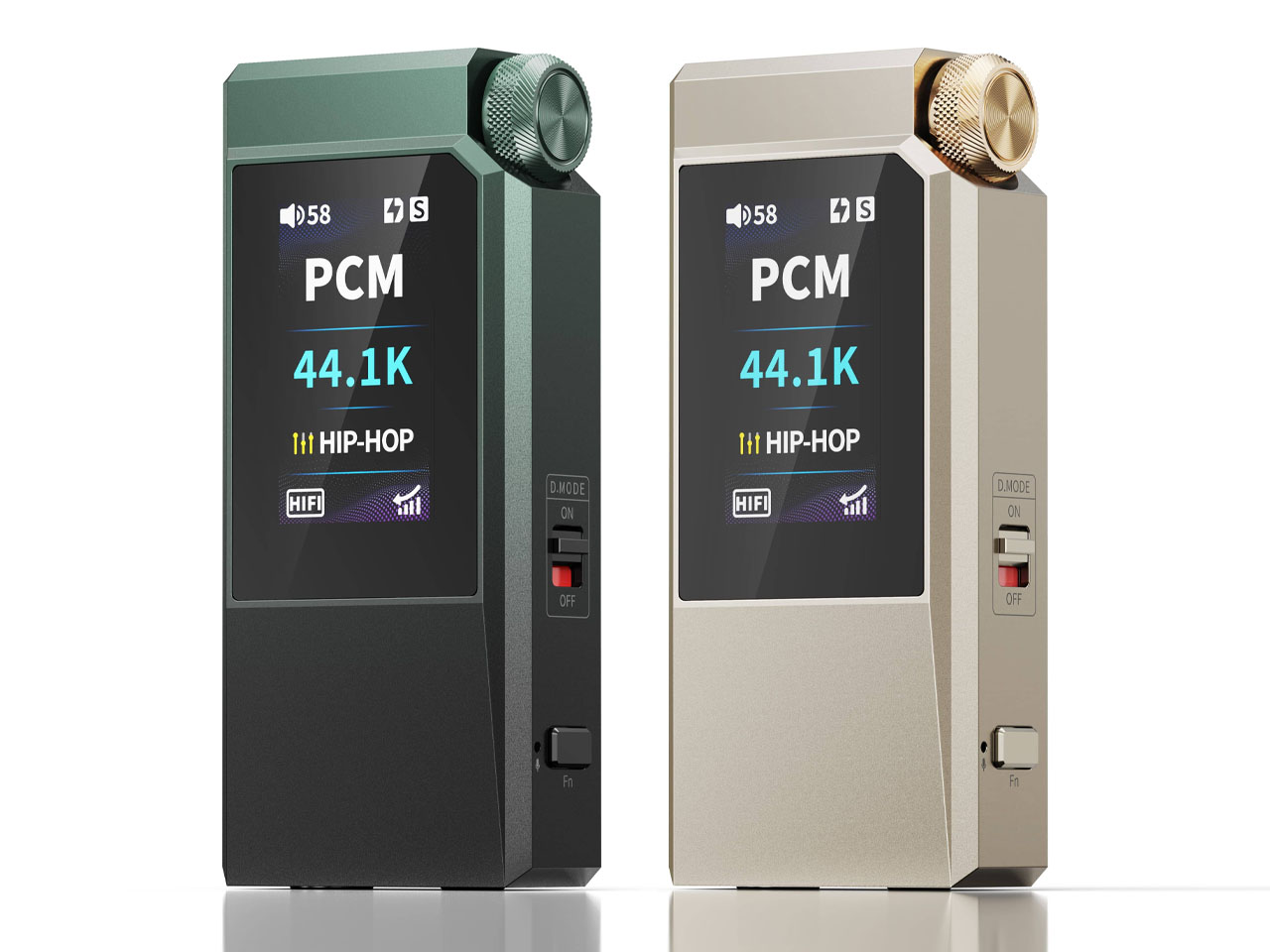
With green and gold finishes, Fiio QX11 has enough visual character to stand out without looking like conventional gaming hardware. At $170, the DAC is tailored for buyers who care as much about versatility as raw specifications. Rather than being another dongle focused solely on decoding high-resolution files, QX11 is a compact audio hub capable of moving between serious music listening, gaming, and everyday portable use without changing the rest of the setup. Indeed, something for a starter audiophile like me who likes things less complicated.


The post FiiO QX11 brings desktop-class audio power to a pocket-sized DAC first appeared on Yanko Design.
Khadas Just Made a $199 Amp That Snaps to Your iPhone Like a Wallet

Portable audio has long been a game of compromise. DAC dongles give you a modest step up from your phone’s built-in output, but connect anything more demanding than a pair of featherweight earbuds, and they start to run out of steam. Desktop amplifiers solve the power problem but chain you to a desk, a power outlet, and a bag heavy enough to make you think twice about bringing them anywhere.

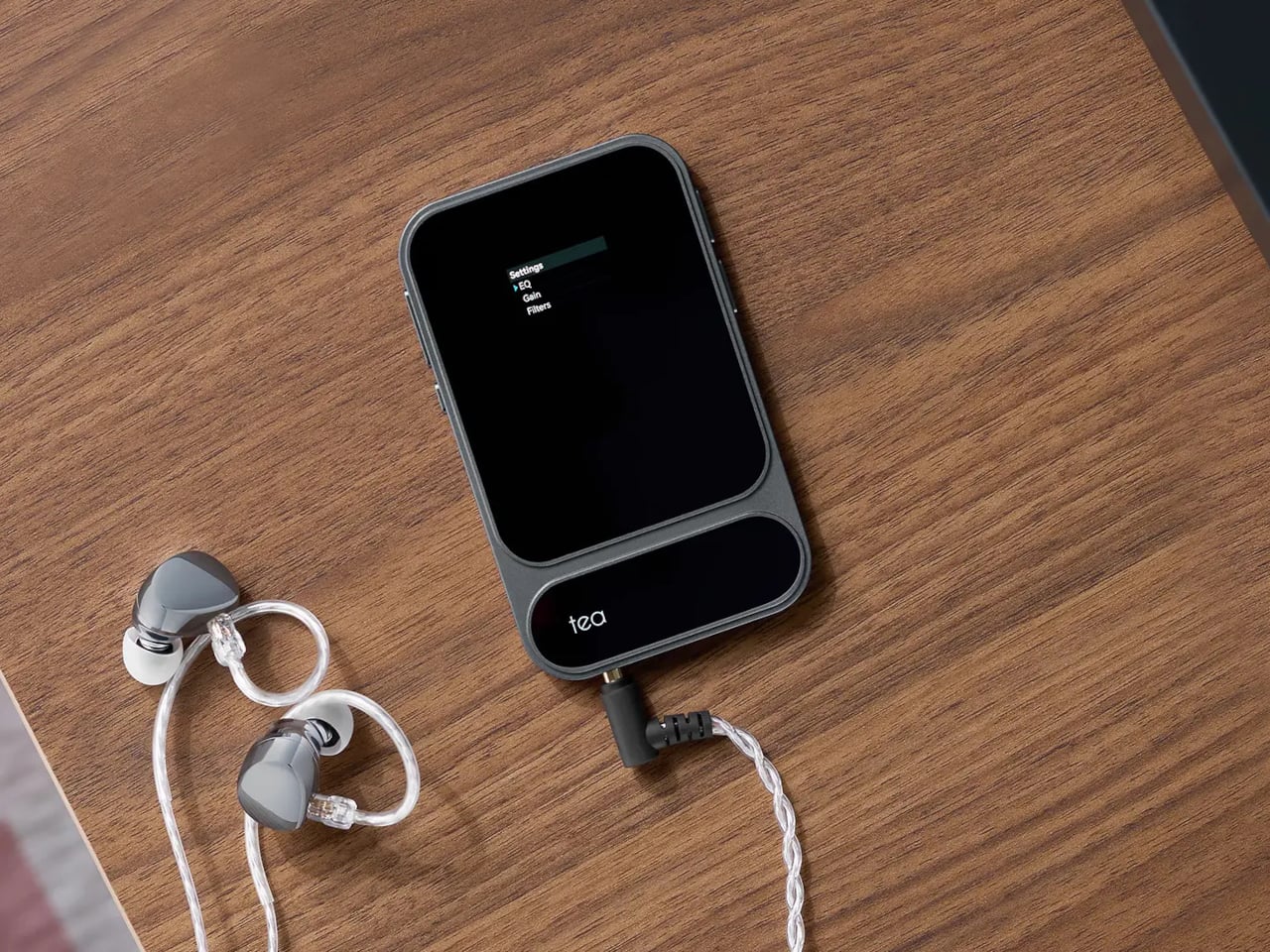
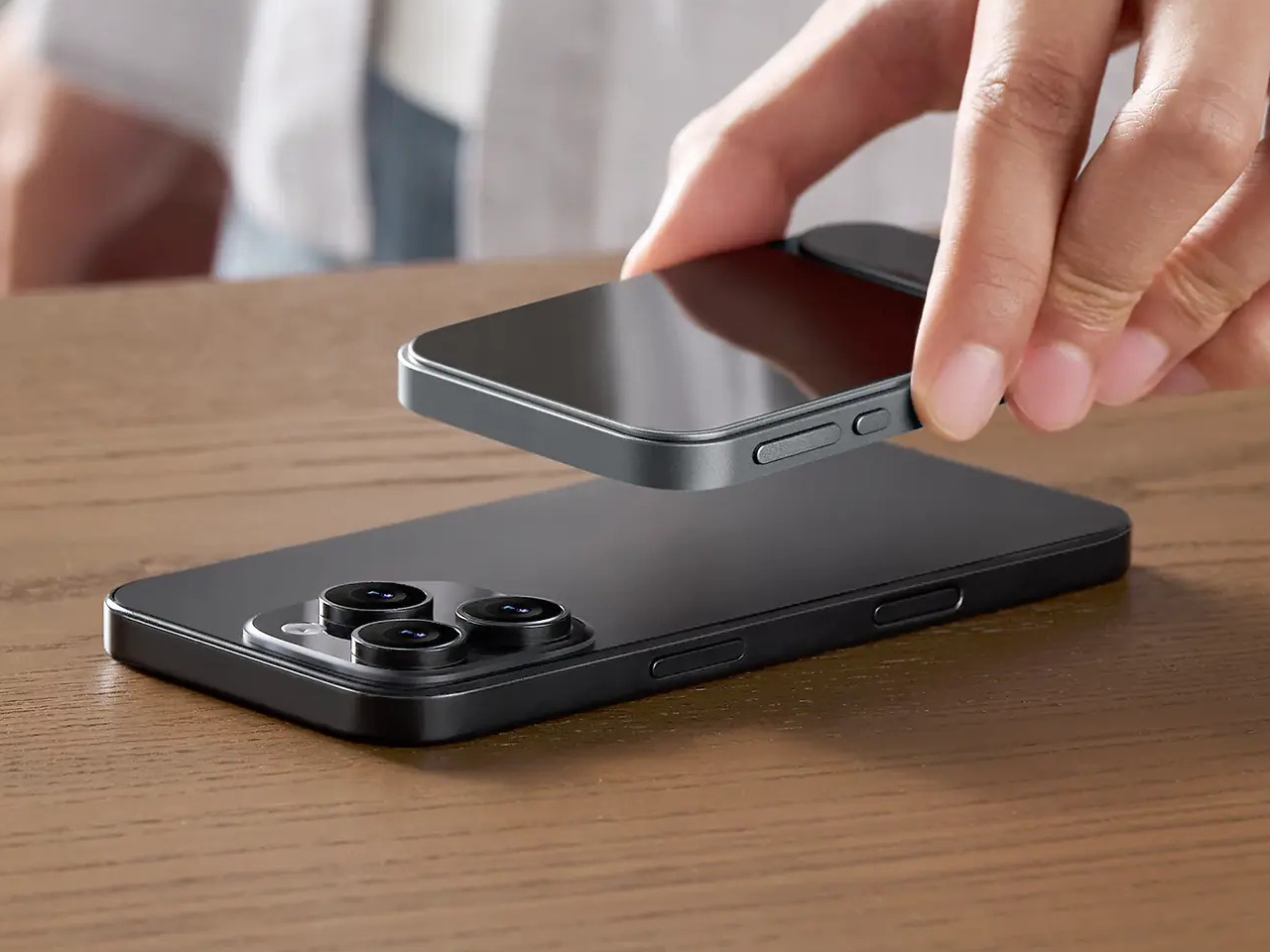
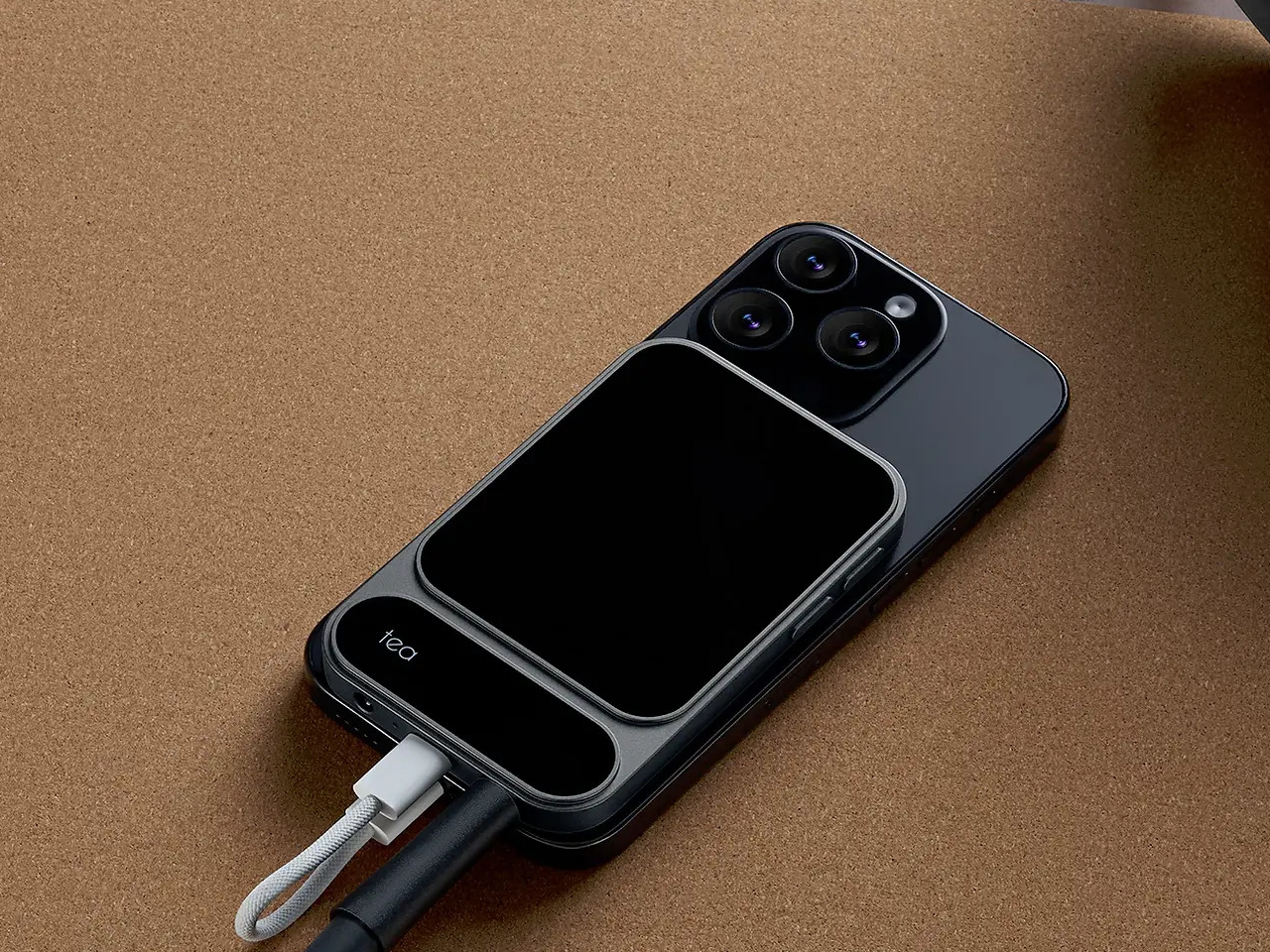
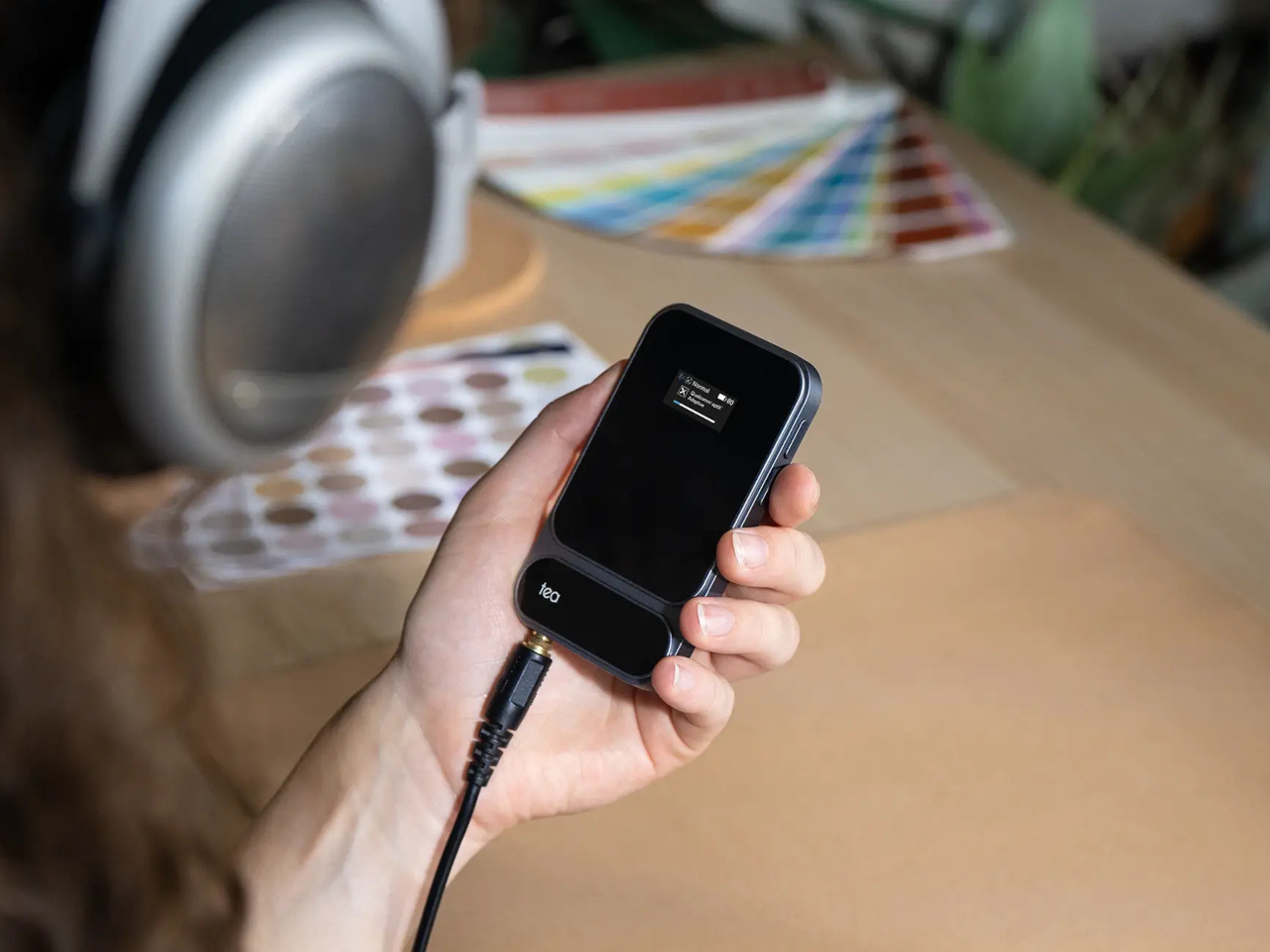
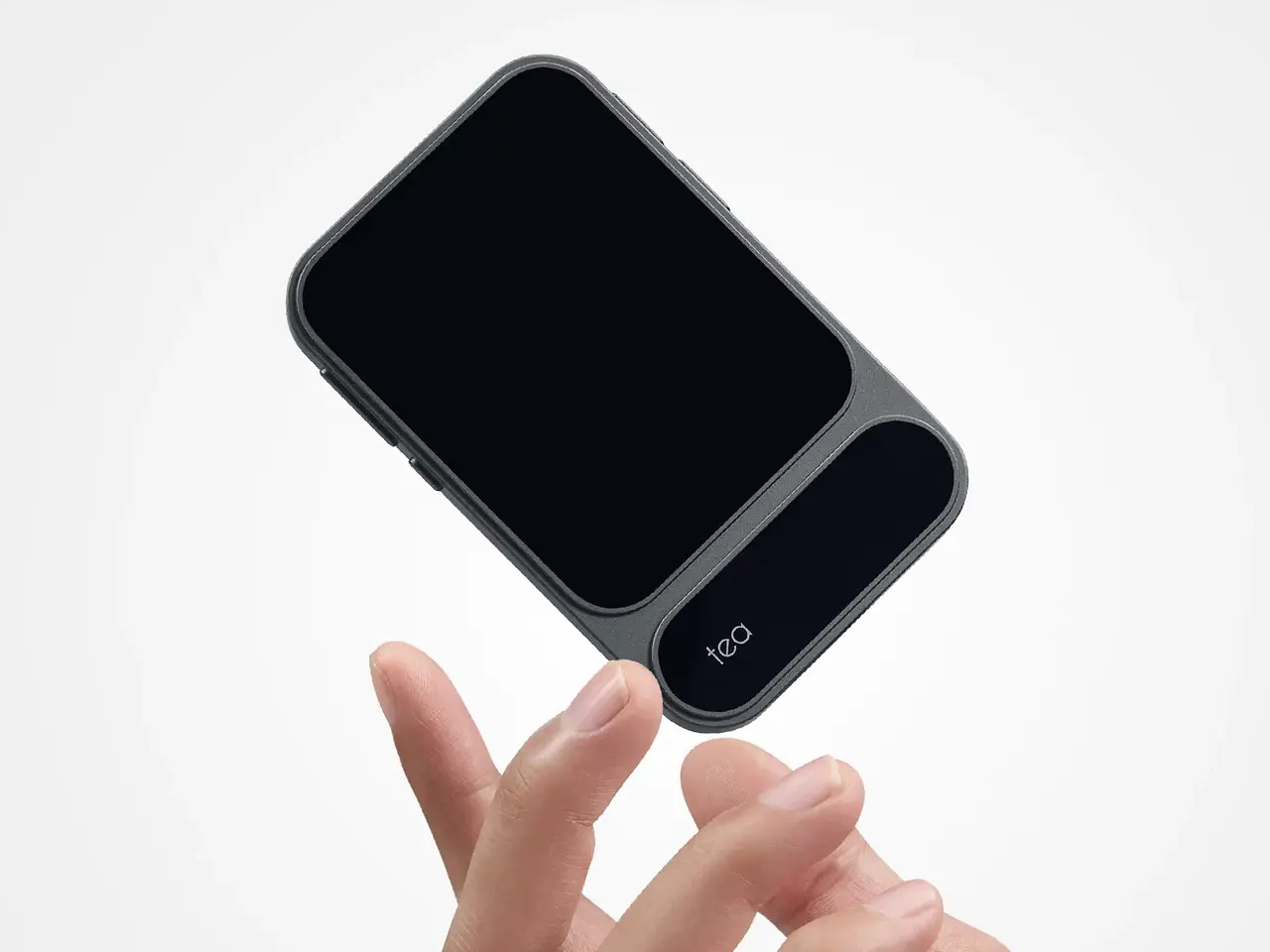
The Khadas Tea Pro sits firmly in the space between those two options, offering enough amplification for serious headphones without the bulk or the cable tangle. At 7.85 mm thin and 96 grams, it genuinely disappears into a pocket, and its magnetic back panel snaps directly onto any iPhone 12 or later, turning your phone and DAC into a single, tidy unit that doesn’t need a pouch of its own.

Designer: Khadas

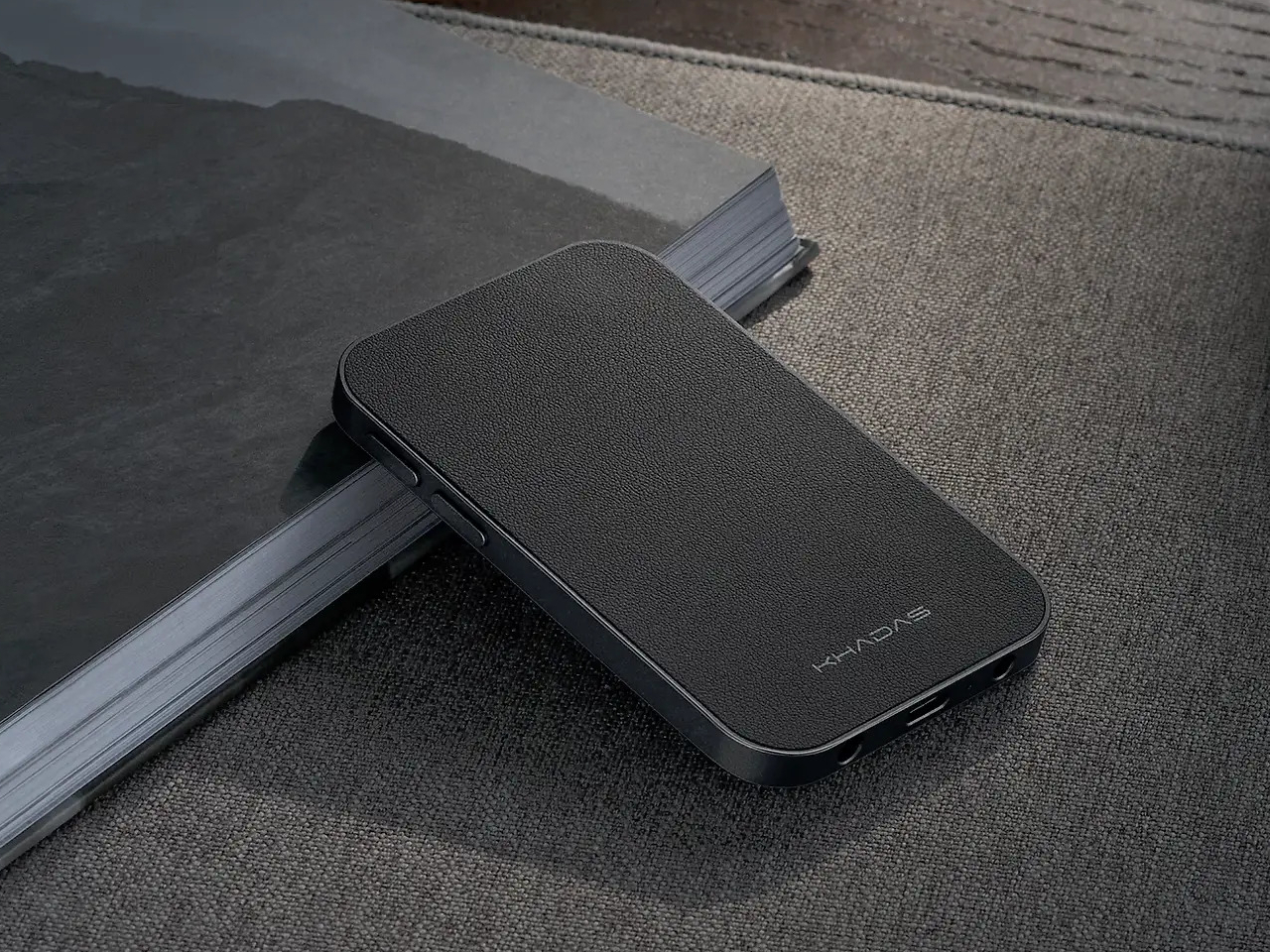
The connection is handled by 19 N56SH magnets, holding the Tea Pro against the back of the phone without straps or brackets. Android users and those with older iPhones can attach a magnetic ring to their case and get the same result. A premium wear-resistant leather panel covers the back, giving the device a tactile quality that’s a step removed from the usual plastic-and-aluminum DAC dongle aesthetic.

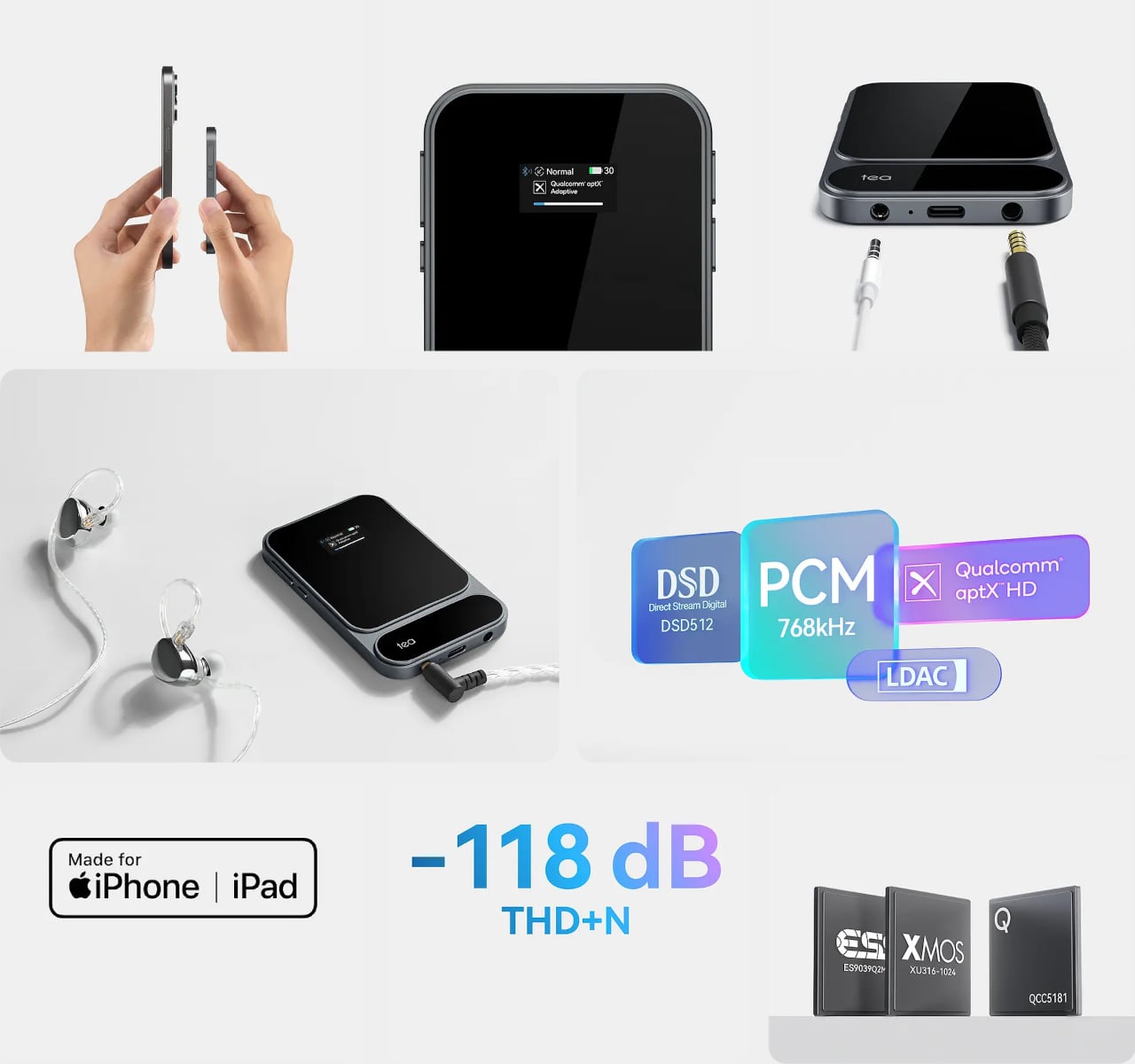
Inside, an ESS ES9039Q2M DAC chip works alongside an XMOS XU316 USB bridge for wired playback, delivering PCM up to 768kHz at 32-bit and DSD up to 512 native. The signal chain runs through TI OPA1612 op-amps and Ricore RT6863 amplifier chips, achieving a total harmonic distortion of -118 dB, a specification more at home in a studio rack than a 96-gram device that slips into a shirt pocket.

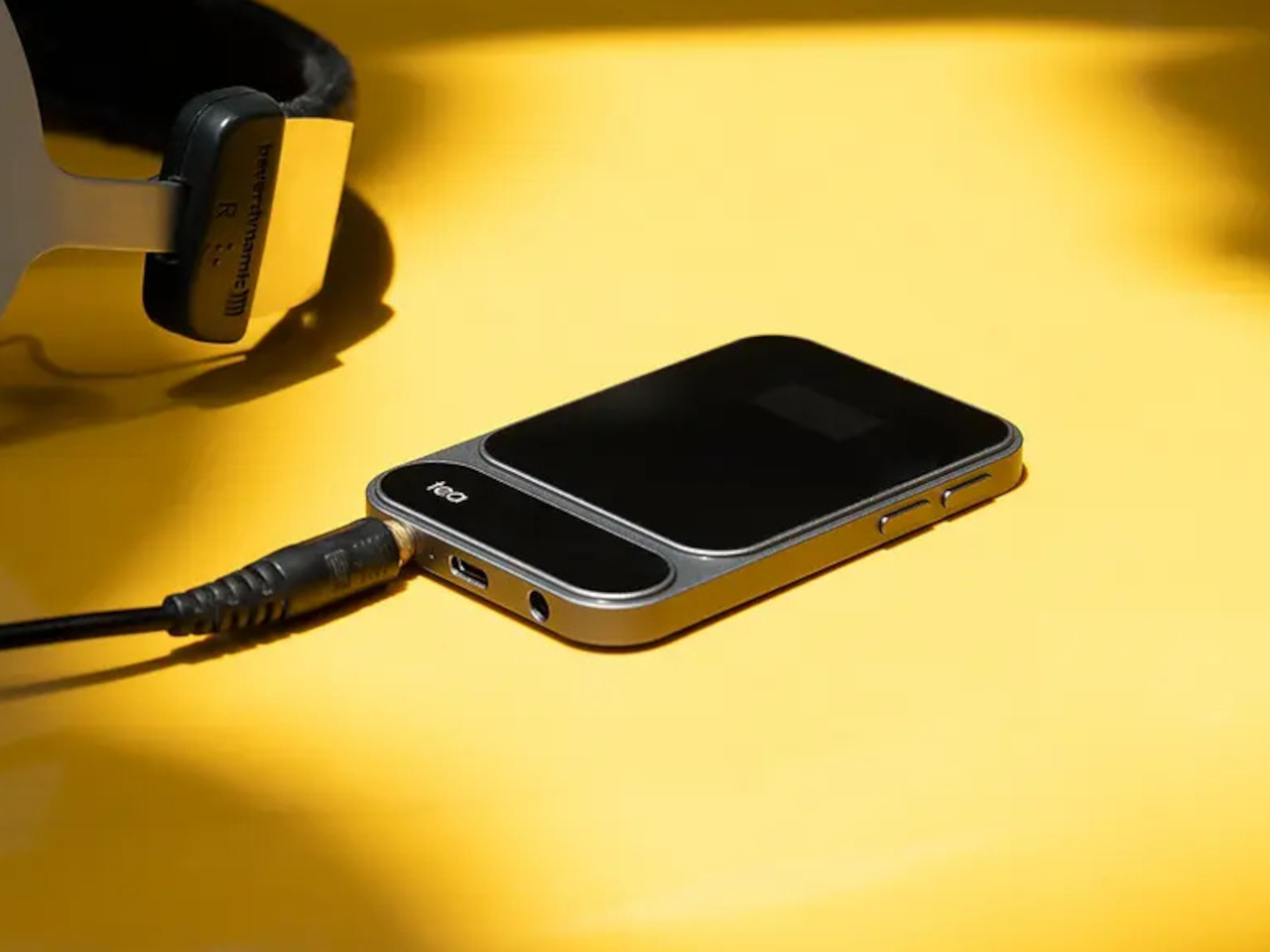
Both a 4.4mm balanced and a 3.5mm unbalanced output are on board, with the balanced jack putting out 165mW into 33 ohms and the unbalanced delivering 120mW. The Tea Pro also manages 41.67mW into 600 ohms, meaning even demanding full-size headphones with high impedance get a fully powered signal rather than an underpowered afterthought by a device that’s trying too hard to be small.

Wireless connectivity comes via a Qualcomm QCC5181 Bluetooth 5.4 chip that covers SBC, AAC, aptX, aptX Adaptive, aptX HD, and LDAC, keeping the Tea Pro compatible with virtually any device. The Khadas app adds a feature-rich equalizer that works over Bluetooth, letting you shape the sound to your taste without touching the hardware. There’s also a built-in microphone, so taking a call doesn’t require unplugging anything.

A 2100mAh battery supports up to 11 hours of wireless playback or just over eight hours wired, enough to outlast a full day of commuting without reaching for a charger. A 0.95-inch AMOLED color display on the front keeps output format, volume, and battery status visible at a glance, while independent power management keeps the battery from draining your phone when you aren’t connected to a power source.

Volume control runs through a dedicated analog chip rather than a software slider, keeping noise out of the signal path. The Tea Pro is priced at $199, which puts it well above the typical dongle but far below a battery-powered desktop DAC/amp that requires its own carrying case. For a device that fits in a jacket pocket and holds itself to the back of your phone, that’s a narrowing of the gap that’s hard to argue with.

The post Khadas Just Made a $199 Amp That Snaps to Your iPhone Like a Wallet first appeared on Yanko Design.
A $129 Music Player Built for People Done With Phone Distractions

Dedicated music players gradually faded from use once streaming apps turned every smartphone into an on-demand jukebox. Carrying a separate device for audio began to feel redundant. That attitude has slowly changed. Growing numbers of listeners, tired of notifications and algorithm-driven queues, have started reaching for standalone players again, ones that let music be the only thing competing for their attention.

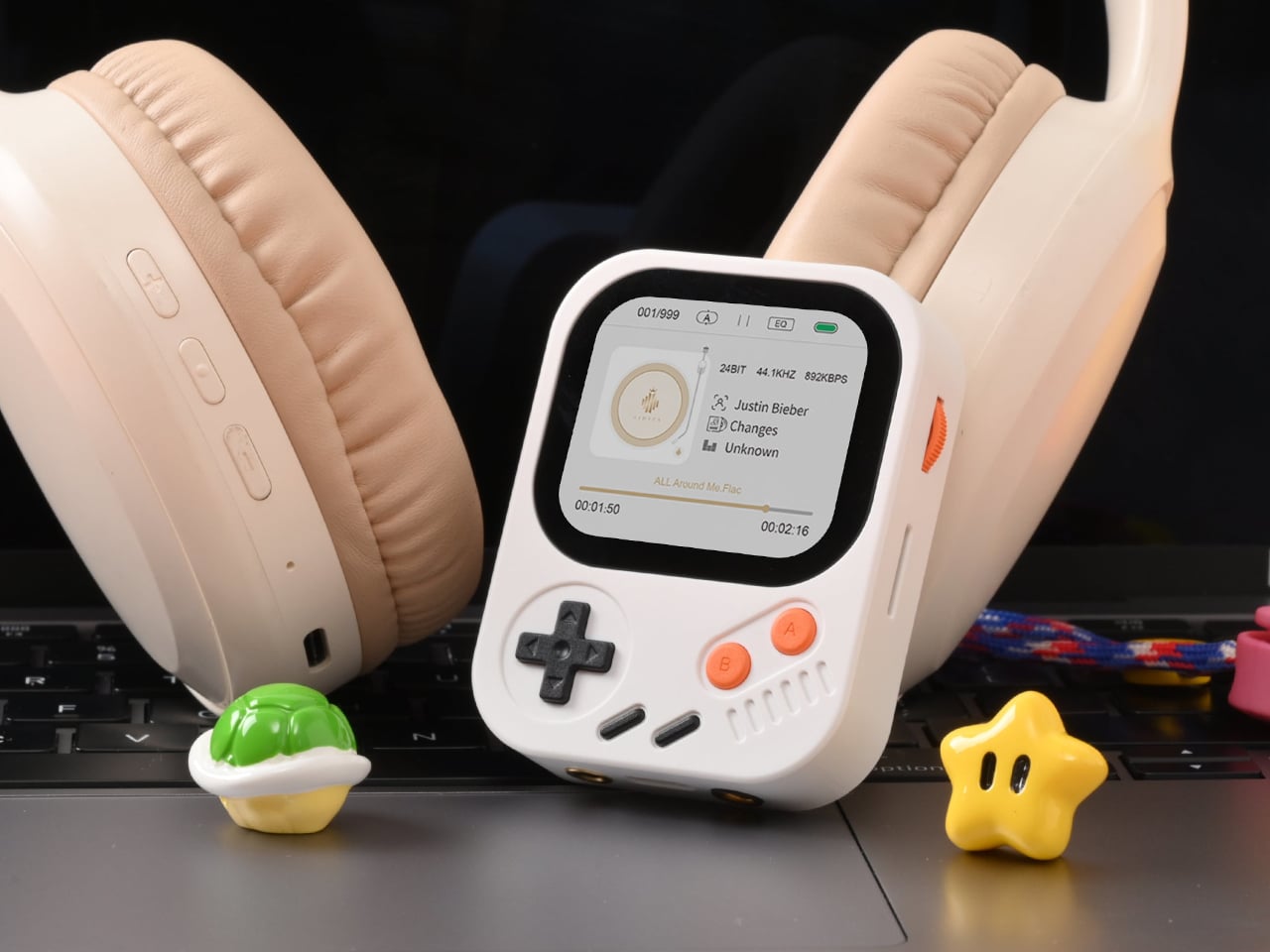
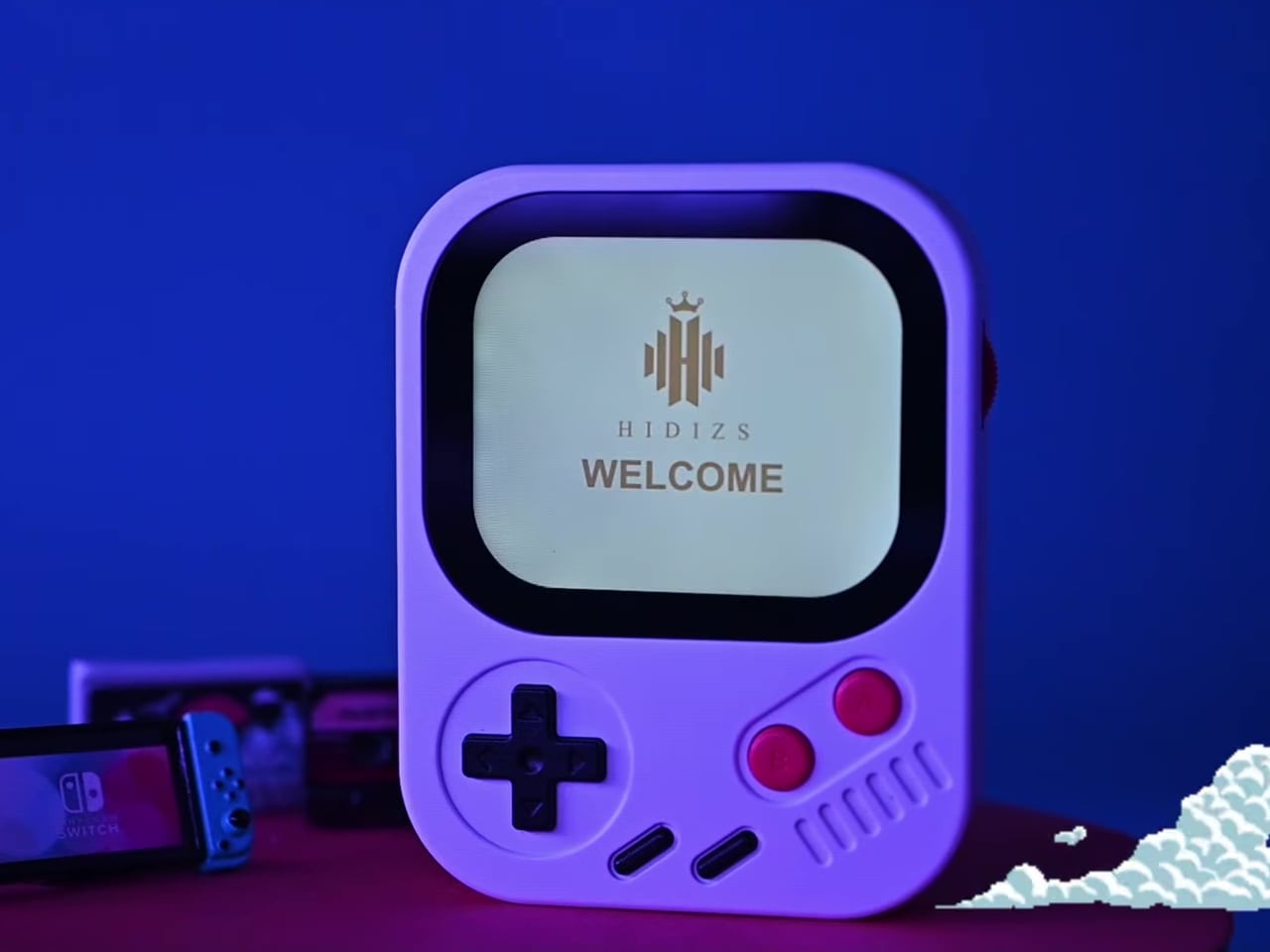
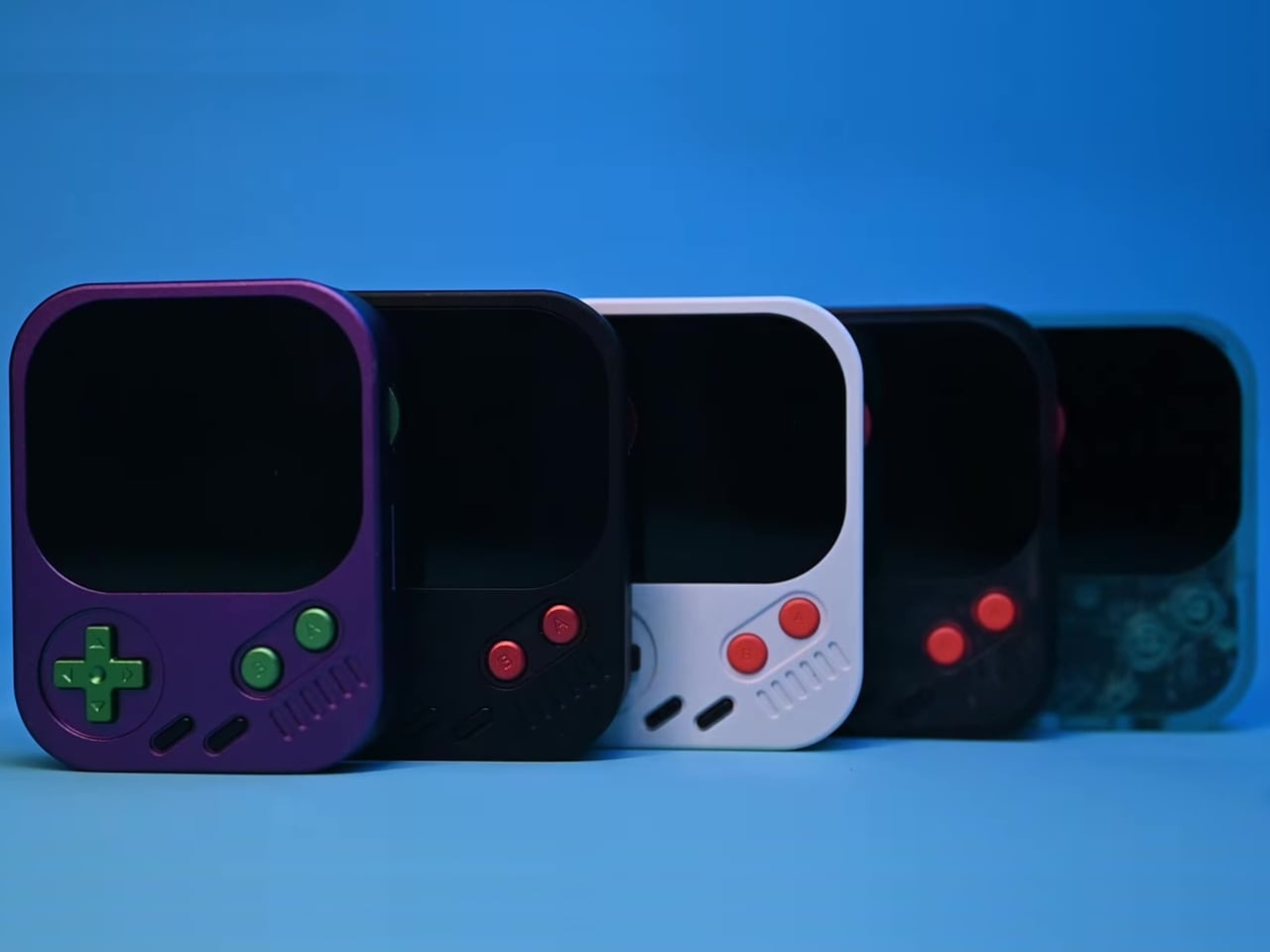
The Hidizs AP30 Music Boy addresses that growing appetite, though it does so in a way that isn’t easy to overlook. Rather than adopting the clean, minimal aesthetic common to most digital audio players, it draws heavily from the visual language of retro handheld gaming. The result is a device that looks playful and compact but carries serious audio hardware inside.

Designer: Hidizs

Physical directional buttons and a 2.0-inch IPS display give the AP30 an immediately tactile quality that touchscreen-only devices often lack. The plastic version weighs just 56g, while the CNC aluminum edition comes in at 80g. A small whale motif on the back adds a quiet nod toward environmental awareness, giving the device one more detail that makes it memorable beyond the spec sheet.

The “wearable” part of the AP30’s pitch has practical implications. It clips to bag straps, hangs from a neck lanyard, or attaches magnetically to the back of a phone via an optional case, keeping it physically accessible during exercise, commutes, or any activity that doesn’t leave a free hand. Storage starts at 128GB built-in and expands to 256GB via a microSD slot.

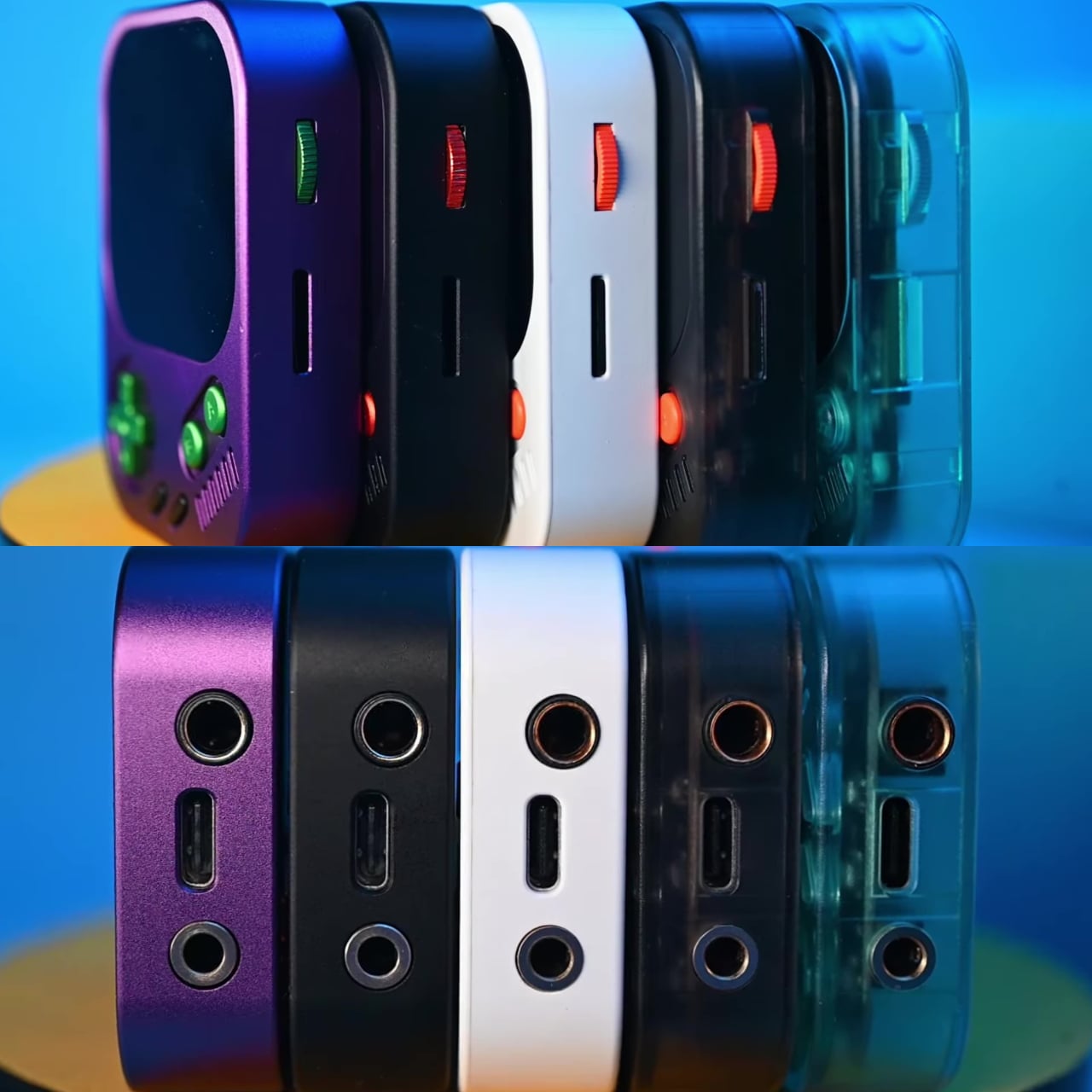
Behind the gaming console’s exterior is a Cirrus Logic CS43198 DAC paired with an RT6863 amplifier, supporting DSD256, PCM at 24-bit/192kHz, and lossless formats including FLAC, WAV, and ALAC. Everyday headphones connect to the 3.5mm single-ended output, while the 4.4mm balanced connection offers meaningfully stronger output for listeners using higher-end in-ear or over-ear monitors, with room to grow as their setup does.

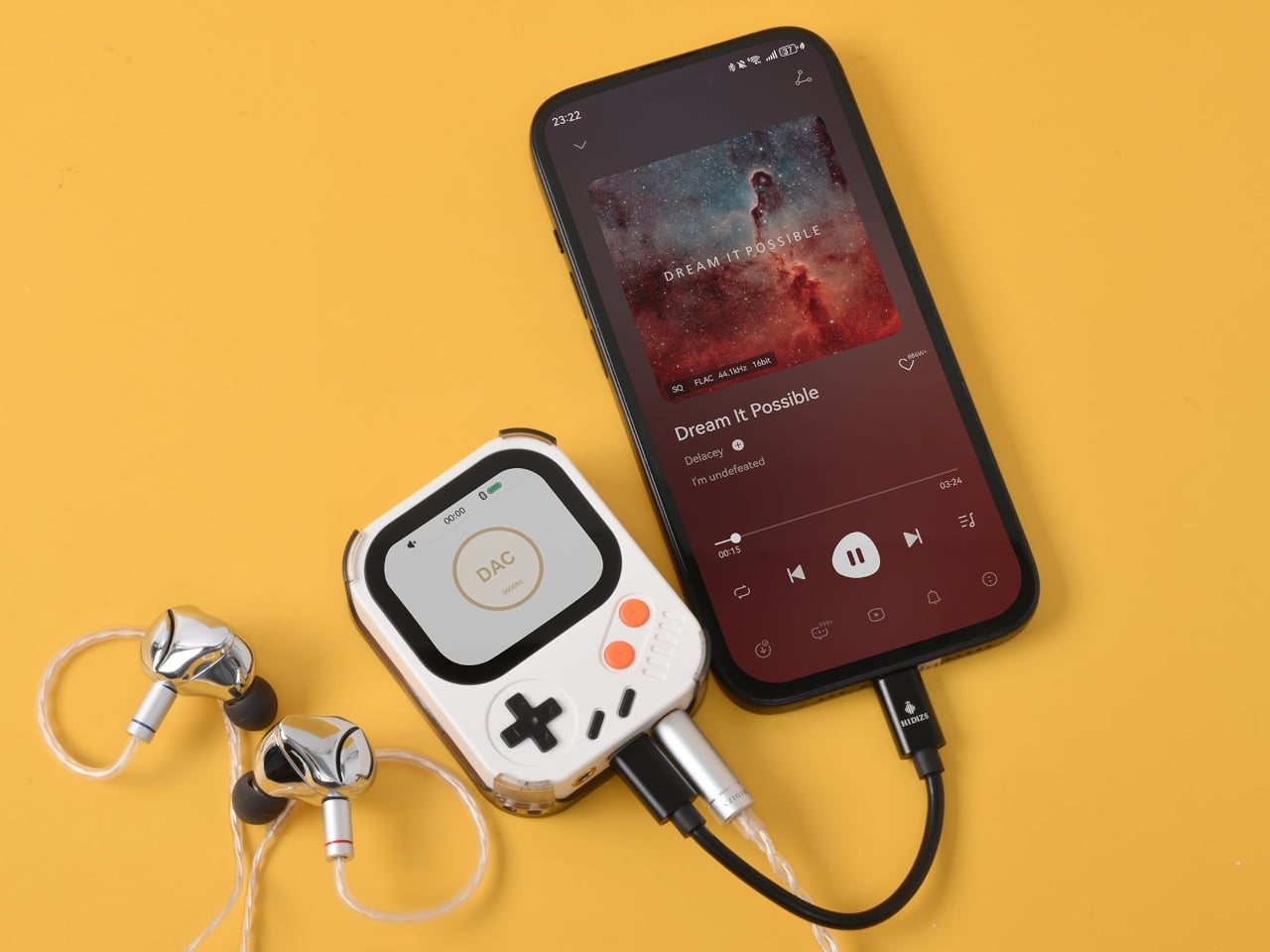
Bluetooth 5.3 with LDAC handles wireless listening without much compromise in audio quality, and the USB-C port doubles as a DAC input for computers and phones. Connect it that way, and the AP30 draws its own power, sparing the host device’s battery. The 1,200mAh cell manages 10 to 12 hours of continuous playback in single-ended mode and charges back to full in about one hour.

HidizsOS, the player’s Linux-based operating system, keeps the interface focused entirely on music rather than apps or streaming services. Customizable EQ presets and switchable digital hardware filters give listeners control over how their music sounds, and a built-in block puzzle game is a fitting Easter egg on a device with this much retro DNA. Both plastic and aluminum editions retail at $129.

There’s no streaming service, no social feed, and no notification waiting to derail the listening session. The AP30 runs on a locally stored library and asks for nothing more than a decent pair of earphones. For anyone who’s ever put a phone on silent just to get an hour of uninterrupted music, it makes a compelling case for carrying two things instead of one.

The post A $129 Music Player Built for People Done With Phone Distractions first appeared on Yanko Design.
Fosi’s $150 Headphone Amp Snaps to Your iPhone Instead of Dangling

The dongle DAC has become a familiar but awkward sight plugged into the bottom of a smartphone, a small reminder that the headphone jack didn’t disappear quietly. Portable audio has come a long way in sound quality, but the form factor hasn’t kept pace. Most of these tiny dongles hang loose from the charging port, tugging at cables and generally getting in the way of an otherwise pleasant listening session.

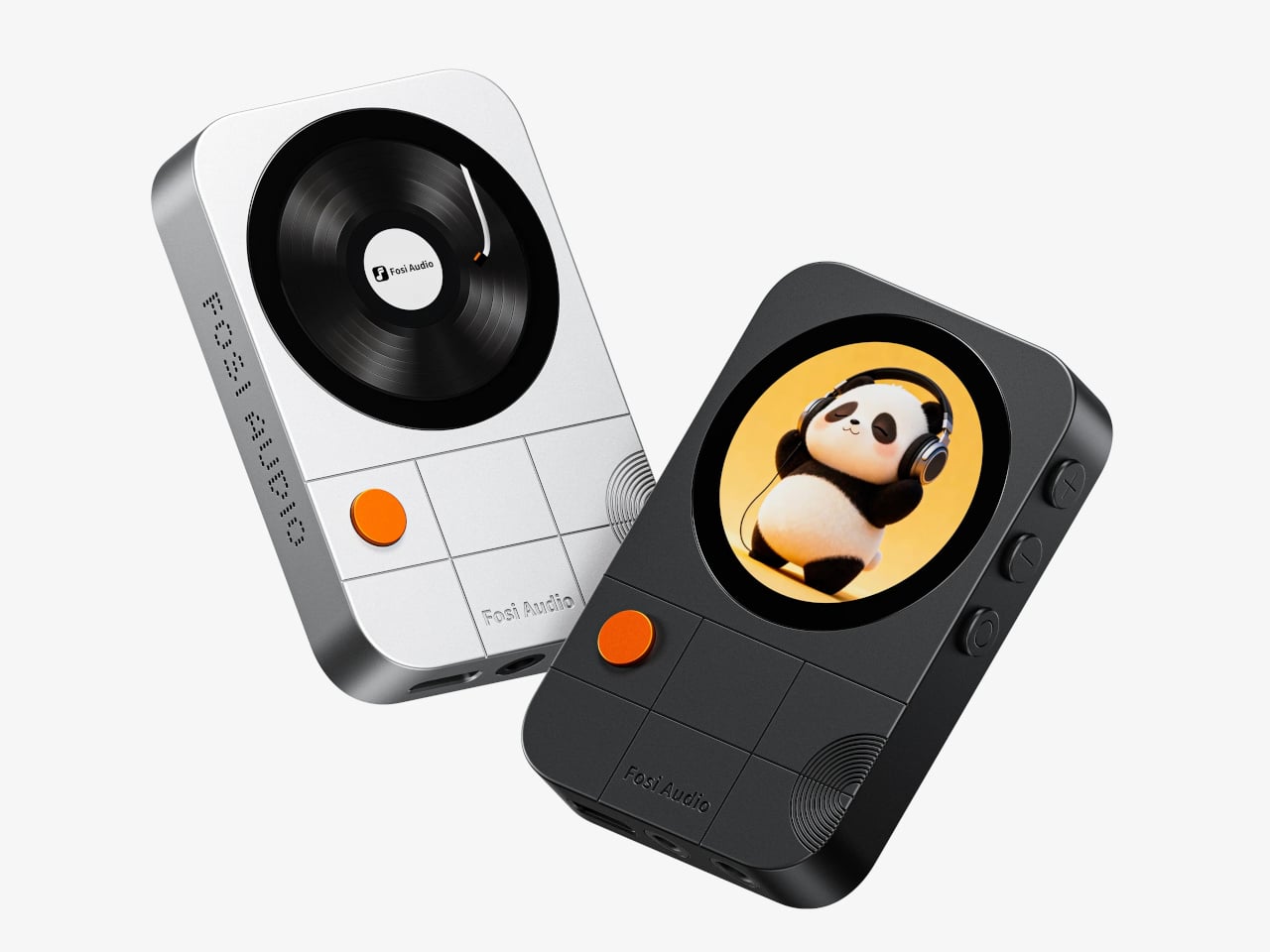
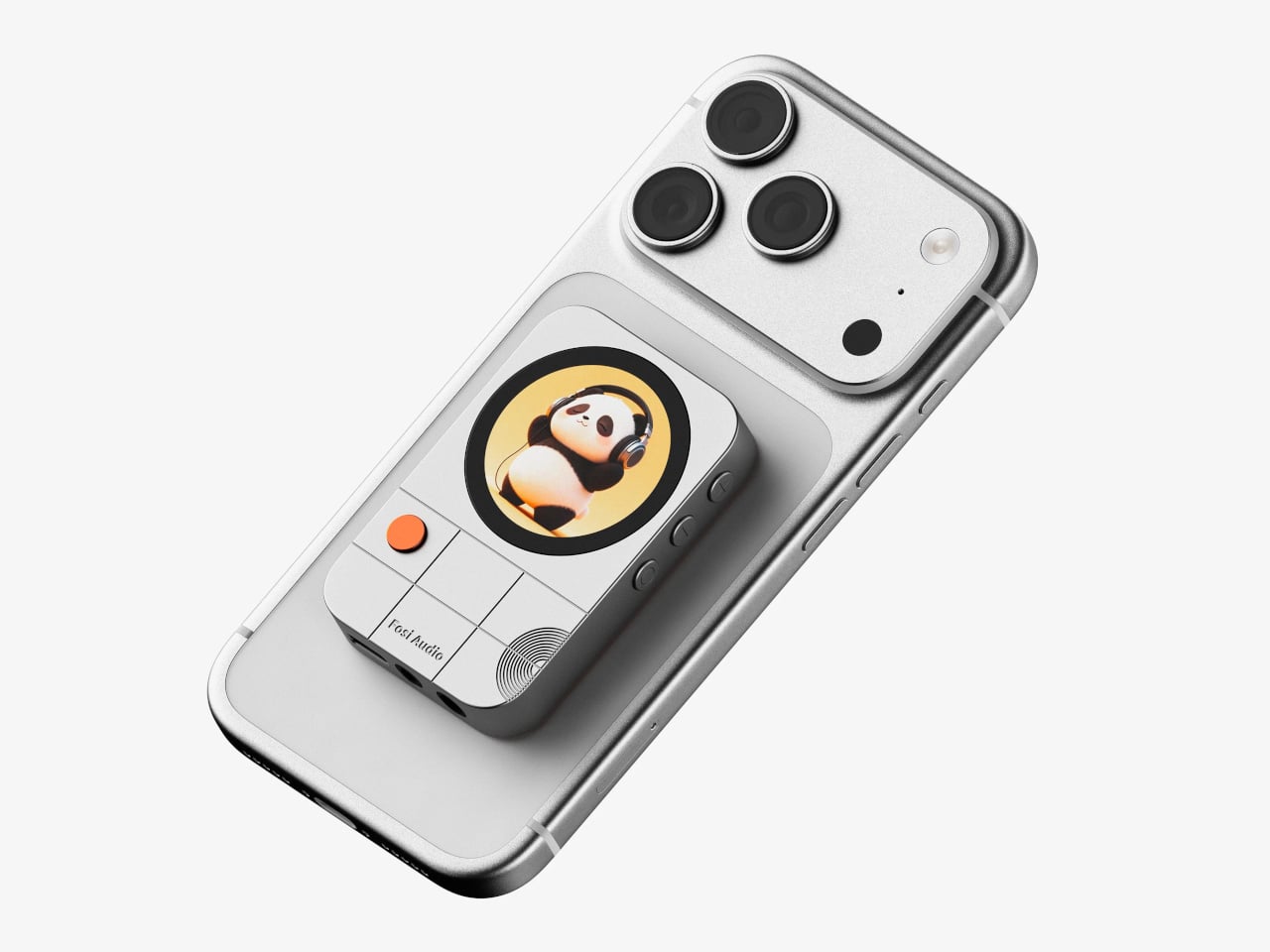
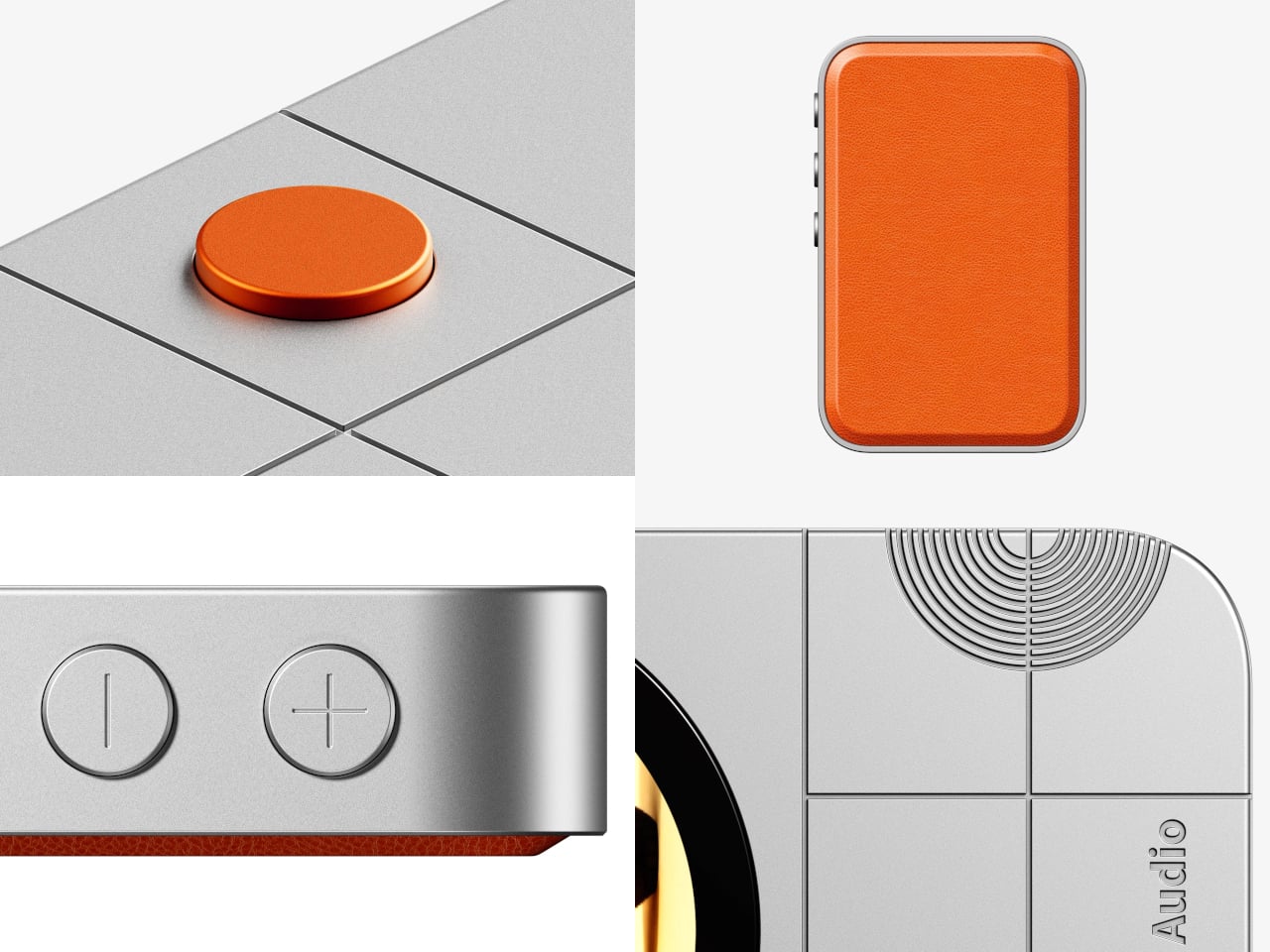
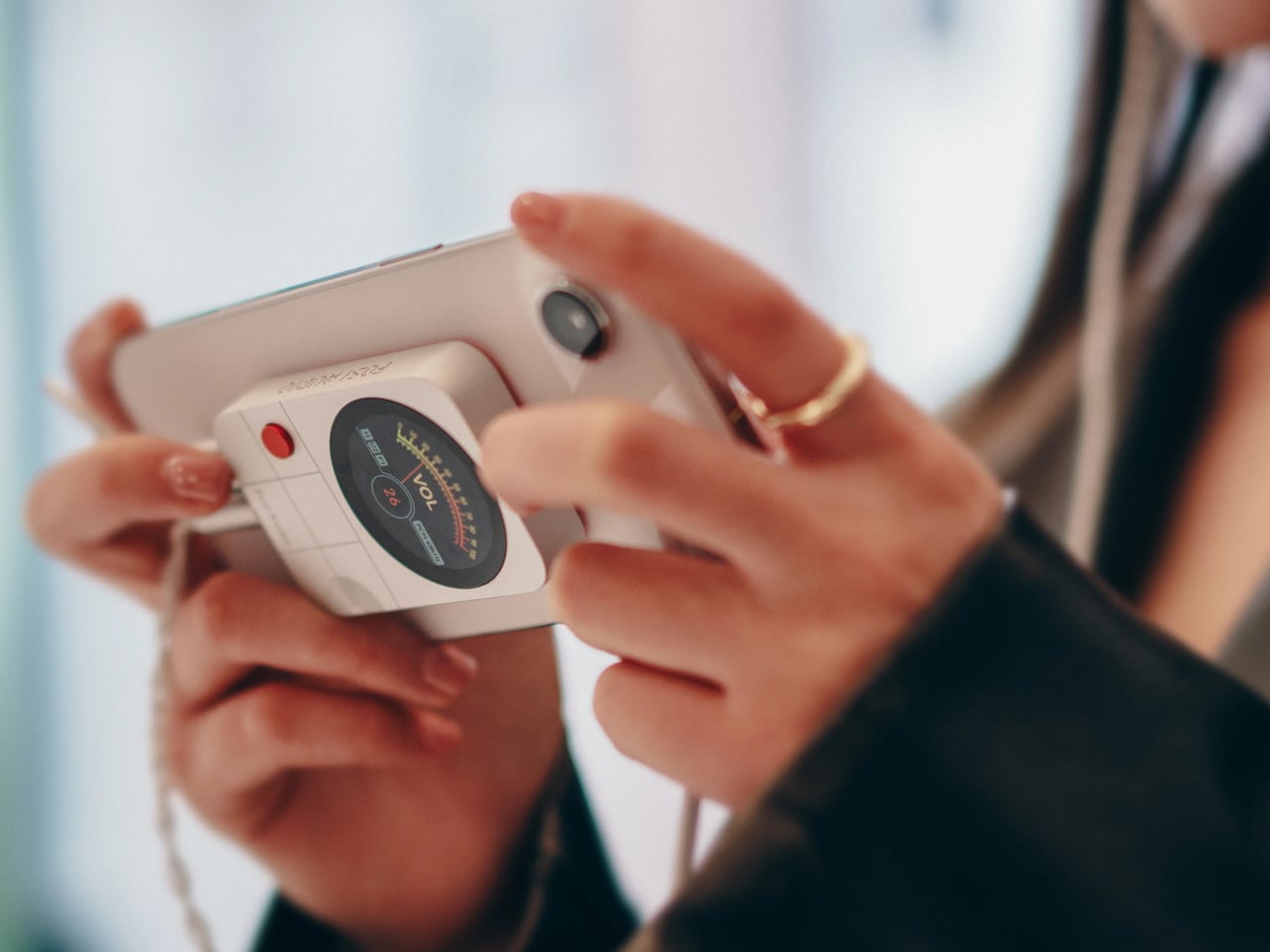
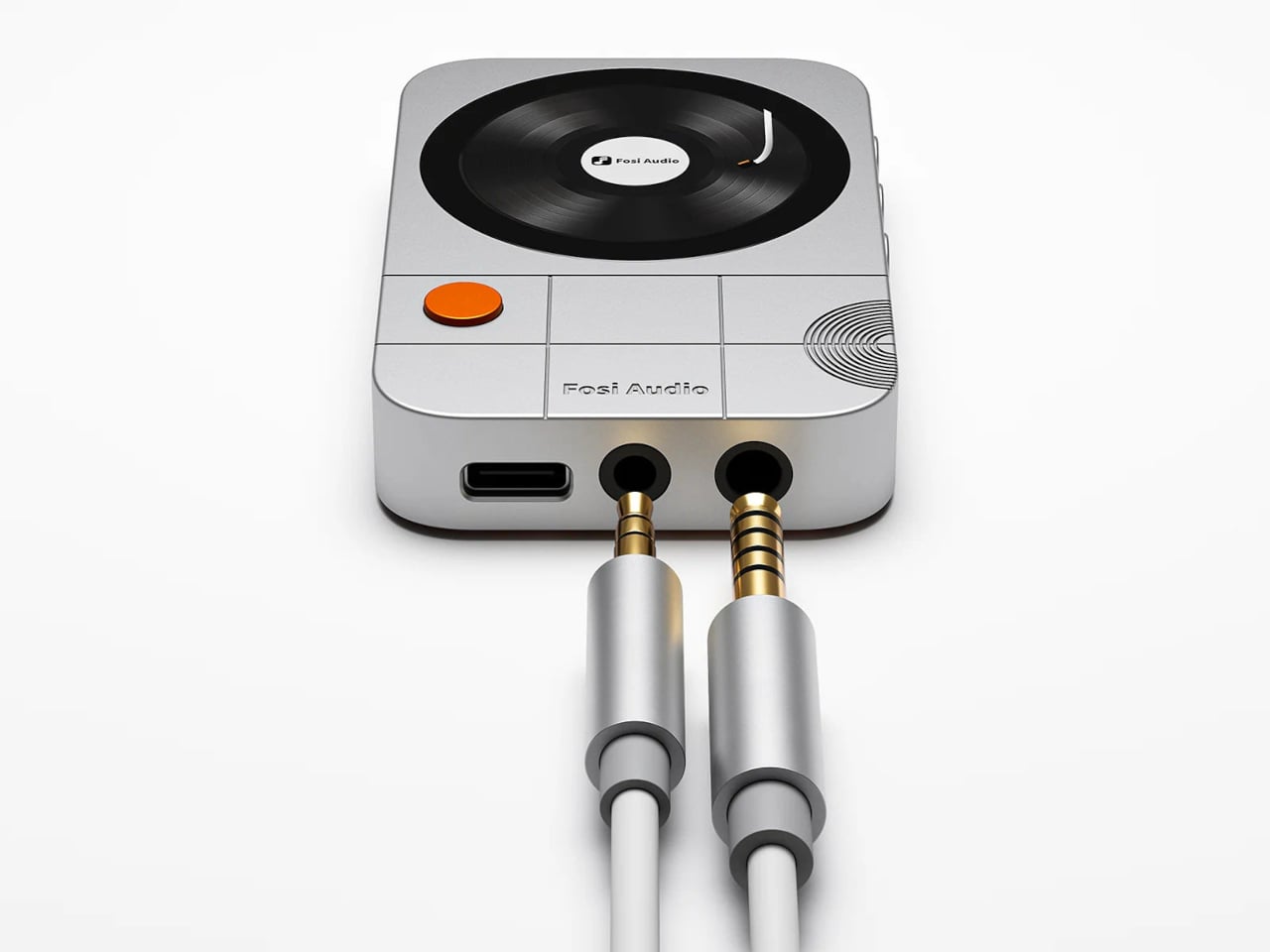
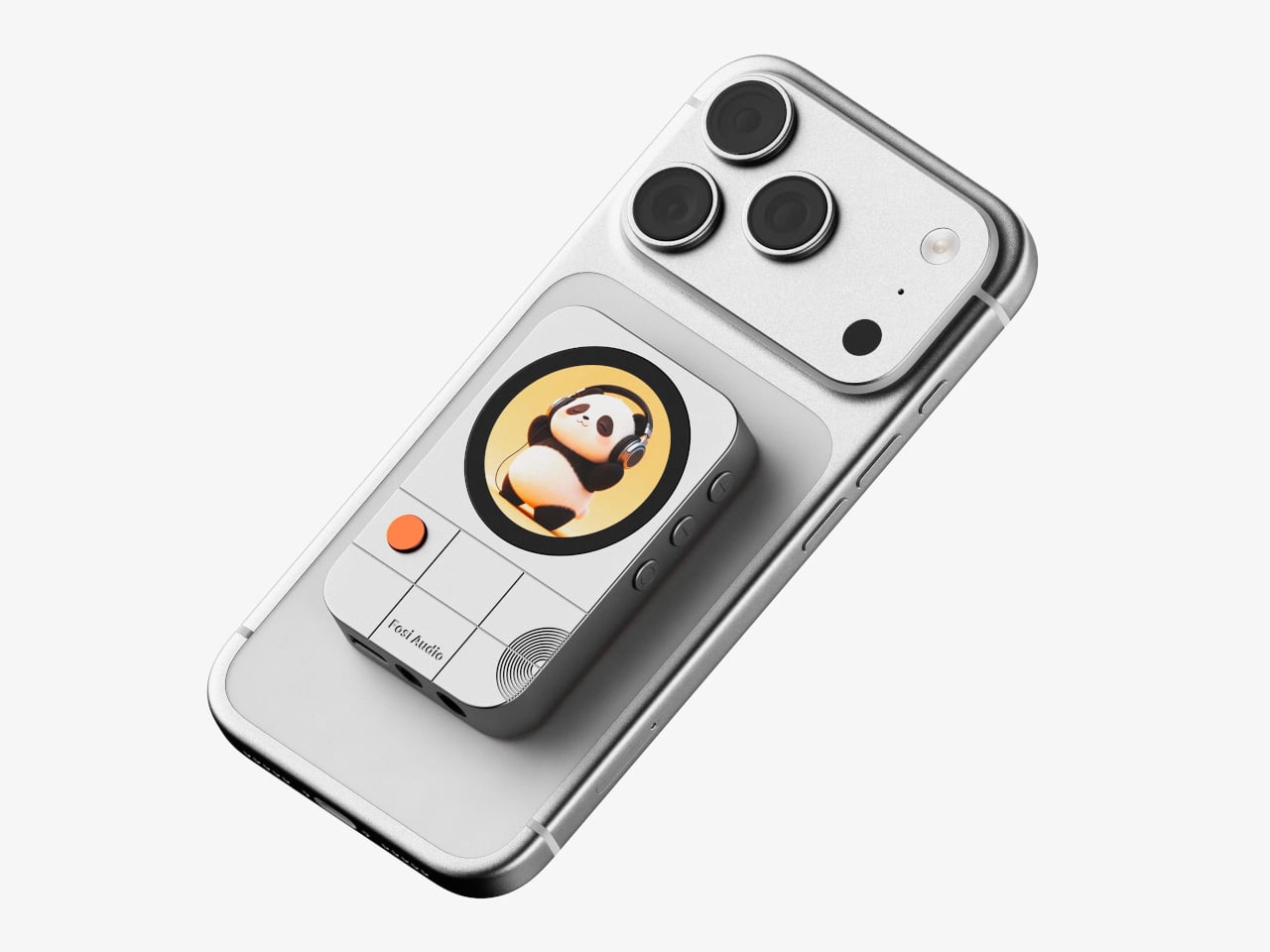
Fosi Audio’s MD3 MagDac tries to solve this with a fundamentally different approach to portability. Instead of hanging from a charging port, it snaps magnetically to the back of a MagSafe-compatible smartphone using 16 N52 magnets, sitting flush against the device like a compact audio module. The result is a pocket-sized DAC and headphone amplifier that actually looks like it belongs there, not like an afterthought.

Designer: Fosi Audio

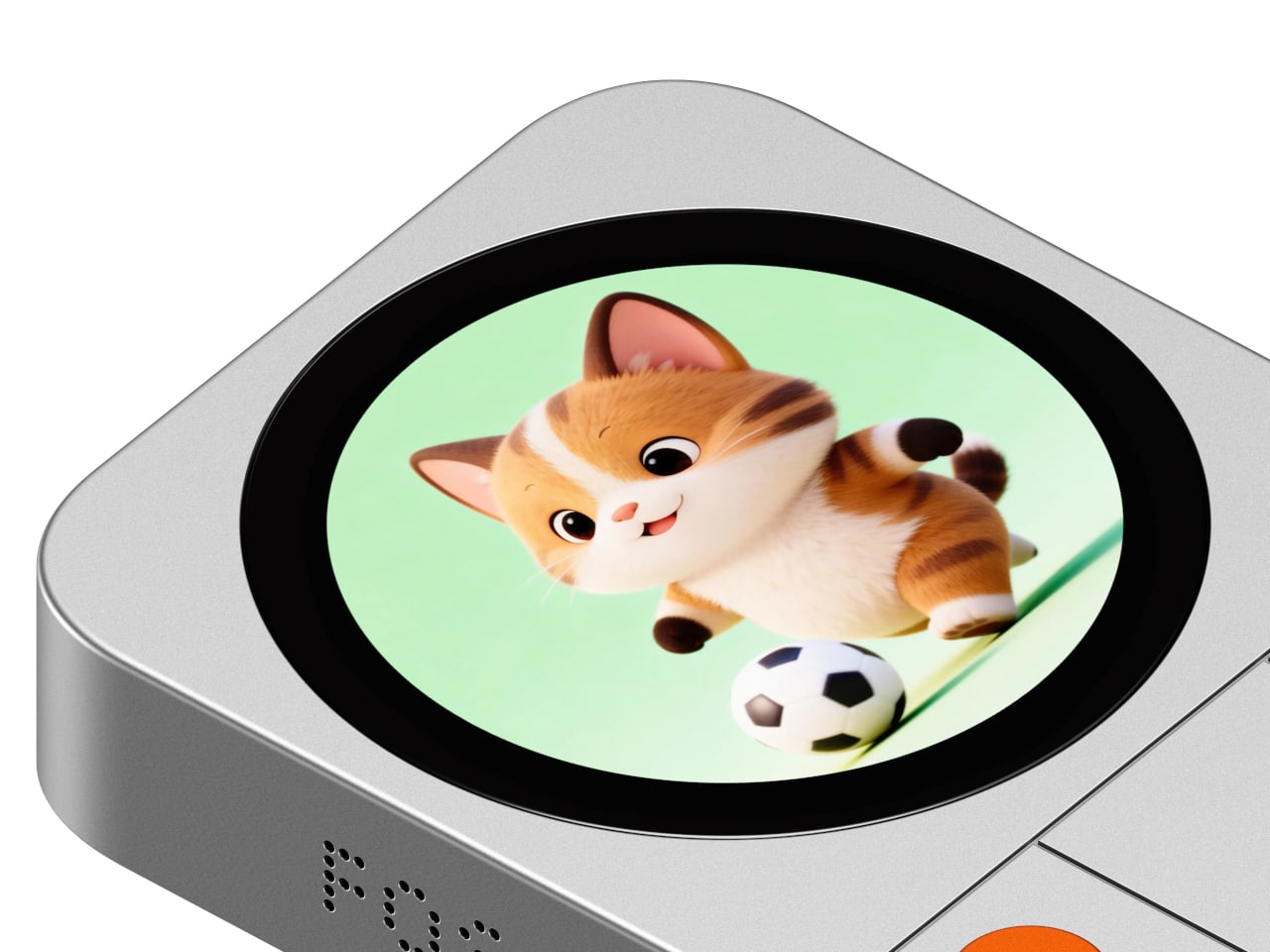
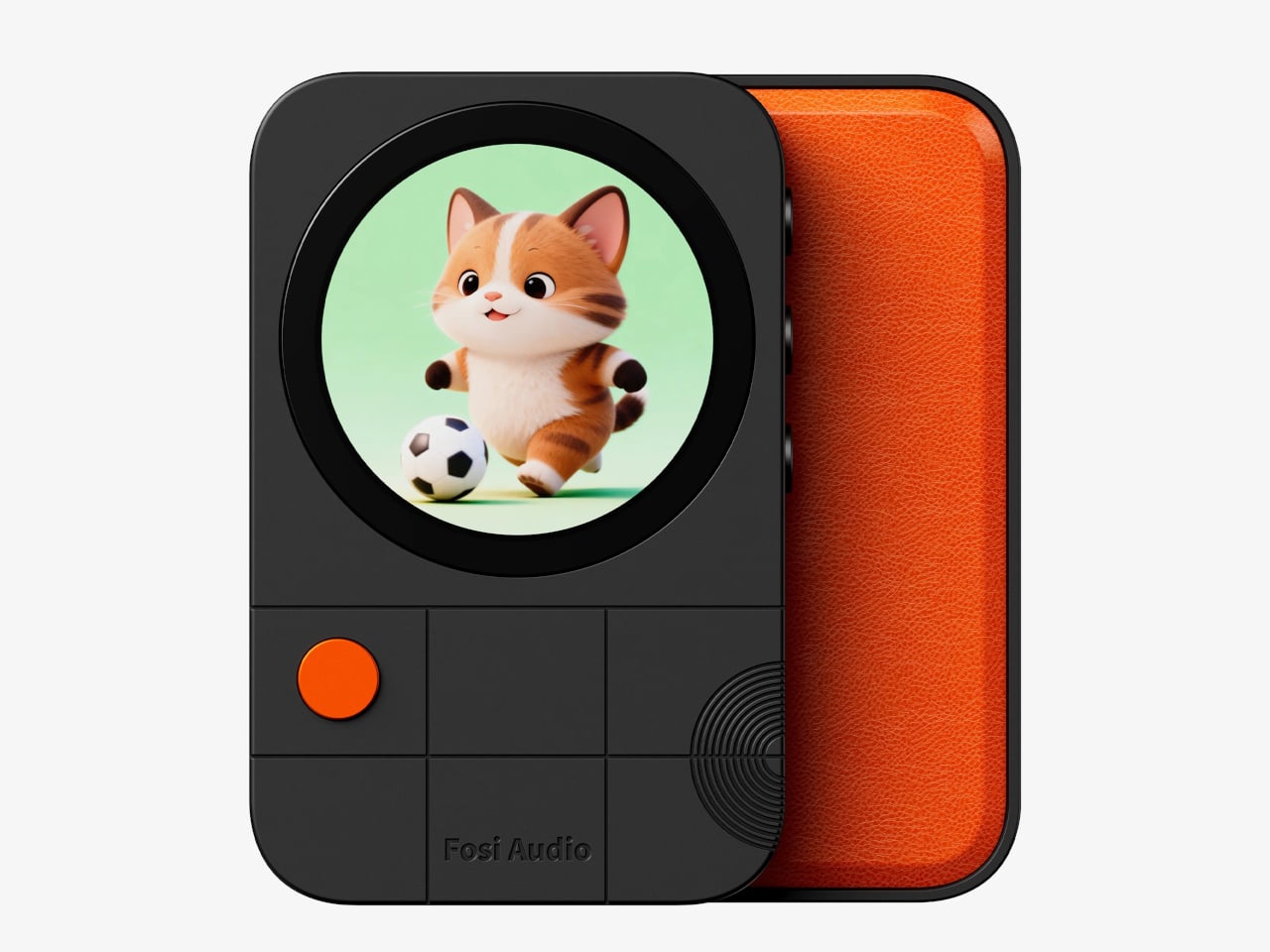
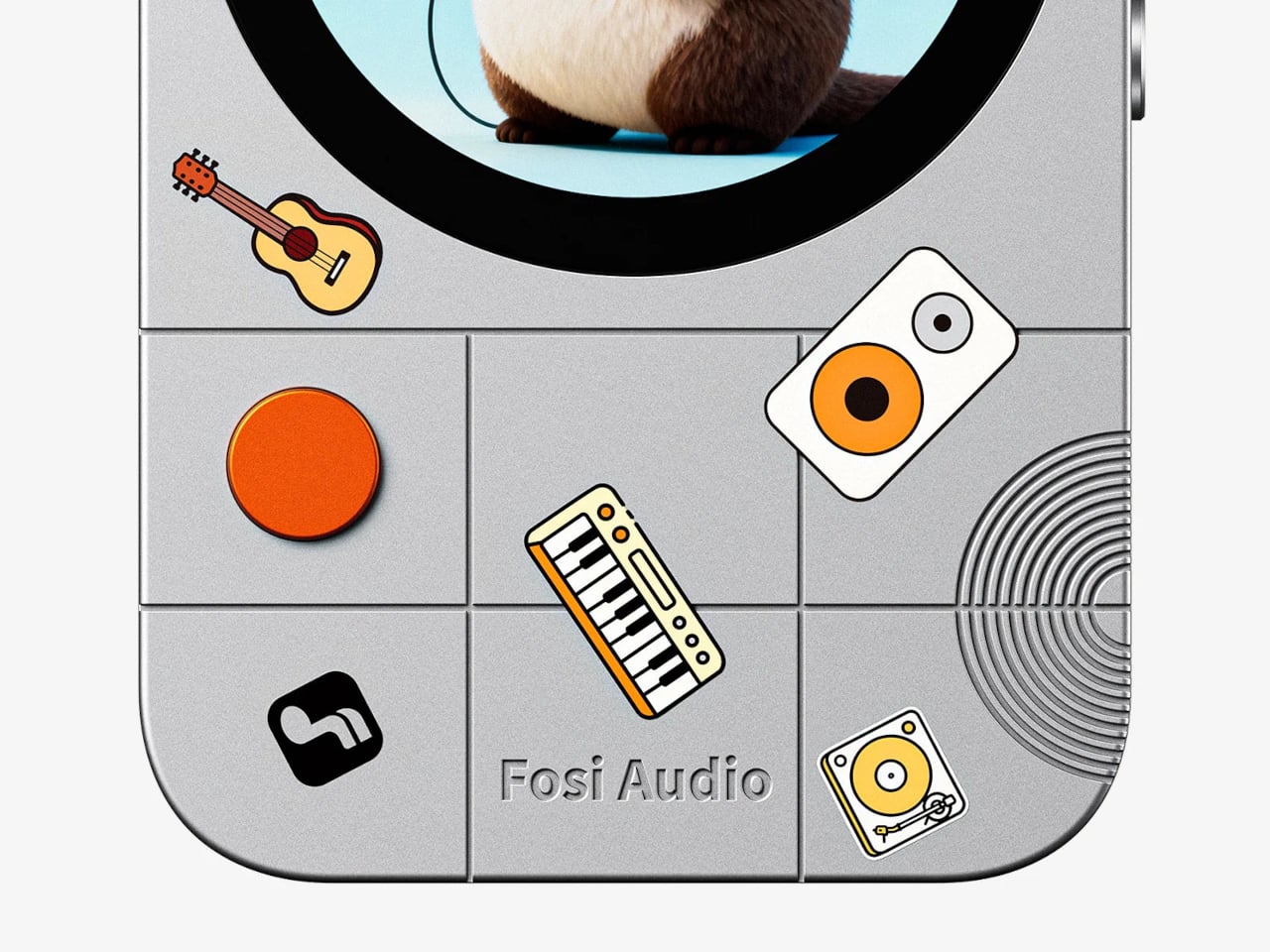
The design doesn’t stop at clever attachment. The MD3 is precision-machined from 6063 aluminum alloy with a sandblasted anodized finish, available in silver or black, both with orange leather on the magnetic back. At just 50g and 12m thick, it slides in and out of a pocket without protest. What you’ll notice first, though, is the 1.28-inch circular LCD display on the back.

That screen handles volume in 100 steps, shows audio information, and rotates its orientation depending on how you’re holding the device. There’s also a Vista Button that opens a personal photo album, a small but unexpectedly human touch for a piece of audio hardware. A dedicated Ease Button and physical navigation controls keep everything accessible without ever needing to tap your phone’s screen.

For the audio itself, Fosi didn’t compromise on components. The MD3 uses the ESS Sabre ES9039Q2M DAC chip paired with four ES9603Q amplifier chips in a true balanced circuit, supporting PCM up to 32-bit/384kHz and native DSD256. Total harmonic distortion and noise sit at just 0.00075%, and the noise floor drops to 1.7 μV. For most IEMs and portable headphones, those figures translate to noticeably cleaner, more resolving sound.

The MD3 offers both a 3.5mm single-ended output and a 4.4mm balanced output, delivering up to 180 mW through the latter, enough for headphones ranging from 16 to 300 ohms. An aluminum alloy shielding plate sits between the magnets and the audio circuitry to prevent interference from coloring the signal, a careful engineering detail that keeps the magnetic attachment trick from undermining the whole point of the device.

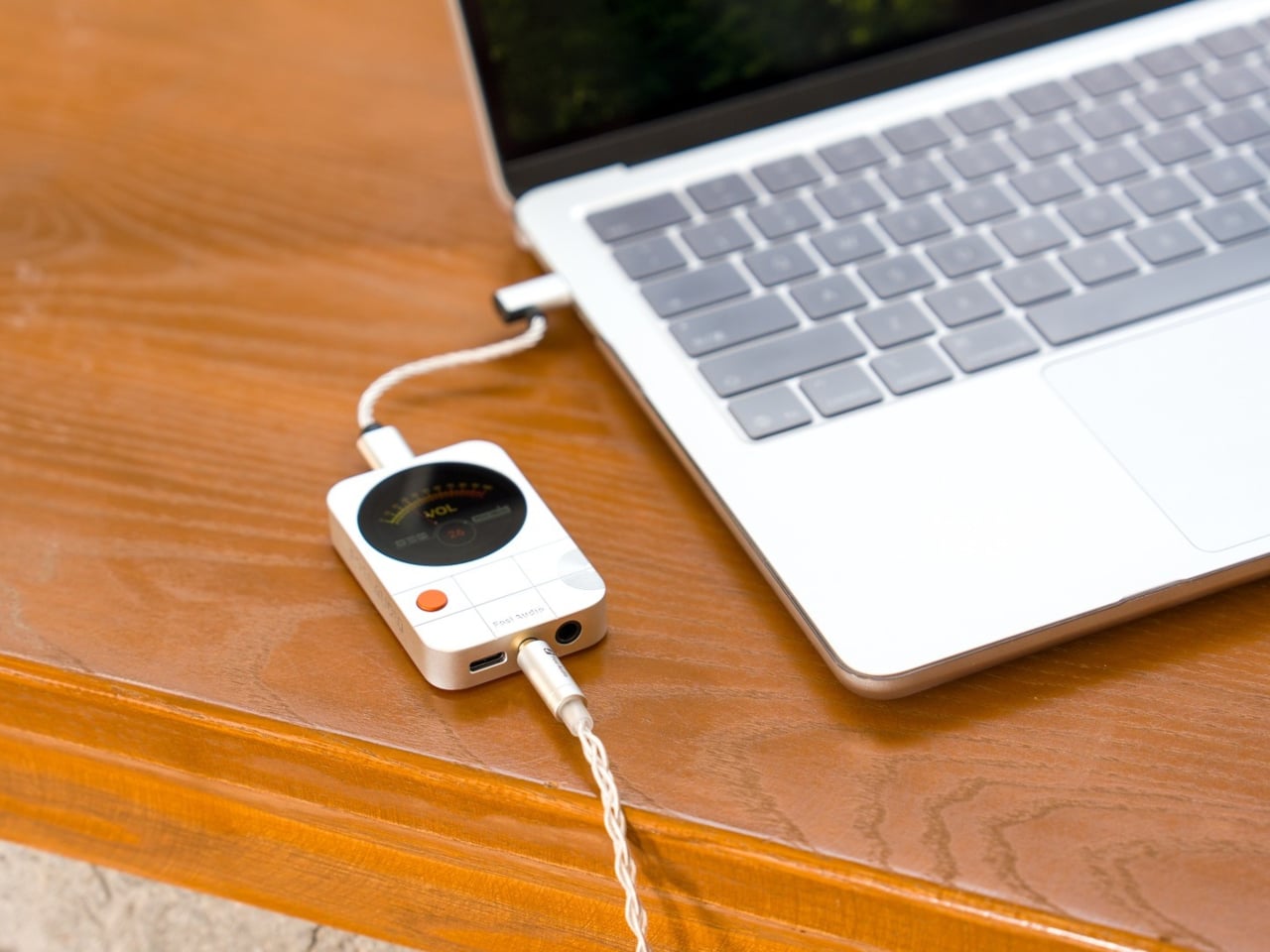
Dual USB-C ports handle both audio and charging simultaneously, so you’re not forced to choose between listening and keeping your phone powered. The top port handles audio decoding and charging, while the bottom manages audio decoding and firmware updates. There’s also a volume memory feature, so the MD3 picks up at the same level every time you connect it, without having to reset anything.

The wired audio revival has been building for a while, drawing listeners who want something more intentional than Bluetooth. A magnetic DAC that attaches to the back of your phone without cables or cases seems like a sensible next step in making that experience practical. Fosi has been laying the groundwork quietly, and at $149.99, the MD3 might just be the portable amp that finally stays out of the drawer.

The post Fosi’s $150 Headphone Amp Snaps to Your iPhone Instead of Dangling first appeared on Yanko Design.
iKKO MindOne Snap-In Case Turns a Card-Sized Phone into a Pocket Writer

Typing long messages on glass feels clumsy, juggling Bluetooth earbuds means pairing headaches and dead batteries, and using wired headphones now requires a tiny USB-C dongle you will lose three times before accepting defeat. Phones have become powerful but strangely less tactile, and that clashes with people who write a lot, listen a lot, and still like the certainty of a cable and the click of a real key under their thumb.

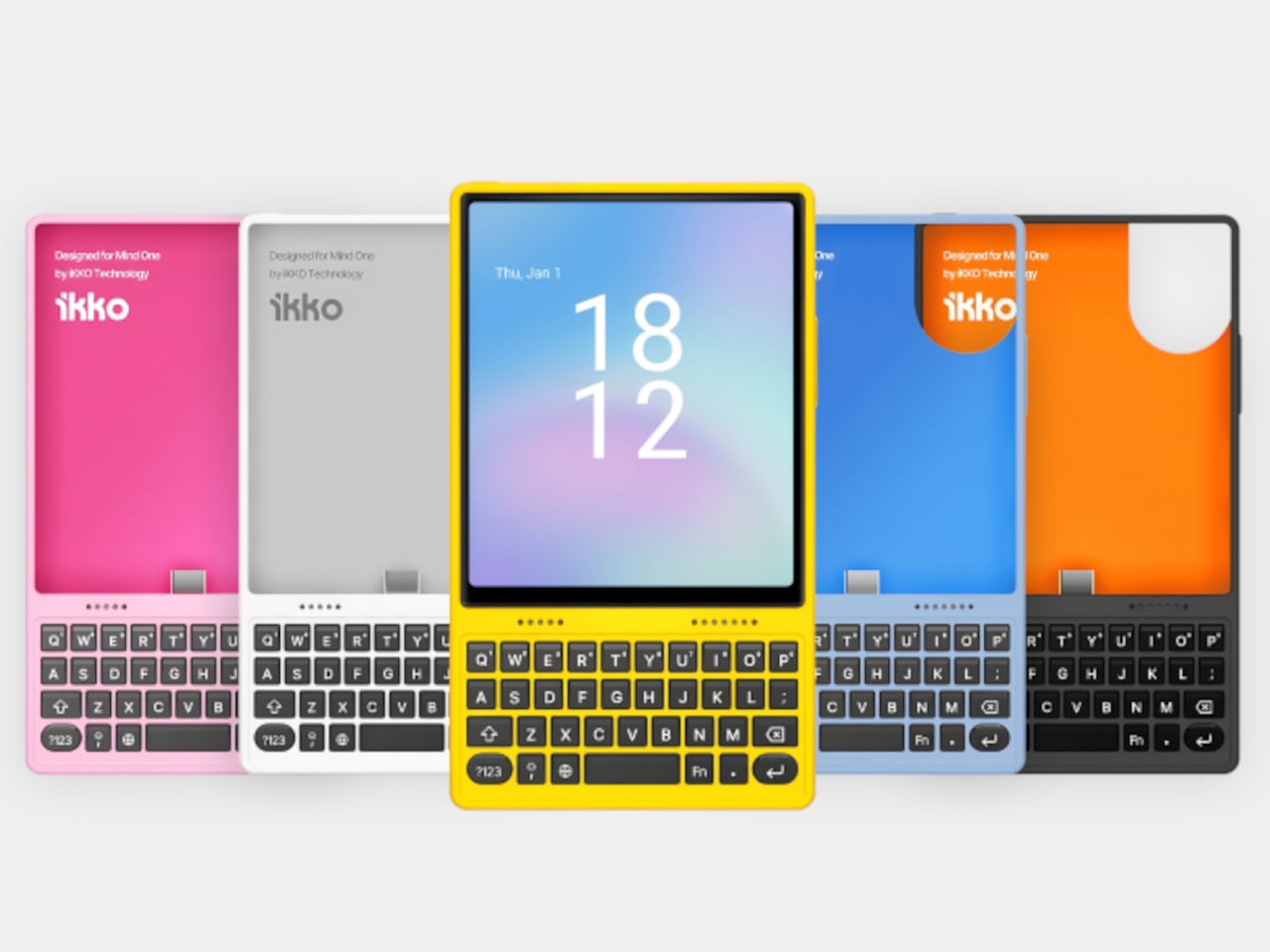
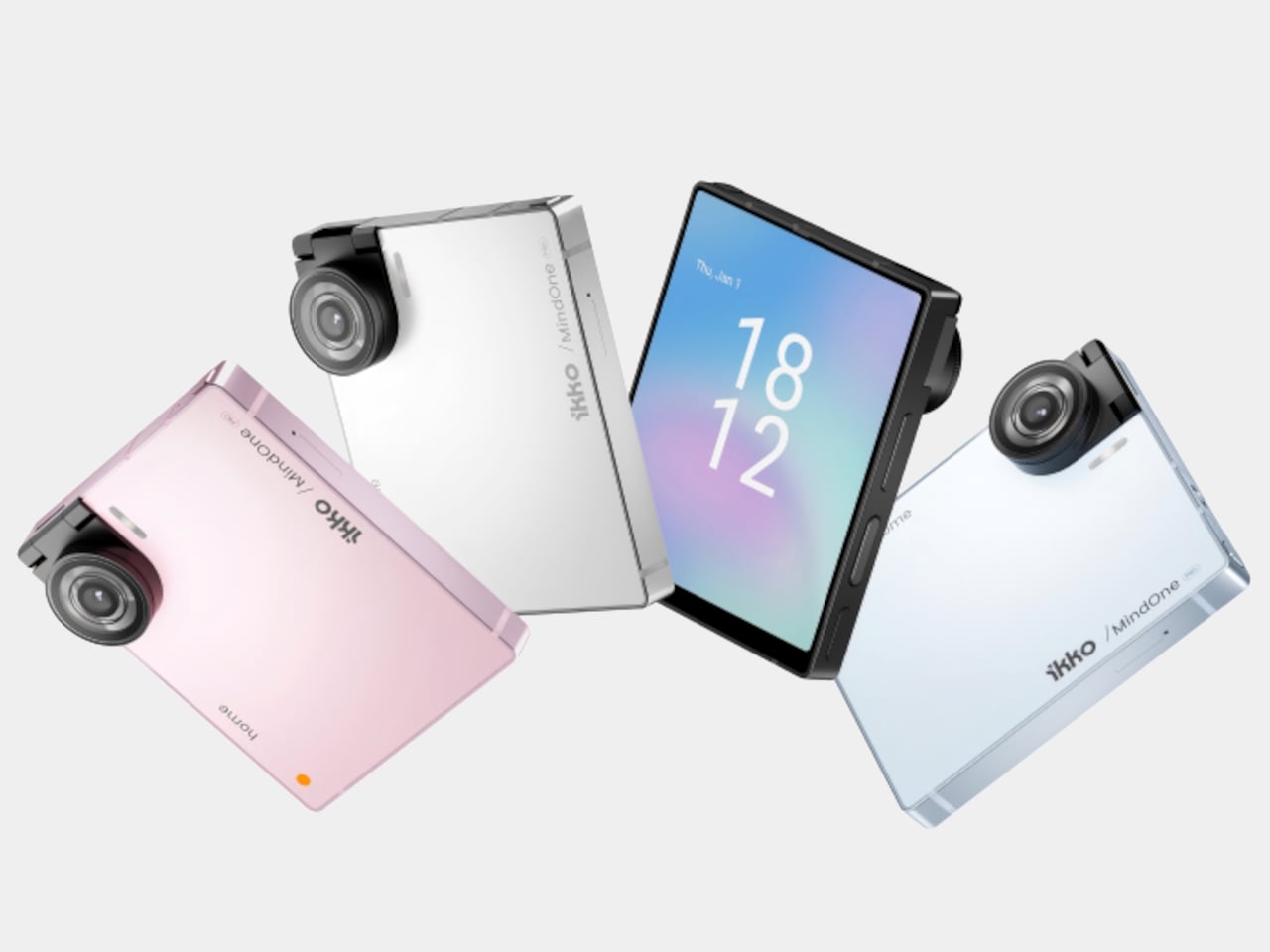
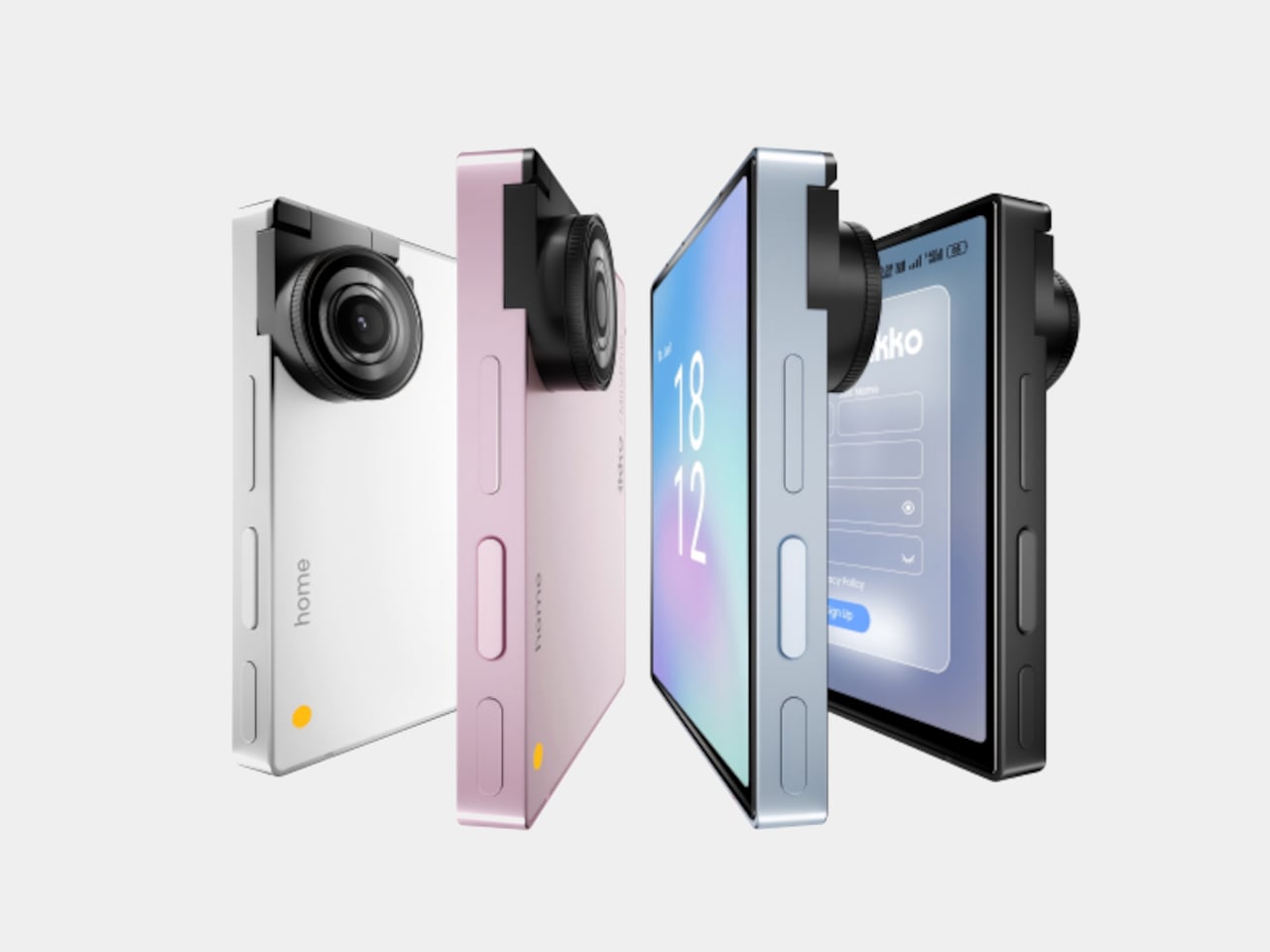
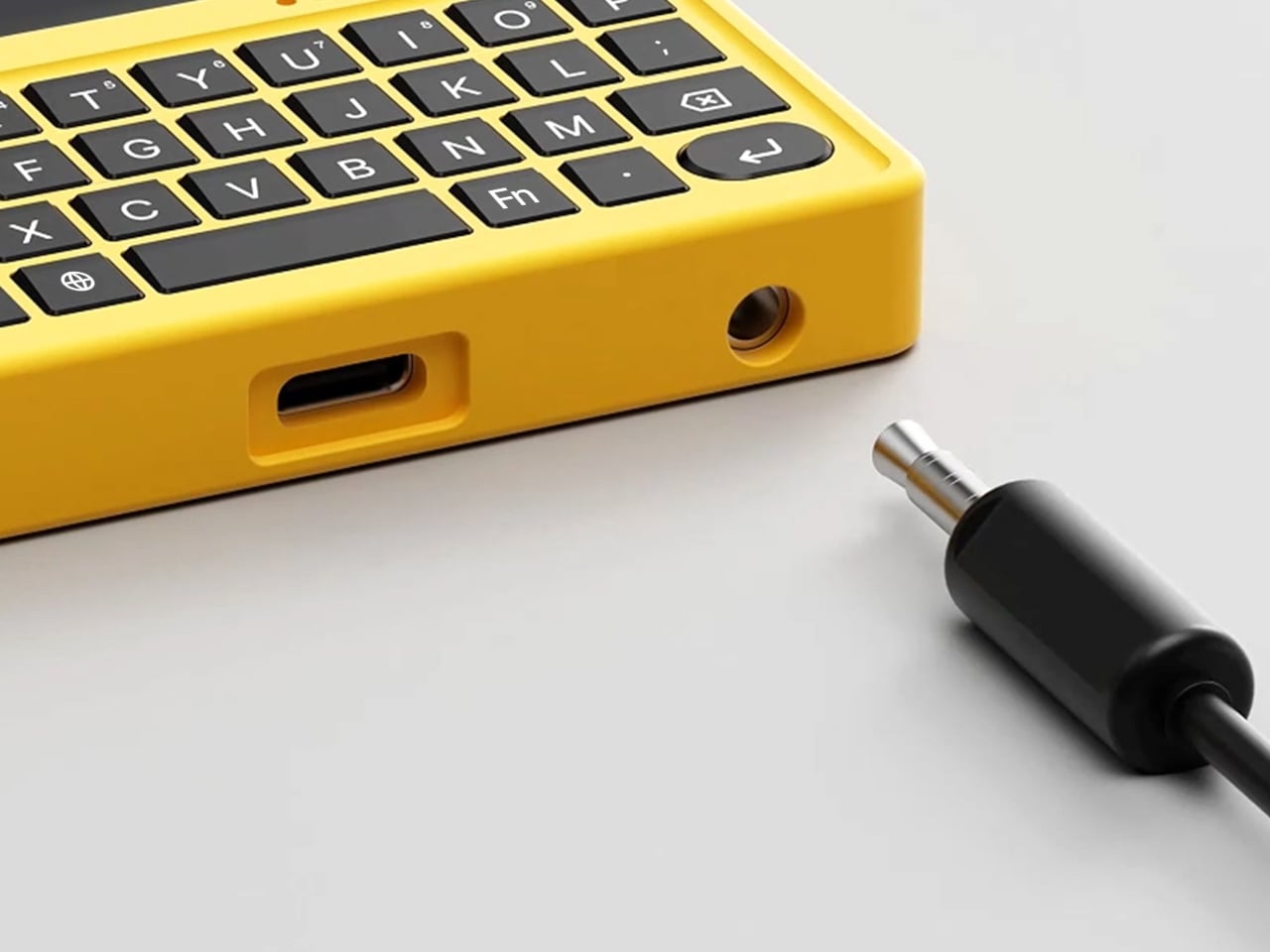
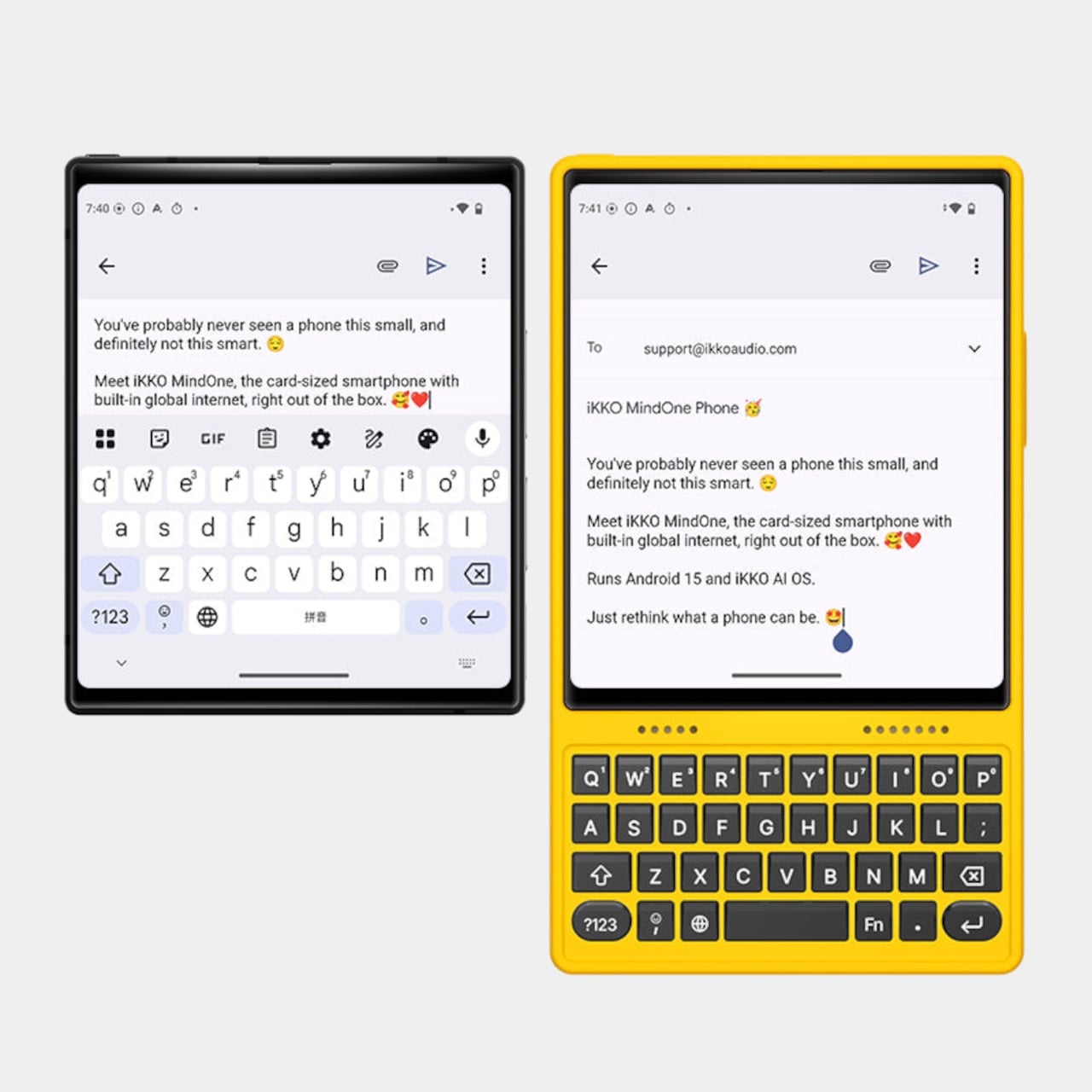
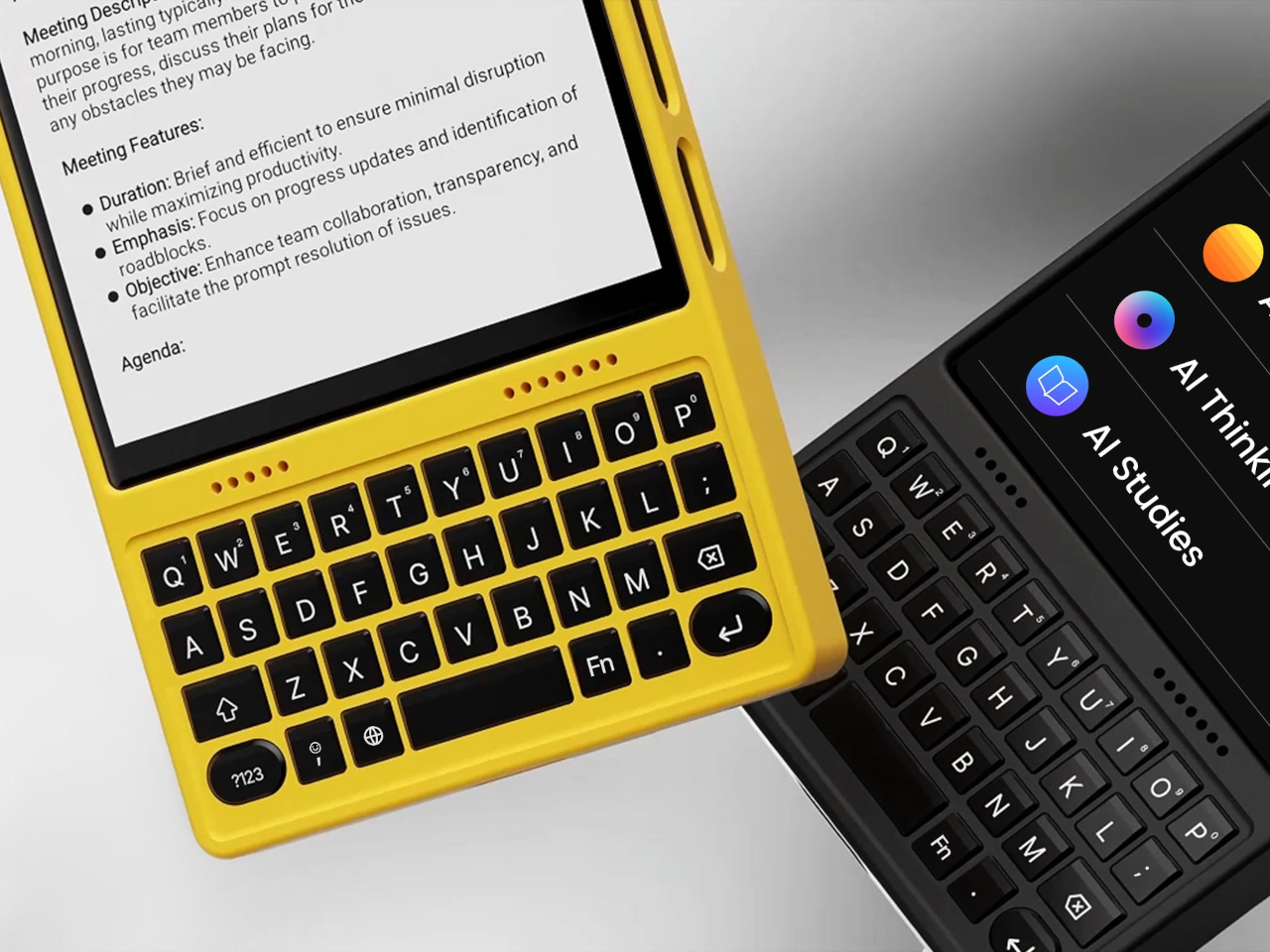
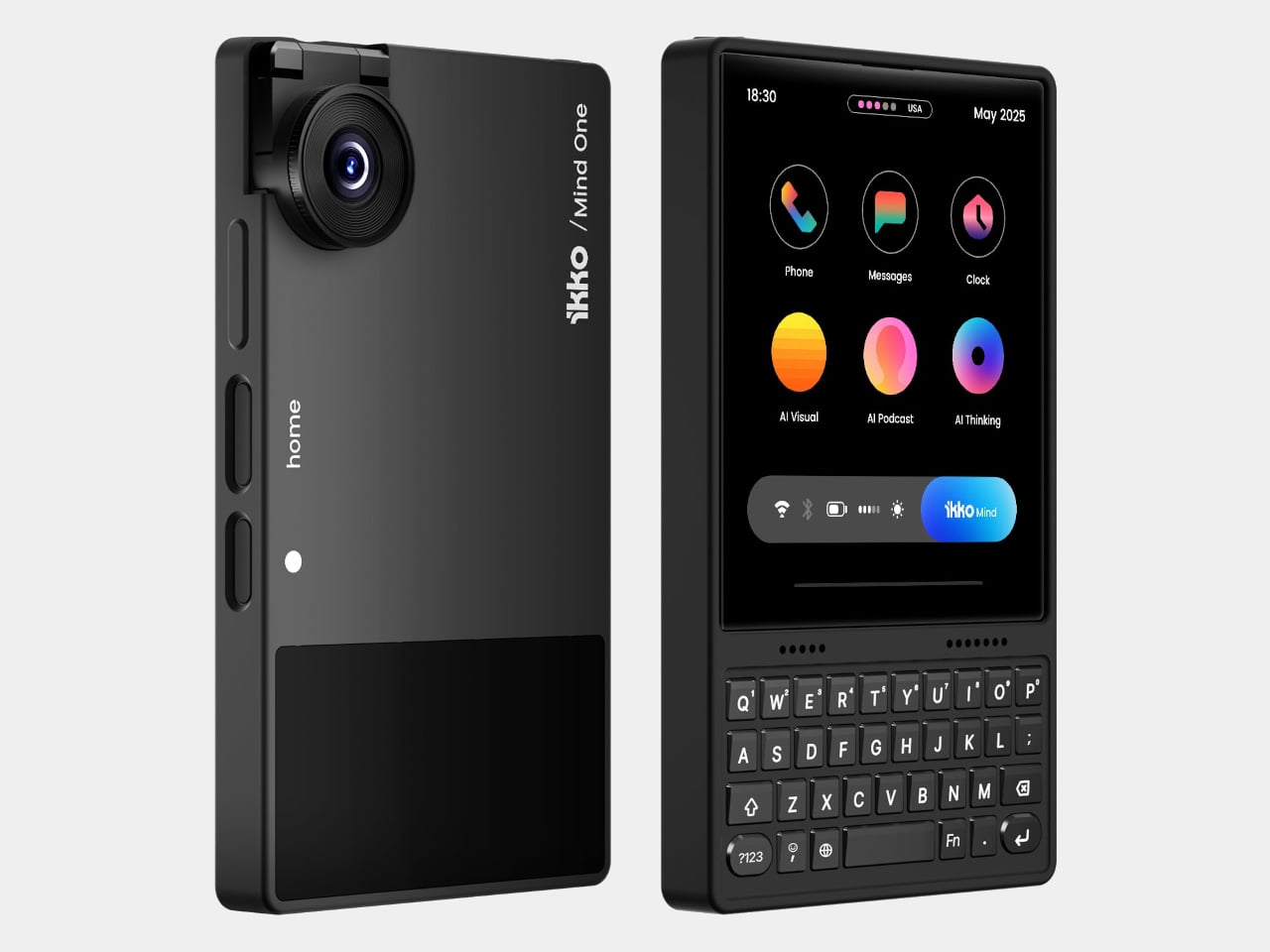
The card-sized iKKO is a small AI-centric smartphone built for always-on connectivity and lightweight productivity. The MindOne Snap-In Case is where it changes character, a snap-on expansion shell that adds a physical QWERTY keyboard, a proper 3.5 mm headphone jack, a dedicated DAC, and a small backup battery in one compact piece, turning the minimal phone into a tiny writing and listening machine.

Designer: iKKo

The QWERTY keyboard changes the way MindOne is used. Raised, separated keys and a slightly sloped surface make thumb typing feel more deliberate than tapping on glass. It is something you reach for when drafting emails, capturing ideas, or editing text while AI handles summarizing and organizing in the background, treating the phone as a tool for active writing rather than just passive messaging and scrolling through feeds.

The case adds a 3.5 mm headphone jack backed by a Cirrus Logic CS43198 DAC, the kind of chip usually found in dedicated portable players. It supports Hi-Res audio with 32-bit/384 kHz PCM and DSD256, low-noise playback, and enough dynamic range to make lossless playlists and long podcasts feel crisp and detailed without worrying about pairing or battery levels in wireless earbuds that will die halfway through the flight.

The built-in 500 mAh battery is a quiet safety net rather than a second fuel tank. It tops up MindOne during long typing or listening sessions and helps offset the extra draw from the DAC and keyboard, extending comfortable use without turning the phone into a brick of battery cells. The point is not doubling battery life, but making intensive sessions feel smoother and less anxious.

MindOne stays slim and card-like on its own, then becomes a different kind of device when it snaps into the case. You might carry the phone bare for quick AI tasks and navigation, then drop it into the case on a flight, in a café, or at a desk when you know you will be writing and listening for a while, using the same object in two distinctly different modes.

Customizable keycap stickers and a range of colors that match or complement the phone are not just fashion accessories; they are small ways to make a very compact device feel personal. The case is tuned to MindOne’s proportions and personality, not a generic keyboard sled trying to fit every phone, which makes the combo feel considered rather than cobbled together from unrelated parts.

The iKKO MindOne Snap-In Case is less about nostalgia and more about choice, letting a tiny AI phone become a pocketable notebook and Hi-Fi player when needed. Most phones today are sealed slabs, which makes this case feel like a quiet reminder that hardware can still click, plug in, and feel like something you work and listen with, rather than just stare at until the next notification arrives.

The post iKKO MindOne Snap-In Case Turns a Card-Sized Phone into a Pocket Writer first appeared on Yanko Design.
Fiio Snowsky Disc is a compact audio player tailored for modern listeners

For audiophiles, nothing gets beyond their love for music and the audio gear they own. The exploration for the best headphone, IEM, or DAC never ends, given there is so much to discover and the different permutations of combining the gear for blissful audio output. This has consequently led to several brands trying to cater to this serious hobby while staying on a budget.

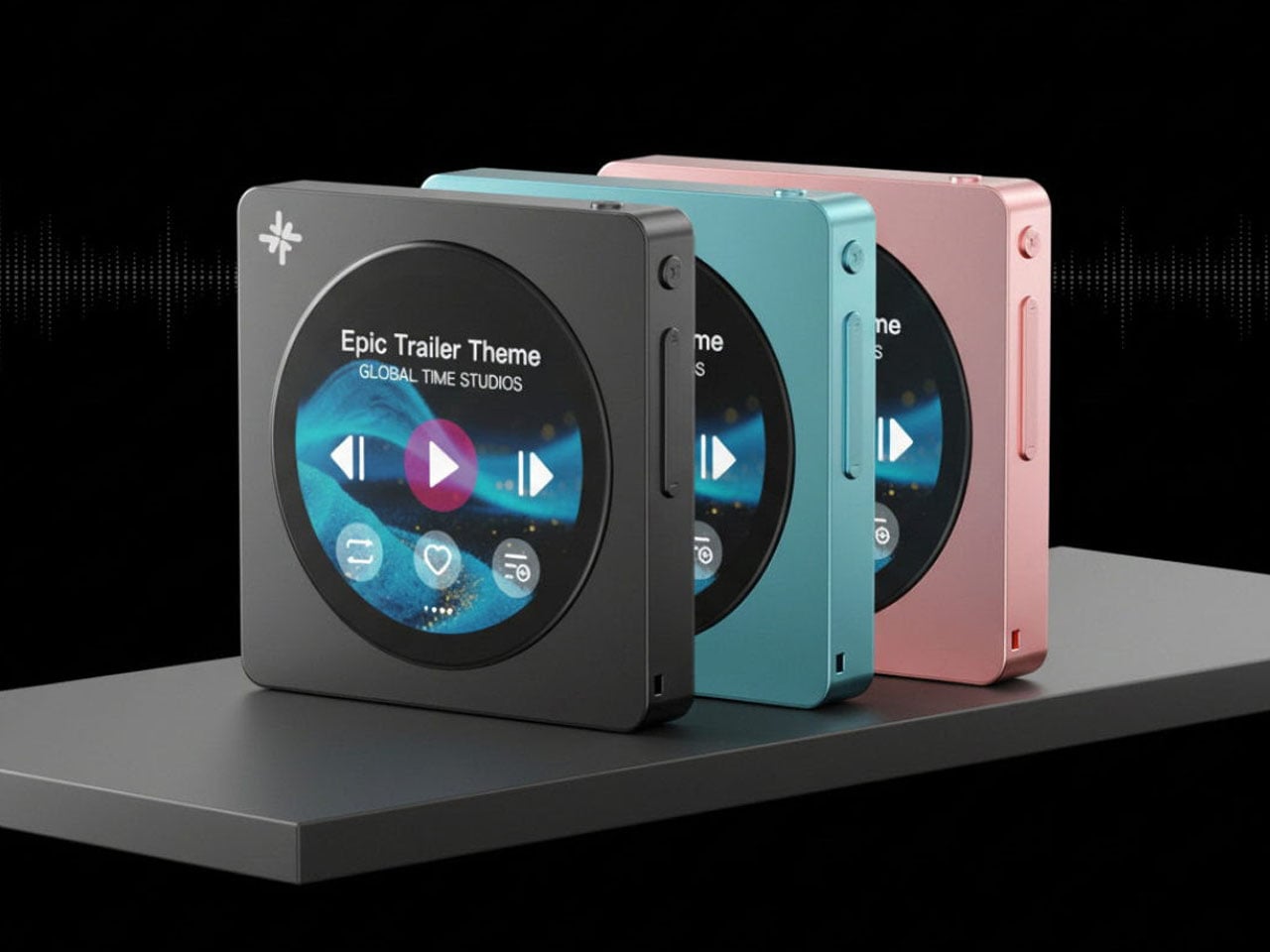
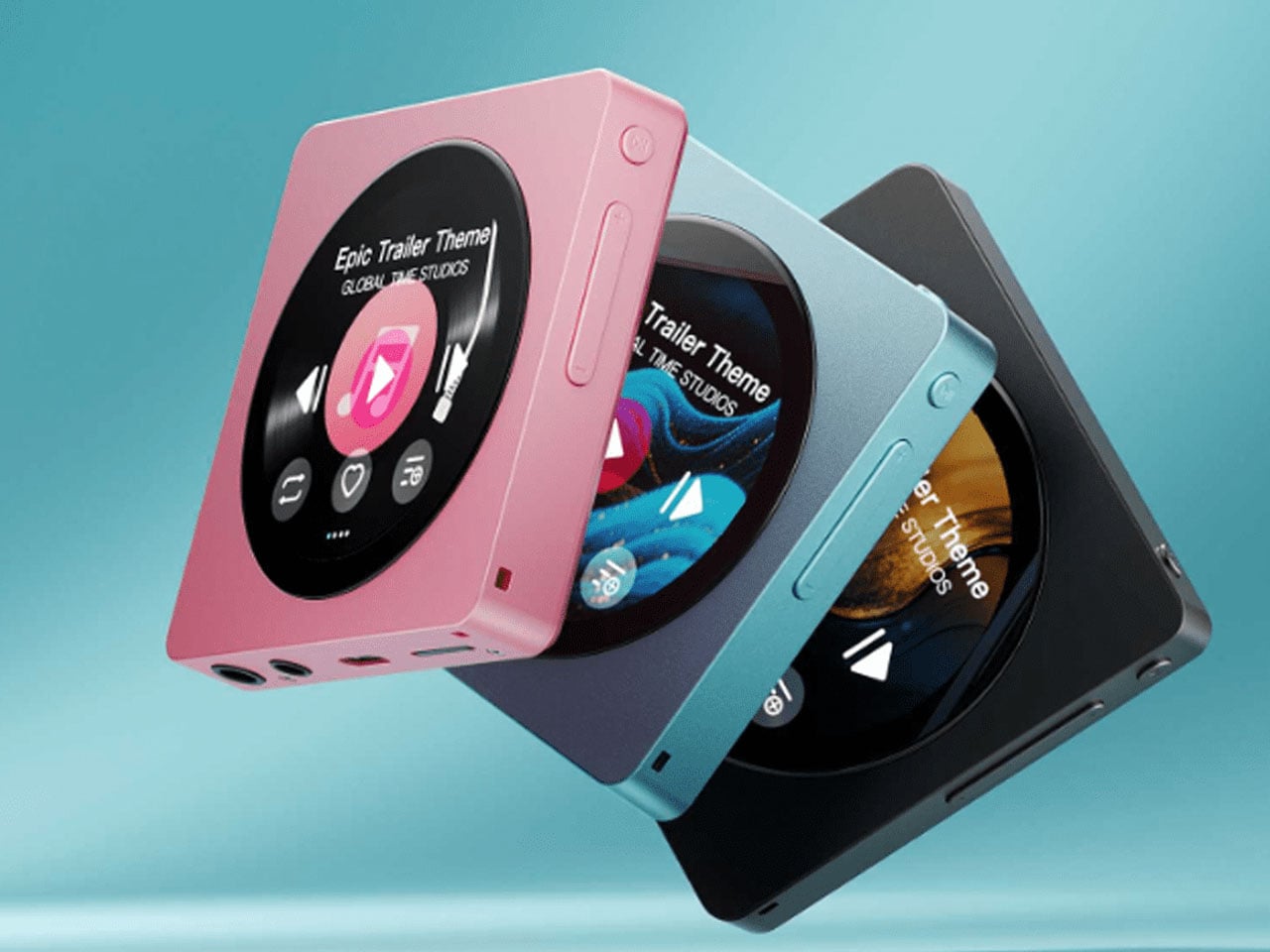
Fiio, as a Chi-Fi brand, has ensured that audiophiles don’t always have to invest in steeply priced gear to get the preferred sound without breaking the budget. The DM15 R2R Portable CD Player by the Chinese brand already demonstrated how serious they are about spreading the love for music in all forms and shapes. Now they’ve revealed the Snowsky Disc digital audio player, which is the perfect amalgam of modern audio technology and the unrelenting charm of the CD player.

Designer: Fiio

The compact DAP is designed with the needs of modern audiophiles in mind, who prioritize audio quality, intuitive operation, and a love for physical music libraries. Versatility is the key here as the audio player is compatible with all the devices you throw at it, and supports a wide array of file types. Connect it to your valued in-ear monitors or pair it with sensitive headphones; Snowsky Disc can handle it all without much fuss. The player is built on a dual DAC architecture that promises balanced, clean, and detailed audio, no matter what file type you are playing it through. This enhances the overall musical tonality for a more engaging listening experience.

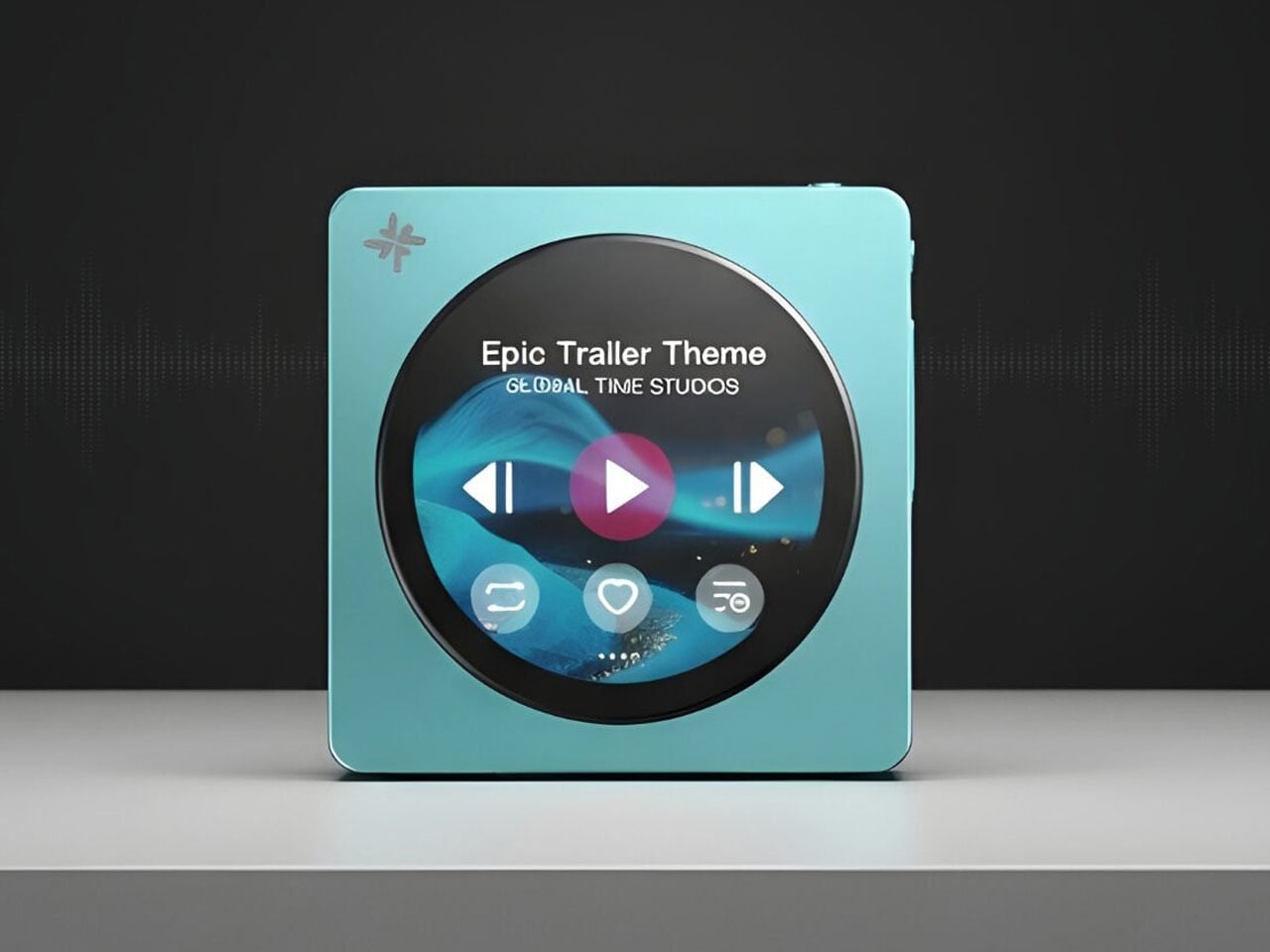
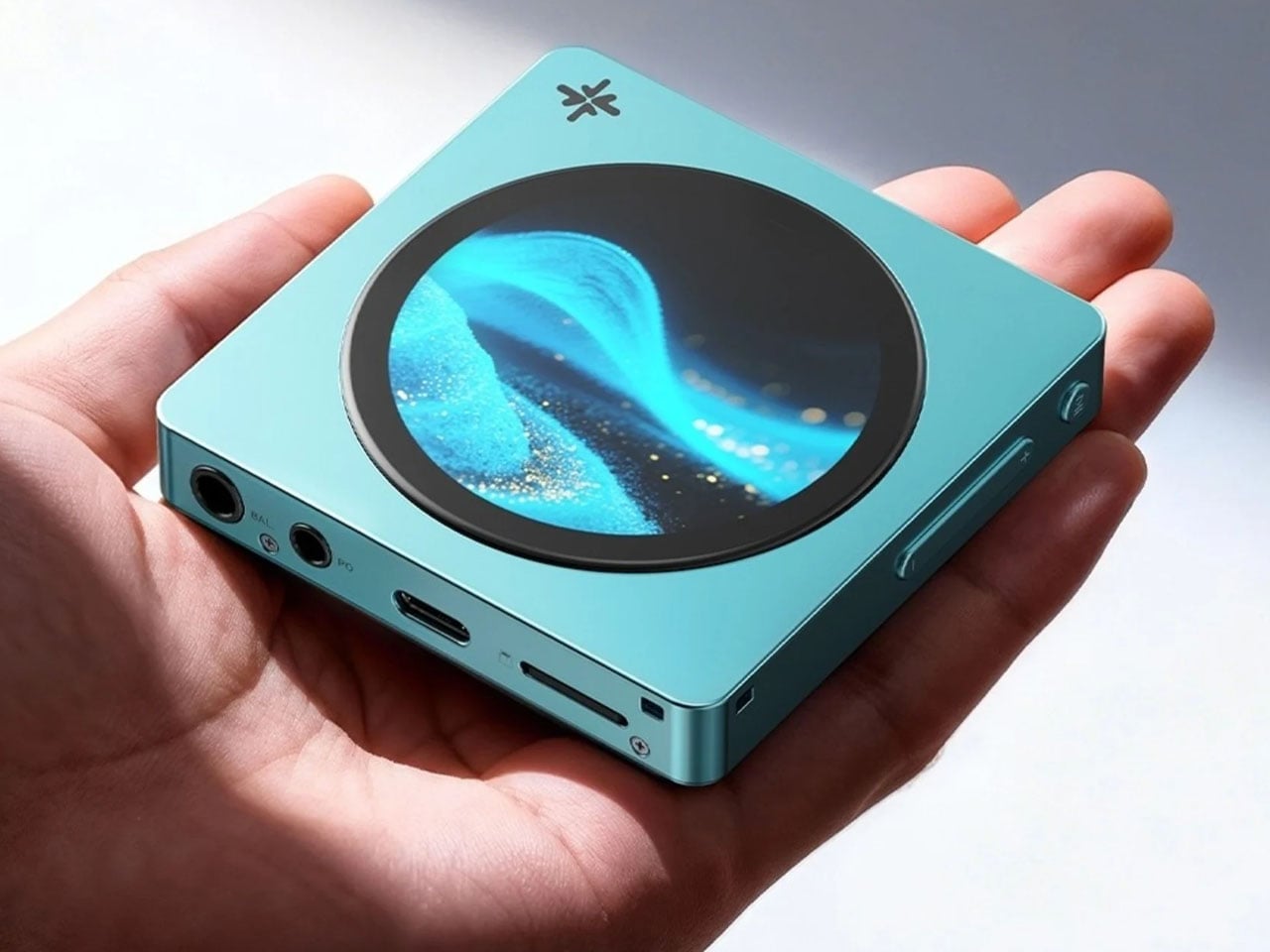
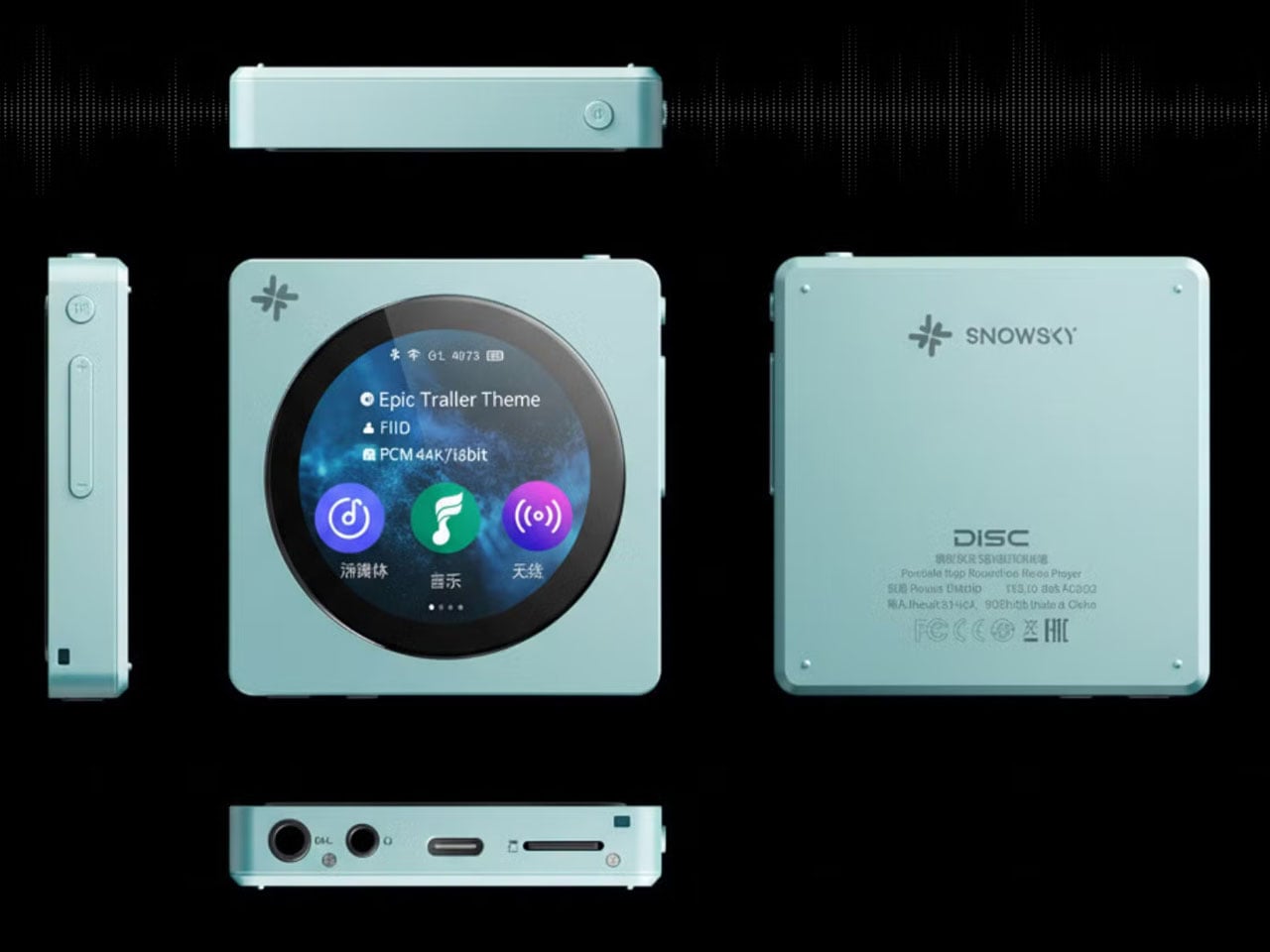
The CD player-inspired design of this DAP is something anyone would appreciate. There’s a circular touch screen on the front to toggle all the on-screen controls. The inclusion of lyrics playback and album artwork adds to the engagement with your music listening sessions. The audio gadget can also be controlled via the compatible smartphone app for convenience. Along with support for 2TB memory expansion to carry your high-resolution music files, the player also supports audio streaming via apps. It has built-in Wi-Fi support for AirPlay streaming and installing firmware updates on the fly.

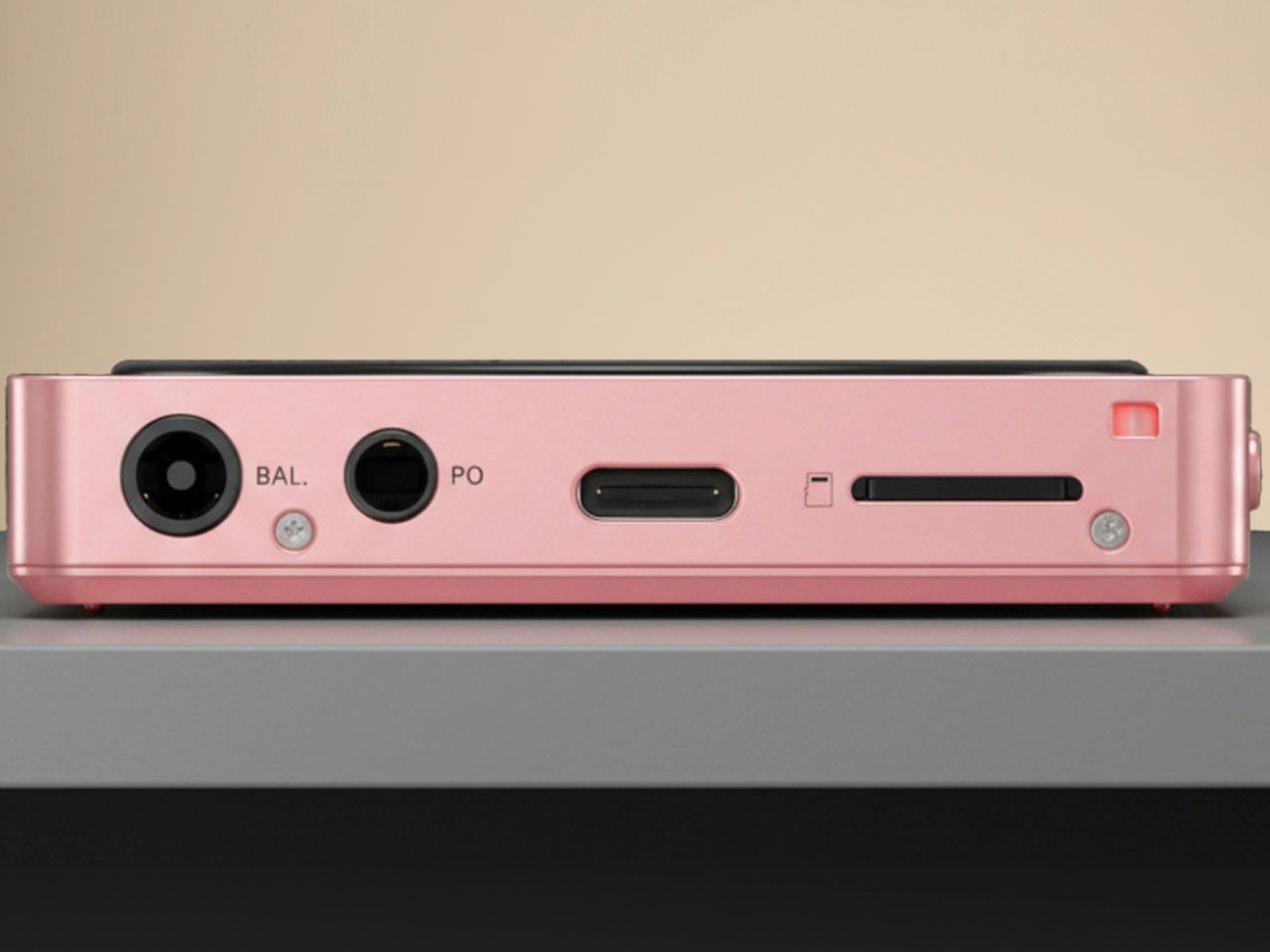
For wired connectivity, the player has a USB-C port, a 3.5mm single-ended jack, and a 4.4mm balanced output. The player can even be connected to external DACs, hi-fi systems, amplifiers, and other audio gear via the SPDIF output. If you want to enjoy music wirelessly, the LDAC high-res codec can be connected to supported headphones, IEMs, and earbuds. Snowsky Disc boasts 12 hours of playback, which is enough to get you through a day of work or travel. Priced at $80, the digital audio player will be available to buy in January.

The post Fiio Snowsky Disc is a compact audio player tailored for modern listeners first appeared on Yanko Design.
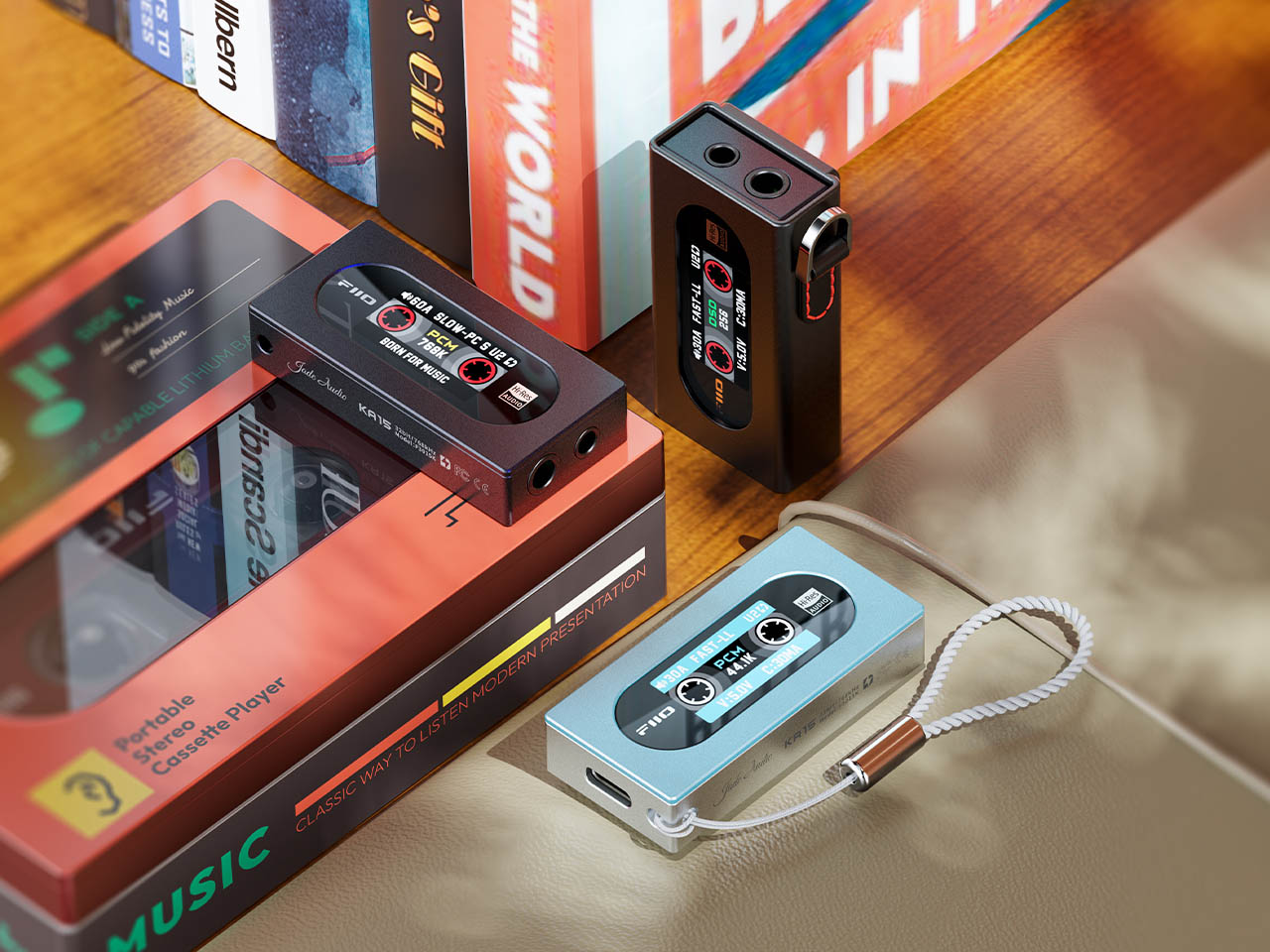
FIIO K15 DAC’s nostalgic cassette tape charm complements the modern aesthetics

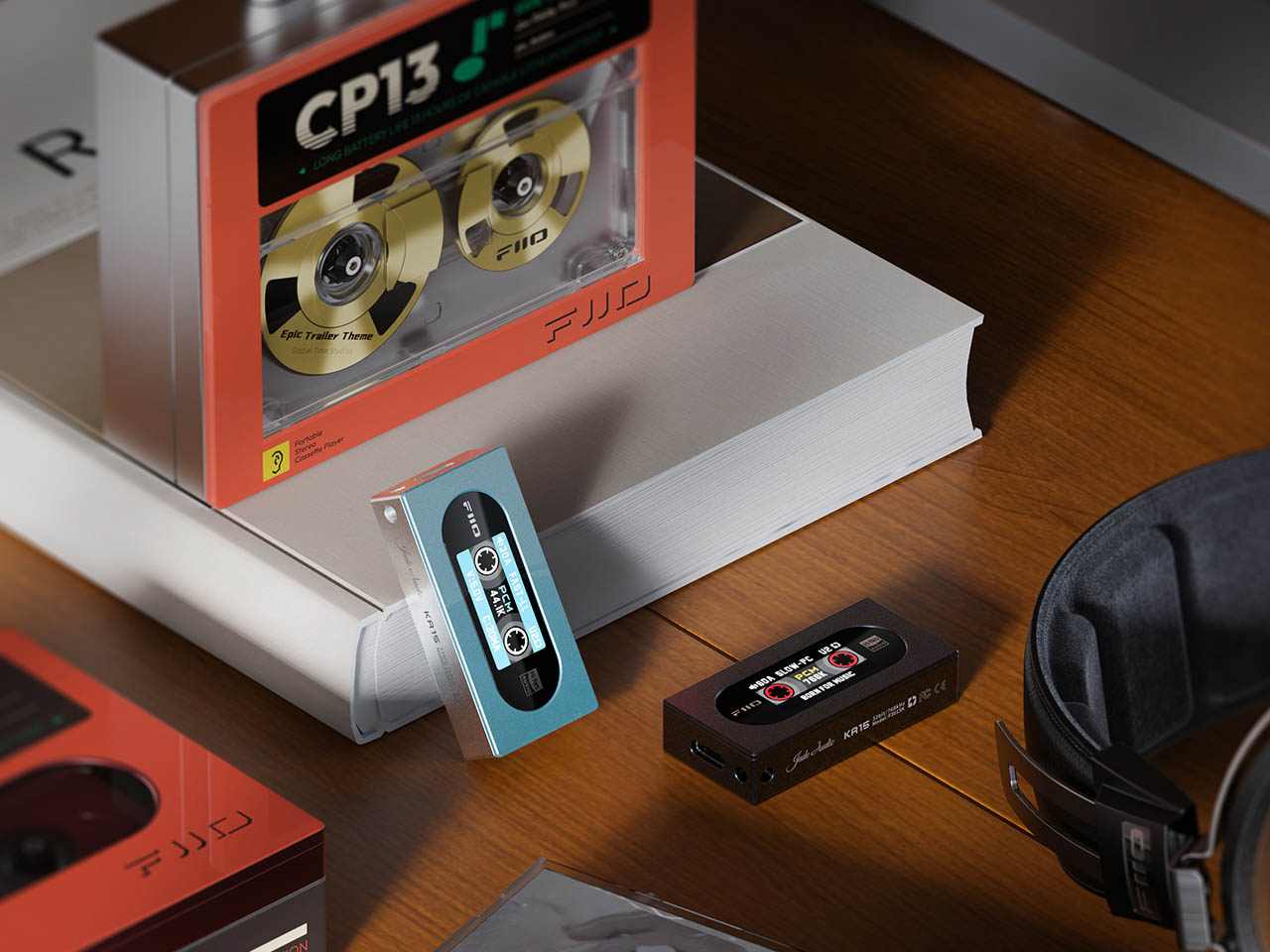
FIIO has a peculiar knack for reinventing audio accessories with a modern twist. The CP13 cassette player released at the beginning of 2024 is one of them. That’s probably inspired FIIO to design a DAC and headphone amplifier that’s modern on the inside but carries a distinct retro appeal on the outside. Yes, a classic tape recorder on the outside spices up the otherwise contemporary Digital-to-Analog Converter players.

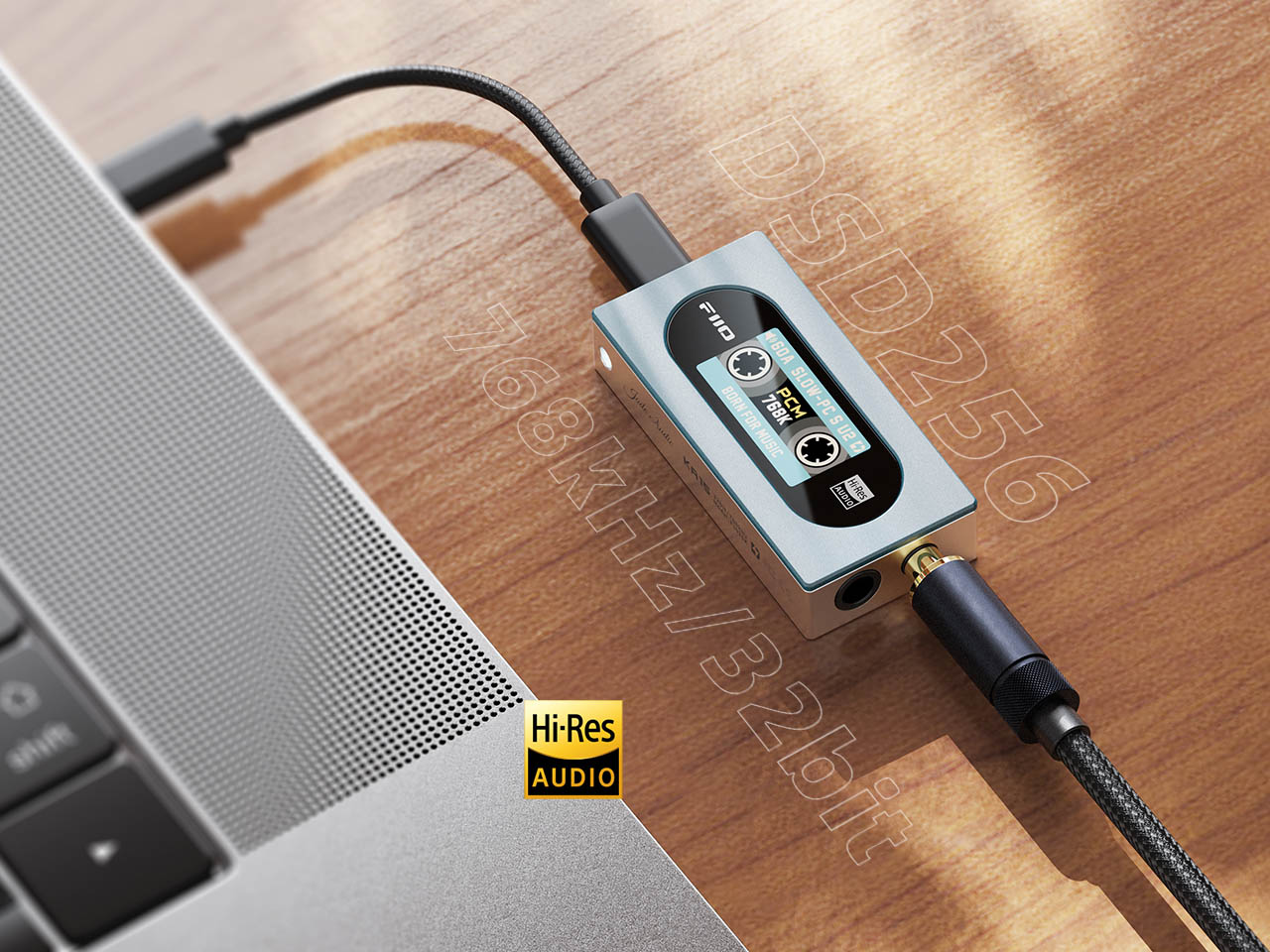
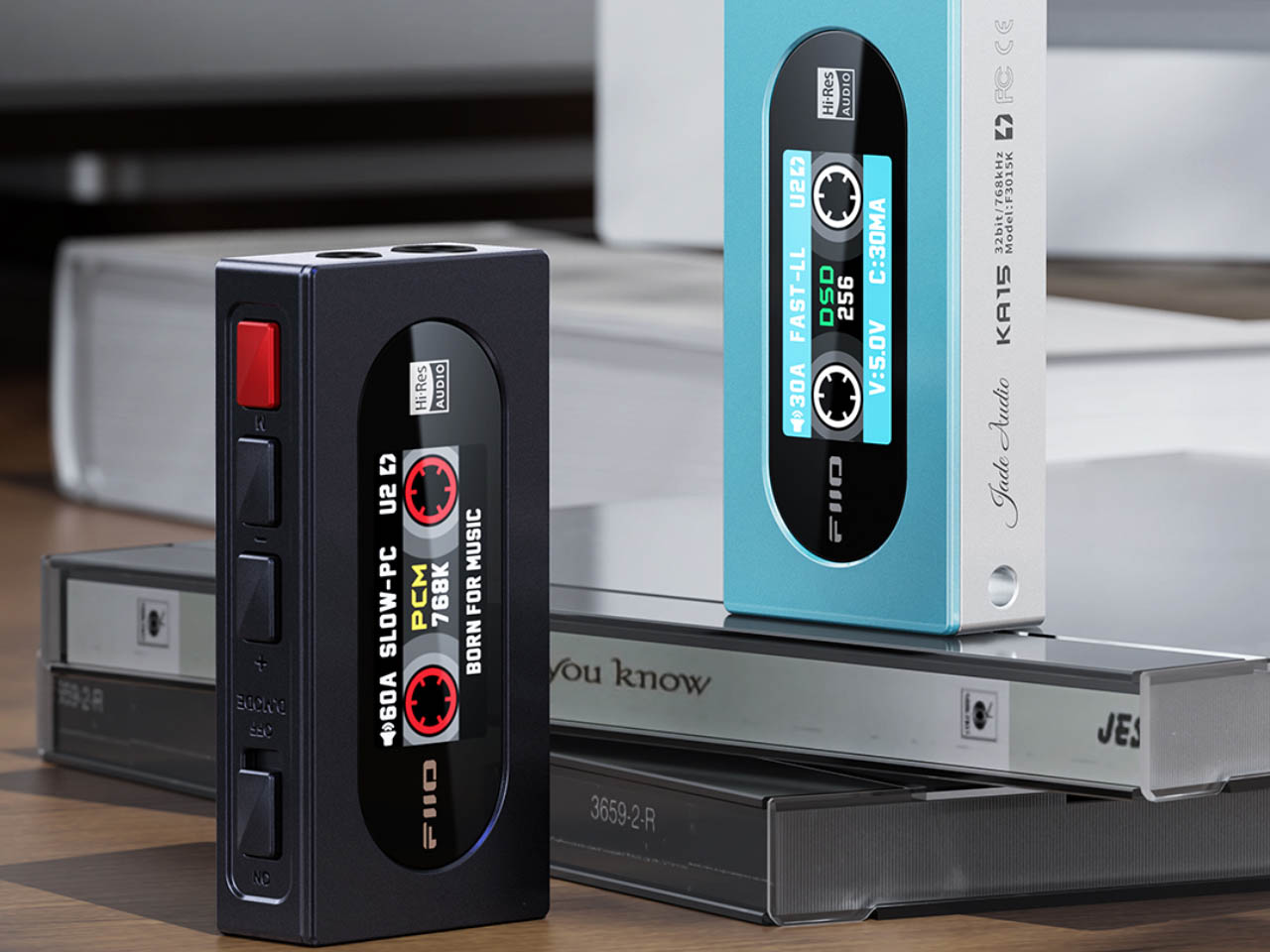
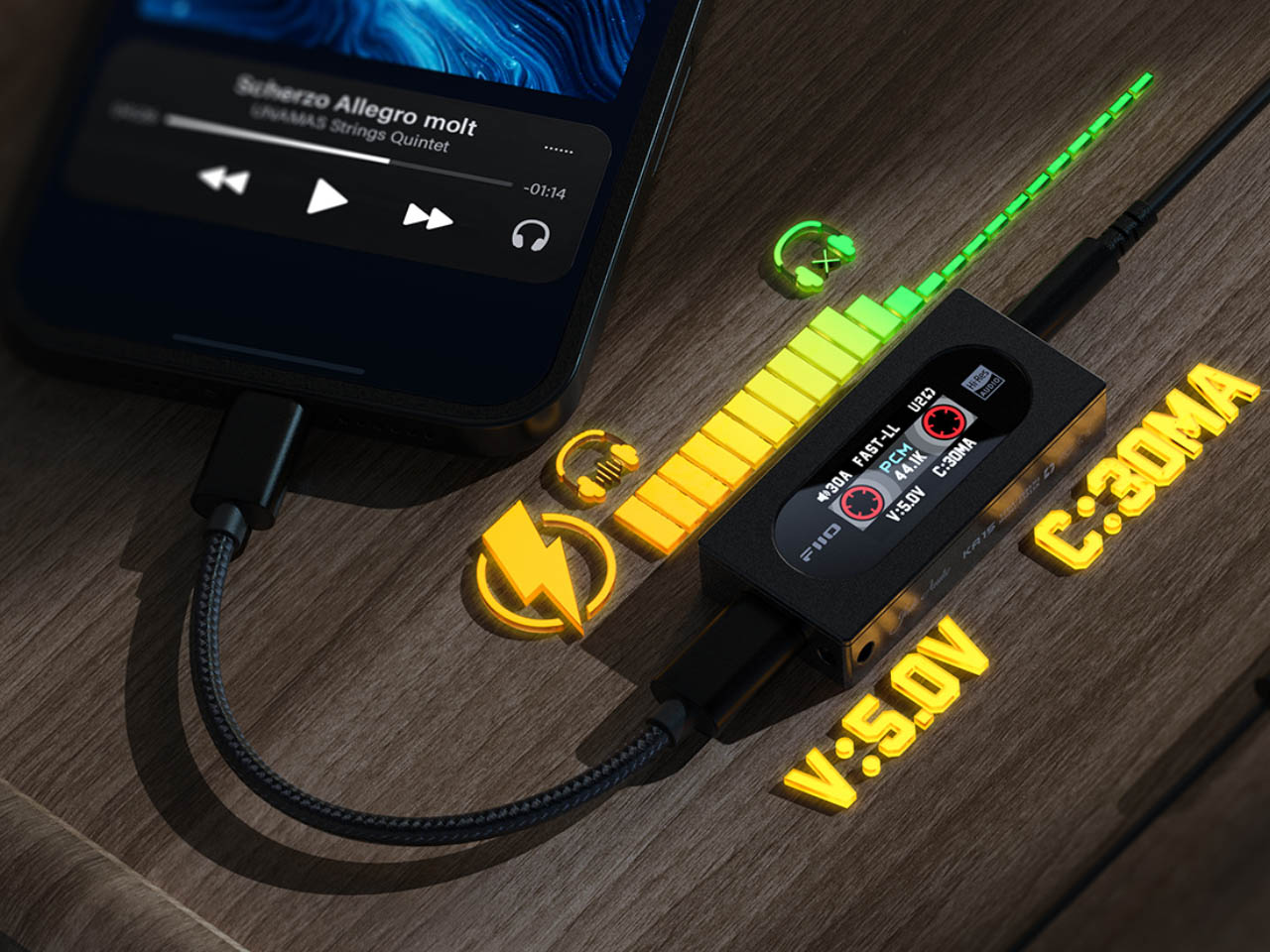
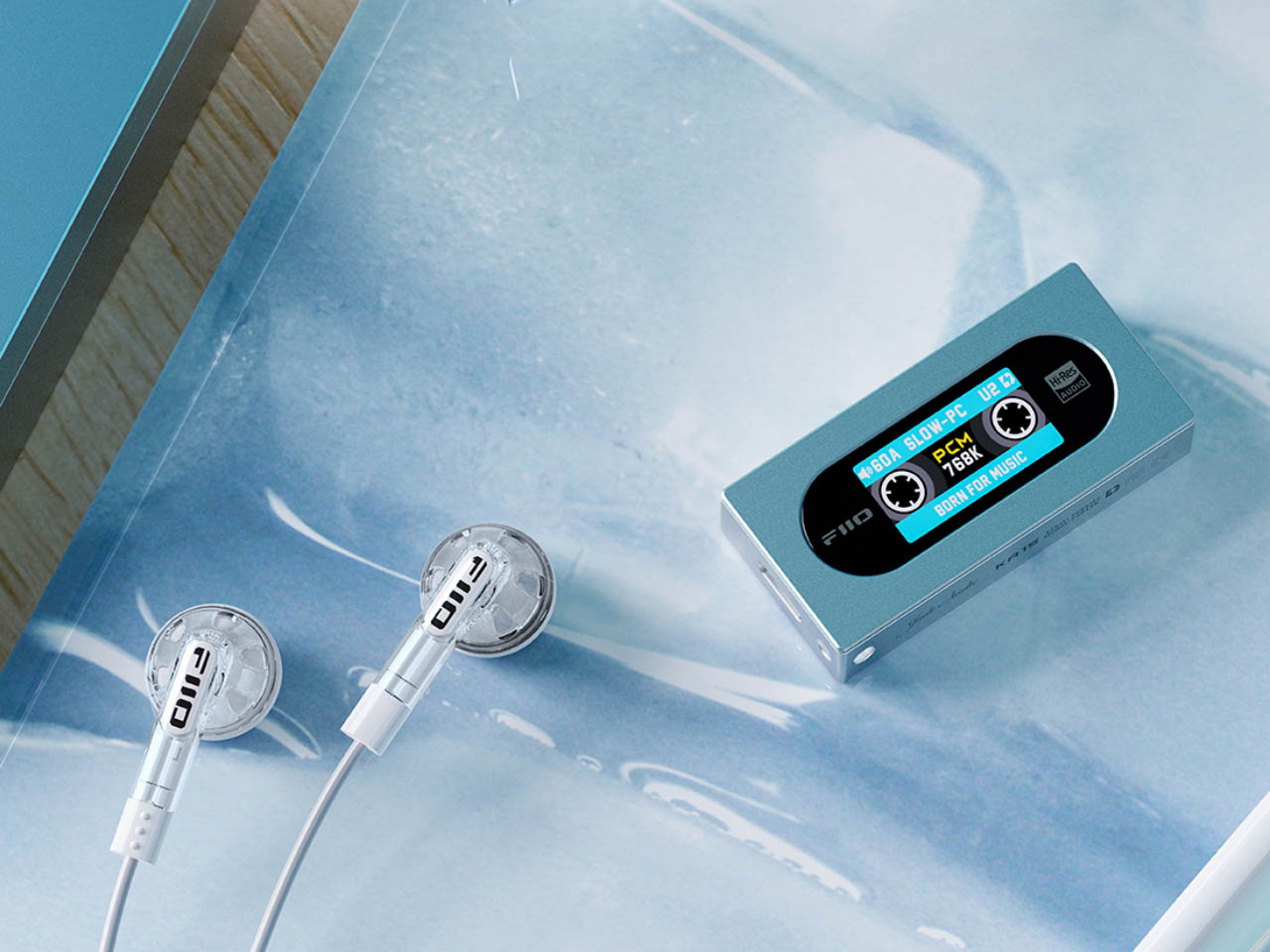
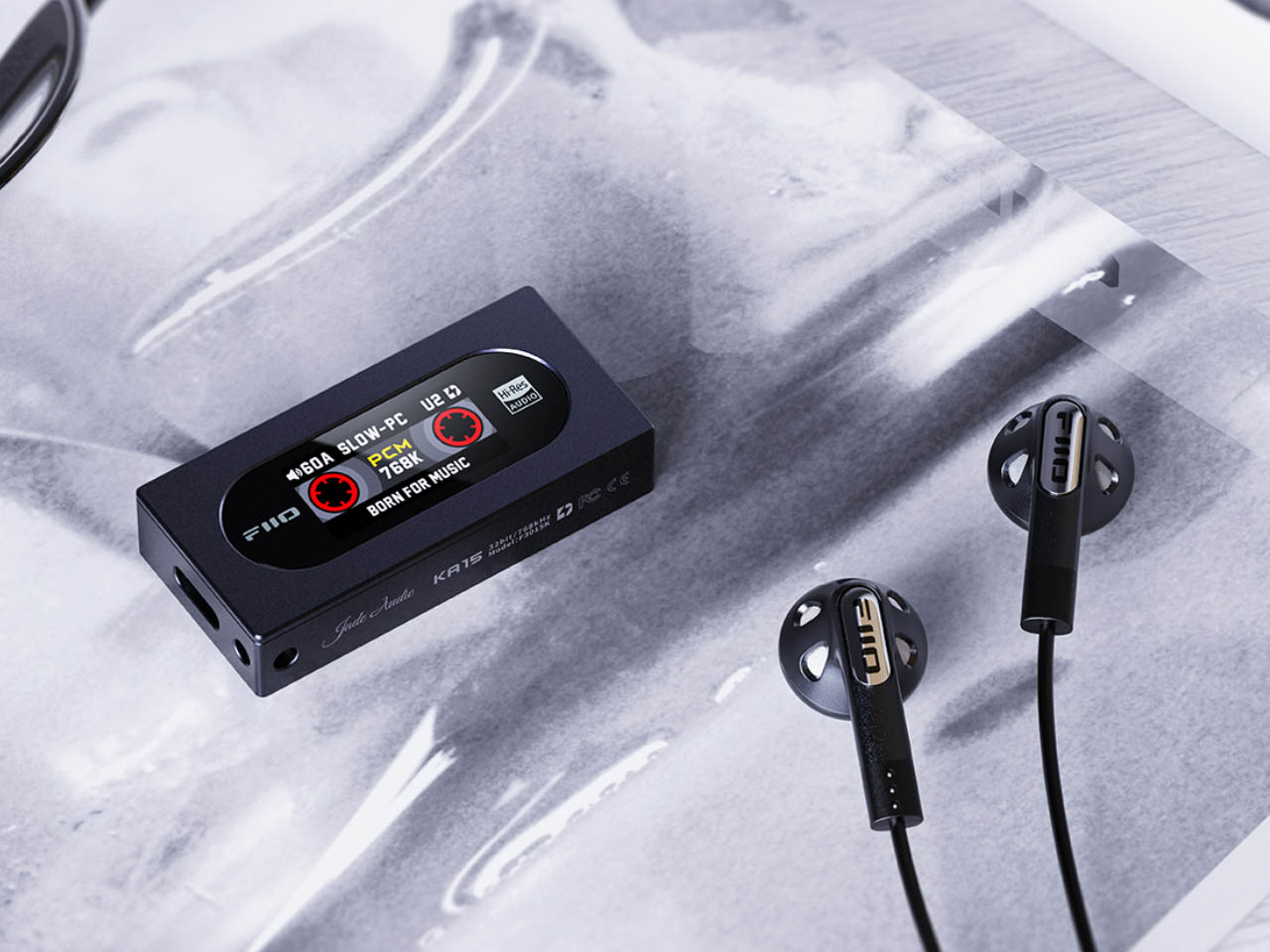
The portable DAC amps up your audiophile-grade music listening experience if analog is your thing – both audio-wise and visually. The FIIO K15 DAC has an inch-wide LCD that emulates the look of a cassette player, replicating the spinning six-toothed spools and music information.

Designer: FIIO

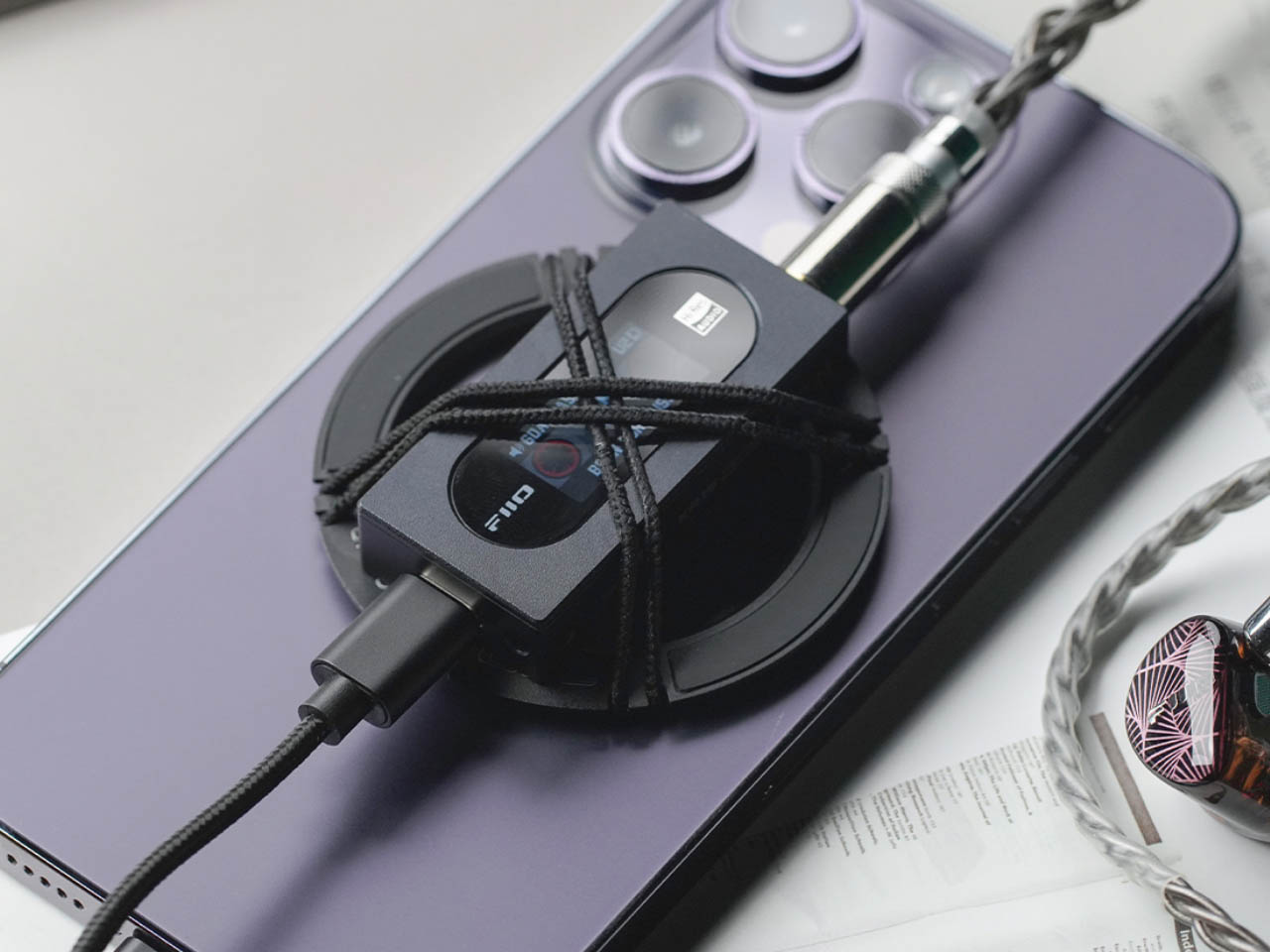
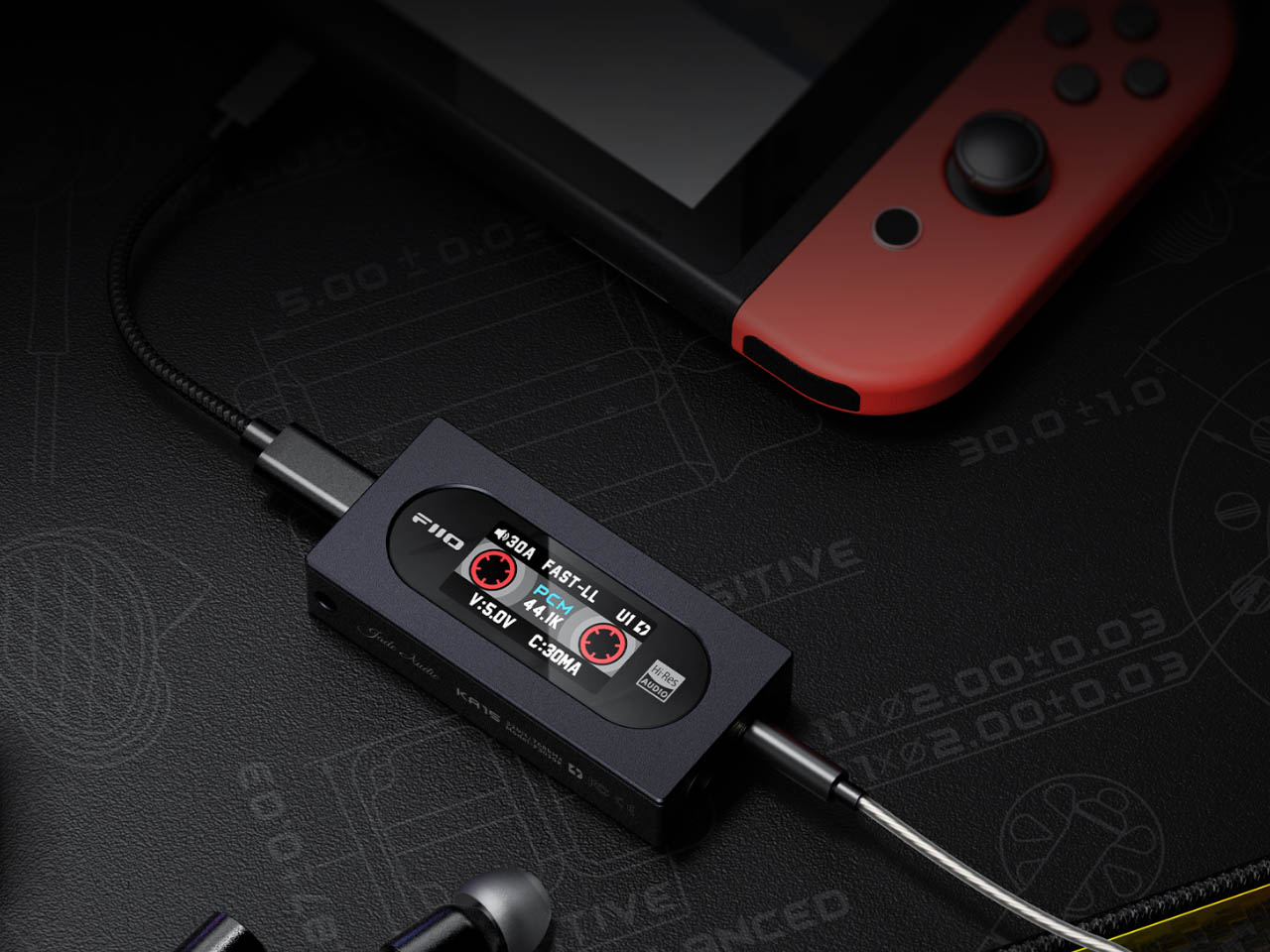
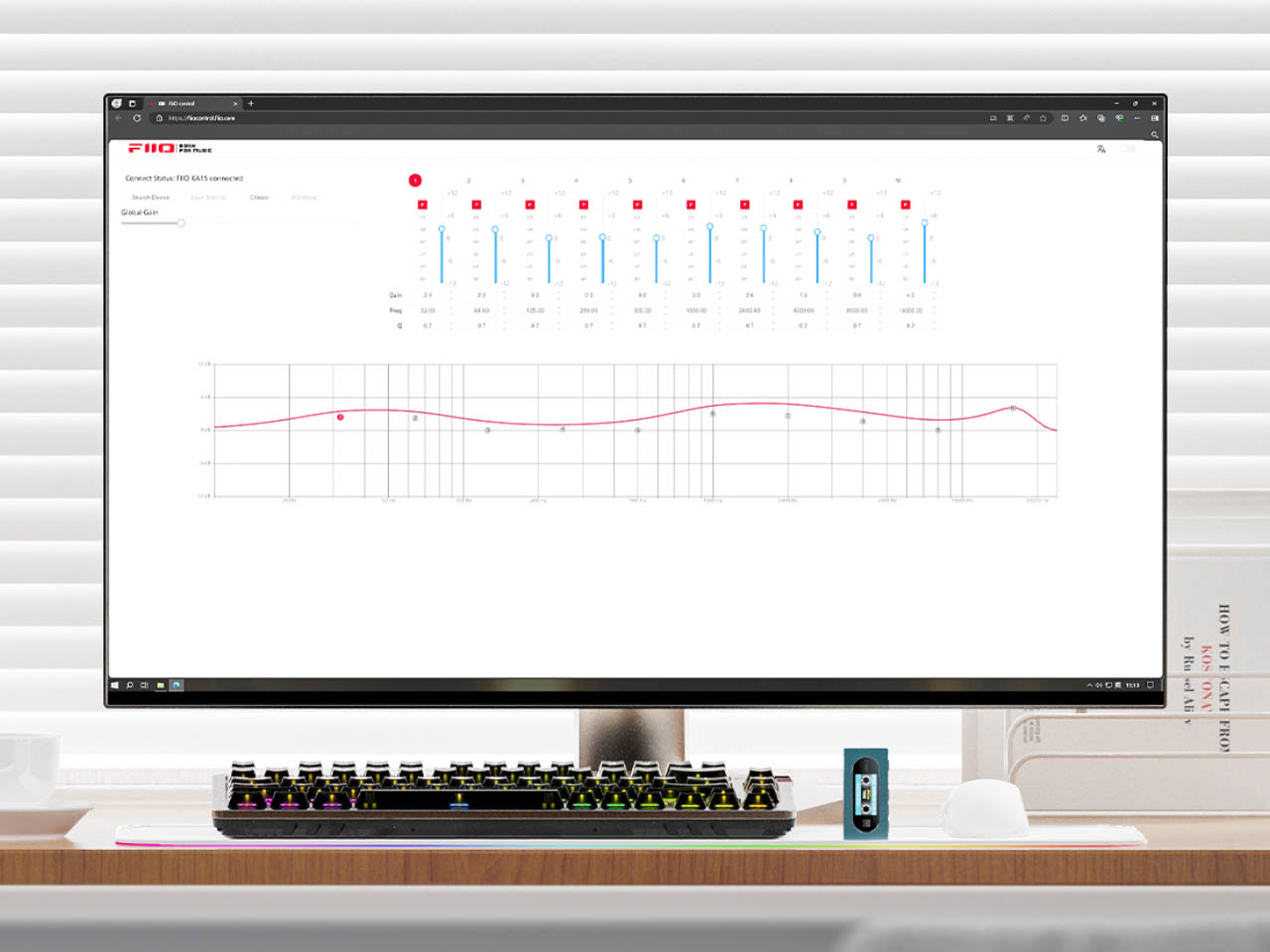
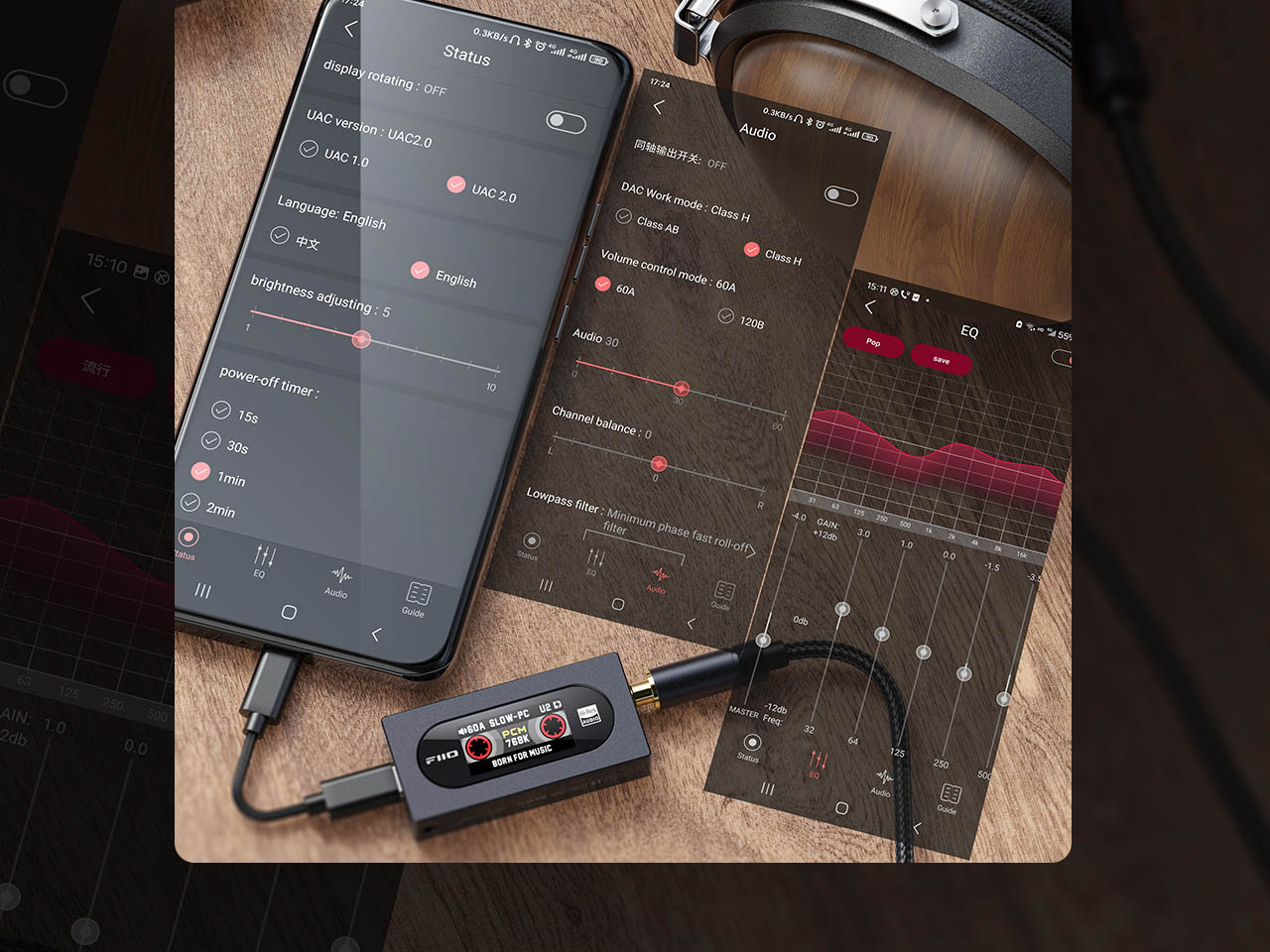
Unlike your high-end phone, the audio accessory has two Cirrus Logic chips and dual op-amps with support for 32-bit/768-kHz and DSD256 decoding. This results in crystal clear sound reproduction even with high-impedance headphones. The companion app lets you toggle the high-precision 10-band parametric equalizer (found mostly on affordable digital audio devices) to fine-tune the listening experience. Since we are talking about audiophile-grade audio accessories, connectivity with your smartphones, PC, handheld gaming device or gaming console is possible with a USB-C jack. Those who use high-end wired headphones get the option to plug in the amplifier via a 3.5mm jack or the balanced 4.4mm jack.

The pocketable audio accessory stands out from its competitors with the unique display interface, while other features are more or less similar to current generation DACs. These include options like real-time voltage and current monitoring to make any dynamic power adjustments. An inline mic also gives you the liberty to take calls or attend Zoom meetings when connected to a phone or laptop. For a price tag of $109, the K15 portable DAC by FIIO is the perfect accessory to own if you’ve got bored with the usual stuff.

The post FIIO K15 DAC’s nostalgic cassette tape charm complements the modern aesthetics first appeared on Yanko Design.