FiiO QX11 brings desktop-class audio power to a pocket-sized DAC

A good DAC should disappear into the setup, not demanding any attention or taking over a desk. The high-resolution amplifier should be better at doing just one task – simply making your headphones or earphones sound better. FiiO’s new QX11 takes that idea in a more ambitious direction, packing the kind of amplification and audio processing normally associated with larger desktop equipment into a compact USB-C device that can travel with your modern-day gadgets.

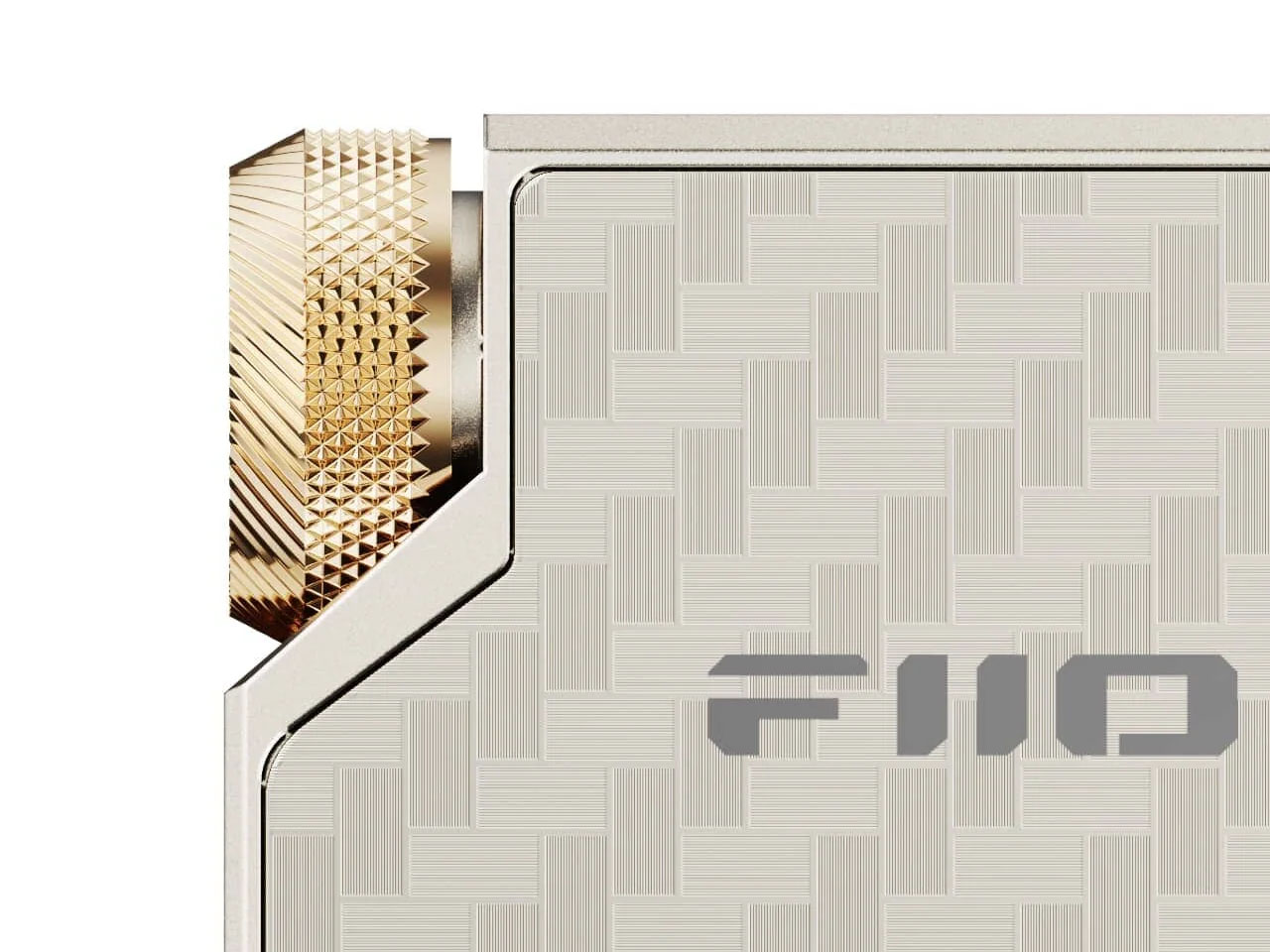
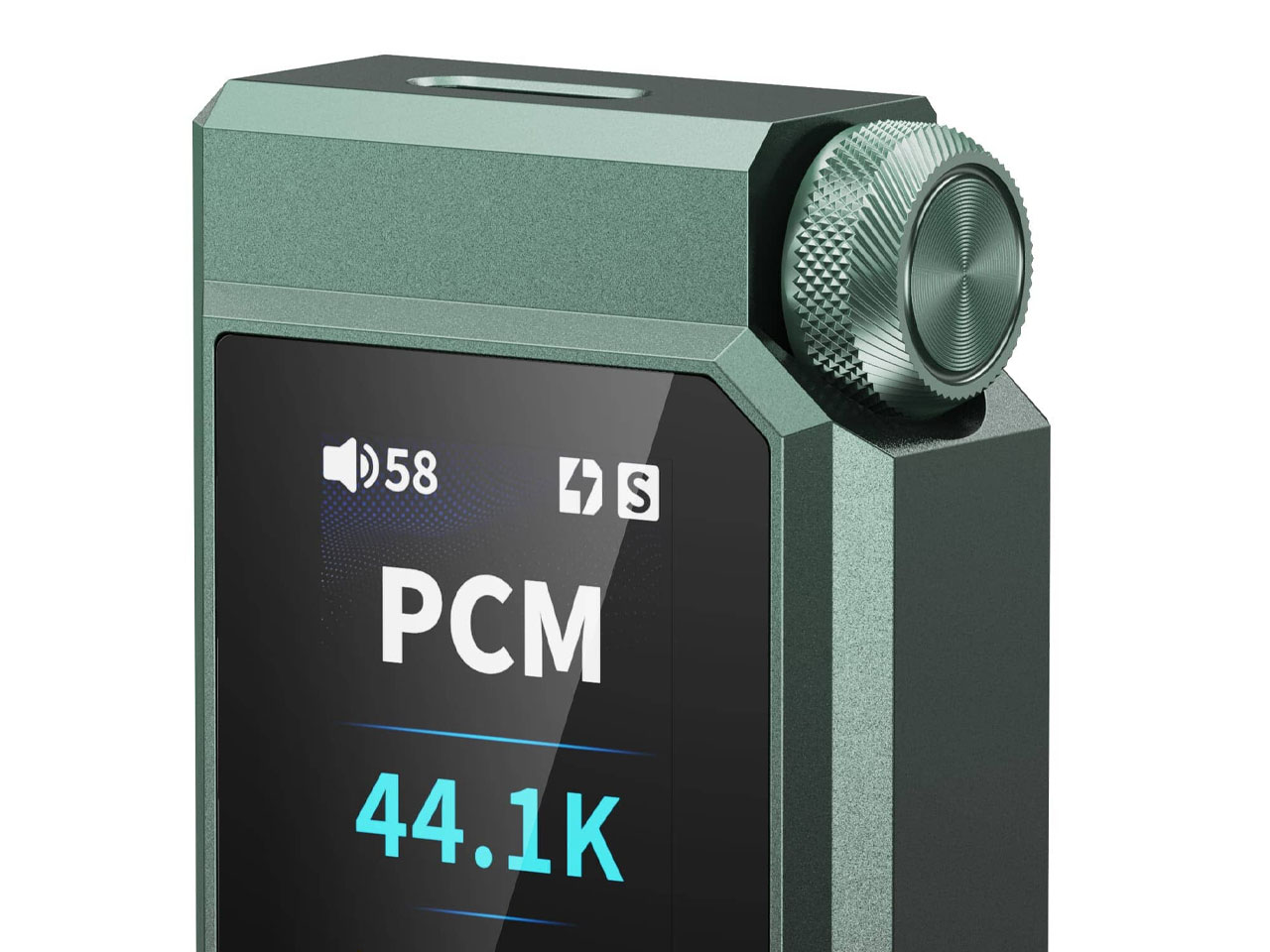
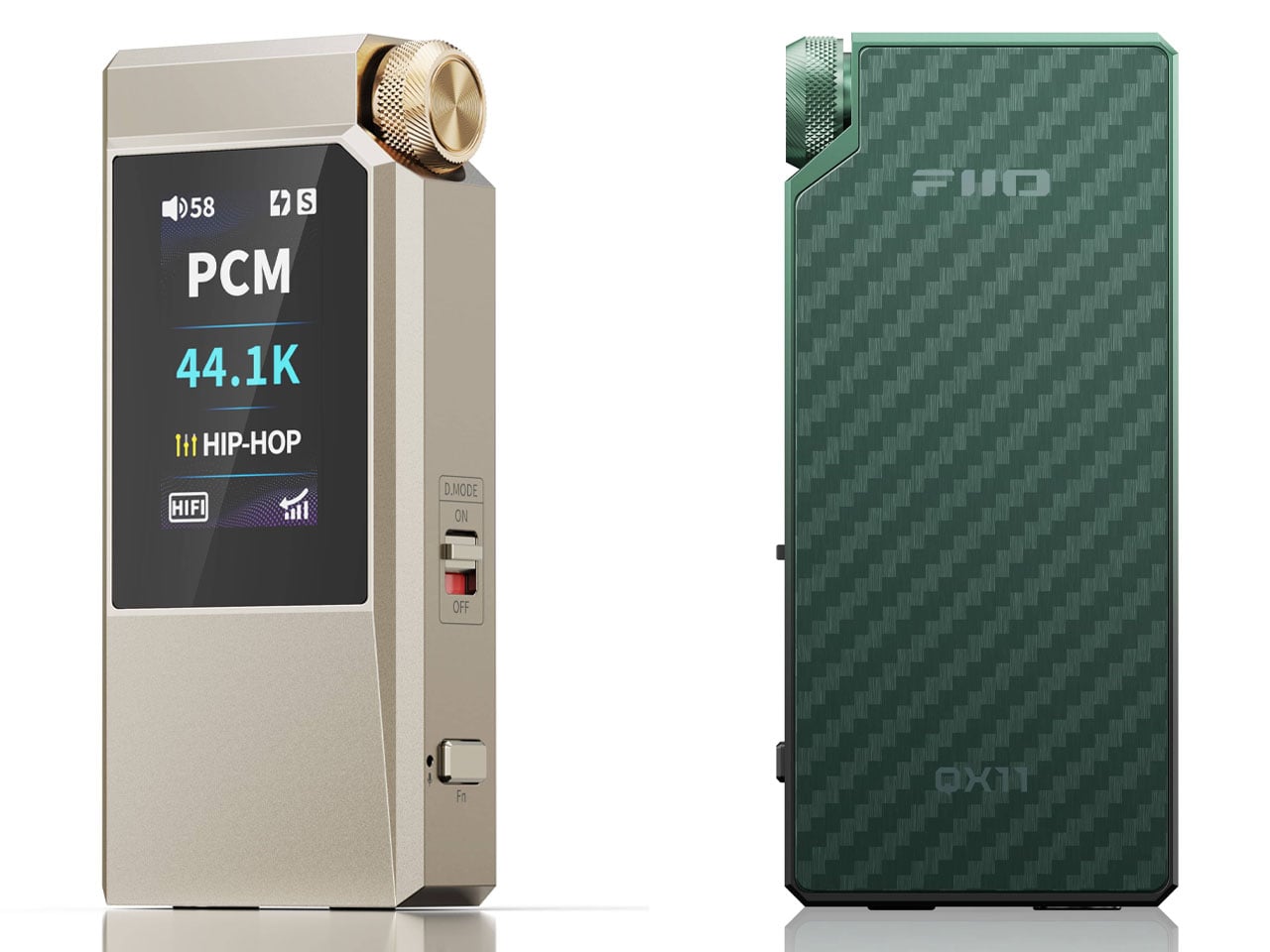
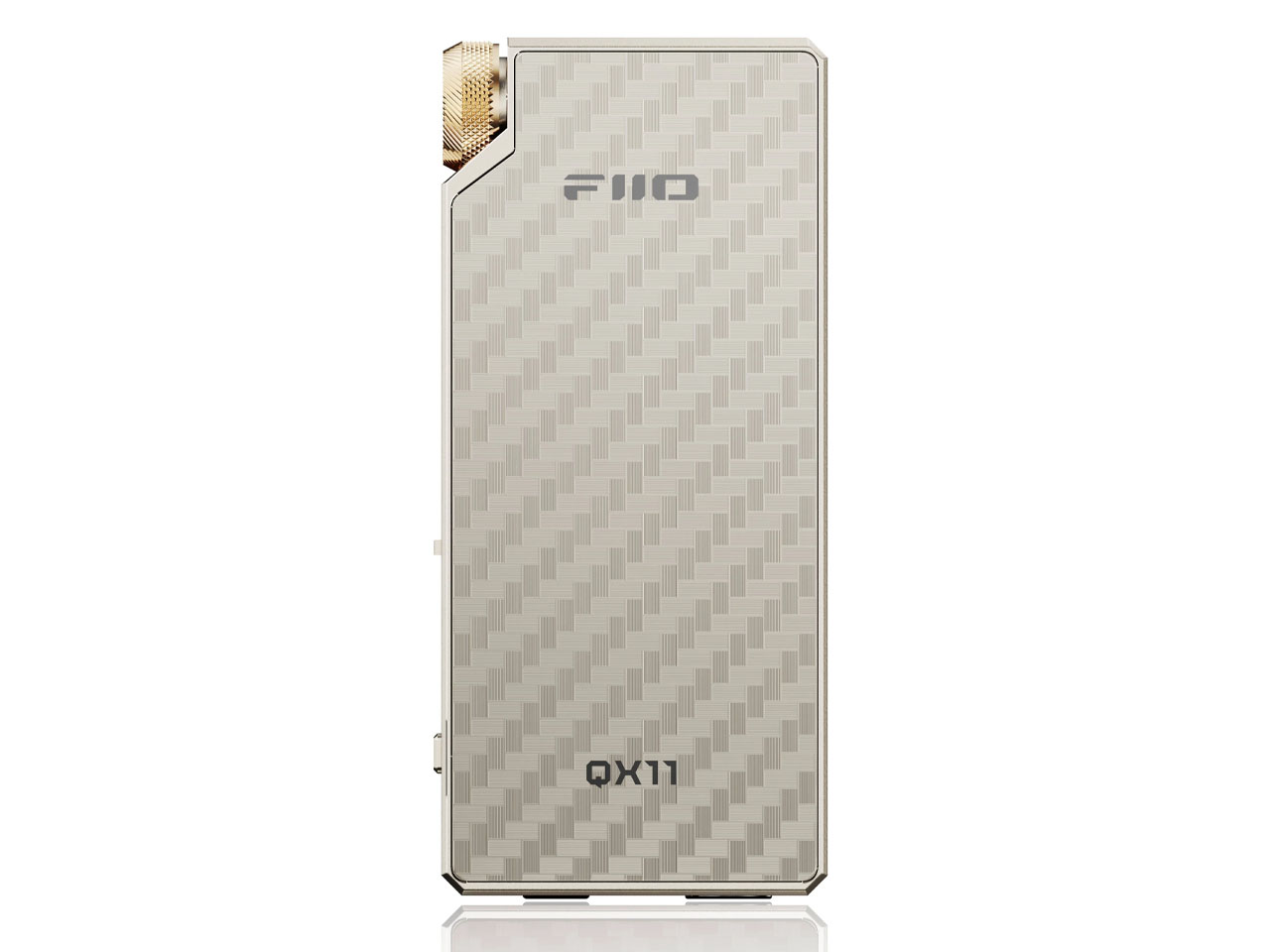
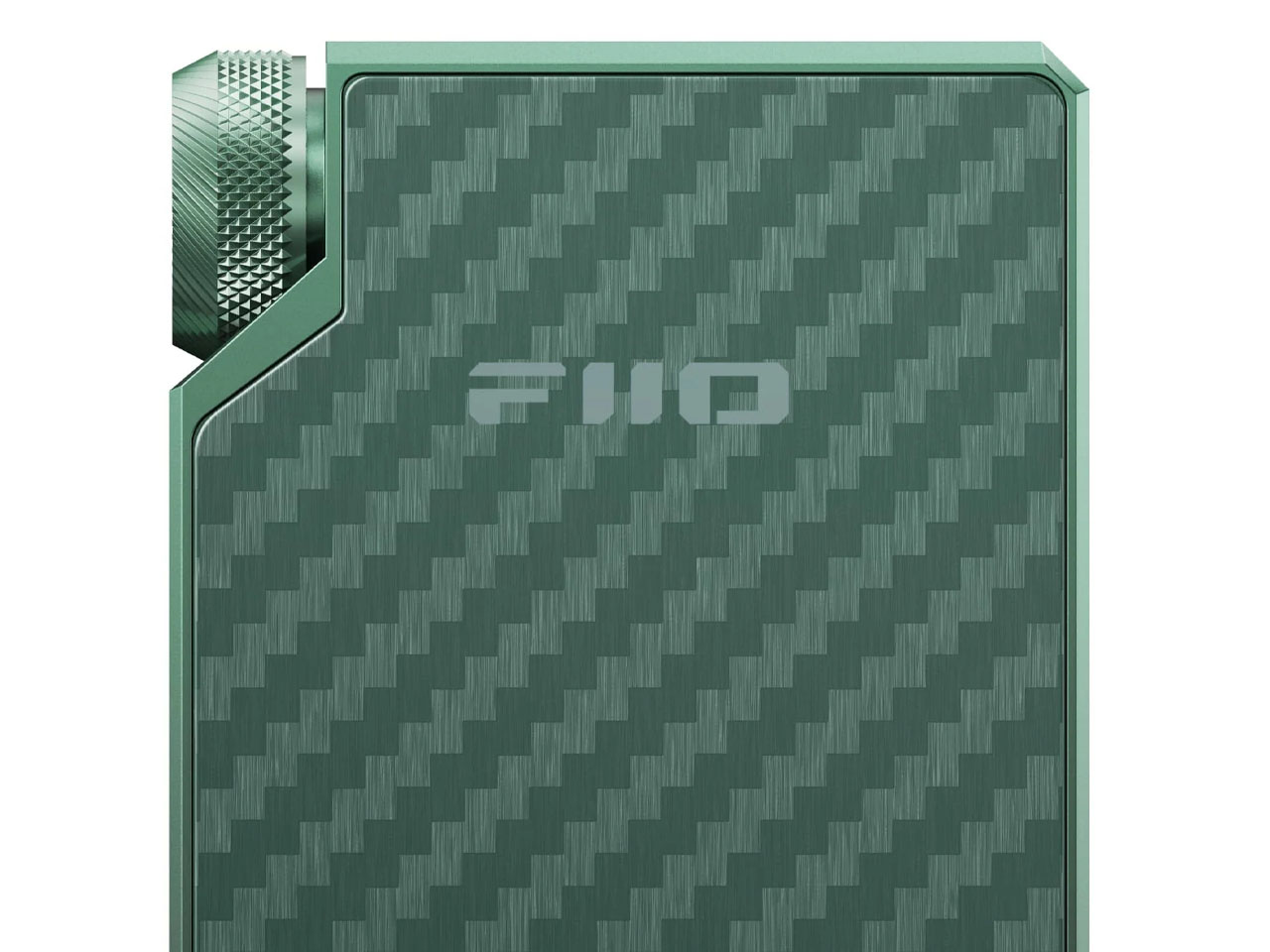
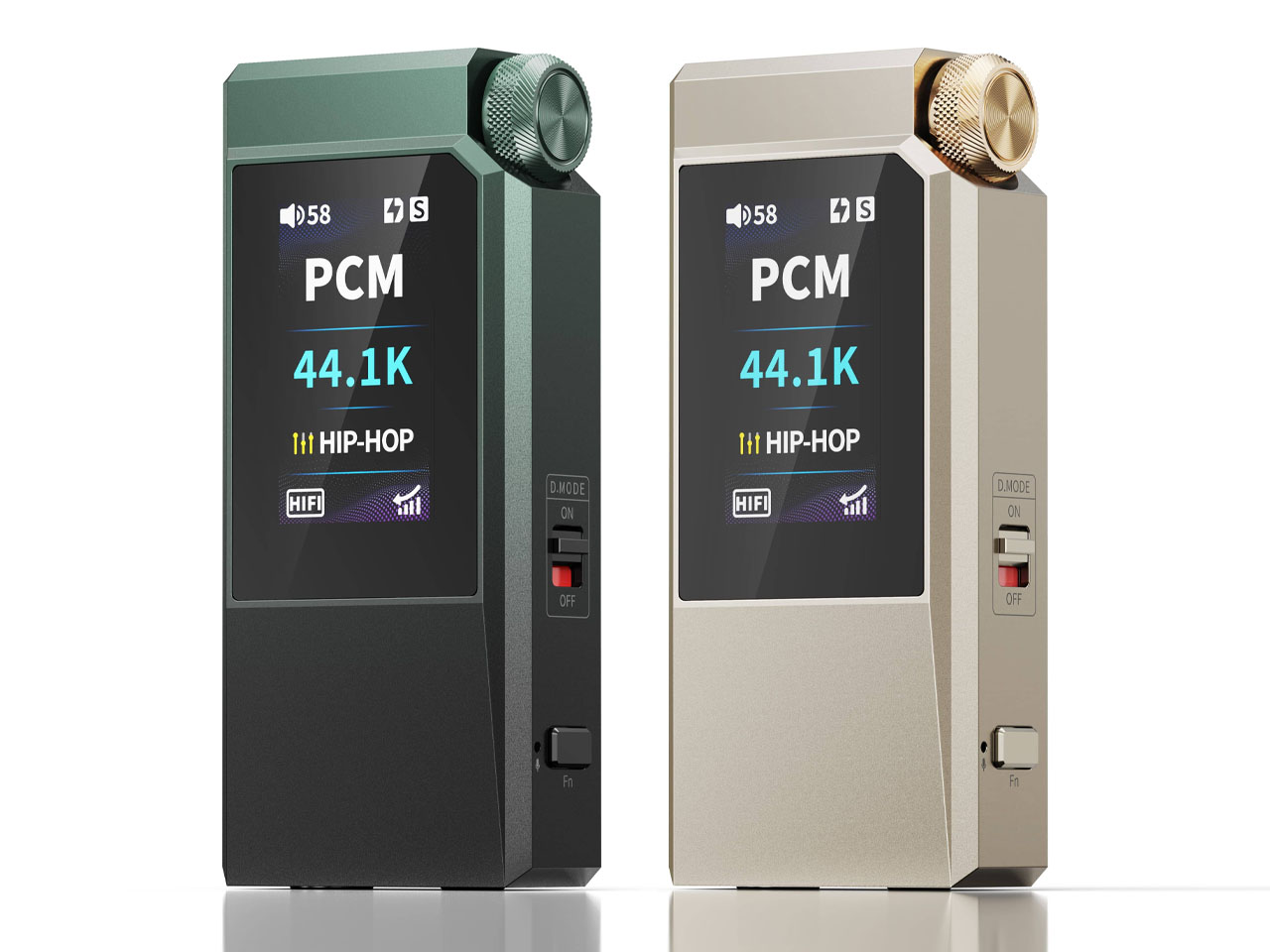
The Chi-Fi brand’s latest offering is designed for listeners who want more than a basic headphone dongle. Beneath its compact aluminium alloy and forged carbon-fiber body are two flagship ESS ES9069Q DAC chips, paired with four Texas Instruments operational amplifiers. The configuration supports PCM playback up to 32-bit/768kHz and native DSD512, giving it plenty of capability for high-resolution music without turning the device into an unnecessarily bulky piece of hardware.

Designer: Fiio
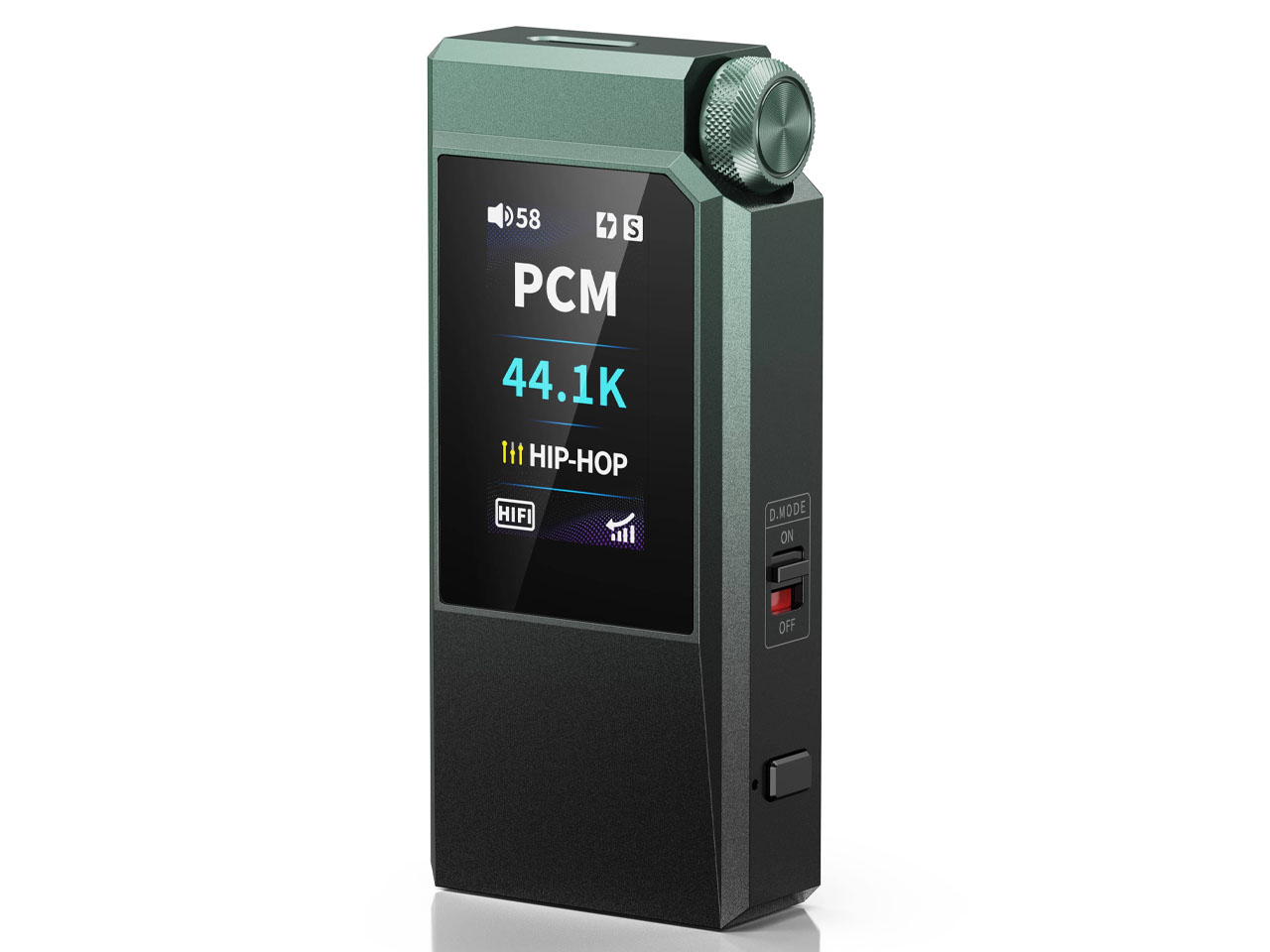
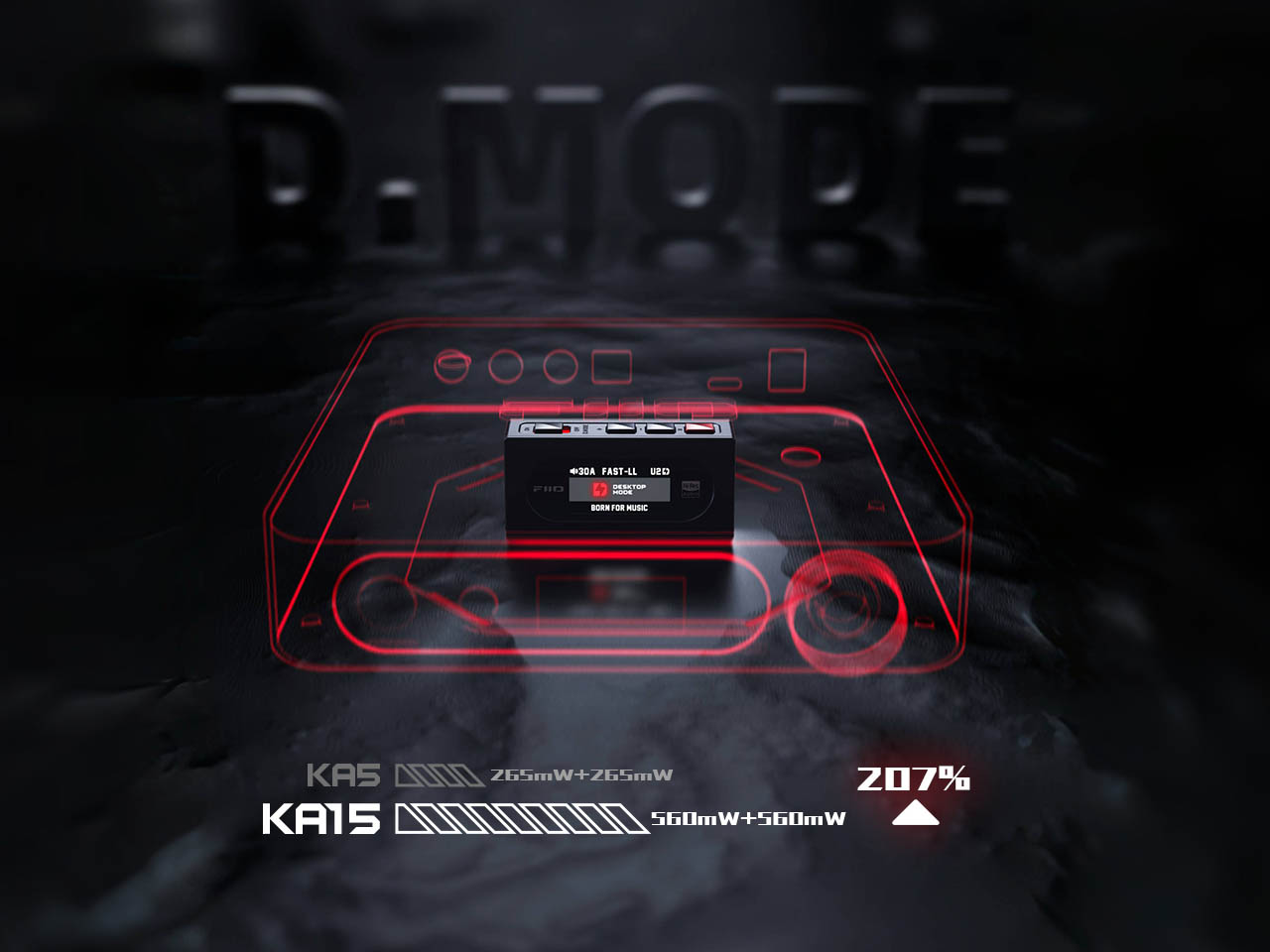
The biggest upgrade from FiiO KA17 is arguably the amount of power available to headphones. In Desktop Mode, the QX11 can deliver up to 800mW + 800mW, exceeding the 650mW + 650mW output of the predecessor. That extra headroom is particularly useful for demanding headphones and high-impedance models that can benefit from stronger amplification and better control. FiiO also wants the QX11 to work beyond traditional music listening. A dedicated Gaming Mode introduces audio profiles for FPS, ACT, and MOBA games, allowing the same device to shift from a high-resolution music DAC to a more gaming-focused audio interface.
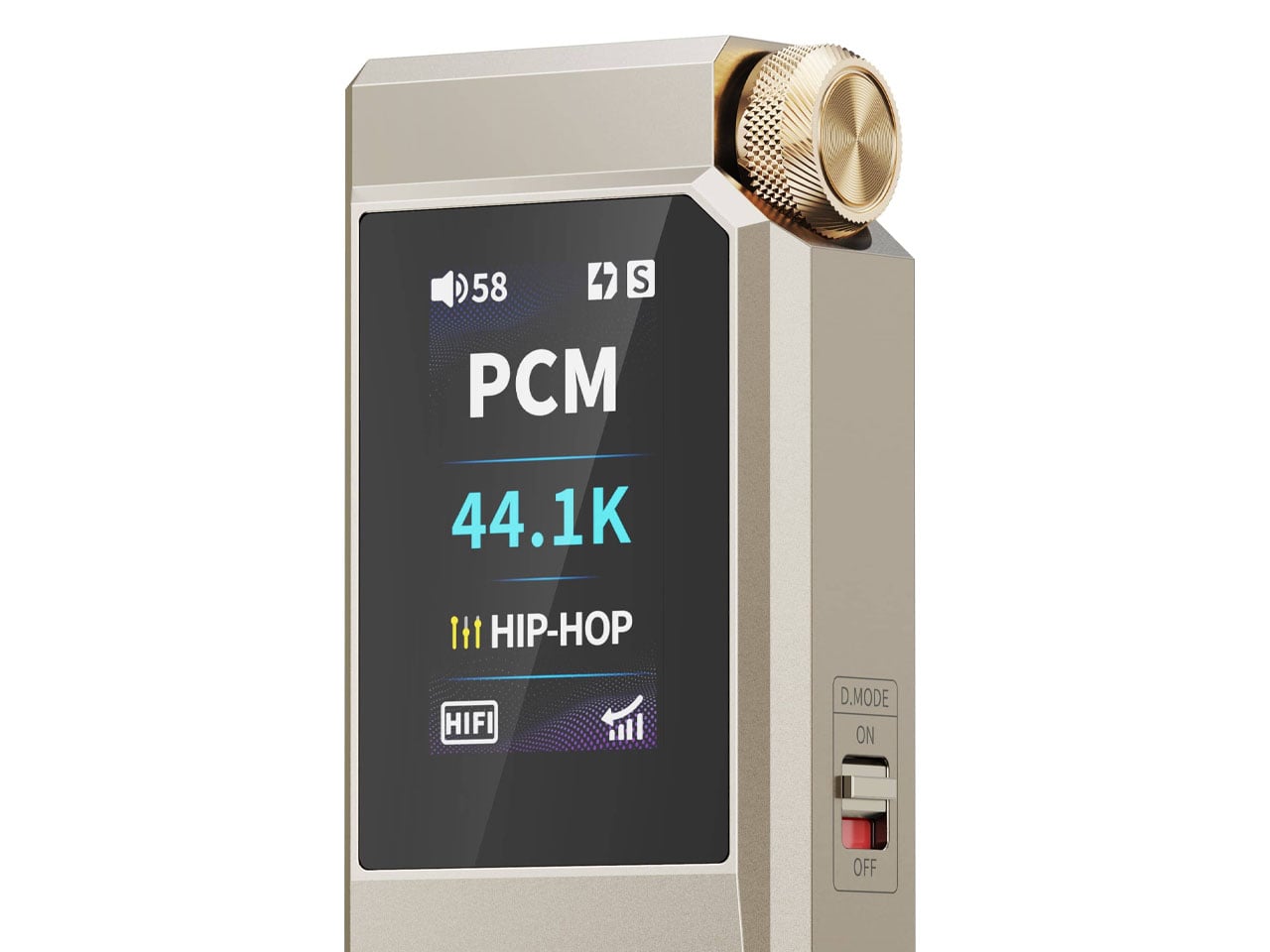
Voice communication is also built in, as QX11 features a microphone and AI environmental noise cancellation intended to suppress surrounding sounds during voice chats. For someone using wired headphones, that means fewer accessories are needed to create a more complete gaming setup. The audio gadget also brings a more accessible approach to equalization with FiiO’s software ecosystem, as users can select supported headphone models and apply automatic correction profiles instead of manually adjusting individual frequency bands. Genre-specific EQ presets further allow the sound to be tailored to different types of music.
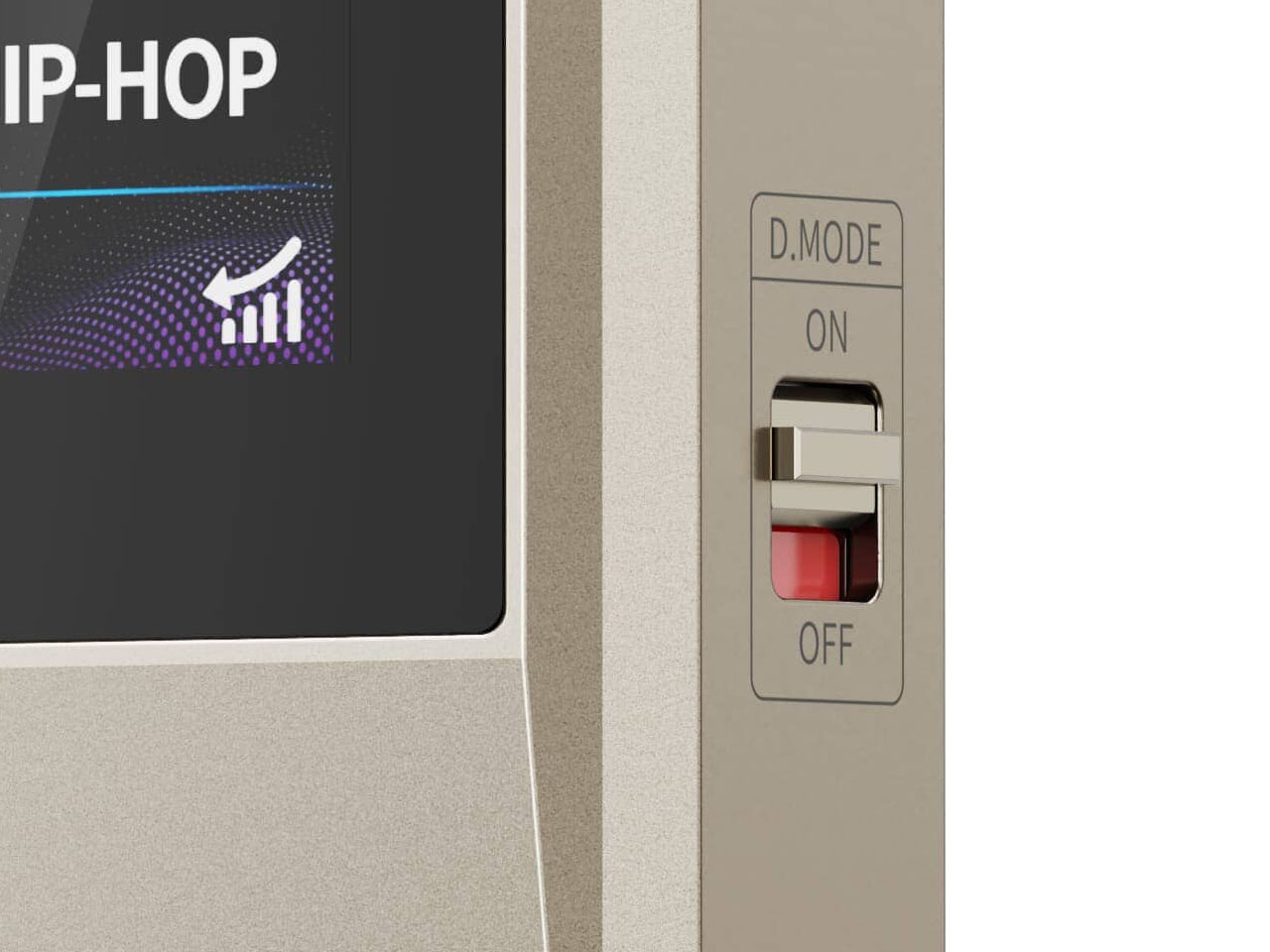
There is also a thoughtful solution to one of the less glamorous problems with powerful portable DACs: battery drain. The QX11 incorporates dual USB-C ports with 45W USB Power Delivery passthrough, allowing a connected phone or laptop to receive power while the DAC is being used. This makes it more practical for longer listening sessions or gaming away from a conventional desktop setup.
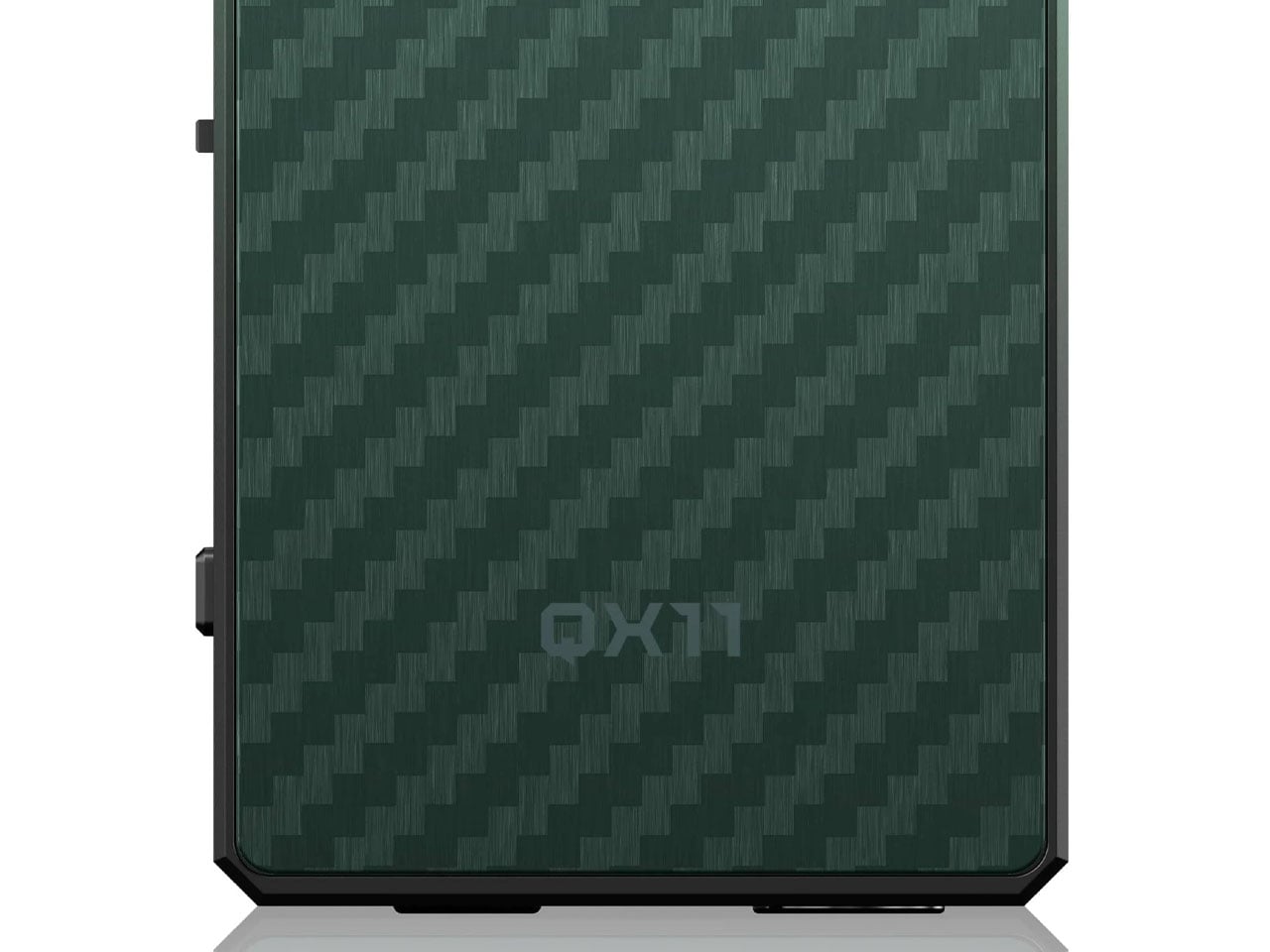
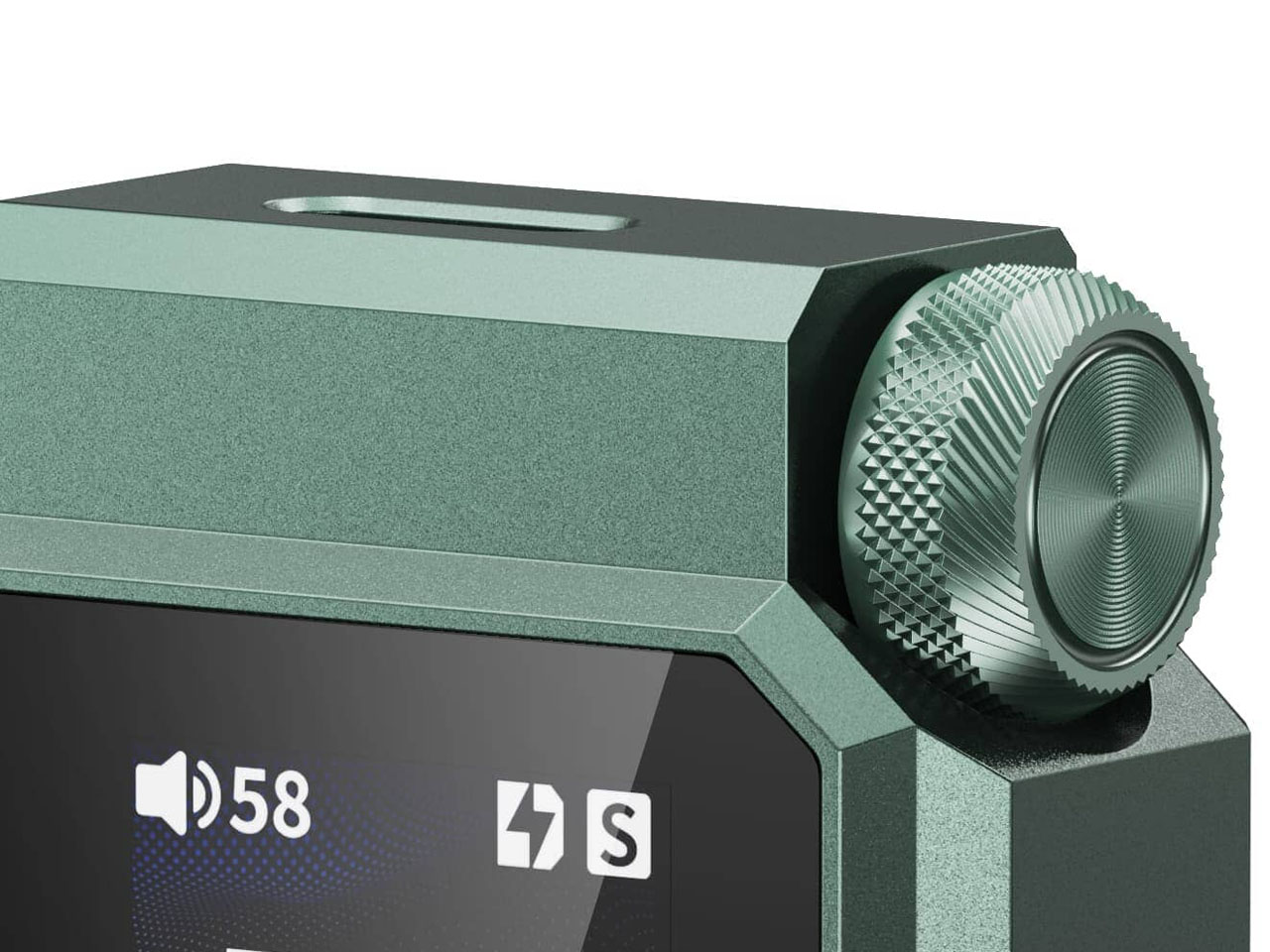
With green and gold finishes, Fiio QX11 has enough visual character to stand out without looking like conventional gaming hardware. At $170, the DAC is tailored for buyers who care as much about versatility as raw specifications. Rather than being another dongle focused solely on decoding high-resolution files, QX11 is a compact audio hub capable of moving between serious music listening, gaming, and everyday portable use without changing the rest of the setup. Indeed, something for a starter audiophile like me who likes things less complicated.
 

The post FiiO QX11 brings desktop-class audio power to a pocket-sized DAC first appeared on Yanko Design.
The Cassette Revival Has Had a Player Problem, and FiiO Just Fixed It

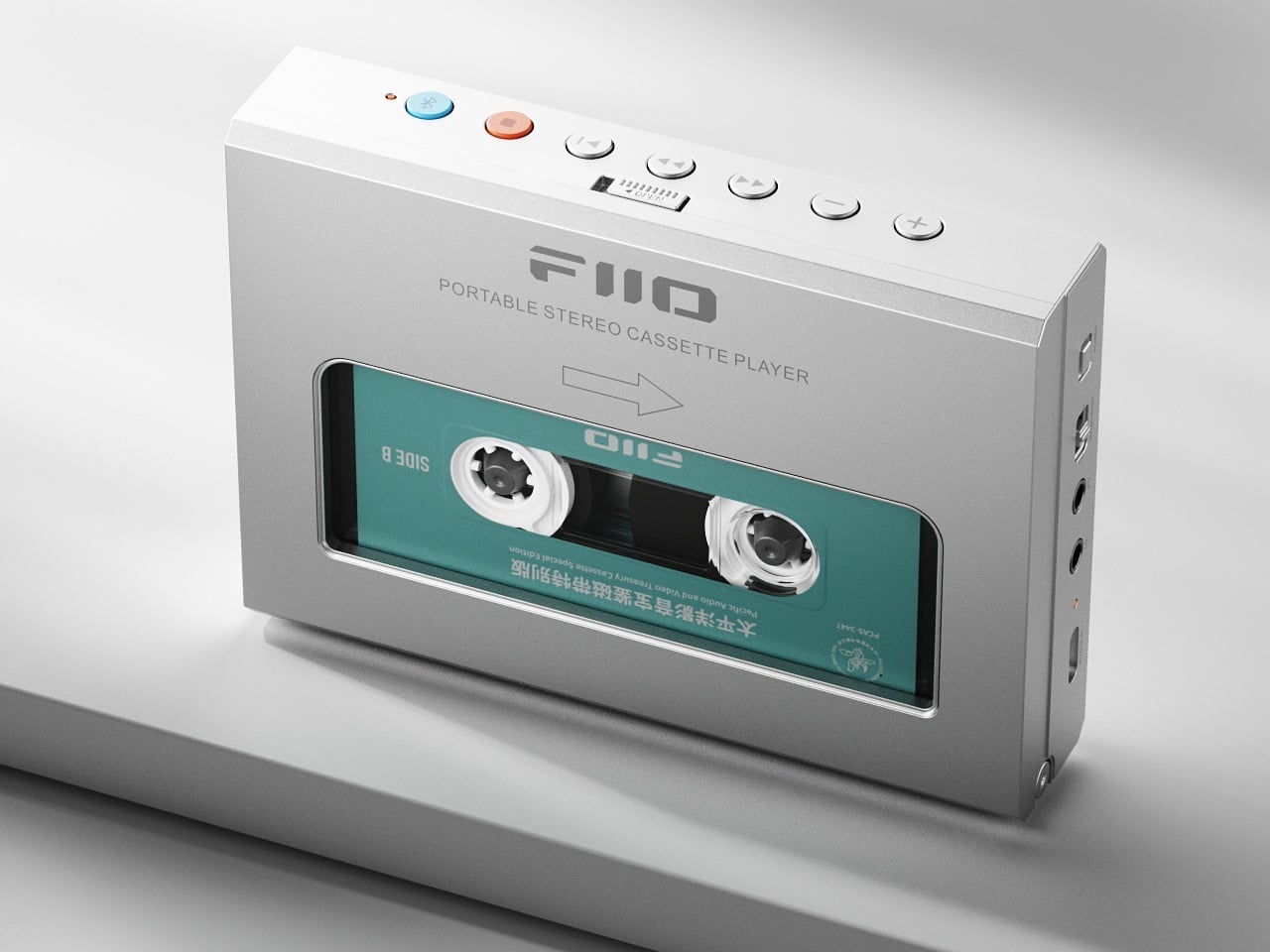
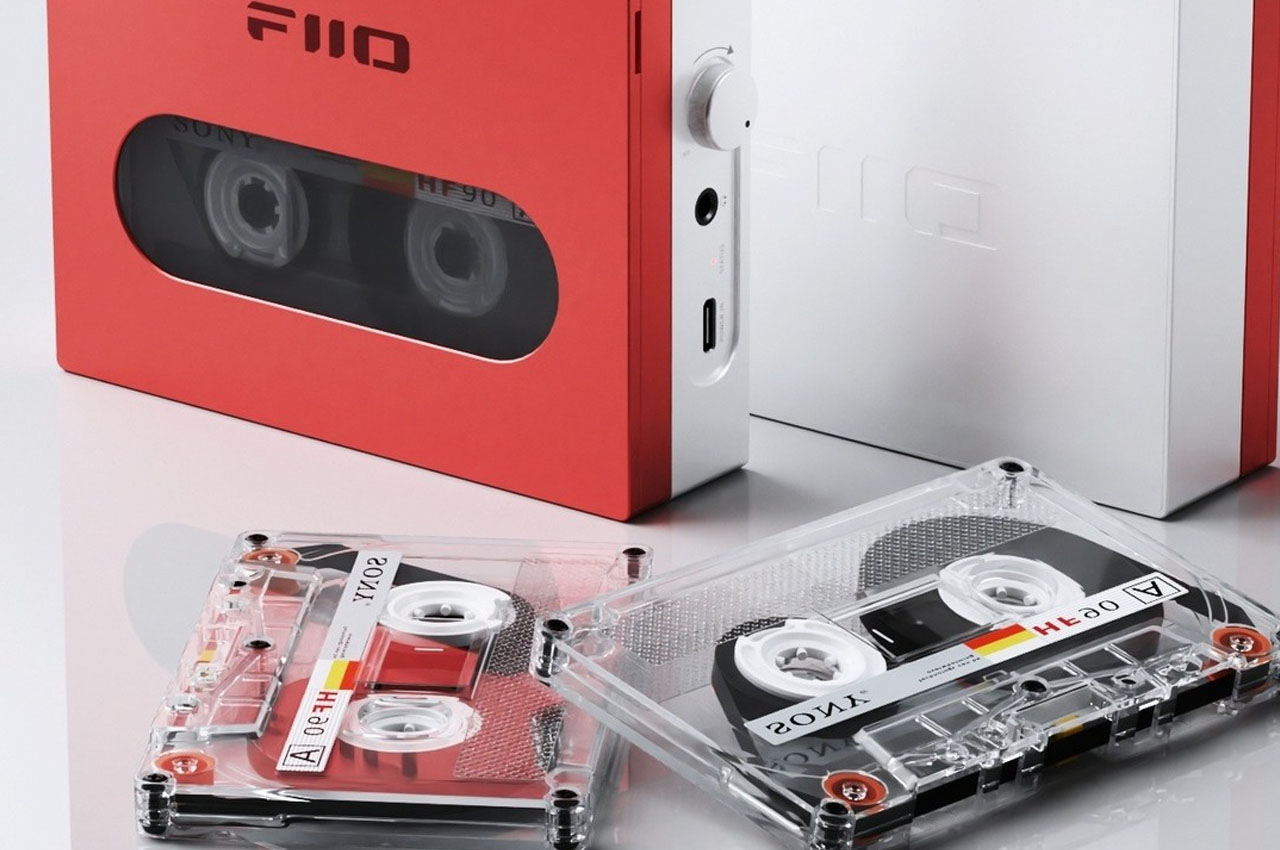
Vinyl already had its big cultural moment, dragging turntables and record stores back into the mainstream. Cassette tapes, quietly and without much fanfare, have been going through the same arc. Sales have been climbing for years, but the revival has lacked a player actually engineered for it. The FiiO CP11 is that player, and it comes with two years of R&D to back it up.

Getting to the CP11 wasn’t a straight line. FiiO originally planned to lead with the higher-end CP15, but as the new ultra-thin mechanism proved far more complex to engineer than expected, from structure and servo coordination to full system integration, the roadmap got reorganized. The CP11 was added earlier in the lineup so the new playback technology could reach people before everything else was perfected.

Designer: FiiO

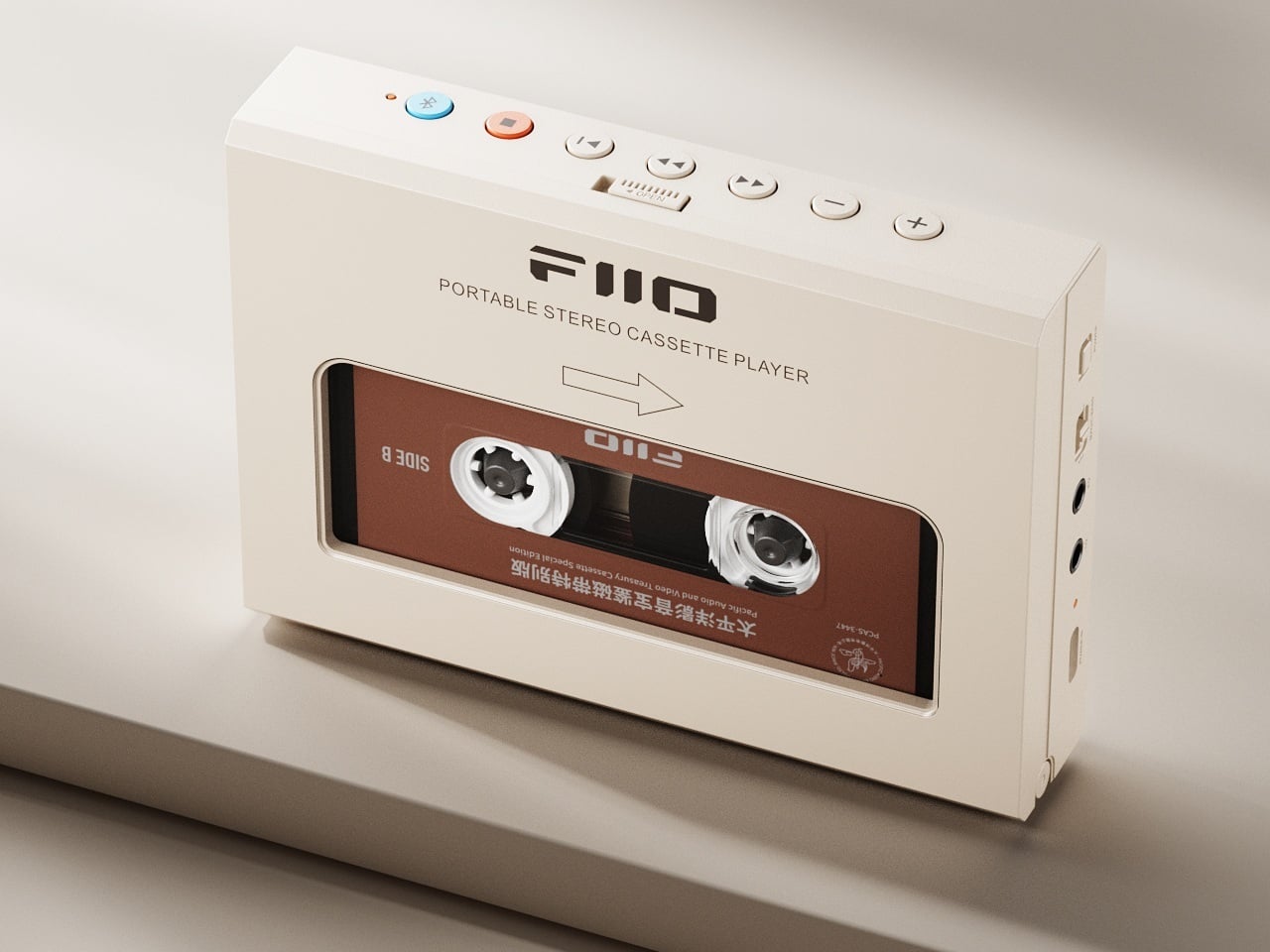
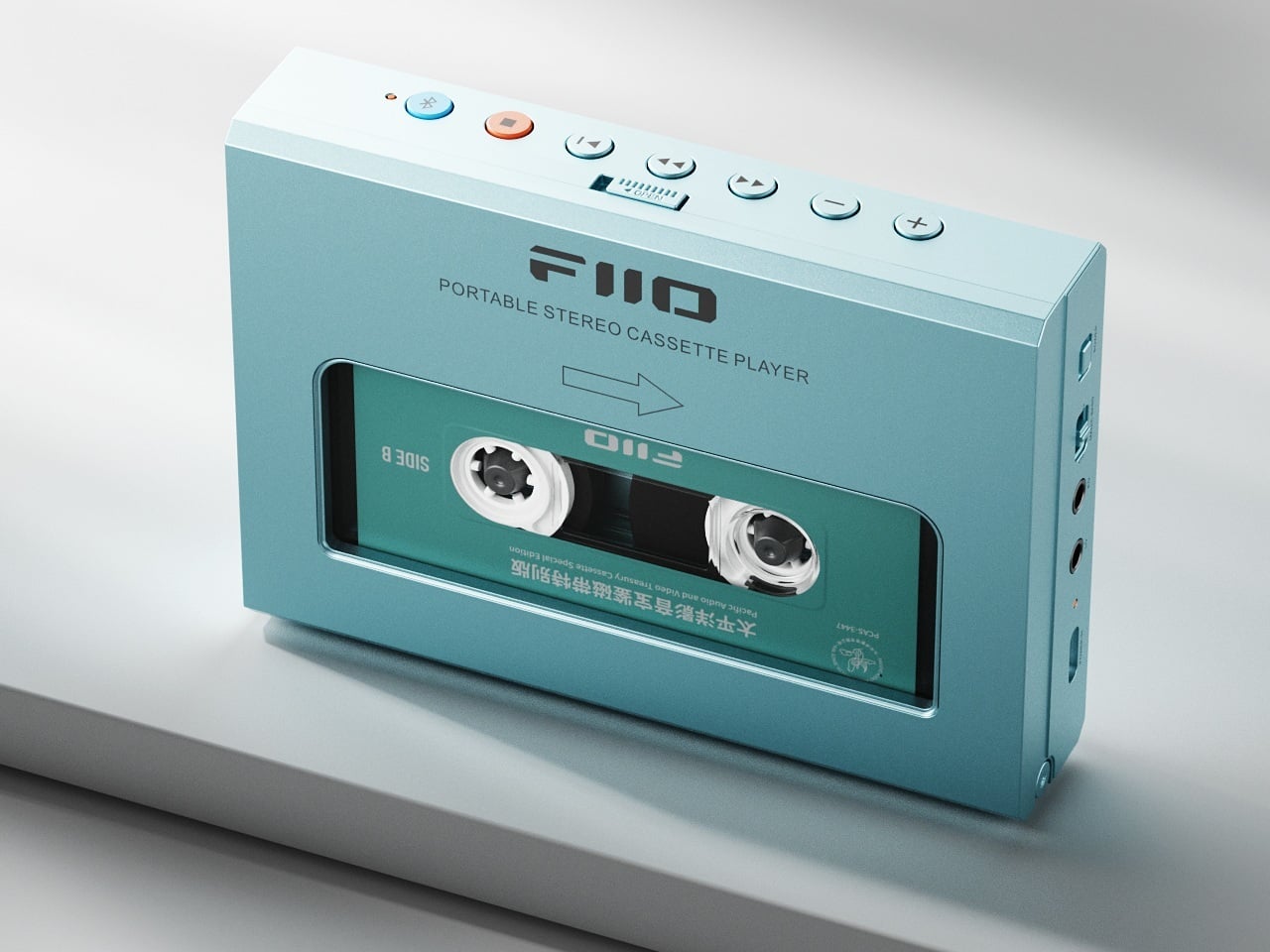
The size of the thing is worth talking about. FiiO designed the CP11 to be genuinely pocketable, competitive with the Walkmans that defined portable listening decades ago. That’s a different proposition entirely from the thick, ungainly cassette players that have populated the modern revival market. The all-new ultra-thin transport mechanism is what makes that slim profile possible, and getting it right required repeated prototyping and refinement.

Inside, the CP11 moves away from the hardware compromises that hold most modern tape players back. It runs on a brushless motor paired with a new servo drive and revised circuit design, which together are meant to deliver more stable, accurate playback than conventional motors allow. The magnetic head has been upgraded as well, since even the warmest analog sound can only be as good as the head reading it.

Then there’s Bluetooth, which is probably the feature that makes the CP11 most interesting to a broader audience. The fully analog CP13, FiiO’s existing tape player, never had it. Adding wireless transmission here means you can pair the CP11 with any wireless headphones and listen to your mixtapes or favorite vintage tapes without a headphone cord to manage. The 3.5mm jack is still there for people who prefer it that way.

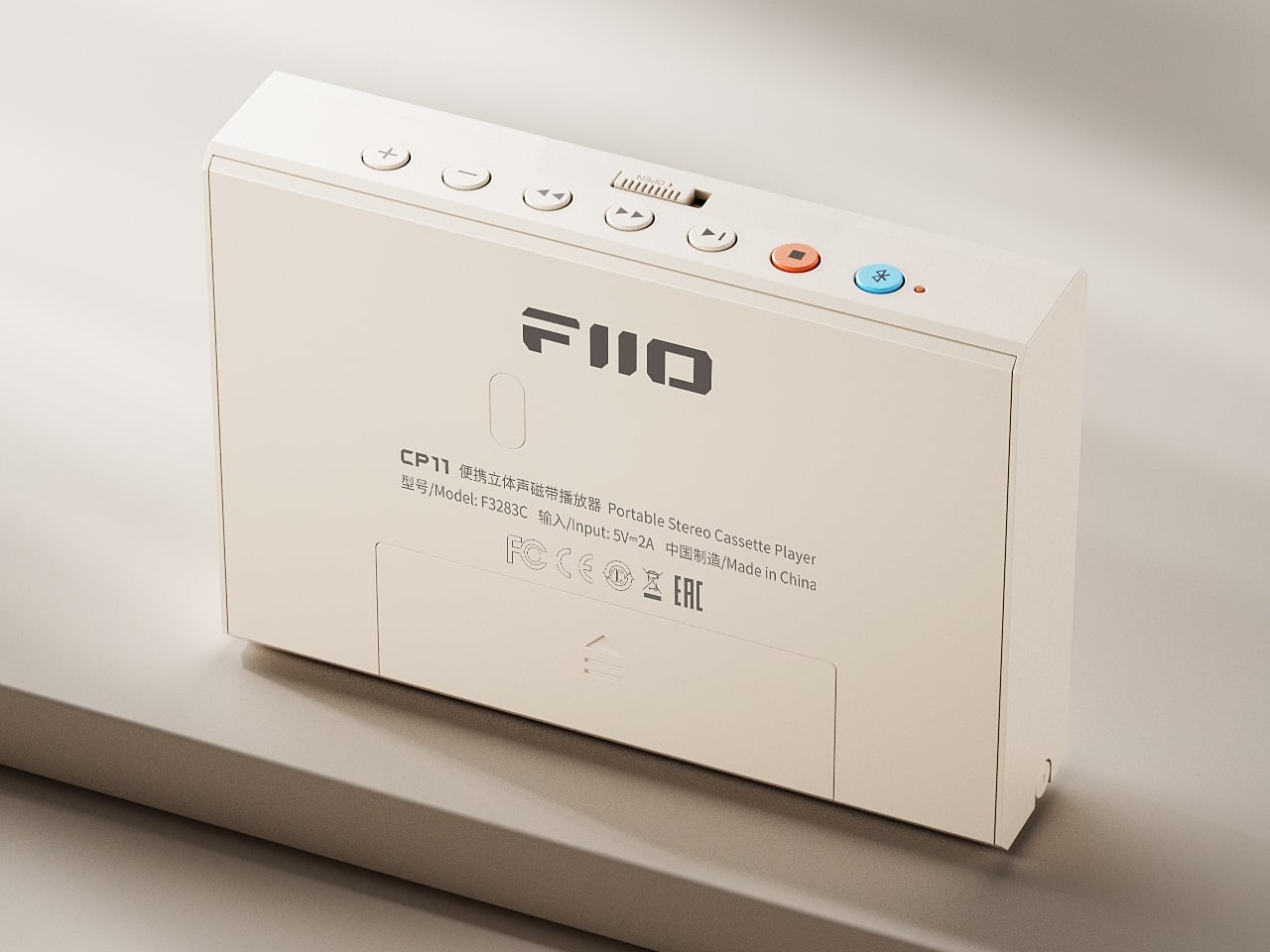
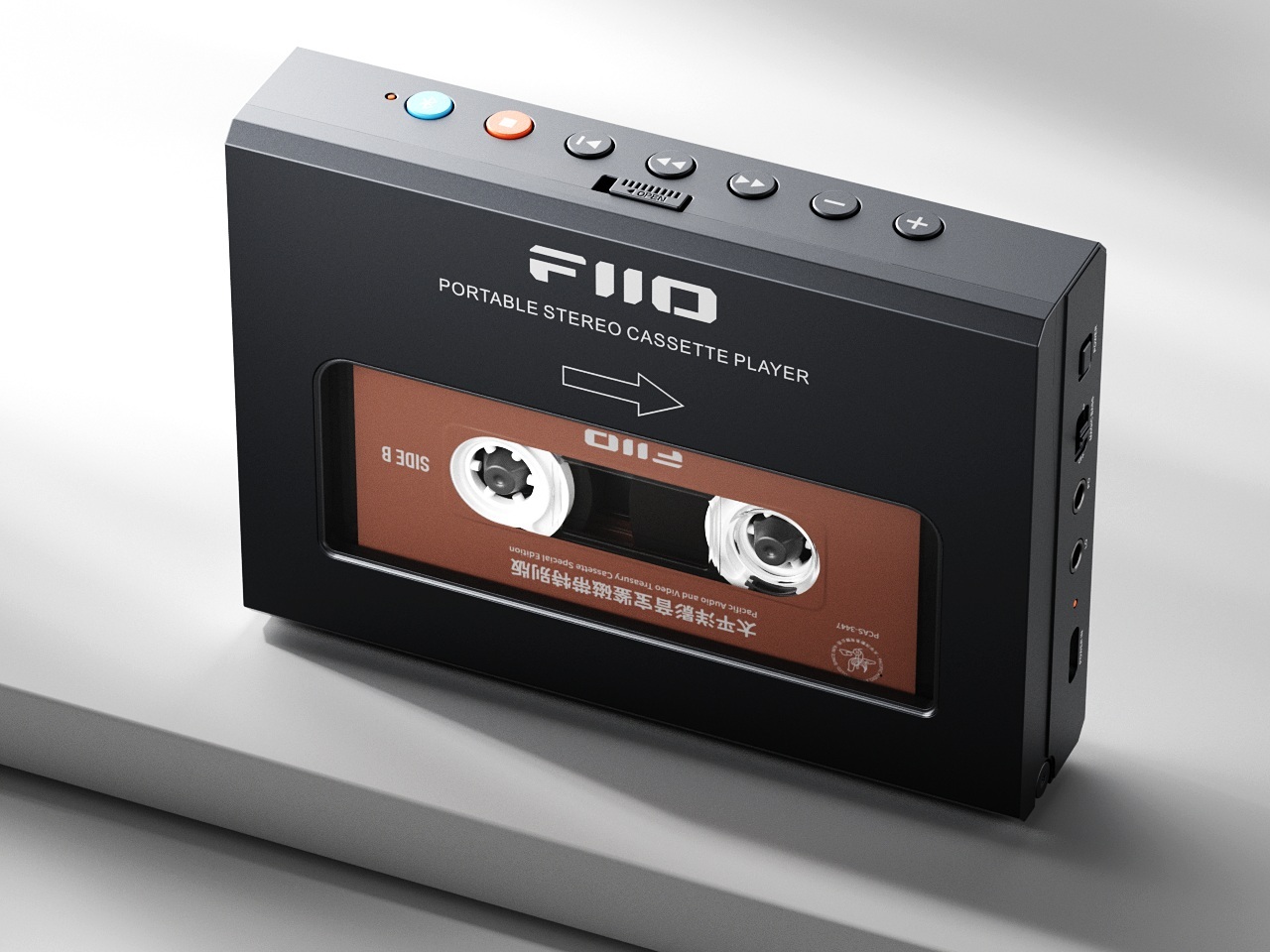
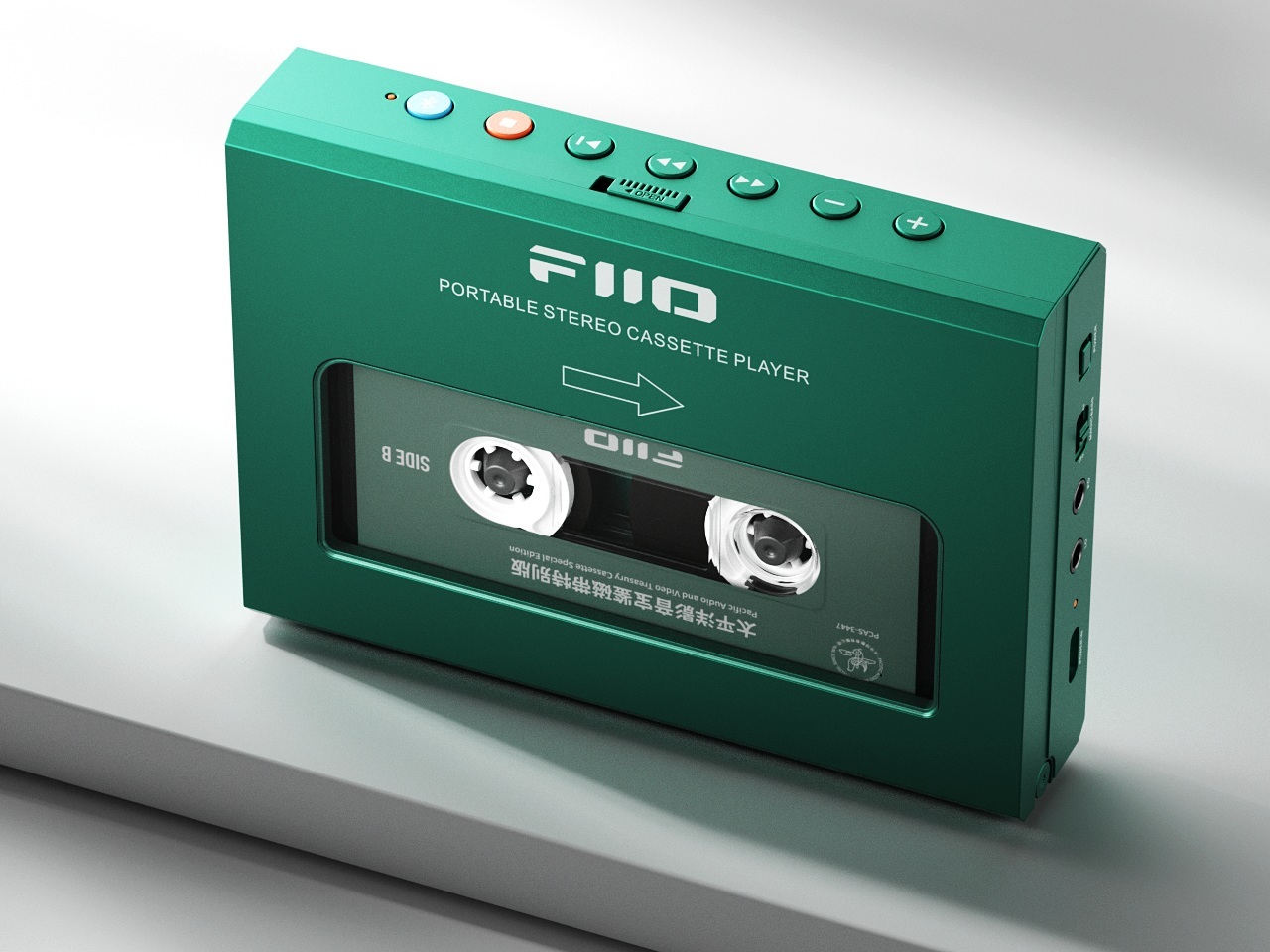
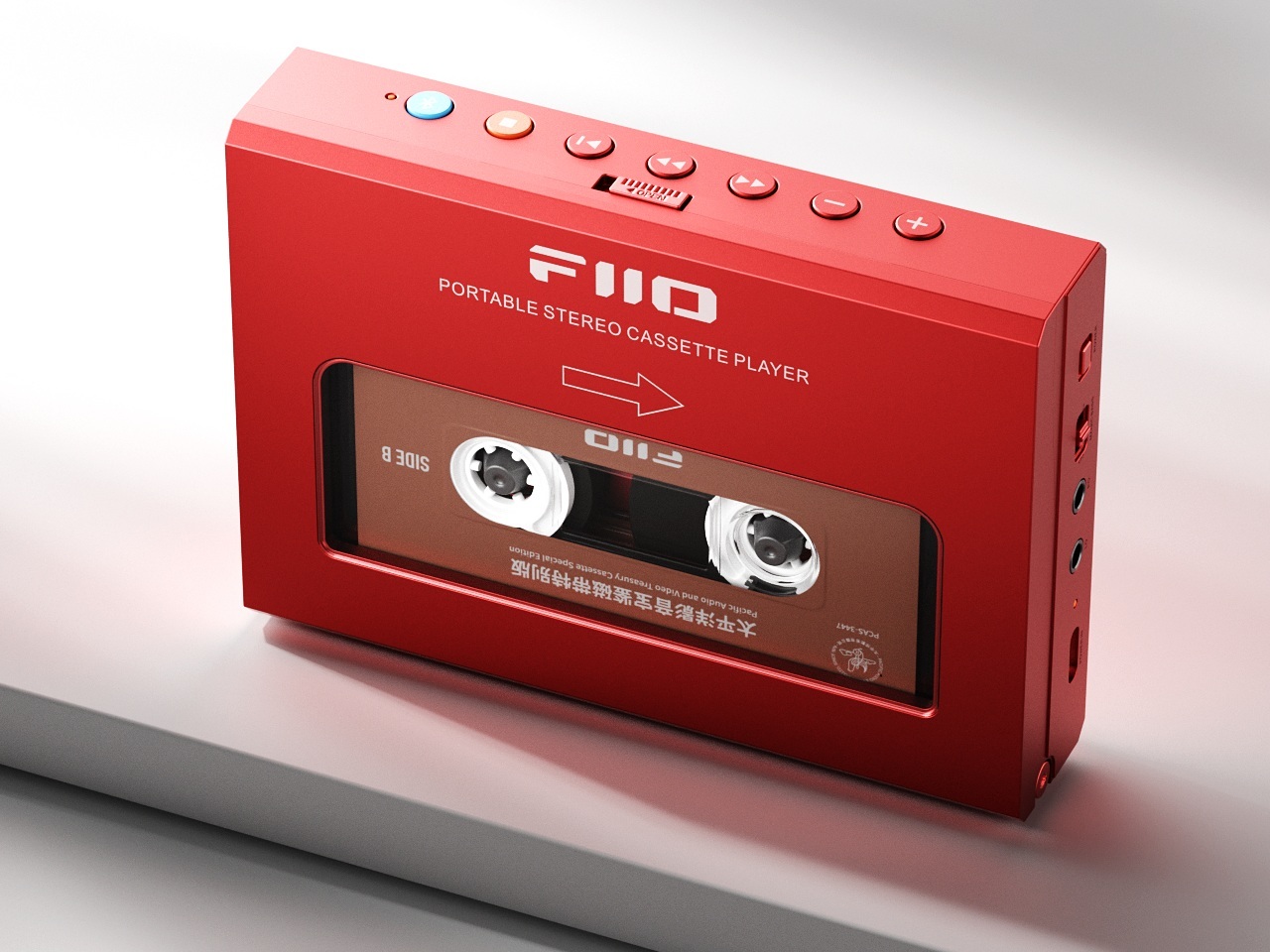
The design doesn’t try to pass off nostalgia as a substitute for intent. The body is clean and minimalist, available in cream, green, and silver colorways that feel more considered than retro-chic. There’s a battery hatch on the back, which suggests the cell might be user-replaceable, a small but meaningful detail for a device built around physical media and the culture of long listening sessions.

USB-C handles charging, which is a small but welcome concession to the present. It charges at 5V/2A, so any standard cable will do, and you won’t need to hunt for a specialized adapter while your tape collection gathers dust. Physical playback controls sit at the top alongside a dedicated Bluetooth button, keeping the experience tactile rather than forcing everything through a touchscreen or an app.

No pricing has been announced yet, though FiiO’s existing CP13 sells in the $99 to $110 range, giving some rough sense of where the CP11 might land. A late 2026 launch is the target, and the higher-end CP15 is progressing simultaneously, with its internals largely completed. The cassette revival doesn’t have a device worthy of leading it yet. The CP11 is making a case for the job.

The post The Cassette Revival Has Had a Player Problem, and FiiO Just Fixed It first appeared on Yanko Design.
Gen Z Is Buying Old iPods to Quit Spotify. Fiio’s $50 Hi-Fi MP3 Player Does It Better.

I tried to listen to an album last week. The whole thing, start to finish, like a functioning adult in the 90s. I made it four tracks before a Slack ping, a WhatsApp text, and a push notification from Hinge. By track six I was scrolling through IG. I started with conscientiously listening to an album, and I ended up in a rabbit hole on social media while the music played in the background. My phone is a magnificent piece of engineering that is somehow terrible at the one job I keep handing it.

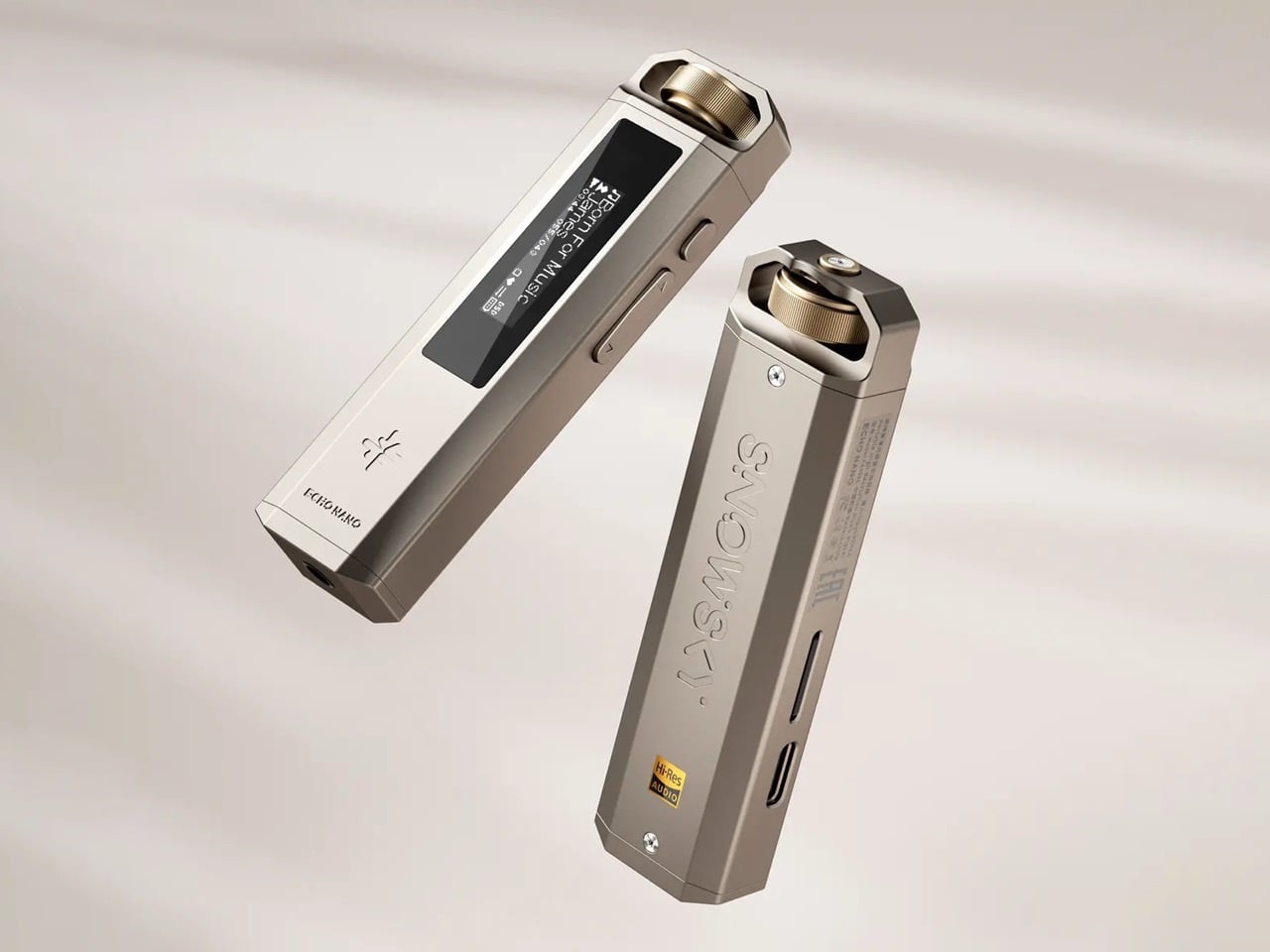
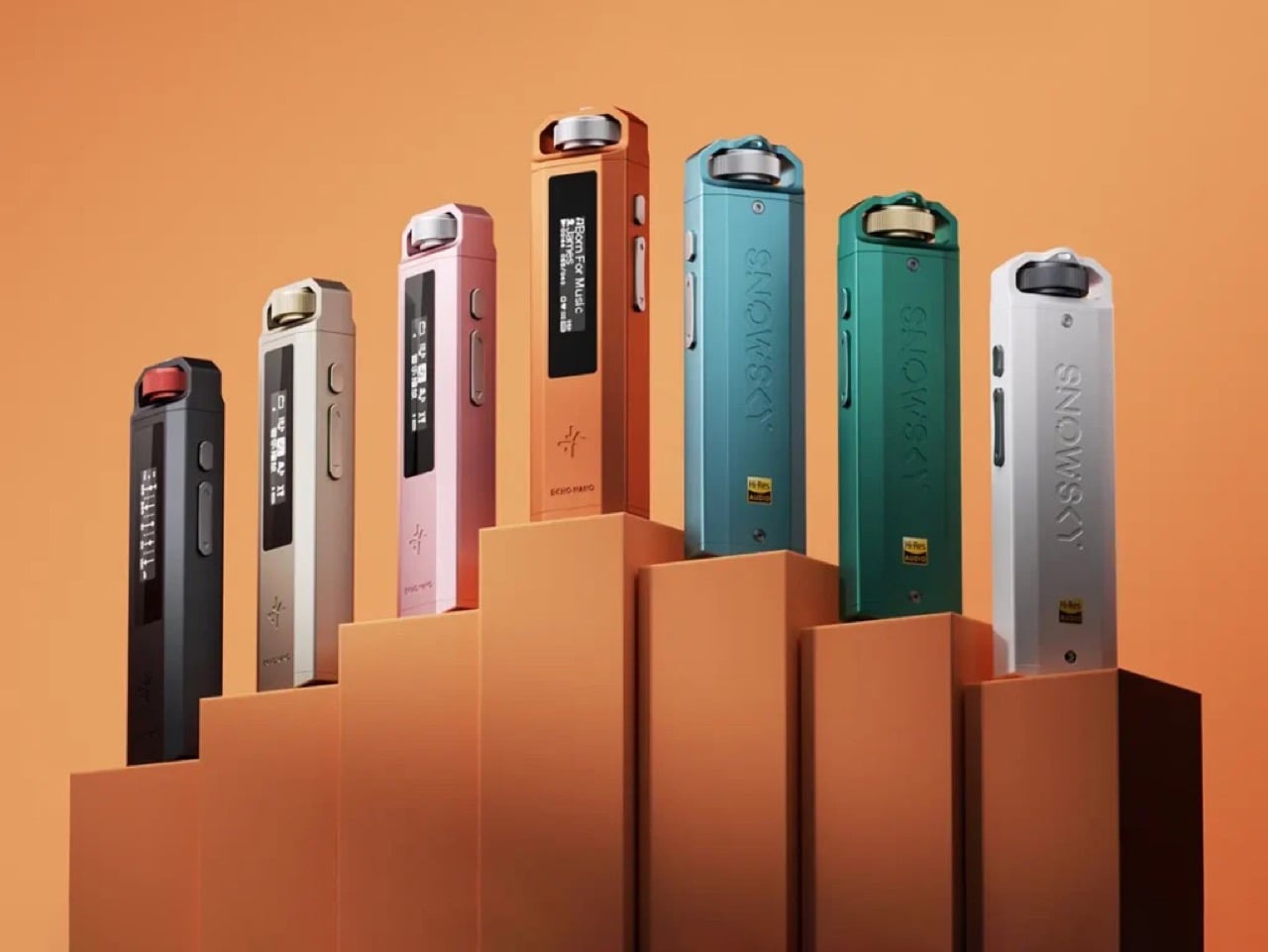
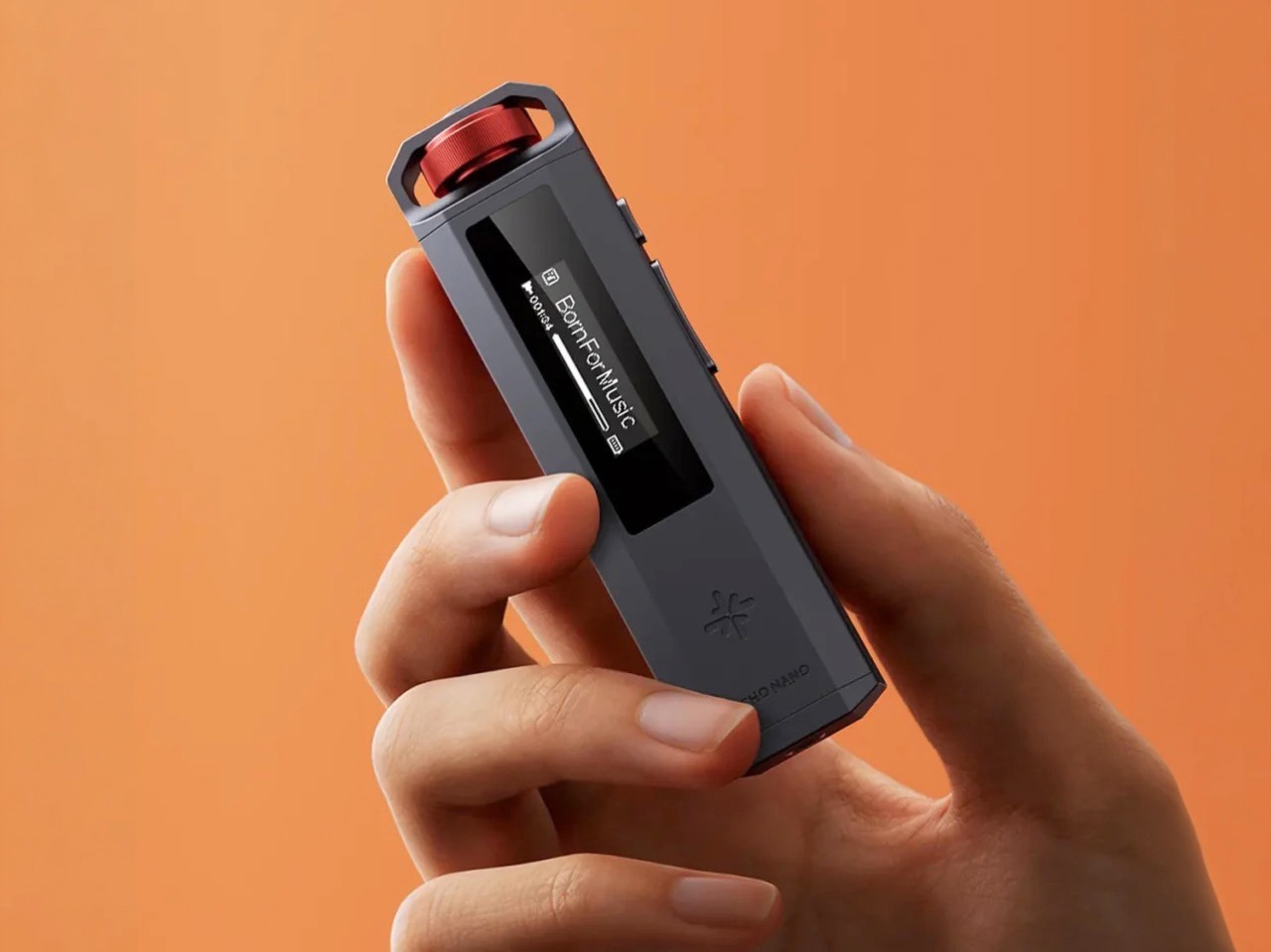
Plenty of people figured this out before I did, and their fix was buying a discontinued Apple product from a stranger online. TikTok has north of 100,000 posts tagged for iPods, refurbished sales have grown as much as 15% a year since Apple killed the line in 2022, and some kids are using them to smuggle music past school phone bans, which is the most resourceful thing I’ve heard all year. The FiiO Snowsky Echo Nano is that same instinct, available new, for $49.99, with a DAC chip nobody was putting in fifty dollar hardware five years ago.

Designer: FiiO (Snowsky)

Click Here to Buy Now

Kathryn Jezer-Morton coined the term “friction-maxxing” in a January essay for The Cut, and it went viral quickly enough to earn her a Wikipedia page inside six weeks. Her argument is that tech spent fifteen years making life easier, providing every song, every movie, every TV show episode at your fingertips for a simple (but steadily increasing) subscription fee. No looking for CDs, no scrolling through files, no visiting sketchy websites to download MP3s It was a simpler alternative, it killed torrenting for a vast population overnight… but Gen Z’s had enough. Friction-maxxing means picking the annoying option on purpose, and the Echo Nano is that philosophy machined out of aluminum. You load your own files. You turn a physical dial. You stare at a 0.91-inch monochrome OLED physically incapable of showing you album art,leave alone a notification. The screen’s poverty is the whole product.

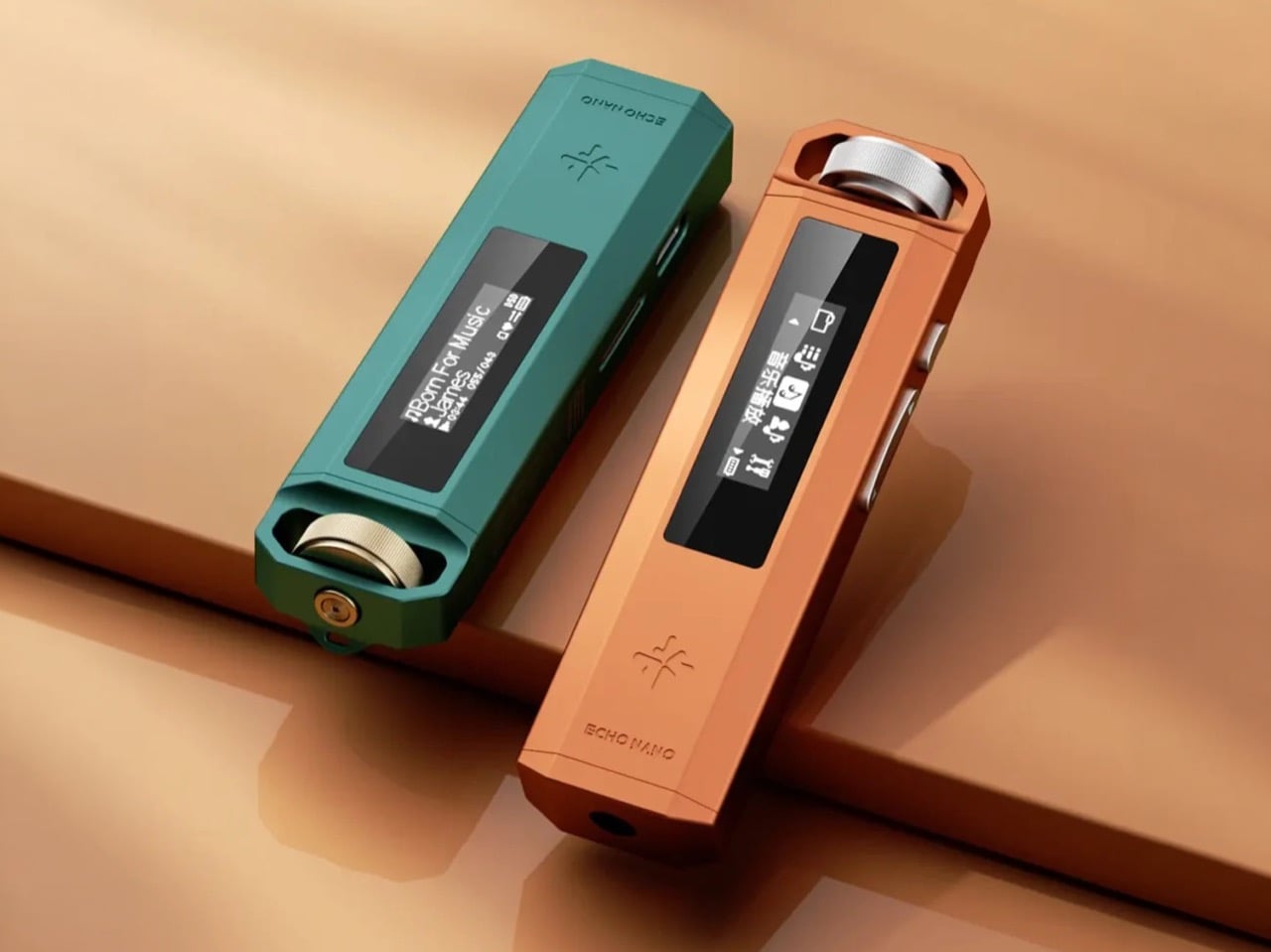
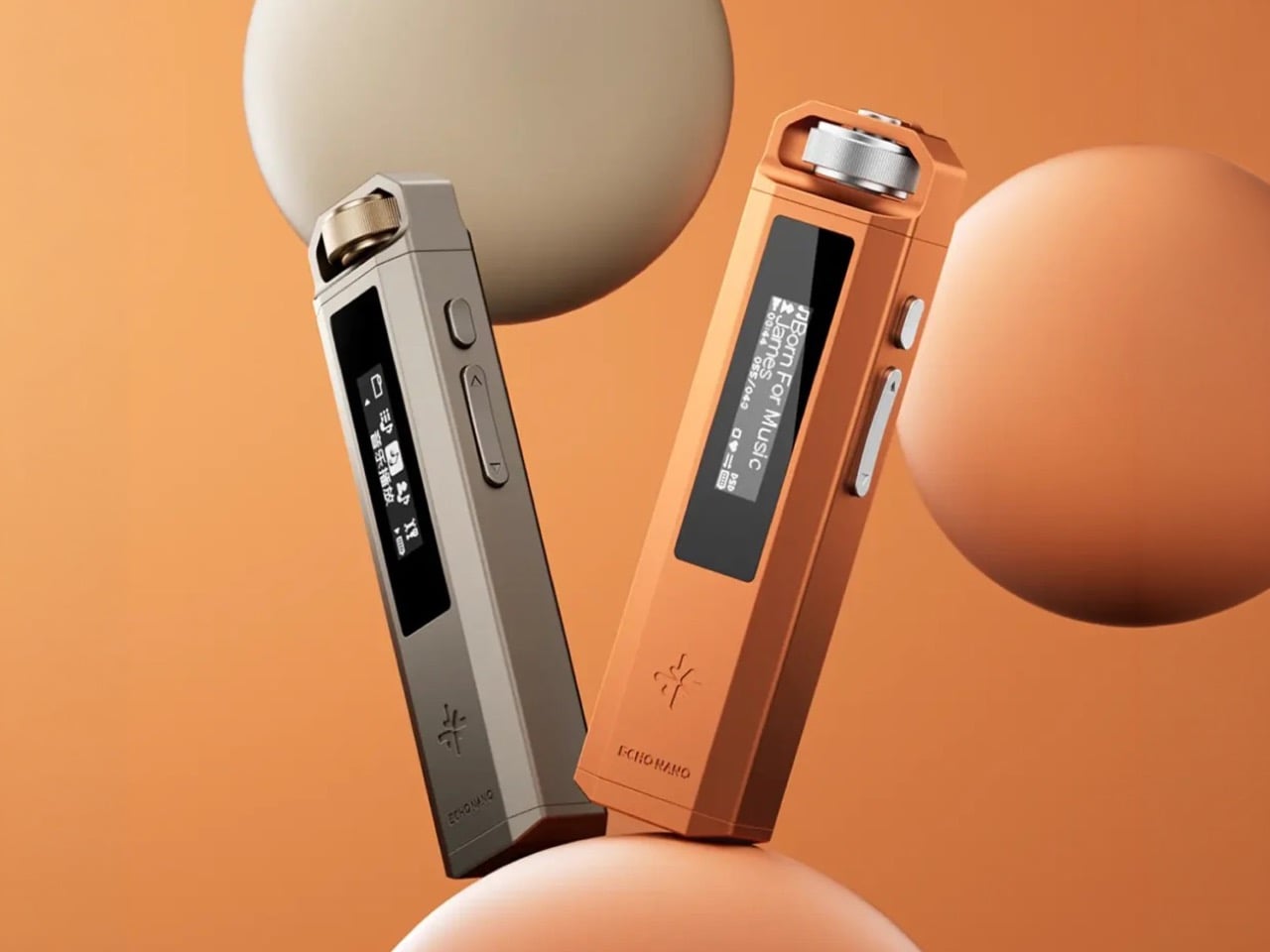
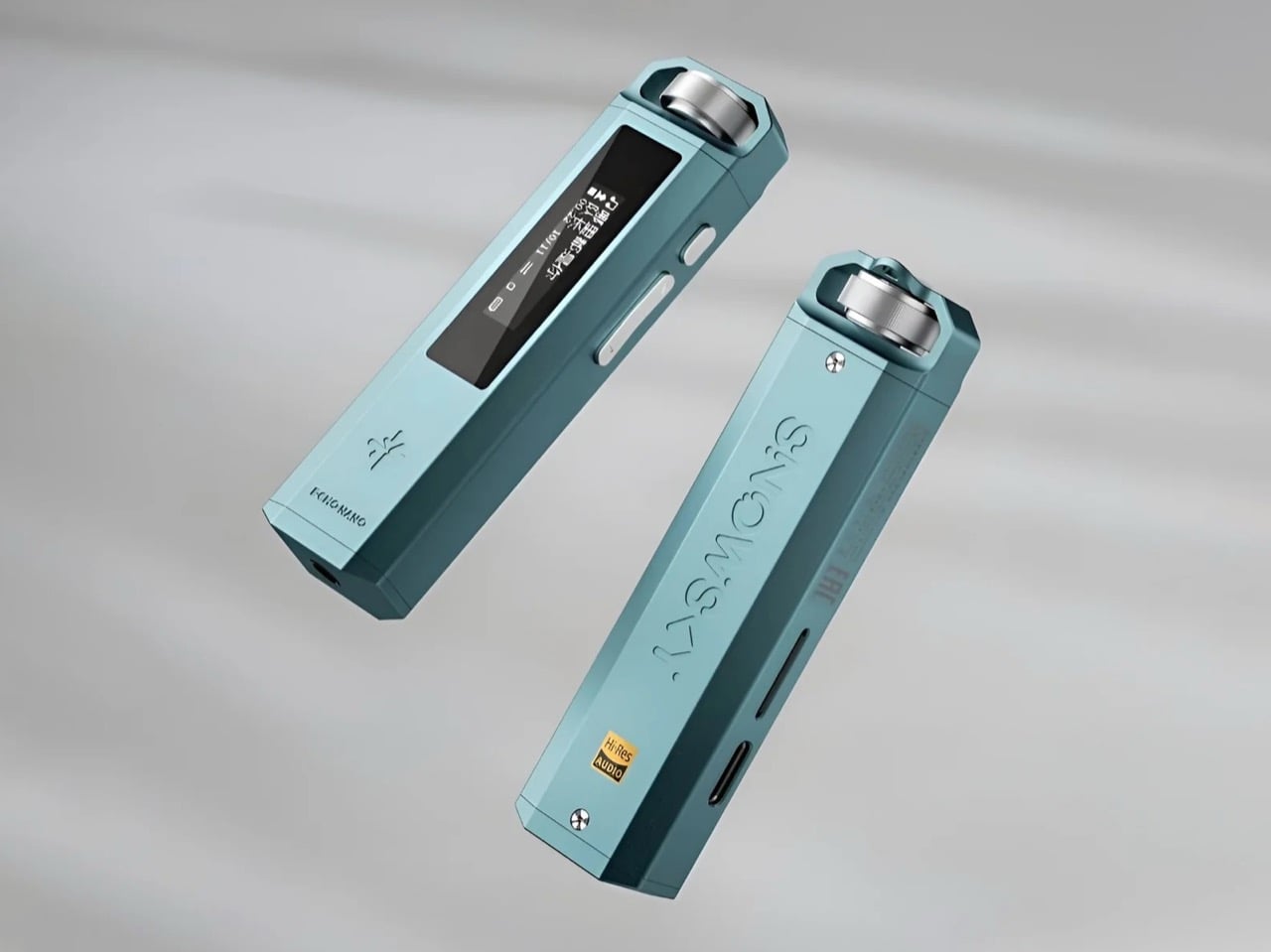
Everyone will call this an iPod, which is kind of understandable and also kind of wrong. The proportions are a vertical stick with a hexagonal cross section and a lanyard bracket built into the top like a tiny roll cage, which is Sony Network Walkman DNA rather than Cupertino’s. Apple built a rectangle for your palm, Sony built something you wore around your neck, and FiiO clearly went shopping in the second closet. The knurled anodized dial handles power, volume, screen, and playback with one thumb, sitting as the only piece of jewelry on an otherwise stern slab of CNC’d aluminum-magnesium alloy. Visible screws at both ends read as a small political statement about whether objects should open. Seven colorways, including a coral and a teal, are the one honest Apple quotation, straight off the iPod Mini.

The 360mAh battery delivers around seven hours, and Reddit’s verdict on that figure has been a collective ‘meh’. Seven hours covers a commute and a workday rather than a weekend, and you will top it up more often than something this small should demand. Weigh that against $49.99 and what the money actually buys, because Spotify and Apple Music run roughly $12 a month, which is $144 a year, indefinitely, for a library you never own. An independent CS43131 DAC, DSD256 hardware decoding, and a dedicated audio-grade crystal oscillator would have meant flagship spending half a decade ago. Storage climbs to 256GB via microSD, and there’s a 3.5mm jack, which at this point qualifies as hospitality.

A used iPod Classic on eBay runs about eighty dollars for a fifteen-year-old machine with a spinning hard drive and a battery on its farewell tour, with higher-capacity units sailing past $150. The Echo Nano costs less, arrives new, charges over USB-C, and does the same single job with better silicon. It also works as a USB DAC for your phone or laptop, a funny hedge for a device sold on escaping your phone, and probably an accurate read of how anyone actually lives. Nobody is abandoning the smartphone. They’re carving out one protected activity and building a small aluminum fence around it, and fifty dollars is exactly the right price for a fence you’re allowed to walk away from.

Click Here to Buy Now

The post Gen Z Is Buying Old iPods to Quit Spotify. Fiio’s $50 Hi-Fi MP3 Player Does It Better. first appeared on Yanko Design.
Fiio Snowsky Disc is a compact audio player tailored for modern listeners

For audiophiles, nothing gets beyond their love for music and the audio gear they own. The exploration for the best headphone, IEM, or DAC never ends, given there is so much to discover and the different permutations of combining the gear for blissful audio output. This has consequently led to several brands trying to cater to this serious hobby while staying on a budget.

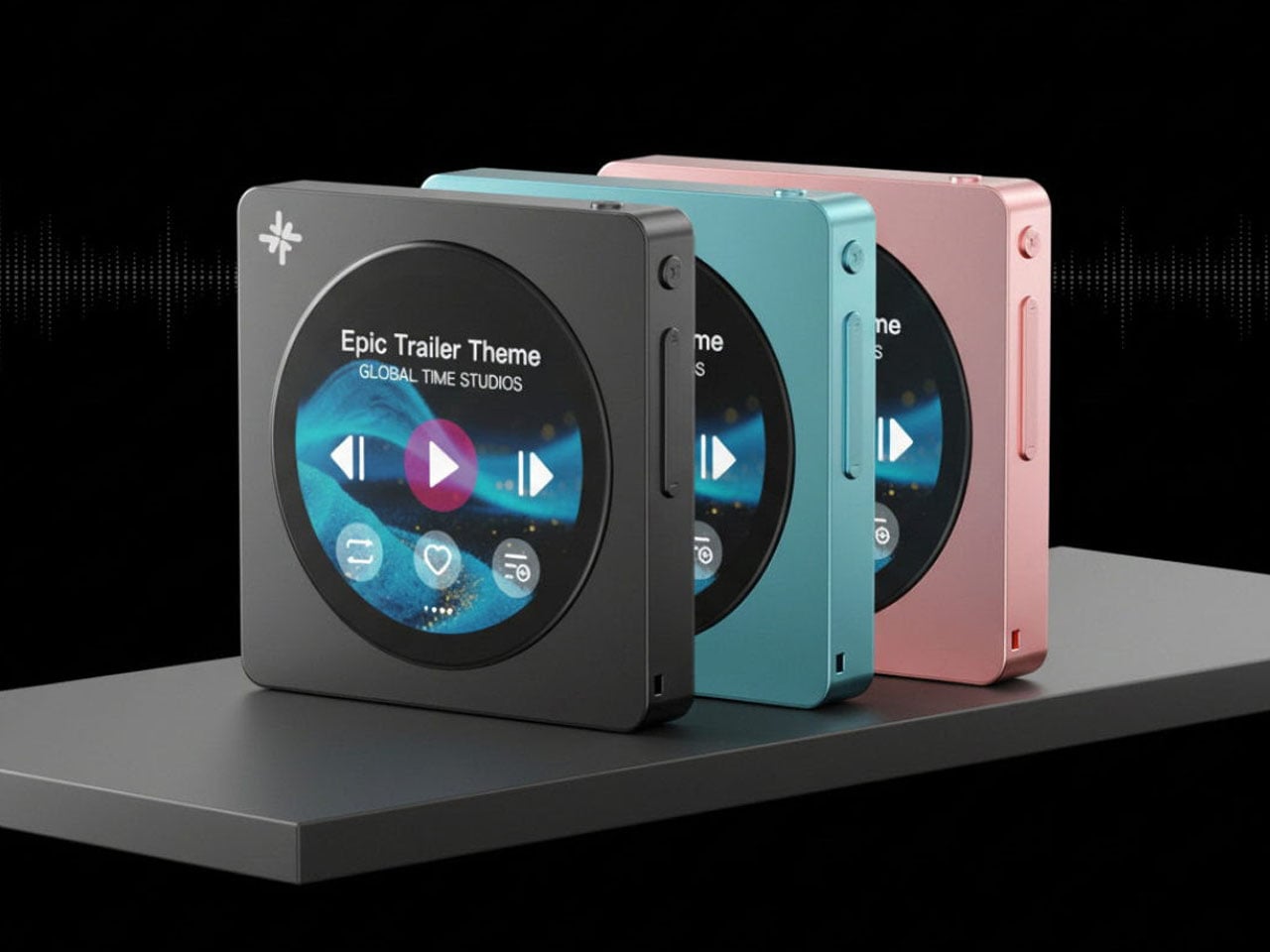
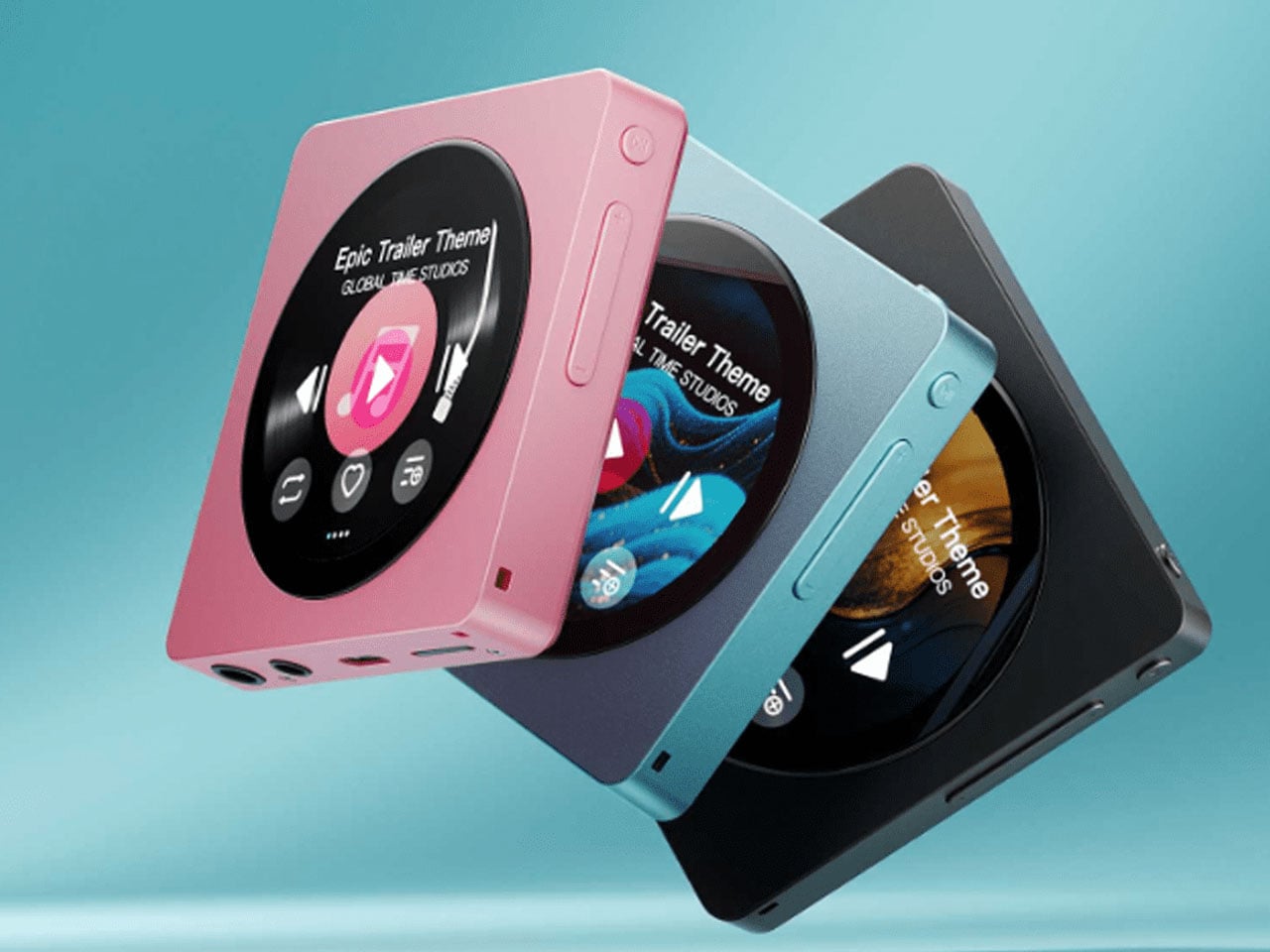
Fiio, as a Chi-Fi brand, has ensured that audiophiles don’t always have to invest in steeply priced gear to get the preferred sound without breaking the budget. The DM15 R2R Portable CD Player by the Chinese brand already demonstrated how serious they are about spreading the love for music in all forms and shapes. Now they’ve revealed the Snowsky Disc digital audio player, which is the perfect amalgam of modern audio technology and the unrelenting charm of the CD player.

Designer: Fiio

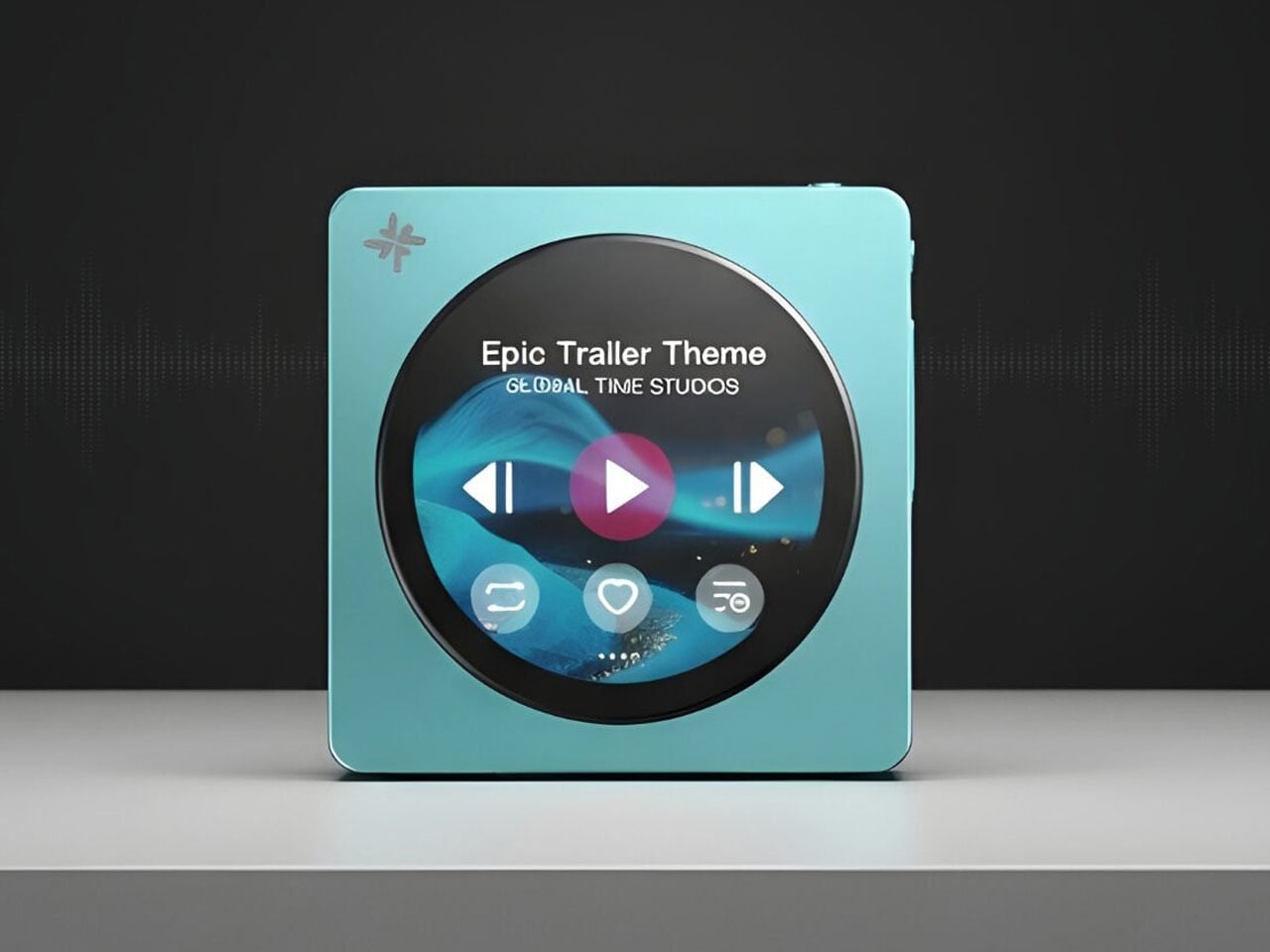
The compact DAP is designed with the needs of modern audiophiles in mind, who prioritize audio quality, intuitive operation, and a love for physical music libraries. Versatility is the key here as the audio player is compatible with all the devices you throw at it, and supports a wide array of file types. Connect it to your valued in-ear monitors or pair it with sensitive headphones; Snowsky Disc can handle it all without much fuss. The player is built on a dual DAC architecture that promises balanced, clean, and detailed audio, no matter what file type you are playing it through. This enhances the overall musical tonality for a more engaging listening experience.

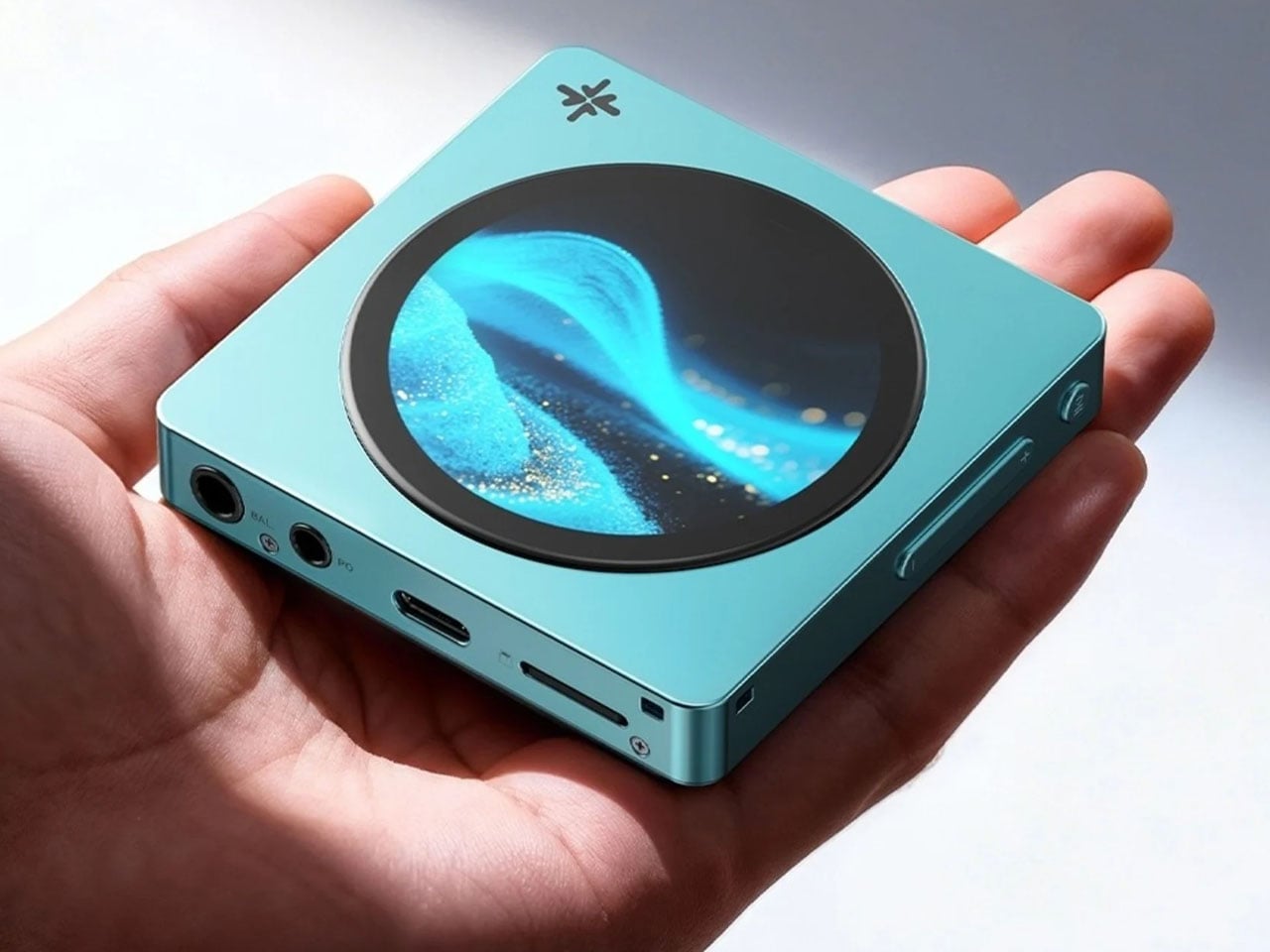
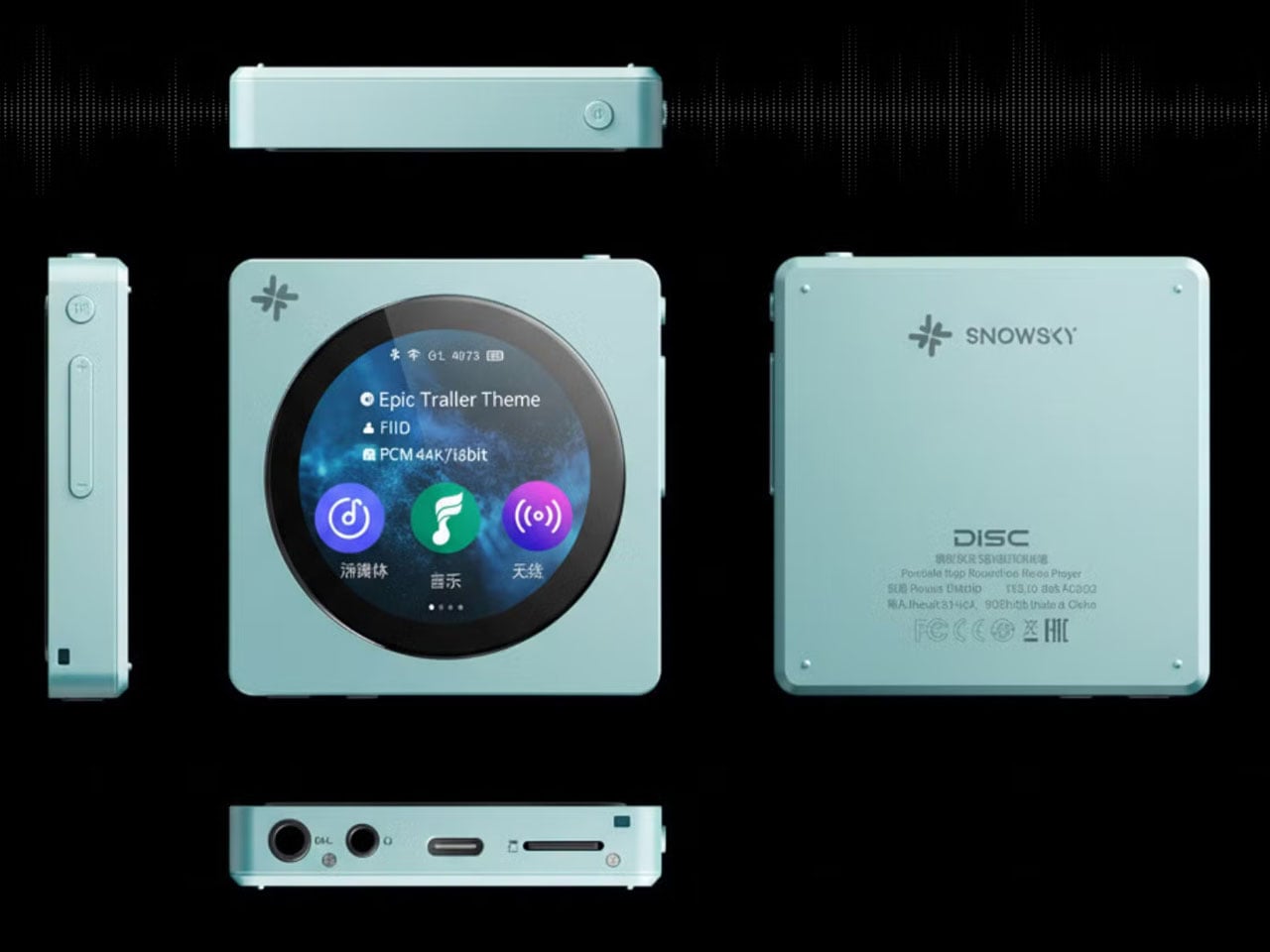
The CD player-inspired design of this DAP is something anyone would appreciate. There’s a circular touch screen on the front to toggle all the on-screen controls. The inclusion of lyrics playback and album artwork adds to the engagement with your music listening sessions. The audio gadget can also be controlled via the compatible smartphone app for convenience. Along with support for 2TB memory expansion to carry your high-resolution music files, the player also supports audio streaming via apps. It has built-in Wi-Fi support for AirPlay streaming and installing firmware updates on the fly.

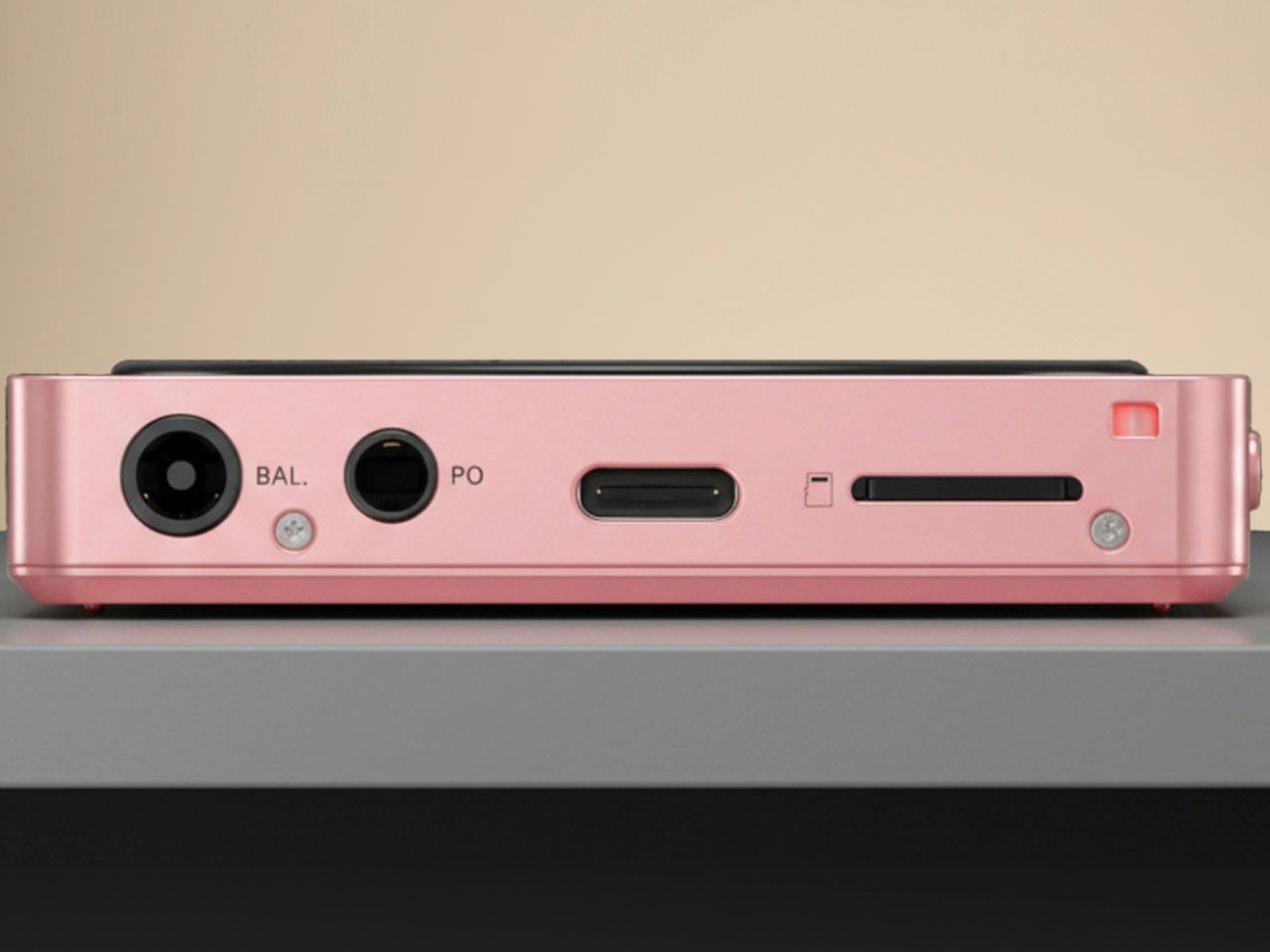
For wired connectivity, the player has a USB-C port, a 3.5mm single-ended jack, and a 4.4mm balanced output. The player can even be connected to external DACs, hi-fi systems, amplifiers, and other audio gear via the SPDIF output. If you want to enjoy music wirelessly, the LDAC high-res codec can be connected to supported headphones, IEMs, and earbuds. Snowsky Disc boasts 12 hours of playback, which is enough to get you through a day of work or travel. Priced at $80, the digital audio player will be available to buy in January.

The post Fiio Snowsky Disc is a compact audio player tailored for modern listeners first appeared on Yanko Design.
FIIO K15 DAC’s nostalgic cassette tape charm complements the modern aesthetics

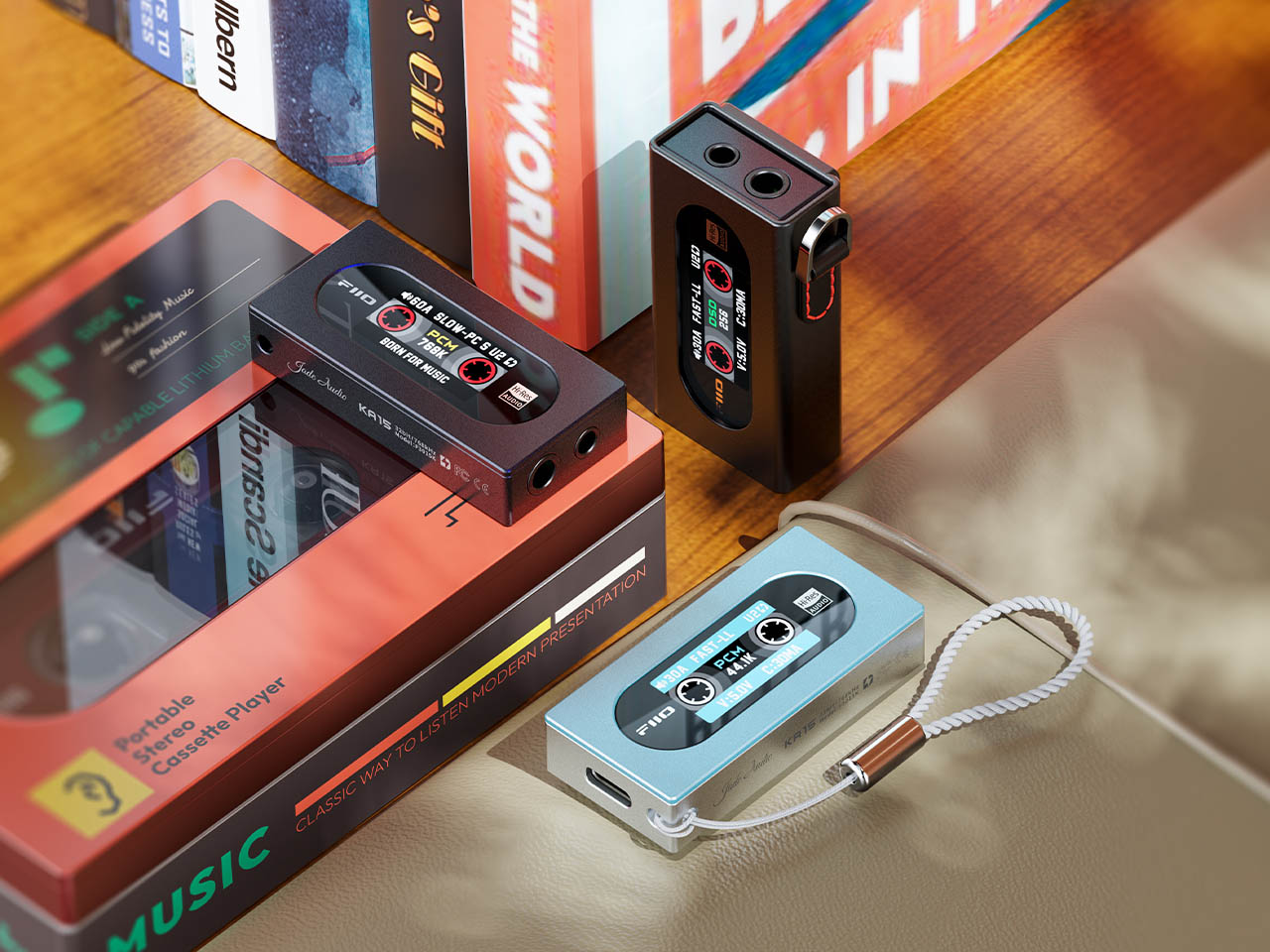
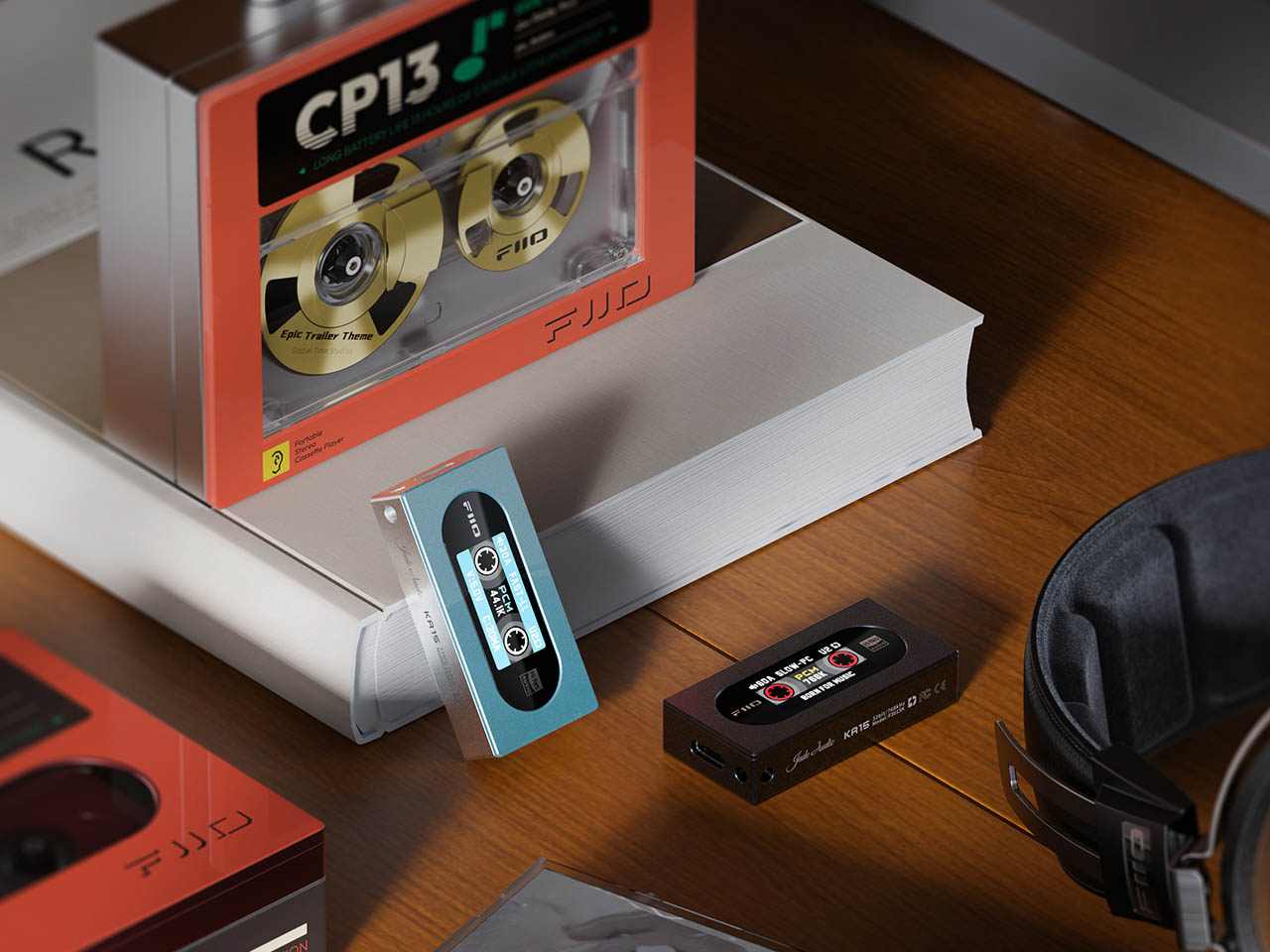
FIIO has a peculiar knack for reinventing audio accessories with a modern twist. The CP13 cassette player released at the beginning of 2024 is one of them. That’s probably inspired FIIO to design a DAC and headphone amplifier that’s modern on the inside but carries a distinct retro appeal on the outside. Yes, a classic tape recorder on the outside spices up the otherwise contemporary Digital-to-Analog Converter players.

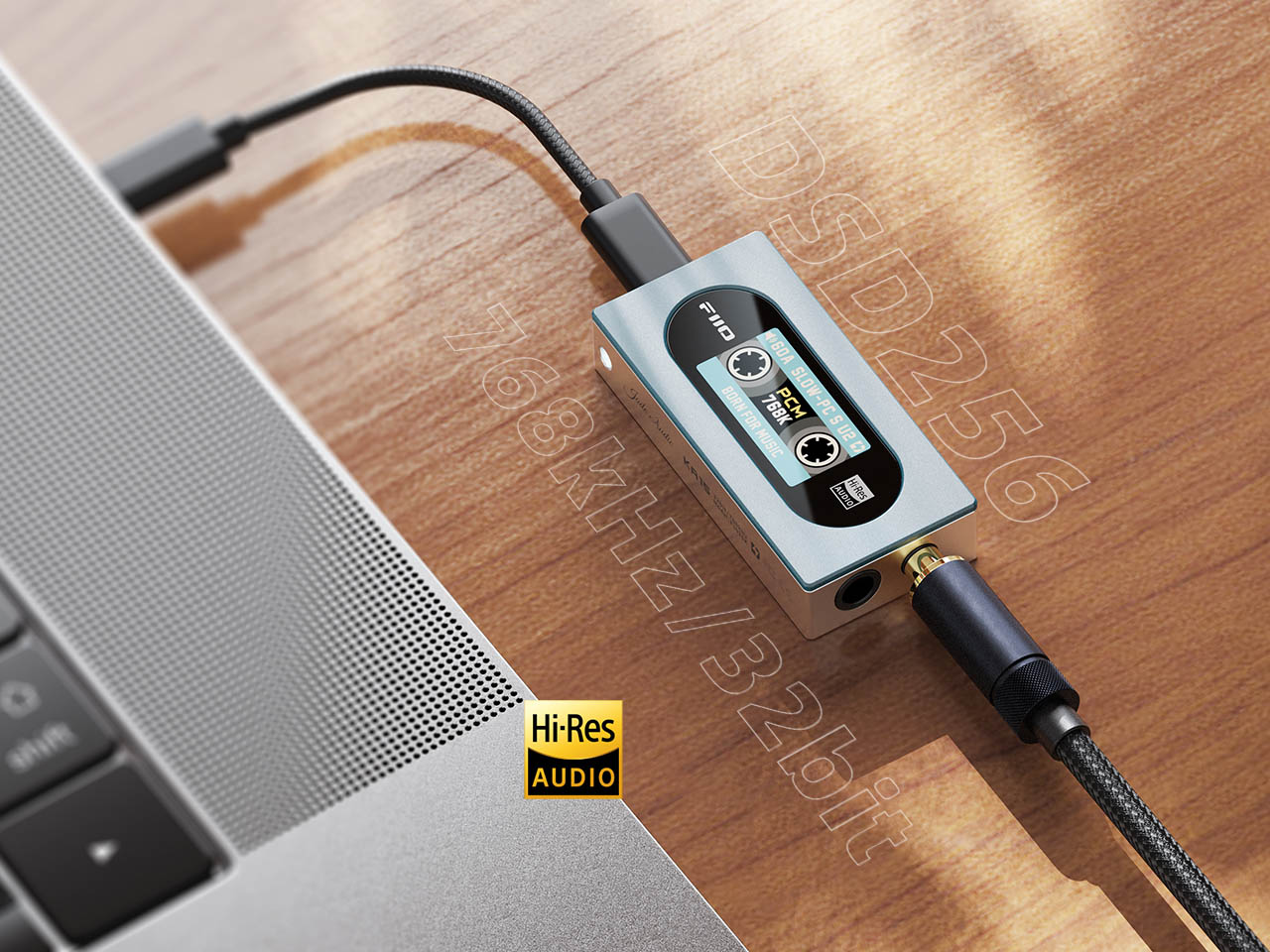
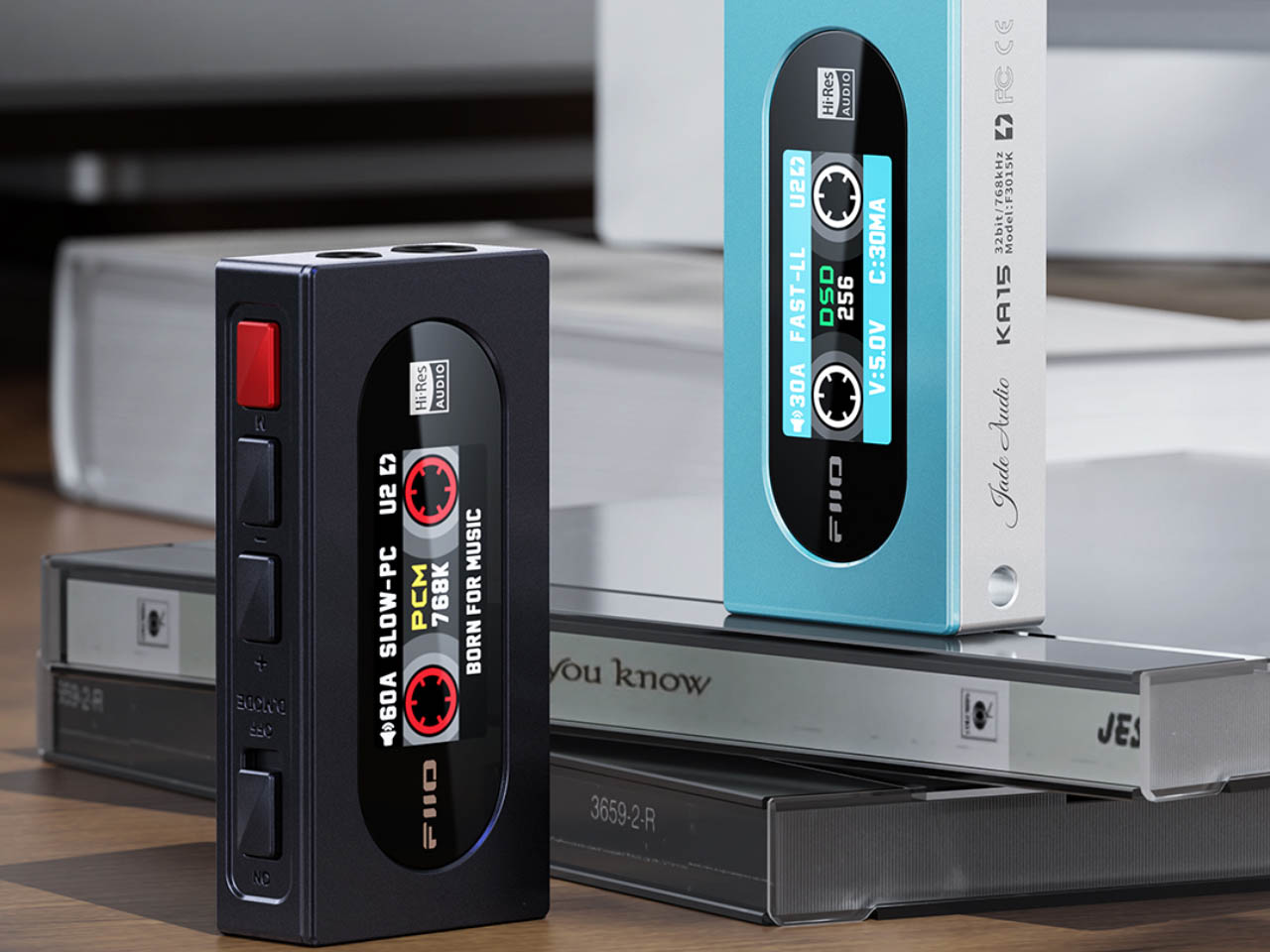
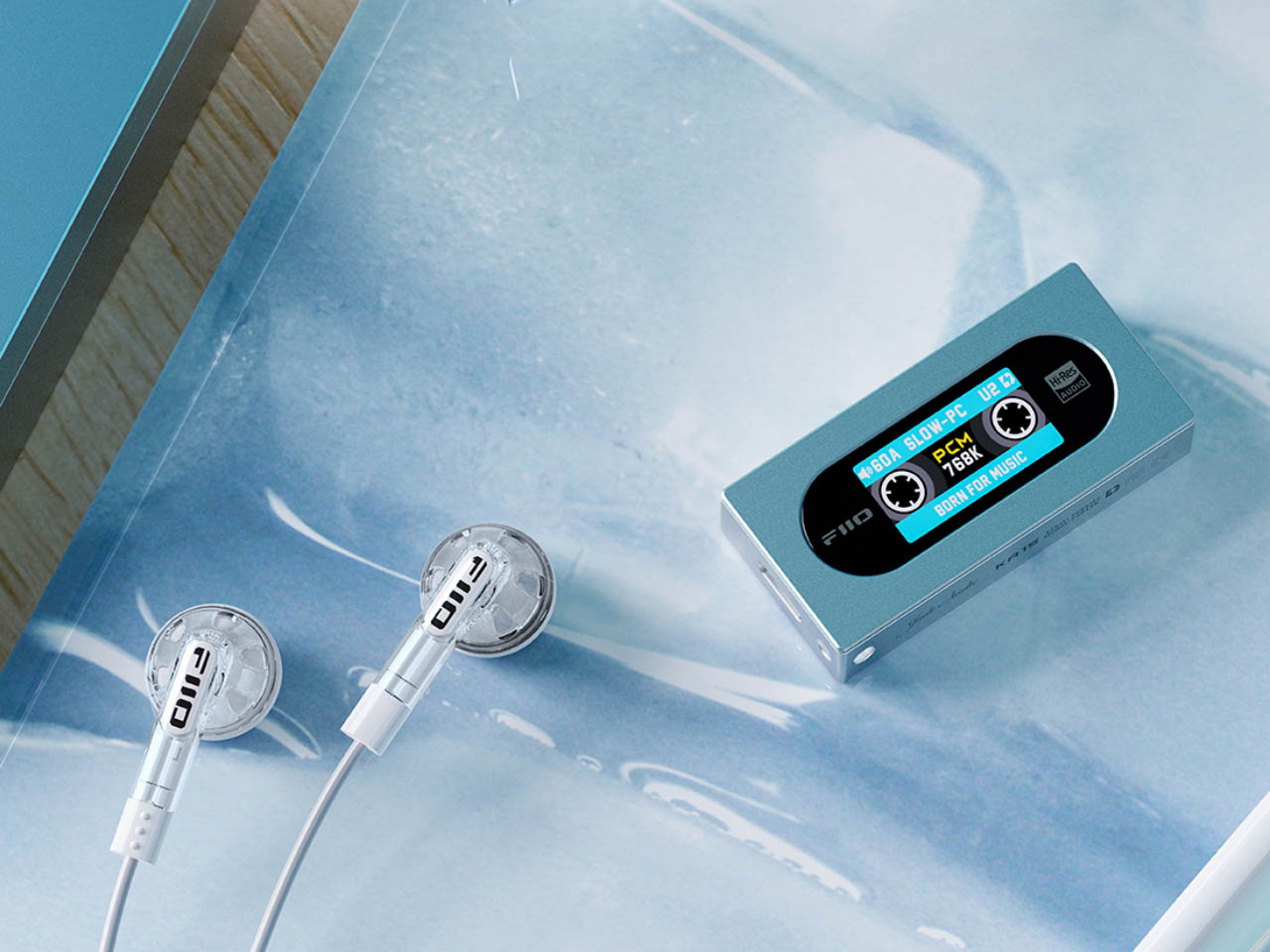
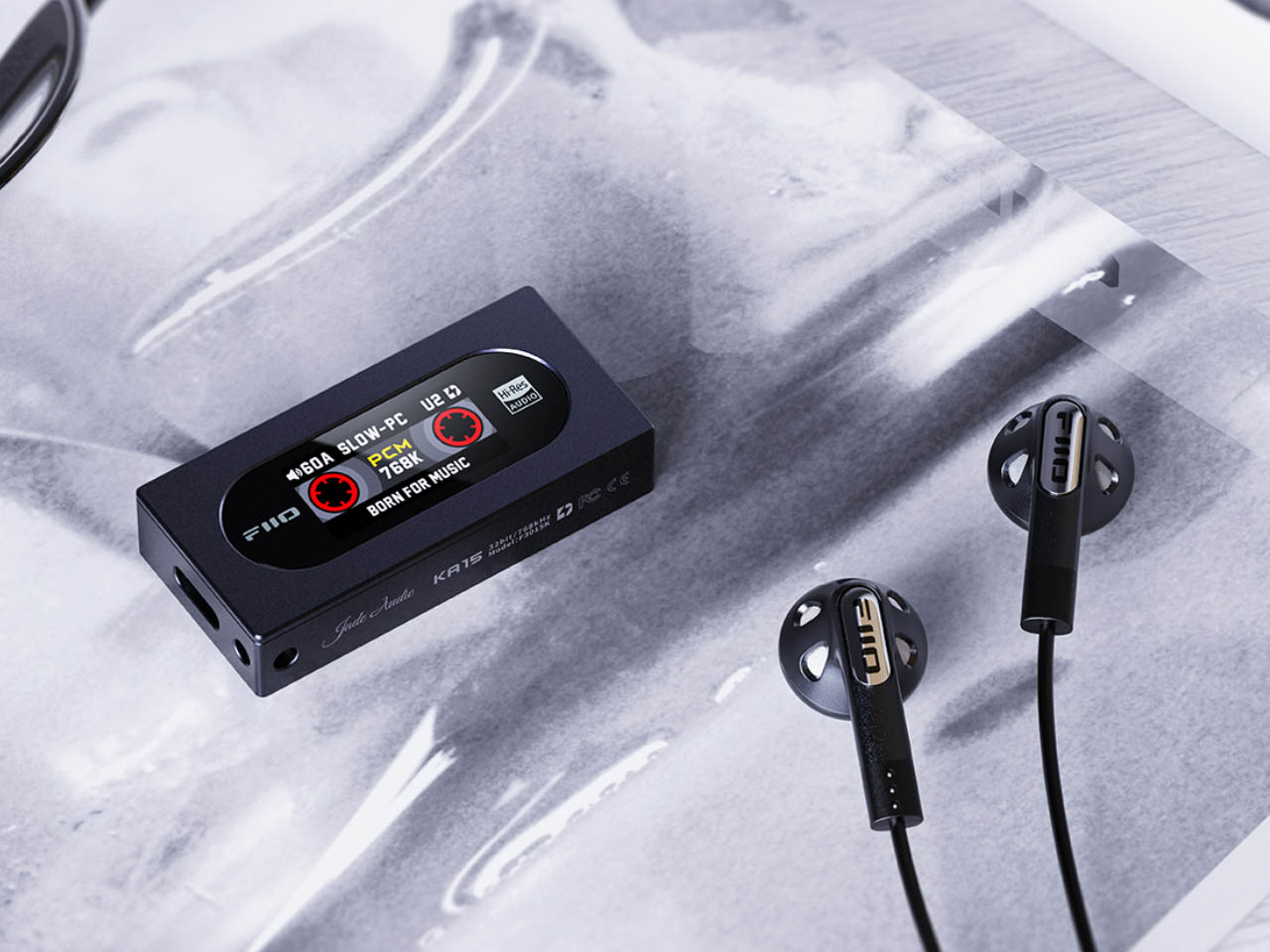
The portable DAC amps up your audiophile-grade music listening experience if analog is your thing – both audio-wise and visually. The FIIO K15 DAC has an inch-wide LCD that emulates the look of a cassette player, replicating the spinning six-toothed spools and music information.

Designer: FIIO

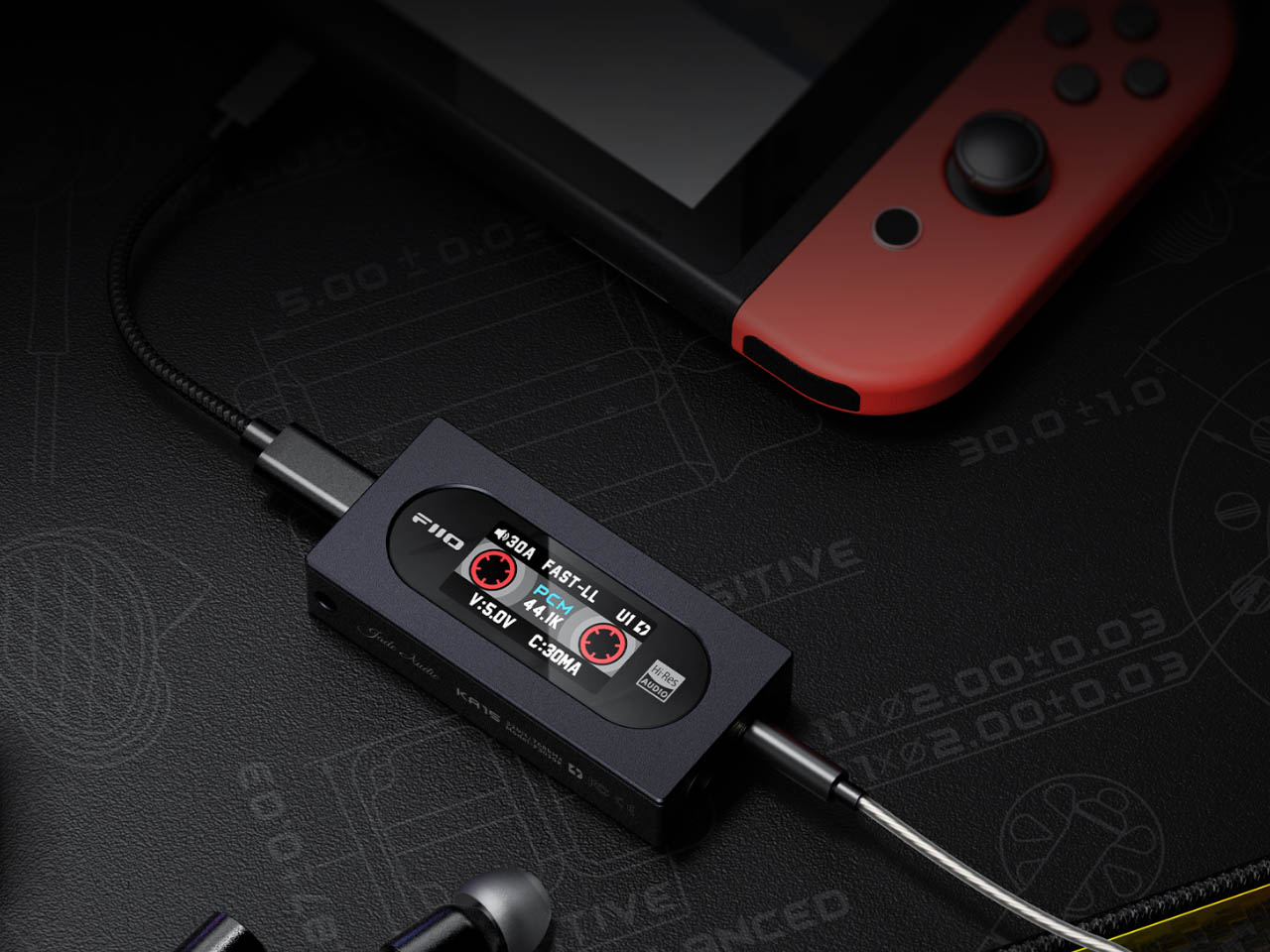
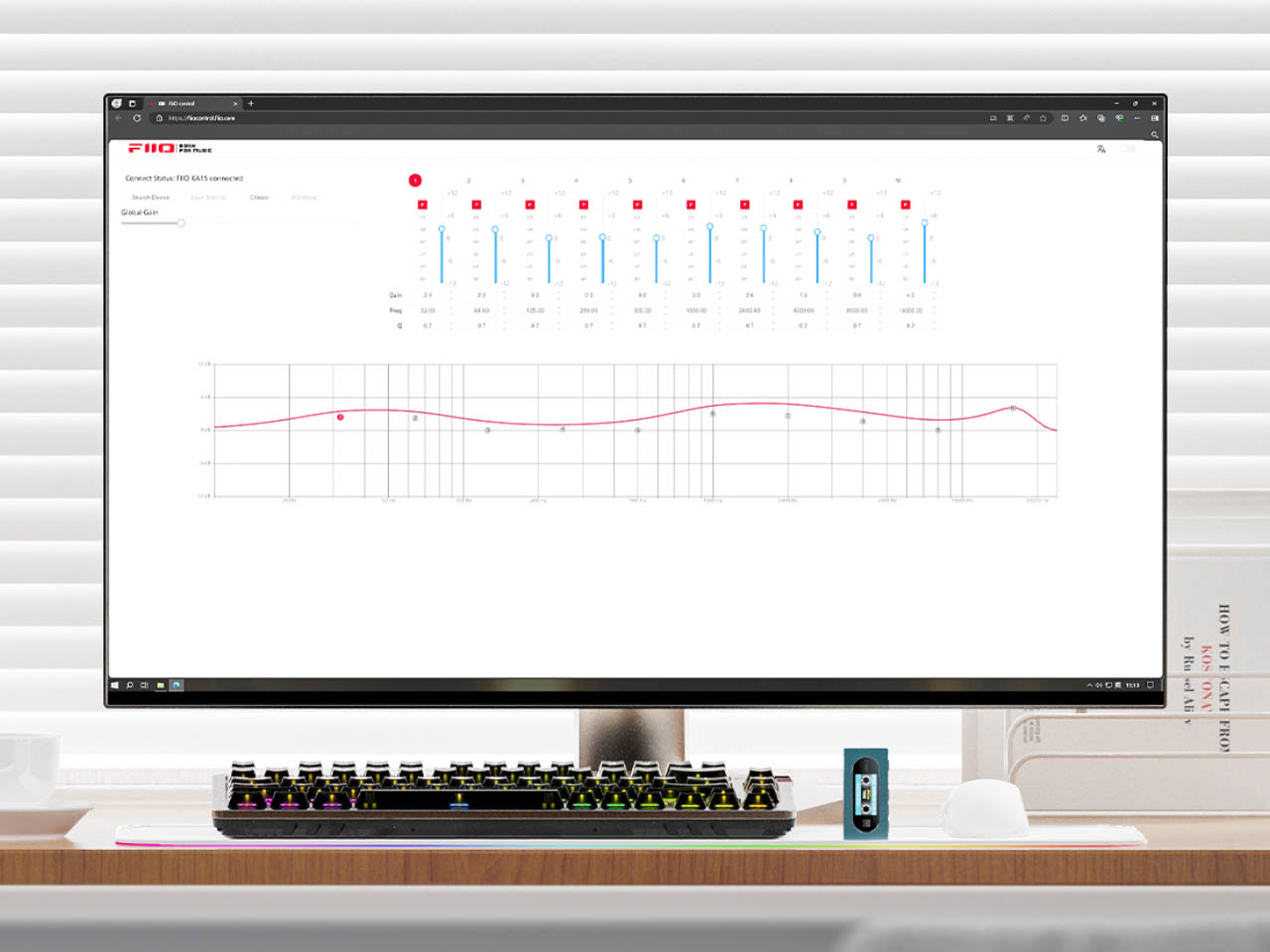
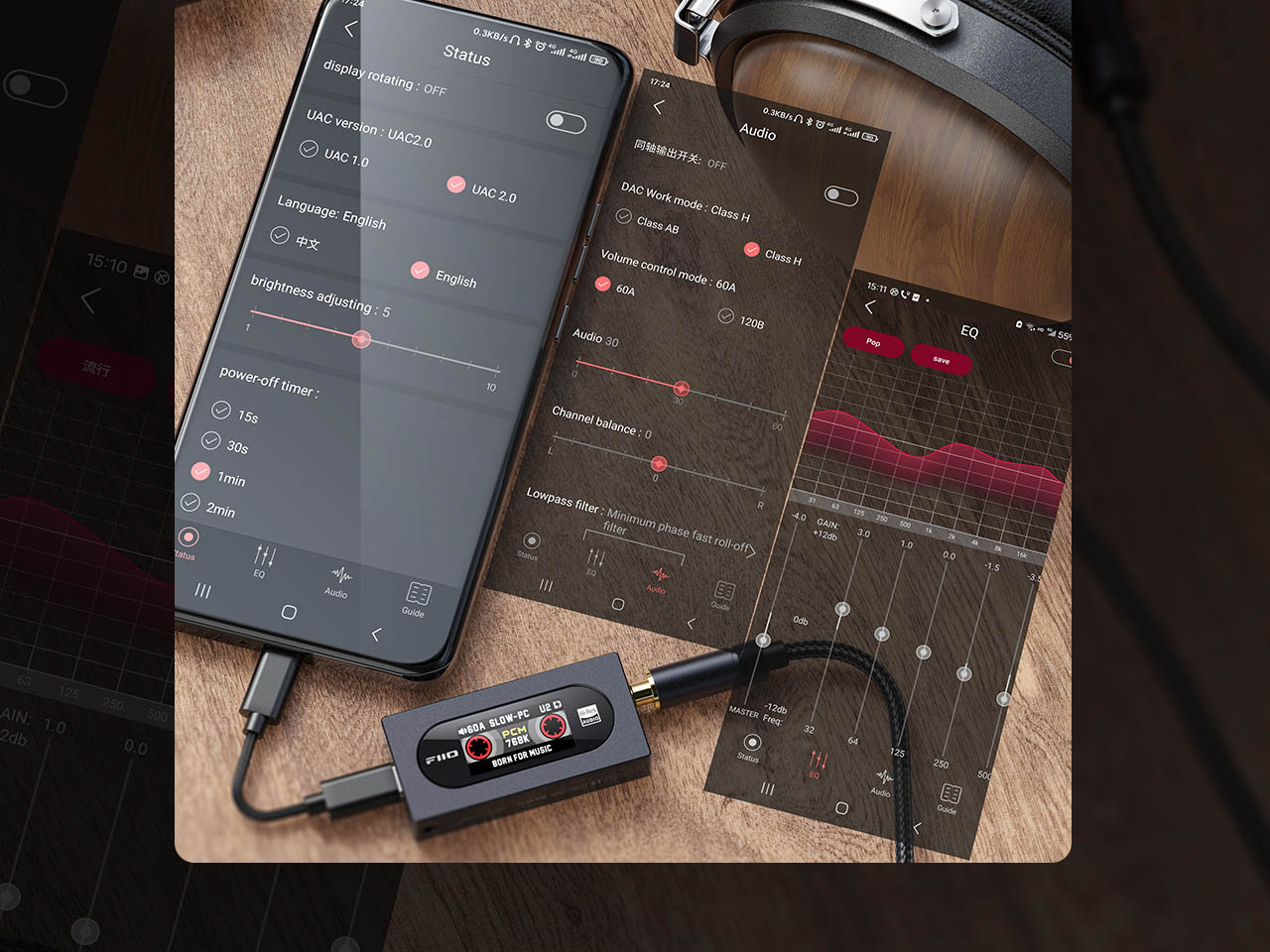
Unlike your high-end phone, the audio accessory has two Cirrus Logic chips and dual op-amps with support for 32-bit/768-kHz and DSD256 decoding. This results in crystal clear sound reproduction even with high-impedance headphones. The companion app lets you toggle the high-precision 10-band parametric equalizer (found mostly on affordable digital audio devices) to fine-tune the listening experience. Since we are talking about audiophile-grade audio accessories, connectivity with your smartphones, PC, handheld gaming device or gaming console is possible with a USB-C jack. Those who use high-end wired headphones get the option to plug in the amplifier via a 3.5mm jack or the balanced 4.4mm jack.

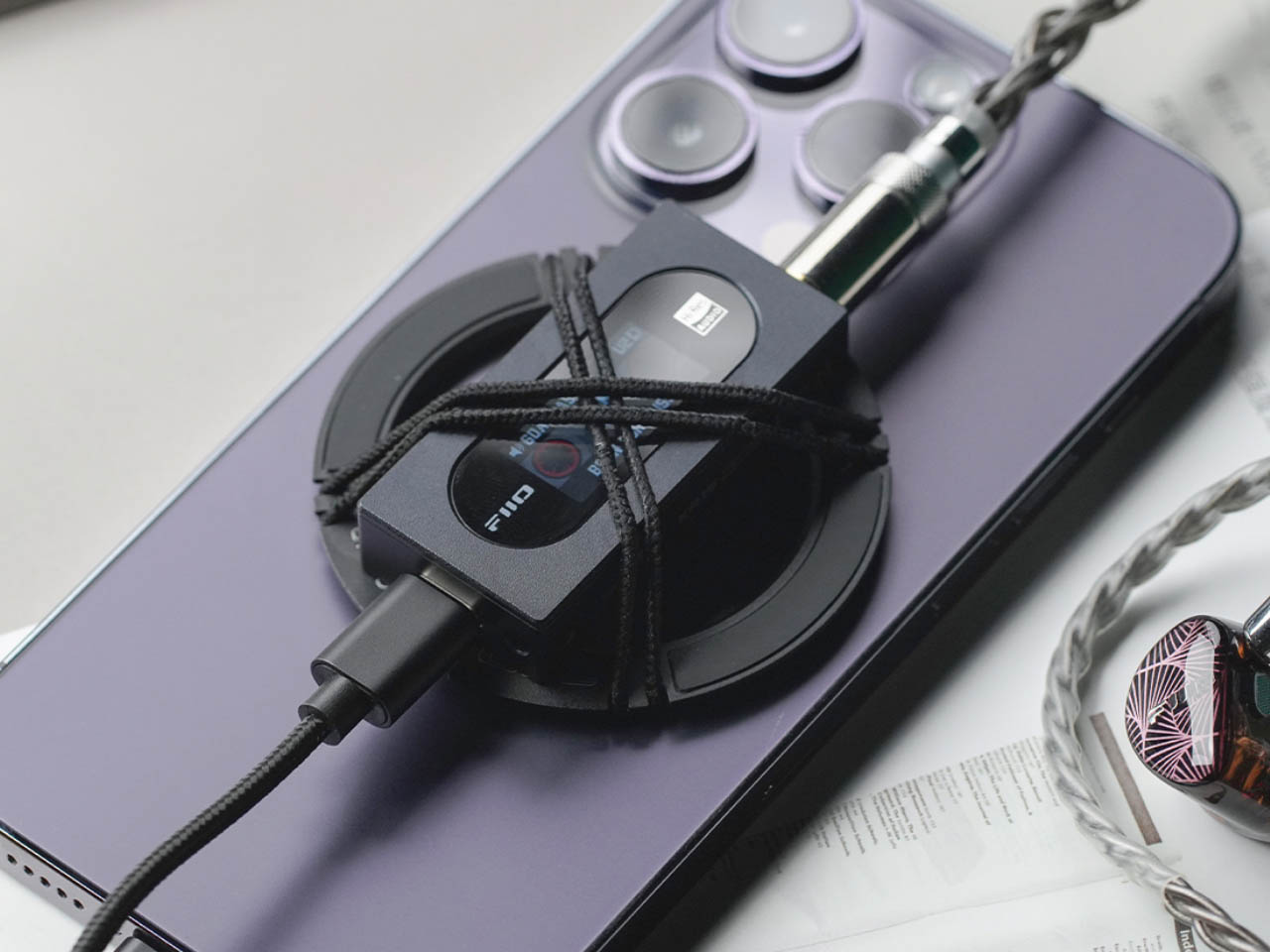
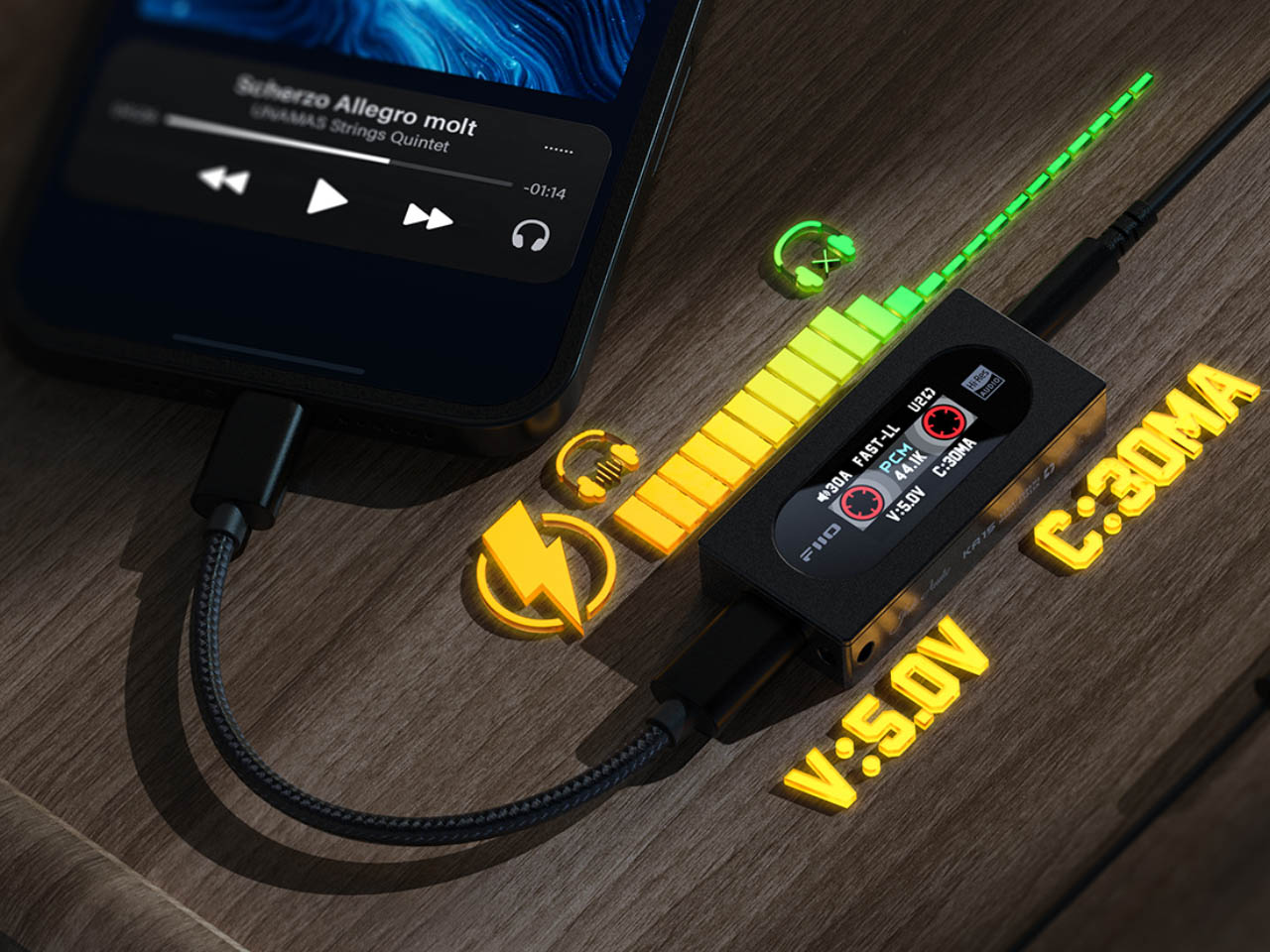
The pocketable audio accessory stands out from its competitors with the unique display interface, while other features are more or less similar to current generation DACs. These include options like real-time voltage and current monitoring to make any dynamic power adjustments. An inline mic also gives you the liberty to take calls or attend Zoom meetings when connected to a phone or laptop. For a price tag of $109, the K15 portable DAC by FIIO is the perfect accessory to own if you’ve got bored with the usual stuff.

The post FIIO K15 DAC’s nostalgic cassette tape charm complements the modern aesthetics first appeared on Yanko Design.
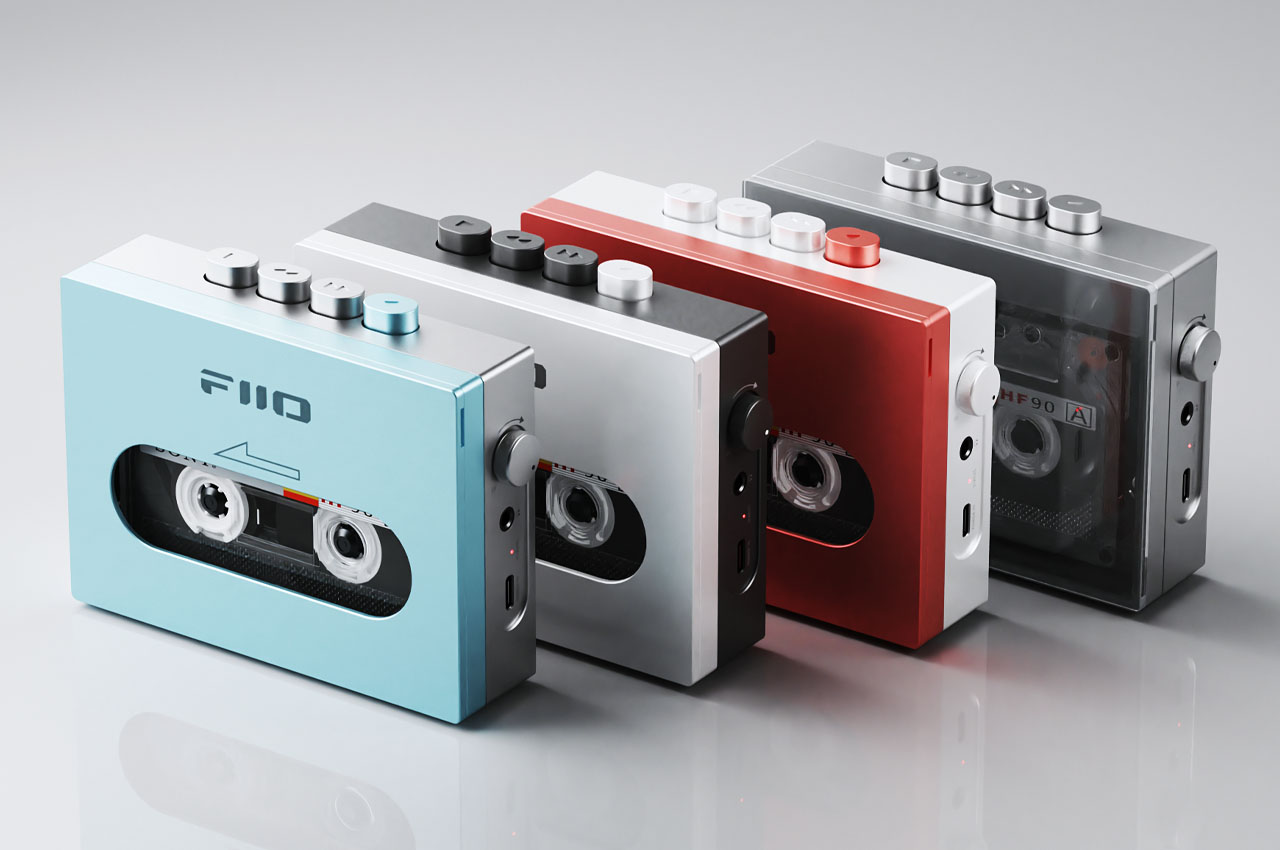
Fiio CP13 revives Sony Walkman mixtape era in a USB-C chargable version

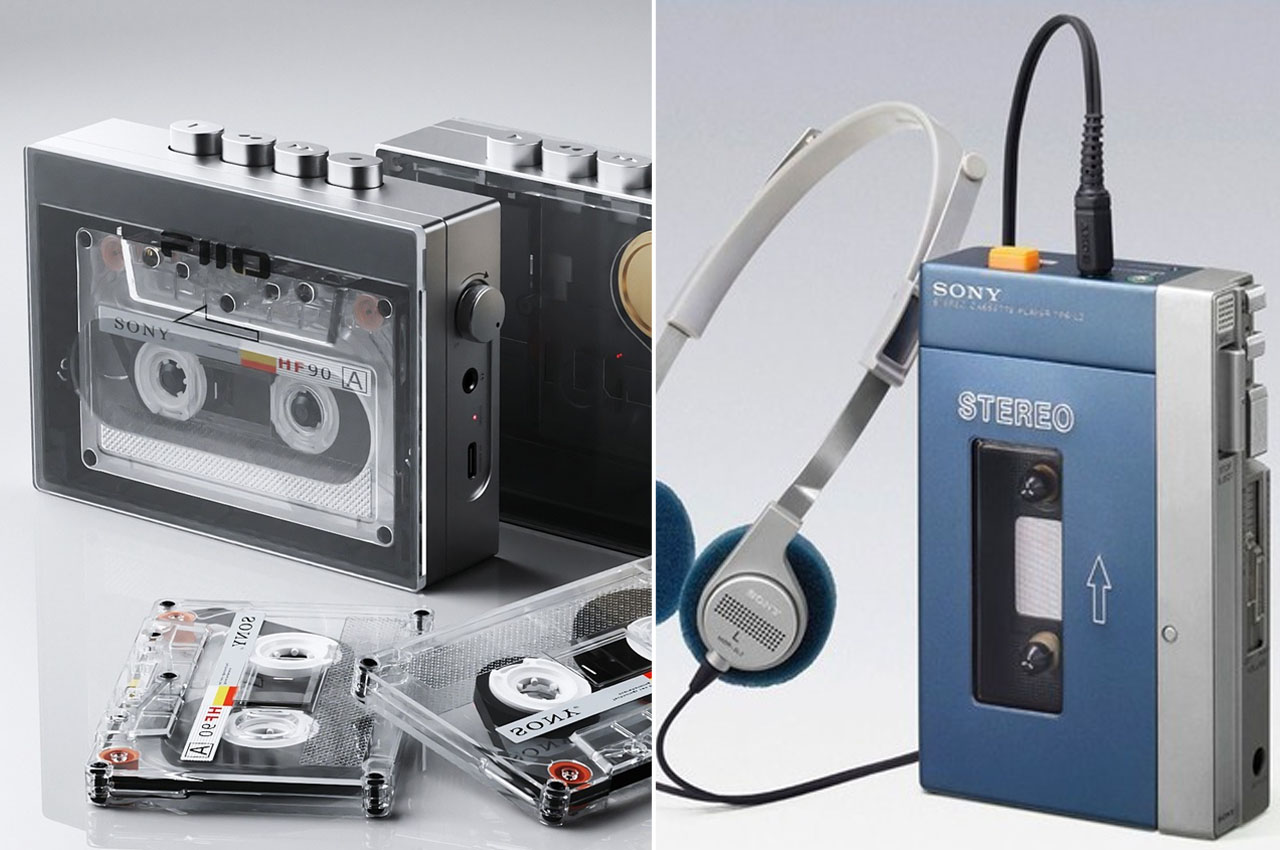
Fiio, best known for its audiophile-grade DACs and desktop streamers has surprised everyone at CES 2024 with a retro gadget that breaks the ice in terms of its nostalgia. This is the CP13 cassette player inspired by the popular Sony Walkman back in the 80s era.

The gadget is just not a shell inspired by the Walkman of that time, rather it is a modern cassette music player to its true core. You can gauge the realism from the fact that there isn’t Bluetooth on this music player to keep this very authentic. However, the Chinese manufacturer has added USB-C charging feature to save you from buying AA batteries every week.

Designer: Fiio

Doesn’t this mean, that cassette player technology has gone a full circle and now coming back in trend? In fact, the year 2022 saw an annual sale of 195,000 cassette player units. The appearance in ‘The Last of US’ and pop albums by Billie Elish, Lady Gaga and Taylor Swift further seems to strengthen this fact!

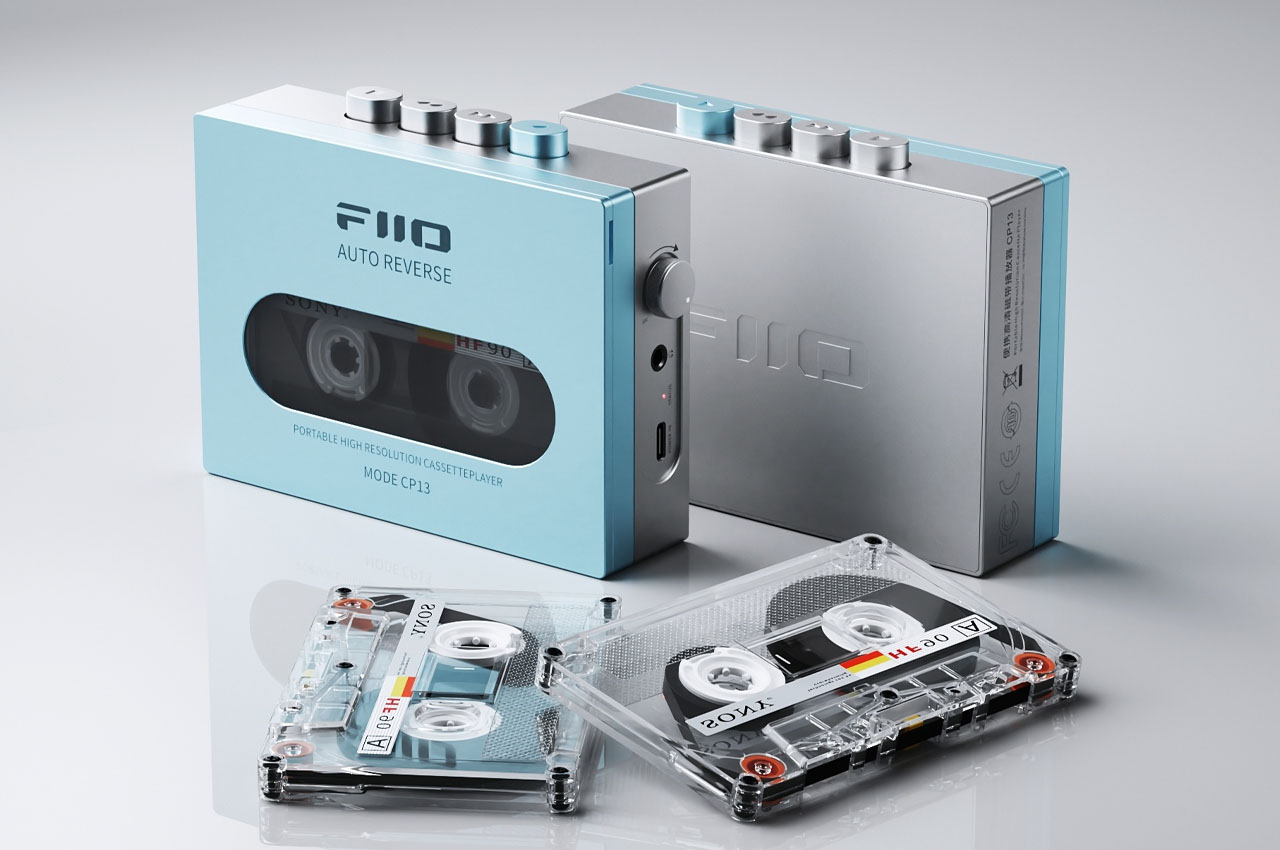
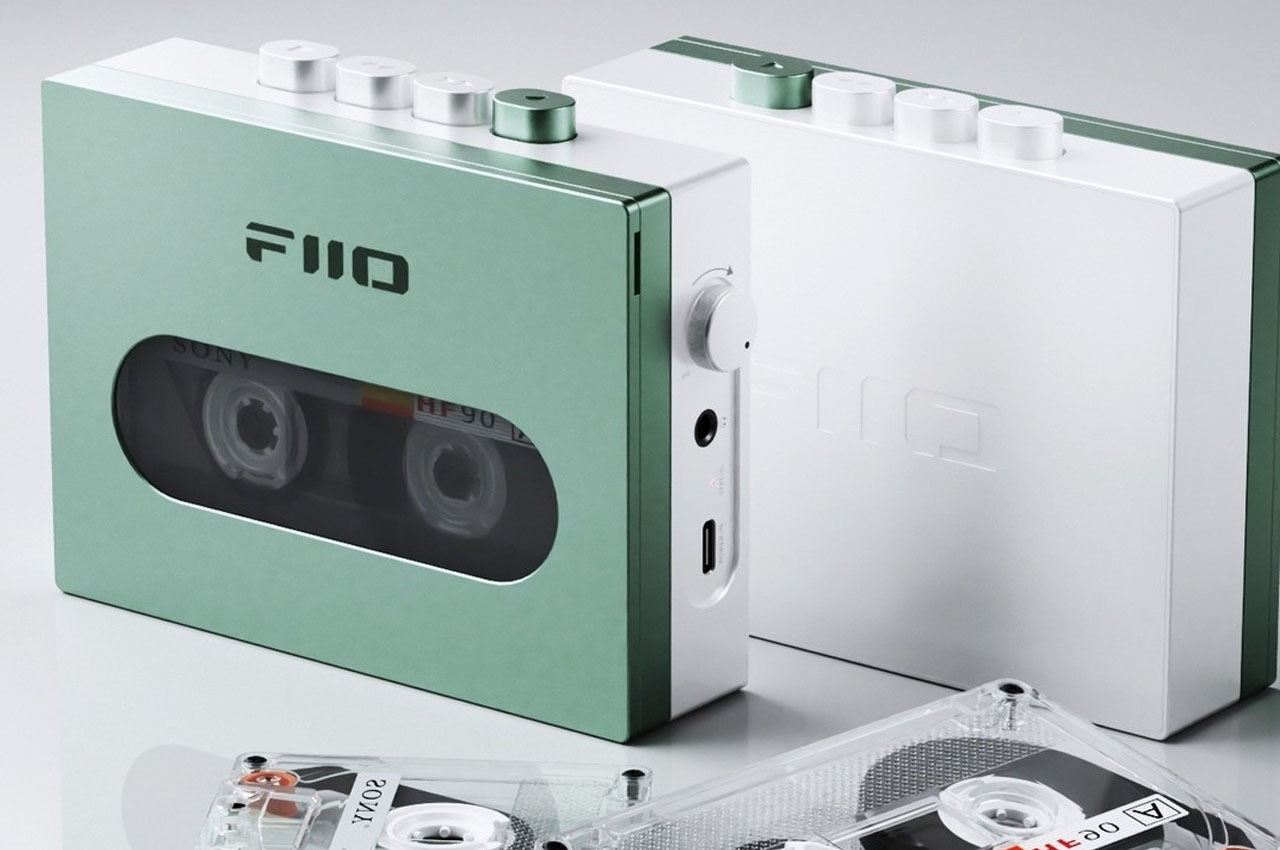
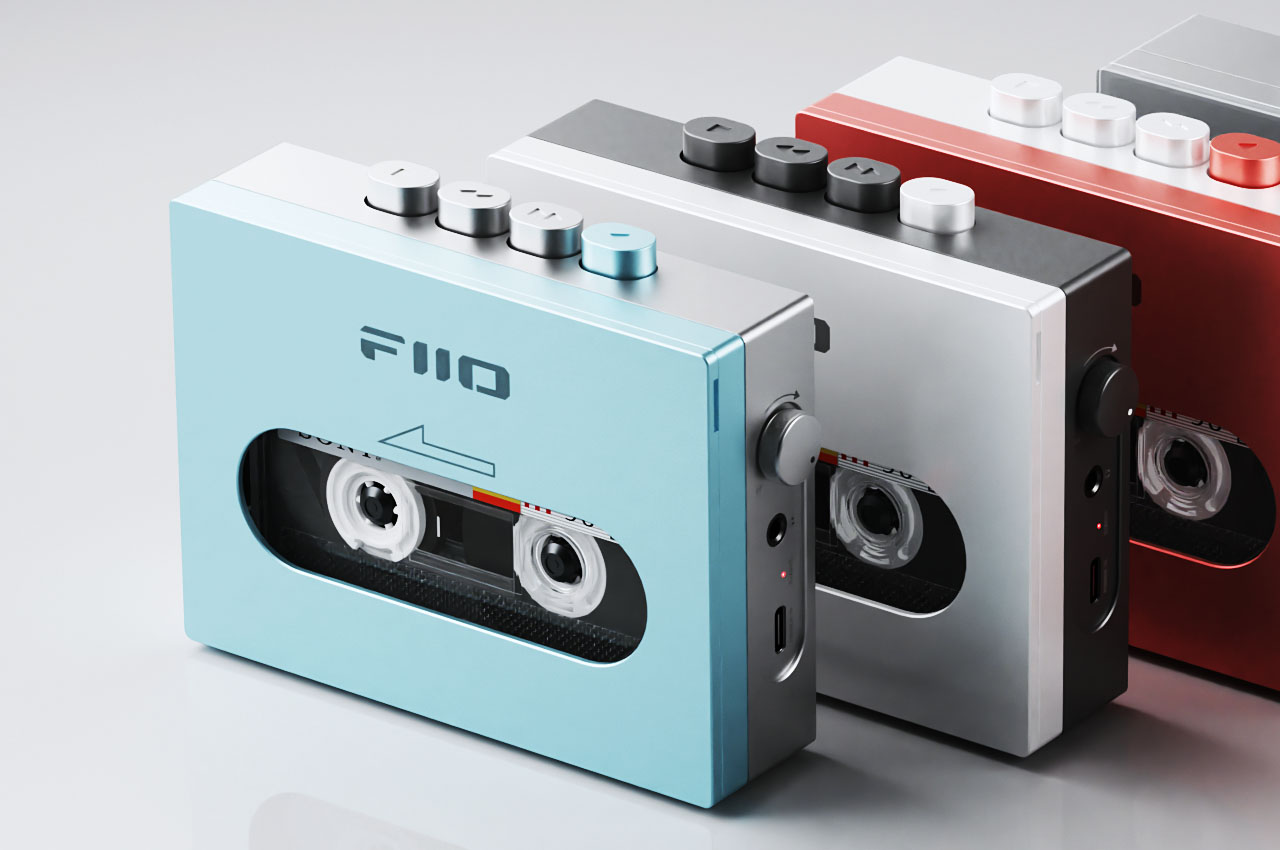
Paying homage to the original Walkman in dual tone silver blue finish, the gadget has a retro design with large playback buttons, 3.5 mm headphone port and an oversized knob. By the looks of things, there’s no option to auto-reverse, so you’ll have to manually change sides. However, you can fast forward, reverse and pause just like the original one.

Another added feature along with the more modern charging port is the status LED. The player is good for 15 hours of playback on a single charge but sadly there’s no function to convert tapes to MP3 files. Of course, there’s the signature color variant but audioheads can also go for the matte black with white and the blue with metal silver option.
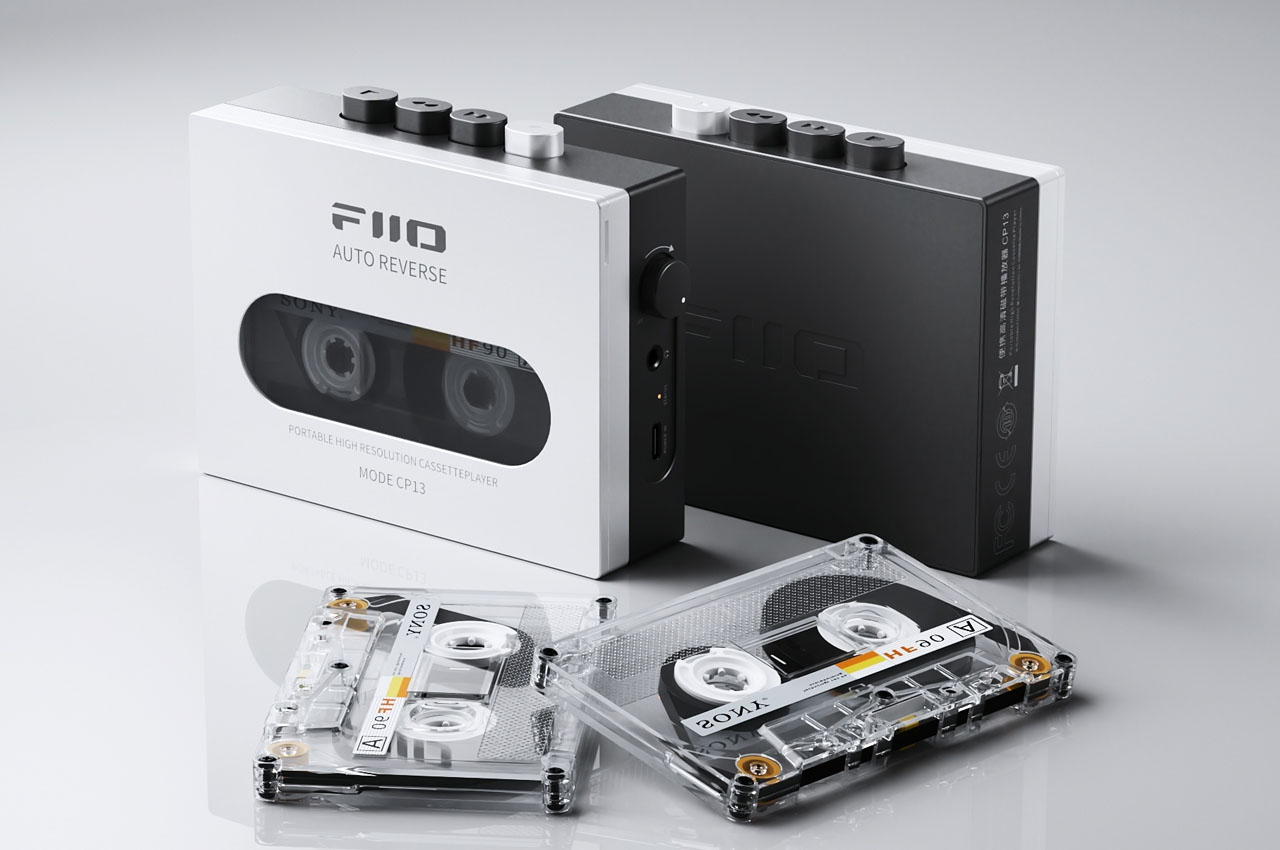
The audio accessory is priced at $164 and I’m not too sure if I’ll be going down that road anytime soon. Still, the Fiio CP13 does evoke a lot of fond memories of the golden era when owning music albums and following artists was a lot more precious compared to modern times.

The post Fiio CP13 revives Sony Walkman mixtape era in a USB-C chargable version first appeared on Yanko Design.