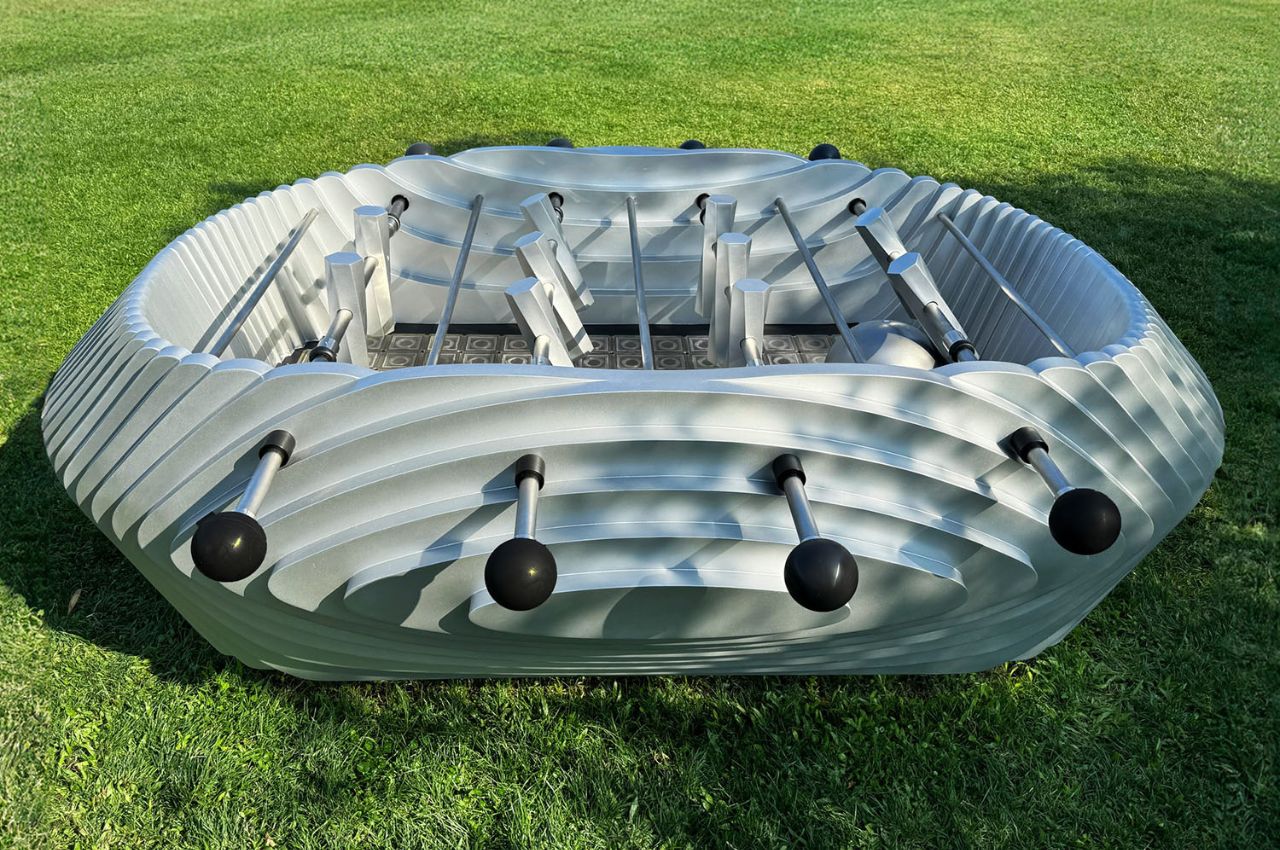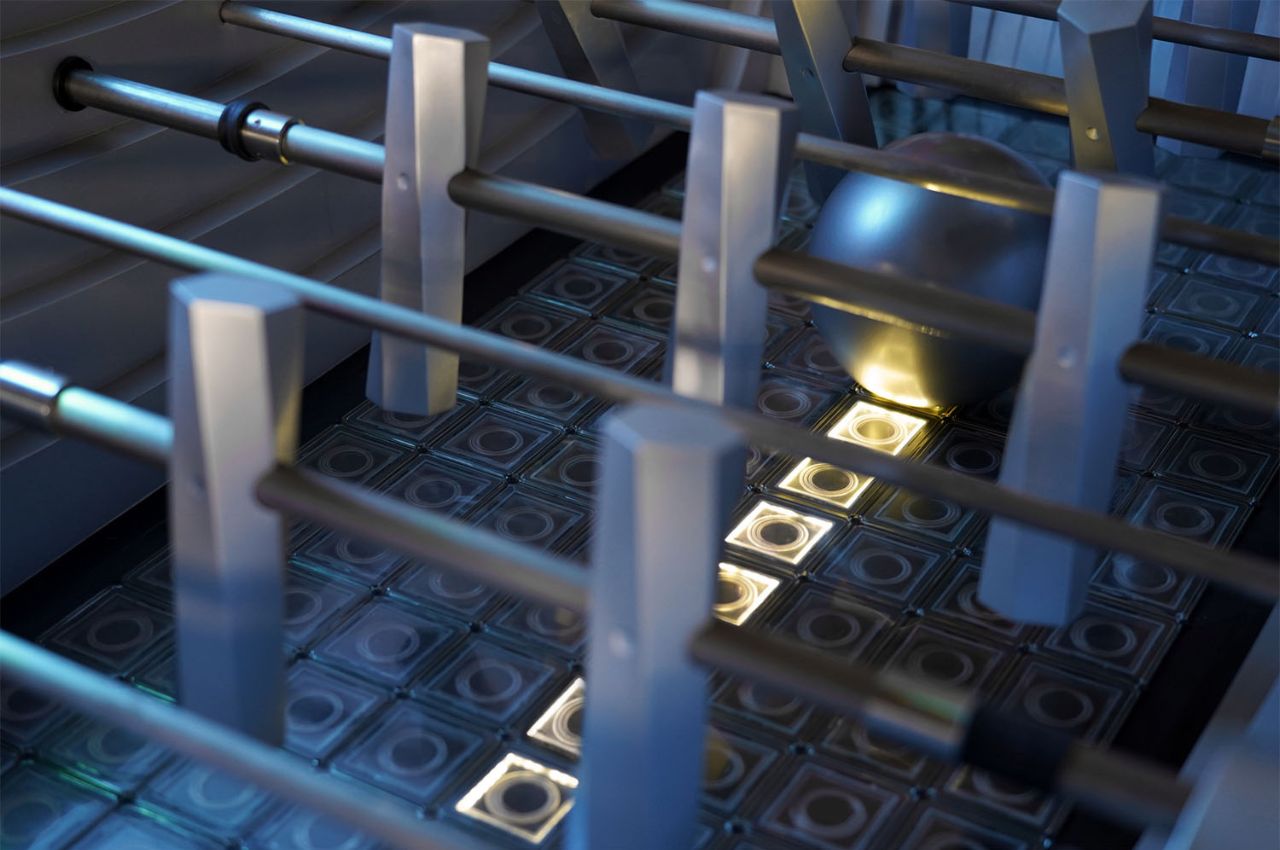
The early 2000s had a very clear idea of the future. Think of films like *Minority Report* with its PreCrime headquarters, all white rooms and glass interfaces where everything looked seamlessly bonded rather than bolted together. Or *I, Robot*, which pushed that look even further with its glossy USR tower and Audi concept car, a world that had erased any sign of how things were actually made. That aesthetic has aged remarkably well, but it’s a territory most game furniture never touches, usually favoring rich materials over making things look like they are barely there. Basaglia + Rota Nodari are the exception, and Ghost, their foosball table for FAS Pendezza, is the proof.
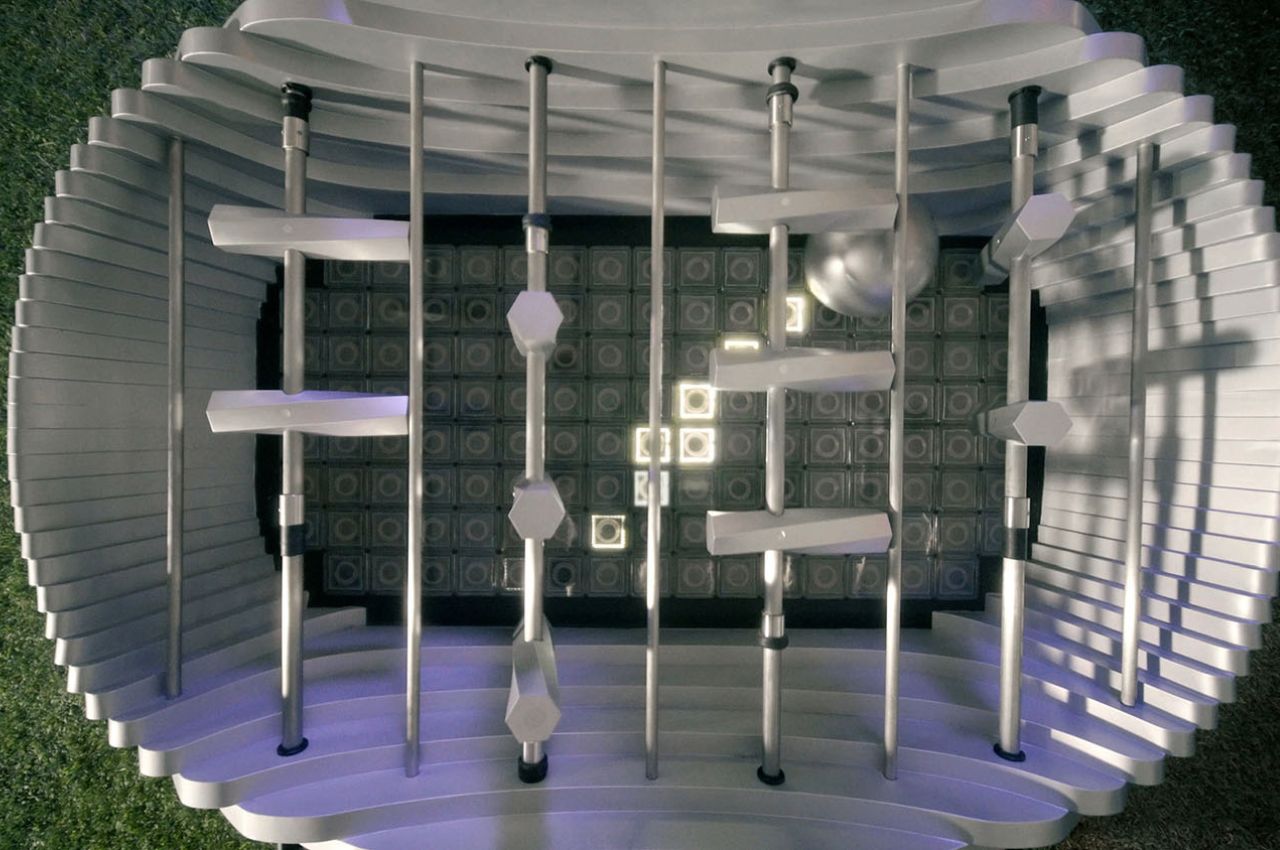
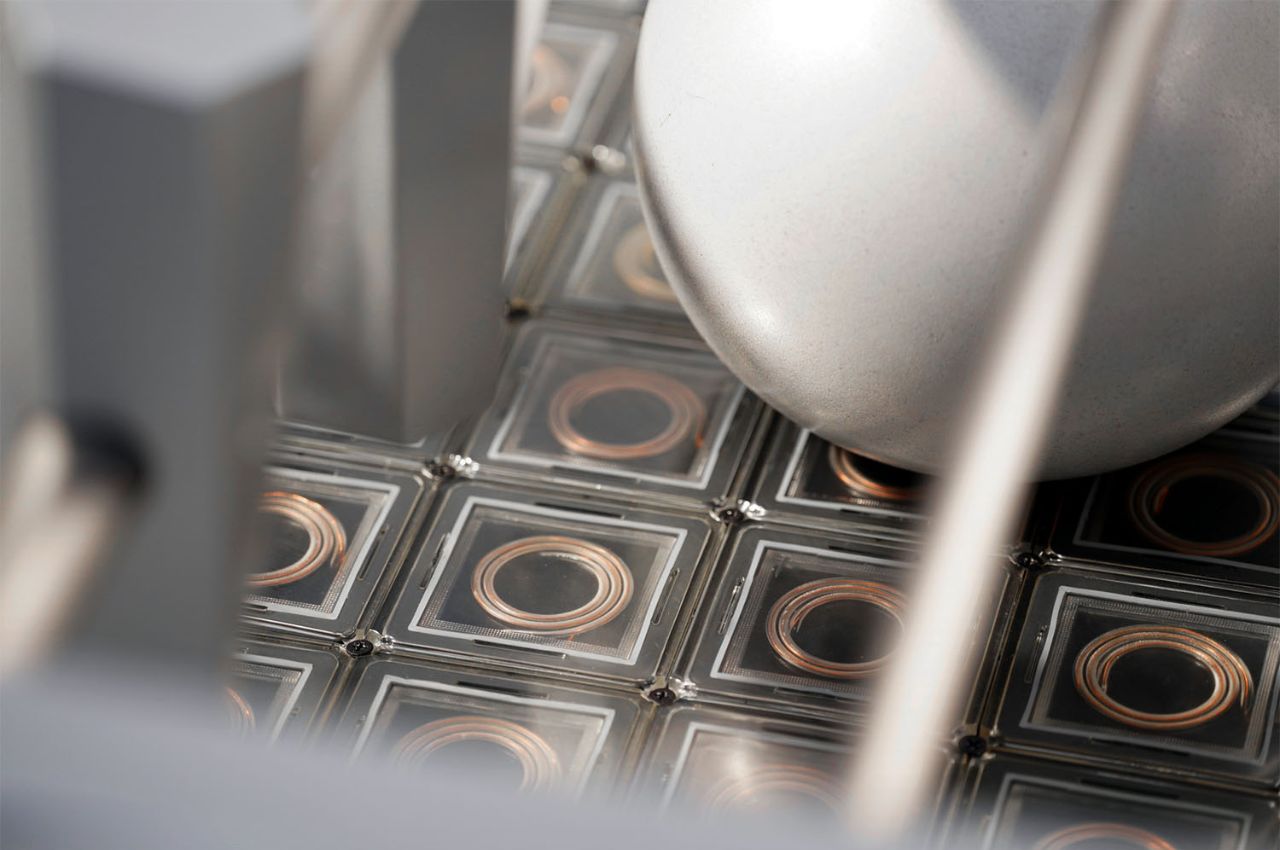
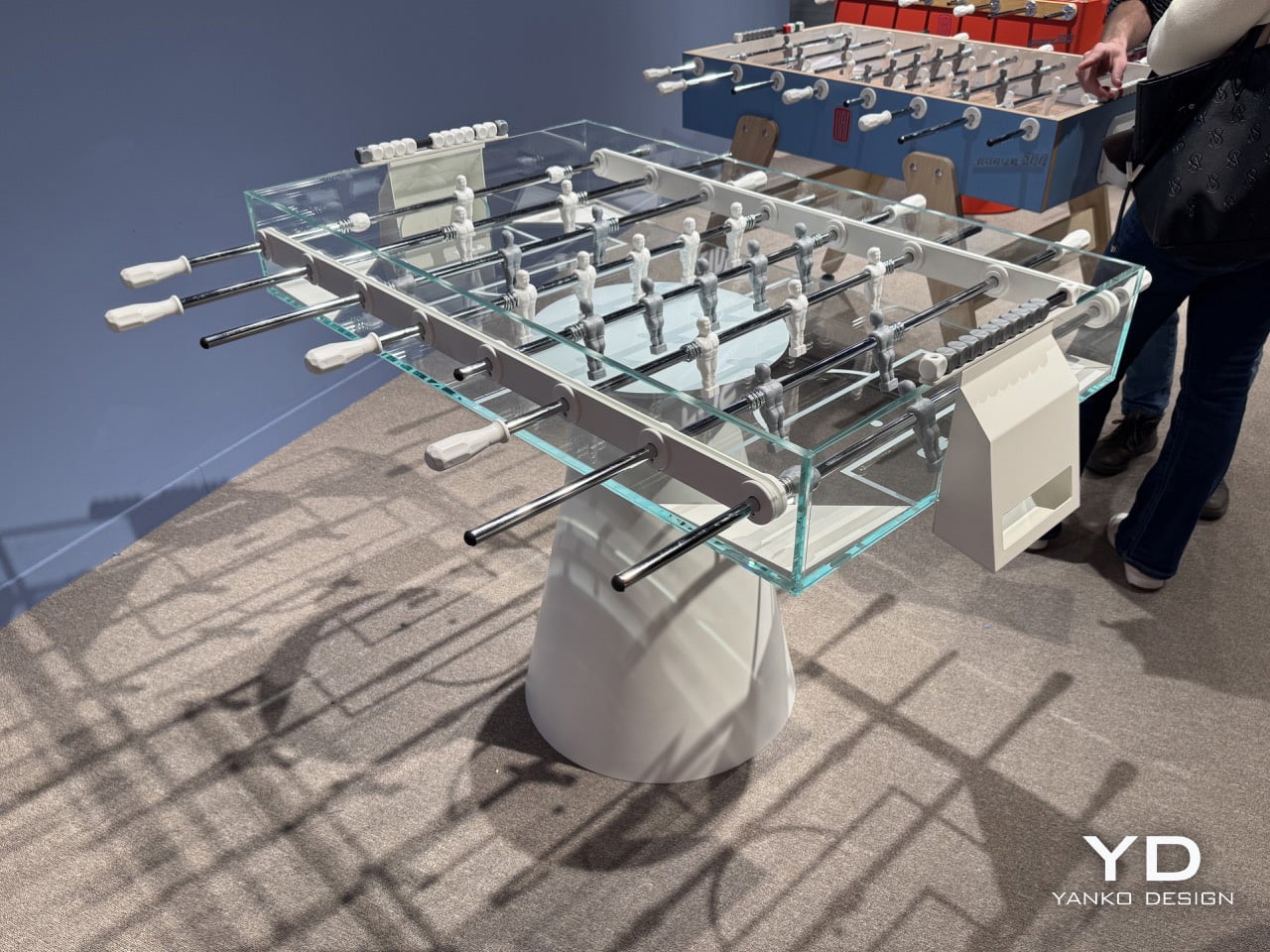
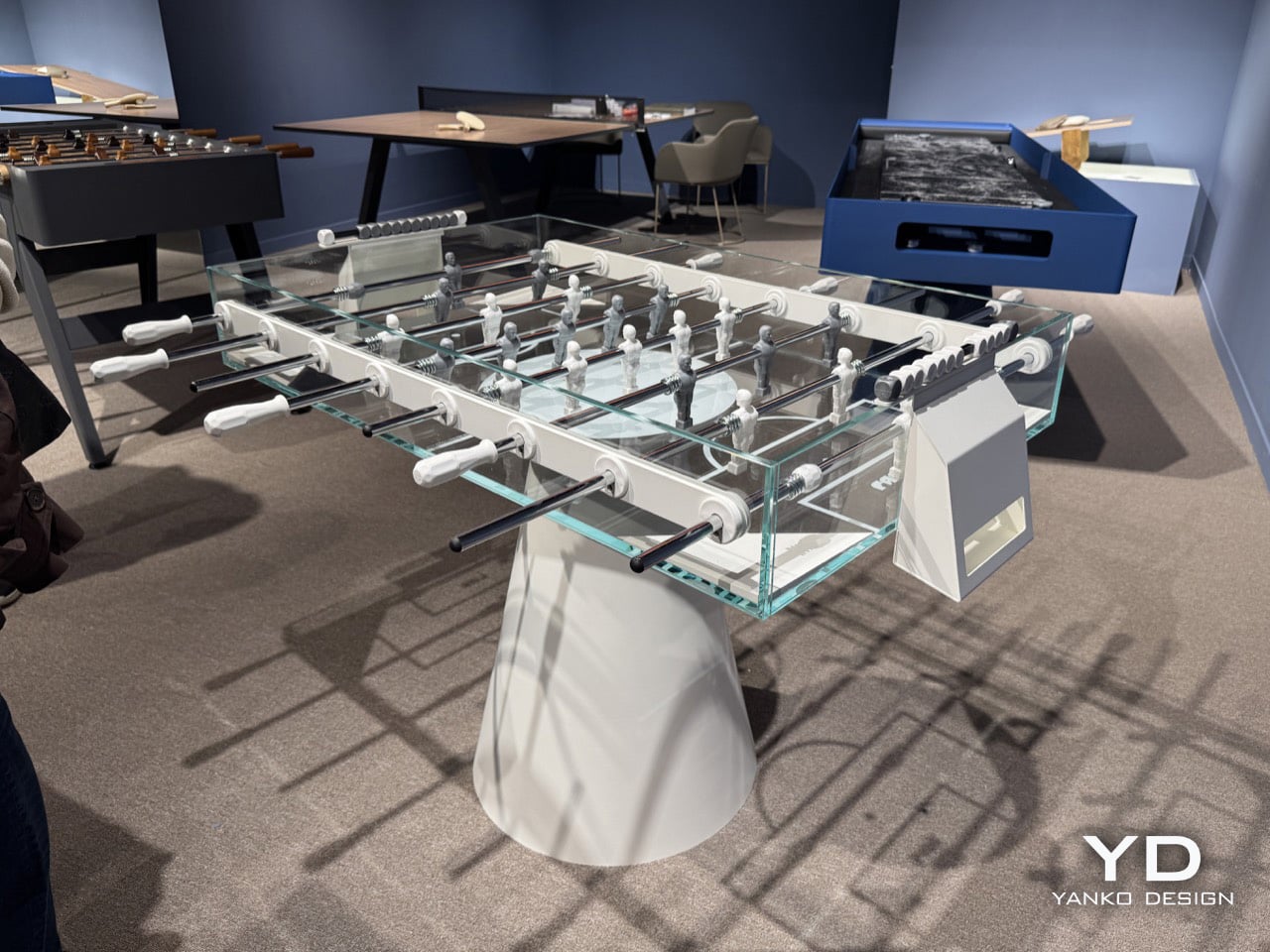
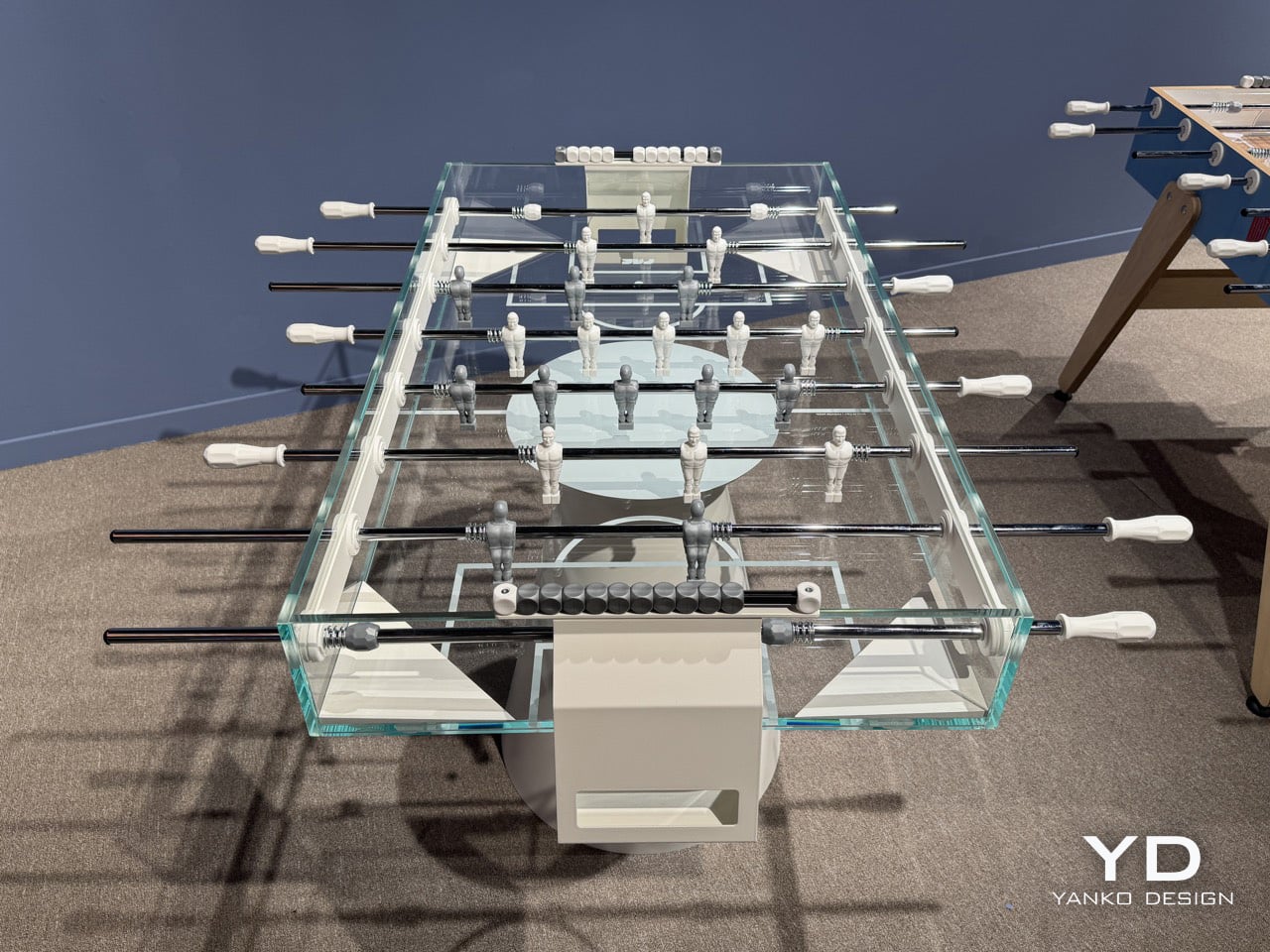
The table itself is built from thick tempered glass, laminated at 12 and 9 mm, with a playing field that’s 114.5 by 70.5 centimeters, and it’s made entirely in Italy. Its body is bonded with a special adhesive, so there are no visible screws or bolts anywhere in the frame. That’s a key decision, because if you saw hardware, the whole ghost-like vibe would fall apart. A clean, conical white metal base holds up the floating glass volume, while chrome rods and two-tone players complete a color scheme that’s intentionally minimal. At 8,900 euros, it’s priced as a piece of design, and it earns it on looks alone before a single ball gets dropped.
Designers: Basaglia + Rota Nodari for FAS Pendezza
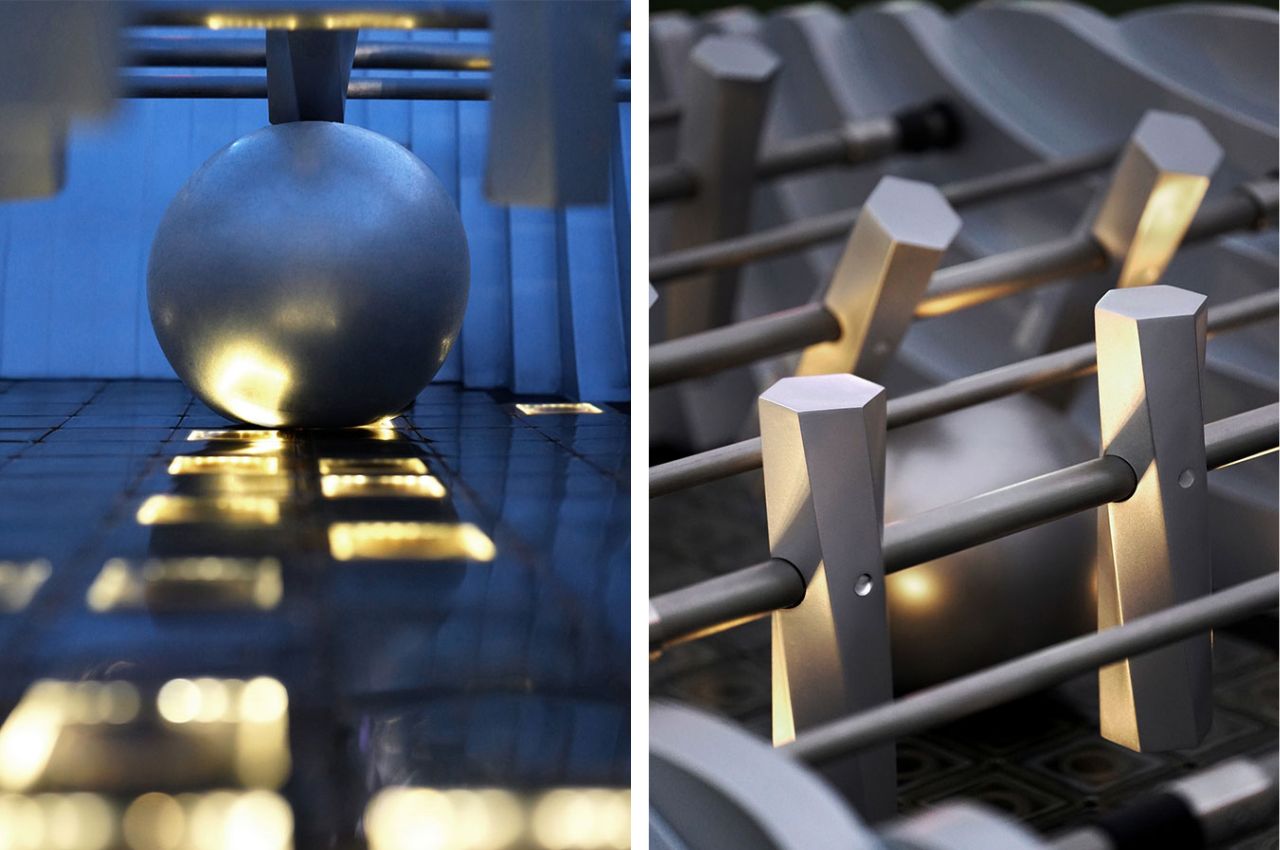
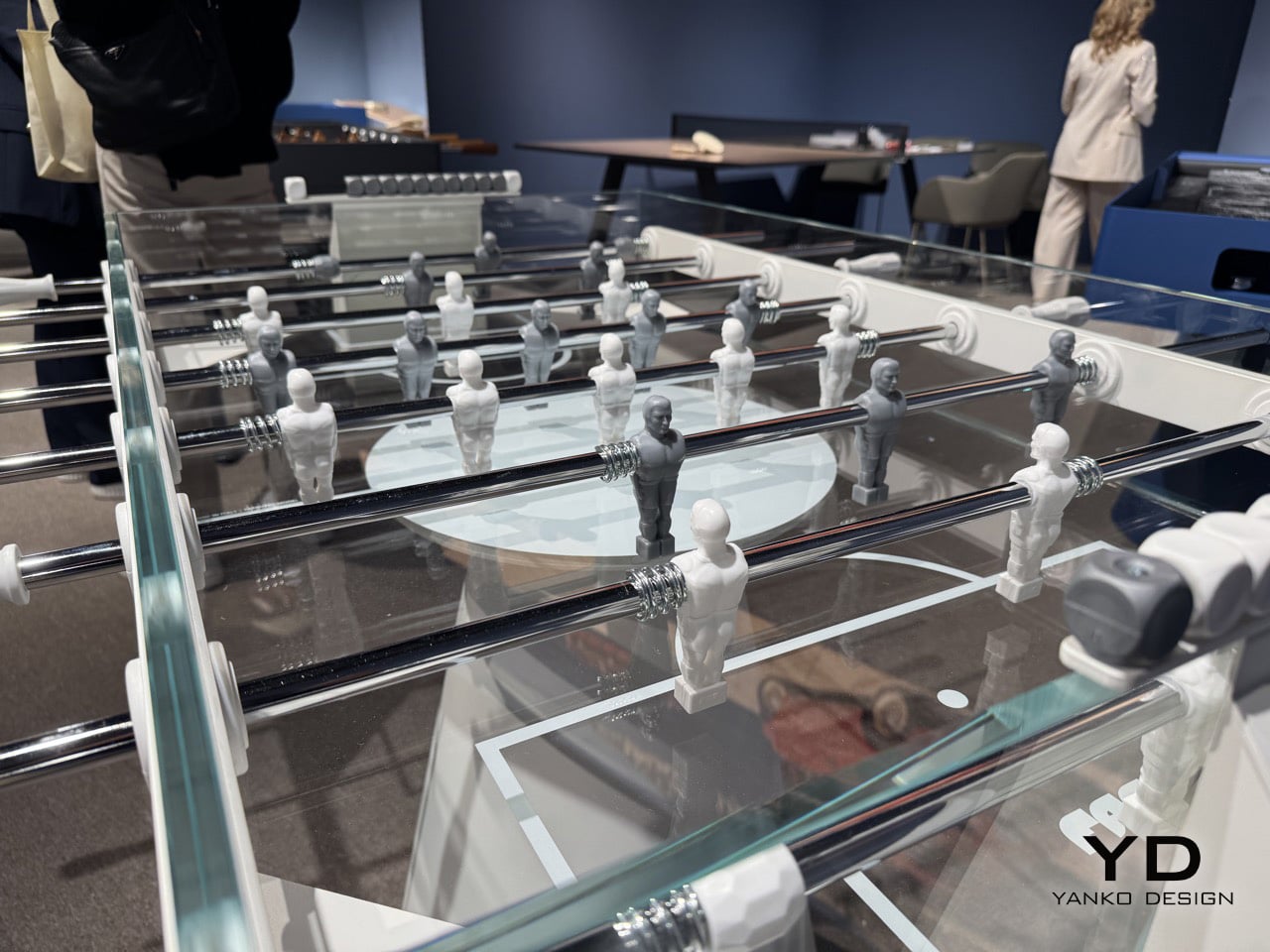
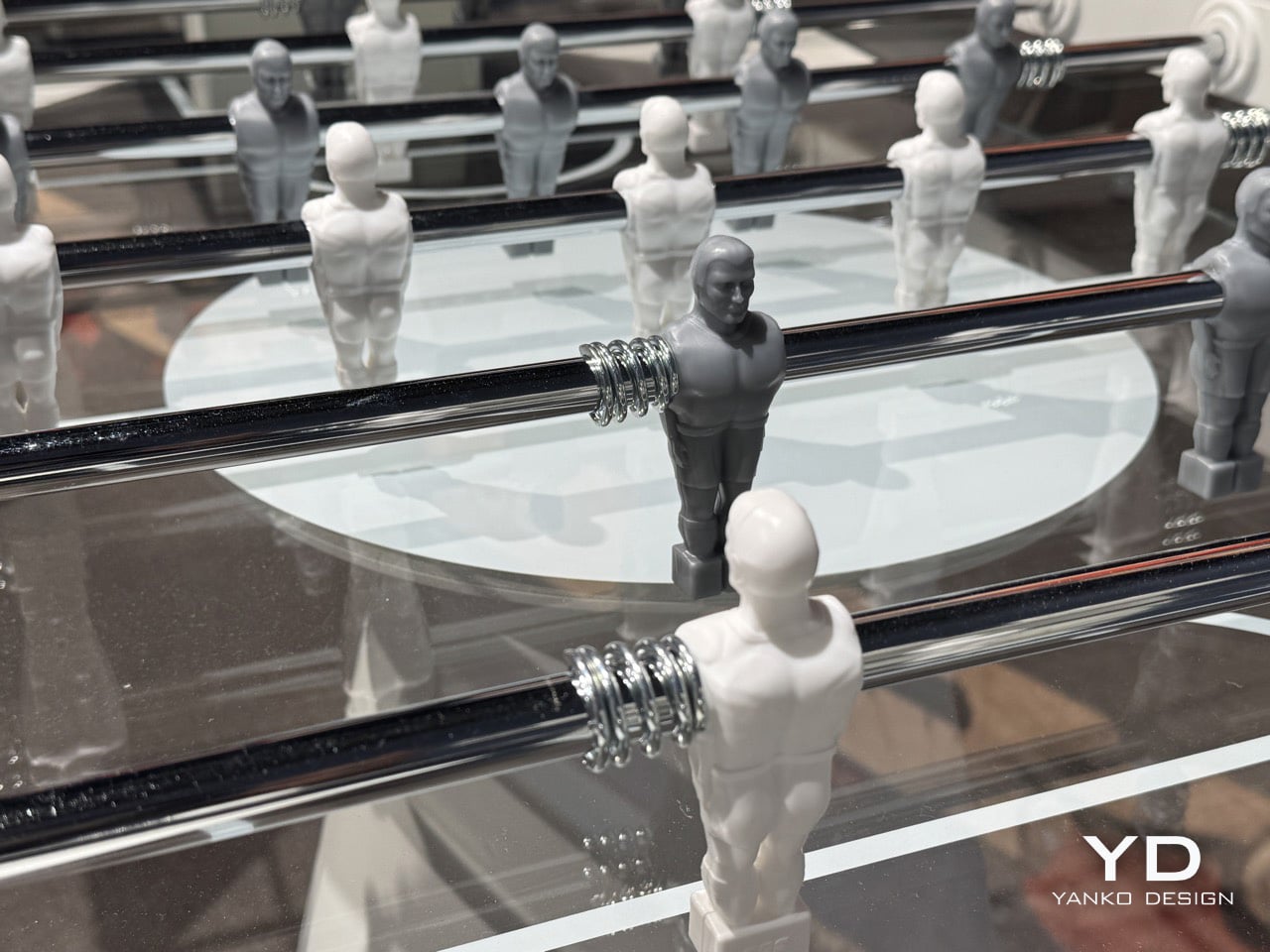
Even the players, made of white and gray resin, look like they belong in this sci-fi world. They’re somewhere between a medical illustration and a concept-car sketch, simplified to the point of anonymity. That’s exactly why they work. If they were in conventional team colors, the table would feel like just another piece of recreational equipment. Instead, these figures feel closer to the NS-5 robots of *I, Robot* than to any real athlete, which helps keep the whole look clean and unified. The chrome coil springs connecting them to the rods are the one little nod to mechanical texture, and they look almost like jewelry against all that glass.
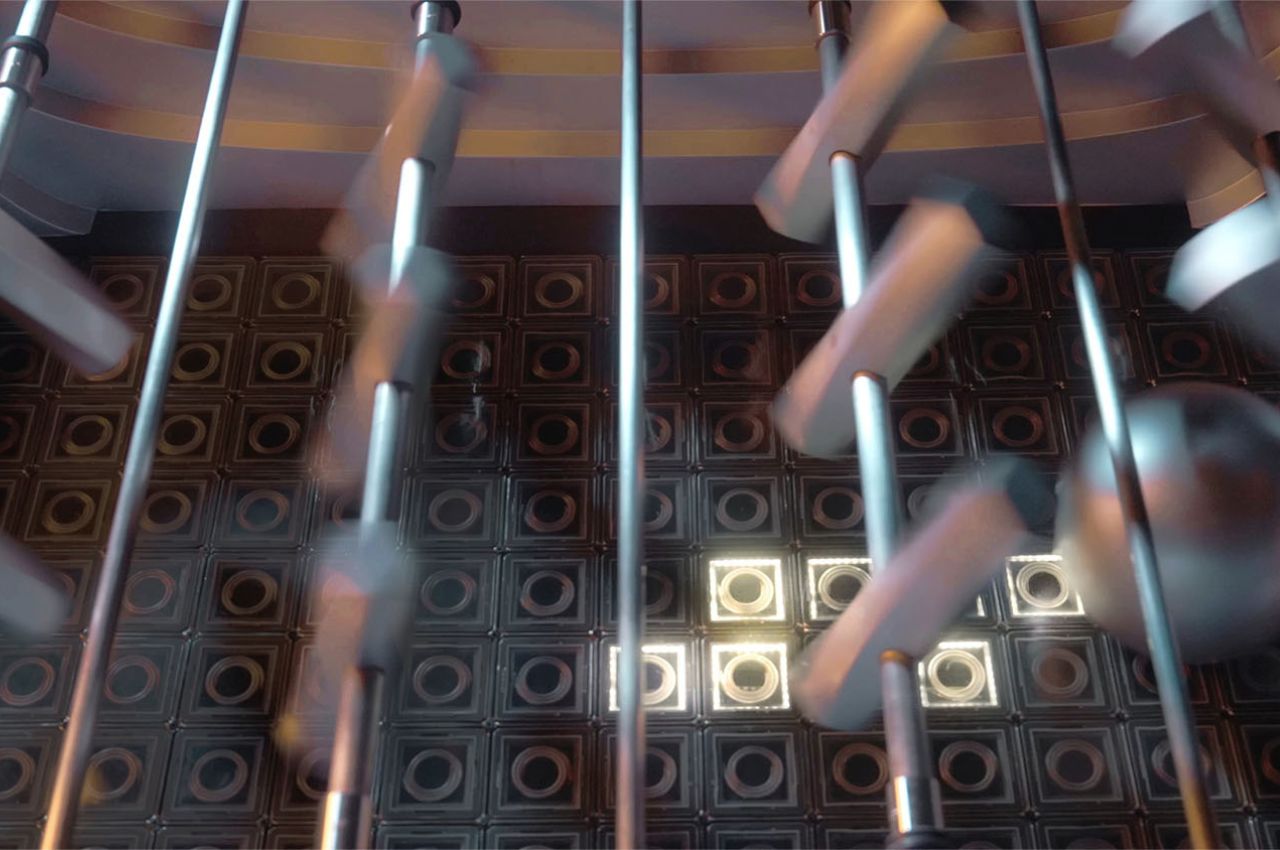
But what really captures you are the detailed shadows the Ghost projects on the floor, if paired with the right lighting. At Salone Satellite, Ghost casts an incredible wireframe shadow on the floor, like it’s drawing a blueprint of itself in real time. Pitch markings are printed beneath the crystal surface, so they appear to float inside the glass instead of sitting on top. From any angle in the FAS Pendezza booth, you can see right through the structure, with the players and chrome rods suspended against the room itself. The name makes perfect sense when you see it in person.
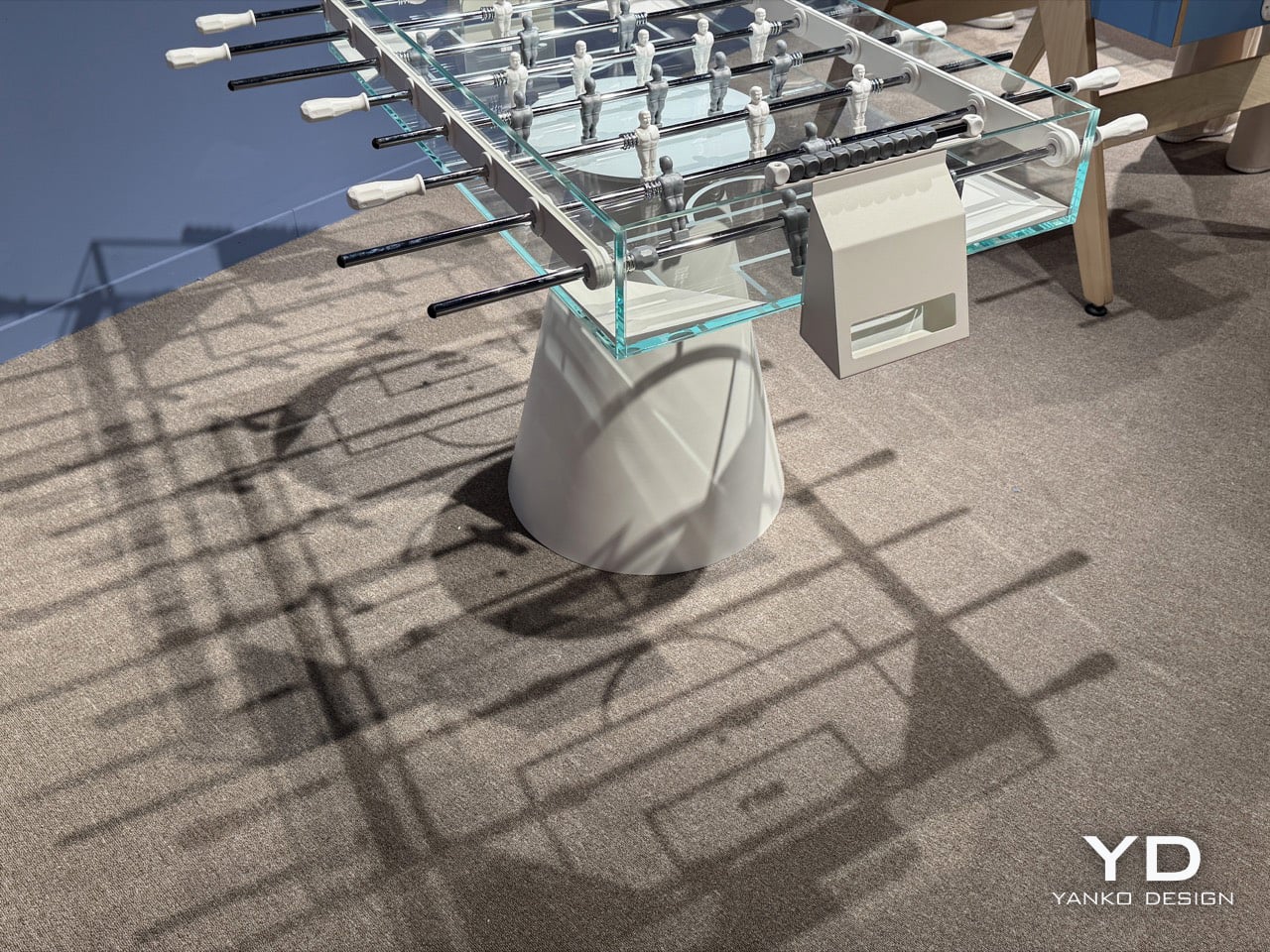
FAS Pendezza is presenting Ghost at Salone Satellite this week as part of Milan Design Week 2026, in a booth where the table’s shadow alone justifies the detour. Seeing it alongside the rest of the brand’s lineup confirms Ghost as a deliberate formal departure rather than FAS Pendezza’s default register. The studio, Basaglia Rota Nodari, launched in 1997 with a stated ambition to build objects that convey emotion beyond their function, and Ghost may be their sharpest expression of that intent to date. For those who have already left Milan, Ghost is available in white and black finishes and retails at €8,900.
The post This transparent glass foosball table at Milan Design Week looks straight out of a 2000s sci-fi movie first appeared on Yanko Design.