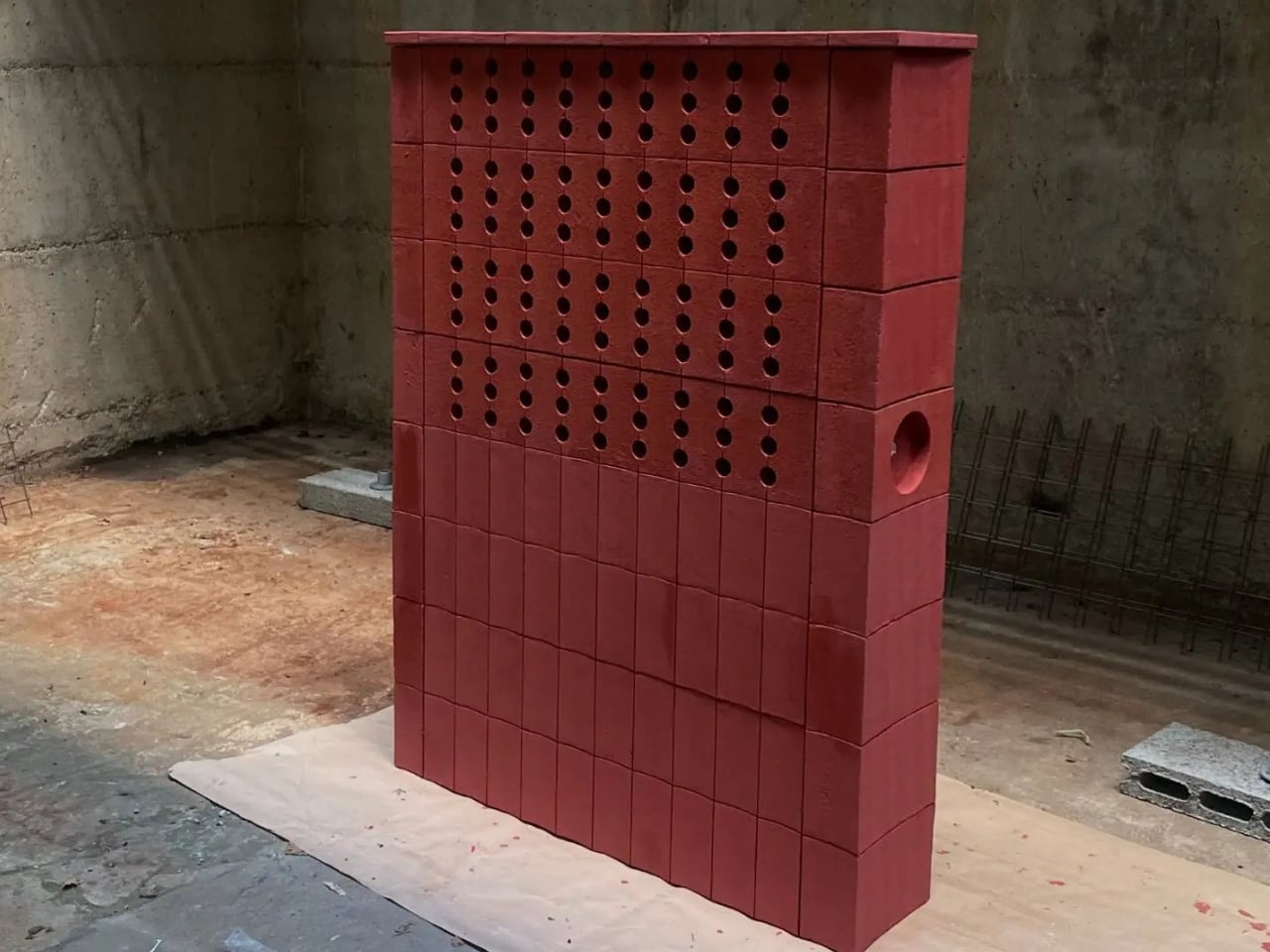
We spend a lot of time looking forward when it comes to solving the climate crisis. Better batteries, smarter thermostats, AI-optimized HVAC systems. And sure, some of that will matter. But I keep finding myself more drawn to designers who have the nerve to look backward, who dig through centuries of human ingenuity and ask why we ever stopped doing things that clearly worked. Salla Vallotton is one of those designers, and her project Celcius is one of the most compelling arguments I’ve seen for ancient technology dressed in modern form.
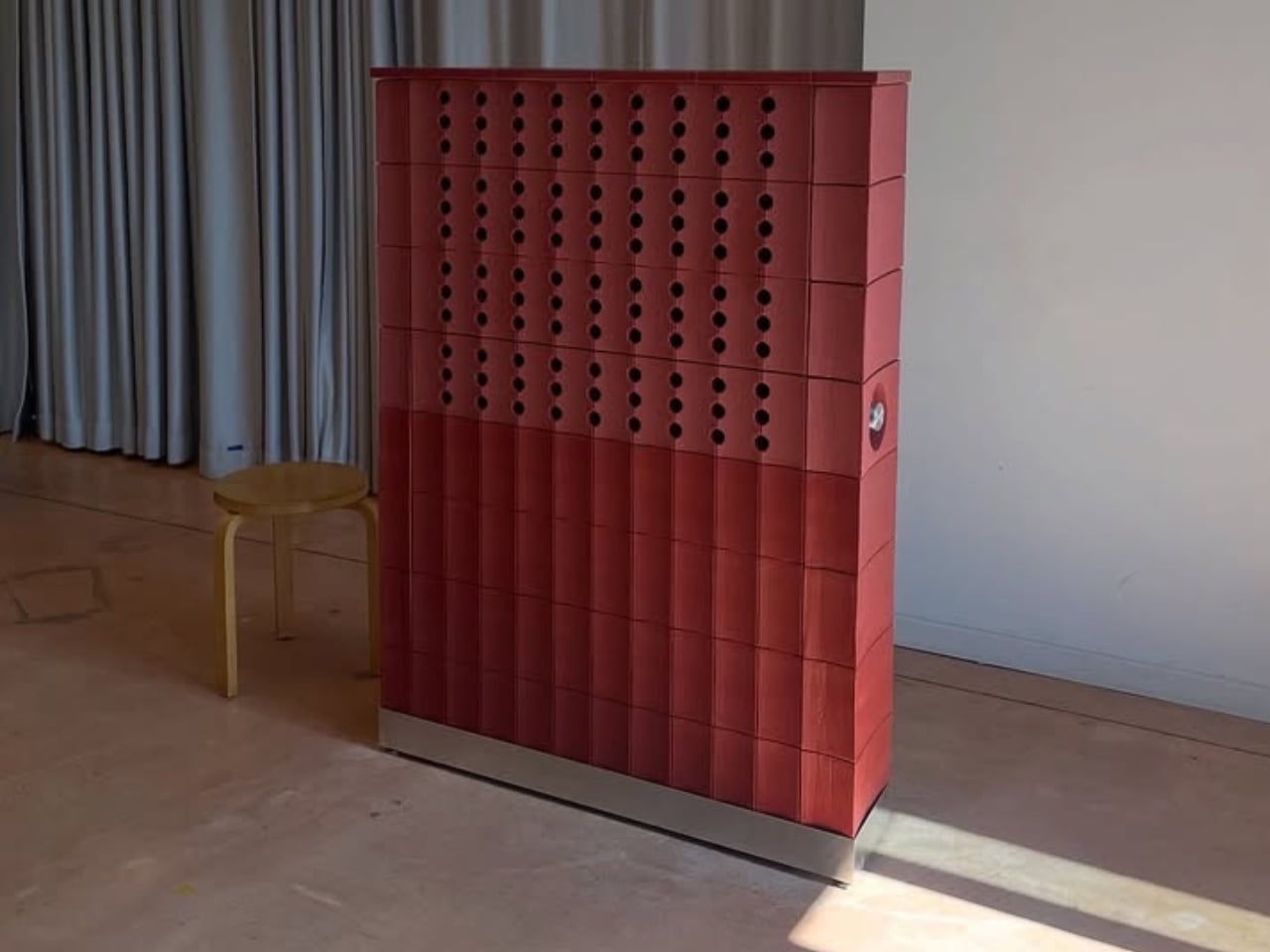
Celcius is a terracotta-based heating and cooling system developed at ECAL in Lausanne, Switzerland. At its core, the idea is almost absurdly simple. Terracotta absorbs heat slowly and releases it gradually, which means in winter it can soak up warmth from a small source and radiate it back into a room for hours. In summer, the same material’s porosity allows it to draw in water, and as that moisture evaporates from the surface, it pulls heat from the surrounding air. It’s the same physics behind why sweating cools you down. One object, two seasons, zero complexity.
Designer: Salla Vallotton
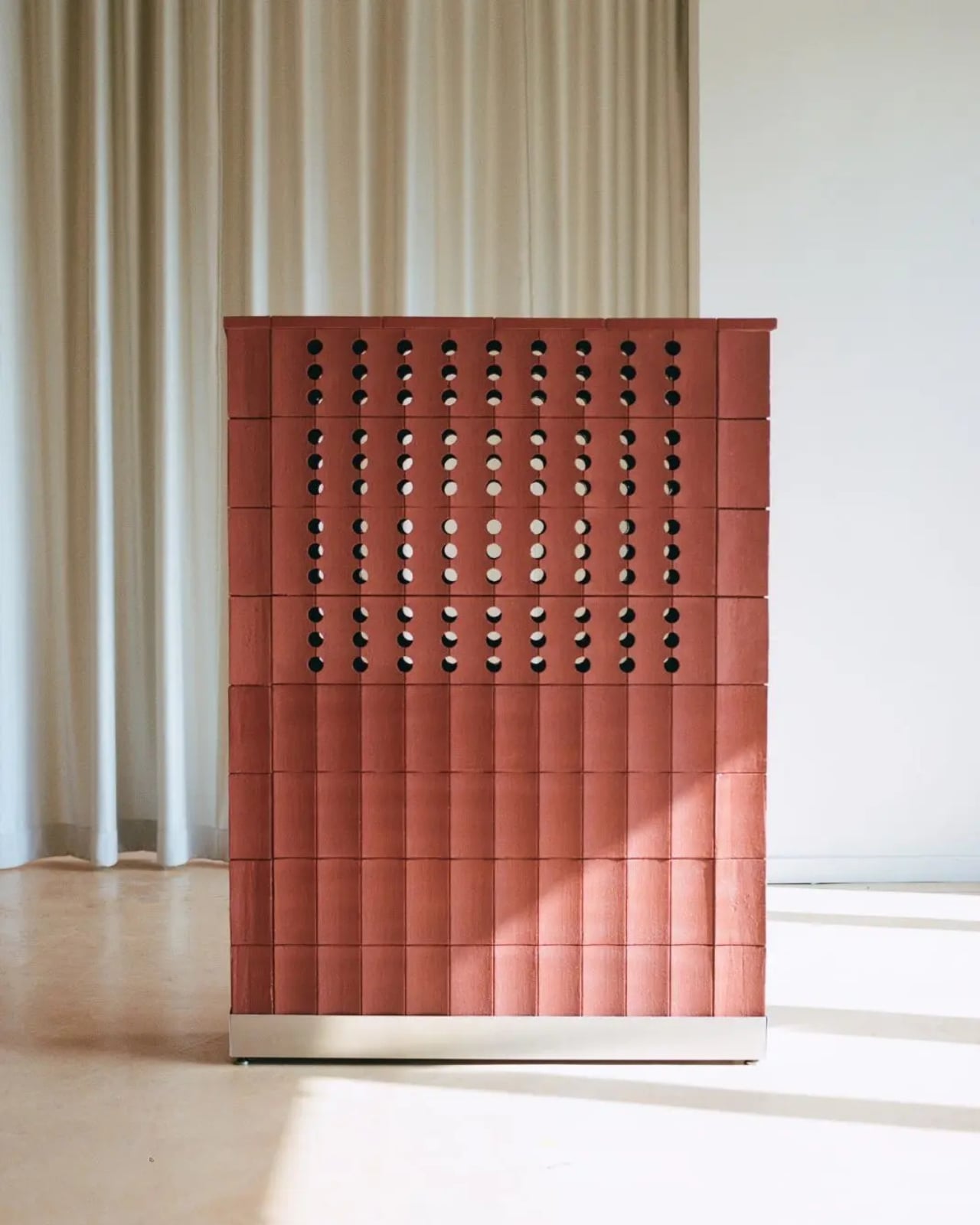
What strikes me about this project isn’t the material science, which is well-established and has been for centuries. It’s the framing. Vallotton isn’t presenting Celcius as a nostalgic throwback or a craft exercise. She’s making a pointed observation about how we’ve organized our relationship with the spaces we live in. Buildings account for nearly 40 percent of global energy consumption, and in cold climates like Switzerland, heating eats up a disproportionate share of that number. Yet our systems remain stubbornly split: fossil-fuel heating that shuts off in June, air conditioning that kicks in to replace it. Two separate infrastructures for one continuous problem. Celcius merges them.
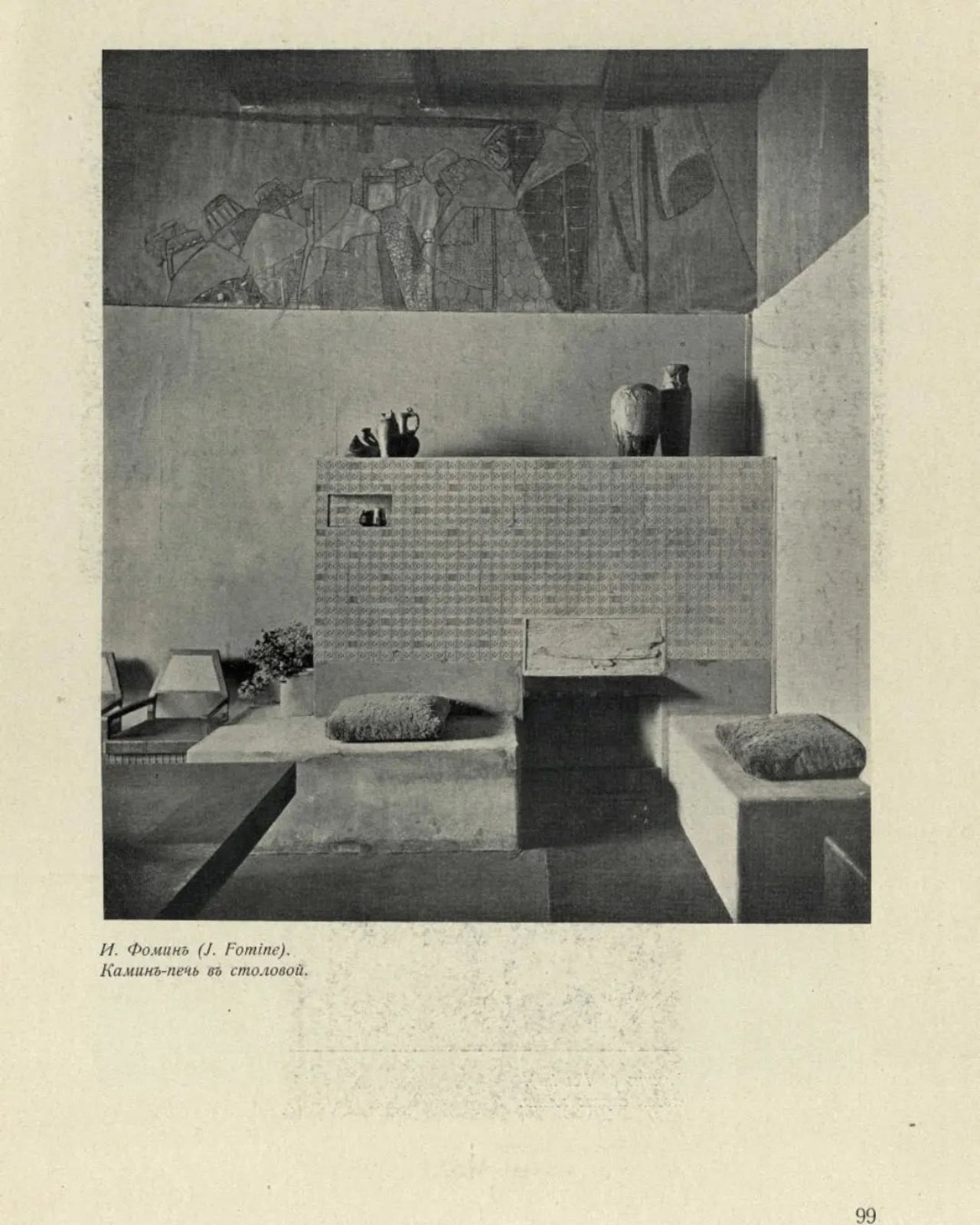
I think the cultural dimension is what elevates this beyond a clever prototype. Vallotton looked at the Alpine masonry stoves called Kachelofen, those massive ceramic structures that didn’t just heat a room but organized life around them. People understood how they worked. They could maintain them, repair them, build their daily rhythms around their cycles. There was a literacy to domestic technology that we’ve almost entirely surrendered. Today, our heating and cooling systems are hidden behind walls, managed by apps, and serviced by specialists. We’ve traded understanding for convenience, and I’m not sure we got the better end of that deal.
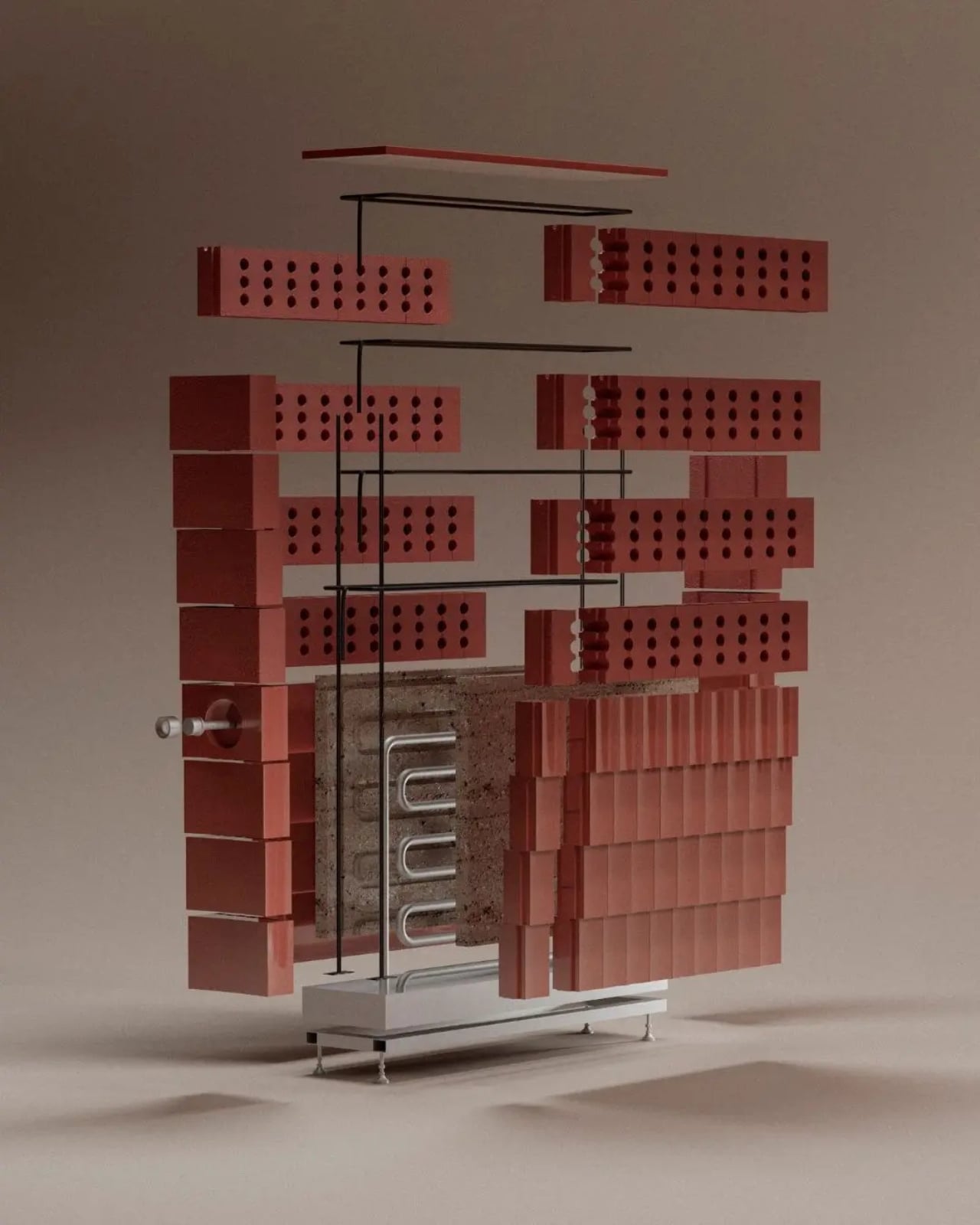
That’s the tension Celcius sits in, and it’s the reason the project sticks with me. It’s not anti-technology. It’s anti-invisibility. Vallotton places her terracotta system in the room as a physical, sculptural presence, something you live with rather than forget about. There’s a quiet radicalism in that choice. At a time when every product wants to disappear into the background, to be seamless and ambient and smart, here’s an object that insists on being seen, touched, and understood.
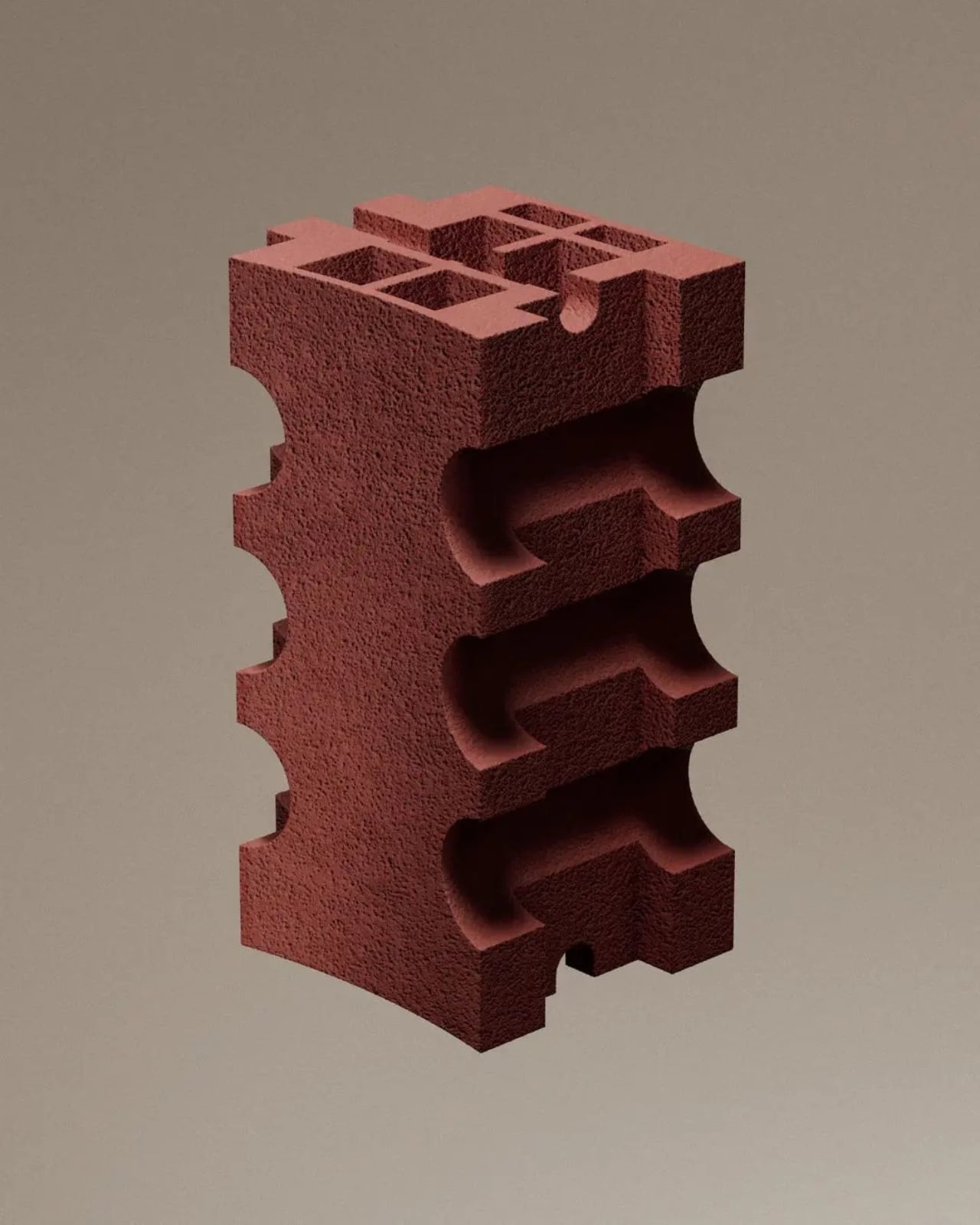
Of course, Celcius is still a prototype, and I don’t think Vallotton is claiming it will replace your furnace. The project operates more as a provocation than a product, a proof of concept that opens up questions rather than closing them. What if domestic infrastructure were legible again? What if the objects that regulate our comfort also had aesthetic and cultural weight? What would it mean to actually understand the systems that keep us warm?
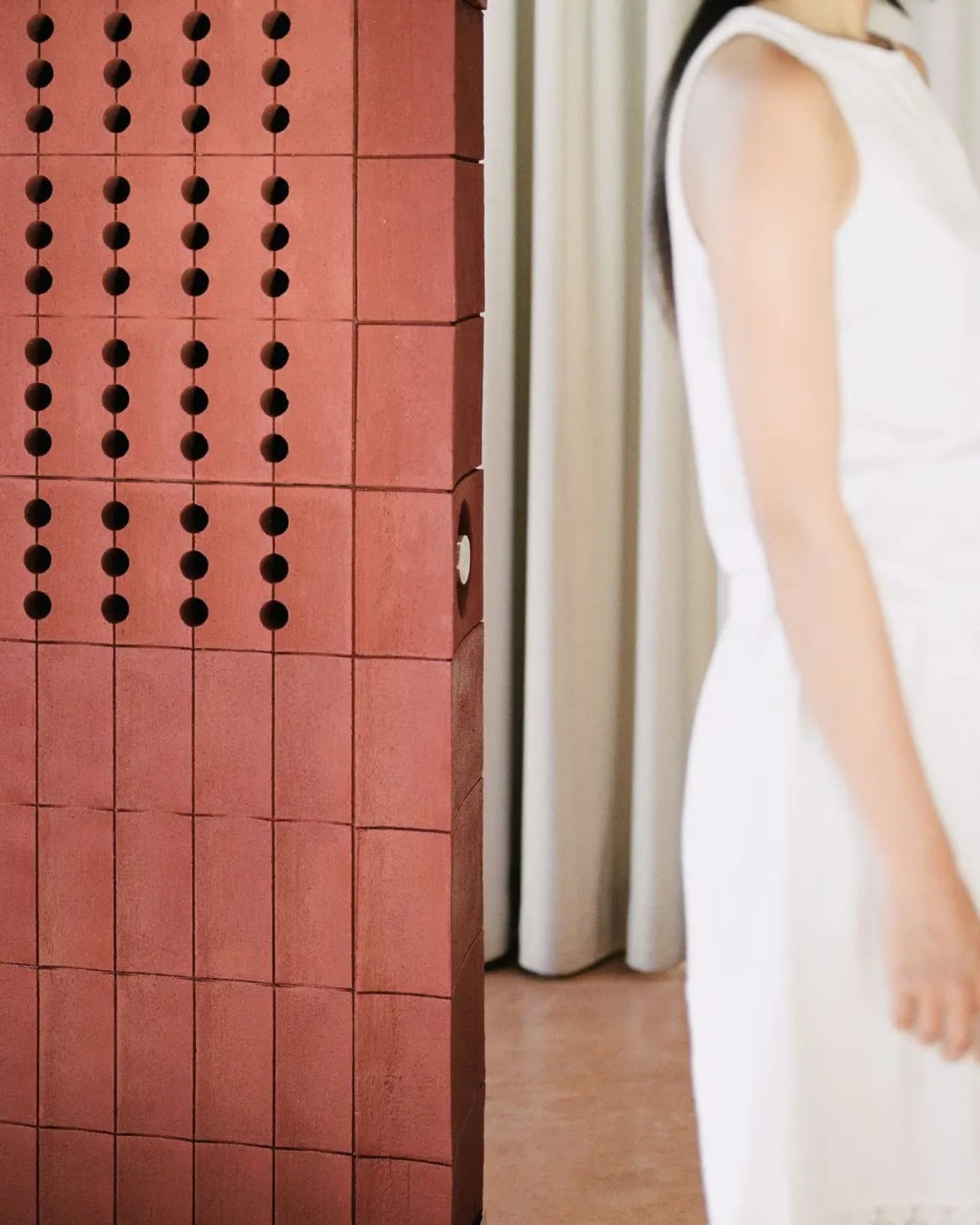
These aren’t rhetorical questions. As European summers grow hotter and the pressure to decarbonize intensifies, the search for alternative thermal strategies is becoming urgent. And while the tech industry races to build ever more sophisticated solutions, projects like Celcius remind us that sophistication isn’t always the answer. Sometimes the most radical move is rediscovering something we already knew.
I find that idea genuinely exciting. Not because I think we should abandon modern engineering, but because the best design has always known how to hold the old and the new in the same hand. Vallotton does that with remarkable clarity, and Celcius is better for it.
The post A Swiss Designer Just Replaced Your HVAC System With a 500-Year-Old Pot first appeared on Yanko Design.