A 20-Meter Double Helix Tower Just Rose Over a Chinese Wetland

Most observation towers share the same quiet philosophy: get people up high, give them a view, and then get out of the way. The architecture fades into background noise, and the landscape takes all the credit. Xiang Architects clearly had other ideas when they designed the Chenhu Migratory Bird Observation Tower, and I think they made exactly the right call.

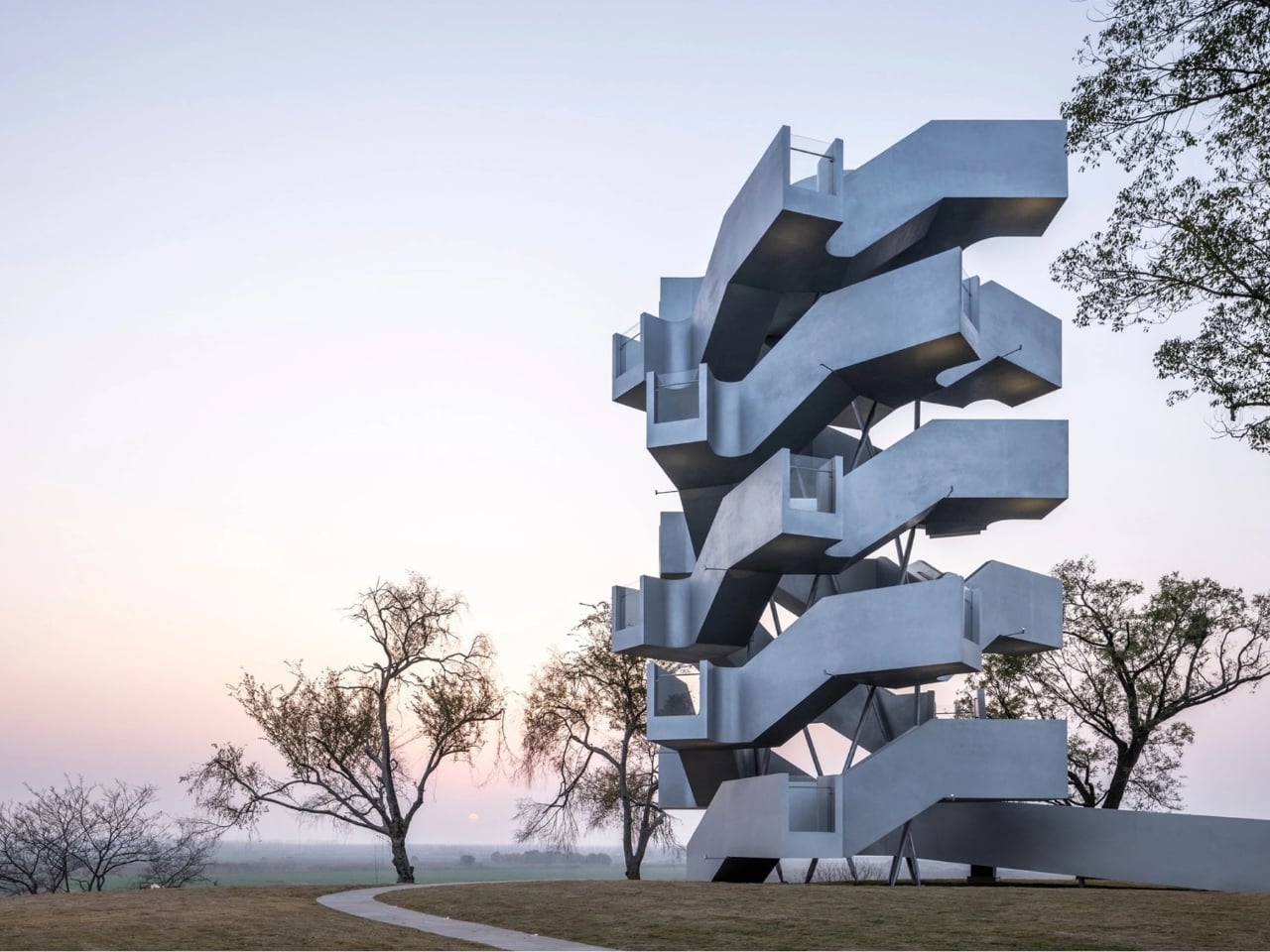
Perched on a natural promontory called Xianglushan within Wuhan’s Chenhu Wetland, the tower rises nearly 20 meters above a marshland that hosts over 100,000 migratory birds every winter. That’s not a typo. One hundred thousand birds descend on this sanctuary between October and March, turning the wetland into one of China’s most vital ecological stopover points. The site itself is already extraordinary. The Shanghai-based studio could have played it safe, delivered something modest and functional, and no one would have complained. Instead, they built a steel double helix that rises above the reeds like something from a different century entirely.

Designer: Xiang Architects
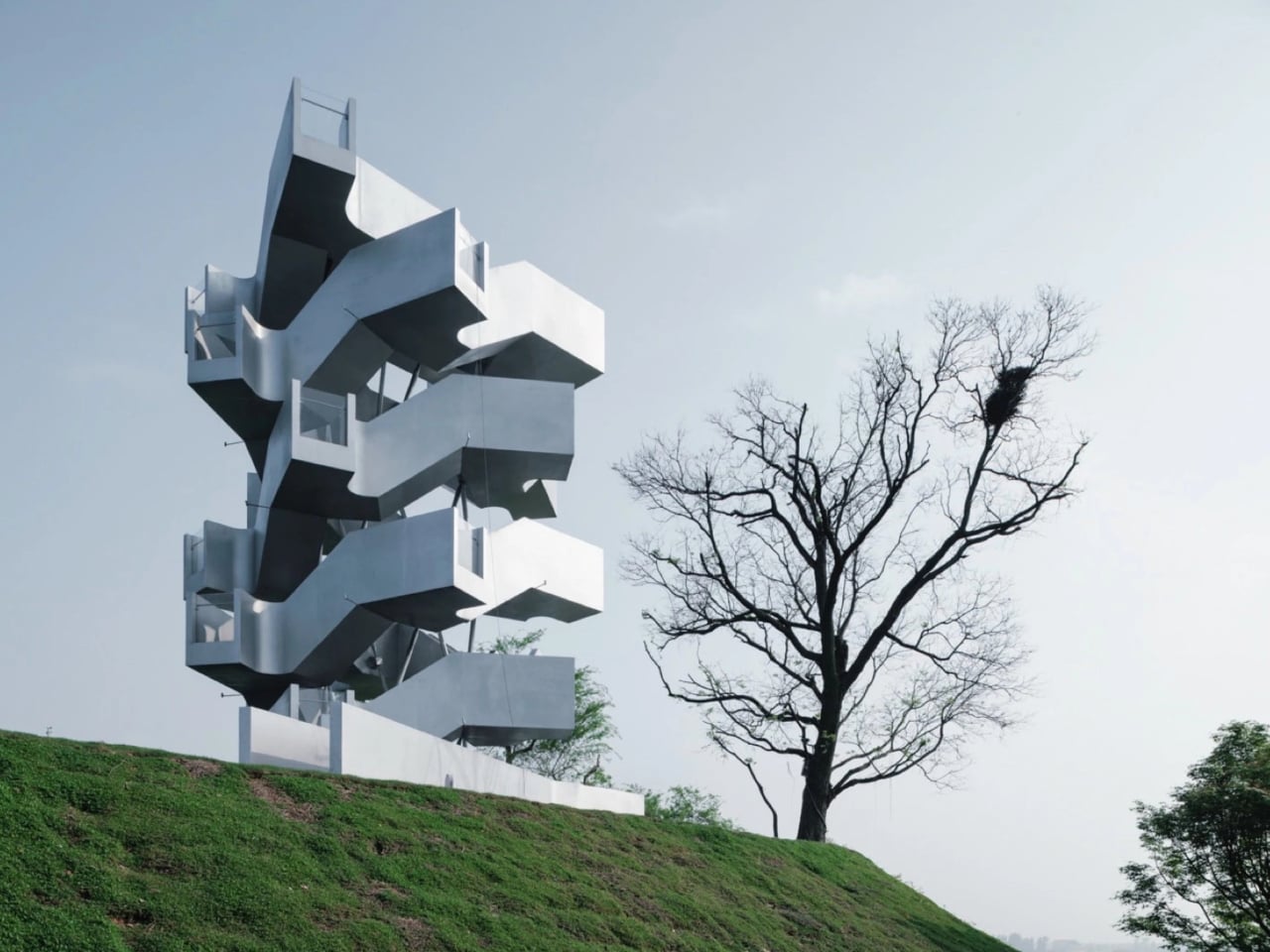
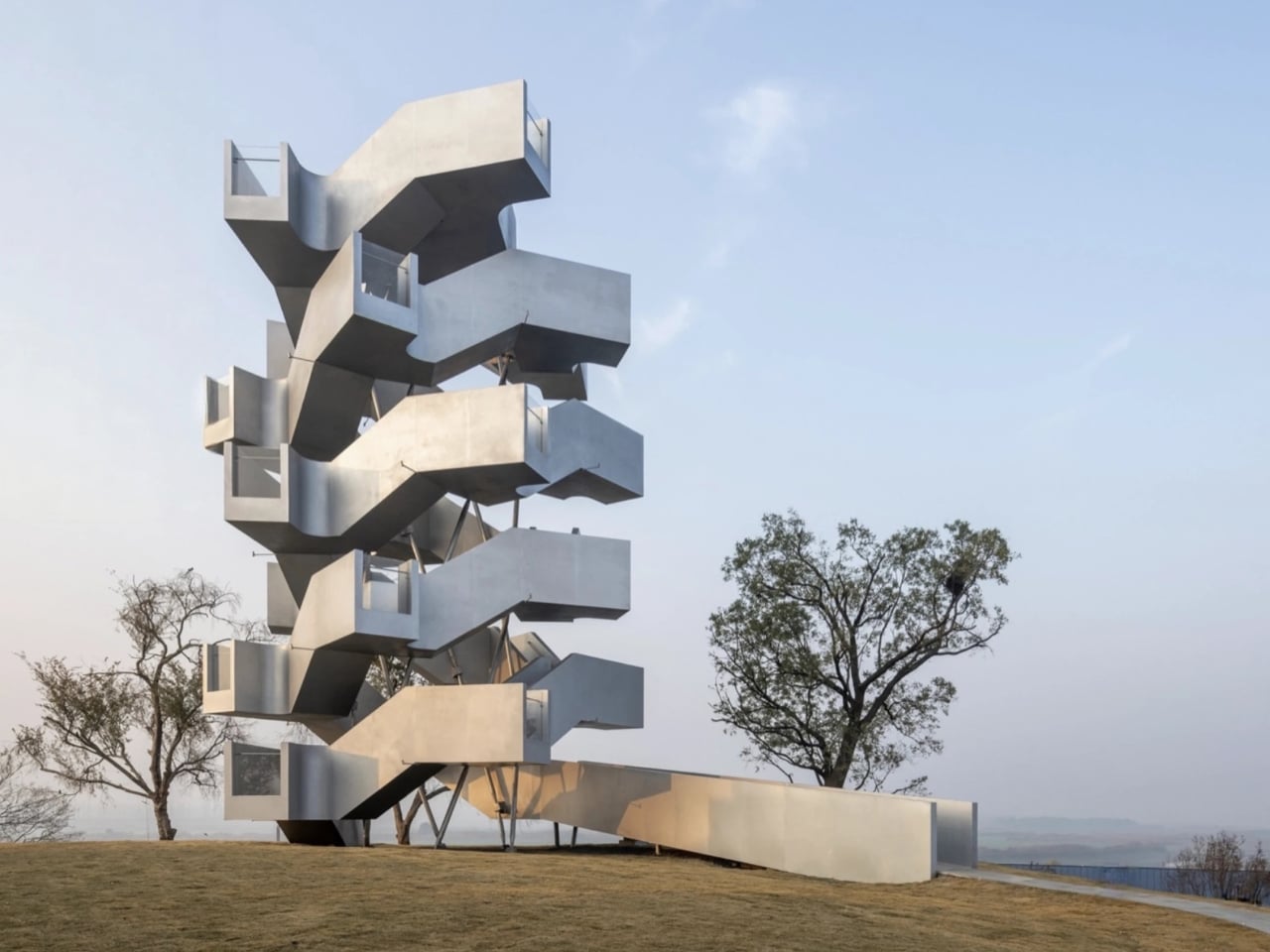
The structure is constructed from 24 prefabricated steel sections, with counter-rotating staircases wound around each other to form two completely independent routes up and down the tower. There is no central column. The staircases themselves carry the structural load. That’s a quietly radical engineering decision, and it tends to get overshadowed by how striking the exterior looks. Calling the Chenhu tower polarizing is accurate, and I say that as a genuine compliment. Architecture that makes you stop and argue with yourself about what you’re looking at is doing its job.
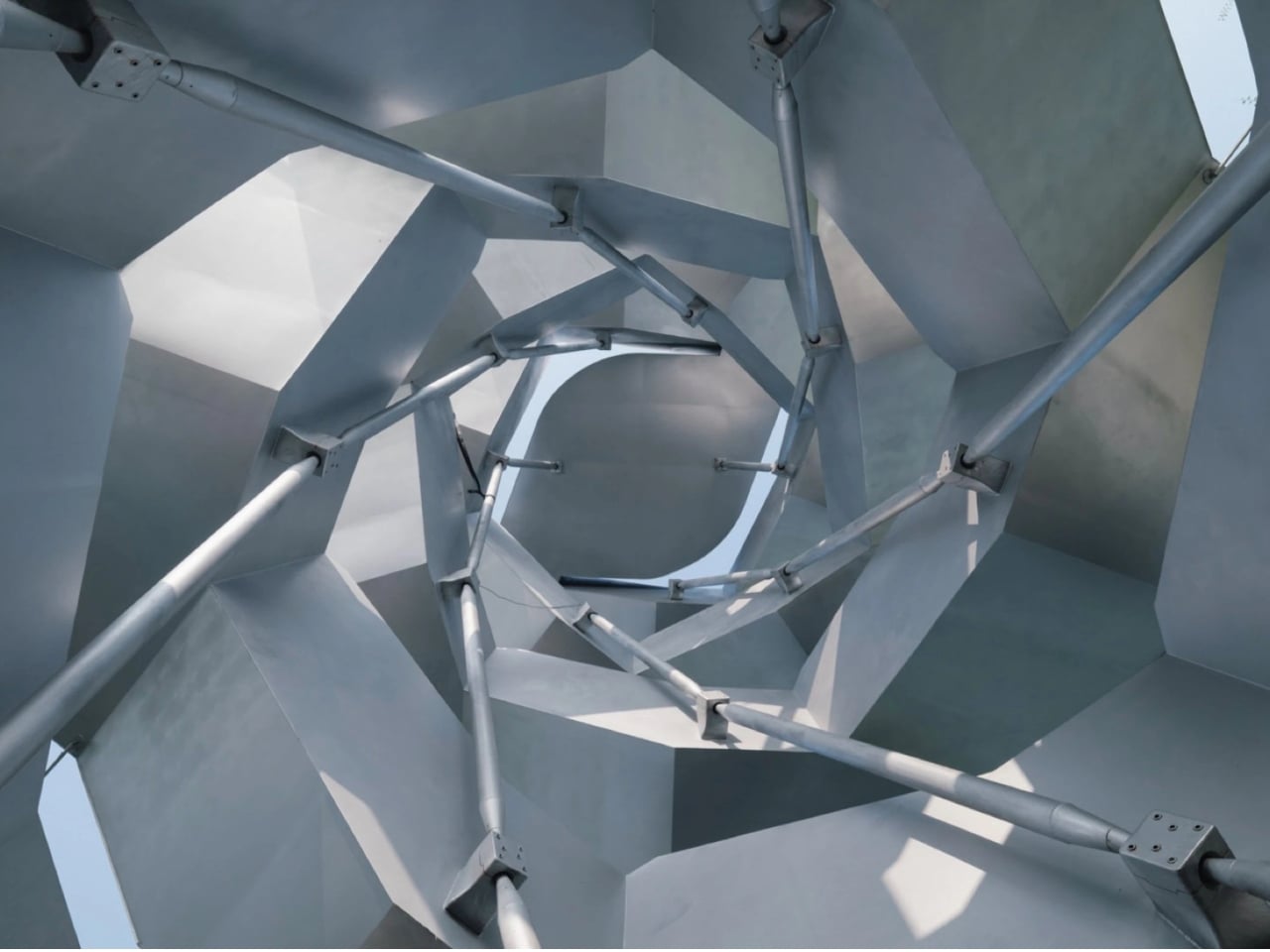
Twenty-four glazed viewing platforms are staggered along the climb, each offering a slightly different angle on the wetland below. Xiang Architects describes the experience as one where “the stairs establish a steady physical rhythm, while the platforms provide moments of pause and reflection.” That’s architectural language, but it’s actually true to what the design achieves. You’re not just going up to look at birds. You’re moving through a choreographed sequence of perspectives, with the landscape rearranging itself around you as you ascend.
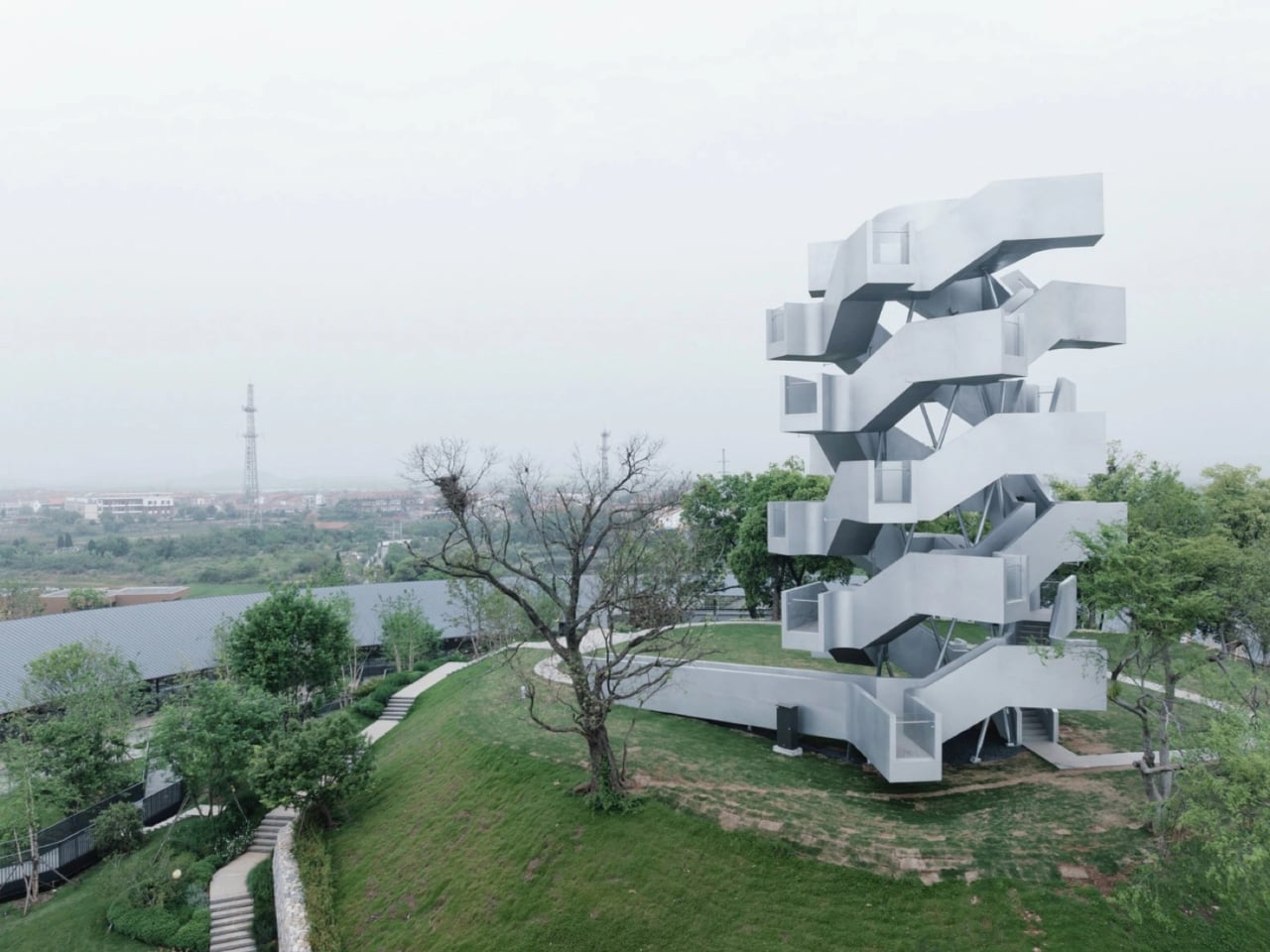
The steel exterior was a deliberate decision, and it’s the one I keep turning over. The tower makes no attempt to camouflage itself among the reeds and waterways. It gleams. It angles. It reflects light in ways that feel almost confrontational against the soft horizontality of the wetland. Some people will read that as arrogance, a manmade object insisting on its own importance in a space that belongs to birds. I see it differently. The boldness of the form draws attention to the landscape it inhabits rather than competing with it. A structure that tried to disappear would, paradoxically, give people less reason to make the journey in the first place.
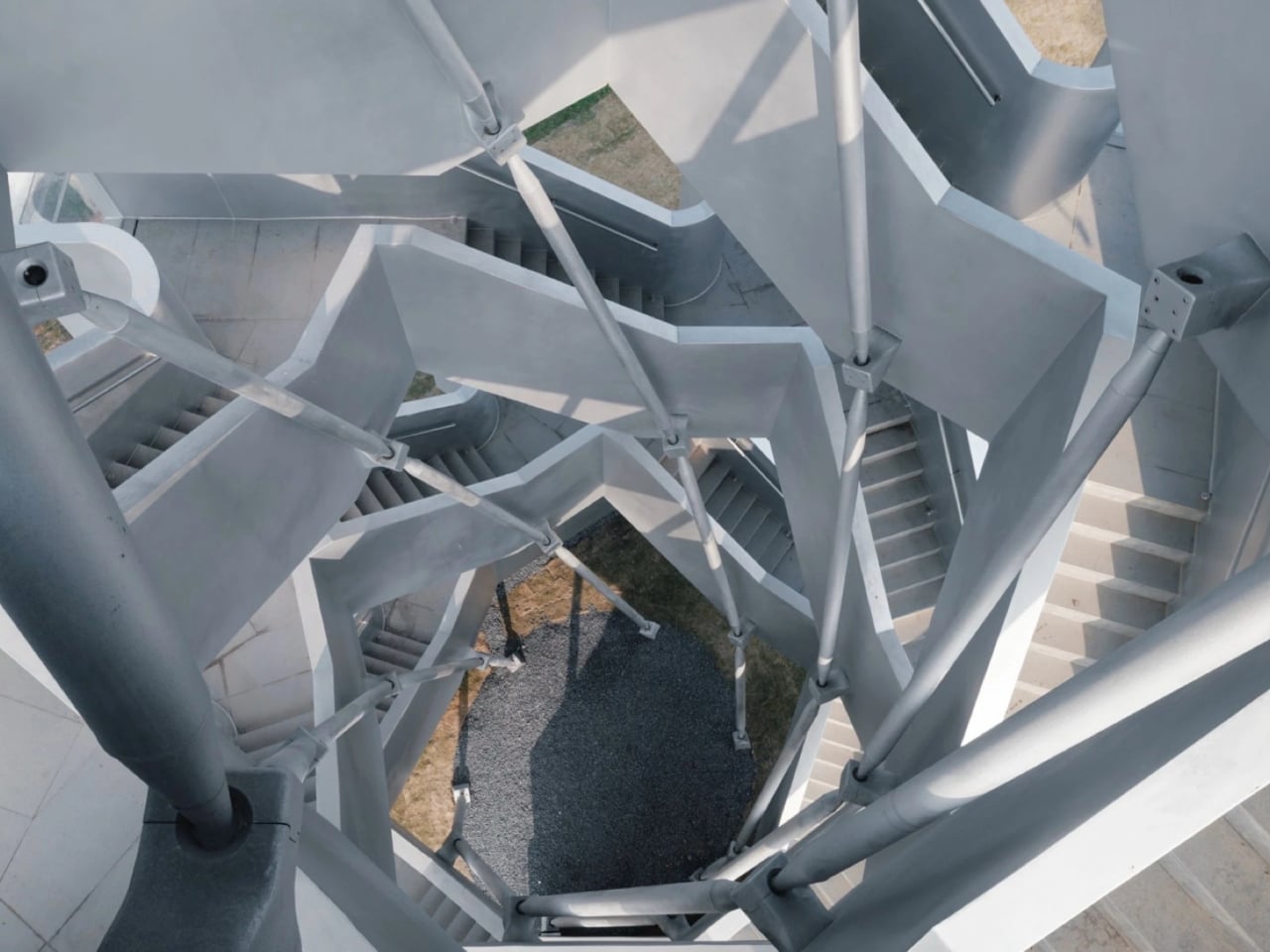
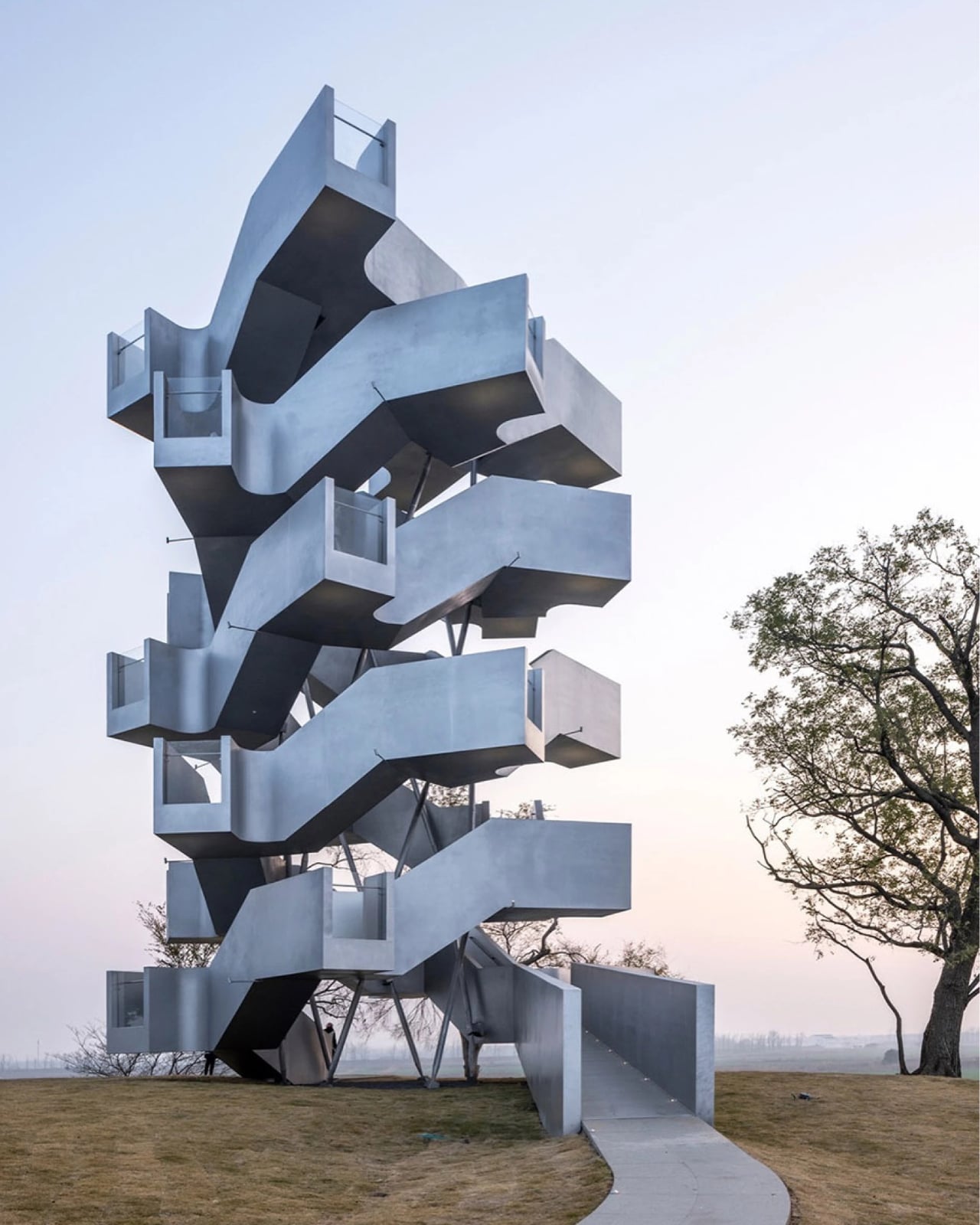
The double-helix form also deserves more attention than it sometimes receives. DNA-inspired shapes have appeared in architecture before, sometimes elegantly, sometimes as pure novelty with no structural logic to back them up. Here, the choice is functional. The counter-rotating staircases mean ascending and descending visitors never have to negotiate the same narrow passage at the same time. It’s a practical fix, but it carries a more interesting implication: two people climbing the same tower simultaneously could have entirely different experiences depending on which staircase they choose. That’s the kind of embedded design thinking that photographs don’t always capture but lands immediately when you’re actually moving through a space.
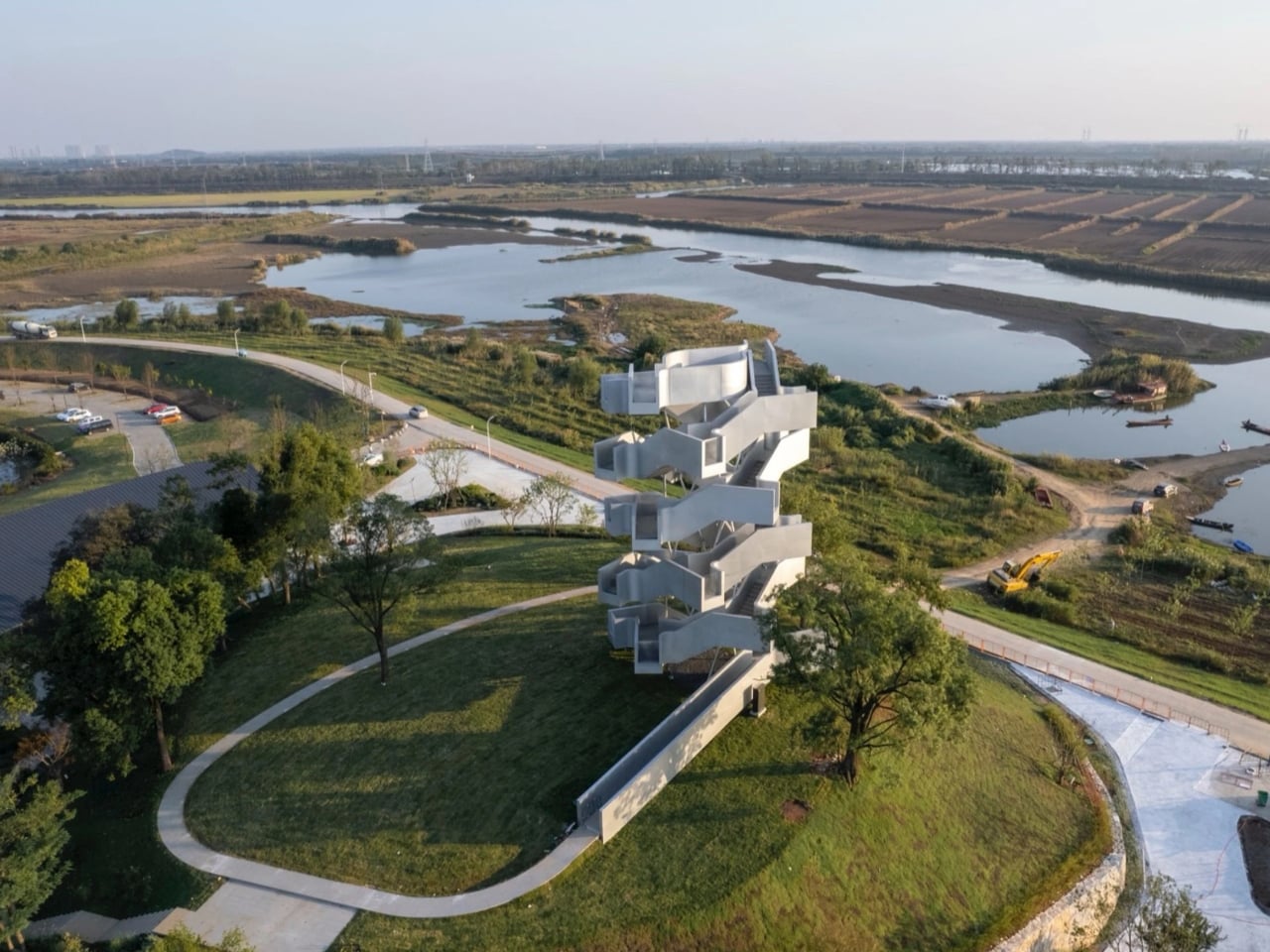
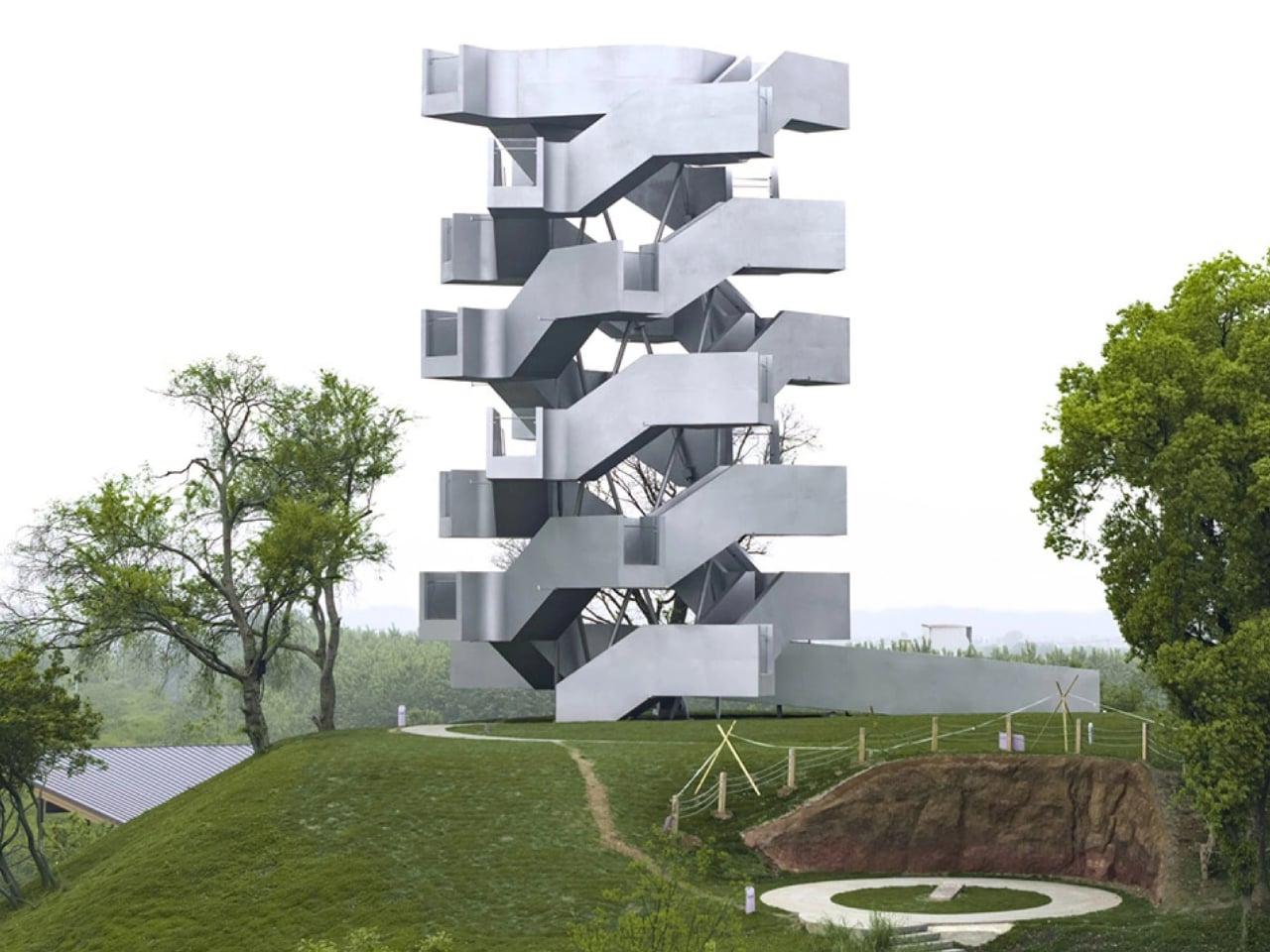
Observation towers occupy a curious position between utility and spectacle, and the best ones understand that the climb itself is part of what they’re offering. People don’t go to platforms like this purely to look at birds. They go to step outside the pace they’ve been living at, to be reminded that the natural world runs on a completely different schedule than anything with a notification badge. The Chenhu tower understands that. It just also happens to look extraordinary while doing it.
The post A 20-Meter Double Helix Tower Just Rose Over a Chinese Wetland first appeared on Yanko Design.
This Unusual Observation Tower Works Just Like A Gigantic Sundial

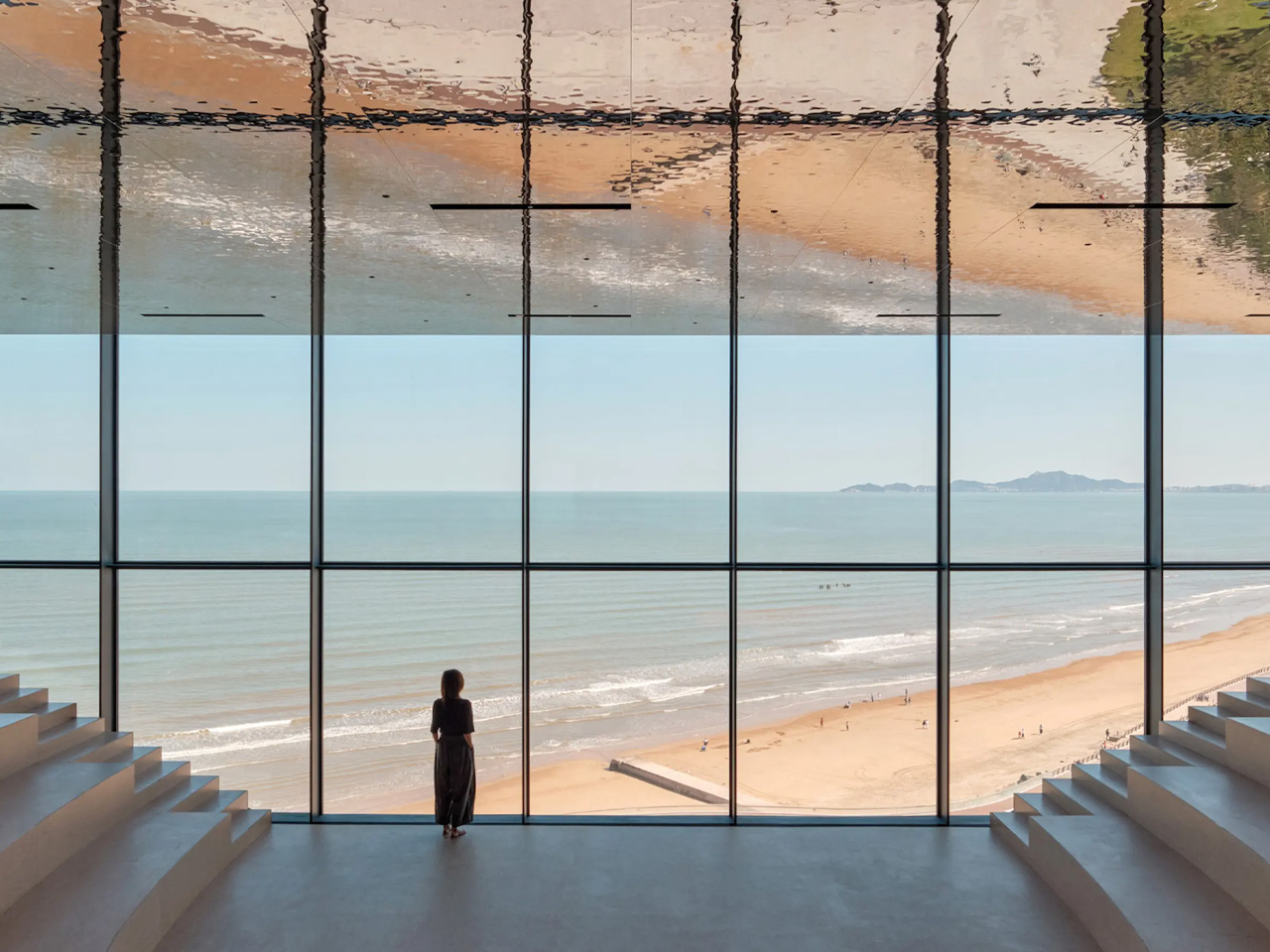
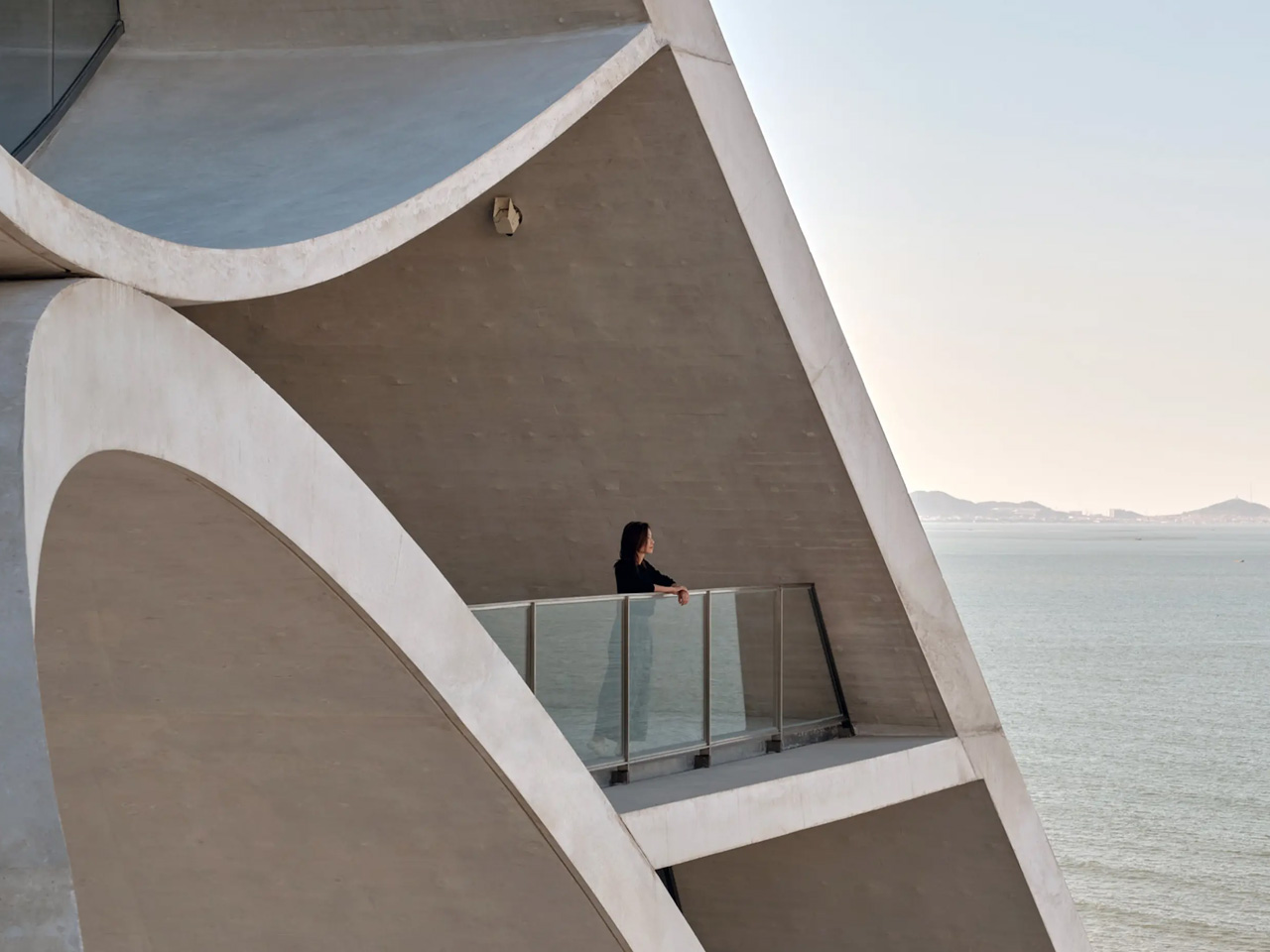
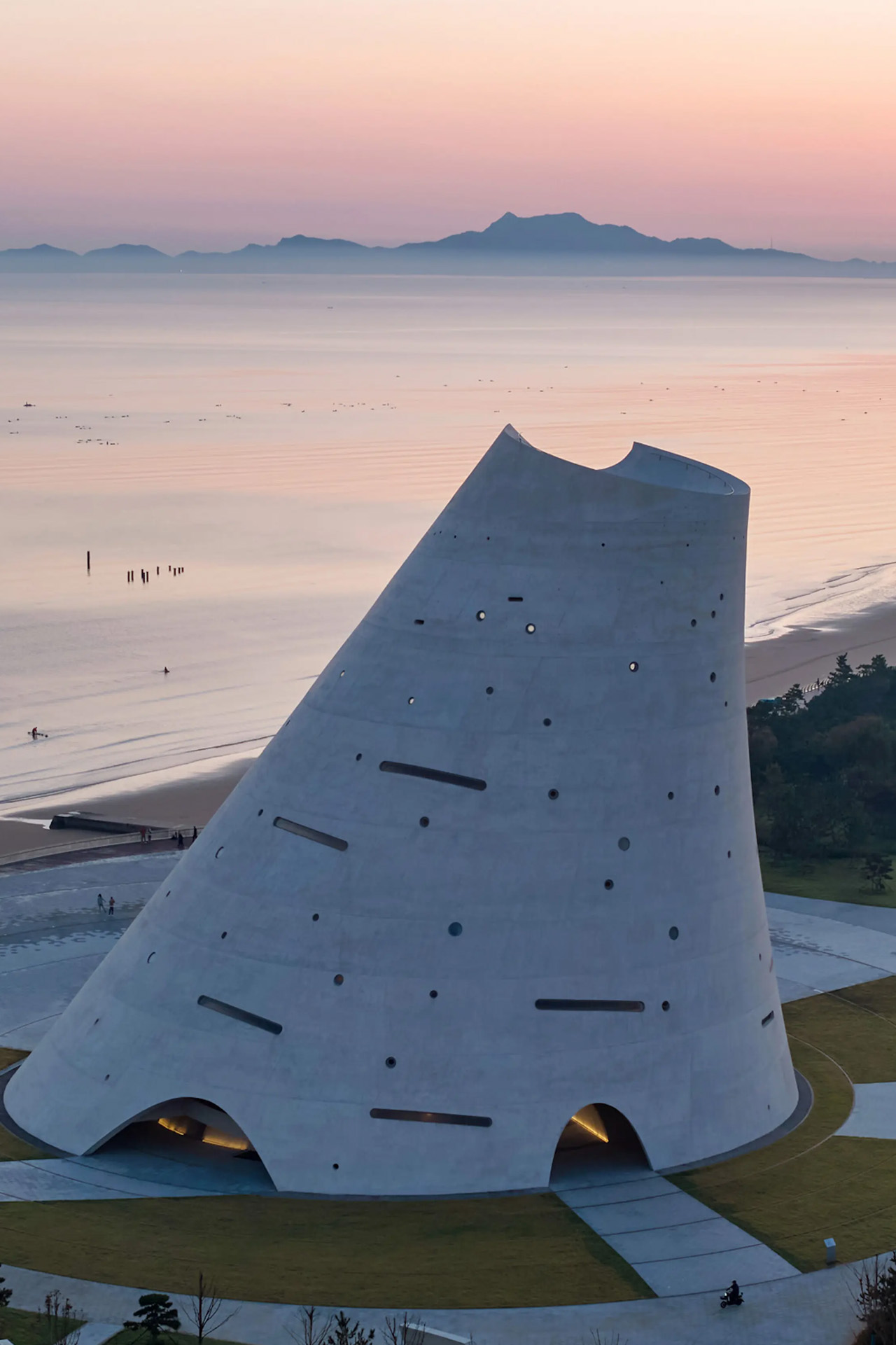
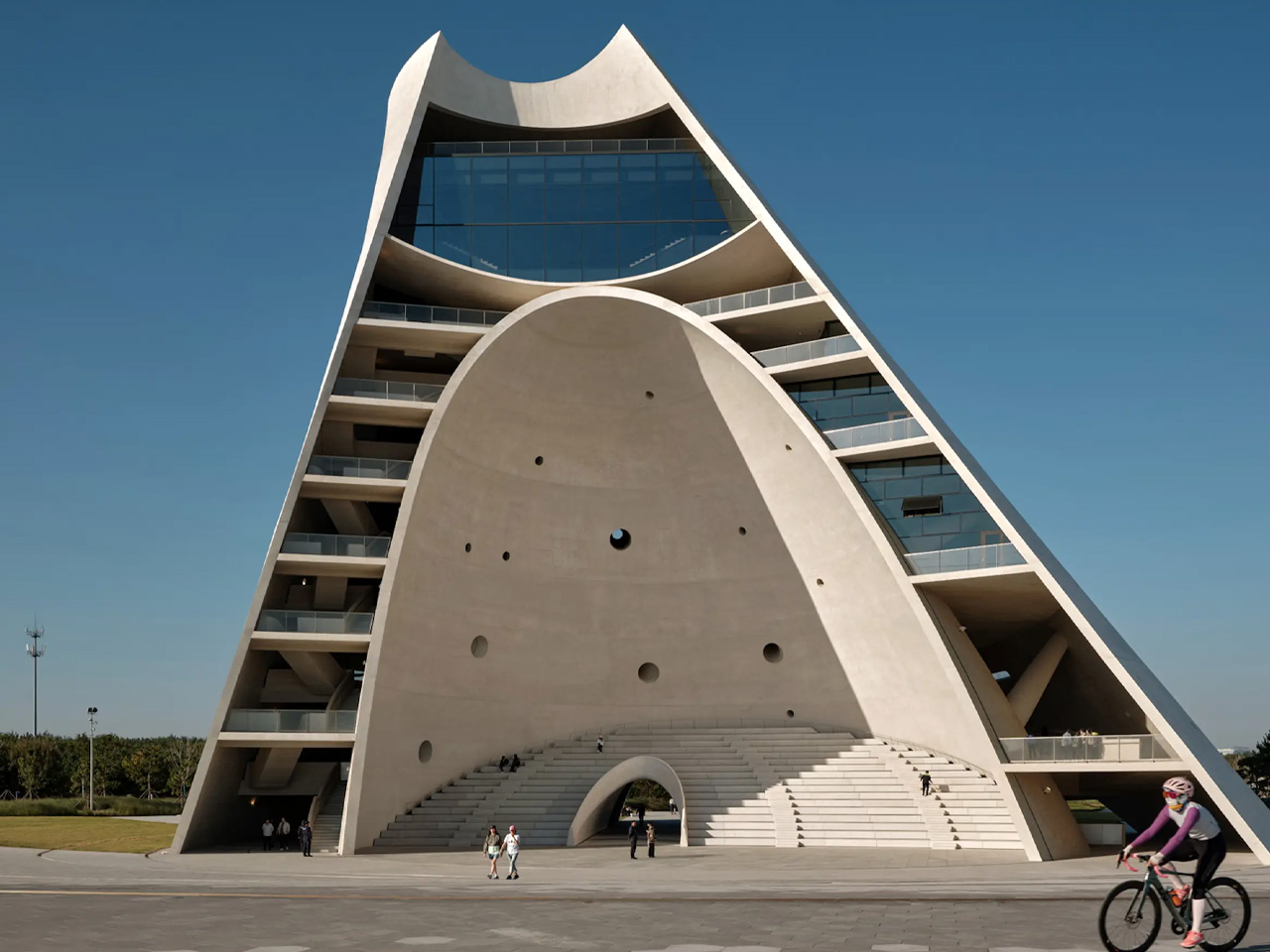
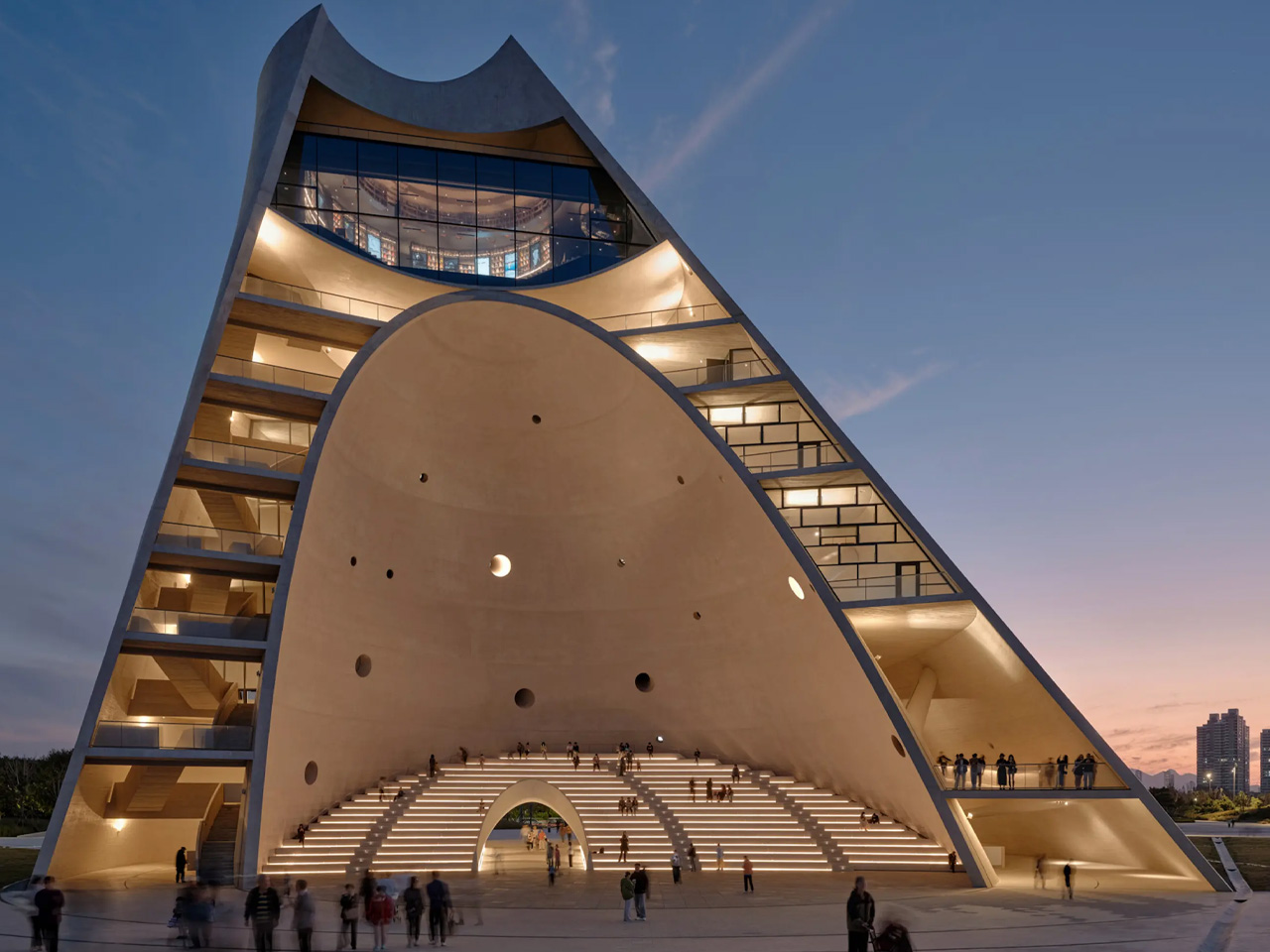
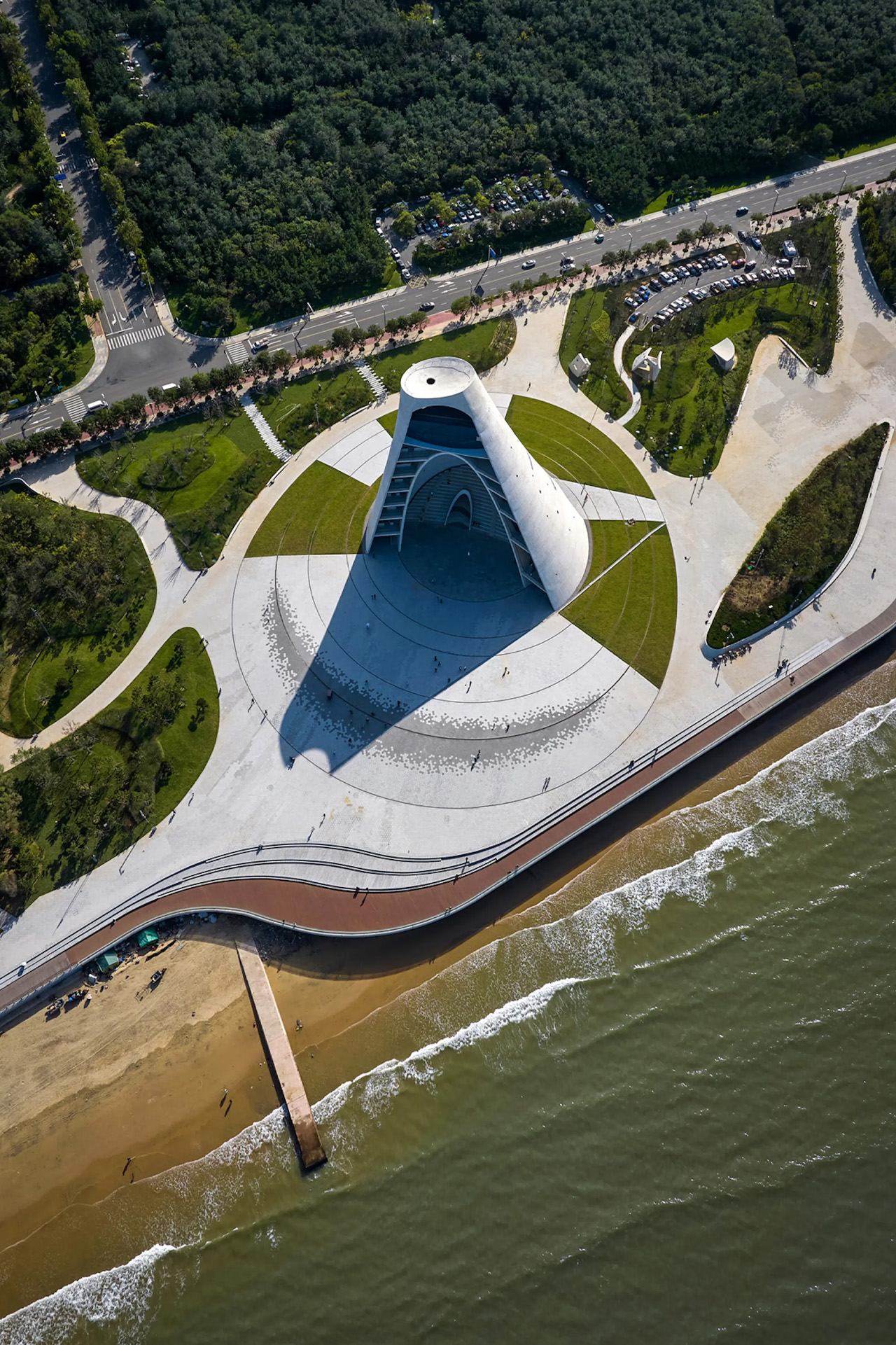
Designed by OPEN Architecture, the Sun Tower reaches a height of 50m and is located in Yantai, Eastern China. It forms an interesting and remarkable structure on the shoreline. It stands tall as a curving observation tower and functions much like a humongous sundial, marking the changes of the seasons.

The tower’s intriguing design draws inspiration from the area’s ancient history of Sun worshipping, and the watchtowers of ages galore that were utilized to warn the Chinese Emperors of possible seaborne attacks. The structure was built in collaboration with Arup, and its unique curving form is built from two layers of slanted concrete shells that allow the sound of the waves to echo.

Designer: OPEN Architecture 

“Informed by meticulous studies of the Sun, the northern edge of the building is parallel to the noon sunlight of the equinoxes, while the entrance tunnel aligns with the sunset during the Winter Solstice,” said OPEN Architecture. “Sitting at the center of the Sun Tower is a semi-outdoor theater, which has been orientated with its central axis pointing towards the sunrise over Zhifu Island on Summer Solstice.

The concave inner shell of the tower is perched towards the ocean. It absorbs the soothing sounds of the ocean, amplifying back through the entire structure, and even down to the amphitheater at the base. The center of the Plaza features a series of elliptical rings that look like planetary orbits. “A water channel is carved into the stone pavement. The intersections between the rings and the water channel mark the building shadow at specific hours during the equinoxes, and one outer ring features a series of fountains that celebrate the 24 solar terms of the traditional Chinese calendar,” continued OPEN Architecture.

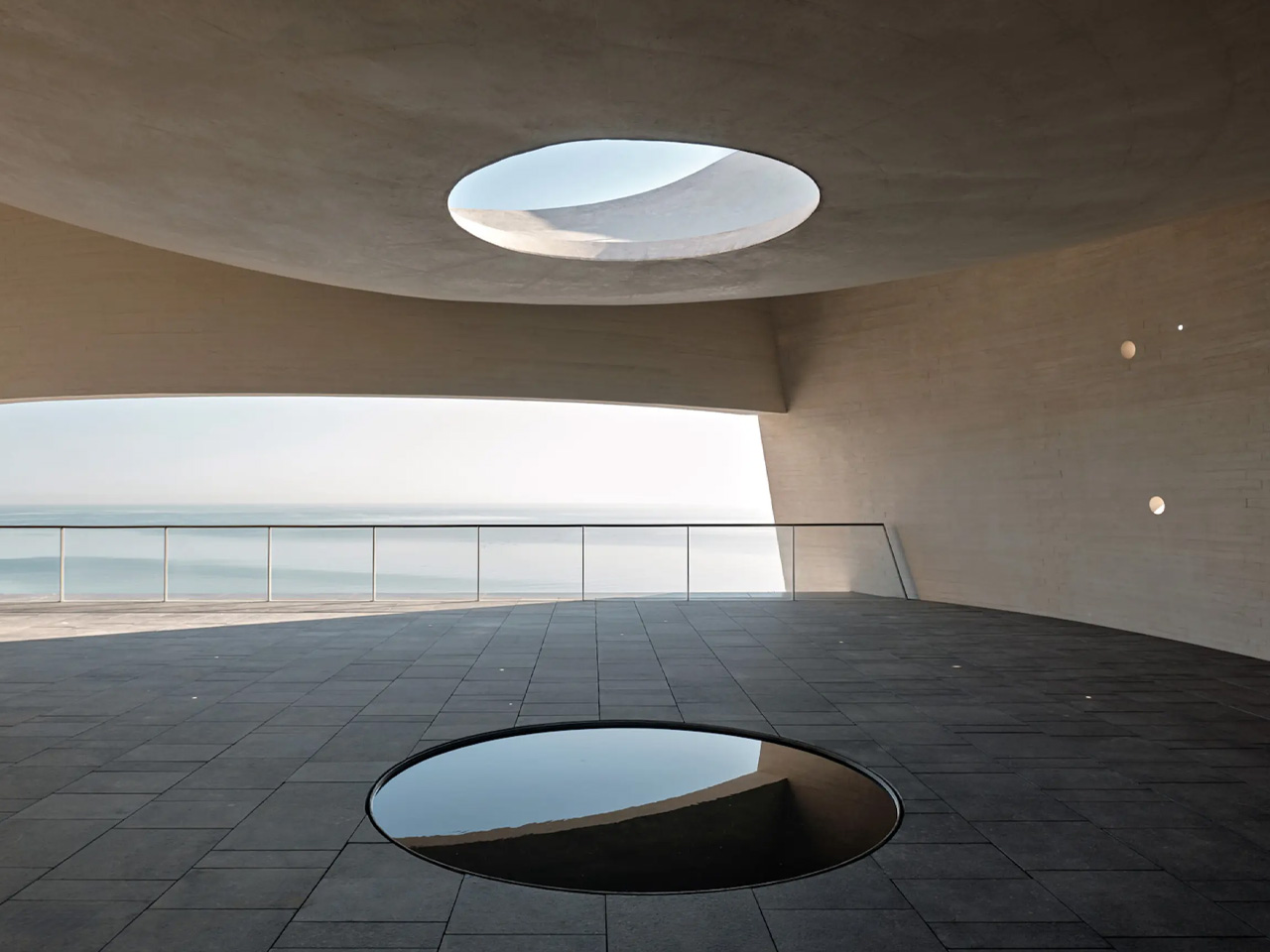
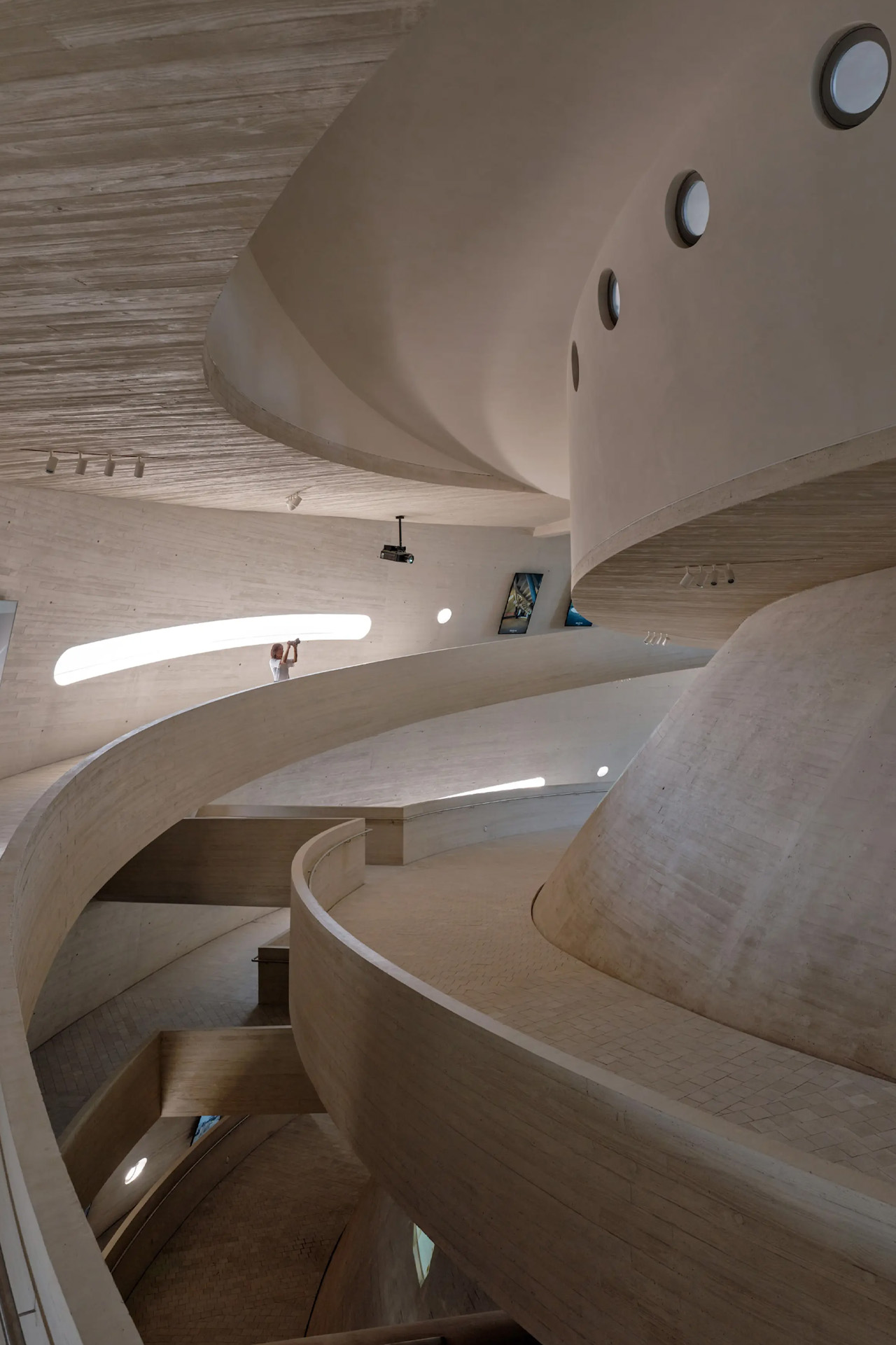
The top of the tower includes a library and a viewing point. It also contains a “Phenomena Space” – a semi-outdoor observation deck. This deck is equipped with an oculus opening that lets the rainwater enter. The rainwater is collected in a little pool installation. The tower also houses exhibition spaces including digital screens and projections that have been built around winding pedestrian ramps. These ramps rise throughout the structure. A theater is placed on the ground floor, and it includes stunning views of the sea.

Passive strategies were adopted to better manage the Sun Tower’s interior temperature. Cross-ventilation is encouraged by installing operable openings on both shells, and hot air is removed from the building via the chimney effect. The Sun Tower is truly a unique and one-of-kind observation tower, and is another addition to Open Architecture’s collection of unusual and awe-spiring buildings.

The post This Unusual Observation Tower Works Just Like A Gigantic Sundial first appeared on Yanko Design.
An Hourglass Shaped Observation Tower In Sweden Satisfies The Birdwatcher In You

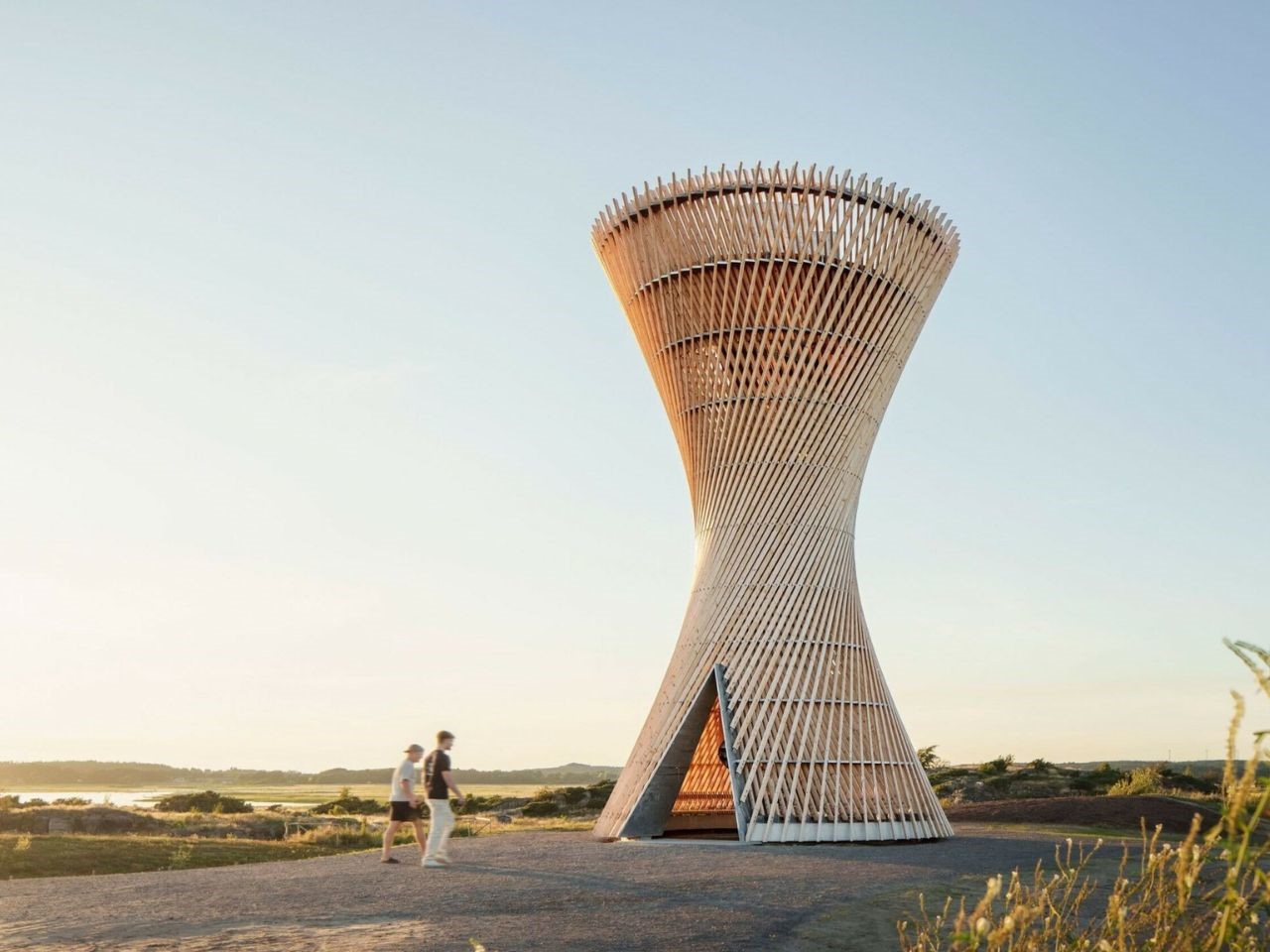
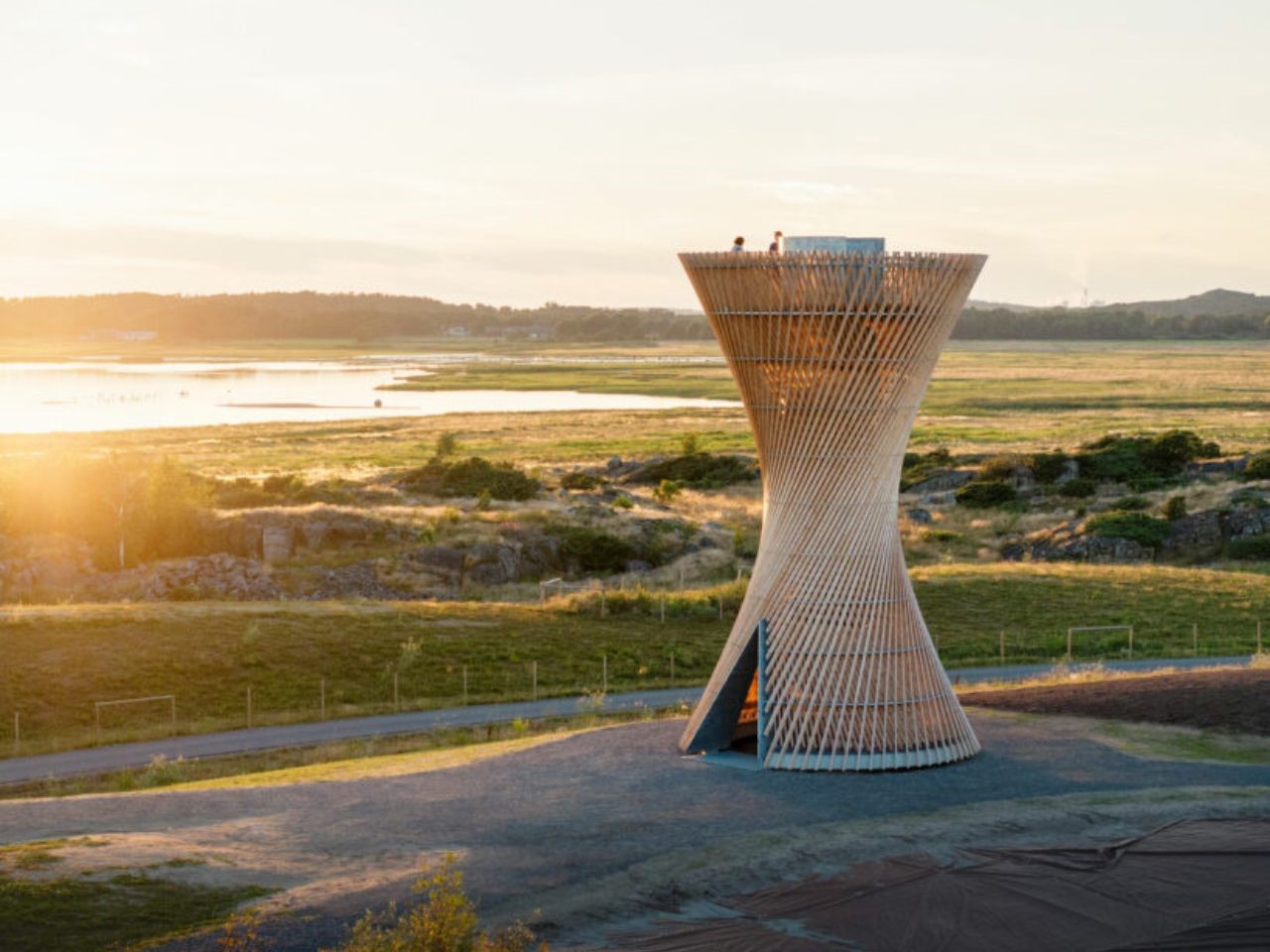
White Arkitekter, the renowned Swedish architecture studio, has recently unveiled its latest creation, the Observation Tower Kärven, in the scenic Getterön nature reserve on Sweden’s west coast. This 12-metre-tall structure, which emerged as the winning entry in an architectural competition organized by the Varberg Municipality, stands as an iconic testament to innovative design and sustainability.

Designer: White Arkitekter

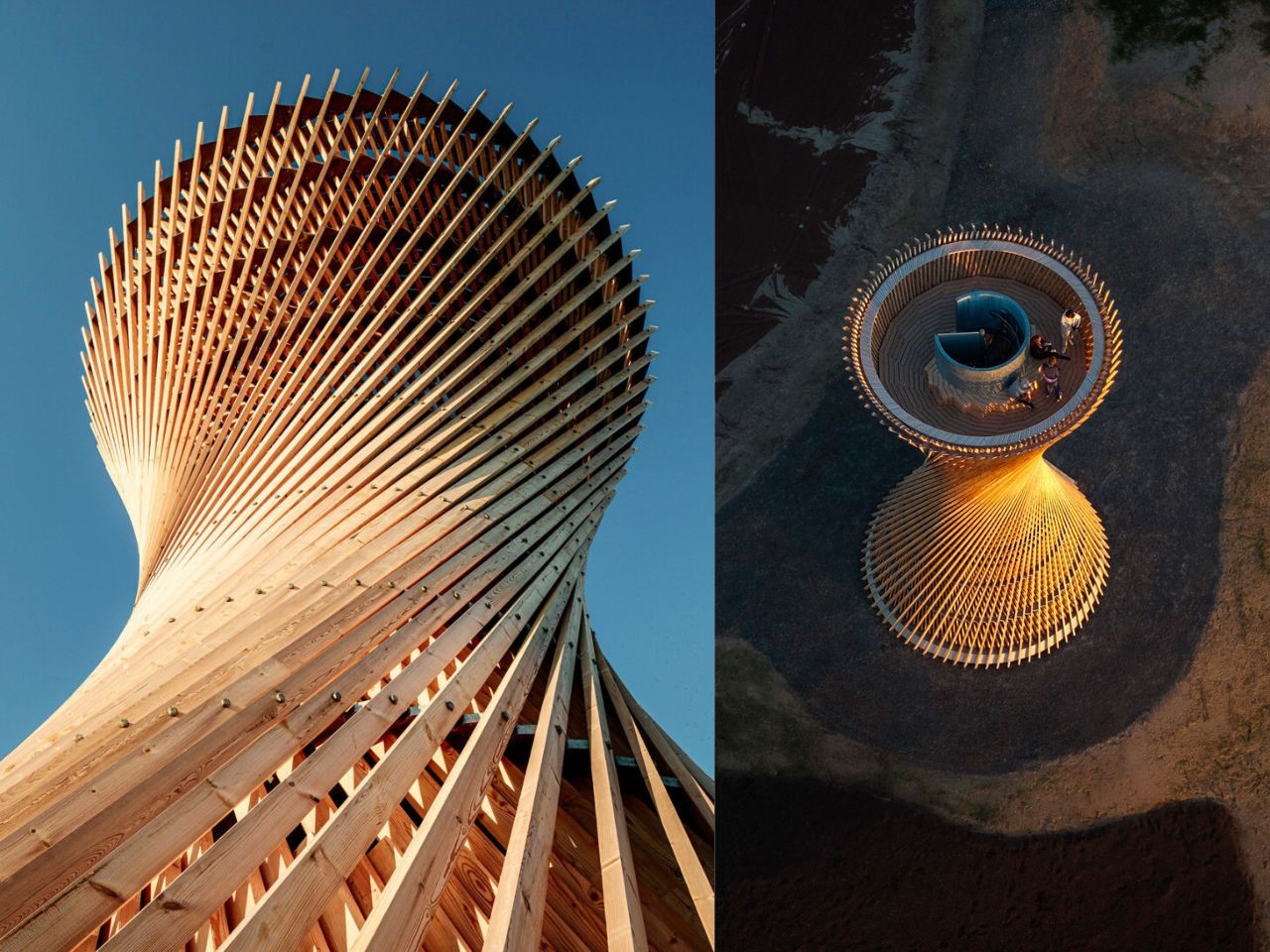
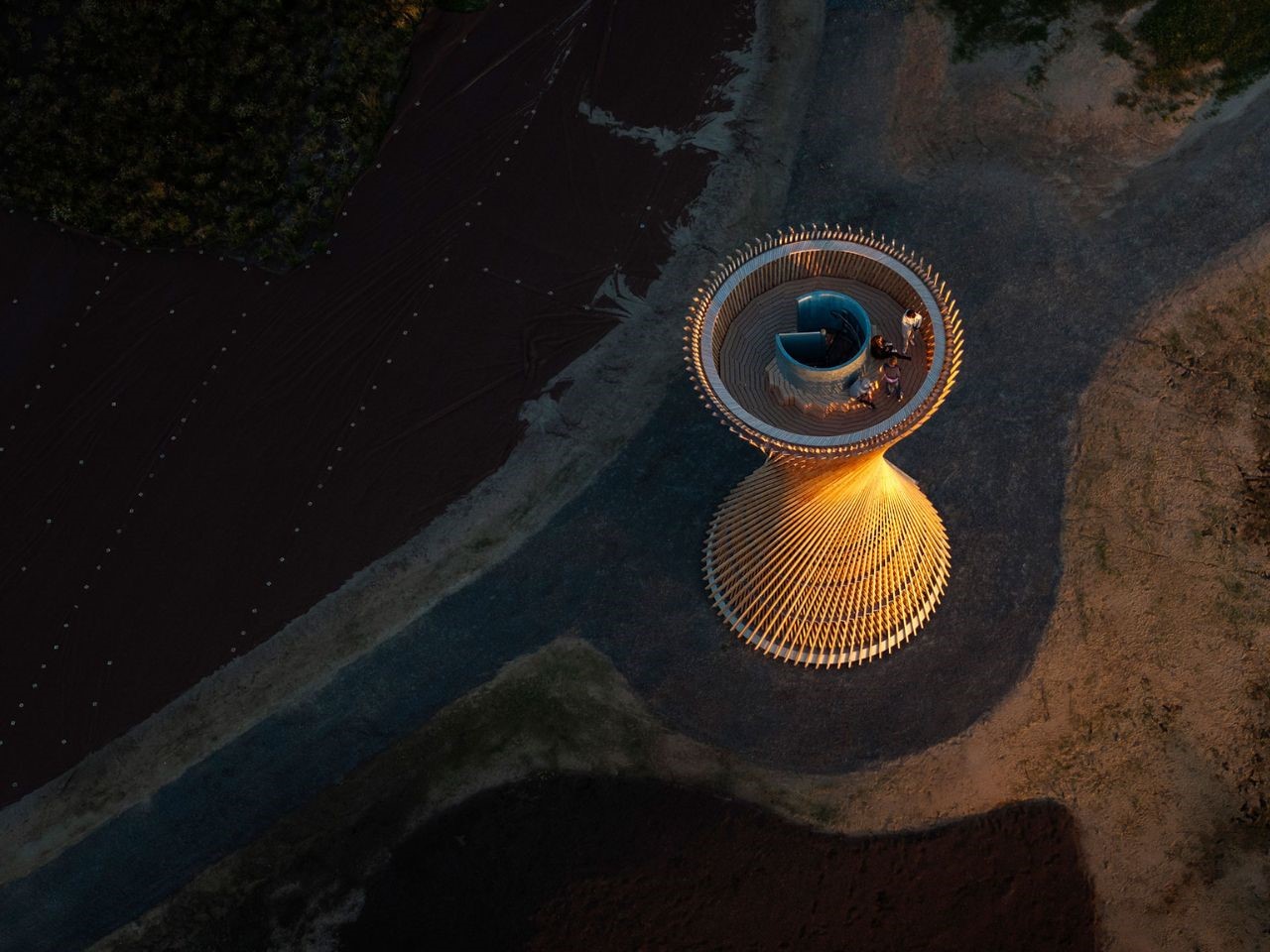
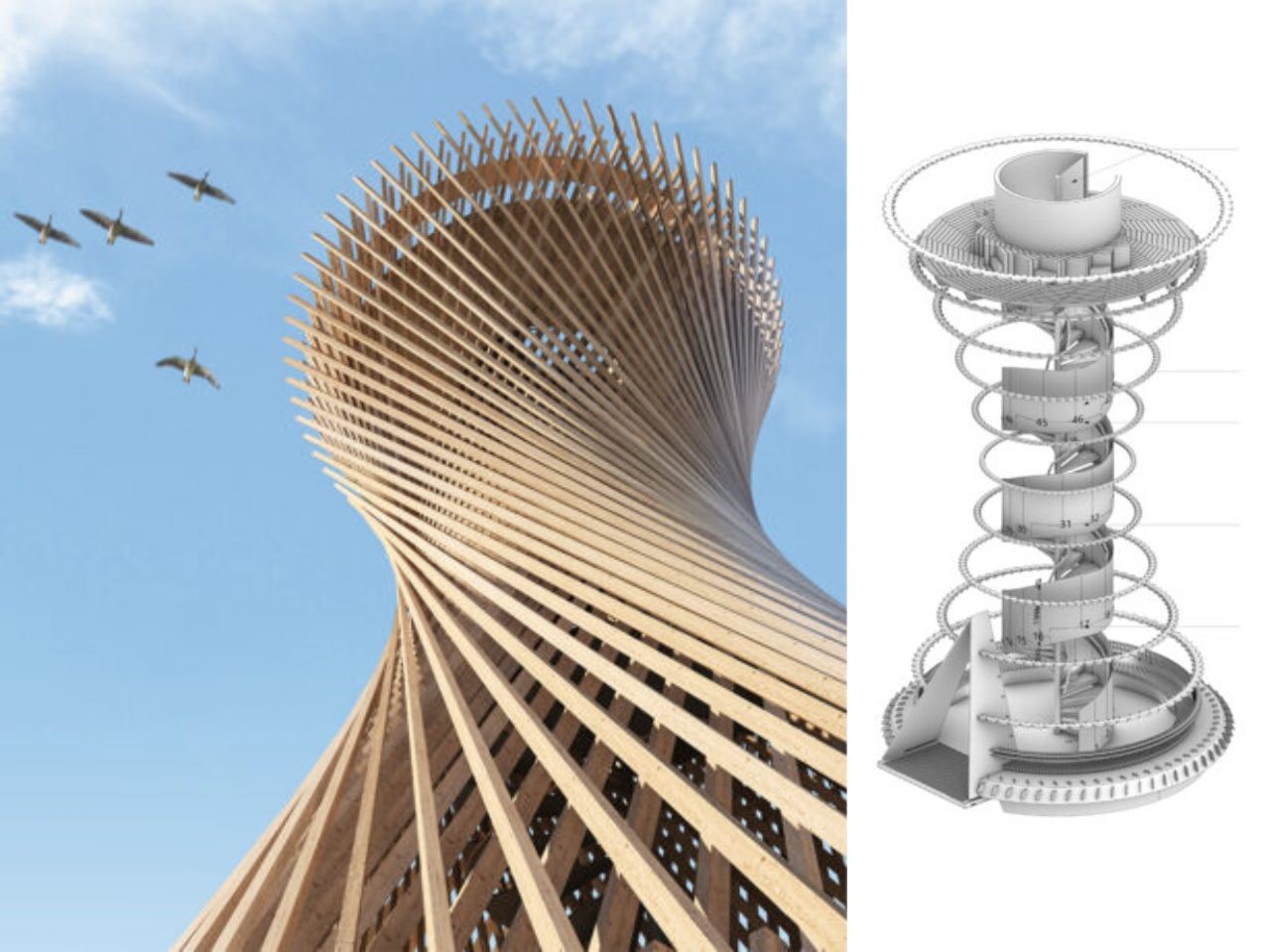
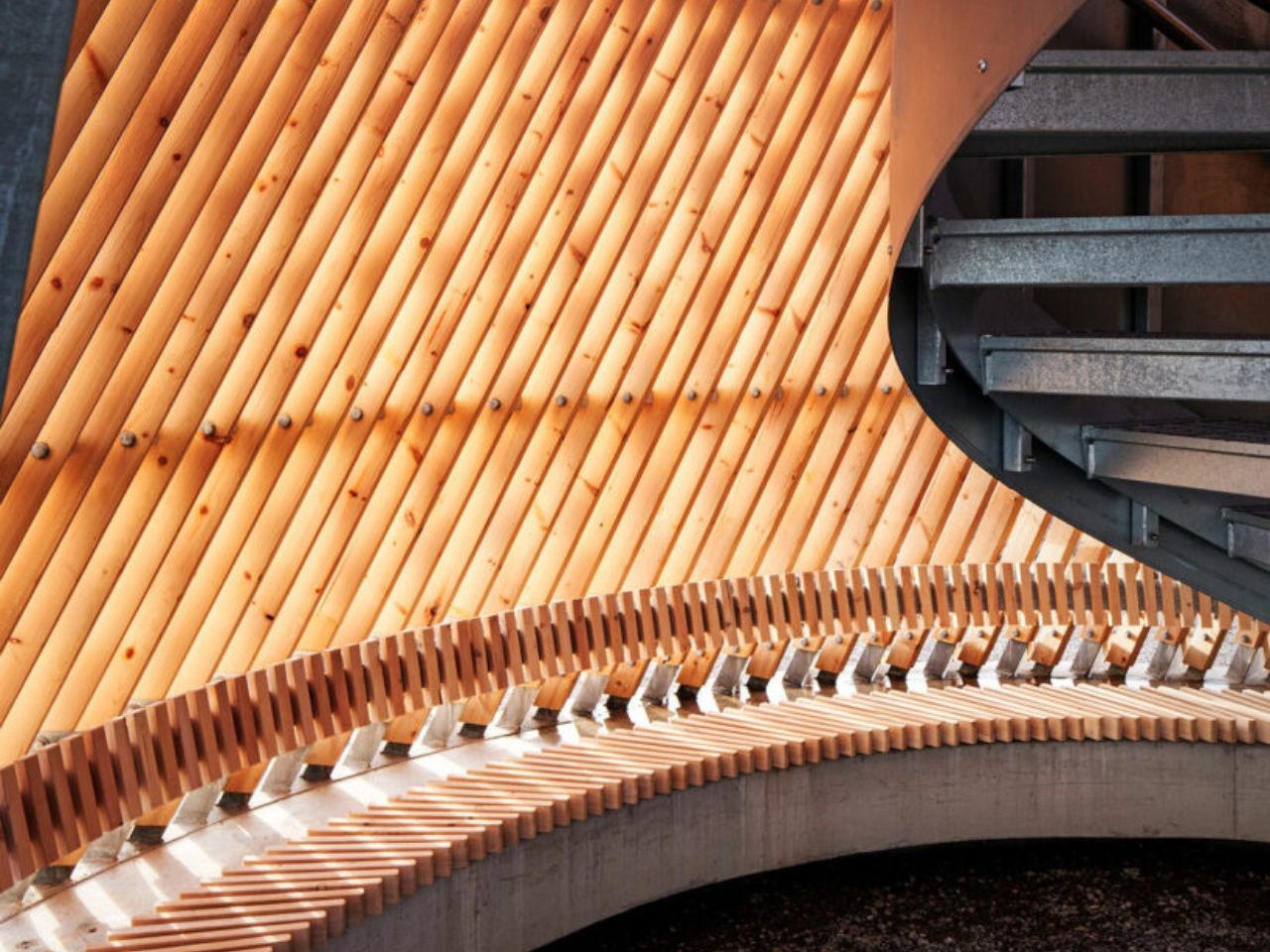
The Kärven tower, which rises like an intricate lattice from the landscape, was described by White Arkitekter as having a “visually striking simplicity, reminiscent of a bundle of twisted straws.” The tower’s construction, composed of 140 timber beams and metal rings, creates a dynamic hyperboloid shape, a complex structure that fuses nature-inspired elegance with structural ingenuity.

This lattice of timber beams, skillfully arranged in a three-dimensional puzzle, gives the tower its distinctive hourglass silhouette. From a distance, the structure appears curved, but closer inspection reveals that the form is actually composed of straight beams, cleverly assembled to create the illusion of curvature.

The Kärven project required seamless collaboration between architects and structural engineers. Lead architect Lukas Nordström emphasized that “the concept required an understanding from both architect and structural engineer of each other’s disciplines.” This interplay of architecture and construction is evident throughout the tower, where the boundaries between design and engineering blur, reflecting the harmony achieved between aesthetics and functionality.

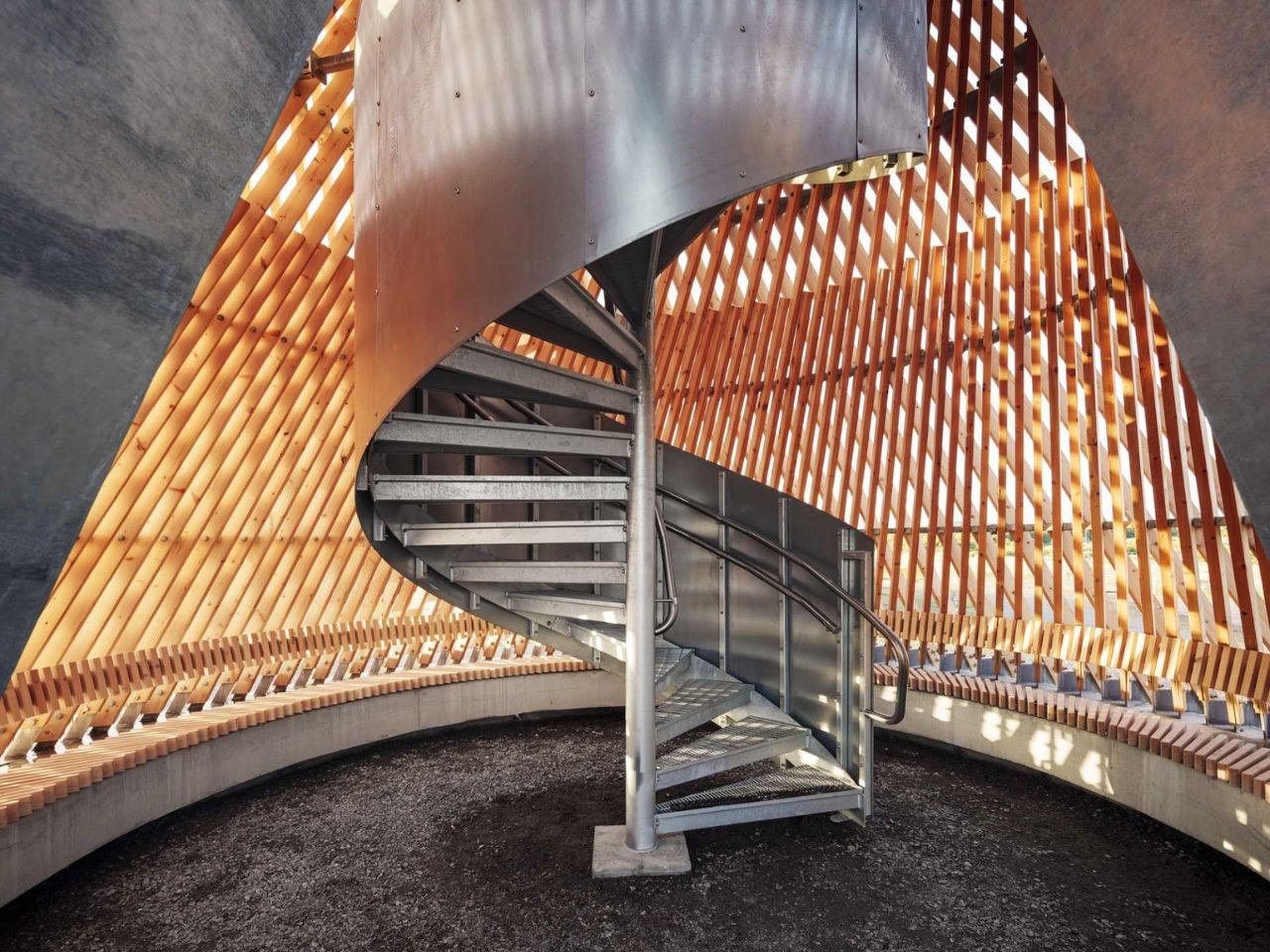
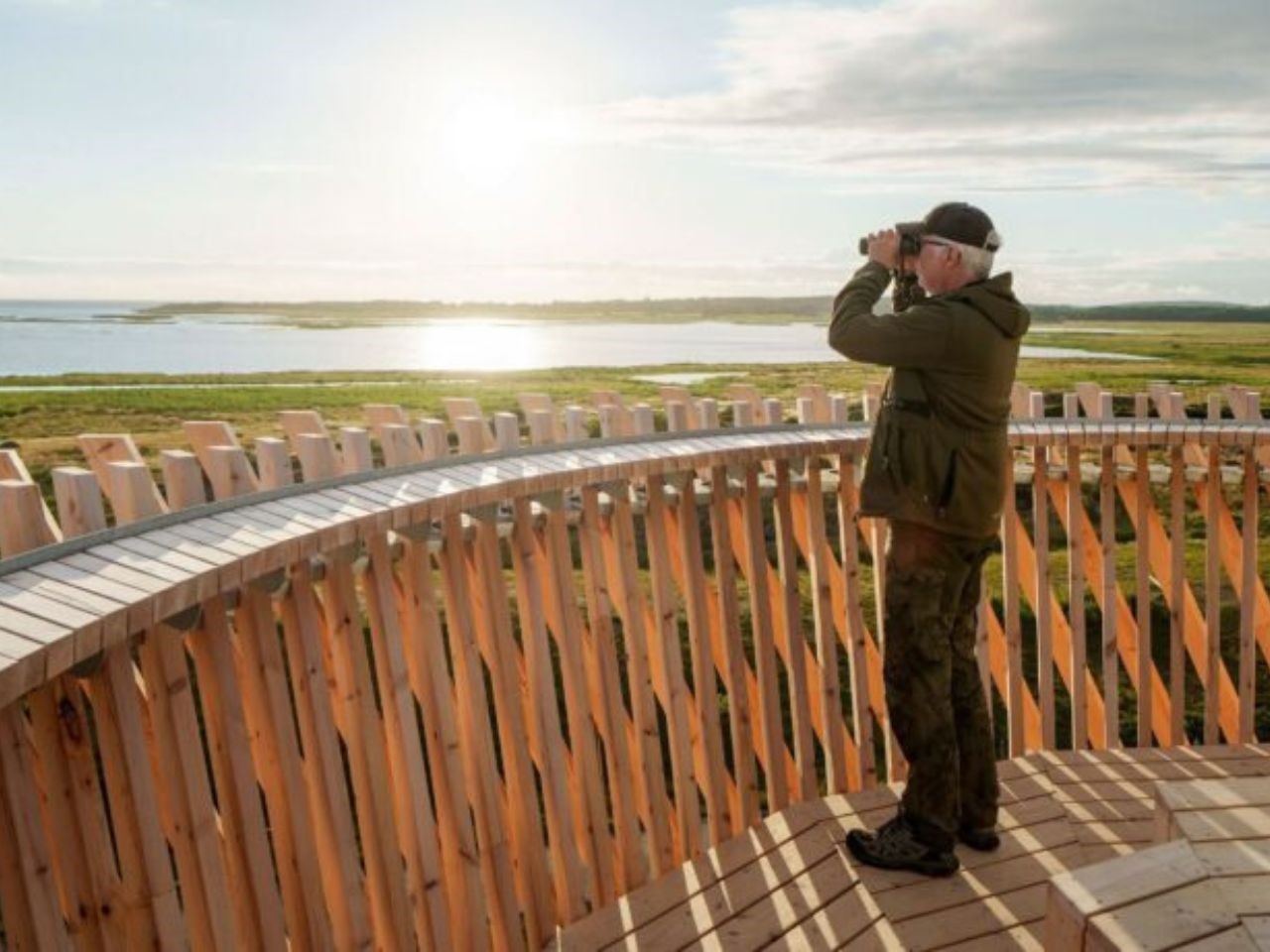
Nestled within the Getterön nature reserve, known for its rich birdlife and picturesque wetlands, the Kärven Observation Tower offers visitors uninterrupted views of the surrounding landscape. Rising from a metal-framed opening at ground level, visitors enter a sheltered space before ascending the tower’s metal spiral staircase. This staircase spirals upward to the open-air observation deck, where visitors are treated to panoramic views of the reserve and beyond.

The deck itself is an architectural marvel, framed by the rising timber beams that also serve as a balustrade, wrapping visitors in the same web-like structure that defines the tower. A geometric bench surrounds the staircase, inviting visitors to pause and reflect while they take in the stunning vistas.

One of the most remarkable aspects of the Kärven tower’s construction was its efficiency. Each of the 140 timber beams was installed on-site in just two minutes, with the entire assembly of beams taking a little over a week. This hybrid structure of timber and metal, combined with the use of parametric modeling and calculation software, allowed for precise planning and execution.

The design process made use of Grasshopper, a parametric design software, which enabled the team to map out the mathematical relationships needed for the intricate structure. This technology was crucial in realizing the tower’s complex geometry while also allowing for sustainable and local construction practices. The assembly, carried out by local contractors using standard timber dimensions, required no special tools, underscoring the tower’s emphasis on simplicity and sustainability.

The Kärven Tower was designed to fulfill the Varberg Municipality’s vision of a landmark that would attract visitors and enhance the area’s natural beauty. White Arkitekter has succeeded in creating a structure that not only serves as a viewing platform but also as a symbol of architectural and environmental harmony. With its three-dimensional woven structure, the Kärven tower not only engages the eye but also enriches the experience of the landscape it inhabits.

The post An Hourglass Shaped Observation Tower In Sweden Satisfies The Birdwatcher In You first appeared on Yanko Design.