Toyota’s $2,500 GR KART lets you own a real racing machine without the usual hassle

Owning a racing kart usually comes with a few less exciting considerations. You have to ask where to keep it, how to get it to a circuit, and how much maintenance it will need between track days. Toyota Gazoo Racing has designed its new GR KART around those everyday concerns, creating an entry-level machine that is meant to make getting into motorsport a little less complicated.

Priced at approximately $2,500, the compact kart is aimed at newcomers and families who want something more serious than a rental kart without taking on the usual ownership headaches. Toyota is initially offering it in Japan through 36 participating kart tracks and seven GR Garage locations.

Designer: Toyota

The GR KART uses a 215-cc engine and weighs 183 pounds. Its driving position is designed to work for more than one person, with adjustable pedals and a tilting steering wheel accommodating drivers between 135 and 185 centimeters tall. That means a single kart can be shared within a family instead of being set up around one specific driver. Transport and storage have also been a major consideration of the design, as the kart can fit inside Toyota’s Noah and Voxy minivans without being disassembled. This means taking it to a circuit does not require a dedicated trailer or transport vehicle. Toyota has also designed its fuel system and oil catch tank so the kart can be stored vertically without first draining the fluids.

Maintenance is quite straightforward as there is no chain drive commonly found on racing karts. Toyota uses a belt-drive system with an automatic tensioner instead. It is a small change, but one that removes some of the routine adjustment and mess associated with a conventional chain. Toyota has also built a small digital layer around the ownership experience. A dedicated GR application provides instructional material for drivers, while buyers receive a digital driver’s passport. The passport can be used at participating tracks, helping simplify access for people who may be trying circuit driving for the first time.

The idea behind the GR KART is closely tied to Toyota chairman Akio Toyoda’s interest in making motorsport more accessible. Rather than positioning racing as an expensive hobby that requires specialist equipment and considerable preparation, Toyota is treating the kart more like an approachable piece of recreational equipment. The company says the project is intended to help more people experience motorsport and develop an interest in driving.

At less than $3,000, the go-kart is still a dedicated track machine, but Toyota has considered what happens before and after the actual driving. For an entry-level racing product, those details may ultimately be what make the biggest difference.

The post Toyota’s $2,500 GR KART lets you own a real racing machine without the usual hassle first appeared on Yanko Design.
Porsche Mission S ‘Boattail’ Concept showcases a Thrilling New Aerodynamic Form

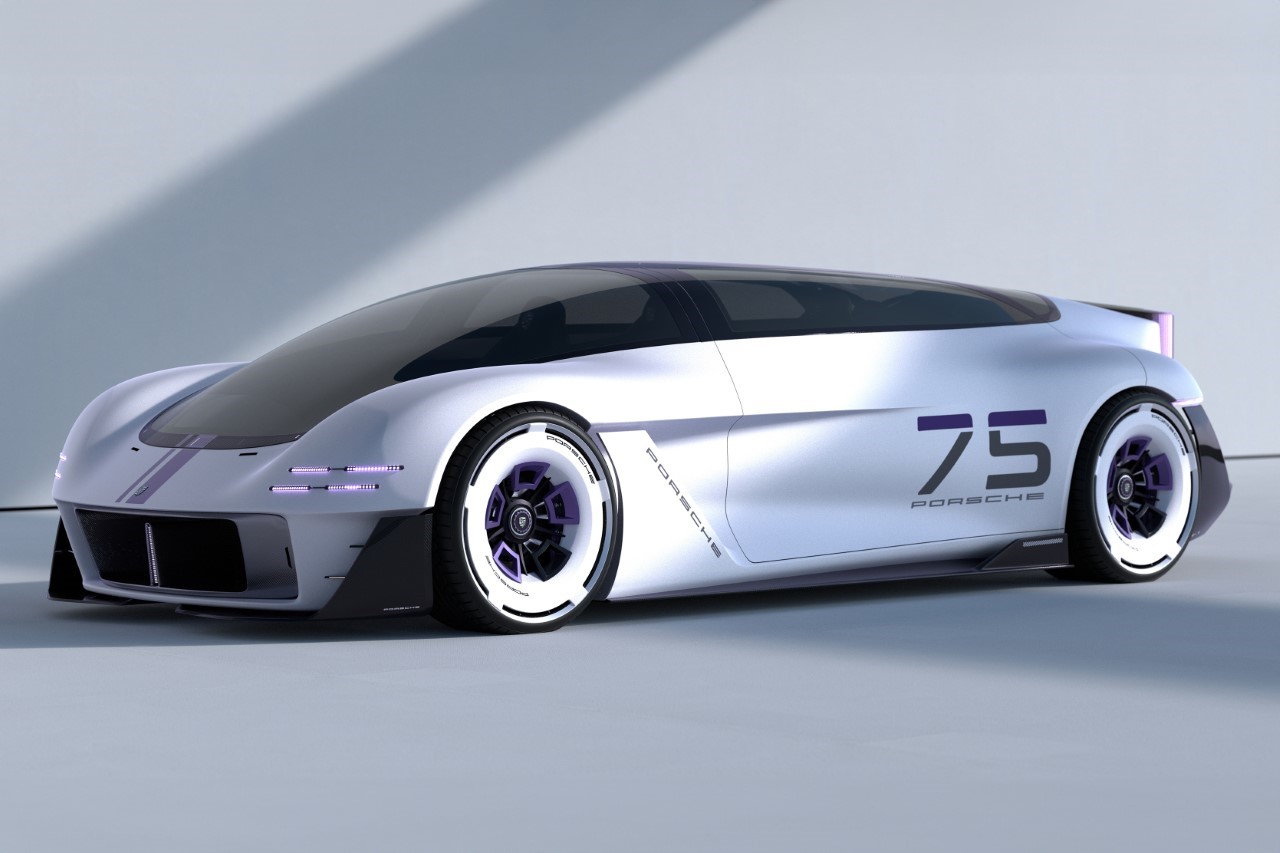
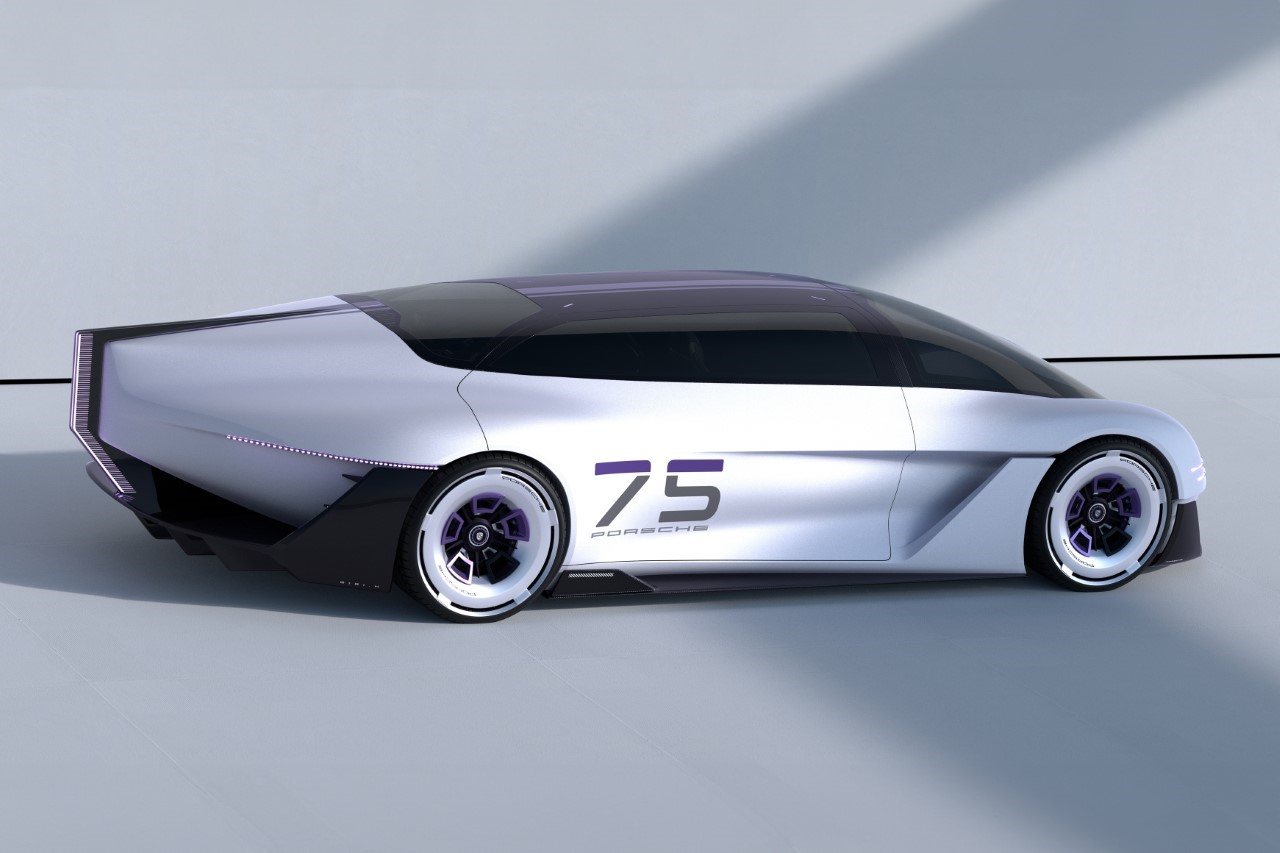
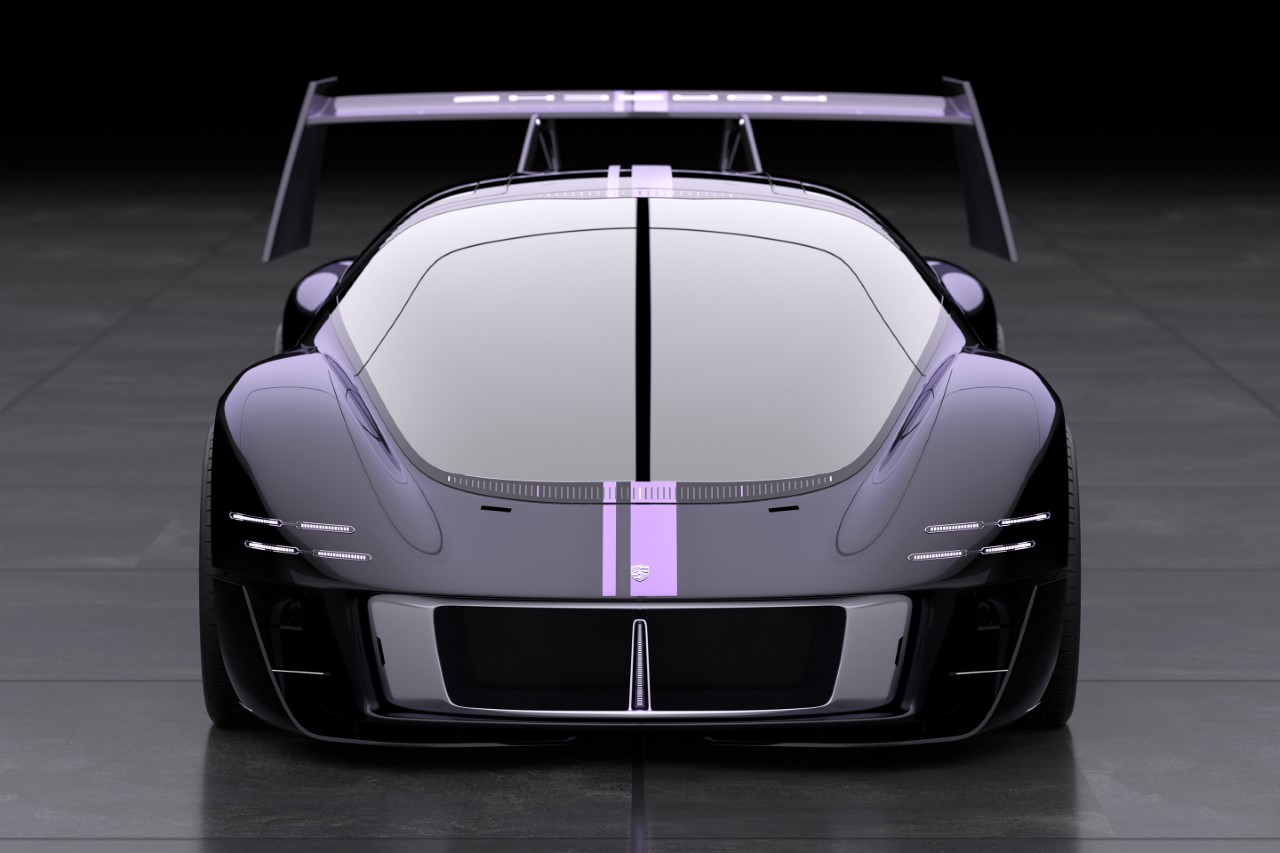
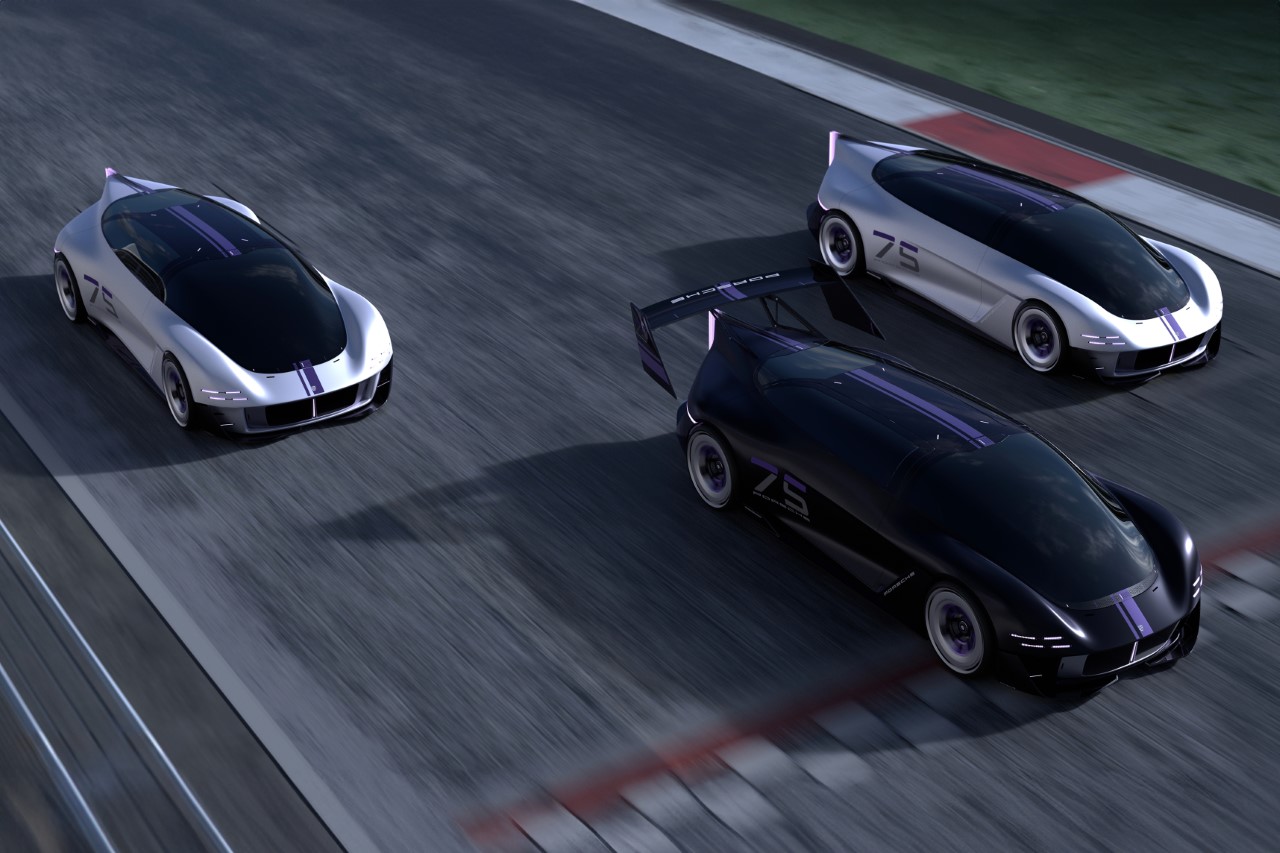
They say the teardrop shape is considered one of the most aerodynamic profiles ever, given how it effortlessly bends the air around it to glide through with minimal drag. The tail of a teardrop plays a crucial role in this process, explaining the importance of tails in birds, planes, and boats. The Porsche Mission S by Zhe Huang brings that feature to automotive design. Created as a hyper-racing MPV, the Mission S recreates the professional racing experience for regular folk with its 911-esque proportions, supercar-esque cockpit, and unique teardrop rear that takes the term ‘boattail’ to new lengths.

Designer: Zhe Huang

The Mission S was designed as a part of Huang’s internship at studiokurbos, Shanghai. Although unaffiliated with the Porsche brand, the Mission S builds on the German marque’s automotive legacy, channeling the same energy that Porsche had when it debuted the Mission X or even the 919. This isn’t your friendly-looking Cayman or 911. It eschews the rounded-headlight curvy design language for something that’s more purpose-built for a racetrack.

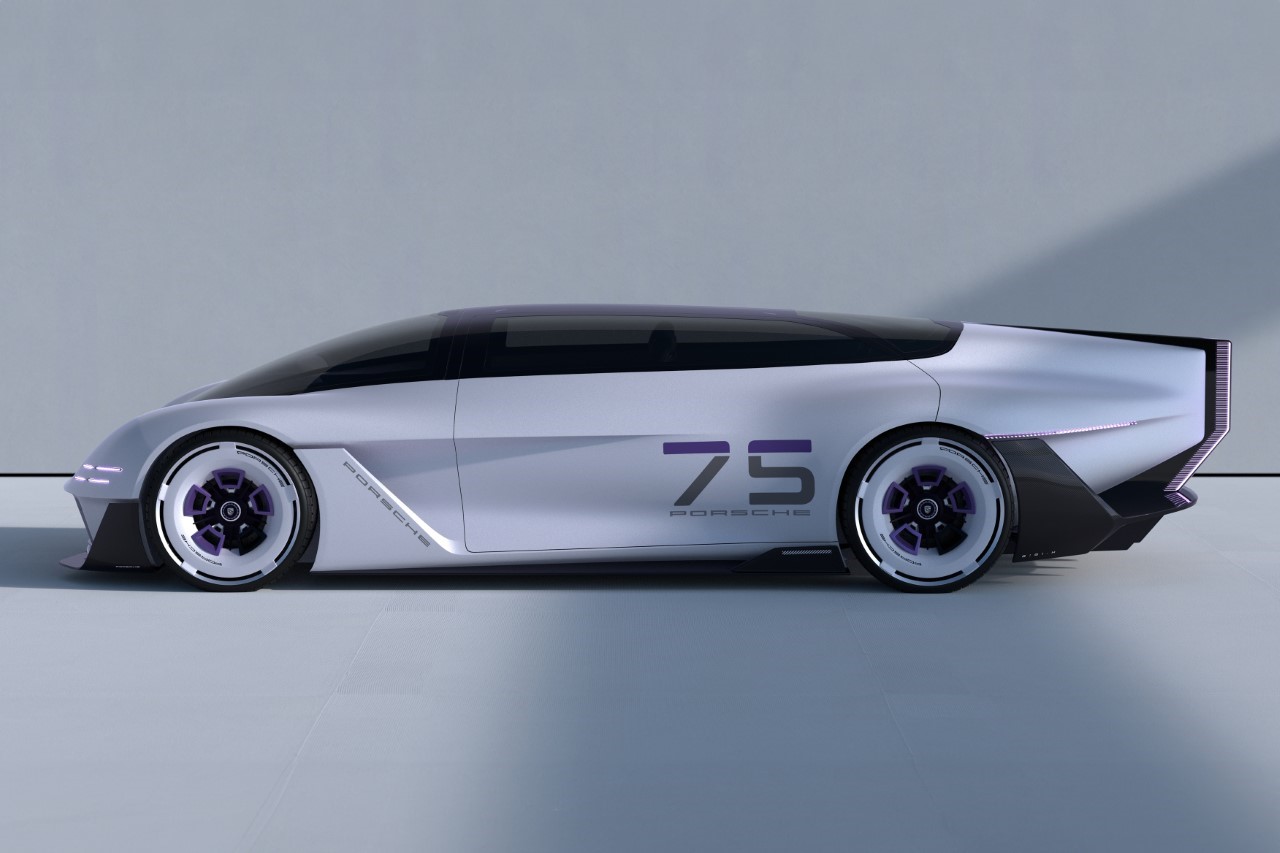
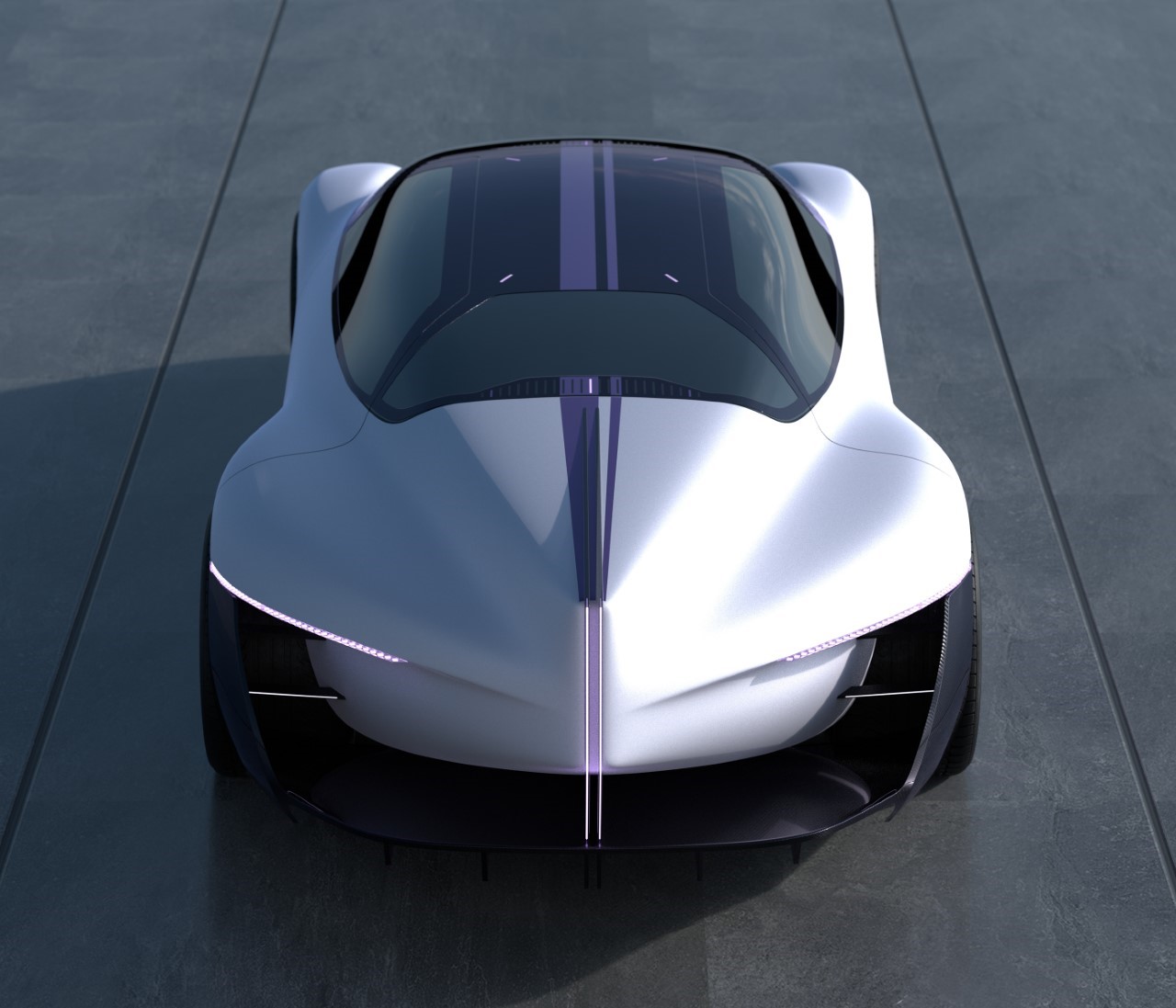
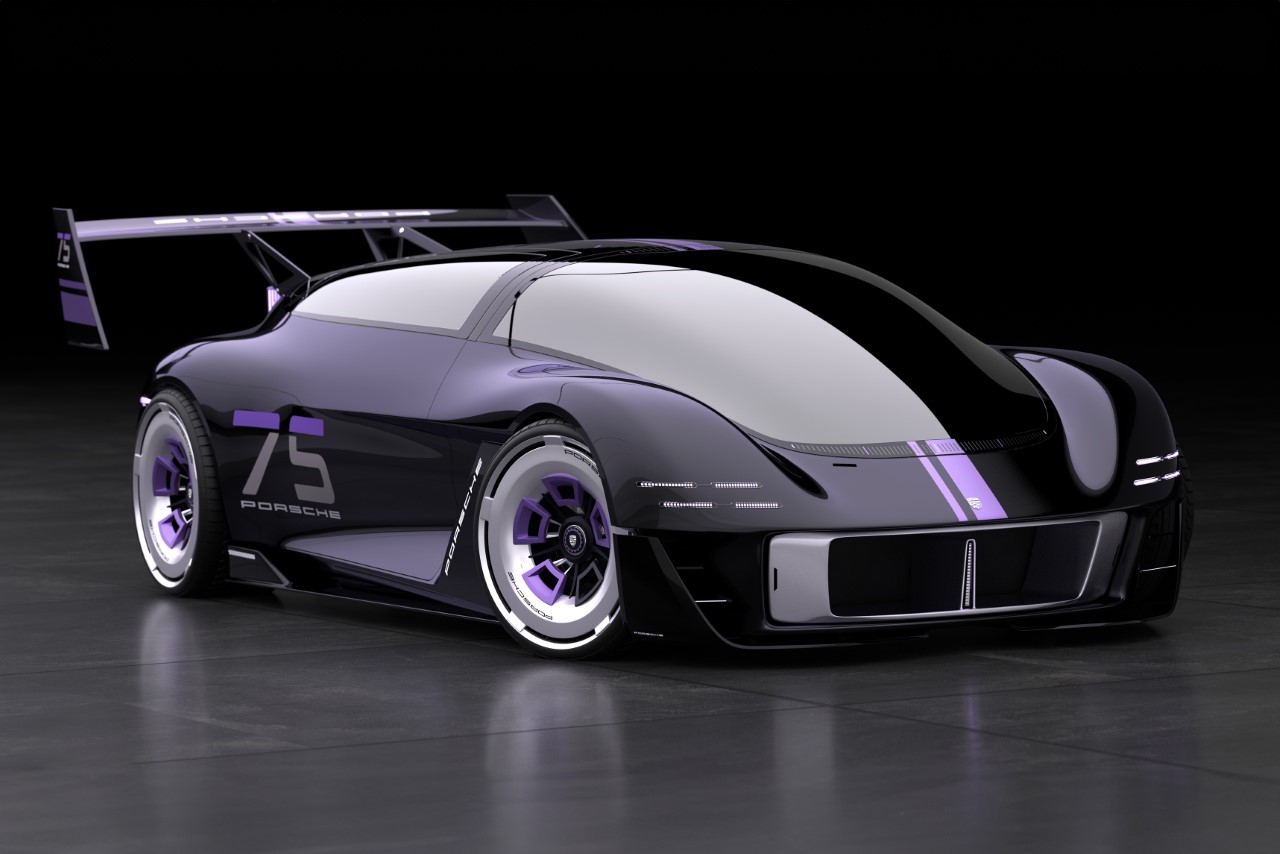
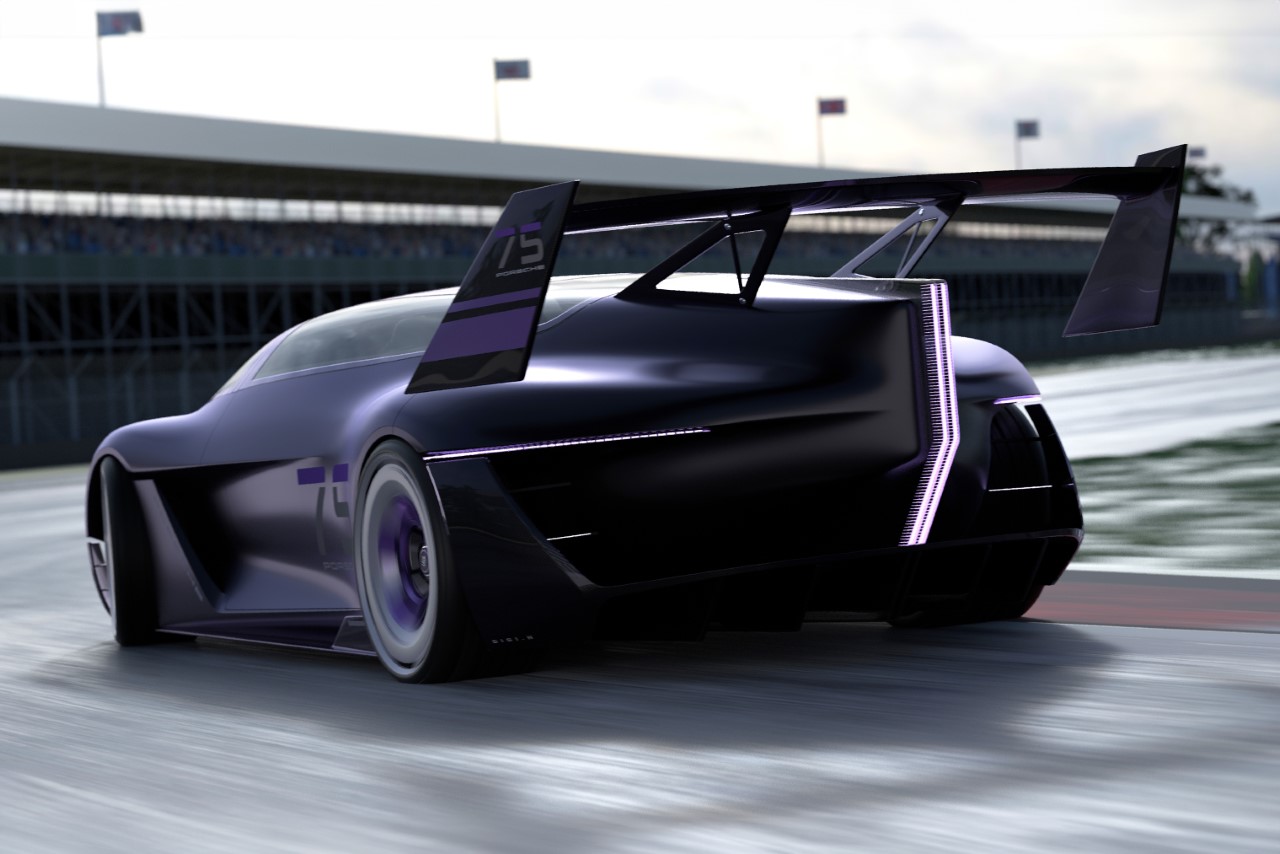
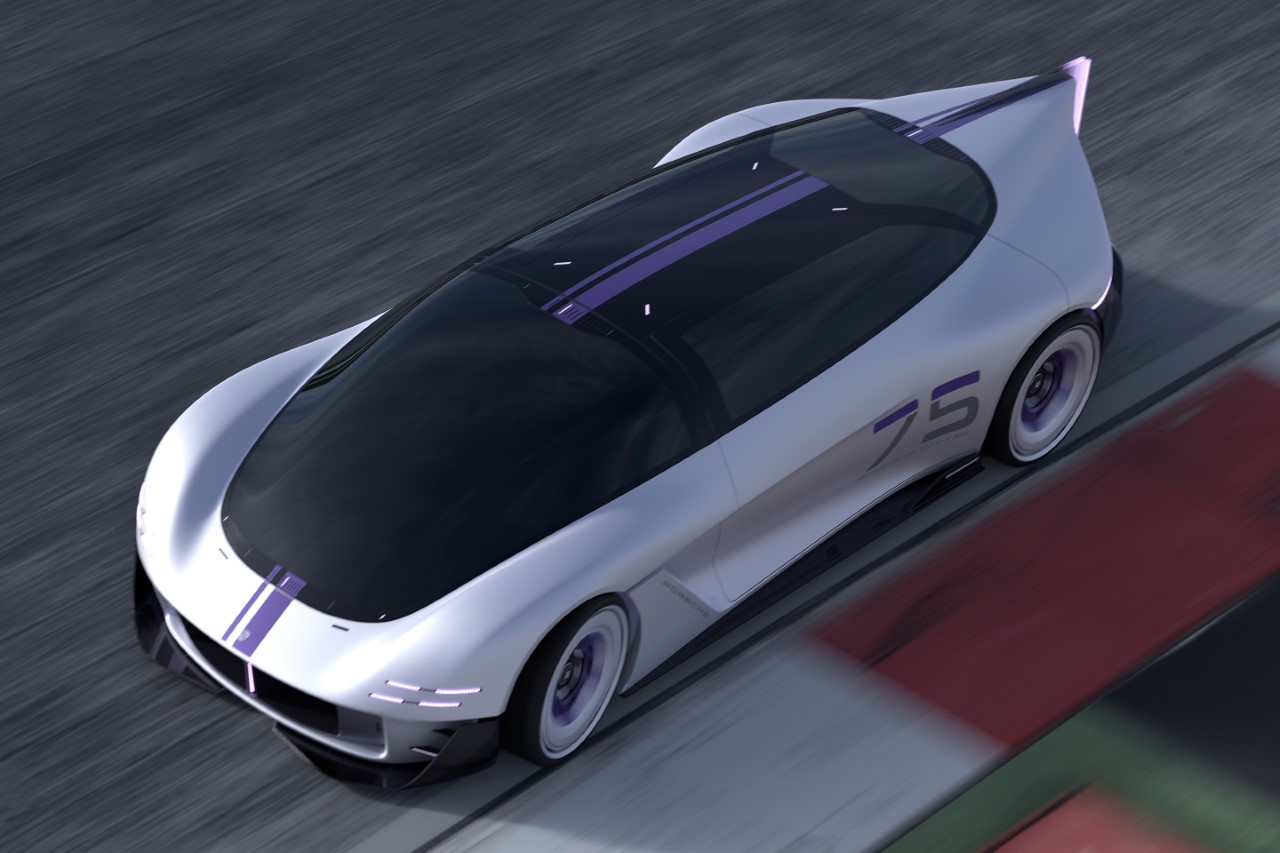
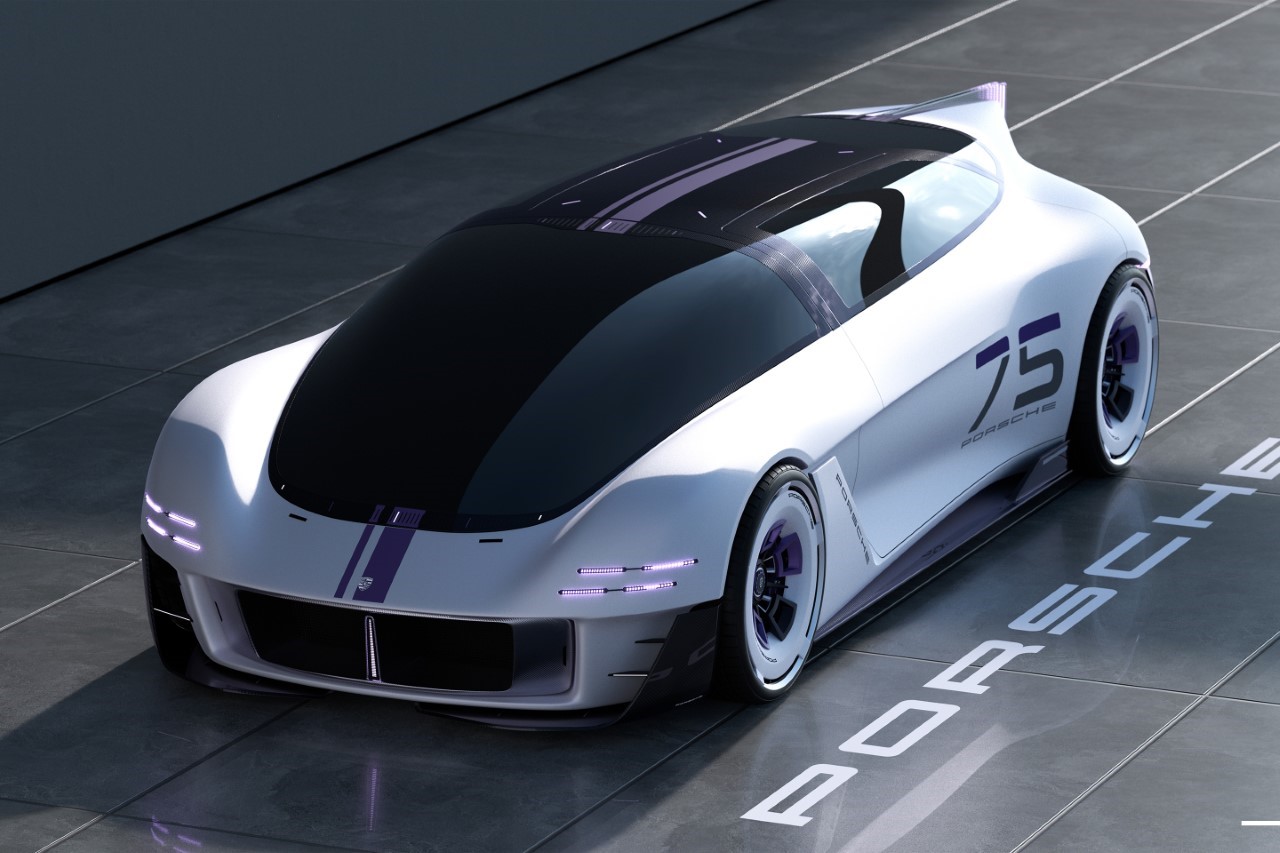
The car sports a rather smooth design with flowy surfaces that come together cleanly, instead of being overrun with vents, grooves, and other dramatic details you’d see in overtly aggressive racecars from the likes of Lamborghini. The Mission S doesn’t completely surrender its curves, but rather limits the use of them to the front fenders, keeping its silhouette rather simple. A highlight of its design is its unconventional tail, which tapers off when viewed vertically, resulting in a centrally-located edge-lit taillight. “The design inspiration comes from the waterdrop in ‘Three Body’, which gives the car an extremely dynamic and pure body shape like the Porsche 908 and Porsche Vision Gran Turismo,” Huang says.

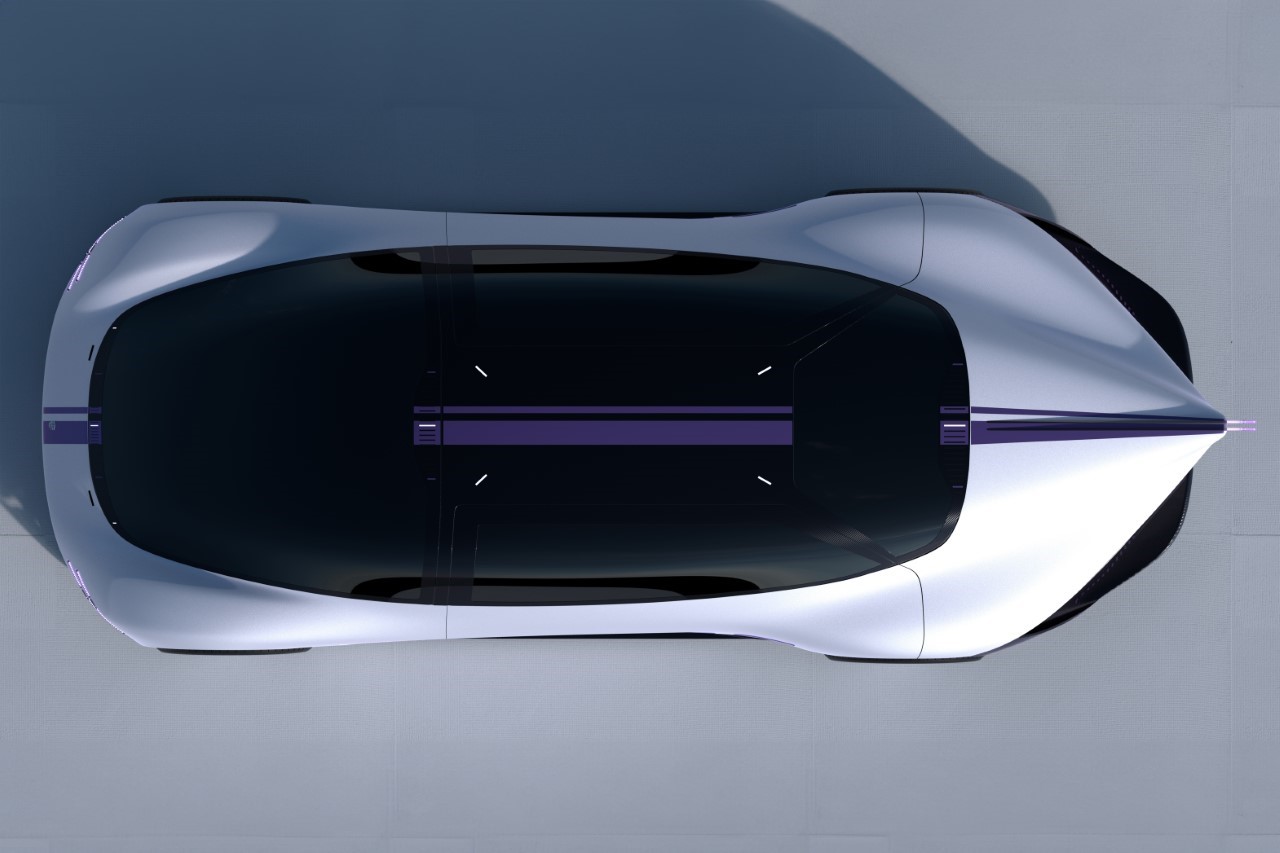
The Mission S measures 5.6m (18.3 feet) long and 2.1m (6.8 feet) wide, allowing five passengers including a professional racer to sit inside its cockpit. It stands at 1.26m (4.1 feet) tall, matching the height of the 911, while having the occupants inside sit in a more supercar-esque posture.

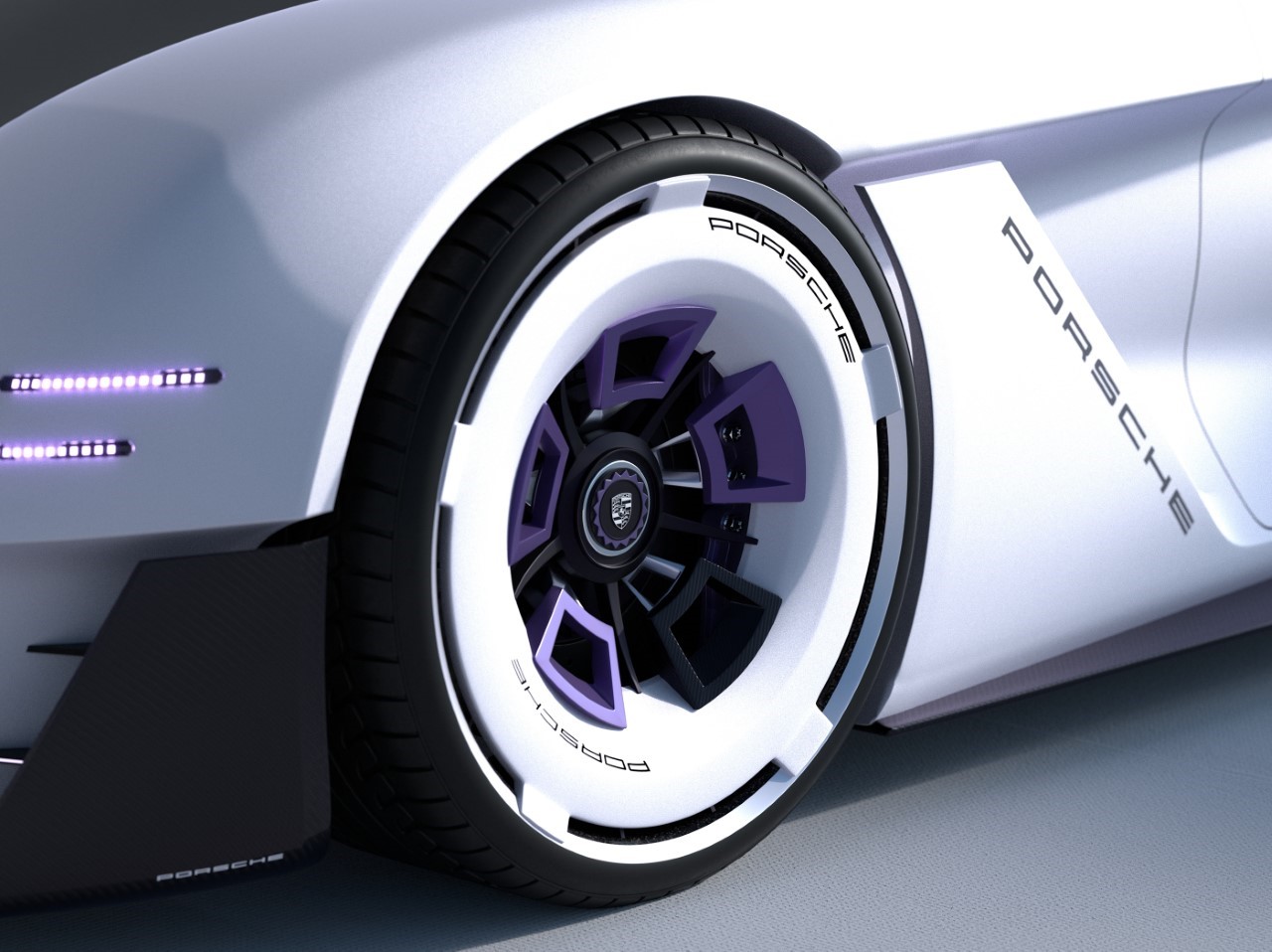
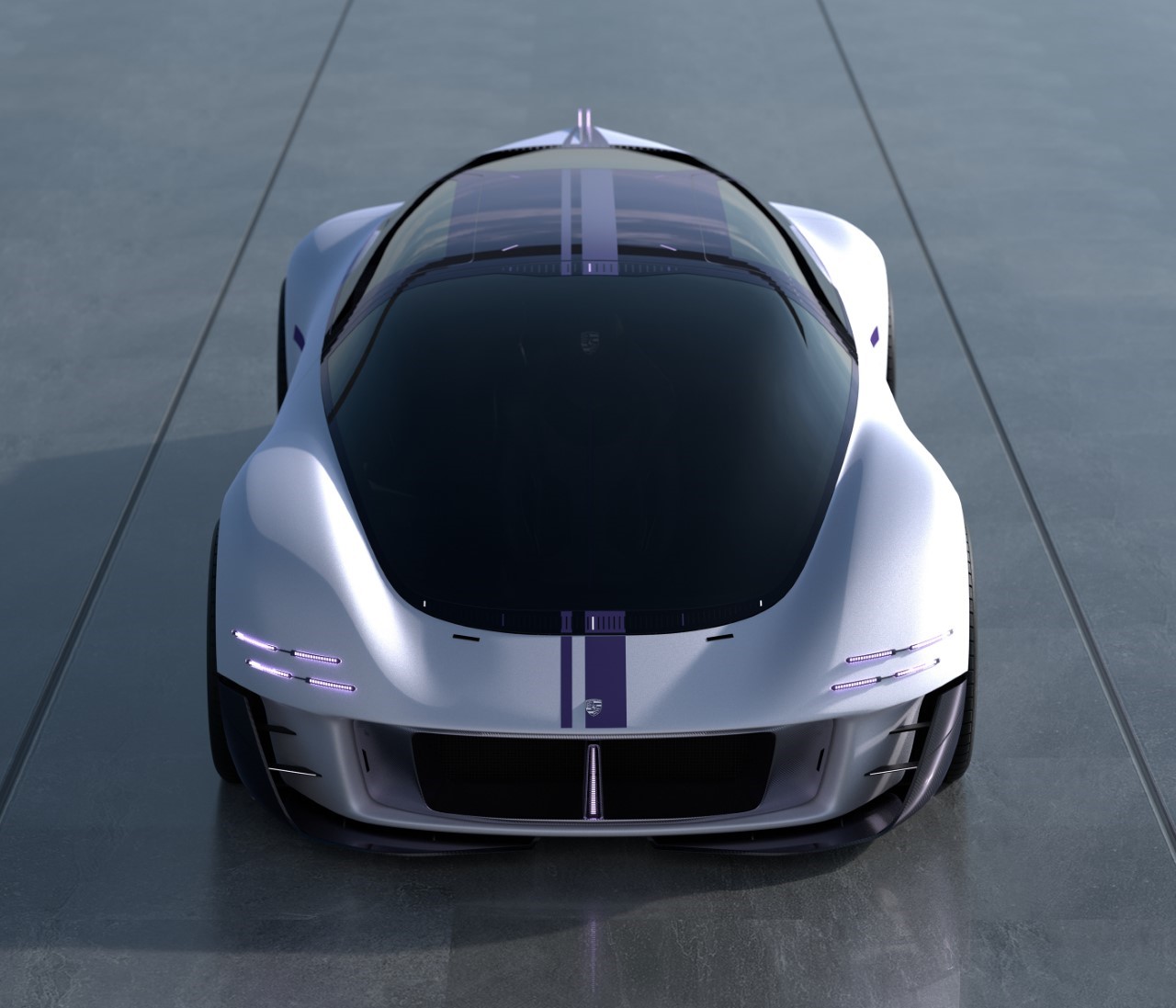
Embracing its futuristic demeanor, light-strips make quite an appearance in the Mission S’ design, with their presence on the front in the form of the headlights, as well as the back where the centrally located taillight is also accompanied by lights on each side.

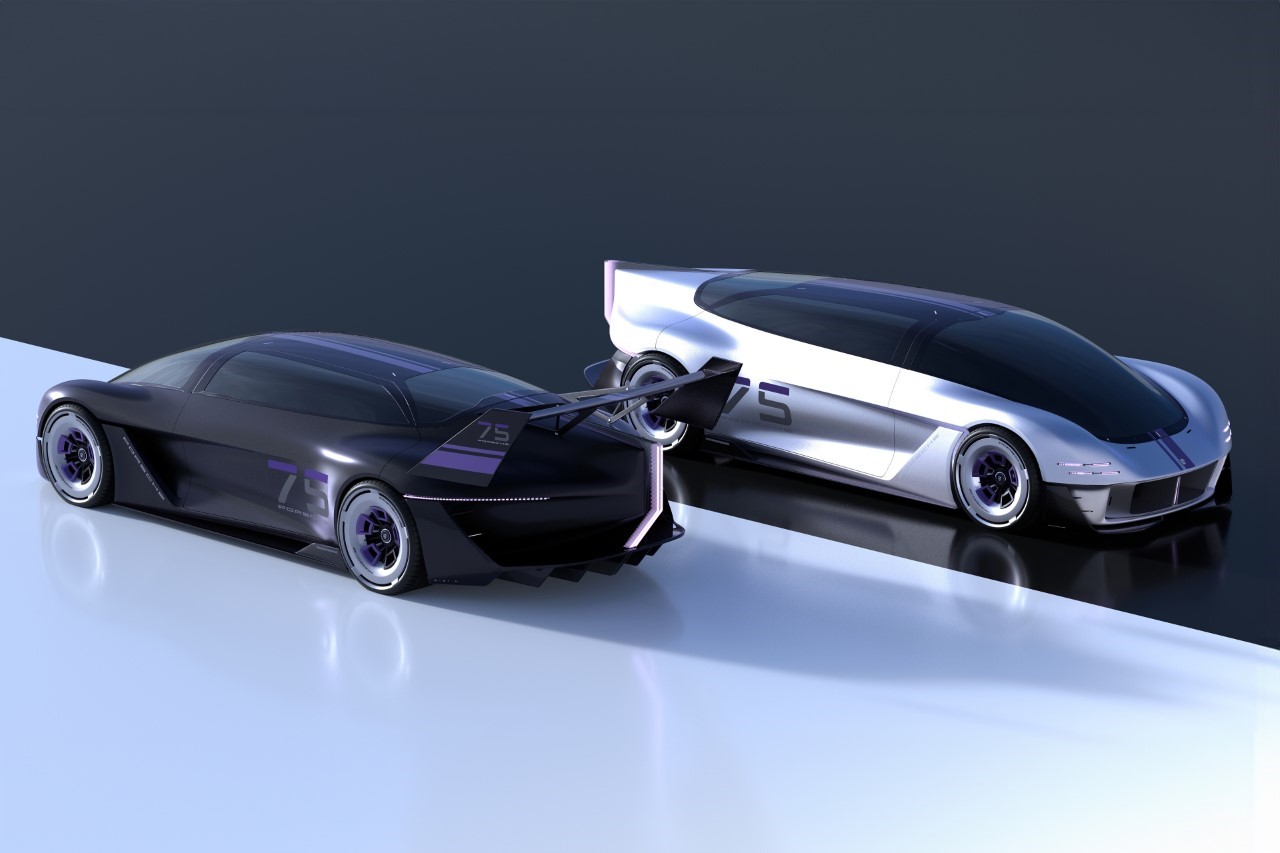
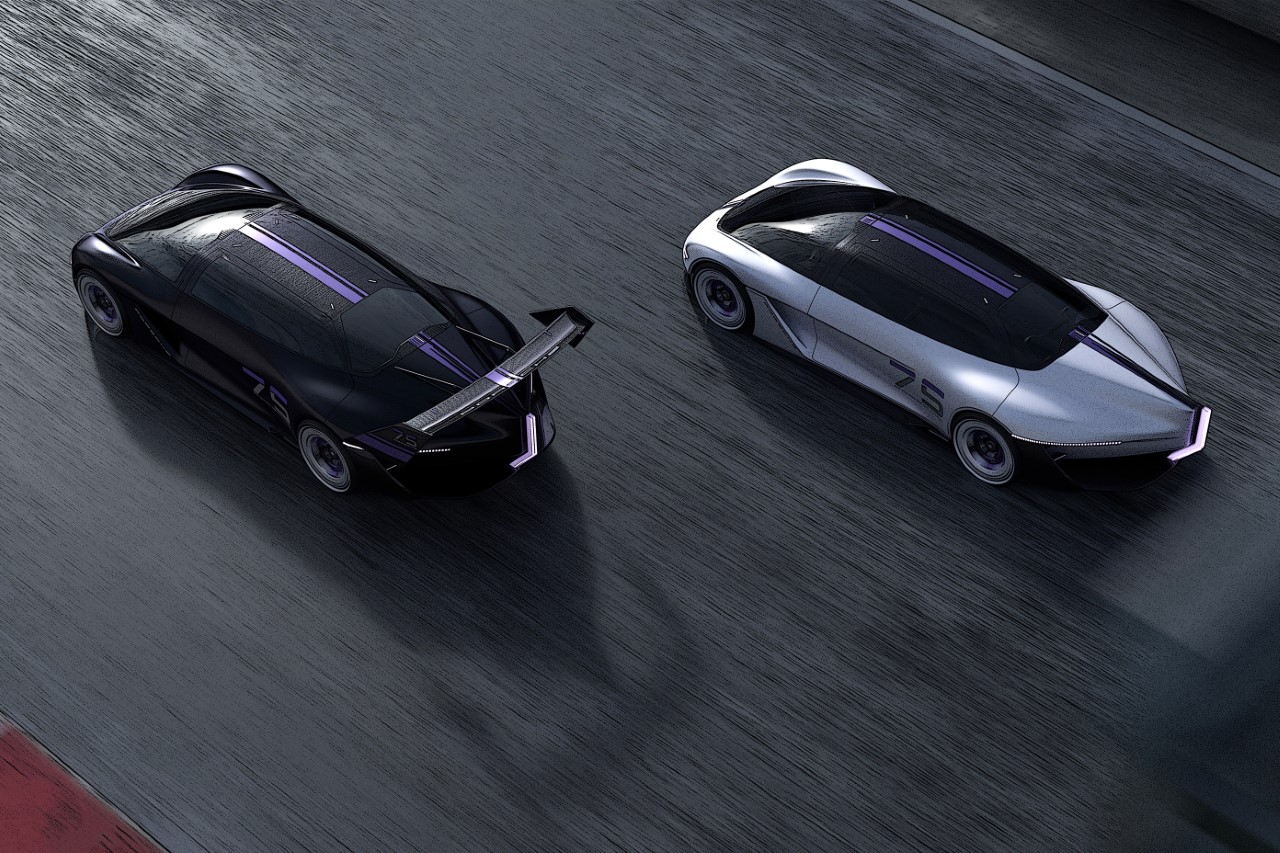
The Mission S experience can be divided between its two variants, rather appropriately named the White and the Black versions. For the faint of heart, the White version prioritizes comfort and friendliness… but if you’re looking to put the pedal to the metal and taste the adrenaline, the Black variant offers faster speeds, a more thrilling experience, and sports a spoiler at the back to maximize downforce for that asphalt-hugging speed experience.

Quite like the Mission X which was revealed in June of this year, it seems like the Mission S concept embraces an electric drivetrain too. It doesn’t discard the venting on the front, which would be a telltale sign of an EV, but rather retains it perhaps for cooling and airflow purposes. One rather elongated door on either side gives access to the Mission S’ interiors, which seat up to 5 people in a 1+2+2 format. The car’s windshield extends all the way from the front to the back, creating a bubble-like effect that is interrupted by the car’s same-color pillars and roof but still strives to offer a panoramic view for its occupants with windows that stretch from the front to the back, and that expansive windshield.

The Mission S aims to deliver the thrill of racing to non-racers with its S trifecta – Speed, Spaciousness, and a Subversive Experience. Although currently just a fan-made concept (with no official endorsement from Porsche), it serves as a great case study for a new car format – with a 5-seater design that doesn’t sacrifice spaciousness… and that gorgeous tail that allows the car to cut through air like a sizzling hot knife through butter!

The post Porsche Mission S ‘Boattail’ Concept showcases a Thrilling New Aerodynamic Form first appeared on Yanko Design.