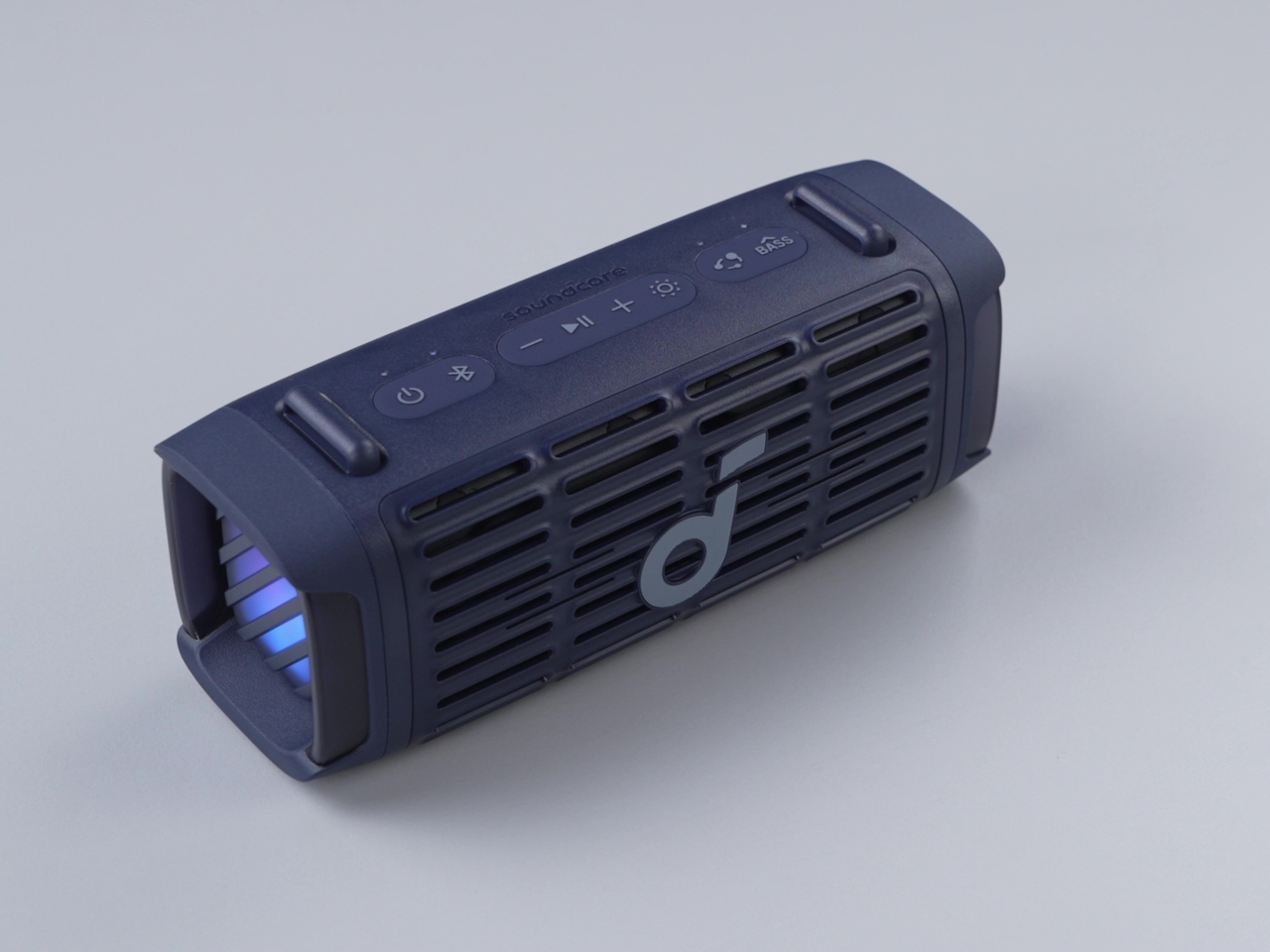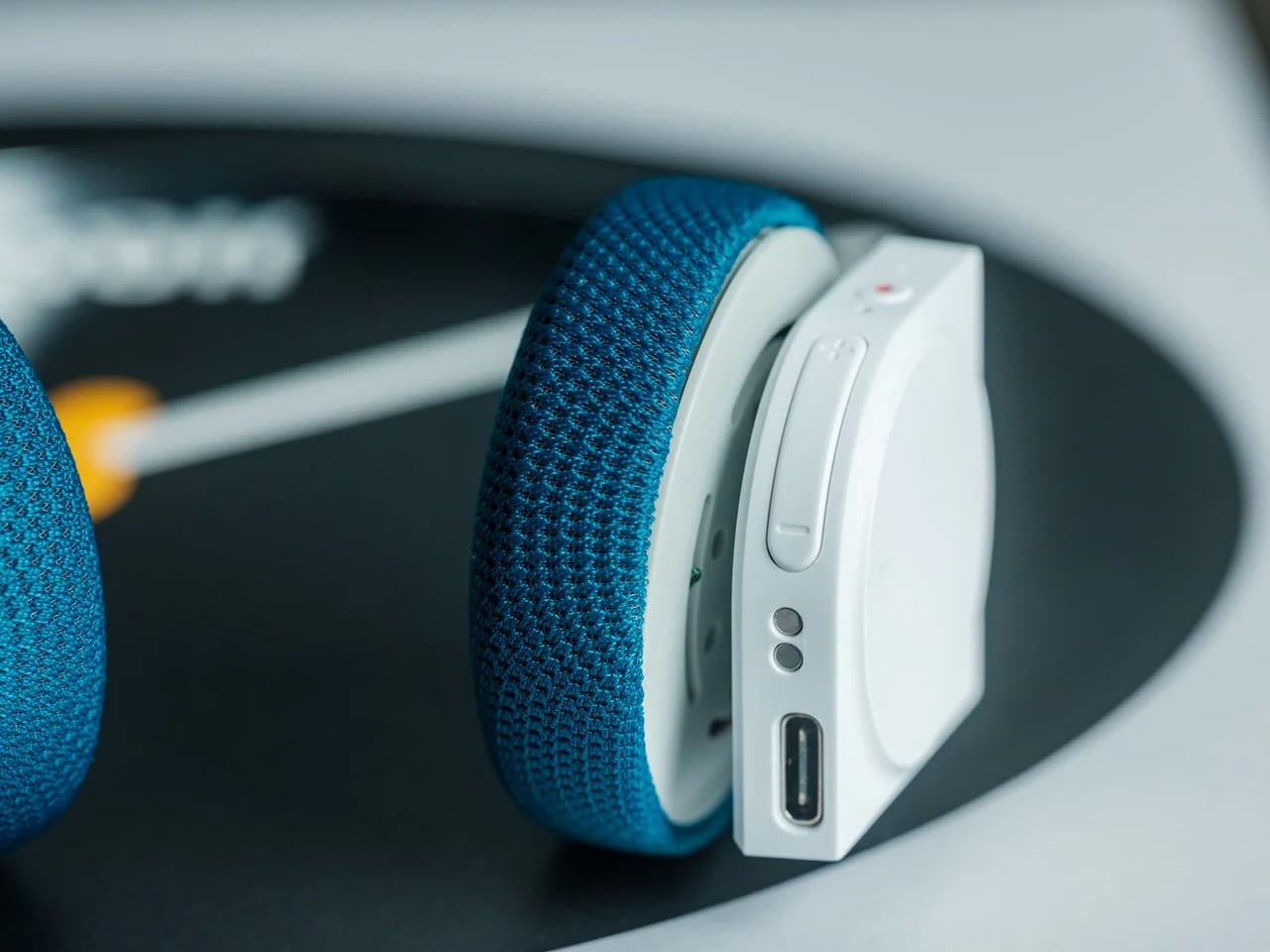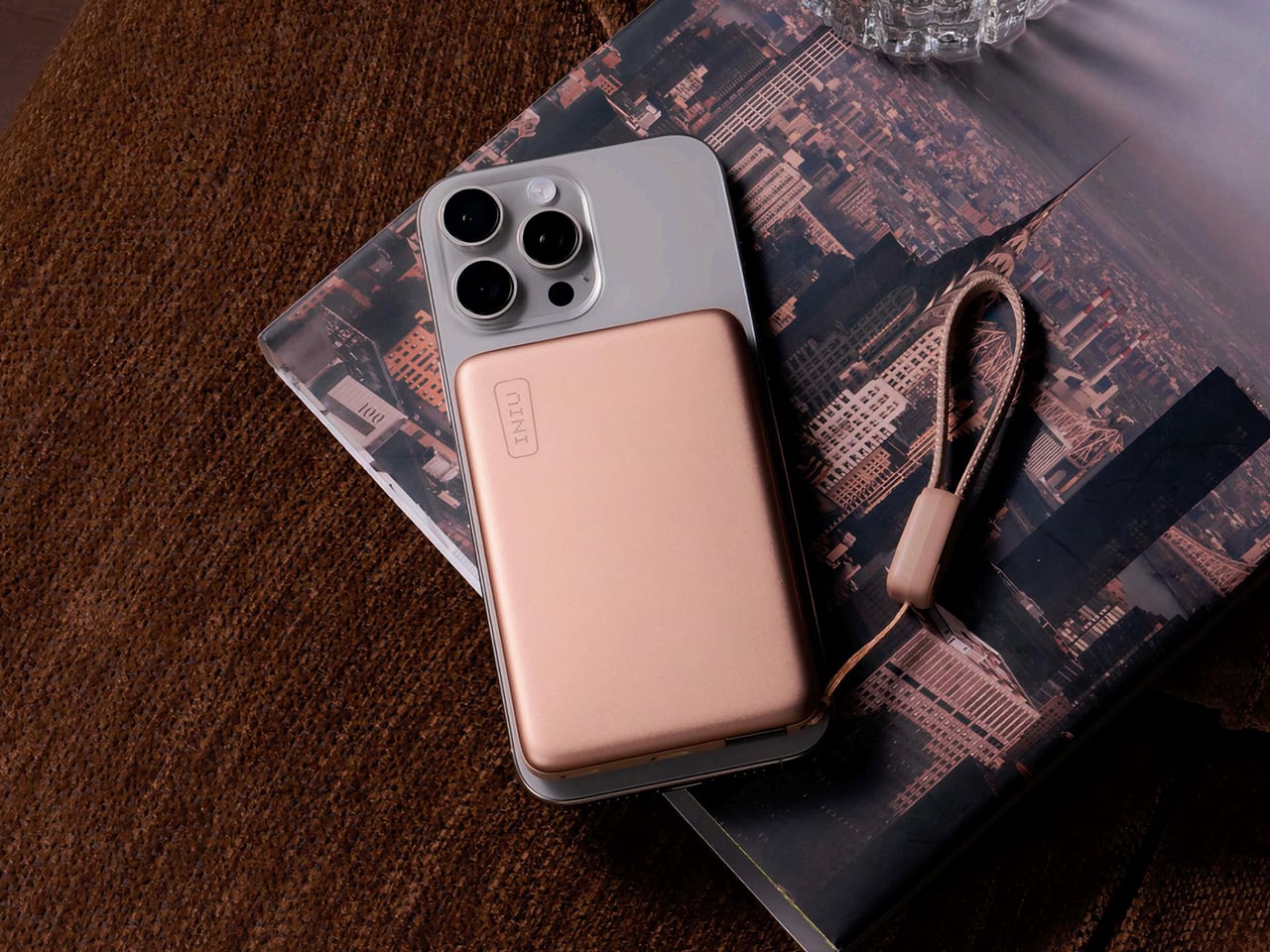
5 Best Beach Gadgets That Don’t Look Like They Were Designed by a Sunscreen Brand

The beach has a design problem. Everything made for it arrives wrapped in the same visual language: neon plastic, logos scaled for visibility from twenty feet away, and product names in fonts that suggest the designer’s reference material was a county fair booth. Coolers, chairs, speakers, sunscreen dispensers. The category has collectively decided that beach gear should look exactly like beach gear, and nobody seems to have questioned whether that was actually a good idea.

These five objects have a different point of view. None of them look like they were produced for a promotional photograph on a pier. Each one earns its place through a specific design decision that makes a full day at the beach easier, quieter, or a little more considered.

1. Battery-Free Amplifying Speakers

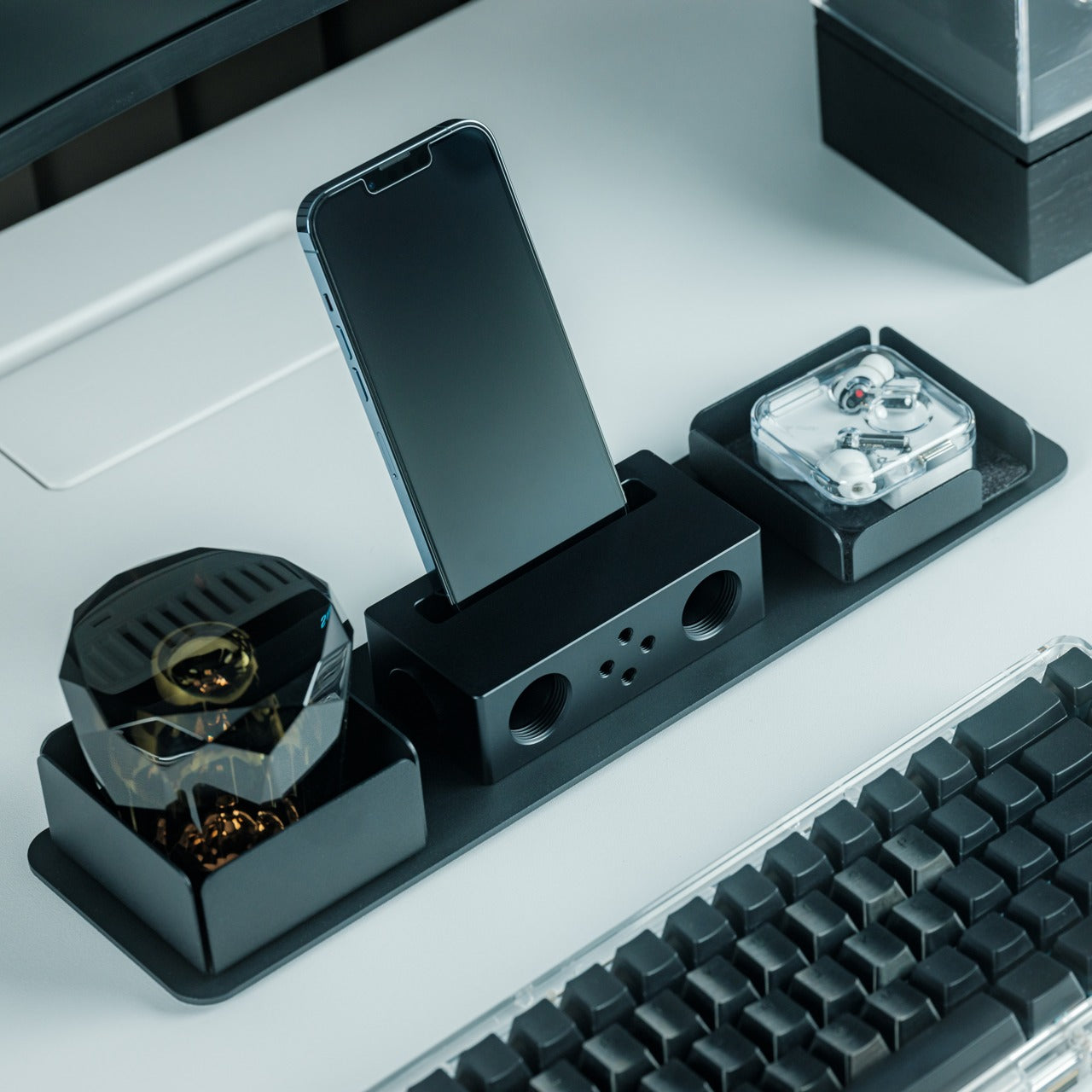
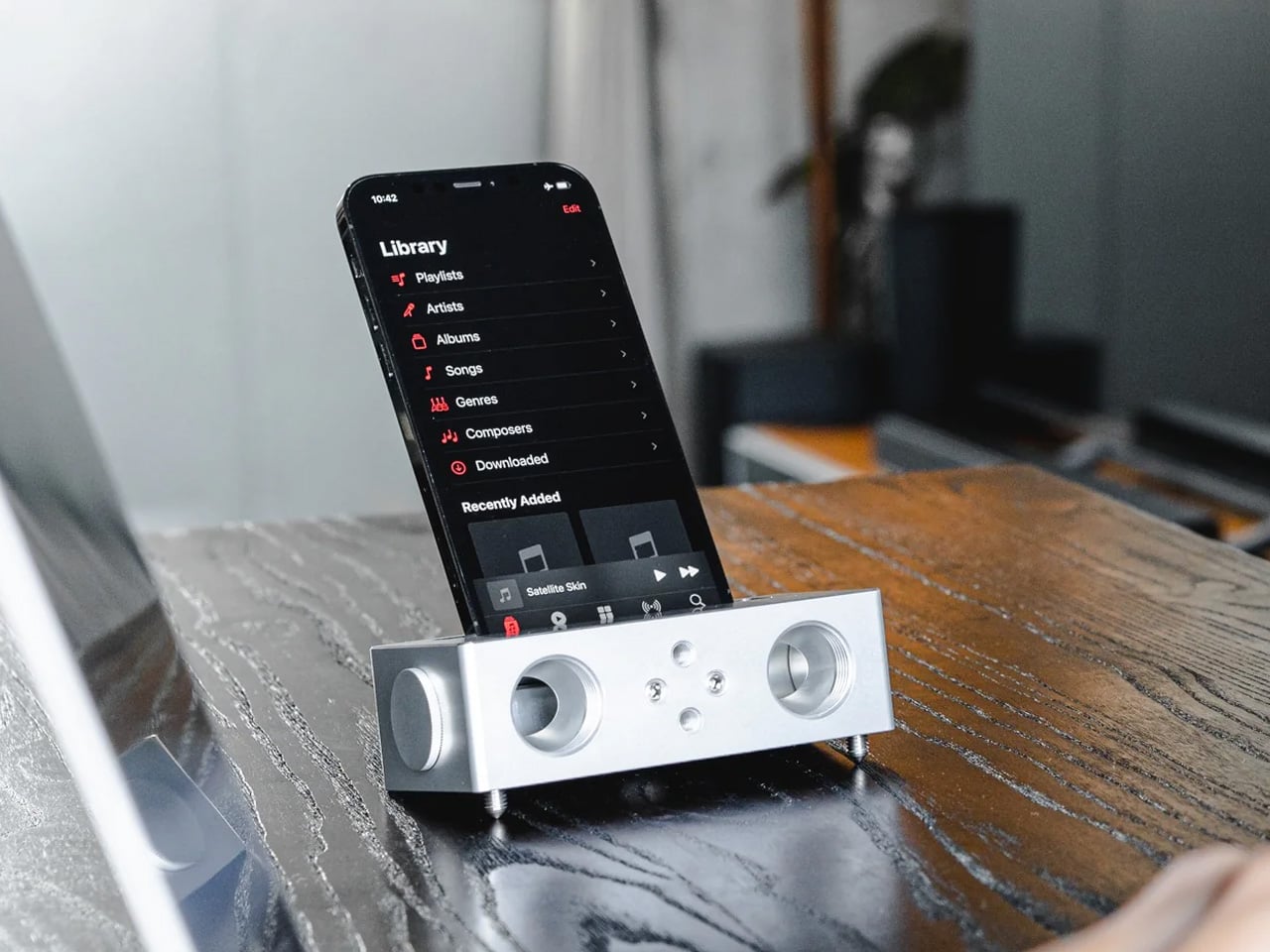
Every Bluetooth speaker brought to the beach eventually dies. The battery gives out at exactly the moment someone finds the right track, and the rest of the afternoon becomes a negotiation about whether to go back to the car. The Battery-Free Amplifying Speakers remove that problem entirely by having no battery to run out. Sound from a phone travels into the chamber and is amplified through acoustic geometry rather than electronics, with no pairing, no charging, and no indicator light to watch nervously.

The principle is the same one behind a gramophone horn or a hand cupped around a speaker: redirect sound and it gets louder. What lifts these above cheaper versions of the same idea is the internal chamber design, which reinforces rather than merely surrounds the sound. The result is noticeably fuller than the phone alone, and at the beach, where wind and open space work against you constantly, that gain matters more than a battery percentage reading or a firmware update ever could.

Click Here to Buy Now: $179

What We Like

  • No charging means no dead speaker, no cables on the sand, and no quiet dread about how much afternoon remains before the battery is gone
  • Passive amplification means the sound scales with your phone’s own speaker rather than introducing a separate and competing audio character on top of it

What We Dislike

  • The volume ceiling is lower than any powered speaker, so this works for a group around a table rather than a group spread across a wide stretch of beach
  • Performance is tied to the quality of the phone speaker placed inside, which varies considerably from one device to another and is entirely outside the product’s control

2. Camp Snap 2

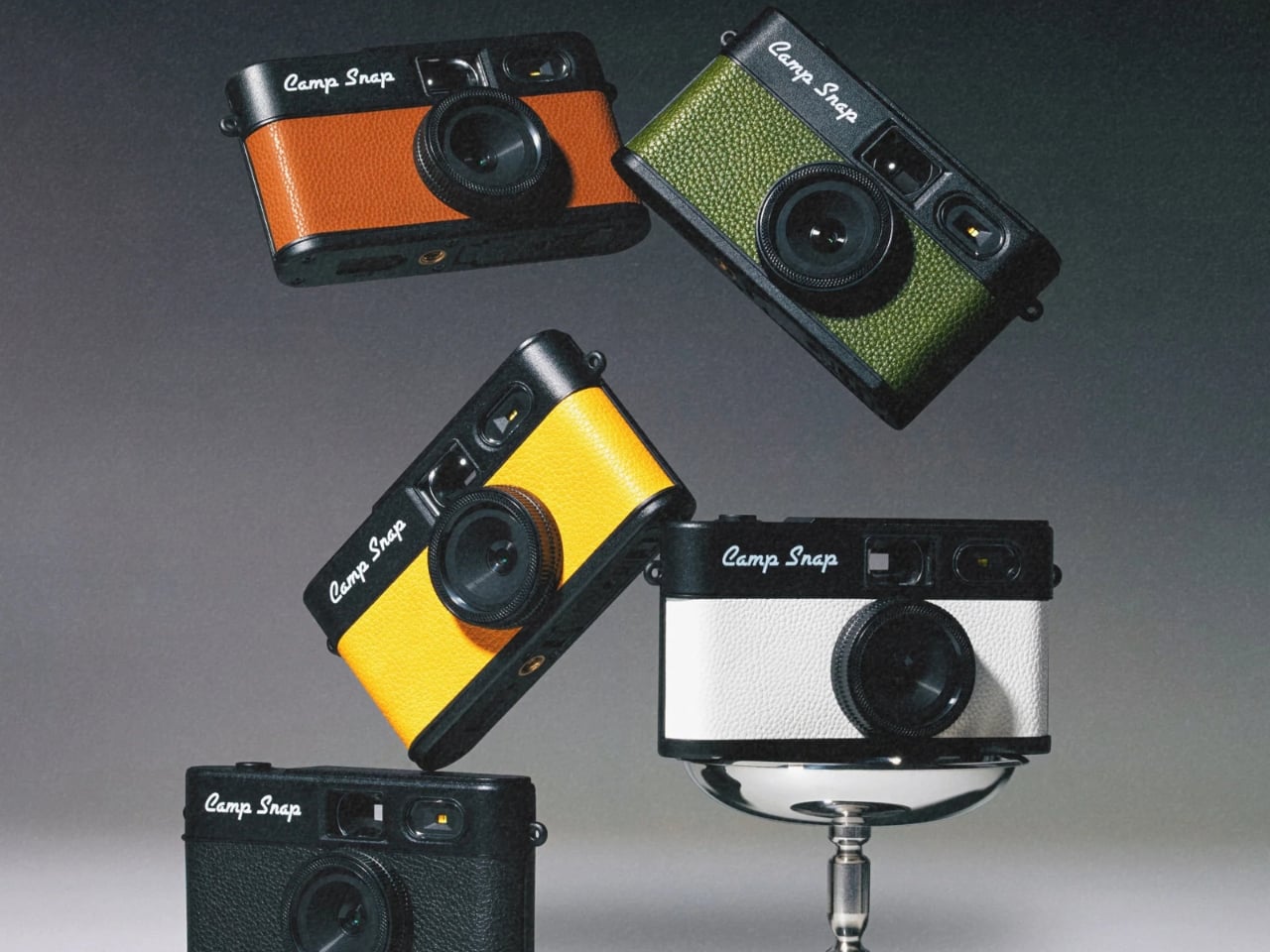
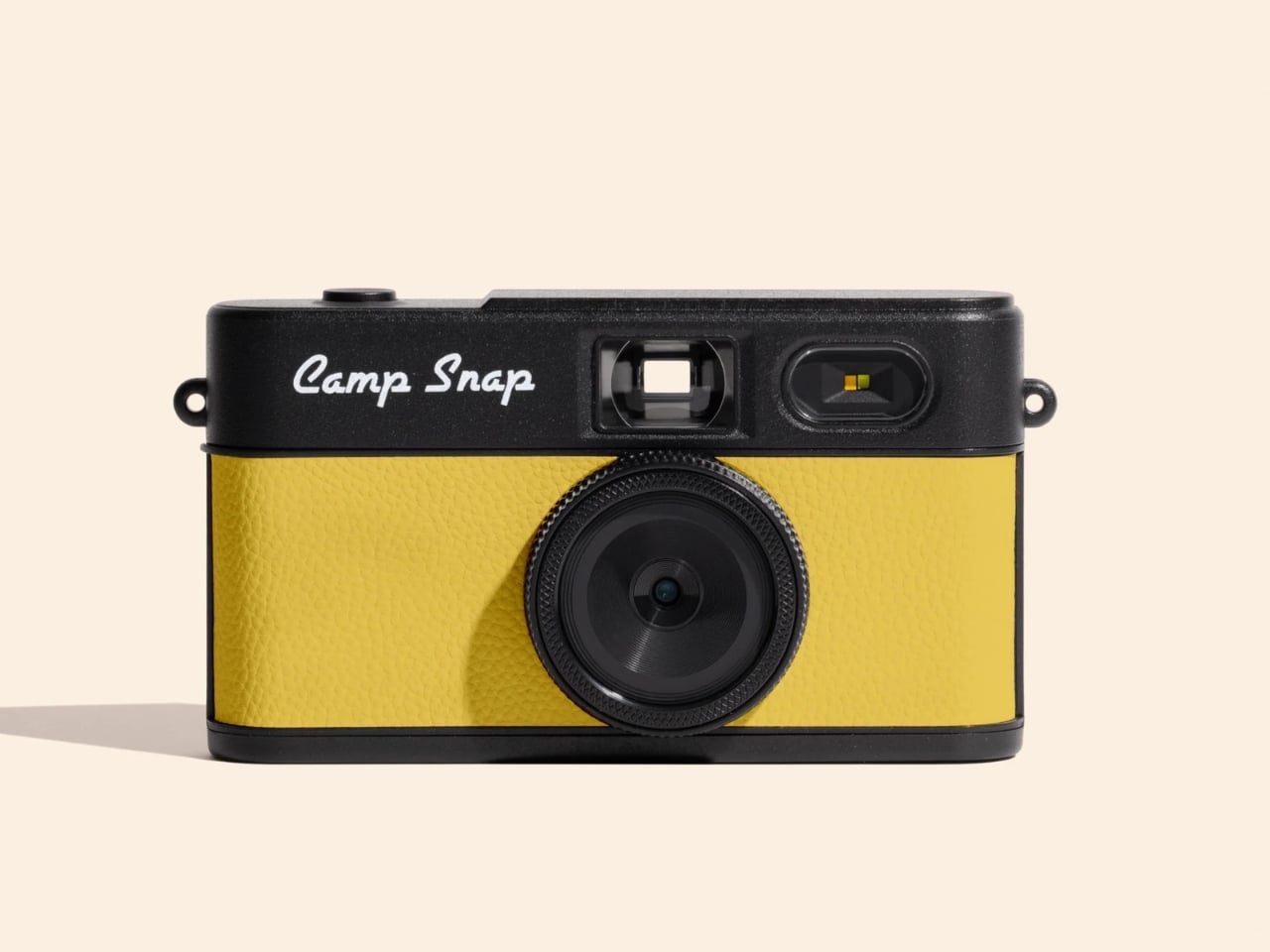
The Camp Snap 2 is a point-and-shoot with no rear screen, no Wi-Fi, and no ability to see the photograph you just took. You shoot, you download later. What sounds like a limitation turns out to be a relief. Every photograph at the beach currently involves a review session: retakes, angles held for too long, filters applied in real time while the moment moves on without you. A camera that simply takes the picture and closes the subject is a very different tool to spend a day with.

It is 15 percent slimmer than its predecessor, runs an 8-megapixel sensor, and offers six built-in looks through a physical button on the back: Standard, Vintage 1 through 3, Analog, and Black and White. It comes in nine colorways, including several translucent jelly-plastic finishes in Sunbeam Yellow, Tangerine Drift, and Strawberry Splash. It supports 30.5mm screw-in filters for anyone inclined to go further.

What We Like

  • The screenless design removes the retake cycle entirely, which turns out to be the most genuinely useful design feature a beach camera can offer
  • Six filter modes accessed through a single physical button is exactly the right level of creative control for a camera built around the idea of not overthinking things

What We Dislike

  • No rear screen means no way to check framing or whether someone blinked, which requires a real shift in how you think about taking a photograph in the first place
  • The 8-megapixel sensor produces images that are warm and characterful rather than sharp and clinical, which is either the point or the dealbreaker depending entirely on who is asking

3. DraftPro Top Can Opener

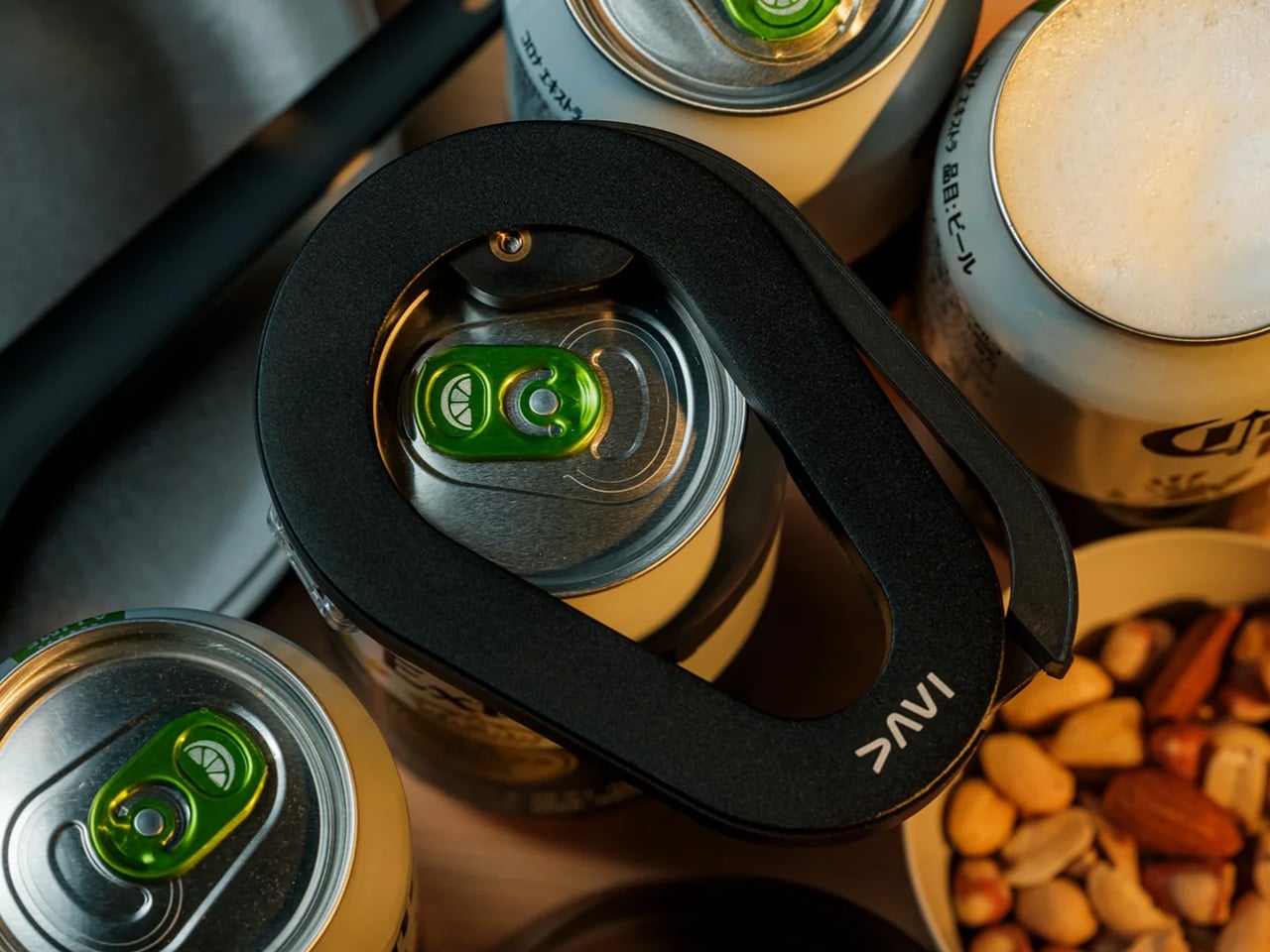
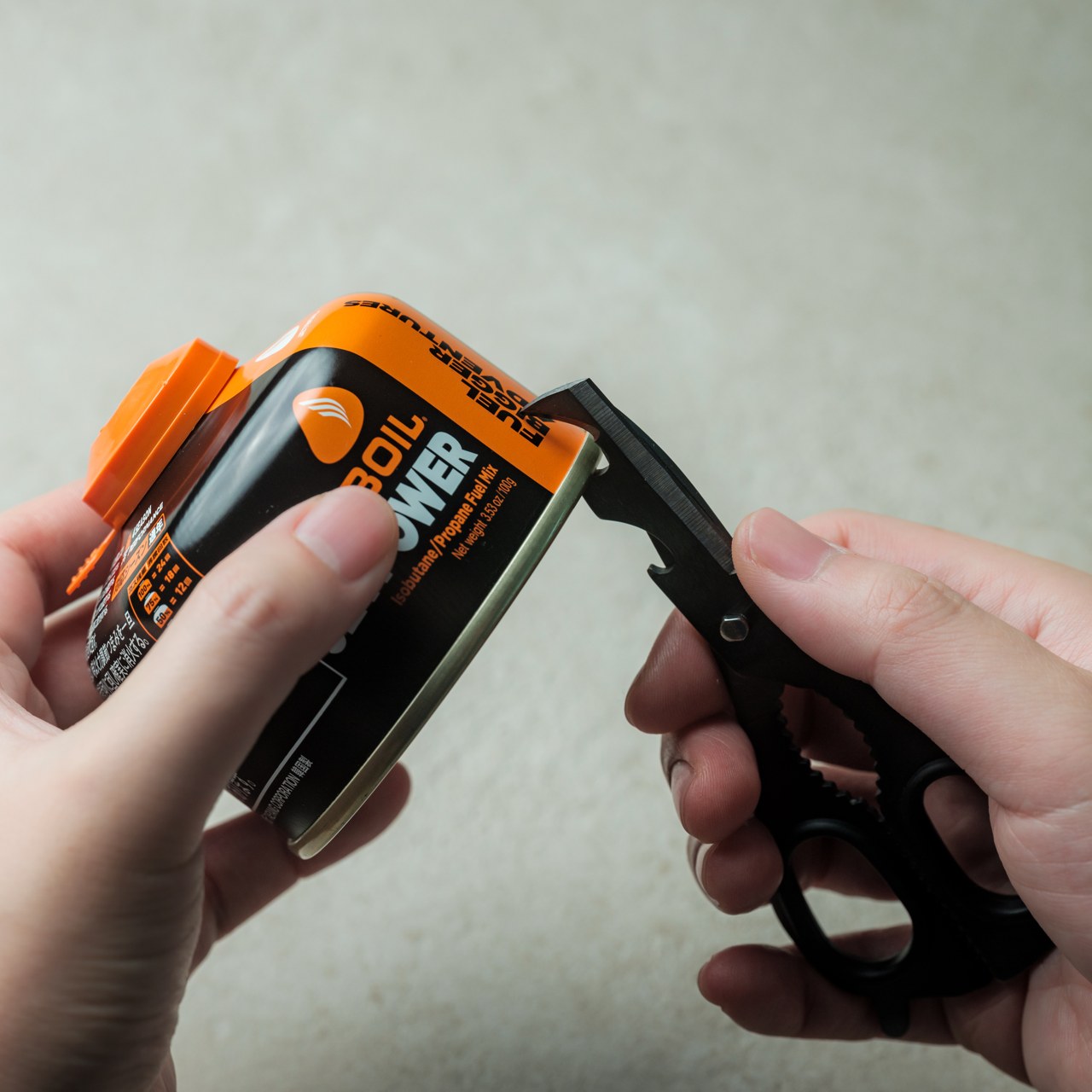
The problem with canned drinks at the beach has never been opening them. The pull tab handles that adequately. The problem is everything after: a small hole that warms the drink faster than it should, attracts every insect within range, and forces you to drink in a way that a can was never designed for. The DraftPro removes the entire top of the can in a single motion, leaving no sharp edges and turning any standard drink can into an open vessel with full and immediate access.

It locks onto the rim, cuts around the perimeter, and the lid comes away clean. What you are left with is essentially a metal cup, which changes the drinking experience from a can more than you might expect. A cold brew tastes different when you can actually smell it. A beer drinks the way a beer is supposed to drink. Canned wine, which has always suffered from its own opening, finally gets the same treatment a glass would give it.

Click Here to Buy Now: $59.00

What We Like

  • The DraftPro removes the full lid in one clean motion with no sharp edges remaining on the rim, which is the design outcome every can opener should be working toward
  • Turning any standard can into an open cup changes how canned drinks taste and how you experience them, which is a significant return for something that fits in a pocket

What We Dislike

  • It works on standard-diameter cans only, so anything outside that size needs a different tool, which is worth knowing before the cooler is already packed
  • The removed lid needs somewhere to go, which is a small but real consideration when you are trying to keep a bag organised on a beach with nowhere flat to set things down

4. Wuben G5

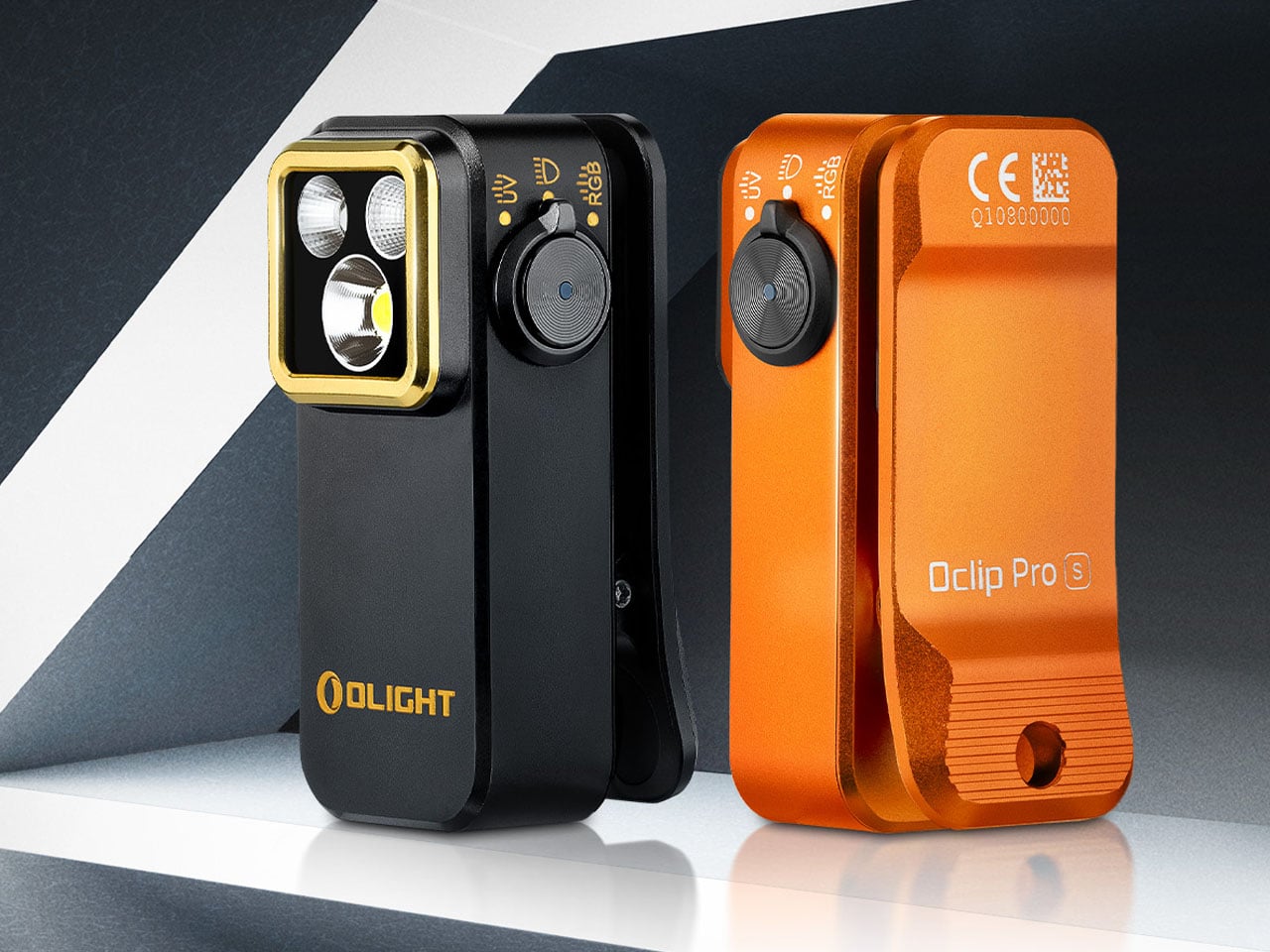
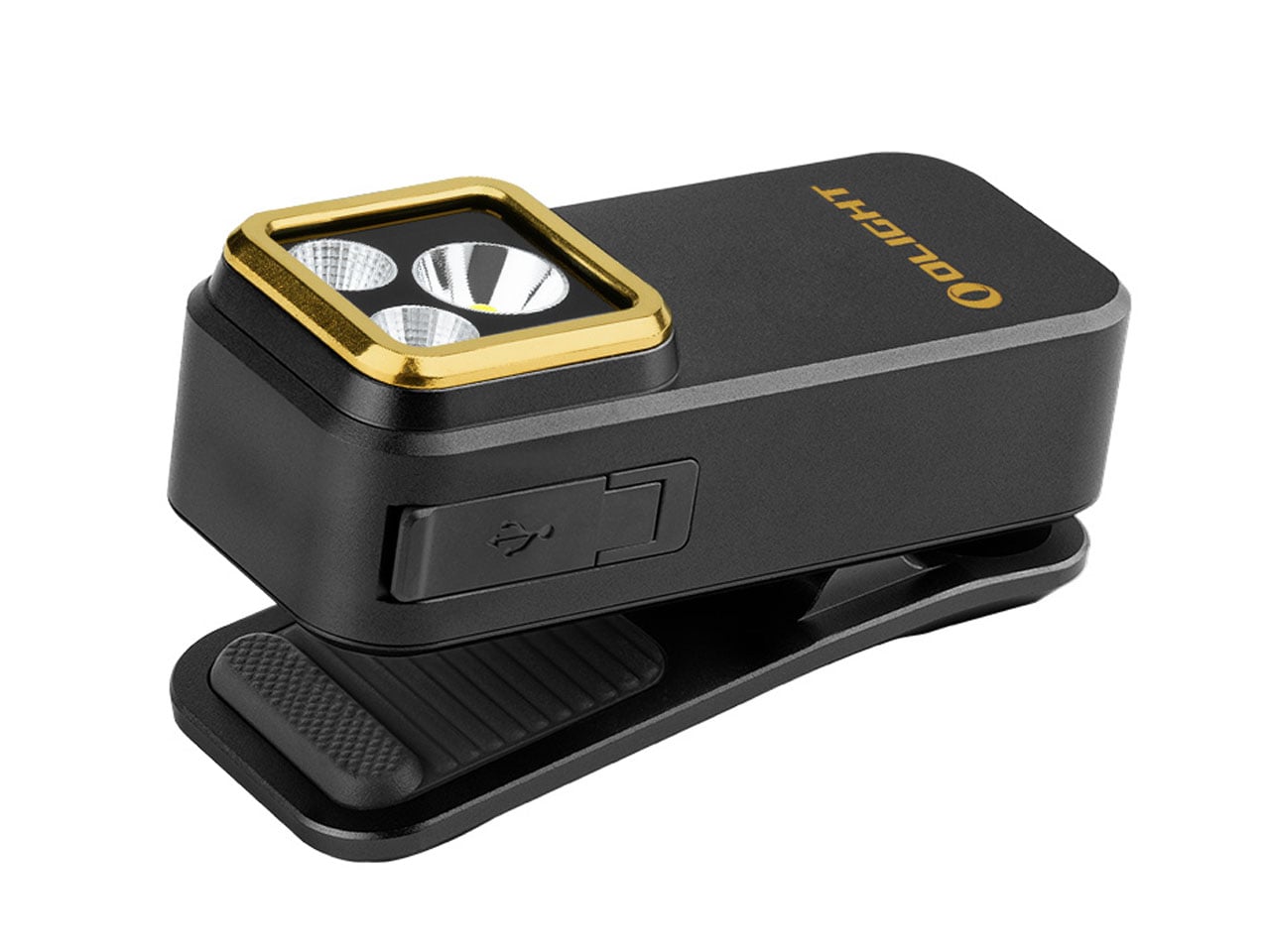
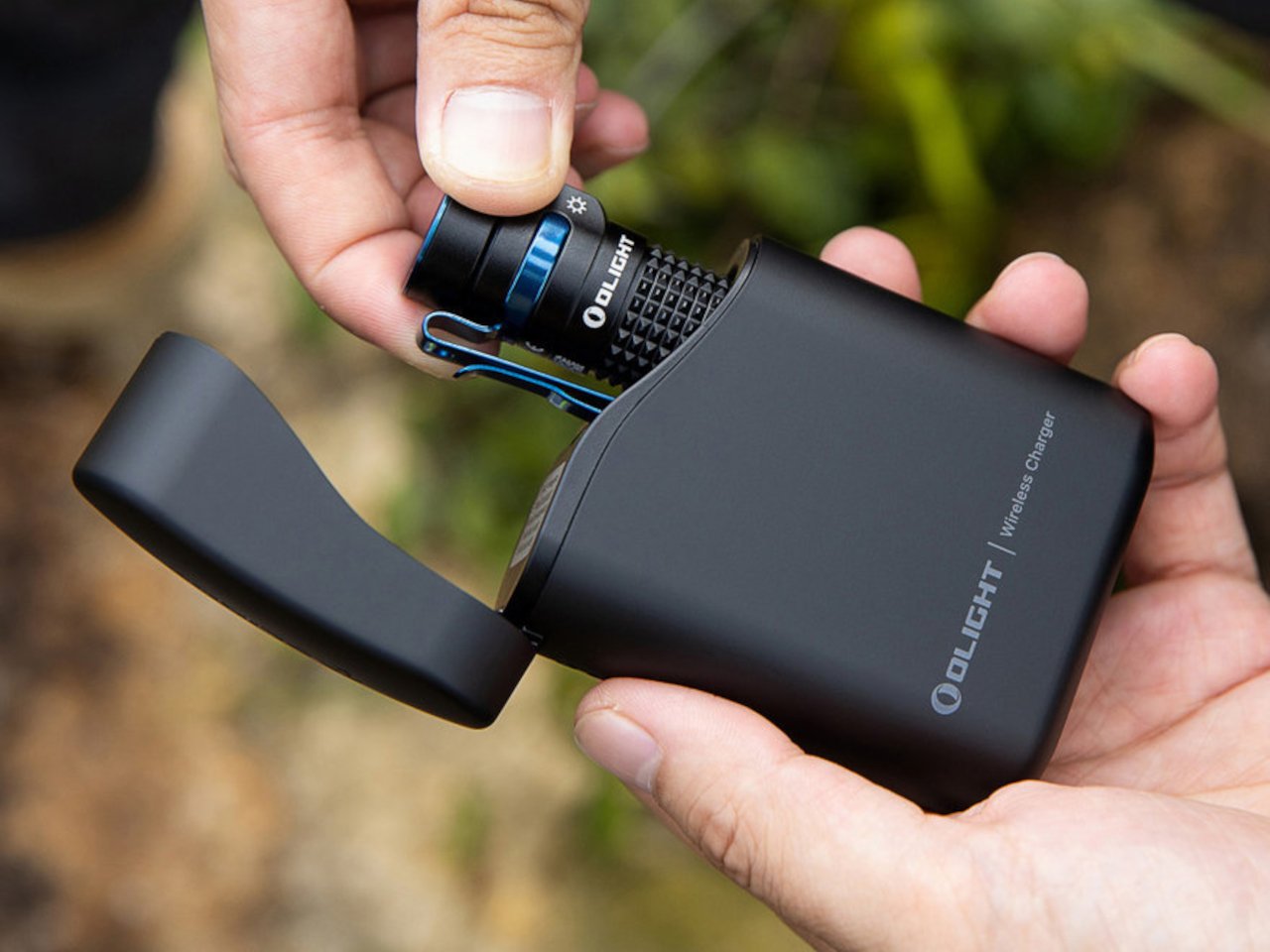
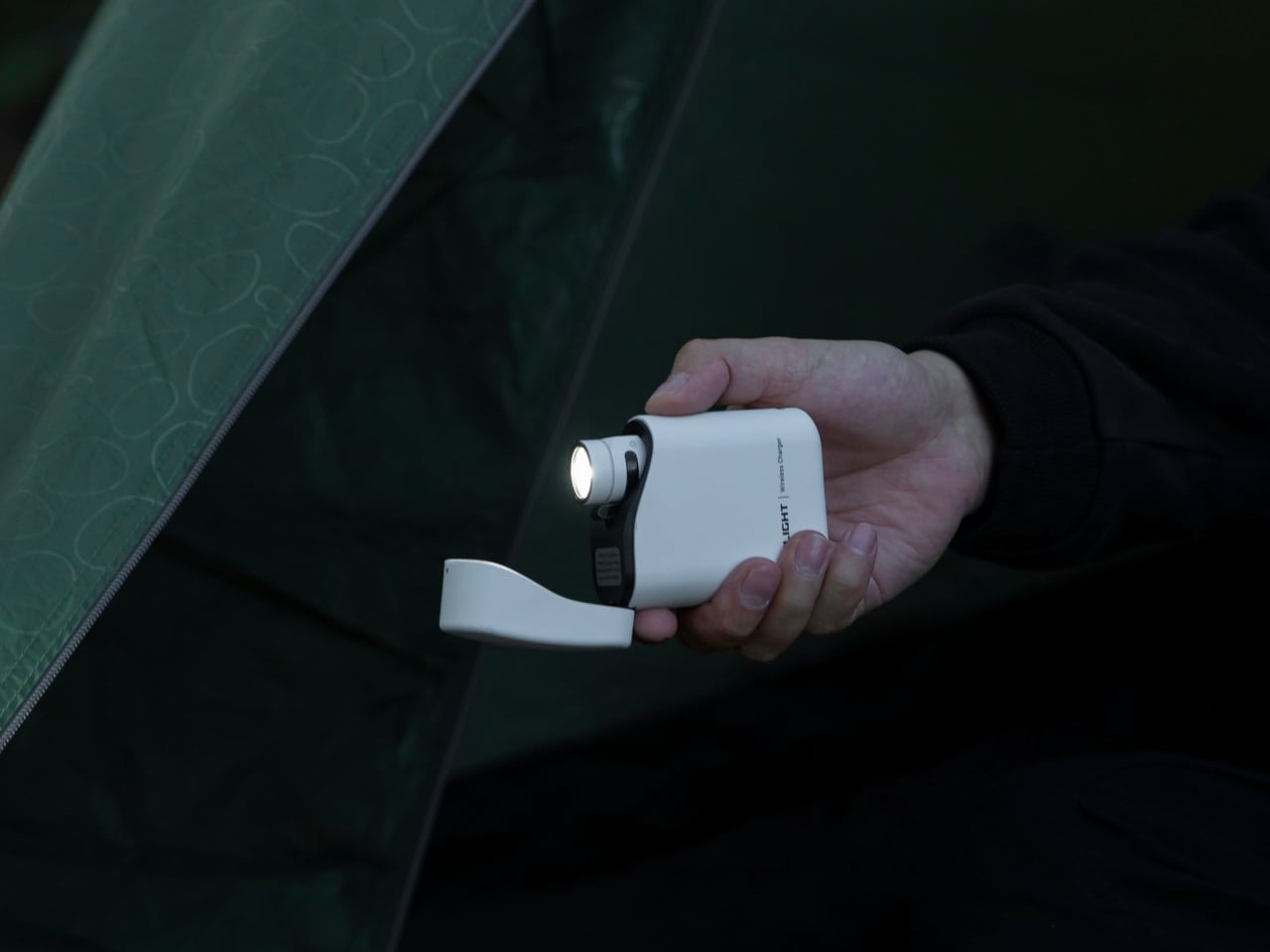
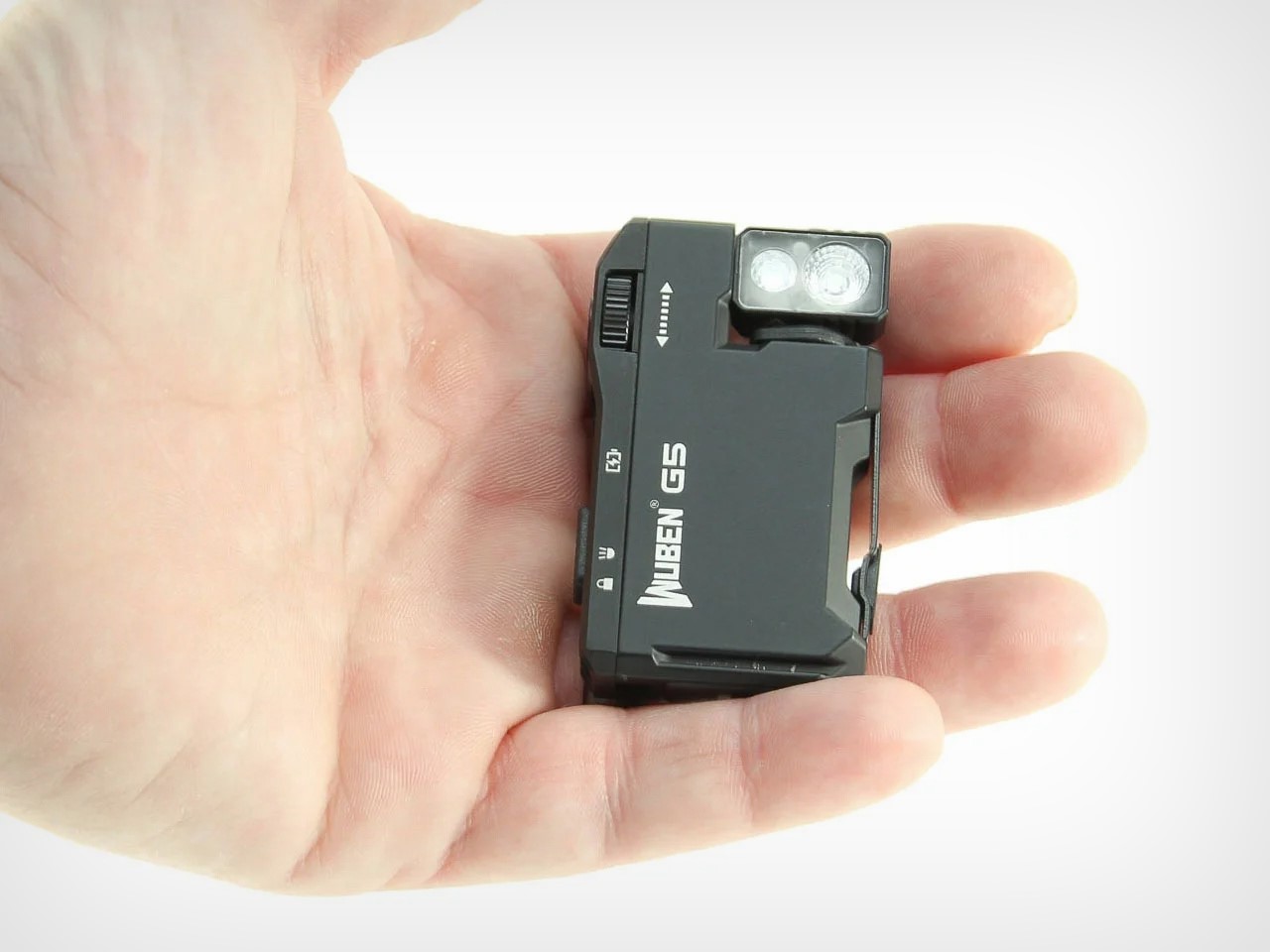
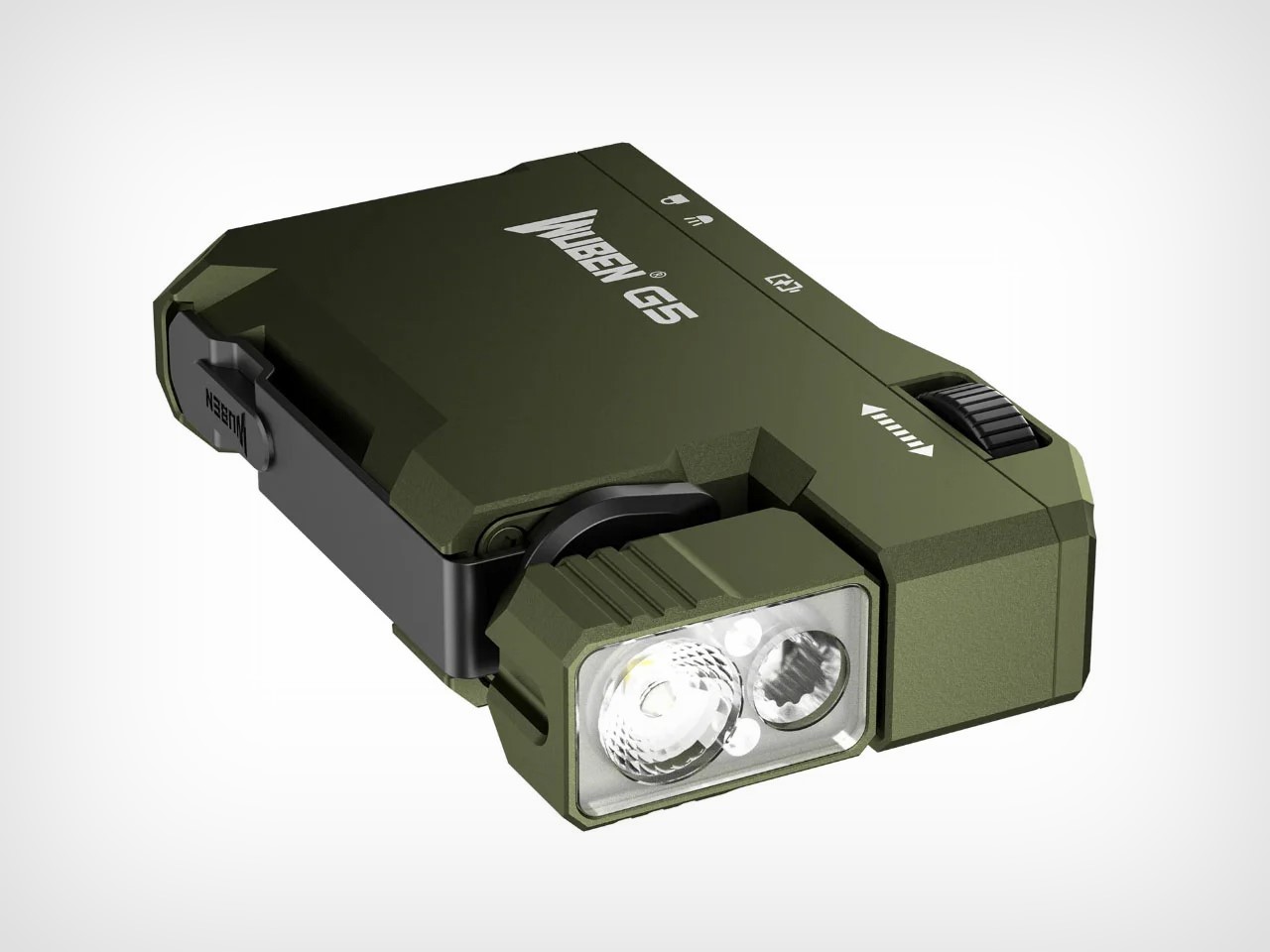
Most flashlights are too large to bother carrying and too dim to justify the space they take up when you do. The Wuben G5 is shaped and sized like a lighter, weighs 52 grams, and carries an IP68 waterproof rating down to two metres. It reaches 400 lumens across an 82-metre beam and rotates 180 degrees at the head so the light goes where it needs to go without repositioning the hand. A spring-tensioned clip grips fabric and straps. A magnetic base holds it to any metal surface without additional accessories.

At the beach, the use cases arrive the moment the sun drops: tide pool walks after golden hour, finding something in a dark bag, navigating a car park at the end of a long day, keeping a fire going in the right direction. USB-C charging is hidden behind the rotary tactile switch, a small detail that makes the whole object feel genuinely resolved. At $25, it sits in a price bracket where most comparable flashlights are forced to choose between bright and portable. The G5 does not choose.

What We Like

  • The lighter-sized form factor and spring-tensioned clip mean it lives in a pocket and actually gets used, rather than sitting uncharged at the bottom of a drawer between trips
  • IP68 waterproofing, a magnetic base, and USB-C charging at $25 is a combination that flashlights costing three times as much regularly fail to match

What We Dislike

  • Battery runtime at full 400-lumen output sits around 50 to 60 minutes, which requires some forward planning on a long evening outing if you need consistent brightness throughout
  • The blue-and-red emergency beacon is a feature worth having and absolutely worth leaving alone unless the situation genuinely calls for it

5. Hibear All-Day Adventure Flask

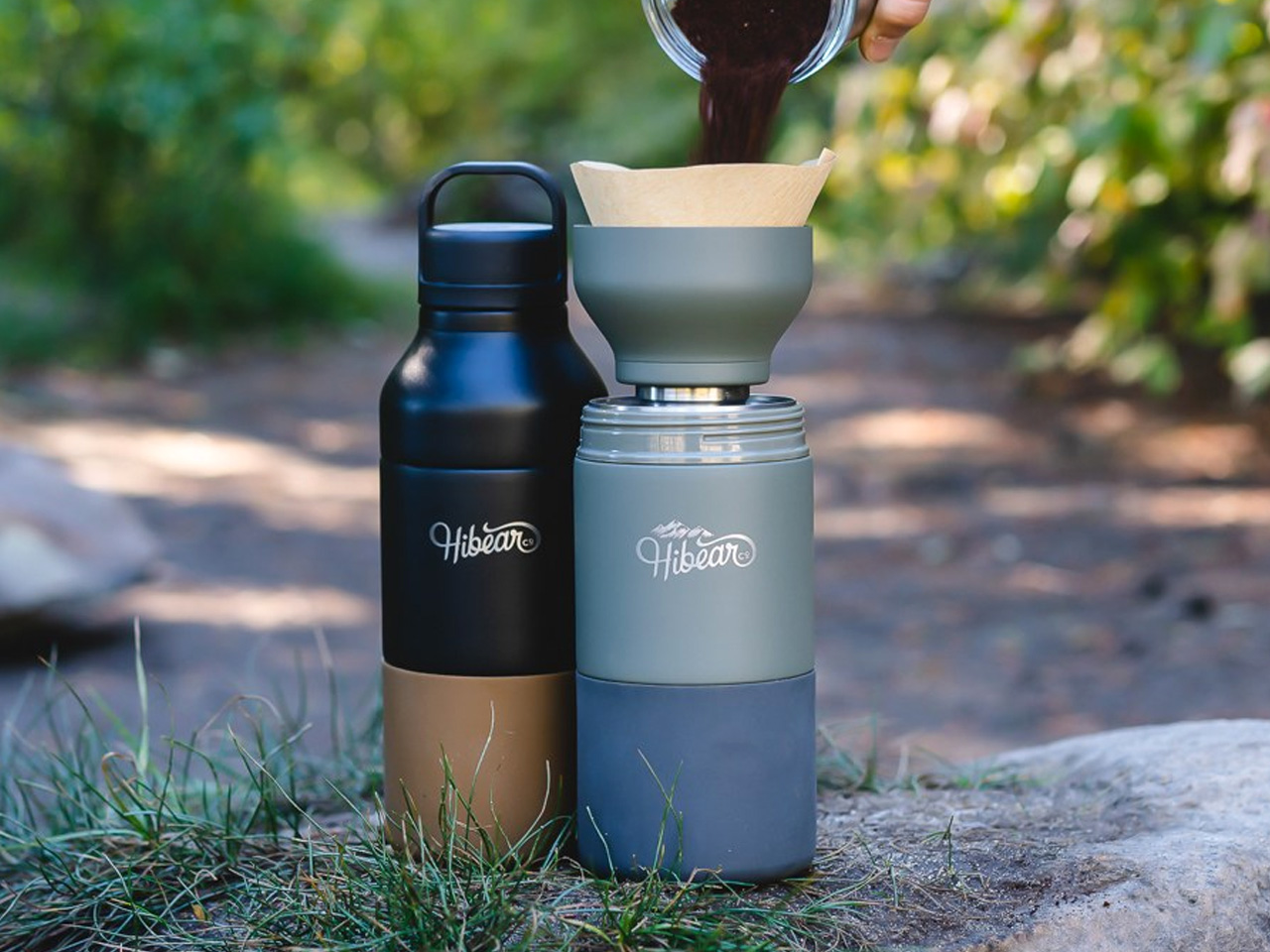
The Hibear All-Day Adventure Flask won a Red Dot Design Award in 2020, carries a five-year warranty, and performs six separate functions inside a single 32-ounce insulated stainless body. The interior is lined with non-breakable glass, which keeps flavours neutral regardless of what goes in. Split the body at its midpoint, invert the top section over a filter, and you have a pour-over coffee kit. The same configuration aerates wine properly rather than asking it to breathe through a small opening in a can lid.

A mesh insert brews tea, infuses water, or cold-brews coffee depending on how long you leave it. A slatted lid converts the flask into a cocktail shaker. A thermal core chills drinks without ice and without diluting them. The silicone tumbler built into the base pops out as a cup and absorbs the impact when the flask gets dropped, which it will. Hibear contributes to 1% for the Planet on every sale. For a beach day that starts before sunrise and ends after dark, this covers all of it.

What We Like

  • The non-breakable glass interior keeps every drink tasting like the drink rather than the vessel, which is the detail that separates this from every other insulated flask currently available
  • One object handling six functions means one fewer item to pack, which is the most honest possible argument any piece of design can make for its own existence

What We Dislike

  • The full modular system involves multiple components that need tracking, cleaning, and reassembling, which adds genuine friction on days when simplicity is the only real priority
  • Most users will settle into two or three functions regularly and barely reach for the rest, which is worth sitting with before committing to the price

The Best Beach Gear Is the Gear That Disappears

None of these five objects look like they were made for a promotional shoot. They were made to do something specific well enough that you reach for them without thinking about it. The amplifying speaker has no battery to watch. The DraftPro changes how a can of beer opens. The Wuben G5 weighs 52 grams and costs $25. The Hibear covers a full day at the beach without asking you to pack anything else around it.

The Camp Snap 2 asks you to look at the beach rather than reviewing photographs of it. That is the through-line: five objects that remove a specific frustration rather than introducing a new feature. The beach already has enough going on. The best gear for it stays out of the way and earns its place by being genuinely hard to leave behind.


The post 5 Best Beach Gadgets That Don’t Look Like They Were Designed by a Sunscreen Brand first appeared on Yanko Design.

7 Best Japanese Kitchen Gadgets That Make Summer Cooking Actually Worth Getting Off the Couch

Summer cooking sits at a particular crossroads. The produce is at its best without much intervention, the kitchen gets warm, and the gap between wanting a good meal and actually making one widens every afternoon. Japanese kitchen design has always understood how to close that gap — not by making cooking faster or simpler in a gimmicky sense, but by making the process feel like something worth choosing. These seven tools operate on that principle.

Each one was selected because it shifts how cooking feels, not just what it produces. Some anchor a weekday morning and make the first meal of the day worth setting time aside for. Others make a Saturday evening in the kitchen feel like the destination rather than a precondition. All of them bring a quality of craft to the work that most kitchen drawers simply cannot match, and that quality is exactly what summer cooking needs most.

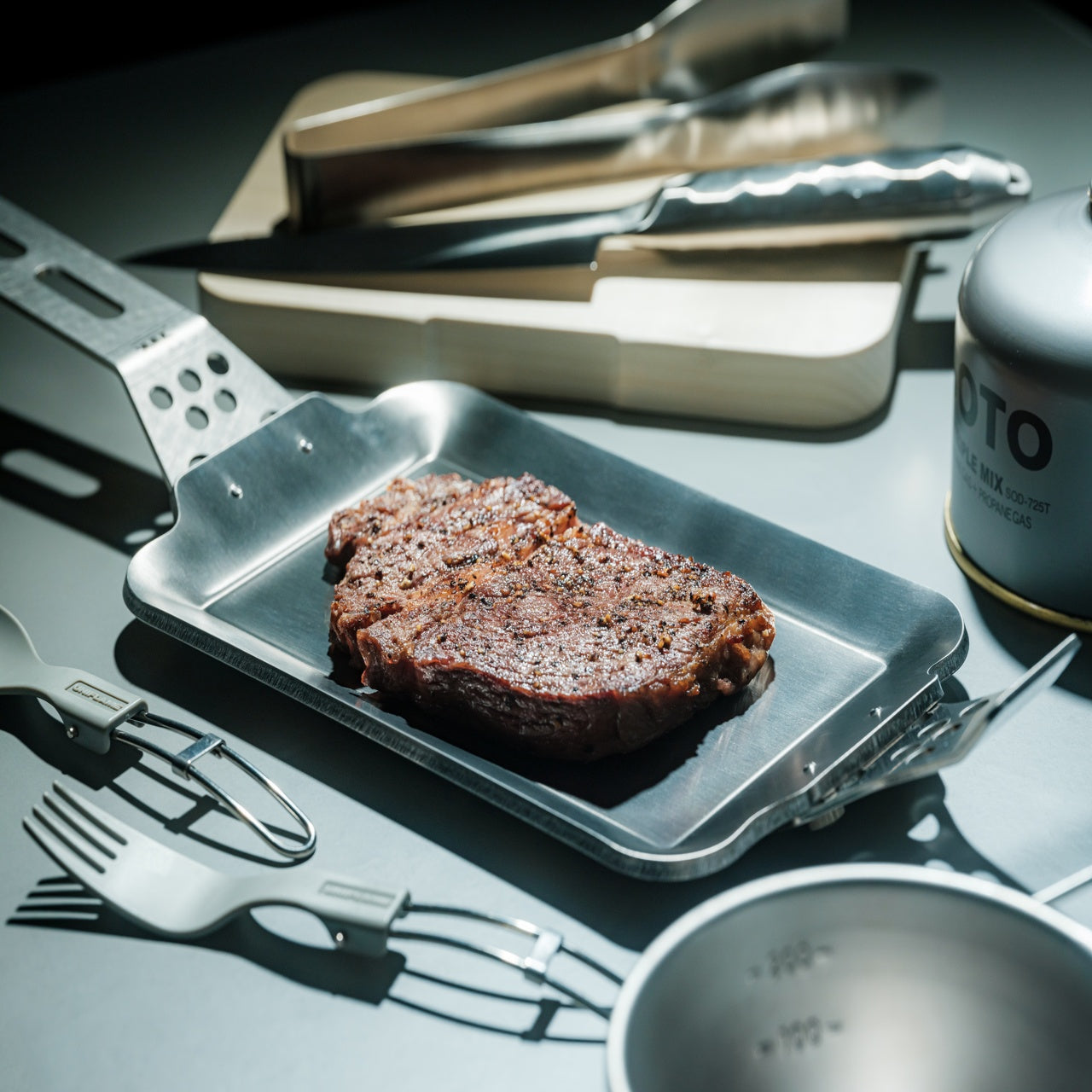
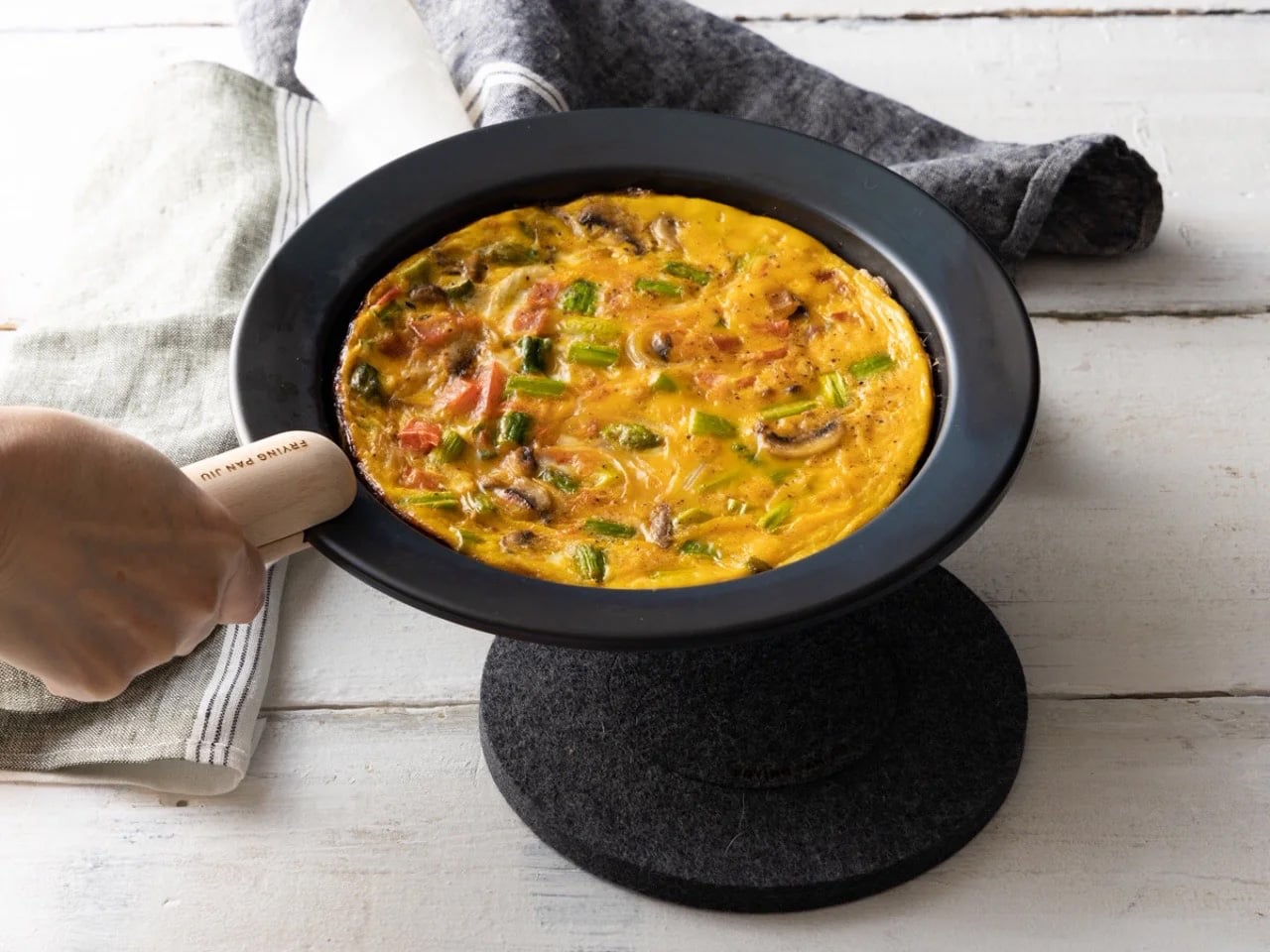
1. Iron Frying Plate

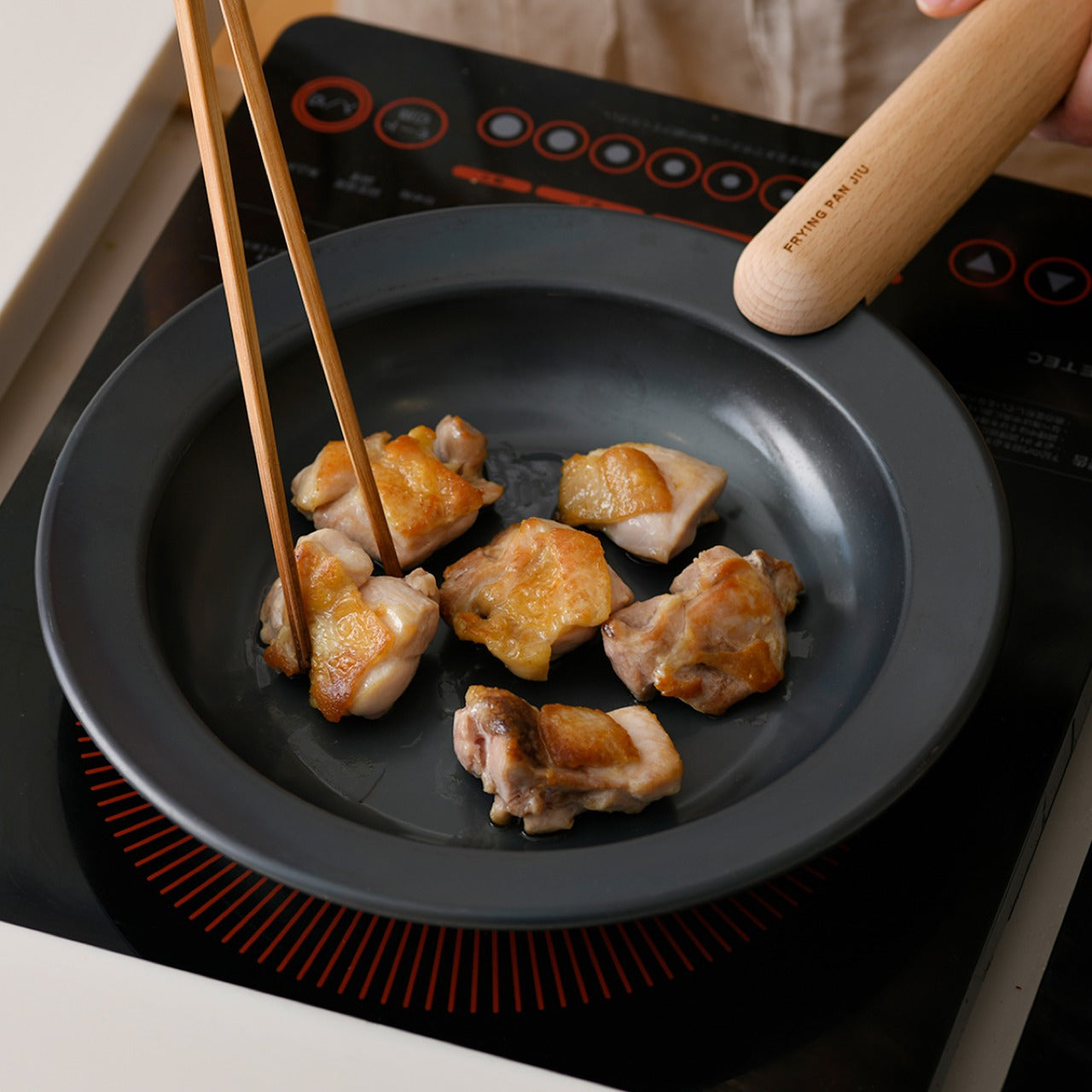
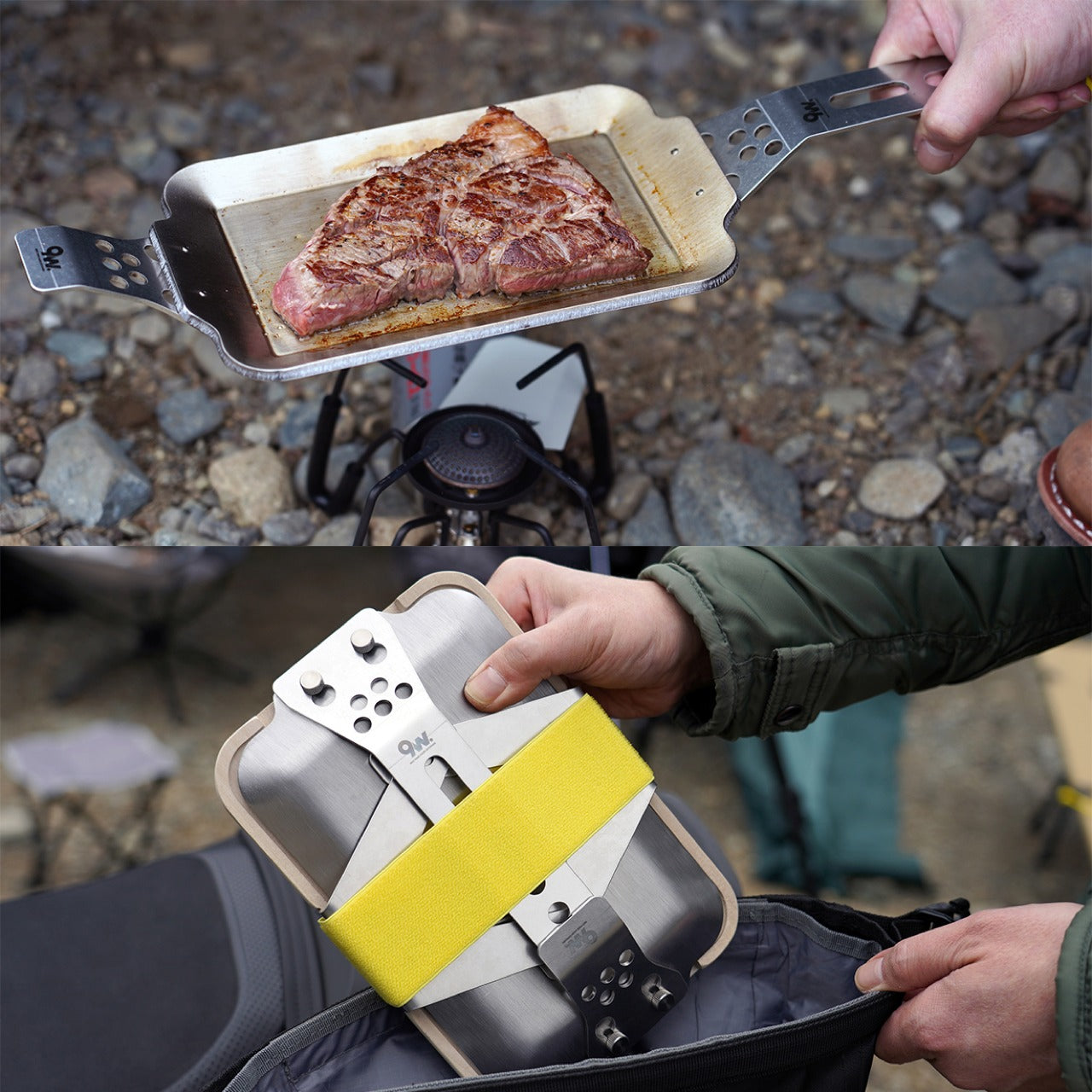
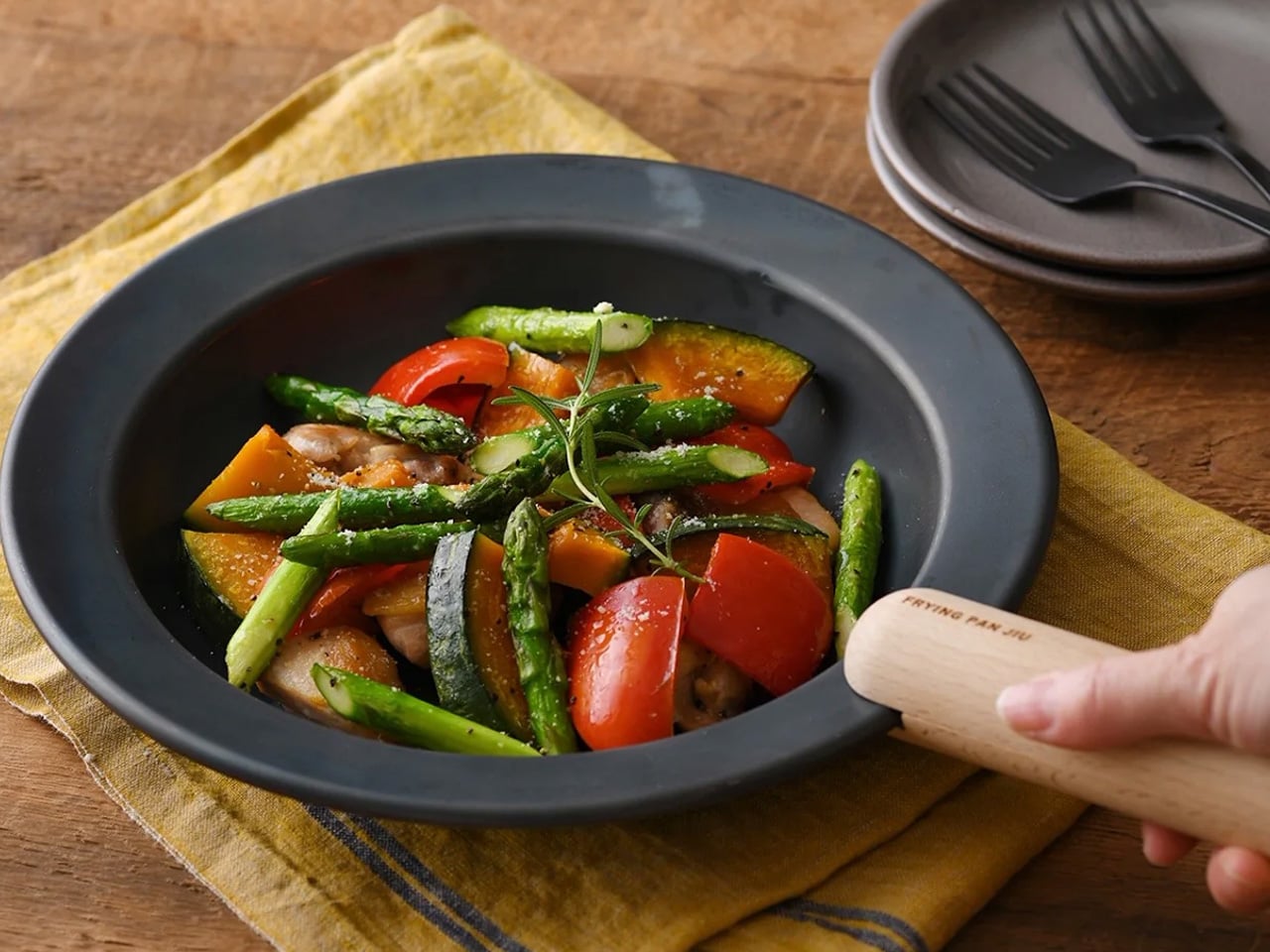
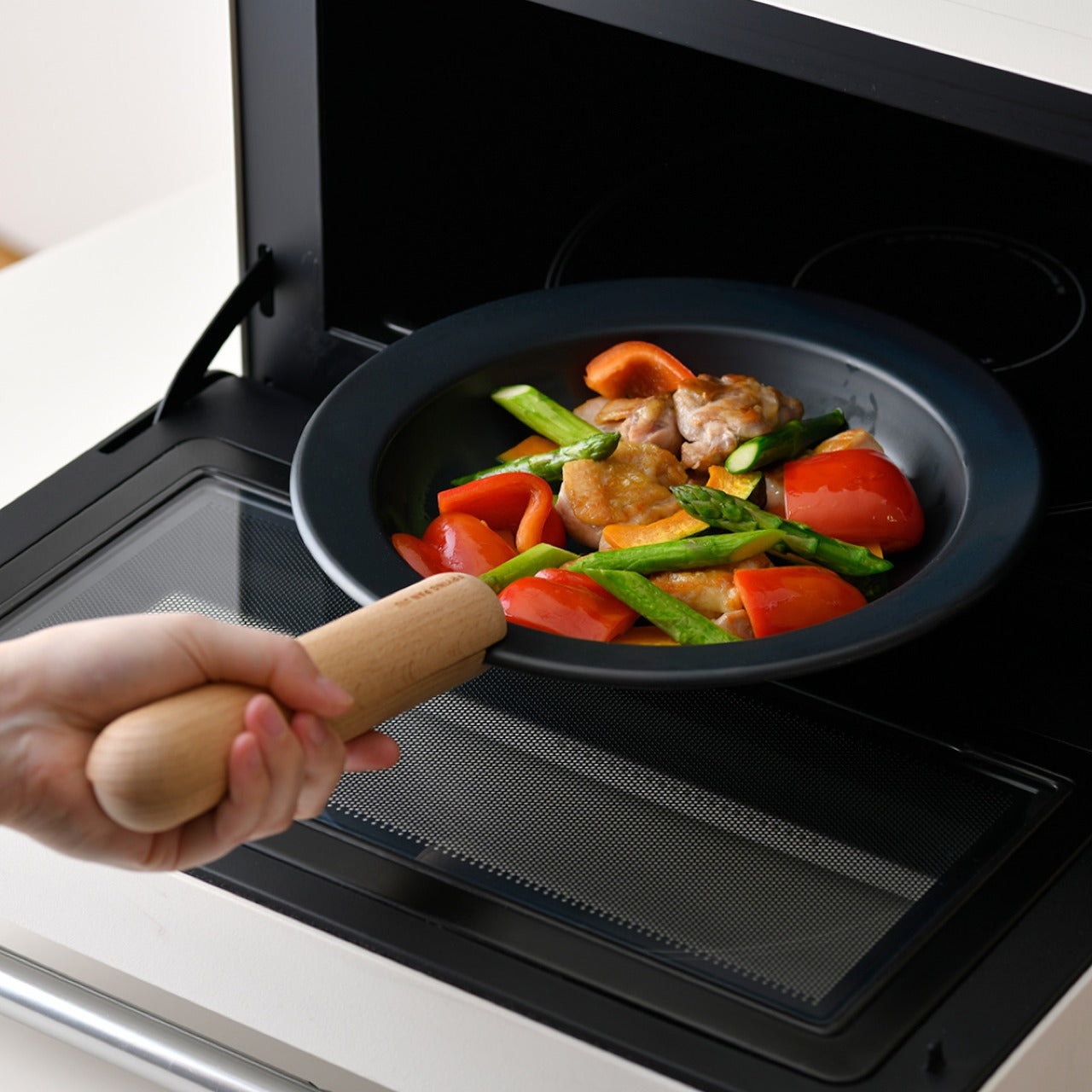
The Iron Frying Plate removes the step between cooking and serving. Crafted from 1.6mm thick mill scale steel with a detachable wooden handle, it moves from stove to table without a transfer in between. Eggs arrive still sizzling. Fish comes off the heat in the same vessel you cooked it in, retaining the temperature and texture that plating onto a cold ceramic plate quietly destroys. The cook-and-serve design changes how a meal begins and ends, and the pace of eating reflects that shift immediately.

The uncoated surface requires no seasoning before first use and develops natural non-stick properties through regular cooking. The detachable wooden handle attaches and releases with one hand, making the move from burner to table completely fluid. You stop rushing through dinner because the plate is still doing its job while you are still deciding what to eat first. Retained heat changes the pace of a meal in ways that are difficult to explain until you’ve eaten a few of them this way.

Click Here to Buy Now: $69.00

What we like

  • The cook-and-serve design preserves the temperature and texture that get lost in any transfer to a separate plate
  • The uncoated mill-scale steel develops natural non-stick properties through use, requiring no seasoning and no chemical coatings

What we dislike

  • The iron surface stays hot long after cooking ends, requiring careful handling and surface awareness at the table
  • One plate handles one serving at a time, so a group meal requires multiple units to work at scale

2. Yoshihiro VG-10 16-Layer Hammered Damascus Nakiri

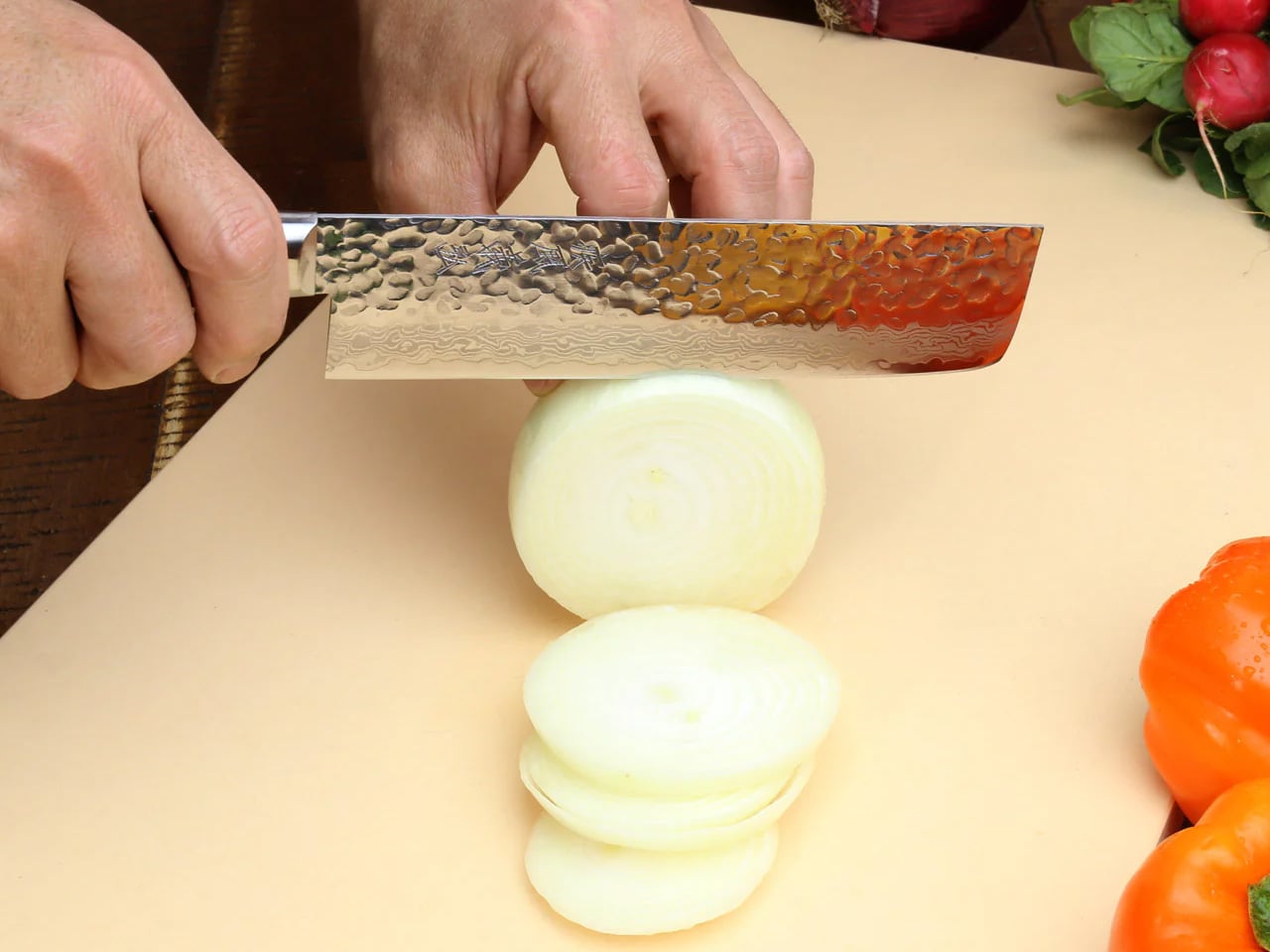
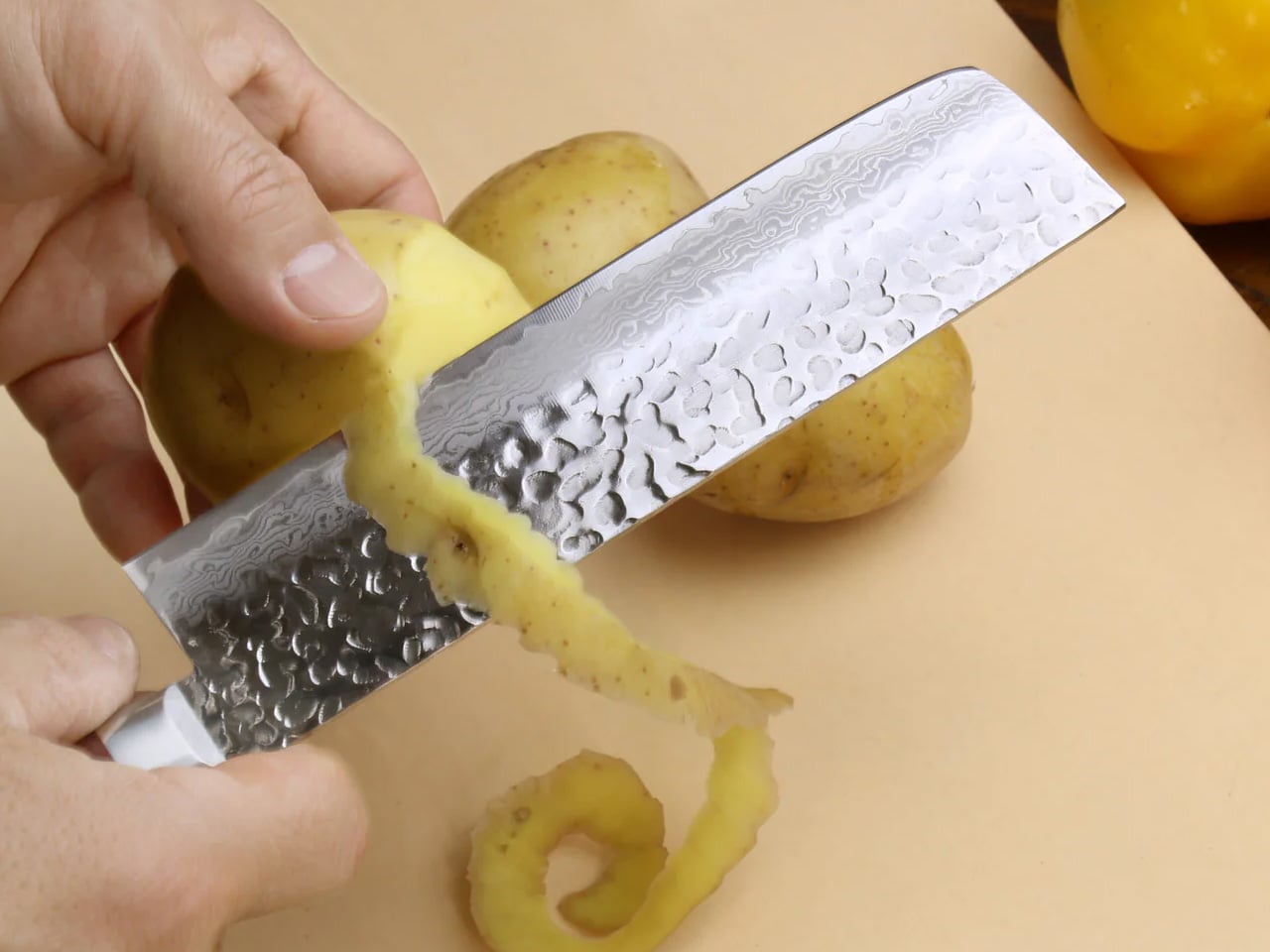
The nakiri is designed exclusively for vegetables, and that singular focus is what makes it work for summer cooking in a way a standard chef’s knife doesn’t. The flat edge makes full contact with the cutting board on every stroke without the tip-lift of a curved blade, producing a clean, complete cut through cucumber, eggplant, and ripe tomato without the drag most home cooks have accepted as normal. The VG-10 core wrapped in sixteen layers of hammered Damascus steel reduces friction through each cut, so nothing sticks or skids.

The full-tang mahogany handle distributes weight evenly from tip to heel, and after fifteen minutes of prep, you feel that balance in a way that poorly weighted knives never let you forget themselves. Summer produce means a lot of repetitive slicing through high-moisture vegetables, and this knife is built for exactly that kind of sustained work. The hammered Damascus pattern is unique to your specific blade, handcrafted by master artisans and certified for commercial kitchen use. The edge holds far longer than most knives in this category.

What we like

  • The flat edge makes full contact with the board on every stroke, producing complete cuts that a curved blade with tip-lift cannot replicate with the same consistency
  • The hammered Damascus surface reduces drag through each cut and produces a pattern that is unique to every individual blade

What we dislike

  • The nakiri is a specialist vegetable knife and is not designed for meat, fish, or anything with bones
  • The Damascus finish requires careful dry storage and periodic maintenance to preserve the layered surface over time

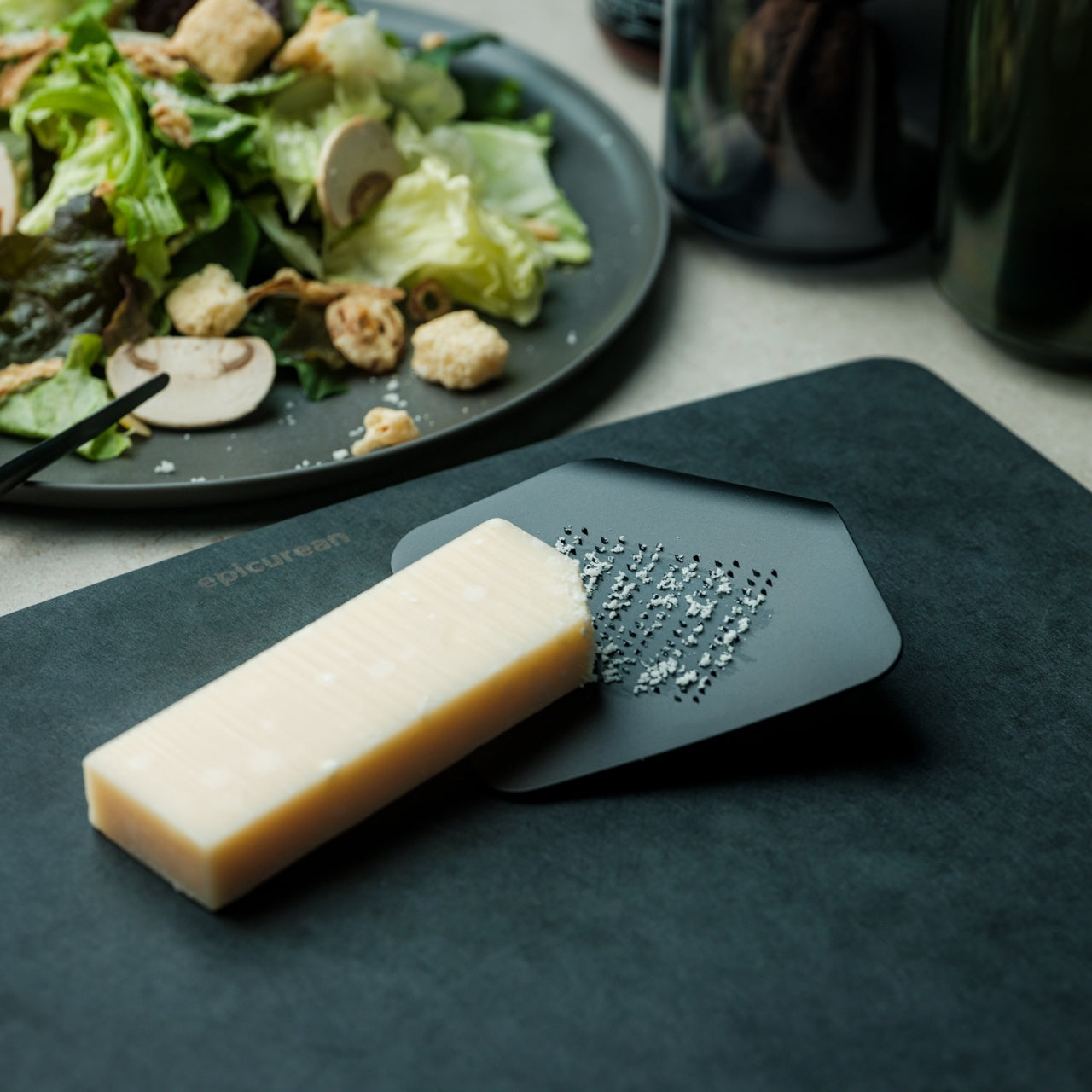
3. Playful Palm Grater

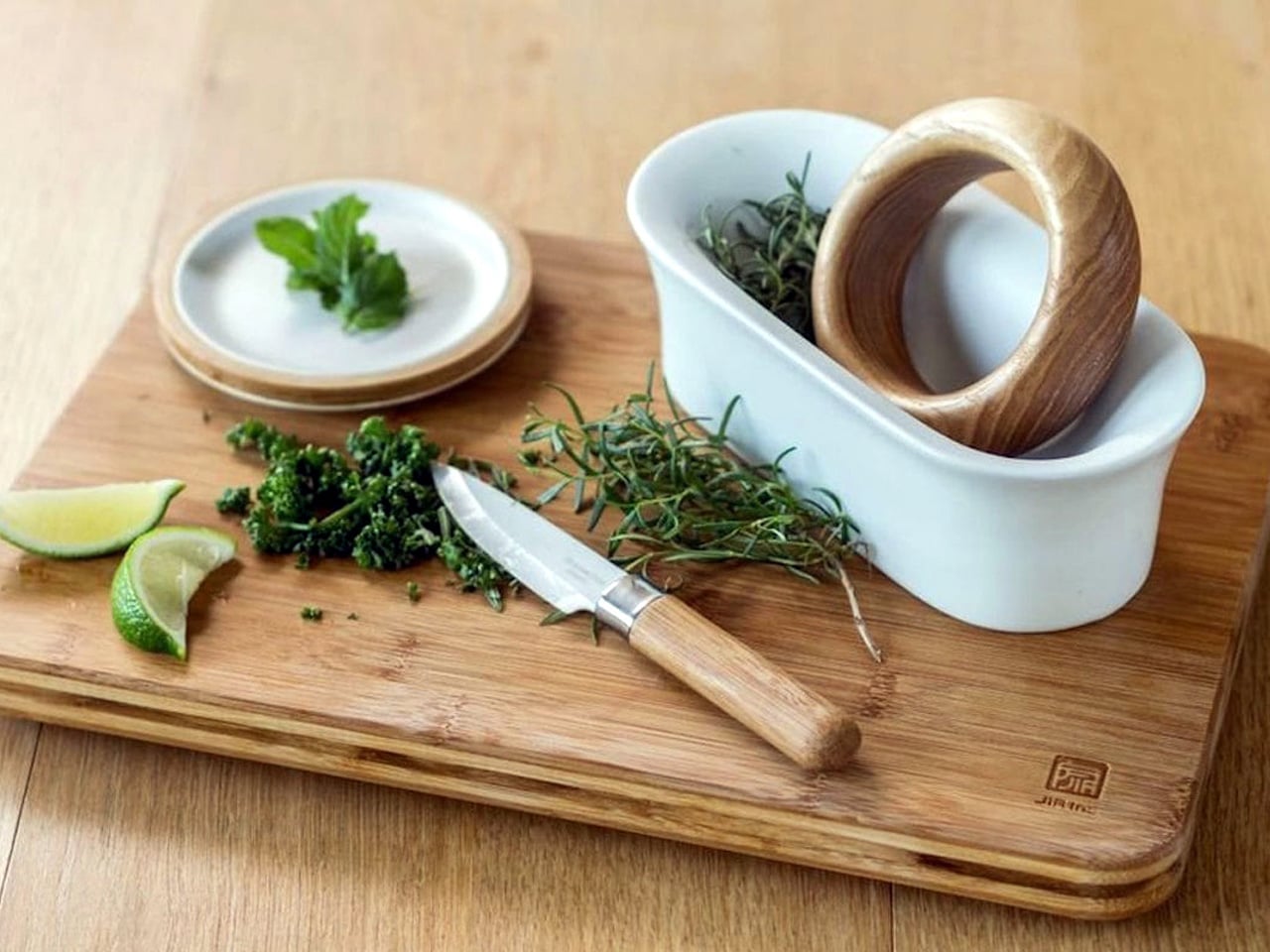
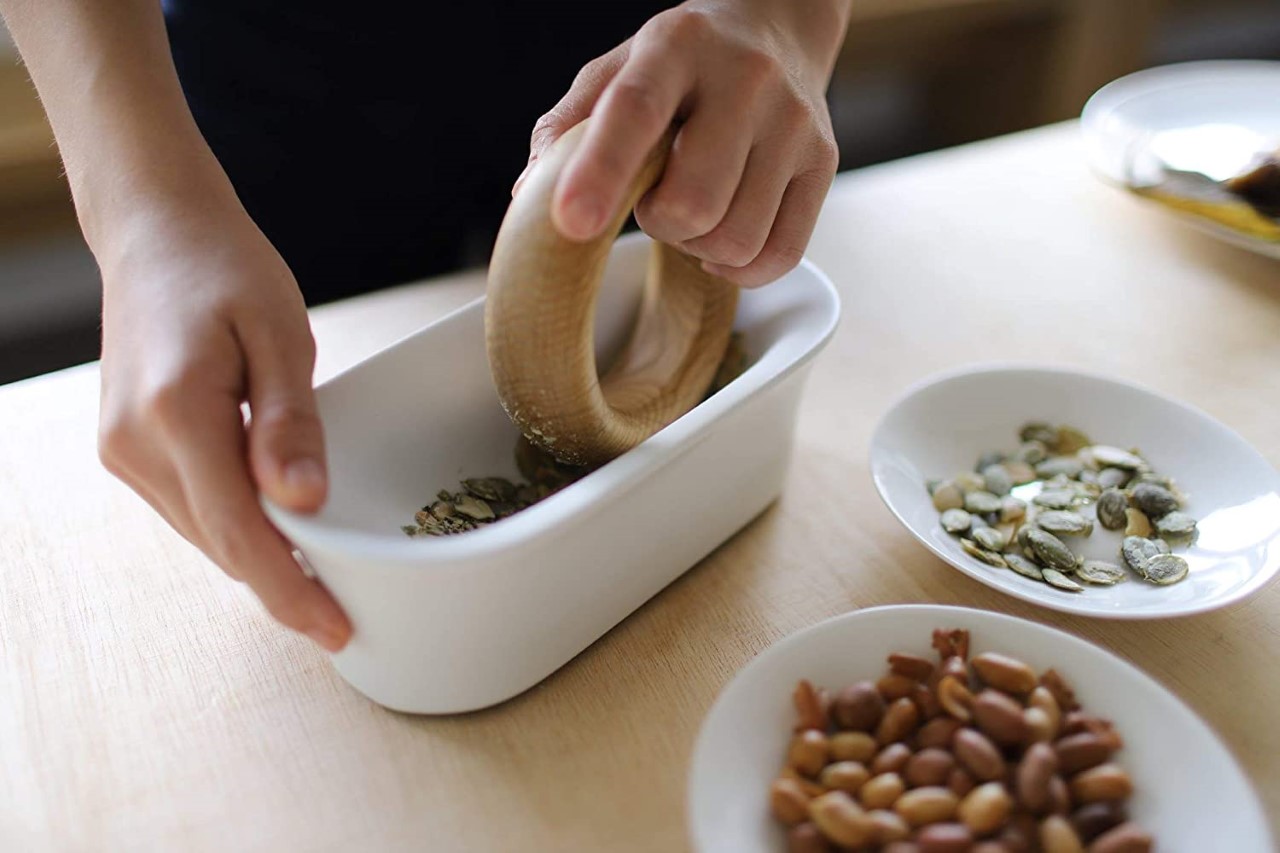
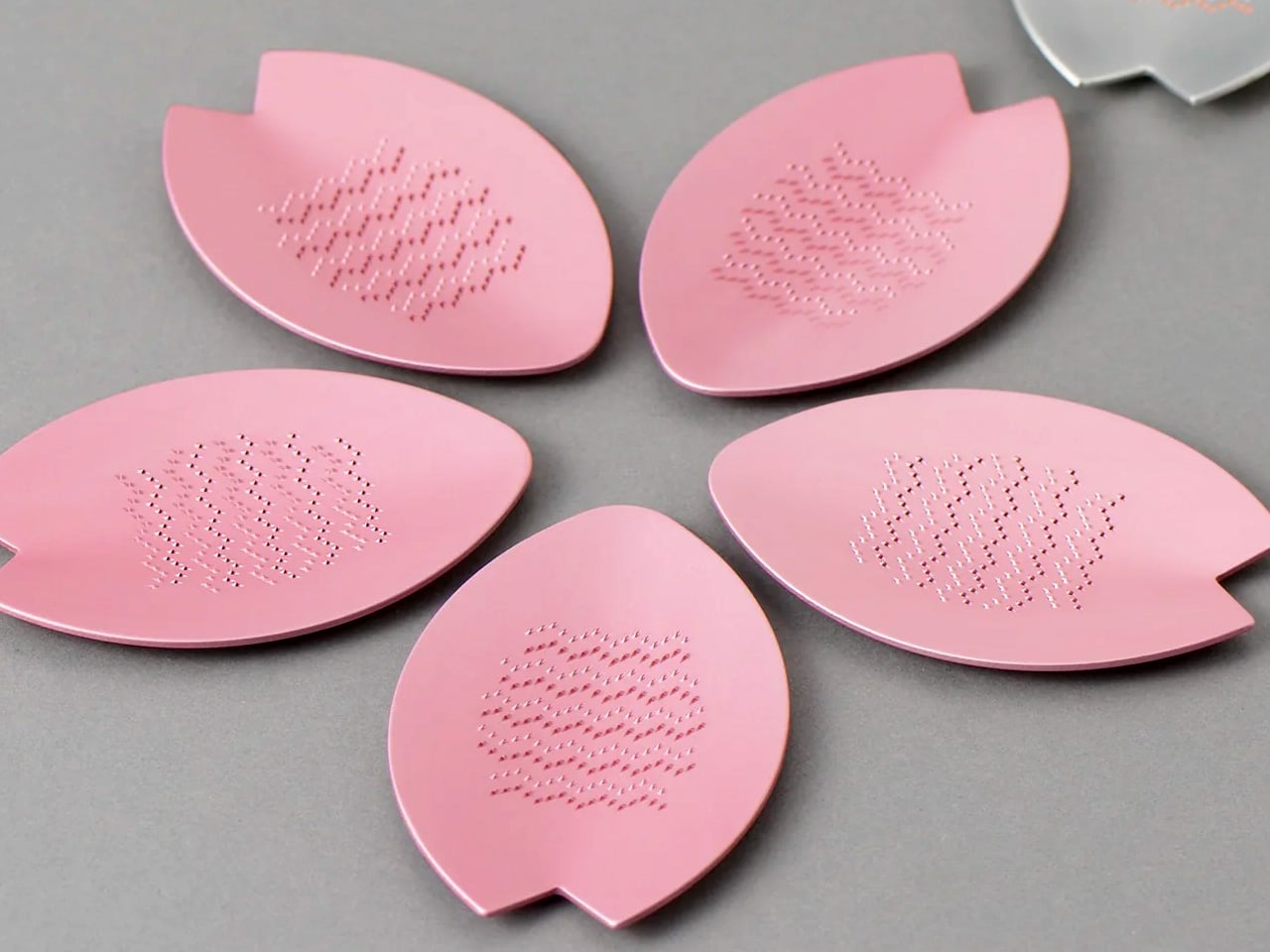
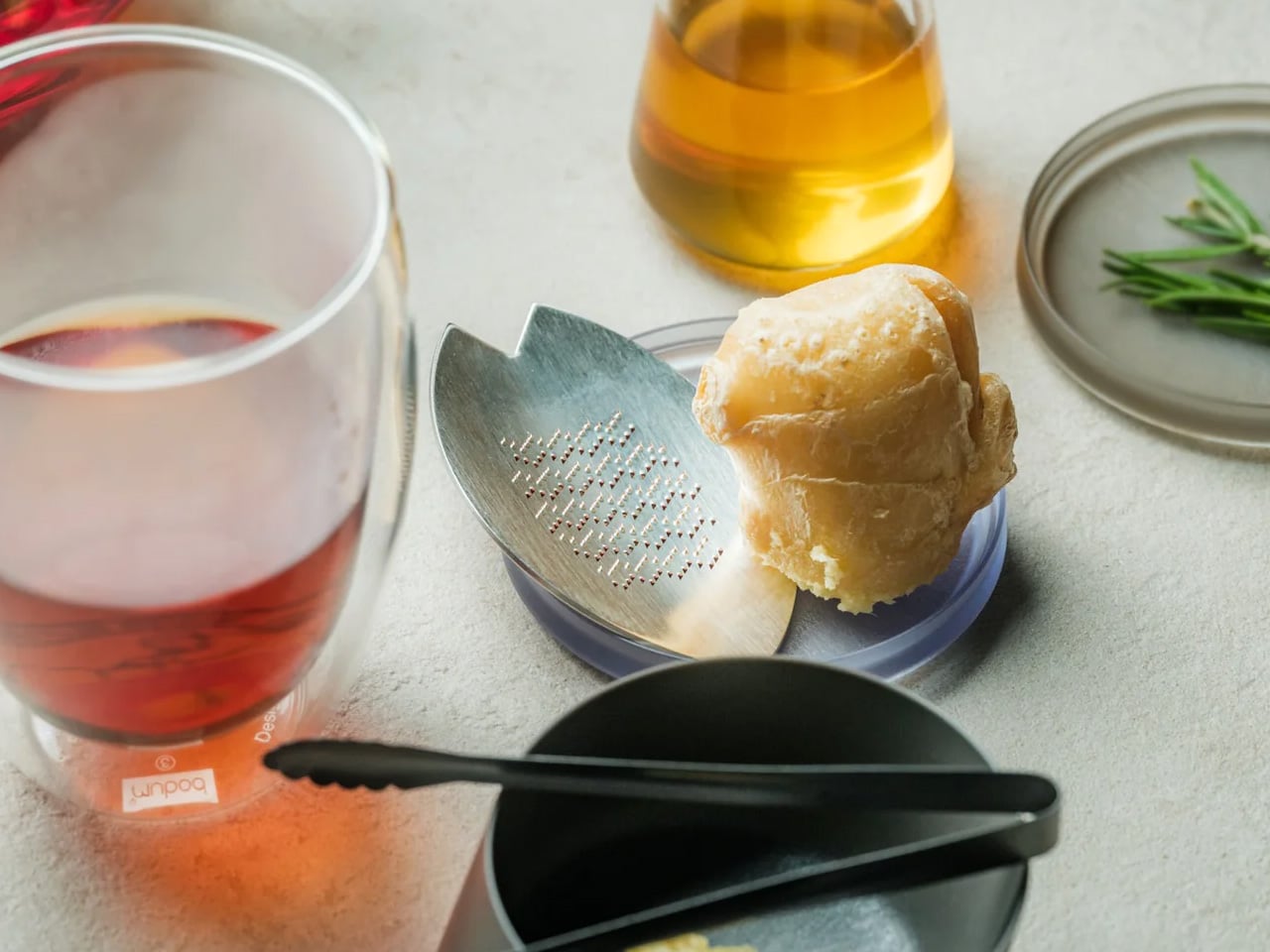
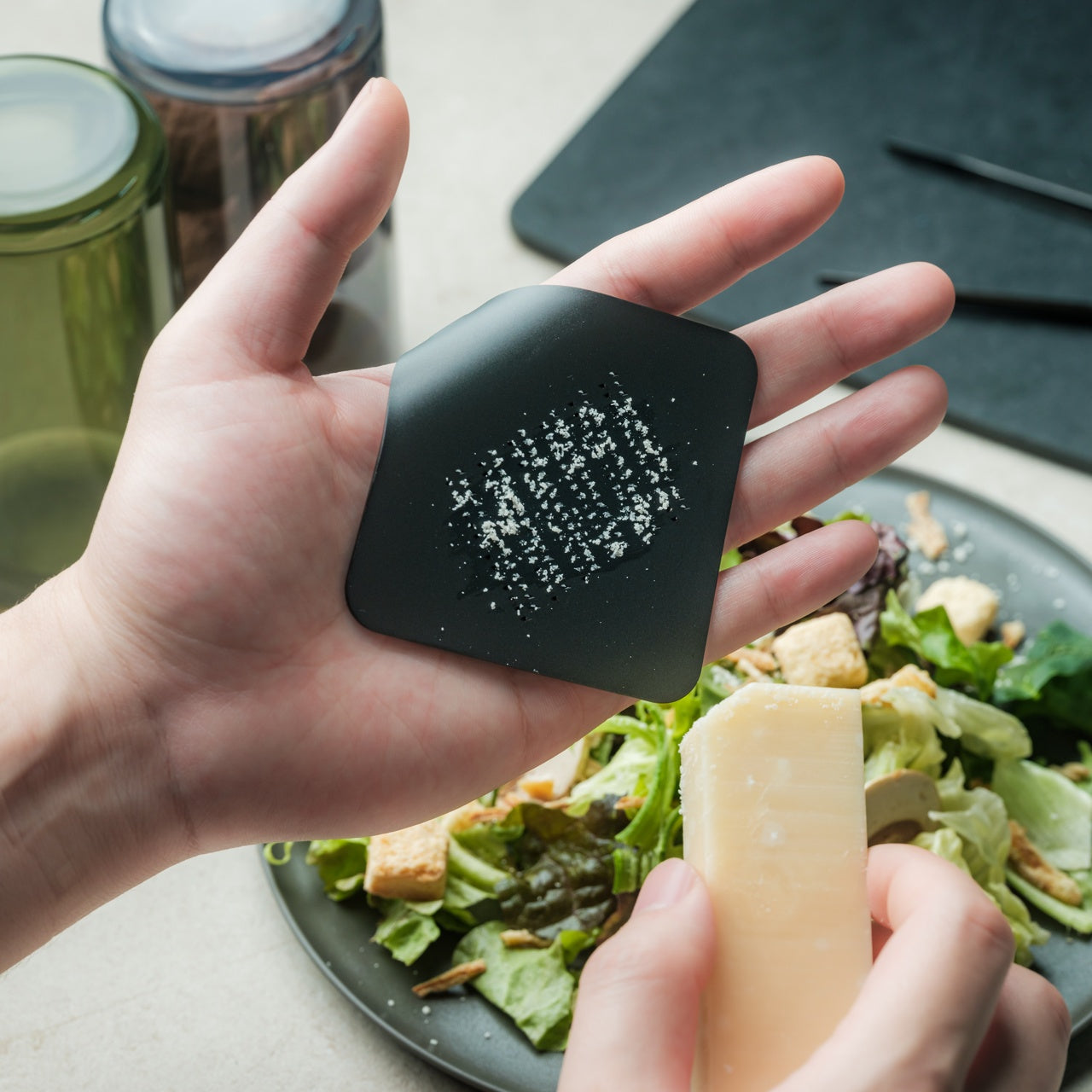
The Playful Palm Grater is shaped like a curled piece of paper and crafted from a single plate of aluminum alloy. It fits in your palm the way you’d hold a stone, close and naturally, rather than the way you hold a box grater, which always feels slightly too large for what it’s doing. That physical closeness changes where your attention goes. You focus on the ingredient and the motion rather than managing an implement that creates more distance from the task than the task actually needs.

For summer cooking, tableside grating transforms garnish preparation from something done in advance and forgotten into something that happens at the table as part of the meal itself. Fresh ginger over cold soba, a small amount of something sharp to cut through a rich sauce, daikon alongside grilled fish. The ergonomic design keeps hands clean and safe from the grater’s surface during use. Compact enough to disappear into any drawer, it adds almost nothing to the counter and changes the experience of finishing a dish.

Click Here to Buy Now: $25.00

What we like

  • The palm-sized form changes how grating feels physically, making tableside preparation natural rather than effortful or awkward
  • Crafted from a single plate of aluminum alloy, the lightweight construction adds virtually no weight or bulk to your kitchen setup

What we dislike

  • The compact size means slower processing for any quantity beyond a tableside garnish amount
  • Not suited for large-volume grating or ingredients that require significant pressure to break down

4. Vermicular Musui-Kamado Rice Cooker

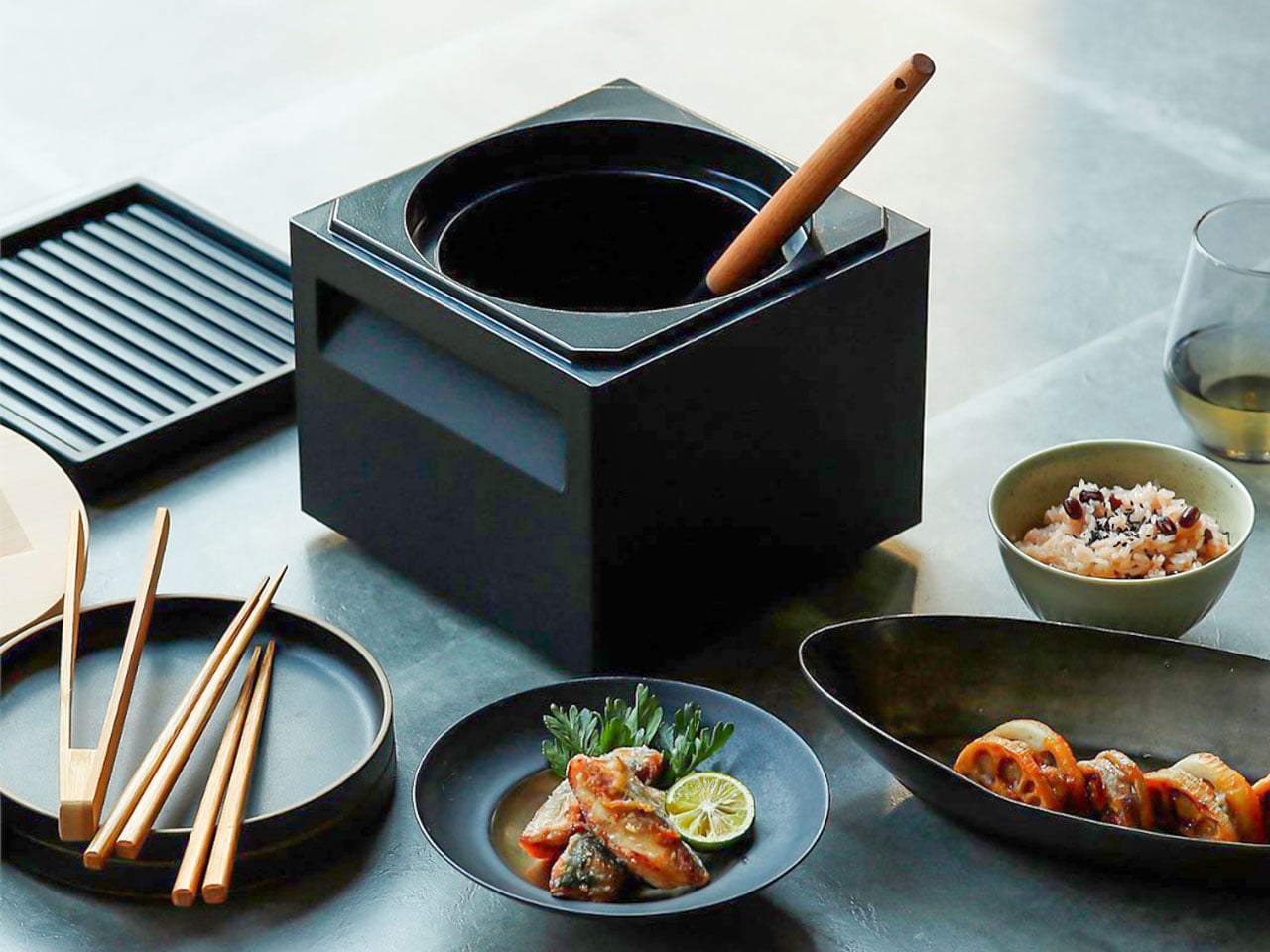
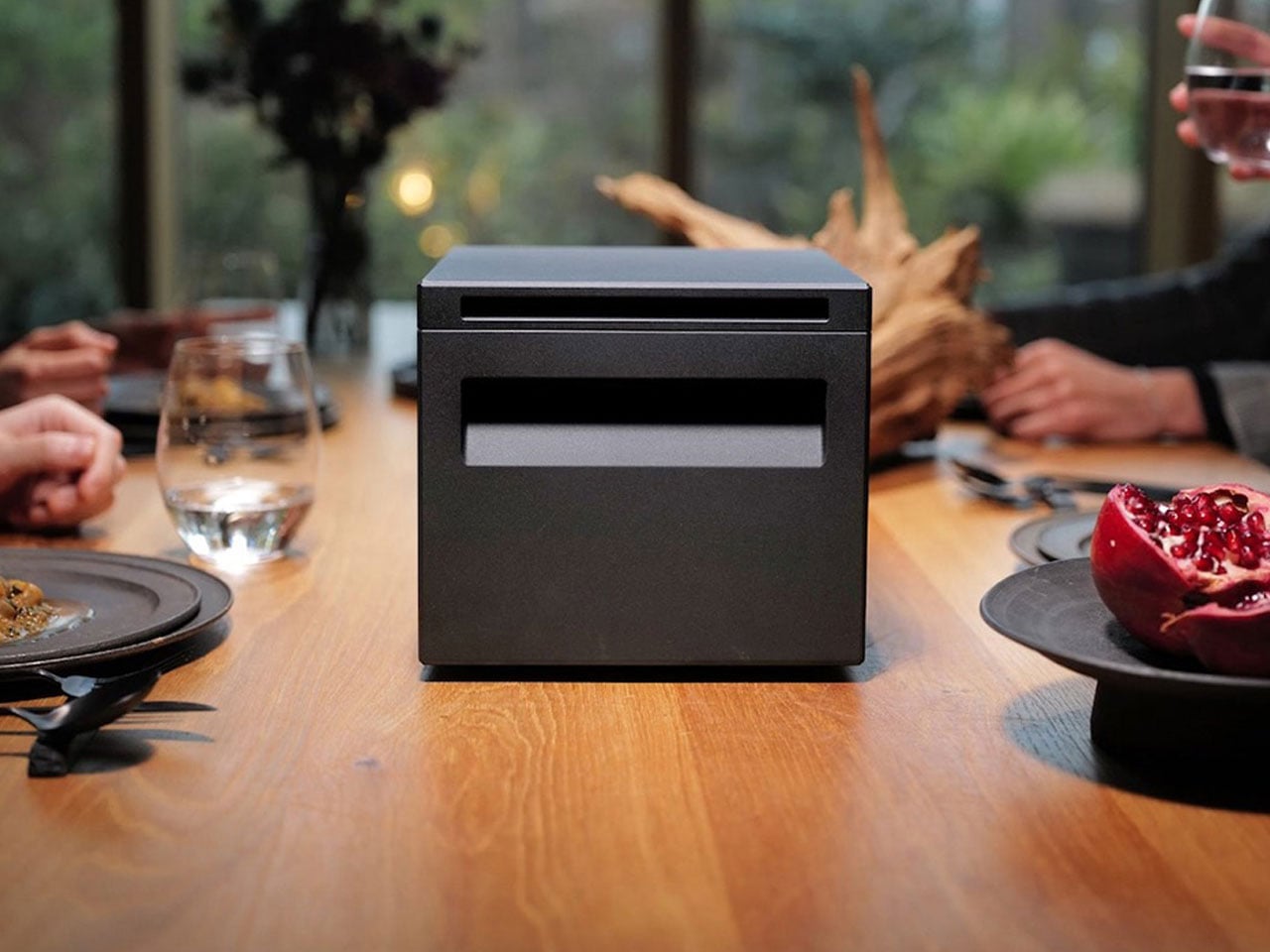
The Vermicular Musui-Kamado pairs precise induction heating with a cast iron pot, and the result is rice with a texture and aroma that standard electric cookers consistently fail to produce. The glossy, aromatic quality is something you notice immediately, something guests will notice before you explain it, and something you stop being able to accept mediocre versions of once you’ve eaten it regularly. For summer cooking, this matters across the full range of meals built around a bowl of rice done properly.

The cold rice bowl, the foundation of a casual sushi spread, the side dish anchoring grilled fish: the rice at the center of those meals either earns everything else on the plate or quietly lets it down. The minimalist design and intuitive controls mean the cooker handles the process in the background without demanding your attention or dominating the counter. This is a daily-use investment that improves a broader range of meals than almost any other single kitchen tool.

What we like

  • Precise induction heating combined with a cast iron pot produces rice with a consistency and quality that standard electric cookers cannot replicate
  • The minimalist design integrates into any kitchen counter without demanding visual attention or commanding the whole surface

What we dislike

  • The cast iron pot is heavier than standard cooker inserts and requires careful hand washing and thorough drying after each use
  • The premium construction comes at a premium price, making this a considered investment rather than an impulse buy

5. Iga-yaki Donabe Clay Pot

Iga-yaki clay comes from Mie Prefecture in Japan, where local earth has been worked into ceramics for centuries. The porous structure absorbs heat slowly and releases it evenly, which creates a cooking environment that metal pots simply cannot replicate. Rice cooked in a donabe tastes different: sweeter, more aromatic, each grain fully cooked and intact. Broth deepens over a lower flame. The exterior stays rough and textured while the interior is glazed smooth, each surface doing exactly what it needs to and nothing more.

For summer cooking, the donabe covers more ground than most tools twice its size. It steams fish with the lid on, makes hot pot for a warm evening on the patio, braises chicken in dashi while you handle everything else, and holds rice at temperature through a long, unhurried meal. The Kamado-san Simply Donabe edition from TOIRO Kitchen is available in several sizes, all made in Japan from Iga clay. This is the vessel most likely to become the one you reach for first, regardless of what you’re making.

What we like

  • Iga-yaki clay retains heat well past the point of turning off the flame, keeping food at temperature through an unhurried meal at the table
  • Versatile across rice, hot pot, steaming, and slow braise — one vessel that covers the full range without compromise

What we dislike

  • Clay donabe requires seasoning before first use by simmering rice water inside, a step that isn’t always clear from the packaging
  • The porous body can absorb strong cooking odors over time and needs to be stored with the lid off after washing to stay fresh

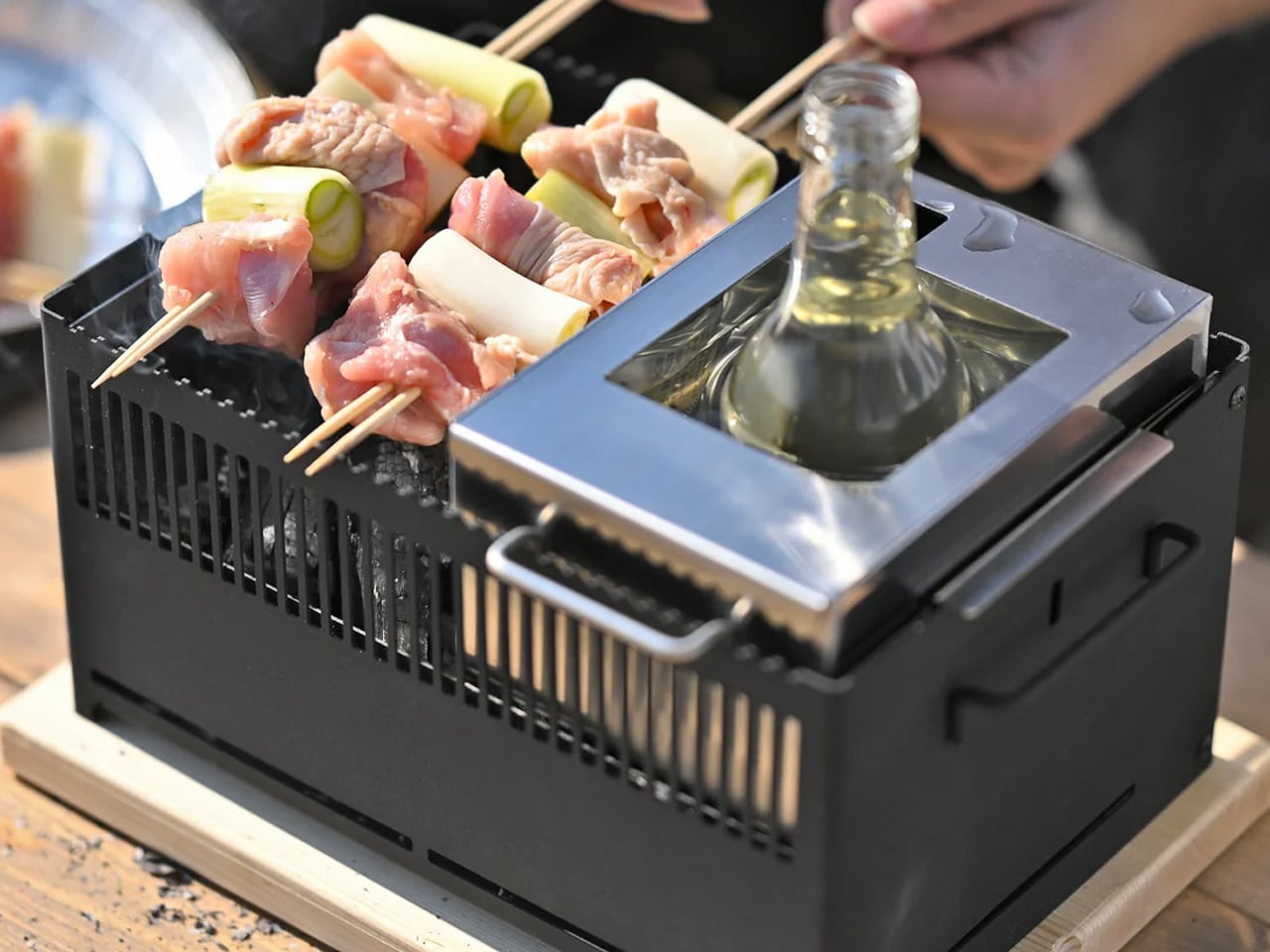
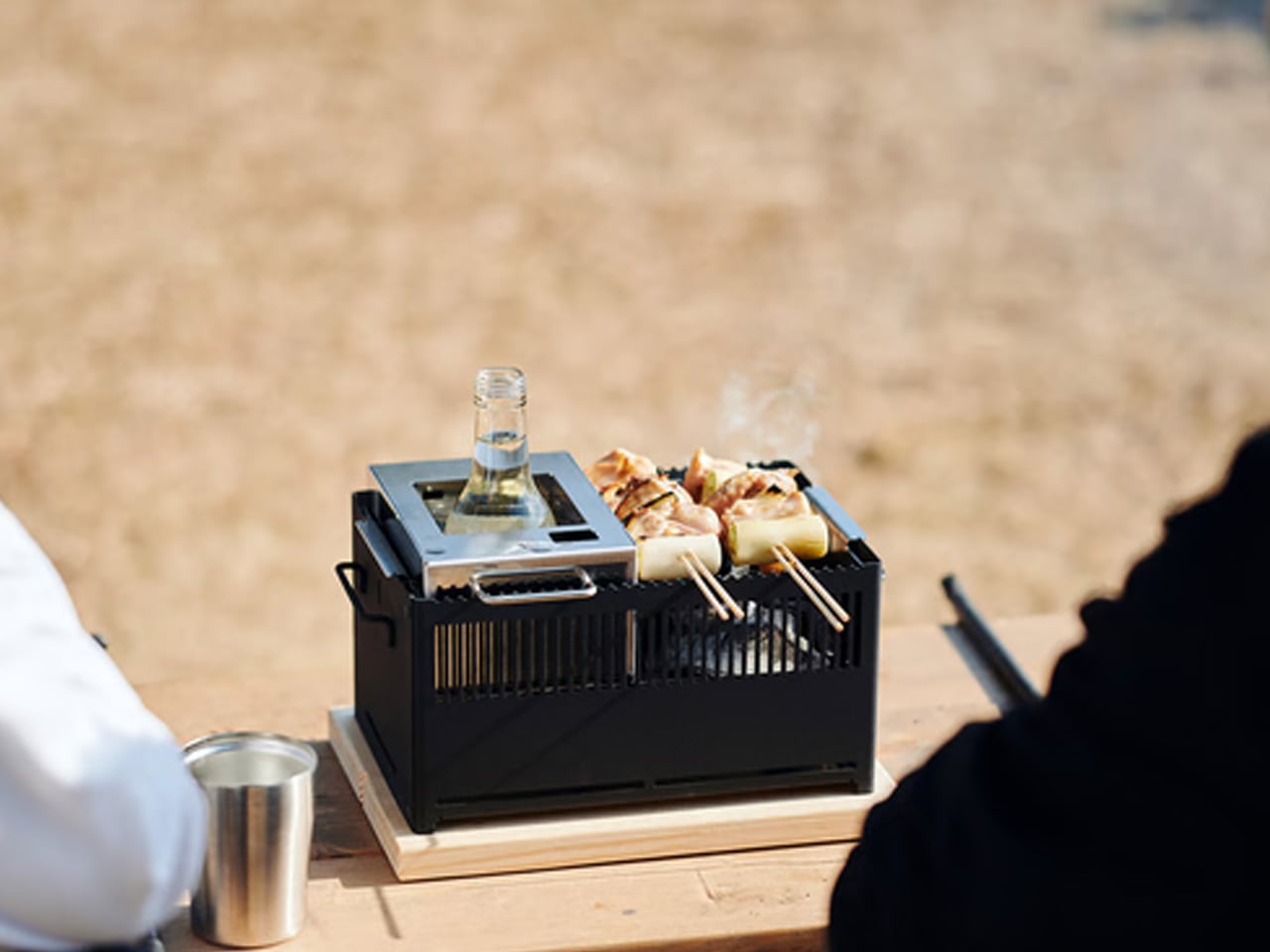
6. All-in-One Grill

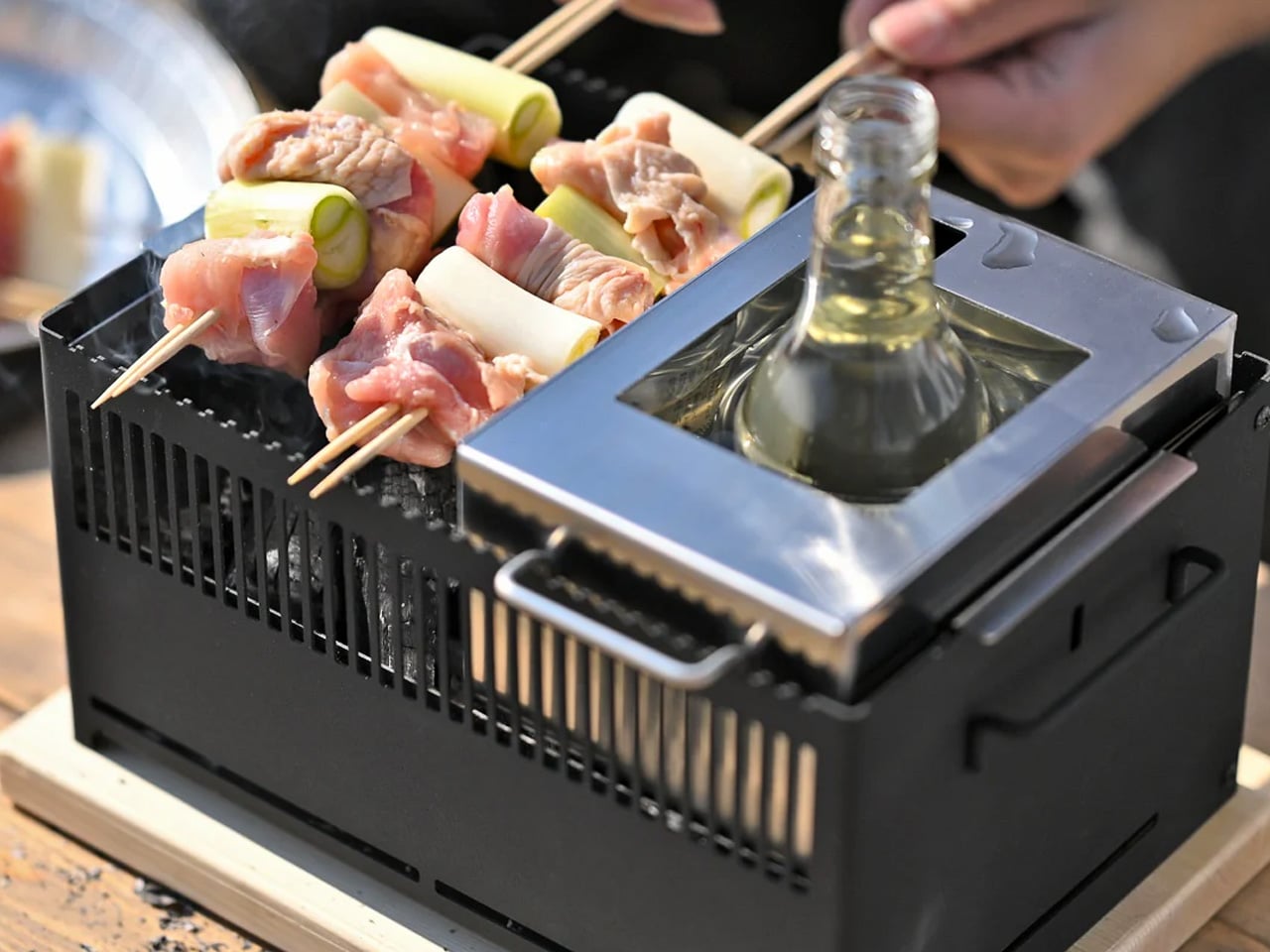
Skewers of meat and green onions grilling on a small portable charcoal grill with a metal insert holding a glass bottle.

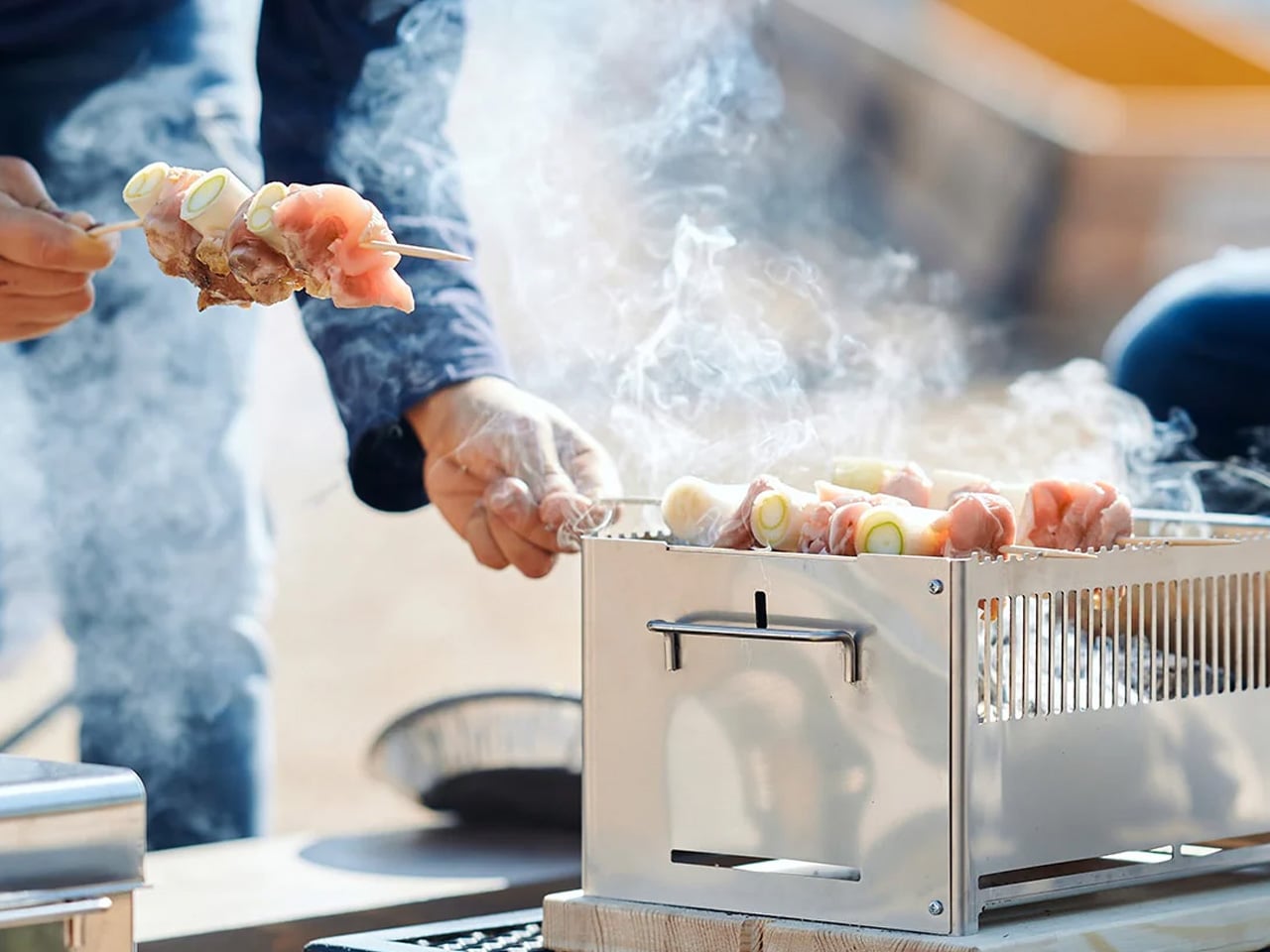
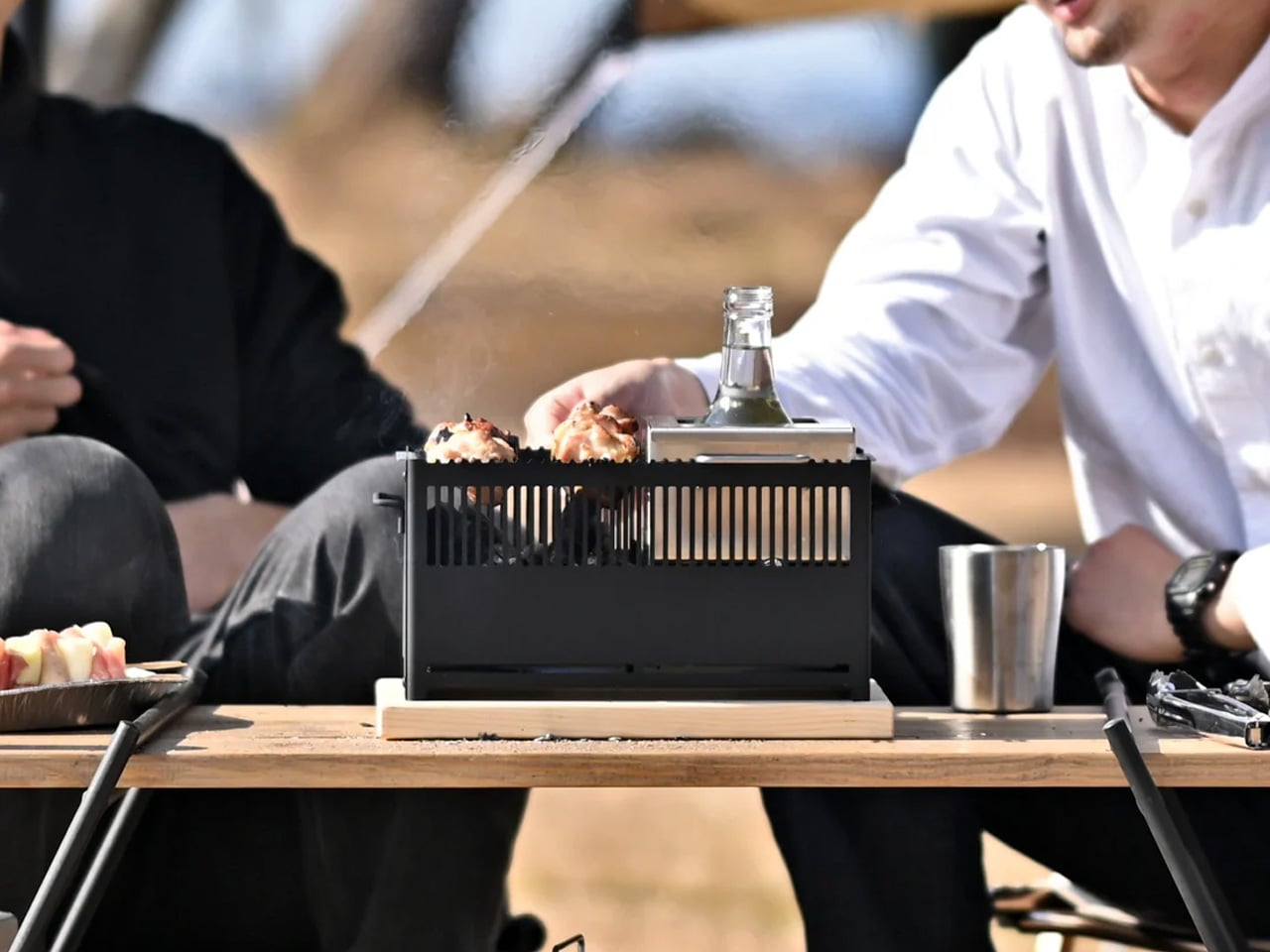
The All-in-One Modular Grill handles barbecuing, frying, grilling, steaming, smoking, and bottle warming through a system of modules that snap in and out without tools or complicated reassembly between uses. You can move from grilling skewers to steaming dumplings without changing stations or rethinking the setup mid-meal. That flexibility changes how you approach outdoor cooking entirely. You stop planning around the limitations of a single-purpose grill and start cooking whatever you actually want to make, which is how outdoor cooking should feel in the first place.

The portability is real and not aspirational. Every module is engineered to fit together compactly, making it practical to carry to a rooftop, campsite, or garden without second-guessing the decision to bring it along. Each part disassembles quickly for washing when the evening is over, which matters more than it sounds after a long outdoor meal without a kitchen nearby. Available from the YD shop at $449, this is the anchor of a summer cooking setup worth taking seriously. The other tools on this list inform the meal. This is where it actually happens.

Click Here to Buy Now: $449

What we like

  • Multiple interchangeable modules let you move through entirely different cooking methods without leaving the station or swapping out equipment mid-cook
  • The system disassembles quickly after use, making cleanup manageable even in outdoor settings far from a kitchen

What we dislike

  • The full grill with all modules is heavier than single-purpose outdoor cookware, which matters if you’re carrying it any real distance on foot
  • The modular system takes some initial orientation for anyone accustomed to simpler, single-function grills

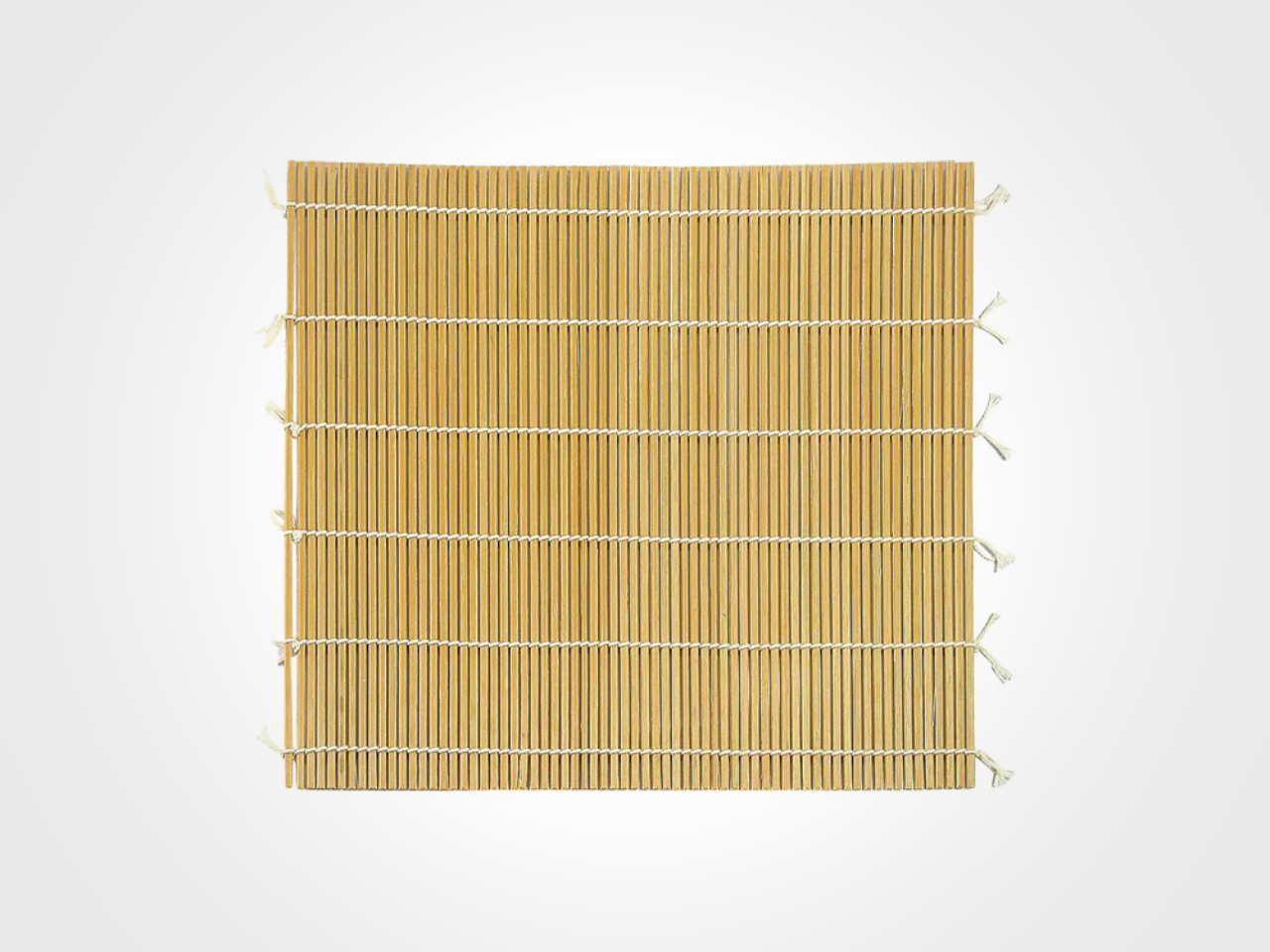
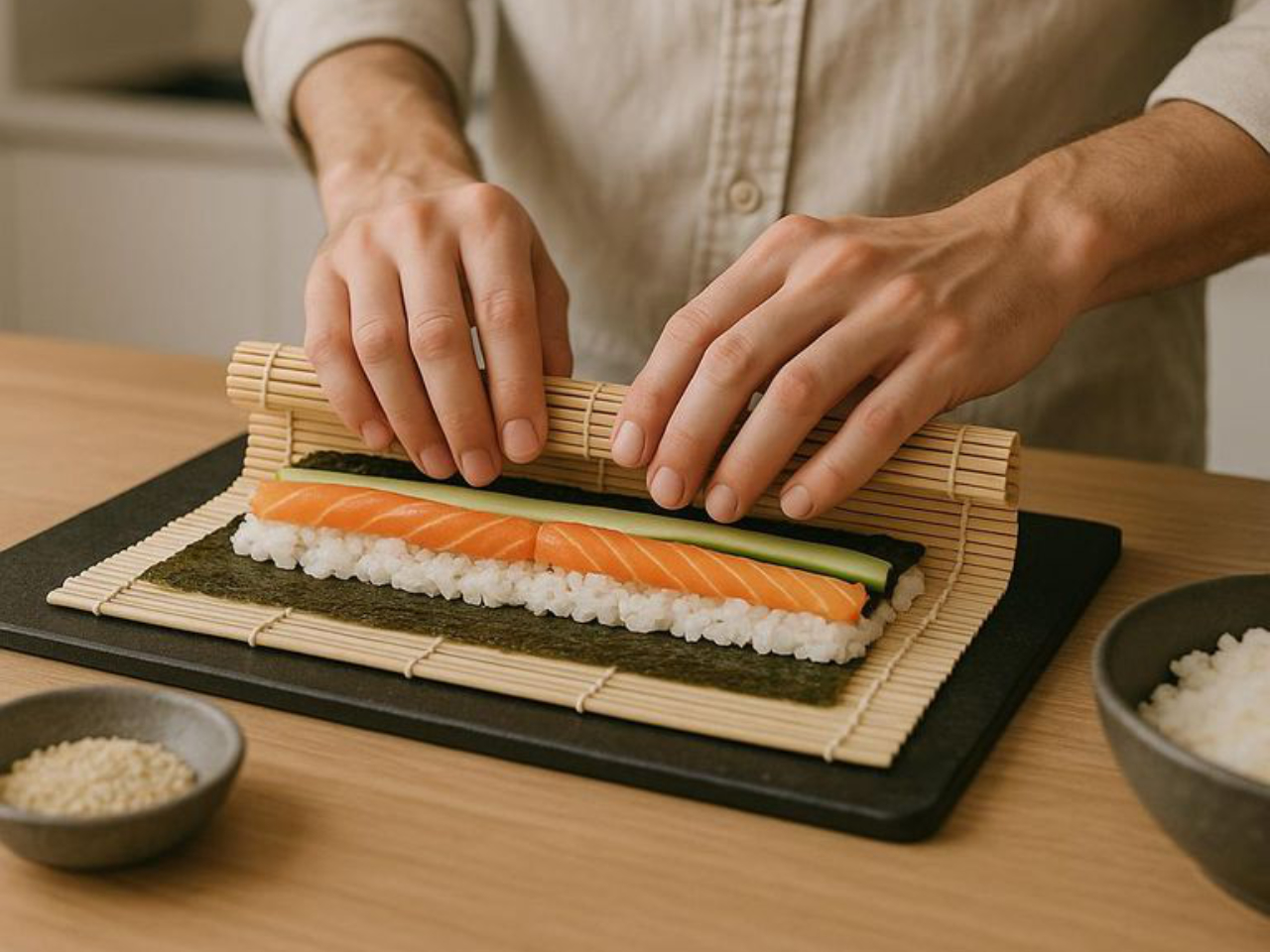
7. Yoshikawa Polished Bamboo Makisu

Most bamboo sushi mats are made from standard green bamboo and fade as they age, gradually becoming something you stop noticing rather than something you reach for with intention. The Yoshikawa Polished Bamboo Makisu works differently. Made from bamboo that has had its outer skin removed and its surface hand-finished, it starts with a warmth and smoothness that typical mats don’t carry and develops a rich amber tone with every use. It becomes more itself the more you cook with it, which is a quality worth paying attention to.

The smooth surface feels different in your hands during the rolling process, and that tactile quality is not incidental. When the tool itself feels considered, the task feels considered too, and the sushi you make reflects that shift in attention. Summer sushi nights stop feeling like a project and start feeling like a practice worth returning to. Available through Yoshikawa’s Japanese store, this is a small investment in a kind of cooking that becomes more enjoyable every time you do it, which is the best argument any kitchen tool can make for itself.

What we like

  • The polished bamboo surface develops a beautiful amber tone and individual character that deepens with every use, unlike standard mats that only fade over time
  • The hand-finished surface creates a tactile quality during rolling that changes the attention you bring to the task

What we dislike

  • Not dishwasher safe and requires more attentive drying and storage than synthetic mat alternatives to stay in good condition
  • More delicate than standard green bamboo mats if handled carelessly during washing or storage

The Best Kitchen Tools Don’t Make Cooking Easier — They Make It Worth Doing

The best argument for any of these tools is the same: they make summer cooking feel like a choice rather than a negotiation. The nakiri makes you want to stay at the cutting board. The donabe makes you want to wait for the steam. The grill makes you want to be outside with something good happening on the surface in front of you. These seven tools don’t just produce better food. They produce the desire to cook at all, which is the harder thing to manufacture.

Japanese kitchen design built its reputation on exactly this idea — that the right object doesn’t just solve a problem but changes your relationship to the task it belongs to. None of these tools will feel like a novelty in six months. They will feel like the obvious choice, the one you reach for first, the one you genuinely miss when you cook somewhere that doesn’t have it. Summer is the right time to find out which one that is for you.

The post 7 Best Japanese Kitchen Gadgets That Make Summer Cooking Actually Worth Getting Off the Couch first appeared on Yanko Design.

7 Best Japanese Kitchen Gadgets That Make Summer Cooking Actually Worth Getting Off the Couch

Summer cooking sits at a particular crossroads. The produce is at its best without much intervention, the kitchen gets warm, and the gap between wanting a good meal and actually making one widens every afternoon. Japanese kitchen design has always understood how to close that gap — not by making cooking faster or simpler in a gimmicky sense, but by making the process feel like something worth choosing. These seven tools operate on that principle.

Each one was selected because it shifts how cooking feels, not just what it produces. Some anchor a weekday morning and make the first meal of the day worth setting time aside for. Others make a Saturday evening in the kitchen feel like the destination rather than a precondition. All of them bring a quality of craft to the work that most kitchen drawers simply cannot match, and that quality is exactly what summer cooking needs most.

1. Iron Frying Plate

The Iron Frying Plate removes the step between cooking and serving. Crafted from 1.6mm thick mill scale steel with a detachable wooden handle, it moves from stove to table without a transfer in between. Eggs arrive still sizzling. Fish comes off the heat in the same vessel you cooked it in, retaining the temperature and texture that plating onto a cold ceramic plate quietly destroys. The cook-and-serve design changes how a meal begins and ends, and the pace of eating reflects that shift immediately.

The uncoated surface requires no seasoning before first use and develops natural non-stick properties through regular cooking. The detachable wooden handle attaches and releases with one hand, making the move from burner to table completely fluid. You stop rushing through dinner because the plate is still doing its job while you are still deciding what to eat first. Retained heat changes the pace of a meal in ways that are difficult to explain until you’ve eaten a few of them this way.

Click Here to Buy Now: $69.00

What we like

  • The cook-and-serve design preserves the temperature and texture that get lost in any transfer to a separate plate
  • The uncoated mill-scale steel develops natural non-stick properties through use, requiring no seasoning and no chemical coatings

What we dislike

  • The iron surface stays hot long after cooking ends, requiring careful handling and surface awareness at the table
  • One plate handles one serving at a time, so a group meal requires multiple units to work at scale

2. Yoshihiro VG-10 16-Layer Hammered Damascus Nakiri

The nakiri is designed exclusively for vegetables, and that singular focus is what makes it work for summer cooking in a way a standard chef’s knife doesn’t. The flat edge makes full contact with the cutting board on every stroke without the tip-lift of a curved blade, producing a clean, complete cut through cucumber, eggplant, and ripe tomato without the drag most home cooks have accepted as normal. The VG-10 core wrapped in sixteen layers of hammered Damascus steel reduces friction through each cut, so nothing sticks or skids.

The full-tang mahogany handle distributes weight evenly from tip to heel, and after fifteen minutes of prep, you feel that balance in a way that poorly weighted knives never let you forget themselves. Summer produce means a lot of repetitive slicing through high-moisture vegetables, and this knife is built for exactly that kind of sustained work. The hammered Damascus pattern is unique to your specific blade, handcrafted by master artisans and certified for commercial kitchen use. The edge holds far longer than most knives in this category.

What we like

  • The flat edge makes full contact with the board on every stroke, producing complete cuts that a curved blade with tip-lift cannot replicate with the same consistency
  • The hammered Damascus surface reduces drag through each cut and produces a pattern that is unique to every individual blade

What we dislike

  • The nakiri is a specialist vegetable knife and is not designed for meat, fish, or anything with bones
  • The Damascus finish requires careful dry storage and periodic maintenance to preserve the layered surface over time

3. Playful Palm Grater

The Playful Palm Grater is shaped like a curled piece of paper and crafted from a single plate of aluminum alloy. It fits in your palm the way you’d hold a stone, close and naturally, rather than the way you hold a box grater, which always feels slightly too large for what it’s doing. That physical closeness changes where your attention goes. You focus on the ingredient and the motion rather than managing an implement that creates more distance from the task than the task actually needs.

For summer cooking, tableside grating transforms garnish preparation from something done in advance and forgotten into something that happens at the table as part of the meal itself. Fresh ginger over cold soba, a small amount of something sharp to cut through a rich sauce, daikon alongside grilled fish. The ergonomic design keeps hands clean and safe from the grater’s surface during use. Compact enough to disappear into any drawer, it adds almost nothing to the counter and changes the experience of finishing a dish.

Click Here to Buy Now: $25.00

What we like

  • The palm-sized form changes how grating feels physically, making tableside preparation natural rather than effortful or awkward
  • Crafted from a single plate of aluminum alloy, the lightweight construction adds virtually no weight or bulk to your kitchen setup

What we dislike

  • The compact size means slower processing for any quantity beyond a tableside garnish amount
  • Not suited for large-volume grating or ingredients that require significant pressure to break down

4. Vermicular Musui-Kamado Rice Cooker

The Vermicular Musui-Kamado pairs precise induction heating with a cast iron pot, and the result is rice with a texture and aroma that standard electric cookers consistently fail to produce. The glossy, aromatic quality is something you notice immediately, something guests will notice before you explain it, and something you stop being able to accept mediocre versions of once you’ve eaten it regularly. For summer cooking, this matters across the full range of meals built around a bowl of rice done properly.

The cold rice bowl, the foundation of a casual sushi spread, the side dish anchoring grilled fish: the rice at the center of those meals either earns everything else on the plate or quietly lets it down. The minimalist design and intuitive controls mean the cooker handles the process in the background without demanding your attention or dominating the counter. This is a daily-use investment that improves a broader range of meals than almost any other single kitchen tool.

What we like

  • Precise induction heating combined with a cast iron pot produces rice with a consistency and quality that standard electric cookers cannot replicate
  • The minimalist design integrates into any kitchen counter without demanding visual attention or commanding the whole surface

What we dislike

  • The cast iron pot is heavier than standard cooker inserts and requires careful hand washing and thorough drying after each use
  • The premium construction comes at a premium price, making this a considered investment rather than an impulse buy

5. Iga-yaki Donabe Clay Pot

Iga-yaki clay comes from Mie Prefecture in Japan, where local earth has been worked into ceramics for centuries. The porous structure absorbs heat slowly and releases it evenly, which creates a cooking environment that metal pots simply cannot replicate. Rice cooked in a donabe tastes different: sweeter, more aromatic, each grain fully cooked and intact. Broth deepens over a lower flame. The exterior stays rough and textured while the interior is glazed smooth, each surface doing exactly what it needs to and nothing more.

For summer cooking, the donabe covers more ground than most tools twice its size. It steams fish with the lid on, makes hot pot for a warm evening on the patio, braises chicken in dashi while you handle everything else, and holds rice at temperature through a long, unhurried meal. The Kamado-san Simply Donabe edition from TOIRO Kitchen is available in several sizes, all made in Japan from Iga clay. This is the vessel most likely to become the one you reach for first, regardless of what you’re making.

What we like

  • Iga-yaki clay retains heat well past the point of turning off the flame, keeping food at temperature through an unhurried meal at the table
  • Versatile across rice, hot pot, steaming, and slow braise — one vessel that covers the full range without compromise

What we dislike

  • Clay donabe requires seasoning before first use by simmering rice water inside, a step that isn’t always clear from the packaging
  • The porous body can absorb strong cooking odors over time and needs to be stored with the lid off after washing to stay fresh

6. All-in-One Grill

Skewers of meat and green onions grilling on a small portable charcoal grill with a metal insert holding a glass bottle.

The All-in-One Modular Grill handles barbecuing, frying, grilling, steaming, smoking, and bottle warming through a system of modules that snap in and out without tools or complicated reassembly between uses. You can move from grilling skewers to steaming dumplings without changing stations or rethinking the setup mid-meal. That flexibility changes how you approach outdoor cooking entirely. You stop planning around the limitations of a single-purpose grill and start cooking whatever you actually want to make, which is how outdoor cooking should feel in the first place.

The portability is real and not aspirational. Every module is engineered to fit together compactly, making it practical to carry to a rooftop, campsite, or garden without second-guessing the decision to bring it along. Each part disassembles quickly for washing when the evening is over, which matters more than it sounds after a long outdoor meal without a kitchen nearby. Available from the YD shop at $449, this is the anchor of a summer cooking setup worth taking seriously. The other tools on this list inform the meal. This is where it actually happens.

Click Here to Buy Now: $449

What we like

  • Multiple interchangeable modules let you move through entirely different cooking methods without leaving the station or swapping out equipment mid-cook
  • The system disassembles quickly after use, making cleanup manageable even in outdoor settings far from a kitchen

What we dislike

  • The full grill with all modules is heavier than single-purpose outdoor cookware, which matters if you’re carrying it any real distance on foot
  • The modular system takes some initial orientation for anyone accustomed to simpler, single-function grills

7. Yoshikawa Polished Bamboo Makisu

Most bamboo sushi mats are made from standard green bamboo and fade as they age, gradually becoming something you stop noticing rather than something you reach for with intention. The Yoshikawa Polished Bamboo Makisu works differently. Made from bamboo that has had its outer skin removed and its surface hand-finished, it starts with a warmth and smoothness that typical mats don’t carry and develops a rich amber tone with every use. It becomes more itself the more you cook with it, which is a quality worth paying attention to.

The smooth surface feels different in your hands during the rolling process, and that tactile quality is not incidental. When the tool itself feels considered, the task feels considered too, and the sushi you make reflects that shift in attention. Summer sushi nights stop feeling like a project and start feeling like a practice worth returning to. Available through Yoshikawa’s Japanese store, this is a small investment in a kind of cooking that becomes more enjoyable every time you do it, which is the best argument any kitchen tool can make for itself.

What we like

  • The polished bamboo surface develops a beautiful amber tone and individual character that deepens with every use, unlike standard mats that only fade over time
  • The hand-finished surface creates a tactile quality during rolling that changes the attention you bring to the task

What we dislike

  • Not dishwasher safe and requires more attentive drying and storage than synthetic mat alternatives to stay in good condition
  • More delicate than standard green bamboo mats if handled carelessly during washing or storage

The Best Kitchen Tools Don’t Make Cooking Easier — They Make It Worth Doing

The best argument for any of these tools is the same: they make summer cooking feel like a choice rather than a negotiation. The nakiri makes you want to stay at the cutting board. The donabe makes you want to wait for the steam. The grill makes you want to be outside with something good happening on the surface in front of you. These seven tools don’t just produce better food. They produce the desire to cook at all, which is the harder thing to manufacture.

Japanese kitchen design built its reputation on exactly this idea — that the right object doesn’t just solve a problem but changes your relationship to the task it belongs to. None of these tools will feel like a novelty in six months. They will feel like the obvious choice, the one you reach for first, the one you genuinely miss when you cook somewhere that doesn’t have it. Summer is the right time to find out which one that is for you.

The post 7 Best Japanese Kitchen Gadgets That Make Summer Cooking Actually Worth Getting Off the Couch first appeared on Yanko Design.
5 Genius Products Every Cabin Owner Needs This Summer

Cabin living has a particular quality that city life cannot replicate. The quiet is different. The light moves differently through the trees. Time slows enough that you notice it again. Most gear designed for outdoor living treats comfort as an afterthought and beauty as a luxury. These five products disagree with that assumption. Each one was chosen because it earns its place without compromising what a cabin is supposed to feel like.

None were chosen for their marketing or their price tag. Each one was selected because it solves something a cabin summer actually demands — and because the design is good enough to earn a permanent place in the gear bag rather than get quietly left behind after the first trip. Together they cover everything the experience requires: power, comfort, ritual, warmth, and sound.

1. Retro Wave 7-in-1 Radio

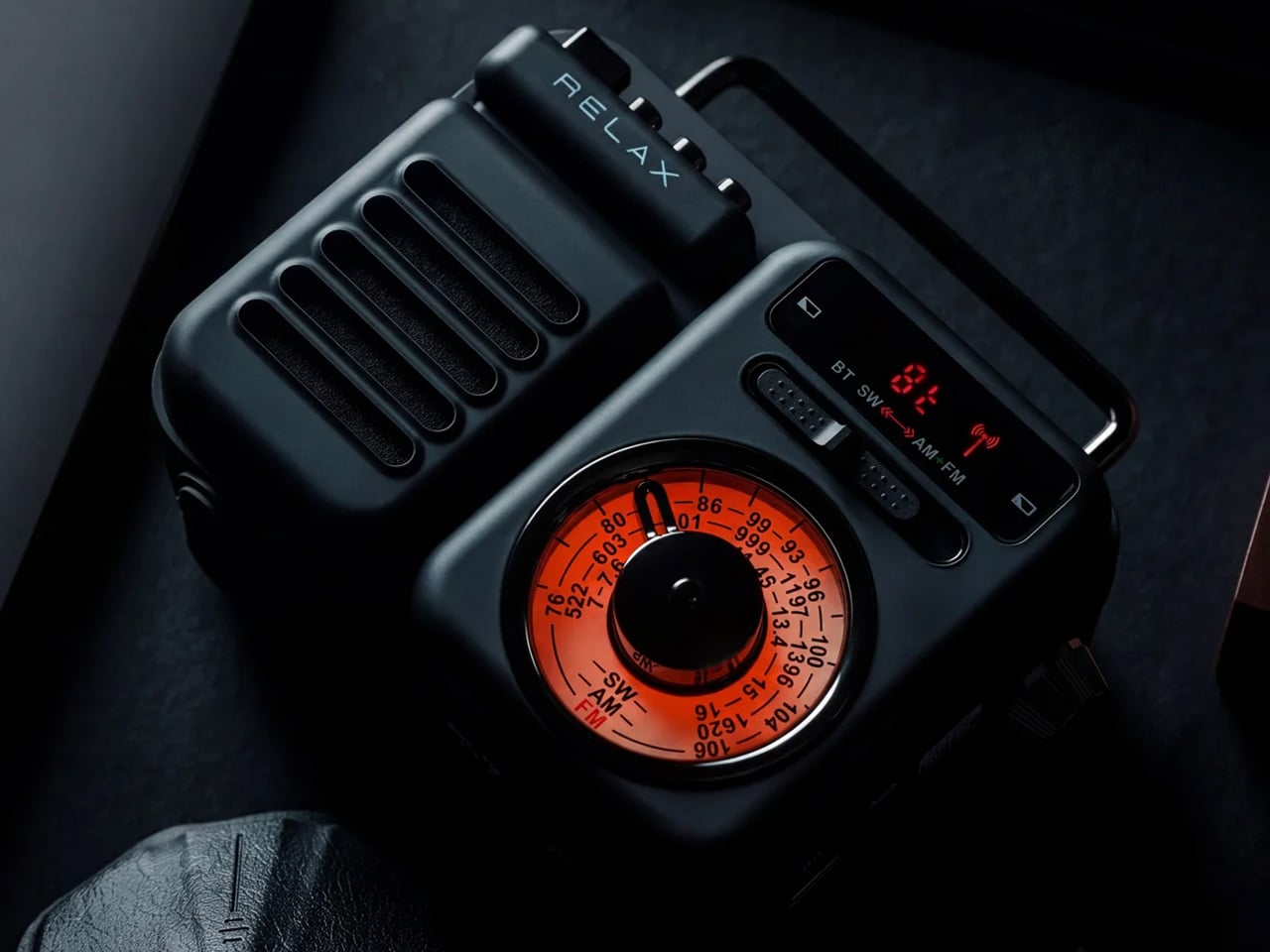
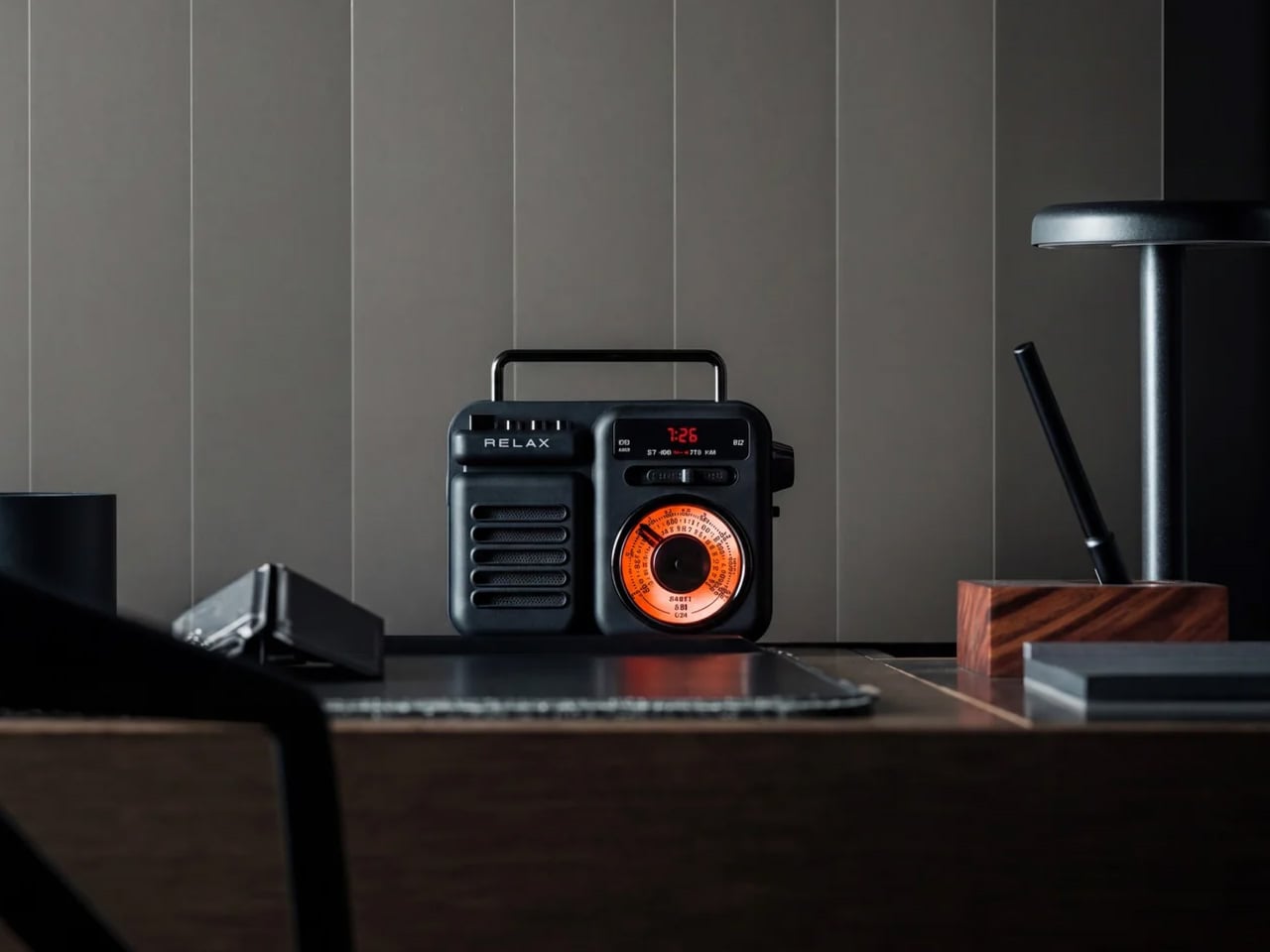
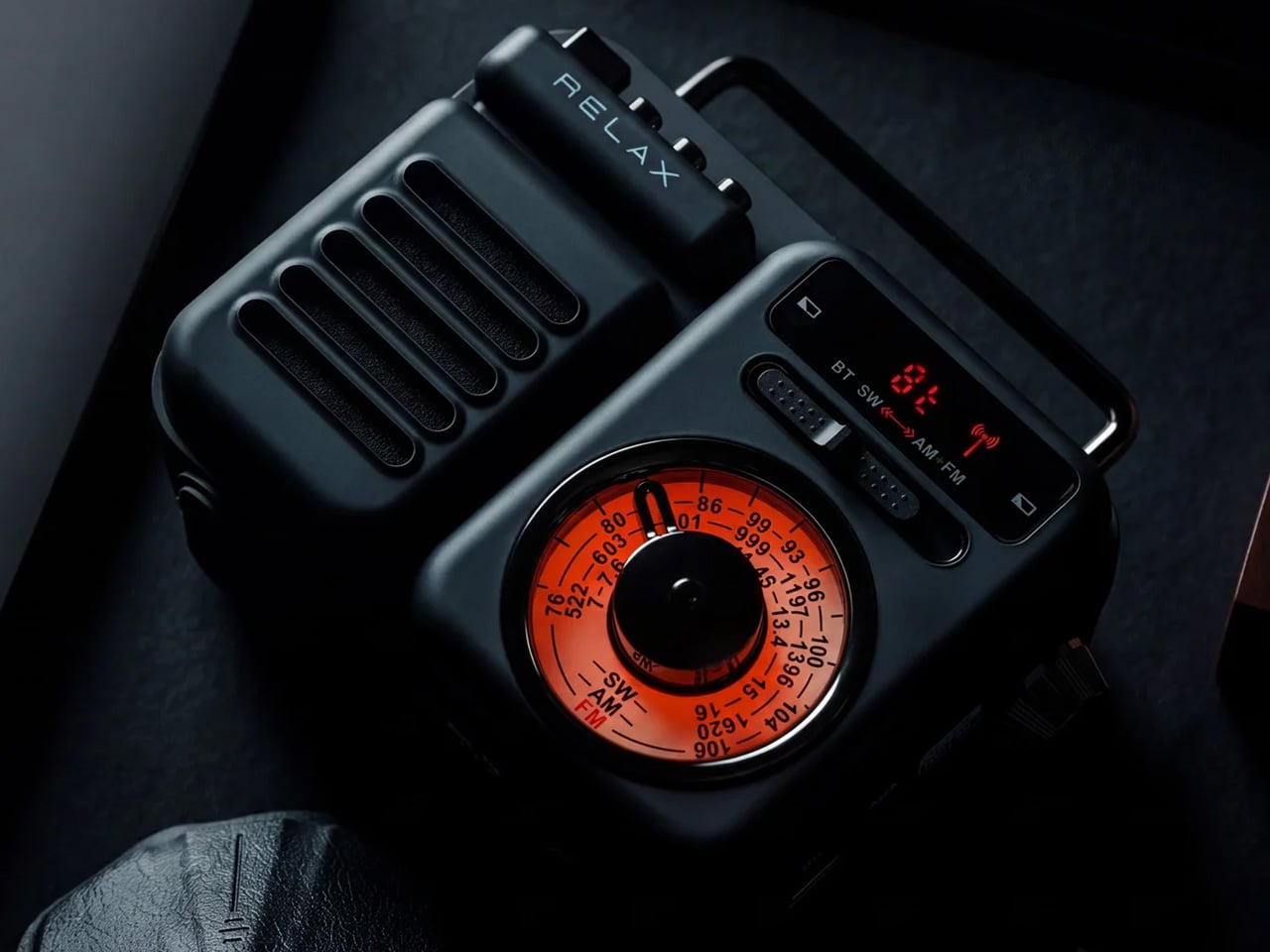
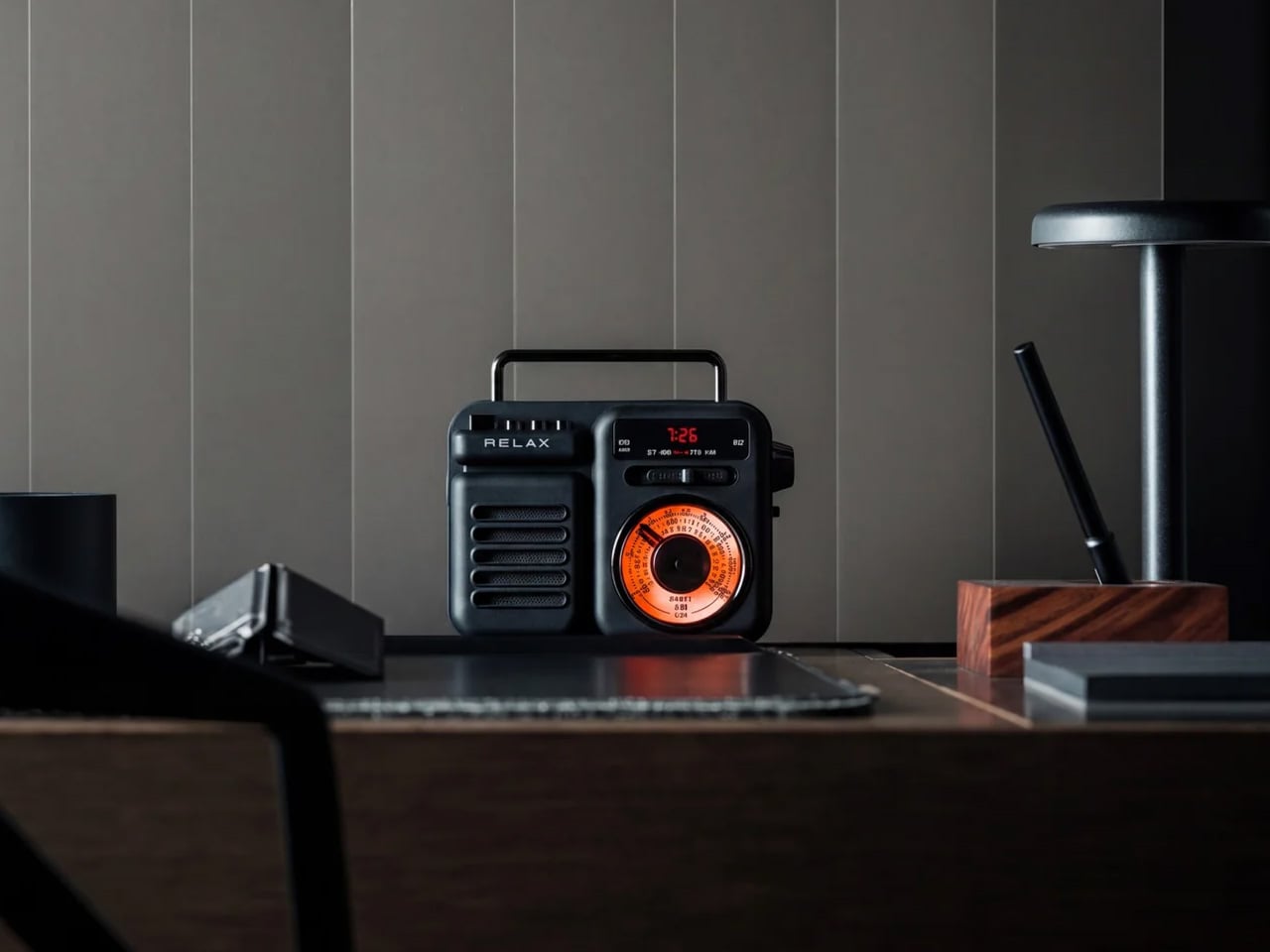
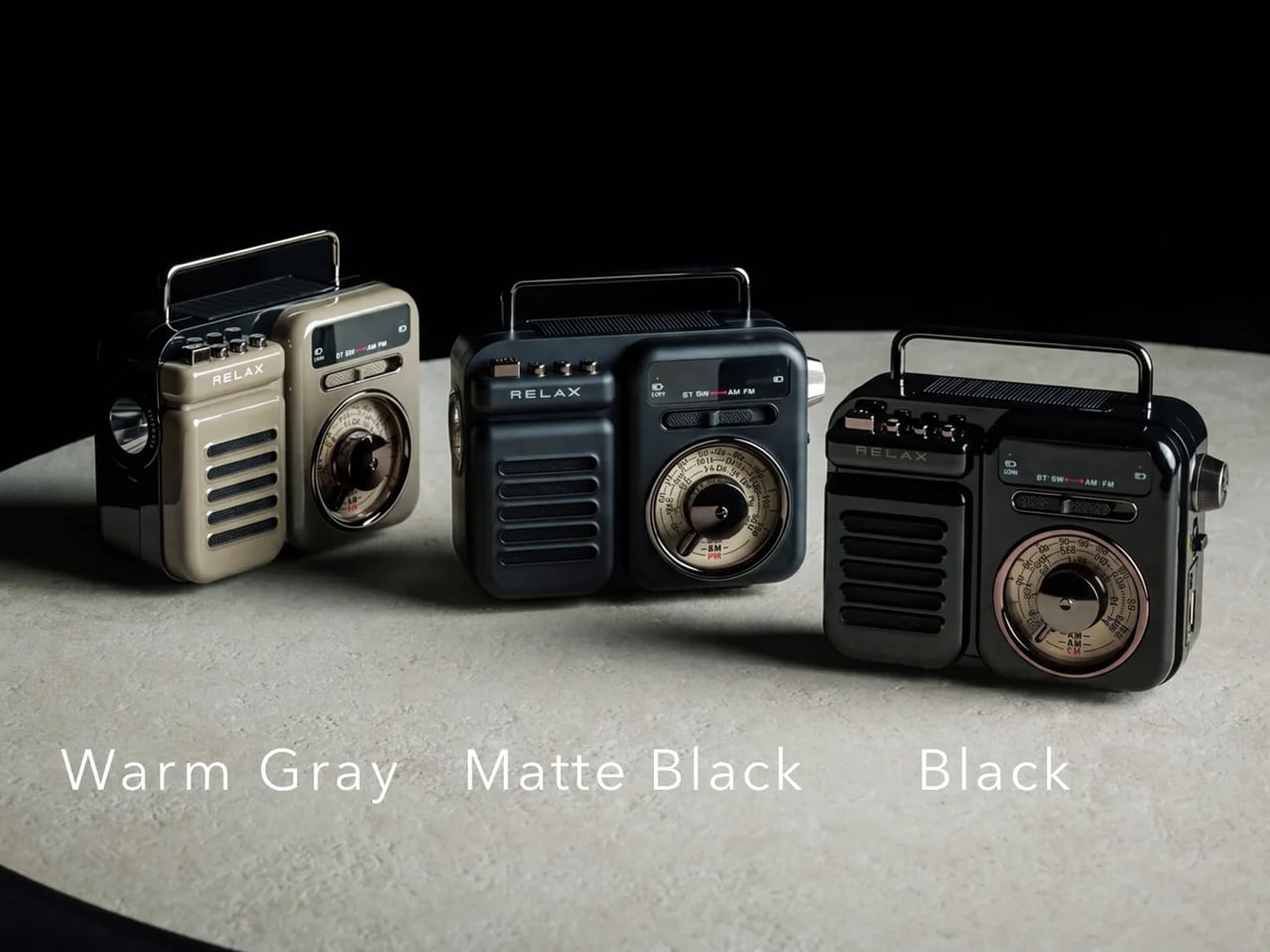
The Retro Wave 7-in-1 Radio solves a problem most outdoor audio products miss entirely: it looks like something worth keeping in the cabin even when it is not in use. The housing draws from mid-20th-century Japanese radio aesthetics, with a tactile tuning dial and two colorways, black and warm gray, that sit naturally next to wood surfaces and ceramic cups. Behind that retro face is a 7-in-1 device handling AM, FM, and shortwave reception, Bluetooth streaming, a built-in flashlight, an SOS alarm, and a power bank function for charging other devices.

The 8W speaker delivers warmth rather than raw volume, which suits a cabin setting far better than any portable speaker with a marketing number in its name. The 2000mAh battery carries a 20-hour radio battery life and recharges via USB, hand-crank, or solar panel. That last detail matters more than it might seem: if the grid goes out, the radio keeps going regardless. It is the kind of contingency that feels less like a spec and more like the whole point of the object.

Click Here to Buy Now: $89.00

What We Like

  • The 7-in-1 function set collapses a flashlight, emergency radio, portable charger, weather band receiver, and Bluetooth speaker into one object, which meaningfully reduces what needs to be packed for a cabin weekend.
  • Solar and hand-crank charging options mean the Retro Waves keeps functioning when the power goes out, or the sun disappears, making it as practical in a genuine emergency as it is during a relaxed evening by the fire.

What We Dislike

  • Bluetooth battery life reaches approximately five hours at 75% volume, meaning a full day of wireless streaming will require a recharge before the evening settles in, particularly on overcast days when the solar option is limited.
  • The compact body keeps it portable and well-proportioned, but the speaker volume has a ceiling that wide-open outdoor settings can expose once the environment gets loud and conversation picks up around the fire.

2. ARKEEP Halo Portable Power Station

Most portable power stations are designed to disappear. They are tolerated rather than chosen, the kind of object that earns its place only when something fails. The ARKEEP Halo, designed by Union Suppo Battery, takes the opposite approach entirely. It arrives with eight charging ports: dual 140W PD3.1 inputs, dual 100W USB-C ports, two 22.5W USB-A ports, and wireless charging pads at 15W and 5W. Everything a cabin needs to stay powered, wrapped in a form considered enough to sit on the table rather than hide beneath it.

The lighting feature is where the ARKEEP Halo earns its cabin credentials. The 270-degree ambient glow system adjusts color temperature and brightness to simulate natural light rhythms, shifting from functional daytime white to warmer, lower blue light output as the evening settles in. In a cabin where the goal is to feel less connected to your phone and more connected to your surroundings, that distinction matters more than any spec sheet would suggest. It is the rare power station that actually improves the room it sits in.

What We Like

  • Eight simultaneous charging ports, including dual wireless pads, means an entire group can power up without needing separate charging bricks or arguing over the single outlet by the bed.
  • The 270-degree ambient lighting system means the Halo replaces both a power station and a mood lamp in one form, reducing the number of objects competing for surface space inside the cabin.

What We Dislike

  • Runtime figures for the battery capacity are not prominently published, making it harder to calculate how long the Halo will last during an extended off-grid stay without access to a wall source.
  • The ambient lighting is integrated into the housing rather than detachable, so you cannot use it independently as a standalone lamp if you want to separate the light from the charging station.

3. Houdini x Rumpl Reconnect Puffy Blanket

The Houdini x Rumpl Reconnect Puffy Blanket is built on the idea that a blanket should be able to go wherever the evening takes you. The outer shell is a 2-layer waterproof hardshell rated at 20,000mm H2O with a breathability of 15,000 g/m2/24h, built from Houdini C9 Ripstop. The 200g hollow-fiber insulation handles the warmth underneath. What this means practically is that you can move from the couch to the porch to the tree line without stopping to think about whether the blanket can keep up.

The detail that sets it apart is the Double-snap Cape Clip, which converts the blanket into a hands-free wearable in seconds. Walking to the fire, carrying a drink, collecting firewood — none of those require putting the blanket down. The environmental case is clean too: every blanket is made from 100% post-consumer recycled materials, with each one representing the equivalent of 66 plastic bottles removed from landfills.

What We Like

  • The 20,000mm waterproof hardshell rating means this blanket functions as genuine weather protection across the full range of conditions a cabin summer delivers, not just a cozy indoor accessory.
  • The Double-snap Cape Clip gives you complete freedom of movement at the campfire without choosing between warmth and having your hands available for everything else.

What We Dislike

  • At $200, the Reconnect Puffy Blanket sits at a price point that requires genuine commitment, particularly for anyone who has a habit of leaving blankets behind on outdoor trips.
  • The hardshell outer material, while properly waterproof, has a stiffer initial feel than a soft fleece, and takes a short while to settle and soften around you compared to more familiar blanket textures.

4. Haori Cup

Designer Tomoya Nasuda built the Haori Cup from a single piece of Japanese cedar, reviving the Hakata Magemono craft that has been practiced for over 400 years. The technique involves hand-bending thin cedar strips into curved forms, and the result is a cup where no two grain patterns are the same. Cedar insulates naturally, which means the exterior stays comfortable to hold while the drink inside stays hot. There is no handle required because the material itself solves the problem the handle was invented to address.

In a cabin, the Haori Cup changes what the morning means. Sitting outside with coffee in a vessel hand-bent from Japanese cedar, surrounded by trees not unlike the ones that made it, is the kind of moment that does not require any explanation to anyone who has experienced it. Available in several colorways including a Sakura edition, the cup is light enough to pack without concern and carries a faint, clean forest fragrance that frames whatever you are drinking without competing with it.

What We Like

  • The 400-year-old Hakata Magemono craft means every Haori Cup is genuinely unique, with grain patterns that belong to that specific piece of cedar, which no mass-produced camping mug can replicate at any price.
  • Cedar’s natural thermal properties keep the exterior comfortable to hold with a freshly poured drink inside, solving the basic problem of a hot cup without requiring a sleeve, double wall, or separate handle.

What We Dislike

  • Cedar requires careful hand-washing and thorough drying to maintain the material over time, which is more maintenance than most people expect from a camping cup and adds a small task to the end of a long day outdoors.
  • As a handcrafted artisan object, the Haori Cup carries a premium that places it in the considered-purchase category, and the risk of dropping it on river rock introduces a quiet anxiety that a $12 tin mug simply does not.

5. Harmony Flame Fireplace

A cabin without a fireplace is a room you tolerate. A cabin with one is a place you want to stay. The Harmony Flame Fireplace was chosen because it understands that distinction entirely — not just as a heat source, but as the object the whole evening organizes itself around. Its presence shifts how a room feels before it even does anything. The design is considered enough to look like it belongs in the space rather than sitting in apology for being there.

What the Harmony Flame does is give a cabin its center of gravity. People sit closer together. Conversations slow down. The specific quality of light that a flame produces, warm and mobile and alive, is something no overhead fitting has ever replicated. Whether you place it against the main wall or at the end of a reading corner, the effect is the same: the room stops being functional and starts being somewhere you choose to be. That shift is the whole point of the trip.

Click Here to Buy Now: $240.00

What We Like

  • Its presence functions as the room’s organizing principle, creating warmth and atmosphere that transforms an ordinary cabin evening into the reason you made the drive in the first place.

What We Dislike

  • A fireplace of this quality deserves deliberate placement within the cabin layout to maximize its visual and atmospheric effect — treating it as an afterthought will undercut everything it is capable of delivering to the space.
  • As the centerpiece product in any room it occupies, the Harmony Flame raises the visual standard for everything around it, which means pairing it with careless gear will make the contrast more visible rather than less.

This Is What a Cabin Summer Is Supposed to Feel Like

None of these five products were chosen because they photograph well or carry a recognizable name. They were chosen because they understand what a cabin summer actually is: a specific arrangement of light, warmth, sound, and stillness that most gear interrupts rather than supports. A power station with a lamp inside. A blanket you can wear. A cup made from a single piece of cedar. A fire that earns its center of the room. A radio that makes switching it on feel like a small occasion.

The best cabin gear does not announce itself. It earns its space quietly, does its job without asking for attention, and disappears into the experience of the trip. These five do exactly that. Pack them, and the cabin stops being a place you stay and starts being a place you go back to. That distinction is the whole point of summer in the first place.

The post 5 Genius Products Every Cabin Owner Needs This Summer first appeared on Yanko Design.

10 Best Summer Gadgets of 2026 That Every Man on Your Feed Is Going to Buy Before August

There is a different kind of that happens in late June. Your feed fills with gear photographed in good light, linked before the image has finished loading, and gone from stock by the time you circle back. Some of it is noise. Some of it quietly solves a problem you have been working around for years without naming it. The ten products here belong to the second category, and every one of them is genuinely worth the attention.

They cover the full arc of a summer day, from the first outdoor coffee to the last photograph before the light drops. Not one of them asks you to sacrifice design quality for function, or function for form. These are the products that spread because they earn it, objects that change something specific about the next few months. Whether you find three of them or all ten, your summer bag has room for the upgrade.

1. Camera (1)

Most photographs live inside phones now, buried between notifications, grouped by algorithm, and rarely looked at twice. A growing number of people have started picking up older digital cameras to make shooting feel like a separate, deliberate act. Camera (1) is a concept design by Rishikesh Puthukudy that explores what a modern compact could feel like if built around physical controls and tactile feedback rather than software layers and touchscreen menus. All main controls sit on one edge, placing the shutter, a mode dial with a small glyph display, and a D-pad within reach of thumb and index finger without shifting grip or touching a screen.

The concept draws its design language from Nothing’s transparent, hardware-forward aesthetic. A curved light strip around the lens pulses during the self-timer, confirms focus lock, and signals when video is being recorded. The engraved lens ring, marked with focal length and aperture, turns zoom and focus into a physical twist rather than a digital pinch. A bead-blasted metal shell, circuit-like relief panel, and small red accents give it a technical, considered character.

What We Like

  • Physical edge controls and glyph-based mode dial put the entire interaction in the hand rather than on a screen, which is exactly what compact camera design has been missing
  • Bead-blasted metal body and red accent details communicate material intent and quality without relying on branding

What We Dislike

  • A concept with no confirmed production path means you are left admiring the idea rather than buying the object
  • The design draws heavily from Nothing’s visual language, which will feel derivative to those who follow that brand closely

2. Shark ChillPill

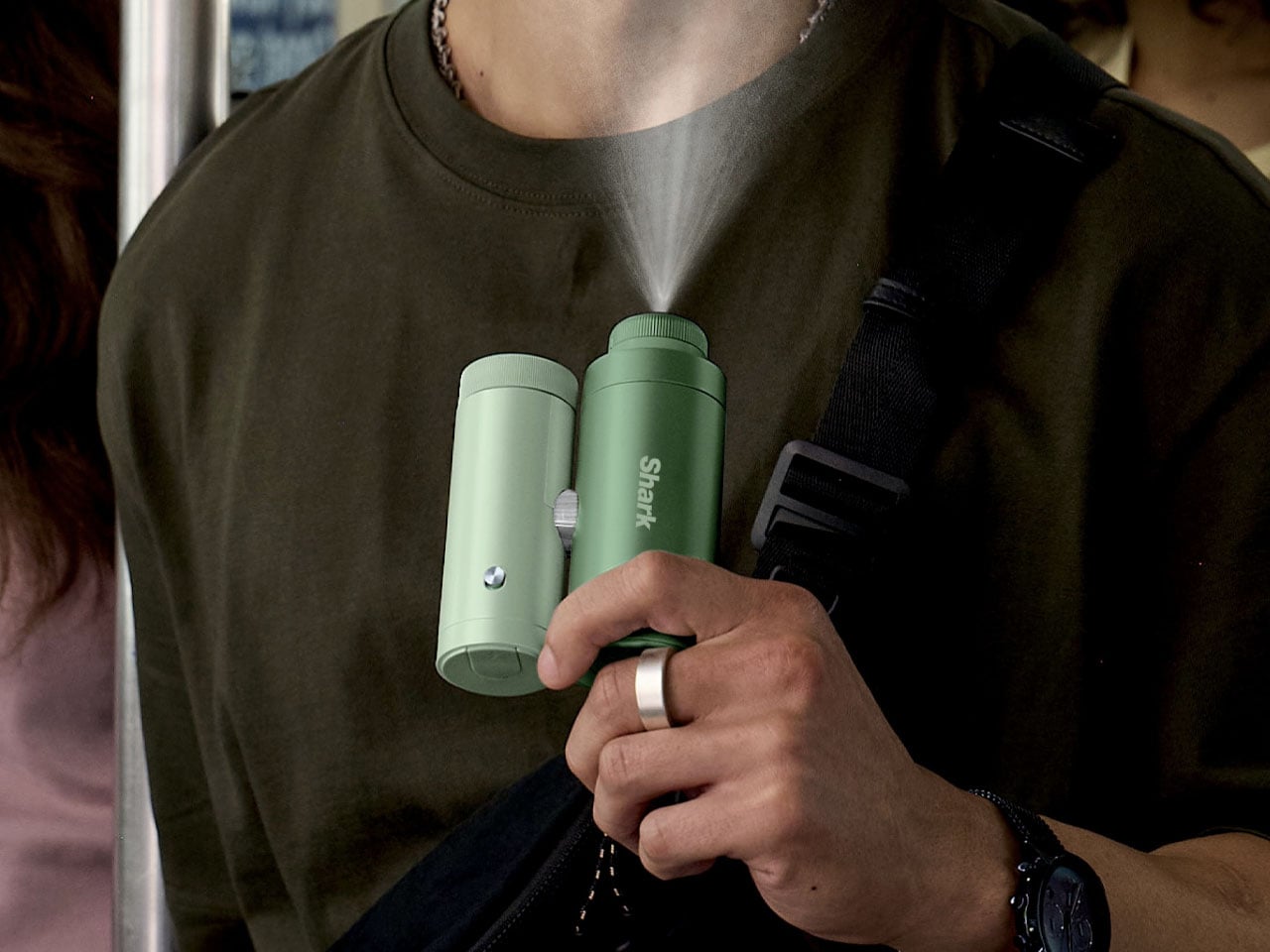
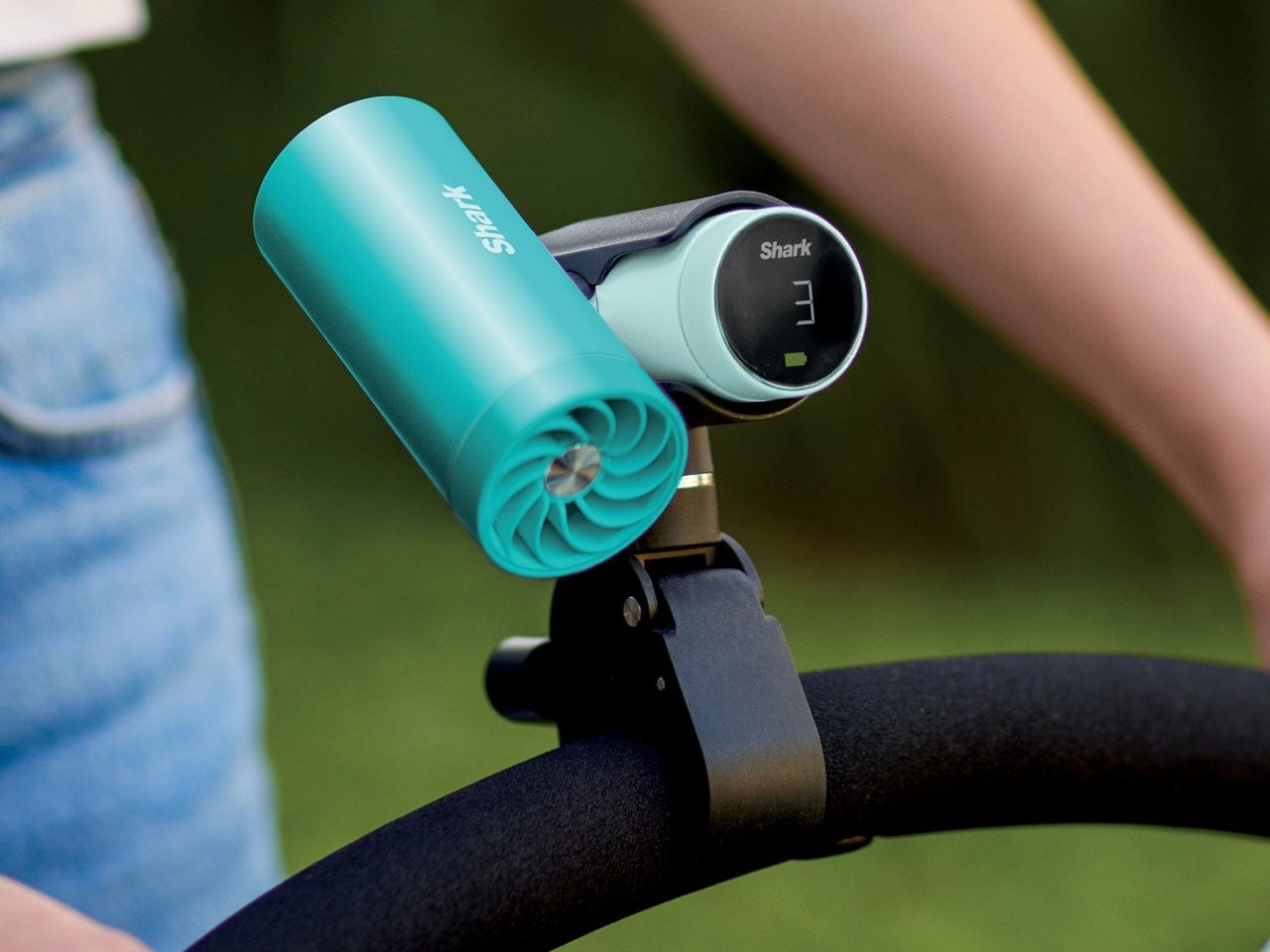
Most personal cooling devices ask you to make a simple trade: accept bulk, noise, or mediocre performance in exchange for staying cool. The Shark ChillPill declines the trade. Its three-function body is compact enough to clip to a bag strap, a wristlet, or a stroller bar, and each mode does something genuinely distinct. A bladeless fan with ten adjustable speed settings delivers steady airflow at up to 25 feet per second. An evaporative mist system produces what SharkNinja calls a dry-touch effect, refreshing skin without the soaked-fabric sensation most spray fans leave behind.

The third function sets it apart. The InstaChill cooling plate, a cryo-inspired metal surface, reduces skin temperature by up to 16 degrees Fahrenheit within seconds when pressed against a pulse point on the neck or wrist. Battery life reaches eleven hours on the lowest fan setting, with USB-C charging returning it to full in roughly three and a half hours. Priced at $149.99 and available in seven colorways including Glacier, Matcha, and Rose Gold, it is the rare piece of personal tech that adapts to the activity rather than defining it.

What We Like

  • Three distinct cooling modes in one portable body that clips, sits, or wears across any outdoor context
  • Eleven-hour battery on low covers a full outdoor day without any recharging anxiety

What We Dislike

  • Maximum fan output reduces runtime to around ninety minutes, requiring some planning on longer days
  • The premium price over single-function portable fans requires commitment before knowing how much all three modes get used

3. All-in-One Grill

Skewers of meat and green onions grilling on a small portable charcoal grill with a metal insert holding a glass bottle.

Outdoor cooking has always had a logistics problem. Bring a single-function grill and eat variations of the same thing all weekend. Haul a full kit and spend the first hour on setup rather than cooking. The All-in-One Grill, made by a small family-owned Japanese factory specializing in sheet metal fabrication, takes a third position. Interchangeable cooking modules cover barbecuing, frying, grilling, steaming, smoking, and stew cooking from a single portable tabletop base designed to maximize limited space without dominating any camp table it lands on.

A dedicated upright module warms bottles directly, mulled wine included, a specific practical detail that most outdoor cooking systems treat as someone else’s problem. The modular construction that makes it versatile also simplifies cleanup: each component can be handled independently rather than breaking the whole unit down at once. One device handles what most setups need four for, and it packs into a footprint that leaves room for everything else.

Click Here to Buy Now: $449

What We Like

  • Six cooking methods from one portable base without multiple fuel sources or separate devices
  • Dedicated bottle-warming module covers a specific outdoor ritual that most cooking systems overlook entirely

What We Dislike

  • Modular systems accumulate small components that are easy to misplace in the field
  • Tabletop-only design limits cooking capacity for groups larger than four or five people

4. DraftPro Top Can Opener

Drinking from a can is convenient. Actually tasting what is inside it requires something better. Designed by award-winning Japanese designer Shu Kanno and built in Japan, the DraftPro Top Can Opener removes the entire lid of a standard can to create a wide-mouth, glass-like opening that changes the experience immediately. The aroma lifts the moment the top comes off. The first sip feels more direct, more open, more intentional. A smooth-edged finish removes the safety concern that has historically made full-removal openers feel like a rough trade rather than an upgrade.

The function extends well past beer. With the top removed, ice drops in directly. A mixer or citrus can be added without needing a separate cup. The can itself becomes a cocktail vessel that requires no additional tools. It works with domestic and international can sizes, making it as useful at a campsite abroad as in a backyard.

Click Here to Buy Now: $59.00

What We Like

  • Full top removal releases aroma and creates a draft-style drinking experience that a standard can opening physically cannot deliver
  • The can-as-vessel format allows ice, mixers, and garnishes without reaching for additional cups or shakers

What We Dislike

  • Single-function design earns its place only if canned drinks appear regularly in your outdoor routine
  • No published specification for how the cutting mechanism holds up across extended use over time

5. TMB: The Modular Bottle

Most bottles make one implicit promise: hold liquid without leaking. The TMB Modular Bottle starts from that baseline and keeps going. The borosilicate glass interior keeps every drink tasting like itself rather than the container, a material property that separates it decisively from the steel and plastic alternatives dominating this category. A translucent mid-section gives a real-time view of remaining liquid without removing the lid. Modular tops include a tea infuser, a shaker ball, and interchangeable caps, shifting configuration based on what the day or activity requires.

A built-in secret compartment handles small EDC items, supplements, or snack portions. The glass interior cleans thoroughly without the residual odor buildup that makes most reusable bottles unpleasant after weeks of regular use. For summer travel, the modularity earns its weight because the same bottle that starts a morning with loose-leaf tea covers an afternoon of plain water and an evening cocktail shaker setup without adding anything else to the bag.

What We Like

  • Borosilicate glass interior preserves drink flavor without absorbing taste or odor regardless of what you put in it
  • Modular tops cover tea brewing, protein shaking, and standard hydration from a single body without any additional vessels

What We Dislike

  • Glass interior carries more breakage risk than steel alternatives under rough outdoor handling or travel
  • Modular assembly adds cleaning complexity compared to a straightforward single-piece bottle

6. MokaMax

The campsite coffee situation has always been a negotiation between quality and effort. Every solution asks you to accept some version of the compromise: gritty grounds, a cold mug, a disposable capsule, a second bag of kit. The MokaMax resolves it by integrating a full pressure brewer into a ridged stainless steel travel mug, delivering espresso-style coffee in under three minutes using boiling water from any source. The brewer, the vessel, and the lid, which doubles as a cup, are a single sealed system with no loose components to lose between campsites or cities.

At 400 grams fully loaded, it fits in the front pocket of most travel backpacks and carries nothing superfluous. The ridged stainless exterior gives it a visual identity distinct from every other travel mug on a shelf, communicating outdoor utility without the rubberized bulk that most portable coffee gear defaults to. For summer mornings at a campsite, a hotel room in a new city, or a long train ride through somewhere worth paying attention to, the MokaMax handles the coffee ritual with equipment that fits the occasion without requiring a word of explanation.

What We Like

  • Pressure brewer and carrying vessel integrated into one sealed body means no separate components and no compromises across a summer of movement
  • Ridged stainless form integrates visually with quality outdoor gear rather than looking out of place beside it

What We Dislike

  • Cleaning the pressure chamber thoroughly on the road requires a sink and a few uninterrupted minutes that travel rarely provides on schedule
  • Espresso-style output will not satisfy those who prefer larger-volume filter coffee while camping or traveling

7. RedMagic Deuterium Power Card Pro

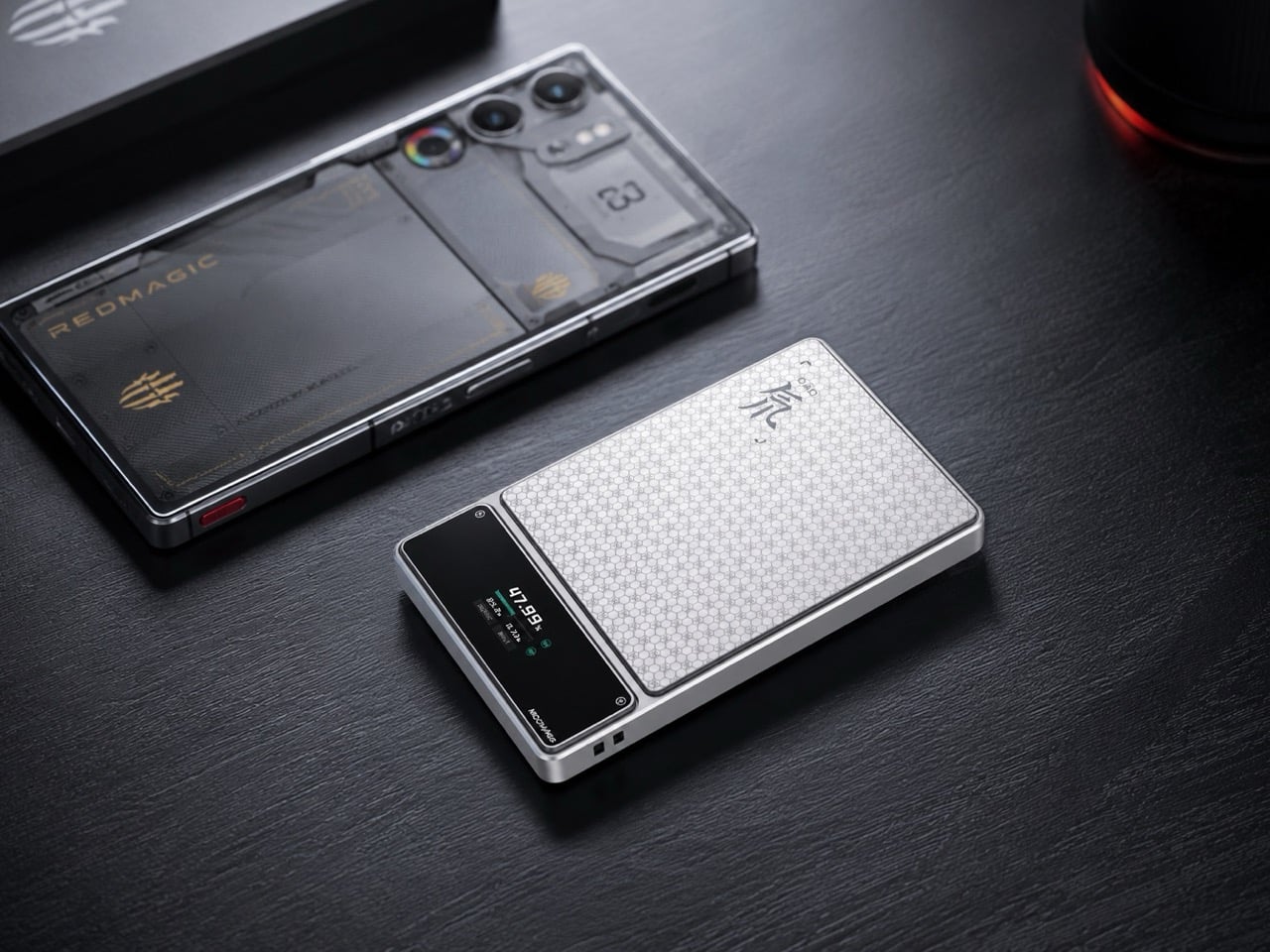
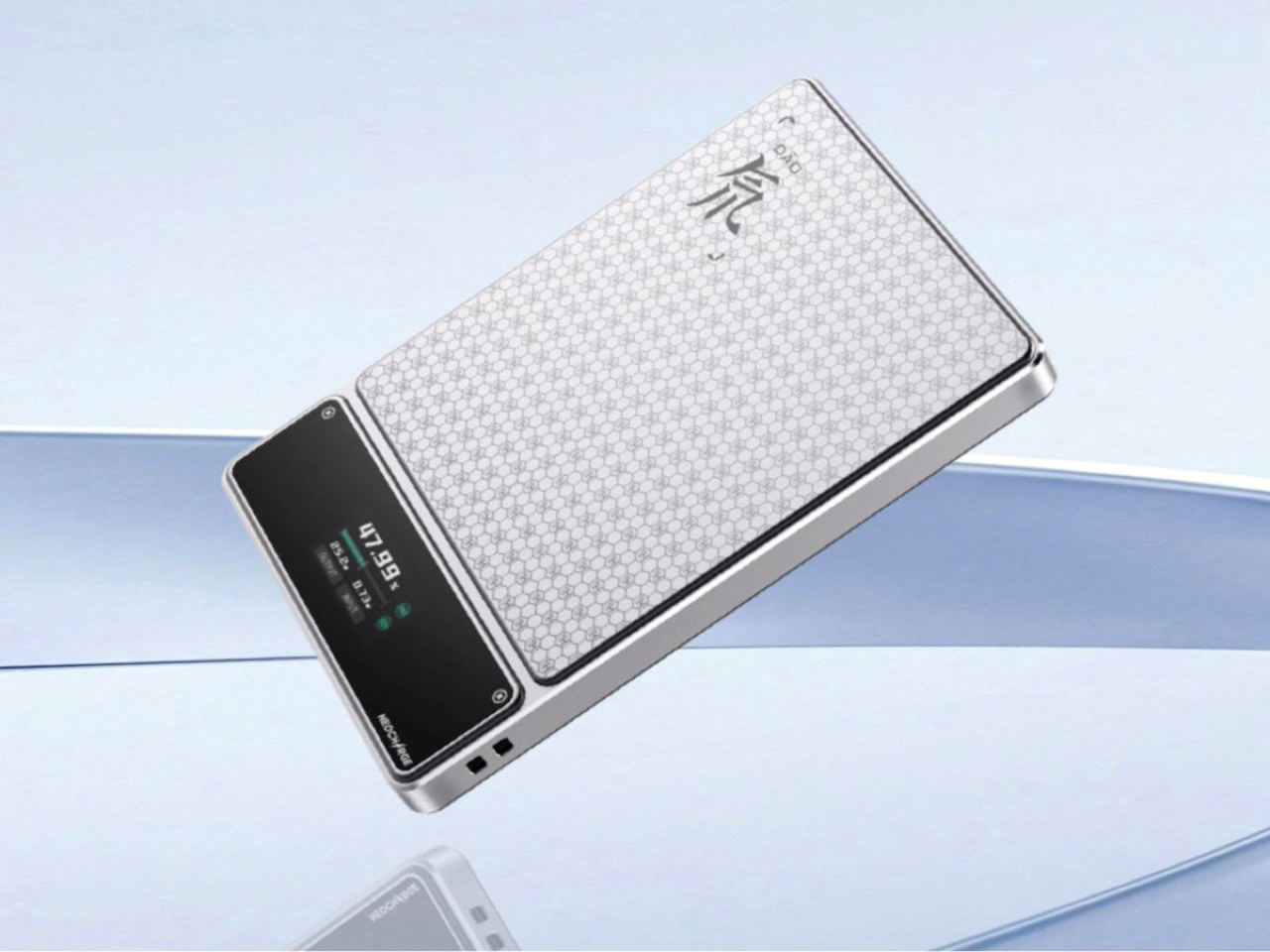
Aviation rules around lithium batteries keep tightening, and most power bank manufacturers have responded by adding a line to the FAQ. RedMagic responded by adding a dedicated hardware button to the device. The Deuterium Power Card Pro includes a one-touch flight mode that cuts wireless transmission immediately at the press of a single control, addressing the airline regulations that have turned gate-side power bank checks into a genuine inconvenience. The H21 honeycomb pattern engraved into the anodized aerospace aluminum body gives it a texture that reads as premium hardware rather than commodity carry gear.

A 25W wireless charging pad and 45W wired output handle most modern smartphones at full speed. An AI-assisted thermal management system monitors a five-layer heat dissipation stack in real time, keeping surface temperatures controlled during wireless charging where cheaper alternatives tend to run noticeably warm. A rectangular status display shows exact battery percentage rather than the single LED indicator dot that most power banks still ship with. Available in 5,000 and 10,000 mAh configurations, with pricing and a confirmed release date still pending at the time of publishing.

What We Like

  • One-touch flight mode solves the airline power bank regulation problem that every other manufacturer currently treats as the passenger’s responsibility
  • Rectangular display showing exact battery percentage is a small but genuinely useful upgrade over the LED dots most competitors use

What We Dislike

  • Pricing and release date remain unconfirmed, making it the most compelling item on this list that cannot yet be added to a cart
  • The RedMagic brand identity is built around gaming hardware, which may feel tonally mismatched for travelers whose gear skews toward neutral aesthetics

8. Benro Theta Tripod

A level horizon used to be a manual discipline. You twisted the head, watched a bubble, made small corrections, twisted again, repeated. The Benro Theta removes that entire sequence with a motorized auto-leveling system that reads the surface, adjusts the head, and confirms the camera is plumb before you look through the viewfinder. Benro positions it as the world’s first smart modular travel tripod, and the auto-leveling claim holds, particularly for photographers who regularly set up on uneven terrain and have run out of patience for repeating the process twice every time.

The body weighs 331 grams and runs on a 2500 mAh battery that delivers up to three hours of motorized operation. Arca standard compatibility keeps it immediately compatible with existing head and plate systems without requiring new accessories to bridge the gap. The modular construction adapts the Theta across shooting configurations without needing a separate travel head. For the summer photographer who sets up quickly and moves rather than spending the golden hour leveling equipment, the auto-leveling feature alone covers the cost of the upgrade. Available from Benro directly at benrousa.com.

What We Like

  • Motorized auto-leveling removes the most time-consuming manual step in tripod setup, especially on uneven outdoor terrain
  • Arca standard compatibility integrates immediately with existing accessories without requiring additional purchase

What We Dislike

  • Three-hour battery means extended shooting sessions require either a recharge mid-day or a backup power source
  • Premium construction and motorized system place it above conventional travel tripods at the same weight class

9. Battery-Free Amplifying iSpeakers

The pitch is simple enough to sound too good: set your phone in the slot, and Duralumin, the aircraft-grade aluminum alloy used in aerospace construction, does the amplification. No Bluetooth pairing. No battery charging. No setup at all. The metal body channels and amplifies your phone’s speaker output through material physics rather than electronics, adding warmth and volume with zero power draw. Golden ratio proportions give it a visual presence that reads as a considered object on a surface, not another piece of audio hardware waiting to be plugged in.

For summer specifically, the always-ready quality matters in a way that becomes obvious the first time you do not have to think about it. There is no battery level to check before heading outside, no cable to remember, no update that delays the morning. Set the phone in and music plays. Optional Bloom and Jet modular accessories let you direct the sound output if the environment calls for more control.

Click Here to Buy Now: $179

What We Like

  • No battery, no power, and no setup required means it is always immediately ready without any preparation
  • Aircraft-grade Duralumin construction shaped to golden ratio proportions is a genuine material and design achievement at any price

What We Dislike

  • Amplification quality depends entirely on the phone’s own built-in speaker, so the result varies significantly by device
  • Sound-directing modular accessories are sold separately at additional cost

10. Canon Gimbal Camera

Canon has filed three gimbal camera patents since 2021, each one more practically minded than the last. The April 2026 filing describes a compact handheld body with a fixed lens, three-axis stabilization, a grip-mounted screen, and a folding mechanism that guides the gimbal head into a safe resting position before cutting motor power. That shutdown sequence is the engineering detail most readers will pass over, and the one that signals the most serious product thinking. Mechanical wear from limp-motor shutdowns is the quiet failure mode that causes cameras in this category to age faster than their owners expect.

DJI launched the Osmo Pocket 4 in April 2026 with a 1-inch sensor and 4K at 240fps. Insta360 followed closely. Canon is entering the category with five years of increasingly precise engineering, a fixed-lens form factor that prioritizes portability over interchangeable versatility, and a color science reputation that outdoor and travel shooting consistently validates. No release date has been confirmed and no pricing announced. Based on the patent arc from 2021 through 2026, this reads like a company that has done the homework carefully and is nearly ready to deliver.

What We Like

  • Smart folding shutdown mechanism addresses a real mechanical failure point that the rest of the pocket gimbal category has consistently ignored
  • Five-year patent arc spanning increasingly specific engineering detail signals a product shaped by sustained development rather than a reactive market response

What We Dislike

  • Remains a patent with no confirmed launch date or price, making it the most compelling item on this list and still out of reach
  • Canon’s track record in premium compact formats suggests a launch price that will require serious consideration before committing

The Right Gear Stays in the Bag Past August

Summer tends to reveal what gear actually holds up. The items that stay in the bag past August are the ones that solve something specific without creating new problems to manage. Not every product on this list is purchasable today. The Canon Gimbal and Camera (1) both exist in the space between a promise and a product. The RedMagic Power Card Pro is close. Everything else is available now and worth the decision.

The best summer kit is not the most comprehensive one. It is the one built around the things you actually reach for. Three of these will make more difference than ten purchased out of obligation. Pick the gaps your current setup has never filled properly, and start there. Everything on this list was designed by someone who looked at a specific problem and decided it deserved a real answer. Summer is a good time to find out which answers fit yours.

The post 10 Best Summer Gadgets of 2026 That Every Man on Your Feed Is Going to Buy Before August first appeared on Yanko Design.
5 Compact Pocket Essentials Built for a Summer That Never Slows Down

Summer is a season that selects for you. The heat strips every bag to its absolute minimum, and what stays tells you something honest about what you actually value. This list isn’t built around a unified theme. It’s built around intention: five pocket-sized objects that each solve something different without competing for space. None of them is there to fill a slot. Each one earns its position by being genuinely hard to leave behind.

The common thread isn’t material or category. It’s the quality of being designed for a life that doesn’t pause for weather, plans, or inconvenience. A camera that rethinks how a gimbal folds. A flashlight the size of a lighter. A speaker that belongs at the beach as naturally as on a shelf. A bottle that brews, infuses, aerates, and chills with equal conviction. A carabiner that tracks what it carries. Five objects, one honest summer bag.

1. Canon Gimbal Camera

Canon has spent five years building toward this moment through a deliberate sequence of three patents, each one more product-ready than the last. The April 2026 filing describes a compact handheld body with a fixed lens, three-axis stabilization, a grip-mounted screen, and a folding mechanism that guides the gimbal head into a safe resting position before cutting motor power. That shutdown sequence is smarter than it sounds. Mechanical wear from limp-motor shutdowns is the quiet reason cameras in this category age faster than they should.

What the patent arc reveals is a company that spent its early filings dreaming wide and its later ones getting practical. The 2021 version imagined an interchangeable-lens cinema device. The 2025 follow-up solved for uninterrupted shooting. This filing drops the interchangeable lens entirely and focuses on fixed-lens portability with intelligent motor behavior baked into the design. Summer light is the most demanding light there is, and Canon’s color science has always handled it with more warmth and more restraint than anything else competing in this category.

What We Like

  • The smart folding shutdown mechanism addresses a real mechanical failure point that the rest of the pocket gimbal category has consistently overlooked
  • Canon’s five-year patent arc signals a product shaped by sustained R&D rather than a reactive response to market pressure

What We Dislike

  • This remains a patent with no confirmed release date or pricing, making it the most compelling item on this list and also the only one you cannot buy
  • Canon’s track record in premium compact categories suggests a launch price that will give most buyers reason to pause before committing

5. Wuben G5

Most flashlights solve for brightness or runtime. The Wuben G5 solves for carry, and that turns out to be the harder design problem. The body is flat and squarish, sized closer to a lighter than any conventional torch, and weighs 52 grams. A 180-degree rotating head lets you angle light wherever it needs to go without repositioning your hand. The spring-tensioned clip grips fabric, straps, and pocket edges with reliable force. A magnetic base sticks it to any metal surface hands-free.

At $25, the G5 delivers 400 lumens, an 82-metre beam, RGB color modes, IP68 waterproofing rated to 2 metres, and an emergency beacon that flashes blue and red. USB-C charging hides neatly behind the tactile rotary switch, a deliberate design choice that keeps the profile clean. Summer makes every feature feel obvious: evening trails, beach bags, festival fields after dark, and camping trips where a headlamp feels like too much and a phone torch never quite feels like enough. It carries like nothing and performs like something far more expensive.

What We Like

  • The 180-degree rotating head and spring-tensioned clip solve the hands-free lighting problem with mechanical elegance rather than extra accessories
  • IP68 waterproofing, magnetic attachment, and USB-C charging at $25 is a combination that flashlights three times the price often fail to match

What We Dislike

  • Battery runtime at full 400-lumen output runs around 50 to 60 minutes, which requires some planning on longer outings or extended sessions
  • The blue-and-red emergency beacon is designed for genuine distress situations, and using it casually creates a real risk of being misread by people nearby

3. Side-A Cassette Speaker

There is a specific pleasure in a speaker who has a point of view. The Side-A wears its design intention openly, taking the cassette tape as its structural reference and arriving at something that sits between functional object and collected artifact. Bluetooth audio in a body that references one of the most culturally significant formats in sound history: it is a design brief that could have landed in a dozen wrong places, and it does not. The form has restraint, which is what separates a considered design reference from a costume.

What makes it a summer essential is its willingness to be present without announcing itself. It belongs on a table outside as naturally as it belongs on a shelf. The cassette format has always carried a sense of intentionality around music, the feeling that someone made a deliberate selection and committed to it. The Side-A carries that quality into Bluetooth territory without apology. Summer listening deserves something with genuine character, and this brings character alongside the sound without asking you to compromise on either.

Click Here to Buy Now: $49.00

What We Like

  • The cassette tape aesthetic is specific enough to be genuinely distinctive without crossing into novelty design territory
  • The form reads as a collected object rather than consumer electronics, which is a rare quality at any price point

What We Dislike

  • The retro design language is strong enough that it may feel tonally out of place for buyers who want their audio hardware to read as visually neutral
  • Buyers who prioritize raw audio specifications over design intention will find more technically competitive options at a similar price

4. All-Day Adventure Flask

The All-Day Adventure Flask is built around a single useful idea: one vessel, every drink the day asks for. The 32-ounce insulated stainless steel body keeps drinks hot or cold for hours, which is the baseline. What lifts it past every other flask on the market is the split-body design. Unscrew the top, invert it, line it with a filter, and you have a wide-mouth pour-over coffee kit. The same configuration decants wine, aerating it without the taste compromise that stainless interiors typically introduce, because the inside is finished in non-breakable glass that stays flavor-neutral regardless of what you put in it.

The modular system extends that range even further. A mesh container brews tea, infuses water, or cold-brews coffee, depending on how long you leave it. A slatted lid converts the whole flask into a cocktail shaker. A thermal core chills drinks without diluting them with ice. A silicone tumbler is built into the base and pops out as a cup, doubling as a shock absorber when the flask gets dropped. It won a Red Dot Design Award in 2020, comes with a 5-year warranty, is built to be carbon neutral, and Hibear commits a percentage of every sale to 1% for the Planet. The flask that carries all of summer, one mode at a time.

What We Like

  • The split-body pour-over and wine decanting function solves two completely different outdoor rituals in the same design move, with zero additional kit
  • The built-in silicone tumbler and non-breakable glass interior address both the drinking experience and long-term durability in one considered detail

What We Dislike

  • The full modular system involves multiple components that need tracking, cleaning, and reassembling, which adds friction on days when simplicity is the priority
  • The range of functions is genuinely impressive, but most users will find themselves returning to two or three of them regularly and barely touching the rest

5. AirTag Carabiner

The weakest version of any tracking solution is one you forget to use. An AirTag left loose in a bag pocket, or sitting on a key ring that stays home when the bag leaves, solves nothing. The AirTag Carabiner earns its place by removing the forgetting entirely: the tracking is built into the clip mechanism, so the moment it is attached to something, the Apple Find My network is engaged. No secondary step, no separate attachment decision, no choosing whether today is the day you bother.

Summer creates more opportunities to misplace things than any other season. Bags move between people. Keys get set down at the beach and claimed by the wrong table. Gear left on a trail gets collected by the person walking faster. The AirTag Carabiner sits at the intersection of utility and peace of mind without adding weight or bulk to anything it clips onto. Bags, straps, belt loops, keyrings: it clips to all of them. Summer is unforgiving to the disorganized, and this is the most considered possible answer to that specific problem.

Click Here to Buy Now: $149.00

What We Like

  • Integrating the AirTag directly into the carabiner mechanism removes the secondary step that makes most tracking setups feel optional or easy to skip
  • Find My network coverage means location data is available across virtually any populated environment without additional hardware or ongoing costs

What We Dislike

  • Full functionality is locked to the Apple ecosystem, which limits the product’s value significantly for anyone outside of it
  • Find My operates through a network of nearby devices rather than live GPS, which means there is always a lag between an item moving and its location updating

The Right Five Things Make Summer Easier

The five products on this list share one quality that never makes it onto a spec sheet: they do not complain about summer. They are waterproof, pocket-sized, or designed to adapt, and none require a protective case or a separate pouch to survive a day that gets more complicated than planned. That quiet durability is exactly what the season demands, and it is what separates a genuinely considered kit from a collection of things you meant to bring.

Pick the two or three that close the gaps in what you already carry. The Canon will arrive when Canon is ready, and based on five years of increasingly precise engineering, it will be worth the wait. Everything else on this list is available now, none of it requires much justification, and all of it is designed to stay out of your way while doing its job. Summer does not want to be curated. It wants to be lived. The right five things make that easier.

The post 5 Compact Pocket Essentials Built for a Summer That Never Slows Down first appeared on Yanko Design.

8 Summer EDC Essentials So Well-Designed We Carry Them Every Single Day

Summer edits your carry down to what actually earns its place. Pockets get shallower, days stretch longer, and the patience for objects that solve problems you don’t have disappears entirely. What survives that edit is a specific kind of thing — gear that performs with such quiet consistency you stop noticing it, until the day you leave it behind and immediately feel its absence. That’s the design standard this list holds to.

The eight products here span materials from full-grain leather to aircraft-grade titanium, functions from navigation to tracking to illumination, and price points from considered to genuinely surprising. Some are old enough to have earned their reputation without needing to announce it. Others are newer but carry the same unhurried confidence of objects that know exactly what they’re for. All of them reward a summer that moves fast and asks a lot from the things you carry.

1. AirTag Carabiner

Apple’s AirTag arrived as one of the most useful small objects of the last decade and shipped with no good answer to the question of how to carry it. Every case that followed treated the tracker as cargo — something to be accommodated rather than integrated. A purpose-built AirTag carabiner changes that relationship entirely, folding the tracker into a gate clip that performs as both tracking device and functional hardware without either function compromising the other. No protrusions, no awkward bulk, no aesthetic apology.

The summer case is specific. Beach bags left at a spot, day packs rotating between people, rental bikes at a festival — the carabiner means the AirTag follows the object rather than requiring a deliberate second step to attach or remember. Machined aluminum reads intentional alongside quality leather or ripstop goods and handles salt air, UV, and bag wear without complaint. It’s the kind of upgrade that seems obvious once you’re using it and unnecessary until the moment it isn’t.

Click Here to Buy Now: $149.00

What we like

  • Tracking hardware integrated into a functional carry tool removes the awkward middle step of managing a loose disc with no natural home
  • The gate clip handles real load and daily use rather than serving purely as a display mechanism for the AirTag

What we dislike

  • AirTag replacement requires opening the carabiner body, which varies by design and isn’t always a one-handed operation in the field
  • Works exclusively within Apple’s Find My network — Android users carry nothing usable here

2. Olight Baton 4 Premium Edition

The Baton 4 Premium’s best design decision isn’t the 1,300-lumen output or the magnetic tail cap — it’s the flip-top charging case that lets you activate the flashlight without removing it from the case at all. Open the lid, press the side button, and the light fires. That single interaction collapses the gap between a flashlight that lives in a bag and one that’s actually ready when something happens. The case also carries 5,000mAh, which means it recharges the Baton 4 up to five times and fills a phone running low mid-afternoon.

Summer nights are specifically where this earns its keep. Power outages during heat waves. Poorly lit parking structures at outdoor venues. The walk back to a campsite after a late fire. The magnetic tail cap converts the flashlight into a freestanding lantern by sticking to any steel surface, removing the need for a separate camp light in most situations. The IP68 waterproof rating handles rain without any adjustment required. Olight has made fewer products than most of its competitors and made them better, and the Baton 4 Premium is the clearest expression of that.

What we like

  • The charging case serves as a functional 5,000mAh power bank and activates the flashlight without removing it — two carry problems resolved by one object
  • The magnetic tail cap frees both hands during stationary tasks without requiring any additional accessories

What we dislike

  • Maximum 1,300-lumen output demands battery and drains quickly at full brightness — the case is a compensating mechanism, which means they need to travel as a pair
  • The case adds volume to the carry; users wanting the flashlight alone will need to leave the case’s power bank function behind

3. CraftMaster EDC Utility Knife

Most utility knives are industrial objects that tolerate being carried rather than inviting it. The CraftMaster moves the design conversation to a different place — a slim, considered profile that sits flush in a pocket and deploys a blade with the kind of controlled action that signals something built to a real standard. The form factor is purpose-built for people who cut things regularly during the day but don’t want to reach for an object that looks like it belongs on a construction site.

The blade swap mechanism is where the functional case gets specific. Precision work, whether opening summer deliveries to a vacation rental, trimming materials mid-project, or handling gear maintenance on the road, is better with a fresh edge rather than an apologetic compromise of a dull one. Having a design that makes the blade replacement clean and fast, rather than a minor ordeal, matters in practice across a long season of daily use. This is an EDC knife that understands the difference between a tool you carry and one you keep reaching for.

Click Here to Buy Now: $80.00

What we like

  • The slim profile fits a shorts pocket without the blade-forward bulk that makes most utility knives feel incompatible with summer carry
  • Replaceable blades mean the cutting performance stays consistent across the full season rather than degrading to an acceptable diminishment

What we dislike

  • Utility blades require sourcing compatible replacements, which adds a minor supply consideration that a fixed-blade EDC knife doesn’t carry
  • The design sits closer to a precision tool than a versatile field knife, which may not satisfy users looking for one object to handle both categories

4. Orbitkey Key Organiser

A standard key ring solves the organizational problem with the bluntness of something designed before pockets had size constraints. Keys stack against each other, jingle against everything nearby, and press uncomfortable ridges into the thigh pocket of summer trousers all day. The Orbitkey stacks two to seven keys flat inside a full-grain leather spine and stainless steel hardware, held under tension, producing no movement and no sound. Closed, it sits flat. In a pocket, it disappears.

The leather exterior develops its own grain and wear pattern over years of daily use — an explicit design position about longevity that most keychain products don’t take. The two-screw expansion system accommodates keys confidently up to its rated capacity, and a small ring attachment handles anything that doesn’t stack flat inside the body. Five colorways cover the range from black dress leather to warmer cognac tones. This is an object that solves a problem so quietly that after the first week, you only notice it when you try to go back.

What we like

  • The tension stacking system eliminates key jingle, which sounds like a minor quality-of-life gain until you experience the cumulative silence of a full summer without it
  • Full-grain leather construction ages into character rather than showing damage — the material signals a product built to outlast the trend cycle

What we dislike

  • Initial key installation involves a screwdriver and careful threading — not difficult, but not intuitive either, and the setup time is a real first-use commitment
  • Oversized or irregularly headed keys may not stack cleanly within the system’s geometry, which is worth checking before purchase

5. DraftPro Top Can Opener

A can opener is one of those objects most people own in the worst version that technically works. The DraftPro is the version that makes the case for caring about the design of a can opener, built around a top-cut mechanism that removes the entire lid flush rather than creating a jagged inner edge. The resulting can becomes a safe, open container rather than a minor hazard. The form is compact, the materials are considered, and the grip handles the torque of the task without requiring you to adjust mid-turn.

In summer specifically, the top-cut mechanism earns its place during outdoor cooking — at a campsite, a tailgate, or a beach house stocked with canned goods and minimal gear. There’s no snagged lid to fish out of the contents and no sharp rim to watch for when reaching into the can. The compact footprint means it packs into a cooking kit without requiring its own dedicated compartment. It’s the kind of product that rewards the decision to care about the design of even the tools you only reach for occasionally.

Click Here to Buy Now: $60.00

What we like

  • The flush top-cut mechanism removes the lid cleanly with no jagged inner edge and no floating metal to dig out of the food — a genuine functional improvement over the standard approach
  • Compact enough to live in a cooking kit, travel bag, or kitchen drawer without claiming space it hasn’t earned

What we dislike

  • The top-cut mechanism requires slightly more grip coordination than a traditional side-cut opener — the learning curve is short but real for first-time uses
  • Not designed for cans with non-standard lip profiles, which occasionally appear in imported or specialty goods

6. Loki Nav Compass

Most navigation tools have been optimized for a single condition: favorable ones. The Loki Nav by EckDesign starts from the opposite position — a Grade 5 titanium compass system engineered specifically for the conditions where GPS fails, the phone goes flat, or the environment makes electronics unreliable. Three interchangeable oil-filled compass modules provide a redundant navigation system in a 46.5mm body weighing 48 grams. The IPX8 waterproof rating means submersion to a meter for thirty minutes is a non-event. The cap houses a 12× magnifying loupe, an emergency mirror, and a wood file for fire-starting tinder.

The design logic is worth pausing on. Everything non-essential has been removed; everything that remains serves a specific function under pressure. The loupe rotates to protect the lens when not deployed. The mirror sits inside the cap, accessible without disassembly. The compass modules swap out via a toothpick through a base hole — a repair mechanism that works without tools. Summer outdoor itineraries that push past well-marked trails, coastal kayaking routes, and backcountry hiking all describe situations where the Loki Nav transitions from a beautiful object in a pocket to the most important thing in it.

What we like

  • Three interchangeable compass modules create a navigation system with built-in redundancy — a design decision that treats reliability as a first principle rather than a feature mention
  • The 3-in-1 cap packs mirror, loupe, and fire-starting file into a hinged cover rather than requiring separate tools for each function

What we dislike

  • At 48 grams in titanium, the Loki Nav is noticeably heavier than a basic compass — the weight is justified by the feature set but worth considering for ultralight carry setups
  • The compass module swapping mechanism, while elegant, involves a toothpick-through-base-hole method that takes practice to execute cleanly under field conditions

7. WESN Ridgeback Microblade

WESN approaches EDC from a position most tool brands don’t occupy — the belief that a well-made small object can carry the same material and craft standards as something three times its price and size. The Ridgeback Microblade is a fixed blade built to live in a pocket or on a keychain without announcing itself, machined from titanium with a blade steel chosen for edge retention under daily-use conditions. The form is narrow enough to disappear into any carry setup and substantial enough to register as a real cutting tool when deployed.

Fixed blades are fundamentally more useful than folding knives in the situations that matter most — faster deployment, no mechanical failure point, and less maintenance over a season of outdoor use. The Ridgeback addresses the reason most people don’t carry one: size. This is a blade designed for the specific constraint of summer pockets, where the margin between comfortable carry and uncomfortable carry is measured in millimeters. It’s the kind of precision that only appears when a brand is genuinely thinking about the object rather than simply satisfying a product line requirement.

What we like

  • The fixed blade format provides faster, more reliable deployment than any folder, while the Ridgeback’s profile keeps it genuinely pocketable in summer carry
  • Titanium construction handles salt, humidity, and daily use without the maintenance overhead that blade steel requires in coastal summer environments

What we dislike

  • Fixed blades occupy a complicated legal position in some jurisdictions — blade length and carry rules vary by location and are worth checking before traveling
  • The minimal form factor prioritizes portability over grip depth, which limits utility for tasks requiring sustained cutting pressure

8. Urban Pack

The Urban Pack resolves the tension that every commuter bag eventually creates: the design that works for a laptop meeting doesn’t work for a weekend overnight, and vice versa. Loft of Combie’s approach is modular — a carry system built around zippered separation that lets the bag configure to the day rather than requiring you to pack around a fixed interior. The external form reads clean and intentional rather than tactical, which matters when the pack is moving between a client-facing context in the morning and a trail or beach in the afternoon.

Summer specifically is the season when a single bag that reads across contexts is the most valuable thing in a carry rotation. Travel weekends, work trips that extend into leisure, day hikes that start from an office — the Urban Pack absorbs these transitions without requiring a gear change. The construction is honest about its materials, and the strap system distributes load without the overengineered hardware that makes most technical packs look like they belong in a different context entirely. This is a bag that earns its place through daily practicality rather than feature accumulation.

What we like

  • The modular configuration adapts to the actual demands of the day rather than requiring the user to adapt their packing to the bag’s fixed logic
  • The considered exterior aesthetic moves comfortably across professional and outdoor contexts without the visual code-switching that tactical bags force

What we dislike

  • Modular systems require an initial investment of time to understand how the configurations interact — the flexibility is real, but so is the learning curve
  • The clean exterior silhouette prioritizes appearance over external attachment points, which limits quick-access options for high-frequency items during active use

The Best EDC Is the Gear You Stop Thinking About

Every one of these objects earned its place through the same filter — not by being the most expensive or the most specified, but by being the most considered. Good EDC design doesn’t ask you to sacrifice function for form or form for function. It finds the point where those two things stop arguing and start working together, then holds that line across daily use, weather, and the small, relentless friction of a summer that moves faster than you plan for.

What ties this specific eight together is the refusal to waste a single design decision. The AirTag Carabiner doesn’t apologize for being two things at once. The Loki Nav doesn’t hedge on durability. The Orbitkey doesn’t give you extra features you didn’t ask for. That restraint is harder to achieve than complexity, and it’s what makes these objects feel inevitable once they’ve been in your pocket long enough. Summer is the best time to find out which gear is actually worth carrying.

The post 8 Summer EDC Essentials So Well-Designed We Carry Them Every Single Day first appeared on Yanko Design.

8 Best Summer Gadgets for Men Who Think “Outdoor Tech” Usually Looks Terrible

The category of outdoor tech has a reputation problem. Most of it arrives in high-visibility colors, wrapped in rubberized plastic, and styled as if the designer’s only brief was “make it survive a war.” For men who care equally about function and form, the annual summer gear drop is usually a disappointment. These eight picks are the exception — products that earn their place outside without looking like they belong in a disaster preparedness kit.

Each one solves a real outdoor problem — heat, hydration, light, sound, coffee — without the aesthetic compromise that typically comes with the territory. If you’re selective about what you carry into the wild, this is a list worth saving.

1. RetroWave 7-in-1 Radio

Most emergency gear sits in a drawer until it’s needed — which defeats the entire point. The RetroWave earns shelf space because it looks good enough to display. Styled with a retro Japanese aesthetic and a satisfying tactile tuning dial, it functions as a portable speaker, emergency radio, flashlight, and portable charger from one compact device. It’s the rare piece of outdoor kit that solves the preparedness paradox through sheer design restraint.

At $89, it covers ground that would otherwise require four separate items in your pack. Two colorways — black and warm gray — make it feel considered rather than utilitarian. The 20-hour battery life is enough for a full weekend without reaching for a cable, and the 8W speaker delivers enough warmth to soundtrack a campfire properly. It’s less a gadget and more a statement that survival gear doesn’t have to look survivalist.

Click Here to Buy Now: $89.00

What We Like

  • Seven functions collapse into a single carry-anywhere device with a retro form that earns every gram of its weight
  • Intentional enough in design to live on a shelf rather than be hidden in a bag until an emergency strikes

What We Dislike

  • The retro aesthetic won’t resonate with those who prefer a more modern industrial look
  • Audio output is optimized for outdoor ambience rather than high-fidelity listening

2. Solar-Powered Camping Tent AC

Summer camping’s biggest lie is that you’ll adjust to the heat. You won’t — you’ll sleep worse and wake up annoyed. This solar-powered camping tent concept earned recognition at the Red Dot Design Awards for solving exactly that problem: integrating an air conditioning system powered entirely by solar panels into the structure of the tent itself. No generator noise, no extension cord draped across the campsite. Just a cool night’s sleep that feels like the future.

The design challenge here isn’t purely technical — it’s visual. Solar camping gear has a long history of looking like a science project. This concept sidesteps that with a clean, structured silhouette that doesn’t announce its engineering from across the campsite. For summer trips where heat is the limiting factor rather than terrain, it reframes what a tent can actually do. The idea that solar power and sleeping comfort can coexist elegantly is no longer hypothetical.

What We Like

  • Solar-powered air conditioning solves the most persistent problem in summer camping without relying on noisy, bulky generators
  • Red Dot Design Award recognition confirms that the concept holds up both functionally and aesthetically

What We Dislike

  • As a concept, real-world availability and pricing have not yet been fully confirmed
  • Solar performance will depend heavily on campsite exposure and prevailing weather conditions

3. Yuuye Portable Air Conditioner

Where the solar tent integrates cooling into the structure, the Yuuye takes a more immediate approach. Its modular design separates the refrigeration unit from the exhaust, drawing in heat and pushing out cool air in a package compact enough to move between a patio, a tent, and an outdoor workspace without a second thought. The LCD screen keeps control simple, and the detachable build means adapting it to a new setting takes seconds rather than a prolonged setup.

The large air outlet distributes cooling evenly rather than in a single concentrated stream, which matters when you’re sitting in front of it rather than standing directly in the airflow. It understands the difference between moving air and actually cooling a space. Compact, lightweight, and designed for exactly the kind of summer that turns a backyard into an endurance test, it earns its place outdoors not by being impressive on paper, but by working when the temperature genuinely spikes.

What We Like

  • The modular, detachable build makes relocating it between outdoor settings fast and completely intuitive
  • Delivers consistent cooling without the bulk or noise of traditional portable air conditioning units

What We Dislike

  • Best suited for small to medium spaces — larger gatherings will need more than one unit to feel the difference
  • Requires a power source for extended use, which limits fully off-grid applications

4. Hemingway Cooler

Coolers have spent decades looking like objects that are embarrassed to be at the party. The Hemingway takes a different position entirely. Designed with reference to mid-20th-century European cars and speedboats, it brings a classic, rugged sensibility to something most people treat as purely functional. It’s a cooler that looks as deliberate as the rest of your setup — the kind of thing you’d pack into the back of a Land Rover without any irony whatsoever.

The design doesn’t sacrifice performance for aesthetics. The rugged build holds up to outdoor conditions that take the shine off lesser products quickly, and the form is cohesive enough that it reads as a considered object rather than a branded afterthought. For men who treat the patio and the campsite as extensions of their taste rather than exceptions to it, the Hemingway is the first cooler that actually deserves to be seen.

What We Like

  • The mid-century design reference gives it a visual identity that holds up well beyond the campsite or tailgate
  • Rugged construction means the good looks aren’t at the expense of actual outdoor durability

What We Dislike

  • The deliberate aesthetic may feel out of place in purely utilitarian outdoor contexts
  • Premium design positioning likely carries a premium price point to match

5. BlackoutBeam Tactical Flashlight

“Tactical” is a word that has done a lot of damage to outdoor gear design. The BlackoutBeam manages to carry the term without leaning into the aesthetic that usually comes with it. At $90, it sits in the range where you’re buying something built for real use rather than a shelf demonstration.

A good flashlight is one of those objects where the quality gap between a considered design and a generic alternative is immediately felt in the hand. Weight distribution, button placement, beam control — these are the details that separate tools from gadgets. The BlackoutBeam handles them with enough conviction to earn the “tactical” descriptor on function rather than branding alone. For the man who refuses to carry anything that looks apologetic, this is the one to reach for.

Click Here to Buy Now: $90.00

What We Like

  • The $90 price point reflects genuine build quality rather than brand markup on a commodity product
  • Restrained design language avoids the aggressive tactical styling that makes most flashlights look out of place

What We Dislike

  • The “tactical” category still carries aesthetic baggage that may not suit every outdoor context
  • Limited design detail available through the shop listing makes spec comparison difficult before purchase

6. MokaMax

Portable coffee makers have a consistency problem. The plunger versions are messy, the capsule versions need a power source, and the pour-over options require more patience than most mornings allow. MokaMax resolves the argument by packing a pressure brewer directly into a rigid stainless travel mug — delivering espresso-style coffee in the same vessel you carry it in. It positions itself as the proper successor to the Pipamoka, with a form language that reads more like outdoor equipment than a kitchen appliance.

The ridged exterior isn’t purely visual texture — it provides a secure grip in conditions where hands are wet or cold, and it helps the MokaMax blend naturally with the kind of rugged travel gear men who care about this sort of thing tend to carry. It’s a product that earns its presence on a campsite or a trailhead without announcing itself. Good coffee, away from a kitchen, in an object worth actually owning.

What We Like

  • Pressure brewing and carrying a vessel combined means fewer items to pack and clean in the field
  • The ridged stainless form integrates visually with quality outdoor gear rather than clashing against it

What We Dislike

  • Espresso-style output may not satisfy those who prefer larger-volume filter coffee while camping
  • Pressure brewing has a learning curve for those accustomed to simpler portable methods

7. FLEXTAIL Tiny Pump 2X

Camping gear that does one thing well is easy to find. Camping gear that does three things well, fits in a pocket, and doesn’t look like an infomercial product is considerably rarer. The FLEXTAIL Tiny Pump 2X manages exactly that — functioning as an outdoor pump, a camping lantern, and a general-use light source in a form factor small enough to get lost in a daypack if you’re not paying attention. Its utility-to-size ratio is genuinely difficult to argue with.

The design restraint does the heavy lifting. Rather than communicating its multi-function capability through an overload of controls or visual complexity, it reads as a single clean object that happens to do more than expected once you engage it. For summer trips where pack weight is a decision every item has to justify, the Tiny Pump 2X earns its place three times over. It’s the kind of product that makes you rethink what minimum viable gear actually looks like.

What We Like

  • Three functions in one compact body reduce the individual item count needed for a serious weekend outdoors
  • The restrained form doesn’t visually telegraph its multi-function capability, which is a genuine design achievement

What We Dislike

  • Compact size means output on each function is calibrated for personal use rather than group coverage
  • Lantern brightness may be insufficient for larger camping setups requiring wider illumination

8. StillFrame Headphones

The case for taking good headphones outside has never been stronger, and the StillFrame makes a compelling argument for why. They occupy the space between in-ears and over-ears deliberately — more open than the former, more relaxed than the latter. “Featherlight yet full-bodied” sounds like marketing until you put them on, at which point it just sounds accurate. Listening becomes a physical ritual rather than background noise management.

For outdoor use, weight matters as much as sound. Headphones that feel present on your head become an irritant across longer stretches — hiking, a morning at the campsite, a slow afternoon by the water. The StillFrame disappears in a way that heavier alternatives don’t, which means you stop thinking about them and start thinking about what you’re actually listening to. That’s the benchmark for any piece of audio gear, and this one clears it comfortably.

Click Here to Buy Now: $245.00

What We Like

  • The positioning between the in-ear and over-ear categories gives it a comfort profile that holds up across extended outdoor use
  • At $245, the price reflects a genuine design object rather than commodity audio gear

What We Dislike

  • The open design means reduced passive isolation in high-noise outdoor environments like busy trails or campsites
  • The featherlight build may not appeal to listeners who associate weight with perceived audio quality

Gear That Earns Its Place

The outdoor tech category earns its bad reputation because most of it treats function and form as competing priorities. These eight products make the opposite argument: that the best gear is what you actually want to carry, because it holds up visually and practically. Each one has a design story worth reading before you even get to the spec sheet.

The RetroWave and BlackoutBeam are available directly through the YD shop. The MokaMax, Yuuye, and StillFrame have earned space in multiple roundups for good reason. The solar tent, still in concept territory, is the kind of idea that makes the rest of the industry look like it isn’t trying hard enough. Summer has better options than it used to.

The post 8 Best Summer Gadgets for Men Who Think “Outdoor Tech” Usually Looks Terrible first appeared on Yanko Design.
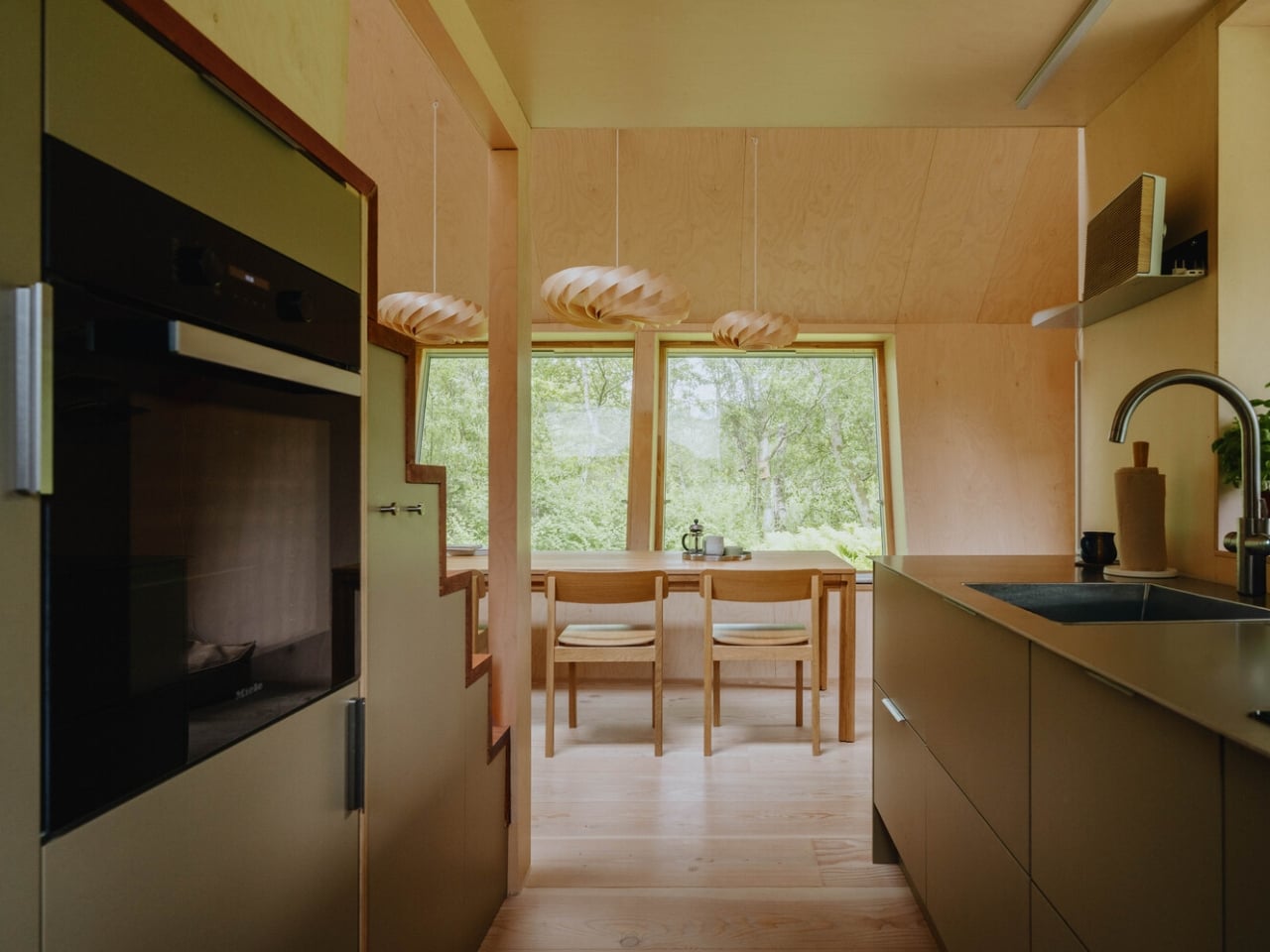
Forget Your Old Loadout — 5 EDC Essentials Built for Summer 2026

Summer 2026 is a different kind of season for EDC. The carry conversation has matured past keychain gimmicks and bulk-heavy multitools into something sharper; gear that’s actually thought through, built from aerospace-grade materials, and designed with the same care as the objects that live on your desk. These five pieces represent the best of where that shift has landed: practical without being boring, minimal without being precious.

Whether you’re navigating festival crowds, weekend camping trips, or the daily urban grind, the right loadout isn’t about carrying more — it’s about carrying smarter. Each of the picks below earned its spot not through spec sheets alone, but through intentional design choices that make the experience of using them genuinely different. These are the five pieces worth making room for this summer.

1. Cubik Knife

Gravity-powered deployment sounds more cinematic than practical — until you hold the Cubik. Designed by IF and machined from aerospace-grade titanium, this pocket knife opens with a button-flick and the natural pull of gravity: no springs, no mechanisms to fail, no audible snap. At 2.6 inches long, 0.98 inches wide, and just 0.2 inches thick, it slips into a pocket and disappears. The Cubik looks more like a designer flash drive than a knife, which is exactly the point — and what makes it so easy to live with every single day.

The blade runs a standard trapezoid utility format — the same geometry used to slice linoleum, roofing materials, acrylic, and thin sheet metals. When one edge dulls, flip it; when both are spent, swap it. That interchangeable format turns a consumable item into something genuinely sustainable over time. A deep-carry titanium clip keeps it flush to the pocket edge, and a tungsten carbide glass-breaker on the rear makes it a legitimate lifesaver when it counts. At $59 with five replacement blades included, it’s one of the most sensibly priced titanium tools in the category.

What we like

  • Gravity-flick deployment is spring-free, meaning zero moving parts to fail over time
  • Swappable trapezoid blades make the Cubik cost-effective and sustainable for long-term carry

What we dislike

  • The utility blade format won’t appeal to collectors who prefer a dedicated knife steel
  • Gravity deployment requires a deliberate wrist flick that takes a brief learning curve

2. 8-in-1 EDC Scissors

Most EDC scissors ask you to accept a compromise — either you get a folding design that sacrifices cutting power, or you get a rigid tool that’s too bulky to pocket. The 8-in-1 EDC Scissors from Eiger Design, available through the Yanko Design Shop, sidesteps both problems. Made in Japan and compact enough to sit in a palm at just 13 centimeters (5.1 inches) closed, it packs scissors, a knife, a lid opener, a can opener, a cap opener, a bottle opener, a shell splitter, and a degasser into a single carry-ready object.

The scissors themselves are the real story — full-strength blades that don’t rely on a collapsible pivot to achieve their compact profile, which means they cut with conviction through materials that foldable scissors would snag or mangle. The remaining seven functions are genuine, not ornamental. For summer specifically — camping weekends, beach cookouts, farmers market errands, festival packing — this is the kind of tool that earns its weight early and keeps earning it. At $53 through the YD Shop, it’s the most versatile item on this list per dollar spent.

Click Here to Buy Now: $59.00

What we like

  • Eight independent tools in a 5.1-inch, palm-sized package that’s genuinely comfortable to carry daily
  • Made-in-Japan manufacturing brings real precision to both the scissors and every secondary tool

What we dislike

  • The scissors-first form factor means the secondary tools can feel secondary in actual day-to-day use
  • Not the right call if you’re shopping for a dedicated cutting tool rather than a multitool

3. NoxTi

NoxTi is the kind of object that makes you reassess what belongs on your keychain. Designed by Xedge and built from Grade 5 titanium, it measures just 45mm and weighs 10.7 grams. The core of the piece is a tritium vial — a sealed, self-luminous insert that glows continuously for 25 years without batteries, charging, or any external power source. Quartz glass protects the vial from impact, and the titanium housing supports interchangeable vial options alongside a glass-breaker tip at the rear, making it far more than a novelty.

In practical terms, NoxTi solves a problem most EDC setups don’t realize they have: passive orientation in the dark. When your keychain is at the bottom of a bag, buried in a jacket pocket, or left on a nightstand, the glow orients you without reaching for your phone. That always-on, zero-input utility is a design philosophy most gear claims but rarely delivers.

What we like

  • Tritium vial delivers 25 years of passive, battery-free illumination with no maintenance required
  • Grade 5 titanium housing and quartz vial protection make it exceptionally durable for keychain life

What we dislike

  • At 45mm, it’s compact but will add noticeable length to an already-loaded keychain setup
  • Tritium vials are radioactive (safely contained, but a consideration for buyers who prefer chemical-free carry)

4. HYZER

Exceed Designs doesn’t do anything conventionally, and the HYZER is the clearest proof of that. At its core, it’s a hatchet — but calling it that undersells the engineering. The handle is fully skeletonized and CNC-machined from a solid block of 6AL-4V Grade 5 titanium, available in two lengths: a full-size 9.75 inches or a compact 8.15 inches. The head runs on an infinitely modular nested system that lets you swap cutting formats without replacing the handle — a level of adaptability that no conventional hatchet even attempts.

For summer carry — backcountry hiking, basecamp setups, or serious van-life configurations — the HYZER changes the math on what a hatchet needs to be. The D2 steel axe head delivers serious chopping performance, while the titanium handle keeps the tool lighter than any steel-handled competitor in its class. The stonewashed finish gives it a visual identity that’s unmistakably premium without being precious about it.

What we like

  • The modular nested head system allows the HYZER to adapt to different cutting and splitting configurations
  • Full skeletonized Grade 5 titanium achieves meaningful weight savings without compromising structural integrity

What we dislike

  • The premium titanium and D2 material combination places this at a significantly higher price point than most seasonal carries
  • Two-handed hatchet operation demands dedicated pack space that the other four items on this list don’t require

5. BlackoutBeam Tactical Flashlight

A 2,300-lumen output in a tactical flashlight isn’t rare in 2026 — but a 2,300-lumen flashlight that looks like it belongs at a design exhibition rather than a military surplus store is still genuinely hard to find. The BlackoutBeam, available through the Yanko Design Shop at $90, pairs that blinding output with an industrial aesthetic that wears well whether it’s clipped to a backpack or sitting on a shelf. The 300-meter throw distance cuts through darkness with clinical precision, and the IP68 waterproof rating ensures it performs regardless of what summer throws at it.

Five operational modes — including strobe and pinpoint — give the BlackoutBeam tactical flexibility that goes well beyond on-off cycling. The 0.2-second instant-on response is the detail that separates tools built for designers from tools built for actual use: in a power outage, a trail emergency, or any situation where you need light immediately, that activation speed matters in a way that a spec sheet can’t fully communicate. With longer days turning into late evenings outdoors and camping season running hot, the case for a serious flashlight in your summer kit has never been more straightforward.

Click Here to Buy Now: $89.00

What we like

  • 2,300-lumen output with a 300-meter throw distance puts it firmly in professional-grade territory
  • A 0.2-second instant-on response time makes it genuinely dependable when the situation demands it

What we dislike

  • The tactical aesthetic reads as aggressive for carry setups that lean toward minimalist or everyday styling

The Best Loadout Is the One You Actually Think About

What these five pieces share isn’t material or price point…it’s intention. Every one of them was designed by someone who cared enough to solve the actual problem rather than approximate a solution. That’s the standard worth holding EDC to in 2026, and it’s becoming a higher bar to clear as the category matures and the market fills with near-misses. The best loadout is never the one with the most gear. It’s the one with the right gear.

Summer tends to be the season when carry gets edited down; lighter layers mean fewer pockets, and heat means less patience for bulk. These five designs all pass that test. They’re compact enough to disappear when you want them to and capable enough to matter when you don’t. Whether you pick up one or all five, the upgrade from whatever you’re carrying now is real.

The post Forget Your Old Loadout — 5 EDC Essentials Built for Summer 2026 first appeared on Yanko Design.

9 Best Travel Gadgets & Gear That Make Summer 2026 Actually Worth Packing For

Transparent display of an OPT90 cassette speaker in a clear case, with 'CASSette SPEAKER' and 'Bluetooth Connection' labels visible.

The best travel packing lists have always been exercises in subtraction. What earns its weight. What survives a summer of trains, guesthouses, and long airport mornings? The objects that endure are the ones designed with enough intention that they feel better used than new. This year, that edit has gotten easier. A handful of products have arrived that understand travel not as a logistics problem but as a mode of living worth designing for.

There is a particular pleasure in a bag that weighs nothing and contains everything you need. The nine objects below represent that standard. They range from a pressure brewer disguised as a travel mug to a titanium pen that barely exists. What they share is the belief that good design removes friction from the day rather than adding features to it. Pack all nine, and you will still have room for a change of clothes.

1. Side A Cassette Speaker

The Side A is a cassette tape that plays music, which makes it one of the quietest pieces of industrial design to land on a travel shelf in years. The form is exact: the dimensions of a 1970s compact cassette, the weight of an afterthought, and a sound quality that has no business coming from something this small. It fits in the coin pocket of your jeans, clips to a bag strap, and starts a conversation with everyone who notices it in a hostel common room or on a beach towel.

For travel, the emotional dimension matters as much as the functional one. The Side A is the object you pull out at a guesthouse in Lisbon or a rented apartment in Kyoto and place on a windowsill while you unpack. It signals something about the kind of traveler you are before you say a word. It runs wirelessly via Bluetooth and charges via USB-C, so the retro aesthetic is purely visual. The ritual of pressing play on something shaped like a tape deck turns any room temporarily yours.

Click Here to Buy Now: $49.00

What We Like

  • The cassette form factor fits in places no other speaker can, including pockets, passport holders, and the side mesh of a water bottle sleeve.
  • Wireless Bluetooth and USB-C charging mean the vintage look carries none of the vintage inconvenience.

What We Dislike

  • Sound projection is directional and intimate rather than room-filling, which large outdoor spaces tend to expose.
  • The compact size means battery life is capped shorter than bulkier travel speakers in the same price range.

2. MokaMax

The hotel room coffee situation has not improved. The MokaMax accepts this and brings its own solution: a ridged stainless steel travel mug that contains a full pressure brewer inside its body. You fill the chamber, add grounds, apply pressure through the integrated mechanism, and have something approximating an espresso in under three minutes using nothing but boiling water from the kettle on the credenza. It is a singular piece of design that treats a genuine travel problem with the seriousness it deserves.

The ridged stainless exterior gives it a profile that belongs on the shelf of a Scandinavian kitchenware shop rather than in a carry-on bag. It travels as a sealed container with no separate parts to lose across time zones. The lid doubles as a cup. The whole thing weighs 400 grams fully loaded and fits in the front pocket of most travel backpacks. For coffee people who have tried every in-room alternative and arrived at the same disappointing conclusion every morning, this ends the conversation.

What We Like

  • The integrated brewer and mug in a single sealed body means no separate components, no loose parts, and no compromises across a summer of movement.
  • The ridged stainless exterior is visually distinctive enough to qualify as an object worth owning well beyond its function.

What We Dislike

  • Cleaning the pressure chamber on the road requires access to a proper sink and a few spare minutes that airport transit rarely provides.
  • The 400g weight, while justified, is noticeable in a carry-on where every gram has already been negotiated.

3. AirTag Carabiner

The AirTag Carabiner treats Apple’s tracking disc the way a good frame treats a painting: it makes the object inside worth looking at. Machined aluminum, a clean gate mechanism, and a profile that clips to bag straps, belt loops, and zipper pulls without reading as gear. Most AirTag cases are either cases or carabiners. This one is genuinely both, and the design is considered enough that you clip it on and forget it exists entirely until the moment you need it.

For travel, the peace of mind is architectural. You clip one to your checked bag and one to your day pack, and the anxiety of watching a baggage carousel empty while your luggage doesn’t arrive shifts from dread to information. The form is compact enough that it adds nothing to the weight profile of a bag. The aluminum patinas naturally over months of use into something that looks earned rather than bought. It is the category of object whose value you only understand the first time it does its job.

Click Here to Buy Now: $149.00

What We Like

  • The machined aluminum gate and clean profile make it one of the few AirTag carriers that genuinely improve the look of whatever bag it attaches to.
  • The combination of carabiner utility and tracking function eliminates the need for a separate clip and a separate case simultaneously.

What We Dislike

  • The AirTag itself is sold separately, which means the full experience requires an additional purchase; most listings bury this in fine print.
  • Aluminum gates can feel stiff in cold weather, and the opening requires two hands during the first weeks of regular use.

4. Comes

Siwoo Kim’s Comes is a small AI companion device designed specifically for solo travel, and the premise is more considered than it sounds. It sits in your palm, connects to your phone, and acts as a conversational layer between you and unfamiliar places: translating menus, suggesting detours, and responding to the low-stakes questions that feel embarrassing to search for in public. The design is rounded and quiet, built to stay in a pocket rather than demand a wrist, a screen, or a face to look at.

What makes Comes worth including in any honest travel list is what it refuses to do. It is not a phone. It has no screen. It does not try to replace anything except the particular loneliness of standing in a new city without anyone to ask. For solo travelers who find the performance of looking confident in unfamiliar places genuinely tiring, Comes offers a private layer of support without the social cost of visibly consulting a device. It turns navigation into conversation, which is a different kind of travel entirely.

What We Like

  • The screenless, pocket-sized form means it assists without demanding attention, which is the rarest quality in any device designed for travel.
  • The AI layer is built specifically for travel contexts, making it meaningfully more useful than a repurposed general-purpose assistant.

What We Dislike

  • Connectivity depends entirely on your phone’s data plan, which in rural or international contexts can make the experience inconsistent.
  • The concept is stronger than the current feature set, and early adopters will encounter limits that future firmware will eventually address.

5. Kinto Travel Tumbler

KINTO has been making drinkware in Japan since 1972, and the Travel Tumbler is the product that explains why the brand has a following among people who pay attention to objects. Matte stainless steel, a one-handed screw lid with a silicone seal, and an opening wide enough to drink from without tipping your head back. There is no rubber gasket on the exterior. No logo beyond a debossed stamp. No color options are engineered to attract attention. It disappears into your morning routine and becomes difficult to travel without.

The 500ml capacity is the most considered part of the design. It is enough for a double espresso topped with hot water, or a full cup of whatever the guesthouse kitchen offers, without being the oversized vessel that forces you to drink fast or carry heavy. It keeps liquids at a temperature for six hours in either direction. For a summer of early trains and long afternoons in cities you are still learning, the Kinto becomes the object you reach for more often than any other in your bag.

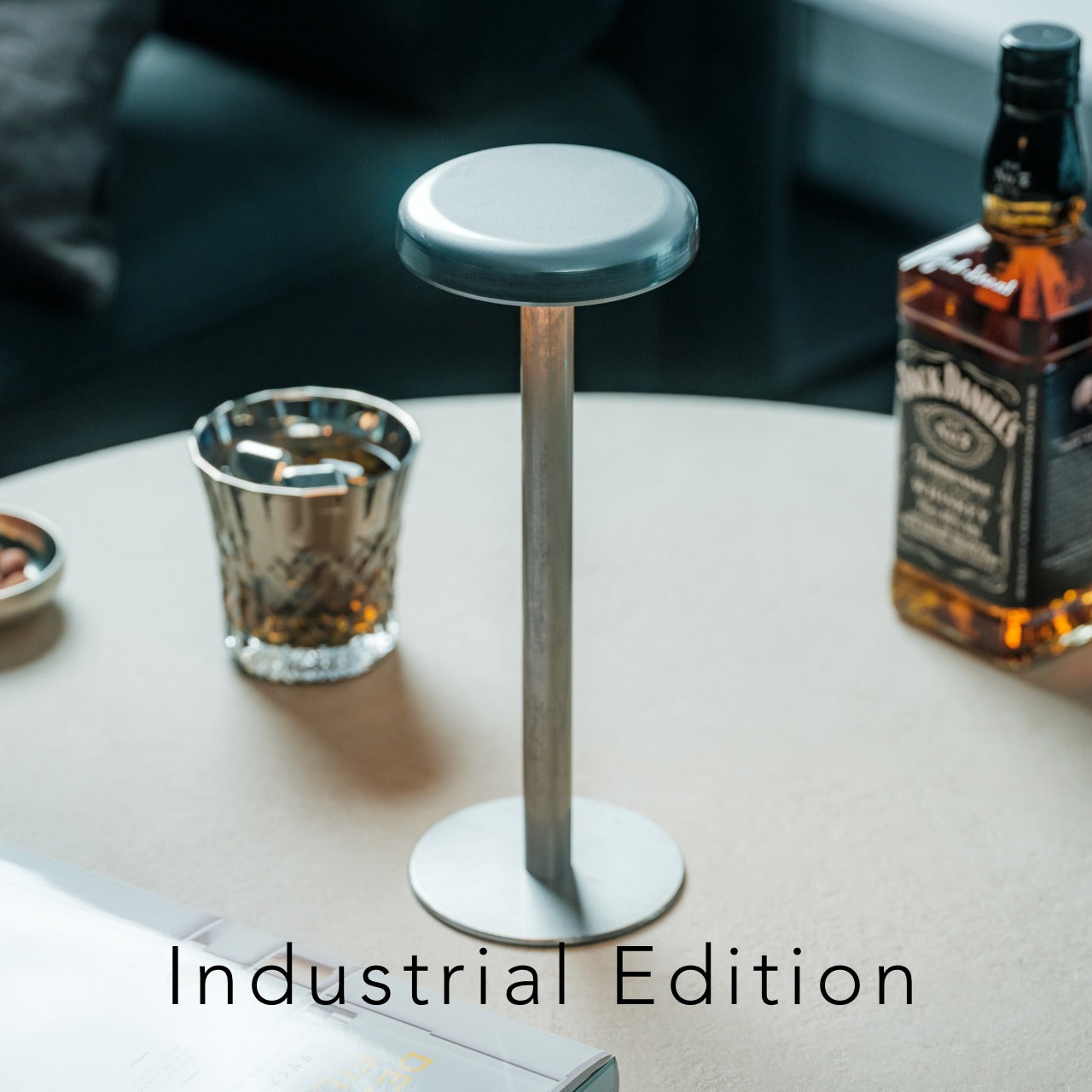
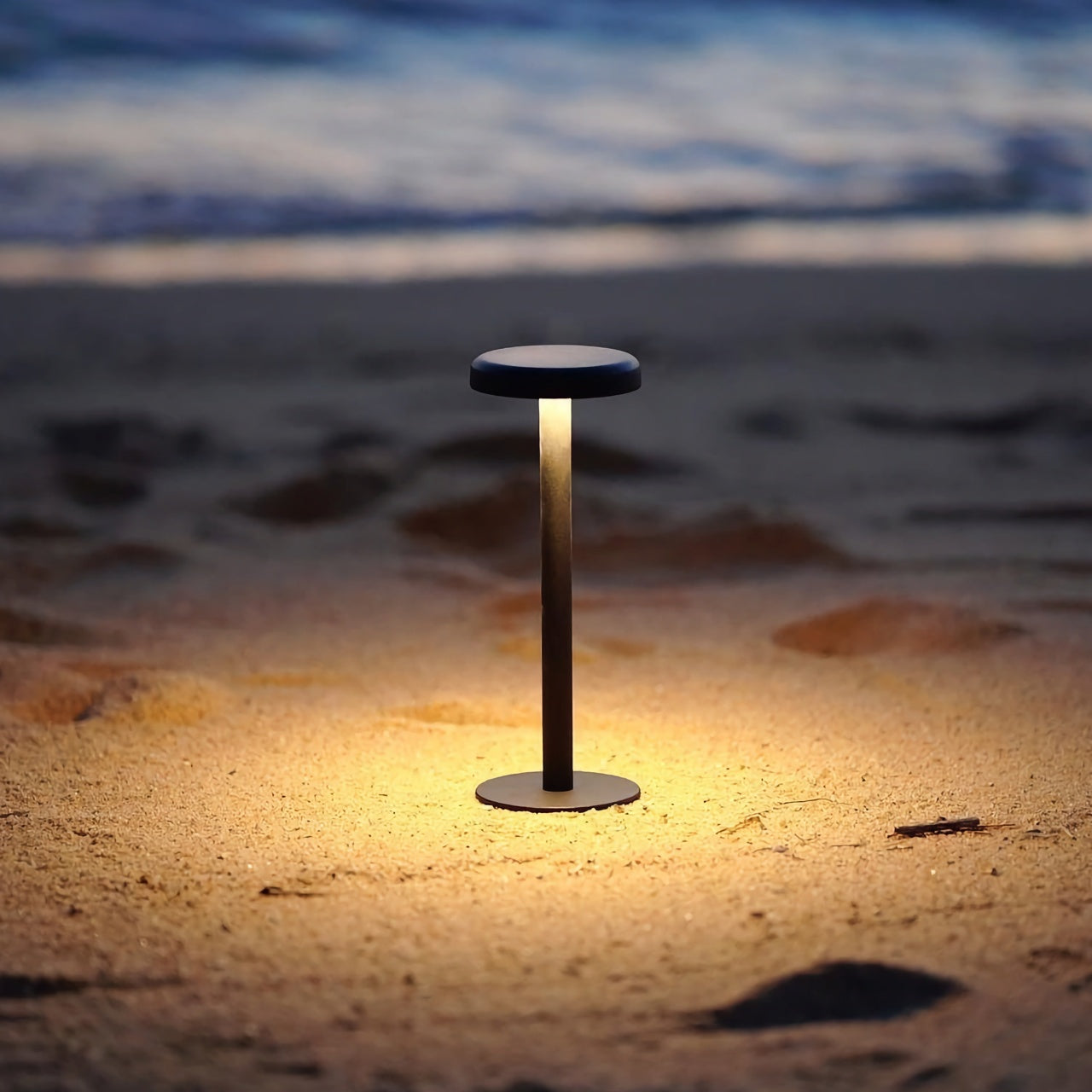
What We Like

  • The matte stainless exterior and restrained detailing place it closer to Japanese tableware than outdoor gear, which is a genuine category distinction.
  • The 500ml capacity hits the precise middle ground between espresso-sized and inconveniently large for everyday carry.

What We Dislike

  • The screw lid takes slightly longer to open than a flip-top, which becomes apparent when you are holding a tray and a boarding pass simultaneously.
  • The matte finish marks with fingerprints in warmer climates and requires more frequent wiping than a polished surface would.

6. Casabeam Everyday Flashlight

The Casabeam occupies the specific design territory between a tool and an object worth keeping on a desk. The body is machined to a clean cylindrical profile with a pocket clip that doubles as a satisfying fidget mechanism, and the beam output is serious enough for actual use without the tactical overdesign that plagues most EDC lights. It charges via USB-C and remembers its last mode, which sounds minor until you have spent thirty seconds cycling through strobe mode in a dark guesthouse corridor at 2 am.

Travel reveals how often you need a light that is not your phone. Cobblestone streets with broken lamp posts. Power cuts in cheaper accommodation. Reading in a top bunk without waking the rest of the room. The Casabeam handles all of it from a body that fits alongside a pen without adding bulk. The light quality is warm enough to be comfortable and bright enough to be useful. It earns more appreciation the longer you carry it, because it keeps solving problems you had quietly given up on solving.

Click Here to Buy Now: $50.00

What We Like

  • USB-C charging and mode memory remove the two most common sources of friction in EDC flashlight ownership entirely.
  • The machined cylindrical body is refined enough to sit alongside design objects rather than tools without any visual apology.

What We Dislike

  • The warm beam color, while pleasant for ambient use, is less useful for reading text at a distance than a cooler 5000K alternative.
  • The pocket clip was clearly designed for trouser pockets rather than shirt pockets, and the thinner fabric requires deliberate re-positioning.

7. CW&T Pen Type-C Ultra — gnuhr Edition

CW&T is a small New York studio that produces objects in limited runs for people who pay close attention to manufacturing. The Pen Type-C Ultra gnuhr Edition is Grade 5 titanium, hollowed and precision-milled to a skeletal profile that removes every gram that does not need to exist. It weighs almost nothing. It looks like it belongs next to aerospace hardware in a design archive. It takes a standard ballpoint refill and writes exactly as a pen should, with no drama and no compromise in either direction.

Traveling with this pen converts the act of writing into something you notice. Filling in a form at a hotel desk, signing a restaurant receipt, sketching a street corner in a notebook: these are the moments when an object of this quality distinguishes itself from everything else in your pocket. It does not perform its material. It simply is the material, in a form tight enough to disappear on a keychain or in the spine of a notebook. For a summer of movement, something is clarifying about carrying a pen that will outlast every passport you own.

What We Like

  • Grade 5 titanium construction and skeletal precision milling place this in a different category from every other writing instrument at any price point.
  • Standard ballpoint refill compatibility means the most beautifully made pen you own is also the easiest to maintain anywhere in the world.

What We Dislike

  • The skeletal body offers minimal grip surface, which becomes fatiguing during longer writing sessions on bumpy transport.
  • CW&T produces in limited runs, so availability can disappear without notice, and restock timelines are rarely predictable.

8. PROOF Wallet

The PROOF Founder pairs an aerospace-grade aluminum plate with top-grain leather and a wide elastic strap in a form that reads as professional rather than tactical. Most minimalist wallets solve their problem by holding less. This one solves it by holding more without growing. The Founder handles anywhere from one to twenty-five cards, with the elastic strap compressing the stack and the leather wrap keeping it contained. It sits flat in a jacket pocket and does not announce itself, which, for travel, where your wallet becomes a daily tool rather than a background object, is the entire point.

The aluminum plate is the structural element that separates this from fabric-only alternatives: it prevents the flex and collapse that plagues elastic wallets after months of use and creates a satisfying resistance when fanning through cards. The leather wrap patinas over a summer into something that looks considered rather than worn. There is no branding on the exterior beyond the material itself. For the kind of traveler who finds the Ridge wallet slightly too aggressive in a formal setting, the Founder is the obvious alternative that nobody else at the table will recognize.
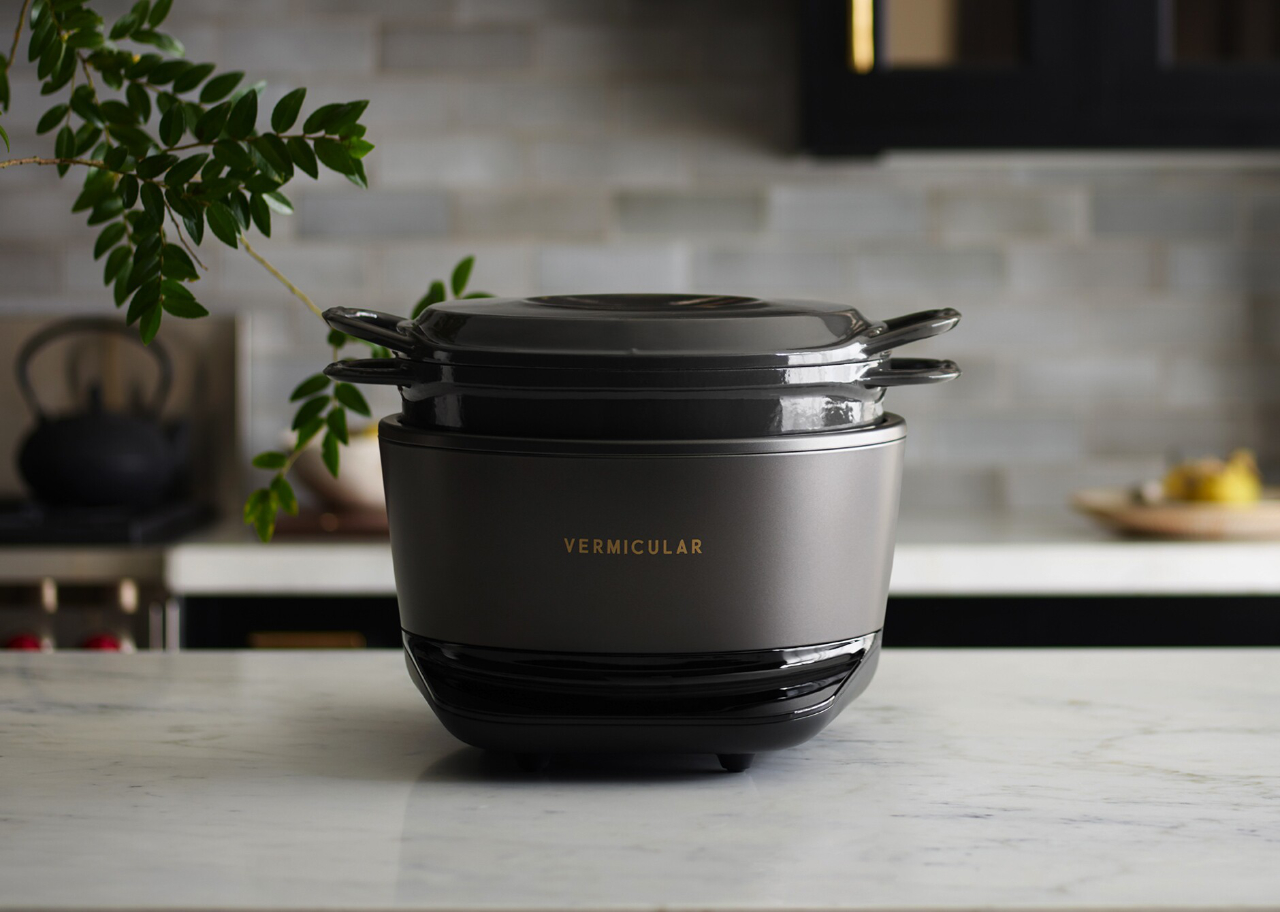
What We Like

  • Aerospace aluminum structure paired with top-grain leather produces a material combination that improves with use rather than degrading with it.
  • The one-to-twenty-five card capacity range makes it genuinely flexible across the context shifts that define summer travel without structural compromise.

What We Dislike

  • The elastic strap shows its age before the leather or aluminum does, and replacement options require contacting the brand directly.
  • The profile, while slim, is wider than card-only holders, which feels unnecessary on short day trips when you carry two cards and nothing else.

9. Traveler’s Notebook

The Traveler’s Notebook has been in continuous production since 2006 and has changed almost nothing about itself, which is as strong an endorsement as any product can receive. The black edition is oiled buffalo leather stretched over a brass clip and elastic cord, aging into something that looks genuinely lived-in after a single trip. The passport size fits a shirt pocket. The paper is cream-colored, fountain-pen-friendly MD stock that resists bleed-through with quiet success. The inside becomes whatever you need it to be: journal, sketchpad, receipt keeper, boarding pass sleeve.


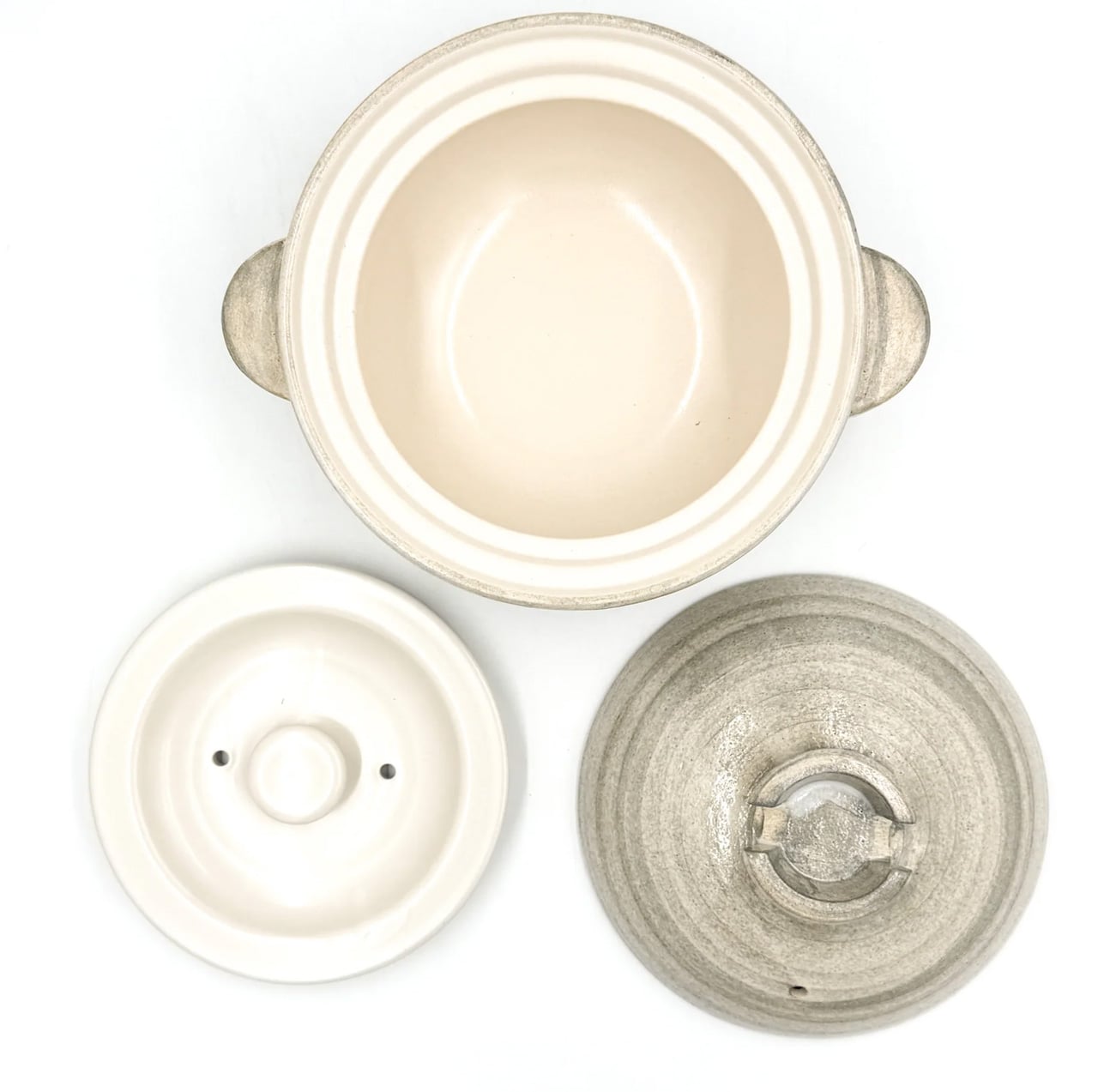
In a list built partly around technology and connectivity, the Traveler’s Notebook earns its place by doing nothing digital. It is the object that captures the parts of a trip that photographs miss: the light on a piazza at seven in the morning, the menu item you want to remember, the address someone wrote down for you on a napkin now tucked into the inner fold. Travel writing done by hand in a book that costs less than a meal has a particular relationship to memory that no app has yet replaced. This is the pocket-sized argument for why.

What We Like

  • Oiled buffalo leather and brass clip construction will outlast every phone, charger, and piece of luggage in the bag by a significant margin.
  • The refillable insert system means the notebook’s physical character accumulates across years while the interior renews for each new destination.

What We Dislike

  • The elastic cord binding requires an initial period of loosening before the inserts sit flat, which new users consistently find frustrating in the first week.
  • The narrow passport format can feel constrained for wider handwriting styles, particularly for left-handed writers working on moving transport.

Pack Less. Pay Attention.

Nine objects across nine categories, and the through-line is identical across all of them. Each one was made by someone who asked a specific question about how a thing should work rather than how it should be marketed. That specificity is what makes a bag lighter, a morning better, and a new city feel less like a problem to manage and more like the reason you left home in the first place.

The best travel gear does not make travel easier in the way a better suitcase wheel makes transport easier. It makes travel richer in the way a good book makes a long flight disappear. These nine objects will not tell you where to go. They will make you pay closer attention once you get there, which is the only travel advice worth taking.

The post 9 Best Travel Gadgets & Gear That Make Summer 2026 Actually Worth Packing For first appeared on Yanko Design.