7 Best Campers & Trailers of August 2026


The camping trailer has quietly become one of the most thoughtfully engineered product categories of this decade. What was once a box on wheels with a mattress and a camp stove has evolved into something genuinely difficult to categorize. The best trailers of 2026 read as part tiny home, part electric vehicle, part off-grid power station. They do not just take you somewhere. They reshape what it means to live comfortably outside the four walls of a house.

Whether you are a solo remote worker chasing good terrain and reliable cell signal, a family looking to untether completely from campground hookups, or an EV driver who refuses to trade range for a weekend in the wilderness, there is a trailer on this list designed for the specific problem you are trying to solve. These are seven designs worth paying attention to right now, each earning its place for a different reason.

1. Mini House
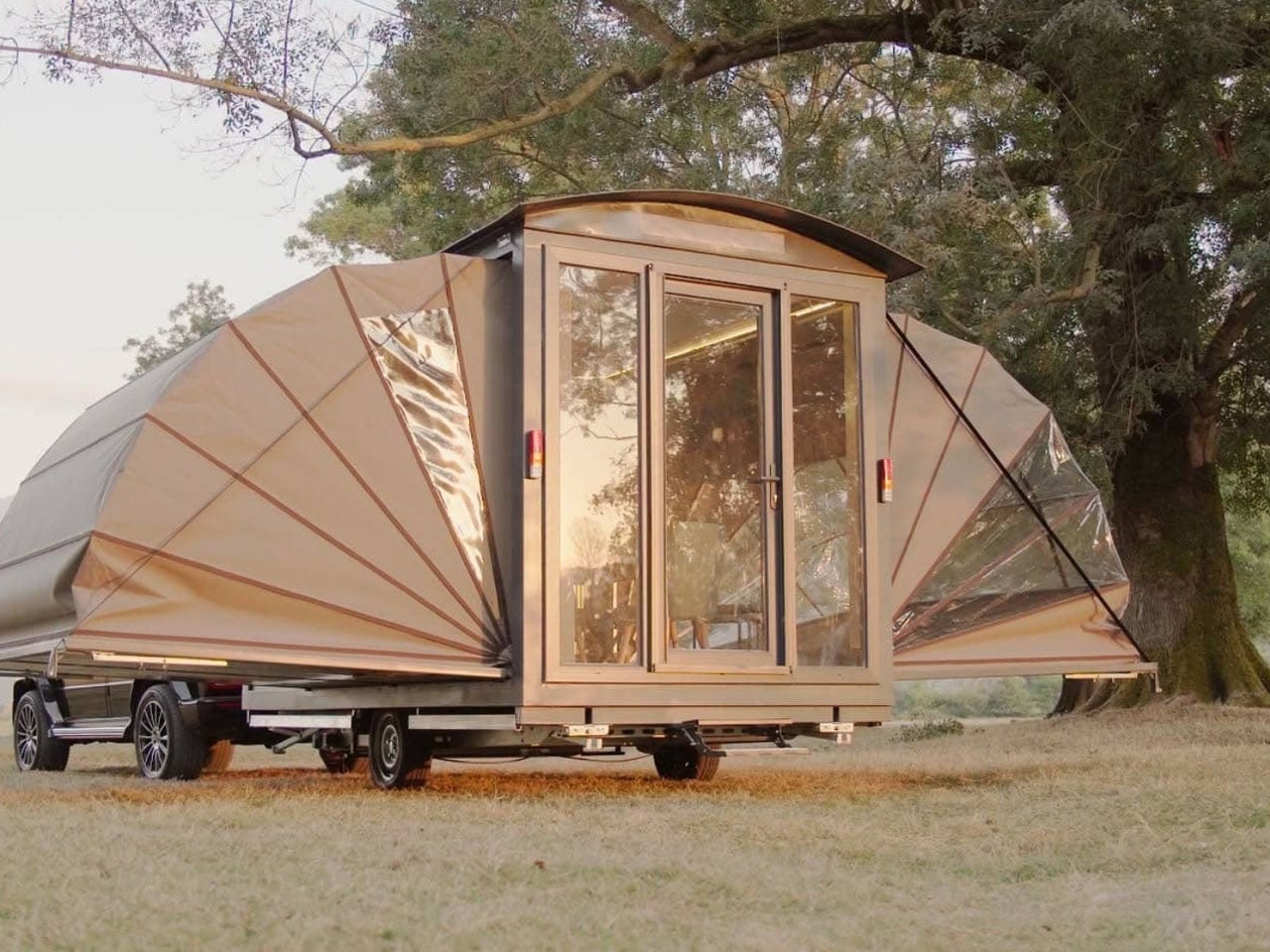
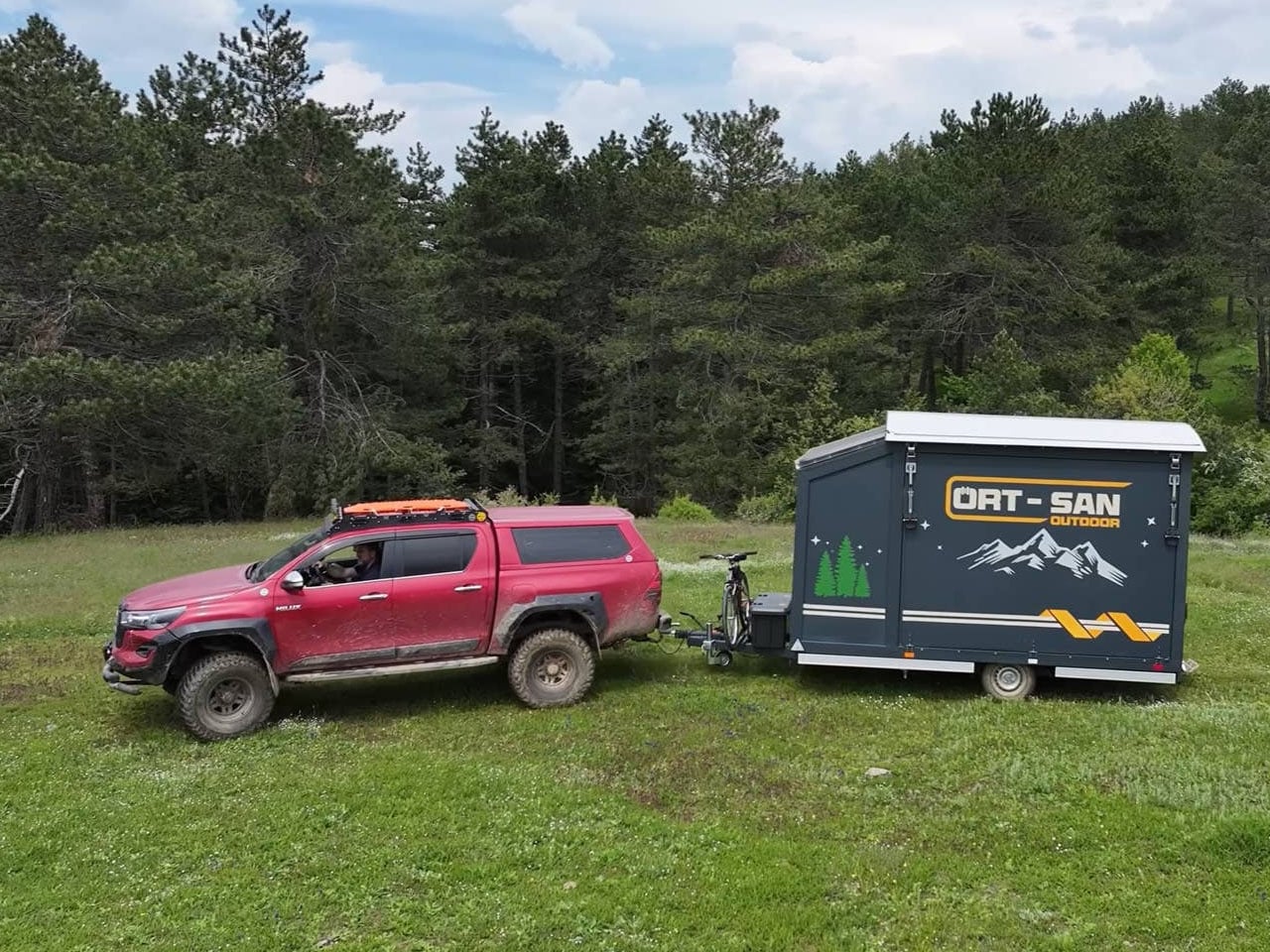
The Mini House from Turkey is one of the more mechanically earnest camper trailers to arrive in 2026. In transport mode it measures 13.1 feet long and 6.8 feet wide, compact enough to be towed by most mid-size vehicles. Once parked, two sidewalls fold outward like an accordion at the press of a button, expanding the living footprint from 90 square feet to 219. The result reads less like a camping trailer and more like a compact home that happens to have arrived on a single axle.

The off-grid package is thorough rather than symbolic. A 470-watt roof-mounted solar array pairs with a 200Ah lithium battery and inverter for electrical independence. The kitchen carries a 90-liter 12-volt refrigerator, a two-burner gas cooktop, a stainless steel sink, and a slide-out dining table. The bathroom is full-sized. A wood-burning stove, a Webasto diesel heater, and air conditioning manage climate across seasons. A tablet-based control system operates the lighting, climate, and the expansion mechanism from one central interface. It starts at approximately $19,300 before taxes, shipping, and customization.

What we like:

  • A 143 percent expansion in living space from a sub-$20,000 base price is genuinely difficult to match at this price point
  • The push-button accordion mechanism requires no physical assembly on arrival at camp

What we dislike:

  • The canvas wing enclosures of the expanded sections offer less weather protection than a hard-shell structure
  • Import and shipping costs from Turkey add meaningfully to the final price for North American buyers

2. Campinawe Crossover Solo
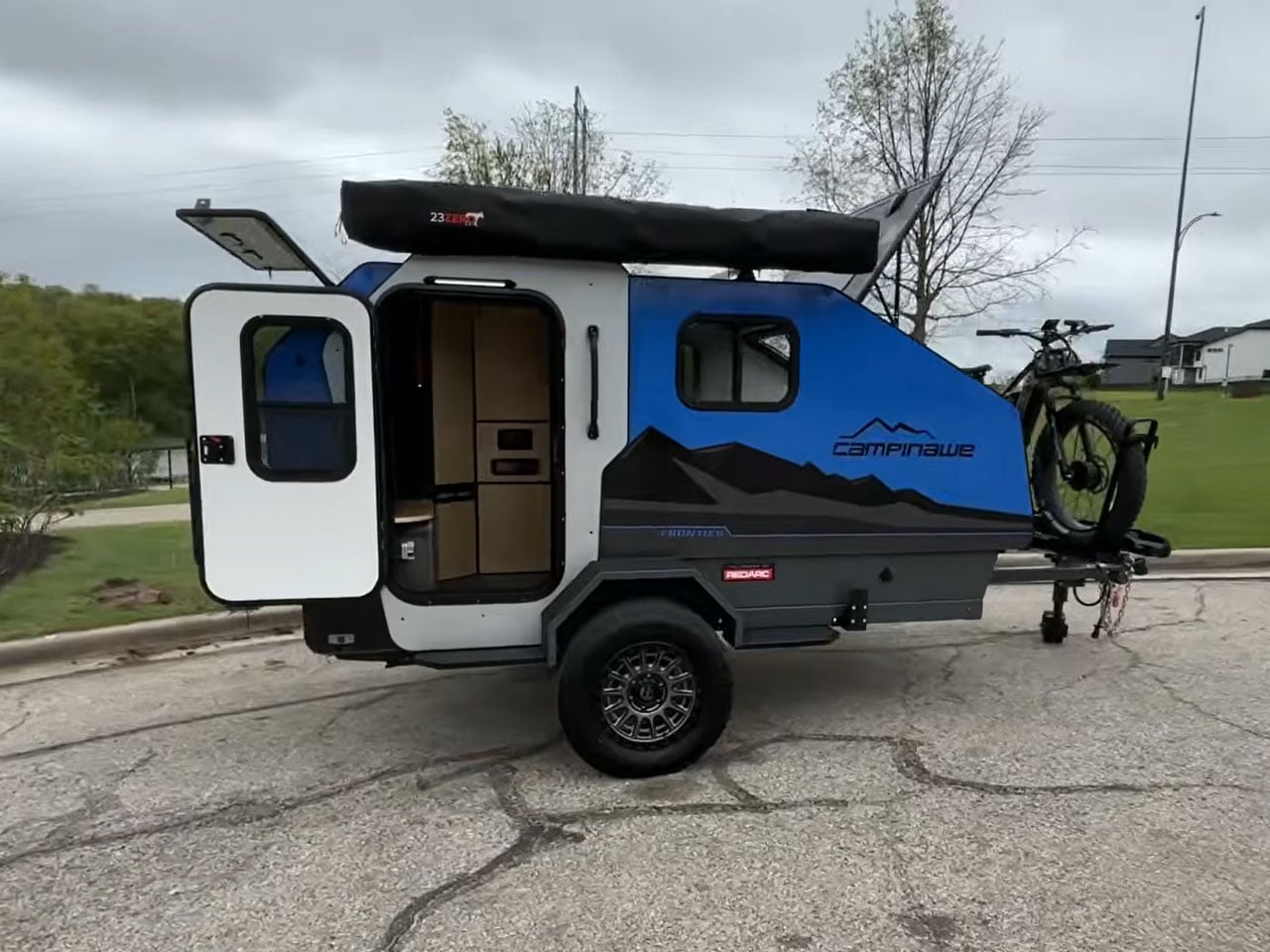
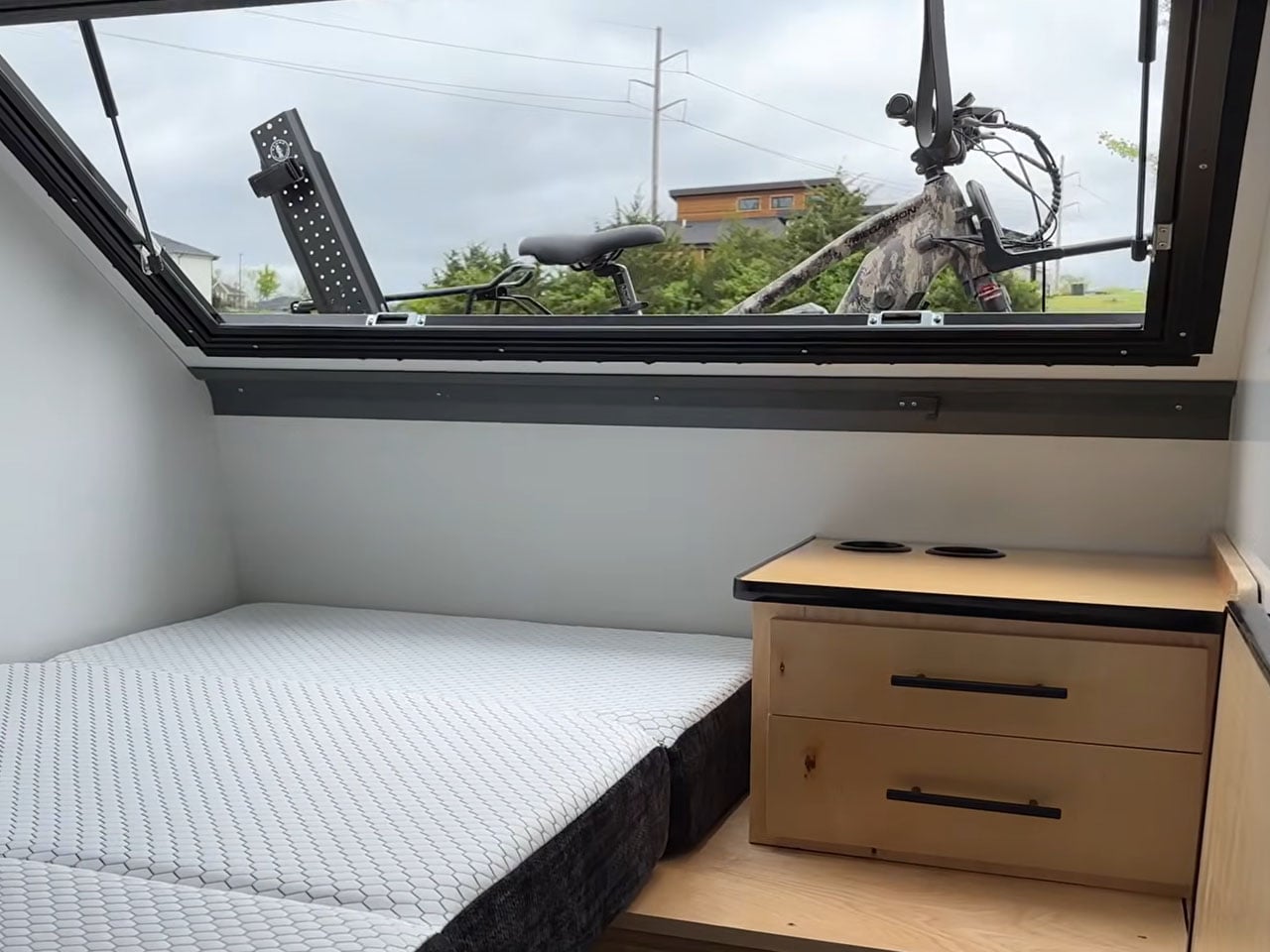
The Campinawe Crossover Solo is the rare camping trailer built around a specific kind of person — the solo traveler who also needs a proper desk. Available as a new layout for the company’s existing Frontier and Adventure trailers, starting at $39,995, it centers its interior around a single twin XL mattress that folds away entirely. The open floor becomes a workspace, a dining area, or an exercise space depending on what the day requires. The step-in foyer keeps outdoor gear separate from the living space.

What Campinawe has always done well is design for how a space functions across an entire day rather than simply around the moment you crawl into bed. The Crossover Solo extends that philosophy to its most focused endpoint. The bed folds in half and stores flush against one wall, creating something that reads more like a compact studio apartment than a camper trailer. A drop-down desk doubles as a dining table and works in combination with the bed edge as seating, while a nightstand keeps the sleeping area considered rather than improvised.

What we like:

  • The fold-flat bed transforms the interior into a genuinely functional daytime workspace
  • The step-in foyer keeps the living area clean in a way most manufacturers have still not figured out

What we dislike:

  • The twin XL mattress is too narrow for two adults traveling together
  • There is no bathroom included in the Crossover Solo layout, requiring external facilities for any extended trip

3. Adventure Pro Mini 2.0
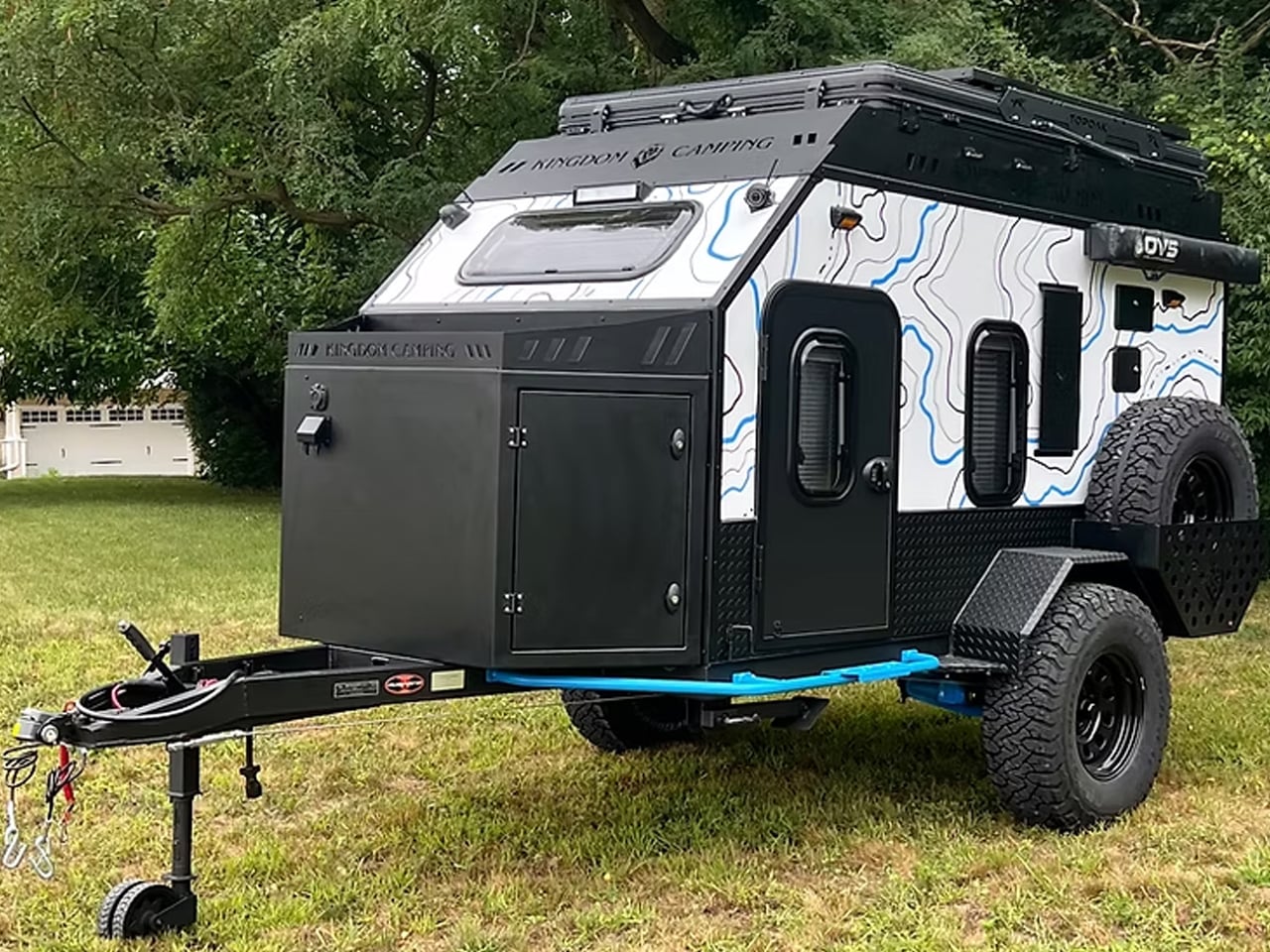
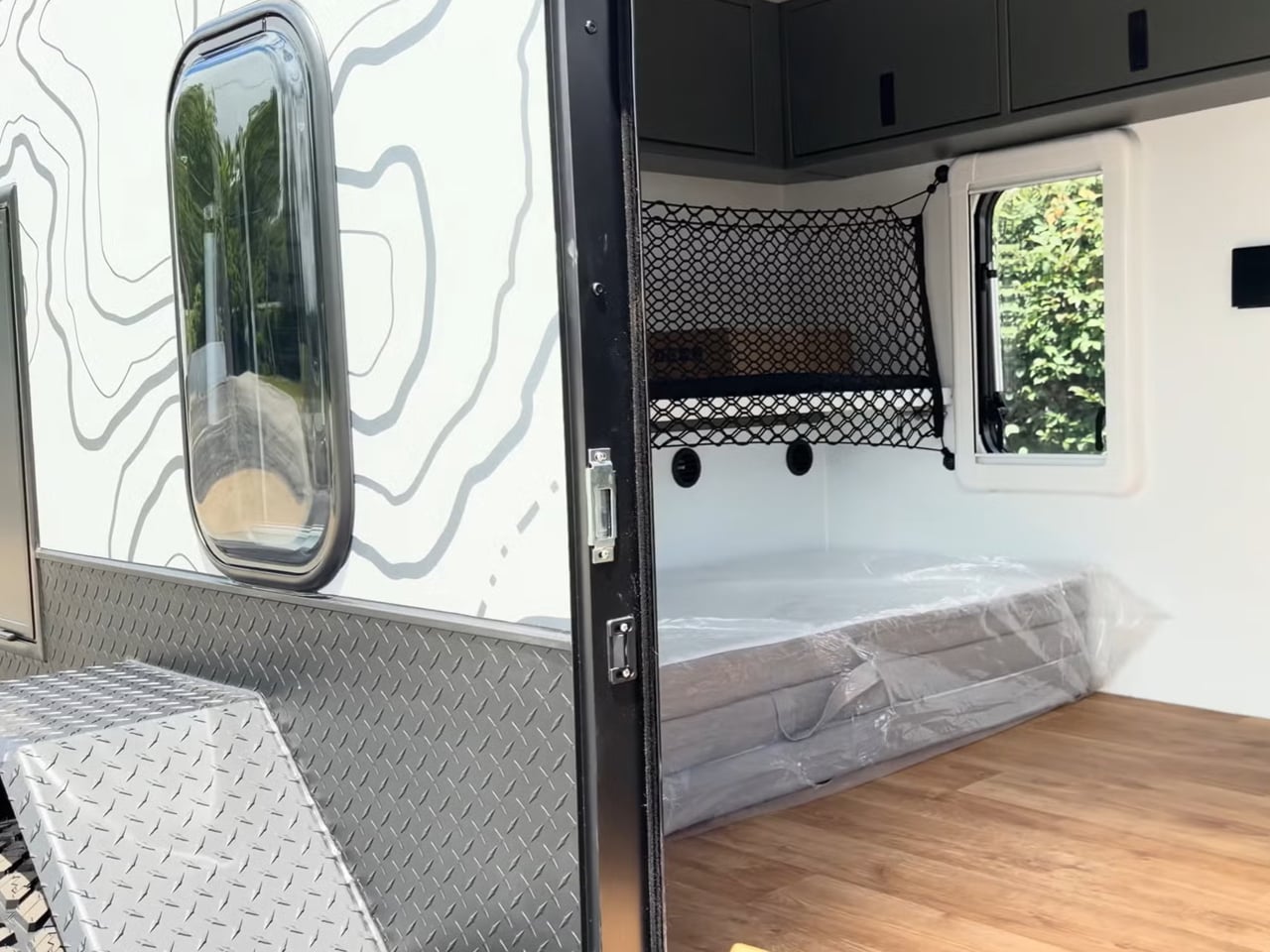
Kingdom Camping’s Adventure Pro Mini 2.0 is what happens when a builder from Indiana decides to take compact off-roading seriously without cutting corners on the interior. The fiberglass shell weighs 2,300 pounds fully loaded, sits on a steel chassis with rock sliders, and rides on 33-inch all-terrain tires with independent suspension. An articulating hitch coupling lets the trailer follow a tow vehicle across genuinely rough terrain without resistance. There is no wood anywhere inside. Every cabinet is powder-coated aluminum throughout.

The rear galley is where the Mini 2.0 earns its place on longer trips. A stainless steel sink with hot and cold water, a dual-zone Iceco BL75 fridge/freezer, and a side slide-out cooktop with quick-connect propane come standard. A 400-watt roof-mounted solar panel feeds a 300Ah lithium battery and a 2,000-watt inverter, while a Dometic RTX 12-volt air conditioner manages climate year-round. A dual-pane skylight above the sleeping area pulls in natural light, and safety-netted bunk space handles a child or a pet you have along for the trip.

What we like:

  • The completely wood-free, powder-coated aluminum interior is built for moisture resistance and longevity in a way conventional trailers cannot match
  • A full rear galley with hot and cold water is uncommon at this weight class

What we dislike:

  • Pricing requires a direct conversation with the builder rather than a published figure, which slows the decision process
  • At 3,500 pounds GVWR, the trailer needs a properly rated tow vehicle to go anywhere worth going

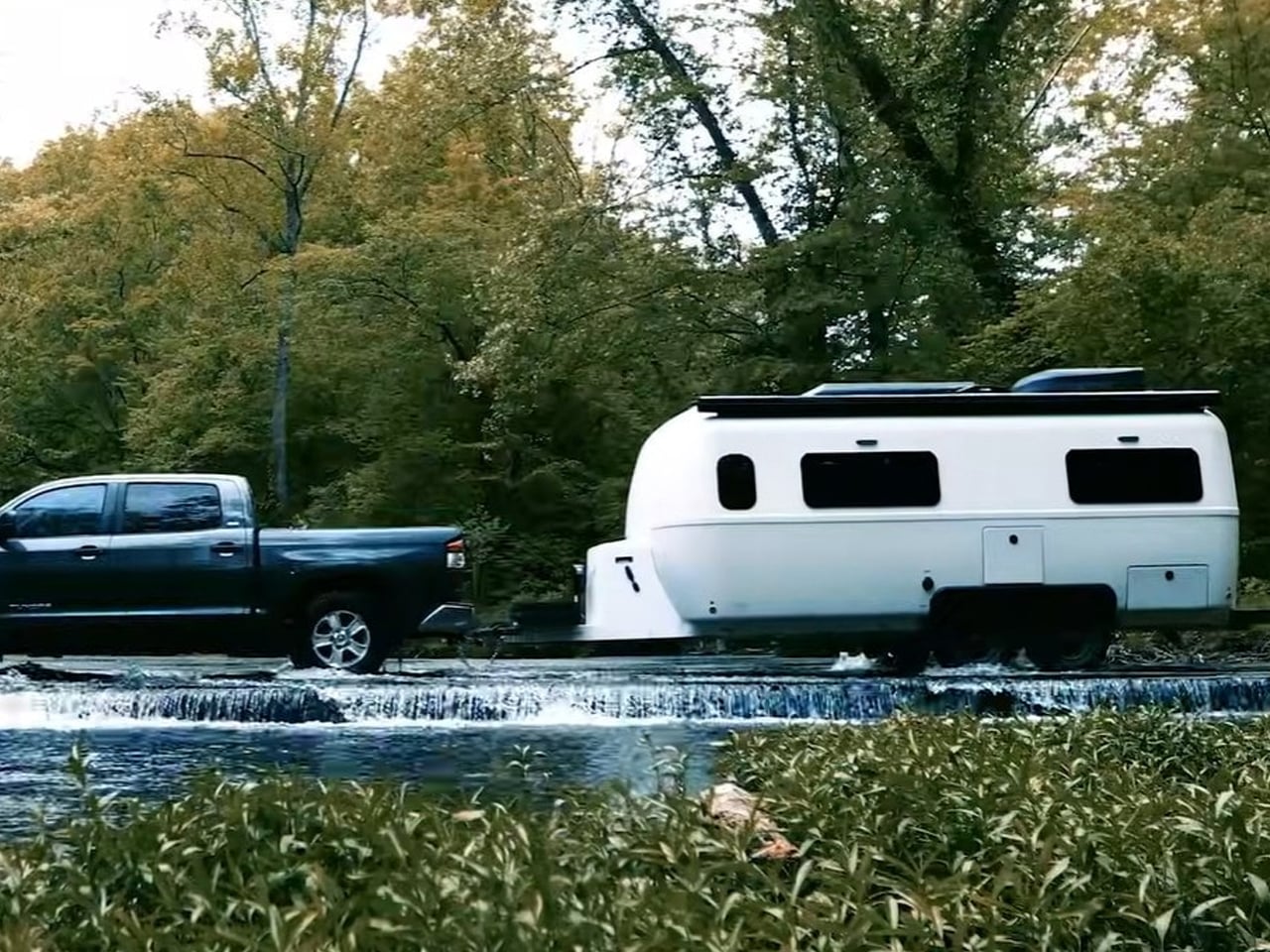
4. Fortress Explorer
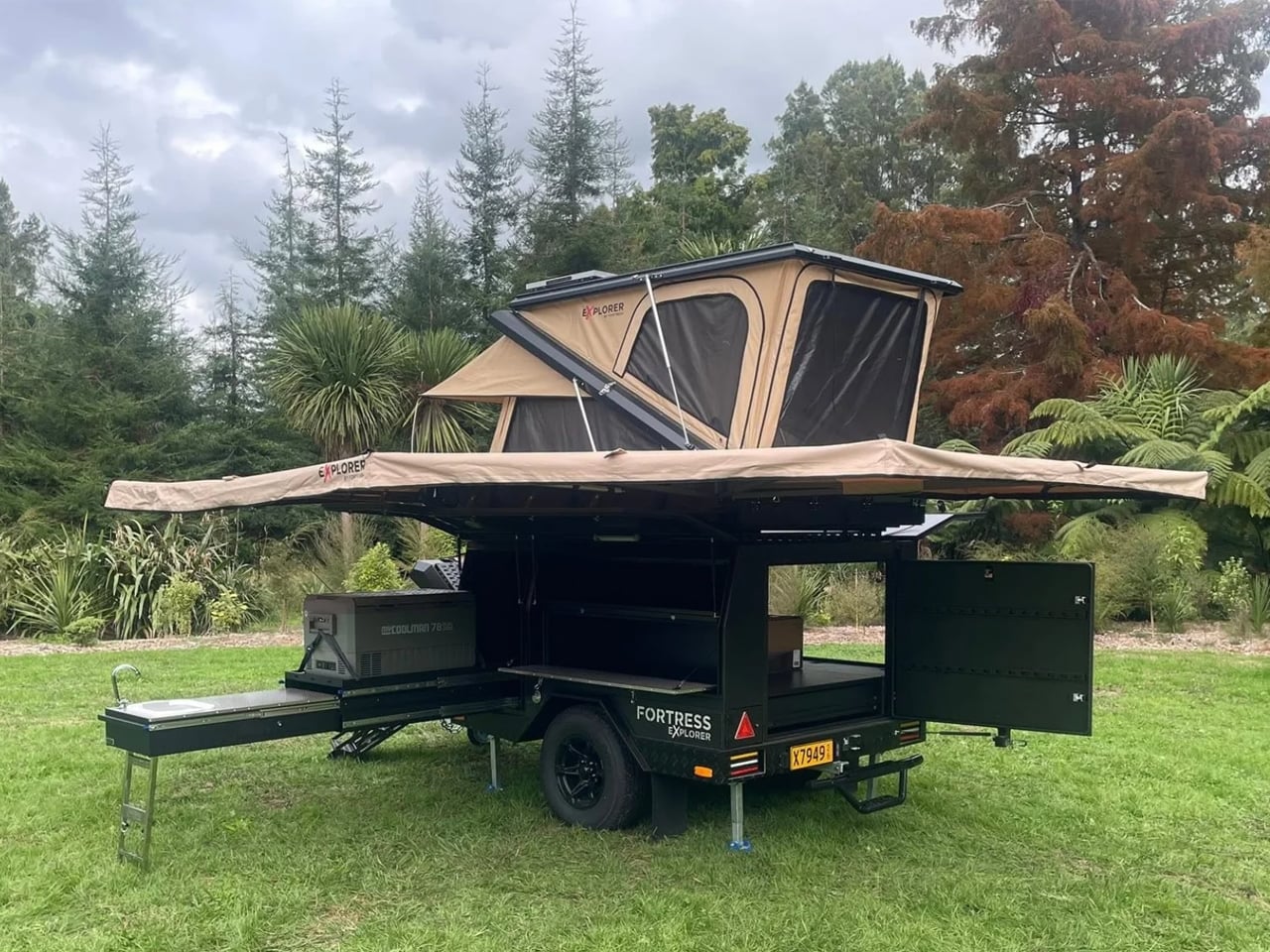
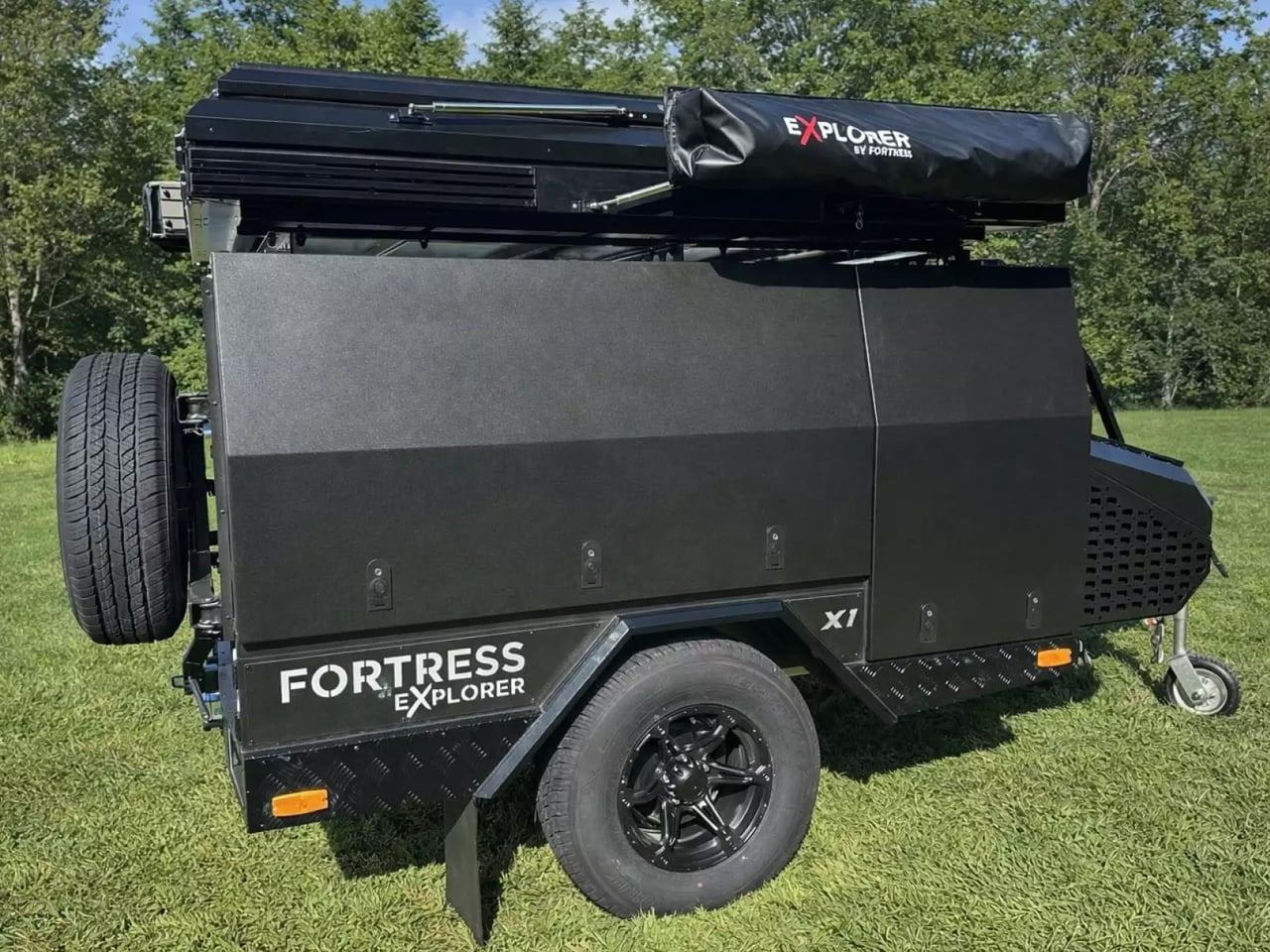
New Zealand’s Fortress Trailers spent years building secure, commercial-grade utility trailers for tradespeople before turning its attention to the outdoors. The Explorer is its first camping trailer, and the commercial DNA is visible throughout. The body is aluminum with scratch-resistant paint, while the chassis remains hot-dipped galvanized steel. It stretches 13.5 feet, offers 6.9 feet of headroom, and rides on 15-inch wheels. A 270-degree awning extends the living area outward, transforming the exterior into a proper outdoor room for cooking and relaxing.

A rooftop tent expands sleeping capacity beyond the queen-size memory foam bed inside the main cabin. The slide-out kitchen carries a 90-liter fridge, bench space, and cooking storage, while a 120-watt solar system paired with a 100Ah battery and a 1,000-watt inverter handles power. A 100-liter water tank covers water needs, and a separate shower tent provides privacy for washing up. A slide-out gear drawer keeps equipment organized on arrival. At roughly $25,000 USD, the Explorer is currently available only in New Zealand, with no confirmed plans for North American distribution yet.

What we like:

  • The galvanized steel chassis and aluminum body represent a level of structural integrity most camping trailers in this price range never approach
  • The overall value proposition for the build quality is genuinely competitive

What we dislike:

  • The 120-watt solar system is modest compared to competitors at a similar price point
  • North American availability remains unconfirmed, which is a significant limitation for the majority of buyers reading this

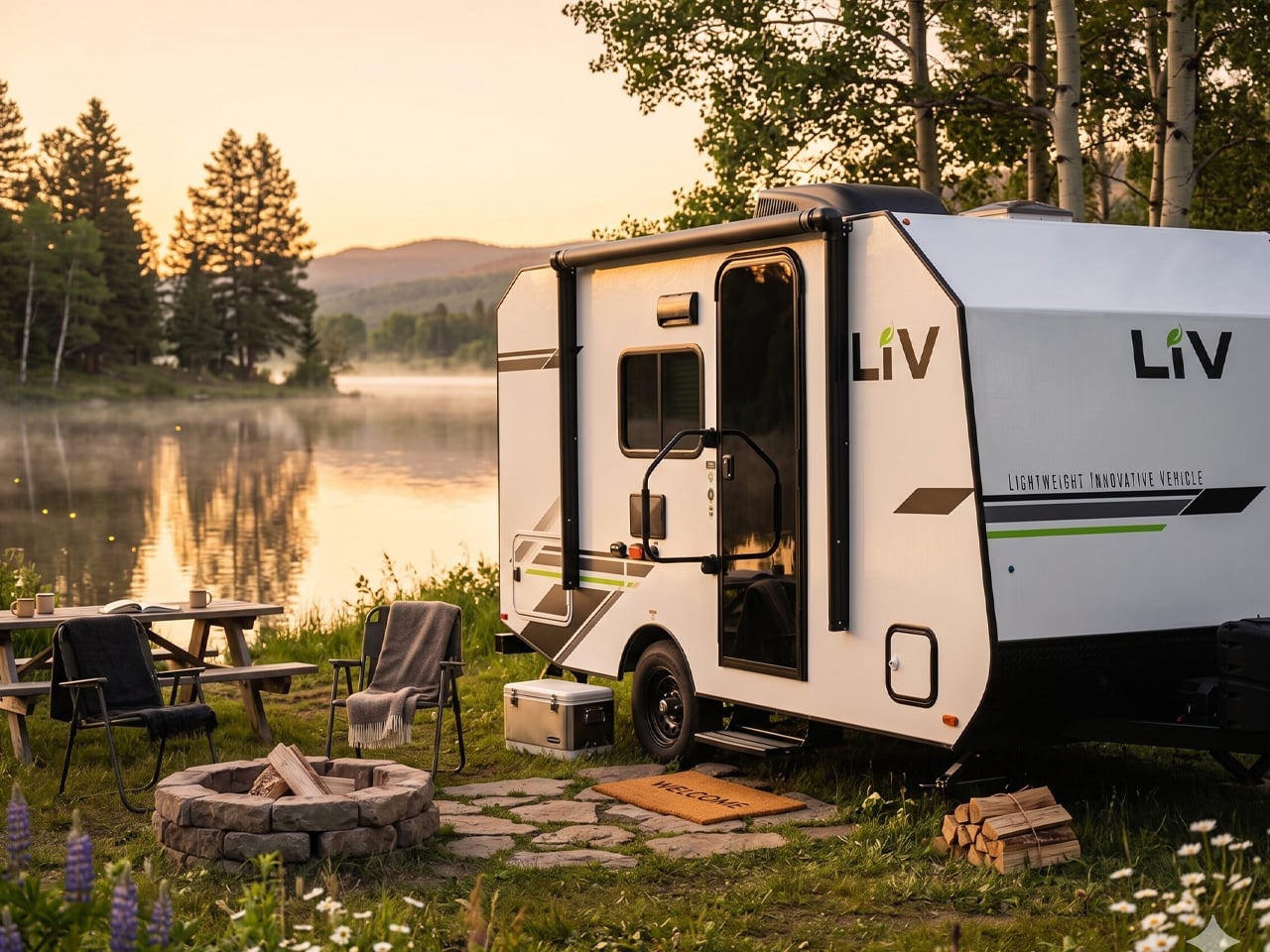
5. LIV E-Leaf Offroad
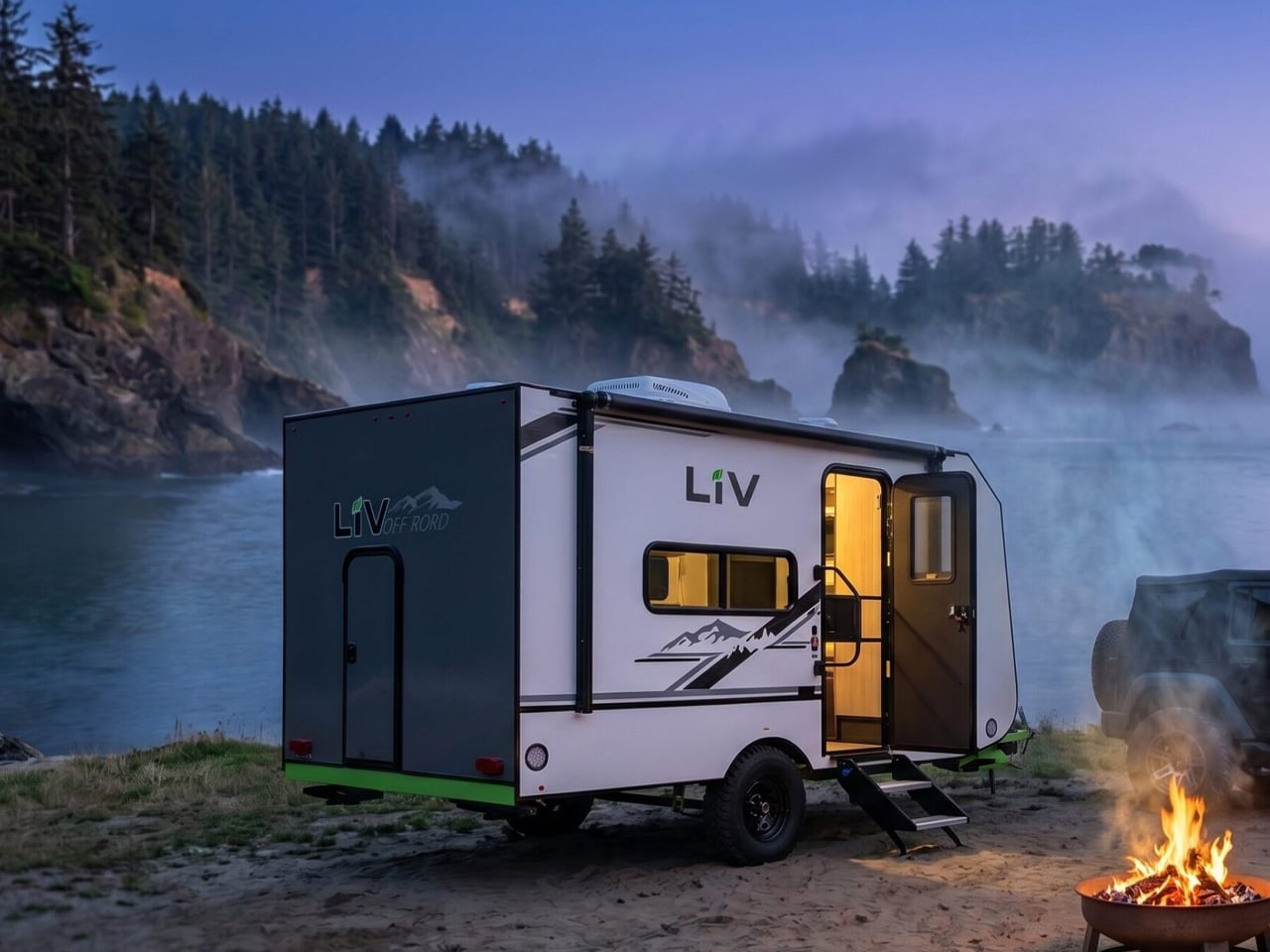
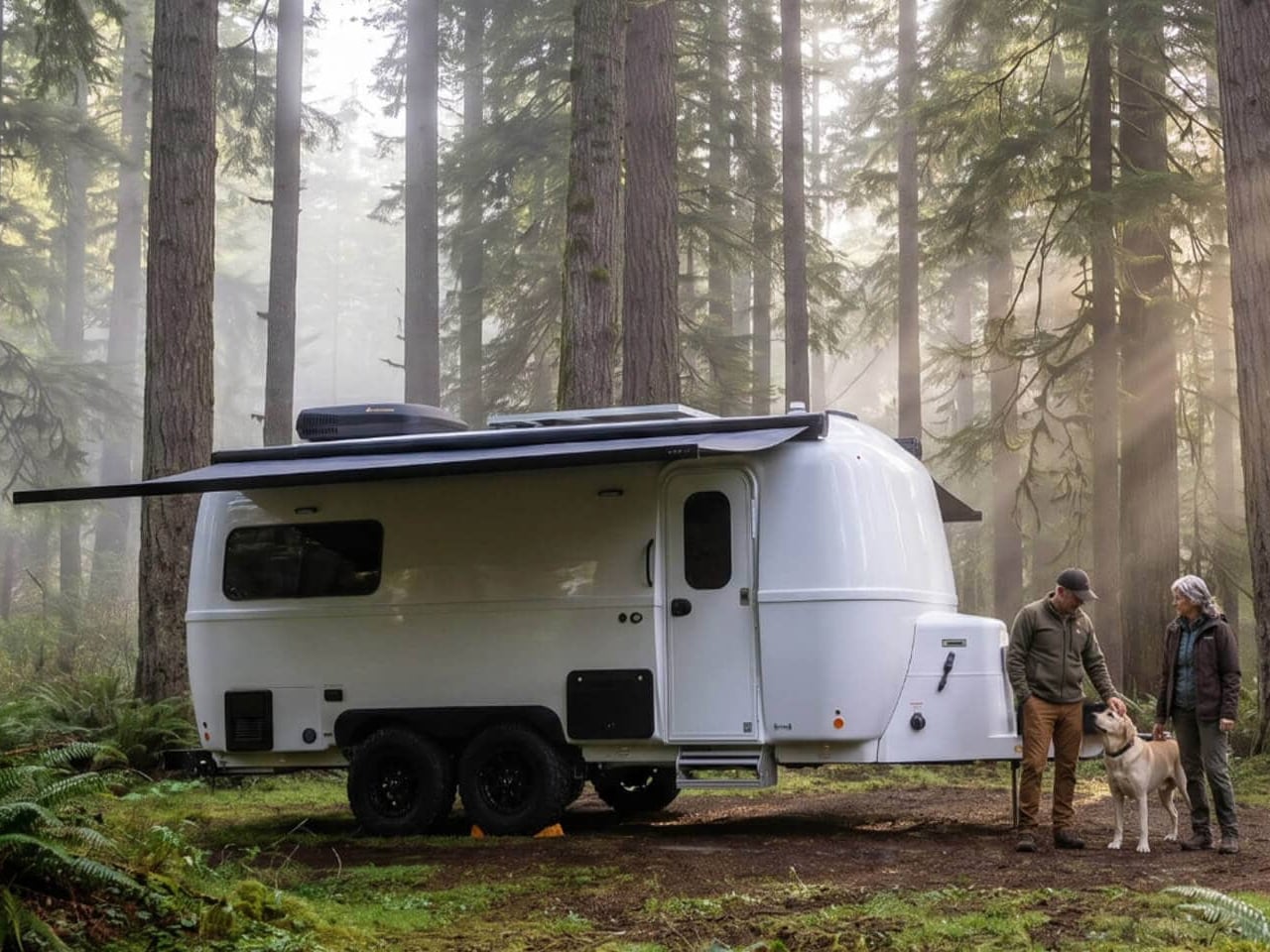
LIV Trailers has spent years making the case against wood and fiberglass in travel trailer construction. The E-Leaf Offroad takes that position further by adding an all-electric powertrain to a single-piece thermoplastic shell. The body is formed by welding the roof, walls, and wheel wells into one continuous structure with no seams for water to enter and no risk of corrosion. The result is a trailer that is simultaneously lighter, more rugged, and more structurally uniform than anything built with conventional methods, starting under $25,000.

Inside a form factor that reportedly measures just over 17 feet, LIV fits a Murphy bed on one side and a gaucho sofa that converts to a second sleeping surface on the other. The L-shaped corner kitchen includes a single-burner electric cooktop, door fridge/freezer, and microwave. A 30-liter electric water heater feeds the full bathroom, with both a toilet and a shower included. A 400-watt rooftop solar system charges a 300Ah lithium battery, while a 3,000-watt inverter manages output. A 20-amp DC-to-DC charger can also push power directly back to the towing vehicle.

What we like:

  • The seamless thermoplastic unibody eliminates the most common failure points in conventional trailer construction
  • An all-electric feature set under $25,000 is a price point very few competitors can approach

What we dislike:

  • Most specifications remain announced but unconfirmed at the time of launch
  • Official dimensions have not been published, which makes direct comparison with established alternatives genuinely difficult

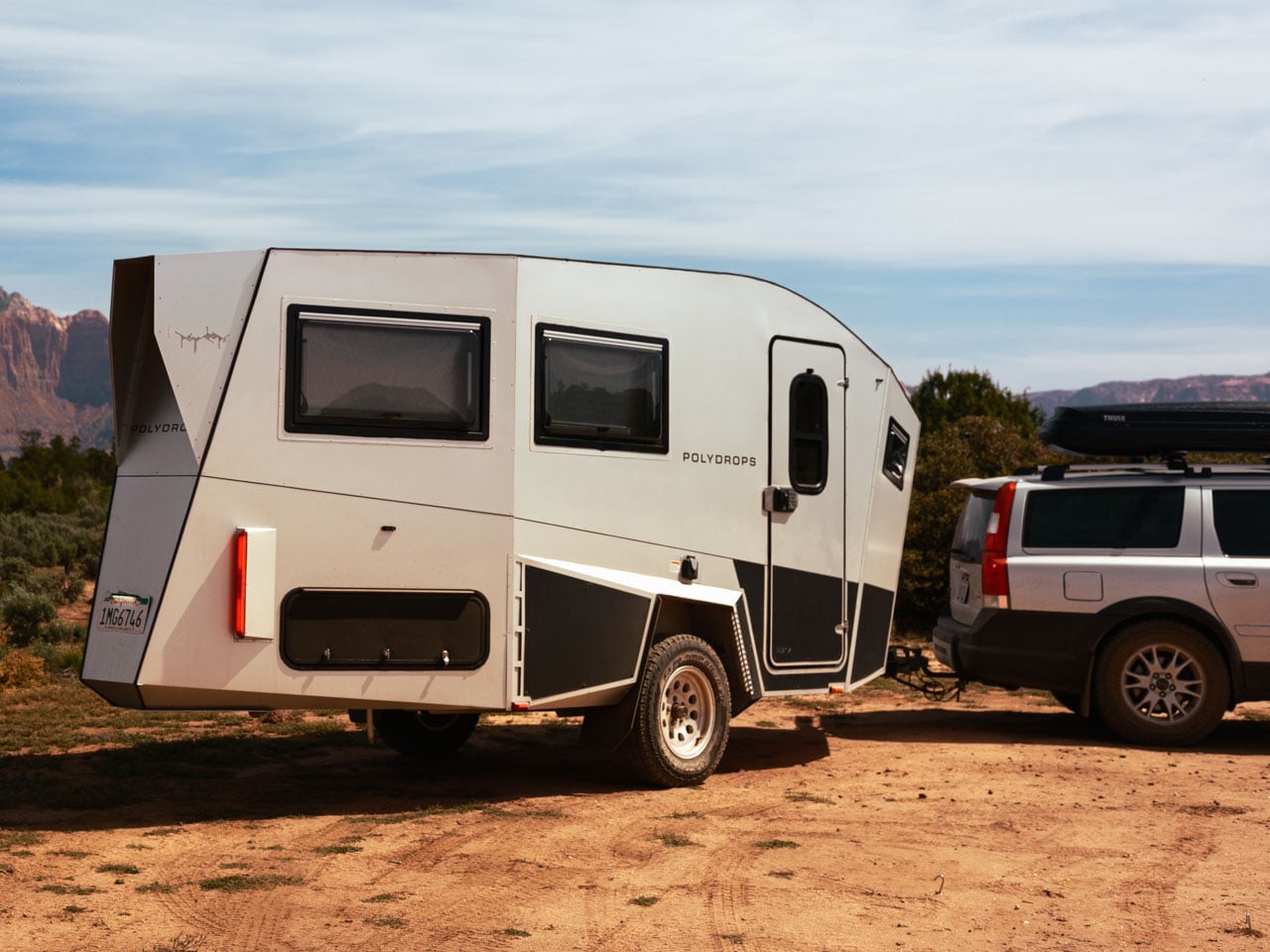
6. Polydrops P21X
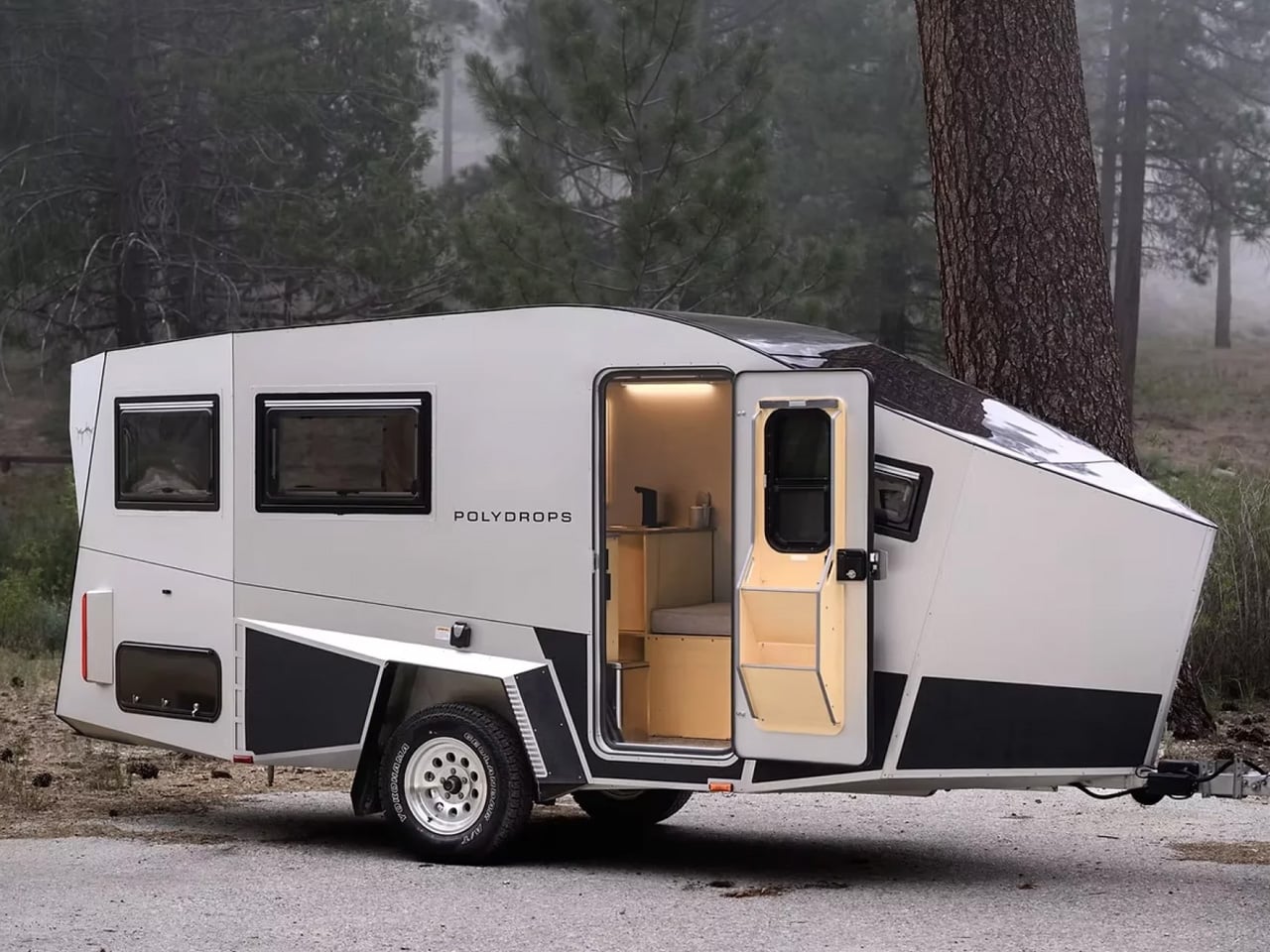
Polydrops built its reputation with the P21 by proving that a well-shaped trailer could reduce drag enough to make EV towing practical. The P21X extends that premise into off-road territory. The wedge-shaped, angular body now sits 15 inches off the ground on all-terrain tires with independent axle-less suspension. Every surface angle remains calculated for aerodynamics, with the rear tapered deliberately to compensate for the added height. The rooftop carries 1,300 watts of glass solar panels developed with Aptera Motors, a meaningful step up from the sub-1,000-watt system found on its predecessor.

Only 20 units will be produced, each starting at $76,900 with a 50 percent deposit required to reserve. The interior offers six feet of standing height for up to four people. A central kitchen feeds a convertible dinette in the rear that becomes the main sleeping area. A swiveling table up front creates a second bed alongside a separate lounge space. The hidden shower pan and pull-out toilet serve bathroom needs without a dedicated room. A 5kWh LFP battery manages storage with an upgrade path to 10kWh, and a 10,000-BTU unit handles both heating and cooling.

What we like:

  • The solar collaboration with Aptera Motors produces one of the highest-output rooftop systems on any production trailer in this size class
  • Aerodynamic engineering that genuinely reduces drag for EV-specific towing remains rare at any price

What we dislike:

  • Twenty total units make this inaccessible to the overwhelming majority of buyers regardless of budget
  • The $76,900 starting price is difficult to justify when competing trailers offer comparable off-grid capability at a fraction of the cost

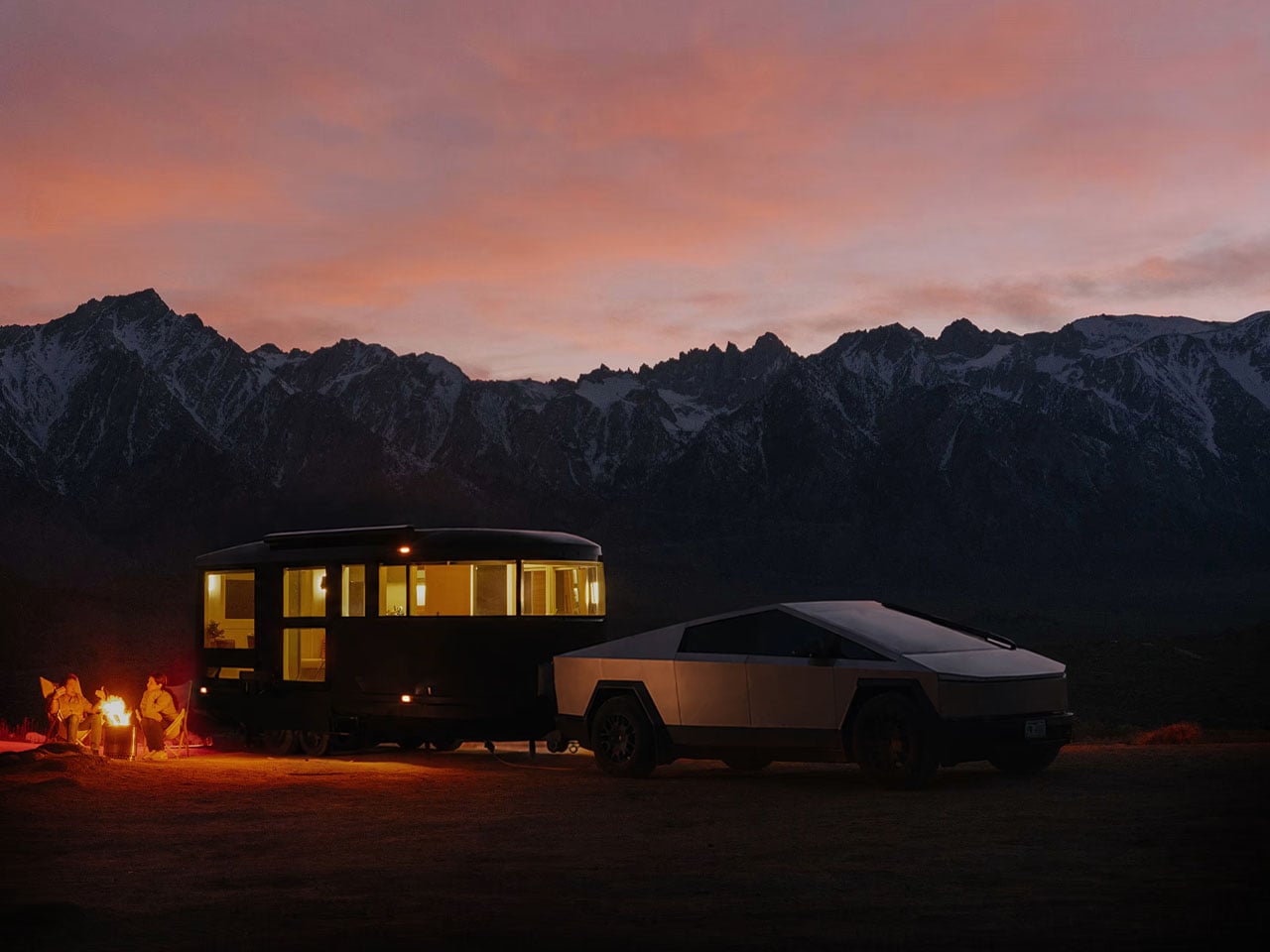
7. Aboard T4
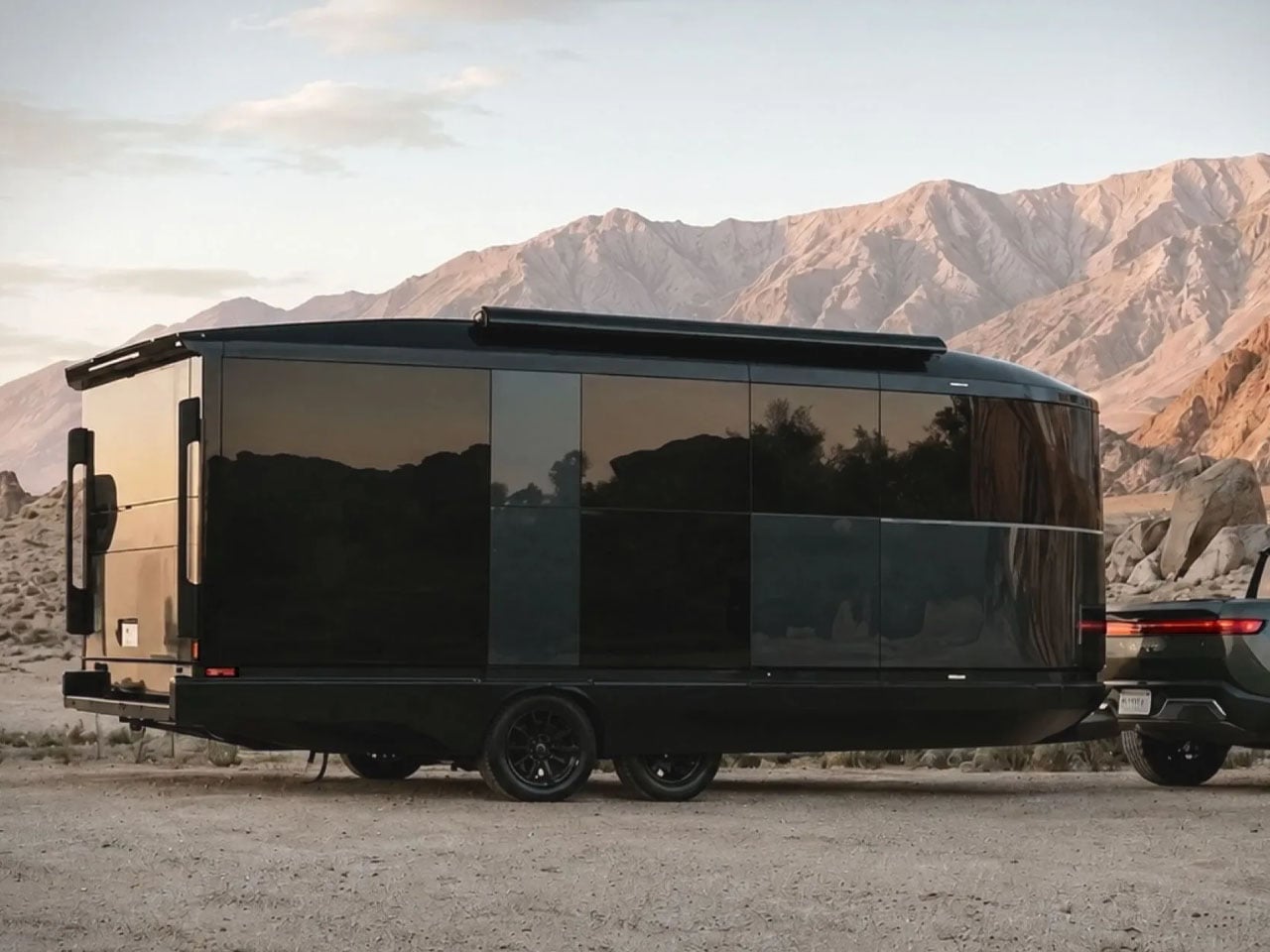
California-based Aboard RV has built something closer to an automotive platform than a conventional trailer. The T4 is 24 feet long and weighs 6,500 pounds, but its Extended-Range Electric Vehicle powertrain means the towing vehicle does not carry that load alone. A powered axle uses its own 41kWh LFP battery and a 60-kilowatt range-extending generator to assist propulsion, reducing drag on the tow vehicle and extending its effective range. The generator recharges in under 30 minutes. Total onboard power exceeds 200kWh, making extended off-grid stays a realistic proposition rather than a marketing claim.

Two convertible lounges flank the central kitchen and bathroom, transforming at night into sleeping areas for four people. The kitchen carries an induction cooktop, refrigerator, and microwave. The bathroom doubles as a mudroom with two separate entry points. Panoramic windows cover 270 degrees of the exterior. A 52-gallon fresh water tank, 35-gallon grey water, and 30-gallon black water tank support long-haul off-grid stays. The T4 starts at $80,000 and can be reserved now with a fully refundable $100 deposit, though a confirmed delivery date has not been announced.

What we like:

  • The self-propelling drivetrain is a genuine engineering advancement that no other production trailer currently offers
  • Total onboard power exceeding 200kWh makes extended off-grid living a realistic proposition rather than a marketing claim

What we dislike:

  • At $80,000 with no confirmed delivery timeline, the T4 remains aspirational for most buyers
  • The 6,500-pound weight still demands a heavy-duty tow vehicle regardless of how much the powered axle assists

The Category Is at an Interesting Moment, and These Seven Trailers Prove It

What this particular group of trailers makes clear is that the category is no longer converging on a single idea of what a travel trailer should be. From thermoplastic shells to accordion expansion mechanisms, from solo-tuned floor plans to self-propelled electric powertrains, the engineering diversity visible in 2026 reflects a market that is genuinely experimenting rather than simply iterating.

The price range covered here stretches from $19,300 to $80,000, and the most considered design on this list is not the most expensive. What links all seven trailers is an honest attempt to solve a specific problem well rather than produce another product that simply exists. That distinction is becoming rarer, which is exactly why it is worth recognizing when it shows up.

The post 7 Best Campers & Trailers of August 2026 first appeared on Yanko Design.
This $107K Trailer Hides 400W Solar in Its Fiberglass Shell

Fiberglass travel trailers with off-grid capability are an undeniable combination. There are a few perks that make such travel trailers worth every adventurer seeking a longer and happier stay away from home on the road. Fiberglass campers such as those perfected by the Tennessee-based Oliver Travel Trailers are lightweight to tow, all-season compatible, easy to maintain, and built to last.

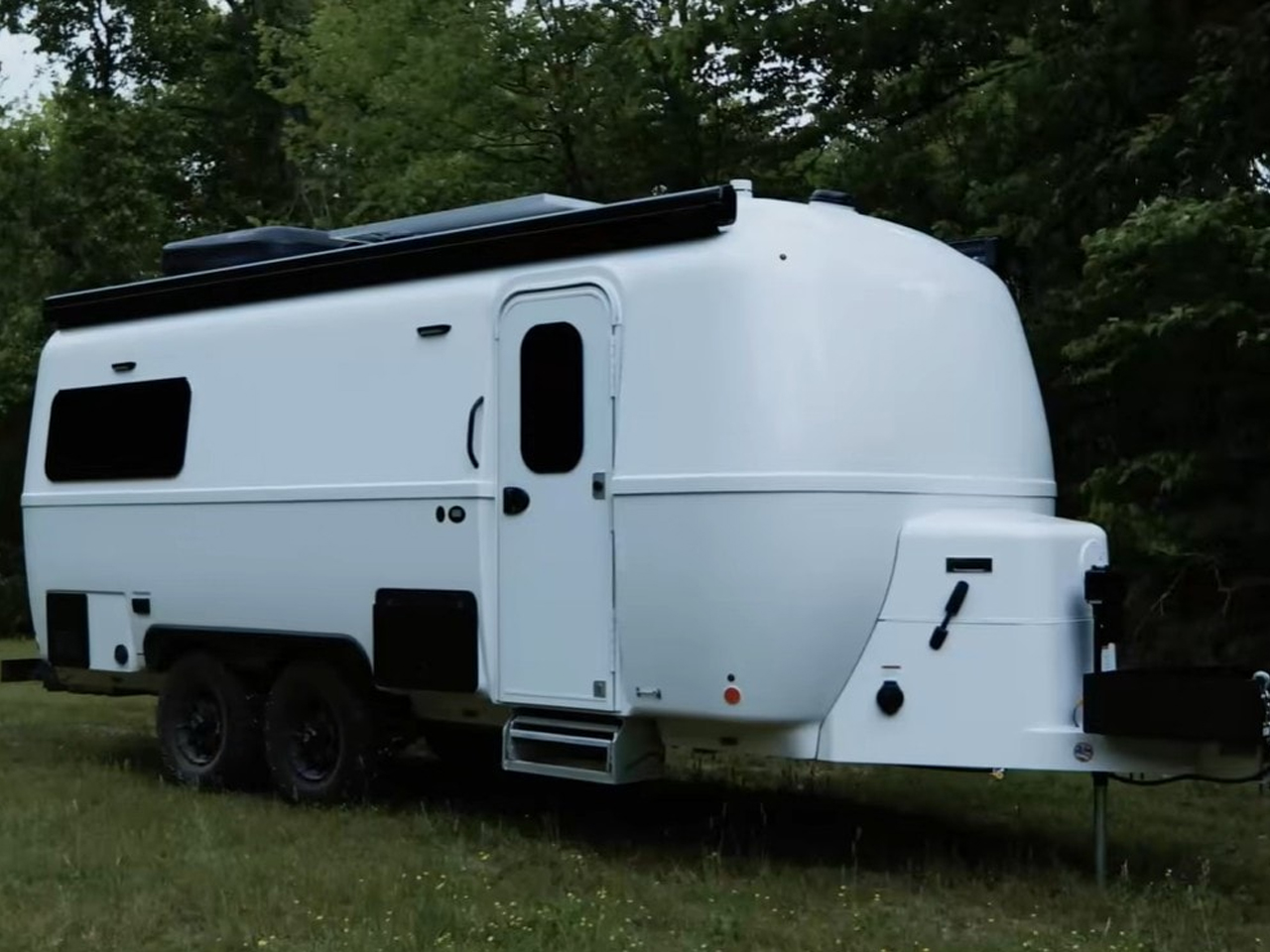
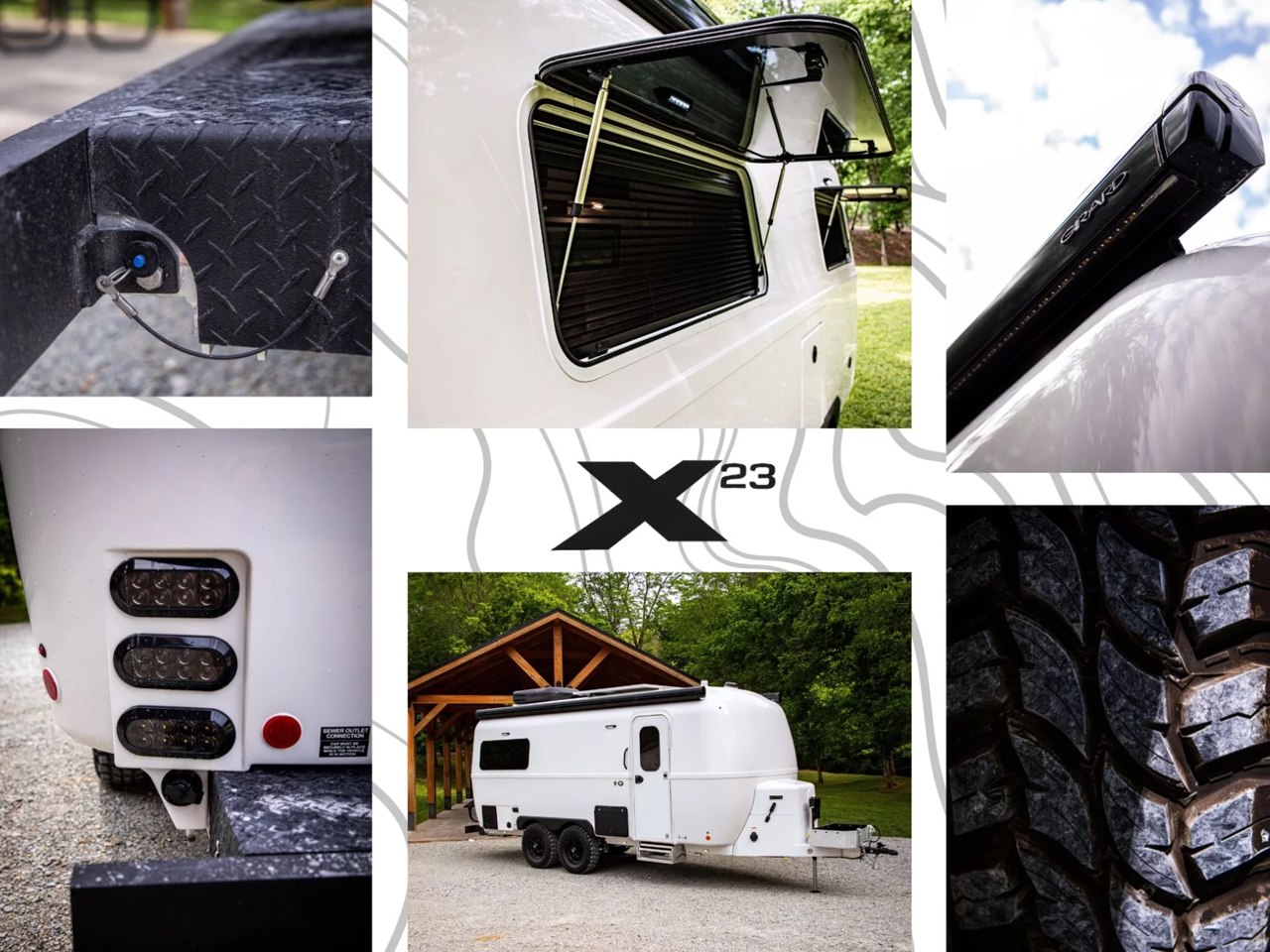
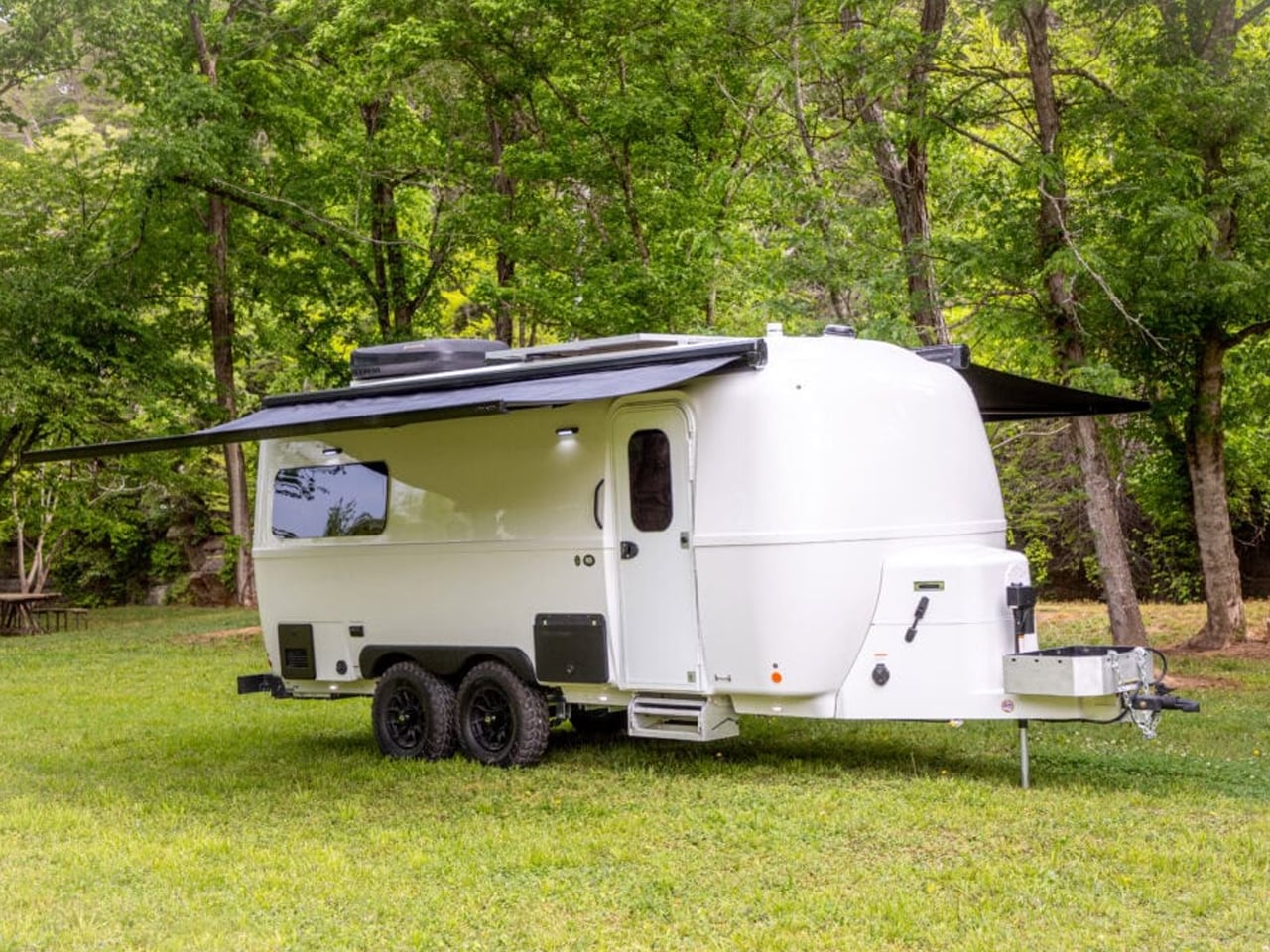
Oliver currently has two trailer models in its lineup. The Legacy Elite, built on an 18.5-foot (5.6-m) single-axle trailer, and the dual-axle Legacy Elite II, which measures 23 feet (7 meters). To extend its portfolio for 2027, the company has revealed the new Apex X23. Built to put the pace of trips back into your hands, the X23 comes fully packed with a lounge, sleeping area, kitchen, and bathroom, well within the confines of a 23-foot, all-season fiberglass body.

Designer: Oliver Travel Trailers

Oliver Apex X23 is off-grid ready. Powered by a 48-volt system, the trailer is customized from the factory for adventures that take you beyond the organized campgrounds. Oliver is secretive about their new travel trailer and hasn’t revealed a lot of information about it, but they recently showed it off for the first time in a public debut at the Lone Star Overland Adventure & Powersports Show. “The response was everything we hoped for,” the company informs.

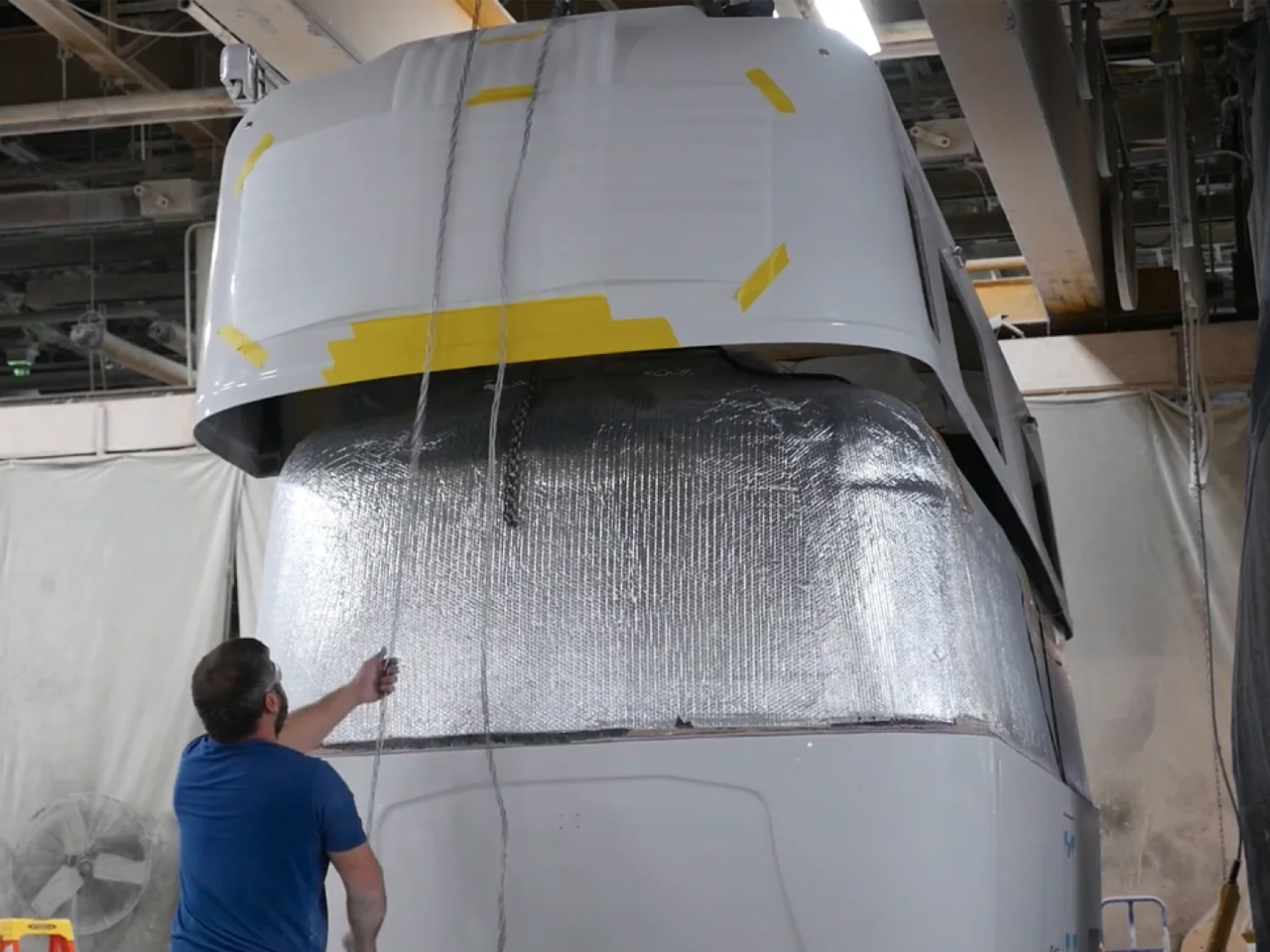
The X23 shares a very similar exterior to its predecessors; what actually differentiates it is the interior, which is now built around off-grid capabilities. The exterior is the same durable dual-hull construction. An insulation layer is sandwiched between the separate inner and outer fiberglass shells, which make the body completely airtight and stable for year-round use. The X23’s zero-wood construction body and interior are mold and corrosion-resistant, and the interior packs everything you need for a comfortable stay in the wild.

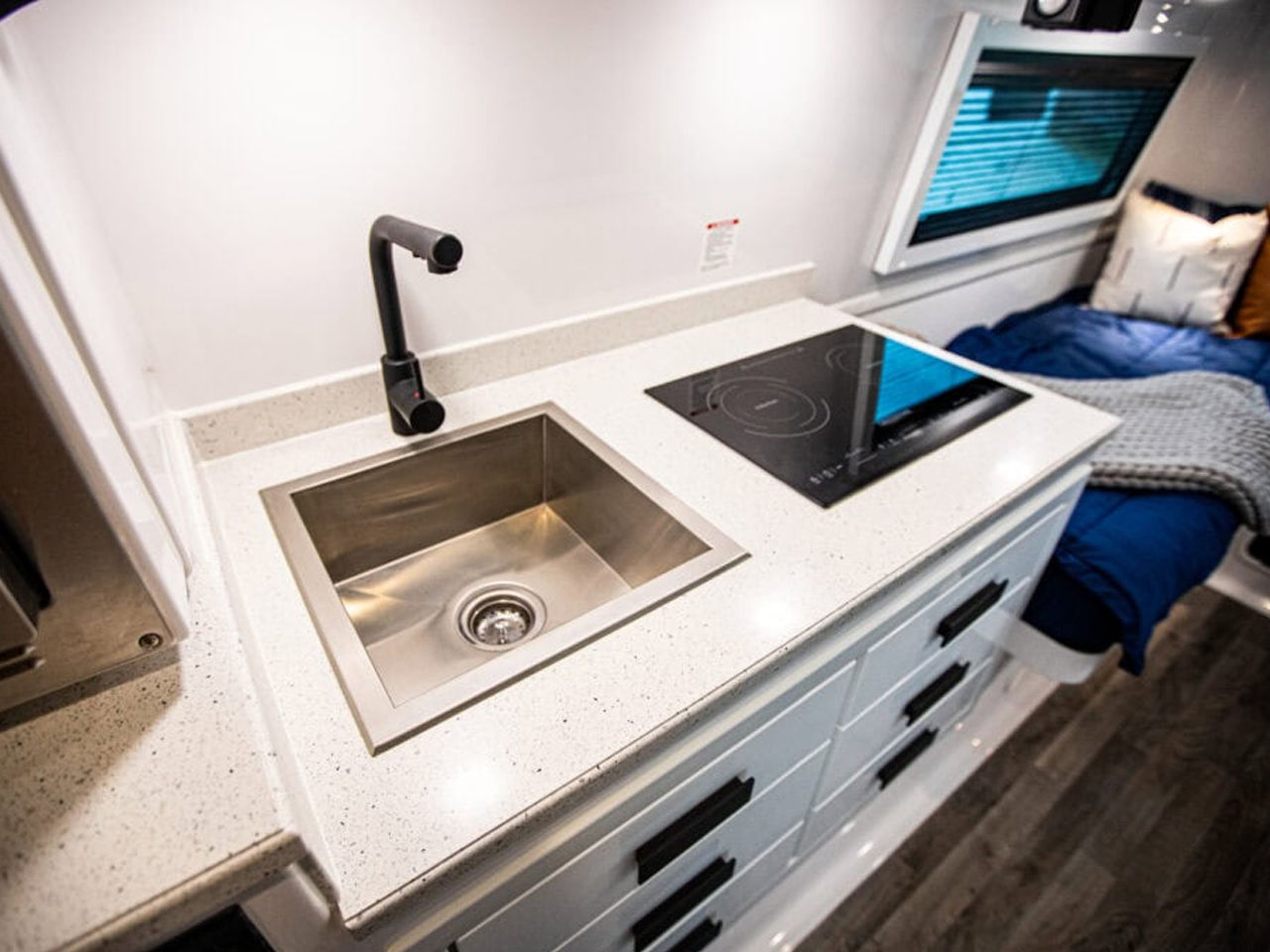
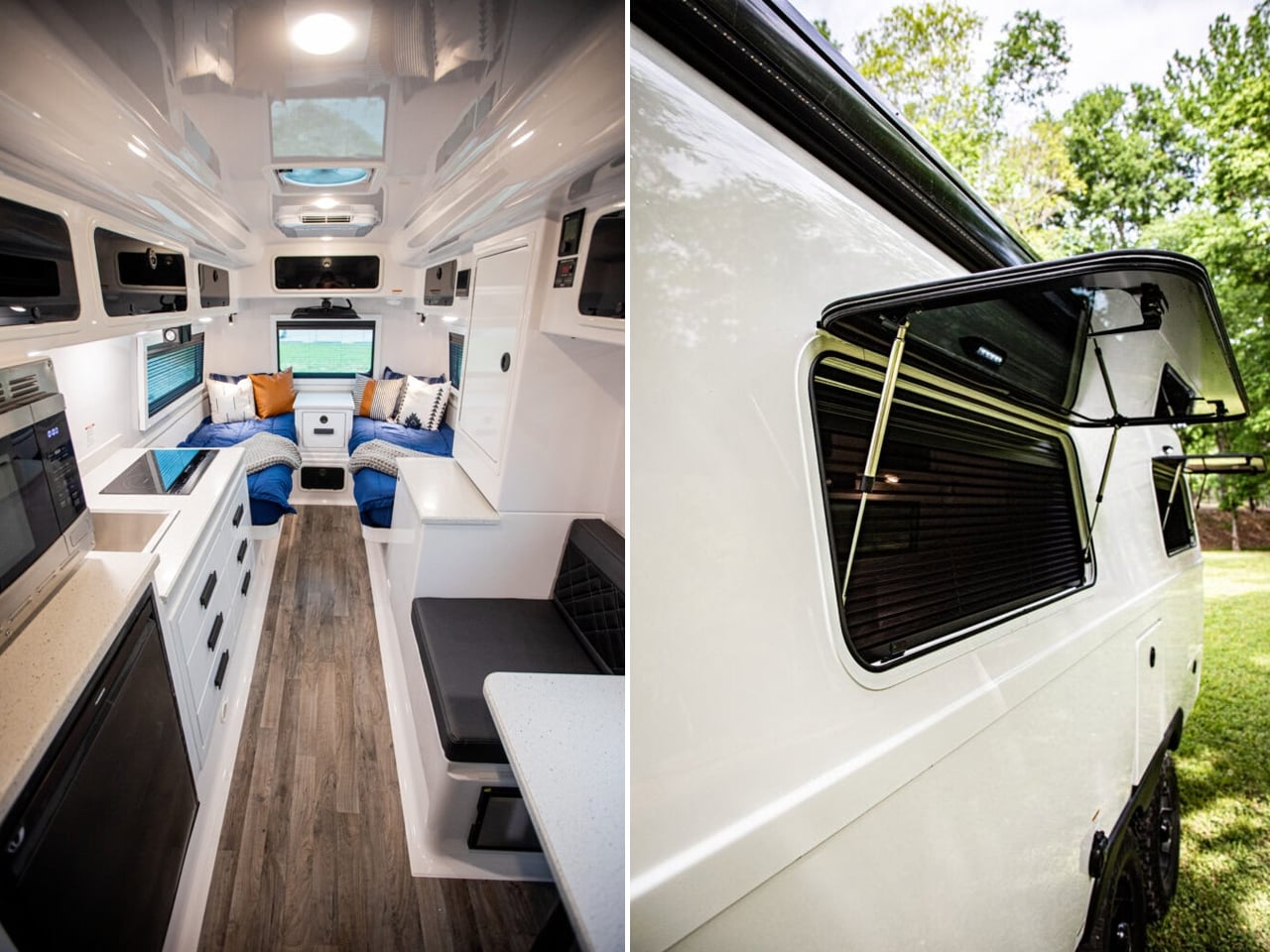
The travel trailer is aerodynamically designed for easy towing and increased fuel efficiency. The double-hull construction ensures that Oliver can easily hide away the water tank, plumbing, and many mechanical components within it. The interior is laid out with a twin bed or a choice of a king bed. The quilted leather dinette that converts into a third bed can seat up to seven people; however, it only has the capacity to sleep one additional person. The trailer fits almost a complete kitchen with an induction cooktop, a refrigerator, and a microwave with an air fryer.

The 23-foot space reimagined for off-grid travel is also provided with a bathroom with a shower. The cabinetry inside the trailer is part of the mold and is integrated into the fiberglass body. This ensures the structural integrity of the X23, which is powered by a 48V system. It features a 1,360W solar panel paired with a 3,000W inverter, and the power system is controlled by a central touchscreen control panel. The Apex X23 with a 400W rooftop solar panel starts at $107,000, while the cost may shoot up for the top-of-the-line 1,360W solar capacity trailer.

The post This $107K Trailer Hides 400W Solar in Its Fiberglass Shell first appeared on Yanko Design.
7 Best Adventure Rigs Of October 2025 Conquering Fall’s Toughest Trails

The call of the wild grows stronger as autumn paints landscapes in brilliant hues, beckoning outdoor enthusiasts to venture beyond familiar territories. This fall presents exceptional opportunities for adventure seekers to explore remote destinations with cutting-edge recreational vehicles designed to handle diverse terrains and weather conditions. From massive fifth wheels that accommodate entire groups to nimble pop-up trailers perfect for solo expeditions, today’s adventure-ready automotives blend rugged capability with modern comfort.

The evolution of outdoor recreation vehicles has reached new heights, offering solutions for every type of adventurer. Whether you’re planning extended expeditions through challenging backcountry or seeking comfortable basecamp setups for weekend getaways, these seven exceptional designs represent the pinnacle of adventure-ready engineering. Each vehicle addresses specific outdoor needs while maintaining the reliability and durability required for serious exploration.

1. Axiom RV Vendetta

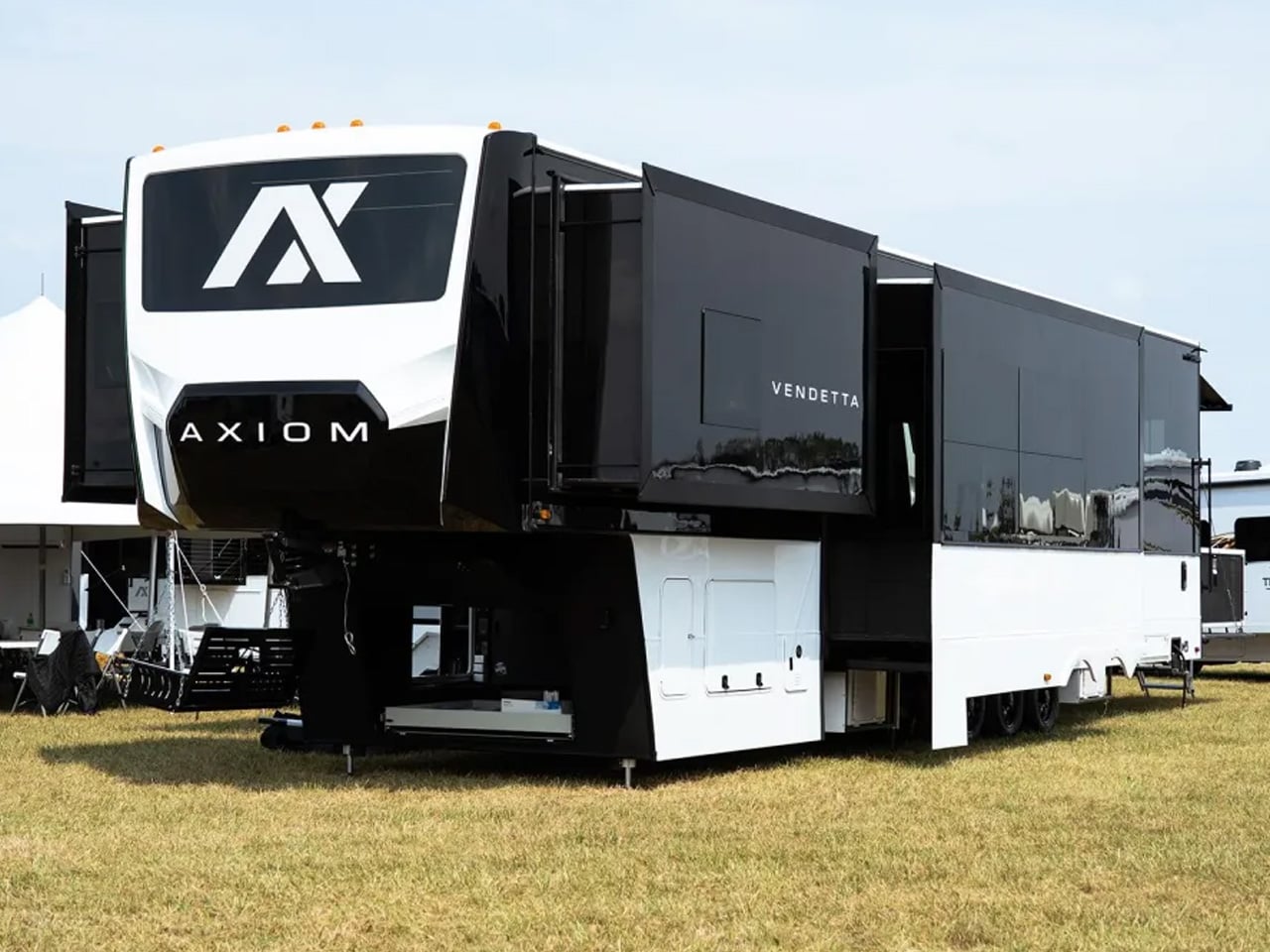
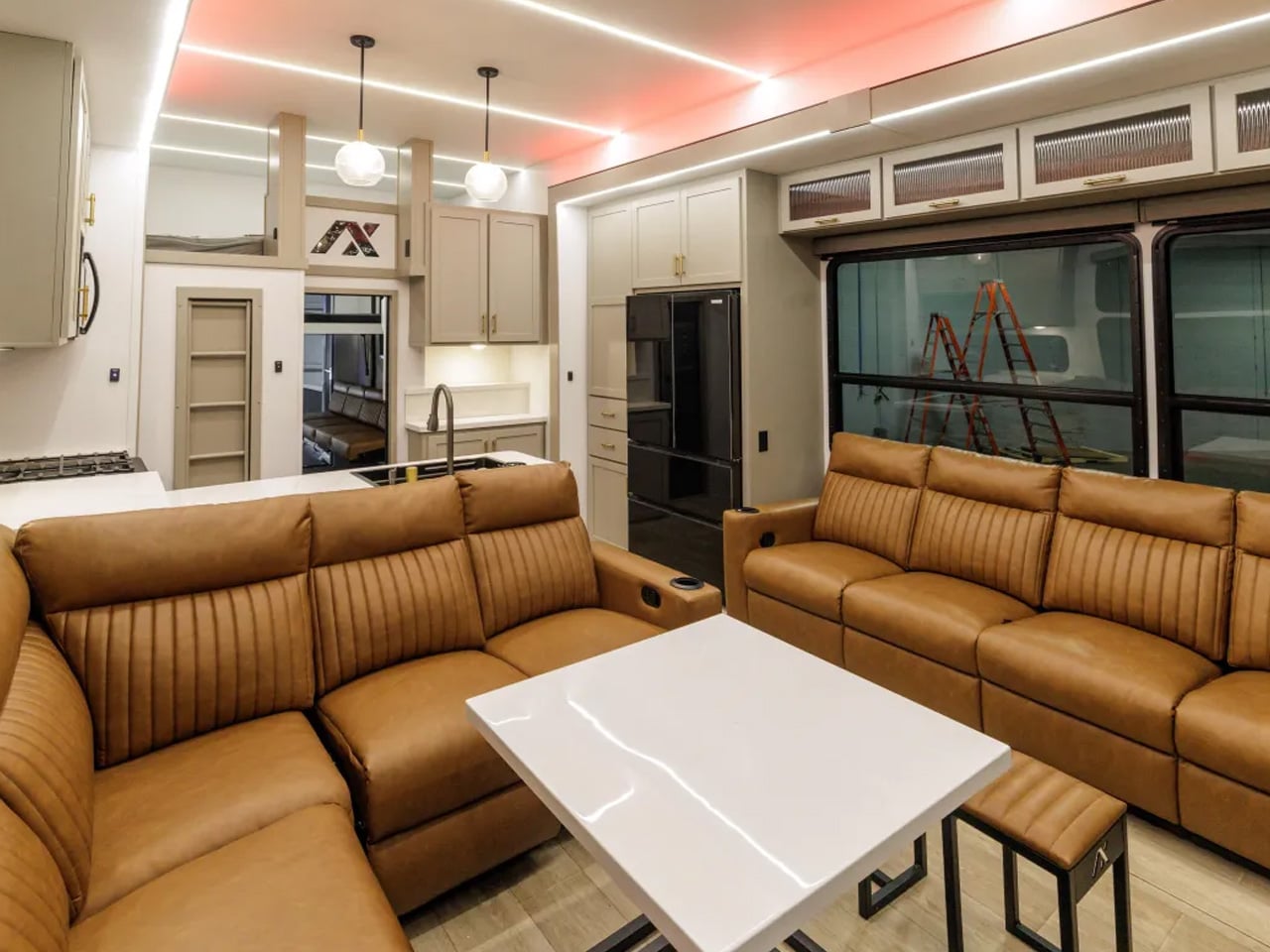
The toy hauler market traditionally caters to rugged couples seeking remote adventures, but the Vendetta breaks convention by targeting larger groups without sacrificing luxury. Axiom RV founders, three industry veterans, designed this mammoth 47-foot fifth wheeler to accommodate football teams planning group camping experiences. The Vendetta transforms group outdoor adventures from cramped compromises into spacious celebrations of wilderness exploration.

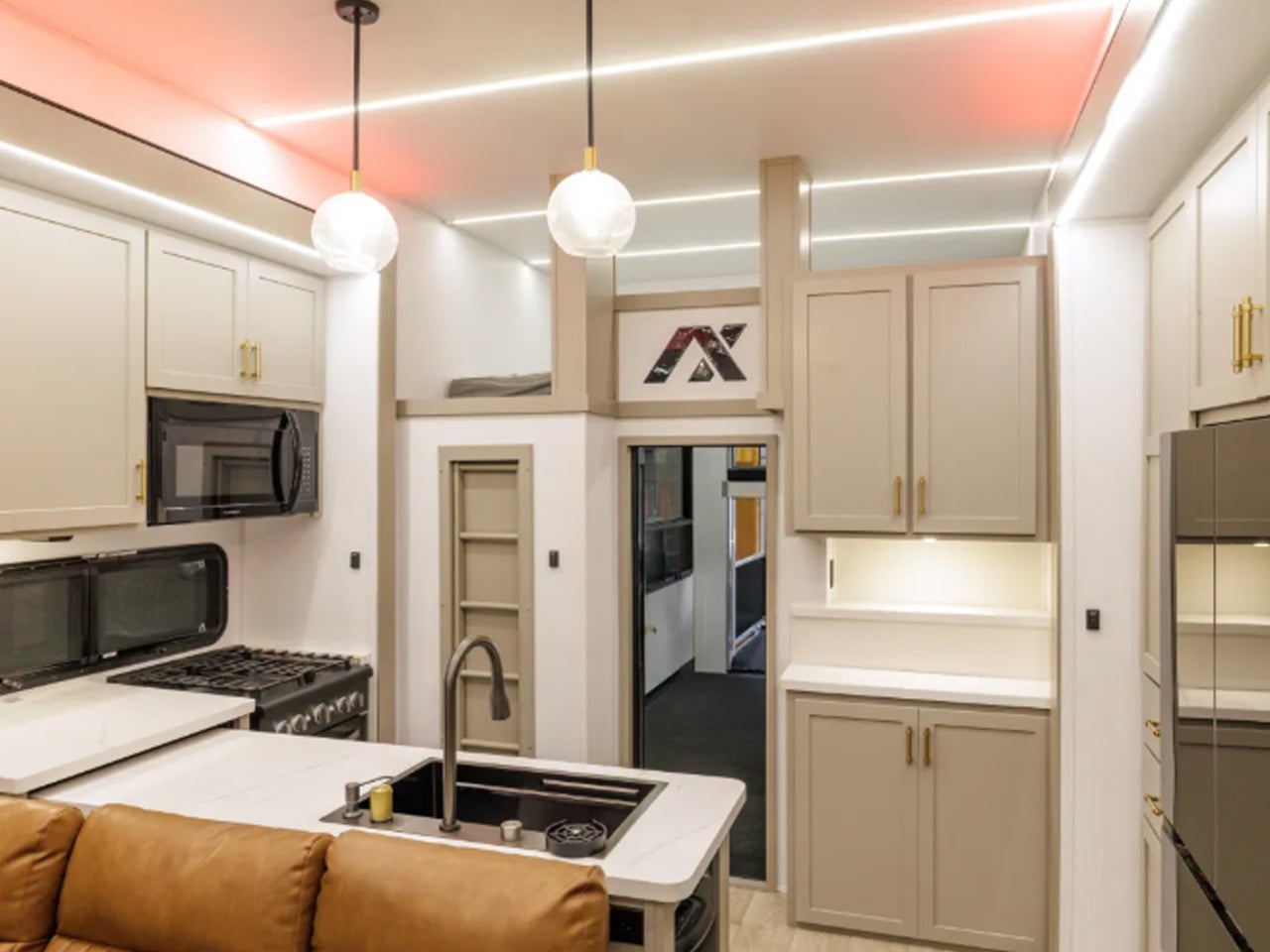
Built on a triple-axel trailer foundation, this 22,000-pound behemoth redefines extravagant camping with residential-style amenities that sleep twelve people comfortably. The substantial real estate ensures groups never feel cramped during extended outdoor stays. While ground clearance limits serious off-road capability, the Vendetta excels as a luxurious base camp for adventure groups who prioritize comfort over navigating extreme terrain.

What we like

  • Sleeps 12 people with residential-style comfort and space.
  • Massive storage capacity for extensive group gear and supplies.

What we dislike

  • Limited ground clearance restricts off-road adventure potential.
  • Requires a heavy-duty towing vehicle and an experienced driver.

2. Two Track Campers ActionCamper X4

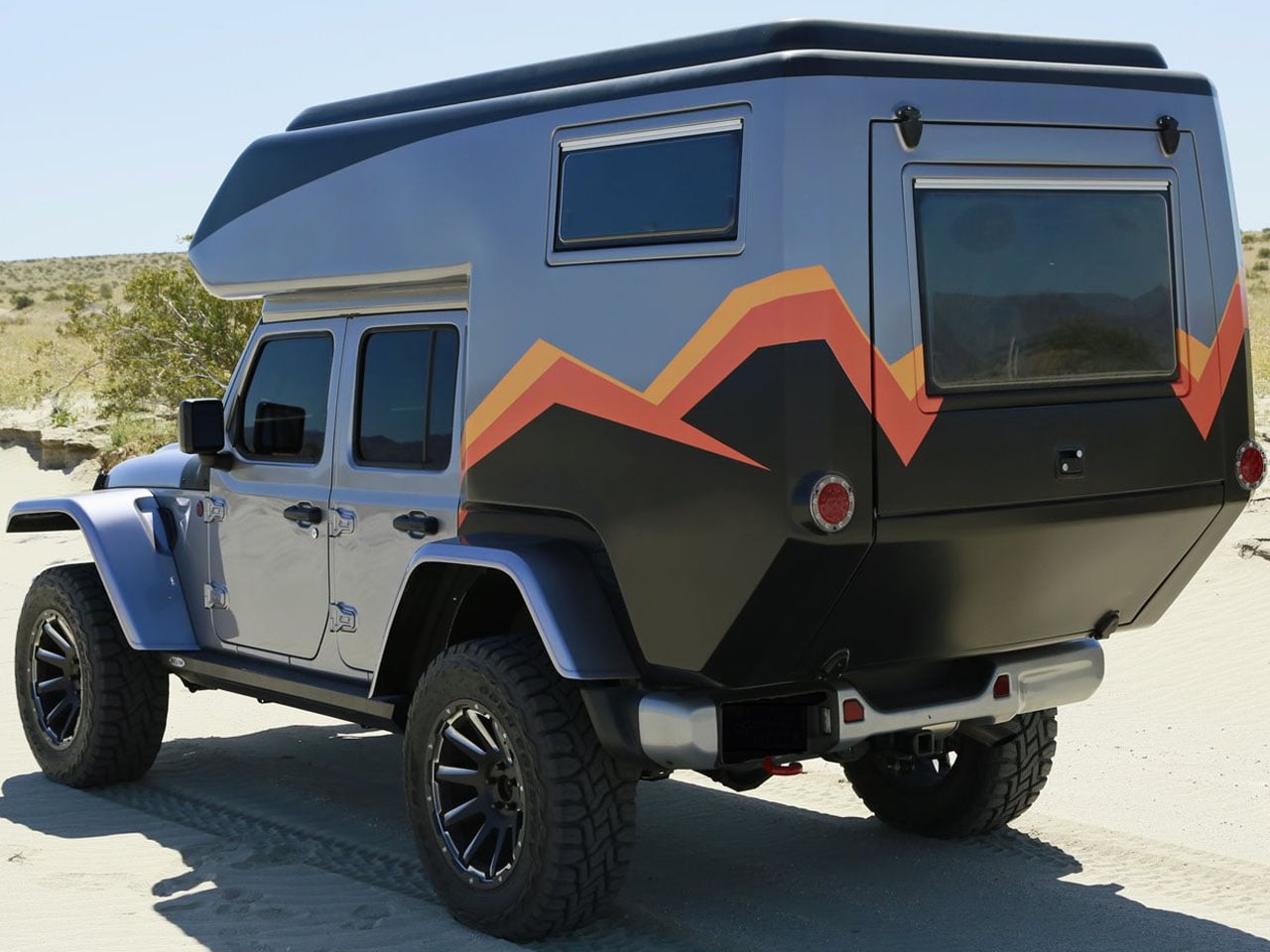
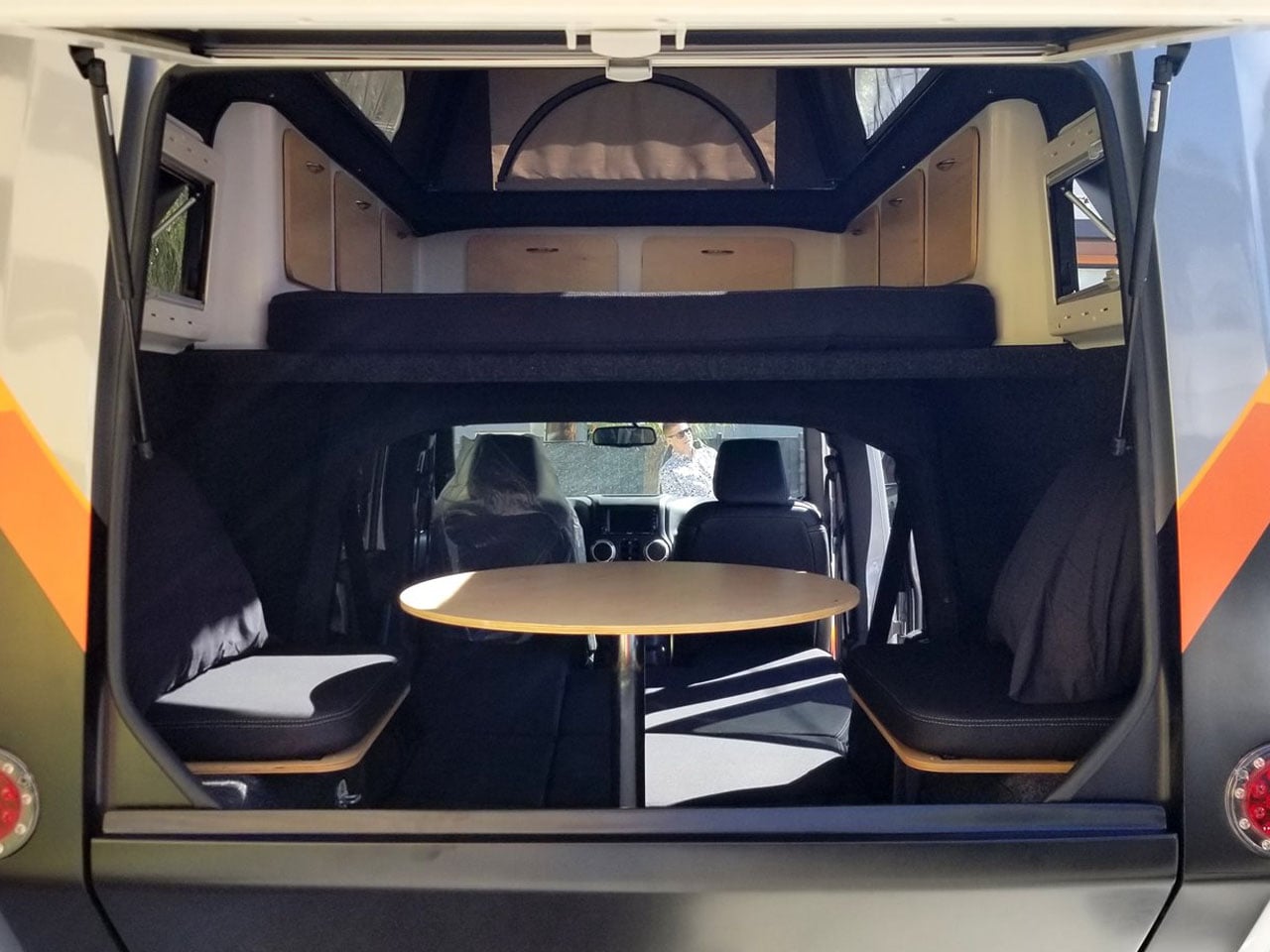
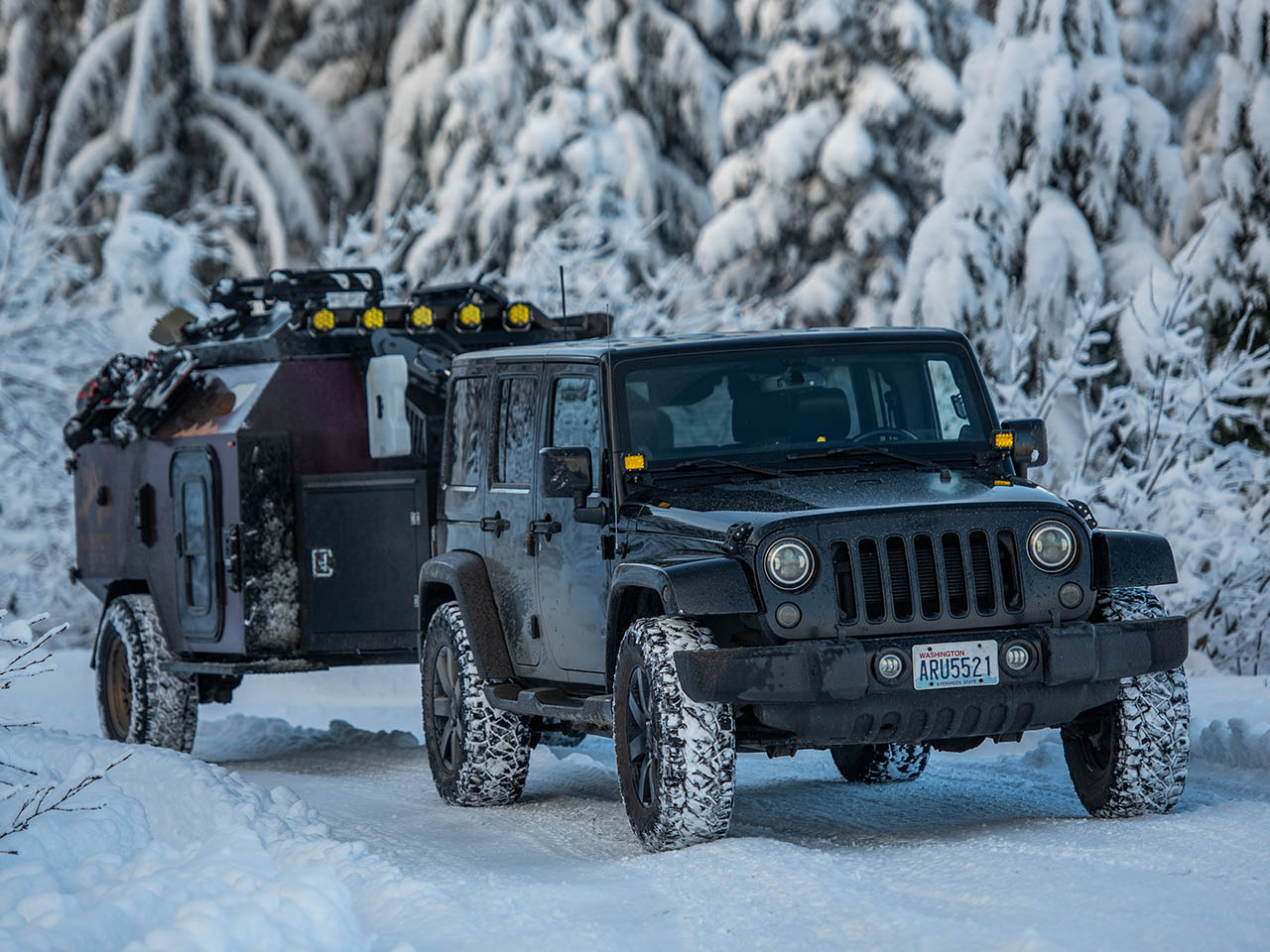
The Jeep Wrangler earns its reputation as the perfect foundation for serious off-road camping adventures, transforming into a fully capable motorhome through Two Track Campers’ innovative approach. This wedge-style rooftop sleeper builds upon the discontinued Action Camper design, creating a collaborative masterpiece between Colorado Camper Van and Jeep industry veteran Luke Burgess. The ActionCamper X4 targets overlanding enthusiasts, extended expedition planners, and weekend adventure seekers.

Designed specifically for JK and JL Jeep Wrangler Unlimited models, this custom-built camper replaces factory hard tops with adventure-ready accommodations. The transformation enables access to remote locations via two-track roads that challenge conventional recreational vehicles. Built for serious off-road capability, the ActionCamper X4 maintains the Wrangler’s legendary terrain-conquering abilities while adding essential camping infrastructure for extended wilderness stays.

What we like

  • Maintains Jeep Wrangler’s exceptional off-road capabilities.
  • Accessing remote locations is impossible for larger RVs.

What we dislike

  • Limited interior space compared to traditional campers.
  • Weather protection depends entirely on the camper shell’s integrity.

3. Mammoth Overland WLY Trailer

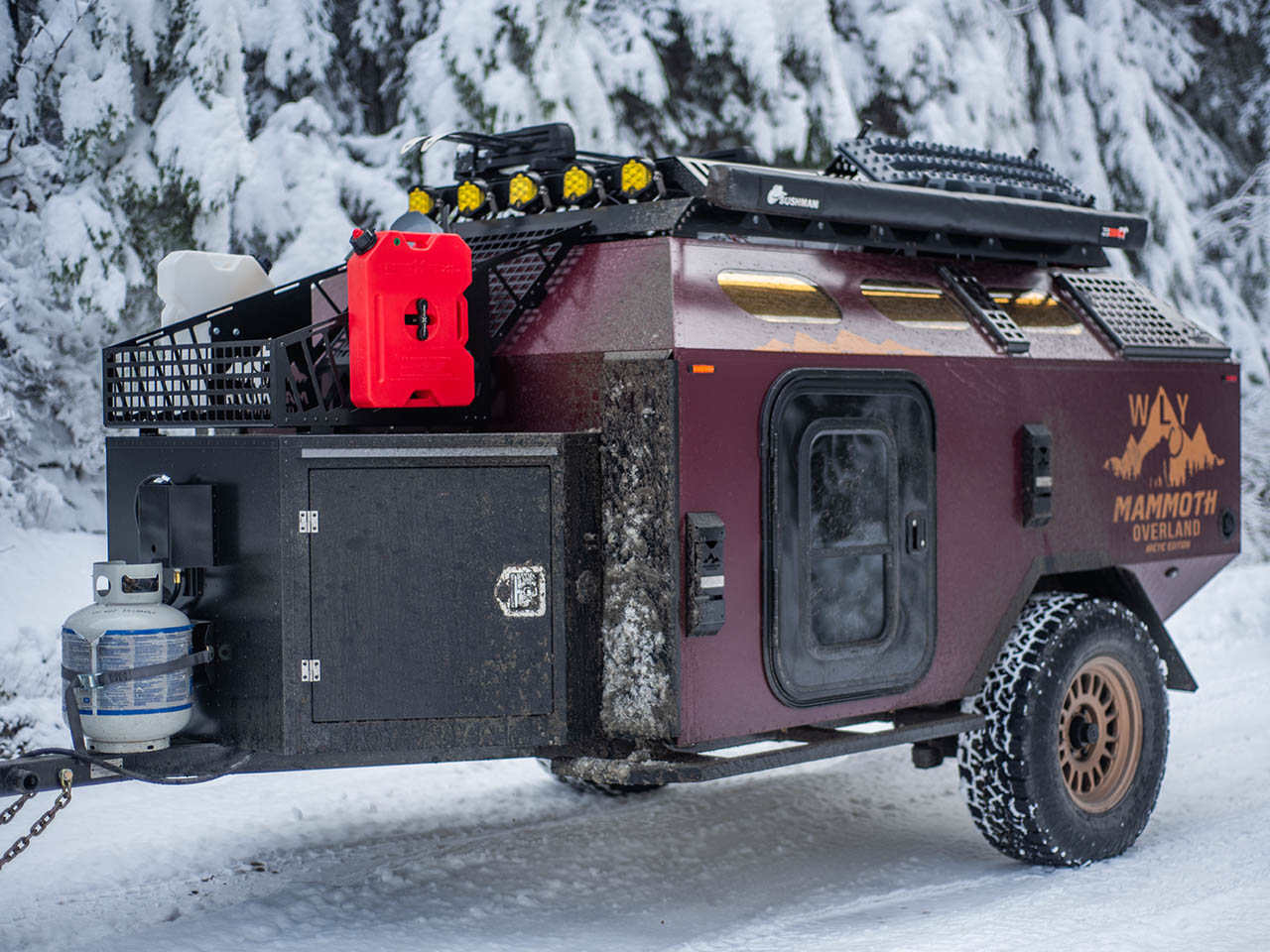
Winter camping enthusiasts finally have a dedicated solution with the Mammoth Overland WLY trailer, engineered specifically for sub-zero adventures where conventional campers surrender to harsh conditions. Retailing for $56,900 with second-quarter 2025 delivery, this build-to-order trailer earned its “Wooly” nickname from comprehensive wool insulation covering all interior walls. The specialized construction enables comfortable camping in temperatures reaching -20 °F while maintaining cozy interiors at elevations up to 8,694 feet.

The centerpiece 11,500-BTU/hour Truma VarioHeat system maintains comfortable temperatures in spaces up to 600 square feet, ensuring reliable warmth during extreme weather conditions. Advanced insulation technology creates a thermal barrier that transforms winter camping from endurance challenges into comfortable adventures. The WLY represents a significant advancement for cold-weather outdoor enthusiasts who refuse to hibernate during winter months.

What we like

  • Exceptional cold-weather performance down to -20°F.
  • High-altitude capability up to 8,694 feet in elevation.

What we dislike

  • Higher price points limit accessibility for budget-conscious campers.
  • Build-to-order model creates extended waiting periods.

4. Coachmen RVEX Electric Class B

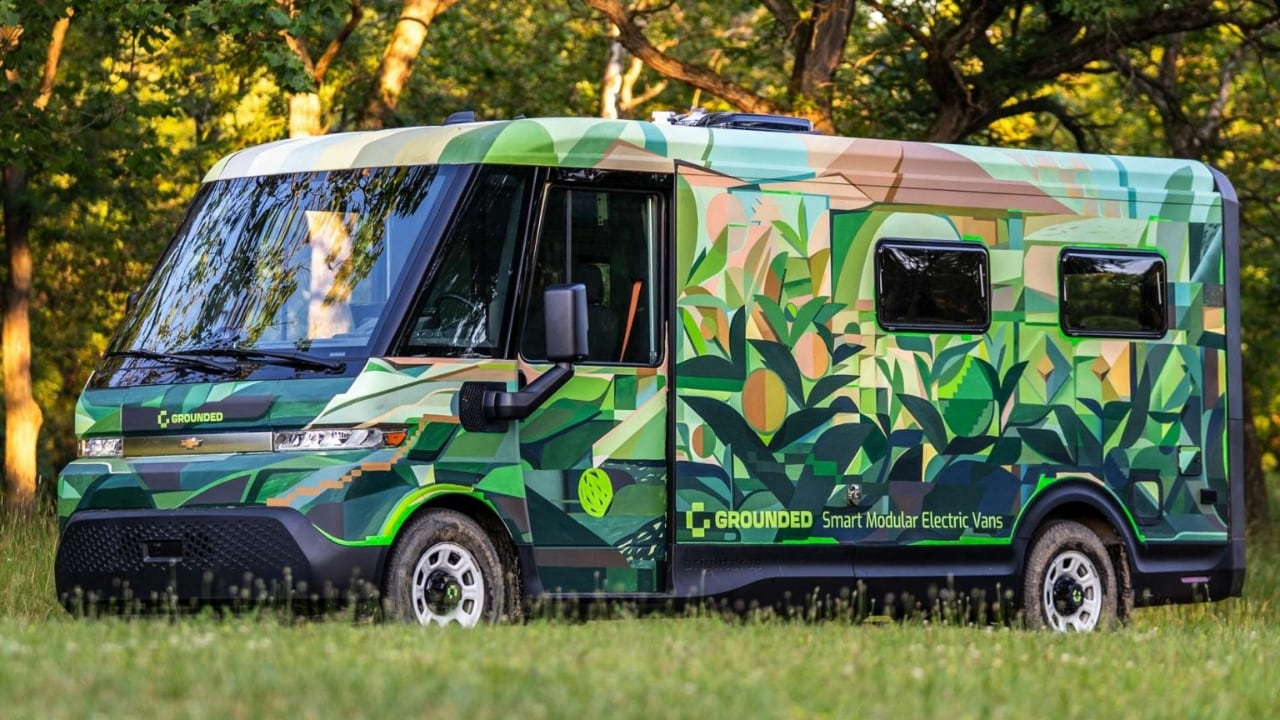
Electric vehicle technology finally reaches adventure-ready recreational vehicles through Coachmen’s groundbreaking RVEX, built on GM’s BrightDrop delivery platform with a targeted $150,000 MSRP. The 270-mile range estimate makes electric van life accessible to environmentally conscious adventurers who previously found full EV conversions prohibitively expensive. Coachmen achieved competitive pricing through innovative partnerships with Genesis Products, incorporating lightweight materials that reduce cabinet weight by 45 percent while saving approximately 290 pounds overall.

The substantial weight reduction directly benefits range and performance, crucial factors for adventure-ready electric vehicles navigating diverse terrains and elevations. Unlike competitors like Grounded’s G3, with pricing from $165,000 to $200,000, the RVEX democratizes electric adventure travel without compromising essential functionality. The BrightDrop 600 chassis provides a robust foundation while maintaining eco-friendly credentials that align with modern outdoor ethics.

What we like

  • Zero emissions align with environmental stewardship values.
  • Lower operating costs compared to fuel-powered alternatives.

What we dislike

  • Limited charging infrastructure in remote adventure locations.
  • Range anxiety during extended backcountry expeditions.

5. Bürstner Habiton Modular Camper Van

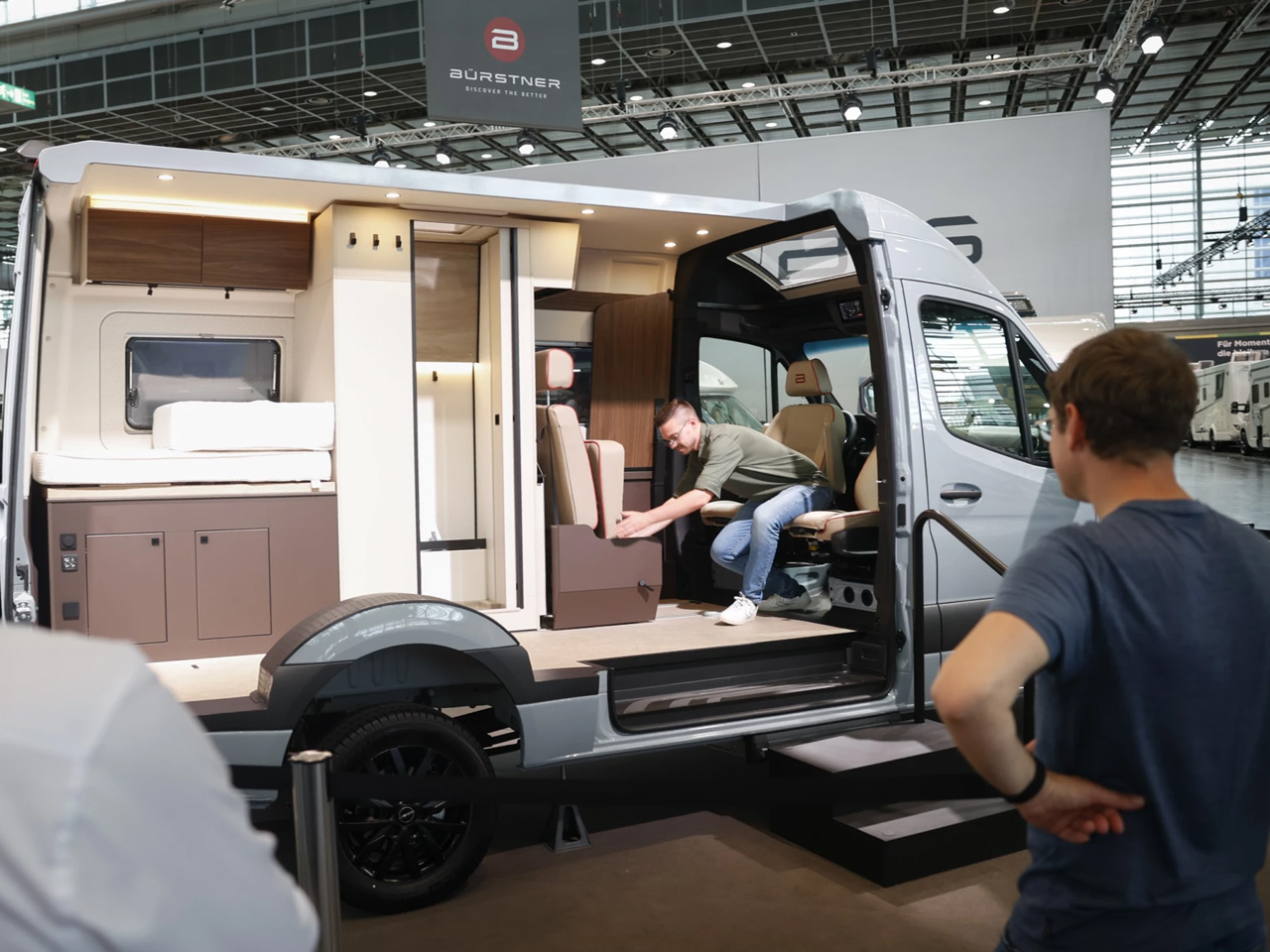
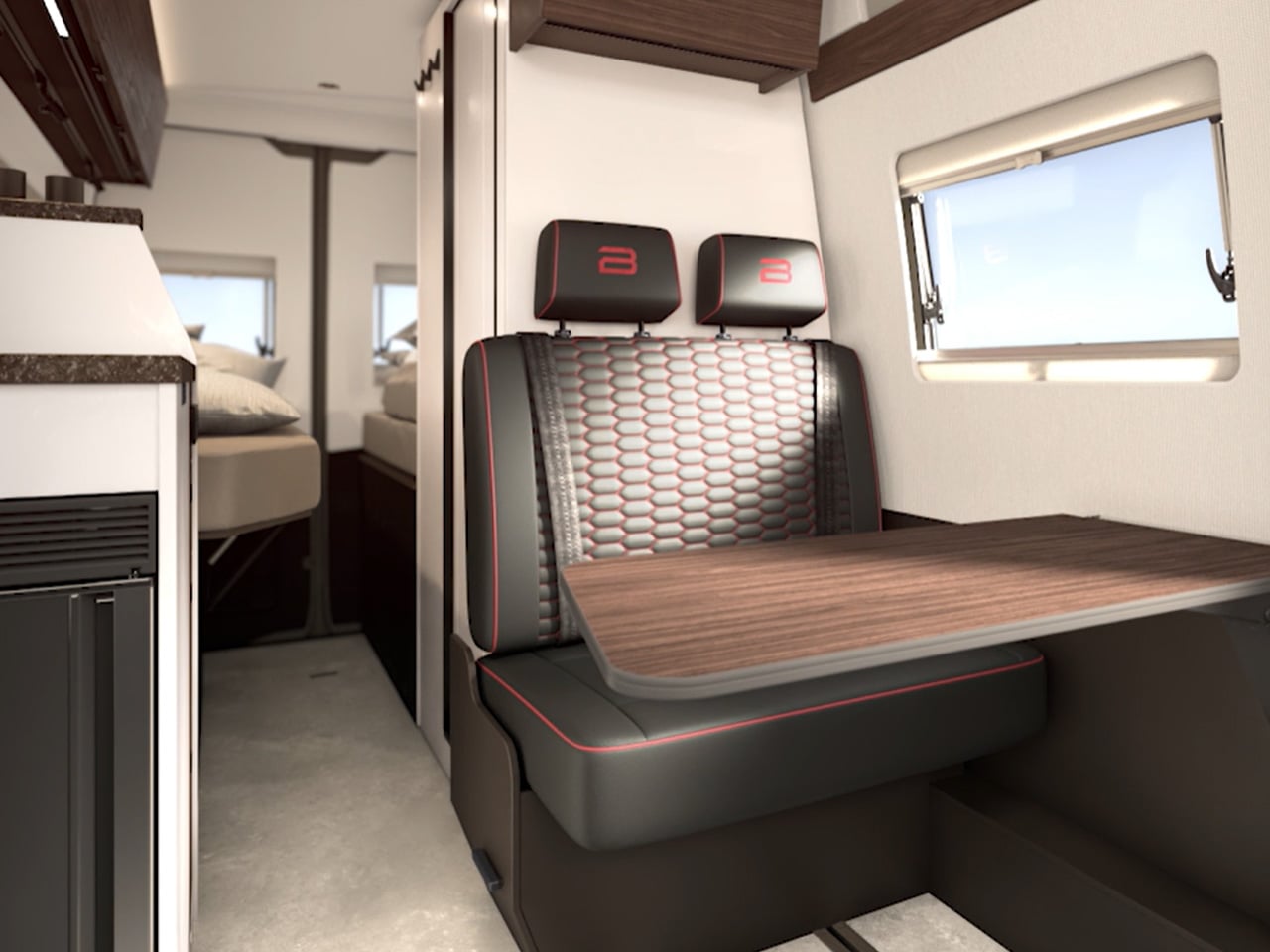
German engineering excellence shines through Bürstner’s innovative Habiton, built on Mercedes-Benz Sprinter foundations with revolutionary sliding bathroom and collapsible dinette systems. The modular design maximizes every inch of the short-wheelbase 593-cm chassis, creating genuine living comfort for four people within under six meters total length. Embedded rails enable the sliding bathroom to move forward toward the cabin, creating space for longitudinal folding beds to extend fully for comfortable sleeping.

The Habiton features two full-length single beds in the rear with optional pop-up roof accommodations for additional sleeping capacity. This thoughtful space optimization transforms compact dimensions into surprisingly livable quarters without sacrificing essential amenities. The modular concept allows occupants to reconfigure interior layouts based on immediate needs, whether prioritizing dining space during meals or maximizing sleeping arrangements during rest periods.

What we like

  • Innovative modular design maximizes limited interior space.
  • Mercedes-Benz reliability and performance foundation.

What we dislike

  • Complex moving components may require frequent maintenance.
  • Compact dimensions limit gear storage for extended adventures.

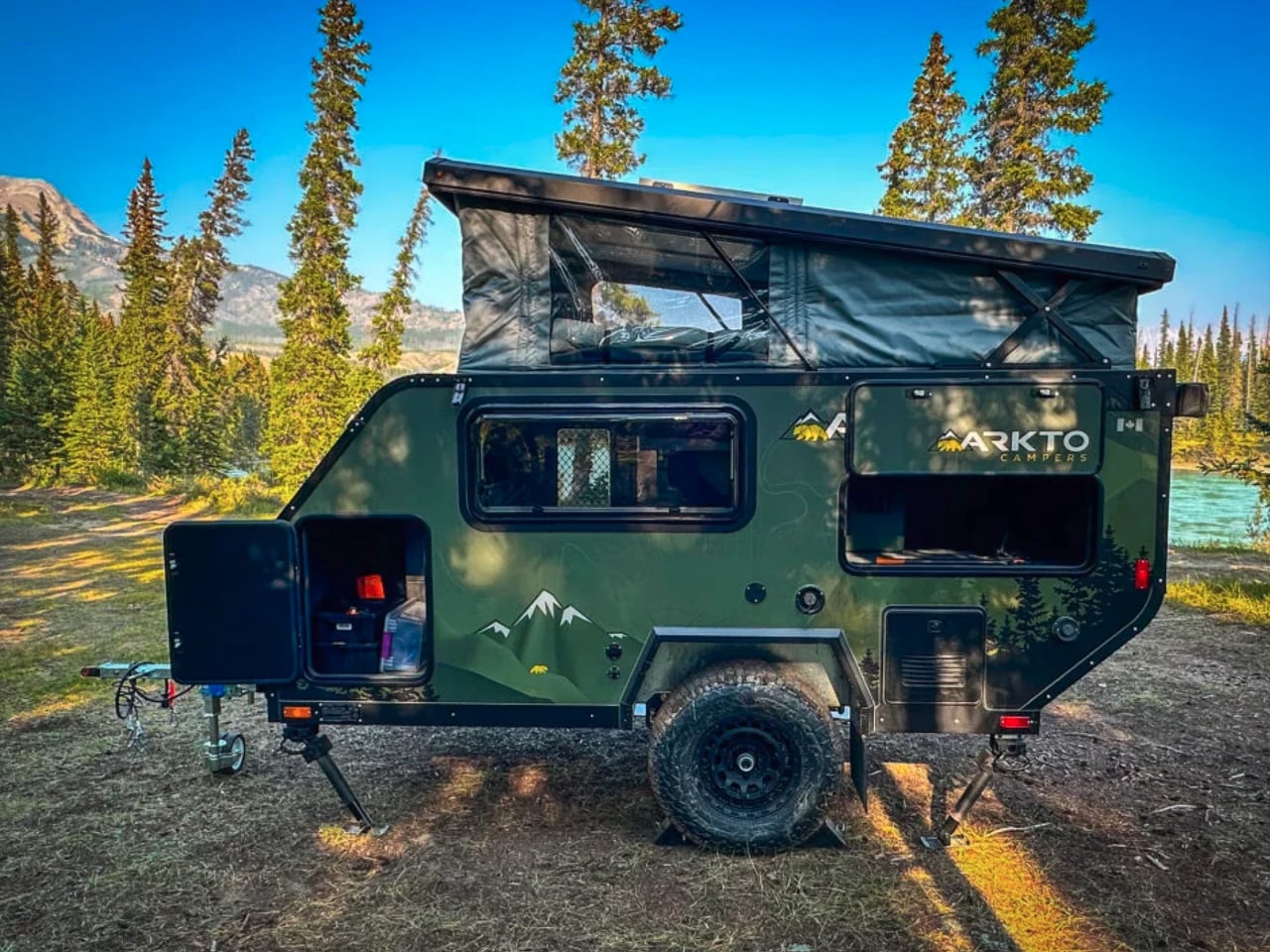
6. Arkto Campers C10 Pop-Up Travel Trailer

Composite construction dominates Arkto Campers’ design philosophy, creating the lightweight yet durable C10 pop-up travel trailer that avoids traditional wood materials entirely. Measuring 16.5 feet, this compact adventure trailer accommodates couples comfortably while maintaining impressive towing versatility across various vehicle platforms. The composite sandwich panel body receives structural reinforcement through strategically placed aluminum tubes at critical stress points, ensuring durability without excessive weight that burdens tow vehicles on challenging terrain.

The hot-dipped galvanized steel chassis provides corrosion resistance essential for adventures in harsh environments, while laser-cut and powder-coated aluminum cabinetry maintains long-term functionality. With 71 cubic feet of integrated storage volume and 1,850 pounds of payload capacity, the C10 never forces gear compromises during hunting expeditions or extended camping adventures. The pop-up design creates surprising interior height while maintaining aerodynamic towing characteristics on highways and backcountry roads.

What we like

  • Lightweight composite construction enables diverse towing options.
  • Impressive storage capacity for compact overall dimensions.

What we dislike

  • The pop-up mechanism adds complexity compared to hard-sided trailers.
  • Limited weather protection during setup and breakdown.

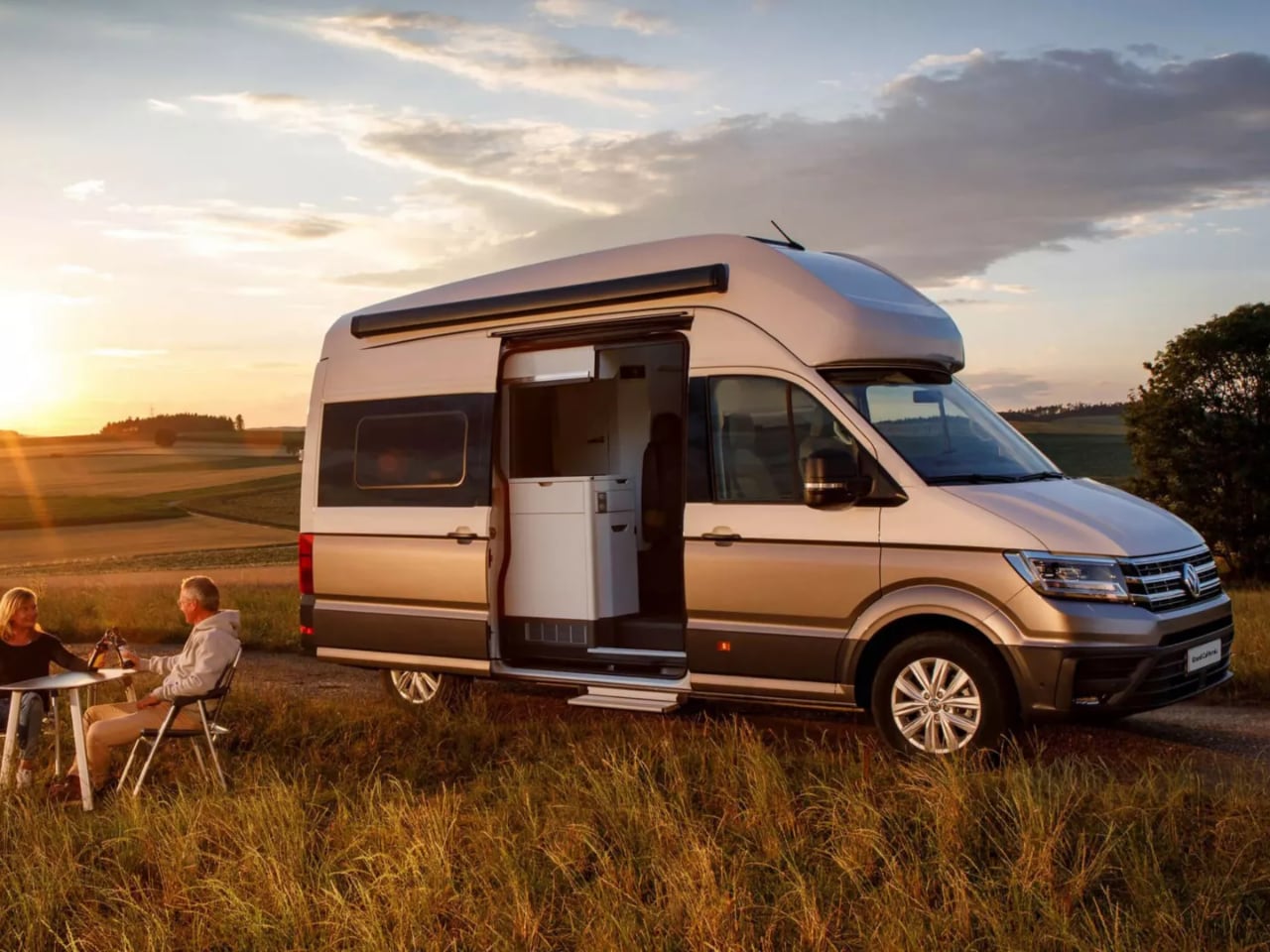
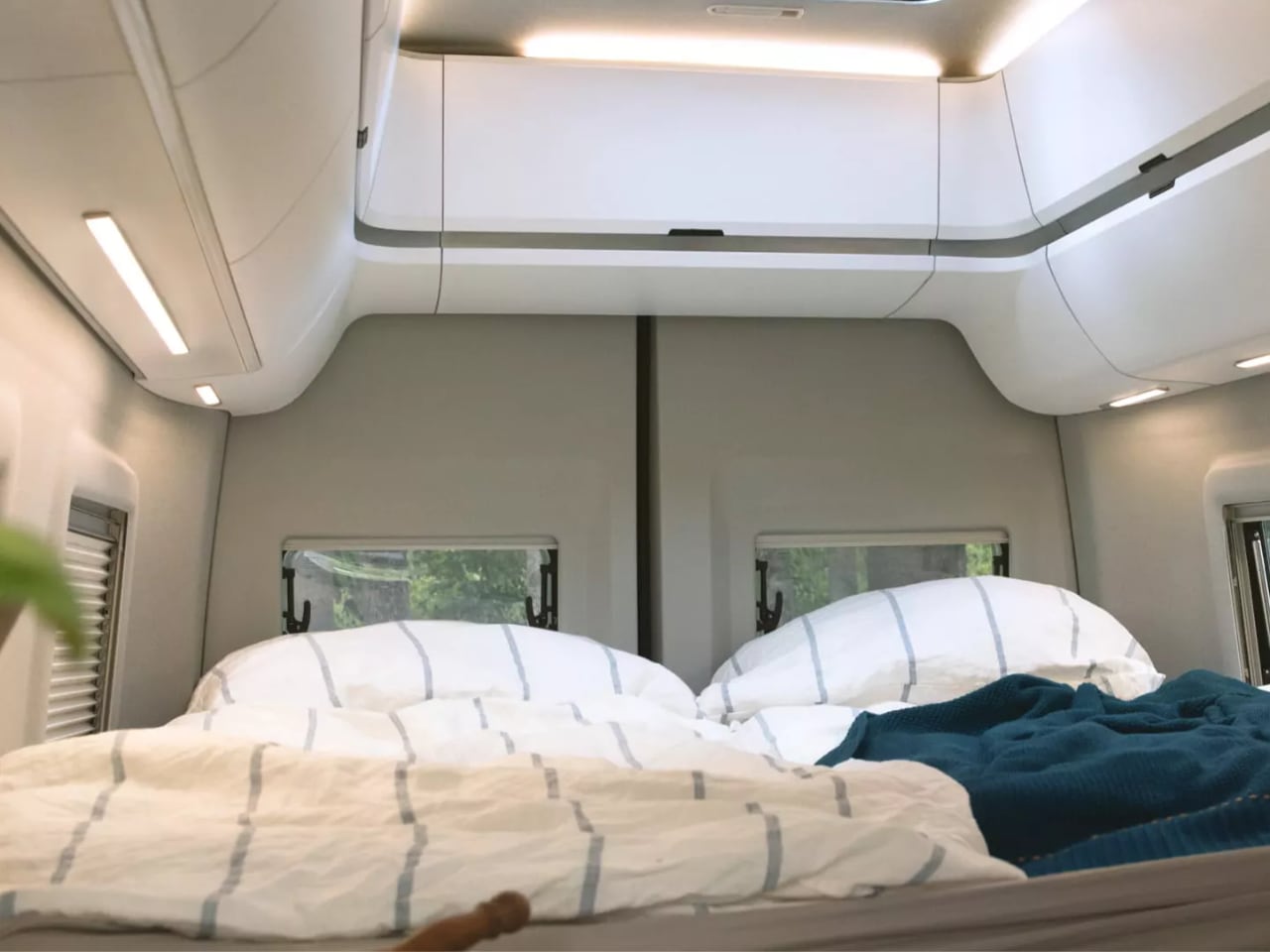
7. Volkswagen Grand California

Space optimization reaches architectural levels within the Grand California’s interior, creating genuine livability that surpasses Manhattan apartment efficiency standards. Unlike traditional campers requiring constant furniture rearrangement, this vehicle establishes clear activity zones with intentional layouts that feel purposeful rather than apologetic. The design prioritizes functionality without sacrificing comfort, creating environments where extended adventures feel sustainable rather than endurance challenges requiring frequent escapes to hotels.

The standout wet bathroom represents luxury camping evolution, featuring a separate wet room with a proper shower, toilet, and space-saving fold-out wash basin. Motion sensor lighting activates automatically while proper skylight ventilation maintains freshness during extended use. Integrated shelving accommodates full-sized toiletries rather than travel-sized compromises, eliminating the plastic portable toilet experiences that haunt camping nightmares. This attention to essential comfort details transforms outdoor adventures from survival exercises into rejuvenating escapes.

What we like

  • Separate wet bathroom with proper shower facilities.
  • Optimized interior layout maximizes livable space.

What we dislike

  • Premium pricing limits accessibility for budget-conscious adventurers.
  • European sizing may challenge North American camping infrastructure.

Choosing Your Perfect Adventure Partner

This fall’s outdoor adventures demand vehicles capable of handling diverse challenges while maintaining essential comfort levels. Each design addresses specific adventure styles, from the Vendetta’s group-focused luxury to the ActionCamper X4’s extreme terrain capability. Modern adventure vehicles blend rugged reliability with thoughtful amenities, ensuring outdoor enthusiasts can pursue ambitious expeditions without sacrificing fundamental comforts.

The evolution toward specialized adventure vehicles reflects growing outdoor recreation sophistication, where enthusiasts demand equipment matching their ambitious goals. Whether pursuing remote hunting expeditions, extended overlanding journeys, or comfortable family camping experiences, these seven vehicles represent the current pinnacle of adventure-ready automotive design. Choose based on your specific adventure requirements, and prepare for unforgettable fall explorations.

The post 7 Best Adventure Rigs Of October 2025 Conquering Fall’s Toughest Trails first appeared on Yanko Design.
10 Best Camping Automotives You Need To Achieve Your Outdoor Dreams This Summer

As the weekend comes around, I often find myself fantasizing about a short sweet getaway! Just a few days away from my hectic life, and this hectic world, in a bubble of my own, where all my worries are nowhere to be seen. And I do think Camping is a plausible plan! There’s nothing more comforting or exciting than lounging about in a cozy camper while you explore the countryside. You never feel out of place, because these little campers manage to feel like a home on wheels. Fill it up with your dear belongings, and it’s your home away from home. Not to mention the camper designs today are super innovative and inventive! These resourceful campers manage to cater to almost all of our needs, solving various problems, and turning our camping experience into a fulfilling and comfortable one.
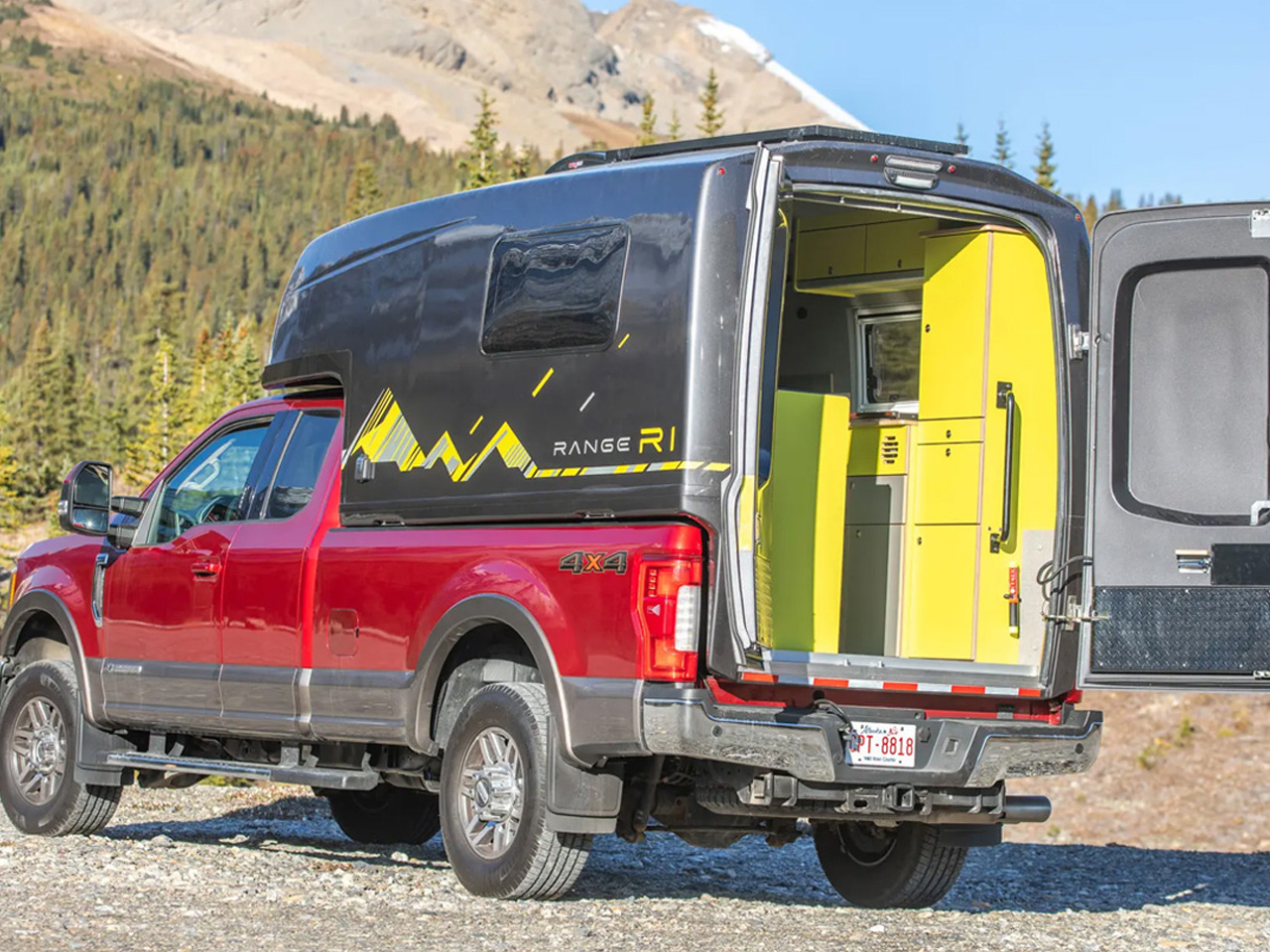
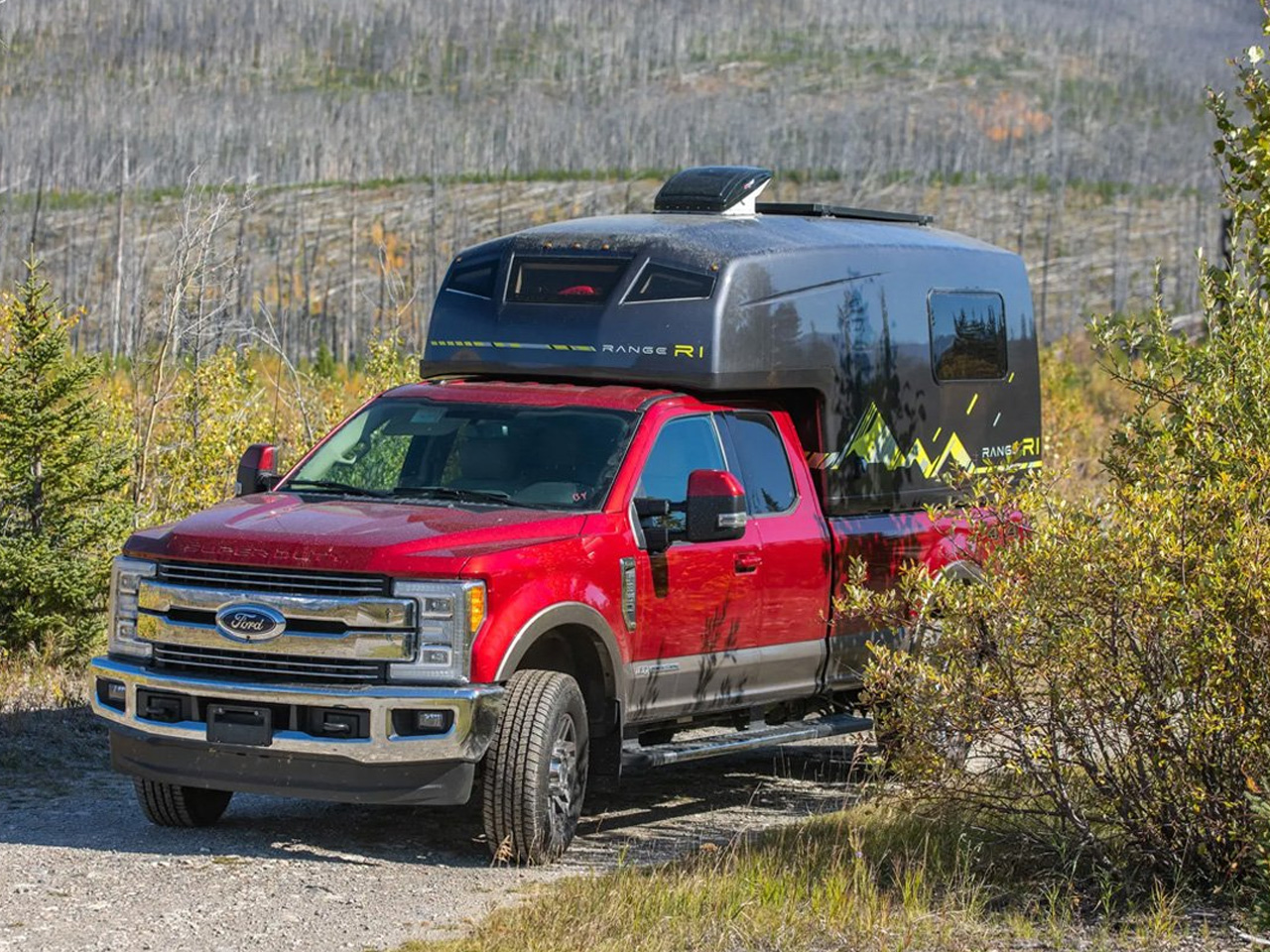
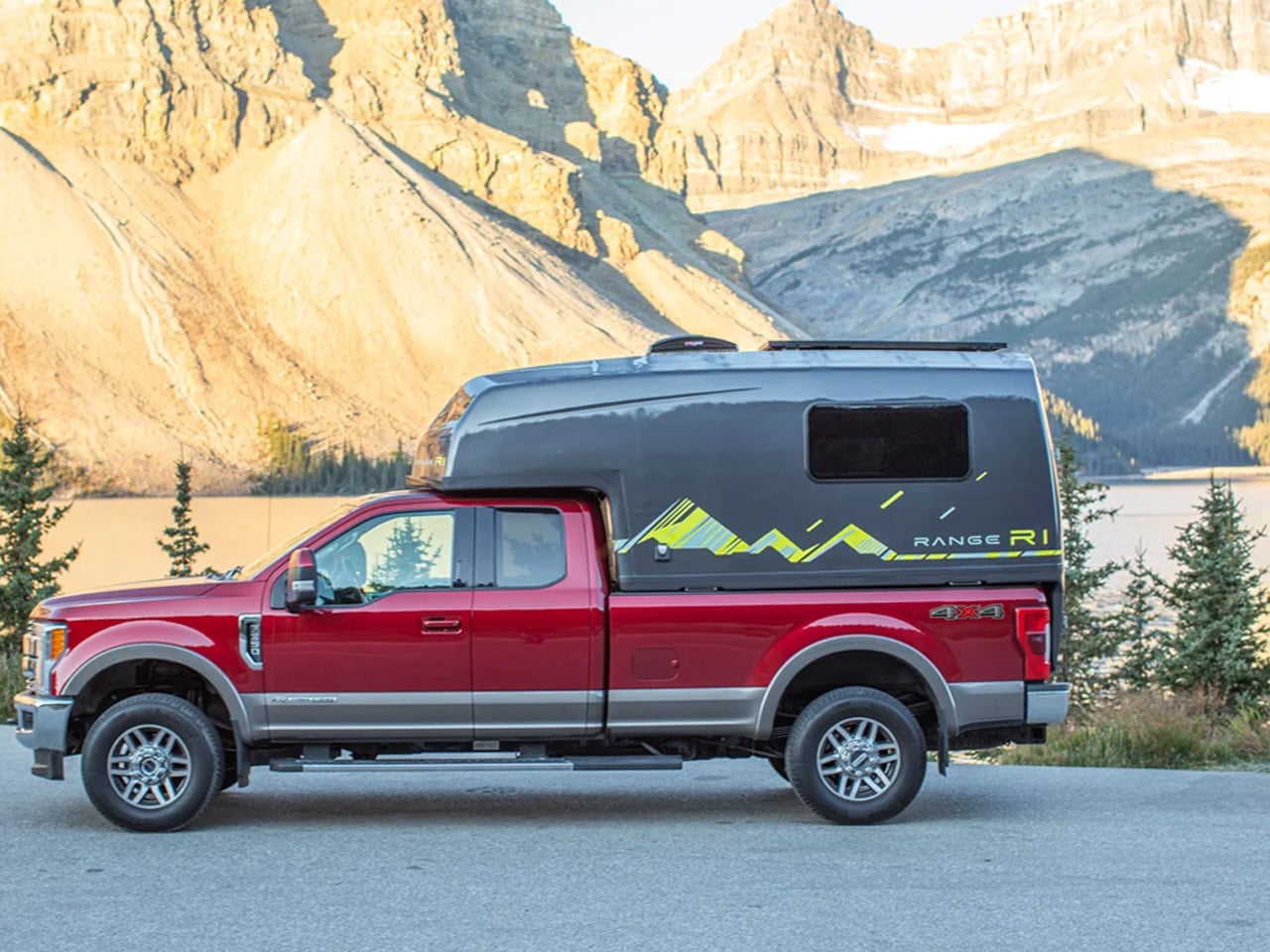
1. Wilderness Vans Range Slide-In Truck Campers

Say hello to the Wilderness Vans Range slide-in campers – the R1 and the R2. The campers have been created for all-year-round off-grid camping, and they’re amped with a whole bunch of amenities onboard. Equipped with multiple windows and skylights, the campers are quite light-filled and airy, creating a free-flowing and spacious interior.

Why is it noteworthy?

The Range campers are completely insulated for all weather usage. They’re equipped with natural fiber and wool installation in the ceiling and walls, as well as cushioned wood layering with cell foam which makes the interiors warm during winter, and cool during the summer season.

What we like

  • Equipped with excellent storage options
  • Features a 200-watt solar charging station to provide power in off-grid locations

What we dislike

  • There is no pop-up option, so the headroom is pretty limited

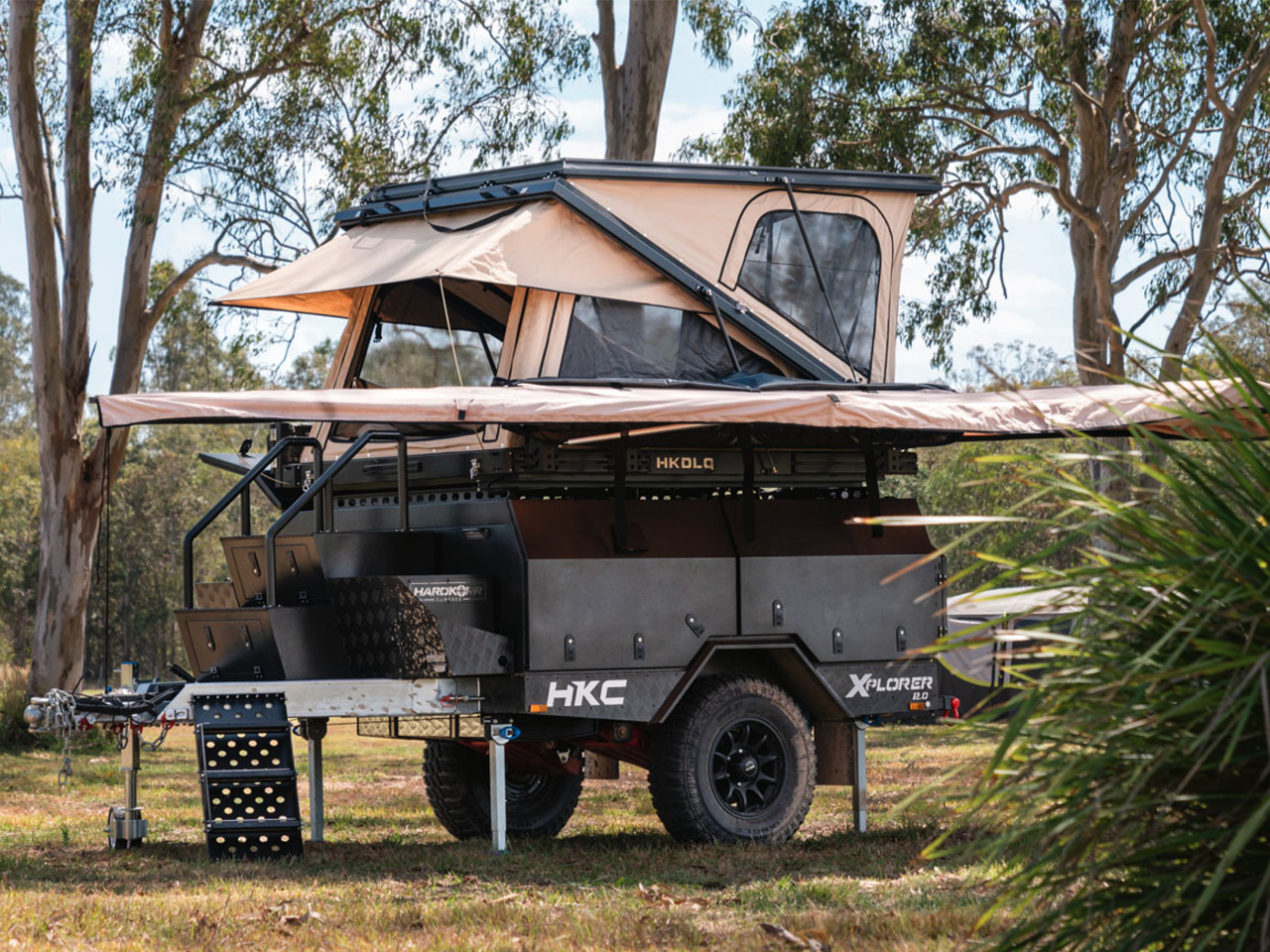
2. Xplorer 2.0

Australian company HardKorr recently designed the Xplorer 2.0, or ‘Shorty’. Shorty is designed to be the little brother of their popular Xplorer trailer. The height has been trimmed to create a trailer with all the features and amenities of the OG. With the Shorty you can live comfortably in the outdoors for weeks or even months with your family.

Why is it noteworthy?

With the Shorty you don’t need to compromise on comfort and living space. And once you return home, you can easily stow the trailer away in your city apartment garage until you need it for next time.

What we like

  • Garage-compatible trailer
  • Features an integrated staircase and a rooftop tent

What we dislike

  • We are unsure if it is available in the US currently

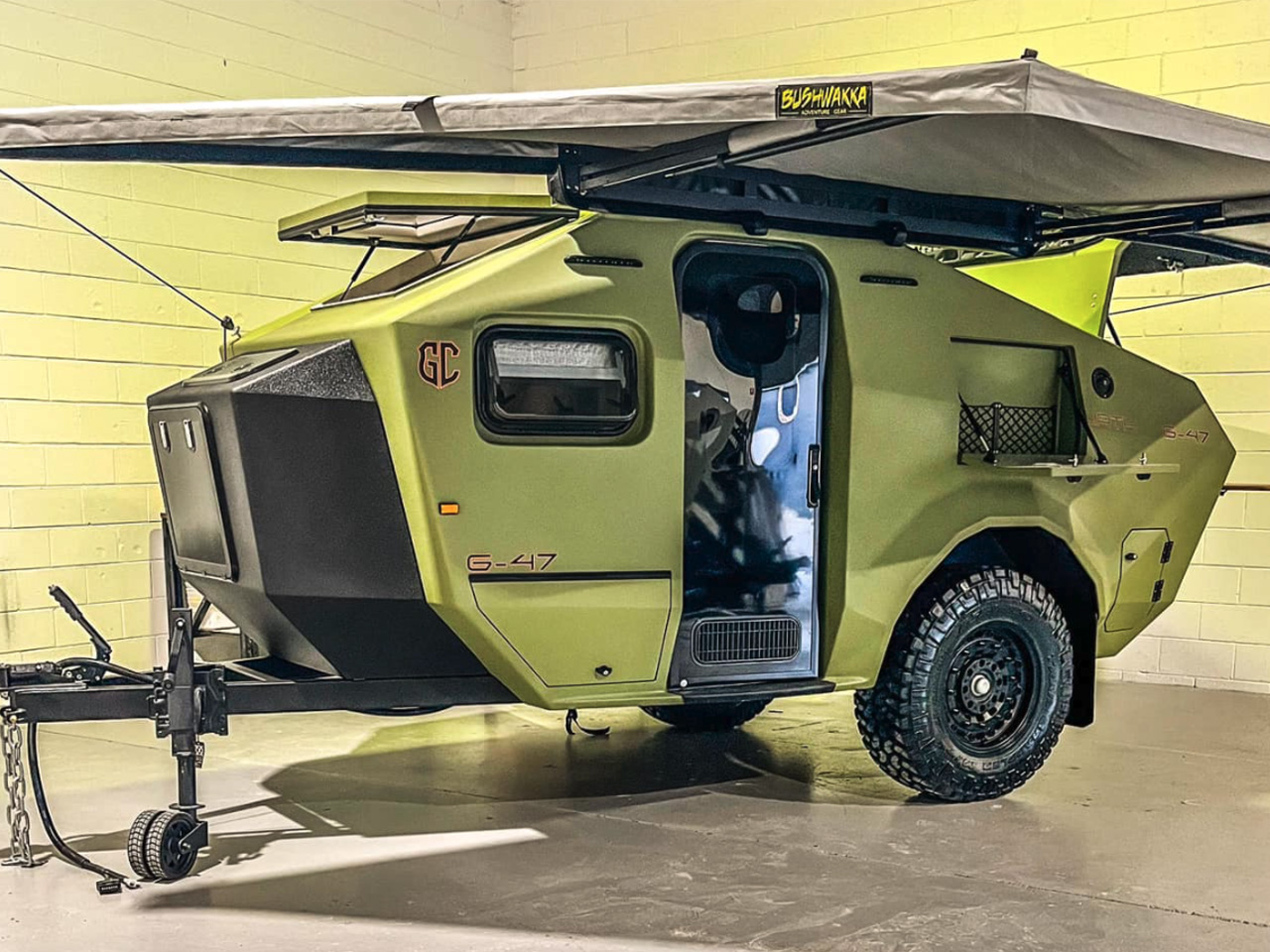
3. G-47 Teardrop Trailer

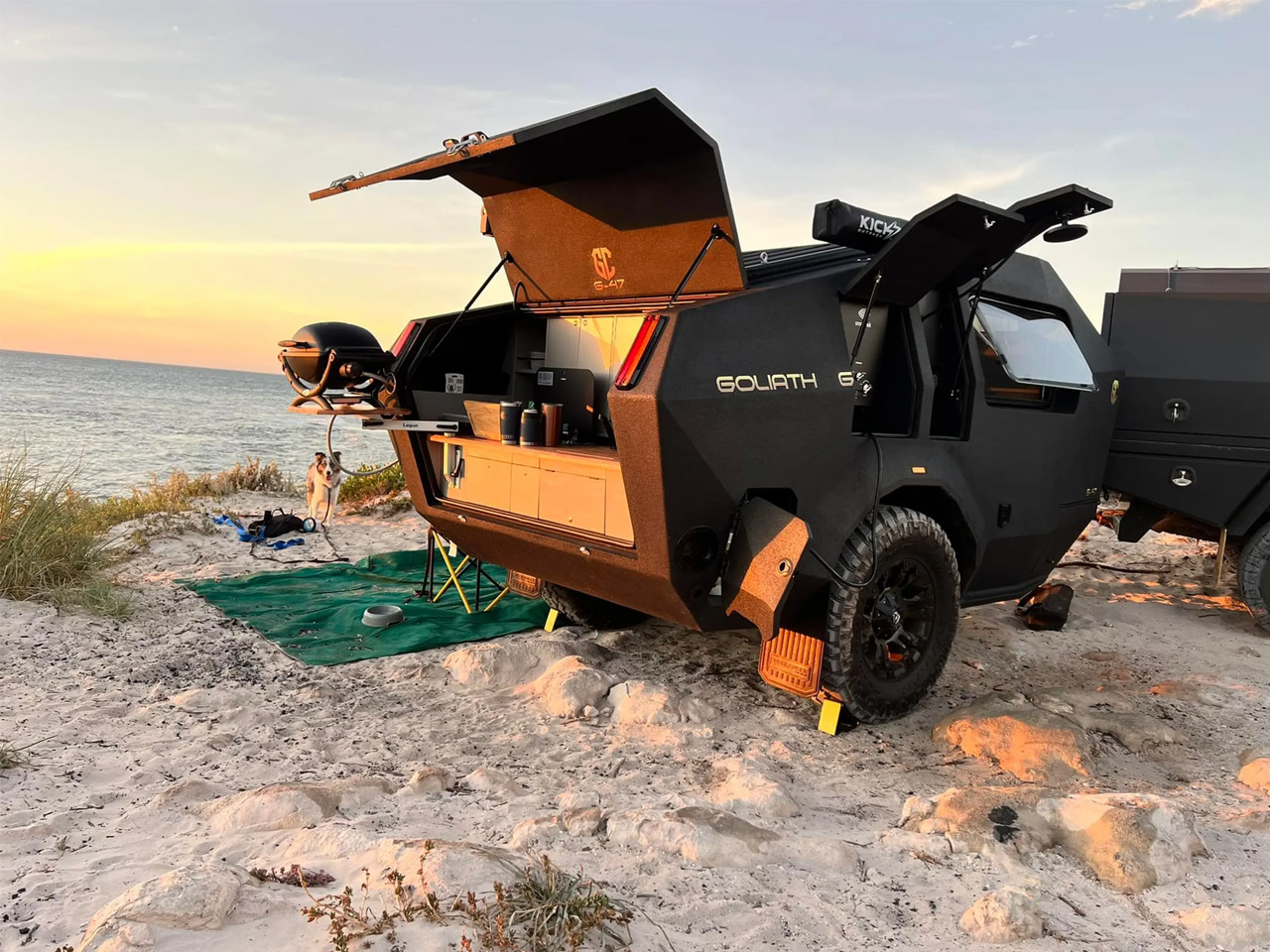
Goliath Campers built the G-47 model with top-quality marine-grade material, with finishing in appealing hues. It is designed to be a hard-shelled living unit with off-grid capabilities. It is equipped with water storage, a 200Ah lithium battery, a 2000W inverter, and a solar panel. It also has a swing-out grill for barbecues and a flip-up rainfall shower.

Why is it noteworthy?

The trailer is pretty compact measuring 15.4 feet. It rides on a Cruisemaster independent suspension system, and twin shock absorbers to support its off-roading ability. It has a unique and one-of-a-kind body which is made from foam core fiberglass, and is equipped with a hatch kitchen which can be accessed easily from outside.

What we like

  • The kitchen is well equipped with Weber BBQ grill, wine rack, sink, 65-litre fridge with freezer, 300-litre cupboard, and diesel hot water system

What we dislike

  • Geometric chassis might not fit all aesthetic tastes

4. The AlphaGo S6 Air V4

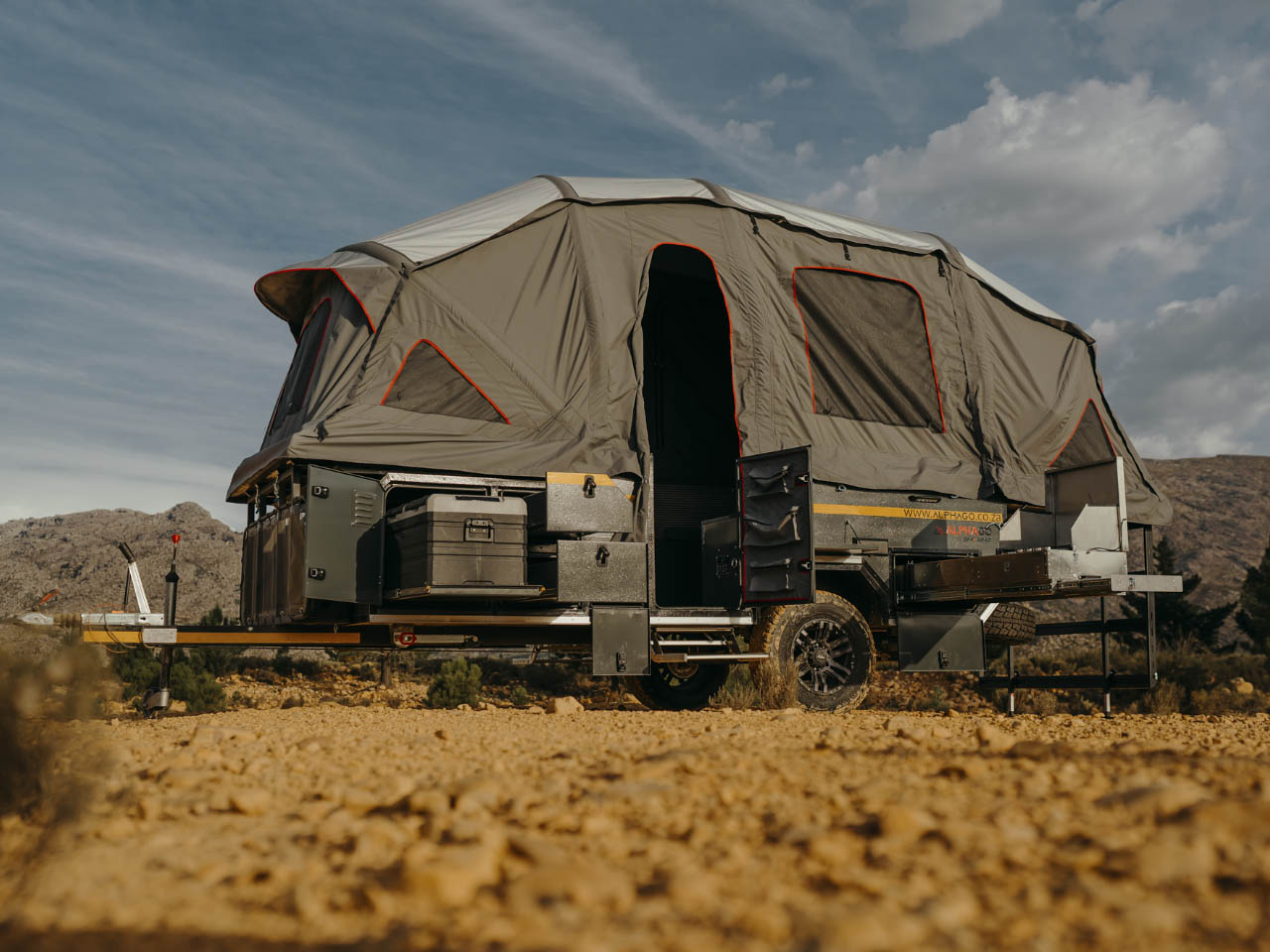
Named the AlphaGo S6 Air V4, this luxurious camping trailer from South Africa is designed to be a comfy off-road trailer that can host a family of six inside a self-inflating camper. This camper maximizes the time you spend at the time, cutting down on set up and set down stress. The trailer effortlessly transitions from a low towable trailer into a splendid multi-room villa.

Why is it noteworthy?

The trailer uses air inflation tech to cut down the need for traditional tenting poles. It can be easily set up in five minutes, building a spacious and cozy interior and adjoining space, to allow users to thoroughly enjoy their camping adventures.

What we like

  • More flexible and spacious as compared to typical trailers
  • Equipped with a 10-leaf spring suspension to tackle challenging roads

What we dislike

  • Completely dependent on functional air inflation device

5. Yacht-Inspired Travel Trailer

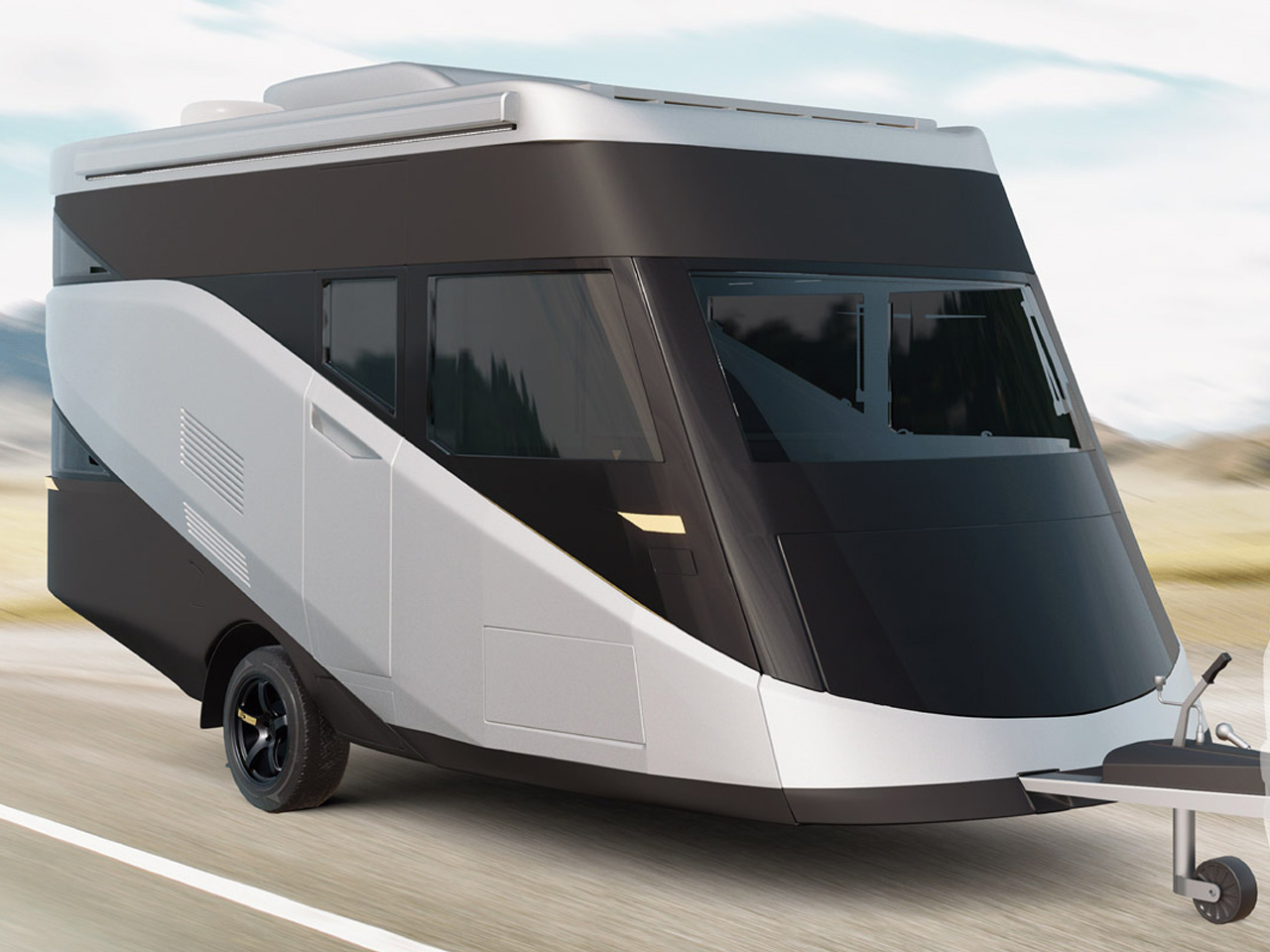
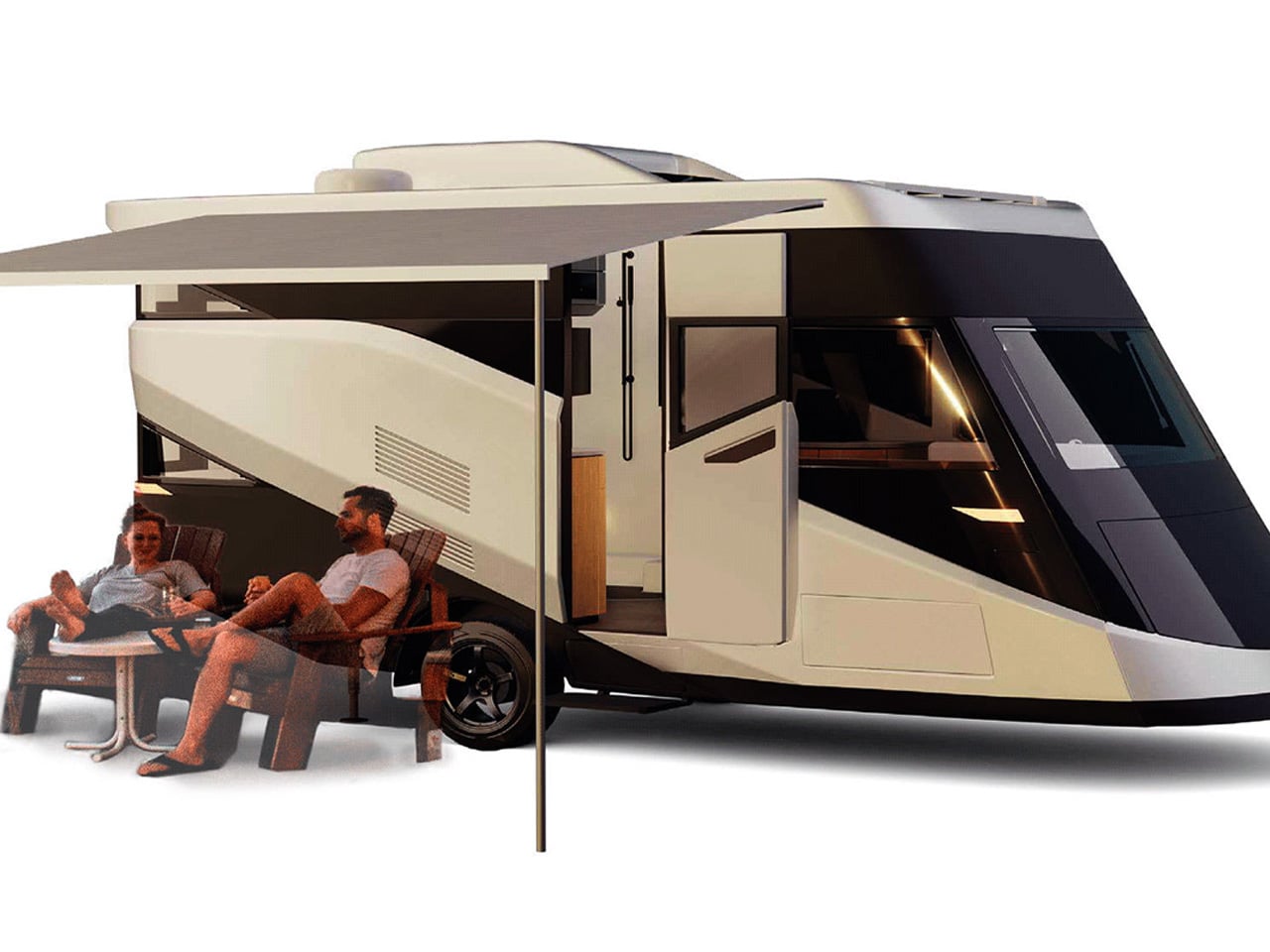
This yacht-inspired travel trailer is truly astounding! Amped with contemporary amenities and design elements that draw inspiration from the beauty of a yacht, this travel trailer offers a yacht experience while you’re on the road. If you’re someone who dreams of being on a yacht but prefers keeping their feet grounded, then this is the trailer for you.

Why is it noteworthy?

The yacht was the inspiration for this elegant trailer, as it is the symbol of maximum comfort. It is road-legal towable, measures 8 sqm, and is equipped with the living space of a trailer that can accommodate a family of four people.

What we like

  • Features an awning that lets you bask in the sun
  • The dining area can be converted into a bed and storage sections

What we dislike

  • Since it is conceptual, we are unsure of how the final product will be

6. Hitch Hotel

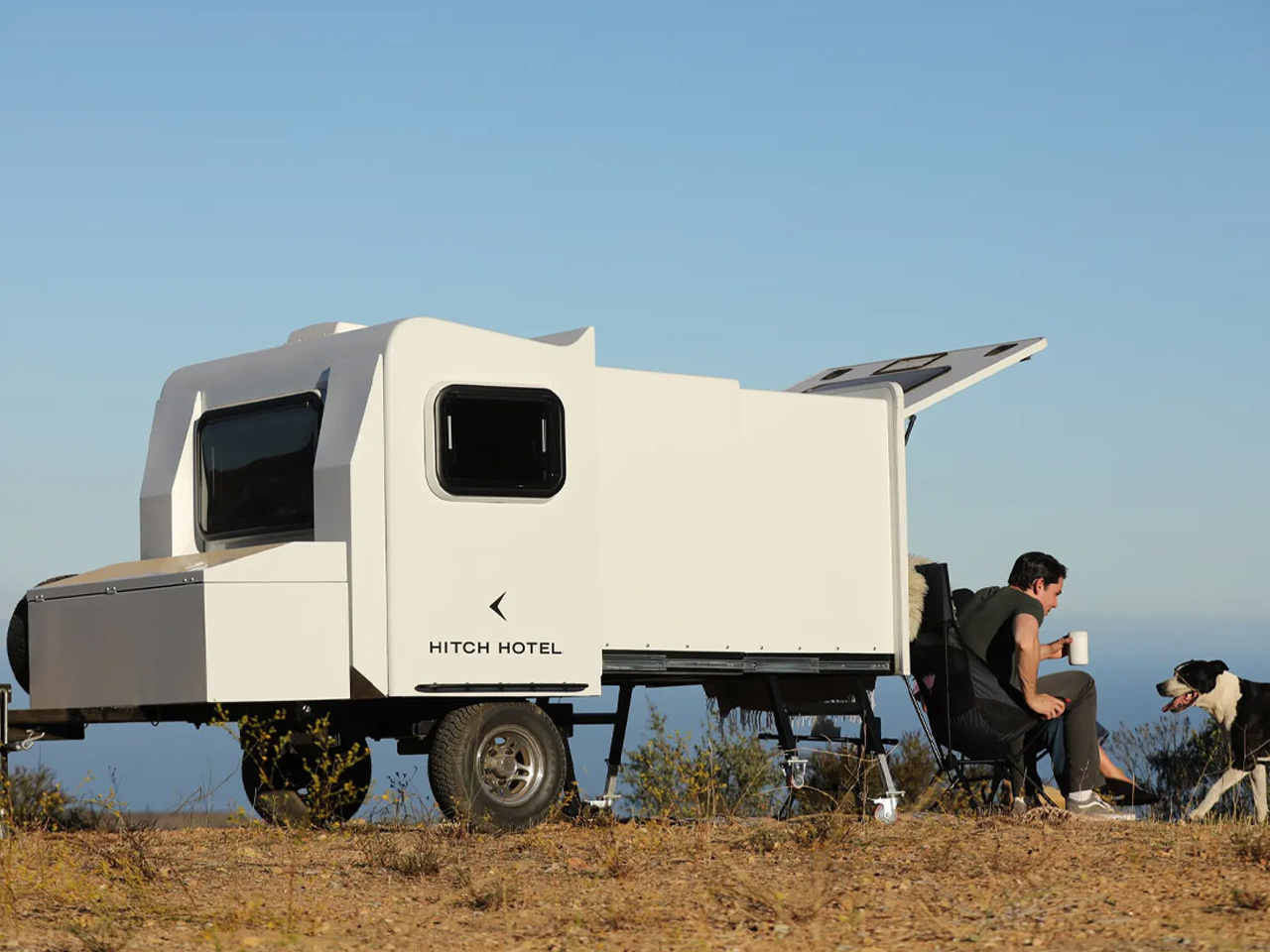
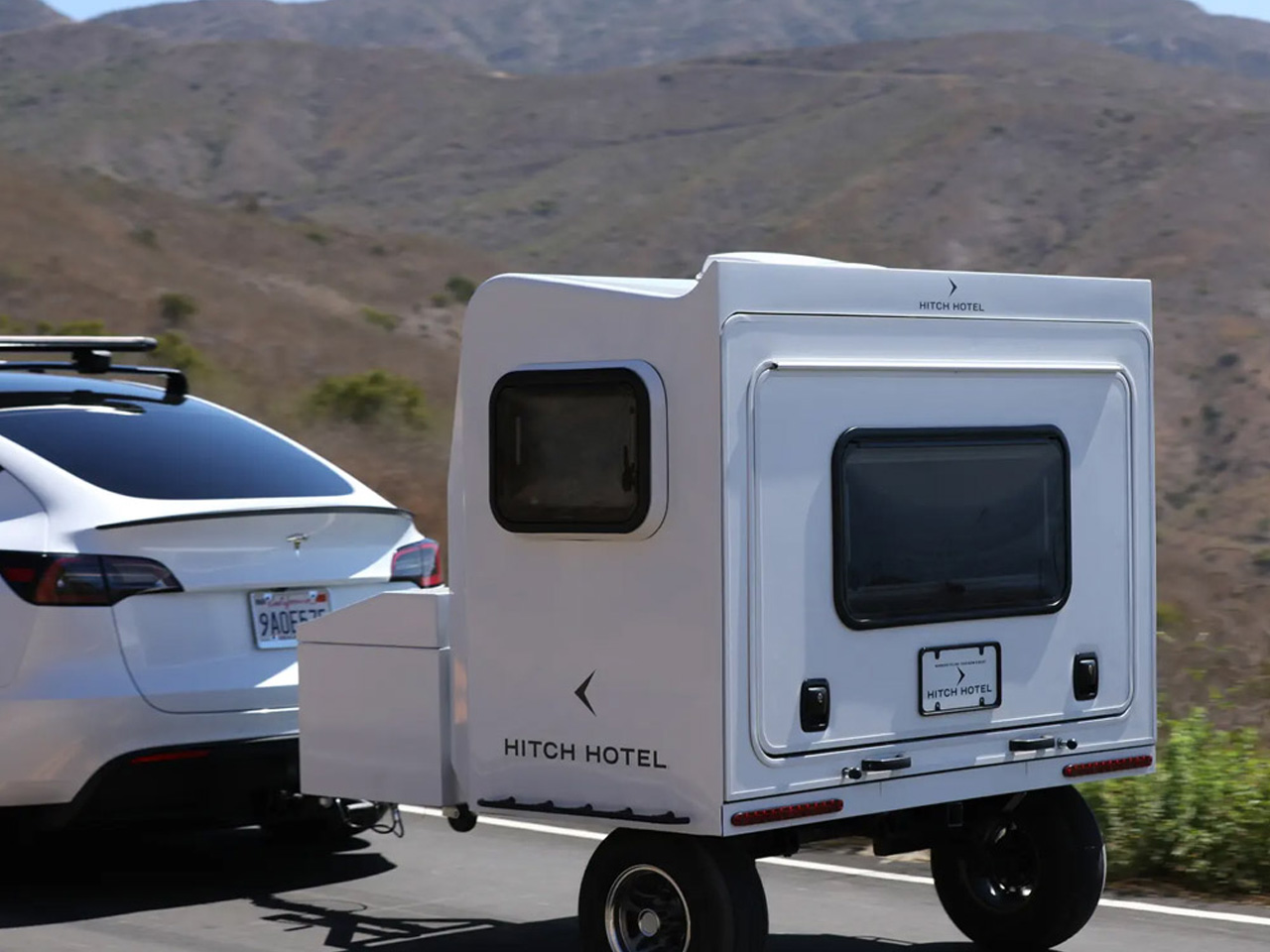
Named the Hitch Hotel, this small towable trailer measures only 3.5 feet once folded for storage. You can easily tag the trailer to the back of your car, and it will retract over 7 feet, not occupying much space.

Why is it noteworthy?

Equipped with a fiberglass body, the overall weight of the trailer is kept to a minimum. You can sleep in it once the sun goes down, and you can even use it to stow your gear. It is quite similar to a conventional trailer in terms of form and functionality. A marine-grade canvas lines the inside with padded insulation.

What we like

  • It is quite well-ventilated
  • Maintains a compact and tiny form

What we dislike

  • Owners have to invest in their sleeping mattress that fits this setup

7. Crossfire 4.7 Trailer

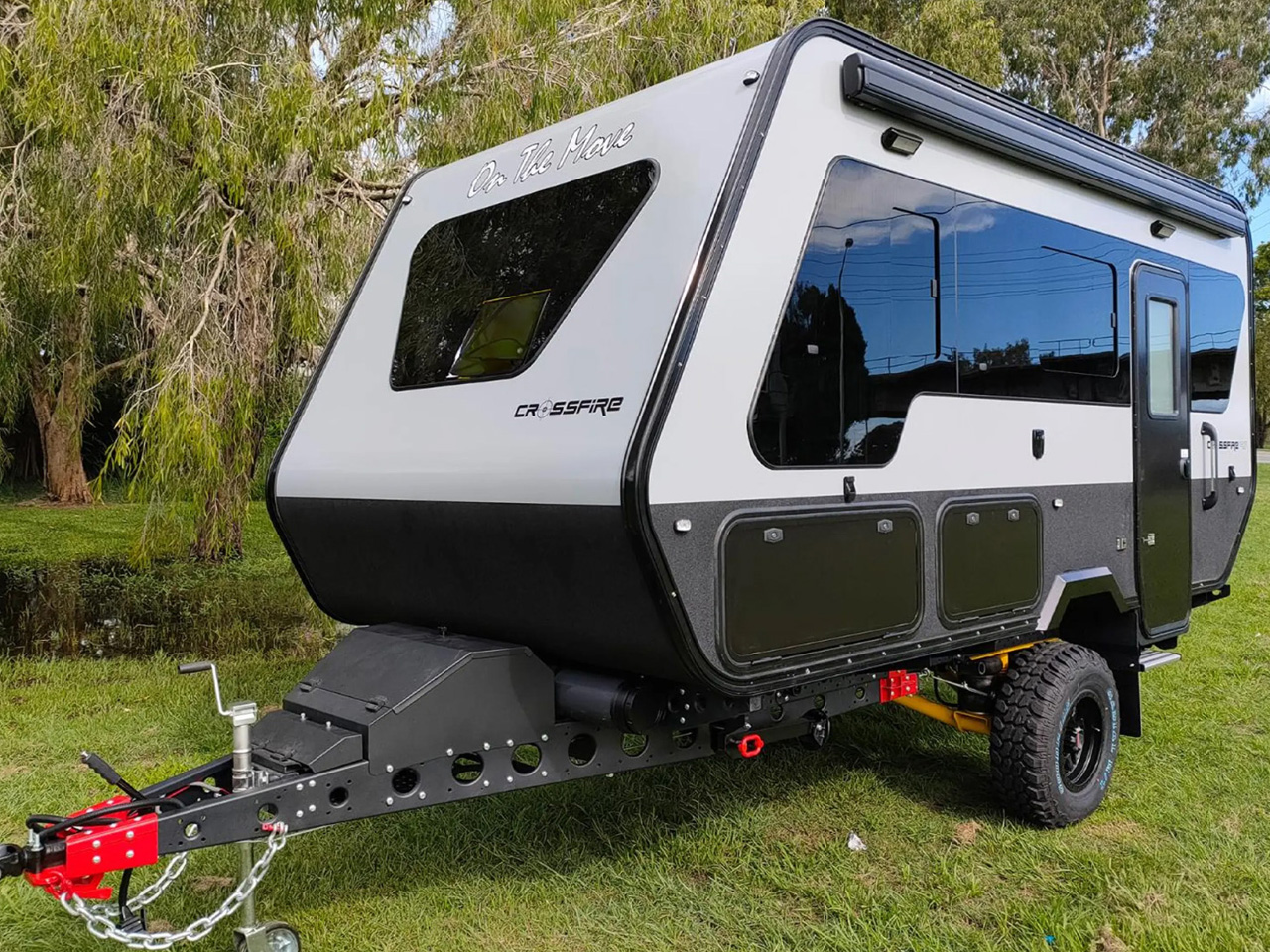
On the Move Caravans recently designed their new Crossfire 4.7 trailer, which was built overseas, while retaining an Australian heart and spirit. The Crossfire 4.7 trailer features a compact, woodfree, and unibody design which is supposed to be 100 percent weatherproof. It is durable and reliable, and an excellent way to explore the unexplored.

Why is it noteworthy?

The trailer is equipped with a generous array of windows on the lateral sides, as well as a few on the back and front, this allows you to enjoy panoramic views of the surrounding landscape if you’re camping or out exploring.

What we like

  • Features a slide-out external kitchen complete with a three-gas burner and a sink

What we dislike

  • We don’t have proper information on the price

8. Earth Camper

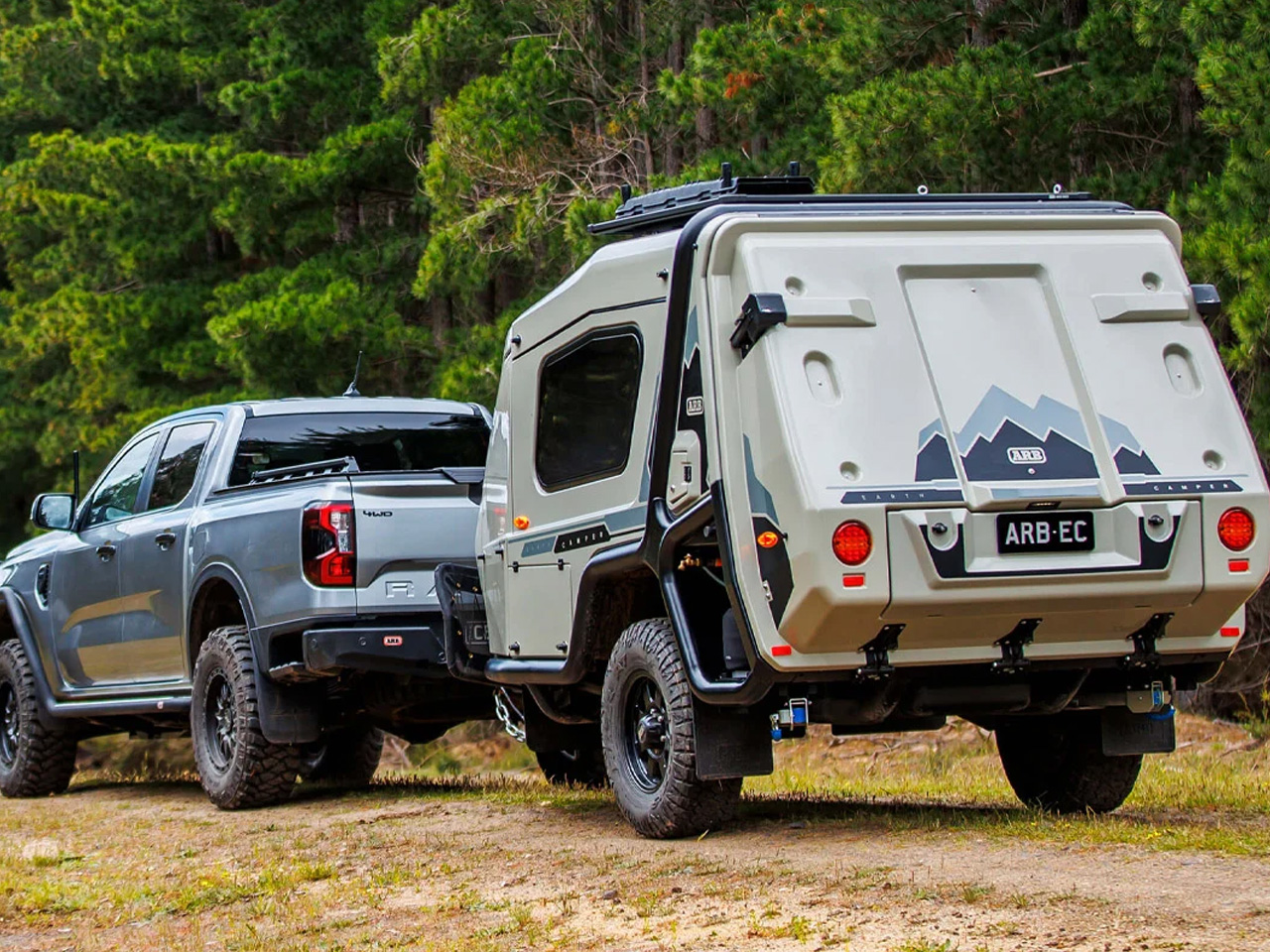
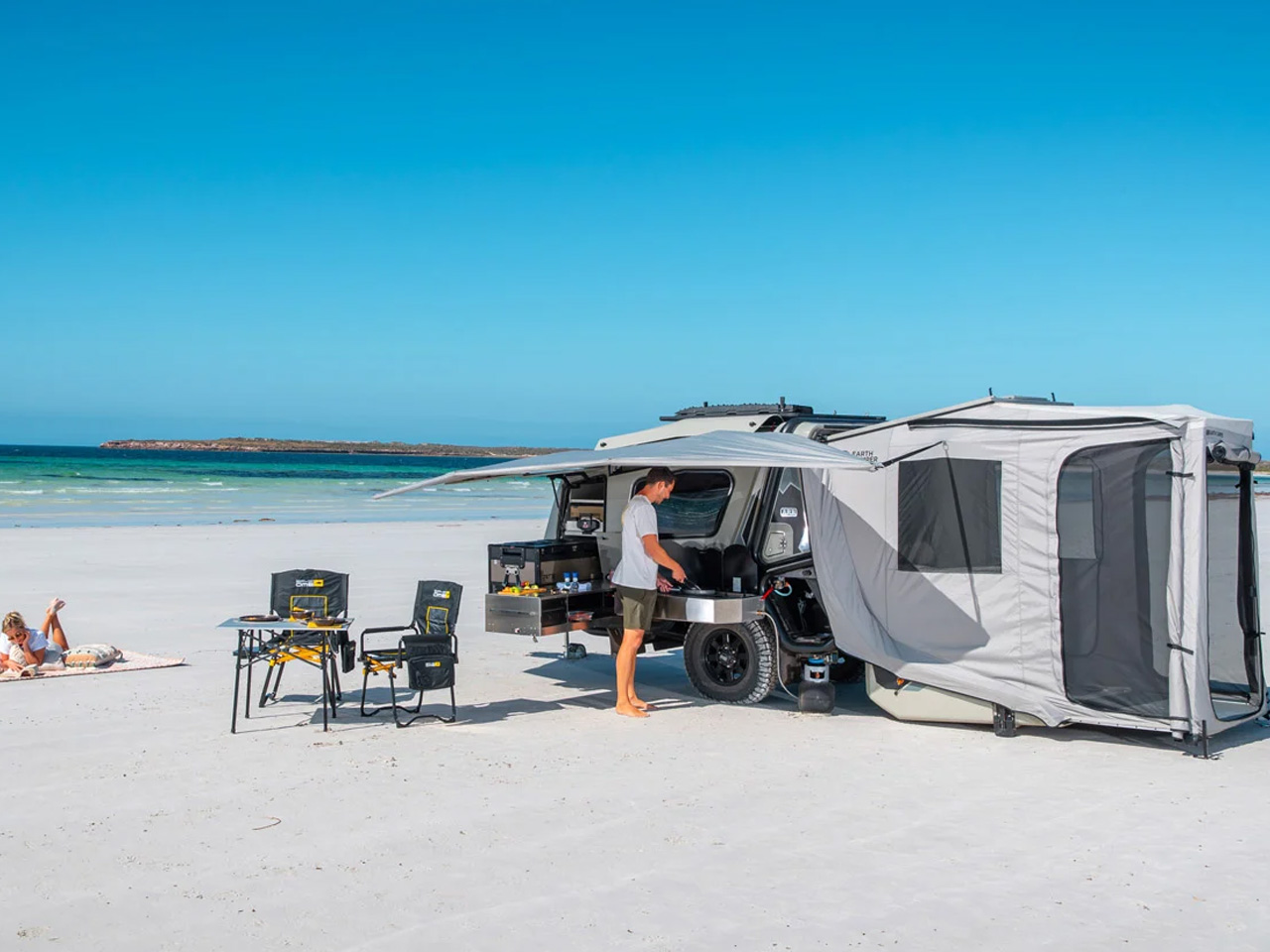
Named the Earth Camper, this camper is designed by ARB, and it will accompany you on your outdoor adventures and off-road expeditions. It features long-travel independent suspension and all-terrain tires. With this camper, you can tackle all kinds of difficult terrains with complete ease.

Why is it noteworthy?

The Earth Camper features a gray gel-coated fiberglass-reinforced plastic shell within a one-piece exoskeleton shell. This offers longevity and durability, and the 25 mm thick walls provide excellent noise control and temperature.

What we like

  • Features 120W roof-mounted solar panels
  • It can cater to all your off-grid needs and requirements

What we dislike

  • On the pricier side
  • It is only available in Australia, so limited availability

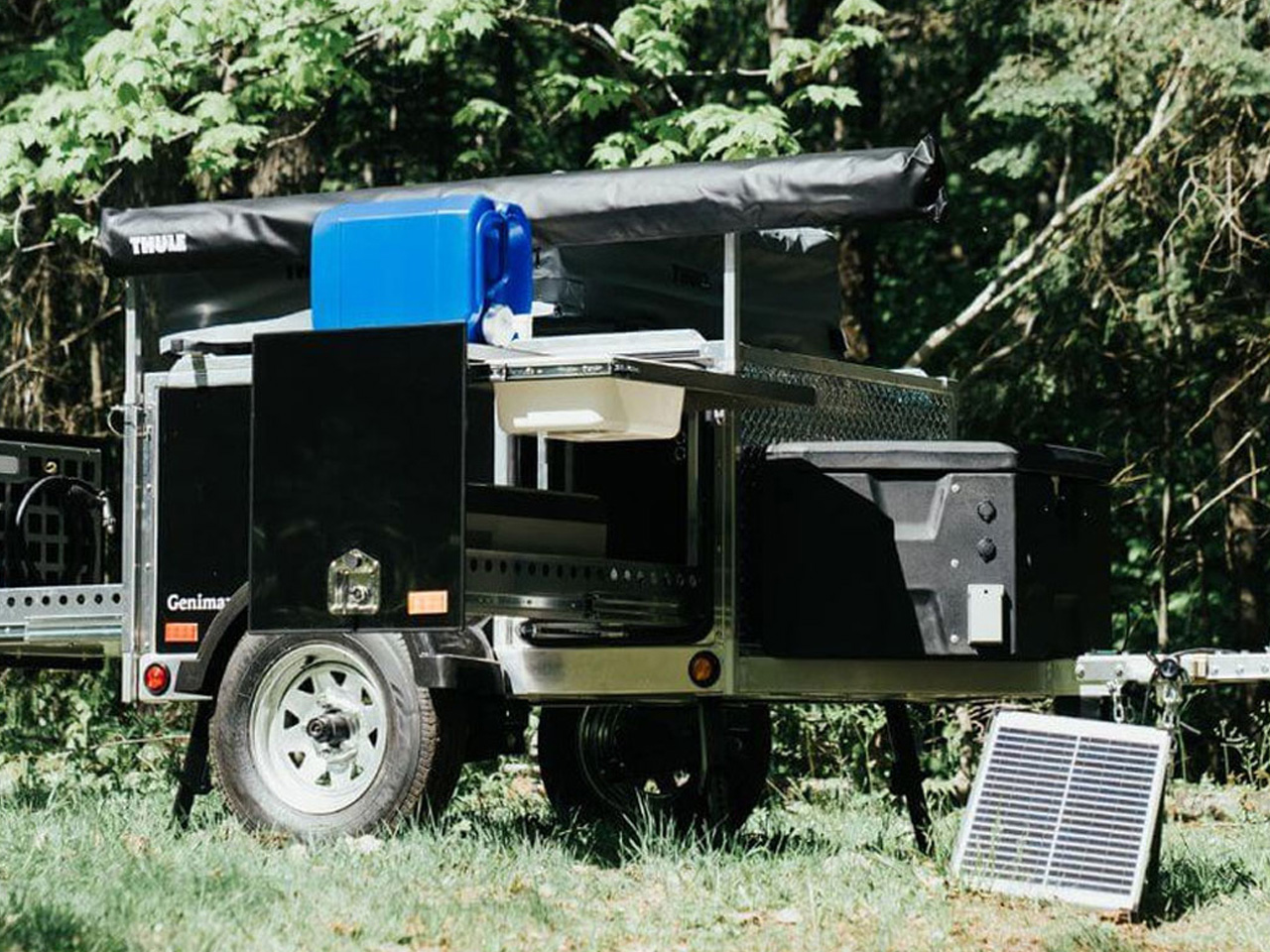
9. Genimax HR

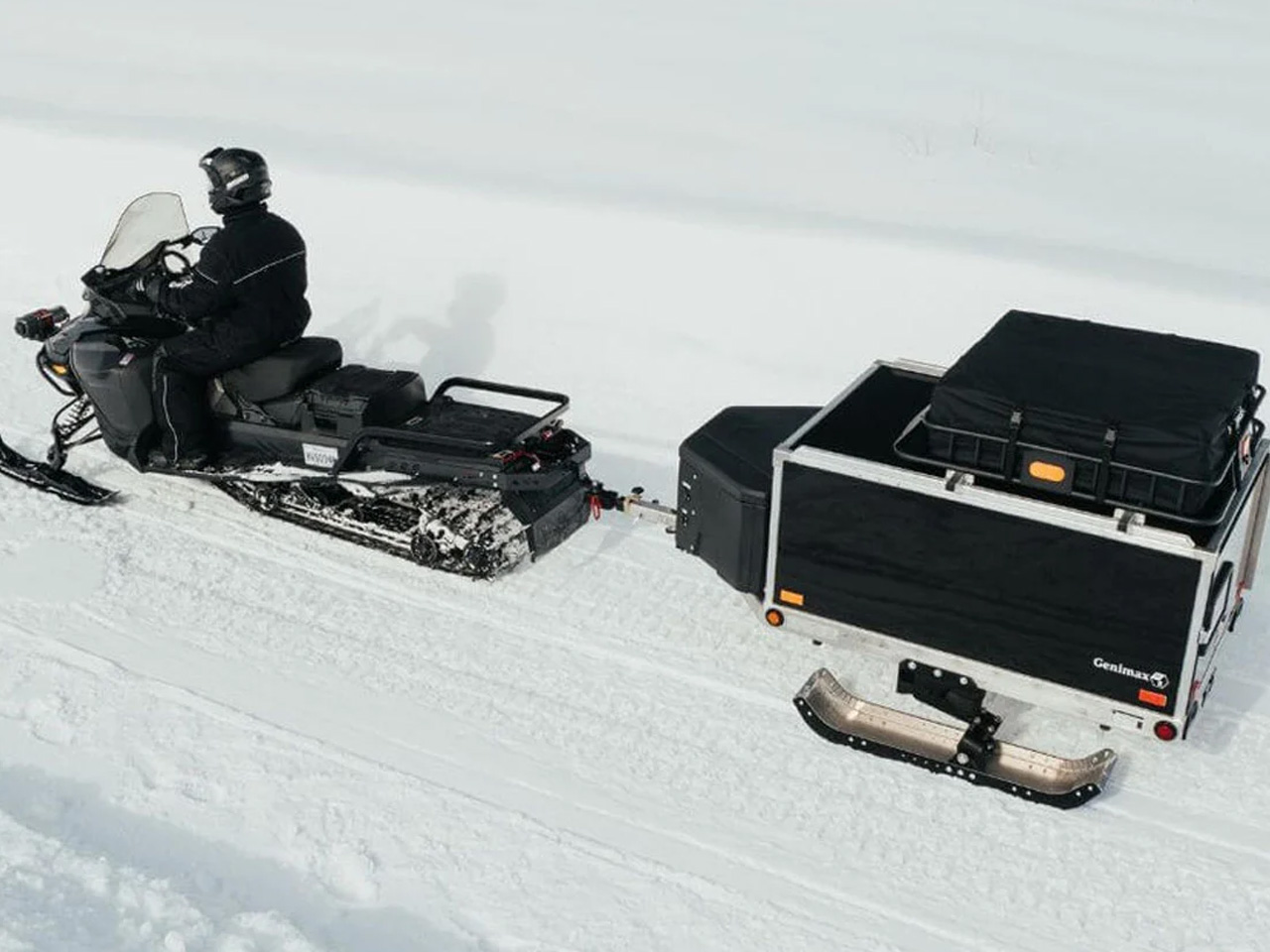
Dubbed the Genimax HR, this affordable pop-roof camper is designed for around-the-year camping. It has a rather lightweight body and is made from aluminum and rust-resistant and durable composite materials. The camper weighs 375 lbs, and you can move to different places with it. It is 60 inches in width.

Why is it noteworthy?

It is equipped with a high-performance independent suspension, and it offers excellent ground clearance to elevate its off-road ability. The camper can also ride smoothly on snow. It is designed specifically as a “ready-to-camp solution to go on an adventure with his little family”.

What we like

  • Lightweight and durable build
  • Features high-resistance polyurethane adhesive sealing

What we dislike

  • Setting up the tent requires tedious manual labor

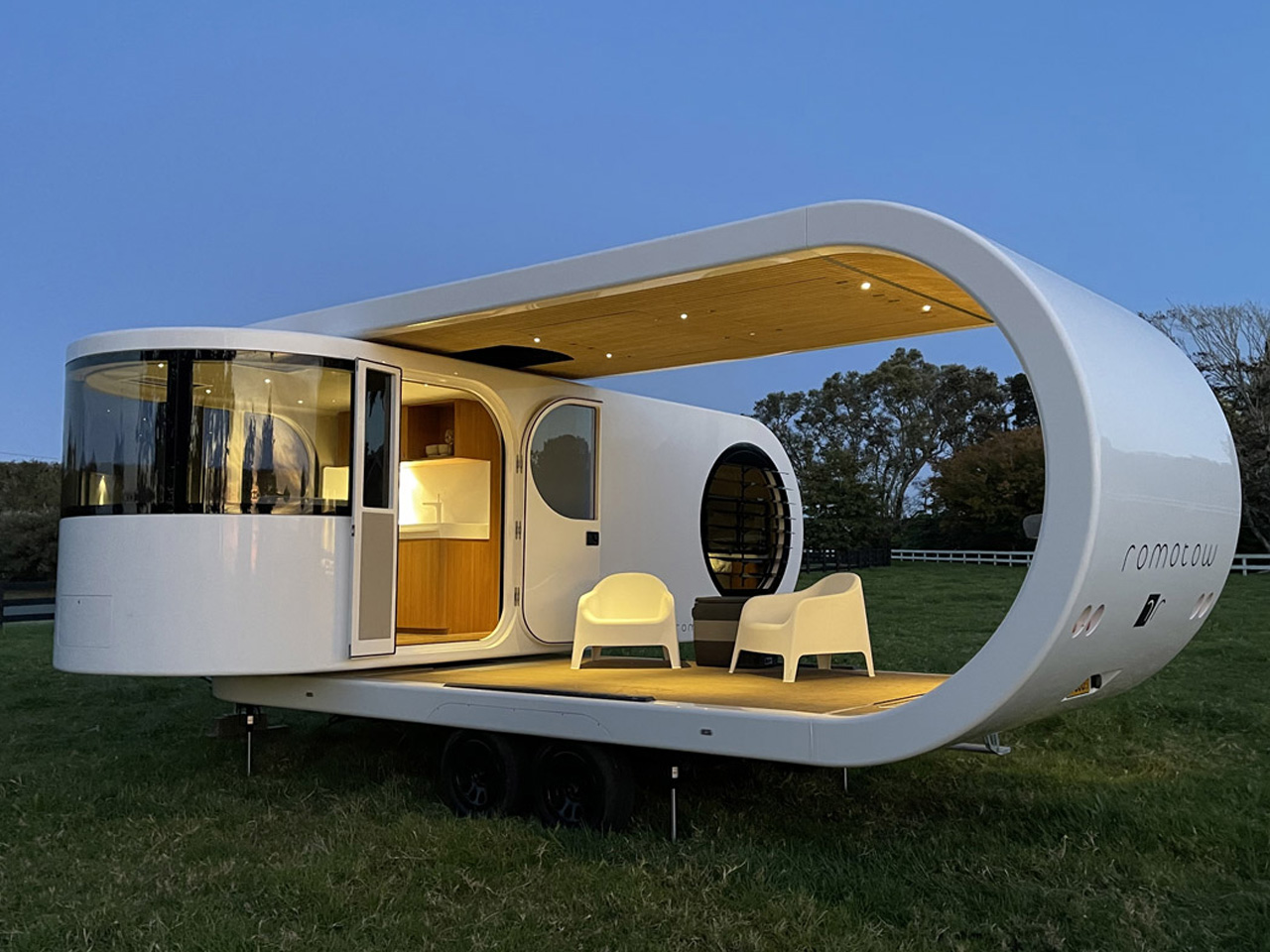
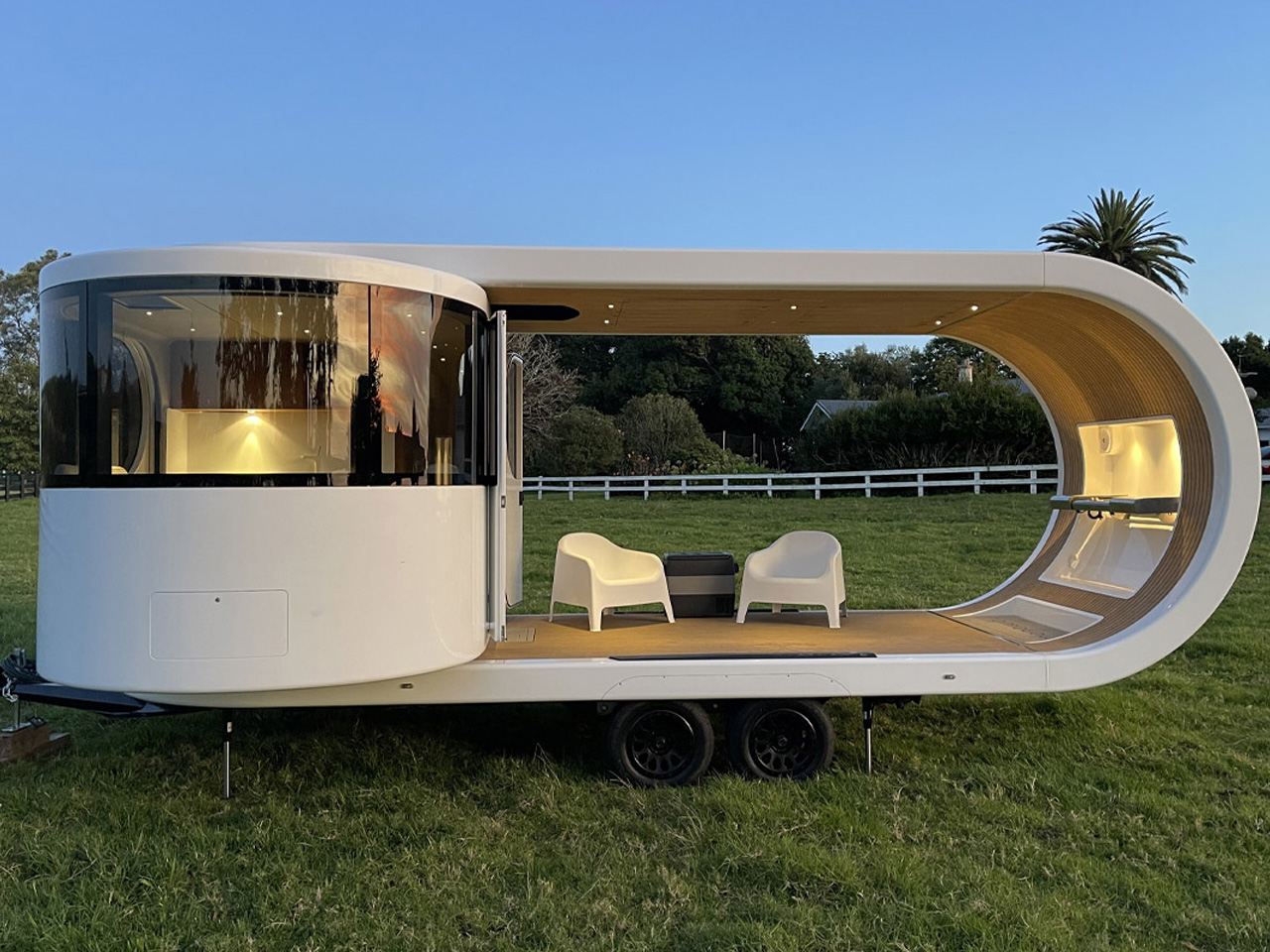
10. Romotow

Named Romotow, this innovative trailer is designed by the New Zealand-based design and architecture firm W2. It features a fixed chassis and a rotated closed living unit which swivels around the full 90 degrees to offer a comfortable outdoor living experience.

Why is it noteworthy?

The Romotow measures 30.5 feet, and in transit, it stays closed. When stationed for the night, the main living unit can be opened on both sides, creating two different sections – a big deck, and a sleeping/living cabin.

What we like

  • Powered by a 200Ah lithium battery and a 395W solar panel on the roof

What we dislike

  • The trailer needs to rotate a complete 90 degrees to fully open up, and that much free space may not always be available

The post 10 Best Camping Automotives You Need To Achieve Your Outdoor Dreams This Summer first appeared on Yanko Design.