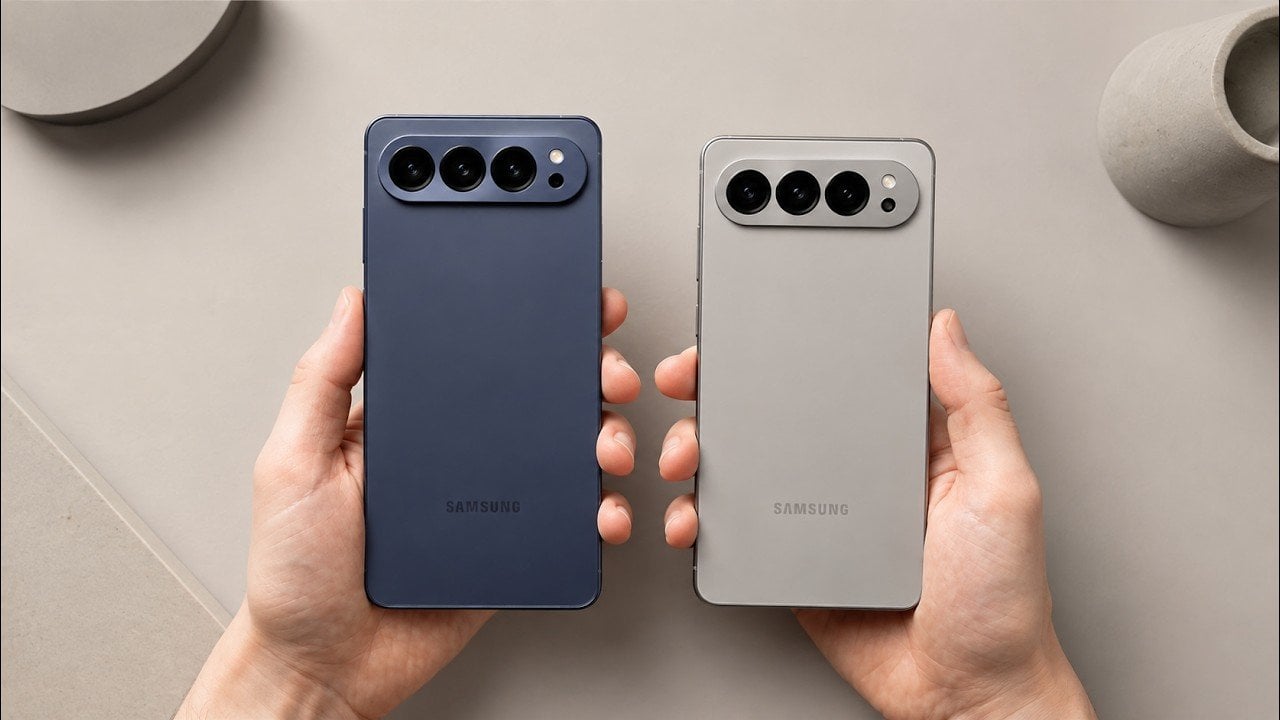
Apple is reportedly preparing to make a significant impact in the foldable smartphone market with the much-anticipated iPhone Ultra. This device is rumored to combine innovative technology with a sleek, foldable design, potentially reshaping expectations for flagship smartphones. Here’s a detailed look at the most intriguing leaks and features surrounding this innovative device. The video […]
Most multi-port chargers operate on faith. You plug in six devices, the indicator lights glow, and you assume everything is receiving the power it needs until something is still at 12 percent an hour later. The culprit is almost always shared output being split in ways the charger never bothered to explain, which leaves users guessing which port to prioritize and whether anything is actually charging at full speed.
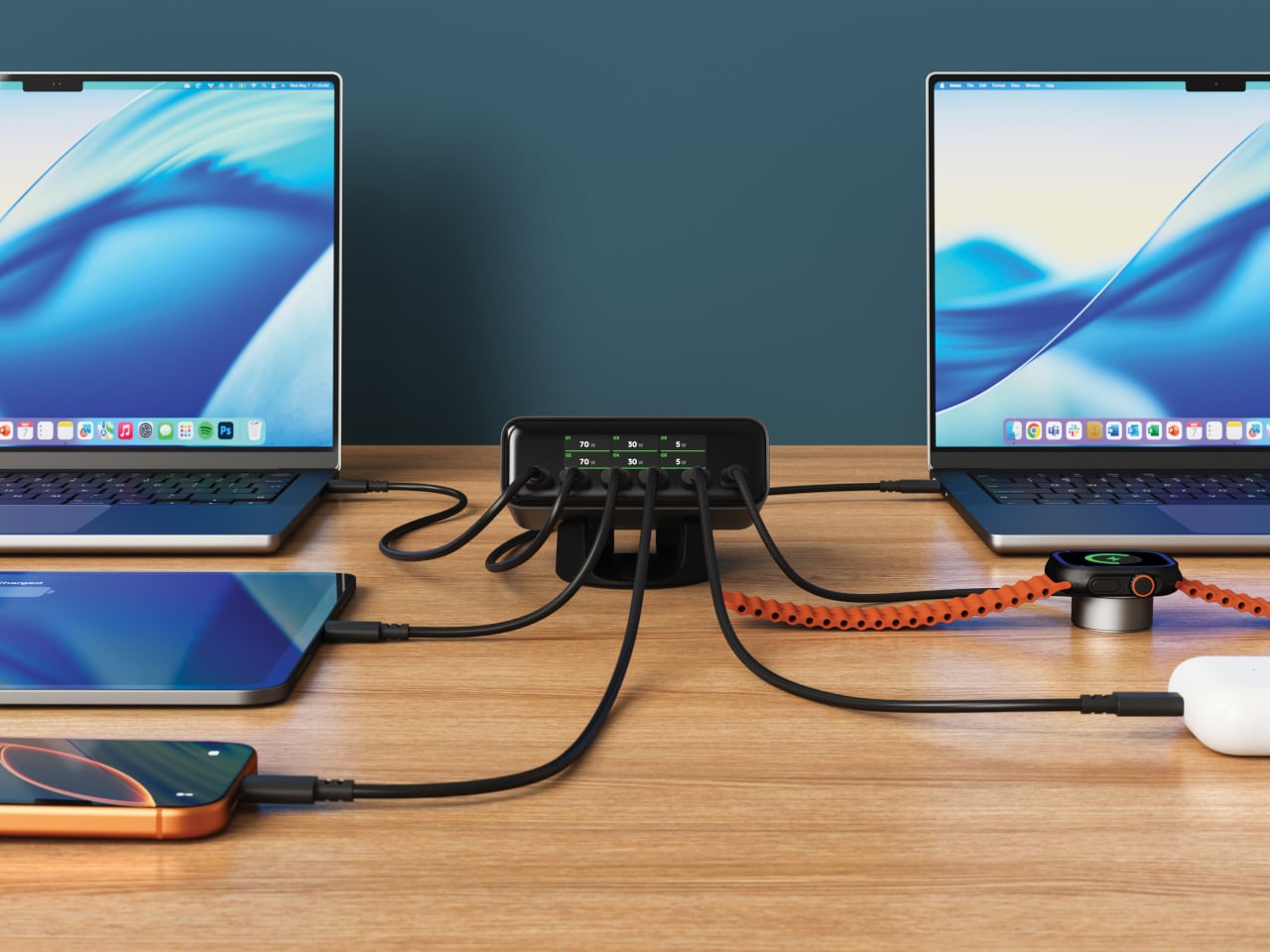
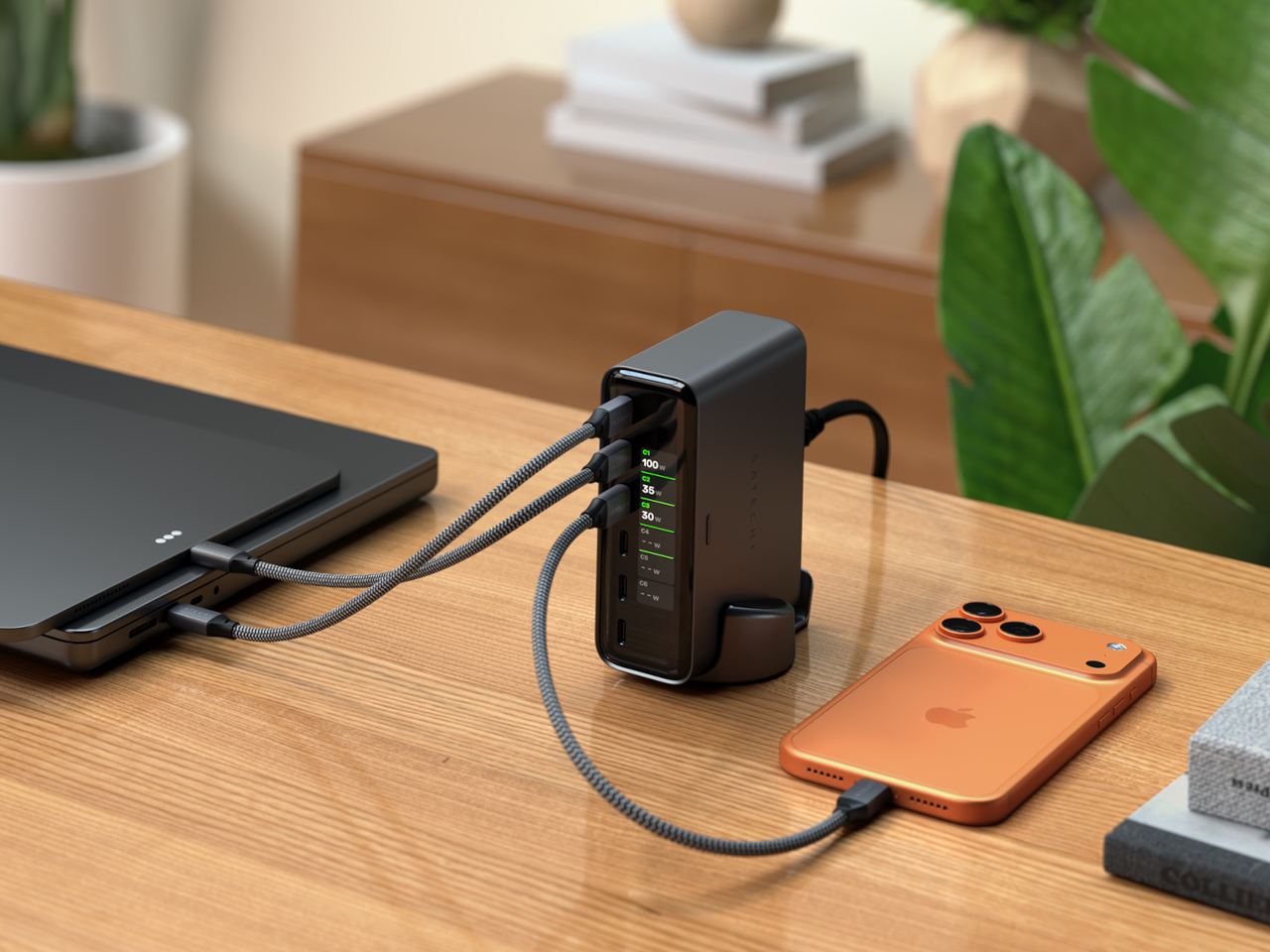
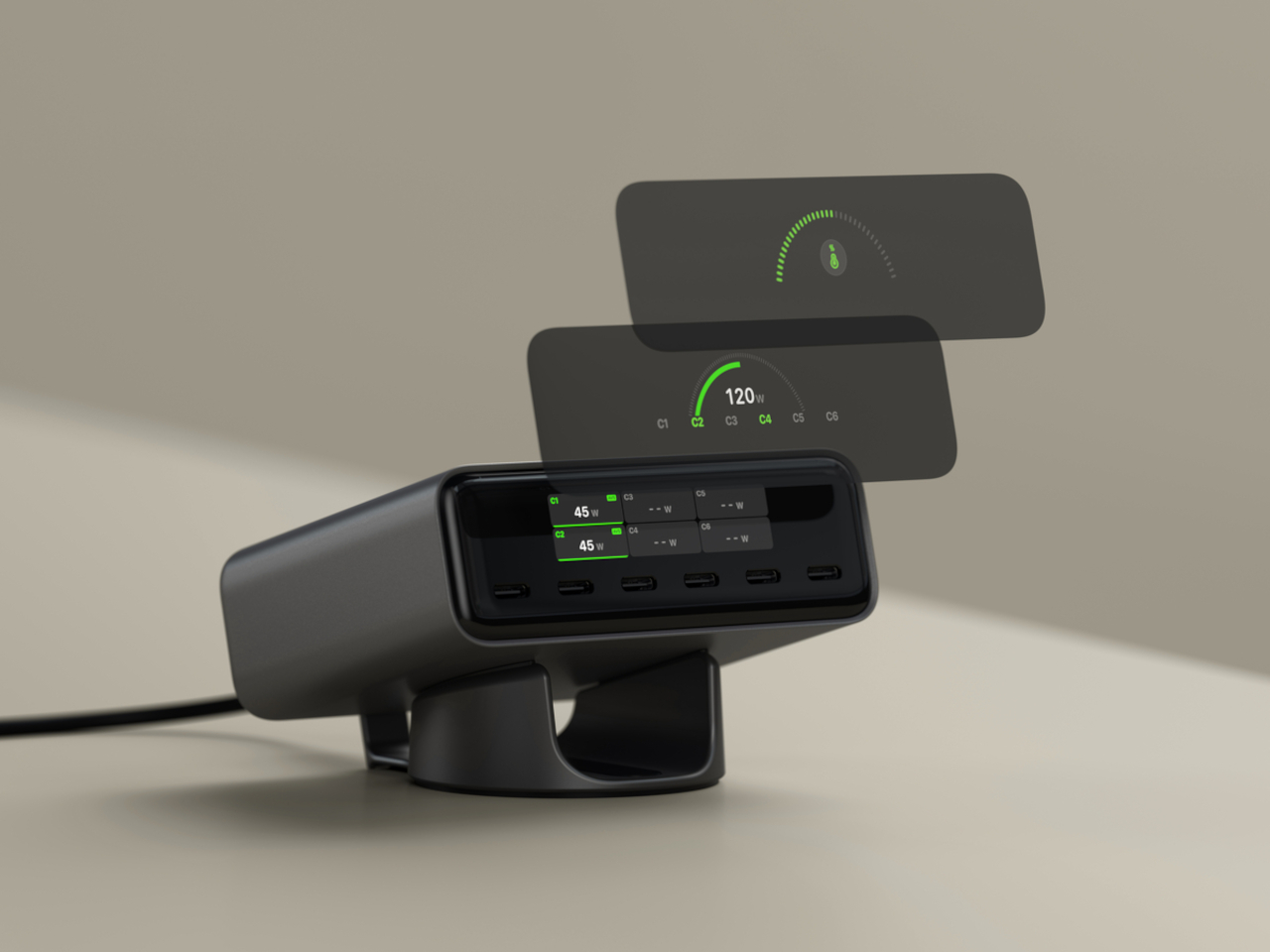
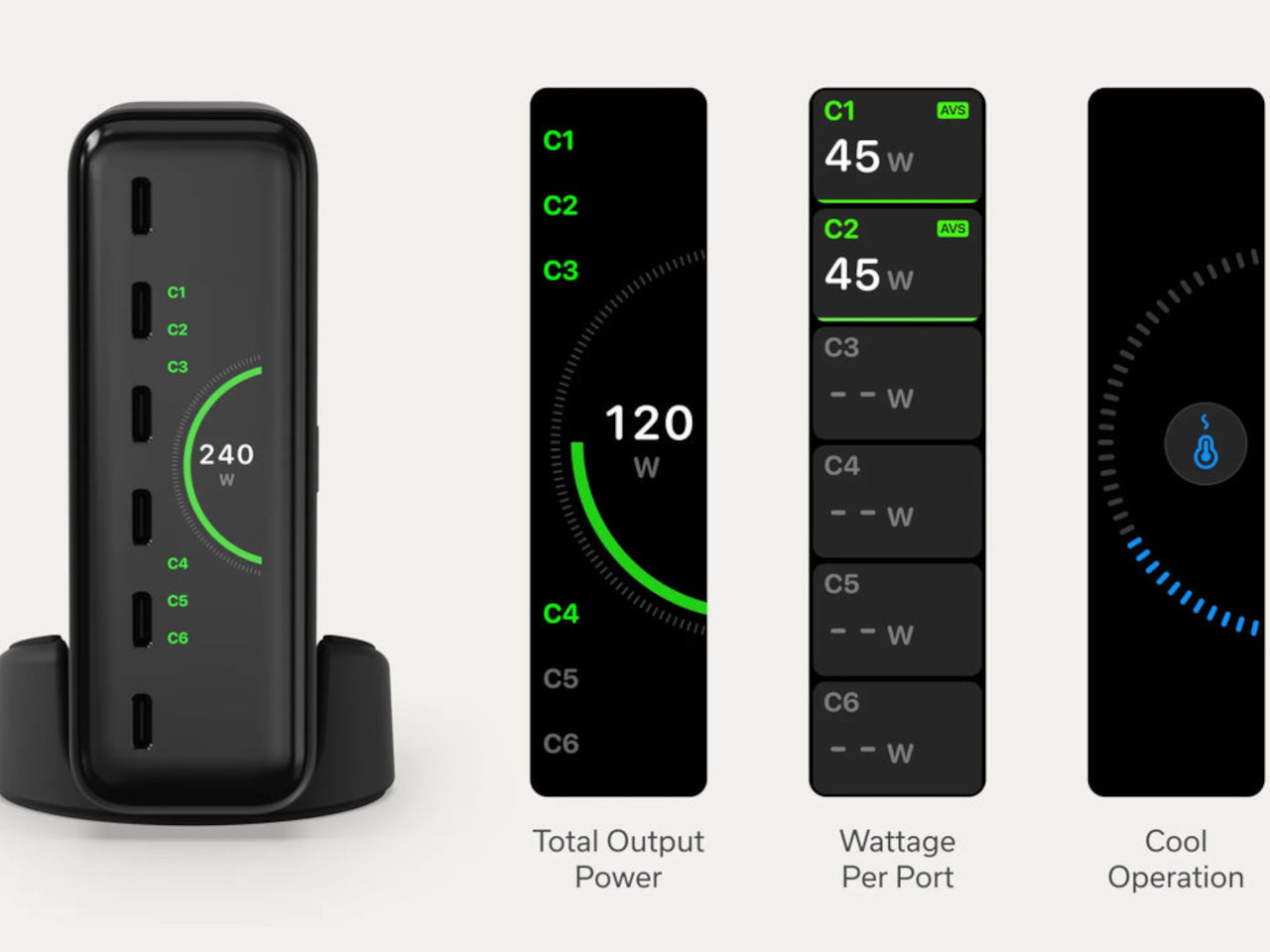
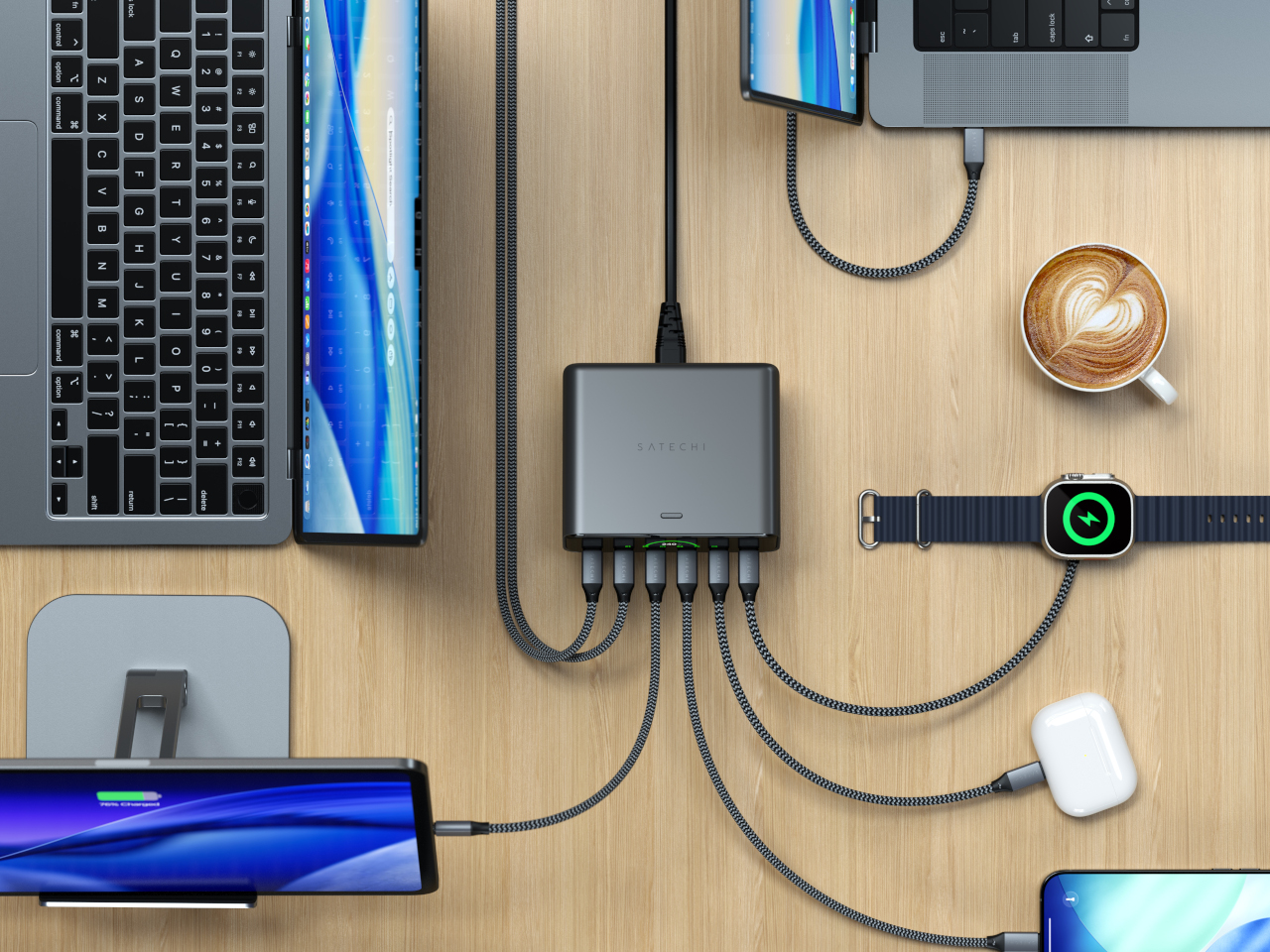
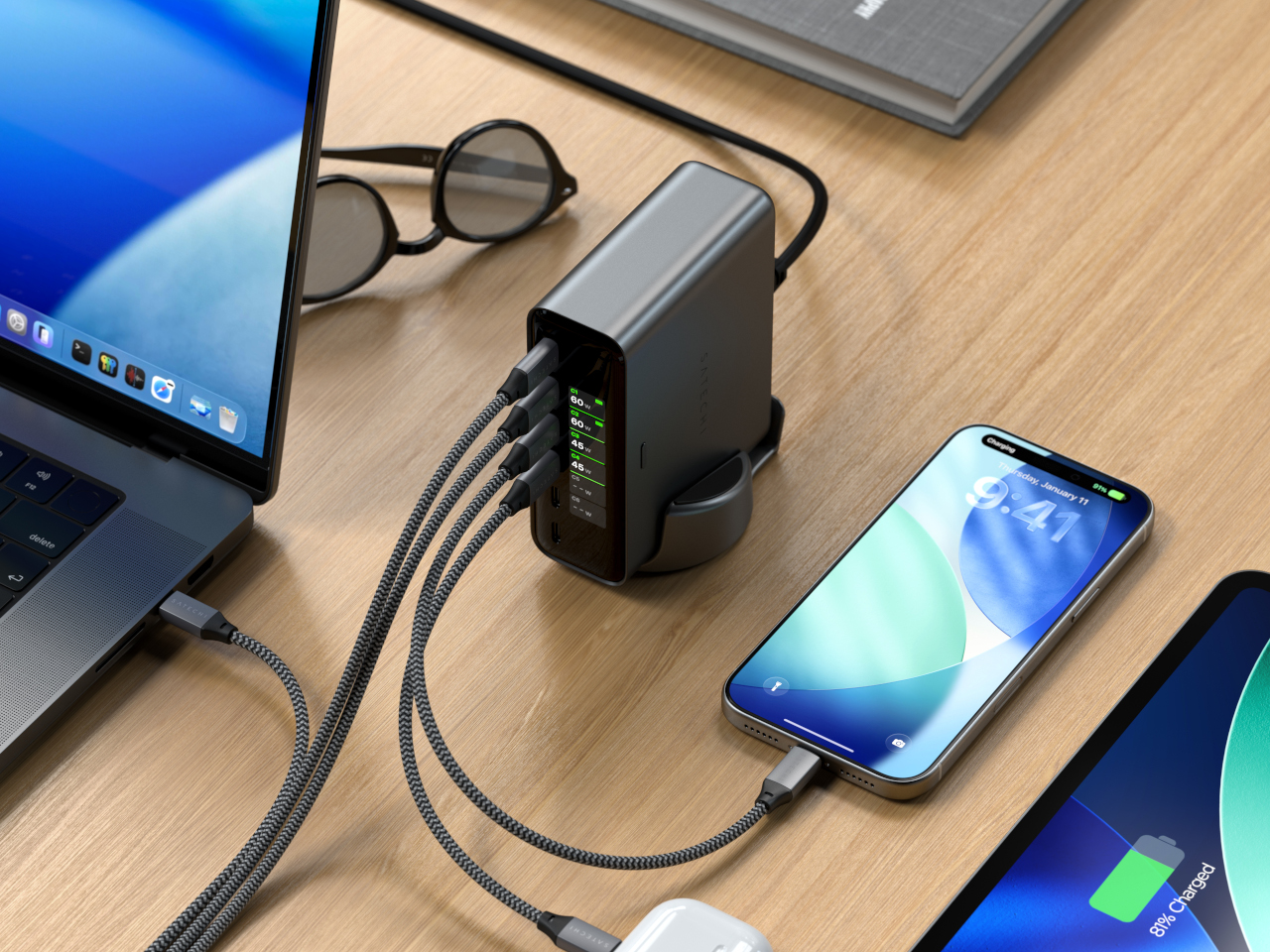
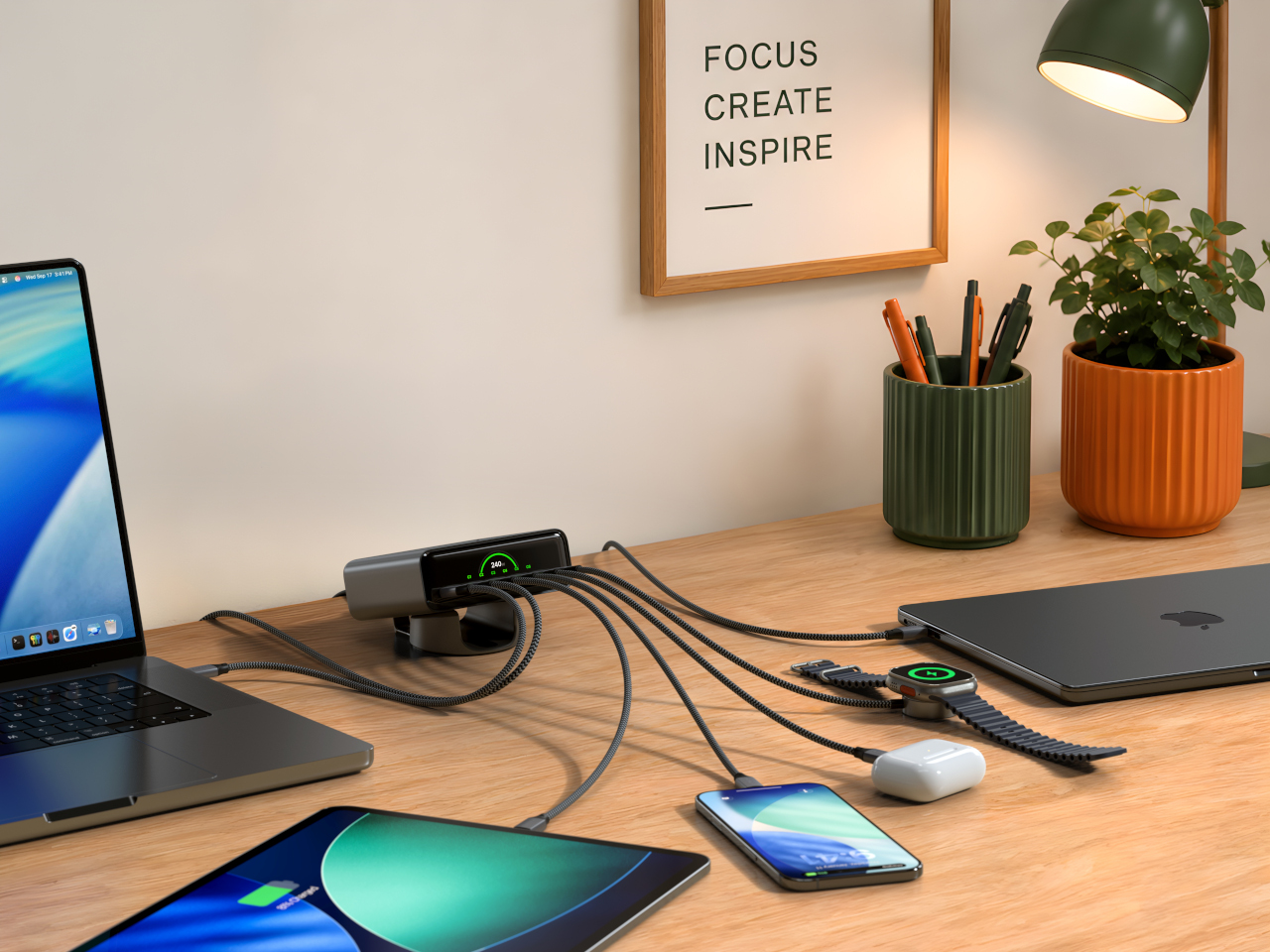
The Satechi ChargeView 240W Desktop Charger takes the guesswork out with an LCD on the front that shows live wattage readings for every port simultaneously. Plug in a laptop and see exactly how many watts it’s drawing. Add a tablet, a phone, and a pair of earbuds, and every number updates in real time. It’s a straightforward idea that most chargers, including expensive ones, haven’t bothered to implement.
Six USB-C ports cover the range of what a loaded desk actually needs. The top two, C1 and C2, each deliver up to 140W using PD 3.2 AVS, making them capable of handling two MacBook Pros at full speed simultaneously. C3 and C4 go up to 100W each for tablets and lighter laptops, while C5 and C6 top out at 30W each for phones, earbuds, and accessories. The 240W total budget distributes intelligently across whichever ports are active.
That intelligence extends to how the ChargeView negotiates with each device. PD 3.2 AVS and PPS allow the charger and device to agree on precisely the right voltage in fine increments rather than jumping between fixed steps. In practice, that means a nearly full phone battery gets a gentle trickle rather than the same hard push used to top up a laptop from empty, which is easier on battery health over time.
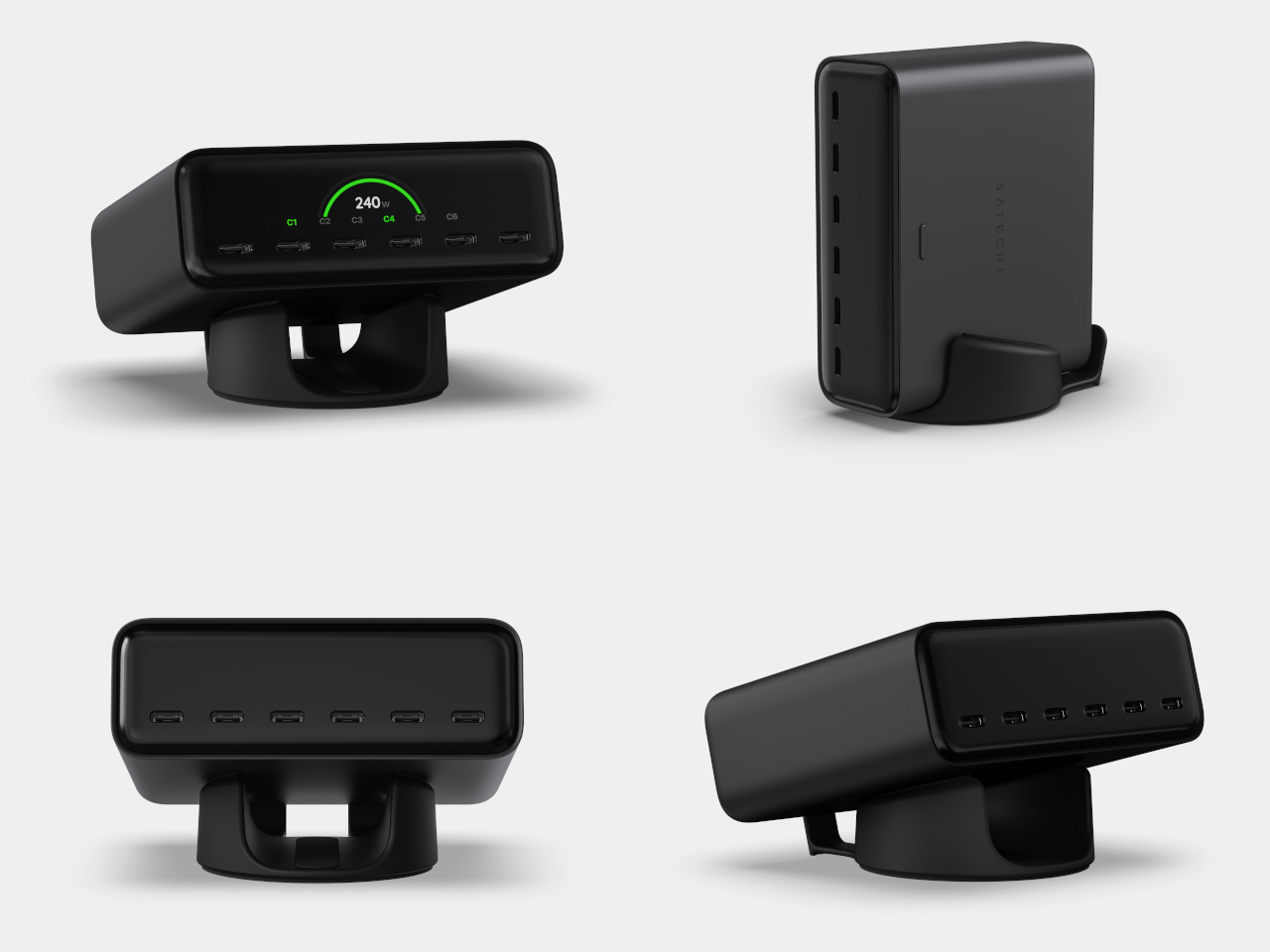
The display does more than show wattage. It reads temperature across all ports simultaneously, and flags when thermal conditions shift, with the charger pulling back output before heat becomes a problem. That monitoring runs continuously without any intervention needed. The LCD auto-dims after about a minute of inactivity and wakes when a cable is plugged in, so it’s visible when useful and dark when not. The display also rotates to stay readable in either vertical or horizontal orientation, matching whichever position the included precision stand is set to.
GaN technology handles the power delivery without a fan, keeping the unit silent even when all six ports are running at capacity. At 4.3in x 3.6in x 1.5in, it’s roughly the footprint of a paperback book for something handling 240W. The Space Black metallic finish and borderless display cover sit comfortably next to darker-toned setups, and the stand’s horizontal position adds a slight forward tilt that makes the display easier to read from a seated position.
The ChargeView 240W retails for $149.99 and is covered by a two-year warranty. What this 240W charger offers that a standard multi-port product doesn’t is accountability. Every watt is visible, every device is reported, and the charger’s own thermal state is always on display. For anyone who has watched a laptop charge for two hours and wondered why it’s still at 60 percent, that kind of transparency turns out to be worth something.
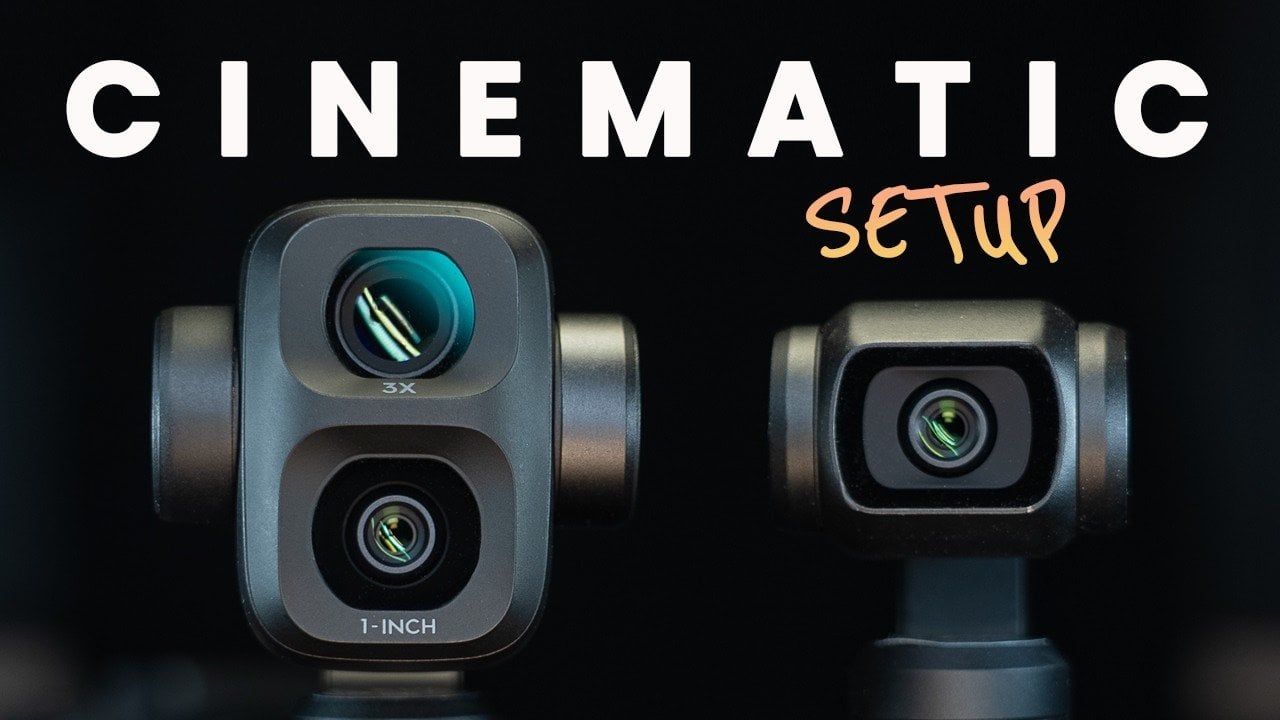
The Osmo Pocket 4 and 4P offer compact yet capable solutions for capturing cinematic-quality video, but achieving professional results requires careful attention to settings and techniques. In a detailed breakdown by The Film Alliance, the importance of foundational steps like firmware updates and gimbal calibration is emphasized to ensure smooth operation and stable footage. Additionally, […]
The Google Pixel 11 Pro builds upon the foundation laid by its predecessor, the Pixel 10 Pro, with a series of thoughtful updates. While the core specifications remain largely consistent, the latest model introduces refinements in design, camera technology, and usability, ensuring a more polished and efficient smartphone experience. In the video below, Techmo explores […]
OpenAI and SpaceX have made significant strides in the AI landscape this week, unveiling advanced models designed to address distinct challenges and opportunities in the field. OpenAI introduced GPT-5.7 Astra, a model optimized for multi-agent collaboration, and ChatGPT 6 Doug, which represents its most ambitious project to date, though its release is delayed to prioritize […]
The Samsung Galaxy S27 Ultra is set to become a pivotal release, particularly for mobile gaming enthusiasts. With the integration of Qualcomm’s Snapdragon 8 Elite Gen 6 and Gen 6 Pro processors, this flagship smartphone promises to deliver exceptional performance, smoother gameplay and improved energy efficiency. These technological advancements, combined with significant hardware upgrades, position […]
The NVIDIA DGX Spark has sparked considerable discussion in the AI development community since its release and for good reason. Marketed as a personal AI supercomputer, it aims to bring high-performance computing to individual developers and small teams. However, as AI Master explains, the DGX Spark’s appeal is limited by its high price point—now $4,699, […]
Samsung has officially confirmed the development of the Galaxy Ring 2, a next-generation smart ring designed to push the boundaries of wearable technology. This announcement has generated significant interest, though the company has stated that the device’s release will take longer than initially anticipated. By prioritizing product quality and advanced functionality, Samsung has set its […]
Meta’s latest release, Muse Glimmer 30B, marks a significant development in the open AI landscape. With a dense architecture using all 30 billion parameters during inference, the model is optimized for tasks requiring multi-step reasoning and long-term decision-making. Sam Witteveen explores how Muse Glimmer, licensed under Apache 2.0, is designed for local deployment, with quantized […]