Canyon’s Hexagon Charger Makes Wireless Charging Actually Cool

When you think about wireless chargers, your mind probably goes straight to flat discs or boring black rectangles scattered across your desk. But VLND Studio just flipped that script with their Wireless Charging Station for Canyon, and the design world took notice. This isn’t just another tech accessory pretending to be minimal. It’s a genuine rethinking of how charging stations can look and function.

The Hexagon 310, as it’s officially called, is part of Canyon’s newly introduced Hexagon series. What makes it stand out? That distinctive hexagonal smartphone charging pad that gives the whole station its name and personality. While most charging stations try to disappear into your space, this one demands to be seen, but in the best possible way. It’s sculptural without being pretentious, technical without feeling cold.

Designer: VLND Studio

VLND Studio’s approach here is refreshingly practical. The 3-in-1 station delivers 15 watts of rapid charging power, which means your devices actually charge quickly instead of just sitting there looking pretty. The hexagonal shape isn’t just about aesthetics either. It creates structured storage areas that guide where you place your devices, reducing that annoying fumbling around trying to find the sweet spot for wireless charging. The geometry actually helps with alignment and optimizes the limited real estate on your desk or nightstand.

Let’s talk about what you’re getting functionally. The station charges three devices simultaneously using a Qi magnetic connection that’s compatible with Apple devices. Canyon includes a 20W adapter with changeable EU and UK plugs, so you’re covered whether you’re in London or Lisbon. There are LED indicators and backlighting, plus four types of protection (over-current, over-voltage, over-temperature, and foreign object detection) built in, because nobody wants their phone turning into a hand warmer.

The Red Dot jury was particularly impressed by how the symmetrical geometry unites functional organization with what they called “distinctly futuristic aesthetics.” That’s design-speak for saying it looks like it belongs in a tech enthusiast’s setup without trying too hard. The compact design ensures stability on any surface, and those rounded edges and soft curves give it an approachable, almost friendly presence.

What’s interesting about this collaboration is that Canyon, typically known for more budget-conscious tech accessories, partnered with VLND Studio to create something that punches way above its weight class design-wise. The in-house team at Canyon (including designers Vladlens Zabelskis, Elena Alekseeva, Dmitry Romanenko, Ilya Koloskov, Vladislav Olinov, and Igor Volkov) brought their engineering expertise, while VLND Studio clearly pushed the aesthetic boundaries.

The color options show restraint in the best way. You can choose from light grey with an orange accent, cool grey with blue, or an all-black version with green. That pop of color in the vertical support column adds just enough visual interest without overwhelming the minimalist vibe. It’s the kind of detail that makes you smile when you notice it but doesn’t scream for attention.

Canyon describes the Hexagon 310 as exemplifying their core vision: designing tech products that are as intelligent as they are visually compelling. That might sound like marketing fluff, but when you look at the actual product, it tracks. This charging station does more than organize your devices. It brings a little bit of joy to the mundane task of keeping your gadgets powered up.

For design enthusiasts and tech lovers alike, the Hexagon 310 represents something we don’t see enough of: everyday objects that work brilliantly while also being genuinely interesting to look at. VLND Studio and Canyon proved that wireless chargers don’t have to be afterthoughts in your space. Sometimes, they can be conversation starters.

The post Canyon’s Hexagon Charger Makes Wireless Charging Actually Cool first appeared on Yanko Design.
This Smart Charging Adapter Finally Flexes So Your Cables Don’t Have To

Charging phones and portable devices has become one of the most routine actions of modern life. From the moment we wake up to the time we go to sleep, our devices depend on reliable power. We charge at home, in offices, cafés, airports, hotels, libraries, and public transportation spaces. Despite how frequently charging occurs, the physical environments designed to support it often feel like an afterthought. Wall sockets are commonly placed low to the ground, behind furniture, under desks, or in narrow corners that were never designed with daily device use in mind.

As a result, charging cables are routinely forced into uncomfortable positions. They are bent sharply against walls, twisted sideways, or compressed between furniture and outlets. Over time, this repeated stress causes visible wear. The outer insulation begins to tear, internal wiring weakens, and charging reliability declines. Many users replace cables not because they stop working suddenly, but because gradual damage makes them unsafe or frustrating to use. This cycle creates unnecessary waste, financial cost, and ongoing inconvenience.

Designer: Berkan Sunayol

Beyond annoyance, damaged charging accessories raise genuine safety concerns. Continuous pressure on the adapter and cable can degrade electrical contact points, increasing the risk of overheating, inconsistent power delivery, or short circuits. In public and shared environments, where users may not notice early signs of damage, this becomes an overlooked safety issue.

Charging cables are intentionally designed to be flexible. They allow users to route them around objects, across surfaces, and through tight gaps. Charging adapters, however, remain rigid and stiff. This mismatch creates a critical point of failure. When a rigid adapter is plugged into an awkwardly placed socket, it locks the cable into a fixed angle. The cable is forced to bend sharply at the connector, which is often the weakest part of the entire system.

Over time, this rigidity undermines the durability of both the cable and the adapter. Despite widespread awareness of cable damage, most existing solutions focus on reinforcing the cable itself rather than addressing the adapter that causes the stress.

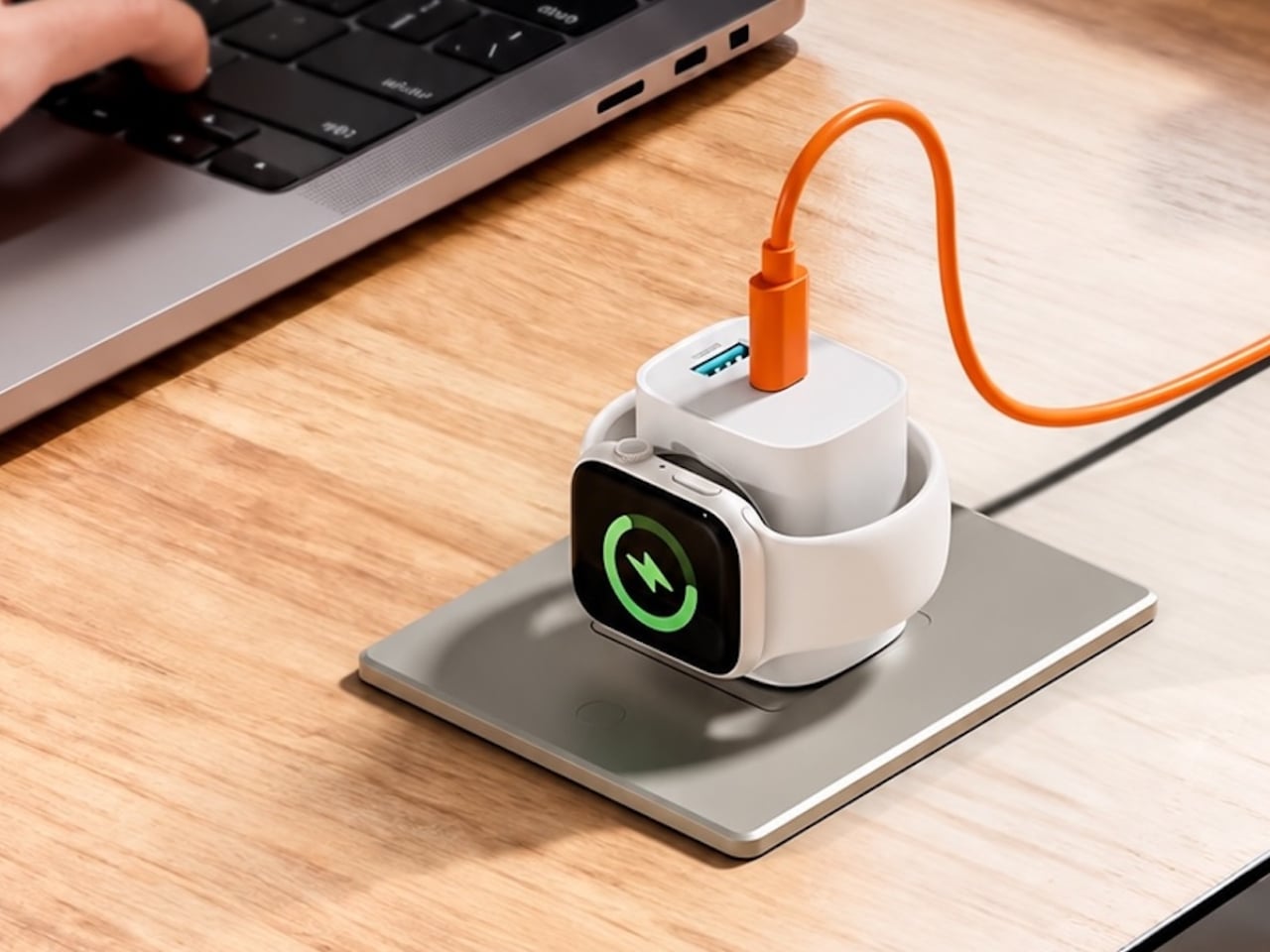
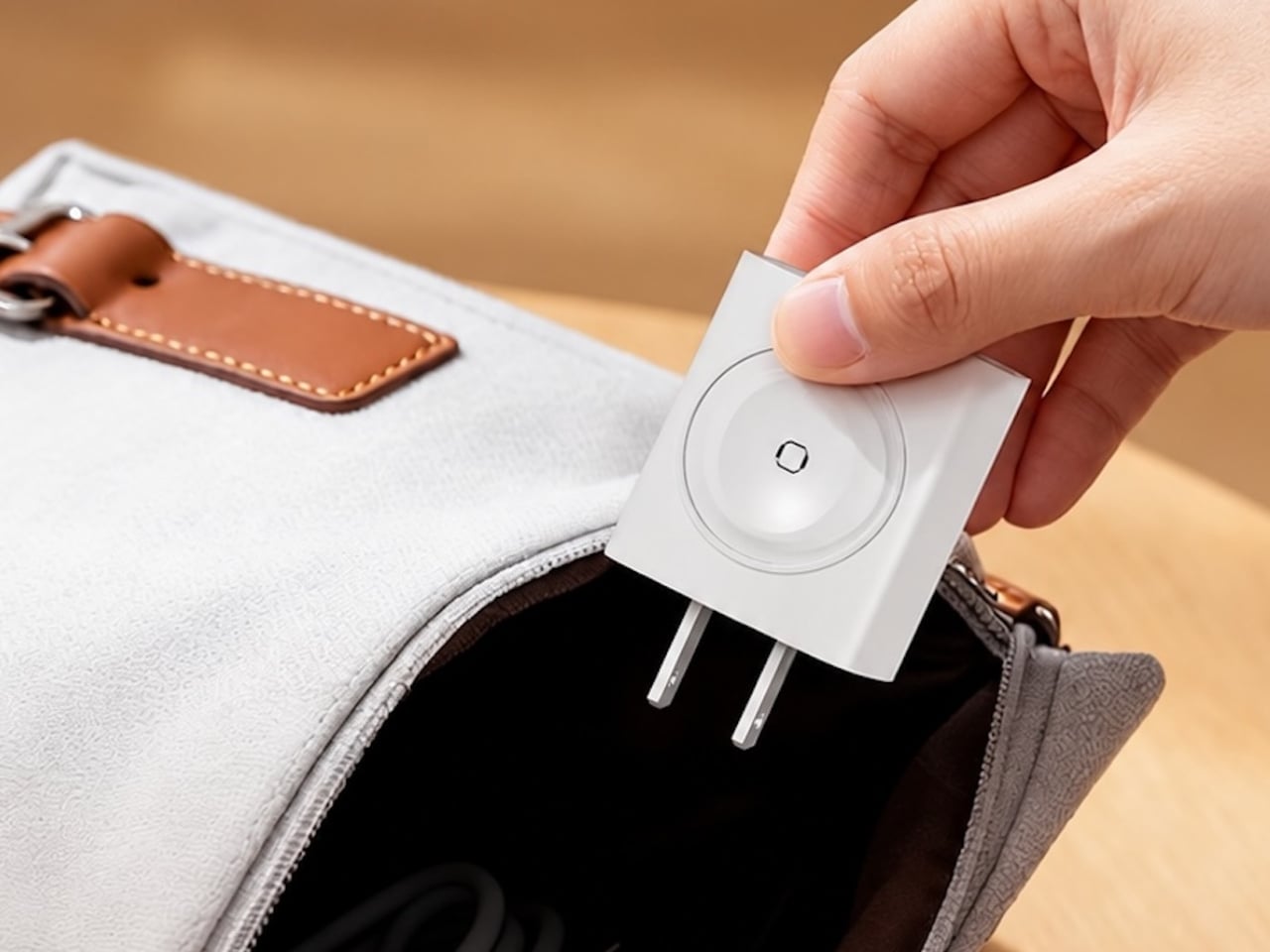
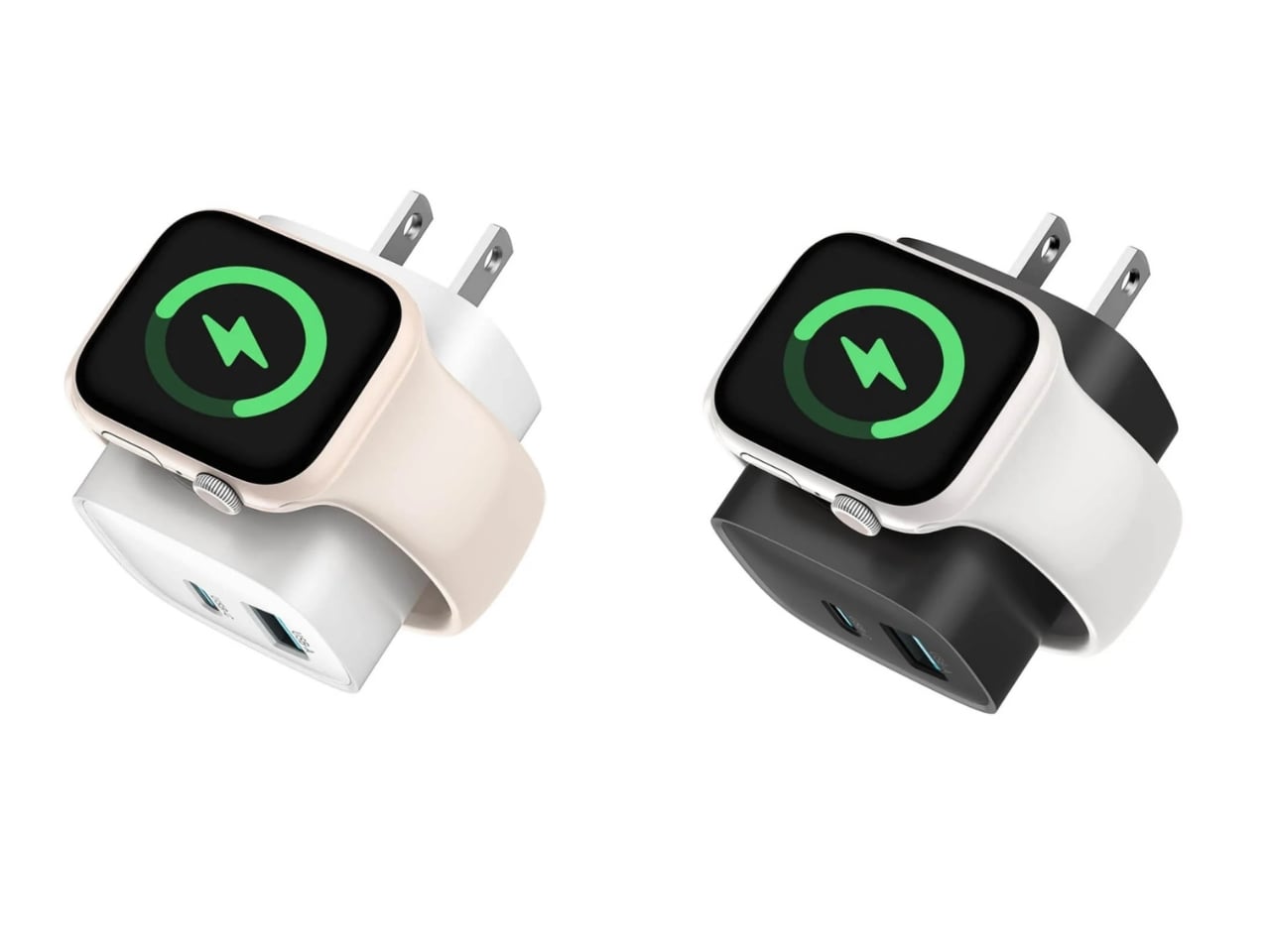
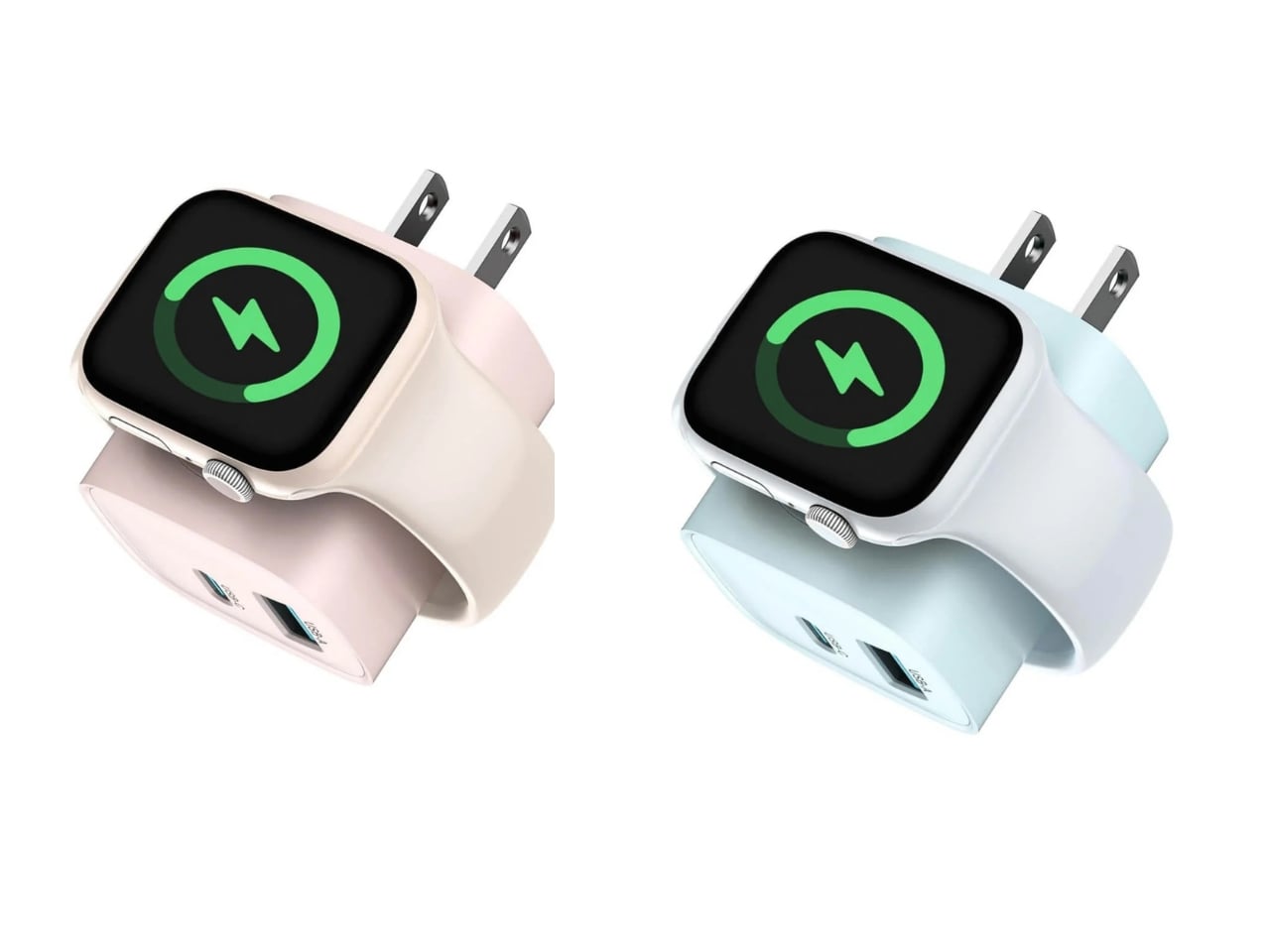
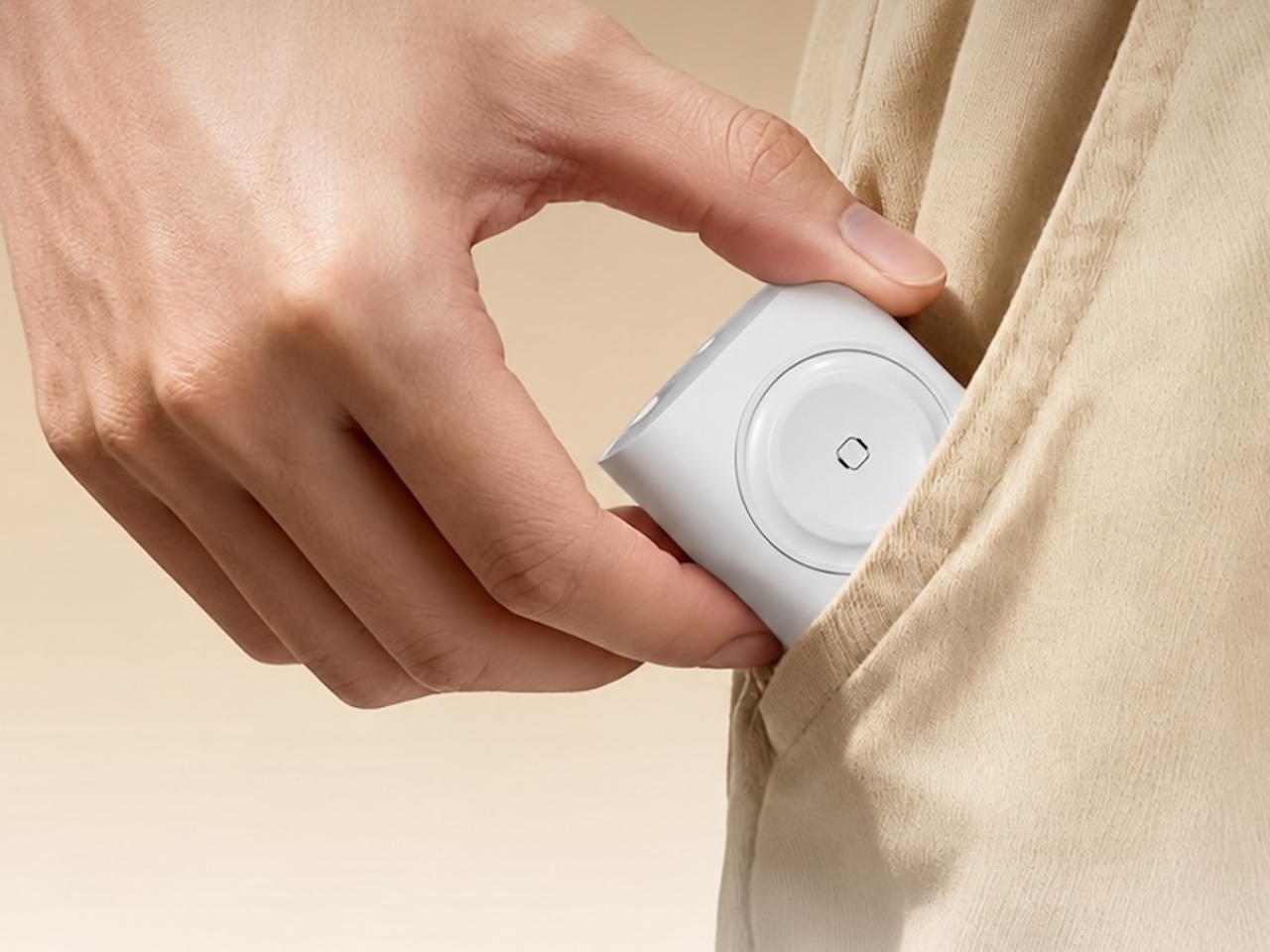
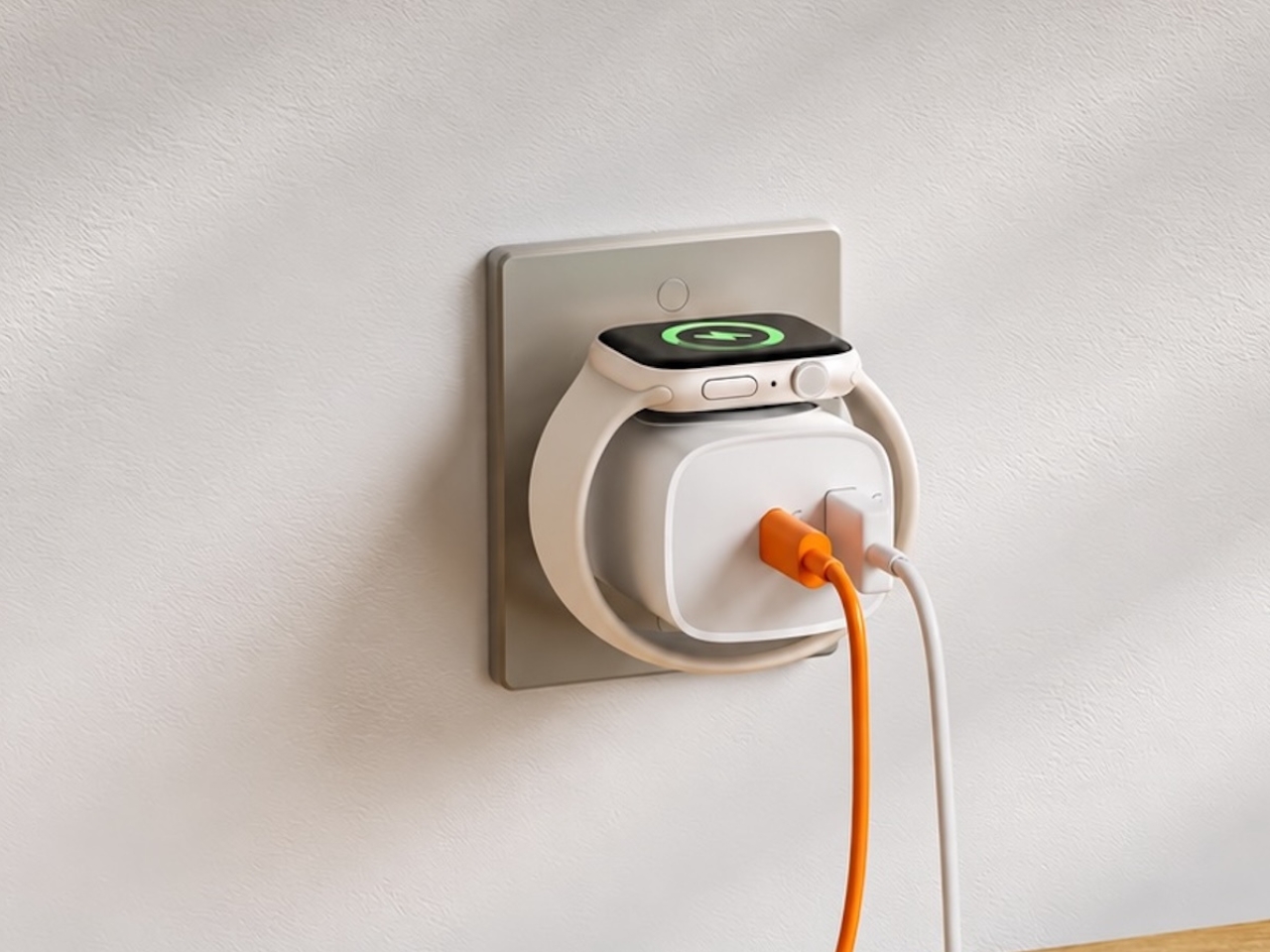
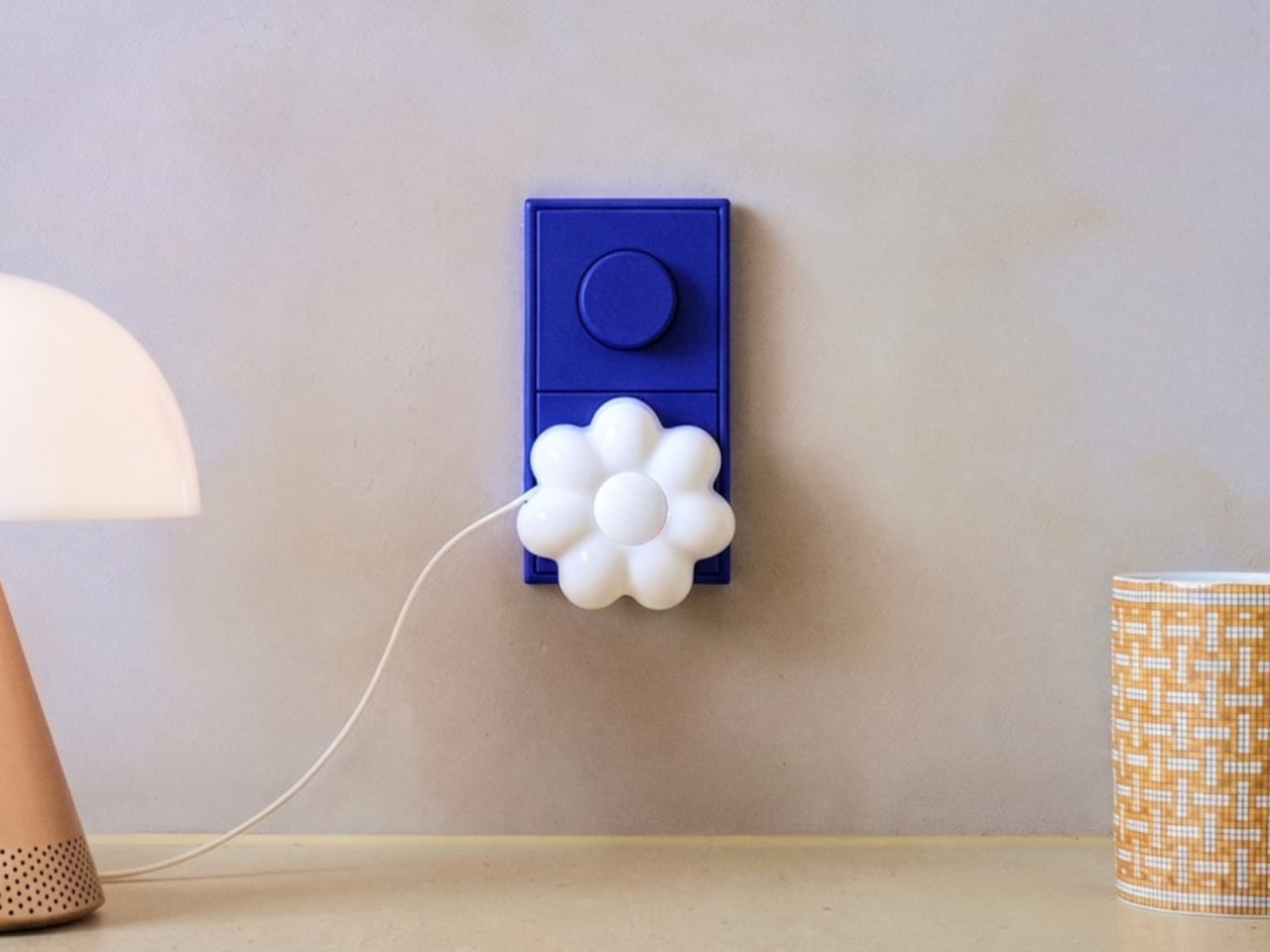
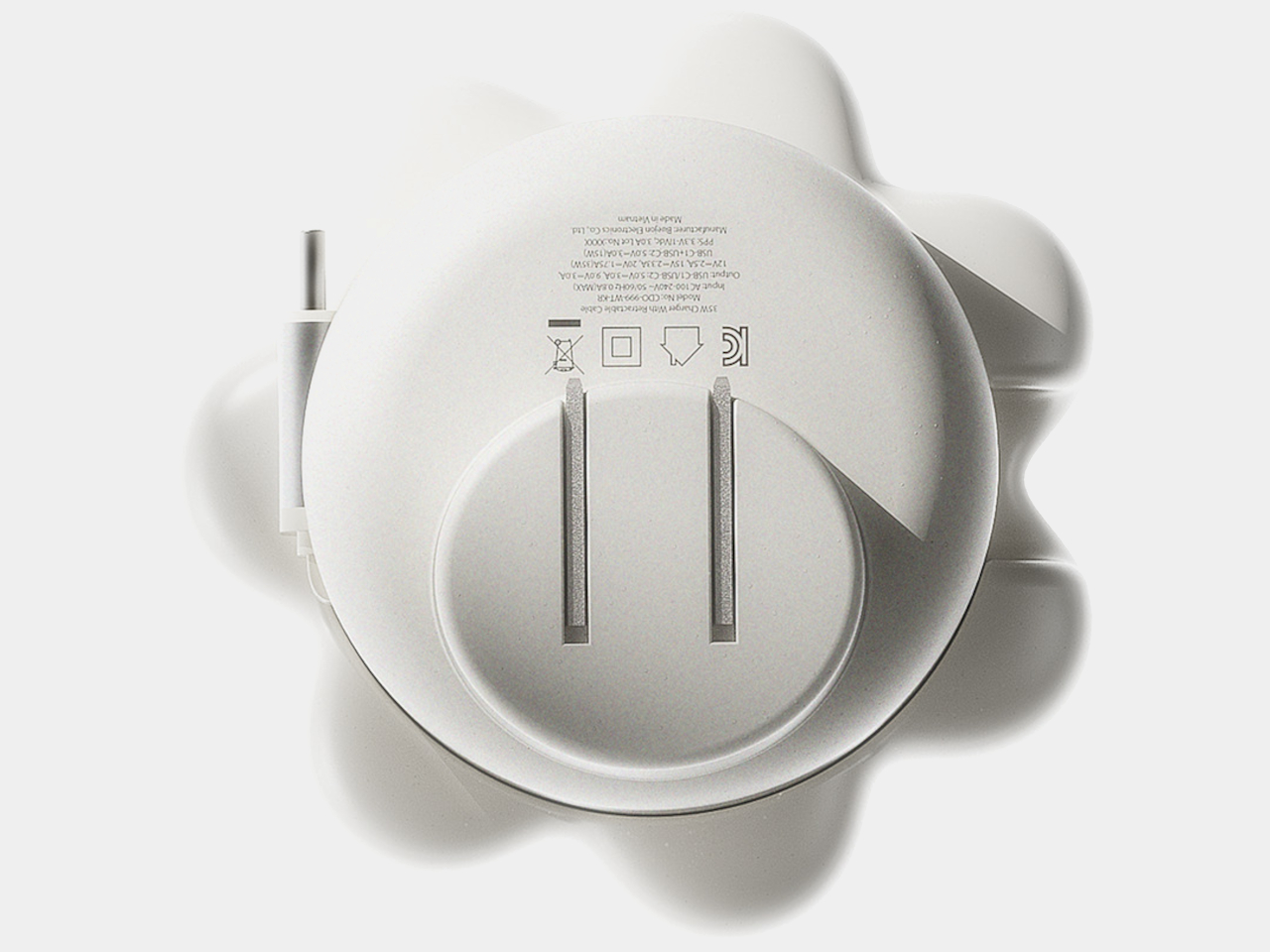
The Flexible Charge Adapter addresses this issue by rethinking the adapter as an adaptive component rather than a static block. A stretchable silicone structure is integrated into a specific section of the adapter, allowing controlled flexibility where it matters most. This design introduces a small but meaningful bend that aligns naturally with the direction of the cable.

In tight or awkward spaces, this flexibility reduces sharp angles, minimizes pressure at the connection point, and allows the cable to rest in a safer, more natural position. The adapter responds to real-world conditions instead of resisting them, helping preserve the integrity of the cable and the safety of the charging process.

In addition to improving durability and safety, the adapter also supports modern usage patterns. With two charging ports, users can charge multiple devices at the same time, even in confined environments. Phones, earbuds, power banks, and other accessories can be powered simultaneously without crowding the socket or straining cables.

The Flexible Charge Adapter demonstrates how thoughtful design can address everyday frustrations that are often overlooked. By introducing flexibility into a traditionally rigid object, it extends the life of charging accessories, reduces safety risks, and improves the overall charging experience. In a world where charging is constant and unavoidable, this design makes a simple act safer, smarter, and more sustainable.

The post This Smart Charging Adapter Finally Flexes So Your Cables Don’t Have To first appeared on Yanko Design.
This Smart Charging Adapter Finally Flexes So Your Cables Don’t Have To

Charging phones and portable devices has become one of the most routine actions of modern life. From the moment we wake up to the time we go to sleep, our devices depend on reliable power. We charge at home, in offices, cafés, airports, hotels, libraries, and public transportation spaces. Despite how frequently charging occurs, the physical environments designed to support it often feel like an afterthought. Wall sockets are commonly placed low to the ground, behind furniture, under desks, or in narrow corners that were never designed with daily device use in mind.

As a result, charging cables are routinely forced into uncomfortable positions. They are bent sharply against walls, twisted sideways, or compressed between furniture and outlets. Over time, this repeated stress causes visible wear. The outer insulation begins to tear, internal wiring weakens, and charging reliability declines. Many users replace cables not because they stop working suddenly, but because gradual damage makes them unsafe or frustrating to use. This cycle creates unnecessary waste, financial cost, and ongoing inconvenience.

Designer: Berkan Sunayol

Beyond annoyance, damaged charging accessories raise genuine safety concerns. Continuous pressure on the adapter and cable can degrade electrical contact points, increasing the risk of overheating, inconsistent power delivery, or short circuits. In public and shared environments, where users may not notice early signs of damage, this becomes an overlooked safety issue.

Charging cables are intentionally designed to be flexible. They allow users to route them around objects, across surfaces, and through tight gaps. Charging adapters, however, remain rigid and stiff. This mismatch creates a critical point of failure. When a rigid adapter is plugged into an awkwardly placed socket, it locks the cable into a fixed angle. The cable is forced to bend sharply at the connector, which is often the weakest part of the entire system.

Over time, this rigidity undermines the durability of both the cable and the adapter. Despite widespread awareness of cable damage, most existing solutions focus on reinforcing the cable itself rather than addressing the adapter that causes the stress.

The Flexible Charge Adapter addresses this issue by rethinking the adapter as an adaptive component rather than a static block. A stretchable silicone structure is integrated into a specific section of the adapter, allowing controlled flexibility where it matters most. This design introduces a small but meaningful bend that aligns naturally with the direction of the cable.

In tight or awkward spaces, this flexibility reduces sharp angles, minimizes pressure at the connection point, and allows the cable to rest in a safer, more natural position. The adapter responds to real-world conditions instead of resisting them, helping preserve the integrity of the cable and the safety of the charging process.

In addition to improving durability and safety, the adapter also supports modern usage patterns. With two charging ports, users can charge multiple devices at the same time, even in confined environments. Phones, earbuds, power banks, and other accessories can be powered simultaneously without crowding the socket or straining cables.

The Flexible Charge Adapter demonstrates how thoughtful design can address everyday frustrations that are often overlooked. By introducing flexibility into a traditionally rigid object, it extends the life of charging accessories, reduces safety risks, and improves the overall charging experience. In a world where charging is constant and unavoidable, this design makes a simple act safer, smarter, and more sustainable.

The post This Smart Charging Adapter Finally Flexes So Your Cables Don’t Have To first appeared on Yanko Design.
This Smart Charging Adapter Finally Flexes So Your Cables Don’t Have To

Charging phones and portable devices has become one of the most routine actions of modern life. From the moment we wake up to the time we go to sleep, our devices depend on reliable power. We charge at home, in offices, cafés, airports, hotels, libraries, and public transportation spaces. Despite how frequently charging occurs, the physical environments designed to support it often feel like an afterthought. Wall sockets are commonly placed low to the ground, behind furniture, under desks, or in narrow corners that were never designed with daily device use in mind.

As a result, charging cables are routinely forced into uncomfortable positions. They are bent sharply against walls, twisted sideways, or compressed between furniture and outlets. Over time, this repeated stress causes visible wear. The outer insulation begins to tear, internal wiring weakens, and charging reliability declines. Many users replace cables not because they stop working suddenly, but because gradual damage makes them unsafe or frustrating to use. This cycle creates unnecessary waste, financial cost, and ongoing inconvenience.

Designer: Berkan Sunayol

Beyond annoyance, damaged charging accessories raise genuine safety concerns. Continuous pressure on the adapter and cable can degrade electrical contact points, increasing the risk of overheating, inconsistent power delivery, or short circuits. In public and shared environments, where users may not notice early signs of damage, this becomes an overlooked safety issue.

Charging cables are intentionally designed to be flexible. They allow users to route them around objects, across surfaces, and through tight gaps. Charging adapters, however, remain rigid and stiff. This mismatch creates a critical point of failure. When a rigid adapter is plugged into an awkwardly placed socket, it locks the cable into a fixed angle. The cable is forced to bend sharply at the connector, which is often the weakest part of the entire system.

Over time, this rigidity undermines the durability of both the cable and the adapter. Despite widespread awareness of cable damage, most existing solutions focus on reinforcing the cable itself rather than addressing the adapter that causes the stress.

The Flexible Charge Adapter addresses this issue by rethinking the adapter as an adaptive component rather than a static block. A stretchable silicone structure is integrated into a specific section of the adapter, allowing controlled flexibility where it matters most. This design introduces a small but meaningful bend that aligns naturally with the direction of the cable.

In tight or awkward spaces, this flexibility reduces sharp angles, minimizes pressure at the connection point, and allows the cable to rest in a safer, more natural position. The adapter responds to real-world conditions instead of resisting them, helping preserve the integrity of the cable and the safety of the charging process.

In addition to improving durability and safety, the adapter also supports modern usage patterns. With two charging ports, users can charge multiple devices at the same time, even in confined environments. Phones, earbuds, power banks, and other accessories can be powered simultaneously without crowding the socket or straining cables.

The Flexible Charge Adapter demonstrates how thoughtful design can address everyday frustrations that are often overlooked. By introducing flexibility into a traditionally rigid object, it extends the life of charging accessories, reduces safety risks, and improves the overall charging experience. In a world where charging is constant and unavoidable, this design makes a simple act safer, smarter, and more sustainable.

The post This Smart Charging Adapter Finally Flexes So Your Cables Don’t Have To first appeared on Yanko Design.
This Battery Charger Shows Which AAs Are Dead on an E-Ink Display

The drawer full of half-used AA and AAA batteries, some new, some dead, some leaking, is familiar. The last-minute scramble for batteries when a remote dies usually means digging through the pile, testing them one by one, and feeling uneasy about throwing spent alkalines into the trash. The problem is not just waste, it is the lack of a clear system for how we power small devices scattered around a home.

Linogy is a rechargeable battery ecosystem built around 1.5 V Li-ion AA and AAA cells plus an all-in-one smart station. The station lives on a desk or shelf, acting as a battery tester, fast charger, and organizer case that holds up to 40 cells. The goal is to replace the random drawer with a single, visible place where all your batteries live and get managed.

Designer: Linogy

Disposable alkalines are convenient but add up to billions of cells tossed each year, along with tens of thousands of tons of waste and CO₂. Ni-MH rechargeables solve part of that but bring their own quirks: 1.2V output that some devices dislike, high self-discharge, lower energy density, and slow charging that makes topping them up feel like a chore you keep postponing.

Linogy’s cells pack around 3,600mWh and deliver stable 1.5V, closer to what devices expect from alkalines, so performance and battery indicators behave more predictably. The cells are rated for up to 1,200 cycles, meaning one rechargeable can stand in for roughly 1,200 disposables over its life, and built-in protection layers handle overcharge, short circuit, and drop impacts without leaks or smoke.

Dropping a mix of AA and AAA cells into the station, it automatically detects type, health, and charge level. The e-ink display shows which batteries are full, which are charging, and which are ready to retire, without bright LEDs or guesswork. A full charge takes around three hours, and once topped up, the station stops charging and simply holds the cells until something needs power.

The station is compatible with Linogy’s Li-ion cells, Ni-MH, and Ni-Cd AA and AAA batteries. You do not have to throw out existing rechargeables; the same box can test and charge them while you gradually swap in higher-capacity 1.5V cells. Over time, the random mix becomes a more coherent set of batteries you actually trust instead of avoiding.

A simple change in how you handle AA and AAA power can reduce waste and friction. One Linogy cell replacing up to 1,200 alkalines, recyclable packaging, and a charger that looks like a small appliance rather than a tangle of cables all add up. It turns the humble battery from something you forget about until it fails into a part of the home that is designed, visible, and surprisingly satisfying to keep in order.

The post This Battery Charger Shows Which AAs Are Dead on an E-Ink Display first appeared on Yanko Design.
Anker’s CES 2026 Charging Lineup Treats Power as a Coordinated System

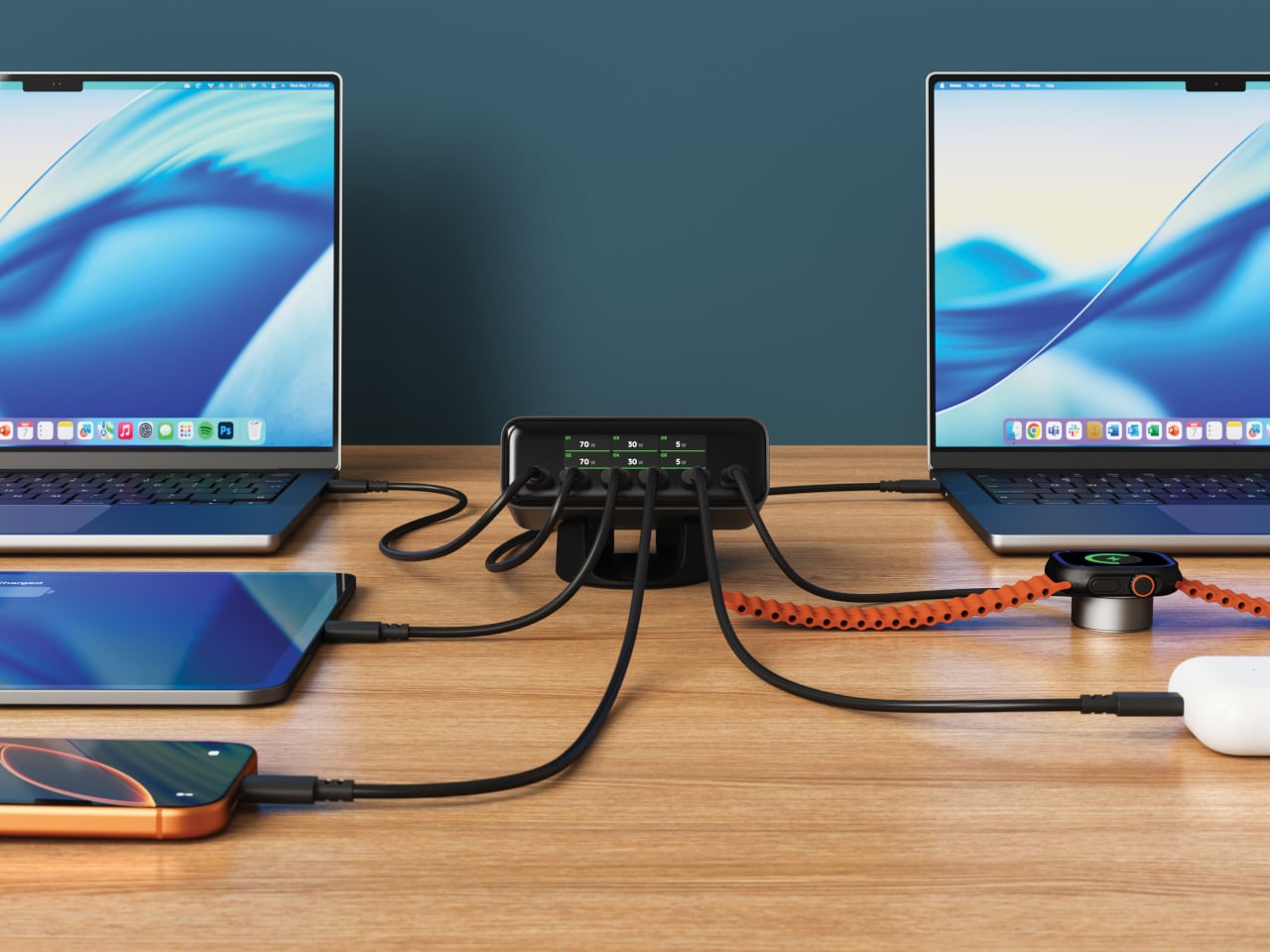
Charging has become a daily background task with a mix of wall bricks, wireless pads, power strips, and docks that rarely feel coordinated. As devices become faster and more power-hungry, the friction shifts from “do I have enough power?” to “how many adapters do I need without cluttering the desk?” The answer usually involves a drawer full of chargers that don’t talk to each other and rarely work where needed.

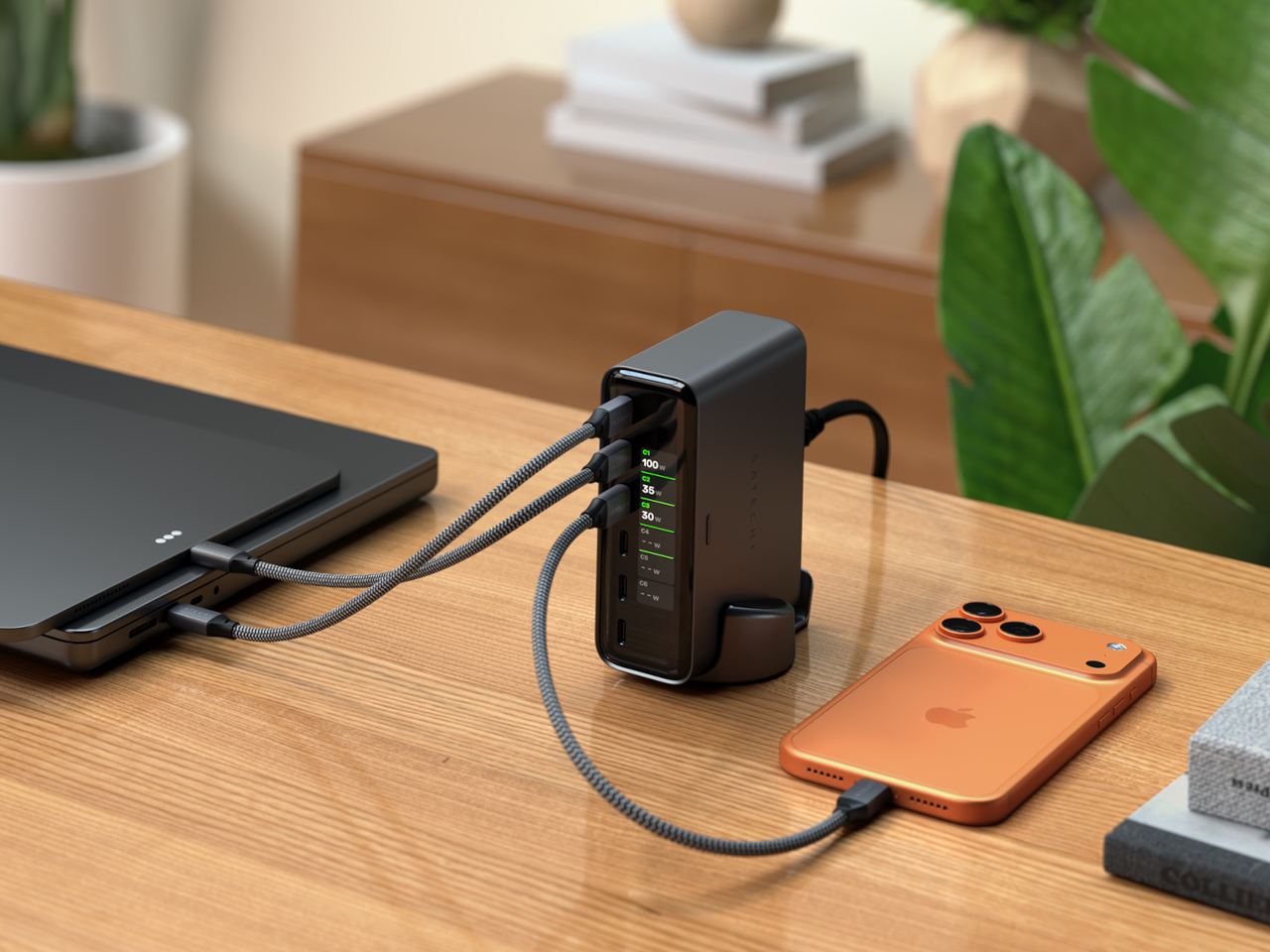
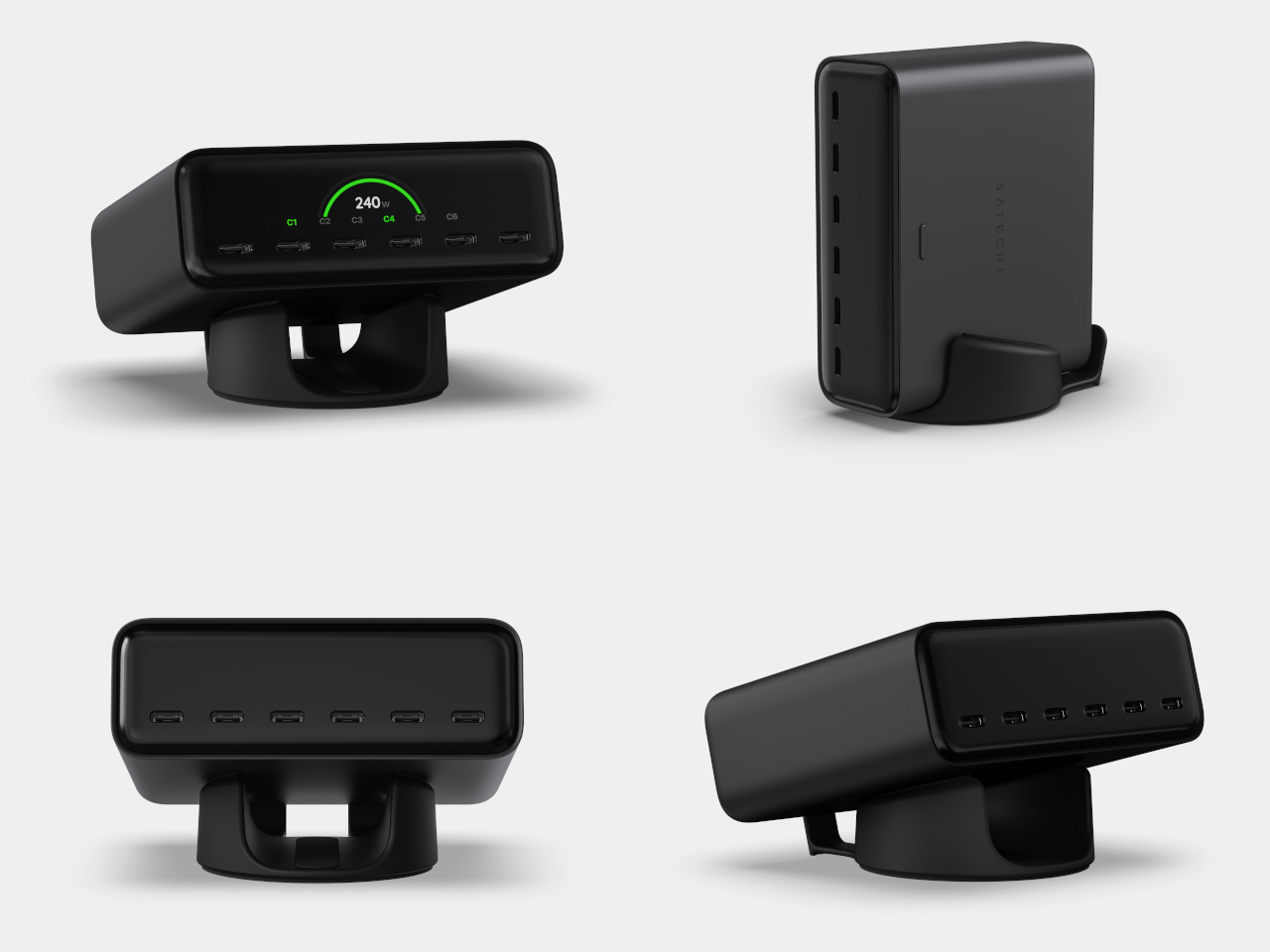
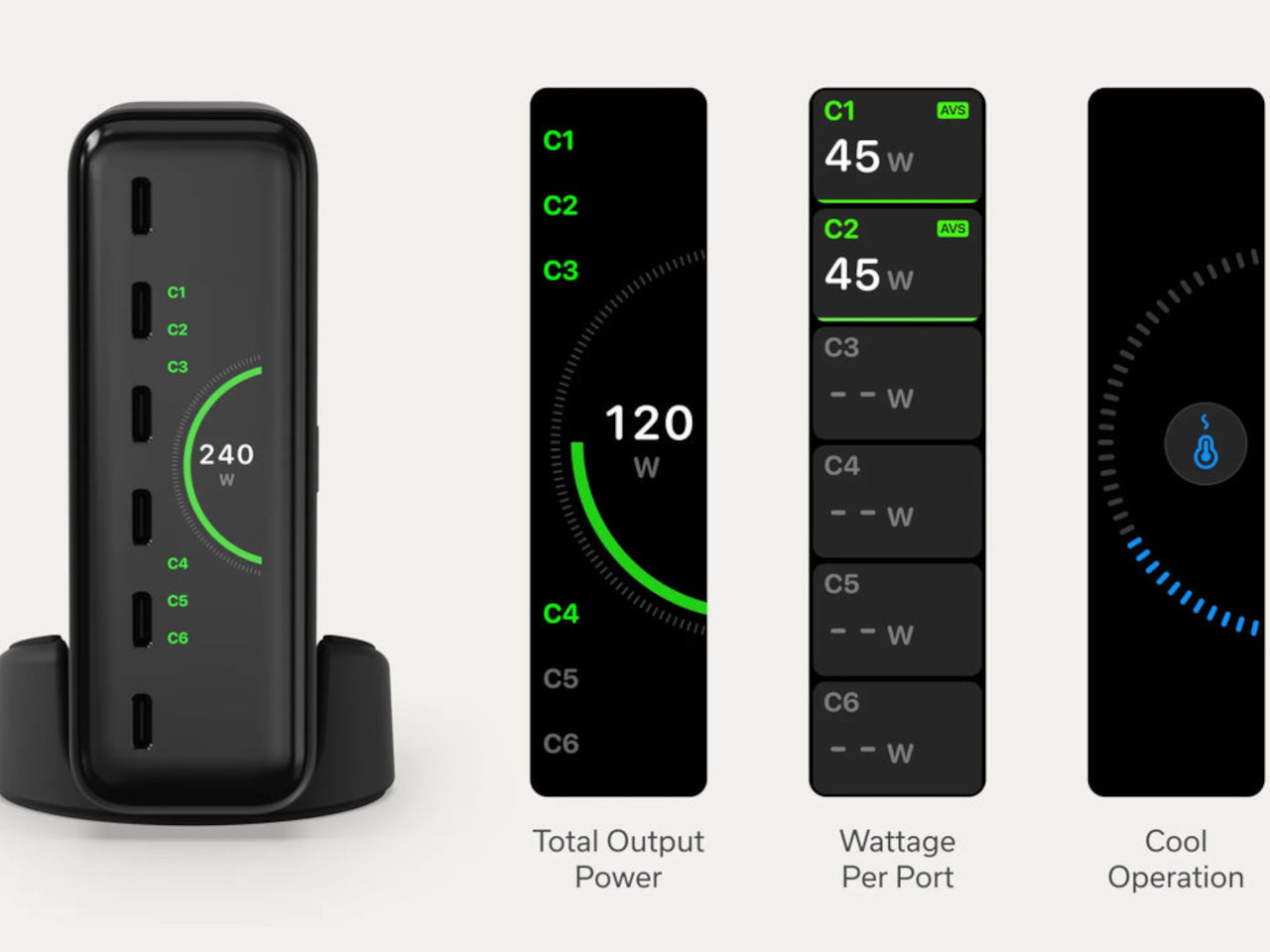
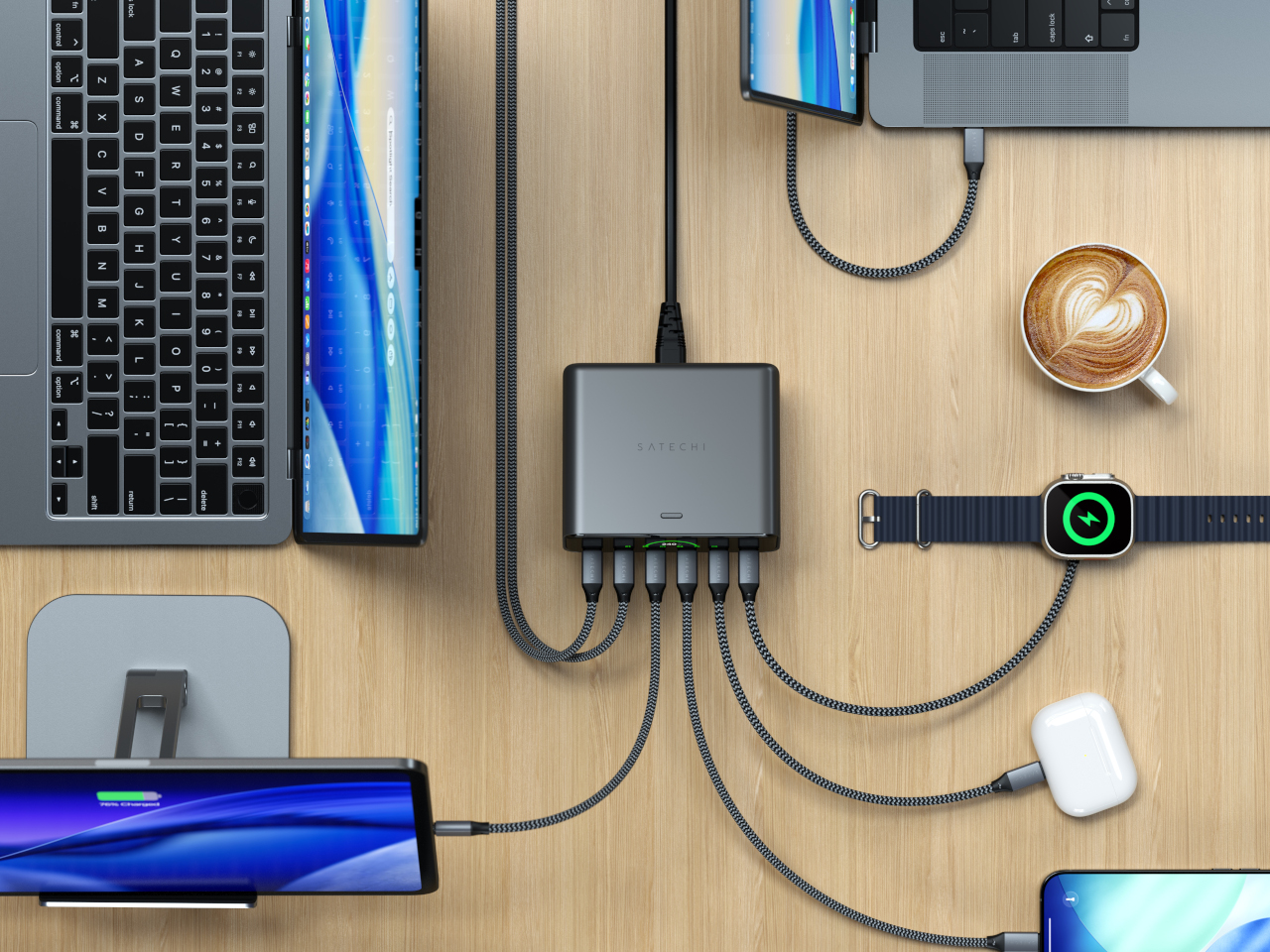
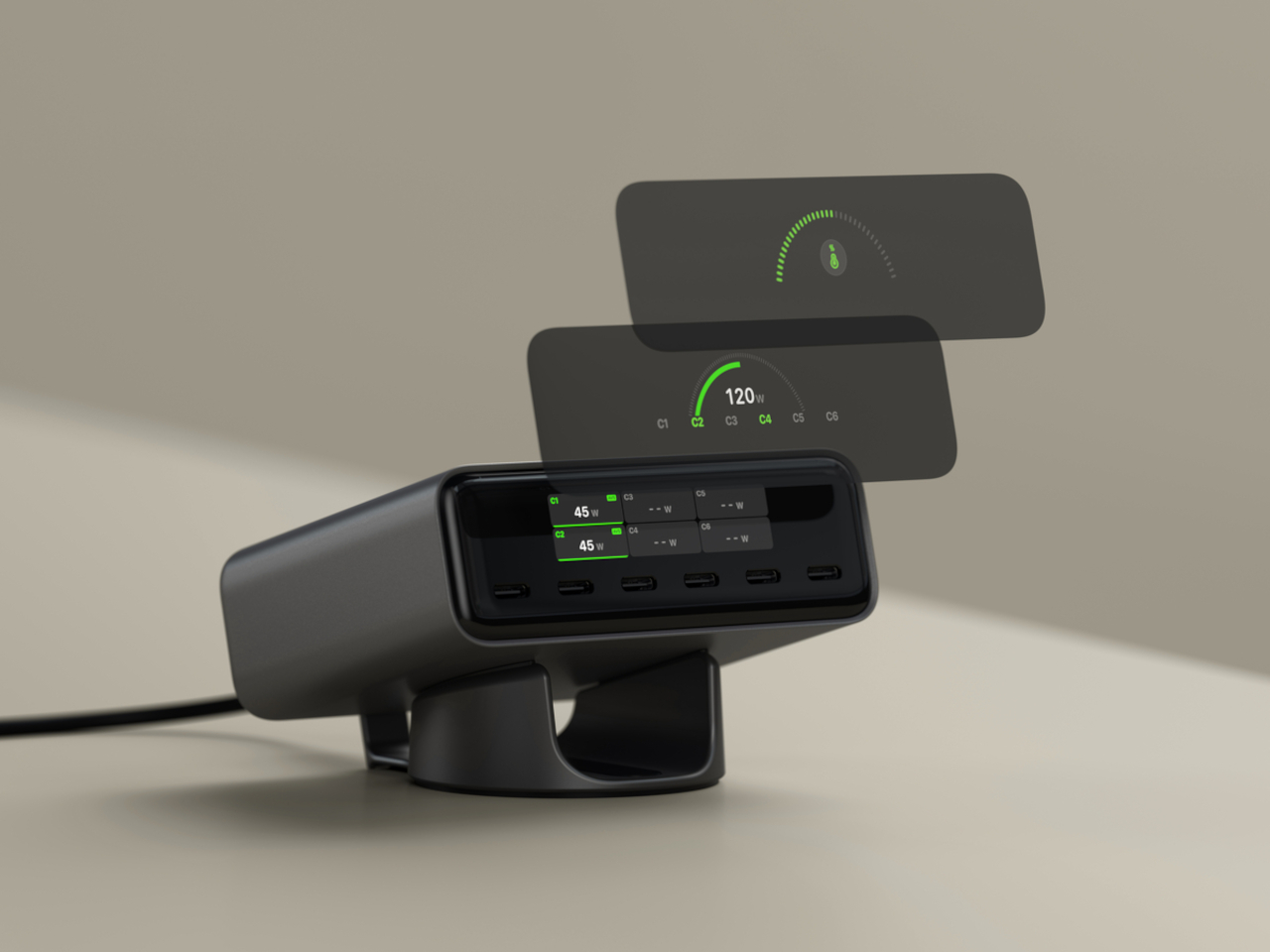
Anker’s CES 2026 portfolio treats this as a system. The Anker Charging lineup introduces four products, the Nano Charger, Prime Wireless Charging Station, Nano Power Strip, and Nano Docking Station, sharing ideas like smarter device recognition, Qi2 25 W wireless, AnkerSense View, and ActiveShield 5.0, but slotting into different moments where power is needed, wanted, or quietly essential to keeping momentum going without searching for another cable.

Designer: Anker

Anker Nano Charger (45W, Smart Display, 180° Foldable)

The Nano Charger recognizes recent iPhone and iPad Pro models in seconds, then uses a three-stage power profile to deliver up to 45 W tailored to the device. That auto-matching unlocks faster charging when the battery is low while easing off as it fills, avoiding overstressing batteries for people who charge overnight or keep devices plugged in during long work sessions without thinking about optimal timing.

TÜV-certified Care Mode keeps the phone’s battery about 9 °F cooler than other 45 W chargers, a quiet win for long-term health. The small smart display shows real-time power and temperature with friendly icons, and the 180-degree foldable prongs let the charger sit in tight outlets while keeping the screen visible, fitting desk plugs, kitchen outlets, and behind-cabinets spaces where flat bricks fail.

Anker Prime Wireless Charging Station (3-in-1, MagGo, AirCool, Foldable)

The Prime Wireless Charging Station handles an iPhone, earbuds, and a watch without three separate cables. It uses Qi2 25 W wireless charging to bring iPhone speeds close to wired, quoting 80% in about 55 minutes for an iPhone 17. The stand folds into a palm-sized block lighter than an iPhone 17 Pro Max, so it can live in a bag full-time, turning one USB-C input into a small charging island.

The AirCool airflow system keeps the charger and devices at stable temperatures when everything is stacked overnight or during work sessions, important when running 25 W to a phone while also topping up a watch and earbuds. That thermal management keeps the 3-in-1 from becoming uncomfortably hot on a nightstand or desk, and the foldable form clears cable clutter from hotel rooms and home offices, making it the kind of charger that actually gets packed for every trip.

Anker Nano Power Strip (10-in-1, 70W, Clamp)

The Nano Power Strip is a dual-zone power bar that lives at the desk edge instead of under it. It combines six AC outlets with two USB-C and two USB-A ports, with a single USB-C delivering up to 70 W, enough to run a laptop or gaming handheld directly. The clamp-on design keeps the strip fixed in place while making ports easy to reach, so you stop crawling under desks to plug in temporary devices.

The built-in 1,500 J surge protection shields connected gear from spikes, which matters when monitors, desktop PCs, and audio equipment all share one outlet. Having the USB ports face forward and the AC outlets below the desk creates a cleaner visual line and makes it easier to manage cable runs, turning the strip into permanent desk infrastructure that handles both power and data charging without sprawling across the surface or tangling behind a monitor stand.

Anker Nano Docking Station (13-in-1, Triple Display, Built-In Removable Hub)

The Nano Docking Station is a 13-in-1 dock for people who treat a laptop as their main machine but want a desktop-class workspace. It supports triple-display output with up to 4K resolution on a single monitor, up to 100 W upstream charging, and USB-C, USB-A, HDMI, DisplayPort, Ethernet, and SD / TF 3.0 card slots, all running at up to 10 Gbps, where it counts for fast file transfers and external storage.

The built-in 6-in-1 removable hub slides out, letting someone leave the desktop cable tree intact while taking key ports and card readers on the road with a single, slim module. That bridging between permanent and mobile workflows makes the dock feel less like a fixed base station and more like a system that adapts to whether you are spending the day at a desk or heading to a meeting with just a laptop and the small hub in a bag.

Anker at CES 2026: Charging as a Coherent System

These four products sketch out Anker’s view of charging in 2026, not as isolated bricks and pads, but as coordinated tools that follow people from pocket to bedside to desk. Instead of chasing ever-higher wattage alone, the lineup leans into smarter interfaces, cooler operation, and forms that respect the spaces they live in, the kind of thinking Yanko Design readers expect from everyday hardware that earns its place by working better and quieter.

The post Anker’s CES 2026 Charging Lineup Treats Power as a Coordinated System first appeared on Yanko Design.
This DIY Wooden Battery Charger Brings Dead AAs Back to Life

Most homes accumulate a drawer full of dead AA and AAA batteries, and the uneasy feeling of tossing heavy little cylinders into recycling or the trash. Alkaline cells are marketed as single-use, even though the chemistry can often be coaxed back to life with the right kind of intervention. RegenBox 1 is a small, hands-on challenge to that throwaway logic, turning battery regeneration into a bench-top ritual that requires patience, measurement, and a soldering iron.

RegenBox 1 is a kit that arrives as a flat collection of components, a printed circuit board, electronic parts, and laser-cut wooden panels. Once assembled, it becomes a USB-powered regenerator for AA and AAA alkaline batteries, designed for electronics hobbyists rather than casual users. The wooden case and visible PCB make it feel more like a lab instrument or workshop project than a sealed plastic charger, and building it yourself is half the point.

Designer: Regenbox

Assembly requires a soldering iron and solder, a voltmeter, flat-nose pliers, wire cutters, and a small screwdriver, plus some electronics confidence. The kit supplies the PCB, resistors, diodes, LEDs, IC, battery holders, USB cable, and the wooden enclosure. You are not just buying a gadget, you are learning how it works as you put it together, turning the components into a functional regenerator that can sit on your desk or workbench for years.

Using it starts with testing each alkaline cell with a voltmeter. Below 0.9 V goes to recycling, 0.9 V to 1.35 V is a candidate for regeneration, and 1.35 V to 1.5 V is already reusable. Once cells are slotted in and the USB 5 V input is connected, the circuit feeds very low current for 8 to 24 hours, slowly reversing part of the discharge without stressing the casing or causing leaks.

The boundaries are strict, alkaline only, no lithium, no damaged or leaking cells, correct polarity, and room-temperature use. The red and orange LEDs indicate current flow and help with diagnostics, but the real discipline is in measuring voltages before and after, and respecting the chemistry. It is not a fast charger; it is a patient tool that trades speed for safety and extended second lives.

Getting one or more extra cycles out of batteries that would otherwise be discarded adds up across a household or community. The open, repairable design invites modification and learning, turning energy use into something you can see and tweak. RegenBox 1 becomes a quiet protest against sealed, opaque devices, and a small workshop ally for anyone trying to reduce waste while gaining control over the objects they depend on.

RegenBox 1 changes the way you look at dead alkalines. Instead of being the end of the story, they become candidates for triage, measurement, and careful regeneration. The wooden box on the bench is a reminder that design can intervene not just at the point of purchase, but at the moment we usually give up on an object, asking whether it really needs to be thrown away yet or if a slow, gentle charge might bring it back for another round.

The post This DIY Wooden Battery Charger Brings Dead AAs Back to Life first appeared on Yanko Design.
GaN Charger Lets You Swap Plugs, Stack Blocks, Pick Your Wattage

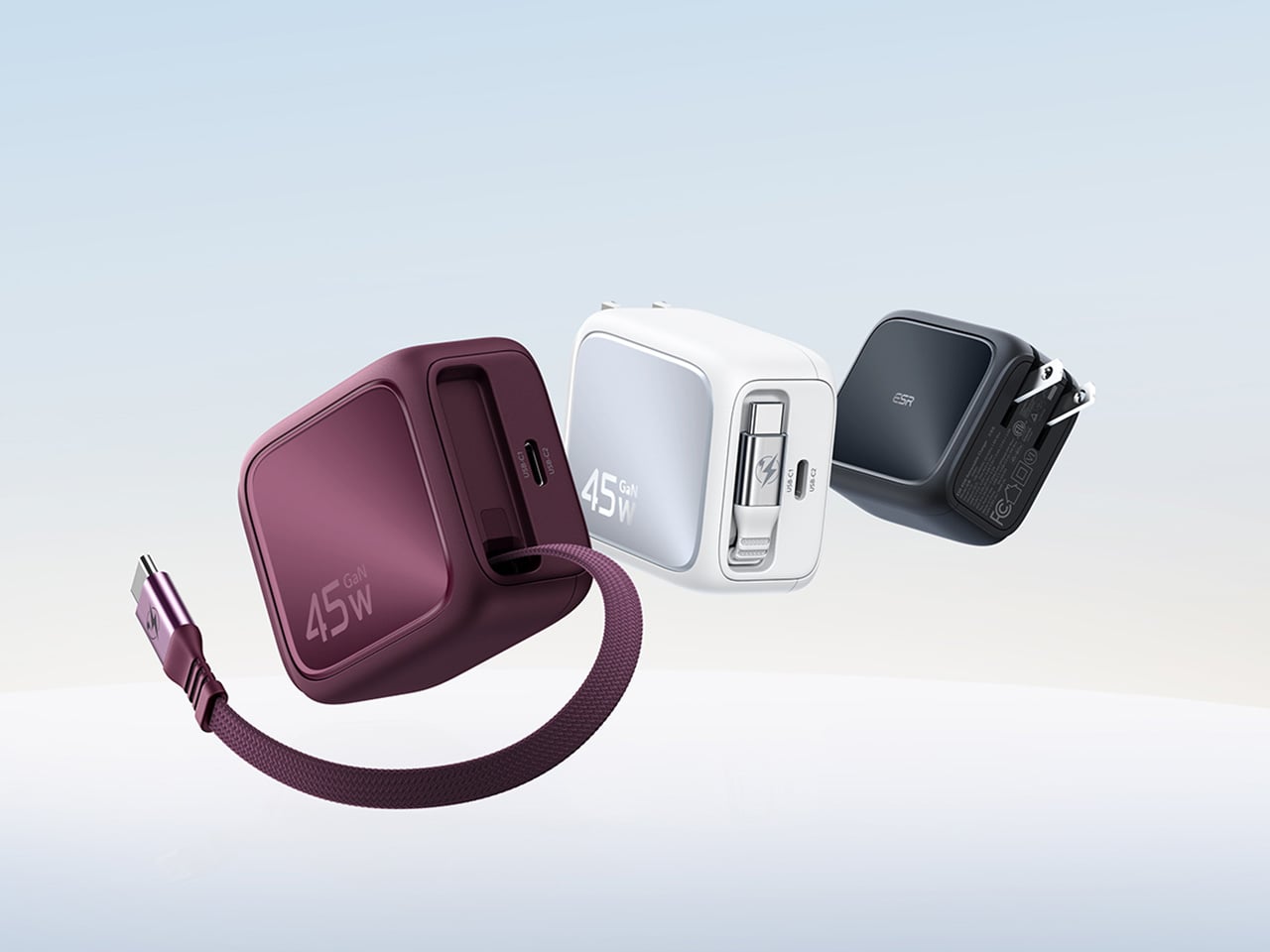
GaN chargers have gotten smaller and more efficient over the years, but they still look like anonymous black or white bricks. Most people toss them in a bag and forget about them, and if you travel frequently, you end up carrying a separate adapter for different plug types. It’s functional but incredibly boring, and the whole category feels like it stopped trying once the engineers got the size and wattage right.

Bang Design’s LEGO-inspired GaN charger is an intern project that tries to make chargers fun and modular instead. The concept treats the charger as a colorful block system, with different cubes for different wattages and swappable plug modules for different countries. It’s patent-pending but still just a concept, though it looks polished enough that you could imagine buying a set off a shelf and arranging them on your desk like tiny toys.

Designer: Bang Design

Every module is a perfect cube or tall cuboid with sharp edges and flat faces that instantly read as building blocks. The 65 W version has a red top half, white bottom half, and large “65 W” printed on one side in light gray type. A subtle asterisk mark on the top hints at a LEGO stud without copying it directly. The rest of the family uses green, blue, yellow, and pastel beige blocks with the same bold geometry.

One green cube houses a sliding plug carriage with metal prongs that can be removed and replaced with different pin standards for US, Indian, or European outlets. A rectangular recess on one face holds the carriage, and gold contacts inside suggest a cartridge-style electrical connection. The plug becomes just another swappable piece of the system rather than something permanently wired to the charger, which is the whole point.

Different wattage blocks have different port configurations. The blue 30 W cube has one USB-C port, the yellow 120 W block has three outputs, and the beige version mixes USB-A and USB-C. Users could pick the block that matches their device or build a small family that shares the same plug module. The big printed wattage numbers make it easy to grab the right cube without squinting at tiny labels.

One cube plugs into the wall while the other blocks sit on the desk like small sculptures. The chargers stop being clutter to hide and start looking like a collection you might actually enjoy arranging. The LEGO reference makes the whole setup feel approachable and almost toy-like, especially compared to the usual tangle of anonymous black bricks and bulky travel adapters that most people carry around.

Turning this into a real product would mean solving serious issues around safety certifications, heat dissipation, and mechanical durability for those swappable parts. But the concept is still valuable because it shows how even a commodity accessory can carry personality and systems thinking. The LEGO-inspired GaN charger hints at a future where chargers are not just smaller and faster, but also more playful and easier to live with.

The post GaN Charger Lets You Swap Plugs, Stack Blocks, Pick Your Wattage first appeared on Yanko Design.
EDC flashlight and charging case makes sure you won’t be in the dark for long

Small pocket-sized flashlights are a dime a dozen these days, especially in the era of EDCs or Everyday Carry bags. Many of these come in rugged designs with bright LED functionality, and most of them utilize rechargeable batteries for convenience. Of course, that implies having some sort of charger always at hand, which requires carrying yet another separate device in your kit.

This EDC tool, however, takes a cue from the now ubiquitous wireless earbuds design, providing a carrying case for the LED flashlight that also serves as its charger. Even better, you can actually use the flashlight while it’s still in its case, removing the need to fiddle with two separate devices when you’re in a hurry.

Designer: Olight

On its own, the Olight Baton 4 LED flashlight looks pretty ordinary. It has a small cylindrical body typical of tiny flashlights, though it boasts a brightness of 1,300 lumens and a throw distance of 170 meters. It has small LED indicators for its brightness level and remaining battery charge, but that’s pretty much it for the flashlight itself.

The real killer feature of the Baton 4 Premium Edition, however, is its 5,000 mAh charging case. It has a flip-top design that makes it easy to open and close with one hand. You can easily slip in any compatible Olight flashlight for charging, but there’s a special function when used with the Baton 4 or Baton 3 flashlights. You can simply flip open the cover and press the side button to turn on the flashlight while it’s still in the case, so you don’t have to lose time pulling it out and putting it back in again.

The case itself has dual charging functionality. It can charge the flashlight inside or charge a phone like a power bank. This means you don’t really need to carry a separate charger for the flashlight and your phone, as the case can do both. It might sound like a small convenience, but for people who always find themselves outdoors in the dark, intentionally or otherwise, it can be a critical space-saving feature that helps make room for more things inside their EDC bags.

The post EDC flashlight and charging case makes sure you won’t be in the dark for long first appeared on Yanko Design.
MagSafe phone stand concept adds hands-free face tracking for perfect framing

Video calls have become a staple of online communication today, whether it’s for meetings or even just personal one-on-one calls. Unfortunately, the devices we use for video calls haven’t caught up quickly with the trend, and we’re only recently seeing webcams with better sensors or phone stands with better angles. Even then, however, there is still some missing aspects to make these videos more engaging and natural.
This simple-looking phone stand tries to deliver that missing piece by making sure that the user’s face is always within the frame during those video calls. It isn’t a one-trick pony, though, and can keep your phone’s battery topped up or be an interesting piece of desk decor even when not in use.

Designer: Kunal Wagh

Webcams are admittedly getting more sophisticated, both in terms of hardware as well as software. While those integrated into laptop screen bezels are limited to simply upgrading their imaging sensors, external cameras are now sporting stabilizers and gimbals. There are also apps that do automatic focus, zooming, and framing. That’s all fine if you’re using your computer, but not if your smartphone is your device of choice.

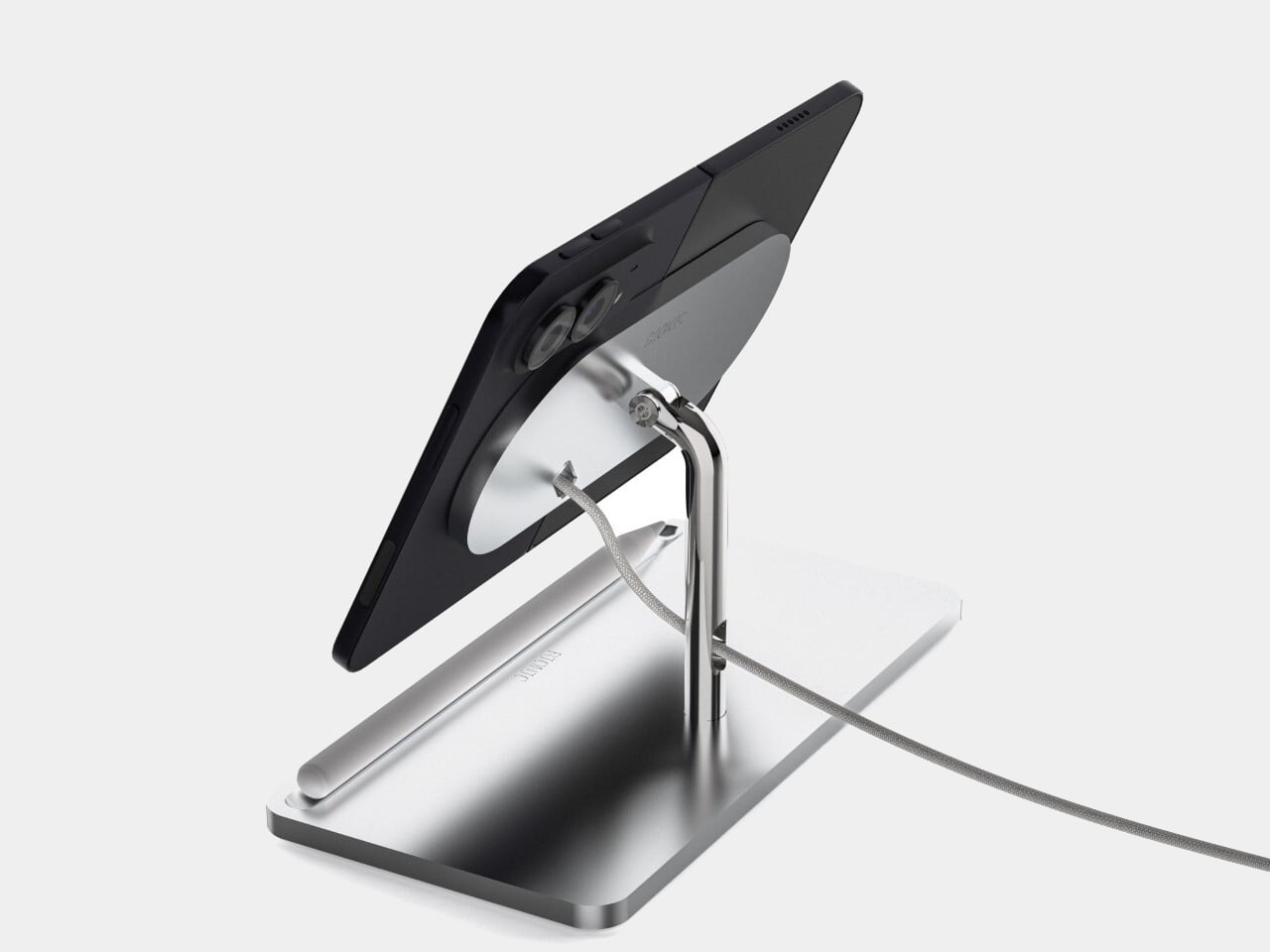
Orbit is a design concept for a phone stand that brings those features to mobile devices. It’s practically a MagSafe-compatible charging stand with a unique, minimalist design that makes it look good even when not in use. It pretty much looks like a miniature trophy, with a dome-like shape on top held aloft by two thin arms.

Simply place the phone on the stand and go about your video call or even watch videos. Orbit will simply follow your face to make sure that you always have a clear view of the screen or that your face is always in frame. The concept doesn’t exactly explain the software that makes this possible, but it’s not that difficult to pull off given today’s technology.

Of course, it also functions as a charger to make sure your battery never goes empty, whether you’re on a call or not. Unlike a phone gimbal, Orbit’s simpler design makes it suitable for use almost anywhere, even when away from your desk, as long as you have a power source to keep that charger and internal motors running.

The post MagSafe phone stand concept adds hands-free face tracking for perfect framing first appeared on Yanko Design.