Home wellness has expanded well beyond foam rollers and cold showers. Heat therapy has become one of the more serious recovery habits people are building into their routines, but the hardware has always been the obstacle. Traditional saunas require installation, dedicated space, and a budget that rules out most apartments. The gap between wanting a genuine steam experience and being able to have one at home has stayed stubbornly wide.
SaunaBox SmartSteam XL, formerly known as SaunaBox Go, tries to close that gap with a pop-up, two-person portable steam room that sets up in under 5 minutes and packs away into a carry case when you’re done. It sits somewhere between a camping structure and a private wellness retreat, which sounds like a strange mix until you’re sitting inside at 130°F with 100% humidity and the whole thing starts to feel more like an onsen than a tent.
That steam-forward output is what shifts the experience away from the drier, more aggressive heat of traditional saunas. The SmartSteam Pro heating unit generates a deeply humid environment that envelops rather than parches, which is the difference between feeling like you’re sweating through a workout and feeling like you’re genuinely being restored. That’s not a small distinction when the goal is recovery and relaxation rather than just breaking a sweat.
The app layer is where the design thinking gets quieter, but equally important. Fifteen personalized heat levels, customizable session timers, and a choice of guided meditations or spa audio are all managed from an iOS or Android app, which means setup becomes a small ritual rather than a technical exercise. A weekly session log tracks your heat therapy over time, turning something you’d otherwise do by feel into something you can actually pay attention to and build on.
The tent fabric carries OEKO-TEX certification, meaning it’s been independently tested for harmful substances under strict global criteria. The unit is also fully REACH compliant, aligning with EU regulations on harmful chemicals in manufacturing. These aren’t headline features, but they matter when you’re sitting inside something heated and enclosed, breathing the air it’s generating, for extended periods of time.
Portability is the actual promise the design has to keep. It fits two people, sets up without tools, and takes down in roughly the same amount of time. The included carry case means it can travel to a vacation rental, move to a different room when needed, or disappear into storage without leaving a permanent footprint. That flexibility is what separates it from every wellness product that promises transformation but demands a dedicated square footage to make it happen.
SmartSteam XL works because it makes a steam room temporary and repeatable, rather than permanent and committed. The onsen feeling it delivers is less about achieving some spa ideal and more about actually having a reliable, consistent heat ritual that you can sustain because the setup doesn’t punish you every time.
The average laptop screen sits somewhere between 13 and 15.6 inches, which sounds perfectly reasonable until you start juggling four browser tabs, a Figma file, a Slack thread, and a terminal window at the same time. At that point, a single screen stops feeling like a workspace and starts feeling like a peephole. The 13-inch MacBook is Apple’s most popular laptop, and on the Windows side, the 15.6-inch display dominates sales charts, meaning most of the world is trying to run increasingly complex workflows on a rectangle that was never designed to hold all of it. The obvious fix is a second monitor. That gets you to two screens and a semblance of breathing room, but it is still a compromise.
The MagHub Quad Max has a different idea entirely. Rather than giving your laptop one extra screen, it gives you three, each measuring 18.5 inches, unfolding from a single sleek unit to transform your laptop into a true multi-screen workstation anywhere you go. One cable connects the whole system. Four screens total, counting your laptop display. A setup that looks less like a productivity tool and more like mission control at a small space agency.
Most portable monitors top out at 14 to 15 inches because manufacturers are trading screen size for bag-friendliness. INVZI chose 18.5 inches per panel, putting 55.5 combined inches of display into a single foldable unit. Three full 1920×1080 FHD IPS panels means each screen holds a browser window, a terminal, or a dashboard at full reading size without zooming or stacking windows. The pixel density lands at around 119 PPI, solid office-monitor territory rather than Retina territory, but paired with 100% sRGB color gamut, 300 nits brightness, and Low Blue Light filtering, the panels are genuinely comfortable for extended sessions. For document work, code, or data feeds, screen area matters more than sheer pixel count.
At 8.8 lbs (4 kg), the Quad Max weighs quite a bit, but that’s sort of the price you pay for getting quadruple the screen estate. Your best bet is to pair this with a light laptop and not a bulky gaming laptop which can add another 2.5 kilos to the mix. INVZI includes a dedicated travel bag in the box, an implicit acknowledgment that “portable” here means moving between workspaces rather than walking to a coffee shop. Folded, the unit measures 17.7 x 10.7 x 1.7 inches and fits alongside your laptop in that bag. The buyer for this product is the person who already travels with dedicated gear and wants a real desk replacement on the road. For them, the 4kg is a mere footnote.
Three large 18.5-inch displays hanging off a single foldable unit create obvious structural engineering challenges, and the reinforced aluminum hinge system is where INVZI spent its design effort. Each panel holds its position without manual locking mechanisms, and the solid aluminum stand underneath keeps the whole structure stable during typing and interaction. The 360-degree rotation on the top screen lets you flip the upper display out to someone sitting ahead of you. The screen auto-orients when flipped, which means you can present to a client/superior with ease. Or if you’re in a multi-person meeting, fold the side displays over into a triangle for a unique triple-display presentation setup.
Developers get a dedicated code editor, terminal, documentation window, and live preview running simultaneously across three full-size panels, which is a different working experience from tab-switching on one screen. Traders and analysts can spread charts, order books, news feeds, and dashboards across all three displays in real time. Video editors get a proper timeline, preview window, and asset panel layout without compromise. The chassis fits laptops from 12 to 18 inches, with full support for Intel and Apple Silicon Macs plus Windows 10 and 11. The Mac Mini M4 also works with it, which opens up interesting configurations for people who want a powerful stationary setup without a traditional monitor.
Everything runs through a single USB-C cable at 10Gbps or higher, handling both video and power delivery simultaneously. Both USB-C ports on the unit are interchangeable, so there is no designated power port to figure out. Running all three external displays requires a 45W USB-C PD source, either a wall adapter or a compatible power bank, keeping it functional away from wall outlets. Windows handles driver installation automatically in most cases, while macOS needs a one-time manual install using a Racertech display driver from the included USB drive. After that first setup, both platforms run plug-and-play on every subsequent connection.
The MagHub Quad Max carries an MSRP of $1,199, with early pricing currently at $799. The box includes the display unit, a travel bag, a 45W PD power adapter, a 60cm USB-C to USB-C laptop cable, a 120cm USB-A to USB-C cable for older machines, a 120cm USB-C to USB-C power adapter cable, a USB-C/A driver stick, and a user manual. US orders ship from a domestic warehouse with no import fees, and EU and UK customers have VAT covered. At $799, there is no comparable triple-screen portable at this display size, which makes the price hard to benchmark and, frankly, hard to argue with…
Last year I put together a list of products everyone absolutely needed to own in 2025. It included basic stuff, AirTags, GaN chargers, and even some slightly complex gadgets like NAS devices to help you cut the cord on cloud storage subscriptions. This year’s list expands on the same philosophy from last year – make life easier, cheaper, and faster. Here are 5 pieces of tech you need to consider owning in 2026, they’re on the bleeding edge of tech now, but I assume will become mainstream in a decade. However, if you want to stay ahead of the curve, consider adopting them now!
The list is short but sweet – it includes AI recorders/notetakers, translator buds that do a way better job than the AirPods, personal AQI monitors, travel routers that make connecting to dubious airport and hotel WiFi networks much easier, and finally (my grand pick for 2026) a personal media server that helps you actually own movies instead of paying Netflix or Hulu or Paramount a monthly fee that they seem to increase every year without batting an eyelid.
1. AI Notetakers: Your Second Brain That Actually Shows Up
There is a very real advantage to having a dedicated AI notetaker that is not your phone. Phones are distraction machines; they are notifications, doomscrolling, unsolicited ads, and “sorry, I just need to reply to this Slack” all rolled into one. A device like Plaud Note, Comulytic, Mobvoi’s TicNote or a Notta‑powered recorder does one thing: it listens (and it remembers what it listens). You hit a physical button, drop it on the table, and forget about it. Later, the audio is cleaned up, transcribed, summarized, and tagged without you babysitting the process. That separation alone changes how you behave in meetings and interviews. You stop half‑typing notes while someone is talking and instead stay present, knowing you will get a clean transcript and a decent summary afterward.
The other big win is what happens after the recording. Tools like Plaud, Notta, and similar AI‑first platforms are not just dumping a raw audio file into your storage; they are turning it into something you can actually work with. Meetings become bullet‑point action lists, interviews turn into structured quotes you can drop into drafts, and keynotes morph into highlight reels and to‑do items. Compare that to your phone’s stock voice recorder, where everything is just “Recording 032.m4a” in a long, unlabeled list. No speaker separation, no smart search, no summaries, no automatic organization. Dedicated AI notetakers treat audio as input to a workflow, not a dead file. And once you have used one a few times for client calls or field interviews, going back to a generic phone app feels like going from a modern IDE back to Notepad.
2. Translator Earbuds: When You Actually Need To Talk To People
Apple adding Live Translation to AirPods is very on‑brand: take a niche idea, wrap it in a clean UI, and ship it as a feature most people will try once in a while. It is genuinely handy if you and the other person both live inside the Apple ecosystem, and you are somewhere with good connectivity. But at the end of the day, AirPods are music‑first earbuds that happen to do translation on the side. Brands like Vasco, Viaim, and Timekettle flips that completely. Timekettle products like the M3, WT2 Edge, and W4 are built as translation devices first, earbuds second. The hardware, the app, and the interaction modes are all tuned for one job: two‑way, face‑to‑face conversation that does not feel like you are dictating into Google Translate.
You see the difference the minute you try to use them in the real world. Timekettle lets both people wear an earbud and just talk, with the system handling two‑way interpretation in near real time. Even Vasco, which secured our award at CES 2025, offers incredible translation features with the added ability to clone your voice using AI. There are specific modes for sitting across a café table, walking side by side, or listening to an announcement, and you can preload offline language packs so you are not stranded the moment you lose data. That matters when you are in a noisy street market, on a factory floor, or in a client meeting where “sorry, can you repeat that for the app” gets old fast. AirPods’ live translation is clever, but it is still bolted onto a general‑purpose audio product, with limited languages and workflows that quietly assume ideal conditions. Dedicated translator earbuds are what you pack when you know you are going to be operating in another language for days at a stretch; AirPods translation is what you pull out when you are already there and hoping the feature is good enough.
3. Personal Air Monitors: The Little Box That Calls Out Bad Air
A personal air quality monitor is very different from the big purifier that sits in one corner of your living room. This is the pocketable version: a small, battery‑powered sensor that tracks things like CO₂, particulates, VOCs, temperature, and humidity, and comes with you everywhere. Think of the same mindset behind something like Goveelife or uHoo’s indoor monitors, but shrunk down into a device you can toss in a bag or park on your desk. The moment you start carrying one, patterns jump out. That “3 p.m. crash” in your home office often lines up perfectly with CO₂ quietly creeping past the point where your brain stops firing properly. The subway line that always gives you a headache is not just “crowded and stressful,” it is a mix of stale air and fine dust. Your favorite café might have great coffee and terrible ventilation, while the boring chain across the street quietly nails fresh air and lower CO₂.
Where this becomes essential is when you pair it with travel and health decisions. Instead of vaguely checking a city‑wide AQI number, you get hyper‑local readings: the actual air in your Airbnb bedroom, that underground bar, that coworking space with sealed windows. A personal monitor can be the thing that tells you “open a window now,” “today is an N95 day,” or “maybe do not work six hours straight in this meeting room.” It is not a glamorous gadget, but it quietly moves you from guessing to measuring. In a world of wildfire smoke, construction dust, packed trains, and increasingly sealed buildings, that shift feels very 2026: less “trust the vibes,” more “trust the numbers in your pocket.”
4. Travel Routers: Bring Your Own Internet, Not Just Your Own Laptop
TCL and Asus quietly made one of the most important travel gadgets last year: routers built to live in your bag instead of under your TV. On the surface they look like yet another little plastic box with antennas, but the use case is very different from the router you got from your ISP. These are “BYO infrastructure” for people who work, stream, and store their lives online. You plug them into sketchy hotel Ethernet or join them to the random café Wi‑Fi, and they spin up your own private, password‑protected network for your laptop, phone, handheld console, and whatever else you are carrying. Instead of each device logging into “Hotel_WiFi_3” separately and fighting through captive portals, everything just connects to your SSID, with your own password, your own settings, and your own rules.
The VPN side is where they really earn a place in a 2026 kit. A good travel router can automatically tunnel all your traffic through a VPN or back to your home network, so every device behind it inherits that protection without you installing clients and certificates on each one. That means you can sit on airport Wi‑Fi and still safely access your media server at home, your NAS, your work tools, or region‑locked services, all as if you were on your own couch. For digital nomads and frequent flyers, it also solves a bunch of annoying edge cases: game consoles and streaming sticks that hate captive portals, devices that do not support VPNs natively, hotel networks that limit the number of devices per room. The travel router becomes the one “client” the hotel sees, while you hang a whole personal LAN off the back of it. It is not a glamorous product, but once you have had a week where your entire setup rides on that one little box, it is hard to go back to trusting whatever router the hotel happened to bolt to the ceiling.
5. Personal Media Servers: Owning Your Movies In A World That Hates Ownership
The idea of “buying” a movie used to be straightforward. You paid for a DVD or Blu‑ray, you got a disc, and that disc was yours until it got scratched to death or you moved house and lost it. You could watch it a thousand times, lend it to a friend, rip it for convenience, whatever. The streaming era quietly rewrote that deal. You are not buying movies anymore, you are renting access. A title lives on Netflix or Max or whatever for a while, then licensing changes, mergers happen, some accountant decides to write it off, and suddenly your favorite film or show just does not exist in your catalog. You can chase it across services, stacking subscriptions like trading cards, but that gets expensive very fast, and you are still at the mercy of contracts you never see.
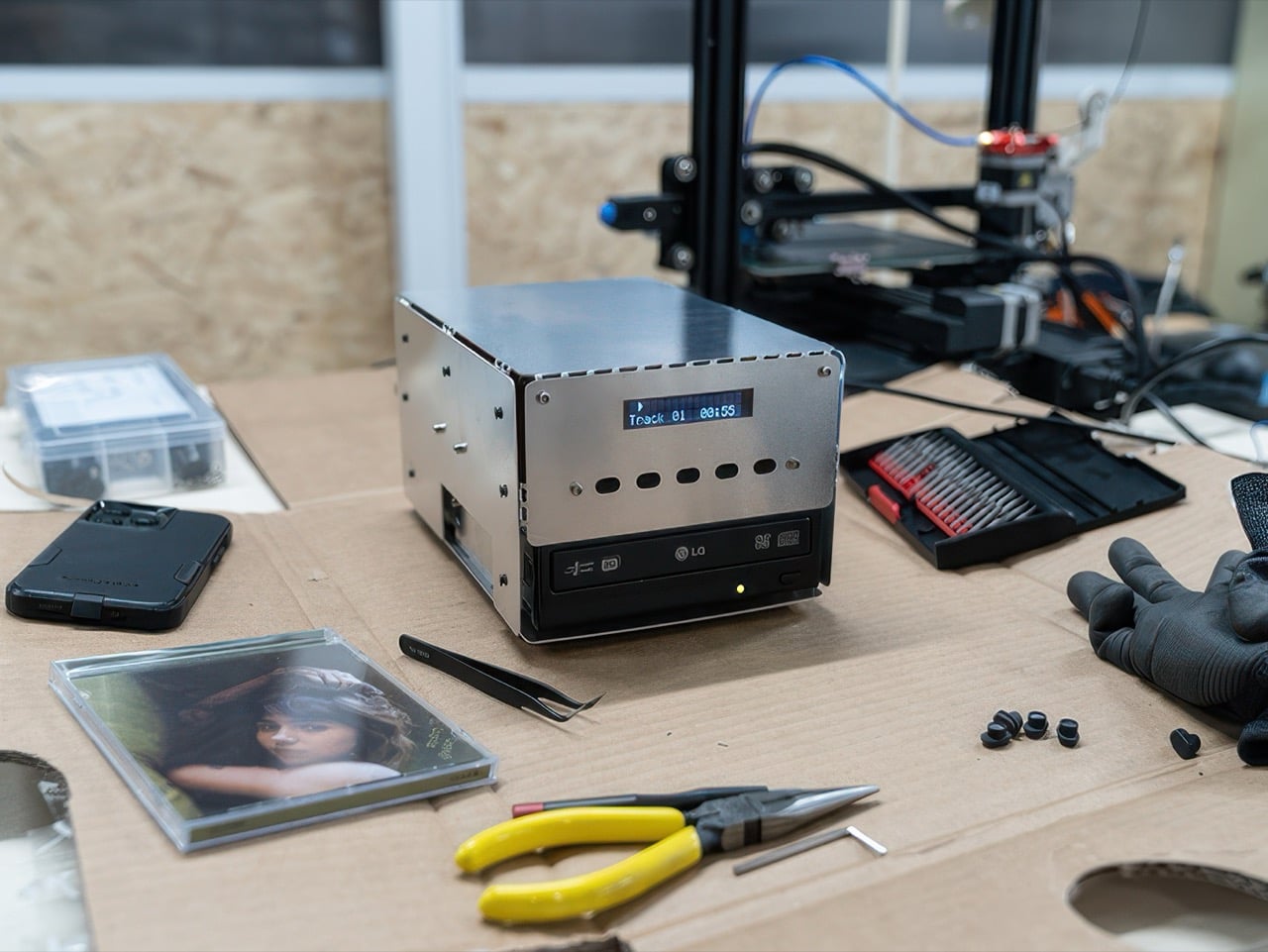
A personal media server is the underdog rebellion against that. If you already have a NAS, you are basically one weekend away from rolling your own “Netflix” with something like Plex, Jellyfin, or Emby sitting on top. The workflow is not rocket science: buy discs, rip them, store the files on your NAS, let the media server scrape metadata and artwork, and suddenly you have a slick, searchable library that shows up on your TV, laptop, phone, or tablet just like a streaming app. The difference is that nothing disappears because a studio changed its mind. You decide what lives there, how long it stays, what version you keep, and who gets access. You can share that library with parents or siblings across the country without running into “password sharing crackdown” nonsense, and you can watch your stuff in a cabin with terrible internet because it is all local. It is the same basic promise we had with physical media, just updated for a world where your screen is no longer tethered to a disc player.
Now, the awkward bit: yes, pirating content is illegal. That is the line, and it is worth stating clearly. At the same time, the industry has created a situation where it is technically legal to charge you repeatedly for non‑ownership, while making entire catalogs vanish, region‑locking films behind arbitrary borders, and punishing you for sharing an account with your own family. When a bidding war over something like Warner Bros Discovery means one or two mega‑streamers get even more control over what exists where and for how long, it is hard not to see why people fall back on “if buying is not owning, piracy is not stealing” as a coping mechanism. I am not here to tell you what to do with torrents, but I will say this: a personal media server built around content you actually own is one of the few sane, future‑proof ways to make sure the movies and shows you care about are still watchable ten years from now. In a landscape that keeps trending toward bigger monopolies and weaker ownership, that box in the corner of your house starts to look less like a nerd toy and more like self‑defense.
There is a moment at dusk when the boundary between sky and water dissolves. The sun hangs low, the tide softens, and the surface of the sea becomes a trembling mirror, holding light in fragments. Studio Haran’s Sandscape Collection seems to trap that exact instant. These sculptural luminaires do not simply resemble waves. They resemble the reflection of something luminous hovering above them, as though the moon or sun has descended and dissolved into ripples.
The magic lies in the relationship between form and illumination. Each piece is carved with undulating contours derived from real tidal formations scanned along the Cornish coastline. The surface behaves like a miniature seascape, complete with peaks, troughs, and subtle ridgelines. When the spherical light source glows, it does not just illuminate the piece. It performs. The orb reads like a celestial body hovering over water, while the carved wood becomes the restless surface below, catching and scattering its light.
As brightness touches the crests and slips into the carved valleys, the illusion intensifies. Highlights shimmer like sun streaks across waves at noon. Softer gradients resemble moonlight stretching across a night tide. The piece shifts depending on angle and distance. Step to one side and the glow pools like reflected dusk. Move again, and it fractures into sparkling fragments. It feels less like looking at a lamp and more like witnessing a natural phenomenon condensed into an object.
Material selection deepens this celestial illusion. Oak amplifies warmth, making the light read like late afternoon sun glancing off shallow water. Walnut introduces depth, creating the mood of twilight reflections where light lingers, but shadows gather. Ebonised oak heightens contrast, evoking night seas where the moon’s glow appears almost liquid against darkness. Ceramic accents punctuate these landscapes with tonal stillness, acting like quiet horizons amid motion. With custom glaze options, these ceramic elements can echo anything from dawn pastels to stormy night tones, allowing the piece to shift emotional register without losing coherence.
Conceptually, the Sandscape Collection occupies a rare poetic territory in contemporary design. It does not imitate nature. It recreates an experience of nature. Instead of presenting waves themselves, it presents the phenomenon of light meeting water, a far more elusive and emotionally resonant subject. The pieces feel like memories rather than objects, like moments recalled rather than forms constructed.
Placed within an interior, the effect is quietly transportive. The room remains still, yet the surface suggests motion. The lamp sits solidly, yet the light seems to drift. It is a reminder that the most powerful design does not always demand attention. Sometimes it simply glows, as a distant moon reflected on a dark sea, asking nothing more than that you pause and look.
In recent years, design has begun to pay closer attention to a user group long overlooked in product innovation: pets. Not as accessories to human lifestyles but as primary users with emotional, behavioral, and environmental needs of their own. The FurBallRetreat emerges within this shift as a quietly radical object, one that reframes the question of portability not for humans traveling with animals but for animals traveling with humans.
Most portable pet products approach the problem from a logistics standpoint. They focus on containment, restraint, and transport efficiency. FurBallRetreat instead approaches portability as an experience question. What does it mean for a cat to feel at home outside the home? That reframing drives the entire design language of the product.
Designer: Yu Ren
At first glance, the object resembles a slim book rather than a piece of pet equipment. This is not merely an aesthetic gesture but a conceptual one. Books travel easily, store effortlessly, and integrate naturally into domestic space. By adopting this familiar typology, the design dissolves the visual and spatial burden typically associated with pet carriers. When unfolded, the structure expands into a sheltered resting nook that creates a soft boundary between the cat and its surroundings. This transformation is enabled by an accordion-inspired construction that balances flexibility with stability, allowing the shelter to open and close with minimal effort.
The emotional intelligence embedded in this mechanism is notable. Cats are creatures of territory and routine. New environments often trigger anxiety because they lack recognizable spatial cues. By providing a consistent portable enclosure, FurBallRetreat functions as a psychological anchor. It becomes a familiar micro territory that can travel across gardens, patios, campsites, and other unfamiliar landscapes. In this sense, the product is less a bed and more a movable sense of place.
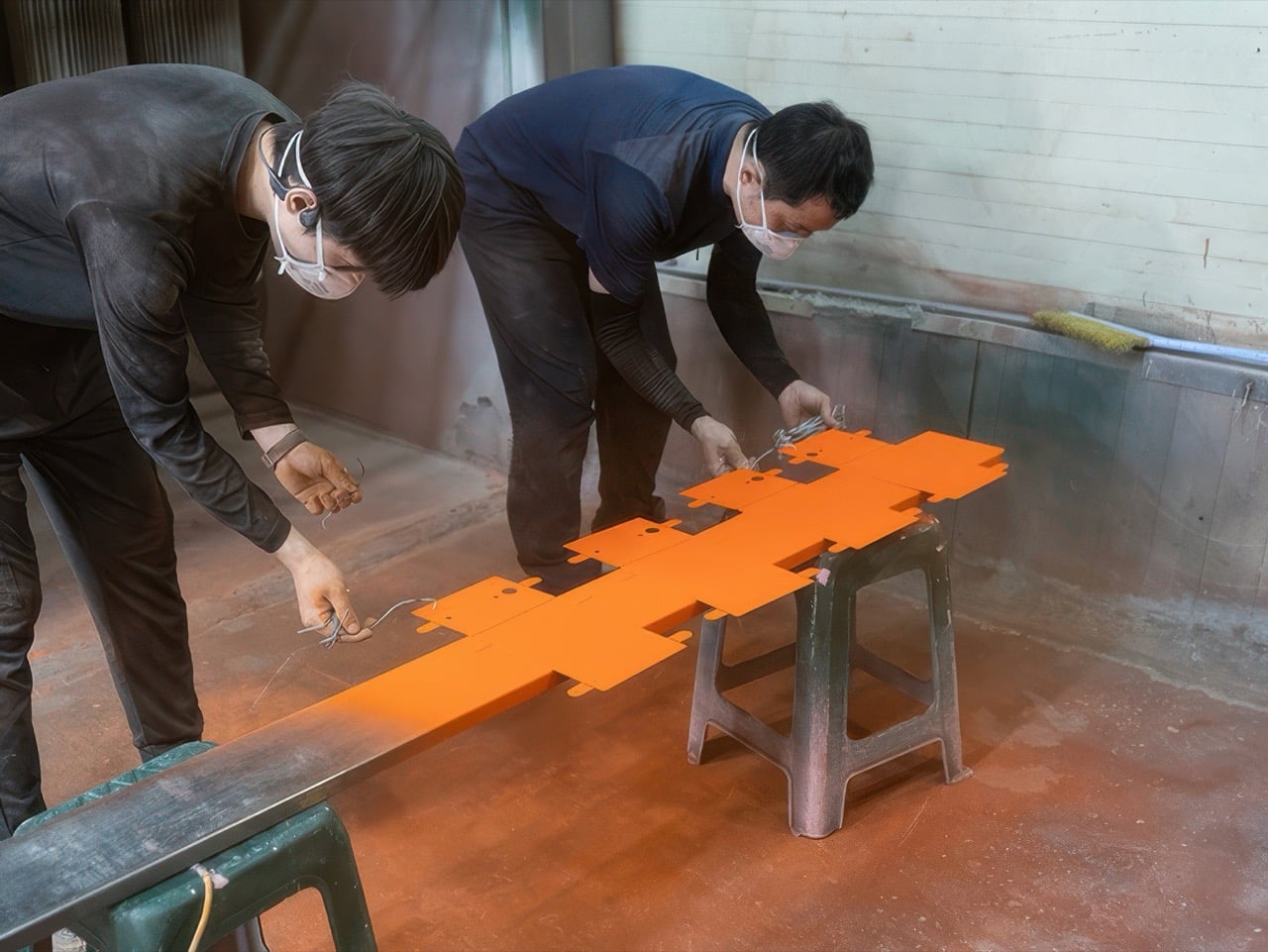
Material choice reinforces this philosophy. Constructed from DuPont paper and recycled board, the shelter embodies a lightweight yet durable architecture that supports both structural integrity and environmental responsibility. The components can be detached and replaced, allowing for cleaning, repair, and long-term use. This modularity aligns with contemporary sustainable design thinking, where longevity and adaptability are valued over disposability. Instead of producing another short-lived pet accessory, the designers have created an object meant to evolve alongside its user.
User research played a defining role in shaping the concept. Surveys revealed that a large majority of cat owners already carry some form of travel bag when going out with their pets. However, these bags often become dormant objects once the outing ends, occupying space and serving little purpose at home. FurBallRetreat addresses this inefficiency by collapsing into a compact form that integrates seamlessly into everyday living environments. It does not demand storage solutions because it behaves like an ordinary household object when idle.
Perhaps the most compelling aspect of FurBallRetreat is how it blurs typological boundaries. It is at once furniture, carrier, shelter, and environmental buffer. This hybridity reflects a broader movement in contemporary product design where single-function objects are giving way to adaptable systems that respond to multiple contexts. Rather than designing for a specific scenario, the creators designed for transitions between scenarios.
For design observers, FurBallRetreat signals an emerging category worth watching: products that treat mobility as a shared condition between humans and animals. As lifestyles become more flexible and outdoor experiences more integrated into daily routines, the demand for such solutions will likely grow. What distinguishes this project is not simply its clever folding structure or sustainable materials but its empathetic premise. It recognizes that when we travel with animals, we are not just transporting them. We are transporting their sense of security.
Our homes are more than dwellings as they are living stories. The most comforting ones merge the wisdom of the past with the ease of modern living. Today, we seek spaces that go beyond beauty, like places that carry history, evoke emotion, and offer a true sense of belonging. This blend of timeless heritage and present-day function isn’t just a trend; it is a lasting design philosophy that nurtures both serenity and style.
It’s about slowing down and valuing the origin of what surrounds us—choosing craftsmanship over convenience, meaning over mass production. Let’s explore simple yet powerful ways to bring ancestral warmth into modern homes, where every detail reflects mindfulness and enduring charm.
1. Furniture Collection Inspired by Traditional Motifs
Furniture should do more than occupy space, as it should tell a story and offer enduring comfort. The key lies in blending classic silhouettes with modern practicality, where traditional joinery meets sleek minimalism. This fusion adds depth and authenticity, giving your interiors a grounded charm that mass-produced pieces can’t emulate.
Invest in a few statement pieces made from natural, lasting wood that age beautifully and gain character over time. A handcrafted dining table, for instance, becomes a gathering point and symbol of permanence. Pair such heirloom-quality designs with contemporary fabrics and lighting to create a space that feels both rooted and refreshingly modern.
Some furniture pieces transcend mere function to become art. The Jaipur Furniture Collection by Sonal Tuli does just that, blending tradition and modernity in homage to Jaipur, India’s Pink City. Inspired by the city’s architectural motifs and the delicate art of blue pottery, the collection, including the sideboard, chandelier, mirror, and rug, captures Jaipur’s cultural richness. Handcrafted in India, each piece showcases local artisans’ mastery through the use of white marble and lapis lazuli, elevated by intricate stone inlay and overlay techniques that reflect timeless Indian craftsmanship.
Balancing elegance with purpose, the collection marries beauty and function. The sideboard reveals a soft pink hue when opened, while the chandelier and pendant radiate patterns reminiscent of lapis lazuli. The mirror’s backlit knobs offer modern versatility. Initially imagined with blue pottery tiles, Sonal refined her design using more durable marble and reimagined the console for easier transport.
2. Housing Designing with Local Materials
Building or renovating with local materials is both sustainable and deeply meaningful. Using regional stone, native timber, or local clay ties your home to its natural surroundings, creating harmony between structure and landscape. It’s a conscious way to reduce transport emissions while embracing eco-friendly design that feels authentic to the place.
Beyond sustainability, these materials bring texture, warmth, and a lived-in charm that industrial alternatives can’t match. Think of the cool touch of nearby-quarried stone or the organic grain of native wood, each telling a story of place and time. Such choices infuse your home with heritage, authenticity, and timeless character.
Access to clean water is often taken for granted in developed nations, yet for many communities around the world, it remains a daily struggle that affects both health and survival. This housing design offers a sustainable solution by integrating a water catchment system built with local materials and traditional weaving techniques. Designed for regions like Africa, where water scarcity is severe, the project transforms a basic need into an opportunity for innovation and community empowerment.
The house’s defining feature is its roof, which is a wooden framework interlaced with woven panels that collect dew and rainwater. This moisture passes through a natural filtration system, producing clean water suitable for drinking, cooking, and bathing. Using only locally available materials, the design not only ensures affordability but also celebrates indigenous craftsmanship. The result is a beautiful, functional, and sustainable home that fosters community involvement and could inspire global solutions for water security.
3. Illuminating Spaces
Lighting has the power to do more than brighten a room, as it can express intention and soul. When crafted with care, each fixture becomes a reflection of mindful design, where the maker’s hand and heart are both visible. Think of hand-blown glass lamps or woven shades that glow softly, celebrating imperfection and the quiet rhythm of creation.
To bring this spiritual warmth home, choose lighting that encourages calm and connection. A sculpted pendant or handcrafted sconce can transform a space into a sanctuary. These human-made details radiate authenticity, reminding you to slow down and let light nurture both mood and spirit.
The TRIRIS lamp by Chinmayi Bahl merges spiritual symbolism with modern craftsmanship. It transforms any setting into a sanctuary of calm light and thoughtful design. Inspired by Shiva’s third eye, a symbol of awakening and higher perception, the TRIRIS (Tri-Iris) lamp captures the essence of transformation. Handcrafted from bamboo slivers with copper-finished accents, it exudes warmth, durability, and timeless sophistication.
At its heart lies a heat-molded acrylic core shaped like a swirling tornado, symbolizing the power of inner energy. The lamp’s rotatable design allows users to adjust the interplay of light and shadow, turning simple lighting into a meditative act. Each rotation reflects the gradual opening of the inner eye, revealing beauty and balance. The TRIRIS lamp isn’t just a fixture but is a statement of mindful living and artistic expression.
4. The Timeless Appeal of Wooden Tableware
Wooden tableware embodies warmth, simplicity, and a tactile connection to nature. It’s one of the most effortless ways to bring traditional craftsmanship into daily life. Beyond decoration, wooden bowls, platters, and spoons transform everyday meals into moments of mindfulness. Their natural grain and gentle texture invite you to slow down, creating a sensory link to the earth that nurtures well-being.
When choosing pieces, seek clean silhouettes and hand-finished quality that ensure durability and food safety. Think mango wood dipping bowls or acacia salad servers, which work as organic accents that blend sustainability with rustic charm. Replacing ceramics or plastic with wood instantly adds authenticity and quiet elegance to your table.
Still used by Buddhist monks today, wood offers a natural warmth and texture that no other material can match. It doesn’t conduct heat like metal, doesn’t shatter like glass or ceramic, and is far safer and more sustainable than plastic. Durable and reusable for decades, wooden utensils represent the perfect balance of practicality and eco-conscious living. For over 68 years, Higashi Shunkei has celebrated this philosophy through handcrafted wooden tableware. Founded in Hida Takayama, Japan, the three-generation company began with chopsticks before expanding into exquisite bowls made from locally sourced cedarwood.
Nestled amid forests covering 92% of Takayama’s land, Higashi Shunkei crafts each Hida-Cedar bowl within its own workshop. The bowls are spun on a wooden lathe and finished using the traditional Suri Urushi lacquering method, which hardens the wood and gives it a glossy, ceramic-like surface. Each bowl’s unique striped pattern becomes richer with time, merging durability, beauty, and timeless craftsmanship.
5. Traditional Aroma Diffusers
An aroma diffuser may seem like a modern essential, yet its purpose is infusing spaces with natural, traditional aromas for healing and comfort—it has ancient roots. From sandalwood to frankincense, these time-honored scents once filled temples and homes, creating a sense of calm and spiritual grounding. Today’s sleek diffusers reinterpret that heritage, blending ancient aromatherapy with contemporary design to nurture both atmosphere and emotion.
For seamless integration, choose diffusers crafted from ceramic, glass, metal, or sustainably sourced wood that harmonize with your decor. Pair them with pure essential oils like traditional sandalwood, soothing lavender, or uplifting bergamot. This mindful ritual not only enriches your senses but also reconnects modern living with the enduring wisdom of aromatic tradition.
Rooted in the timeless craft traditions of Japan, the Fire Capsule is a testament to what happens when ancient design philosophy meets contemporary vision. Its form is drawn directly from the elegant proportions of traditional Japanese tea canisters, a silhouette that has embodied quiet refinement for centuries, now reimagined through the lens of modern industrial design. Created by Eri Tsunoda of SERVAL, a Kyoto City University of Arts graduate deeply attuned to the balance between heritage and innovation, the lamp honors the Japanese principle of *ma* – the art of meaningful space – by distilling function down to its most beautiful essentials. Premium aluminum and hand-clear glass replace the lacquered wood and ceramic of old, yet the spirit remains unchanged: a vessel that holds light the way tradition holds wisdom, with care, intention, and lasting grace.

Where the Fire Capsule truly shines is in how it carries that traditional soul into the demands of modern life. The age-old ritual of oil lamp lighting, once the cornerstone of every home and hearth, is here made effortlessly accessible through precision engineering, a dust-sealing lid, a 16-hour burn capacity, and an aroma diffusing plate that transforms illumination into a full sensory experience. Its stackable form, protective drawstring pouch, and featherlight 180-gram build speak the language of contemporary living without ever abandoning their ancestral roots. Whether gracing a minimalist apartment, a candlelit dinner table, or a quiet evening under open skies, the Fire Capsule does not simply decorate a space – it reconnects it to something older, warmer, and deeply human, proving that the most forward-thinking designs are often those that look thoughtfully backward.
Reimagining tradition means thoughtfully adapting its finest elements for modern living. By choosing local materials, mindful craftsmanship, and soulful pieces, you create a home that’s personal, sustainable, and serene. It becomes a space that balances beauty with well-being, offering comfort, authenticity, and a timeless reflection of your story.
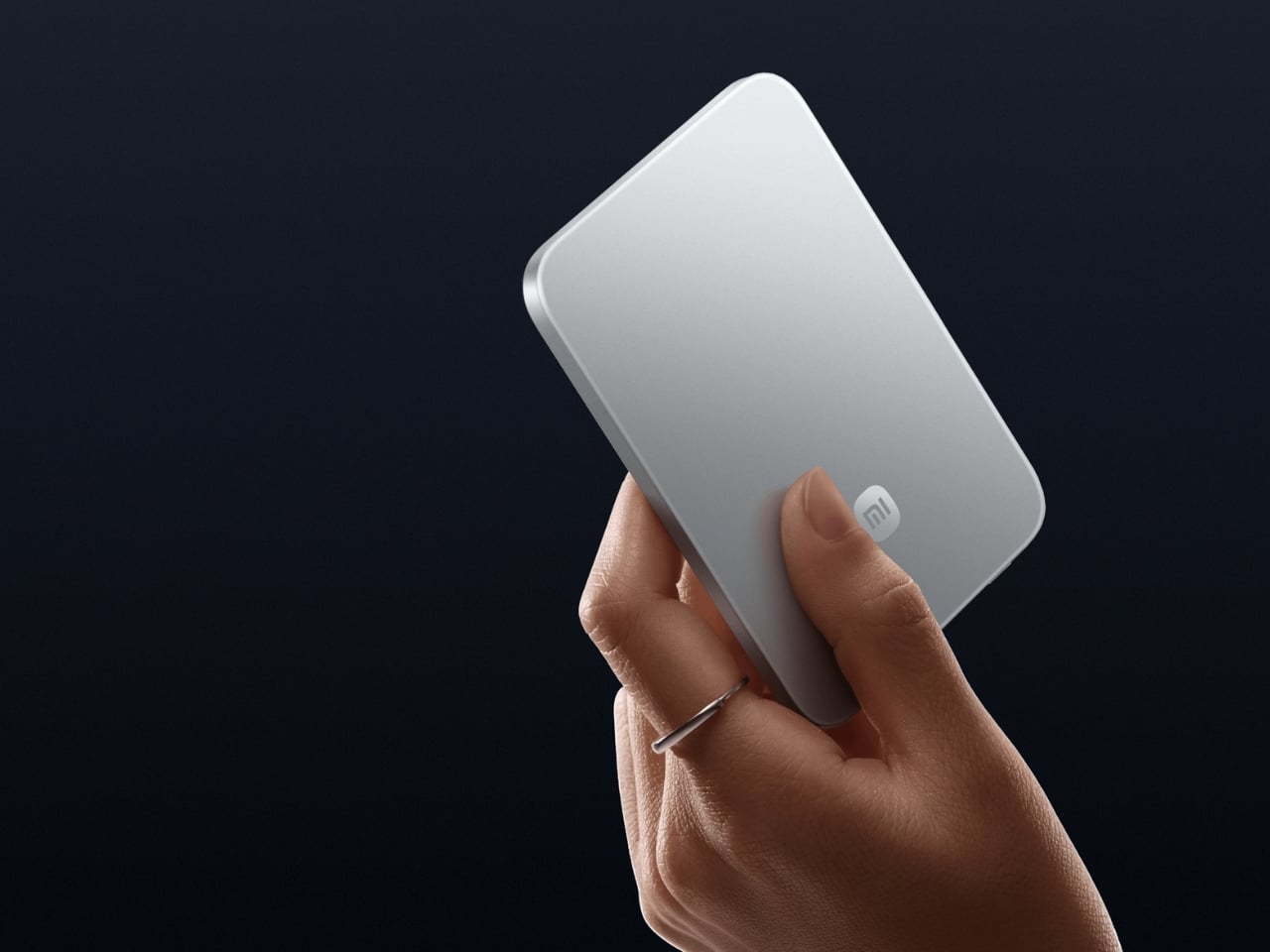
The modern office is wherever you can find a Wi-Fi signal and a flat surface. This freedom to work from anywhere, however, comes with its own set of challenges. Your laptop’s limited ports become a bottleneck when you need to connect a monitor, mouse, and charge your device simultaneously. At the same time, you need immediate access to large project files, and relying on slow coffee shop internet to pull them from the cloud is a recipe for missed deadlines. This constant juggle between connectivity and data access is the primary source of friction for today’s mobile professional.
The CASA Hub S is engineered specifically to eliminate that friction. It acts as a single, reliable bridge between your portable setup and a full-featured workstation. With its integrated SSD, your essential assets are stored locally, ready at speeds that cloud storage can’t match, while its collection of ports handles everything from 4K video output to peripherals and power delivery. It’s a device that understands the demands of a flexible work life, providing both the expanded digital real estate and the high-speed local storage needed to be productive, whether you’re at your home desk or miles away from it.
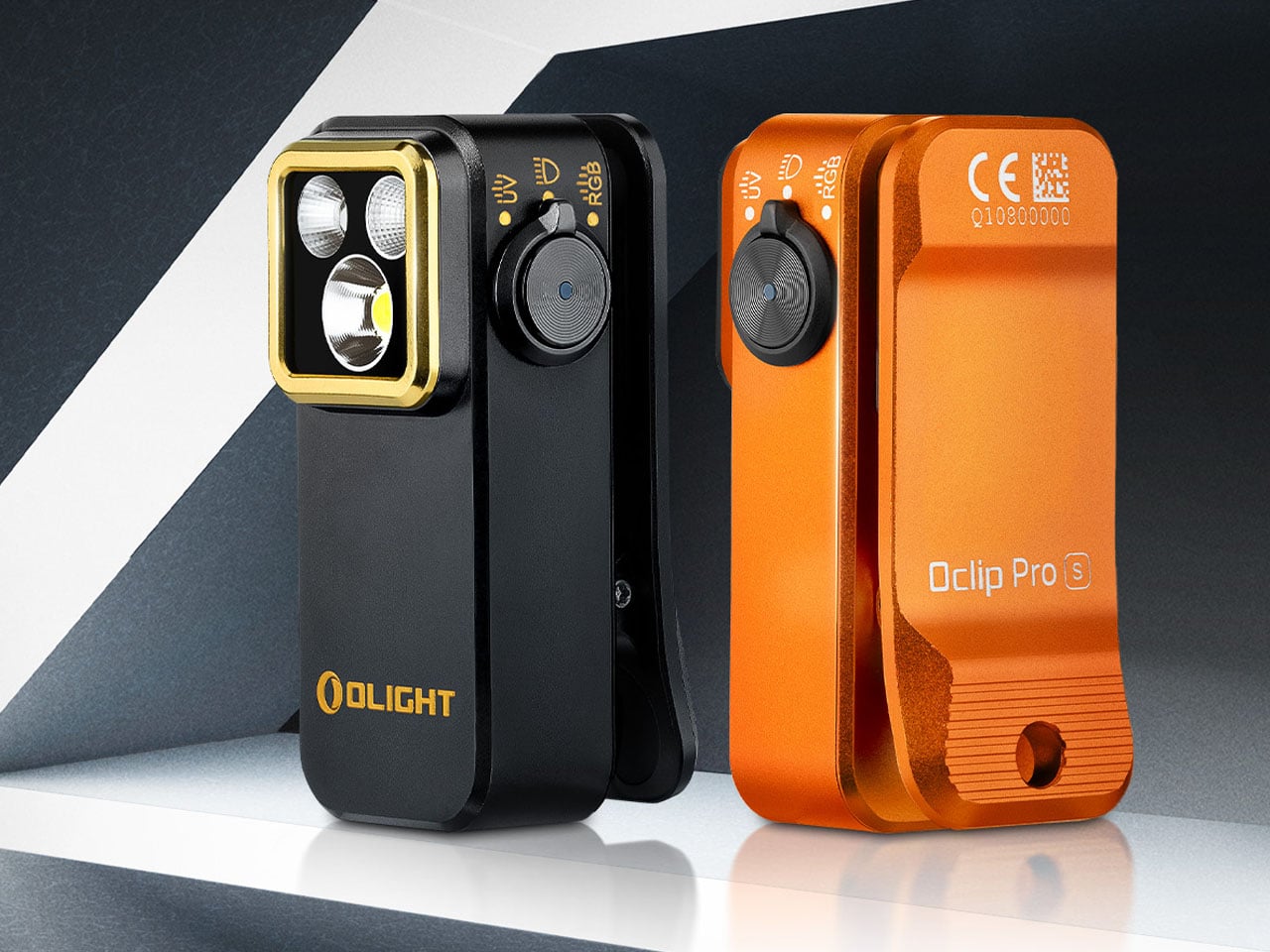
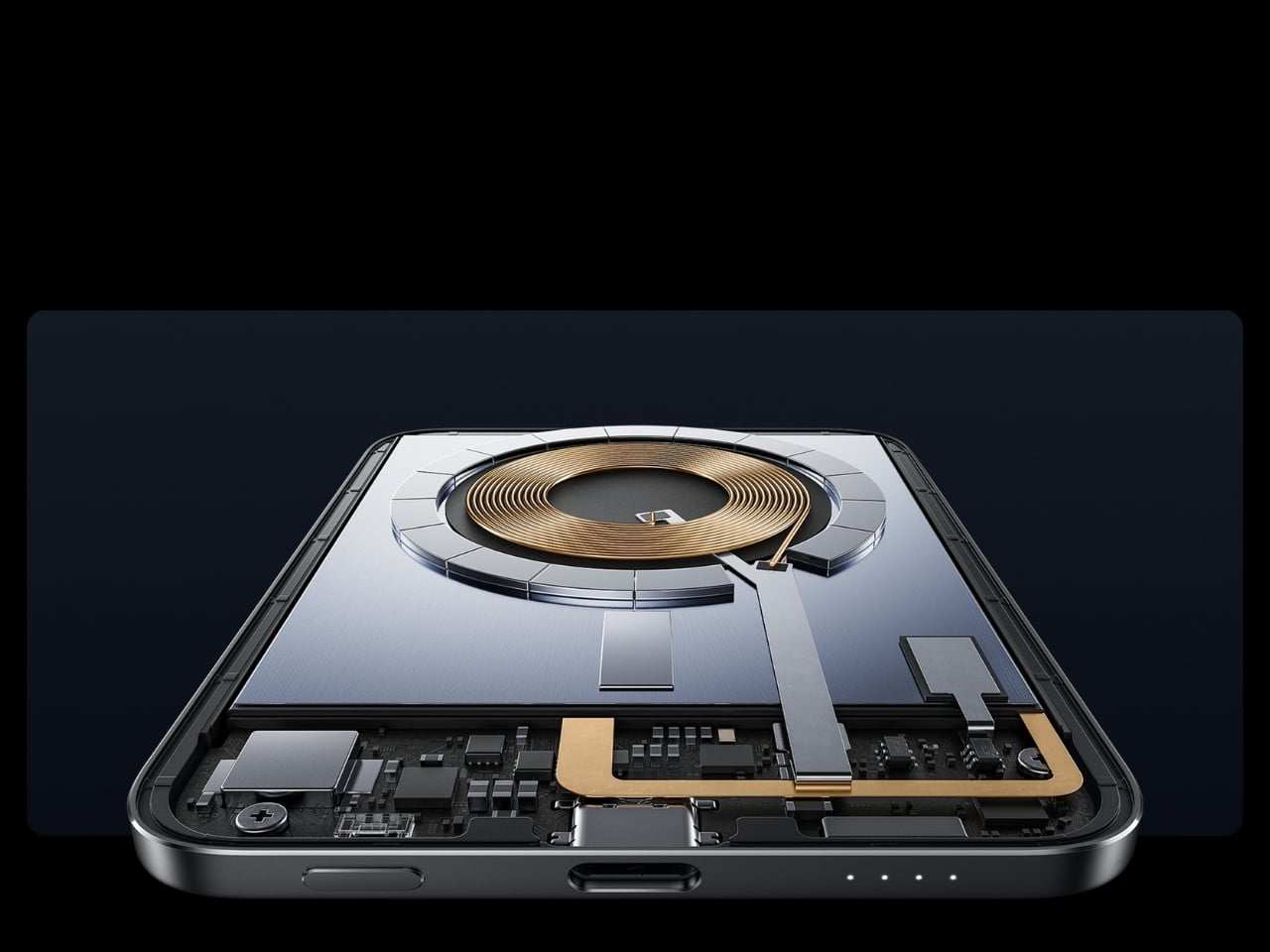
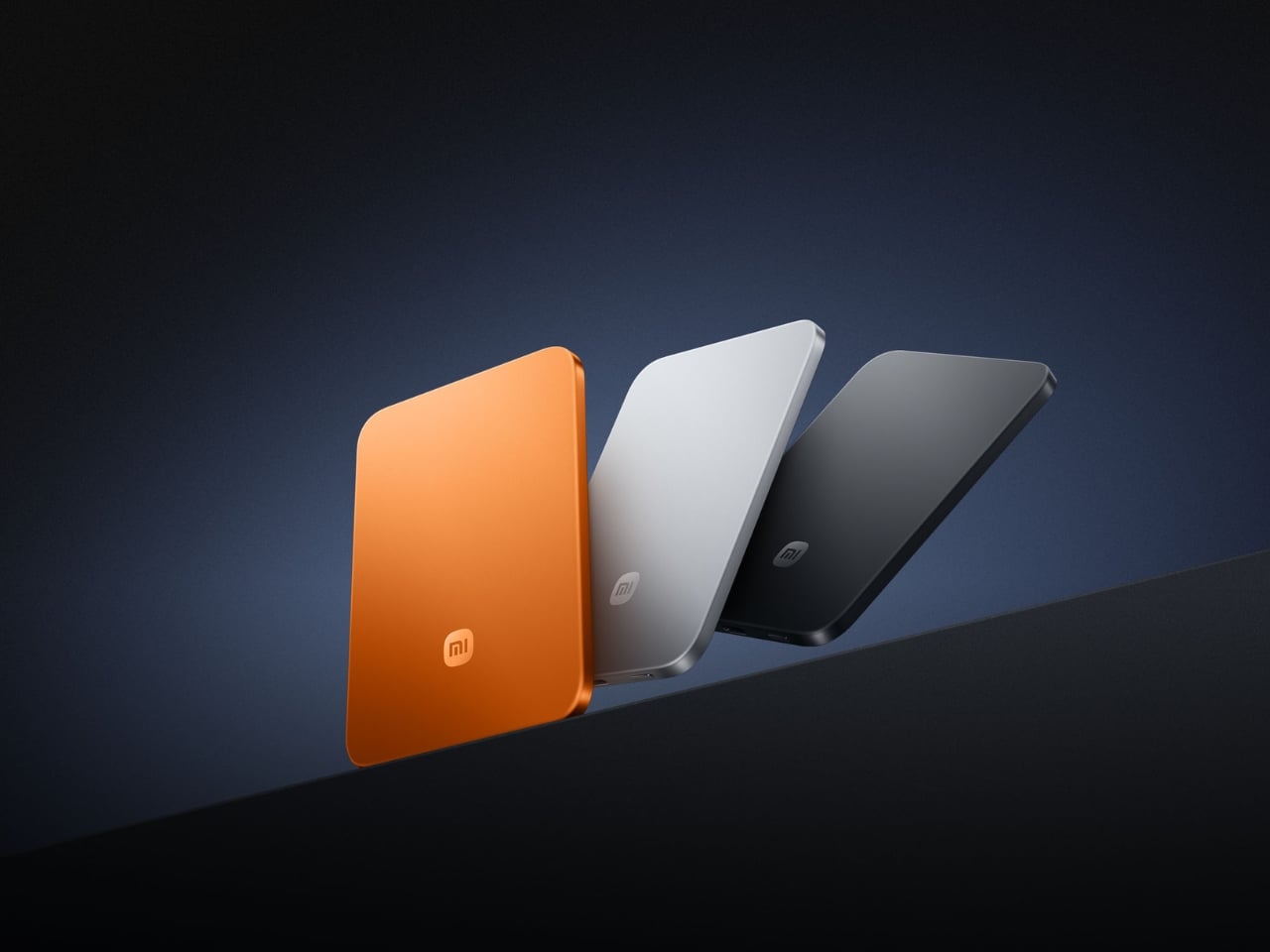
ADAM elements has been quietly building a reputation for accessories that actually think through the problem instead of just checking feature boxes. The CASA Hub S is probably their clearest example of this philosophy. You get 240GB, 480GB, or 960GB of NVMe SSD storage built directly into what would otherwise be a standard USB-C hub. The read speeds hit 520 MBps and writes clock in at 456 MBps, which puts it squarely in the territory of “actually usable as a working drive” rather than just backup storage. I’ve used plenty of external SSDs that claim similar numbers but choke when you’re actively editing 4K footage or working with massive Photoshop files. The performance here is consistent enough that the 480GB model is specifically recommended for Time Machine backups, which tells you they’re confident it won’t become a bottleneck.
The port selection feels well considered too. You get a USB-A 3.1 Gen 1 port running at 5 Gbps, a USB-C port with 60W Power Delivery passthrough, 4K HDMI output at 30Hz, and a 3.5mm audio jack. That HDMI port supports HDCP 2.2, which matters more than you’d think because it means you can actually stream Netflix in 4K without the annoying “this content is protected” error that cheaper hubs trigger. The audio jack outputs at 48kHz, 16-bit, which is perfectly adequate for most headphones and won’t introduce the weird ground loop hum that some hubs seem to love creating.
Looking at the physical design you realize how ADAM elements clearly designed this with iPad Pro users in mind. That 16cm cable length seems arbitrary until you realize it’s the exact sweet spot that lets the hub lay flat on a desk instead of dangling awkwardly off the side of your tablet. It’s a small detail, but it’s the kind of thing that separates products designed by people who actually use them from products designed by people staring at CAD files. The whole thing weighs 70 grams and comes with a flannel carrying pouch, which again, small detail, but it shows someone thought about how this thing actually travels.
The aluminum chassis is a perfect blend of sleek, lightweight, and heat-dissipating, that makes it an ideal pick for something as portable and productivity-boosting as this hub. ADAM elements went with a Space Gray finish that matches the MacBook aesthetic without being obnoxiously matchy-matchy. The device is plug and play across macOS, iOS 13 and later, iPadOS, Windows 8/10, and Chrome OS. No driver installation, no proprietary software, no account creation. You plug it in and it works, which in 2026 somehow still feels like a minor miracle.
The pricing structure spans three capacities, with the 240GB model landing at $69.30, the 480GB at $132.30, and the 960GB at $209.30 through the end of February using code 30YANKOHUBS. That puts the middle option at roughly the combined cost of a decent standalone SSD and a quality hub bought separately, which makes the value proposition pretty straightforward for anyone who was planning to grab both anyway. The real win here is eliminating one device from your bag and one cable from your setup, which for mobile workers translates to actual daily convenience rather than just saving a few dollars. ADAM elements backs it with a three-year warranty, and the hub is available now directly from their site, which means you skip the Amazon reseller lottery and get support directly from people who actually designed the thing.
Step into a reality where science fiction blends effortlessly with everyday life. Human-like robots, or humanoids, are no longer distant fantasies as they are being designed to fit naturally into our routines. While their presence can feel intimidating at first, understanding their purpose shows a path toward enhanced comfort, support, and convenience. Like a thoughtfully designed home anticipating your every need, these robots are meant to enrich daily living rather than disrupt it.
Beyond novelty, these intelligent machines offer practical solutions for modern challenges. By mirroring human interaction and form, they become approachable helpers, assisting in homes, hospitals, and communities with tasks that require precision, care, and a human touch.
1. Bridging the Empathy Gap in Care
The growing global need for elder care and personal assistance is a challenge that demands innovative, heartfelt solutions. Imagine a robotic assistant in a nursing home—it’s not there to replace human interaction, but to supplement it, offering constant, tireless support. Its human-like form allows it to interact with tools and spaces designed for people, like opening a standard door or operating an elevator, making its help immediately practical.
This familiar, non-threatening design can foster a feeling of comfort and ease of use for the elderly and those with special needs. By handling repetitive or physically strenuous tasks, such as fetching items, monitoring vital signs, or providing simple, encouraging reminders, these humanoids free up human caregivers to focus on the essential, emotional elements of care. It’s about optimizing human effort, ensuring that every person receives the dignified attention they deserve.
Toyota’s Gantry robot is designed to assist the elderly by performing household chores, offering a solution for the rapidly growing population over 65, who often lack tailored technological support. Unlike industrial robots operating in controlled factory environments, the home presents unstructured and diverse challenges. Developed by the Toyota Research Institute (TRI), the gantry robot is being tested in mock-up home settings in California and can handle tasks such as cleaning and loading the dishwasher. Inspired by Japanese home layouts, the robot is ceiling-mounted to overcome floor-space constraints, allowing it to operate efficiently while remaining unobtrusive.
The gantry robot is part of a broader initiative at TRI to create a fleet of household-assistive robots, including floor-based mobile units and “soft bubble gripper” robots capable of gently handling objects. Using virtual reality, researchers train these robots by recording human actions, programming movements into the machines. While still in prototype stages, this innovative approach could redefine elder care and independent living by integrating robots into home architecture.
2. Simplifying Practical Household Help
Daily chores and specialized tasks can quickly consume your time, but human-like robots are designed to fit naturally into our homes. With two hands and two legs, they can use standard tools and appliances like vacuums, counters, or dishwashers without requiring costly modifications. Their familiar form makes them instantly practical and easy to integrate into everyday life.
Beyond basic chores, these robots can learn and perform complex sequences, turning your routine tasks into streamlined operations. By handling repetitive or time-consuming work, they free you to focus on what truly matters, enhancing convenience, efficiency, and well-being.
Humanoid robots have long fascinated us, yet their adoption in homes has been limited by overly mechanical designs. Traditional robots with rigid shells, exposed joints, and industrial aesthetics feel out of place among domestic furnishings. As the demand for robotic assistants, particularly for elderly care, rises, machines must be approachable and seamlessly integrate into human environments rather than appear intimidating.
The NEO Gamma from 1X Technology exemplifies this shift. Its 3D-printed nylon fabric “skin” conceals machinery while allowing full mobility and quiet operation. Tendon-driven hands provide precise, gentle manipulation of household objects, and minimalist design elements, including custom shoes and illuminated ear rings, combine stability, intuitive communication, and visual appeal. NEO performs practical domestic tasks such as tidying, deep cleaning, and organizing, freeing household members to focus on meaningful activities. By blending functionality, dexterity, and approachable aesthetics, NEO demonstrates how humanoid robots can harmoniously coexist with humans and transform domestic assistance from novelty to necessity.
3. Enhancing Hotel Service with Robots
Many hotel tasks are repetitive, physically demanding, or time-consuming—like delivering luggage, restocking minibars, or cleaning rooms. Human staff performing these tasks constantly can experience fatigue, stress, and risk of injury. Service robots, designed with human-like form and capabilities, offer a reliable solution, performing these chores efficiently and safely.
By handling routine and labor-intensive duties, robots allow hotel employees to focus on personalized guest experiences, creative problem-solving, and management tasks. This integration boosts overall service quality, improves staff well-being, and ensures smoother, more efficient hotel operations, combining technology with hospitality for a smarter, safer environment.
Chinese robotics companies are rapidly advancing the development of humanoid and AI-powered robots with practical commercial applications. Among the latest innovations, Pudu Robotics’ FlashBot Arm stands out as a semi-humanoid service robot designed for dynamic environments such as offices, hotels, restaurants, and healthcare facilities. Building on the company’s FlashBot Max wheeled model, the bipedal FlashBot Arm features dual 7-degree-of-freedom arms, PUDU DH11 hands with 11 degrees of freedom, a 10.1-inch touchscreen, and a spacious belly compartment for secure deliveries. These capabilities enable precise, human-like actions, including object handling, button operation, and interactive gestures, making it highly versatile for complex commercial tasks.
The robot integrates advanced AI and sensor technologies, including RGB depth cameras, panoramic lenses, LiDAR, and pressure-sensitive skin, managed through Pudu’s VSLAM system for real-time 3D mapping and obstacle navigation. Its AI-driven learning model allows autonomous adaptation to various tasks, while voice interaction and collaborative functionality enhance usability. Weighing 33 lb, the FlashBot Arm operates up to eight hours per charge and demonstrates a significant milestone in the commercialization of humanoid AI service robots.
4. Serving as Critical Tools in Hazardous Environments
In fields where human presence is risky or impossible, such as disaster zones or war-struck regions, humanoid robots provide vital operational support. These robots can navigate unstable terrain, assess structural damage, and perform rescue tasks, allowing rapid response without endangering human lives. By executing programmed maneuvers and adapting to real-time conditions, they turn complex strategies into actionable results, making them indispensable in search-and-rescue missions and emergency operations.
Beyond operational efficiency, these robots serve as dynamic tools for training and preparedness. Rescue personnel can simulate high-risk scenarios, program robot responses, and study outcomes, enhancing tactical learning and readiness. Their consistent performance and ability to operate under extreme conditions offer invaluable support, expanding the scope of humanitarian and emergency response while reducing exposure to danger for human teams.
Unmanned Aerial Vehicles (UAVs) often operate in conflict zones such as Ukraine-Russia and Israel-Iran, typically for destructive purposes. In contrast, the jet-powered humanoid robot iRonCub3, developed by the Italian Institute of Technology (IIT), is designed for constructive applications, including search-and-rescue operations in disaster-struck or hazardous environments. Combining terrestrial mobility with aerial capabilities, iRonCub3 represents a major advancement in multimodal robotics. In its maiden flight, conducted in a controlled test area, the robot lifted 50 cm off the ground and remained stable, demonstrating the results of two years of research and multiple prototype tests.
Weighing around 70 kg with four jet engines—two on its arms and two on a back-mounted jetpack—the iRonCub3 can generate over 1,000 newtons of thrust and withstand exhaust temperatures of 800°C, due to its titanium spine and heat-resistant protective covers. AI-driven control systems and optimally positioned turbines allow stable flight in uncertain conditions. Future testing at open sites aims to expand its operational potential, with applications in disaster response, hazardous environment navigation, and other autonomous robotic platforms.
5. Driving Breakthroughs in Human Movement and Design
Designing robots that move, balance, and interact like humans pushes engineers to study human physiology and biomechanics in unprecedented detail. This focus on biomimicry, learning from nature, is yielding breakthroughs that benefit people directly. For instance, improvements in robotic gait are informing better prosthetic limbs and exoskeletons, enhancing mobility for those with physical challenges.
Building human-like machines uncovers the subtle efficiency of our bodies and drives advances in materials, actuation, and control systems. By striving for versatile, stable, and strong robots, we gain insights that improve human performance, safety, and rehabilitation, turning robotic innovation into practical, life-changing solutions.
Unitree’s A2 Stellar Explorer marks a decisive advance in the evolution of quadruped robotics, moving the category beyond laboratory experimentation to rugged, real-world deployment. Engineered for harsh environments, the robot dog weighs 81 lbs, carries up to 55 lbs on inclines, sustains 220 lbs when stationary, and performs agile manoeuvres such as flips and jumps. It delivers up to 12 km of load-bearing travel per charge, operates for five hours unloaded, and reaches a top speed of 11.2 mph. With 180 Nm torque, a hot-swappable 9,000 mAh battery, dual LiDAR, AI vision, and an Intel Core i7, it navigates obstacles, steep gradients, and complex terrain autonomously. Connectivity is ensured via Wi-Fi 6, Bluetooth 5.2, and optional 4G/GPS.
More than a technical showcase, the A2 signals a shift toward field-ready autonomous machines. Its payload capacity, endurance, and perception systems position it for applications in inspection, logistics, disaster response, and environmental monitoring where human presence is risky or impractical.
The future with human-like robots isn’t about replacing us, but it is about enhancing life. Like thoughtful interior design brings harmony to a home, these machines offer care support, demanding work, and education. By focusing on practical, helpful applications, we create a safer, more efficient, and well-supported world. This evolution combines technology with purpose, improving daily life for everyone.
Modular synthesis has a split personality. There are racks of patch cables that promise infinite sound design but also scare off newcomers who don’t know what an oscillator actually does. Then there are small, playful instruments and construction toys that invite you to just start pressing things and see what happens. There’s room for a hardware system that borrows the friendliness of toys while still behaving like a serious instrument, one that teaches as you build.
Synth is a modular music synthesizer concept that treats every function as a physical block. Keys, pads, knobs, sequencer, effects, and display all live on separate modules that snap into a base. The designer cites inspiration from playful minimalism and block-based logic, but the project is independent and not affiliated with any existing brands; it simply borrows that spirit of approachable, interlocking parts that make complex things feel accessible.
The base acts like a studded board, and each module clicks into place wherever you want it. A beginner might start with a simple strip of keys, a small display, and a single effects block. As they grow more confident, they can add more modules, rearrange the order, or build a performance-focused layout with pads and big knobs up front, all without opening a settings menu or diving into software preferences.
Arranging modules from left to right or top to bottom mirrors the path sound takes through a synth. Oscillator, filter, envelope, effects, each block is a step in the chain, you can literally see and touch. Clear visual cues and simplified controls help users understand what each stage does, turning abstract synthesis concepts into something you learn by rearranging tiles instead of reading manuals.
This approach makes Synth less intimidating for beginners, who can treat it like a musical construction set, while still giving advanced users a flexible playground. Someone focused on live performance might cluster pads, faders, and a sequencer near the edge, while a sound designer might build a long row of modulation and effects modules. The same hardware adapts to very different workflows without needing firmware updates or screen menus.
The warm, tile-based aesthetic, with bold colors and minimal controls, invites experimentation rather than caution. The layout feels like a board game or building set, which lowers the psychological barrier to trying odd combinations. That sense of play is intentional; the project wants sound design to feel like a hands-on, spatial activity instead of a dense screen full of parameters you’re afraid to touch.
Synth reframes music production as something that grows alongside the user. Instead of buying a fixed box and learning to live with its quirks, you build your own interface, then rebuild it when your needs change. Even as a concept, it hints at a future where modular music hardware isn’t only about swapping electronic modules in a rack, but about reshaping the very surface you touch while you create.
Every day balance moments don’t usually look dramatic. Standing up from a low chair after a long meal, stepping off a curb while carrying bags, and steadying yourself in a narrow hallway without anything to grab are the small transitions that feel minor until they don’t. Safety gear tends to be designed for bigger problems, but the real friction lives in these frequent, unremarkable moments that add up over the course of a day.
SafeGrip is a modular safety handle designed to offer a versatile solution to exactly those “micro safety issues,” particularly for elderly individuals and anyone who needs balance support in daily life. The tagline is “Grip life with confidence,” and the design backs that up by turning a single compact object into a walking cane, a carry hook, and a furniture anchor point, depending on what the moment requires.
As a cane, the handle shape does a lot of quiet work. The large grip opening and soft, rounded edges allow different hand sizes and grip styles, so it doesn’t demand a precise hold. That gentler geometry reduces pressure on arthritic or tired hands, and the clean, non-clinical look means it’s the kind of thing you’d keep by the door or beside a chair rather than hiding it away, which matters more than most cane designers seem to realize.
Carrying bags while walking is one of those everyday tasks that throws off balance in ways that accumulate slowly. The built-in hook function lets SafeGrip carry shopping loads, taking the pull off the wrist and keeping the user steadier. At a doorway, elevator, or checkout counter, having the bags on the cane instead of dangling from a hand changes how the body distributes weight, even slightly, which counts when stability is already a concern.
The mechanical retractable ring system is the feature that makes furniture anchoring possible. The ring extends to create a secure loop that can grip onto a table edge or chair, turning the nearest piece of furniture into a temporary grab rail. That makes the sit-to-stand transition, one of the most commonly risky daily movements, feel more controlled without requiring any installed hardware or home modifications.
A telescopic height adjustment mechanism at the neck of the handle allows incremental length changes through nesting profiles, with numbered level indicators so users can identify and return to the right height reliably. That repeatability matters when the cane is used by more than one person or when it’s stored and reset regularly throughout the day.
SafeGrip treats stability as an everyday design problem rather than a medical category. It combines three helpful roles without adding complexity, and it looks like a considered product rather than hospital equipment. The best safety tools are usually the ones people actually keep nearby, and a handle that fits into daily life instead of announcing its purpose makes that a lot more likely.