The Modular Cat Habitat That Turns Playful Curiosity Into Living Architecture

What if we designed homes the way cats would design them? Not human homes with a token scratching post in the corner but true spatial systems built around curiosity, vertical exploration, territorial comfort, and play. The N Plus Magic House begins precisely at that question, reframing pet furniture not as an accessory but as architecture scaled for feline psychology. Instead of treating a cat house as a static object, this project treats it as a living spatial framework, one that evolves alongside its inhabitant.

Today’s pet owners increasingly see their cats as emotional companions rather than animals that merely coexist in domestic space. That shift has quietly created a design problem. Traditional cat houses, even elaborate ones, tend to be fixed structures. They may be visually impressive, but they impose constraints on placement, adaptability, and long-term usability. The N Plus Magic House flips that paradigm by introducing modularity as its core philosophy. Rather than selling a finished form, it offers a system of standardized units that can be assembled, rearranged, expanded, or reduced as needed. The result is less like furniture and more like a customizable habitat kit.

Designer: Taizhou Hake Technology Co., Ltd

The genius of the design lies in its simplicity. Each module functions independently yet connects securely through precision-engineered connectors. Owners assemble structures by inserting panels into slots and stacking them like building blocks. No technical expertise, tools, or installation manuals are required. This intuitive construction method does something subtle but powerful. It turns pet care into participation. Instead of buying a finished object, users become co-designers of their cat’s environment. That interaction strengthens the emotional bond among the owner, the pet, and the space.

Material choices reinforce the system’s practicality. The structure combines impact-resistant PP resin, transparent PET panels for visibility, and carbon steel mesh for structural integrity. These materials balance durability with safety while allowing owners to monitor their pets without disturbing them. The manufacturing processes, such as injection molding and automatic wire welding, ensure consistency, precision, and reliability across units. Every element reflects careful alignment with feline behavior and safety requirements.

Behind the scenes, the development team approached the project with a research-driven mindset. They studied cats’ behavioral patterns, analyzed existing products on the market, and mapped owner expectations. One of the biggest technical challenges was maintaining structural stability while preserving modular flexibility. The solution was a custom connector engineered to withstand pressure and weight while preventing slippage. Its textured surface increases friction, ensuring modules remain firmly locked during use. This small component is arguably the system’s unsung hero. It transforms a playful concept into a reliable architectural structure.

Developed in Taizhou, Zhejiang Province, between July 2023 and November 2024 and later exhibited internationally, the N Plus Magic House represents a broader shift in product design thinking. It signals a move away from static ownership toward adaptive systems, objects that respond to changing needs over time. In a world where personalization defines modern consumer expectations, this approach feels less like a novelty and more like a glimpse into the future of domestic product design.

The post The Modular Cat Habitat That Turns Playful Curiosity Into Living Architecture first appeared on Yanko Design.

Google Released a New Pixel 10a and It’s Basically the Same Phone From Last Year

Google would like you to meet the Pixel 10A. It has a new name, new colors, and a press release that runs to several pages. It costs $499, which is exactly what the Pixel 9A cost. It weighs the same. It measures the same. It has the same cameras, the same battery, the same chip, and the same 6.3 inch display. There is a episode of The Office where Pam preoccupies Michael by presenting two identical photo printouts as a spot-the-difference puzzle. Google has essentially done that, except the printout costs five hundred dollars.

To be precise about what actually changed: the display is about 10% brighter, the glass protecting it moved from Gorilla Glass 3 to Gorilla Glass 7i, wired charging climbed from 23 watts to 30, and wireless charging went from 7.5 watts to 10. The camera bump, already barely perceptible on the 9A, is now completely flush. In some regions, satellite SOS is supported. That is the complete list. Google did not forget to send the rest of it.

Designer: Google

The Pixel 10 and Pixel 10 Pro both run on the Tensor G5. The Pixel 10A runs on the Tensor G4, the same chip from last year’s A-series, and the year before that in the Pixel 9 Pro. For years, buying the A-series meant getting the current flagship chip in a cheaper body. That was a genuinely good deal. Google has decided, apparently, that it was too good.

Best Take, Camera Coach, Call Screening, Clear Calling, Now Playing, Gemini as a built-in assistant, and seven years of updates add up to an experience that Android competitors at this price genuinely struggle to match. The Pixel ecosystem has real pull, and Google knows it. The 10A is banking on that pull being strong enough to carry a spec sheet that would embarrass a 2024 phone.

Google looked at the Pixel 9A, decided it had not been wrong about any of it, and shipped it again with brighter glass and a new colorway called Fog. In an industry that routinely invents problems to solve, there is something almost philosophical about a company that simply refuses to fix what it considers unbroken. The Pixel 10A does not have an identity crisis. It has its predecessor’s identity, and it is completely comfortable with that.

It will sell because the cameras are good, the battery lasts, the software support is unmatched at the price, and most people upgrading to it will be coming from something two or three generations older where the difference feels significant regardless of which Tensor chip is inside. Google understands its buyer perhaps better than its buyer understands the spec sheet. The Pixel 10A is a perfectly competent phone that knows exactly what it is. But also… this smartphone announcement could have been an email.

The post Google Released a New Pixel 10a and It’s Basically the Same Phone From Last Year first appeared on Yanko Design.

Forget Mindfulness Apps, This Desk Top Spins for 2 Minutes Instead

Screens are on all day, and hands tend to find something to do when focus slips. Pen clicking, phone picking, knuckle cracking, the nervous tics of modern desk work. Most “mindfulness” solutions are still apps, which is a bit ironic when the problem is too much screen time. There’s something to be said for a small mechanical object that gives your brain a reset without asking for any attention in return.

Amsterdam Dynamics’ ST-01 is a modular spinning top and tactile focus object built for desks, hands, and minds that rarely get a break. It’s intentionally simple but not single-purpose, offering multiple mechanical interactions with no correct sequence. You use one when you need it or work through all of them. No app, no setup, no instructions, just the object and whatever your hands feel like doing with it.

Designer: Antonio Lo Presti (Amsterdam Dynamics)

A gentle twist sets ST-01 rotating smoothly, and it’s engineered to keep going for over two minutes. That’s long enough to watch while thinking through a problem, waiting for a file to render, or cooling down after a difficult meeting. It functions as a visual anchor, something calm and physical in a field of notifications and browser tabs that all want something from you.

Pressing the top triggers a satisfying mechanical click with clear tactile feedback, the kind of repeatable, purposeful sensation that replaces the nervous habit of clicking pens or tapping a keyboard. Amsterdam Dynamics calls it “reset focus,” which is accurate if not exactly humble. The middle disc can also be flipped like a coin, adding a small decision-making tool and another texture to the interaction when you need a nudge in either direction.

Of course, there’s a modular construction underneath all of that. ST-01 is built from three parts that can be taken apart and snapped back together, held in alignment by two precisely positioned magnets. That magnetic core keeps the structure stable during spinning while making it easy to disassemble by hand. There’s also a built-in magnet that lets it stick to metal surfaces, which is either a neat trick or a genuinely useful parking spot depending on your desk.

CNC-machined, anodized aerospace-grade aluminum means it’s solid in the hand, balanced, and finished in a way you notice the first time you pick it up. Cheap fidget toys flex, squeak, and wear out quickly. ST-01 is designed to stay on the desk for a long time, with Amsterdam Dynamics framing it as “a beautiful object, made to last a lifetime” and something that can eventually be passed on.

That’s an unusual positioning for what is essentially a desk toy, but it fits the overall idea. ST-01 doesn’t ask for a lifestyle change, a daily streak, or a subscription. It just gives your hands a few repeatable interactions and a place to return when the work gets loud, which turns out to be the kind of quiet, mechanical company a desk actually needs.

The post Forget Mindfulness Apps, This Desk Top Spins for 2 Minutes Instead first appeared on Yanko Design.
This Air Purifier Concept Looks Like Scandinavian Audio Gear

Air purifiers tend to look like medical equipment and come with apps you didn’t ask for. They arrive with dashboards, push notifications, and Wi-Fi setup rituals that turn “cleaner air” into another thing to manage on a phone. Most of them sit in corners behind plants because they look clinical, and no one wants to acknowledge the white plastic box while having guests over for dinner.

The Beolab Air 1 is a concept air purifier designed to sit in a room without announcing itself. It was developed as a student project and draws inspiration from the calm, material-driven design language of Bang & Olufsen’s Beolab line, though it’s not affiliated with the company in any way. The goal was to see what happens when you apply that kind of sculptural thinking to clean air, instead of just adding another screen to the wellness toolkit.

Designers: Ahaan Varma, Malhar Gadnis, Michelle Sequeira, Sharanya Karkera

The most refreshing part of the concept is the interaction model. A single button press is all it takes to start, with no app pairing, no IoT setup, and no onboarding routine. The project frames this as “digital detox,” which is a reasonable description when most purifiers try to sell you sensor graphs and weekly air quality reports. You turn it on the way you’d turn on a lamp or a speaker, then leave it to work.

The materials do a lot of the talking. Angled teak wooden ridges wrap the body and function as vents for filtered air, so the aesthetic choice also serves a purpose. Textured aluminum handles the rest of the exterior. The project’s own critique of the category is blunt: plastic yellows and looks cheap over time, while wood and metal age better. A purifier built to look like a piece of considered furniture has a better chance of earning a spot on a sideboard than one that resembles a hospital accessory.

Under the surface, there’s a plausible engineering stack. A high-efficiency BLDC fan delivers strong airflow while staying quiet, a HEPA filter handles particulate capture, and an MQ135 gas sensor pairs with PM2.5 sensing to monitor air quality without forcing anyone into an app. The concept keeps the monitoring internal and the feedback subtle, a soft ambient light band that changes gently rather than a display demanding attention.

Of course, that ambient feedback is the whole point. Clean air is invisible and usually silent, and a purifier that communicates the same way feels more appropriate than one with a scrolling PM2.5 count on a bright panel. You can check in when you feel like it, and the rest of the time it just works.

The concept calls out a genuine gap in the category: people want wellness that integrates quietly into a room, not hospital aesthetics, and yet another app. Whether or not Beolab Air 1 ever gets built, asking what a purifier looks like when treated with the same care as a premium speaker is a question the category probably needed someone to ask.

The post This Air Purifier Concept Looks Like Scandinavian Audio Gear first appeared on Yanko Design.
OBRO Just Turned Leather Waste Into Luxury Material

There’s something quietly radical about a material that refuses to hide what it’s made from. OBRO, a new composite from Japanese manufacturer Sanyo Co., Ltd., takes recycled leather powder and suspends it in transparent black PVC, creating a surface that looks like stars scattered across a midnight sky. Instead of disguising its origins, the material puts waste on full display, transforming discarded scraps into something you actually want to touch.

The name itself gives you a sense of the effect. OBRO comes from the Japanese word “oboro,” which translates to “hazy” or “softly blurred.” It’s that in-between quality where things aren’t quite solid, not quite translucent. Hold the material up to light and the leather fragments shimmer beneath the surface, shifting between metallic glints and organic warmth depending on the angle. It’s the kind of visual texture that photographs beautifully but probably demands to be seen in person to fully appreciate.

Designer: Satoru Shimizu / Sanyo Co., Ltd.

Sanyo Co., Ltd. has been around since 1947, so they’ve had plenty of time to understand leather as both craft and industry. What makes OBRO interesting is that it doesn’t try to replicate traditional leather. There’s no embossing to fake a hide pattern, no attempt to make you forget you’re looking at something engineered. The leather powder is ground fine enough to become part of a new material language entirely, one that feels more industrial poetry than nostalgic pastiche.

The debut collection keeps things refreshingly straightforward. There’s a tote bag, a sacoche (the compact crossbody style that’s become ubiquitous in streetwear), and a key case. All three are designed with a minimalist, gender-neutral aesthetic that lets the material do the talking. Genuine leather accents frame the OBRO panels, creating a contrast between the hazy composite and the solid, familiar texture of traditional hide. It’s a smart move that highlights what makes OBRO different without abandoning the tactile warmth people expect from leather goods.

From a practical standpoint, OBRO brings some unexpected benefits. It’s lightweight in a way full-grain leather rarely is, and the PVC component makes it water-resistant without needing chemical treatments. For anyone who’s watched a leather bag slowly absorb a rainstorm and then spent days trying to condition it back to life, that’s not nothing. The material holds its shape well, which matters when you’re talking about bags that need structural integrity but don’t want the stiffness of heavily lined leather.

What’s compelling here is the philosophy embedded in the material itself. Most sustainable design efforts focus on using less, sourcing better, or finding biodegradable alternatives. OBRO takes a different approach by celebrating the waste stream as a visible design element. Those leather fragments aren’t hidden away or ground so fine they disappear. They’re the whole point, catching light and creating depth in a way that pure PVC never could. It’s sustainability that doesn’t ask you to compromise on aesthetics or accept something less refined in the name of environmental responsibility.

Designer Satoru Shimizu and the team at Sanyo have essentially created a new category. OBRO isn’t vegan leather trying to pass for the real thing, and it isn’t traditional leather pretending it has no environmental cost. It’s a third option that acknowledges material waste as an inevitable part of production and then asks what happens if we make that visible, beautiful, and functional all at once.

The market for this feels broad. Design enthusiasts will appreciate the material innovation and Japanese attention to detail. Tech-minded people will respect the engineering that makes disparate elements work together cohesively. Fashion and streetwear audiences already gravitate toward pieces that tell a material story, especially when that story involves reimagining waste. And anyone tired of greenwashing will probably appreciate a product that shows its sustainable credentials literally on its surface.

The post OBRO Just Turned Leather Waste Into Luxury Material first appeared on Yanko Design.
This Italian Designer Just Made a Coat Rack You Take on Walks

Picture yourself arriving home on a rainy afternoon. You reach for your coat rack to hang up your wet jacket, but instead of leaving it behind, you grab one of its branches and head back out the door. That branch? It’s now your walking stick. Welcome to Cesare Miozzi’s brilliantly weird world, where furniture refuses to stay put.

The Walking Coat Rack recently won the Ideas for Business Call #4, a design competition that challenges creators to reimagine everyday objects. It’s exactly what it sounds like: a coat rack that moonlights as a walking stick. Or maybe it’s a walking stick that moonlights as a coat rack. Either way, it’s one of those designs that makes you wonder why nobody thought of it sooner.

Designer: Cesare Miozzi

Miozzi, a young Italian designer, started with a simple observation: coat racks are boring. They stand there in your entryway, silently judging you for that jacket you draped over the chair instead. They’re functional, sure, but they’re about as exciting as watching paint dry. Yet we can’t escape them because we’ve been hanging our clothes on hooks since Ancient Rome, when tunics and togas needed somewhere to rest.

Rather than accept the coat rack’s fate as furniture wallflower, Miozzi decided to give it a personality and, more importantly, portability. His design draws inspiration from trees, which makes perfect sense when you think about it. Trees are nature’s original coat racks, after all. The Walking Coat Rack features a tubular structure that mimics a trunk, with three large branches emerging from a hollow top. These branches do double duty: they hold your coats when the rack is standing still and become walking sticks when you need to venture outside.

The details are what make this concept sing. A circular ring at the base represents roots, anchoring the design both literally and metaphorically. At the top, another ring serves as a pocket emptier, that perfect little spot for your keys, coins, and whatever mysterious receipts you’ve accumulated throughout the day. It’s the kind of thoughtful touch that shows Miozzi wasn’t just designing a coat rack with legs. He was designing an object that understands how we actually live.

What’s refreshing about this design is its playfulness. We’ve become so accustomed to our furniture staying in its designated corner that the idea of taking part of it with us feels almost rebellious. There’s something delightful about blurring the line between what stays home and what goes out into the world. It transforms a purely domestic object into something with agency, something that participates in your life beyond the front door.

The contemporary aesthetic keeps things clean and approachable. This isn’t precious design that makes you nervous about actually using it. The tubular construction suggests durability while maintaining visual lightness. You can imagine it fitting into different spaces, from minimalist apartments to eclectic homes that celebrate conversation pieces.

Of course, the real genius lies in how the design increases our interaction with the object throughout the day. Traditional coat racks sit quietly until you need them twice: once when you come home, once when you leave. The Walking Coat Rack inserts itself into more moments. Heading out for a stroll? Grab a branch. Need support on an icy sidewalk? Your coat rack has your back. It’s furniture that earns its keep.

This kind of multifunctional thinking feels particularly relevant right now, when smaller living spaces make every piece of furniture work harder. Why own separate items when one clever design can do both jobs? It’s efficiency wrapped in whimsy, practicality disguised as play. Miozzi’s creation also taps into our growing interest in objects that tell stories. Nobody asks about your regular coat rack at dinner parties. But a coat rack that transforms into a walking stick? That’s a conversation starter. It’s the kind of design that makes people stop and reconsider what furniture can be, what it can do, and how we relate to the things we live with.

The post This Italian Designer Just Made a Coat Rack You Take on Walks first appeared on Yanko Design.
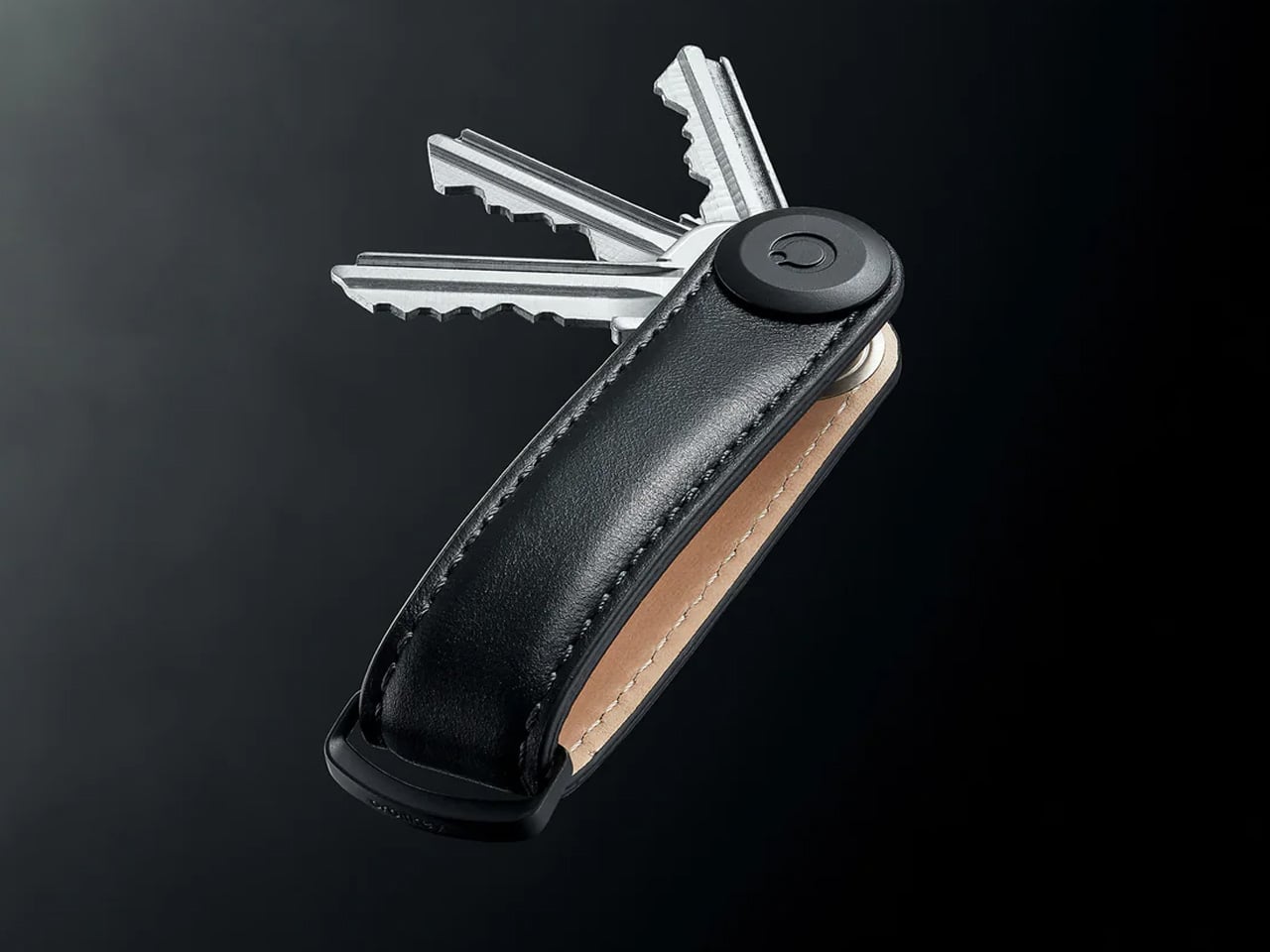
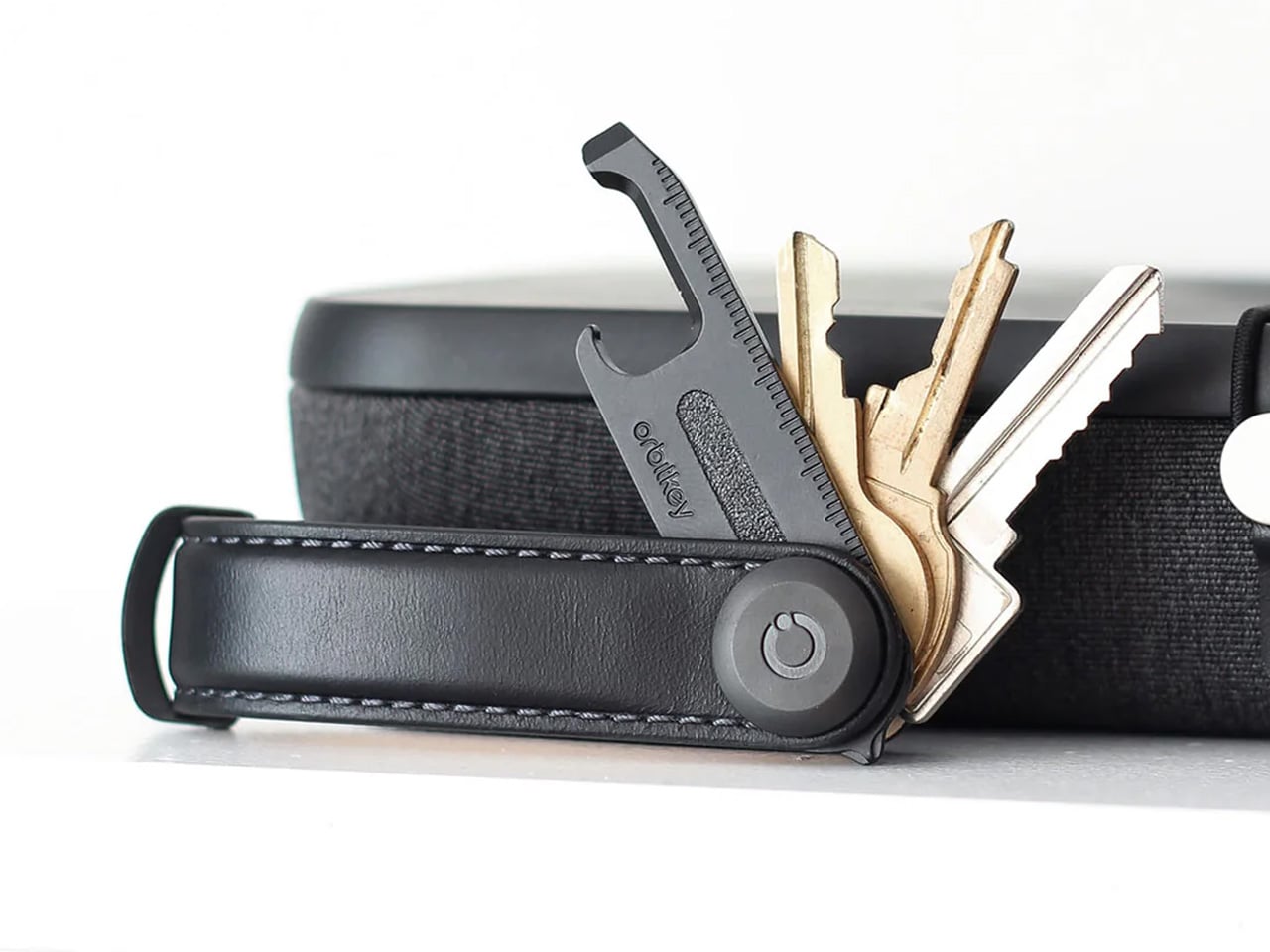
7 Best EDC Gifts So Good You’ll Want to Treat Yourself After Valentine’s Day

Valentine’s Day has passed, the chocolates are gone, and the roses have wilted. Now comes the best part: treating yourself to something that actually lasts. EDC gear represents the perfect post-holiday indulgence, offering daily utility wrapped in exceptional design. These aren’t fleeting romantic gestures but permanent companions that earn their place in your pocket every single day.

The beauty of everyday carry items lies in their silent reliability. They don’t demand attention until the moment you need them, then deliver with satisfying precision. From titanium blades that disappear into your keychain to coffee grinders built like mountaineering equipment, these seven designs prove that the best gifts are the ones you use constantly. They blend form and function so seamlessly that reaching for them becomes second nature, elevating ordinary moments into small victories of preparedness.

1. ScytheBlade: Titanium Mini Knife with Maximum Impact

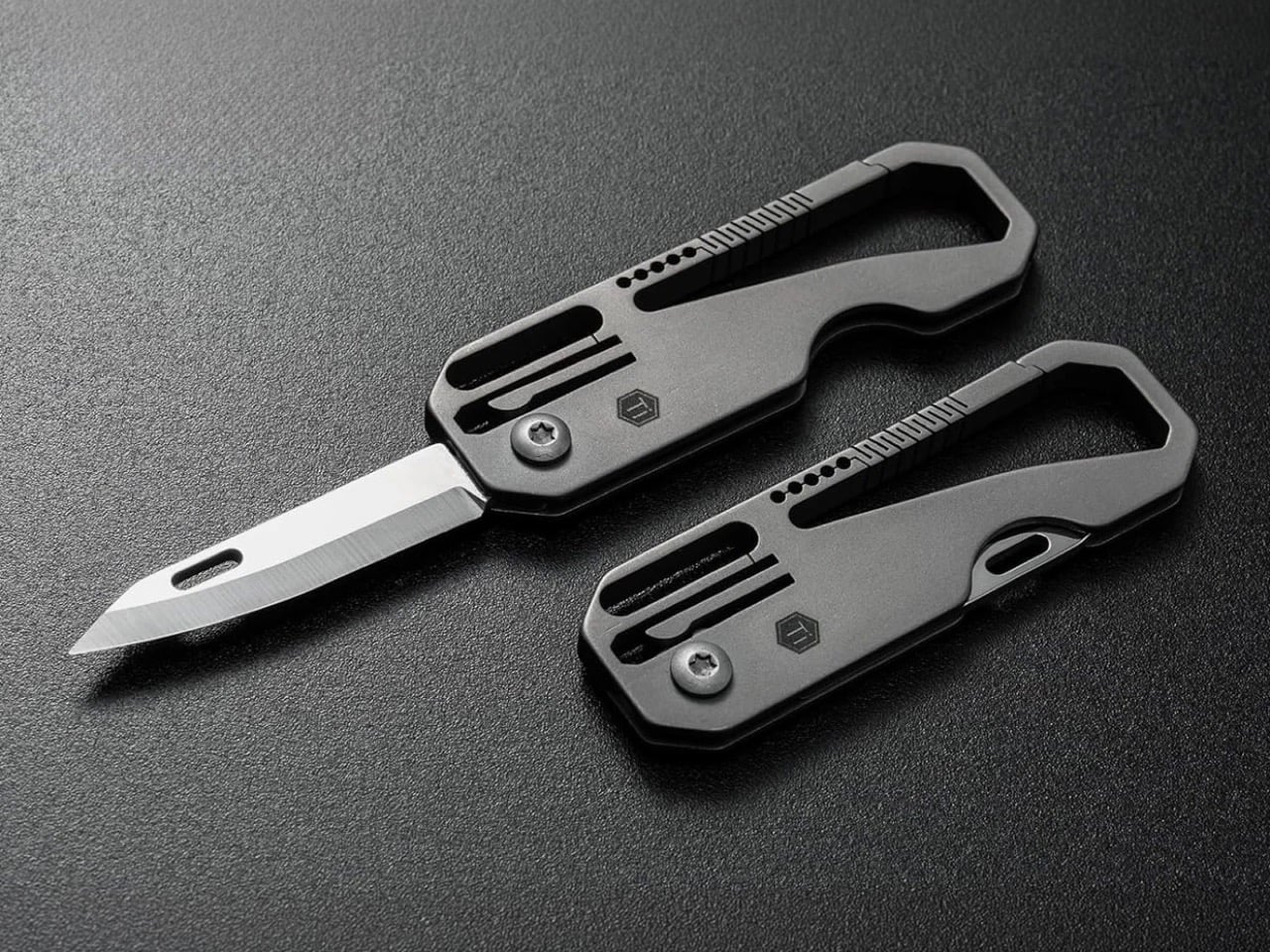
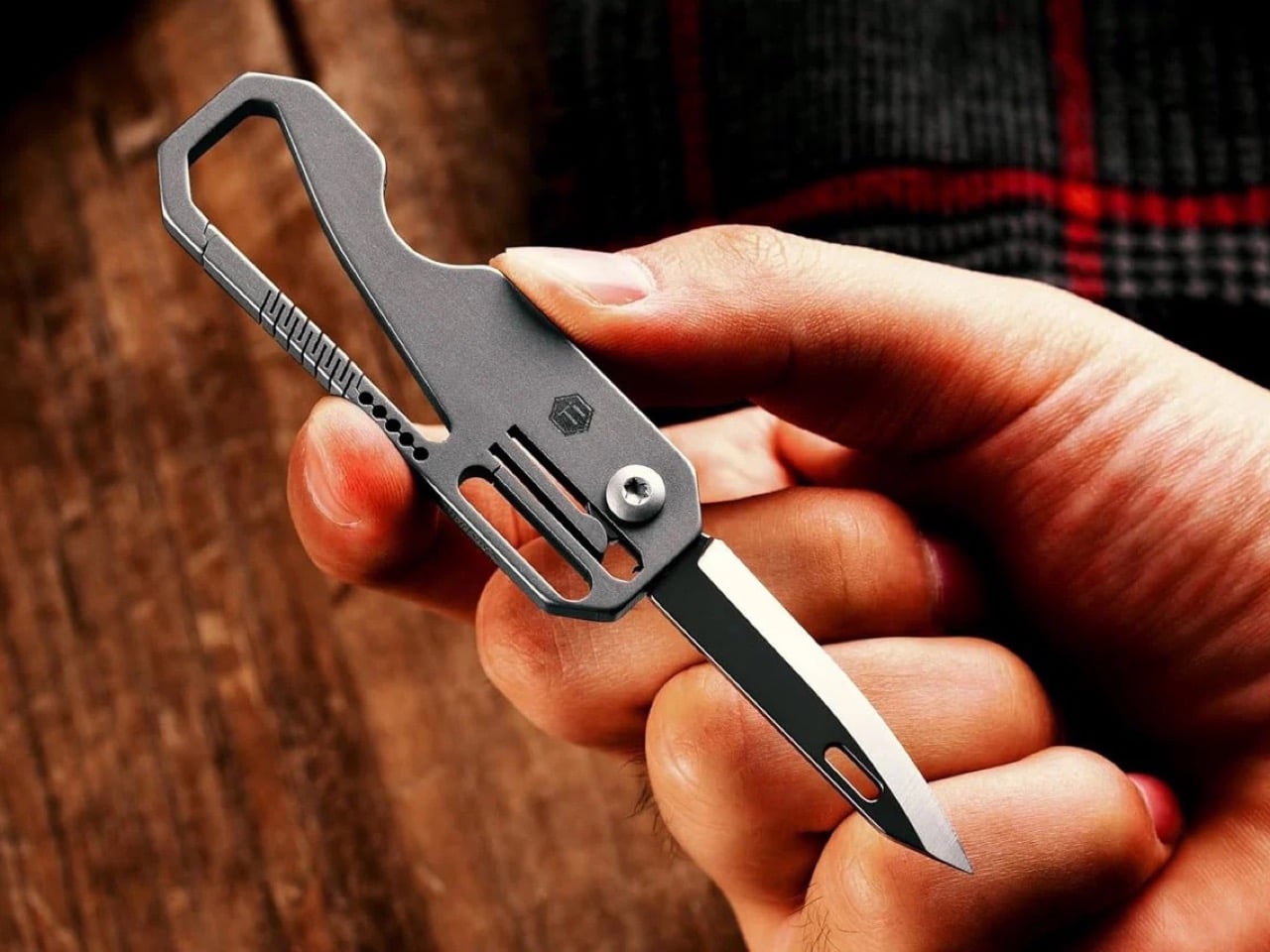
The ScytheBlade takes inspiration from the most iconic blade profile in mythology and shrinks it down to EDC proportions. That distinctive curved design mirrors the Grim Reaper’s scythe, creating a blade shape that resembles a tiger claw when scaled to pocket size. The comparison isn’t just aesthetic; curved blades generate cutting power that straight edges can’t match. Wrapped in a robust titanium body, this tiny folder delivers cutting performance that makes you forget its diminutive dimensions. The design speaks to anyone who appreciates tools that punch above their weight class.

At 46mm when deployed, the ScytheBlade ranks among the smallest folding knives available, yet durability remains uncompromised. The titanium construction provides exceptional strength while keeping weight at just 8 grams, making it virtually unnoticeable on your keychain until duty calls. Titanium brings natural corrosion resistance and that satisfying heft that cheaper metals can’t replicate. Forget constant maintenance; this blade survives daily carry without demanding your attention. The engineering focuses entirely on reliability, creating a tool that disappears into your routine while remaining ready for anything.

What We Like

  • The curved blade profile generates superior cutting leverage compared to straight designs.
  • Titanium construction eliminates corrosion worries while maintaining incredible strength.
  • At 8 grams, you’ll forget you’re carrying it until you actually need a blade.
  • The 46mm length strikes the perfect balance between capability and true pocket-friendly dimensions.

What We Dislike

  • The ultra-compact size may prove challenging for users with larger hands during extended cutting tasks.
  • Limited blade length restricts applications compared to full-sized folders.

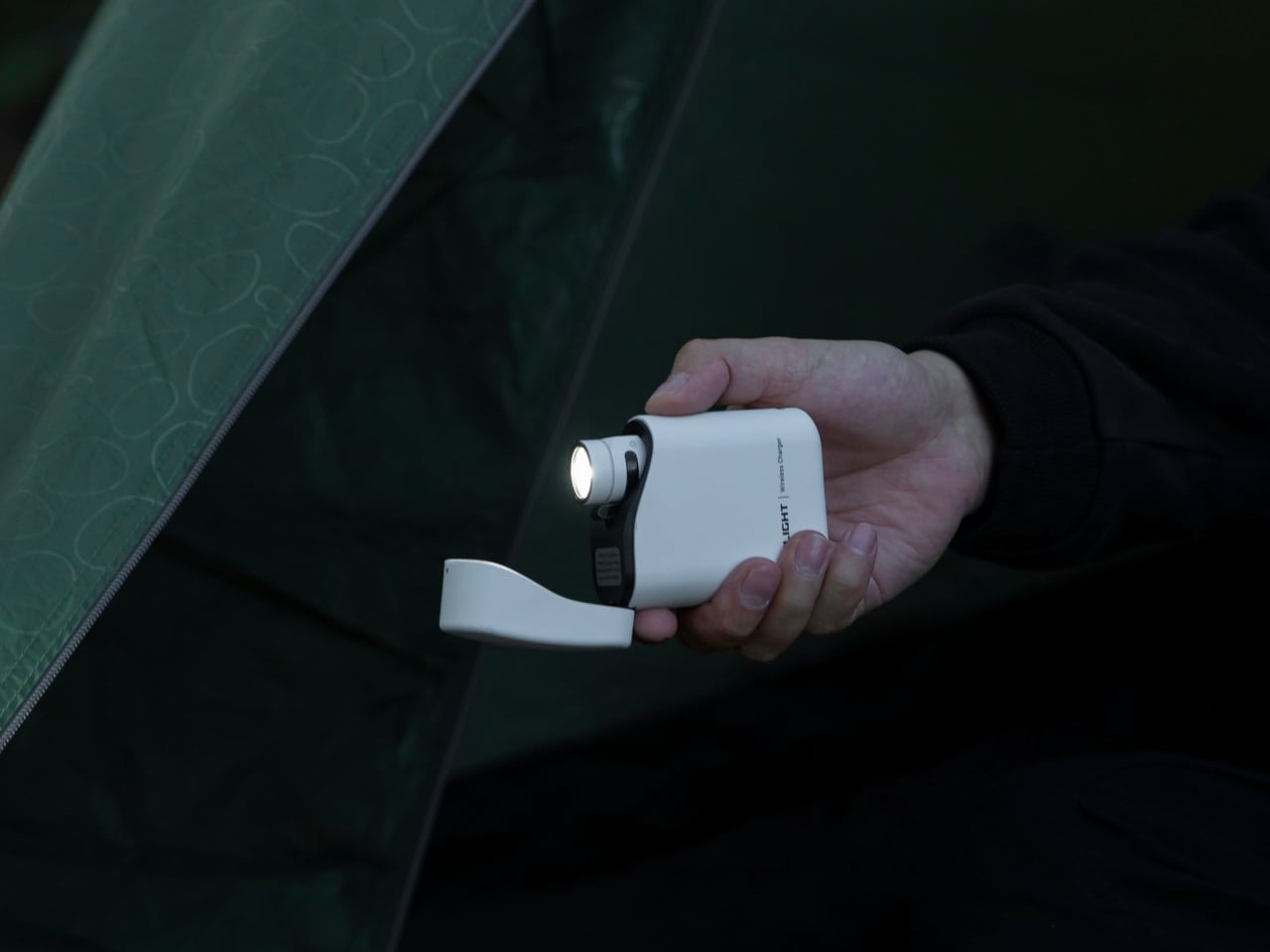
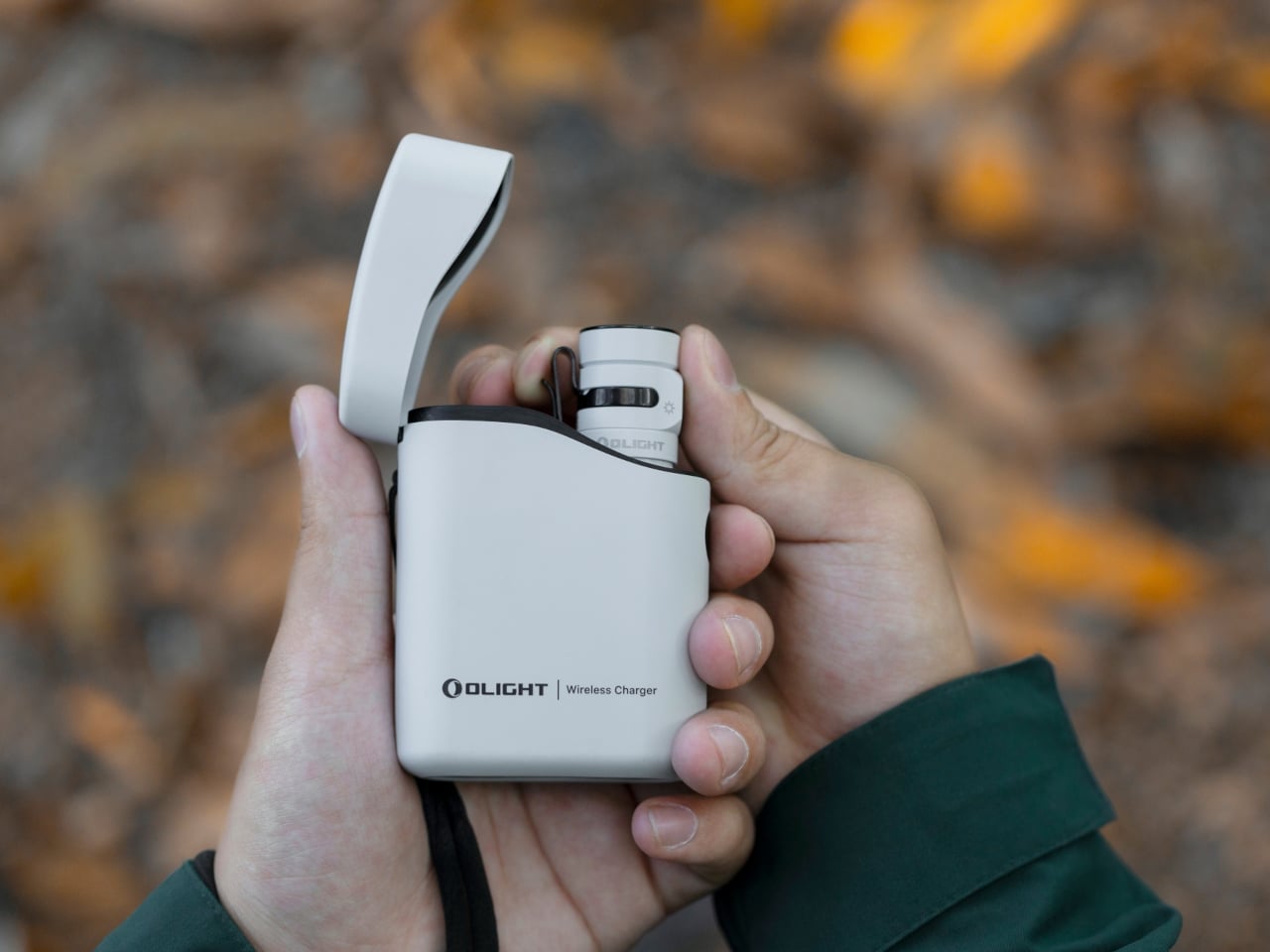
2. BlackoutBeam Tactical Flashlight: Industrial Strength Meets Instant Response

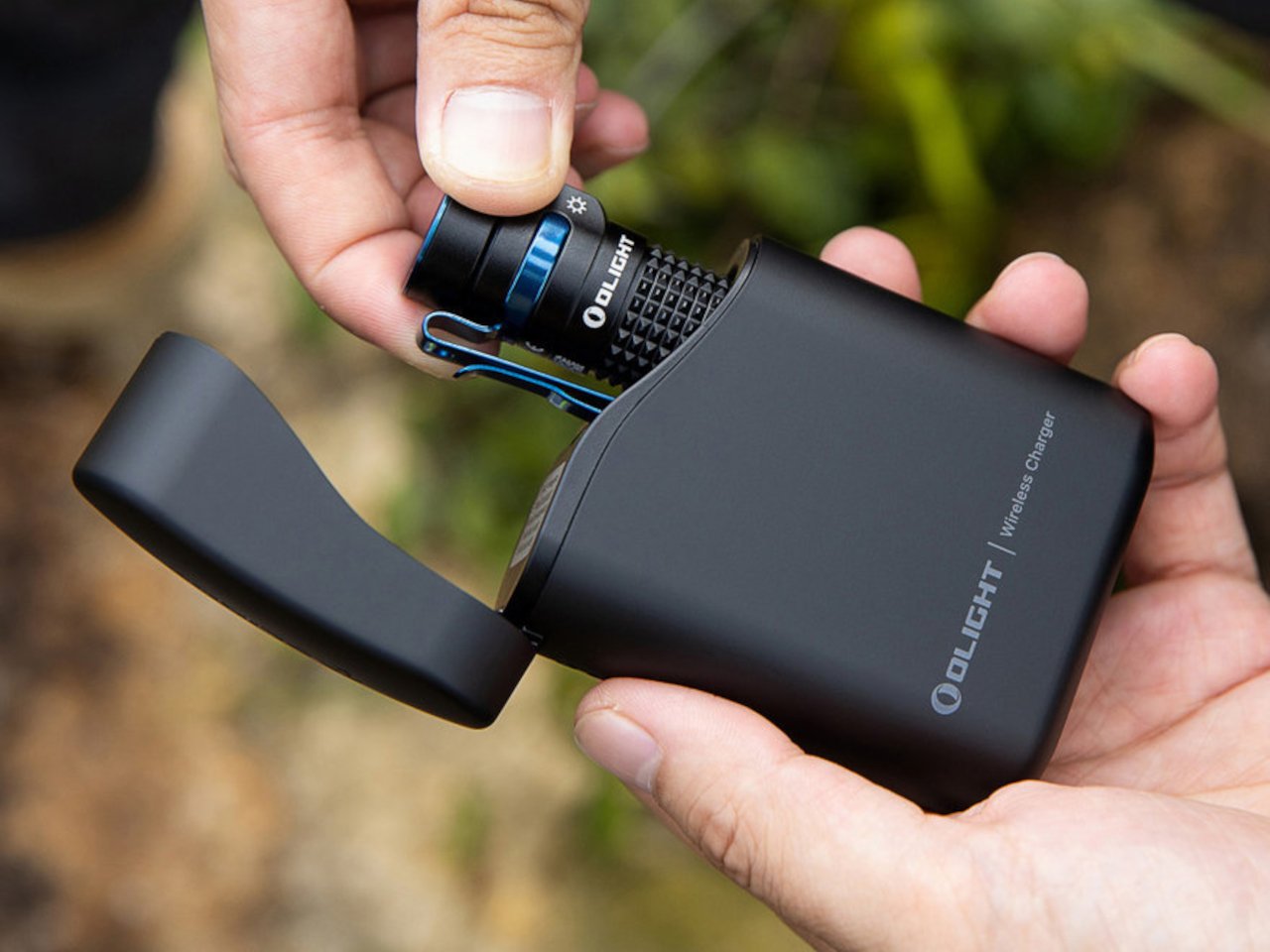
This tactical flashlight rejects mediocrity at first glance. BlackoutBeam pairs a devastating 2300-lumen output with industrial design language that looks equally appropriate clipped to tactical gear or resting on a minimalist desk. The 0.2-second response time eliminates the frustrating delay that plagues lesser lights, delivering illumination the instant your thumb finds the switch. Waterproof aluminum construction handles weather, impacts, and the chaotic reality of everyday carry without complaint. Whether you’re building an emergency kit or just want reliable light on demand, BlackoutBeam delivers without looking like you raided a military surplus store.

That 2300-lumen maximum throws light 300 meters, cutting through darkness with clinical efficiency. Need to illuminate a trail, light up a room during a power failure, or check suspicious sounds outside? The beam reaches exactly where you need it. Instant-on performance means no warm-up lag, making it ideal for situations where hesitation isn’t an option. The IP68 rating ensures water and dust stay outside where they belong, even during submersion. Durable aluminum construction shrugs off drops and rough handling while maintaining a profile that doesn’t add bulk to your bag. This represents serious capability without the weight penalty.

Click Here to Buy Now: $89.00

What We Like

  • The 2300-lumen output with 300-meter throw provides professional-grade illumination when needed.
  • Instant 0.2-second response time eliminates delays during emergencies or urgent situations.
  • IP68 waterproof rating handles submersion and harsh weather without failure.
  • Industrial aluminum construction balances serious durability with reasonable weight and size.

What We Dislike

  • Maximum brightness drains batteries quickly during extended use.
  • The tactical aesthetic may feel too aggressive for users seeking more subtle EDC options.

3. Smith Blade: 21 Tools in Titanium Package

The Smith Blade represents the evolution of pocket multi-tools beyond the bulky designs that dominated previous generations. Twenty-one genuinely useful functions are packed into a frame weighing just 95 grams, making it lighter than the aging competitors it replaces. Modern materials drive this transformation: Ti-6Al-4V titanium alloys and M390 blade steel deliver professional performance in a slimmer profile. This tool speaks to makers, parents, and anyone expected to solve problems on the spot. Household repairs, camping trips, impromptu fixes when nobody else has the right tool—the Smith Blade handles them all.

The engineering focuses on real-world utility instead of feature bloat. You get tools that actually matter: drivers, pliers, blades, and openers rather than gadgets nobody uses. The design acknowledges that modern problems require modern solutions, whether you’re playing family IT support, swapping light switches, or handling trail repairs miles from civilization. At 95 grams, it carries easier than traditional multi-tools while delivering comparable capability. The titanium and M390 steel construction ensures it survives years of use without the corrosion or blade degradation that plagues cheaper options. This represents thoughtful engineering for people who actually use their tools daily.

What We Like

  • Twenty-one functional tools cover most situations without forcing compromises or dead weight.
  • Modern titanium and M390 steel construction outlasts traditional materials while weighing significantly less.
  • The 95-gram weight makes it genuinely pocketable for all-day carry.
  • Sleeker profile compared to legacy multi-tools fits modern EDC preferences better.

What We Dislike

  • The learning curve for accessing all 21 tools may frustrate users during the initial weeks.
  • Price point sits higher than basic multi-tools, though materials justify the investment.

4. VSSL Java G25: The Coffee Grinder Built for Adventures

The VSSL Java G25 transforms coffee grinding from tedious necessity into a tactile ritual. This manual grinder brings VSSL’s survival equipment philosophy to your morning routine, applying the same obsessive engineering that makes their gear kits nearly indestructible. Utility never compromises aesthetics here; the G25 looks like high-end outdoor equipment because it essentially is. Constructed from 6061 machined aircraft-grade aluminum and 304 food-grade stainless steel, this grinder handles abuse, whether it’s sitting on granite countertops or actual granite mountainsides. The sleek black cylindrical form factor radiates a modern gear aesthetic while remaining compact and ergonomic.

The grinding experience elevates beyond basic function into something genuinely enjoyable. Many grinders overwhelm users with complicated dials and fifty different settings that require engineering degrees to understand. The G25 makes the learning curve feel like part of the adventure, a welcome challenge rather than a frustrating obstacle. The manual operation provides satisfying tactile feedback, connecting you directly to the process in ways electric grinders never achieve. Built to withstand serious use, the materials ensure it survives camping trips, road adventures, and daily kitchen duty without degradation. This represents gear you want to display, a piece that sparks conversations and makes you actually look forward to grinding beans.

What We Like

  • Aircraft-grade aluminum and stainless steel construction survives both outdoor adventures and kitchen use.
  • The manual operation creates an engaging, tactile ritual that improves the coffee experience.
  • Sleek cylindrical design looks equally at home on countertops or clipped to backpacks.
  • Simplified approach to grind settings makes the learning curve enjoyable rather than frustrating.

What We Dislike

  • Manual grinding requires more time and effort compared to electric alternatives.
  • The premium materials and construction command a higher price than basic grinders.

5. Gerber Shard: Elegant Restraint in Keychain Form

Sometimes the best design eliminates everything except what matters. The Gerber Shard proves this philosophy by integrating seven essential functions into a keychain-friendly package that prioritizes airline safety and everyday utility over feature bloat. Titanium nitride coating provides serious corrosion resistance while maintaining a professional appearance that works anywhere, from corporate offices to construction sites. This tool succeeds through disciplined focus on tasks you actually encounter daily rather than hypothetical situations that never materialize.

The Shard dedicates engineering attention to pry bars, flathead drivers, and bottle openers—the tools that prove useful constantly. Unnecessary features are eliminated, creating a tool that feels substantial despite compact dimensions. The design recognizes that most EDC challenges don’t require twenty functions; they require the right five or six executed flawlessly. Airline-safe construction ensures it travels with you anywhere without triggering security concerns. Gerber backs this fundamental engineering with a limited lifetime warranty, signaling genuine confidence in durability. The result is a keychain tool that disappears until needed, then delivers exactly what the situation demands without fumbling through features you don’t need.

What We Like

  • Focused design prioritizes genuinely useful functions over gimmicky additions nobody uses.
  • Titanium nitride coating resists corrosion while maintaining a professional appearance across environments.
  • Airline-safe construction allows travel without security complications.
  • A limited lifetime warranty demonstrates the manufacturer’s confidence in engineering quality.

What We Dislike

  • A limited function count may leave users wanting more capability in certain situations.
  • The compact size, while keychain-friendly, reduces leverage for demanding pry or driver applications.

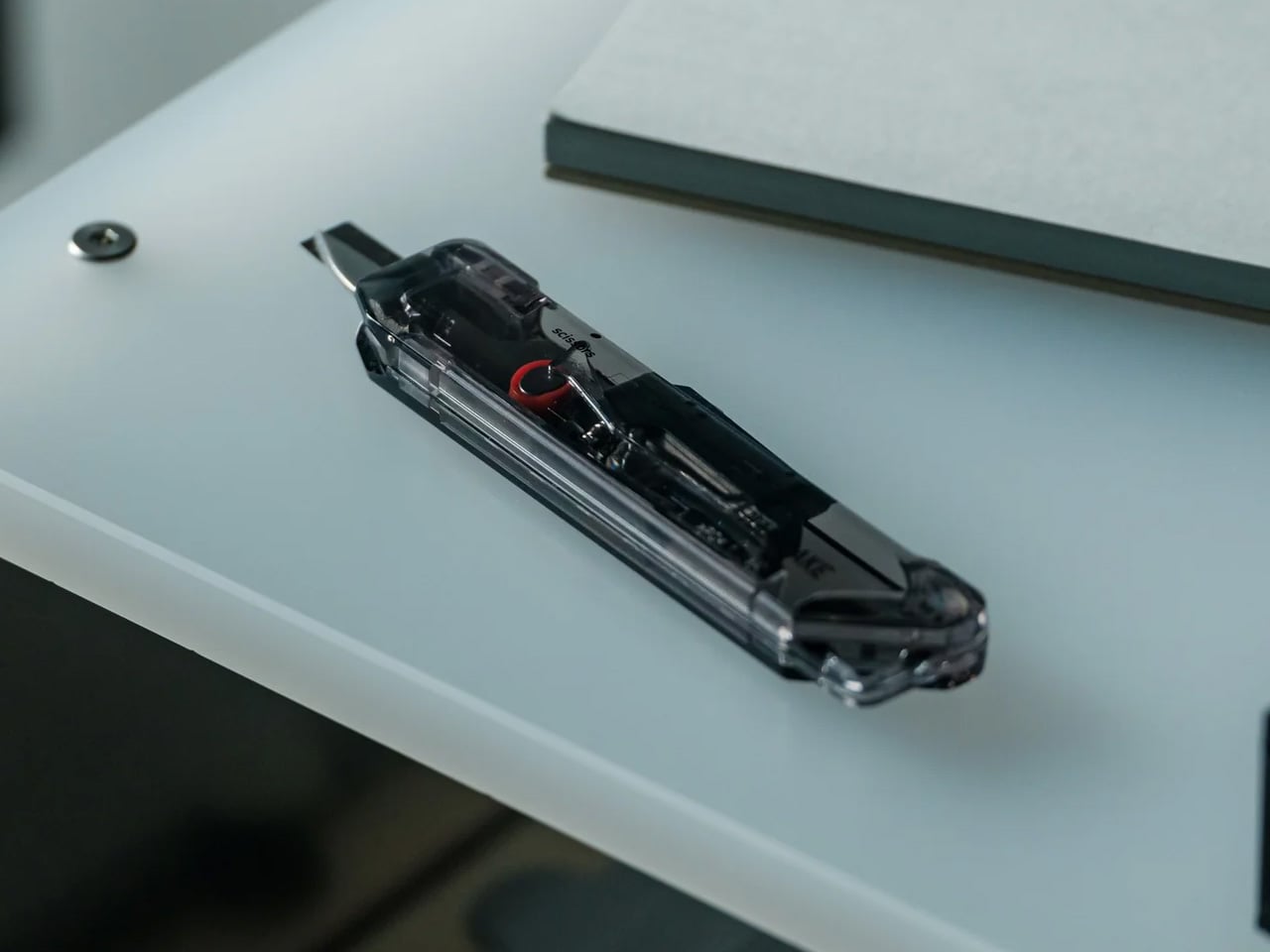
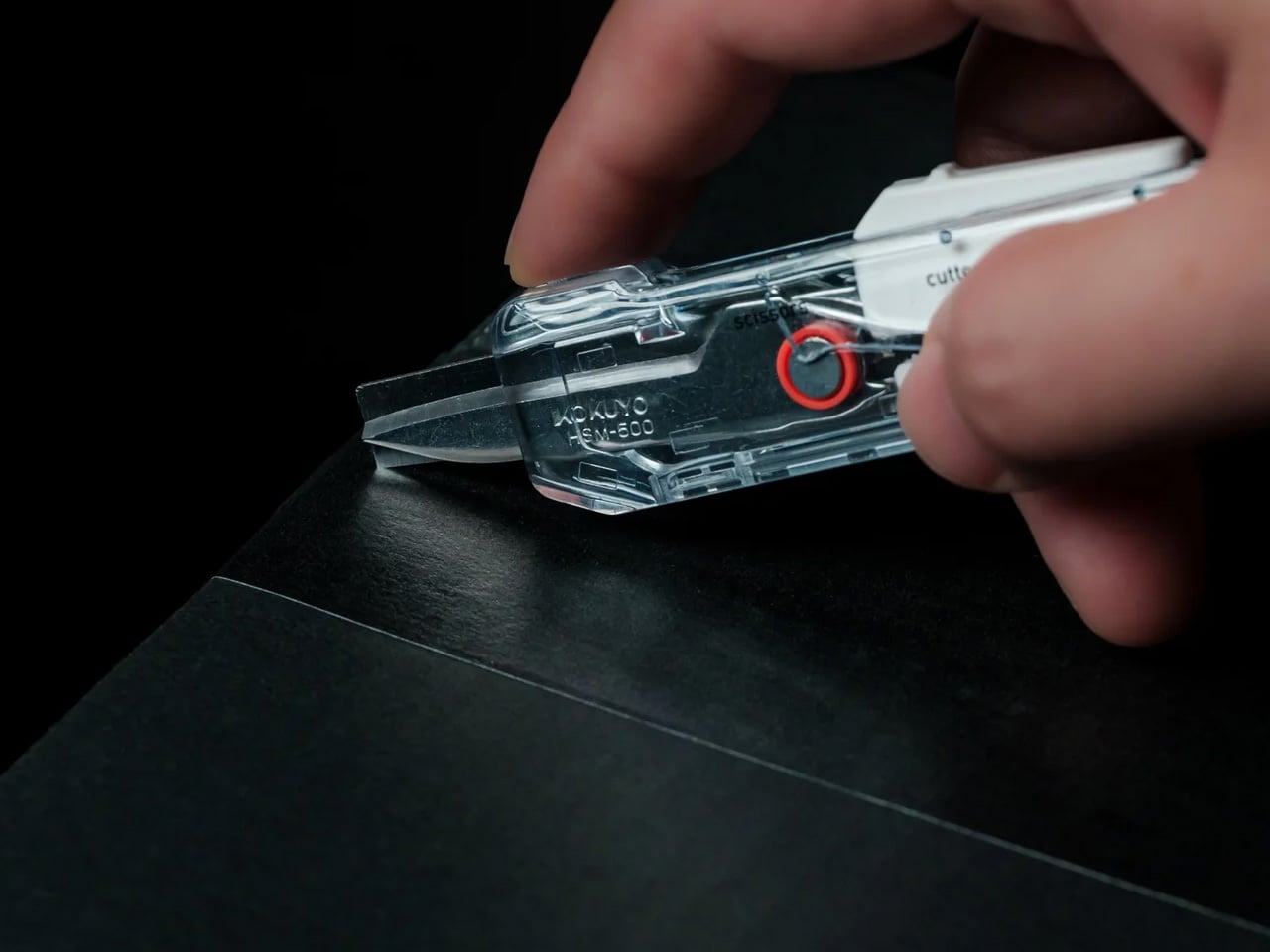
6. 8-in-1 EDC Scissors: Toolbox in Your Palm

Who decided multi-functional tools need bulk to deliver utility? These 8-in-1 scissors demolish that assumption by fitting an entire toolbox into something that rests comfortably in your palm. The simple yet handsome design integrates scissors, a knife, a lid opener, a can opener, a cap opener, a bottle opener, a shell splitter, and a degasser into a compact 13cm package. Innovation here comes through thoughtful integration rather than complicated mechanisms. The oxidation film treatment adds rust resistance while creating that distinctive black finish that elevates the aesthetic beyond basic utility gear.

The palm-sized dimensions mean you actually carry it rather than leaving it in a drawer because it’s too large. Traditional multi-tools fail when they’re inconvenient to transport; capability means nothing if the tool stays home. At roughly five inches, these scissors slip into pockets, bags, or glove compartments without creating bulk or weight penalties. The eight integrated functions cover most daily scenarios without forcing you to carry dedicated tools for each task. Opening packages, bottles, cans, or handling food prep becomes possible anywhere. The design acknowledges that modern life requires adaptability, delivering solutions that match our mobile, unpredictable routines rather than expecting us to plan every scenario.

Click Here to Buy Now: $59.00

What We Like

  • Eight integrated functions eliminate the need for multiple dedicated tools in daily carry.
  • Compact 13cm design actually fits in pockets without creating uncomfortable bulk.
  • Oxidation film treatment prevents rust while adding an attractive black finish.
  • Palm-sized proportions ensure you’ll actually carry it instead of leaving it at home.

What We Dislike

  • Individual functions may not match the performance of dedicated single-purpose tools.
  • The scissors mechanism requires regular cleaning to maintain smooth operation.

7. Audacious Concept x URBAN Tool XS: Art Meets Function

The Audacious Concept x URBAN Tool XS with Chaos Seigaiha pattern represents what happens when two companies obsessed with quality and innovation collaborate. This limited-edition pocket screwdriver doesn’t just look stunning; it works brilliantly for daily tasks that demand precision. The Chaos Seigaiha pattern adorning the titanium body draws inspiration from traditional Japanese wave motifs, creating visual interest that goes beyond surface decoration. Those intricate milled patterns add tactile grip, making the tool more comfortable and secure during use. Beauty and function merge seamlessly here.

Titanium construction ensures the XS Screwdriver remains lightweight yet extremely durable, capable of withstanding years of use without weighing down your pocket or keychain. The collaboration between Audacious Concept and URBAN EDC brings together complementary strengths: artistic vision meets technical precision. The result is a tool that feels equally at home displayed as a design object or deployed for actual work. The limited-edition status adds collectibility, though the real value lies in daily utility. Premium materials and thoughtful engineering create something you’ll reach for constantly, whether you’re adjusting glasses, tightening cabinet hardware, or handling the countless small tasks that require a quality screwdriver.

What We Like

  • The Chaos Seigaiha pattern provides both striking aesthetics and functional tactile grip.
  • Titanium construction balances impressive durability with genuinely lightweight pocket carry.
  • Limited-edition collaboration brings together artistic design and technical EDC expertise.
  • The compact size makes it perfect for keychain carry without sacrificing functionality.

What We Dislike

  • Limited-edition status and premium materials create a higher price point than basic screwdrivers.
  • The compact size limits torque application for stubborn or larger fasteners.

Treat Yourself Right

Valentine’s Day celebrates fleeting romance, but EDC gear celebrates something more lasting: daily preparedness wrapped in exceptional design. These seven tools represent investments in yourself, purchases justified by constant use rather than occasional sentiment. Each piece earns its place through reliable performance and thoughtful engineering that respects both your pocket space and your aesthetic standards. They transform everyday challenges into moments where you’re simply ready.

The best part about post-Valentine’s shopping? You know exactly what you want and need. No guessing, no disappointing compromises, just tools that genuinely improve your daily experience. Whether you choose titanium blades, tactical lighting, or coffee grinders built like survival gear, you’re investing in items that deliver satisfaction every single time you reach for them. These designs prove that treating yourself can be the most practical decision you make all year.

The post 7 Best EDC Gifts So Good You’ll Want to Treat Yourself After Valentine’s Day first appeared on Yanko Design.

These Perforated Marble Blocks Create Shifting Light Patterns

Stone decor tends to be heavy, polished, and a little intimidating, the kind of thing you place once and never move. Light changes in a room all day, from sharp morning angles to warm late-afternoon spreads, but most stone decor doesn’t respond to any of it. The idea that a piece of stone could feel different at different times of day doesn’t come up often in furniture or object design.

Denys Sokolov’s ZEROS collection, manufactured by MUZ STONE, a Ukrainian company known for stone processing and creative design, starts from a different premise. “Zeros are forms shaped by absence,” the collection states, and the openings across each marble block soften the weight of the object, letting light, air, and shadow become part of its design. “In their simplicity, they reveal that even the smallest void can transform the whole,” which is a surprisingly accurate description of what these pieces do in a room.

Designer: Denys Sokolov

The perforations aren’t decorative in the usual sense. Repeated voids give the object its rhythm and character, and they shape not only the form itself but also the shadows around it. Standing at a slight angle, the grid of holes reads as a pattern of overlapping light and dark ovals. Move a little and the composition shifts. Repetition creates a rhythm that is both structured and organic, which is a difficult balance to strike in stone, a material that usually communicates permanence and rigidity more than fluidity.

These pieces play with the tension between mass and lightness, solidity and transparency. The marble is real and heavy, but the voids introduce a visual porousness that makes the whole thing feel less like a block and more like a porous, breathable presence. Even the smallest opening shifts how the eye reads the overall weight, which is the point the collection keeps returning to.

When lit from within, the openings create distinct light patterns in the surrounding space, and the effect changes depending on the angle, distance, and intensity of the light source. That turns any of the pieces into a quiet ambient light source, not a bright lamp, but a patterned glow that makes nearby walls and surfaces feel textured without adding visual clutter or another device to the room.

The pieces can hold a single stem or branch through one of the openings, making them functional as minimal vases when you want them to be. They also work on their own without needing anything inside, and different sizes can be clustered together so the grid-like rhythm becomes more architectural, a small group of perforated blocks that feel more like a landscape than a collection of objects sitting near each other.

ZEROS doesn’t try to fix a problem or optimize a category. These forms engage with their surroundings, responding to changes in light, movement, and perspective, and they’re not static, each moment revealing a new composition. Carving emptiness into marble is a quiet way to make a heavy material feel surprisingly alive, which is harder to do than it sounds and more satisfying to live with than most stone decor that just sits there looking expensive.

The post These Perforated Marble Blocks Create Shifting Light Patterns first appeared on Yanko Design.
Peak Design’s Phone Straps Have a Built-In Swivel to Stop Twisting

Most phone straps are fine until they twist, tangle, or feel like they’ll snap the first time you grab your phone in a hurry. The market has always split between fashion-first and function-first, rarely landing both at once. The phone has become the center of daily carry, but the strap category still feels like an afterthought that nobody took seriously enough to do properly.

Peak Design’s Mobile Straps are quick-adjusting, low-profile, comfy, and durable, built around the new Micro Anchor connection system. The line treats the phone strap like camera gear rather than a decorative loop of fabric, designing for how straps actually behave when you’re moving and constantly reaching for your phone. Micro Anchor handles the attach-and-remove part intuitively, with a built-in swivel to prevent the twisting that makes most straps annoying within a week.

Designer: Peak Design

The Mobile Crossbody Multi-Strap is the carry hub option for days when pockets aren’t enough. A custom-machined, anodized aluminum carabiner locks shut and holds up to three Micro Anchors, so your phone can share the strap with keys, a wallet, or a small point-and-shoot camera. The basket-woven nylon and poly rope balances strength, padding, and stretch, so the whole setup sits comfortably across a shoulder without digging in.

The Mobile Crossbody Strap is the cleaner, lower-profile option for days when you just want your phone secure and accessible without extra hardware clinking around. Two connection points keep the phone stable and prevent it from spinning mid-stride, which is the main reason most lanyards feel unsatisfying in practice. It converts to single-point carry when you want a more minimal setup, making it flexible enough to shift between carrying preferences without swapping straps.

Mobile Cuff is the smallest piece in the family, and the one you’d barely notice until you actually need it. The rope cinches onto your wrist if the phone slips, and an aluminum stopper lets you set a minimum loop length so it doesn’t flop around. Shooting photos one-handed, walking with a coffee, or loading groceries are moments where a wrist loop quietly becomes the difference between relaxed and anxious.

The materials throughout feel like deliberate choices. Glass-reinforced nylon hardware handles quick length adjustments one-handed, the rope holds up to daily use, and the connectors are designed to be reconfigured without fuss. These are the details that separate straps you trust from straps you eventually stuff in a drawer.

Compatibility is handled via built-in strap connection points on Peak Design cases and Apple iPhone cases (17 and onwards), with a universal adapter included for third-party cases. That means you don’t have to commit to a new case to use any of them, which removes the usual barrier that comes with upgrading your phone carry setup.

The post Peak Design’s Phone Straps Have a Built-In Swivel to Stop Twisting first appeared on Yanko Design.
These Magnetic LED Blocks Snap Together Like LEGO Lighting

Most lighting is still sold as fixed objects: a floor lamp for the living room, a task lamp for the desk, a strip for the TV, each designed for one spot and one job. That clashes with the way people actually live now, moving desks, rearranging rooms, switching from work to play in the same corner, while the lamps stay stubbornly tied to a single idea of the space.
LumiBlocks V1 is a magnetic RGBCW block lamp that treats light as something you build and rebuild. Instead of one rigid bar or panel, it is made from individual light blocks that snap together magnetically, power up as soon as they connect, and can be added or removed to match the length and shape your current setup needs, whether that is a short strip behind a monitor or a longer run along a wall.

Designer: Peter Wu (Decktok)

Click Here to Buy Now: $79 $149 (47% off). Hurry, only 9/27 left! Raised over $53,000.

Each block can rotate a full 360 degrees, so you aren’t locked into the direction the base is pointing. You can twist segments to throw light onto a keyboard, bounce it off a wall for a softer wash, or angle a few blocks down for a reading nook while others point up for ambient glow. The magnets handle alignment and power, which turns rearranging into a quick, almost fidget-like action rather than a wiring project.

1

The blocks emit RGBCW LEDs that can handle both full color and practical white light. With ten blocks, you get up to 1,500 lumens, enough to light a small room, and you can tune the white from a warm 2,700 K to a crisp 6,500 K. That means the same strip can be a focused work light during the day, a neutral wash for video calls, and a low, saturated accent at night.

Control layers on top of the physical system. Simple buttons when you’re standing next to it, an app when you’re on the sofa, and voice control through Alexa or Google Home when your hands are busy. The app lets you treat each block as its own pixel, adjusting brightness and color per segment, or you can lean on the 49 built-in scenes and music-reactive modes when you just want the room to feel different with a tap.

1

LumiBlocks V1 is not locked to one mounting style. With the right kit, the same blocks can sit on a desk as a low ambient bar, hang on a wall as a linear sconce, or drop from the ceiling as a pendant. Because the system runs on low-voltage DC and talks over Bluetooth and 2.4GHz Wi-Fi, you’re mostly thinking about where you want light, not where the original lamp designer assumed you would put it.

1

This shifts the way you think about buying lights. Instead of collecting separate fixtures for every corner, you start with a set of blocks that can follow you from apartment to apartment, desk to desk, and phase to phase. The magnetic joints, 360-degree rotation, RGBCW output, and per-block control turn LumiBlocks V1 into a kind of lighting toolkit, one that can keep up as your spaces and routines keep changing.

Modularity is not new, but LumiBlocks V1 executes it well, making the blocks easy to snap and rotate, the app intuitive enough to actually use, and the mounting options flexible enough that the same kit can cover a bedroom, office, and gaming corner without needing three separate purchases. For people who rearrange often or who want their lighting to feel as adaptable as their furniture, a system that you can literally pull apart and rebuild feels more honest than another fixed lamp pretending to be smart.

Click Here to Buy Now: $79 $149 (47% off). Hurry, only 9/27 left! Raised over $53,000.

The post These Magnetic LED Blocks Snap Together Like LEGO Lighting first appeared on Yanko Design.