Nobody Redesigned the Allen Key for 115 Years. Here’s the Fix.

Some of the most personal furniture purchases come with the least personal tool. You bring home a crib, spread the pieces across the floor, and end up pressing a skinny metal Allen key into your fingertips while trying to line up the next bolt. It slips. Your hand cramps. The person who offered to help gets assigned to holding a board steady, because turning the key feels like a job for whoever can grip hardest.

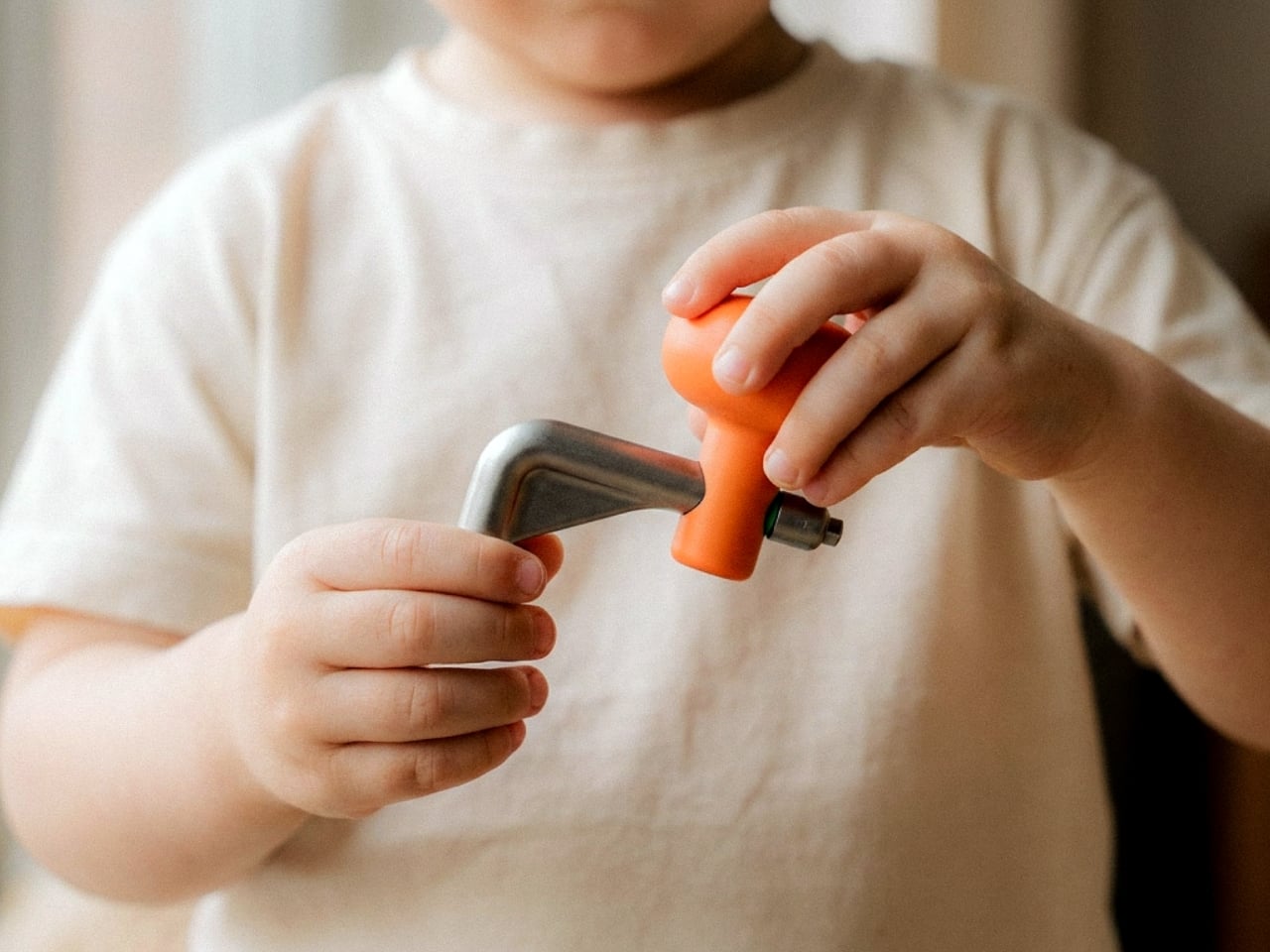
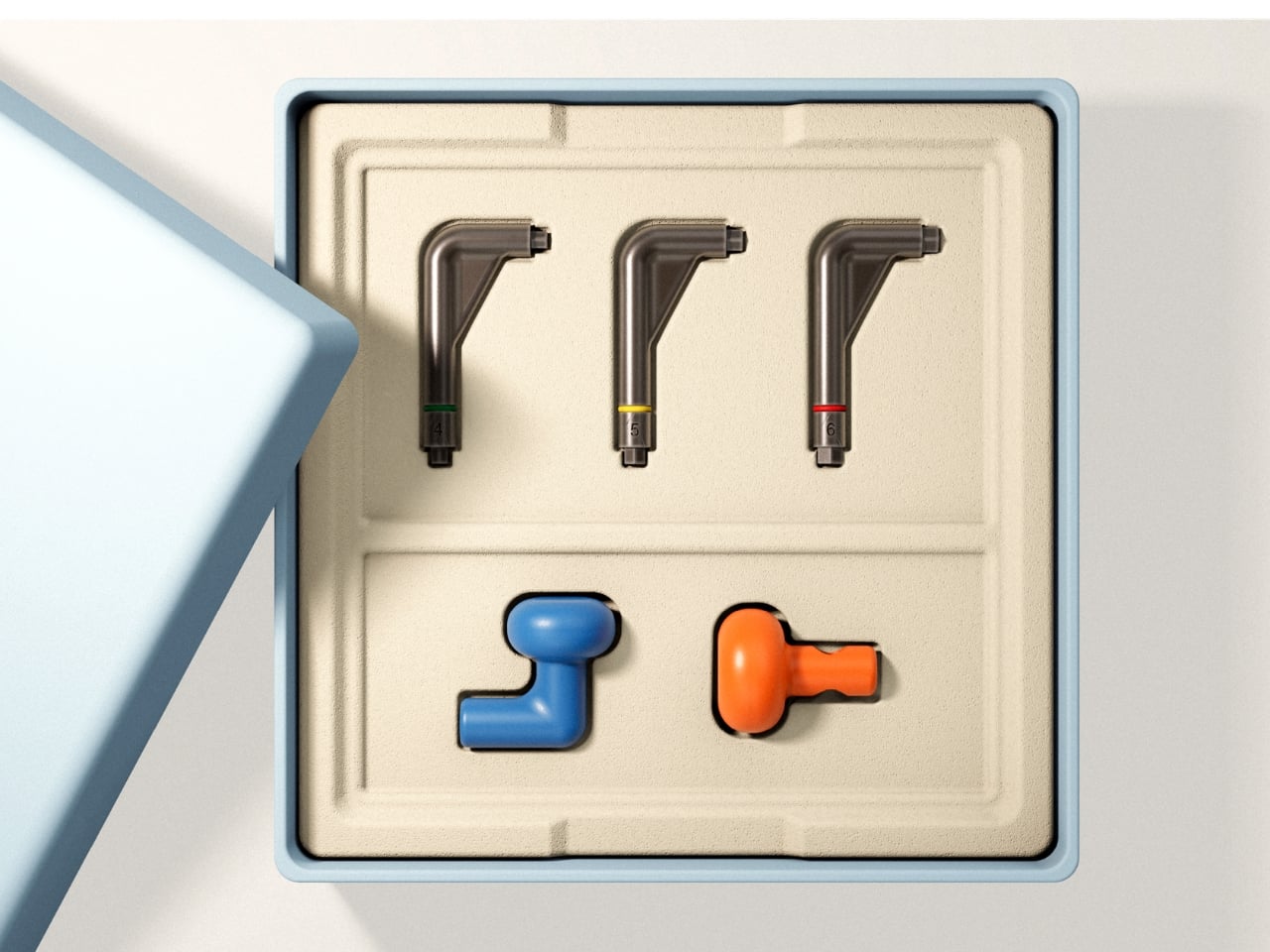
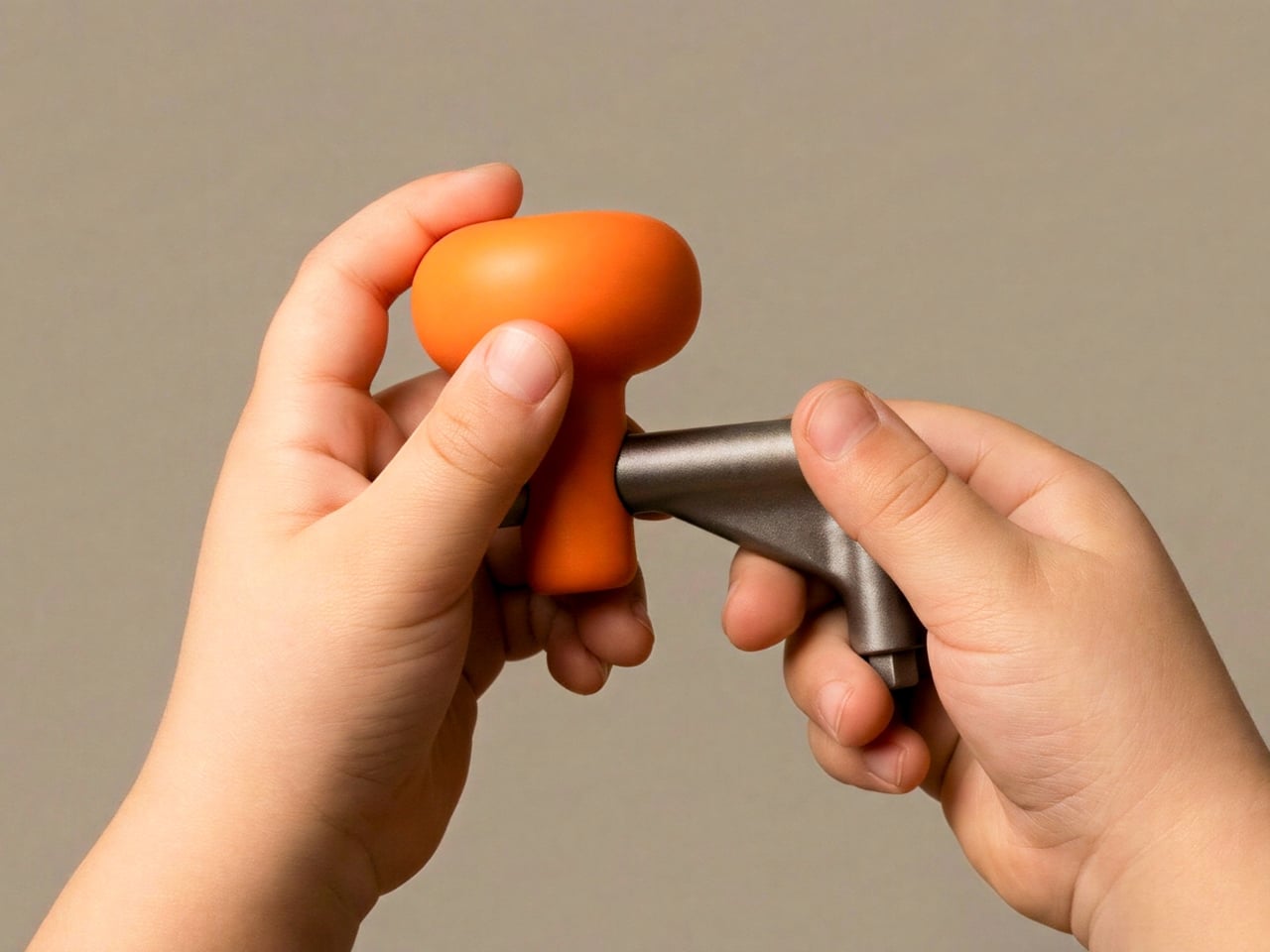
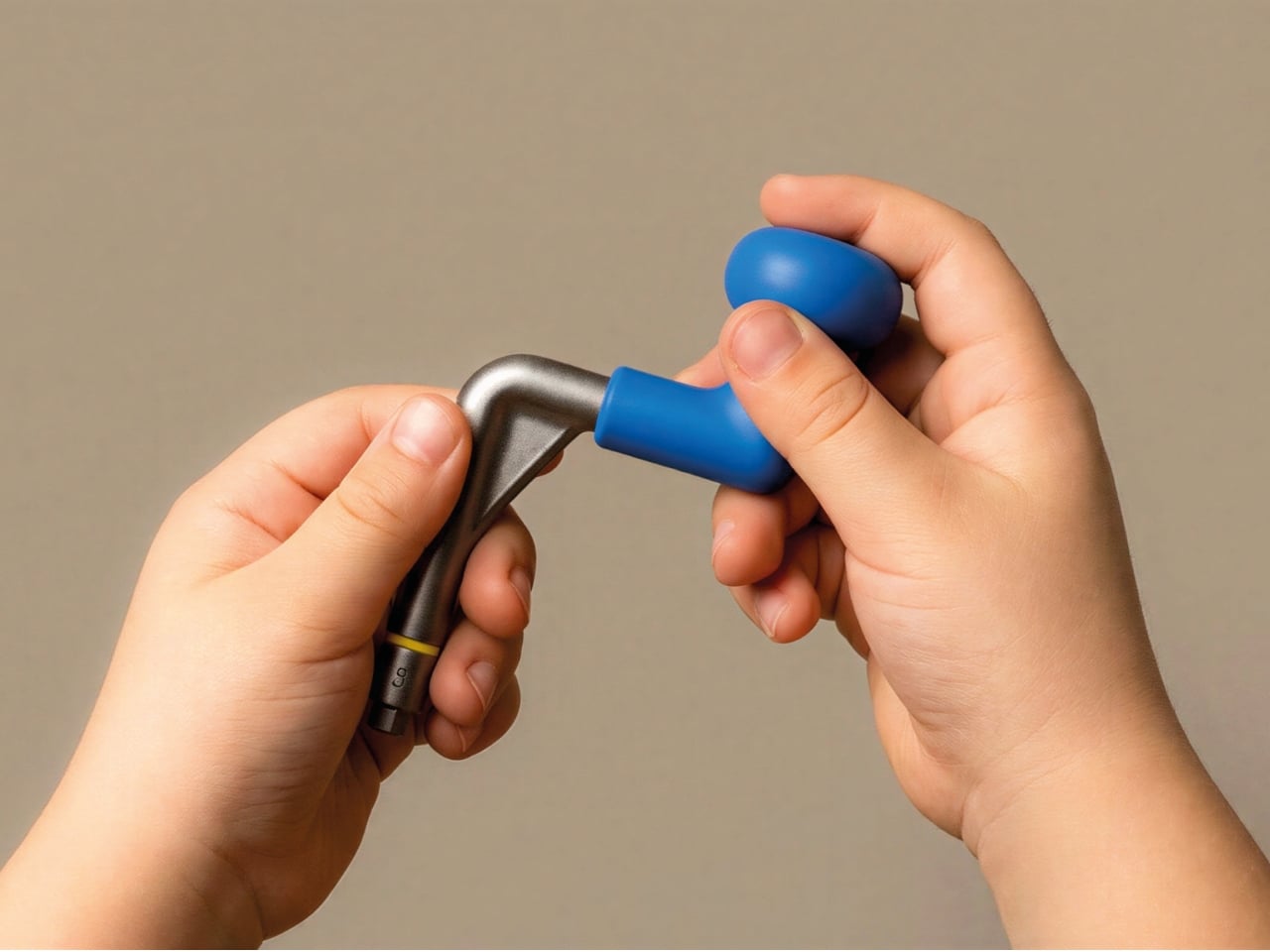
Siddhi Ravi’s Turn Kit offers a gentle correction. It pairs three Allen keys, in 4, 5, and 6mm sizes, with two chunky attachments that slide onto either arm of a key. Instead of pinching metal through a series of awkward rotations, you get a comfortable handle and a downward cranking motion. The aim is simple: less slipping, less hand strain, and a better chance that more than one person can actually take part.

Designer: Siddhi Ravi
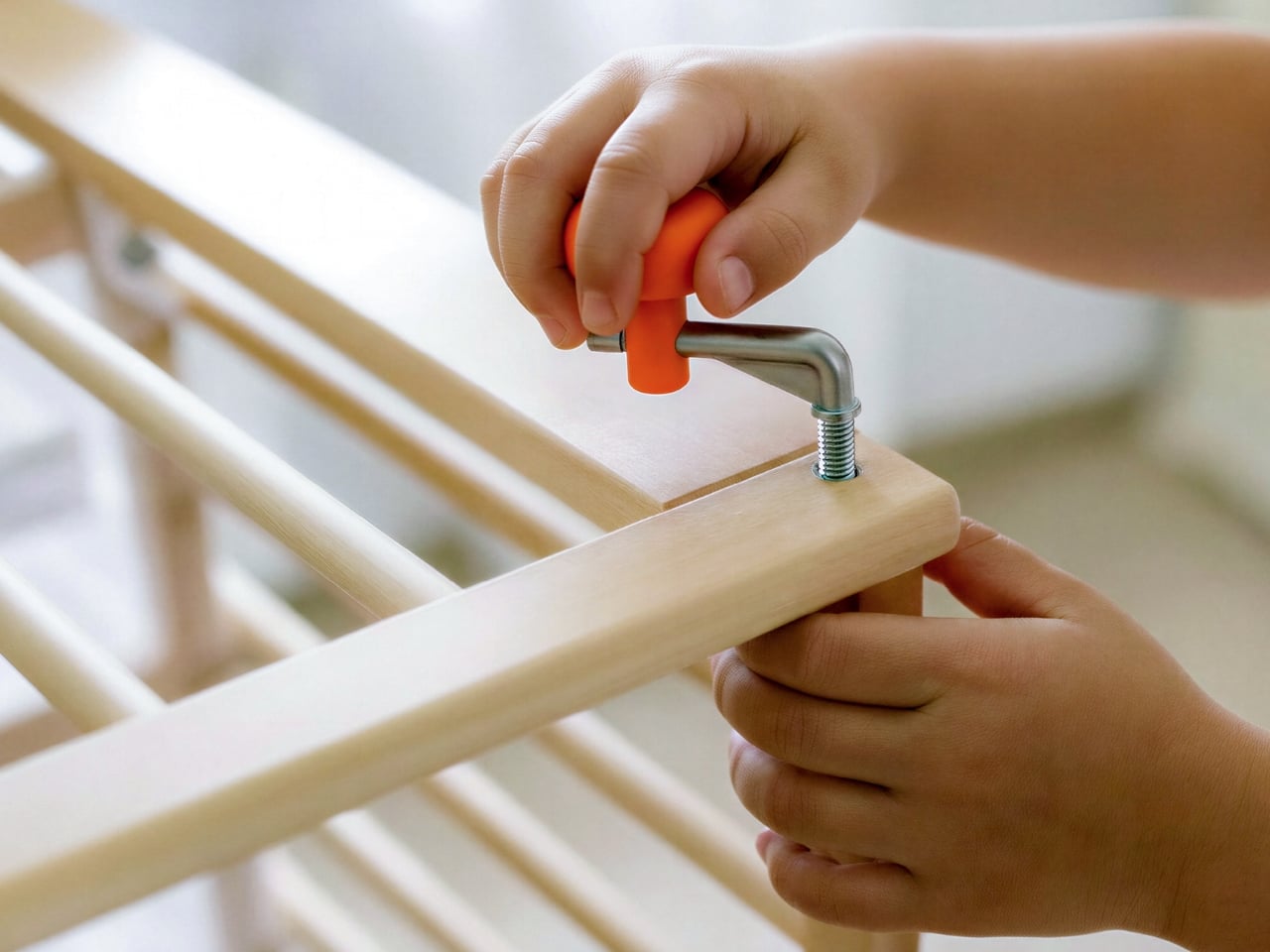
I like that Ravi hasn’t treated the Allen key as a problem to be solved by a motor. Its basic shape has stuck around since 1909. The trouble starts when that little shape meets a real hand, especially after the twentieth bolt. The Turn Kit leaves the familiar tool intact and changes the part we hold.

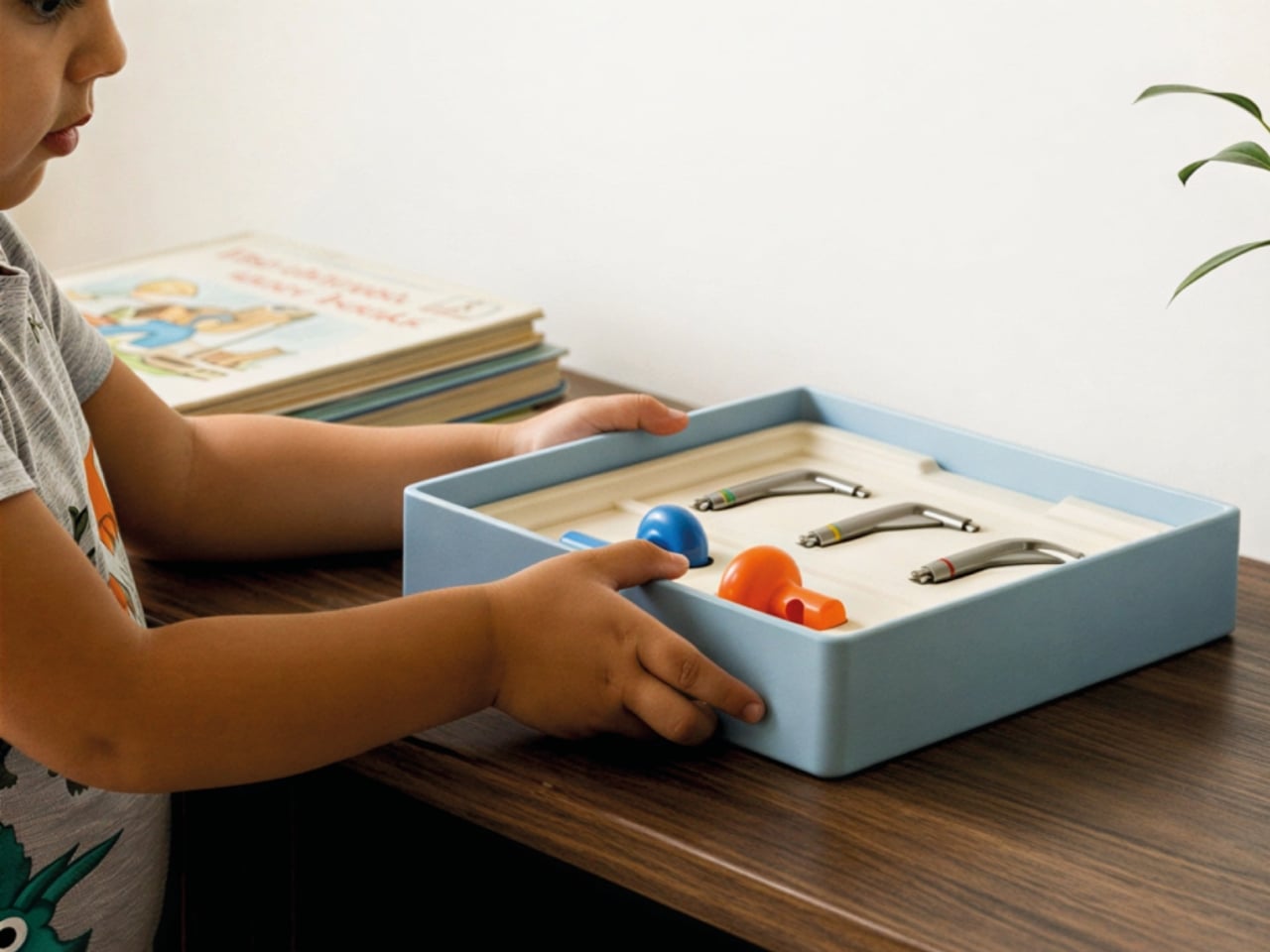
That shift looks almost playful. The keys are sleek and metallic, with colored bands to distinguish the sizes. One attachment is blue and bent like a tiny crank; the other is a rounded orange grip. Set into a pale tray inside a light blue box, the pieces look more like an invitation than the afterthought usually rattling around in a hardware bag. You can tell where everything goes at a glance.
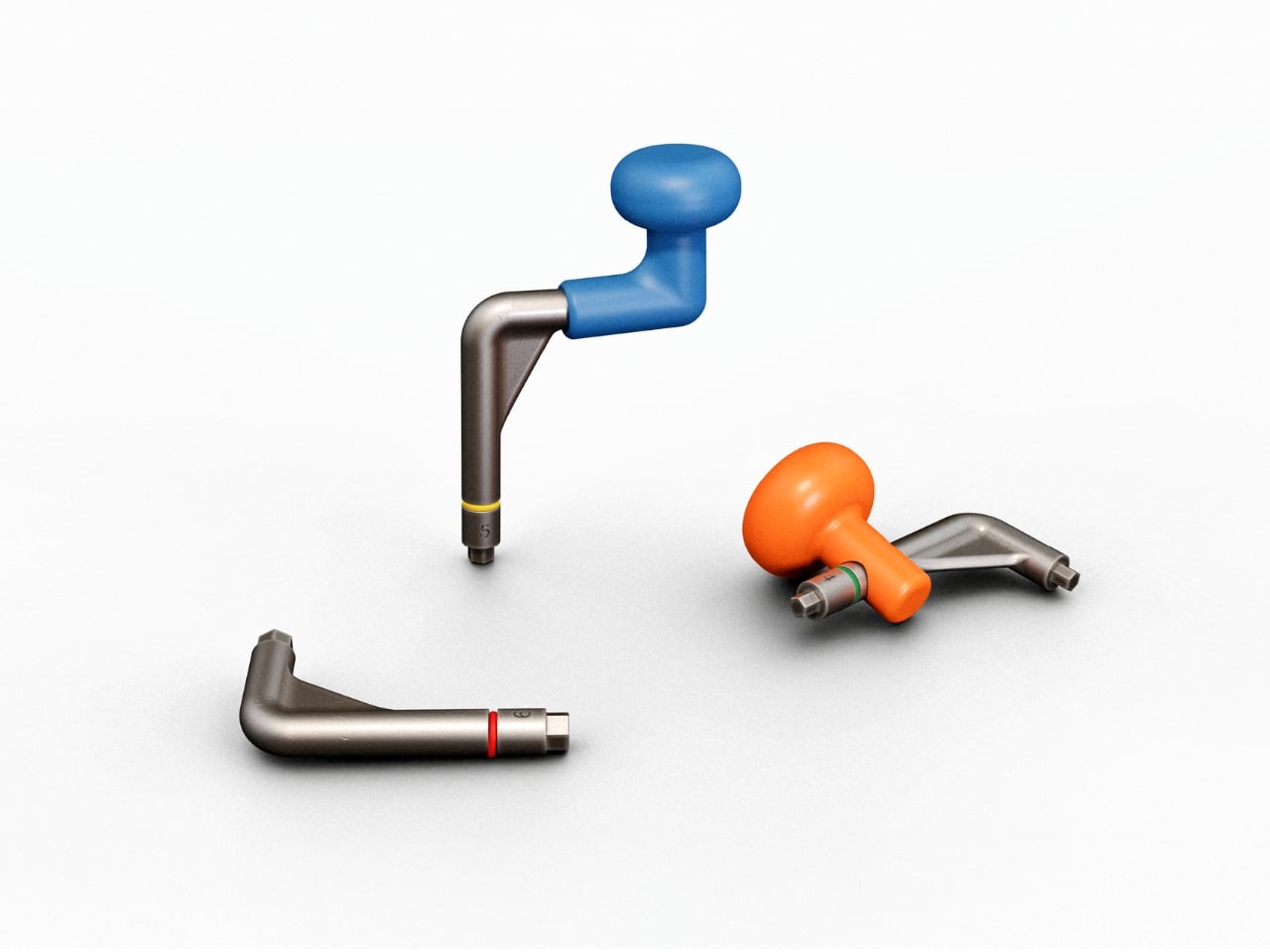
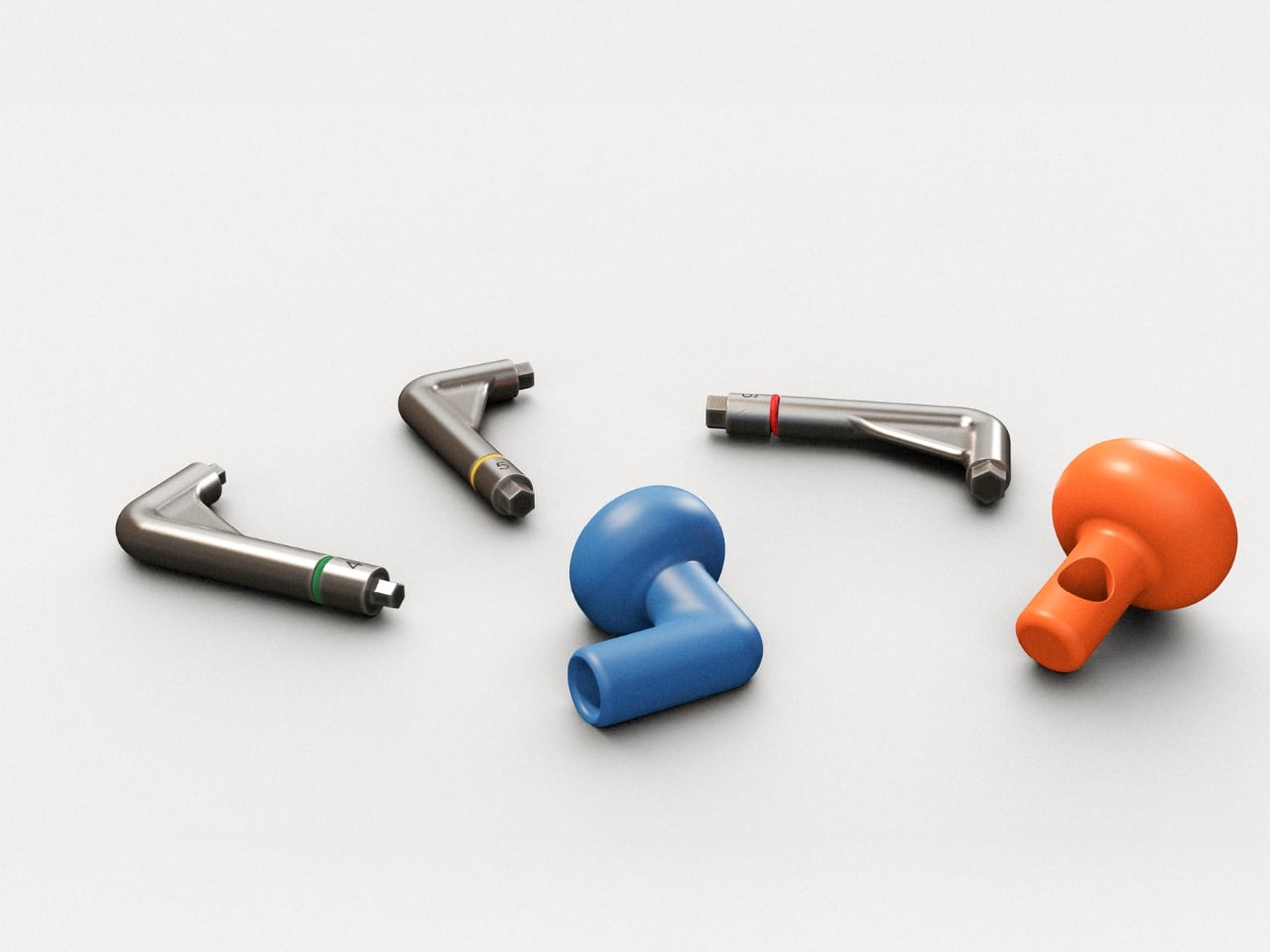
The colors matter because furniture assembly is rarely done under ideal conditions. It happens on a bedroom floor after work, with an instruction sheet sliding under someone’s knee and screws disappearing beneath the box. A tool that is easier to identify, pick up, and hold has already removed a few points of friction before anybody turns a bolt.

Ravi’s larger idea is about who gets to be involved. An adult with a sore wrist, a grandparent helping furnish a room, or a child eager to do more than watch may all approach the same job differently. A wider grip won’t erase every physical barrier, but it can make the first attempt less intimidating. That is a more interesting promise than simply shaving a few minutes off assembly.
The images accompanying the project make that ambition clear. Small hands fit the orange handle, while sketches show a parent and child working together. I wouldn’t hand a child responsibility for making a crib safe; final assembly and checks should follow the manufacturer’s instructions. But helping with an appropriate step, choosing the right key, or passing a handle across the floor can give a child a real role.

That distinction matters to me. So much family-focused design uses the language of togetherness while quietly leaving the actual work to one person. The Turn Kit doesn’t make a complicated furniture project magically simple, but it does reconsider the moment when someone says, “Let me try,” and gets told the tool is too fiddly. Giving that person a usable grip is a practical form of welcome.
There are limits, of course. A larger attachment might be awkward in a tight corner, and some furniture comes with hardware outside these three sizes. This isn’t a substitute for careful assembly or a guarantee that every hand will find the same handle comfortable. Those caveats make the concept more believable, not less. Ravi is tackling a specific everyday annoyance with a specific physical change, rather than pretending one object can solve furniture assembly.

I can picture the kit getting another outing long after the crib has become a memory: a first desk, a new shelf, maybe a high chair pulled from storage for someone else’s baby. The furniture changes, but the offer stays the same. Here’s a tool you can hold. Want to help? For an object built around turning bolts, that feels like a lovely way to open up the room.
The post Nobody Redesigned the Allen Key for 115 Years. Here’s the Fix. first appeared on Yanko Design.
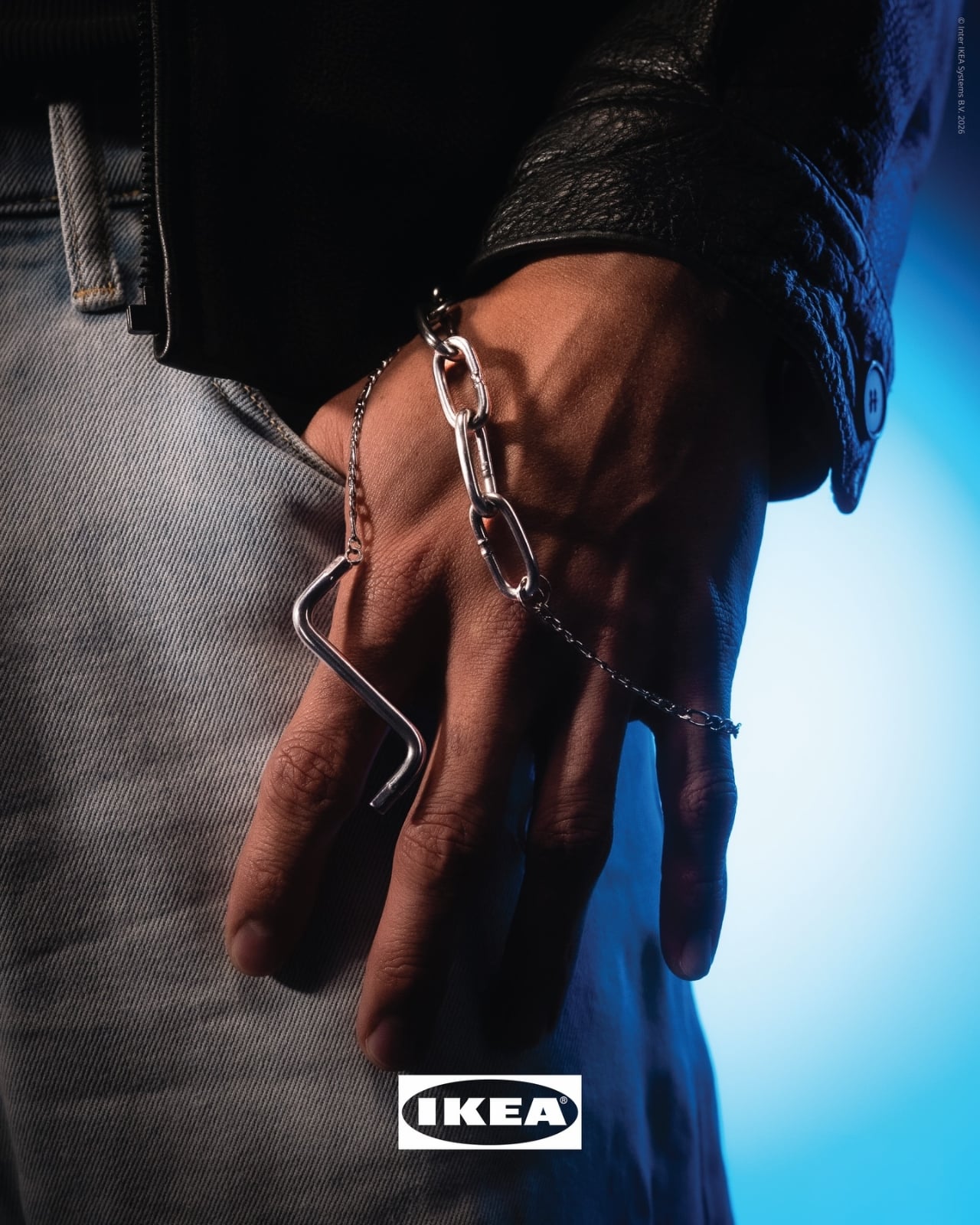
IKEA Just Gave the Allen Key a Glow-Up Nobody Saw Coming

You know exactly where this is going the moment IKEA hands you that little L-shaped hex key. You use it once, maybe twice, cross your fingers the furniture doesn’t wobble, and then it disappears into the junk drawer, a kitchen counter corner, or the bottom of a tote bag you haven’t opened since 2021. The allen key has never been a thing anyone kept on purpose. Until now.

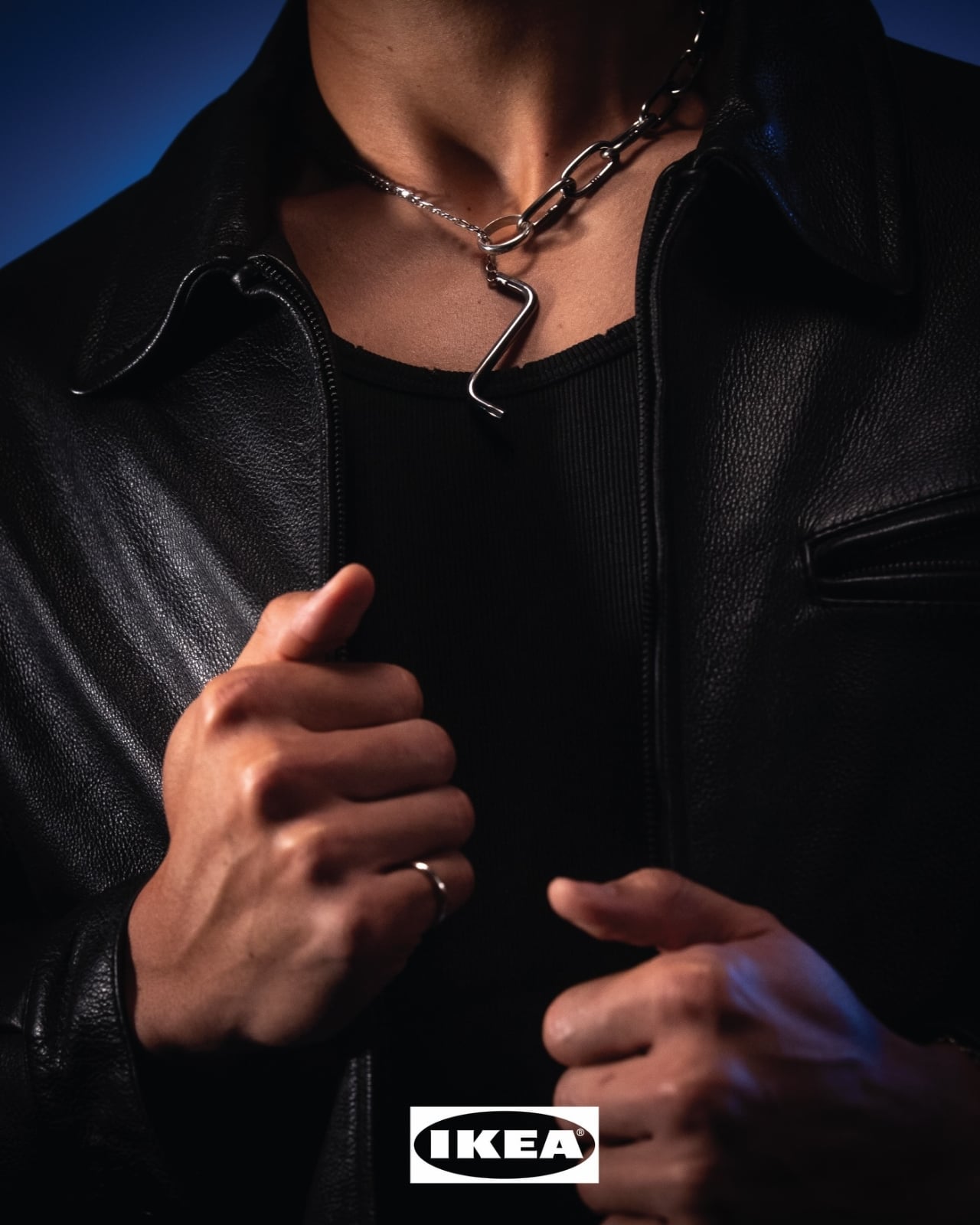
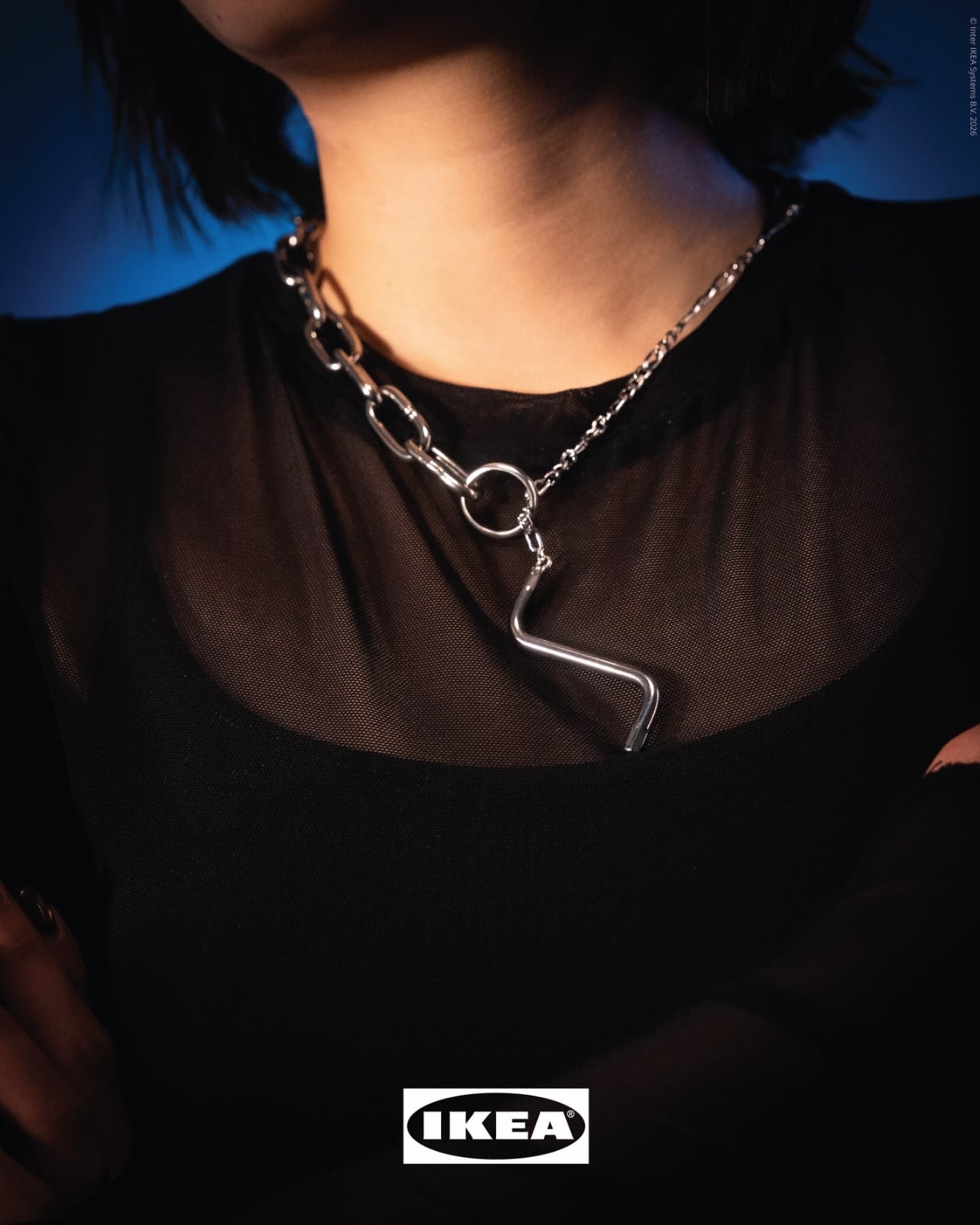
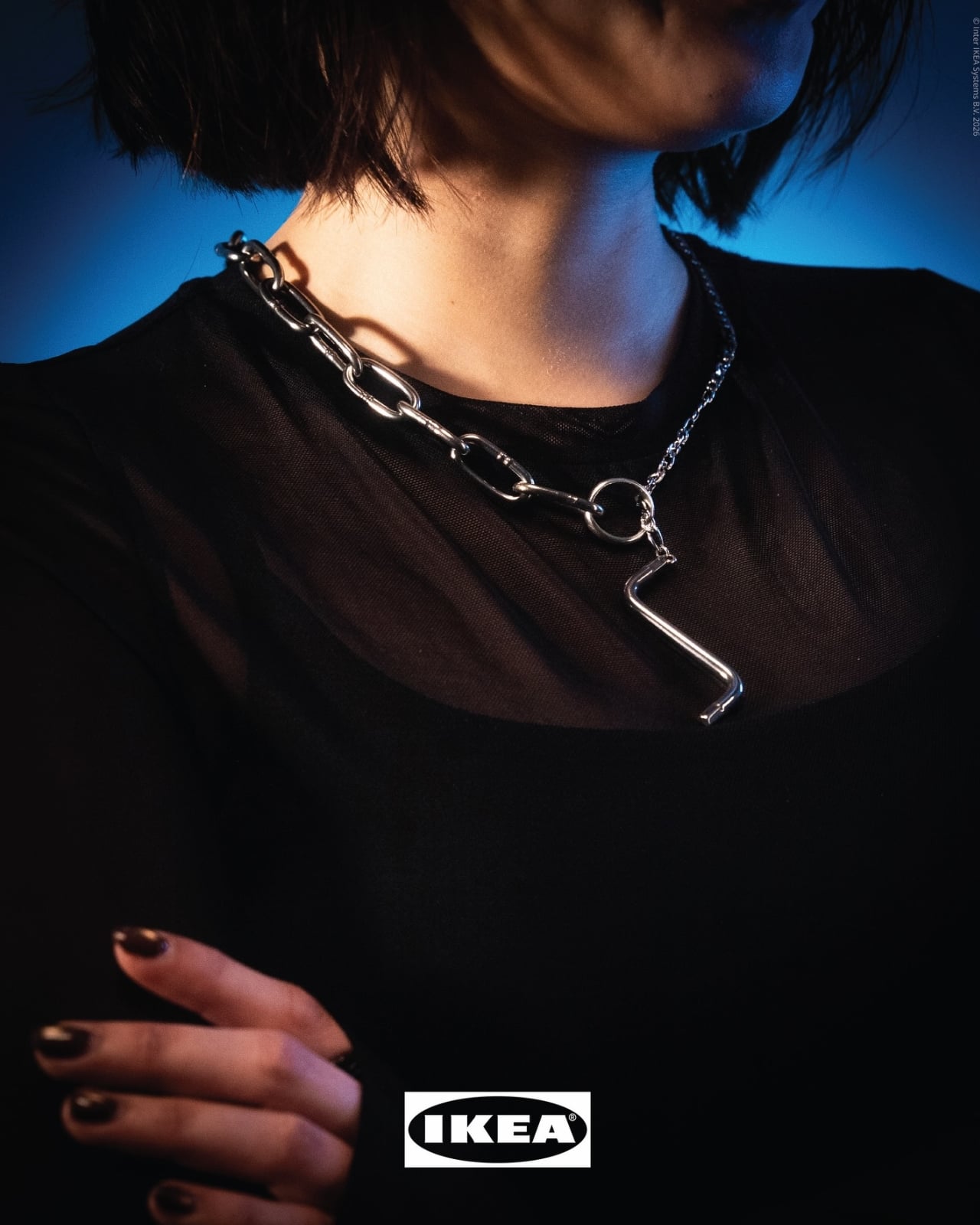
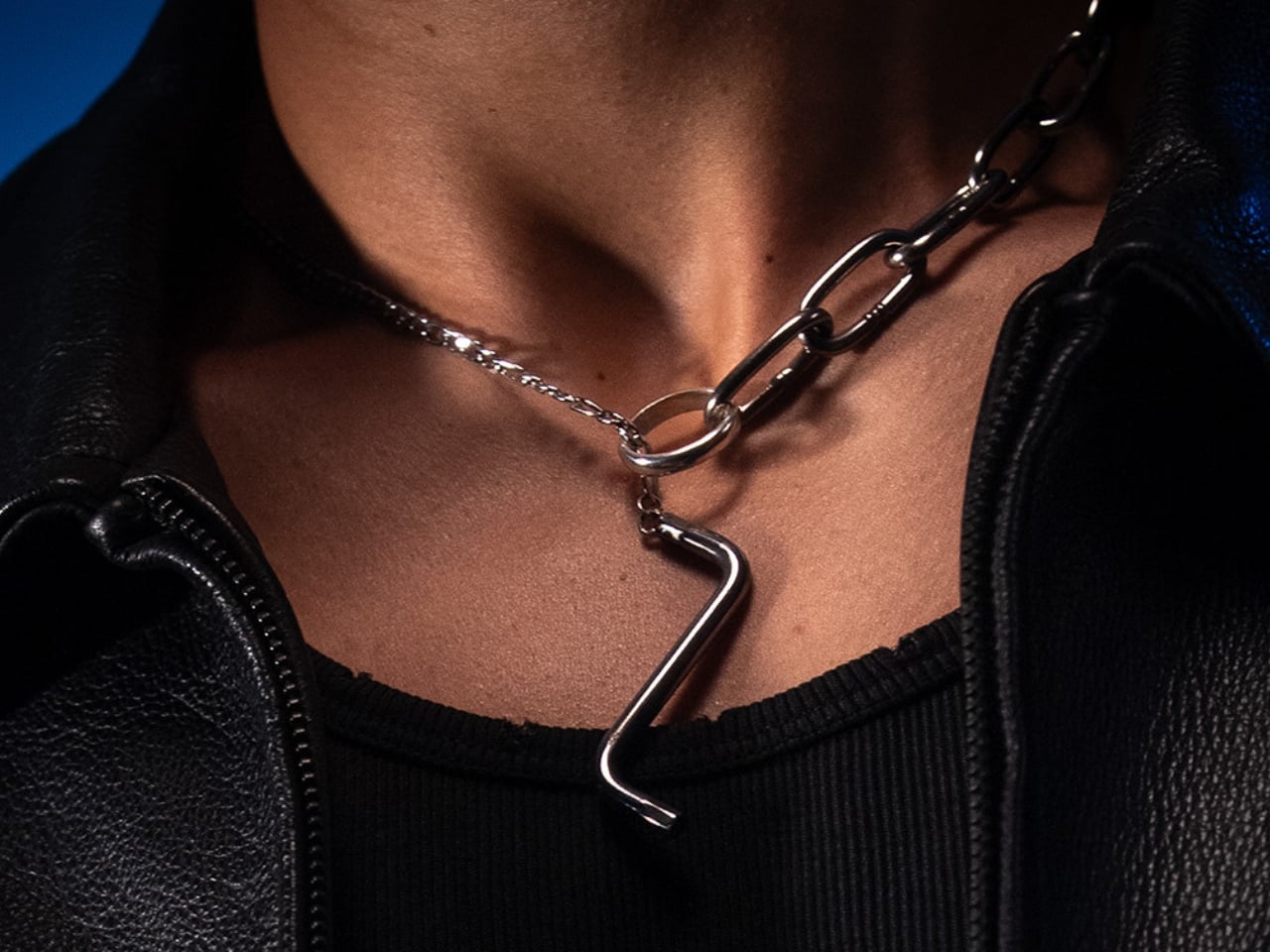
IKEA Singapore, working with creative agency The Secret Little Agency, has reimagined the brand’s iconic flat-pack tool as a piece of wearable jewelry. The ALLËNKI, as it’s been named (and yes, the umlaut is doing a lot of heavy lifting there), is the humble allen key redesigned to hang from a chain as a pendant. It leans hard into an industrial aesthetic, the kind that lives somewhere between a Depop vintage find and something a contemporary menswear designer would slip into a lookbook without explanation. Raw, utilitarian, and surprisingly chic. I did not expect to want a hex wrench around my neck. And yet, here we are.

Designers: The Secret Little Agency for IKEA Singapore

What makes the ALLËNKI genuinely interesting as a design concept isn’t just the novelty of it. It’s the fact that it remains fully functional. The piece isn’t a replica or a decorative prop styled to look like the real thing. It’s the actual tool, shaped into something you’d wear. That framing, which the designers describe as “hardware meets heirloom,” is doing a lot of the creative work here, and it does it well. There’s a real conversation happening in contemporary design right now about the objects we use every day and why we’ve decided some deserve beauty and others don’t. The ALLËNKI is a pretty sharp response to that question, even if the response comes with a chain and a studio-lit campaign.

The branding also knows exactly what it is. The campaign leans into humor and self-awareness, which is the right call. A jewelry line built around a furniture tool that most people lose within 48 hours of unboxing a bookcase doesn’t need to take itself too seriously. The Secret Little Agency managed that balance well, keeping the design itself genuinely considered while letting the concept breathe with a bit of absurdity. That’s harder to pull off than it sounds. Most brand stunts either try too hard to be funny or take themselves so seriously that the joke lands flat. This one sits in the right place.

Now, the catch. The ALLËNKI dropped on April 1st, which puts a fairly significant asterisk on the whole thing. Whether it was an April Fools’ stunt, a concept piece, or an actual product in development isn’t entirely clear. Store availability, if any, has not been confirmed. And while part of me wants to be cynical about that, the other part of me thinks the ambiguity might be intentional. It functions as a piece of cultural commentary either way. If it becomes real, great. If it doesn’t, it still made people stop and look at a two-inch hex key like it had something worth saying.

And maybe that’s the bigger point. The ALLËNKI asks you to reconsider what makes something worth keeping. We’ve watched fashion absorb work boots, industrial hardware, and construction aesthetics for years. Luxury brands have put carabiners on bags and charged several hundred dollars for the privilege. In that context, turning the allen key into a pendant feels less like a joke and more like a logical next step in a long line of utilitarian objects getting a second life. IKEA has always understood that good design shouldn’t be reserved for expensive things. Extending that thinking into wearables, even as a concept, feels genuinely on-brand.

Whether or not the ALLËNKI ever lands on store shelves, it’s already doing what good design work does. It’s got people talking, reconsidering a mundane object, and maybe feeling just a little possessive over something they used to throw in a drawer without a second thought. That’s a win, April Fools or not.

The post IKEA Just Gave the Allen Key a Glow-Up Nobody Saw Coming first appeared on Yanko Design.