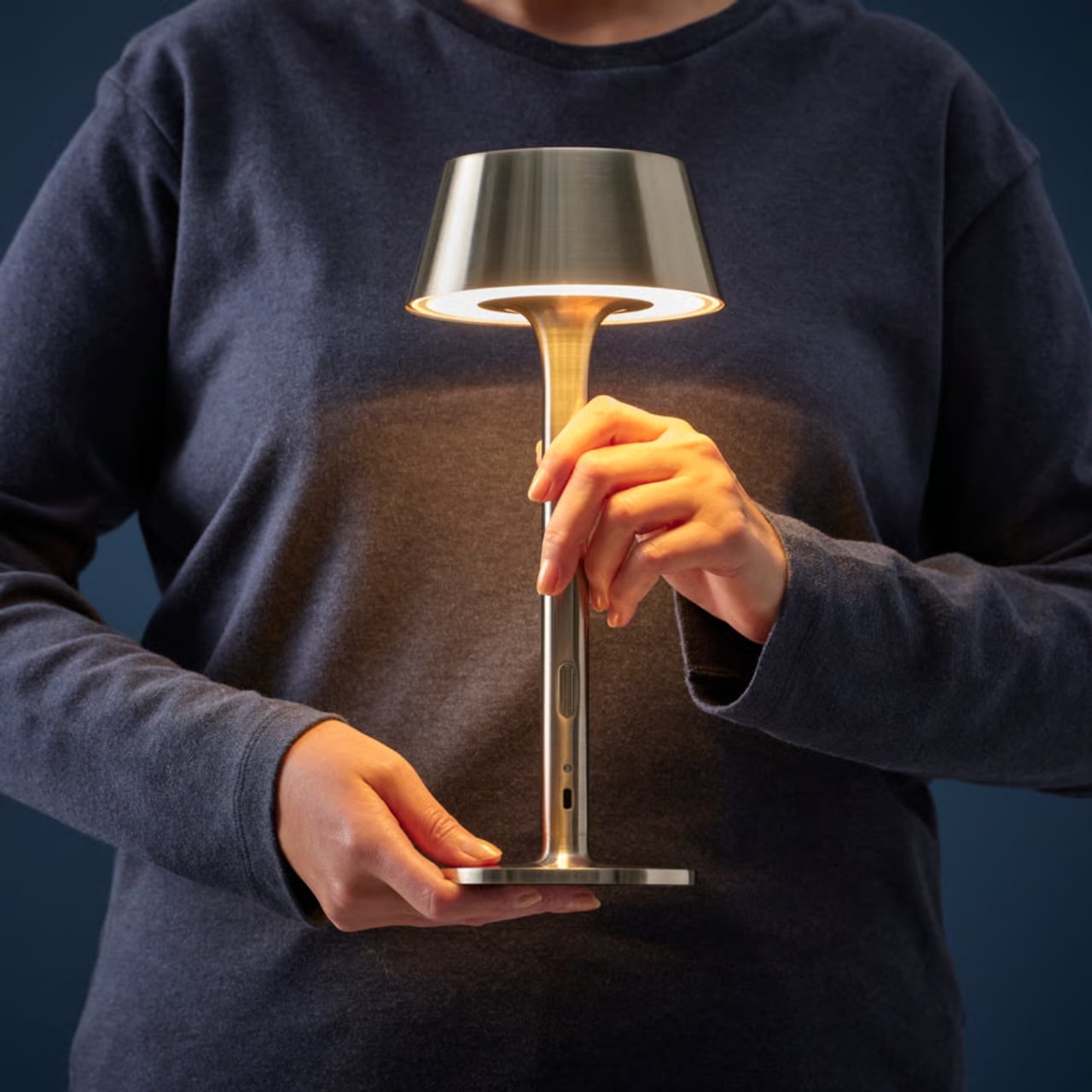
IKEA GREJSIMOJS Dog Lamp Dims When You Hold Its Head for Bedtime

Bedtime means juggling bright ceiling lights, harsh phone screens, and random night lights that feel more like plastic gadgets. Kids often want a light that feels like a friend keeping watch, while adults want something that does not fight the decor or scream “children’s product” when guests walk by. IKEA’s GREJSIMOJS tries to bridge that gap with a lamp that is both functional and playful without picking a side.

GREJSIMOJS is an LED table lamp shaped like a small blue dog, designed by Marta Krupińska as part of IKEA’s play-driven collection. It is meant for children but deliberately “far from childish,” with a rounded capsule body, soft legs, and a white dome that glows like a head, so it reads as a friendly companion even before you turn it on.

Designer: Marta Krupińska (IKEA)

Turning it on at night means pressing and holding the button on the dog’s head to dim the light seamlessly. The lamp remembers the last brightness level, so it always comes back exactly where you left it, whether that is a low night-light glow or a brighter setting for reading. The gesture is simple enough for a child to understand, but satisfying enough that adults do not feel like they are using a toy.

The light itself is a pleasant, glare-free glow that is gentle on the eyes. It is bright enough for bedtime stories or quiet play, but can be dialed down to a soft presence that makes the room feel safe without keeping anyone awake. Over time, that consistency makes the lamp part of the ritual, a signal that the day is winding down and it is time to rest.

Krupińska describes the lamp as a reliable friend that keeps you company and makes you smile every day, and the GREJSIMOJS collection is built around play and togetherness for all ages. The dog shape is abstract enough to sit on a grown-up’s bedside table without feeling out of place, yet expressive enough that a child can project personality onto it, which is a neat trick for polypropylene and LEDs.

The body is made from polypropylene with at least 50% recycled content, and the LED light source is replaceable with a lifetime of about 25,000 hours, roughly 20 years at three hours a day. It is mains-powered with a cord and adapter included, cool to the touch, and cleaning is as simple as dusting it with a cloth.

GREJSIMOJS is less about adding another gadget to a child’s room and more about choosing a bit of playfulness in everyday objects. It is a reminder that a lamp can be both a piece of design and a small character in the room, watching over the bed, joining in on shadow puppets, and quietly proving that functional lighting does not have to grow up completely.

The post IKEA GREJSIMOJS Dog Lamp Dims When You Hold Its Head for Bedtime first appeared on Yanko Design.

5 Furniture Trends That Just Made IKEA Look Obsolete in 2026

Furniture is now understood as a core architectural component rather than a purely functional addition to a space. In 2026, instead of sharp, rigid forms, current design directions favor softer, organic silhouettes that promote comfort and visual calm. These shapes help create interiors that feel more balanced and human-centred, supporting everyday use while enhancing the emotional quality of the environment.

This evolution is reinforced by the use of advanced materials and modular construction systems that improve durability and adaptability. Flexible configurations allow furniture to respond to changing needs, extending product life and long-term value. When thoughtfully integrated, these pieces guide movement and define zones within an interior. Take a look at the furniture trends that remains relevant as lifestyles and design preferences evolve in 2026.

1. Soft Spatial Forms

Design is steadily shifting away from rigid, rectilinear furniture toward softer, curving silhouettes inspired by natural movement. Rounded edges and flowing profiles reduce visual tension, helping spaces feel more relaxed and continuous. These forms also support smoother spatial flow, allowing furniture to guide movement gently rather than interrupt it with sharp transitions.

Curved surfaces interact with ambient light in more subtle ways, creating soft highlights and layered shadows that add depth to interiors. Beyond visual appeal, these shapes offer practical advantages, including improved ergonomics and reduced edge damage over time. By combining comfort, durability, and visual warmth, soft-form furniture supports long-term usability while maintaining a calm, human-centred interior environment.

When furniture follows rounded geometries, it contributes to a more welcoming environment while maintaining a strong design identity. These forms work especially well in minimal interiors, where shape and proportion become the primary visual language rather than surface decoration.

Designed by Lagranja Design for Systemtronic, the Croma furniture collection is defined by consistent curved lines and warm-toned finishes inspired by Mediterranean materials. Natural and stained ash wood is combined with painted and chrome-plated aluminium to create contrast while maintaining visual softness. The collection includes arched wardrobes, rounded planter benches, circular tables in multiple sizes, mirrors, valet stands, and trolleys. Unified geometry across all pieces ensures compatibility within shared spaces, allowing the collection to function as a coordinated system rather than isolated objects.

2. Bio-Smart Materials

In 2026 material innovation is moving toward bio-engineered alternatives that reduce reliance on fossil-fuel-based synthetics. Regenerative materials such as mycelium and algae-based polymers offer low carbon impact while introducing rich, tactile surfaces that feel organic and visually distinctive. These bio-composites support responsible production methods while maintaining the structural performance required for everyday furniture use.

Textiles are also evolving through the use of self-cleaning and pollutant-breaking coatings, including titanium dioxide finishes that react to light exposure. These treatments improve hygiene, reduce maintenance needs, and extend fabric lifespan. Together, bio-based structures and advanced surface technologies support sustainability and long-term design relevance, ensuring furniture remains compliant with future environmental standards while delivering consistent aesthetic and functional performance.

Studio TOOJ’s Duk furniture series explores how mycelium-based materials can transform the surface and perception of solid furniture. Each piece is formed from sculpted wood and finished with Reishi, a biomaterial developed by MycoWorks from mushroom root structures. This layered construction allows rigid forms to visually resemble soft, draped fabric while maintaining structural stability. The mycelium surface introduces organic texture and matte softness, creating a textile-like appearance without using traditional upholstery or leather.

Reishi is cultivated under controlled conditions, allowing precise control over thickness, strength, and surface quality. This consistency supports complex furniture applications where uniform performance is essential. Unlike animal-based leather, the material can be grown to specification, reducing waste and enabling repeatable production standards.

3. Adaptive Modular Furniture

Furniture design is increasingly focused on modular systems that support multiple functions within compact interiors. Rather than simple add-on components, these systems are architecturally integrated, allowing pieces to shift between layouts with minimal effort. Magnetic connectors and precision interlocking joints enable fast reconfiguration without tools, making it easy to adapt furniture to different daily activities.

This flexibility improves spatial efficiency by allowing a single system to perform several roles, such as converting seating into lounge or guest arrangements. Loose-fit construction also supports easy repair and part replacement, extending product lifespan and reducing material waste. By combining adaptability with structural clarity, modular furniture delivers long-term value while responding to changing space requirements and evolving lifestyle needs.

The ZERO modular furniture collection redefines minimalism through visual lightness and reduced spatial impact. Designed to occupy less visual and physical volume, the pieces use clean lines, slim profiles, and restrained colour palettes to integrate quietly into interiors. This approach allows furniture to frame space rather than dominate it, supporting open layouts and reducing visual clutter. The neutral design language makes the system adaptable across residential and commercial environments, including contemporary, industrial, and modernist interiors.

Modularity is central to the system’s function. Each unit can be assembled, reconfigured, and expanded to support changing layouts, from compact living areas to larger open-plan spaces. This flexibility allows users to create seating, storage, or zoning solutions without adding visual density. Custom colour options support personalisation while preserving a cohesive aesthetic.

4. Thermal Comfort Surfaces

Furniture surfaces are increasingly designed to support thermal stability and physical comfort. Upholstery now integrates phase-change materials that absorb, store, and release heat, helping maintain consistent surface temperatures in response to body contact and room conditions. This technology reduces discomfort from cold or overheating, improving long-term seating comfort across changing seasons.

Material selection also prioritises tactile performance. High-tannin woods, honed stone, and heavy-weave natural fabrics provide stable, grounding textures that enhance sensory interaction with furniture. These finishes balance temperature control with durability and visual depth. By combining thermal responsiveness with carefully chosen surface materials, furniture delivers a measurable comfort advantage while contributing to passive climate regulation within interior spaces.

The SOLO furniture collection by Mudu Studios is a seating concept that balances visual refinement and thermal comfort with ergonomic comfort. The range includes an armchair, sofa, and pouf, all characterised by generously cushioned upholstery set on raised bases made from metal or natural veneer. This pedestal-style structure visually lifts the soft seating volumes, creating a strong contrast between plush textiles and solid foundations. Accent stitching adds subtle definition to the upholstery, reinforcing form while enhancing durability and finish quality.

Designed to integrate across multiple interior styles, the collection supports varied colour options to suit different spatial palettes. A key functional feature is the armchair’s twist mechanism, which allows controlled rotation for relaxed seating positions without compromising stability. Elevated proportions also contribute to proper seating support and ease of movement.

5. Seamless Embedded Technology

Furniture is increasingly integrating technology directly into its structure, eliminating the need for visible devices or external accessories. Inductive charging systems are now concealed beneath thin layers of stone or solid wood, allowing phones and small electronics to charge when placed on tabletops or shelves. This integration maintains clean surfaces while delivering everyday functionality without additional hardware.

Control interfaces are also being built into materials, with touch-sensitive zones embedded in fabric or carved into timber for lighting and audio adjustment. These systems remove the reliance on separate remotes and illuminated panels, reducing visual clutter. By embedding technology within traditional materials, furniture maintains architectural continuity while offering discreet, intuitive interaction aligned with contemporary living needs.

The Cube by French audio brand La Boite is a wireless high-fidelity loudspeaker designed to function as both an audio system and a compact coffee or side table. Measuring approximately 47 × 35 × 49 cm, its form allows placement in central living are as without additional floor space for separate speakers. La Boite’s patented acoustic architecture ensures consistent sound dispersion regardless of positioning, maintaining balanced volume and clarity across the room. The furniture-grade enclosure supports everyday use while housing integrated audio components.

Each unit delivers a total power output of 200W and includes a multi-speaker configuration with front and rear drivers supported by aluminium bass-reflex ports. La Boite’s Wide Sound 2.0 technology expands the listening field for immersive playback from a single unit. Connectivity options include Bluetooth with AptX codec, analogue RCA, optical Toslink, and a 3.5 mm input, allowing compatibility with wireless streaming and traditional audio sources.

Furniture now functions as an adaptive layer of the built environment, combining biophilic form with intelligent, sustainable materials. Integrated technology and modular design extend product lifespan while improving daily comfort. Rather than acting as mere decoration, 2026 furniture trends position furniture as part of a responsive interior system – where performance, longevity, and well-being define true design value.

The post 5 Furniture Trends That Just Made IKEA Look Obsolete in 2026 first appeared on Yanko Design.

IKEA’s Viral Donut Lamp Just Got a $100 Smart Upgrade

Whenever I pass by IKEA, one of the things that always catches my eye are their minimalist lamps (well, a lot of their items are minimalist of course). They look simple, elegant, and something that would fit right into my space. Probably one of their most popular lamps is the VARMBLIXT donut lamp designed by renowned Dutch artist Sabine Marcelis, which is, as its name suggests, a donut-shaped lamp.

Now this lamp is seeing a 2026 upgrade with the new VARMBLIXT smart donut lamp that still keeps the popular sculptural but playful form intact but adds a smarter component. The light now radiates from the inside with its matte finish instead of the previous version where external light reflected and bounced off on its glossy surface. This shift from glossy to matte white glass fundamentally changes how you experience the lamp – instead of being a reflective object, it becomes a glowing light source that creates ambiance from within.

Designer: Sabine Marcelis for IKEA

The difference in the design, specifically the material, allows the lamp to create a different atmospheric experience. For those that love more colorful ambience lighting, you now get 12 preset colors that were personally curated by the designer herself. The colors also transition smoothly through the different hues so that there is no abrupt change to your environment. You get different temperatures of white light to glowing amber and warm red to soft pink to cool lavender and turquoise to gentle yellow tones and finally back to white light. Marcelis designed these transitions to be subtle and natural, so the shifts feel organic rather than jarring.

When you connect the lamp to the IKEA Home Smart app through DIRIGERA, you get the “full colour spectrum with more than 40 shades” to play with, giving you even more control over your lighting mood. The VARMBLIXT lamp comes with the BILRESA remote so you can start cycling through the colors without any complicated setup. But it is built on the Matter standard so you can integrate it with your smart home system including Apple Home, Siri, and other compatible platforms.

Just like the original donut lamp, you can use this smart version as a table lamp or you can also mount it on your wall if you need this to be part of your wall decor. You get flexibility on how you want this sculptural piece to be displayed in your space, whether to blend in with your aesthetic or to be the centerpiece decoration while providing ambient light. At $99.99, it hits that sweet spot of designer quality at an accessible price point.

IKEA is also launching a VARMBLIXT smart pendant lamp which focuses mostly on how white light can move from cool daylight to the yellow glow that mimics candles when it gets darker. Its design is a cluster of curved tubes made from frosted white glass that creates a sculptural presence even when turned off. When illuminated, those frosted tubes transform into a magical piece of light engineering, casting a soft, diffused glow. You can also use it with the included remote or connect it to your smart home system. The pendant is priced at $149.99.

Both lamps will be available starting in April 2026, and they represent more than just a product upgrade. They’re part of IKEA’s ongoing collaboration with Sabine Marcelis, with another collection already planned for 2027. For collectors and design enthusiasts, this makes the VARMBLIXT pieces part of an evolving story worth following.

What I love most about these smart upgrades is that IKEA didn’t sacrifice the design integrity that made these lamps iconic in the first place. They’ve simply enhanced what was already working beautifully, adding functionality that feels intuitive rather than overwhelming. Whether you’re drawn to the playful personality of the donut lamp or the refined elegance of the pendant, both pieces prove that smart lighting can be sculptural, affordable, and genuinely beautiful.

The post IKEA’s Viral Donut Lamp Just Got a $100 Smart Upgrade first appeared on Yanko Design.

IKEA’s $10 Donut Charger is the Quirkiest Tech Accessory You Need

IKEA has always understood that good design is about more than just aesthetics; it’s about making everyday life just a little bit smarter and a whole lot more delightful. From the iconic, ubiquitous flat-pack furniture phenomenon that has furnished college dorms and first apartments worldwide, to their surprisingly savvy and rapidly expanding smart home gear, the Swedish powerhouse consistently sneaks into our lives with functional, well-priced objects. They have a unique talent for translating high-level function into accessible, everyday items, democratizing design in a way few other companies can match.

But their latest accessory, the VÄSTMÄRKE wireless charger, feels like they stopped designing furniture for a minute and started making tech that belongs on a designer’s desk or maybe even a breakfast tray. And truth be told, I’m all for this kind of quirky but also highly functional kind of device, especially for someone who always needs to charge one gadget or another and appreciates a bit of personality in their tech landscape.

Designer: IKEA

Forget the sleek metal pucks and boring black slabs that define the typical wireless charger landscape. The VÄSTMÄRKE arrives in a striking, happy red color which is a shade that manages to be both playful and aggressive. It is wrapped in soft, tactile silicone, and is shaped unmistakably like a bright, circular donut. Yes, a donut. This accessory is a masterclass in playful industrial design, immediately standing out in a crowded market where everything is trying desperately to be minimal and invisible, striving for that elusive “zero design” aesthetic. The VÄSTMÄRKE loudly rebels against that. At around ten dollars, it’s an absolute steal and an impulsive buy designed to bring a little pop culture fun and necessary color into your daily tech routine. It’s an instant dopamine hit for your desk.

But don’t let the adorable, pastry-like exterior fool you into thinking this is merely a cute paperweight that’s all style and no substance. Underneath that cheerful, friendly silicone exterior is a genuinely modern piece of charging tech that proves IKEA is serious about functionality. The VÄSTMÄRKE supports the new Qi2 standard, which is the current industry gold standard for magnetic wireless charging. This means it offers fast 15-watt charging speeds which is on par with high-end, premium alternatives, and, crucially for modern phone users, it includes precise magnetic alignment. This makes it instantly compatible with systems like Apple’s MagSafe or Google’s emerging PixelSnap standard, ensuring your phone snaps perfectly into place every single time. That magnetic click maximizes charging efficiency and eliminates the frustrating hunt for the sweet spot, a common annoyance with older, non-magnetic wireless pads.

Where the VÄSTMÄRKE truly shines, however, is in its secret identity, offering two hidden functions that transform it from a simple charger into a genuine utility tool, a Swiss Army knife of power. The whole device is built around a clever fold-out core. You can flip the top half up and invert the ring, effectively turning the charger into an impromptu, stable, PopSocket-style grip for your phone. Imagine charging on the go, then seamlessly using the attached charger, which is still magnetically clamped to your device, to secure your grip while scrolling through social media, watching a video, or taking a complicated selfie. It’s a brilliant crossover of charging and ergonomic convenience that no one specifically asked for, but everyone who uses it will immediately wonder how they lived without it.

The second genius trick tackles the bane of all tech lovers: the cable tangle. That circular cutout, which doubles as the grip, is also a clever storage solution. The VÄSTMÄRKE includes an integrated USB-C cord, which is another nod to modernity and universal compatibility. When you’re done charging or ready to travel, you can simply wrap the cable neatly and snugly around the center gap and snap the silicone top back down. The cord disappears completely into the design, keeping your bag or pocket blissfully knot-free and preventing the charger itself from becoming a tangle magnet. It’s a supremely thoughtful nod to portability, making this the ideal budget travel companion for anyone constantly on the move.

The VÄSTMÄRKE is the perfect embodiment of IKEA’s approach to the smart home and personal tech. It’s cheap, utterly practical, uses high-level Qi2 technology typically reserved for more expensive gear, and comes wrapped in a delightful design that is guaranteed to spark conversation and smiles. It’s a testament to the idea that functional tech doesn’t have to be visually dull or take itself too seriously. Sometimes, the best design is the one that looks like it belongs on the menu rather than on the motherboard. If you’re looking for a dash of color, a clever set of features, and next-gen magnetic charging without emptying your wallet, this little red donut is an unexpected, delightful, and highly functional winner.

The post IKEA’s $10 Donut Charger is the Quirkiest Tech Accessory You Need first appeared on Yanko Design.

IKEA and Teklan Turn Tech Into Eye Candy

You know that weird thing we do with tech products? We buy them, we use them every day, but then we kind of hide them. Tuck the speaker behind the plant. Stash the lamp in the corner. As if apologizing for needing functional things in our homes. IKEA’s new collaboration with Swedish designer Tekla Evelina Severin (known as Teklan) is here to flip that script entirely.

The Teklan collection, which launches globally this December, is all about making your speakers and lamps the main character instead of background extras. We’re talking bold patterns, nostalgic color combos, and shapes that look like they wandered out of a really cool vintage store and somehow learned to play your Spotify playlist.

Designer: Teklan for IKEA

At the heart of the collection is the SOLSKYDD family, a trio of round Bluetooth speakers that refuse to be boring. The smallest is an 8-inch portable speaker in orange with a pattern that practically demands attention. The medium version comes in green with brown and beige diagonal stripes that feel very 70s but in the best possible way. And the largest? An 18-inch wall-mounted beast in textured orange that can even connect to a screen. These aren’t speakers that blend in. They’re conversation starters that happen to have excellent acoustics, designed by Ola Wihlborg to balance form with serious sound quality.

Then there’s the KULGLASS lamp speakers, which might be my favorite thing about this entire launch. Teklan designed them to look like soft-serve ice cream, because why shouldn’t your tech look like dessert? They come in mint green and a red-brown with pink combo, and they work as both lamps and Bluetooth speakers. The built-in volume knob is a nice tactile touch in a world where everything is controlled by tapping a screen.

What makes this collaboration feel special isn’t just the aesthetic, though the colors are definitely doing the heavy lifting. It’s the intention behind it. Teklan literally went to her grandparents’ house to match the exact shade of mint green to an old bar of soap from her childhood memories. That level of personal storytelling in product design is rare, especially for mass-market furniture retailers.

“We wanted to bring that softness and friendliness into technology, to help people see home electronics differently and invite more colour into their everyday spaces,” Teklan explained. And honestly, mission accomplished. These products feel warm and approachable in a way that most tech doesn’t. While the insides are packed with all the technical complexity you’d want from quality speakers, the outsides feel almost playful.

The collection also includes a refresh of IKEA’s cult-favorite VAPPEBY speaker, now decked out in Teklan’s signature colors, plus a whole range of braided charging cables called SITTBRUNN, RUNDHULT, and LILLHULT that are inspired by climbing ropes. Even your charging cables get to have personality now.

All the speakers can connect to each other and other compatible IKEA Bluetooth speakers for multi-speaker mode, and they support Spotify Tap, so you can seamlessly continue whatever you were listening to. The SOLSKYDD also comes in a plain white version if you’re not quite ready to commit to orange geometric patterns (though I’d argue that’s missing the point). Price-wise, we’re still solidly in IKEA territory. The portable SOLSKYDD starts at $80, the medium at $100, and the largest at $140. The KULGLASS lamp speakers are $130. Not cheap for IKEA, but reasonable when you consider you’re getting both form and function wrapped in genuinely unique design.

This collaboration represents something bigger than just pretty speakers. It’s part of a shift in how we think about the stuff that makes our homes work. After years of minimalism telling us to hide everything, make it all white, keep it neutral, there’s this growing appetite for objects with personality. Things that reflect who we are, what we love, the colors that make us happy.

IKEA has been experimenting with this more expressive approach since ending its partnership with Sonos earlier this year. The Teklan collection feels like a confident step into that space, proving that affordable design doesn’t have to mean boring design. The collection starts rolling out in December, with specific dates varying by market, so check with your local IKEA for availability. And maybe start thinking about where you want to display, not hide, your next speaker.

The post IKEA and Teklan Turn Tech Into Eye Candy first appeared on Yanko Design.

Raspberry Pi E-Ink To-Do Display Disguises as Framed Desk Art

Most productivity tools are designed to grab your attention constantly with pop-up reminders, blinking notifications, and endless browser tabs competing for focus throughout the day. But sometimes, the best way to stay focused is to keep your most important information quietly in view, not fighting for your eyes or demanding immediate action every few minutes. Finding that balance between visibility and distraction remains surprisingly difficult in modern productivity software.

The InkyPi E-Paper Productivity Display is a DIY project that addresses this challenge directly and elegantly with minimal hardware. Built with a Raspberry Pi Zero 2 W and a crisp E-Ink screen, it turns your to-dos, deadlines, and progress into a calm, always-on dashboard that helps you stay organized without the noise. The project is open-source, customizable, and refreshingly simple in its approach to keeping you on track without overwhelming you.

Designer: AKZ Dev

InkyPi’s minimalist design starts with a 7.3-inch or 7.8-inch E-Ink panel from Pimoroni or Waveshare, framed in a simple IKEA picture frame that looks more like a piece of art than a gadget on your desk. The Raspberry Pi Zero 2 W sits discreetly behind the display, keeping the whole setup slim, silent, and consuming minimal power throughout the day. The paper-like display is easy on the eyes and never glows or flickers.

The framed display can be wall-mounted above your desk for easy glances throughout the day or set on a stand for desktop reference during intensive work sessions. The E-Ink screen shows information with the clarity of printed paper, making text and graphics readable from across the room without squinting. The lack of a backlight means it works well in any ambient lighting without causing eye strain during long days.

The open-source InkyPi dashboard runs a growing library of 20 plugins, all managed through a web-based user interface that’s accessible from any device on your network. You can schedule automatic refreshes, rotate through different plugins throughout the day, and customize layouts for your specific workflow. Recent plugin additions include a to-do list, day countdown, GitHub commit graph, year progress bar, and RSS feed reader for staying informed.

Each plugin is designed to give you just enough information to stay on track without overwhelming you with excessive detail or constant updates that break concentration. The to-do list shows three customizable lists with clean formatting, the year progress bar visualizes how much of the year remains for goal planning, and the GitHub graph motivates coding consistency through visual streak tracking. Everything updates automatically on your chosen schedule without requiring manual intervention.

The E-Ink display’s slow refresh rate and lack of backlight mean it’s only updated when necessary, keeping your focus on the task at hand rather than the screen itself pulling attention. The dashboard is intentionally passive, meant for glancing rather than interacting, so you’re never tempted to click, scroll, or dive into rabbit holes when you should be working. The analog feel makes it more like checking a wall calendar or notepad.

All hardware and software files are open-source on GitHub, with active community support and ongoing plugin development from contributors worldwide who continue adding features. For anyone tired of digital noise and constant notifications interrupting deep work, the InkyPi E-Paper Productivity Display offers a reminder that sometimes less screen time is exactly what you need to accomplish more meaningful work throughout your day without burning out.

The post Raspberry Pi E-Ink To-Do Display Disguises as Framed Desk Art first appeared on Yanko Design.

IKEA unveils Anchor and Unlock safety mechanism in two new collections

Every once in a while, I’ll come across a horror story on my feed about accidents involving furniture toppling over and badly hurting someone. As a regularly clumsy person, it is not outside the realm of possibility that I may be a victim of this someday. The STURDY Act (Stop Tip-overs of Unstable, Risky Dressers on Youth) is a welcome development for kids and grown-ups alike. IKEA has now become the first to apply this into their new furniture line.

Designer: IKEA

The Storklinta and Gullaberg collection from IKEA come with their patented Anchor and Unlock mechanism which took into consideration the aforementioned STURDY Act’s guidelines. This way, they have made sure that their furniture are safe especially for young kids but still have the design and style associated with the Swedish brand. When properly installed, this mechanism lets you use the items as they’re meant to be used without the risk of it tipping over, even when multiple drawers are opened.

The Gullaberg collection is classic IKEA with its framed sides, tapered legs, and white and gray finishes. There are several dressers, chests, wardrobes, nightstands, and combinations available in the collection. The Storklinta has a more sleek and contemporary design and also comes with chests, drawers, bedside tables, and wardrobe combinations with the PAX system. These furniture come with clean, integrated handles.

Both collections are already available in the IKEA US stores and online but there are still some items that have limited stocks. They will also be launching more safety-enhanced designs later this year. As always, these are items that are self-assembled so you still need to be able to follow instructions on these Anchor and Unlock mechanisms for the furniture to be truly safe.

The post IKEA unveils Anchor and Unlock safety mechanism in two new collections first appeared on Yanko Design.

IKEA brings makeshift pillow bag to sleep-deprived Singaporeans

Sleep has become a luxury for a lot of people because of the fast-paced work lifestyle and also the distraction of our gadgets. Singapore is apparently the third most sleep-deprived country in the world and people taking naps in public is a common sight in this Southeast Asian country. IKEA Singapore has come up with a new product for those who may need to take a quick nap while commuting or at other public spaces.

Designer: Secret Little Agency for IKEA Singapore

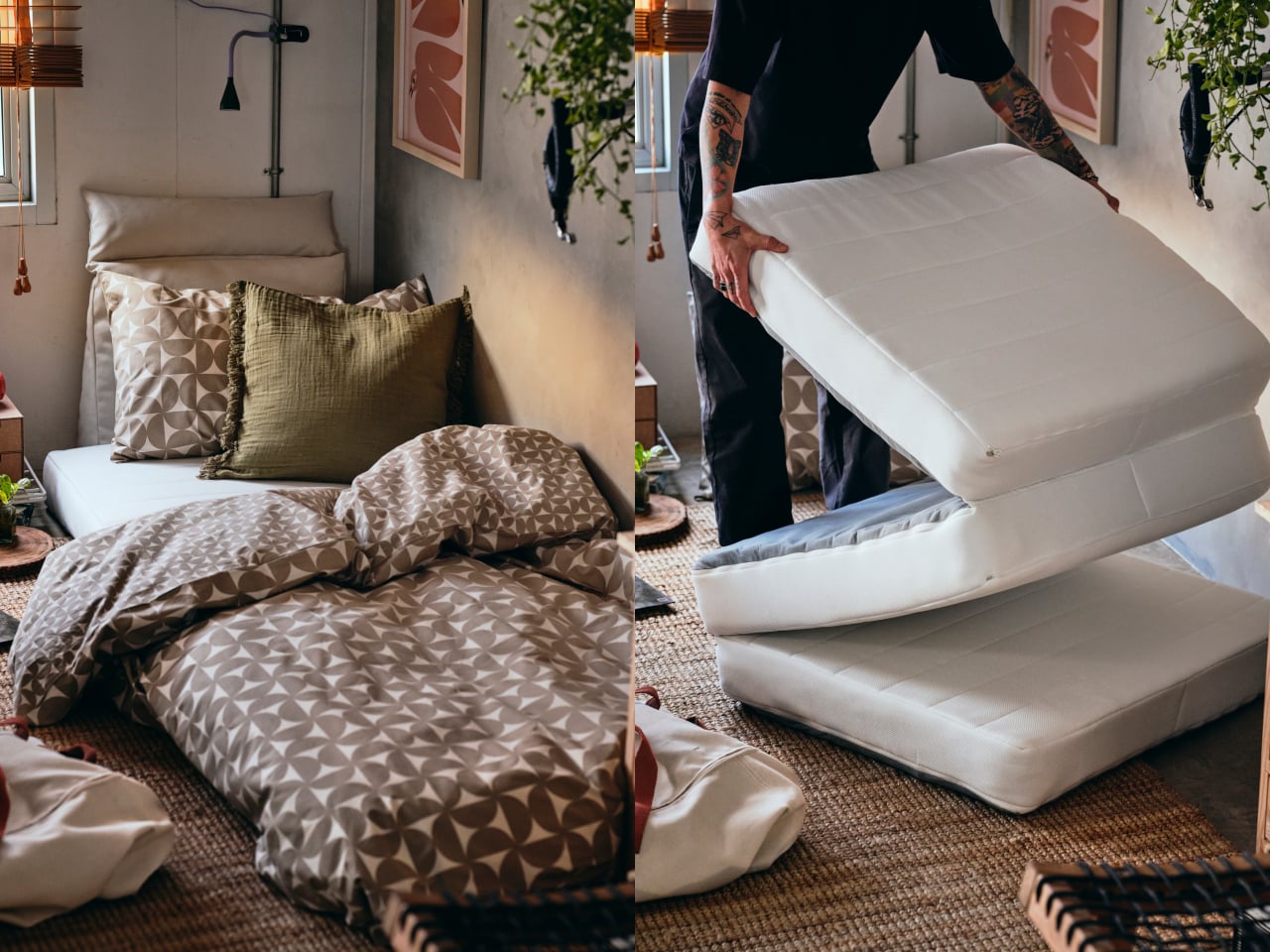
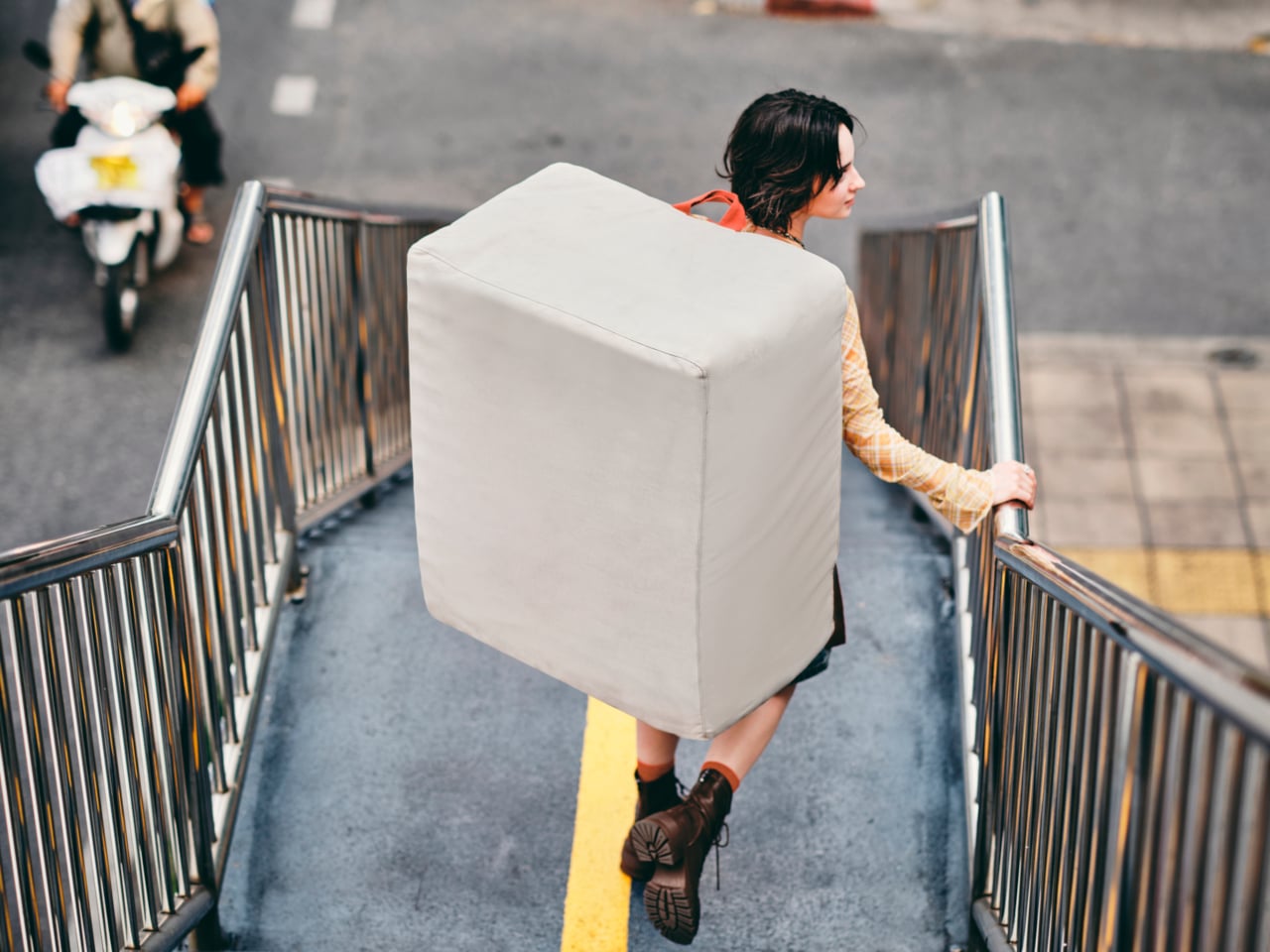
The RESTEN bag looks like the iconic blue FRAKTA bag of IKEA, but this one also doubles as a huggable bag or pillow for those who need a quick nap. The padded design of the bag resembles that of a pillow but keeping the blue color and design of the IKEA reusable bag. It was made with ultra comfortable fabrics and stuffing with enough space to put your daily essentials.

The main appeal of this bag though is that when you’re commuting on a bus or train or studying at the library, it will double as a pillow when you need a quick nap. It also has a strap that has the words “Leave the rest to IKEA” so you can also remember to take a quick break every once in a while.

The RESTEN bag is a limited edition item that will be available at IKEA Singapore branches from September 6-8, 2024 as part of their RestFest event. It would be nice if they can also make this available in other sleep-deprived countries like mine.

The post IKEA brings makeshift pillow bag to sleep-deprived Singaporeans first appeared on Yanko Design.

IKEA adds a fleet of drones to its inventory-management centers all across Europe

Unlike your average drones used for cinematic shots or racing gigs, these IKEA drones can scan massive warehouses, tracking the influx and outflow of inventory.

IKEA’s recent move to scale its fleet of inventory drones marks a pivotal moment in the integration of cutting-edge tech within retail logistics. The company is looking to advanced drone tech to take charge of the decor giant’s warehouses across Europe. IKEA’s collaboration with Verity, a startup known for its specialized drones, now spans 16 locations across Europe. The project initially began in 2021 and has grown steadily, positioning IKEA at the forefront of innovative supply chain management. The 100 drones currently in use represent a practical solution to a logistical challenge: monitoring vast warehouse spaces packed with towering shelves that are difficult for human workers or traditional robots to navigate.

Designer: Verity for IKEA

These drones come equipped with sensors and high-resolution cameras that allow them to scan inventory with accuracy and speed, providing a constant stream of data that updates in real time. This capability is especially vital for IKEA, whose warehouses handle everything from bulky furniture to smaller, more complex products. The drones can cover areas that would be impossible or highly inefficient for human workers to manage, enabling continuous operations that reduce errors and ensure stock levels are maintained effectively. This kind of precise monitoring cuts down on the time and labor traditionally required for manual stock-taking, while also minimizing the risk of overstocking or stockouts—issues that can disrupt the supply chain.

Beyond hardware, Verity’s role in this development involves customizing a solution that aligns with IKEA’s needs. The drones operate independently, requiring minimal intervention, which allows IKEA to focus more on strategic planning and less on routine logistical tasks. By maintaining 24/7 operations, these drones are able to deliver inventory data that’s constantly updated, offering insights that traditional systems simply cannot match. Their integration is smooth, even down to the branding—with each drone featuring IKEA’s colors and logo, they fit seamlessly into the company’s broader identity.

As retail continues to evolve with increasing emphasis on automation, IKEA’s strategy serves as a model for how large-scale companies can use technology to disrupt operations by radically improving efficiency. The expansion of these drones into multiple European markets signals that this is not just an experiment but a calculated investment in the future of inventory management. It also allows IKEA to focus its literal man-power in other places, rather than having them manage massive warehouses which can be unsafe. For IKEA, the future is not just about selling furniture; it’s about rethinking how logistics can be optimized to support a global business in a fast-changing world.

The post IKEA adds a fleet of drones to its inventory-management centers all across Europe first appeared on Yanko Design.

IKEA reveals gaming furniture collection that blends perfectly with modern interiors

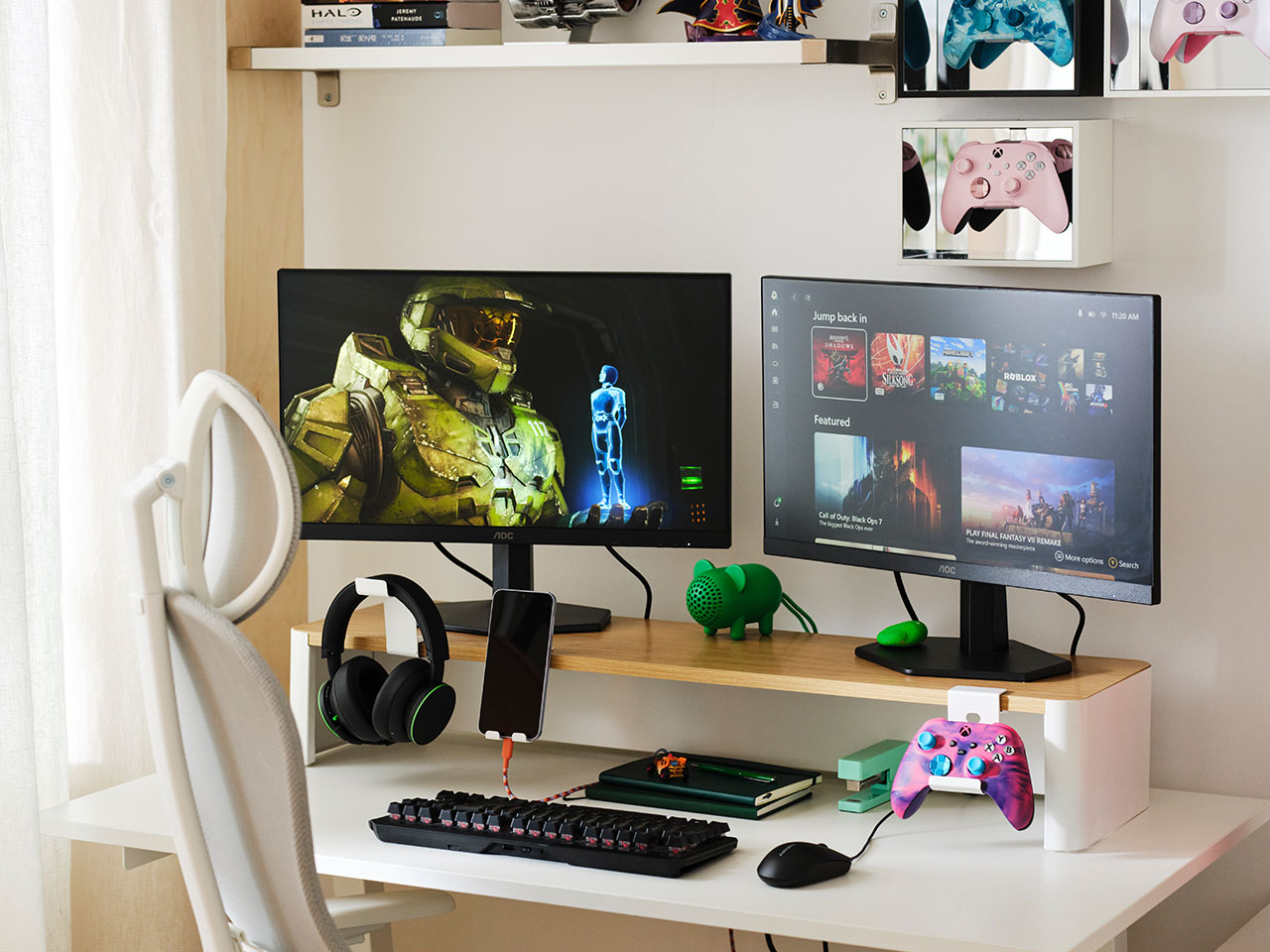
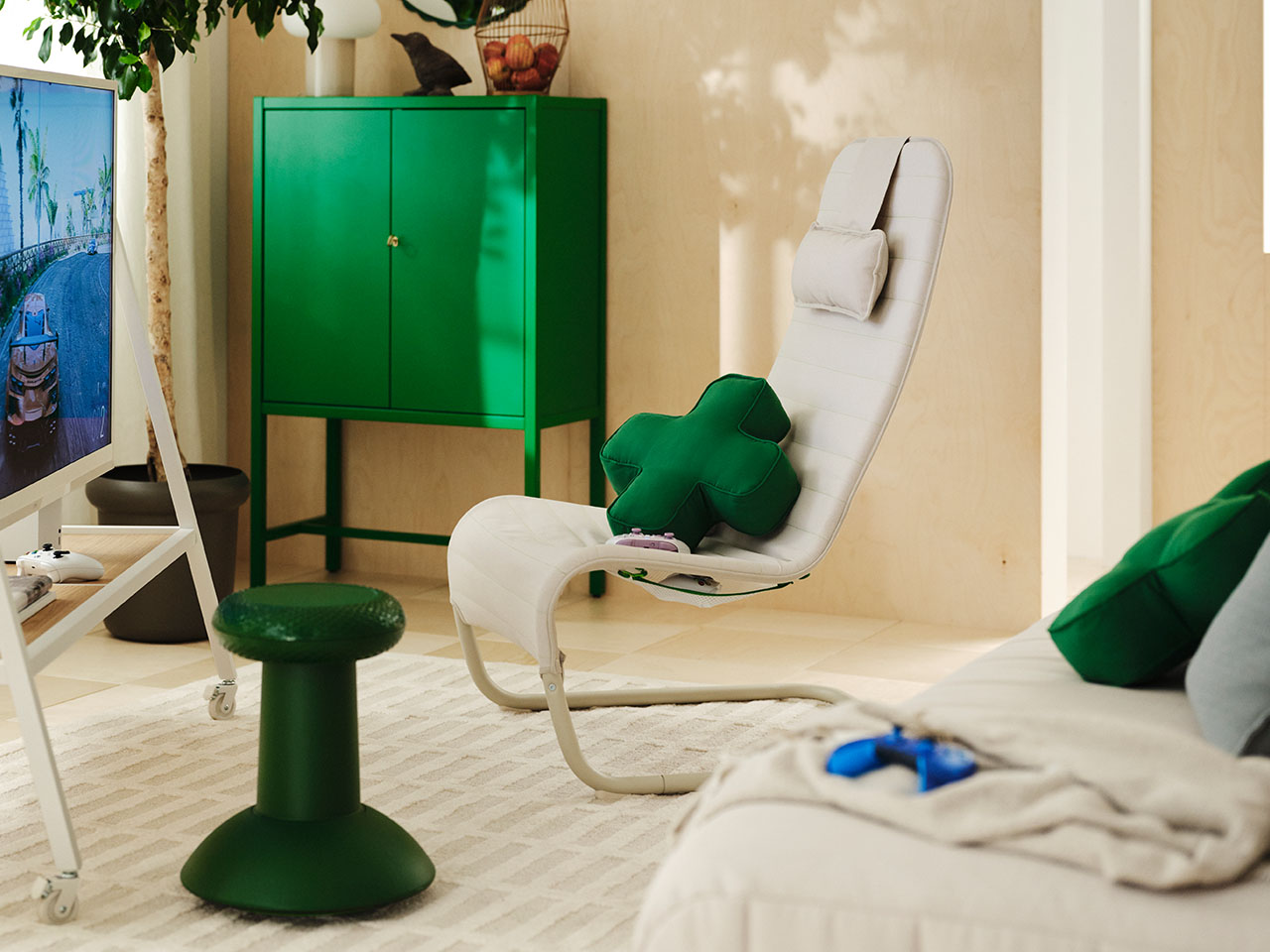
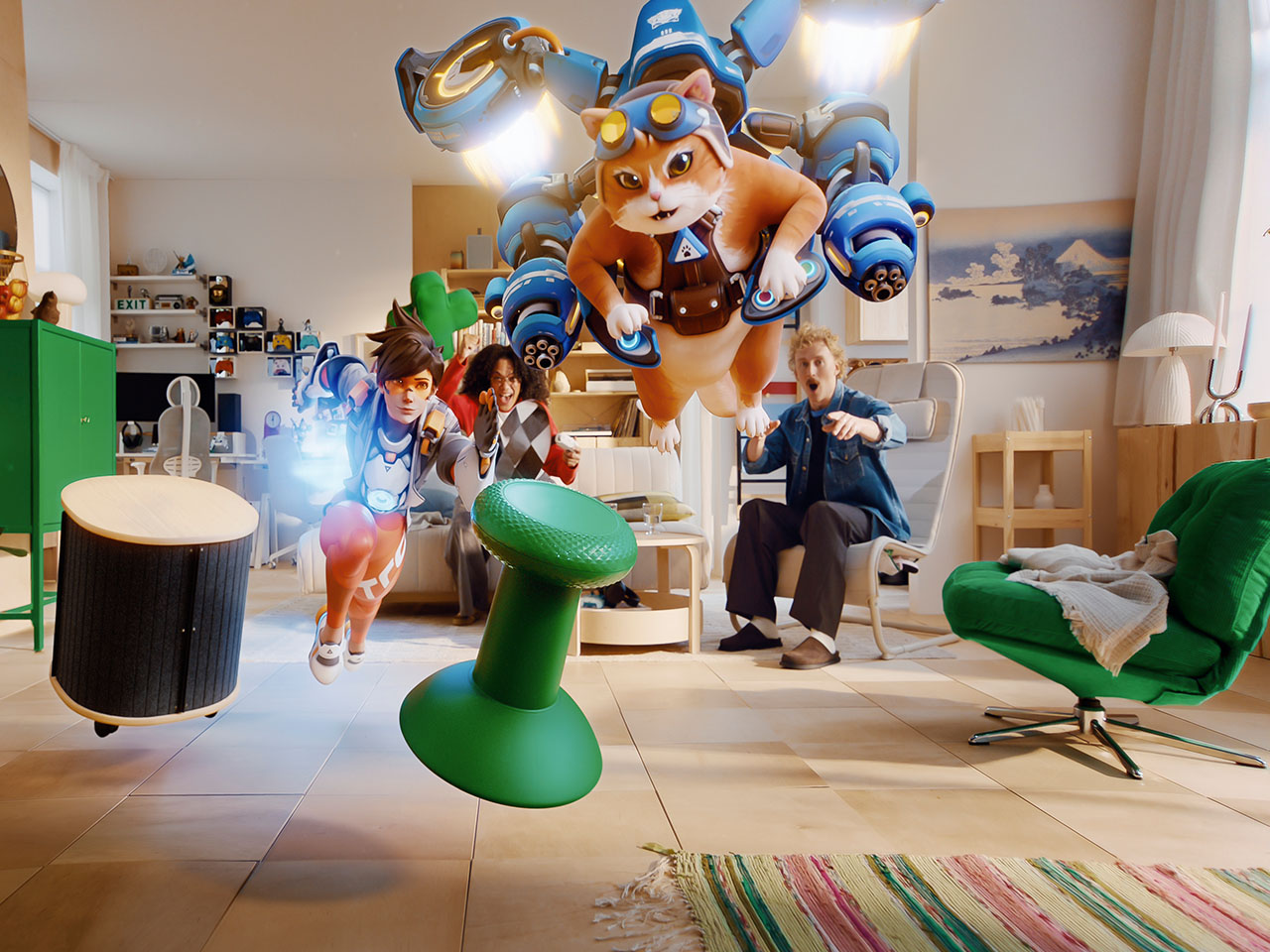
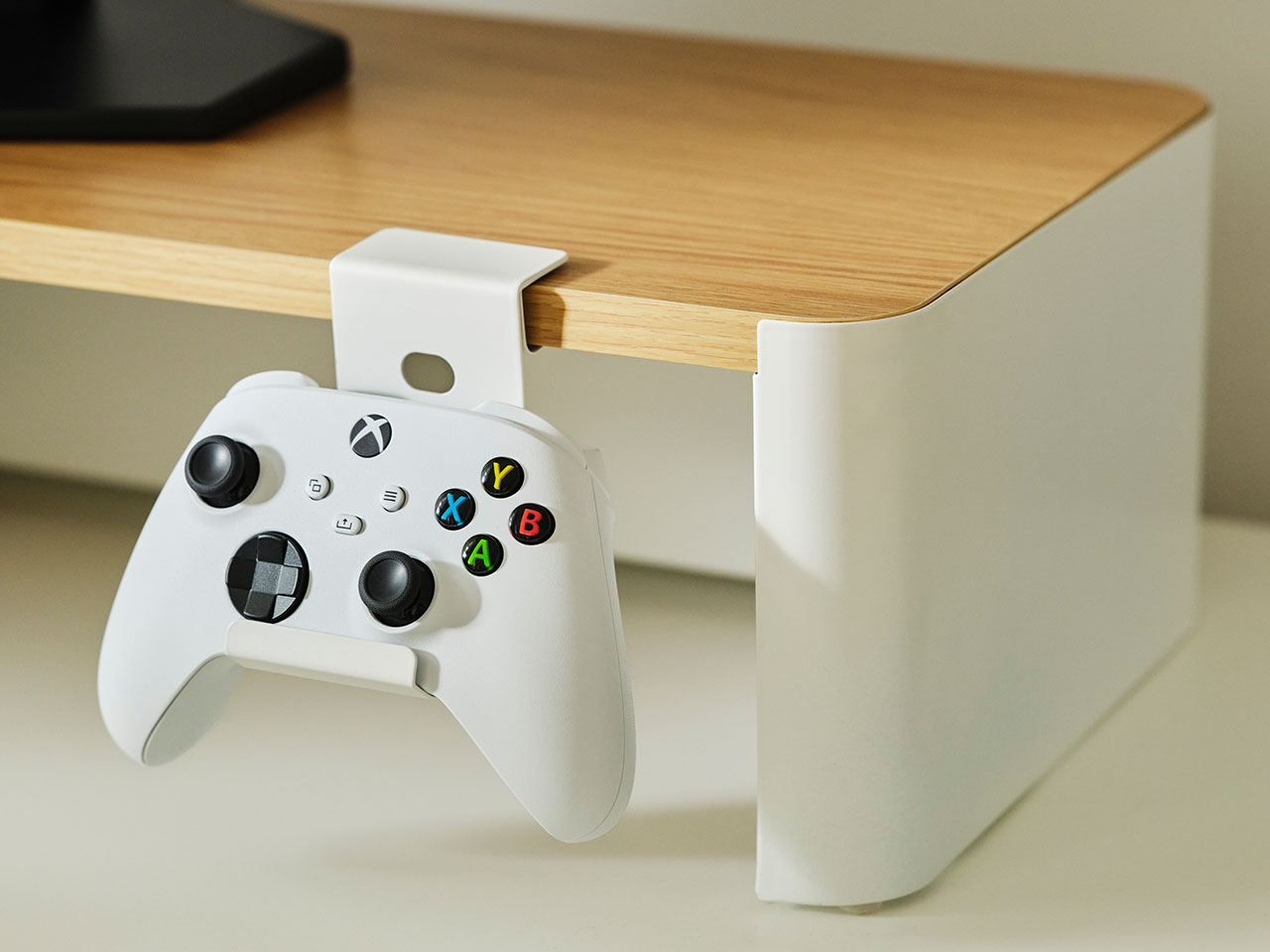
There’s something about gamers that reflects in their overall persona and living space. You can walk into a home and instantly tell it’s a gamer’s den. IKEA wants to condition this perception by making a gamer’s living space more accommodating and comfortable for their non-gaming family members or close pals. Taking a detour from the usual dark-themed setups, the BRÄNNBOLL collection of gaming furniture fuses the best of both worlds.

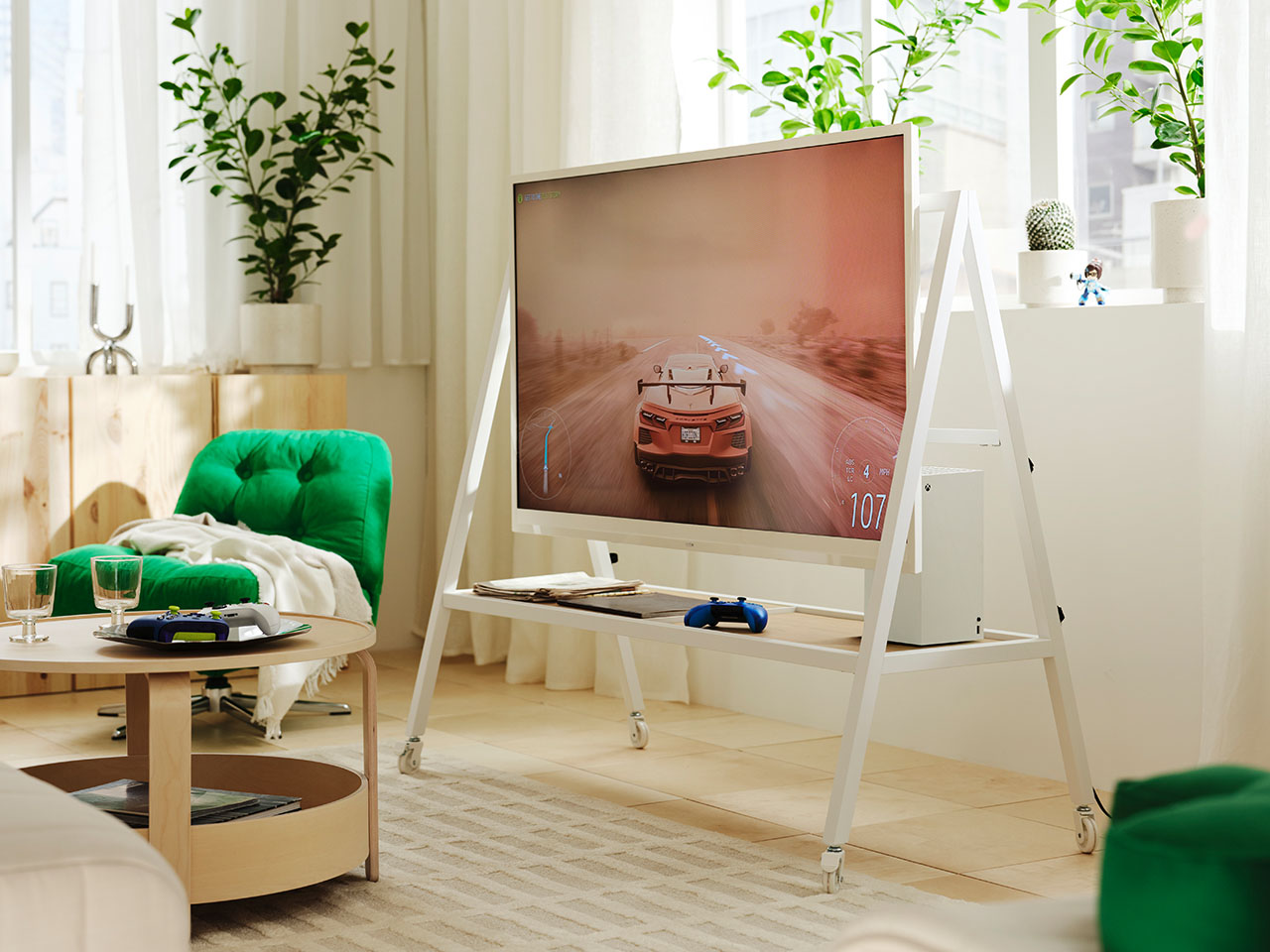
This subtle collection of 20 versatile items makes even more sense as gaming-themed interiors or furniture items are draped in dark-colored hues. Even IKEA’s previous gaming-themed ROG collection was following the norm. This time around the Swedish multinational wants to concentrate more on the simplistic color schemes that are relevant even when you are not gaming, or when other members of the family are around. According to IKEA, the colors used in this collection are inspired by athleisure and street sports. They’ve balanced these hues with neutral and bright colors, so that they easily mix with the modern home interior design.
Designer: IKEA

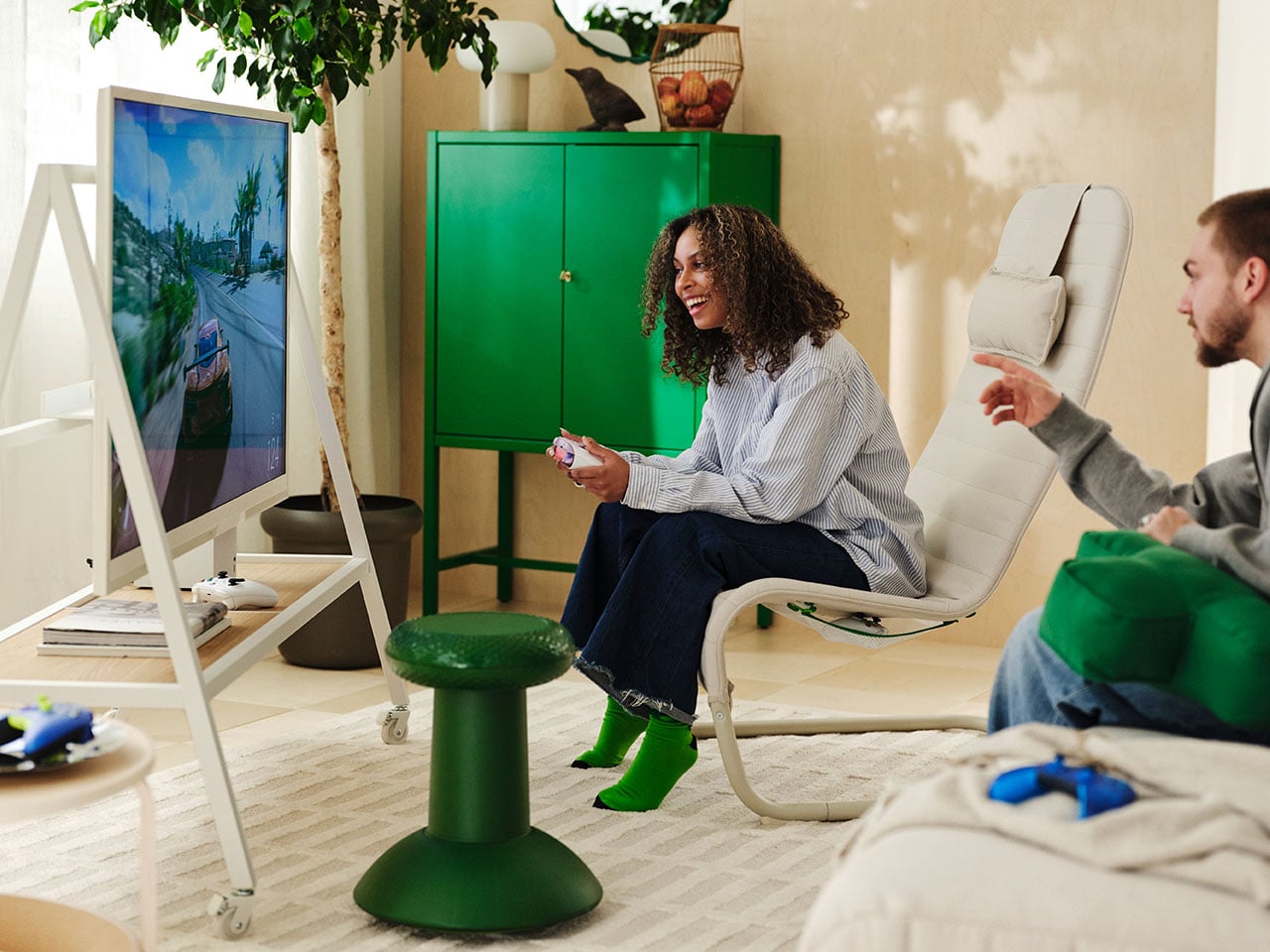
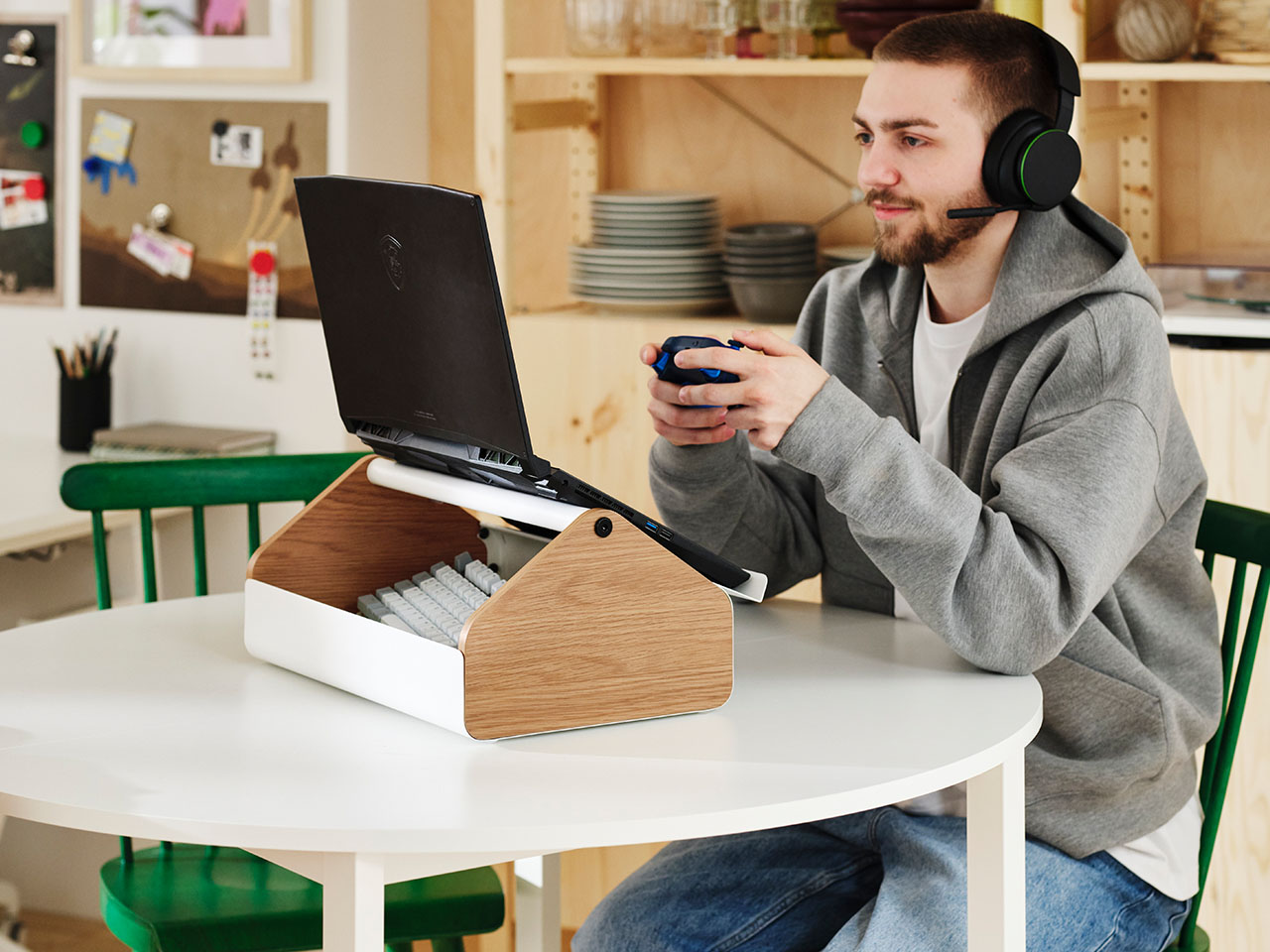
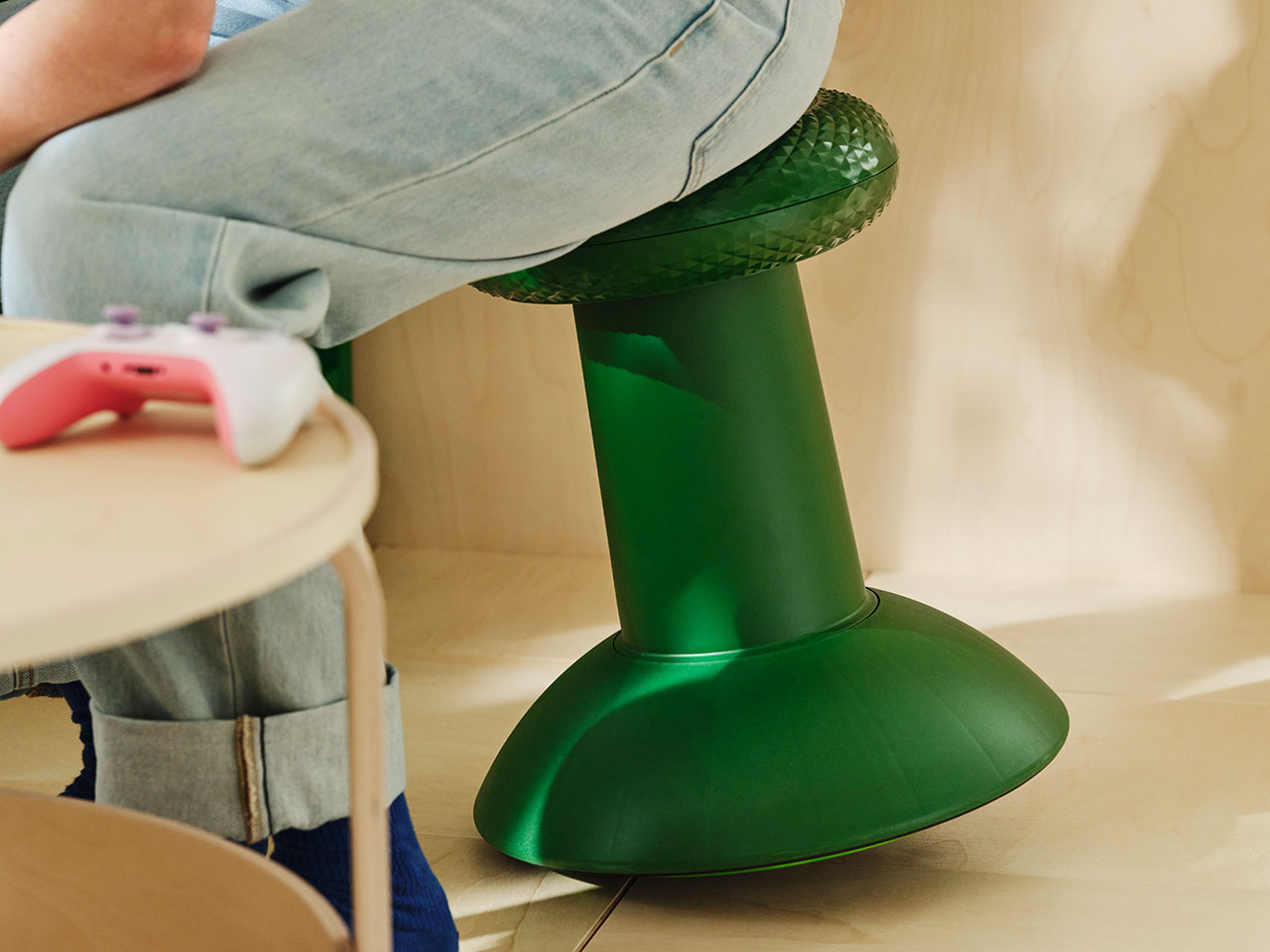
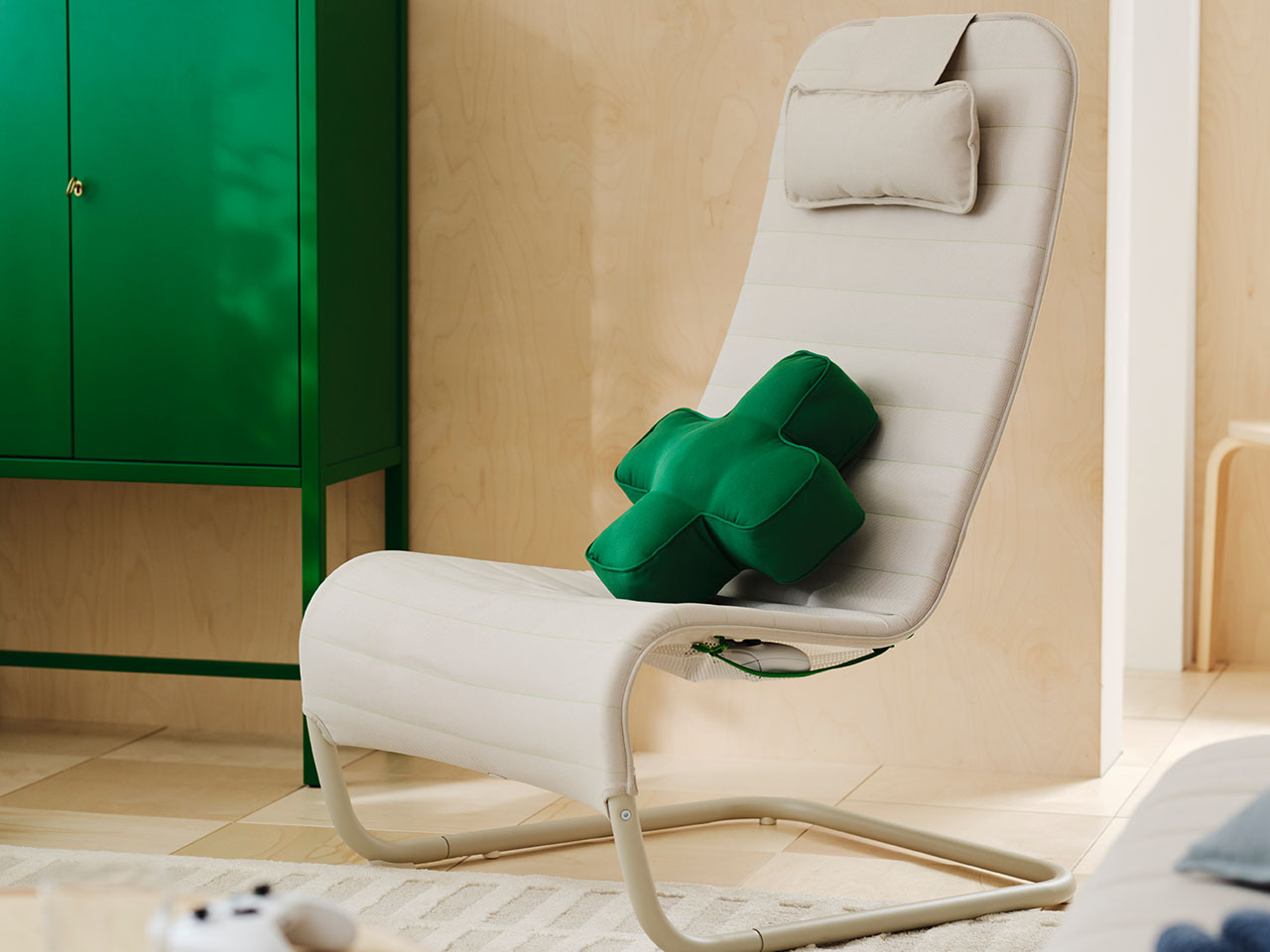
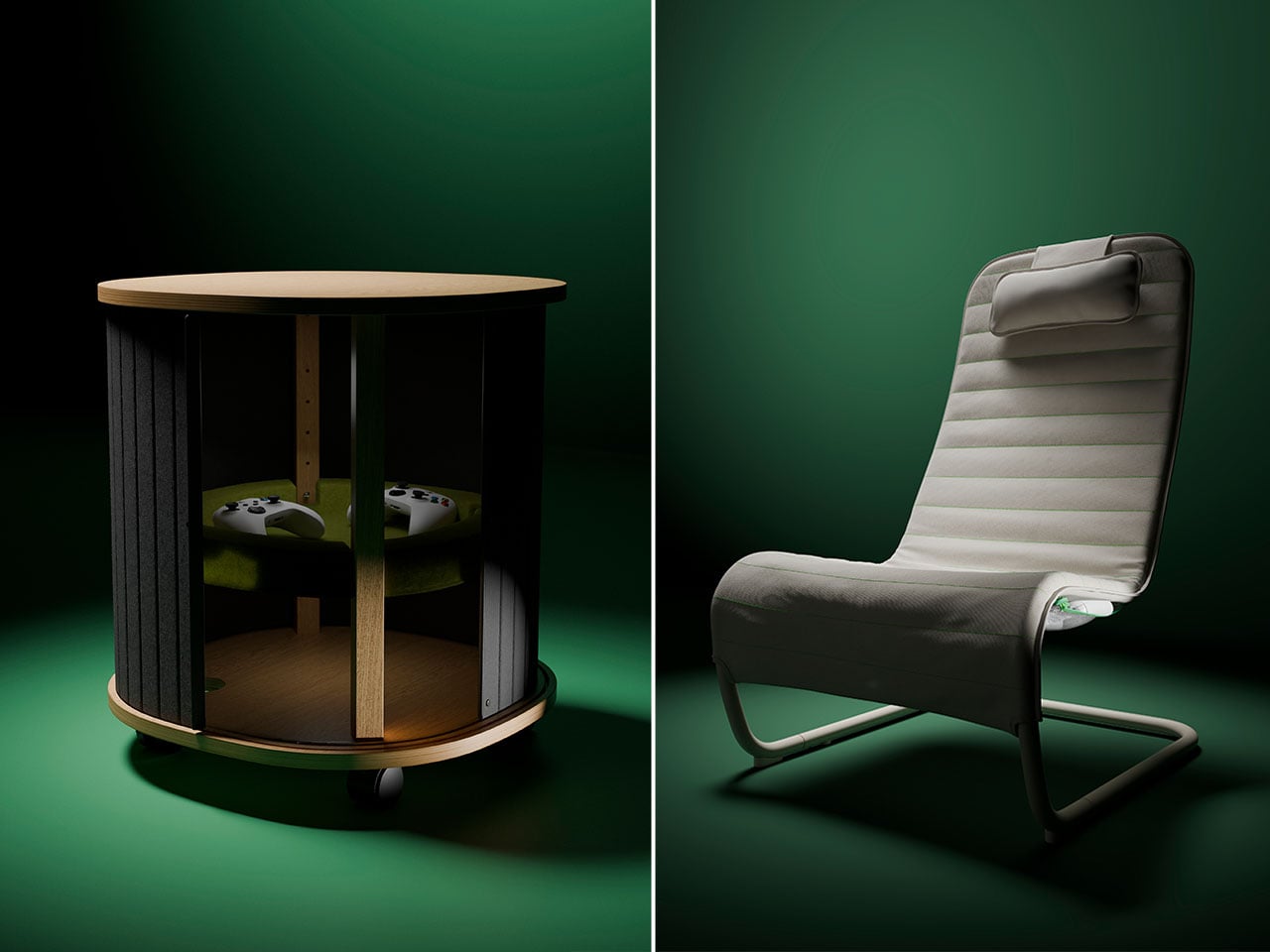
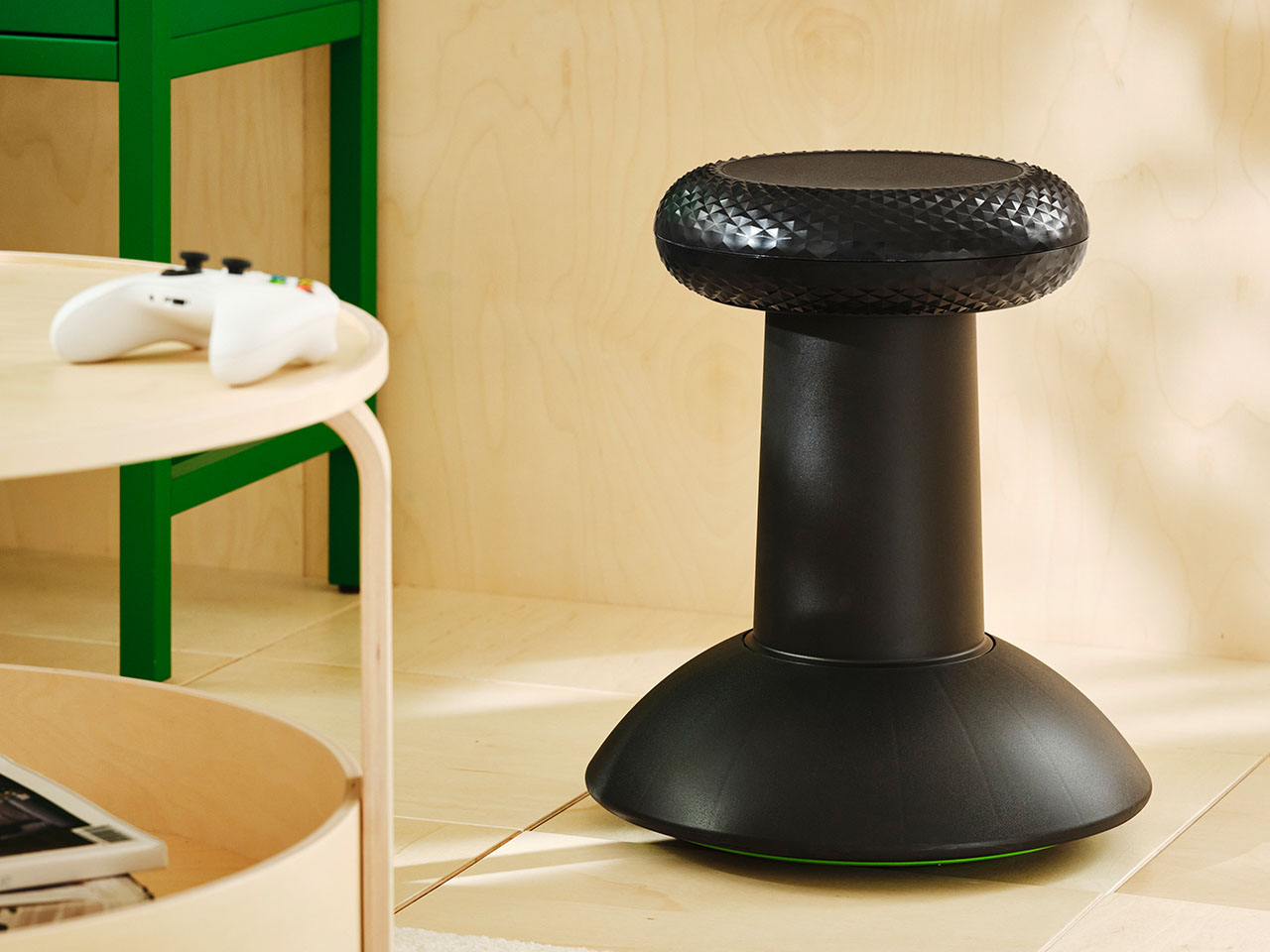
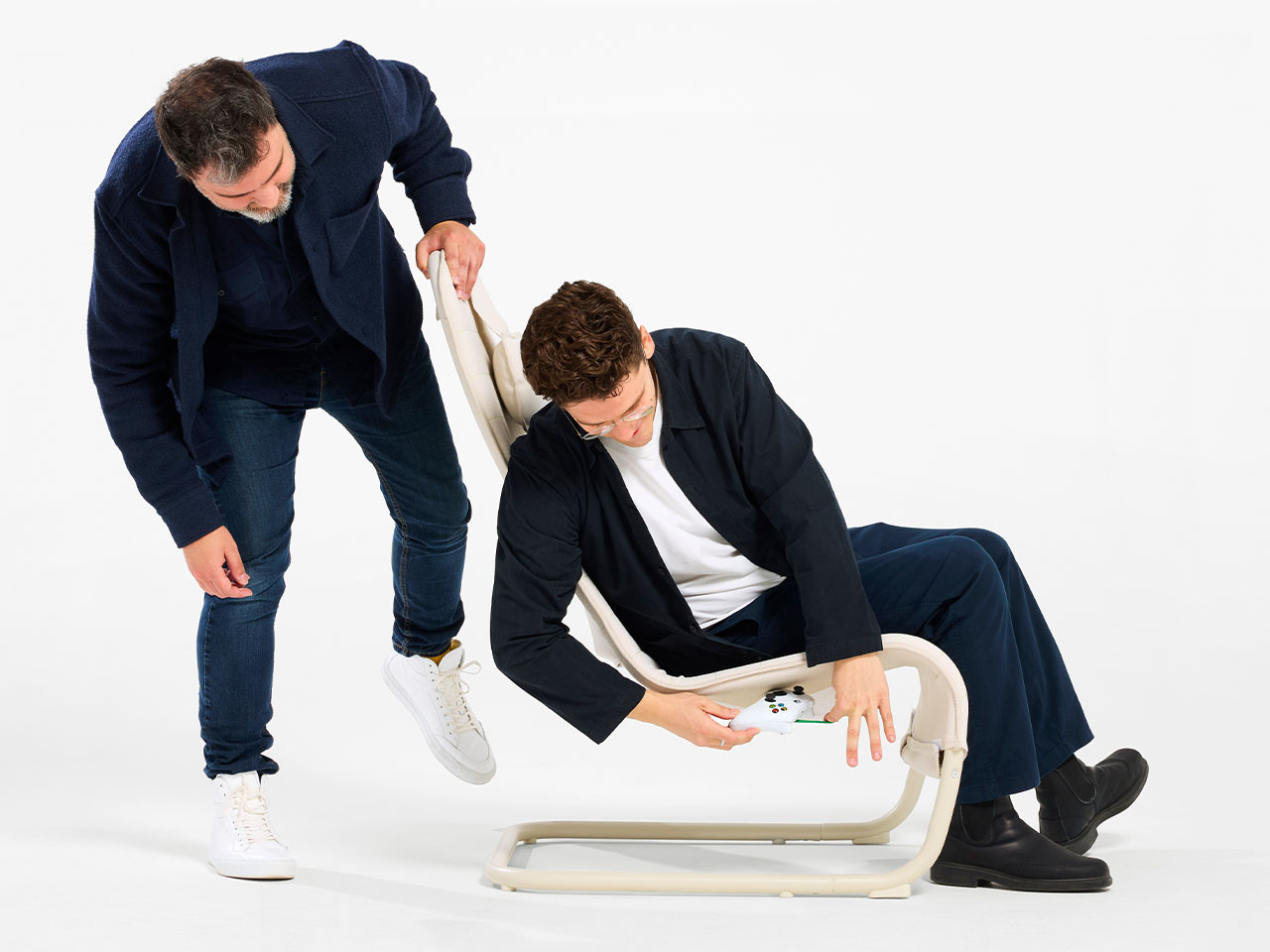
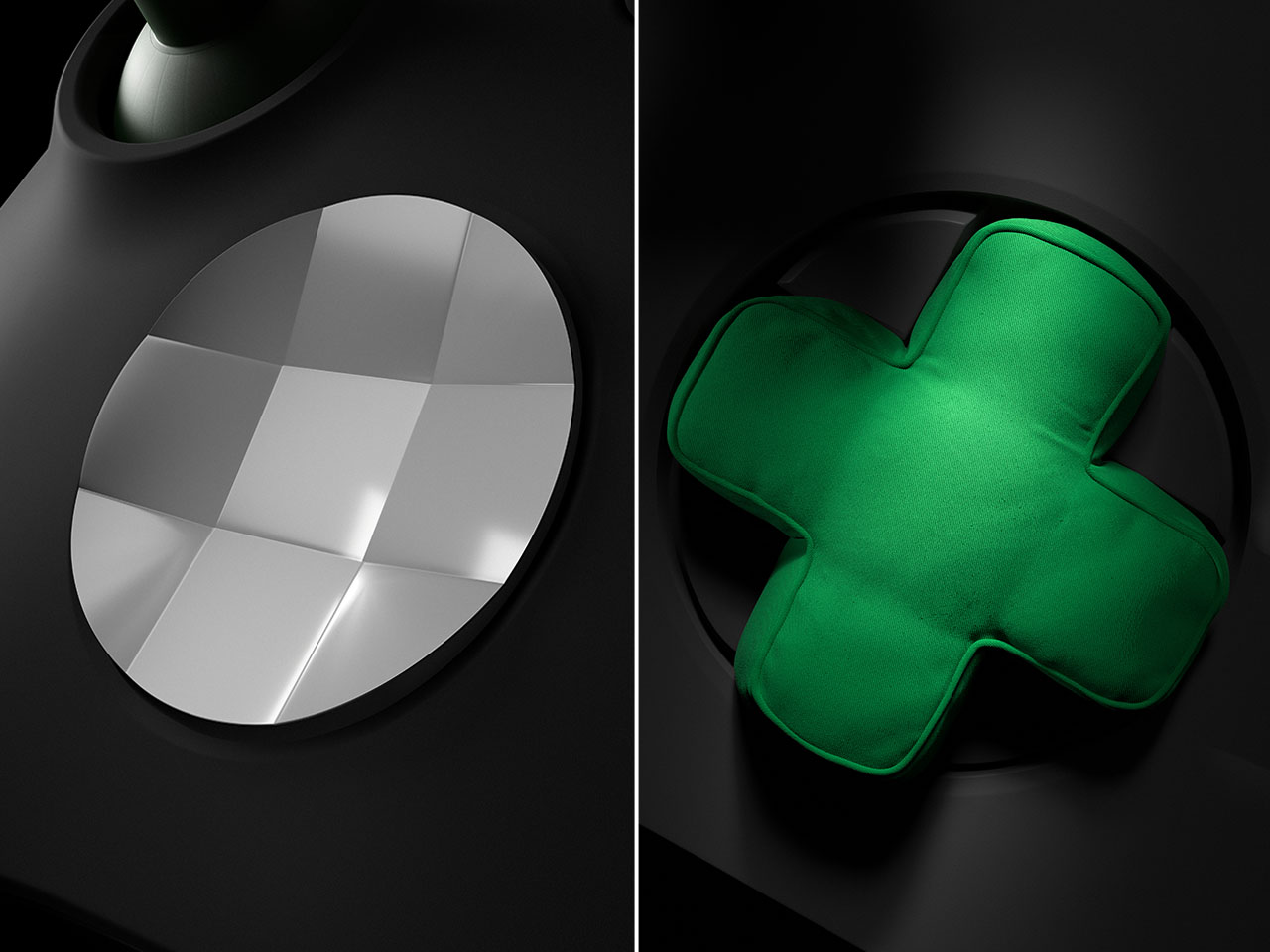
According to Ikea product design developer Philip Dilé, the collection is about “making it simple for people to create spaces that adapt to gaming, living, and everything in between.” Coming on to the new collection, there is a desk, chairs, storage solutions and accessories that’ll not only appeal to gamers, but also normal users. A deeper insight into the collection reveals a focus on seating. There’s a fold-out armchair that converts into a lounge for playing intense Battle Royale titles, a rocking-style chair for relaxed gaming in utmost comfort, and an inflatable donut chair having a footstool for casual arcade games.
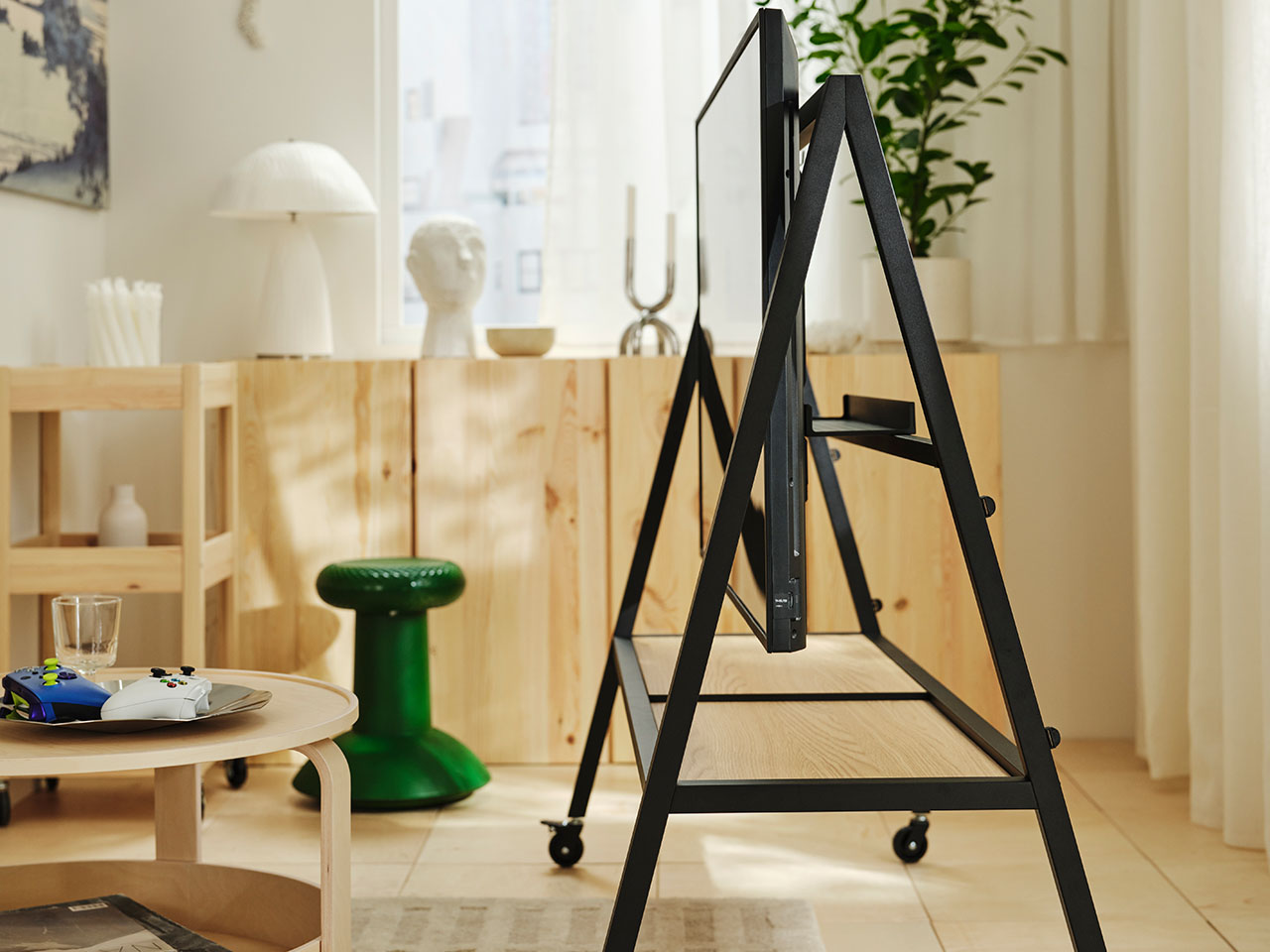
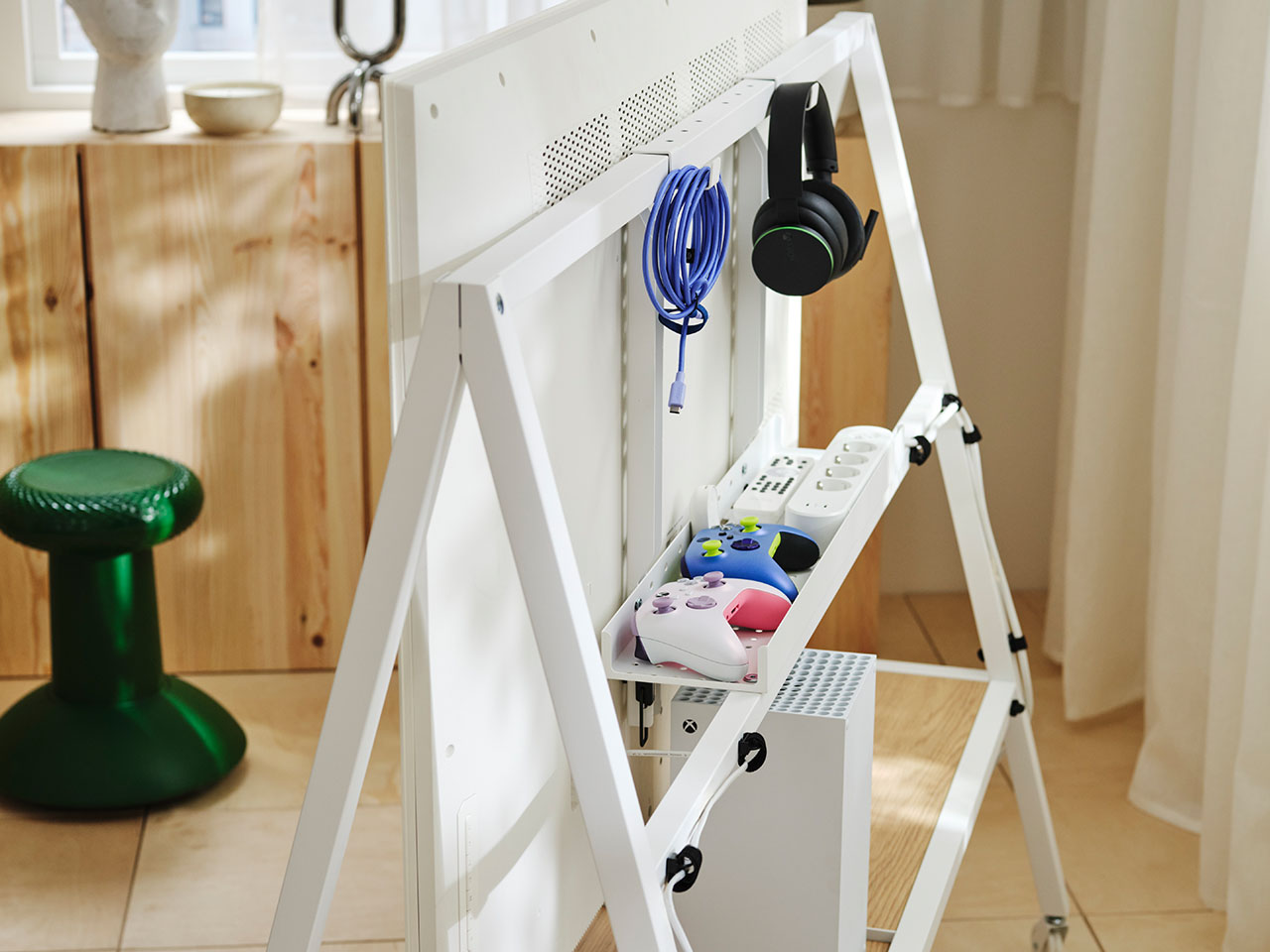
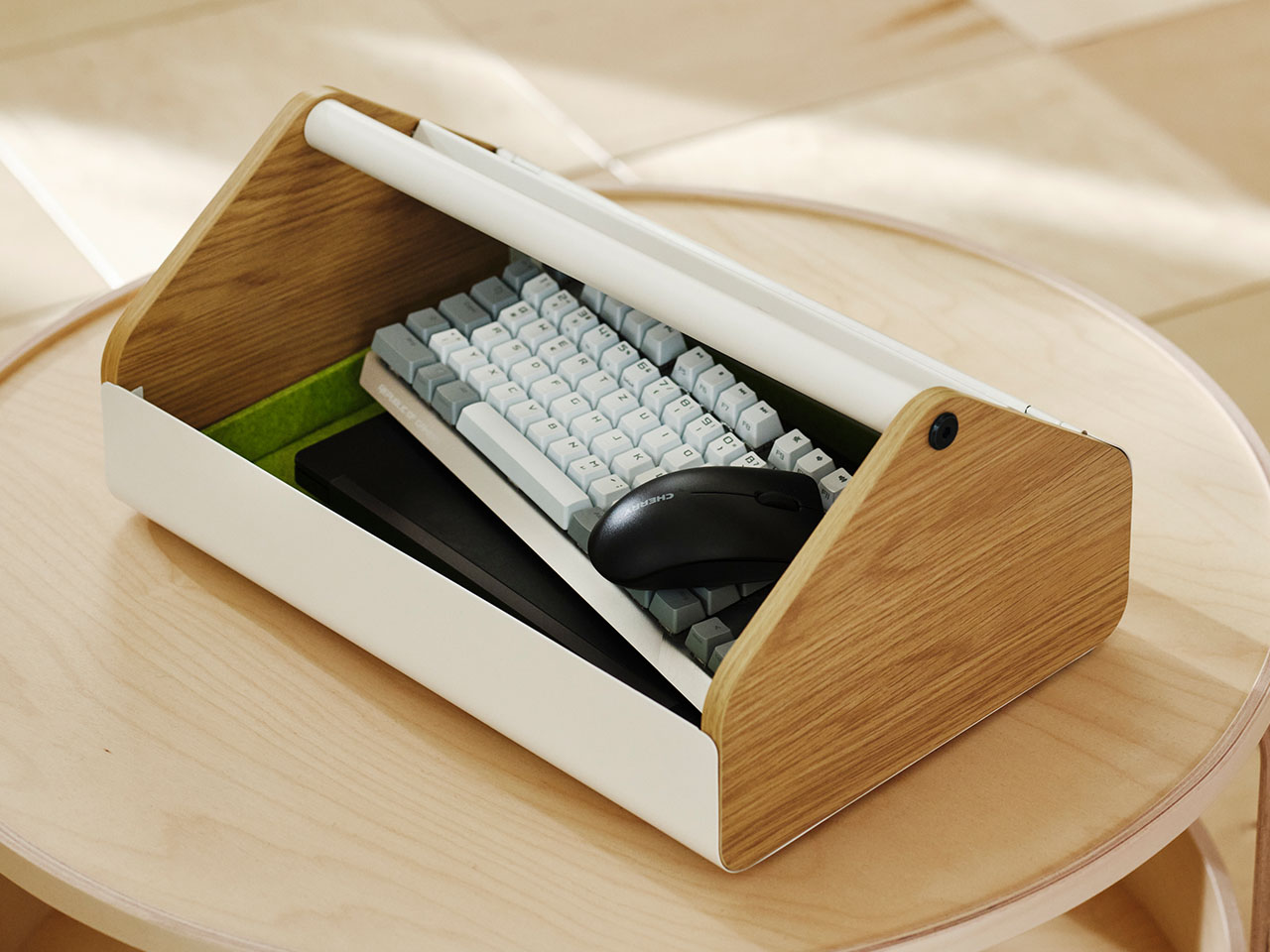
The most luring item in this collection for me is the gaming station that folds away to resemble a contemporary cupboard. It’s like a hidden portal to your gaming island, only revealed when you are in the mood for some serious gaming on your PC or gaming console. The unit includes a foldable tabletop, cable management system, cleverly incorporated PC tower storage, side table that doubles as a storage box and shelves. IKEA has included textile accessories including a mousepad, a throw and a rug to make your PC gaming a satisfying experience every time you open the cabinet doors.

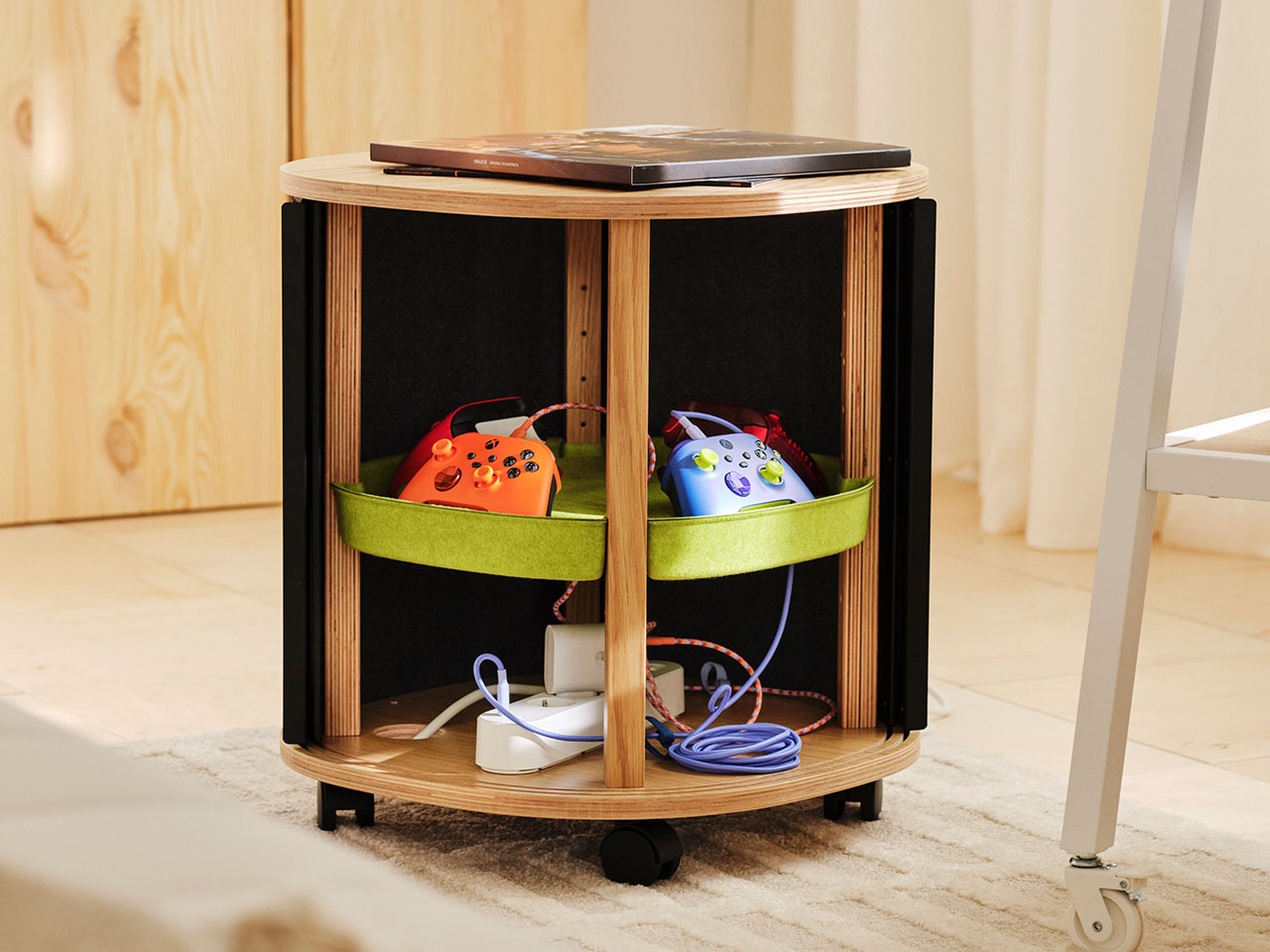
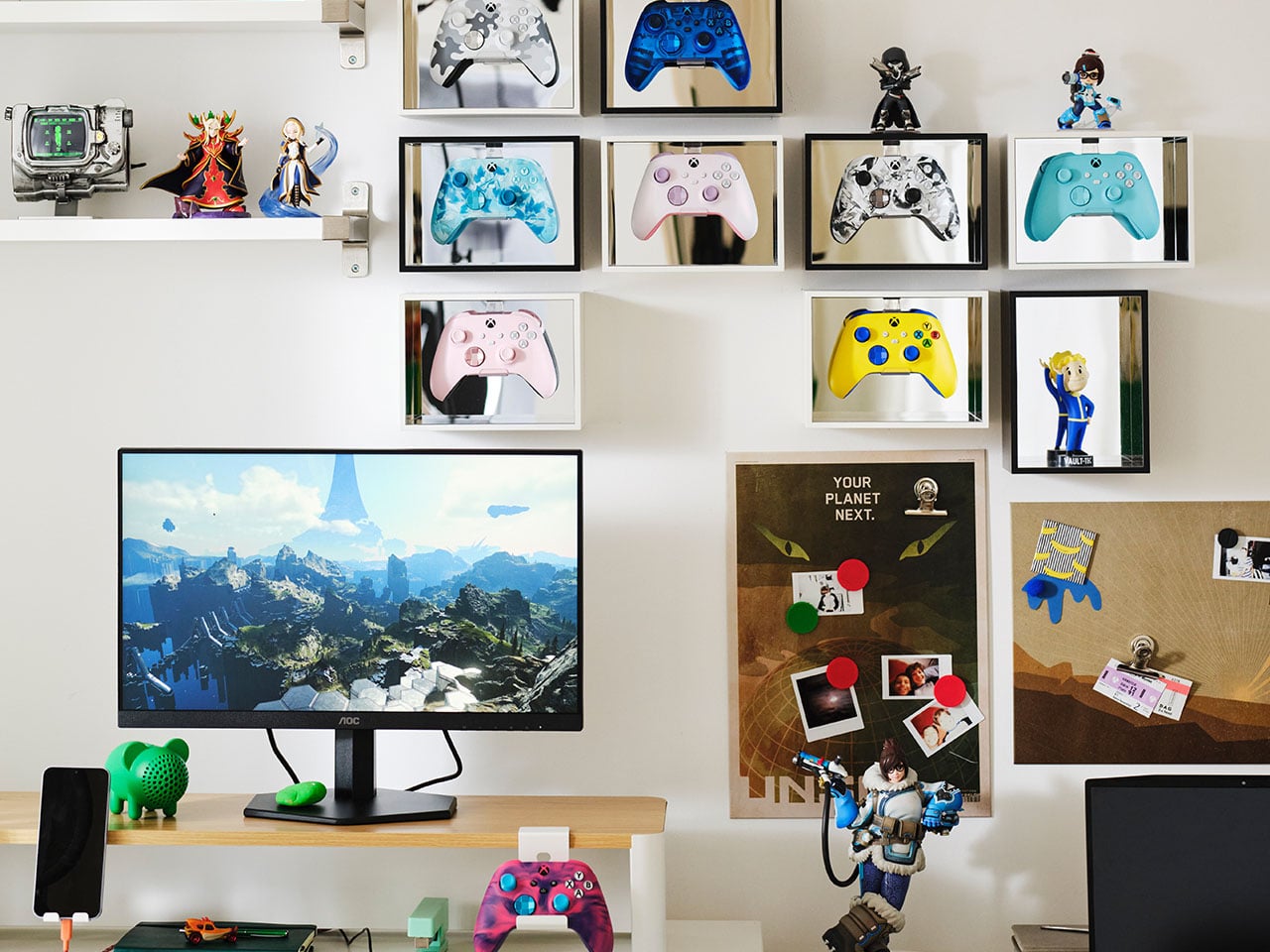
The collection comes with a rollable side table with pegboard customizations to keep your handheld device, gadgets controllers, headphones and of course popcorn basket. Other than this, BRÄNNBOLL collection has the option to pick up wall-mounted display shelves to show off your collectibles and merchandise. There’s no word about the pricing or availability of the collection, but it is expected to be slated to be released in September this year. We should have more information coming in the months leading up to the release, and we are already excited.

The post IKEA reveals gaming furniture collection that blends perfectly with modern interiors first appeared on Yanko Design.