Osia 3 Sound Processor Enhances Bone Conduction Hearing
Cochlear introduces the Osia 3 Sound Processor with rechargeable power, improved sound quality, advanced streaming, and remote care support.
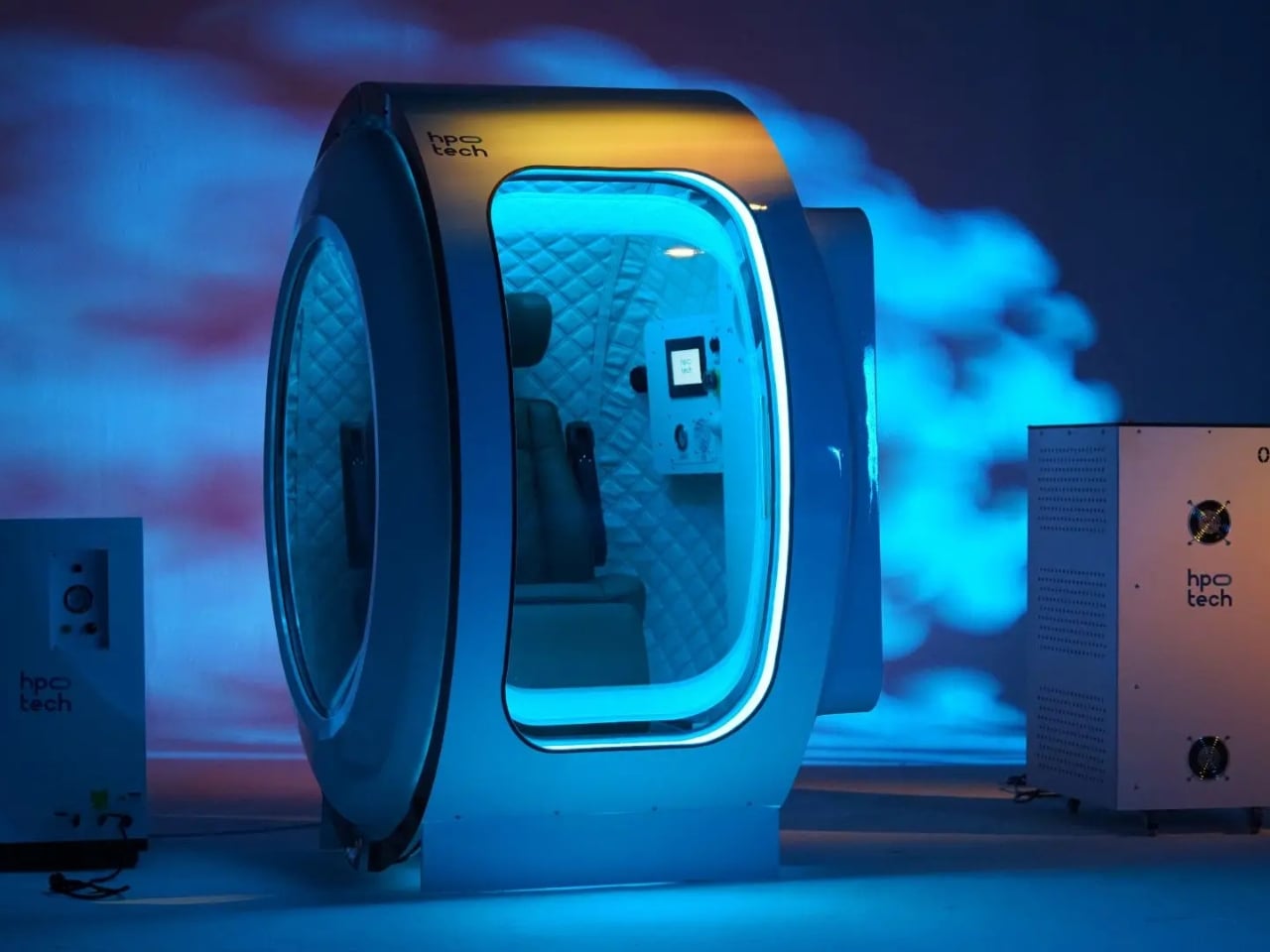
Most medical devices look the way they do because nobody thought to question it. Functionality became the default justification for every cold edge, every sterile tube, every claustrophobic chamber that makes people anxious before a single session begins. HPO TECH, a Turkish engineering company with a philosophy that’s equal parts clinical and aesthetic, looked at the hyperbaric oxygen chamber and decided the whole category needed a rethink.
The result is Zeugma, a monoplace hyperbaric oxygen therapy (HBOT) chamber that, frankly, looks like it belongs on a luxury wellness campus rather than in a hospital corridor. It operates at 2.0 to 2.4 ATA pressure, delivers medical-grade oxygen through a BIBS (Built-In Breathing System) mask regulated by the rhythm of your own breath, and features an air cooler for temperature stability during sessions. All very technical, all very necessary. But what makes it worth talking about is that it was designed to feel like stepping into a space capsule.
Designer: HPO TECH
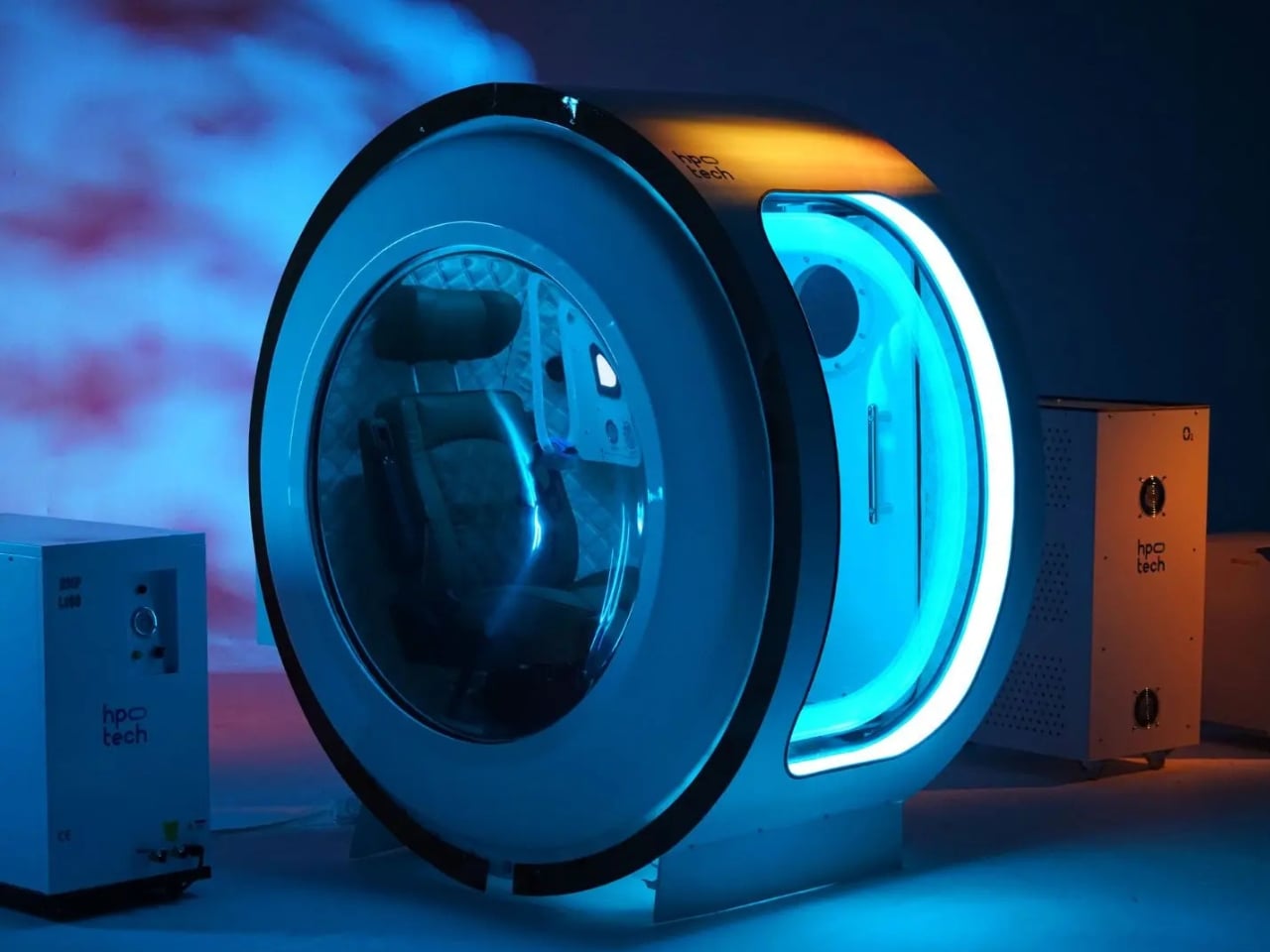
That comparison comes directly from the people using it. Tolga Kabak, CTO and co-founder of HPO TECH, has noted that most first-time users describe the experience as feeling like they’re inside something from a sci-fi film rather than a medical facility. That isn’t an accident. The entire chamber was built around the idea that how a patient feels during treatment is just as important as the treatment itself.
Hyperbaric oxygen therapy, for those less familiar, involves breathing concentrated oxygen at higher-than-normal atmospheric pressure. It has been used clinically for decades in wound healing, decompression sickness, and tissue recovery, but it has recently migrated into the wellness and performance space in a significant way. Biohackers, elite athletes, and longevity obsessives have adopted it as part of broader optimization routines. Bryan Johnson, the tech entrepreneur famous for spending millions trying to slow his biological aging, conducted a closely monitored 60-session HBOT experiment using the Zeugma, tracking biomarkers from telomere length to brain function and inflammation. That kind of high-profile attention has pushed HBOT into the cultural conversation, and with it comes a new audience that expects the experience to match the aspiration.
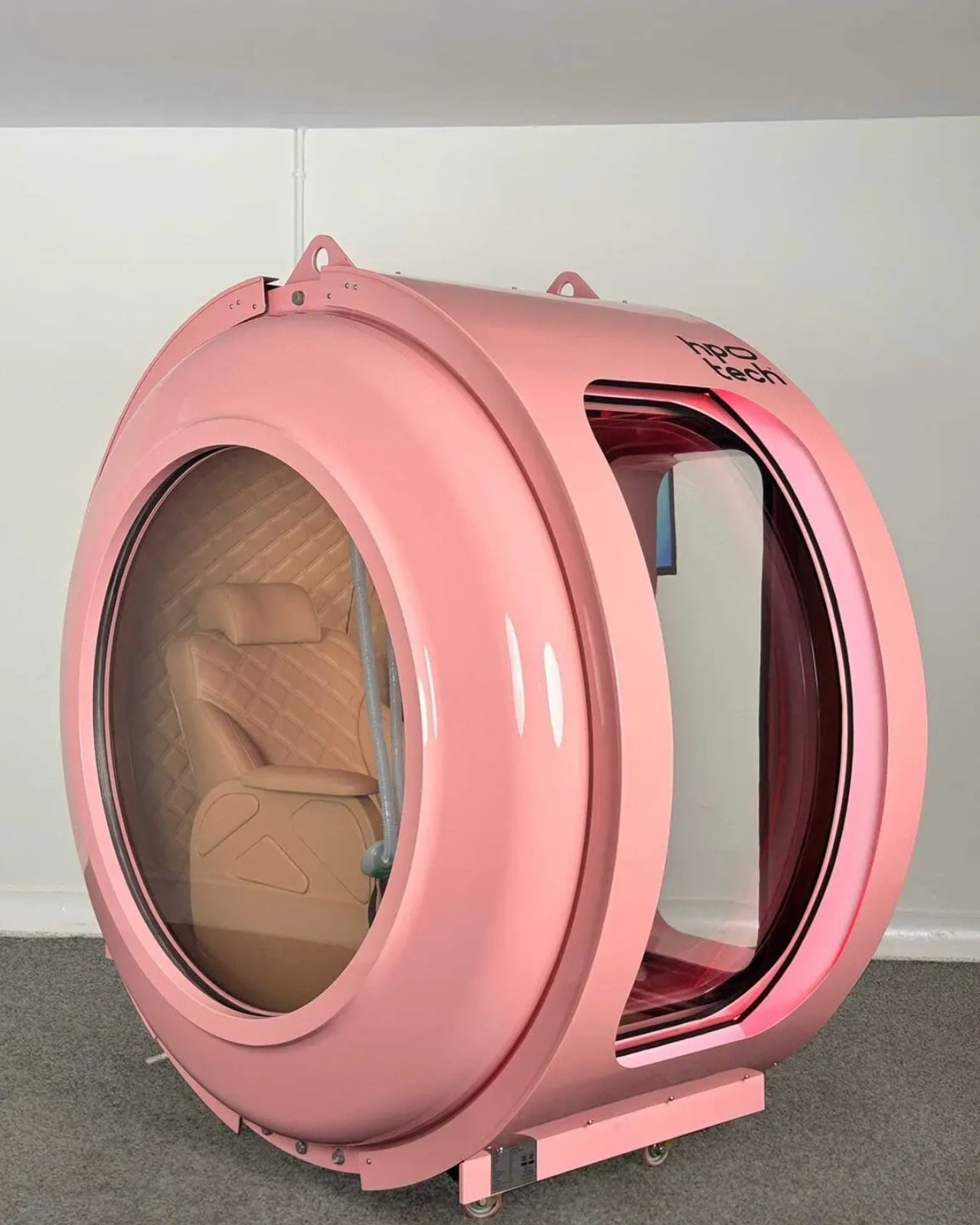
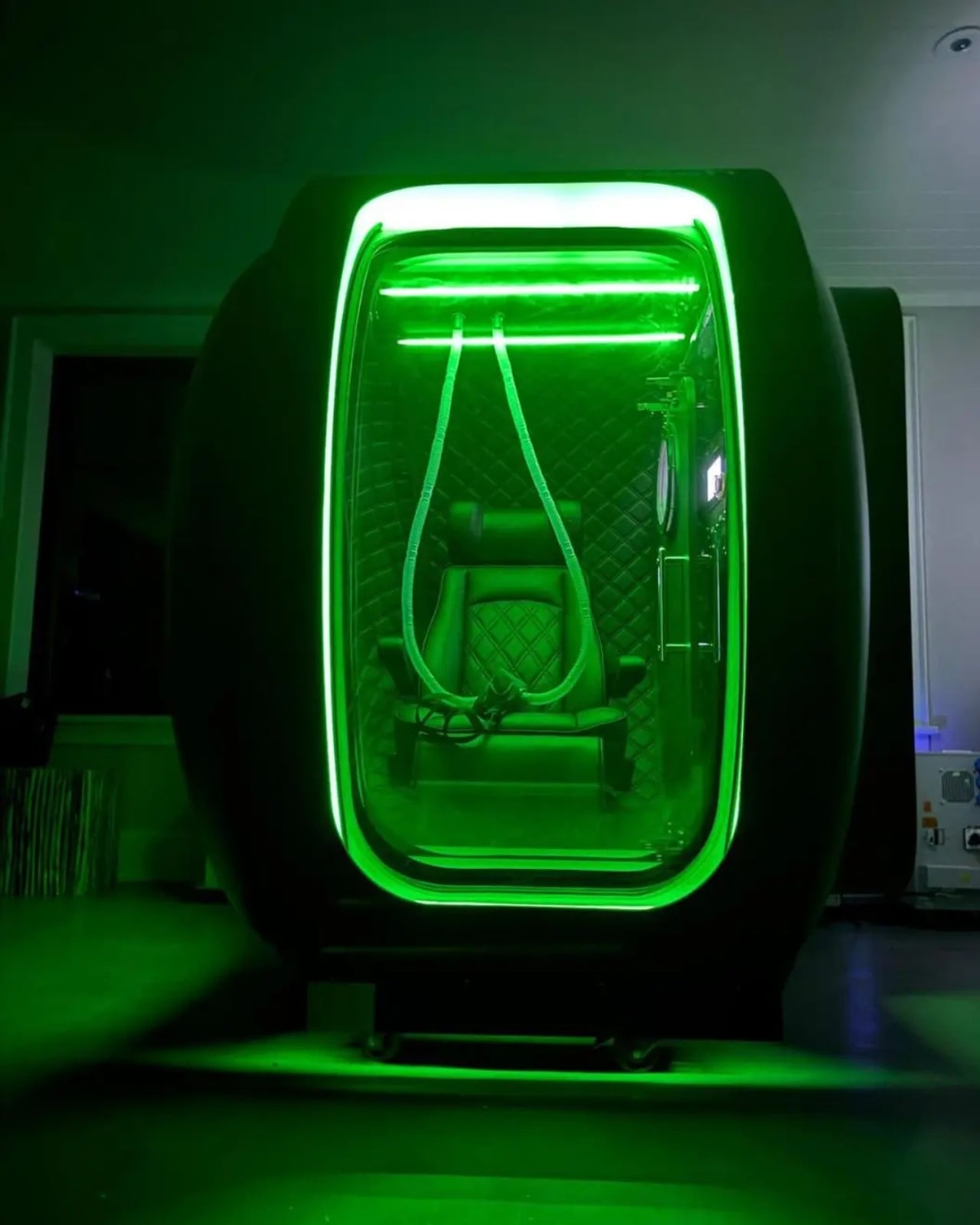
HPO TECH clearly understood this shift. The Zeugma’s most immediately striking feature is its panoramic observation windows, unusually large by industry standards. The clear acrylic panels are not decorative. Claustrophobia is one of the most documented barriers to consistent hyperbaric therapy, and the design addresses it by prioritizing openness over enclosure. You can see out. The outside world doesn’t disappear. The interior is softly lined with ergonomic seating and reclining configurations, and the whole system is managed through an external control panel that lets operators monitor and adjust pressure without disturbing the session. It’s a closed environment that doesn’t feel closed.
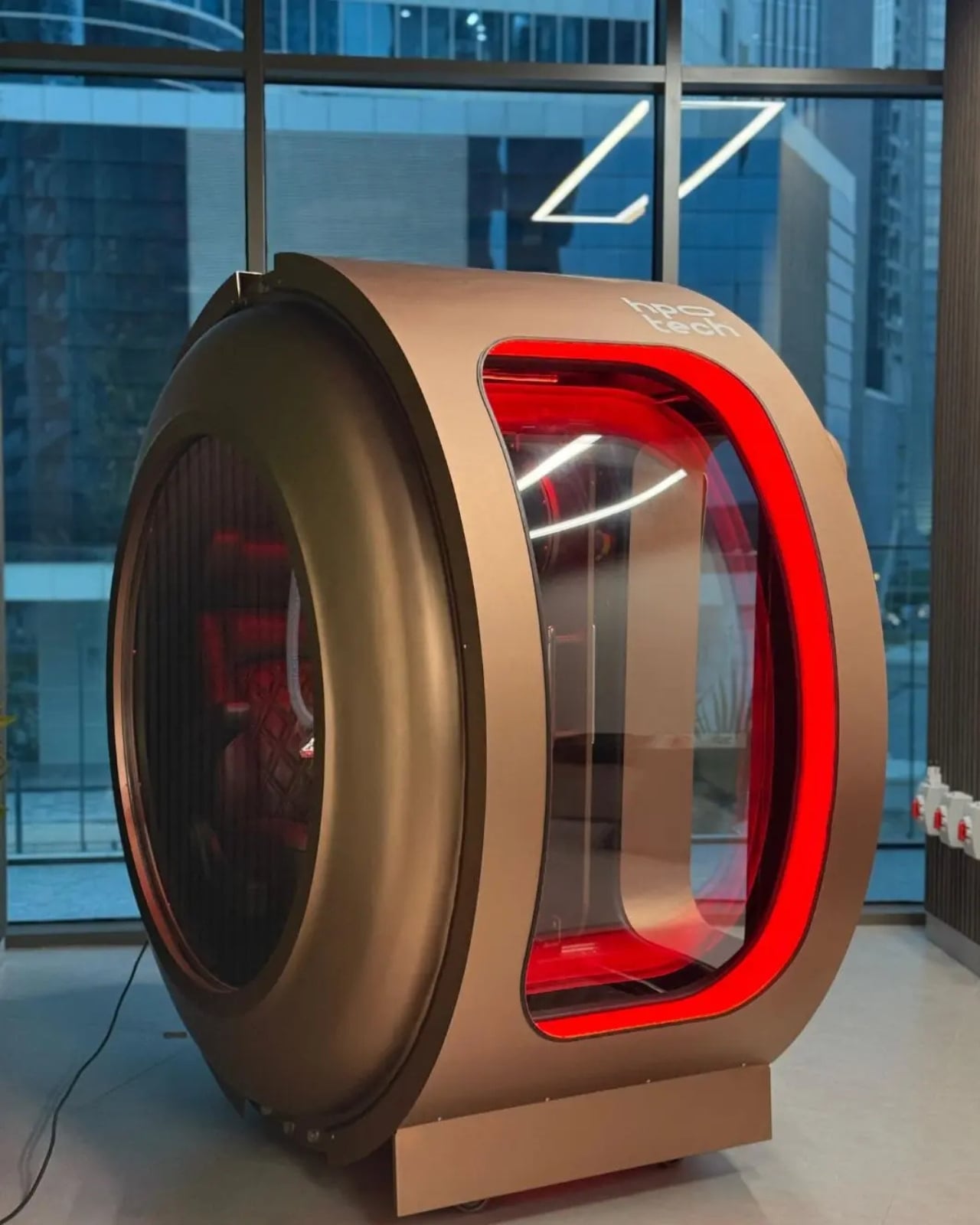
The company is based in Istanbul and operates at what it describes as the intersection of diving technology, aerospace-grade engineering, and clinical science. HPO TECH builds with military and medical-grade materials, holds international certifications, and counts hospitals, sports recovery centers, and professional athletic teams among its clients. The same chamber that sits in a clinical setting also ended up at the center of one of biohacking’s most-watched longevity experiments. That’s a fairly unusual range for a single piece of equipment, and it says a lot about how well the design travels across contexts.
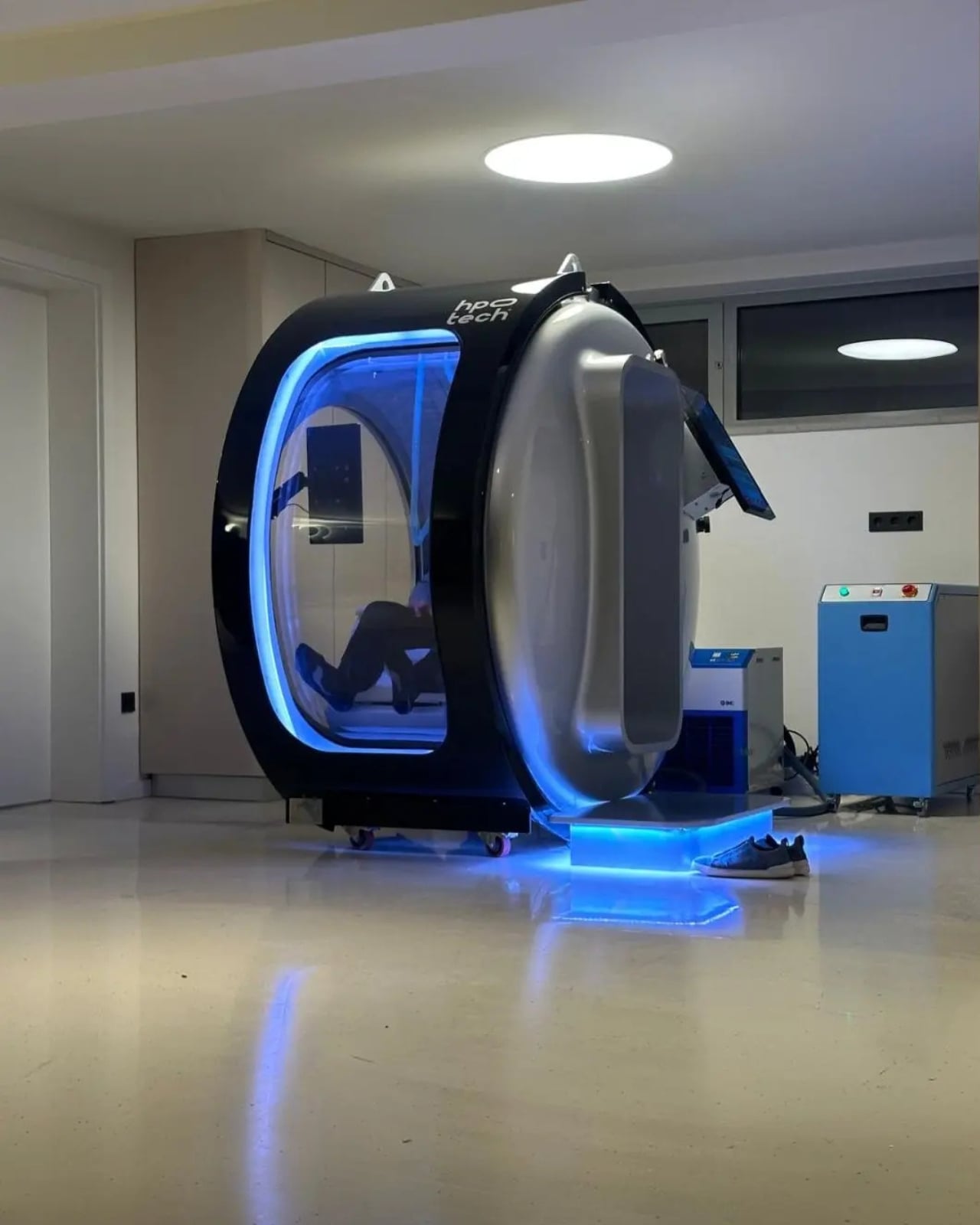
Earlier this year, HPO TECH introduced the Zeugma Panorama, a two-seat version that takes the visibility concept even further with six panoramic acrylic windows, including large side panels, a rear window, and a door window. It is genuinely striking. If the original Zeugma looks like a solo spacecraft, the Panorama looks like something you would find in a boutique hotel in 2045.
Whether HBOT becomes a mainstream wellness ritual or remains a specialized therapy, the Zeugma has already made its point. Medical design does not have to default to intimidation and sterility. People heal better when they feel comfortable, calm, and respected by the space around them. That is not a radical idea, but somehow it still feels like one whenever a designer actually commits to it.

The post Zeugma Finally Proved Medical Equipment Doesn’t Have to Be Ugly first appeared on Yanko Design.
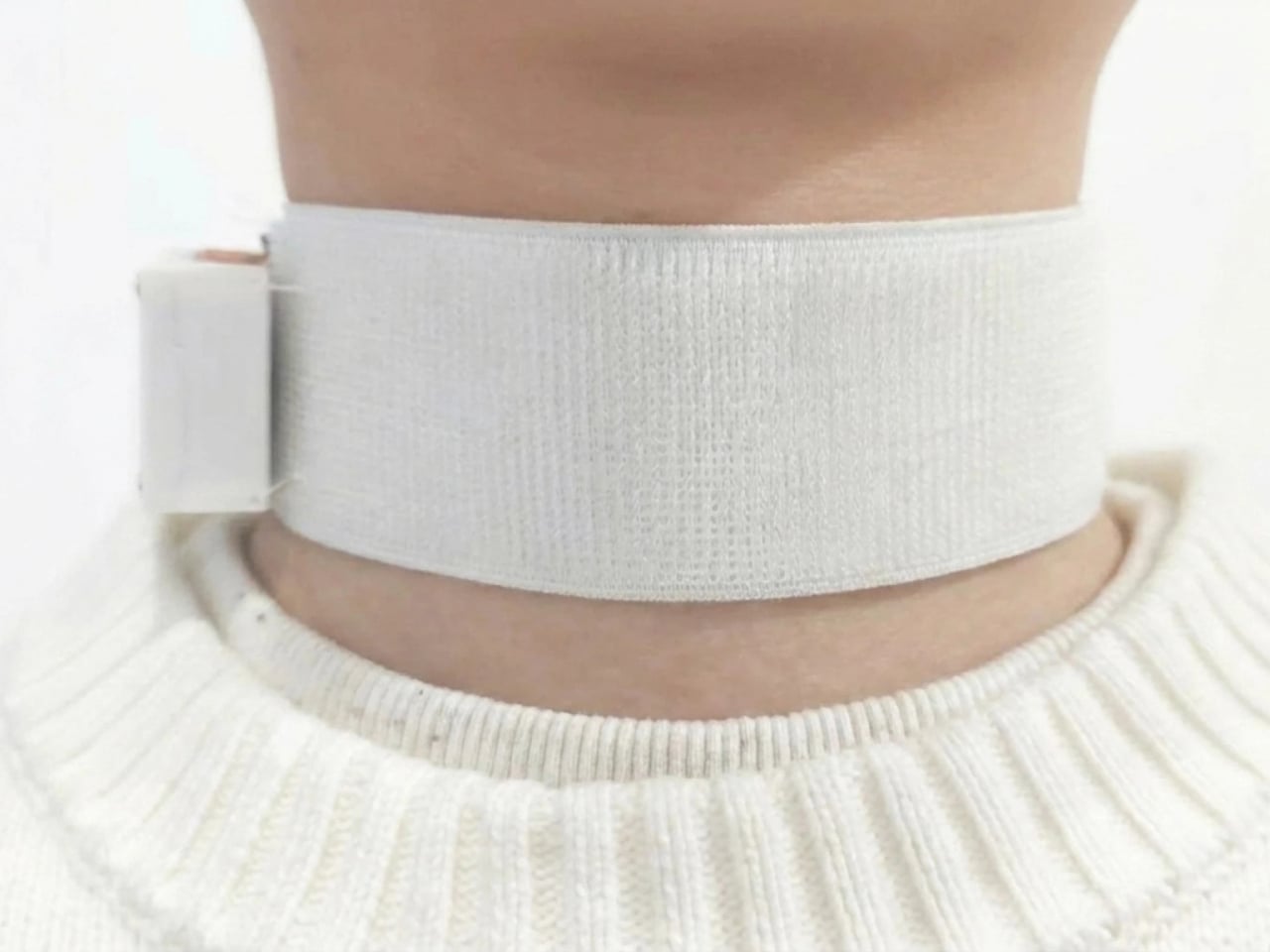
There’s something almost poetic about a piece of technology that looks like a fashion accessory but can fundamentally change someone’s life. That’s exactly what researchers at the University of Cambridge have created with Revoice, a soft, flexible choker that helps stroke survivors speak again.
Around 200,000 people in the U.S. experience speech difficulties after a stroke each year. Many lose the ability to form words clearly or struggle to express complete thoughts, a condition called dysarthria. For years, the options have been limited to speech therapy, typing on communication boards, or experimental brain implants that require surgery. Revoice offers something different: a wearable device you can put on like jewelry and throw in the wash when you’re done.
Designer: scientists from the University of Cambridge
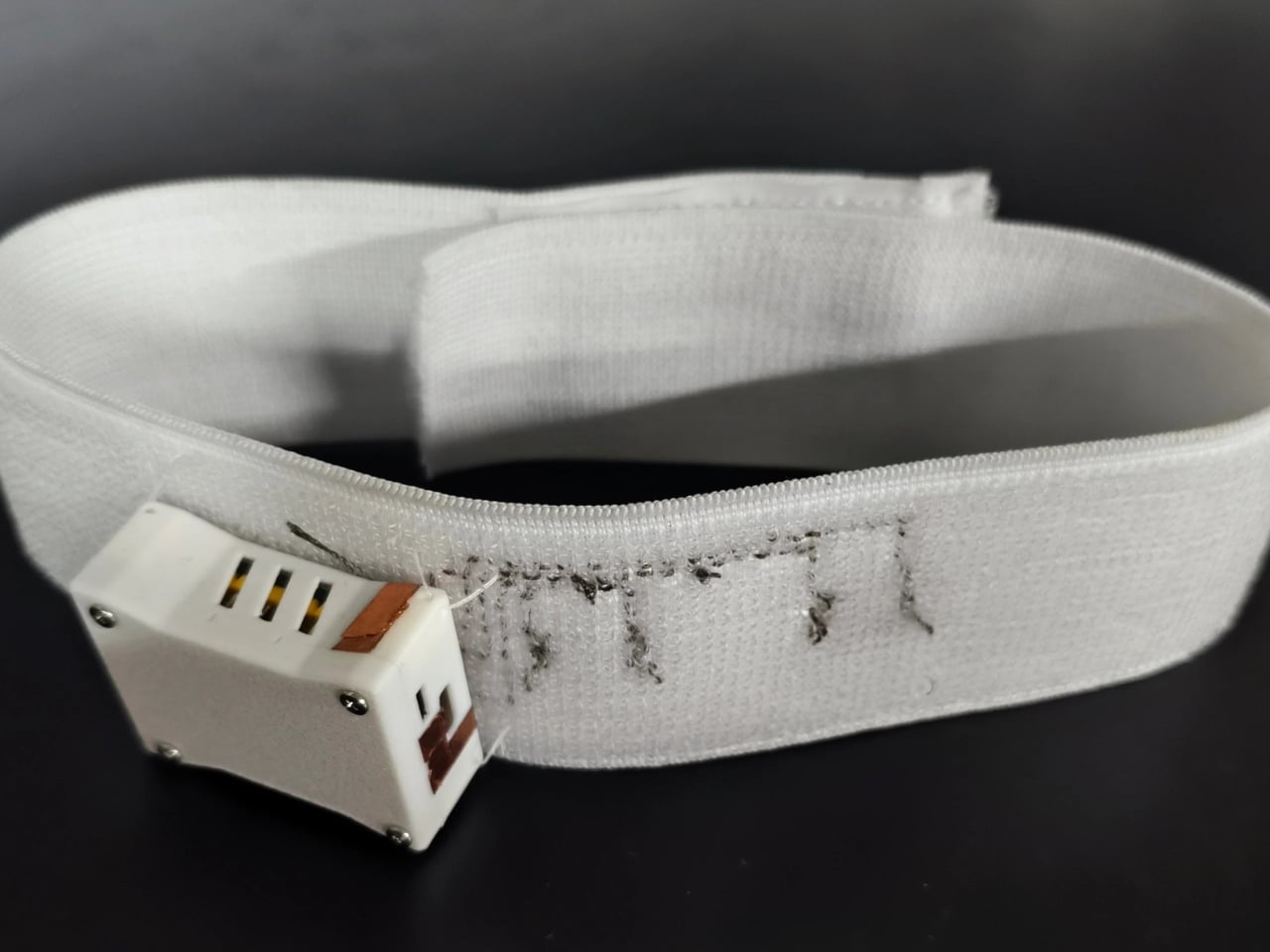
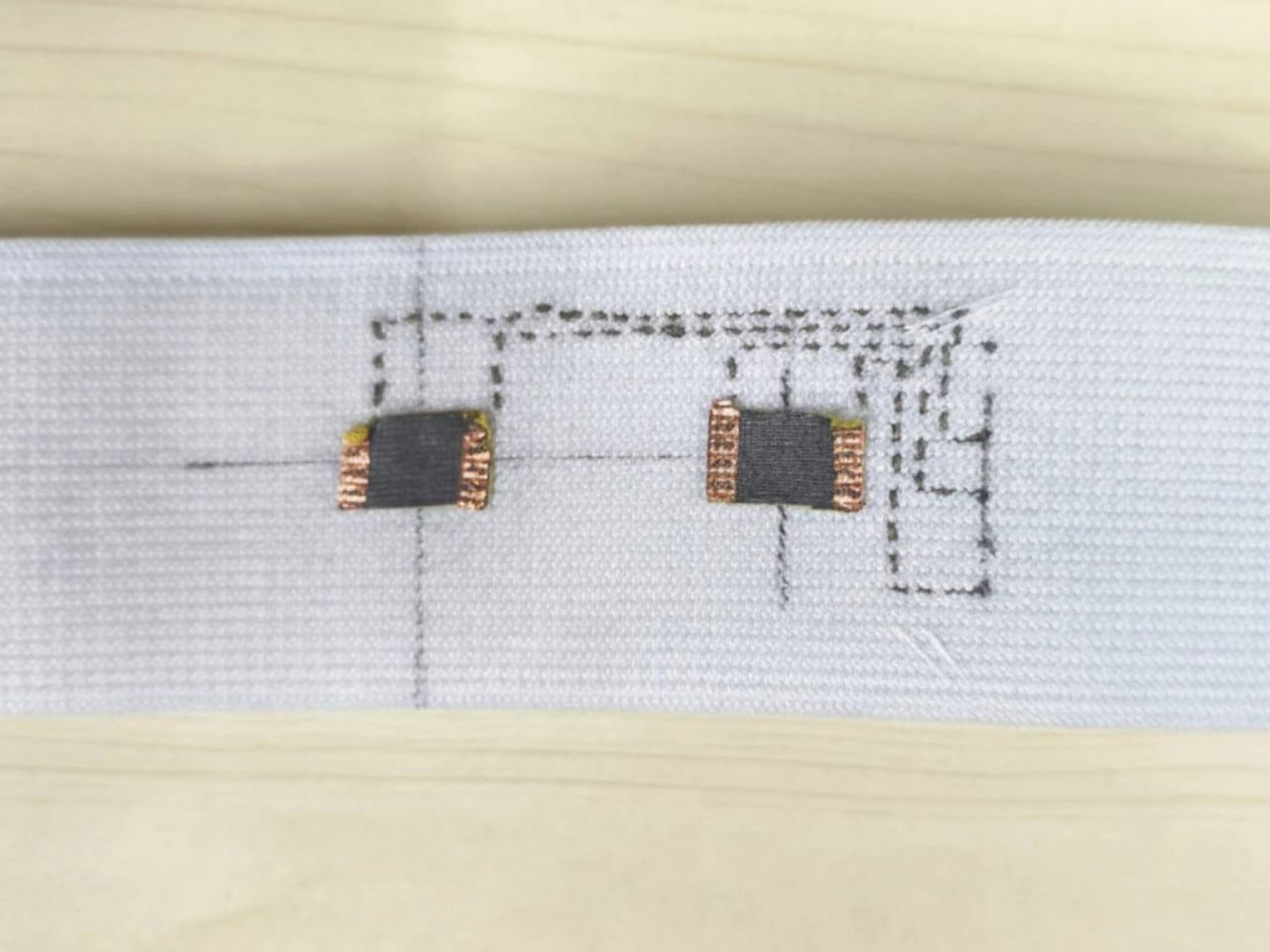
What makes this device fascinating is how it works. The choker sits comfortably against your throat and does two things at once. First, it picks up the tiniest vibrations from your throat muscles when you mouth words, even if no sound comes out. Second, it tracks your heart rate, which gives clues about your emotional state, whether you’re frustrated, anxious, or calm.
These signals get sent to two AI systems working together. The first AI agent focuses on reconstructing what you’re trying to say based on those throat vibrations. It’s essentially reading the intention behind silent or partial speech. The second agent takes things further by expanding short phrases into full, natural sentences. So if you manage to mouth “need help,” the system might generate “I need help with something, can you come here?” complete with the right emotional tone based on your heart rate data.
Think about what this means. Instead of laboriously spelling out every word on a screen or pointing at pictures on a board, you can have fluid conversations again. Your family hears full sentences. You can express nuance and emotion, not just basic needs. The device aims to give people back something invaluable: their natural communication style. The technology builds on recent advances in AI and sensor miniaturization. These aren’t the bulky medical devices of the past. The choker is designed to be discreet and comfortable enough to wear all day. It’s washable, which means it fits into normal life without requiring special care or maintenance. You’re not announcing to everyone that you’re using assistive technology unless you want to.
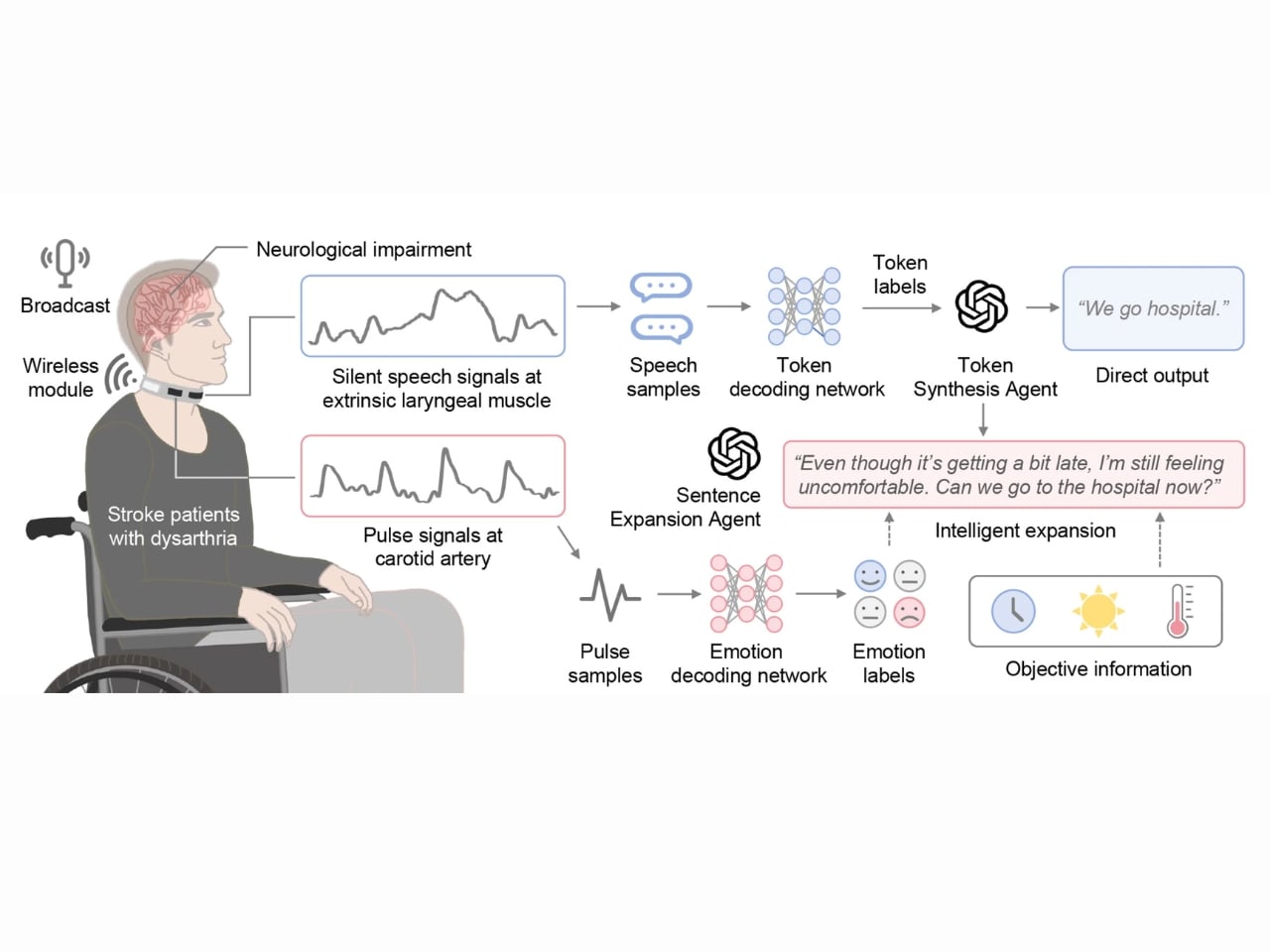
What’s particularly clever is how the system learns. Current speech assistance tools often require extensive training periods where users must adapt to the technology’s limitations. Revoice flips this approach by using AI that can understand variations in how people try to speak. It works with what you can do rather than forcing you to work around what it can’t. The emotional intelligence aspect shouldn’t be overlooked either. When the device detects an elevated heart rate, it can adjust the tone of generated speech to reflect urgency or stress. This might seem like a small detail, but emotional expression is fundamental to human communication. Being able to convey that you’re upset or excited transforms a conversation from transactional to genuinely human.
Right now, Revoice is still in development and will need more extensive clinical trials before it reaches the market. The research team published their findings in the journal Nature Communications. They’re also planning to expand the system to support multiple languages and a wider range of emotional expressions, which would make it accessible to diverse populations worldwide. For the design and tech communities, Revoice represents a perfect intersection of form, function, and empathy. It’s a reminder that the best innovations don’t just solve problems technically, they solve them in ways that respect dignity and daily life. No surgery, no stigma, just a well-designed tool that helps people communicate.
The post Cambridge Just Designed the Voice Device Every Stroke Survivor Wanted first appeared on Yanko Design.
We’ve reached that fascinating point where medical care is starting to look less like a hospital trip and more like a beautifully designed tech accessory you’d actually want sitting on your bathroom counter. Enter Retune, a concept device from designer Yewon Lee that imagines what could happen when wound care meets sophisticated technology.
At first glance, Retune looks like it could be a high-end electric toothbrush or maybe one of those fancy skincare tools that influencers rave about. The minimalist silver cylinder sits elegantly on a white charging base, giving off serious Apple Store vibes. But this concept isn’t about vanity. It’s about envisioning how legitimate medical treatment could integrate into your daily routine without the hassle of clinic visits or the anxiety of wondering if you’re doing it right.
Designer: Yewon Lee
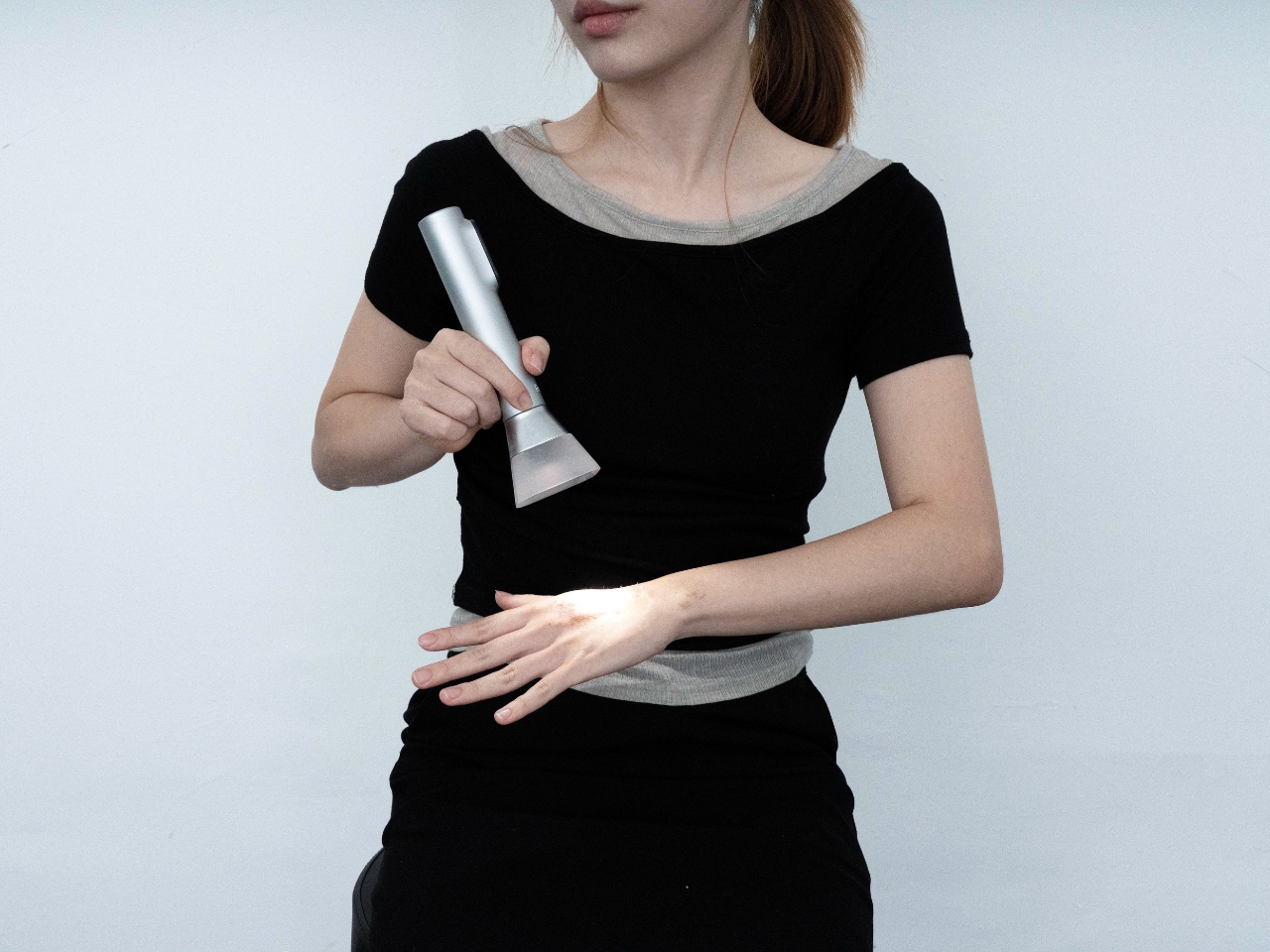
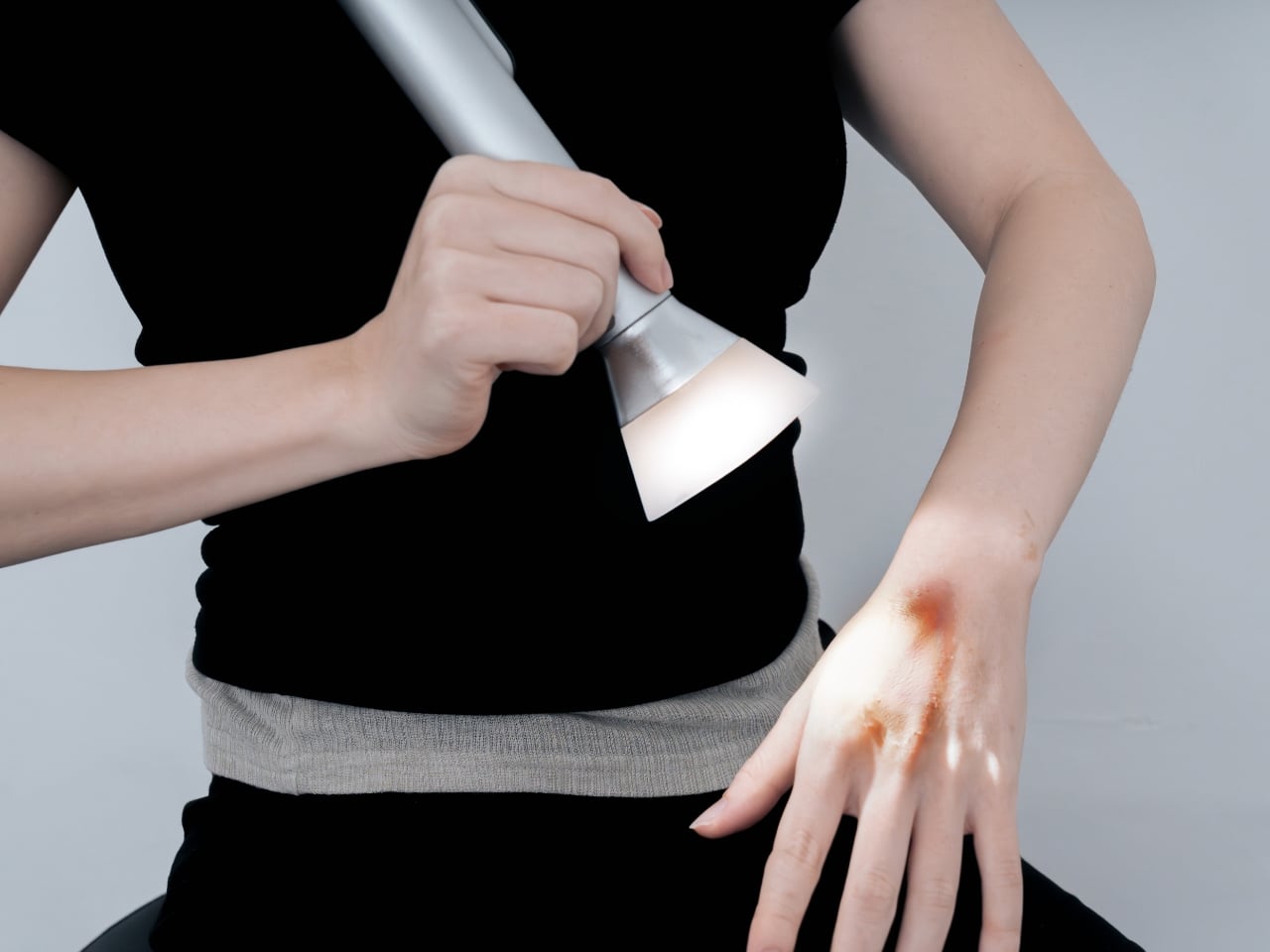
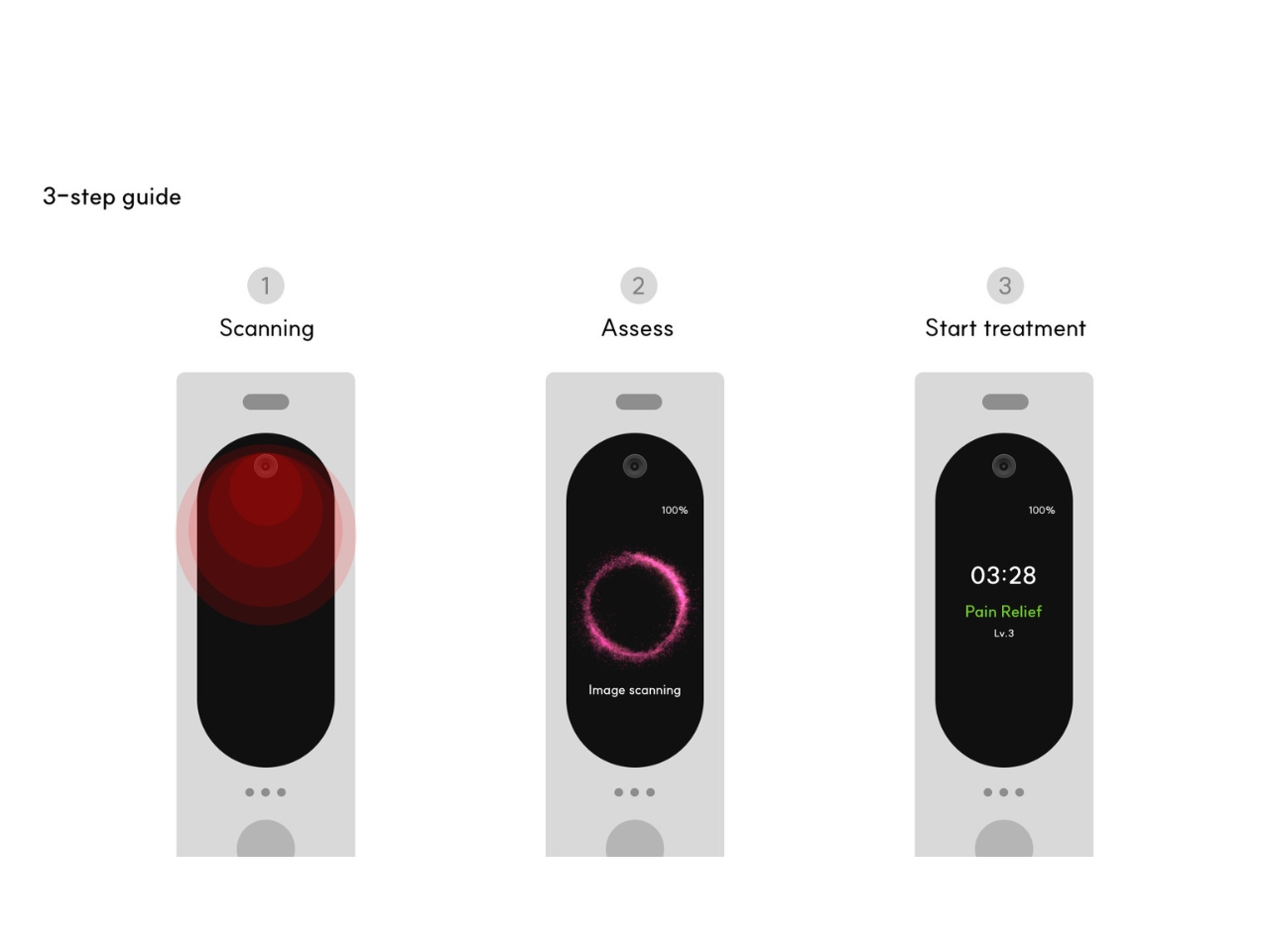
Here’s the thing that makes this concept genuinely interesting. The proposed device would use an AI-powered camera to actually scan your burn or scar, assess what’s going on, and then deliver customized LED light therapy based on what it finds. We’re not talking about guesswork or one-size-fits-all settings. The system would analyze the severity of scarring and inflammation in real time, then adjust the treatment accordingly. It’s like imagining a dermatologist’s diagnostic skills packed into something you can hold in one hand.
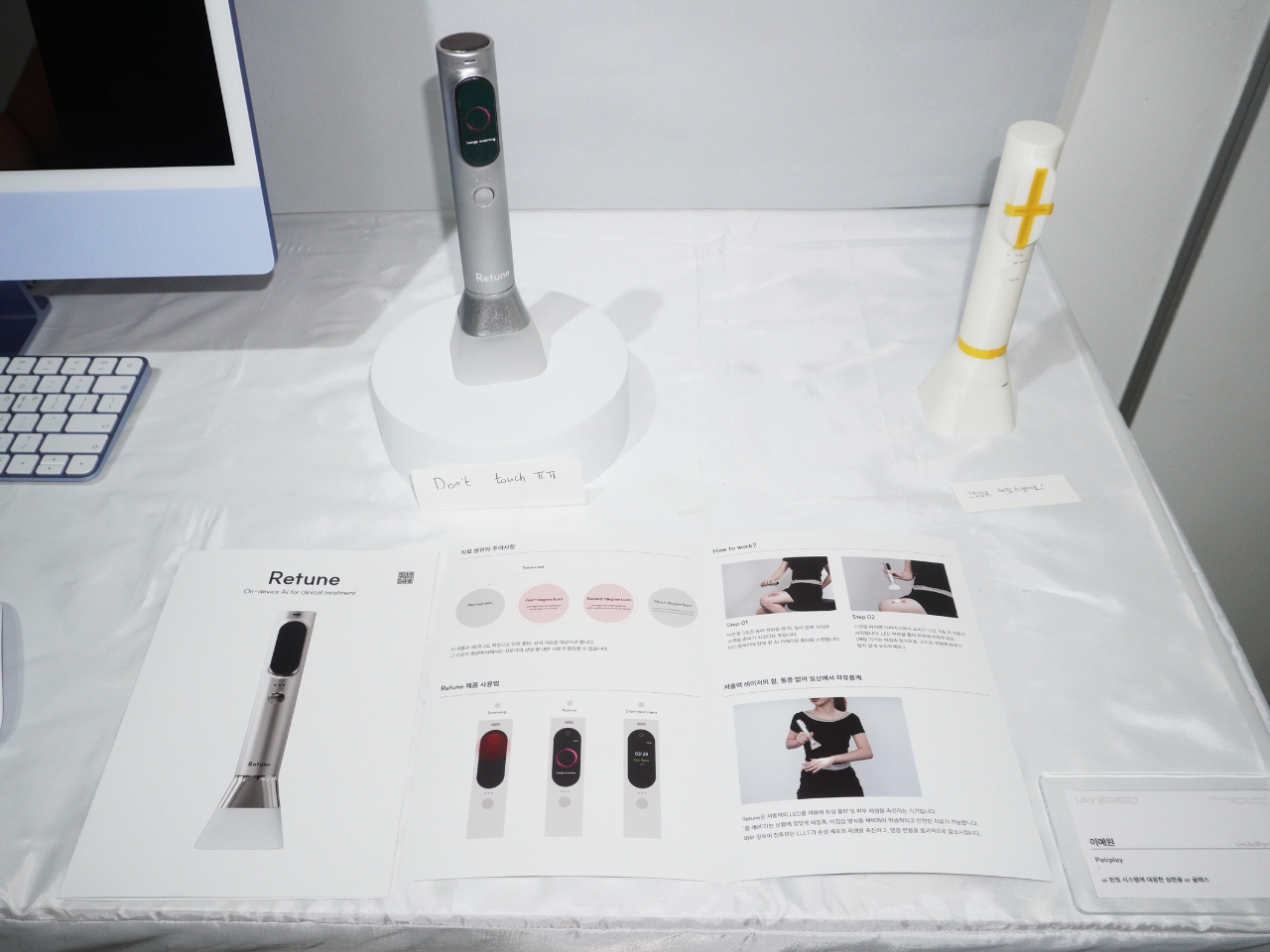
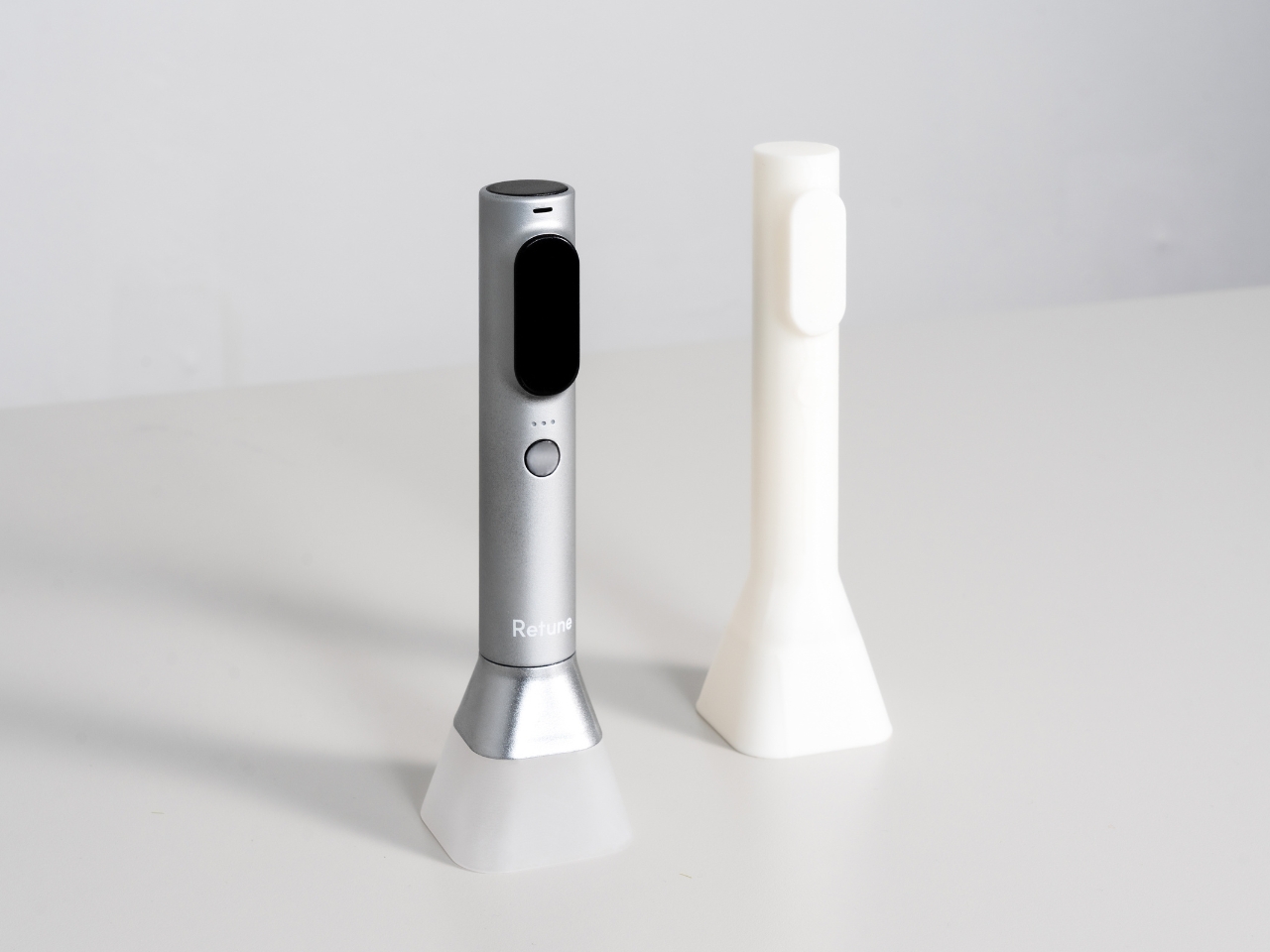
The envisioned process is refreshingly simple. You’d scan the affected area with the AI camera, wait for the device to analyze what it sees, and then it would provide the appropriate treatment. No complicated menus to navigate, no wondering if you’ve selected the right setting. The intelligence would be baked right into the device itself, working without needing constant connectivity or cloud processing. Your wound data stays on the device, which is honestly a relief in an era where everything seems to require an app and an internet connection.
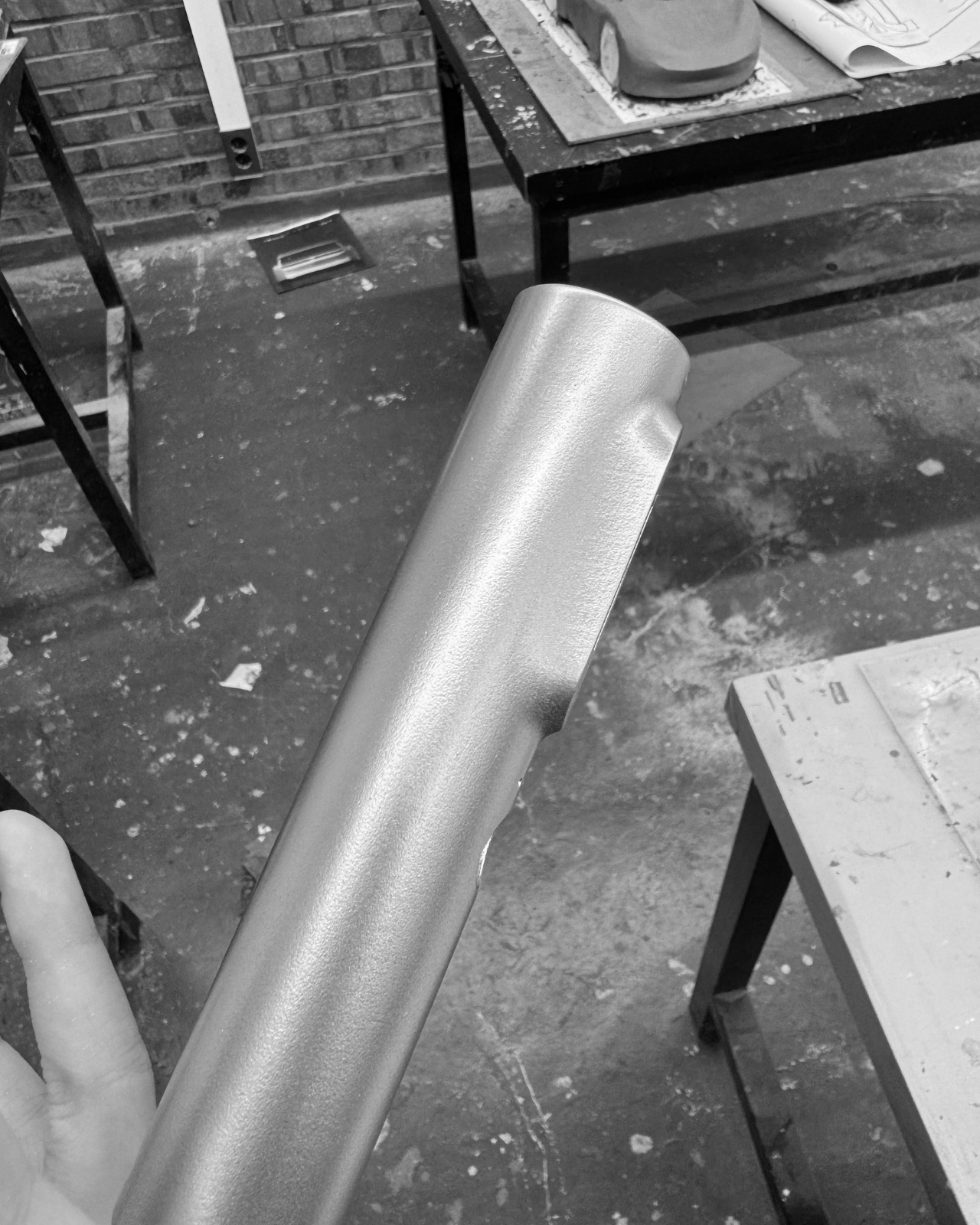
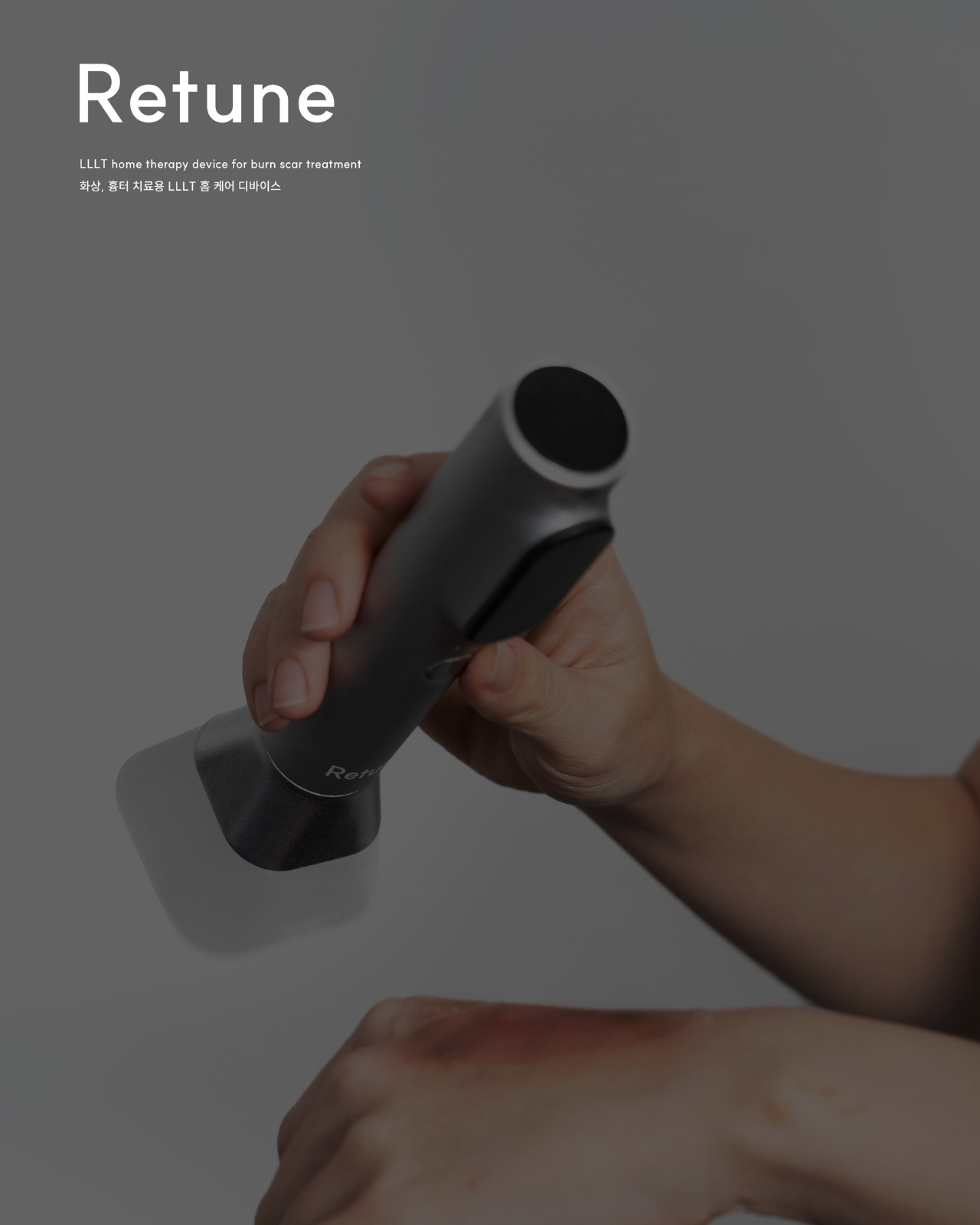
What really sets this concept apart is its non-contact approach. The device would hover above your skin during treatment, never actually touching the wound. This is brilliant design thinking because it eliminates the risk of secondary infection, which is often a major concern with burn care. You’re already dealing with damaged skin. The last thing you need is introducing bacteria or irritating the area further with direct contact. LED light therapy works perfectly for this kind of application because light doesn’t need to touch to be effective.
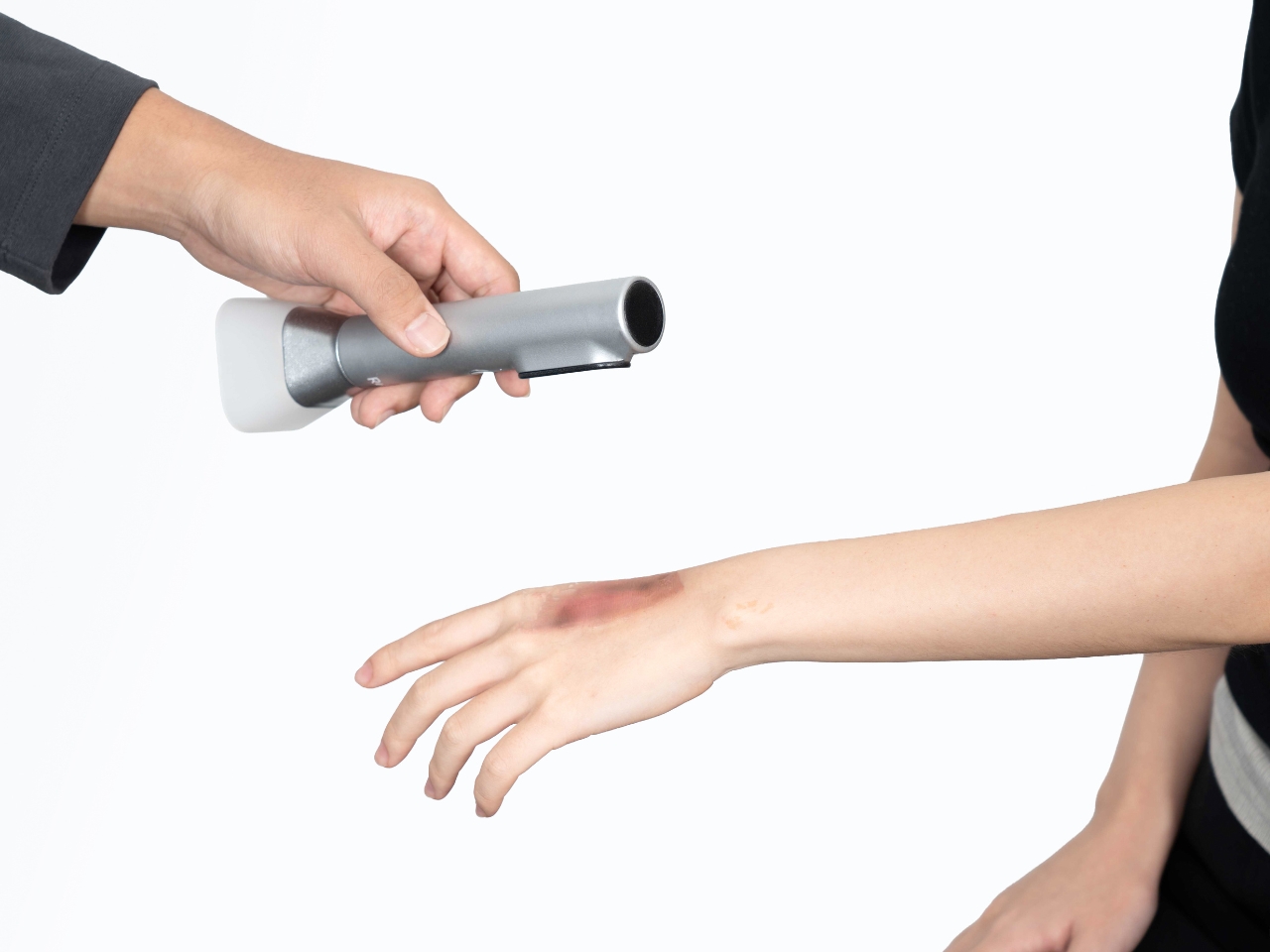
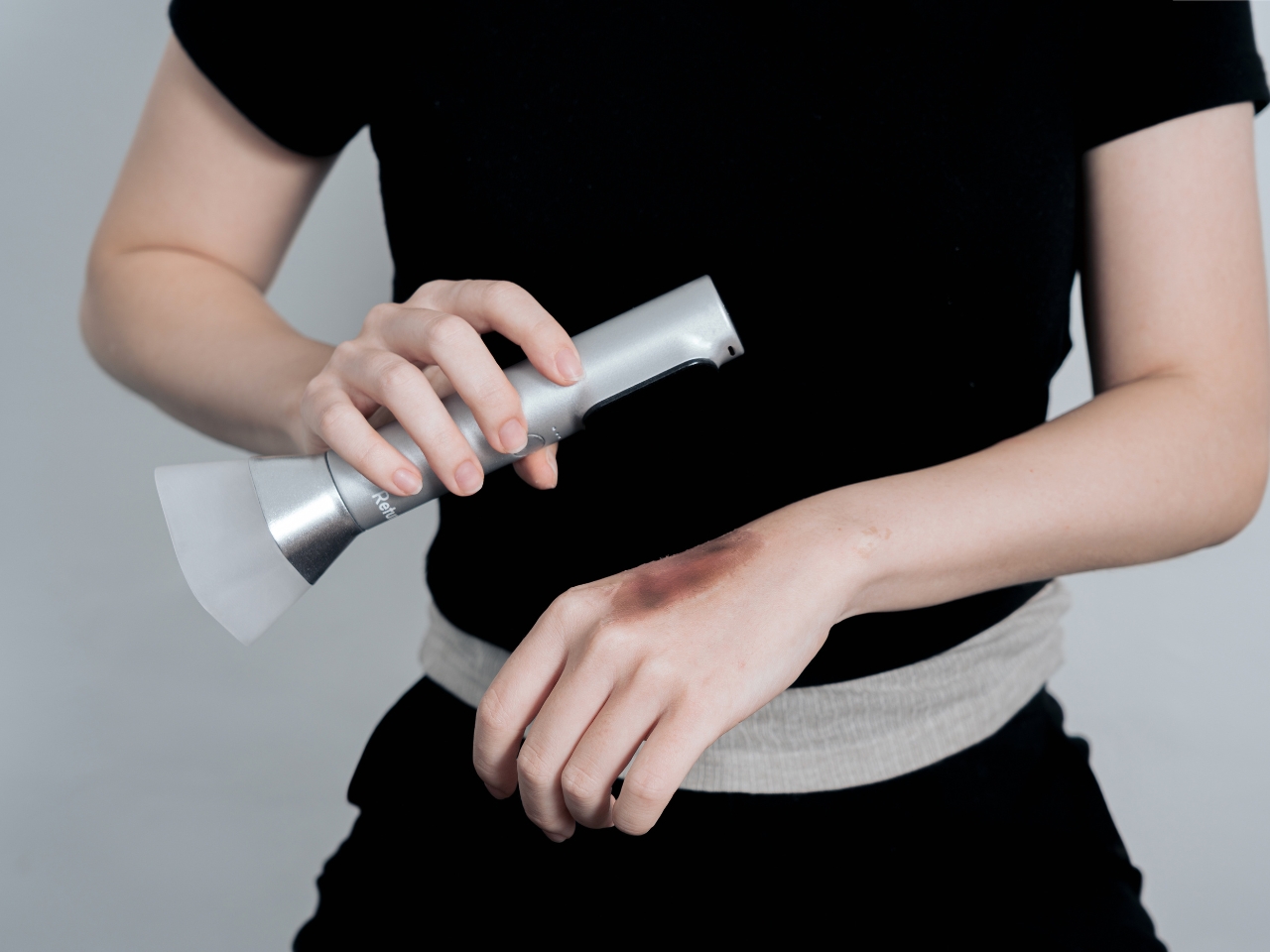
The concept addresses first and second-degree burns, inflammation, and scar treatment. We’re talking about kitchen accidents, sun exposure gone wrong, that curling iron mishap, or those persistent scars you’ve been trying to fade. It’s not meant for severe third-degree burns, which absolutely require professional medical attention. But for the everyday injuries that would normally have you making multiple trips to a clinic for follow-up care, Retune proposes a compelling alternative.
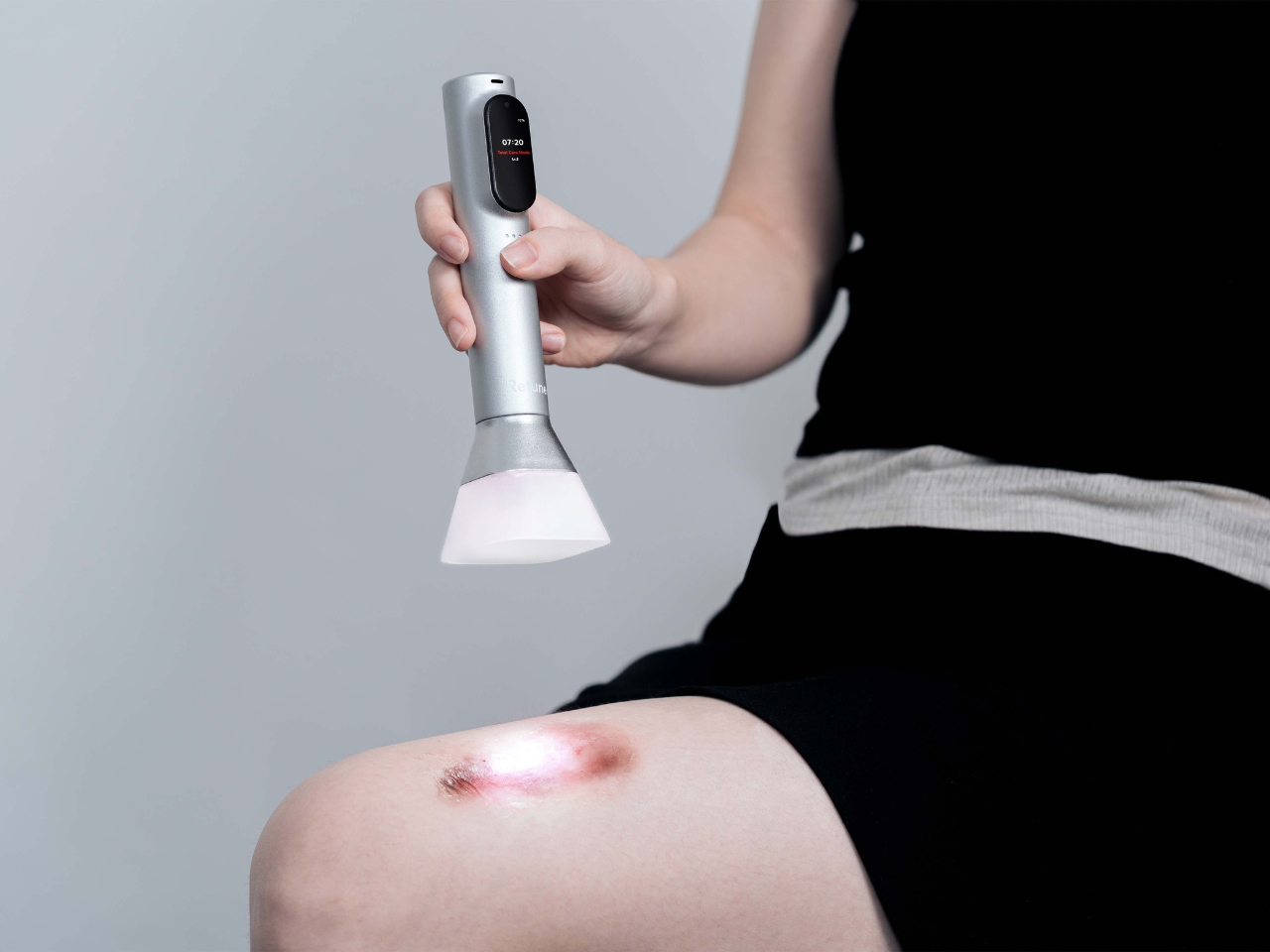
There’s something quietly revolutionary about the idea that regular treatment could happen anywhere, anytime. Maybe you’re dealing with a healing burn and you’re traveling for work. Maybe you have limited mobility and getting to appointments is genuinely difficult. Maybe you just want to treat your scar while watching Netflix instead of sitting in a waiting room flipping through outdated magazines. This concept makes all of that feel possible.
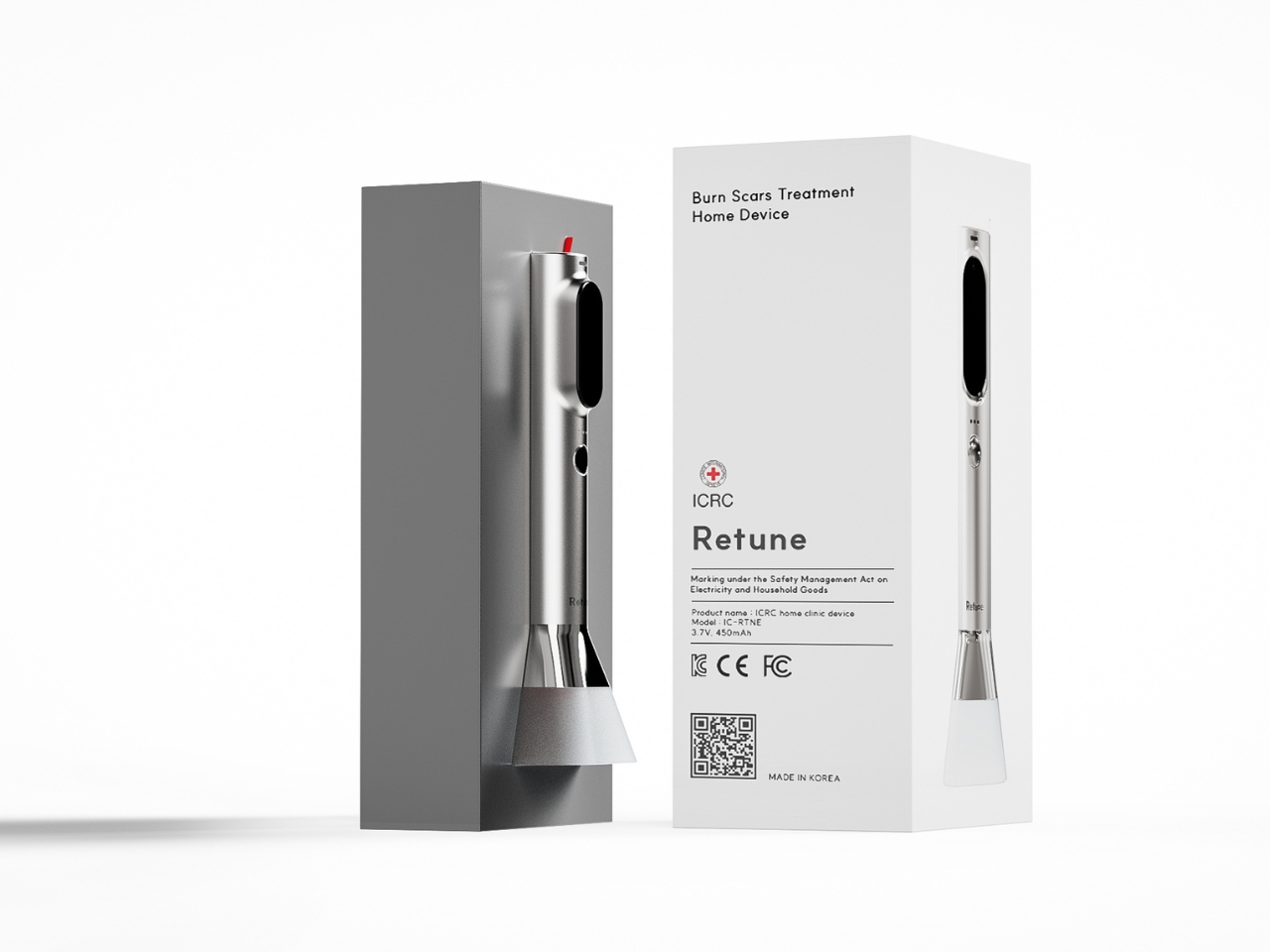
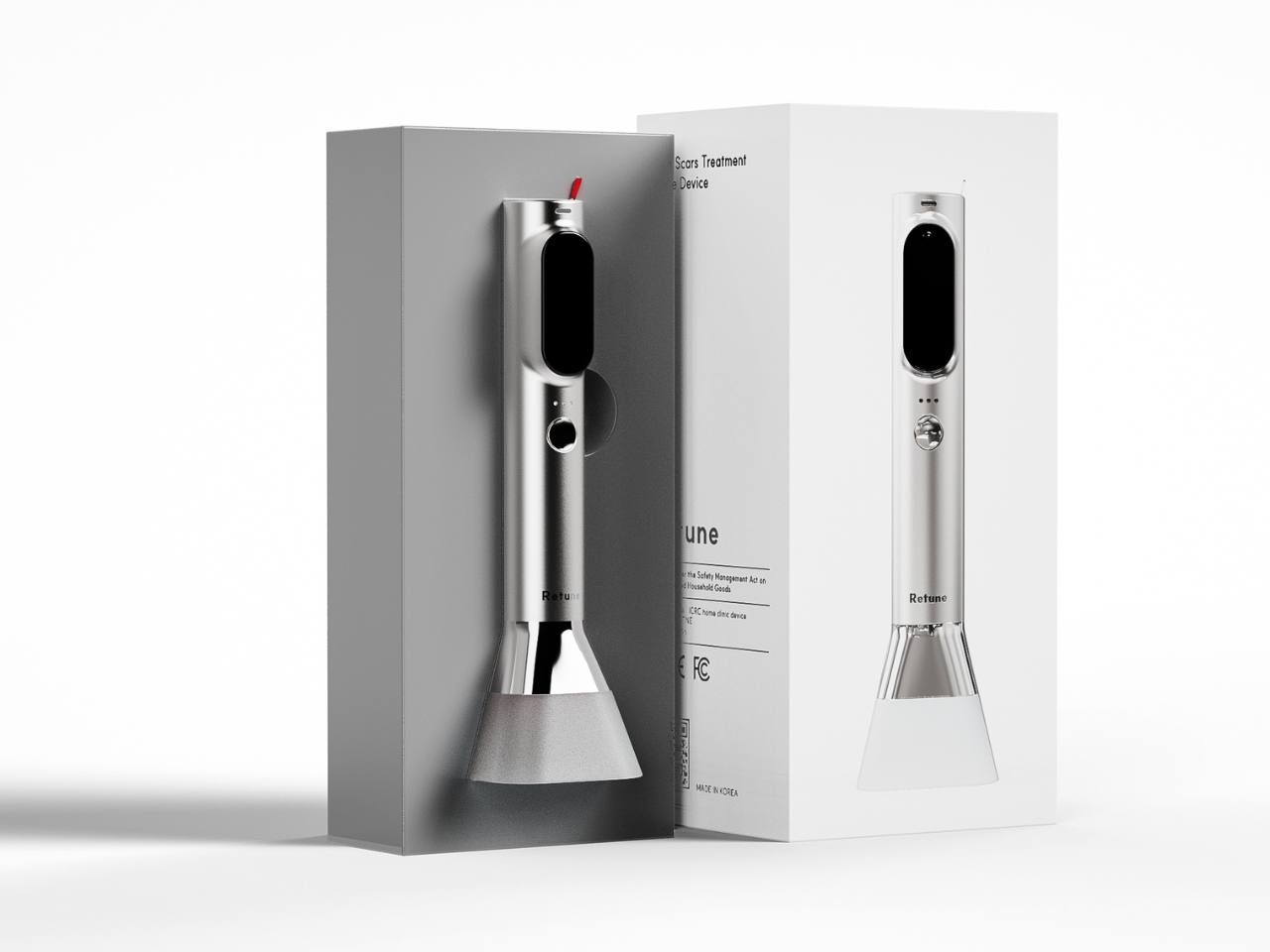
The design language here speaks to a larger trend we’re seeing in how designers envision future healthcare devices. There’s a growing understanding that medical tools don’t have to look clinical and intimidating. They can be objects you’re comfortable having in your living space, devices that feel more like wellness tools than medical equipment. Yewon Lee clearly understands this shift. Retune looks like it belongs in a contemporary home, not a hospital supply closet.
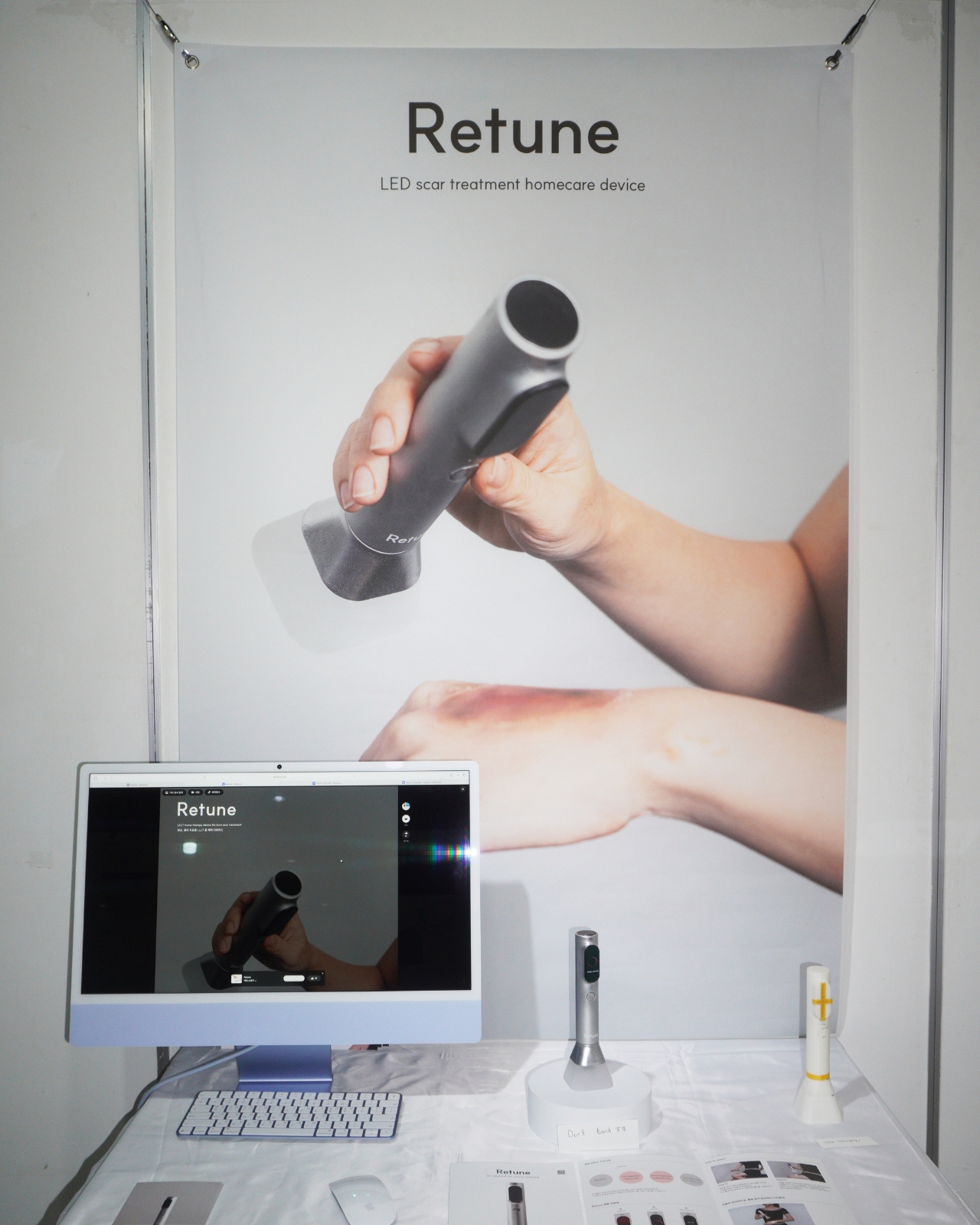
LED therapy itself has been gaining serious traction in both medical and cosmetic applications. Different wavelengths of light can reduce inflammation, promote healing, and improve the appearance of scars. It’s non-invasive, painless, and backed by legitimate research. Pairing this proven technology with AI assessment creates a concept that feels genuinely forward-thinking rather than gimmicky.
As a design concept, Retune points toward an intriguing future where personalized medical care happens increasingly at home, guided by intelligent devices that can actually see what’s happening and respond accordingly. Whether this exact vision becomes reality or not, it’s the kind of thoughtful speculation that makes you rethink what’s possible when design, technology, and healthcare converge. And honestly, that’s exactly what great concept design should do.
The post Smart Healing: A Concept For AI Powered Burn Treatment first appeared on Yanko Design.
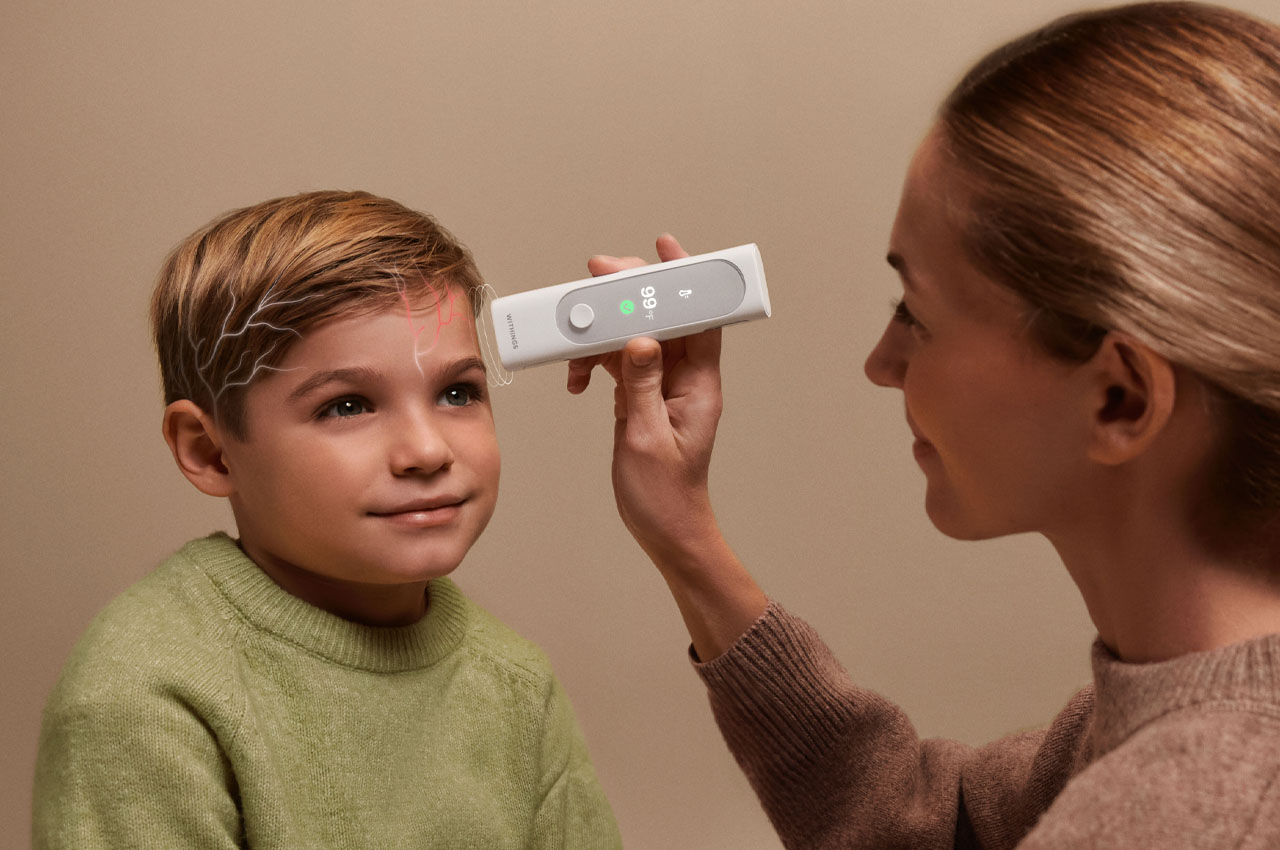
Withings is bringing a new health gadget to CES 2024 that’s going to garner a lot of attention given its utility. Called the BeamO, this all-in-one diagnostic health monitor for home use is set to shake up the telemedicine space. Just like every year, the French consumer electronics giant known for its gadgets catering to the ‘worried well’ has revealed this medical-grade tool that builds on the popularity of the contact-less thermometer.
The USB-shaped 4-in-1 multiscope is capable of keeping a tab on the vitals of your heart, lungs and temperature. The scope of consumer adoption for the device can be ascertained from their press release that states, “Once, body temperature was the only health scan routinely taken at home. BeamO will revolutionize the measurement of the core vitals carried out during medical visits from the comfort of one’s own home. This crucial data will provide a vital overview of overall health or warning signs of potential areas of concern.”
Designer: Withings

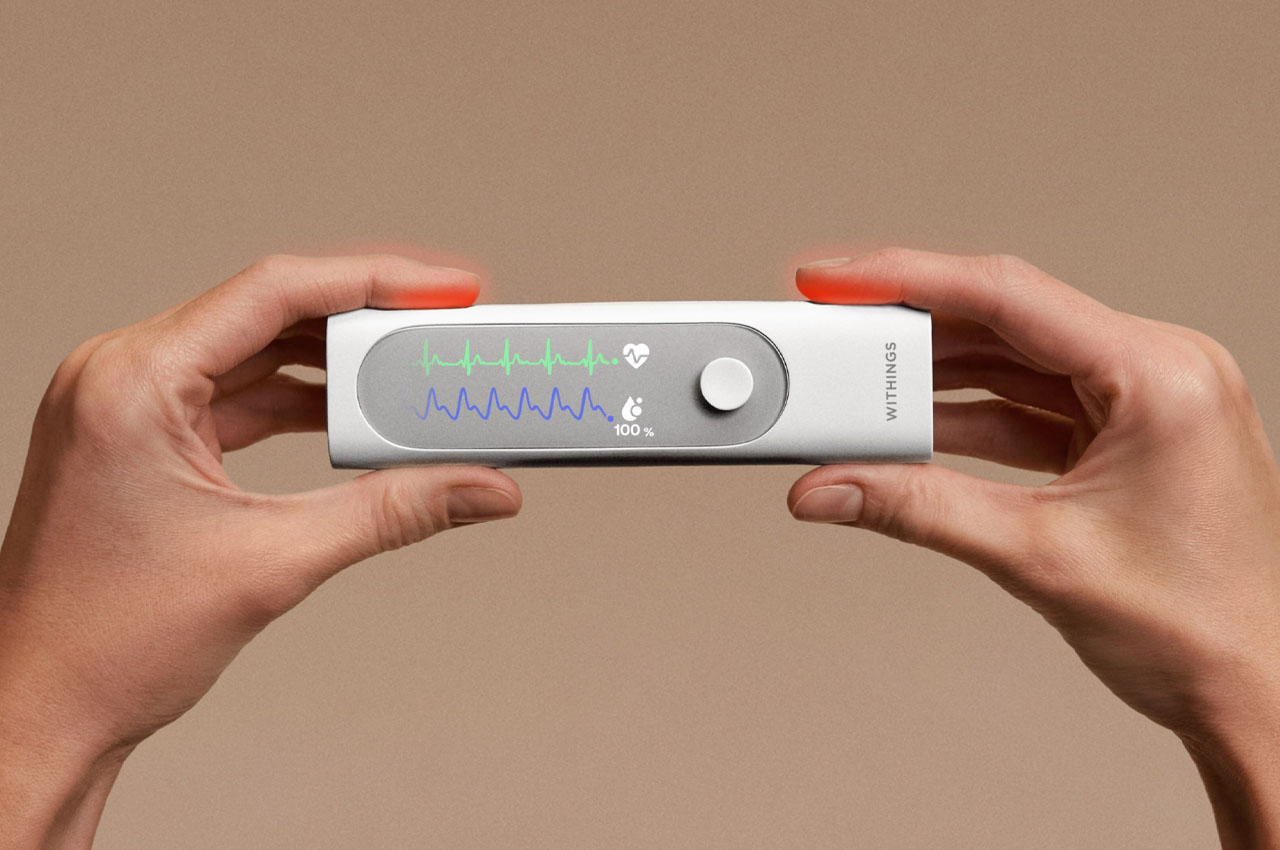
The thermometer of the future will do advanced temperature readings and also give the user the ability to keep an eye on the functions of the heart or lungs. All this from the comfort of your home to provide an overview of the health and any early warning signs of a silently building problem. Under normal circumstances, a person would have these checkups a couple of times a year, but with the Withings BeamO, that’s set to change.


The medical-grade gadget is loaded with ECG, photoplethysmography (PPG), oximeter, thermometer and stethoscope sensors for all the in-depth check-ups. Things included in the scope of measurement beyond the usual measurements include 1-lead electrocardiogram, cardiac sounds, SpO2, respiratory sounds, heart murmurs, lung wheezing and desaturation. On the sides, it comes with electrodes for EKG readings to detect atrial fibrillation.

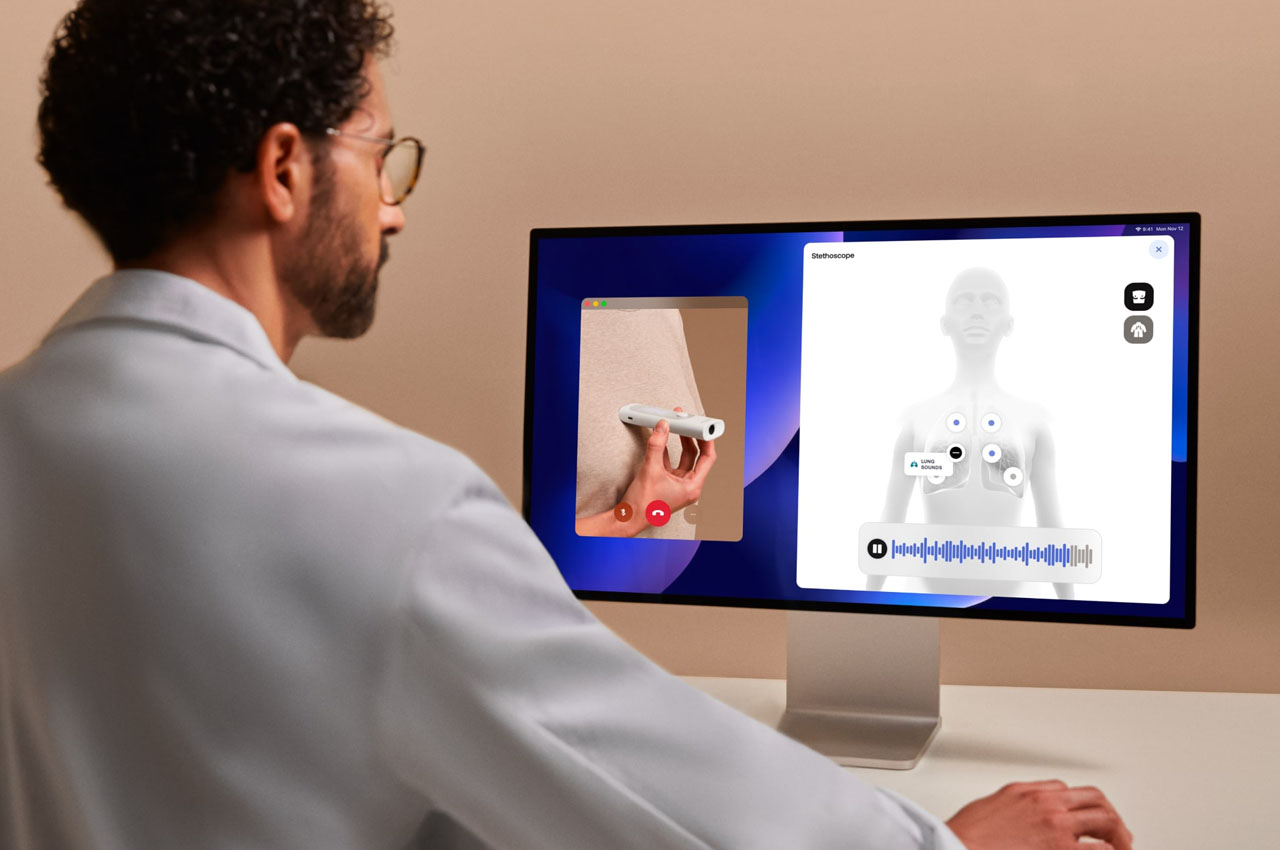
It is loaded with a standalone display to get quick readings and you can The best thing is, that this medical device keeps track of data of 8 users via the accompanying app. Withings BeamO is currently seeking FDA approvals and is slated for launch in June 2024 for a price tag of $250. Given its ability to combine all majorly required functions for which you would otherwise purchase different devices, the device seems well worth the price.




The post Withings BeamO is a compact health monitor that combines thermometer, stethoscope and ECG in one first appeared on Yanko Design.