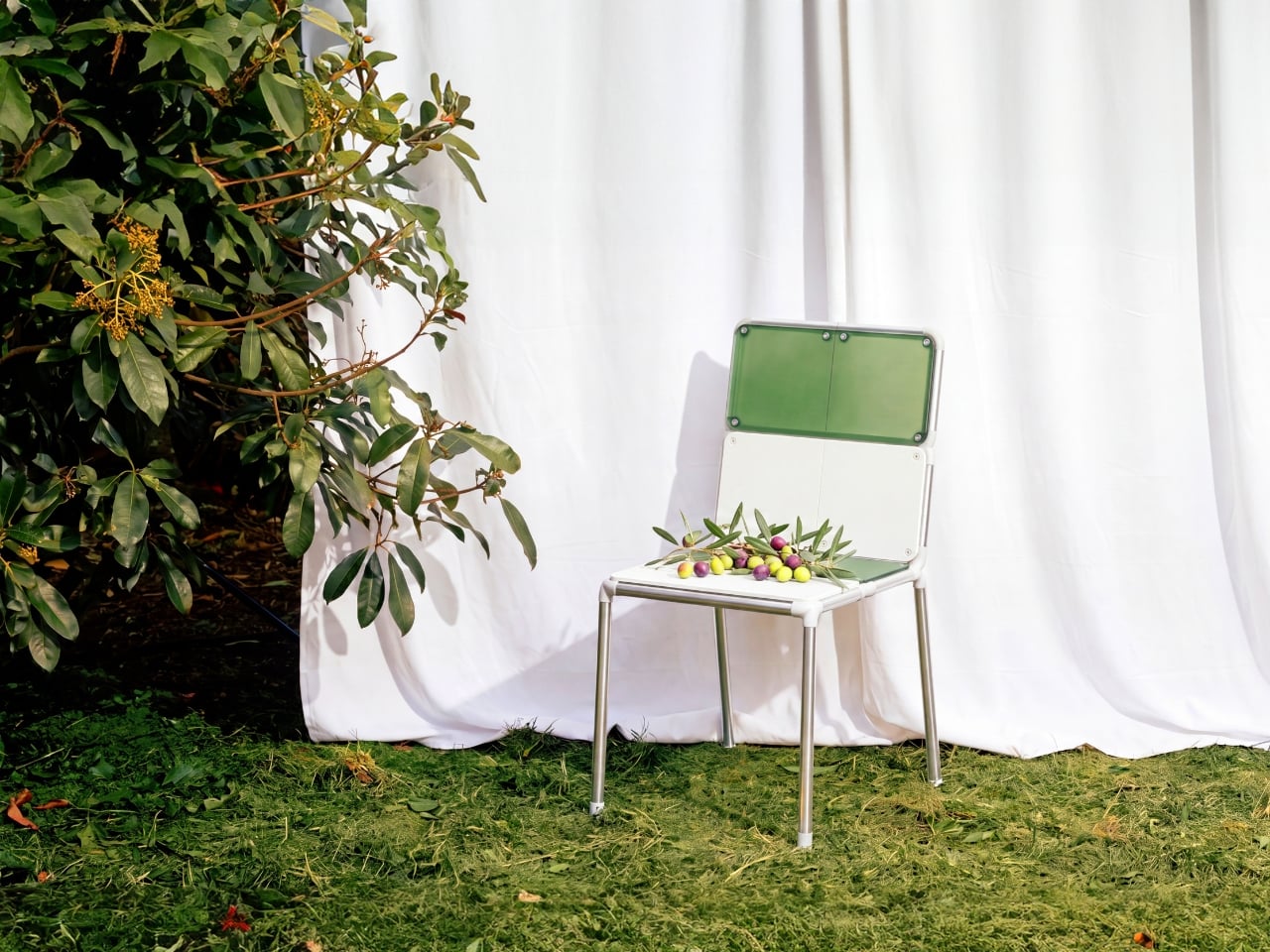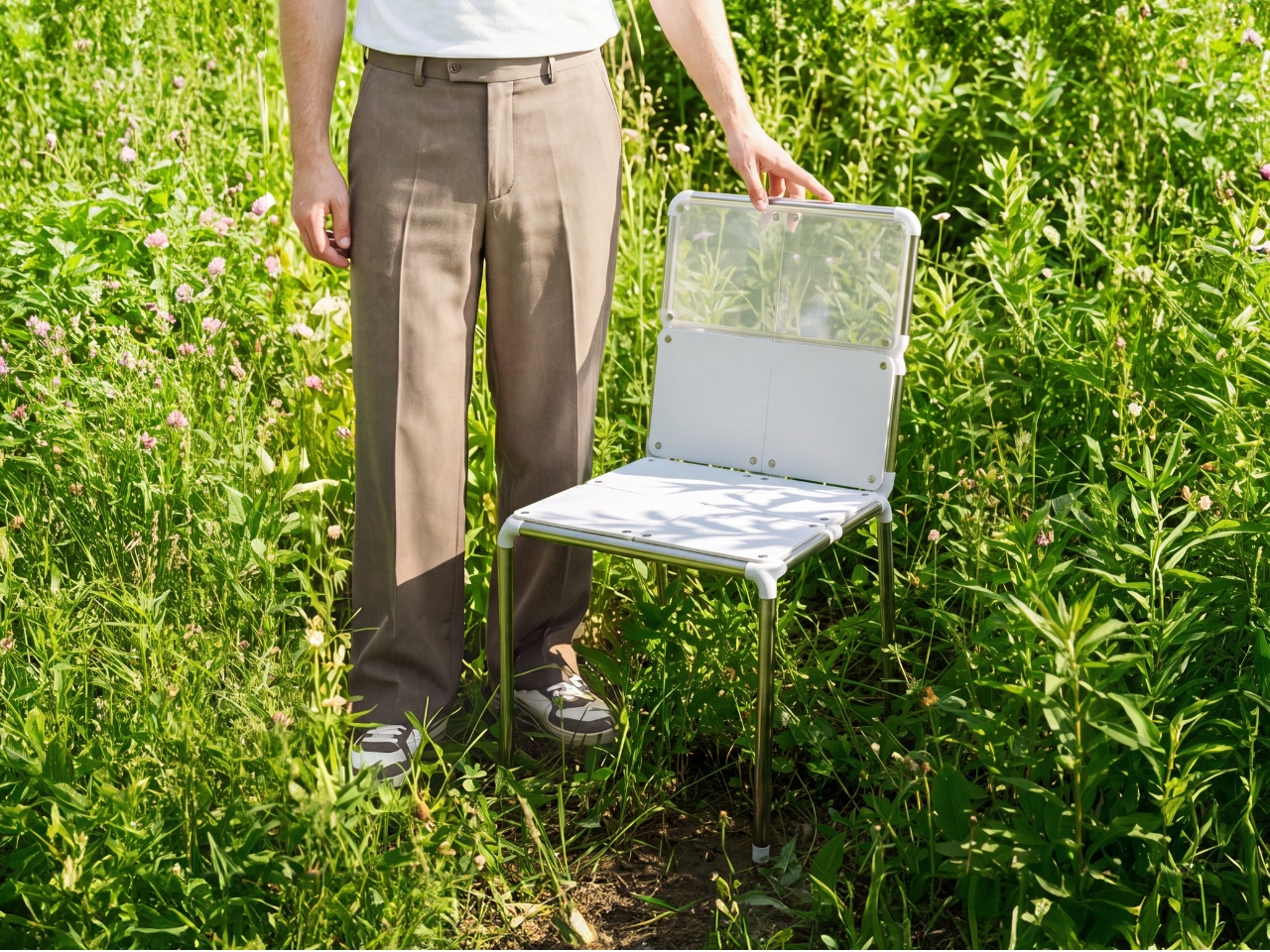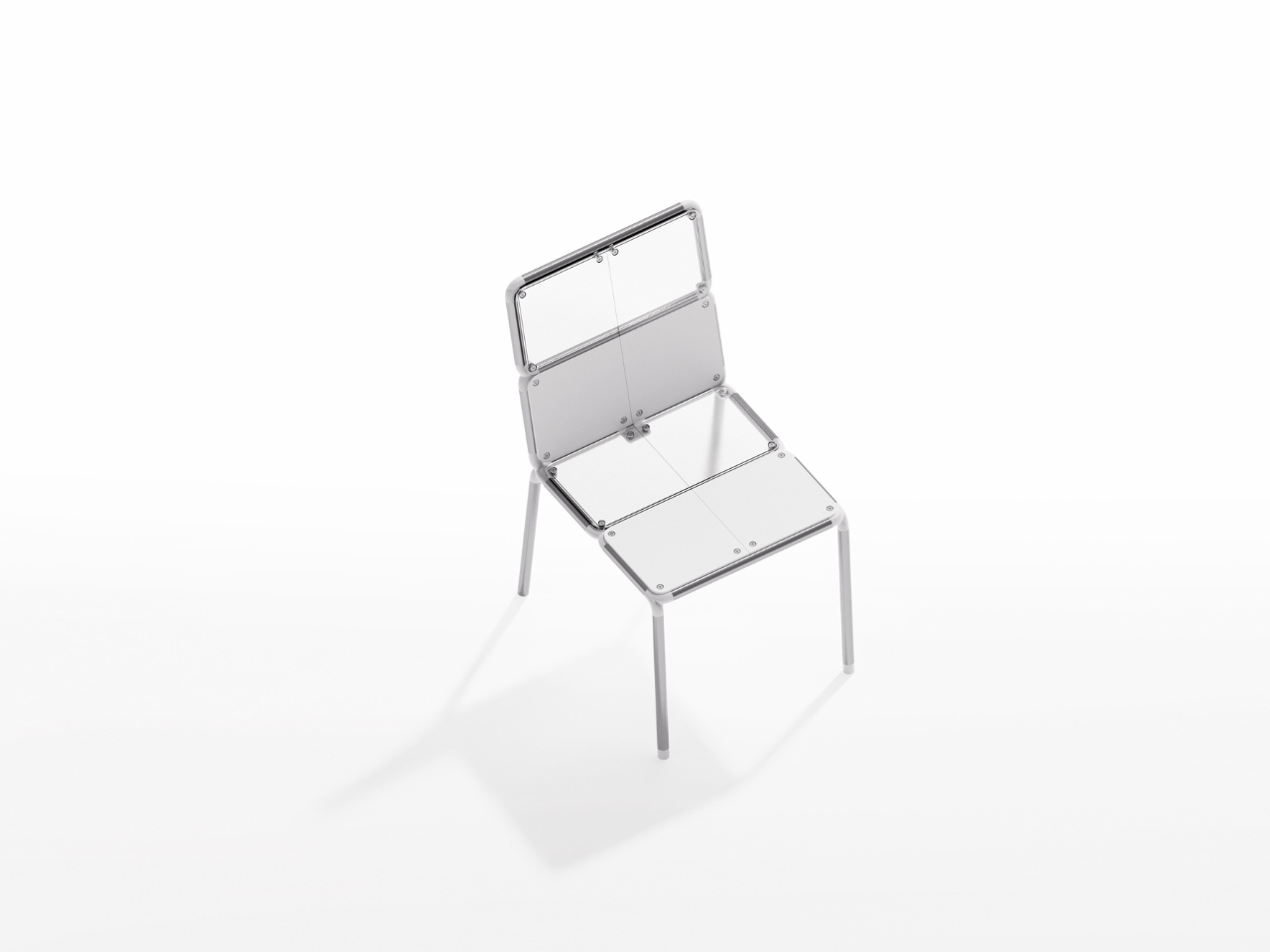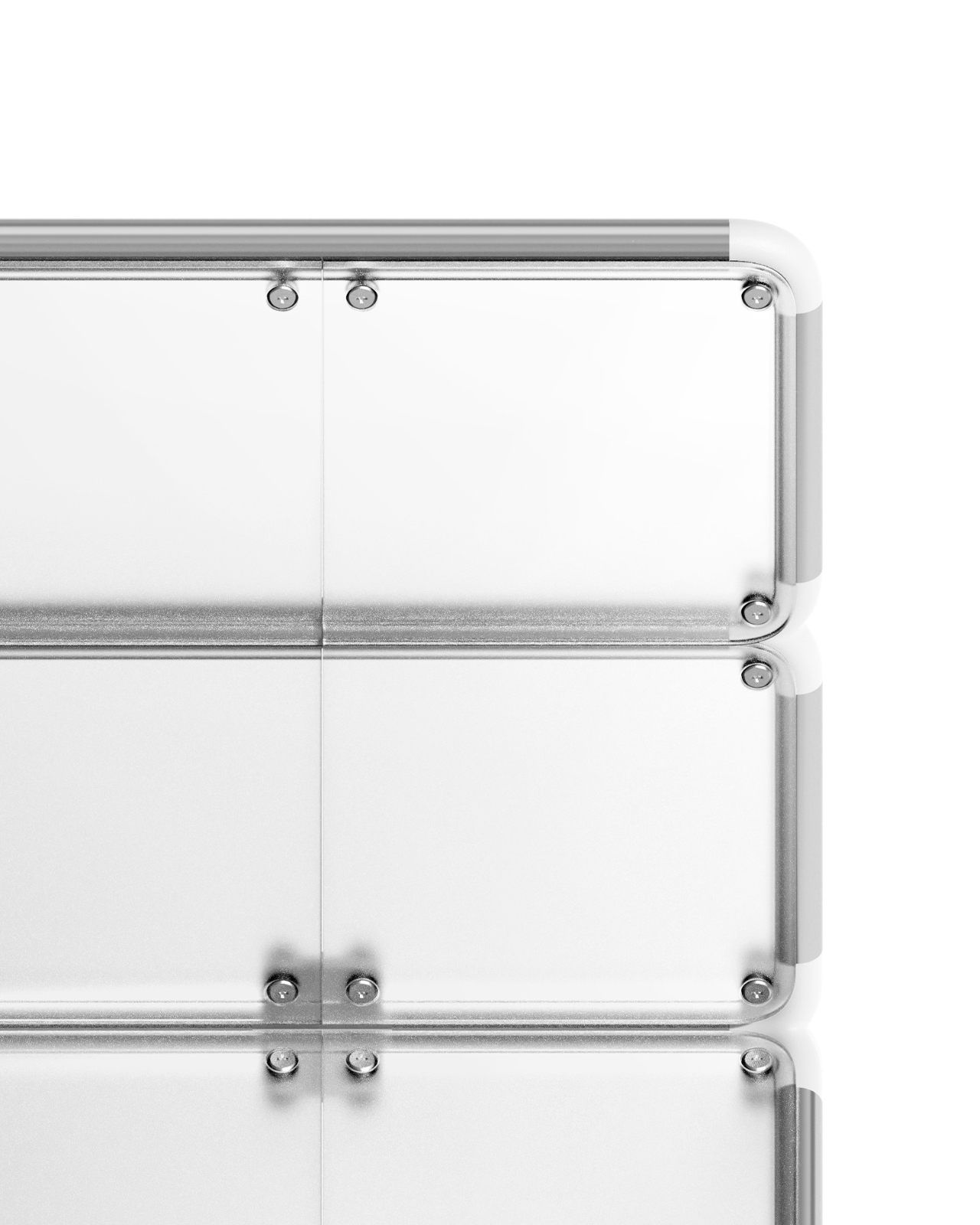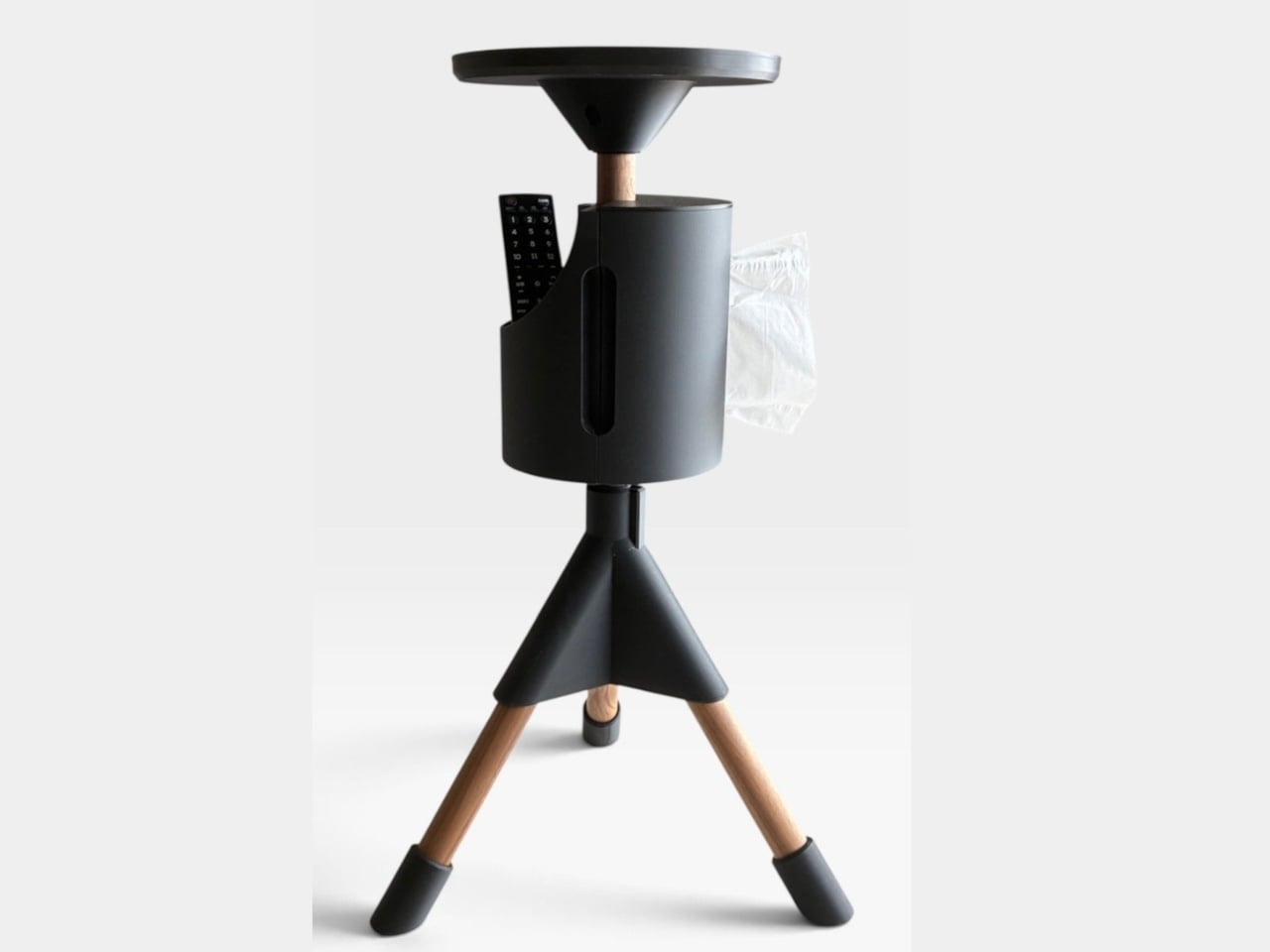
The Knit Chair That Rewrites Comfort by Subtracting Instead of Adding

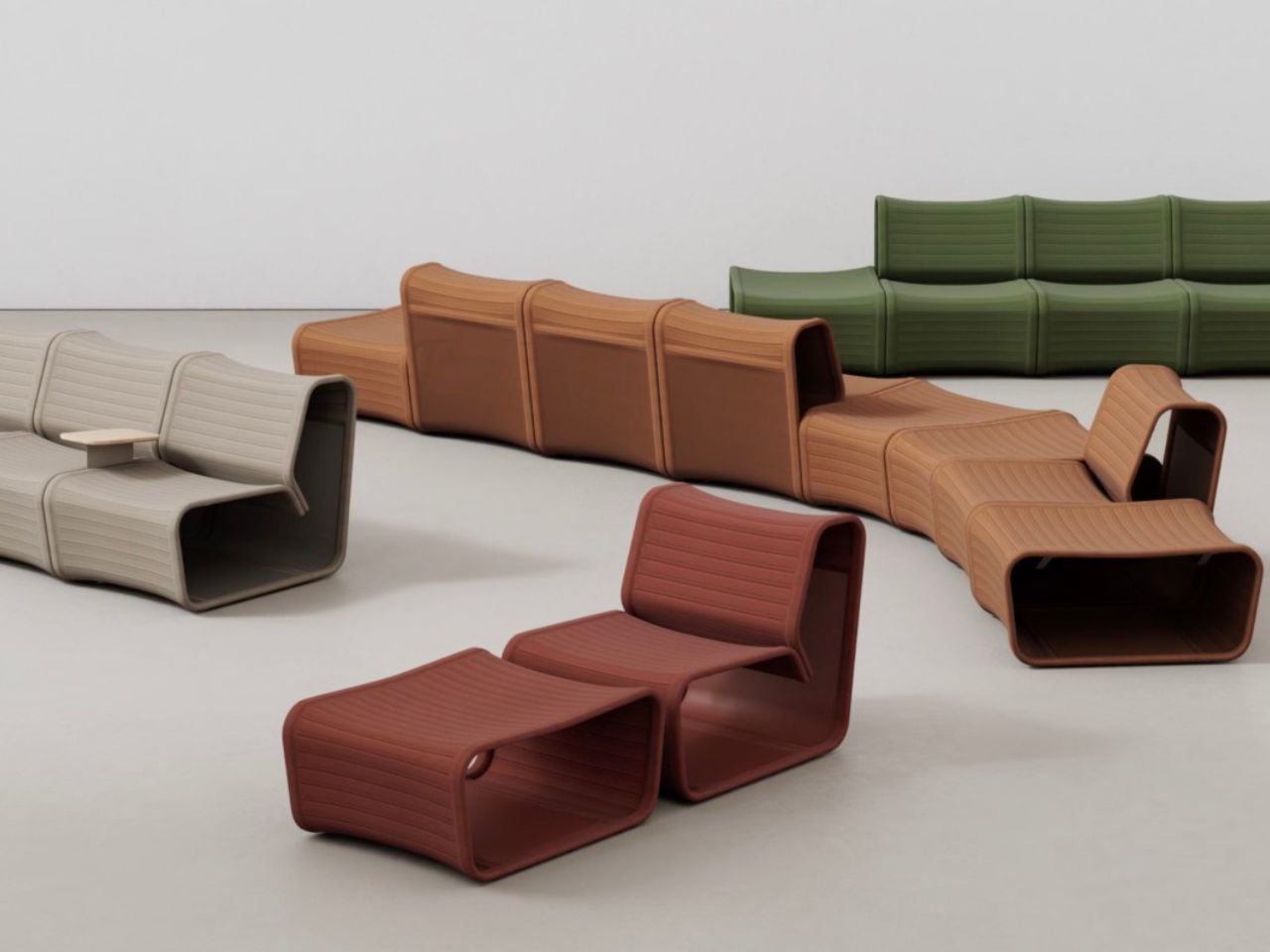
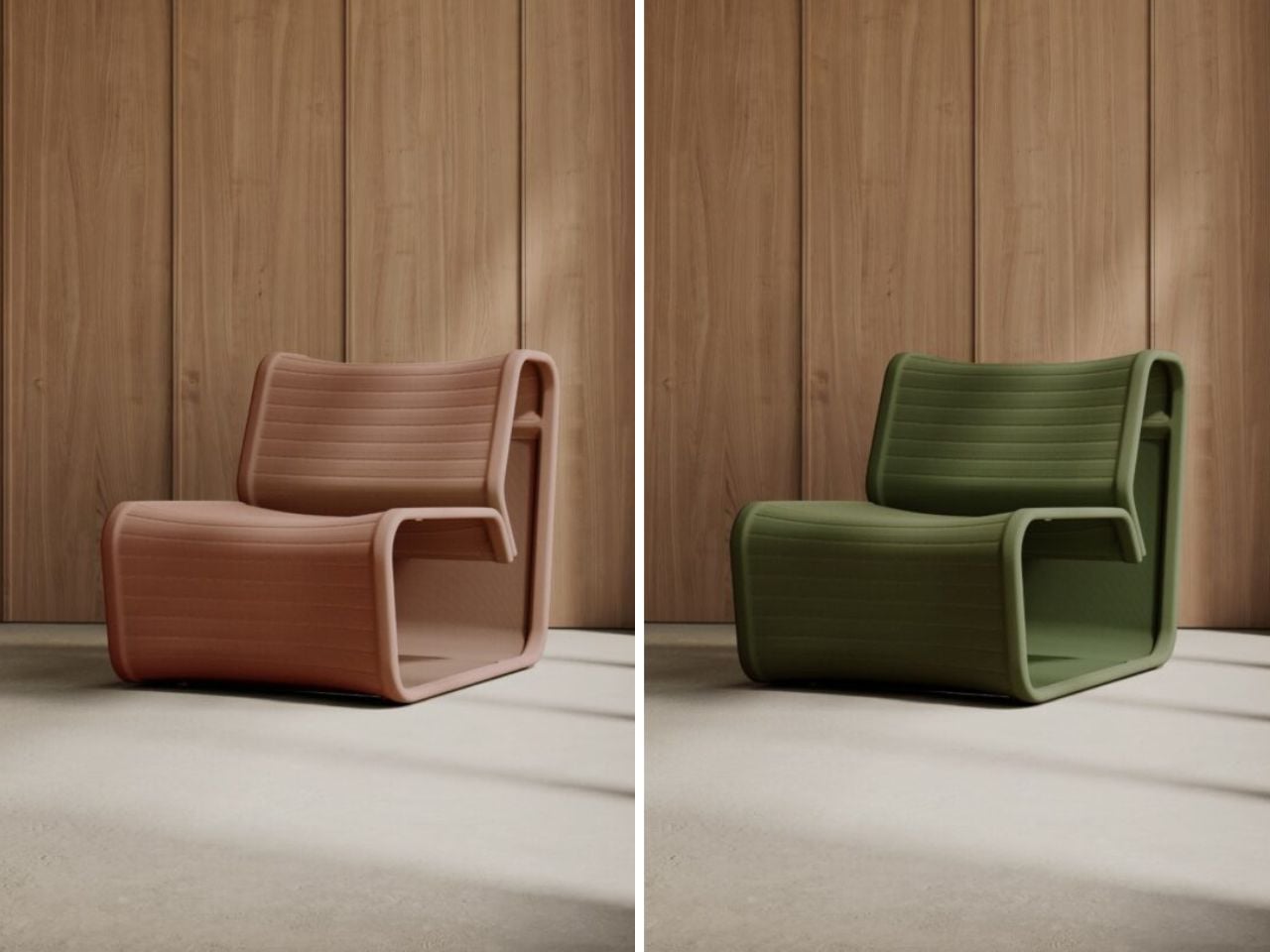
For decades, furniture design has followed an unspoken rule. Comfort equals more. More foam, more padding, more layers, more material. The Knit One Chair by Isomi, designed by Paul Crofts, quietly dismantles that assumption. It proposes something radical for contemporary seating: what if comfort is not about adding, but about removing?

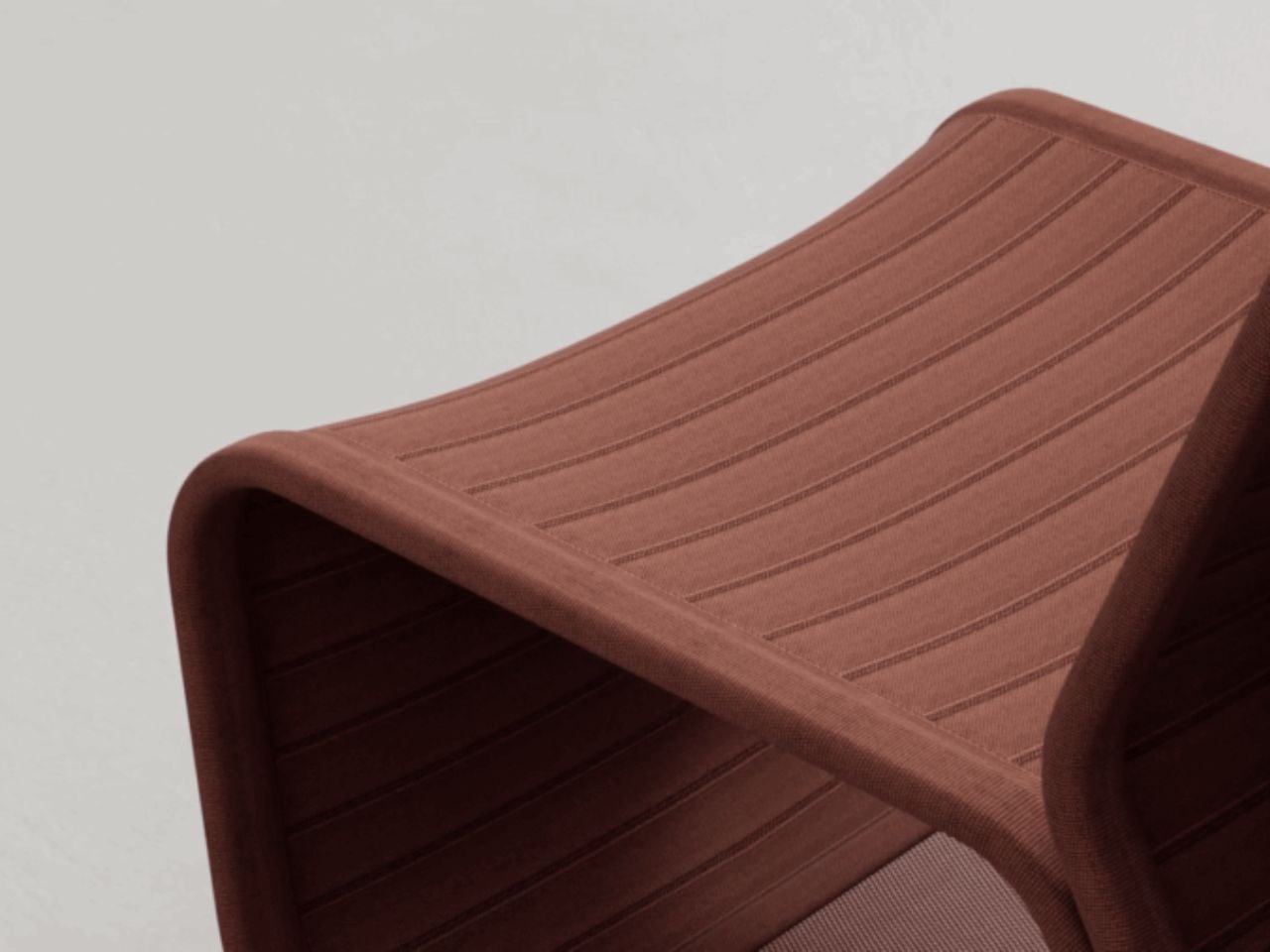
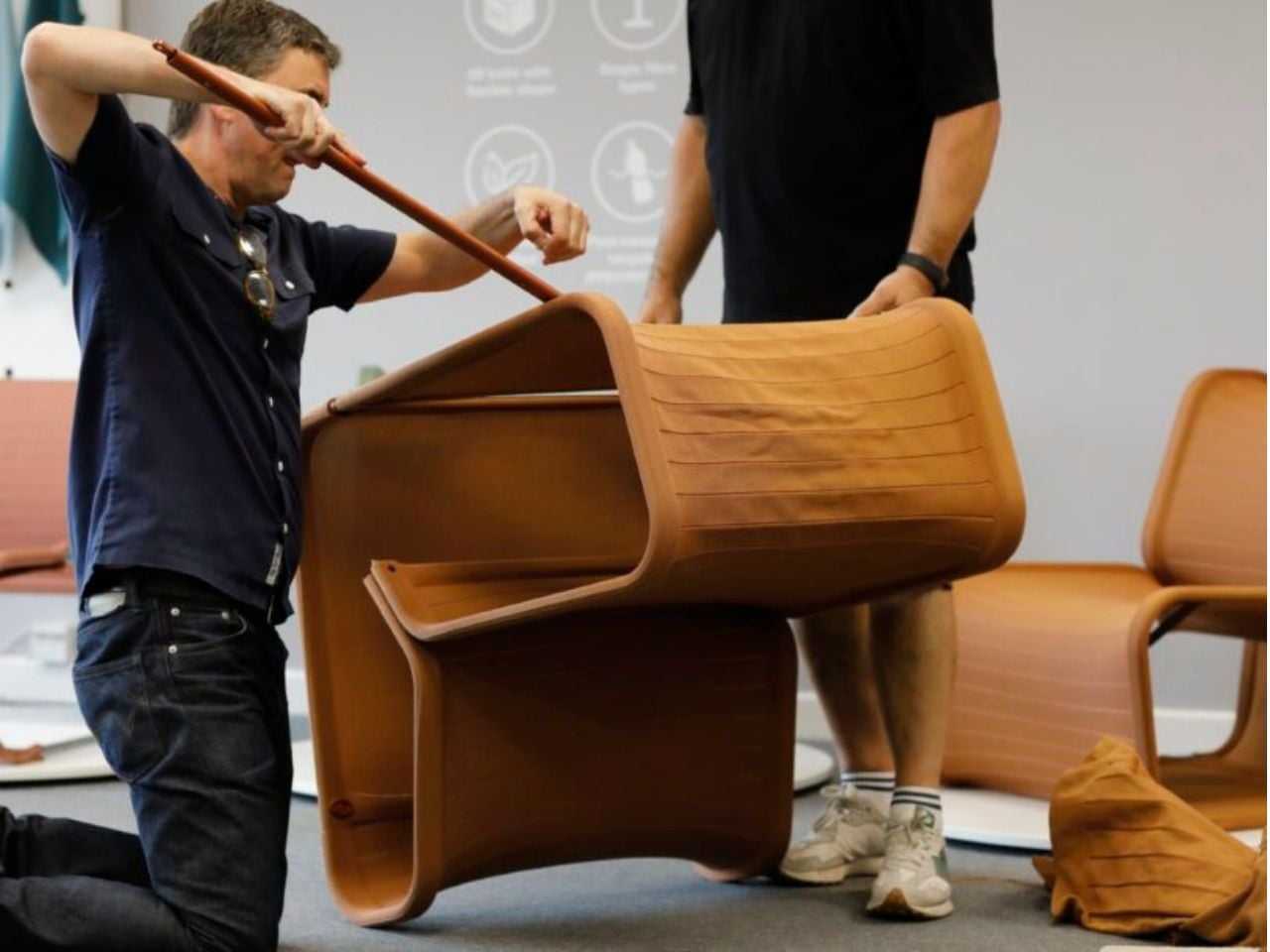
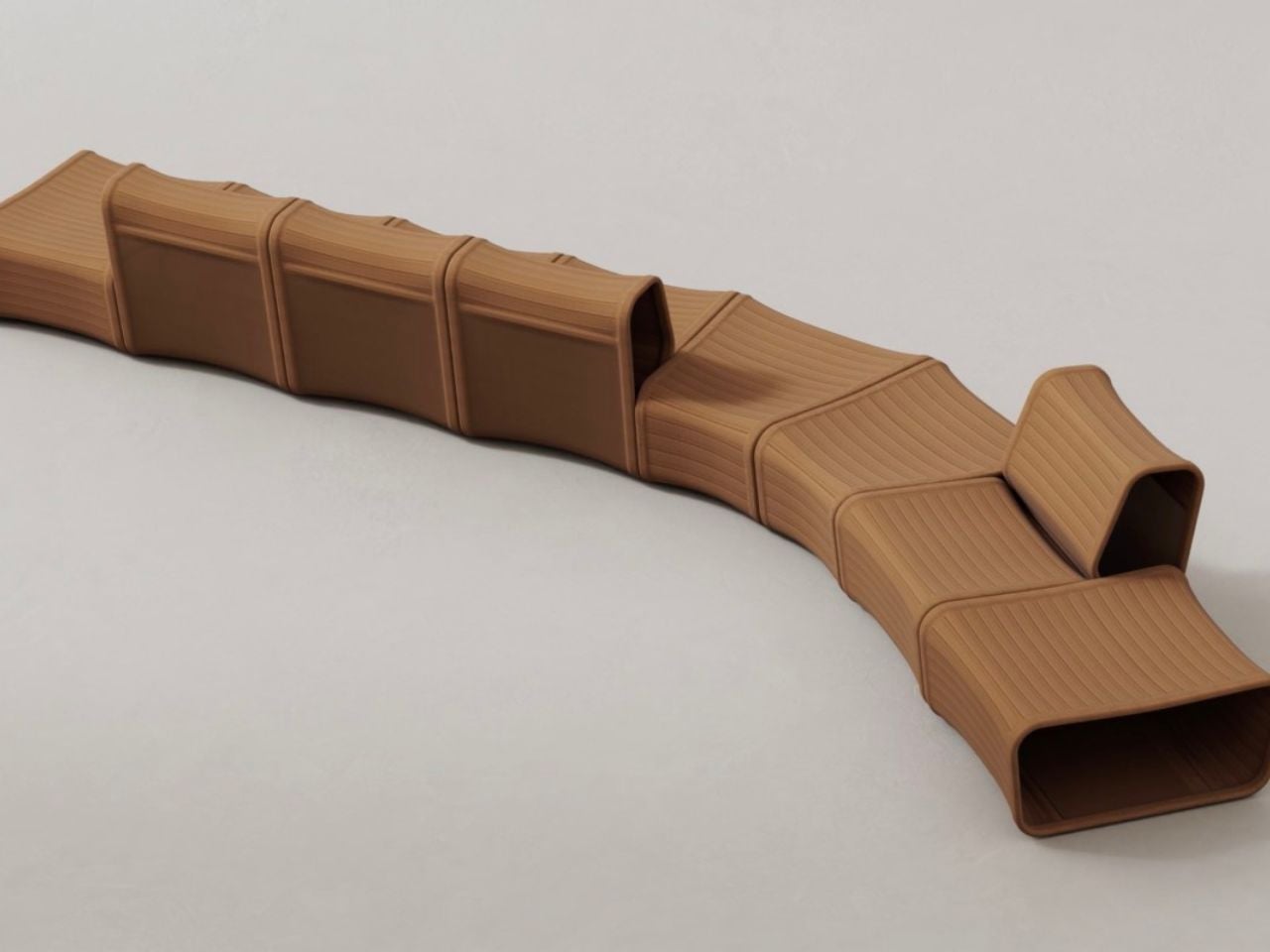
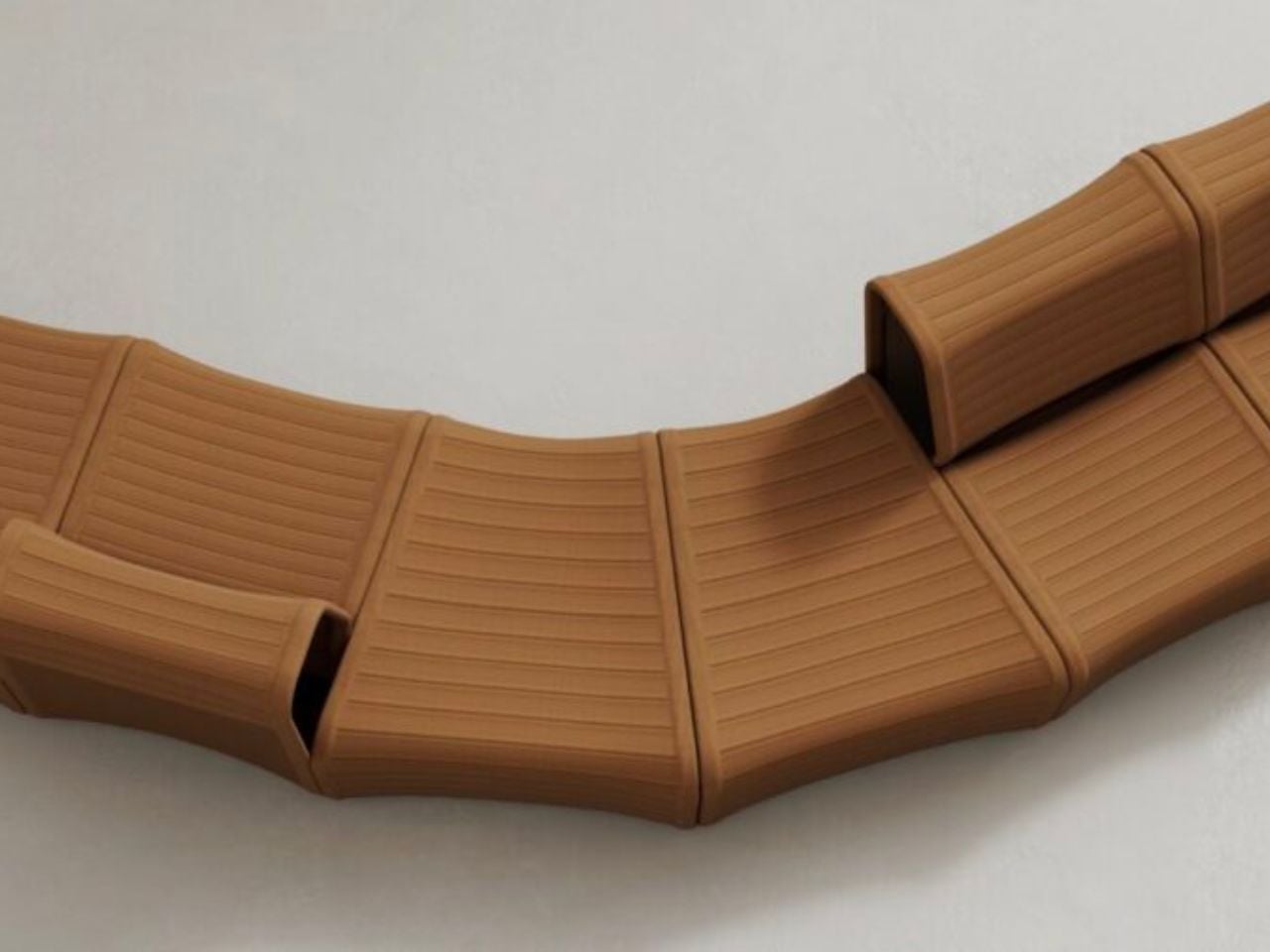
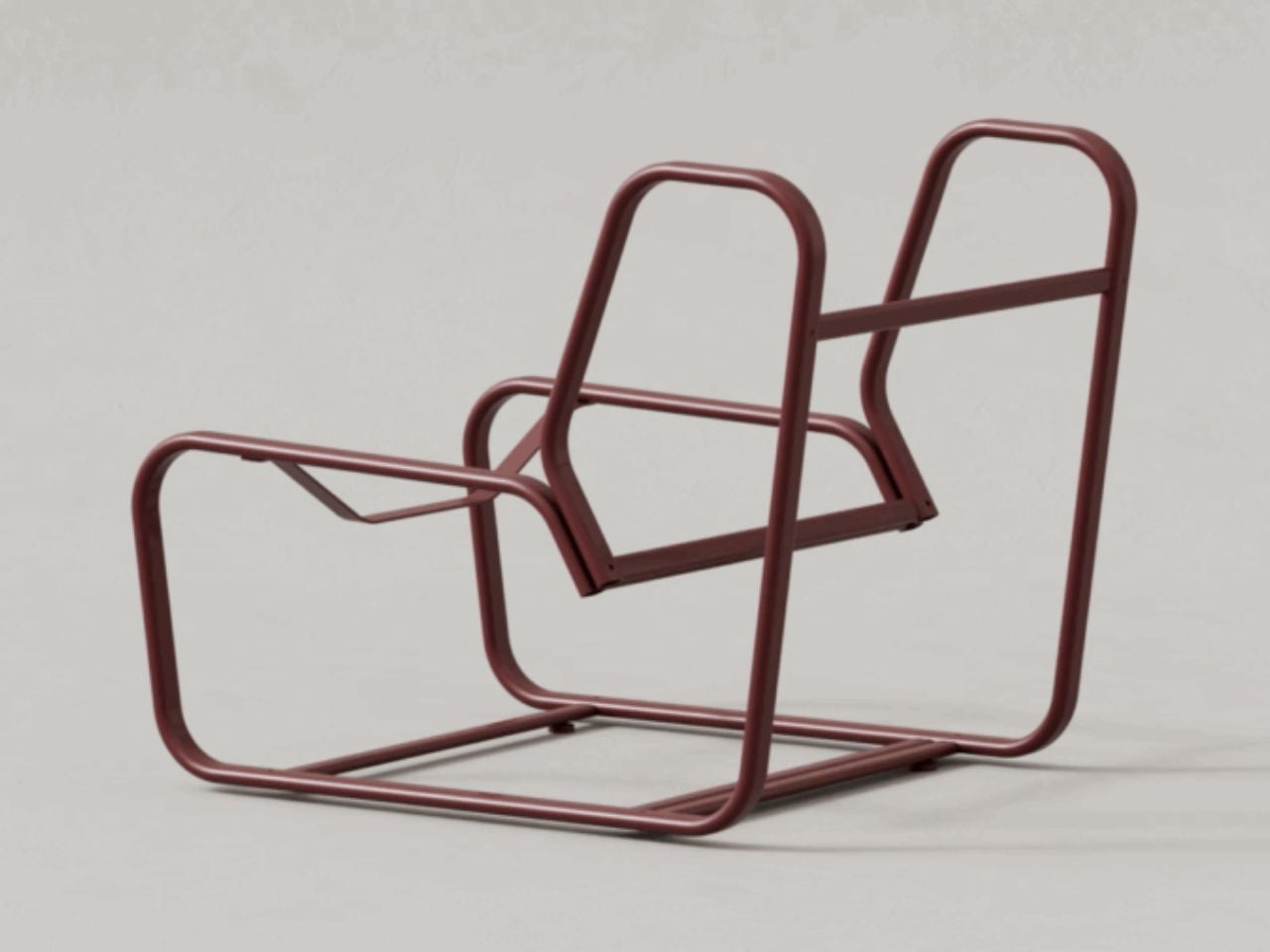
The chair does not shout innovation through spectacle. Instead, it whispers it through restraint. Gone are the dense layers of upholstery that traditionally define lounge seating. In their place sits a single engineered knitted skin stretched across a lightweight metal frame. What appears visually minimal is in fact materially sophisticated. The knit surface is not decorative upholstery but the structural and ergonomic system itself. It supports, flexes, and adapts to the body without relying on bulk.

Designer: Paul Crofts

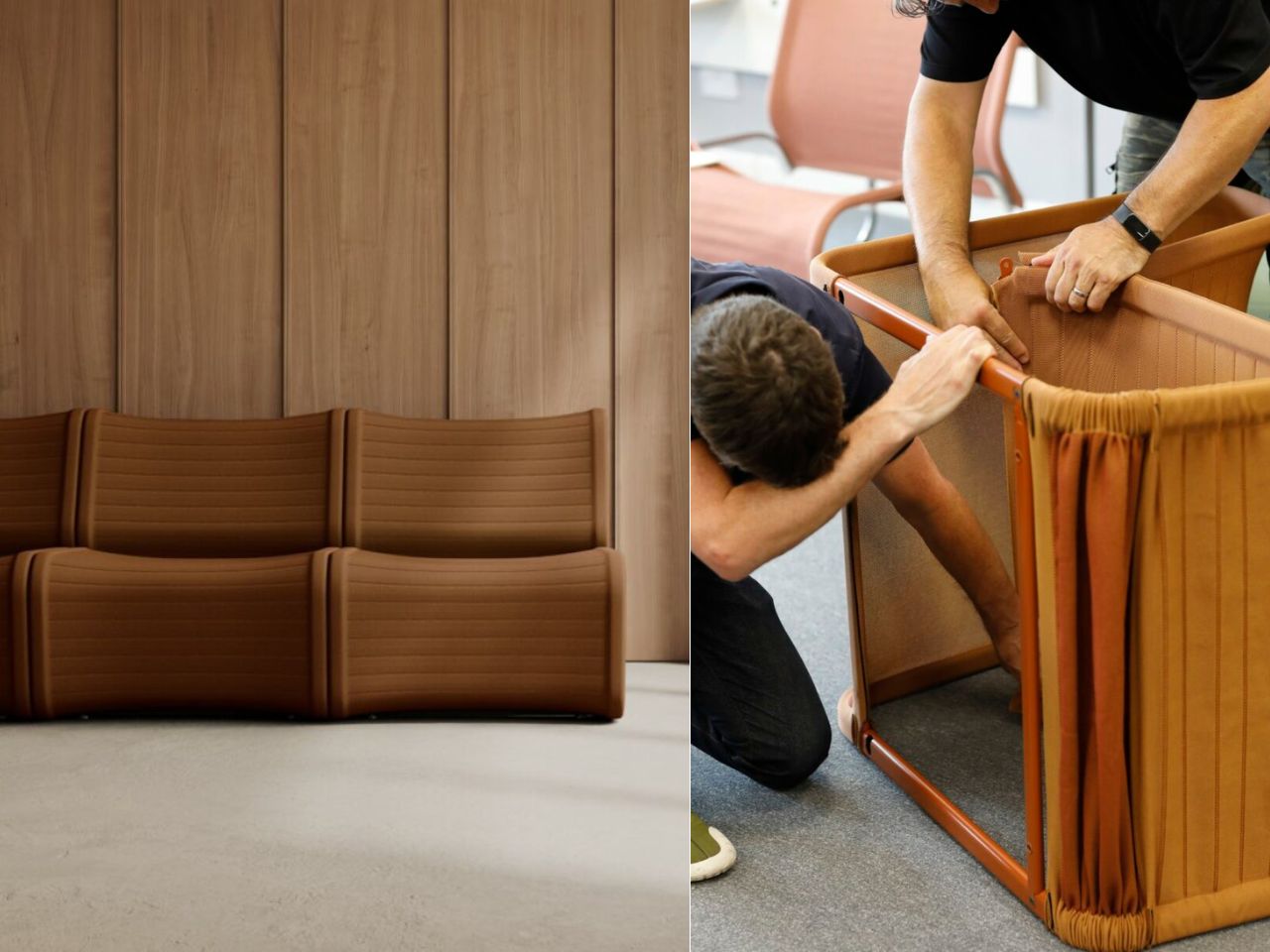
This shift reframes how we understand softness. Rather than cushioning the body with excess, the chair supports it through tension and precision. Paul Crofts describes the intention as a move away from resource-heavy upholstery toward something smarter and more responsible. The frame bolts together on site, while the knitted sleeve simply drops into position. The logic is elegant. Fewer components, less waste, and a construction process that feels closer to assembling a garment than building furniture.

The textile itself carries its own story of transformation. The sleeve is made from Camira’s SEAQUAL collection, a fabric created using post-consumer marine plastic waste. Each meter repurposes up to thirty-five recycled bottles recovered from oceans. Instead of treating sustainability as a surface-level gesture, the material integrates environmental responsibility directly into the structure of the chair. Advanced three-dimensional knitting technology shapes the textile precisely, eliminating offcuts and ensuring that only the exact amount of material required is produced. No surplus. No unnecessary trimming. No hidden waste.

The absence of adhesives or foam layers also means the knit can be replaced or recycled independently of the frame, extending the product’s lifespan. In an industry where furniture is often discarded when upholstery wears out, this detail feels quietly revolutionary. Longevity is designed into the system rather than promised as an afterthought.

Logistics also becomes part of the design intelligence. The lightweight frame and knit components ship flat-packed, reducing transport volume and emissions. Assembly is intentionally simple, allowing the chair to be constructed locally with minimal effort. For large-scale furniture, which often involves complex delivery and installation processes, this level of efficiency is rare and refreshingly pragmatic.

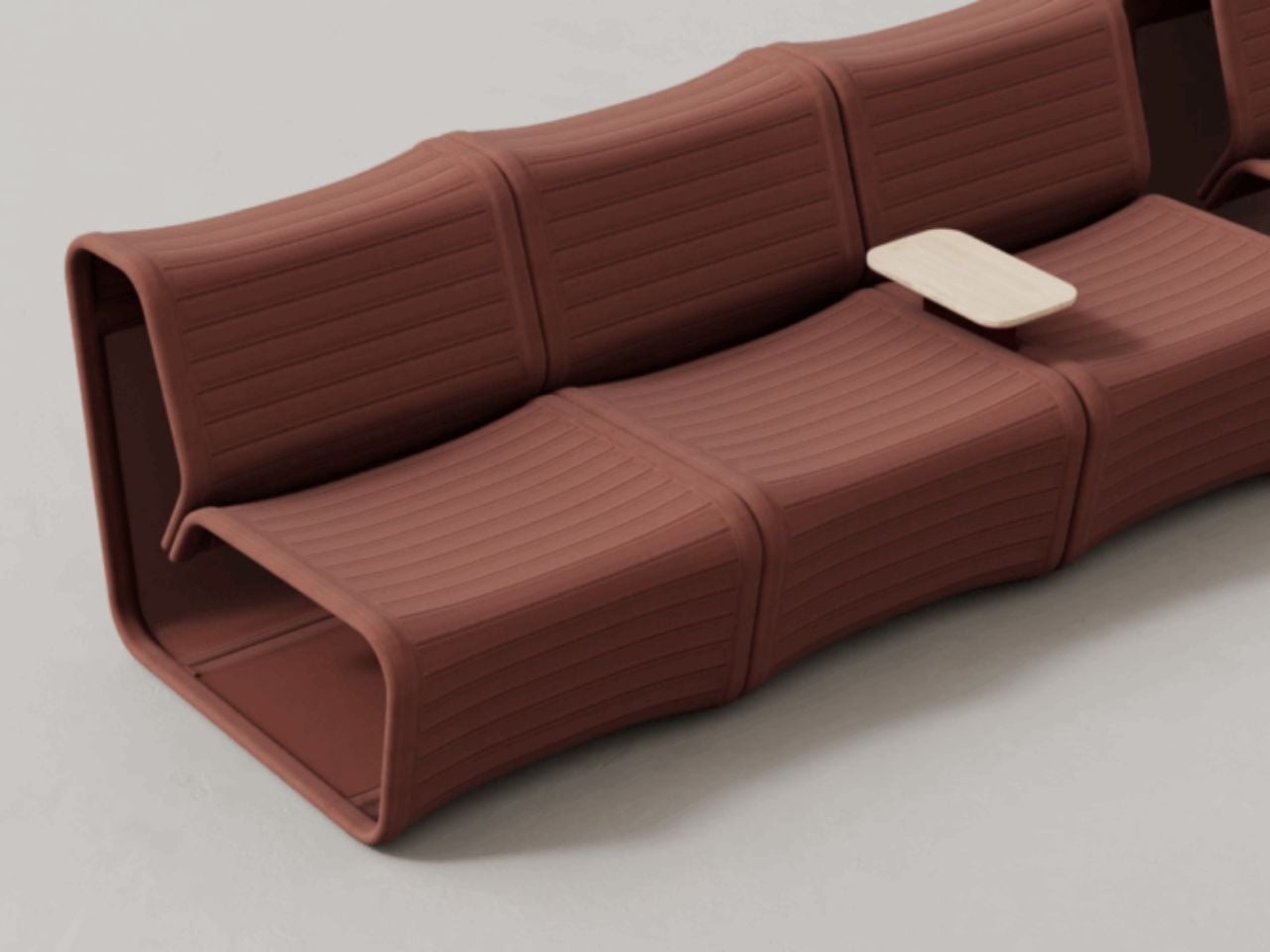
The Knit One Chair is not a standalone object but part of a modular seating family that includes a lounge chair, straight module, angled module, and a solid wood side table. Each piece is reversible, allowing configurations to shift depending on spatial needs. A single system can move from individual seating to collaborative arrangements without adding new elements. Flexibility here is not a feature but a philosophy.

What makes the design compelling is not just its sustainability credentials or modular versatility. It is the conceptual challenge it poses to the industry. The chair asks designers and users alike to reconsider a deeply embedded belief that comfort must be padded, layered, and concealed. Instead, it demonstrates that comfort can emerge from clarity of structure, intelligence of material, and precision of form.

In a time when sustainable design is often framed as sacrifice, the Knit One Chair suggests another narrative. Reduction does not mean deprivation. It can mean refinement. By removing excess, the design creates space for innovation, longevity, and environmental responsibility to coexist. It is not simply a chair. It is a quiet argument for a future where furniture is lighter, not just in weight, but in impact.

The post The Knit Chair That Rewrites Comfort by Subtracting Instead of Adding first appeared on Yanko Design.
This Chair doubles as a Floor Lamp for quirky, multipurpose furniture for tiny homes

Most furniture is remarkably obedient. It goes where you put it, does what it was designed to do, and asks nothing back. A sofa is a sofa. A side table holds your coffee and your remote and maybe a plant you keep meaning to water. The relationship is comfortable, uncomplicated, and, if you’re honest about it, a little dull.

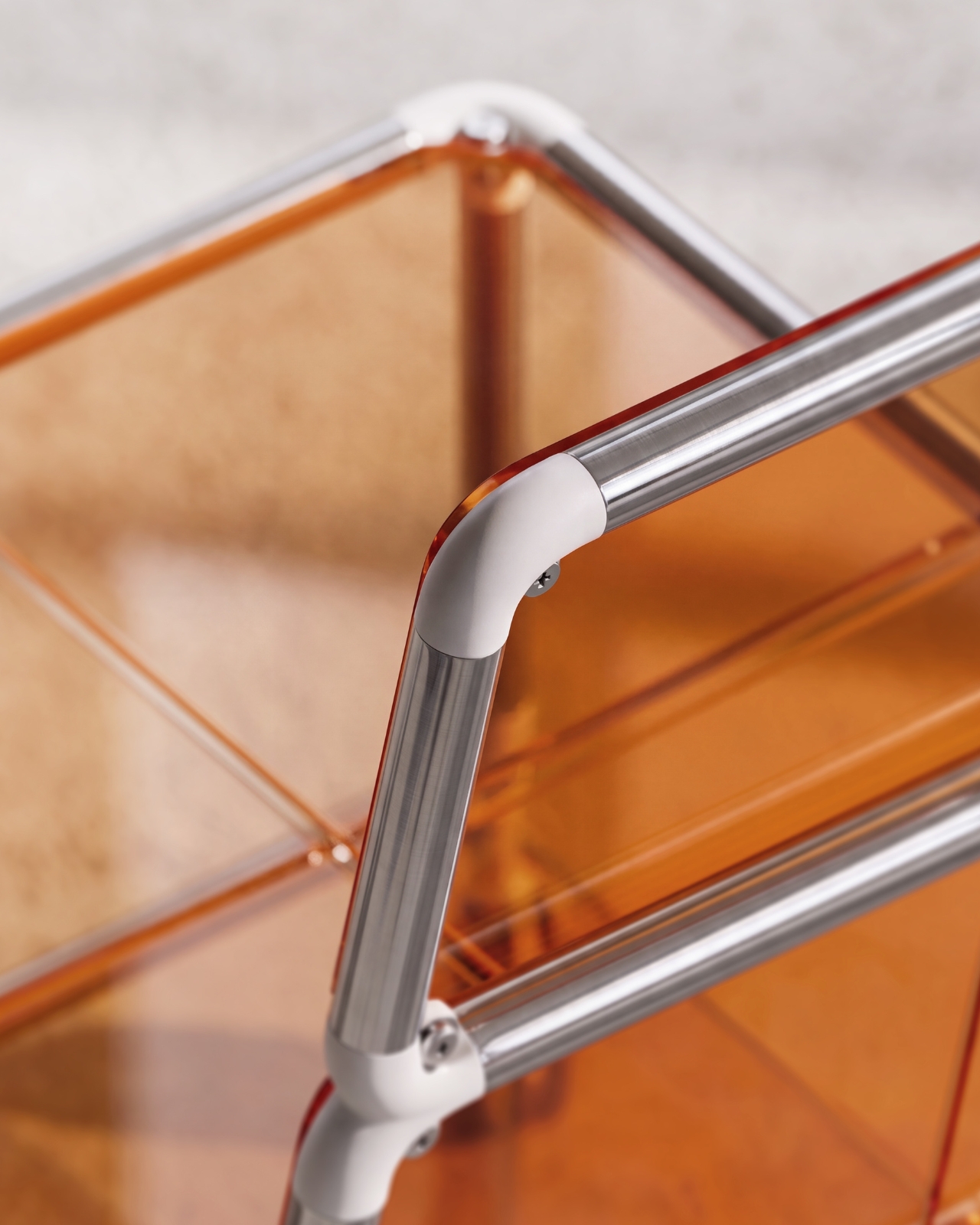
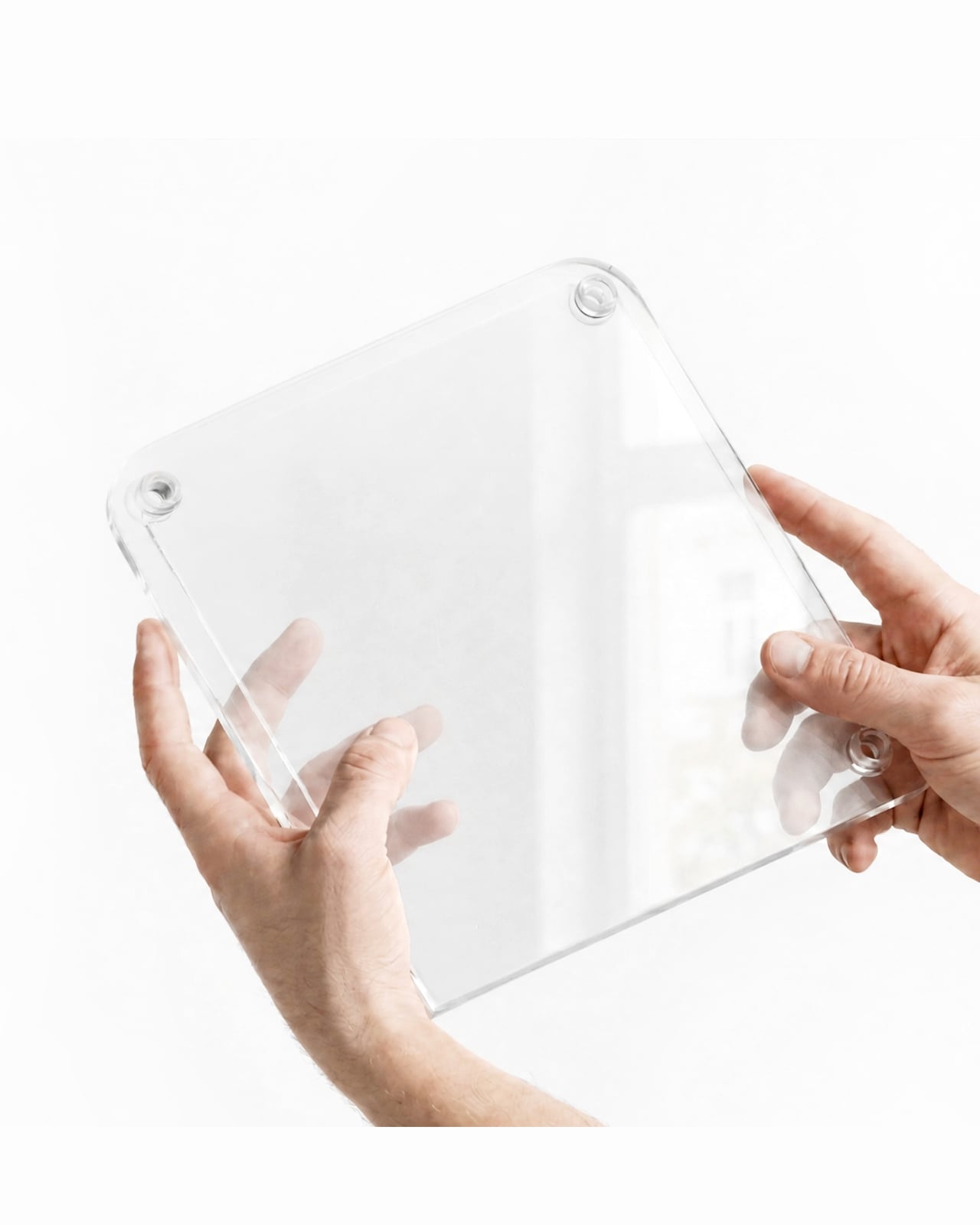
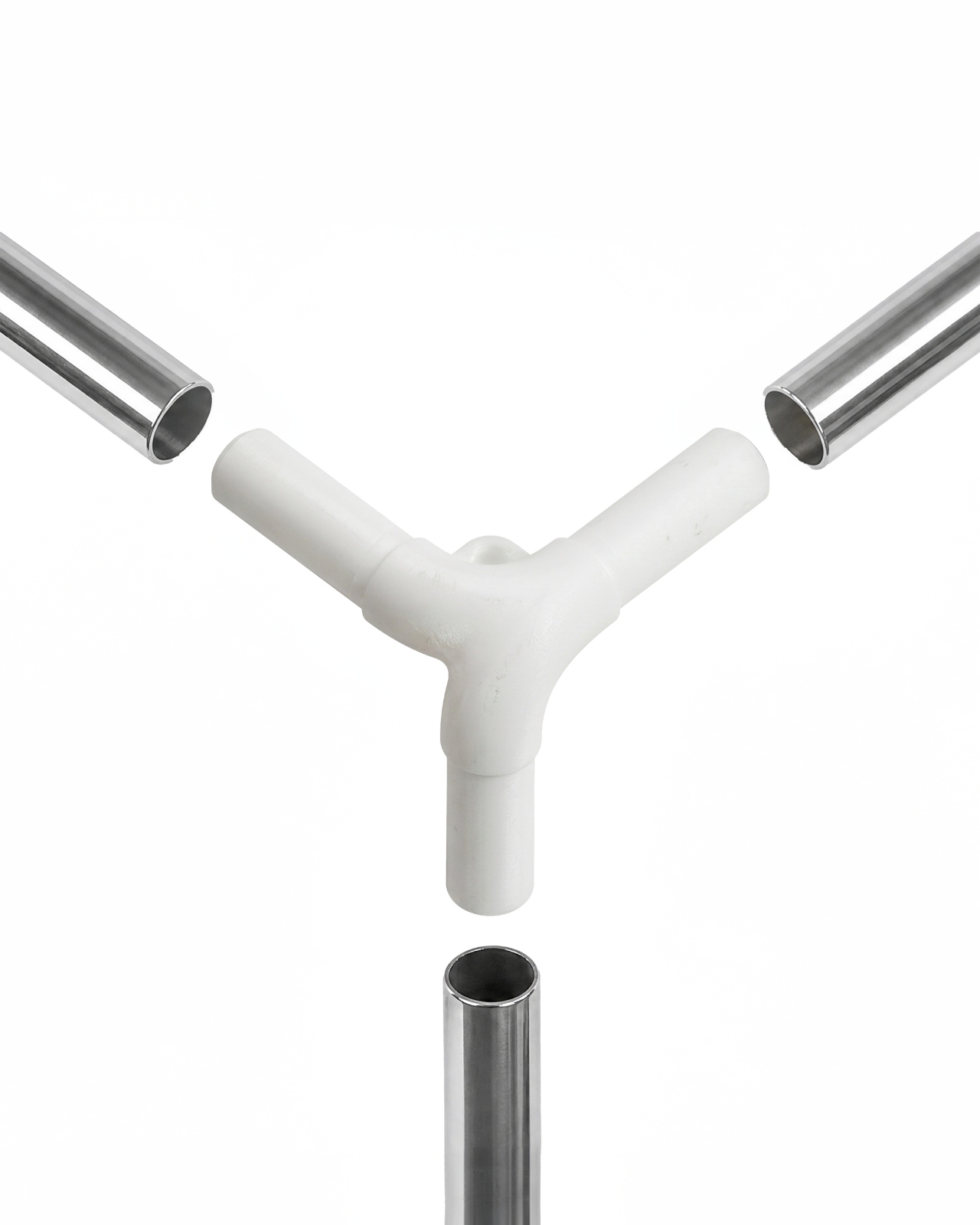
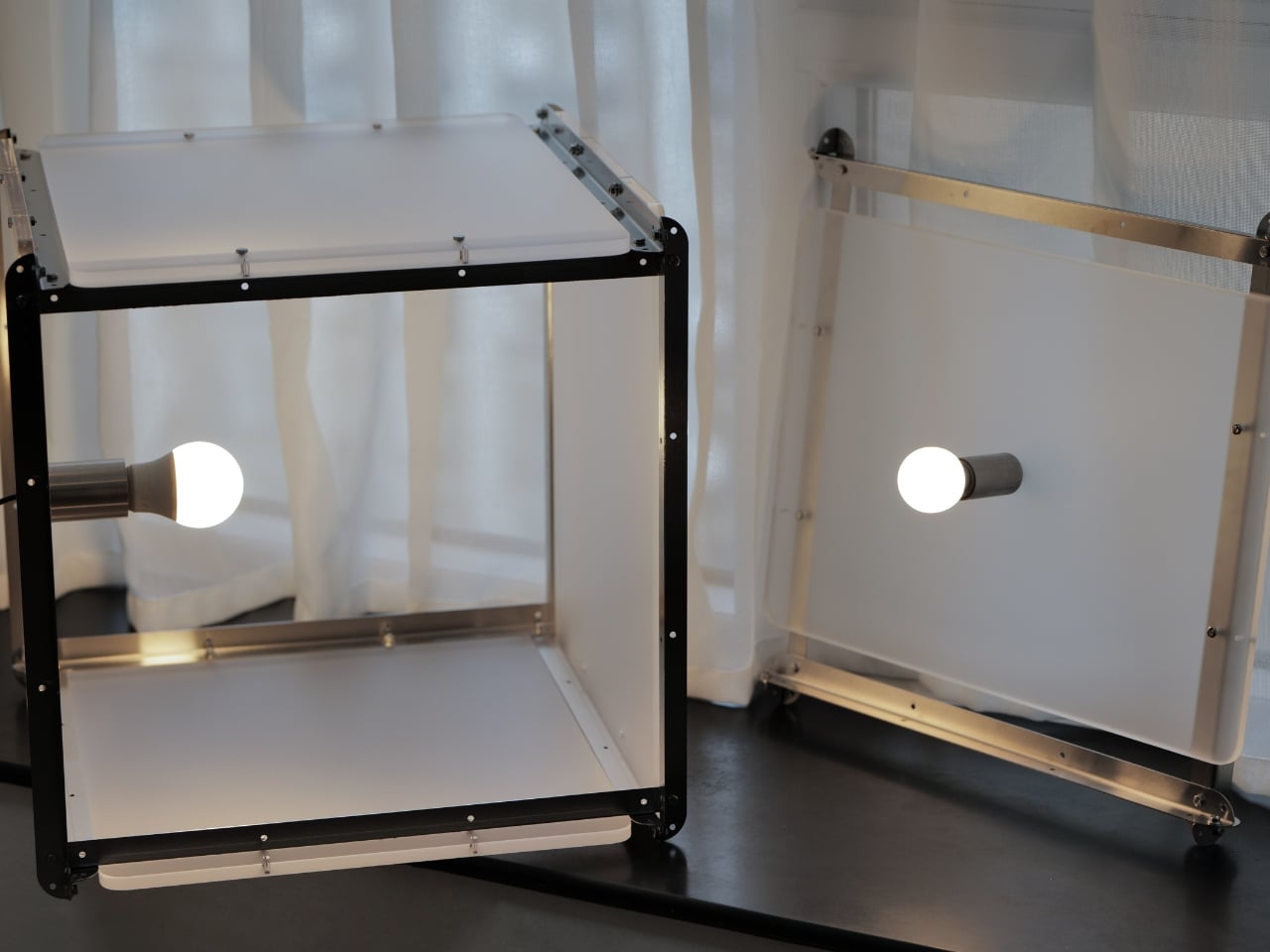
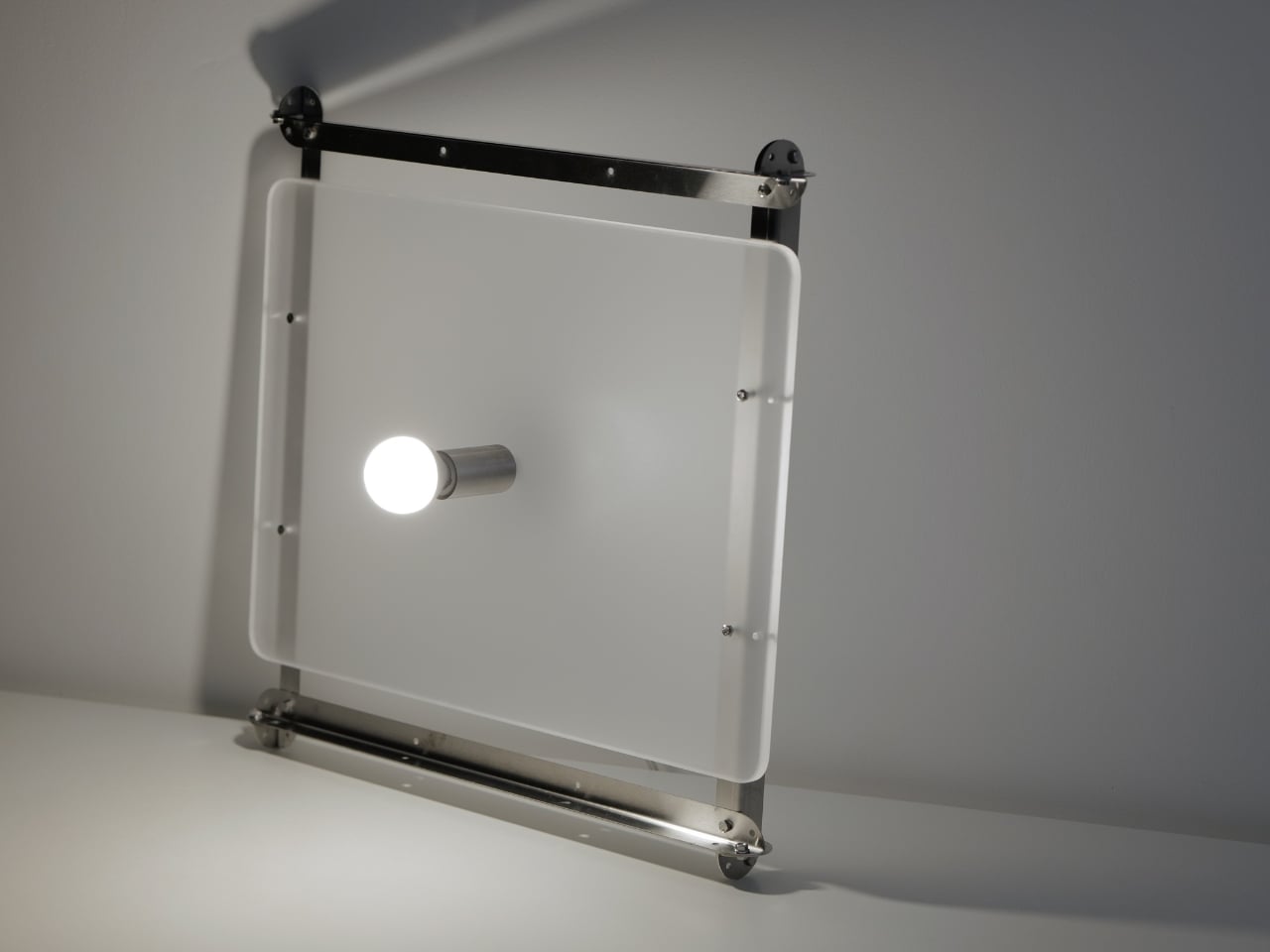
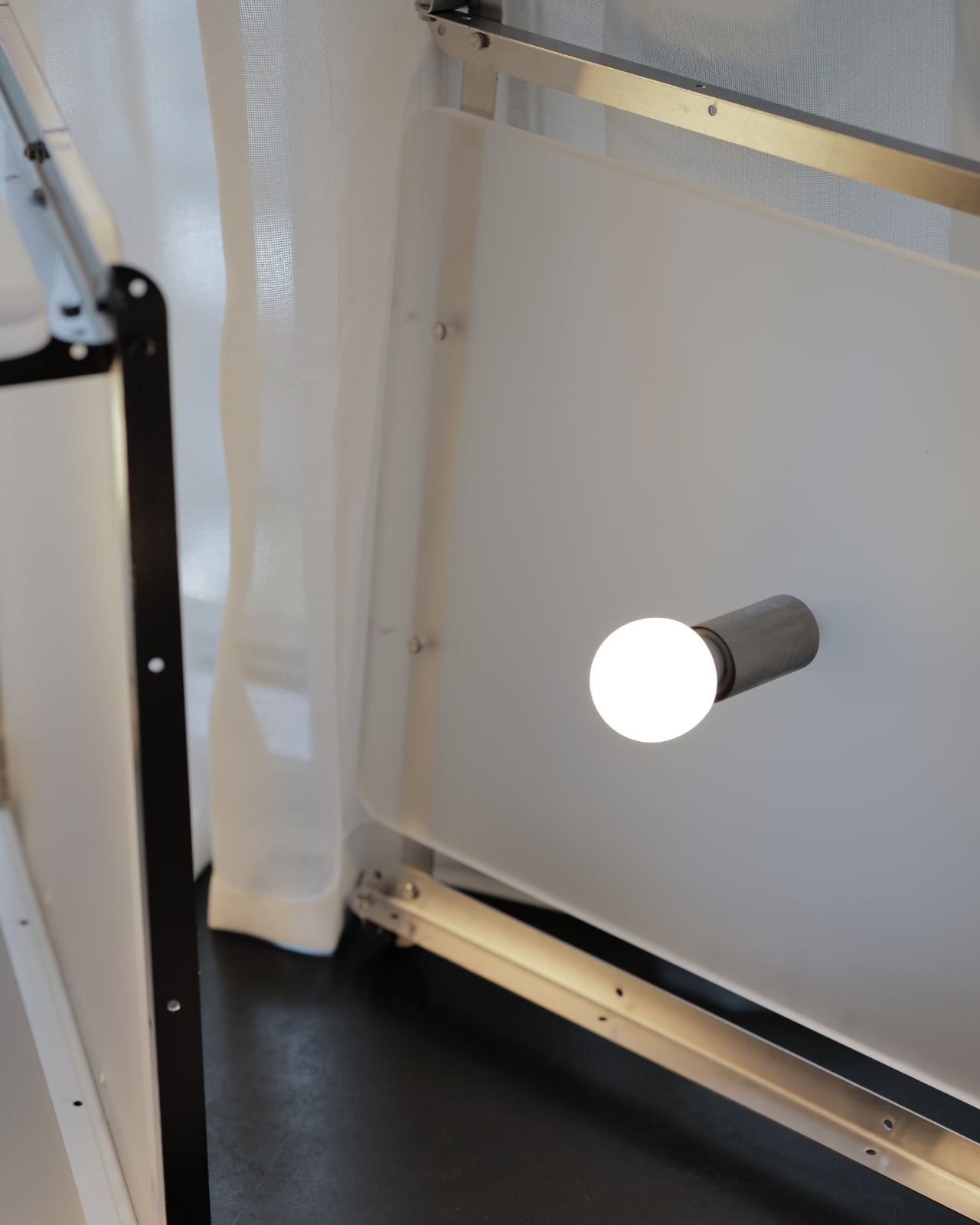
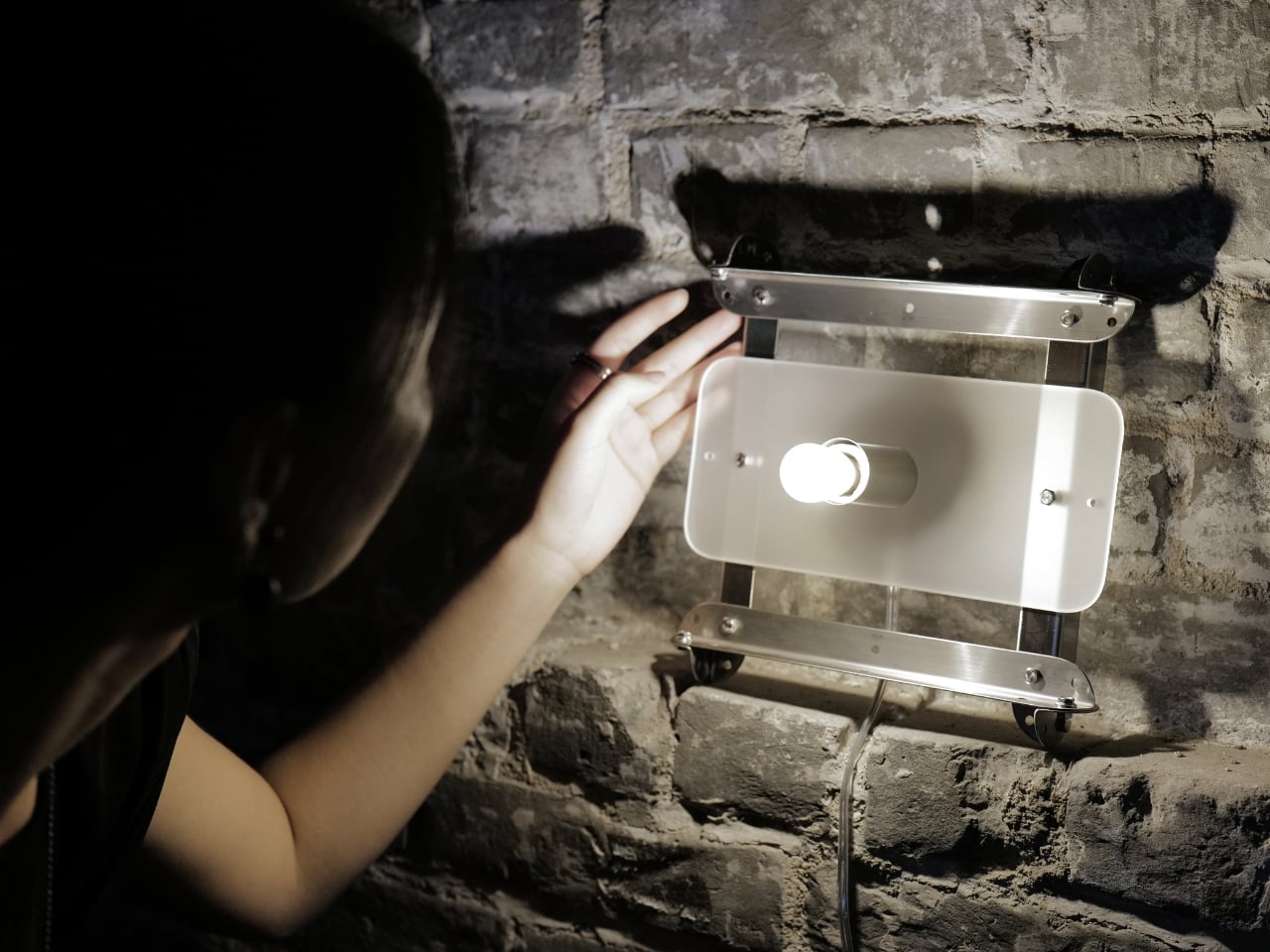
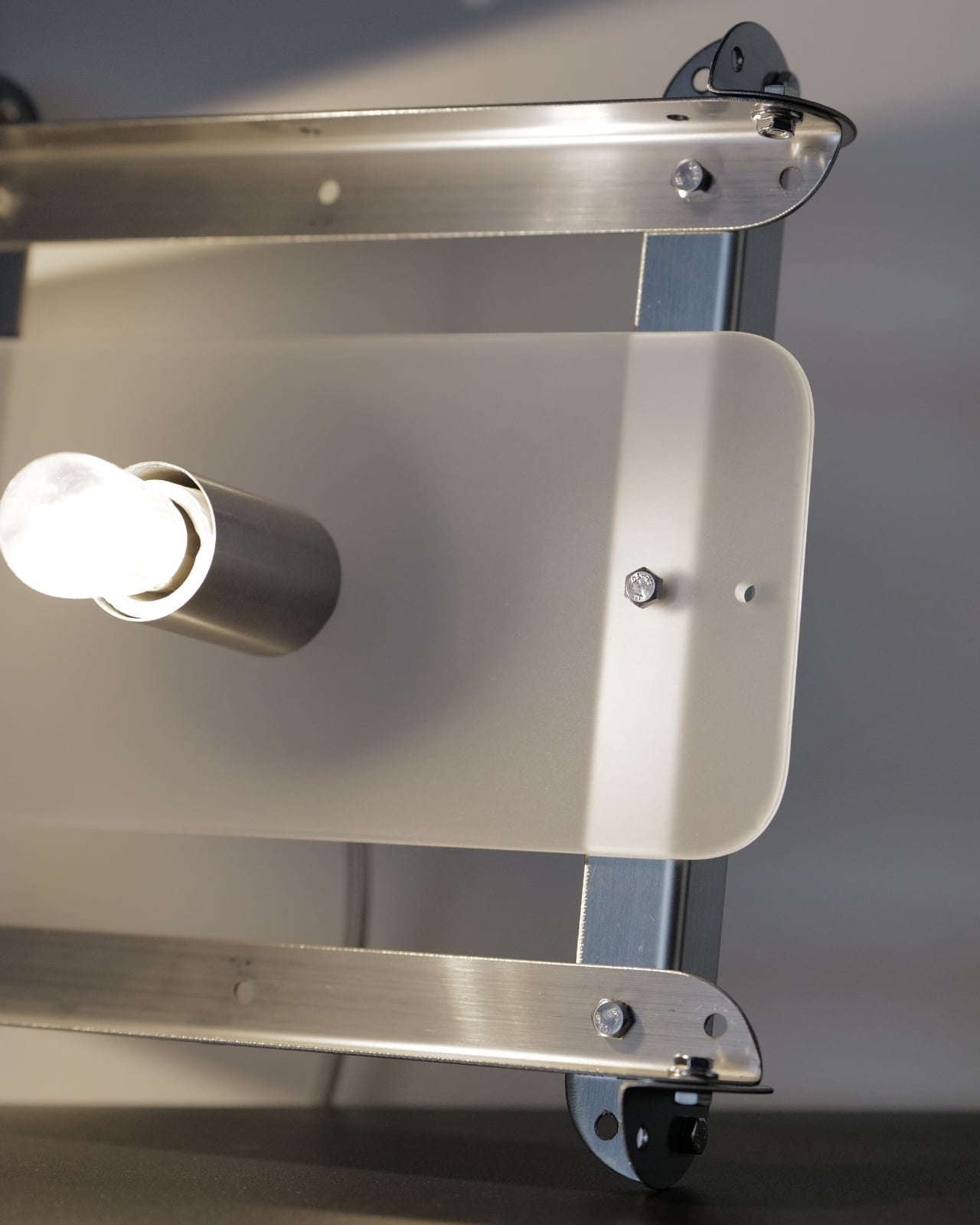
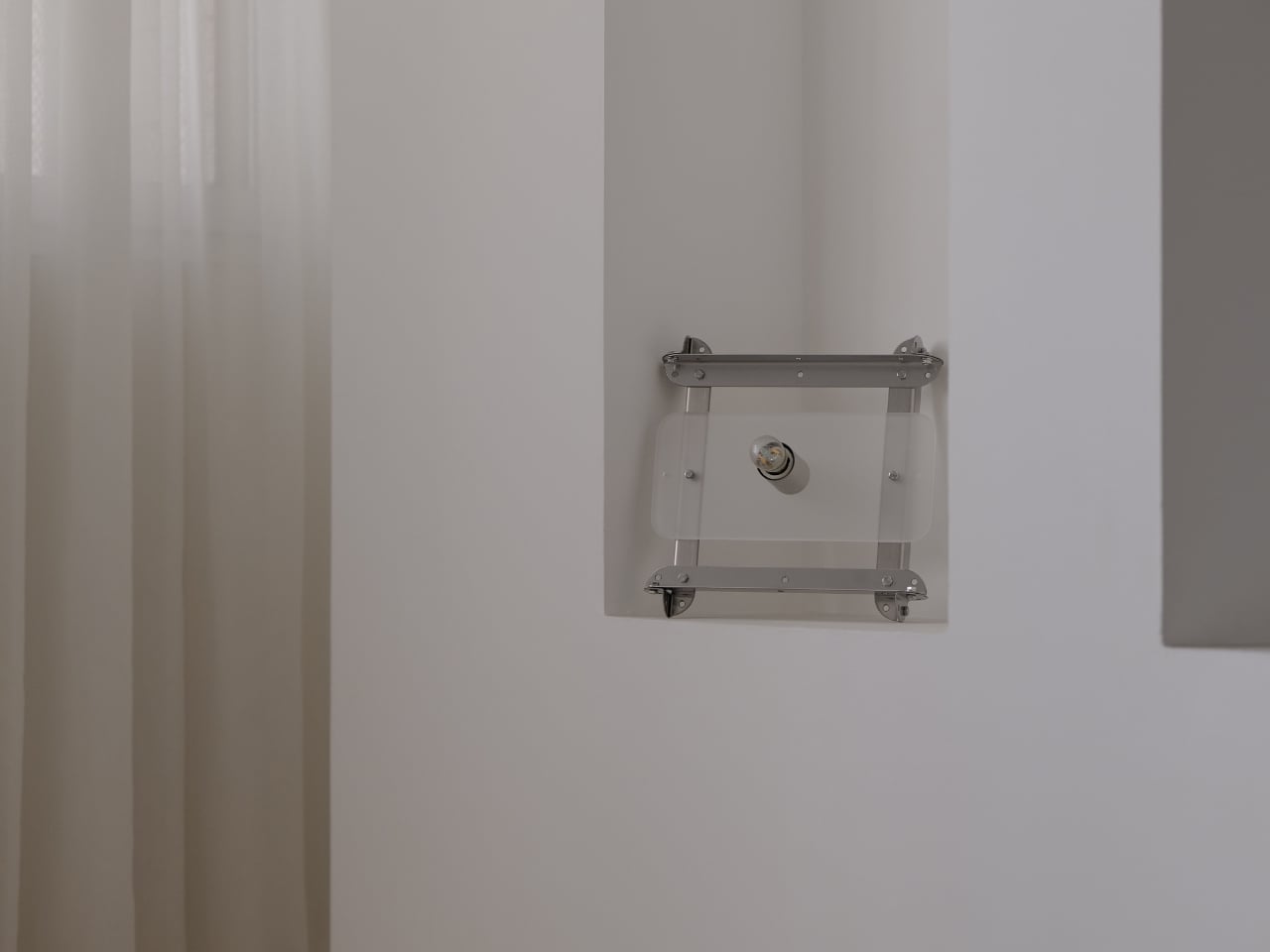
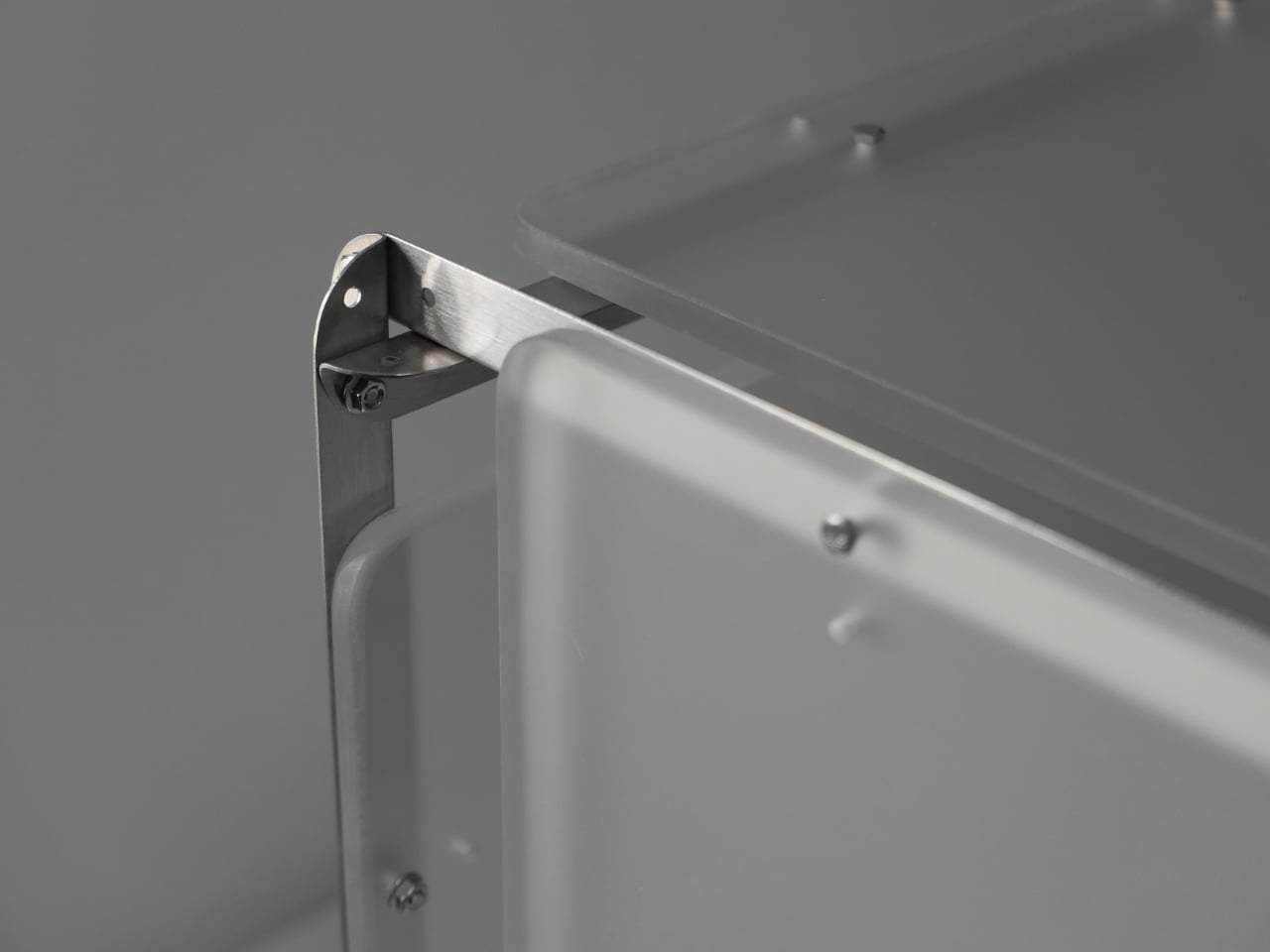
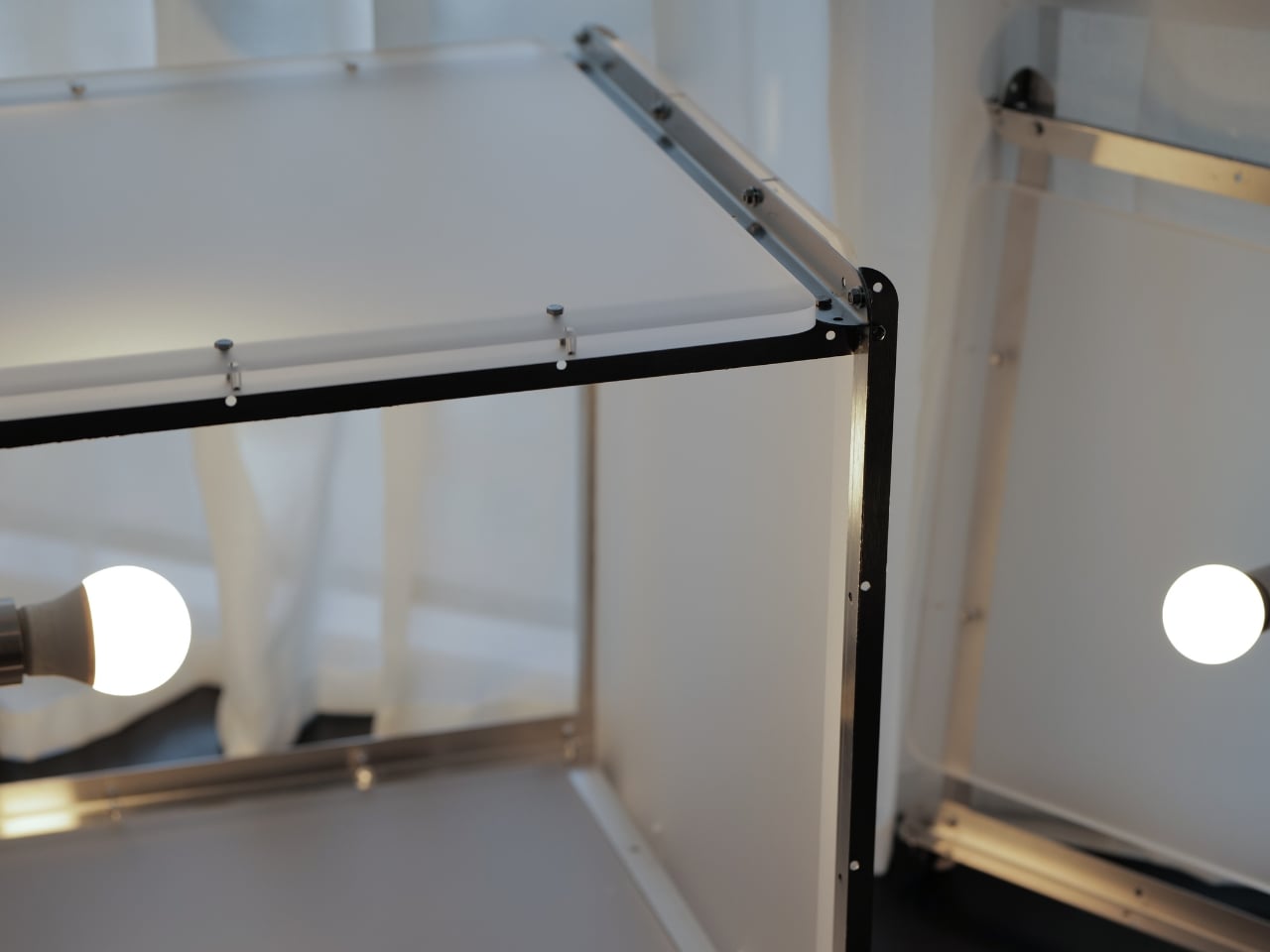
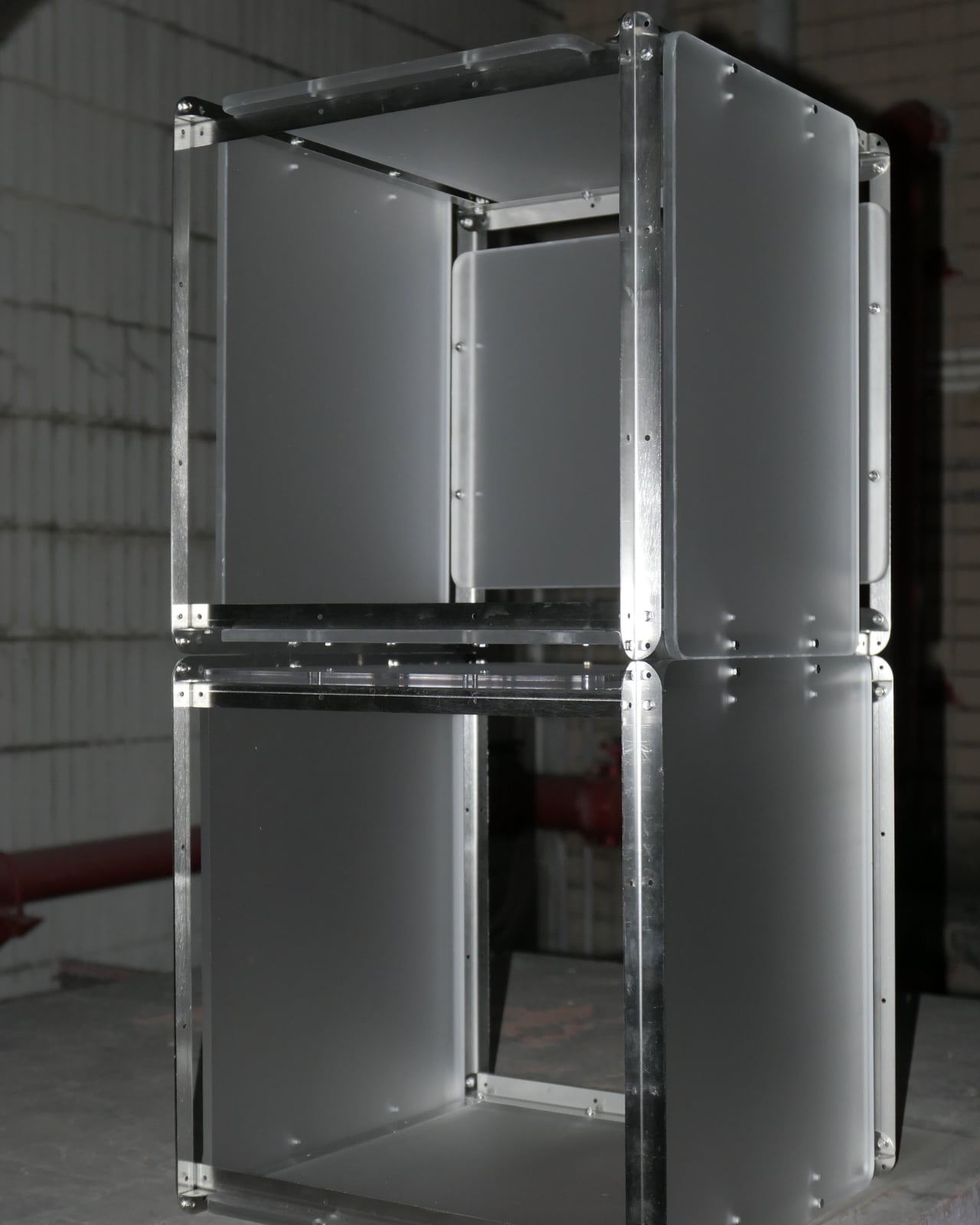
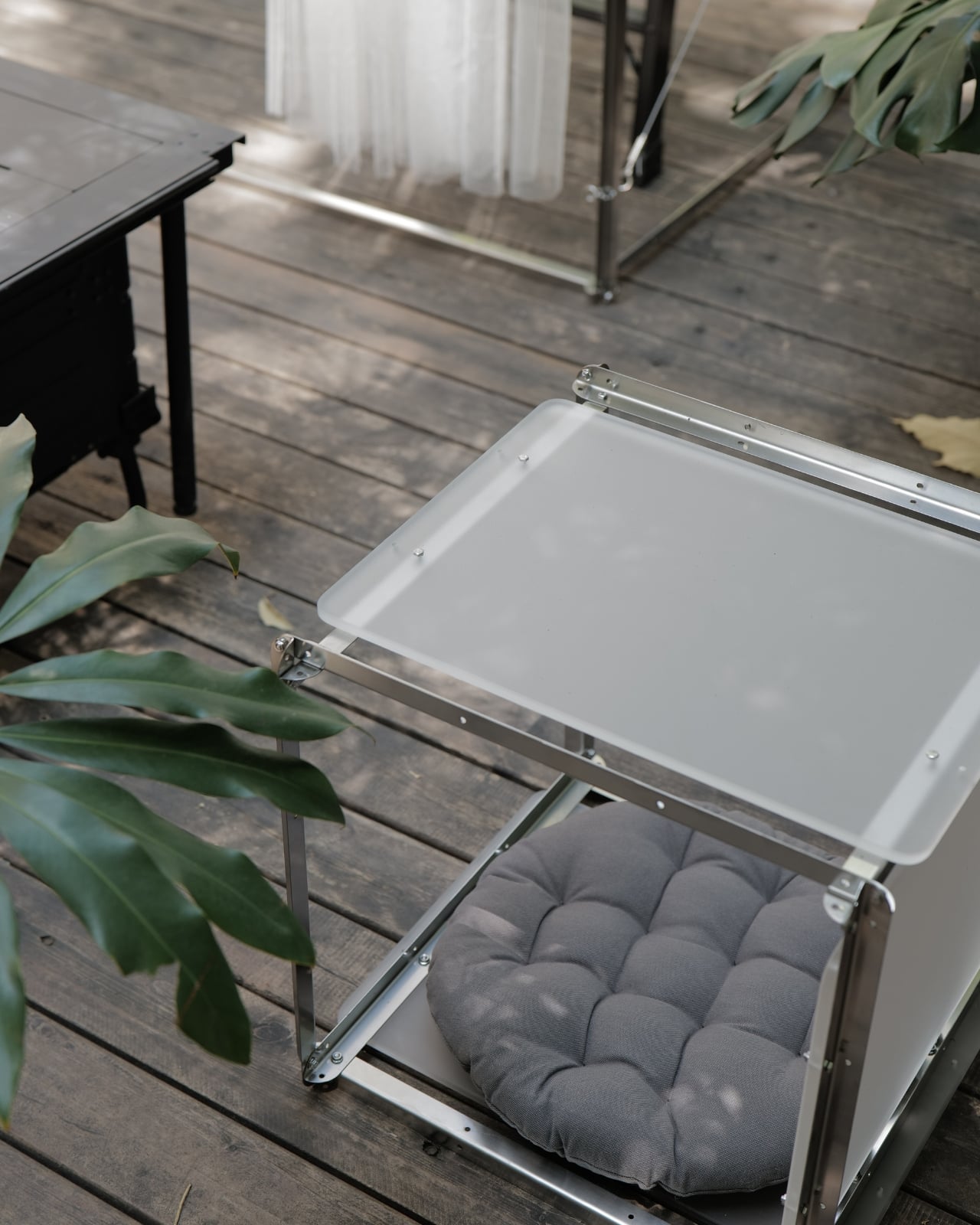
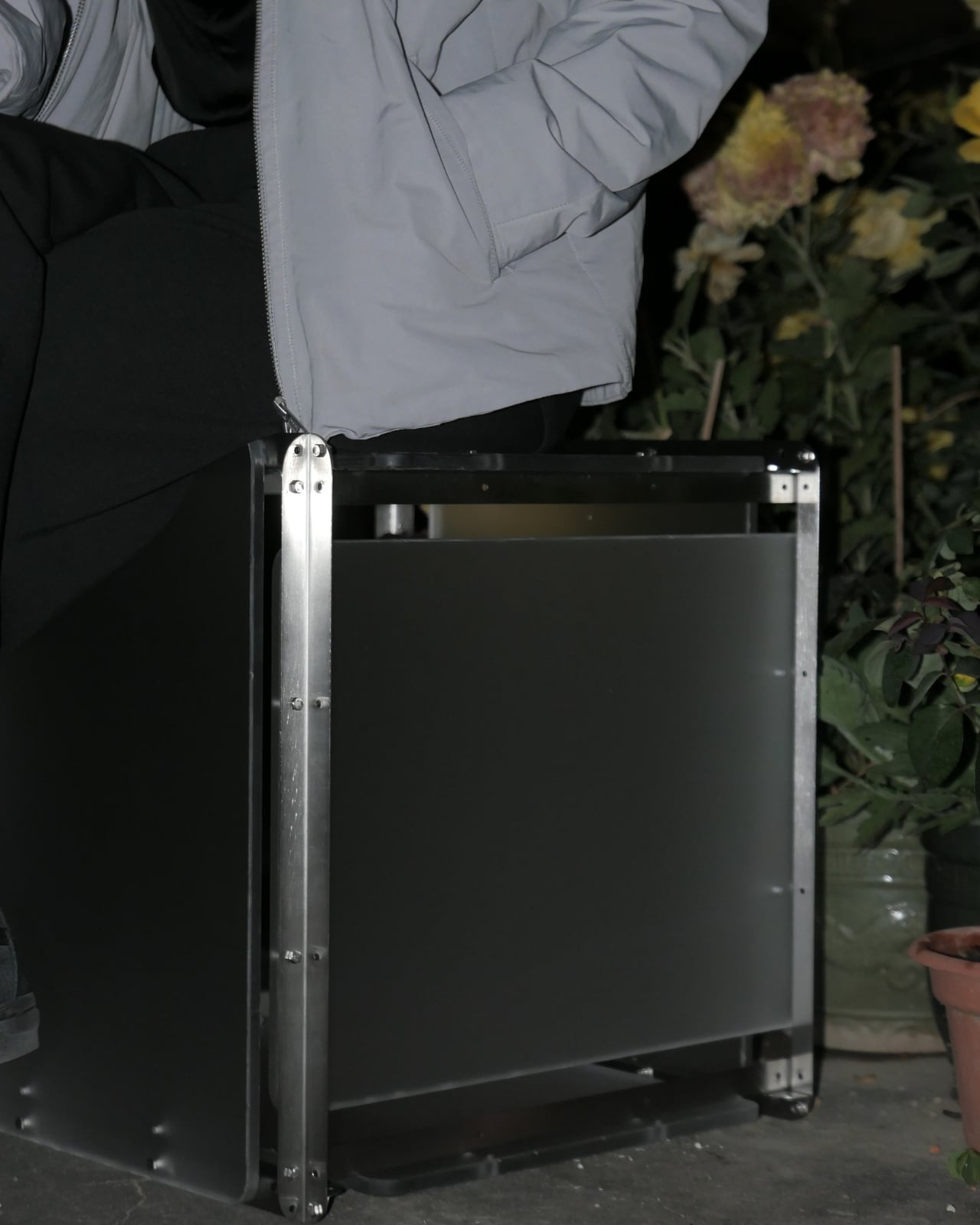
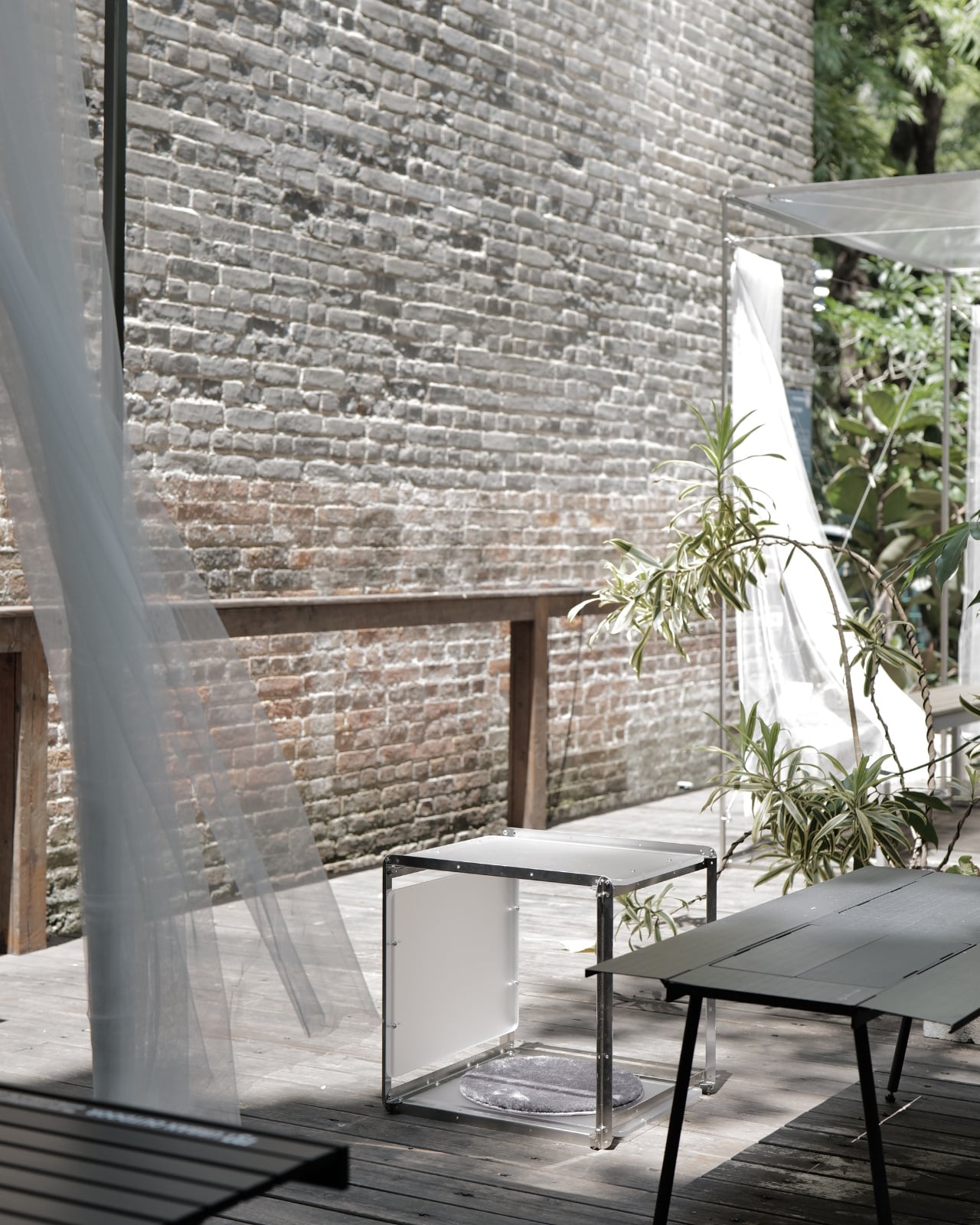
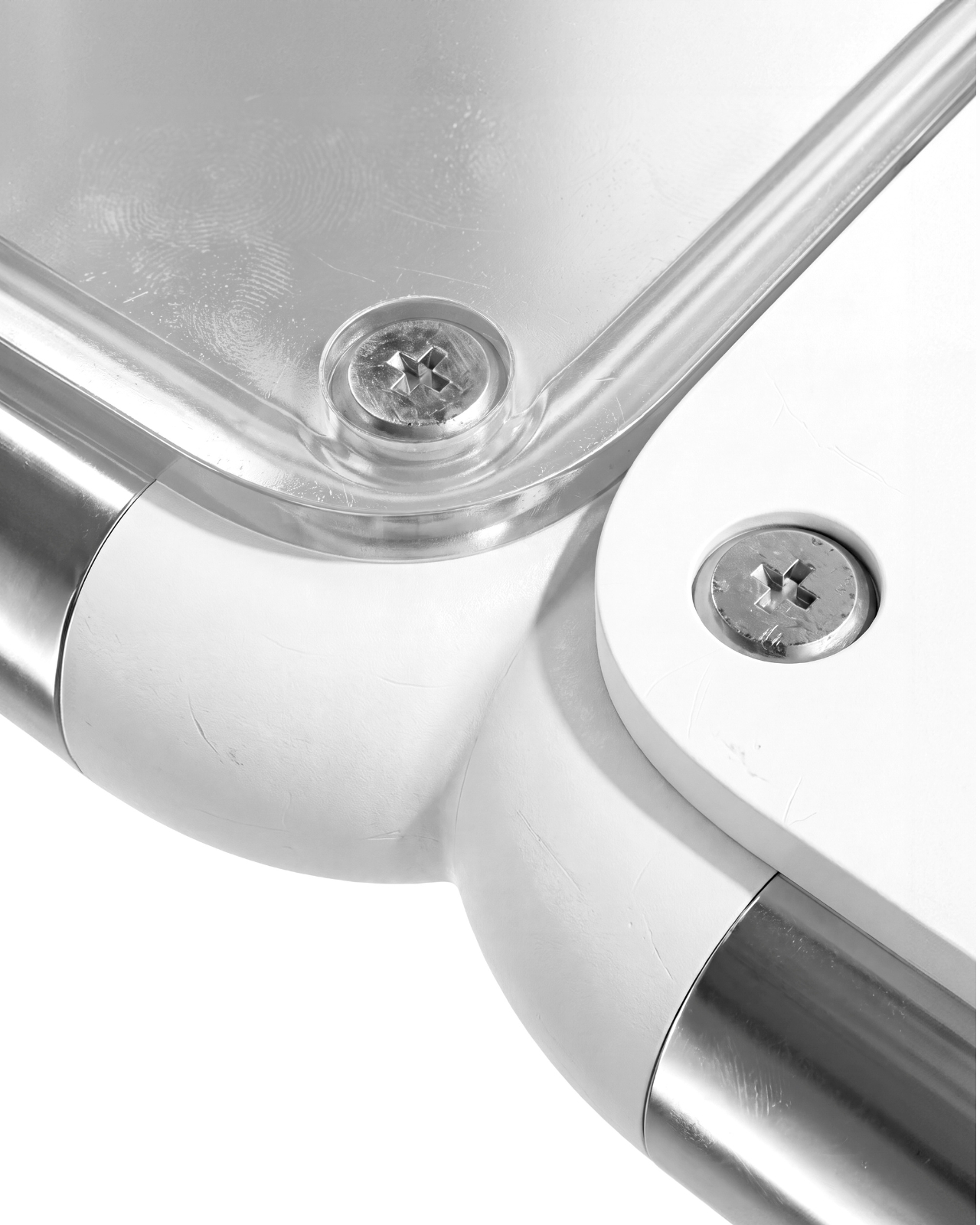
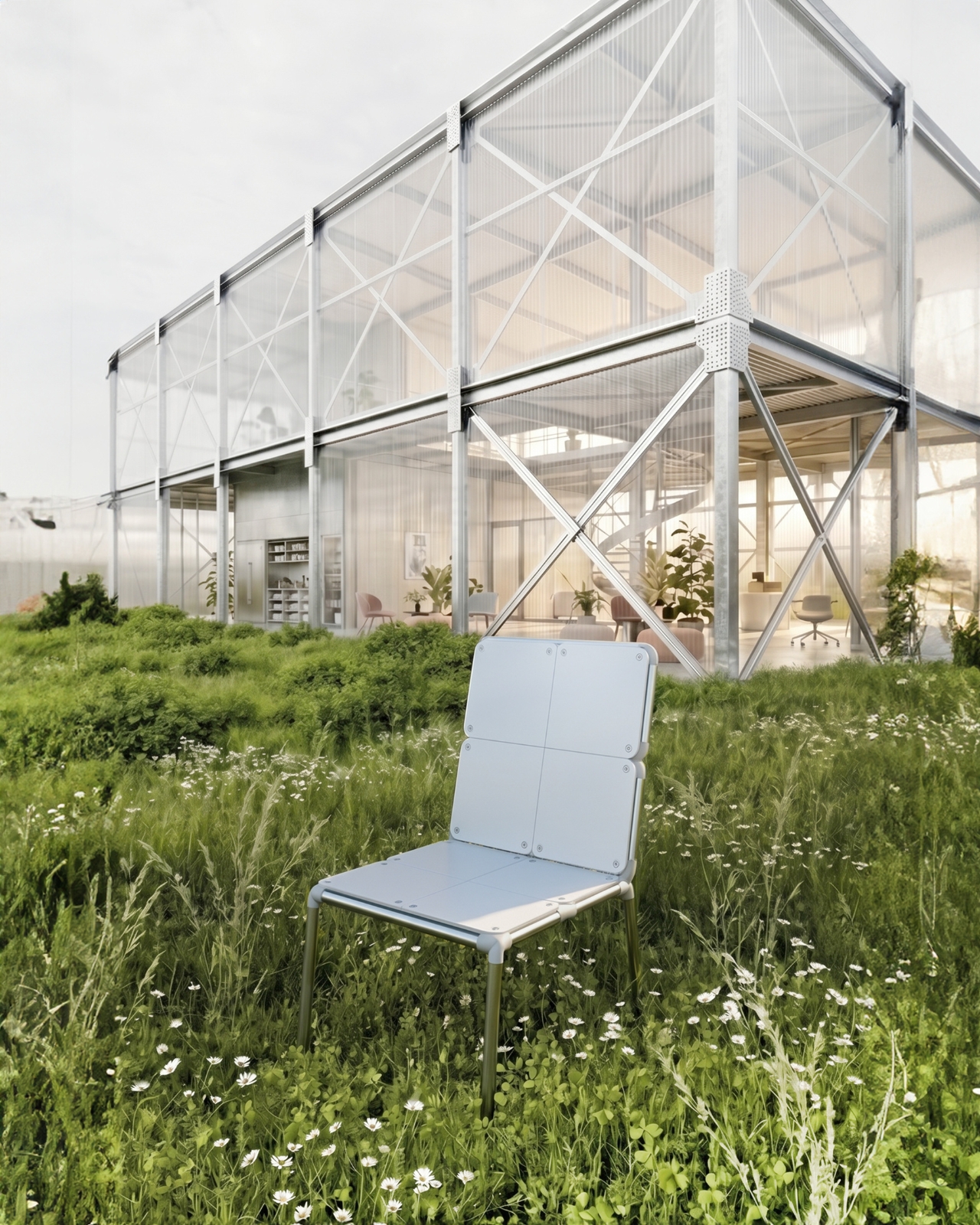
JXY Studio’s Art-chitecture modular furniture system is not obedient. Designed by Jiaxun Xu and Yue Xu, it’s built from just two materials, stainless steel and frosted acrylic, and assembled through a modular logic that lets the same set of components become a chair, a lamp, a wall sconce, a shelf, or something that doesn’t quite have a name yet. The system isn’t asking you to commit to a function. It’s asking you to keep questioning one.

Designer: JXY Studio

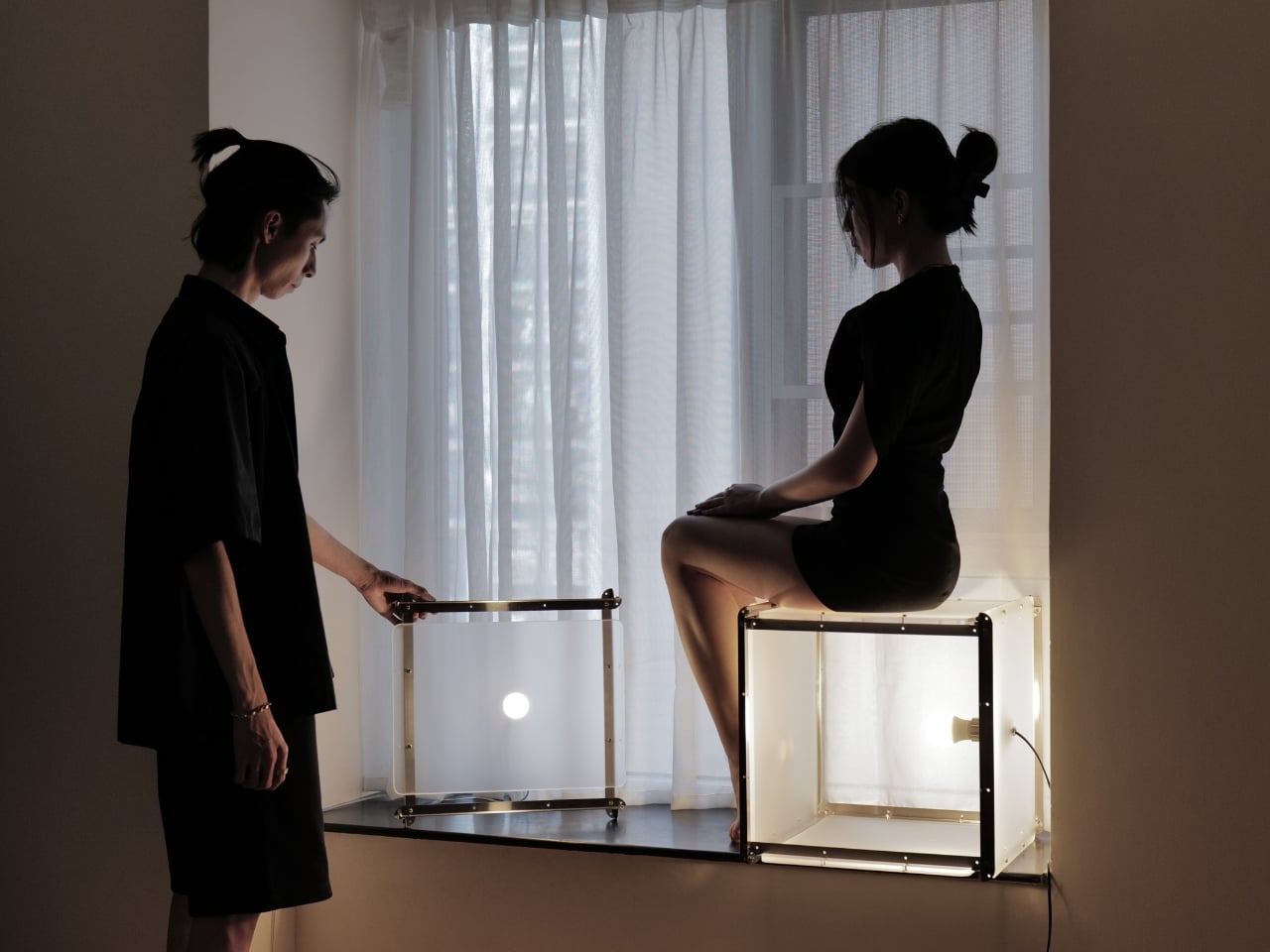
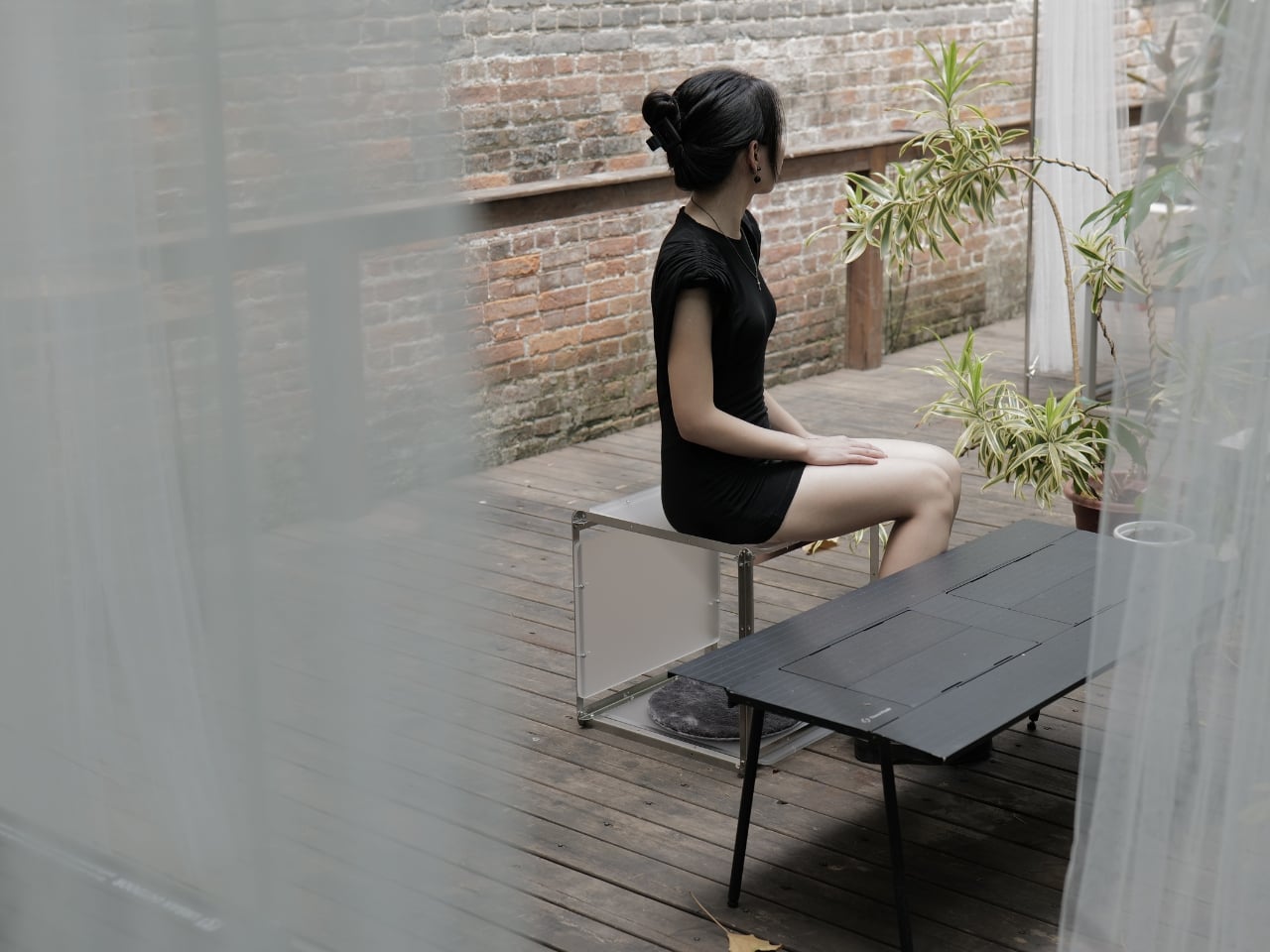
The physical language of the pieces is striking right away. The steel frame is exposed and structural, bolted together with visible hardware that reads more like small-scale architecture than furniture. The frosted acrylic panels diffuse light from within, so what sits in a corner as a cubic seat by day can glow like a softbox lantern at night. One configuration mounts flat against a brick wall as a sconce. Another rests on a wooden deck with a cushion tucked inside, a side table, a pet perch, a seat, take your pick. A Pomeranian pokes its head out of one in the project photos, looking entirely at home, which tells you something about the generosity of this design.

What JXY Studio is really pushing back against is the way furniture has historically been judged: by material, proportion, craftsmanship, and style. Those things matter, but that framework also quietly boxes furniture in. It positions an object as an accessory defined by aesthetic labels rather than as a force that actively shapes how a space feels. The Art-chitecture system rejects that framing. Its position is that a chair can be a spatial element, not just a seat.

I find this genuinely compelling, partly because it mirrors conversations happening across other design disciplines. In tech, modularity and open systems have been the standard for decades. In architecture, adaptive reuse and flexible programming have become almost expected. But furniture, the thing we touch and use more than almost any other designed object, has largely stayed categorical. The Art-chitecture system asks the obvious question that rarely gets asked: why?

Part of what makes it feel so contemporary is the balance it strikes between precision and openness. The components are designed around standard industrial processes, but the assembly logic is simplified enough that the user becomes a co-designer. You’re not just buying a product; you’re buying a set of spatial possibilities and figuring out what to do with them. It has flat-pack ambition with a considerably more ambitious philosophy behind it.

Modularity in furniture is not, of course, a new idea. The USM Haller system has been doing its thing since the 1960s, and everything from Enzo Mari to IKEA has explored assembly logic in various ways. But Art-chitecture distinguishes itself by crossing categories entirely. It doesn’t modularize within furniture. It modularizes across the boundary between furniture and space. Stack and recombine enough of these units and they stop being objects in a room and start becoming the room itself.

There are real tradeoffs worth acknowledging. Frosted acrylic is beautiful when lit but shows wear over time. Visible bolts and steel framing require a particular aesthetic tolerance. And any system this open-ended demands a level of spatial imagination that not everyone wants to bring to a Tuesday evening at home. But those feel like worthwhile concessions for a project that is genuinely trying to expand what furniture can be.

The image I keep coming back to is from the project photos: a person seated on an illuminated cube by a window, silhouetted against sheer curtains, while someone else holds an unassembled frame nearby. It looks like a play where the set is still being built. The Art-chitecture system treats living as an ongoing act of construction, where the things you sit on and the spaces you inhabit are never quite finished. I find that idea hard to let go of.

The post This Chair doubles as a Floor Lamp for quirky, multipurpose furniture for tiny homes first appeared on Yanko Design.
This Modular Furniture System Rolls With Your Workflow

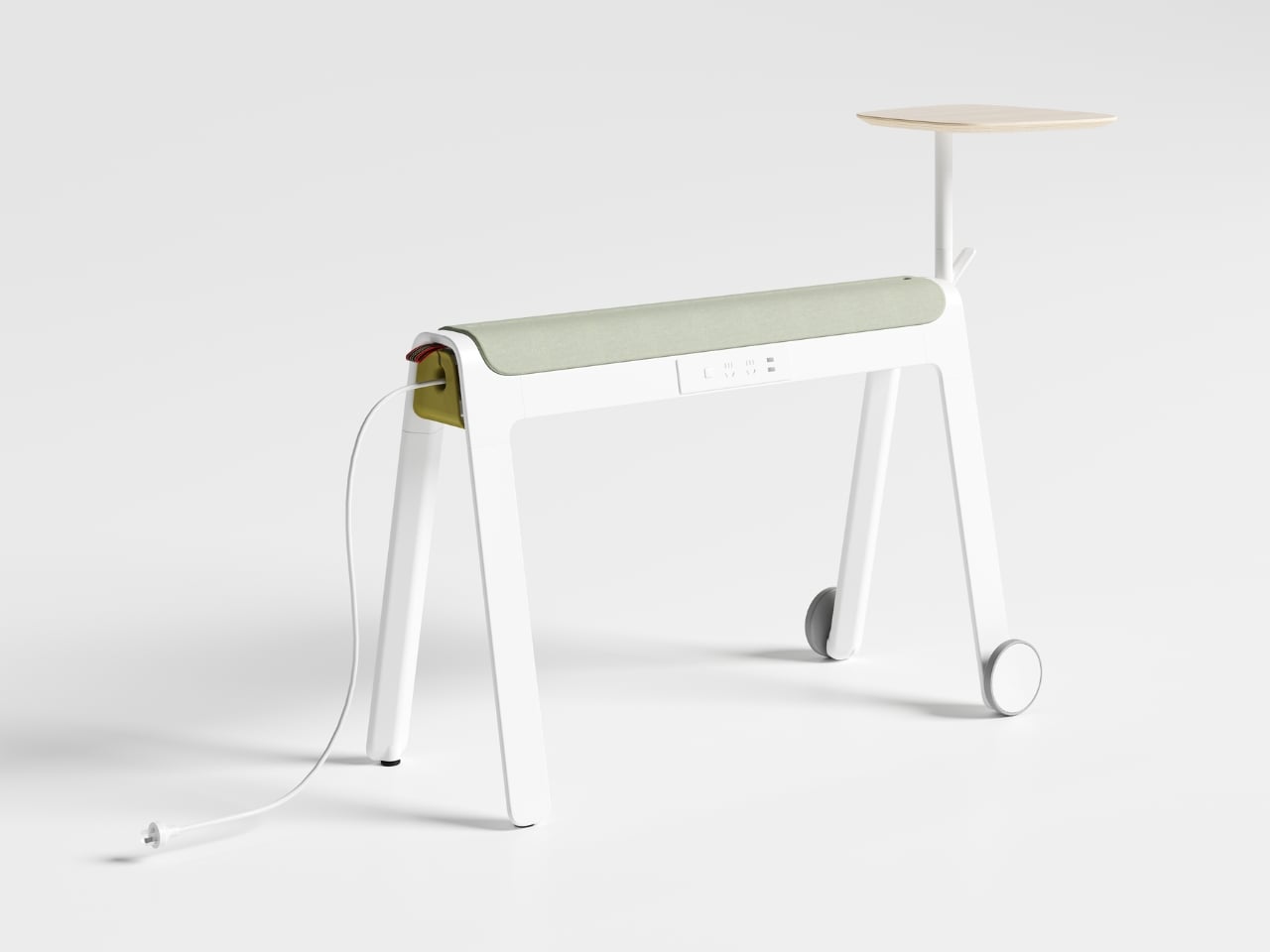
Remember when office furniture meant heavy desks bolted to the floor and chairs that squeaked every time you moved? Those days feel like ancient history now. The way we work has transformed so dramatically that our furniture is finally catching up, and the Kylinc system by Belte Furniture is proof that flexibility isn’t just a buzzword anymore.

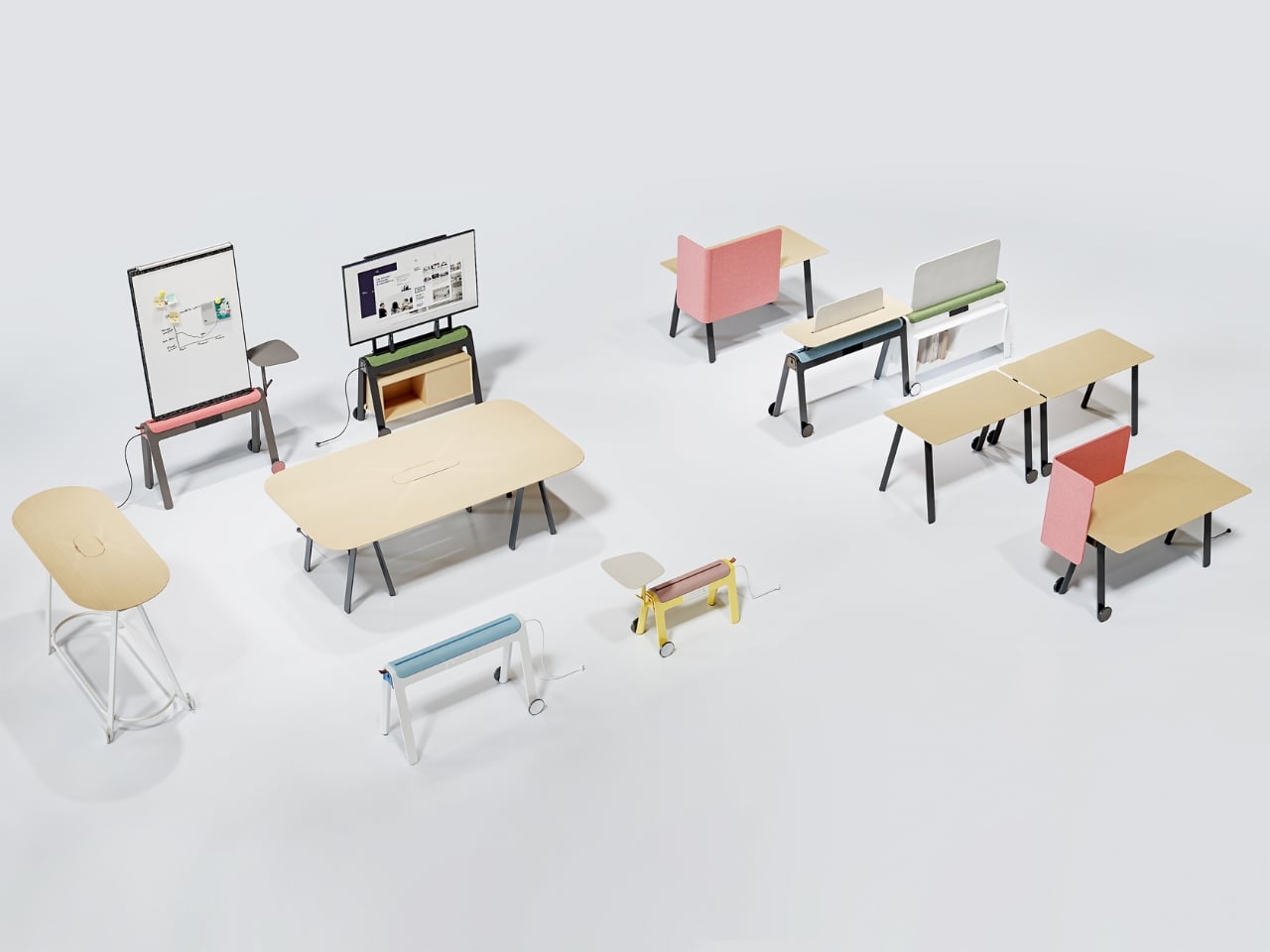
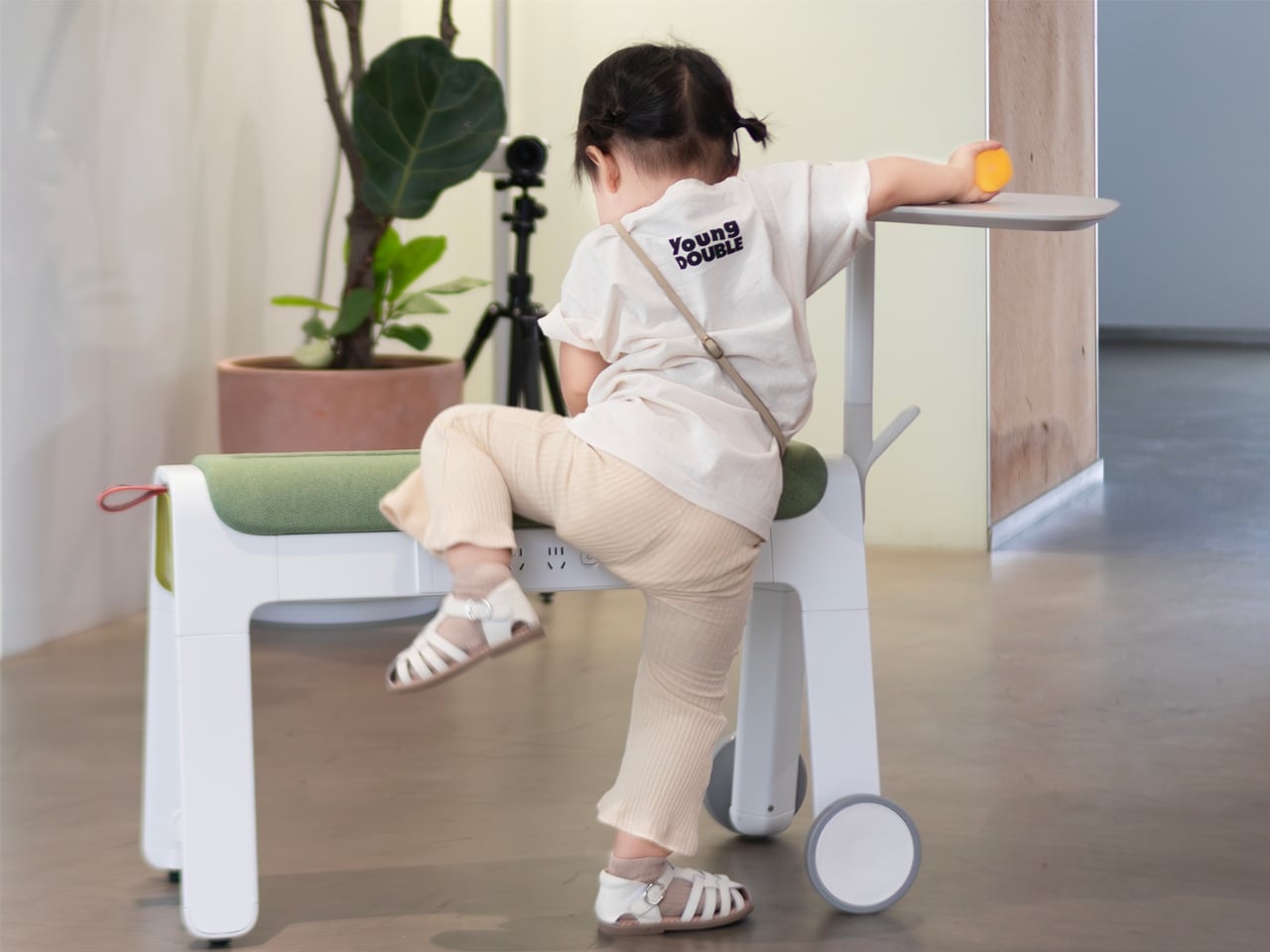
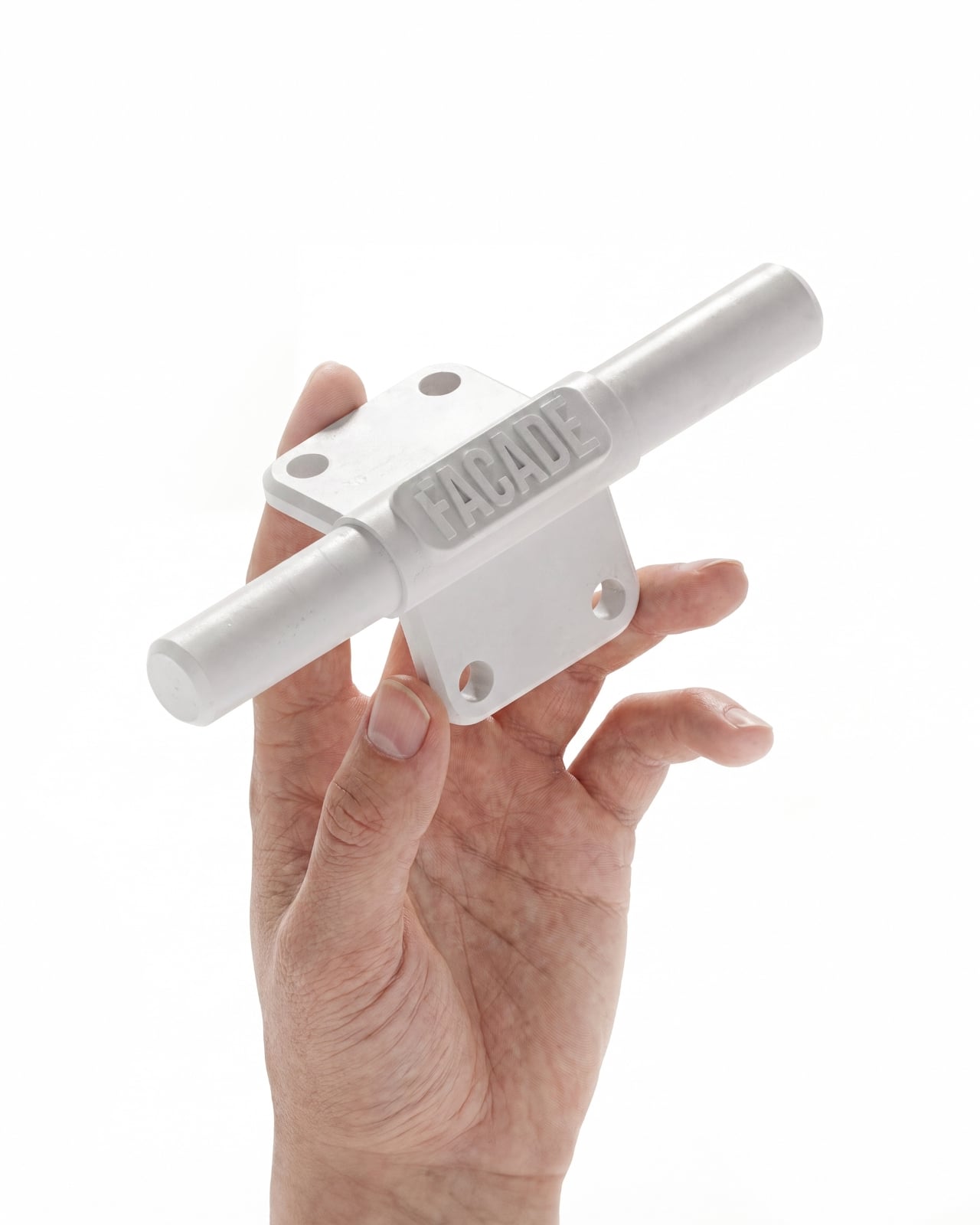
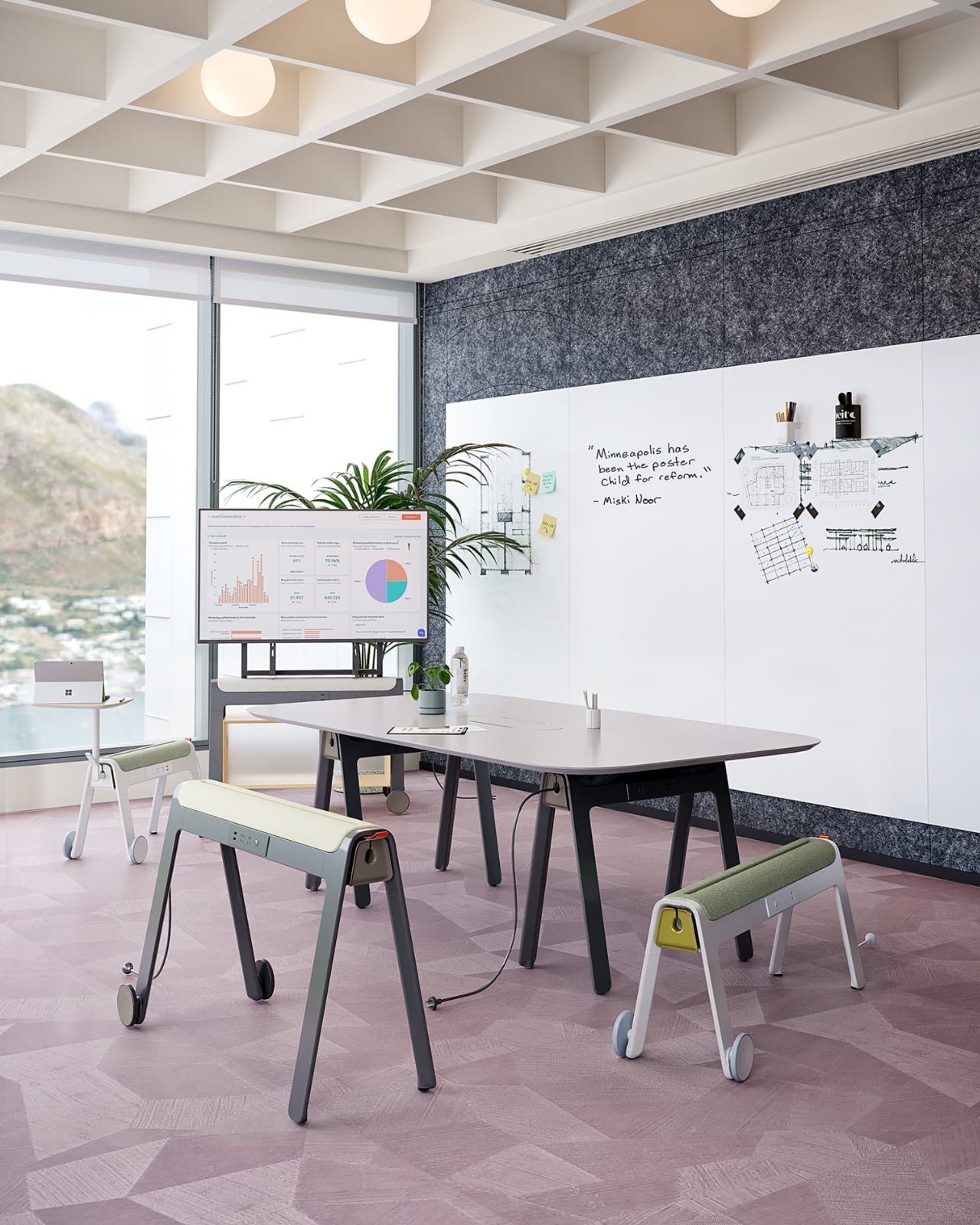
Unlike traditional office setups that commit you to one configuration forever, Kylinc treats your workspace like a living thing that can adapt whenever you need it to. The secret lies in its clever design: each piece rolls on large wheels, transforming your office into a sort of adult Lego set where you can rebuild your environment based on what the day demands.

Designer: Belte Furniture

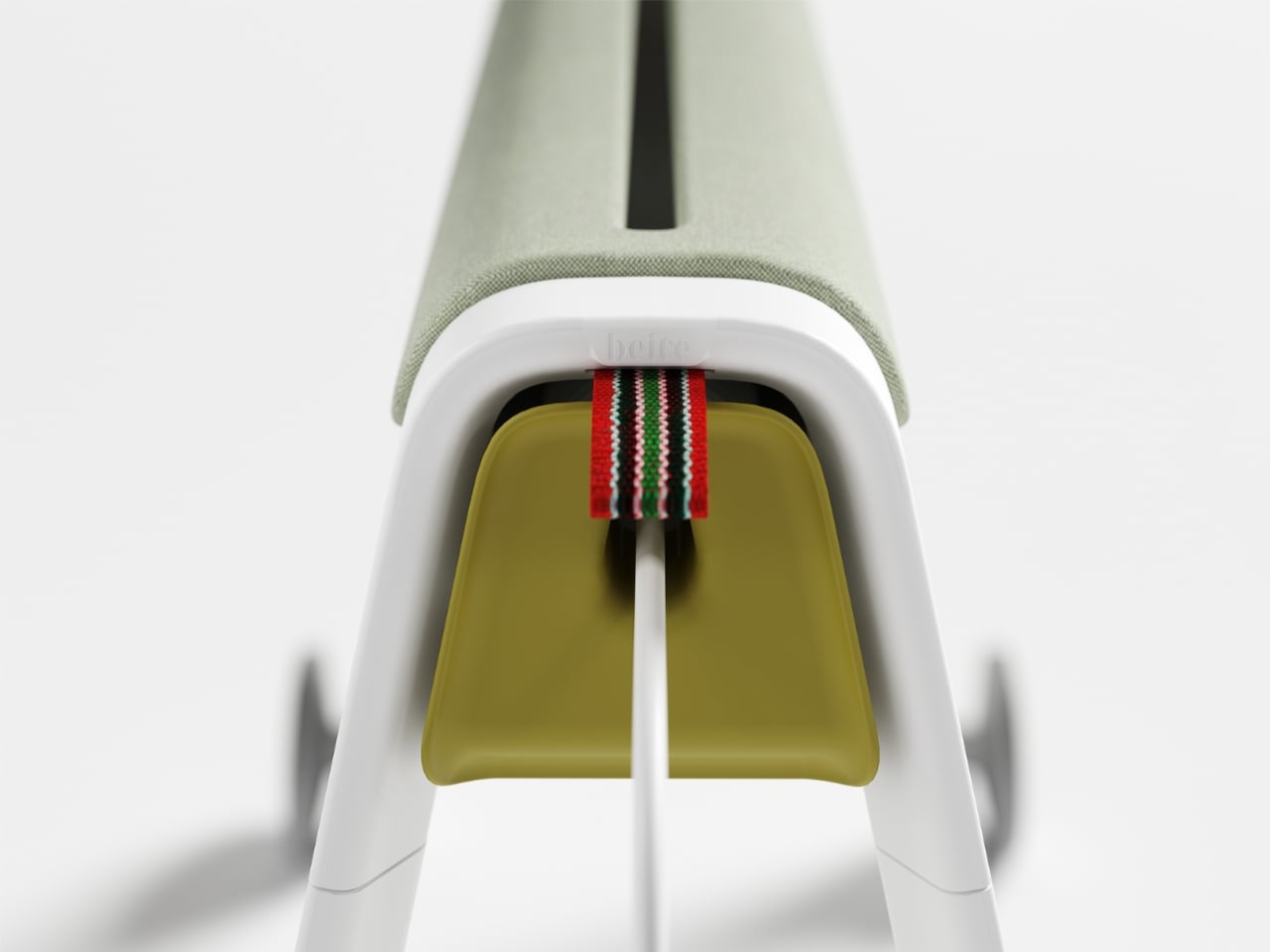
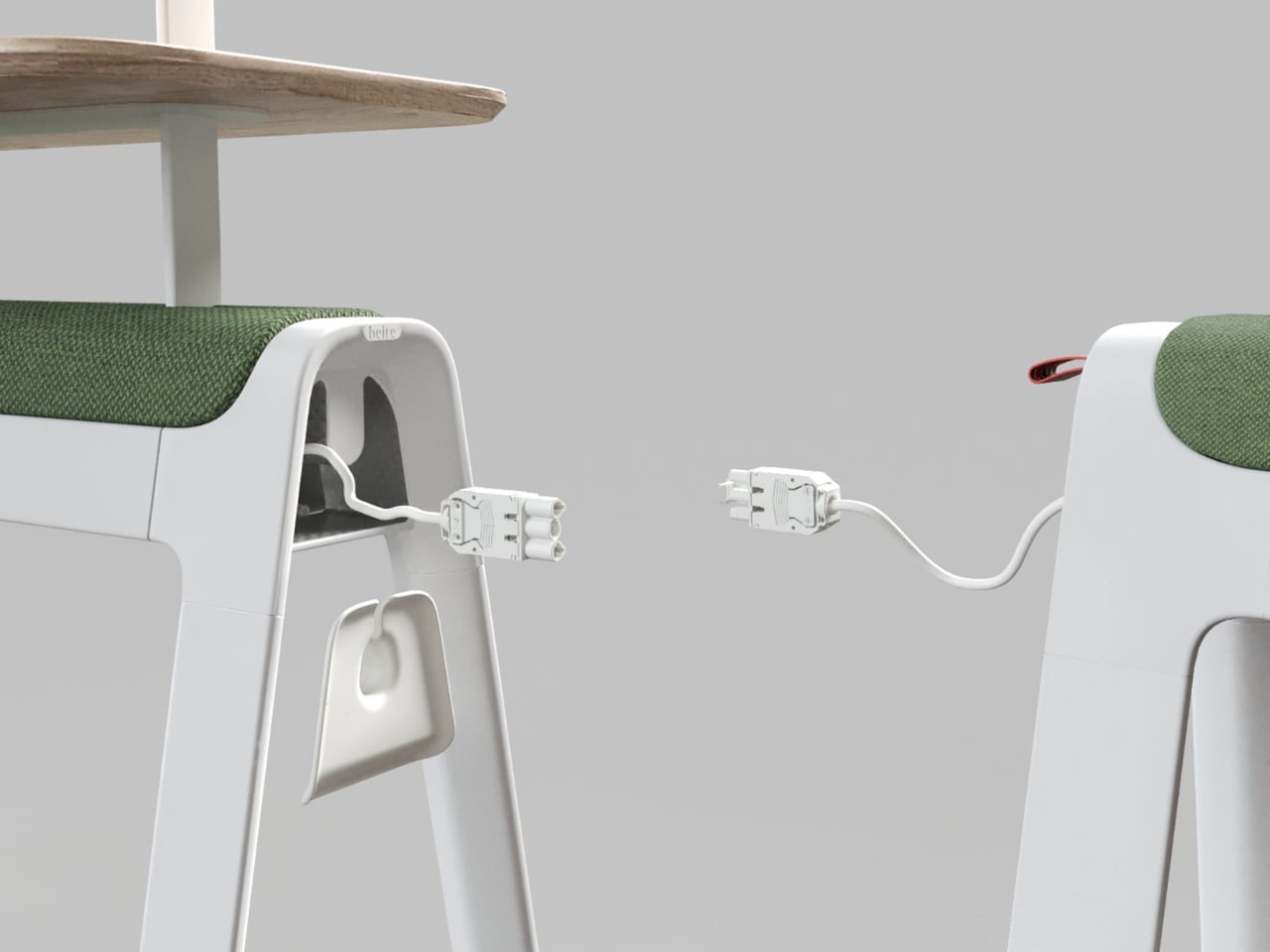
The real genius shows up in the details. Those oversized wheels aren’t just for show. They make repositioning furniture feel effortless, whether you’re creating an impromptu collaboration zone or carving out a quiet corner for focused work. And in a world where every device needs charging, Kylinc integrates power management directly into the furniture itself, complete with smart cable organization that keeps cords from turning into a tangled mess.

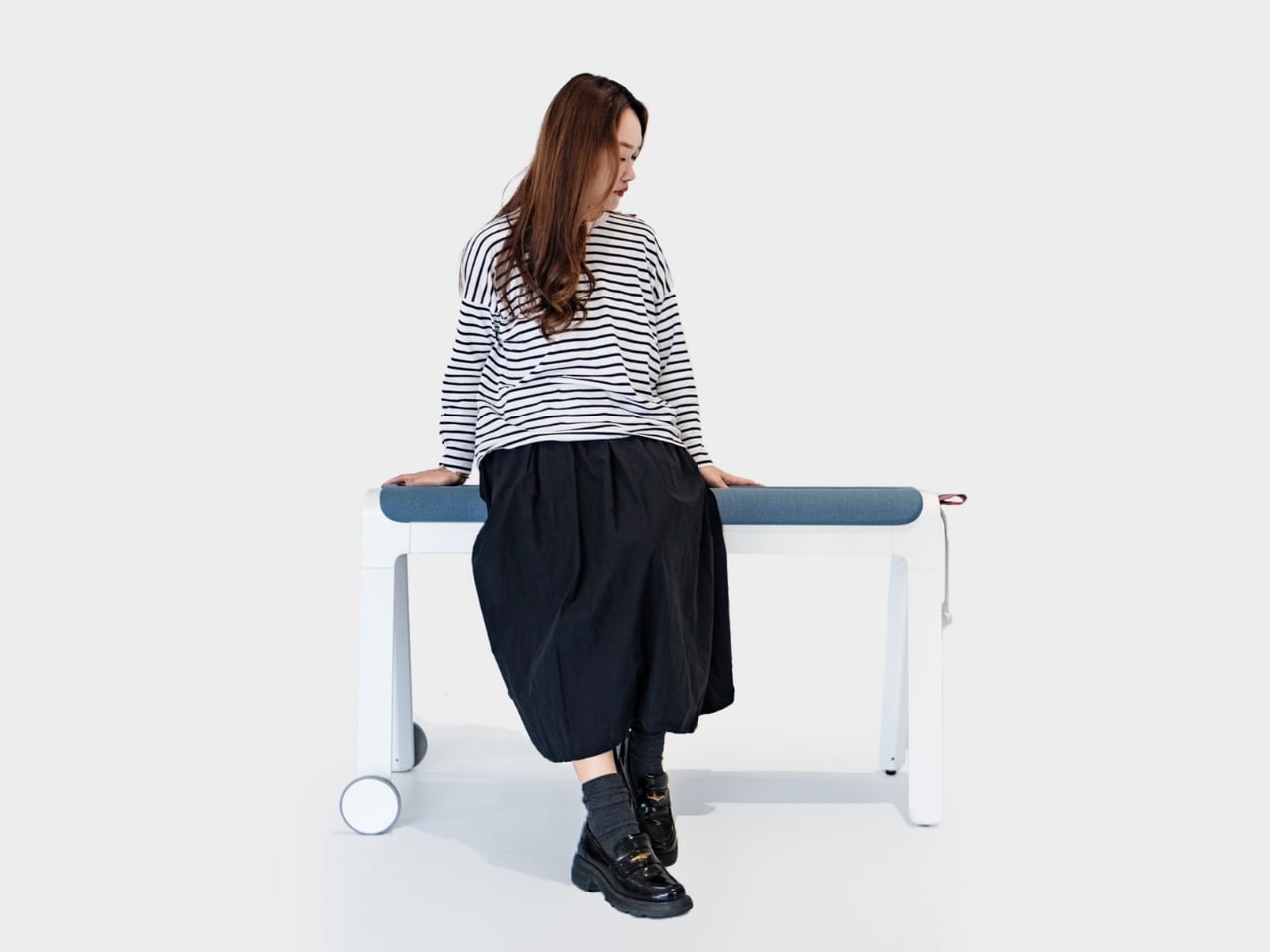
But here’s where things get interesting. The system comes alive through its mix-and-match approach. Benches, seating pods, work surfaces, and storage units all play together in whatever combination makes sense for your space. Need to host a team brainstorm? Arrange the pieces in a circle. Pivoting to heads-down work mode? Spread everything out for individual focus zones. The furniture bends to your workflow instead of forcing you to adapt to rigid layouts.

The color palette deserves its own mention. While most office furniture sticks to safe grays and blacks, Kylinc brings vibrant hues into the mix, injecting energy into spaces that typically feel sterile. It’s a small touch that acknowledges something important: where we work affects how we feel, and how we feel influences what we create.

Of course, no design exists in a vacuum. Some observers have noted that Kylinc draws inspiration from established designs in the flexible furniture space, particularly work by firms like Pearson Lloyd. The addition of integrated power might seem like pure innovation, but it introduces a practical question: will people actually bother unplugging and managing those cables when they want to reconfigure their space? There’s a gap between theoretical flexibility and real-world behavior that even the smartest design can’t always bridge.

Still, this tension points to something larger happening in workplace design. We’re moving away from the idea that one setup serves all needs all the time. The pandemic accelerated this shift, but the underlying truth was always there: different tasks require different environments, and the same person might need a collaborative hub in the morning and a quiet retreat in the afternoon. Kylinc responds to this reality by making spatial reconfiguration actually feasible. Traditional modular furniture often requires tools, time, or multiple people to rearrange. By contrast, a system built on wheels and designed for intuitive assembly lowers the friction enough that people might actually use it the way it’s intended.

The multifunctional accessories add another layer of versatility. Surfaces can morph from laptop stands to communal tables. Storage elements double as room dividers. Each component serves multiple purposes, which matters especially in smaller offices where every square foot counts. What makes furniture like Kylinc significant isn’t just the product itself but what it represents. We’re seeing a fundamental rethinking of how physical space supports work. The old model assumed stability: you’d sit at the same desk, in the same spot, doing roughly the same thing. The new model embraces flux: your needs change throughout the day, throughout the week, throughout your projects.

Winning an iF Design Award puts Kylinc in good company among furniture innovations that are reshaping how we think about workspaces. Whether this particular system becomes ubiquitous or simply points the way forward, it’s part of a bigger conversation about creating environments that serve people instead of constraining them. And in a time when the relationship between work and space continues to evolve, that’s exactly the kind of furniture we need more of.

The post This Modular Furniture System Rolls With Your Workflow first appeared on Yanko Design.
This Modular Chair Transforms Into 3 Designs With One Sphere

Remember when you were a kid and every toy was an invitation to build something new? Designers Sihun Lim and Hyeonggyun Han are bringing that same playful spirit to furniture with their PLA modular chair concept, and honestly, it’s the kind of design that makes you wonder why all furniture isn’t this fun.
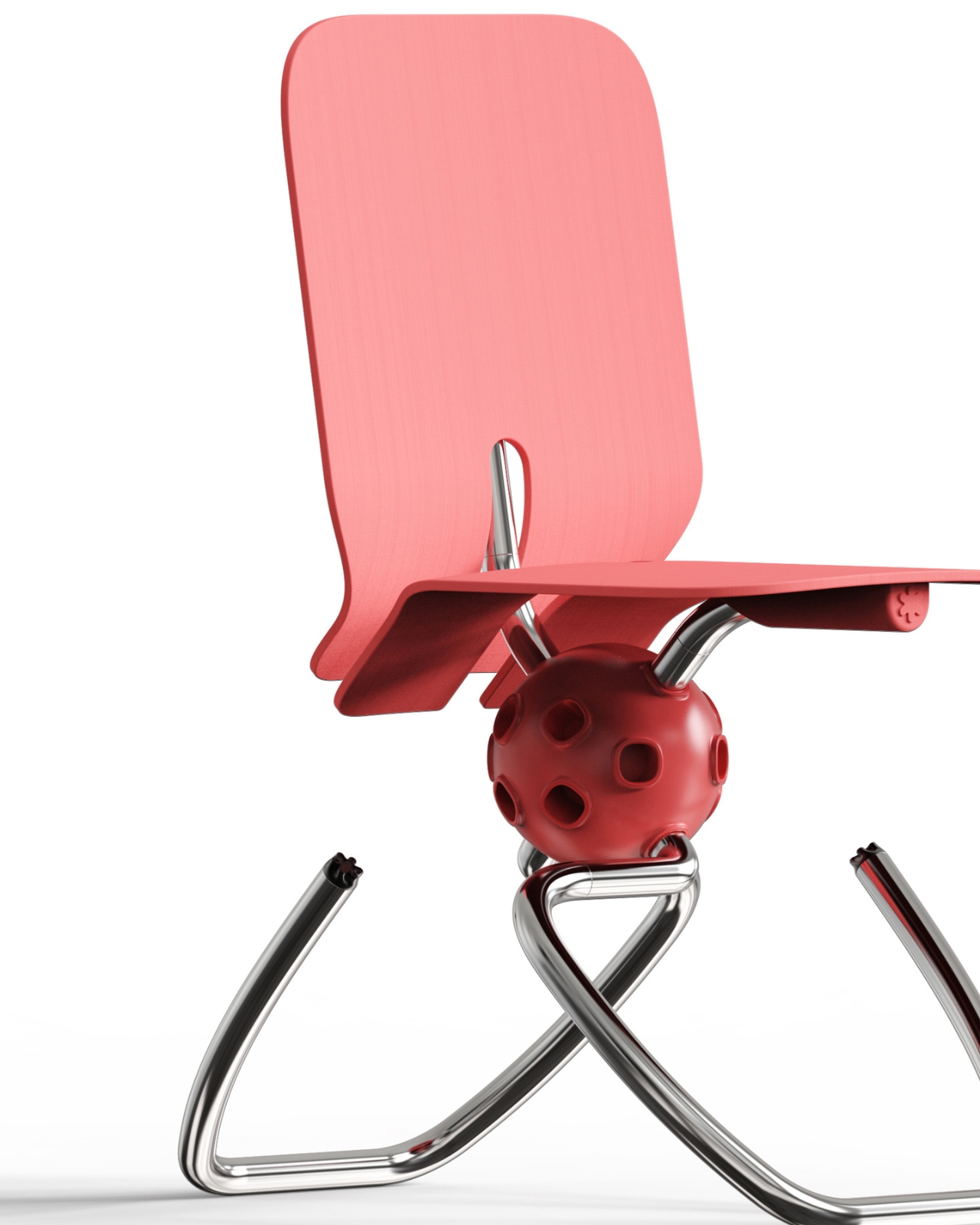
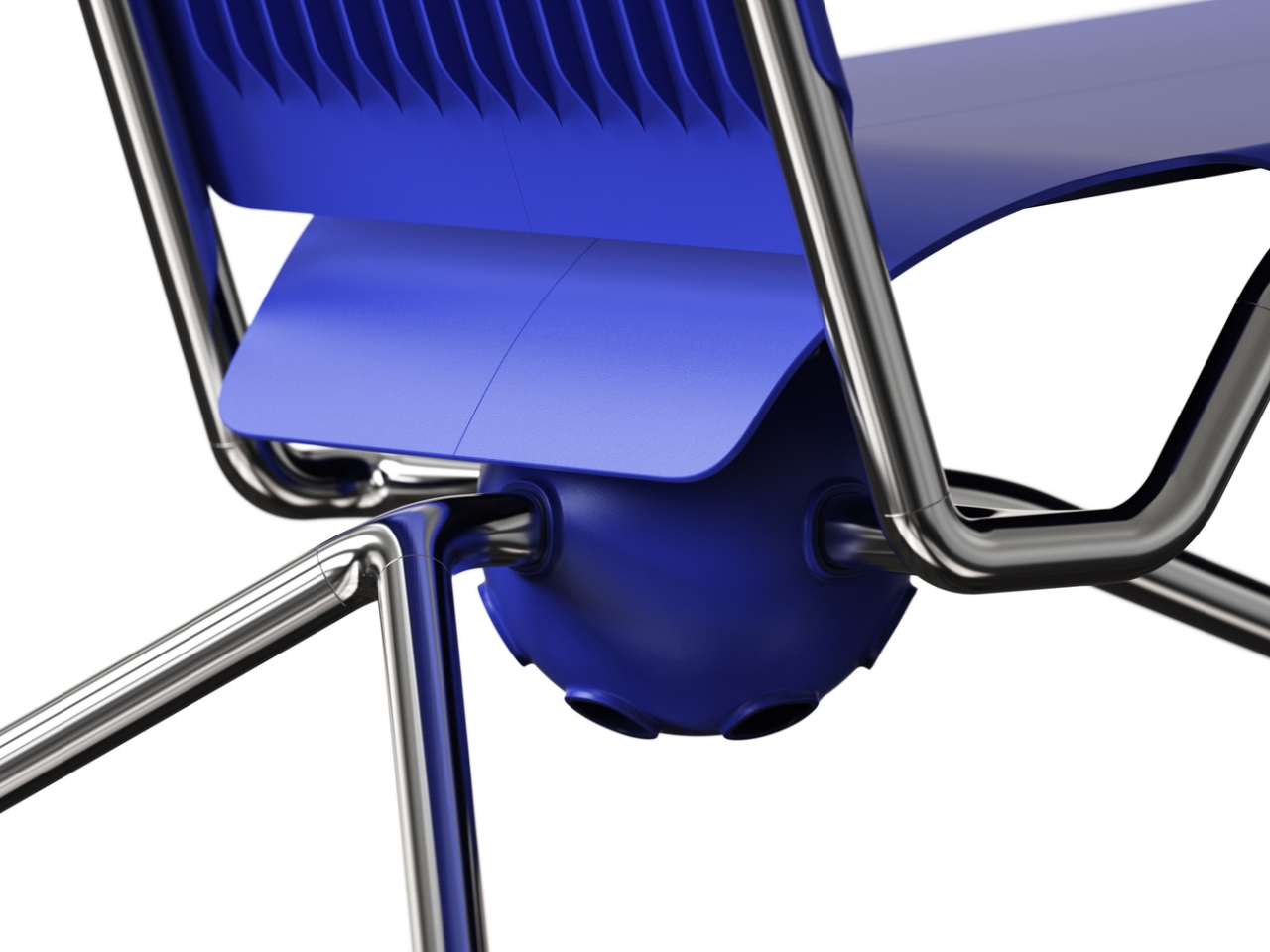
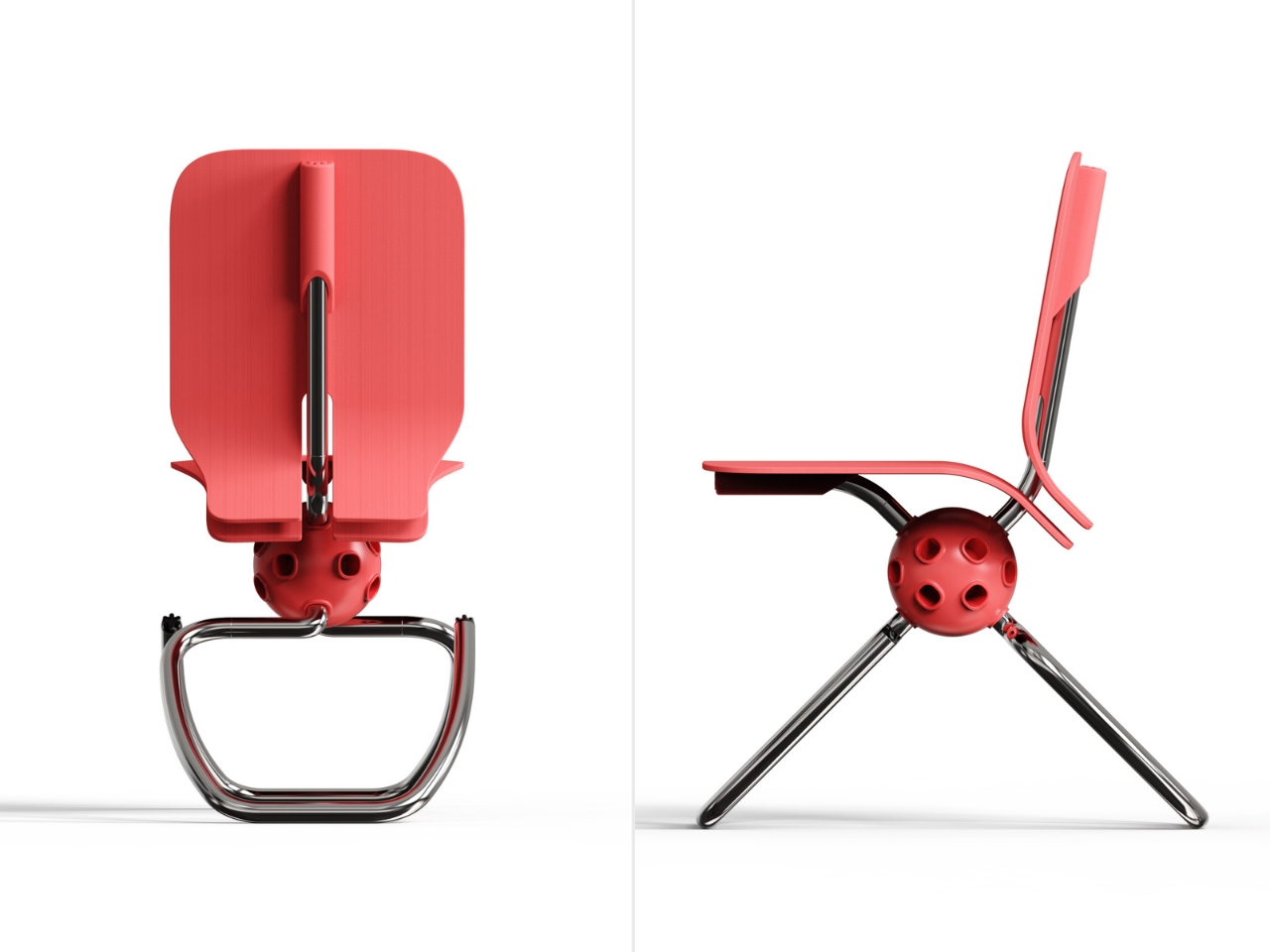
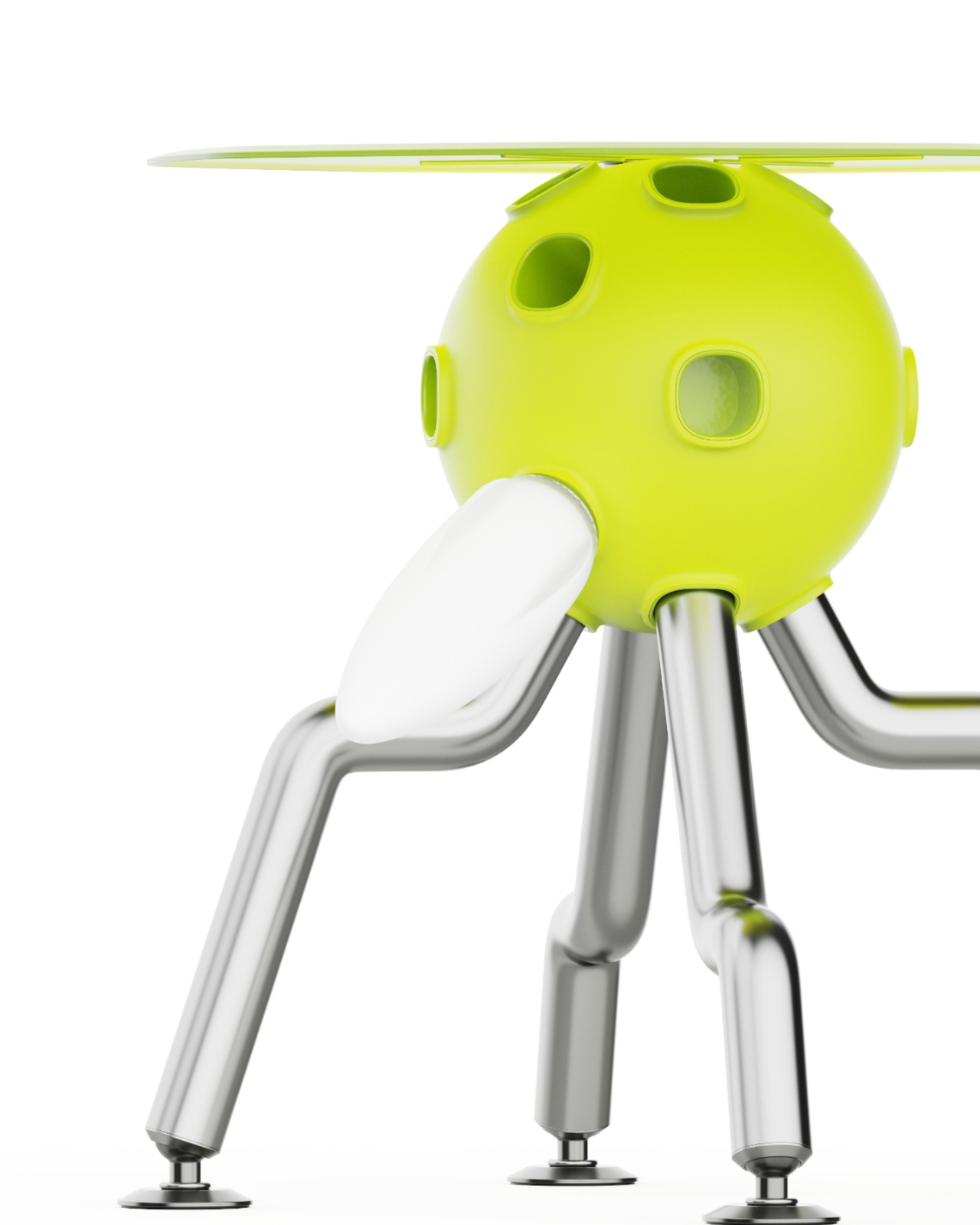
The PLA project is built around a simple but brilliant idea: what if you could customize your chair the same way you’d snap together building blocks? At the heart of each design is a spherical connector module that acts like a universal joint, letting you attach different seat backs, legs, and structural elements to create wildly different chair styles. It’s furniture that refuses to be just one thing, and in our era of tiny apartments and ever-changing aesthetics, that flexibility feels genuinely exciting.
Designers: Sihun Lim, Hyeonggyun Han

Create your own Aesthetic Render: Download KeyShot Studio Right Now!

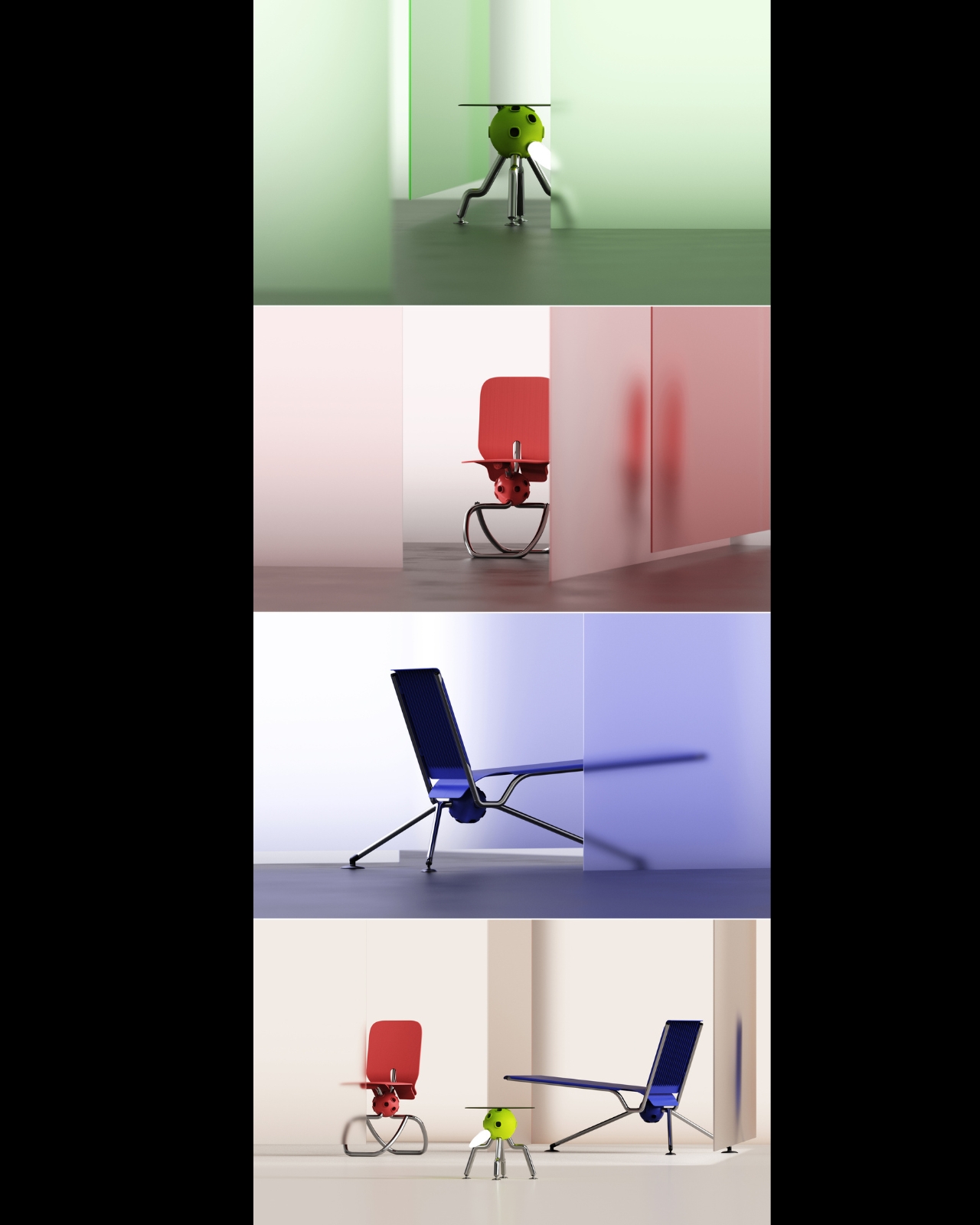
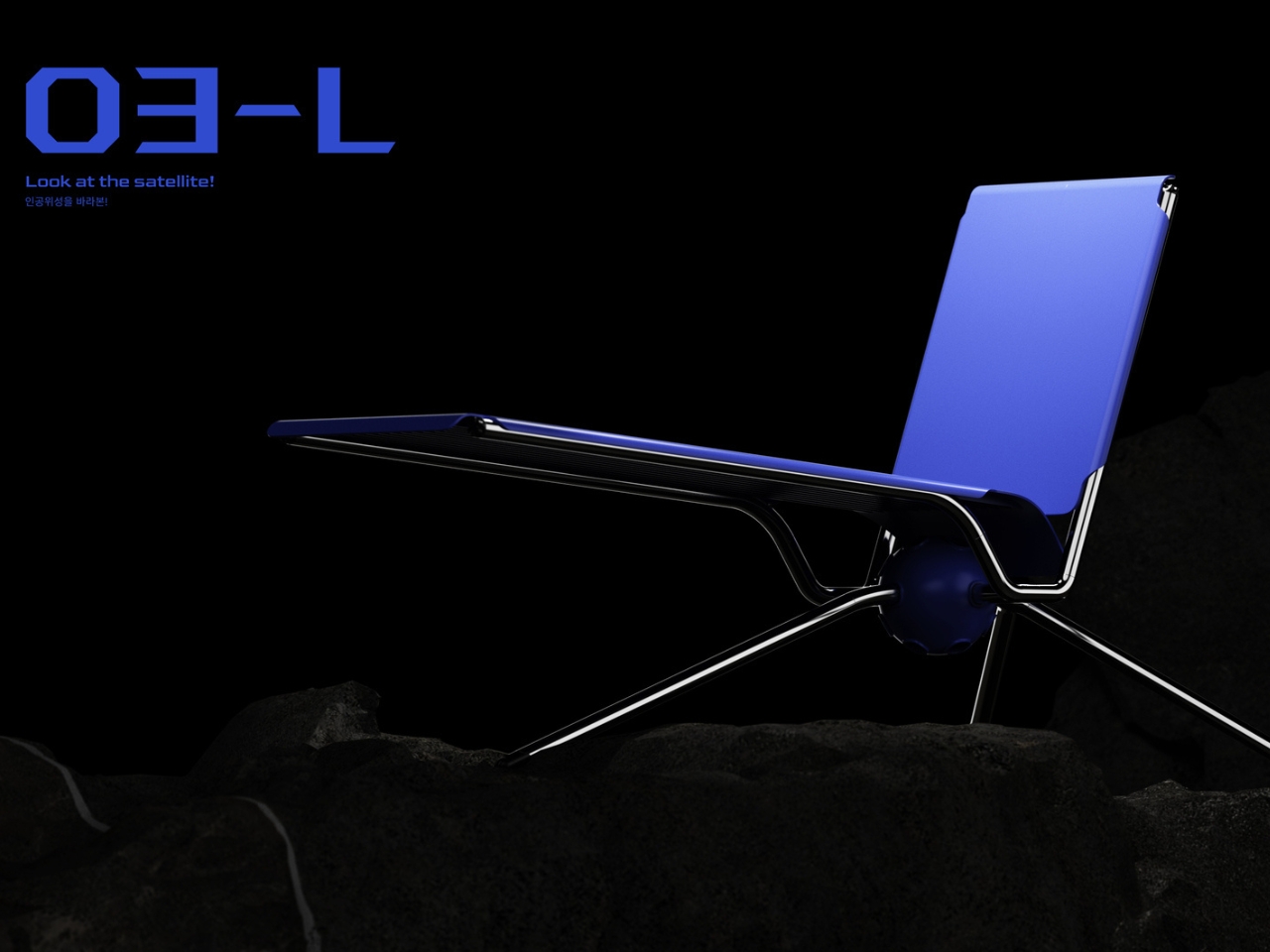
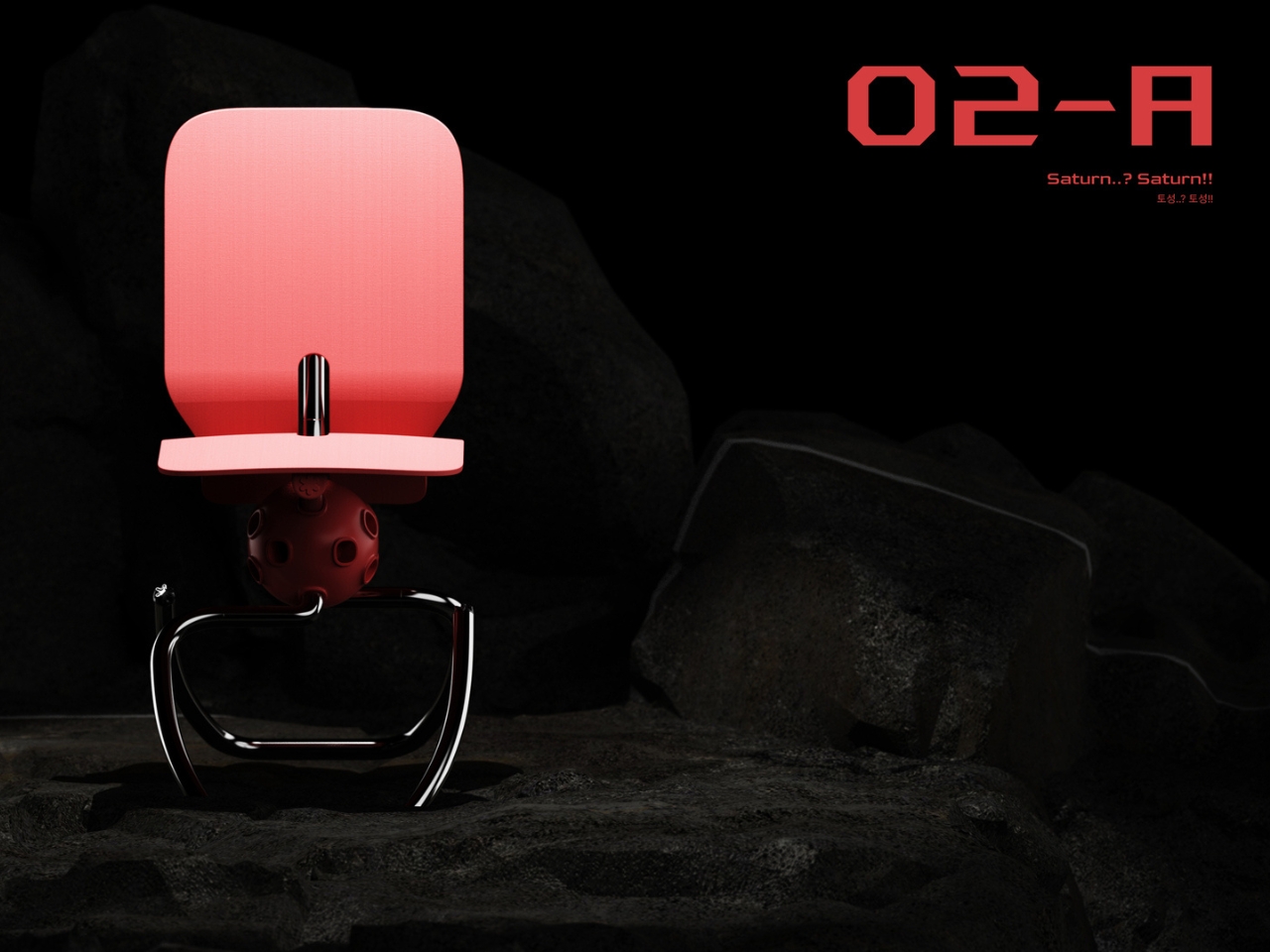
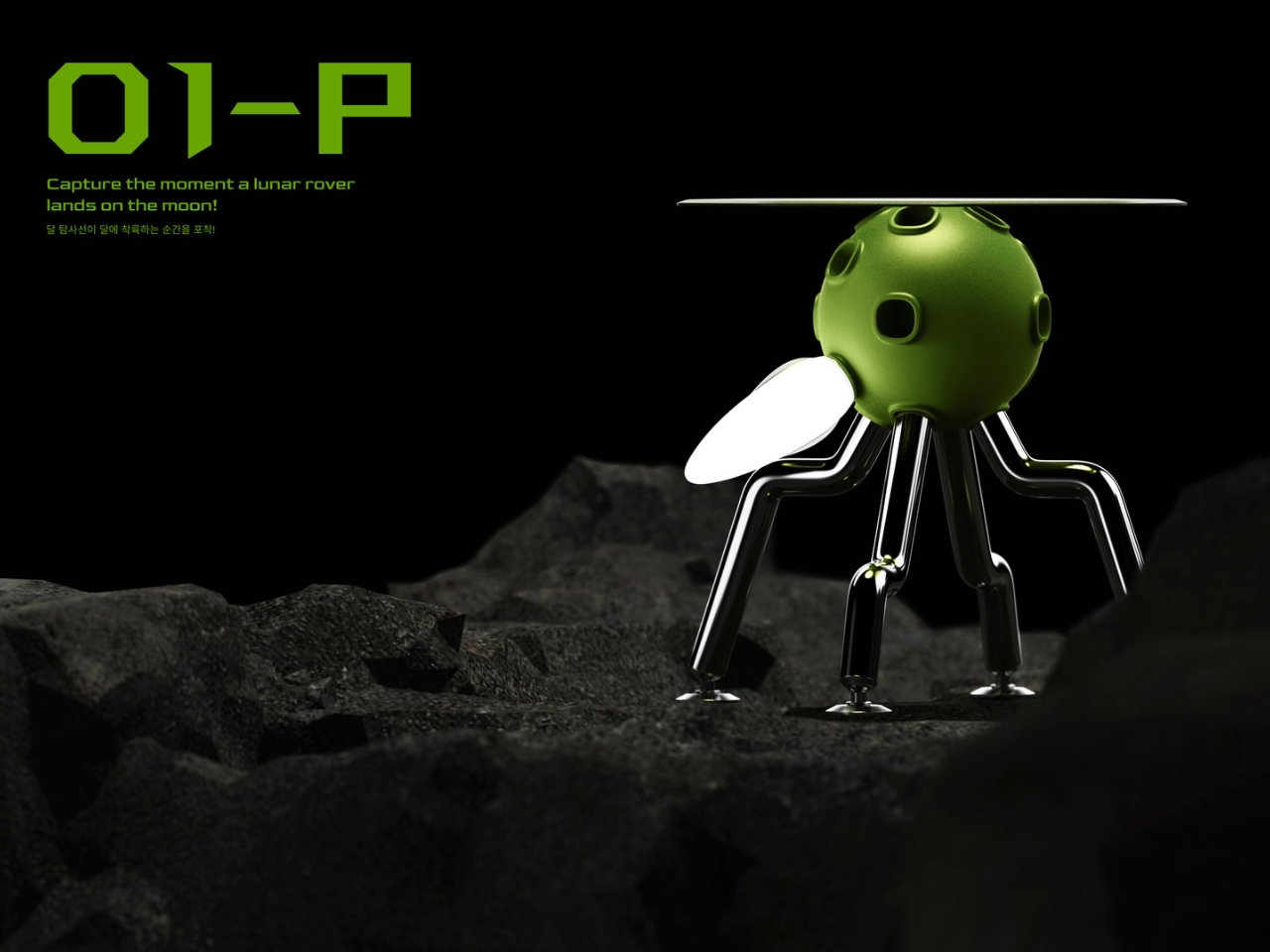
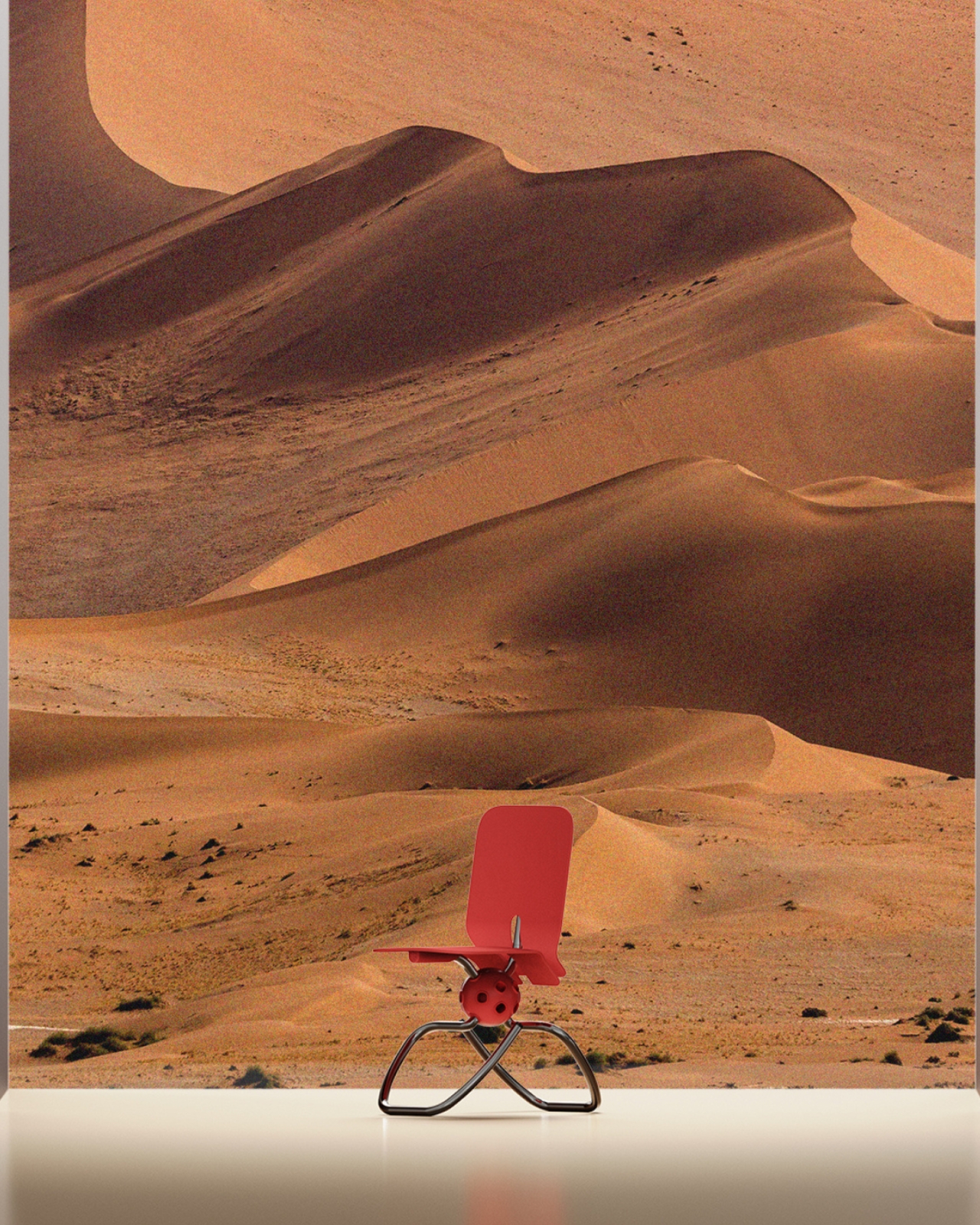
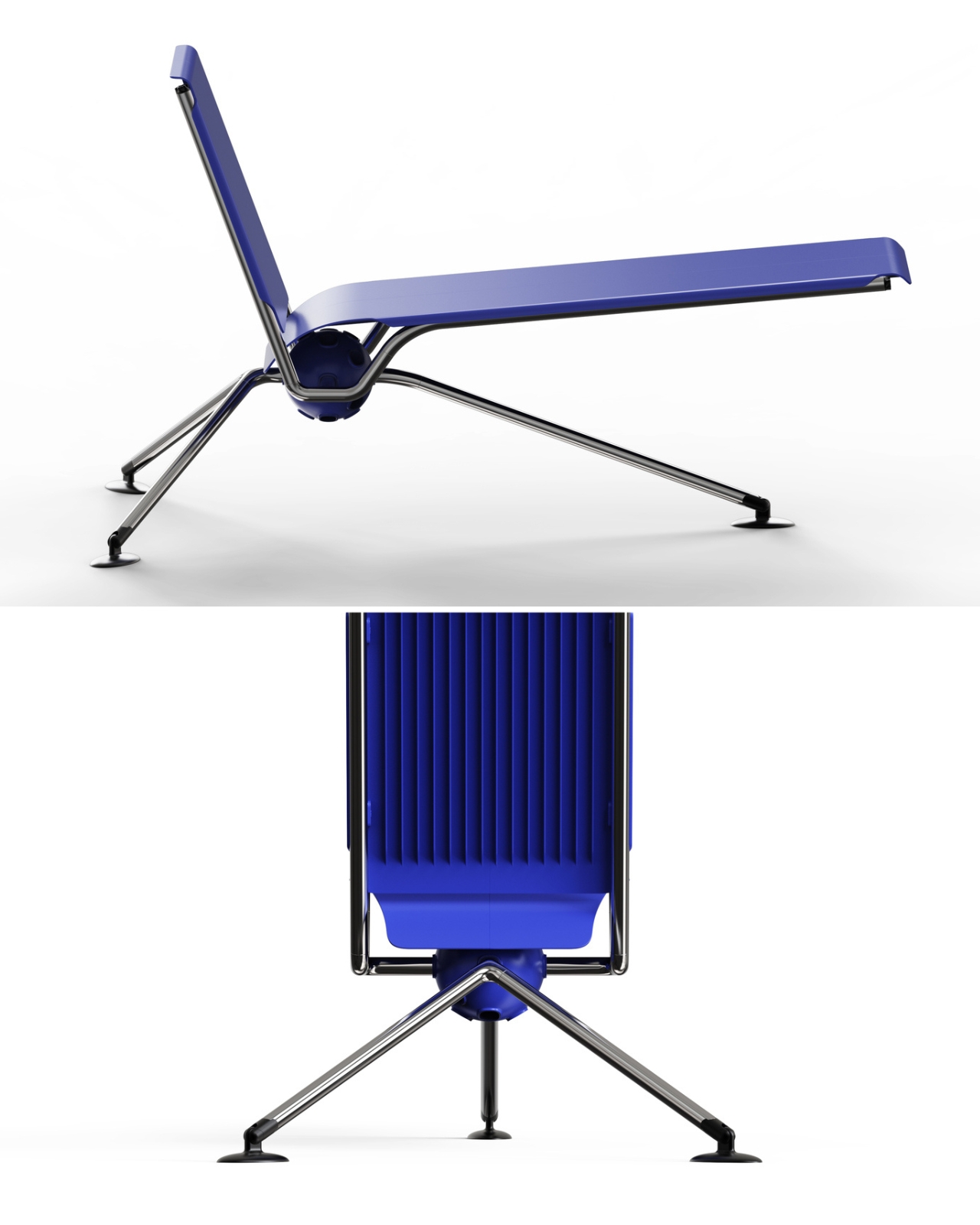
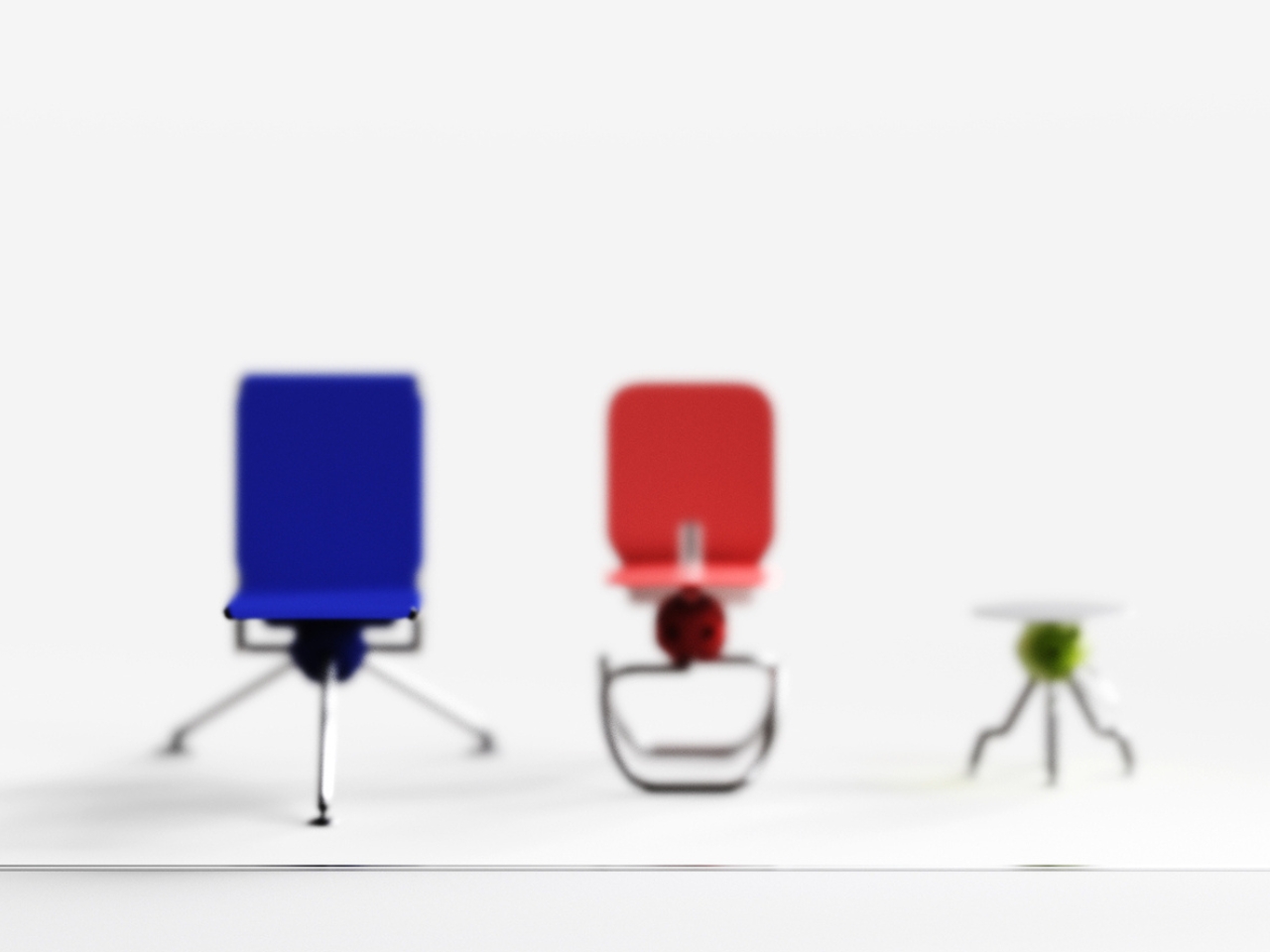
What really sets this concept apart is its unapologetic space theme. Lim and Han didn’t just create modular chairs; they created modular chairs inspired by the cosmos, and that choice transforms what could have been a purely functional exercise into something that sparks imagination. The three main designs (cleverly named O1-P, O2-A, and O3-L) each take inspiration from different space exploration imagery, turning everyday seating into conversation pieces.

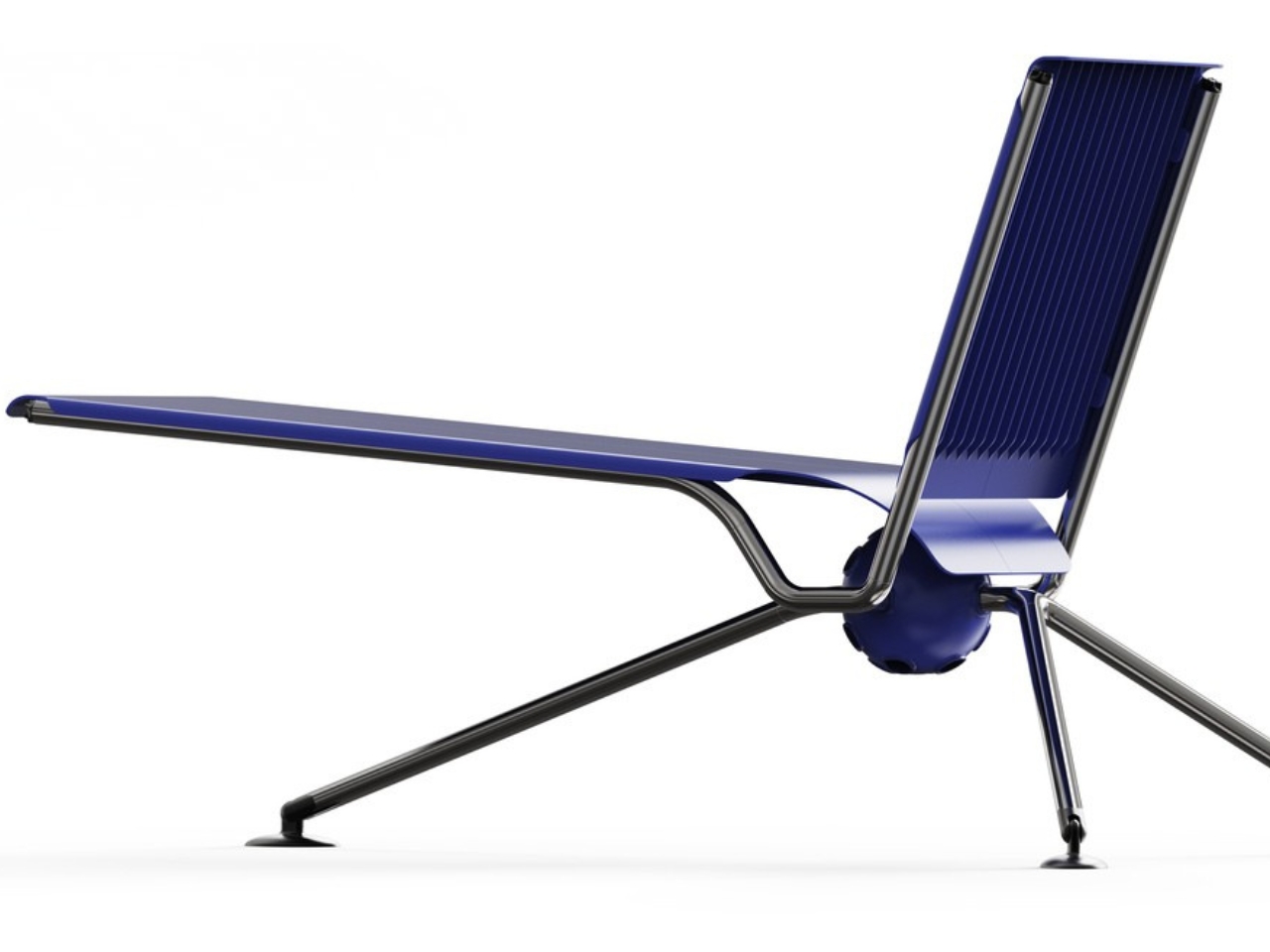
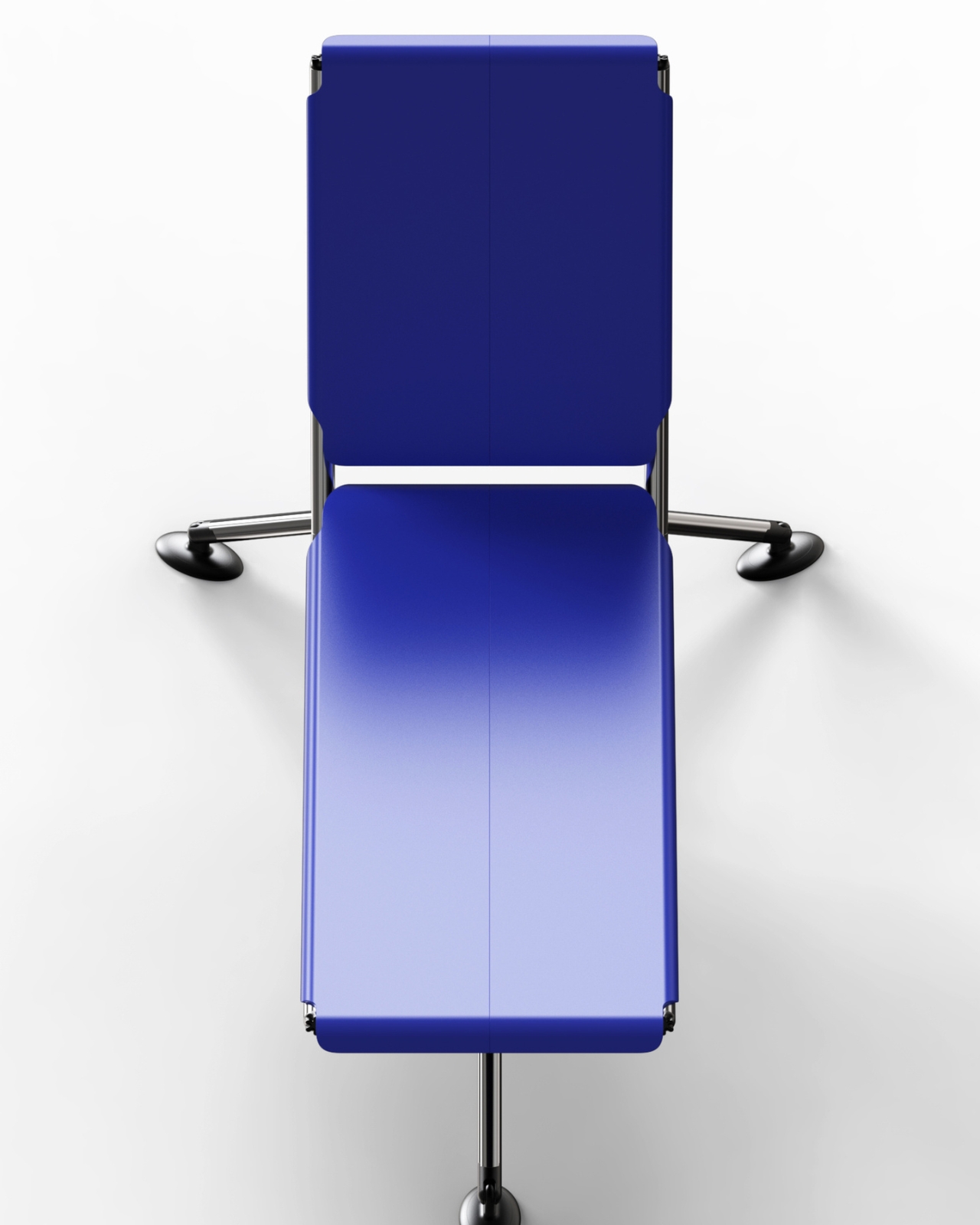
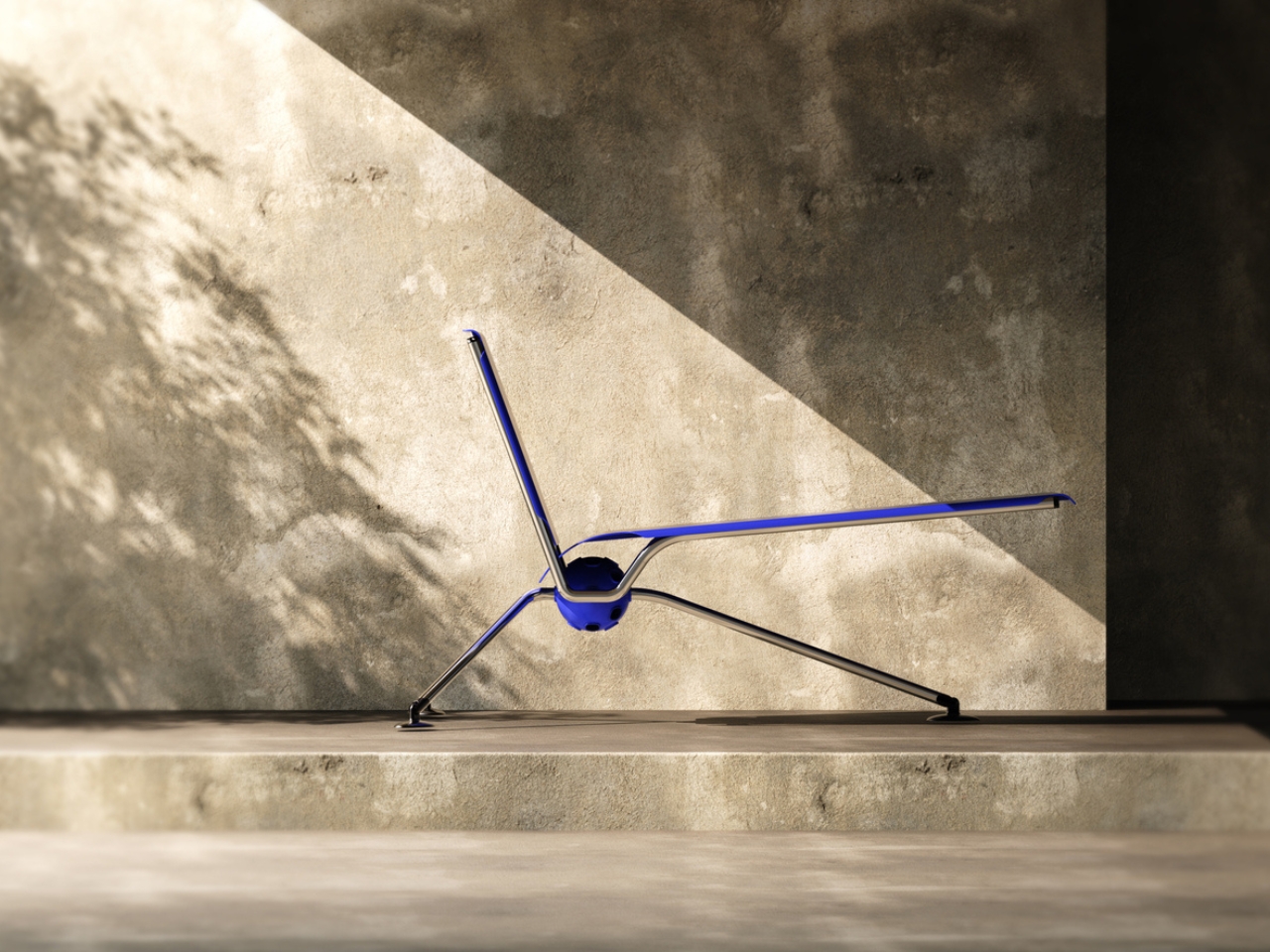
The O3-L sunbed takes inspiration from satellites orbiting in space, complete with distinctive panels that evoke solar arrays. The design has this wonderful industrial edge to it, with metal connecting elements that create visual interest while serving the practical purpose of holding everything together. When viewed from above, it really does resemble a satellite, right down to the way the components radiate from that central spherical hub.

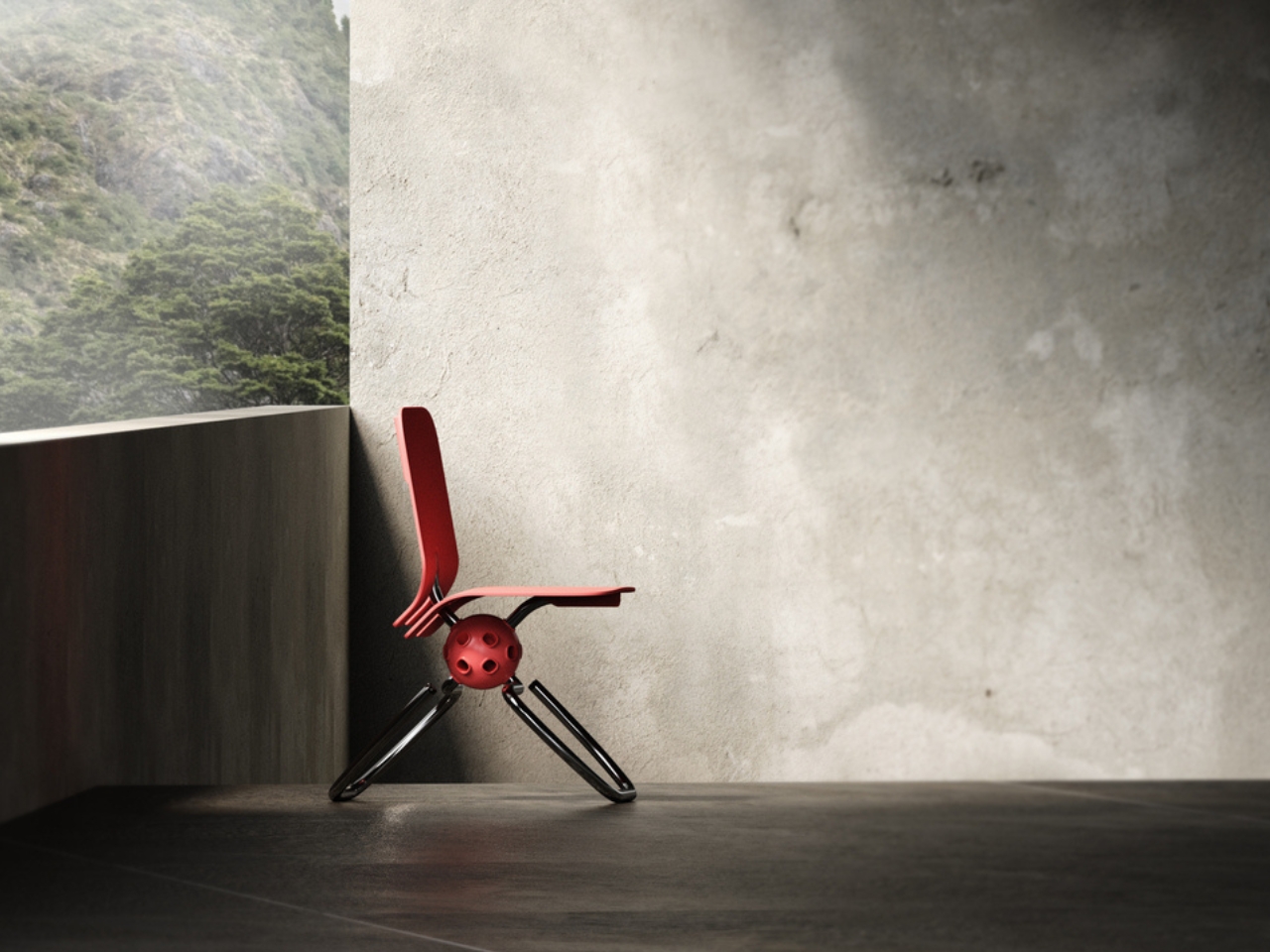
Then there’s the O2-A chair, which draws from Saturn’s iconic silhouette. When you look at it from the side, you can see how the designers translated those distinctive planetary rings into flexible curves that wrap around the central sphere. The result is a chair that feels both organic and architectural, with legs that flow in elegant arcs. It’s the kind of piece that would look equally at home in a sleek office or a retro-futuristic cafe.

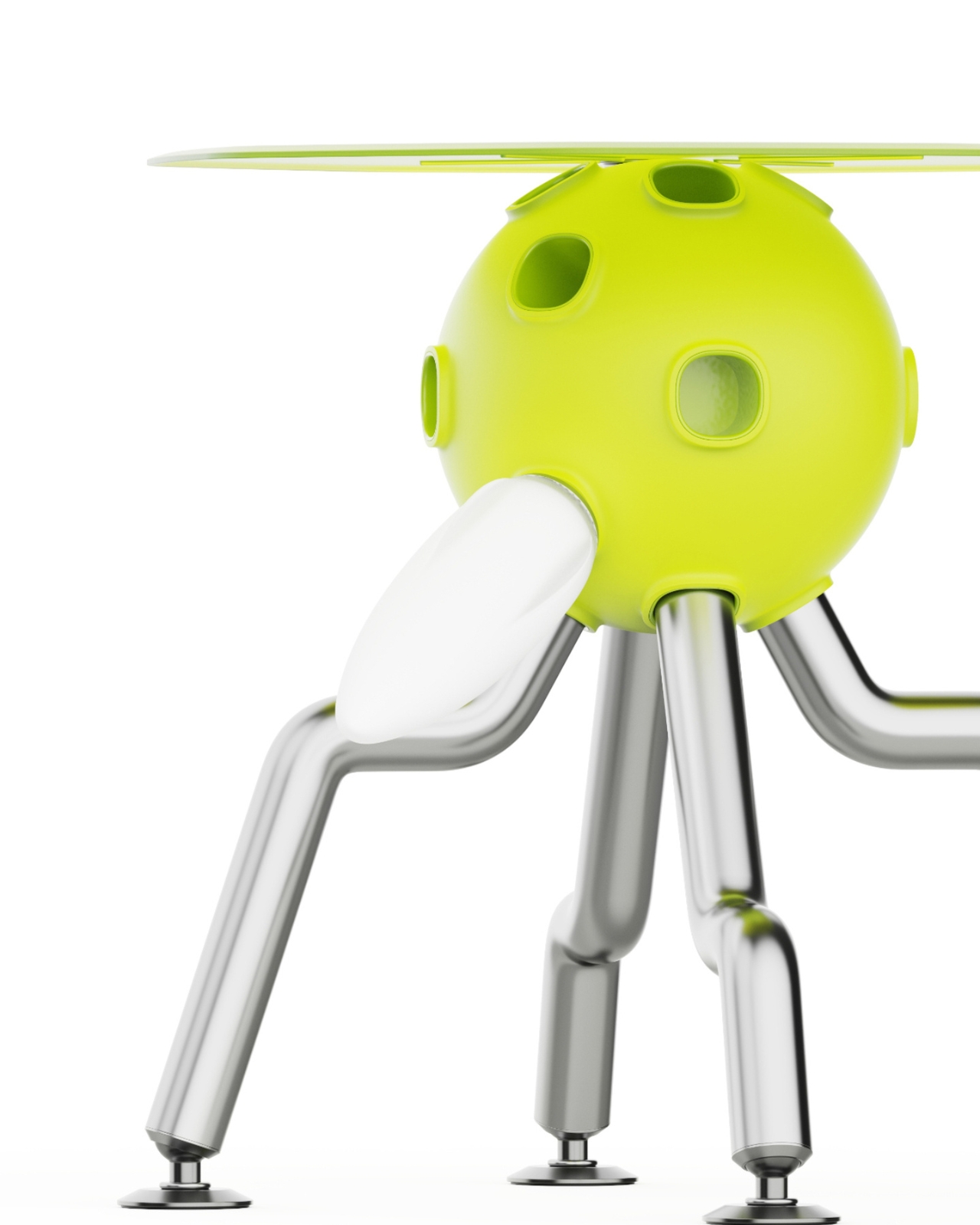
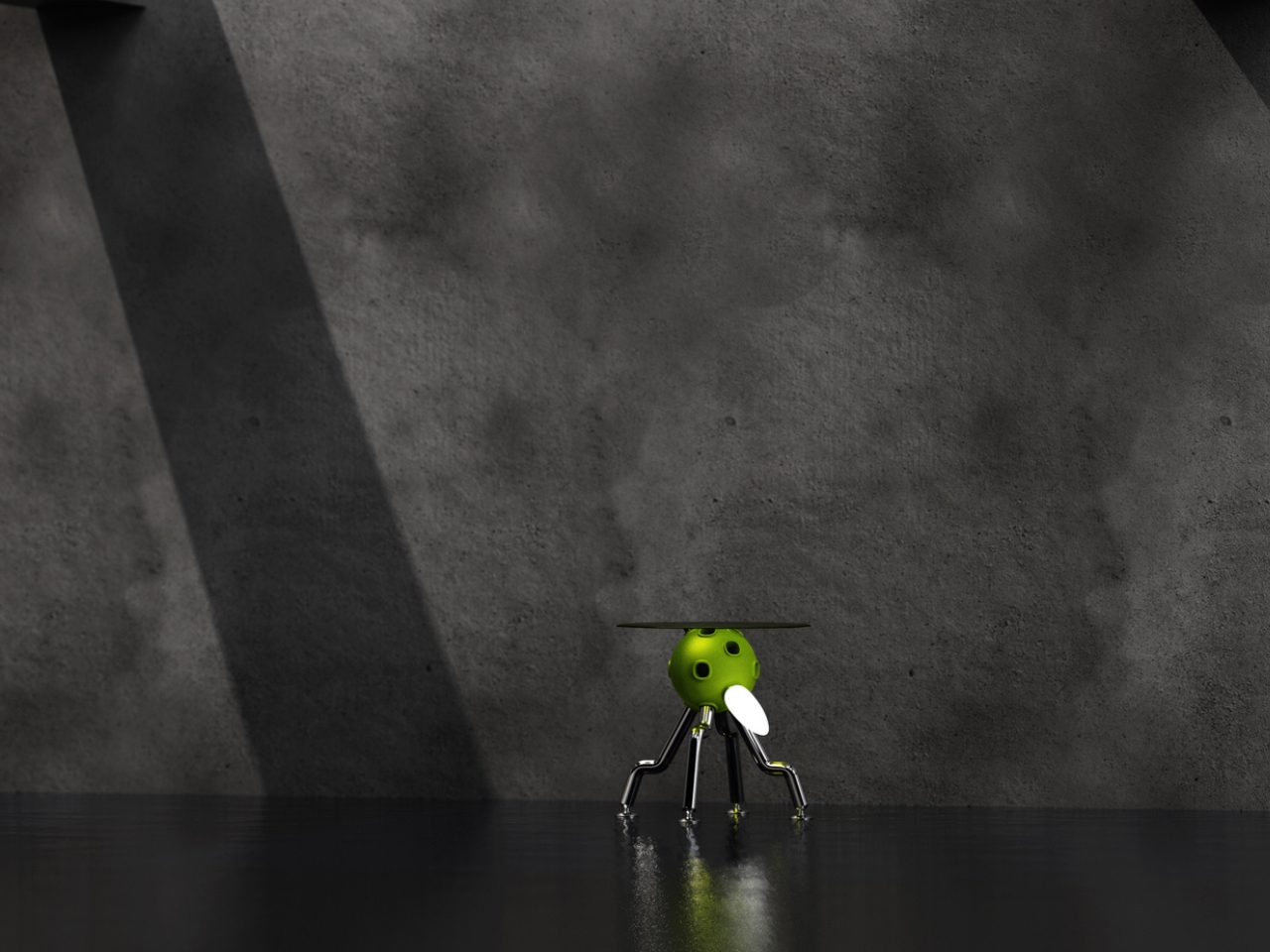
The O1-P stool channels the moment a lunar rover touches down on the moon’s surface. The body of the rover becomes the seat, while the landing legs translate into the stool’s four individually configurable legs. It’s that perfect intersection of form following function and function following fantasy. You can practically imagine Neil Armstrong’s voice as you pull up a seat.


The color palette is another smart choice. Instead of playing it safe with neutrals, the designers went bold with electric blues, coral pinks, and eye-popping lime greens. These aren’t colors that fade into the background; they’re colors that announce themselves. Combined with the metallic silver pipes and connector elements, the chairs have this retro-futuristic vibe that feels fresh rather than dated. It’s very “The Jetsons meet contemporary Scandinavian design.”

Beyond the aesthetic appeal, there’s something genuinely progressive about the modular approach. We live in a world drowning in disposable furniture, where a wobbly chair leg often means the whole thing ends up in a landfill. With the PLA system, you could theoretically swap out broken parts, reconfigure your setup as your needs change, or completely transform your chair’s personality with new modules. It’s furniture that grows with you rather than becoming obsolete.

The designers describe PLA as embracing the concept of “Universe,” suggesting infinite possibilities for decorating and shaping according to imagination. That might sound a bit grandiose, but when you look at how the same central sphere can anchor completely different chair personalities, the metaphor tracks. It’s about giving users creative agency over their environment, letting them become co-creators rather than just consumers.

Of course, this is still a concept design, which means we can’t run out and buy one tomorrow. But that’s actually what makes projects like this so valuable. They push the conversation forward about what furniture could be, challenging both manufacturers and consumers to think beyond the static pieces we’ve accepted as normal. Whether or not the PLA system ever makes it to production, it’s already succeeding at its most important job: making us reimagine the everyday objects in our lives as canvases for creativity and play.

The post This Modular Chair Transforms Into 3 Designs With One Sphere first appeared on Yanko Design.