5 Sushi-Inspired Designs For Japanese Product Fans That Look So Realistic You’ll Want to Eat Them

Sushi is more than food, as it is a lesson in design. Rising from humble beginnings to become a global icon, it reflects clarity, precision, and minimalism. Each element is carefully selected and crafted, revealing beauty through simplicity. Beyond the plate, sushi’s philosophy has influenced modern industrial design, inspiring products and spaces with its calm and purposeful aesthetic.

Its core principles of simplicity, harmony, and respect for materials offer timeless guidance for creators. By removing excess and focusing on what matters, designers achieve elegance through function, creating designs that are lasting, meaningful, and deeply connected to their purpose.

1. The Minimalist Blueprint

Sushi represents the essence of minimalism. A piece of nigiri, a form of hand-pressed sushi featuring a delicate slice of fresh fish atop perfectly seasoned rice, illustrates how true beauty emerges through restraint. There are no excessive garnishes or overpowering sauces, only a focus on pure, essential elements. This “less is more” philosophy directly aligns with industrial design, where simplicity, clarity.

From smartphones to furniture, this principle is reflected across modern design. Smooth, unembellished surfaces invite attention to function without distraction. These designs achieve harmony and refinement, ensuring every detail feels intentional. The result is timeless elegance, where functionality itself becomes the ultimate expression of beauty.
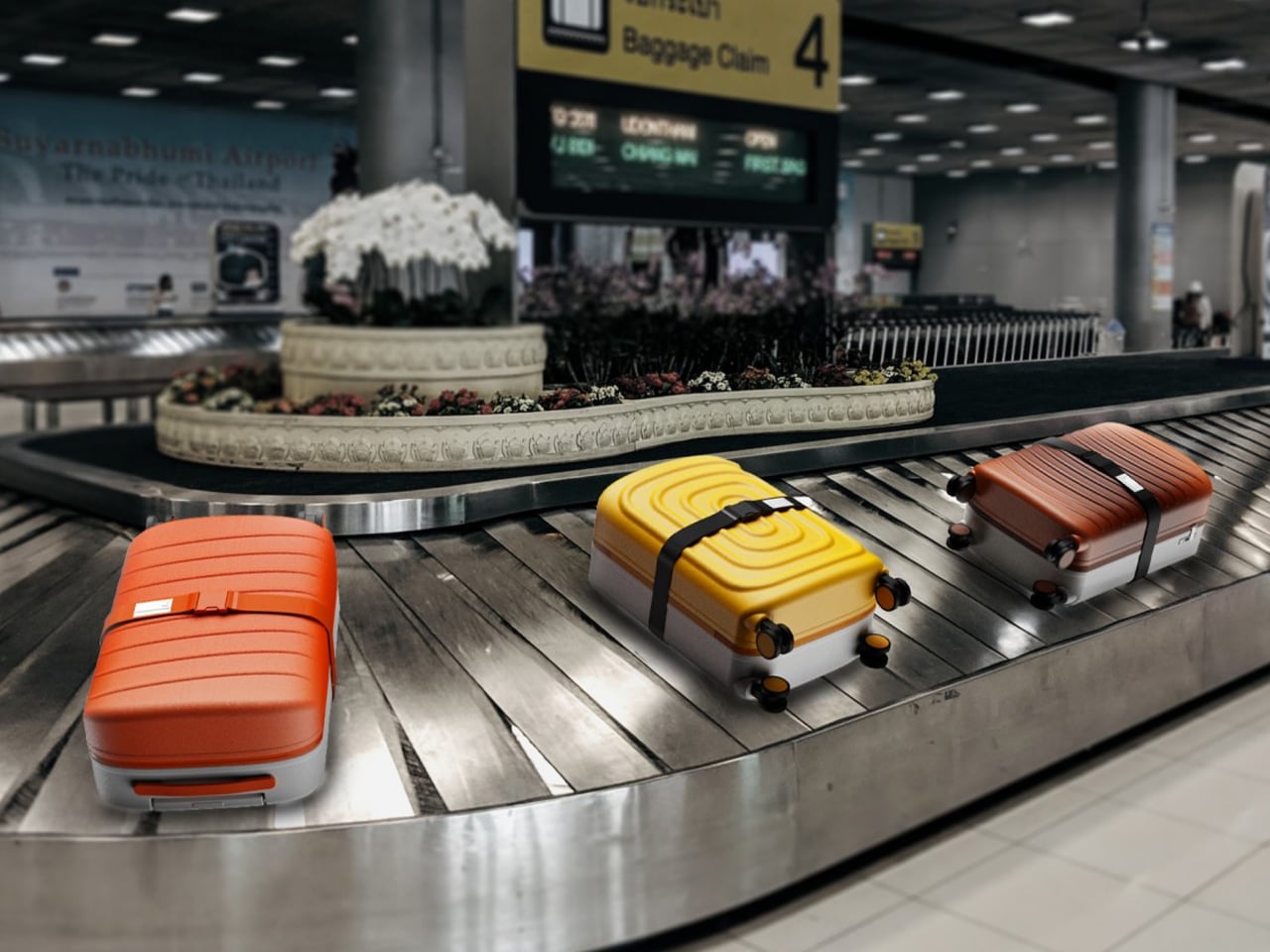
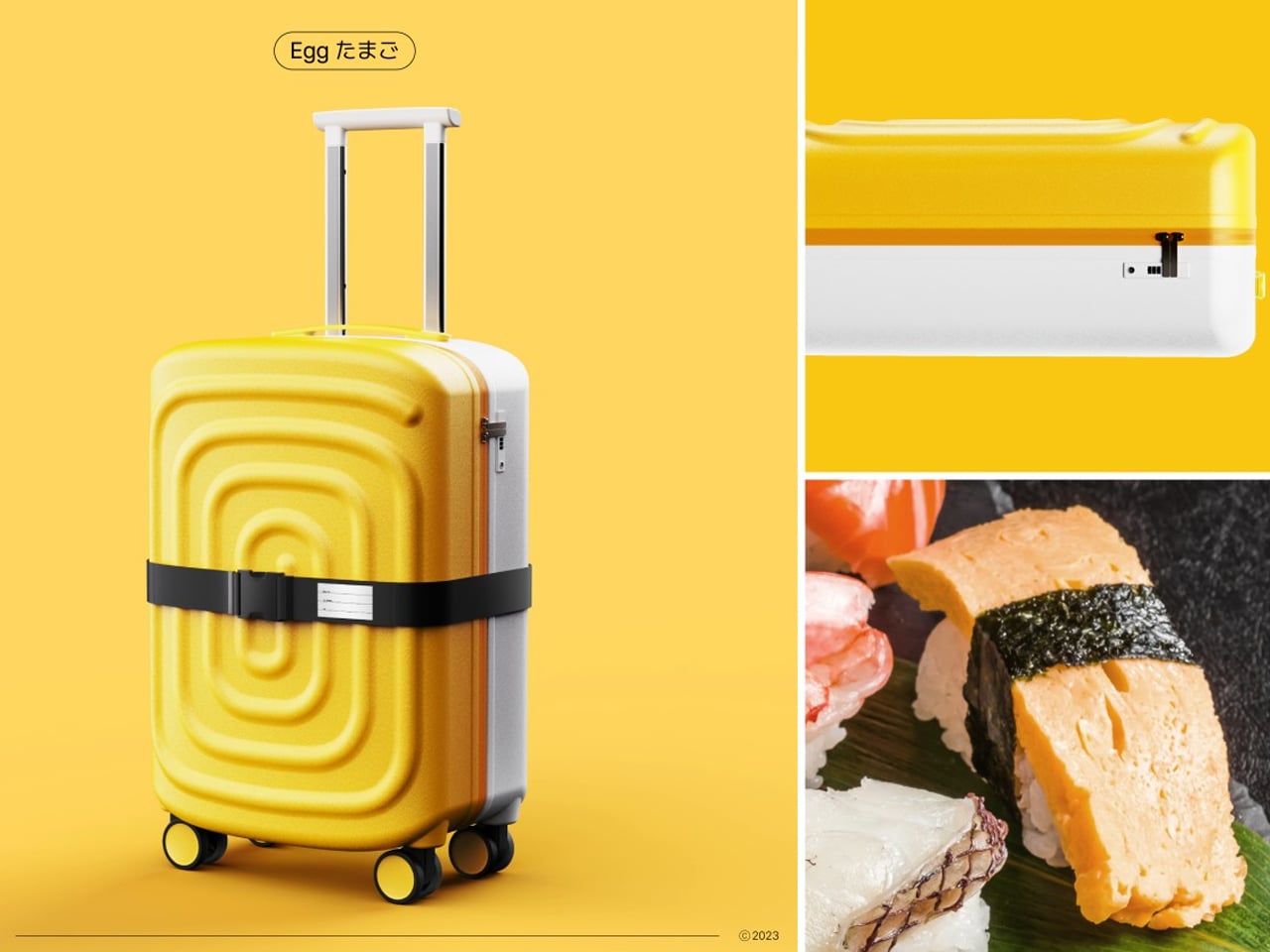
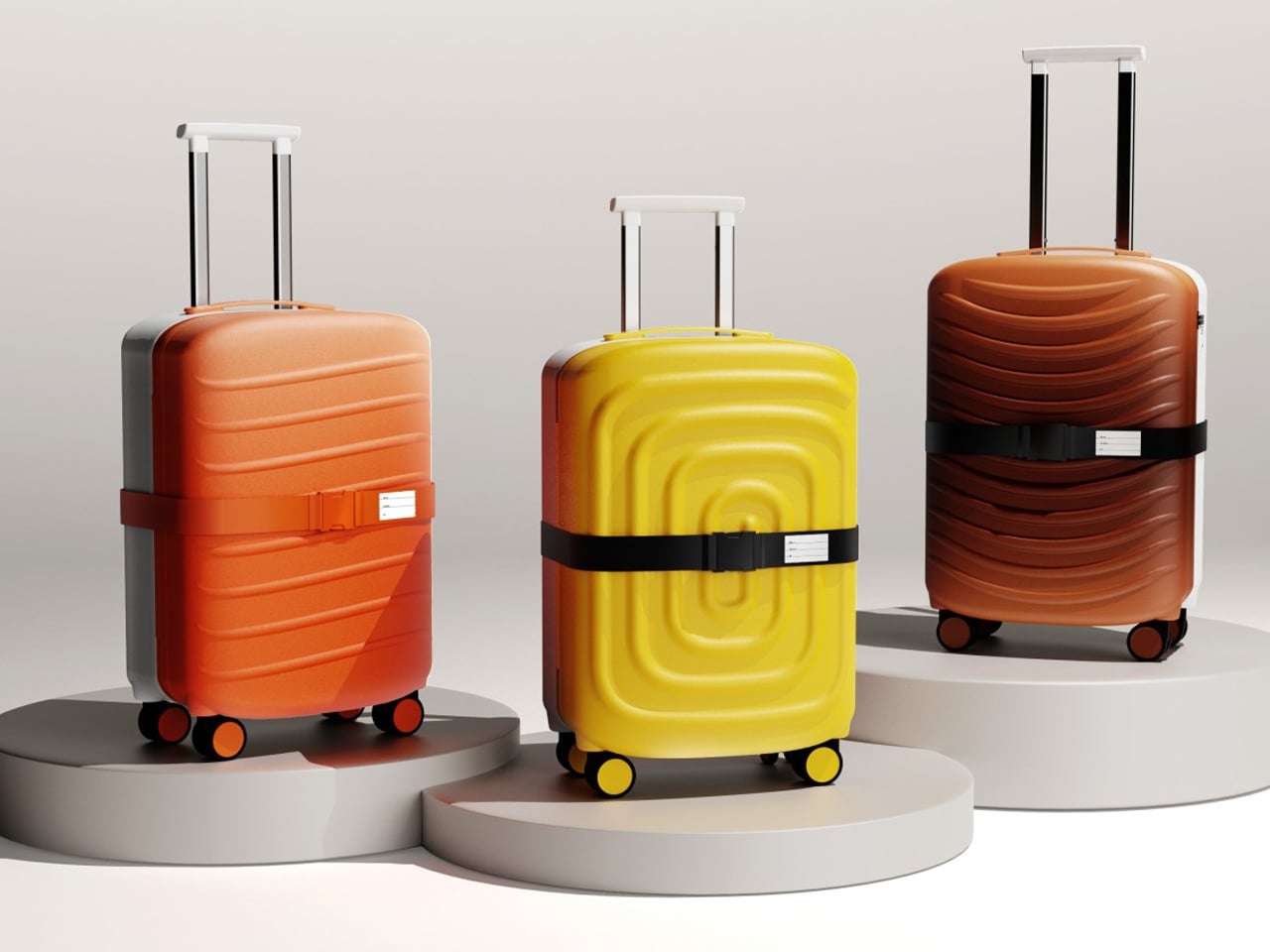
This suitcase collection is inspired by sushi, designed to turn a practical travel essential into a playful statement piece. Each piece mimics the look of nigiri, with white “rice” forming the base and a colorful topping representing popular ingredients. Three designs are featured: yellow egg (“tamago”) with a spiral pattern, brown eel (“unagi”), and orange salmon (“sake”), each with raised textures that reflect the natural ridges of the sushi they emulate. The dual-tone design aligns seamlessly with the suitcase’s two-halved construction, creating a visually striking yet functional piece.

Adding charm and utility, a strap wraps around the width of the suitcase, echoing the nori seaweed that holds sushi together. This strap doubles as a luggage tag, eliminating the need for additional accessories. Crafted with attention to materials and detail, the sushi-inspired suitcase combines durability with whimsical design, offering a unique, fun, and functional way to travel.

2. Precision and Craftsmanship

Sushi reflects the power of precision. The chef’s knife work, or hōchōbiki, is an art form, with each cut enhancing texture and flavor. Even the rice is prepared with exact care, from washing to seasoning, showing a dedication to detail at every stage.

This same principle shapes exceptional product design. It’s seen in seamless furniture joinery, the satisfying click of a well-made button, or the balanced weight of a tool. Such perfection in construction and finish gives products integrity and longevity, showing they were not just made but thoughtfully crafted with purpose and respect.

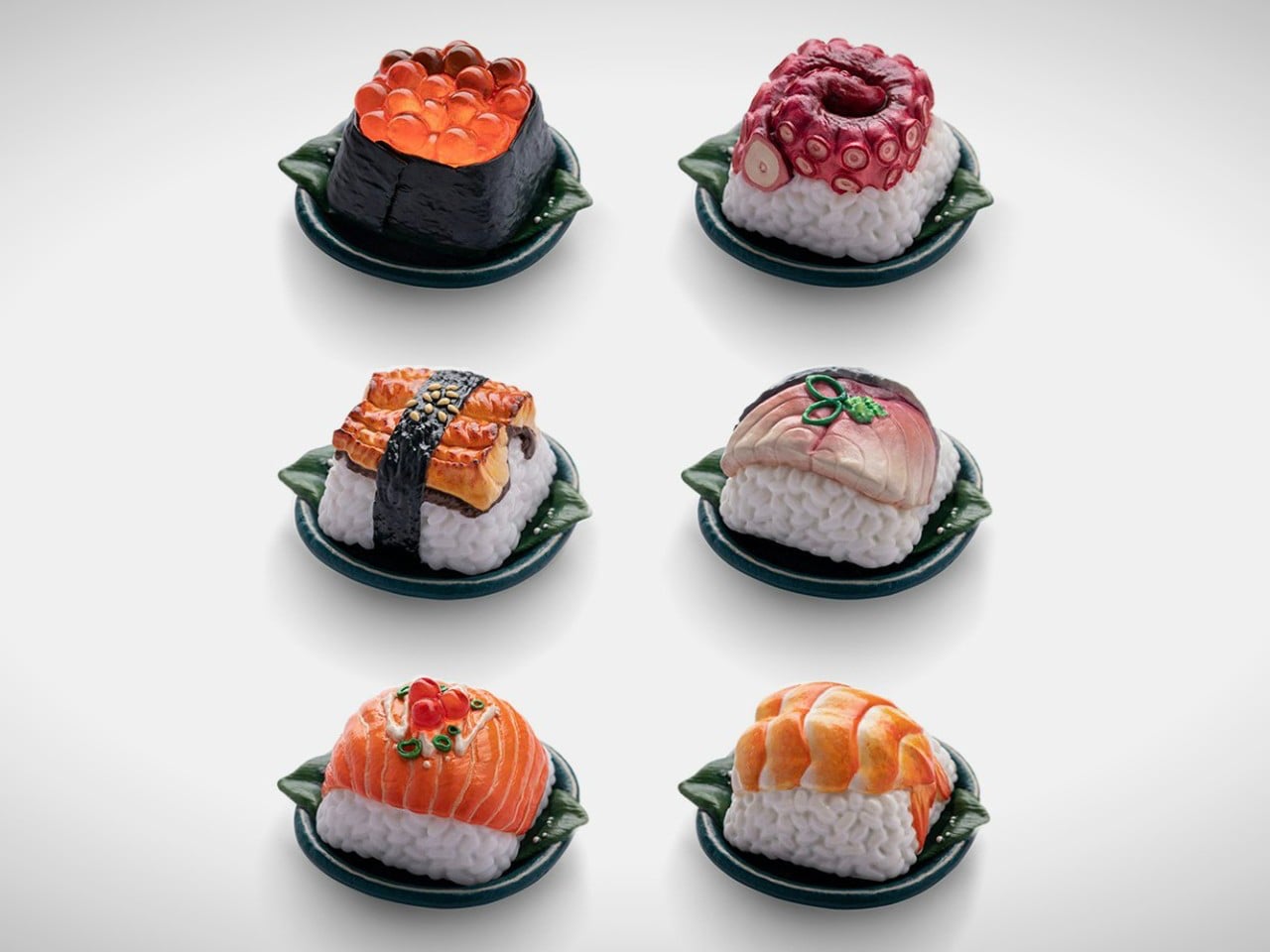
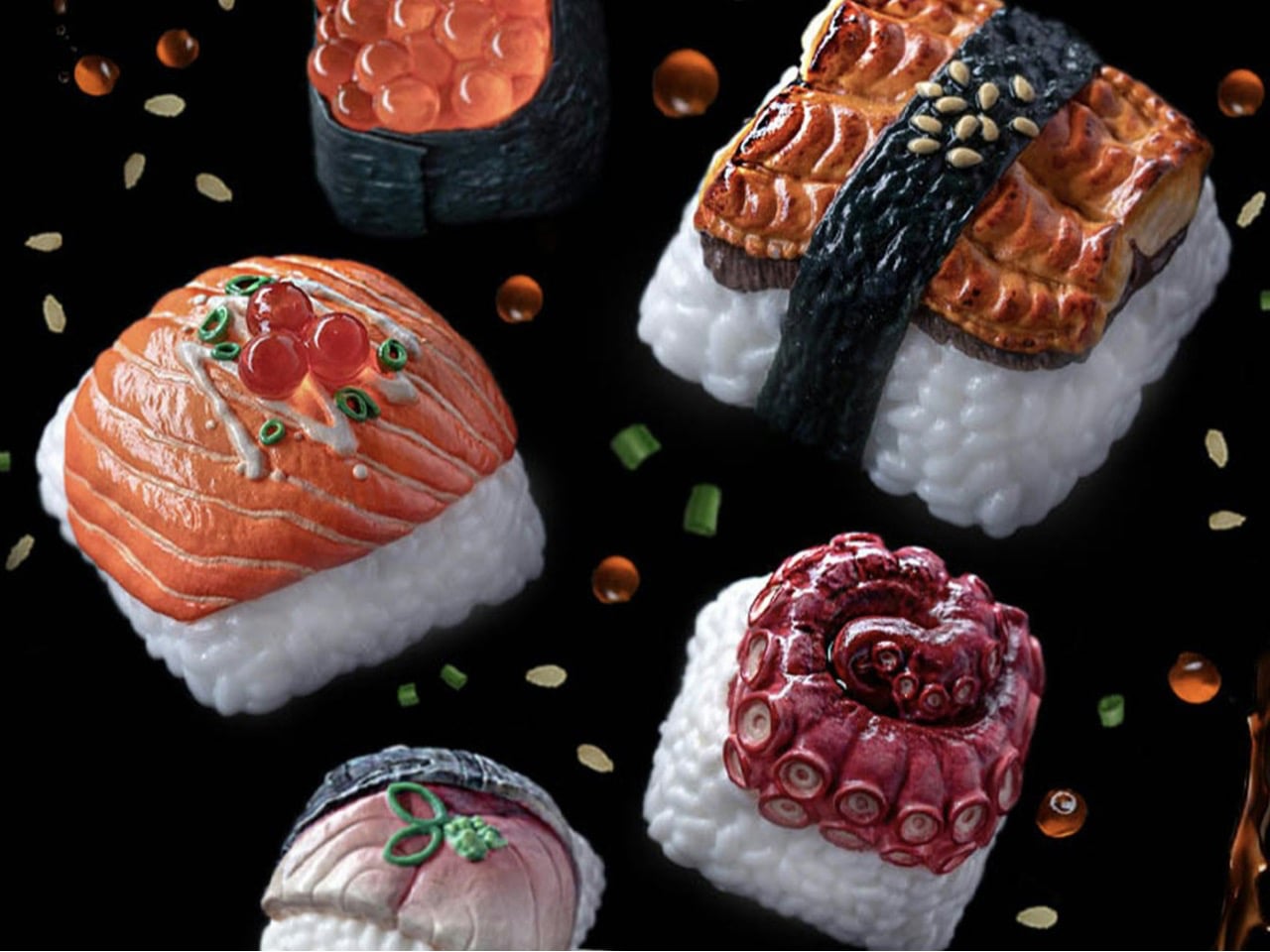
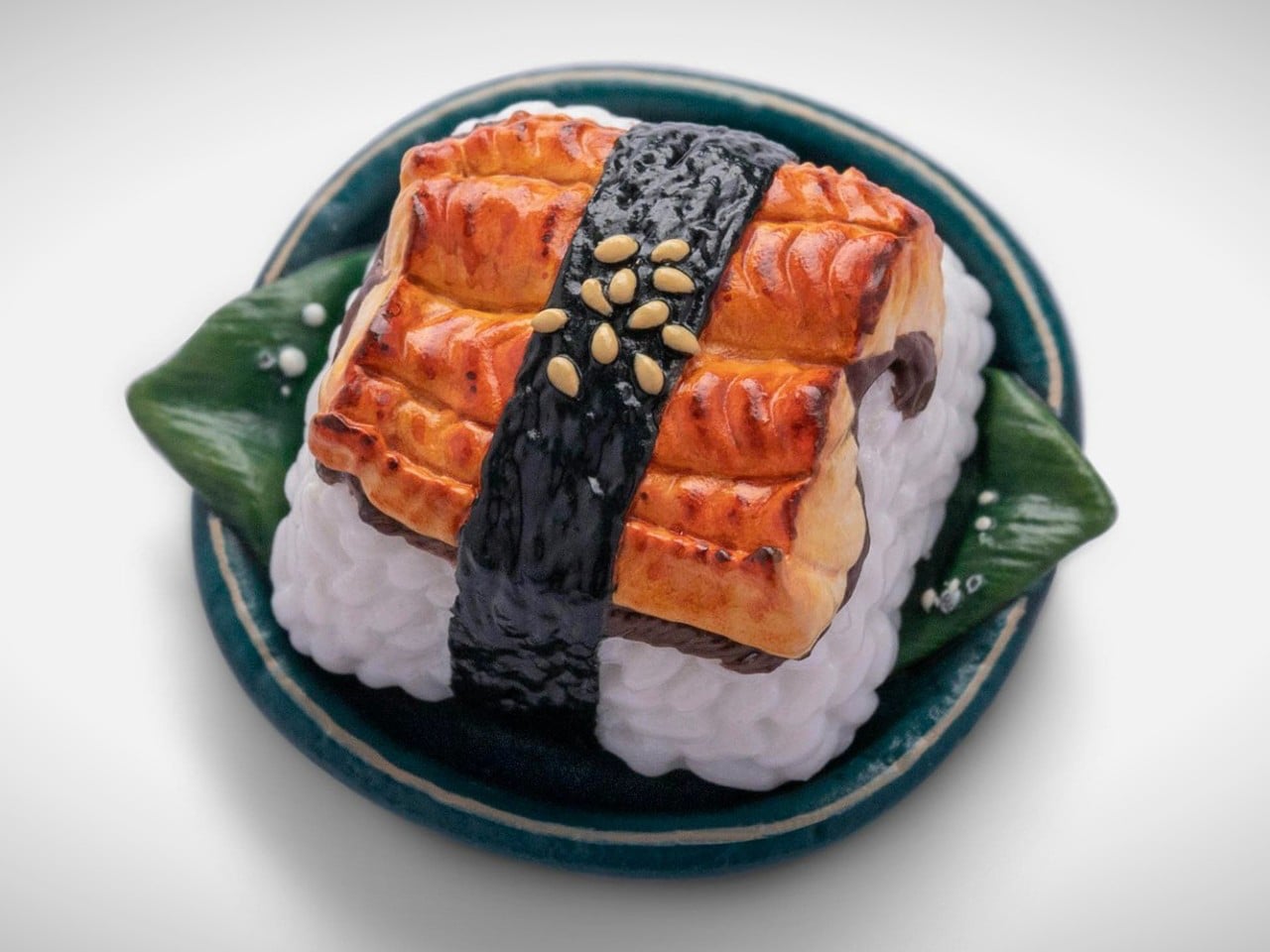
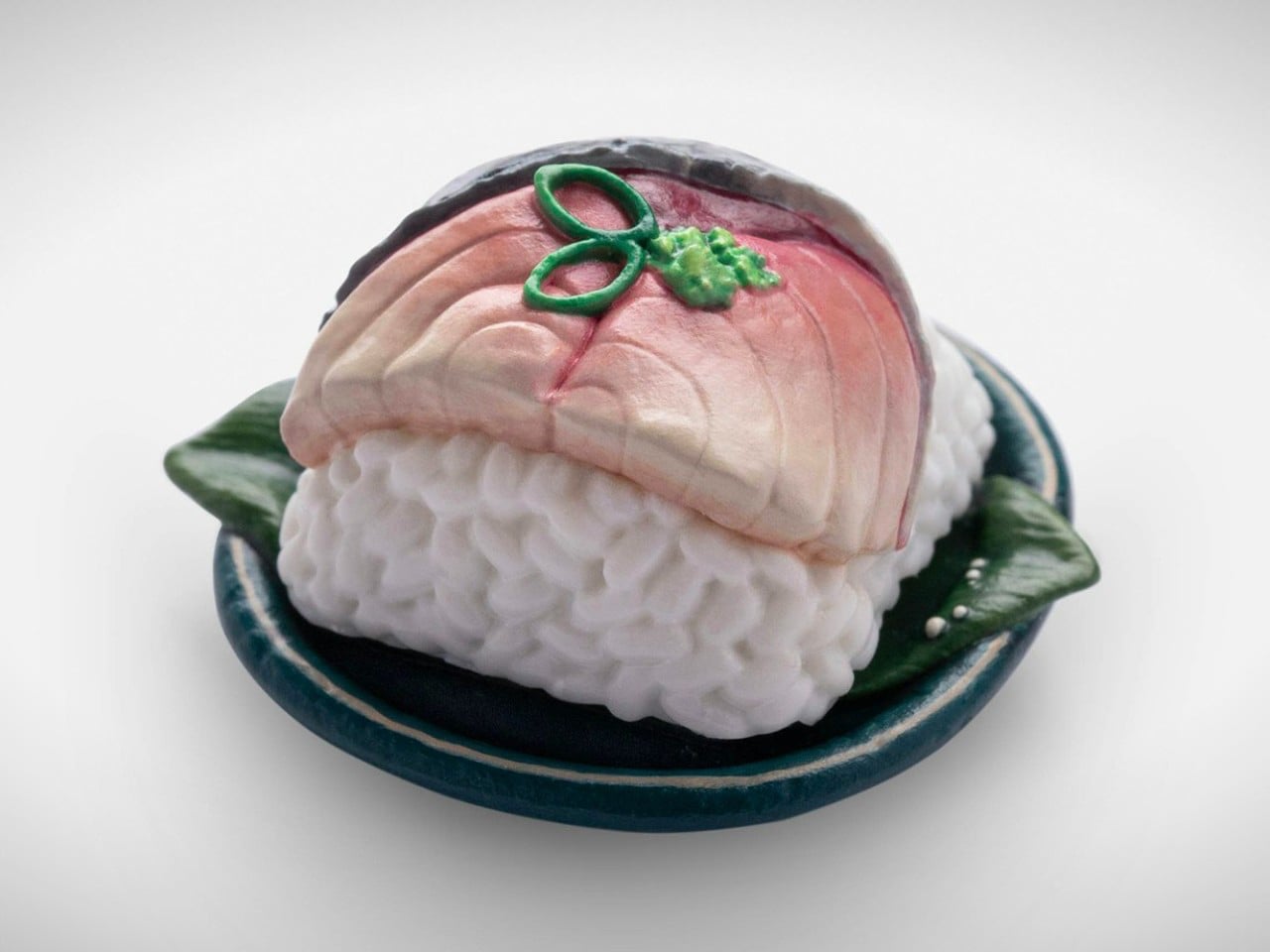
The Sushiville keycap set from Dwarf Factory is a meticulously crafted collection of six artisan keycaps inspired by iconic Japanese sushi. Each keycap is individually handmade from resin and carefully hand-painted to replicate the textures, colors, and intricate details of its culinary counterpart. The set features Umami Unagi with soy-basted eel, Shake Sugoii showcasing salmon nigiri with roe, Ikura Umee with vibrant salmon eggs, Zeppy Ebi topped with butterflied shrimp, Tako Saiko representing octopus, and Saba Shiawase with marinated mackerel. Every piece captures the realistic appearance of sushi, including rice, nori, and garnishes, providing a visually striking and playful miniature presentation.

Designed for mechanical keyboards, the Sushiville keycaps are compatible with Cherry MX switches and clones, offering both aesthetic appeal and functional integration. Combining craftsmanship with imaginative design, this collection appeals to food enthusiasts and keyboard collectors alike. The modular, tactile keycaps transform ordinary keyboards into unique display pieces, blending artisanal precision with a whimsical culinary theme.

3. Material-Driven Design

In sushi, ingredient quality is paramount. The chef honors the natural character of the fish, highlighting its texture, color, and freshness rather than altering it. This respect for materials mirrors Japanese industrial design, favoring authenticity over artificiality.

Designers embrace wood, stone, and natural fibers, showcasing their raw beauty. Unfinished wood may reveal its grain, while a single polished slab of stone becomes a statement surface. This approach fosters sustainability and a deeper bond with nature, creating products that age gracefully and gain character, becoming timeless expressions of their origin rather than disposable objects.

The Maki modular chair by Jin Kuramoto draws inspiration from the Maki sushi roll, translating culinary aesthetics into functional furniture design. Its minimal and refined silhouette features a gently curved, hollow backrest, creating a distinctive visual identity while providing practical versatility. The hollow space can serve as storage for books, throws, or small personal items, adding functionality without compromising the chair’s clean form.

Designed with modularity in mind, the Maki chair can function as a standalone seating solution or be combined with additional units in various configurations. Chairs can be aligned in a single row or arranged to face different directions, adapting to diverse interior layouts. Influenced by principles of minimalism and rationalism, the Maki chair achieves a balance between simplicity, functionality, and iconic design. The conceptual reference to sushi adds a playful yet sophisticated layer, making the chair a memorable and engaging addition to residential and professional environments.

4. Plate to Product Design

Sushi’s aesthetic has evolved into a design language. The geometry of a makizushi roll, the clean lines of oshizushi, and the graceful curve of a fish slice inspire modern product forms. These simple, often asymmetrical shapes create harmony and visual intrigue.

This influence appears in everything from electronics to kitchenware. A speaker might echo the lines of a bento box, while a knife handle reflects the smooth form of a fillet. The goal is to craft objects that feel familiar yet refined. Their shape should enhance function while subtly telling a story through form.

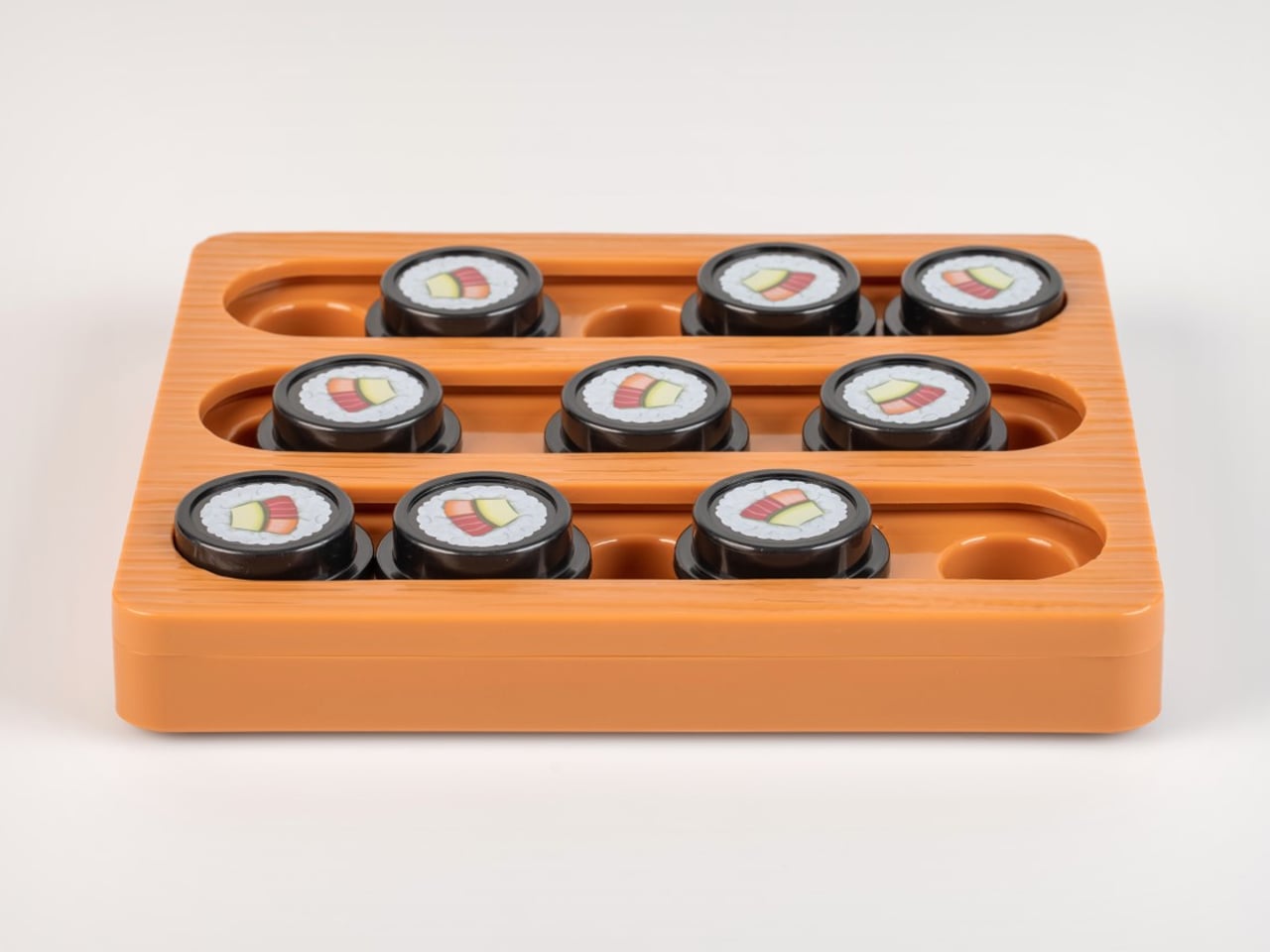
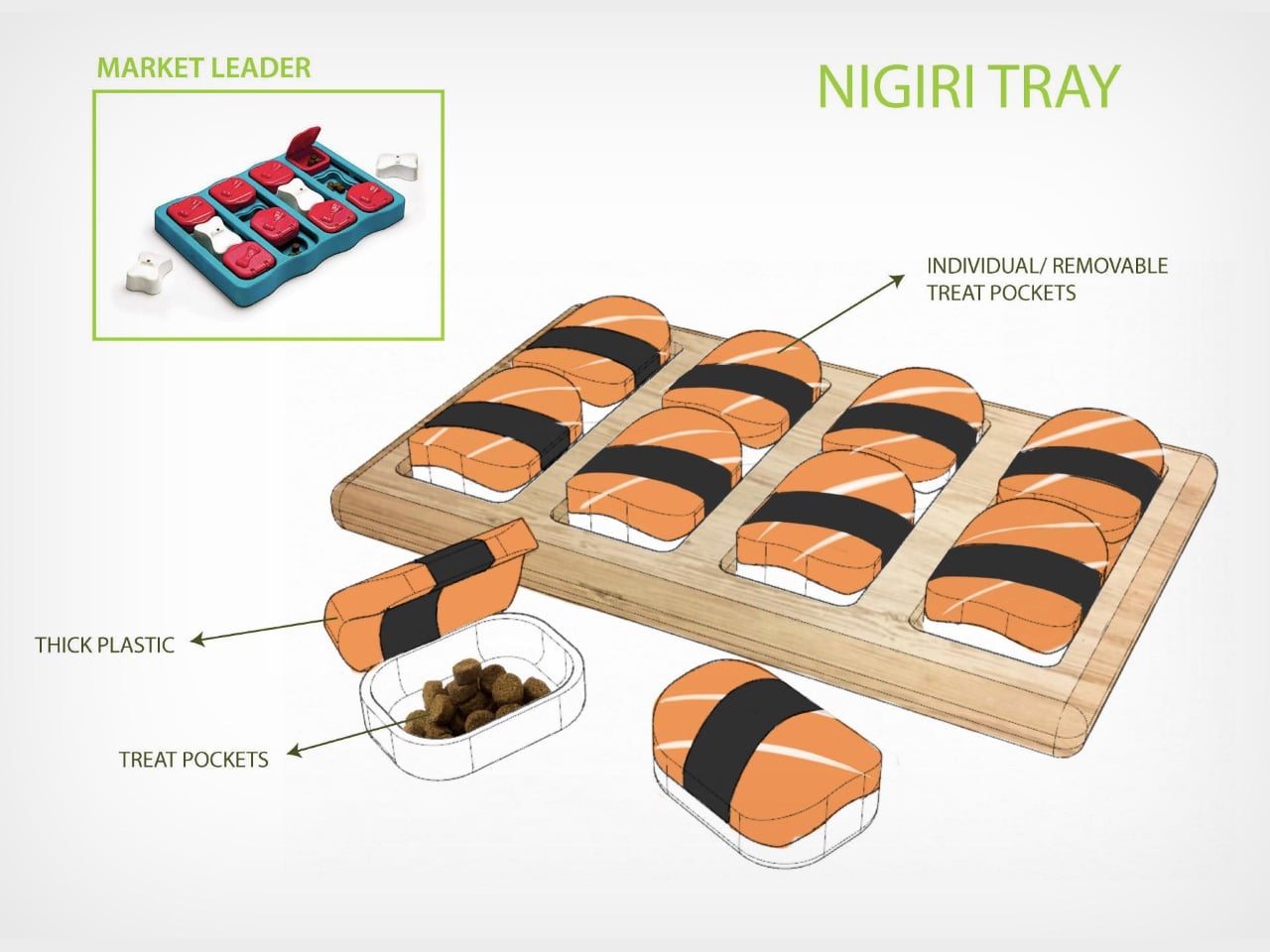
The OurPets feeder collection offers innovative and playful solutions for engaging pets during mealtime. Featuring two standout designs, the Sushi Tray and the Waffle Plate, these feeders combine functionality with interactive fun. Both models use sliding and rotating compartments to conceal treats, encouraging pets to problem solve in order to access their food. This design slows down fast eaters, prevents overeating, and provides mental stimulation that mimics natural foraging and hunting behaviors.

The Sushi Tray, designed for cats, includes sliding California Rolls with treat compartments underneath, allowing felines to paw and play while dining. The Waffle Plate, aimed at dogs, features a rotating maple syrup and butter element that pets must manipulate with their paws or snouts to reveal hidden treats. Crafted from durable, pet-proof plastics, both feeders are built to withstand enthusiastic play. By combining clever mechanics with whimsical design, the OurPets feeders transform mealtime into a fun, interactive, and enriching experience for pets.

5. The Experience of Simplicity

Sushi offers a pure, focused sensory experience, proving that true luxury comes from appreciating a few perfect elements. Its beauty lies in restraint and intention rather than excess, creating a sense of calm and clarity.

Product design follows the same philosophy. A well-crafted object should be seamless and effortless to use, free from unnecessary complexity. Beyond appearance, it should create a meaningful experience, where every detail feels intentional. Like a perfectly arranged plate of sushi, great design quietly celebrates quality and purpose, reminding us that simplicity is the highest form of sophistication.

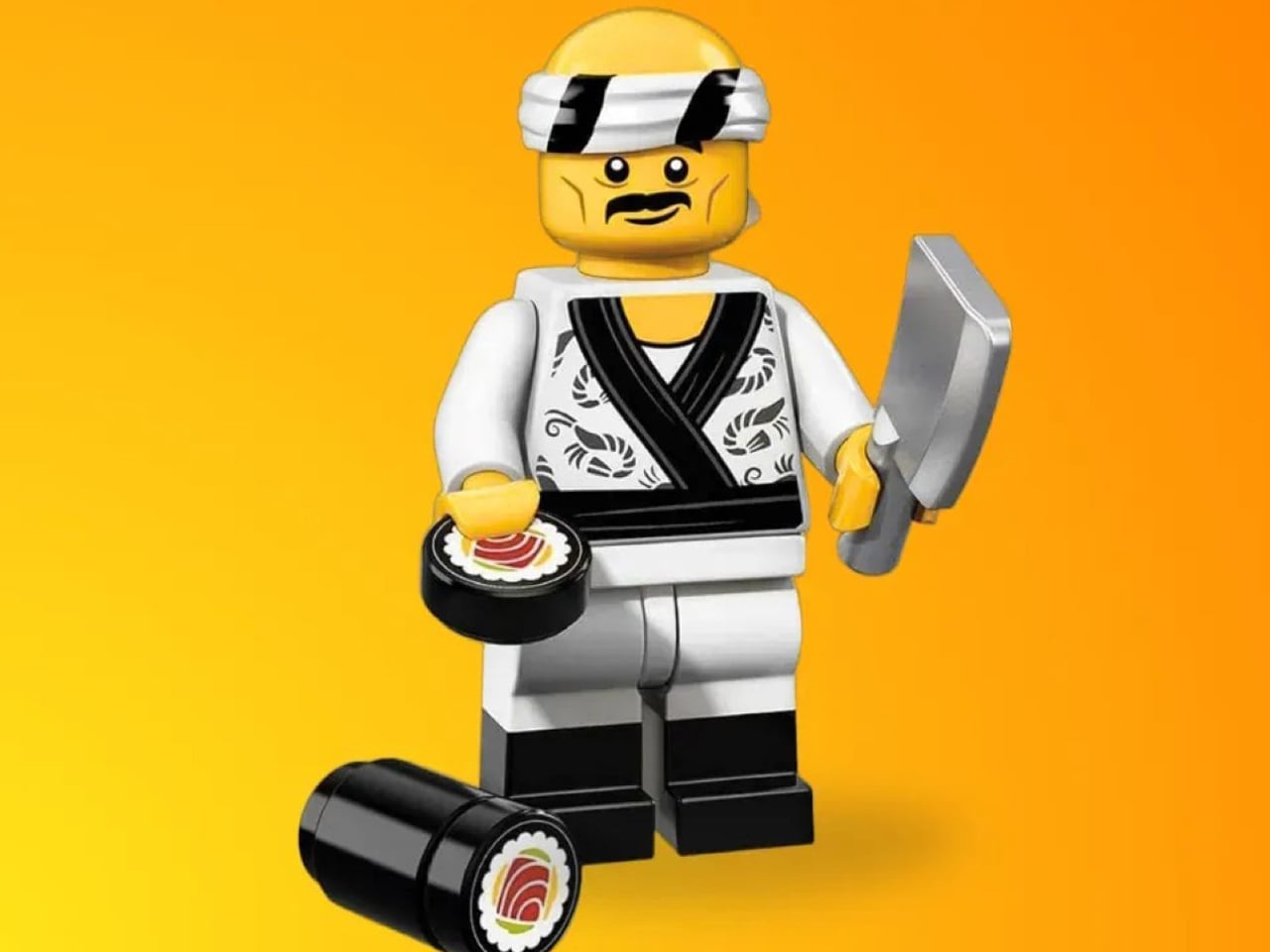
This LEGO Ideas set reimagines the traditional Japanese sushi boat, or “funamori” platter, as a meticulously designed brick model. The build captures the theatrical presentation of sushi with precision and creativity, replacing raw fish with ABS plastic while maintaining the visual appeal. The set includes twelve assorted maki rolls, tamago sushi with a black nori wrap, twin nigiri, two scoops of ikura, and a stylized ebi with bold stripes. Color-blocking and printed tiles replicate cross-sections of fish and avocado, while a buildable place setting features a soy sauce dish, modular chopsticks, and garnishes including ginger, wasabi, and LEGO foliage mimicking shredded daikon. A sushi chef minifigure with a cleaver and traditional headband adds character to the scene.

The boat itself is constructed in tan bricks with a minimalist Japanese flag and central mast, resting on a blue base plate representing water. Comprising approximately 800-900 pieces, the modular design allows each sushi element to be removed, creating a versatile display or interactive play experience. The set blends playful whimsy with precise design, offering both collectors and LEGO enthusiasts a detailed homage to Japanese culinary artistry.

Sushi offers a powerful lesson in industrial design. Through minimalism, precision, respect for materials, and purposeful form, it inspires a global aesthetic. By stripping away excess and focusing on essentials, designers create products that are both beautiful and lasting. In its quiet elegance, the sushi plate becomes a timeless blueprint for meaningful, deliberate design.

The post 5 Sushi-Inspired Designs For Japanese Product Fans That Look So Realistic You’ll Want to Eat Them first appeared on Yanko Design.

5 Sushi-Inspired Designs For Japanese Product Fans That Look So Realistic You’ll Want to Eat Them

Sushi is more than food, as it is a lesson in design. Rising from humble beginnings to become a global icon, it reflects clarity, precision, and minimalism. Each element is carefully selected and crafted, revealing beauty through simplicity. Beyond the plate, sushi’s philosophy has influenced modern industrial design, inspiring products and spaces with its calm and purposeful aesthetic.

Its core principles of simplicity, harmony, and respect for materials offer timeless guidance for creators. By removing excess and focusing on what matters, designers achieve elegance through function, creating designs that are lasting, meaningful, and deeply connected to their purpose.

1. The Minimalist Blueprint

Sushi represents the essence of minimalism. A piece of nigiri, a form of hand-pressed sushi featuring a delicate slice of fresh fish atop perfectly seasoned rice, illustrates how true beauty emerges through restraint. There are no excessive garnishes or overpowering sauces, only a focus on pure, essential elements. This “less is more” philosophy directly aligns with industrial design, where simplicity, clarity.

From smartphones to furniture, this principle is reflected across modern design. Smooth, unembellished surfaces invite attention to function without distraction. These designs achieve harmony and refinement, ensuring every detail feels intentional. The result is timeless elegance, where functionality itself becomes the ultimate expression of beauty.
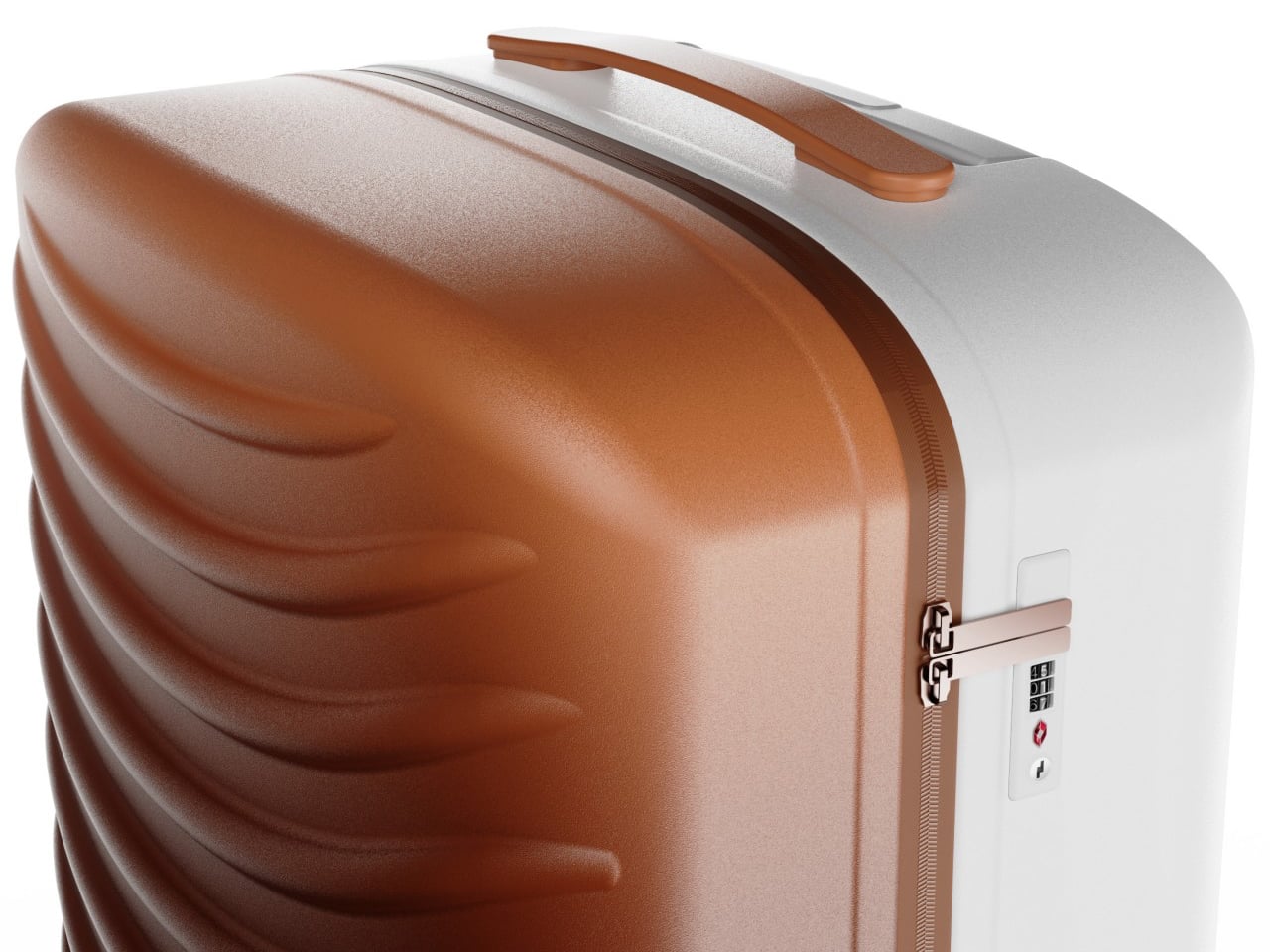
This suitcase collection is inspired by sushi, designed to turn a practical travel essential into a playful statement piece. Each piece mimics the look of nigiri, with white “rice” forming the base and a colorful topping representing popular ingredients. Three designs are featured: yellow egg (“tamago”) with a spiral pattern, brown eel (“unagi”), and orange salmon (“sake”), each with raised textures that reflect the natural ridges of the sushi they emulate. The dual-tone design aligns seamlessly with the suitcase’s two-halved construction, creating a visually striking yet functional piece.
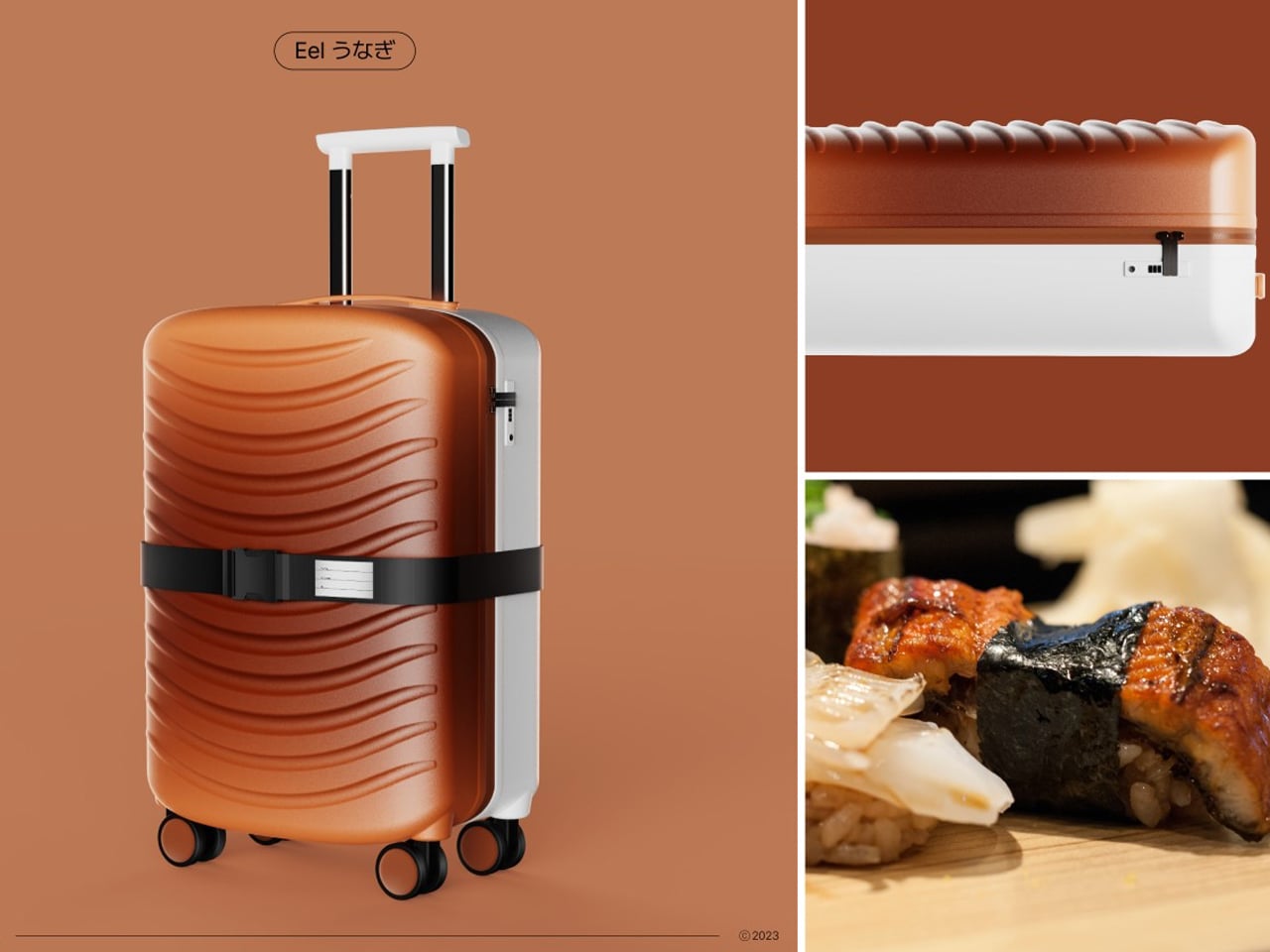

Adding charm and utility, a strap wraps around the width of the suitcase, echoing the nori seaweed that holds sushi together. This strap doubles as a luggage tag, eliminating the need for additional accessories. Crafted with attention to materials and detail, the sushi-inspired suitcase combines durability with whimsical design, offering a unique, fun, and functional way to travel.

2. Precision and Craftsmanship

Sushi reflects the power of precision. The chef’s knife work, or hōchōbiki, is an art form, with each cut enhancing texture and flavor. Even the rice is prepared with exact care, from washing to seasoning, showing a dedication to detail at every stage.

This same principle shapes exceptional product design. It’s seen in seamless furniture joinery, the satisfying click of a well-made button, or the balanced weight of a tool. Such perfection in construction and finish gives products integrity and longevity, showing they were not just made but thoughtfully crafted with purpose and respect.
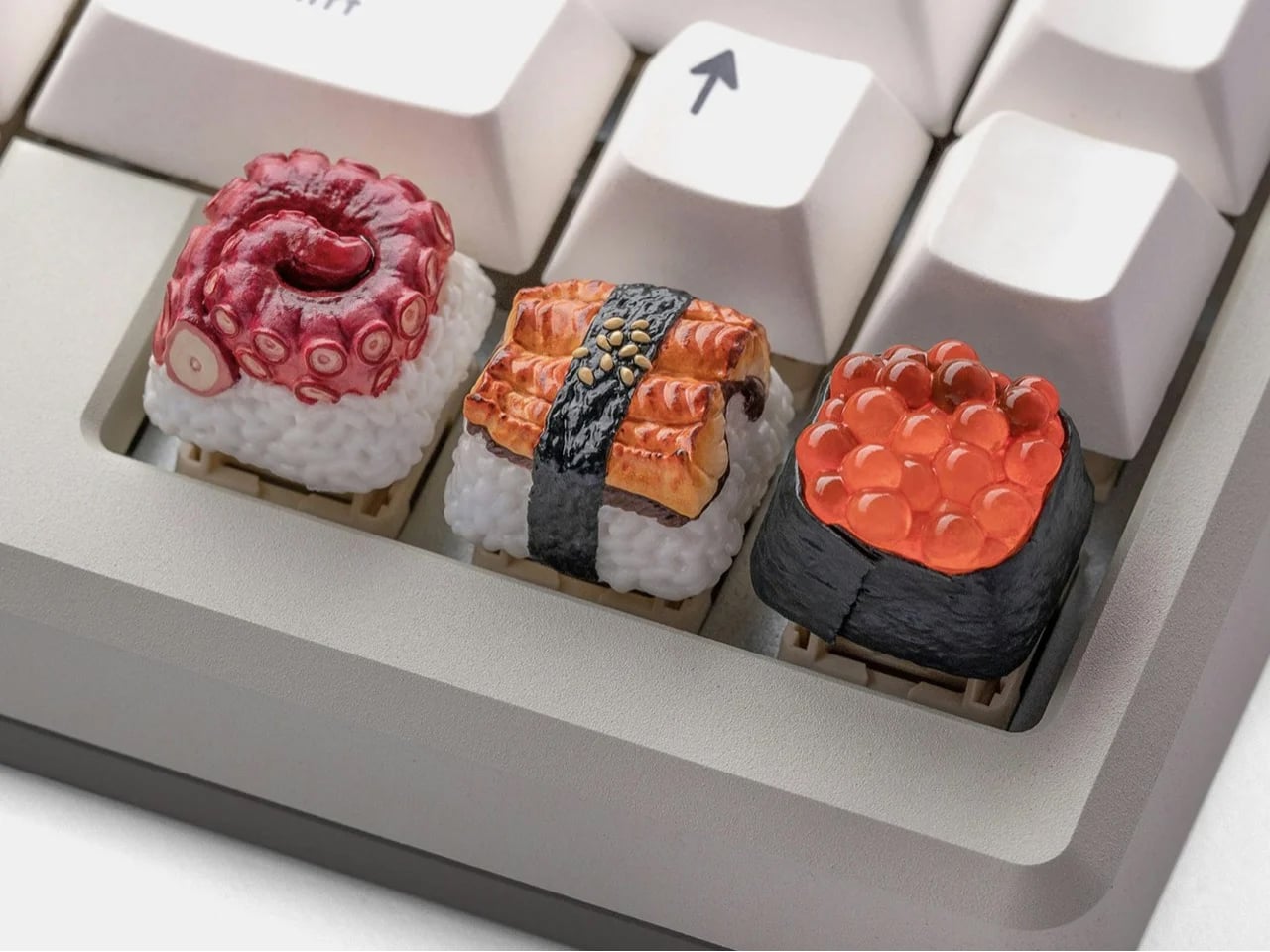
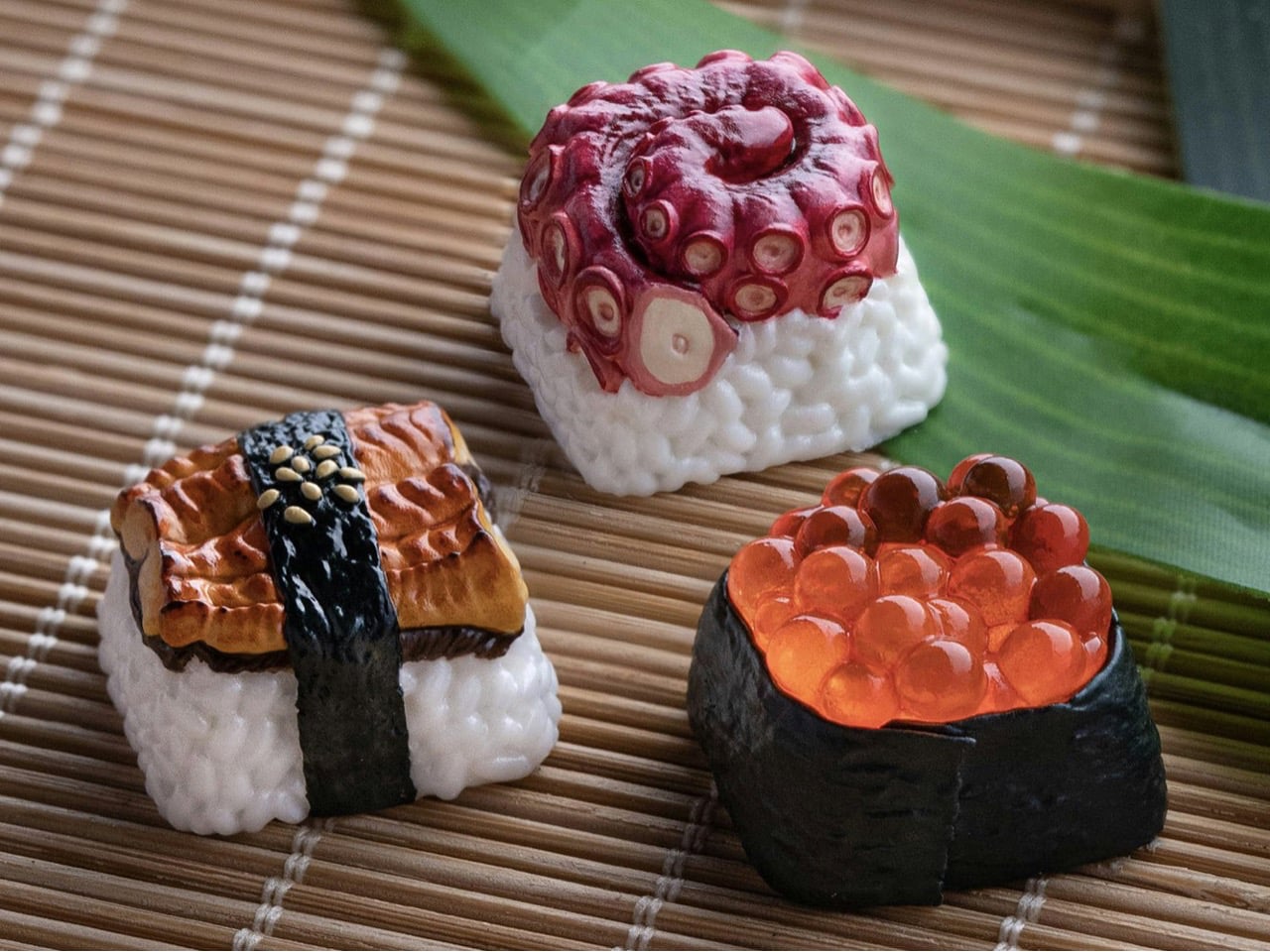
The Sushiville keycap set from Dwarf Factory is a meticulously crafted collection of six artisan keycaps inspired by iconic Japanese sushi. Each keycap is individually handmade from resin and carefully hand-painted to replicate the textures, colors, and intricate details of its culinary counterpart. The set features Umami Unagi with soy-basted eel, Shake Sugoii showcasing salmon nigiri with roe, Ikura Umee with vibrant salmon eggs, Zeppy Ebi topped with butterflied shrimp, Tako Saiko representing octopus, and Saba Shiawase with marinated mackerel. Every piece captures the realistic appearance of sushi, including rice, nori, and garnishes, providing a visually striking and playful miniature presentation.
Designed for mechanical keyboards, the Sushiville keycaps are compatible with Cherry MX switches and clones, offering both aesthetic appeal and functional integration. Combining craftsmanship with imaginative design, this collection appeals to food enthusiasts and keyboard collectors alike. The modular, tactile keycaps transform ordinary keyboards into unique display pieces, blending artisanal precision with a whimsical culinary theme.

3. Material-Driven Design

In sushi, ingredient quality is paramount. The chef honors the natural character of the fish, highlighting its texture, color, and freshness rather than altering it. This respect for materials mirrors Japanese industrial design, favoring authenticity over artificiality.

Designers embrace wood, stone, and natural fibers, showcasing their raw beauty. Unfinished wood may reveal its grain, while a single polished slab of stone becomes a statement surface. This approach fosters sustainability and a deeper bond with nature, creating products that age gracefully and gain character, becoming timeless expressions of their origin rather than disposable objects.
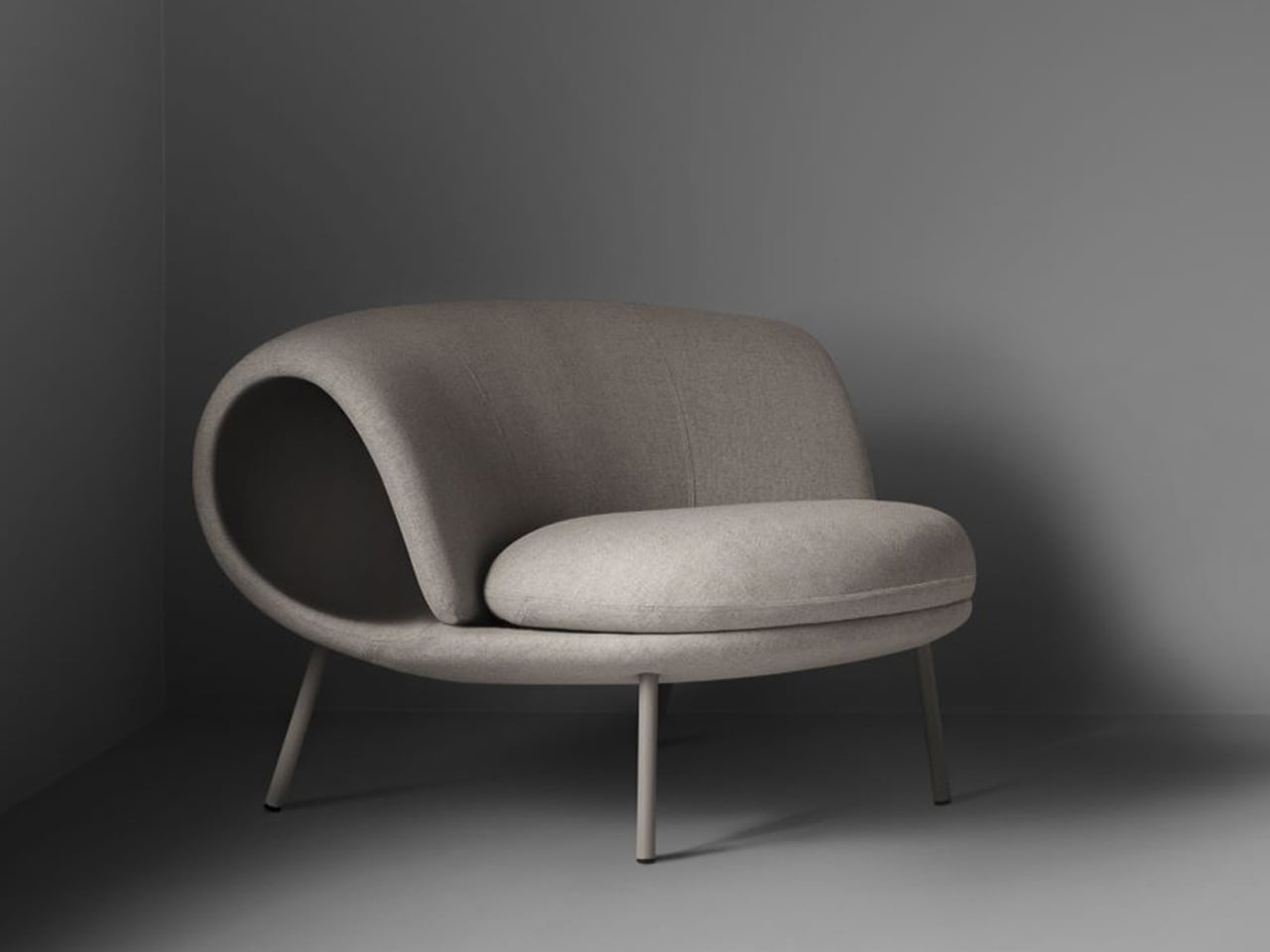
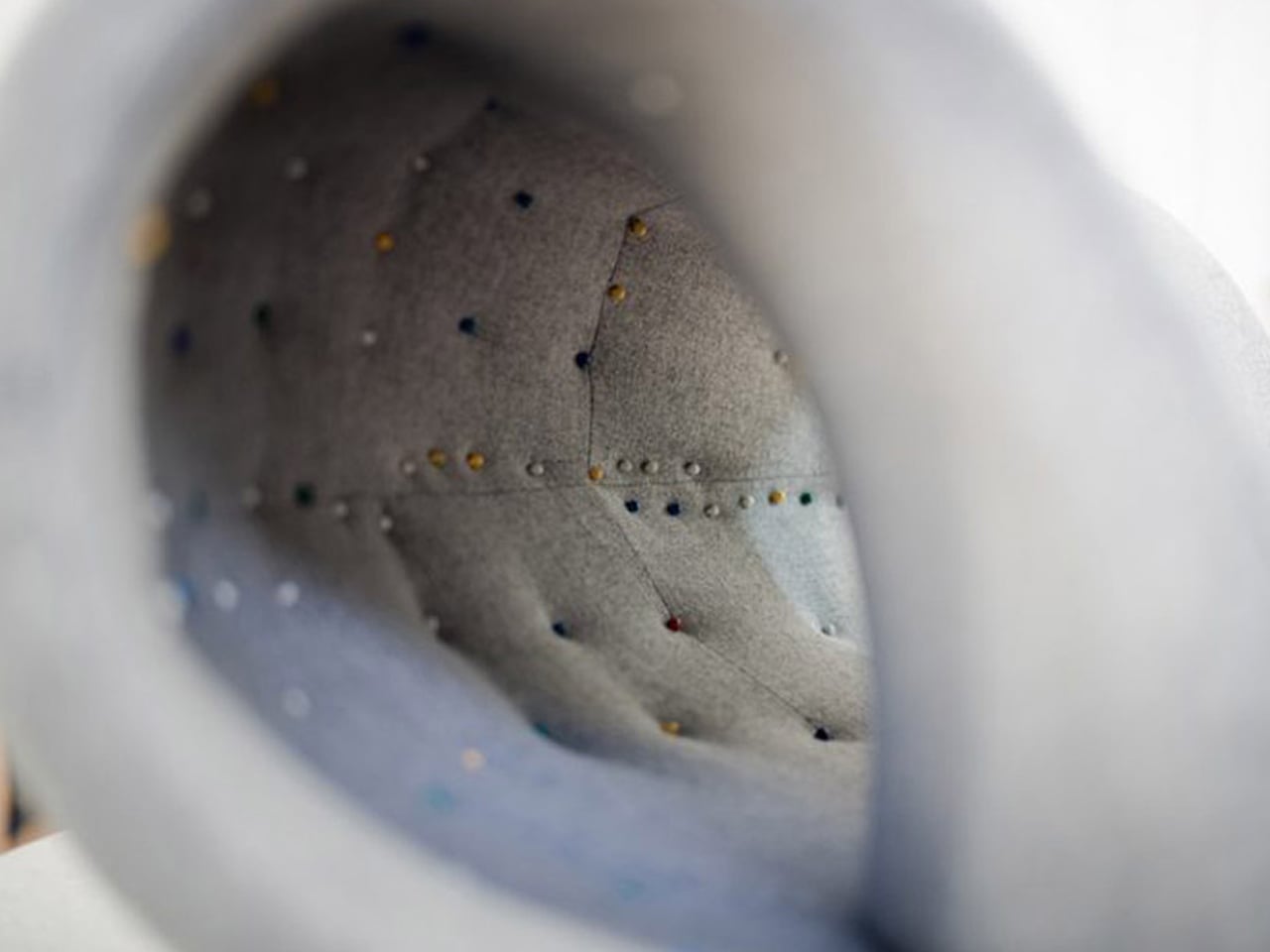
The Maki modular chair by Jin Kuramoto draws inspiration from the Maki sushi roll, translating culinary aesthetics into functional furniture design. Its minimal and refined silhouette features a gently curved, hollow backrest, creating a distinctive visual identity while providing practical versatility. The hollow space can serve as storage for books, throws, or small personal items, adding functionality without compromising the chair’s clean form.
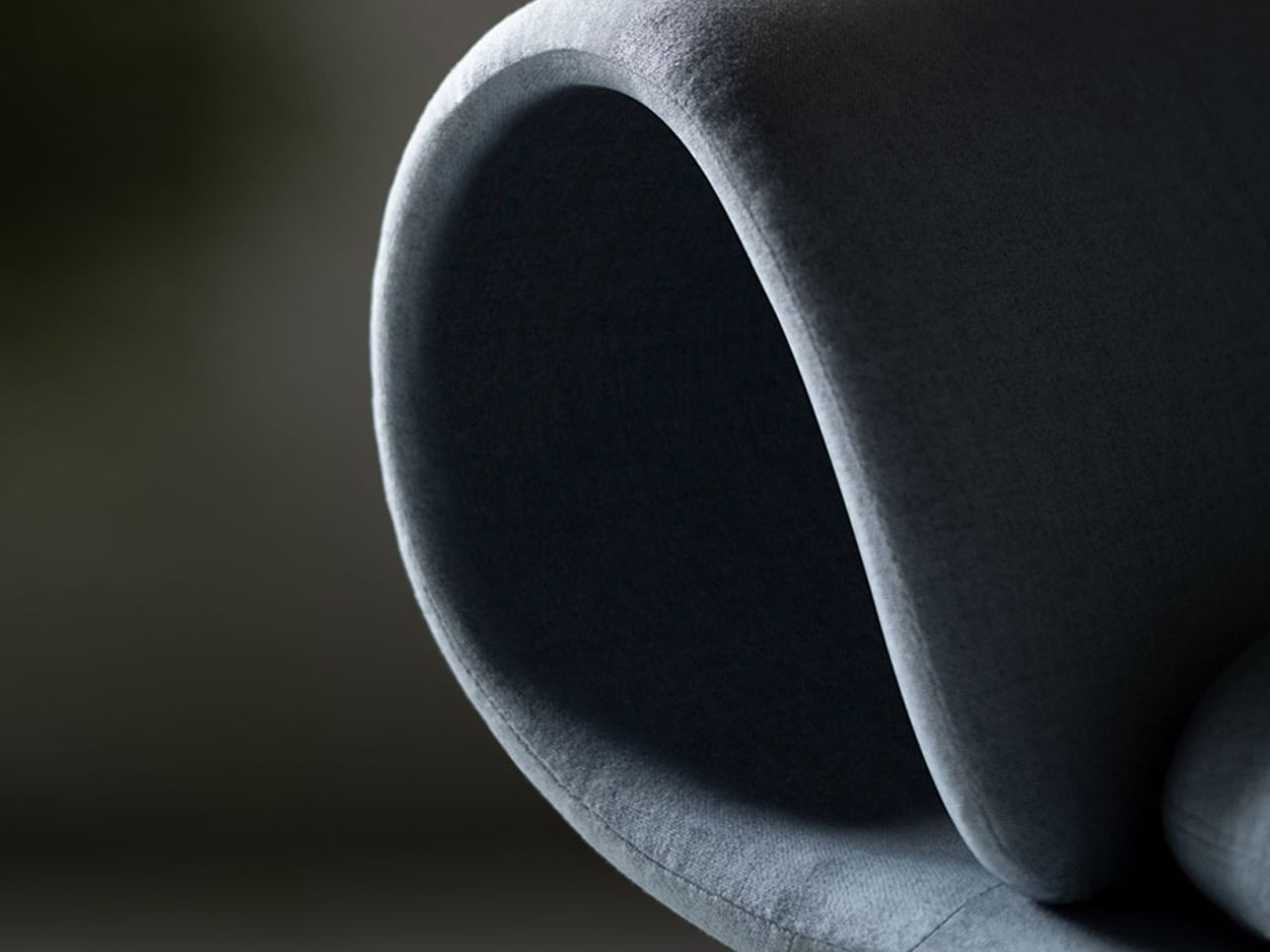
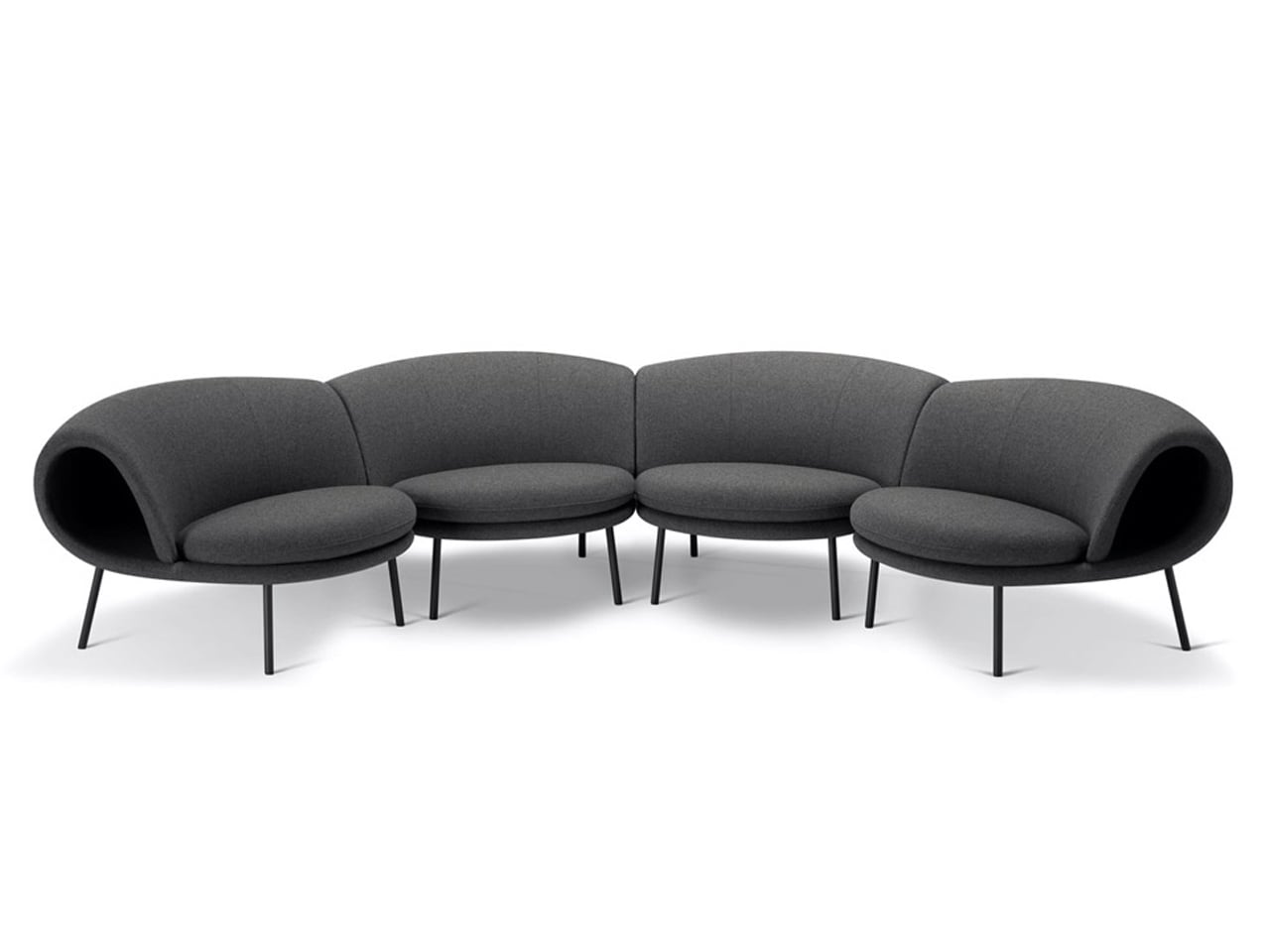
Designed with modularity in mind, the Maki chair can function as a standalone seating solution or be combined with additional units in various configurations. Chairs can be aligned in a single row or arranged to face different directions, adapting to diverse interior layouts. Influenced by principles of minimalism and rationalism, the Maki chair achieves a balance between simplicity, functionality, and iconic design. The conceptual reference to sushi adds a playful yet sophisticated layer, making the chair a memorable and engaging addition to residential and professional environments.

4. Plate to Product Design

Sushi’s aesthetic has evolved into a design language. The geometry of a makizushi roll, the clean lines of oshizushi, and the graceful curve of a fish slice inspire modern product forms. These simple, often asymmetrical shapes create harmony and visual intrigue.

This influence appears in everything from electronics to kitchenware. A speaker might echo the lines of a bento box, while a knife handle reflects the smooth form of a fillet. The goal is to craft objects that feel familiar yet refined. Their shape should enhance function while subtly telling a story through form.
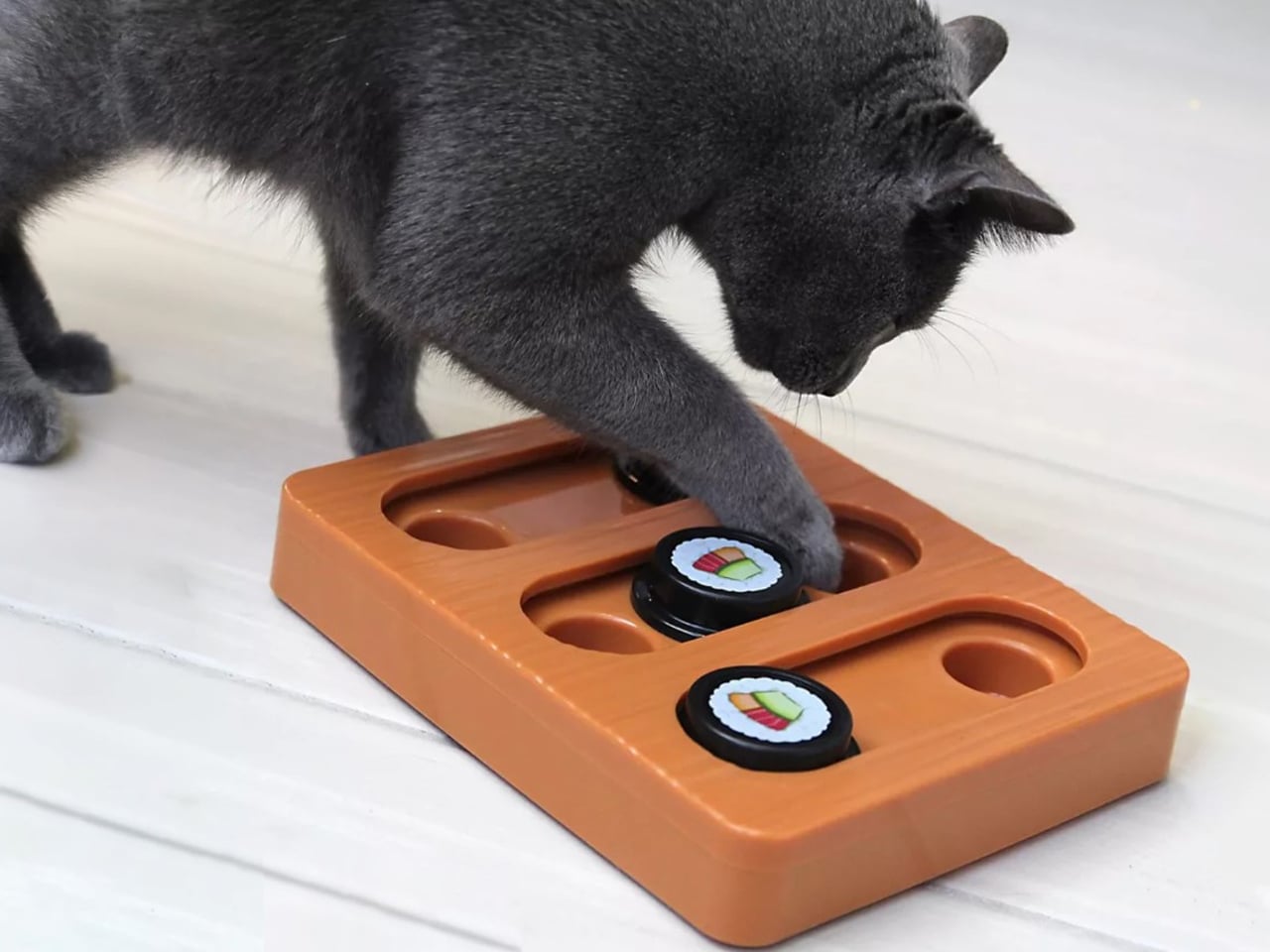

The OurPets feeder collection offers innovative and playful solutions for engaging pets during mealtime. Featuring two standout designs, the Sushi Tray and the Waffle Plate, these feeders combine functionality with interactive fun. Both models use sliding and rotating compartments to conceal treats, encouraging pets to problem solve in order to access their food. This design slows down fast eaters, prevents overeating, and provides mental stimulation that mimics natural foraging and hunting behaviors.
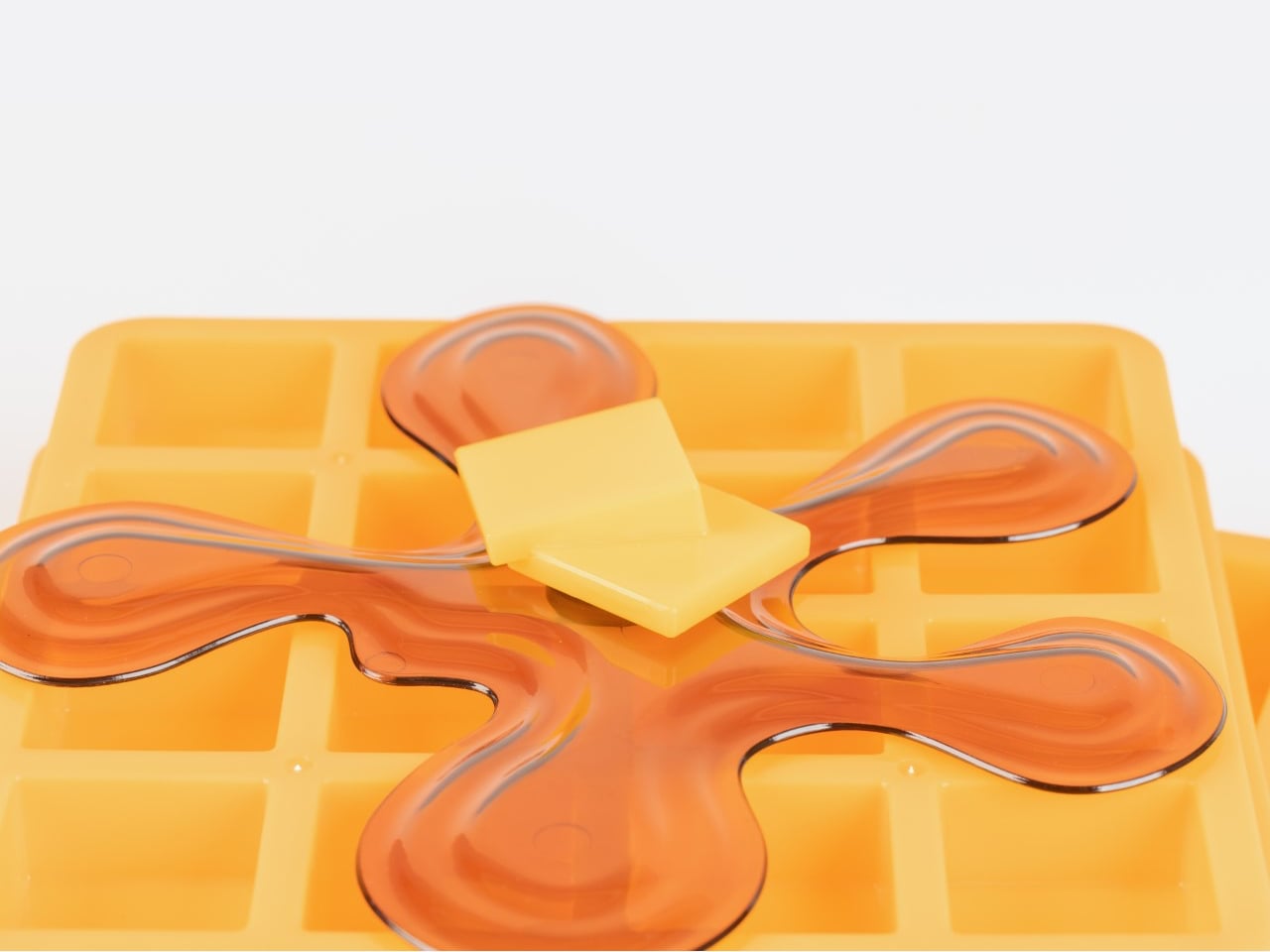
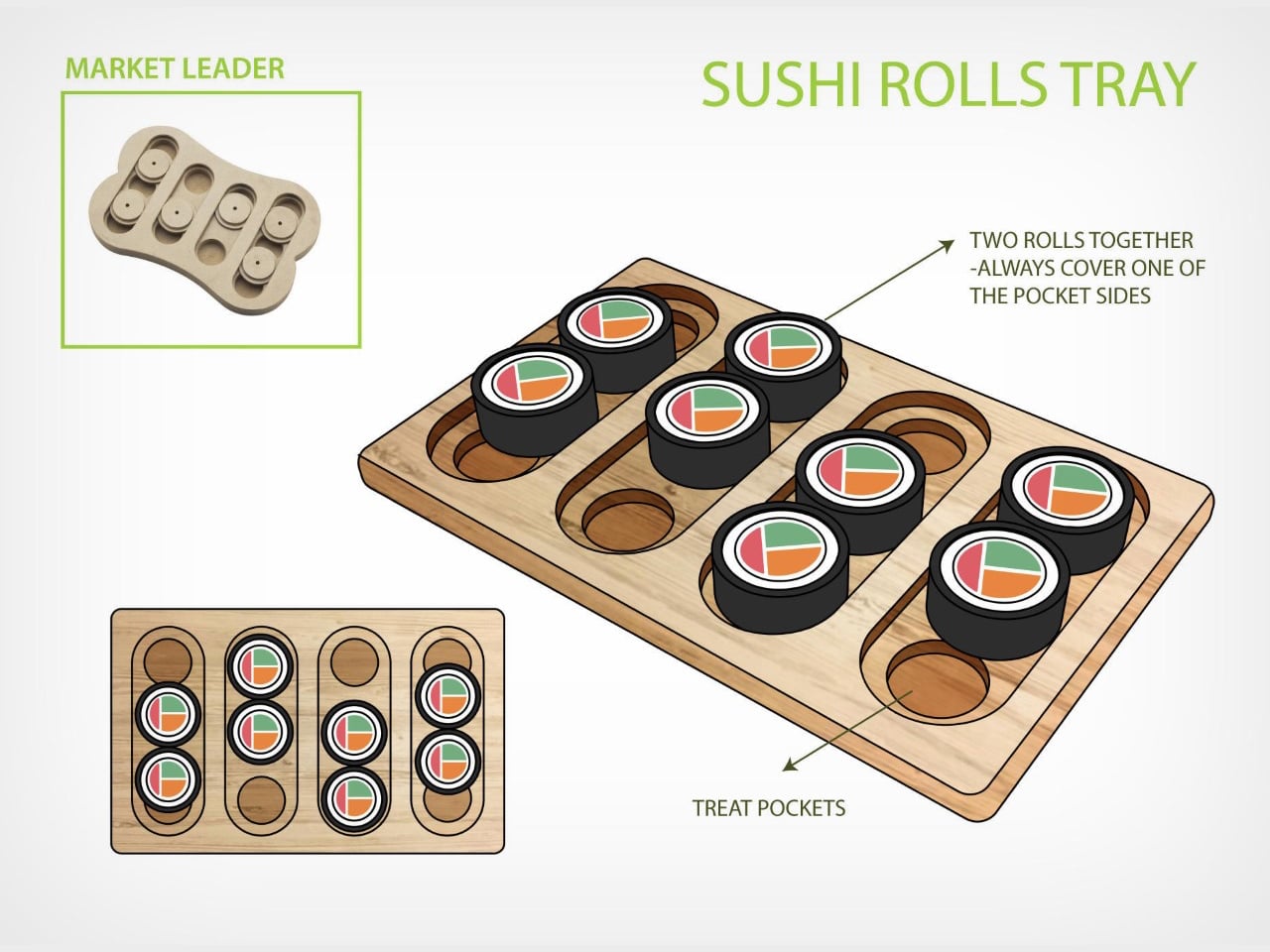
The Sushi Tray, designed for cats, includes sliding California Rolls with treat compartments underneath, allowing felines to paw and play while dining. The Waffle Plate, aimed at dogs, features a rotating maple syrup and butter element that pets must manipulate with their paws or snouts to reveal hidden treats. Crafted from durable, pet-proof plastics, both feeders are built to withstand enthusiastic play. By combining clever mechanics with whimsical design, the OurPets feeders transform mealtime into a fun, interactive, and enriching experience for pets.

5. The Experience of Simplicity

Sushi offers a pure, focused sensory experience, proving that true luxury comes from appreciating a few perfect elements. Its beauty lies in restraint and intention rather than excess, creating a sense of calm and clarity.

Product design follows the same philosophy. A well-crafted object should be seamless and effortless to use, free from unnecessary complexity. Beyond appearance, it should create a meaningful experience, where every detail feels intentional. Like a perfectly arranged plate of sushi, great design quietly celebrates quality and purpose, reminding us that simplicity is the highest form of sophistication.
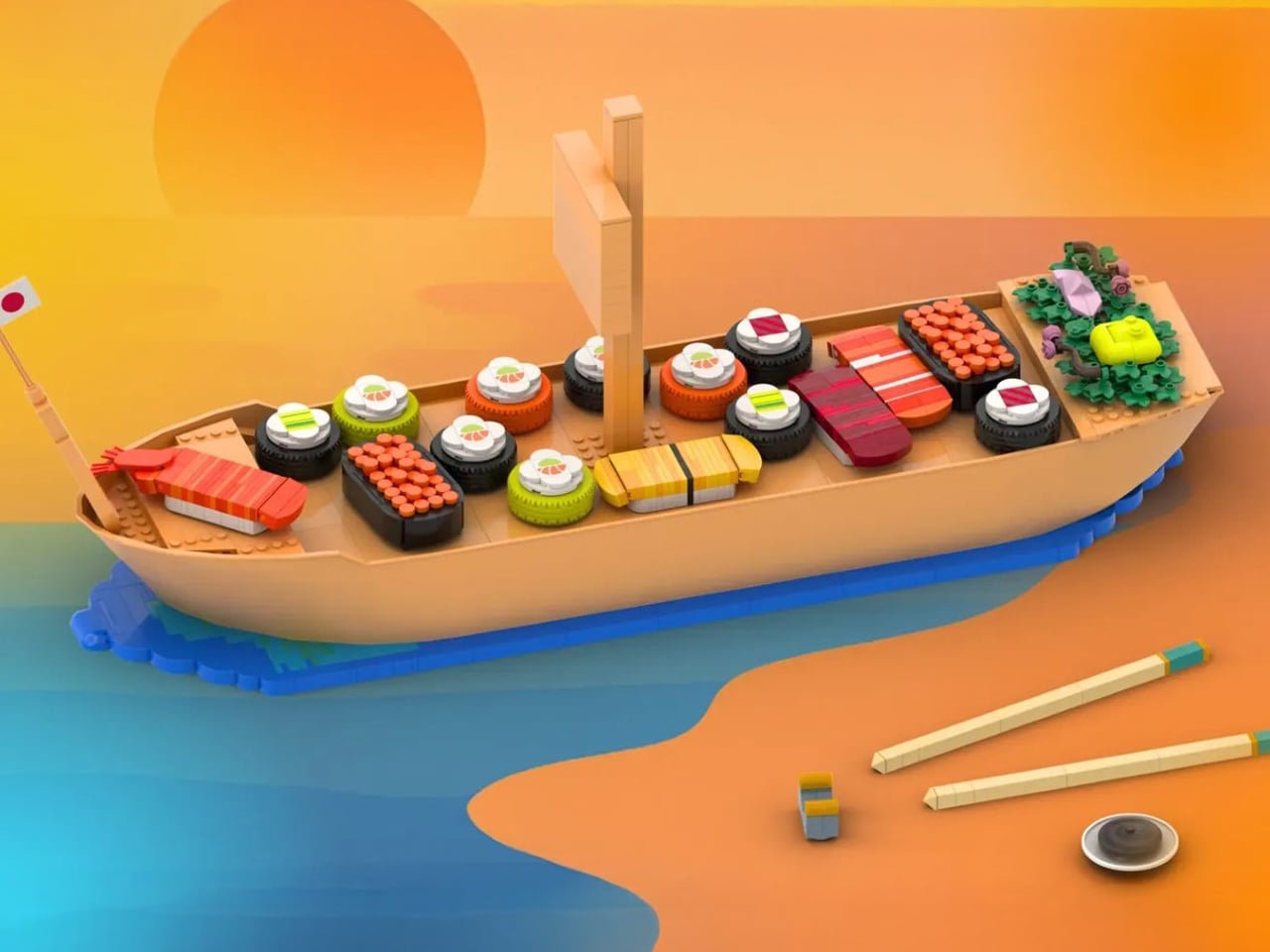

This LEGO Ideas set reimagines the traditional Japanese sushi boat, or “funamori” platter, as a meticulously designed brick model. The build captures the theatrical presentation of sushi with precision and creativity, replacing raw fish with ABS plastic while maintaining the visual appeal. The set includes twelve assorted maki rolls, tamago sushi with a black nori wrap, twin nigiri, two scoops of ikura, and a stylized ebi with bold stripes. Color-blocking and printed tiles replicate cross-sections of fish and avocado, while a buildable place setting features a soy sauce dish, modular chopsticks, and garnishes including ginger, wasabi, and LEGO foliage mimicking shredded daikon. A sushi chef minifigure with a cleaver and traditional headband adds character to the scene.
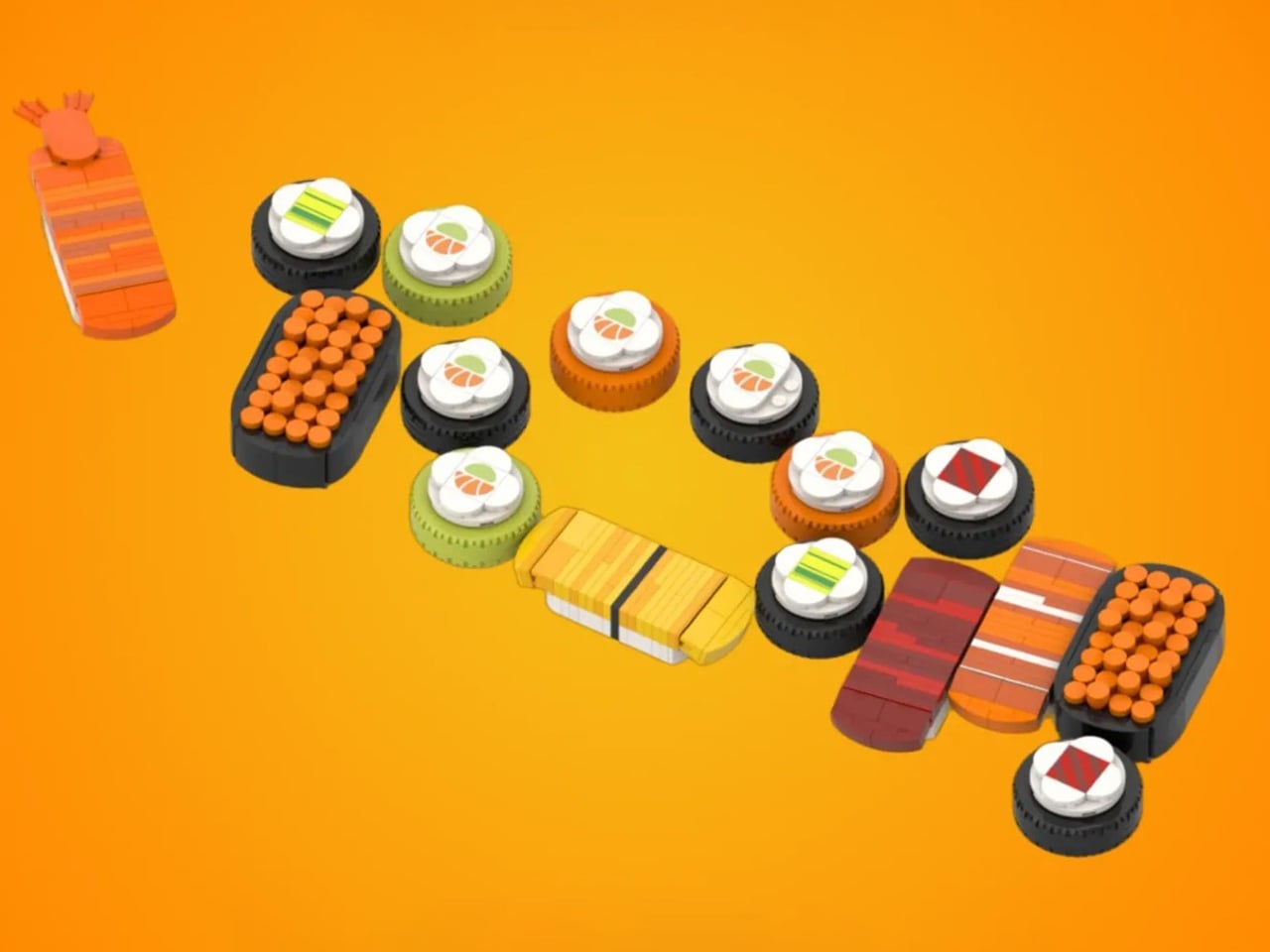
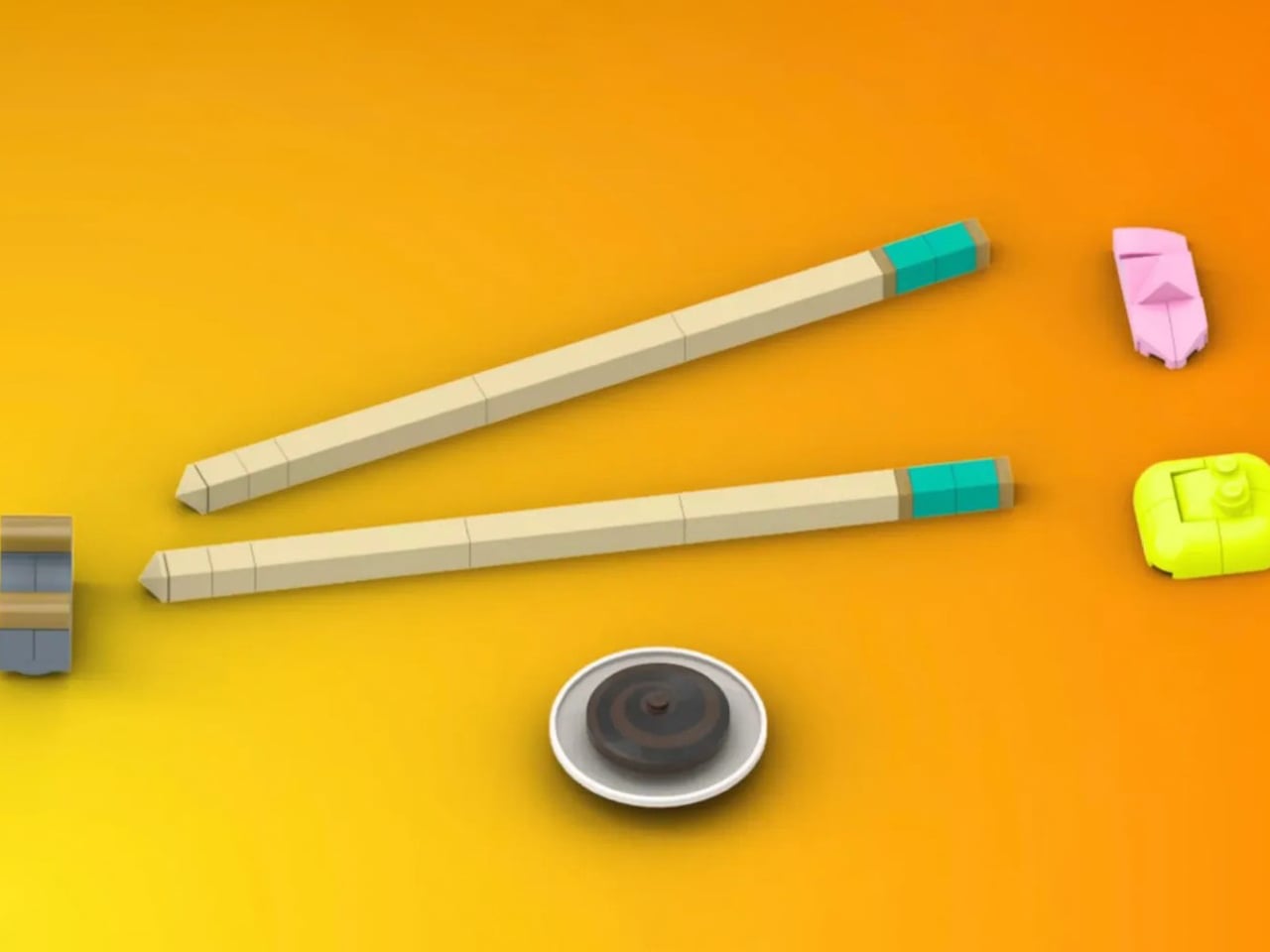
The boat itself is constructed in tan bricks with a minimalist Japanese flag and central mast, resting on a blue base plate representing water. Comprising approximately 800-900 pieces, the modular design allows each sushi element to be removed, creating a versatile display or interactive play experience. The set blends playful whimsy with precise design, offering both collectors and LEGO enthusiasts a detailed homage to Japanese culinary artistry.

Sushi offers a powerful lesson in industrial design. Through minimalism, precision, respect for materials, and purposeful form, it inspires a global aesthetic. By stripping away excess and focusing on essentials, designers create products that are both beautiful and lasting. In its quiet elegance, the sushi plate becomes a timeless blueprint for meaningful, deliberate design.

The post 5 Sushi-Inspired Designs For Japanese Product Fans That Look So Realistic You’ll Want to Eat Them first appeared on Yanko Design.
This Australian Soy Fish Decomposes in 6 Weeks, Not 400 Years

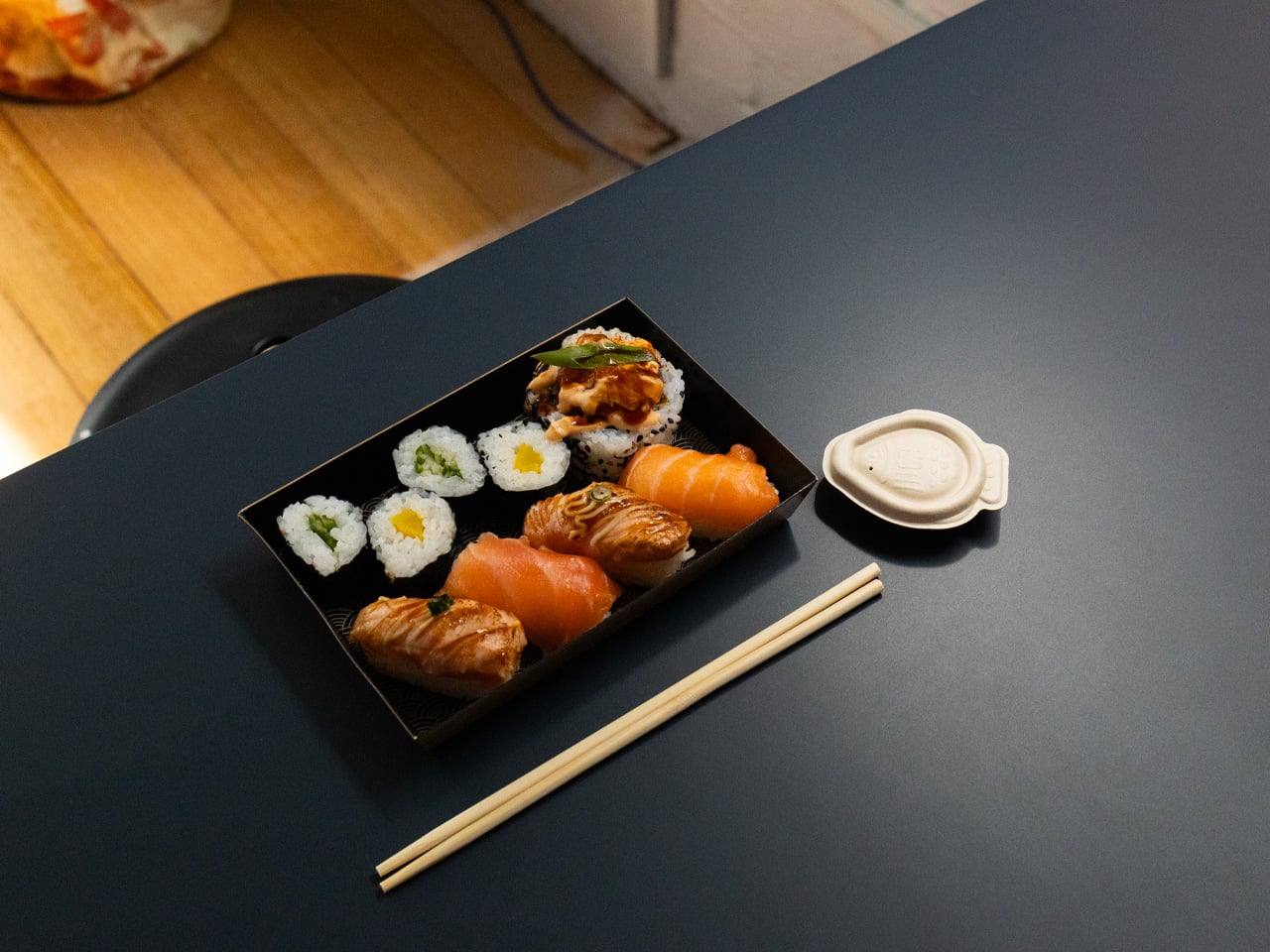
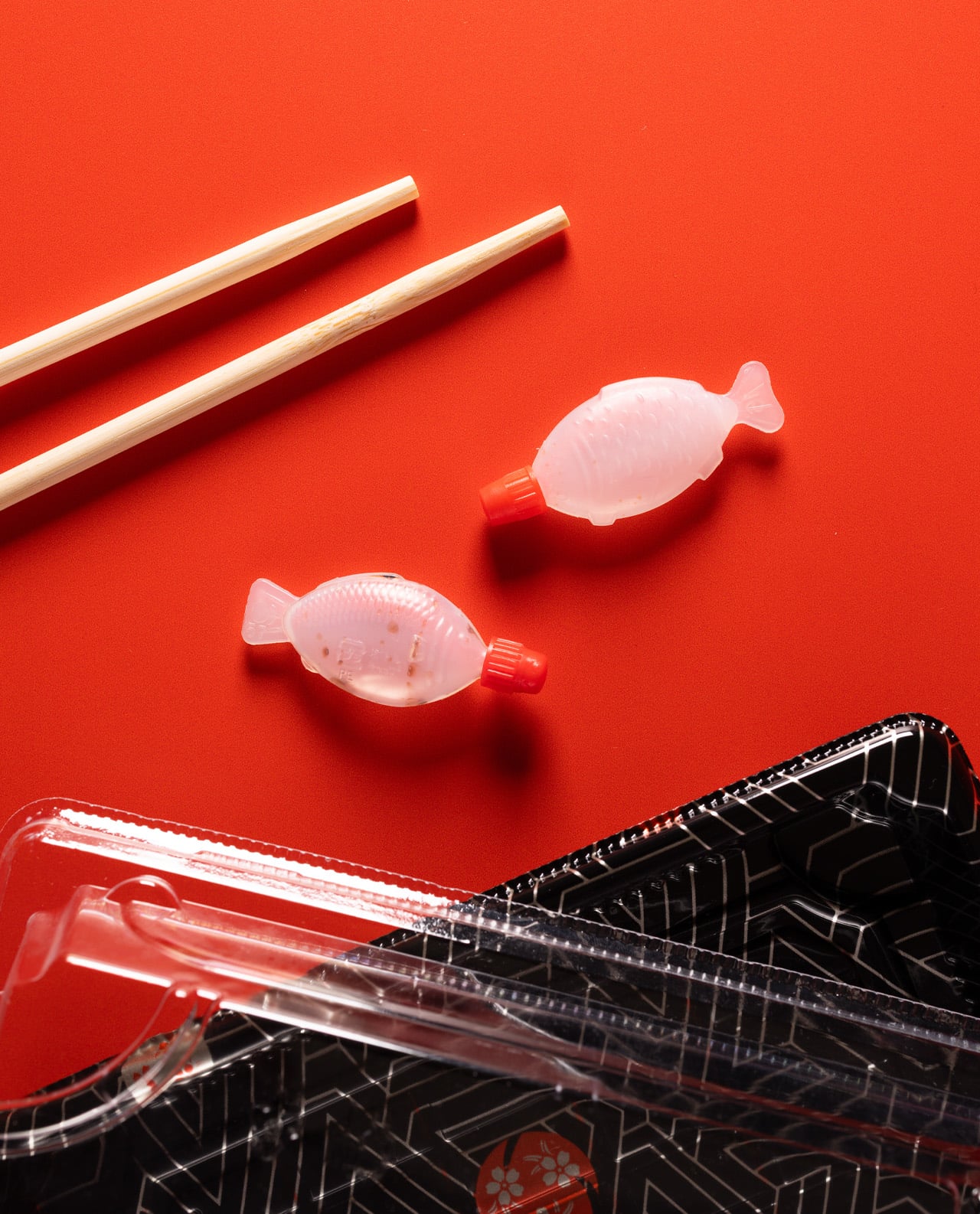
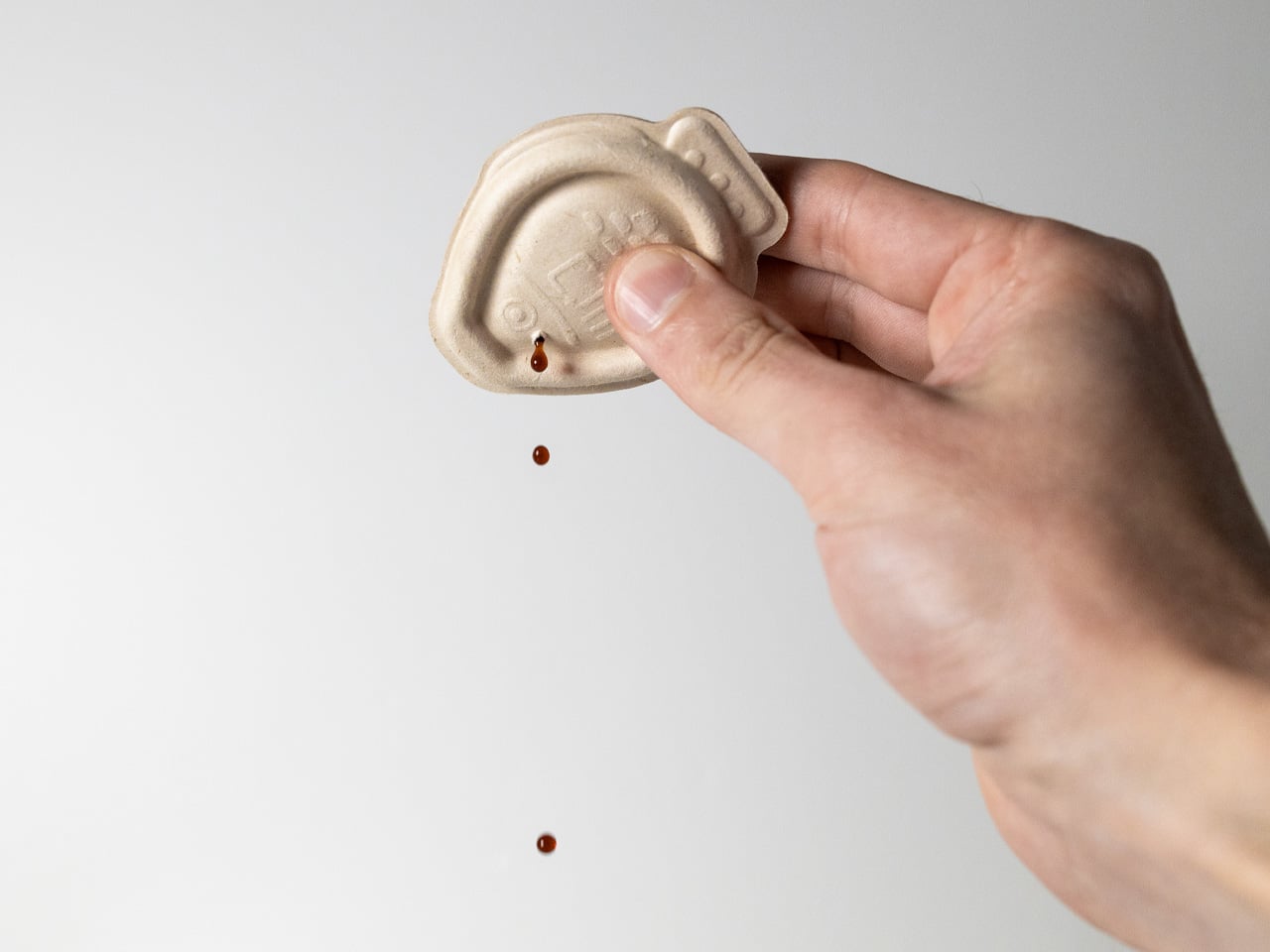
As someone who can demolish a sushi platter in minutes, I’ve always felt a pang of guilt watching those tiny plastic fish pile up on my plate. Sustainable design studio Heliograf clearly felt the same way. After five years of development, they’ve launched Holy Carp!, the world’s first home compostable soy sauce dropper that doesn’t make you choose between convenience and conscience.

The Australian team initially drew attention to this plastic problem through their brilliant Light Soy lamps made from recycled ocean-bound plastic. But they didn’t stop there. With South Australia banning those beloved little fish and other states following suit, Heliograf knew they had to create something that worked just as well. Consider this: since 1950, we’ve used between 8 and 12 billion soy fish. Each one serves us for maybe three minutes before hanging around for centuries.

Designer: Heliograf

Bagasse Pulp Meets Familiar Function

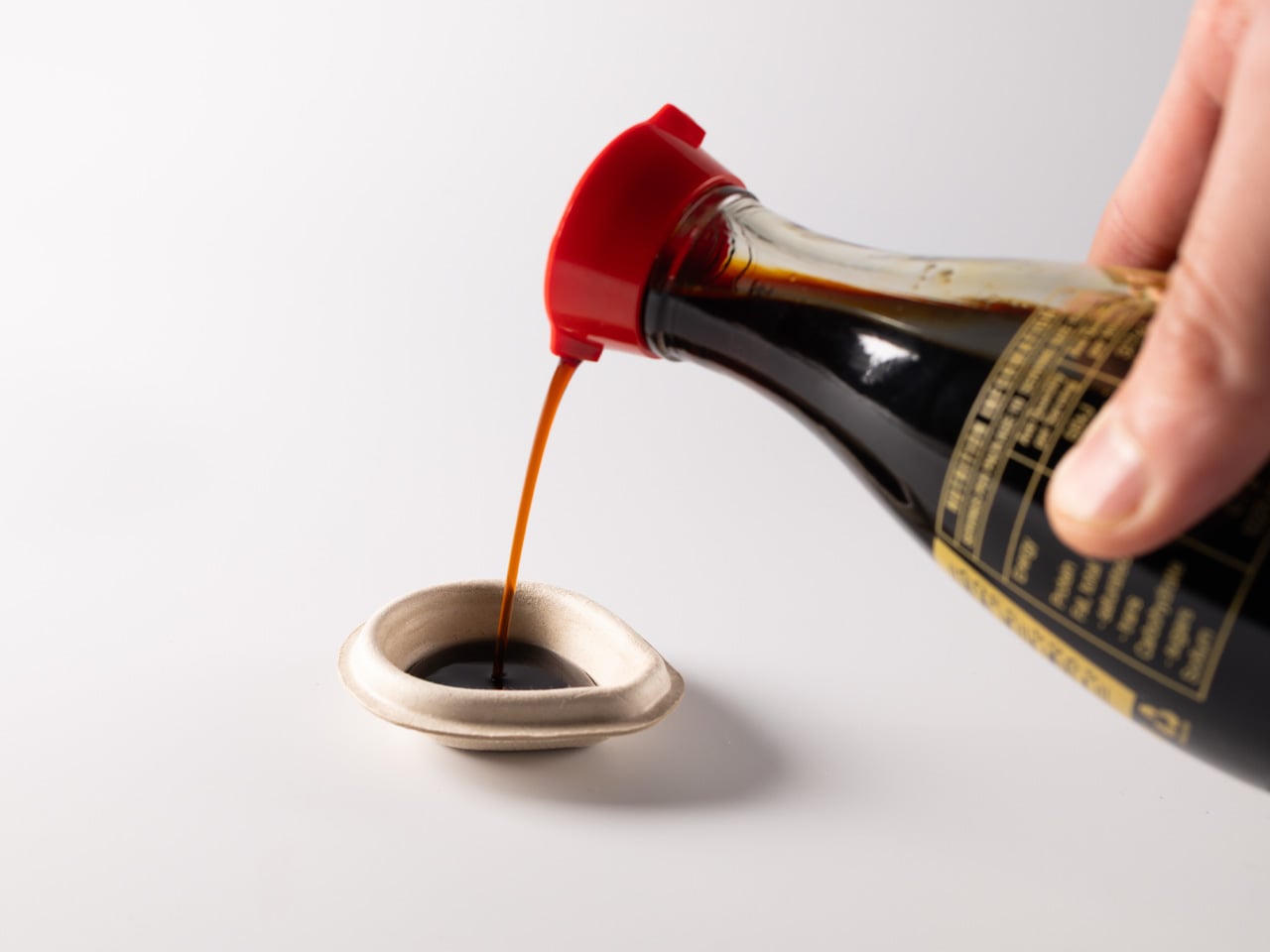
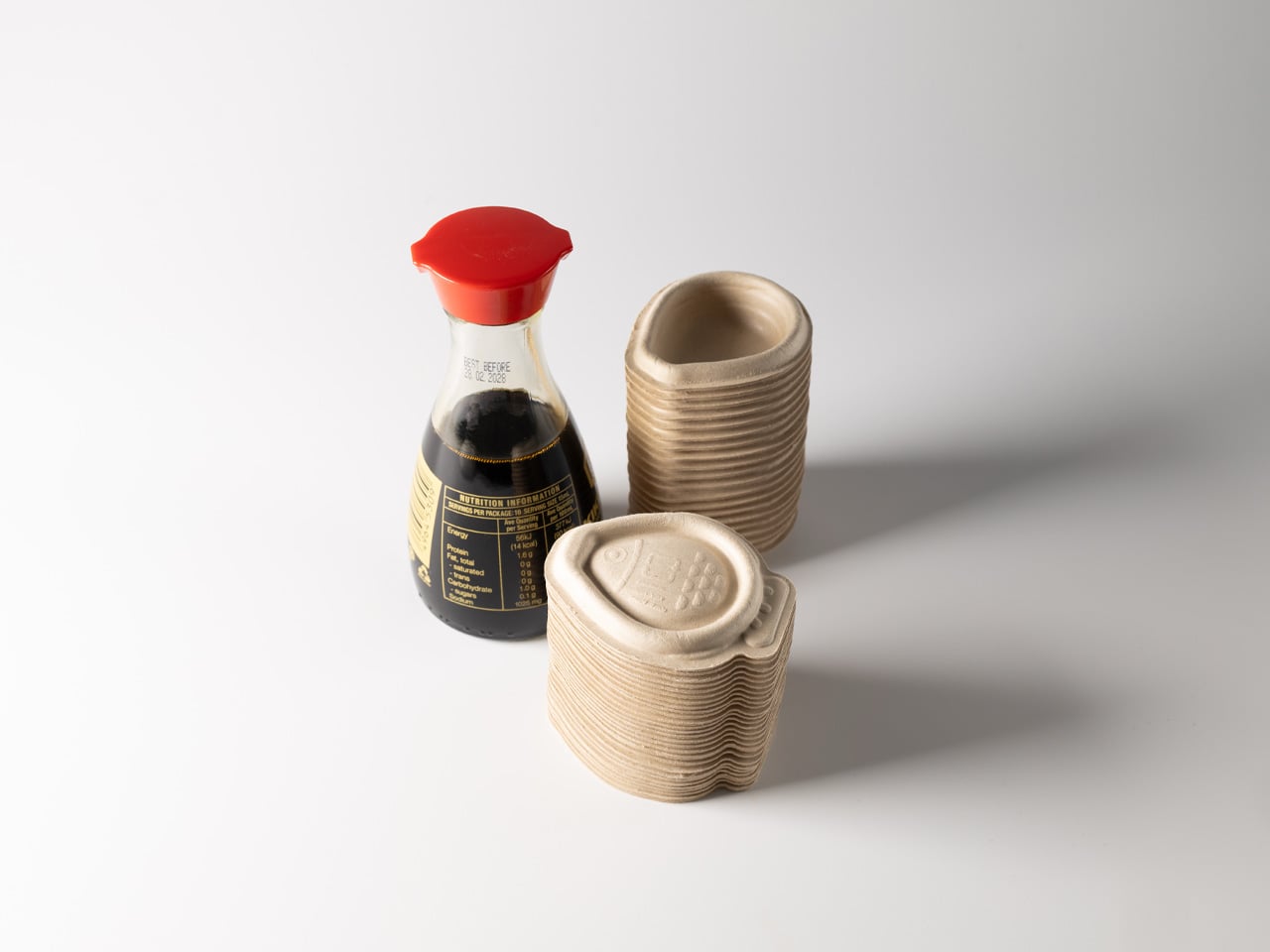
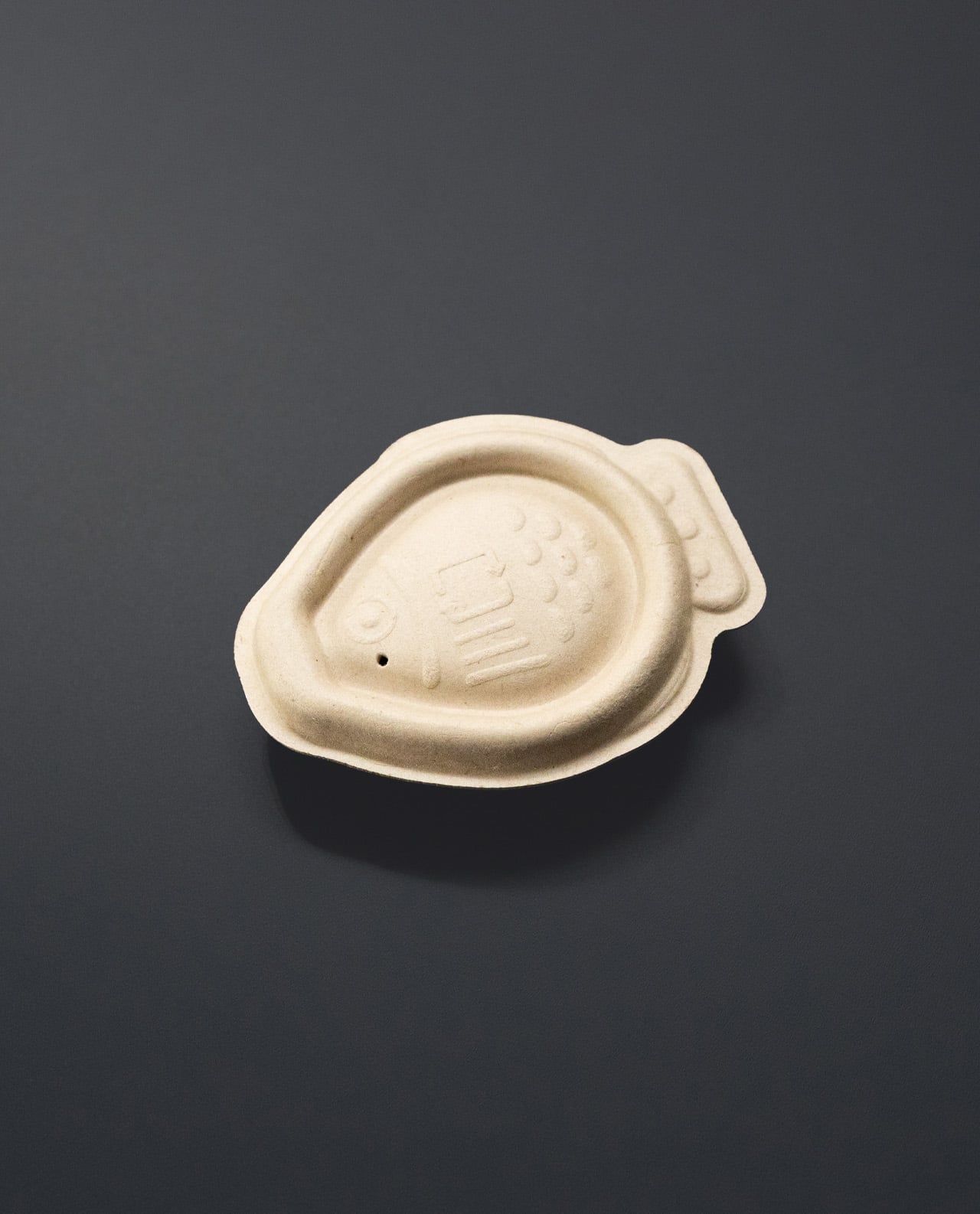
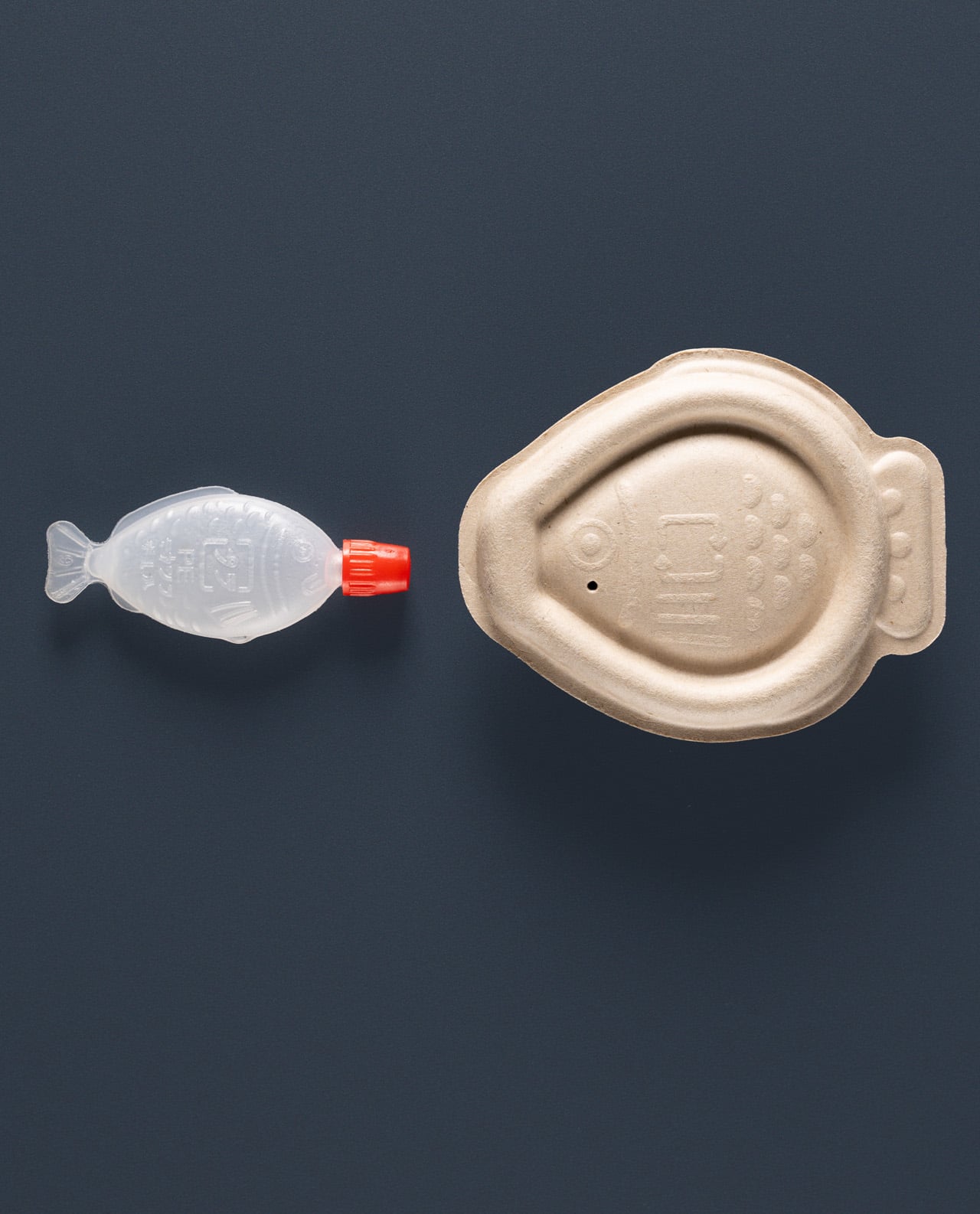
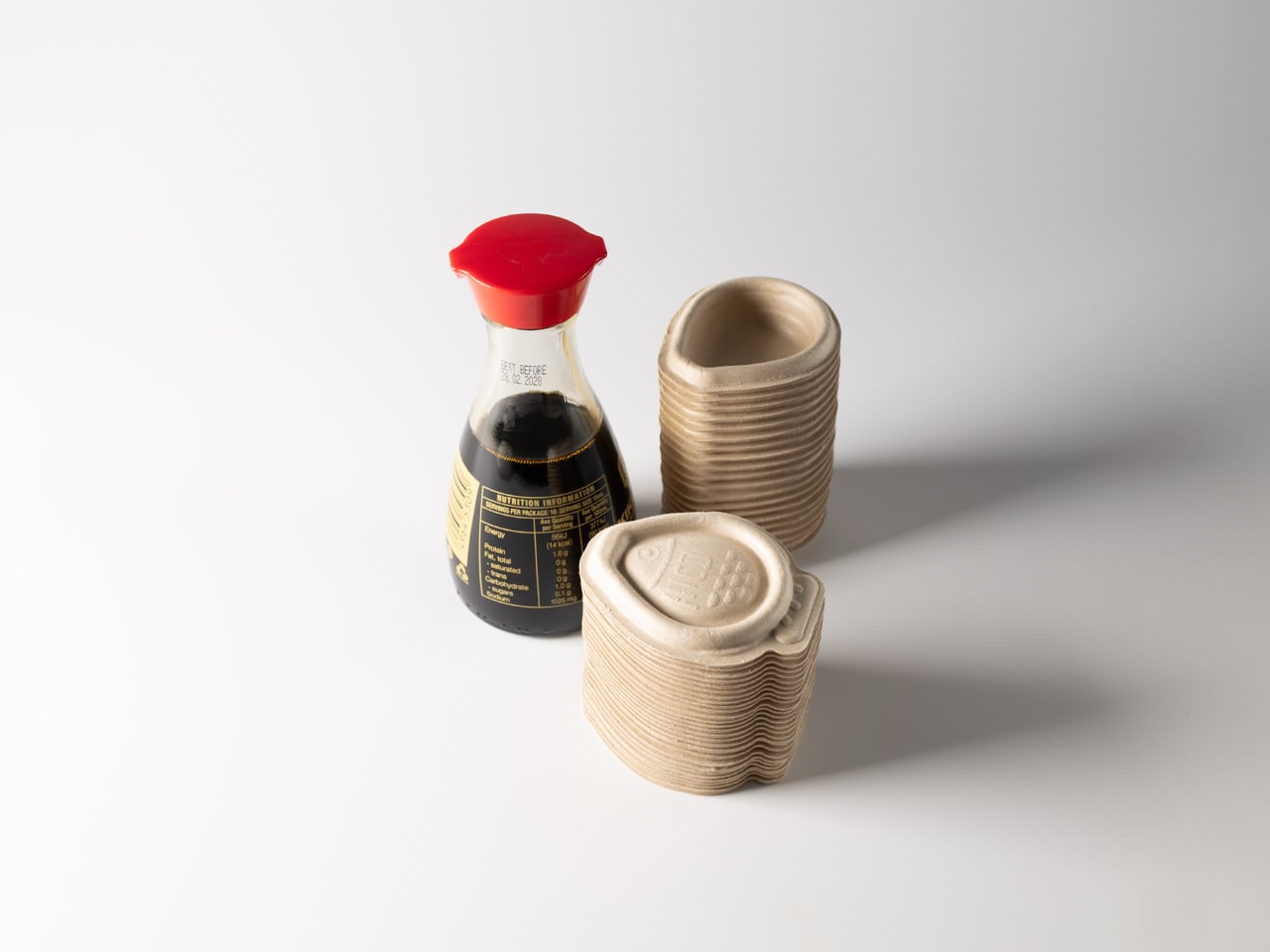
Here’s where it gets clever. Holy Carp! droppers are made from bagasse pulp—basically sugarcane waste that would otherwise be thrown away. The genius part is that these decompose in your compost bin within 4-6 weeks, not 400 years. Plus, restaurants fill them fresh instead of getting pre-filled plastic ones shipped from who-knows-where, meaning fresher soy sauce for your salmon rolls.

Working with Vert Design and actual sushi restaurants (people who understand the stakes), Heliograf kept that perfect fish shape we all love while fixing the obvious problems. The 12mL container is deliberately bigger than those frustratingly tiny plastic ones because, let’s be honest, who hasn’t grabbed three or four at once? The designers watched people do exactly that, creating even more waste.

Plant Pulp Expertise Meets Ocean Impact

What I love about this story is how Heliograf used knowledge from their existing lamp packaging to crack this problem. Sometimes the best solutions come from your own backyard—literally, in this case, since their lamps already use plastic-free packaging. The droppers hold soy sauce safely for 48 hours and won’t leak all over your takeaway bag.

“It’s a small change, but we truly believe every drop matters,” says co-founder Angus Ware. “We wanted to show that we can still create moments of joy when being sustainable.” Since 2020, their cleanup efforts have removed over 32 tonnes of plastic—equivalent to 32 million soy fish.

Available Soon for Early Adopters

The numbers are staggering: 40% of plastic waste comes from packaging, with nearly 855 billion single-use sachets used annually. For those of us who can’t imagine sushi without that perfect little fish, Holy Carp! offers guilt-free indulgence. Restaurants can register at heliograf.com/holycarp for early access. Finally, we can enjoy our California rolls without contributing to microplastic soup in our oceans.

The post This Australian Soy Fish Decomposes in 6 Weeks, Not 400 Years first appeared on Yanko Design.