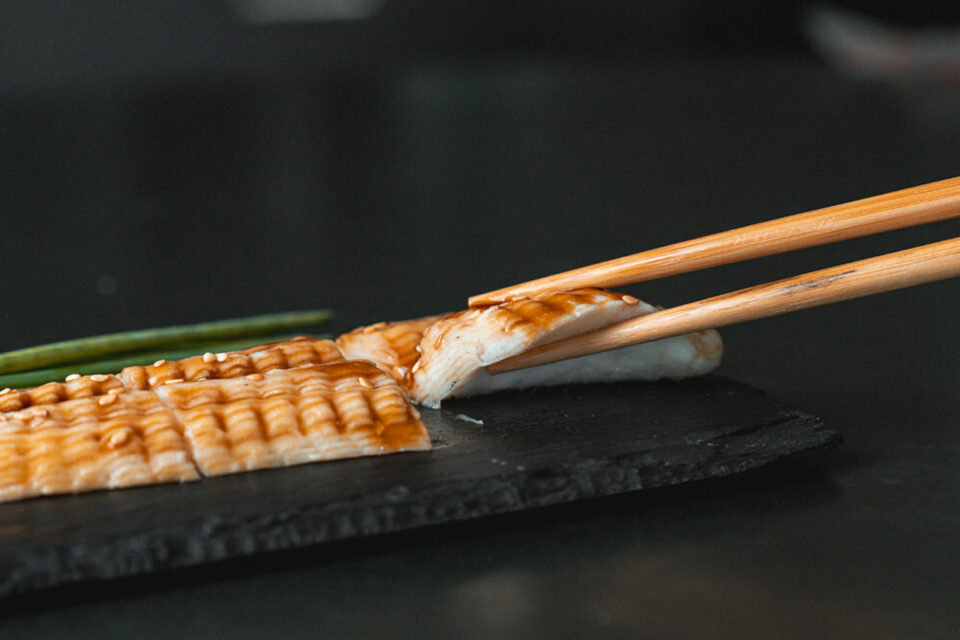
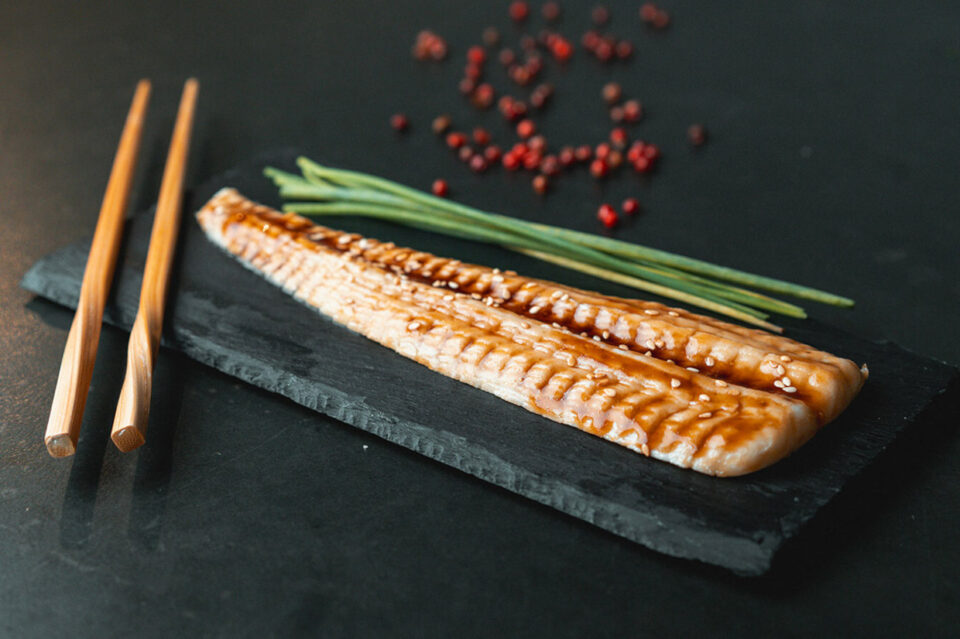
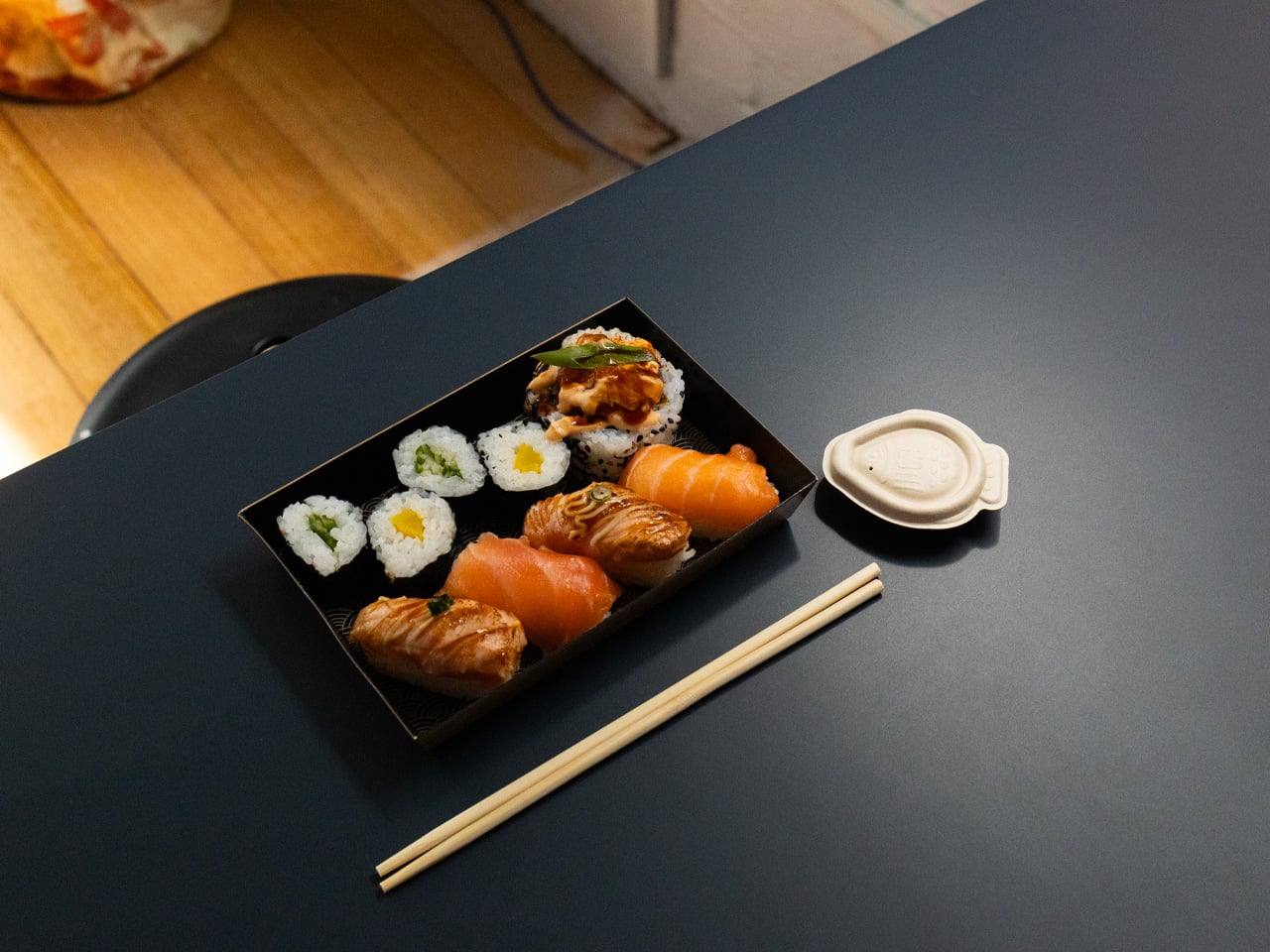
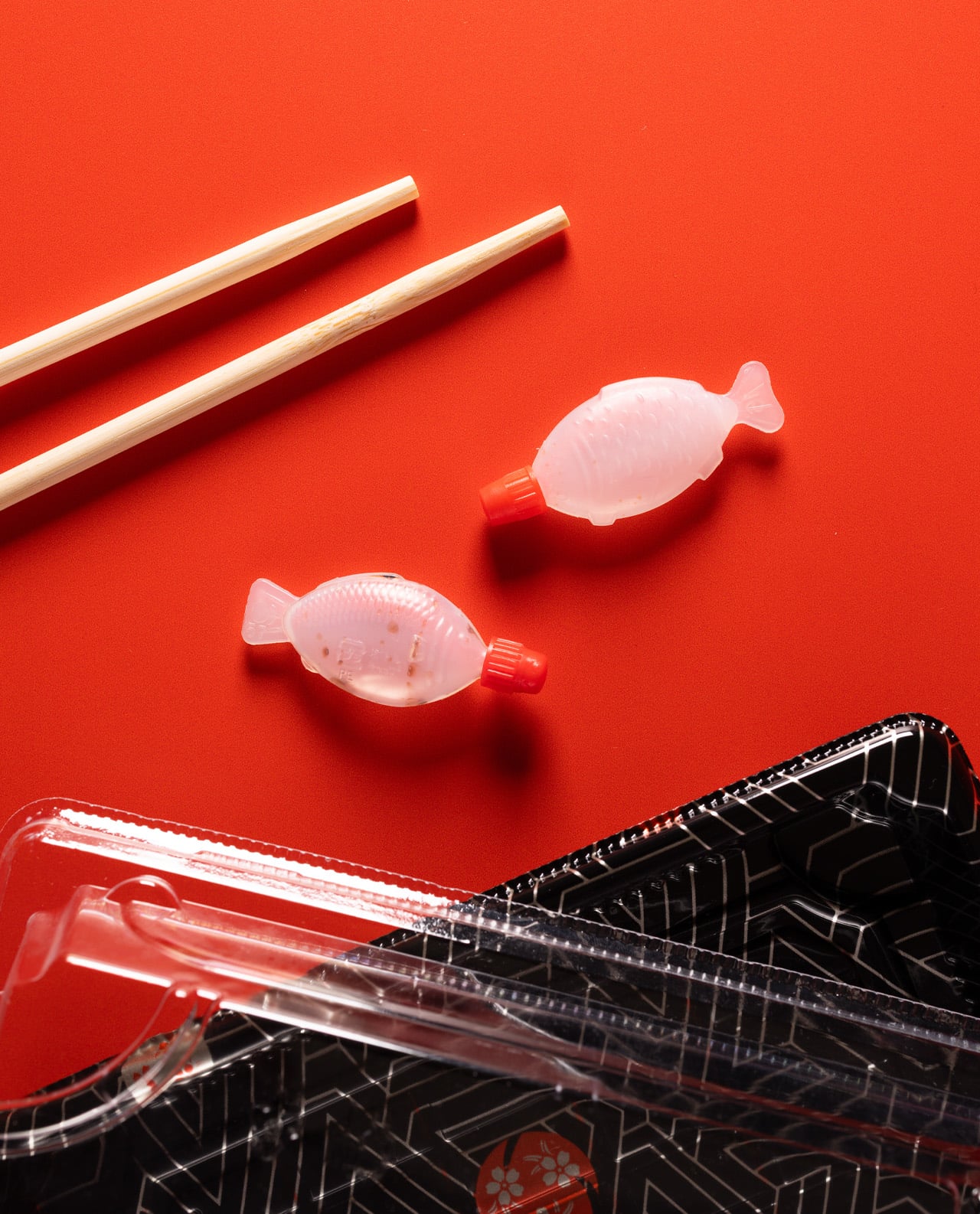
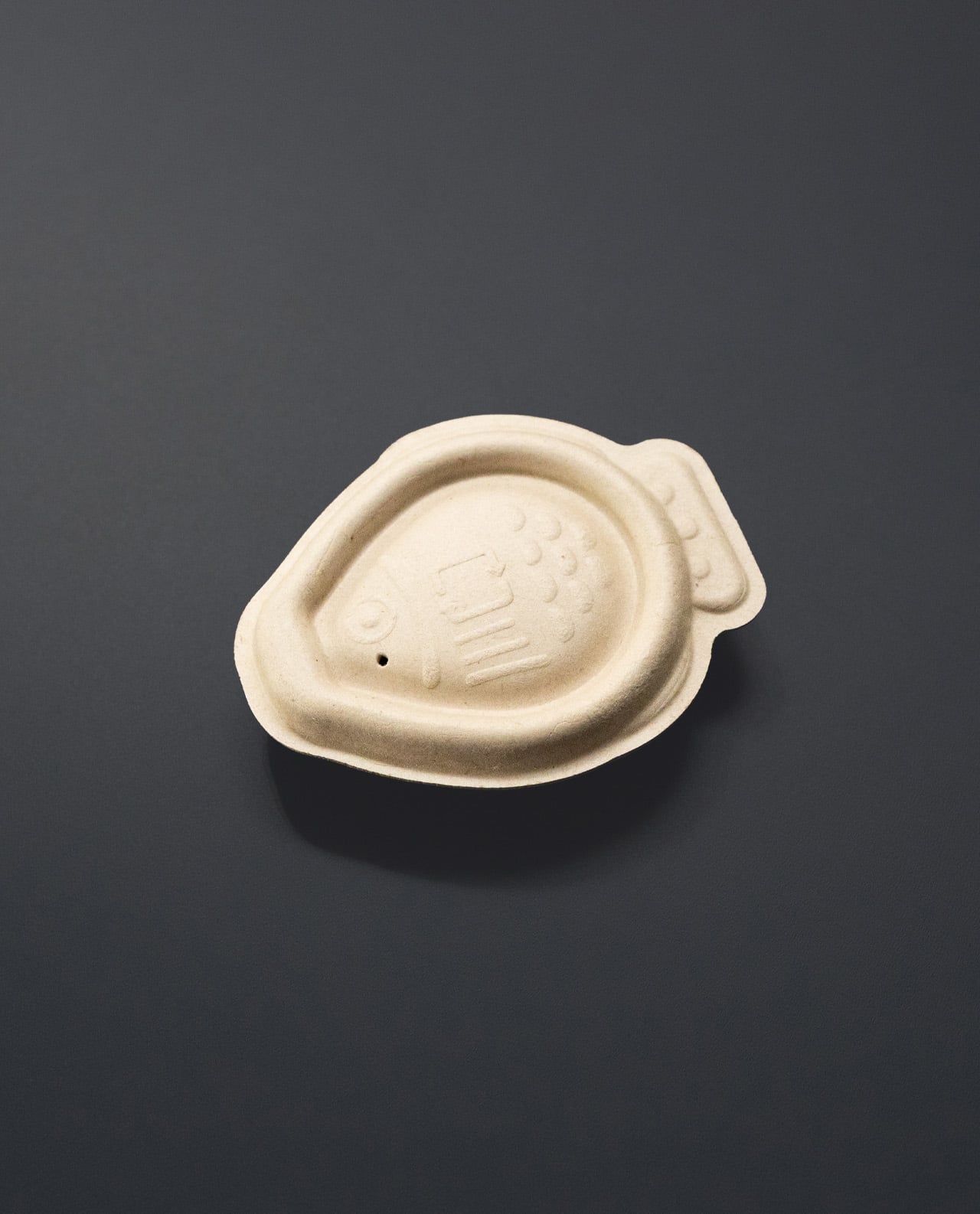
As someone who can demolish a sushi platter in minutes, I’ve always felt a pang of guilt watching those tiny plastic fish pile up on my plate. Sustainable design studio Heliograf clearly felt the same way. After five years of development, they’ve launched Holy Carp!, the world’s first home compostable soy sauce dropper that doesn’t make you choose between convenience and conscience.
The Australian team initially drew attention to this plastic problem through their brilliant Light Soy lamps made from recycled ocean-bound plastic. But they didn’t stop there. With South Australia banning those beloved little fish and other states following suit, Heliograf knew they had to create something that worked just as well. Consider this: since 1950, we’ve used between 8 and 12 billion soy fish. Each one serves us for maybe three minutes before hanging around for centuries.
Designer: Heliograf
Bagasse Pulp Meets Familiar Function
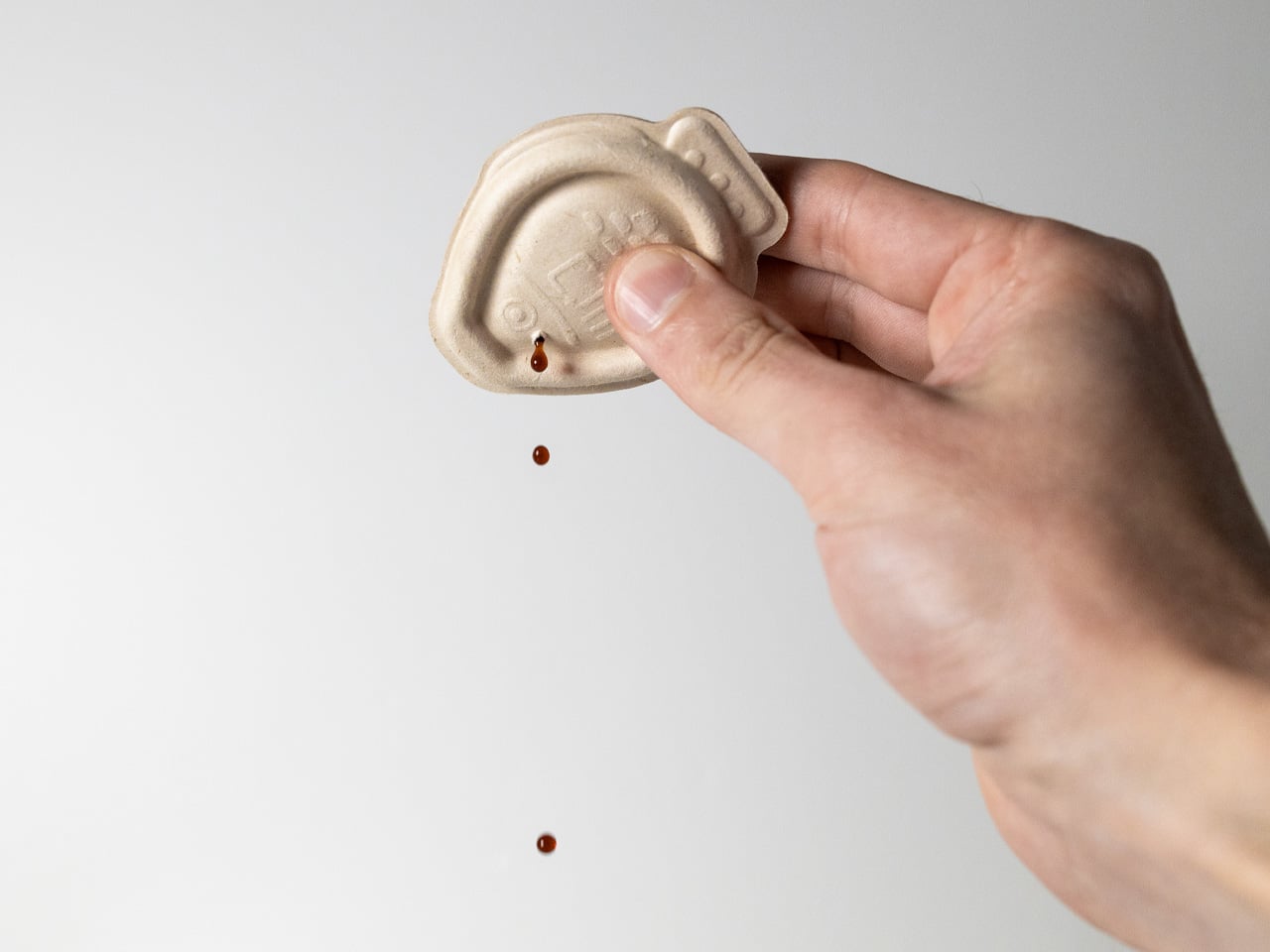
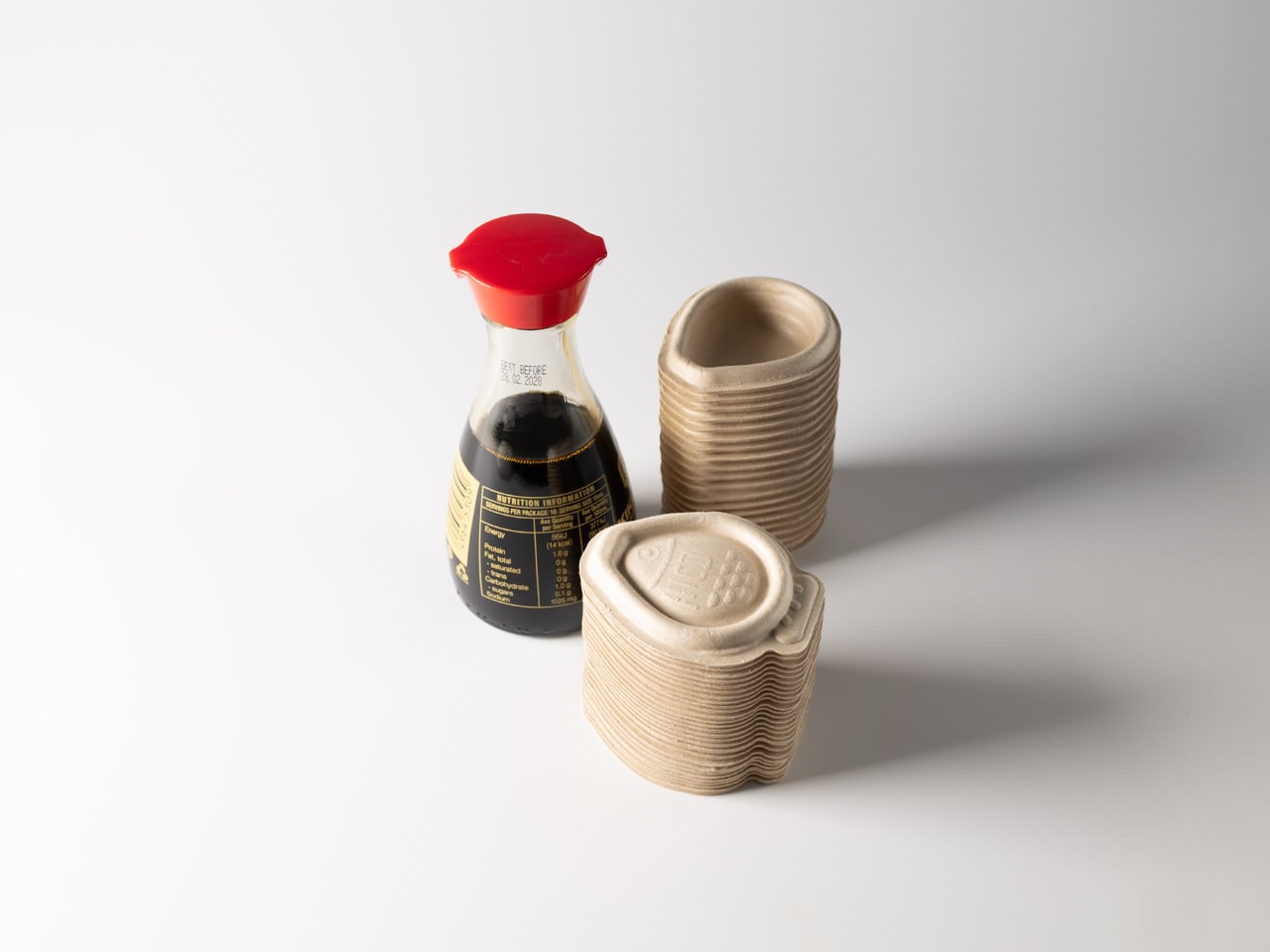
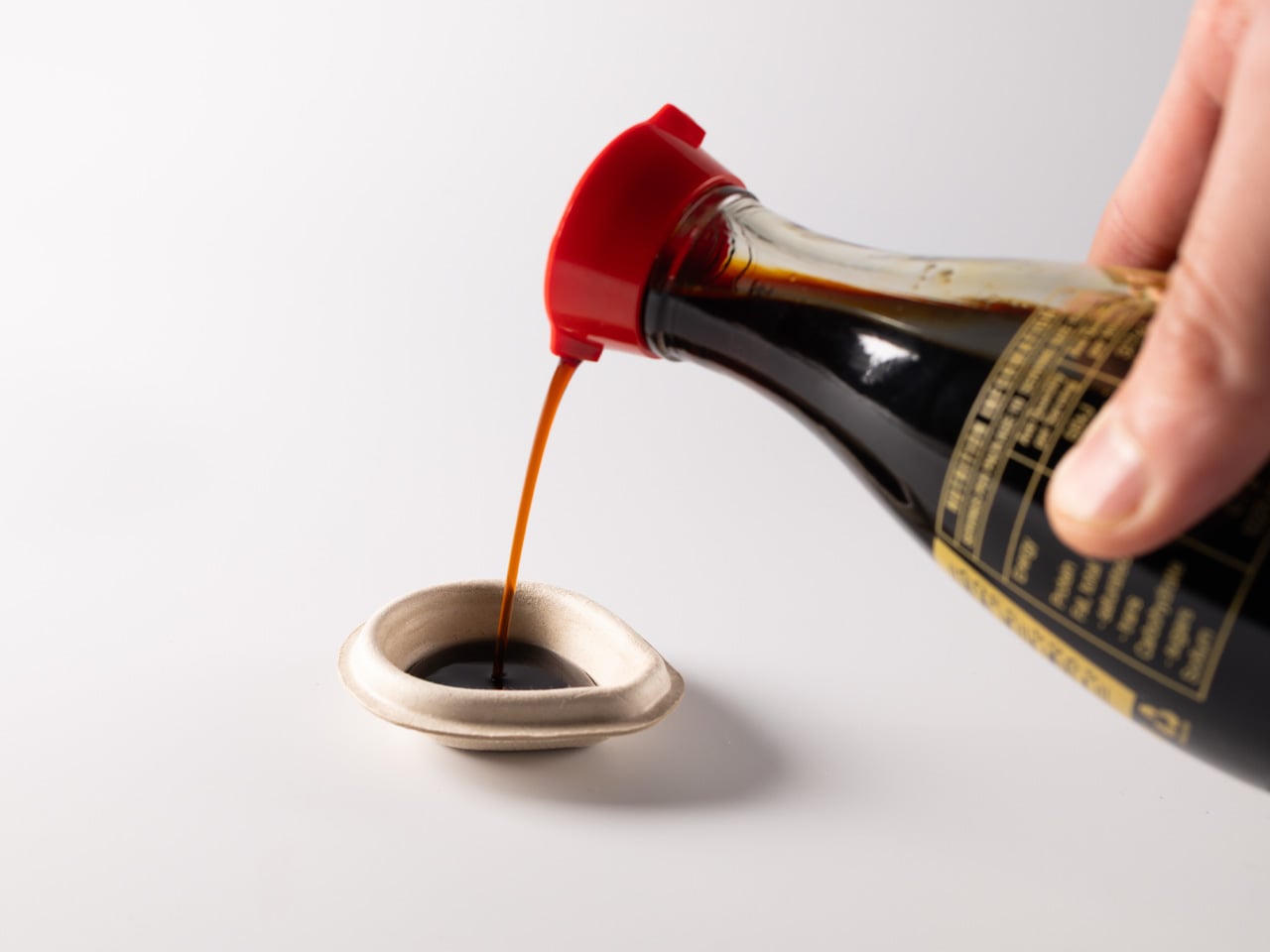
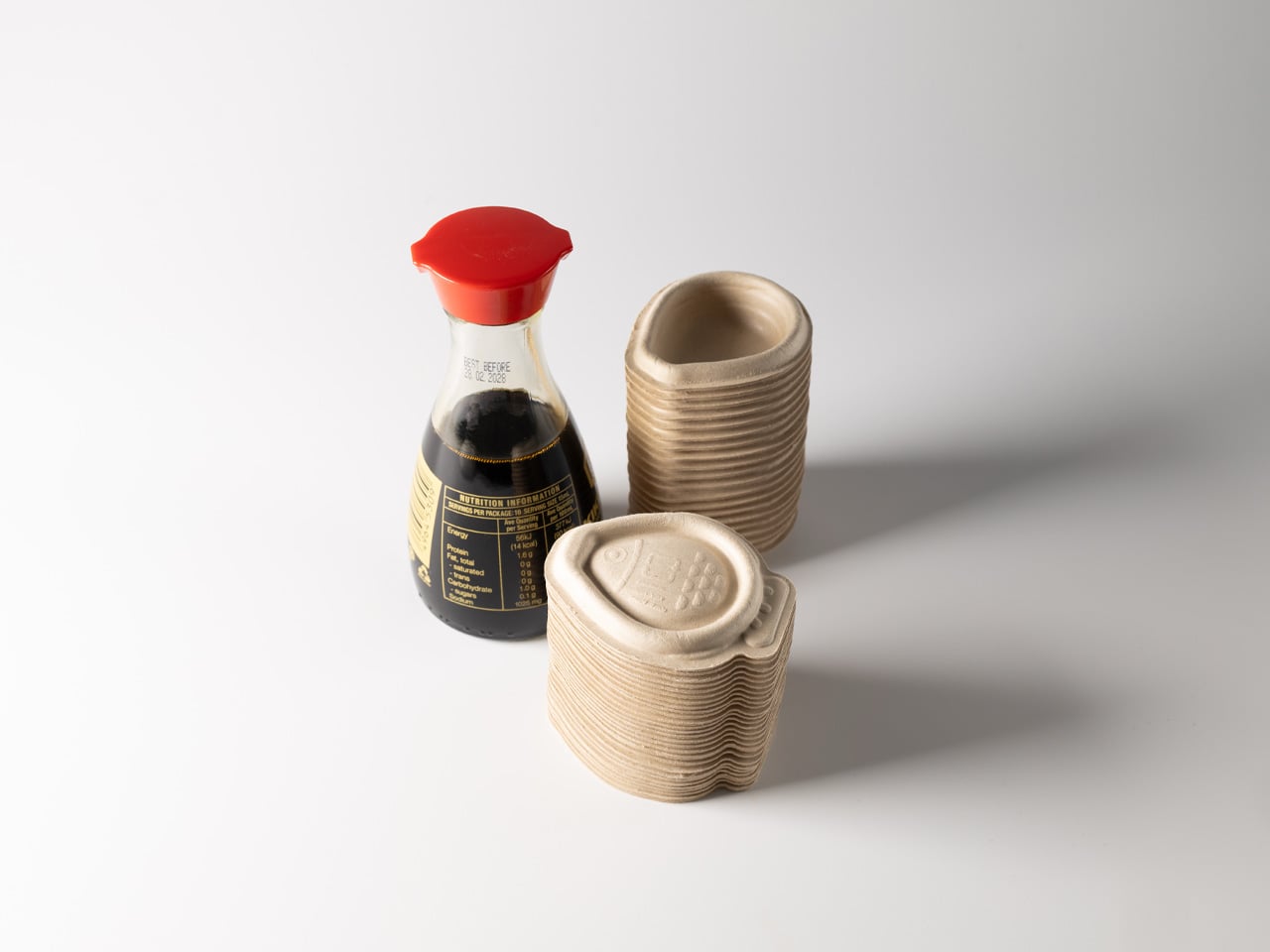
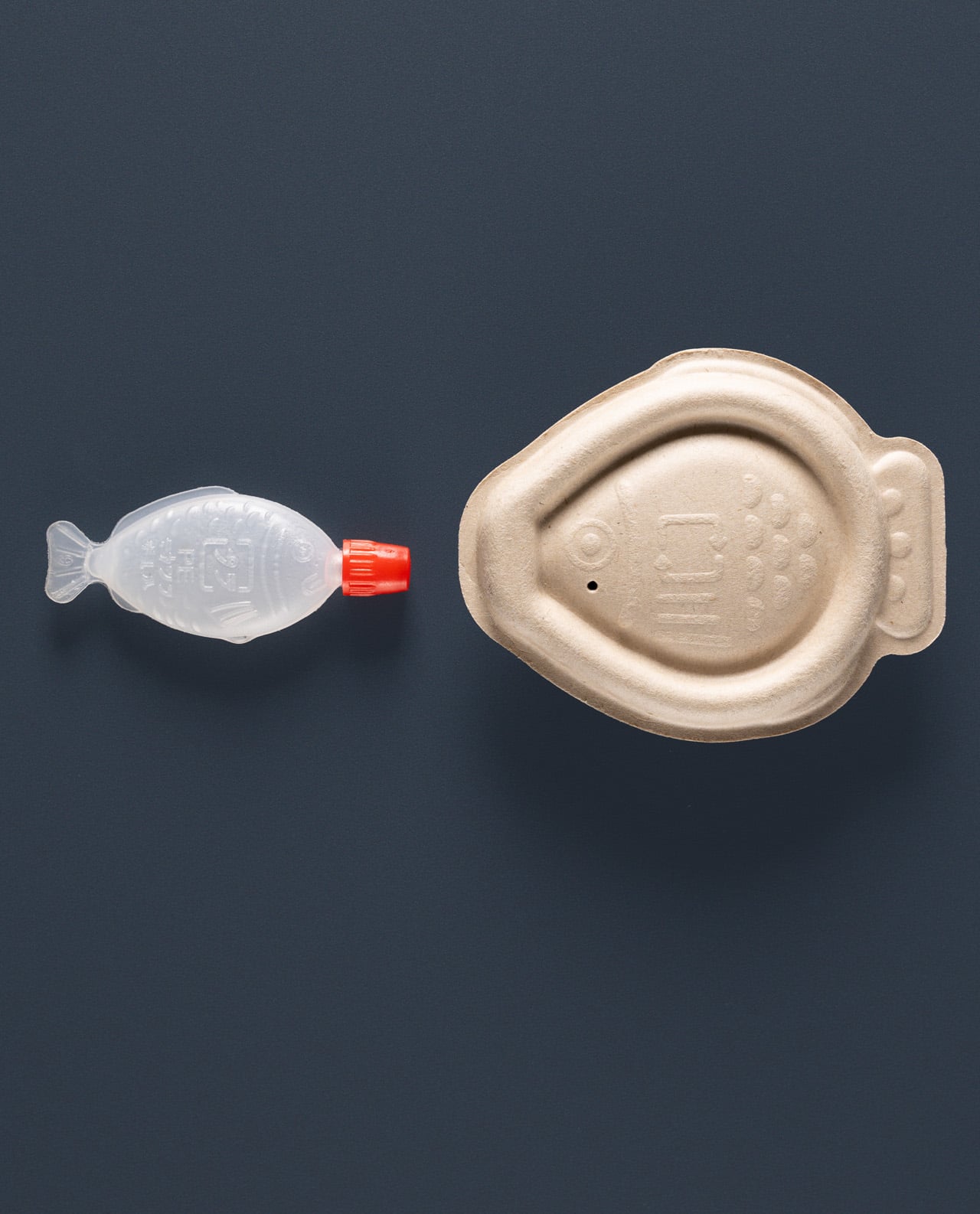
Here’s where it gets clever. Holy Carp! droppers are made from bagasse pulp—basically sugarcane waste that would otherwise be thrown away. The genius part is that these decompose in your compost bin within 4-6 weeks, not 400 years. Plus, restaurants fill them fresh instead of getting pre-filled plastic ones shipped from who-knows-where, meaning fresher soy sauce for your salmon rolls.
Working with Vert Design and actual sushi restaurants (people who understand the stakes), Heliograf kept that perfect fish shape we all love while fixing the obvious problems. The 12mL container is deliberately bigger than those frustratingly tiny plastic ones because, let’s be honest, who hasn’t grabbed three or four at once? The designers watched people do exactly that, creating even more waste.
Plant Pulp Expertise Meets Ocean Impact
What I love about this story is how Heliograf used knowledge from their existing lamp packaging to crack this problem. Sometimes the best solutions come from your own backyard—literally, in this case, since their lamps already use plastic-free packaging. The droppers hold soy sauce safely for 48 hours and won’t leak all over your takeaway bag.
“It’s a small change, but we truly believe every drop matters,” says co-founder Angus Ware. “We wanted to show that we can still create moments of joy when being sustainable.” Since 2020, their cleanup efforts have removed over 32 tonnes of plastic—equivalent to 32 million soy fish.
Available Soon for Early Adopters
The numbers are staggering: 40% of plastic waste comes from packaging, with nearly 855 billion single-use sachets used annually. For those of us who can’t imagine sushi without that perfect little fish, Holy Carp! offers guilt-free indulgence. Restaurants can register at heliograf.com/holycarp for early access. Finally, we can enjoy our California rolls without contributing to microplastic soup in our oceans.
The post This Australian Soy Fish Decomposes in 6 Weeks, Not 400 Years first appeared on Yanko Design.