Magician’s Rope Is the Table Your Home Didn’t Know It Needed

Most furniture gets categorized before it even enters a room. That’s a dining table. That’s a desk. That’s a side table for the corner where nothing important ever happens. We sort, we label, we arrange our spaces accordingly, and then our lives proceed to ignore all of it. A laptop ends up at the dinner table. A coffee mug finds its way to the workspace. The categories we assign to our furniture rarely survive contact with how we actually live.

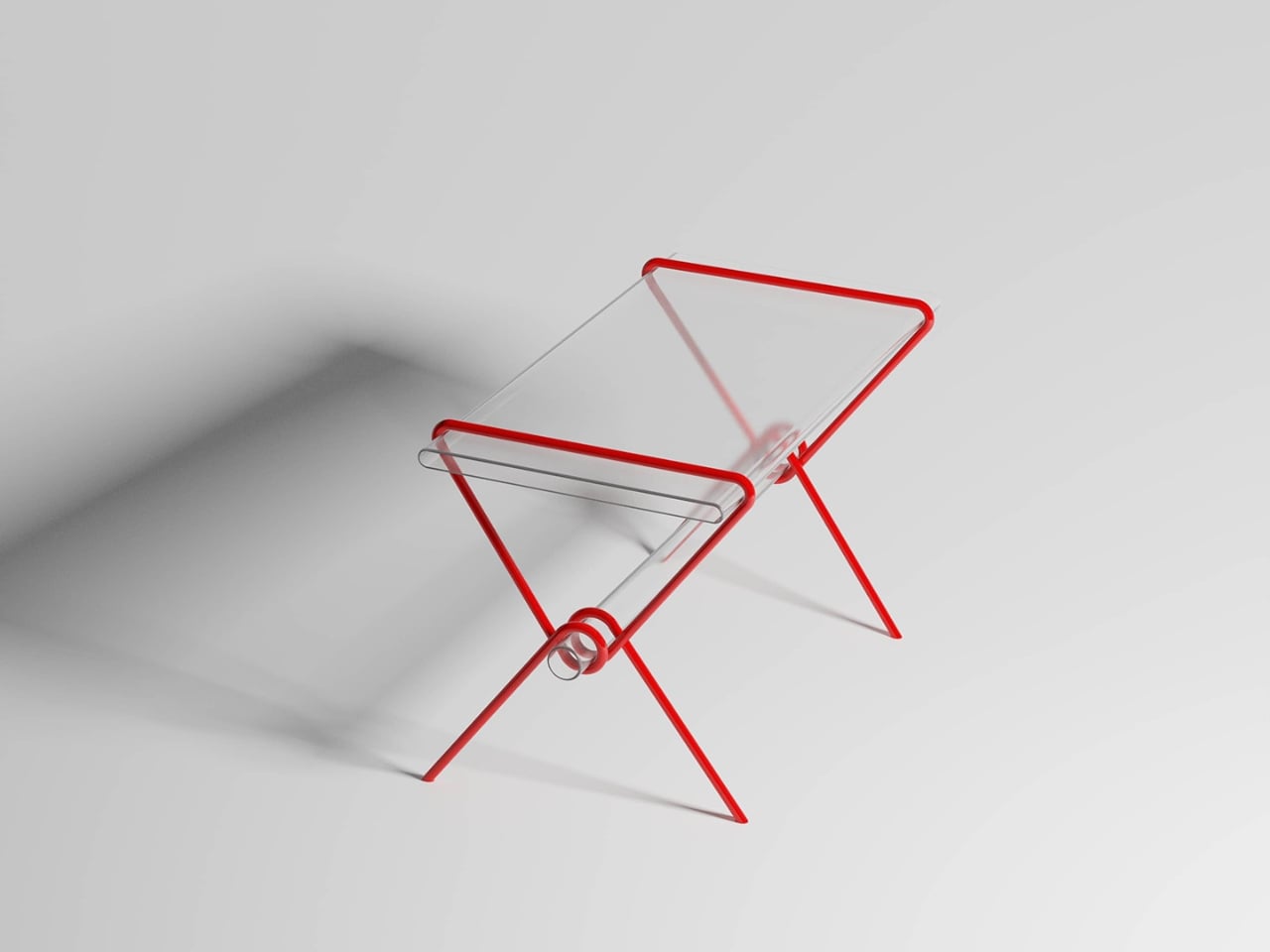
Designer Hanqi Jia seems to have taken that observation seriously. Magician’s Rope, her table concept that recently earned recognition at the NY Design Awards, is built around the idea that a piece of furniture doesn’t need to announce its purpose. It just needs to be useful, beautiful, and quiet enough to let the room breathe around it.

Designer: Hanqi Jia
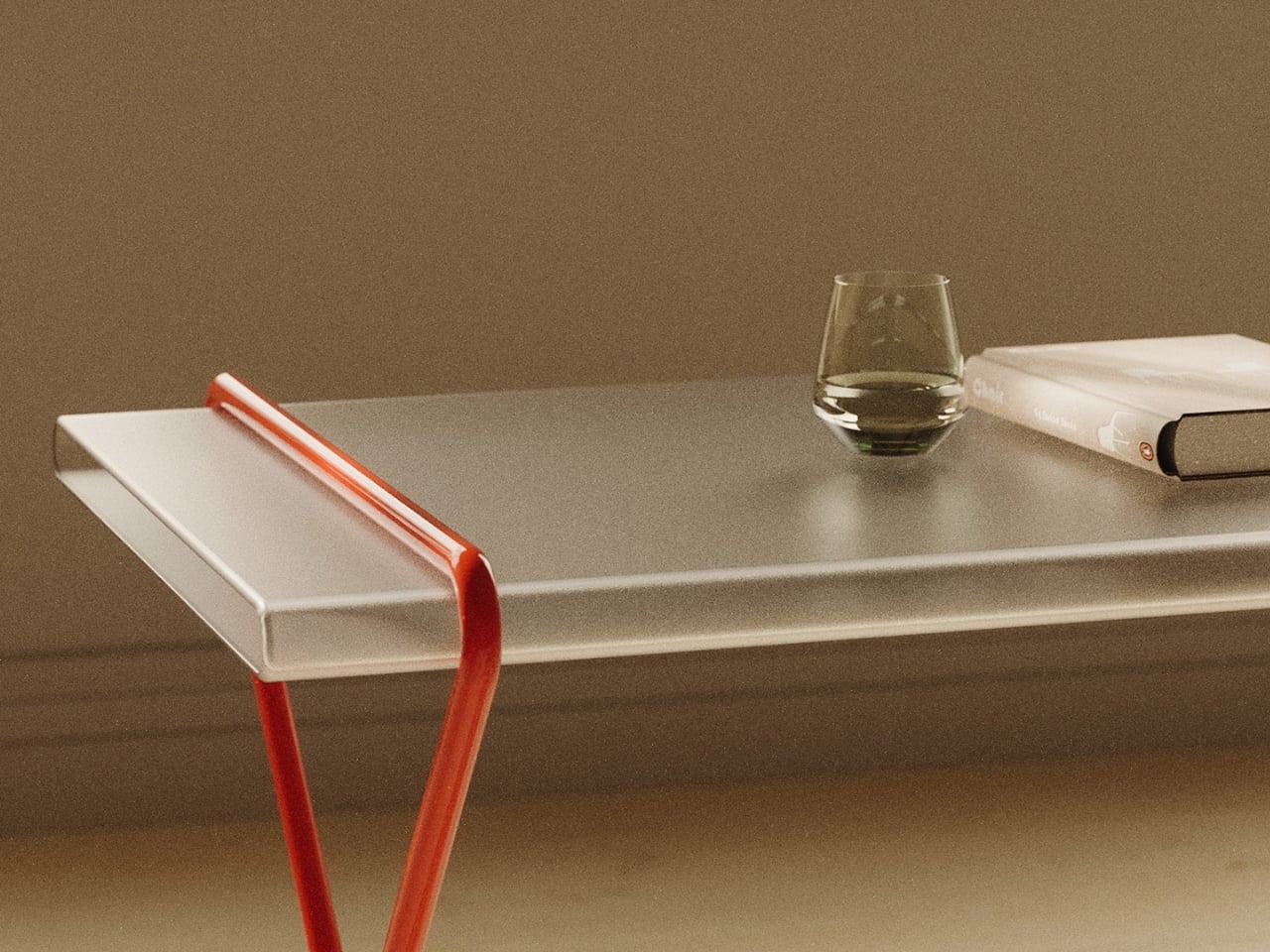
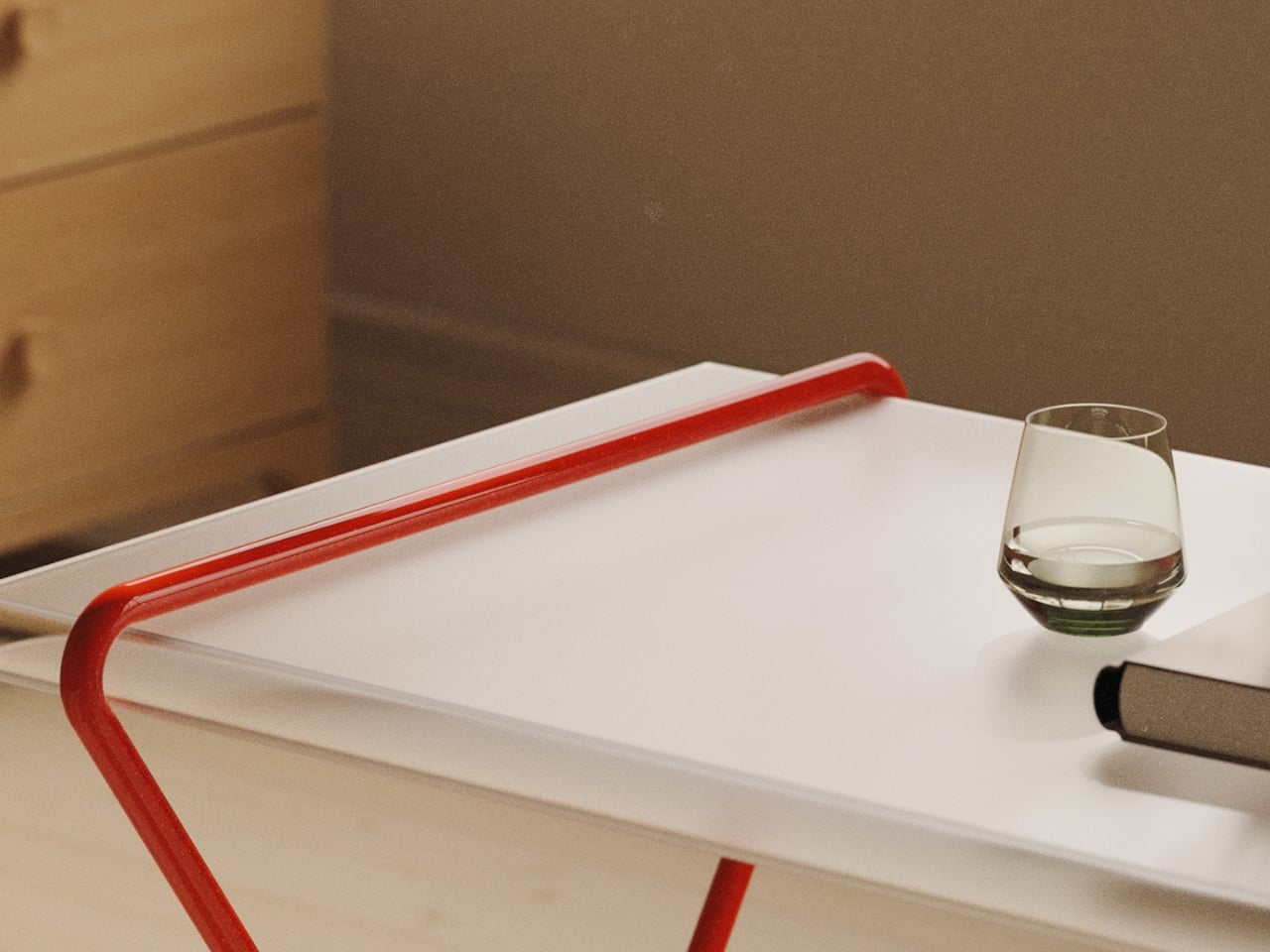
The construction is striking at first glance. A continuous red metal line bends, loops, and crosses itself into a structure that holds a transparent tabletop with almost suspicious ease. It looks like a sketch brought into three dimensions, or a gesture caught mid-motion. The structure doesn’t feel assembled so much as drawn, and that distinction matters more than it might seem. Assembled things feel permanent, fixed, committed to their identity. Something drawn feels like it could become something else.
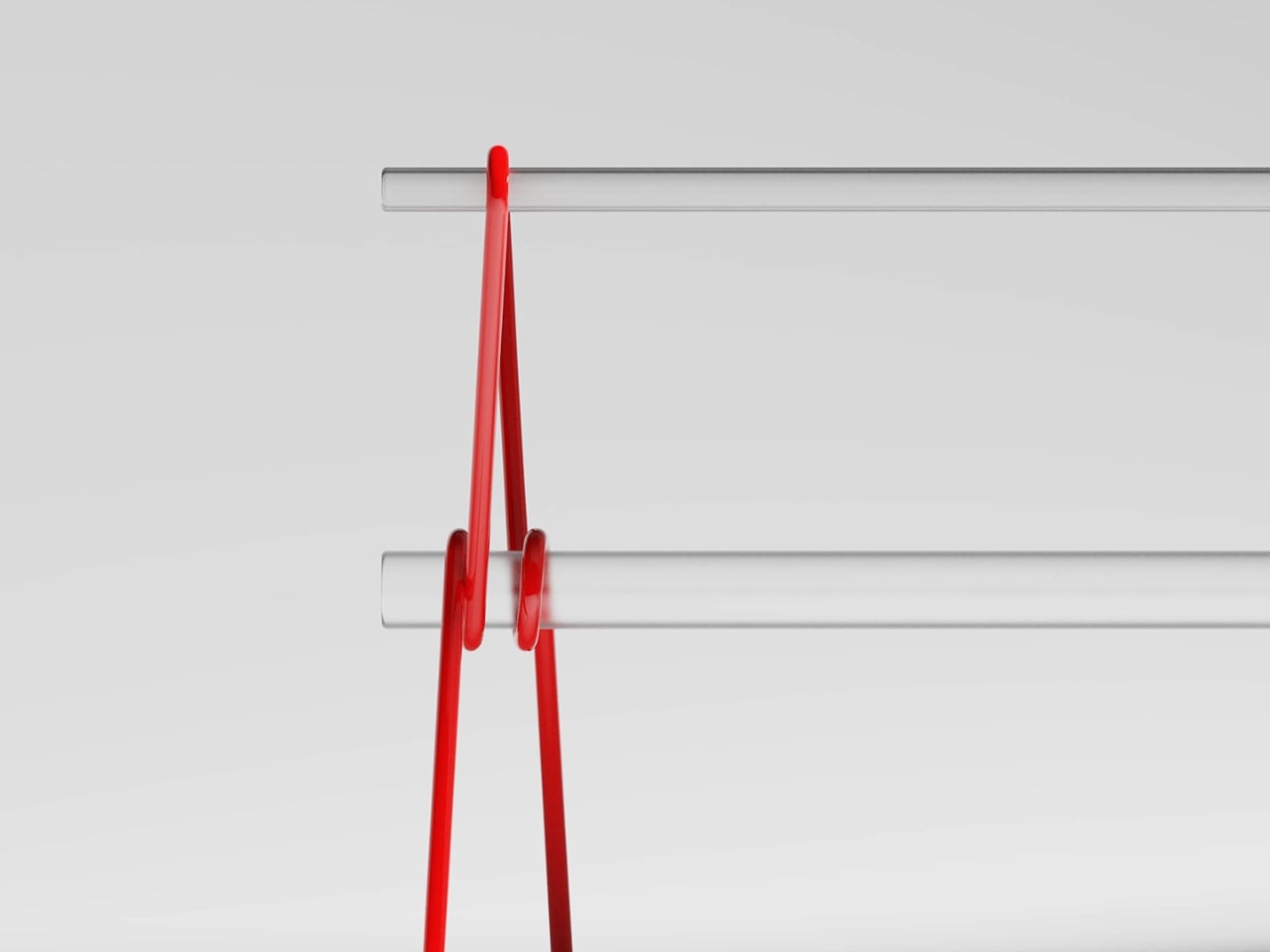
That quality of lightness is intentional. The transparent surface lets light pass through rather than absorbing it, which reduces the table’s visual footprint significantly. In a small apartment or a room already doing a lot of visual work, that kind of restraint is genuinely valuable. A heavy, opaque table makes itself the center of attention whether you want it to or not. This one participates in a room without demanding to run it.
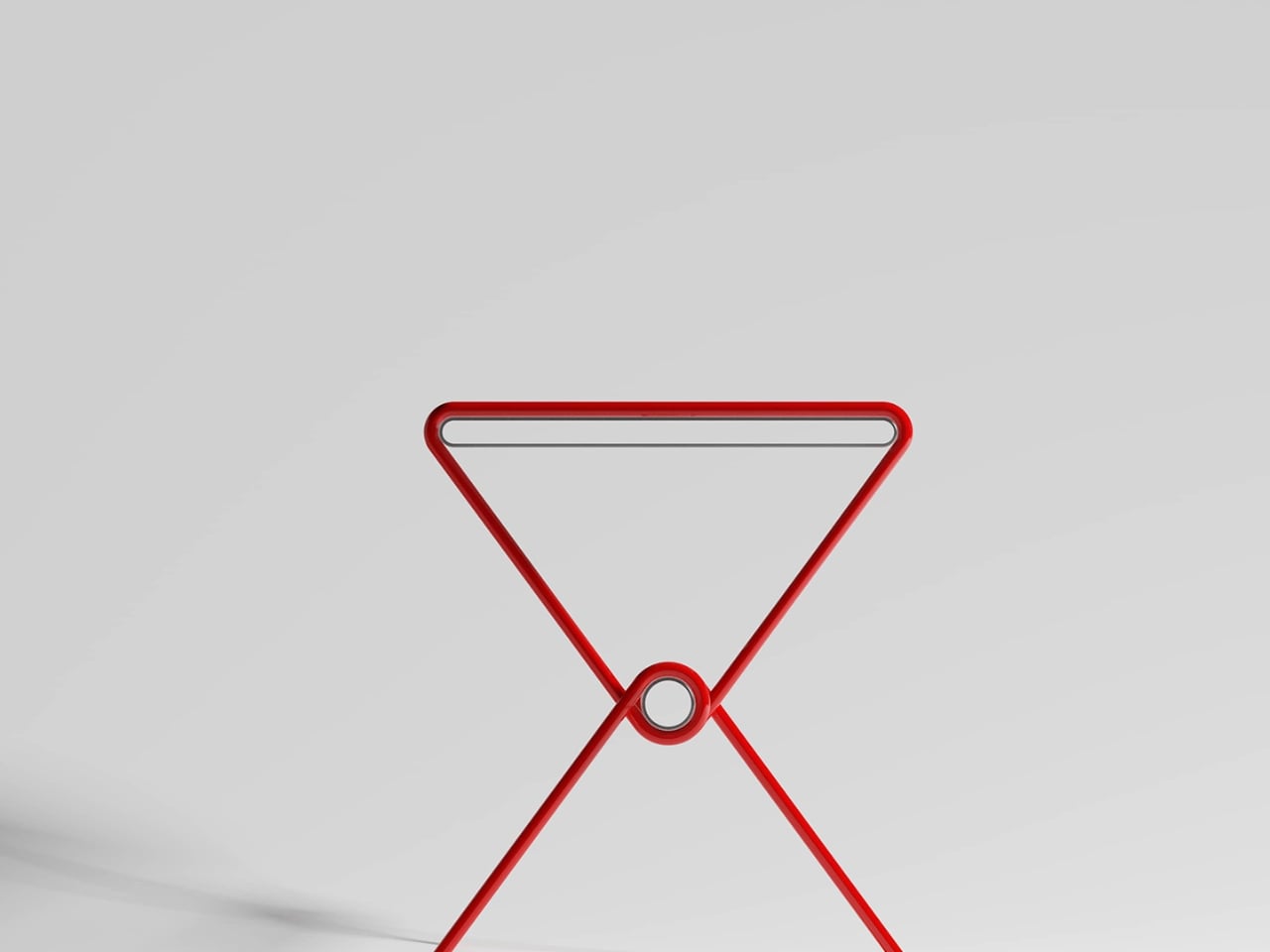
I keep coming back to the red line, though. It’s the detail that makes this more than a clever concept. Red, in design, is rarely neutral. It carries energy and urgency and a certain willingness to be noticed. Here, it pulls off a more interesting move: asserting itself visually while the overall form stays quiet. The red line says look at me while the rest of the table says I’ll be here whenever you need me. That balance is hard to achieve and easy to appreciate once you see it.
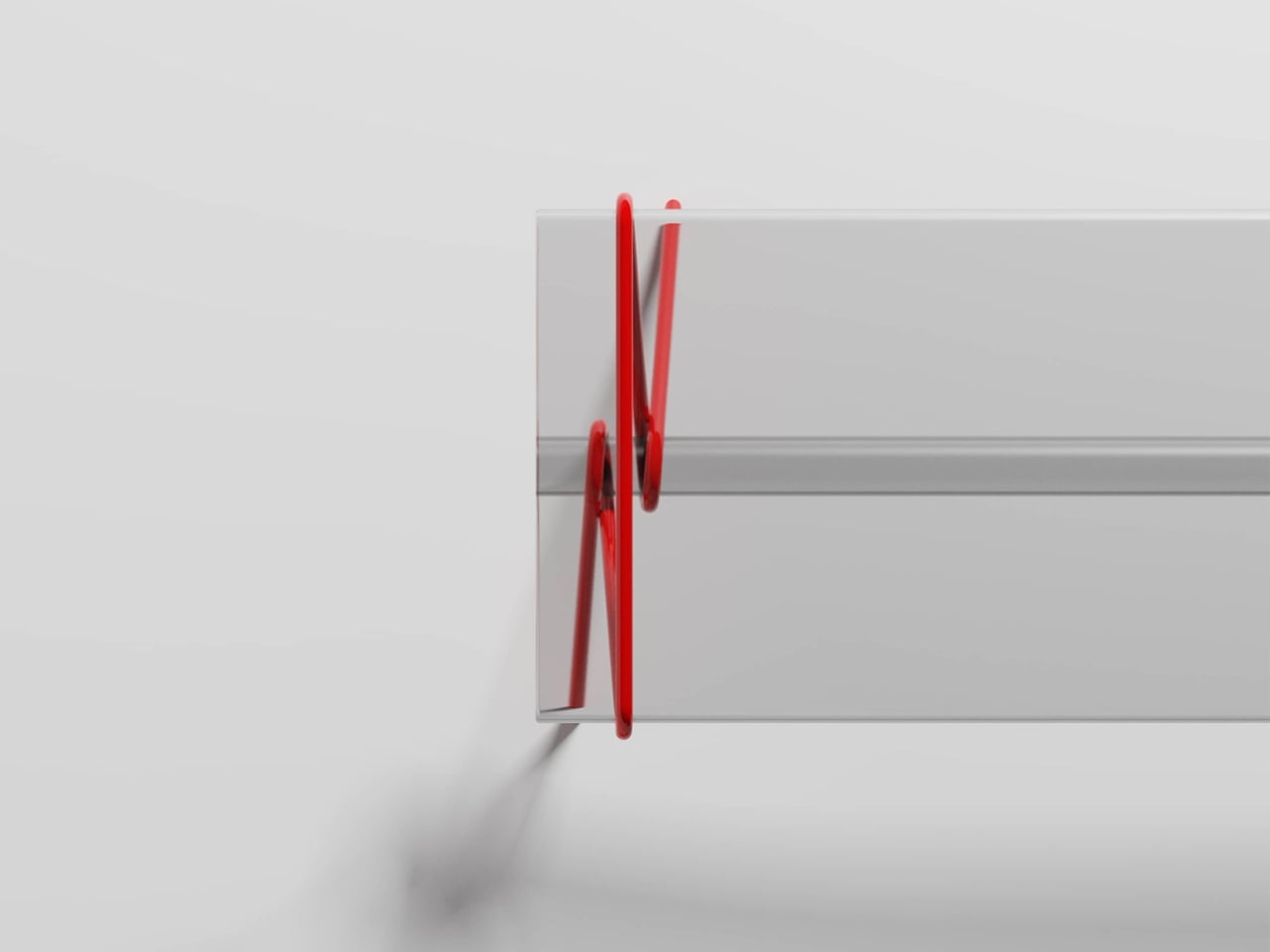
The name, Magician’s Rope, earns its reference. Stage magic has always been less about the trick itself and more about misdirection, timing, and the illusion of effortlessness. A good magician makes you forget you’re watching a performance. A good piece of furniture, by the same logic, makes you forget you’re using it. It just supports whatever the moment requires without calling attention to the effort involved. Magician’s Rope leans into that comparison deliberately, and the design holds up under it.
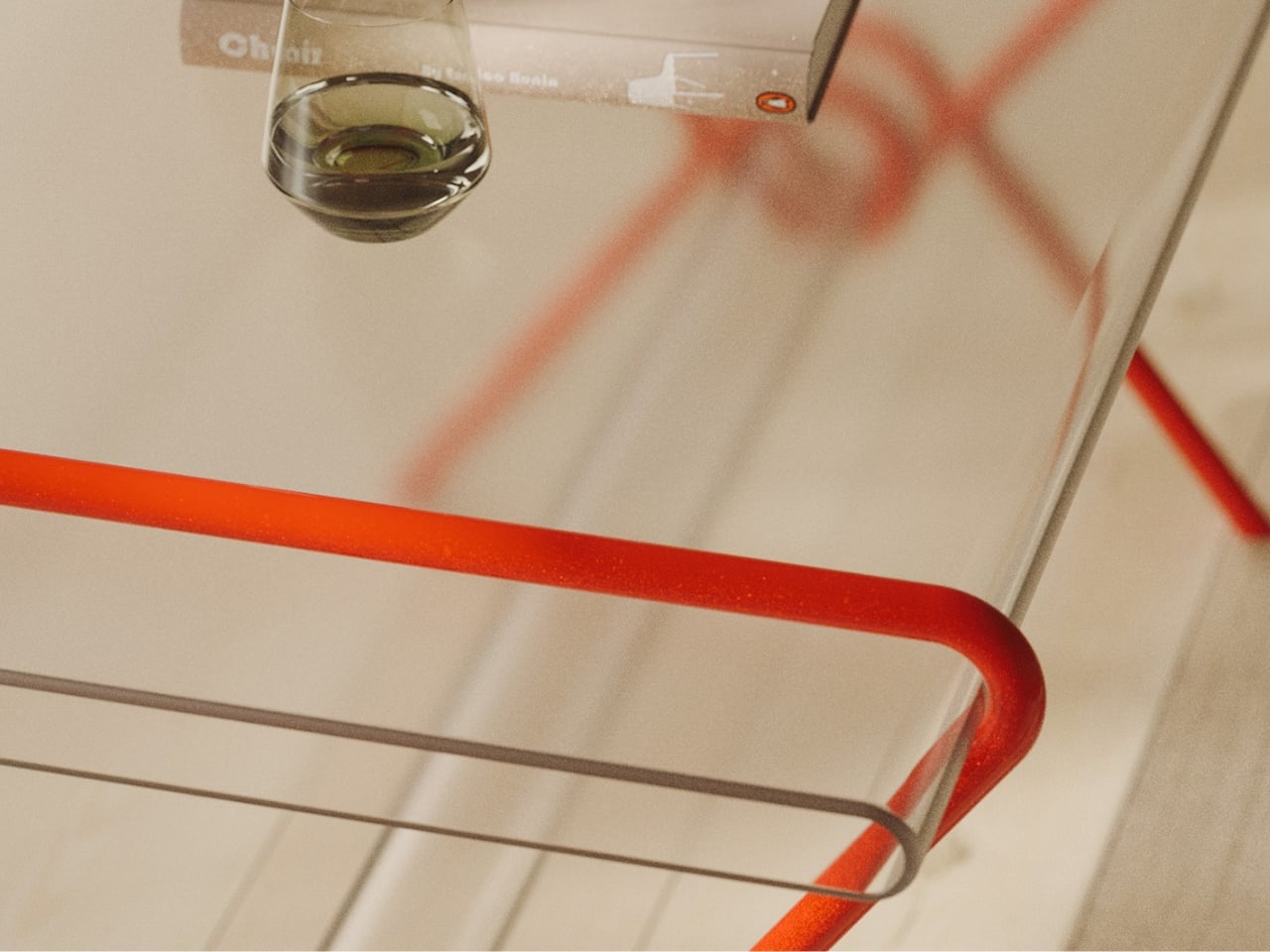
The refusal to over-explain might be the most quietly radical thing about it. A lot of contemporary furniture design tries to tell you exactly what it is and what it’s for. There are dining tables that are obviously dining tables, desks that are unambiguously desks, coffee tables that could not possibly be mistaken for anything else. Magician’s Rope doesn’t bother with that kind of insistence. It works as a dining surface, a work surface, a display surface, or something in between. The ambiguity is the feature, not a flaw.

It’s also worth noting that the concept addresses a real tension in how we live now. The lines between work and home have shifted in ways that most furniture hasn’t caught up with. A piece that can sit comfortably inside both modes of a day, without visual disruption, without demanding a room reorganization, without looking like an office prop or a formal dining relic, fills a gap that plenty of people have been quietly feeling for years. Magician’s Rope is a confident piece of work, and it carries the kind of assurance that makes you want to see what Hanqi Jia does next.
The post Magician’s Rope Is the Table Your Home Didn’t Know It Needed first appeared on Yanko Design.
Dozie Kanu Just Turned His Life Story Into Tables for Knoll

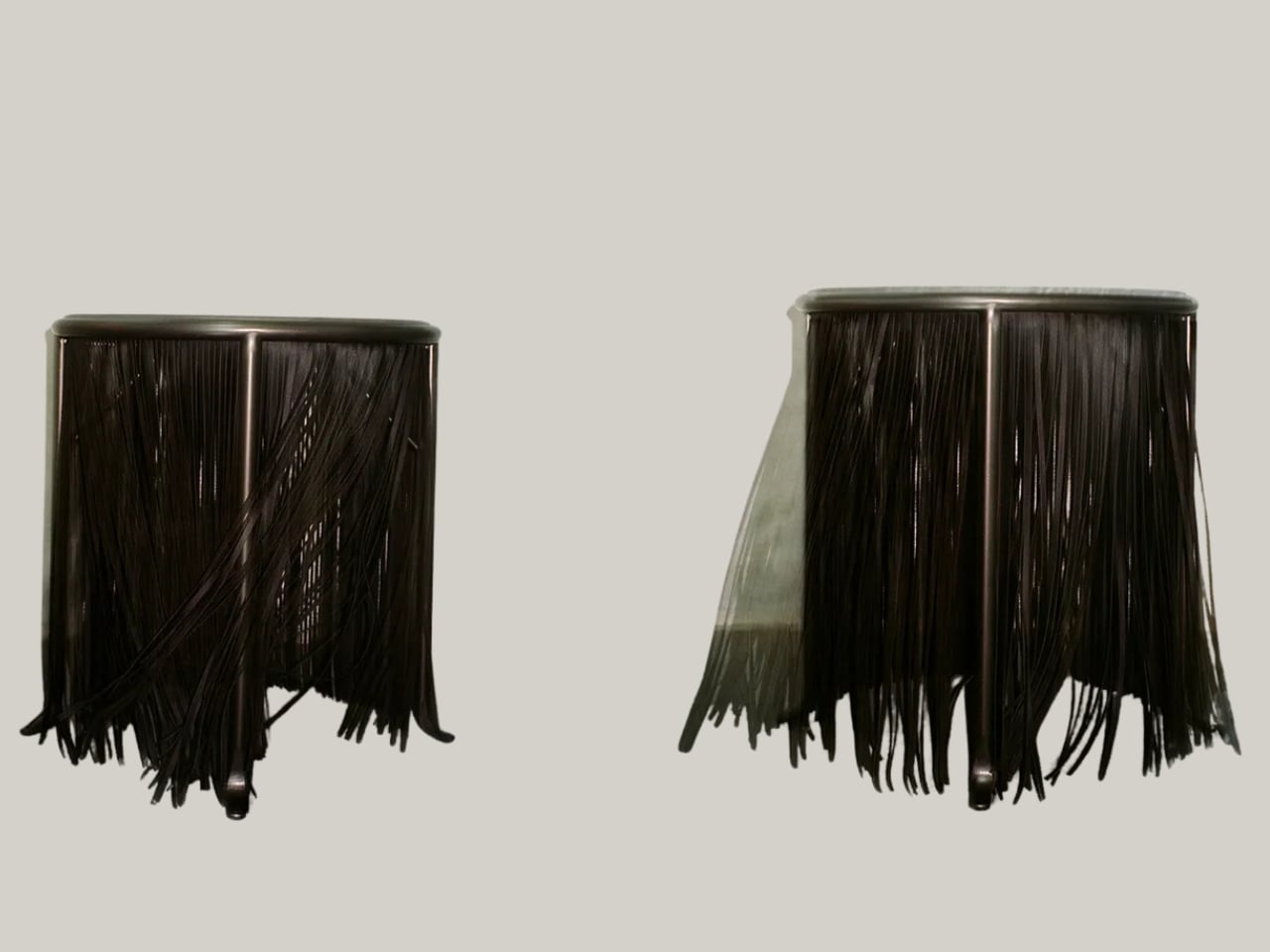
A table is just a table until it isn’t. That’s the kind of thinking that gets lost in a lot of design conversations, where we spend so much time talking about materiality and silhouette that we forget to ask what an object is actually carrying. The Dozie Kanu Table Collection for Knoll, debuting at Salone del Mobile 2026, makes that question impossible to ignore.

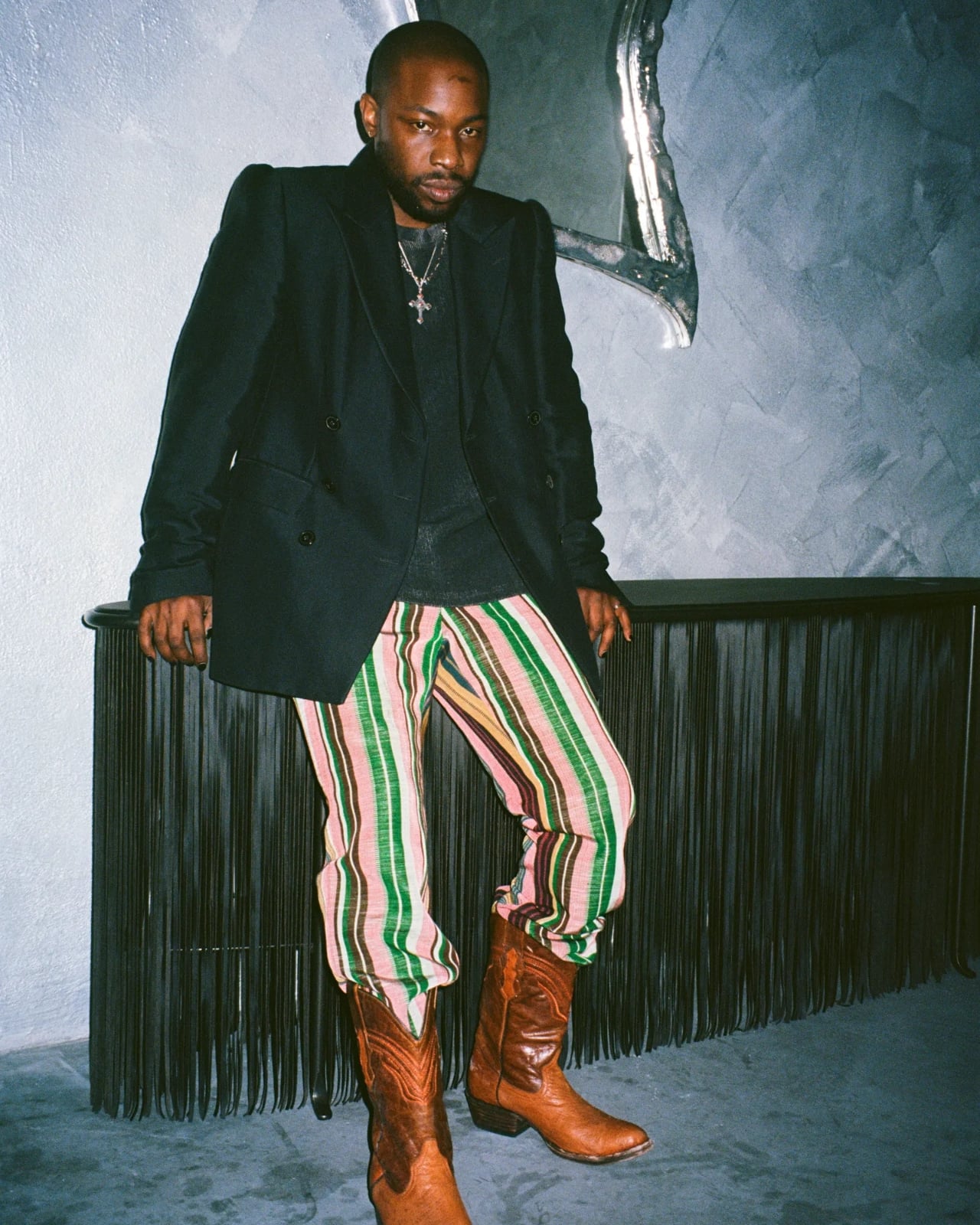
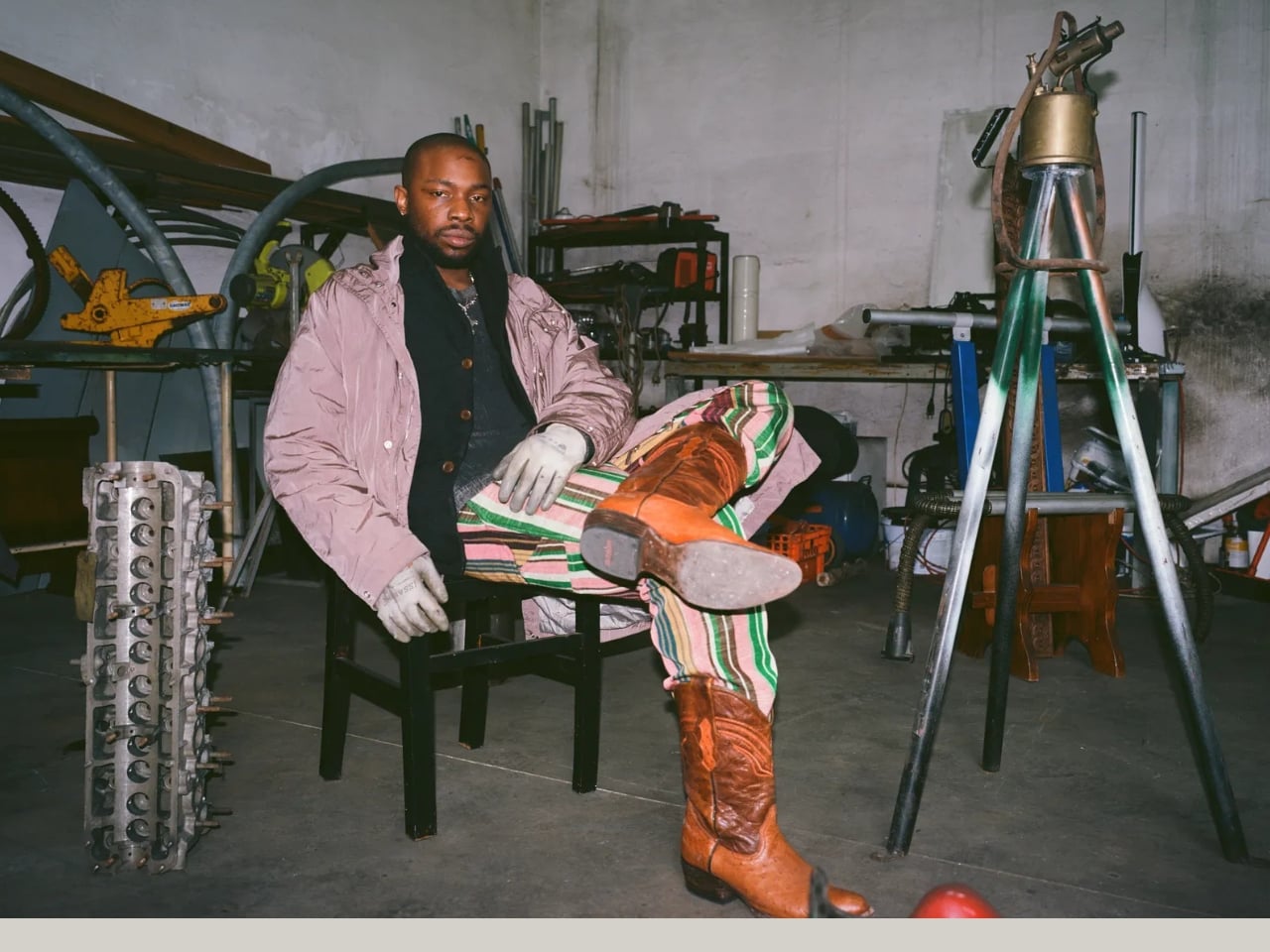
Kanu is an American artist who grew up in Texas with Nigerian immigrant parents. That detail matters enormously here, because it shaped a perspective that doesn’t fit neatly into any one cultural box. He’s spoken openly about the displacement that came with that upbringing, about not being fully accepted by the Black community, about existing in-between. “Growing up in Texas with Nigerian immigrant parents, I was not fully accepted by the Black community… it created a feeling of displacement. And that feeling is everywhere in my practice.” And that sense of in-between-ness is exactly what makes his design language so compelling to look at.

Designer: Dozie Kanu for Knoll

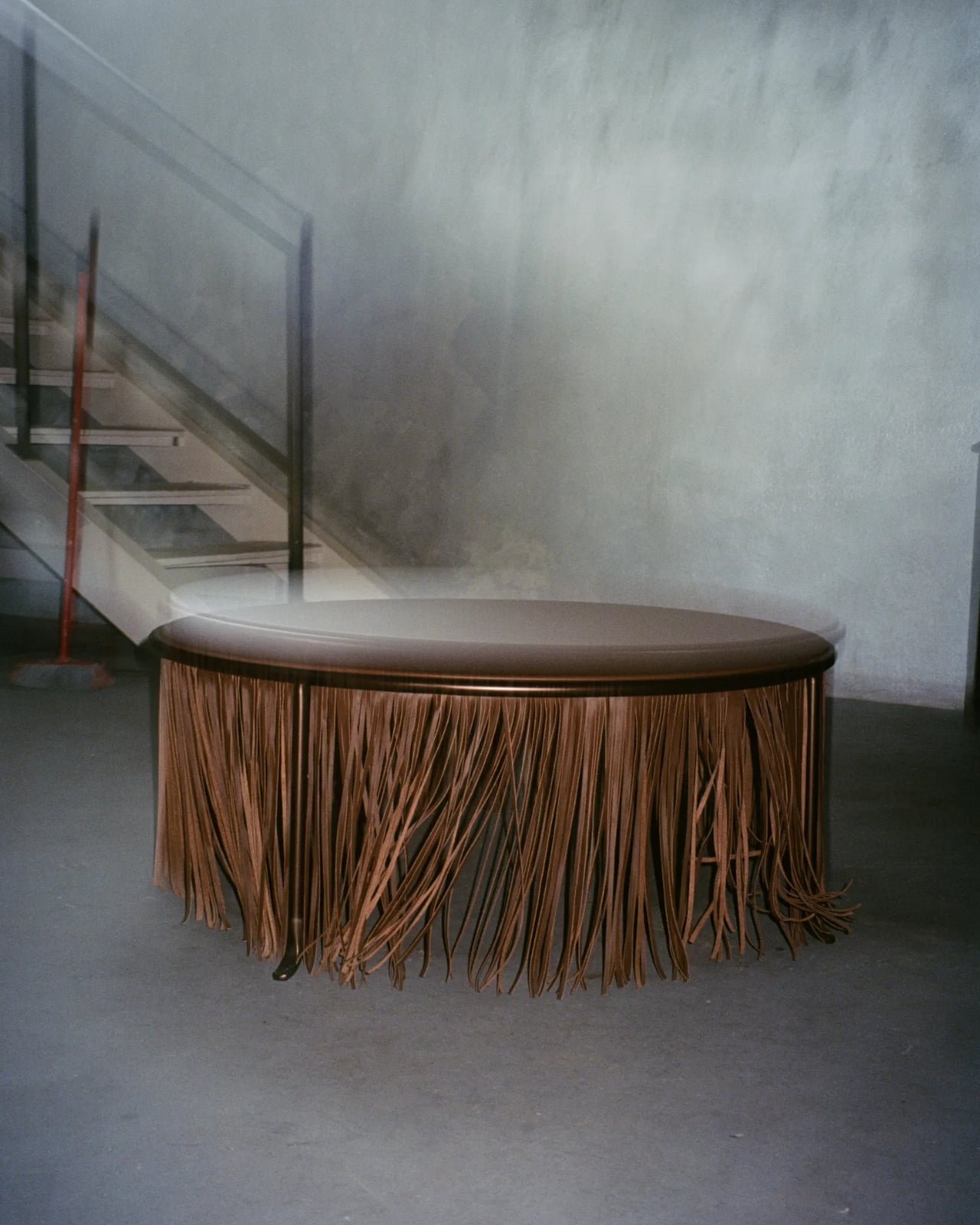
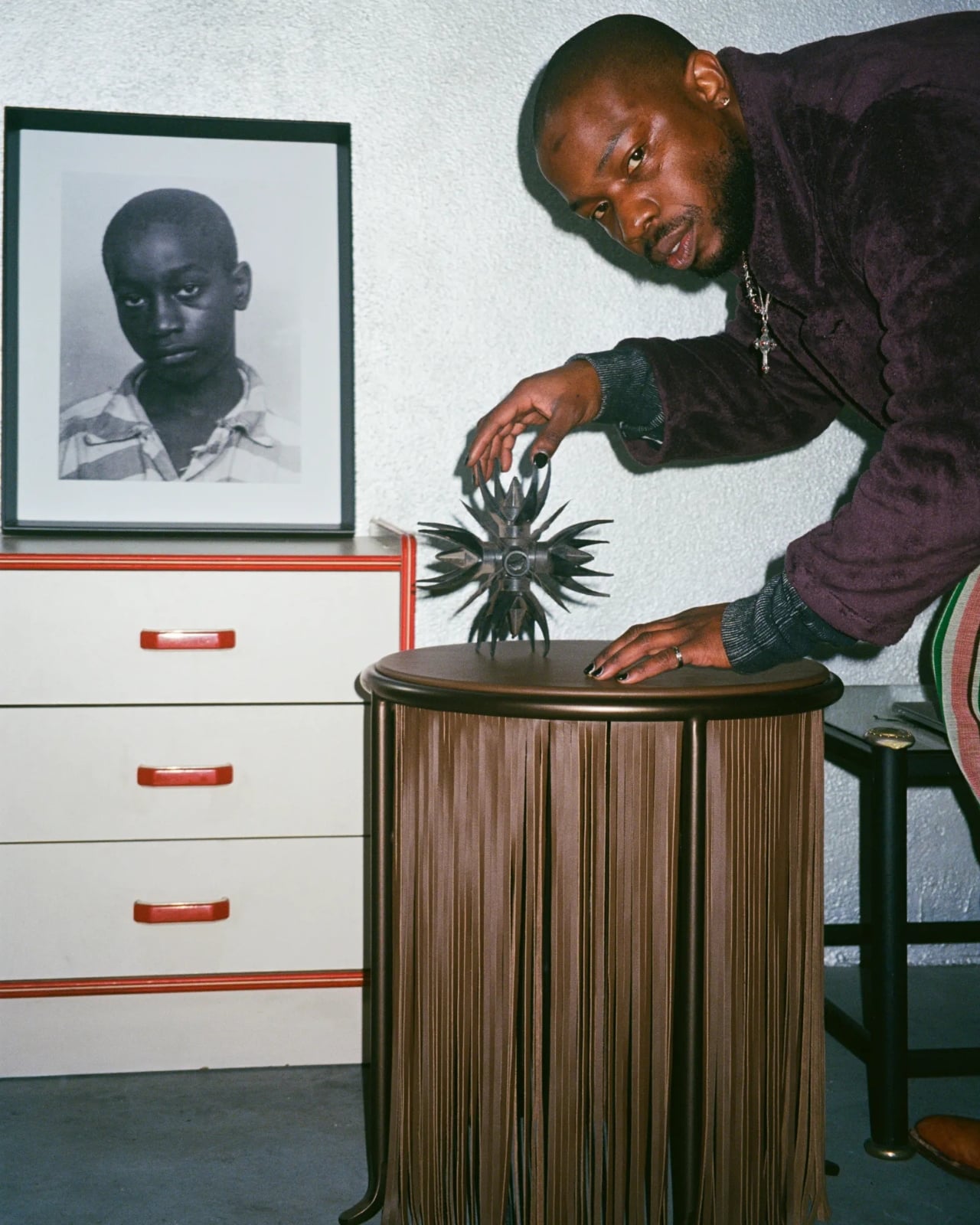
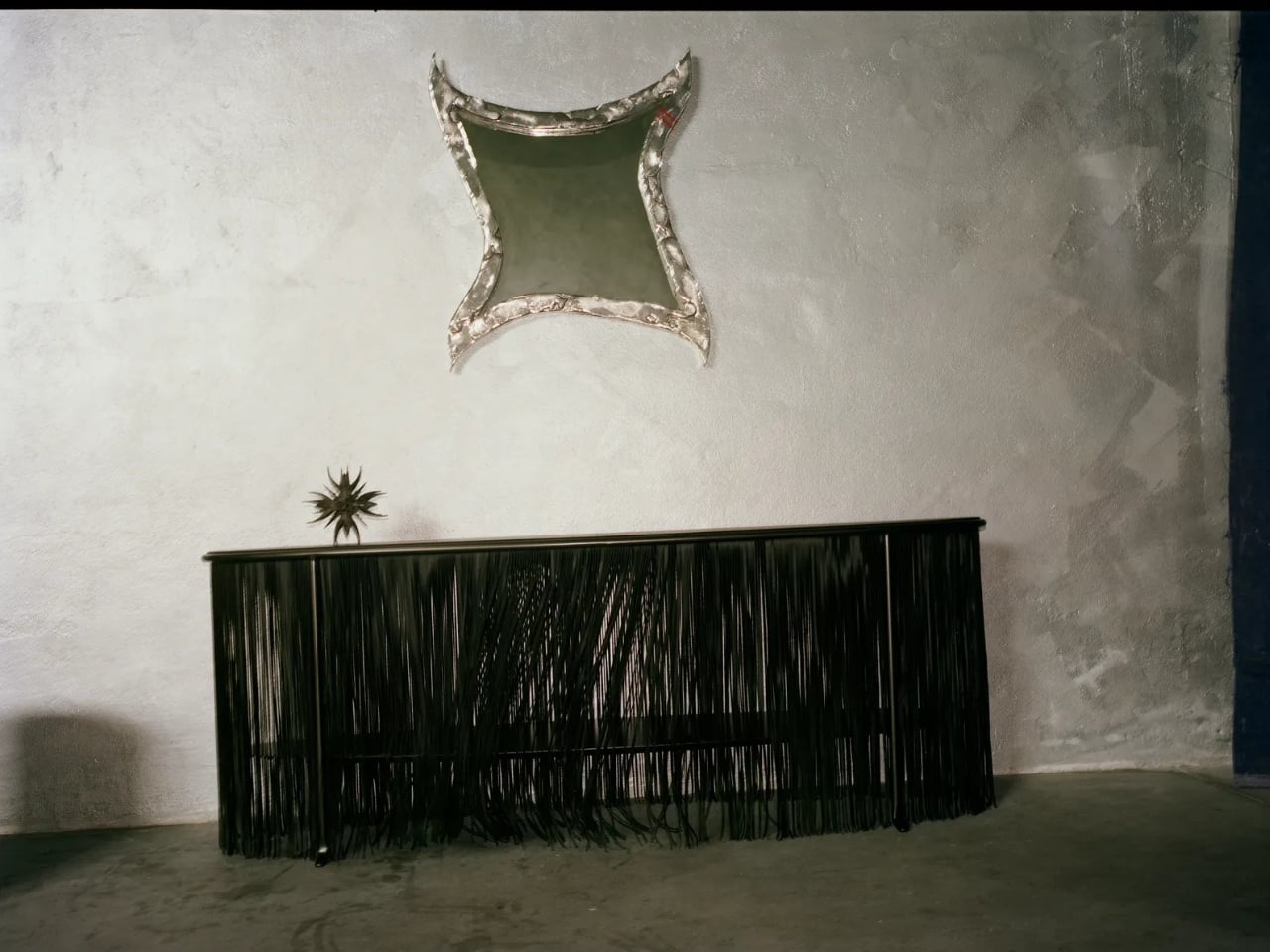
The collection itself is three pieces: a console, a coffee table, and a side table. All three are built with taut leather surfaces and rounded steel rod edges, and all three trail floor-length leather tassels that move with a life of their own. The tassels are the thing that catch your eye first, and they’re meant to. They pull from African drums, from African ceremonial dress, and from the fringed leather jackets of Texas cowboy culture. That last reference might seem like an odd pairing, but that’s kind of the point. Kanu isn’t choosing between his influences. He’s letting them coexist.

Available in two colorways, bronze and a dark grey manganese, the pieces have a quiet formality that makes the tassels even more striking. The restraint of the forms makes the ornamentation feel intentional rather than decorative. You don’t look at these tables and think “maximalism.” You think “precision.” The tassels earn their place because everything else is so considered.

Knoll, for the record, is not a brand that takes collaborations lightly. Their roster has historically included Eero Saarinen and Mies van der Rohe, which means choosing Kanu for this moment says something. It says they’re paying attention to who’s shaping the conversation around contemporary design. Kanu, who has built a practice across sculpture and installation, is exactly the kind of artist who brings a point of view that doesn’t get diluted in the translation to mass production. His own framing of the work says it perfectly: “It’s not screaming ‘identity’ or ‘autobiography.’ But the best thing I can do is make what I know.”

That line is worth sitting with. We’re living through a design moment where cultural narrative has become something of a selling point, and there’s a real risk of it becoming performative. What Kanu is doing feels different. It’s not a press release in object form. It’s more like a very personal shrug that happens to be beautiful. The tassels don’t announce themselves as symbols. They just exist, and they carry the weight of a story without demanding that you read it.

Running alongside the Knoll launch, Kanu also has an installation at ICA Milano in collaboration with the Nicoletta Fiorucci Foundation, featuring a structure built from reinforced cardboard. It’s a reminder that his practice spans a lot of registers, that the tables and the gallery work are part of the same ongoing conversation he’s having with himself. I appreciate that kind of consistency in an artist. You can feel the through-line even when the mediums are completely different.

If I’m being honest about what this collection does to the broader design conversation, I think it’s a useful reminder that furniture doesn’t have to be neutral to be functional. A table can have a perspective. It can come from somewhere very specific without being inaccessible. And when a brand like Knoll gives that kind of work the platform it deserves, the results are worth paying attention to far beyond the walls of Milan Design Week. Dozie Kanu’s tables are at Salone del Mobile 2026. They move when you walk past them. And they’ve got a lot to say.

The post Dozie Kanu Just Turned His Life Story Into Tables for Knoll first appeared on Yanko Design.