The World’s Longest Single-Mast Bridge Has Arrived

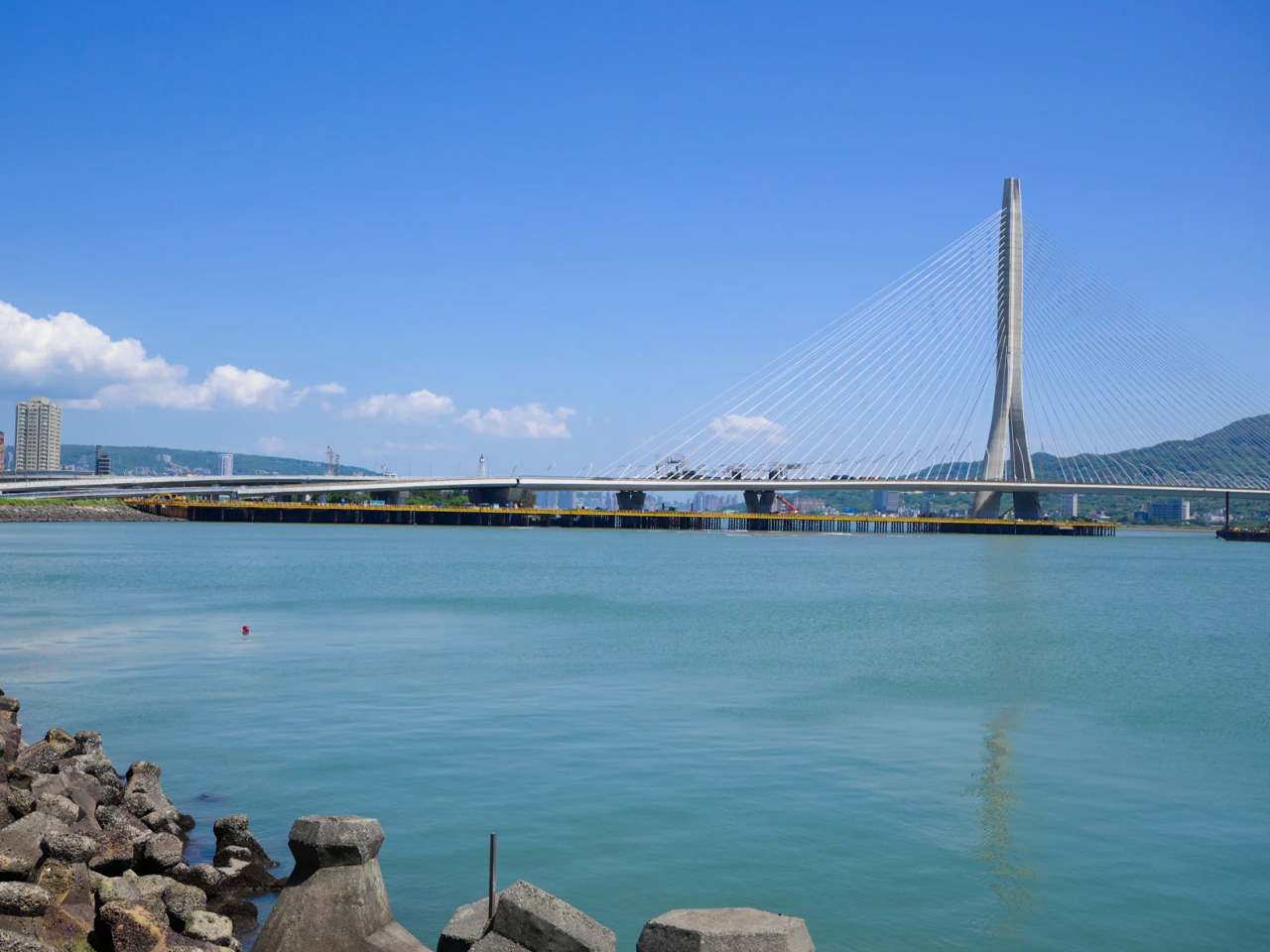
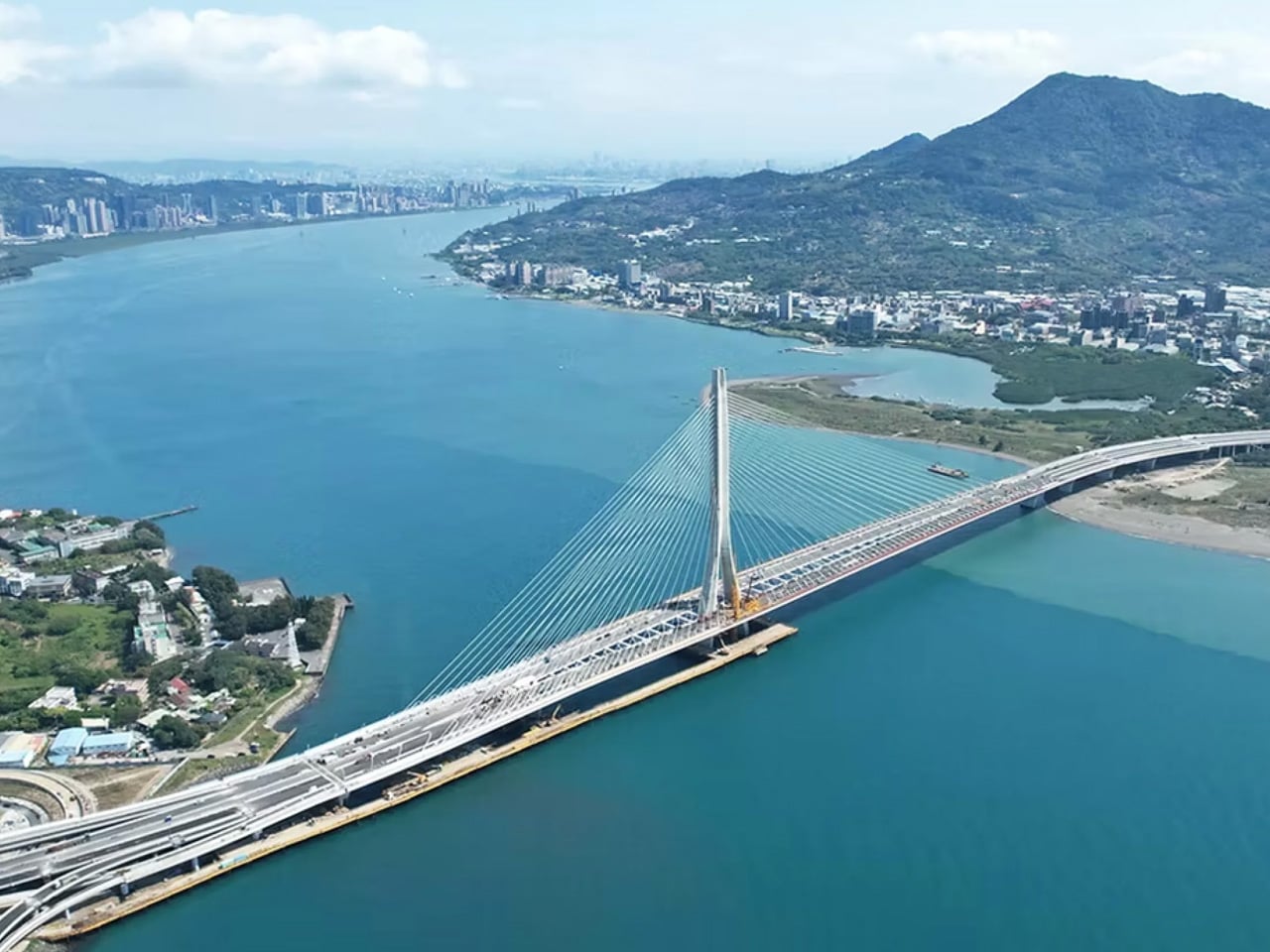
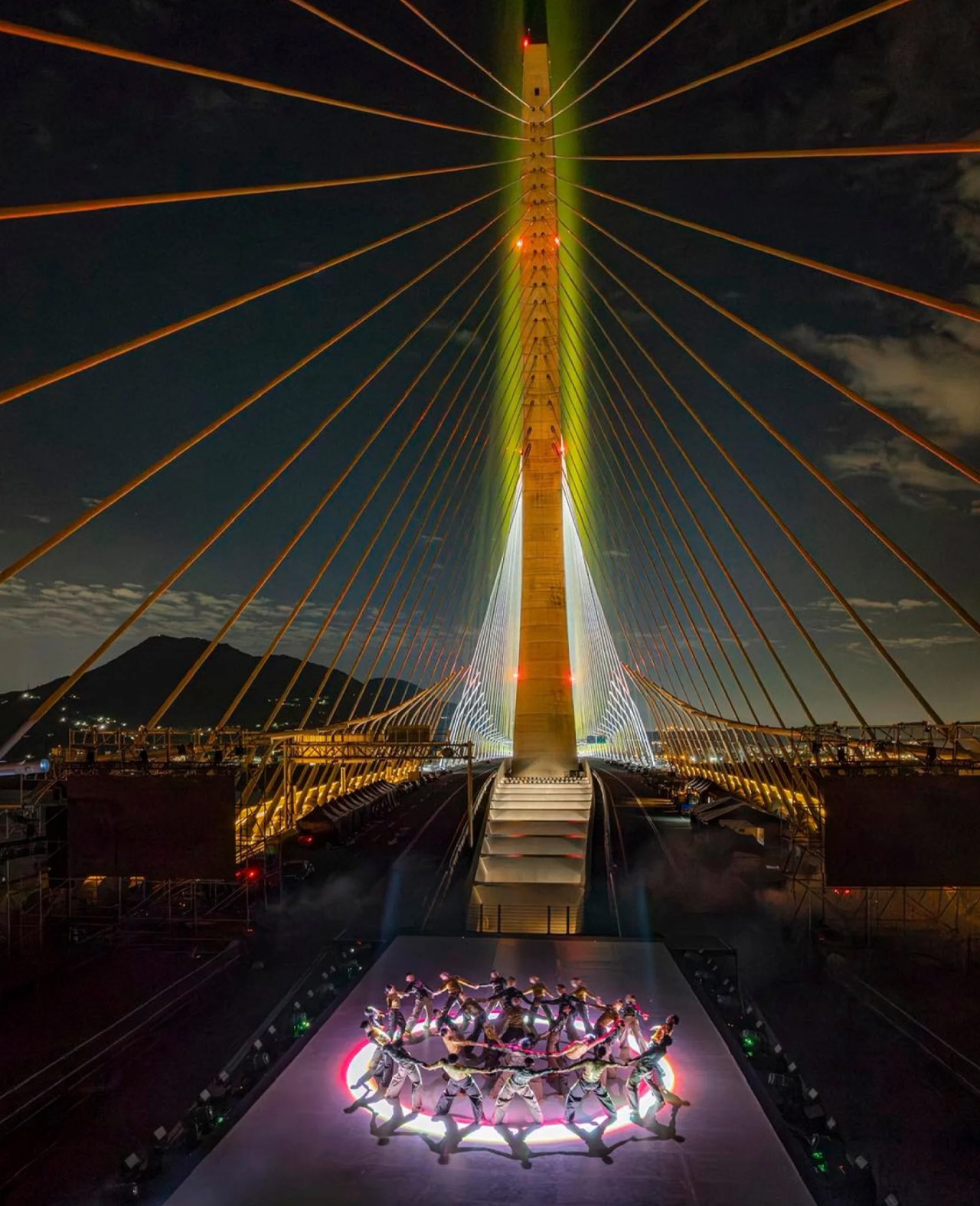
At the mouth of Taiwan’s Tamsui River, a new landmark has quietly redrawn the skyline. The Danjiang Bridge, designed by Zaha Hadid Architects, has opened as the world’s longest single-mast, asymmetric cable-stayed bridge — a record-breaking piece of infrastructure that manages to feel more like a gesture than an imposition on its surroundings.

The project stretches 920 meters between New Taipei City’s districts of Tamsui and Bali, held aloft by a single concrete mast rising 200 meters above the estuary. That restraint is intentional. Where most bridges of this scale rely on a sequence of towers or supports planted through the riverbed, ZHA stripped the structure down to one vertical element — tall and slim enough to leave the horizon largely intact. The main span reaches 450 meters to the west of the mast, with a 175-meter span to the east, and cables fan outward asymmetrically from the tower in a sweeping, almost calligraphic arrangement.

Designer: Zaha Hadid Architects
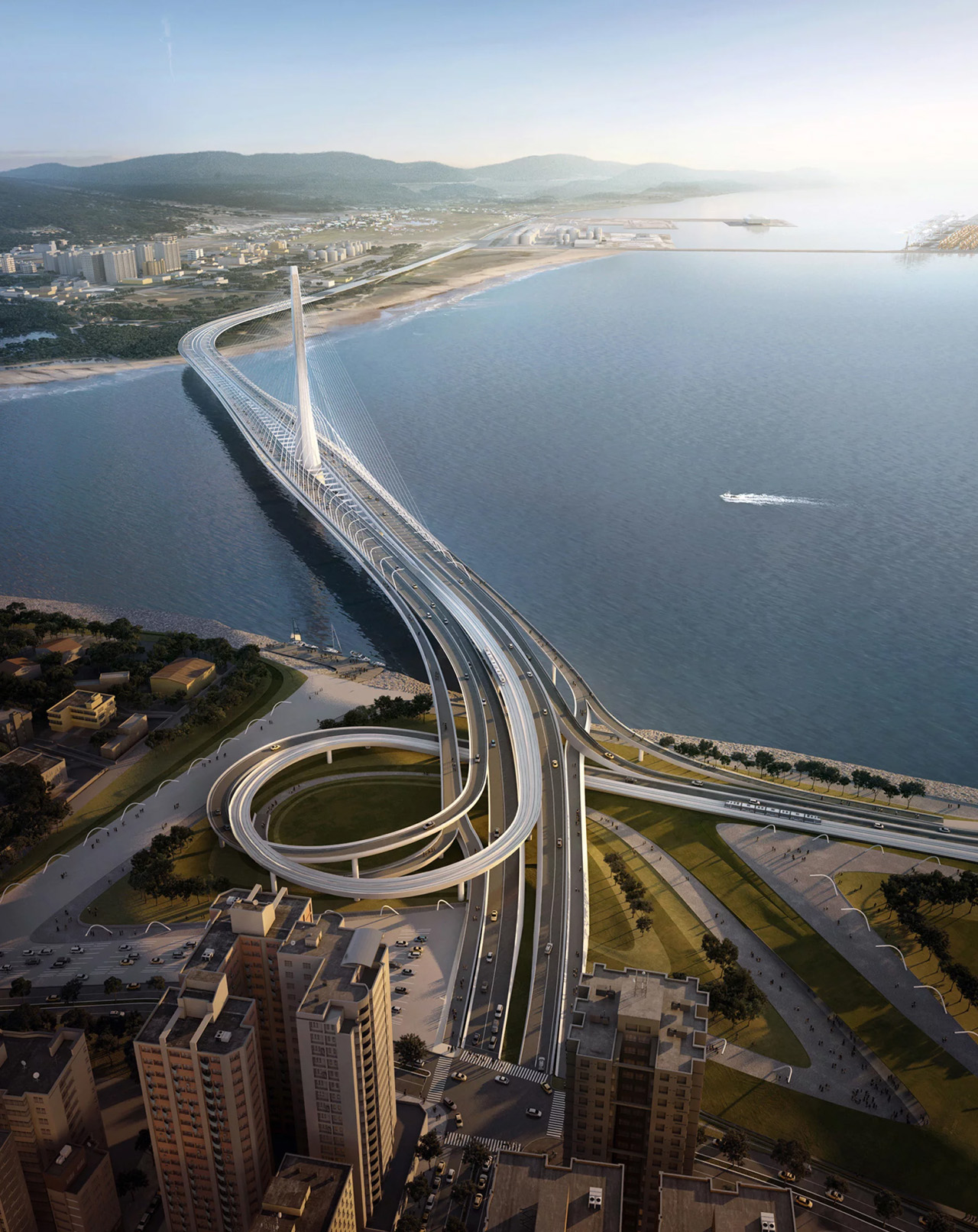
The 71-meter-wide deck is built for a full range of movement. It carries motor traffic, dedicated pedestrian paths, cycle routes, and has been designed to accommodate a future extension of the Danhai Light Rail network — making it less a single-purpose crossing and more a layered piece of public infrastructure. ZHA director Patrik Schumacher described the design as one that would “make a conspicuous landmark against the backdrop of Tamsui’s famous sunsets,” and the placement of the mast against open water at dusk delivers exactly that.

Getting the form right required careful environmental modeling. The original competition brief placed significant weight on protecting views of the river’s famously photogenic sunsets, and ZHA used detailed mapping to ensure the mast’s silhouette — tall and linear — would read as a marker rather than a barrier in the landscape.
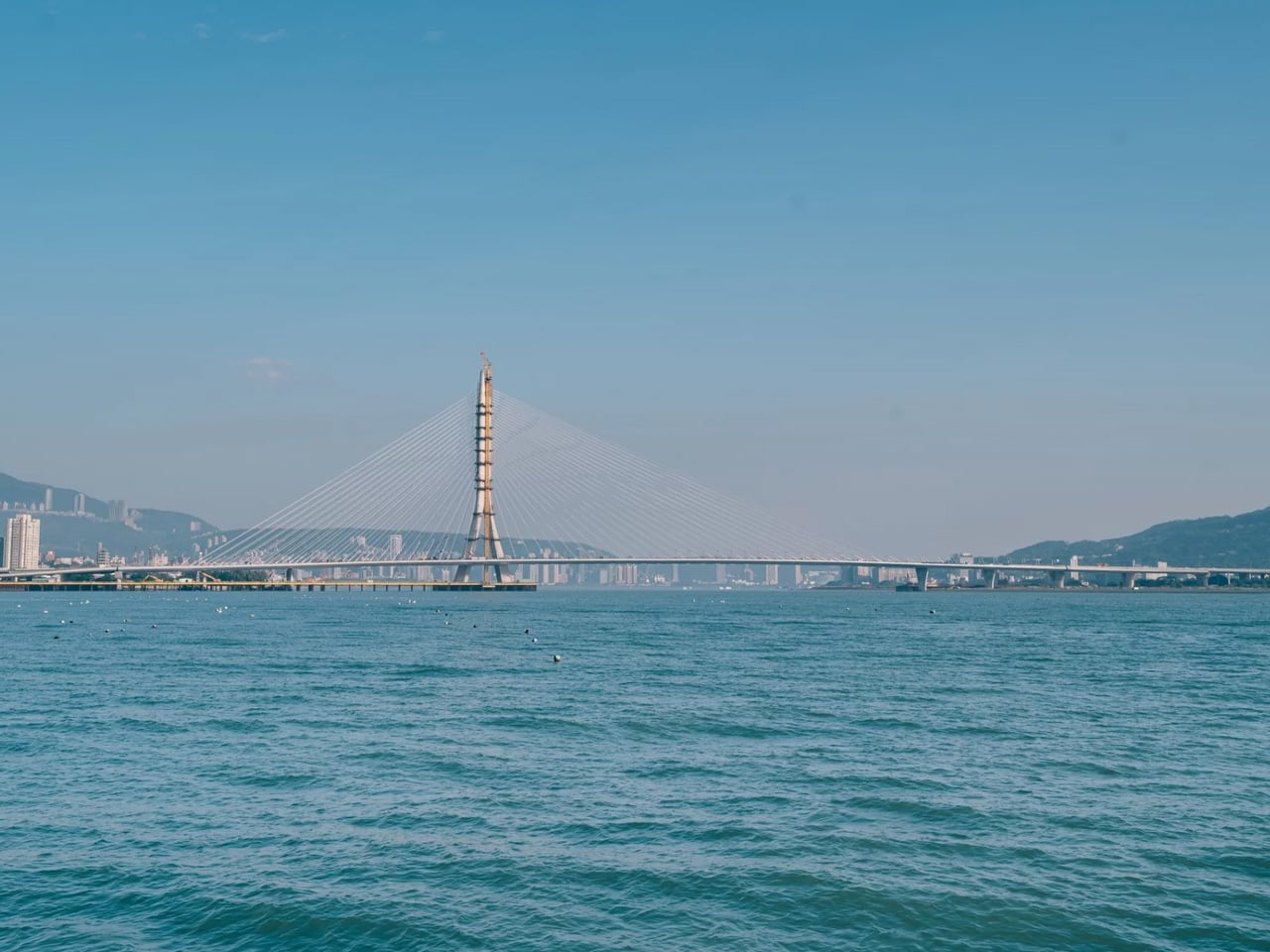
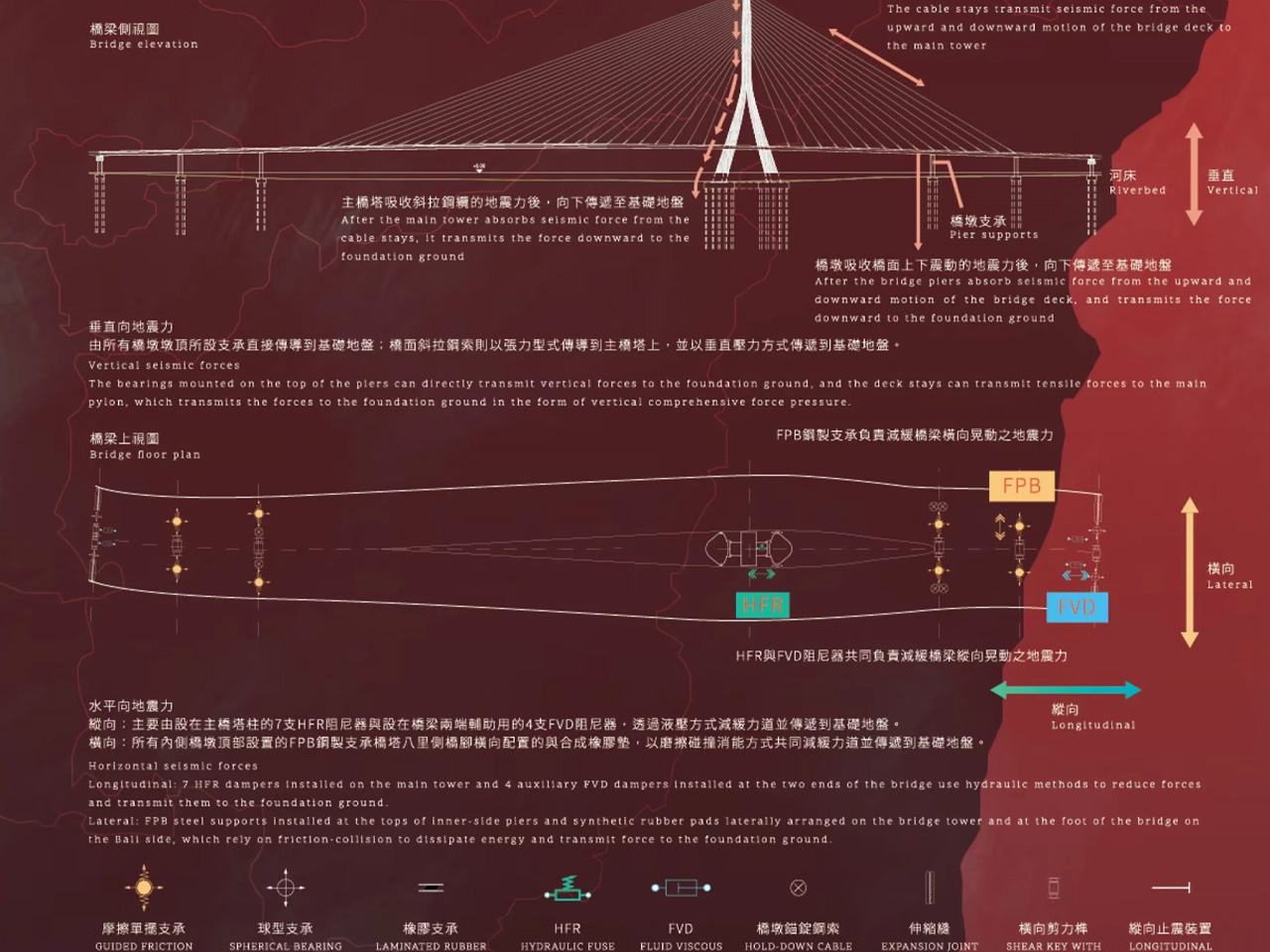
Engineering had to match Taiwan’s seismic reality. The support system is built to withstand earthquakes of magnitude 7 or above, combining pier supports, cable stays, hydraulic dampers, friction pendulum bearings, and synthetic rubber pads that work together to absorb both vertical and horizontal force. The structure is doing considerable technical work beneath its clean exterior.

ZHA won the Danjiang Bridge International Competition in 2015, and construction ran from that year through to 2025. For a firm whose identity is closely tied to cultural buildings and interior spaces, the bridge represents something different — a piece of civic infrastructure where the signature fluid language has been channeled into cable geometry, seismic engineering, and a view that already mattered deeply to the city it now connects.
The post The World’s Longest Single-Mast Bridge Has Arrived first appeared on Yanko Design.
MVRDV’s Timber Pavilion Revives a City’s Forgotten Identity

There’s something magical about architecture that doubles as a love letter to a place. MVRDV just pulled this off in Chiayi, Taiwan, with a temporary pavilion that’s less about showing off and more about remembering what made this city special in the first place.

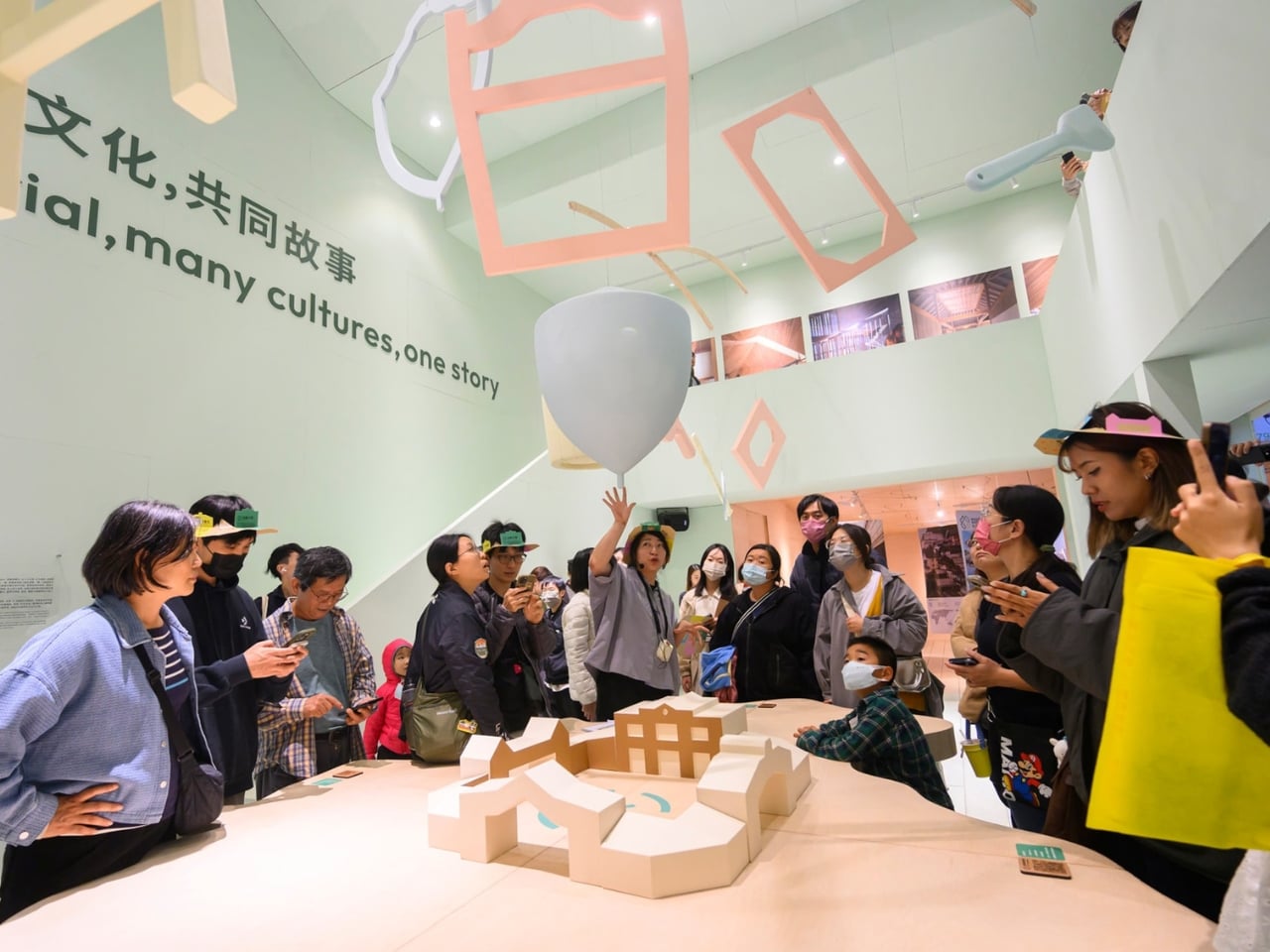
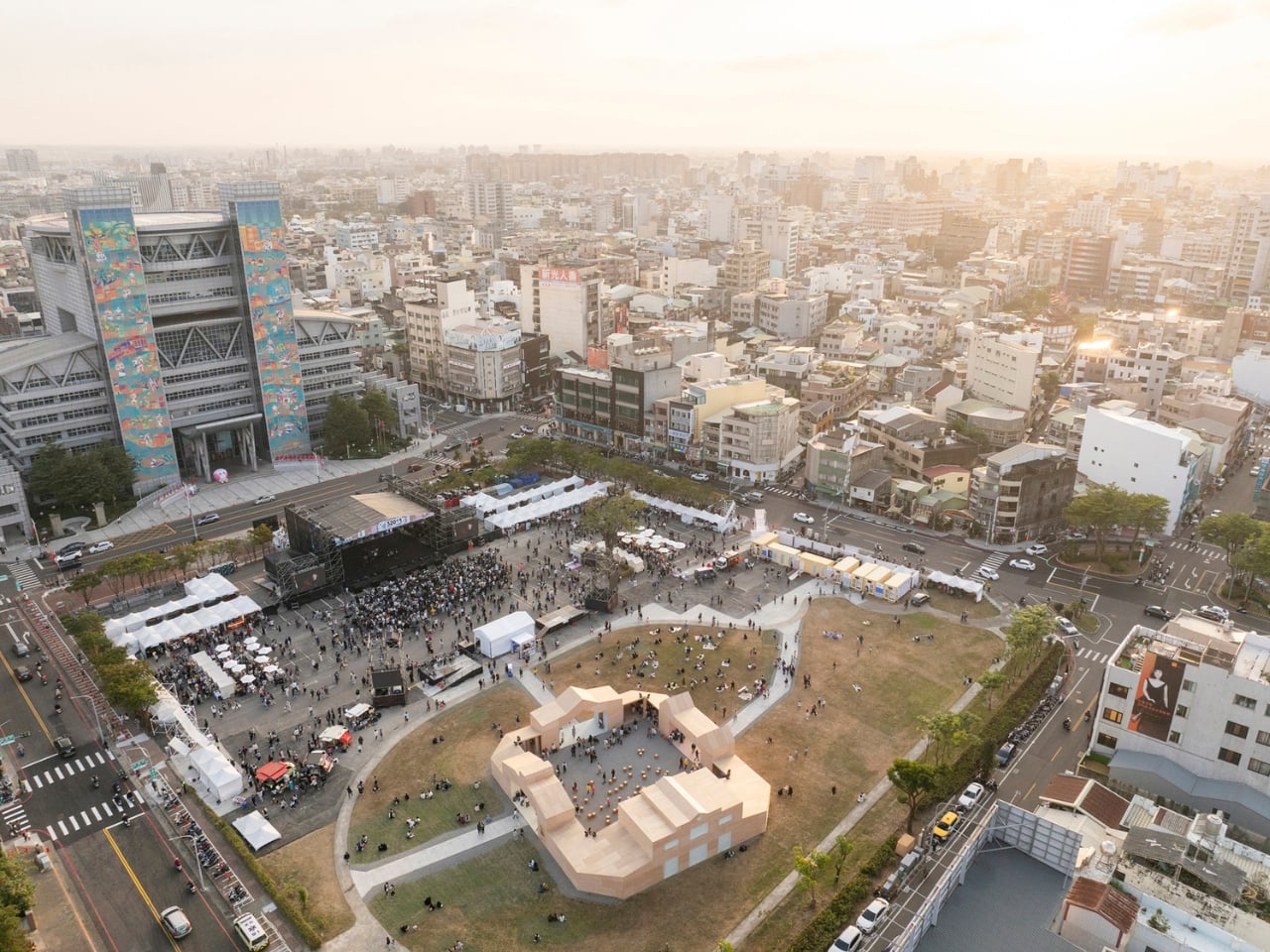
Picture this: Chiayi is celebrating its 321st birthday, and instead of a generic party tent, the city gets a timber structure that tells the story of its forgotten identity as Taiwan’s wood capital. Over 6,000 historic timber buildings still dot this city, remnants of an era when Chiayi thrived on forestry and woodcraft, yet most residents have lost touch with that heritage.

Designer: MVRDV (Photos by Shephotoerd)

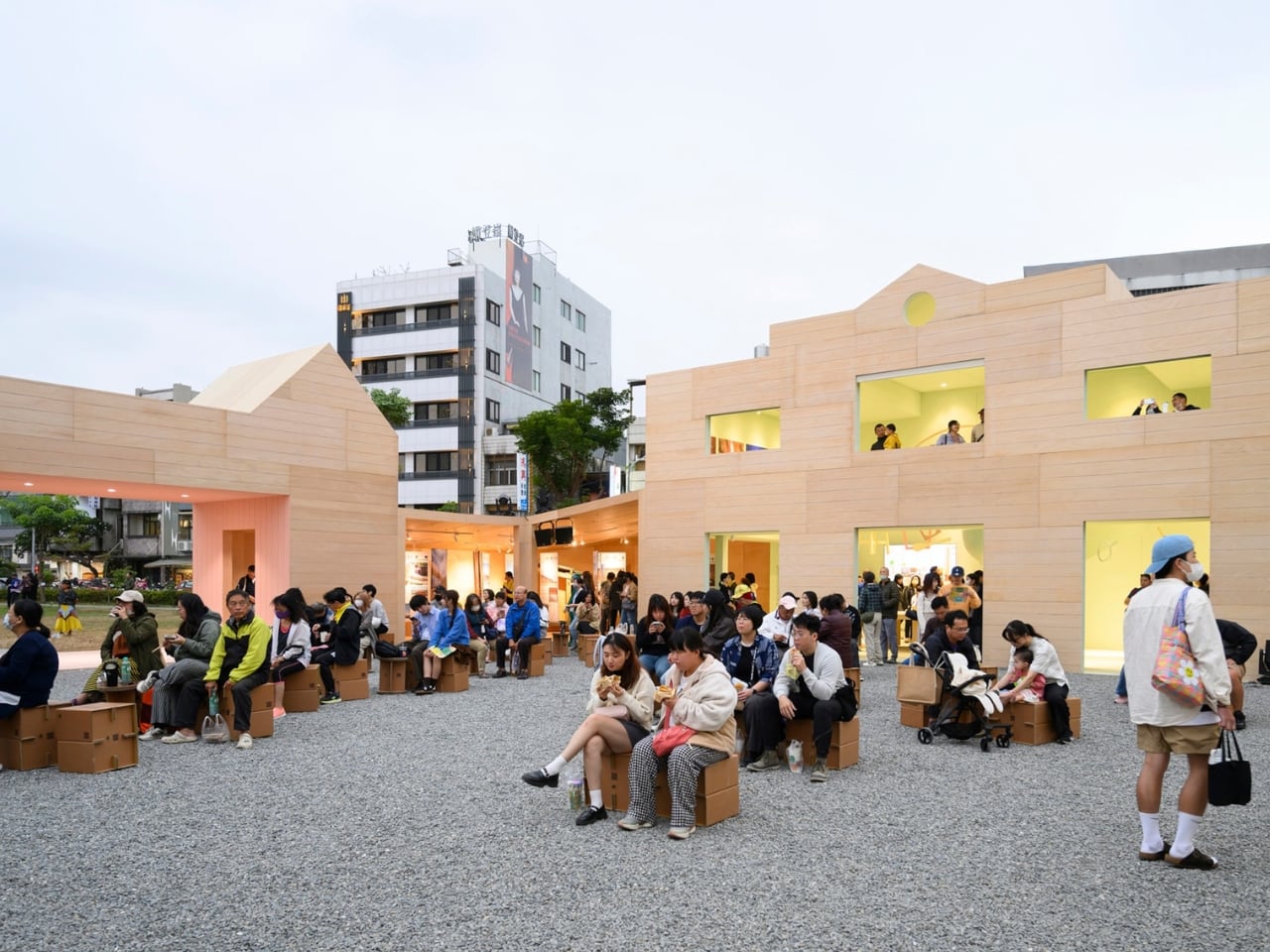
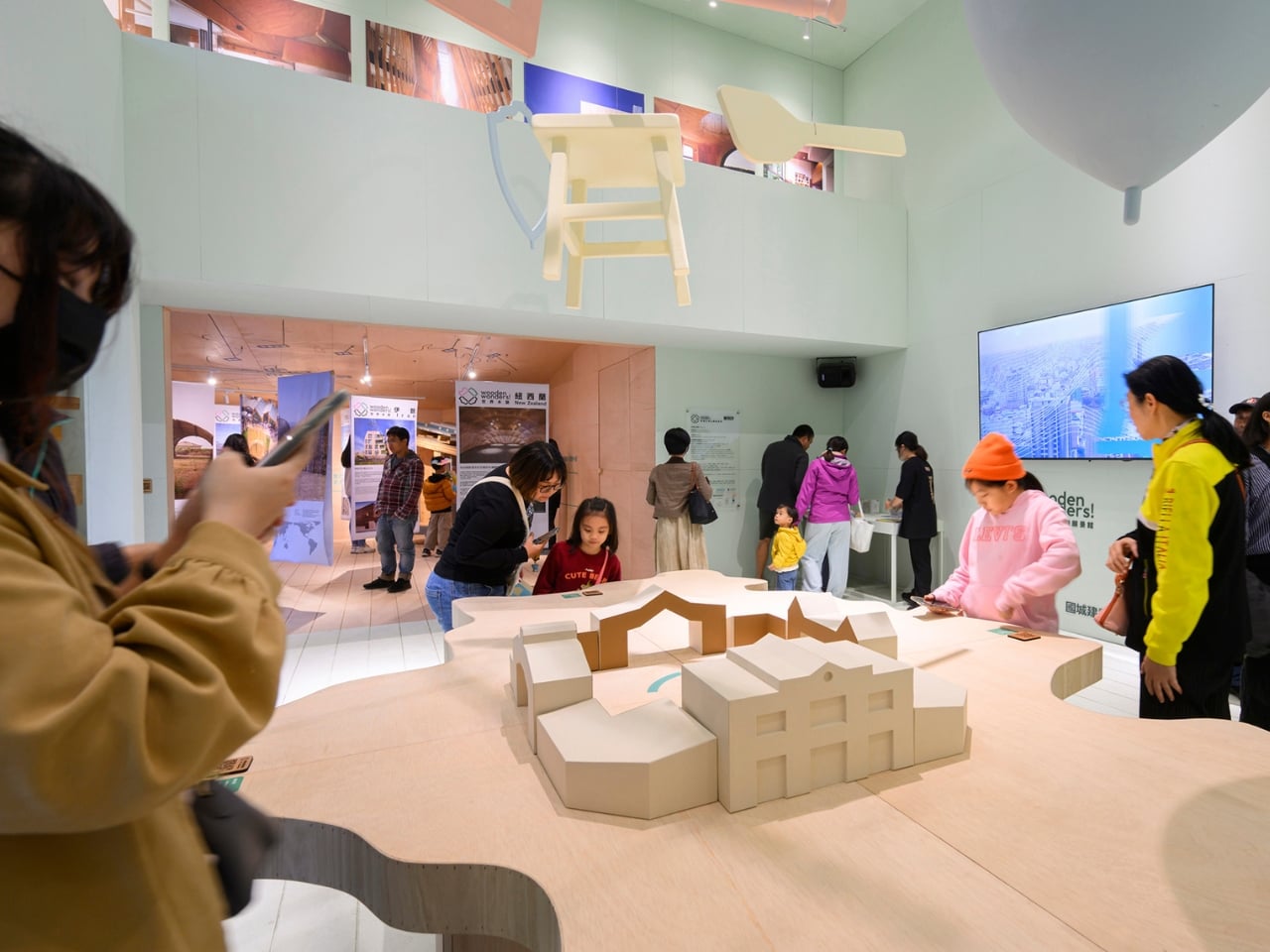
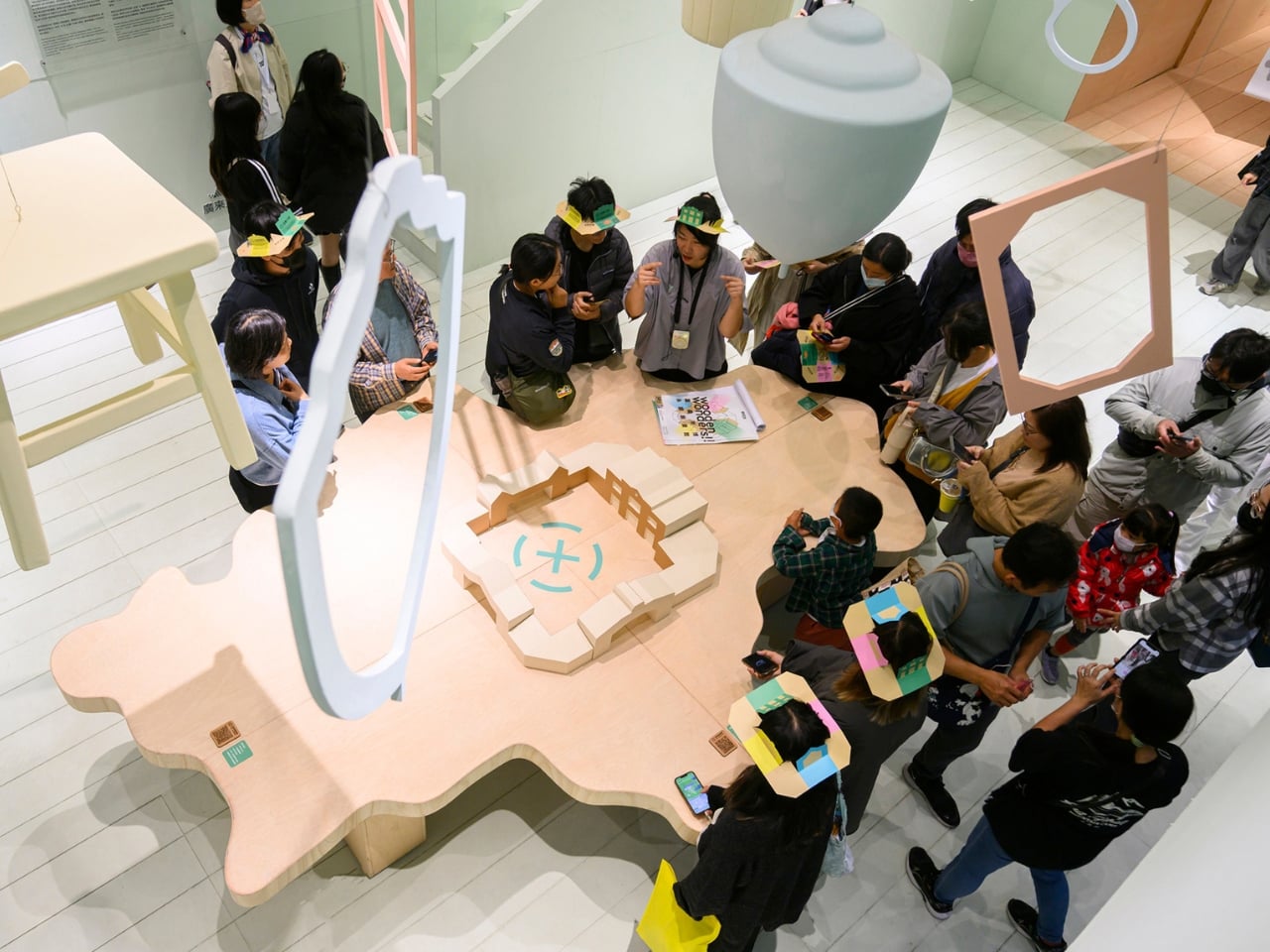
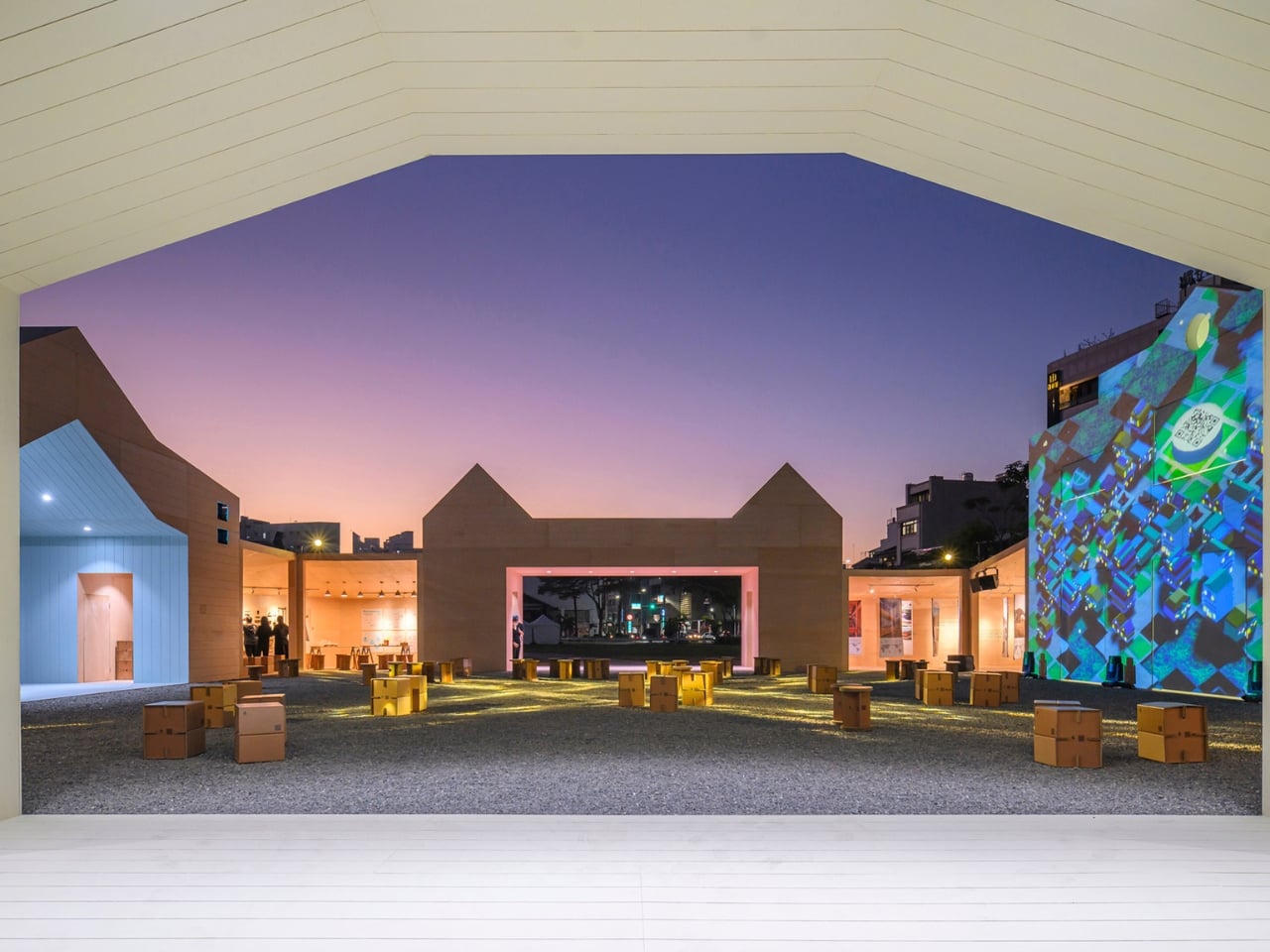
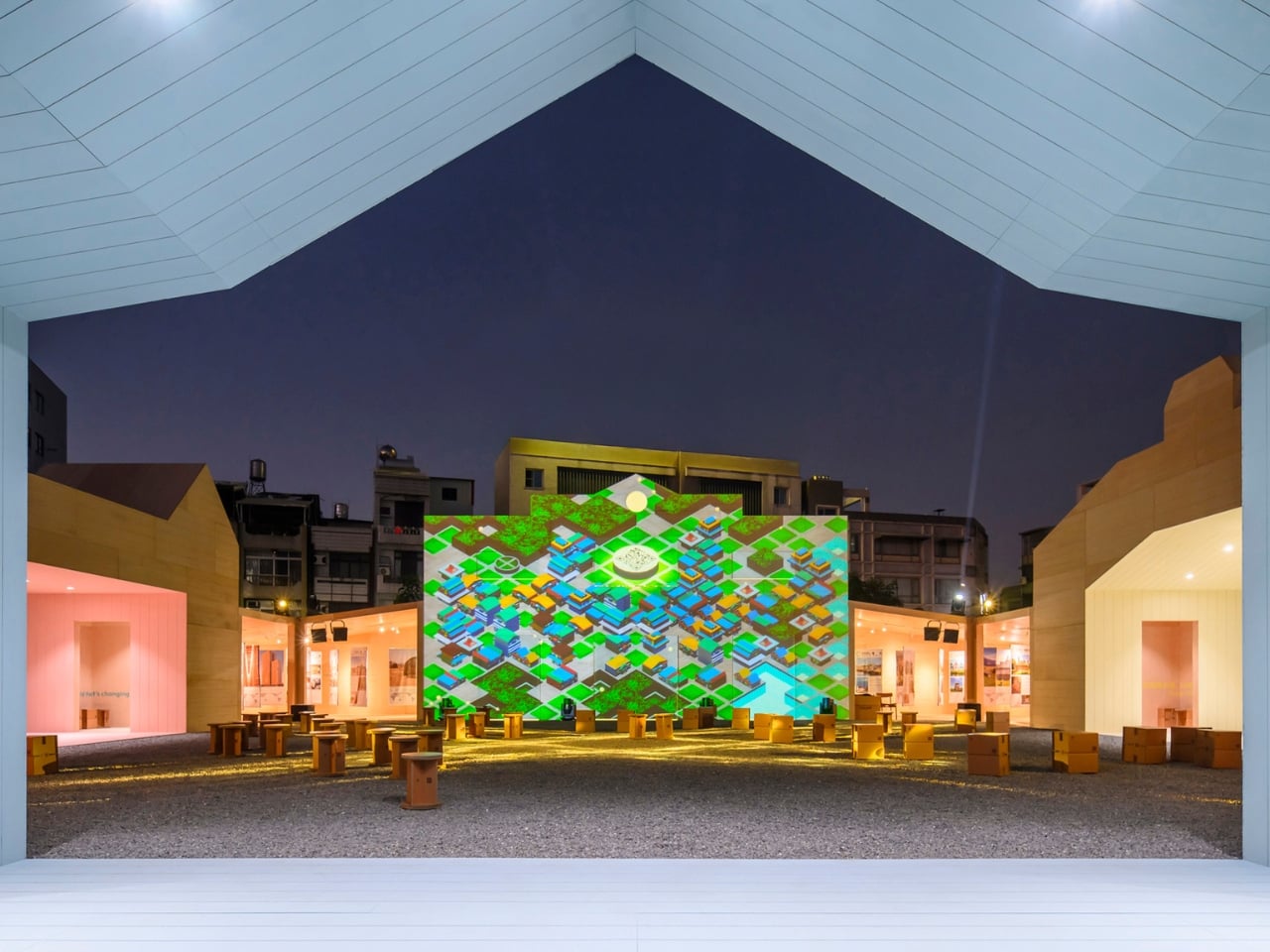
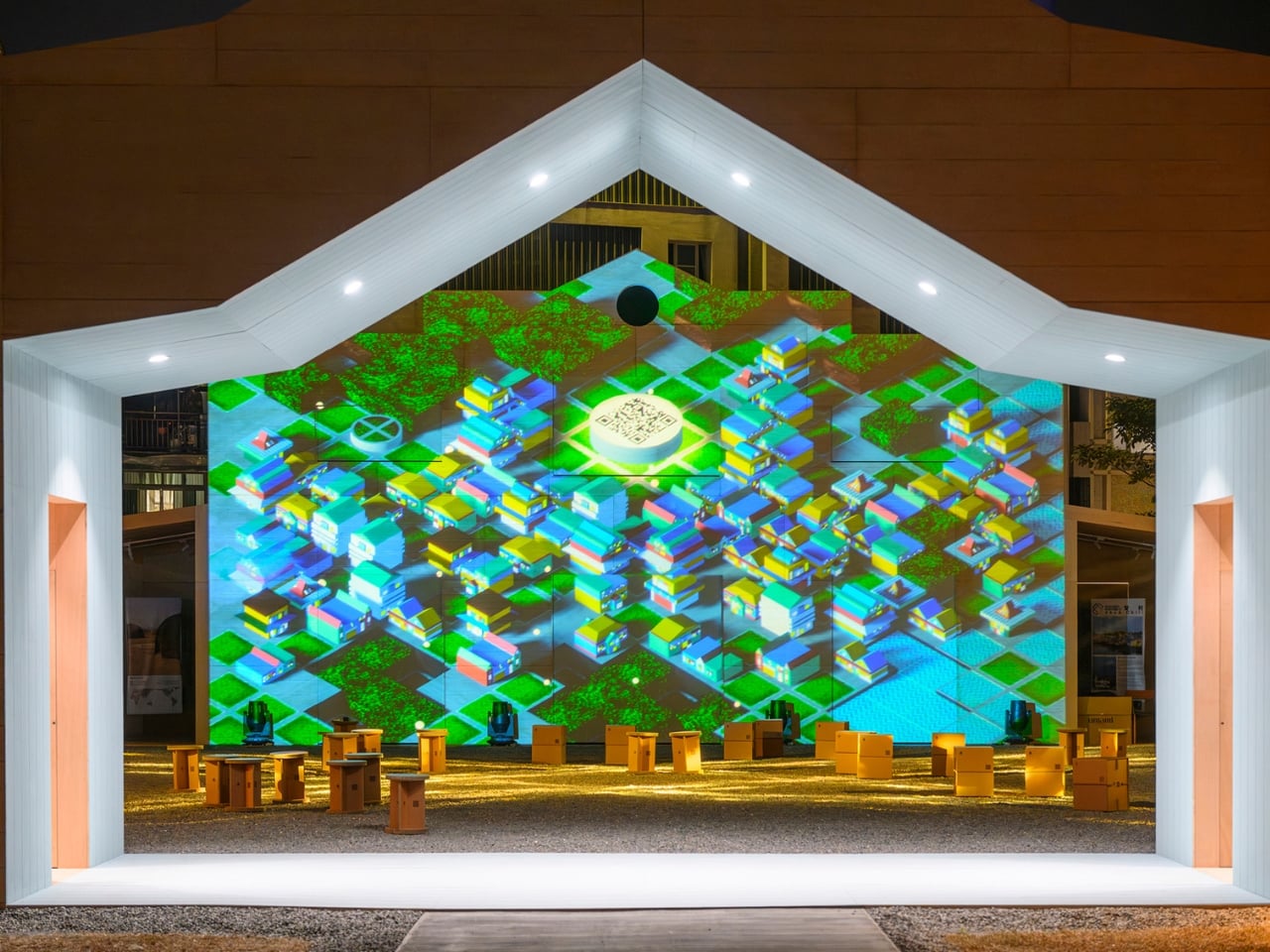
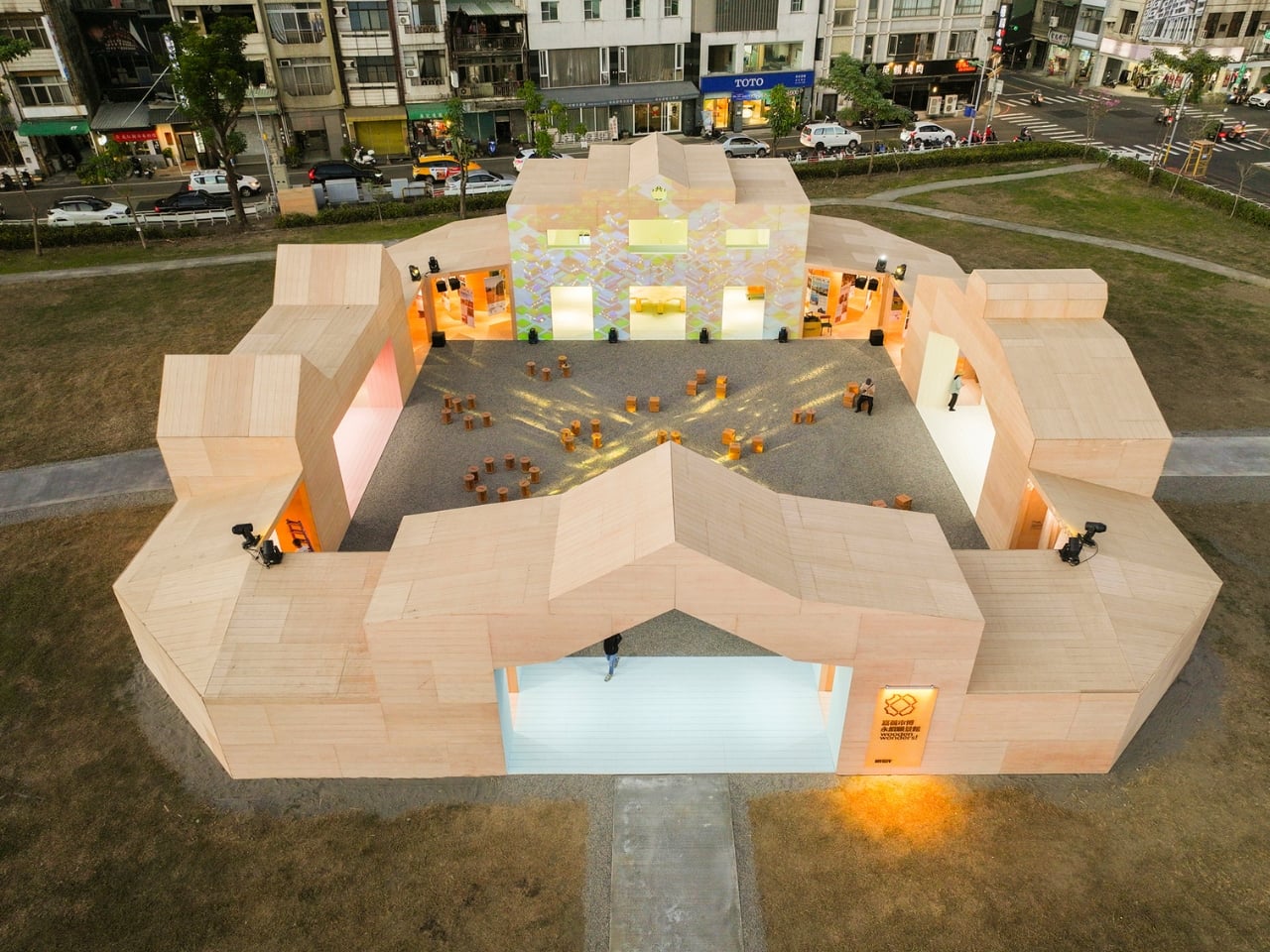
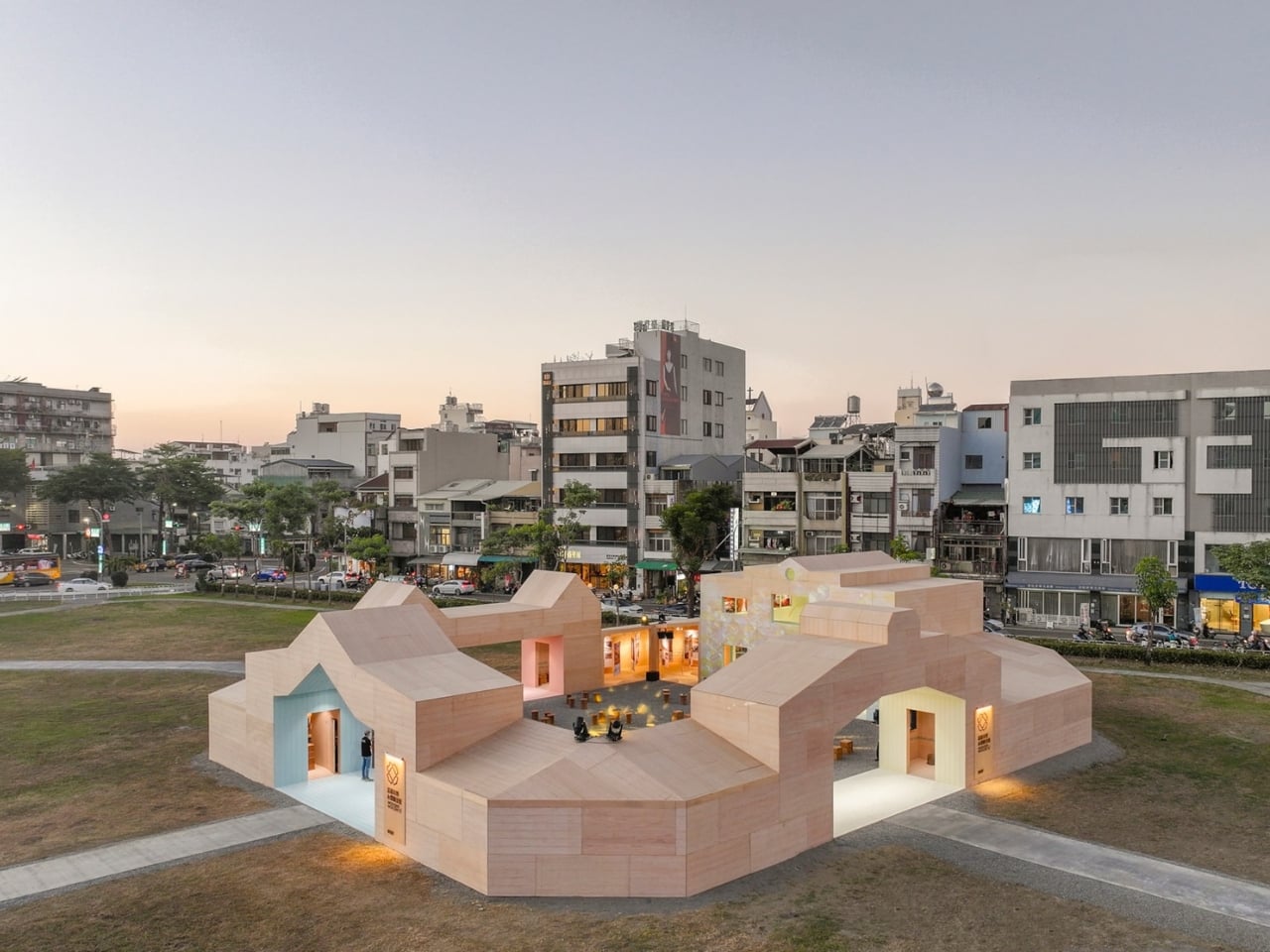
Enter Wooden Wonders, a pavilion that sits right across from city hall and functions as what the architects call an “urban living room.” It’s an apt description. The structure wraps around a central courtyard, creating an intimate gathering space that feels both public and personal. Think of it as the architectural equivalent of pulling up a chair and asking someone to tell you their life story.

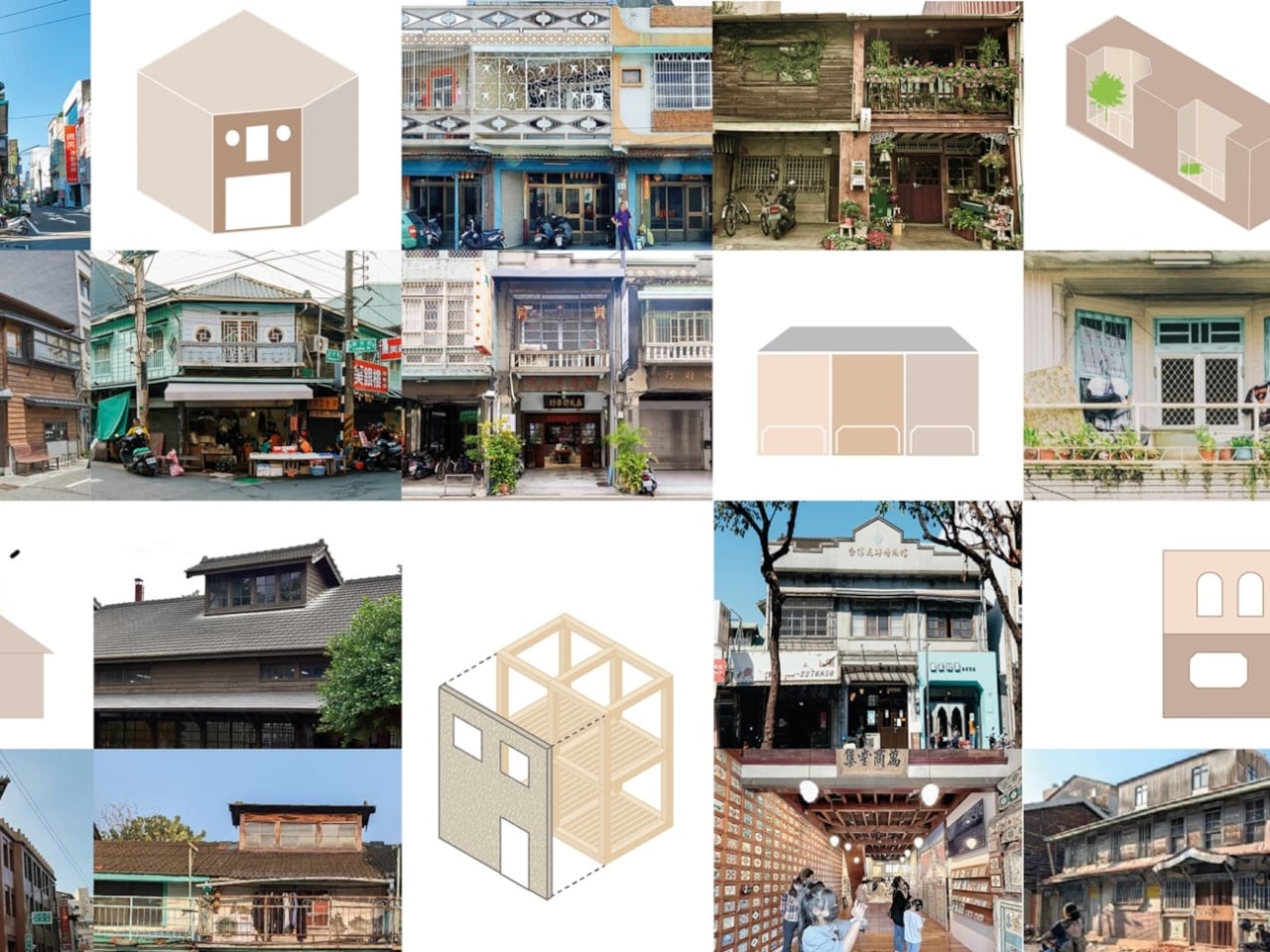
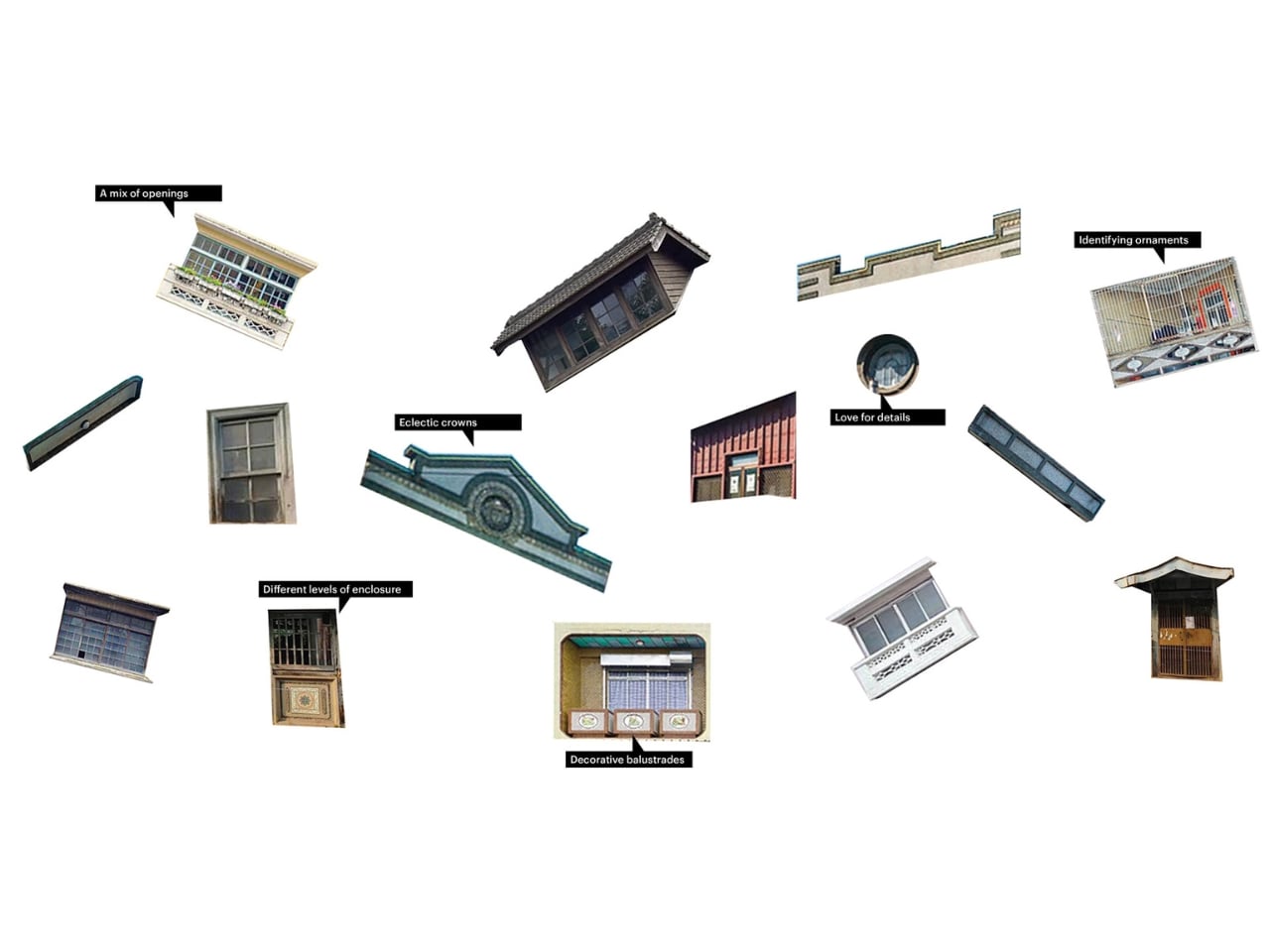
What makes this project fascinating is how MVRDV approached the design. Instead of imposing their signature style, they went full detective mode, studying the city’s existing timber buildings to understand the local architectural DNA. What they found was beautifully eclectic: diagonal cuts that emphasize street corners, ornamental rooflines with decorative flourishes, a mix of time periods and influences all woven together. These elements became the blueprint for the pavilion’s perimeter structure, making the new building feel like it grew organically from Chiayi’s architectural family tree.

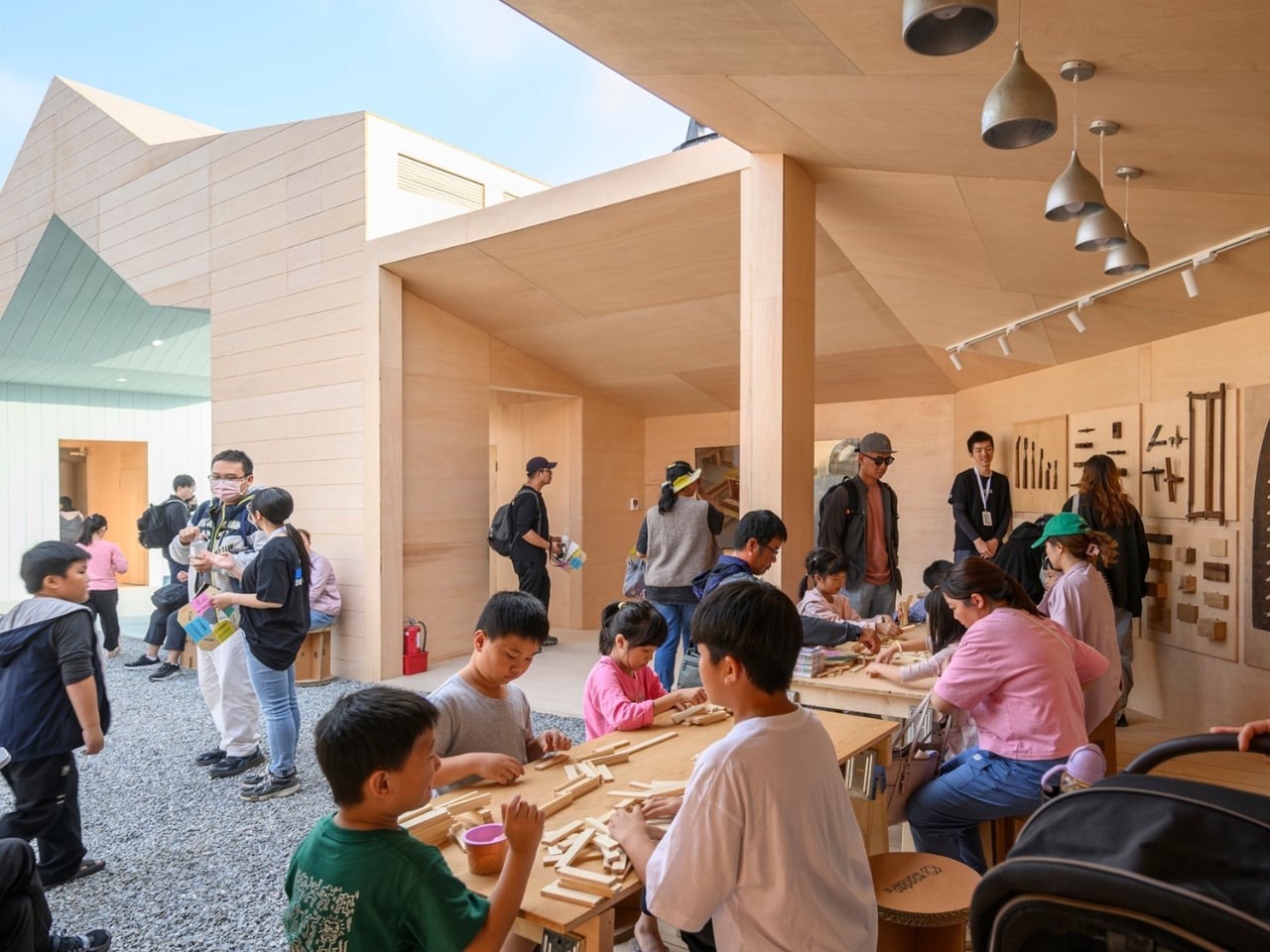
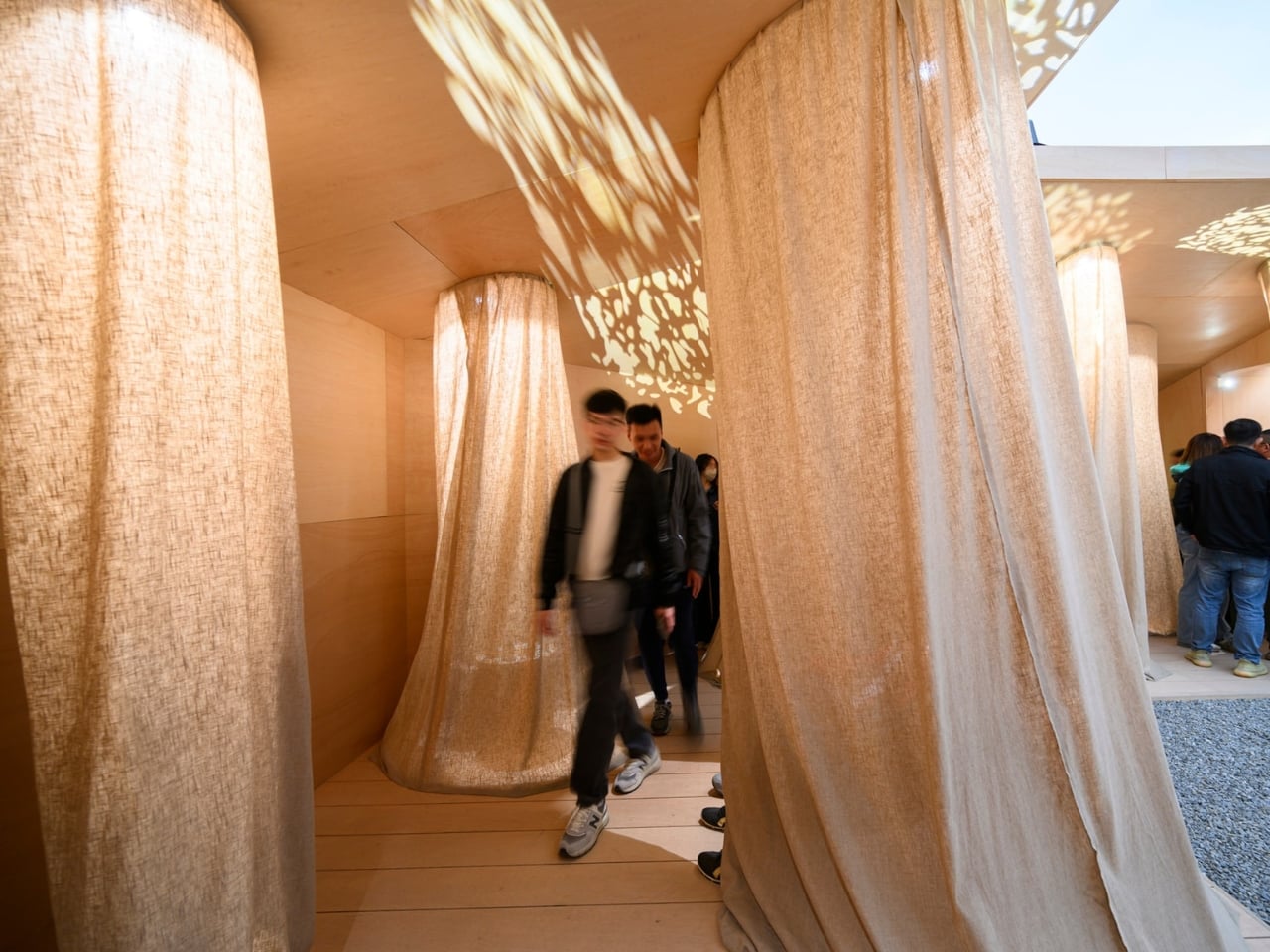
Inside, the exhibition takes visitors on a journey through wood’s past, present, and future. Pastel-colored gateways (a softer touch than you’d expect from an architecture exhibition) guide people through different zones. There’s a forest-themed area exploring how timber is grown and harvested, and “the workshop,” which celebrates the historic craftsmanship that once defined the region. The exhibition doesn’t just look backward, though. It also positions Chiayi alongside global timber leaders like Norway and New Zealand, showing how engineered timber can bridge traditional culture and contemporary construction.

The timing of this project couldn’t be more relevant. MVRDV founding partner Jacob van Rijs nails it when he says Chiayi’s timber story mirrors a global shift in how we think about building materials. Wood went from practical and abundant to “old-fashioned” when concrete and steel took over. But the climate crisis has flipped the script again. Wood stores carbon; concrete and steel release massive amounts of it into the atmosphere. Add decades of innovation in engineered timber techniques, and suddenly wood isn’t just nostalgic, it’s the future.

In Taiwan specifically, this conversation takes on extra weight. Many people there view timber as less reliable or reputable compared to modern materials, and seismic regulations make working with existing buildings challenging. So this pavilion isn’t just celebrating heritage, it’s making a bold argument about sustainability and what’s possible when you look at old materials with new eyes. The two-story main hall on the north side is where this vision gets practical. Visitors can contribute ideas for Chiayi’s urban development and its potential future as Taiwan’s “Wood Capital.” It’s participatory architecture at its best, a space that doesn’t just talk at people but invites them into the conversation about what their city could become.

What I love about Wooden Wonders is how it manages to be both specific and universal. Yes, it’s deeply rooted in Chiayi’s particular history and architecture. But it also speaks to something bigger: how cities can honor their past while building a more sustainable future. How materials that were once dismissed can become solutions to our most pressing problems. How good design can create space for community and conversation.

The pavilion is only up through December 28, making it a fleeting moment in the city’s long history. But maybe that’s fitting. Sometimes the most powerful statements are temporary ones, just present long enough to remind us what we’ve forgotten and inspire us to imagine what comes next.

The post MVRDV’s Timber Pavilion Revives a City’s Forgotten Identity first appeared on Yanko Design.