Students Just Built a Pavilion That Robots Can Rebuild Forever

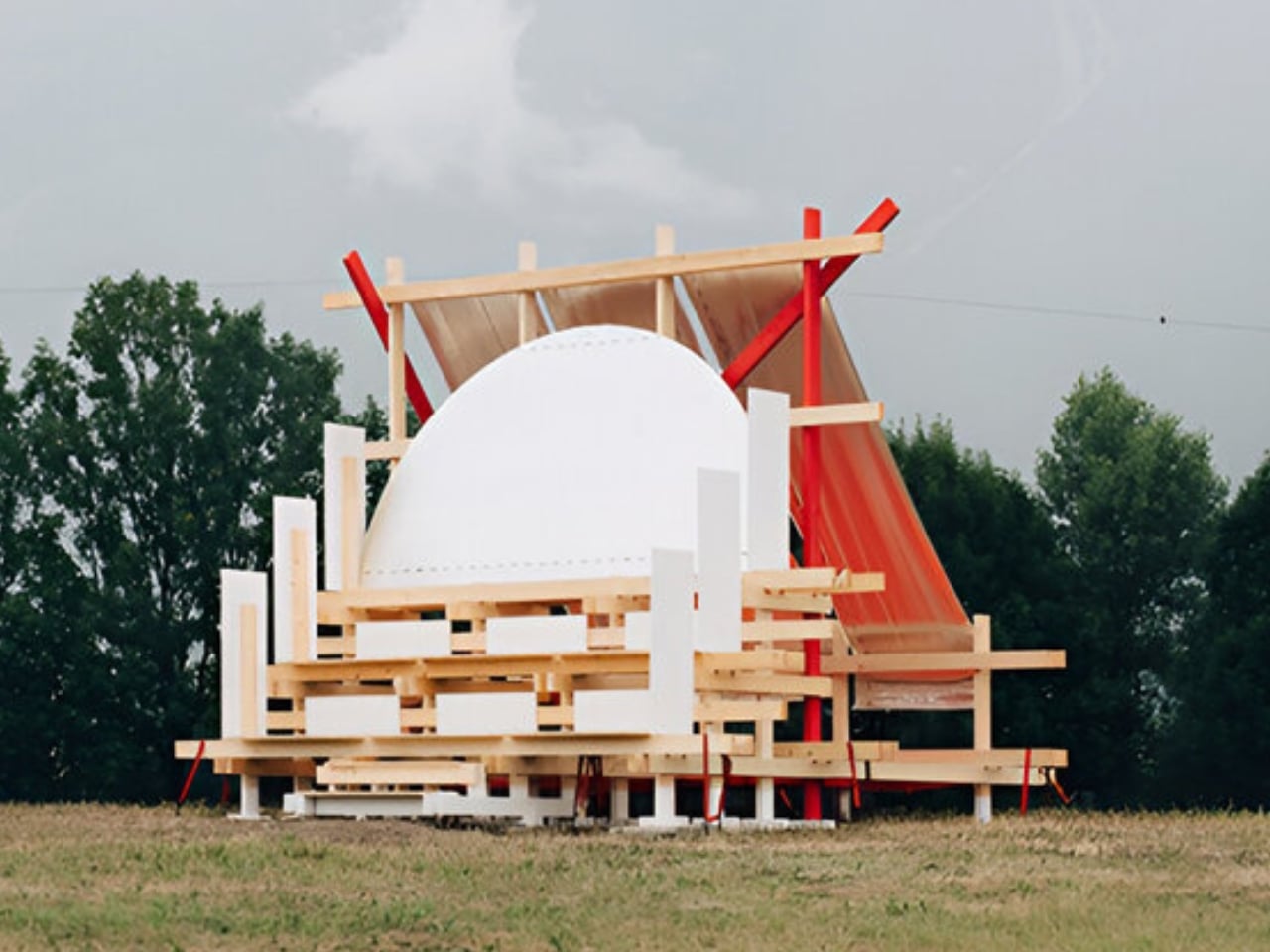
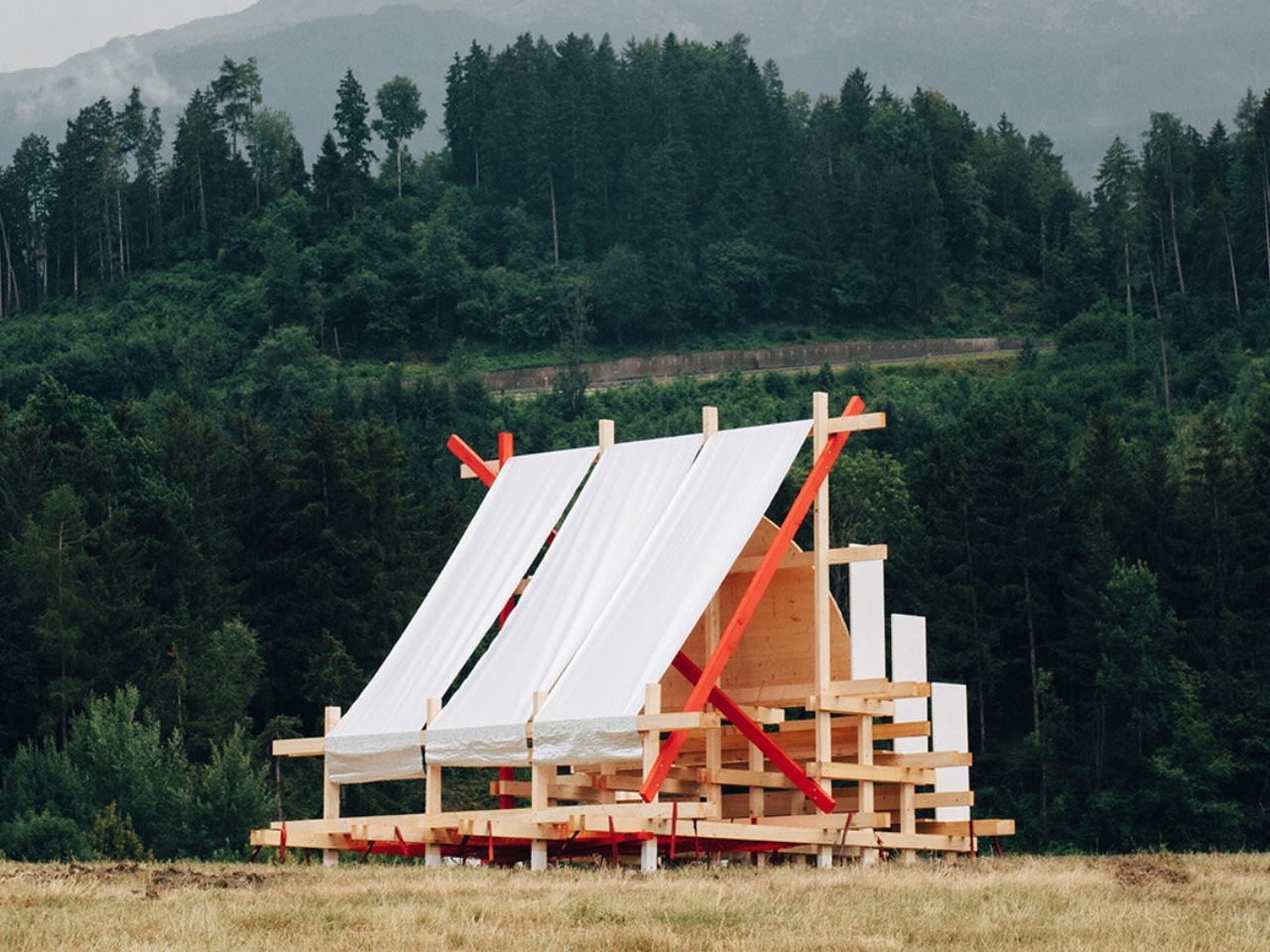
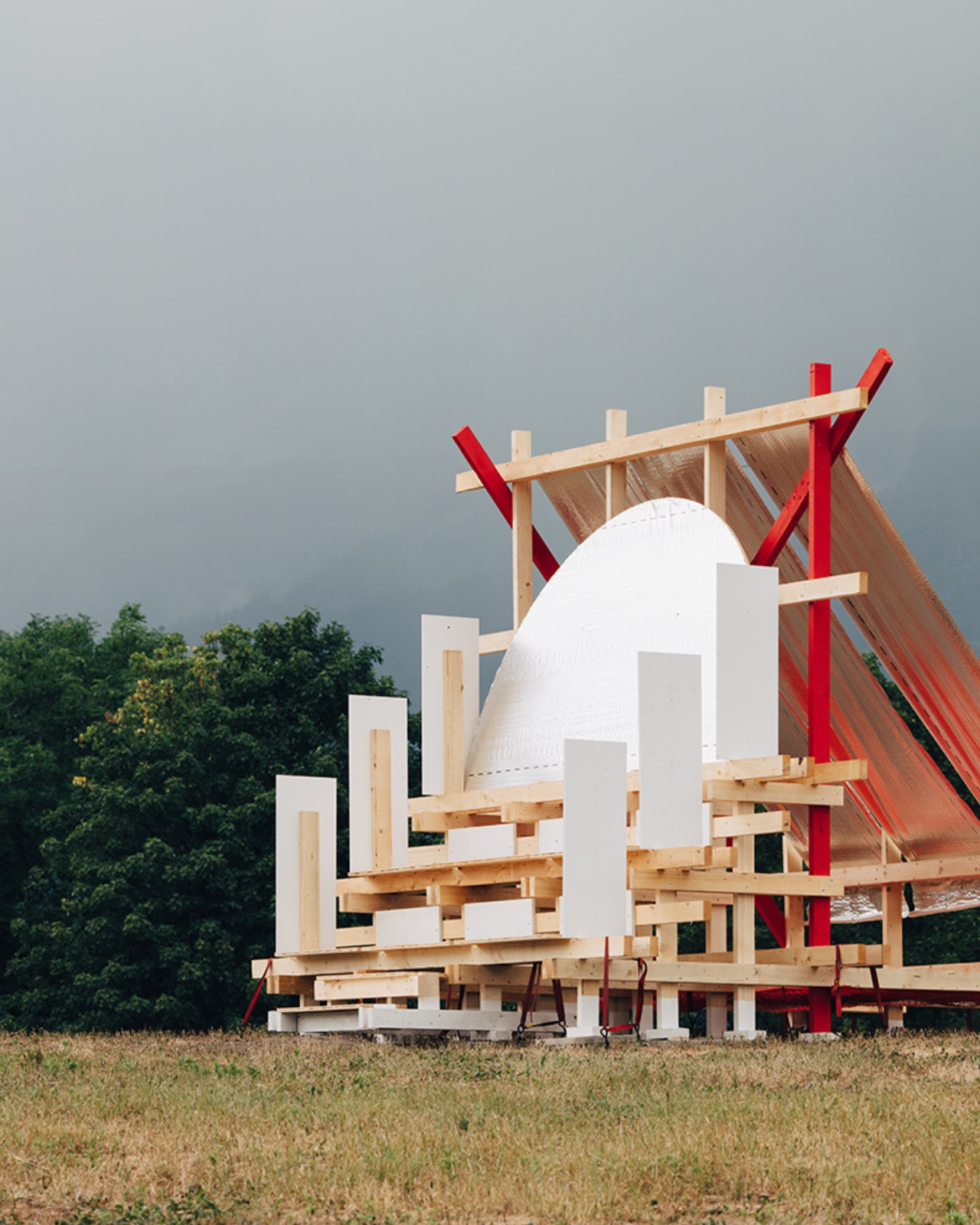
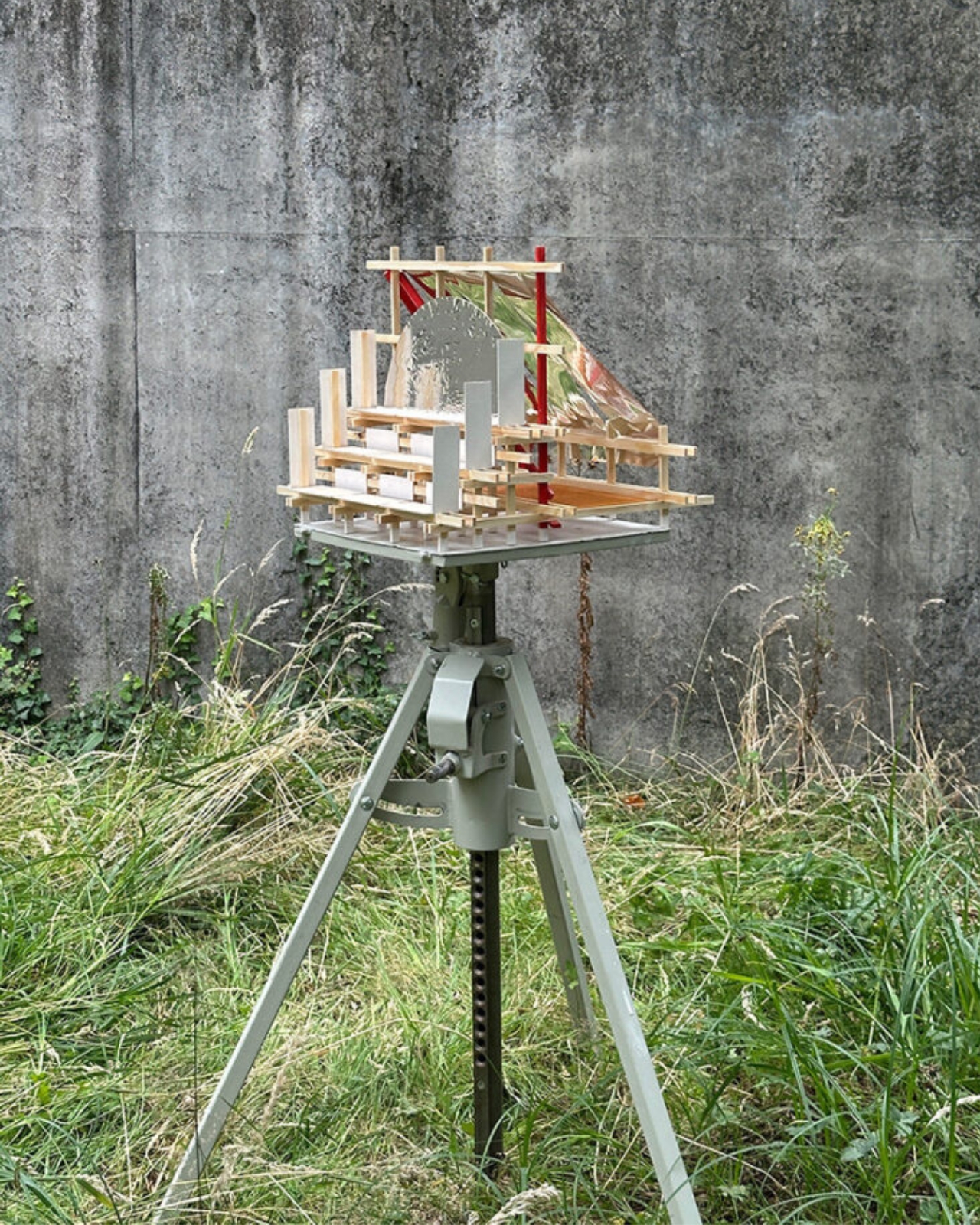
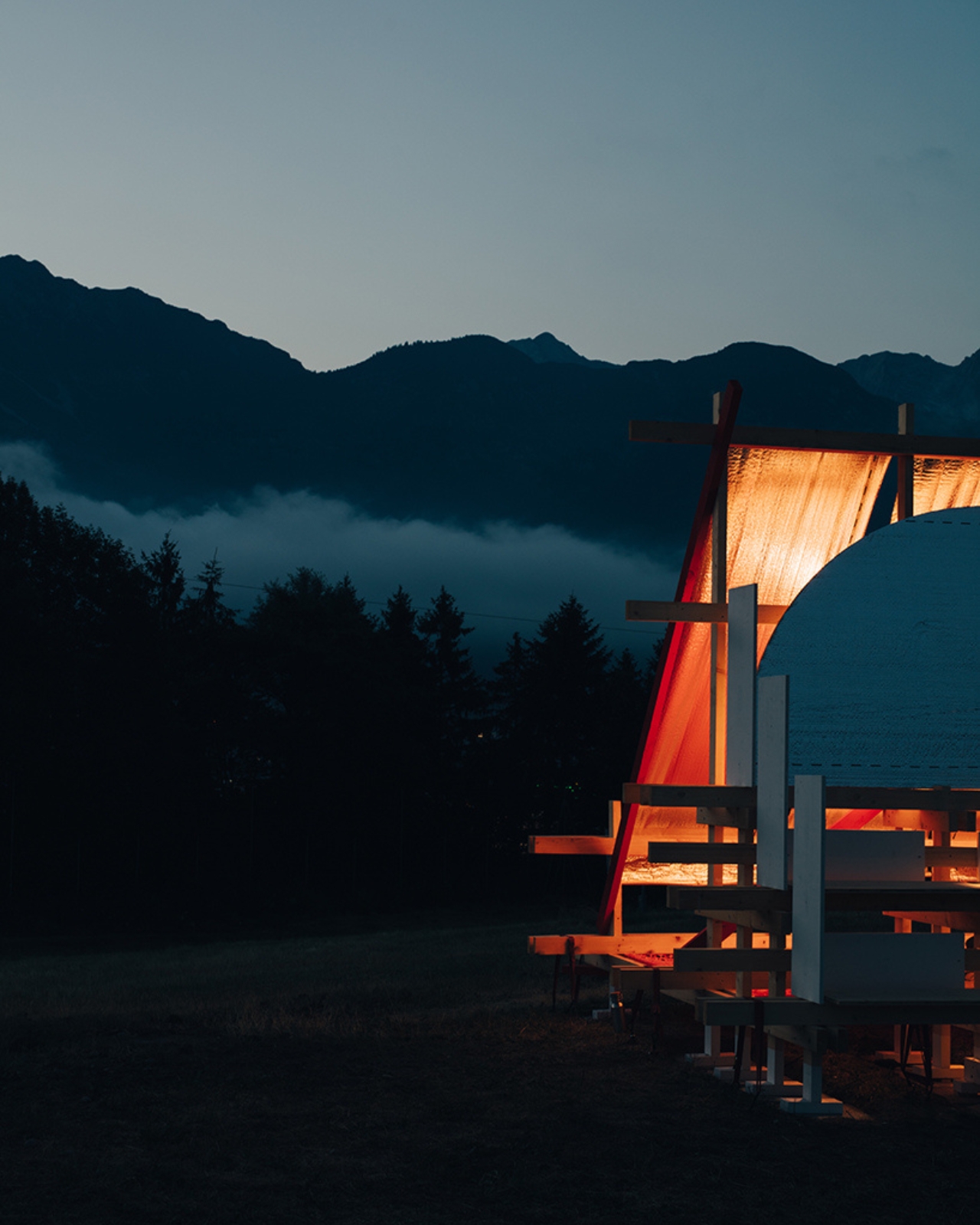
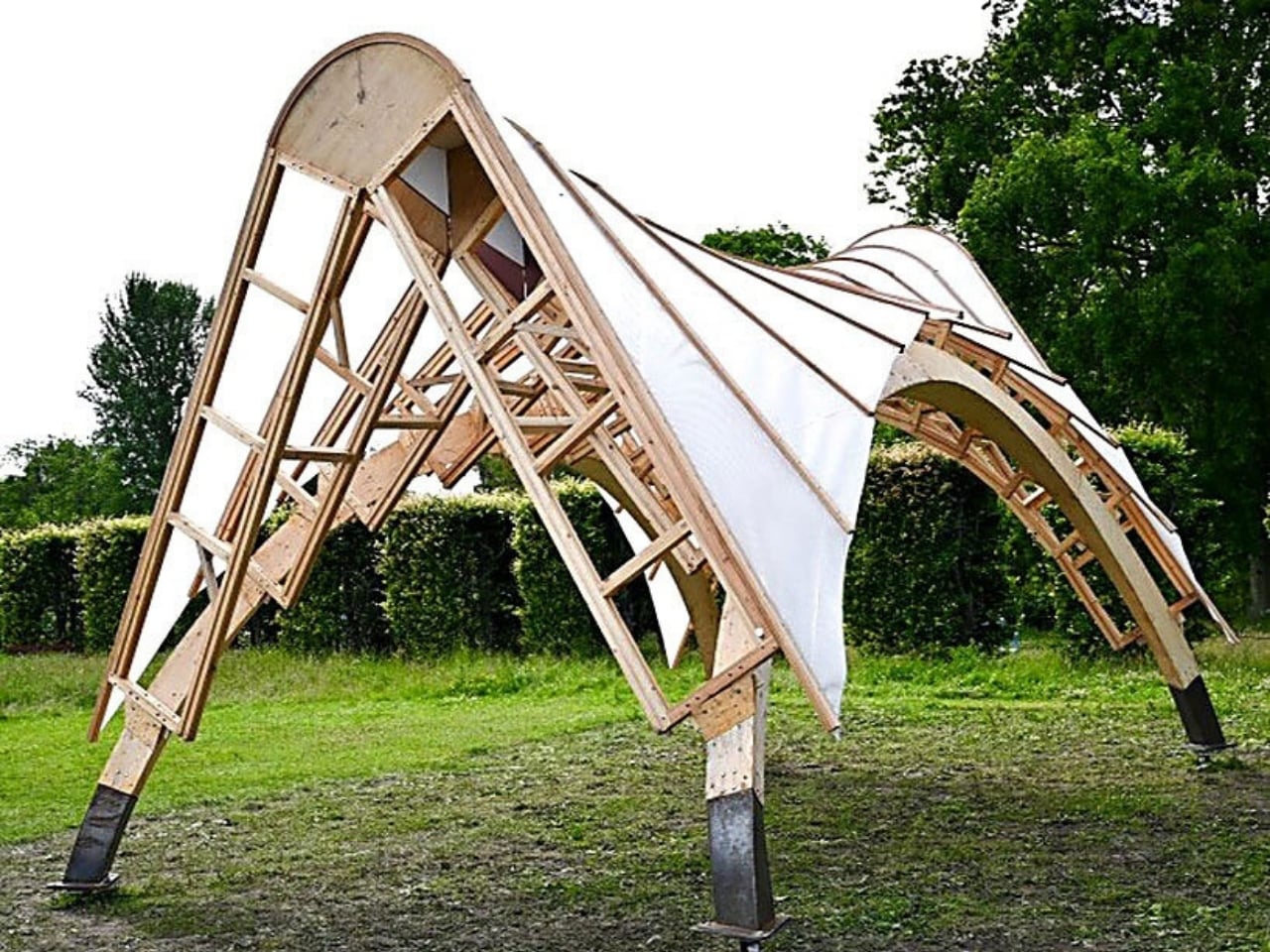
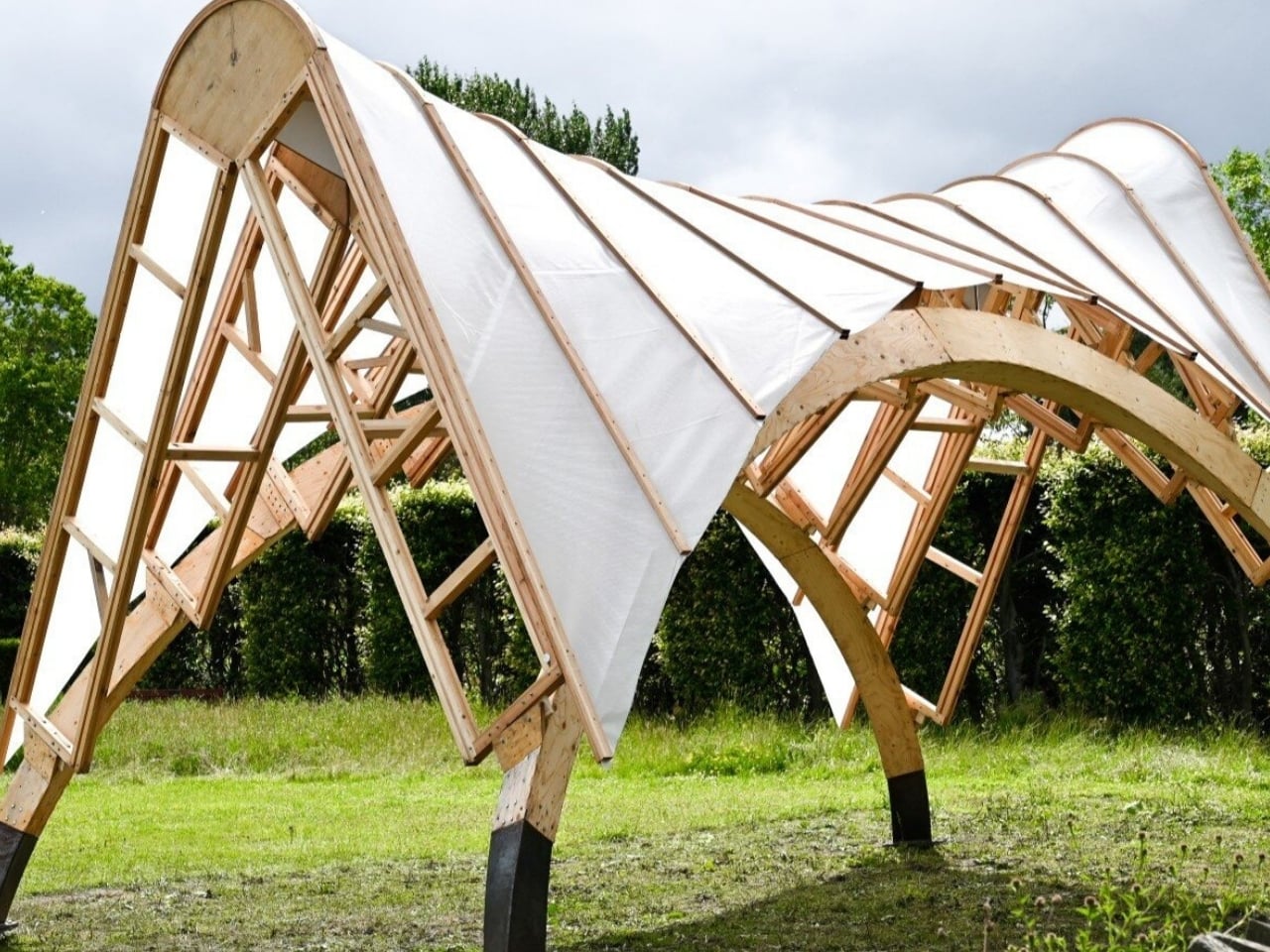
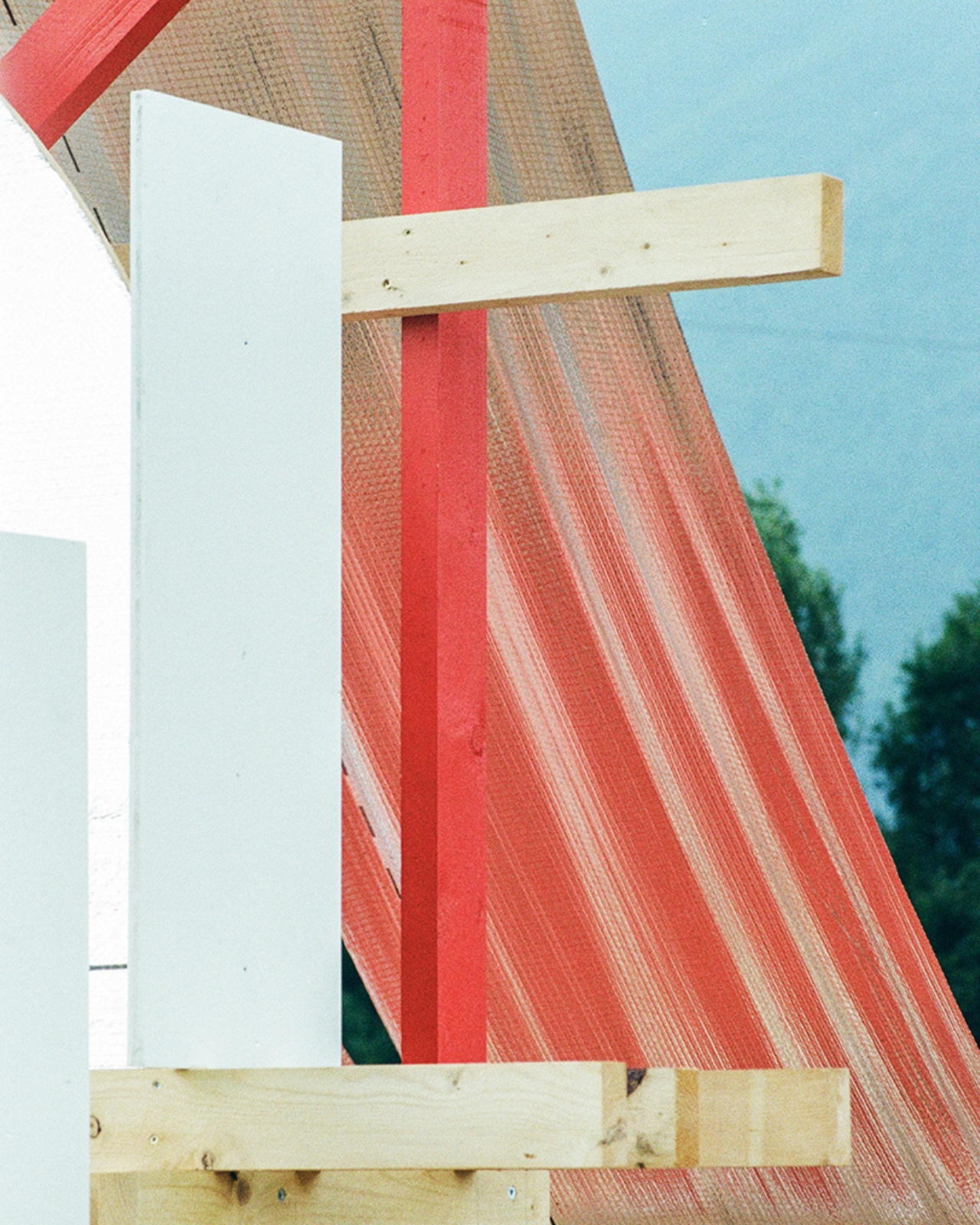
Here’s what I love about architecture that makes you stop and think: it’s not just about creating beautiful spaces anymore. It’s about imagining how we can build better, smarter, and in ways that don’t treat our planet like a disposable resource. That’s exactly what’s happening with Arkhive, a fascinating timber pavilion that’s part building project, part robotic experiment, and entirely rethinking how we approach construction.

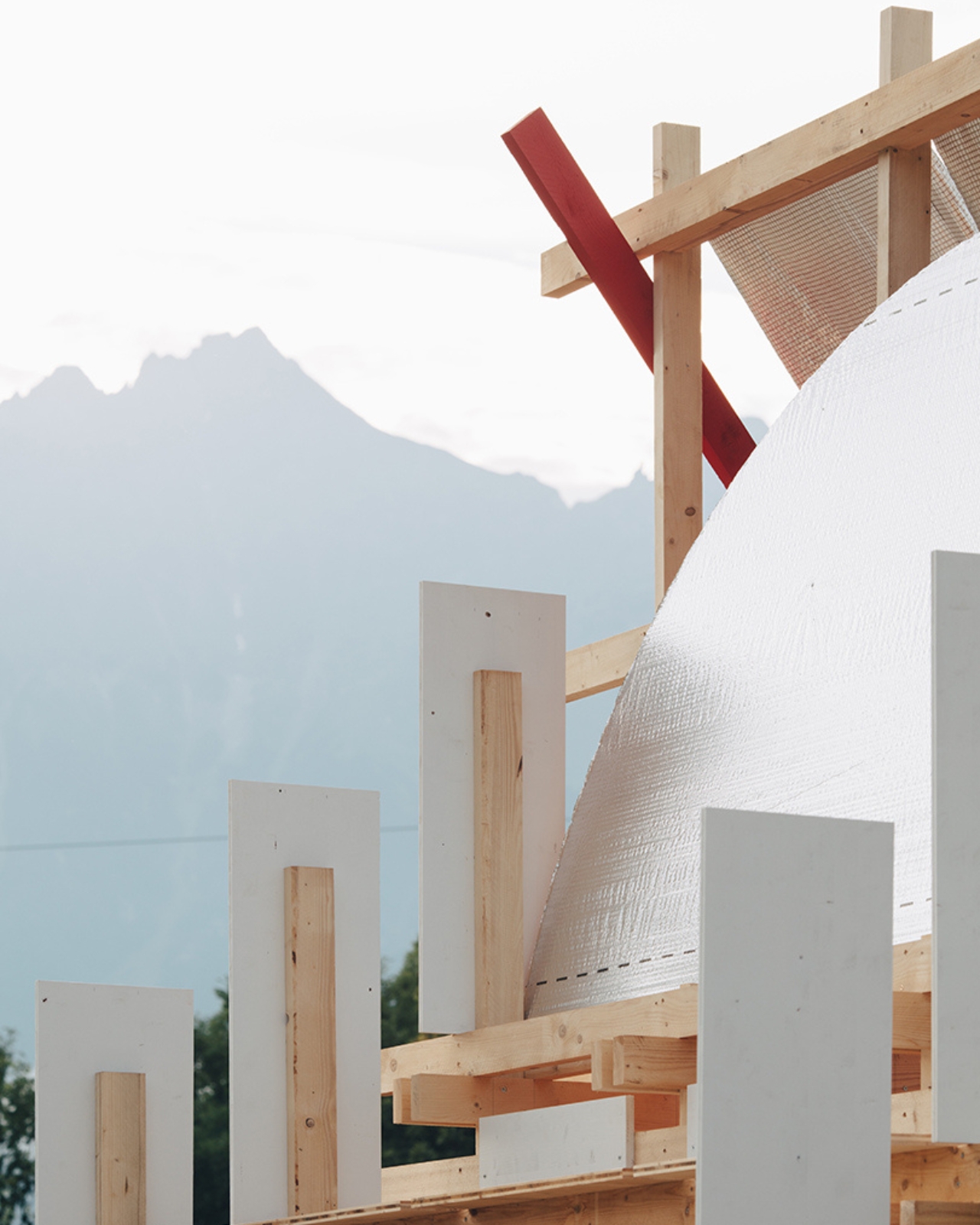
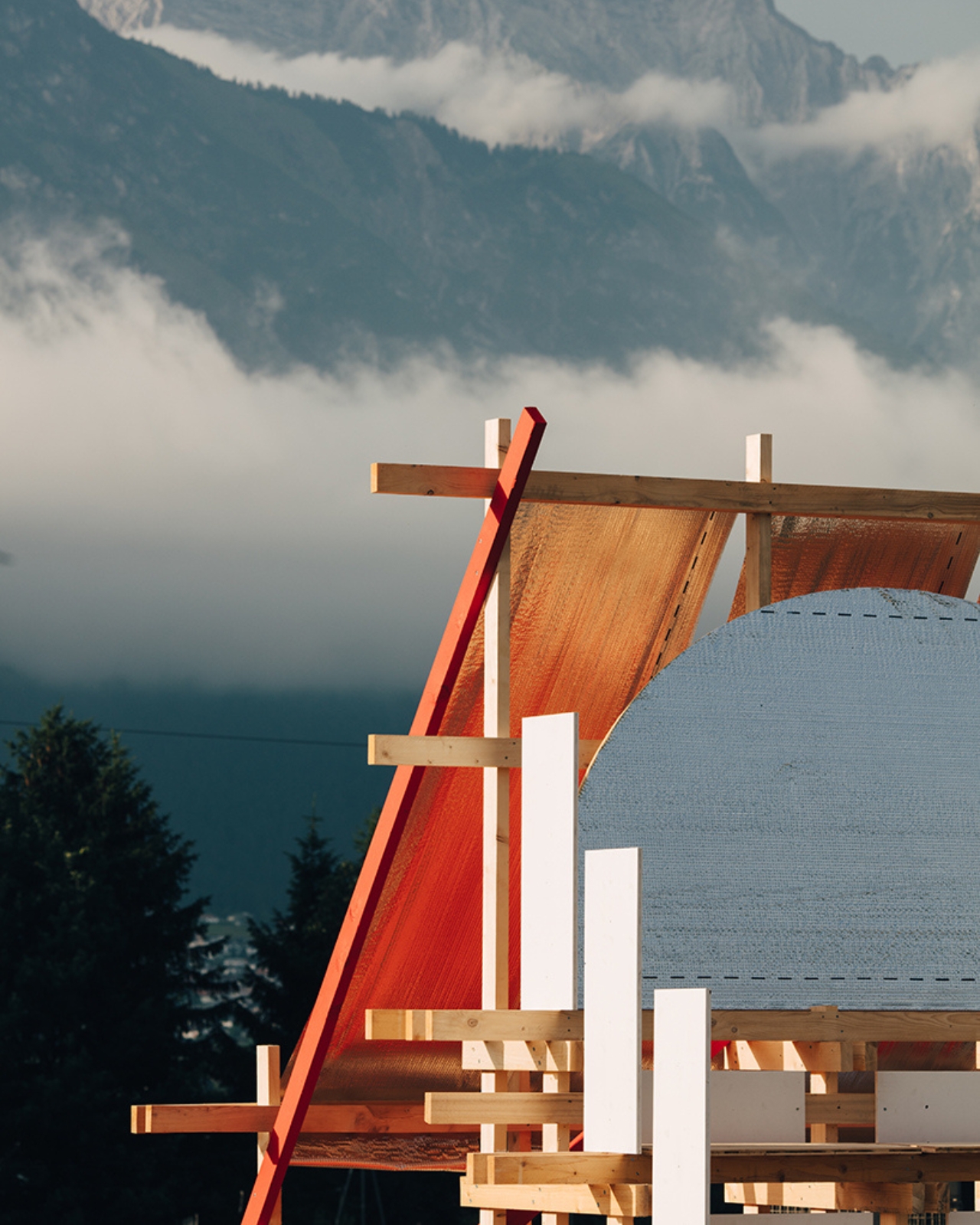
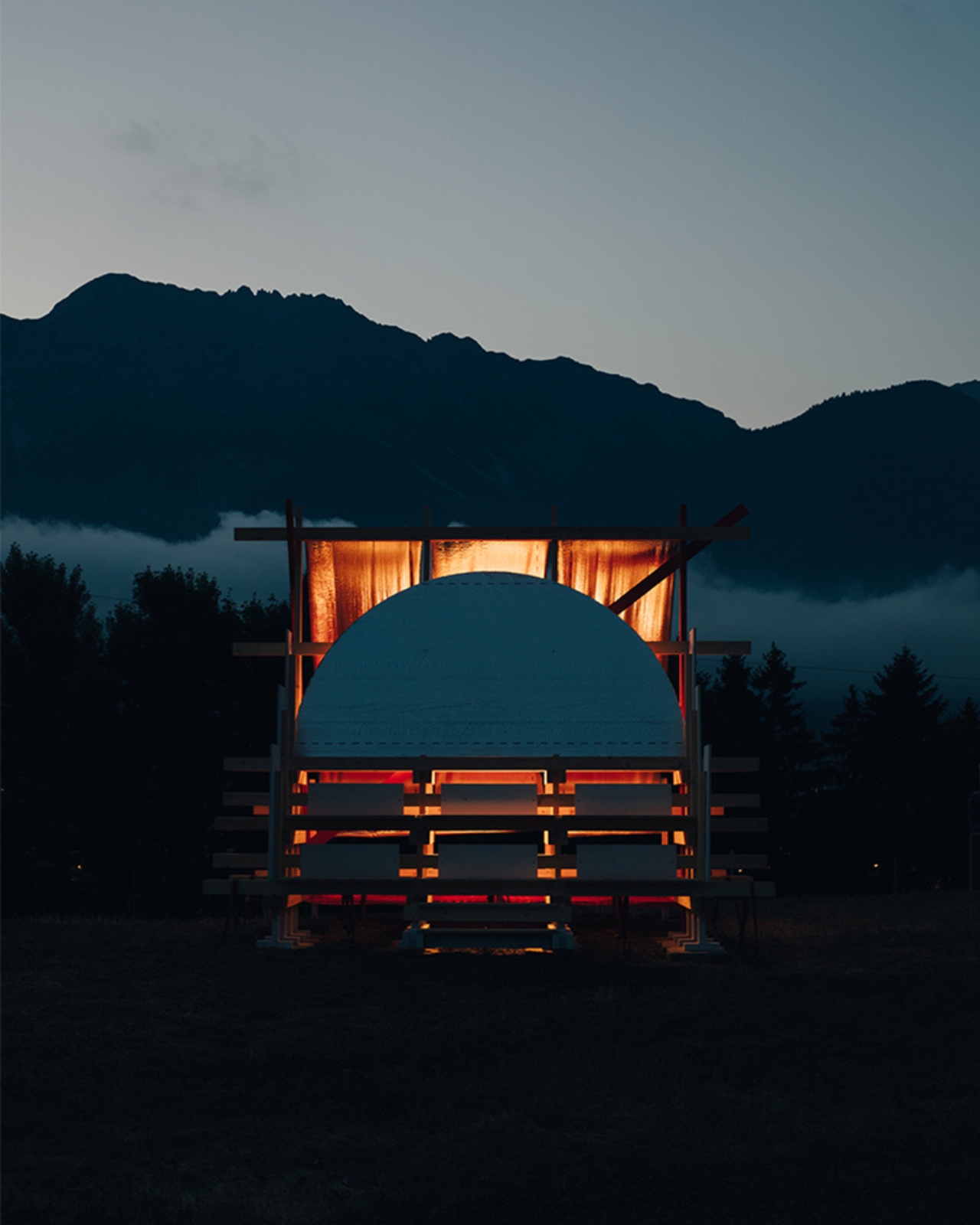
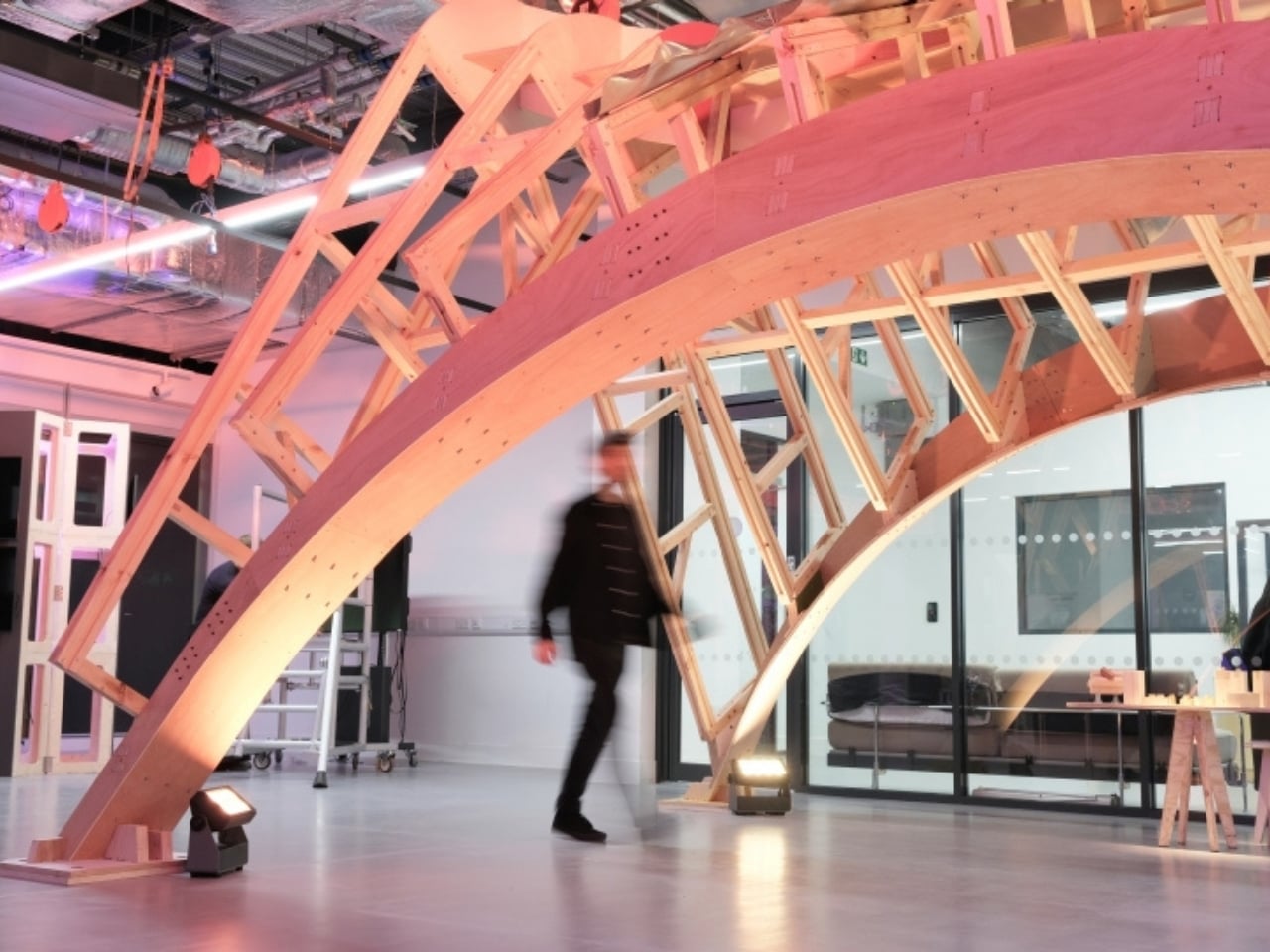
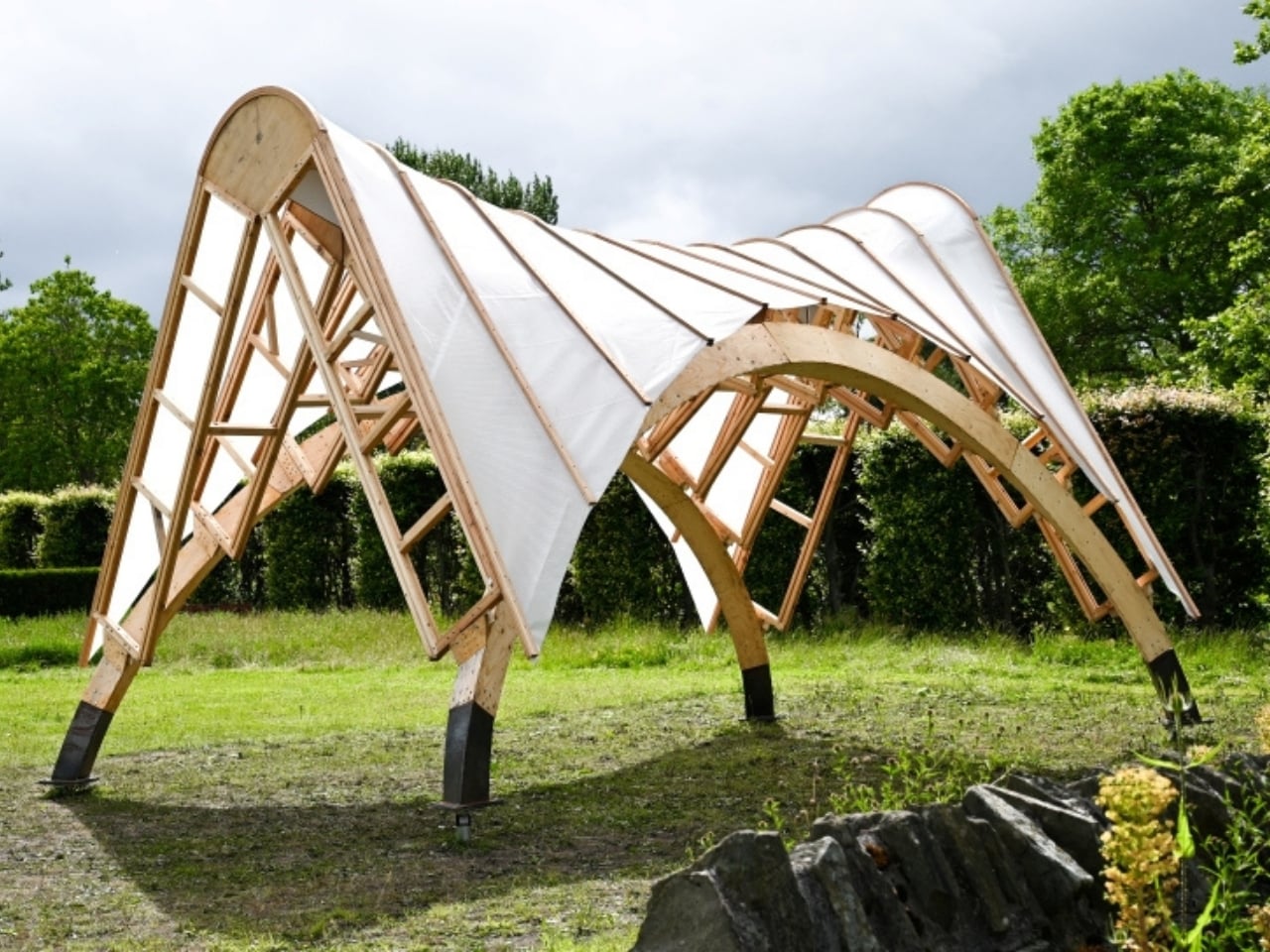
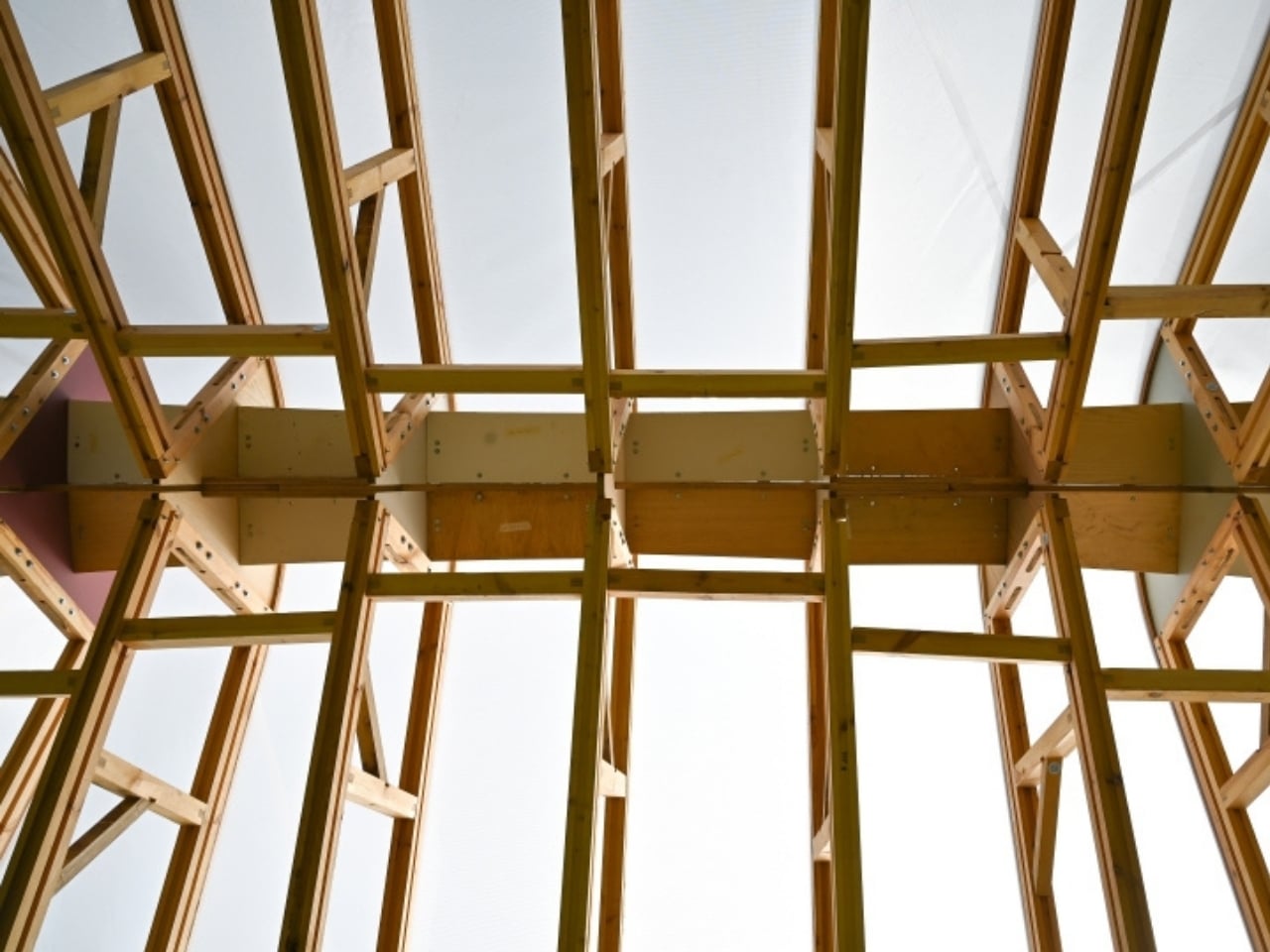
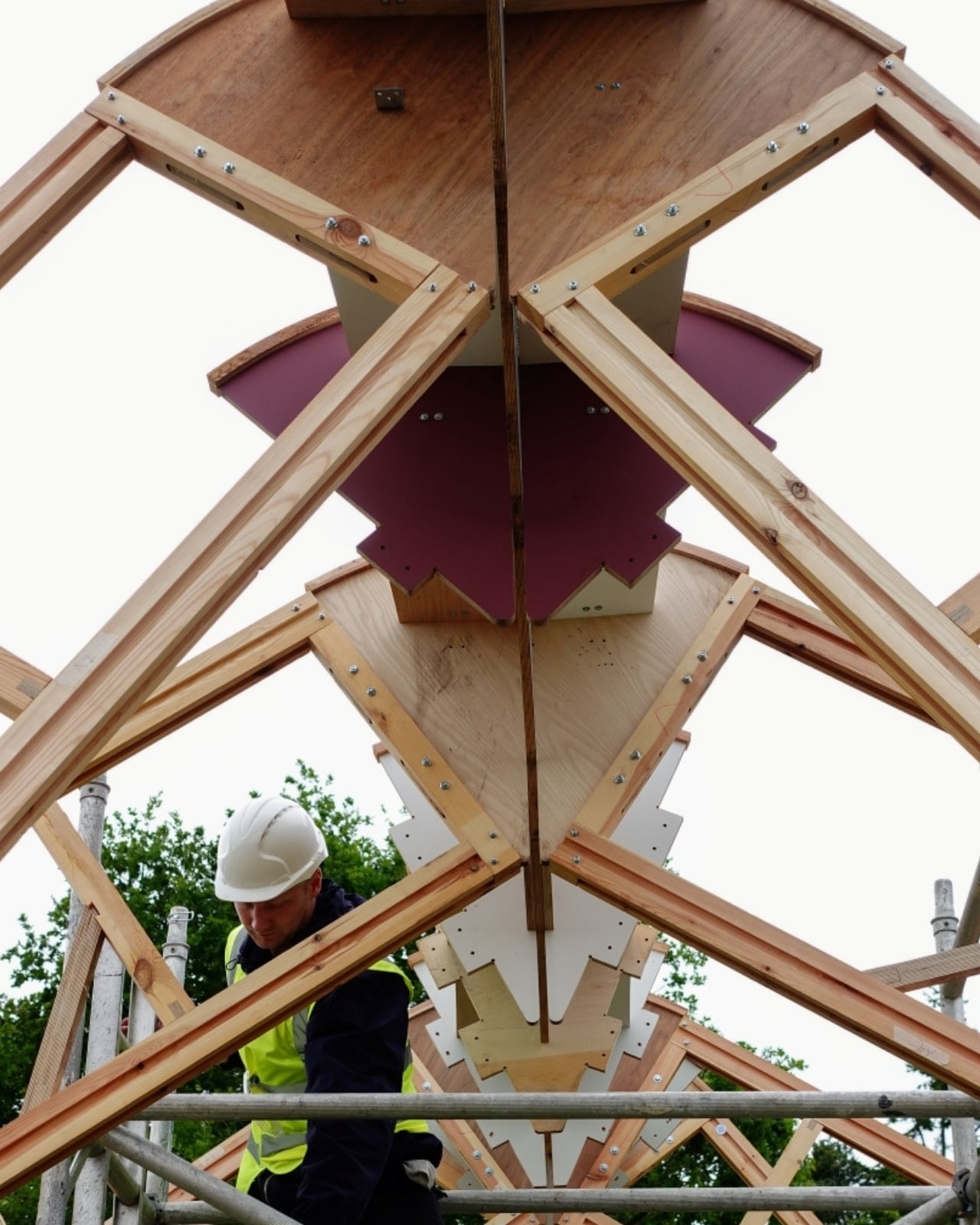
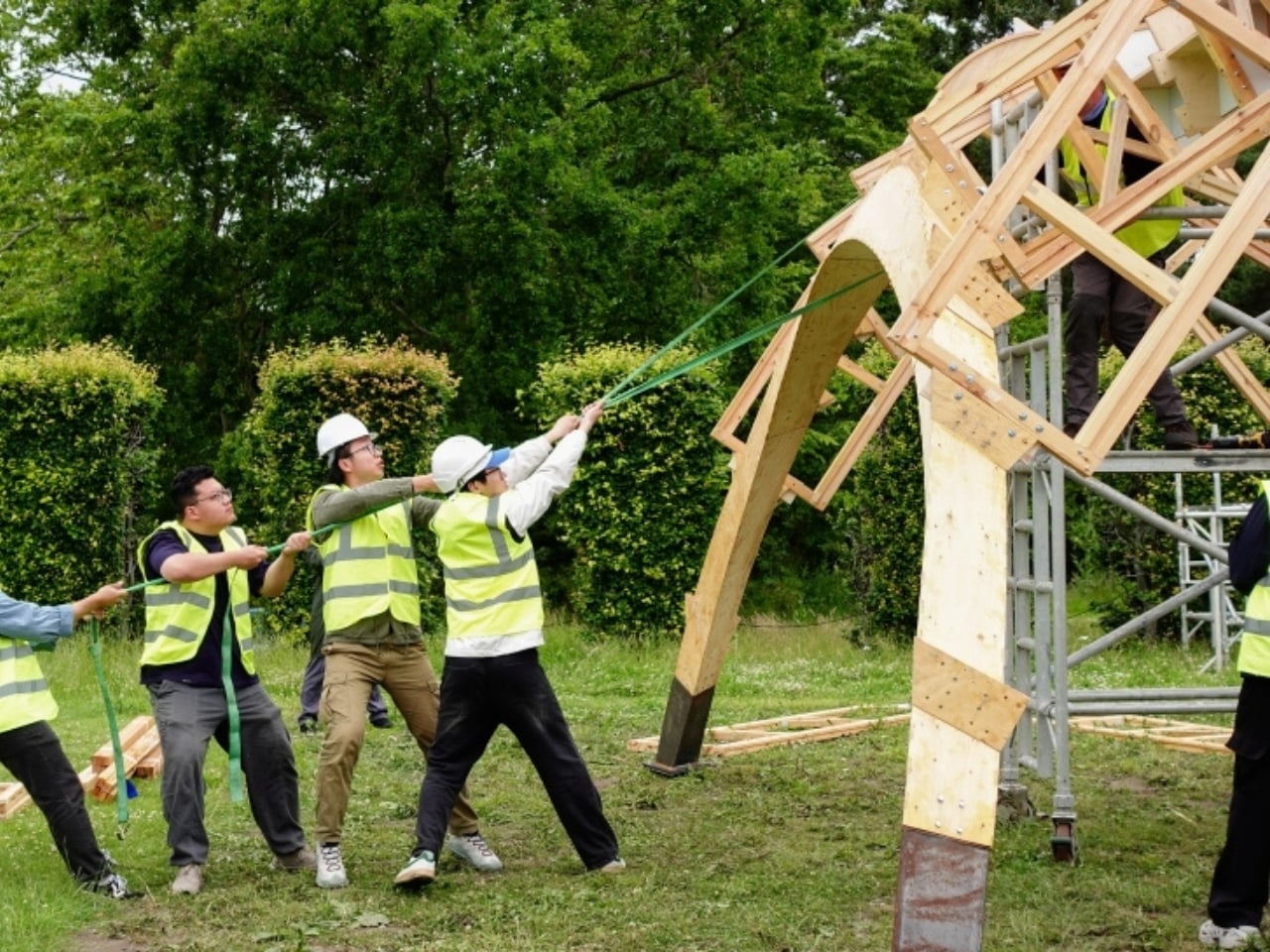
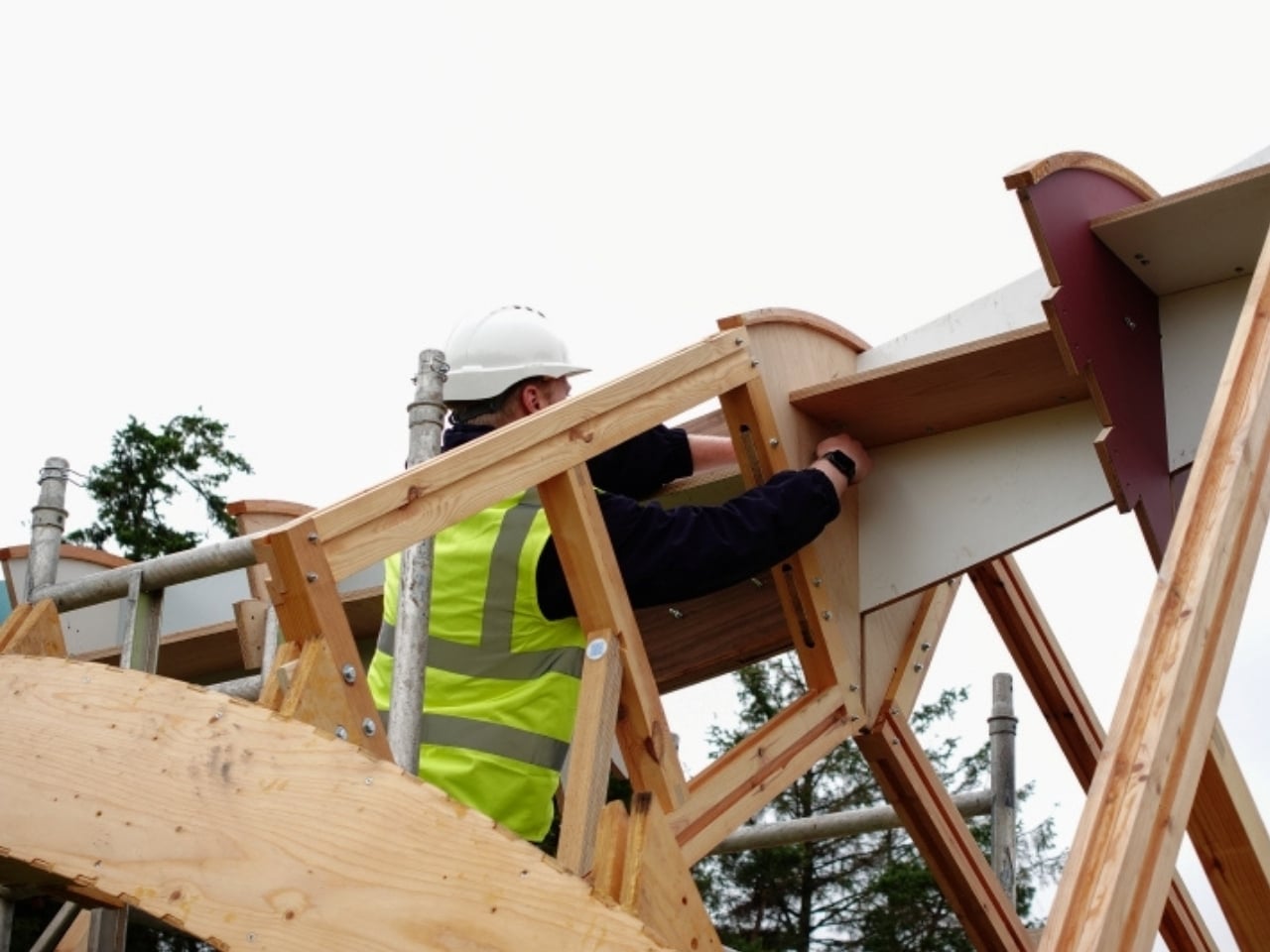
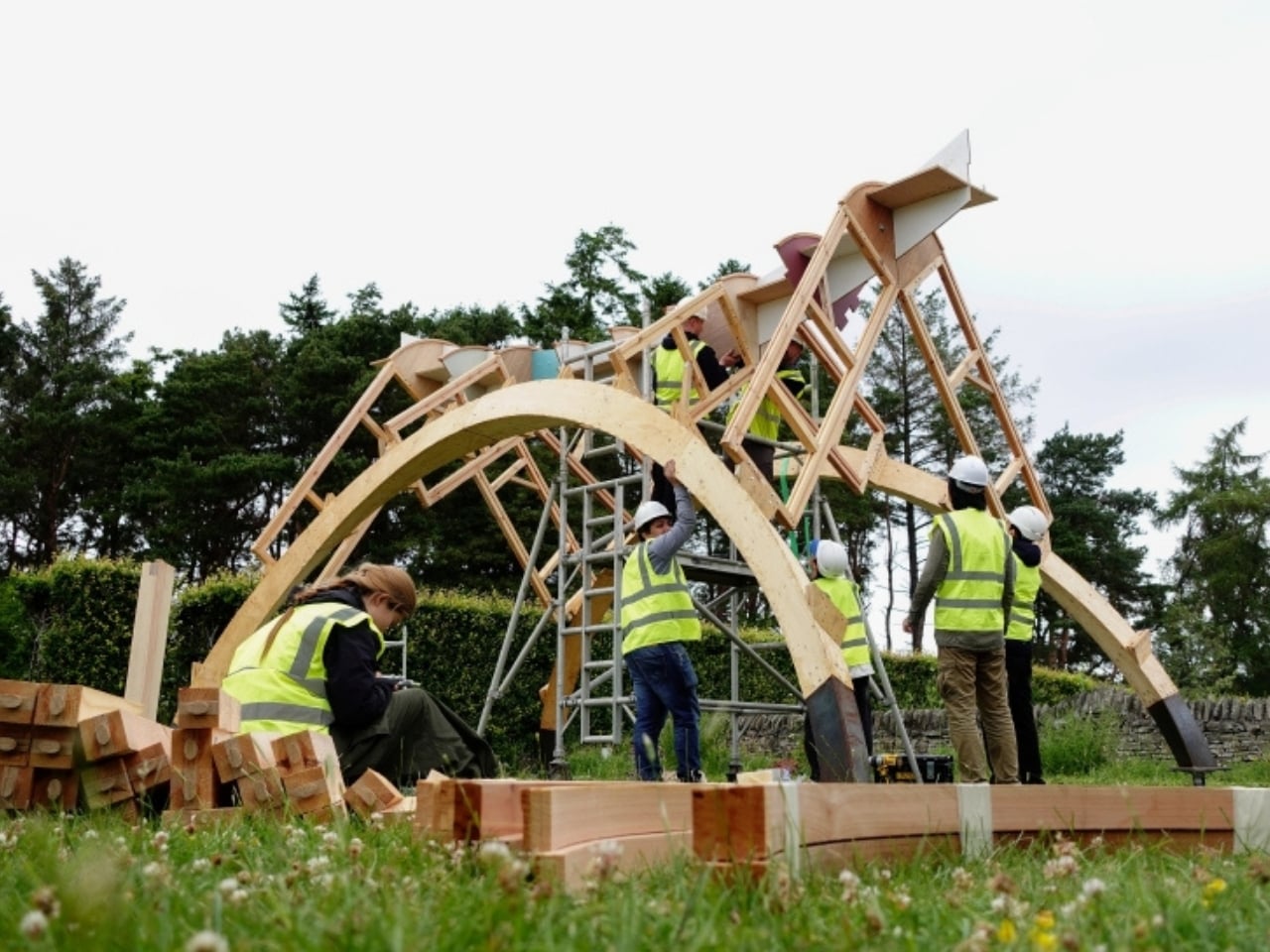
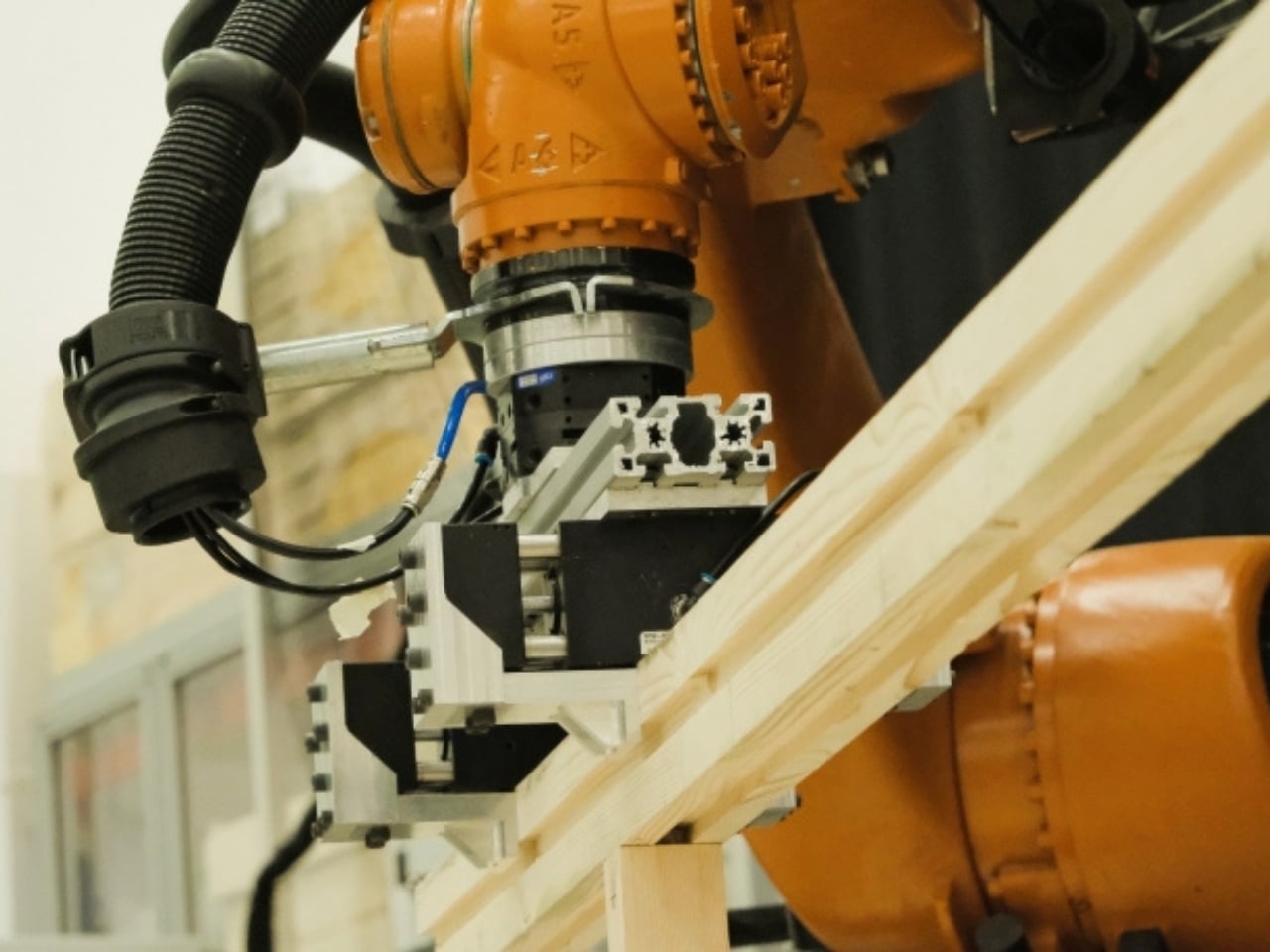
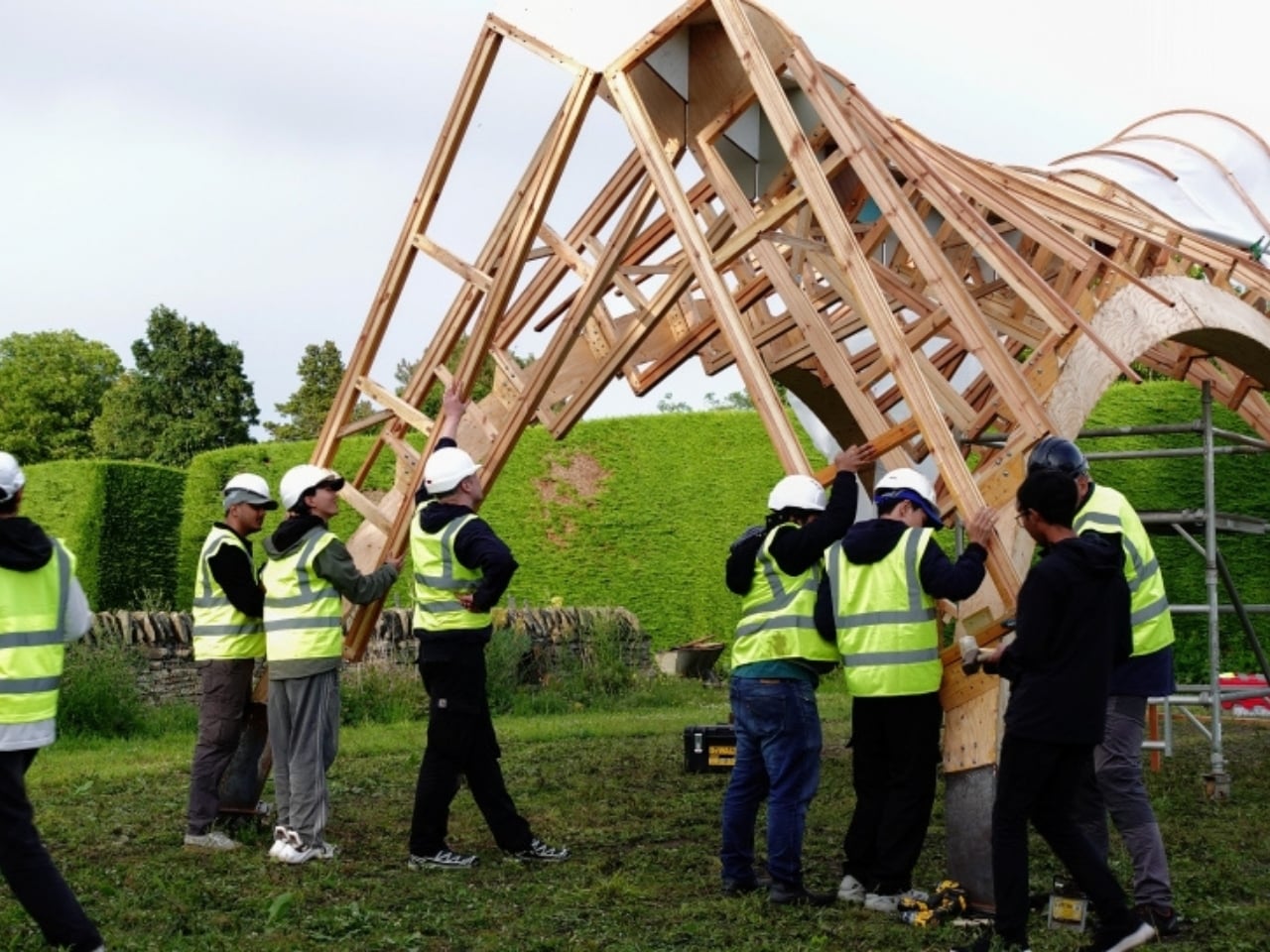
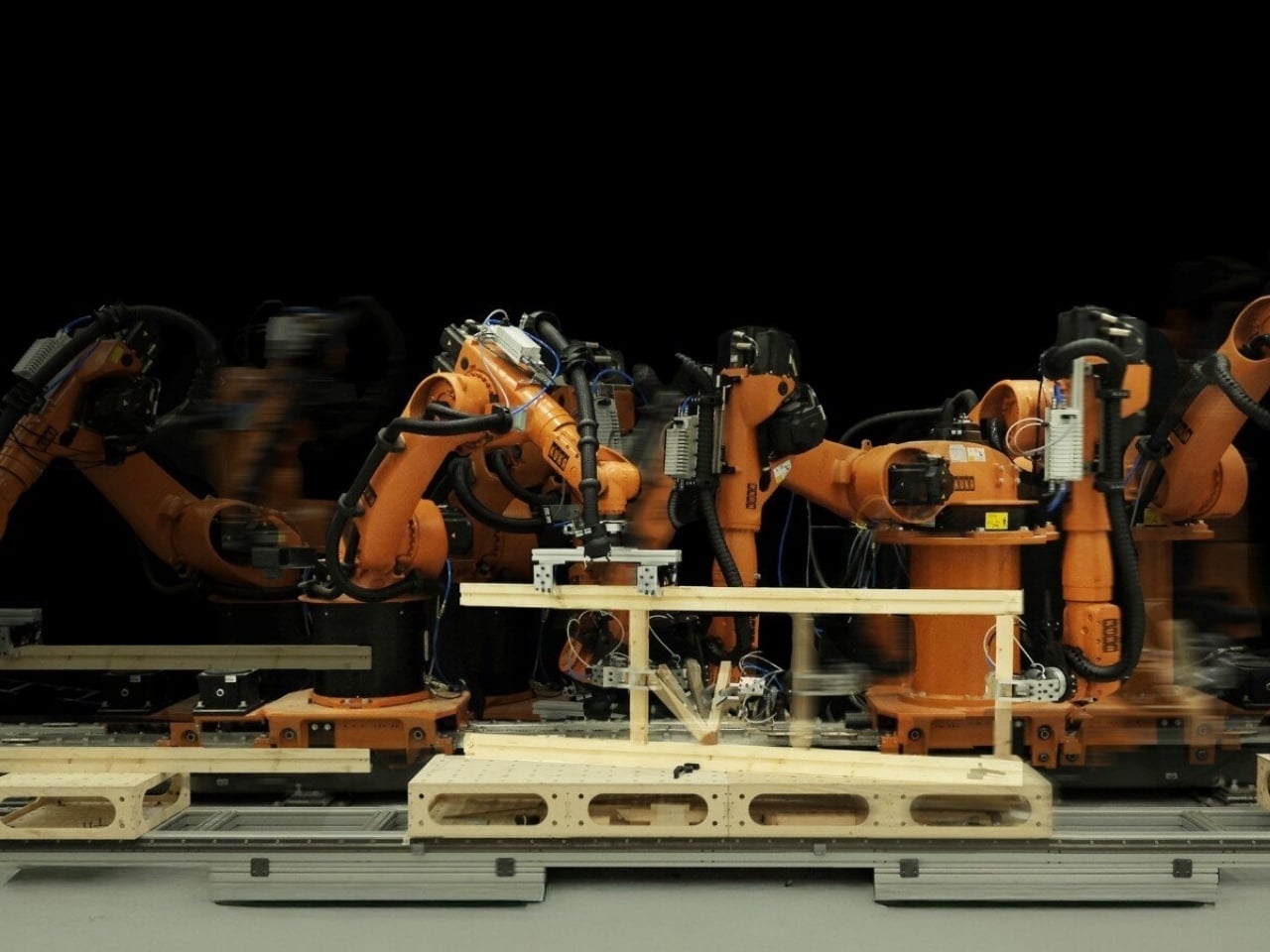
Picture this: a wooden structure that looks like it could be straight out of a sci-fi movie, assembled entirely by industrial robotic arms with precision that human hands simply can’t match. But here’s the kicker. This isn’t just another flashy tech demo. Arkhive was created by students from University College London’s Design for Manufacture program, and it’s tackling one of construction’s biggest problems: waste.

Designers: Design for Manufacture, Bartlett School of Architecture, University College London

Think about how we typically build things. We design them, construct them, use them for a while, and then when we’re done, we tear them down and haul the debris to a landfill. It’s a pretty wasteful cycle when you actually stop to consider it. Arkhive flips that script entirely. Every single component of this pavilion can be taken apart and reassembled into completely different configurations without losing any material. It’s like architectural Lego blocks, but way more sophisticated.

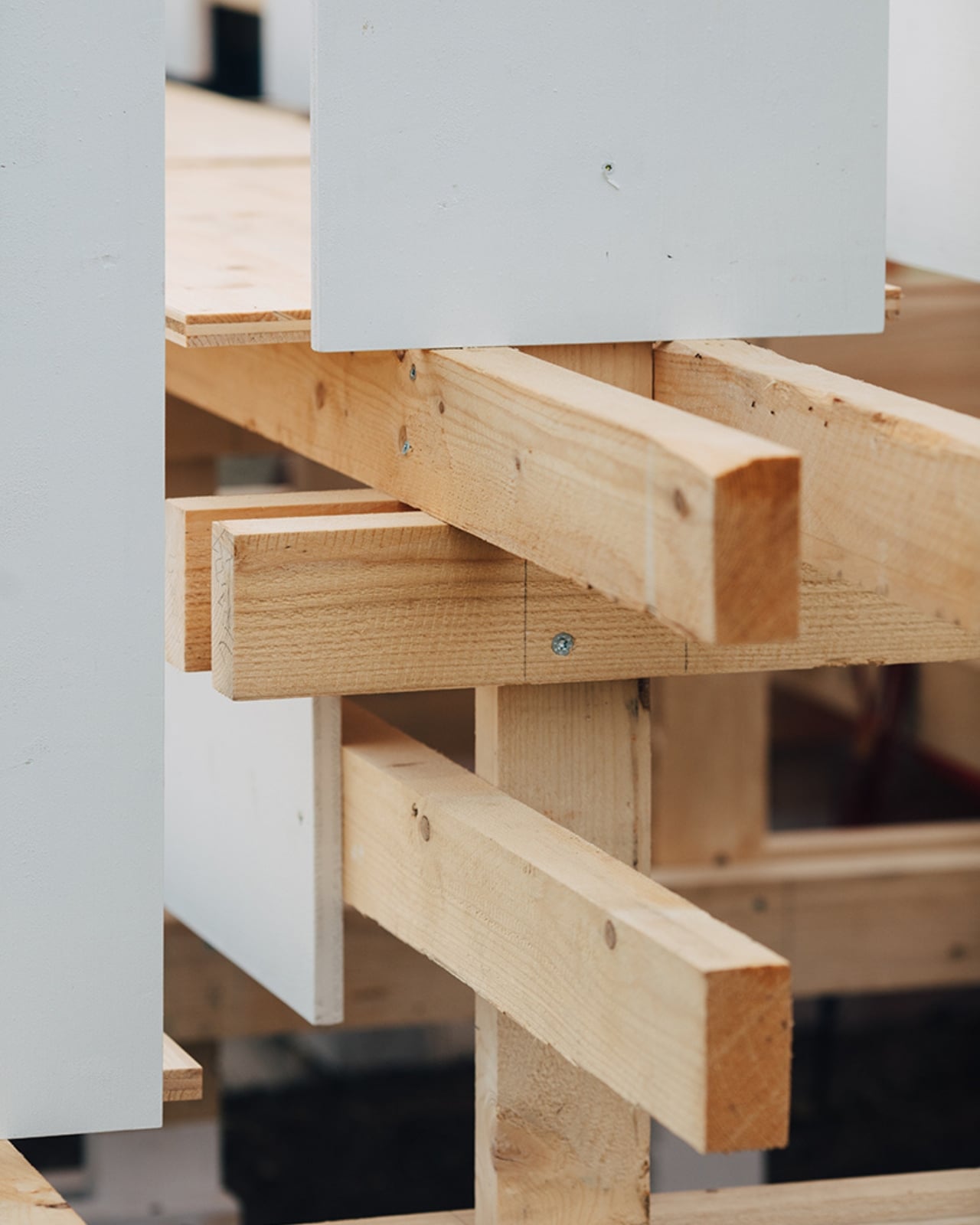
The magic happens through something called reversible joinery. Instead of nails, screws, or adhesives that permanently bind materials together, these connections can be undone and redone as many times as needed. The timber components fit together in a modular system that prioritizes adaptability over permanence. So when the structure has served its purpose in one location or configuration, it doesn’t become yesterday’s trash. It becomes tomorrow’s building material for something entirely new.

What really sets this project apart is the marriage of sustainable design thinking with cutting-edge robotics. UCL recently invested over £400,000 in developing robotics facilities specifically focused on low-carbon construction materials and innovative building practices. The Arkhive project is part of this larger movement where architecture schools aren’t just teaching students to draw pretty buildings. They’re teaching them to wrestle with real-world problems using technology that’s reshaping entire industries.

The pavilion itself was installed at St Andrews Botanic Garden in Scotland during summer 2025, where it served as a venue for public events. Imagine attending a lecture or community gathering inside a space that represents a fundamentally different approach to building. It’s not just a conversation starter; it’s a working prototype of what circular construction could look like at scale.

This kind of project matters because it addresses something crucial in our current moment. The construction industry is responsible for a massive chunk of global carbon emissions and waste production. If we’re serious about tackling climate change and resource depletion, we need to completely reimagine how we build. Not just what we build with, but how we think about the entire lifecycle of structures.

The students behind Arkhive aren’t just learning architectural theory in classrooms. They’re getting hands-on experience with industrial robotic systems, working through the messy reality of taking ambitious ideas from concept to full-scale construction. That’s the kind of education that actually prepares people to transform industries rather than just perpetuate existing practices.

What excites me most about projects like this is how they make sustainable construction feel less like sacrifice and more like innovation. We’re not talking about settling for less sophisticated buildings in the name of sustainability. We’re talking about using advanced technology to create structures that are more adaptable, more efficient, and ultimately more intelligent than what we’ve been building for centuries. The future Arkhive points toward is one where buildings aren’t static monuments but dynamic systems that can evolve alongside our changing needs.

The post Students Just Built a Pavilion That Robots Can Rebuild Forever first appeared on Yanko Design.

China Just Built a Rest Stop That Belongs in a Sci-Fi Movie

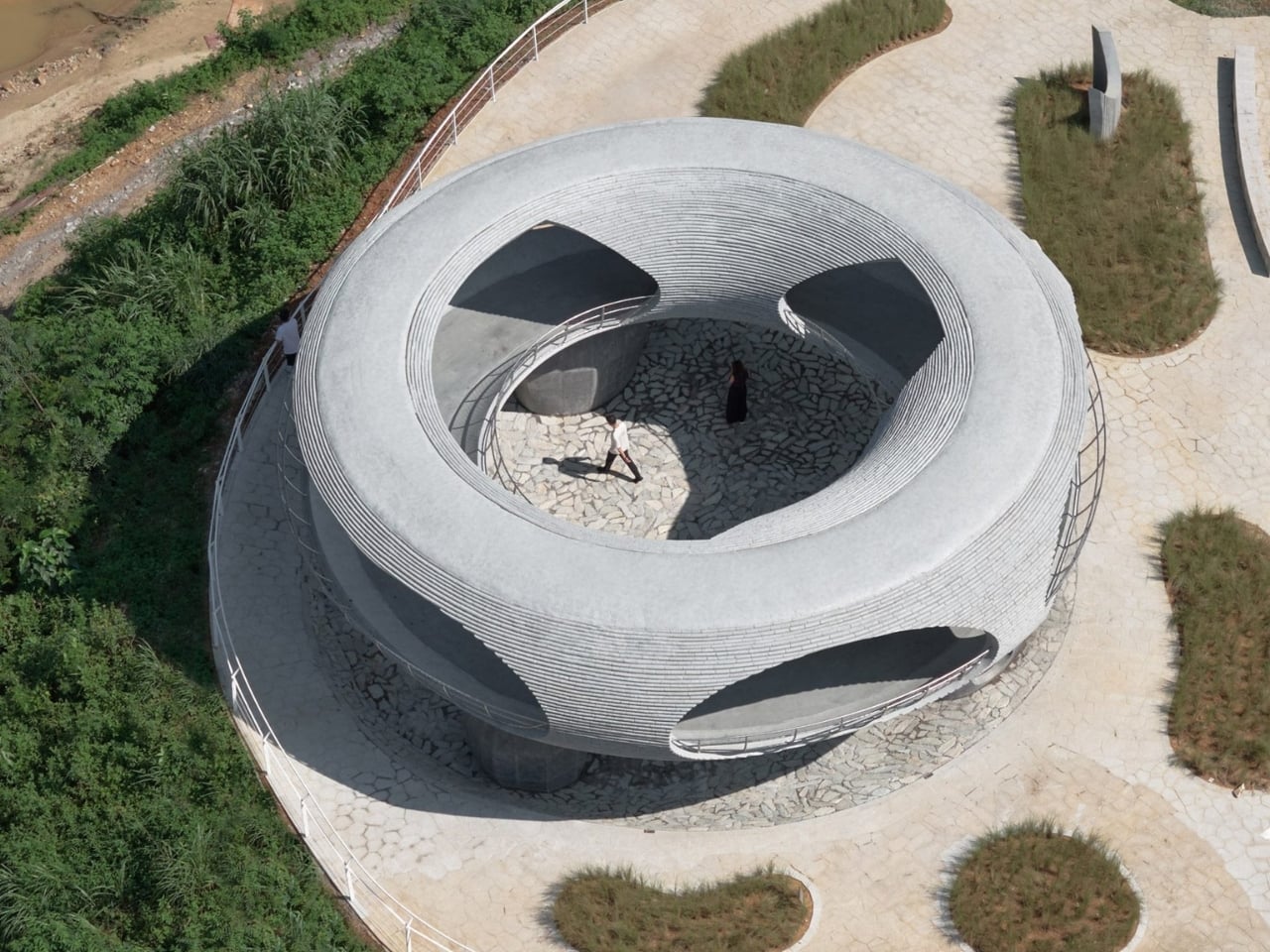
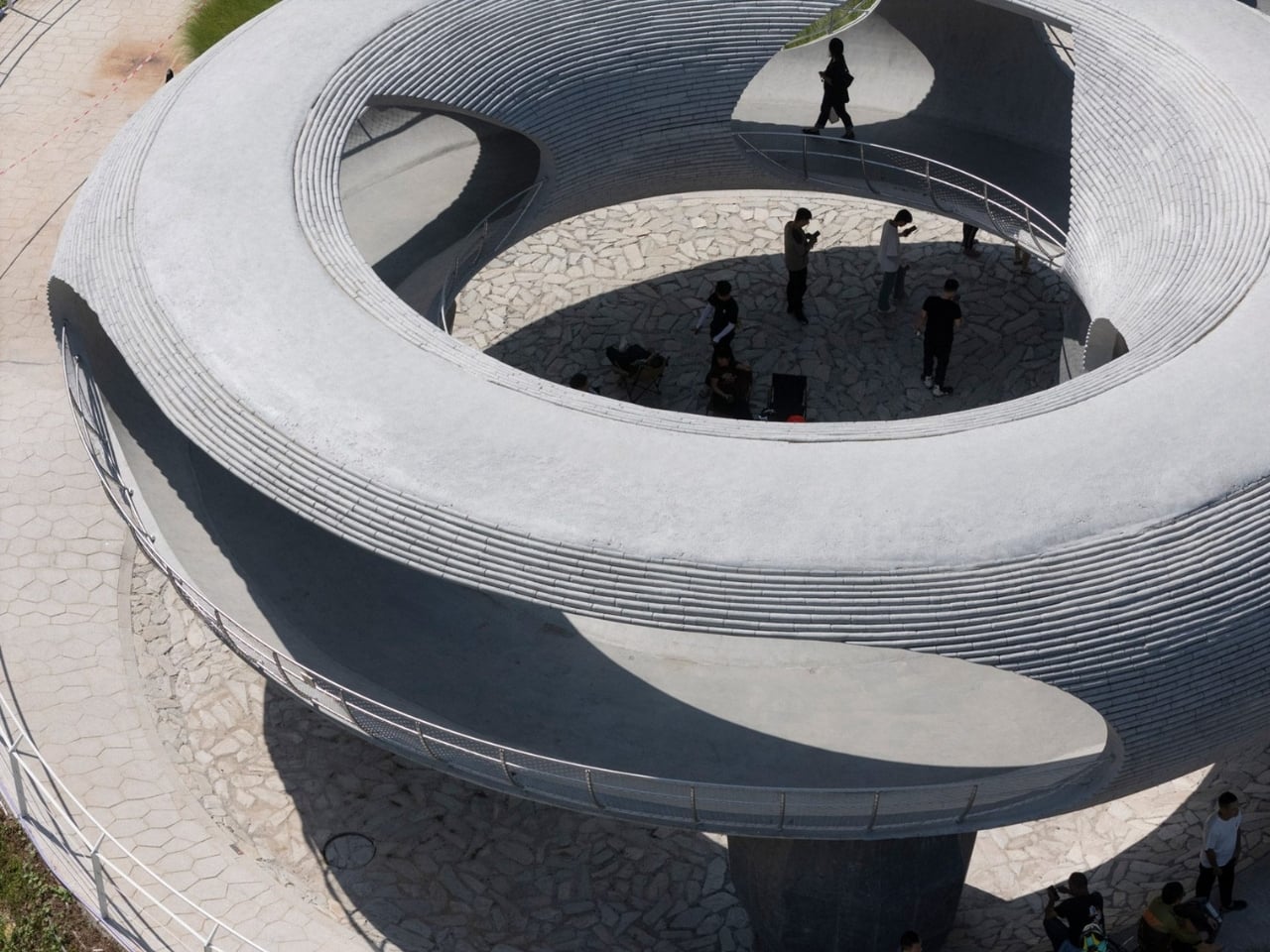
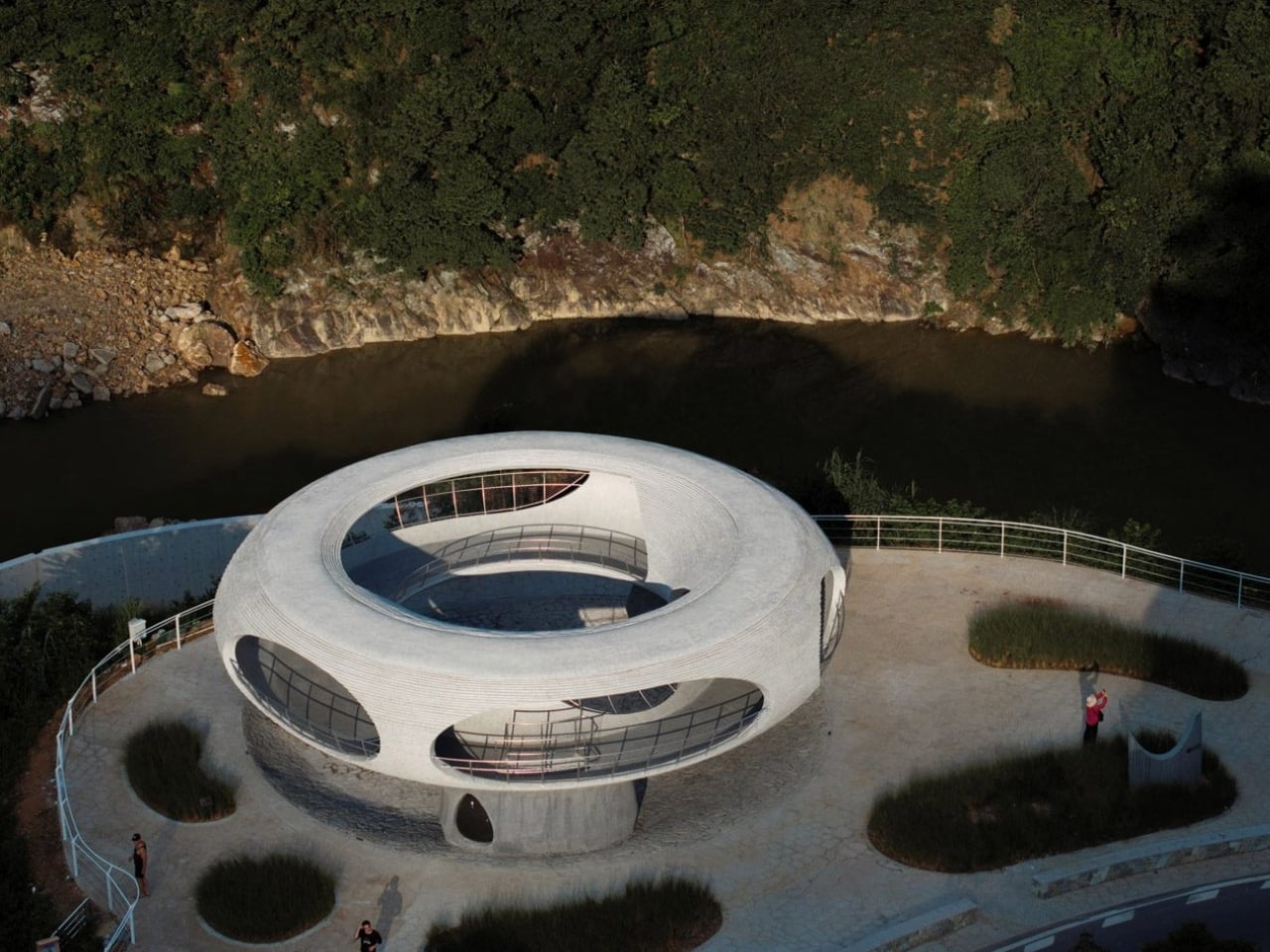
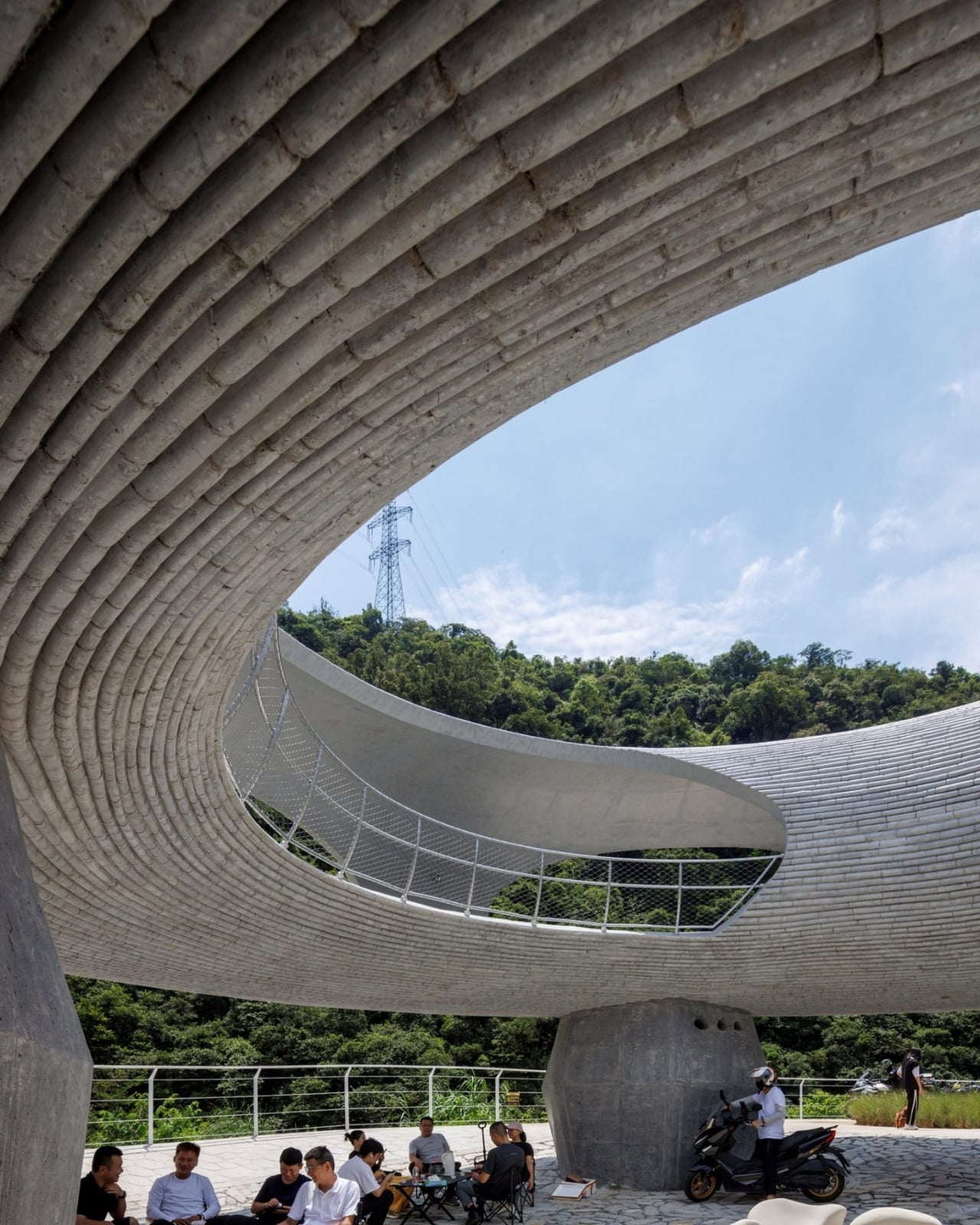
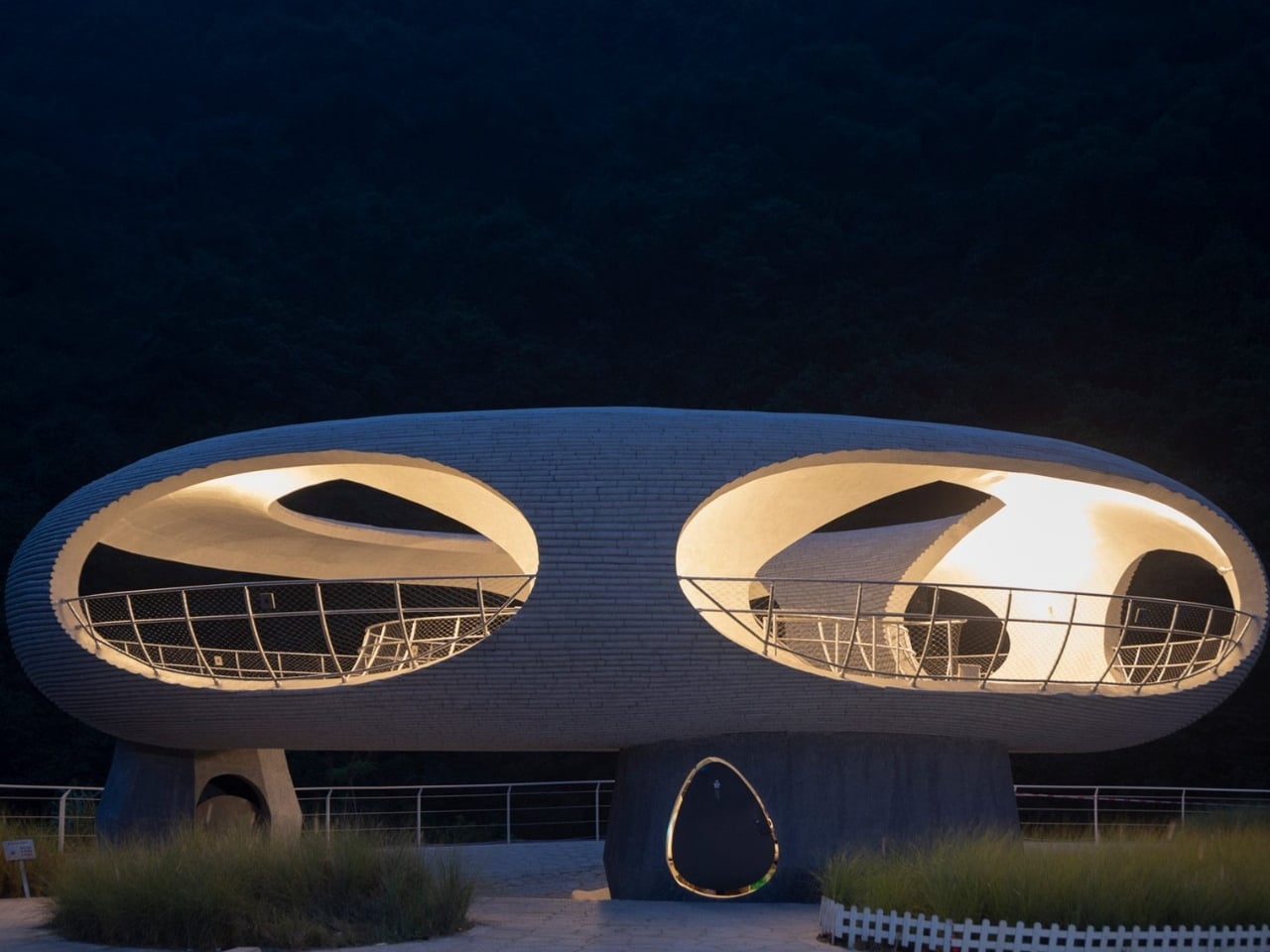
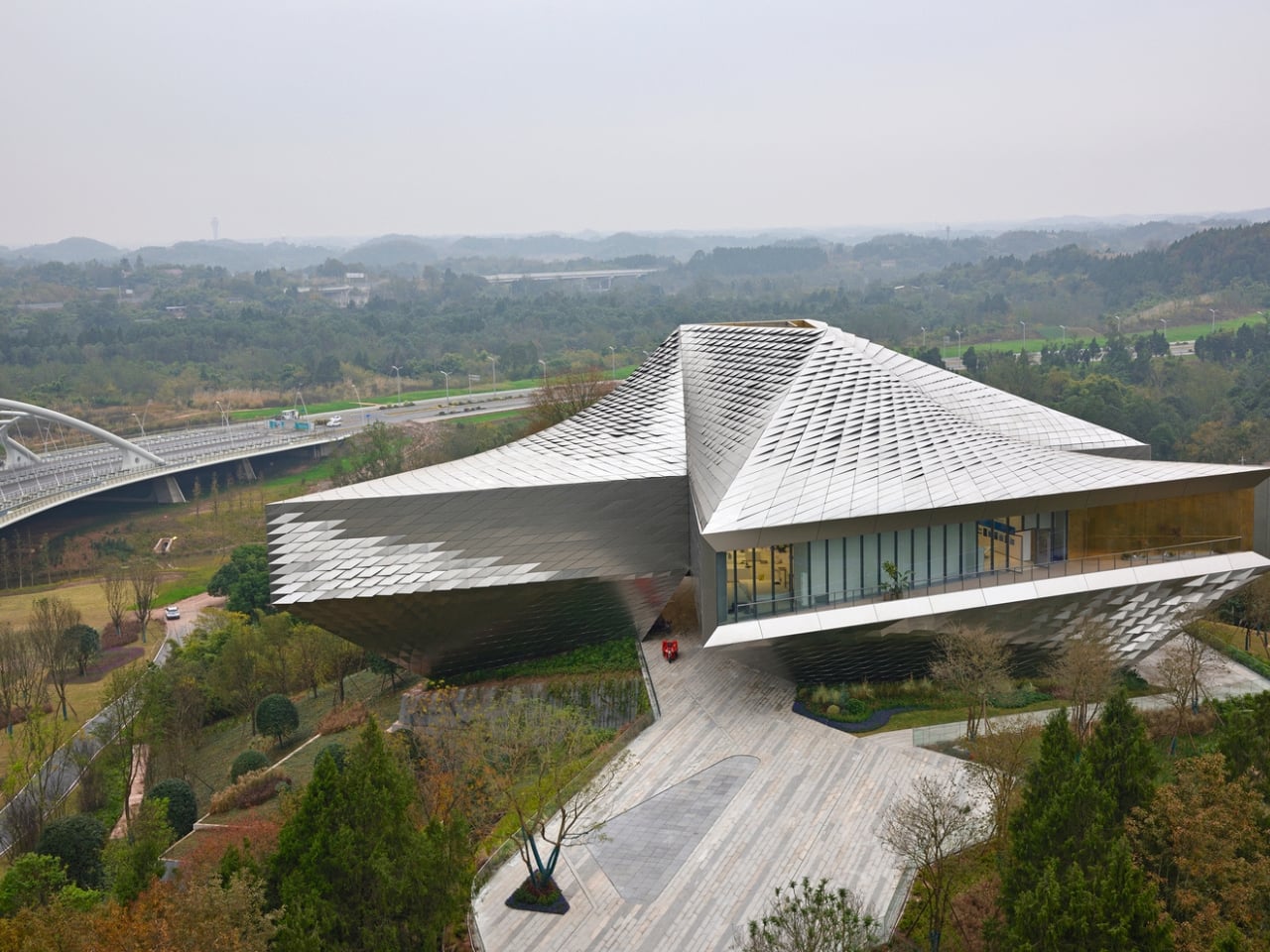
Sometimes the best architecture doesn’t shout for attention. It simply invites you to pause, breathe, and take in everything around you. That’s exactly what HCCH Studio accomplished with Resting Loop With Views, a captivating concrete pavilion perched on Mount Luofu in Huizhou, China.

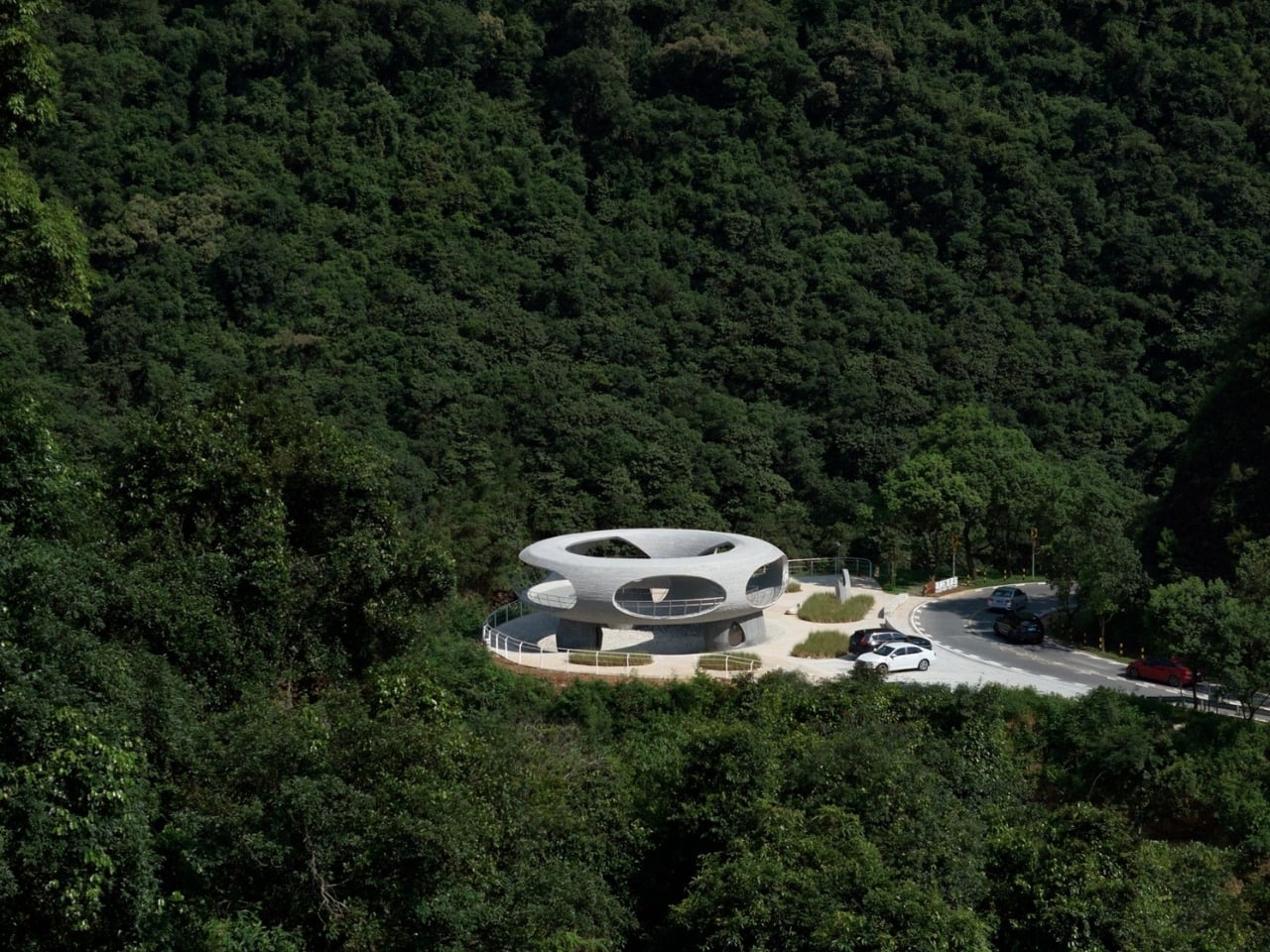
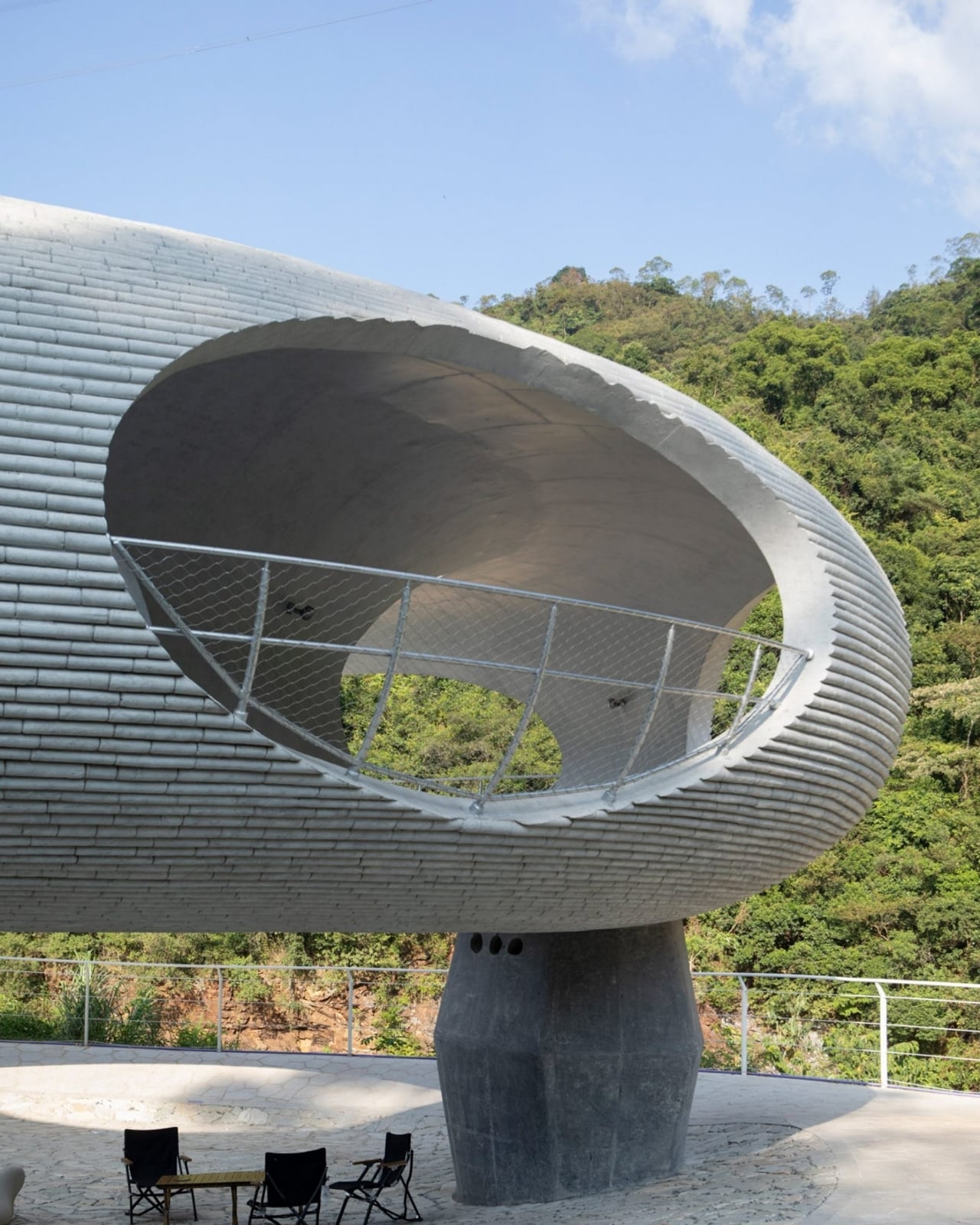
Picture this: you’re cycling up a winding mountain road, legs burning, and suddenly you spot what looks like a futuristic donut hovering above the landscape. This isn’t some sci-fi movie set. It’s a real place designed for real people who need a moment to catch their breath and soak in the scenery.

Designer: HCCH Studio

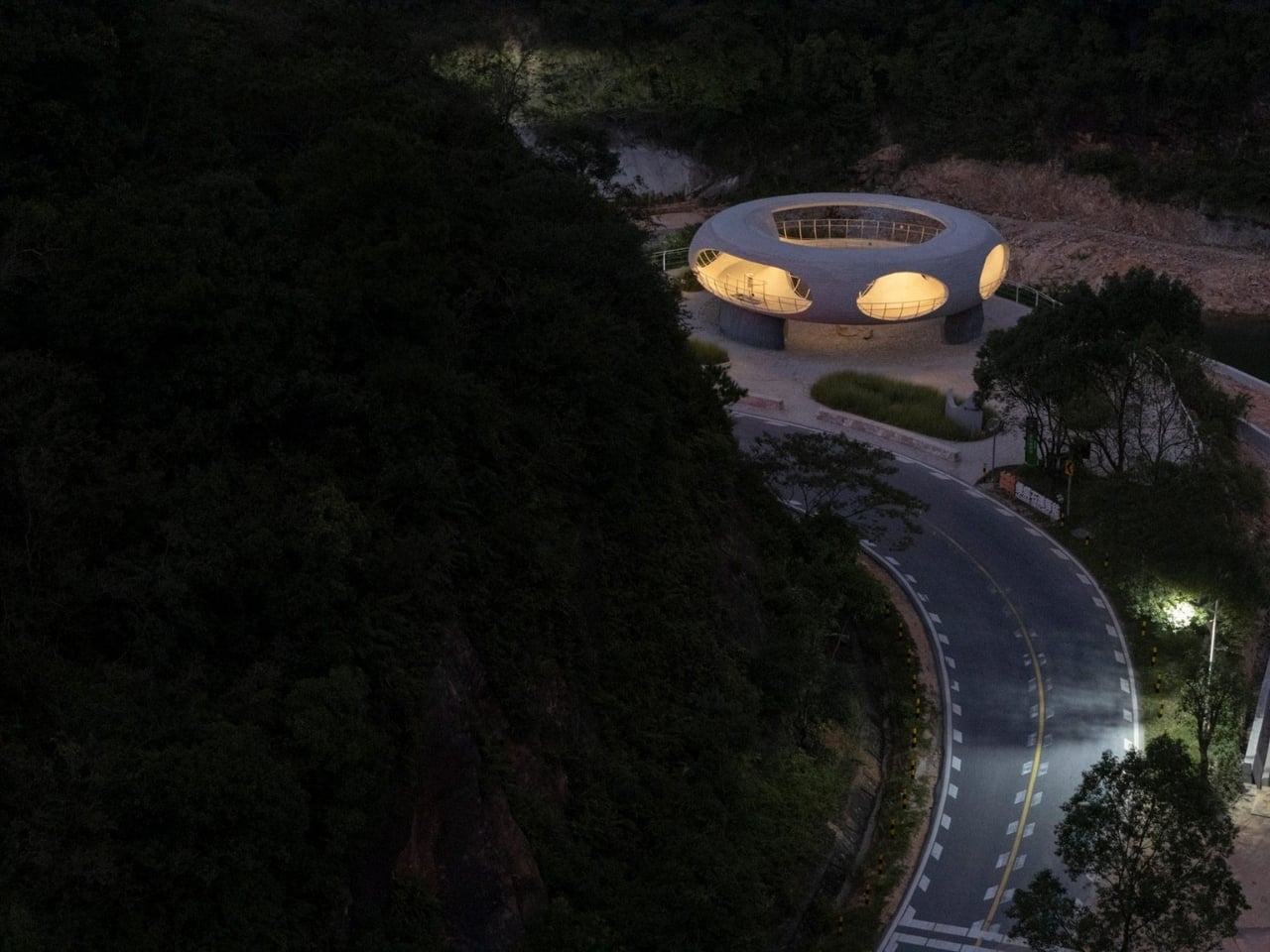
The pavilion sits on a platform wedged between a highway and a river, on a spot that used to be nothing more than an awkward parking area at a sharp curve. But HCCH Studio saw potential where others saw leftover space. They transformed this in-between zone into something genuinely special, a place where function and beauty loop together in the most literal sense.

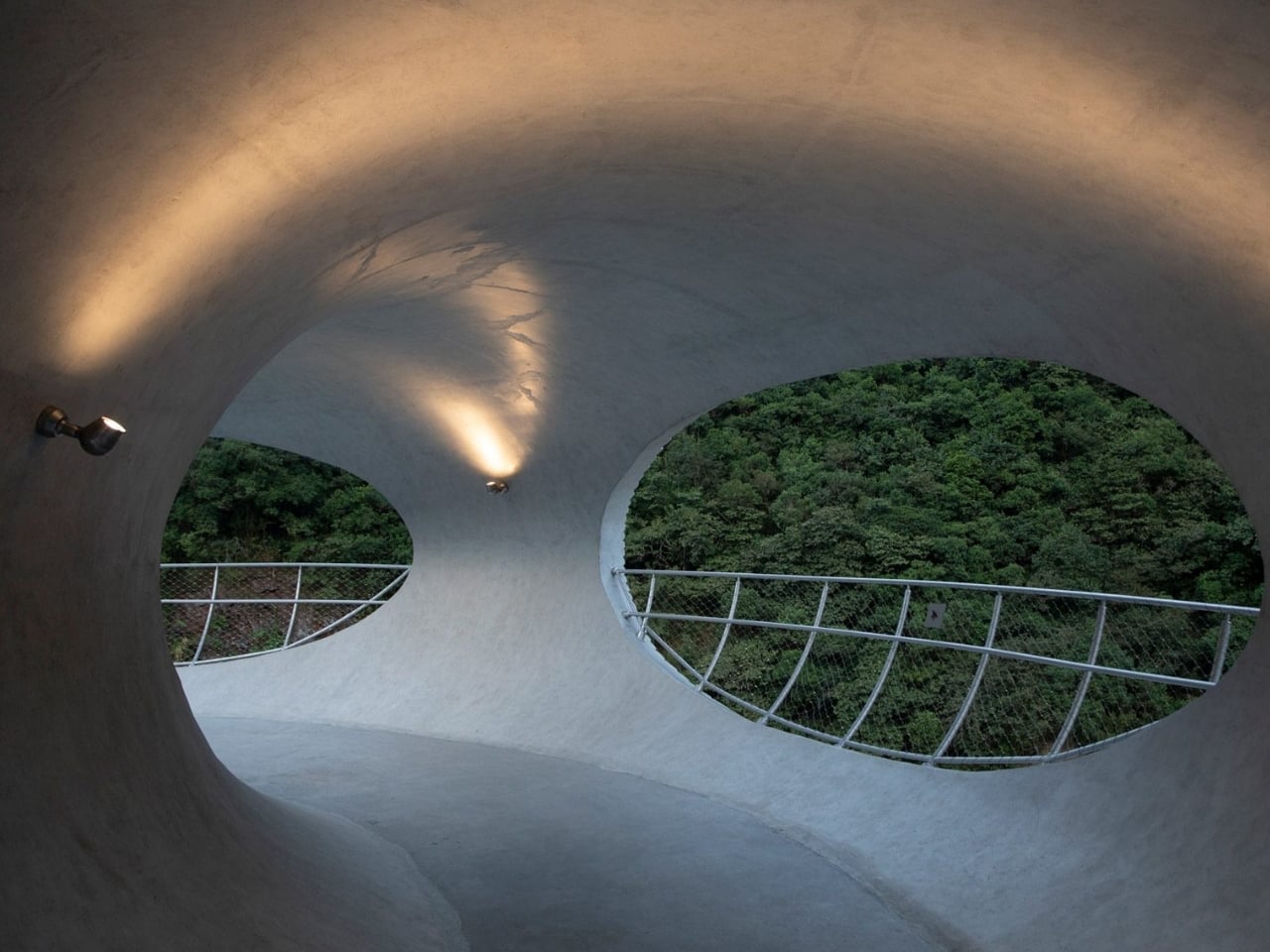
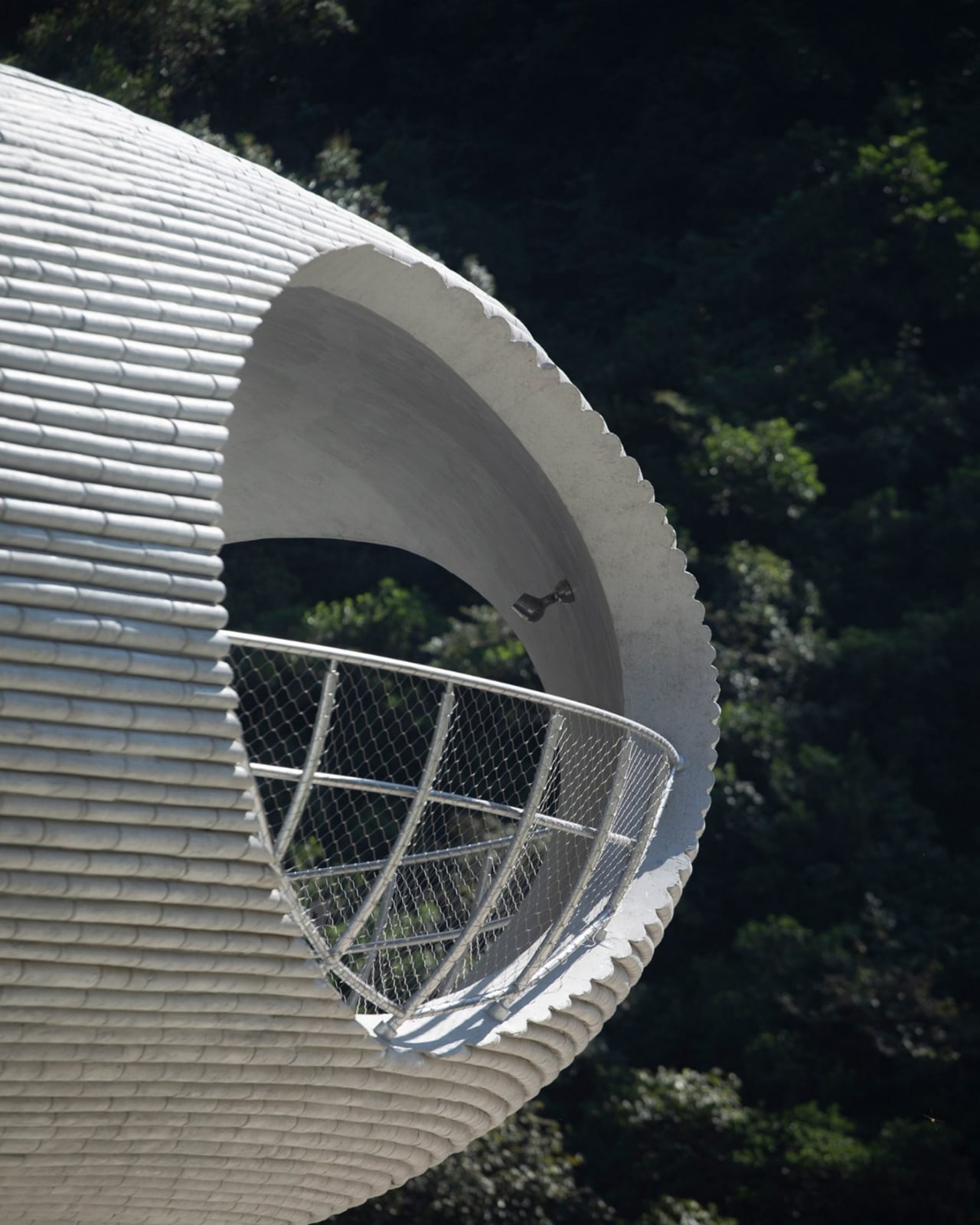
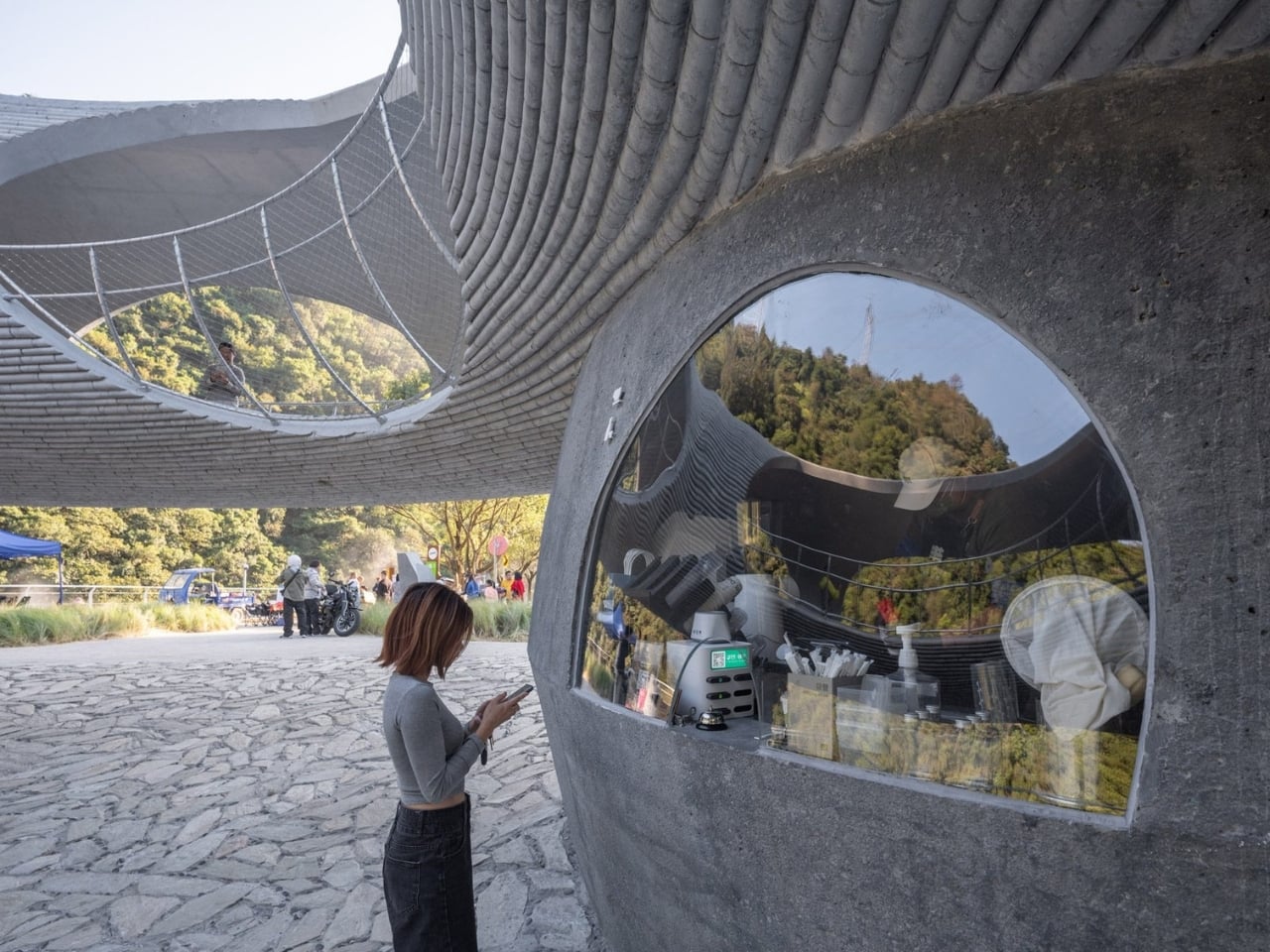
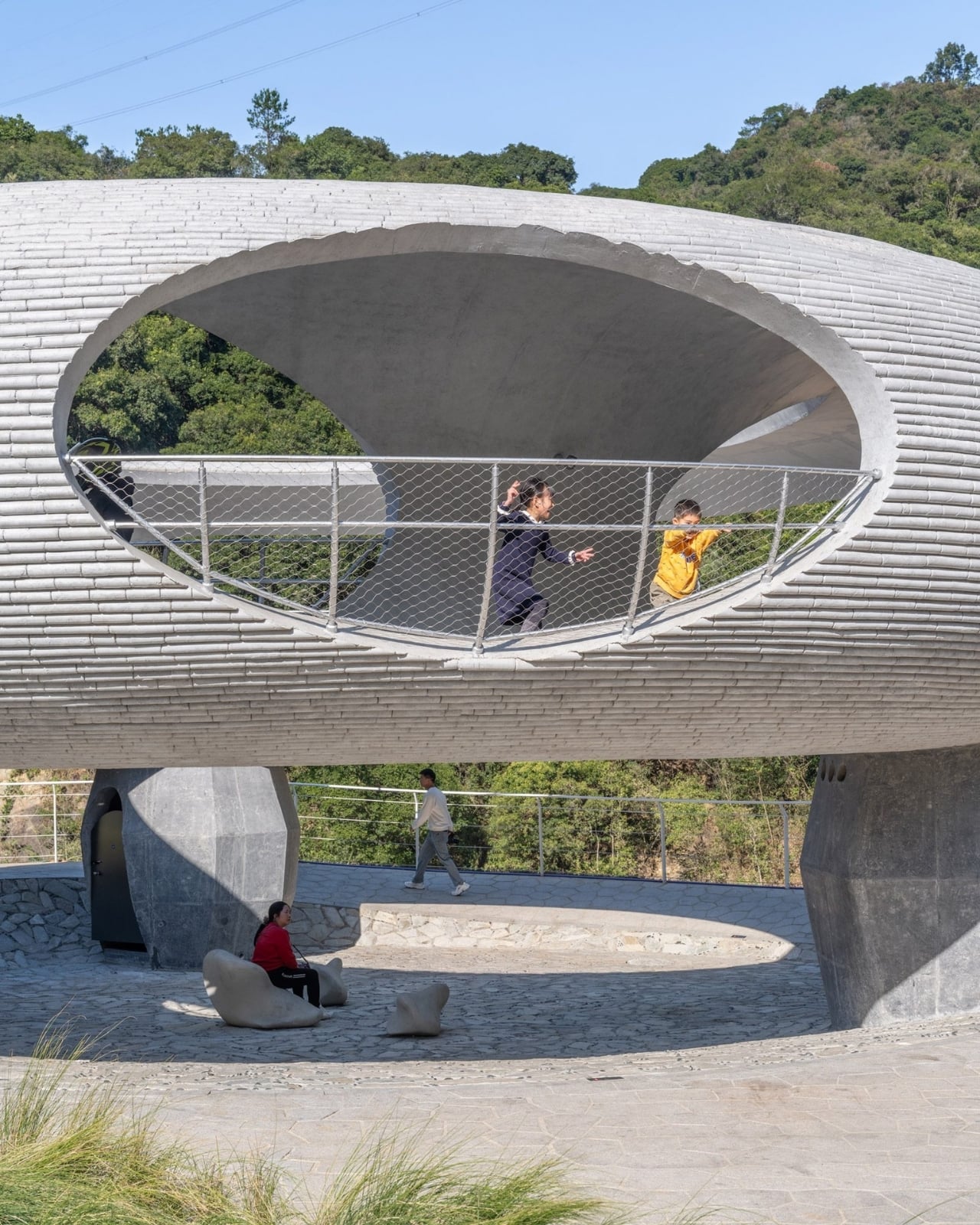
The structure itself is a continuous concrete ring, textured to mimic bamboo, that creates this mesmerizing circular journey. You enter, follow the curved path upward, and eventually circle back to where you started. But you’re not the same person who walked in. Because along the way, strategically placed oval openings frame the mountain ranges and river below like living paintings.

What makes this design so clever is how it treats views as an experience rather than a backdrop. The openings aren’t random. They’re carefully positioned to guide your eyes toward specific landscape features, turning the act of looking into something almost choreographed. Stand here and you see the river. Move there and suddenly mountains fill your vision. It’s architecture that understands how we actually experience places.

The concrete surface, with its bamboo-inspired texture, gives the structure an organic quality that helps it feel less like an alien spaceship and more like it grew from the mountain itself. At night, warm lighting glows through those oval openings, transforming the pavilion into a lantern floating in the darkness. It becomes a beacon for travelers on the winding road, marking rest, refreshment, and respite.

Inside, the design eliminates traditional furniture by integrating seating directly into the looped form. You can sit, lean, or stand wherever feels right. There’s no prescribed way to use the space. It adapts to you rather than forcing you to adapt to it. This flexibility makes it feel welcoming rather than imposing, a place that serves cyclists, hikers, and curious visitors equally well.

What strikes me most about Resting Loop With Views is how it redefines what a rest stop can be. We’re so used to utilitarian spaces that exist purely for function. But this pavilion proves that even simple, practical structures can spark wonder and delight. It respects both the landscape and the people moving through it, creating a moment of connection between the two.

The project serves as a cafe and viewing platform for cycling enthusiasts, but it transcends that basic purpose. It’s a space that makes you want to linger, to look, to really see the place you’re in. In our rush-through world, that feels almost radical.

HCCH Studio crafted something that feels both timeless and futuristic, grounded and otherworldly. The continuous loop becomes a metaphor for the journey itself, there’s no real beginning or end, just movement and moments of stillness punctuated by stunning views.

Architecture like this reminds us that good design doesn’t need to be complicated or expensive to make an impact. It just needs to understand people and place deeply enough to bring them together in meaningful ways. Resting Loop With Views does exactly that, one curved concrete section and one carefully framed vista at a time.

The post China Just Built a Rest Stop That Belongs in a Sci-Fi Movie first appeared on Yanko Design.
MVRDV’s Timber Pavilion Revives a City’s Forgotten Identity

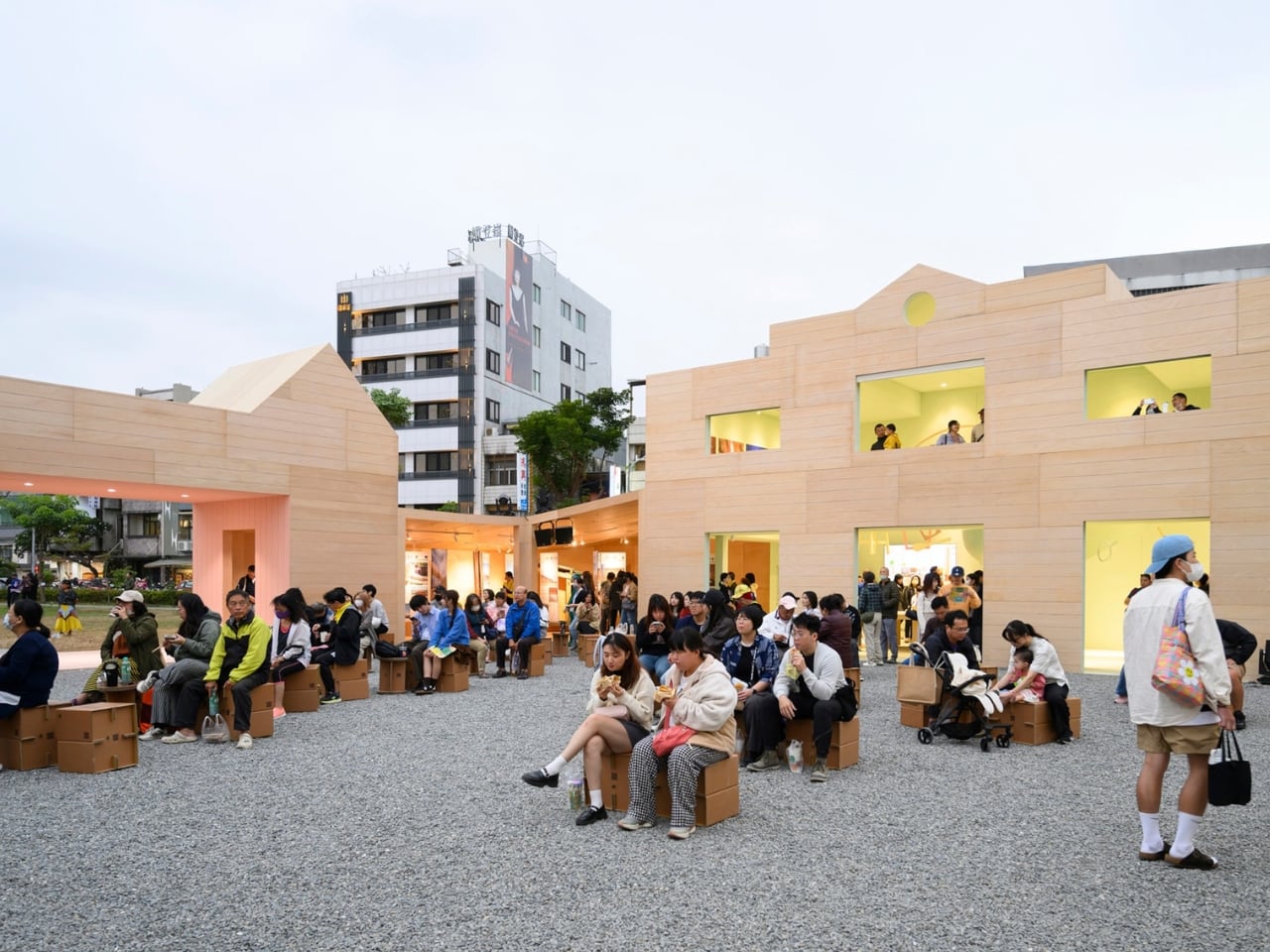
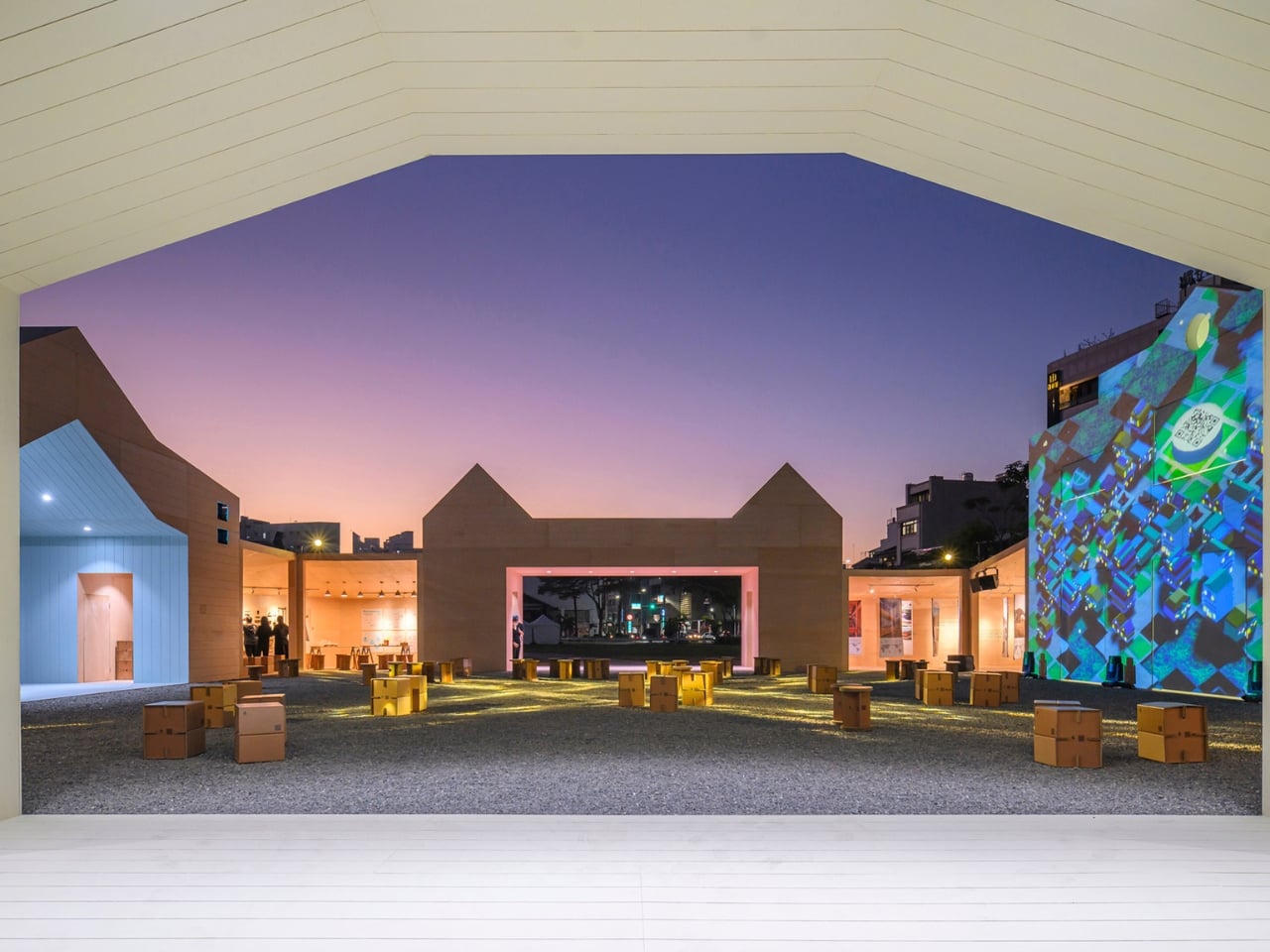
There’s something magical about architecture that doubles as a love letter to a place. MVRDV just pulled this off in Chiayi, Taiwan, with a temporary pavilion that’s less about showing off and more about remembering what made this city special in the first place.

Picture this: Chiayi is celebrating its 321st birthday, and instead of a generic party tent, the city gets a timber structure that tells the story of its forgotten identity as Taiwan’s wood capital. Over 6,000 historic timber buildings still dot this city, remnants of an era when Chiayi thrived on forestry and woodcraft, yet most residents have lost touch with that heritage.

Designer: MVRDV (Photos by Shephotoerd)

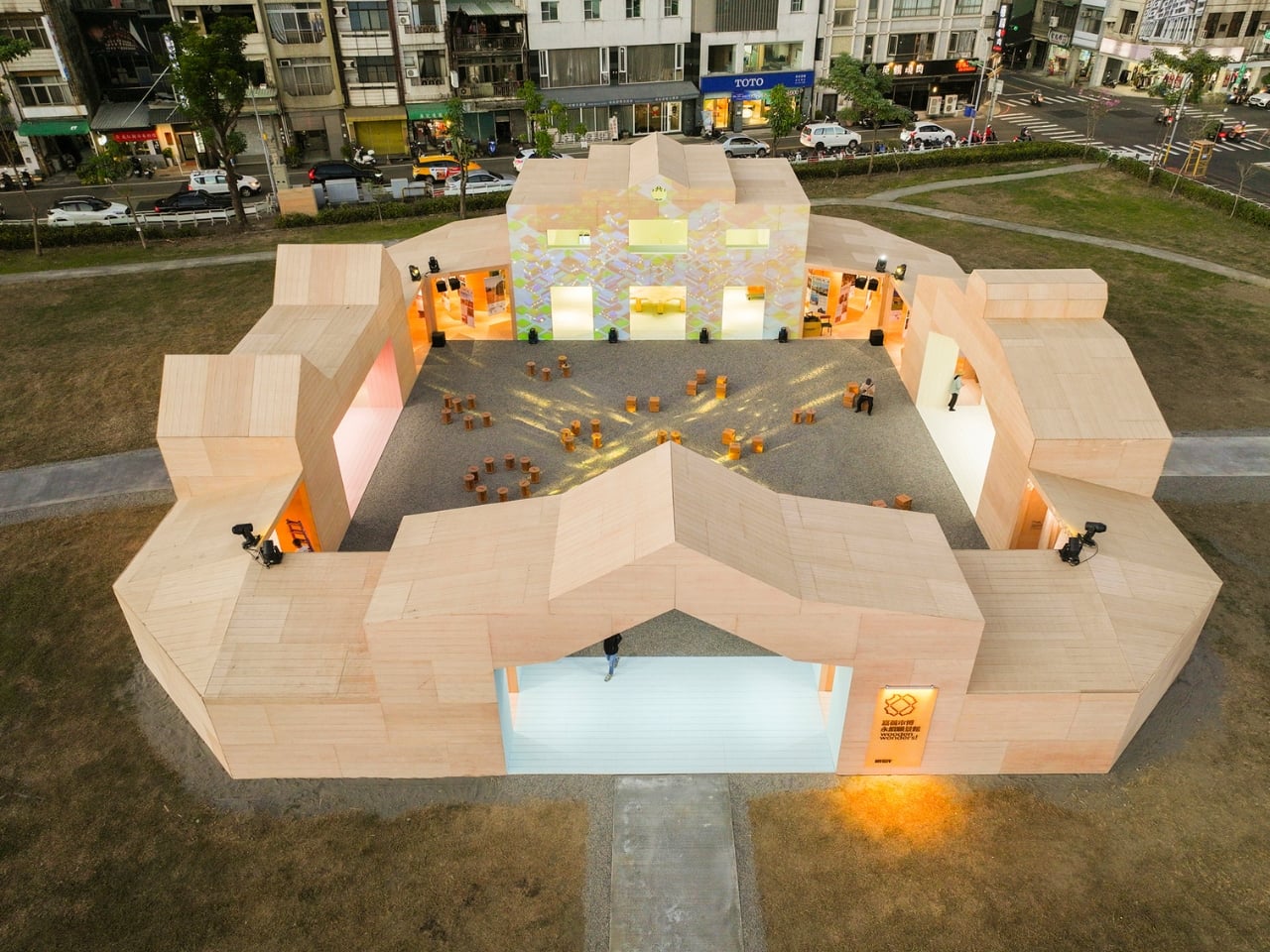
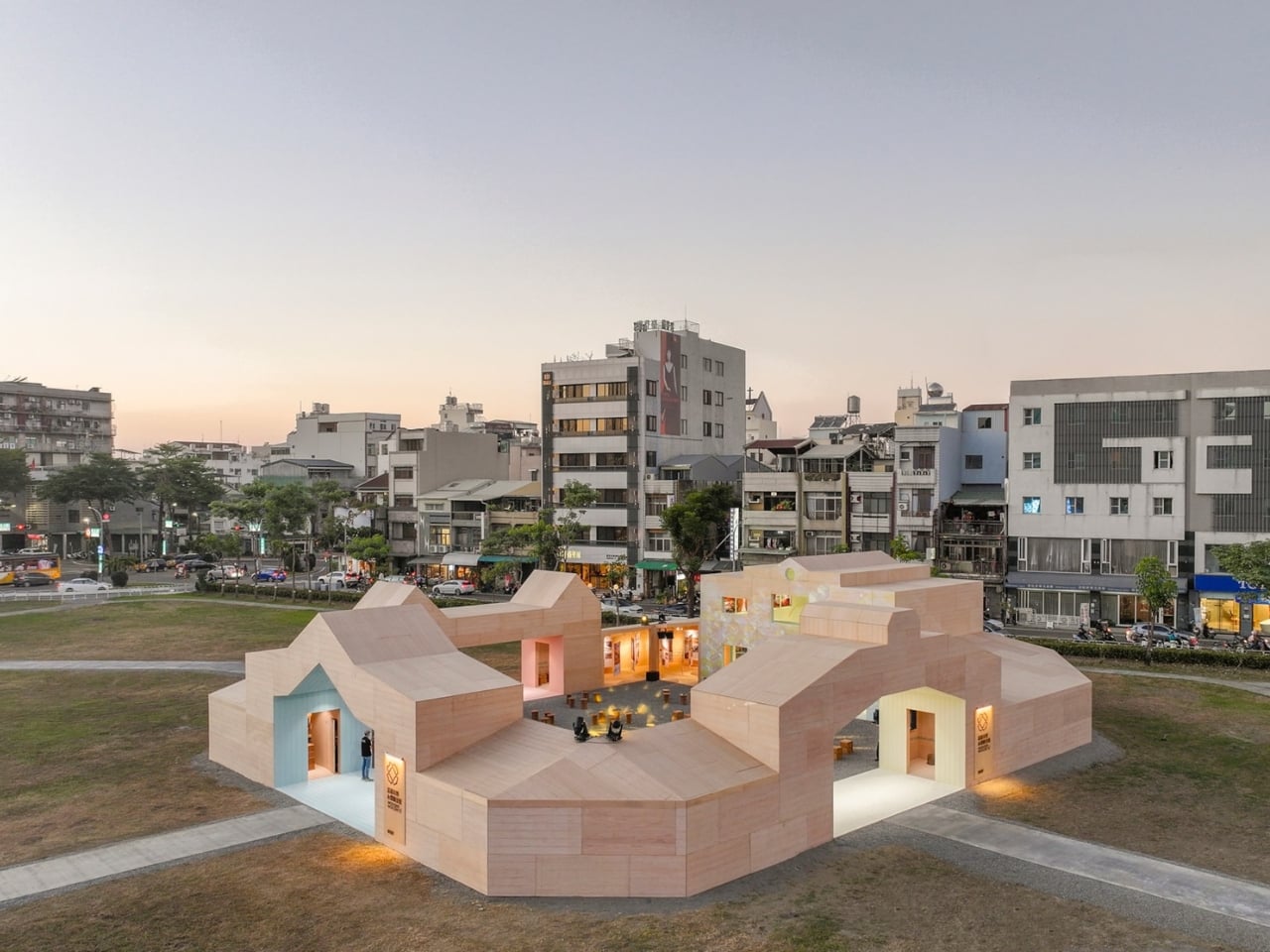
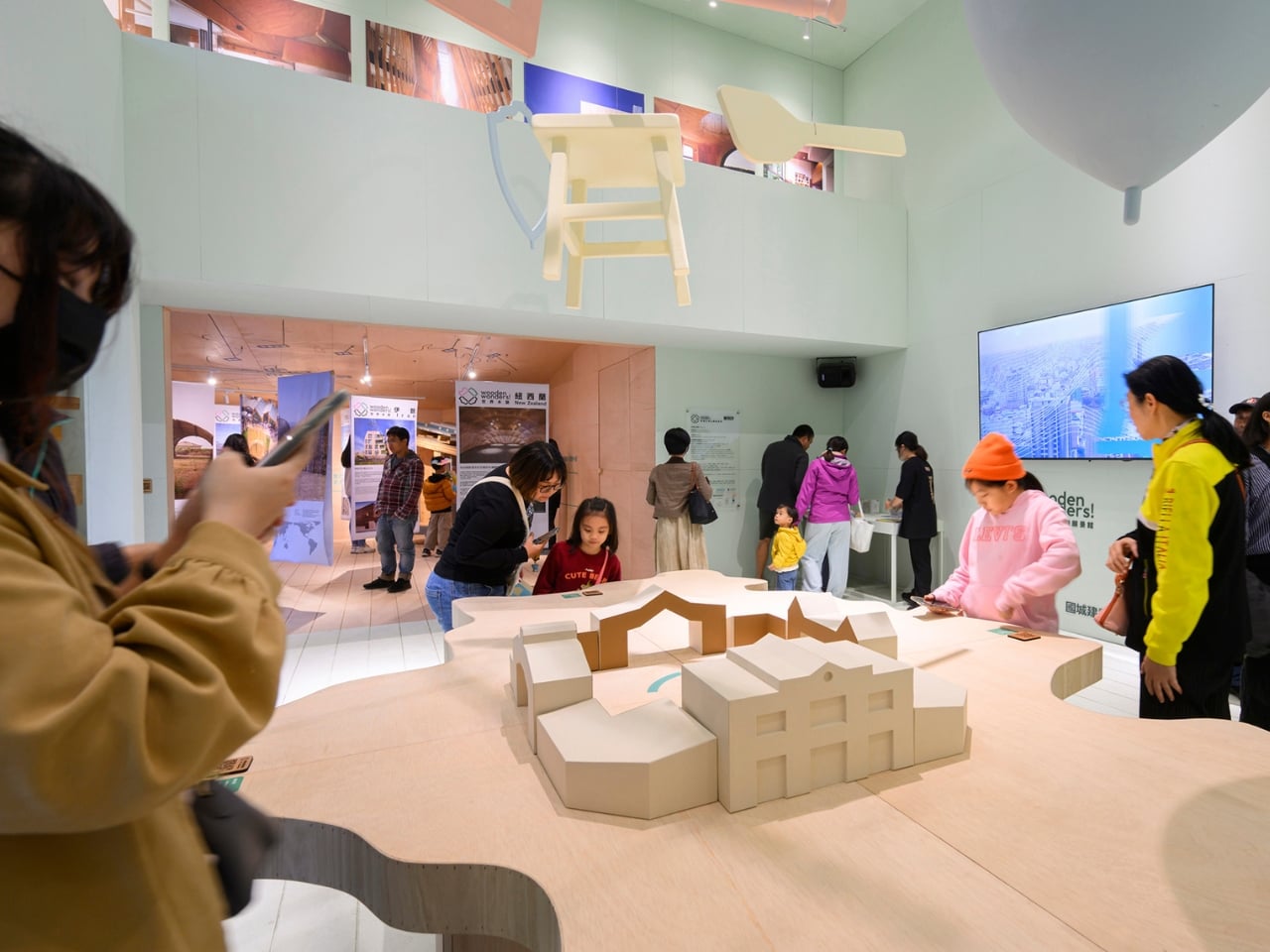
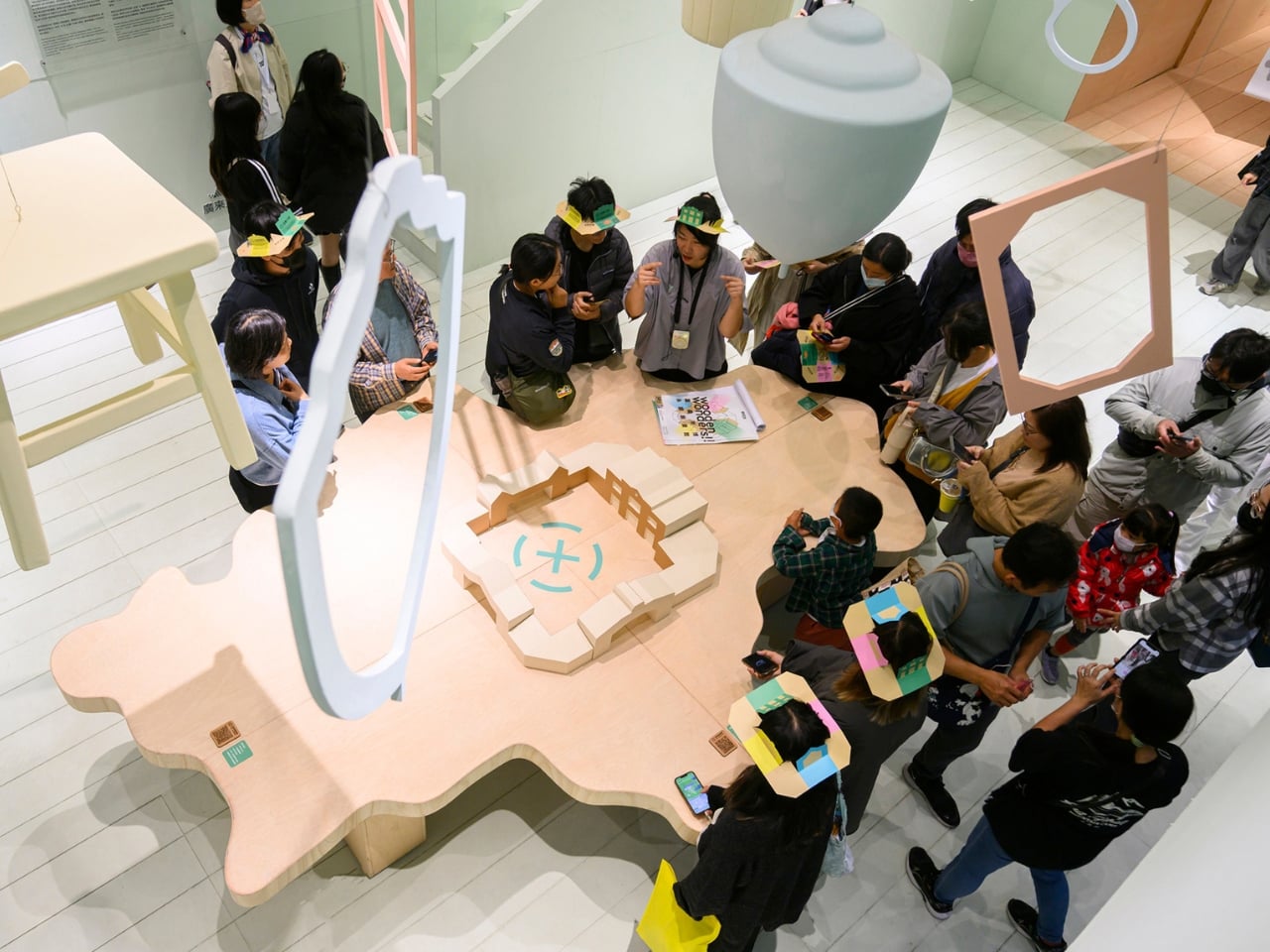
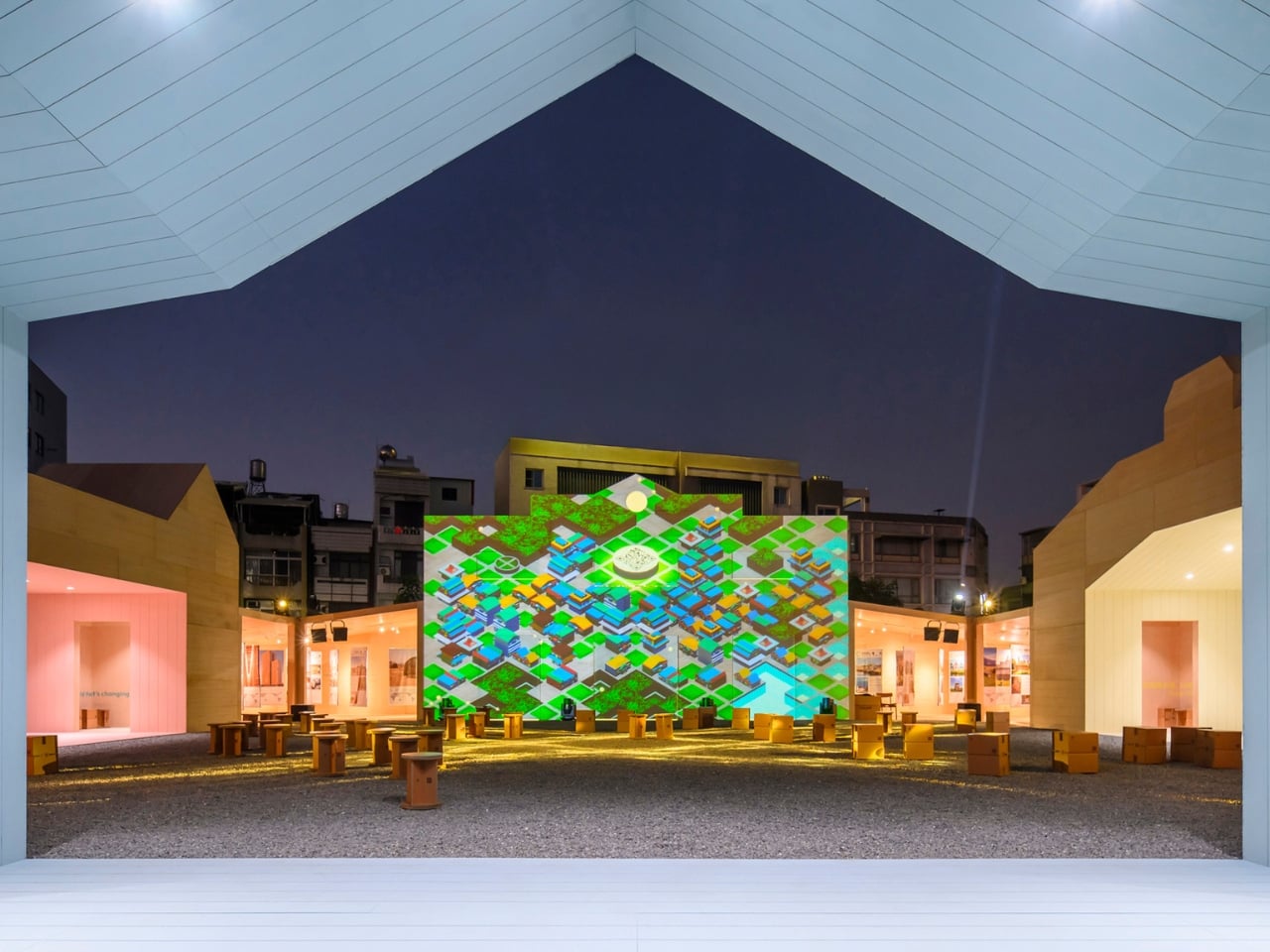
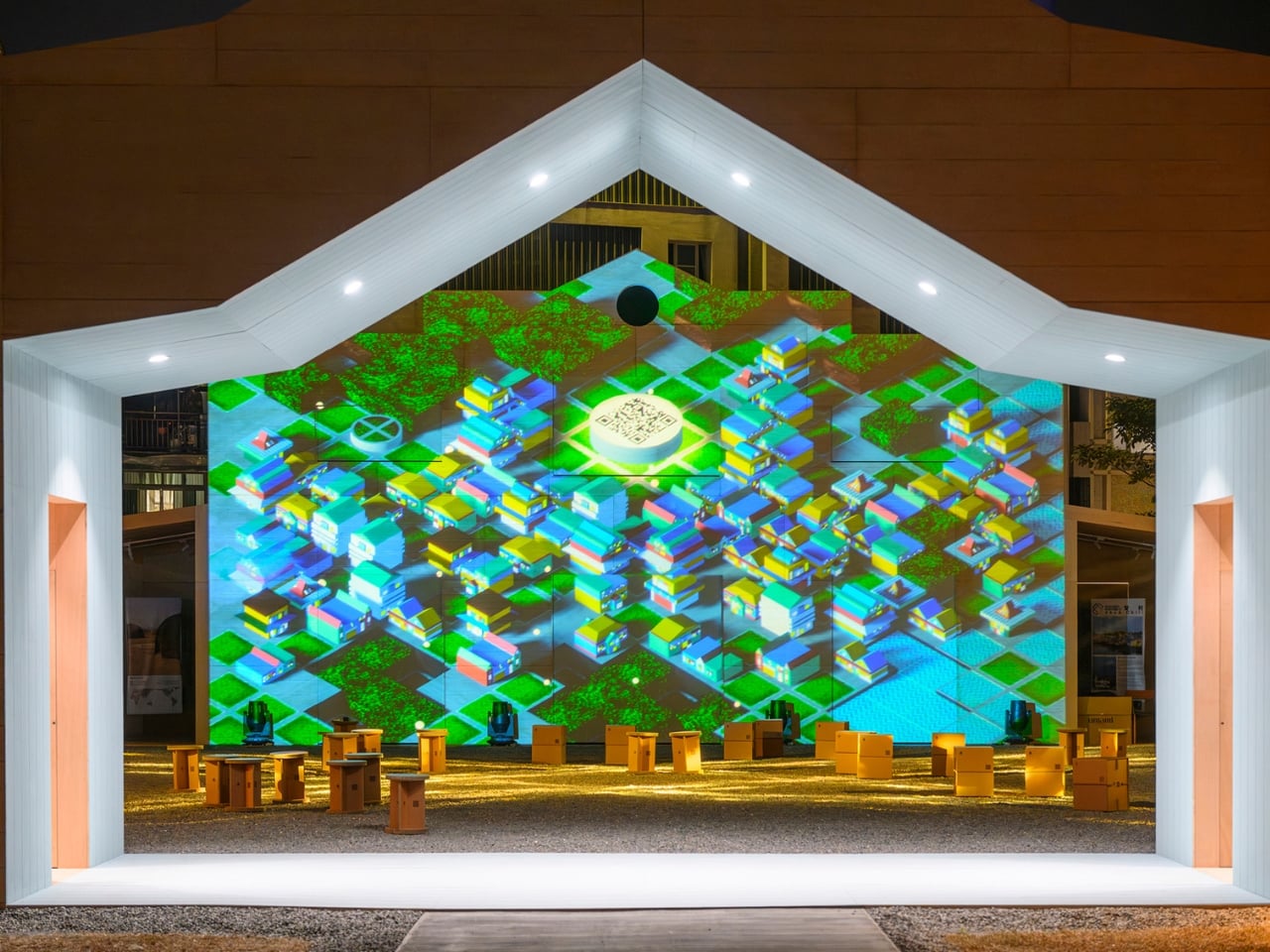
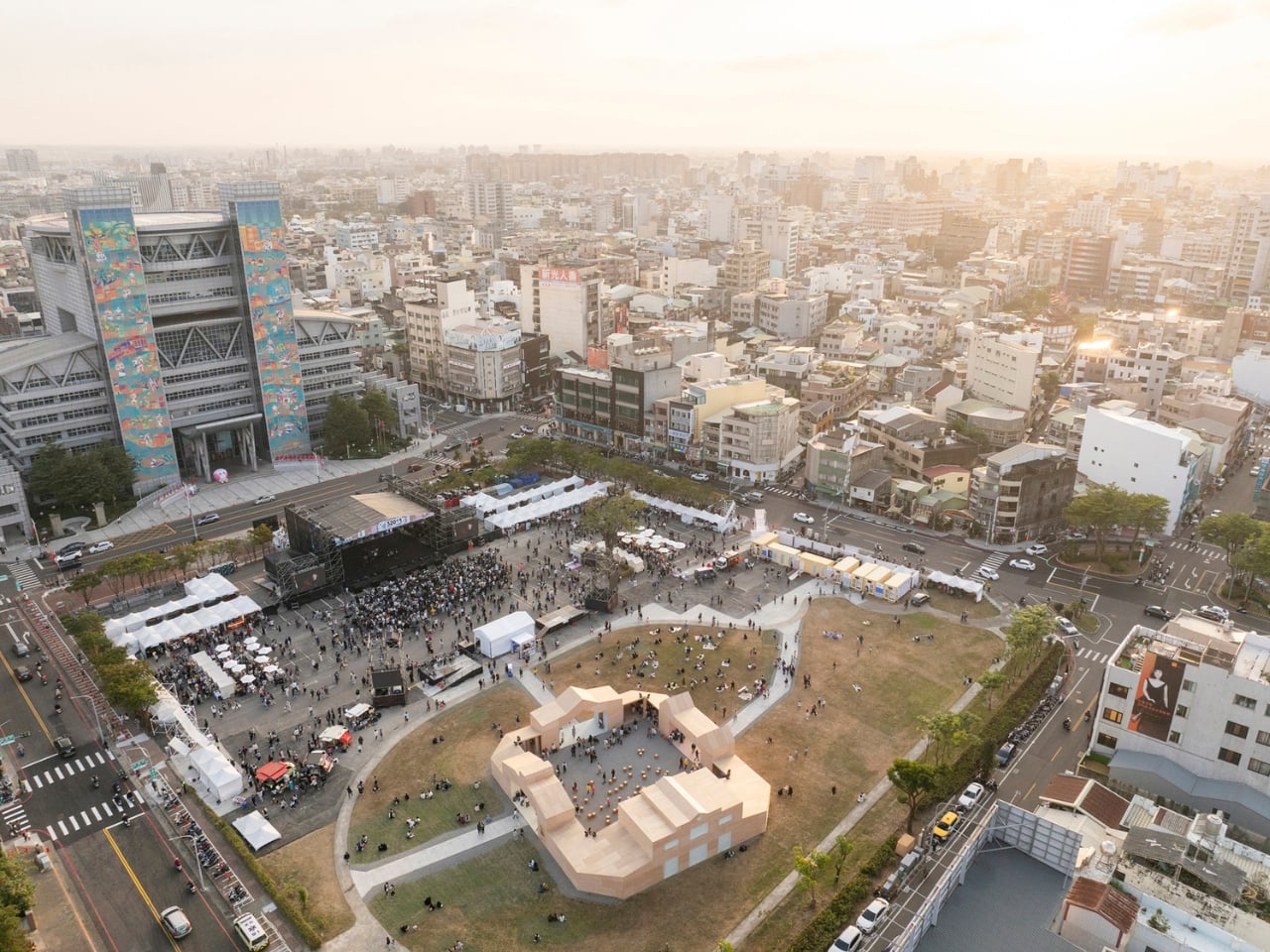
Enter Wooden Wonders, a pavilion that sits right across from city hall and functions as what the architects call an “urban living room.” It’s an apt description. The structure wraps around a central courtyard, creating an intimate gathering space that feels both public and personal. Think of it as the architectural equivalent of pulling up a chair and asking someone to tell you their life story.

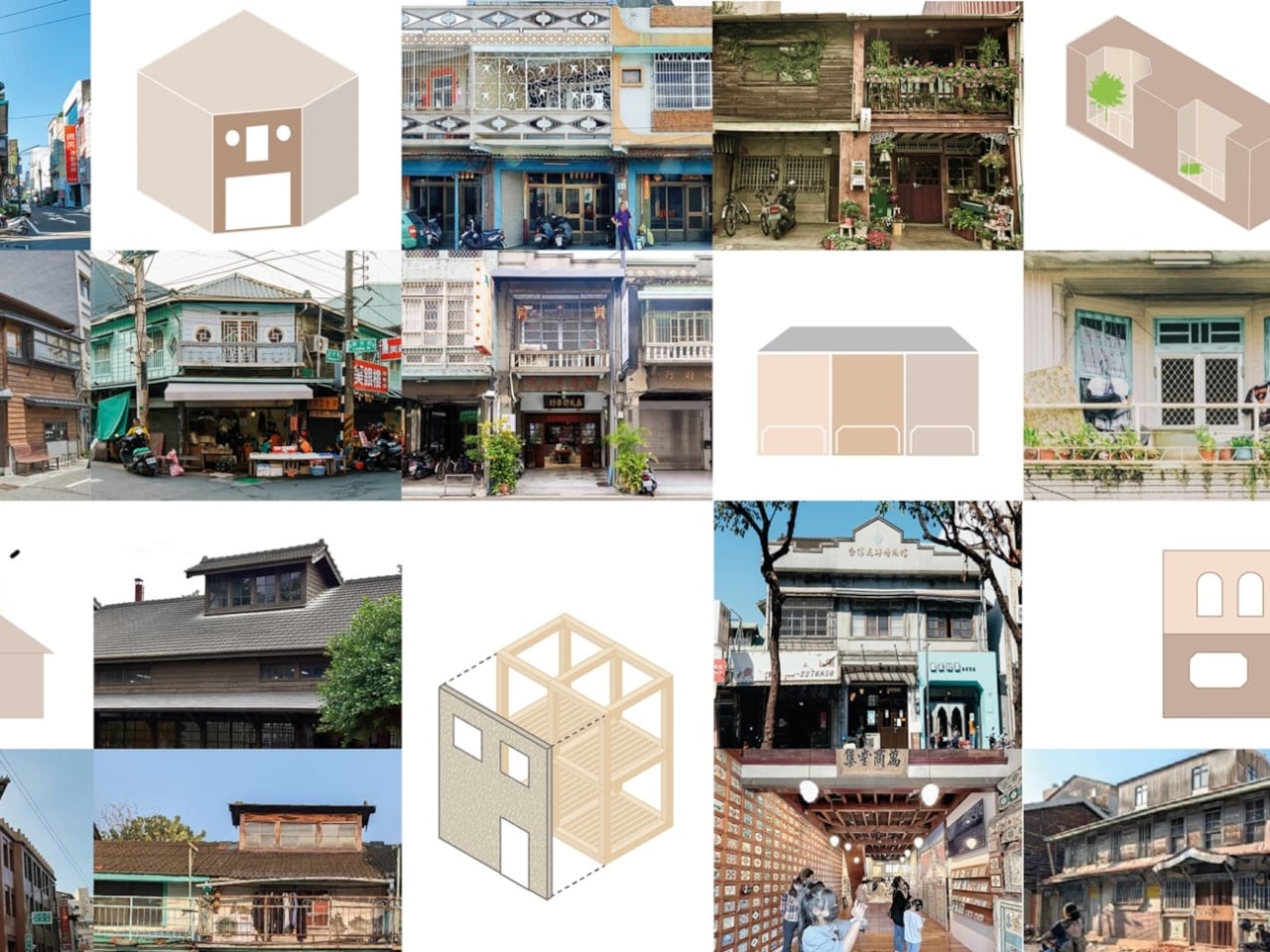
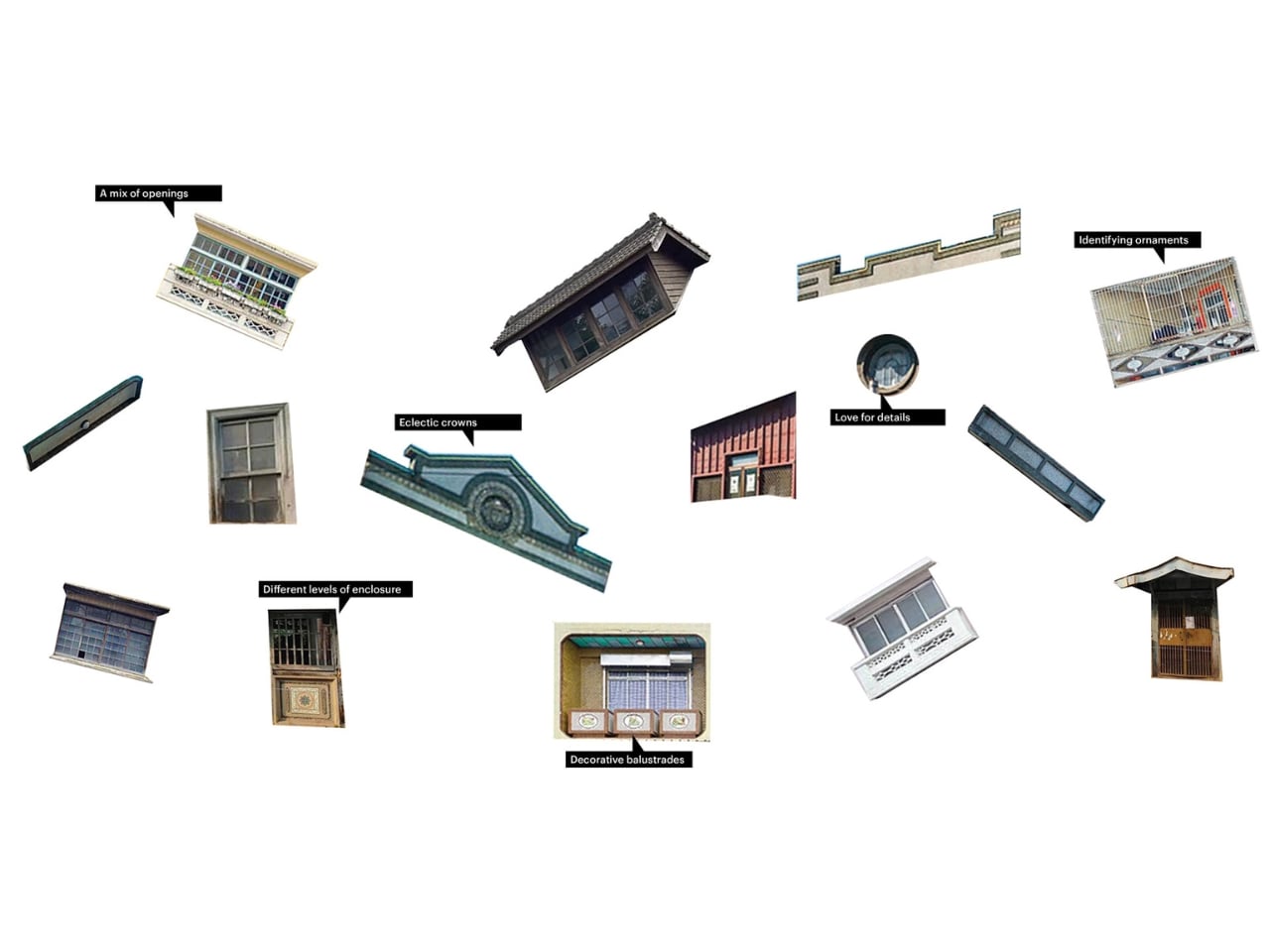
What makes this project fascinating is how MVRDV approached the design. Instead of imposing their signature style, they went full detective mode, studying the city’s existing timber buildings to understand the local architectural DNA. What they found was beautifully eclectic: diagonal cuts that emphasize street corners, ornamental rooflines with decorative flourishes, a mix of time periods and influences all woven together. These elements became the blueprint for the pavilion’s perimeter structure, making the new building feel like it grew organically from Chiayi’s architectural family tree.
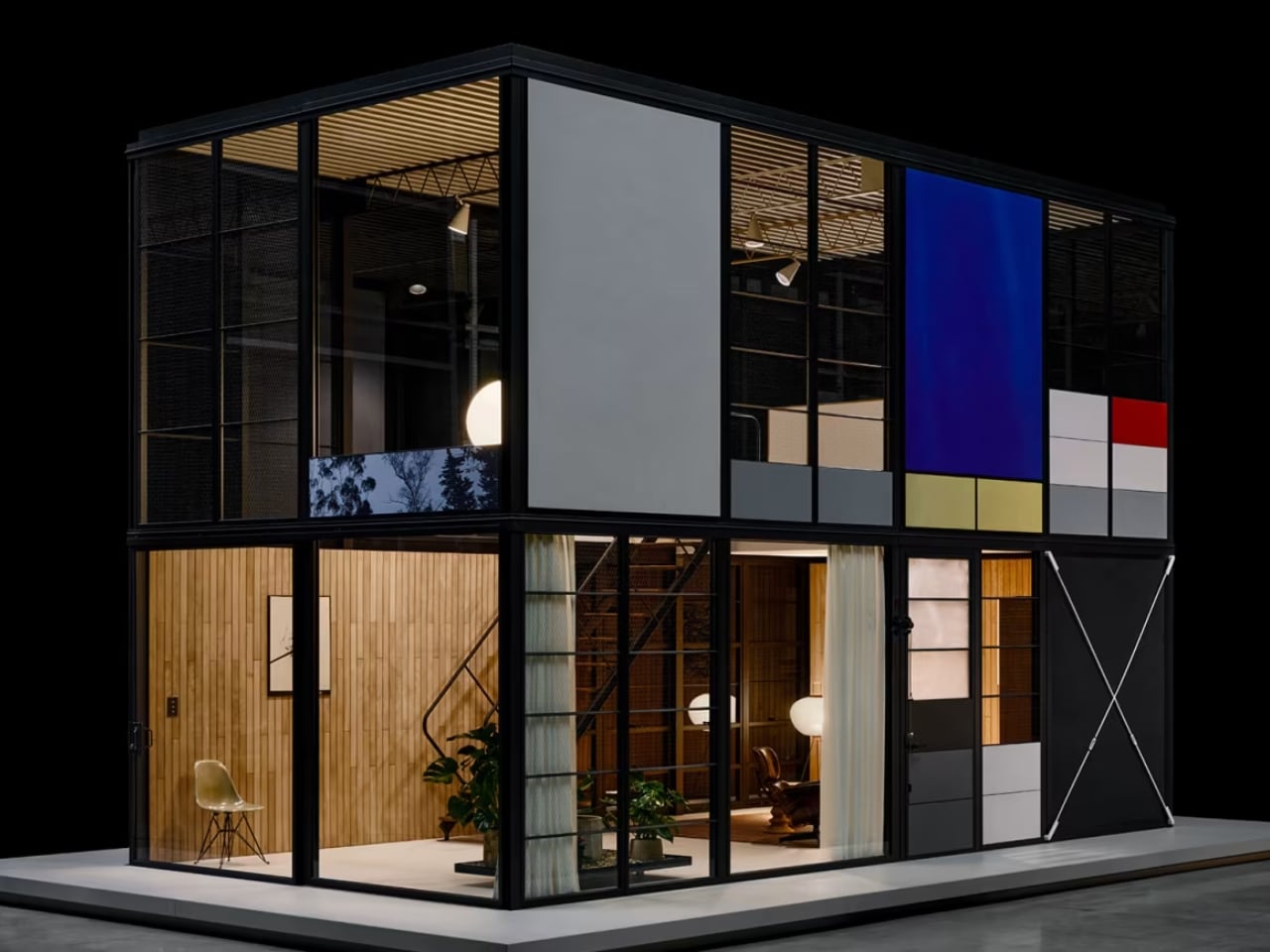
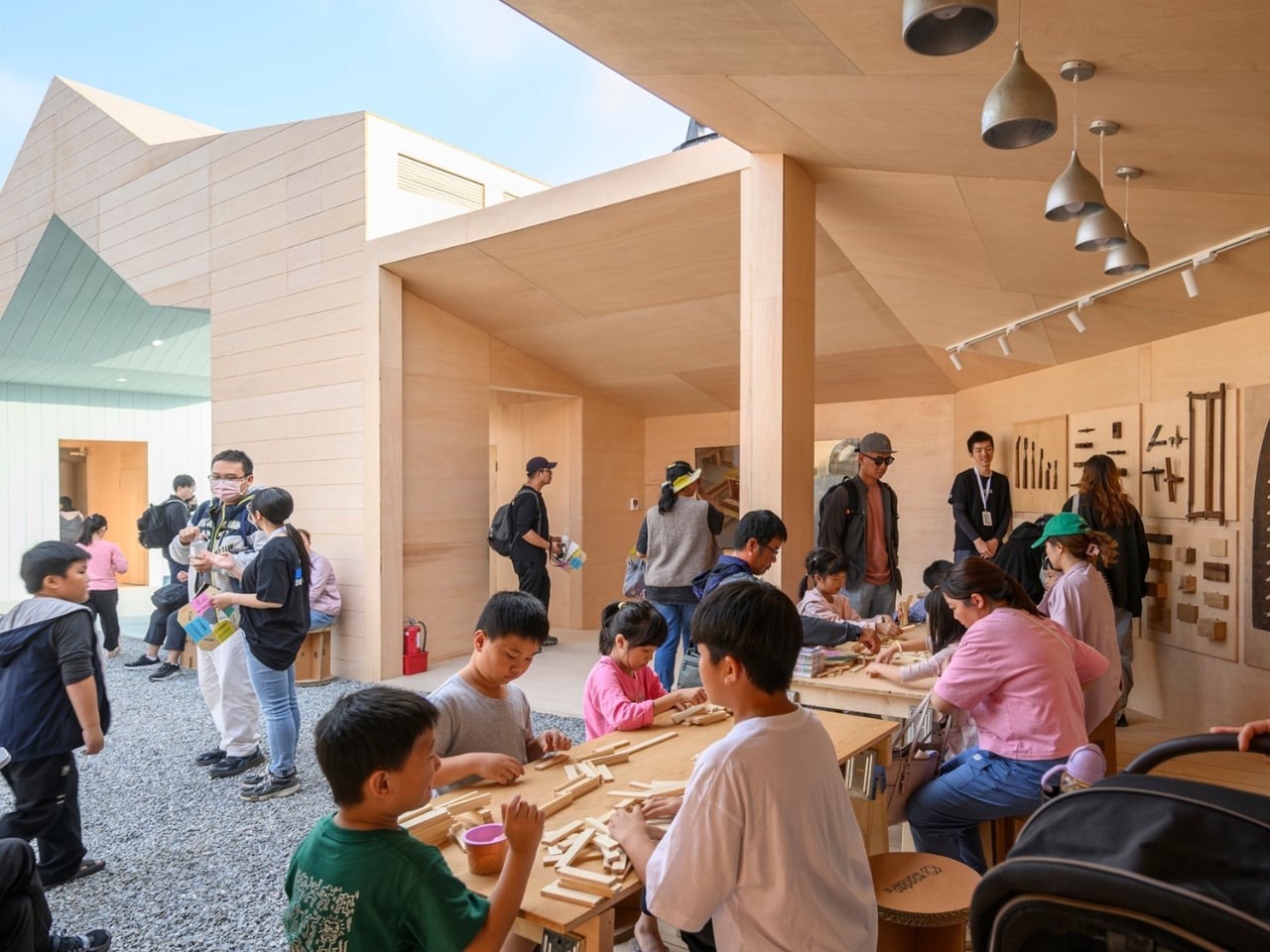
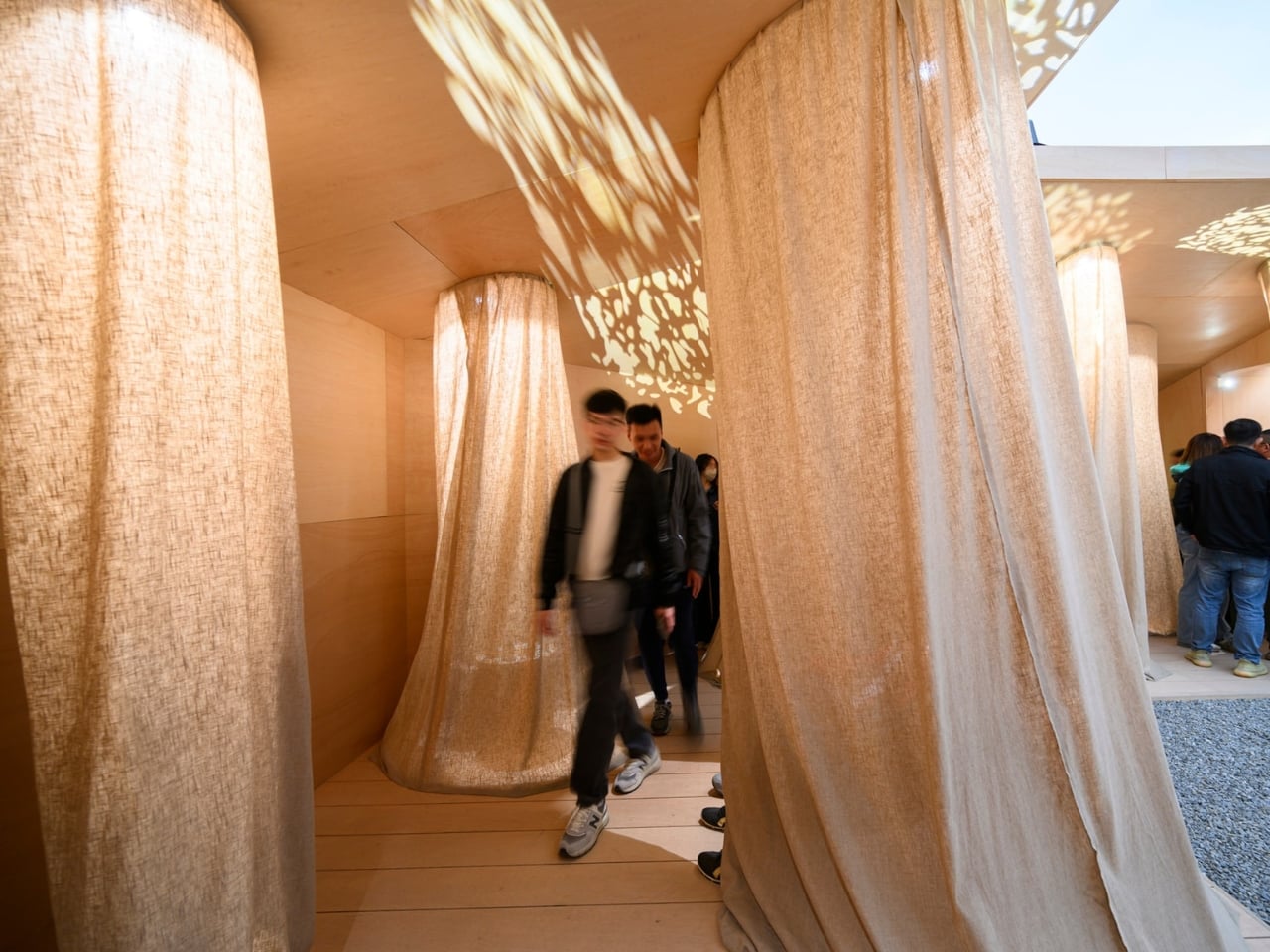
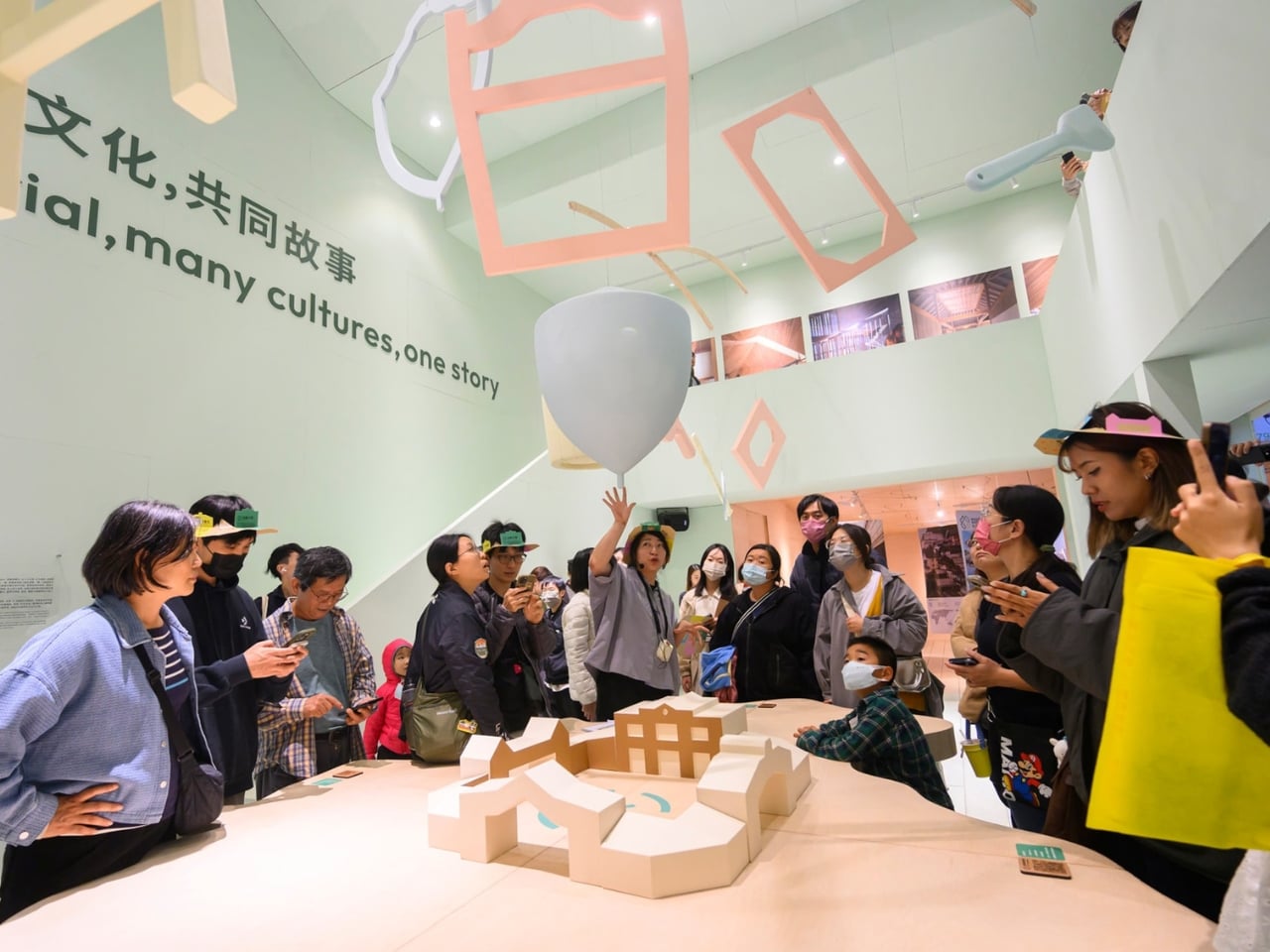
Inside, the exhibition takes visitors on a journey through wood’s past, present, and future. Pastel-colored gateways (a softer touch than you’d expect from an architecture exhibition) guide people through different zones. There’s a forest-themed area exploring how timber is grown and harvested, and “the workshop,” which celebrates the historic craftsmanship that once defined the region. The exhibition doesn’t just look backward, though. It also positions Chiayi alongside global timber leaders like Norway and New Zealand, showing how engineered timber can bridge traditional culture and contemporary construction.
The timing of this project couldn’t be more relevant. MVRDV founding partner Jacob van Rijs nails it when he says Chiayi’s timber story mirrors a global shift in how we think about building materials. Wood went from practical and abundant to “old-fashioned” when concrete and steel took over. But the climate crisis has flipped the script again. Wood stores carbon; concrete and steel release massive amounts of it into the atmosphere. Add decades of innovation in engineered timber techniques, and suddenly wood isn’t just nostalgic, it’s the future.

In Taiwan specifically, this conversation takes on extra weight. Many people there view timber as less reliable or reputable compared to modern materials, and seismic regulations make working with existing buildings challenging. So this pavilion isn’t just celebrating heritage, it’s making a bold argument about sustainability and what’s possible when you look at old materials with new eyes. The two-story main hall on the north side is where this vision gets practical. Visitors can contribute ideas for Chiayi’s urban development and its potential future as Taiwan’s “Wood Capital.” It’s participatory architecture at its best, a space that doesn’t just talk at people but invites them into the conversation about what their city could become.

What I love about Wooden Wonders is how it manages to be both specific and universal. Yes, it’s deeply rooted in Chiayi’s particular history and architecture. But it also speaks to something bigger: how cities can honor their past while building a more sustainable future. How materials that were once dismissed can become solutions to our most pressing problems. How good design can create space for community and conversation.

The pavilion is only up through December 28, making it a fleeting moment in the city’s long history. But maybe that’s fitting. Sometimes the most powerful statements are temporary ones, just present long enough to remind us what we’ve forgotten and inspire us to imagine what comes next.

The post MVRDV’s Timber Pavilion Revives a City’s Forgotten Identity first appeared on Yanko Design.