This ‘Impossible’ Villa Floats on Just 4 Inverted Brick Cones and a Thatched Roof

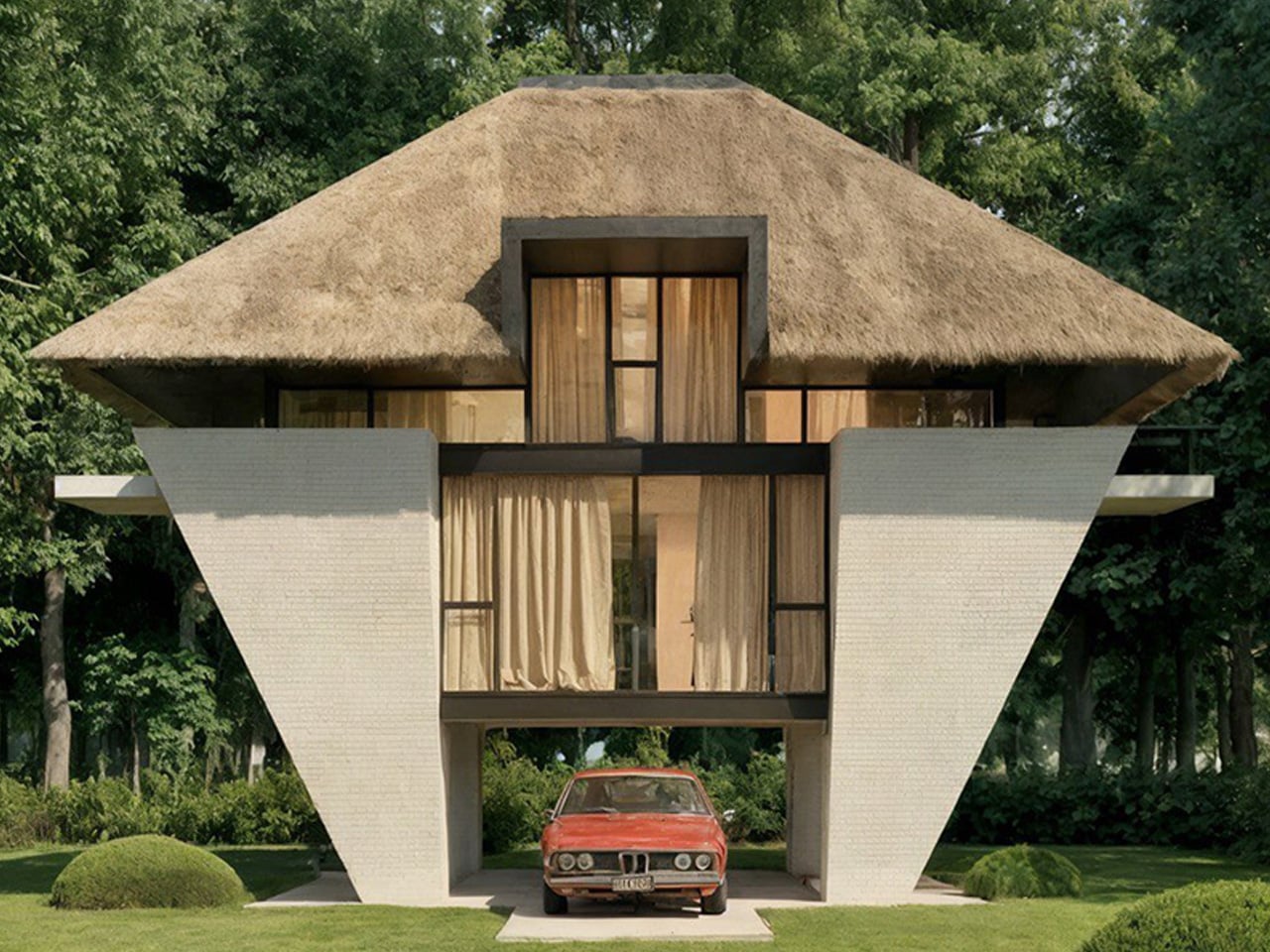
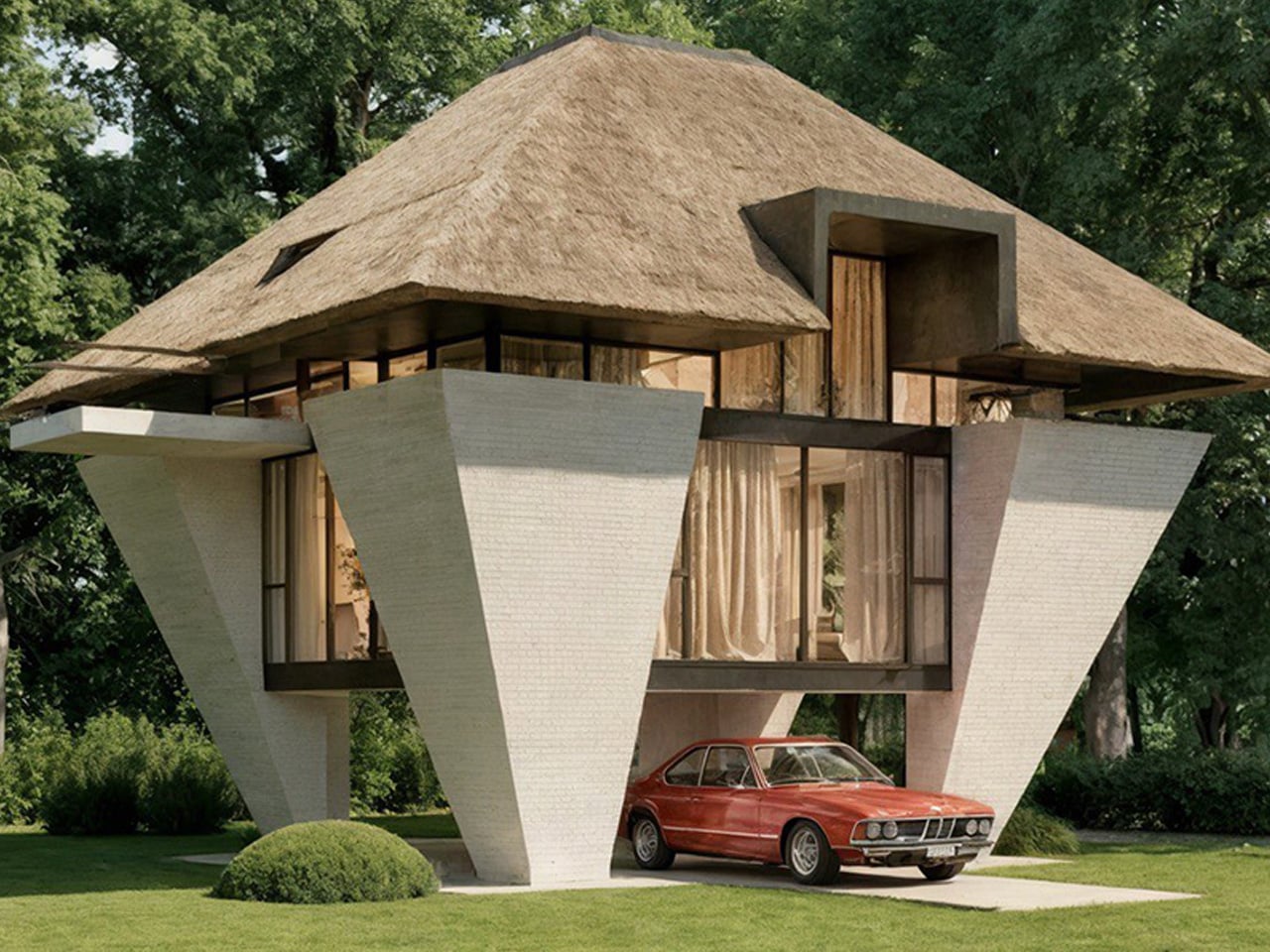
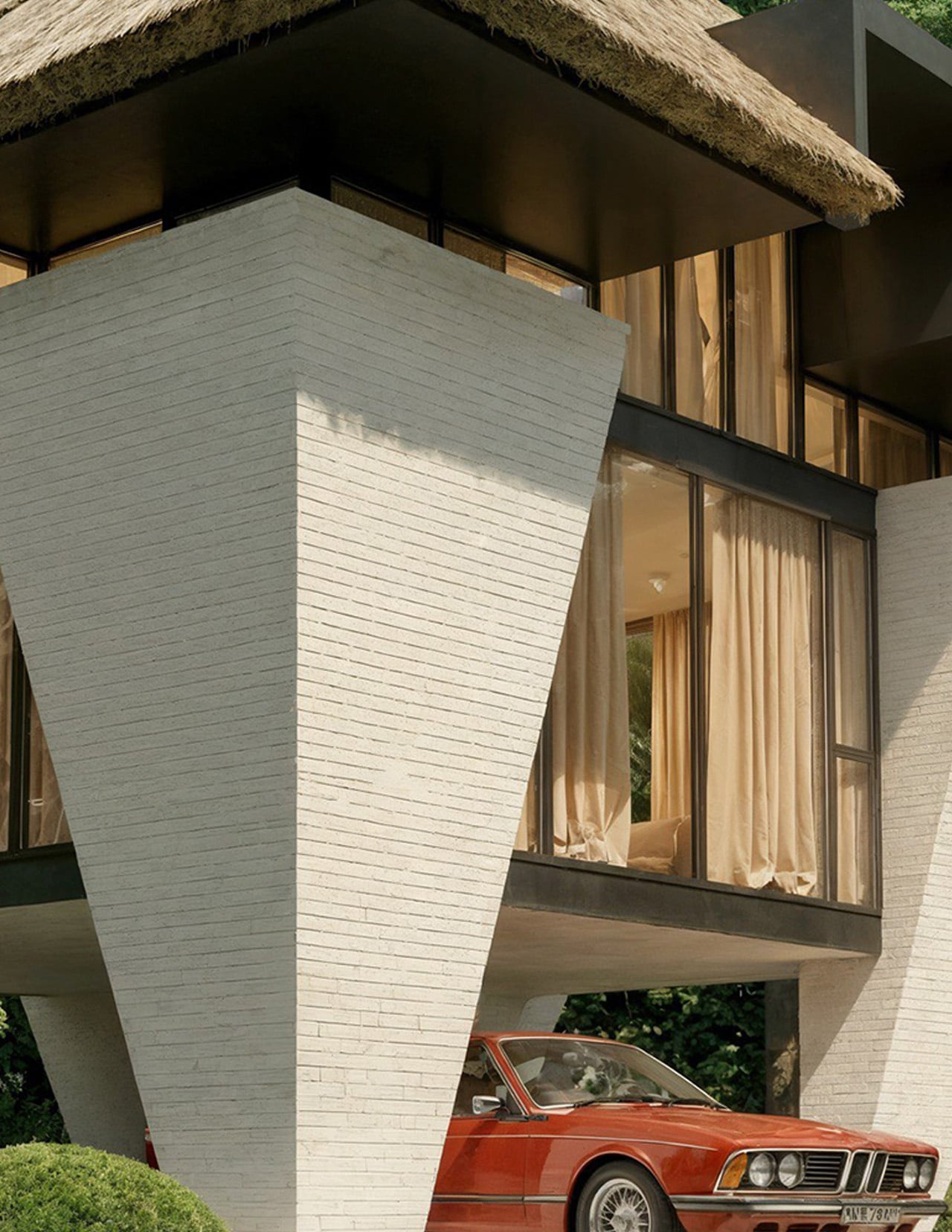
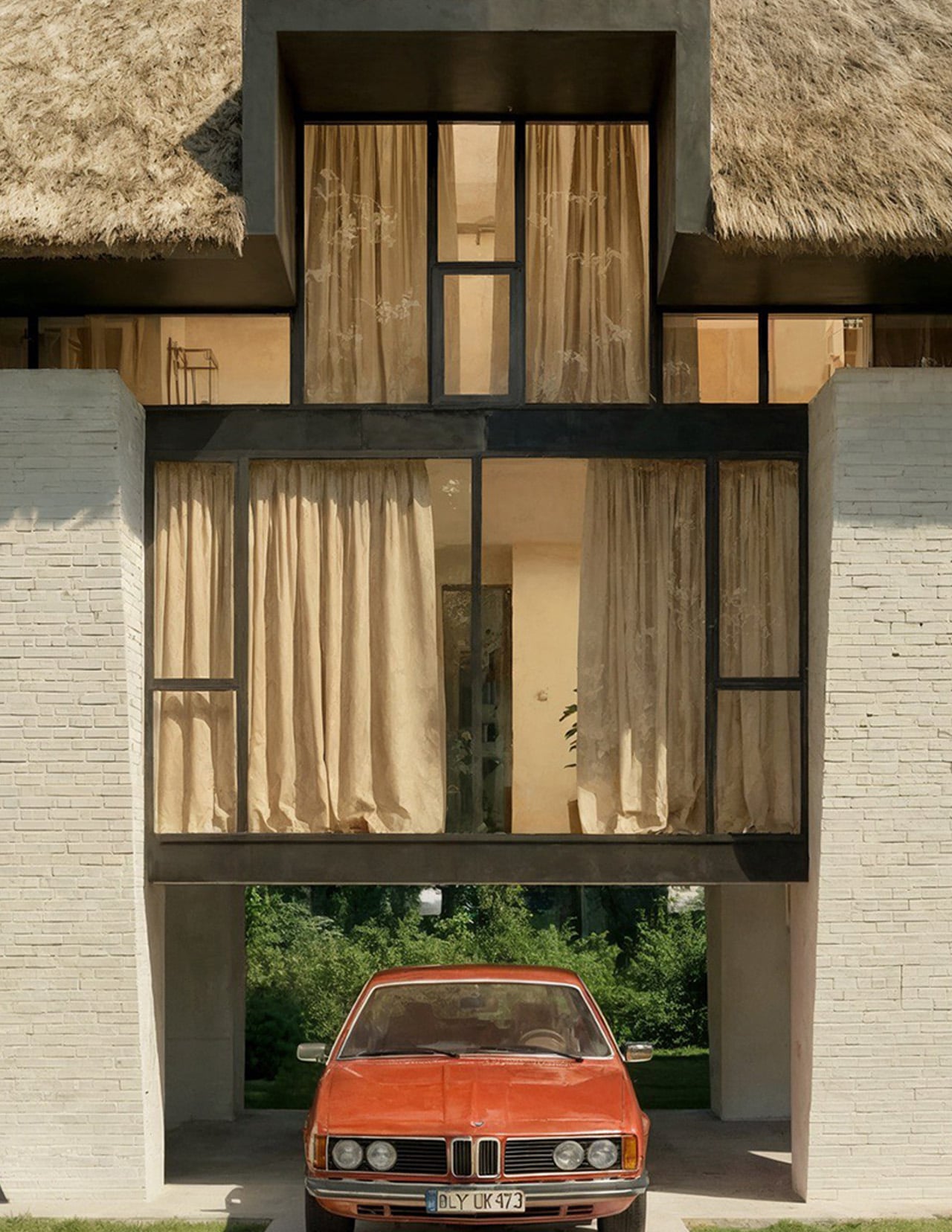
Shomali Design’s latest residential project does something unexpected with the ground beneath it. Rather than sprawling across the landscape, the Sarchina Villa hovers above it, suspended on four white brick columns that taper downward into inverted cones. This 250-square-meter residence challenges the conventional approach to building at ground level, proposing instead a floating structure that preserves the terrain below. Yaser and Yasin Rashid Shomali developed this approach as a means to strengthen the relationship between architecture and landscape, rather than compromising it.

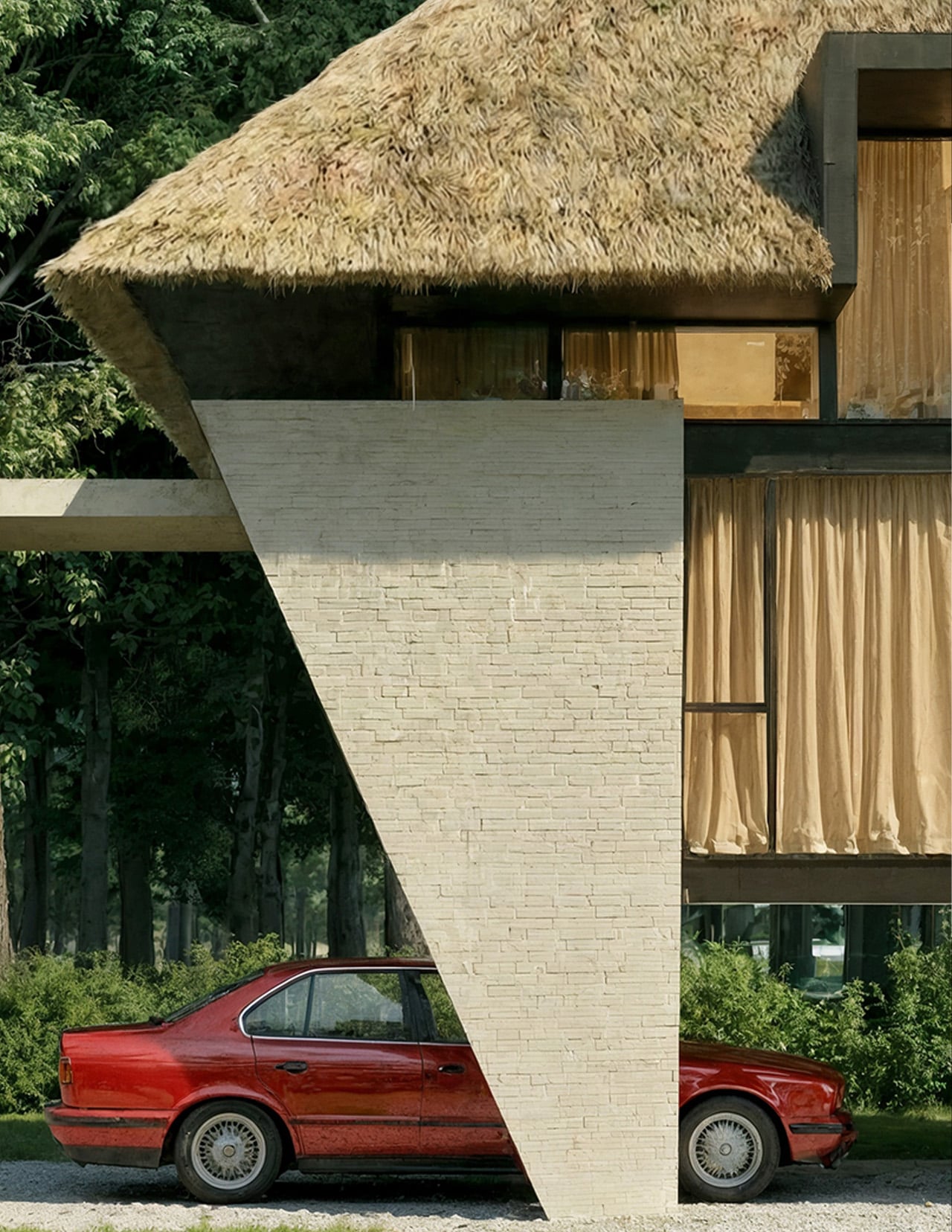
Those four columns do more than hold up the building. Their geometric form creates shifting shadow patterns throughout the day, turning the ground beneath into an animated space that changes with the sun’s movement. The white brick construction gives the supports a sculptural quality that makes them feel like intentional design elements rather than structural afterthoughts. By reducing the building’s footprint to these precise points of contact, the villa sits lightly on its site while maintaining a strong architectural presence.

Designer: Shomali Design

The pitched thatched roof brings vernacular building wisdom into the composition. Reed covering references construction methods that local builders have refined over generations, chosen not for aesthetic reasons alone but for genuine climate performance. The material insulates naturally while its textured surface contrasts sharply with the geometric precision below. This roof gives the villa its recognizable silhouette, visible from across the garden as a form that connects historical building practices with contemporary spatial thinking.

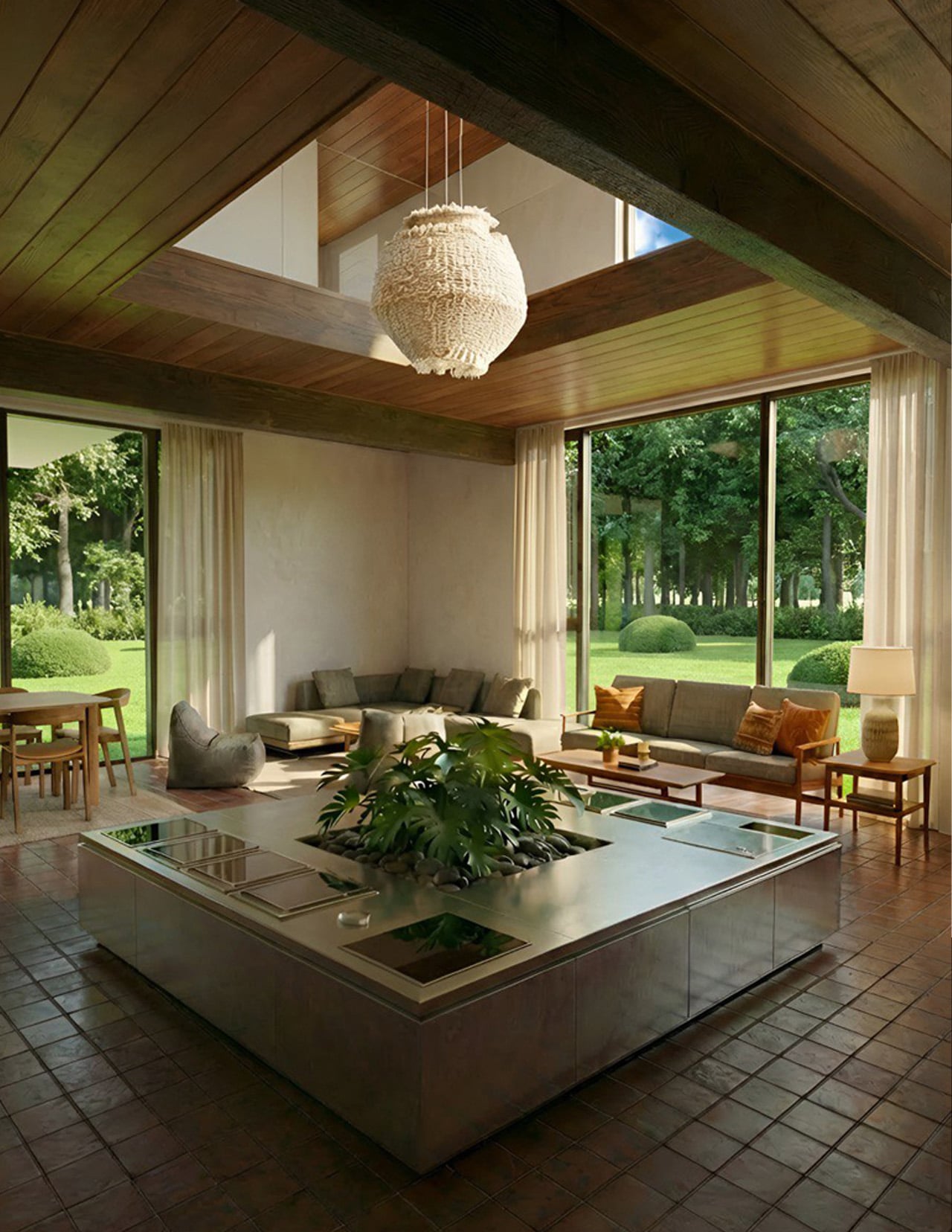
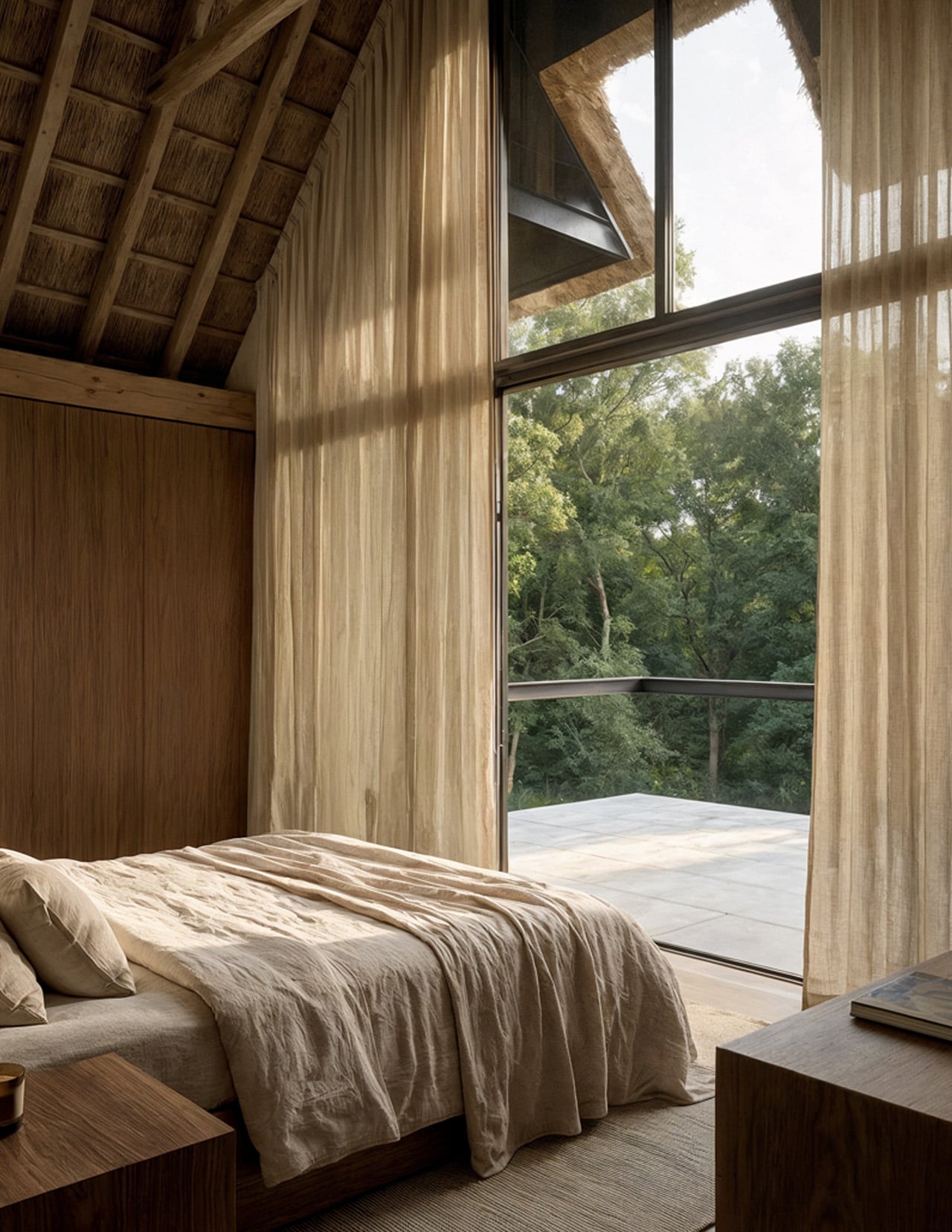
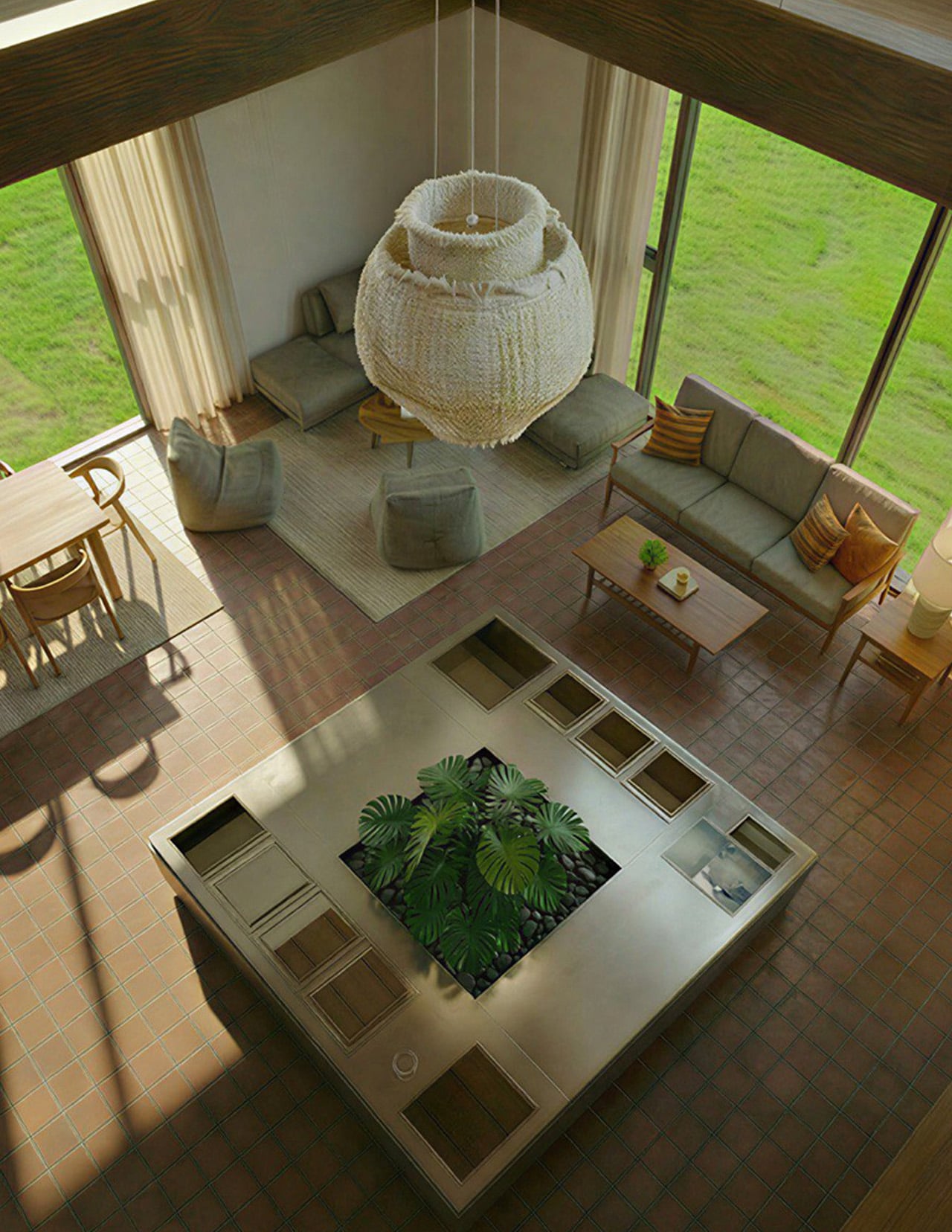
Glass walls wrap the main living spaces, framed by dark structural elements that organize the transparency without overwhelming it. These facades dissolve boundaries between inside and outside, making the compact floor plan feel significantly larger. Views extend in multiple directions from the main living area and bedroom, pulling the surrounding landscape into the daily experience of the house. The thatched roof overhead creates a sense of enclosure without blocking those sight lines, establishing distinct zones within an open plan.

Climate considerations shaped the villa’s form from the beginning. Lifting the structure allows air to circulate beneath the living spaces, providing passive cooling that reduces mechanical systems. The thick thatched roof handles insulation while its pitch sheds rainwater efficiently. Glazed walls receive shading from the roof’s overhang during harsh sun angles. These strategies work quietly in the background, reducing energy consumption while maintaining comfort.

Sarchina Villa shows what happens when a small residential project receives thoughtful design attention. The building balances lightness against mass, openness against shelter, modern geometry against traditional materials. Its elevated position creates a unique way of occupying the site, one that respects the landscape by touching it minimally. The result is a residence that feels grounded in its context while offering an elevated perspective on the environment around it.

The post This ‘Impossible’ Villa Floats on Just 4 Inverted Brick Cones and a Thatched Roof first appeared on Yanko Design.
This Budget Swiss Villa Looks Like It Costs Millions

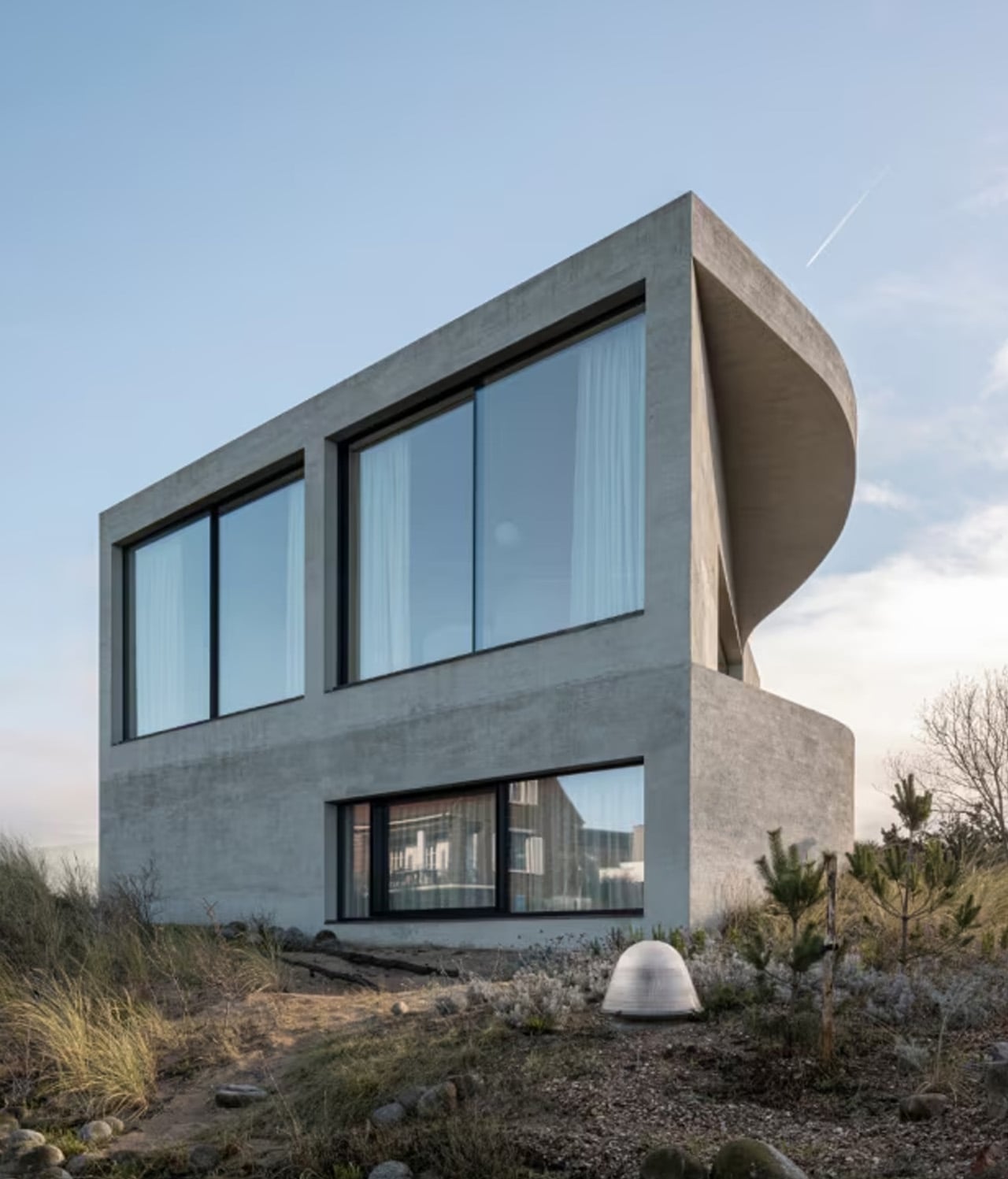
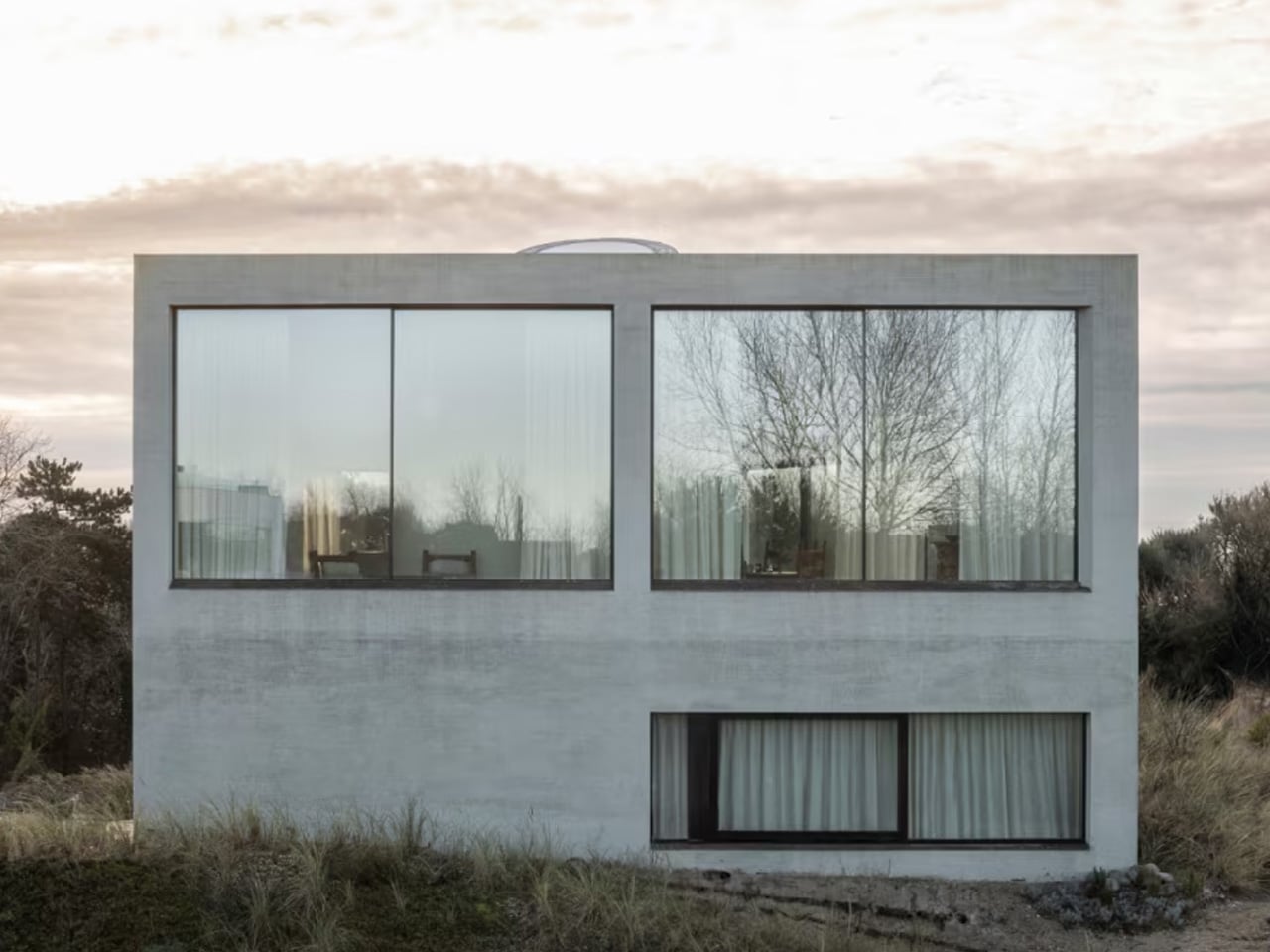
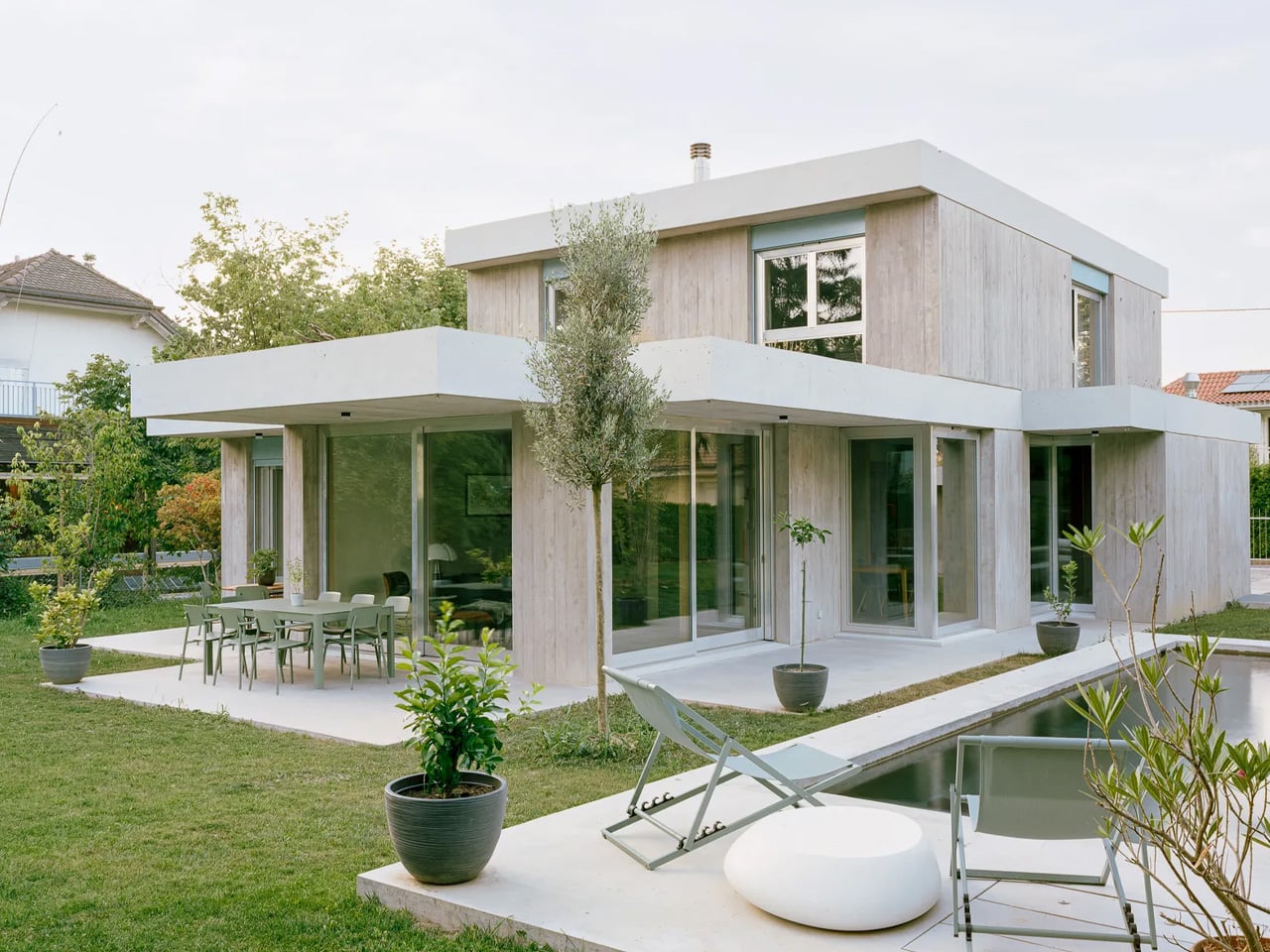
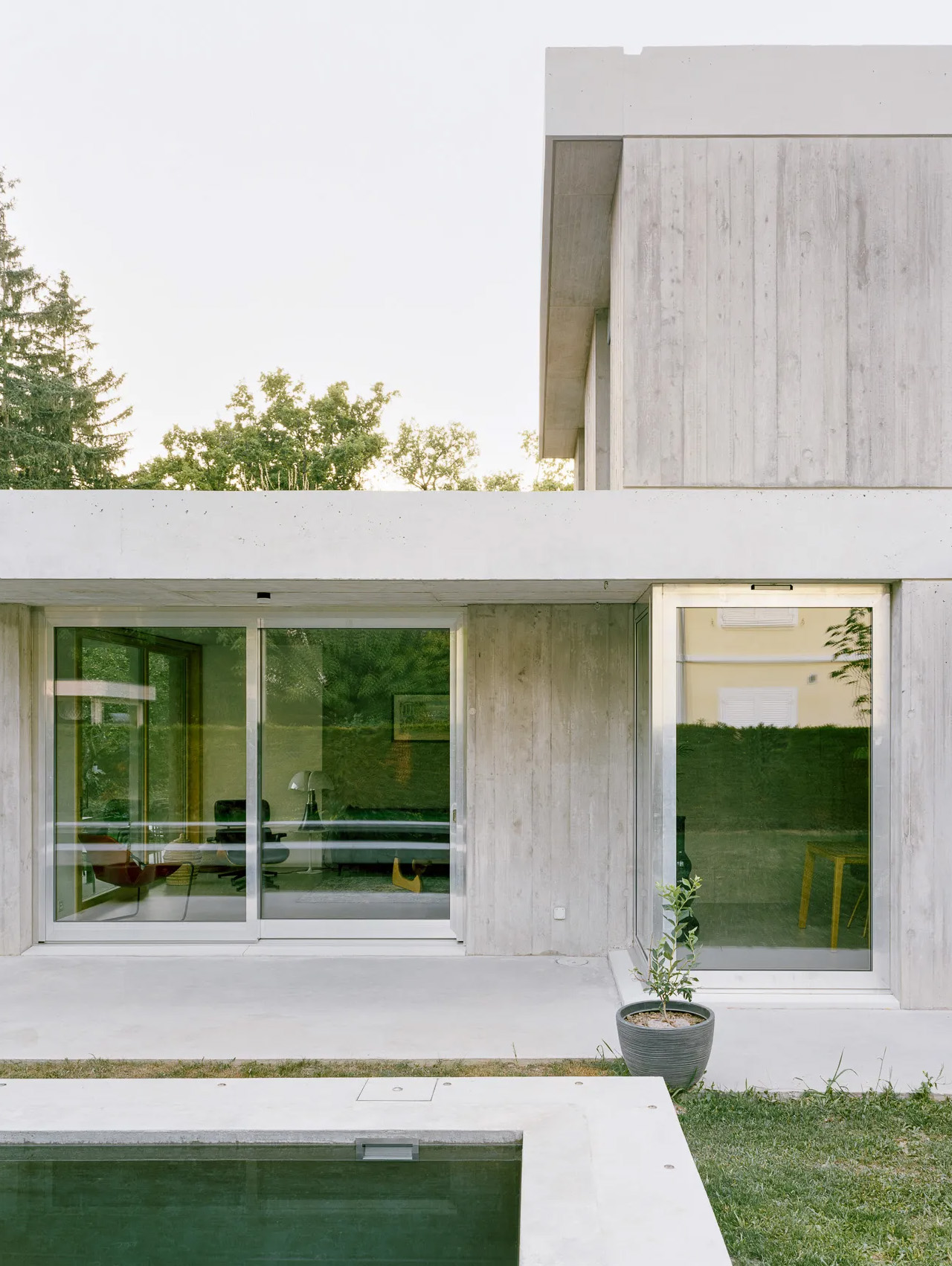
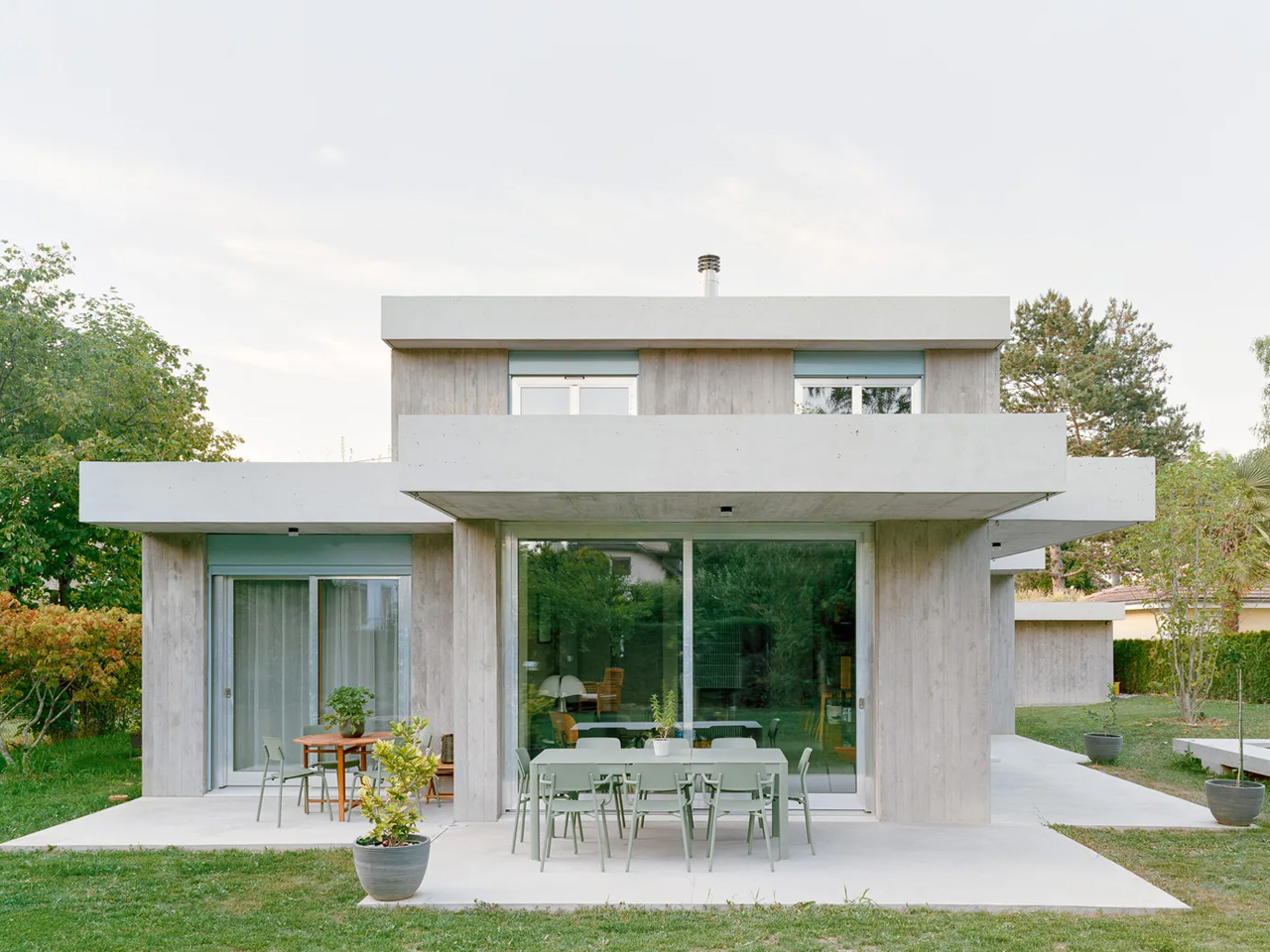
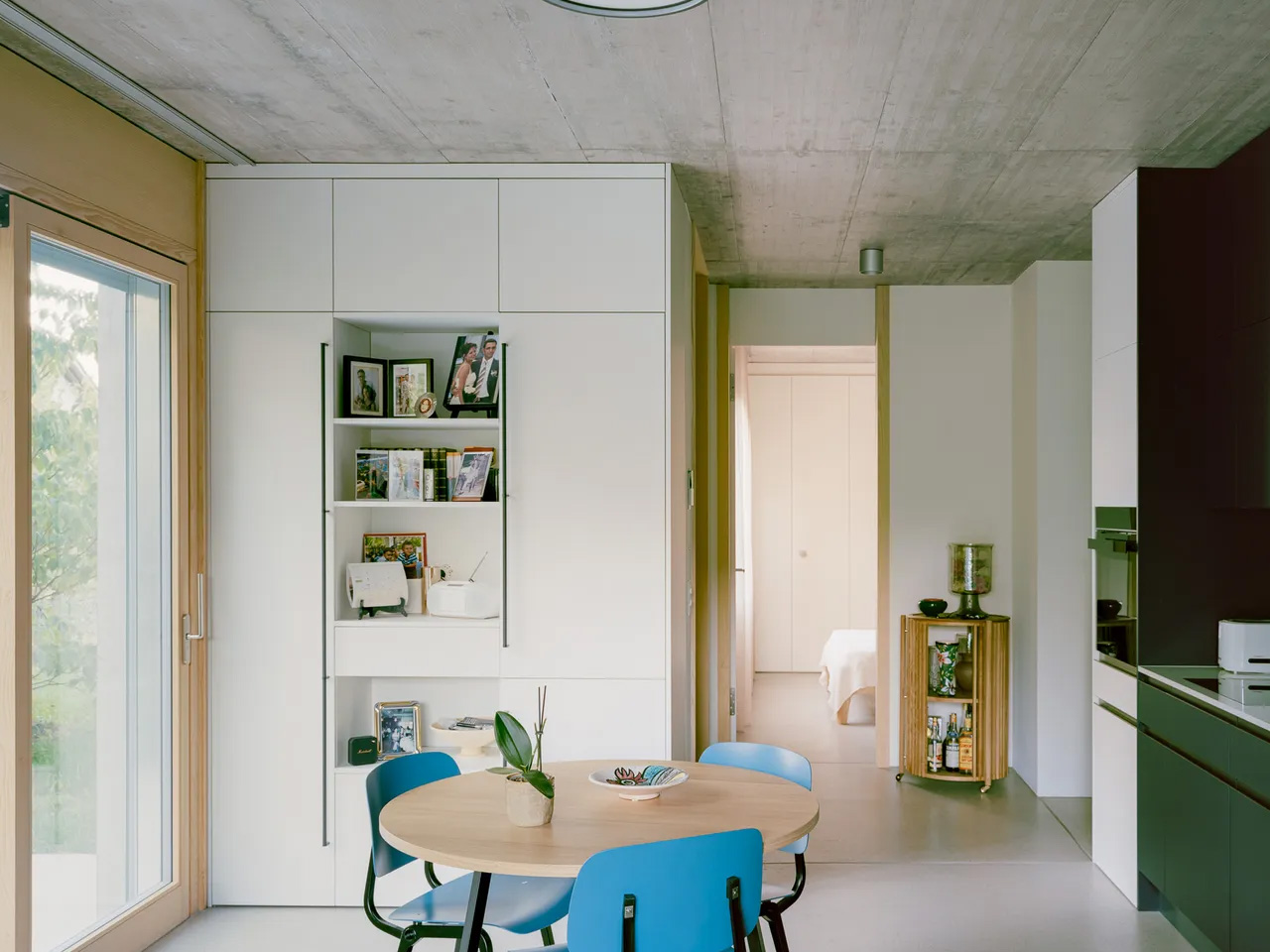
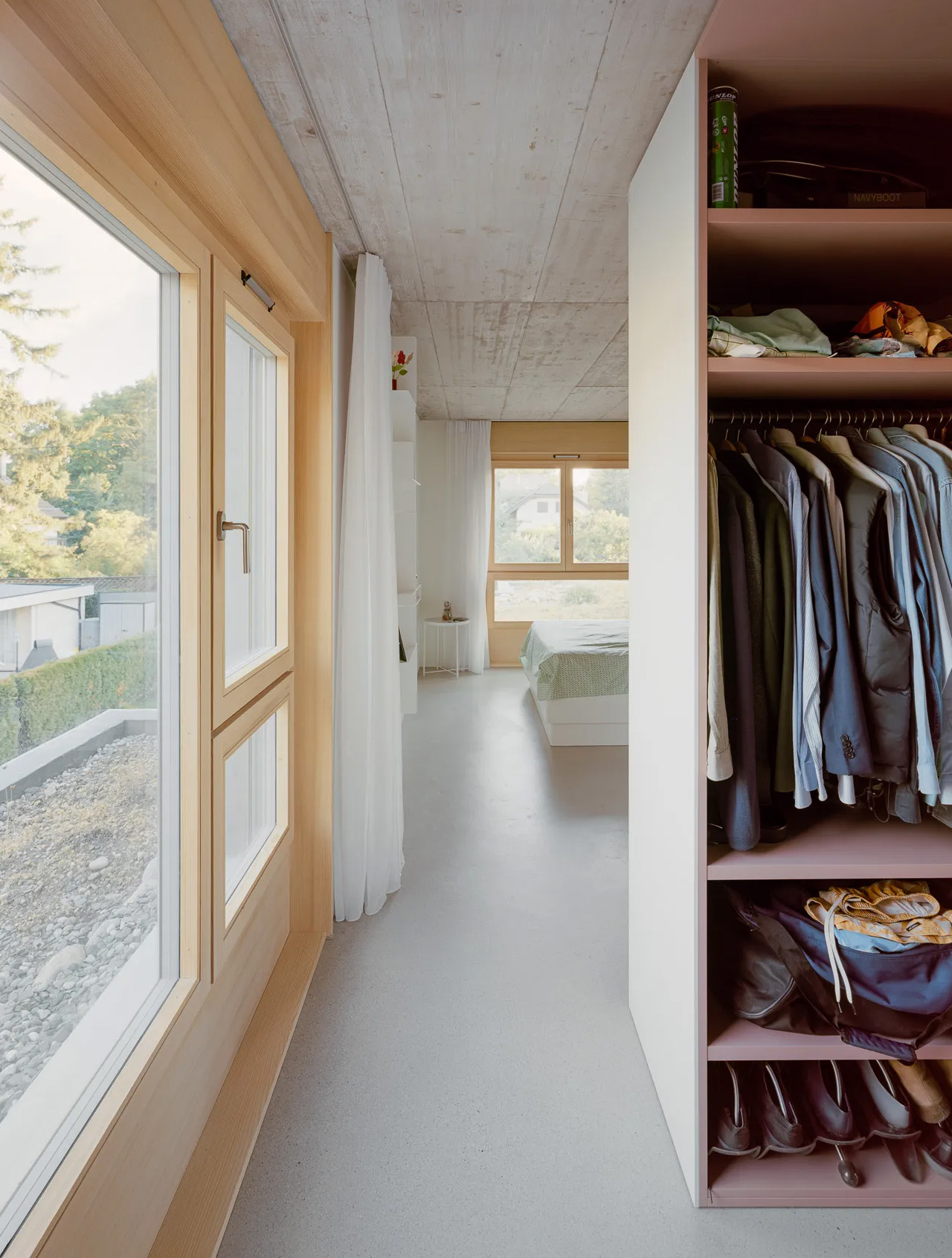
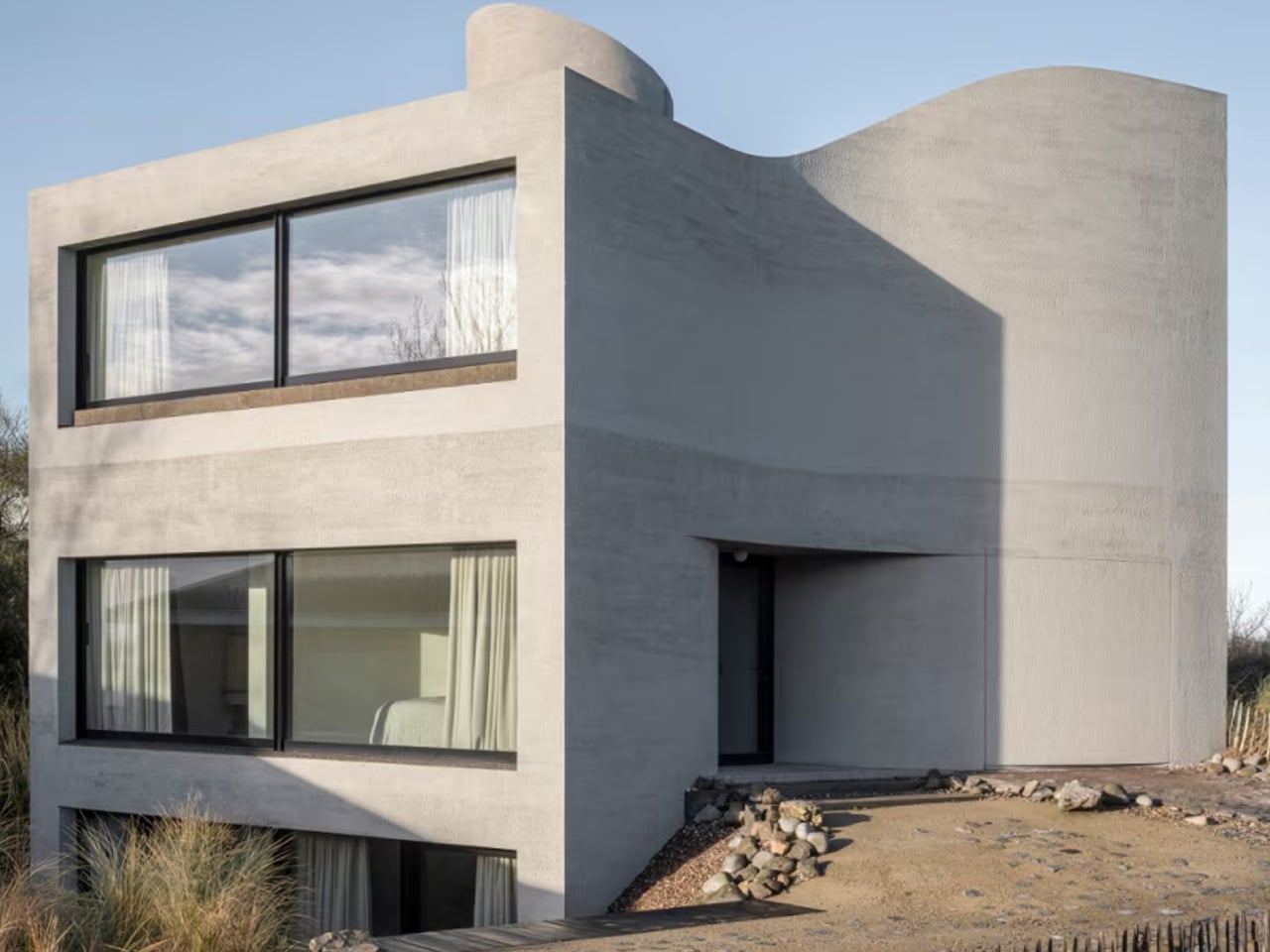
In Geneva’s exclusive Zone 5 district, where pristine villas typically command premium budgets, Lacroix Chessex Architectes has achieved something remarkable: a stunning concrete residence that embraces bold brutalist aesthetics while working within strict financial constraints. The newly completed villa in Pregny-Chambésy challenges preconceptions about both budget architecture and the warmth potential of raw concrete.

Geneva’s Zone 5 regulations presented the architects with a complex puzzle. Distance requirements from property boundaries, strict limits on built square meters as a percentage of plot area, and environmental mandates governing everything from permeable surfaces to solar panel quotas could have stifled creativity. Instead, the team found freedom within these parameters.

Designer: Lacroix Chessex

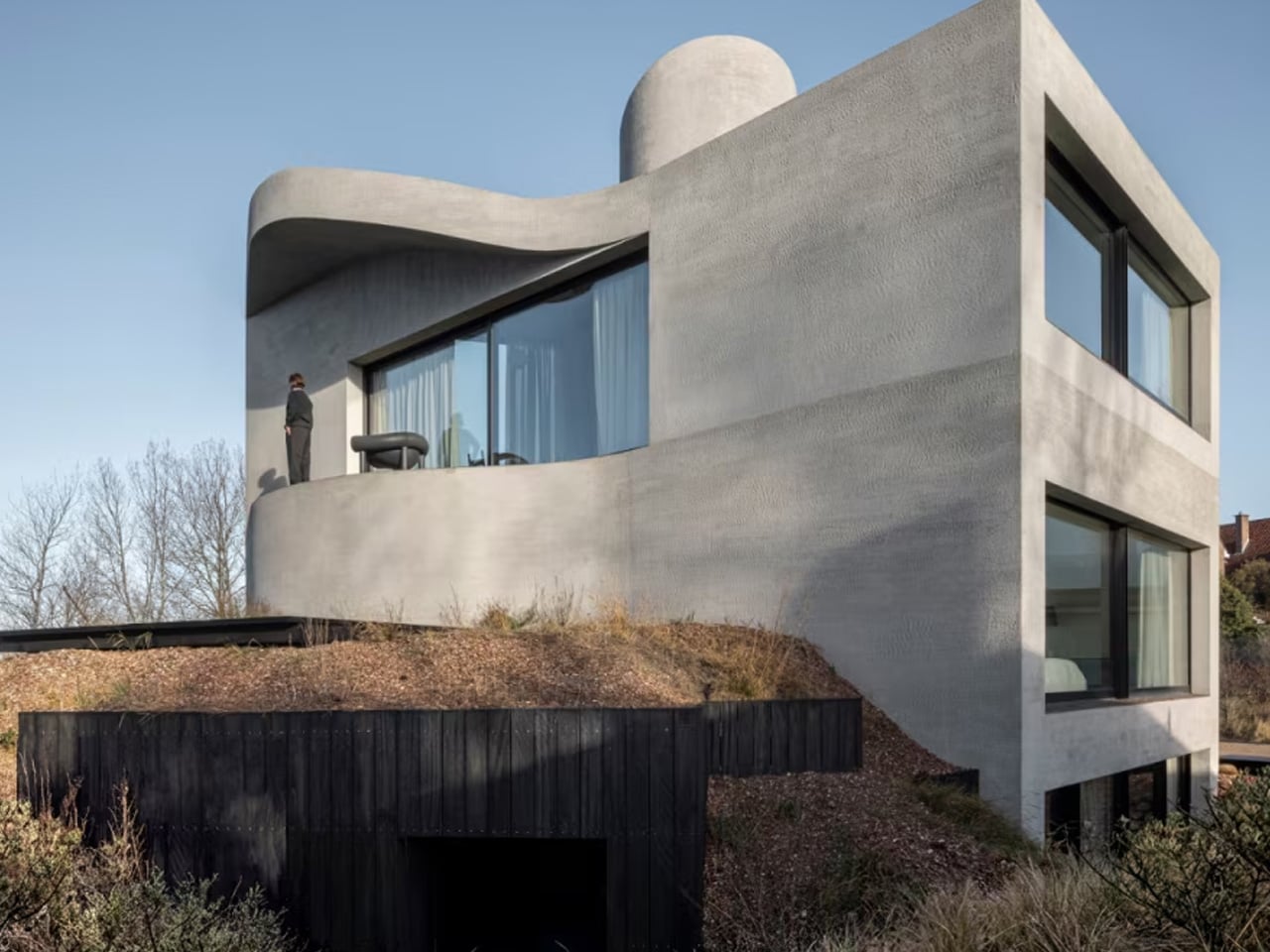
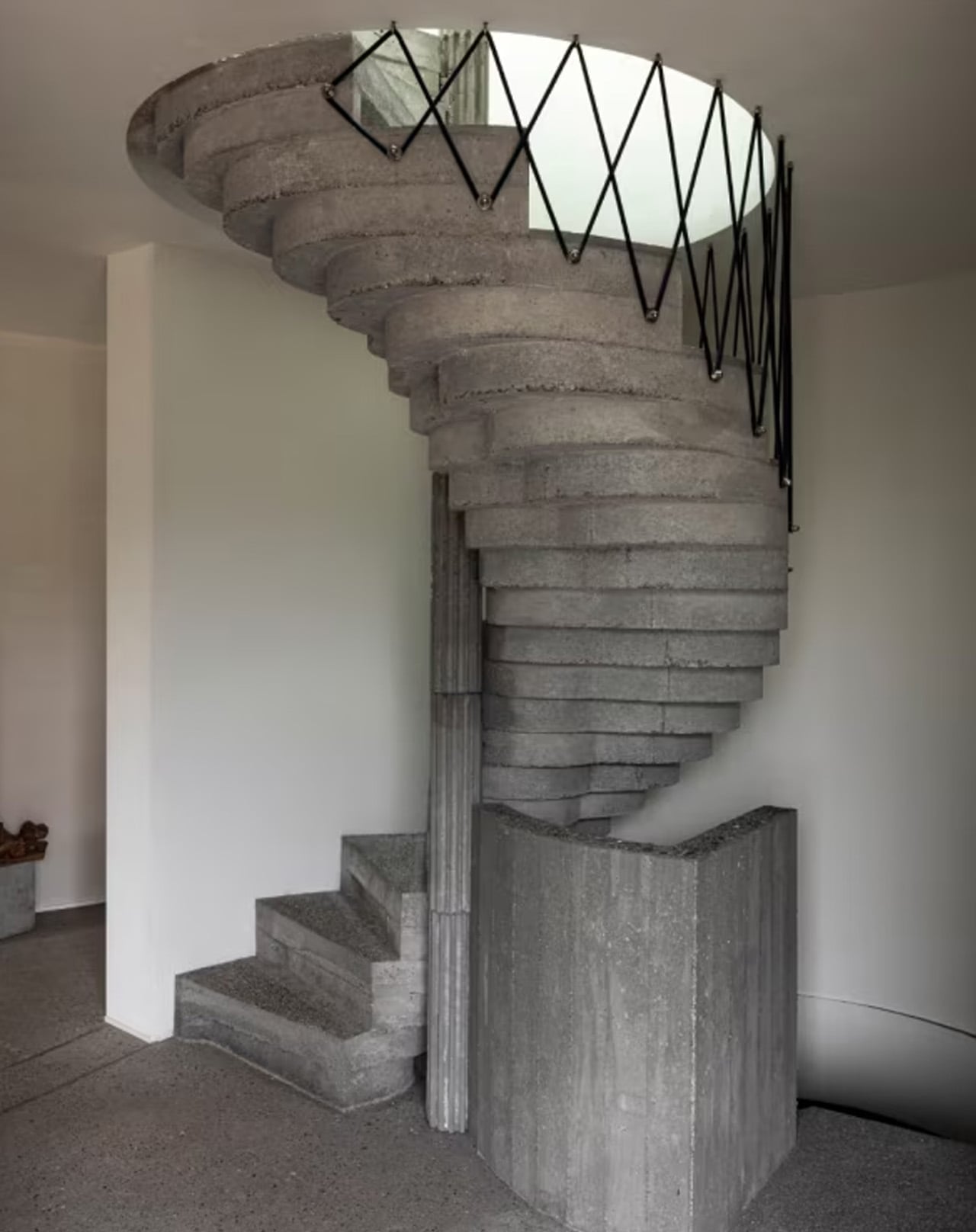
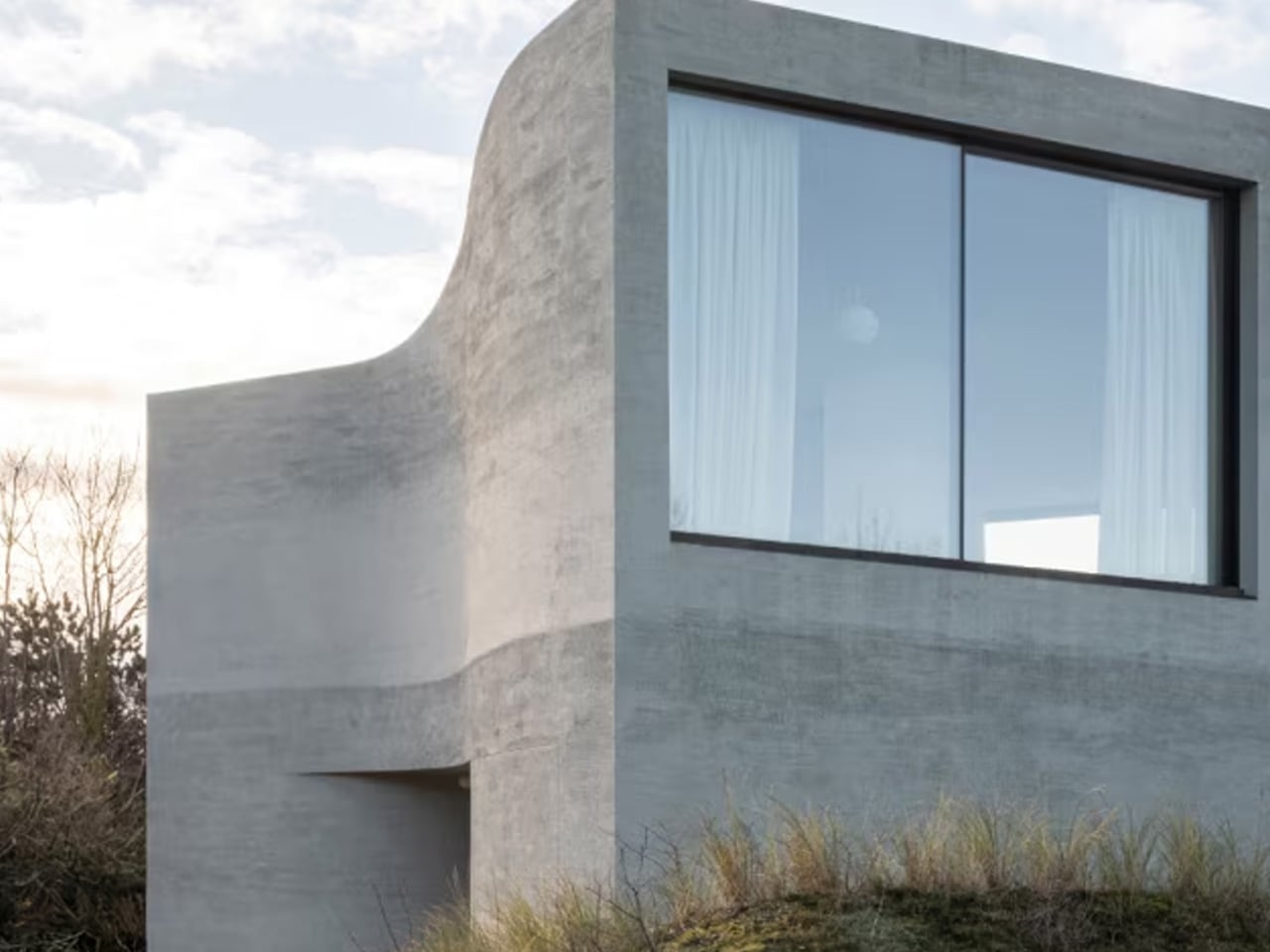
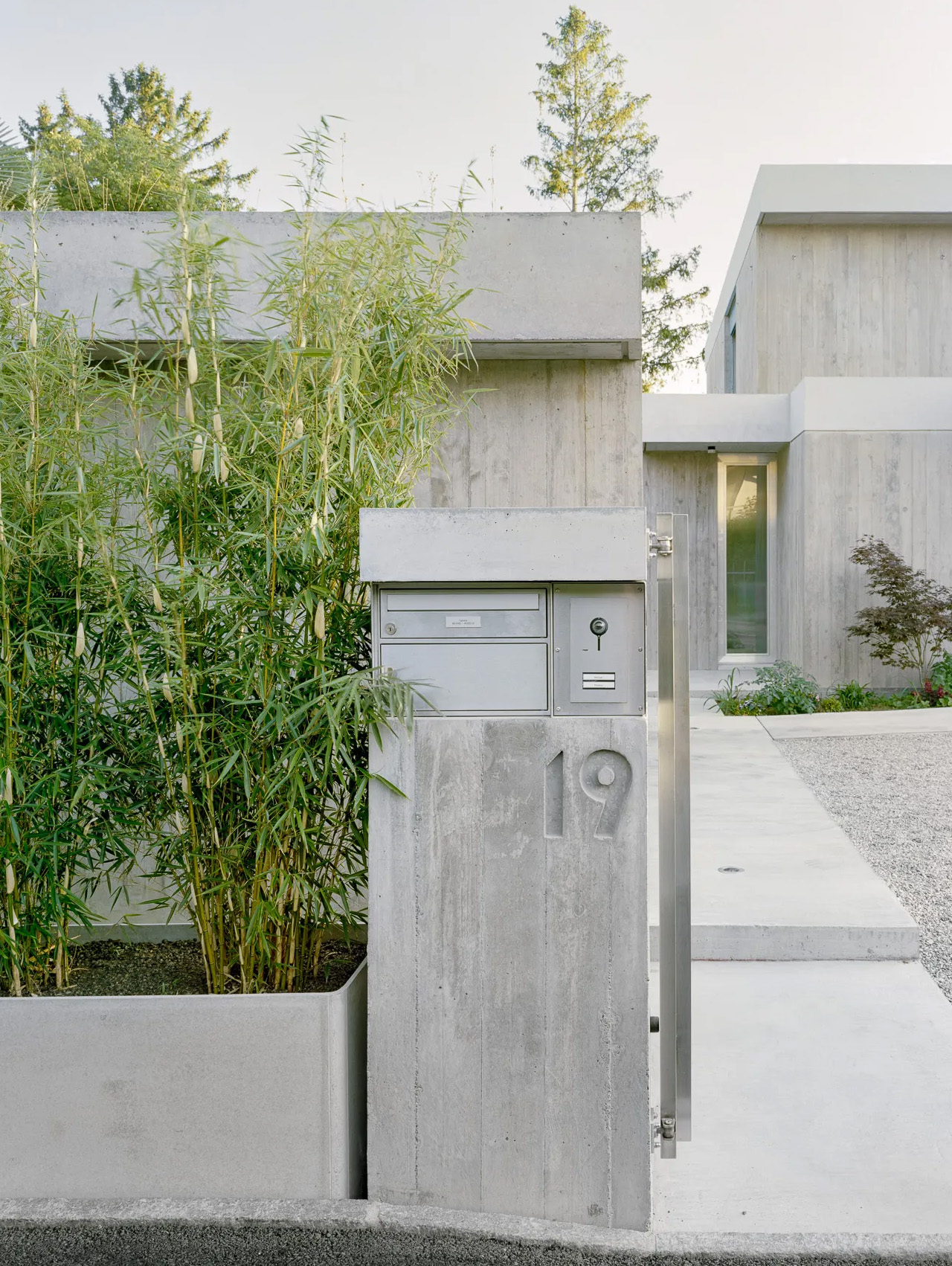
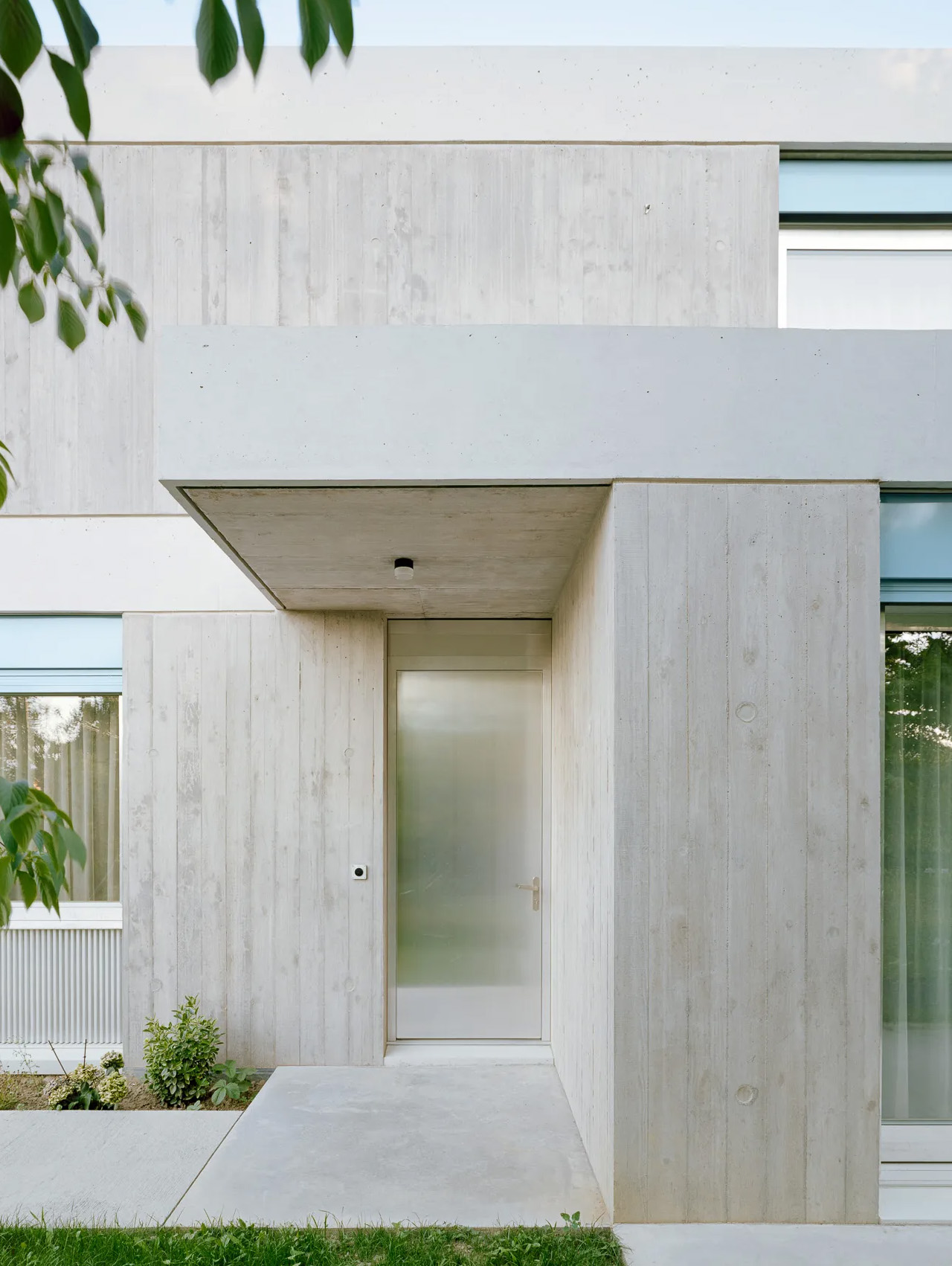
“In terms of the proposed architecture, we had quite a lot of freedom,” explains practice partner Virginie Fürst. “It was not complicated to propose this type of architecture for the permission.” This freedom manifested in a neo-brutalist exterior where vertical shuttering marks create dramatic texture across the facade, paired with polished concrete floors and exposed interior walls that maintain visual continuity between inside and outside.

The economic constraint became the design’s greatest strength. Rather than viewing the tight budget as a limitation, the architects embraced raw concrete construction paired with interior insulation as an “unbeatable” combination. Their innovative approach involved pouring solid concrete walls without window openings, then creating floor-to-ceiling gaps for doors and windows between structural elements. This method eliminated costly structural complications while achieving dramatic visual impact.

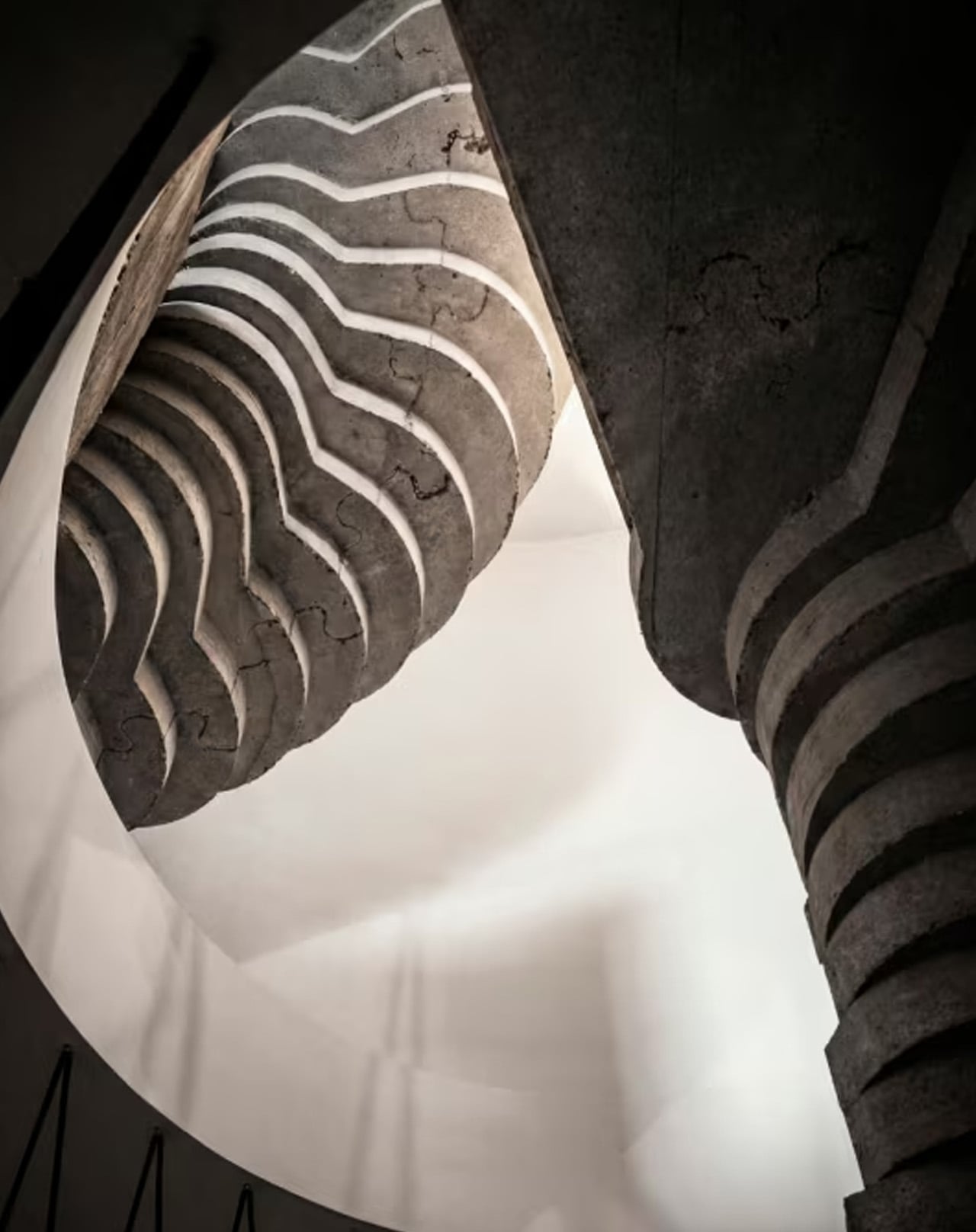
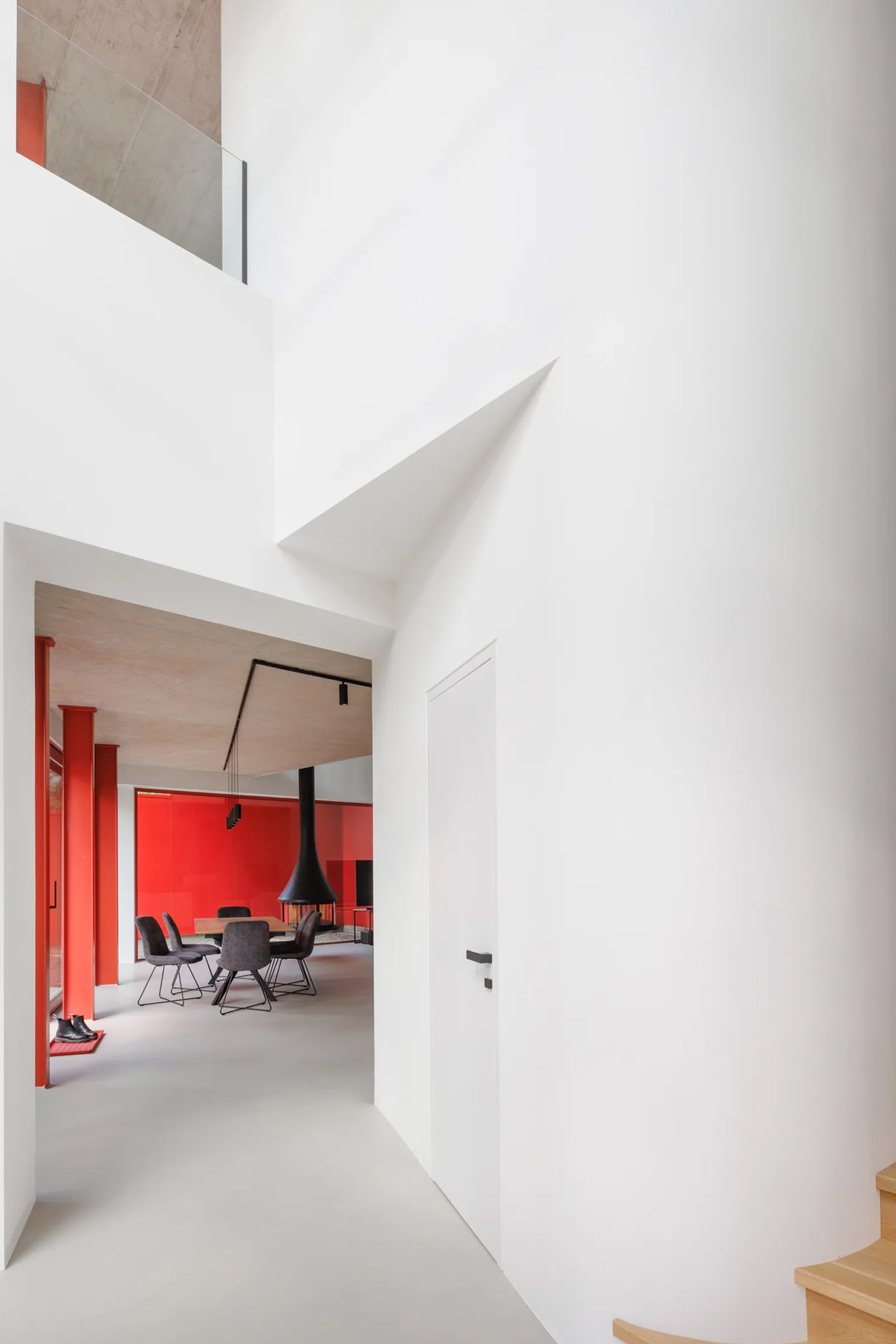
Perhaps the villa’s most ingenious feature lies in its “fragmentation of cascading volumes.” The ground floor features numerous step-backs and angled elements that create an illusion of expansiveness far beyond the actual square footage. Long axial views contrast beautifully with diagonal sightlines between angled walls, niches, and full-length windows. The architects carefully avoided large spans that would require expensive structural solutions, yet never compromised the sense of openness.

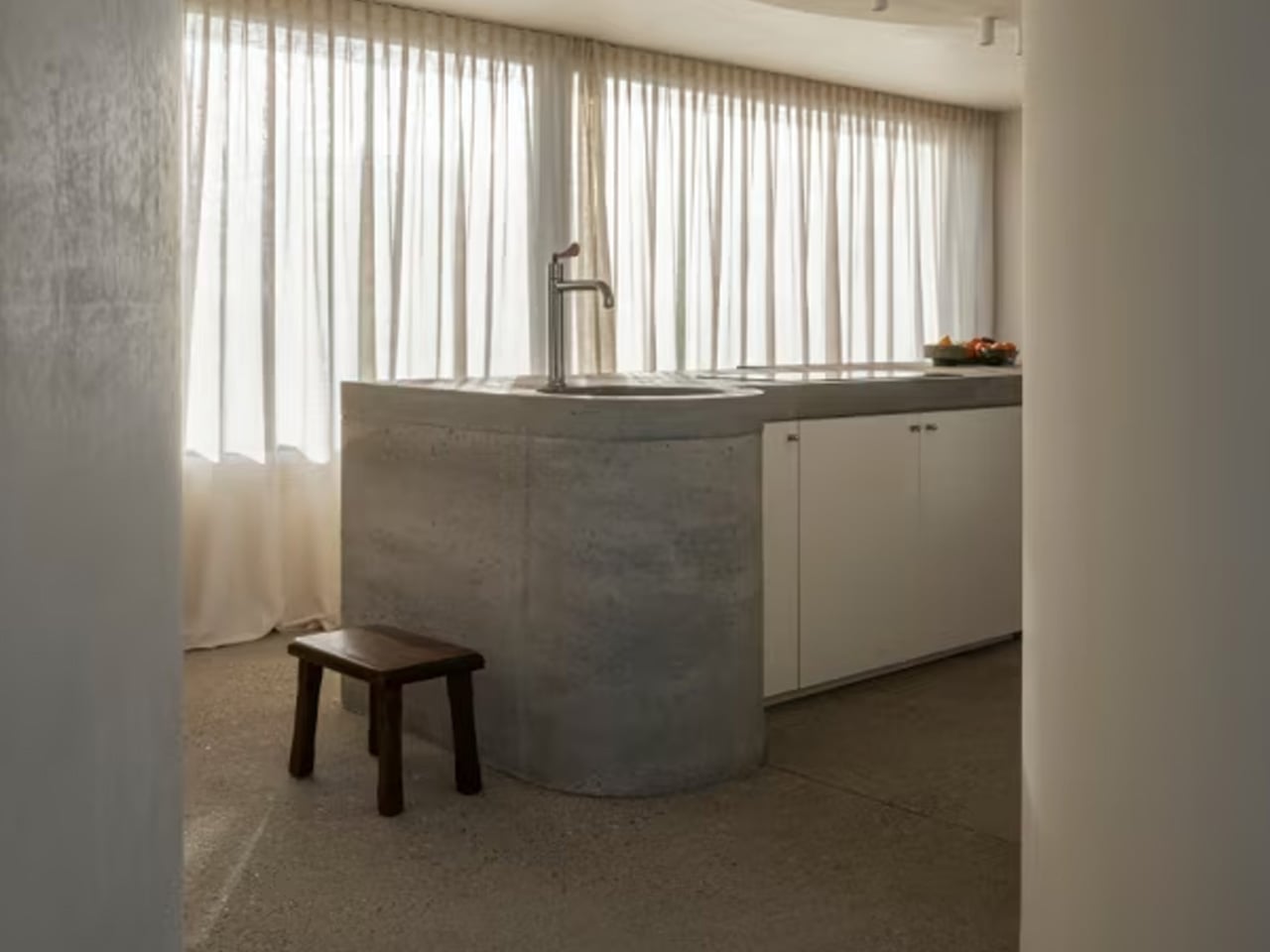
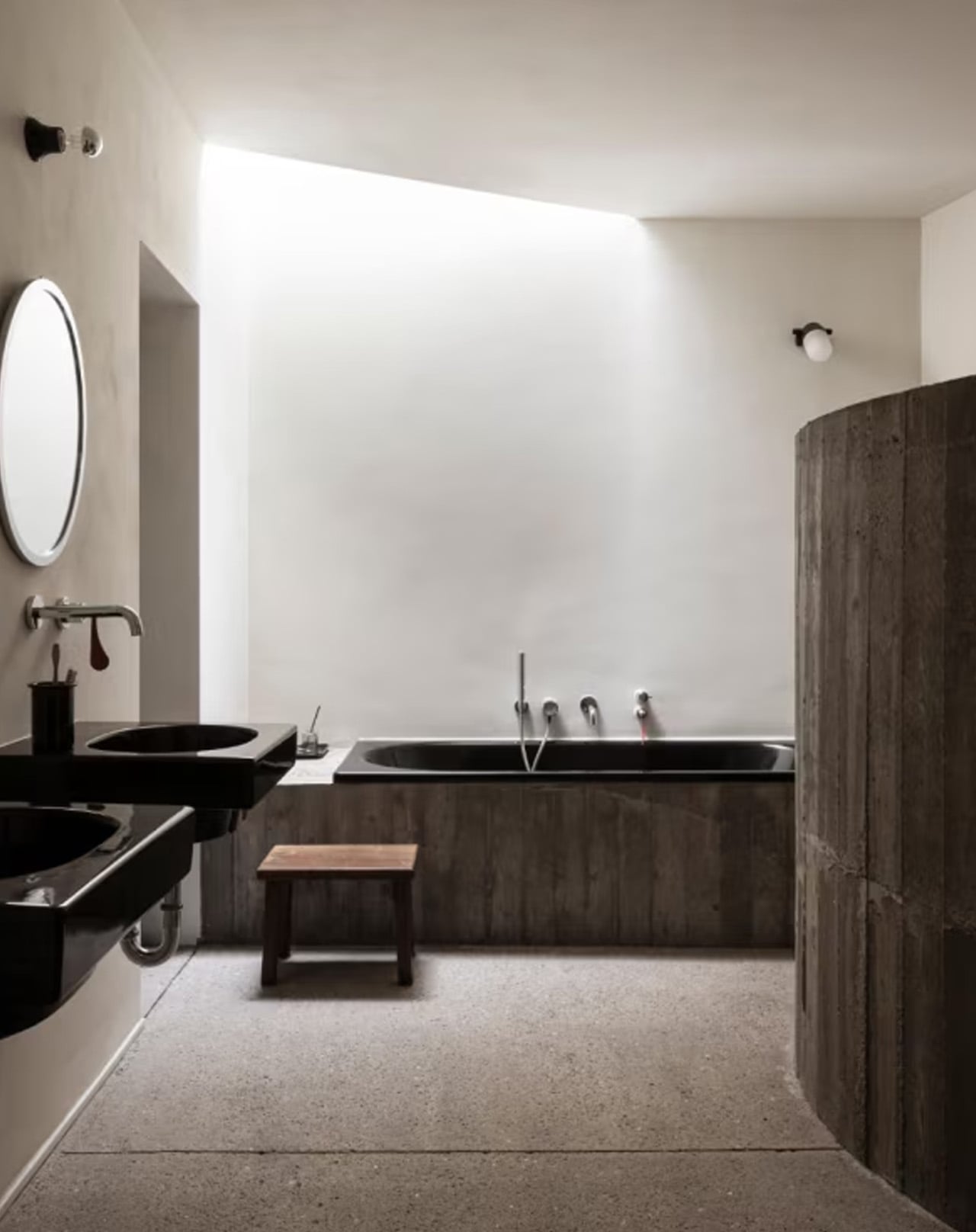
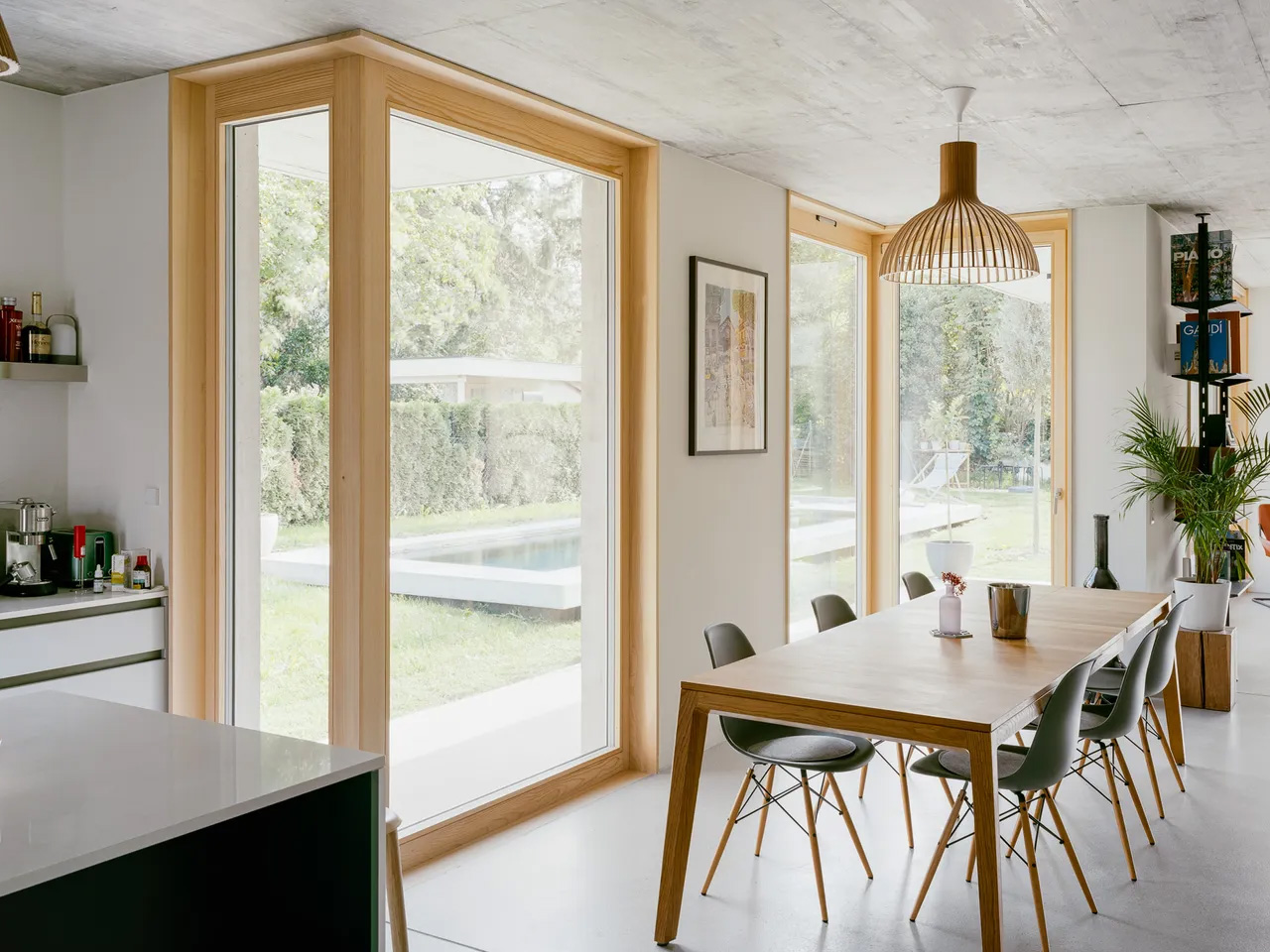
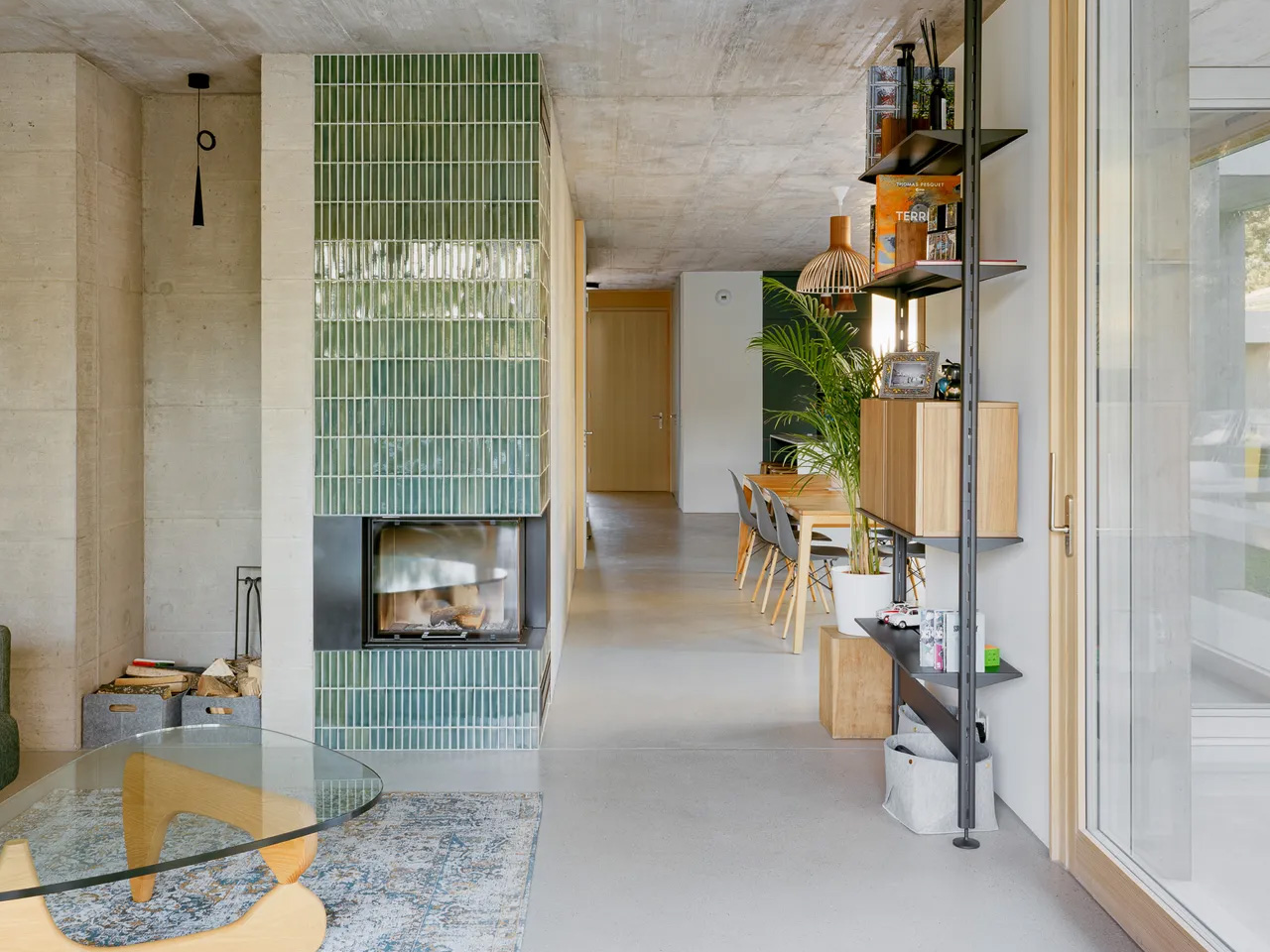
The interior layout flows seamlessly from the entrance hall through the kitchen and dining areas to the living room, while private spaces like the study and bathroom occupy more intimate corners of the idiosyncratic floor plan. Stone edging adds material warmth and textural contrast to the concrete surfaces, preventing the interior from feeling cold or institutional.

Practical considerations shaped the program thoughtfully. A self-contained one-bedroom flat provides independent living space for an older relative, while the traditional Swiss basement houses storage alongside a media and games room. These functional elements integrate seamlessly into the overall design narrative. The villa demonstrates that architectural sophistication doesn’t require unlimited budgets.

By embracing material honesty and working creatively within regulatory frameworks, Lacroix Chessex Architectes has created a residence that feels both contemporary and timeless. The exposed concrete surfaces, rather than appearing harsh, develop character through natural light and shadow play across the textured surfaces. This Geneva villa proves that constraints often breed the most innovative solutions. When budget limitations meet thoughtful design, the result can be architecture that’s both economically sensible and aesthetically compelling, challenging assumptions about what makes a luxury home.

The post This Budget Swiss Villa Looks Like It Costs Millions first appeared on Yanko Design.