Land Rover Defender Octa Has a V8 and 635 PS

Land Rover Defender Octa

The Land Rover Defender OCTA is a testament to the British brand’s commitment to pushing the boundaries of automotive engineering. Drawing inspiration from the diamond, the hardest mineral on Earth, the Defender OCTA embodies both resilience and striking beauty. Its exterior design features sharp, angular lines reminiscent of a diamond’s facets, while the interior features […]

The post Land Rover Defender Octa Has a V8 and 635 PS appeared first on Geeky Gadgets.

2024 LG Gram SuperSlim laptop is finally worthy of the name again

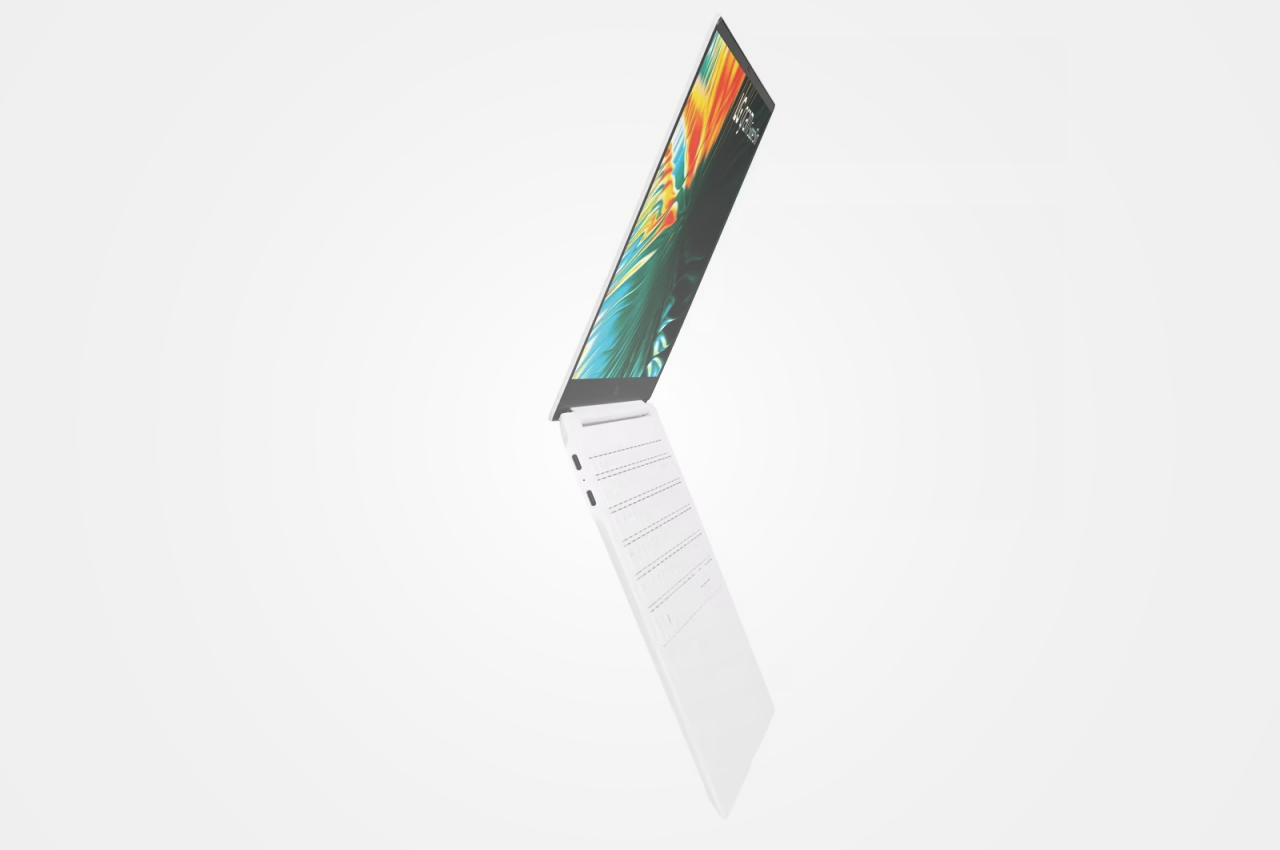
Laptops have come a long way from the earliest days when they were pretty much the size of attache cases, trying to cram hardware meant for desktops inside a more portable form. Even gaming laptops have started to become less burdensome, thanks to advancements in technology, and more notebooks are embracing increasingly thin designs for the sake of convenience and portability. Long ago, LG launched a line of laptops that boasted weights of less than a kilogram, hence the “Gram” branding, but it sort of lost that meaning in later models. It seems, however, that LG is back in business with its latest Gram SuperSlim design which finally hits that sub-kilogram mark yet again.

Designer: LG

To be fair, it’s not that hard to design a lightweight laptop, but making one that is both lightweight and powerful requires some juggling and compromises. Battery life is one of the first to suffer if you need to squeeze out both weight and thickness, with cooling solutions next in line due to the size of decent fans. But with components now getting thinner and smaller even as they get more powerful, manufacturers need to make fewer sacrifices for the sake of a sleek and slim design that still delivers the power that users need from a portable computer.

The newest LG Gram SuperSlim is a testament to that achievement, weighing only 2.18 lbs, barely hitting the kilogram mark, and is less than half an inch thick. That makes it thinner than an AA battery, not that such batteries are used as a standard for thinness. When opened, the 15.6-inch FHD screen looks incredibly and precariously thin, almost as if it could easily snap in half at the slightest force. Fortunately, the laptop does pass the MIL-STD-810H test for durability despite its fragile-looking body.

The laptop also packs quite the hardware, starting with an Intel Core Ultra 5 125H processor and 16GB of RAM. It also has a 60Wh battery rated for around 20 hours of video playback, though mileage will definitely vary. Sadly, it does rely solely on Intel’s integrated GPU, so graphics capabilities won’t be as expansive as having an NVIDIA or AMD chip. Of course, there is plenty of AI to go around, even if Windows Copilot wasn’t explicitly named.

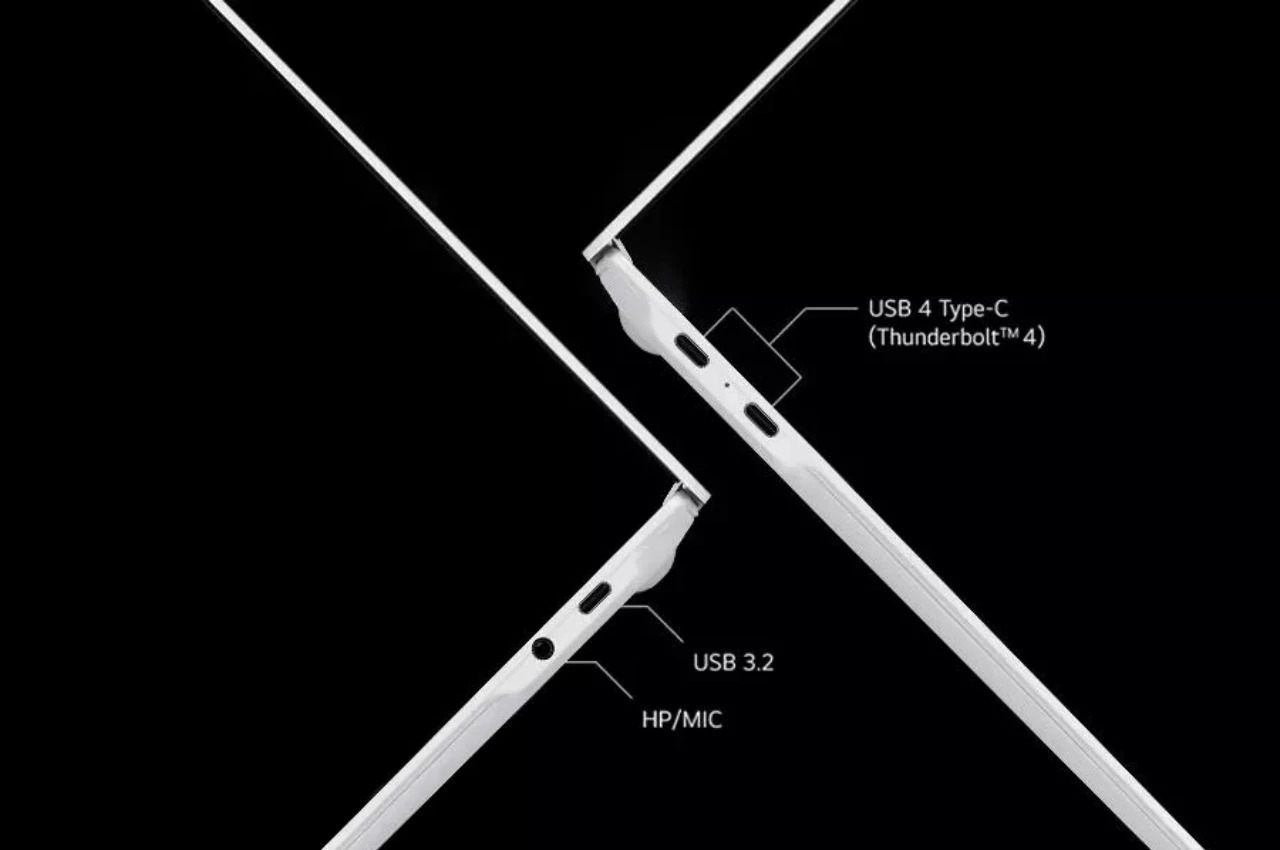
The 2024 LG Gram SuperSlim does make one compromise that Apple also made back in 2016, which earned it a lot of flak. The laptop only has three USB-C type ports and a headphone jack, ditching the full-sized USB and HDMI ports you’d typically find on most laptops. This is a necessary design decision to keep the laptop’s extra slim profile, but it won’t sit well with everyone. Another pain point might be the $1,399.99 price tag, though it’s currently on a $600 discount at the moment.

The post 2024 LG Gram SuperSlim laptop is finally worthy of the name again first appeared on Yanko Design.

Posted in Uncategorized | Tagged ,

Artists criticize Apple’s lack of transparency around Apple Intelligence data

Later this year, millions of Apple devices will begin running Apple Intelligence, Cupertino's take on generative AI that, among other things, lets people create images from text prompts. But some members of the creative community are unhappy about what they say is the company’s lack of transparency around the raw information powering the AI model that makes this possible.

“I wish Apple would have explained to the public in a more transparent way how they collected their training data,” Jon Lam, a video games artist and a creators’ rights activist based in Vancouver, told Engadget. “I think their announcement could not have come at a worse time.”

Creatives have historically been some of the most loyal customers of Apple, a company whose founder famously positioned it at the “intersection of technology and liberal arts.” But photographers, concept artists and sculptors who spoke to Engadget said that they were frustrated about Apple’s relative silence around how it gathers data for its AI models.

Generative AI is only as good as the data its models are trained on. To that end, most companies have ingested just about anything they could find on the internet, consent or compensation be damned. Nearly 6 billion images used to train multiple AI models also came from LAION-5B, a dataset of images scraped off the internet. In an interview with Forbes, David Holz, the CEO Midjourney, said that the company’s models were trained on “just a big scrape of the internet” and that “there isn’t really a way to get a hundred million images and know where they’re coming from.”

Artists, authors and musicians have accused generative AI companies of sucking up their work for free and profiting off of it, leading to more than a dozen lawsuits in 2023 alone. Last month, major music labels including Universal and Sony sued AI music generators Suno and Udio, startups valued at hundreds of millions of dollars, for copyright infringement. Tech companies have – ironically – both defended their actions and also struck licensing deals with content providers, including news publishers.

Some creatives thought that Apple might do better. “That’s why I wanted to give them a slight benefit of the doubt,” said Lam. “I thought they would approach the ethics conversation differently.”

Instead, Apple has revealed very little about the source of training data for Apple Intelligence. In a post published on the company’s machine learning research blog, the company wrote that, just like other generative AI companies, it grabs public data from the open web using AppleBot, its purpose-made web crawler, something that its executives have also said on stage. Apple’s AI and machine learning head John Giannandrea also reportedly said that “a large amount of training data was actually created by Apple” but did not go into specifics. And Apple has also reportedly signed deals with Shutterstock and Photobucket to license training images, but hasn’t publicly confirmed those relationships. While Apple Intelligence tries to win kudos for a supposedly more privacy-focused approach using on-device processing and bespoke cloud computing, the fundamentals girding its AI model appear little different from competitors.

Apple did not respond to specific questions from Engadget.

In May, Andrew Leung, a Los Angeles-based artist who has worked on films like Black Panther, The Lion King and Mulan, called generative AI “the greatest heist in the history of human intellect” in his testimony before the California State Assembly about the effects of AI on the entertainment industry. “I want to point out that when they use the term ‘publicly available’ it just doesn’t pass muster,” Leung said in an interview. “It doesn’t automatically translate to fair use.”

It’s also problematic for companies like Apple, said Leung, to only offer an option for people to opt out once they’ve already trained AI models on data that they did not consent to. “We never asked to be a part of it.” Apple does allow websites to opt out of being scraped by AppleBot forApple Intelligence training data – the company says it respects robots.txt, a text file that any website can host to tell crawlers to stay away – but this would be triage at best. It's not clear when AppleBot began scraping the web or how anyone could have opted out before then. And, technologically, it's an open question how or if requests to remove information from generative models can even be honored.

This is a sentiment that even blogs aimed at Apple fanatics are echoing. “It’s disappointing to see Apple muddy an otherwise compelling set of features (some of which I really want to try) with practices that are no better than the rest of the industry,” wrote Federico Viticci, founder and editor-in-chief of Apple enthusiast blog MacStories.

Adam Beane, a Los Angeles-based sculptor who created a likeness of Steve Jobs for Esquire in 2011, has used Apple products exclusively for 25 years. But he said that the company’s unwillingness to be forthright with the source of Apple Intelligence training data has disillusioned him.

"I'm increasingly angry with Apple," he told Engadget. "You have to be informed enough and savvy enough to know how to opt out of training Apple's AI, and then you have to trust a corporation to honor your wishes. Plus, all I can see being offered as an option to opt out is further training their AI with your data."

Karla Ortiz, a San Francisco-based illustrator, is one of the plaintiffs in a 2023 lawsuit against Stability AI and DeviantArt, the companies behind image generation models Stable Diffusion and DreamUp respectively, and Midjourney. “The bottom line is, we know [that] for generative AI to function as is, [it] relies on massive overreach and violations of rights, private and intellectual,” she wrote on a viral X thread about Apple Intelligence. “This is true for all [generative] AI companies, and as Apple pushes this tech down our throats, it’s important to remember they are not an exception.”

The outrage against Apple is also a part of a larger sense of betrayal among creative professionals against tech companies whose tools they depend on to do their jobs. In April, a Bloomberg report revealed that Adobe, which makes Photoshop and multiple other apps used by artists, designers, and photographers, used questionably-sourced images to train Firefly, its own image-generation model that Adobe claimed was “ethically” trained. And earlier this month, the company was forced to update its terms of service to clarify that it wouldn’t use the content of its customers to train generative AI models after customer outrage. “The entire creative community has been betrayed by every single software company we ever trusted,” said Lam. It isn’t feasible for him to switch away from Apple products entirely, he’s trying to cut back — he’s planning to give up his iPhone for a Light Phone III.

“I think there is a growing feeling that Apple is becoming just like the rest of them,” said Beane. “A giant corporation that is prioritizing their bottom line over the lives of the people who use their product.”

This article originally appeared on Engadget at https://www.engadget.com/artists-criticize-apples-lack-of-transparency-around-apple-intelligence-data-131250021.html?src=rss


Artists criticize Apple’s lack of transparency around Apple Intelligence data

Later this year, millions of Apple devices will begin running Apple Intelligence, Cupertino's take on generative AI that, among other things, lets people create images from text prompts. But some members of the creative community are unhappy about what they say is the company’s lack of transparency around the raw information powering the AI model that makes this possible.

“I wish Apple would have explained to the public in a more transparent way how they collected their training data,” Jon Lam, a video games artist and a creators’ rights activist based in Vancouver, told Engadget. “I think their announcement could not have come at a worse time.”

Creatives have historically been some of the most loyal customers of Apple, a company whose founder famously positioned it at the “intersection of technology and liberal arts.” But photographers, concept artists and sculptors who spoke to Engadget said that they were frustrated about Apple’s relative silence around how it gathers data for its AI models.

Generative AI is only as good as the data its models are trained on. To that end, most companies have ingested just about anything they could find on the internet, consent or compensation be damned. Nearly 6 billion images used to train multiple AI models also came from LAION-5B, a dataset of images scraped off the internet. In an interview with Forbes, David Holz, the CEO Midjourney, said that the company’s models were trained on “just a big scrape of the internet” and that “there isn’t really a way to get a hundred million images and know where they’re coming from.”

Artists, authors and musicians have accused generative AI companies of sucking up their work for free and profiting off of it, leading to more than a dozen lawsuits in 2023 alone. Last month, major music labels including Universal and Sony sued AI music generators Suno and Udio, startups valued at hundreds of millions of dollars, for copyright infringement. Tech companies have – ironically – both defended their actions and also struck licensing deals with content providers, including news publishers.

Some creatives thought that Apple might do better. “That’s why I wanted to give them a slight benefit of the doubt,” said Lam. “I thought they would approach the ethics conversation differently.”

Instead, Apple has revealed very little about the source of training data for Apple Intelligence. In a post published on the company’s machine learning research blog, the company wrote that, just like other generative AI companies, it grabs public data from the open web using AppleBot, its purpose-made web crawler, something that its executives have also said on stage. Apple’s AI and machine learning head John Giannandrea also reportedly said that “a large amount of training data was actually created by Apple” but did not go into specifics. And Apple has also reportedly signed deals with Shutterstock and Photobucket to license training images, but hasn’t publicly confirmed those relationships. While Apple Intelligence tries to win kudos for a supposedly more privacy-focused approach using on-device processing and bespoke cloud computing, the fundamentals girding its AI model appear little different from competitors.

Apple did not respond to specific questions from Engadget.

In May, Andrew Leung, a Los Angeles-based artist who has worked on films like Black Panther, The Lion King and Mulan, called generative AI “the greatest heist in the history of human intellect” in his testimony before the California State Assembly about the effects of AI on the entertainment industry. “I want to point out that when they use the term ‘publicly available’ it just doesn’t pass muster,” Leung said in an interview. “It doesn’t automatically translate to fair use.”

It’s also problematic for companies like Apple, said Leung, to only offer an option for people to opt out once they’ve already trained AI models on data that they did not consent to. “We never asked to be a part of it.” Apple does allow websites to opt out of being scraped by AppleBot forApple Intelligence training data – the company says it respects robots.txt, a text file that any website can host to tell crawlers to stay away – but this would be triage at best. It's not clear when AppleBot began scraping the web or how anyone could have opted out before then. And, technologically, it's an open question how or if requests to remove information from generative models can even be honored.

This is a sentiment that even blogs aimed at Apple fanatics are echoing. “It’s disappointing to see Apple muddy an otherwise compelling set of features (some of which I really want to try) with practices that are no better than the rest of the industry,” wrote Federico Viticci, founder and editor-in-chief of Apple enthusiast blog MacStories.

Adam Beane, a Los Angeles-based sculptor who created a likeness of Steve Jobs for Esquire in 2011, has used Apple products exclusively for 25 years. But he said that the company’s unwillingness to be forthright with the source of Apple Intelligence training data has disillusioned him.

"I'm increasingly angry with Apple," he told Engadget. "You have to be informed enough and savvy enough to know how to opt out of training Apple's AI, and then you have to trust a corporation to honor your wishes. Plus, all I can see being offered as an option to opt out is further training their AI with your data."

Karla Ortiz, a San Francisco-based illustrator, is one of the plaintiffs in a 2023 lawsuit against Stability AI and DeviantArt, the companies behind image generation models Stable Diffusion and DreamUp respectively, and Midjourney. “The bottom line is, we know [that] for generative AI to function as is, [it] relies on massive overreach and violations of rights, private and intellectual,” she wrote on a viral X thread about Apple Intelligence. “This is true for all [generative] AI companies, and as Apple pushes this tech down our throats, it’s important to remember they are not an exception.”

The outrage against Apple is also a part of a larger sense of betrayal among creative professionals against tech companies whose tools they depend on to do their jobs. In April, a Bloomberg report revealed that Adobe, which makes Photoshop and multiple other apps used by artists, designers, and photographers, used questionably-sourced images to train Firefly, its own image-generation model that Adobe claimed was “ethically” trained. And earlier this month, the company was forced to update its terms of service to clarify that it wouldn’t use the content of its customers to train generative AI models after customer outrage. “The entire creative community has been betrayed by every single software company we ever trusted,” said Lam. It isn’t feasible for him to switch away from Apple products entirely, he’s trying to cut back — he’s planning to give up his iPhone for a Light Phone III.

“I think there is a growing feeling that Apple is becoming just like the rest of them,” said Beane. “A giant corporation that is prioritizing their bottom line over the lives of the people who use their product.”

This article originally appeared on Engadget at https://www.engadget.com/artists-criticize-apples-lack-of-transparency-around-apple-intelligence-data-131250021.html?src=rss

LG 2024 gram SuperSlim 15.6-inch Full HD OLED laptop

OLED laptop 2024

LG Electronics USA has unveiled its latest innovation in the world of ultra-portable laptops with the 2024 LG gram SuperSlim. This new model, the 15Z90ST-G.AAW4U1, is designed to cater to the needs of users who prioritize portability without compromising on performance. With a sleek profile and advanced features, the LG gram SuperSlim is set to […]

The post LG 2024 gram SuperSlim 15.6-inch Full HD OLED laptop appeared first on Geeky Gadgets.

Sabrent launches High-Performance Rocket V60 microSDXC memory cards

Rocket microSDXC memory cards

Sabrent has unveiled its latest innovation, the Rocket V60 microSDXC Memory Card, designed to meet the needs of photographers, videographers, and everyday creators. Available in 128 GB, 256 GB, and 512 GB capacities, this memory card ensures smooth and reliable 8K video capture with a minimum write speed of 60 MB/s. The Rocket V60 microSDXC […]

The post Sabrent launches High-Performance Rocket V60 microSDXC memory cards appeared first on Geeky Gadgets.

Everything We Know About the Samsung Galaxy Ring

Samsung Galaxy Ring

We first heard about the Samsung Galaxy Ring, a highly anticipated smart ring, back in February, the device is set to transform the wearable technology market. As the launch date approaches, more information about its features, sizing, battery life, and pricing has emerged, giving tech enthusiasts a clearer idea of what to expect from this […]

The post Everything We Know About the Samsung Galaxy Ring appeared first on Geeky Gadgets.

240Hz Gaming Monitor Ultra-Fast AVANCE Series 25-inch FHD

240Hz Gaming Monitor

Did you know that a 240Hz refresh rate can display up to four times more frames per second than a standard 60Hz monitor? For gamers, this means ultra-smooth motion and a significant competitive edge. The YEYIAN AVANCE Series 25″ FHD 240Hz gaming monitor is designed to deliver just that, combining speed, performance, and visual quality […]

The post 240Hz Gaming Monitor Ultra-Fast AVANCE Series 25-inch FHD appeared first on Geeky Gadgets.

X1 Dual-Screen Business Laptop

Acemagic X1 Dual-Screen Laptop

The ACEMAGIC X1 is a new addition to the world of dual-screen laptop for enterprise users, featuring a powerful Intel Core i7-1255U processor and dual 14-inch Full HD displays. This innovative device is designed to meet the needs of modern professionals, offering unparalleled flexibility and efficiency. Dual-Screen Technology Key Takeaways Powered by Intel Core i7-1255U […]

The post X1 Dual-Screen Business Laptop appeared first on Geeky Gadgets.

20 More iOS 18 Features Revealed

iOS 18 Features

Apple’s iOS 18 Beta 2 introduces a wealth of new features and enhancements, further refining the user experience and expanding the capabilities of Apple’s mobile operating system. With over 20 notable updates, this beta release focuses on improving customization options, functionality, and overall usability across various aspects of iOS. The video below from Zollotech walks […]

The post 20 More iOS 18 Features Revealed appeared first on Geeky Gadgets.