This Open-Source Retropunk Computer Solves Distraction by Removing Everything Except Writing

Your laptop can do anything, which increasingly means it’s optimized for nothing. This isn’t a new observation, but the solutions have mostly been software-based: distraction-blocking apps, focus modes, website blockers that you can disable the moment willpower falters. The Typeframe project takes a more permanent approach – build a computer that literally cannot do anything except let you write.

Jeff Merrick’s open-source writerdeck designs come in two flavors. The PX-88 is a desktop-style portable with a full keyboard and integrated screen, styled after the 1985 Epson PX-4 that inspired it. The PS-85 shrinks down to a 40% keyboard layout while maintaining that same retro-futuristic aesthetic. Both use Raspberry Pi boards as their brains, and both are documented with the kind of step-by-step detail that assumes you’ve never touched CAD software or soldered components together.

Designer: Jeff Merrick

For the uninitiated, the Epson PX-4 was a chunky CP/M portable that field engineers actually carried into the field, with swappable keyboards and modular components that could turn it into different tools for different jobs. It ran on batteries and had a tiny 40×8 character display that virtually expanded to 80×25. The appeal wasn’t raw computing power – it was that the thing did exactly what you needed and nothing more. Merrick’s designs capture that purposefulness while swapping in modern components that are actually available and affordable.

The community around writerdecks has been growing quietly alongside the broader cyberdeck movement. Where cyberdecks lean into the hacker aesthetic with exposed electronics and tactical mounting points, writerdecks prioritize the writing experience itself. There’s active discussion on Reddit’s r/cyberDeck forum, open-source software projects like WareWoolf and ZeroWriter built specifically for distraction-free writing, and a thriving market for vintage AlphaSmart Neo devices – basically the original writerdecks from the early 2000s that are still beloved for their springy keyboards and complete lack of internet connectivity.

Merrick freely admits this is his first project at this scale, and he’s documented it with that beginner perspective intact. The full documentation lives at typeframe.net, with all the CAD files and electronics details on GitHub. It’s the kind of project that invites participation rather than demanding expertise, which feels increasingly rare in maker spaces that sometimes forget not everyone solders for fun.

The broader question is whether dedicated writing devices actually help people write more. The answer seems to be yes, but not because of any technical magic. Sitting down at a machine that only does one thing creates a kind of ritual commitment. You’re not just opening a document – you’re physically moving to a different device that exists solely for this purpose. It’s closer to the experience of sitting down at a typewriter or picking up a pen, except what you write is instantly digital, searchable, and portable. The AlphaSmart Neo proved there’s real demand for this experience, and projects like Typeframe are making it accessible to anyone willing to spend a weekend with a soldering iron and some determination.

The post This Open-Source Retropunk Computer Solves Distraction by Removing Everything Except Writing first appeared on Yanko Design.

Apple To Launch $599 MacBook With An A18 Pro Chip Inside? Here’s What We Know

The budget laptop market has long been dominated by Chromebooks and entry-level Windows machines, but Apple may be about to crash the party. Reports indicate the tech giant is preparing to launch a $599 MacBook featuring the A18 Pro chip, offering desktop-class macOS performance at a price point that directly challenges competitors. If true, this could be Apple’s biggest strategic shift in the laptop space in over a decade.

The rumored device would mark a dramatic departure from Apple’s traditional pricing strategy, which has kept MacBooks firmly in premium territory. But with Chromebooks capturing the education market and budget Windows laptops satisfying casual users, Apple has watched from the sidelines as millions of potential customers chose competitors simply because the price of entry was too high. This move could change that calculus entirely.

Designer: Apple

The laptops could sport a colorful design, helping differentiate it from the more capable Air and Pro models.

The A18 Pro chip is the same processor that powers the iPhone 16 Pro, and Apple claims it delivers performance comparable to the M1 MacBook Air. That’s a legitimately capable chip for everyday computing tasks like web browsing, document editing, video streaming, and light photo work. You’re looking at a 12.9-inch display housed in what’s described as an ultra-thin, lightweight frame, with color options including silver, blue, pink, and yellow. The base model comes with 8GB of RAM, though there’s reportedly an option to upgrade to 16GB. It runs full macOS, which means you get access to the entire Apple ecosystem and software library, something Chromebooks fundamentally cannot offer.

But here’s where things get interesting, and where Apple’s compromises become obvious. No Thunderbolt ports. Limited external display support. That base 8GB of RAM is going to struggle with anything beyond basic multitasking. This machine is clearly designed for a specific user: students writing papers, casual users checking email and browsing the web, first-time Mac buyers who want to dip their toes into the ecosystem without dropping two grand. Apple isn’t trying to replace the MacBook Air or Pro with this device. They’re creating an entirely new category within their lineup, one that prioritizes accessibility over capability.

Spring 2026 puts this launch alongside the M5 MacBook Air, which will undoubtedly carry a higher price tag and more robust specs. Apple gets to segment their market cleanly: budget buyers get the A18 Pro MacBook, mainstream users get the M5 Air, and professionals stick with the Pro and Max configurations. Analysts are predicting this could boost MacBook shipments by up to 40 percent, which would be massive for a company that’s watched competitors dominate the sub-$700 laptop space for years.

There’s a real risk here that Apple cannibalizes their own iPad sales. Why would someone buy an iPad in the same price range when they could get a full laptop with macOS instead? The value proposition shifts dramatically when you’re comparing a tablet with accessories that cost more than this MacBook to an actual laptop with a keyboard included. Apple clearly thinks the trade-off is worth it, betting that bringing more people into the Mac ecosystem will pay dividends down the line when those users eventually upgrade to pricier models.

The post Apple To Launch $599 MacBook With An A18 Pro Chip Inside? Here’s What We Know first appeared on Yanko Design.

$500 Laptop Clones Microsoft’s $2,000 Surface Laptop Studio

Convertible laptops with creative, flexible hinges are usually reserved for the premium end of the market, where prices climb well beyond what most people can comfortably afford. The Microsoft Surface Laptop Studio is a dream machine for designers and students. Still, its price tag puts it completely out of reach for anyone working with a tight budget or limited funds for technology investments that exceed a thousand dollars.

The NWNLAP H140S brings that unique pull-forward, 4-in-1 design to a much lower price point, around $500, depending on promotions and configurations you choose. It’s a laptop that looks the part and offers surprising versatility for everyday tasks, but also comes with a few trade-offs you’ll want to consider carefully before making a purchase. The design inspiration is clear, but so are the practical compromises.

Designer: NWNLAP

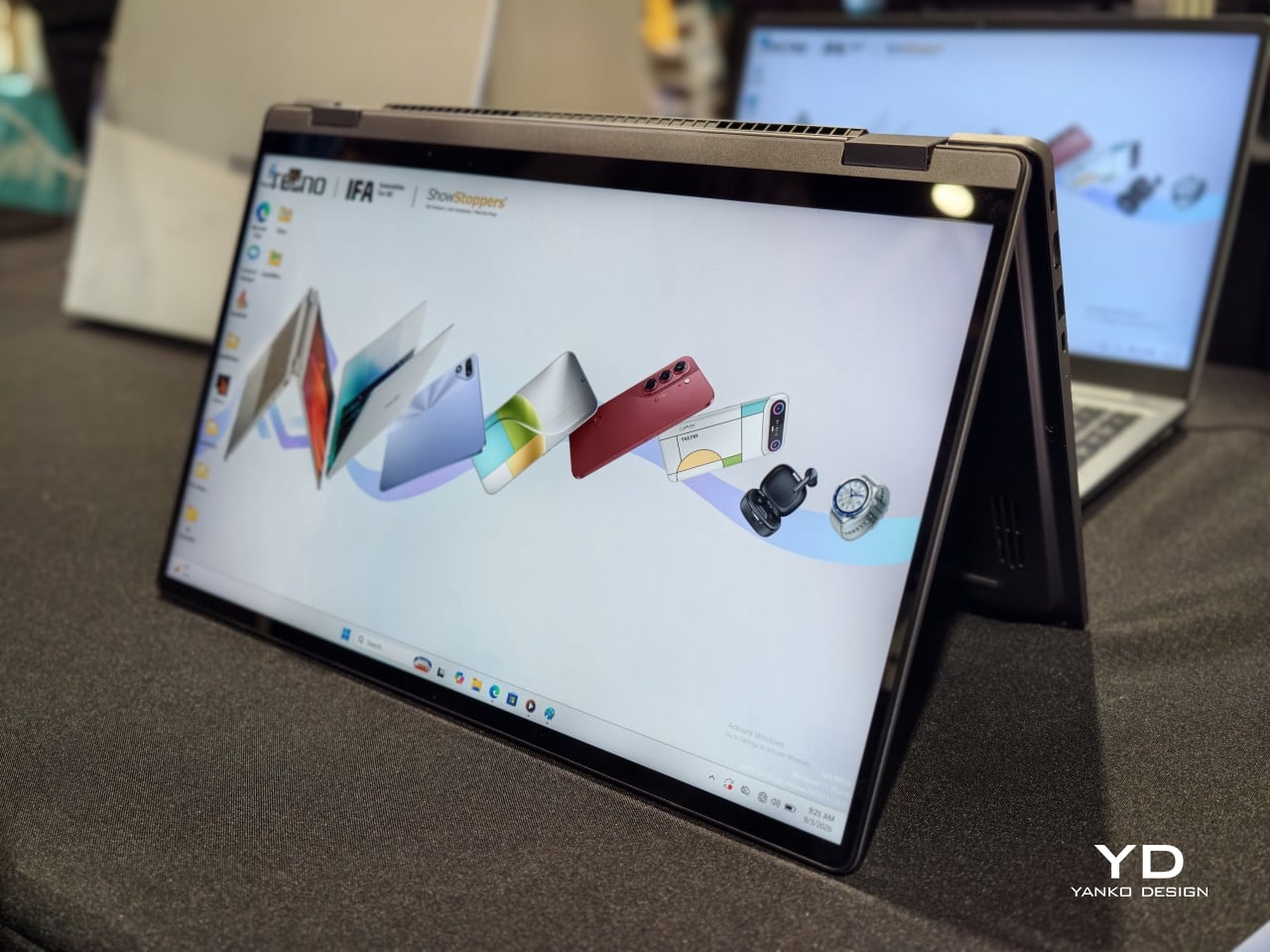
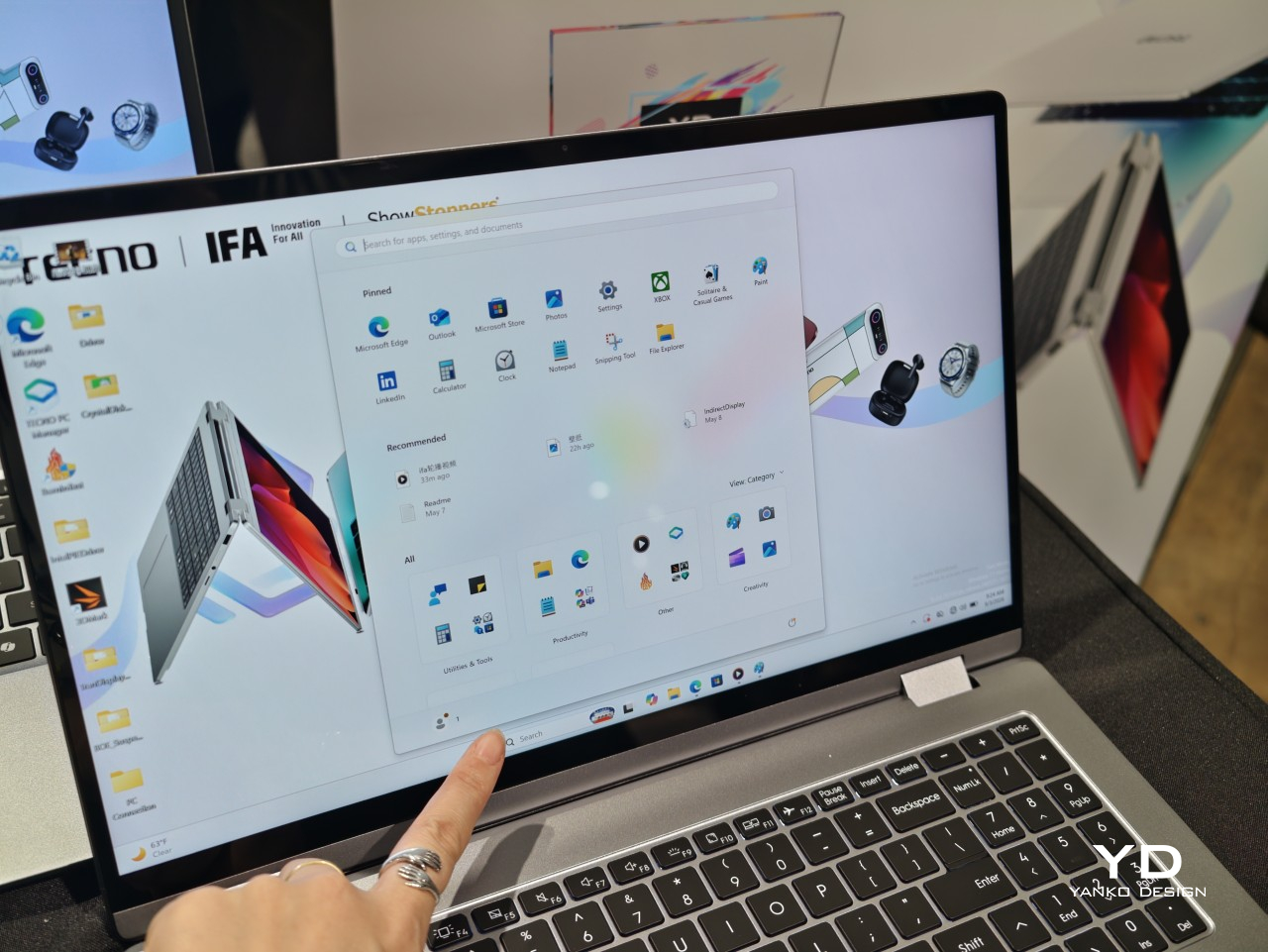
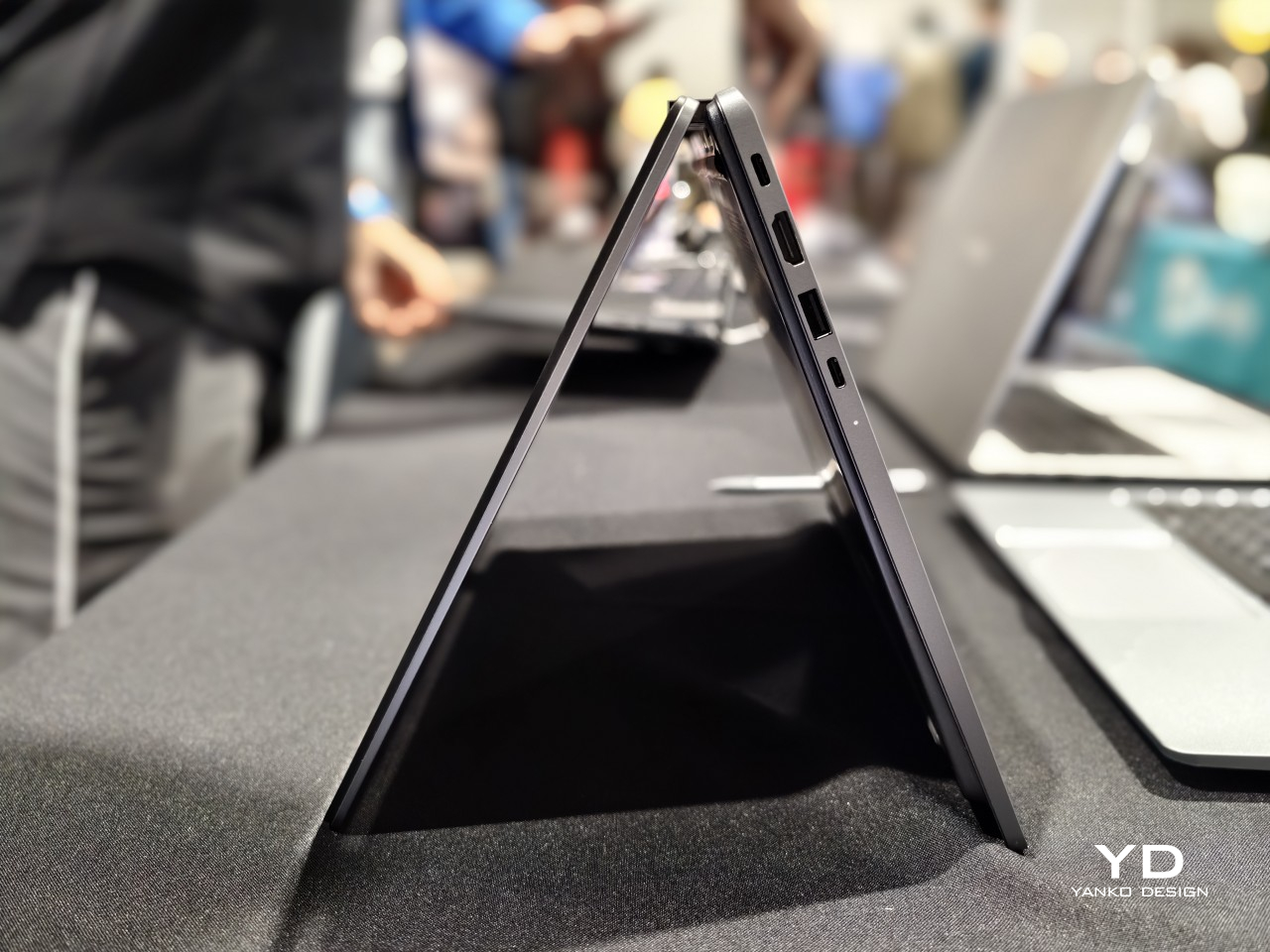
The H140S stands out with its 14-inch touchscreen and a 360-degree hinge that lets you use it as a traditional laptop, tablet, tent, or presentation stand during meetings and classes. The 16:10 aspect ratio at 1920×1200 resolution and slim aluminum profile give it a modern, premium vibe that’s genuinely hard to find in this price range for convertible designs.

The minimalist lines and overall aesthetic echo the Surface Studio’s distinctive appearance, making it a statement piece for classrooms, coffee shops, or home offices where visual presentation matters to you. For students or remote workers who want their tech to look professional without spending professional-level money on flagship devices, the visual appeal alone makes it worth considering despite its performance limitations.

Under the hood, the H140S runs on an Intel 12th Gen N95 processor with up to 32GB DDR4 RAM and SSD storage options reaching up to 2TB for extensive file storage needs. It’s more than enough for web browsing, note-taking, video calls, and office work throughout the day, but don’t expect smooth gaming, video editing, or heavy creative workloads that demand dedicated graphics processing power.

The 1920×1200 IPS LCD touchscreen is bright and responsive enough for reading, sketching with a stylus, or streaming video content during breaks, but it can’t match the color accuracy, contrast, or peak brightness of true premium panels found in laptops costing three times as much or more. The difference becomes noticeable when working with photos or design files that require precise color representation.

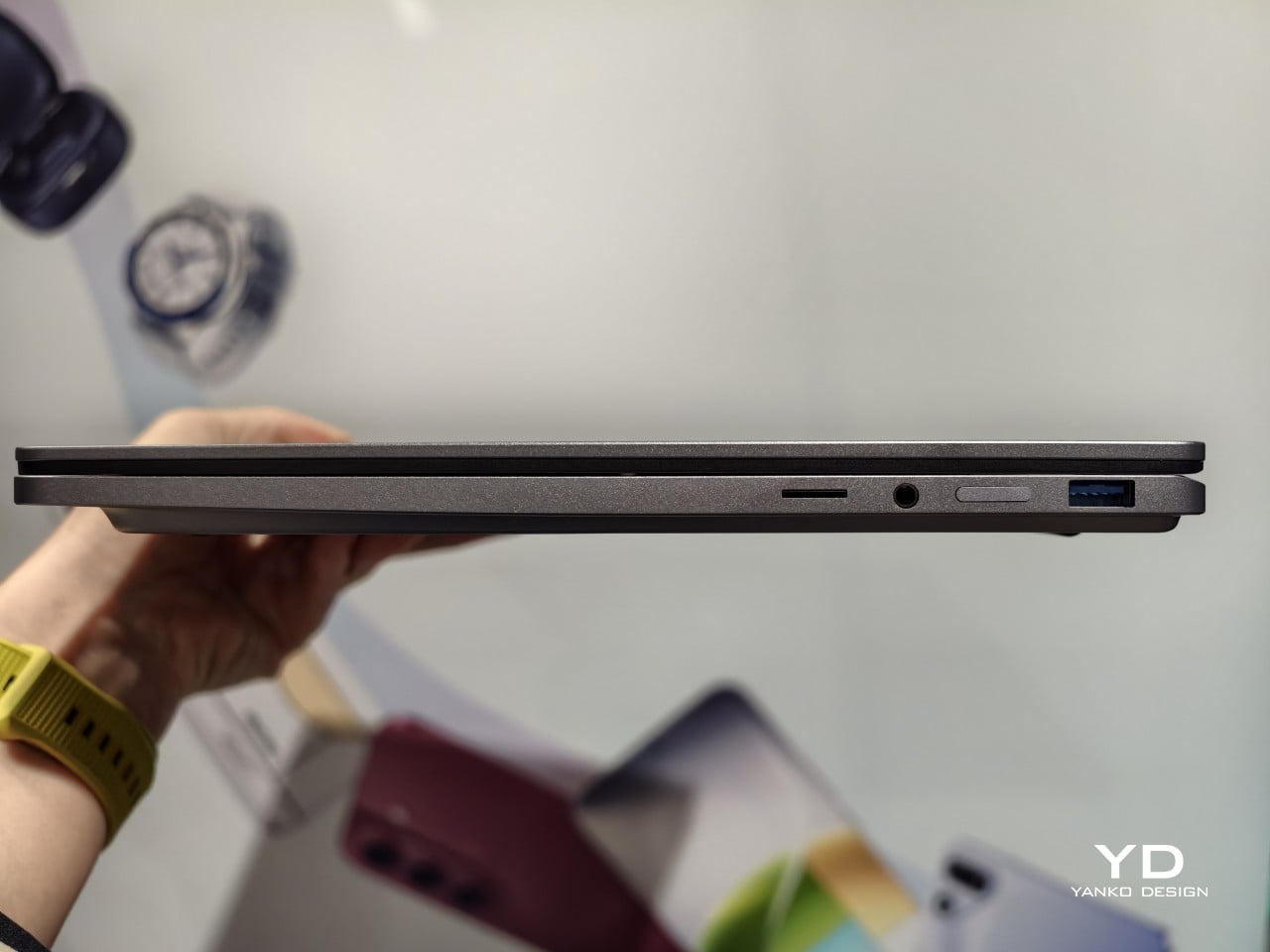
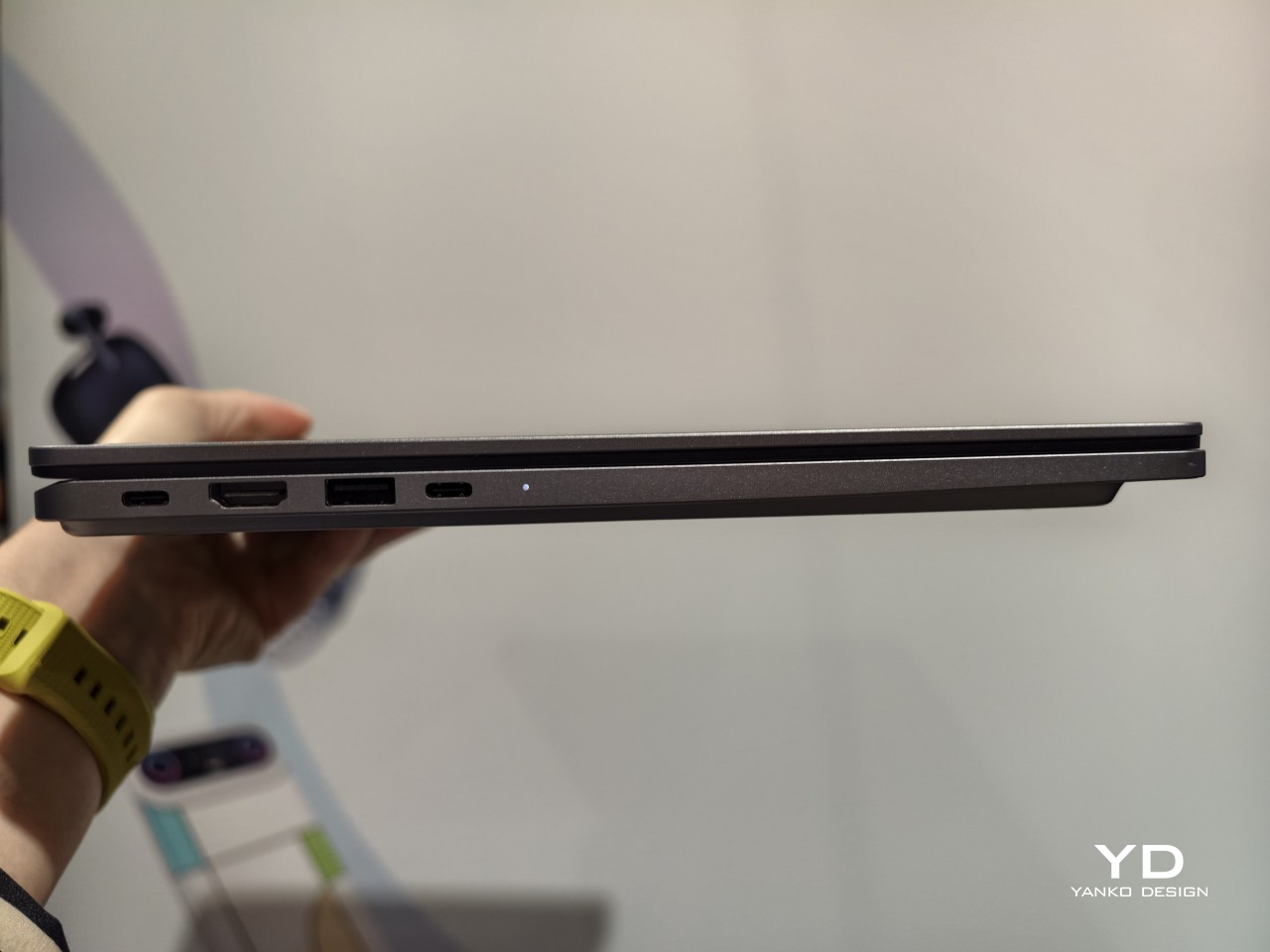
With two USB 3.0 ports, USB-C, mini HDMI, microSD card slot, and a 7-color RGB backlit keyboard, the H140S covers the basics for students and remote workers without requiring dongles for everything you need. Dual-band Wi-Fi and a 4500mAh battery promise several hours of use, though battery life will depend heavily on your workload and brightness settings throughout the day.

The H140S is fundamentally about trade-offs and knowing what you’re getting for your money before committing. You get a flexible, Surface Studio-inspired design and impressive specs for around $500, but you’ll notice compromises in display quality, trackpad precision, build refinement, and overall performance under demanding tasks. For those who want the look and versatility of a premium convertible without the premium price, it’s a smart option.

The post $500 Laptop Clones Microsoft’s $2,000 Surface Laptop Studio first appeared on Yanko Design.

Hands-On with Nano-Texture Display: Why the M4 Pro Chip Makes the MacBook Pro the Best Laptop Yet

When Apple introduced the nano-texture display option, it revolutionized how creators like me interacted with their most crucial tool. Let’s face it, we look at the display on the laptop 100% of the time we use it, so it needs to be as perfect as humanly possible. Until now, despite countless improvements from Apple and others, no display has truly nailed the combination of resolution, quality, accuracy, and glare reduction. This is the first time it genuinely feels like everything has come together perfectly. As someone who frequently battles glare while simultaneously demanding the ideal combination of portability and power, I wholeheartedly believe that the MacBook Pro 14-inch, equipped with the formidable M4 Pro chip, represents a significant improvement that fully satisfies all my creative demands.

Designer: Apple

The Glare-Killing Game Changer: How Does Nano-Texture Technology Work?

The magic lies in microscopic etchings that break down light waves. Instead of applying a coating that dulls the display, Apple precisely alters the glass surface itself. These nanometer-scale etchings scatter ambient light while attempting to maintain the display’s inherent color accuracy and contrast.

The nano-texture display, a $150 upgrade, felt like a luxury at first—until I used it for the first time today. Working outdoors, on airplanes, in cars, or any bright environment is now effortless. Previously, my 16-inch M1 Max MacBook Pro would glare so much under sunlight that I’d have to squint or move indoors. Now, with the nano-texture display, direct sunlight feels irrelevant. I placed both laptops side-by-side during my testing, and the difference was immediate. The nano-texture display stood out, turning a frustrating glare-filled workspace into a productive one.

Apple’s nano-texture technology effectively reduces glare—it’s the closest thing to a paper-like feel I’ve experienced on a laptop screen, offering a unique viewing experience akin to a printed photograph. The etched surface scatters light evenly, making it comfortable to look at for long hours without that usual agony of dealing with glare. The crisp colors and contrast are still intact, which is crucial for my work. The nano-texture display also gives me a genuine sense of immersiveness, drawing me in without distraction, which is particularly beneficial for long sessions of writing, editing images, and videos. Whether I’m writing or editing images or videos, the screen performs seamlessly, with wide viewing angles and consistent quality, regardless of lighting conditions.

Performance Characteristics and Viewing Experience:

  • Glare Reduction: Exceptional, with near-complete elimination of reflections in diverse lighting conditions.
  • Color Preservation: Slightly reduced color vibrancy compared to glossy displays but maintains remarkable consistency across different environments.
  • It feels like viewing a printed photograph
  • Maintains readability in bright sunlight
  • Provides consistent visual performance from multiple angles

Nano-texture is specifically designed for the following professional use cases:

  • Photographers and visual artists
  • Professionals working in variable lighting environments
  • Creators who prioritize consistent display performance over peak color saturation

Portability Without Performance Compromise

For someone who is always on the move, the weight of my gear matters as much as its performance. The M4 14-inch MacBook Pro is incredibly light at 3.5 pounds compared to the 16-inch, which is heftier at 4.7 pounds and almost on par with the 15-inch MacBook Air M3, which weighs 3.3 pounds. This reduction might not sound significant on paper, but it’s transformative in daily use—especially when carrying other essentials.

The smaller display size could seem limiting, but it works perfectly for my needs in real-world use. As an editor and journalist who runs multiple tasks simultaneously—often including working in tight spaces like cafés or planes—the compact form factor fits seamlessly into my workflow without feeling like a compromise. As a one-bag packer, the smaller M4 MacBook Pro fits easily into my backpack, allowing me to travel light without sacrificing capability.

Performance: Effortless Efficiency

Apple Silicon has spoiled me with its reliability. The M4 Pro chip continues the tradition of handling demanding tasks without hiccups. Whether I’m editing a 4K video, running multiple content creation applications, or using a native AI app to transcribe audio to text, the performance is seamless. Efficiency isn’t just about speed—it’s about working without worrying if my machine can keep up.

What’s most surprising is how quiet it remains, even under heavy loads. I’ve been extremely spoiled by the noiseless MacBook Air, thanks to its fanless architecture, so this is a welcome feature during late-night writing sessions or when working in quieter environments. Nano-Texture: The Heart of the Upgrade

This display technology presents the perfect opportunity to upgrade—at this very moment. The nano-texture screen significantly reduced reflections, transforming how I work in mixed lighting conditions. My work remains vibrant and clear in a sunlit office, where glare usually dominates. At the same time, in dimly lit offices, the contrast and color accuracy stay sharp. It feels like the display adapts to me rather than vice versa.

For those already using an M1 Max MacBook Pro, the move to the M4 Pro might feel incremental on paper. But for me, it’s the culmination of subtle refinements: the nano-texture display, compactness of the 14-inch form factor, and even more efficient performance. These changes align perfectly with all my daily needs. It’s about having reliable tools that enhance my workflow and make my day-to-day tasks more efficient.

The M4 14-inch MacBook Pro is a reliable and essential part of how I create, edit, and collaborate every day. This is just a rough hands-on, and the full review is forthcoming. I have a trip to Japan, China, and then Dubai in the next few weeks back to back, and I can’t wait to put it through real-world tests. Starting at $1,999, with the nano-texture display option adding $150, it’s an investment that feels justified every time I power it on. For anyone who demand the best from their gear, this MacBook Pro delivers an experience worth every dollar.

The post Hands-On with Nano-Texture Display: Why the M4 Pro Chip Makes the MacBook Pro the Best Laptop Yet first appeared on Yanko Design.

Tiny USB-C accessory adds a physical volume slider to your laptop

Laptops are getting thinner and smaller, but their functionality is getting even more powerful. The usually means plenty of things to control, and some of them need to be reached faster than digging through menus and clicking on buttons. Keyboard shortcuts are, of course, a viable solution, but they can also be cumbersome, complicated, and unintuitive.

Something as normal and as regular as changing the volume, for example, shouldn’t take two keystrokes or scrolling your mouse wheel (which might not exist) over some tiny icon. This simple yet useful accessory brings a bit of sanity and physicality to that action on laptops, at least if you have an extra USB-C to spare.

Designer: Pavel Burgr

Depending on your laptop’s keyboard layout and settings, turning the volume up or down can involve one or two keystrokes. The problem is that the location of these keys is inconsistent across keyboards and laptop brands, and they’re not exactly memorable or intuitive in their location. Having dedicated volume keys would be nice, but it could be a waste of precious space on the keyboard.

SoundSlide attacks that problem from a different angle by providing a physical volume control that you can connect and remove as needed. It’s a rather small object, smaller than a USB-A port and only 3.5mm thin, so it barely sticks out from the side of your laptop. It does connect via a USB-C port, and when it does, it gives you a way to actually feel like you’re raising or lowering your laptop’s volume.

The flat capacitive surface has exposed gold contacts that translate the sliding gestures to volume controls. A tap also mutes or unmutes the volume, giving you instant physical control without having to second guess which keys to press. It’s also promised to work out of the box on Windows, macOS, and even Linux, so you can use it without any setup or configuration. That said, you can also change a few settings such as sensitivity, orientation, and custom gestures using a Web-based interface.

The catch to this almost wonderful trinket is that it does occupy a USB-C slot. Some laptops have a limited number of ports, so you’re sacrificing what could be a potentially critical connection. That said, you don’t always need to have SoundSlide connected, so it’s not like you’re permanently losing an important USB-C port either.

The post Tiny USB-C accessory adds a physical volume slider to your laptop first appeared on Yanko Design.

M4 MacBook Pro: 23 MIND-BLOWING Tips & Tricks

MacBook Pro

The M4 MacBook Pro is a powerful and versatile device that can help you achieve new levels of productivity and efficiency. To fully unlock its potential, it’s important to understand how to optimize your device’s settings and features. The video below from Brandon Butch will walk you through essential tips and tricks, from initial setup […]

The post M4 MacBook Pro: 23 MIND-BLOWING Tips & Tricks appeared first on Geeky Gadgets.

macOS 15.2 Beta 4: Surprising New Features for Your Mac

macOS 15.2 Beta 4

Apple has recently released macOS 15.2 Beta 4, a significant update that brings a wealth of new features and improvements to elevate your Mac’s performance to new heights. This update, weighing in at 2.22 GB with the build number 24C5089c, primarily focuses on backend fixes to enhance system stability and provide a smoother user experience. […]

The post macOS 15.2 Beta 4: Surprising New Features for Your Mac appeared first on Geeky Gadgets.

14″ vs 16″ MacBook Pro: DON’T Upgrade Before Watching This!

MacBook Pro

When it comes to selecting the perfect MacBook Pro, the decision between the 14-inch and 16-inch models can be a challenging one. Both models offer exceptional performance, sleek design, and advanced features, but there are key differences that set them apart. To help you make an informed decision, Max Tech have put together a comprehensive […]

The post 14″ vs 16″ MacBook Pro: DON’T Upgrade Before Watching This! appeared first on Geeky Gadgets.