iPhone 17e vs. iPhone 17 Pro Max: Full Specs, Price & Camera Comparison

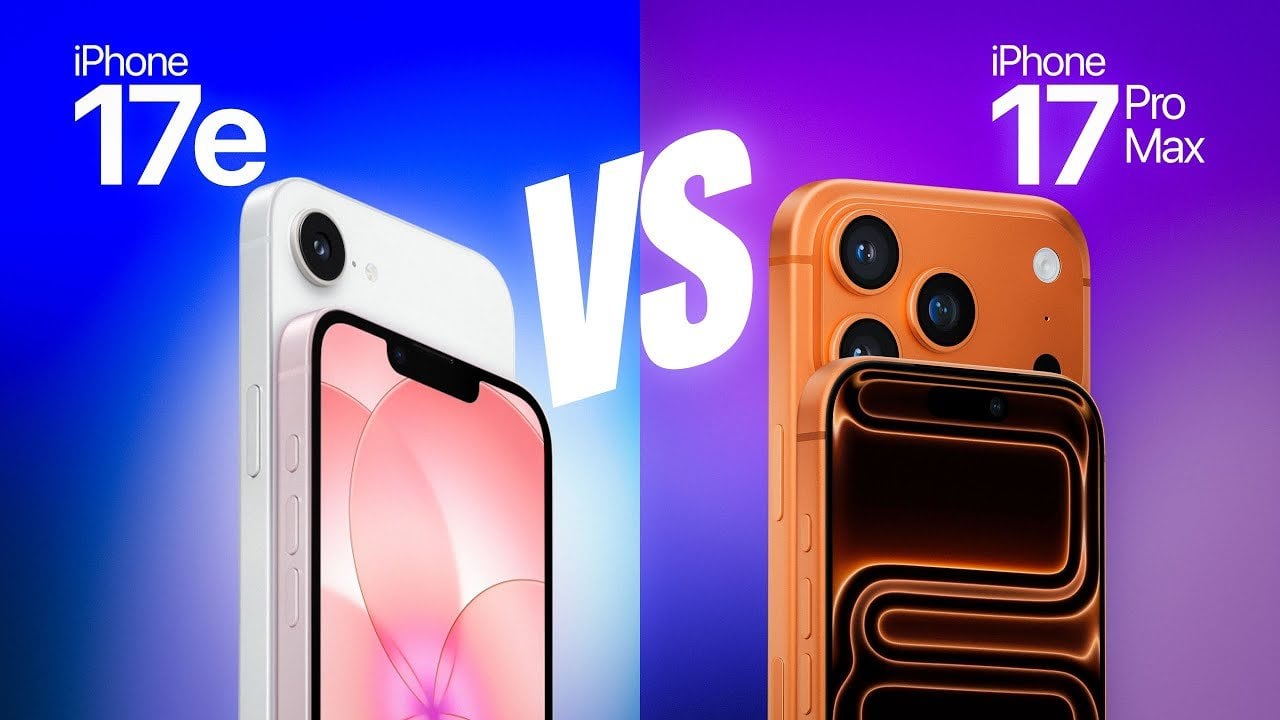
iPhone 17e vs. iPhone 17 Pro Max: Full Specs, Price & Camera Comparison iPhone 17e and iPhone 17 Pro Max shown together, highlighting size and screen differences in a quick comparison.

Apple’s iPhone 17 lineup introduces two distinct models designed to cater to a wide range of users: the iPhone 17e and the iPhone 17 Pro Max. While the Pro Max represents Apple’s most advanced technology, the 17e offers a more affordable alternative without sacrificing essential performance. This comparison explores key aspects such as battery life, […]

The post iPhone 17e vs. iPhone 17 Pro Max: Full Specs, Price & Camera Comparison appeared first on Geeky Gadgets.

Posted in Uncategorized

Xbox’s Next Big Showcase is Almost Here: What to Expect on March 26

Xbox’s Next Big Showcase is Almost Here: What to Expect on March 26 Xbox Partner Preview promo art dated March 26, highlighting Stalker 2 and other third-party reveals for Xbox platforms.

Xbox’s upcoming Partner Preview on March 26, 2026, will provide updates on major titles such as Crimson Desert and Starfield, while also reflecting a shift in strategy under the leadership of Asha Sharma. According to colteastwood, Xbox is placing greater emphasis on strategic partnerships and community engagement, aiming to align its offerings with changing industry […]

The post Xbox’s Next Big Showcase is Almost Here: What to Expect on March 26 appeared first on Geeky Gadgets.

Posted in Uncategorized

Samsung Adds AirDrop Support to Quick Share on Galaxy S26 Phones

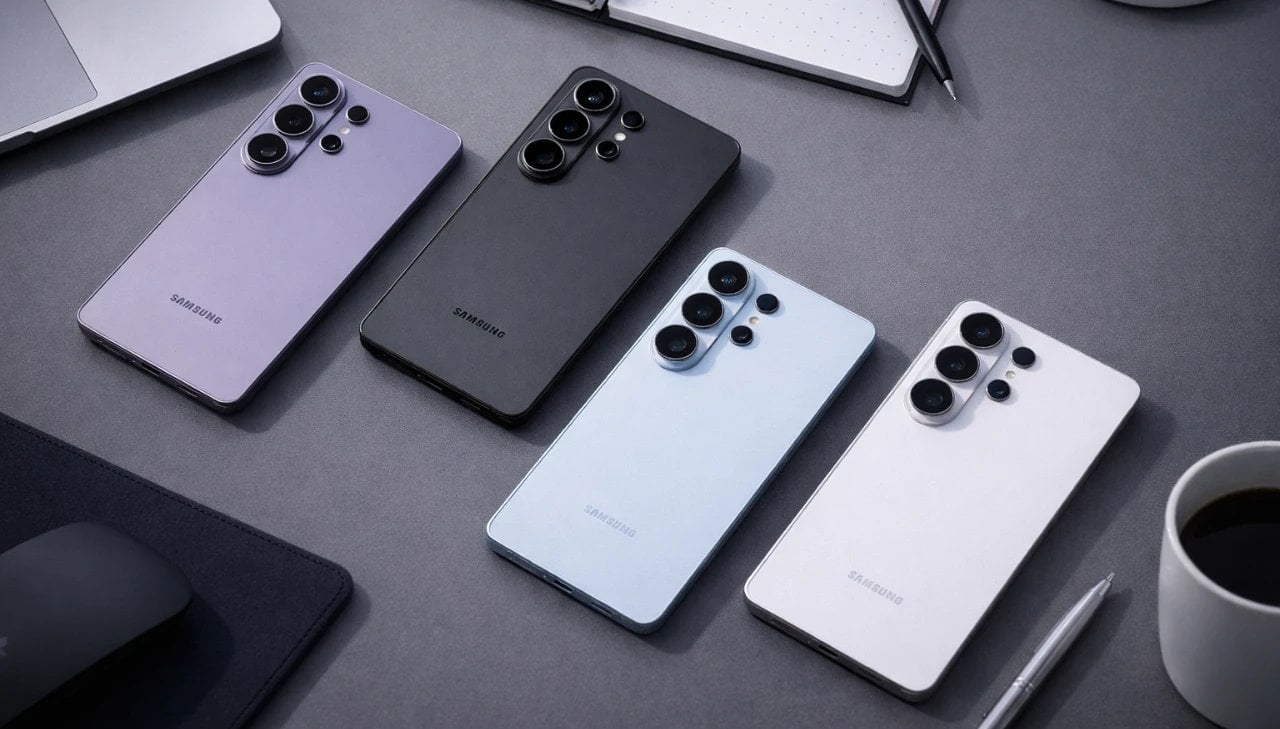
Samsung Adds AirDrop Support to Quick Share on Galaxy S26 Phones Two Galaxy S26 phones showing Quick Share with AirDrop support while sending photos over a short range.

Samsung has introduced a significant upgrade to its Quick Share feature by integrating AirDrop support into the Galaxy S26 series. This enhancement marks a pivotal step forward in wireless file sharing, offering faster and more seamless transfers across devices. The feature officially launched in Korea on March 23, 2026, with a phased rollout planned for […]

The post Samsung Adds AirDrop Support to Quick Share on Galaxy S26 Phones appeared first on Geeky Gadgets.

Posted in Uncategorized

7 Hidden Agent Skills in Google’s NotebookLM You Need to Try

7 Hidden Agent Skills in Google’s NotebookLM You Need to Try Diagram showing the NotebookLM research steps feeding into a Claude skill file with inputs, outputs, and examples.

NotebookLM and Claude’s skill system offer a structured way to create specialized AI agents tailored to specific tasks. As detailed by Universe of AI, this approach combines the deep research capabilities of NotebookLM with Claude’s framework for defining actionable AI skills. For instance, you can use NotebookLM to organize research on B2B sales strategies, then […]

The post 7 Hidden Agent Skills in Google’s NotebookLM You Need to Try appeared first on Geeky Gadgets.

Posted in Uncategorized

Ancient Japanese Palm Bark Turned Into a Lamp Worth Staring At

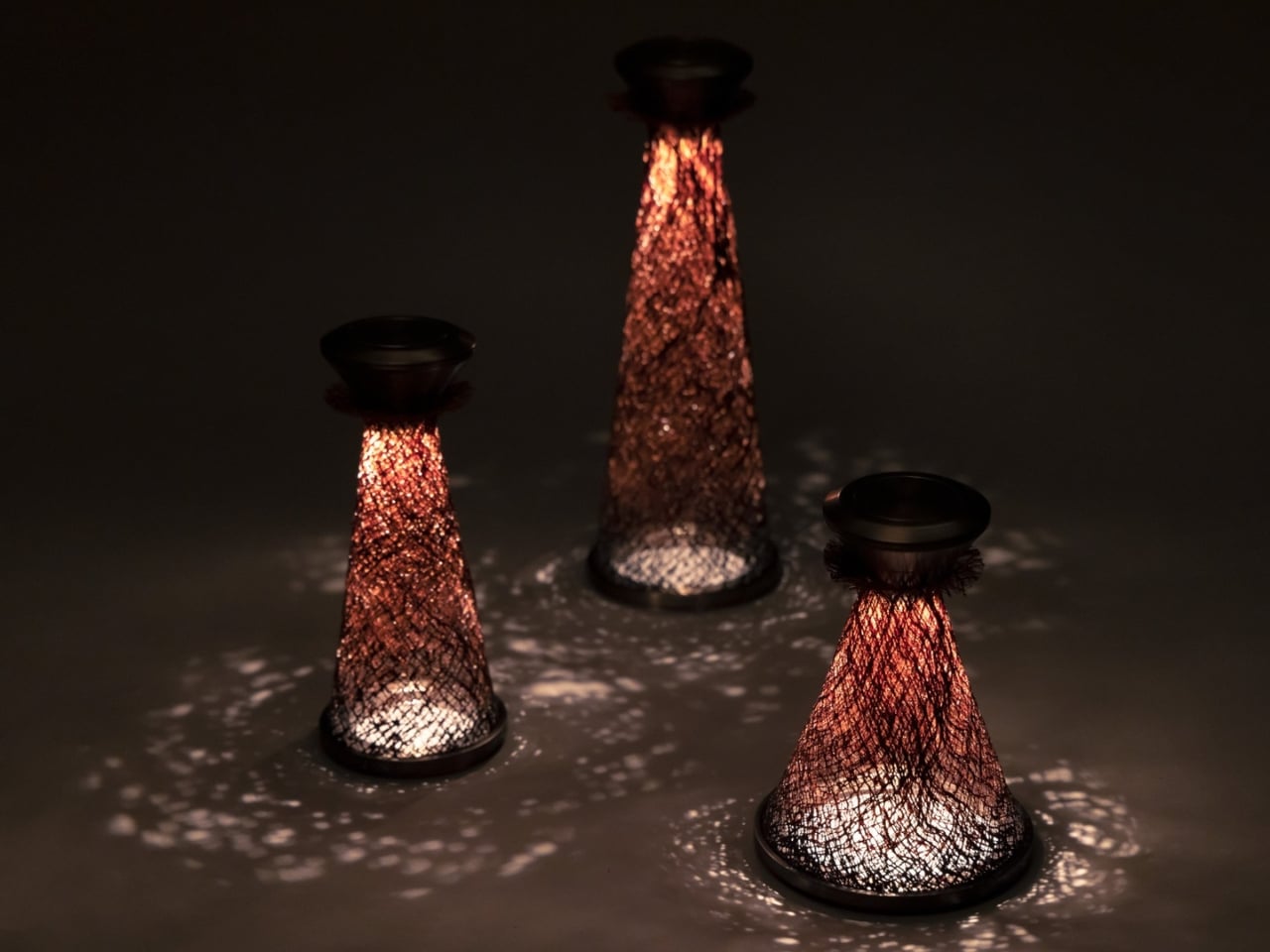
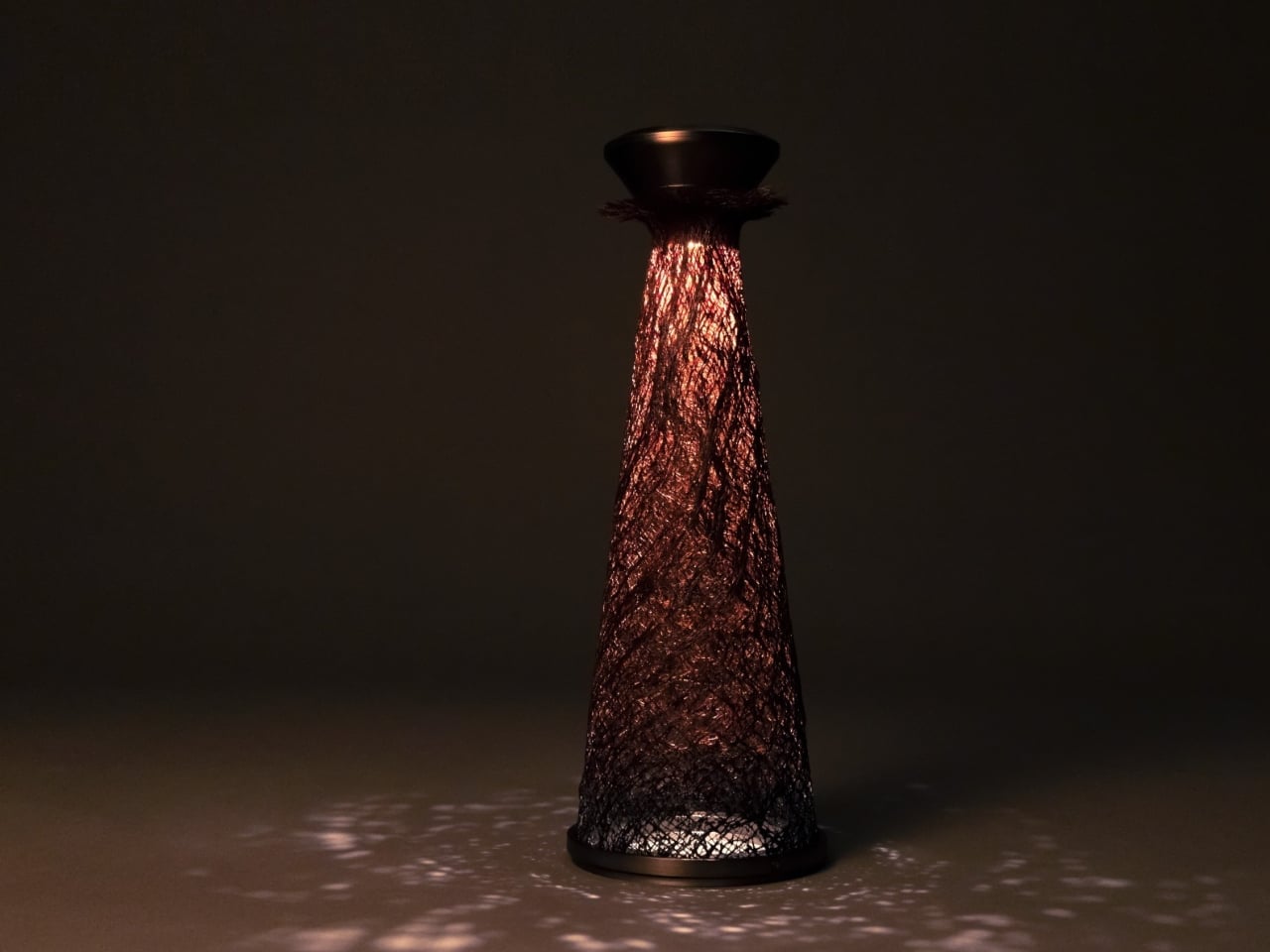
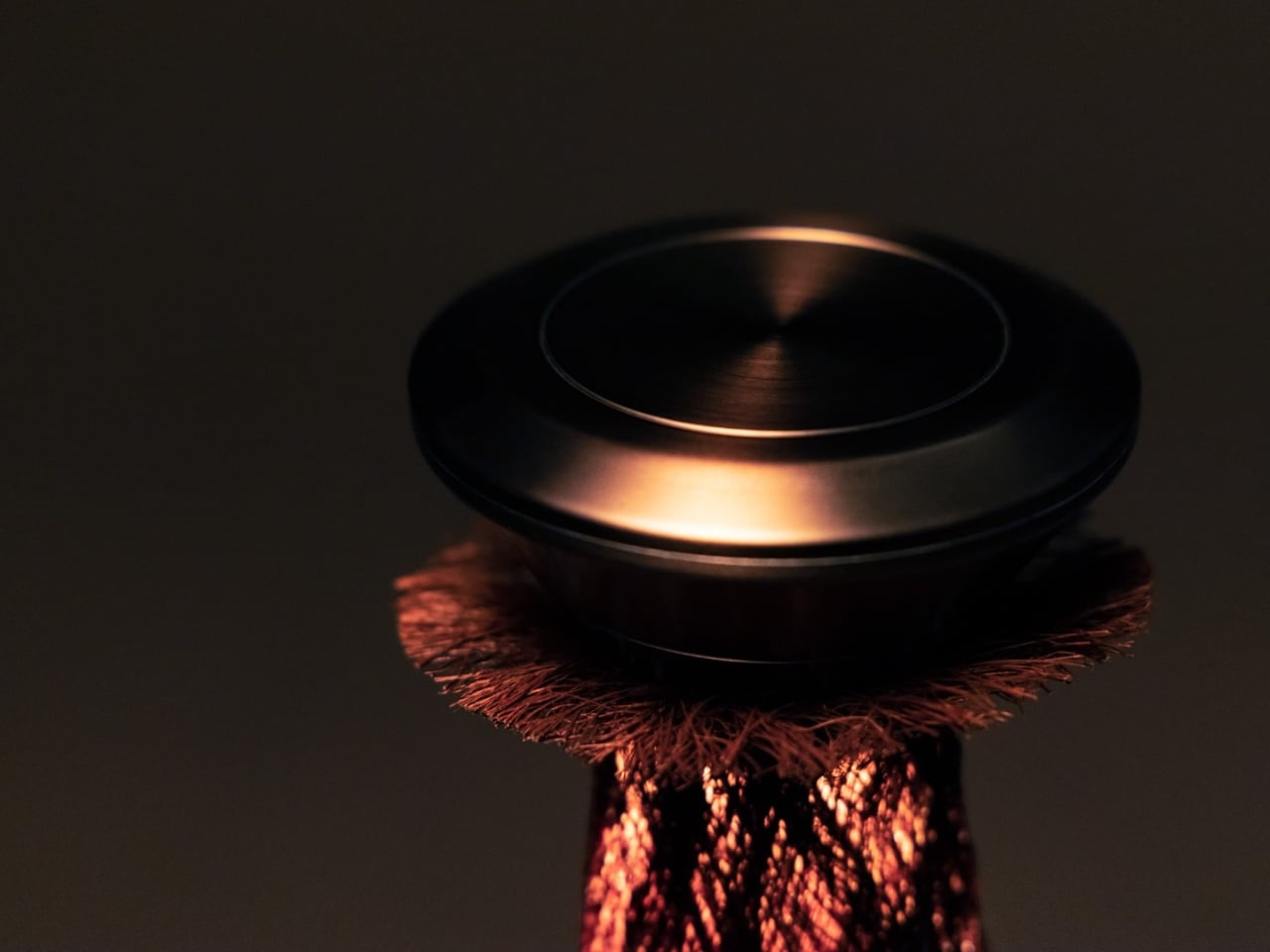
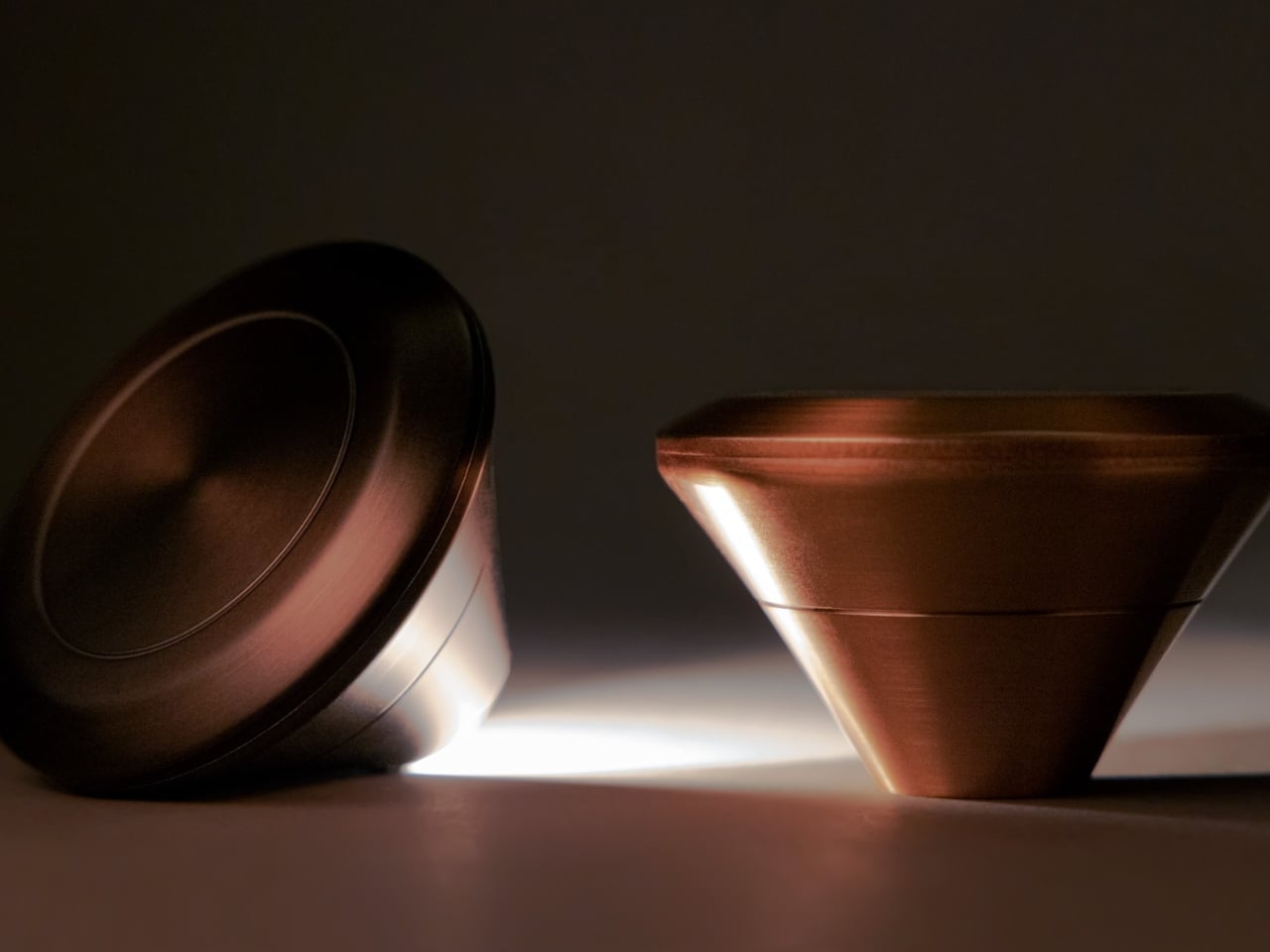
The HOUYOU lamp doesn’t announce itself. It sits on a table, conical and quiet, wrapped in fibrous brown bark that looks almost raw, almost unfinished. Nothing about it is trying to impress you at first glance, and that restraint is exactly what makes it so hard to stop looking at. Every time I come back to it, I feel a kind of quiet I didn’t know I was looking for.

HOUYOU is part of the JUHI Series by Kazuki Nagasawa, a 29-year-old Tokyo-based designer who founded his studio, SUPER RAT, in 2024. The studio name alone is worth a story. It comes from the rat termination companies of Shibuya and Shinjuku, where the so-called “super rats” are those that have grown immune to poison. Nagasawa borrowed that idea for his design philosophy: to create work that resists passing trends, that stays relevant because it’s rooted in something deeper than the moment. It’s a darkly funny origin story for a studio making some of the most quietly beautiful objects I’ve encountered in recent memory.

Designer: Kazuki Nagasawa

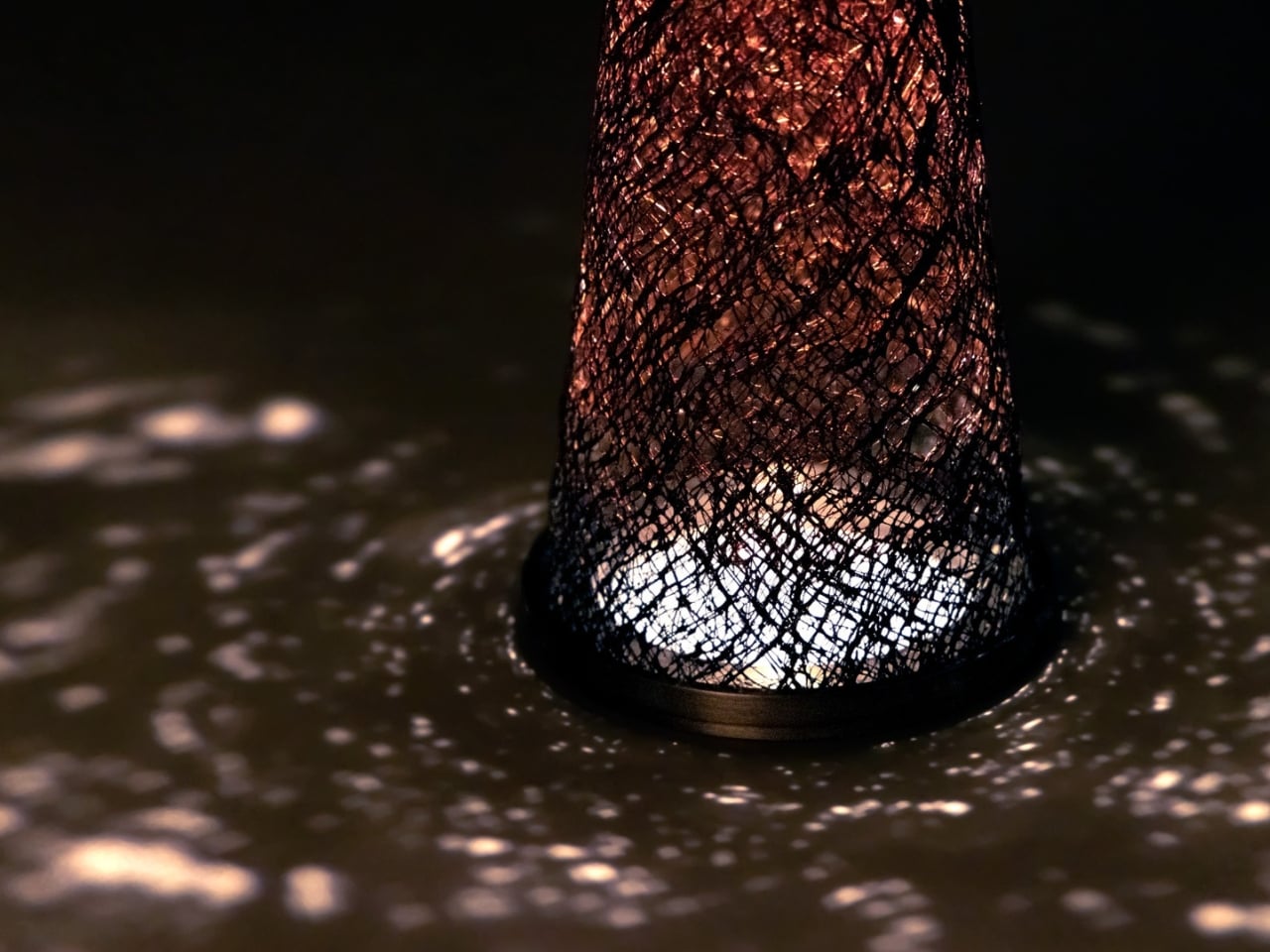
The lamp is made from juhi, the fibrous bark of the shuro palm tree (Trachycarpus fortunei). For centuries, Japanese artisans have cut, woven and shaped this bark into brooms, brushes, ropes and fishing nets. It’s been a workhorse material in everyday Japanese life for generations. Nagasawa takes that same bark and does something that feels almost counterintuitive: he turns it into light. When the lamp is illuminated from within, the bark doesn’t just glow. It transforms. The texture shifts. Fragments and subtle presences embedded in the material rise to the surface, visible only because the light is now moving through them. You’re not just seeing a lamp. You’re seeing the tree. You’re seeing time.

The name HOUYOU translates to “embrace,” which is exactly the right word. The shade of bark wraps around the light source the way natural bark wraps around the trunk of the shuro palm, protecting the heart of the tree. When the lamp casts its shadow, the shape that forms on the wall mirrors the gesture of a human embrace. That’s not an accident. Nagasawa is drawing a very intentional line between the behavior of the material in nature and the behavior of the object in your home, and that kind of poetic precision in design is rarer than it should be.

I’ll be direct: we are drowning in lamps right now. Every design week, every pop-up, every Instagram grid delivers another sculptural, bouclé-shaded, artisanal lighting object trying to signal “thoughtful modern living.” Some of them are genuinely beautiful. Many of them are interchangeable. HOUYOU stands apart not because it’s trying harder, but because it’s trying differently. The design doesn’t chase aesthetics. It follows material logic, and the beauty is simply what happens as a result.

Nagasawa’s work first caught major international attention when he won first place at the prestigious SaloneSatellite Award during Milan Design Week in 2025. SaloneSatellite is the launchpad for early-career designers, and its alumni include names like Oki Sato, founder of nendo. Winning there, with a studio barely a year old at the time, was a serious statement. The JUHI Series, including both the HOUYOU lamp and the Utsuwa vase collection, has continued to build momentum since, with the series also shown at the Lake Como Design Festival.

The quiet argument the HOUYOU lamp makes about material culture is one I keep coming back to. We don’t need to keep inventing entirely new substances. We don’t always need polymers, composites, or the next engineered alternative. Sometimes the most radical thing a designer can do is look at something ancient and ask: what has this material always been capable of that nobody thought to reveal? The HOUYOU lamp doesn’t answer that question with a manifesto. It answers it by sitting on a table, glowing softly, and letting you feel a palm forest you’ve never visited.

The post Ancient Japanese Palm Bark Turned Into a Lamp Worth Staring At first appeared on Yanko Design.

M5 Max vs M1, M2, M3, M4 Max: The Ultimate Performance Comparison (2026)

M5 Max vs M1, M2, M3, M4 Max: The Ultimate Performance Comparison (2026) MacBook Pro with M5 Max under sustained load, showing higher temperatures and a performance drop over time.

The M5 Max chip represents a significant leap forward in high-performance computing, building on the legacy of its predecessors, the M1 Max, M2 Max, M3 Max, and M4 Max. With advancements in CPU and GPU architecture, artificial intelligence (AI) processing and storage technology, the M5 Max sets a new benchmark for demanding workflows. However, challenges […]

The post M5 Max vs M1, M2, M3, M4 Max: The Ultimate Performance Comparison (2026) appeared first on Geeky Gadgets.

Posted in Uncategorized

Forget the Cloud: This Tiiny Pocket PC Packs 80GB RAM for Local AI

Forget the Cloud: This Tiiny Pocket PC Packs 80GB RAM for Local AI Dashboard screen showing token usage, model load status, and performance for local 120B inference runs.

Running a 120-billion-parameter language model locally is now achievable with the Tiiny AI Pocket Lab, as explored by Alex Ziskind. This device, weighing just 305 grams, features 80 GB of memory, a 1 TB SSD and a Neural Processing Unit designed for AI workloads. It operates entirely offline, making sure secure and private execution of […]

The post Forget the Cloud: This Tiiny Pocket PC Packs 80GB RAM for Local AI appeared first on Geeky Gadgets.

Posted in Uncategorized

Microsoft Just Gave Copilot Notebooks a Major Redesign

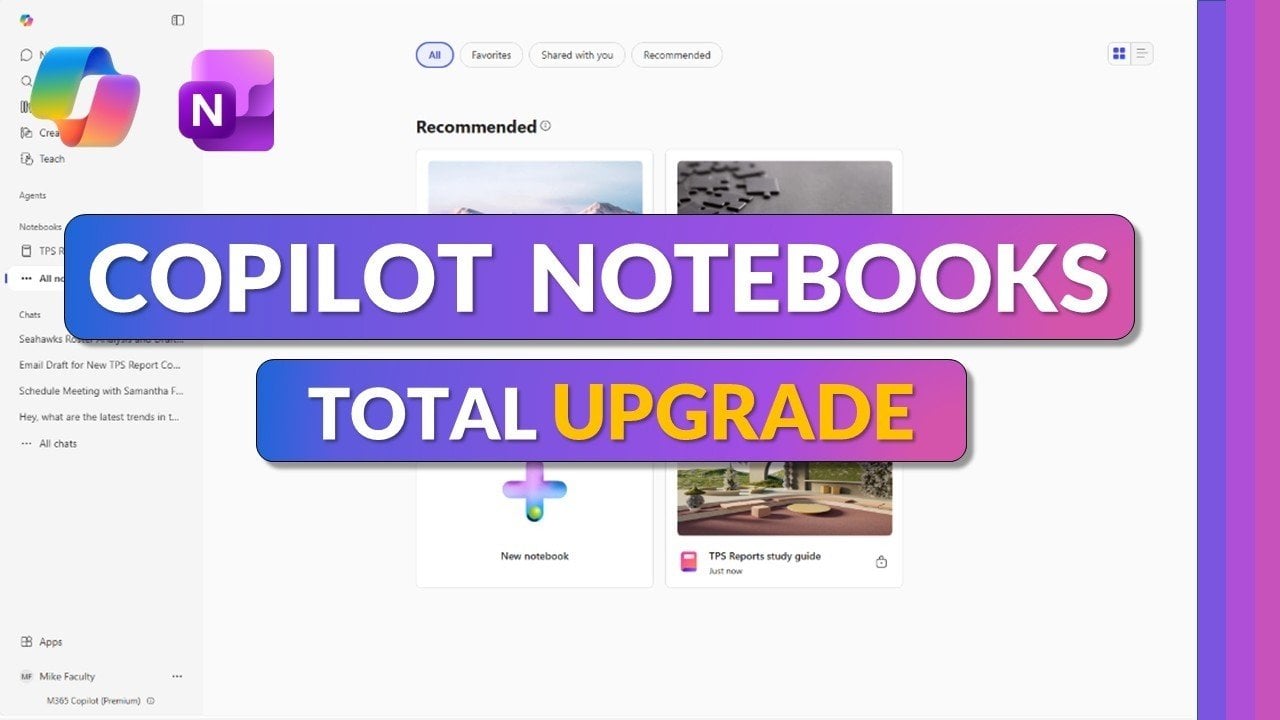
Microsoft Just Gave Copilot Notebooks a Major Redesign Microsoft 365 Copilot Notebooks interface showing notebook sections, file list, and Copilot chat for questions and summaries.

Microsoft 365 Copilot Notebooks is set to receive updates in 2026, focusing on enhancing usability and expanding functionality for a range of tasks. Mike Tholfsen highlights a redesigned interface that supports various file types, such as Word documents, Excel spreadsheets and PDFs. The updates also include a customizable layout, allowing users to tailor their workspace […]

The post Microsoft Just Gave Copilot Notebooks a Major Redesign appeared first on Geeky Gadgets.

Posted in Uncategorized

Apple Kills the iPhone Flip: Why the Clamshell Foldable Was Just "Unnecessary”

Apple Kills the iPhone Flip: Why the Clamshell Foldable Was Just Illustration of multitasking on a larger foldable iPhone screen, with two apps split across the inner display.

Apple has officially decided to cancel its plans for a clamshell-style foldable iPhone, often referred to as the “iPhone Flip.” After extensive evaluation, the company concluded that the flip design offers only limited practical benefits, such as saving pocket space, while introducing significant compromises in functionality and user experience. Instead, Apple is redirecting its efforts […]

The post Apple Kills the iPhone Flip: Why the Clamshell Foldable Was Just “Unnecessary” appeared first on Geeky Gadgets.

Posted in Uncategorized

Mud, Microbes, and the 46 m² Lab the Amazon Needed

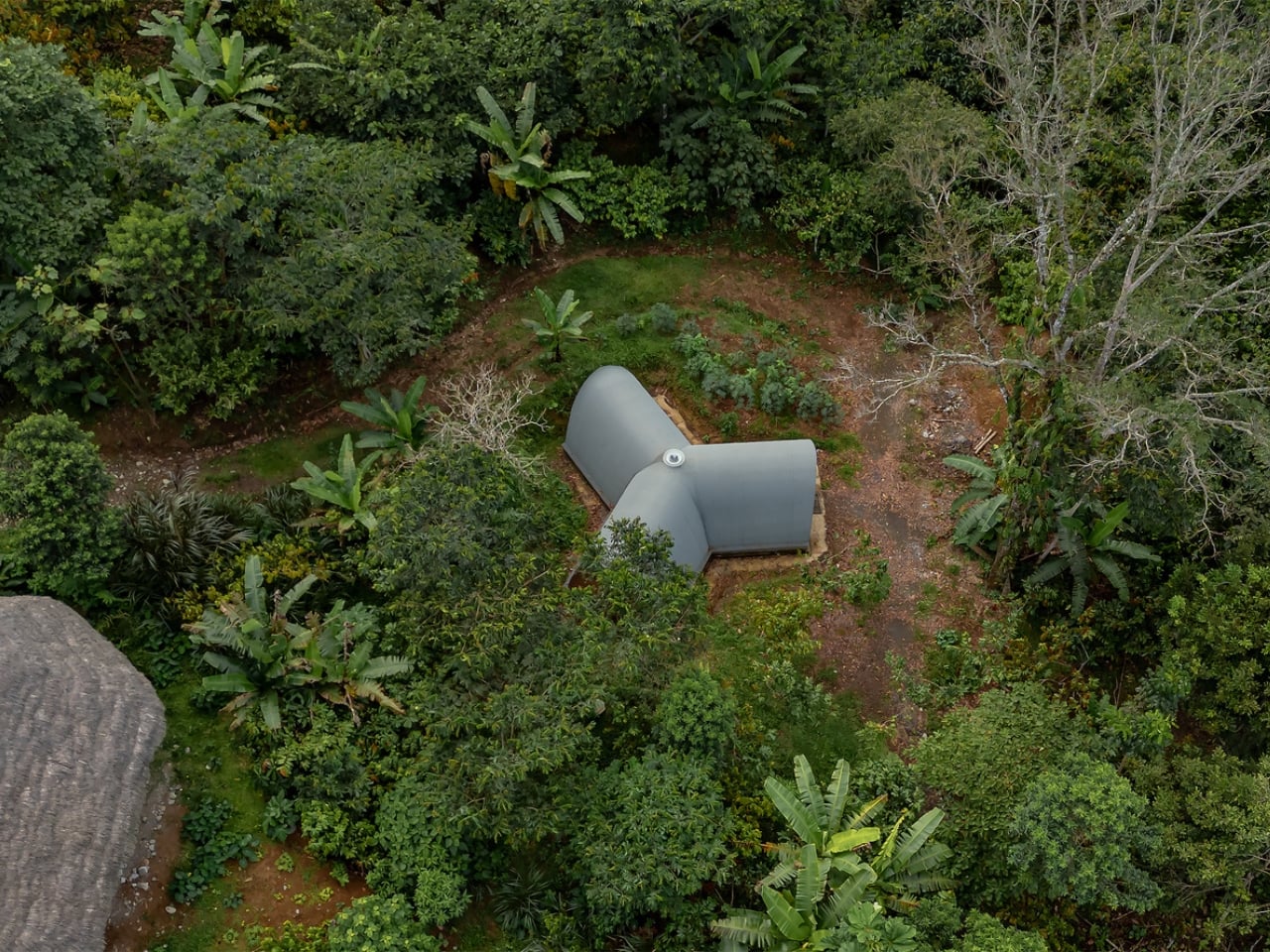
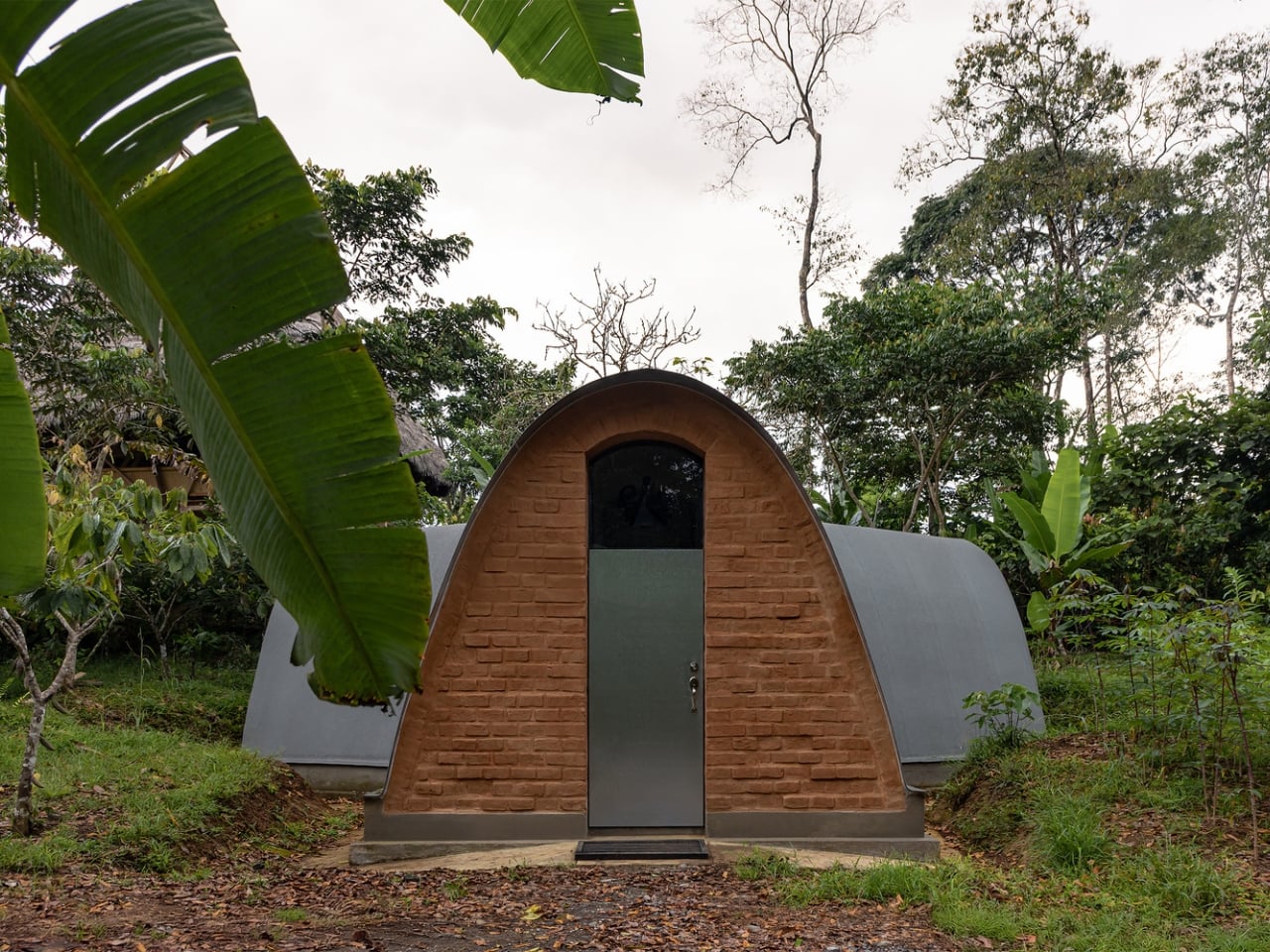
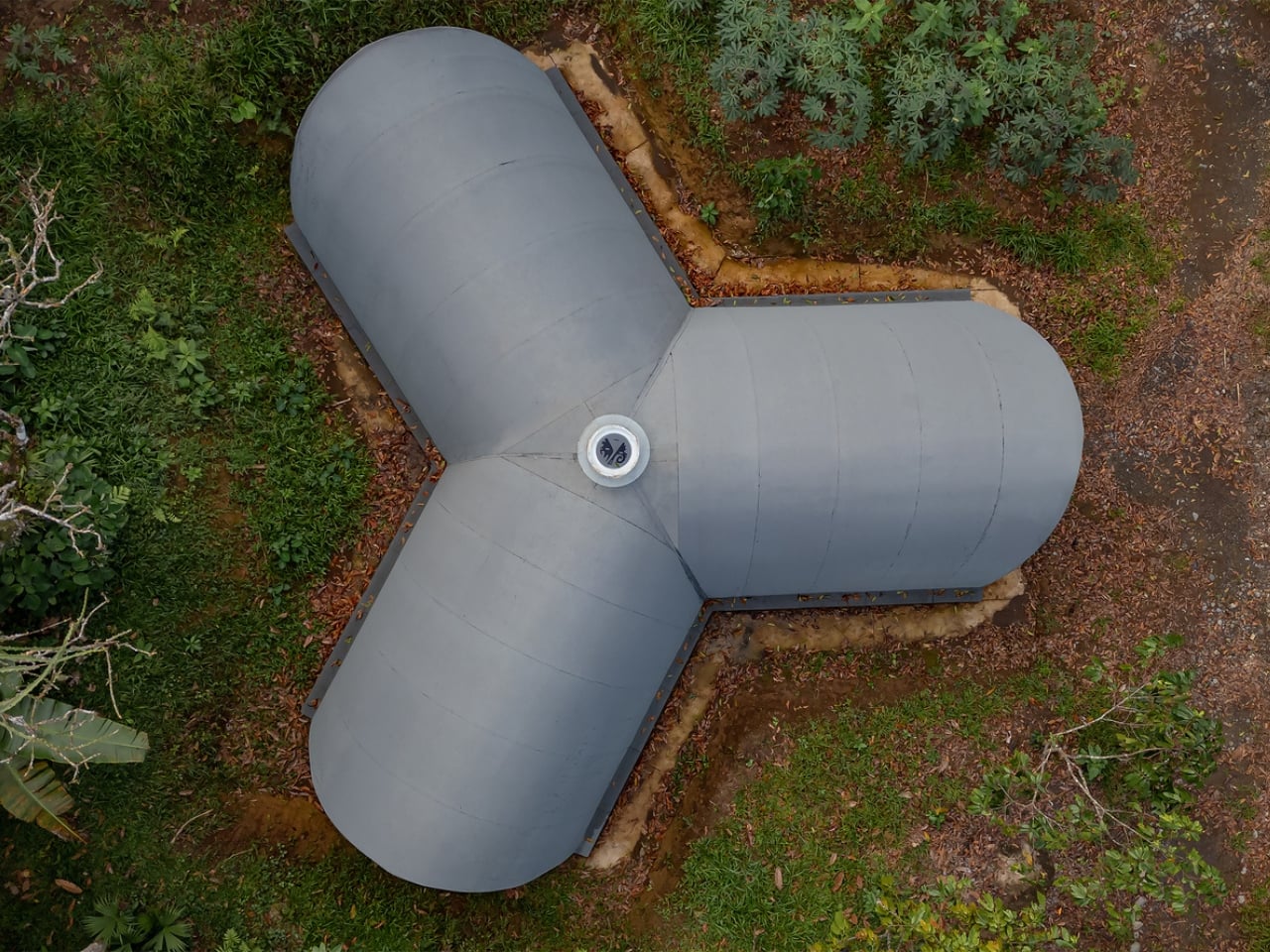
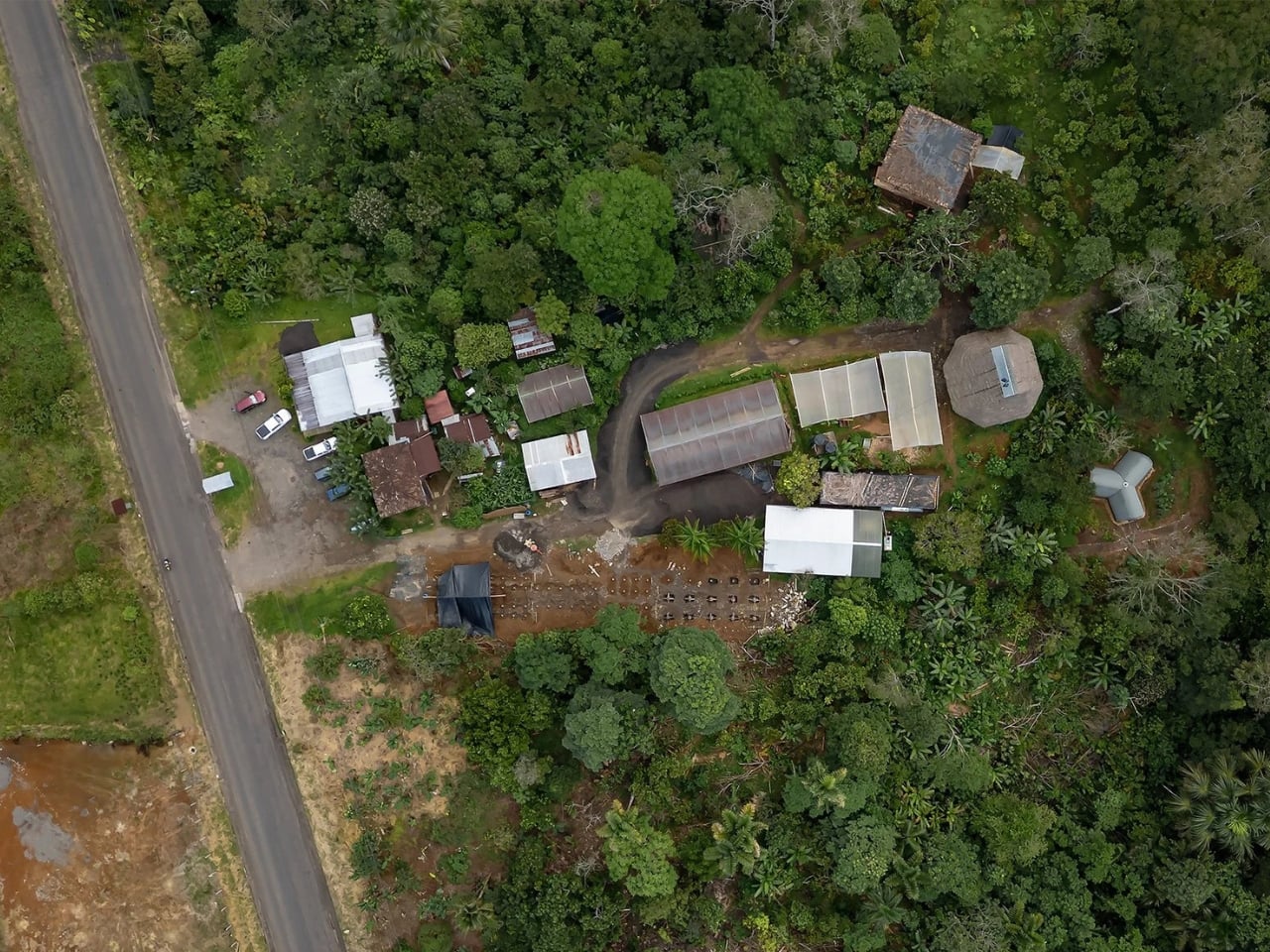
Most of us picture a laboratory as a sleek, sterile box of steel and glass perched on a university campus or inside some tech park. The Witoca Laboratory in Ecuador is none of those things. Built from adobe, shaped like a three-pointed star, and sitting quietly inside the buffer zone of the Sumaco Biosphere Reserve in the Ecuadorian Amazon, it looks less like a lab and more like something that grew out of the ground. Which, in a way, it did.

The building was designed by Ecuadorian studio Al Borde Arquitectos and completed in February 2025 in Huaticocha, a remote community in the Provincia de Orellana. At just 46 square metres (about 495 square feet), it is compact to the point of being almost modest. But modesty is somewhat deceptive here, because the thinking behind it is anything but small.

Designer: Al Borde
The Witoca community, which gives the lab its name, has been working to protect the Amazon’s coffee and cocoa farming from pests. Rather than reaching for chemical pesticides, they have gone in the opposite direction, cultivating antagonistic microorganisms that naturally discourage pest damage. The lab is where that cultivation happens. It is a biosecure environment, meaning it is fully sealed to prevent contamination, and every design decision feeds into that purpose, from its vaulted adobe walls to its airtight interior.
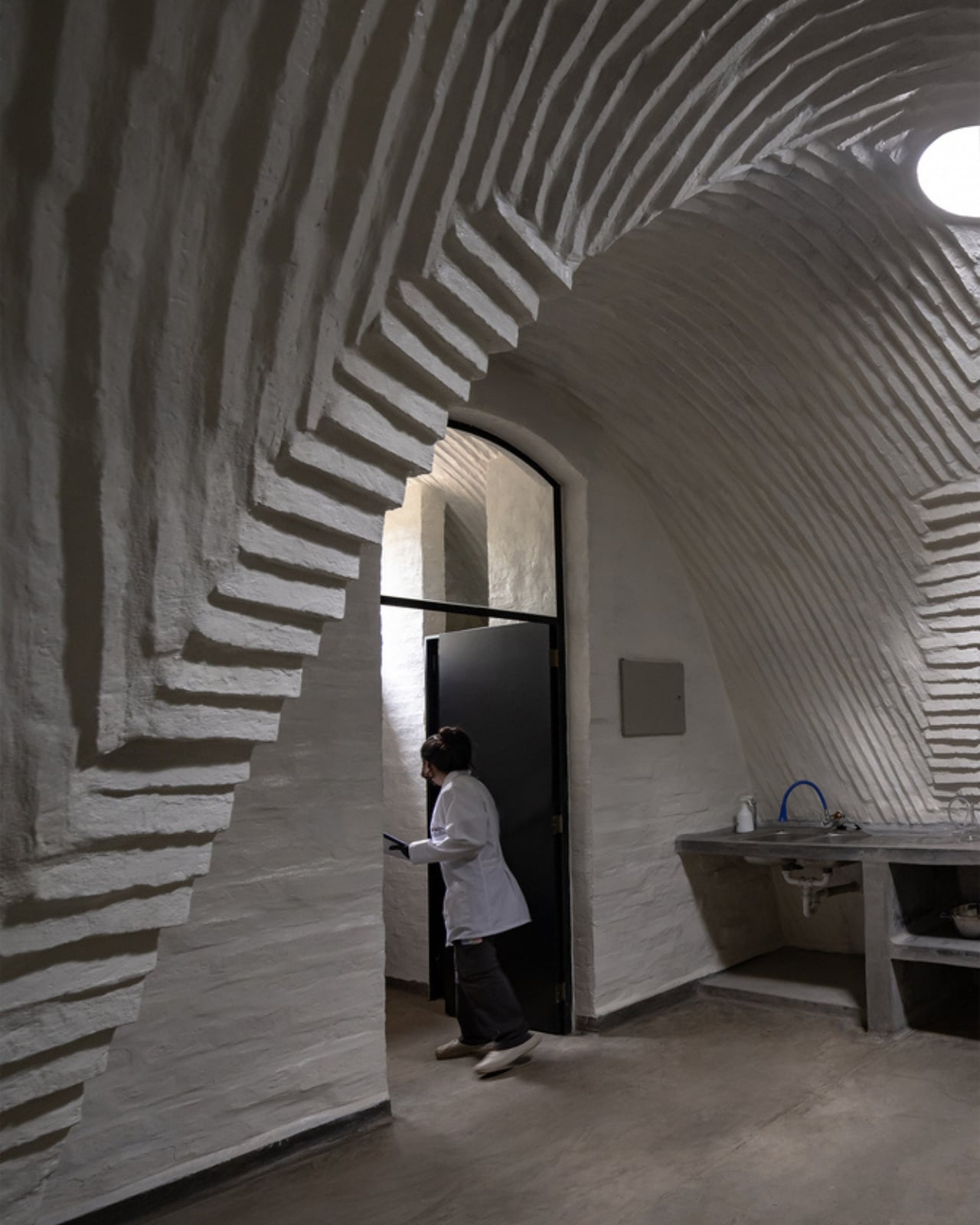
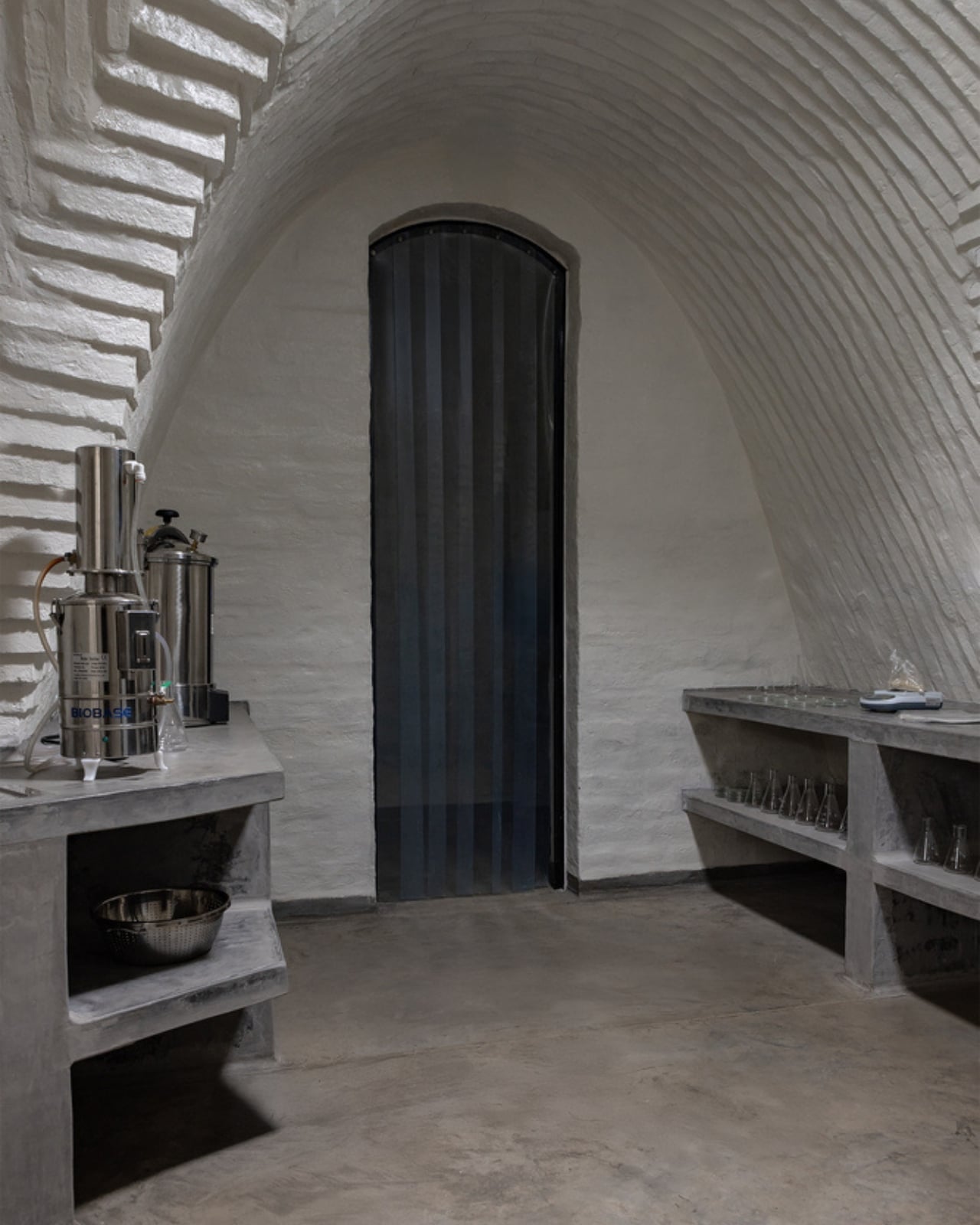
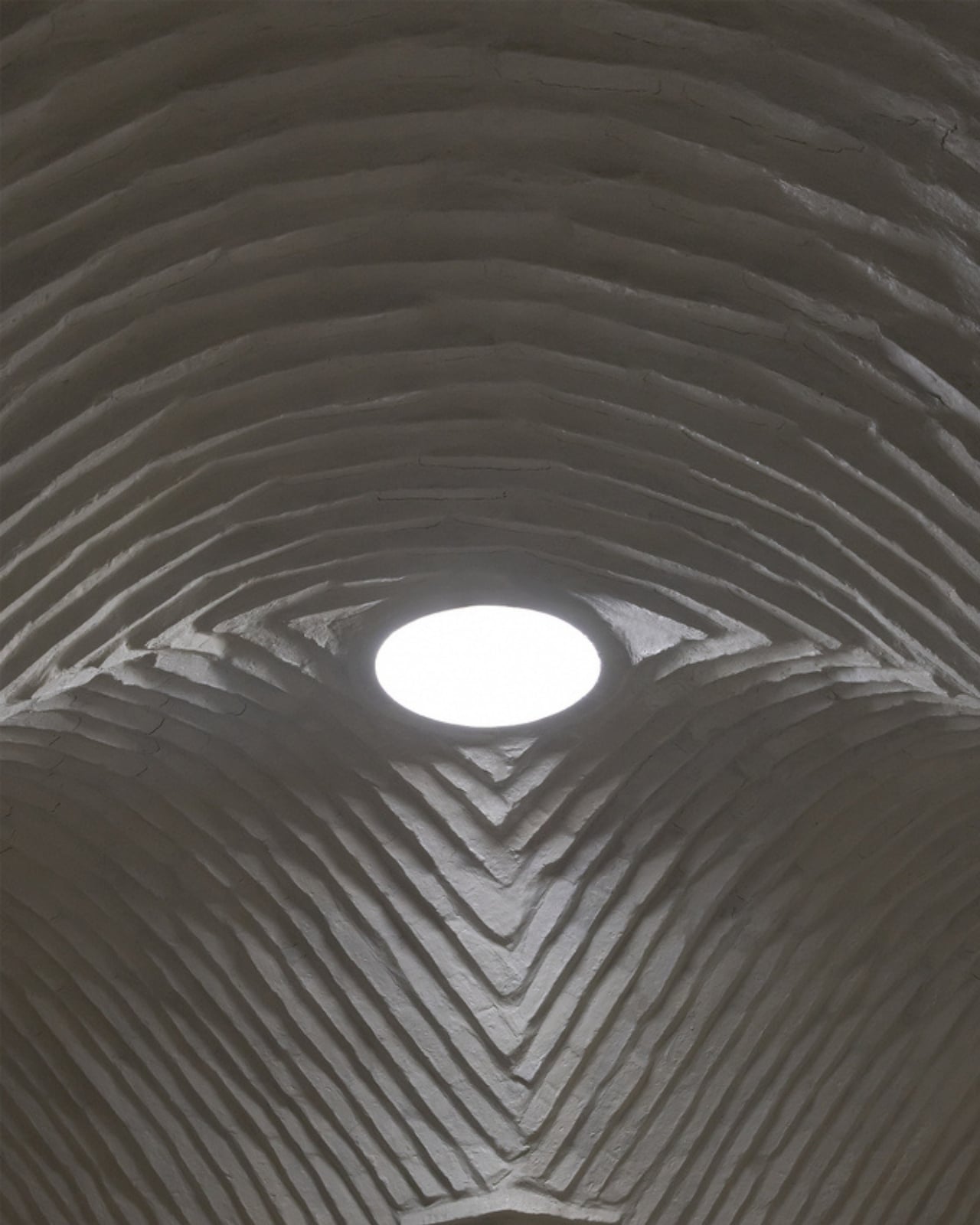
Adobe is not a material most people associate with scientific research, and I think that contrast is exactly what makes this project so compelling. Al Borde chose to work with local soil, using a vaulted construction technique built without formwork, developed in collaboration with structural engineer Patricio Cevallos of the Red PROTERRA network. The vault system draws on techniques rooted in Bolivian adobe construction, adapted here to meet the specific technical demands of a biosecure facility. It is a genuinely rare thing to see ancient building logic serving a cutting-edge scientific function, and Al Borde pulls it off without making either element feel like a compromise.
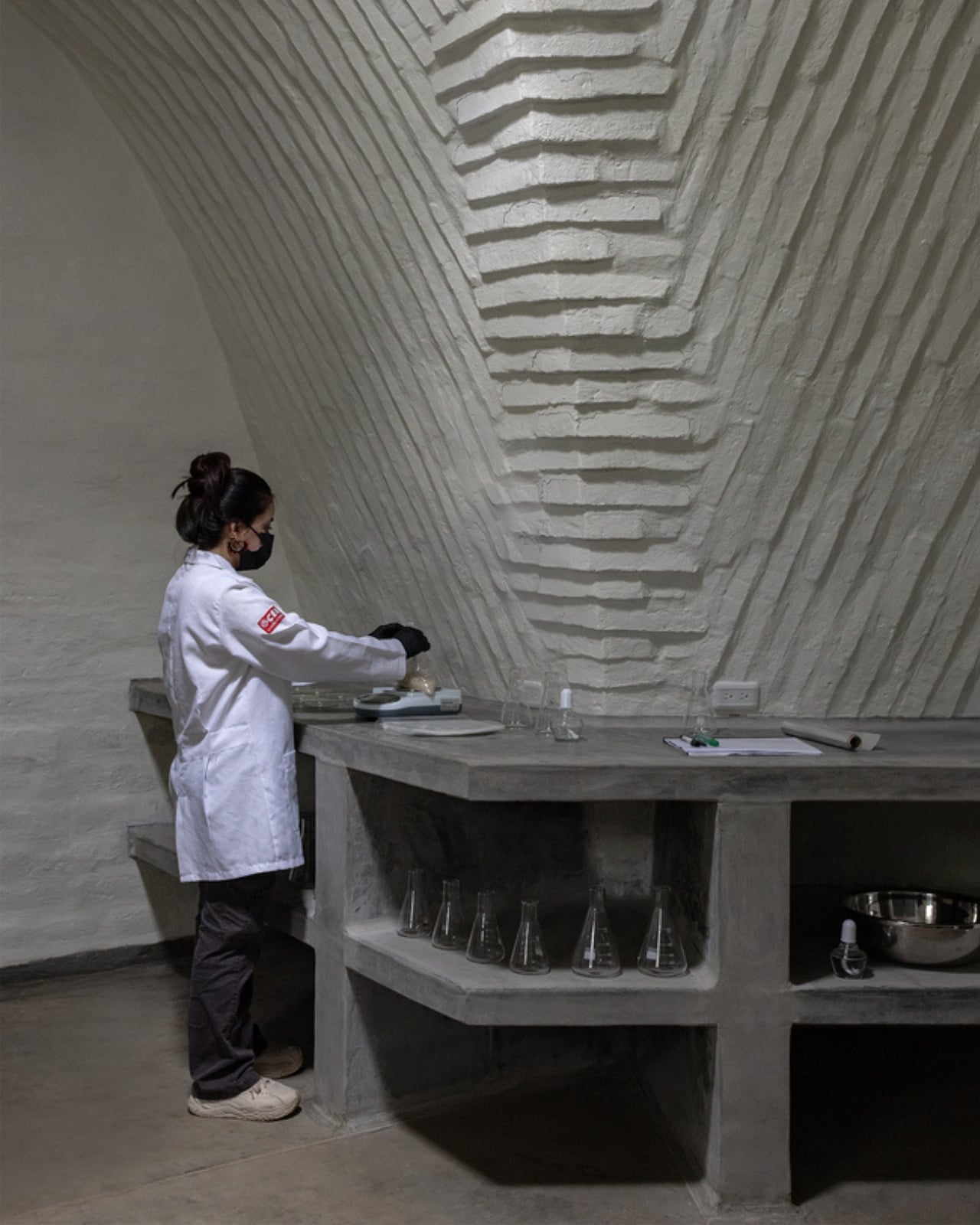
The Y-shaped plan is another smart move. Each arm of the structure radiates outward from a central point, giving the building a form that feels both purposeful and organic, like something that belongs in the landscape rather than imposed on it. That relationship to place is one of the things Al Borde is consistently good at, and Witoca Lab is a strong example of their approach to what architecture can actually do for a community.
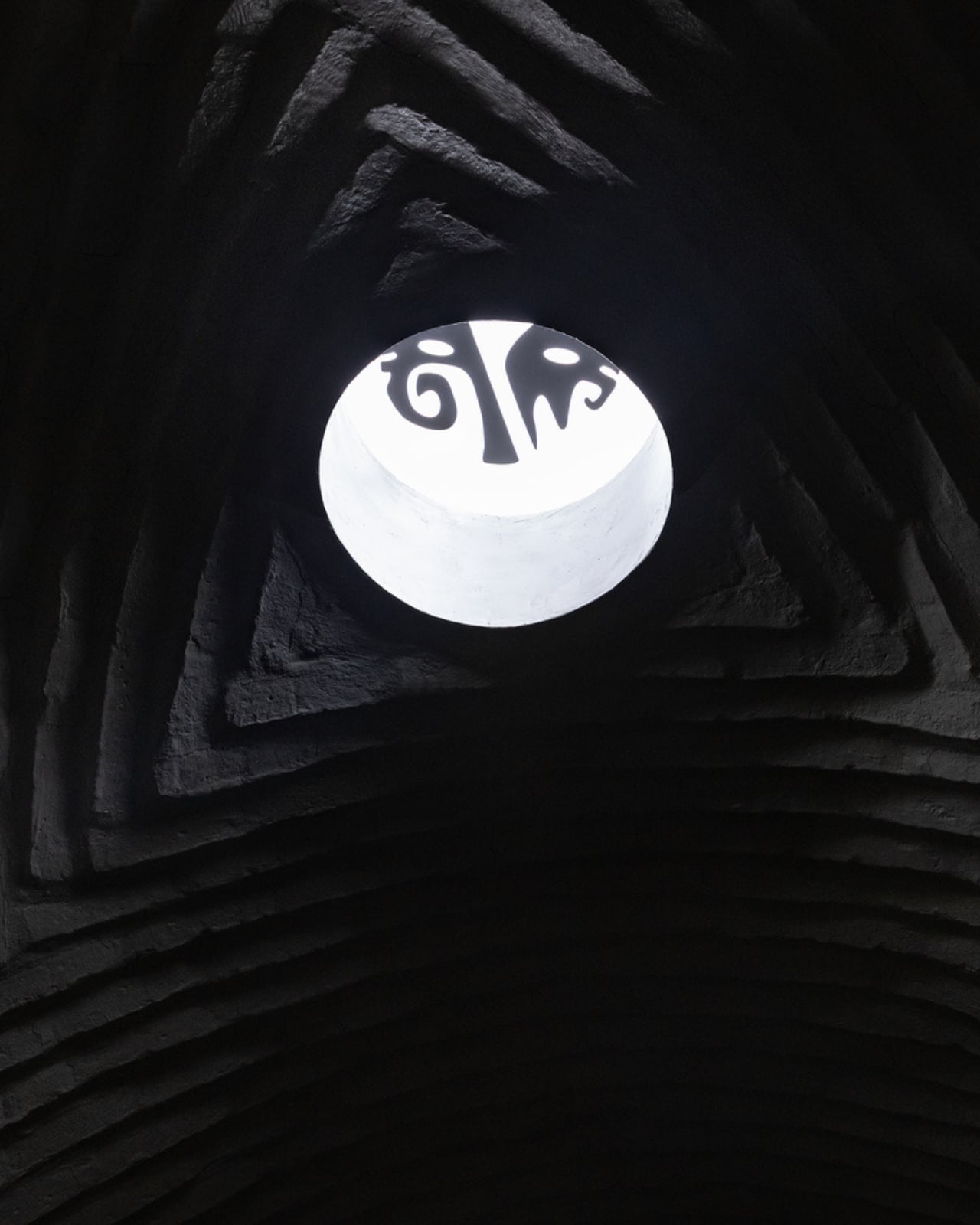
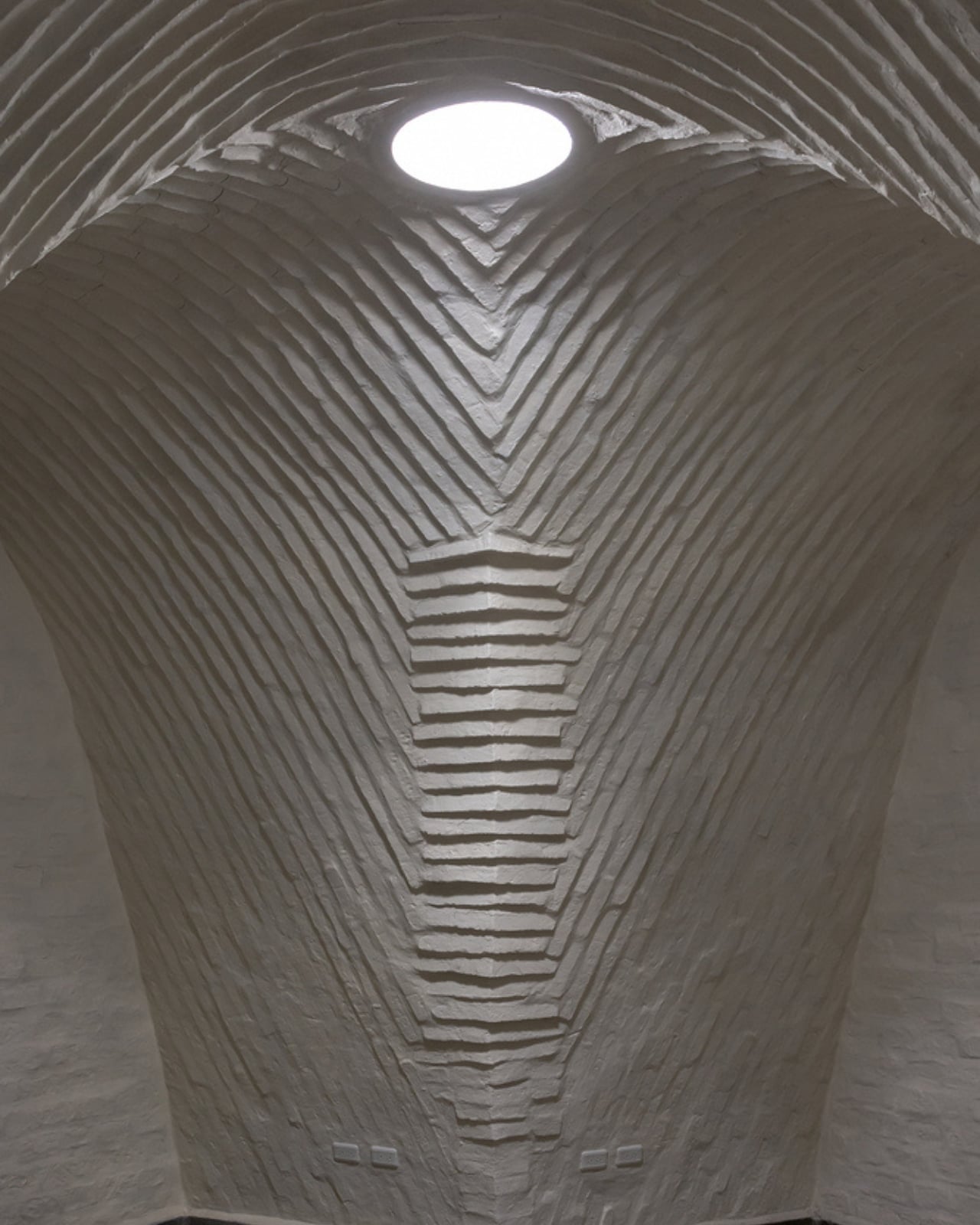
And that community dimension is hard to overstate. The lab is not a vanity project or a showpiece for outside visitors. It exists because the Witoca people needed a way to take a more active, autonomous role in protecting their land and their livelihoods. The project was commissioned by Witoca and supported by CEFA Ecuador, the Italian-Ecuadorian Fund for Sustainable Development, and the Alstom Foundation. That kind of multi-layer collaboration is often messy in practice, but the result here suggests it worked.
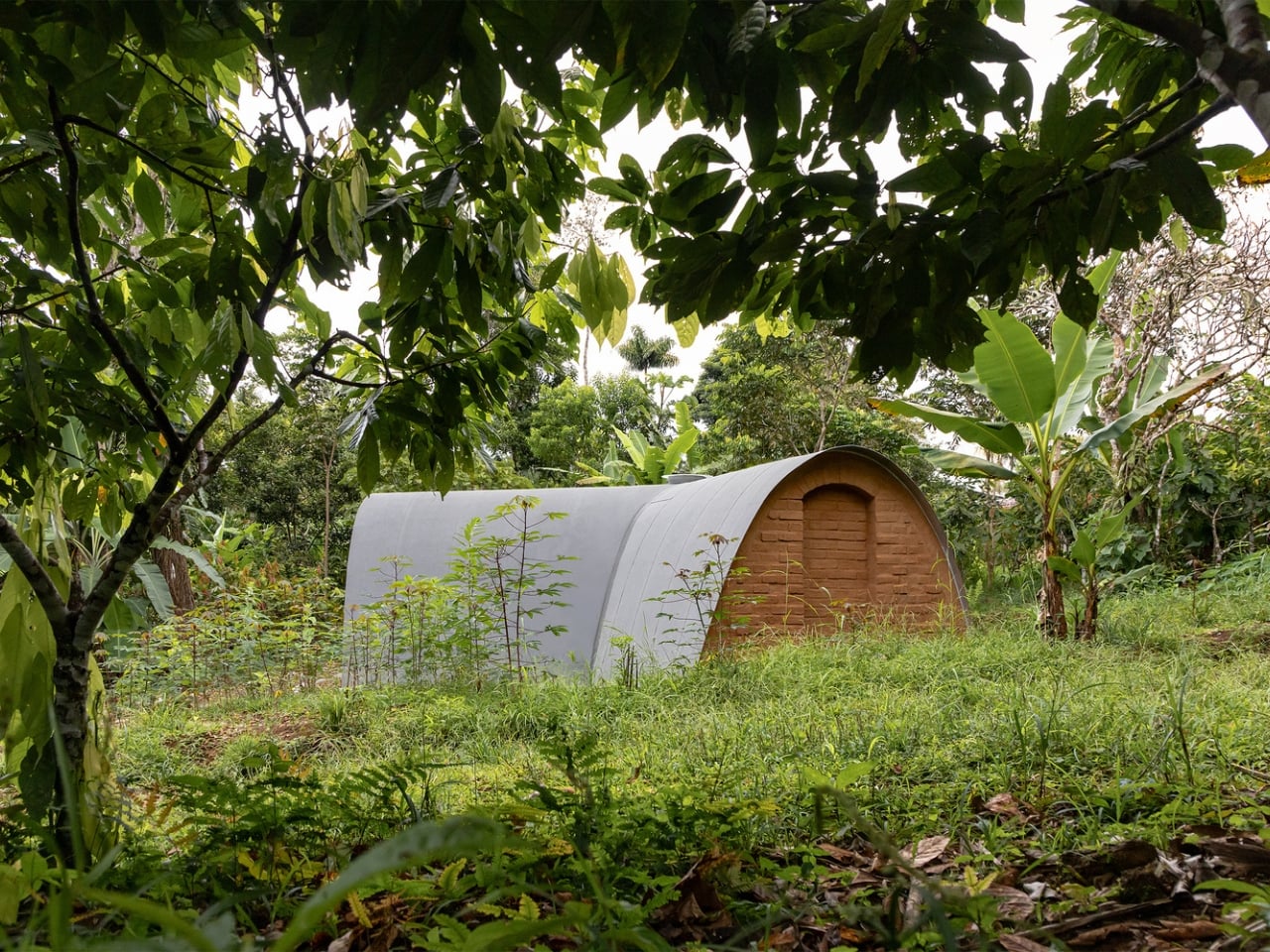
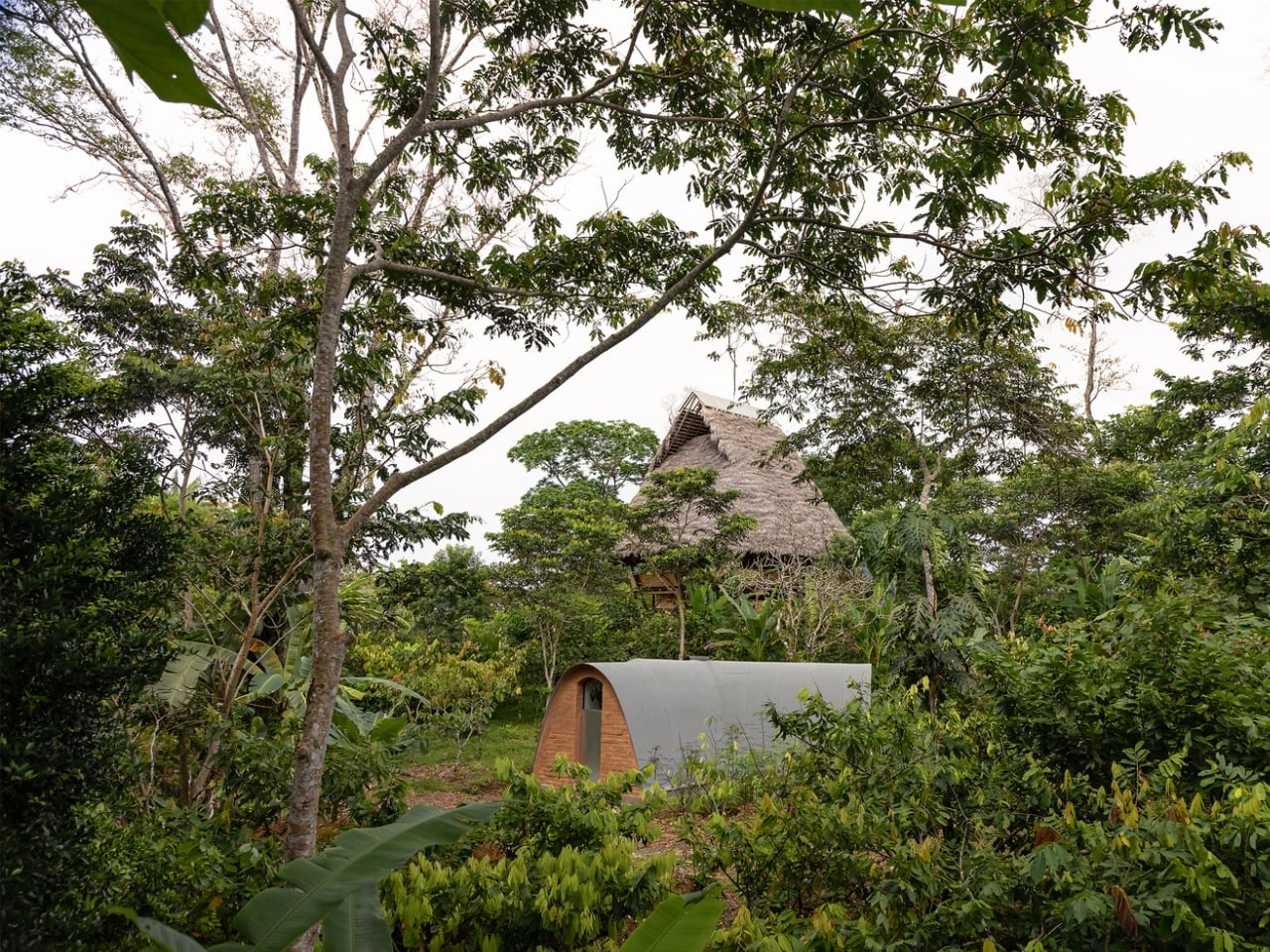
There is a broader conversation in architecture right now about what “sustainable” really means, and too often it gets reduced to solar panels and LEED certifications. Witoca Lab asks a different and, I’d argue, more honest question: what does it mean to build something that is genuinely of its place, for the people who live there, using what the land provides? Not every project needs to be on the cover of a design magazine to matter. But Witoca Lab deserves to be.
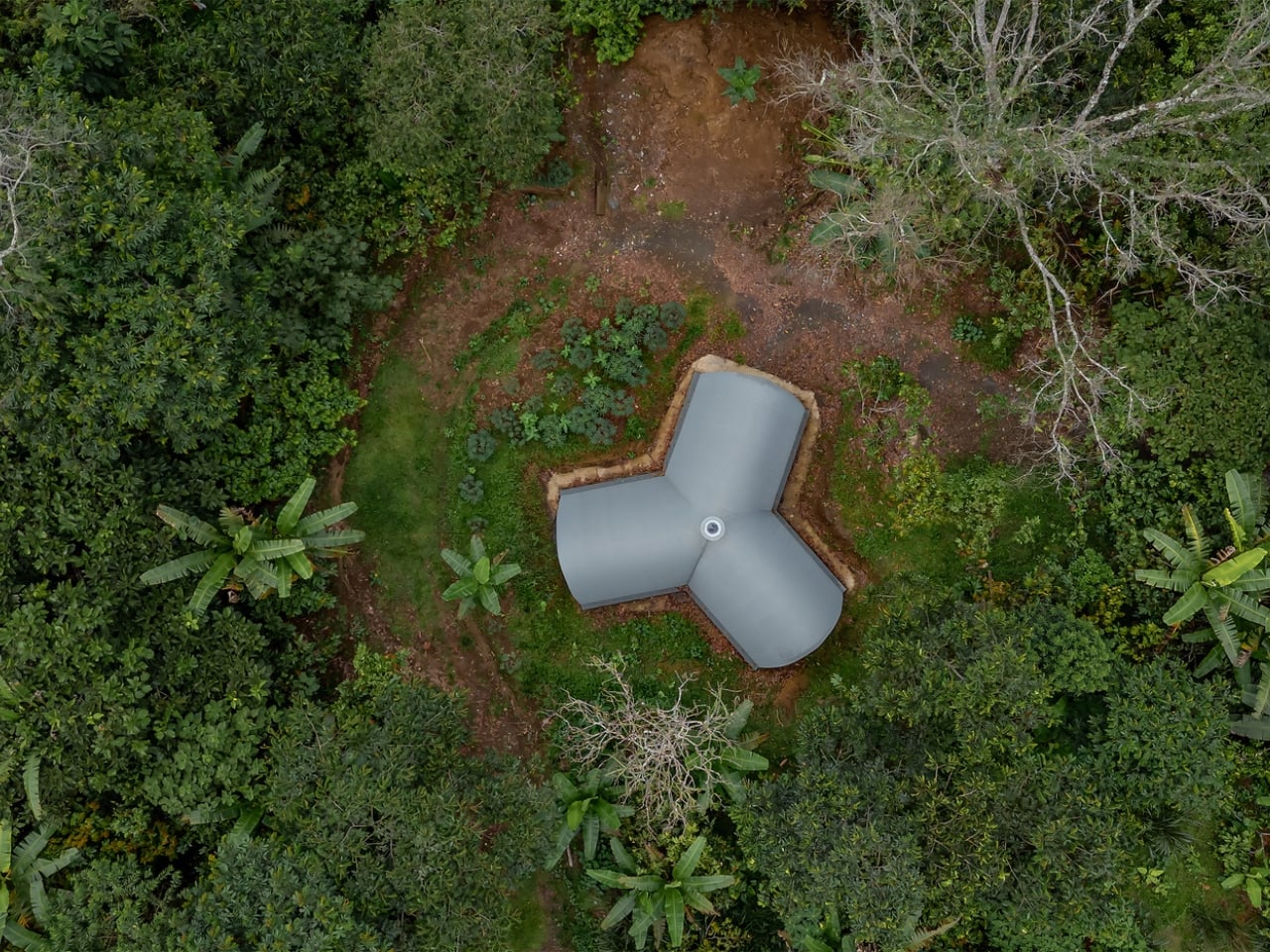
We spend a lot of time celebrating architecture that is visually dramatic or technically ambitious, and rightly so. But the work that tends to stay with me is the kind where the building quietly solves a real problem for a real community, and where the form and the function feel like they arrived at the same answer at the same time. Witoca Lab is that kind of work. It is made of mud. It is full of microbes. And it might be one of the most intelligent buildings completed this year.
The post Mud, Microbes, and the 46 m² Lab the Amazon Needed first appeared on Yanko Design.