When Your Desk Lamp Becomes Your Study Partner: Check Mate

We’ve all been there. You’re three hours into a study session, hunched over your desk with tabs multiplying like rabbits, your phone buzzing with notifications, and that nagging feeling that you’re not actually retaining anything. Digital learning promised us flexibility and endless resources, but sometimes it feels more like drowning in information while learning nothing at all.

A new concept design called Check Mate is tackling this exact problem, and it’s making waves in the design community for all the right reasons. Created by a team of seven designers (Dongkyun Kim, Jaeryeon Lee, Eojin Jeon, Noey, Jaeyeon Lee, Jagyeong Baek, and Jimin Yeo), this concept reimagines what a study companion could look like if we actually designed for how people learn in the digital age. While you can’t buy it yet, the ideas behind it are definitely worth paying attention to.

Designers: Dongkyun Kim, Jaeryeon Lee, Eojin Jeon, Noey, Jaeyeon Lee, Jagyeong Baek, Jimin Yeo

Create your own Aesthetic Render: Download KeyShot Studio Right Now!

The name itself is clever. “Check Mate” borrows from chess, evoking that decisive moment of victory, but it’s also wonderfully literal. This concept envisions a device that genuinely acts as your learning mate, checking in on your progress and helping you actually achieve those goals instead of just feeling busy. The design language speaks to this dual nature with a clean, minimalist aesthetic in soft gray tones, punctuated by shots of energizing yellow that feel like highlighting the important bits in a textbook.

What makes this concept compelling is that the designers didn’t just jump to solutions. They actually did their homework (pun intended) by researching what digital learners need and where current methods fall short. Their field research identified some uncomfortable truths: digital learning can create passive attitudes, make us susceptible to misinformation, and ironically, despite all our access to information, contribute to declining literacy levels. We’re getting really good at searching and depending on AI, but are we actually learning?

The proposed device looks deceptively simple. At first glance, it’s an elegant desk lamp with an adjustable arm and a cylindrical head wrapped in fabric, giving it a softer, more approachable vibe than your typical tech gadget. But the concept goes deeper, packing some serious multitasking capabilities into that minimal form. The lamp head would rotate and adjust, there appears to be a projection or camera system integrated into the design, and the base doubles as a wireless charging pad. Those yellow accents aren’t just for looks either, they’re envisioned as tactile interaction points that make the technology feel more human and less intimidating.

Where Check Mate really shines as a concept is in how it reimagines the learning experience. The visualization shows it functioning as a projection device that could display educational content, video calls with instructors, or interactive annotations directly onto your workspace or wall. Imagine highlighting text on actual paper and having that integrate with your digital notes, or being able to project your screen large enough to actually see what you’re working on without squinting at a laptop.

The concept addresses one of digital learning’s biggest weaknesses: that narrow, passive relationship we have with our screens. By proposing a way to bring information into your physical space and allowing for more natural interaction, it suggests learning could feel less like staring into the void and more like an active, engaging process. You wouldn’t just be consuming content, you’d be working with it in a space that feels comfortable and personal.

The packaging design in the concept presentation deserves a mention too. Everything is shown organized in a beautifully designed kit with that signature yellow and gray color scheme. It’s the kind of unboxing experience that would make you feel like you’re opening something important, not just another gadget. There’s a psychological element to that. When something looks and feels intentional, we treat it more seriously. As a concept, Check Mate represents the kind of forward thinking we need more of in the education technology space. It pushes conversations forward about how we should be designing for learning, how technology could support rather than distract, and what the future of education might actually look like when we stop thinking about it as just “Zoom, but make it fancier.”

The reality is that digital learning isn’t going anywhere. Remote work, online courses, and hybrid education models are here to stay. So maybe concepts like Check Mate can inspire the tools we actually need, devices designed for this reality instead of just adapting what we already have. The best part? It suggests that the answer isn’t more screens or more apps, it’s smarter integration of digital and physical spaces, and technology that adapts to how we naturally learn rather than forcing us to adapt to it.

The post When Your Desk Lamp Becomes Your Study Partner: Check Mate first appeared on Yanko Design.
Iris Sconce: Hand-Shaped Glass Wall Light Where No Two Are Identical

Most LED sconces are thin metal plates and diffusers, designed to disappear into a wall and quietly meet a lumen spec. That approach is efficient but rarely memorable. The Iris Sconce by Siemon & Salazar is the opposite, a fixture that leans into glass and bronze as expressive materials and treats light as something sculpted rather than simply emitted, turning a functional wall mount into a small piece of living craft.

The studio describes Iris as a piece that uses mottled clear thick glass and a cast-bronze heat sink to balance ancient craft with a forward-looking spirit. Each sconce is shaped by hand, with molten crystal poured directly and manipulated immediately, so no molds are used and no two patterns are alike. The result is a fixture that feels more like a living object than a repeated product, where the character comes from the glass itself.

Designers: Caleb Siemon, Carmen Salazar

The glass is lead-free crystal that starts as a glowing pool poured from a crucible, then worked while still hot to create ripples, grooves, and thickness variations. That hot-forming process, without molds, means each disc has its own outline and internal weather. For a designer or homeowner, that translates into a wall of light where every piece has a slightly different voice, and where the surface feels more like water frozen mid-flow than a stamped shade.

The cast-bronze element at the center acts as both a heat sink for the LED and a visual anchor. Its rough, hammered surface contrasts with the smooth glass, and it reads like a pupil, a seed, or a small meteor embedded in crystal. The bronze conducts heat away from the LED, but it also brings warmth and weight to the composition, grounding the otherwise ethereal glass and giving the sconce a core you can read even from across the room.

The thick, textured glass behaves more like a lens than a shade, bending and scattering light into a halo on the wall. The LED sits behind the bronze center, so light spills around it into the glass and then out into the room as a corona of streaks and soft gradients. The effect is less about a beam and more about a field, turning a blank wall into part of the fixture itself.

Iris is sized to work as a single focal point above a mirror or as a series along a corridor, and it can be mounted on walls or ceilings. Because no molds are used, grouping several creates a field of related but non-identical eyes or flowers, which suits projects where lighting is meant to be seen. The integrated LED keeps the profile relatively shallow, and the bronze heat sink means the fixture can run for years without fading.

Iris reminds you that even a code-compliant LED fixture can carry the marks of molten glass and cast metal. Each sconce is genuinely unique, not just in finish but in shape and pattern. For people tired of flat panels and generic cylinders, it feels like a small argument for bringing a bit of studio craft back into the everyday act of turning on the lights, where every time you flip a switch, you are also lighting up a piece that was poured, shaped, and cooled into something one of a kind.

The post Iris Sconce: Hand-Shaped Glass Wall Light Where No Two Are Identical first appeared on Yanko Design.
Blueair Mini Restful(™) Sunrise Clock Air Purifier Review: The Only Air Purifier with a Sunrise Alarm Clock

PROS:


  • Soft, bedroom-friendly aesthetics

  • Multi-function bedside consolidation, including USB-C charger

  • Circadian-friendly lighting system

  • QuietMark certified for sleep

  • Simple maintenance with long filter life

CONS:


  • Single color temperature range might not fit some preferences

  • Premium price for small coverage area

RATINGS:

AESTHETICS
ERGONOMICS
PERFORMANCE
SUSTAINABILITY / REPAIRABILITY
VALUE FOR MONEY

EDITOR'S QUOTE:

The Blueair Mini Restful Sunrise Clock Air Purifier quietly merges clean air with gentle dawn into one compact, sleep-focused design object.
award-icon

Nightstands have quietly become cluttered charging stations over the past decade, with phones serving as alarms, small purifiers humming in corners, and separate wake-up lights trying to undo the damage of jarring ringtones at six in the morning. Sleep has turned into a wellness habit people track and optimize, but the tools meant to support it often feel scattered and visually chaotic.

The Blueair Mini Restful(™) Sunrise Clock Air Purifier is a compact attempt to pull some of those tools into one object. It is a small bedside cylinder that cleans the air, glows like a sunrise to wake you gently, plays soft sounds, shows the time, and charges your phone, all while looking more like a design piece than some cold, drab piece of appliance. But does this striking appliance work as advertised? We put it beside our comfy bed to find out.

Designer: Blueair x Samuel Thoumieux

Click Here to Buy Now: $150 $199.99 (25% off, use coupon code “SAVE25”). Hurry, deal ends in 48-hours!

Aesthetics

The Mini Restful is a short cylinder about eleven inches tall, wrapped in premium fabric with a smooth top disc. It looks closer to a smart speaker or a small bedside lamp than a traditional purifier, which makes it feel natural sitting on a nightstand. The proportions are deliberately compact and soft, with rounded edges and no visible vents.

Two color options are available: Coastal Beige and Midnight Blue. Coastal Beige has a light oatmeal fabric with a warm off white top, which reads well in rooms with light wood furniture and neutral bedding. Midnight Blue uses a deep navy fabric, making it comfortable in darker, moodier bedrooms with richer tones.

The top surface is where the aesthetic gets interesting. A circular user interface houses a dot matrix clock and touch controls, surrounded by a ring that glows when the wake-up light or mood lighting is active. When the sunrise alarm is running, the top looks like a tiny dawn, casting a warm halo onto the bedside table and wall.

It is much more pleasant than the blinking LEDs most appliances default to, and it doubles the device’s role as both a functional purifier and a kind of ambient light. The glow feels intentional, like a small lamp designed to support sleep rather than disrupt it, which is a significant shift from typical purifier status lights.

The fabric wrap is a key design choice. It softens the entire object and makes it read as part of the room’s soft furnishings rather than a hard plastic box. The textile has a fine woven texture that feels closer to upholstery than speaker mesh, and it helps the Mini Restful blend into spaces where you want calm rather than tech on display. The overall look avoids the glossy plastics and aggressive styling that make a lot of gadgets feel cheap or temporary.

Ergonomics

At around two and a half pounds out of the box, the Mini Restful is genuinely portable. You can pick it up with one hand and move it between rooms or reposition it without any strain. The small footprint, roughly six and a half inches in diameter, means it takes up about as much space as a medium-sized speaker or a chunky candle.

The cylindrical shape means you can place it close to the bed without worrying about sharp corners poking you if you brush against it in the dark. The air intake and outlet are all around the body, so it does not need a lot of clearance to work effectively, which is helpful in tight bedrooms or smaller apartments where every inch of surface area counts.

The top controls and clock are designed for quick, low-effort interaction. The dot matrix display is readable without being glaring, and the surrounding touch icons handle basic tasks like setting alarms, adjusting light brightness, and likely fan speed. You can do the essentials without grabbing your phone, which is helpful if you are trying to reduce screen time before bed.

Filter access is straightforward. The fabric sleeve slips off, and the inner filter is a wraparound design with a simple closure, so replacing it does not require tools or wrestling with complicated cartridges. This kind of maintenance design makes it more likely that people will actually change the filter when it is due rather than giving up and buying a new device.

Performance

Inside the cylinder is a HEPASilent filter system that pulls in air from around the base, traps fine particles like dust, pollen, and smoke, and pushes cleaner air back out. The filtration is sized for small spaces, specifically bedrooms up to around one hundred forty square feet, which aligns with typical master bedrooms or nurseries. It is meant to clean the zone where you actually sleep.

The idea of a fresh air dome around the bed is central to how Blueair frames this product. Placing the Mini Restful on a nightstand or dresser top helps keep the immediate breathing zone cleaner, which can be especially helpful for people who deal with nighttime congestion, seasonal allergies, or asthma. The device cycles the air in a small bedroom multiple times per hour.

Noise performance is critical for a sleep device, and the Mini Restful is designed to be quiet. On its lowest settings, it is softer than most fans, more like a gentle whoosh than a mechanical hum. Higher speeds are audibly stronger when the device is working harder to clear the air, but the ability to drop back into whisper-quiet operation at night keeps it compatible with light sleepers.

The QuietMark certification adds third-party validation that the noise level is genuinely sleep-friendly, tested and approved by independent acoustic consultants. This matters because many purifiers claim to be quiet but still produce enough mechanical sound to disturb rest, while the Mini Restful can fade into the background entirely on low settings.

The wake-up light is where the Mini Restful starts to feel different from a standard purifier. You can set a time in the Blueair app, and then, in the fifteen to thirty minutes leading up to that time, the top light slowly brightens from a very dim glow to a warm, room-filling light. The color temperature stays in the warm range, mimicking the quality of a natural sunrise.

This gradual brightening is designed to help your body wake up more naturally than a sudden alarm. The light acts as a cue that morning is approaching, which can make the transition from sleep to wakefulness feel gentler and less abrupt, especially during darker winter months when natural light comes late or not at all.

If you want more than light, you can add sound. The app includes a library of gentle wake-up tones and nature sounds, and you can choose one to start playing after the light has reached full brightness. The combination of light and sound is meant to guide you from deep sleep to wakefulness in a calmer way than a phone alarm blaring suddenly at full volume.

The same light that wakes you up can also help you wind down. In the evening, you can set the top to a very low amber glow as a night light or turn it up to a comfortable reading level, all in warm color temperatures that are gentler on melatonin production than bright white overhead lights or blue light-heavy phone screens.

The ability to adjust brightness on the device or in the app means it can match different routines, whether you are reading before bed or just want a soft ambient glow while you settle in. This dual role, supporting both wind down and wake up, makes the light feel integrated into the full sleep cycle rather than just a morning feature.

The Blueair app lets you fine-tune alarm times, choose how long the sunrise light takes to reach full brightness, select wake-up sounds, and create schedules so the device behaves differently on weekdays and weekends. The app also shows air quality and lets you adjust fan speed remotely, though most people will set a preference once. For people who like to see what is happening, the data is there, but the device does not force you into constant app interaction.

The integrated USB-C charging port on the back is a small but practical touch. It lets you plug in a phone or wearable directly into the Mini Restful, reducing the number of separate chargers and cables cluttering the nightstand. For people who currently use their phone as an alarm, this makes it easier to transition to the Mini Restful without losing charging convenience.

Sustainability

The Mini Restful uses a filter designed to last many months before needing replacement, which reduces how often you need to buy and discard new filters compared to some smaller purifiers with shorter lifecycles. The wraparound filter design with simple closure encourages full use of the filter’s lifespan and makes replacement straightforward, supporting longer ownership.

The device is relatively low power and Energy Star certified, which matters for something that might run many hours every day. At its lowest settings, the energy draw is modest, and even at higher speeds, it stays well within the range of efficient bedside appliances. Blueair, as a brand, positions itself with higher environmental standards as a Certified B Corp.

Value

The Mini Restful costs more than a basic purifier or a simple alarm clock. But that price starts to make sense when you consider the roles it plays at once: purifier, sunrise light, sound machine, clock, and phone charger, all in a single compact object designed for the nightstand. If you were to buy those devices separately, you would likely spend a similar amount while ending up with more clutter. The Mini Restful consolidates that into one cylinder that is easy to set up, easy to maintain, and designed to look intentional rather than accidental.

Space and visual calm are real forms of value, especially in small bedrooms or apartments where every object on a nightstand matters. Having one well-designed cylinder instead of multiple mismatched gadgets reduces the sense of clutter and makes the room feel more deliberate. For design-conscious consumers, that reduction in visual noise is worth something tangible, not just aesthetic preference alone.

The sleep focus is also part of the value story. For people who are already treating sleep as a wellness habit, investing in better mattresses, bedding, or blackout curtains, and adding a device that supports circadian rhythms and keeps the breathing zone cleaner is a logical next step. The fact that it is optimized for bedrooms makes it feel like a targeted tool.

The Mini Restful makes the most sense for people who care about both design and sleep quality, who want their nightstand to feel calm rather than cluttered, and who appreciate when technology quietly supports routines instead of dominating them. For users trying to break phone dependence at bedtime, or parents setting up nurseries, or anyone in a small space, it fits naturally.

Verdict

The Blueair Mini Restful Sunrise Clock Air Purifier is a compact, carefully designed object that manages to be a purifier, a sunrise light, a sound machine, and a clock without looking or feeling like four gadgets taped together. It blends into bedrooms with the kind of visual ease that makes you forget it is technology, and the combination of quiet air cleaning, warm light, and gentle sounds makes it feel integrated into sleep rituals.

As sleep continues to be treated as a key part of wellness, devices that treat air, light, and sound as one integrated experience will likely become more common. For homeowners who want their bedroom tech to be as considered as their furniture and as gentle as their nighttime routine, the Mini Restful feels like a thoughtful step in that direction, turning the nightstand into a quieter, calmer place where everything works together.

Click Here to Buy Now: $150 $199.99 (25% off, use coupon code “SAVE25”). Hurry, deal ends in 48-hours!

The post Blueair Mini Restful(™) Sunrise Clock Air Purifier Review: The Only Air Purifier with a Sunrise Alarm Clock first appeared on Yanko Design.
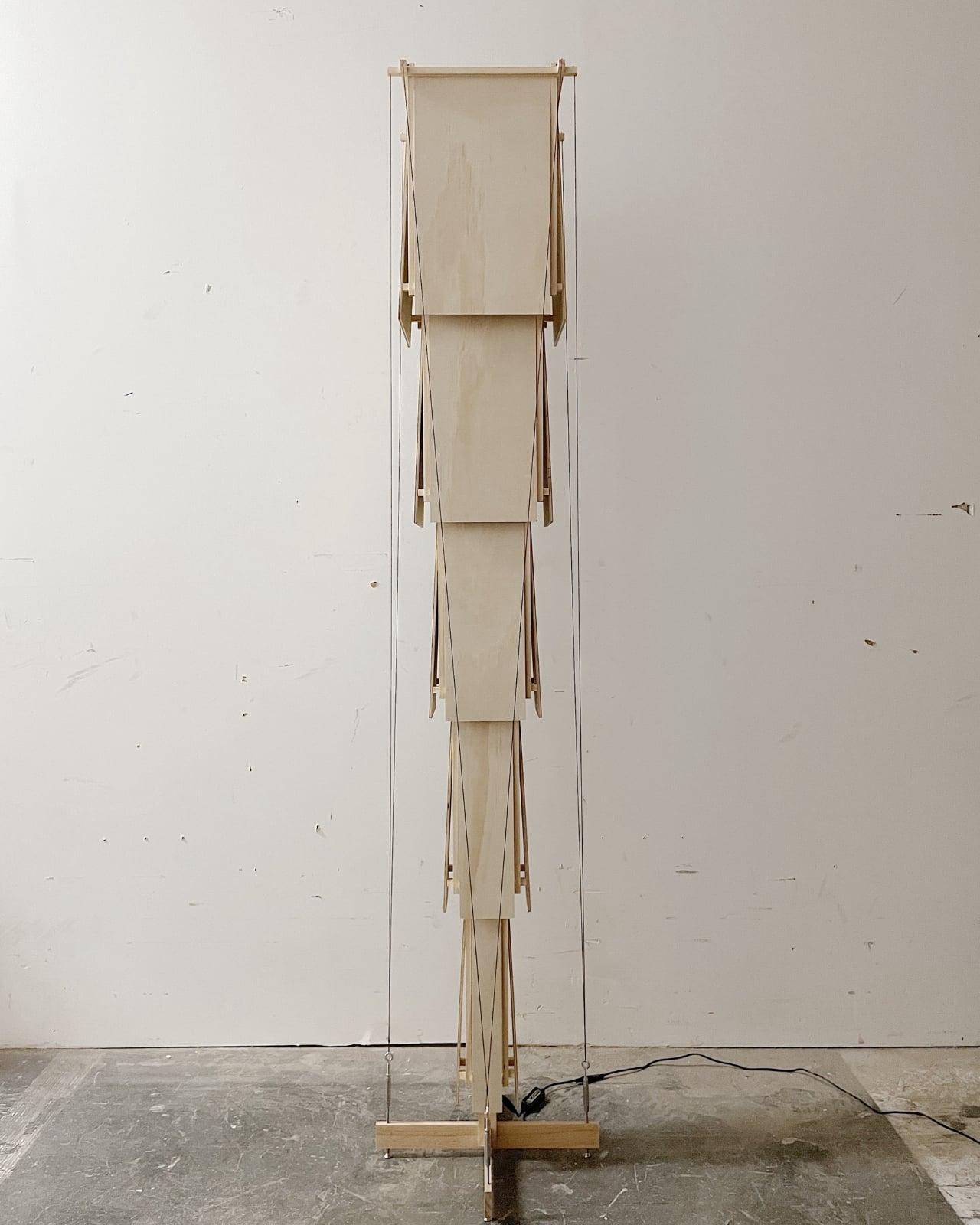
This Lamp Blooms Like a Peacock’s Tail and It’s Mesmerizing

There’s something almost magical about watching a peacock unfurl its tail feathers. That moment of transformation, when something compact suddenly explodes into an elaborate fan of color and pattern, never gets old. Dutch designer Jelmer Nijp must have felt the same way because he decided to bottle that exact feeling into a lamp, and the result is nothing short of captivating.

Meet Pavo, a lighting design that’s part industrial fixture, part nature-inspired sculpture. The name itself is a nod to its inspiration. Pavo means peacock in Spanish (and Latin, for that matter), and once you see it in action, you’ll understand why Nijp couldn’t have called it anything else. This isn’t your typical table lamp that just sits there looking pretty. Pavo actually moves, transforms, and reveals itself in a way that makes you stop and stare.

Designer: Jelmer Nijp

The design is deceptively simple at first glance. When closed, Pavo looks like a sleek metal tube, the kind of minimalist object that wouldn’t look out of place in a modern apartment or design studio. But here’s where it gets interesting. That tube retracts, and as it does, a pleated shade unfurls like a fan, spreading outward in a graceful, almost organic motion. Light radiates from the center of this fan, creating a soft glow that highlights the geometric pleats and folds of the shade. It’s the kind of moment that makes you want to show everyone in the room, “Look at this! Did you see that?”

What makes Pavo special is how it bridges two worlds that don’t always play well together. On one hand, you’ve got this very industrial aesthetic with clean metal lines and mechanical movement. On the other, there’s this undeniable connection to nature, to the beauty and drama of a peacock’s display. Nijp manages to merge these seemingly opposite ideas into something that feels both sleek and alive, modern yet timeless.

The movement itself deserves special attention because it’s not just a gimmick. The way the shade unfolds is smooth and deliberate, mimicking the natural grace of an actual peacock. It’s unexpected in the best possible way. You don’t often encounter furniture or lighting that has this kind of kinetic quality, especially not executed with such elegance. This is design that understands the power of transformation and uses it to create a genuine emotional response.

Nijp is a 2025 graduate of the Design Academy Eindhoven, one of those prestigious schools that consistently churns out designers who aren’t afraid to experiment and push boundaries. His approach is hands-on and experimental, using the process of making itself as a way to explore materials and forms. You can see that philosophy at work in Pavo. This isn’t a lamp that was designed purely on a computer and then manufactured. It has the feel of something that was worked out through trial and error, through actually building and testing until the mechanics and aesthetics came together just right.

The lamp was showcased at Dutch Design Week 2025, where it attracted plenty of attention among a sea of innovative projects. And it’s easy to see why. In a design landscape that often leans heavily into either pure functionality or pure aesthetics, Pavo manages to be both functional and beautiful while also being genuinely delightful. It’s a light source, yes, but it’s also a conversation piece, a kinetic sculpture, and a little moment of wonder in your living space.

What Pavo represents is a growing trend in contemporary design where the line between art and utility becomes increasingly blurred. Designers like Nijp are asking why everyday objects can’t be more engaging, more interactive, more memorable. Why should a lamp just be a lamp when it could also be an experience? There’s something refreshing about a piece that demands your attention, that makes you think differently about what design can be. Pavo is a reminder that good design doesn’t have to choose between form and function, between nature and industry, between stillness and movement. Sometimes, the best design happens when you bring all these elements together and let them play off each other in unexpected ways.

The post This Lamp Blooms Like a Peacock’s Tail and It’s Mesmerizing first appeared on Yanko Design.
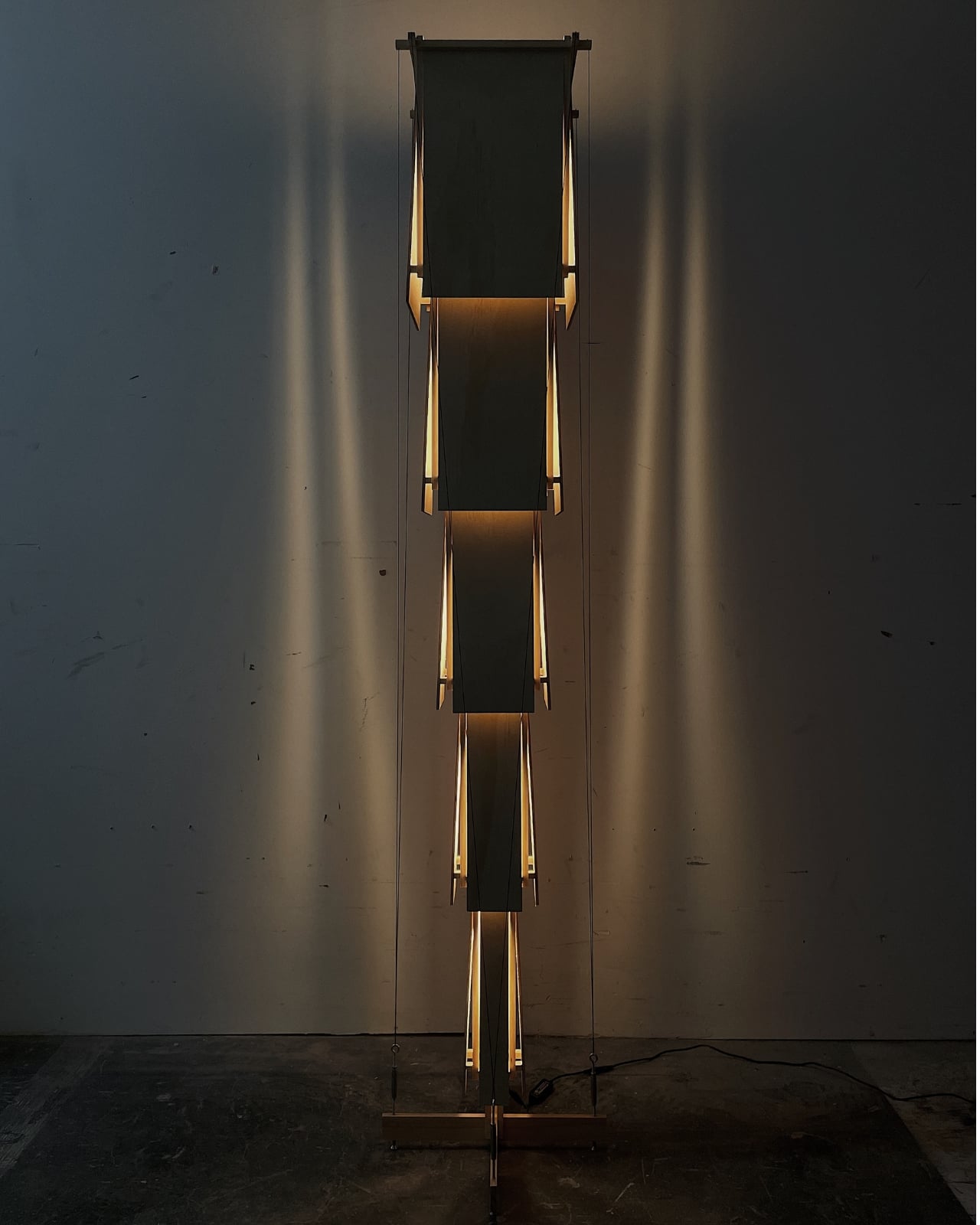
This MagSafe Battery Pack Looks Like It Belongs in Your Makeup Bag

Most power banks and MagSafe battery packs look like small, hard bricks stuck to the back of a carefully chosen phone. There is a gap between the attention people give to phone colors, cases, and desk setups, and the generic plastic blocks they use to charge. Pokoo is a concept that treats a battery pack like a lifestyle object instead of emergency gear, borrowing its design language from instant cameras and cosmetics rather than chargers.

Pokoo is a MagSafe-style battery pack built around a rounded square body with a large circular disc at its center. The disc carries the branding and serves as the visual anchor, while a small indicator light in one corner handles status. The form is deliberately soft, with rounded edges and corners that make it feel more like a compact or a tiny camera than a tech accessory, especially in the warm white and sage-green palette.

Designer: Biu Biu

The battery snaps magnetically to the back of an iPhone, sitting below the camera bump and charging wirelessly. The circular disc and rounded form make the phone and pack feel like they were designed together, visually softening the stack instead of making it look like you strapped a tool to an otherwise clean object. The pastel colors reinforce that impression, turning the combo into something that feels intentional enough to leave on your phone all day.

The circular disc is not just decoration, it flips out to become a kickstand. When you want to watch something, the hinge lets the disc rotate outward, propping the phone in landscape while the battery stays attached and charging continues. That turns Pokoo into a two-in-one object, a power source and a stand, which makes more sense than carrying both separately or balancing your phone against a water bottle.

The top edge includes both USB-C and Lightning ports under a small protective ridge. That dual-port approach acknowledges that most people charge more than one kind of device, and it means Pokoo can handle wired top-ups for accessories or charge itself when wireless is slower. The flexibility makes it more adaptable than single-port packs that force you into one ecosystem or the other.

Pokoo comes in at least three colorways, the original white and green, a soft pink version, and a light blue with pink accents. Those colors push it firmly into lifestyle territory, looking equally at home next to a makeup bag or a laptop. The design language treats the battery as a companion object with personality, not a necessary evil you clip on when your phone is dying.

Pokoo does not reinvent what a battery pack does, it reframes how it looks and how you use it. The flip-out stand, dual ports, and cosmetic-inspired shell turn a mundane accessory into something that feels thoughtful. For people who care about the objects that live on their phones and desks, Pokoo suggests that charging does not require sacrificing aesthetics, and that a power bank can be soft, playful, and multi-functional without losing the utility that actually matters.

The post This MagSafe Battery Pack Looks Like It Belongs in Your Makeup Bag first appeared on Yanko Design.
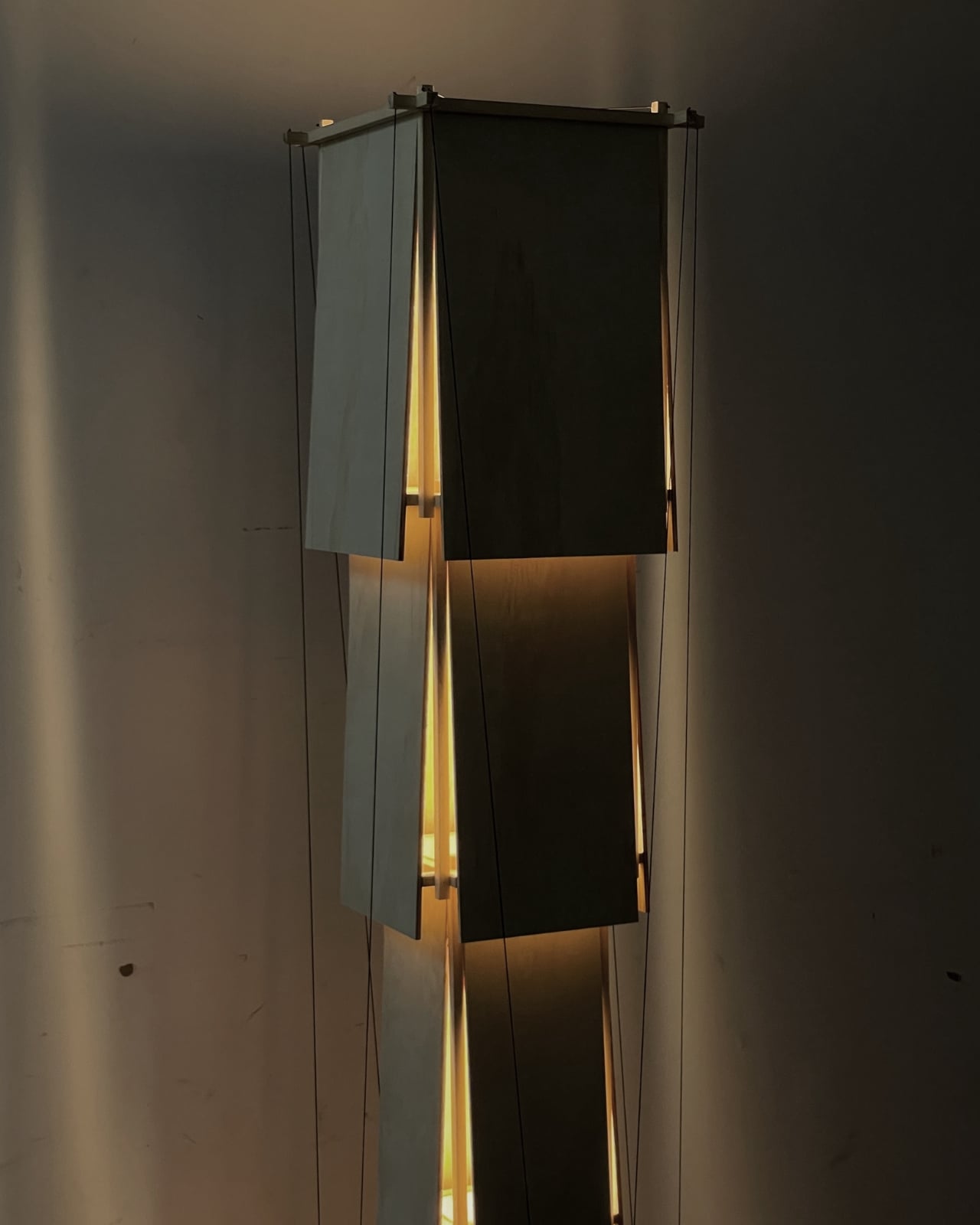
10 Best Flashlights & Portable Lighting Solutions for Backcountry Adventures in 2025

Backcountry adventures demand gear that refuses to quit when conditions turn challenging. The right lighting solution transforms a tense moment into a manageable one, whether you’re searching for a misplaced carabiner at midnight or navigating an unexpected detour off-trail. In 2025, portable lighting has evolved beyond simple illumination, offering adaptive brightness, extended battery life, and multipurpose designs that earn their weight in any pack.

The flashlights and lighting systems featured here represent a new generation of outdoor equipment built for real-world backcountry use. From ultra-compact EDC models that clip to your gear to versatile campsite lanterns that adapt to any scenario, these designs prioritize functionality without sacrificing portability. Each brings something distinct to the table, addressing specific challenges outdoor enthusiasts face when venturing beyond cell service and reliable power sources.

1. Lumitwin DL700

The Lumitwin DL700 redefines what’s possible in a portable flashlight with its staggering 2-kilometer beam distance and dual independently-controlled barrels. This isn’t an incremental improvement over standard LED technology. The flashlight employs laser-excited phosphor modules instead of traditional LEDs, delivering a focused throw that reaches 1.24 miles into the darkness. The dual-barrel design means you can operate each light independently, switching between them based on your immediate needs while preserving battery life on the unused barrel for extended expeditions.

Built from aerospace-grade aluminum machined from a single block, the DL700 weighs 1,032 grams and handles abuse that would destroy lesser lights. The IP68 waterproof rating means complete submersion poses no threat, while the 1-meter drop rating accounts for fumbles in challenging terrain. Interchangeable color filters in red, green, and flood configurations adapt the light for hunting scenarios, search-and-rescue operations, or tactical applications. The carabiner clip integration makes it accessible without digging through your pack when darkness catches you mid-trail.

What we like

  • The 2-kilometer beam distance outperforms virtually every portable flashlight available for backcountry use
  • Dual independent barrels provide backup redundancy and operational flexibility
  • Swappable color filters eliminate the need to carry multiple specialized lights
  • Machined aluminum construction survives harsh conditions without compromising structural integrity

What we dislike

  • The 1,032-gram weight exceeds ultralight backpacking preferences for those counting every ounce
  • Premium laser-excited phosphor technology comes with a correspondingly premium price point

2. BlackoutBeam Tactical Flashlight

BlackoutBeam delivers 2,300 lumens of raw illumination with a 300-meter throw distance, making it one of the brightest handheld options for backcountry emergencies. The 0.2-second response time eliminates any lag between activation and full brightness, critical when you need immediate visibility or must signal for help. The industrial aluminum body construction balances durability with weight considerations, maintaining IP68 water and dust resistance that protects internal components from backcountry elements. Five distinct modes, including three brightness levels, strobe, and pinpoint, provide tactical flexibility for different scenarios.

The dual power system separates BlackoutBeam from single-battery competitors. The built-in 3,100mAh lithium-ion battery recharges via USB, but when you’re days from any outlet, the ability to swap in two emergency CR123A batteries ensures you’re never without light. The strobe mode works for emergency signaling or disorienting wildlife encounters, while the pinpoint mode conserves battery when you only need to check map details. The flashlight’s sleek design avoids the overtly tactical aesthetic that feels out of place on recreational backcountry trips.

Click Here to Buy Now: $89.00

What we like

  • The 2,300-lumen output provides exceptional brightness for search, rescue, and emergencies
  • Dual power options with USB rechargeable and backup CR123A batteries eliminate dead-battery anxiety
  • The 0.2-second response time delivers instant illumination without delay
  • Five different modes adapt to varied backcountry lighting requirements

What we dislike

  • Maximum brightness drains battery quickly, requiring careful power management on extended trips
  • The high lumen output may be excessive for routine camp tasks

3. TriBeam Camplight

The award-winning TriBeam Camplight brings three distinct lighting modes into one compact 135-gram package that measures just 12.8cm tall. The 3-in-1 design switches between camping, ambient, and flashlight modes with a single intuitive button, adapting from a gentle 5-lumen glow for reading in your tent to a powerful 180-lumen beam for trail navigation. The adjustable brightness range provides precise control over battery consumption, with the lowest settings delivering up to 50 hours of continuous use on a single charge. This versatility makes it equally suitable for intimate cabin evenings and technical night hiking.

The magnetic lampshade attachment transforms the beam quality instantly, softening harsh direct light into a diffused glow that creates a comfortable campsite ambiance. When navigation demands focused illumination, simply remove the magnetic shade, and the flashlight mode cuts through darkness effectively. The hidden handle tucks away seamlessly when not needed but deploys for hanging from tent loops, tree branches, or pack straps. IPX6 water resistance handles rain and splashes without concern, while the 3,100mAh lithium battery supports extended backcountry trips. USB-C charging ensures compatibility with modern power banks and solar chargers.

Click Here to Buy Now: $65.00

What we like

  • Three distinct lighting modes in one compact device eliminate the need for multiple lights
  • The 50-hour maximum runtime on low settings supports multi-day trips without recharging
  • Magnetic lampshade attachment and a hidden handle provide mounting versatility
  • At 135 grams and 12.8cm, it qualifies as truly packable gear

What we dislike

  • The 180-lumen maximum brightness falls short of high-output flashlights for long-distance visibility
  • Magnetic attachments can collect metal debris in dusty backcountry conditions

4. Olight Baton 4 with Premium Charging Case

The Olight Baton 4 Premium Edition centers around its innovative 5,000mAh flip-top charging case that transforms how you interact with EDC flashlights. The case stores and charges the flashlight, but the standout feature allows you to flip open the cover, press the side button, and activate the 1,300-lumen light while it remains secured inside. This design eliminates fumbling in the darkness and speeds response time during emergencies. The charging case fits easily in jacket pockets or pack hip belts, keeping the flashlight accessible and charged simultaneously throughout your backcountry journey.

The Baton 4 flashlight itself delivers 1,300 lumens with a 170-meter throw distance in a compact cylindrical form factor. Small LED indicators display brightness level and remaining battery charge, removing guesswork about available runtime. The flashlight’s compact dimensions make it unobtrusive as an everyday carry item that transitions seamlessly into backcountry use. The charging case works with compatible Olight flashlights beyond just the Baton 4, adding value if you already own other models in their lineup. One-handed case operation means you can keep your other hand on trekking poles or maintain your grip on technical terrain.

What we like

  • The 5,000mAh charging case keeps the flashlight powered for extended trips without electrical access
  • Flip-top design with in-case activation speeds deployment in critical moments
  • LED indicators provide clear battery status information
  • The compact case design makes it practical for everyday pocket carry

What we dislike

  • The 1,300-lumen output and 170-meter throw are moderate compared to higher-powered options
  • The system requires carrying the case for the charging benefit to remain relevant

5. CasaBeam Everyday Flashlight

CasaBeam bridges emergency preparedness and intentional design with its 1,000-lumen beam and dual-mode functionality that converts from a handheld flashlight to an upright lantern. The minimalist form factor looks appropriate displayed on a bookshelf rather than hidden in a drawer, encouraging you to keep it accessible where you’ll actually use it. The 200-meter beam distance handles outdoor paths and large rooms with equal capability, while the twist-to-zoom front toggles between focused spotlight and wide floodlight distribution. This adaptability suits varied backcountry scenarios from distant trail scanning to close-range camp setup.

Standing the flashlight upright activates lantern mode, providing hands-free illumination for cooking, gear organization, or evening reading without rigging hanging systems. Five modes, including three brightness levels and two SOS settings, offer precise control over both light output and battery consumption. The 2,600mAh lithium-ion battery delivers up to 24 hours on low settings, rechargeable via USB-C for compatibility with solar panels and portable power banks. The charging port hides beneath the zoom head, protecting it from dust and moisture while maintaining the clean design aesthetic. A built-in yellow loop provides hanging options from tent peaks or tree branches when elevation improves light distribution.

Click Here to Buy Now: $49.00

What we like

  • The dual flashlight-lantern functionality eliminates carrying separate devices for different lighting needs
  • Twist-to-zoom adjustability adapts beam focus for specific tasks
  • The 24-hour maximum runtime supports multi-day use between charges
  • Award-winning design makes it attractive enough to keep easily accessible

What we dislike

  • The 1,000-lumen output is adequate but not exceptional for long-distance visibility
  • Lantern mode requires flat ground or stable surfaces to stand upright effectively

6. Portable Fire Pit Stand

While not a traditional flashlight, the SANYO Portable Fire Pit Stand provides essential backcountry lighting through controlled fire, offering warmth and illumination simultaneously. The puzzle-like metal assembly breaks down into flat components that pack efficiently, eliminating the bulk associated with rigid fire pit designs. Special sheet metal technology prevents warping and distortion from repeated heating cycles, maintaining structural integrity across seasons of use. The distinctive industrial aesthetic comes from functional cutouts and holes that serve the dual purpose of visual interest and optimized airflow for efficient combustion.

Removable trivets expand cooking versatility beyond simple flame-based heating, supporting grilling, frying, and various preparation methods that turn the fire pit into a complete outdoor kitchen. The elevated design protects ground vegetation and reduces fire scar impact in backcountry campsites where Leave No Trace principles matter. The black steel plate construction offers durability against weather exposure and rough handling during transport. The stand’s open design allows you to monitor fuel levels and adjust burning materials easily, controlling flame size and heat output based on your lighting and warmth requirements throughout the evening.

Click Here to Buy Now: $119

What we like

  • The disassembled flat pack design stores efficiently in backpacks or vehicle storage
  • Removable trivets support diverse cooking methods beyond basic fire
  • Warp-resistant steel maintains structural integrity through repeated heating cycles
  • Elevated design minimizes environmental impact on backcountry campsites

What we dislike

  • Fire-based lighting requires fuel gathering and appropriate weather conditions to function effectively
  • Metal components add weight compared to traditional lightweight camp stoves or LED alternatives

7. Wuben G5 EDC Flashlight

The Wuben G5 achieves remarkable portability with its lighter-sized form factor that slips into pockets without adding noticeable bulk or weight. The built-in adjustable clip and strong magnetic base provide multiple mounting options when your hands need freedom for technical tasks. You can attach it magnetically to vehicle frames, tent stakes, or cookware, positioning the light exactly where needed without constructing elaborate hanging systems. The included lanyard adds another tethering option, preventing drops during tricky maneuvers and keeping the flashlight accessible on your person.

The compact design required trade-offs compared to Wuben’s larger X2 Pro series, eliminating the sidelight feature and electronic battery display to achieve the reduced dimensions. Despite the smaller size, the G5 delivers sufficient illumination for navigation, camp tasks, and emergencies where having any light matters more than maximum brightness. The flexible clip-on mechanism adjusts to various attachment points and materials, adapting to whatever gear you need to mount it on. For minimalist backpackers and ultralight enthusiasts, the G5’s tiny footprint makes it an effortless addition that doesn’t force compromises with other essential gear.

What we like

  • The pocket-sized dimensions and light weight make it genuinely unobtrusive for everyday carry
  • Adjustable clip and magnetic base provide versatile hands-free mounting options
  • The lanyard attachment prevents loss during challenging activities
  • Compact design doesn’t demand dedicated pack space

What we dislike

  • Reduced size means lower lumen output compared to full-sized flashlight options
  • Eliminating the sidelight and electronic battery display removes useful features present in larger models

8. Tomori Lantern Kit

The Tomori Lantern Kit solves the storage challenge that keeps many people from maintaining emergency lighting in vehicles, offices, and multiple locations. Collapsing to A4 paper size, the kit fits into drawers, glove compartments, and backpack side pockets where bulky lanterns cannot. The sturdy cardboard base works with any standard LED flashlight that fits its clamps, eliminating dependence on proprietary bulbs or specific lamp models. This universal compatibility means you can use flashlights you already own rather than investing in dedicated lantern systems.

The polypropylene plastic cover diffuses harsh direct beams into softer, more pleasant ambient light that creates a comfortable atmosphere in tents, emergency shelters, or indoor spaces during power outages. Setup and collapse require no tools, power sources, or charging cables—you simply clamp your flashlight into the base and position the diffuser cover. The lightweight construction adds minimal weight, while the collapsed profile means you can stash multiple kits in different locations without space concerns. The included flashlight ensures the kit works immediately out of the package, though the real value comes from the ability to use it with various lights you may already carry.

Click Here to Buy Now: $39.00

What we like

  • A4-sized collapsed dimensions make it practical to store in multiple locations
  • Universal flashlight compatibility works with lights you already own
  • Cable-free operation requires no charging or electrical access
  • Lightweight cardboard and plastic construction add negligible weight to emergency kits

What we dislike

  • Cardboard construction is less durable than hard-shell lanterns for repeated rough handling
  • Diffused light output depends entirely on the brightness of the flashlight you insert

9. Airflow 8-Panel Fire Pit

The Airflow Fire Pit brings sophisticated combustion engineering to backcountry campfires through its removable eight-panel design. The unique panel system creates an eight-sided cylinder optimized for secondary combustion, dramatically reducing smoke output while increasing heat efficiency. Strategic holes at panel bottoms channel fresh air directly to the fire base for primary combustion. As this air heats, it rises through the double-walled panel cavity and expels from the top holes, igniting gases and particulates that would normally become smoke. The result is cleaner burning that improves both air quality and nighttime visibility around your campsite.

The adjustable panel system provides unprecedented fire control. Installing all eight panels maximizes secondary combustion for high-intensity heat, ideal for cooking or cold-weather warmth. Removing panels reduces combustion intensity, creating more traditional open fire aesthetics when you prioritize ambiance over maximum heat output. This flexibility adapts to different backcountry scenarios and personal preferences throughout the evening. SANYO Works drew on extensive metal processing expertise to engineer panels that withstand repeated heating without degradation. The optimized airflow design also simplifies cleanup since more complete combustion leaves less residue and unburned material. For backcountry campers who value fire as both light source and social centerpiece, the engineering refinement elevates the entire experience.

Click Here to Buy Now: $325.00

What we like

  • The secondary combustion system dramatically reduces smoke for cleaner burning
  • Adjustable eight-panel design provides control over fire intensity and heat output
  • Complete combustion improves efficiency and simplifies ash cleanup
  • Durable engineering maintains performance across seasons of use

What we dislike

  • Panel-based design adds weight and bulk compared to minimalist fire solutions
  • Secondary combustion requires proper assembly and fuel management to achieve optimal results

10. HOTO Flashlight Duo

The HOTO Flashlight Duo addresses the varied lighting needs that emerge during camping through multiple modes and attachment options. A retractable magnetic hook, strap, and magnetic base ensure you can position the light appropriately for any situation without improvising precarious setups. The hands-free capability lets you focus on intricate camp tasks like tent repairs, meal preparation, or gear organization without holding a flashlight in your mouth or propping it awkwardly against unstable surfaces. Magnetic attachment to vehicles, cookware, or metal tent stakes provides secure positioning that stays put even in windy conditions.

The secondary sidelight covered in milky white plastic enables distinct lighting modes beyond the primary beam. Twisting the Mode Switching Head toggles between Mood Light, Functional Light, and Flashlight Mode, providing 13 different light combinations that adapt to specific camping needs. The simple interface using just a knob and button keeps the operation intuitive even when you’re exhausted after a long day on the trail. Mood lighting creates a comfortable evening ambiance for relaxing at camp, functional light supports task work requiring close-range visibility, and traditional flashlight mode handles navigation and distance viewing. The thoughtful design integration makes the Duo genuinely versatile rather than awkwardly multi-functional.

What we like

  • Retractable magnetic hook, strap, and magnetic base provide extensive mounting flexibility
  • Thirteen different light combinations through three primary modes adapt to varied camping scenarios
  • Simple knob and button interface remains intuitive during fatigue or stress
  • Secondary sidelight adds genuinely useful functionality beyond standard flashlights

What we dislike

  • Multiple features and modes increase complexity compared to single-purpose flashlights
  • The versatile design may add weight and size beyond minimalist requirements

Choosing Light for the Long Haul

Backcountry lighting in 2025 reflects a maturation of outdoor gear design where form and function converge without compromise. The flashlights and lighting solutions featured here demonstrate that portability no longer requires sacrificing power, versatility, or durability. Whether you prioritize ultralight minimalism, maximum brightness, or adaptive functionality, current offerings provide legitimate solutions rather than forcing uncomfortable trade-offs between competing priorities that matter in challenging environments.

The best lighting choice depends on your specific backcountry activities, trip duration, and personal preferences around weight versus capability. Extended expeditions far from resupply benefit from long-runtime options and dual power systems. Fast-and-light adventures reward compact EDC designs that disappear into pockets. Group camping scenarios make versatile lanterns valuable for shared spaces. Evaluating your typical backcountry patterns helps identify which features matter most when darkness falls, and reliable illumination becomes non-negotiable.

The post 10 Best Flashlights & Portable Lighting Solutions for Backcountry Adventures in 2025 first appeared on Yanko Design.
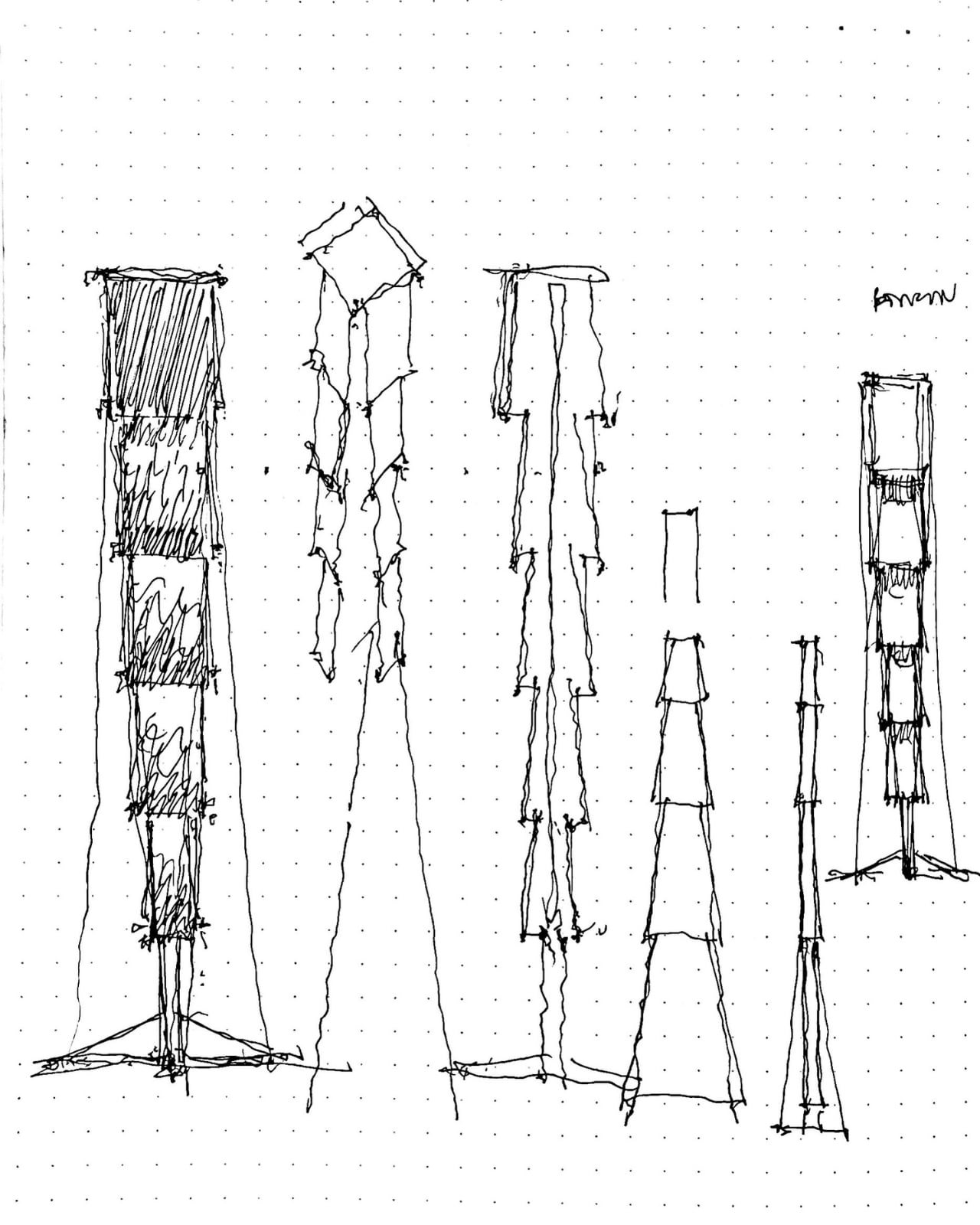
This Wooden Aromatherapy Piece Turns Cultural Memory Into a Multisensory Sanctuary

In contemporary product design, a growing interest in cultural memory, sensory ritual, and emotional well-being is shifting the way objects are conceived for domestic space. This aromatherapy piece stands as a compelling exploration of that movement, drawing from traditional Chinese aesthetics while speaking fluently to a modern lifestyle. Rather than merely referencing visual motifs, it attempts to translate centuries-old spatial philosophies into a multisensory experience.

At the heart of the design is the orchid, a motif deeply embedded in Chinese literati culture. Beyond botanical elegance, orchids in classical painting and poetry symbolize moral integrity, modesty, and quiet refinement. They are often depicted growing in mountains or hidden valleys, admired not for spectacle but for restraint. By embedding orchid elements into the interior of the object, the designer is not simply decorating; they are activating a cultural code. The orchid becomes a messenger of ideals, humility, introspection, and the pursuit of spiritual clarity, values increasingly resonant in a world overwhelmed by speed and digital noise.

Designer: Chris233

The silhouette draws inspiration from the “flower window” of traditional Chinese gardens and classical architecture. These windows, often carved in quatrefoil or geometric forms, frame selective views: a corridor leading to a bamboo grove, a sliver of sky reflected in water, or the blurred outline of stones. The design adopts a four-petal window motif, re-engraving that elegant architectural language into a compact household object. This is an intentional exercise in spatial thinking, borrowing scenery into the device. In miniature, it replicates the feeling of standing before a classical garden window, where sight, imagination, and interpretation all meet.

Materiality plays a central role. The use of wood deliberately mimics the warmth, softness, and moisture of traditional furniture and artifacts. In a design world dominated by polished metal and synthetic finishes, the choice of wood feels almost meditative. Its texture has historical memory; its scent, even before aromatherapy is added, suggests calm. It carries the tactile familiarity of objects that age with time, inviting touch, presence, and slowness.

What differentiates this product from typical aromatherapy diffusers is its philosophical approach to light. The designer uses a soft, light-transmitting structure, allowing illumination to filter through the flower window and orchid shapes. The result is a choreography of shadow, a gentle diffusion that transforms functional lighting into ambience. When fragrance begins to rise, scent interacts with this shadow play, creating a layered sensory environment. The visual quietness enhances olfactory comfort, offering a subtle ritual of healing for body and mind.

In this way, the design functions as both an object and an atmosphere. It reinvents oriental aesthetics in a distinctly contemporary voice, neither imitative nor nostalgic. It chooses not to replicate historical forms, but to reinterpret them through lifestyle relevance: how people seek serenity at home, how scent supports emotional well-being, and how small objects can shape mental space.

More broadly, this project reflects a movement in design toward cultural integration rather than symbolic quotation. It suggests that traditional Chinese culture can coexist with modern sensibilities when approached through meaning rather than ornament. The piece becomes a device of calm, introspection, and everyday spirituality, a quiet reminder that design does not need to shout to be profound. In a time when wellness routines are increasingly commodified, this aromatherapy object offers something different: a return to thoughtful ritual, poetic simplicity, and the ancient art of living with beauty.

The post This Wooden Aromatherapy Piece Turns Cultural Memory Into a Multisensory Sanctuary first appeared on Yanko Design.
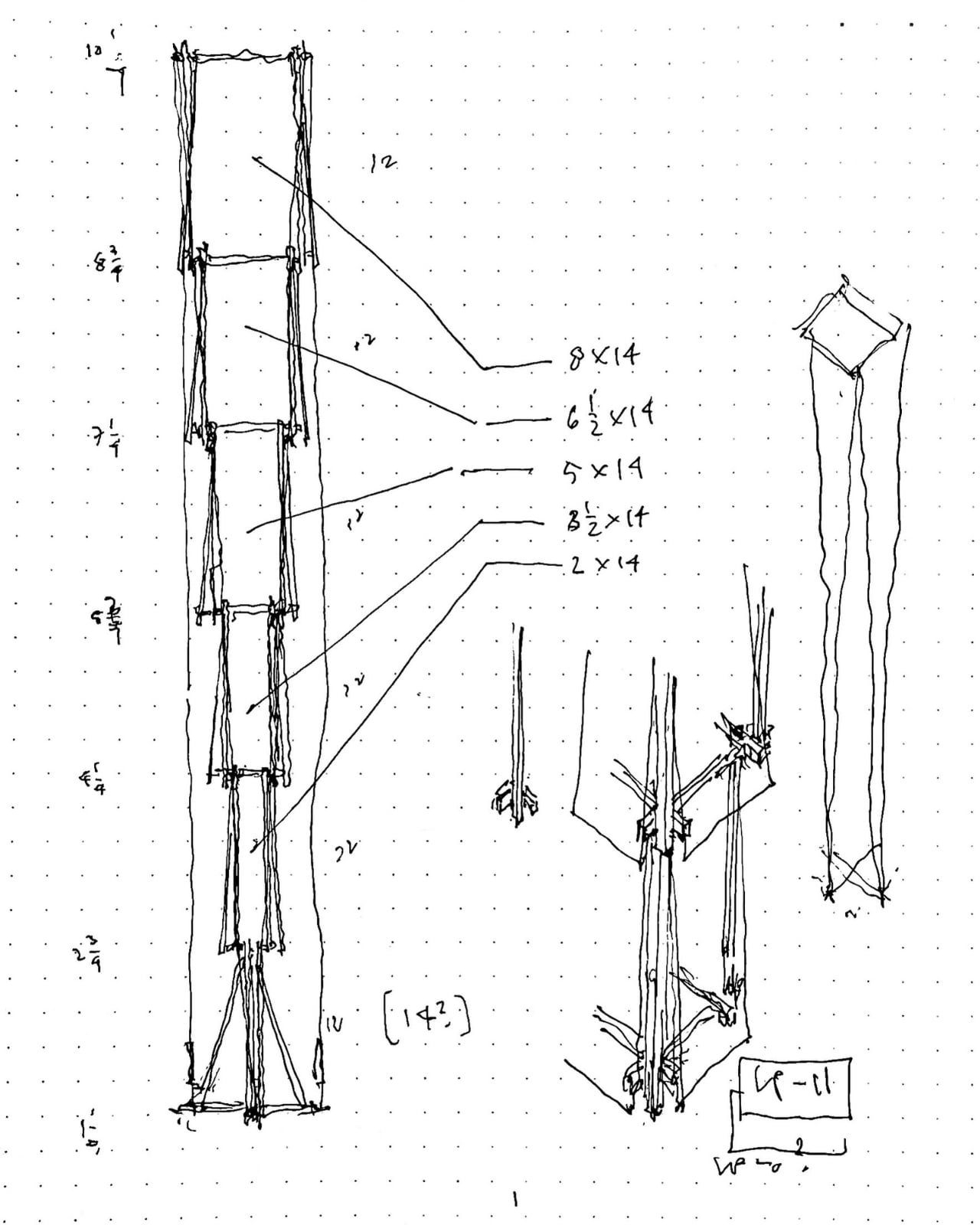
Ottagono Packs a Full Workout into a Luminous Octagonal Column

Home gyms have become unavoidable lately, creeping into corners with smart mirrors bolted to walls, fold‑out benches wedged behind sofas, and dumbbells scattered under coffee tables. Apartments keep shrinking, hotel suites need to multitask, and most fitness gear still looks like fitness gear rather than furniture. Even the sleekest mirror can’t pretend it belongs next to a credenza when a countdown timer starts blinking, and someone begins doing burpees in the reflection.

Ottagono by architect Giulia Foscari for Cassina Custom Interiors offers a different answer. It looks like a tall octagonal column, occupies less than one square meter, and hides a complete Technogym-powered workout behind faceted doors. Designed in collaboration with Technogym, it debuted during Milan Design Week and will be installed at Hotel du Cap Eden Roc in Antibes, positioning it squarely in the luxury hospitality world where space costs money and objects need to earn their floor area.

Designer: Giulia Foscari

When closed, Ottagono reads like a sculptural floor lamp rather than a cabinet full of kettlebells. The exterior is finished in gradient tones, deep blue fading lighter toward the top or emerald green transitioning upward, with clean facets and minimal seams. At its summit, an integrated uplight washes the ceiling in soft ambient glow. In a living room or suite, it sits quietly under that halo, looking more like art than utility, which seems to be exactly what Foscari and Cassina intended.

Open the doors, and the mood shifts completely. The interior glows in bright turquoise, with a vertical screen at eye level streaming Technogym workouts and a mirror on one door for checking form. Adjustable dumbbells nestle into octagonal cradles at the base, kettlebells hang on polished hooks, resistance bands drape from pegs, and a foam roller stands vertically alongside mobility balls. Foscari calls it “opening a room within a room,” which feels accurate because the inside genuinely reads like a micro gym carved from a single piece of furniture.

A typical session unfolds quickly. You roll out a mat, face the screen, and follow guided strength or mobility work using whatever equipment the program calls for, all stored within arm’s reach. When finished, everything returns to its slot, the doors swing shut, and the column becomes a lamp again. The entire footprint is smaller than a dining chair, which makes dedicating a spare bedroom to a treadmill and rack feel suddenly excessive when something this compact handles a full training cycle.

Ottagono is designed for contexts where space is scarce and expensive. Hotel du Cap Eden Roc will install it in suites, giving guests a Technogym experience without a visible gym. Cassina Custom Interiors positions itself for private residences, superyachts, and boutique hotels where clients expect wellness amenities but want them hidden until needed. It fits the current trend toward fluid, multifunctional spaces where every object does more than one job and looks presentable while idle.

The broader implication is that Ottagono hints at wellness furniture behaving like micro architecture. It treats the gym as a spatial program that can compress into a vertical volume, and it suggests that as homes and hotels juggle more functions per square meter, we might see more objects that act as rooms in disguise. The column becomes forgettable infrastructure when closed, which might be the most useful thing a piece of fitness equipment can do in a living room that needs to function as six different spaces by Thursday.

The post Ottagono Packs a Full Workout into a Luminous Octagonal Column first appeared on Yanko Design.
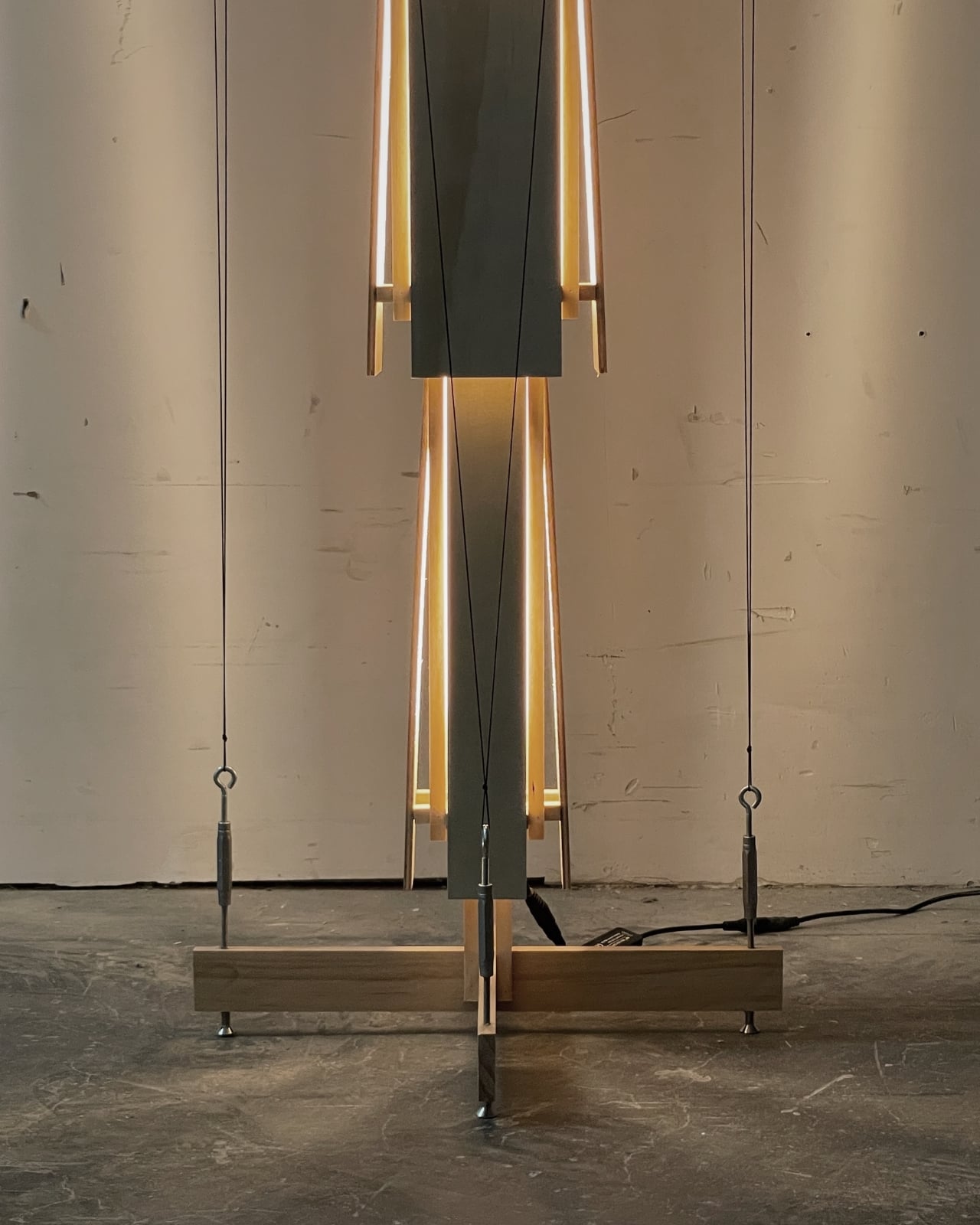
These Lamps Made From Trash That Look Better Than Designer Lighting

There’s something deeply satisfying about watching trash transform into treasure, especially when the result is as stunning as Luminous Re-weave. Created by designers Ling Sha and Yucheng Tang, this lighting system takes the textiles we typically toss without a second thought (think old T-shirts, worn denim, even plastic bags) and reimagines them as soft, glowing sculptures that wouldn’t look out of place in a gallery or a design-forward living room.

At first glance, these lamps appear almost impossibly delicate. Strips of fabric hang like fringes around drum-shaped modules, creating a textured exterior that filters light into something warm and inviting. But look closer and you’ll notice the clever engineering at play. Each module starts with a metal frame fitted with a 3D printed cover, which becomes the base for hand-weaving reclaimed fabrics. The result is a lighting element that feels both handcrafted and high-tech, a sweet spot that’s increasingly rare in contemporary design.

Designers: Ling Sha and Yucheng Tang

What makes Luminous Re-weave particularly interesting is its modular nature. These aren’t your standard one-size-fits-all lamps. Each cylindrical unit can stand alone as a compact light source or stack with others to create sculptural columns of varying heights. You could start with a single module on your desk and gradually build upward into a floor lamp, or arrange several short ones across a shelf for ambient lighting. The system is entirely tool-free, which means reconfiguring your setup is as simple as stacking blocks (only infinitely more stylish).

The real genius lies in the swappable textile skins. We live in a world where we’re constantly encouraged to buy new things. So having a lamp that evolves with you is refreshingly practical. Don’t like the blue denim vibe anymore? Unwrap it and try the earthy brown tones instead. Want to match a new color scheme? Swap out the textiles. This approach not only extends the lifespan of the product but also gives users creative control over their environment. It’s the kind of thoughtful design that acknowledges people change, tastes evolve, and objects should be able to keep up.

Beyond aesthetics, there’s a compelling sustainability angle here. The fashion and textile industries are notorious waste producers, with millions of tons of fabric ending up in landfills annually. By intercepting these materials before they become trash and giving them a second life as functional art, Ling Sha and Yucheng Tang are participating in what’s known as circular design, where materials loop back into use rather than following a linear path to disposal. It’s a small gesture on the individual scale but represents a mindset shift that could influence how we think about materials more broadly.

The marriage of hand-weaving and digital fabrication in Luminous Re-weave also speaks to a larger trend in contemporary design. We’re moving past the false dichotomy of craft versus technology, recognizing instead that these approaches can complement each other beautifully. The 3D printed components provide structure and consistency, while the hand-wrapped textiles introduce variation and human touch. No two modules will look exactly alike because the reclaimed fabrics bring their own histories, wear patterns, and imperfections to the table.

Looking at the images of these lamps glowing in soft beiges, rich reds, deep blues, and faded denims, it’s easy to imagine them fitting into various contexts. They could anchor a minimalist space with their sculptural presence or blend into a maximalist room as one interesting element among many. They speak to both the person who obsesses over sustainable practices and the one who simply appreciates well-executed design.

The post These Lamps Made From Trash That Look Better Than Designer Lighting first appeared on Yanko Design.
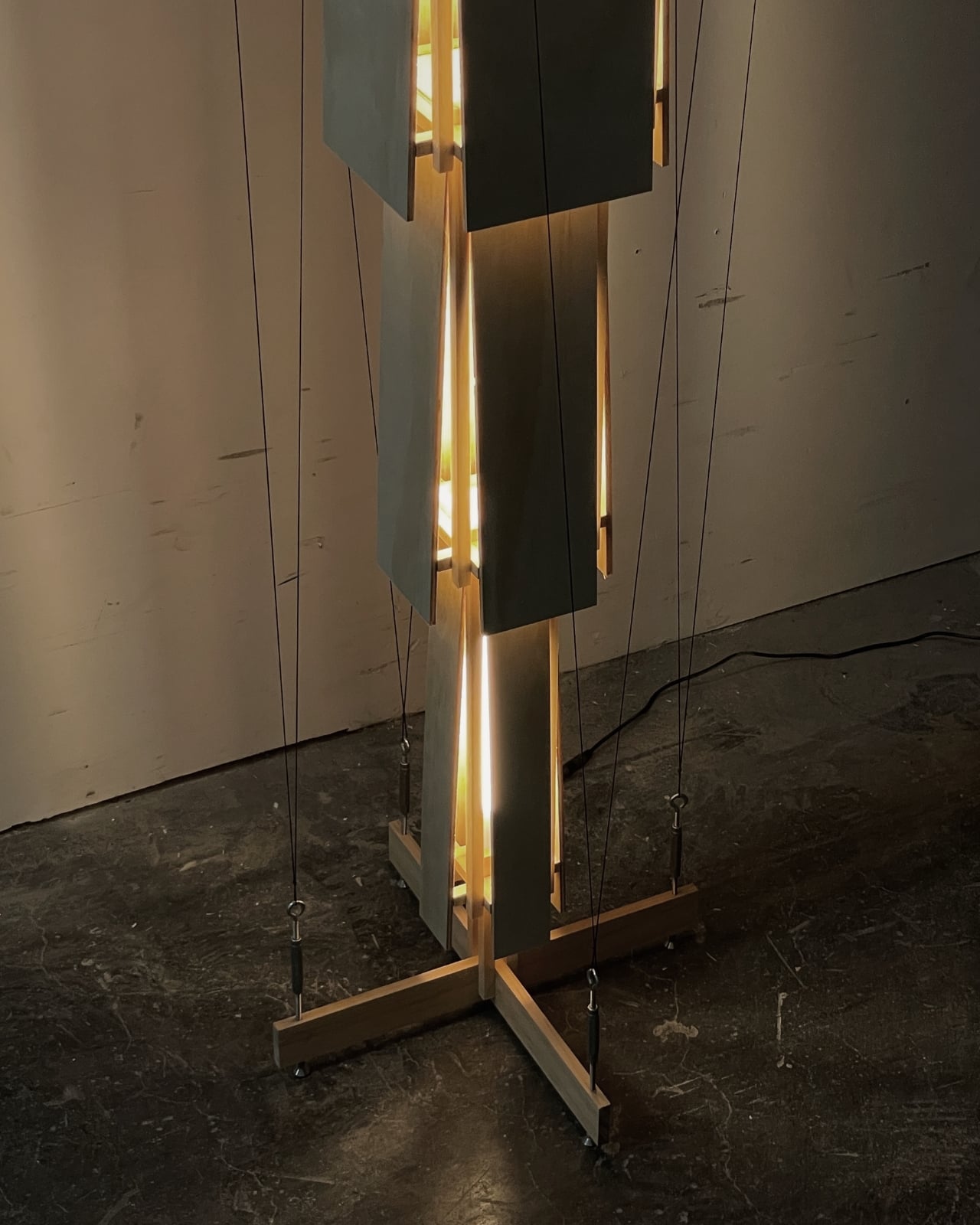
Finally, a Lamp That Changes Shape as Often as Your Mood

There’s something about lighting that can completely transform a space, isn’t there? You walk into a room with harsh overhead fluorescents and immediately feel different than when you step into a warmly lit corner with just the right glow. But here’s the thing: most lamps are stuck being one thing forever. That sleek floor lamp you bought? It looks great, sure, but what happens when you rearrange your furniture or want to read in bed instead of on the couch?

Enter MOODI, a modular stand lamp designed by Taehyeong Kim that’s challenging everything we thought we knew about lighting. Instead of being locked into one configuration, MOODI is basically the LEGO set of lamps. You can snap together different components, swap out parts, adjust heights and angles, and completely reconfigure the whole thing whenever your space (or mood) changes.

Designer: Taehyeong Kim

Create your own Aesthetic Render: Download KeyShot Studio Right Now!

The design takes inspiration from telescopic mechanical structures, and honestly, it shows. Those exposed joints and metal textures give it this industrial, almost mechanical aesthetic that feels refreshingly honest. Nothing’s hidden away or disguised. You can see exactly how the lamp works, which joints pivot, how the pieces connect. It’s functional beauty at its finest.

What makes MOODI particularly clever is how it addresses something many of us don’t even realize we’re missing. Kim’s philosophy centers on the idea that our homes aren’t just places to crash at the end of the day anymore. For millennials and Gen-Z especially, our spaces have become extensions of our personalities, stages where we live out our daily narratives. We’re curating our environments the same way we curate our Instagram feeds, and lighting plays a massive role in setting those scenes.

The modularity goes way beyond just being able to tilt the lamp head up or down. You can actually build different types of lights from the same set of components. Need a tall floor lamp for your living room? Done. Want a compact desk light for focused work? Rearrange a few modules. Heading out for a camping trip? Reconfigure it into a flashlight. It’s wild how versatile the system becomes once you start thinking about all the possibilities.
The lamp comes in three elegant finishes: white, black, and a warm beige tone that adds just a touch of softness to the industrial vibe. Each version maintains those signature exposed joints and clean lines, but the color options let you match it to your existing decor or create intentional contrast.

What really resonates about MOODI is how it puts control back in your hands. We’re so used to products dictating how we use them, but this flips that relationship. You’re not adapting your life to fit the lamp; the lamp adapts to fit your life. Morning coffee at the kitchen table? Adjust it for soft ambient light. Late-night reading session? Reconfigure for focused task lighting. Video call with friends? Move it to create that perfect ring-light effect.

There’s also something refreshingly sustainable about the approach. Instead of buying multiple specialized lights for different purposes (and contributing to more waste), you invest in one versatile system that grows and changes with you. When you move apartments, redecorate, or just feel like mixing things up, MOODI moves right along with you. The design manages to walk that tricky line between being statement-worthy and genuinely functional. It’s sculptural enough to be interesting, but never so precious that you’re afraid to actually use it. Those mechanical joints beg to be adjusted and played with, turning the simple act of repositioning a light into something tactile and satisfying.

The post Finally, a Lamp That Changes Shape as Often as Your Mood first appeared on Yanko Design.