A Sustainable Lighting Solution That Redefines The Interaction Between Light And Sound

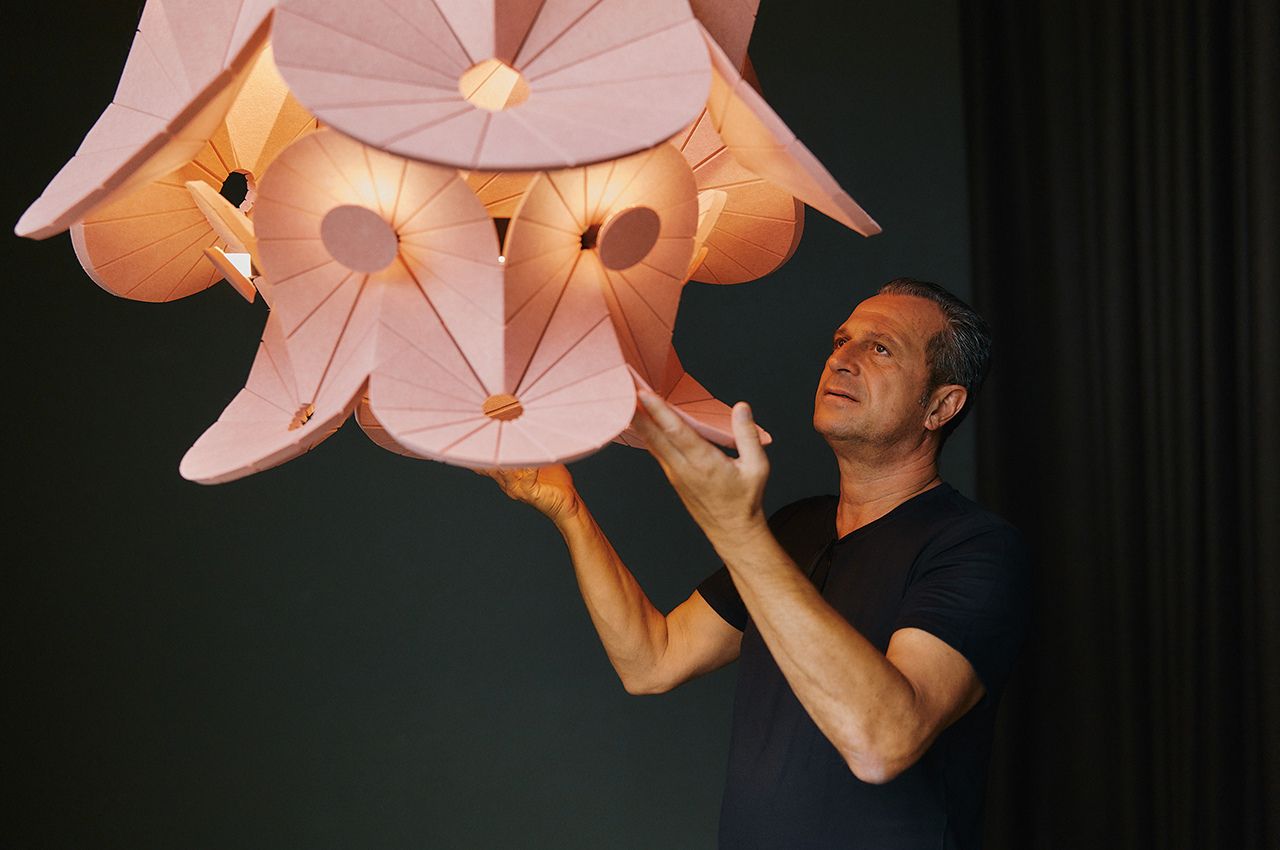
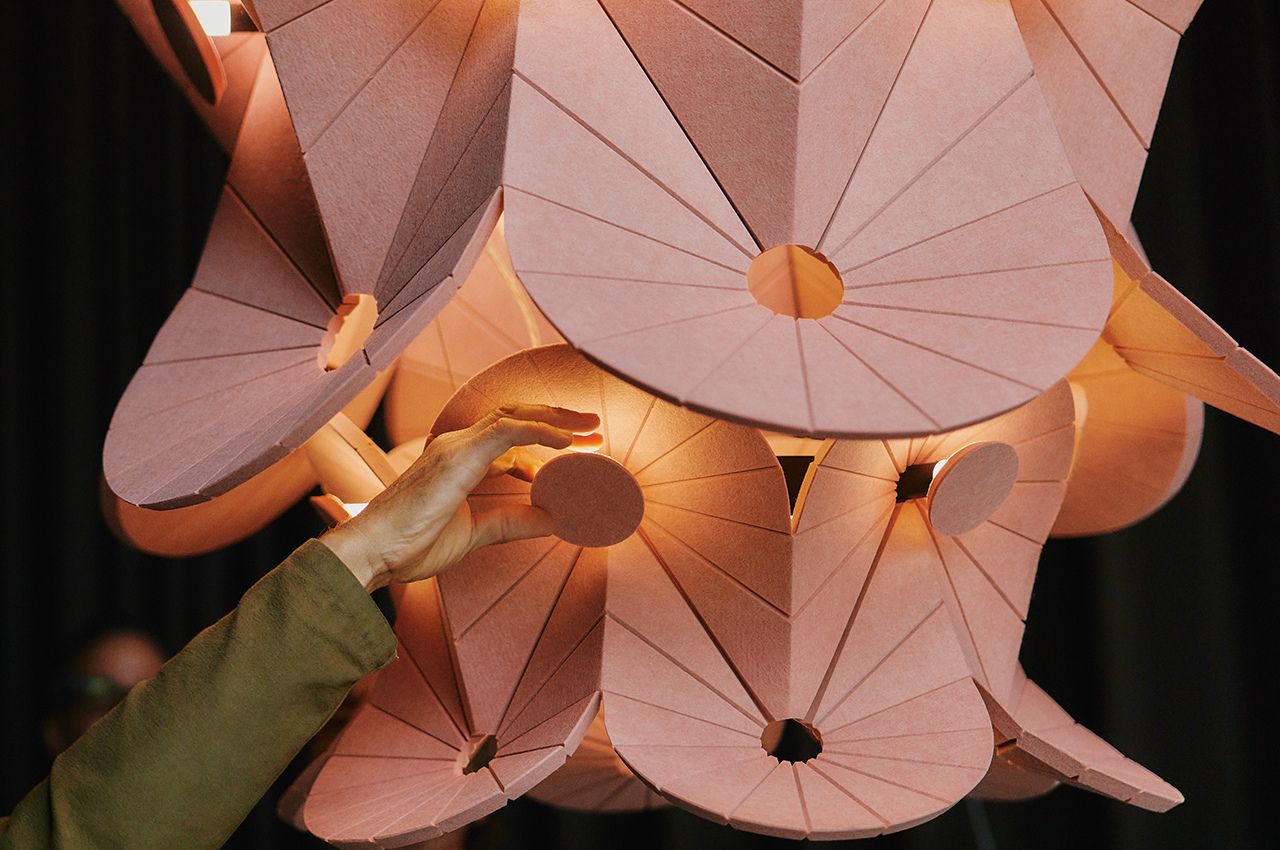
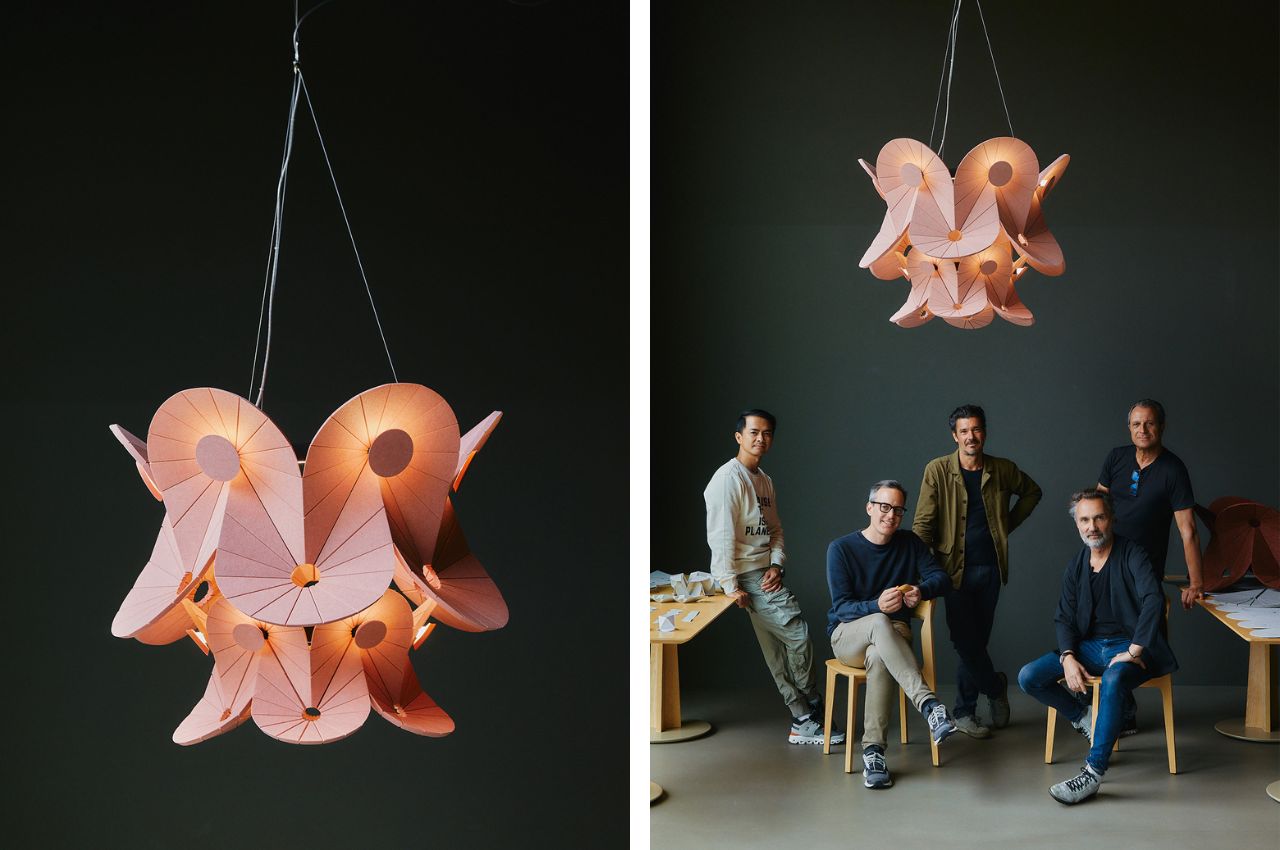
In the ever-evolving landscape of technology and design, the fusion of functionality and artistic expression continues to yield groundbreaking innovations. One such marvel is Oloïd, a sustainable acoustic luminaire born from the collaborative synergy of Impact Acoustic; a provider of sustainable acoustic solutions, and the esteemed design studio atelier oï. This unique lighting fixture not only delivers exceptional sound absorption but also redefines the way light and sound interact, creating a transformative experience that enhances the ambiance of any space.

Designer: Impact Acoustic Atelier oï

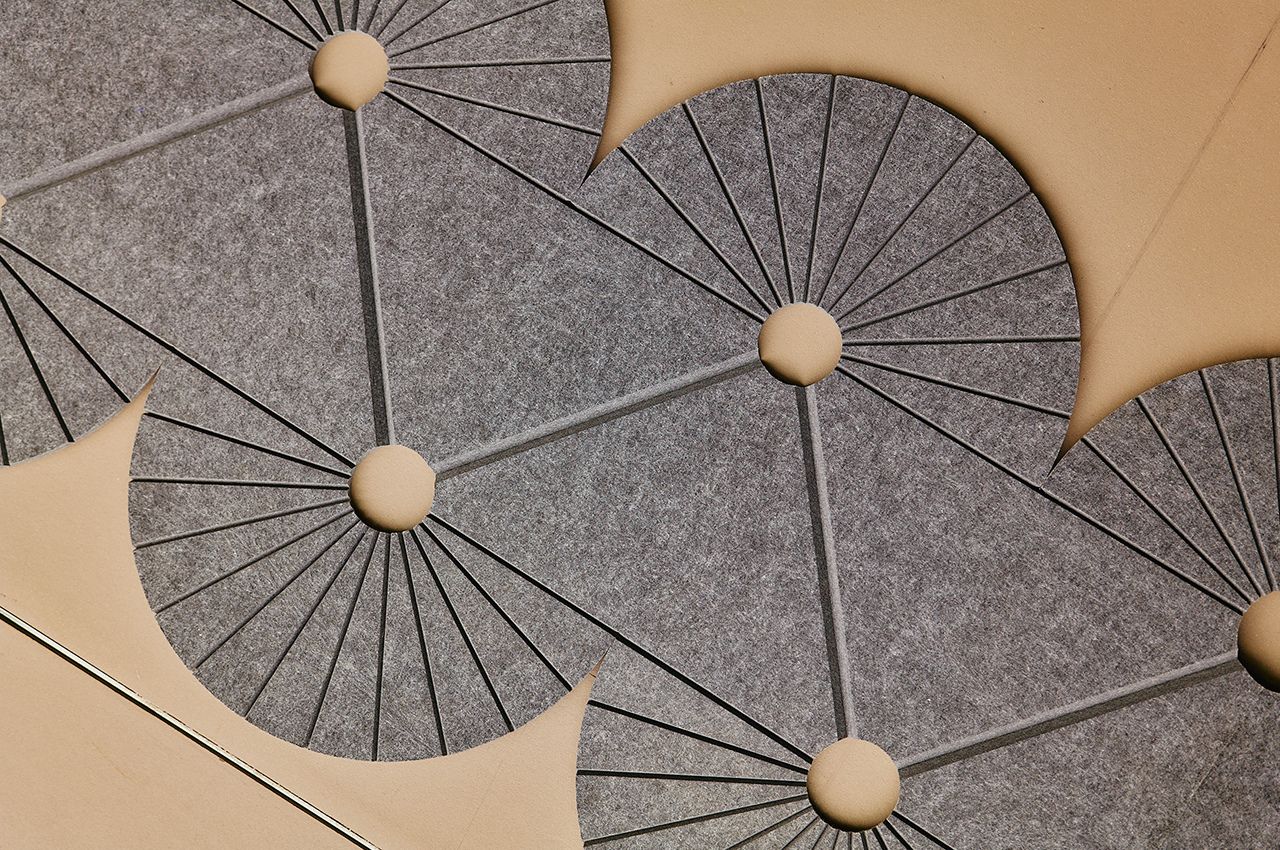
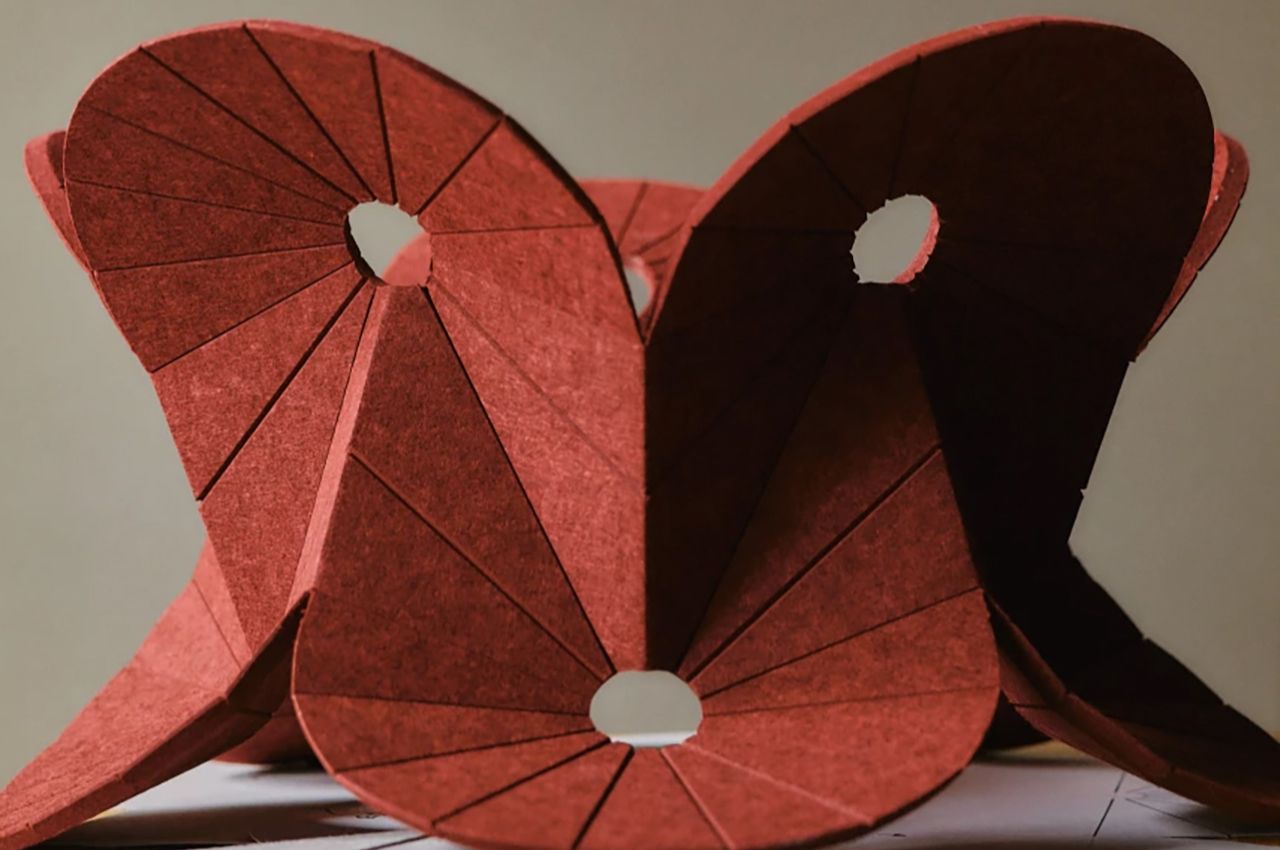
At the heart of Oloïd’s revolutionary design lies Archisonic Felt, a high-performance sustainable acoustic absorber crafted from upcycled PET bottles. This versatile material demonstrates outstanding sound absorption capabilities and embodies a commitment to sustainability and responsible material sourcing. The Cradle to Cradle certification and LEED accreditation of Archisonic Felt underscore its eco-friendly credentials, aligning with the growing demand for environmentally conscious design solutions.

Oloïd distinguishes itself by offering a transformative lighting experience that seamlessly integrates functionality with artistic expression. The collaboration between Impact Acoustic and Atelier oï is not merely about illuminating a space but about creating an immersive environment where light and sound harmonize effortlessly.

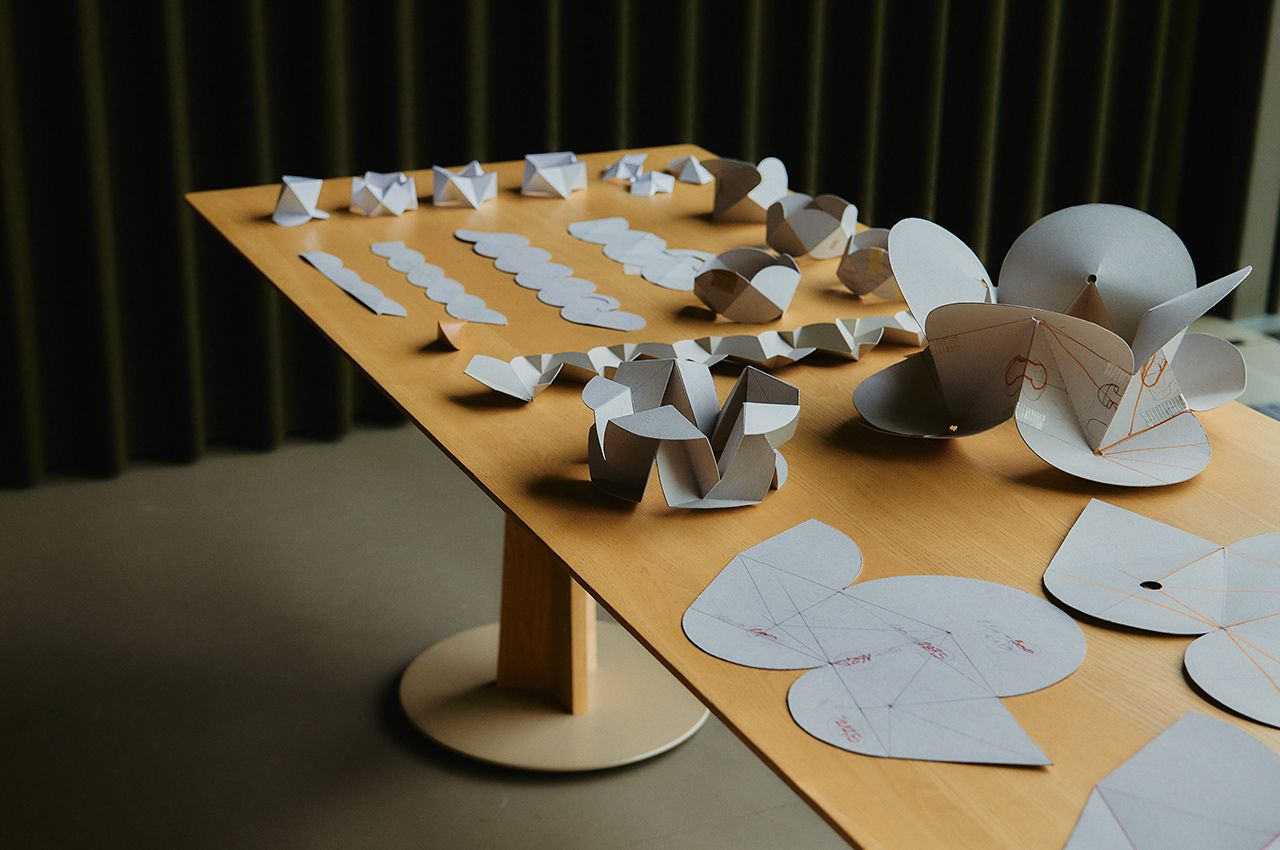
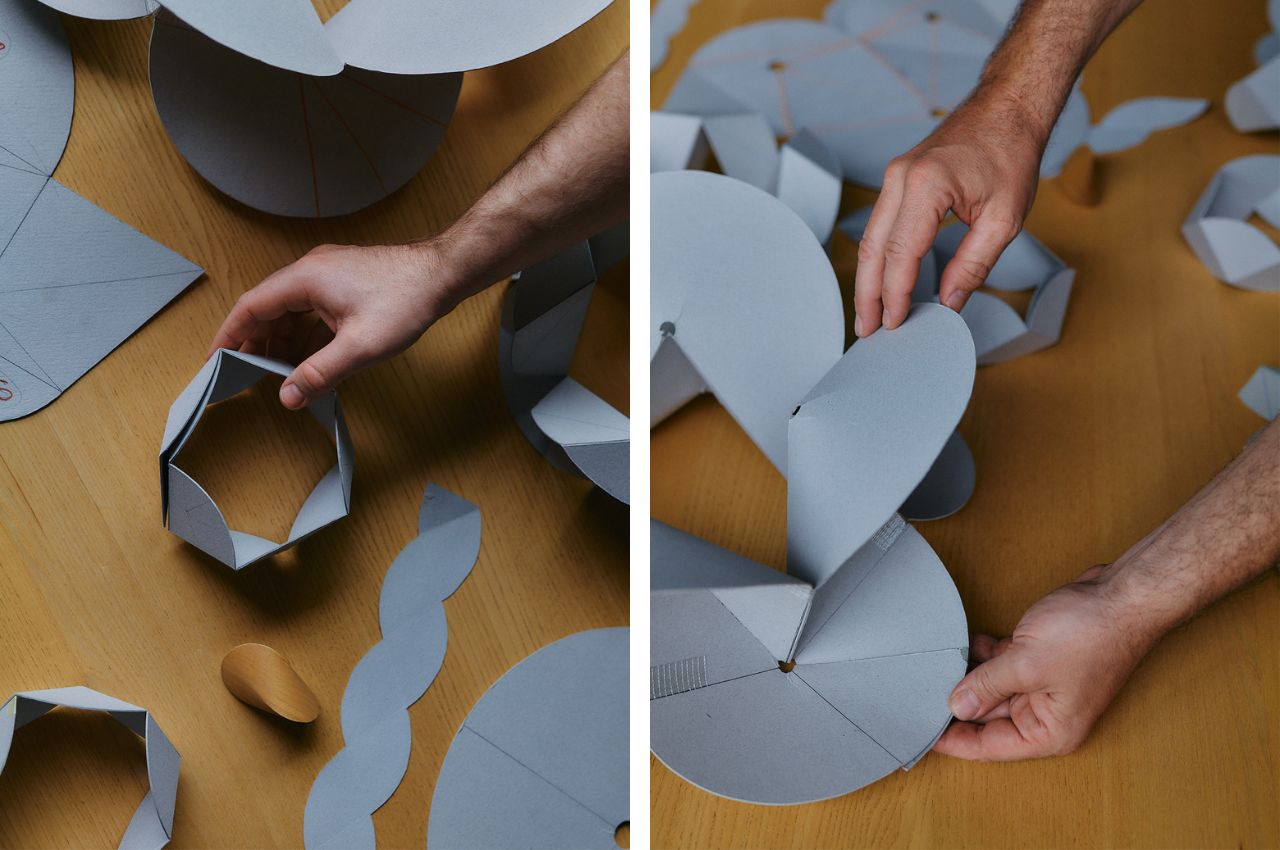
Aurel Aebi, a key figure at Atelier oï, highlights the creative process that brought Oloïd to life. “At atelier oï, we often begin our creative process with an encounter with the material,” Aebi explains. “Our goal was to find a way to make the sustainable material speak in a new way.” This innovative approach involved working with the material’s stiffness and flatness to create organic shapes that redefine conventional luminaire design.

Oloïd is available in a stunning array of 32 colors, presenting a curated selection from the Archisonic Felt range. This diversity empowers users to personalize their spaces, allowing for the creation of bespoke environments that reflect individual tastes and preferences. The luminaire’s design seamlessly integrates the organic shapes derived from the unique qualities of Archisonic Felt, transcending two-dimensional panels into captivating three-dimensional entities.

Sven Erni, co-founder of Impact Acoustic, expresses his fascination with the collaborative process that transformed their material. “The collaboration fascinated us as we witnessed the metamorphosis of our material,” Erni notes. “This was made possible using a distinctive cutting technique at specific angles and the skillful folding of the panels. This creative approach seamlessly transformed the two-dimensional panels into fascinating three-dimensional entities, transcending surfaces to tangible bodies.”

Oloïd not only sets a new standard for sound-absorbing luminaires but also stands as a testament to the potential of sustainable design in reshaping our surroundings. With its commitment to responsible material usage, innovative design, and the seamless integration of light and sound, Oloïd emerges as a beacon of eco-conscious creativity, inviting us to reimagine the possibilities of our illuminated spaces.

The post A Sustainable Lighting Solution That Redefines The Interaction Between Light And Sound first appeared on Yanko Design.
Upcycled skateboard factory rejects transform into warm wall lighting

Recycling is a great way to reduce the amount of waste that ends up in landfills, but the process itself can sometimes have some negative impact. There’s still a lot of energy and water involved in converting materials into something usable again, and there’s also some loss when the original design gets destroyed in the process. Upcycling is a more efficient and time-saving alternative, but not everything can be upcycled and not everything that can be upcycled can be used in newer and better ways. Sometimes, it takes a bit more creative thinking to transform one thing into a completely different thing, like how factory seconds from skateboard manufacturers are turned into these understated yet elegant wall lamps.

Designers: Michael and Mariel Upton

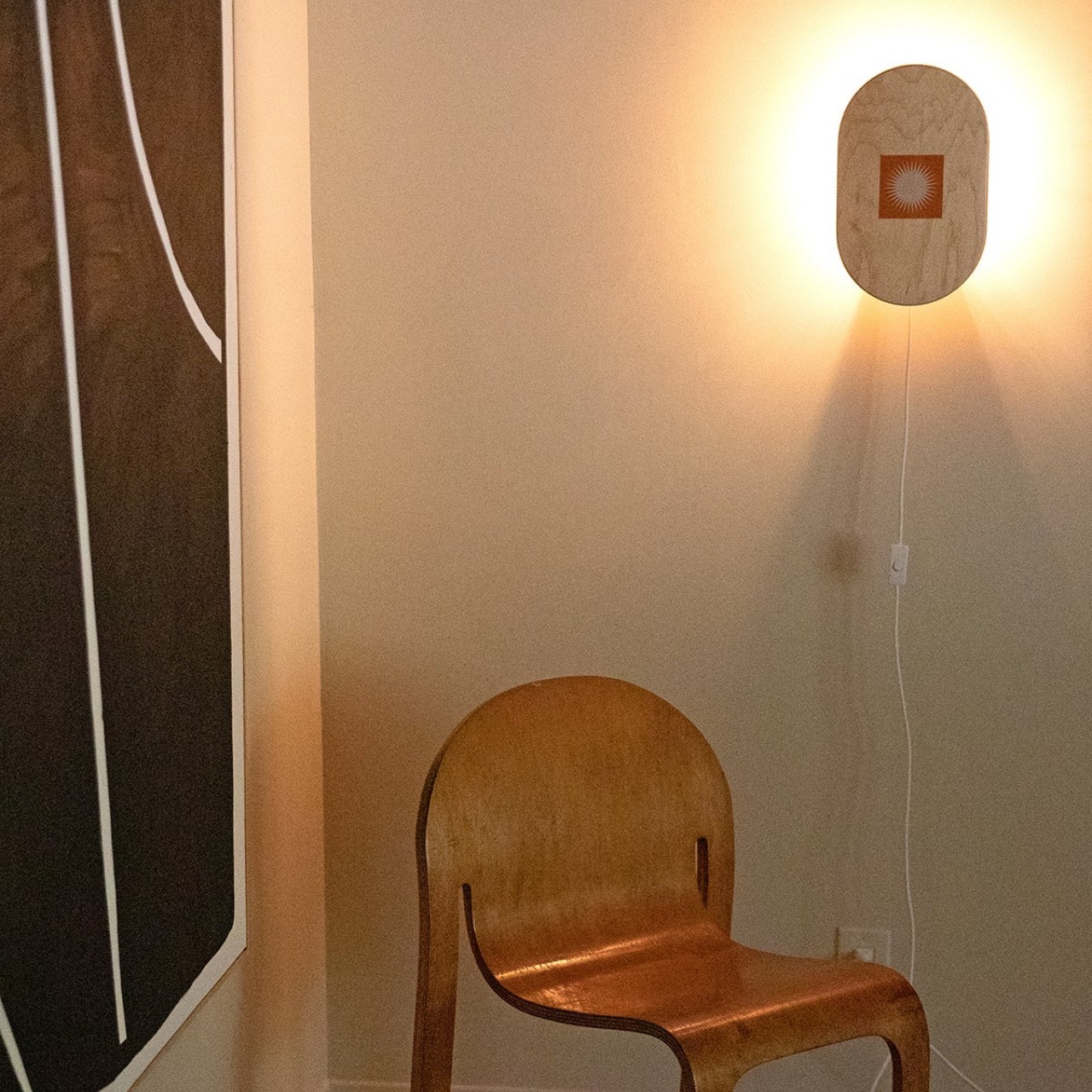
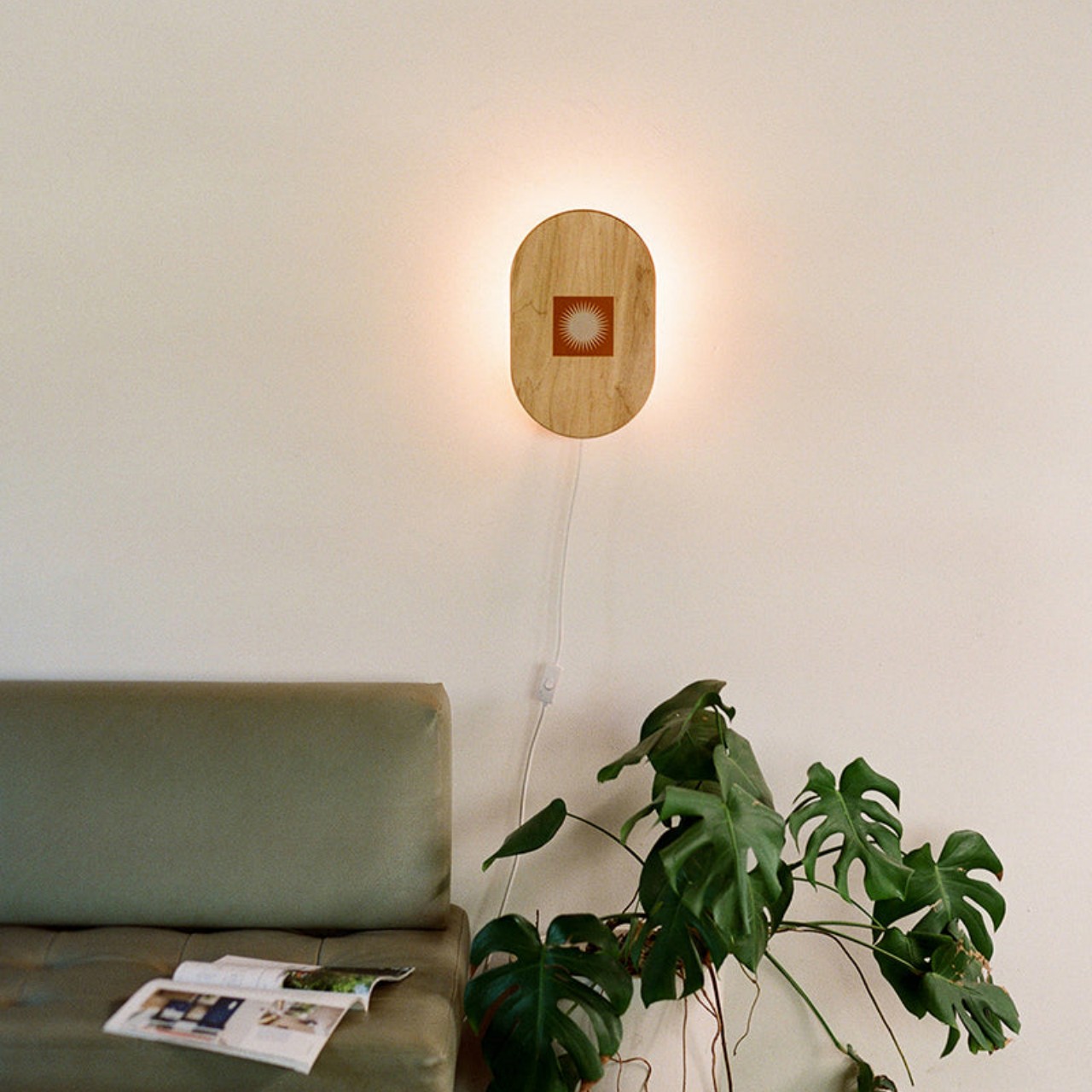
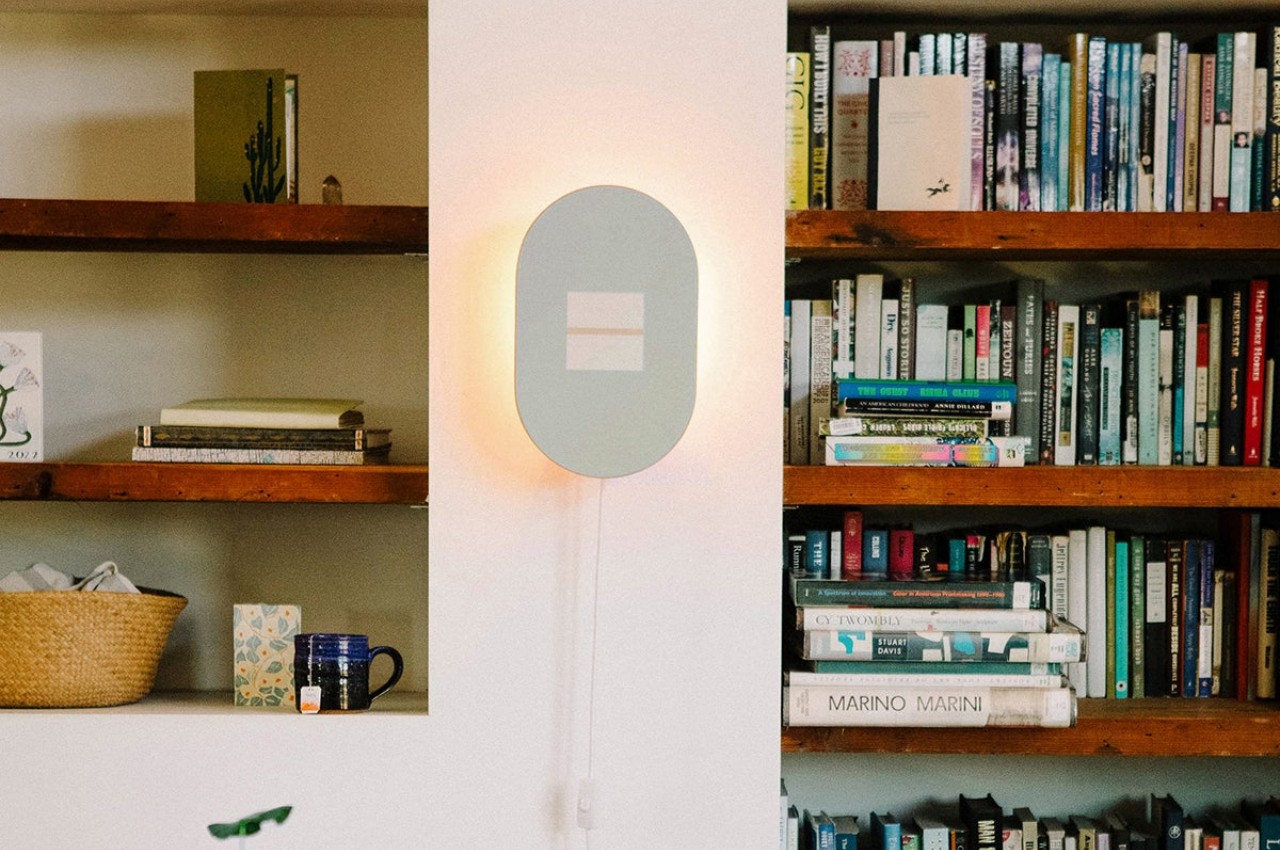
Skateboards are objects that bring up images of speed, tricks, and devilish stunts. They’re hardly associated with warmth, subtlety, or even light. Of course, these associations aren’t inherent in the shape of the skateboard’s wooden deck, which makes them open for reuse and reinterpretation, as the case of this trio of wall lamps demonstrates, providing stylish lighting that hardly gives a clue to their origins.

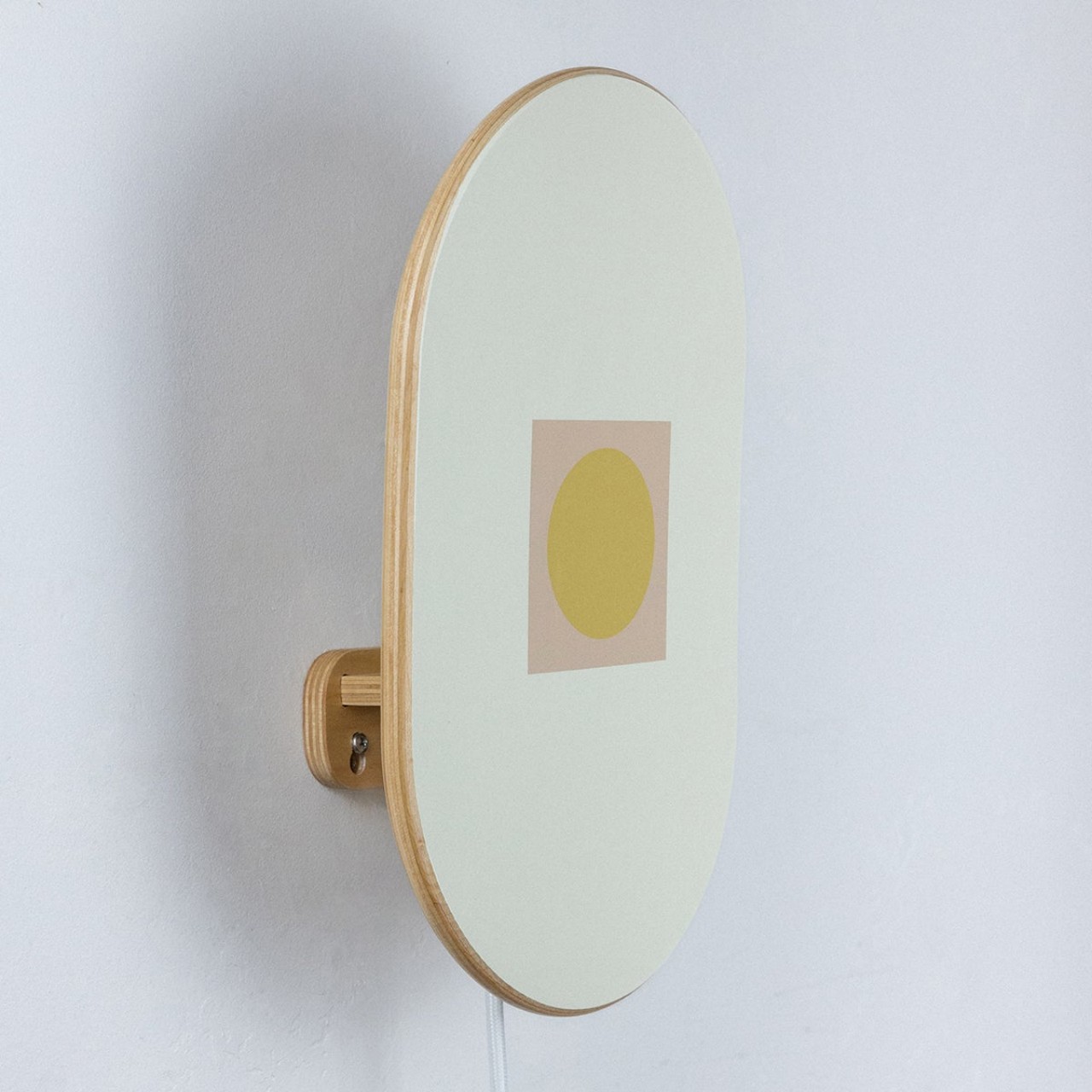
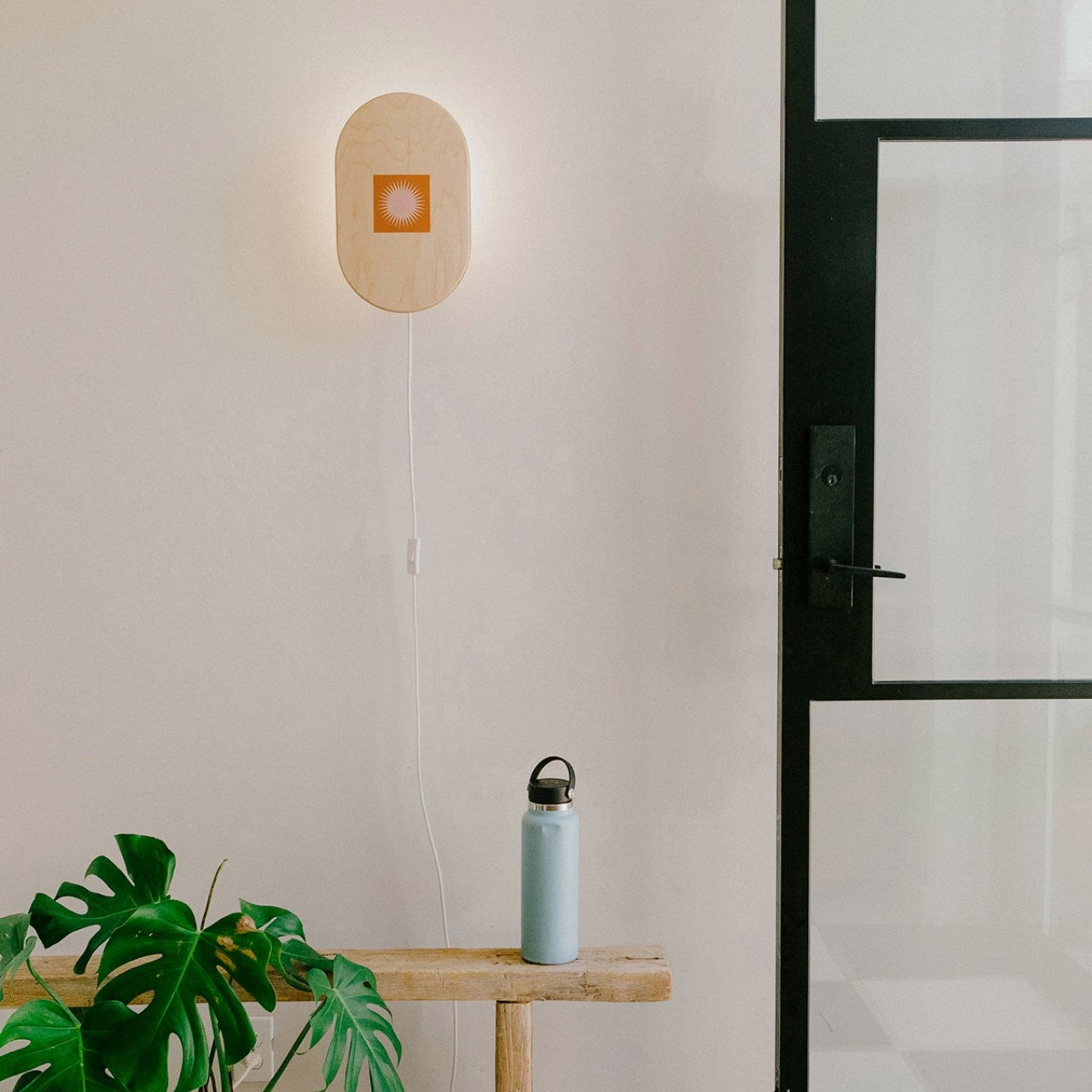
Considering the long oval shapes of skateboard decks, not to mention their upward curved ends, you definitely wouldn’t be able to guess that these wall lights are exactly made from those wooden parts. That’s because these pieces of 7-ply maple wood are taken from factory rejects, decks that obviously didn’t make the cut. Since the shapes of these boards are too specific for general use, they often end up simply being discarded. They’re thankfully made from wood, so they’re biodegradable and have fewer harmful effects on the environment, but they’re still waste and, more importantly, wasted opportunity.

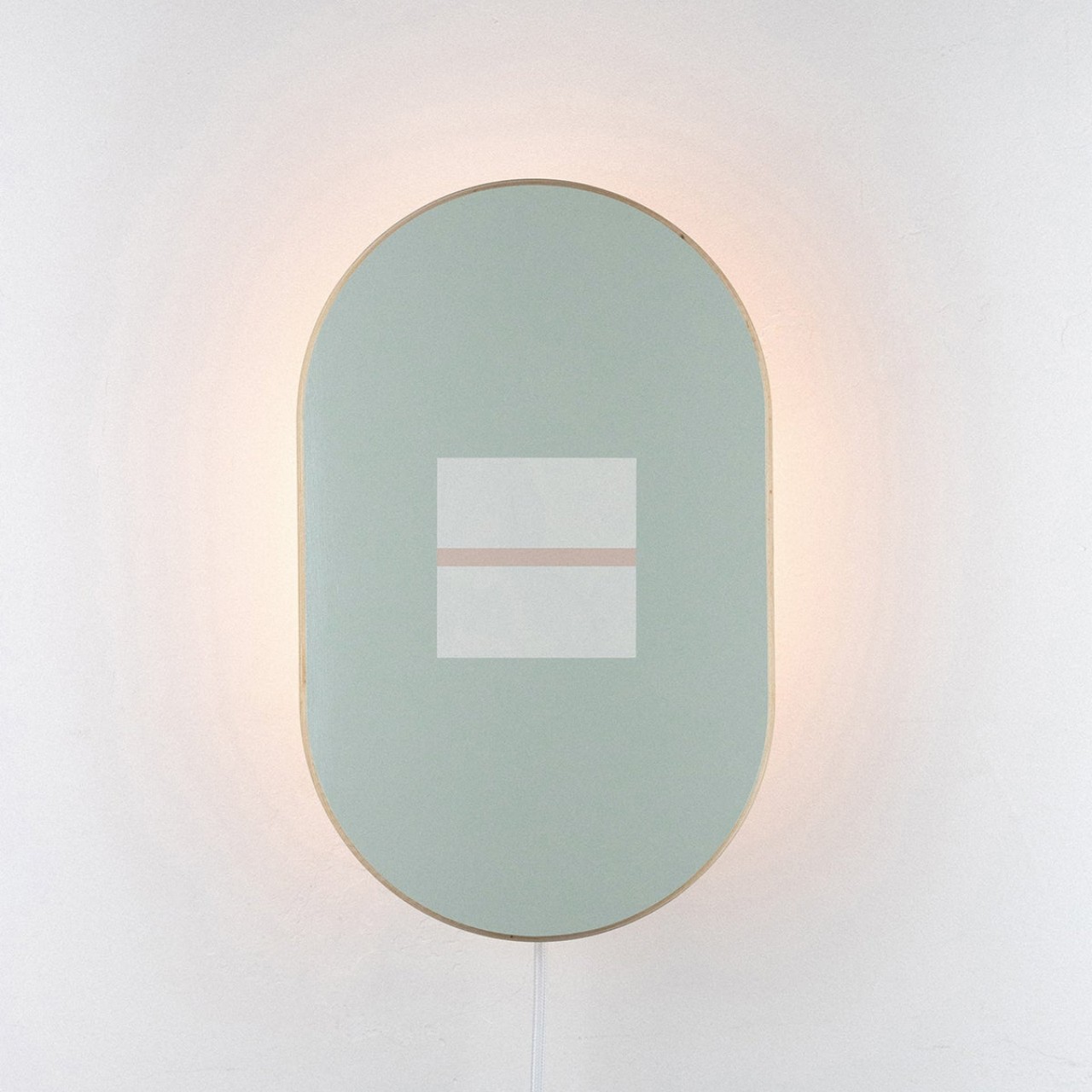
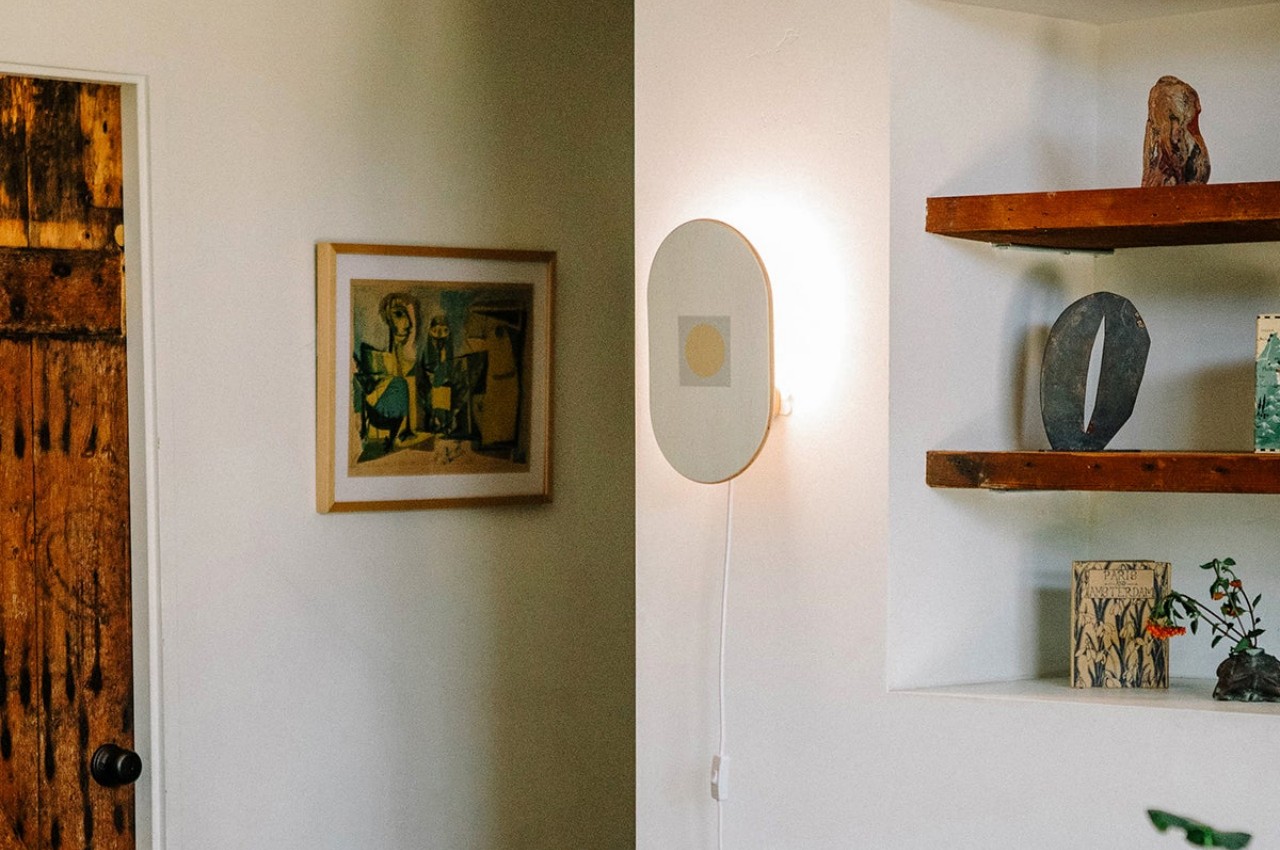
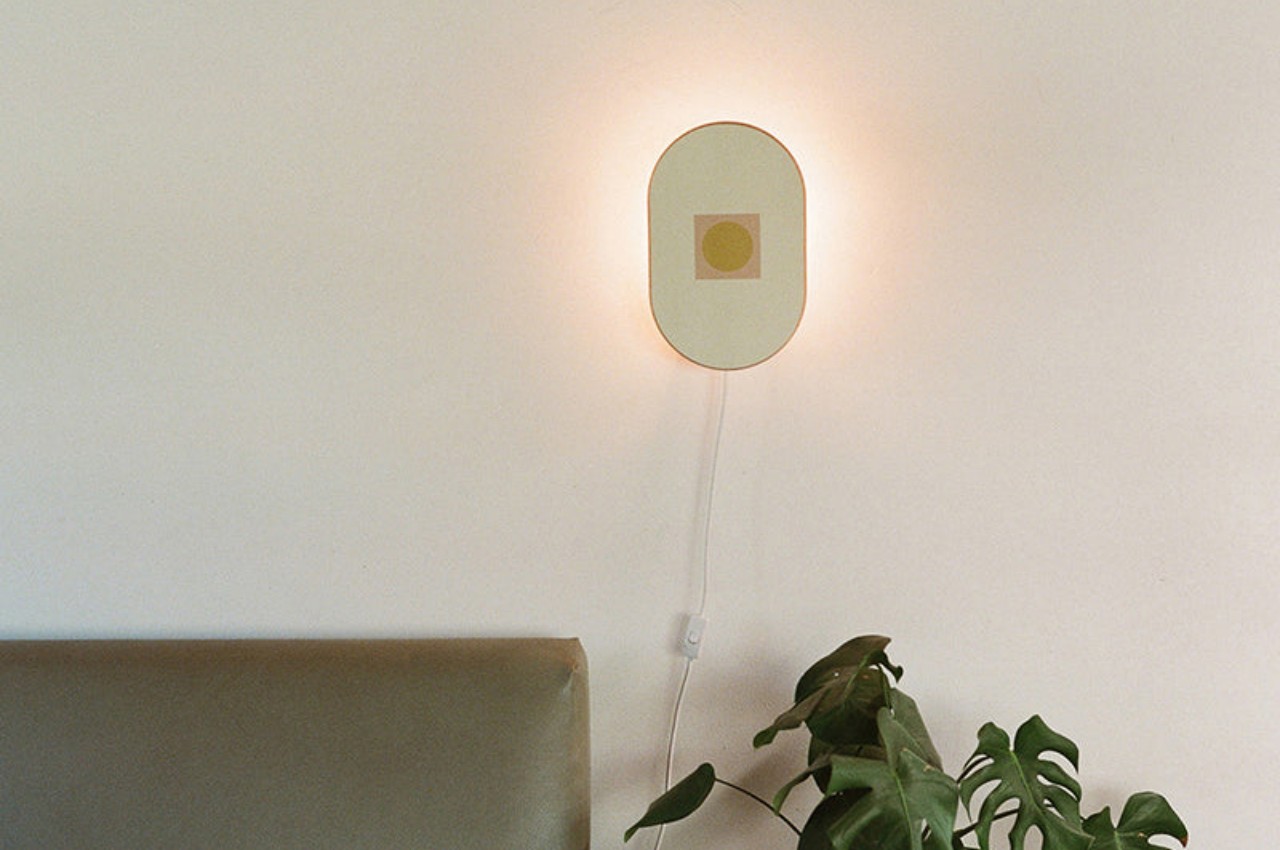
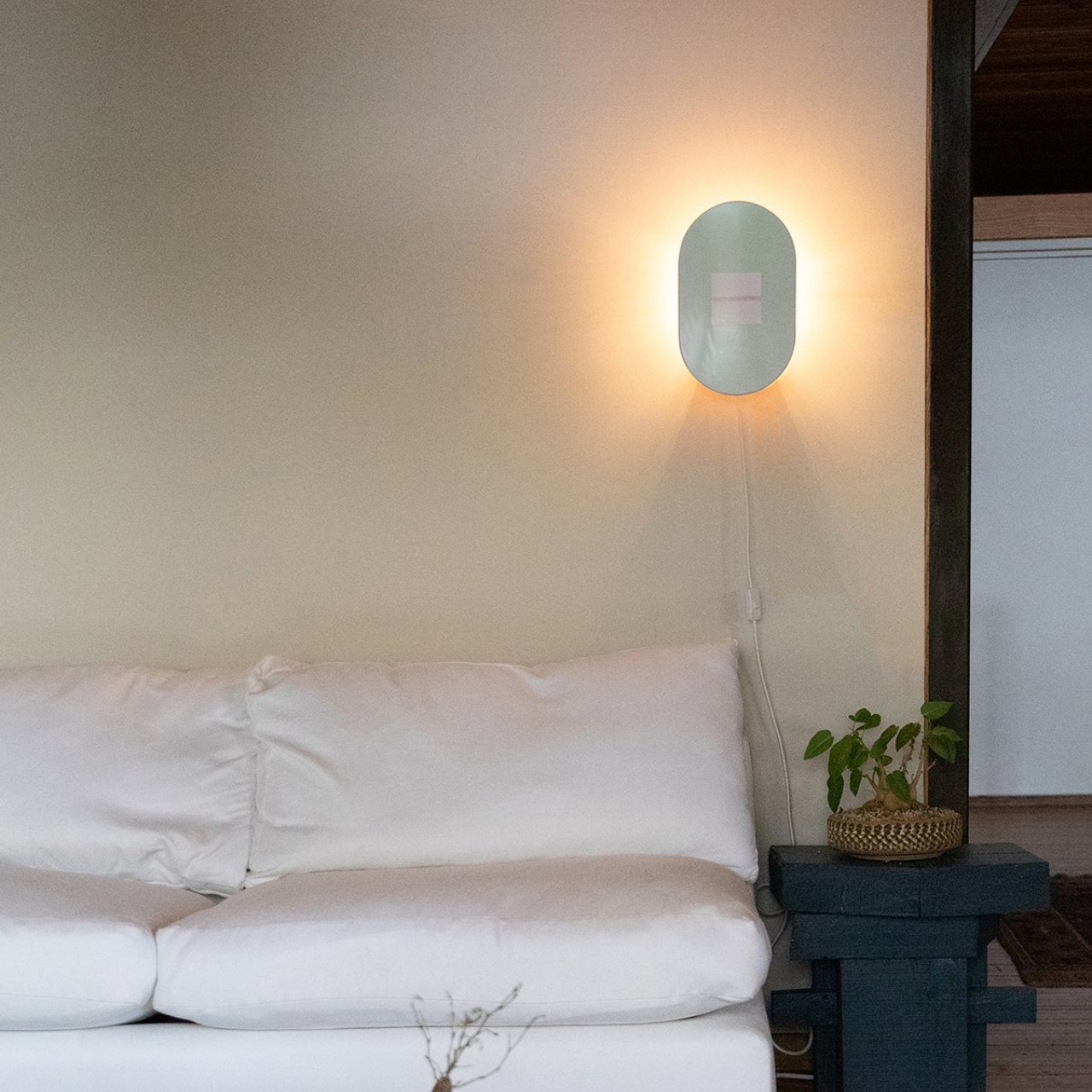
Upton thankfully has the wonderful idea of using those boards to provide ambient lighting as well as a piece of minimalist wall art. The discarded decks are cut to create a shorter and straighter oval shape and then paired with lighting hardware on the back. Each of the three variants, namely, Heru, Cuna, and Mara, get a square piece of original art that becomes the visual center of the entire fixture. With this, even if the light is off, the designs act as decorative pieces that enhance a room’s ambiance in a subtle way.

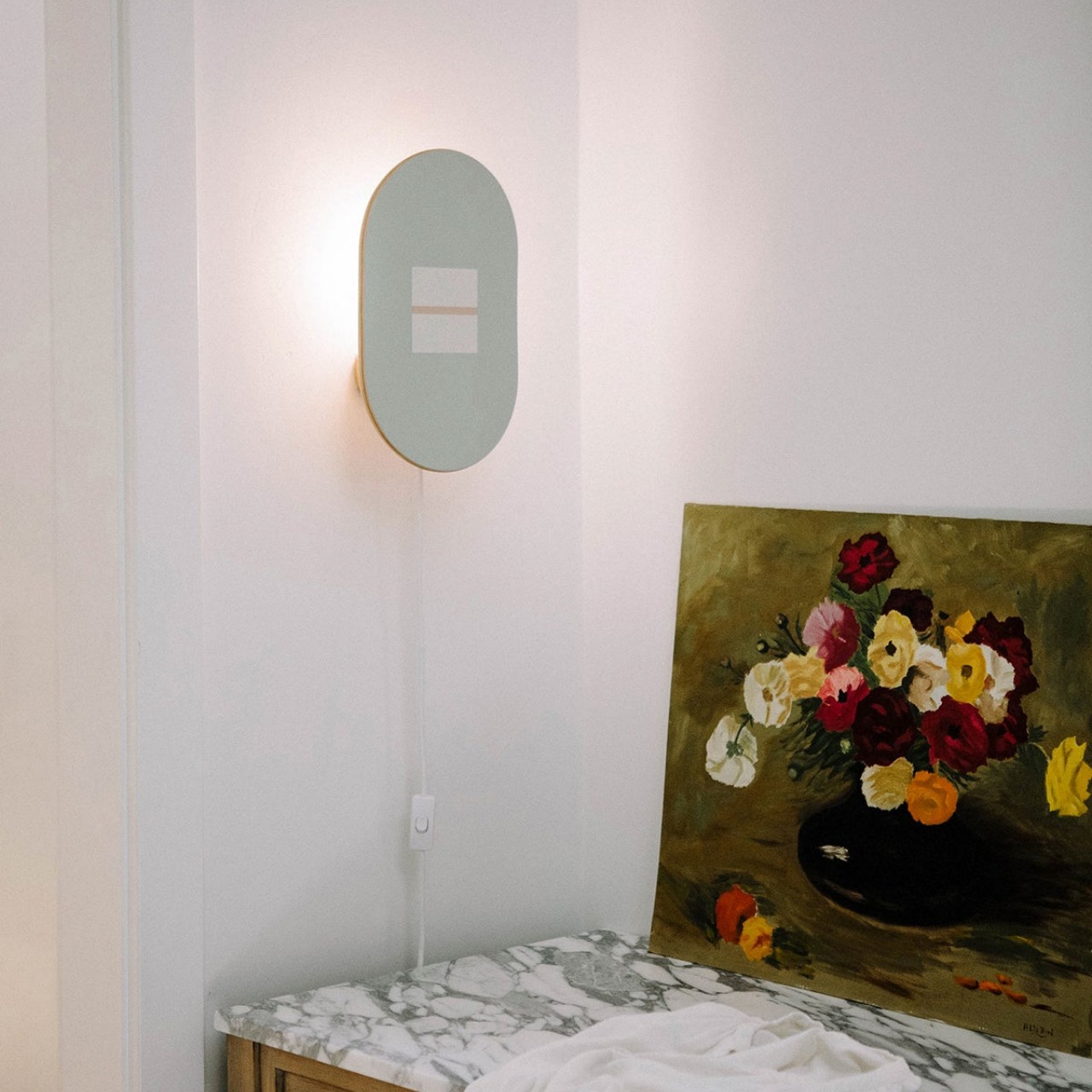
When the light is on, however, you get a warm ambient halo of light that sets a calming and relaxing mood in any space. The light is emitted from the back and is reflected on the mounting surface, making it look softer and avoiding painful glare when you look in its direction. The wall lamp projects a character of calm and warmth, definitely not something you’d expect from a speedster skateboard that it would have become in some other lifetime.

The post Upcycled skateboard factory rejects transform into warm wall lighting first appeared on Yanko Design.
Turn your bathroom into a sustainable piece of art with 3D printed tiles

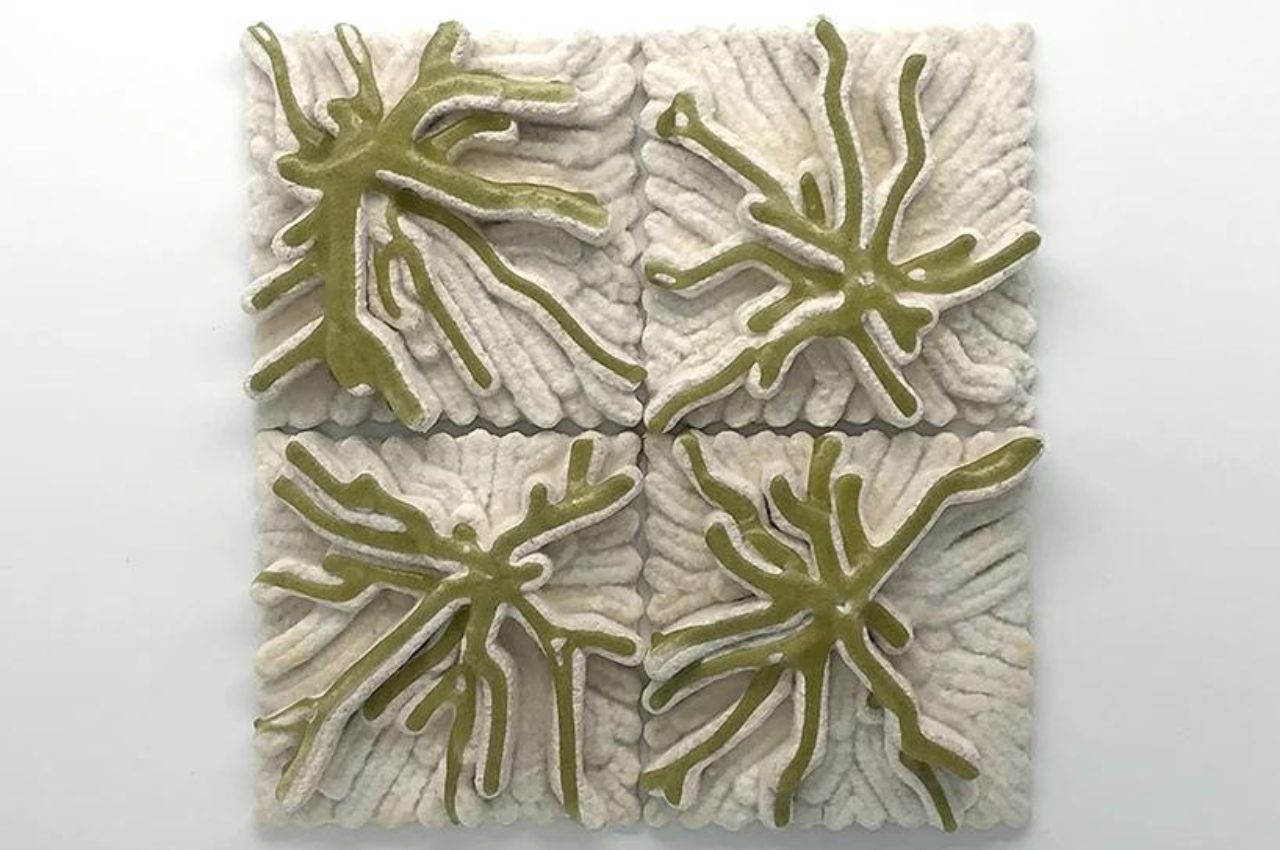
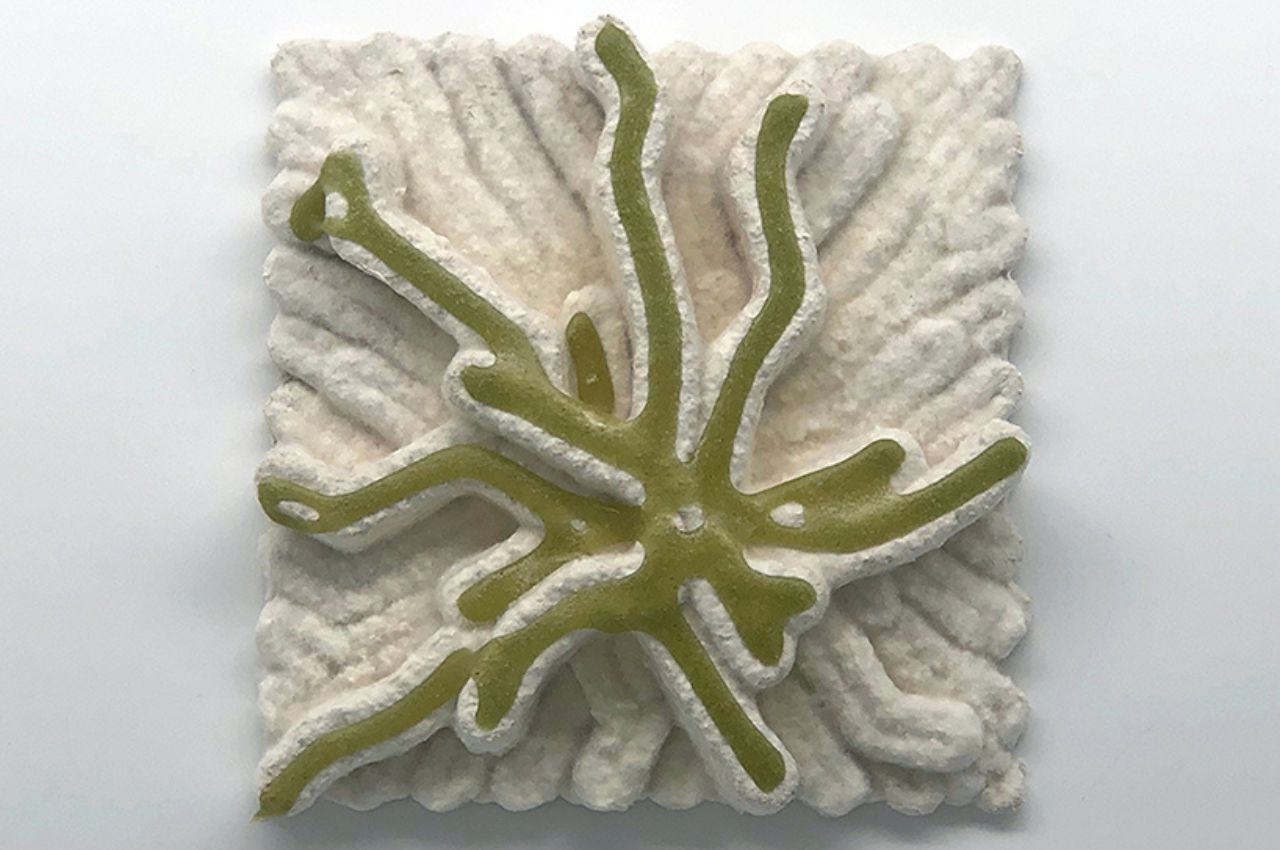
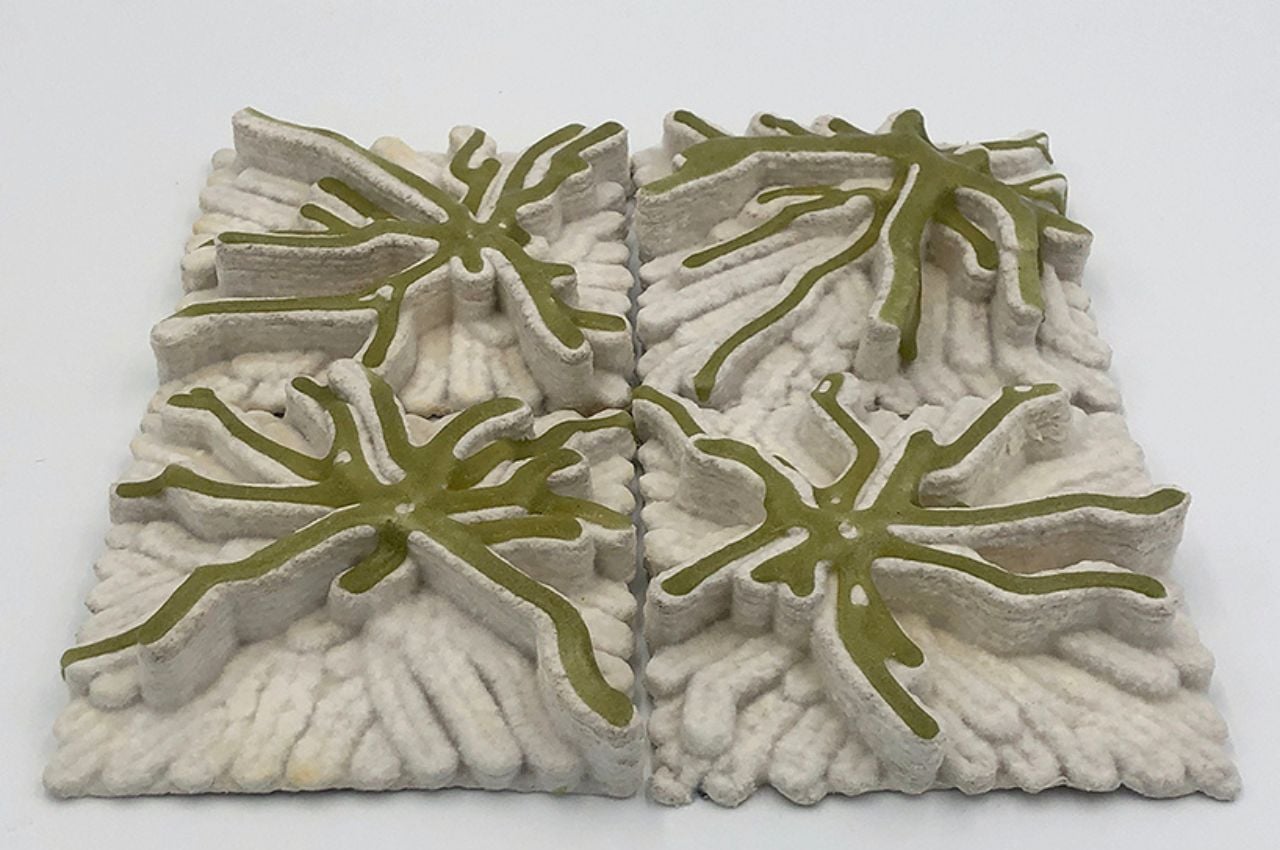
If you’re redesigning your bathroom but you’re bored with the regularly-designed tiles that you see in the market, this 3D printed tile design may be for you. That is, if you don’t mind having some organism looking creatures permanently displayed while you’re taking a bath. It is sustainable and biodegradable so that’s a major bonus if you’re concerned with things like that.

Designer: bioMATTERS

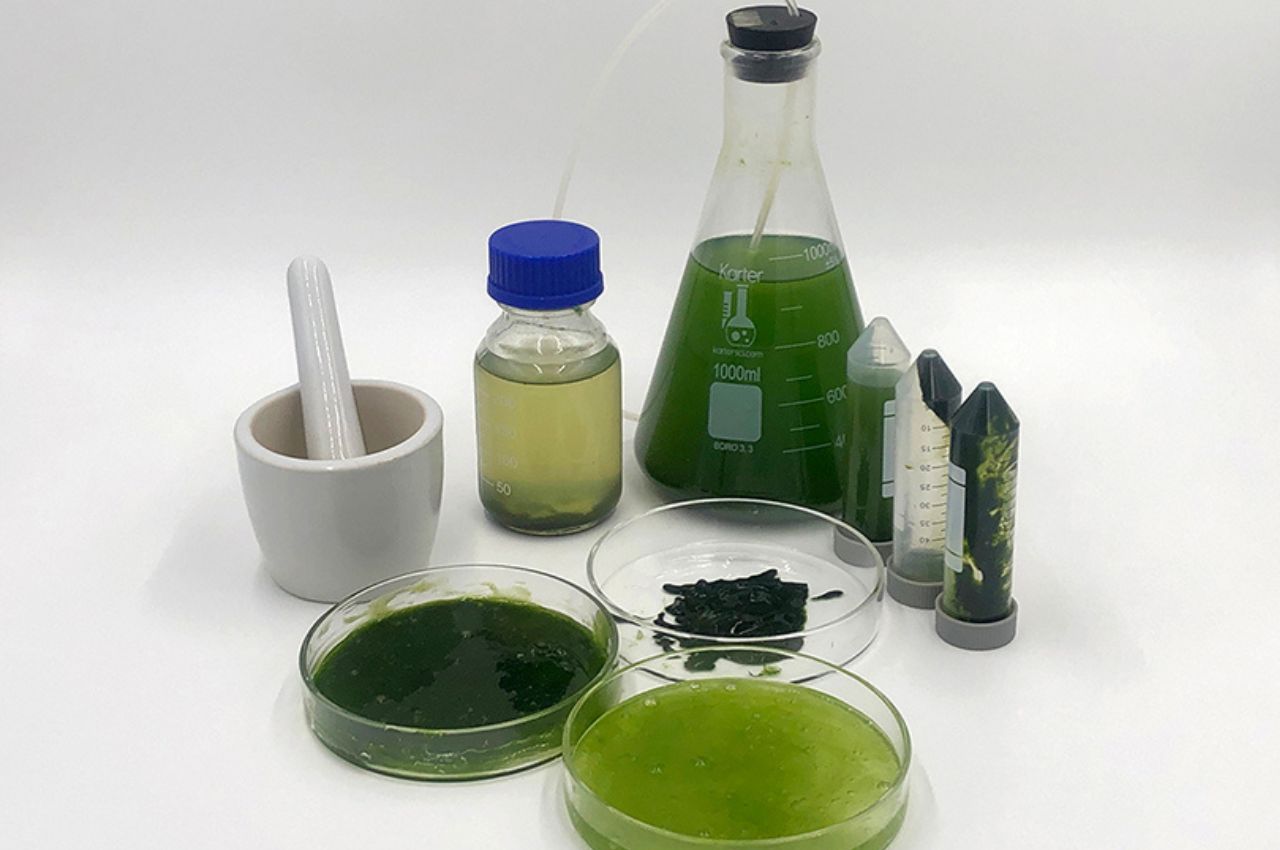
The MYCO-ALGA is an interior tiling system that is made from natural and organic waste that have been upcycled together with actual living organisms. There are different sustainable processes involved in coming up with this including designing them digitally, 3D printing, growing the organisms, enriching them with bio-pigments, fabrication, etc. It begins with the waste materials being ground into a paste-like substrate as a foundation.

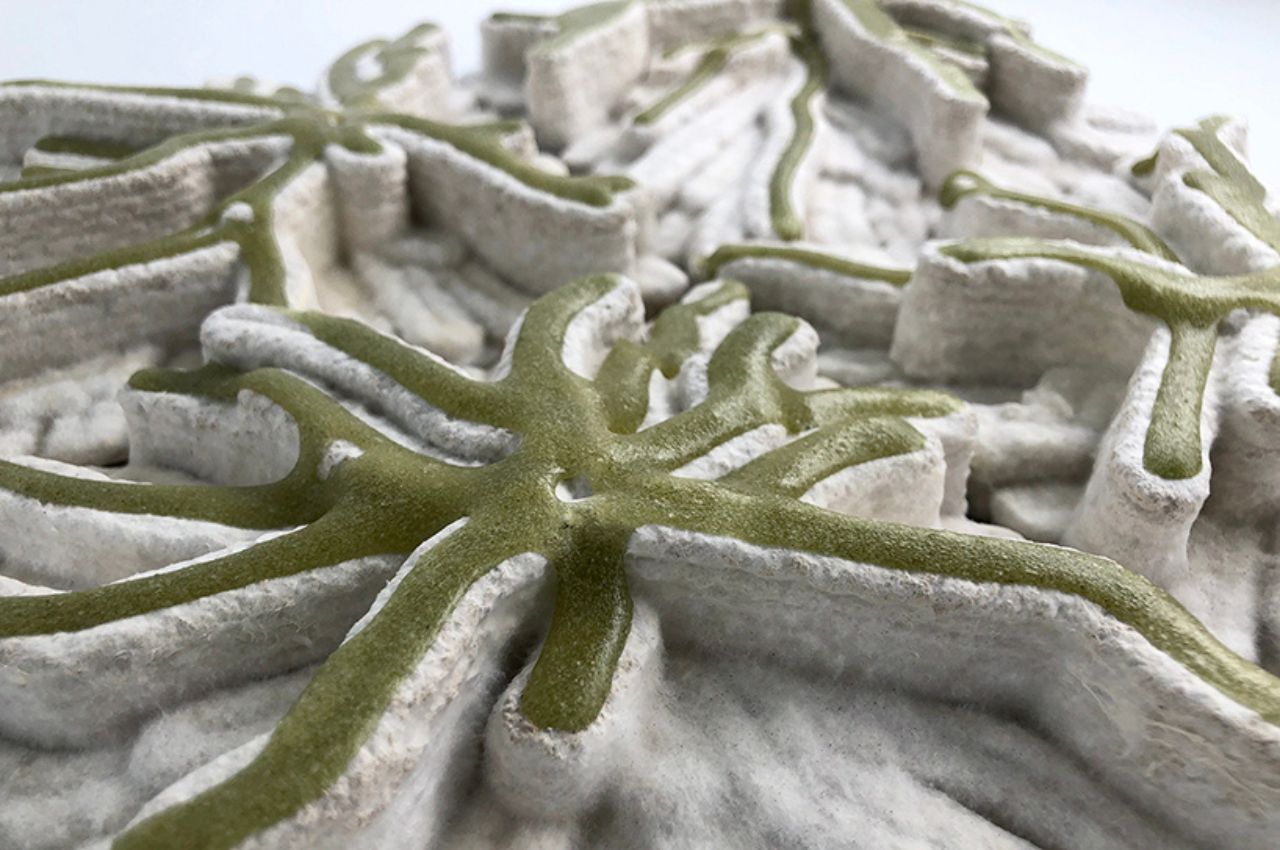
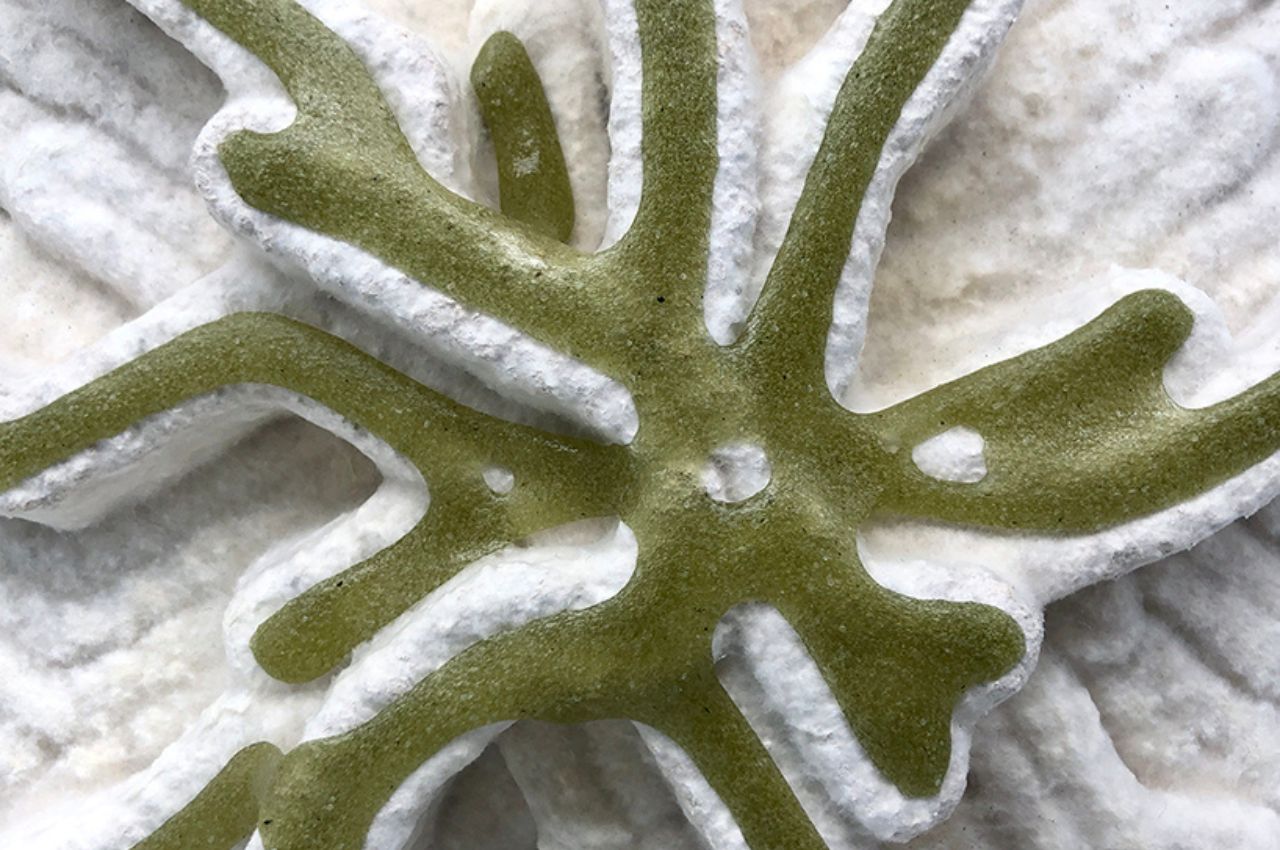
Once it has been turned into paste, it is then 3D printed into customized shapes and for two weeks, they are placed and cultivated in a controlled environment so that the mycelium turns into the thing that binds the material together. They are then placed in convection ovens and as they “bake”, they turn into lightweight materials but at the same time, they become strong and rigid. The bio-pigments from the harvested algae which are now gel are then applied to the tiles.

The tiles are definitely unique looking and can be a conversation piece when you have people visit your bathroom. They were designed to specifically look like organisms are crawling all over your space. The mosaic-like design with the non-repeating patterns are visually striking and 100% sustainable.

The post Turn your bathroom into a sustainable piece of art with 3D printed tiles first appeared on Yanko Design.