Why Local AI is Becoming Essential as Cloud Models Face New Restrictions

Why Local AI is Becoming Essential as Cloud Models Face New Restrictions High-end graphics cards used for processing local AI tasks.

Artificial intelligence is reshaping the way we interact with technology, but one concept stands out as particularly essential in today’s evolving landscape: local AI. Unlike cloud-based systems, local AI runs directly on personal hardware, offering enhanced privacy, cost savings and independence from external providers. In a recent breakdown, Alex Finn explores how local AI addresses […]

The post Why Local AI is Becoming Essential as Cloud Models Face New Restrictions appeared first on Geeky Gadgets.

Posted in Uncategorized

Will iPadOS 27 Turn Your Tablet Into a True Laptop Replacement?

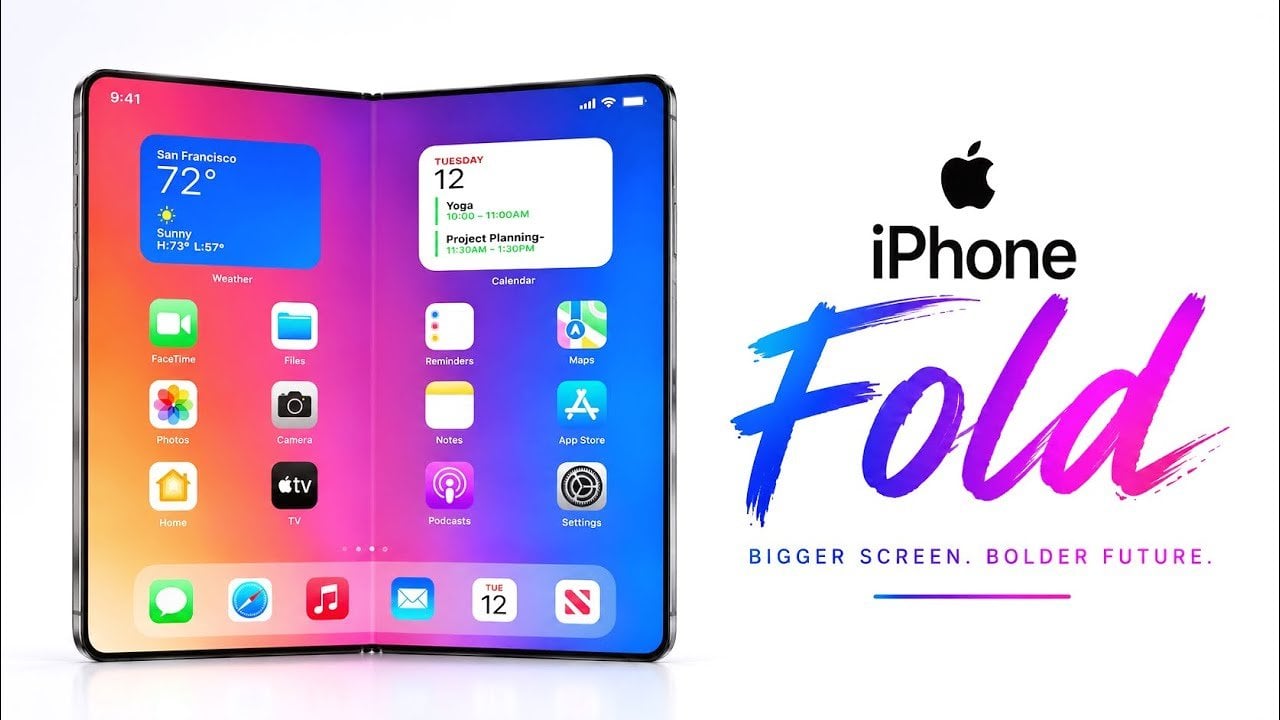
Will iPadOS 27 Turn Your Tablet Into a True Laptop Replacement? iPadOS 27

iPadOS 27, which is currently in beta, delivers a comprehensive update with over 100 new features aimed at enhancing productivity, creativity, and personalization. From smarter Siri AI to advanced multitasking tools, this update reshapes how you interact with your iPad. Below is an in-depth look at the most impactful changes and how they can elevate […]

The post Will iPadOS 27 Turn Your Tablet Into a True Laptop Replacement? appeared first on Geeky Gadgets.

Posted in Uncategorized

Ray-Ban Meta Smart Glasses: The Ultimate 2026 Buying Guide

Ray-Ban Meta Smart Glasses: The Ultimate 2026 Buying Guide The new Oakley Meta Vanguard smart glasses designed for sports and active wear.

Ray-Ban Meta smart glasses integrate advanced functionality with iconic aesthetics, offering a practical accessory for everyday use. Steven Sullivan highlights features such as video recording capabilities and customizable lenses, which cater to diverse needs and preferences. For instance, the Wayfarer Smart Glasses provide a classic design suitable for casual settings, while the Skyler Headliner offers […]

The post Ray-Ban Meta Smart Glasses: The Ultimate 2026 Buying Guide appeared first on Geeky Gadgets.

Posted in Uncategorized

watchOS 27 Beta 2 is Now Available—Here is What’s Changing

watchOS 27 Beta 2 is Now Available—Here is What’s Changing Close up of the new liquid glass display enhancements on Apple Watch

Apple has rolled out watchOS 27 Beta 2, an update designed to enhance the Apple Watch experience through subtle usability improvements and bug fixes. While it doesn’t introduce major new features, it sets the stage for future advancements, including the highly anticipated Siri AI integration and additional watch faces. Below is a comprehensive overview of […]

The post watchOS 27 Beta 2 is Now Available—Here is What’s Changing appeared first on Geeky Gadgets.

Posted in Uncategorized

What Apple Just Did Changes Everything for the Mac

What Apple Just Did Changes Everything for the Mac A display of Apple MacBooks showing the new 2026 pricing

Apple has recently implemented price increases across its product lineup, impacting MacBooks, desktop Macs, iPads, the Vision Pro, and home devices such as the Apple TV and HomePod. These adjustments are largely attributed to rising production costs and significant hikes in memory and storage upgrade prices. As a result, many consumers are now reassessing the […]

The post What Apple Just Did Changes Everything for the Mac appeared first on Geeky Gadgets.

Posted in Uncategorized

Hidden Features in iOS 27 Beta 2 You Probably Missed

Hidden Features in iOS 27 Beta 2 You Probably Missed Siri AI settings interface in iOS 27 Beta 2

The iOS 27 Beta 2 update brings a host of new features designed to enhance usability, personalization, and overall functionality across Apple devices. From smarter AI integration to improved app controls, this update focuses on refining how you interact with your iPhone, Apple Watch, and other devices. With the public beta set to launch in […]

The post Hidden Features in iOS 27 Beta 2 You Probably Missed appeared first on Geeky Gadgets.

Posted in Uncategorized

Why You Should Be Restarting Your iPhone Once a Week

Why You Should Be Restarting Your iPhone Once a Week Illustration of force reboot related to the article topic.

A weekly force reboot is a straightforward yet highly effective method to address common iPhone issues and maintain optimal performance. This simple routine can help prevent glitches, free up storage, and ensure your device operates smoothly. By dedicating just a few moments each week, you can significantly enhance your iPhone’s reliability and functionality, making sure […]

The post Why You Should Be Restarting Your iPhone Once a Week appeared first on Geeky Gadgets.

Posted in Uncategorized

Portable L-Shaped Triple Screen Monitor turns your laptop setup into a 2×2 command center

Triple screen setups are widely considered the socially acceptable limit to a multi-screen setup. Take your laptop, add a screen to the left, one to the right, and you have a panoramic multi-display array for effortless multitasking. The reason 3 displays is widely considered the agreeable upper limit, is because a fourth display does two things. It makes your setup more linear, requiring you to strain your neck looking from left to right. It also means having a table that long to accommodate the many displays.

The obvious answer to people looking to push things to a quad-display setup is to go for a 2×2 layout. Yes, that works with a bit of planning. Mount some monitors on the wall, keep enough space to place your laptop somewhere, and you’re good to go. This system is maximalist, but until now it wasn’t portable. NexFold decided that needed to change, with the first ever inverted L-shaped triple-display external monitor, the Fold 7. As the previous sentence explains, this monitor array forms an inverted L, leaving a bottom quadrant empty for your laptop, giving you the 2×2 quad-display setup you crave. The best part, the Fold 7 collapses down to the shape and size of a 16″ laptop, and can be carried around with you.

Designer: NexFold

Click Here to Buy Now: $649 $1099 (41% off) Hurry! Only 80 of 200 left.

The three panels that make up the Fold 7 each measure 16″ and use a 16:10 aspect ratio rather than the standard 16:9. That extra vertical height translates directly into more visible lines of code, longer documents without scrolling, and taller browser windows. All three screens use IPS panels with 100% sRGB coverage and viewing angles rated at 85° both vertically and horizontally. The layout arranges two screens vertically on the left side, stacked one above the other, while a single screen extends horizontally along the top right. Your laptop fills the fourth quadrant at the bottom right, staying within your natural line of sight while the auxiliary panels wrap around it.

NexFold offers two resolution options depending on how you work. The FHD version runs at 1920 x 1200 per panel and hits 300 nits of brightness, aimed at general productivity users, remote workers, and anyone who values sharpness and clarity for writing, browsing, video calls, and everyday multitasking. The QHD version steps up to 2560 x 1600 per panel with 500 nits of peak brightness, targeting developers, designers, and power users who work with dense information, need pixel-accurate detail, or spend long hours staring at code, design tools, spreadsheets, and data dashboards. Both versions refresh at 60 Hz and weigh in at 3.1 kg. or 6.83lb.

Connection flexibility is paramount when you’re trying to run three external displays off a laptop, with the Fold 7 supporting two primary modes – Mode 1 uses a single USB-C cable with DisplayPort Alt Mode and 65W power delivery, lighting up all three screens if your laptop has a full-function USB-C port and you install drivers. Mode 2 combines USB-A with mini HDMI, designed for older laptops that lack modern USB-C video output. NexFold recently added a driver-free FHD variant that works plug-and-play, though that version currently supports Windows only. Each screen can also connect individually via mini HDMI if you need to mix and match devices or run the Fold 7 with a MacBook and an iPad simultaneously.

The hinge system uses adjustable clips to grip laptops ranging from 13 inches to 18.5 inches, with a built-in kickstand that props the entire structure upright. Setup involves snapping the clips onto your laptop’s lid, unfolding the panels, and plugging in the cables. The whole thing folds flat when you’re done, collapsing into a form factor roughly the size and shape of a 16-inch laptop, slim enough to slide into a backpack or laptop bag. At 3.1 kg it sits well above the weight of a typical single portable monitor, but that mass distributes across three full-size displays and the aluminum frame that holds the entire setup rock-solid.

NexFold touts 60% less neck movement and 40% faster task switching compared with a conventional horizontal triple-monitor arrangement, figures rooted in the inverted-L geometry keeping more content within a tighter visual cone. Developers can run a code editor and terminal in the vertical stack on the left while keeping browser tabs and Slack in the horizontal panel on the right. Designers working in Figma or Photoshop can dedicate the vertical screens to canvas and layers while keeping reference images, email, and project management tools in the top-right quadrant. Financial analysts monitoring live data streams can stack charts vertically and keep news feeds or communication tools horizontal. The laptop remains the anchor point for input and primary interaction.

Compatibility spans Windows, macOS, Linux, and ChromeOS, with the caveat that driver requirements vary by connection method and operating system. The Fold 7 works with nearly any laptop that has USB-C or HDMI output, though full three-screen functionality depends on your machine supporting DisplayPort Alt Mode or multiple display outputs. The company includes a USB-C to USB-C cable, a USB-A to USB-C cable, an HDMI to mini HDMI cable, and a power adapter in the box. Physical controls sit along the side of the unit, including a menu button, power key, and directional inputs for adjusting brightness, contrast, and per-screen settings.

The Fold 7 FHD starts at $649 for the first 200 backers (41% off the eventual $1,099 retail price). The QHD model follows a similar structure at $799, discounted 43% from retail pricing of $1,399. Both models come in silver or black finishes. Add-ons include a $29 protection sleeve and a $20 wool felt sleeve. NexFold backs the hardware with a 2-year manufacturer warranty covering defects, though accidental damage falls outside that coverage. Shipping begins in September 2026 and covers North America, Europe, Asia, and Oceania.

Click Here to Buy Now: $649 $1099 (41% off) Hurry! Only 80 of 200 left.

The post Portable L-Shaped Triple Screen Monitor turns your laptop setup into a 2×2 command center first appeared on Yanko Design.

Most Homes Are Built to Last 10 Years. These 5 Designs Are Built for 100

Slow architecture asks a simple but powerful question: should buildings be designed for short-term trends or for the next hundred years?
At a time when much of construction is driven by speed, cost-cutting, and fast-changing aesthetics, this approach brings the focus back to durability, function, and long-term value. True luxury today is not excess, but the ability of a space to remain useful, relevant, and well-crafted over time.

Designing for a 100-year lifespan means making smarter choices from the start, from honest materials and adaptable layouts to lower environmental impact and easier maintenance. It turns architecture into a lasting asset and not just a temporary product. The five principles ahead explore how thoughtful, future-ready design can create buildings that perform better, age beautifully, and continue to support everyday life for generations.

1. Build with Materials That Last

A long-lasting building starts with materials that can handle time, weather, and daily use without losing their value. Stone, solid wood, brick, and other durable natural materials often perform better over decades than finishes chosen only for appearance. They need fewer replacements, age more gracefully, and usually reduce long-term maintenance costs. Instead of designing for quick upgrades, this approach creates a stronger, more reliable building envelope that can stay relevant for generations.

These materials also improve how a space feels in everyday life. The texture of timber, the weight of stone, and the character that develops over time add warmth and authenticity that synthetic finishes often cannot match. They create interiors that feel grounded, calm, and connected to nature. Choosing fewer artificial materials can also lower environmental impact while helping the building remain practical, beautiful, and honest for years to come.

Spanish studio Agora Arquitectura redesigned a neglected agricultural site on the outskirts of Barcelona by transforming a ruined red-brick structure into the foundation for a contemporary raised home. Named House on a Brick Base, the project preserves the character of the original building while introducing a new layer of living above it. Instead of demolishing what was already there, the architects restored the old brick shell and extended its presence across the site, turning a forgotten structure into a meaningful architectural anchor.

The lower brick volume is organized by two perpendicular walls that divide the interior and structurally support the timber addition above. A perforated brick boundary wall, outdoor staircases, and a sloped access route create a carefully choreographed arrival, leading visitors past a century-old olive tree before entering the home. Above, the new volume is built from prefabricated cross-laminated timber and clad in whitewashed cork, combining warmth with sustainability. Large windows, a steel spiral staircase, and a generous skylight bring daylight deep into both levels, creating a strong visual dialogue between old masonry and new timber.

2. Design Spaces That Can Change Over Time

A home built to last 100 years should not be locked into one lifestyle or one stage of life. Flexible planning makes it easier for spaces to adapt as needs change, whether that means creating a home office, adding privacy for older family members, or reworking rooms for future use. Features like non-load-bearing walls, practical room sizes, and good ceiling heights make these changes easier without major structural work. This keeps the home useful and relevant for much longer.

Adaptable design also improves everyday comfort. When the layout is planned well, rooms can shift in function without feeling awkward or disconnected. Good natural light, smart circulation, and strong core services like plumbing and electrical systems help the home work smoothly even as it evolves. Instead of becoming outdated, the house stays functional, resilient, and ready to support different ways of living over time.

GM House by Frederico Bicalho Arquitetura shows how a flexible layout can be naturally shaped by the land itself. Set on a steep site in Minas Gerais, the home follows a long, linear plan that allows each zone to respond differently to views, sunlight, privacy, and circulation. Instead of forcing the house into a fixed or compact arrangement, the architects used the slope to create a more open and adaptable sequence of spaces that feels practical, balanced, and deeply connected to the site.

This adaptability is reflected in how the home organizes everyday living. The social areas open directly onto the veranda and pool, creating a seamless indoor-outdoor environment that can support different activities with ease. On the upper level, the bedrooms are divided into two separate volumes connected by a walkway, allowing for both privacy and connection within the same home. This thoughtful spatial arrangement gives the residence a more dynamic rhythm and shows how flexible layout planning can make architecture feel both highly functional and effortlessly livable.

3. Prioritize Comfort Through Passive Design

A home designed for the long term should stay comfortable without depending too heavily on mechanical systems. Passive design helps achieve this through better orientation, cross ventilation, shading, insulation, and materials that can naturally regulate indoor temperature. These decisions reduce energy use, lower utility costs, and make the home more resilient in the face of rising energy prices or unreliable power supply. Over time, this creates a building that performs better with less effort and fewer resources.

Passive resilience also improves the daily experience of living in a space. Rooms feel cooler in summer, warmer in winter, and more stable throughout the day without constant adjustments. Good airflow, balanced daylight, and thermal comfort create interiors that feel calm and easy to live in.

Long Grass House in New Zealand shows how a flexible layout and passive design can come together in a home that feels both practical and uplifting. Recognized by the New Zealand Institute of Architects, the house balances affordability, sustainability, and everyday comfort without sacrificing character. Its compact form helps reduce energy demand, while the angled rooflines and carefully placed overhangs improve shading and thermal performance. Designed to feel relaxed and open, the home creates a holiday-like atmosphere while still functioning as a durable, year-round family residence.

Inside, the layout is simple yet highly efficient, with spaces arranged to support changing needs over time. The bathroom, laundry, entrance, and loft are organized in a way that makes the plan feel dynamic without becoming complicated. A long skylight and vertical window bring daylight deep into the interior, while plywood finishes add warmth and visual continuity. Combined with durable steel cladding outside, the material palette keeps the house low-maintenance, cost-effective, and built to adapt gracefully to family life over the years.

4. Create a Design That Will Not Date Quickly

A 100-year home should not be built around short-lived trends that feel outdated within a decade. Lasting design comes from strong proportions, balanced layouts, quality finishes, and details that remain relevant over time. Instead of chasing what is popular for the moment, the focus should be on choices that continue to look good and function well across changing tastes. This helps protect the long-term value of the property and reduces the need for frequent cosmetic updates or renovations.

Timeless spaces also feel more comfortable to live in every day. Natural light, simple forms, and carefully chosen materials create interiors that stay calm, elegant, and adaptable rather than overly styled or visually exhausting. When a home is designed with restraint and clarity, it remains easier to maintain, update subtly, and is far more likely to be appreciated by future generations without needing to be completely redesigned.

House Hökarn by Per Bornstein is a strong example of timeless design, where simplicity, proportion, and material honesty take priority over visual trends. Set within a meadow in Floda, the home feels calm, restrained, and deeply connected to its landscape. Its minimalist expression does not aim to impress through excess, but through balance and permanence. By avoiding unnecessary gestures and focusing on enduring architectural fundamentals, the house achieves a quiet character that is more likely to remain relevant and beautiful over time.

This sense of longevity is reinforced through a carefully considered material palette and clear spatial planning. Lime-plastered walls, pine timber interiors, and precisely integrated concrete and steel create a home that feels contemporary and lasting. Natural light, framed forest views, and seamless room transitions further support an atmosphere that is serene rather than overstated. Together, these elements show how timeless design can create architecture that feels deeply livable today while still holding its value and appeal well into the future.

5. Plan the Landscape to Mature with the Home

A home designed for 100 years should include a landscape strategy that improves with time, not just at handover. Trees, native planting, shaded outdoor areas, water-sensitive planning, and healthy soil can all strengthen the long-term performance of the property. As the landscape matures, it can provide natural cooling, privacy, wind protection, and better biodiversity. This makes the site more resilient while also increasing the everyday usability and long-term value of the home.

A well-planned landscape also changes how the home is experienced. Views from inside become more meaningful, outdoor spaces feel more comfortable, and the property develops character year after year. Instead of treating the garden as decoration, this approach sees it as part of the architecture itself. When the built form and landscape are planned together, the result is a home that feels more grounded, more livable, and more connected to its environment over time.

Set along the winding edge of Poland’s Vistula River, 77 Studio’s House in the Slope feels less like a building and more like part of a living garden. Embedded into the riverside embankment, the home is surrounded by layered greenery, wild grasses, native planting, and a restored meadow that softens its presence. A planted green roof helps the house disappear into the landscape, while preserving the site’s natural contours and strengthening its bond with the riverbank ecosystem. The design allows vegetation, open views, and quiet privacy to define the experience.

The home’s orientation was carefully shaped around its most beautiful outlooks, where garden-like riverside planting unfolds toward the water and distant skyline. Terraces, courtyards, and recessed outdoor spaces extend the feeling of living within greenery, while a rooftop meadow adds another immersive layer of nature. Every move in the design celebrates the surrounding landscape, turning the house into a calm architectural frame for the site’s abundant natural beauty.

Slow Architecture offers a more lasting kind of luxury, rooted in the confidence that a home is built to endure. Through durable materials, adaptable planning, and passive performance, it creates spaces that remain resilient, comfortable, and valuable while continuing to serve present needs and future generations.

The post Most Homes Are Built to Last 10 Years. These 5 Designs Are Built for 100 first appeared on Yanko Design.

Gustaf Westman Gives Cat Furniture a Playful Upgrade

Cat trees are rarely the most beautiful objects in a home. They are often tall, scratchy, beige, awkwardly shaped, and treated as something to be tolerated rather than celebrated. Swedish designer Gustaf Westman seems to have taken that as a challenge. With his new Chunky Cat Tree, he reimagines the everyday pet accessory as a sculptural, design-forward piece of furniture that belongs as much to the living room as it does to the cat.

Known for his soft, rounded, almost cartoon-like forms, Westman has built a recognizable visual language around bold proportions and playful silhouettes. His Chunky collection already includes cups, glasses, vases, a stool, a flower pot, and even a coffee maker. Now, with the Chunky Cat Tree, that same design universe has expanded into the world of pet furniture.

Designer: Gustaf Westman

The piece is informed by Westman’s Blob Sofa, which launched in 2023. Like the sofa, the cat tree uses stacked, rounded volumes and a confident colour palette to create something that feels friendly, soft, and slightly surreal. Instead of hiding pet furniture in a corner, Westman’s version asks to be seen. It functions as a perch for cats, but also as a statement object for humans.

The design features a tripod base, with three rounded legs supporting platforms placed at different heights. These levels allow cats to climb, rest, observe, and occupy the structure from multiple angles. The three rounded feet can also serve as resting spots, making the piece usable by more than one cat at a time. It is practical, but it does not look purely practical. That is where the charm lies.

Westman’s approach feels especially relevant in a moment when homes are becoming more carefully curated, but also more emotionally expressive. People no longer want furniture that only performs a function; they want objects that reflect personality, taste, humour, and lifestyle. The Chunky Cat Tree fits into this shift beautifully. It treats cats not as an afterthought in the domestic space, but as active participants in it.

The designer has said that after seeing so many ugly cat trees, he felt it would be fun to design something within that category. His comment reveals the larger idea behind the project: everything can be designed better, even the things we usually accept as visually unpleasant. By giving equal attention to form and function, Westman creates a product that serves both cats and their owners.

Made to order in Sweden, the Chunky Cat Tree can be upholstered in wool in red, yellow, purple, blue, or cobalt blue. These colour options continue Westman’s love for punchy primary and secondary shades, while the wool finish gives the object a softer, more furniture-like presence.

Since founding his studio in 2020, Westman has become known for custom furniture, ceramics, glassware, and playful made-to-order objects. His work often uses materials such as wood, metal, ceramic, and glass, but visually ties them together through rounded shapes, glossy finishes, and a childlike sense of wonder.

The Chunky Cat Tree is more than a luxury accessory for pets. It is a reminder that design can enter unexpected categories and make them feel fresh. By turning a typically clunky household object into a sculptural centrepiece, Gustaf Westman proves that even a cat tree can have personality, humour, and a place in contemporary design.

The post Gustaf Westman Gives Cat Furniture a Playful Upgrade first appeared on Yanko Design.