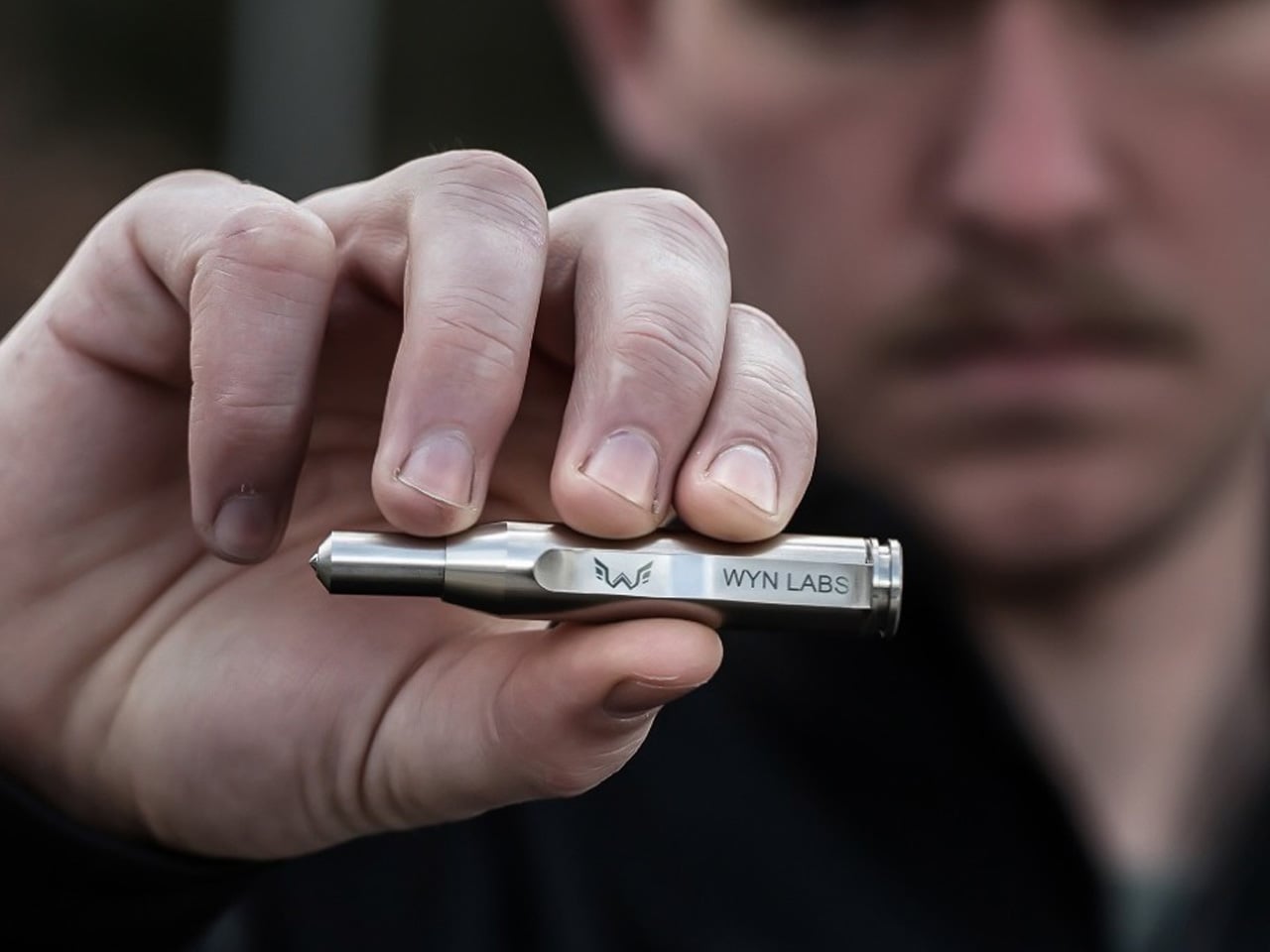
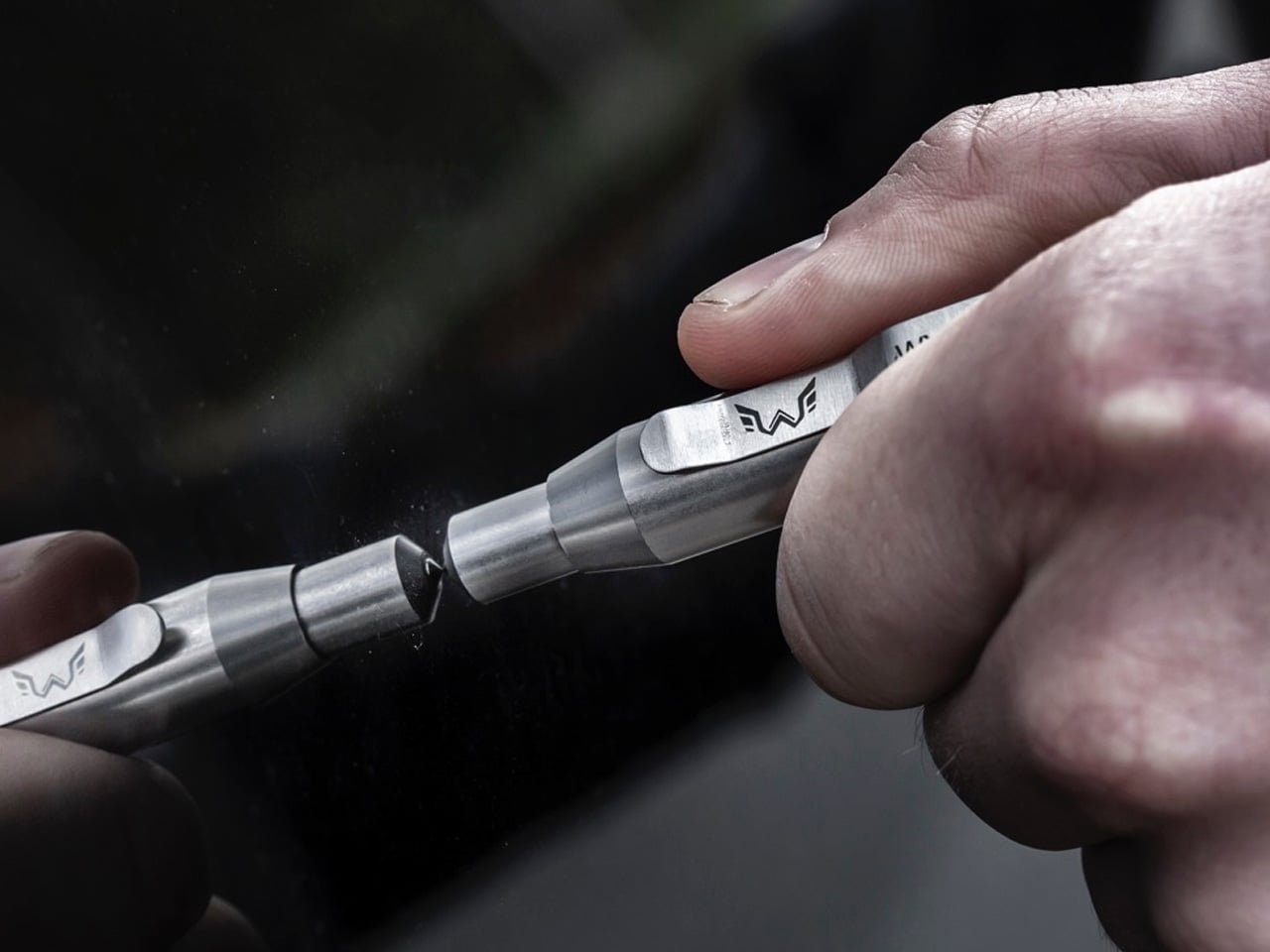
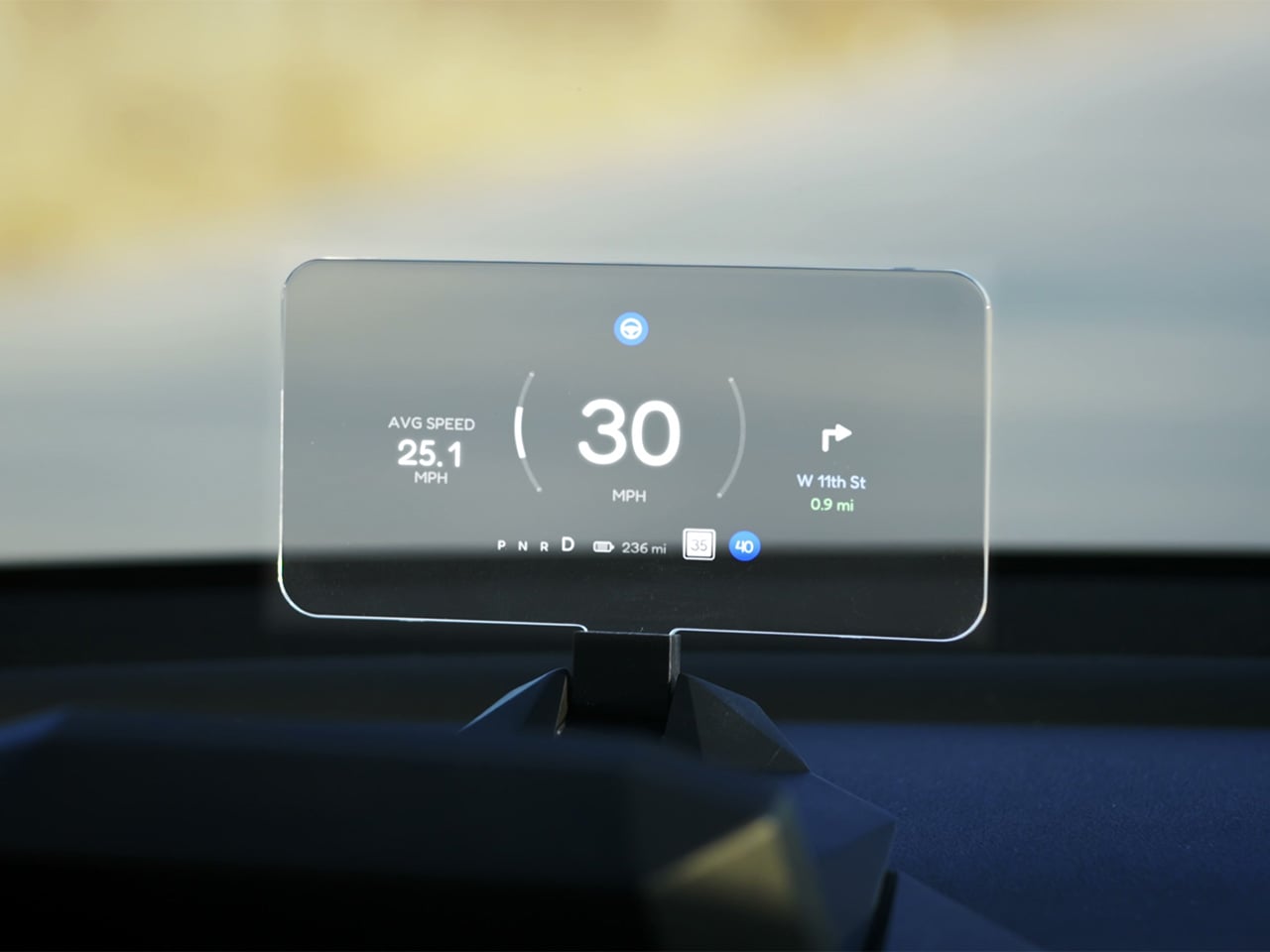
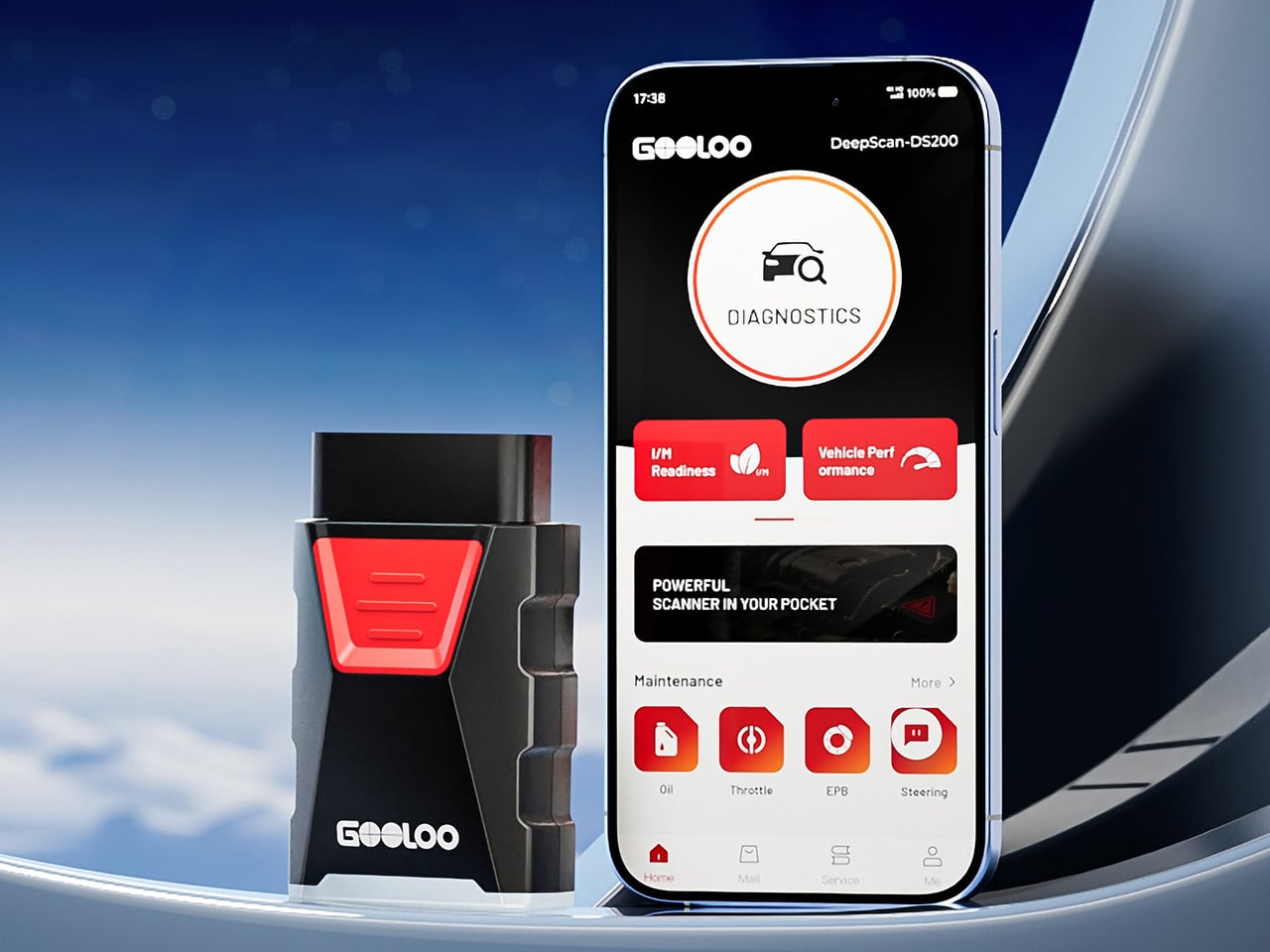
This All-In-One Ryzen MiniPC Packs 12 Ports, 4.5-Inch Display, and 15W Wireless Charging

Your desk has too much stuff on it. A mini PC sits next to a USB hub, which sits next to a wireless charging pad, which sits next to a dock that barely has enough ports anyway. You bought each piece to solve a specific problem, and together they created a new one: a workspace that looks like a Best Buy exploded across your desktop. Cable management becomes a part-time job. Every device needs its own power brick, its own real estate, its own moment of your attention when something inevitably stops working.

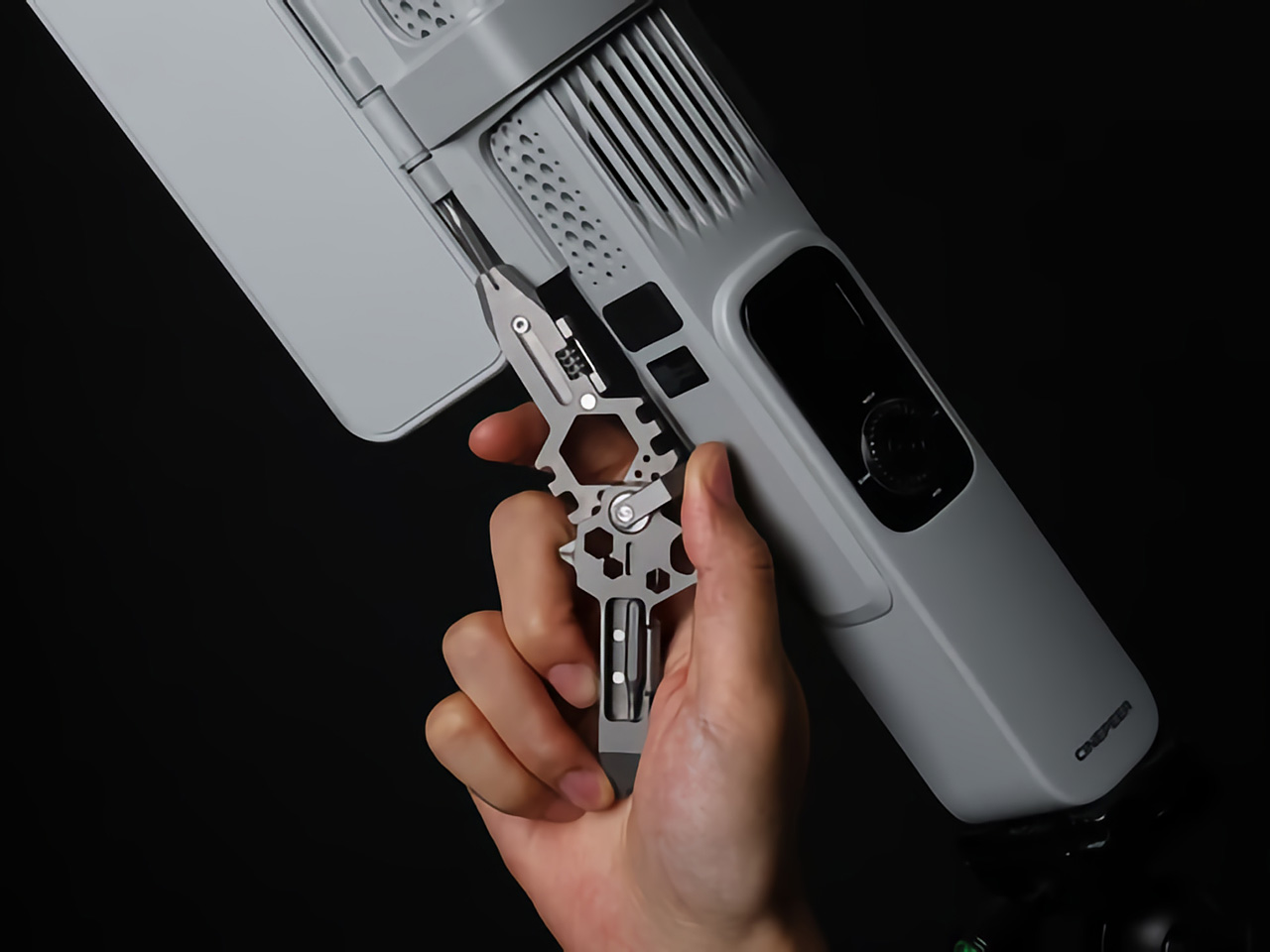
ViewDock Gen2 collapses that entire ecosystem into a single 175mm aluminum block. The Hong Kong-based team designed a vertical mini PC that integrates a 4.5-inch adjustable display, 15W Qi wireless charging, and a full 12-port I/O layout into a form factor that weighs 2.3 pounds and takes up less desk space than a coffee mug. Inside, AMD Ryzen processors from the 6000, 7000, and 8000 series (including options like the 6900HX, 7735H, 7640H, 7840H, 7940H, and 8845H) handle everything from productivity to light gaming, with boost speeds reaching up to 4.9GHz. ViewDock hasn’t published which specific processor ships with each configuration, and performance gaps exist between these chips, so you’ll want to confirm your exact SKU before backing. Dual M.2 slots support up to 4TB of combined storage, and units start at a discounted $639 during the Kickstarter campaign.

Designer: ViewDock

Click Here to Buy Now: $639 $1079 (41% off) Hurry! Only 185 units left.

The hinged 4.5-inch display on top of the chassis deserves its own paragraph because it represents a genuine design fork in how you interact with a desktop computer. Most secondary displays are external accessories you buy separately, mount awkwardly, and power independently. ViewDock built one directly into the machine and made it adjustable through 90 degrees, so you can angle it toward your eyeline or fold it flat when you don’t need it. The panel outputs at 480 x 854 pixels, which sounds low until you remember this is a dashboard, not a workstation monitor. You’re using it for system stats, chat windows, calendars, or media previews while your main displays handle the heavy lifting. The screen powers on and off automatically with the system, syncs without configuration, and eliminates yet another cable from your setup. It’s a small decision that compounds across daily use.

The aluminum alloy chassis does more than look good, though it does look good. Most mini PCs default to plastic because it’s cheap and easy to mold, and most mini PCs run hot because plastic doesn’t dissipate heat well and manufacturers cheap out on cooling. ViewDock went the opposite direction. The precision-machined aluminum body acts as a passive heatsink, pulling warmth away from internal components and spreading it across a larger surface area. Inside, a 4000 RPM fan with a vapor chamber design moves air through optimized vents on all sides, keeping the CPU between 30 and 45 degrees Celsius even under sustained workloads. That thermal engineering is the reason the G2 can pack this much performance into a 51mm-tall enclosure without throttling or sounding like a jet engine. You don’t see it, but you benefit from it every time the system stays quiet during a render or stays stable during an overnight compile.

The I/O layout splits across front and rear panels, and ViewDock clearly thought about which ports you reach for often versus which ones you set and forget. The front gives you two USB-A 3.0 ports, one USB-C, a 3.5mm audio jack, and a power button. The rear houses the 40Gbps USB4 Type-C port, HDMI 2.1, DisplayPort 1.4, two more USB-A ports, dual 2.5G Ethernet jacks, and the DC power input. All video outputs support 4K at 120Hz, and you can drive three external monitors simultaneously while using the built-in display as a fourth screen. That’s a legitimate triple-monitor workstation powered by something you can fit in a backpack. The wireless charging pad on top supports the universal Qi standard at 15W, so any compatible phone or earbuds drops onto the surface and charges without fumbling for a cable.

ViewDock also built the G2 to be user-upgradeable, which is increasingly rare in this product category. The chassis opens to reveal two DDR5 SODIMM slots that accept up to 64GB of RAM at 4800MHz or 5600MHz, and two M.2 2280 slots that support SATA3, PCIe 3.0/4.0, and NVMe protocols. Each SSD slot can take a 2TB drive, giving you 4TB of total storage if you max it out. That kind of expandability extends the useful life of the machine well beyond its initial configuration, which matters when you’re spending $600 to $1,200 on a desktop system. WiFi 6 and Bluetooth 5.2 come standard, and the unit ships with a Windows 10/11 trial pre-installed, though it’s fully Linux-compatible if you’d rather run Ubuntu.

The G2 launched on Kickstarter in March 2026 with four main configurations. The Creative Edition starts at $639 with base specs, while the 16GB RAM with 512GB storage model sits at $889. Step up to 16GB with 1TB storage for $999, or go all the way to 32GB with 1TB for $1,229. Those prices represent 40 to 50 percent discounts off projected retail, which is typical for crowdfunding campaigns. ViewDock plans to ship all units in August 2026, with expected delivery in September. Shipping costs vary by region, starting at $20 for Asia and scaling up to $50 for three-unit orders to the US or Canada. The team successfully delivered their first-generation ViewDock docking station to backers last year, which gives this campaign more credibility than most hardware Kickstarters manage on day one.

Click Here to Buy Now: $639 $1079 (41% off) Hurry! Only 185 units left.

The post This All-In-One Ryzen MiniPC Packs 12 Ports, 4.5-Inch Display, and 15W Wireless Charging first appeared on Yanko Design.
7 Easter Tech Gifts for Him So Good They’ll Sell Out Before April 5


Easter arrives on April 5, giving you ten days to find something that doesn’t feel purchased in panic. The candy basket is covered. What makes the morning memorable is the object that makes him pause because the thing in his hands is worth looking at. These seven picks aren’t pulled from a generic roundup — they’re designed objects built with enough conviction that engineering and aesthetics arrive at the same answer

None of these need an explanation on the card. Some ship immediately; others are in production with lead times worth checking before checkout. Shop products move quickly during gift windows, and objects like this rarely wait for last-minute decisions. Order now, check shipping windows, and show up April 5 with something he didn’t know to ask for — which is the only kind of gift worth giving.

1. GPD Win 5 Gaming Handheld

The PSP’s silhouette never really died — it just kept getting more ambitious inside. The GPD Win 5 takes the wide landscape layout we’ve known for twenty years and fills it with an AMD Ryzen AI Max 395 processor and a full terabyte of storage — a desktop-level decision wrapped inside a handheld form. The result is a device that plays any PC game at settings no portable console would dare suggest.

The engineering required to keep it running is written directly onto the chassis. Quad heat pipe cooling, a proprietary Mini SSD slot, hall effect triggers, and a detachable 80Wh battery extend sessions well beyond what the internal cell could manage. The 7-inch 16:9 display sits centered between capacitive joysticks with zero deadzone in a layout that feels immediately familiar. This is not a gaming device that compromises on performance — it refuses to.

What We Like

  • The AMD Ryzen AI Max 395 delivers genuine desktop-class performance from a body that still fits in a bag
  • Hall effect triggers and capacitive joysticks with zero deadzone give it a precision edge over every portable console alternative

What We Dislike

  • The thickness and thermal venting make it visually dense — this is not a subtle object
  • The price positions it well above impulse territory, narrowing its natural audience considerably

2. Side A Cassette Speaker

Everything about the Side A Cassette Speaker is designed to make you pick it up. The transparent shell exposes its mechanics the way a skeleton watch exposes its movement — not to perform engineering, but to invite curiosity. The cassette form is faithful enough to earn a double-take and modern enough to pair via Bluetooth 5.3 without cognitive dissonance. It looks like a mixtape from 1997 and sounds like something bought this year.

For under fifty dollars, it streams wirelessly, supports microSD offline playback, and delivers warm-tuned sound that rewards the retro framing rather than undermining it. The clear case doubles as a stand, which means it sits upright on a desk looking intentional rather than abandoned. This is the gift that earns visible placement — the kind of object someone keeps out not because they have to, but because it says something about the shelf it lives on.

Click Here to Buy Now: $49.00

What We Like

  • The transparent cassette shell creates instant visual storytelling before it’s even switched on
  • At under $50, it’s the most accessible pick on the list — approachable price, zero sense of compromise

What We Dislike

  • The smaller cabinet limits low-end response — bass is present, but won’t satisfy anyone comparing it to a full-size speaker
  • Best suited for near-field listening; it won’t carry sound convincingly across a large room

3. RingConn Gen 2 Smart Ring

The RingConn Gen 2 makes the case that wearable health tracking never needed to live on your wrist. It’s a ring — thinner and lighter than its predecessor — that runs 10 to 12 days on a single charge and tracks sleep, heart rate, and respiratory variations through AI analysis, claiming 90.7% accuracy in identifying sleep risk events. No subscription. No display competing for attention. Just a slim band doing quiet overnight work.

The appeal for someone who refuses a smartwatch is genuine. There’s no screen to check, no notification buzzing against the wrist, no social permission for the device to interrupt your day. The AI sleep tracking surfaces insights about breathing patterns and nighttime respiratory variations that standard fitness bands don’t reach with the same depth. It tracks without performing the act of tracking, which is its entire design philosophy. Wear it and forget it is the point.

What We Like

  • A 10 to 12-day battery life removes the nightly charging ritual that makes most wearables feel like obligations
  • AI-powered sleep insights with no subscription fees eliminate both the friction and the ongoing cost

What We Dislike

  • Sizing matters significantly for a ring — gifting one requires knowing the recipient’s ring size in advance
  • The value of the health data depends entirely on the wearer engaging with the insights it surfaces

4. Soundcore Sleep Earbuds

Sleep earbuds have always been a comfort problem disguised as an audio problem. Soundcore’s answer involves 3D ergonomic shaping built around the concha cavity’s actual geometry, an Air Wing hollow structure that distributes contact pressure across a wider surface area, and a stacked charging pin architecture that repositions hardware away from the ear entirely. The result is an earbud designed to be forgotten during use — not because it lacks presence, but because its presence feels like nothing.

Noise blocking keeps external sound out while a soft audio profile handles whatever you use to fall asleep. The Air Wing’s flexibility adapts across different ear shapes rather than demanding the ear adapt to it — the distinction that separates earbuds built for sleeping from earbuds people merely attempt to sleep in. For anyone whose sleep is light or interrupted, this is the category of gift that earns its place by how someone feels the next morning.

What We Like

  • The 3D ergonomic shaping and hollow Air Wing design solve the pressure and slippage problems that have historically made sleep earbuds impractical
  • Stacked charging pin architecture removes the most common comfort complaint in the category without sacrificing charging functionality

What We Dislike

  • Fit is deeply individual — what disappears for one person may still feel present for another, depending on ear geometry
  • Noise blocking effectiveness varies with ear canal shape and the sleep position someone naturally defaults to

5. Unix UX-1519 NEOM Power Bank

Power banks exist in a visual category that design has largely abandoned — they are rectangles. The Unix UX-1519 NEOM is still a rectangle, but it looks like it was designed at the same meeting as the rest of your gear rather than found in an airport convenience store. The industrial finish, considered proportions, and built-in Type-C carry loop cable elevate it into an object worth keeping visible rather than buried at the bottom of a bag.

Under that exterior sits a 10,000mAh cell delivering 22.5W fast charging, dual output ports for simultaneous device charging, and the S-Power smart chipset managing stable discharge throughout each session. The cable that serves as a carry loop supports 12V output, pulling fast charging performance through the same thing you grip to retrieve it. That level of integration — where every detail earns its presence — is what separates this from the generic category it technically belongs to.

What We Like

  • The built-in Type-C carry loop cable is the kind of small detail that makes the whole object feel more considered than anything at this price point
  • 22.5W fast charging with dual output and smart chipset management handles the functionality without any concessions

What We Dislike

  • At 10,000mAh, larger capacity banks will outlast it across multi-day travel without wall access
  • The industrial aesthetic is confident and specific — some will read it as premium, others as heavy-handed

6. JMGO N1 Ultra 4K Laser Projector

The JMGO N1 Ultra solves the problem that has historically made projectors aspirational rather than practical: setup. The gimbal tilts automatically, focus locks without a hand on the lens, keystoning corrects itself, and obstacle detection keeps the image where it belongs. At 2800 ISO lumens from RGB triple-color laser optics, it works in a lit room, which means it lives in a living room without requiring the space to be reorganized before every use.

The color accuracy from tricolor laser projection has a saturation and richness that lamp projectors simply cannot reach. HDMI 2.1 with eARC handles connectivity, and 20W dual speakers with Dolby Digital Plus and 45Hz bass extension fill a room without requiring a separate soundbar. This is a projector for people who want cinema at home without the ceremony of installing one. Point it at a wall, let it calibrate in seconds, and the room becomes something else entirely.

What We Like

  • The smart adaptive system handles focus, keystone correction, and brightness automatically — setup takes seconds, not an evening of calibration
  • RGB triple-color laser at 2800 ISO lumens performs in ambient light, removing any requirement to design a room around it

What We Dislike

  • The price positions it as a considered purchase rather than a spontaneous gift — it requires a genuinely enthusiastic recipient
  • The gimbal and automated systems add complexity that may feel like more setup than expected for buyers anticipating a simple plug-in experience

7. Rolling World Clock

Not every great tech gift has a circuit board inside it. The Rolling World Clock is a 12-sided dodecahedron that tells global time through the simplest possible mechanism: roll it to a city face, read the single hand. London, Tokyo, New York, Shanghai, Sydney, and seven more time zones are built into its geometry. For anyone navigating remote work across multiple cities, this solves a daily frustration through pure physical design.

What earns it a place on a tech gift list is exactly that clarity of purpose. Most remote workers live inside four different time zone tabs, a world clock widget, and a mental arithmetic habit they never asked for. The Rolling World Clock replaces all of that with an object you can hold. Roll it to a city face and a single hand tells the time there — no toggling between apps, no unlocking a screen. It sits on the desk between the monitor and the coffee, available in black and white, and asks nothing from you except the decision to pick it up. Sometimes the most considered technology is the kind that gets out of your way entirely.

Click Here to Buy Now: $49.00

What We Like

  • The 12-sided dodecahedron form solves a genuinely common remote work problem — global time tracking — through tactile physical interaction rather than another screen
  • The fully analog mechanism means no charging, no setup, and no interface to learn — it works the moment it lands on a desk

What We Dislike

  • Coverage is limited to 12 major cities — travelers or remote workers operating in less-represented time zones will find gaps
  • The single-hand display reads cleanly, but requires a moment of orientation for anyone unfamiliar with the face layout

The Gift That Earns Its Place Before He Opens It

Seven products, seven completely different problems solved. A gaming handheld that refuses to compromise on desktop performance. A cassette speaker that makes Bluetooth feel like something worth displaying. A smart ring tracking sleep from a finger. Earbuds engineered around the geometry of the ear rather than against it. A power bank that looks like it belongs with the rest of your gear. A projector that sets itself up. A dodecahedron that tells time in twelve cities without asking anything of you.

The best gifts don’t need wrapping to communicate their value — they do it the moment someone picks them up. Each of these objects was built with a specific person in mind, which means the person who receives one will feel that immediately. Check shipping windows before checkout, move quickly on anything with limited stock, and resist the instinct to wait. April 5 has a way of arriving before the decision gets made.

The post 7 Easter Tech Gifts for Him So Good They’ll Sell Out Before April 5 first appeared on Yanko Design.

70 Mile Range, 110 Nm of Torque, and a One-Click Wheelie. Meet the AOTOS Flux X26

The road to electric adoption has always needed two things, logic and emotion. Logic is easy to find in March 2026, with petrol prices climbing high enough to make every refill feel faintly offensive. Emotion is harder to engineer, yet it matters just as much. People want efficiency, but they also want acceleration, style, and the small thrill of riding something that feels alive beneath them. The products that close the gap between those two instincts are the ones worth paying attention to.

The AOTOS Flux X26 enters that landscape with a compelling mix of utility, performance, and fun. A claimed 70 mile range, from city streets to desert trails, supports daily commuting and longer urban detours. A 0 to 20 mph time of 4.9 seconds gives it a brisk, responsive character. The one click wheelie function adds an unmistakably playful edge, with specialized motion control algorithms allowing riders to safely experience one-wheel maneuvers at the touch of a button. AOTOS launched the Flux X26 on Kickstarter this March, positioning it as the officially recognized world’s first wheelie capable light electric moto.

Designer: AOTOS

Click Here to Buy Now: $1199 $1699 (29% off). Hurry, only 85/100 left! Raised over $498,000.

The frame completely abandons round, retro shapes in favor of a sleek, one-piece aluminum alloy construction with sharp, parametric lines. That futuristic mecha design philosophy extends from the physical vehicle to the retail space, app interface, and packaging. The ambient lighting system adds presence in urban environments at night without reading as decorative afterthought. The overall silhouette sits closer to a motocross bike than a commuter bicycle, which fits well with the fact that the Flux X26’s designed for those impromptu adventure-trips and thrill-chasing weekends, aside from being your reliable weekday in-city commuter.

The Pro variant delivers 2000W of peak power at a 1500W rated output (the regular version offers 1200W of peak power, rated for 750W output), strictly Class 2 compliant for legal road use, paired with 110Nm of instant torque that enables it to climb steep gradients up to 25% with ease. From a standstill, it hits 20 mph in 4.9 seconds, translating to immediately responsive performance in city traffic and on open trails. The one click wheelie function uses proprietary motion control algorithms that cut the physical effort required by roughly 20%, making the maneuver genuinely accessible. The Class 2 rating keeps the X26 street legal across most US states while the peak output covers the off road brief. Both variants share 20×4.0 inch fat tires, dual hydraulic suspension, and hydraulic disc brakes front and rear.

AOTOS built FLUX OS, a proprietary intelligent ecosystem that treats the Flux X26 as a mobile terminal, featuring triple anti theft security through integrated wireless connection and GPS, sensorless unlocking, and a high definition TFT smart screen. Through frequent OTA updates, the Flux X26 functions as a living device that evolves over time, improving after purchase rather than arriving as a fixed product. The 5.5 inch full color TFT display handles speed, ride mode, range, warnings, and GPS positioning, with turn by turn navigation synced from the rider’s phone. The Pro variant adds 4G connectivity alongside Bluetooth, giving the bike a live data link independent of the rider’s phone range. Both tiers benefit from the same software architecture, with the Pro carrying the more robust hardware layer on top.

An oversized battery provides a 70 mile exploration radius, from city streets to desert trails, putting the X26 at the more capable end of its category for the price. Urban riders cover the majority of their weekly riding without a midday recharge, and for weekend exploration the radius reaches distances that feel genuinely adventurous. The battery holds an IPX7 water resistance rating on the Pro variant, with IPX5 covering the rest of the vehicle. AOTOS backs ownership with over 100 after sales service points across the United States, adhering to strict Class 2 and safety certifications. The 330 lb maximum load capacity confirms the X26 as a serious daily use machine.

Super Early Bird Kickstarter pricing opens at $1,199 for the standard Flux X26 and $1,599 for the Pro, against MSRPs of $1,699 and $2,299 respectively. First units are scheduled to ship in May 2026, a window tight enough to signal genuine production readiness. The X26 Pro was shown at CES 2026 in Las Vegas ahead of the campaign, putting the hardware in front of an audience that scrutinizes product claims closely. Founded in 2016, AOTOS has built its core R&D team from engineers specializing in motion control, AI algorithms, and smart systems. At this price, with a design that commits fully to its aesthetic and a fully fledged software that just gets better with time thanks to OTA updates, the Flux X26 is one of the more innovatively gorgeous electric two wheelers on Kickstarter right now.

Click Here to Buy Now: $1199 $1699 (29% off). Hurry, only 85/100 left! Raised over $498,000.

The post 70 Mile Range, 110 Nm of Torque, and a One-Click Wheelie. Meet the AOTOS Flux X26 first appeared on Yanko Design.
5 Best Waterdrop Filter Systems for Spring 2026, From Renters to Full Family Kitchens

The water coming out of your tap has traveled through infrastructure that, in many American cities, predates the internet by several decades. Municipal treatment plants catch most of what they’re supposed to catch, but aging pipes, PFAS compounds from industrial and agricultural runoff, and lead from corroding plumbing each leave their own signature in what eventually fills your glass. Two people living thirty miles apart can have genuinely different water problems, and the solution that works perfectly in one kitchen may be entirely wrong for the other. Spring tends to be when many families actually act on this, a natural reset point where the habits and home conditions worth changing finally get real attention.

Waterdrop Filter has spent the better part of the last decade building a filtration lineup that treats water quality as a variable, not a constant. Five of their systems are currently on sale on Amazon through March 31st, spanning the full range of how people actually live: renters who can’t drill into cabinets, families running a high-demand kitchen with PFAS and lead on their radar, people who want their minerals preserved, and anyone who wants instant hot filtered water without the plumbing commitment. Each one is built around a different problem, and this guide helps narrow down which one is built around yours.

Waterdrop Filter G3P800 Tankless RO System: The Under-Sink Performer That Stays Out of Sight

For families thinking seriously about what’s actually in their water this spring, the G3P800 is where Waterdrop Filter’s under-sink lineup earns its bestseller status. The concerns driving most of those conversations, PFAS compounds, lead from aging pipes, chlorine byproducts, are precisely what this system addresses. Its 10-stage RO filtration achieves 98% PFOA reduction, 99% PFOS, and over 99% lead, numbers that carry particular weight for households with infants, pregnant women, or elderly members. NSF/ANSI certifications across standards 42, 53, 58, and 372 back those claims with third-party verification. The tankless design reclaims 50 to 70 percent of under-sink cabinet space, and the UV sterilization stage catches bacteria and viruses that even a high-precision RO membrane cannot address alone.

At 800 gallons per day, the G3P800 handles the full rhythm of a busy family kitchen, from drinking water and cooking to coffee and baby formula preparation. A brushed nickel smart faucet displays real-time TDS readings and filter status at a glance, keeping the system legible without demanding attention. The 3:1 pure-to-drain ratio reflects a genuine shift in responsible RO design, producing meaningfully less drain water than older systems. Spring tends to be the moment families finally act on water quality concerns sitting in the back of their minds, and the G3P800 meets that decision with something durable, rigorously certified, and quietly capable of handling daily household demand for years.

Click Here to Buy Now: $699 $999 (30% off). Hurry, deal ends in 48-hours! Website Here.

Waterdrop Filter X12 RO System: The Flagship That Puts Minerals Back Where They Belong

Where the G3P800 is built for families who want serious filtration at serious capacity, the X12 is for those willing to push further. At 1,200 gallons per day across 11 stages of precision RO filtration, it represents Waterdrop Filter’s most complete answer to the growing list of contaminants giving health-conscious households pause this spring. The PFAS reduction figures here are among the strongest in the lineup, achieving 98.88% PFOA and 98.97% PFOS reduction, alongside a greater than 99.87% lead reduction rate. Certified against NSF/ANSI standards 58 and 372, the X12 carries the kind of third-party verification that families with infants or elderly members look for before trusting a system with daily drinking water and formula preparation.

What genuinely separates the X12 from most flagship RO systems is what it does after filtration. Reverse osmosis at this level of thoroughness strips water down comprehensively, which is where the built-in alkaline mineralization stage earns its place. Calcium and magnesium are reintroduced post-filtration, supporting bone health over time and restoring the balanced, naturally mineral-rich character that makes water taste the way good water should. For families prioritizing both purity and nutritional quality, particularly those with growing children, that combination is difficult to replicate elsewhere. The smart digital faucet handles real-time TDS monitoring and filter life tracking with the same quiet intelligence found across the range. Spring health resets tend to go deeper for some households, and the X12 is designed for exactly that level of commitment.

Click Here to Buy Now: $854.05 $1299 (34.2% off). Use code YKSPRING26 during checkout. Hurry, deal ends in 48-hours! Website Here.

Waterdrop Filter DLG-P: Serious PFAS Protection Without the Installation Headache

The conversation around PFAS and lead tends to center on high-capacity RO systems, and for good reason. But the reality of how many people actually live, in rentals, in first homes, in apartments where permanent under-sink modifications are off the table, means that access to serious water filtration has historically required commitment that many households simply couldn’t meet. The DLG-P is Waterdrop Filter’s answer to that gap. It installs in around three minutes without specialist tools, routes filtered water through an innovative dual-outlet design serving both a dedicated drinking faucet and the main kitchen tap, and achieves 99.7% PFOA and 99.6% PFOS reduction that rivals systems at considerably higher price points. For renters prioritizing PFAS protection this spring, those numbers reframe what budget-friendly filtration can actually deliver.

The system reduces chlorine, fluoride, sediment, and odors across its filtration stages, covering contaminants that affect daily drinking water quality in the most direct ways. A smart filter life indicator removes guesswork from maintenance, flagging replacement needs before performance drops. Filter cartridge replacement takes around three seconds, keeping upkeep genuinely frictionless for fast-paced households where the water filter is expected to work reliably in the background. The black finish gives it a contemporary presence that holds up in modern kitchen environments, and the compact footprint respects the limited under-sink space that comes with rental kitchens. For those who have looked at the G3P800 or X12 with interest but need a solution that fits a different budget and living situation, the DLG-P covers more ground than its entry price suggests.

Click Here to Buy Now: $91.19 $119.99 (24% off). Use code YKSPRING26 during checkout. Hurry, deal ends in 48-hours! Website Here.

Waterdrop Filter TSU: The Case for Filtration That Knows When to Stop

Not every household is starting from the same water quality baseline. In homes where municipal supply is reasonably clean but carrying chlorine taste, sediment, bacteria, and trace heavy metals like lead, deploying a full reverse osmosis system is a longer route than necessary. The TSU operates on that logic. Its 0.01-micron ultrafiltration membrane reduces 99.9% of bacteria, intercepts rust, sediment, fluoride, and heavy metals including lead, while leaving the water’s natural mineral content completely intact. Where the X12 reintroduces calcium and magnesium through a dedicated remineralization stage, the TSU simply never removes them, which for households with acceptable source water is both more efficient and more elegant.

What makes the TSU particularly compelling as a spring upgrade is what it doesn’t require. No electricity, no pump, zero wastewater, running entirely on standard water line pressure with nothing added to the utility bill. The 3-stage tankless system saves 50 to 70 percent of under-sink cabinet space. A brushed nickel dedicated faucet comes included, and the filter lifespan runs up to 24 months, meaning maintenance stays minimal across nearly two years. For busy families where easy installation and low ongoing upkeep matter as much as performance, the zero-waste design also reduces environmental impact and running costs over time. For households that want clean water supporting healthier spring routines without rebuilding their entire under-sink setup, the TSU makes a case that’s difficult to argue with.

Click Here to Buy Now: $123.99 $189.99 (34.7% off). Use code YANSPRING26 during checkout. Hurry, deal ends in 48-hours! Website Here.

Waterdrop Filter C1H: Countertop RO With a Trick Up Its Sleeve

Every system covered in this guide has required going under a sink. The C1H abandons that requirement entirely. It sits on the counter, plugs into a standard outlet, connects to a water source without drilling or permanent modification, and starts delivering six-stage reverse osmosis filtered water with no installation window and no landlord conversation. The 0.0001-micron RO membrane targets the same field of contaminants that motivates most spring filtration upgrades, including PFAS, chlorine, heavy metals, and TDS. The detachable tank design means it moves between a kitchen, an office, or a bedroom without friction, which matters for parents with young children or elderly family members who want safe, filtered water accessible across different rooms rather than anchored to a single tap.

The feature that sharpens the C1H’s appeal for spring routines is instant hot water delivered in three seconds across five adjustable temperature settings. Morning tea, pour-over coffee, baby formula, and quick meal preparation all lose the waiting step that a separate kettle introduces. A Favorite Mode remembers preferred temperature and volume combinations so the same result comes out consistently. Smart touch controls manage everything from volume selection to real-time TDS monitoring and filter life tracking. The 3:1 pure-to-drain ratio and a twelve-month filter lifespan keep both environmental impact and ongoing upkeep to a minimum. For households that have followed this guide and still need a solution on entirely different terms, the C1H closes that gap with confidence.

Click Here to Buy Now: $219 $279 (22% off). Hurry, deal ends in 48-hours! Website Here.

The post 5 Best Waterdrop Filter Systems for Spring 2026, From Renters to Full Family Kitchens first appeared on Yanko Design.
This Tungsten-tipped Nutcracker Works On Walnuts, Seafood, and even Car Windows in an Emergency

Think for a moment about three common tools: the nutcracker that sends shell fragments flying across the room, the bulky hammer you have to retrieve for the simple task of hanging a photo, and the emergency window breaker you bought for your car but have since forgotten about. Each serves a purpose, yet each comes with its own inconvenience, whether it’s mess, cumbersomeness, or the simple fact that it’s never around when you actually need it. These are the kinds of minor but persistent frustrations that we tend to accept as normal, the small design flaws in our daily routines.

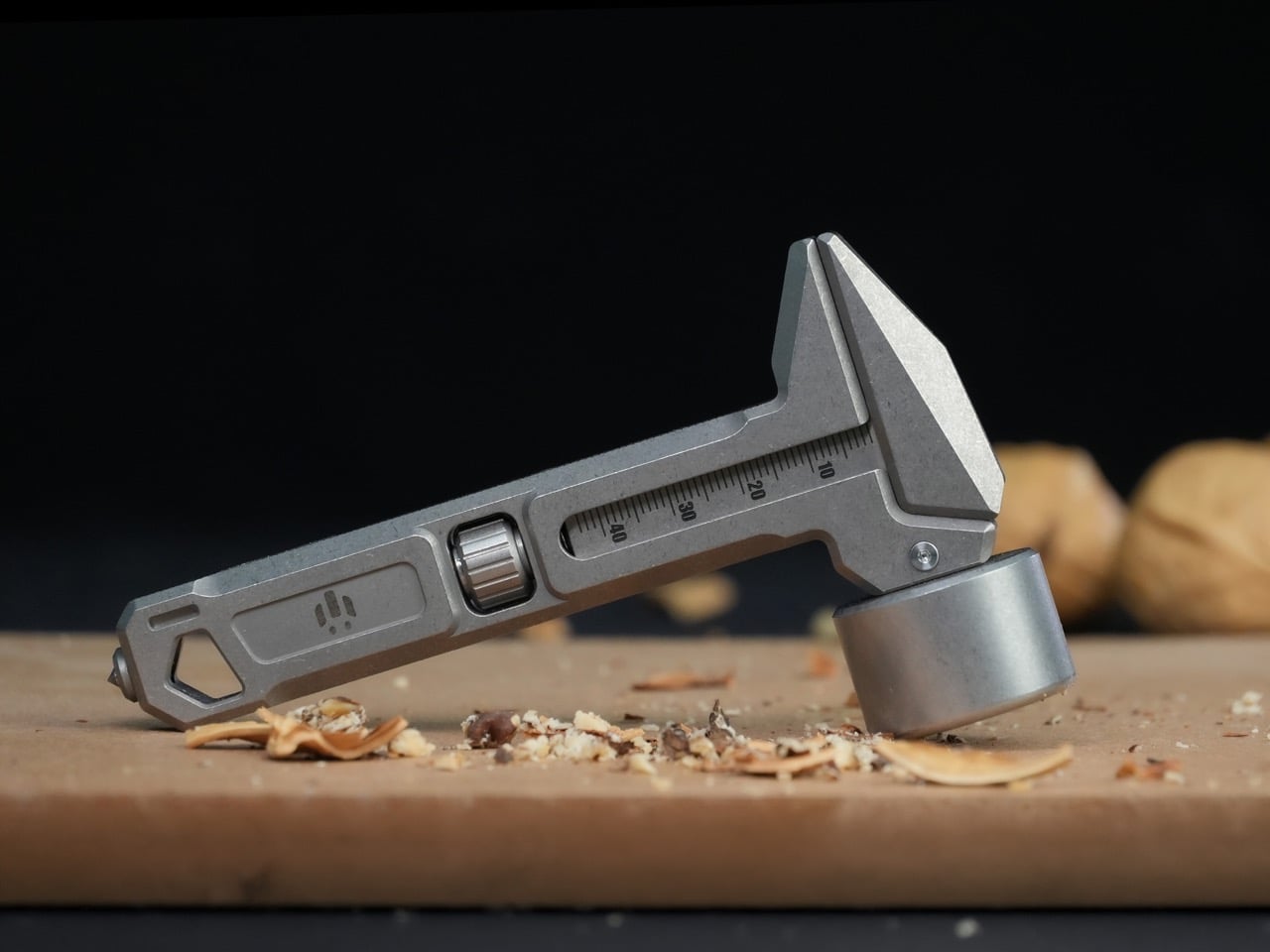
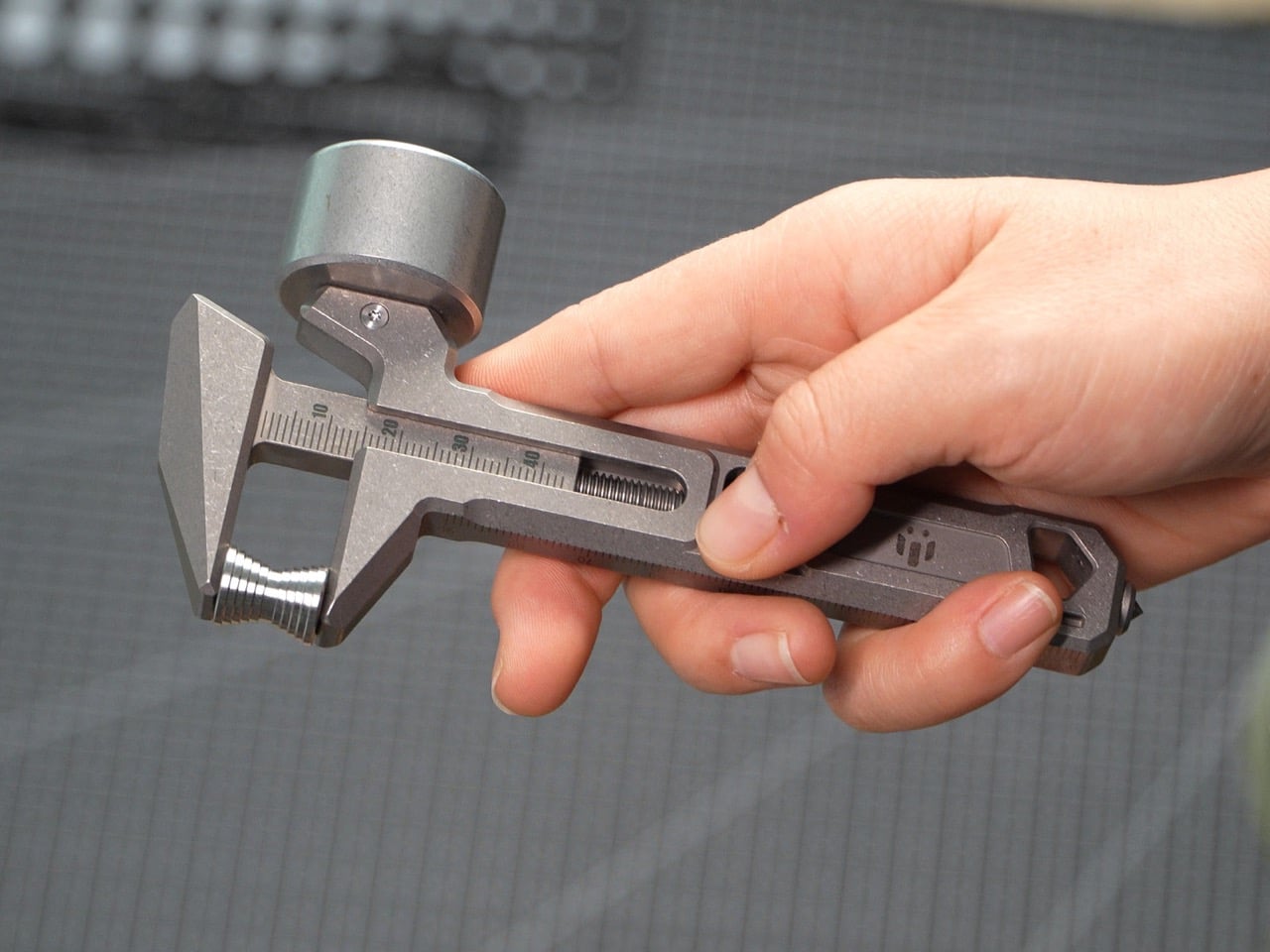
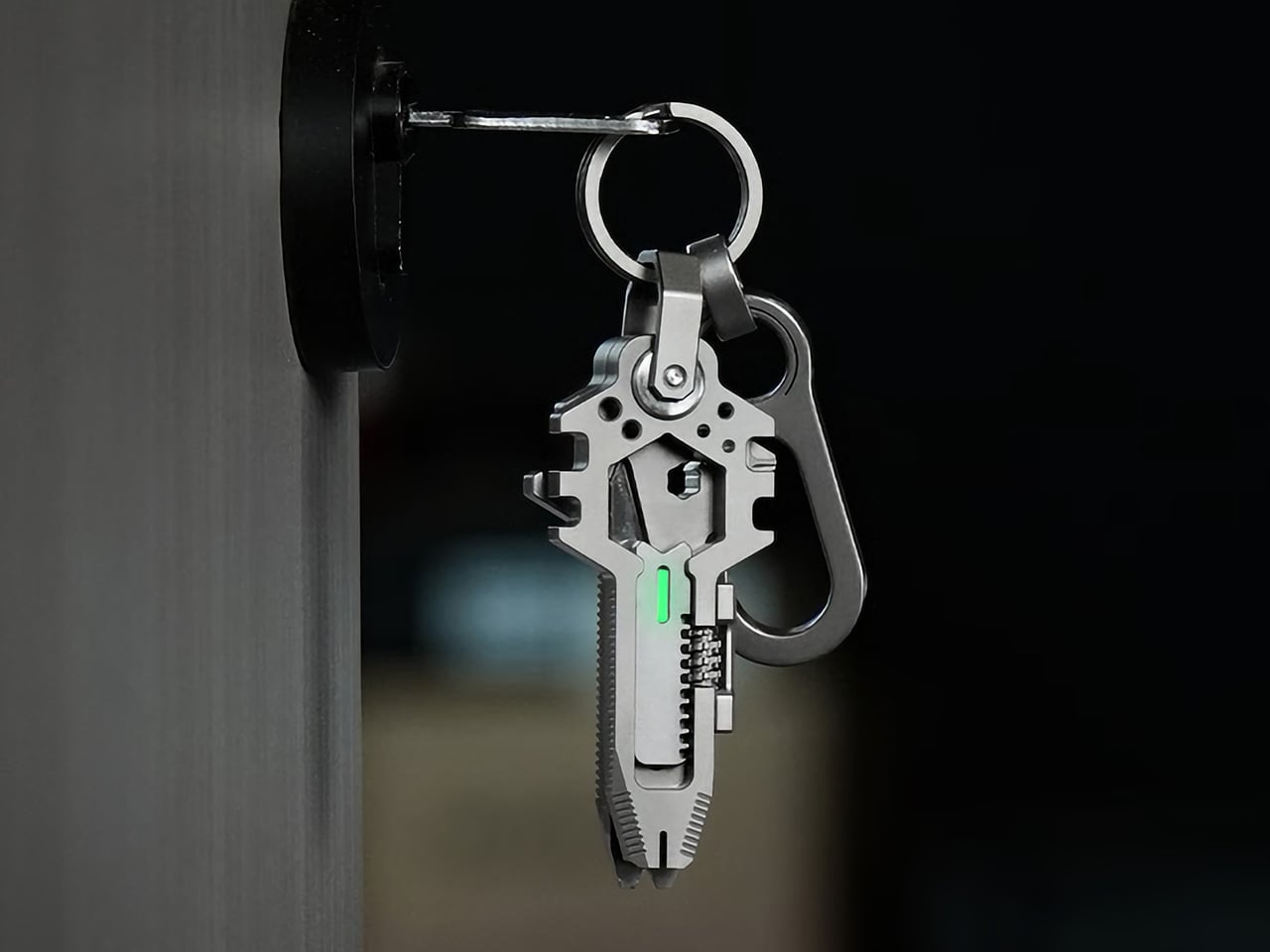
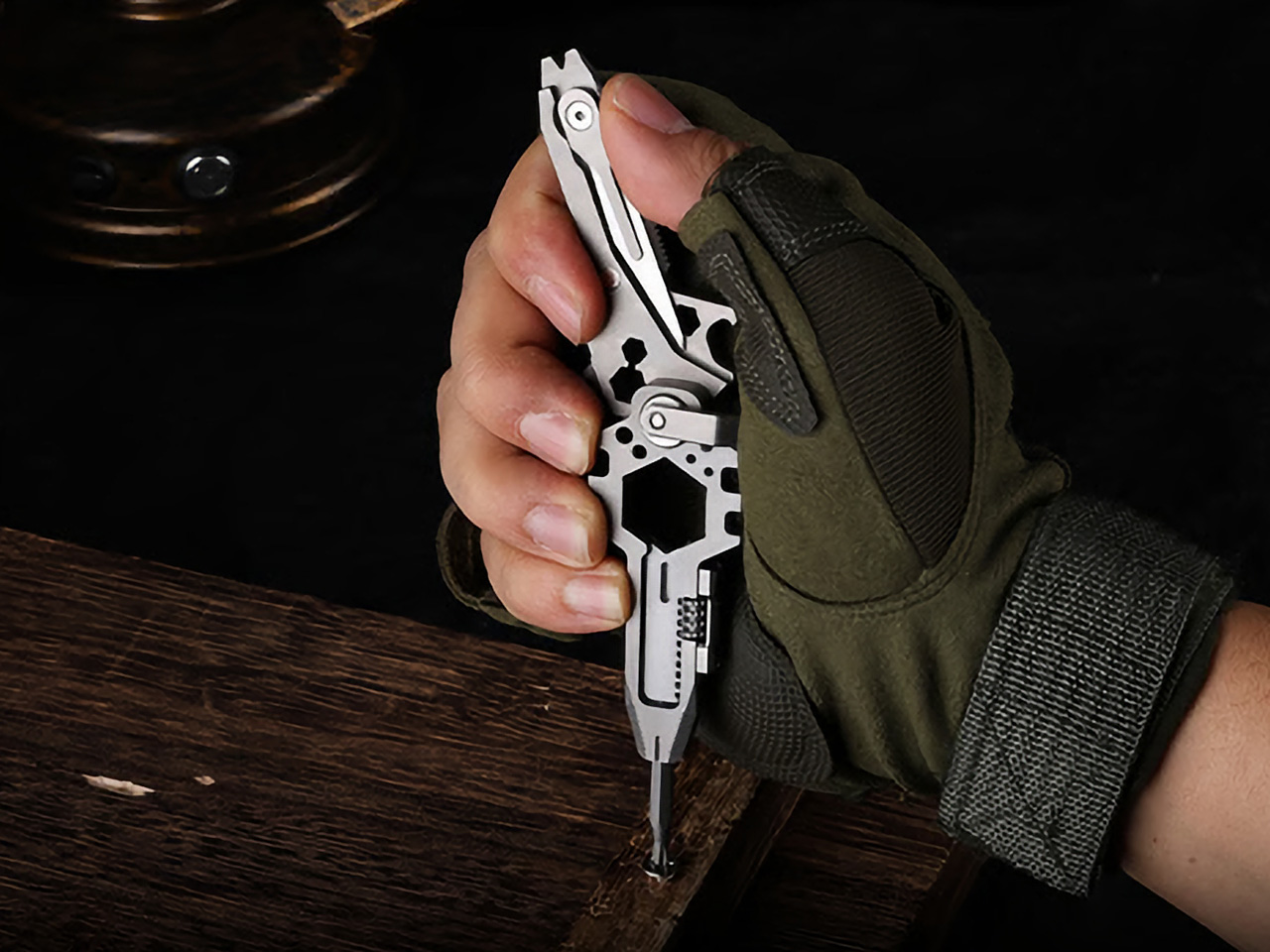
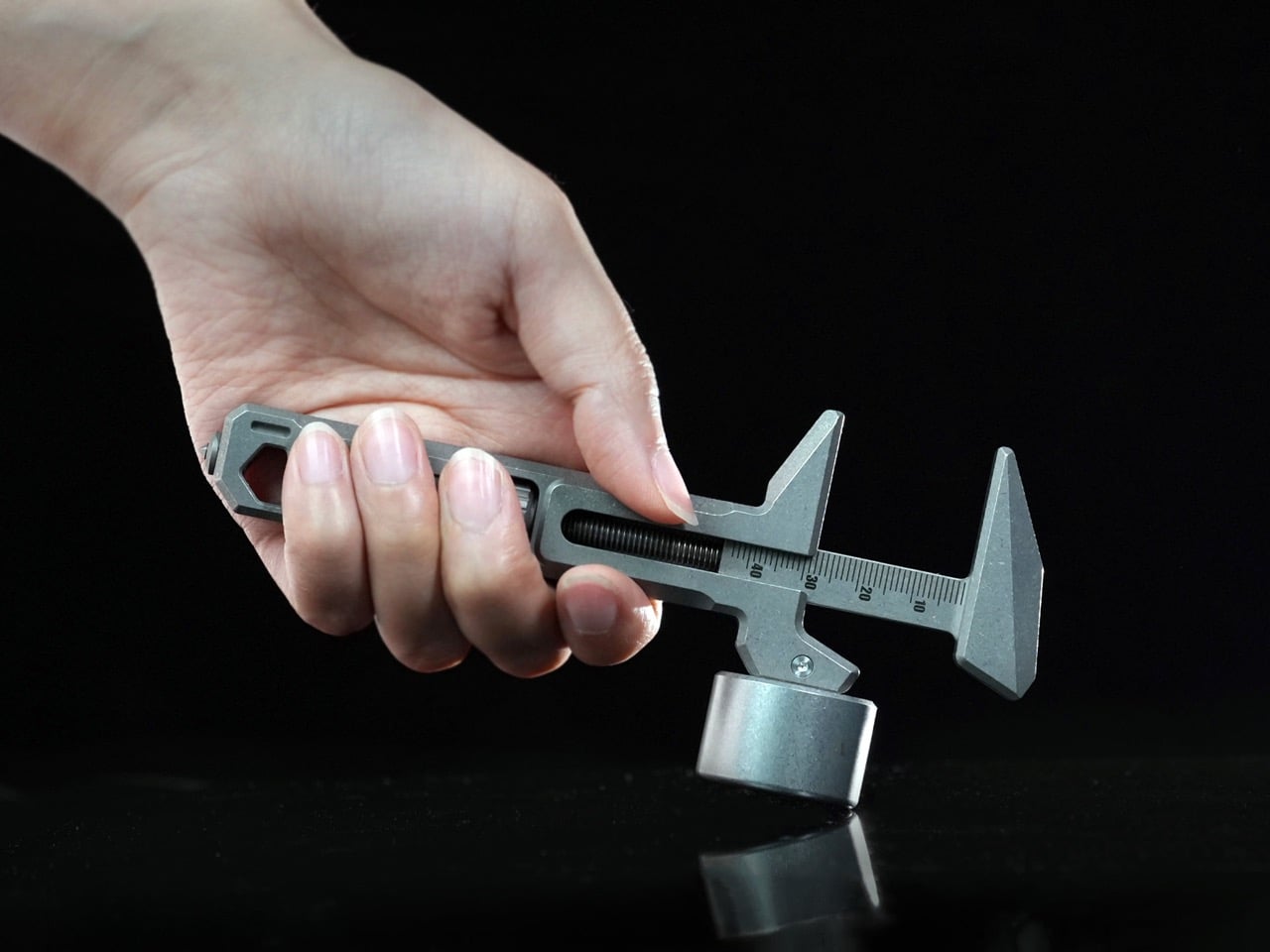
The Hamtel was born from a refusal to accept those flaws. It was conceived as a direct answer to these distinct problems, elegantly combining their solutions into a single, compact device. Its core function is a spring-loaded impact mechanism that cracks nuts with precision, eliminating mess and preserving the kernel. With a simple adjustment, that same tool becomes a capable mini-hammer for light-duty tasks. Finally, its tungsten steel tip provides the reliable performance of a dedicated car safety hammer, creating a single tool that is practical enough for daily use and critical in an emergency.

Designer: Hamtel

Click Here to Buy Now: $66 $124 (47% off) Hurry! Only 9 days left.

The real draw for anyone with an appreciation for good gear is the sheer tactile satisfaction of its action. You pull back the plunger to arm the manganese alloy steel spring, a process that feels deliberate and mechanical, like chambering a round. Placing the tip on the target and pressing down unleashes an explosive force reportedly moving at over 530 meters per second. This impact-driven deployment is what separates it from every dull lever-action cracker on the market. It’s a clean, contained, and frankly, an incredibly cool way to apply force. This is the kind of thoughtful engineering that gets EDC enthusiasts talking, turning a mundane kitchen task into an opportunity to use a well-made instrument.

The body is stainless steel, providing a solid, weighted feel in the hand, while the business end features a high-hardness tungsten steel tip rated at HRC60+. This is the material specification you expect in high-end cutting tools or industrial equipment, not something designed to crack walnuts. This choice is critical for its dual-purpose role as a car window breaker, ensuring the tip remains sharp and effective even after repeated use. That effectively means your walnut or macadamia or brazil nut stands absolutely no chance. The tip works remarkably well against seafood too, letting you crack into crab and lobster claws/shells without breaking out industrial equipment.

This precision translates directly to its performance in the kitchen. It boasts a 95% kernel preservation rate, a number that seems ambitious until you consider the physics at play. Instead of crushing a shell with slow, brute force, the Hamtel delivers a sharp, localized impact that fractures the shell without pulverizing the contents. This makes it just as effective for delicate jobs, like cracking open crab legs or lobster claws without shredding the meat inside. It brings a surprising level of finesse to a category of tools typically defined by their crudeness, making it a genuinely useful upgrade for any kitchen.

Initial pricing puts the Hamtel at $66, which is a compelling entry point considering its planned retail is set at $124. Logistics are refreshingly simple, with a flat $9 shipping fee for delivery anywhere in the world. An optional nut pick can be added for just a few dollars, making it a complete package for dealing with stubborn shells. For the price of a single-purpose emergency tool, you’re getting a device that serves three distinct functions, some life-changing, others life-saving. But for most of the time, bon appetit!

Click Here to Buy Now: $66 $124 (47% off) Hurry! Only 9 days left.

The post This Tungsten-tipped Nutcracker Works On Walnuts, Seafood, and even Car Windows in an Emergency first appeared on Yanko Design.
Your Carry-On Isn’t Ready for Cherry Blossom Season in Japan — These 9 Designs Are

Cherry blossom season in Japan is one of the shortest windows in the travel calendar. Full bloom in Tokyo peaks around March 26 to April 3. Kyoto follows a few days later. Each city holds its peak for roughly a week before the petals fall. The parks fill before sunrise. The trains are packed. The days move fast, and the light does not repeat. What you brought matters more than it usually does, because there is no second shot at the season and no nearby store stocking the specific things that make the difference between a fluid trip and a frustrating one. These nine designs were not built for airport shelves or generic packing lists. They were made to be used — on the flight over, under the trees, and everywhere in between.

1. Camera (1) — A Tactile Digicam for a Screen-Tired Generation

Camera (1) is a compact, metal-bodied camera with softly rounded corners, sized to slip into a pocket but solid enough to fill the hand with the right kind of weight. All the main controls live on one edge — shutter, a circular mode dial with a tiny glyph display, and a simple D-pad — reachable without shifting grip or navigating a touchscreen. Inspired by Nothing’s transparent, hardware-forward design language, it carries the confidence of a device that has thought carefully about how a person actually holds something. The rear display stays out of the way because it is designed to.

In Japan, during cherry blossom season, the light changes fast, and the best moments do not hold for a menu scroll. Petals falling across a stone lantern at Ueno. A crowded riverbank at golden hour along the Meguro. Camera (1) puts the full interaction in your fingers — twist the lens ring to frame, feel the shutter click, glance at the dial glyph to confirm mode. It encourages you to look at the scene rather than at the screen, which is the right priority when the thing in front of you is a path of blooming trees reflected in a temple pond.

What We Like

  • Single-edge control layout gives full shutter, mode, and navigation access in one hand without lifting your eyes from the scene
  • Pocketable metal body is carry-on ready and solid enough for full walking days across multiple cities

What We Dislike

  • Currently a concept design, meaning production availability and final specifications are not yet confirmed
  • No touchscreen requires an adjustment period for those accustomed to modern smartphone-style interfaces

2. StillFrame Headphones — Listening as a Physical Ritual

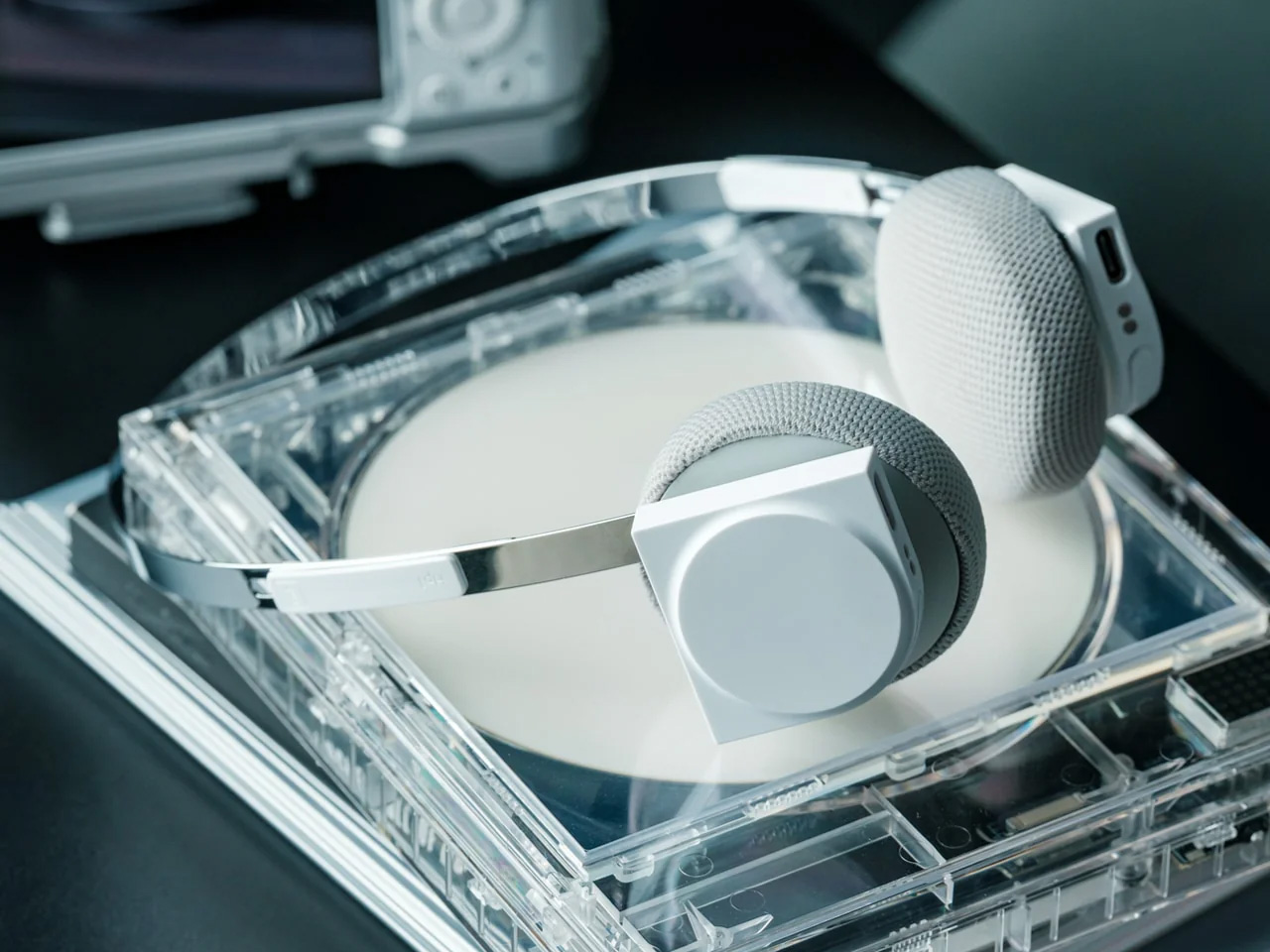
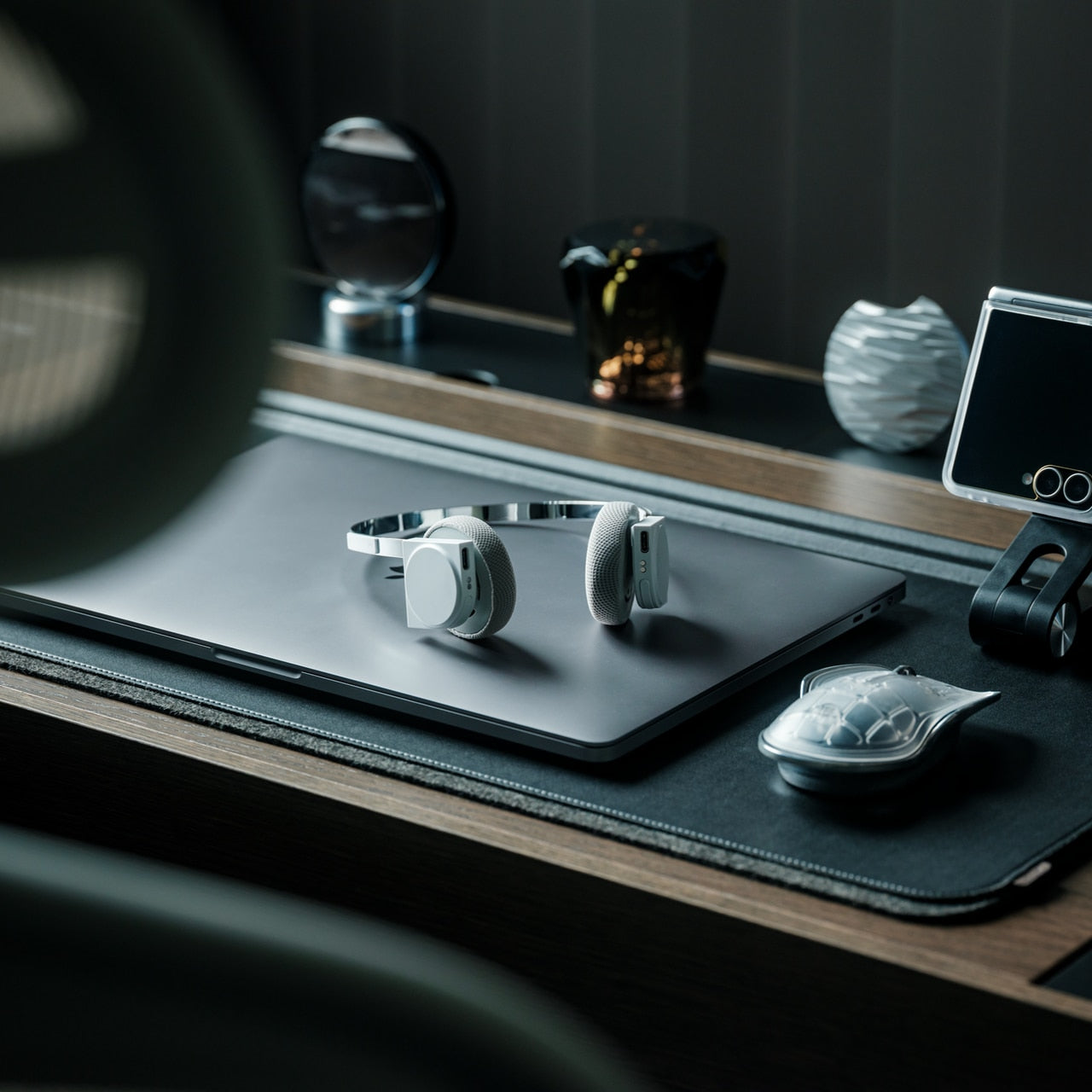
StillFrame wireless headphones are built around a specific idea: that listening should feel like something. The form echoes the quiet geometry of 80s and 90s CD hardware — measured proportions, nothing aggressive. The 40mm drivers deliver a wide, open soundstage that shapes quiet tracks into something more spatial, turning melodic textures into landscapes rather than noise. Noise-cancelling engages when the environment demands it. Transparency Mode opens the sound field when the world is worth hearing. Featherlight but full in the hand, it sits in quiet dialogue with a ClearFrame CD Player from a time when music had weight.

The flight to Tokyo runs roughly 14 hours from the US West Coast. Noise-cancelling carries you through the worst of the cabin without asking you to fight it. On the other side of that flight — on the Shinkansen between cities, in a ryokan at night with rain on a wooden roof, walking through a park where petals are already on the ground — Transparency Mode brings Japan back in without pulling the music out. Cherry blossom season moves at the pace of the trees, not the internet. StillFrame is designed for exactly that tempo.

Click Here to Buy Now: $245.00

What We Like

  • Noise cancelling and Transparency Mode cover the full range of environments a Japan trip demands, from the cabin to the temple garden
  • On-ear form is lighter and less fatiguing than over-ear alternatives across long travel days

What We Dislike

  • On-ear design provides less passive isolation than over-ear headphones in the noisiest cabin environments
  • Premium audio hardware adds a carefully packable item to a carry-on already optimized for volume

3, Benro Theta — The Tripod That Refuses to Compromise

The Benro Theta is a tripod that refuses to accept the standard trade-off between portability and capability. Rapid leg deployment, automatic leveling, remote camera control, automatic exposure adjustment, and livestreaming support — all in a package compact enough to carry into a city without rethinking your bag. It does not present itself as a scaled-down version of a better product. The engineering is serious, the footprint is small, and that combination requires actual design effort to achieve, rather than simply removing features until something fits in a daypack.

Sakura season in Japan is a photographer’s season, and the locations that make the best photographs require patience, positioning, and speed. Setting up at Maruyama Park in Kyoto before the light peaks, or along the Philosopher’s Path before the morning crowds arrive, leaves no room for a slow tripod. The Theta’s rapid leg deployment means seconds between pulling it out and having a steady frame. Remote camera control means a solo traveler can step into the shot. Carry-on compatible without the overhead bin negotiation that full-size tripods demand, it earns its space before you even land.

What We Like

  • Rapid leg deployment and automatic leveling cut setup time dramatically in crowded, fast-changing outdoor locations
  • Remote camera control gives a solo photographer full control over framing without being physically behind the viewfinder

What We Dislike

  • Smart Modules that extend the Theta’s full capability are excluded from the standard pack and sold separately, increasing the total cost
  • The depth of technical features may exceed what casual photographers need on a trip built around handheld shooting

4. TMB Modular Bottle — A Bottle That Adapts to the Day

The TMB Modular Bottle starts from a premise most hydration products avoid: no single bottle works equally well for a long-haul flight, a full city day, and a trail hike. The borosilicate glass interior preserves drink flavor without absorbing taste or odor — a genuine material distinction from the steel and plastic alternatives that dominate this category. A translucent mid-section gives a constant read on remaining liquid. Every component is designed to be replaced individually, so a worn exterior case or cracked cap becomes a five-minute fix rather than a full replacement.

Japan’s tap water is among the cleanest in the world, and refilling throughout cherry blossom season is both practical and culturally appropriate in a country with almost no public trash cans. The TMB Modular Bottle handles morning tea, a full afternoon of water, and whatever comes between, without carrying the previous drink into the next. Cherry blossom season means long days on foot across multiple neighborhoods — Yanaka to Ueno, Arashiyama to Gion — and a bottle designed to adapt to those hours without failing them earns its volume in the carry-on.

What We Like

  • Borosilicate glass interior preserves drink flavor completely, with none of the taste transfer found in steel or plastic alternatives
  • Modular construction means worn components can be individually swapped, extending the product’s useful life significantly

What We Dislike

  • Glass interior is heavier and requires more careful packing than steel alternatives on a long-haul flight
  • Multiple modular components mean more individual parts to track across a multi-city itinerary

5. AirTag Carabiner — The Lightest Peace of Mind in the Bag

The AirTag Carabiner is made from Duralumin composite alloy — the same material used in aircraft, spaceships, and boats — which makes its lightness feel like a technical achievement rather than a shortcut. It clips directly onto bag straps, handles, or umbrella loops and turns an Apple AirTag into a permanent part of the bag rather than a separate object to remember. Individually hand-crafted and available in treated alloy, untreated Brass, and Stainless Steel. The AirTag itself is not included, but the carabiner makes a strong case for buying one before the trip.

The cherry blossom season is the peak of tourism in Japan. Parks like Ueno and Shinjuku Gyoen draw enormous crowds through late March and early April, trains between cities run at capacity, and moving a bag through a country where getting lost requires a language you may not speak adds a layer of cognitive friction the trip does not need. One carabiner on the main bag strap. One on the umbrellas you will inevitably set down somewhere and nearly walk away from. The GPS network handles the rest. For a carry-on trip built around doing things rather than managing them, this is a small object with an outsized return.

Click Here to Buy Now: $129.00

What We Like

  • Aircraft-grade Duralumin composite alloy delivers structural reliability at a weight that adds nothing meaningful to the overall load
  • Clips onto existing bag hardware with no case, pouch, or added setup required

What We Dislike

  • Apple AirTag must be purchased separately, adding to the total cost of a complete tracking setup
  • Designed exclusively for AirTag, making it incompatible with other location tracker formats

6. PWR 27 — The Power Bank That Actually Keeps Up

The PWR 27 is a 27,000 mAh power bank with an AC outlet, rated at 99 wH — the maximum battery capacity permitted in carry-on luggage by the TSA and all international air regulations. It charges four devices simultaneously, carries an IP67 dust and waterproof rating, is drop-proof and crushproof to significant tolerances, and features integrated solar battery life extension, an industry first for an AC power bank. It does not ask you to choose between the capacity a long trip demands and the ability to board the plane with it.

Japan runs on apps: navigation, IC transit cards, real-time translation, camera apps, and the constant map-checking that moving between Tokyo, Kyoto, and Osaka requires. A full day of cherry blossom season in any major city will drain a phone twice before dinner. The PWR 27 handles all four devices at once and keeps working in the rain, which matters in a spring season known for sudden, wind-driven showers. Power banks that are smaller and lighter are easy to find. Power banks at this capacity that fly legally, survive getting soaked, and charge a laptop mid-Shinkansen are not.

What We Like

  • Maximum TSA-permitted capacity of 99 wH guarantees full legal compliance without any sacrifice in power availability
  • IP67 waterproofing and crushproof construction make it genuinely dependable in Japan’s unpredictable spring weather

What We Dislike

  • At 27,000 mAh, the physical weight is heavier than compact power banks, which registers across full walking days

7. Ori Frameless Umbrella — The World’s First Umbrella Without Ribs

The Ori umbrella was founded by MIT engineers and origami specialists. Its canopy structure uses the Miura fold — the same origami-derived engineering NASA deploys for spacecraft structures — which means there are no metal ribs, no fabric stretched over a frame, and no traditional failure point waiting for a windy Tuesday. The canopy itself becomes the structure. The result is a compact cylinder that stores like a pen and opens into a full umbrella. Billed as the world’s first frameless umbrella, the engineering behind that claim is real, and it shows in the form.

Spring in Japan brings unpredictable rain, and sakura season specifically delivers the kind of sudden gusts that destroy conventional folding umbrellas in minutes at the worst possible moment. The Ori’s frameless construction removes the single failure mode that makes cheap travel umbrellas frustrating and expensive ones still unreliable. The cylindrical form fits a jacket inner pocket or a bag side pocket that a standard folding umbrella profile cannot reach. Walking Philosopher’s Path in Kyoto in the rain while the petals come down around you is one of the better versions of that walk. Being dry enough to stay in it makes all the difference.

What We Like

  • Frameless, rib-free construction eliminates the primary failure point of conventional compact umbrellas in wind and heavy rain
  • Cylindrical form fits pockets and bag slots that standard folding umbrella profiles cannot reach

What We Dislike

  • As a newer product, long-term durability data for the origami-based canopy in sustained heavy rain remains limited
  • Premium engineering is reflected in a price point above standard compact travel umbrellas

8. Inseparable Notebook Pen — The Pen That Never Leaves the Book

The Inseparable pen is designed to live permanently attached to a notebook. A magnetic clip holds it flush against the cover. A built-in silencer makes the detachment and reattachment quiet rather than abrupt. The form is minimal, the grip is comfortable, and the ink flow is smooth — all by deliberate design choice. It does not compete with the notebook for attention. The goal from the start was a writing instrument that becomes an extension of the book itself, always within reach, never a separate thing to locate when the thought arrives and the moment is already passing.

Japan, during cherry blossom season, produces the kind of experiences worth writing rather than photographing. The name of the temple you want to return to. The smell of a specific lane in Yanaka at dusk. The precise quality of afternoon light through sakura petals at Shinjuku Gyoen. A notebook and a pen that are never separated mean nothing interrupts the move from thought to page. Packing a journal without a reliable pen attached to it is a half measure. The Inseparable pen completes it, quietly and without asking for any attention of its own.

Click Here to Buy Now: $19.95

What We Like

  • Magnetic clip keeps the pen permanently attached to the notebook, removing the friction of searching when the moment arrives
  • Minimalist form and smooth ink flow make it a genuine pleasure to use rather than simply a functional object

What We Dislike

  • Designed specifically as a notebook companion rather than a standalone pen, limiting its versatility as a general writing tool
  • Magnetic attachment performance may vary depending on the notebook cover material and thickness

9. CleanseBot — The Travel Robot That Sanitizes the Room You Sleep In

CleanseBot is a travel robot with 18 sensors and four UV-C lamps, designed to sanitize hotel surfaces autonomously. Independently tested to kill 99.99% of E. coli, it navigates across beds, desks, and surfaces without manual direction. The UV-C light extends its sanitation capability beyond contact surfaces to airborne pathogens. It is compact enough to carry in a standard travel bag and smart enough to complete a full sanitation cycle while you unpack, check tomorrow’s weather, and figure out which train to take to the morning blossom spots.

Cherry blossom season is the busiest tourism window in Japan. Hotels and guesthouses turn over quickly during peak weeks, with rooms running at capacity from late March through early April. The CleanseBot is not a paranoid product — it is a calibrated one. Running it across the bed and key surfaces takes two minutes of setup and leaves a room measurably cleaner than the one you walked into. For a trip across multiple accommodations in Tokyo, Kyoto, and Osaka, the reassurance compounds over time. Small, autonomous, and easy to forget once it has run its cycle, which is exactly the standard a good travel object should meet.

What We Like

  • UV-C sanitation, independently verified to eliminate 99.99% of E. coli, provides measurable assurance rather than theoretical comfort
  • Autonomous operation via 18 sensors requires no manual guidance, freeing you to settle in rather than direct the process

What We Dislike

  • Adds volume and weight to a carry-on already carefully balanced for a long-haul trip
  • Maximum sanitation effectiveness requires clear, unobstructed surface access, which limits performance on heavily layered or textured bedding

Pack Smart, Stay Present — The Only Packing Philosophy That Survives Sakura Season

Cherry blossom season does not wait. The bloom window is roughly a week in each city, and the days inside it move faster than any itinerary accounts for. The nine objects on this list were chosen because each one does a specific job well — and because none of them requires your attention to do it. The camera keeps your eyes on the scene. The headphones adapt to the environment without asking. The carabiner tracks your bag silently. The CleanseBot runs while you sleep. The Ori opens in a second and closes in another. Good carry-on packing for a trip like this is not about having everything — it is about bringing only what earns its space and then forgetting it is there. These nine do exactly that.

The post Your Carry-On Isn’t Ready for Cherry Blossom Season in Japan — These 9 Designs Are first appeared on Yanko Design.

Carry Less, Own More: 7 Best Minimalist Tech Accessories Worth It

The bag you carry is a design decision. Every object inside it is a small vote for how you move through the world, what you value, what you’re willing to lug, and what deserves a slot in your pocket or your pack. For too long, tech accessories defaulted to bulk. More power meant more weight. More connectivity meant more dongles. Better audio meant a bigger case. The implicit trade was always the same: capability costs space.

That trade is becoming optional. A new generation of everyday carry tech is rethinking its own geometry, collapsing into pockets, shedding grams, and using smarter materials and tighter engineering to pack more utility into less volume. These are not spec-sheet products assembled to fill a gap. They are designed to disappear into your day and show up exactly when you need them. From a power bank thinner than any phone to a keyboard built for a jacket pocket, these seven picks redefine what it means to carry less and own more.

1. Xiaomi UltraThin Magnetic Power Bank 5000 15W

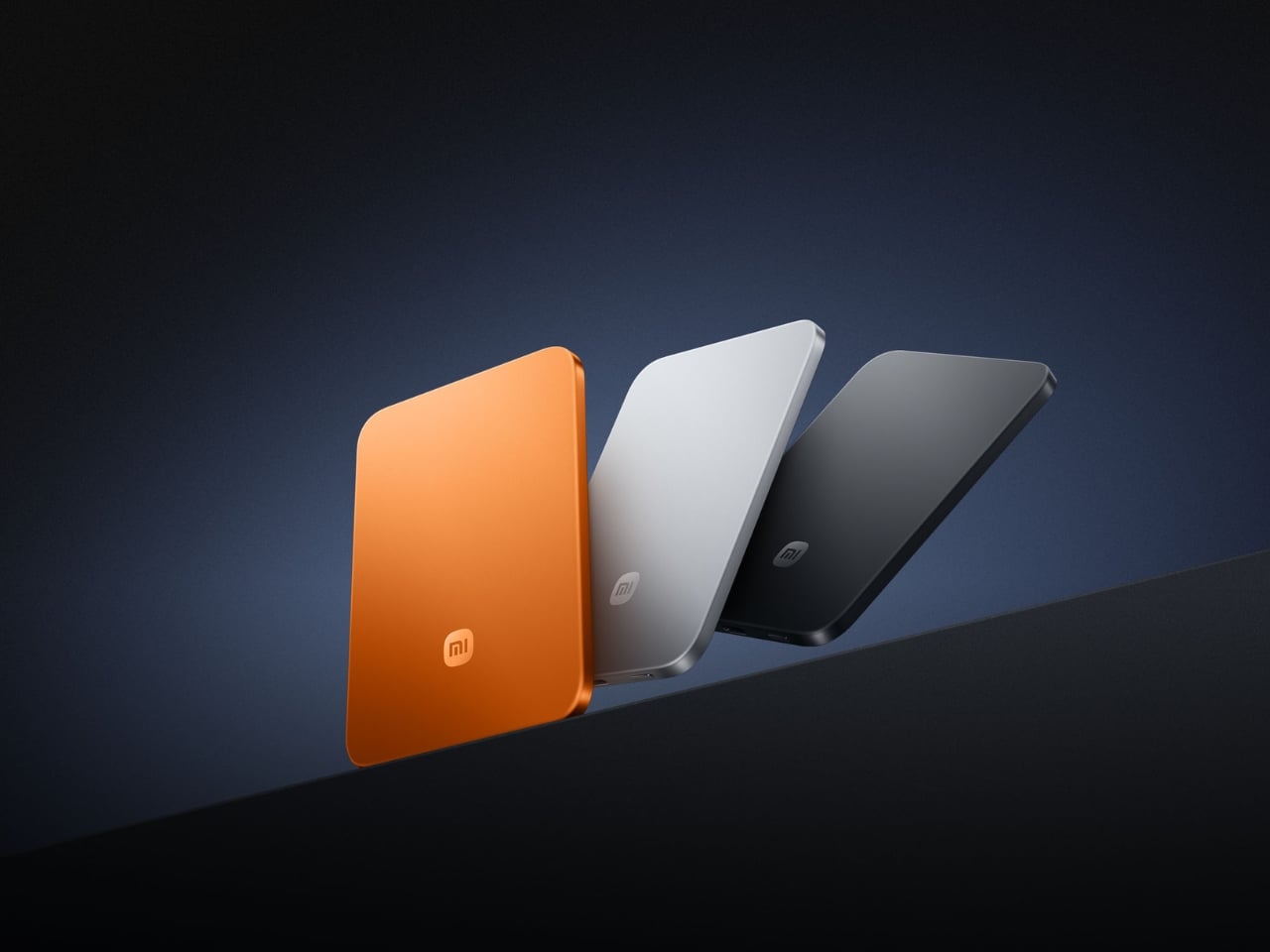
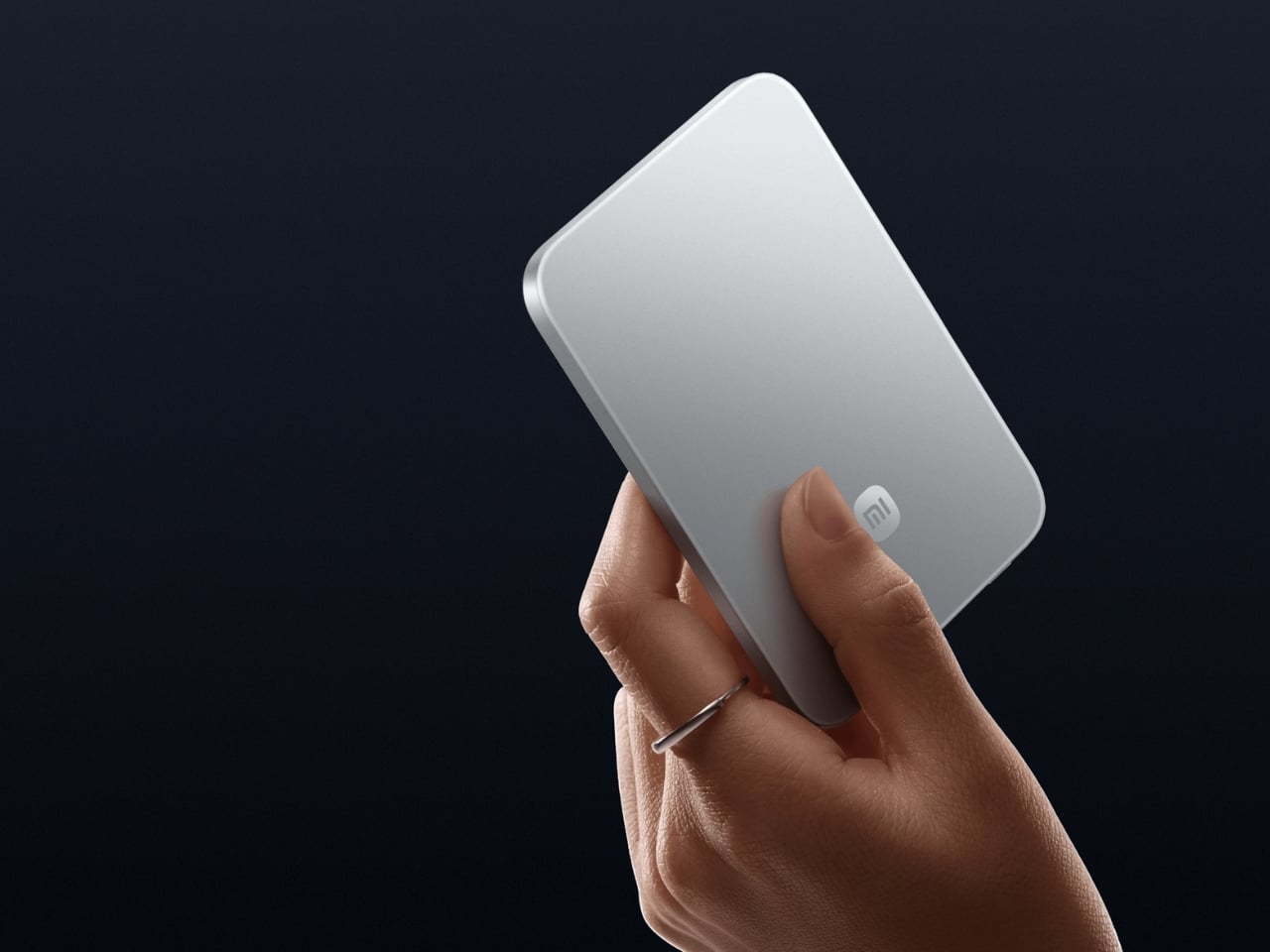
Power banks have always had a design problem. They’re essential and clunky, reliable and bulky, always appreciated but never comfortable to carry. Xiaomi’s UltraThin Magnetic Power Bank 5000 addresses that problem by starting where no other power bank has dared: at 6mm. That is thinner than most smartphones currently shipping. The aluminum alloy shell comes in Glacier Silver, Graphite Black, and Radiant Orange, each finished with a photolithographically etched logo that signals careful intention rather than assembly-line output. The fire-resistant fiberglass phone-facing surface handles heat management invisibly, keeping the exterior clean of vents or grilles. At 98 grams, it weighs less than two eggs, and carrying it feels like carrying nothing at all.

The engineering behind that form is silicon-carbon battery chemistry with 16% silicon content, enabling the energy density required to fit 5,000mAh into a body this slim. It supports 15W wireless charging for compatible Android devices, 7.5W for iPhone, and 22.5W wired via USB-C, with the practical addition of charging two devices simultaneously while being recharged itself. Showcased at MWC 2026 in Barcelona and priced at €59.99 in Europe for the Silver and Black versions, this is a power bank that earns its place by eliminating the bulk compromise the category has always required. For anyone committed to carrying less, this is the first power bank that doesn’t feel like a concession.

What We Like:

  • 6mm profile and 98g weight make it the most pocket-friendly 5,000mAh power bank available
  • Silicon-carbon battery chemistry delivers a full 5,000mAh capacity without dimensional sacrifice

What We Dislike:

  • Wireless charging for iPhone is capped at 7.5W maximum
  • Rated capacity sits at 3,000mAh at 5V/2A, lower than the typical 5,000mAh figure

2. OrigamiSwift Mouse

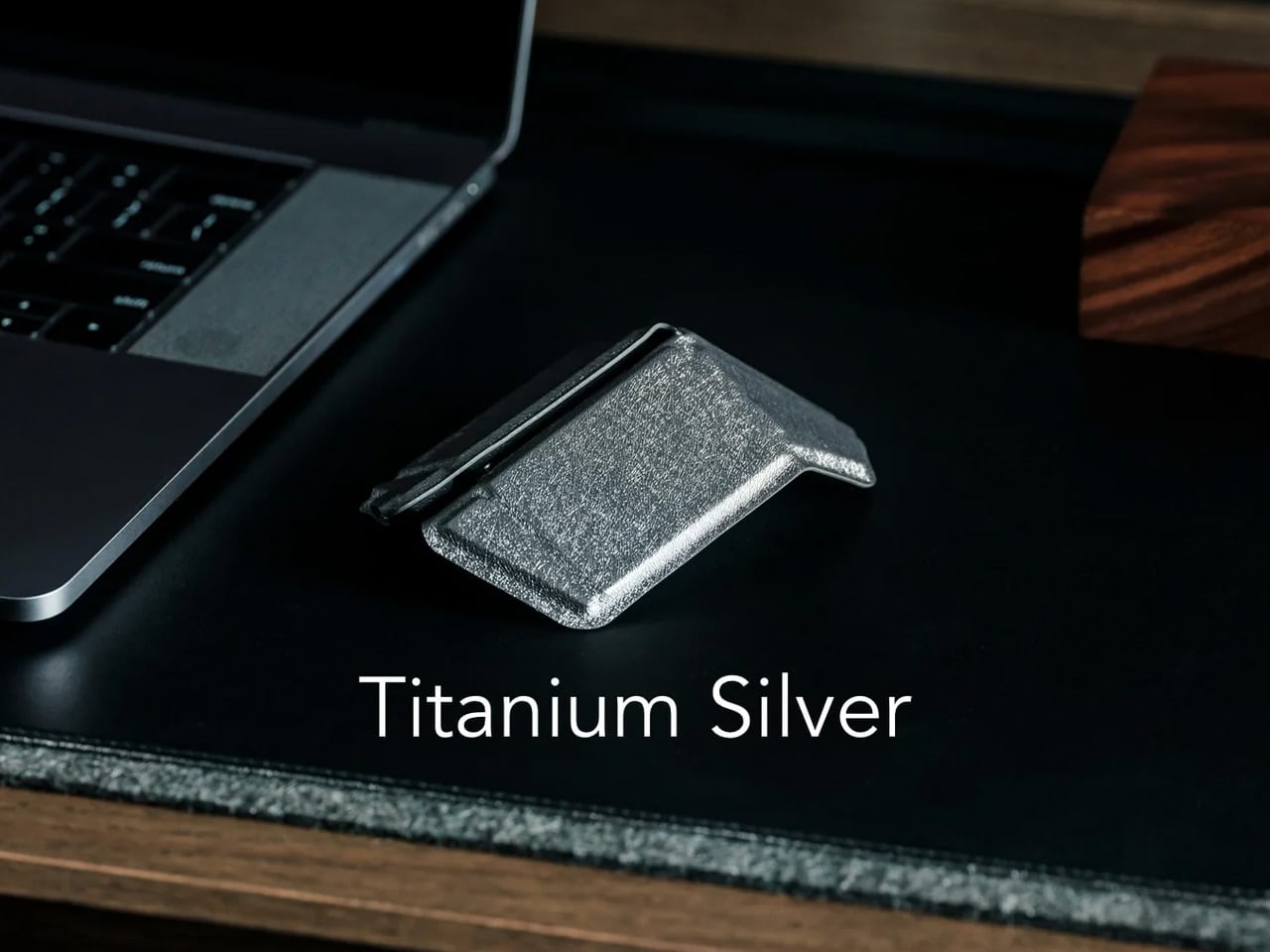
A mouse seems immovable in form. Wide, arched, and desk-bound. The OrigamiSwift dismantles that assumption by doing exactly what the name implies: it folds. Inspired by the precision of origami, it compresses into a flat, slim profile that slips into a bag or jacket pocket without protest, then springs open in under 0.5 seconds into a full-sized, ergonomically shaped Bluetooth mouse that feels nothing like a compromise. It weighs 40 grams. That figure deserves a moment. Most full-sized mice weigh three to four times as much. The OrigamiSwift delivers all the comfort and tracking precision of a conventional mouse while occupying the footprint of a notepad when packed.

For the digital nomad setting up at a café, or the professional moving between meetings with a laptop under one arm, this is the kind of tool that quietly changes the texture of the day. The ergonomic form is shaped to fit naturally in the hand during extended work sessions, reducing the fatigue that accumulates from hours spent on a trackpad. The Bluetooth connection keeps the desk or surface clean. The ultra-thin folded profile sits flat in any bag compartment without creating bulk or claiming space disproportionate to its value. Minimalist carry is about tools that show up without announcing themselves, and the OrigamiSwift does exactly that: invisible when packed, essential when open.

Click Here to Buy Now: $85.00

What We Like:

  • Folds flat for pocket carry and opens into a full ergonomic mouse in under 0.5 seconds
  • At just 40 grams, it is one of the lightest full-form productivity mice available

What We Dislike:

  • The folding mechanism may require adjustment time for users accustomed to traditional mice
  • A 40-gram build may feel less substantial to users who prefer a weighted mouse

3. HubKey Gen2

The modern desk accumulates workarounds. Two USB-C ports become four, then six, spread across a tangle of adapters that creep outward from the laptop until the workspace feels less like a setup and more like a wiring diagram. HubKey Gen2 is built to end that creep. It is an 11-in-1 USB-C hub inside a compact cube, and the more interesting detail is what lives on top: four physical shortcut keys and a central control knob that handle media playback, privacy shortcuts, and daily actions without a software menu or a keyboard combination you can never quite remember. One object consolidates what used to require a cluster of small fixes, turning a patchwork of compromises into something coherent.

Dual 4K display support makes it relevant for anyone running an expanded screen setup, while the physical controls restore a directness that software interfaces have quietly taken away. Volume knobs, mute buttons, and display toggles should not require a three-key shortcut or a settings dive. HubKey Gen2 puts that control back within arm’s reach. It handles power, storage, network, and displays from a single USB-C connection, and transforms a desk covered in small adaptations into something intentional and calm. The headline is carry less, own more, and at the desk, that translates directly: one compact cube where eleven separate solutions used to live.

What We Like:

  • Consolidates 11 connections and physical shortcut controls into a single compact cube
  • Dual 4K display support covers multi-monitor setups without additional adapters

What We Dislike:

  • Desk-bound design means it is a workspace consolidation tool rather than a pocketable carry item
  • Physical shortcut keys offer fewer customization options compared to software-based control surfaces

4. Battery-Free Amplifying iSpeakers

The charging cable is the one obligation that minimalist carry never fully escapes. Every wireless device is a deferred maintenance task, a battery you will have to tend to eventually. The Duralumin battery-free iSpeakers sidestep that dependency entirely. No power source, no cable, no charging ritual. You place your smartphone inside the enclosure, and the geometric cavity amplifies sound through acoustic engineering alone, using the golden ratio in its design to optimize resonance and distribute the audio across the room. It is the kind of object that looks precisely like it belongs on a desk and sounds as considered as it looks.

The material choice deepens the story. Duralumin is the same aluminum alloy used in aircraft construction, a combination of lightness and structural rigidity that allows the speaker to resonate without distorting. The result is a passive amplifier that genuinely improves your phone’s audio while functioning as a deliberate desktop object. Modular compatibility with the sold-separately +Bloom and +Jet sound-directing additions means it can adapt to different spatial setups without ever adding an electronic dependency. For carry with intention, this is what owning more looks like: an object that does its job through physics, needs nothing from a wall outlet, and occupies any surface as though it was designed specifically for it.

Click Here to Buy Now: $179.00

What We Like:

  • Requires no battery or electricity, making it zero-maintenance and usable anywhere
  • Aircraft-grade Duralumin construction delivers structural integrity alongside a refined aesthetic

What We Dislike:

  • Audio output is entirely dependent on the quality of the phone’s built-in speaker
  • Directional sound control requires purchasing the +Bloom or +Jet mods separately

5. NanoPhone Pro

There is a version of the smartphone that has been lost in the pursuit of bigger screens and faster processors. It is the phone that fits in a coin pocket, asks nothing of your attention beyond the call and the navigation prompt, and treats connectivity as a utility rather than an experience. The NanoPhone Pro returns to that idea with a credit-card-sized 4G device running Android 12 and certified for Google Play apps. It browses, calls, navigates, plays music, and handles real-time navigation. It does not demand to be the center of your day, and that restraint is the entire point.

A 5MP rear camera and 2MP front shooter cover quick captures and video calls without positioning this as a photography device. That deliberate limitation is the product’s philosophy: it does everything a smartphone needs to do and none of what a smartphone has quietly drifted into doing over the last decade. As a secondary phone for travel, for screen-time reduction, or for users who simply want connectivity without the gravitational pull of a large-format device, the NanoPhone Pro is a precise instrument. Minimalist carry is often defined by what you leave behind, and this phone argues convincingly that you can leave behind the bulk of a modern device without surrendering any of its real utility.

What We Like:

  • Credit-card footprint eliminates smartphone bulk while retaining 4G connectivity and Google Play
  • Android 12 certification ensures a complete app ecosystem without compatibility compromises

What We Dislike:

  • The 5MP rear camera is not a substitute for a primary smartphone’s imaging system
  • Small screen dimensions limit usability for media consumption or extended reading

6. Keychron B11 Pro

Most portable keyboards solve one problem while ignoring another. They compress the footprint but flatten the key geometry, leaving your wrists to negotiate a straight layout through a full working day in a hotel room or an airport lounge. The Keychron B11 Pro approaches the problem differently. It uses a 65% Alice layout, splitting and angling the two key clusters slightly inward for a more natural wrist position, and then folds in half when not in use. Folded, it measures 196.3 × 143mm and weighs 258 grams, closer in footprint to a paperback book than a keyboard, adding almost nothing to a bag already loaded with a laptop and a water bottle.

The Alice geometry is the more considered design decision here. Angling both hands naturally inward reduces the lateral wrist strain that builds over a long typing session away from a dedicated desk. Keychron already applies this same geometry to the desk-bound K11 Max, but putting it into a foldable form at $64.99 is an entirely different proposition. Most foldable keyboards treat compactness as the only ergonomic consideration on the road. The B11 Pro argues that wrist health doesn’t stop mattering when you leave the office. For writers, remote workers, and anyone who types seriously while traveling, this is the keyboard that proves you don’t have to choose between ergonomic design and fitting your gear into a jacket pocket.

What We Like:

  • The Alice split geometry reduces lateral wrist strain during long typing sessions away from a desk
  • Folds to 196.3 × 143mm and 258g, small enough for a jacket pocket or bag side compartment

What We Dislike:

  • 65% layout omits the function row and numpad, which may limit certain professional workflows
  • The angled Alice geometry requires adjustment time for users moving from a standard keyboard layout

7. TWS Earbuds with Built-in Cameras

Every company building AI hardware is betting on a form factor. Smartglasses, pins, pocket companions: each one asks you to wear a new device, adopt a new habit, and accept a new object into your daily carry. This concept asks a quieter question. What if the best AI hardware is something you already wear? These conceptual TWS earbuds add a single modification to a familiar form: each bud carries a built-in camera positioned along an extra stem, close to your natural line of sight. Paired with ChatGPT, those lenses become a live visual feed for an assistant that lives in your ears, reading menus, interpreting signage, and guiding you through an unfamiliar city without a screen in sight.

The carry implications are significant. A case the size of a lip balm replaces a phone query, a smartwatch notification, and a spoken search. The familiarity of the earbud form is the concept’s strongest argument: people already carry these, already charge them, and already wear them for hours at a stretch. Layering AI visual capability onto that without adding bulk or asking you to change how you move through the world is exactly what makes this vision compelling. Carry less, own more: this concept takes that headline literally. If the goal is capability without compromise, an assistant that can see, hear, and understand the world from inside a pair of earbuds is the most minimal possible version of that idea.

What We Like:

  • AI visual and audio capability in an earbud form factor requires no new carry habits or added bulk
  • Familiar TWS design eliminates the adoption friction that has limited other AI hardware categories

What We Dislike:

  • Currently a concept product with no confirmed release date or commercial availability
  • Built-in cameras positioned near the face raise valid and ongoing concerns about privacy in everyday use

The Best Tech Is the Tech You Actually Carry

Minimalism in everyday carry is not about owning less for its own sake. It is about refusing to let the objects you depend on become a burden. The best gear earns its place by doing more with less, compressing capability into a form that fits your life without requiring your life to reorganize around it. Every product on this list represents that thinking: a power bank that weighs less than two eggs, a keyboard that folds into a jacket pocket, a speaker that needs no power at all, and earbuds that could soon carry an AI capable of reading the world for you.

The shift is real, and it is accelerating. Engineering is finally catching up to the design ambition that minimalist carry has always implied. You no longer have to choose between a fully equipped setup and a light bag. These seven accessories make that argument in the most convincing way possible: not with a manifesto, but with their dimensions.

The post Carry Less, Own More: 7 Best Minimalist Tech Accessories Worth It first appeared on Yanko Design.
This 75 percent keyboard splits in two and opens up your entire workspace

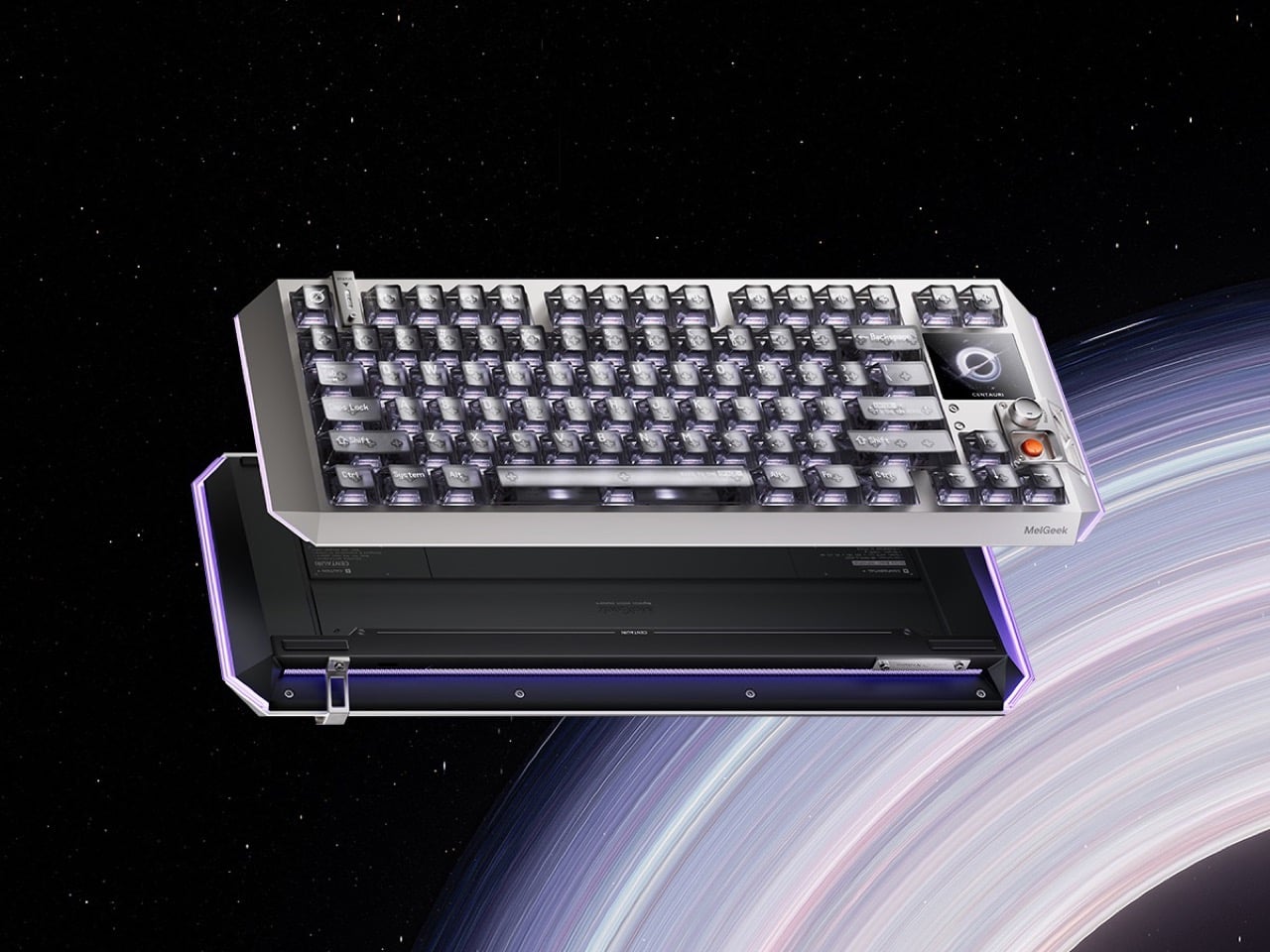
If you’ve spent any time in mechanical keyboard spaces online, you’ve probably seen someone evangelizing split keyboards as the solution to all your ergonomic problems. They’re usually right, but the barrier to entry has been high. Most split boards either require assembly, force you onto ortholinear or column-stagger layouts, or look like something out of a cyberpunk cosplay. The Jiffy75 takes a simpler approach: it’s a regular 75 percent keyboard that happens to come in two pieces.

JezailFunder, the company behind it, is running a Kickstarter campaign that’s already blown past its $5,000 goal and landed over $170,000 in pledges. The keyboard itself is CNC-machined aluminum with wood trim, fully wireless between halves and across devices, and hot-swappable so you can pick your own switches or swap them later. There’s also a programmable knob, which has become table stakes for premium keyboards at this point. Pricing starts at $199 for early backers, and shipping is planned for May if production stays on schedule.

Designer: JezailFunder

Click Here to Buy Now: $219 $249 ($30 off) Hurry! Only 71 left of 200

JezailFunder’s previous product, the Cornix, found an audience in the ergonomic keyboard community, but user feedback revealed something important. People were buying it to relieve physical discomfort and strain from traditional one-piece keyboards, but the Cornix’s specialized layout created its own learning curve that made it unsuitable for everyone. That insight drove the team to build something with broader appeal, a split keyboard that keeps the familiar 75 percent row-staggered layout so the ergonomic benefit doesn’t come with weeks of retraining your muscle memory. The result is a keyboard that you can theoretically start using the day it arrives without hunting and pecking your way through your first email.

The Jiffy75’s body is CNC-machined from a single block of aerospace-grade aluminum, which JezailFunder calls a unibody construction. This approach guarantees better structural integrity and tighter tolerances than stamped metal cases, and the entire surface is anodized for a scratch-resistant finish with a subtle premium glow. A strip of natural wood runs along the top edge of each half, breaking up the metal with a warmer material accent that gives the whole thing a more furniture-like presence on a desk. Optional solid wood wrist rests come in walnut and maple, each one custom-engineered to match the keyboard’s profile with a precise slope and height calibrated to keep your wrists in a neutral position during long typing sessions.

The design philosophy here centers on the 75 percent layout, which research JezailFunder cites shows as a user favorite. Splitting that configuration relieves shoulder and wrist discomfort by allowing a more open, relaxed posture, and it also opens up the center of your workspace for tablets or other devices, which can improve workflow productivity depending on how you use your desk. That center-space argument matters more than it sounds like at first. If you’ve ever tried to reference a tablet or a notebook while typing on a full-width keyboard, you know how awkward the geometry gets. A split layout solves that by design.

Both halves connect to each other wirelessly, and the whole keyboard supports tri-mode connectivity: USB-C, Bluetooth, and 2.4GHz wireless via an included dongle. You can pair it with up to three devices simultaneously and switch between them on the fly, which makes it useful for people who bounce between a laptop, a desktop, and a tablet throughout the day. Each half houses its own 2,800mAh battery. JezailFunder rates the left module at up to 1.5 months of battery life and the right module at up to 2 months, though real-world longevity will depend on usage patterns and whether you’re running Bluetooth or 2.4GHz most of the time.

The keyboard features a remapping tool called the Jzf Hub, which allows full-key customization. Layout arrangements, rotary knob functions, and every other input can be redefined by the user. The programmable rotary encoder can handle volume control, page scrolling, or any custom function you assign to it. Hot-swap support means you can swap switches without soldering, and the campaign offers two switch options out of the box: Cloudshell White, a linear switch, and JZF Mist, a custom 37g silent switch designed specifically for users who prioritize a quiet typing experience. JezailFunder developed the Mist based on user research showing that split 75 percent enthusiasts wanted a silent typing experience with zero disturbance to others while still delivering superior tactile feel. The custom 37g silent switch was the result.

The Jiffy75’s beauty is its non-hobbyist design language. With an aesthetic that feels truly universal, JezailFunder says this keyboard’s practically for everyone. The neutral aesthetic appeals to people who love to stick to classics, while a vibrant range of colorways offers the freedom to choose a look that feels personal. Variants include ones with white, black, and pastel bodies, along with wood-accented options that lean into a Scandinavian minimalist vibe. There’s also a custom hardshell carrying case included by default, designed specifically for mobile professionals. The shock-resistant exterior shields the keyboard from impacts, the soft-fleece interior prevents scratches, and the whole thing stays compact and lightweight enough to travel with regularly.

Early bird pricing for the Jiffy75 starts at $219, and all units will include the keyboard, carrying case, USB-C cable, two backup switches, a 2.4GHz dongle, and a keycap puller. Add-ons include a keycap set for $29, low-profile Kailh switches for $39, the carrying case separately for $39, and wooden wrist rests for $99. Global shipping is planned to begin in early to mid-May 2026.

Click Here to Buy Now: $219 $249 ($30 off) Hurry! Only 71 left of 200

The post This 75 percent keyboard splits in two and opens up your entire workspace first appeared on Yanko Design.
Spigen Made a MagSafe Wallet That Looks Like a 1984 Mac and It’s Hard to Argue With

The Macintosh 128K was a beige rectangle with vents, grooves, and a floppy disk slot. Spigen’s new MagSafe wallet is also a beige rectangle with vents, grooves, and a slot (this one for cards, not diskettes). The visual rhyme is intentional. While most accessory brands slap nostalgic graphics onto generic products and call it a day, Spigen has been translating early Apple industrial design into functional modern objects, treating the Classic LS line like a miniaturized homage rather than a costume. The iPhone case kicked off that approach, shrinking the 128K’s visual language into something that could protect a phone without feeling like a novelty item. Now the brand is applying the same logic to a card wallet, and the result feels surprisingly coherent, like someone actually sat down and asked what a 1984 Macintosh would look like if it held three credit cards and magnetically attached to your iPhone.

The Classic LS Card Holder (Mag Fit) is officially priced at $39.99 and works with MagSafe cases on iPhone 12 models or newer. Spigen says it stores up to three cards and uses strong MagSafe magnets for a secure attachment to your phone or other compatible accessories. The wallet includes a recessed “hello” cutout that makes it easier to push cards upward and out of the holder, addressing one of the biggest usability complaints with magnetic wallets. Visually, it matches the rest of the Classic LS ecosystem, carrying over the stone finish, floppy disk accent, keyboard-style grooves, and rainbow logo badge seen on the iPhone case, lanyard, and AirPods case. If you already own the Classic LS iPhone case, this wallet looks like it was always meant to snap onto the back of it.

Designer: Spigen

Click Here to Buy Now

Spigen could have stopped at surface-level nostalgia and called it a win, but the wallet actually translates specific Macintosh design cues into tactile, functional features. The vertical grooves running along the side mirror the cooling vents on the original 128K, giving the wallet extra grip while reinforcing the retro aesthetic. The floppy disk accent sits where a disk drive would have lived on the old Mac, complete with a tiny embossed detail that mimics the metal shutter on a 3.5-inch diskette. The rainbow-striped logo badge is a miniature version of Apple’s iconic six-color mark from that era, and the recessed “hello” cutout references the Mac’s famous startup greeting. These aren’t decorative add-ons, they’re design choices that make the wallet feel like a scaled-down piece of computing history rather than a sticker-covered MagSafe puck.

Card access is where most magnetic wallets fail. You either pry cards out with your fingernails or shake the whole assembly like a vending machine until something falls out. Spigen’s cutout solves that problem by giving you a thumb-sized recess where you can push upward on the card stack, ejecting them far enough to grab. The wallet also features a non-slip silicone grip on the back, keeping it secure in your pocket and preventing the whole thing from sliding around when magnetically attached to your phone. MagSafe compatibility means the wallet works with any MagSafe-enabled case, not just Spigen’s own Classic LS case, though pairing it with the matching case obviously completes the retro look. Spigen lists compatibility starting with iPhone 12 and extending through current models, so you’re covered whether you’re running a 12 Mini or a 16 Pro Max.

At $39.99, the Classic LS Wallet sits in the higher end of the MagSafe wallet market, especially compared to generic Amazon options that hover around $15 to $20. Apple’s own MagSafe wallet retails for $59, so Spigen undercuts Cupertino while still charging a premium over no-name competitors. The price makes sense if you’re already invested in the Classic LS ecosystem, where the wallet functions as the final modular piece rather than a standalone purchase. If you’re not already bought into the retro aesthetic, though, you’re paying extra for design nostalgia that might not register.

Spigen lists the wallet as available now on its official site in the signature Stone colorway, SKU AFA10949. If the brand follows the same trajectory as the rest of the Classic LS line, this could be the start of additional retro-tech accessories, maybe a MagSafe stand styled like a compact Mac or a charging puck that looks like a vintage mouse. For now, the wallet completes the set, turning your iPhone into a tiny monument to the beige-box computing era, one credit card at a time.

Click Here to Buy Now

The post Spigen Made a MagSafe Wallet That Looks Like a 1984 Mac and It’s Hard to Argue With first appeared on Yanko Design.
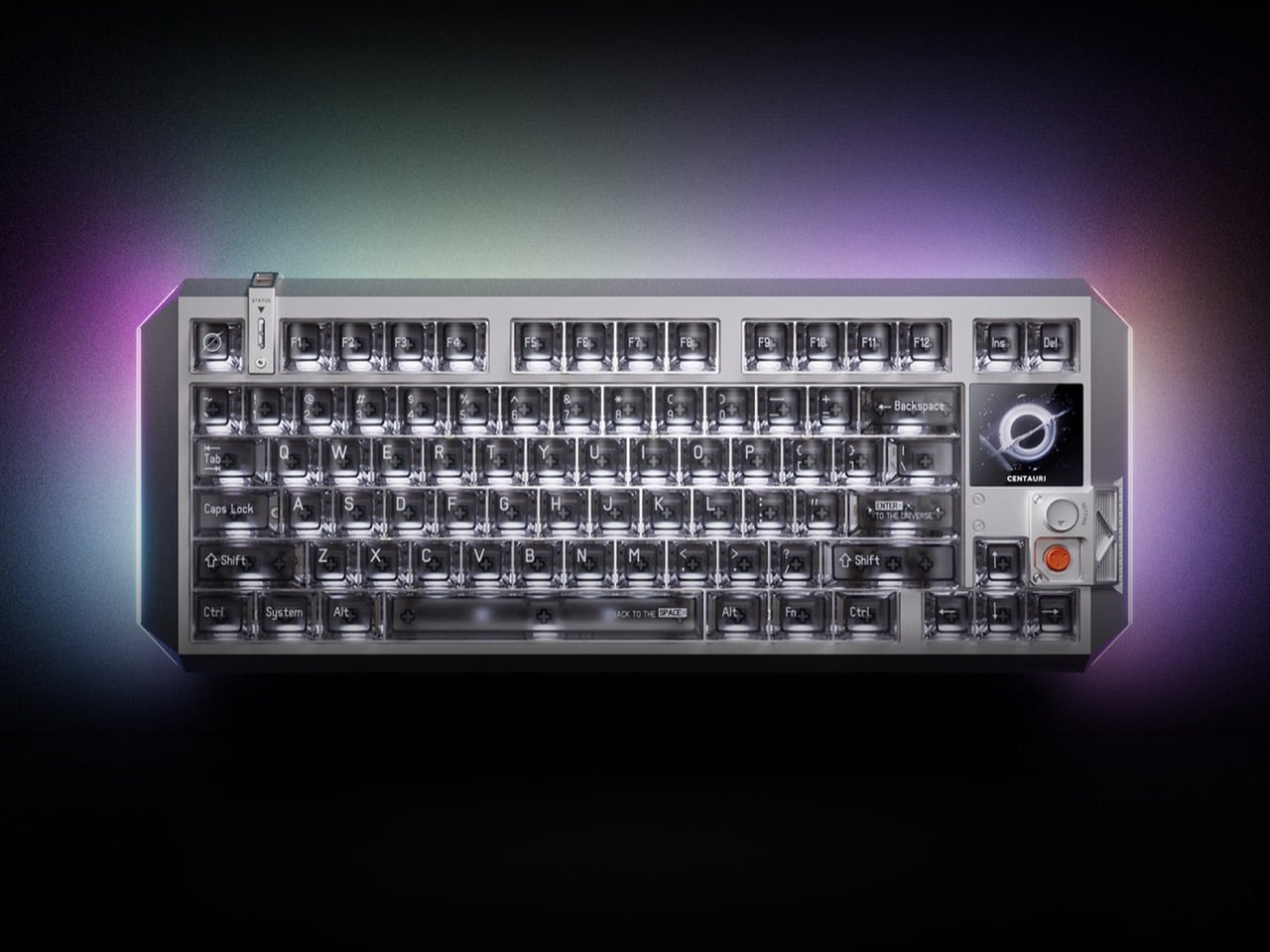
A GameCube Controller on the Nintendo Switch 2? Meet Abxylute’s Deck-style Joy-Con Alternatives

When the Nintendo Switch 2 arrived in June 2025 at $449.99, it came with a 7.9-inch display, a faster processor, and a Joy-Con that doubles as a mouse. What it didn’t come with was a comfortable way to hold it for long sessions. The handheld form factor has always been a compromise between portability and ergonomics, and for players who log serious hours, that compromise starts showing up as wrist fatigue, awkward thumb angles, and a nagging wish for something with a proper grip. The accessory market has tried to fill that space for years, with results ranging from decent to deeply uninspiring.

Abxylute’s answer comes in two forms: the N6 and the N9C, both deck-style controllers purpose-built for Switch 2 play. The N6 wraps the console in a full-size ergonomic grip with Hall-effect joysticks, native 9-axis motion control, a dedicated C Button for GameChat, and adjustable vibration levels the player can cycle through without leaving a session. The N9C leans into personality, drawing from GameCube design DNA with mechanical buttons, trigger switches, and a capacitive joystick system paired with swappable gates.
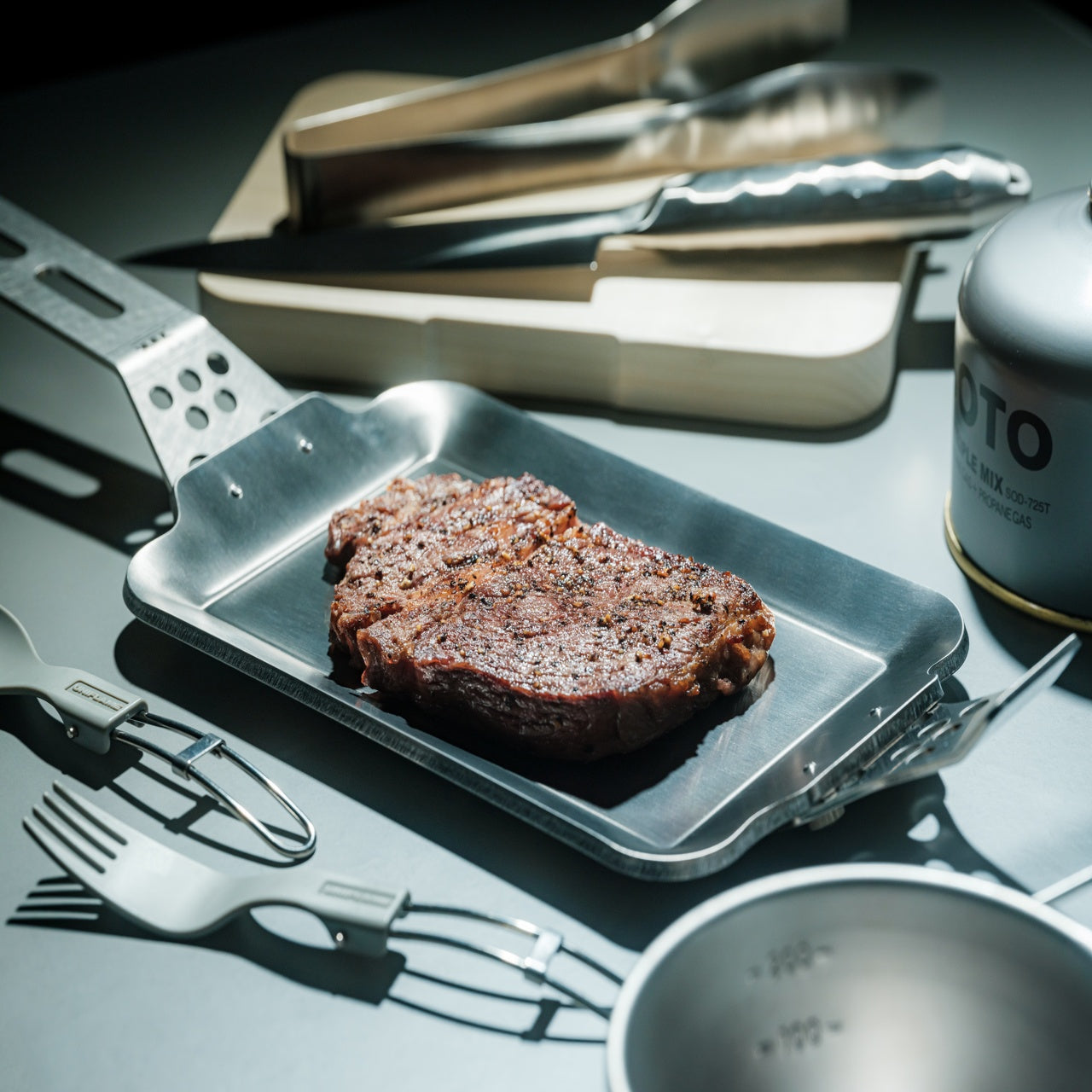
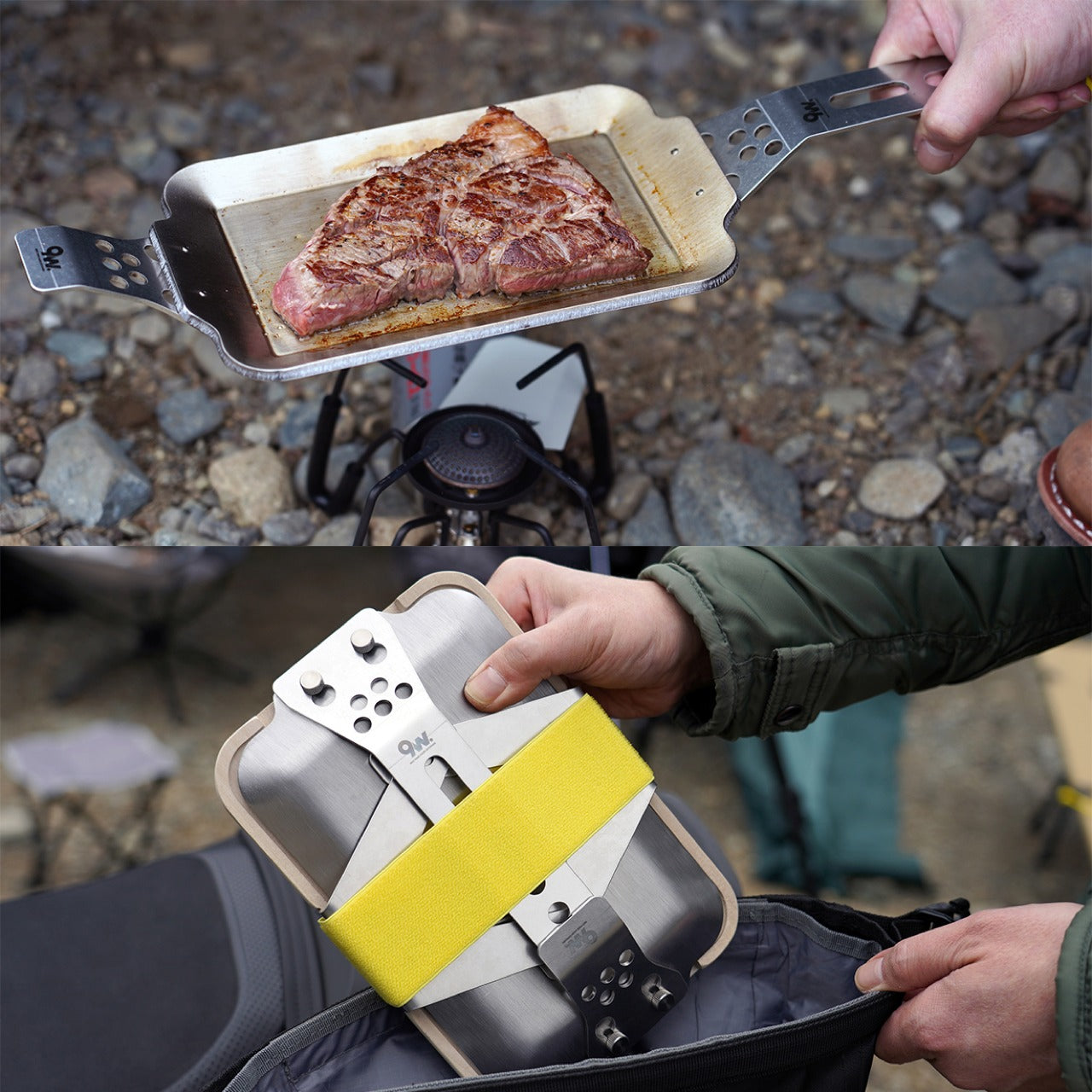
Designer: Abxylute

Click Here to Buy Now: $79 $110 (28% off) Hurry! Only 10 days left.

Joy-Cons were engineered for flexibility: detachable, shareable, usable solo or in pairs, functional as individual controllers for two-player sessions on a single console. That versatility comes at the cost of ergonomics, because a controller small enough to slide into a rail and function independently will never offer the grip depth, trigger travel, or palm support of something purpose-built for extended solo play. The N6 and N9C abandon that modularity entirely in favor of doing one thing exceptionally well, which is making handheld Switch 2 sessions feel like you’re holding a full-size controller instead of a tablet with thumbsticks glued to the sides. The tactile feedback is immediate and familiar, the kind of responsiveness you get from hardware designed around sustained single-player sessions rather than multi-function compromise. Both controllers connect via wired USB-C, skipping wireless pairing lag entirely, because when the target is solo handheld performance, eliminating variables takes priority over flexibility.

The N6’s open-top design is the first thing people will argue about online, and they’ll mostly be wrong. The Switch 2 stands over 11 cm tall, and a fully enclosed grip pushes that height further, putting your palms in the kind of awkward hover position that builds exactly the fatigue you were trying to avoid. Abxylute held the grip height at 8.5 cm, matching full-size controller proportions, so your palms have something to rest against rather than squeeze. The 7-inch grip width sits narrower than the console body deliberately, keeping your hands at a natural, relaxed spread instead of forcing them wide across a bulky frame. The physics of holding something for two hours straight are pretty straightforward, and this design reads those physics correctly.

Hall-effect joysticks solve a specific, measurable problem that standard potentiometer sticks fundamentally cannot. Potentiometer sticks use resistive contact that physically degrades over repeated use, which is why drift rates climb after a year or two of regular play. Hall-effect reads joystick position magnetically, with zero physical contact between moving components, and the N6 bumps the stick travel angle to 23 degrees compared to 18 degrees on Joy-Con, giving your thumbs more range for fine-grained inputs. A POM anti-wear ring around each stick handles mechanical stability without adding stiffness or noise to the movement. It’s a small detail, but the kind that separates purpose-built hardware from a generic controller with a different shell. On a device you use daily, that engineering choice compounds in your favor in a way that contact-based sticks simply never will.

Inputs across the N6 break down by material type, and the distinctions matter. ABXY buttons use conductive rubber for cushioned presses that reduce finger fatigue; the D-pad uses tactile switches for sharper directional accuracy; shoulder buttons deliver tactile clicks for faster responses in action-heavy play; and the linear digital triggers provide a genuine 0-100% input range rather than binary on/off clicks. That trigger range matters considerably in racing games and anything relying on gradual pressure inputs. Vibration adjusts at four levels, 0%, 40%, 70%, and 100%, switchable via button combo directly on the controller, bypassing the game-by-game settings adjustment that the Pro Controller requires. The grip’s internal structure forms a resonance chamber that redirects the Switch 2’s speakers forward and reinforces bass by around 10%, which you’ll register in a quiet room as fuller, punchier audio than bare Joy-Cons produce.

The N9C is doing something more niche and, honestly, more interesting. Where the N6 chases Pro Controller parity, the N9C chases the GameCube controller’s specific feel, complete with a centered A button and asymmetric face layout, rebuilt for a modern console using mechanical micro-switches and ALPS tactile shoulder buttons. Capacitive joysticks sidestep magnetic interference entirely, and the swappable 8-way and circular gate rings mean you can dial in a tight directional gate for fighters and swap to a smooth circular gate for platformers. A built-in battery hatch holds two replaceable batteries that reverse-charge the Switch 2 directly during play. Most grips on the market ignore battery life almost entirely, and a reverse charge system that powers the Switch 2 directly from the controller is a differentiator almost nothing else in this category offers.

The N9C carries four programmable rear buttons, two per side compared to the N6’s one per side, and each supports the same macro-recording system that chains directional inputs and actions into a single trigger. Switch 2 system-level button remapping works natively, requiring no third-party software, so a custom layout travels across every game without reconfiguring anything. An integrated rear stand sets the N9C apart from virtually every grip in this category, giving the Switch 2 a propped tabletop angle without relying on the console’s own kickstand. The primary connection is wired USB-C for ultra-low latency, with BLE available for configuration only, keeping the input chain clean during actual play. Every N9C ships with both C-stick and ring-style joystick caps in the box, so players can dial in the stick feel before the packaging hits the trash.

Mass production kicked off in March 2026, with shipping expected between April and June. Super Early Bird pricing runs $79 for the N6 (retail $110) and $89 for the N9C (retail $120), with a bundle sitting at $159. Nintendo’s own Pro Controller for Switch 2 retails at $79.99 and carries none of the Hall-effect sticks, programmable back buttons, or turbo functionality. Abxylute has shipped over 120,000 units across more than 20 projects to 100,000-plus customers, so the production infrastructure exists. What they’re solving for is specific: handheld Switch 2 play that performs at Pro Controller level without forcing players to accept the Joy-Con’s ergonomic ceiling as permanent.

Click Here to Buy Now: $79 $110 (28% off) Hurry! Only 10 days left.

The post A GameCube Controller on the Nintendo Switch 2? Meet Abxylute’s Deck-style Joy-Con Alternatives first appeared on Yanko Design.